Library
Browse and search books
2,169 novels found
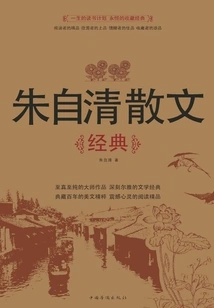
Zhu Ziqing's Prose Classics
Literature朱自清散文经典
Zhu Ziqing
Zhu Ziqing is a master of prose in the history of modern Chinese literature, and his prose is regarded as a model of skillful use of vernacular. This book contains the most representative works of Zhu Ziqing's works such as "Traces", "Back", "European Travel Notes", "London Miscellaneous Notes", "Standards and Measures".
Zhu Ziqing is a master of prose in the history of modern Chinese literature, and his prose is regarded as a model of skillful use of vernacular. This book contains the most representative works of Zhu Ziqing's works such as "Traces", "Back", "European Travel Notes", "London Miscellaneous Notes", "Standards and Measures".
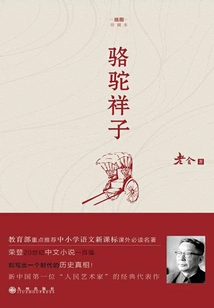
Camel Xiangzi (illustrated Collection)
Literature骆驼祥子(插图珍藏本)
Lao She
"Camel Xiangzi" is not only a landmark work in the history of modern Chinese literature, but also an internationally renowned realist classic. The work tells the story of Xiangzi, a rickshaw puller in the old city of Beiping, China. The book makes extensive use of Beijing colloquialisms and dialects, as well as some descriptions of the customs and customs of old Beijing, making it read in a friendly, natural and catchy way. The novel has also been adapted into operas, plays, movies and TV series, and has been widely welcomed.
"Camel Xiangzi" is not only a landmark work in the history of modern Chinese literature, but also an internationally renowned realist classic. The work tells the story of Xiangzi, a rickshaw puller in the old city of Beiping, China. The book makes extensive use of Beijing colloquialisms and dialects, as well as some descriptions of the customs and customs of old Beijing, making it read in a friendly, natural and catchy way. The novel has also been adapted into operas, plays, movies and TV series, and has been widely welcomed.
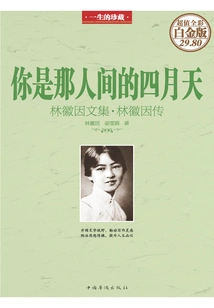
你是那人间的四月天:林徽因文集·林徽因传(彩图精装)
Lin Huiyin Jiang Wenyi
"You Are the April Day in the World: Collected Works of Lin Huiyin·The Biography of Lin Huiyin" introduces that she is the blossoming of each tree, the coming of spring in thousands of mountains and plains, and the April day in the world. She walked through the morning smoke in Peiping, through the night fog in Camqiao, and when she looked into the distance, she fell into the pages of Xu Zhimo's poems. Wearing a green shirt, she painted in Liang Sicheng's drawings while praying devoutly in the quaint temple. Her friendship with the academic leader Jin Yuelin was praised as "the relationship between people has reached the most beautiful and noble state." She not only has a beautiful appearance, but also has witty and humorous conversation, and elegant and charming temperament; she is a talented poet, a penetrating critic, and an accomplished architect; she is a fascinating lover and a friend who makes people feel like spring breeze. She is a wife who can share weal and woe; she marks the color of an era, is independent from the world, has a soul of poetry, and is born purely for beauty and love... She is Lin Huiyin, who has "both talent and beauty" in the history of Chinese culture for nearly a hundred years, and combines good stories, legends, talents, ethics, and beauty! She is an outstanding woman with great personal charm and literary talent. Her broad mind, extreme intelligence, outstanding talent and rich experience have been honed into an inner spiritual temperament that is admired by the world. Her works have both rigorous scientific connotations and are full of poetic imagery. They perfectly combine the scientific spirit of architects with the literary temperament of writers. Her achievements are no less than those of many famous masters at that time. Lin Huiyin is a legend of the last century and the most memorable woman of the Republic of China. Her name, like her person, has been passed down to this day and is still praised by everyone. Listen to her stories, read her poems, read her writings, miss her appearance, follow her voice... Meet a real Lin Huiyin, read about the unparalleled talents and emotions that flowed for love, and understand the legendary life of a generation of talented women in the Republic of China.
"You Are the April Day in the World: Collected Works of Lin Huiyin·The Biography of Lin Huiyin" introduces that she is the blossoming of each tree, the coming of spring in thousands of mountains and plains, and the April day in the world. She walked through the morning smoke in Peiping, through the night fog in Camqiao, and when she looked into the distance, she fell into the pages of Xu Zhimo's poems. Wearing a green shirt, she painted in Liang Sicheng's drawings while praying devoutly in the quaint temple. Her friendship with the academic leader Jin Yuelin was praised as "the relationship between people has reached the most beautiful and noble state." She not only has a beautiful appearance, but also has witty and humorous conversation, and elegant and charming temperament; she is a talented poet, a penetrating critic, and an accomplished architect; she is a fascinating lover and a friend who makes people feel like spring breeze. She is a wife who can share weal and woe; she marks the color of an era, is independent from the world, has a soul of poetry, and is born purely for beauty and love... She is Lin Huiyin, who has "both talent and beauty" in the history of Chinese culture for nearly a hundred years, and combines good stories, legends, talents, ethics, and beauty! She is an outstanding woman with great personal charm and literary talent. Her broad mind, extreme intelligence, outstanding talent and rich experience have been honed into an inner spiritual temperament that is admired by the world. Her works have both rigorous scientific connotations and are full of poetic imagery. They perfectly combine the scientific spirit of architects with the literary temperament of writers. Her achievements are no less than those of many famous masters at that time. Lin Huiyin is a legend of the last century and the most memorable woman of the Republic of China. Her name, like her person, has been passed down to this day and is still praised by everyone. Listen to her stories, read her poems, read her writings, miss her appearance, follow her voice... Meet a real Lin Huiyin, read about the unparalleled talents and emotions that flowed for love, and understand the legendary life of a generation of talented women in the Republic of China.
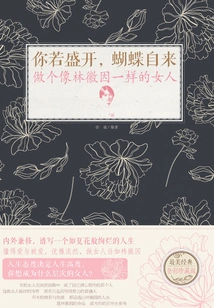
你若盛开,蝴蝶自来:做个像林徽因一样的女人
Compiled By Gong Rui
Gong Rui, the editor of "If You Bloom, Butterflies Will Come: Be a Woman Like Lin Huiyin" uses Lin Huiyin's rich life experience as a model, starting from her personality, temperament, cultivation, taste, love, marriage, outlook on life, values and other aspects.
Gong Rui, the editor of "If You Bloom, Butterflies Will Come: Be a Woman Like Lin Huiyin" uses Lin Huiyin's rich life experience as a model, starting from her personality, temperament, cultivation, taste, love, marriage, outlook on life, values and other aspects.
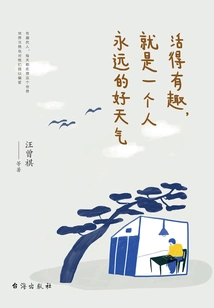
活得有趣,就是一个人永远的好天气
Wang Zengqi
This is a collection of humorous and interesting prose works by modern and contemporary famous writers. The writers are greedy, greedy and playful in the book. In their writings, all the food is the taste of the world, and all the flowers, plants, trees and weather are permeated with poetry and sentiment. Suddenly, I discovered that the people of that era were not "old antiques", they were writers, and more importantly, "lifestylers". Their stories tell us: In this life, one must always maintain curiosity about life and always be willful, so that life will always be interesting. The book selects classic prose from Wang Zengqi, Liang Shiqiu, Feng Zikai, Lao She, Zhu Ziqing and other literary masters. Playing with cats, raising flowers, drinking tea, taking a walk... Are obviously very common things, but they are filled with interest. After reading some of their prose, you will love the world even more.
This is a collection of humorous and interesting prose works by modern and contemporary famous writers. The writers are greedy, greedy and playful in the book. In their writings, all the food is the taste of the world, and all the flowers, plants, trees and weather are permeated with poetry and sentiment. Suddenly, I discovered that the people of that era were not "old antiques", they were writers, and more importantly, "lifestylers". Their stories tell us: In this life, one must always maintain curiosity about life and always be willful, so that life will always be interesting. The book selects classic prose from Wang Zengqi, Liang Shiqiu, Feng Zikai, Lao She, Zhu Ziqing and other literary masters. Playing with cats, raising flowers, drinking tea, taking a walk... Are obviously very common things, but they are filled with interest. After reading some of their prose, you will love the world even more.
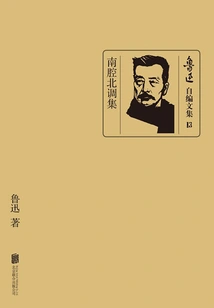
南腔北调集
Lu Xun
"Collection of Nanqiangbei Diao" is a collection of essays by Lu Xun, which contains fifty-one essays written by Lu Xun between 1927 and 1929. At that time, a scholar in Shanghai who signed his name "Meizi" attacked Lu Xun in an article "Sketches of Writers": "Lu Xun likes to speak very much, but he has a stutter, and he has a 'Southern accent and a Northern accent.'" In response, Lu Xun counterattacked: "I can't speak soft Su Bai, and I can't play a loud Beijing tune. If I don't follow the tune, I won't be popular. It's really a Southern accent." It showed that he was unwilling to follow the crowd and despised boring literati. Therefore, my husband named this collection published in March 1934 "Collection of Nanqiangbei Diao", which was a kind of self-deprecation and a mockery of Meiko.
"Collection of Nanqiangbei Diao" is a collection of essays by Lu Xun, which contains fifty-one essays written by Lu Xun between 1927 and 1929. At that time, a scholar in Shanghai who signed his name "Meizi" attacked Lu Xun in an article "Sketches of Writers": "Lu Xun likes to speak very much, but he has a stutter, and he has a 'Southern accent and a Northern accent.'" In response, Lu Xun counterattacked: "I can't speak soft Su Bai, and I can't play a loud Beijing tune. If I don't follow the tune, I won't be popular. It's really a Southern accent." It showed that he was unwilling to follow the crowd and despised boring literati. Therefore, my husband named this collection published in March 1934 "Collection of Nanqiangbei Diao", which was a kind of self-deprecation and a mockery of Meiko.
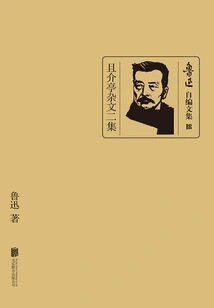
且介亭杂文二集
Lu Xun
This book contains forty-eight essays written by the author in 1935. It was not written by the author personally in 1935. It was first published by Shanghai Sanxian Bookstore in July 1937.
This book contains forty-eight essays written by the author in 1935. It was not written by the author personally in 1935. It was first published by Shanghai Sanxian Bookstore in July 1937.
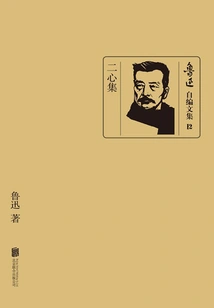
Two Hearts Collection
Literature二心集
Lu Xun
"Two Hearts Collection" is a collection of Lu Xun's essays, including thirty-seven essays written by Lu Xun from 1930 to 1931. Including "Good Governmentism", "On the Surprise of Friendships", "Bereaved" and "Capitalist's Lame Dog", "The Story of Rou Shi", "Serving the Country with Feet", etc. At the end is a translation of "Modern Film and the Property-owning Stage". "Two Hearts Collection" is a collection of Lu Xun's essays, including thirty-seven essays written by Lu Xun from 1930 to 1931. Including "Good Governmentism", "On the Surprise of Friendships", "Bereaved" and "Capitalist's Lame Dog", "The Story of Rou Shi", "Serving the Country with Feet", etc. At the end is a translation of "Modern Film and the Property-owning Stage".
"Two Hearts Collection" is a collection of Lu Xun's essays, including thirty-seven essays written by Lu Xun from 1930 to 1931. Including "Good Governmentism", "On the Surprise of Friendships", "Bereaved" and "Capitalist's Lame Dog", "The Story of Rou Shi", "Serving the Country with Feet", etc. At the end is a translation of "Modern Film and the Property-owning Stage". "Two Hearts Collection" is a collection of Lu Xun's essays, including thirty-seven essays written by Lu Xun from 1930 to 1931. Including "Good Governmentism", "On the Surprise of Friendships", "Bereaved" and "Capitalist's Lame Dog", "The Story of Rou Shi", "Serving the Country with Feet", etc. At the end is a translation of "Modern Film and the Property-owning Stage".
Jiwaiji
Literature集外集
Lu Xun
This book is a collection of poems and essays that were not included in the author's collection of essays published before 1933. It was published by Shanghai Qunzhong Book Company in May 1935. Only one edition was printed during the author's lifetime. This time, only two articles, "\u003CCollection of Short Stories in the Modern World\u003ESmall Quotes" and the translated version "Poems of Petofi Sandor", which have been compiled into "Sanxian Collection", have been taken out. The "preparations" for the three chapters "Beyond Chewing", "Bearing Before Chewing" and "Pastoral Thoughts" were copied out by the author himself after the book was published. Those originally intended to be printed in "Collection Supplements" are now placed after the relevant texts in this collection; " The letters of "Communication (Fu Miao River)" were copied and supplemented this time; the last one was omitted in the first edition of "\u003CBenliu\u003E Editor's Postscript", which has been added now; the old-style poems collected have been adjusted in order according to the time of writing. This book is a collection of poems and essays that were not included in the author's collection of essays published before 1933. It was published by Shanghai Qunzhong Book Company in May 1935. Only one edition was printed during the author's lifetime. This time, only two articles, "\u003CCollection of Short Stories in the Modern World\u003ESmall Quotes" and the translated version "Poems of Petofi Sandor", which have been compiled into "Sanxian Collection", have been taken out. The "preparations" for the three chapters "Beyond Chewing", "Bearing Before Chewing" and "Pastoral Thoughts" were copied out by the author himself after the book was published. Those originally intended to be printed in "Collection Supplements" are now placed after the relevant texts in this collection; " The letters of "Communication (Fu Miao River)" were copied and supplemented this time; the last one was omitted in the first edition of "\u003CBenliu\u003E Editor's Postscript", which has been added now; the old-style poems collected have been adjusted in order according to the time of writing.
This book is a collection of poems and essays that were not included in the author's collection of essays published before 1933. It was published by Shanghai Qunzhong Book Company in May 1935. Only one edition was printed during the author's lifetime. This time, only two articles, "\u003CCollection of Short Stories in the Modern World\u003ESmall Quotes" and the translated version "Poems of Petofi Sandor", which have been compiled into "Sanxian Collection", have been taken out. The "preparations" for the three chapters "Beyond Chewing", "Bearing Before Chewing" and "Pastoral Thoughts" were copied out by the author himself after the book was published. Those originally intended to be printed in "Collection Supplements" are now placed after the relevant texts in this collection; " The letters of "Communication (Fu Miao River)" were copied and supplemented this time; the last one was omitted in the first edition of "\u003CBenliu\u003E Editor's Postscript", which has been added now; the old-style poems collected have been adjusted in order according to the time of writing. This book is a collection of poems and essays that were not included in the author's collection of essays published before 1933. It was published by Shanghai Qunzhong Book Company in May 1935. Only one edition was printed during the author's lifetime. This time, only two articles, "\u003CCollection of Short Stories in the Modern World\u003ESmall Quotes" and the translated version "Poems of Petofi Sandor", which have been compiled into "Sanxian Collection", have been taken out. The "preparations" for the three chapters "Beyond Chewing", "Bearing Before Chewing" and "Pastoral Thoughts" were copied out by the author himself after the book was published. Those originally intended to be printed in "Collection Supplements" are now placed after the relevant texts in this collection; " The letters of "Communication (Fu Miao River)" were copied and supplemented this time; the last one was omitted in the first edition of "\u003CBenliu\u003E Editor's Postscript", which has been added now; the old-style poems collected have been adjusted in order according to the time of writing.
Pseudo Free Book
Literature伪自由书
Lu Xun
"Pseudo-Freedom" is a collection of Lu Xun's essays. It contains forty-three essays written by Lu Xun in 1933. It is a record of Lu Xun's political struggle and ideological criticism using essays as weapons at a specific historical period, including "Watching the Fight", "Talents in the Grand View Garden", "From Satire to Humor", "The Secret of Selling Your Soul", "Circle of Life of the Chinese", etc.
"Pseudo-Freedom" is a collection of Lu Xun's essays. It contains forty-three essays written by Lu Xun in 1933. It is a record of Lu Xun's political struggle and ideological criticism using essays as weapons at a specific historical period, including "Watching the Fight", "Talents in the Grand View Garden", "From Satire to Humor", "The Secret of Selling Your Soul", "Circle of Life of the Chinese", etc.
The Final Edition of Qiejieting's Essays
Literature且介亭杂文末编
Lu Xun
This book contains thirty-five essays written by the author in 1936. It was compiled during the author's lifetime and later compiled by Xu Guangping. It was first published by Shanghai Sanxian Bookstore in July 1937.
This book contains thirty-five essays written by the author in 1936. It was compiled during the author's lifetime and later compiled by Xu Guangping. It was first published by Shanghai Sanxian Bookstore in July 1937.
Huagaiji
Literature华盖集
Lu Xun
"Huagai Collection" is a collection of essays by Lu Xun, published by Beixin Book Company in 1926. This book contains thirty-one essays written by Lu Xun in 1925. Including "Words and Words", "Youth Must Read", "The Soul of Debate", "Three Insects in Summer", "Sudden Thoughts", "My View of Peking University", "Fragments", etc.
"Huagai Collection" is a collection of essays by Lu Xun, published by Beixin Book Company in 1926. This book contains thirty-one essays written by Lu Xun in 1925. Including "Words and Words", "Youth Must Read", "The Soul of Debate", "Three Insects in Summer", "Sudden Thoughts", "My View of Peking University", "Fragments", etc.
A Brief History of Chinese Novels
Literature中国小说史略
Lu Xun
This book is the first monograph on the history of Chinese novels compiled by Mr. Lu Xun. The book has a total of twenty-eight chapters, describing the occurrence, development, and evolution of ancient Chinese novels, starting from myths and legends and ending with condemnation novels in the late Qing Dynasty. This book collects a wealth of information, carefully collects and compiles it, and analyzes the thought and art of novels of all ages. It is concise and comprehensive, and its judgment is fair. It is a landmark classic work in the twentieth century.
This book is the first monograph on the history of Chinese novels compiled by Mr. Lu Xun. The book has a total of twenty-eight chapters, describing the occurrence, development, and evolution of ancient Chinese novels, starting from myths and legends and ending with condemnation novels in the late Qing Dynasty. This book collects a wealth of information, carefully collects and compiles it, and analyzes the thought and art of novels of all ages. It is concise and comprehensive, and its judgment is fair. It is a landmark classic work in the twentieth century.
Quasi Romantic Talk
Literature准风月谈
Lu Xun
"Quan Feng Yue Tan" is a collection of essays by Lu Xun, which contains sixty-four essays written by Lu Xun in 1933. Including "Song of the Night", "Eating White Prime Minister's Rice", "Morning Cool Chronicles", "Autumn Night Journey", "Sikuquanshu Rare Books", "The Evolution of Men", "Lessons from Movies", "About Translation (Part 1)", "Drinking Tea", "Also in Foreign Countries", etc.
"Quan Feng Yue Tan" is a collection of essays by Lu Xun, which contains sixty-four essays written by Lu Xun in 1933. Including "Song of the Night", "Eating White Prime Minister's Rice", "Morning Cool Chronicles", "Autumn Night Journey", "Sikuquanshu Rare Books", "The Evolution of Men", "Lessons from Movies", "About Translation (Part 1)", "Drinking Tea", "Also in Foreign Countries", etc.
New Story
Literature故事新编
Lu Xun
"New Stories" is a collection of short stories written by Mr. Lu Xun based on ancient myths and historical legends. It includes 8 works written by him in different periods. The language of these works adheres to Mr. Lu Xun's consistent writing style, which is humorous, tactful and satirical. Although the content of the story comes from history, it only uses a little reason. After the author touches it at will, what is displayed in front of us is a wonderful and interesting picture.
"New Stories" is a collection of short stories written by Mr. Lu Xun based on ancient myths and historical legends. It includes 8 works written by him in different periods. The language of these works adheres to Mr. Lu Xun's consistent writing style, which is humorous, tactful and satirical. Although the content of the story comes from history, it only uses a little reason. After the author touches it at will, what is displayed in front of us is a wonderful and interesting picture.
汉文学史纲要
Lu Xun
This book is a lecture notes written by Lu Xun when he was teaching the history of Chinese literature at Xiamen University in 1926. It is divided into chapters and printed one after another. The title of the book is engraved in the middle of each page. The first three chapters are "A Brief History of Chinese Literature" (or simply "History of Literature"), and the fourth to tenth chapters are all "An Outline of the History of Chinese Literature". When it was compiled into "The Complete Works of Lu Xun" and first officially published in 1938, the latter was used as the title. Since then, it has been the same in all editions, and this edition still uses it.
This book is a lecture notes written by Lu Xun when he was teaching the history of Chinese literature at Xiamen University in 1926. It is divided into chapters and printed one after another. The title of the book is engraved in the middle of each page. The first three chapters are "A Brief History of Chinese Literature" (or simply "History of Literature"), and the fourth to tenth chapters are all "An Outline of the History of Chinese Literature". When it was compiled into "The Complete Works of Lu Xun" and first officially published in 1938, the latter was used as the title. Since then, it has been the same in all editions, and this edition still uses it.
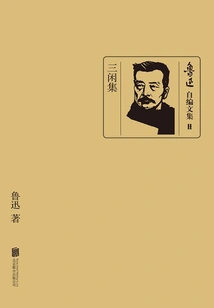
Sanxianji
Literature三闲集
Lu Xun
"Sanxian Ji" is a collection of essays by Lu Xun, which contains thirty-four essays written by Lu Xun between 1927 and 1929. Including "Silent China", "On the Bell Tower (Night Notes Part 2)", "An Account of Hong Kong's Christmas Wishes", "Short Introduction to "February" by Rou Shi", "The Changes of Hooligans", etc.
"Sanxian Ji" is a collection of essays by Lu Xun, which contains thirty-four essays written by Lu Xun between 1927 and 1929. Including "Silent China", "On the Bell Tower (Night Notes Part 2)", "An Account of Hong Kong's Christmas Wishes", "Short Introduction to "February" by Rou Shi", "The Changes of Hooligans", etc.
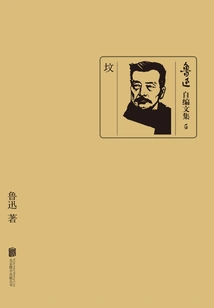
Grave
Literature坟
Lu Xun
It is compiled and selected strictly in accordance with the version chosen by Lu Xun during his lifetime, and the version is authoritative. A collection of Lu Xun's classic essays. In the essays included in "Grave", Lu Xun prominently used historical writing to vividly quote facts, express love and hate, criticize current ills, and demonstrate ancient and modern times.
It is compiled and selected strictly in accordance with the version chosen by Lu Xun during his lifetime, and the version is authoritative. A collection of Lu Xun's classic essays. In the essays included in "Grave", Lu Xun prominently used historical writing to vividly quote facts, express love and hate, criticize current ills, and demonstrate ancient and modern times.
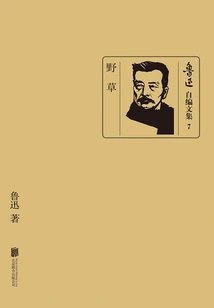
Weed
Literature野草
Lu Xun
This book includes 23 prose poems written by Mr. Lu Xun in Beijing from September 1924 to April 1926 and one "Inscription" written when compiling the collection in 1927. "Weeds" runs through serious self-dissection and unremitting ideological exploration. Its artistic features are distinctive - symbolic and metaphorical techniques, rich imagination and strange conception. Two artists, Qiu Sha and Wang Weiqun, spent their entire lives "revealing Lu Xun's ideological system" with their brushes, persisting in their exploration, painstakingly conceiving, and boldly creating. They reproduced Lu Xun's world with "accuracy in reasoning, profoundness in expression, and exquisiteness in art."
This book includes 23 prose poems written by Mr. Lu Xun in Beijing from September 1924 to April 1926 and one "Inscription" written when compiling the collection in 1927. "Weeds" runs through serious self-dissection and unremitting ideological exploration. Its artistic features are distinctive - symbolic and metaphorical techniques, rich imagination and strange conception. Two artists, Qiu Sha and Wang Weiqun, spent their entire lives "revealing Lu Xun's ideological system" with their brushes, persisting in their exploration, painstakingly conceiving, and boldly creating. They reproduced Lu Xun's world with "accuracy in reasoning, profoundness in expression, and exquisiteness in art."
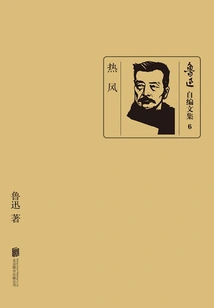
Hot Air
Literature热风
Lu Xun
"Hot Wind" contains forty-one essays written by the author from 1918 to 1924. First published by Beijing Beixin Book Company in November 1925. A total of ten editions were printed during the author's lifetime. Lu Xun made some short comments in the "Reflections" of "New Youth" in the previous year. Because most of the comments he made were minor issues, they were insignificant and the reasons were mostly forgotten. But as far as the current text appears, apart from a few general comments, some of them are about supporting the si, sitting quietly, and boxing; some are about the so-called "preserving the national essence"; some are about the old bureaucrats at that time who were proud of their experience; some are about the caricatures of the Shanghai Times. I remember that at that time, "New Youth" was under attack from all sides, and Lu Xun could only deal with a small part of it.
"Hot Wind" contains forty-one essays written by the author from 1918 to 1924. First published by Beijing Beixin Book Company in November 1925. A total of ten editions were printed during the author's lifetime. Lu Xun made some short comments in the "Reflections" of "New Youth" in the previous year. Because most of the comments he made were minor issues, they were insignificant and the reasons were mostly forgotten. But as far as the current text appears, apart from a few general comments, some of them are about supporting the si, sitting quietly, and boxing; some are about the so-called "preserving the national essence"; some are about the old bureaucrats at that time who were proud of their experience; some are about the caricatures of the Shanghai Times. I remember that at that time, "New Youth" was under attack from all sides, and Lu Xun could only deal with a small part of it.
Lace Literature
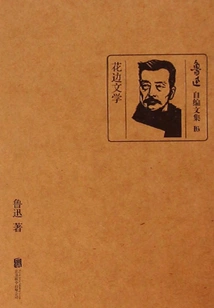
Literature花边文学
Lu Xun
This book is a collection of essays written by Lu Xun in "Lace Literature" and "Pseudo Freedom Letters". "Lace Literature" contains 61 essays written by Lu Xun from January to November 1934. It was published by Shanghai Lianhua Book Company in June 1936 and reprinted in August of the same year. A total of two editions were printed during Lu Xun's lifetime. "Pseudo Free Book" contains 44 essays written by Lu Xun from January to May 1933. It was published by Shanghai Beixin Bookstore under the name of "Qingguang Bookstore" in October 1933. Lu Xun personally designed the cover. Lu Xun only printed one edition during his lifetime.
This book is a collection of essays written by Lu Xun in "Lace Literature" and "Pseudo Freedom Letters". "Lace Literature" contains 61 essays written by Lu Xun from January to November 1934. It was published by Shanghai Lianhua Book Company in June 1936 and reprinted in August of the same year. A total of two editions were printed during Lu Xun's lifetime. "Pseudo Free Book" contains 44 essays written by Lu Xun from January to May 1933. It was published by Shanghai Beixin Bookstore under the name of "Qingguang Bookstore" in October 1933. Lu Xun personally designed the cover. Lu Xun only printed one edition during his lifetime.
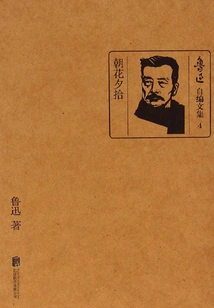
朝花夕拾
Lu Xun
"Morning Blossoms Plucked at Dusk" is Mr. Lu Xun's well-known collection of reminiscence essays. It relatively completely records his life experience and ideological context from childhood to youth. While shaping some distinctive characters, it also integrates these memories into rational thinking. It is a warm and beneficial read.
"Morning Blossoms Plucked at Dusk" is Mr. Lu Xun's well-known collection of reminiscence essays. It relatively completely records his life experience and ideological context from childhood to youth. While shaping some distinctive characters, it also integrates these memories into rational thinking. It is a warm and beneficial read.
Sequel to the Huagai Collection
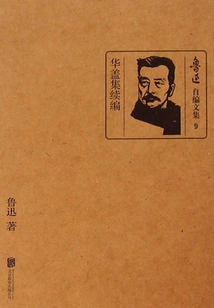
Literature华盖集续编
Lu Xun
In less than a full year, I have written as much mixed feelings as I did last year. Qiu Lai lives by the sea. Currently, he only sees clouds and water, and hears mostly the sound of wind and waves, almost isolated from society. If the environment hadn't changed, there probably wouldn't be any nonsense this year. When I had nothing to do under the lamp, I compiled the old manuscripts and prepared them for printing to provide to customers who wanted to read my mixed feelings.
In less than a full year, I have written as much mixed feelings as I did last year. Qiu Lai lives by the sea. Currently, he only sees clouds and water, and hears mostly the sound of wind and waves, almost isolated from society. If the environment hadn't changed, there probably wouldn't be any nonsense this year. When I had nothing to do under the lamp, I compiled the old manuscripts and prepared them for printing to provide to customers who wanted to read my mixed feelings.
Qiejieting's Essays
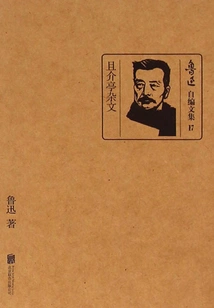
Literature且介亭杂文
Lu Xun
"Qiejieting Essays" is a collection of essays by Lu Xun. This book collects thirty-six essays written by Lu Xun in 1934, including "Two or Three Things About China", "Using Doctrine", "An Eye for an Eye", "Speaking of "Face"", etc. "Qiejie" is made up of half of the word "concession", which means that only half of China's sovereignty is left. These essays are not only sophisticated in technique and rich in argumentation, but the author's application of Marxist theory has also been integrated and integrated into specific content in accordance with the characteristics of miscellany.
"Qiejieting Essays" is a collection of essays by Lu Xun. This book collects thirty-six essays written by Lu Xun in 1934, including "Two or Three Things About China", "Using Doctrine", "An Eye for an Eye", "Speaking of "Face"", etc. "Qiejie" is made up of half of the word "concession", which means that only half of China's sovereignty is left. These essays are not only sophisticated in technique and rich in argumentation, but the author's application of Marxist theory has also been integrated and integrated into specific content in accordance with the characteristics of miscellany.
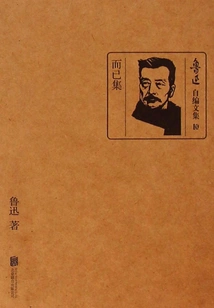
Already Collected
Literature而已集
Lu Xun
"Ji Ji Ji" is a collection of essays written by Lu Xun in 1927 and published in 1928. Faced with the reactionary warlords' massacre of revolutionaries and progressives, Mr. Lu Xun was both resentful and powerless. "In the past six months, I have seen a lot of blood and a lot of tears, but I only have mixed feelings. The tears have dried, the blood has disappeared, and the butchers are free and easy again, some with steel knives, some with soft knives. But I only have 'mixed feelings'. When even the 'mixed feelings' have been 'put where they should go,' I can only say 'nothing more.'" "Ji Ji Ji" is a collection of essays written by Lu Xun in 1927 and published in 1928. Faced with the reactionary warlords' massacre of revolutionaries and progressives, Mr. Lu Xun was both resentful and powerless. "In the past six months, I have seen a lot of blood and a lot of tears, but I only have mixed feelings. The tears have dried, the blood has disappeared, and the butchers are free and easy again, some with steel knives, some with soft knives. But I only have 'mixed feelings'. When even the 'mixed feelings' have been 'put where they should go,' I can only say 'nothing more.'"
"Ji Ji Ji" is a collection of essays written by Lu Xun in 1927 and published in 1928. Faced with the reactionary warlords' massacre of revolutionaries and progressives, Mr. Lu Xun was both resentful and powerless. "In the past six months, I have seen a lot of blood and a lot of tears, but I only have mixed feelings. The tears have dried, the blood has disappeared, and the butchers are free and easy again, some with steel knives, some with soft knives. But I only have 'mixed feelings'. When even the 'mixed feelings' have been 'put where they should go,' I can only say 'nothing more.'" "Ji Ji Ji" is a collection of essays written by Lu Xun in 1927 and published in 1928. Faced with the reactionary warlords' massacre of revolutionaries and progressives, Mr. Lu Xun was both resentful and powerless. "In the past six months, I have seen a lot of blood and a lot of tears, but I only have mixed feelings. The tears have dried, the blood has disappeared, and the butchers are free and easy again, some with steel knives, some with soft knives. But I only have 'mixed feelings'. When even the 'mixed feelings' have been 'put where they should go,' I can only say 'nothing more.'"
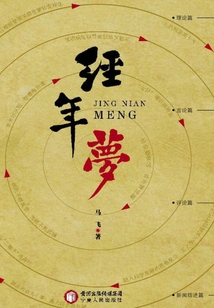
Dream for Years
Literature经年梦
Ma Fei
This book selects more than 100 articles published in "Ningxia Daily", "Wuzhong Daily" and other media in the 23 years since the author has been engaged in propaganda and cultural work. The contents of the recorded articles are permeated by the author's concern for people's livelihood, concern for hot topics, and criticism of ugly phenomena. The book is divided into four chapters: Theory, Speech, Commentary, and News Review. The articles listed in each chapter are basically sorted in order of publication time, which is not only a memory of the past years, but also a testimony to the author's growth experience.
This book selects more than 100 articles published in "Ningxia Daily", "Wuzhong Daily" and other media in the 23 years since the author has been engaged in propaganda and cultural work. The contents of the recorded articles are permeated by the author's concern for people's livelihood, concern for hot topics, and criticism of ugly phenomena. The book is divided into four chapters: Theory, Speech, Commentary, and News Review. The articles listed in each chapter are basically sorted in order of publication time, which is not only a memory of the past years, but also a testimony to the author's growth experience.
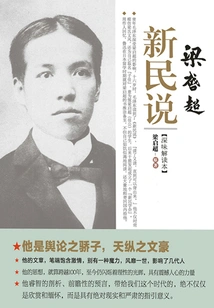
Liang Qichao Xinmin Said
Literature梁启超新民说
Liang Qichao
This book is based on "New People's Theory" published by Shanghai Zhonghua Book Company in 1936. It combines the editor's collection and selection of academic papers that study the influence of "New People's Theory" over the past century since its publication, and public opinion on Liang Qichao's contribution to the history of Chinese enlightenment thought. Based on the 20 sections of the book, the publication background is carefully designed in terms of style. There are four columns: , social response, appreciation of the original text, and today's highlights, in order to preserve Liang Rengong's "emotional writing style", inspiring and exciting writing charm, and at the same time help everyone better understand and digest these precious cultural heritages that have spanned a hundred years and still have strong vitality and practical guiding significance. "New People's Theory" reveals this truth: in order for Chinese society to realize modernization, it must first realize the modernization of Chinese people. When we read "Xin Min Shuo" today, we still feel the tremors in our hearts. This is actually because Liang Rengong's predictions about the future changes in Chinese people's personality characteristics and changes in social customs were extremely accurate and to the point. This is tantamount to a guiding light for us who are currently at the forefront of great ideological changes and are striving to find a way out in the spiritual and cultural fields.
This book is based on "New People's Theory" published by Shanghai Zhonghua Book Company in 1936. It combines the editor's collection and selection of academic papers that study the influence of "New People's Theory" over the past century since its publication, and public opinion on Liang Qichao's contribution to the history of Chinese enlightenment thought. Based on the 20 sections of the book, the publication background is carefully designed in terms of style. There are four columns: , social response, appreciation of the original text, and today's highlights, in order to preserve Liang Rengong's "emotional writing style", inspiring and exciting writing charm, and at the same time help everyone better understand and digest these precious cultural heritages that have spanned a hundred years and still have strong vitality and practical guiding significance. "New People's Theory" reveals this truth: in order for Chinese society to realize modernization, it must first realize the modernization of Chinese people. When we read "Xin Min Shuo" today, we still feel the tremors in our hearts. This is actually because Liang Rengong's predictions about the future changes in Chinese people's personality characteristics and changes in social customs were extremely accurate and to the point. This is tantamount to a guiding light for us who are currently at the forefront of great ideological changes and are striving to find a way out in the spiritual and cultural fields.
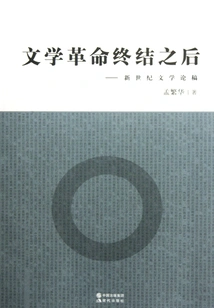
文学革命终结之后:新世纪文学论稿
Meng Fanhua
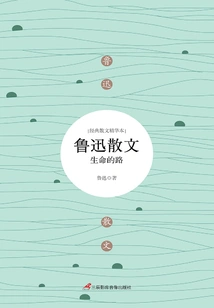
Lu Xun's Prose: the Road of Life
Literature鲁迅散文:生命的路
Lu Xun
Lu Xun's writings are the spiritual food that everyone needs. His works not only have a fighting side, but also a leisurely side, a beautiful side, and even a game side in literature. This book includes Lu Xun's prose collection "Morning Blossoms Plucked at Dusk", prose poetry collection "Wild Grass" and some selected essays. By reading these vivid words, we will get to know a living and lovely Lu Xun.
Lu Xun's writings are the spiritual food that everyone needs. His works not only have a fighting side, but also a leisurely side, a beautiful side, and even a game side in literature. This book includes Lu Xun's prose collection "Morning Blossoms Plucked at Dusk", prose poetry collection "Wild Grass" and some selected essays. By reading these vivid words, we will get to know a living and lovely Lu Xun.
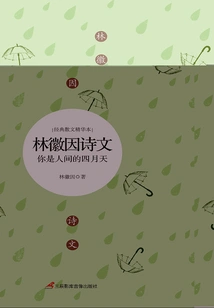
林徽因诗文:你是人间的四月天
Lin Huiyin
This book collects prose, novels, poems and letters from Lin Huiyin's literary works, truly showing her mental journey in literature, architecture, emotions and family, and reflecting that period of history. Her prose is passionate and has long meaning; her poems are graceful and elegant, like chanting and singing, with musical beauty. It has high artistic quality, readability and collection value.
This book collects prose, novels, poems and letters from Lin Huiyin's literary works, truly showing her mental journey in literature, architecture, emotions and family, and reflecting that period of history. Her prose is passionate and has long meaning; her poems are graceful and elegant, like chanting and singing, with musical beauty. It has high artistic quality, readability and collection value.
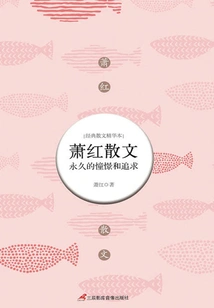
萧红散文:永久的憧憬和追求
Xiao Hong
Although Xiao Hong had an ill-fated fate and a bumpy love life, her passion and literary talents were not buried. She used her short life of 31 years and her creative career of less than 10 years to leave nearly a million words of works to the world, which is admirable! "Xiao Hong's Prose: Eternal Longing and Pursuit" brings together the author's classic prose, classic letters and other works. These classic works can touch the hearts of hundreds of millions of readers and are worthy of reading and collection by readers.
Although Xiao Hong had an ill-fated fate and a bumpy love life, her passion and literary talents were not buried. She used her short life of 31 years and her creative career of less than 10 years to leave nearly a million words of works to the world, which is admirable! "Xiao Hong's Prose: Eternal Longing and Pursuit" brings together the author's classic prose, classic letters and other works. These classic works can touch the hearts of hundreds of millions of readers and are worthy of reading and collection by readers.
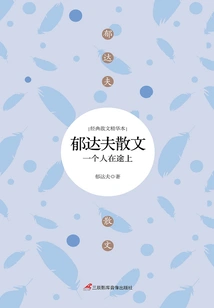
Yu Dafu's Prose: Alone on the Road
Literature郁达夫散文:一个人在途上
Yu Dafu
Yu Dafu advocates in literary creation that "literary works are all autobiographies of writers." In his works, we can see his personal life trajectory and understand the author's thoughts, feelings, personality and life experiences. This book contains many famous prose works written by Yu Dafu, such as "The Return", "Returning to Hometown", "Autumn in the Old Capital", and "Remembering Lu Xun". By reading these vivid words, we will get to know a living Yu Dafu.
Yu Dafu advocates in literary creation that "literary works are all autobiographies of writers." In his works, we can see his personal life trajectory and understand the author's thoughts, feelings, personality and life experiences. This book contains many famous prose works written by Yu Dafu, such as "The Return", "Returning to Hometown", "Autumn in the Old Capital", and "Remembering Lu Xun". By reading these vivid words, we will get to know a living Yu Dafu.
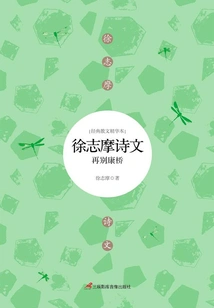
Poems by Xu Zhimo: Farewell to Cambridge
Literature徐志摩诗文:再别康桥
Xu Zhimo
Xu Zhimo spent his whole life constantly pursuing truth, goodness, beauty, freedom and ideals. In his words, his stories, and his love entanglements with famous ladies such as Zhang Youyi, Lin Huiyin, and Lu Xiaoman, we can all feel Xu Zhimo's straightforward and sincere character, and his kindness but also Meng Lang's personality. He founded the Crescent Society, which stirred up the Chinese literary world; he was artistically supreme and unobstructed in his writing. He pursued freedom, bravely but cruelly got rid of the shackles of old-style marriage, and became the first divorced person in the Republic of China; his short life course of 35 years was so free and vigorous. This book contains 64 love poems and some prose by Xu Zhimo, divided into several chapters, and accompanied by fresh literary illustrations. The two complement each other, allowing readers to appreciate the poet's sincere emotions while reading.
Xu Zhimo spent his whole life constantly pursuing truth, goodness, beauty, freedom and ideals. In his words, his stories, and his love entanglements with famous ladies such as Zhang Youyi, Lin Huiyin, and Lu Xiaoman, we can all feel Xu Zhimo's straightforward and sincere character, and his kindness but also Meng Lang's personality. He founded the Crescent Society, which stirred up the Chinese literary world; he was artistically supreme and unobstructed in his writing. He pursued freedom, bravely but cruelly got rid of the shackles of old-style marriage, and became the first divorced person in the Republic of China; his short life course of 35 years was so free and vigorous. This book contains 64 love poems and some prose by Xu Zhimo, divided into several chapters, and accompanied by fresh literary illustrations. The two complement each other, allowing readers to appreciate the poet's sincere emotions while reading.
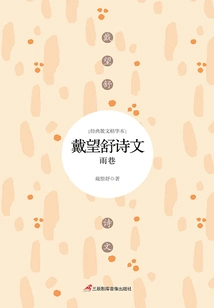
Dai Wangshu's Poems: Rain Alley
Literature戴望舒诗文:雨巷
Dai Wangshu
Dai Wangshu was a talented poet who became famous in the Chinese literary world in the 1930s and 1940s. He was unique in the poetry world with his unique poetic sentiment and poetic skills, and became a representative figure of modern poetry. His famous work "Rain Alley" implicitly shows the author's feelings of confusion, sadness and expectation, giving people a hazy and deep sense of beauty. This book collects prose, poetry, letters, etc. From Dai Wangshu's literary works, allowing readers to appreciate another kind of beauty in Dai Wangshu's creations. It has high artistic quality, readability and collection value.
Dai Wangshu was a talented poet who became famous in the Chinese literary world in the 1930s and 1940s. He was unique in the poetry world with his unique poetic sentiment and poetic skills, and became a representative figure of modern poetry. His famous work "Rain Alley" implicitly shows the author's feelings of confusion, sadness and expectation, giving people a hazy and deep sense of beauty. This book collects prose, poetry, letters, etc. From Dai Wangshu's literary works, allowing readers to appreciate another kind of beauty in Dai Wangshu's creations. It has high artistic quality, readability and collection value.
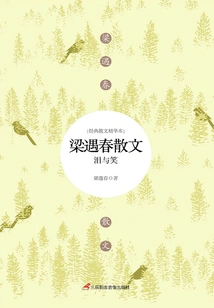
梁遇春散文:泪与笑
Liang Yuchun
Liang Yuchun's prose writes about trivial matters, but there is temperament and wisdom in the trivial matters; although the talk is messy, there is context and structure in the mess. The modern writer Fei Ming commented on Liang Yuchun's exquisite and varied prose, saying that he "breeded a good momentum" and his words were quite beautiful, quite appropriate, and tepid. This book contains many exquisite essays by Liang Yuchun, showing his life as brilliant as an epiphyllum. It has high artistic quality, readability and collection value.
Liang Yuchun's prose writes about trivial matters, but there is temperament and wisdom in the trivial matters; although the talk is messy, there is context and structure in the mess. The modern writer Fei Ming commented on Liang Yuchun's exquisite and varied prose, saying that he "breeded a good momentum" and his words were quite beautiful, quite appropriate, and tepid. This book contains many exquisite essays by Liang Yuchun, showing his life as brilliant as an epiphyllum. It has high artistic quality, readability and collection value.
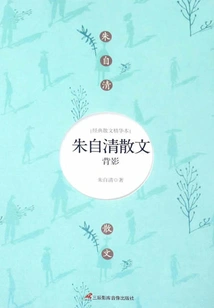
Zhu Ziqing's Prose: Back View
Literature朱自清散文:背影
Zhu Ziqing
It contains classic prose by Zhu Ziqing, a master of modern Chinese prose, including On Nothing to Say, The Fourth Series of Venice, Florence, Rome, Venice, Rhine, Switzerland, Landlady, Christmas, Museum, Beggar and other famous articles. Zhu Ziqing added magnificent colors to modern Chinese prose with his unique artistic style, and created a prose system and style with national characteristics to establish a new aesthetic feature of modern Chinese prose.
It contains classic prose by Zhu Ziqing, a master of modern Chinese prose, including On Nothing to Say, The Fourth Series of Venice, Florence, Rome, Venice, Rhine, Switzerland, Landlady, Christmas, Museum, Beggar and other famous articles. Zhu Ziqing added magnificent colors to modern Chinese prose with his unique artistic style, and created a prose system and style with national characteristics to establish a new aesthetic feature of modern Chinese prose.
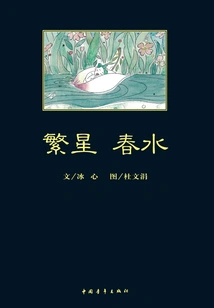
Stars Spring Water
Literature繁星 春水
Bing Xin
"Stars" and "Spring Water" are Bing Xin's masterpieces and her most widely circulated works, enjoying a high reputation at home and abroad. She was influenced by Rabindranath Tagore's philosophical poems and adopted the beauty of Chinese classical poetry. She sang about maternal love, childlike innocence, and nature, forming a unique "starry grid, spring water body" (Mao Dun). Her works are good at capturing momentary inspiration and writing inner feelings and thoughts in a few words. The poetry form is short but meaningful, the language is fresh and the emotion is long. This book uses peacock illustrations. The works are unique in conception, bright in color, fresh and fashionable.
"Stars" and "Spring Water" are Bing Xin's masterpieces and her most widely circulated works, enjoying a high reputation at home and abroad. She was influenced by Rabindranath Tagore's philosophical poems and adopted the beauty of Chinese classical poetry. She sang about maternal love, childlike innocence, and nature, forming a unique "starry grid, spring water body" (Mao Dun). Her works are good at capturing momentary inspiration and writing inner feelings and thoughts in a few words. The poetry form is short but meaningful, the language is fresh and the emotion is long. This book uses peacock illustrations. The works are unique in conception, bright in color, fresh and fashionable.
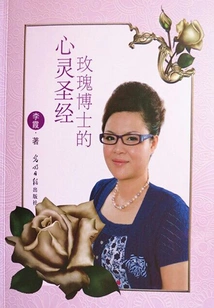
Dr. Rose's Spiritual Bible
Literature玫瑰博士的心灵圣经
Li Xia
The spiritual journey of a legendary woman and the magnificent epic of Fengqi Angel. This book not only contains the life insights of Li Xia, the descendant of China's Yurongfang and the chairman of the board of directors of Shandong Fengqi Group, on the long struggle to create and operate the "Rose Business", but also contains her true life experience of having a healthy, beautiful and elegant life. From these insights and experiences, we see a respectable and inspiring "rose attitude" displayed by a woman who loves life and the rose industry in this era of great waves.
The spiritual journey of a legendary woman and the magnificent epic of Fengqi Angel. This book not only contains the life insights of Li Xia, the descendant of China's Yurongfang and the chairman of the board of directors of Shandong Fengqi Group, on the long struggle to create and operate the "Rose Business", but also contains her true life experience of having a healthy, beautiful and elegant life. From these insights and experiences, we see a respectable and inspiring "rose attitude" displayed by a woman who loves life and the rose industry in this era of great waves.
See the Ordinary
Literature看见平凡
Wang Zengqi
Wang Zengqi's writing is fresh, timeless, and unique in its own way. It seems to have no trace, but it is actually quite interesting. He often writes about friends, teachers, plants, insects, fish, and home-cooked delicacies in ordinary life. With just a few strokes, he is full of humor. He himself once said: "Good language is not weird language, nor is it "adjectives that no one understands" as Lu Xun said. It is just ordinary language. It just injects new ideas into ordinary language and writes "everyone has everything in his heart but nothing in his pen". "The more than 20 articles selected in this book are all "unhumanized language" that "injects new meaning into ordinary language", and the topic selection, conception, and length are all in line with the homework requirements of primary and secondary school students. They can be read for literary inspiration and can also be used as homework models, which is very suitable for primary and secondary school students' extracurricular reading.
Wang Zengqi's writing is fresh, timeless, and unique in its own way. It seems to have no trace, but it is actually quite interesting. He often writes about friends, teachers, plants, insects, fish, and home-cooked delicacies in ordinary life. With just a few strokes, he is full of humor. He himself once said: "Good language is not weird language, nor is it "adjectives that no one understands" as Lu Xun said. It is just ordinary language. It just injects new ideas into ordinary language and writes "everyone has everything in his heart but nothing in his pen". "The more than 20 articles selected in this book are all "unhumanized language" that "injects new meaning into ordinary language", and the topic selection, conception, and length are all in line with the homework requirements of primary and secondary school students. They can be read for literary inspiration and can also be used as homework models, which is very suitable for primary and secondary school students' extracurricular reading.
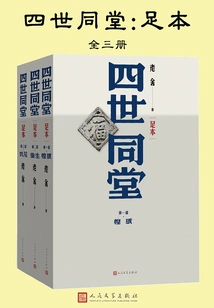
四世同堂:足本(全三册)
Lao She
"Four Generations Under One Roof" is Mr. Lao She's masterpiece. It is divided into three parts: "Confusion", "Stealing Life" and "Famine". It is one of the most representative works in Lao She's creative career. It reflects the lives and struggles of ordinary people in the occupied areas of Peiping during the Anti-Japanese War, and shows the difficult and tortuous path that ordinary people have traveled in the historical process of the great era. This full version was back-translated by translator Bi Bingbin (Dark Horse) based on the English manuscript of "Four Generations Under One Roof" co-translated by Pu Aide and Lao She, and completed the last sixteen sections of the lost third volume "Famine"; in terms of the three standards of honesty and elegance, it has surpassed the already published version.
"Four Generations Under One Roof" is Mr. Lao She's masterpiece. It is divided into three parts: "Confusion", "Stealing Life" and "Famine". It is one of the most representative works in Lao She's creative career. It reflects the lives and struggles of ordinary people in the occupied areas of Peiping during the Anti-Japanese War, and shows the difficult and tortuous path that ordinary people have traveled in the historical process of the great era. This full version was back-translated by translator Bi Bingbin (Dark Horse) based on the English manuscript of "Four Generations Under One Roof" co-translated by Pu Aide and Lao She, and completed the last sixteen sections of the lost third volume "Famine"; in terms of the three standards of honesty and elegance, it has surpassed the already published version.
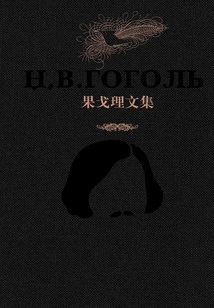
果戈理文集(全7册)
I
We plan to compile a seven-volume "Collected Works of Gogol". Gogol's works are of various genres, including novels, novellas, short stories, dramas, reviews, etc., So they are divided into volumes according to the selection principle of genre: Volume 1: short and medium-sized novels "Nights in the Countryside with Dikonka", "Mirgrad", "Stories of Petersburg", etc. The second volume: the drama "The Imperial Envoy", "The Wedding", etc.; The third volume: the novel "Dead Souls"; the fourth volume: the collection of letters "Letter with Friends", etc.; The fifth volume: literary theory.
We plan to compile a seven-volume "Collected Works of Gogol". Gogol's works are of various genres, including novels, novellas, short stories, dramas, reviews, etc., So they are divided into volumes according to the selection principle of genre: Volume 1: short and medium-sized novels "Nights in the Countryside with Dikonka", "Mirgrad", "Stories of Petersburg", etc. The second volume: the drama "The Imperial Envoy", "The Wedding", etc.; The third volume: the novel "Dead Souls"; the fourth volume: the collection of letters "Letter with Friends", etc.; The fifth volume: literary theory.
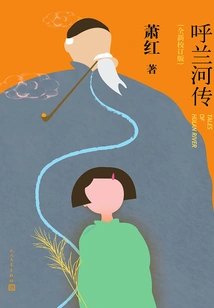
呼兰河传(全新校订版)
Xiao Hong
"The Story of Hulan River" is one of Xiao Hong's most famous works, completed in Hong Kong in 1940. This work is based on Xiao Hong's hometown and childhood life, and has a unique artistic form. Xiao Hong's skillful recall skills, lyrical prose style, and heavy yet light writing style have created the pinnacle of her "memory" style. This reprint is based on the first edition of the Shanghai Magazine Company in 1941, and has been revised with reference to several other editions. Also attached are several other masterpieces by Xiao Hong, "Eternal Longing and Pursuit", "March in a Small Town", etc. Through these works, readers can basically appreciate the essence of Xiao Hong's creation.
"The Story of Hulan River" is one of Xiao Hong's most famous works, completed in Hong Kong in 1940. This work is based on Xiao Hong's hometown and childhood life, and has a unique artistic form. Xiao Hong's skillful recall skills, lyrical prose style, and heavy yet light writing style have created the pinnacle of her "memory" style. This reprint is based on the first edition of the Shanghai Magazine Company in 1941, and has been revised with reference to several other editions. Also attached are several other masterpieces by Xiao Hong, "Eternal Longing and Pursuit", "March in a Small Town", etc. Through these works, readers can basically appreciate the essence of Xiao Hong's creation.
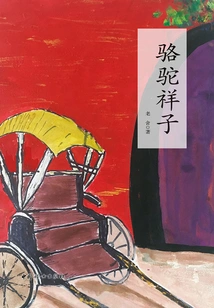
Camel Xiangzi
Literature骆驼祥子
Lao She
"Camel Xiangzi" describes the tragic experiences of Xiangzi who moved from the countryside to Beijing. It tells the story of how Xiangzi, a kind, responsible and righteous rickshaw puller, gradually deteriorated in life, personality and politics under the corrosion of the dark society, and finally became neither a human nor a ghost.
"Camel Xiangzi" describes the tragic experiences of Xiangzi who moved from the countryside to Beijing. It tells the story of how Xiangzi, a kind, responsible and righteous rickshaw puller, gradually deteriorated in life, personality and politics under the corrosion of the dark society, and finally became neither a human nor a ghost.
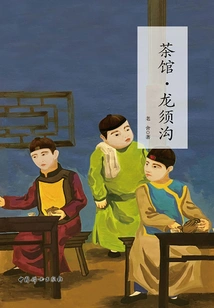
Teahouse·longxugou
Literature茶馆·龙须沟
Lao She
"Teahouse" is one of Mr. Lao She's masterpieces. Lao She condensed a time span of half a century and more than 50 characters into a teahouse, summarizing the opposition and conflicts between various classes and forces in Chinese society, and revealing the historical destiny of semi-colonial and semi-feudal society. "Longxugou" is an ode to the new socialist China, reflecting the different fates of the Chinese people before and after liberation as well as their support and love for the party and the government.
"Teahouse" is one of Mr. Lao She's masterpieces. Lao She condensed a time span of half a century and more than 50 characters into a teahouse, summarizing the opposition and conflicts between various classes and forces in Chinese society, and revealing the historical destiny of semi-colonial and semi-feudal society. "Longxugou" is an ode to the new socialist China, reflecting the different fates of the Chinese people before and after liberation as well as their support and love for the party and the government.
Own Garden
Literature自己的园地
Zhou Zuoren
The book "Selected Collection of Zhou Zuoren: My Own Garden" contains Zhou Zuoren's most classic works. Among them, the "First Volume: Family·Homeland Past" contains documentary narrative prose; the "Second Volume: Japan·Cultural Insights" contains the author's articles on Japanese culture, which are of extremely high value; and the "Third Volume: Beautiful Articles·Dilute Peace" contains short stories Comprehensive essays, extremely enlightening; "Fourth Series: Research: Lu Xun's Posthumous Life" contains the author's articles about Lu Xun; "Fifth Series: Old Friends: Contacts and Confucianism" includes the author's articles commemorating Xu Zhimo, Li Dazhao, Gu Hongming and others.
The book "Selected Collection of Zhou Zuoren: My Own Garden" contains Zhou Zuoren's most classic works. Among them, the "First Volume: Family·Homeland Past" contains documentary narrative prose; the "Second Volume: Japan·Cultural Insights" contains the author's articles on Japanese culture, which are of extremely high value; and the "Third Volume: Beautiful Articles·Dilute Peace" contains short stories Comprehensive essays, extremely enlightening; "Fourth Series: Research: Lu Xun's Posthumous Life" contains the author's articles about Lu Xun; "Fifth Series: Old Friends: Contacts and Confucianism" includes the author's articles commemorating Xu Zhimo, Li Dazhao, Gu Hongming and others.
Moonlight over Lotus Pond
Literature荷塘月色
Zhu Ziqing
The book "Zhu Ziqing: Moonlight over the Lotus Pond" contains Zhu Ziqing's most classic masterpieces. Among them, the "First Volume: Life·Reminiscences of the Past" contains Zhu Ziqing's classic writing and narrative prose, including many classics such as "Back View" and "A River"; the "Second Volume: Thoughts on Travels·Moonlight over the Lotus Pond" contains mostly lyrical prose about scenes, such as the familiar "Spring" "Hurry" and "Moonlight over the Lotus Pond"; "The Third Series: Essays·Reading and Being a Human Being" contains the author's famous essays, which are extremely inspiring; the "Fourth Series: Traveling in Europe·European Miscellaneous Notes" contains the author's travel notes about Europe, which are both travel notes and prose. They are touching and classic.
The book "Zhu Ziqing: Moonlight over the Lotus Pond" contains Zhu Ziqing's most classic masterpieces. Among them, the "First Volume: Life·Reminiscences of the Past" contains Zhu Ziqing's classic writing and narrative prose, including many classics such as "Back View" and "A River"; the "Second Volume: Thoughts on Travels·Moonlight over the Lotus Pond" contains mostly lyrical prose about scenes, such as the familiar "Spring" "Hurry" and "Moonlight over the Lotus Pond"; "The Third Series: Essays·Reading and Being a Human Being" contains the author's famous essays, which are extremely inspiring; the "Fourth Series: Traveling in Europe·European Miscellaneous Notes" contains the author's travel notes about Europe, which are both travel notes and prose. They are touching and classic.
Intoxicating Spring Night
Literature春风沉醉的晚上
Yu Dafu
The book "Yu Dafu's Selected Works: An Evening Intoxicated by the Spring Breeze" contains Yu Dafu's most classic masterpieces. Among them, "First Volume: Growth? My Dream, My Youth" contains 8 autobiographical articles written by Yu Dafu from 1934 to 1936, which basically records the author's own growth process; "Second Volume: Wandering? Alone on the Road" contains Yu Dafu's famous prose pieces ; "The Third Series: Best Friends? Old Friends in Storms" includes Yu Dafu's articles recalling Xu Zhimo, Lu Xun, Xu Zhimo and other friends; "The Fourth Series: Novels? An Evening Intoxicated by the Spring Breeze" includes Yu Dafu's most famous novels, such as "An Evening Intoxicated by the Spring Breeze", "Sinking" and so on.
The book "Yu Dafu's Selected Works: An Evening Intoxicated by the Spring Breeze" contains Yu Dafu's most classic masterpieces. Among them, "First Volume: Growth? My Dream, My Youth" contains 8 autobiographical articles written by Yu Dafu from 1934 to 1936, which basically records the author's own growth process; "Second Volume: Wandering? Alone on the Road" contains Yu Dafu's famous prose pieces ; "The Third Series: Best Friends? Old Friends in Storms" includes Yu Dafu's articles recalling Xu Zhimo, Lu Xun, Xu Zhimo and other friends; "The Fourth Series: Novels? An Evening Intoxicated by the Spring Breeze" includes Yu Dafu's most famous novels, such as "An Evening Intoxicated by the Spring Breeze", "Sinking" and so on.
Philosophy and Life
Literature哲学与人生
Hu Shi
The book "Philosophy and Life" contains Hu Shi's most classic masterpieces. Among them, "First Volume: Philosophical Exploration" contains Hu Shi's classic articles discussing Chinese and Western philosophy; "Second Volume: Life Propositions" collects Hu Shi's classic articles discussing his outlook on life; "Third Volume: Autobiography at Forty" contains the only autobiography written by Hu Shi before his death. It is a masterpiece of modern Chinese biographical literature. It tells the author's life experiences in childhood, adolescence and youth, and reviews his mental journey in the first forty years of his life. It is a "spiritual dialogue" between the author and his youth.
The book "Philosophy and Life" contains Hu Shi's most classic masterpieces. Among them, "First Volume: Philosophical Exploration" contains Hu Shi's classic articles discussing Chinese and Western philosophy; "Second Volume: Life Propositions" collects Hu Shi's classic articles discussing his outlook on life; "Third Volume: Autobiography at Forty" contains the only autobiography written by Hu Shi before his death. It is a masterpiece of modern Chinese biographical literature. It tells the author's life experiences in childhood, adolescence and youth, and reviews his mental journey in the first forty years of his life. It is a "spiritual dialogue" between the author and his youth.
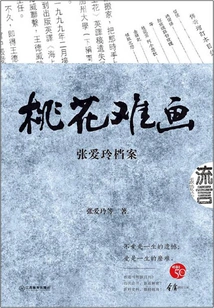
桃花难画:张爱玲档案
Zhang Ailing Et Al.
This book is exclusively authorized by Hong Kong's "Ming Pao Monthly" and collects all the collections, texts, impressions, anecdotes, etc. Related to Zhang Ailing in the 70 years since the publication of "Ming Pao Monthly", including nearly 100,000 words of Zhang Ailing's lost novella "Little Girl" in Shanghai. "Ai", seven short stories of nearly 10,000 words that have not been included in any collection of Zhang Ailing's works, "Roland's Perspectives", "Writing the Honest Truth about Alluring Love", "Belt", "On the Future of Cartoon Drawing", "Shepherd's Sketch", "Wish", etc.
This book is exclusively authorized by Hong Kong's "Ming Pao Monthly" and collects all the collections, texts, impressions, anecdotes, etc. Related to Zhang Ailing in the 70 years since the publication of "Ming Pao Monthly", including nearly 100,000 words of Zhang Ailing's lost novella "Little Girl" in Shanghai. "Ai", seven short stories of nearly 10,000 words that have not been included in any collection of Zhang Ailing's works, "Roland's Perspectives", "Writing the Honest Truth about Alluring Love", "Belt", "On the Future of Cartoon Drawing", "Shepherd's Sketch", "Wish", etc.