Library
Browse and search books
2,823 novels found
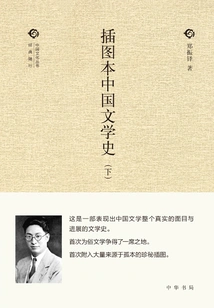
插图本中国文学史(下)
Zheng Zhenduo
This 800,000-word masterpiece divides Chinese literature into three periods: ancient times, the Middle Ages, and modern times. Each period discusses the rise and fall of a literary movement, a literary style, or a literary school in chapters. More than one-third of the materials collected in the book are not discussed in other books of the same period, such as Bianwen, opera prose, Zhugongdiao, Sanqu, folk songs, Baojuan, Tanci, Drum Ci, etc. The author strives to compile a literary history that can fully display the true face of Chinese literature. In addition, in order to enable readers to see the real social life conditions of various eras, the author also searched for illustrations from many sources and requisitioned no less than 100 kinds of books, many of which were treasures. As soon as this book came out, it caused a fierce response in the society and received many affirmations and recommendations. In particular, Mr. Zheng Zhenduo's admiration for popular literature such as novels, operas, and tanci has rectified the name of popular literature and won it its due position in the literary palace.
This 800,000-word masterpiece divides Chinese literature into three periods: ancient times, the Middle Ages, and modern times. Each period discusses the rise and fall of a literary movement, a literary style, or a literary school in chapters. More than one-third of the materials collected in the book are not discussed in other books of the same period, such as Bianwen, opera prose, Zhugongdiao, Sanqu, folk songs, Baojuan, Tanci, Drum Ci, etc. The author strives to compile a literary history that can fully display the true face of Chinese literature. In addition, in order to enable readers to see the real social life conditions of various eras, the author also searched for illustrations from many sources and requisitioned no less than 100 kinds of books, many of which were treasures. As soon as this book came out, it caused a fierce response in the society and received many affirmations and recommendations. In particular, Mr. Zheng Zhenduo's admiration for popular literature such as novels, operas, and tanci has rectified the name of popular literature and won it its due position in the literary palace.
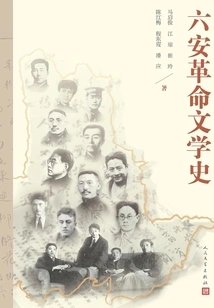
Lu'an Revolutionary Literature History
Literature六安革命文学史
Ma Qijun Et Al.
This is a history of revolutionary literature. This book records the growth, works and history of great writers and translators born in Lu'an City from the 1920s to the present day. These include great writers and translators such as Jiang Guangci, Tai Jinnong, Li Jiye, and Wei Suyuan and Wei Congwu among the "Four Unknown Masters" who play an important role in the history of modern Chinese literature. They have made great contributions to the development of modern Chinese literature. After the founding of the People's Republic of China, writers such as Xu Guixiang, Li Helin of the "Huoqiu Writers Group", Wang Yeqiu, and Wang Qingshi appeared in Lu'an City, who had an important influence on the development and trend of contemporary Chinese literature. They shined in Anhui and even the whole country, and had an important impact on China's contemporary literary world. This book aims to explore the spirit of the Dabie Mountains, inherit the red cultural gene, comprehensively review the creations of writers in Lu'an for more than a hundred years, and also conduct an inventory of the revolutionary history of Lu'an and the literary performance of revolutionary figures, which has certain literary and historical value.
This is a history of revolutionary literature. This book records the growth, works and history of great writers and translators born in Lu'an City from the 1920s to the present day. These include great writers and translators such as Jiang Guangci, Tai Jinnong, Li Jiye, and Wei Suyuan and Wei Congwu among the "Four Unknown Masters" who play an important role in the history of modern Chinese literature. They have made great contributions to the development of modern Chinese literature. After the founding of the People's Republic of China, writers such as Xu Guixiang, Li Helin of the "Huoqiu Writers Group", Wang Yeqiu, and Wang Qingshi appeared in Lu'an City, who had an important influence on the development and trend of contemporary Chinese literature. They shined in Anhui and even the whole country, and had an important impact on China's contemporary literary world. This book aims to explore the spirit of the Dabie Mountains, inherit the red cultural gene, comprehensively review the creations of writers in Lu'an for more than a hundred years, and also conduct an inventory of the revolutionary history of Lu'an and the literary performance of revolutionary figures, which has certain literary and historical value.
文学翻译研究:从文本批评到理论思考
Wang Hongtao
This monograph examines the appreciation, interpretation and criticism of translated works of Chinese and Western prose, novels, dramas, poetry and other literary genres. The content covers the English translation of "Six Chapters of a Floating Life" by Lin Yutang, the English translation of "Strange Stories from a Chinese Studio" by Denis and Mair, and "The Complete Works of Lu Xun's Novels" by Lovell in English Translation, "Dream of Red Mansions" Hawkes English translation, "Jane Eyre" Li Jiye's Chinese translation, "Hamlet" Wang Hongyin's Chinese translation and many other classic literary translation works. On this basis, we will explore important theoretical issues such as the principles, standards, methods, value and function of literary translation practice and criticism.
This monograph examines the appreciation, interpretation and criticism of translated works of Chinese and Western prose, novels, dramas, poetry and other literary genres. The content covers the English translation of "Six Chapters of a Floating Life" by Lin Yutang, the English translation of "Strange Stories from a Chinese Studio" by Denis and Mair, and "The Complete Works of Lu Xun's Novels" by Lovell in English Translation, "Dream of Red Mansions" Hawkes English translation, "Jane Eyre" Li Jiye's Chinese translation, "Hamlet" Wang Hongyin's Chinese translation and many other classic literary translation works. On this basis, we will explore important theoretical issues such as the principles, standards, methods, value and function of literary translation practice and criticism.
沟通心灵的桥梁:世界文学史(上)
Edited By Li Cambridge And Jie Baofeng
This "World History Encyclopedia" records the history of human evolution and civilization development since the birth of mankind. It systematically records the outstanding achievements of mankind in creating material civilization and spiritual civilization, and provides a detailed and appropriate review and summary of the entire process of human civilization, providing an effective way for us to inherit and carry forward the achievements of human civilization.
This "World History Encyclopedia" records the history of human evolution and civilization development since the birth of mankind. It systematically records the outstanding achievements of mankind in creating material civilization and spiritual civilization, and provides a detailed and appropriate review and summary of the entire process of human civilization, providing an effective way for us to inherit and carry forward the achievements of human civilization.
Song of the Earth
Literature大地行吟
Zili
This book is a ode to the earth. It is the author's feelings and experiences in various places he has visited over the years. It expresses his yearning and praise for the great rivers and mountains of the motherland. The author uses his own personal experience and insights to describe the beautiful scenery and profound historical and cultural atmosphere of various places, showing readers a different kind of scenery. This book uses concise language and beautiful rhythm to describe scenery, summarize principles, express feelings, infect society, and illuminate life.
This book is a ode to the earth. It is the author's feelings and experiences in various places he has visited over the years. It expresses his yearning and praise for the great rivers and mountains of the motherland. The author uses his own personal experience and insights to describe the beautiful scenery and profound historical and cultural atmosphere of various places, showing readers a different kind of scenery. This book uses concise language and beautiful rhythm to describe scenery, summarize principles, express feelings, infect society, and illuminate life.
Little Memories (enhanced Edition)
Literature小回忆(增订版)
Cai Tianxin
Mathematician and poet Cai Tianxin told us about his childhood and the rural life in southern China in the 1960s and 1970s. In an era when both material and spiritual life were very poor, "I", who was skilled in chess and loved hand-drawn maps, spent a lonely and helpless childhood. However, curiosity and imagination eventually sowed seeds in the barren soil and accompanied the author throughout his adult life.
Mathematician and poet Cai Tianxin told us about his childhood and the rural life in southern China in the 1960s and 1970s. In an era when both material and spiritual life were very poor, "I", who was skilled in chess and loved hand-drawn maps, spent a lonely and helpless childhood. However, curiosity and imagination eventually sowed seeds in the barren soil and accompanied the author throughout his adult life.
I'm Waiting for You in Tsinghua (part 2)
Literature我在清华等你来(第二辑)
Liu Zhen
Tsinghua University is a century-old institution that many students yearn for! Tsinghua students are undoubtedly the best among their peers. Behind the blooming flowers is long-term accumulation, and there are wonderful stories behind the realization of the Tsinghua dream. In recent years, Tsinghua University has teamed up with media from all over the country to continuously launch the special event "Invite You to Tsinghua" to interview Tsinghua freshmen, "reveal" their wonderful stories, "reveal" their secrets of success, and "reveal" Tsinghua's concept of diverse selection. This book excerpts the story of "Tsinghua University" in 2015, witnessing their encounter with Tsinghua University in their youthful years!
Tsinghua University is a century-old institution that many students yearn for! Tsinghua students are undoubtedly the best among their peers. Behind the blooming flowers is long-term accumulation, and there are wonderful stories behind the realization of the Tsinghua dream. In recent years, Tsinghua University has teamed up with media from all over the country to continuously launch the special event "Invite You to Tsinghua" to interview Tsinghua freshmen, "reveal" their wonderful stories, "reveal" their secrets of success, and "reveal" Tsinghua's concept of diverse selection. This book excerpts the story of "Tsinghua University" in 2015, witnessing their encounter with Tsinghua University in their youthful years!
来自东方的视角:莫言小说研究文集
Jiang Lin
This book contains 14 papers written by scholars from mainland China, Hong Kong and Taiwan over more than 30 years. These papers conduct in-depth thinking and discussion on Mo Yan's works, and present us the most enlightening research results on Mo Yan's novels from three aspects: macro, micro and comparison. The macro research results cover topics including Mo Yan and the Chinese spirit, Mo Yan's inspiration, magic and localization, folk character, etc. The micro research results focus on in-depth analysis of Mo Yan's novels. The novels involved mainly include "Transparent Carrot", "Life and Death Fatigue", "Red Sorghum Family", "Big Breasts and Wide Hips", "Wine Country", "Tandalwood". "Incense Punishment", "Frog", etc.; The last research paper in the collection compares the different cultural connotations and individual styles of the works created by Mo Yan and Faulkner in terms of theme, form and inner spirit. As one of China's contemporary avant-garde writers, Mo Yan is the first Chinese to write in Chinese and win the Nobel Prize for Literature. The publication of this book is an important event that contains profound enlightenment and has broad significance, both for the Chinese literary world and for the exchange and integration of Eastern and Western cultures.
This book contains 14 papers written by scholars from mainland China, Hong Kong and Taiwan over more than 30 years. These papers conduct in-depth thinking and discussion on Mo Yan's works, and present us the most enlightening research results on Mo Yan's novels from three aspects: macro, micro and comparison. The macro research results cover topics including Mo Yan and the Chinese spirit, Mo Yan's inspiration, magic and localization, folk character, etc. The micro research results focus on in-depth analysis of Mo Yan's novels. The novels involved mainly include "Transparent Carrot", "Life and Death Fatigue", "Red Sorghum Family", "Big Breasts and Wide Hips", "Wine Country", "Tandalwood". "Incense Punishment", "Frog", etc.; The last research paper in the collection compares the different cultural connotations and individual styles of the works created by Mo Yan and Faulkner in terms of theme, form and inner spirit. As one of China's contemporary avant-garde writers, Mo Yan is the first Chinese to write in Chinese and win the Nobel Prize for Literature. The publication of this book is an important event that contains profound enlightenment and has broad significance, both for the Chinese literary world and for the exchange and integration of Eastern and Western cultures.
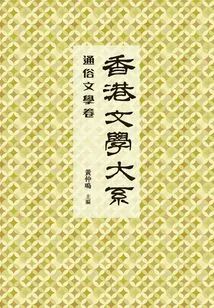
香港文学大系1919-1949:通俗文学卷
Editor-in-chief Huang Zhongming
Popular literature is regarded as marginal literature. The compilation of this volume strives to correct this bias, specifically searching for gold in the sand, dating back to the late Qing Dynasty, until 1949. The genres in this volume include novels such as romance, martial arts, detective, society, backdoor, and sky; other works such as Notes with New Meanings, Cantonese Opera, Dragon Boat, and Ban Ben are also included. The literary styles include classical Chinese, vernacular, Cantonese dialect, Sanjie, etc., And the languages are colorful. This volume is compiled in chronological order, allowing readers to explore the relationship between the inheritance and evolution of Hong Kong popular literature. In addition to their artistic qualities, the selected works also contain rich information in sociology, folklore, economics, linguistics, reader acceptance theory, etc. The content is unique and reflects the writing style of Hong Kong writers in each period.
Popular literature is regarded as marginal literature. The compilation of this volume strives to correct this bias, specifically searching for gold in the sand, dating back to the late Qing Dynasty, until 1949. The genres in this volume include novels such as romance, martial arts, detective, society, backdoor, and sky; other works such as Notes with New Meanings, Cantonese Opera, Dragon Boat, and Ban Ben are also included. The literary styles include classical Chinese, vernacular, Cantonese dialect, Sanjie, etc., And the languages are colorful. This volume is compiled in chronological order, allowing readers to explore the relationship between the inheritance and evolution of Hong Kong popular literature. In addition to their artistic qualities, the selected works also contain rich information in sociology, folklore, economics, linguistics, reader acceptance theory, etc. The content is unique and reflects the writing style of Hong Kong writers in each period.
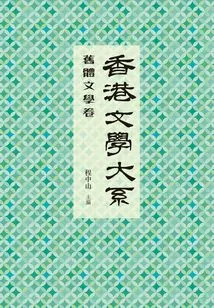
香港文学大系1919-1949:旧体文学卷
Editor-in-chief Cheng Zhongshan
Based on the format of the "Chinese New Literature Series", this book organizes the representative works of Hong Kong literature from 1919 to 1949 into 11 volumes by category, plus an additional volume "Historical Materials and Index Volume", for a total of 12 volumes. It allows readers and researchers to understand the appearance of Hong Kong literature during this period. It is an essential book for understanding the development of Hong Kong literature in the first half of the last century. This volume selects Hong Kong's old-style literary works from 1843 to 1949, which include various genres, Tang and Song styles, Chinese and Western ideas, and rich themes. Some describe life experiences, some describe the romance of the country, or reflect the current situation in Hong Kong and disasters at home and country, such as the plague, the stable fire, the provincial and Hong Kong general strikes, the war and the national disaster, etc. The colors of the times are very vivid.
Based on the format of the "Chinese New Literature Series", this book organizes the representative works of Hong Kong literature from 1919 to 1949 into 11 volumes by category, plus an additional volume "Historical Materials and Index Volume", for a total of 12 volumes. It allows readers and researchers to understand the appearance of Hong Kong literature during this period. It is an essential book for understanding the development of Hong Kong literature in the first half of the last century. This volume selects Hong Kong's old-style literary works from 1843 to 1949, which include various genres, Tang and Song styles, Chinese and Western ideas, and rich themes. Some describe life experiences, some describe the romance of the country, or reflect the current situation in Hong Kong and disasters at home and country, such as the plague, the stable fire, the provincial and Hong Kong general strikes, the war and the national disaster, etc. The colors of the times are very vivid.
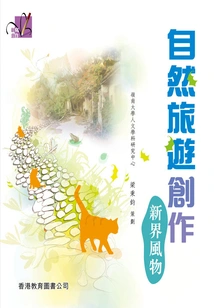
创意写作系列·自然旅游创作:新界风物
Lingnan University Humanities Research Center Liang Bingjun
Yesi once mentioned that many people feel confused about writing. Some people think that they are great writers and very talented; others think that writing cannot be taught and is a talent. But in fact, this is related to how we observe, how we express, and how we use words to communicate with others. Yesi's writing education philosophy is "careful observation, true expression, and cross-border writing." "Natural Tourism Creation: Scenery of the New Territories" is the last creative writing series planned by Yes. This book is written by Hong Kong writers such as Liu Kexiang, a famous Taiwanese nature observation writer, and Ye Si, who share how to carefully observe nature during travel, guide students to express their sincere feelings with delicate words, and learn cross-border writing. From Hong Kong stories in literature and movies to students' creative exercises, Yip Hui's research makes people observe and reflect, and understand the relationship between reason, history and current reality. His creations reflect the land and water of a place, connect people with each other, and are full of life memories and "sense of place." Chen Yun Hong Kong people must tell their own stories. Our young generation has lost the story-telling environment in Yongshutou. They can only learn writing skills in university creative writing classes, go out to experience life, and write stories about Hong Kong. It's not the best environment, but it's the last chance. Liu Kexiang's non-metropolitan Hong Kong, invisible Hong Kong, or another kind of Hong Kong is undoubtedly the most distinctive feature of this series, and it is also the most charming connotation of the life written by young Lingnan creators. It also seriesly demonstrates the unique diversity of Hong Kong literature.
Yesi once mentioned that many people feel confused about writing. Some people think that they are great writers and very talented; others think that writing cannot be taught and is a talent. But in fact, this is related to how we observe, how we express, and how we use words to communicate with others. Yesi's writing education philosophy is "careful observation, true expression, and cross-border writing." "Natural Tourism Creation: Scenery of the New Territories" is the last creative writing series planned by Yes. This book is written by Hong Kong writers such as Liu Kexiang, a famous Taiwanese nature observation writer, and Ye Si, who share how to carefully observe nature during travel, guide students to express their sincere feelings with delicate words, and learn cross-border writing. From Hong Kong stories in literature and movies to students' creative exercises, Yip Hui's research makes people observe and reflect, and understand the relationship between reason, history and current reality. His creations reflect the land and water of a place, connect people with each other, and are full of life memories and "sense of place." Chen Yun Hong Kong people must tell their own stories. Our young generation has lost the story-telling environment in Yongshutou. They can only learn writing skills in university creative writing classes, go out to experience life, and write stories about Hong Kong. It's not the best environment, but it's the last chance. Liu Kexiang's non-metropolitan Hong Kong, invisible Hong Kong, or another kind of Hong Kong is undoubtedly the most distinctive feature of this series, and it is also the most charming connotation of the life written by young Lingnan creators. It also seriesly demonstrates the unique diversity of Hong Kong literature.
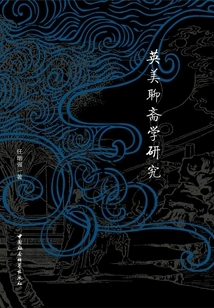
英美聊斋学研究
Ren Qiang
This book takes British and American Liaozhai studies as the research object, adopts the research idea of two-way interpretation of Sinology and Chinese studies, and hopes to promote the construction of an academic community for Chinese and foreign Liaozhai studies. On the one hand, it starts from academic research and judgment and the translation (text) itself, and from the perspective of comparative literature and cross-cultural research, comprehensively considers the frameshift, translation style, intention, gender concept, translation strategy, annotation method, etc. Of the translated text; on the other hand, it extends to important links such as Liaozhai-related comments, images, and images that have been ignored before. The whole book uses mutual verification and counter-reading methods to identify a number of problem areas, creating a strong discourse convection between texts at different levels and intervals, thereby forming a pattern of critical dialogue between Chinese studies and Sinology.
This book takes British and American Liaozhai studies as the research object, adopts the research idea of two-way interpretation of Sinology and Chinese studies, and hopes to promote the construction of an academic community for Chinese and foreign Liaozhai studies. On the one hand, it starts from academic research and judgment and the translation (text) itself, and from the perspective of comparative literature and cross-cultural research, comprehensively considers the frameshift, translation style, intention, gender concept, translation strategy, annotation method, etc. Of the translated text; on the other hand, it extends to important links such as Liaozhai-related comments, images, and images that have been ignored before. The whole book uses mutual verification and counter-reading methods to identify a number of problem areas, creating a strong discourse convection between texts at different levels and intervals, thereby forming a pattern of critical dialogue between Chinese studies and Sinology.
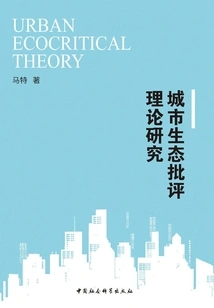
Research on Urban Ecocriticism Theory
Literature城市生态批评理论研究
Matt
As the first monograph on the study of urban ecocriticism in the field of foreign literary research in my country, this book starts from five perspectives: background of emergence, theoretical origin, core concepts, research paths and textual practice. It combs the generation context and research stance of urban ecocriticism from point to point. Combining the research characteristics and cutting-edge issues of urban ecocriticism, this book systematically discusses the theoretical construction and text appeal of urban ecocriticism.
As the first monograph on the study of urban ecocriticism in the field of foreign literary research in my country, this book starts from five perspectives: background of emergence, theoretical origin, core concepts, research paths and textual practice. It combs the generation context and research stance of urban ecocriticism from point to point. Combining the research characteristics and cutting-edge issues of urban ecocriticism, this book systematically discusses the theoretical construction and text appeal of urban ecocriticism.
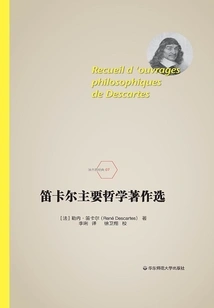
笛卡尔主要哲学著作选
I
"Selected Main Philosophical Works of Descartes" is a selected translation of the philosophical works of René Descartes, an important French philosopher in the 17th century. It covers Descartes' main philosophical works, including "A Discourse on Method", "Meditations on First Philosophy", "Principles of Philosophy" and "Passion of the Soul". Among them, "Principles of Philosophy" has not been published in Chinese translation since 1958. As an important representative of European rationalist philosophy, Descartes put forward important philosophical propositions such as "I think, therefore I am" and "universal doubt", which had a profound influence on the development of later philosophy. Hegel called him "the father of modern philosophy". The four Descartes works in this anthology have been translated and published in Chinese single editions earlier, but some of them are difficult to find due to their age, and some of them have inherited many errors in the original versions. This book examines the Latin, French and English versions of Descartes's works, marking the differences between the versions, which helps readers grasp Descartes' philosophical thoughts more carefully and accurately through comparison.
"Selected Main Philosophical Works of Descartes" is a selected translation of the philosophical works of René Descartes, an important French philosopher in the 17th century. It covers Descartes' main philosophical works, including "A Discourse on Method", "Meditations on First Philosophy", "Principles of Philosophy" and "Passion of the Soul". Among them, "Principles of Philosophy" has not been published in Chinese translation since 1958. As an important representative of European rationalist philosophy, Descartes put forward important philosophical propositions such as "I think, therefore I am" and "universal doubt", which had a profound influence on the development of later philosophy. Hegel called him "the father of modern philosophy". The four Descartes works in this anthology have been translated and published in Chinese single editions earlier, but some of them are difficult to find due to their age, and some of them have inherited many errors in the original versions. This book examines the Latin, French and English versions of Descartes's works, marking the differences between the versions, which helps readers grasp Descartes' philosophical thoughts more carefully and accurately through comparison.
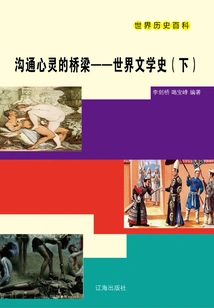
沟通心灵的桥梁:世界文学史(下)
Edited By Li Cambridge And Jie Baofeng
This "World History Encyclopedia" records the history of human evolution and civilization development since the birth of mankind. It systematically records the outstanding achievements of mankind in creating material civilization and spiritual civilization, and provides a detailed and appropriate review and summary of the entire process of human civilization, providing an effective way for us to inherit and carry forward the achievements of human civilization.
This "World History Encyclopedia" records the history of human evolution and civilization development since the birth of mankind. It systematically records the outstanding achievements of mankind in creating material civilization and spiritual civilization, and provides a detailed and appropriate review and summary of the entire process of human civilization, providing an effective way for us to inherit and carry forward the achievements of human civilization.
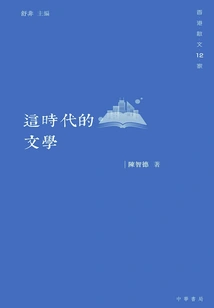
Literature of This Era
Literature这时代的文学
Chen Zhide
The expression of literature lies in language, and language is to the author what the sword is to the warrior, but in the end it is a tool rather than a purpose. Literature should not be diligent in modifying words and only focusing on ingenuity. It should be directed at changing the limitations of individuals and even society, at least as an energy of change, so that small individuals, even if it is just an emotion, tend to transcend on a larger scale. --Chen Zhide This book contains forty-seven essays, divided into four volumes. Volume 1, "The Source of Enlightenment," remembers the admired teachers and predecessors; Volume 2, "The Same Journey Outside the World", asks literary friends of the same generation. From their deeds and writings, it shows the enlightenment that literature and art can achieve, and also longs for a common path; Volume 3, "Literature of this Era" focuses on "Hong Kong" "Literature" contains historical retrospectives, personal recollections, reflections on the past and present, and anxieties. You can understand the literary concept that the author has looked up to for many years. Volume 4 "Tea and Books" starts with a chat as sweet as tea, trying to summarize the conversation, and also express some of the frustrations emanating from Volumes 1 to 3. The author is either expressing emotions or discussing. The words contain the power of radiance, enlightenment and transcendence. Through the ups and downs of thinking and intellectual writing, they touch the various aspects of life in the past and present.
The expression of literature lies in language, and language is to the author what the sword is to the warrior, but in the end it is a tool rather than a purpose. Literature should not be diligent in modifying words and only focusing on ingenuity. It should be directed at changing the limitations of individuals and even society, at least as an energy of change, so that small individuals, even if it is just an emotion, tend to transcend on a larger scale. --Chen Zhide This book contains forty-seven essays, divided into four volumes. Volume 1, "The Source of Enlightenment," remembers the admired teachers and predecessors; Volume 2, "The Same Journey Outside the World", asks literary friends of the same generation. From their deeds and writings, it shows the enlightenment that literature and art can achieve, and also longs for a common path; Volume 3, "Literature of this Era" focuses on "Hong Kong" "Literature" contains historical retrospectives, personal recollections, reflections on the past and present, and anxieties. You can understand the literary concept that the author has looked up to for many years. Volume 4 "Tea and Books" starts with a chat as sweet as tea, trying to summarize the conversation, and also express some of the frustrations emanating from Volumes 1 to 3. The author is either expressing emotions or discussing. The words contain the power of radiance, enlightenment and transcendence. Through the ups and downs of thinking and intellectual writing, they touch the various aspects of life in the past and present.
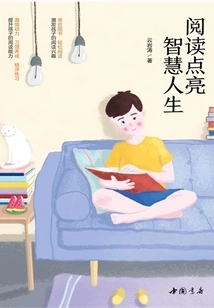
Reading Lights up Smart Life
Literature阅读点亮智慧人生
Yun Yantao
This book is a parent-child reading and research book. Stimulate children's interest in reading by getting close to books and reading easily, and improve children's reading ability through three aspects: passion, motivation, habit formation and in-depth practice. According to the characteristics of children at different stages, it is supplemented with nutritional book lists and smart book lists to gradually improve children's reading ability through parent-child interaction, thereby cultivating children's ability to choose books by themselves and continuously improve themselves through reading. This book is suitable for parents of children aged 0 to 12 years old.
This book is a parent-child reading and research book. Stimulate children's interest in reading by getting close to books and reading easily, and improve children's reading ability through three aspects: passion, motivation, habit formation and in-depth practice. According to the characteristics of children at different stages, it is supplemented with nutritional book lists and smart book lists to gradually improve children's reading ability through parent-child interaction, thereby cultivating children's ability to choose books by themselves and continuously improve themselves through reading. This book is suitable for parents of children aged 0 to 12 years old.
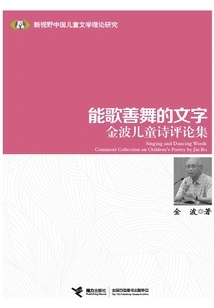
能歌善舞的文字:金波儿童诗评论集
Jinbo
The "New Horizons Theoretical Research on Chinese Children's Literature" book series is a theoretical book series with important academic value and enlightenment. There are few systematic theoretical works on children's literature published at present, and it is difficult to solidify academic opinions in the entire children's literature community. It also affects the current development of children's literature theory and criticism. It brings together the research results of accomplished and influential experts and scholars in the fields of theoretical research, criticism, and creation of children's literature in China. It comprehensively, systematically, and in-depth explores the current situation of contemporary children's literature from multiple perspectives such as the historical development of children's literature, system construction, theoretical processes, and creative ideas.
The "New Horizons Theoretical Research on Chinese Children's Literature" book series is a theoretical book series with important academic value and enlightenment. There are few systematic theoretical works on children's literature published at present, and it is difficult to solidify academic opinions in the entire children's literature community. It also affects the current development of children's literature theory and criticism. It brings together the research results of accomplished and influential experts and scholars in the fields of theoretical research, criticism, and creation of children's literature in China. It comprehensively, systematically, and in-depth explores the current situation of contemporary children's literature from multiple perspectives such as the historical development of children's literature, system construction, theoretical processes, and creative ideas.
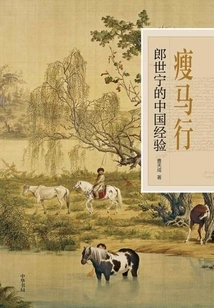
瘦马行:郎世宁的中国经验
Cao Tiancheng
Based on a large number of Qing palace archives and letters exchanged between members of the Jesuit Society, this book provides a panoramic view of all aspects of Italian painter Castiglione's life and work during his stay in China, enriching and perfecting his image in the history of Chinese art. In view of the thin horse image that appeared in several of Lang Shining's paintings, this paper systematically combed the metaphors of "thin horse" in different cultural contexts, and combined with Lang Shining's situation in China, boldly proposed a view: the thin horse image in Lang Shining's paintings is likely to be a projection of himself. This book is also equipped with a large number of pictures and color printing, which helps readers more intuitively understand the inner connection between Castiglione's paintings and his Chinese experience.
Based on a large number of Qing palace archives and letters exchanged between members of the Jesuit Society, this book provides a panoramic view of all aspects of Italian painter Castiglione's life and work during his stay in China, enriching and perfecting his image in the history of Chinese art. In view of the thin horse image that appeared in several of Lang Shining's paintings, this paper systematically combed the metaphors of "thin horse" in different cultural contexts, and combined with Lang Shining's situation in China, boldly proposed a view: the thin horse image in Lang Shining's paintings is likely to be a projection of himself. This book is also equipped with a large number of pictures and color printing, which helps readers more intuitively understand the inner connection between Castiglione's paintings and his Chinese experience.
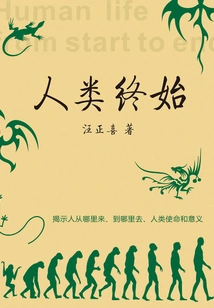
The End of Mankind
Literature人类终始
Wang Zhengxi
Where do we come from, where are we going, and what are we here for? This eternal topic of mankind is answered here. This book creates a theoretical system to explain all this scientifically. First, cite fossil records and evidence of biological evolution to support the view that living things evolved. After summarizing the laws of biology and formulating the "Laws of Biological Evolution" and "Laws of Biological Survival", we explore ways of alien immigration, human missions, and colonization of alien planets. It also discusses future biotechnology and discusses the view that we humans should follow the "principle of human unity". It describes the future space age, human survival time, and the end of the world. If you know the future of mankind, you will find the answer to the origin of mankind. Finally, it discusses where we come from, that is, the origin of life, the origin of mankind, the birth of modern humans, and the philosophical issues of life and the universe.
Where do we come from, where are we going, and what are we here for? This eternal topic of mankind is answered here. This book creates a theoretical system to explain all this scientifically. First, cite fossil records and evidence of biological evolution to support the view that living things evolved. After summarizing the laws of biology and formulating the "Laws of Biological Evolution" and "Laws of Biological Survival", we explore ways of alien immigration, human missions, and colonization of alien planets. It also discusses future biotechnology and discusses the view that we humans should follow the "principle of human unity". It describes the future space age, human survival time, and the end of the world. If you know the future of mankind, you will find the answer to the origin of mankind. Finally, it discusses where we come from, that is, the origin of life, the origin of mankind, the birth of modern humans, and the philosophical issues of life and the universe.
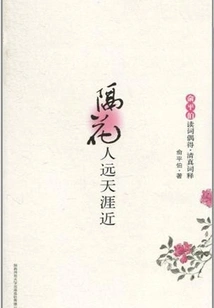
隔花人远天涯近:俞平伯读词偶得·清真词释
Yu Pingbo
This book is a combined edition of "Reading Ci Occasionally" and "Qingzhen Ci Interpretation" written by Yu Pingbo, a master of Chinese studies in the 1930s and 1940s, who studied the poetry of the Tang and Song Dynasties. With his profound attainments in the field of classical literature, Yu Pingbo expressed incisive and unique insights into the poems he selected from famous writers of the Tang and Song Dynasties, which is of great benefit to the readers who love classical literature. In addition, the editor has paired it with more than a hundred illustrations based on the artistic conception of the words, all of which are drawn by ancient people. They are pleasing to the eye and pleasant to read.
This book is a combined edition of "Reading Ci Occasionally" and "Qingzhen Ci Interpretation" written by Yu Pingbo, a master of Chinese studies in the 1930s and 1940s, who studied the poetry of the Tang and Song Dynasties. With his profound attainments in the field of classical literature, Yu Pingbo expressed incisive and unique insights into the poems he selected from famous writers of the Tang and Song Dynasties, which is of great benefit to the readers who love classical literature. In addition, the editor has paired it with more than a hundred illustrations based on the artistic conception of the words, all of which are drawn by ancient people. They are pleasing to the eye and pleasant to read.
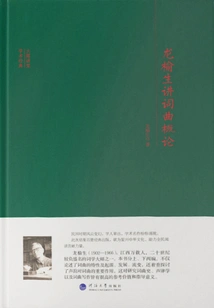
龙榆生讲词曲概论
Long Yusheng
This book is divided into two parts, which not only discusses the characteristics, origin, development, and evolution of lyrics and music, but also focuses on the important role of phonology in lyrics and music, which has high reference value and guiding significance for the study of the history of lyrics and music, phonology, and writing of lyrics and music.
This book is divided into two parts, which not only discusses the characteristics, origin, development, and evolution of lyrics and music, but also focuses on the important role of phonology in lyrics and music, which has high reference value and guiding significance for the study of the history of lyrics and music, phonology, and writing of lyrics and music.
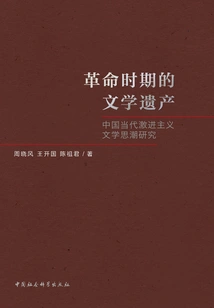
革命时期的文学遗产:中国当代激进主义文学思潮研究
Zhou Xiaofeng Wang Jianguo Chen Zujun
This book explains the formation and development of contemporary Chinese literary trends from a cultural perspective, focuses on the research on issues related to the influence of China's contemporary radical cultural value orientation on Chinese contemporary literary trends, and outlines the origin and development trajectory of radical literary trends. On the basis of summarizing the lessons and revelations brought by China's contemporary radical literary thought as the literary heritage of the "revolutionary" period, it reveals the development logic of the cultural spirit of China's contemporary literary thought from cultural radicalism, cultural conservatism to cultural rationalism.
This book explains the formation and development of contemporary Chinese literary trends from a cultural perspective, focuses on the research on issues related to the influence of China's contemporary radical cultural value orientation on Chinese contemporary literary trends, and outlines the origin and development trajectory of radical literary trends. On the basis of summarizing the lessons and revelations brought by China's contemporary radical literary thought as the literary heritage of the "revolutionary" period, it reveals the development logic of the cultural spirit of China's contemporary literary thought from cultural radicalism, cultural conservatism to cultural rationalism.
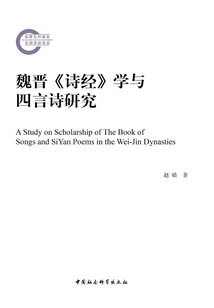
Research on the Study of the Book of Songs and Four-character Poetry in the Wei and Jin Dynasties
Literature魏晋《诗经》学与四言诗研究
Zhao Jing
Compared with the Han and Song dynasties, where Confucian classics made brilliant achievements, the Wei and Jin Dynasties were the era of "middle decline" in Confucian classics. However, the achievements in studying the Book of Songs during this period cannot be ignored. This book comprehensively examines the works on the Book of Songs in the Wei and Jin Dynasties, and strives to restore the original development of the Book of Songs in the Wei and Jin Dynasties. By comprehensively sorting out the four-character poetry works of the Wei and Jin Dynasties, it explores the relationship between the Book of Songs and the poetics of the Wei and Jin Dynasties, and conducts case analysis on the main writers to explain the underlying reasons for the evolution of poetic styles in this period.
Compared with the Han and Song dynasties, where Confucian classics made brilliant achievements, the Wei and Jin Dynasties were the era of "middle decline" in Confucian classics. However, the achievements in studying the Book of Songs during this period cannot be ignored. This book comprehensively examines the works on the Book of Songs in the Wei and Jin Dynasties, and strives to restore the original development of the Book of Songs in the Wei and Jin Dynasties. By comprehensively sorting out the four-character poetry works of the Wei and Jin Dynasties, it explores the relationship between the Book of Songs and the poetics of the Wei and Jin Dynasties, and conducts case analysis on the main writers to explain the underlying reasons for the evolution of poetic styles in this period.
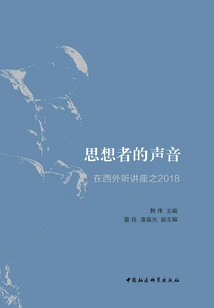
思想者的声音:在西外听讲座之2018
Editor-in-chief Han Wei
This book is a collection of lectures delivered by well-known scholars at home and abroad invited by the School of Chinese Language and Literature of Xi'an International Studies University in 2018. These lectures involve literature and art, ancient Chinese literature, modern and contemporary Chinese literature, comparative literature and world literature, linguistics and applied linguistics, and teaching Chinese as a foreign language. They are cutting-edge, hot and problematic to a certain extent. They are an academic response and on-site consultation to the current research on Chinese language and literature. They are a harmony and resonance of the academic thoughts of different scholars. They are the "voice of China" that Chinese academics have sent to world academics after gathering at Western Foreign Studies University.
This book is a collection of lectures delivered by well-known scholars at home and abroad invited by the School of Chinese Language and Literature of Xi'an International Studies University in 2018. These lectures involve literature and art, ancient Chinese literature, modern and contemporary Chinese literature, comparative literature and world literature, linguistics and applied linguistics, and teaching Chinese as a foreign language. They are cutting-edge, hot and problematic to a certain extent. They are an academic response and on-site consultation to the current research on Chinese language and literature. They are a harmony and resonance of the academic thoughts of different scholars. They are the "voice of China" that Chinese academics have sent to world academics after gathering at Western Foreign Studies University.
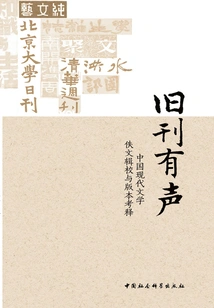
旧刊有声:中国现代文学佚文辑校与版本考释
Ling Menghua
This book compiles old periodicals from the Republic of China, such as National News, Xinxin News Ten Weekly, and Monk World, and unearths a batch of new historical materials related to the lost articles of important writers or the edition issues of important works, involving famous figures such as Lu Xun, Guo Moruo, Mao Dun, Bing Xin, Xia Yan, Yu Pingbo, Ye Shengtao, Mu Dan, Zhang Ailing, etc. The "non-literary journal" perspective of the collection and the examination of modern literary history from the "non-literary journal" perspective "have indeed opened up the world for the collection of modern writers' works and the examination of modern literary history from a new perspective." Most of the historical materials discussed come from old journals and the voices of writers' poems and speeches preserved in old journals, hence the name "old journals with voices".
This book compiles old periodicals from the Republic of China, such as National News, Xinxin News Ten Weekly, and Monk World, and unearths a batch of new historical materials related to the lost articles of important writers or the edition issues of important works, involving famous figures such as Lu Xun, Guo Moruo, Mao Dun, Bing Xin, Xia Yan, Yu Pingbo, Ye Shengtao, Mu Dan, Zhang Ailing, etc. The "non-literary journal" perspective of the collection and the examination of modern literary history from the "non-literary journal" perspective "have indeed opened up the world for the collection of modern writers' works and the examination of modern literary history from a new perspective." Most of the historical materials discussed come from old journals and the voices of writers' poems and speeches preserved in old journals, hence the name "old journals with voices".
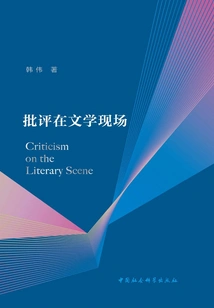
Criticism in the Literary Scene
Literature批评在文学现场
Han Wei
This book is a self-selected collection of reviews, divided into four volumes: The first volume, "The Temptation of Theory," mainly includes several essays by the author on his reflection and reconstruction of contemporary Chinese literary theory. This kind of problem-focused reflection and reconstruction has a clear boosting effect on the construction of the discourse system of contemporary Chinese literary theory. The second volume "Republic of China Literature Scene" mainly includes the author's four essays on the literature of the Republic of China, returning to the historical context in which the literature of the Republic of China occurred, and rethinking modern Chinese literature in the historical scene. The third volume of "Criticism in the Literary Scene" mainly includes the author's research on cutting-edge issues and hot issues in contemporary Chinese literature, as well as the works of important writers. This is an inquiry and pulse-checking of contemporary Chinese literature, and it is an active intervention of criticism into the literary scene. The fourth volume "Literary World Imagination" mainly includes the author's three papers on Ishiguro Kazuo. This is an academic response to the new Nobel Prize-winning writers, and it is also a Chinese imagination of world literature.
This book is a self-selected collection of reviews, divided into four volumes: The first volume, "The Temptation of Theory," mainly includes several essays by the author on his reflection and reconstruction of contemporary Chinese literary theory. This kind of problem-focused reflection and reconstruction has a clear boosting effect on the construction of the discourse system of contemporary Chinese literary theory. The second volume "Republic of China Literature Scene" mainly includes the author's four essays on the literature of the Republic of China, returning to the historical context in which the literature of the Republic of China occurred, and rethinking modern Chinese literature in the historical scene. The third volume of "Criticism in the Literary Scene" mainly includes the author's research on cutting-edge issues and hot issues in contemporary Chinese literature, as well as the works of important writers. This is an inquiry and pulse-checking of contemporary Chinese literature, and it is an active intervention of criticism into the literary scene. The fourth volume "Literary World Imagination" mainly includes the author's three papers on Ishiguro Kazuo. This is an academic response to the new Nobel Prize-winning writers, and it is also a Chinese imagination of world literature.
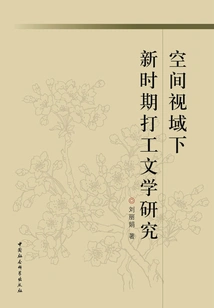
空间视域下新时期打工文学研究
Liu Lijuan
Since the new era of the 20th century, when farmers moved to cities to make a living as the main social trend, migrant literature with migrant workers as the main description objects came into being. Literary creation "is nothing more than searching for sorrow and joy, various themes and various aesthetic interests in the changes of space." Any story must also take place in a certain space. Therefore, this book mainly studies migrant literature since the new era based on the perspective of spatial narrative. It mainly includes exploring the different creative psychological space characteristics of "migrant writers" and "mainstream writers" in migrant literature, analyzing spatial representations such as "city", "rural area" and "urban village" in migrant literature, studying the image and survival mentality of migrant workers and how migrant workers achieve identity and spiritual sustenance through the construction of "spiritual space", "other cultural space" and "body space", and exploring the differences in "returning home" narratives presented in different spaces.
Since the new era of the 20th century, when farmers moved to cities to make a living as the main social trend, migrant literature with migrant workers as the main description objects came into being. Literary creation "is nothing more than searching for sorrow and joy, various themes and various aesthetic interests in the changes of space." Any story must also take place in a certain space. Therefore, this book mainly studies migrant literature since the new era based on the perspective of spatial narrative. It mainly includes exploring the different creative psychological space characteristics of "migrant writers" and "mainstream writers" in migrant literature, analyzing spatial representations such as "city", "rural area" and "urban village" in migrant literature, studying the image and survival mentality of migrant workers and how migrant workers achieve identity and spiritual sustenance through the construction of "spiritual space", "other cultural space" and "body space", and exploring the differences in "returning home" narratives presented in different spaces.
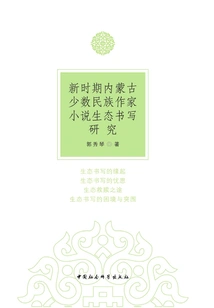
新时期内蒙古少数民族作家小说生态书写研究
Guo Xiuqin
Ecological civilization has become a hot issue of concern in the 21st century. From the perspective of ecocriticism, this book comprehensively examines the Chinese-language novels and Chinese-translated novels of Inner Mongolia minority writers since the new era, explores the representation of ecological crisis at the natural, cultural, spiritual and other levels, presents the writers' efforts to achieve crisis redemption on the basis of tracing the source, reflects on the dilemmas faced in their ecological writing, and examines the unique temperament, character and value significance of the ecological writing of Inner Mongolia minority writers from the perspective of contemporary literature.
Ecological civilization has become a hot issue of concern in the 21st century. From the perspective of ecocriticism, this book comprehensively examines the Chinese-language novels and Chinese-translated novels of Inner Mongolia minority writers since the new era, explores the representation of ecological crisis at the natural, cultural, spiritual and other levels, presents the writers' efforts to achieve crisis redemption on the basis of tracing the source, reflects on the dilemmas faced in their ecological writing, and examines the unique temperament, character and value significance of the ecological writing of Inner Mongolia minority writers from the perspective of contemporary literature.
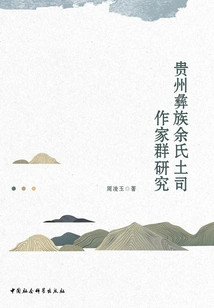
贵州彝族余氏土司作家群研究
Zhou Lingyu
The creation of a group of ethnic minority writers who are deeply influenced by Han culture and centered on the Tusi family has never been studied enough. This book carefully combs the lineage and development process of the Yu Tusi family of the Yi ethnic group in Guizhou, and summarizes its literary characteristics under the rich and complex cultural ecological background of society, history, ethnicity, culture, etc. It reveals the value and significance of Yu's creations in the history of Yi literature, and its status and influence in the history of Guizhou literature; through the combination of case studies of family members with the background of the times and academic changes, it profoundly explains the important influence of social and cultural trends, cultural integration, family fate and regional factors on the occurrence of Yu's group of writers.
The creation of a group of ethnic minority writers who are deeply influenced by Han culture and centered on the Tusi family has never been studied enough. This book carefully combs the lineage and development process of the Yu Tusi family of the Yi ethnic group in Guizhou, and summarizes its literary characteristics under the rich and complex cultural ecological background of society, history, ethnicity, culture, etc. It reveals the value and significance of Yu's creations in the history of Yi literature, and its status and influence in the history of Guizhou literature; through the combination of case studies of family members with the background of the times and academic changes, it profoundly explains the important influence of social and cultural trends, cultural integration, family fate and regional factors on the occurrence of Yu's group of writers.
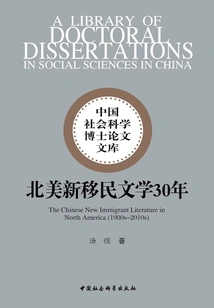
北美新移民文学30年
Tang Qiao
In the context of more than 30 years of historical changes of "transplantation, localization, and defeat", the literature of new immigrants in North America has evolved from initially mainly reproducing the new immigrants' survival in foreign lands and nostalgia for their homeland to reflecting on cultural conflicts and cultural integration. It has always insisted on tracking the spiritual evolution of the mainstream new immigrants, transcending cultural barriers to express the individual's survival experience and universal humanity in the extreme environment, and has the characteristics of cross-cultural, cross-ethnic, and diverse coexistence. From "marginal people" to "global citizens", new immigrants from North America have formed a two-way identity with Chinese and Western cultures in the conflict and integration of cultures, constructing a new cultural identity that transcends nationalities, and presenting a possible model for China to participate in the reconstruction of the world's political and economic order and establish cultural identity in the era of globalization.
In the context of more than 30 years of historical changes of "transplantation, localization, and defeat", the literature of new immigrants in North America has evolved from initially mainly reproducing the new immigrants' survival in foreign lands and nostalgia for their homeland to reflecting on cultural conflicts and cultural integration. It has always insisted on tracking the spiritual evolution of the mainstream new immigrants, transcending cultural barriers to express the individual's survival experience and universal humanity in the extreme environment, and has the characteristics of cross-cultural, cross-ethnic, and diverse coexistence. From "marginal people" to "global citizens", new immigrants from North America have formed a two-way identity with Chinese and Western cultures in the conflict and integration of cultures, constructing a new cultural identity that transcends nationalities, and presenting a possible model for China to participate in the reconstruction of the world's political and economic order and establish cultural identity in the era of globalization.
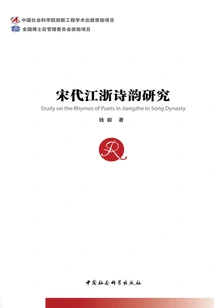
宋代江浙诗韵研究
Qian Yi
This book provides a detailed analysis of the "special rhyme examples" in the poetry rhyme of Jiangsu and Zhejiang in the Song Dynasty. These special rhyme examples neither conform to the rhyme regulations of "Guangyun" nor the rhyme used in Tongyu. Among them, the common rhymes between Yin tone rhymes include Zhiweibu, Yumoubu, Gegebu, Yumoubu, etc.; The yang tone rhymes include Hanxianbu, Jianlianbu, Dongzhongbu, Jiangyangbu, Gengqingbu, Jiangyangbu, etc.; The entering rhyme has Wuzhubu, Duojuebu, etc., And there are also Yangyang rhymes such as Hanxianbu, Jianlianbu, and Zhiweibu. After analysis, it was found that, except for antique and temporary rhymes, most of these special rhymes are reflections of Jiangsu and Zhejiang dialects in the Song Dynasty. It can be seen that although the rhyme used by Jiangsu and Zhejiang poets in the Song Dynasty was generally based on Tongyu, the large number of special rhymes in Jiangsu and Zhejiang poetry reflected that the Jiangzhe and Zhejiang poets also incorporated many of their own dialects when using rhyme. Therefore, the Jiangsu and Zhejiang poetry rhymes contained extremely strong Jiangsu and Zhejiang dialect colors.
This book provides a detailed analysis of the "special rhyme examples" in the poetry rhyme of Jiangsu and Zhejiang in the Song Dynasty. These special rhyme examples neither conform to the rhyme regulations of "Guangyun" nor the rhyme used in Tongyu. Among them, the common rhymes between Yin tone rhymes include Zhiweibu, Yumoubu, Gegebu, Yumoubu, etc.; The yang tone rhymes include Hanxianbu, Jianlianbu, Dongzhongbu, Jiangyangbu, Gengqingbu, Jiangyangbu, etc.; The entering rhyme has Wuzhubu, Duojuebu, etc., And there are also Yangyang rhymes such as Hanxianbu, Jianlianbu, and Zhiweibu. After analysis, it was found that, except for antique and temporary rhymes, most of these special rhymes are reflections of Jiangsu and Zhejiang dialects in the Song Dynasty. It can be seen that although the rhyme used by Jiangsu and Zhejiang poets in the Song Dynasty was generally based on Tongyu, the large number of special rhymes in Jiangsu and Zhejiang poetry reflected that the Jiangzhe and Zhejiang poets also incorporated many of their own dialects when using rhyme. Therefore, the Jiangsu and Zhejiang poetry rhymes contained extremely strong Jiangsu and Zhejiang dialect colors.
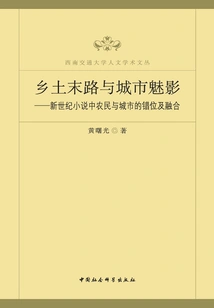
乡土末路与城市魅影:新世纪小说中农民与城市的错位及融合
Huang Shuguang
After the beginning of the new century, the creation of rural novels has shown a significant change: there are fewer and fewer expressions of pastoral poetry, and more and more writings about rural suffering, especially the survival plight of migrant workers wandering between urban and rural areas, have become the focus of rural literature. Starting from this literary phenomenon, this book examines the collision and integration of rural and urban, tradition and modernity in the process of urbanization in China, clears up the confusing concepts of rural and modern in the creative world, and explores possible ways to construct a harmonious urban and rural culture. On the basis of summarizing the image of farmers in the era of urbanization, this book strives to reveal the formation process of China's complex urban-rural relations from a historical and cultural perspective, explore the deep complementarity and integration of urban and rural areas, tradition and modernity, and explore more reasonable ways to recognize, discover and experience traditional farming culture in the context of urbanization.
After the beginning of the new century, the creation of rural novels has shown a significant change: there are fewer and fewer expressions of pastoral poetry, and more and more writings about rural suffering, especially the survival plight of migrant workers wandering between urban and rural areas, have become the focus of rural literature. Starting from this literary phenomenon, this book examines the collision and integration of rural and urban, tradition and modernity in the process of urbanization in China, clears up the confusing concepts of rural and modern in the creative world, and explores possible ways to construct a harmonious urban and rural culture. On the basis of summarizing the image of farmers in the era of urbanization, this book strives to reveal the formation process of China's complex urban-rural relations from a historical and cultural perspective, explore the deep complementarity and integration of urban and rural areas, tradition and modernity, and explore more reasonable ways to recognize, discover and experience traditional farming culture in the context of urbanization.
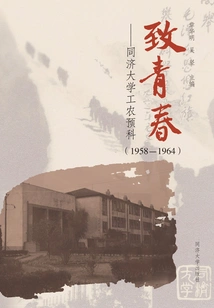
致青春:同济大学工农预科(1958-1964)
Zhang Huaming Editor-in-chief Wu Jian
As one of the results of the "To Youth" series of research on the history of Tongji University, this book contains more than 100 reminiscences of teachers and students of Tongji University's Workers' and Peasants' Preparatory Course, and more than 300 old photos. It mainly reflects the dedication and dedication of Tongji University's Workers' and Peasants' Preparatory Course teachers, the deep friendship between teachers, students, and classmates, the thrift, simplicity, hard work, and vigorous school spirit of the workers and peasants' children. It expresses the alumni's gratitude to the party, the country, and their alma mater, and has strong characteristics of the times. The main readers of this book are college and middle school students, educators, archivists, history researchers, and literature and history enthusiasts.
As one of the results of the "To Youth" series of research on the history of Tongji University, this book contains more than 100 reminiscences of teachers and students of Tongji University's Workers' and Peasants' Preparatory Course, and more than 300 old photos. It mainly reflects the dedication and dedication of Tongji University's Workers' and Peasants' Preparatory Course teachers, the deep friendship between teachers, students, and classmates, the thrift, simplicity, hard work, and vigorous school spirit of the workers and peasants' children. It expresses the alumni's gratitude to the party, the country, and their alma mater, and has strong characteristics of the times. The main readers of this book are college and middle school students, educators, archivists, history researchers, and literature and history enthusiasts.
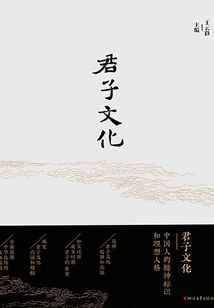
Gentleman Culture
Literature君子文化
Wang Yun Road
This book is a "Thirteenth Five-Year Plan" planning project. Through in-depth research on handed down documents, the book traces the origin and flow of gentleman culture, faithfully restores the prototype of gentleman in its infancy, elucidates the connotation and essence of gentleman culture, and comprehensively demonstrates the collective genes of the Chinese nation. It is of great value to the shaping of contemporary gentleman's personality and the continuation of gentleman's spirit. At the back of the book is a catalog of research works and papers related to gentleman culture, which further enriches the content of the book.
This book is a "Thirteenth Five-Year Plan" planning project. Through in-depth research on handed down documents, the book traces the origin and flow of gentleman culture, faithfully restores the prototype of gentleman in its infancy, elucidates the connotation and essence of gentleman culture, and comprehensively demonstrates the collective genes of the Chinese nation. It is of great value to the shaping of contemporary gentleman's personality and the continuation of gentleman's spirit. At the back of the book is a catalog of research works and papers related to gentleman culture, which further enriches the content of the book.
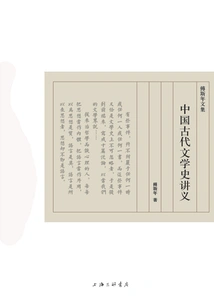
中国古代文学史讲义(傅斯年文集)
Fu Sinian
"Lecture Notes on the History of Ancient Chinese Literature" is divided into 11 lessons according to 11 topics. These 11 lessons introduce in detail narratives, general theories, poetry divisions, the lingering sounds of Chu Ci, the composition of the twenty-eight chapters of the "Book" passed down by Fu Sheng, the earliest literati, Jia Yi, scholars, the origin of five-character poetry, etc. It is a reading material for young students to learn Chinese traditional knowledge. It conducts a chronological study of the literary history of China from ancient times to modern times, discusses poetry, history, literature, and theory. It also conducts in-depth discussions on certain topics and touches on the methodology of literary history research at a macro level, which is quite enlightening.
"Lecture Notes on the History of Ancient Chinese Literature" is divided into 11 lessons according to 11 topics. These 11 lessons introduce in detail narratives, general theories, poetry divisions, the lingering sounds of Chu Ci, the composition of the twenty-eight chapters of the "Book" passed down by Fu Sheng, the earliest literati, Jia Yi, scholars, the origin of five-character poetry, etc. It is a reading material for young students to learn Chinese traditional knowledge. It conducts a chronological study of the literary history of China from ancient times to modern times, discusses poetry, history, literature, and theory. It also conducts in-depth discussions on certain topics and touches on the methodology of literary history research at a macro level, which is quite enlightening.
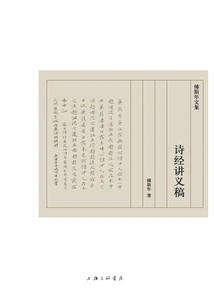
诗经讲义稿(傅斯年文集)
Fu Sinian
Twelve lecture notes on "The Book of Songs" were roughly written in February of the 17th year of the Republic of China. They are the lecture notes left by Fu Sinian when he was teaching at Sun Yat-sen University in 1928. It is an important and typical work in the history of modern research on "The Book of Songs", presenting the author's research methods, concepts and content that are distinctively contemporary. This book is the first part of Fu Sinian's study of "The Book of Songs" and mainly narrates various chapters of the "Book of Songs".
Twelve lecture notes on "The Book of Songs" were roughly written in February of the 17th year of the Republic of China. They are the lecture notes left by Fu Sinian when he was teaching at Sun Yat-sen University in 1928. It is an important and typical work in the history of modern research on "The Book of Songs", presenting the author's research methods, concepts and content that are distinctively contemporary. This book is the first part of Fu Sinian's study of "The Book of Songs" and mainly narrates various chapters of the "Book of Songs".
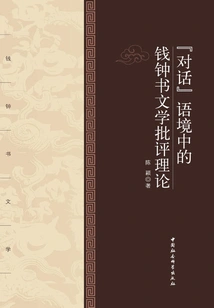
“对话”语境中的钱钟书文学批评理论
Chen Ying
This work is the research result of the 2011 Ministry of Education Humanities and Social Sciences Research Youth Fund Project - "Research on Qian Zhongshu's Literary Criticism Theory in the Context of "Dialogue"". It takes the critic Qian Zhongshu and his critical texts in a specific historical and cultural context as the object of investigation. It integrates multiple factors such as the reality of the times and personal encounters, growth environment and subject conditions, vertical inheritance and horizontal reference, creative influence and theoretical interaction, and systematically studies related issues such as the ideological path, academic origins, generation mechanism, theoretical connotation, system structure, theoretical personality and academic contribution of Qian's literary criticism theory. This work attempts to carefully comb out the literary criticism thoughts implicit in Qian's critical writings, and to find a complete and self-contained theoretical system of Qian's literary criticism. Through multi-dimensional perspectives and modern connotations, it demonstrates his unique theoretical personality and significant academic contributions. This research can effectively correct the unfair evaluation of Qian Xuexue's rational value by predecessors, expand the horizons of Qian Xuexue research, and fill the academic gap of the long-term lack of in-depth and systematic research on Qian's literary criticism theory.
This work is the research result of the 2011 Ministry of Education Humanities and Social Sciences Research Youth Fund Project - "Research on Qian Zhongshu's Literary Criticism Theory in the Context of "Dialogue"". It takes the critic Qian Zhongshu and his critical texts in a specific historical and cultural context as the object of investigation. It integrates multiple factors such as the reality of the times and personal encounters, growth environment and subject conditions, vertical inheritance and horizontal reference, creative influence and theoretical interaction, and systematically studies related issues such as the ideological path, academic origins, generation mechanism, theoretical connotation, system structure, theoretical personality and academic contribution of Qian's literary criticism theory. This work attempts to carefully comb out the literary criticism thoughts implicit in Qian's critical writings, and to find a complete and self-contained theoretical system of Qian's literary criticism. Through multi-dimensional perspectives and modern connotations, it demonstrates his unique theoretical personality and significant academic contributions. This research can effectively correct the unfair evaluation of Qian Xuexue's rational value by predecessors, expand the horizons of Qian Xuexue research, and fill the academic gap of the long-term lack of in-depth and systematic research on Qian's literary criticism theory.
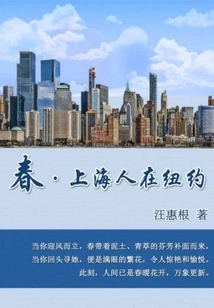
Spring Shanghainese in New York
Literature春·上海人在纽约
Wang Huigen
"Spring: Shanghainese in New York" is a cultural book that deconstructs the good nature of the human world. And it can be safely said that she is one of those rare works whose themes are greater than literature. It focuses on making a relatively objective deconstruction of how Chinese people face cultural exchanges and cultural integration in the United States. Because they are about different policies regarding Chinese demand in New York, there is no comparability between the two. In New York, there are many Beijingers living; in New York, there are many Shanghainese. In New York, there are many Chinese people from different regions of China living. Therefore, the reality they face is that exchanges of culture, values and even beliefs must be achieved. The ultimate goal of communication must not be based on betrayal of the respective cultures. This may be the outstanding rational value of the literature of "Spring: Shanghainese in New York".
"Spring: Shanghainese in New York" is a cultural book that deconstructs the good nature of the human world. And it can be safely said that she is one of those rare works whose themes are greater than literature. It focuses on making a relatively objective deconstruction of how Chinese people face cultural exchanges and cultural integration in the United States. Because they are about different policies regarding Chinese demand in New York, there is no comparability between the two. In New York, there are many Beijingers living; in New York, there are many Shanghainese. In New York, there are many Chinese people from different regions of China living. Therefore, the reality they face is that exchanges of culture, values and even beliefs must be achieved. The ultimate goal of communication must not be based on betrayal of the respective cultures. This may be the outstanding rational value of the literature of "Spring: Shanghainese in New York".
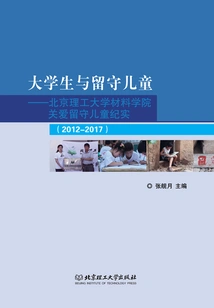
大学生与留守儿童
Zhang Jianyue
This book collects and organizes the research reports, practice summaries, experiences and video materials of the "Focus on Left-behind Children" college student social practice group of the School of Materials Science and Engineering at Beijing Institute of Technology from 2012 to 2017. It strives to truly restore the feelings and insights of college students in the process of understanding the national conditions, understanding society, and enhancing their sense of social responsibility and mission. It objectively reflects the living conditions of left-behind children and arouses continued attention and care from the whole society. It is hoped that this book will inspire the majority of college students to actively participate in social practice and become promising young people in the new era.
This book collects and organizes the research reports, practice summaries, experiences and video materials of the "Focus on Left-behind Children" college student social practice group of the School of Materials Science and Engineering at Beijing Institute of Technology from 2012 to 2017. It strives to truly restore the feelings and insights of college students in the process of understanding the national conditions, understanding society, and enhancing their sense of social responsibility and mission. It objectively reflects the living conditions of left-behind children and arouses continued attention and care from the whole society. It is hoped that this book will inspire the majority of college students to actively participate in social practice and become promising young people in the new era.
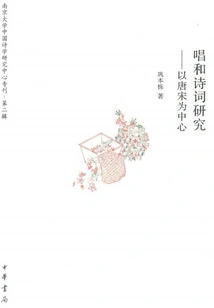
唱和诗词研究:以唐宋为中心(南京大学中国诗学研究中心专刊·第二辑)
Gong Bendong
This book combines a comprehensive review with case studies to discuss the origin, development and characteristics of singing and poetry, several issues in the evaluation and research of singing and poetry, and the role, status and influence of singing and poetry in the history of Chinese literature. The issue of perspective is also discussed, as well as some cases of harmonious poetry such as the couplets of Han Yu and Meng Jiao, the harmonious poems of Yuan Zhen and Bai Juyi, Su Shi's "Poetry of He Tao" and the "Poetry of Harmony" by Fang Qianli, Yang Zemin and Chen Yunping of the Southern Song Dynasty.
This book combines a comprehensive review with case studies to discuss the origin, development and characteristics of singing and poetry, several issues in the evaluation and research of singing and poetry, and the role, status and influence of singing and poetry in the history of Chinese literature. The issue of perspective is also discussed, as well as some cases of harmonious poetry such as the couplets of Han Yu and Meng Jiao, the harmonious poems of Yuan Zhen and Bai Juyi, Su Shi's "Poetry of He Tao" and the "Poetry of Harmony" by Fang Qianli, Yang Zemin and Chen Yunping of the Southern Song Dynasty.
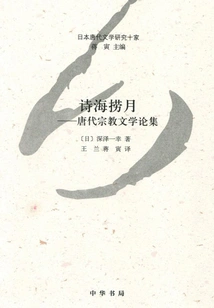
诗海捞月:唐代宗教文学论集(日本唐代文学研究十家)
(japan) Kazuyuki Fukasawa
This book discusses the religious factors in the poetry of Tang Dynasty poets such as Meng Haoran, Du Fu, Wei Yingwu, and Li Shangyin. It is a collection of research papers by Mr. Fukasawa Koichi over the past 35 years.
This book discusses the religious factors in the poetry of Tang Dynasty poets such as Meng Haoran, Du Fu, Wei Yingwu, and Li Shangyin. It is a collection of research papers by Mr. Fukasawa Koichi over the past 35 years.
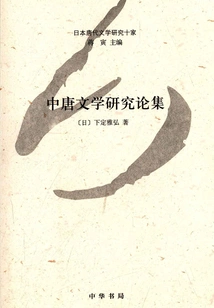
中唐文学研究论集(日本唐代文学研究十家)
(japan) Shimosada Masahiro
This book selects the representative cases of Bai Juyi and Liu Zongyuan for in-depth discussion, and then explores the creative changes of Bai Juyi, Yuan Zhen, Han Yu, Liu Zongyuan, and Liu Yuxi under the same political environment and cultural background of the Mid-Tang Dynasty.
This book selects the representative cases of Bai Juyi and Liu Zongyuan for in-depth discussion, and then explores the creative changes of Bai Juyi, Yuan Zhen, Han Yu, Liu Zongyuan, and Liu Yuxi under the same political environment and cultural background of the Mid-Tang Dynasty.
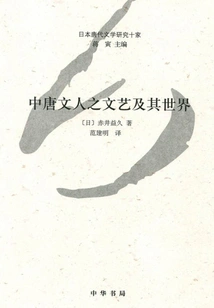
中唐文人之文艺及其世界(日本唐代文学研究十家)
(japan) Masuhisa Akai
The theme of this book focuses on the evaluation of the status of poets of the Mid-Tang Dynasty in literary history. The poets involved mainly include: Liu Changqing, Wei Yingwu, Bai Juyi, Yuan Zhen, Zhang Ji, Wang Jian, Liu Yuxi, Meng Jiao, Jiao Ran, etc.
The theme of this book focuses on the evaluation of the status of poets of the Mid-Tang Dynasty in literary history. The poets involved mainly include: Liu Changqing, Wei Yingwu, Bai Juyi, Yuan Zhen, Zhang Ji, Wang Jian, Liu Yuxi, Meng Jiao, Jiao Ran, etc.
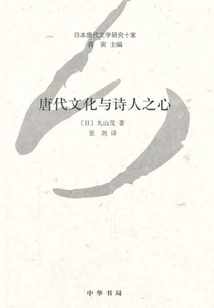
Tang Dynasty Culture and the Heart of the Poet (ten Japanese Studies on Tang Dynasty Literature)
Literature唐代文化与诗人之心(日本唐代文学研究十家)
(japan) Shigeru Maruyama
This book is divided into three parts: the first is the study of Bai Juyi's "Collected Works of the Bai Family"; the second is the study of the allegorical poems of the Tang Dynasty and Zhang Ji's "Sad Songs"; the third is the discussion of the living environment of the poets of the Tang Dynasty.
This book is divided into three parts: the first is the study of Bai Juyi's "Collected Works of the Bai Family"; the second is the study of the allegorical poems of the Tang Dynasty and Zhang Ji's "Sad Songs"; the third is the discussion of the living environment of the poets of the Tang Dynasty.
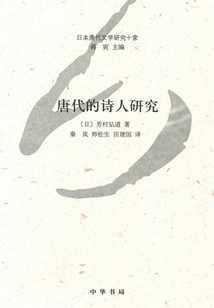
唐代的诗人研究(日本唐代文学研究十家)
(japan) Hiromichi Yoshimura
This is a collection of essays on the study of poets in the Tang Dynasty. The first part mainly collects biographies and literary papers on the landscape pastoral poets (Meng Haoran, Chu Guangxi, Wei Yingwu, Wang Changling) during the prosperous and mid-Tang Dynasties. The second part consists of papers and textual research on the biography of Bai Juyi and the relationship between Bai Juyi and Li Shangyin.
This is a collection of essays on the study of poets in the Tang Dynasty. The first part mainly collects biographies and literary papers on the landscape pastoral poets (Meng Haoran, Chu Guangxi, Wei Yingwu, Wang Changling) during the prosperous and mid-Tang Dynasties. The second part consists of papers and textual research on the biography of Bai Juyi and the relationship between Bai Juyi and Li Shangyin.
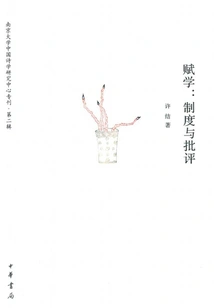
赋学:制度与批评(南京大学中国诗学研究中心专刊·第二辑)
Xu Jie
This book contains a total of 18 papers by the author, discussing the relationship between Han Fu and the system, Ci Fu and the ritual and music system, Ci Fu and the imperial examination system, etc. It is a more detailed monograph on the study of Fu.
This book contains a total of 18 papers by the author, discussing the relationship between Han Fu and the system, Ci Fu and the ritual and music system, Ci Fu and the imperial examination system, etc. It is a more detailed monograph on the study of Fu.
寻找童书的真生命:世界童书创作者访谈录
Wang Xinting
This is a wonderful collection of interviews with children's book creators from around the world. This book reveals the stories behind outstanding children's books through interviews with 11 children's book creators who were selected into the "100 Love Reading Children's Books", and analyzes the creators' creative concepts and views on children's literature. The novel perspective, in-depth questions and answers containing wisdom and unique thinking lead readers to get close to the author and understand the work. This book also provides readers with a comprehensive understanding of the current children's book creation and publishing ecology, providing a new humanistic perspective.
This is a wonderful collection of interviews with children's book creators from around the world. This book reveals the stories behind outstanding children's books through interviews with 11 children's book creators who were selected into the "100 Love Reading Children's Books", and analyzes the creators' creative concepts and views on children's literature. The novel perspective, in-depth questions and answers containing wisdom and unique thinking lead readers to get close to the author and understand the work. This book also provides readers with a comprehensive understanding of the current children's book creation and publishing ecology, providing a new humanistic perspective.
拉马克的复仇:表观遗传学的大变革
(us) Peter Ward
Epigenetics is a complex process, but paleontologist and astrobiologist Peter Ward breaks it down into layman's terms for the general public. He uses the paradigm of epigenetics to re-examine how our human history-from ancient times to the outbreak of the Black Death and back to the present day-has left its imprint on our physiology, behavior, and intelligence. Some extremely thought-provoking chapters on the epigenetic changes we are experiencing as a result of toxicants, environmental pollutants, famine, malnutrition, stress, and excessive exposure to violence. Lamarck's Revenge is an eye-opening and exciting exploration of how traits are inherited and how outside influences prompt us to pass them on to future generations.
Epigenetics is a complex process, but paleontologist and astrobiologist Peter Ward breaks it down into layman's terms for the general public. He uses the paradigm of epigenetics to re-examine how our human history-from ancient times to the outbreak of the Black Death and back to the present day-has left its imprint on our physiology, behavior, and intelligence. Some extremely thought-provoking chapters on the epigenetic changes we are experiencing as a result of toxicants, environmental pollutants, famine, malnutrition, stress, and excessive exposure to violence. Lamarck's Revenge is an eye-opening and exciting exploration of how traits are inherited and how outside influences prompt us to pass them on to future generations.