Library
Browse and search books
2,472 novels found
荒野帝国:走入美国未来的旅行
V
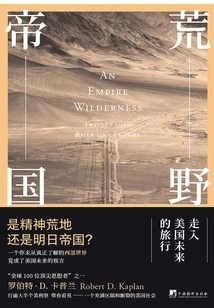
From 1995 to 1997, Kaplan embarked on a western journey from Kansas to the West Coast in his native United States. Through political and cultural perspectives, he discovered a transforming United States in geographical details: This big country is not in decline, but is slowly and irreversibly transforming into a new identity. Kaplan traveled from St. Louis in the center of the United States to Portland in the west, from the Canadian border in the north to the Mexican border in the south. During his travels, Kaplan discovered a new America: an America full of divisions and fractures in terms of race, class, education, and geography. In this America, wealth is increasing rapidly, but the gap between rich and poor is also widening; traditional beliefs have passed away, and new beliefs are only in their infancy. In "Wild Empire: A Journey into America's Future," Kaplan examines the United States with a keen and penetrating eye, interpreting the United States' future through reflections on its past, and ultimately points out that the most successful country in the world has entered the final and highly unknown phase of its history. In this era that is heavily influenced and infiltrated by American culture and values, "Wild Empire" undoubtedly provides an entrance for Chinese readers to "step into" the past and future of the United States. Kaplan's narration of his own journey allows us to be immersed in the scene and understand what has happened and what will happen in this land.
From 1995 to 1997, Kaplan embarked on a western journey from Kansas to the West Coast in his native United States. Through political and cultural perspectives, he discovered a transforming United States in geographical details: This big country is not in decline, but is slowly and irreversibly transforming into a new identity. Kaplan traveled from St. Louis in the center of the United States to Portland in the west, from the Canadian border in the north to the Mexican border in the south. During his travels, Kaplan discovered a new America: an America full of divisions and fractures in terms of race, class, education, and geography. In this America, wealth is increasing rapidly, but the gap between rich and poor is also widening; traditional beliefs have passed away, and new beliefs are only in their infancy. In "Wild Empire: A Journey into America's Future," Kaplan examines the United States with a keen and penetrating eye, interpreting the United States' future through reflections on its past, and ultimately points out that the most successful country in the world has entered the final and highly unknown phase of its history. In this era that is heavily influenced and infiltrated by American culture and values, "Wild Empire" undoubtedly provides an entrance for Chinese readers to "step into" the past and future of the United States. Kaplan's narration of his own journey allows us to be immersed in the scene and understand what has happened and what will happen in this land.
独霸中东:以色列的军事强国密码(好望角书系)
(israel) Yaakov Katz (israel) Amir Bobert
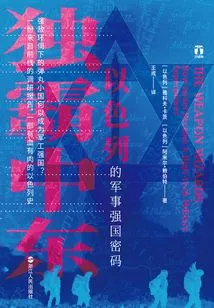
From drones to satellites, from missile defense systems to cyber warfare, Israel has been at the forefront of the world in applying new technologies to the modern battlefield. "Domination of the Middle East: Israel's Code of Military Power" shows us how this small country with a population of just over 8 million has been in a war environment for a long time, constantly adapting to changes in the form of war, and becoming a new type of power in the 21st century. Of course, Israel's "strength" does not lie in size, but in innovation and efficiency. As a pioneer in exploring war models in the 21st century, Israel has developed many new weapons in the face of ever-changing battlefields, and has maintained the effectiveness, continuity and lethality of its original weapons through modifications. While countries around the world are grappling with the same challenges, many are learning from Israel's experience, especially when it comes to weapons manufacturing. It can be said that Israel has become the world's weapons research and development laboratory. The road is long and long. In the difficult exploration of crossing the river by feeling for the stones, China is gradually breaking out of the old system of planned economy, and its prospects are already vaguely visible.
From drones to satellites, from missile defense systems to cyber warfare, Israel has been at the forefront of the world in applying new technologies to the modern battlefield. "Domination of the Middle East: Israel's Code of Military Power" shows us how this small country with a population of just over 8 million has been in a war environment for a long time, constantly adapting to changes in the form of war, and becoming a new type of power in the 21st century. Of course, Israel's "strength" does not lie in size, but in innovation and efficiency. As a pioneer in exploring war models in the 21st century, Israel has developed many new weapons in the face of ever-changing battlefields, and has maintained the effectiveness, continuity and lethality of its original weapons through modifications. While countries around the world are grappling with the same challenges, many are learning from Israel's experience, especially when it comes to weapons manufacturing. It can be said that Israel has become the world's weapons research and development laboratory. The road is long and long. In the difficult exploration of crossing the river by feeling for the stones, China is gradually breaking out of the old system of planned economy, and its prospects are already vaguely visible.
August Artillery Fire
History八月炮火
R
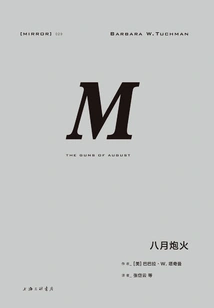
In this Pulitzer Prize-winning classic, Barbara Tuchman brilliantly illustrates the formation and outbreak of the crisis in August 1914 and the early battles of the war through vivid historical scene restoration, rich details and solid historical data support. Shortly after the publication of this book, the "Cuban Missile Crisis" occurred, which almost triggered a nuclear war. It was from this book that the then US President Kennedy learned historical lessons, which enabled the United States and the Soviet Union to resolve the crisis peacefully. These historical lessons are still of profound instructive significance to today's world.
In this Pulitzer Prize-winning classic, Barbara Tuchman brilliantly illustrates the formation and outbreak of the crisis in August 1914 and the early battles of the war through vivid historical scene restoration, rich details and solid historical data support. Shortly after the publication of this book, the "Cuban Missile Crisis" occurred, which almost triggered a nuclear war. It was from this book that the then US President Kennedy learned historical lessons, which enabled the United States and the Soviet Union to resolve the crisis peacefully. These historical lessons are still of profound instructive significance to today's world.
世界简史(套装共3册)
Guo Fang
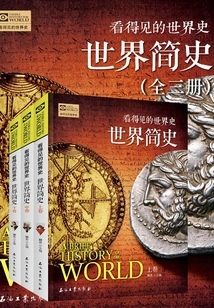
World history has gone through an arduous and long development process. It can be roughly divided into three stages: the ancient period, the medieval period, and the modern period. In every stage, a solid human step is left. "A Brief History of the World" (Volume 1, 2, and 2) is divided into eight chapters. The content covers major historical facts from the beginning of human civilization to the long history of the 21st century. It uses time as the warp and the history of various countries as the latitude. It is told vertically and horizontally, presenting a panoramic view of world history in an all-round and multi-angle manner. This set of books adopts the style of story, and the narrative is vivid and fascinating.
World history has gone through an arduous and long development process. It can be roughly divided into three stages: the ancient period, the medieval period, and the modern period. In every stage, a solid human step is left. "A Brief History of the World" (Volume 1, 2, and 2) is divided into eight chapters. The content covers major historical facts from the beginning of human civilization to the long history of the 21st century. It uses time as the warp and the history of various countries as the latitude. It is told vertically and horizontally, presenting a panoramic view of world history in an all-round and multi-angle manner. This set of books adopts the style of story, and the narrative is vivid and fascinating.
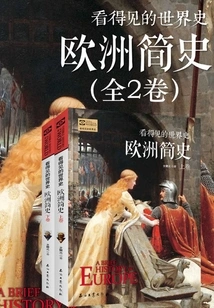
欧洲简史(套装共2册)
Wen Pinyuan
Among the seven continents in the world, one continent has the most eye-catching history, and that is Europe. Because European countries have a very large influence on other continents. Going back hundreds of years, European countries such as Portugal, Spain, the Netherlands, Britain, and France once established huge colonies, including many countries in other continents. Today, although the colonies have become independent, European culture still affects the world and is still the most popular and influential cultural form in the world.
Among the seven continents in the world, one continent has the most eye-catching history, and that is Europe. Because European countries have a very large influence on other continents. Going back hundreds of years, European countries such as Portugal, Spain, the Netherlands, Britain, and France once established huge colonies, including many countries in other continents. Today, although the colonies have become independent, European culture still affects the world and is still the most popular and influential cultural form in the world.
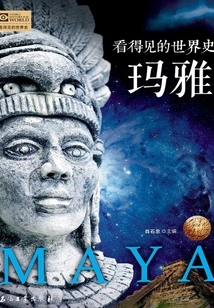
Maya
History玛雅
Xiao Shizhong
The Mayan civilization has a history of nearly four thousand years from its earliest emergence to its destruction by the Spanish. Among the world's ancient civilizations, the Maya is undoubtedly romantic.
The Mayan civilization has a history of nearly four thousand years from its earliest emergence to its destruction by the Spanish. Among the world's ancient civilizations, the Maya is undoubtedly romantic.
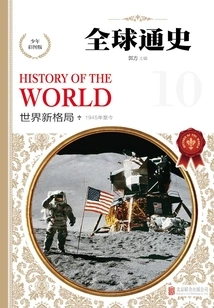
General History of the World: Colored Picture Edition for Teenagers. the New Pattern of the World
History全球通史:少年彩图版.世界新格局
Guo Fang
The General History of the World (Youth Color Picture Edition) takes historical chronology as its warp and important figures and events in various periods of world history as its weft. The content covers politics, military, economy, culture, diplomacy, science and technology, law, religion, art, folklore and many other aspects. The book is divided into 10 volumes, starting from the ancient Egyptian period to the 911 terrorist attacks in the United States. It selects more than 600 themes and more than 2,000 pictures to vividly, truly, objectively and comprehensively reproduce the wonderful moments and rich connotations of world history. The vivid and smooth text, colorful pictures, novel and lively format, and exquisite binding design enable young readers to easily acquire world historical knowledge in a pleasant reading experience.
The General History of the World (Youth Color Picture Edition) takes historical chronology as its warp and important figures and events in various periods of world history as its weft. The content covers politics, military, economy, culture, diplomacy, science and technology, law, religion, art, folklore and many other aspects. The book is divided into 10 volumes, starting from the ancient Egyptian period to the 911 terrorist attacks in the United States. It selects more than 600 themes and more than 2,000 pictures to vividly, truly, objectively and comprehensively reproduce the wonderful moments and rich connotations of world history. The vivid and smooth text, colorful pictures, novel and lively format, and exquisite binding design enable young readers to easily acquire world historical knowledge in a pleasant reading experience.
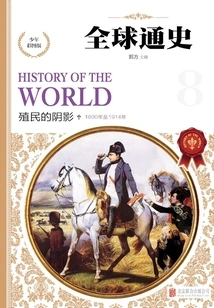
General History of the World: Colored Picture Edition for Teenagers. the Shadow of Colonization
History全球通史:少年彩图版.殖民的阴影
Guo Fang
The General History of the World (Youth Color Picture Edition) takes historical chronology as its warp and important figures and events in various periods of world history as its weft. The content covers politics, military, economy, culture, diplomacy, science and technology, law, religion, art, folklore and many other aspects. The book is divided into 10 volumes, starting from the ancient Egyptian period to the 911 terrorist attacks in the United States. It selects more than 600 themes and more than 2,000 pictures to vividly, truly, objectively and comprehensively reproduce the wonderful moments and rich connotations of world history. The vivid and smooth text, colorful pictures, novel and lively format, and exquisite binding design enable young readers to easily acquire world historical knowledge in a pleasant reading experience.
The General History of the World (Youth Color Picture Edition) takes historical chronology as its warp and important figures and events in various periods of world history as its weft. The content covers politics, military, economy, culture, diplomacy, science and technology, law, religion, art, folklore and many other aspects. The book is divided into 10 volumes, starting from the ancient Egyptian period to the 911 terrorist attacks in the United States. It selects more than 600 themes and more than 2,000 pictures to vividly, truly, objectively and comprehensively reproduce the wonderful moments and rich connotations of world history. The vivid and smooth text, colorful pictures, novel and lively format, and exquisite binding design enable young readers to easily acquire world historical knowledge in a pleasant reading experience.
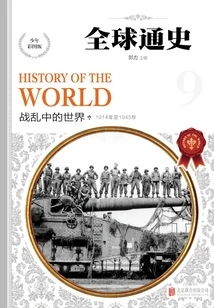
全球通史:少年彩图版.战乱中的世界
Guo Fang
The General History of the World (Youth Color Picture Edition) takes historical chronology as its warp and important figures and events in various periods of world history as its weft. The content covers politics, military, economy, culture, diplomacy, science and technology, law, religion, art, folklore and many other aspects. The book is divided into 10 volumes, starting from the ancient Egyptian period to the 911 terrorist attacks in the United States. It selects more than 600 themes and more than 2,000 pictures to vividly, truly, objectively and comprehensively reproduce the wonderful moments and rich connotations of world history. The vivid and smooth text, colorful pictures, novel and lively format, and exquisite binding design enable young readers to easily acquire world historical knowledge in a pleasant reading experience.
The General History of the World (Youth Color Picture Edition) takes historical chronology as its warp and important figures and events in various periods of world history as its weft. The content covers politics, military, economy, culture, diplomacy, science and technology, law, religion, art, folklore and many other aspects. The book is divided into 10 volumes, starting from the ancient Egyptian period to the 911 terrorist attacks in the United States. It selects more than 600 themes and more than 2,000 pictures to vividly, truly, objectively and comprehensively reproduce the wonderful moments and rich connotations of world history. The vivid and smooth text, colorful pictures, novel and lively format, and exquisite binding design enable young readers to easily acquire world historical knowledge in a pleasant reading experience.
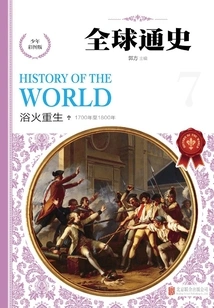
全球通史:少年彩图版.浴火重生
Guo Fang
The General History of the World (Youth Color Picture Edition) takes historical chronology as its warp and important figures and events in various periods of world history as its weft. The content covers politics, military, economy, culture, diplomacy, science and technology, law, religion, art, folklore and many other aspects. The book is divided into 10 volumes, starting from the ancient Egyptian period to the 911 terrorist attacks in the United States. It selects more than 600 themes and more than 2,000 pictures to vividly, truly, objectively and comprehensively reproduce the wonderful moments and rich connotations of world history. The vivid and smooth text, colorful pictures, novel and lively format, and exquisite binding design enable young readers to easily acquire world historical knowledge in a pleasant reading experience.
The General History of the World (Youth Color Picture Edition) takes historical chronology as its warp and important figures and events in various periods of world history as its weft. The content covers politics, military, economy, culture, diplomacy, science and technology, law, religion, art, folklore and many other aspects. The book is divided into 10 volumes, starting from the ancient Egyptian period to the 911 terrorist attacks in the United States. It selects more than 600 themes and more than 2,000 pictures to vividly, truly, objectively and comprehensively reproduce the wonderful moments and rich connotations of world history. The vivid and smooth text, colorful pictures, novel and lively format, and exquisite binding design enable young readers to easily acquire world historical knowledge in a pleasant reading experience.
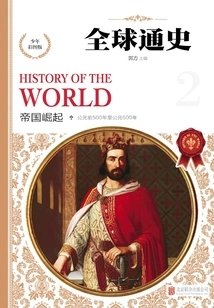
全球通史:少年彩图版.帝国崛起
Guo Fang
The General History of the World (Youth Color Picture Edition) takes historical chronology as its warp and important figures and events in various periods of world history as its weft. The content covers politics, military, economy, culture, diplomacy, science and technology, law, religion, art, folklore and many other aspects. The book is divided into 10 volumes, starting from the ancient Egyptian period to the 911 terrorist attacks in the United States. It selects more than 600 themes and more than 2,000 pictures to vividly, truly, objectively and comprehensively reproduce the wonderful moments and rich connotations of world history. The vivid and smooth text, colorful pictures, novel and lively format, and exquisite binding design enable young readers to easily acquire world historical knowledge in a pleasant reading experience.
The General History of the World (Youth Color Picture Edition) takes historical chronology as its warp and important figures and events in various periods of world history as its weft. The content covers politics, military, economy, culture, diplomacy, science and technology, law, religion, art, folklore and many other aspects. The book is divided into 10 volumes, starting from the ancient Egyptian period to the 911 terrorist attacks in the United States. It selects more than 600 themes and more than 2,000 pictures to vividly, truly, objectively and comprehensively reproduce the wonderful moments and rich connotations of world history. The vivid and smooth text, colorful pictures, novel and lively format, and exquisite binding design enable young readers to easily acquire world historical knowledge in a pleasant reading experience.
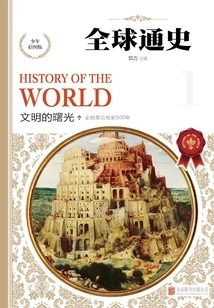
General History of the World: Colored Picture Edition for Young People. the Dawn of Civilization
History全球通史:少年彩图版.文明的曙光
Guo Fang
The General History of the World (Youth Color Picture Edition) takes historical chronology as its warp and important figures and events in various periods of world history as its weft. The content covers politics, military, economy, culture, diplomacy, science and technology, law, religion, art, folklore and many other aspects. The book is divided into 10 volumes, starting from the ancient Egyptian period to the 911 terrorist attacks in the United States. It selects more than 600 themes and more than 2,000 pictures to vividly, truly, objectively and comprehensively reproduce the wonderful moments and rich connotations of world history. The vivid and smooth text, colorful pictures, novel and lively format, and exquisite binding design enable young readers to easily acquire world historical knowledge in a pleasant reading experience.
The General History of the World (Youth Color Picture Edition) takes historical chronology as its warp and important figures and events in various periods of world history as its weft. The content covers politics, military, economy, culture, diplomacy, science and technology, law, religion, art, folklore and many other aspects. The book is divided into 10 volumes, starting from the ancient Egyptian period to the 911 terrorist attacks in the United States. It selects more than 600 themes and more than 2,000 pictures to vividly, truly, objectively and comprehensively reproduce the wonderful moments and rich connotations of world history. The vivid and smooth text, colorful pictures, novel and lively format, and exquisite binding design enable young readers to easily acquire world historical knowledge in a pleasant reading experience.
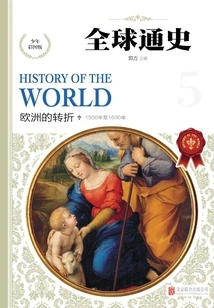
小说,小说网,最新热门小说-QQ阅读_阅文集团旗下网站
Guo Fang
The General History of the World (Youth Color Picture Edition) takes historical chronology as its warp and important figures and events in various periods of world history as its weft. The content covers politics, military, economy, culture, diplomacy, science and technology, law, religion, art, folklore and many other aspects. The book is divided into 10 volumes, starting from the ancient Egyptian period to the 911 terrorist attacks in the United States. It selects more than 600 themes and more than 2,000 pictures to vividly, truly, objectively and comprehensively reproduce the wonderful moments and rich connotations of world history. The vivid and smooth text, colorful pictures, novel and lively format, and exquisite binding design enable young readers to easily acquire world historical knowledge in a pleasant reading experience.
The General History of the World (Youth Color Picture Edition) takes historical chronology as its warp and important figures and events in various periods of world history as its weft. The content covers politics, military, economy, culture, diplomacy, science and technology, law, religion, art, folklore and many other aspects. The book is divided into 10 volumes, starting from the ancient Egyptian period to the 911 terrorist attacks in the United States. It selects more than 600 themes and more than 2,000 pictures to vividly, truly, objectively and comprehensively reproduce the wonderful moments and rich connotations of world history. The vivid and smooth text, colorful pictures, novel and lively format, and exquisite binding design enable young readers to easily acquire world historical knowledge in a pleasant reading experience.
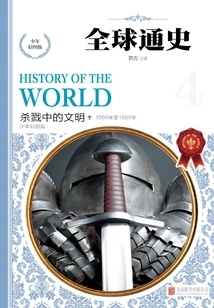
General History of the World: Colored Picture Edition for Teenagers. Civilization in the Killing
History全球通史:少年彩图版.杀戮中的文明
Guo Fang
The General History of the World (Youth Color Picture Edition) takes historical chronology as its warp and important figures and events in various periods of world history as its weft. The content covers politics, military, economy, culture, diplomacy, science and technology, law, religion, art, folklore and many other aspects. The book is divided into 10 volumes, starting from the ancient Egyptian period to the 911 terrorist attacks in the United States. It selects more than 600 themes and more than 2,000 pictures to vividly, truly, objectively and comprehensively reproduce the wonderful moments and rich connotations of world history. The vivid and smooth text, colorful pictures, novel and lively format, and exquisite binding design enable young readers to easily acquire world historical knowledge in a pleasant reading experience.
The General History of the World (Youth Color Picture Edition) takes historical chronology as its warp and important figures and events in various periods of world history as its weft. The content covers politics, military, economy, culture, diplomacy, science and technology, law, religion, art, folklore and many other aspects. The book is divided into 10 volumes, starting from the ancient Egyptian period to the 911 terrorist attacks in the United States. It selects more than 600 themes and more than 2,000 pictures to vividly, truly, objectively and comprehensively reproduce the wonderful moments and rich connotations of world history. The vivid and smooth text, colorful pictures, novel and lively format, and exquisite binding design enable young readers to easily acquire world historical knowledge in a pleasant reading experience.
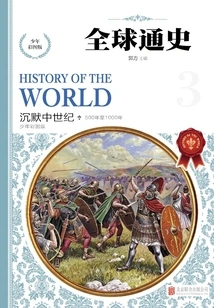
全球通史:少年彩图版.沉默中世纪
Guo Fang
The General History of the World (Youth Color Picture Edition) takes historical chronology as its warp and important figures and events in various periods of world history as its weft. The content covers politics, military, economy, culture, diplomacy, science and technology, law, religion, art, folklore and many other aspects. The book is divided into 10 volumes, starting from the ancient Egyptian period to the 911 terrorist attacks in the United States. It selects more than 600 themes and more than 2,000 pictures to vividly, truly, objectively and comprehensively reproduce the wonderful moments and rich connotations of world history. The vivid and smooth text, colorful pictures, novel and lively format, and exquisite binding design enable young readers to easily acquire world historical knowledge in a pleasant reading experience.
The General History of the World (Youth Color Picture Edition) takes historical chronology as its warp and important figures and events in various periods of world history as its weft. The content covers politics, military, economy, culture, diplomacy, science and technology, law, religion, art, folklore and many other aspects. The book is divided into 10 volumes, starting from the ancient Egyptian period to the 911 terrorist attacks in the United States. It selects more than 600 themes and more than 2,000 pictures to vividly, truly, objectively and comprehensively reproduce the wonderful moments and rich connotations of world history. The vivid and smooth text, colorful pictures, novel and lively format, and exquisite binding design enable young readers to easily acquire world historical knowledge in a pleasant reading experience.
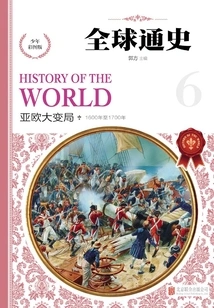
全球通史:少年彩图版.亚欧大变局
Guo Fang
The General History of the World (Youth Color Picture Edition) takes historical chronology as its warp and important figures and events in various periods of world history as its weft. The content covers politics, military, economy, culture, diplomacy, science and technology, law, religion, art, folklore and many other aspects. The book is divided into 10 volumes, starting from the ancient Egyptian period to the 911 terrorist attacks in the United States. It selects more than 600 themes and more than 2,000 pictures to vividly, truly, objectively and comprehensively reproduce the wonderful moments and rich connotations of world history. The vivid and smooth text, colorful pictures, novel and lively format, and exquisite binding design enable young readers to easily acquire world historical knowledge in a pleasant reading experience.
The General History of the World (Youth Color Picture Edition) takes historical chronology as its warp and important figures and events in various periods of world history as its weft. The content covers politics, military, economy, culture, diplomacy, science and technology, law, religion, art, folklore and many other aspects. The book is divided into 10 volumes, starting from the ancient Egyptian period to the 911 terrorist attacks in the United States. It selects more than 600 themes and more than 2,000 pictures to vividly, truly, objectively and comprehensively reproduce the wonderful moments and rich connotations of world history. The vivid and smooth text, colorful pictures, novel and lively format, and exquisite binding design enable young readers to easily acquire world historical knowledge in a pleasant reading experience.
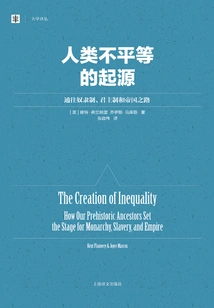
人类不平等的起源:通往奴隶制、君主制和帝国之路
(u. S.) Kent Flannery Joyce Marcus
"Inequality is a dynamic phenomenon in the historical development of human society" - All of us evolved from egalitarian hunters or gatherers, yet why are almost all of us under the control of those who are wealthy? The two authors continue Jacques Rousseau's discussion of inequality in human society, and explore the evolution of social logic in communities in different eras and regions against the grand historical background of human origins, race diffusion, community aggregation, the emergence of nations, and before modern industrialization. This book systematically constructs the inherent laws of the "idea world" in the development of human society from primitive populations to slavery, monarchy, and even empires, and clarifies the essence of various inequalities in human society.
"Inequality is a dynamic phenomenon in the historical development of human society" - All of us evolved from egalitarian hunters or gatherers, yet why are almost all of us under the control of those who are wealthy? The two authors continue Jacques Rousseau's discussion of inequality in human society, and explore the evolution of social logic in communities in different eras and regions against the grand historical background of human origins, race diffusion, community aggregation, the emergence of nations, and before modern industrialization. This book systematically constructs the inherent laws of the "idea world" in the development of human society from primitive populations to slavery, monarchy, and even empires, and clarifies the essence of various inequalities in human society.
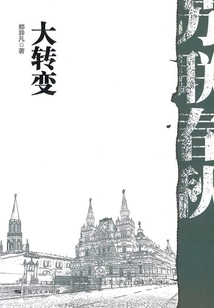
苏联春秋:大转变
Zheng Yifan
"The Spring and Autumn Period of the Soviet Union. The Great Transformation" mainly introduces the history of the Soviet Union during the Stalin period.
"The Spring and Autumn Period of the Soviet Union. The Great Transformation" mainly introduces the history of the Soviet Union during the Stalin period.
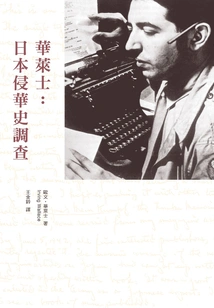
华莱士:日本侵华史调查
Owen Wallace
This book is divided into two parts, "Japan's "Mein Kampf"" and "The Fight for China." In the former, Wallace personally interviewed the core figures in Japan's foreign aggression policy as a reporter from 1940 to 1941, exposing and analyzing Japan's entire plan to invade China and even conquer the world, as well as the actual facts of its implementation. "Fighting for China" is a TV documentary script written by Wallace who signed up for military service after the outbreak of the Pacific War and served as the chief writer of the U. S. Army's production unit.
This book is divided into two parts, "Japan's "Mein Kampf"" and "The Fight for China." In the former, Wallace personally interviewed the core figures in Japan's foreign aggression policy as a reporter from 1940 to 1941, exposing and analyzing Japan's entire plan to invade China and even conquer the world, as well as the actual facts of its implementation. "Fighting for China" is a TV documentary script written by Wallace who signed up for military service after the outbreak of the Pacific War and served as the chief writer of the U. S. Army's production unit.
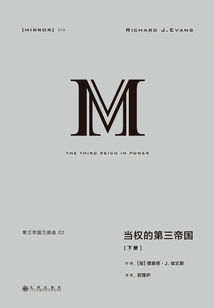
U
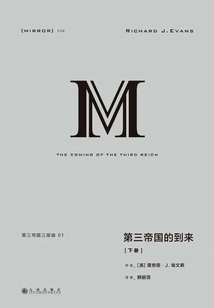
第三帝国三部曲:第三帝国的到来(下册)
(uk) Richard J. Evans
Before World War I, Germany was the richest and most powerful economy in Europe, and anti-Semitism was clearly marginalized in politics. However, the Nazis, who were just a group of extremists and villains at first, turned Germany into a one-party dictatorship within a few years, leading a highly educated nation into moral, material and cultural ruins and despair. This book explores the psychology of the Nazis through German history, society and culture, restores the process of the Nazis' seizure of power, reveals why opponents failed to stop them, and vividly reproduces the chaos, economic disaster, violence, and social polarization that led to the advent of the Third Reich.
Before World War I, Germany was the richest and most powerful economy in Europe, and anti-Semitism was clearly marginalized in politics. However, the Nazis, who were just a group of extremists and villains at first, turned Germany into a one-party dictatorship within a few years, leading a highly educated nation into moral, material and cultural ruins and despair. This book explores the psychology of the Nazis through German history, society and culture, restores the process of the Nazis' seizure of power, reveals why opponents failed to stop them, and vividly reproduces the chaos, economic disaster, violence, and social polarization that led to the advent of the Third Reich.
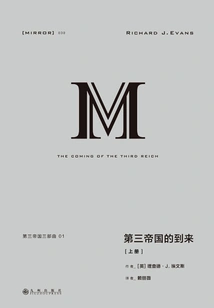
第三帝国三部曲:第三帝国的到来(上册)
(uk) Richard J. Evans
Before World War I, Germany was the richest and most powerful economy in Europe, and anti-Semitism was clearly marginalized in politics. However, the Nazis, who were just a group of extremists and villains at first, turned Germany into a one-party dictatorship within a few years, leading a highly educated nation into moral, material and cultural ruins and despair. This book explores the psychology of the Nazis through German history, society and culture, restores the process of the Nazis' seizure of power, reveals why opponents failed to stop them, and vividly reproduces the chaos, economic disaster, violence, and social polarization that led to the advent of the Third Reich.
Before World War I, Germany was the richest and most powerful economy in Europe, and anti-Semitism was clearly marginalized in politics. However, the Nazis, who were just a group of extremists and villains at first, turned Germany into a one-party dictatorship within a few years, leading a highly educated nation into moral, material and cultural ruins and despair. This book explores the psychology of the Nazis through German history, society and culture, restores the process of the Nazis' seizure of power, reveals why opponents failed to stop them, and vividly reproduces the chaos, economic disaster, violence, and social polarization that led to the advent of the Third Reich.
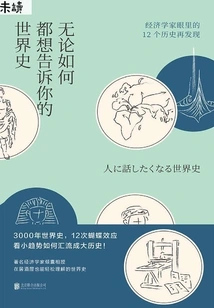
无论如何都想告诉你的世界史
(japan) Tamaki Toshiaki
Did the British Empire thrive on borrowed money? Does "remaining neutral" mean "opposing the war"? Was Viking plunder actually a kind of trade? How did printing influence the way we do business today? This book tells the story of the "unknown" world history, looking at the big from the small, and looking at the macro history from a micro perspective, bringing us a new perspective on world history. Different from the simple accumulation of historical knowledge, let us grasp the pulse of human civilization behind the appearance.
Did the British Empire thrive on borrowed money? Does "remaining neutral" mean "opposing the war"? Was Viking plunder actually a kind of trade? How did printing influence the way we do business today? This book tells the story of the "unknown" world history, looking at the big from the small, and looking at the macro history from a micro perspective, bringing us a new perspective on world history. Different from the simple accumulation of historical knowledge, let us grasp the pulse of human civilization behind the appearance.
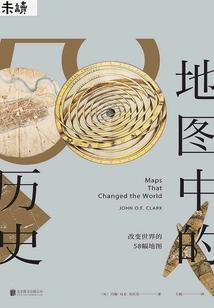
History on the Map
History地图中的历史
(uk) John O. E. Clark
"History on Maps" uses maps as a medium to tell the development of world history. From early clay tablet carvings to today's satellite projections, from the musical universe to the Age of Discovery, from Atlantis to Middle-earth, "History in Maps" uses maps as a medium to tell the development of world history. Behind every map there is a magnificent history. "History in Maps" carefully collects 58 of the most representative world-famous maps, covering astronomy, oceans, geology and landforms, military and other fields. It is accompanied by rich and exquisite color illustrations to tell you the ups and downs of the historical stories behind the maps.
"History on Maps" uses maps as a medium to tell the development of world history. From early clay tablet carvings to today's satellite projections, from the musical universe to the Age of Discovery, from Atlantis to Middle-earth, "History in Maps" uses maps as a medium to tell the development of world history. Behind every map there is a magnificent history. "History in Maps" carefully collects 58 of the most representative world-famous maps, covering astronomy, oceans, geology and landforms, military and other fields. It is accompanied by rich and exquisite color illustrations to tell you the ups and downs of the historical stories behind the maps.
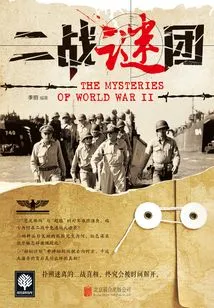
World War Ii Mystery
History二战谜团
Li Li
War brings smoke and death and has always been hated by peace-loving people. People have long written war into history to commemorate it, and at the same time to show the huge damage that war has brought to human society. There have been many wars, large and small, in history, and the closest and largest one to us was World War II.
War brings smoke and death and has always been hated by peace-loving people. People have long written war into history to commemorate it, and at the same time to show the huge damage that war has brought to human society. There have been many wars, large and small, in history, and the closest and largest one to us was World War II.
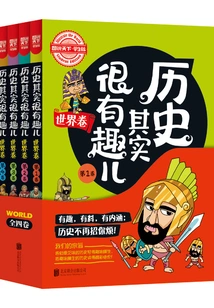
历史其实很有趣儿(世界卷全4卷)
Cao Yanan
Wonderful, interesting, visible, history no longer has a straight face. Authoritative and accurate, with pictures and truth.
Wonderful, interesting, visible, history no longer has a straight face. Authoritative and accurate, with pictures and truth.
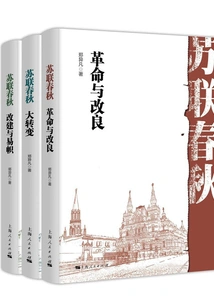
苏联春秋(全三册)
Zheng Yifan
"Soviet Spring and Autumn" is divided into three volumes, "Soviet Spring and Autumn. Revolution and Reform", "Soviet Spring and Autumn. Great Transformation" and "Soviet Spring and Autumn. Reconstruction and Change of Flags". The first volume "Revolution and Reform", from the Russian February Revolution to before Stalin came to power, mainly explains the revolution before the establishment of the Soviet Union and the social reforms after its establishment; the second volume "The Great Transformation" mainly introduces the history of the Soviet Union during Stalin's rule; the third volume "Reconstruction and Change of Flags" mainly discusses the experience and lessons of the Soviet Union before and after the disintegration.
"Soviet Spring and Autumn" is divided into three volumes, "Soviet Spring and Autumn. Revolution and Reform", "Soviet Spring and Autumn. Great Transformation" and "Soviet Spring and Autumn. Reconstruction and Change of Flags". The first volume "Revolution and Reform", from the Russian February Revolution to before Stalin came to power, mainly explains the revolution before the establishment of the Soviet Union and the social reforms after its establishment; the second volume "The Great Transformation" mainly introduces the history of the Soviet Union during Stalin's rule; the third volume "Reconstruction and Change of Flags" mainly discusses the experience and lessons of the Soviet Union before and after the disintegration.
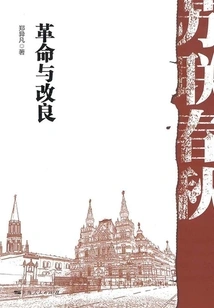
苏联春秋:革命与改良
Zheng Yifan
"Spring and Autumn of the Soviet Union. Revolution and Reform", from the Russian February Revolution to before Stalin came to power, mainly explains the revolution before the establishment of the Soviet Union and the social reforms after its establishment.
"Spring and Autumn of the Soviet Union. Revolution and Reform", from the Russian February Revolution to before Stalin came to power, mainly explains the revolution before the establishment of the Soviet Union and the social reforms after its establishment.
激荡的百年史
Shigeru Yoshida
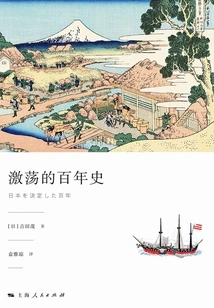
The book "A Century of Agitation" has 5 chapters in total. The first 4 chapters of Yoshida Shigeru divided the century-old history of modern Japan into four stages in chronological order - the Meiji Restoration, the move toward modernization, the difficult post-war period, and the period of economic recovery and development. He discussed them in detail one by one. In the last chapter, Yoshida Shigeru made a brief summary and proposed Japan's future plans and ideas with great hope. Each chapter is divided into several subtitles, all of which have a clear direction. They basically directly raise the specific issues faced by society at that time, once again linking to the author's political identity. Of course, what really shines in "A Century of Turbulence" is the creative strategy for governing the country it proposes. The final implementation of these governance strategies was due to the various efforts made by the Japanese government and people on the one hand, and on the other hand it was also due to the full use of the international environment at the time. As Yoshida Shigeru said in the book, Japan "was born at the right time and relied on its lucky side." At the end of the article, Yoshida Shigeru's "Reminiscences" are included.
The book "A Century of Agitation" has 5 chapters in total. The first 4 chapters of Yoshida Shigeru divided the century-old history of modern Japan into four stages in chronological order - the Meiji Restoration, the move toward modernization, the difficult post-war period, and the period of economic recovery and development. He discussed them in detail one by one. In the last chapter, Yoshida Shigeru made a brief summary and proposed Japan's future plans and ideas with great hope. Each chapter is divided into several subtitles, all of which have a clear direction. They basically directly raise the specific issues faced by society at that time, once again linking to the author's political identity. Of course, what really shines in "A Century of Turbulence" is the creative strategy for governing the country it proposes. The final implementation of these governance strategies was due to the various efforts made by the Japanese government and people on the one hand, and on the other hand it was also due to the full use of the international environment at the time. As Yoshida Shigeru said in the book, Japan "was born at the right time and relied on its lucky side." At the end of the article, Yoshida Shigeru's "Reminiscences" are included.
苏联春秋:改建与易帜
Zheng Yifan
"The Spring and Autumn Period of the Soviet Union. Reconstruction and Change of Flags" mainly discusses the experiences and lessons before and after the disintegration of the Soviet Union.
"The Spring and Autumn Period of the Soviet Union. Reconstruction and Change of Flags" mainly discusses the experiences and lessons before and after the disintegration of the Soviet Union.
图说天下·全球通史系列君主权威
Guo Fang
Earth, this blue planet is just a drop in the ocean in the vast universe, but it is the cradle of mankind. When the ancestors of mankind began to make simple stone tools with their hands, they said goodbye to the apes, and the history of mankind slowly drew to a close. Earth, this blue planet is just a drop in the ocean in the vast universe, but it is the cradle of mankind. When the ancestors of mankind began to make simple stone tools with their hands, they said goodbye to the apes, and the history of mankind slowly drew to a close.
Earth, this blue planet is just a drop in the ocean in the vast universe, but it is the cradle of mankind. When the ancestors of mankind began to make simple stone tools with their hands, they said goodbye to the apes, and the history of mankind slowly drew to a close. Earth, this blue planet is just a drop in the ocean in the vast universe, but it is the cradle of mankind. When the ancestors of mankind began to make simple stone tools with their hands, they said goodbye to the apes, and the history of mankind slowly drew to a close.
图说天下·全球通史系列两战风云
Guo Fang
Earth, this blue planet is just a drop in the ocean in the vast universe, but it is the cradle of mankind. When the ancestors of mankind began to make simple stone tools with their hands, they said goodbye to the apes, and the history of mankind slowly drew to a close. Earth, this blue planet is just a drop in the ocean in the vast universe, but it is the cradle of mankind. When the ancestors of mankind began to make simple stone tools with their hands, they said goodbye to the apes, and the history of mankind slowly drew to a close.
Earth, this blue planet is just a drop in the ocean in the vast universe, but it is the cradle of mankind. When the ancestors of mankind began to make simple stone tools with their hands, they said goodbye to the apes, and the history of mankind slowly drew to a close. Earth, this blue planet is just a drop in the ocean in the vast universe, but it is the cradle of mankind. When the ancestors of mankind began to make simple stone tools with their hands, they said goodbye to the apes, and the history of mankind slowly drew to a close.
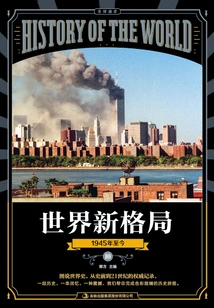
图说天下·全球通史系列世界新格局
Guo Fang
Earth, this blue planet is just a drop in the ocean in the vast universe, but it is the cradle of mankind. When the ancestors of mankind began to make simple stone tools with their hands, they said goodbye to the apes, and the history of mankind slowly drew to a close. Earth, this blue planet is just a drop in the ocean in the vast universe, but it is the cradle of mankind. When the ancestors of mankind began to make simple stone tools with their hands, they said goodbye to the apes, and the history of mankind slowly drew to a close.
Earth, this blue planet is just a drop in the ocean in the vast universe, but it is the cradle of mankind. When the ancestors of mankind began to make simple stone tools with their hands, they said goodbye to the apes, and the history of mankind slowly drew to a close. Earth, this blue planet is just a drop in the ocean in the vast universe, but it is the cradle of mankind. When the ancestors of mankind began to make simple stone tools with their hands, they said goodbye to the apes, and the history of mankind slowly drew to a close.
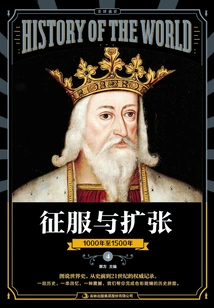
图说天下·全球通史系列征服与扩张
Guo Fang
Earth, this blue planet is just a drop in the ocean in the vast universe, but it is the cradle of mankind. When the ancestors of mankind began to make simple stone tools with their hands, they said goodbye to the apes, and the history of mankind slowly drew to a close. Earth, this blue planet is just a drop in the ocean in the vast universe, but it is the cradle of mankind. When the ancestors of mankind began to make simple stone tools with their hands, they said goodbye to the apes, and the history of mankind slowly drew to a close.
Earth, this blue planet is just a drop in the ocean in the vast universe, but it is the cradle of mankind. When the ancestors of mankind began to make simple stone tools with their hands, they said goodbye to the apes, and the history of mankind slowly drew to a close. Earth, this blue planet is just a drop in the ocean in the vast universe, but it is the cradle of mankind. When the ancestors of mankind began to make simple stone tools with their hands, they said goodbye to the apes, and the history of mankind slowly drew to a close.
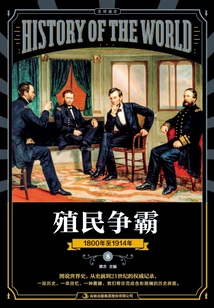
图说天下·全球通史系列殖民争霸
Guo Fang
Earth, this blue planet is just a drop in the ocean in the vast universe, but it is the cradle of mankind. When the ancestors of mankind began to make simple stone tools with their hands, they said goodbye to the apes, and the history of mankind slowly drew to a close. Earth, this blue planet is just a drop in the ocean in the vast universe, but it is the cradle of mankind. When the ancestors of mankind began to make simple stone tools with their hands, they said goodbye to the apes, and the history of mankind slowly drew to a close.
Earth, this blue planet is just a drop in the ocean in the vast universe, but it is the cradle of mankind. When the ancestors of mankind began to make simple stone tools with their hands, they said goodbye to the apes, and the history of mankind slowly drew to a close. Earth, this blue planet is just a drop in the ocean in the vast universe, but it is the cradle of mankind. When the ancestors of mankind began to make simple stone tools with their hands, they said goodbye to the apes, and the history of mankind slowly drew to a close.
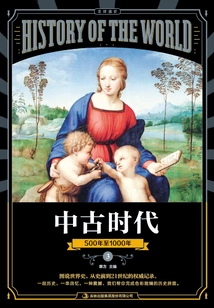
图说天下·全球通史系列中古时代
Guo Fang
Earth, this blue planet is just a drop in the ocean in the vast universe, but it is the cradle of mankind. When the ancestors of mankind began to make simple stone tools with their hands, they said goodbye to the apes, and the history of mankind slowly drew to a close. Earth, this blue planet is just a drop in the ocean in the vast universe, but it is the cradle of mankind. When the ancestors of mankind began to make simple stone tools with their hands, they said goodbye to the apes, and the history of mankind slowly drew to a close.
Earth, this blue planet is just a drop in the ocean in the vast universe, but it is the cradle of mankind. When the ancestors of mankind began to make simple stone tools with their hands, they said goodbye to the apes, and the history of mankind slowly drew to a close. Earth, this blue planet is just a drop in the ocean in the vast universe, but it is the cradle of mankind. When the ancestors of mankind began to make simple stone tools with their hands, they said goodbye to the apes, and the history of mankind slowly drew to a close.
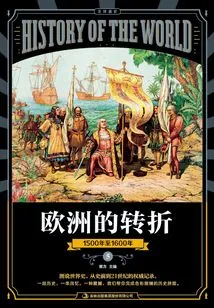
图说天下·全球通史系列欧洲的转折
Guo Fang
Earth, this blue planet is just a drop in the ocean in the vast universe, but it is the cradle of mankind. When the ancestors of mankind began to make simple stone tools with their hands, they said goodbye to the apes, and the history of mankind slowly drew to a close. Earth, this blue planet is just a drop in the ocean in the vast universe, but it is the cradle of mankind. When the ancestors of mankind began to make simple stone tools with their hands, they said goodbye to the apes, and the history of mankind slowly drew to a close.
Earth, this blue planet is just a drop in the ocean in the vast universe, but it is the cradle of mankind. When the ancestors of mankind began to make simple stone tools with their hands, they said goodbye to the apes, and the history of mankind slowly drew to a close. Earth, this blue planet is just a drop in the ocean in the vast universe, but it is the cradle of mankind. When the ancestors of mankind began to make simple stone tools with their hands, they said goodbye to the apes, and the history of mankind slowly drew to a close.
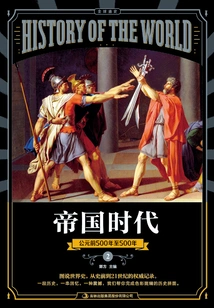
图说天下·全球通史系列帝国时代
Guo Fang
Earth, this blue planet is just a drop in the ocean in the vast universe, but it is the cradle of mankind. When the ancestors of mankind began to make simple stone tools with their hands, they said goodbye to the apes, and the history of mankind slowly drew to a close. Earth, this blue planet is just a drop in the ocean in the vast universe, but it is the cradle of mankind. When the ancestors of mankind began to make simple stone tools with their hands, they said goodbye to the apes, and the history of mankind slowly drew to a close.
Earth, this blue planet is just a drop in the ocean in the vast universe, but it is the cradle of mankind. When the ancestors of mankind began to make simple stone tools with their hands, they said goodbye to the apes, and the history of mankind slowly drew to a close. Earth, this blue planet is just a drop in the ocean in the vast universe, but it is the cradle of mankind. When the ancestors of mankind began to make simple stone tools with their hands, they said goodbye to the apes, and the history of mankind slowly drew to a close.
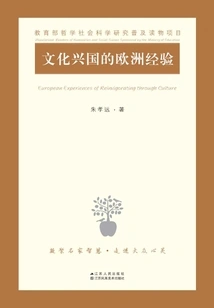
文化兴国的欧洲经验
Zhu Xiaoyuan
In human history, there are very few civilizations named after continents, but European civilization is one of them. Europe has long formed the characteristics of overall development in culture, and has very distinctive European characteristics. After 1500, Europe entered a period of rapid development of civilization. The connections between various countries were further strengthened, and the characteristics of Europe became more obvious. Europe has the most colorful culture and its economy is also very developed. This book summarizes the experience of European cultural rejuvenation.
In human history, there are very few civilizations named after continents, but European civilization is one of them. Europe has long formed the characteristics of overall development in culture, and has very distinctive European characteristics. After 1500, Europe entered a period of rapid development of civilization. The connections between various countries were further strengthened, and the characteristics of Europe became more obvious. Europe has the most colorful culture and its economy is also very developed. This book summarizes the experience of European cultural rejuvenation.
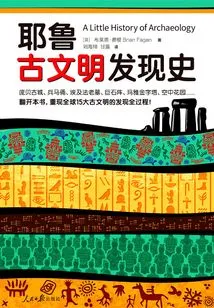
耶鲁古文明发现史
M
An honorary work from Yale University Press, written by a BBC special consultant! Visit more than 30 archaeological sites around the world and witness the entire discovery process of 15 ancient civilizations! The epic city of Troy really existed! Porcelain from the Ming Dynasty is actually hidden in a South African ruins! Pompeii, Terracotta Warriors, Tombs of Egyptian Pharaohs, Stonehenge, Mayan Pyramids, Hanging Gardens... Open this book, take a walk around more than 30 archaeological sites around the world, and witness the entire discovery process of 15 ancient civilizations! It turns out that the city of Troy in Homer's epic poem really existed! It turns out that the ruins of Great Zimbabwe in Africa contain Ming Dynasty porcelain! It turns out that the water conservancy system of Angkor Wat once created a brilliant civilization! 40 Wonderful moments that recreate ancient civilizations, 40 great moments that changed human history, and 40 interesting stories that are easy to understand, humorous, exciting, and informative!
An honorary work from Yale University Press, written by a BBC special consultant! Visit more than 30 archaeological sites around the world and witness the entire discovery process of 15 ancient civilizations! The epic city of Troy really existed! Porcelain from the Ming Dynasty is actually hidden in a South African ruins! Pompeii, Terracotta Warriors, Tombs of Egyptian Pharaohs, Stonehenge, Mayan Pyramids, Hanging Gardens... Open this book, take a walk around more than 30 archaeological sites around the world, and witness the entire discovery process of 15 ancient civilizations! It turns out that the city of Troy in Homer's epic poem really existed! It turns out that the ruins of Great Zimbabwe in Africa contain Ming Dynasty porcelain! It turns out that the water conservancy system of Angkor Wat once created a brilliant civilization! 40 Wonderful moments that recreate ancient civilizations, 40 great moments that changed human history, and 40 interesting stories that are easy to understand, humorous, exciting, and informative!
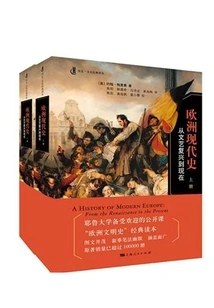
欧洲现代史:从文艺复兴到现在(套装共2册)
(us) John Merriman
"Modern European History: From the Renaissance to the Present" is an academic work that tells the history of Europe from the Renaissance to contemporary times. This book absorbs the latest research results, uses materials including fresh events that occurred in the 21st century, and covers a wide range of topics. It provides a panoramic survey of the development of modern European politics, economy, culture, science, art, religion, society and many other aspects. While depicting important figures in the development of European history, it also pays attention to the lives of ordinary people and their role in the historical process. Placing Europe in a global context is also a major feature of this book, and author John Merriman pays full attention to the interaction between Europe and the rest of the world.
"Modern European History: From the Renaissance to the Present" is an academic work that tells the history of Europe from the Renaissance to contemporary times. This book absorbs the latest research results, uses materials including fresh events that occurred in the 21st century, and covers a wide range of topics. It provides a panoramic survey of the development of modern European politics, economy, culture, science, art, religion, society and many other aspects. While depicting important figures in the development of European history, it also pays attention to the lives of ordinary people and their role in the historical process. Placing Europe in a global context is also a major feature of this book, and author John Merriman pays full attention to the interaction between Europe and the rest of the world.
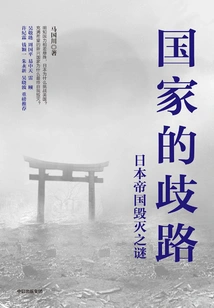
国家的歧路:日本帝国毁灭之谜
Ma Guochuan
In 1912, with the death of Emperor Meiji and the ascension of Emperor Taisho to the throne, Japan began to see a relaxed social environment, the democratic movement surged, and universal suffrage and a party-cabinet system were implemented. On the other hand, there was an undercurrent between the military and right-wing forces, which eventually led to the "February 26 Incident" in 1936. From then on, Japan quickly slid towards fascism, first invading China, and then declaring war on Britain and the United States. As a result, not only did it cause disaster to the world, but Japan itself was almost destroyed by the war. By describing important historical figures and major historical events from 1912 to 1945, this book vividly outlines the journey of an emerging country that was once full of hope towards war, and also analyzes the internal reasons why Japan embarked on self-destruction. This book is the sequel to "The Enlightenment of the Nation: The Source of the Rise of the Japanese Empire". These two books completely present the historical process of the founding, pursuit, rise, divergence and destruction of the Japanese Empire in modern times. They are also a complete modernization story of a late-developing country. Japan's move toward war had a huge impact on China. Understanding this period of history has practical significance for understanding Japan and the development of late-developing countries, and it still has a strong warning significance for China today.
In 1912, with the death of Emperor Meiji and the ascension of Emperor Taisho to the throne, Japan began to see a relaxed social environment, the democratic movement surged, and universal suffrage and a party-cabinet system were implemented. On the other hand, there was an undercurrent between the military and right-wing forces, which eventually led to the "February 26 Incident" in 1936. From then on, Japan quickly slid towards fascism, first invading China, and then declaring war on Britain and the United States. As a result, not only did it cause disaster to the world, but Japan itself was almost destroyed by the war. By describing important historical figures and major historical events from 1912 to 1945, this book vividly outlines the journey of an emerging country that was once full of hope towards war, and also analyzes the internal reasons why Japan embarked on self-destruction. This book is the sequel to "The Enlightenment of the Nation: The Source of the Rise of the Japanese Empire". These two books completely present the historical process of the founding, pursuit, rise, divergence and destruction of the Japanese Empire in modern times. They are also a complete modernization story of a late-developing country. Japan's move toward war had a huge impact on China. Understanding this period of history has practical significance for understanding Japan and the development of late-developing countries, and it still has a strong warning significance for China today.
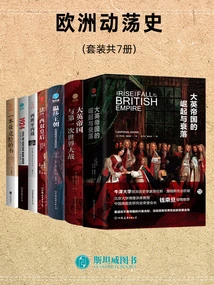
欧洲动荡史(套装共7册)
(uk) Lawrence James, David Reynolds, Tom Levin, Etc.
This set includes "The Rise and Fall of the British Empire", "The British Empire and the First World War", "The Windsors: The Peak and Darkest Hour of the Empire", "The Two Queens of France: A Legendary Masterpiece that Relives the Evolution of the European Era", "The Spanish Civil War: Truth, Madness and Death", "1924: The Year That Changed Hitler's Fate", "The Most Dangerous Book: Tacitus' Germania - From the Roman Empire to the Third Reich"
This set includes "The Rise and Fall of the British Empire", "The British Empire and the First World War", "The Windsors: The Peak and Darkest Hour of the Empire", "The Two Queens of France: A Legendary Masterpiece that Relives the Evolution of the European Era", "The Spanish Civil War: Truth, Madness and Death", "1924: The Year That Changed Hitler's Fate", "The Most Dangerous Book: Tacitus' Germania - From the Roman Empire to the Third Reich"
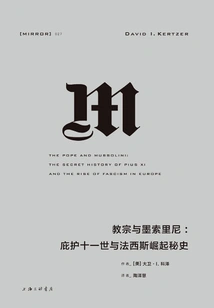
教宗与墨索里尼:庇护十一世与法西斯崛起秘史
(us) David I. Kozer
David I. Kozer used secret materials opened by the Vatican in 2006 and lasted seven years to present the story of the two men's conspiracy, completely subverting this established view. Pius XI, who was worried about the decline of church authority, relied on the power of fascism to resist communism and the advent of modern society. The careerist Mussolini relied on the Pope's blessing to increase his credibility and then control Italy. The two people's interest alliance, which was full of intrigues and ultimately shaky, changed the fate of millions of people, and the nightmare of World War II began. Kozer uses detailed historical materials and compact and capable writing to vividly portray many important figures in Europe and the Roman Catholic Church in the early 20th century, uncovering the secrets of the rise of the Italian fascist regime from a new perspective and restoring the truth of an important period of history.
David I. Kozer used secret materials opened by the Vatican in 2006 and lasted seven years to present the story of the two men's conspiracy, completely subverting this established view. Pius XI, who was worried about the decline of church authority, relied on the power of fascism to resist communism and the advent of modern society. The careerist Mussolini relied on the Pope's blessing to increase his credibility and then control Italy. The two people's interest alliance, which was full of intrigues and ultimately shaky, changed the fate of millions of people, and the nightmare of World War II began. Kozer uses detailed historical materials and compact and capable writing to vividly portray many important figures in Europe and the Roman Catholic Church in the early 20th century, uncovering the secrets of the rise of the Italian fascist regime from a new perspective and restoring the truth of an important period of history.
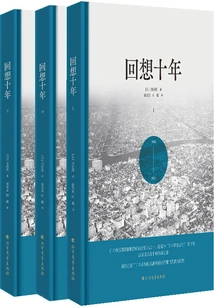
Think Back Ten Years
History回想十年
Shigeru Yoshida
This book is former Japanese Prime Minister Shigeru Yoshida's record of Japan's ten years of postwar economic recovery. It mainly records the historical events in the past ten years after Japan's defeat, from May 1946 to December 1954, when Yoshida formed the government five times. The Yoshida regime was born in the turbulent era after the war when everything was in ruins. From Yoshida's personal perspective, this book records in detail a series of historical events that he personally participated in and witnessed, which were fundamental and directional and of great significance to Japan's post-war recovery. But in general, what is revealed between the lines is not literary interest, but the rationality, perseverance, hard work and courage unique to politicians.
This book is former Japanese Prime Minister Shigeru Yoshida's record of Japan's ten years of postwar economic recovery. It mainly records the historical events in the past ten years after Japan's defeat, from May 1946 to December 1954, when Yoshida formed the government five times. The Yoshida regime was born in the turbulent era after the war when everything was in ruins. From Yoshida's personal perspective, this book records in detail a series of historical events that he personally participated in and witnessed, which were fundamental and directional and of great significance to Japan's post-war recovery. But in general, what is revealed between the lines is not literary interest, but the rationality, perseverance, hard work and courage unique to politicians.
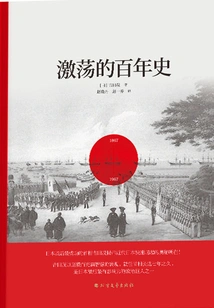
激荡的百年史
Shigeru Yoshida
With short and concise writing style, this book profoundly records the ups and downs that Japan experienced in the 100 years from the Meiji Restoration in the 1860s to the 1960s from a majestic and sweeping historical perspective. From the perspective of a political leader, the author Yoshida Shigeru explains Japan's history over the past century, from the rise of the Meiji Restoration to the trough after the defeat, and then to the history of getting back on its feet with the help of good post-war development opportunities. This book also includes Japan through the eyes of foreigners over the past century, as well as the author's economic papers and current affairs comments published in Japanese postwar newspapers and magazines. Generally speaking, what is revealed between the lines is not literary interest, but the rationality, perseverance, hard work and courage unique to politicians.
With short and concise writing style, this book profoundly records the ups and downs that Japan experienced in the 100 years from the Meiji Restoration in the 1860s to the 1960s from a majestic and sweeping historical perspective. From the perspective of a political leader, the author Yoshida Shigeru explains Japan's history over the past century, from the rise of the Meiji Restoration to the trough after the defeat, and then to the history of getting back on its feet with the help of good post-war development opportunities. This book also includes Japan through the eyes of foreigners over the past century, as well as the author's economic papers and current affairs comments published in Japanese postwar newspapers and magazines. Generally speaking, what is revealed between the lines is not literary interest, but the rationality, perseverance, hard work and courage unique to politicians.
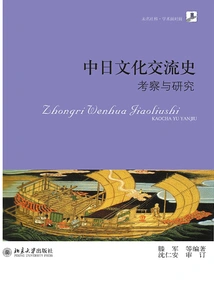
中日文化交流史:考察与研究
Teng Jun Et Al.
"History of Cultural Exchanges between China and Japan: Investigation and Research" records the history of cultural exchanges between China and Japan from ancient times to the 19th century. "History of Sino-Japanese Cultural Exchange: Investigation and Research" consists of 6 chapters and 23 sections of text, 30 investigation articles, and 6 review articles. The 23 main text sections describe the main thread of the history of Sino-Japanese cultural exchanges with the exchange of characters as the main line; 30 investigation articles report the most vivid footprints in the history of Sino-Japanese cultural exchanges that have influenced the present; 6 review articles summarize the entire history of Sino-Japanese cultural exchanges, and a prologue explains the characteristics and stages of the history of Sino-Japanese cultural exchanges.
"History of Cultural Exchanges between China and Japan: Investigation and Research" records the history of cultural exchanges between China and Japan from ancient times to the 19th century. "History of Sino-Japanese Cultural Exchange: Investigation and Research" consists of 6 chapters and 23 sections of text, 30 investigation articles, and 6 review articles. The 23 main text sections describe the main thread of the history of Sino-Japanese cultural exchanges with the exchange of characters as the main line; 30 investigation articles report the most vivid footprints in the history of Sino-Japanese cultural exchanges that have influenced the present; 6 review articles summarize the entire history of Sino-Japanese cultural exchanges, and a prologue explains the characteristics and stages of the history of Sino-Japanese cultural exchanges.
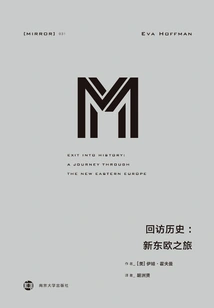
回访历史:新东欧之旅
(us) Eva Hoffman
"Revisiting History" is a record of Eva Hoffman's travels in Eastern Europe. She returned to her hometown in 1989 to witness how Poland, Hungary, Romania, Bulgaria, and Czechoslovakia, which was splitting into two countries, "made their history." Through conversations with local people from all walks of life and faithful records of what they saw and felt, this book presents the changes in politics, economy, thought, culture, and daily life in Eastern Europe at that time. In the countries that Hoffman traveled to, change was almost a common desire, and with the exception of Romania, change was accomplished in a completely non-violent manner and with almost no resistance from the ruling powers. As history changes, this is the best-case scenario, a revolution wrapped in a soft and smooth coat. But the deeper transformations that take place there are actually more dramatic and often directionless.
"Revisiting History" is a record of Eva Hoffman's travels in Eastern Europe. She returned to her hometown in 1989 to witness how Poland, Hungary, Romania, Bulgaria, and Czechoslovakia, which was splitting into two countries, "made their history." Through conversations with local people from all walks of life and faithful records of what they saw and felt, this book presents the changes in politics, economy, thought, culture, and daily life in Eastern Europe at that time. In the countries that Hoffman traveled to, change was almost a common desire, and with the exception of Romania, change was accomplished in a completely non-violent manner and with almost no resistance from the ruling powers. As history changes, this is the best-case scenario, a revolution wrapped in a soft and smooth coat. But the deeper transformations that take place there are actually more dramatic and often directionless.
零年:1945·现代世界诞生的时刻
J
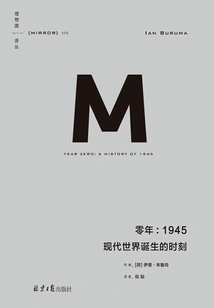
"Year Zero" reviews the changes in the world situation in 1945, the end of World War II. One world has come to an end, and another brand-new world with an uncertain future is slowly opening. Regime changes are taking place all over the world, and brutal power struggles and earth-shaking changes are taking place in both Asia and continental Europe. In the process, the modern world as we know it was born. The end of the war brought liberation and joy everywhere, but through the eyes of those who witnessed it, the ruthless revenge on a large scale, widespread famine, and the dilemma of overstretched resources were clearly visible. At the same time, European forces were reorganized, communism in Russia and Eastern Europe grew stronger, civil war broke out in China, the US military took over Japan, and Southeast Asian countries shifted from colonial liberation to authoritarian rule. The complex international relations heralded the beginning of the Cold War.
"Year Zero" reviews the changes in the world situation in 1945, the end of World War II. One world has come to an end, and another brand-new world with an uncertain future is slowly opening. Regime changes are taking place all over the world, and brutal power struggles and earth-shaking changes are taking place in both Asia and continental Europe. In the process, the modern world as we know it was born. The end of the war brought liberation and joy everywhere, but through the eyes of those who witnessed it, the ruthless revenge on a large scale, widespread famine, and the dilemma of overstretched resources were clearly visible. At the same time, European forces were reorganized, communism in Russia and Eastern Europe grew stronger, civil war broke out in China, the US military took over Japan, and Southeast Asian countries shifted from colonial liberation to authoritarian rule. The complex international relations heralded the beginning of the Cold War.