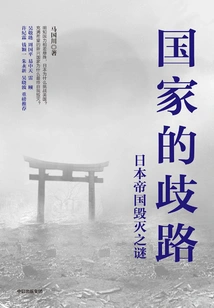
The Crossroads of a Country: the Mystery of the Destruction of the Japanese Empire
by Ma Guochuan
About This Novel
In 1912, with the death of Emperor Meiji and the ascension of Emperor Taisho to the throne, Japan began to see a relaxed social environment, the democratic movement surged, and universal suffrage and a party-cabinet system were implemented. On the other hand, there was an undercurrent between the military and right-wing forces, which eventually led to the "February 26 Incident" in 1936. From then on, Japan quickly slid towards fascism, first invading China, and then declaring war on Britain and the United States. As a result, not only did it cause disaster to the world, but Japan itself was almost destroyed by the war. By describing important historical figures and major historical events from 1912 to 1945, this book vividly outlines the journey of an emerging country that was once full of hope towards war, and also analyzes the internal reasons why Japan embarked on self-destruction. This book is the sequel to "The Enlightenment of the Nation: The Source of the Rise of the Japanese Empire". These two books completely present the historical process of the founding, pursuit, rise, divergence and destruction of the Japanese Empire in modern times. They are also a complete modernization story of a late-developing country. Japan's move toward war had a huge impact on China. Understanding this period of history has practical significance for understanding Japan and the development of late-developing countries, and it still has a strong warning significance for China today.
Official Sources
What Readers Think
Rating
Community(0)
Rating
Community(0)
