Library
Browse and search novels
8,389 novels found
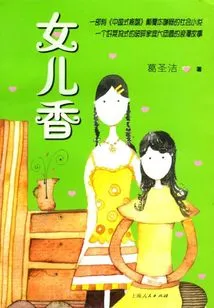
Daughter's Fragrance
General Fiction女儿香
Ge Shengjie
This book consists of three short stories, each describing the different family tragedies of three girls. They all experienced a miserable life due to their parents' divorce. The author uses smooth and emotional writing to call on people to cherish family, cherish family affection, and cherish all the love in the world.
This book consists of three short stories, each describing the different family tragedies of three girls. They all experienced a miserable life due to their parents' divorce. The author uses smooth and emotional writing to call on people to cherish family, cherish family affection, and cherish all the love in the world.
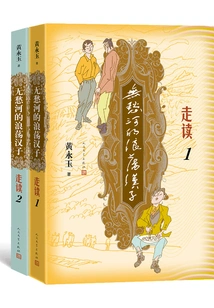
The Lobster of Wuchou River: a Day Reading (collection)
General Fiction无愁河的浪荡汉子:走读(合集)
Huang Yongyu
"The Lobo of the Wuchou River" is a series of novels written by Mr. Huang Yongyu. "Day Reading" is the third part of the series of novels "The Lottery of Wuchou River" written by Mr. Huang Yongyu. It describes the protagonist Zhang Xuzi who experienced eight years of arduous life on the move and finally ushered in the victory of the Anti-Japanese War. In order to find a way out, he bid farewell to his newlywed wife and ventured into Shanghai alone. Amidst the gunfire of the victory of the Liberation War, a group of progressive artists pursuing revolution were energized with hope, passion and took action. The novel follows Xuzi's footsteps, from Shanghai to Taipei to Hong Kong. Xuzi and his artist friends live a difficult life while looking forward to welcoming the arrival of a new world. The novel shows the lively appearance of a group of woodcutters, poets and writers in the late 1940s, as well as the special customs and social life forms of various places.
"The Lobo of the Wuchou River" is a series of novels written by Mr. Huang Yongyu. "Day Reading" is the third part of the series of novels "The Lottery of Wuchou River" written by Mr. Huang Yongyu. It describes the protagonist Zhang Xuzi who experienced eight years of arduous life on the move and finally ushered in the victory of the Anti-Japanese War. In order to find a way out, he bid farewell to his newlywed wife and ventured into Shanghai alone. Amidst the gunfire of the victory of the Liberation War, a group of progressive artists pursuing revolution were energized with hope, passion and took action. The novel follows Xuzi's footsteps, from Shanghai to Taipei to Hong Kong. Xuzi and his artist friends live a difficult life while looking forward to welcoming the arrival of a new world. The novel shows the lively appearance of a group of woodcutters, poets and writers in the late 1940s, as well as the special customs and social life forms of various places.
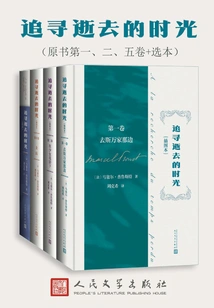
追寻逝去的时光合集(第一卷、第二卷、第五卷、选本)
K
"In Search of Lost Time" is a novel written by the 20th century French writer Marcel Proust and published between 1913 and 1927. This is a novel that is different from traditional novels. The book consists of seven volumes, with the narrator "I" as the main body, integrating what he sees, hears, thinks and feels. It is not only a true description of social life and human relations, but also a record of the author's inner experience of self-pursuit and self-understanding. In addition to narrative, it also contains a lot of reflections and discussions. The whole work has no central character, no complete story, no ups and downs, only plot clues throughout. This set of books includes the first volume, the second volume, the fifth volume and selected works translated by the famous French translator Mr. Zhou Kexi.
"In Search of Lost Time" is a novel written by the 20th century French writer Marcel Proust and published between 1913 and 1927. This is a novel that is different from traditional novels. The book consists of seven volumes, with the narrator "I" as the main body, integrating what he sees, hears, thinks and feels. It is not only a true description of social life and human relations, but also a record of the author's inner experience of self-pursuit and self-understanding. In addition to narrative, it also contains a lot of reflections and discussions. The whole work has no central character, no complete story, no ups and downs, only plot clues throughout. This set of books includes the first volume, the second volume, the fifth volume and selected works translated by the famous French translator Mr. Zhou Kexi.
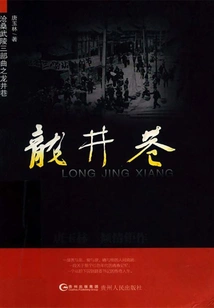
Longjing Lane
General Fiction龙井巷
Tang Yulin
The novel is based on Tongren, an important town in eastern Guizhou, and takes the 1960s as the time background. It depicts the experiences and fate of Fang Jizhi, Shangguanya, Liu Li and other characters, and narrates that unforgettable, sad and thought-provoking vicissitudes of life. The novel is very readable, with big stories embedded in small stories, interlocking and advancing layer by layer, which has a strong appeal. At the same time, the author's portrayal of several characters in the book is also vivid and has a certain depth.
The novel is based on Tongren, an important town in eastern Guizhou, and takes the 1960s as the time background. It depicts the experiences and fate of Fang Jizhi, Shangguanya, Liu Li and other characters, and narrates that unforgettable, sad and thought-provoking vicissitudes of life. The novel is very readable, with big stories embedded in small stories, interlocking and advancing layer by layer, which has a strong appeal. At the same time, the author's portrayal of several characters in the book is also vivid and has a certain depth.
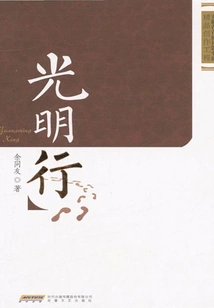
Guangming Xing
General Fiction光明行
Yu Tongyou
This is a long novel that expresses social life in urban and rural areas. The novel tells the story of restless young people in Wazhuang who wandered outside and finally found a career in the city. However, driven by desire, they are lost in power and try to combine capital with power to realize their dreams. Their dream is to save the countryside single-handedly, but little do they know that in the process of saving, they have already committed crimes. They are unable to save rural civilization and even commit suicide. The novel depicts how a group of people, that is, the pioneers from the countryside, entered the city in the past thirty years, and how they both wanted to save but also voluntarily fell. It can be seen from this that the current spiritual dilemma encountered in the process of urbanization in China provides a perspective for thinking.
This is a long novel that expresses social life in urban and rural areas. The novel tells the story of restless young people in Wazhuang who wandered outside and finally found a career in the city. However, driven by desire, they are lost in power and try to combine capital with power to realize their dreams. Their dream is to save the countryside single-handedly, but little do they know that in the process of saving, they have already committed crimes. They are unable to save rural civilization and even commit suicide. The novel depicts how a group of people, that is, the pioneers from the countryside, entered the city in the past thirty years, and how they both wanted to save but also voluntarily fell. It can be seen from this that the current spiritual dilemma encountered in the process of urbanization in China provides a perspective for thinking.
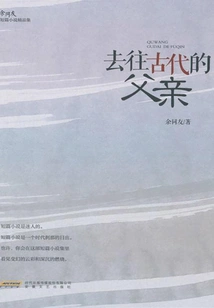
Father Who Went to Ancient Times
General Fiction去往古代的父亲
Yu Tongyou
The main content of "Father Who Goes to Ancient Times" includes the father who went to ancient times; reincarnation; Titanic; the vixen on the ceiling; the warm pit; the other West Lake and Xiaoqing; see you later; the seventieth day; the nose; white snow crows; fighting yellow; Chaimen hears dogs barking; two grandeurs; Old Wei is coming; the man who paints fire; there are poems as evidence; overnight stay; the gray horse in the foggy moon; Thousand-Armed Avalokitesvara; sending the sun to Wusha Town.
The main content of "Father Who Goes to Ancient Times" includes the father who went to ancient times; reincarnation; Titanic; the vixen on the ceiling; the warm pit; the other West Lake and Xiaoqing; see you later; the seventieth day; the nose; white snow crows; fighting yellow; Chaimen hears dogs barking; two grandeurs; Old Wei is coming; the man who paints fire; there are poems as evidence; overnight stay; the gray horse in the foggy moon; Thousand-Armed Avalokitesvara; sending the sun to Wusha Town.
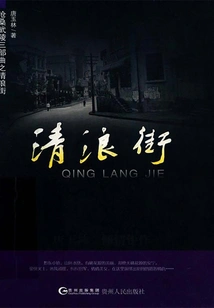
Ching Lang Street
General Fiction清浪街
Tang Yulin
This book takes Tongren as the center, taking the fate of Yang Gongwang, his wife Yunxiu, and his son Yang Zhong as the main line, showing the social life of Tongren from the 1920s and 1930s to the late 1940s. Tongren is an important town on the border between Guizhou, Hunan and Sichuan. Warlords from all walks of life fight here, the Red Army operates here, and bandits are rampant here. This is not a paradise, but a constant commotion. The picture of historical life painted by the author is clear and vivid. This book has rich plots but clear organization; there are many characters, but they are all vividly depicted, leaving room for readers to think and ponder, making it highly readable.
This book takes Tongren as the center, taking the fate of Yang Gongwang, his wife Yunxiu, and his son Yang Zhong as the main line, showing the social life of Tongren from the 1920s and 1930s to the late 1940s. Tongren is an important town on the border between Guizhou, Hunan and Sichuan. Warlords from all walks of life fight here, the Red Army operates here, and bandits are rampant here. This is not a paradise, but a constant commotion. The picture of historical life painted by the author is clear and vivid. This book has rich plots but clear organization; there are many characters, but they are all vividly depicted, leaving room for readers to think and ponder, making it highly readable.
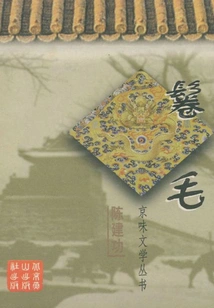
Curly Hair
General Fiction鬈毛
Chen Jiangong
Beijing is a famous historical and cultural city with a history of more than 3,000 years since it was founded as a city and more than 800 years ago as a capital. It not only has world-renowned cultural relics, but also has a profound cultural heritage. Beijing culture has given birth to generations of writers. Their creative lives are closely related to Beijing, their creative ideas are closely related to Beijing, and their works have become an important part of Beijing culture. It should be said that "Beijing-style literature" is not yet a mature concept. What is "Beijing-style literature"? There have always been debates and disagreements about whether there is "Beijing-style literature", as well as its scope, etc.
Beijing is a famous historical and cultural city with a history of more than 3,000 years since it was founded as a city and more than 800 years ago as a capital. It not only has world-renowned cultural relics, but also has a profound cultural heritage. Beijing culture has given birth to generations of writers. Their creative lives are closely related to Beijing, their creative ideas are closely related to Beijing, and their works have become an important part of Beijing culture. It should be said that "Beijing-style literature" is not yet a mature concept. What is "Beijing-style literature"? There have always been debates and disagreements about whether there is "Beijing-style literature", as well as its scope, etc.
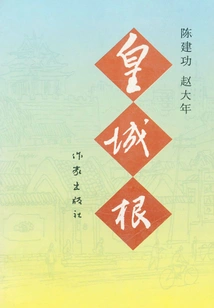
Huangchenggen
General Fiction皇城根
Chen Jiangong Zhao Danian
This book reflects the different styles and concepts of old and new Beijingers as well as their humor and human touch by describing stories that happened in the small alleys next to the Imperial City in Beijing.
This book reflects the different styles and concepts of old and new Beijingers as well as their humor and human touch by describing stories that happened in the small alleys next to the Imperial City in Beijing.
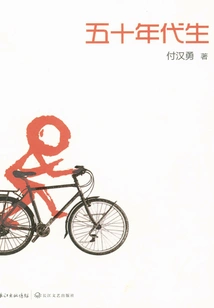
Born in the 1950s
General Fiction五十年代生
Fu Hanyong
This book is one of the Hubei Provincial Writers Association's novel projects on industrial development. It describes the joys and sorrows of a group of workers born in the 1950s in the historical tide. It tells the whole process of state-owned enterprise reform from the perspective of the fate of the characters. The author uses a passionate "presenceism" style to describe the rough life and tenacity of laid-off workers.
This book is one of the Hubei Provincial Writers Association's novel projects on industrial development. It describes the joys and sorrows of a group of workers born in the 1950s in the historical tide. It tells the whole process of state-owned enterprise reform from the perspective of the fate of the characters. The author uses a passionate "presenceism" style to describe the rough life and tenacity of laid-off workers.
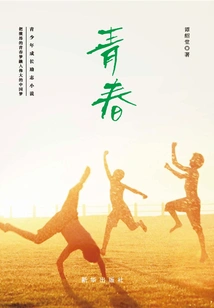
Youth
General Fiction青春
Tan Shaotang
1. Look at how six young college students with different family backgrounds, social classes, and life experiences in the same dormitory realize their "". 2. The story is small and big. Through the stories of six boys, you can feel the changes of the times and the differences in life concepts of each generation, and the huge historical changes in China over the past century are presented. 3. Behind every character in the author's works, there is an extremely realistic picture of various aspects of life.
1. Look at how six young college students with different family backgrounds, social classes, and life experiences in the same dormitory realize their "". 2. The story is small and big. Through the stories of six boys, you can feel the changes of the times and the differences in life concepts of each generation, and the huge historical changes in China over the past century are presented. 3. Behind every character in the author's works, there is an extremely realistic picture of various aspects of life.
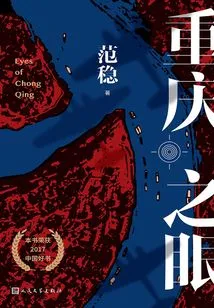
Eye of Chongqing
General Fiction重庆之眼
Fan Wen
Taking the Chongqing bombing during the Anti-Japanese War as the historical background, this book shows the unparalleled love, marriage and family life of Lin Peiyao, Liu Yunxiang, and Deng Ziru. Through them, they express the strong and unyielding national spirit that becomes more courageous as they fight, as well as the optimistic, cheerful and open-minded personality characteristics and vigorous spiritual outlook of Chongqing people. This book combines the burgeoning Chinese people's war damage compensation activities against Japan in the 21st century and depicts the Chinese people's anti-Japanese and national salvation movement during the Chongqing bombing. It reflects the Chinese people's reflection on the war, their persistence in peace, and their awareness of rights protection more than half a century after the end of World War II. This book also aims to explore the crux of the problems left over from postwar history through the experiences of a group of war victims during the Chongqing bombing, why the Japanese government did not reflect on the confession, and how the courage and dignity of Chinese war victims can be recognized and understood by society.
Taking the Chongqing bombing during the Anti-Japanese War as the historical background, this book shows the unparalleled love, marriage and family life of Lin Peiyao, Liu Yunxiang, and Deng Ziru. Through them, they express the strong and unyielding national spirit that becomes more courageous as they fight, as well as the optimistic, cheerful and open-minded personality characteristics and vigorous spiritual outlook of Chongqing people. This book combines the burgeoning Chinese people's war damage compensation activities against Japan in the 21st century and depicts the Chinese people's anti-Japanese and national salvation movement during the Chongqing bombing. It reflects the Chinese people's reflection on the war, their persistence in peace, and their awareness of rights protection more than half a century after the end of World War II. This book also aims to explore the crux of the problems left over from postwar history through the experiences of a group of war victims during the Chongqing bombing, why the Japanese government did not reflect on the confession, and how the courage and dignity of Chinese war victims can be recognized and understood by society.
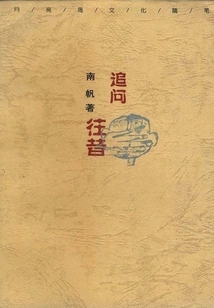
Asking About the Past
General Fiction追问往昔
South Sail
The brush strokes are refined, the brushwork is delicate, and the thoughts are profound. I was quite annoyed at first reading, but after reading it carefully, I fell in love with it more and more.
The brush strokes are refined, the brushwork is delicate, and the thoughts are profound. I was quite annoyed at first reading, but after reading it carefully, I fell in love with it more and more.
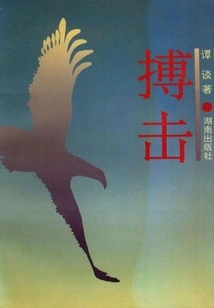
Fight
General Fiction搏击
Tan Tan
A sculpture stands quietly in the flower bed of the guest house of Hunan Lianyuan Iron and Steel Plant on the banks of the Lianshui River. Sculpture, the darling of art. It can add a color, create an atmosphere, and be a spiritual symbol to cities, parks, institutions of higher learning, and all solemn and sacred places.
A sculpture stands quietly in the flower bed of the guest house of Hunan Lianyuan Iron and Steel Plant on the banks of the Lianshui River. Sculpture, the darling of art. It can add a color, create an atmosphere, and be a spiritual symbol to cities, parks, institutions of higher learning, and all solemn and sacred places.
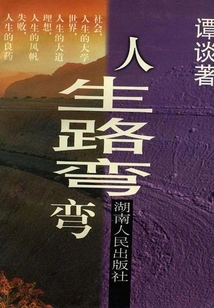
Life is a Winding Road
General Fiction人生路弯弯
Tan Tan
The novella is the author's experience and reflection on the winding road of life. Thought-provoking and well worth watching.
The novella is the author's experience and reflection on the winding road of life. Thought-provoking and well worth watching.
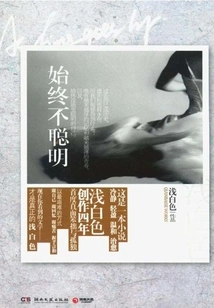
Never Smart
General Fiction始终不聪明
Light White
There are 20 million people crowded in this city. You can cope with the competition for survival, but you are helpless with memories. If you are smart enough, you can learn to turn a blind eye; but you and I, who have never learned these four words, have no choice but to clumsily carry the burden forward.
There are 20 million people crowded in this city. You can cope with the competition for survival, but you are helpless with memories. If you are smart enough, you can learn to turn a blind eye; but you and I, who have never learned these four words, have no choice but to clumsily carry the burden forward.
W
General Fictionw
G
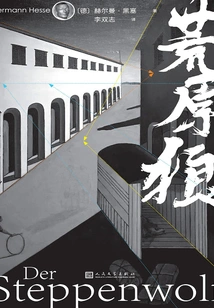
"Steppenwolf" shows the consequences of the division of human nature in modern society through the narration of personal mental illness. Homeless, Harrell is hunted mercilessly like a wolf and tortured by mental illness. In his interactions with several important figures such as Hermina, Pablo, and Maria, Harrell faced a dilemma in life and fell into a desperate situation. In the end, he was inspired by the lofty thoughts of "immortals" such as Goethe and Mozart, got rid of despair, and returned to real life. The novel is rich in fantasy and has profound symbolic meaning, and is known as Germany's "Ulysses".
"Steppenwolf" shows the consequences of the division of human nature in modern society through the narration of personal mental illness. Homeless, Harrell is hunted mercilessly like a wolf and tortured by mental illness. In his interactions with several important figures such as Hermina, Pablo, and Maria, Harrell faced a dilemma in life and fell into a desperate situation. In the end, he was inspired by the lofty thoughts of "immortals" such as Goethe and Mozart, got rid of despair, and returned to real life. The novel is rich in fantasy and has profound symbolic meaning, and is known as Germany's "Ulysses".
The Tin Drum (original Movie of the Same Name)
General Fiction铁皮鼓(同名电影原著)
(german) Günter Grass
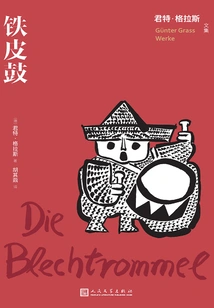
"The Tin Drum" is a novel written by Nobel Prize winner and German writer Günter Grass. It is the first part of his "Danzig Trilogy". In 1980, a film of the same name based on the novel was adapted for the screen and won the Academy Award for Best Foreign Language Film. When the Swiss Academy of Literature awarded Grasse the Nobel Prize in Literature in October 1999, it said that "The Tin Drum is one of the most important works of world literature after World War II." The whole book consists of three parts and forty-six chapters. The author uses flashback techniques to allow the protagonist to narrate the events that occurred on the border of Germany and Poland and the Danzig area for more than half a century in the first-person "I" tone on two planes of time and space. The first plane is from 1952 to 1954, when the protagonist Oscar Matzerath squatted in a mental hospital and wrote his memories because he took responsibility for his crimes. The second plane is the content of Oscar's memories: he wrote from the wedding of his maternal grandparents in 1899 until he entered the hospital in 1952.
"The Tin Drum" is a novel written by Nobel Prize winner and German writer Günter Grass. It is the first part of his "Danzig Trilogy". In 1980, a film of the same name based on the novel was adapted for the screen and won the Academy Award for Best Foreign Language Film. When the Swiss Academy of Literature awarded Grasse the Nobel Prize in Literature in October 1999, it said that "The Tin Drum is one of the most important works of world literature after World War II." The whole book consists of three parts and forty-six chapters. The author uses flashback techniques to allow the protagonist to narrate the events that occurred on the border of Germany and Poland and the Danzig area for more than half a century in the first-person "I" tone on two planes of time and space. The first plane is from 1952 to 1954, when the protagonist Oscar Matzerath squatted in a mental hospital and wrote his memories because he took responsibility for his crimes. The second plane is the content of Oscar's memories: he wrote from the wedding of his maternal grandparents in 1899 until he entered the hospital in 1952.
Shame (original Movie of the Same Name)
General Fiction耻(同名电影原著)
I
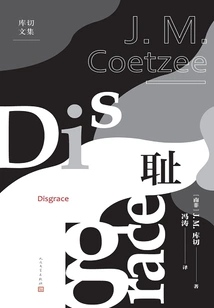
One of the masterpieces of South African writer John Coetzee, winner of the 2003 Nobel Prize for Literature. "Shame" is a very readable novel with rich layers of content and implications. Fifty-two-year-old Professor David Lurie is divorced; he is full of desire but lacks passion. After an affair with a student leaves him unemployed, he is shunned by his friends and ridiculed by his ex-wife, forcing him to retreat to his daughter Lucy's small estate. Professor Lurie's brief visit turns into a long stay as he tries to find meaning in his only remaining relationship with others. However, an unimaginable violent incident forces the father and daughter to face their conflicts as well as the complex racial situation in the new South African society. The novel reflects South Africa's social contradictions and past racial conflicts, and touches on contemporary attitudes towards romantic passion and ethics.
One of the masterpieces of South African writer John Coetzee, winner of the 2003 Nobel Prize for Literature. "Shame" is a very readable novel with rich layers of content and implications. Fifty-two-year-old Professor David Lurie is divorced; he is full of desire but lacks passion. After an affair with a student leaves him unemployed, he is shunned by his friends and ridiculed by his ex-wife, forcing him to retreat to his daughter Lucy's small estate. Professor Lurie's brief visit turns into a long stay as he tries to find meaning in his only remaining relationship with others. However, an unimaginable violent incident forces the father and daughter to face their conflicts as well as the complex racial situation in the new South African society. The novel reflects South Africa's social contradictions and past racial conflicts, and touches on contemporary attitudes towards romantic passion and ethics.
追寻逝去的时光(插图本·第一卷):去斯万家那边
J
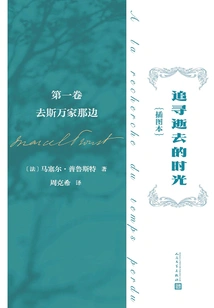
The book consists of seven volumes, with the narrator "I" as the main body, integrating what he sees, hears, thinks and feels. It is not only a true description of social life, human relations and the world, but also a record of the author's inner experience of self-pursuit and self-understanding. There is no central character in the whole work, no complete story, only plot clues throughout. It generally takes the narrator's life experience and inner activities as the axis, interspersed with descriptions of a large number of characters and events, like a large tree with intertwined branches. A main novel is derived from many other independent novels. It can also be said to be a huge symphony intertwined with several theme songs. The novel is hailed as one of the most important literary works of the 20th century. It is popular around the world for its outstanding description of spiritual pursuit, grand structure, delicate characterization and excellent stream-of-consciousness techniques, and has established its position in contemporary world literature.
The book consists of seven volumes, with the narrator "I" as the main body, integrating what he sees, hears, thinks and feels. It is not only a true description of social life, human relations and the world, but also a record of the author's inner experience of self-pursuit and self-understanding. There is no central character in the whole work, no complete story, only plot clues throughout. It generally takes the narrator's life experience and inner activities as the axis, interspersed with descriptions of a large number of characters and events, like a large tree with intertwined branches. A main novel is derived from many other independent novels. It can also be said to be a huge symphony intertwined with several theme songs. The novel is hailed as one of the most important literary works of the 20th century. It is popular around the world for its outstanding description of spiritual pursuit, grand structure, delicate characterization and excellent stream-of-consciousness techniques, and has established its position in contemporary world literature.
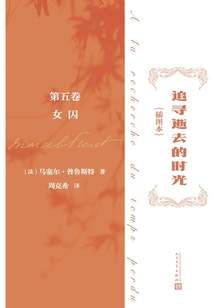
追寻逝去的时光(插图本·第五卷):女囚
J
"The Prisoner" is the fifth volume of "In Search of Lost Time". It was published in 1923, the second year after Proust's death. It has a special status in the whole book. The protagonist imprisons his girlfriend Albertina in his home until he wakes up one day and finds that she has escaped. The story is based on a major emotional twists and turns in the author's life. Although Albertine has already appeared in the second volume, "In the Shadow of the Girl's Flowers", it is in this volume that she comes to life and stands out, becoming the central character throughout the fifth volume "The Female Prisoner" and the sixth volume "The Missing Albertine", and even continues to the last volume "The Time Found". "Chasing the Lost Time" is composed of seven interconnected and independent novels. The stories are not coherent, and various reflections, discussions, flashbacks, etc. Are often inserted in the middle. It has a unique style that changes people's traditional concepts of novels and innovates the themes and writing techniques of novels.
"The Prisoner" is the fifth volume of "In Search of Lost Time". It was published in 1923, the second year after Proust's death. It has a special status in the whole book. The protagonist imprisons his girlfriend Albertina in his home until he wakes up one day and finds that she has escaped. The story is based on a major emotional twists and turns in the author's life. Although Albertine has already appeared in the second volume, "In the Shadow of the Girl's Flowers", it is in this volume that she comes to life and stands out, becoming the central character throughout the fifth volume "The Female Prisoner" and the sixth volume "The Missing Albertine", and even continues to the last volume "The Time Found". "Chasing the Lost Time" is composed of seven interconnected and independent novels. The stories are not coherent, and various reflections, discussions, flashbacks, etc. Are often inserted in the middle. It has a unique style that changes people's traditional concepts of novels and innovates the themes and writing techniques of novels.
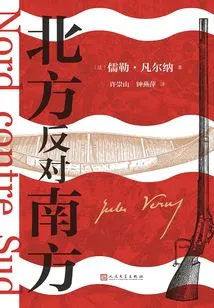
North Against South
General Fiction北方反对南方
G
It tells the story of the struggle between the abolitionist Burbank family in the South during the American Civil War and the Texans of Spanish descent who were opportunists during the war. Dekesa repeatedly designed to frame Burbank, but failed. In the end, Burbank revealed the secret of Dekesa escaping legal sanctions several times. It turned out that Dekesa was a twin brother who did not commit crimes at the same time and could provide each other with alibi. In the end, the Northern Army defeated the Southern Army, rescued the Burbank family, freed the slaves, and punished the Texan brothers.
It tells the story of the struggle between the abolitionist Burbank family in the South during the American Civil War and the Texans of Spanish descent who were opportunists during the war. Dekesa repeatedly designed to frame Burbank, but failed. In the end, Burbank revealed the secret of Dekesa escaping legal sanctions several times. It turned out that Dekesa was a twin brother who did not commit crimes at the same time and could provide each other with alibi. In the end, the Northern Army defeated the Southern Army, rescued the Burbank family, freed the slaves, and punished the Texan brothers.
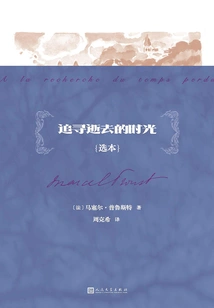
Chasing the Lost Time (selected Books)
General Fiction追寻逝去的时光(选本)
J
"Chasing Lost Time" is a novel that is different from traditional novels. The whole book takes the narrator "I" as the main body and integrates what he sees, hears, thinks and feels. It is not only a true description of social life and human relations, but also a record of the writer's inner experience of self-pursuit and self-understanding. In addition to narrative, it also contains a lot of reflections and discussions. This book is an excerpt from "In Search of Lost Time". In order to allow readers to appreciate the charm of Proust's unique style as much as possible, French translator Zhou Kexi adopted a "large-span" excerpting method. He first selected the essential paragraphs in each volume of the novel.
"Chasing Lost Time" is a novel that is different from traditional novels. The whole book takes the narrator "I" as the main body and integrates what he sees, hears, thinks and feels. It is not only a true description of social life and human relations, but also a record of the writer's inner experience of self-pursuit and self-understanding. In addition to narrative, it also contains a lot of reflections and discussions. This book is an excerpt from "In Search of Lost Time". In order to allow readers to appreciate the charm of Proust's unique style as much as possible, French translator Zhou Kexi adopted a "large-span" excerpting method. He first selected the essential paragraphs in each volume of the novel.
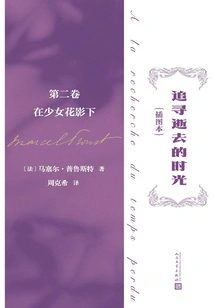
Chasing the Lost Time (illustrated Book·volume 2): under the Shadow of the Girl's Flowers
General Fiction追寻逝去的时光(插图本·第二卷):在少女花影下
(france) Marcel Proust
"In Search of Lost Time", also translated as "In Search of Lost Time", is divided into seven volumes, with the narrator "I" as the main body, integrating what he sees, hears, thinks and feels. It is not only a true description of social life and human relations, but also a record of the author's inner experience of self-pursuit and self-understanding. The whole work has no central character, no complete story, only complex clues throughout. It generally takes the narrator's life experience and inner activities as the axis, interspersed with descriptions of a large number of characters and events, like a large tree with intertwined branches. A main novel is derived from many other independent novels. It can also be said to be a huge symphony intertwined with several theme songs.
"In Search of Lost Time", also translated as "In Search of Lost Time", is divided into seven volumes, with the narrator "I" as the main body, integrating what he sees, hears, thinks and feels. It is not only a true description of social life and human relations, but also a record of the author's inner experience of self-pursuit and self-understanding. The whole work has no central character, no complete story, only complex clues throughout. It generally takes the narrator's life experience and inner activities as the axis, interspersed with descriptions of a large number of characters and events, like a large tree with intertwined branches. A main novel is derived from many other independent novels. It can also be said to be a huge symphony intertwined with several theme songs.
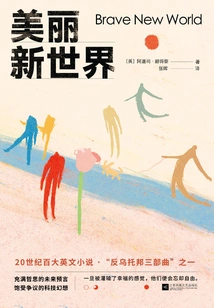
Brave New World
General Fiction美丽新世界
(english) Aldous Huxley
In the year 632 of the Ford Era (AD 2532), in a world country where science and technology are highly developed, disease and aging have been eliminated. Everyone enjoys the comfortable life provided by scientific and technological production without having to bear any pressure. They can pursue freedom and entertainment as they please. Bernard realizes that this kind of happiness is very false. He has been under some kind of control: humans are born from embryo factories and divided into classes through targeted genetic modification to adapt to different social divisions of labor. Due to the sleep brainwashing education they received from an early age, everyone contentedly accepted the established identity and class. In order to keep people happy, the state will provide an unlimited supply of anesthesia drugs. In order to find true humanity, Bernard went to a savage reservation isolated by barbed wire, met John the savage by chance, and was attracted by his soul. He rebelliously brought John back to the civilized world, but attracted the attention of the heads of state of the world...
In the year 632 of the Ford Era (AD 2532), in a world country where science and technology are highly developed, disease and aging have been eliminated. Everyone enjoys the comfortable life provided by scientific and technological production without having to bear any pressure. They can pursue freedom and entertainment as they please. Bernard realizes that this kind of happiness is very false. He has been under some kind of control: humans are born from embryo factories and divided into classes through targeted genetic modification to adapt to different social divisions of labor. Due to the sleep brainwashing education they received from an early age, everyone contentedly accepted the established identity and class. In order to keep people happy, the state will provide an unlimited supply of anesthesia drugs. In order to find true humanity, Bernard went to a savage reservation isolated by barbed wire, met John the savage by chance, and was attracted by his soul. He rebelliously brought John back to the civilized world, but attracted the attention of the heads of state of the world...
P
General Fictionp
I
"Classic in Chinese Translation: Letters from the Persians" is not a novel in the general sense, but a written statement, incorporating the author's long-standing philosophical thinking, integrating legend and philosophy. Although it uses absurdity to entertain the audience and the plot is bizarre, it uses facts to illustrate the truth. In the form of letters, the author re-examines European culture from a "defamiliarizing" perspective through the mouths of Persians. He not only leads readers to appreciate the picture of life in Paris in the 18th century, but also subtly promotes the enlightenment of enlightenment ideas. This book adapts to the French people's desire for change but was disappointed with the Regency reform. It reflects people's restless mentality in the early days of the Enlightenment to re-understand reality and seek truth. It also satisfies people's curiosity about the East during the period of capitalist colonial expansion.
"Classic in Chinese Translation: Letters from the Persians" is not a novel in the general sense, but a written statement, incorporating the author's long-standing philosophical thinking, integrating legend and philosophy. Although it uses absurdity to entertain the audience and the plot is bizarre, it uses facts to illustrate the truth. In the form of letters, the author re-examines European culture from a "defamiliarizing" perspective through the mouths of Persians. He not only leads readers to appreciate the picture of life in Paris in the 18th century, but also subtly promotes the enlightenment of enlightenment ideas. This book adapts to the French people's desire for change but was disappointed with the Regency reform. It reflects people's restless mentality in the early days of the Enlightenment to re-understand reality and seek truth. It also satisfies people's curiosity about the East during the period of capitalist colonial expansion.
Before the Storm
General Fiction暴风雨前
Li Jieren
"Before the Storm" displays the overlapping of mainstream culture and secular culture in a flexible narrative, reproducing China's social conditions from 1901 to 1910 in a broader space. From the reform movement at the end of the Qing Dynasty to the folk religious movement at the beginning of the century, "Before the Storm" explains at a very in-depth level the huge historical changes that modern China is facing and is taking place, and depicts the origins of the road protection movement in Sichuan.
"Before the Storm" displays the overlapping of mainstream culture and secular culture in a flexible narrative, reproducing China's social conditions from 1901 to 1910 in a broader space. From the reform movement at the end of the Qing Dynasty to the folk religious movement at the beginning of the century, "Before the Storm" explains at a very in-depth level the huge historical changes that modern China is facing and is taking place, and depicts the origins of the road protection movement in Sichuan.
Stagnant Water
General Fiction死水微澜
Li Jieren
The novel "Still Water Waves" was written in 1935. As soon as it was published, it became a sensation. Guo Moruo even called Li Jieren "China's Zola". "Dead Water" has been frequently put on theater stages and film and television screens, attracting great attention from all walks of life. 70 Years after Mr. Li Jieren wrote the novel, "Dead Water Waves" was adapted for the screen. "Still Water Waves" breaks out of the traditional Chinese novel emphasis on plot and story. Through a series of stories, it presents a vivid portrait of the "citizen class" of Tianhui Town in front of readers. It depicts the psychology of the citizens in a subtle and vivid way.
The novel "Still Water Waves" was written in 1935. As soon as it was published, it became a sensation. Guo Moruo even called Li Jieren "China's Zola". "Dead Water" has been frequently put on theater stages and film and television screens, attracting great attention from all walks of life. 70 Years after Mr. Li Jieren wrote the novel, "Dead Water Waves" was adapted for the screen. "Still Water Waves" breaks out of the traditional Chinese novel emphasis on plot and story. Through a series of stories, it presents a vivid portrait of the "citizen class" of Tianhui Town in front of readers. It depicts the psychology of the citizens in a subtle and vivid way.
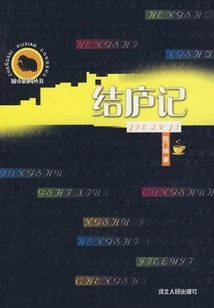
The Story of Jielu
General Fiction结庐记
Ximen Mei
My contemporaries and I probably all have very rich housing experiences. It can be said that the rental market is slowly becoming formalized under the promotion of our generation. We also found a city that suits us, a job that suits us, and a position that suits us while moving again and again. What makes me feel most fortunate is that I entered this stable stage of buying a house because I met him, Xishan. Ever since I bought my house, I have opened a column called "Jiehu Renjian" in the Shenzhen Evening News, Oriental Morning Post and other media, recording my life in the house in recent years. Before the collection was published, west Shem provided illustrations for the book to commemorate the process of us and our contemporaries from renting to buying a house, from wandering to a stable life.
My contemporaries and I probably all have very rich housing experiences. It can be said that the rental market is slowly becoming formalized under the promotion of our generation. We also found a city that suits us, a job that suits us, and a position that suits us while moving again and again. What makes me feel most fortunate is that I entered this stable stage of buying a house because I met him, Xishan. Ever since I bought my house, I have opened a column called "Jiehu Renjian" in the Shenzhen Evening News, Oriental Morning Post and other media, recording my life in the house in recent years. Before the collection was published, west Shem provided illustrations for the book to commemorate the process of us and our contemporaries from renting to buying a house, from wandering to a stable life.
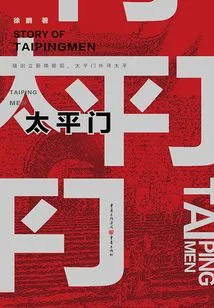
Taipingmen
General Fiction太平门
Xu Peng
"Taipingmen" is a novel based on the early revolution in Sichuan and Chongqing and the growth of young students studying in France for work-study studies. It tells the story of the Sichuan-Chongqing people's search for the truth of national salvation and the path to revolution in the ten years from 1910, when the Sichuan-Hankou Railway was being built, to 1920, when the first batch of graduates from the Chongqing Preparatory School for Studying in France went to France to work-study. There are seventeen chapters in total in the book. The storyline is laid out using a combination of fiction and reality, with important historical facts as the framework, and the fictional main characters such as Xu Chunfeng, Xin Youguo, Hua Shaochang, and Hua Xiansheng as the main line. It vividly tells the story of how the seeds of revolution are quietly sprouting throughout Sichuan and even the country, and the revolutionary movements brewing and happening everywhere are impacting the decadent and stubborn feudal dynasty again and again. The author's writing style is simple and delicate, with strong emotions. He is good at using vivid language with local characteristics to make the characters in the novel come alive on the page. On the occasion of celebrating the 100th anniversary of the founding of the Communist Party of China, the publication of this book is of great significance to commemorate the eighty-three revolutionary young men in history who traveled across the ocean in search of the truth to save the country, and to commemorate the century-old memory of seeking peace outside the Taiping Gate.
"Taipingmen" is a novel based on the early revolution in Sichuan and Chongqing and the growth of young students studying in France for work-study studies. It tells the story of the Sichuan-Chongqing people's search for the truth of national salvation and the path to revolution in the ten years from 1910, when the Sichuan-Hankou Railway was being built, to 1920, when the first batch of graduates from the Chongqing Preparatory School for Studying in France went to France to work-study. There are seventeen chapters in total in the book. The storyline is laid out using a combination of fiction and reality, with important historical facts as the framework, and the fictional main characters such as Xu Chunfeng, Xin Youguo, Hua Shaochang, and Hua Xiansheng as the main line. It vividly tells the story of how the seeds of revolution are quietly sprouting throughout Sichuan and even the country, and the revolutionary movements brewing and happening everywhere are impacting the decadent and stubborn feudal dynasty again and again. The author's writing style is simple and delicate, with strong emotions. He is good at using vivid language with local characteristics to make the characters in the novel come alive on the page. On the occasion of celebrating the 100th anniversary of the founding of the Communist Party of China, the publication of this book is of great significance to commemorate the eighty-three revolutionary young men in history who traveled across the ocean in search of the truth to save the country, and to commemorate the century-old memory of seeking peace outside the Taiping Gate.
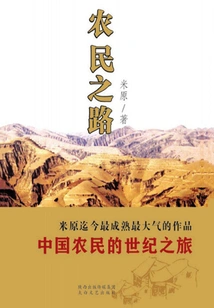
Peasant Road
General Fiction农民之路
Yonehara
This is a grand picture depicting the historical changes of the Canglang River Basin from the 1980s to the present over thirty years. Taking the life and entrepreneurship of Lei Hankuan and Wei Fulin in Canglang Village as the core, and involving many characters inside and outside each other's families, a polyphonic and enlightening symphony of destiny is written. The language is vivid and readable.
This is a grand picture depicting the historical changes of the Canglang River Basin from the 1980s to the present over thirty years. Taking the life and entrepreneurship of Lei Hankuan and Wei Fulin in Canglang Village as the core, and involving many characters inside and outside each other's families, a polyphonic and enlightening symphony of destiny is written. The language is vivid and readable.
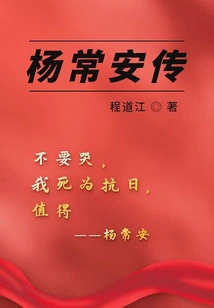
Biography of Yang Changan
General Fiction杨常安传
Cheng Daojiang
The novel tells the legendary experience of Yang Changan, the anti-Japanese hero of Yingshan County, who fought on the battlefield and sacrificed his life for the country. Yang Changan grew up as a son of a landlord and became a progressive young man. He resolutely joined the Communist Party of China during the trough of the Great Revolution. During the war years, he entered and exited the Communist Party ranks by mistake, heroically killed the enemy, and sacrificed his life for the country. Reproduce the story of the Yingshan people who fought against Japanese imperialist aggression and defended their hometown under the leadership of the Communist Party of China.
The novel tells the legendary experience of Yang Changan, the anti-Japanese hero of Yingshan County, who fought on the battlefield and sacrificed his life for the country. Yang Changan grew up as a son of a landlord and became a progressive young man. He resolutely joined the Communist Party of China during the trough of the Great Revolution. During the war years, he entered and exited the Communist Party ranks by mistake, heroically killed the enemy, and sacrificed his life for the country. Reproduce the story of the Yingshan people who fought against Japanese imperialist aggression and defended their hometown under the leadership of the Communist Party of China.
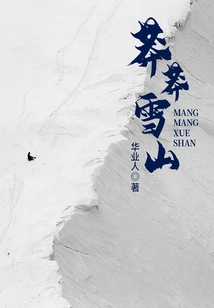
Vast Snowy Mountains
General Fiction莽莽雪山
Huaye People
In the 1950s and 1960s, Pian Yun and Ye Cheng, a young and loving rural couple, went to Shanghai to find jobs and prepared to set up camp in Shanghai. Due to the unfavorable employment situation, the whole family only relied on Ye Cheng's salary and had a difficult life. In order to make a living, they had to take their children back to the countryside to live. After Pian Yun returned to the countryside, she met Wang Wen, who was unruly, unruly and fierce. From then on, her life fell into misery. When her children grew up, she grew old and climbed up the vast snow-capped mountains alone and disappeared into the white snow.
In the 1950s and 1960s, Pian Yun and Ye Cheng, a young and loving rural couple, went to Shanghai to find jobs and prepared to set up camp in Shanghai. Due to the unfavorable employment situation, the whole family only relied on Ye Cheng's salary and had a difficult life. In order to make a living, they had to take their children back to the countryside to live. After Pian Yun returned to the countryside, she met Wang Wen, who was unruly, unruly and fierce. From then on, her life fell into misery. When her children grew up, she grew old and climbed up the vast snow-capped mountains alone and disappeared into the white snow.
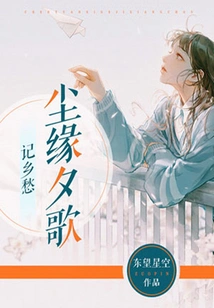
The Evening Song Remembers Nostalgia
General Fiction尘缘夕歌记乡愁
Looking East At The Stars
Taking the protagonist Gui Gu's legendary emotional experience as the main line, it reproduces the historical picture, customs, and folk culture of China's rural areas along the river under the background of the Republic of China to the early stage of reform and opening up. It uses the feelings of family and country and the intertwined love-hate relationship as a link to reveal the fate of the characters.
Taking the protagonist Gui Gu's legendary emotional experience as the main line, it reproduces the historical picture, customs, and folk culture of China's rural areas along the river under the background of the Republic of China to the early stage of reform and opening up. It uses the feelings of family and country and the intertwined love-hate relationship as a link to reveal the fate of the characters.
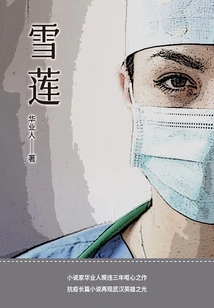
Snow Lotus
General Fiction雪莲
Huaye People
The spring is warm and the sun is shining brightly. People are waving national flags in the streets and alleys, with tears in their eyes. They are crowded on the west side of the road to bid farewell to the medical team members who have successfully evacuated from the anti-epidemic front line and are reluctant to leave. This is the medical team supporting Wuhan, including supporting Hubei, returning to their original units. At this time, the local party and government leaders and the masses were also welcoming the heroic team members home. They were also welcomed on both sides of the road, with tears streaming down their faces. Yes, these are the heroes who returned home. They sacrificed their lives to rescue patients, support Wuhan and Hubei, and achieved a great victory. They were filled with emotion and excitement in their hearts. What a high honor this is. This is an unprecedented health fight against the epidemic in history. This is a success. They have returned in triumph. How happy! Yes, this happiness is earned by so many medical workers and related personnel with their lives. It is not easy to come by.
The spring is warm and the sun is shining brightly. People are waving national flags in the streets and alleys, with tears in their eyes. They are crowded on the west side of the road to bid farewell to the medical team members who have successfully evacuated from the anti-epidemic front line and are reluctant to leave. This is the medical team supporting Wuhan, including supporting Hubei, returning to their original units. At this time, the local party and government leaders and the masses were also welcoming the heroic team members home. They were also welcomed on both sides of the road, with tears streaming down their faces. Yes, these are the heroes who returned home. They sacrificed their lives to rescue patients, support Wuhan and Hubei, and achieved a great victory. They were filled with emotion and excitement in their hearts. What a high honor this is. This is an unprecedented health fight against the epidemic in history. This is a success. They have returned in triumph. How happy! Yes, this happiness is earned by so many medical workers and related personnel with their lives. It is not easy to come by.
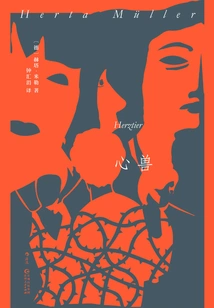
Beast of Mind
General Fiction心兽
I
The second part of the Romanian trilogy. Lola, a college student from a poor rural area, sold her body in order to go to college in a big city, but was suddenly found committing suicide in her dormitory. The protagonist and several of her classmates try to figure out the truth behind Laura's death. Unexpectedly, under the shadow of Ceausescu's totalitarianism, the path to find is confusing, and violence follows them. "The Beast of the Heart" is full of meaning, the "inner beast", told to the protagonist by his singing grandmother, and is used throughout the book.
The second part of the Romanian trilogy. Lola, a college student from a poor rural area, sold her body in order to go to college in a big city, but was suddenly found committing suicide in her dormitory. The protagonist and several of her classmates try to figure out the truth behind Laura's death. Unexpectedly, under the shadow of Ceausescu's totalitarianism, the path to find is confusing, and violence follows them. "The Beast of the Heart" is full of meaning, the "inner beast", told to the protagonist by his singing grandmother, and is used throughout the book.
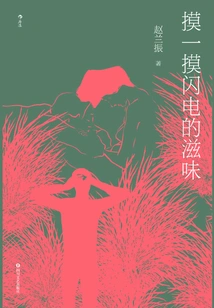
Feel the Taste of Lightning
General Fiction摸一摸闪电的滋味
Zhao Lanzhen
Most of the works collected in this book are based on the author's medical practice experience, including realistic descriptions of treatment and surgical procedures, as well as true reflections of the medical conditions in villages and towns. Most of the characters are farmers, and the novel shows their state of being sick and dying, as well as the subtle and complex relationships between people. It approaches the true face of the soul in sincere writing, which is deeply shocking.
Most of the works collected in this book are based on the author's medical practice experience, including realistic descriptions of treatment and surgical procedures, as well as true reflections of the medical conditions in villages and towns. Most of the characters are farmers, and the novel shows their state of being sick and dying, as well as the subtle and complex relationships between people. It approaches the true face of the soul in sincere writing, which is deeply shocking.
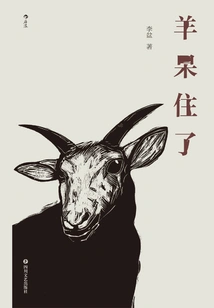
The Sheep Was Stunned
General Fiction羊呆住了
Li Pen
The novels included in this book mostly draw materials from daily life, but express them in a highly free and surreal way. The content involves childhood memories, daily observations, sociological thinking, science fiction, ancient legends, etc. The language is flexible and changeable, and the narrative is full of poetry, often providing a new perspective on the surrounding world in a very short space of time. With his powerful imagination and concise and unique language style, the author shows us another new possibility of contemporary Chinese writing.
The novels included in this book mostly draw materials from daily life, but express them in a highly free and surreal way. The content involves childhood memories, daily observations, sociological thinking, science fiction, ancient legends, etc. The language is flexible and changeable, and the narrative is full of poetry, often providing a new perspective on the surrounding world in a very short space of time. With his powerful imagination and concise and unique language style, the author shows us another new possibility of contemporary Chinese writing.
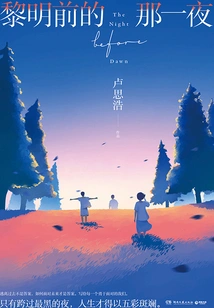
The Night Before Dawn
General Fiction黎明前的那一夜
Lu Sihao
"There has always been a voice in my heart questioning my choice, and now I have decided to accept its accusation." An urban white-collar worker who was about to turn thirty years old suffered from bipolar disorder for no apparent reason. A month later, he was on the verge of collapse. After waking up in the smoke, he was lying in a nursing center. In the recuperation center, being alone, he unexpectedly met several friends, an idealist defeated by reality, a child bound by family and school, and a girl suffering from bulimia. This is a story about escape, confrontation and choice. From the moment the protagonist enters the rehab center, he is forced to confront his illness and his memories. He must open his scarred heart and let others in to make life meaningful again. At the same time, various characters in the sanatorium are also facing their own choices. He had to ask himself a question: Can life in a convalescent center really heal a person? Is our only way out to assimilate into society? Following the protagonist's journey, you may get the answer.
"There has always been a voice in my heart questioning my choice, and now I have decided to accept its accusation." An urban white-collar worker who was about to turn thirty years old suffered from bipolar disorder for no apparent reason. A month later, he was on the verge of collapse. After waking up in the smoke, he was lying in a nursing center. In the recuperation center, being alone, he unexpectedly met several friends, an idealist defeated by reality, a child bound by family and school, and a girl suffering from bulimia. This is a story about escape, confrontation and choice. From the moment the protagonist enters the rehab center, he is forced to confront his illness and his memories. He must open his scarred heart and let others in to make life meaningful again. At the same time, various characters in the sanatorium are also facing their own choices. He had to ask himself a question: Can life in a convalescent center really heal a person? Is our only way out to assimilate into society? Following the protagonist's journey, you may get the answer.
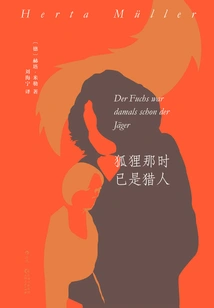
The Fox Was Already a Hunter
General Fiction狐狸那时已是猎人
I
The first part of the Romanian trilogy. In Romania, which is in turmoil, two friends, Adina and Clara Adina, gradually develop from friends to a friendship that breaks down. The non-linear plot structure and poetic language make the novel slightly rambling, but through the messy, rambling and obscure text surface, the author's deep feeling can be seen.
The first part of the Romanian trilogy. In Romania, which is in turmoil, two friends, Adina and Clara Adina, gradually develop from friends to a friendship that breaks down. The non-linear plot structure and poetic language make the novel slightly rambling, but through the messy, rambling and obscure text surface, the author's deep feeling can be seen.
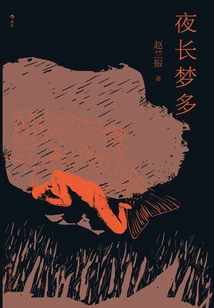
Long Nights and Many Dreams
General Fiction夜长梦多
Zhao Lanzhen
This book is divided into two parts. The first part writes the history of a village and a group, and the various strange things that happened in it; the second part writes the history of a person, that is, the spiritual history of the protagonist Wings. The former is rich, magical, and grand, while the latter digs deep into the heart. The two reflect each other, showing the fate of individuals in the great era, the struggle and growth of pure hearts in a cruel environment, and the huge impact of rural changes on people's hearts and nature.
This book is divided into two parts. The first part writes the history of a village and a group, and the various strange things that happened in it; the second part writes the history of a person, that is, the spiritual history of the protagonist Wings. The former is rich, magical, and grand, while the latter digs deep into the heart. The two reflect each other, showing the fate of individuals in the great era, the struggle and growth of pure hearts in a cruel environment, and the huge impact of rural changes on people's hearts and nature.
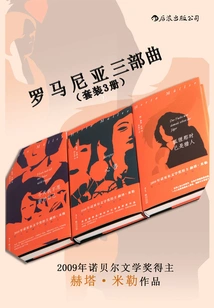
Romania Trilogy (set of 3 Volumes in Total)
General Fiction罗马尼亚三部曲(套装共3册)
I
In the turbulent Romania, two friends, Adina and Clara, Adina, gradually developed from good friends to a broken friendship; Lola, a college student from a poor rural area, sold her body in order to go to college in a big city, but was suddenly discovered to have committed suicide in her dormitory. The protagonist and several of her classmates tried to figure out the truth behind Laura's death. Unexpectedly, under the shadow of Ceausescu's totalitarianism, the path to find was confusing and violence followed. A female garment factory worker wanted to go to a beautiful country where exported clothes could be reached, so she stuffed communication notes into the exported clothes, hoping that a foreign man would pick her up. After being reported, she was interrogated for three consecutive days. Then a second batch of notes showed up at the factory, and she was fired. From now on, he must be summoned by the police regularly... The non-linear plot structure and poetic language tell the story of the broken life in the authoritarian country and the past of Romania!
In the turbulent Romania, two friends, Adina and Clara, Adina, gradually developed from good friends to a broken friendship; Lola, a college student from a poor rural area, sold her body in order to go to college in a big city, but was suddenly discovered to have committed suicide in her dormitory. The protagonist and several of her classmates tried to figure out the truth behind Laura's death. Unexpectedly, under the shadow of Ceausescu's totalitarianism, the path to find was confusing and violence followed. A female garment factory worker wanted to go to a beautiful country where exported clothes could be reached, so she stuffed communication notes into the exported clothes, hoping that a foreign man would pick her up. After being reported, she was interrogated for three consecutive days. Then a second batch of notes showed up at the factory, and she was fired. From now on, he must be summoned by the police regularly... The non-linear plot structure and poetic language tell the story of the broken life in the authoritarian country and the past of Romania!
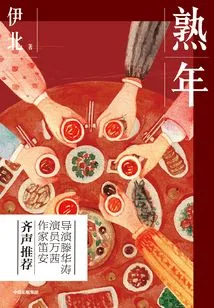
Mature Years (the Original Novel of the Tv Series of the Same Name Starring Hao Lei, Wang Ou, and Tang Yixin)
General Fiction熟年(郝蕾、王鸥、唐艺昕主演同名电视剧原著小说)
Yibei
As we reach maturity, how should we cope with work and family under the pressure of life? How to make yourself face aging calmly? The term "mature years" refers specifically to a group of people between the ages of forty and sixty-five who have attracted much attention from society. At this age, the sense of freshness that you had every day in your twenties, and the sense of stability that you get when you put in the hard work in your thirties, are all gone. Instead, they are stuck in nowhere, and no matter how successful they are, they will feel depressed. Whether it is career or family, they are accumulated layer by layer, as if they are buried in sand. Wealth, honor, and responsibility wrap up everyone. Letting go is easier said than done. This is a full-length novel about the family love and elderly care among three generations of the Ni family. Ni Weimin, Ni Weiqiang, and Ni Weizhen are the three brothers and sisters of the Ni family. This year, they are all experiencing important nodes in their lives. At the same time, their respective families seem to be deconstructed, moving up and down, changing beyond recognition. Time, the answer to all questions is time. Entering a new stage of life, they face many challenges related to housing, illness, widowhood, marriage changes, retirement, loneliness, etc. They cannot retreat and must move forward. Can the people in the story break the situation? When you reach adulthood, how will you choose?
As we reach maturity, how should we cope with work and family under the pressure of life? How to make yourself face aging calmly? The term "mature years" refers specifically to a group of people between the ages of forty and sixty-five who have attracted much attention from society. At this age, the sense of freshness that you had every day in your twenties, and the sense of stability that you get when you put in the hard work in your thirties, are all gone. Instead, they are stuck in nowhere, and no matter how successful they are, they will feel depressed. Whether it is career or family, they are accumulated layer by layer, as if they are buried in sand. Wealth, honor, and responsibility wrap up everyone. Letting go is easier said than done. This is a full-length novel about the family love and elderly care among three generations of the Ni family. Ni Weimin, Ni Weiqiang, and Ni Weizhen are the three brothers and sisters of the Ni family. This year, they are all experiencing important nodes in their lives. At the same time, their respective families seem to be deconstructed, moving up and down, changing beyond recognition. Time, the answer to all questions is time. Entering a new stage of life, they face many challenges related to housing, illness, widowhood, marriage changes, retirement, loneliness, etc. They cannot retreat and must move forward. Can the people in the story break the situation? When you reach adulthood, how will you choose?
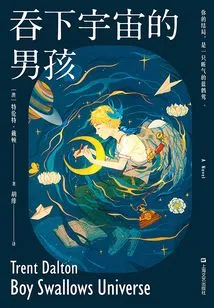
The Boy Who Swallowed the Universe
General Fiction吞下宇宙的男孩
(australia) Trent Dayton
1983, Brisbane. His father is missing, his brother cannot speak, his mother is in jail, his stepfather is an addict, and his only nanny is a notorious murderer. This is the life of Eli, a boy who is worthless. It should have been like this, but Eli received a prophecy: "Your ending will be a dying bluebird." This inexplicable sentence was like a magic spell, causing a ripple in Eli's life. He will meet good villains, remember sad memories, learn to be a good person in bad times, and pay the price. Eventually, he will swallow the entire universe.
1983, Brisbane. His father is missing, his brother cannot speak, his mother is in jail, his stepfather is an addict, and his only nanny is a notorious murderer. This is the life of Eli, a boy who is worthless. It should have been like this, but Eli received a prophecy: "Your ending will be a dying bluebird." This inexplicable sentence was like a magic spell, causing a ripple in Eli's life. He will meet good villains, remember sad memories, learn to be a good person in bad times, and pay the price. Eventually, he will swallow the entire universe.
J
General FictionJ
H
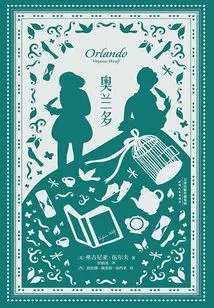
This book is Woolf's biography of the fictional character Orlando. The language is light and humorous, making it an especially easy read among Woolf's works. Orlando was originally an aristocratic boy who was deeply favored by the queen and loved poetry. However, he suffered a double betrayal of literature and love. After a fire, he suddenly turned into a woman... The wanton youth of the Elizabethan era, the moist lust of the Victorian era, the wind of 400 years blowing here and there, the sky for women is getting lower and lower. In modern times, Orlando had to adapt to the trend of the times and became a wife and mother, but he never forgot to find himself. "Orlando" is hailed as a feminist classic and a pioneer work that tells the story of "The Second Sex" from a literary perspective. Using the words of Orlando, Woolf witty and boldly satirized gender prejudice, and delicately described women's survival dilemma and self-awakening. In the author's writing, the world is vast and complex, time is constantly changing, and genders are not antagonistic. Regardless of men or women, being able to be yourself is more important than anything else.
This book is Woolf's biography of the fictional character Orlando. The language is light and humorous, making it an especially easy read among Woolf's works. Orlando was originally an aristocratic boy who was deeply favored by the queen and loved poetry. However, he suffered a double betrayal of literature and love. After a fire, he suddenly turned into a woman... The wanton youth of the Elizabethan era, the moist lust of the Victorian era, the wind of 400 years blowing here and there, the sky for women is getting lower and lower. In modern times, Orlando had to adapt to the trend of the times and became a wife and mother, but he never forgot to find himself. "Orlando" is hailed as a feminist classic and a pioneer work that tells the story of "The Second Sex" from a literary perspective. Using the words of Orlando, Woolf witty and boldly satirized gender prejudice, and delicately described women's survival dilemma and self-awakening. In the author's writing, the world is vast and complex, time is constantly changing, and genders are not antagonistic. Regardless of men or women, being able to be yourself is more important than anything else.
Return
General Fiction归来
(romania) Norman Manea
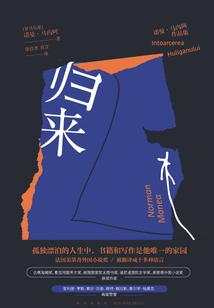
"The Return" won the French Medici Novel Prize in 2006 and is an autobiographical novel. Due to the social environment, the protagonist fled from Romania to the United States, and returned after teaching and writing in the United States for 10 years. The book is divided into three parts: the first part is about life in the United States after running away. The second part is about the years of life before leaving, and it is also Manea's personal and family history. The third part is what I did in the 10 days after returning. This is a rough summary, but in fact this book does not have a clear clue of time and space. It always jumps between the past, present and future time, and switches between the spaces of Romania and the United States. The narrative is suddenly interrupted and repeated again and again, which is the writing characteristic of this book.
"The Return" won the French Medici Novel Prize in 2006 and is an autobiographical novel. Due to the social environment, the protagonist fled from Romania to the United States, and returned after teaching and writing in the United States for 10 years. The book is divided into three parts: the first part is about life in the United States after running away. The second part is about the years of life before leaving, and it is also Manea's personal and family history. The third part is what I did in the 10 days after returning. This is a rough summary, but in fact this book does not have a clear clue of time and space. It always jumps between the past, present and future time, and switches between the spaces of Romania and the United States. The narrative is suddenly interrupted and repeated again and again, which is the writing characteristic of this book.
Angry Doll
General Fiction愤怒的玩偶
(argentina) Robert Alt
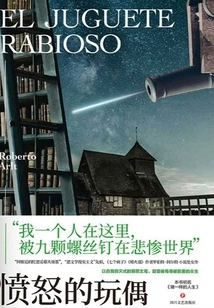
"The Angry Doll" is an autobiographical novel by Robert Alter, the "Argentinian Dostoyevsky" and the pioneer of "evil literary realism" in Latin America. It is also his debut novel. The protagonist Astaire is a teenager who was expelled from school. He tries to escape poverty at all costs, but fails to succeed, so he sinks deeper and deeper into dark pessimism. With such a tragic character and an atmosphere of absurdity and despair, the novel reflects the chaotic situation of Buenos Aires in the early 20th century. The novel was originally titled "Life Like a Pig", but later changed to "Angry Doll". In fact, the original title of the novel reveals the true meaning of the novel, that is, this is a failed, dirty, and disappointing life. The meaning of the new book's title may be that people are dolls played by fate, or it may refer to the protagonist's useless little invention. Some scholars believe that this corresponds to the many "toys" in the poet Baudelaire's poems constantly mentioned in the article, which are intended to change the original entertainment function of toys. The toys generate anger and rebellion against the makers of the toys, implying anger towards the industrial world in the early stage of modernization, because it eliminated the dreams of workers.
"The Angry Doll" is an autobiographical novel by Robert Alter, the "Argentinian Dostoyevsky" and the pioneer of "evil literary realism" in Latin America. It is also his debut novel. The protagonist Astaire is a teenager who was expelled from school. He tries to escape poverty at all costs, but fails to succeed, so he sinks deeper and deeper into dark pessimism. With such a tragic character and an atmosphere of absurdity and despair, the novel reflects the chaotic situation of Buenos Aires in the early 20th century. The novel was originally titled "Life Like a Pig", but later changed to "Angry Doll". In fact, the original title of the novel reveals the true meaning of the novel, that is, this is a failed, dirty, and disappointing life. The meaning of the new book's title may be that people are dolls played by fate, or it may refer to the protagonist's useless little invention. Some scholars believe that this corresponds to the many "toys" in the poet Baudelaire's poems constantly mentioned in the article, which are intended to change the original entertainment function of toys. The toys generate anger and rebellion against the makers of the toys, implying anger towards the industrial world in the early stage of modernization, because it eliminated the dreams of workers.
Golden Years (complete Collection)
General Fiction黄金岁月(全集)
Mo Ye Xiao Cheng
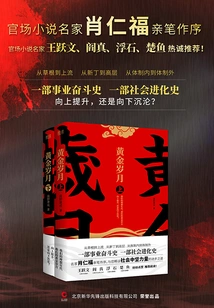
Zhang Xinyang, a rural youth, joined a large state-owned enterprise after graduating from university. He stepped forward to deal with a work-related injury incident. Later, he gradually won the trust of Chairman Liu Chenggong with his ability and willingness to endure hardships. He helped his classmate Meng Qiang set up a coking factory, earned his first pot of gold, and gained recognition from his girlfriend's parents who originally discriminated against him. After that, he overcame many difficulties and rose to the top of the group. At the same time, he also developed and expanded in the personal business field, winning both career and love. Zhang Xinyang participated in the major reforms of the group and gradually got a glimpse of the economic problems of Liu Chenggong and others as well as the truth of several old vicious cases. Behind Liu Chenggong, there is also the support of corrupt forces hidden within the government. Zhang Xinyang faced a difficult choice in the face of Liu Chenggong's kindness and illegal crimes. And fighting against such a huge interest group requires extraordinary courage and wisdom...
Zhang Xinyang, a rural youth, joined a large state-owned enterprise after graduating from university. He stepped forward to deal with a work-related injury incident. Later, he gradually won the trust of Chairman Liu Chenggong with his ability and willingness to endure hardships. He helped his classmate Meng Qiang set up a coking factory, earned his first pot of gold, and gained recognition from his girlfriend's parents who originally discriminated against him. After that, he overcame many difficulties and rose to the top of the group. At the same time, he also developed and expanded in the personal business field, winning both career and love. Zhang Xinyang participated in the major reforms of the group and gradually got a glimpse of the economic problems of Liu Chenggong and others as well as the truth of several old vicious cases. Behind Liu Chenggong, there is also the support of corrupt forces hidden within the government. Zhang Xinyang faced a difficult choice in the face of Liu Chenggong's kindness and illegal crimes. And fighting against such a huge interest group requires extraordinary courage and wisdom...
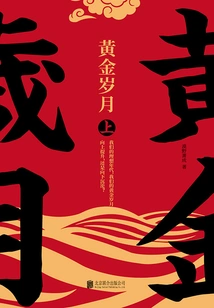
Golden Years (part 1)
General Fiction黄金岁月(上)
Mo Ye Xiao Cheng
Zhang Xinyang, a rural youth, joined a large state-owned enterprise after graduating from university. He stepped forward to deal with a work-related injury incident. Later, he gradually won the trust of Chairman Liu Chenggong with his ability and willingness to endure hardships. He helped his classmate Meng Qiang set up a coking factory, earned his first pot of gold, and gained recognition from his girlfriend's parents who originally discriminated against him. After that, he overcame many difficulties and rose to the top of the group. At the same time, he also developed and expanded in the personal business field, winning both career and love. Zhang Xinyang participated in the major reforms of the group and gradually got a glimpse of the economic problems of Liu Chenggong and others as well as the truth of several old vicious cases. Behind Liu Chenggong, there is also the support of corrupt forces hidden within the government. Zhang Xinyang faced a difficult choice in the face of Liu Chenggong's kindness and illegal crimes. And fighting against such a huge interest group requires extraordinary courage and wisdom...
Zhang Xinyang, a rural youth, joined a large state-owned enterprise after graduating from university. He stepped forward to deal with a work-related injury incident. Later, he gradually won the trust of Chairman Liu Chenggong with his ability and willingness to endure hardships. He helped his classmate Meng Qiang set up a coking factory, earned his first pot of gold, and gained recognition from his girlfriend's parents who originally discriminated against him. After that, he overcame many difficulties and rose to the top of the group. At the same time, he also developed and expanded in the personal business field, winning both career and love. Zhang Xinyang participated in the major reforms of the group and gradually got a glimpse of the economic problems of Liu Chenggong and others as well as the truth of several old vicious cases. Behind Liu Chenggong, there is also the support of corrupt forces hidden within the government. Zhang Xinyang faced a difficult choice in the face of Liu Chenggong's kindness and illegal crimes. And fighting against such a huge interest group requires extraordinary courage and wisdom...
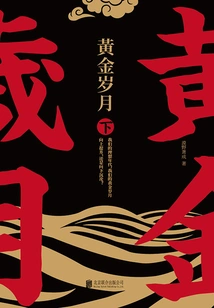
Golden Years (part 2)
General Fiction黄金岁月(下)
Mo Ye Xiao Cheng
Zhang Xinyang, a rural youth, joined a large state-owned enterprise after graduating from university. He stepped forward to deal with a work-related injury incident. Later, he gradually won the trust of Chairman Liu Chenggong with his ability and willingness to endure hardships. He helped his classmate Meng Qiang set up a coking factory, earned his first pot of gold, and gained recognition from his girlfriend's parents who originally discriminated against him. After that, he overcame many difficulties and rose to the top of the group. At the same time, he also developed and expanded in the personal business field, winning both career and love. Zhang Xinyang participated in the major reforms of the group and gradually got a glimpse of the economic problems of Liu Chenggong and others as well as the truth of several old vicious cases. Behind Liu Chenggong, there is also the support of corrupt forces hidden within the government. Zhang Xinyang faced a difficult choice in the face of Liu Chenggong's kindness and illegal crimes. And fighting against such a huge interest group requires extraordinary courage and wisdom...
Zhang Xinyang, a rural youth, joined a large state-owned enterprise after graduating from university. He stepped forward to deal with a work-related injury incident. Later, he gradually won the trust of Chairman Liu Chenggong with his ability and willingness to endure hardships. He helped his classmate Meng Qiang set up a coking factory, earned his first pot of gold, and gained recognition from his girlfriend's parents who originally discriminated against him. After that, he overcame many difficulties and rose to the top of the group. At the same time, he also developed and expanded in the personal business field, winning both career and love. Zhang Xinyang participated in the major reforms of the group and gradually got a glimpse of the economic problems of Liu Chenggong and others as well as the truth of several old vicious cases. Behind Liu Chenggong, there is also the support of corrupt forces hidden within the government. Zhang Xinyang faced a difficult choice in the face of Liu Chenggong's kindness and illegal crimes. And fighting against such a huge interest group requires extraordinary courage and wisdom...