Library
Browse and search books
2,982 novels found
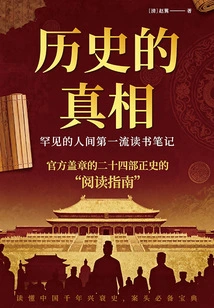
历史的真相:赵翼读二十二史
(qing Dynasty) Zhao Yi
"Notes on the Twenty-Two Histories" was written and completed by Zhao Yi in the 60th year of Qianlong's reign in the Qing Dynasty (1795). The book consists of 36 volumes, with one addendum. The book examines twenty-four officially recognized official histories in Chinese history, examines the merits, and discusses the pros and cons, forming nearly 600 notes. However, the book is not only for research, but also for discussion. It is a work that combines historical law, historical events, and historical theory. Since its publication, it has always been valued by historians and is considered an introductory book for studying official history.
"Notes on the Twenty-Two Histories" was written and completed by Zhao Yi in the 60th year of Qianlong's reign in the Qing Dynasty (1795). The book consists of 36 volumes, with one addendum. The book examines twenty-four officially recognized official histories in Chinese history, examines the merits, and discusses the pros and cons, forming nearly 600 notes. However, the book is not only for research, but also for discussion. It is a work that combines historical law, historical events, and historical theory. Since its publication, it has always been valued by historians and is considered an introductory book for studying official history.
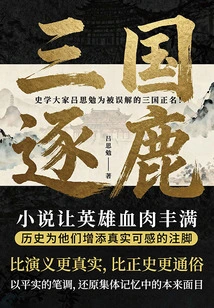
三国逐鹿:不一样的三国演义
Lu Simian
"History of the Three Kingdoms" is a popular historical work written by Lu Simian. It is composed of several independent but connected articles. There are 20 chapters in the book, written one after another by Mr. Wang from the late 1930s to the early 1940s. The book became very popular upon publication and has been reprinted in various editions. "The Romance of the Three Kingdoms" is widely circulated, and many people even get their "knowledge of the history of the Three Kingdoms" from this novel. However, "Romance of the Three Kingdoms" is not equal to "History of the Three Kingdoms". This is why Mr. Wang wrote this book, hoping to "correct previous errors" through this book. This book also appropriately selects Lu Simian's articles published in other publications and places them at the back of the book. The book was edited based on the book published at that time, and was properly collated and slightly annotated to increase the readability of the book.
"History of the Three Kingdoms" is a popular historical work written by Lu Simian. It is composed of several independent but connected articles. There are 20 chapters in the book, written one after another by Mr. Wang from the late 1930s to the early 1940s. The book became very popular upon publication and has been reprinted in various editions. "The Romance of the Three Kingdoms" is widely circulated, and many people even get their "knowledge of the history of the Three Kingdoms" from this novel. However, "Romance of the Three Kingdoms" is not equal to "History of the Three Kingdoms". This is why Mr. Wang wrote this book, hoping to "correct previous errors" through this book. This book also appropriately selects Lu Simian's articles published in other publications and places them at the back of the book. The book was edited based on the book published at that time, and was properly collated and slightly annotated to increase the readability of the book.
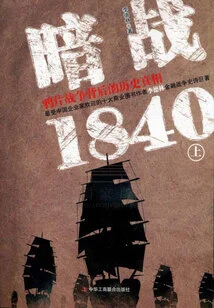
暗战1840:鸦片战争背后的历史真相(上)
Li Delin
From an economic perspective, this book cuts through key time points to explore the entire process of the three hundred years before the Opium War, when China gradually became enemies with Europe and the United States in the economic field, and gradually escalated to political conflicts between countries. This book begins in the second year after the death of Zhang Juzheng, the chief minister of Wanli, when Queen Elizabeth of England wanted to join forces with the Ming Empire when she was facing internal and external troubles. After the first Sino-British bloody battle at Humen, the British colonial America launched an independence movement, and China also changed dynasties and entered the era of the Qing Empire. In the intricate North American battlefield and the treacherous Tibetan Plateau, ancient China is still repeating its thousand-year-old diplomatic path, forging bloody feuds with the West time and time again, and conspiracies are sweeping through it.
From an economic perspective, this book cuts through key time points to explore the entire process of the three hundred years before the Opium War, when China gradually became enemies with Europe and the United States in the economic field, and gradually escalated to political conflicts between countries. This book begins in the second year after the death of Zhang Juzheng, the chief minister of Wanli, when Queen Elizabeth of England wanted to join forces with the Ming Empire when she was facing internal and external troubles. After the first Sino-British bloody battle at Humen, the British colonial America launched an independence movement, and China also changed dynasties and entered the era of the Qing Empire. In the intricate North American battlefield and the treacherous Tibetan Plateau, ancient China is still repeating its thousand-year-old diplomatic path, forging bloody feuds with the West time and time again, and conspiracies are sweeping through it.
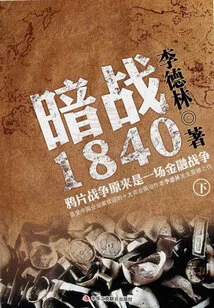
暗战1840:鸦片战争原来是一场金融战争(下)
Li Delin
A British merchant ship sailed into Huangpu Port, but a roaring salute led to a murder. The reckless governor of Guangdong issued a secret arrest warrant. An international murder case was tried in court, and the poor old man was killed. The root of the problem was buried in the Chinese court where the mirror was high. Lord Marshalny suddenly received an order from the Foreign Minister. Spies from the Forbidden City thousands of miles away have been sent to London. In the turbulent Beijing, spies gather: three kneels and nine After the great gift of Kou, conspiracies arose, but an army of 100,000 pirates appeared on the sea of eastern Guangdong. The naval alliance of China, Britain and Portugal was finally defeated by a beautiful woman. Emperor Daoguang was shocked. Lieutenant-General Lin Zexu's memorial completely exposed the methods of foreign exchange speculation and cash-out. The emperor finally discovered the conspiracy behind the opium trade, and numismatist Lin Zexu naturally became the emperor's best candidate to ban smoking. When Lin Zexu fainted and headed south at night, the "Nine Elders' Association" in London was plotting a bigger conspiracy, and a brutal "Nine Elders' Association" showdown began...
A British merchant ship sailed into Huangpu Port, but a roaring salute led to a murder. The reckless governor of Guangdong issued a secret arrest warrant. An international murder case was tried in court, and the poor old man was killed. The root of the problem was buried in the Chinese court where the mirror was high. Lord Marshalny suddenly received an order from the Foreign Minister. Spies from the Forbidden City thousands of miles away have been sent to London. In the turbulent Beijing, spies gather: three kneels and nine After the great gift of Kou, conspiracies arose, but an army of 100,000 pirates appeared on the sea of eastern Guangdong. The naval alliance of China, Britain and Portugal was finally defeated by a beautiful woman. Emperor Daoguang was shocked. Lieutenant-General Lin Zexu's memorial completely exposed the methods of foreign exchange speculation and cash-out. The emperor finally discovered the conspiracy behind the opium trade, and numismatist Lin Zexu naturally became the emperor's best candidate to ban smoking. When Lin Zexu fainted and headed south at night, the "Nine Elders' Association" in London was plotting a bigger conspiracy, and a brutal "Nine Elders' Association" showdown began...
长安四千年:都城史视角下的王朝兴衰史
Yu Chaoyang
Why Chang'an? From the Li Zhou Dynasty to the Qin Dynasty, from the Han Dynasty to the prosperous Tang Dynasty, a 4,000-year ups and downs of changes in cities and civilizations ended hundreds of years of chaos twice, and unified the world five times, creating three powerful dynasties that lasted for more than 200 years. From the Shang Dynasty to the Qing Dynasty, it repeatedly became the end of dynasties. Let's see how Chang'an on the West Chui Plain interprets the ancient capital's counterattack of destiny. This book takes the ancient capital of Xi'an as the "protagonist" and spans 4,000 years of history from the Xia Dynasty to the Qing Dynasty. Starting from the origin of Xi'an, it discusses the process of why and how Xi'an was chosen to become the ancient capital. Then, using Xi'an's lost capital as a comparison, it further analyzes the degree of coordination between generations of capital strategic decisions and national political policies, and the ultimate political benefits. It also discusses the formation and development of other ancient capitals, and displays the details of the game of Xi'an as the capital of the past dynasties in a full picture scroll.
Why Chang'an? From the Li Zhou Dynasty to the Qin Dynasty, from the Han Dynasty to the prosperous Tang Dynasty, a 4,000-year ups and downs of changes in cities and civilizations ended hundreds of years of chaos twice, and unified the world five times, creating three powerful dynasties that lasted for more than 200 years. From the Shang Dynasty to the Qing Dynasty, it repeatedly became the end of dynasties. Let's see how Chang'an on the West Chui Plain interprets the ancient capital's counterattack of destiny. This book takes the ancient capital of Xi'an as the "protagonist" and spans 4,000 years of history from the Xia Dynasty to the Qing Dynasty. Starting from the origin of Xi'an, it discusses the process of why and how Xi'an was chosen to become the ancient capital. Then, using Xi'an's lost capital as a comparison, it further analyzes the degree of coordination between generations of capital strategic decisions and national political policies, and the ultimate political benefits. It also discusses the formation and development of other ancient capitals, and displays the details of the game of Xi'an as the capital of the past dynasties in a full picture scroll.
十六国:大分裂与大融合
Zhang Yan
This book focuses on the Sixteen Kingdoms, taking the beginning and end of each regime as a line, and uses 300,000 words to restore the history of the Sixteen Kingdoms, which was full of vitality and brewing order amidst disorder. Behind the ground, bloody bows and knives and violent iron hooves swept in from the north, tearing the unified China into two halves - the Jin court retreated to the south and established the Eastern Jin Dynasty, forming a clan politics; the barbarians spread across the north and established sixteen major separatist regimes, which we usually call the Sixteen Kingdoms. For more than a hundred years, the Xiongnu, Xianbei, Jie, Di, and Qiang tribes entered the Central Plains one after another and established no less than twenty separatist regimes, large and small. War broke out, social turmoil, and capable people emerged in large numbers. With a warm and delicate novel-style writing style, this book focuses on the history of the Sixteen Kingdoms, using the beginning and end of each regime as a line to restore this vibrant history where order was brewing in disorder.
This book focuses on the Sixteen Kingdoms, taking the beginning and end of each regime as a line, and uses 300,000 words to restore the history of the Sixteen Kingdoms, which was full of vitality and brewing order amidst disorder. Behind the ground, bloody bows and knives and violent iron hooves swept in from the north, tearing the unified China into two halves - the Jin court retreated to the south and established the Eastern Jin Dynasty, forming a clan politics; the barbarians spread across the north and established sixteen major separatist regimes, which we usually call the Sixteen Kingdoms. For more than a hundred years, the Xiongnu, Xianbei, Jie, Di, and Qiang tribes entered the Central Plains one after another and established no less than twenty separatist regimes, large and small. War broke out, social turmoil, and capable people emerged in large numbers. With a warm and delicate novel-style writing style, this book focuses on the history of the Sixteen Kingdoms, using the beginning and end of each regime as a line to restore this vibrant history where order was brewing in disorder.
三国100年
Luo Sanyang
The Three Kingdoms era was a time of great changes and heroes emerged in large numbers. There are endless official historical records, unofficial legends, and novels about this period. Everyone in the world talks about the Three Kingdoms, but the brilliance of those fictional novels often weakens the understanding of the real history, and the true nature of the history of the Three Kingdoms becomes blurred. History is not a romance. This book puts aside the joking part and tells the true history of the Three Kingdoms from the end of the Eastern Han Dynasty to the fall of the Wu Kingdom in a down-to-earth manner. After reading it, you will find that history is more exciting than fiction.
The Three Kingdoms era was a time of great changes and heroes emerged in large numbers. There are endless official historical records, unofficial legends, and novels about this period. Everyone in the world talks about the Three Kingdoms, but the brilliance of those fictional novels often weakens the understanding of the real history, and the true nature of the history of the Three Kingdoms becomes blurred. History is not a romance. This book puts aside the joking part and tells the true history of the Three Kingdoms from the end of the Eastern Han Dynasty to the fall of the Wu Kingdom in a down-to-earth manner. After reading it, you will find that history is more exciting than fiction.
大明开国:朱元璋和他的时代
Mao Zhishen
The growth history of Zhu Yuanzhang is also a history of the founding of the Ming Dynasty with great turbulence and war. This book writes a history of the growth of the founding king and the founding of the Ming Dynasty in relaxed and interesting language. From the perspective of a current political reporter, the author combines the latest historical research results to focus on analyzing the changes in the times at the end of the Yuan Dynasty and the beginning of the Ming Dynasty, and deeply analyzes the underlying logic behind historical events and the interests and gains of all participants.
The growth history of Zhu Yuanzhang is also a history of the founding of the Ming Dynasty with great turbulence and war. This book writes a history of the growth of the founding king and the founding of the Ming Dynasty in relaxed and interesting language. From the perspective of a current political reporter, the author combines the latest historical research results to focus on analyzing the changes in the times at the end of the Yuan Dynasty and the beginning of the Ming Dynasty, and deeply analyzes the underlying logic behind historical events and the interests and gains of all participants.
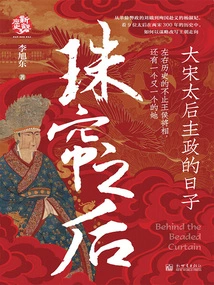
Behind the Pearl Curtain: the Days When the Empress Dowager of the Song Dynasty Came to Power
History珠帘之后:大宋太后主政的日子
Li Xudong
The 300-year history of the Song Dynasty is narrated from the perspective of eight empress dowagers who listened behind the curtain, including "History of the Song Dynasty", "Song Hui Yao Yao Yao", "Xu Zizhi Tongjian Changbian", "Records of the Years since Jianyan", "Miscellaneous Notes of the Government and the Wilderness since Jianyan", "Three Dynasties to the North" "Meng Hui Compilation", "Continuation of Zizhi Tongjian Chang's Chronicles", "Dynasty Chronology Outline", "Ten Dynasties Outline of the Imperial and Song Dynasties", "Taiping Baoxun Political Annals", "Zhongxing Two Dynasties Holy Government", "Zhongxing Two Dynasties Chronology Outline", "Zhongxing Two Dynasties Chronology Outline", "Summary of the Two Dynasties Chronicles" Based on official histories such as "The Complete History of the Song Dynasty" and "Political Figures of the Three Dynasties of the Song Dynasty", combined with original documents such as "Collection of Imperial Edicts of the Song Dynasty", and with reference to personal collections such as "Collected Works of Fan Wenzhenggong" and "Memorials of Bao Xiaosu", it provides an in-depth interpretation of the history of the Song Dynasty. From the perspective of the special group of empress dowagers, it clarifies the political struggles between the emperor, empress dowager, supreme emperor, and powerful ministers, as well as the historical context and behavioral logic behind the complicated events, allowing readers to get closer to the historical truth.
The 300-year history of the Song Dynasty is narrated from the perspective of eight empress dowagers who listened behind the curtain, including "History of the Song Dynasty", "Song Hui Yao Yao Yao", "Xu Zizhi Tongjian Changbian", "Records of the Years since Jianyan", "Miscellaneous Notes of the Government and the Wilderness since Jianyan", "Three Dynasties to the North" "Meng Hui Compilation", "Continuation of Zizhi Tongjian Chang's Chronicles", "Dynasty Chronology Outline", "Ten Dynasties Outline of the Imperial and Song Dynasties", "Taiping Baoxun Political Annals", "Zhongxing Two Dynasties Holy Government", "Zhongxing Two Dynasties Chronology Outline", "Zhongxing Two Dynasties Chronology Outline", "Summary of the Two Dynasties Chronicles" Based on official histories such as "The Complete History of the Song Dynasty" and "Political Figures of the Three Dynasties of the Song Dynasty", combined with original documents such as "Collection of Imperial Edicts of the Song Dynasty", and with reference to personal collections such as "Collected Works of Fan Wenzhenggong" and "Memorials of Bao Xiaosu", it provides an in-depth interpretation of the history of the Song Dynasty. From the perspective of the special group of empress dowagers, it clarifies the political struggles between the emperor, empress dowager, supreme emperor, and powerful ministers, as well as the historical context and behavioral logic behind the complicated events, allowing readers to get closer to the historical truth.
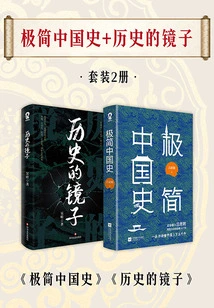
极简中国史+历史的镜子(套装2册)
Lu Simian Wu Han
[Minimalist Chinese History + Historical Mirror Set 2 Volumes] "Minimalist Chinese History" is a reprint of the "Fuxing Senior Middle School Textbook History of the Country" written by the leading historian Lu Simian. The book is divided into six chapters: introduction, ancient history, medieval history, modern history, modern history, and conclusion. In the book, Mr. Lu Simian uses concise and smooth words to give a comprehensive and concise description of China's politics, geography, society, and culture from ancient times to modern times. The writing is plain and easy to understand, the organization is clear, and the insights are novel and unique. This book is the first general history of China written in vernacular. It is also an epoch-making masterpiece that allows people to quickly understand Chinese history. It is praised by readers at home and abroad as "a book that allows you to understand five thousand years of Chinese history." "Mirror of History" is one of the representative works of Wu Han, a famous historian in my country. From the long history from the pre-Qin Dynasty to the late Qing Dynasty, the author narrated some strange people, some anecdotes, or commented on loyal ministers and famous generals, talked about talents and beauties, and discussed social phenomena.
[Minimalist Chinese History + Historical Mirror Set 2 Volumes] "Minimalist Chinese History" is a reprint of the "Fuxing Senior Middle School Textbook History of the Country" written by the leading historian Lu Simian. The book is divided into six chapters: introduction, ancient history, medieval history, modern history, modern history, and conclusion. In the book, Mr. Lu Simian uses concise and smooth words to give a comprehensive and concise description of China's politics, geography, society, and culture from ancient times to modern times. The writing is plain and easy to understand, the organization is clear, and the insights are novel and unique. This book is the first general history of China written in vernacular. It is also an epoch-making masterpiece that allows people to quickly understand Chinese history. It is praised by readers at home and abroad as "a book that allows you to understand five thousand years of Chinese history." "Mirror of History" is one of the representative works of Wu Han, a famous historian in my country. From the long history from the pre-Qin Dynasty to the late Qing Dynasty, the author narrated some strange people, some anecdotes, or commented on loyal ministers and famous generals, talked about talents and beauties, and discussed social phenomena.
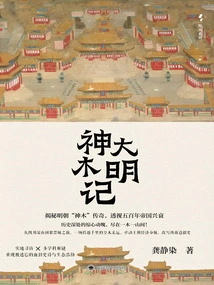
Daming Shenmuji
History大明神木记
Gong Jingran
[Historical version of "Lychees in Chang'an", see how the Ming officials traveled thousands of miles to transport sacred trees to Beijing. ] In the fourth year of Yongle in the Ming Dynasty (1406), Zhu Di decided to move the capital to Beijing, and the construction of the Forbidden City was put on the agenda. Song Li, who was the Minister of Industry at the time, received the task of purchasing huge trees for the construction of the palace. Among the "Six Ministers of Imperial Wood Purchasing" who also received the order, Song Li had the highest official position, and the Sichuan he was going to was the farthest away and had the richest nanmu resources, which clearly shows that the imperial court had high hopes for him. Song Li knew that although this matter was painful, it was a major event that would bring glory to the ancestors. For this reason, I visited Sichuan five times and traveled thousands of miles, and finally came across an exciting story: Rumor has it that in Huangzhongxi Mountain in Mahu Prefecture, one night, a giant tree suddenly "walked on a smooth road", and the blocking stones separated automatically, and the giant tree slid to the river unscathed. When this news reached the capital, it became an auspicious omen that demonstrated the gods and emperor's virtues. Zhu Di was overjoyed and ordered Huangzhongxi Mountain to be renamed "Shenmu Mountain" and a temple to be built and a monument to be built. Since then, imperial trees and giant trees have also had a new name - "sacred trees". Is it really so smooth? It should be noted that the road to Shu is as difficult as climbing to the sky. The reason why Shenmu Mountain is densely covered with thousand-year-old nanmu is precisely because the mountain is steep and inaccessible. To cut down and transport a nanmu tree, tens of millions of manpower are needed: axemen who chop down trees, men who pave roads, stonemasons who clear roadblocks, blacksmiths who provide tools, and sailors who transport the trees... After the construction of the Ming Palace, it was burned down and rebuilt several times, and it was expanded several times during the Jiajing and Wanli years. The demand for imperial wood has continued for more than 200 years. For this purpose, hundreds of millions of taels of silver were spent, and countless craftsmen were recruited. "The officials and servants died of exhaustion, staffs died, and guests died. They were banned in the temples, restrained in travel, and begged in the market, facing each other." Until the nanmu was cut down, the imperial power and local forces continued to dispute... Let's see how this history of the transfer of sacred trees reveals the clues to the Ming Dynasty's transition from prosperity to decline.
[Historical version of "Lychees in Chang'an", see how the Ming officials traveled thousands of miles to transport sacred trees to Beijing. ] In the fourth year of Yongle in the Ming Dynasty (1406), Zhu Di decided to move the capital to Beijing, and the construction of the Forbidden City was put on the agenda. Song Li, who was the Minister of Industry at the time, received the task of purchasing huge trees for the construction of the palace. Among the "Six Ministers of Imperial Wood Purchasing" who also received the order, Song Li had the highest official position, and the Sichuan he was going to was the farthest away and had the richest nanmu resources, which clearly shows that the imperial court had high hopes for him. Song Li knew that although this matter was painful, it was a major event that would bring glory to the ancestors. For this reason, I visited Sichuan five times and traveled thousands of miles, and finally came across an exciting story: Rumor has it that in Huangzhongxi Mountain in Mahu Prefecture, one night, a giant tree suddenly "walked on a smooth road", and the blocking stones separated automatically, and the giant tree slid to the river unscathed. When this news reached the capital, it became an auspicious omen that demonstrated the gods and emperor's virtues. Zhu Di was overjoyed and ordered Huangzhongxi Mountain to be renamed "Shenmu Mountain" and a temple to be built and a monument to be built. Since then, imperial trees and giant trees have also had a new name - "sacred trees". Is it really so smooth? It should be noted that the road to Shu is as difficult as climbing to the sky. The reason why Shenmu Mountain is densely covered with thousand-year-old nanmu is precisely because the mountain is steep and inaccessible. To cut down and transport a nanmu tree, tens of millions of manpower are needed: axemen who chop down trees, men who pave roads, stonemasons who clear roadblocks, blacksmiths who provide tools, and sailors who transport the trees... After the construction of the Ming Palace, it was burned down and rebuilt several times, and it was expanded several times during the Jiajing and Wanli years. The demand for imperial wood has continued for more than 200 years. For this purpose, hundreds of millions of taels of silver were spent, and countless craftsmen were recruited. "The officials and servants died of exhaustion, staffs died, and guests died. They were banned in the temples, restrained in travel, and begged in the market, facing each other." Until the nanmu was cut down, the imperial power and local forces continued to dispute... Let's see how this history of the transfer of sacred trees reveals the clues to the Ming Dynasty's transition from prosperity to decline.
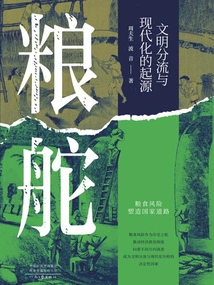
Grain Rudder
History粮舵
Zhou Fusheng Boeing
This book is a popular historical book. In the past 500 years, human society has accelerated its development at an unprecedented speed. The scientific revolution, industrial revolution, population explosion, globalization... All kinds of things unheard of in the ancient world have emerged rapidly. British historian MacFarlane and economist Adam Smith both put forward their own views on the birth of the modern world, which had far-reaching influence. This book proposes that the birth of modern society comes from the certainty of food output, and the certainty of food output determines the "rudder of history" in the direction of civilization evolution. Focusing on this core point of view, the manuscript deeply reveals the relationship between food surplus and civilized society.
This book is a popular historical book. In the past 500 years, human society has accelerated its development at an unprecedented speed. The scientific revolution, industrial revolution, population explosion, globalization... All kinds of things unheard of in the ancient world have emerged rapidly. British historian MacFarlane and economist Adam Smith both put forward their own views on the birth of the modern world, which had far-reaching influence. This book proposes that the birth of modern society comes from the certainty of food output, and the certainty of food output determines the "rudder of history" in the direction of civilization evolution. Focusing on this core point of view, the manuscript deeply reveals the relationship between food surplus and civilized society.
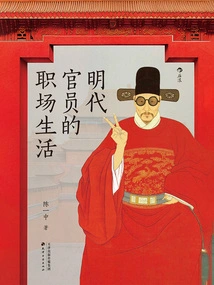
明代官员的职场生活
Chen Yizhong
Entering the Ming Dynasty, China's imperial examination system reached its peak, and the imperial examination gradually derived various methods and techniques. For many scholars at this time, becoming an official in the court can be said to be a lifelong career pursuit. After truly entering the officialdom, there was no room for relaxation: how to serve the emperor carefully, how to get along with colleagues and the eunuch group, and how to protect oneself in various entanglements, are all ways of survival that officials in the capital must learn. From studying, preparing for exams, taking exams, taking office to retirement, the working life of officials in the Ming Dynasty was meticulous in every aspect. Once you set foot in it, you are destined to taste the ups and downs. This book focuses on these literati who struggled in the officialdom of the Ming Dynasty. Starting from their anecdotes and survival wisdom, it deeply analyzes all aspects of the officialdom and imperial examination system in the Ming Dynasty, bringing readers a wonderful journey of becoming an official in the Ming Dynasty.
Entering the Ming Dynasty, China's imperial examination system reached its peak, and the imperial examination gradually derived various methods and techniques. For many scholars at this time, becoming an official in the court can be said to be a lifelong career pursuit. After truly entering the officialdom, there was no room for relaxation: how to serve the emperor carefully, how to get along with colleagues and the eunuch group, and how to protect oneself in various entanglements, are all ways of survival that officials in the capital must learn. From studying, preparing for exams, taking exams, taking office to retirement, the working life of officials in the Ming Dynasty was meticulous in every aspect. Once you set foot in it, you are destined to taste the ups and downs. This book focuses on these literati who struggled in the officialdom of the Ming Dynasty. Starting from their anecdotes and survival wisdom, it deeply analyzes all aspects of the officialdom and imperial examination system in the Ming Dynasty, bringing readers a wonderful journey of becoming an official in the Ming Dynasty.
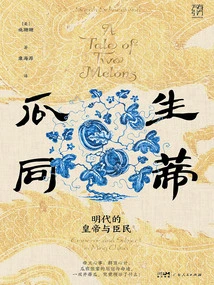
瓜生同蒂:明代的皇帝和臣民
(us) Shi Shanshan
In the early years of Hongwu, a pair of Bingdi melons from Jurong County were presented to Emperor Taizu of the Ming Dynasty as an auspicious sign. Such a small incident contains many intriguing details: Zhang Guan, the Jurong melon farmer who planted the pair of "Jiagua", chose to skip the local government and go directly to Beijing to offer melons; and the Ming Taizu himself, Tao Kai, Song Lian and others, important ministers of the court at the time, and even the "Records of the Ming Taizu" and other contemporary documents compiled by Xie Jin and others later had contradictory interpretations of this auspiciousness - what caused this auspiciousness? Who is this praise from God? The author traces the ins and outs of the incident and the different fates of the various figures involved in the incident in detail, showing how the emperors of the Ming Dynasty, court ministers, and local officials stood in different positions and constantly competed for the right to interpret auspiciousness.
In the early years of Hongwu, a pair of Bingdi melons from Jurong County were presented to Emperor Taizu of the Ming Dynasty as an auspicious sign. Such a small incident contains many intriguing details: Zhang Guan, the Jurong melon farmer who planted the pair of "Jiagua", chose to skip the local government and go directly to Beijing to offer melons; and the Ming Taizu himself, Tao Kai, Song Lian and others, important ministers of the court at the time, and even the "Records of the Ming Taizu" and other contemporary documents compiled by Xie Jin and others later had contradictory interpretations of this auspiciousness - what caused this auspiciousness? Who is this praise from God? The author traces the ins and outs of the incident and the different fates of the various figures involved in the incident in detail, showing how the emperors of the Ming Dynasty, court ministers, and local officials stood in different positions and constantly competed for the right to interpret auspiciousness.
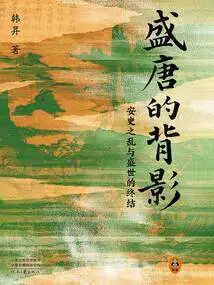
盛唐的背影
Han Sheng
The masterpiece of Professor Han Sheng of Fudan University, a classic course of Baijia Lecture Forum! See why the prosperous age collapsed and became Chang'an, which future generations can never return to! "In October, I will visit the capital" - In July of the fourteenth year of Tianbao (755), Emperor Xuanzong of the Tang Dynasty invited Anlu Mountain to take a bath in the new hot spring in Huaqing Pool. An Lushan responded so readily. Xuanzong was convinced, intoxicated in the illusion of harmony between the monarch and his subjects, completely unaware of the murderous intention hidden behind the word "Zhuoran"... So "Yuyang Ji encouraged the ground to come". In November, An Lushan led an army of 200,000 southward, sweeping through Hebei, crossing the Yellow River south, and even defeating Luoyang and Chang'an. Xuanzong entered Shu in a hurry. The Anshi Rebellion lasted for eight years, and the war burned across northern China. The prosperous world with flowers and flowers became a distant memory in the blink of an eye. However, the mighty Tang Dynasty was not ruined by a military turmoil. The real collapse came from the turmoil deep in the hearts of the people: barbarians became the source of all evil, and xenophobia became the mainstream of society. Since then, the diverse and open prosperity of the Tang Dynasty has come to an abrupt end, leaving only a shadow of infinite regret to future generations...
The masterpiece of Professor Han Sheng of Fudan University, a classic course of Baijia Lecture Forum! See why the prosperous age collapsed and became Chang'an, which future generations can never return to! "In October, I will visit the capital" - In July of the fourteenth year of Tianbao (755), Emperor Xuanzong of the Tang Dynasty invited Anlu Mountain to take a bath in the new hot spring in Huaqing Pool. An Lushan responded so readily. Xuanzong was convinced, intoxicated in the illusion of harmony between the monarch and his subjects, completely unaware of the murderous intention hidden behind the word "Zhuoran"... So "Yuyang Ji encouraged the ground to come". In November, An Lushan led an army of 200,000 southward, sweeping through Hebei, crossing the Yellow River south, and even defeating Luoyang and Chang'an. Xuanzong entered Shu in a hurry. The Anshi Rebellion lasted for eight years, and the war burned across northern China. The prosperous world with flowers and flowers became a distant memory in the blink of an eye. However, the mighty Tang Dynasty was not ruined by a military turmoil. The real collapse came from the turmoil deep in the hearts of the people: barbarians became the source of all evil, and xenophobia became the mainstream of society. Since then, the diverse and open prosperity of the Tang Dynasty has come to an abrupt end, leaving only a shadow of infinite regret to future generations...
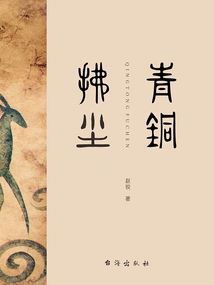
Bronze Whisk
History青铜拂尘
Zhao Rui
This book is a collection of stories focusing on the history of the Western Zhou Dynasty. It uses the bronze inscriptions in the collection as the core writing structure: starting from the content of the inscriptions and the historical facts of the Western Zhou Dynasty, it combines the interpretation of the inscriptions to excavate the fragments of historical facts and story clues, and refers to other historical materials and literary works. Finally, it revolves around the development of the royal family of the Western Zhou Dynasty and presents various stories with themes of responsibility, friendship, etc. The whole book revolves around seven bronzes including He Zun, Shi Qiangpan, Dake Ding and Maogong Ding, and derives seven stories involving the emperors of the Western Zhou Dynasty, including King Wu of Zhou, King Mu of Zhou, and King Li of Zhou. By shaping the images of various characters around the emperor and telling the related deeds between the characters, the book not only popularizes the cultural relics knowledge of the Western Zhou Dynasty to readers, shows the historical style of the time, but also conveys positive values such as taking responsibility, valuing friendship, and facing misunderstandings.
This book is a collection of stories focusing on the history of the Western Zhou Dynasty. It uses the bronze inscriptions in the collection as the core writing structure: starting from the content of the inscriptions and the historical facts of the Western Zhou Dynasty, it combines the interpretation of the inscriptions to excavate the fragments of historical facts and story clues, and refers to other historical materials and literary works. Finally, it revolves around the development of the royal family of the Western Zhou Dynasty and presents various stories with themes of responsibility, friendship, etc. The whole book revolves around seven bronzes including He Zun, Shi Qiangpan, Dake Ding and Maogong Ding, and derives seven stories involving the emperors of the Western Zhou Dynasty, including King Wu of Zhou, King Mu of Zhou, and King Li of Zhou. By shaping the images of various characters around the emperor and telling the related deeds between the characters, the book not only popularizes the cultural relics knowledge of the Western Zhou Dynasty to readers, shows the historical style of the time, but also conveys positive values such as taking responsibility, valuing friendship, and facing misunderstandings.
藏锋:三国的风度
Guo Degang
Guo Degang's new masterpiece, reading the Three Kingdoms is reading people. Only when you can understand people's hearts can you hide your edge. When you read the Three Kingdoms at the age of twenty, you see the excitement; when you read the Three Kingdoms at the age of forty, you see the secrets; when you read the Three Kingdoms at the age of sixty, you see yourself. What Guo Degang learned from the Three Kingdoms is a thorough set of techniques for understanding people and ways of accomplishing things. Cao Cao and Liu Bei were people who understood this thousands of years ago. They had already seen through it: Only by knowing how to hide your front can you go further. From shooting halberds at the gate to cooking wine with green plums, what I read was the classic story of the Three Kingdoms, and what I understood was the sober current life. After understanding Lao Guo's interpretation, I also understood how to accept and let go in this life. Lao Guo devotes himself to writing, with a large capacity of 360,000 words and nearly 400 pages of content, teaching you to understand situations, recognize people, and know how to advance and retreat.
Guo Degang's new masterpiece, reading the Three Kingdoms is reading people. Only when you can understand people's hearts can you hide your edge. When you read the Three Kingdoms at the age of twenty, you see the excitement; when you read the Three Kingdoms at the age of forty, you see the secrets; when you read the Three Kingdoms at the age of sixty, you see yourself. What Guo Degang learned from the Three Kingdoms is a thorough set of techniques for understanding people and ways of accomplishing things. Cao Cao and Liu Bei were people who understood this thousands of years ago. They had already seen through it: Only by knowing how to hide your front can you go further. From shooting halberds at the gate to cooking wine with green plums, what I read was the classic story of the Three Kingdoms, and what I understood was the sober current life. After understanding Lao Guo's interpretation, I also understood how to accept and let go in this life. Lao Guo devotes himself to writing, with a large capacity of 360,000 words and nearly 400 pages of content, teaching you to understand situations, recognize people, and know how to advance and retreat.
一读就上瘾的文明兴衰录
Qian Musen
This is a civilizational apocalypse that breaks the traditional historical narrative, from the genetic code of the four ancient civilizations when they were founded, to the peak game between ancient Greece and Rome and the Han and Tang empires, to the survival wisdom of hidden civilizations such as the Maya and the Inca, with the "butterfly effect"
This is a civilizational apocalypse that breaks the traditional historical narrative, from the genetic code of the four ancient civilizations when they were founded, to the peak game between ancient Greece and Rome and the Han and Tang empires, to the survival wisdom of hidden civilizations such as the Maya and the Inca, with the "butterfly effect"
一读就上瘾的海洋霸权争夺
Shi Yian
From the Phoenicians' cedar merchant ships cutting through the waves of the Mediterranean Sea to the multi-dimensional game between China, the United States and Russia in the deep sea and the polar regions, "The Battle for Ocean Hegemony" is an epic story that connects the legend of blue hegemony spanning thousands of years. The book traces Portugal and Spain's huge gamble to carve up the world, the business miracle of the Dutch "Sea Coachman", and the rise of Britain's "Empire on which the Sun Never Sets." It also provides a more in-depth analysis of the two world wars, the secret war at sea during the Cold War, and the new competition in deep-sea technology, resource development, and rule-based games in the 21st century. Through thrilling naval battles, game-changing treaties, and far-reaching technological breakthroughs, this book not only presents a magnificent picture of the changes in maritime hegemony, but also reveals how the ocean shapes the process of human civilization, opening up a unique perspective for readers to understand the changes in world order.
From the Phoenicians' cedar merchant ships cutting through the waves of the Mediterranean Sea to the multi-dimensional game between China, the United States and Russia in the deep sea and the polar regions, "The Battle for Ocean Hegemony" is an epic story that connects the legend of blue hegemony spanning thousands of years. The book traces Portugal and Spain's huge gamble to carve up the world, the business miracle of the Dutch "Sea Coachman", and the rise of Britain's "Empire on which the Sun Never Sets." It also provides a more in-depth analysis of the two world wars, the secret war at sea during the Cold War, and the new competition in deep-sea technology, resource development, and rule-based games in the 21st century. Through thrilling naval battles, game-changing treaties, and far-reaching technological breakthroughs, this book not only presents a magnificent picture of the changes in maritime hegemony, but also reveals how the ocean shapes the process of human civilization, opening up a unique perspective for readers to understand the changes in world order.
元朝的分肥游戏
Compiled By Yu Mu
This book analyzes the core mechanism of power operation in the Yuan Dynasty from a unique perspective. Through the key concept of the "fat sharing game", this book systematically reveals how the Mongolian rulers sublimated the tradition of spoil distribution of steppe tribes into the ruling logic of the empire. From the "drop" system founded by Genghis Khan, the implicit rules of the four-class system, to the cruel game of fighting for the throne, it shows layer by layer how this conquering dynasty maintained governance through the bundling of interests, and then collapsed due to imbalanced distribution. The book focuses particularly on institutional designs such as excessive currency issuance, salt monopoly, and the abolition of imperial examinations. It profoundly presents the complex network of power and wealth distribution, analyzes the catastrophic consequences of the Yuan Dynasty and the underlying reasons for its disintegration, and deconstructs the inherent code of power operation of this special regime that has both nomadic characteristics and the form of the Chinese empire.
This book analyzes the core mechanism of power operation in the Yuan Dynasty from a unique perspective. Through the key concept of the "fat sharing game", this book systematically reveals how the Mongolian rulers sublimated the tradition of spoil distribution of steppe tribes into the ruling logic of the empire. From the "drop" system founded by Genghis Khan, the implicit rules of the four-class system, to the cruel game of fighting for the throne, it shows layer by layer how this conquering dynasty maintained governance through the bundling of interests, and then collapsed due to imbalanced distribution. The book focuses particularly on institutional designs such as excessive currency issuance, salt monopoly, and the abolition of imperial examinations. It profoundly presents the complex network of power and wealth distribution, analyzes the catastrophic consequences of the Yuan Dynasty and the underlying reasons for its disintegration, and deconstructs the inherent code of power operation of this special regime that has both nomadic characteristics and the form of the Chinese empire.
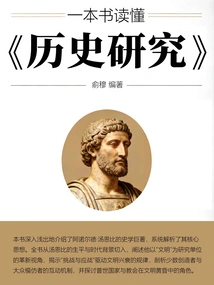
一本书读懂《历史研究》
Compiled By Yu Mu
This book introduces Arnold Toynbee's historical masterpiece in an in-depth and simple way, and systematically analyzes its core ideas. The book starts from Toynbee's life and historical background, expounds his innovative perspective with "civilization" as the research unit, reveals the law of "challenge and response" that drives the rise and fall of civilization, analyzes the interactive mechanism between a few creators and mass imitators, and explores the role of the universal state and church in the twilight of civilization. The author uses smooth writing to transform Toynbee's grand theory of civilization life cycle into an easy-to-understand narrative. It not only presents the essence of his thoughts, but also does not avoid academic controversies, providing readers with a clear guide to understand this historical classic.
This book introduces Arnold Toynbee's historical masterpiece in an in-depth and simple way, and systematically analyzes its core ideas. The book starts from Toynbee's life and historical background, expounds his innovative perspective with "civilization" as the research unit, reveals the law of "challenge and response" that drives the rise and fall of civilization, analyzes the interactive mechanism between a few creators and mass imitators, and explores the role of the universal state and church in the twilight of civilization. The author uses smooth writing to transform Toynbee's grand theory of civilization life cycle into an easy-to-understand narrative. It not only presents the essence of his thoughts, but also does not avoid academic controversies, providing readers with a clear guide to understand this historical classic.
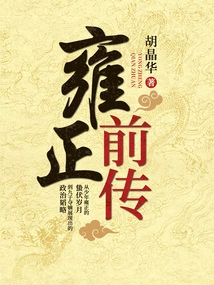
The Prequel of Yongzheng
History雍正前传
Hu Jinghua
"Nine sons seize the throne", the winner is Yongzheng! This book focuses on the political strategy and personality transformation of Emperor Yongzheng Yinzhen before he ascended the throne! Emperor Kangxi once evaluated his fourth son Yinzhen with the four words "emotional", and all his elders also despised him. Only his enlightenment teacher understood and appreciated him. Galdan rebelled, and Emperor Kangxi personally went to war. Yinzhen who accompanied him personally tested medicine for his father and sacrificed his life to protect flying arrows. He gradually gained Kangxi's love and attention. Yinzhen was later assigned to inspect the Wuding River Works with his eldest brother. He discovered fraud in the river work, and he had a disagreement with his eldest brother. He alone supervised the Queen Mother's sixtieth birthday and accompanied her on a southern tour. After returning, Yinzhen's most beloved eldest son Honghui died in infancy. For a time, he was disheartened and did not care about the affairs of the palace and court. However, unexpectedly, Xiao Qiang was in trouble, the prince was deposed, and the nine sons lost their legitimate sons. Yinzhen, who "prevent haste and use patience", was also involved in the thrilling struggle for the throne. The book has ups and downs of plot, real and vivid details, distinct characters, rigorous structure and concise language, which vividly reproduces the dormant years of the young Yongzheng.
"Nine sons seize the throne", the winner is Yongzheng! This book focuses on the political strategy and personality transformation of Emperor Yongzheng Yinzhen before he ascended the throne! Emperor Kangxi once evaluated his fourth son Yinzhen with the four words "emotional", and all his elders also despised him. Only his enlightenment teacher understood and appreciated him. Galdan rebelled, and Emperor Kangxi personally went to war. Yinzhen who accompanied him personally tested medicine for his father and sacrificed his life to protect flying arrows. He gradually gained Kangxi's love and attention. Yinzhen was later assigned to inspect the Wuding River Works with his eldest brother. He discovered fraud in the river work, and he had a disagreement with his eldest brother. He alone supervised the Queen Mother's sixtieth birthday and accompanied her on a southern tour. After returning, Yinzhen's most beloved eldest son Honghui died in infancy. For a time, he was disheartened and did not care about the affairs of the palace and court. However, unexpectedly, Xiao Qiang was in trouble, the prince was deposed, and the nine sons lost their legitimate sons. Yinzhen, who "prevent haste and use patience", was also involved in the thrilling struggle for the throne. The book has ups and downs of plot, real and vivid details, distinct characters, rigorous structure and concise language, which vividly reproduces the dormant years of the young Yongzheng.
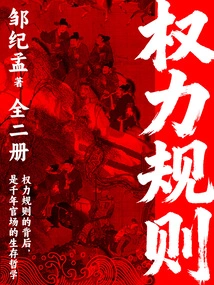
Rules of Power (two Volumes)
History权力规则(全二册)
Zou Jimeng
In China's long history, official career has been both a ladder to glory and a Shura field full of traps. "Rules of Power" uses history as a mirror to reveal the true face of ancient officialdom - those who rose and fell in the temple did not rely entirely on talent and loyalty, but in the chess game of "Rules of Power", they knew how to advance and retreat, tolerate and play games. The book systematically sorts out the underlying logic of traditional Chinese political operations from the officialdom system of past dynasties, the hidden rules of promotion, the way of getting along with monarchs and ministers, to the attack and defense of people's hearts and the secret battle of discourse power. Through real historical cases and the fate of characters, the author provides an in-depth analysis of "how power is generated, balanced and destroyed", allowing readers to see that in this war without gunpowder in the officialdom, the most deadly thing is never the external enemy, but the human heart. This is not only a book about ancient official career, but also an in-depth reading that reveals human nature, power and wisdom. Understanding power is not to play with others, but to see things clearly, understand people's minds, and live more clearly in the complex real world.
In China's long history, official career has been both a ladder to glory and a Shura field full of traps. "Rules of Power" uses history as a mirror to reveal the true face of ancient officialdom - those who rose and fell in the temple did not rely entirely on talent and loyalty, but in the chess game of "Rules of Power", they knew how to advance and retreat, tolerate and play games. The book systematically sorts out the underlying logic of traditional Chinese political operations from the officialdom system of past dynasties, the hidden rules of promotion, the way of getting along with monarchs and ministers, to the attack and defense of people's hearts and the secret battle of discourse power. Through real historical cases and the fate of characters, the author provides an in-depth analysis of "how power is generated, balanced and destroyed", allowing readers to see that in this war without gunpowder in the officialdom, the most deadly thing is never the external enemy, but the human heart. This is not only a book about ancient official career, but also an in-depth reading that reveals human nature, power and wisdom. Understanding power is not to play with others, but to see things clearly, understand people's minds, and live more clearly in the complex real world.
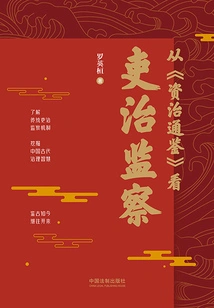
Looking at the Supervision of Official Administration from the Perspective of "zi Zhi Tong Jian
History从《资治通鉴》看吏治监察
Luo Yinghuan
Sima Guang recorded many deeds on the supervision of official administration in the "Zi Zhi Tong Jian". In order to better learn and draw lessons from the governance mechanisms and experiences of the supervision of official administration contained in "Zi Zhi Tong Jian", this book collects and organizes the relevant deeds on the supervision of official administration in "Zi Zhi Tong Jian" and elaborates them in seven parts, namely We hope to provide useful reference for readers to study the official supervision in ancient China.
Sima Guang recorded many deeds on the supervision of official administration in the "Zi Zhi Tong Jian". In order to better learn and draw lessons from the governance mechanisms and experiences of the supervision of official administration contained in "Zi Zhi Tong Jian", this book collects and organizes the relevant deeds on the supervision of official administration in "Zi Zhi Tong Jian" and elaborates them in seven parts, namely We hope to provide useful reference for readers to study the official supervision in ancient China.
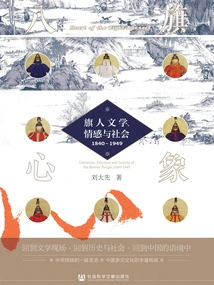
八旗心象:旗人文学、情感与社会(1840~1949)
Liu Daxian
This book takes the banner people and their literature in the late Qing Dynasty and the Republic of China as the research object, places them in the relevant context of politics, economy, society, military and even international relations, and launches a dialogue on cross-cultural, historical and regional studies; it observes the evolution of emotions, thoughts, identity and aesthetic pursuits experienced by the banner people in the context of the times, and elucidates the universal significance of banner human literature. A century of transformation from cicada to butterfly has opened up the narrative and lyricism, spiritual world and spiritual space of the banner people, from Mandarin riding and shooting to Manchu and Han family, from the partition of the banner people to the Chinese national community. In the historical transformation of adapting to local conditions, changing customs and creating a people's republic, it narrates the establishment of modern Chinese emotions and national identity.
This book takes the banner people and their literature in the late Qing Dynasty and the Republic of China as the research object, places them in the relevant context of politics, economy, society, military and even international relations, and launches a dialogue on cross-cultural, historical and regional studies; it observes the evolution of emotions, thoughts, identity and aesthetic pursuits experienced by the banner people in the context of the times, and elucidates the universal significance of banner human literature. A century of transformation from cicada to butterfly has opened up the narrative and lyricism, spiritual world and spiritual space of the banner people, from Mandarin riding and shooting to Manchu and Han family, from the partition of the banner people to the Chinese national community. In the historical transformation of adapting to local conditions, changing customs and creating a people's republic, it narrates the establishment of modern Chinese emotions and national identity.
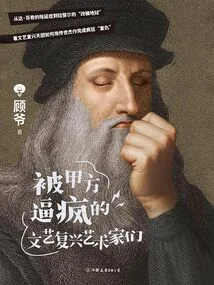
被甲方逼疯的文艺复兴艺术家们
Mr. Gu
The world is too boring, we need a Renaissance! Gu Ye sharply comments on 9 art masters who illuminated the history of art, and hundreds of famous paintings, allowing you to hold a book in your hand, smile and understand this - the golden age of Western art, an art party where humans replaced gods! "Muscle Controller" Michelangelo, "King of Traps" Leonardo da Vinci, "Father of European Painting" Giotto, "Godfather of Success" Titian, "Little Fresh Meat" Raphael... Today's celebrities can only create some gossip, but Renaissance artists... All create - social news! Artists of all ages have longed for the Renaissance... But if they were to travel back in time, they might not survive a day!
The world is too boring, we need a Renaissance! Gu Ye sharply comments on 9 art masters who illuminated the history of art, and hundreds of famous paintings, allowing you to hold a book in your hand, smile and understand this - the golden age of Western art, an art party where humans replaced gods! "Muscle Controller" Michelangelo, "King of Traps" Leonardo da Vinci, "Father of European Painting" Giotto, "Godfather of Success" Titian, "Little Fresh Meat" Raphael... Today's celebrities can only create some gossip, but Renaissance artists... All create - social news! Artists of all ages have longed for the Renaissance... But if they were to travel back in time, they might not survive a day!
清朝的分肥游戏
Compiled By Yu Mu
This book analyzes the distribution mechanism of power and interests in the Qing Dynasty through eight dimensions: the privileges of the Eight Banners, the land enclosure movement, the San Francisco Rebellion, the centralization of military power, the Manchu-Han dual-track system, the control of subordinate officials, bad financial regulations and the monopoly of salt merchants. The book reveals: From the children of the Eight Banners parasitizing the country to local petty officials evading officials, from Yongzheng's reform of Huohuo Guigong to Yangzhou salt merchants relying on privileges, the Qing Dynasty has always oscillated between "dividing fat" and losing control. In the end, this system, which centered on imperial power and relied on informal rules, was completely out of balance due to the expansion of local financial power after the Taiping Rebellion, and became the internal cause of the empire's collapse.
This book analyzes the distribution mechanism of power and interests in the Qing Dynasty through eight dimensions: the privileges of the Eight Banners, the land enclosure movement, the San Francisco Rebellion, the centralization of military power, the Manchu-Han dual-track system, the control of subordinate officials, bad financial regulations and the monopoly of salt merchants. The book reveals: From the children of the Eight Banners parasitizing the country to local petty officials evading officials, from Yongzheng's reform of Huohuo Guigong to Yangzhou salt merchants relying on privileges, the Qing Dynasty has always oscillated between "dividing fat" and losing control. In the end, this system, which centered on imperial power and relied on informal rules, was completely out of balance due to the expansion of local financial power after the Taiping Rebellion, and became the internal cause of the empire's collapse.
唐朝的分肥游戏
Compiled By Yu Mu
This book analyzes the rise and fall of the Tang Empire from a unique economic perspective, deconstructing three hundred years of dynasty history into a cruel game surrounding power rent. The book vividly demonstrates the hereditary privileges of the Guanlong Group, the emerging bureaucracy spawned by the imperial examination system, the military power of the Jiedushi envoys, the fiscal changes triggered by the Two Taxes Law, the Shence Army controlled by the eunuchs, and the underground economy composed of private salt dealers, revealing how these interest groups carve up the empire's wealth through loopholes in the system. The author uses "rent-seeking theory" as a key to decipher the secret distribution mechanism of power and interests under the appearance of a prosperous age, and presents a unique interpretation of the history of the Tang Dynasty.
This book analyzes the rise and fall of the Tang Empire from a unique economic perspective, deconstructing three hundred years of dynasty history into a cruel game surrounding power rent. The book vividly demonstrates the hereditary privileges of the Guanlong Group, the emerging bureaucracy spawned by the imperial examination system, the military power of the Jiedushi envoys, the fiscal changes triggered by the Two Taxes Law, the Shence Army controlled by the eunuchs, and the underground economy composed of private salt dealers, revealing how these interest groups carve up the empire's wealth through loopholes in the system. The author uses "rent-seeking theory" as a key to decipher the secret distribution mechanism of power and interests under the appearance of a prosperous age, and presents a unique interpretation of the history of the Tang Dynasty.
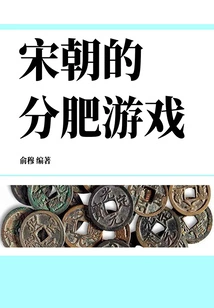
宋朝的分肥游戏
Compiled By Yu Mu
This book is an in-depth analysis of the political power distribution mechanism in ancient China, focusing on the fundamental differences in the institutional design of the Han and Song dynasties. The work uses the "fat sharing game" as a metaphor to reveal the pros and cons of the two models of military enfeoffment in the Han Dynasty and civilian governance in the Song Dynasty: the former gave rise to feudal feudalism but maintained military vitality, while the latter used imperial examinations to centralize power in exchange for internal stability but led to the decline of military force. Through multi-dimensional comparisons such as power distribution, official selection, court struggles, and military systems, the book shows how the two governance logics shaped the destiny of the empire. It especially provides an in-depth analysis of the three-redundancy dilemma caused by the "strong branches and weak branches" design in the Song Dynasty and the institutional contradictions faced by Wang Anshi's reform. It ultimately points to a core proposition - when the dynasty puts the prevention of internal strife above the defense of foreign aggression, the foreshadowing of its decline has been laid under the appearance of prosperity.
This book is an in-depth analysis of the political power distribution mechanism in ancient China, focusing on the fundamental differences in the institutional design of the Han and Song dynasties. The work uses the "fat sharing game" as a metaphor to reveal the pros and cons of the two models of military enfeoffment in the Han Dynasty and civilian governance in the Song Dynasty: the former gave rise to feudal feudalism but maintained military vitality, while the latter used imperial examinations to centralize power in exchange for internal stability but led to the decline of military force. Through multi-dimensional comparisons such as power distribution, official selection, court struggles, and military systems, the book shows how the two governance logics shaped the destiny of the empire. It especially provides an in-depth analysis of the three-redundancy dilemma caused by the "strong branches and weak branches" design in the Song Dynasty and the institutional contradictions faced by Wang Anshi's reform. It ultimately points to a core proposition - when the dynasty puts the prevention of internal strife above the defense of foreign aggression, the foreshadowing of its decline has been laid under the appearance of prosperity.
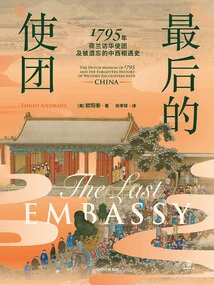
最后的使团:1795年荷兰访华使团及被遗忘的中西相遇史
P
In 1793, the British Macartney mission returned from a visit to China without success, and public opinion in Europe was in an uproar. Many Europeans believed that the Qing court was arrogant and narrow-minded. However, the failure of the British mission did not stop all European countries from moving forward. In 1795, the Dutch East India Company sent a mission to China to celebrate the 60th anniversary of Emperor Qianlong's accession to the throne, thus starting one of the most interesting episodes in East-West relations in pre-modern history. Compared with the failure of the British Macartney Mission, the Dutch Mission was a great success and became the last European diplomatic mission to be officially received by the Chinese Emperor before the Opium War. The Dutch mission's visit caused widespread discussion in Europe. The author returns to the historical context at that time, explores the rich textures in cultural exchanges between East and West that are obscured by Western-centric narratives, and reflects on the traditional "cultural conflict theory." He pointed out that the "clash of cultures" narrative model still permeates the understanding of China and the West. Not all encounters between Europe and China are disastrous. Unlike the British mission, the Dutch mission has a deep understanding of Asia. They respect regional diplomatic norms and are committed to understanding China in their own way. The Dutch mission's visit to China in 1795 provided a new perspective on China and Sino-Western relations in the 18th century, helped us decisively break through the "cultural conflict" narrative, and opened a window for understanding China in the 18th century.
In 1793, the British Macartney mission returned from a visit to China without success, and public opinion in Europe was in an uproar. Many Europeans believed that the Qing court was arrogant and narrow-minded. However, the failure of the British mission did not stop all European countries from moving forward. In 1795, the Dutch East India Company sent a mission to China to celebrate the 60th anniversary of Emperor Qianlong's accession to the throne, thus starting one of the most interesting episodes in East-West relations in pre-modern history. Compared with the failure of the British Macartney Mission, the Dutch Mission was a great success and became the last European diplomatic mission to be officially received by the Chinese Emperor before the Opium War. The Dutch mission's visit caused widespread discussion in Europe. The author returns to the historical context at that time, explores the rich textures in cultural exchanges between East and West that are obscured by Western-centric narratives, and reflects on the traditional "cultural conflict theory." He pointed out that the "clash of cultures" narrative model still permeates the understanding of China and the West. Not all encounters between Europe and China are disastrous. Unlike the British mission, the Dutch mission has a deep understanding of Asia. They respect regional diplomatic norms and are committed to understanding China in their own way. The Dutch mission's visit to China in 1795 provided a new perspective on China and Sino-Western relations in the 18th century, helped us decisively break through the "cultural conflict" narrative, and opened a window for understanding China in the 18th century.
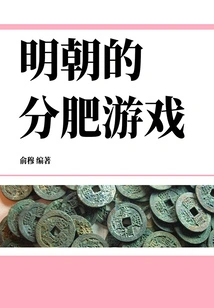
明朝的分肥游戏
Compiled By Yu Mu
This book provides an in-depth analysis of the evolution of the power structure of the Ming Dynasty and the roots of institutional corruption. Taking Zhu Yuanzhang's dethronement of the prime minister as the starting point, this book reveals the struggle for agency between the cabinet and the Supervisor of Ceremonies under the monopoly of imperial power, the alienation of the vassal king from a military barrier to a financial burden, the tear between the ideals and reality of the civil service group, and the collapse of the financial system under the encroachment of the privileged class. Through nine chapters, it vividly shows how the Ming Dynasty gradually evolved into an arena where various forces competed for a share of the spoils in the "absolute security" system designed by Zhu Yuanzhang, and eventually led to a tragic journey of systemic corruption.
This book provides an in-depth analysis of the evolution of the power structure of the Ming Dynasty and the roots of institutional corruption. Taking Zhu Yuanzhang's dethronement of the prime minister as the starting point, this book reveals the struggle for agency between the cabinet and the Supervisor of Ceremonies under the monopoly of imperial power, the alienation of the vassal king from a military barrier to a financial burden, the tear between the ideals and reality of the civil service group, and the collapse of the financial system under the encroachment of the privileged class. Through nine chapters, it vividly shows how the Ming Dynasty gradually evolved into an arena where various forces competed for a share of the spoils in the "absolute security" system designed by Zhu Yuanzhang, and eventually led to a tragic journey of systemic corruption.
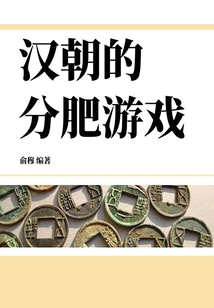
汉朝的分肥游戏
Compiled By Yu Mu
This book analyzes the 400-year history of power distribution in the Han Dynasty from a unique political game perspective. It compares the politics of the early Han Dynasty to a grand card game, vividly demonstrates how Liu Bang, as a "banker", dealt with "players" such as the hero group, princes and kings, and reveals the profound contradiction between the central and local governments under the "parallel system of prefectures and states". As the chapters progress, the work goes deeper into the centralization plot of Emperor Wu of the Han Dynasty, the rise of the Confucian scholar group, the out-of-control land annexation, to the disputes between relatives and eunuchs in the Eastern Han Dynasty and the disasters of the party, and finally ends with the warlord separatism triggered by the Yellow Turban Uprising. It completely presents the entire process of the power structure of the Han Dynasty from establishment to disintegration, and profoundly explains the power of institutional design and benefit distribution to shape the fate of the dynasty.
This book analyzes the 400-year history of power distribution in the Han Dynasty from a unique political game perspective. It compares the politics of the early Han Dynasty to a grand card game, vividly demonstrates how Liu Bang, as a "banker", dealt with "players" such as the hero group, princes and kings, and reveals the profound contradiction between the central and local governments under the "parallel system of prefectures and states". As the chapters progress, the work goes deeper into the centralization plot of Emperor Wu of the Han Dynasty, the rise of the Confucian scholar group, the out-of-control land annexation, to the disputes between relatives and eunuchs in the Eastern Han Dynasty and the disasters of the party, and finally ends with the warlord separatism triggered by the Yellow Turban Uprising. It completely presents the entire process of the power structure of the Han Dynasty from establishment to disintegration, and profoundly explains the power of institutional design and benefit distribution to shape the fate of the dynasty.
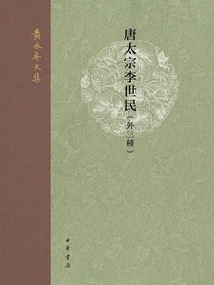
唐太宗李世民(外三种)
Huang Yongnian
Mr. Huang Yongnian is famous for his research on the history of the Tang Dynasty. He not only wrote many high-quality papers and monographs, pushing the study of Tang history to a higher level, but also devoted himself to popularizing the historical and cultural knowledge of the Tang Dynasty and wrote many popular books that are suitable for both refined and popular tastes. This book contains the author's four readings on the history and culture of the Tang Dynasty, including "Tang Taizong Li Shimin", "Old Book of Tang" and "New Book of Tang", "Chang'an in the Tang Dynasty", and "Dunhuang Thousand Buddha Caves". It presents the prosperous and open civilization of the Tang Dynasty from different aspects such as politics, documents, cities, and art. Concise and concise, with pictures and texts, it is an introductory book for general readers to understand the Tang Dynasty.
Mr. Huang Yongnian is famous for his research on the history of the Tang Dynasty. He not only wrote many high-quality papers and monographs, pushing the study of Tang history to a higher level, but also devoted himself to popularizing the historical and cultural knowledge of the Tang Dynasty and wrote many popular books that are suitable for both refined and popular tastes. This book contains the author's four readings on the history and culture of the Tang Dynasty, including "Tang Taizong Li Shimin", "Old Book of Tang" and "New Book of Tang", "Chang'an in the Tang Dynasty", and "Dunhuang Thousand Buddha Caves". It presents the prosperous and open civilization of the Tang Dynasty from different aspects such as politics, documents, cities, and art. Concise and concise, with pictures and texts, it is an introductory book for general readers to understand the Tang Dynasty.
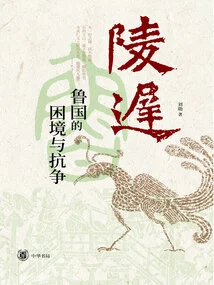
陵迟:鲁国的困境与抗争
Liu Xun
This book focuses on the decline history of the middle-ranking vassal state of Lu during the Spring and Autumn Period. "Lingchi" in the title of the book means "gradual decline". The reason why the state of Lu was chosen is, firstly, because it is the home state of Confucius, secondly, because it is the middle-level vassal state with the richest historical records, and thirdly, because it provides a typical case of the decline process of the middle-level vassal state in the Spring and Autumn Period. On the basis of sorting out the historical events of the political evolution of the State of Lu, this book focuses on the following questions: Why did the power of the monarch of the State of Lu gradually shift down to the ministers? How did the monarchs and ministers of Lu State resist in the face of internal and external pressure? How did Confucius, a scholar from the state of Lu, learn about the destiny of heaven and set out to practice the right way? How did the centralized military state of the Warring States Period grow out of the decentralized system of the Zhou Dynasty? This book provides a sincere exploration of the above issues and is worthy of reading by lovers of Spring and Autumn history and even traditional culture.
This book focuses on the decline history of the middle-ranking vassal state of Lu during the Spring and Autumn Period. "Lingchi" in the title of the book means "gradual decline". The reason why the state of Lu was chosen is, firstly, because it is the home state of Confucius, secondly, because it is the middle-level vassal state with the richest historical records, and thirdly, because it provides a typical case of the decline process of the middle-level vassal state in the Spring and Autumn Period. On the basis of sorting out the historical events of the political evolution of the State of Lu, this book focuses on the following questions: Why did the power of the monarch of the State of Lu gradually shift down to the ministers? How did the monarchs and ministers of Lu State resist in the face of internal and external pressure? How did Confucius, a scholar from the state of Lu, learn about the destiny of heaven and set out to practice the right way? How did the centralized military state of the Warring States Period grow out of the decentralized system of the Zhou Dynasty? This book provides a sincere exploration of the above issues and is worthy of reading by lovers of Spring and Autumn history and even traditional culture.
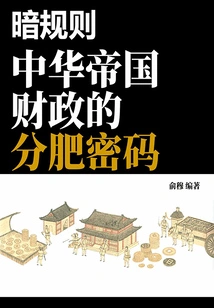
暗规则:中华帝国财政的分肥密码
Compiled By Yu Mu
This book analyzes the evolution of China's fiscal system over two thousand years from the Qin and Han dynasties to the late Qing Dynasty from the perspective of modern economics. Taking the three dimensions of "land tax, currency, and official economy" as the axis, it reveals the deep connection between the rise and fall of past dynasties and the fiscal mechanism: Emperor Wu of the Han Dynasty used salt, iron, official management, and currency monopoly to cope with war expenditures, but it hid hidden dangers of economic rigidity; the state ownership of land in the Tang Dynasty caused social chaos, and the financial reform in the Song Dynasty spawned hyperinflation; the Ming and Qing Dynasties focused on land tax, but missed the opportunity of the industrial revolution because of the isolation of the country. This book connects fiscal history with story-based narratives, pointing out that "state-owned enterprises, land control, and currency monopoly" constitute the core logic of traditional finance, and that the expansion of bureaucratic groups and institutional inertia will eventually bring down finance. This book is not only a history of China's fiscal system, but also a key to understanding the logic of national governance.
This book analyzes the evolution of China's fiscal system over two thousand years from the Qin and Han dynasties to the late Qing Dynasty from the perspective of modern economics. Taking the three dimensions of "land tax, currency, and official economy" as the axis, it reveals the deep connection between the rise and fall of past dynasties and the fiscal mechanism: Emperor Wu of the Han Dynasty used salt, iron, official management, and currency monopoly to cope with war expenditures, but it hid hidden dangers of economic rigidity; the state ownership of land in the Tang Dynasty caused social chaos, and the financial reform in the Song Dynasty spawned hyperinflation; the Ming and Qing Dynasties focused on land tax, but missed the opportunity of the industrial revolution because of the isolation of the country. This book connects fiscal history with story-based narratives, pointing out that "state-owned enterprises, land control, and currency monopoly" constitute the core logic of traditional finance, and that the expansion of bureaucratic groups and institutional inertia will eventually bring down finance. This book is not only a history of China's fiscal system, but also a key to understanding the logic of national governance.
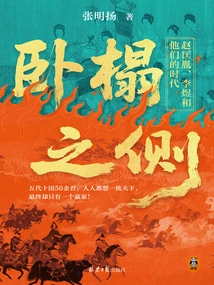
On the Side of the Couch: Zhao Kuangyin, Li Yu and Their Era (prototype History of the Taiping Year)
History卧榻之侧:赵匡胤、李煜和他们的时代(太平年原型历史)
Zhang Mingyang
"Don't allow others to snore on the side of the bed!" Zhao Kuangyin's final declaration of annihilation of the Southern Tang Dynasty demonstrated his firm belief in the unification of the world. After thousands of years, it still carries the sound of wind and thunder. Zhang Mingyang uses the literary style of gratification and grudges, two main lines of north and south, and dual perspectives of Zhao Kuangyin and Li Yu to recreate the soul-stirring Five Dynasties and Ten Kingdoms: This is an epic epic that splits the continent and must be reunited after a long time. From Guo Wei, Chai Rong to Zhao Brothers, there are many heroes in the north, whether to "stop war with war" or "promote unification with peace", they are fighting at every step; from the Li family of the Southern Tang Dynasty to King Qian of Wu and Yue, the political power in the south is relatively peaceful, whether to fight to the death or to "accept land and surrender to the Song Dynasty", they are in a dilemma of survival. This is a cruel trial in troubled times where people are trapped and beasts still fight. Feng Dao went through four dynasties and was scolded as a "shameless person", but he also maintained the cultural heritage and people's livelihood; Han Xizai indulged in sensuality, but could not hide the painful struggle after his ideals were disillusioned; Qian Chu accepted the soil and surrendered to the Song Dynasty to protect the peace of Wu and Yue, but he was still worried about his own safety...
"Don't allow others to snore on the side of the bed!" Zhao Kuangyin's final declaration of annihilation of the Southern Tang Dynasty demonstrated his firm belief in the unification of the world. After thousands of years, it still carries the sound of wind and thunder. Zhang Mingyang uses the literary style of gratification and grudges, two main lines of north and south, and dual perspectives of Zhao Kuangyin and Li Yu to recreate the soul-stirring Five Dynasties and Ten Kingdoms: This is an epic epic that splits the continent and must be reunited after a long time. From Guo Wei, Chai Rong to Zhao Brothers, there are many heroes in the north, whether to "stop war with war" or "promote unification with peace", they are fighting at every step; from the Li family of the Southern Tang Dynasty to King Qian of Wu and Yue, the political power in the south is relatively peaceful, whether to fight to the death or to "accept land and surrender to the Song Dynasty", they are in a dilemma of survival. This is a cruel trial in troubled times where people are trapped and beasts still fight. Feng Dao went through four dynasties and was scolded as a "shameless person", but he also maintained the cultural heritage and people's livelihood; Han Xizai indulged in sensuality, but could not hide the painful struggle after his ideals were disillusioned; Qian Chu accepted the soil and surrendered to the Song Dynasty to protect the peace of Wu and Yue, but he was still worried about his own safety...
Ancient Roman History and Natural Scientific Methods: Biology, Climate and the Future of History
History古罗马史与自然科学方法:生物、气候与历史学的未来
(austria) Editor-in-chief Walter Scheidel
This is a collection of essays that examines the history of ancient Rome from natural science disciplines such as climatology, zoology, botany, and osteology. Walter Scheider, professor of history at Stanford University, brings together seven essays by historians, anthropologists, and geneticists who are at the forefront of the field. Their research results help reconstruct life in the ancient Roman world. They discuss climate change and its impact on the history of ancient Rome; build a biological archive with a rich record of human skeletal material, which preserves important information about health, nutrition, disease, work, and more; and show how ancient DNA can be used to track the spread of infectious diseases and the spread of livestock and crops with people.
This is a collection of essays that examines the history of ancient Rome from natural science disciplines such as climatology, zoology, botany, and osteology. Walter Scheider, professor of history at Stanford University, brings together seven essays by historians, anthropologists, and geneticists who are at the forefront of the field. Their research results help reconstruct life in the ancient Roman world. They discuss climate change and its impact on the history of ancient Rome; build a biological archive with a rich record of human skeletal material, which preserves important information about health, nutrition, disease, work, and more; and show how ancient DNA can be used to track the spread of infectious diseases and the spread of livestock and crops with people.
Compilation of Recent Events
History近代风云事汇编
Big Salted Fish
This compilation selects important historical events of more than a hundred years in modern China, arranged in chronological order, to show the changing historical scene from the late Qing Dynasty to the Republic of China. From the beginning of modern history when Lin Zexu destroyed opium in Humen (1839), to the fall of the Qing Dynasty (1912) and the establishment of the Republic of China; from the rise of the Westernization Movement and attempts at reform, to the outbreak of the Boxer Rebellion (1900) and the invasion of China by the Eight-Power Allied Forces; to the overthrow of the monarchy by the Revolution of 1911 and the social unrest caused by warlords' melee. The book also includes the national awakening and heroic struggle during the Anti-Japanese War (1937 to 1945), as well as the conflicts and cooperation between the Kuomintang and the Communist Party. Finally, with the founding of New China in 1949 as the end point of the book, a series of threads are connected to witness the process of exploration and progress of the Chinese people in suffering, and finally ushered in national independence and liberation.
This compilation selects important historical events of more than a hundred years in modern China, arranged in chronological order, to show the changing historical scene from the late Qing Dynasty to the Republic of China. From the beginning of modern history when Lin Zexu destroyed opium in Humen (1839), to the fall of the Qing Dynasty (1912) and the establishment of the Republic of China; from the rise of the Westernization Movement and attempts at reform, to the outbreak of the Boxer Rebellion (1900) and the invasion of China by the Eight-Power Allied Forces; to the overthrow of the monarchy by the Revolution of 1911 and the social unrest caused by warlords' melee. The book also includes the national awakening and heroic struggle during the Anti-Japanese War (1937 to 1945), as well as the conflicts and cooperation between the Kuomintang and the Communist Party. Finally, with the founding of New China in 1949 as the end point of the book, a series of threads are connected to witness the process of exploration and progress of the Chinese people in suffering, and finally ushered in national independence and liberation.
古人如何过日子
Edited By Fang Hui
This is a guide that takes you through time and space to explore the real life details of ancient people. We always think that the days of the ancients are distant and mysterious, full of poetry or suffering. But their basic necessities of life actually contain a lot of fresh and interesting wisdom. This book will break your stereotypes about ancient life, start with the most ordinary daily life, and take you into the real world of the ancients.
This is a guide that takes you through time and space to explore the real life details of ancient people. We always think that the days of the ancients are distant and mysterious, full of poetry or suffering. But their basic necessities of life actually contain a lot of fresh and interesting wisdom. This book will break your stereotypes about ancient life, start with the most ordinary daily life, and take you into the real world of the ancients.
茶叶大盗:改变世界史的中国茶
(us) Sarah Rose
This is a historical storybook describing the experience of Robert Fortune, an employee of the British Empire's East India Company, in China. The plot is very attractive and the writing style is like a novel. It tells the personal "adventure story" of Robert Fortune in an extremely exciting way. The core of Robert Fujun's story is that he relied on his botanical talent and strong interest to find excellent tea seeds in China, funded by the East India Company's business practices driven by interests and social needs.
This is a historical storybook describing the experience of Robert Fortune, an employee of the British Empire's East India Company, in China. The plot is very attractive and the writing style is like a novel. It tells the personal "adventure story" of Robert Fortune in an extremely exciting way. The core of Robert Fujun's story is that he relied on his botanical talent and strong interest to find excellent tea seeds in China, funded by the East India Company's business practices driven by interests and social needs.
古人生活与文化图鉴:浪花姜的华夏百科
Spray Ginger
"Illustrated Book of Ancient People's Life and Culture" is an interesting encyclopedia created by history blogger Langhua Jiang. The author starts from two clues: "daily life" and "culture", and scans the material life and spiritual world of ancient people in a multi-faceted way through 22 perspectives and more than a hundred exquisite pictures, including eating, eating meat, drinking wine, tasting tea, staying up late, spending money, surnames, nobles, prophecies, bronzes, jades, ancient buildings, etc. This book is called "Illustrated Book of Ancient People's Life and Culture" and is not a collection of specimens displaying ancient cultural relics. In the traditional sense, "illustrated books" refer to classification reference books in the scientific field that are mainly images and supplemented by text, such as the "Illustrated Book of Birds". But now\
"Illustrated Book of Ancient People's Life and Culture" is an interesting encyclopedia created by history blogger Langhua Jiang. The author starts from two clues: "daily life" and "culture", and scans the material life and spiritual world of ancient people in a multi-faceted way through 22 perspectives and more than a hundred exquisite pictures, including eating, eating meat, drinking wine, tasting tea, staying up late, spending money, surnames, nobles, prophecies, bronzes, jades, ancient buildings, etc. This book is called "Illustrated Book of Ancient People's Life and Culture" and is not a collection of specimens displaying ancient cultural relics. In the traditional sense, "illustrated books" refer to classification reference books in the scientific field that are mainly images and supplemented by text, such as the "Illustrated Book of Birds". But now\
一口气读完中国史:从远古到秦汉
Painted By Ling Song
This is a unique set of Chinese history books that combines comics and text to make historical reading both interesting and educational. This book is the first volume in the series, covering a long historical period from ancient times to the Qin and Han Dynasties. Through this book, readers can easily grasp this magnificent historical context.
This is a unique set of Chinese history books that combines comics and text to make historical reading both interesting and educational. This book is the first volume in the series, covering a long historical period from ancient times to the Qin and Han Dynasties. Through this book, readers can easily grasp this magnificent historical context.
大宋梦华:宋朝的开明与风雅
Xiao Sheng
Taking enlightenment and elegance as the starting point, this book discusses the food, clothing, housing, transportation, thought and culture of the Song Dynasty. It tries to give a three-dimensional impression of the Song Dynasty and restore that era of open-mindedness and cultural prosperity from the Song Dynasty's simple and plain clothing trends, exquisite and elegant food culture, colorful entertainment life, the evolution of book printing, the pros and cons and innovations of the imperial examination system, tourism and people's hobbies in the Song Dynasty, and solar terms and customs.
Taking enlightenment and elegance as the starting point, this book discusses the food, clothing, housing, transportation, thought and culture of the Song Dynasty. It tries to give a three-dimensional impression of the Song Dynasty and restore that era of open-mindedness and cultural prosperity from the Song Dynasty's simple and plain clothing trends, exquisite and elegant food culture, colorful entertainment life, the evolution of book printing, the pros and cons and innovations of the imperial examination system, tourism and people's hobbies in the Song Dynasty, and solar terms and customs.
追寻红色记忆:重走信仰之路
Zhang Yongcai Editor-in-chief Zhang Hongmei
Chongqing Daily is a collection of reports formed to explore Chongqing's revolutionary culture and inherit the red gene, by revisiting the places where the revolutionary martyrs once fought, using new perspectives, new discoveries, and new expressions to trace the origin of the original intention and interpret the power of faith. The manuscript outlines for us the great sacrifices and immortal achievements made by the revolutionary martyrs in the struggle to realize the great rejuvenation of the Chinese nation for more than 100 years, who dared to pursue the truth, stand up to the tide, and were tenacious. Especially under the leadership of the Communist Party of China, they dared to think and work, were unyielding, risked their lives, and rose up again and again to build a new China.
Chongqing Daily is a collection of reports formed to explore Chongqing's revolutionary culture and inherit the red gene, by revisiting the places where the revolutionary martyrs once fought, using new perspectives, new discoveries, and new expressions to trace the origin of the original intention and interpret the power of faith. The manuscript outlines for us the great sacrifices and immortal achievements made by the revolutionary martyrs in the struggle to realize the great rejuvenation of the Chinese nation for more than 100 years, who dared to pursue the truth, stand up to the tide, and were tenacious. Especially under the leadership of the Communist Party of China, they dared to think and work, were unyielding, risked their lives, and rose up again and again to build a new China.
文字的发明和起源:九种神秘文字讲述世界历史
(italian) Silvia Ferrara
The invention of writing is simple, to convey the human desire to be understood; the spread of writing is difficult, and a unified opinion must be continuously reached within the group. Cretan hieroglyphics, Linear A, Cypriot Minoan, Langlange, Egyptian hieroglyphics, cuneiform, Chinese characters, Mayan script, Harappan script... This book starts from nine mysterious ancient scripts, interprets the evolution of language and script, appreciates the ancient remaining scripts that are still undecipherable, and explores the immeasurable ability of human beings to create symbols and stories.
The invention of writing is simple, to convey the human desire to be understood; the spread of writing is difficult, and a unified opinion must be continuously reached within the group. Cretan hieroglyphics, Linear A, Cypriot Minoan, Langlange, Egyptian hieroglyphics, cuneiform, Chinese characters, Mayan script, Harappan script... This book starts from nine mysterious ancient scripts, interprets the evolution of language and script, appreciates the ancient remaining scripts that are still undecipherable, and explores the immeasurable ability of human beings to create symbols and stories.
靖难之役:明朝初年的改革、削藩、政争与叛乱
Zong Chenghao
In the late Hongwu years of the early Ming Dynasty, Prince Zhu Biao suddenly passed away. The waning Zhu Yuanzhang succeeded to the throne for the emperor's grandson Zhu Yunwen, setting off a bloody purge of heroes. The "benevolent and weak" Emperor Jianwen insisted on reducing the vassal vassal, and the Yan King Zhu Di, who was dormant in Peiping, brazenly raised troops in the name of "Qingjun side", triggering the four-year Jingnan Campaign. This uncle-nephew duel, involving the collapse of the system and the game of human nature, finally shook the mountains and rivers with gold and iron horses, and rewrote the fate of the empire with the flames of Nanjing. How did the enfeoffment system produce negative consequences that could backfire on the country? Why were the literati ideals of Jianwen's New Deal no match for the cavalry of Yan and Fan? What kind of imperial anxiety was hidden behind Zheng He's seven voyages to the West? From the bloody emperor's magic in the Blue Jade Case to the rain of millions of arrows in the Baigou River, from the tug-of-war in the city of Jinan to the swan song of the slaying clan at the tip of Fang Xiaoru's pen, every move in the chess game of power hides the tearing and rebirth of civilization. This book shows the tragedy of idealists and the counterattack of pragmatists under autocratic imperial power through the life and death choices of generals and civil servants during the change of power and the rise of the eunuch group. This is not only a history of dynastic wars, but also an in-depth analysis of the legitimacy of power, institutional dilemmas and the struggle of human nature.
In the late Hongwu years of the early Ming Dynasty, Prince Zhu Biao suddenly passed away. The waning Zhu Yuanzhang succeeded to the throne for the emperor's grandson Zhu Yunwen, setting off a bloody purge of heroes. The "benevolent and weak" Emperor Jianwen insisted on reducing the vassal vassal, and the Yan King Zhu Di, who was dormant in Peiping, brazenly raised troops in the name of "Qingjun side", triggering the four-year Jingnan Campaign. This uncle-nephew duel, involving the collapse of the system and the game of human nature, finally shook the mountains and rivers with gold and iron horses, and rewrote the fate of the empire with the flames of Nanjing. How did the enfeoffment system produce negative consequences that could backfire on the country? Why were the literati ideals of Jianwen's New Deal no match for the cavalry of Yan and Fan? What kind of imperial anxiety was hidden behind Zheng He's seven voyages to the West? From the bloody emperor's magic in the Blue Jade Case to the rain of millions of arrows in the Baigou River, from the tug-of-war in the city of Jinan to the swan song of the slaying clan at the tip of Fang Xiaoru's pen, every move in the chess game of power hides the tearing and rebirth of civilization. This book shows the tragedy of idealists and the counterattack of pragmatists under autocratic imperial power through the life and death choices of generals and civil servants during the change of power and the rise of the eunuch group. This is not only a history of dynastic wars, but also an in-depth analysis of the legitimacy of power, institutional dilemmas and the struggle of human nature.
一本书快速了解鸦片战争
Compiled By Zhang Lei
This book helps you quickly understand the Opium War, the beginning of modern history. From the pre-war confrontation between China and Britain, the opium trade, to Lin Zexu's smoking ban and the smoke of artillery fire; detailing the impact of the Treaty of Nanjing, tracing the reflections of "Opening Your Eyes to See the World", and the Second Opium War... The seven short essays outline the causes, processes and warnings of a century of national humiliation, inviting you to deeply understand the humiliation and awakening of modern China.
This book helps you quickly understand the Opium War, the beginning of modern history. From the pre-war confrontation between China and Britain, the opium trade, to Lin Zexu's smoking ban and the smoke of artillery fire; detailing the impact of the Treaty of Nanjing, tracing the reflections of "Opening Your Eyes to See the World", and the Second Opium War... The seven short essays outline the causes, processes and warnings of a century of national humiliation, inviting you to deeply understand the humiliation and awakening of modern China.
易中天三国经典套装:曹操+品三国
Yi Zhongtian
Travel through the thousand-year starry sky and reappear the true colors of heroes. Discuss the major events of the Three Kingdoms, carefully analyze the merits and demerits of the heroes, and summarize the successes and failures. In Yi Zhongtian's writings, we can see a more three-dimensional and realistic world of the Three Kingdoms, where there are no perfect heroes, only real people who work hard to move forward in troubled times.
Travel through the thousand-year starry sky and reappear the true colors of heroes. Discuss the major events of the Three Kingdoms, carefully analyze the merits and demerits of the heroes, and summarize the successes and failures. In Yi Zhongtian's writings, we can see a more three-dimensional and realistic world of the Three Kingdoms, where there are no perfect heroes, only real people who work hard to move forward in troubled times.
日本在华的间谍活动(1932—1936)
Wan Sibai
This book records the author's various experiences and insights while working in the Japanese secret service, and reveals a large number of secrets about the activities of Japanese spies in China, such as the organization and activities of Japanese spies in China, the details of how Zhang Zuolin was killed, and how the Japanese exploited the people's wealth in China. The book denounces Japan's so-called "culture" and Japan's barbaric actions in China, and exposes various details of Japan's poisoning of the Chinese people. For example, shortly after the "September 18th" Incident, the entire Northeast was filled with "poison gas", and opium dens were opened in every street in major cities in the three northeastern provinces, thereby poisoning the Chinese people's bodies and spirits, and grabbing China's wealth. These details allow today's readers to deeply understand the ugly image of Japanese militarism and understand the aggressive ambitions of Japanese imperialists. After the book was published, the author was hated by the Japanese military, and a few years later, in 1943, he was killed by the Japanese army in Manila.
This book records the author's various experiences and insights while working in the Japanese secret service, and reveals a large number of secrets about the activities of Japanese spies in China, such as the organization and activities of Japanese spies in China, the details of how Zhang Zuolin was killed, and how the Japanese exploited the people's wealth in China. The book denounces Japan's so-called "culture" and Japan's barbaric actions in China, and exposes various details of Japan's poisoning of the Chinese people. For example, shortly after the "September 18th" Incident, the entire Northeast was filled with "poison gas", and opium dens were opened in every street in major cities in the three northeastern provinces, thereby poisoning the Chinese people's bodies and spirits, and grabbing China's wealth. These details allow today's readers to deeply understand the ugly image of Japanese militarism and understand the aggressive ambitions of Japanese imperialists. After the book was published, the author was hated by the Japanese military, and a few years later, in 1943, he was killed by the Japanese army in Manila.