Library
Browse and search books
394 novels found
Ancient Classic Story Library: Awakening Words (part 1)
General Fiction古代经典故事库:醒世恒言(上)
(ming Dynasty) Feng Menglong
"Awakening the World" is a collection of vernacular short stories compiled by Feng Menglong in the late Ming Dynasty. It was first published in 1627 (the seventh year of tomorrow). The themes may come from folk facts, historical biographies and stories from the Tang and Song Dynasties. Except for a few old works from the Song and Yuan Dynasties, most of them are works from the Ming Dynasty, and some are imitations by Feng. The image is clear, the structure is substantial and complete, and the description is delicate. It reflects the social outlook and citizens' thoughts and feelings at that time to varying degrees. But some works contain feudal preaching, karma propaganda and pornographic rendering. "Eternal Words to Awaken the World" is divided into two volumes, the upper and lower volumes, including forty stories. There are two excellent works in the entire Song and Yuan scripts, and "Naofanlou Passionate Zhou Shengxian" is one of them, which is included in the first volume.
"Awakening the World" is a collection of vernacular short stories compiled by Feng Menglong in the late Ming Dynasty. It was first published in 1627 (the seventh year of tomorrow). The themes may come from folk facts, historical biographies and stories from the Tang and Song Dynasties. Except for a few old works from the Song and Yuan Dynasties, most of them are works from the Ming Dynasty, and some are imitations by Feng. The image is clear, the structure is substantial and complete, and the description is delicate. It reflects the social outlook and citizens' thoughts and feelings at that time to varying degrees. But some works contain feudal preaching, karma propaganda and pornographic rendering. "Eternal Words to Awaken the World" is divided into two volumes, the upper and lower volumes, including forty stories. There are two excellent works in the entire Song and Yuan scripts, and "Naofanlou Passionate Zhou Shengxian" is one of them, which is included in the first volume.
Ancient Classic Story Library: the Legend of Bao Gong's Case
General Fiction古代经典故事库:包公案传奇
I
"Ancient Classic Story Library: The Legend of Bao Gong's Cases" consists of four volumes. Each volume is divided into two categories of public cases. There are more than four cases listed under each category, all of which were cases decided by Guo Gong. The beginning of the volume lists the origin of Mr. Guo. It is said that he was enlightened since childhood and had a strong and straightforward nature. When he grew up, he entered the official career. Wherever he went, the people regarded him as his parents. He also enforced the law impartially and judged cases like a god. Later, cases of bullying and homicide were listed. The second volume lists murders and robberies. The third category involves cases of fraud and redress of grievances. The fourth category includes cases of adultery and occupation. The book not only examines the cases carefully, but also creates an image of an upright official who enforces the law impartially, is upright and honest, and eliminates harm for the people.
"Ancient Classic Story Library: The Legend of Bao Gong's Cases" consists of four volumes. Each volume is divided into two categories of public cases. There are more than four cases listed under each category, all of which were cases decided by Guo Gong. The beginning of the volume lists the origin of Mr. Guo. It is said that he was enlightened since childhood and had a strong and straightforward nature. When he grew up, he entered the official career. Wherever he went, the people regarded him as his parents. He also enforced the law impartially and judged cases like a god. Later, cases of bullying and homicide were listed. The second volume lists murders and robberies. The third category involves cases of fraud and redress of grievances. The fourth category includes cases of adultery and occupation. The book not only examines the cases carefully, but also creates an image of an upright official who enforces the law impartially, is upright and honest, and eliminates harm for the people.
古代经典故事库:说岳全传(下)
Money Lottery
"The Complete Story of Yue Yue" is a representative work of long heroic legendary novels in the Qing Dynasty. The story is set against the Jin Dynasty as the background, with Yue Fei and the Yue Family Army as the main line, running through historical facts, and combining fiction and reality. The book has a total of twenty volumes and eighty chapters. It eulogized Yue Fei and other soldiers for their bravery in fighting and serving the country with loyalty, and exposed the ugly crimes of Qin Hui and others who betrayed the country for glory and framed Zhongliang, and the monarch's incompetence. The novel has vivid stories, twists and turns, and the language is popular and interesting, creating a large number of lifelike characters. "Shuo Yue Quan Zhuan" is divided into upper, middle and lower parts. This book is the second volume, and includes the content from "The fifty-fifth chapter of His Royal Highness Lu's single battle against five generals and kings who broke their arms and faked the payment of gold" to the "eighty chapter of the chapter of the seal on the top of Jingzhong's tomb to prove the return of the Karma Dapeng".
"The Complete Story of Yue Yue" is a representative work of long heroic legendary novels in the Qing Dynasty. The story is set against the Jin Dynasty as the background, with Yue Fei and the Yue Family Army as the main line, running through historical facts, and combining fiction and reality. The book has a total of twenty volumes and eighty chapters. It eulogized Yue Fei and other soldiers for their bravery in fighting and serving the country with loyalty, and exposed the ugly crimes of Qin Hui and others who betrayed the country for glory and framed Zhongliang, and the monarch's incompetence. The novel has vivid stories, twists and turns, and the language is popular and interesting, creating a large number of lifelike characters. "Shuo Yue Quan Zhuan" is divided into upper, middle and lower parts. This book is the second volume, and includes the content from "The fifty-fifth chapter of His Royal Highness Lu's single battle against five generals and kings who broke their arms and faked the payment of gold" to the "eighty chapter of the chapter of the seal on the top of Jingzhong's tomb to prove the return of the Karma Dapeng".
古代经典故事库:说岳全传(中)
Money Lottery
"The Complete Story of Yue Yue" is a representative work of long heroic legendary novels in the Qing Dynasty. The story is set against the Jin Dynasty as the background, with Yue Fei and the Yue Family Army as the main line, running through historical facts, and combining fiction and reality. The book has a total of twenty volumes and eighty chapters. It eulogized Yue Fei and other soldiers for their bravery in fighting and serving the country with loyalty, and exposed the ugly crimes of Qin Hui and others who betrayed the country for glory and framed Zhongliang, and the monarch's incompetence. The novel has vivid stories, twists and turns, and the language is popular and interesting, creating a large number of lifelike characters. "Shuo Yue Quan Zhuan" is divided into upper, middle and lower parts. This book is the middle volume and contains the content from "Chapter 28, Marshal Yue dispatched troops to suppress the bandits and controlled the lake, and was captured" to "Chapter 54, Qin Hui was demoted to 90%, took power and sent imperial envoy Tang Huai to commit suicide".
"The Complete Story of Yue Yue" is a representative work of long heroic legendary novels in the Qing Dynasty. The story is set against the Jin Dynasty as the background, with Yue Fei and the Yue Family Army as the main line, running through historical facts, and combining fiction and reality. The book has a total of twenty volumes and eighty chapters. It eulogized Yue Fei and other soldiers for their bravery in fighting and serving the country with loyalty, and exposed the ugly crimes of Qin Hui and others who betrayed the country for glory and framed Zhongliang, and the monarch's incompetence. The novel has vivid stories, twists and turns, and the language is popular and interesting, creating a large number of lifelike characters. "Shuo Yue Quan Zhuan" is divided into upper, middle and lower parts. This book is the middle volume and contains the content from "Chapter 28, Marshal Yue dispatched troops to suppress the bandits and controlled the lake, and was captured" to "Chapter 54, Qin Hui was demoted to 90%, took power and sent imperial envoy Tang Huai to commit suicide".
古代经典故事库:说岳全传(上)
Money Lottery
"The Complete Story of Yue Yue" is a representative work of long heroic legendary novels in the Qing Dynasty. The story is set against the Jin Dynasty as the background, with Yue Fei and the Yue Family Army as the main line, running through historical facts, and combining fiction and reality. The book has a total of twenty volumes and eighty chapters. It eulogized Yue Fei and other soldiers for their bravery in fighting and serving the country with loyalty, and exposed the ugly crimes of Qin Hui and others who betrayed the country for glory and framed Zhongliang, and the monarch's incompetence. The novel has vivid stories, twists and turns, and the language is popular and interesting, creating a large number of lifelike characters. "Shuo Yue Quan Zhuan" is divided into upper, middle and lower parts. This book is the first volume and includes the content from "The First Chapter of Heaven Sending the Red Bearded Dragon to the Lower Realm to Banish the Buddha and the Garuda to the Mortal World" to "The Twenty-Seventh Chapter of Yue Fei's Battle with Ruan Liang in Mount Aihua on the Underwater Capturing of Wus".
"The Complete Story of Yue Yue" is a representative work of long heroic legendary novels in the Qing Dynasty. The story is set against the Jin Dynasty as the background, with Yue Fei and the Yue Family Army as the main line, running through historical facts, and combining fiction and reality. The book has a total of twenty volumes and eighty chapters. It eulogized Yue Fei and other soldiers for their bravery in fighting and serving the country with loyalty, and exposed the ugly crimes of Qin Hui and others who betrayed the country for glory and framed Zhongliang, and the monarch's incompetence. The novel has vivid stories, twists and turns, and the language is popular and interesting, creating a large number of lifelike characters. "Shuo Yue Quan Zhuan" is divided into upper, middle and lower parts. This book is the first volume and includes the content from "The First Chapter of Heaven Sending the Red Bearded Dragon to the Lower Realm to Banish the Buddha and the Garuda to the Mortal World" to "The Twenty-Seventh Chapter of Yue Fei's Battle with Ruan Liang in Mount Aihua on the Underwater Capturing of Wus".
古代经典故事库:封神演义(下)
Xu Zhonglin
"The Romance of the Gods" is a novel written during the Longqing and Wanli years of the Ming Dynasty. The book has a total of one hundred chapters, telling the story of King Wu's defeat of Zhou. The first thirty chapters rewrite the tyranny of King Zhou, with Jiang Ziya returning to seclusion, King Wen visiting the wise, and with the help of Jiang Ziya, King Wu completes his great mission of conquering King Zhou. The last seventy chapters mainly write about the war between the Shang and Zhou countries, and are mixed with religious struggles. The teaching helps the Zhou, and the interception helps the Shang. Each shows its Taoism and kills each other. As a result, the interception failed, King Zhou was fierce and burned himself, King Wu conquered the world and divided the countries. Jiang Ziya returned to his country and became a god, so that the people and ghosts who had contributed to the country had their own homes. "The Romance of the Gods" is divided into the first and second volumes. This book is the second volume, covering the content from "The 51st Chapter Ziya robbed the camp and broke Wen Zhong" to the "100th Chapter Zhou Emperor distributed all the kingdoms".
"The Romance of the Gods" is a novel written during the Longqing and Wanli years of the Ming Dynasty. The book has a total of one hundred chapters, telling the story of King Wu's defeat of Zhou. The first thirty chapters rewrite the tyranny of King Zhou, with Jiang Ziya returning to seclusion, King Wen visiting the wise, and with the help of Jiang Ziya, King Wu completes his great mission of conquering King Zhou. The last seventy chapters mainly write about the war between the Shang and Zhou countries, and are mixed with religious struggles. The teaching helps the Zhou, and the interception helps the Shang. Each shows its Taoism and kills each other. As a result, the interception failed, King Zhou was fierce and burned himself, King Wu conquered the world and divided the countries. Jiang Ziya returned to his country and became a god, so that the people and ghosts who had contributed to the country had their own homes. "The Romance of the Gods" is divided into the first and second volumes. This book is the second volume, covering the content from "The 51st Chapter Ziya robbed the camp and broke Wen Zhong" to the "100th Chapter Zhou Emperor distributed all the kingdoms".
古代经典故事库:封神演义(上)
Xu Zhonglin
"The Romance of the Gods" is a novel written during the Longqing and Wanli years of the Ming Dynasty. The book has a total of one hundred chapters, telling the story of King Wu's defeat of Zhou. The first thirty chapters rewrite the tyranny of King Zhou, with Jiang Ziya returning to seclusion, King Wen visiting the wise, and with the help of Jiang Ziya, King Wu completes his great mission of conquering King Zhou. The last seventy chapters mainly write about the war between the Shang and Zhou countries, and are mixed with religious struggles. The teaching helps the Zhou, and the interception helps the Shang. Each shows its Taoism and kills each other. As a result, the interception failed, King Zhou was fierce and burned himself, King Wu conquered the world and divided the countries. Jiang Ziya returned to his country and became a god, so that the people and ghosts who had contributed to the country had their own homes. "The Romance of the Gods" is divided into the first and second volumes. This book is the first volume, covering the contents from "The First Chapter of King Zhou's Pursuing Incense in the Palace of Nuwa" to "The Fiftieth Chapter of Three Aunts Planning to Arrange the Tianhe Formation".
"The Romance of the Gods" is a novel written during the Longqing and Wanli years of the Ming Dynasty. The book has a total of one hundred chapters, telling the story of King Wu's defeat of Zhou. The first thirty chapters rewrite the tyranny of King Zhou, with Jiang Ziya returning to seclusion, King Wen visiting the wise, and with the help of Jiang Ziya, King Wu completes his great mission of conquering King Zhou. The last seventy chapters mainly write about the war between the Shang and Zhou countries, and are mixed with religious struggles. The teaching helps the Zhou, and the interception helps the Shang. Each shows its Taoism and kills each other. As a result, the interception failed, King Zhou was fierce and burned himself, King Wu conquered the world and divided the countries. Jiang Ziya returned to his country and became a god, so that the people and ghosts who had contributed to the country had their own homes. "The Romance of the Gods" is divided into the first and second volumes. This book is the first volume, covering the contents from "The First Chapter of King Zhou's Pursuing Incense in the Palace of Nuwa" to "The Fiftieth Chapter of Three Aunts Planning to Arrange the Tianhe Formation".
古代经典故事库:东周列国演义(四)
G
"The Romance of the Eastern Zhou Dynasties" is a novel about the history of the Spring and Autumn Period and the Warring States Period. Starting from the Western Weekend when King You of Zhou was killed, King Ping of Zhou moved to the east, and Qin Shihuang unified the world, the history of more than five hundred years is briefly described. The people and events of this period are the most prominent and typical in history. It is almost the theoretical source of success or failure for future generations, and it is also the standard and example for future generations to behave. Through rich and vivid storylines, the novel praises the good-hearted princes, strict rewards and punishments, generous princes and loyal, brave and strategic generals, as well as the brave, resourceful and courageous heroes who act for justice. The novel also tells about some foolish, cruel, shameless emperors, princes and other rulers as well as greedy, treacherous and insidious sycophants. "The Romance of the Kingdoms of the Eastern Zhou Dynasty" is divided into four volumes with a total of 108 chapters. This book is the fourth volume, and includes the content from "Chapter 82, Killing Zixu Fucha, Fighting for Na Kuaihuozi Road to Weave the Tao" to "Chapter 108 and the Unification Map of the Six Kingdoms, the First Emperor's Establishment of Prefectures and Counties".
"The Romance of the Eastern Zhou Dynasties" is a novel about the history of the Spring and Autumn Period and the Warring States Period. Starting from the Western Weekend when King You of Zhou was killed, King Ping of Zhou moved to the east, and Qin Shihuang unified the world, the history of more than five hundred years is briefly described. The people and events of this period are the most prominent and typical in history. It is almost the theoretical source of success or failure for future generations, and it is also the standard and example for future generations to behave. Through rich and vivid storylines, the novel praises the good-hearted princes, strict rewards and punishments, generous princes and loyal, brave and strategic generals, as well as the brave, resourceful and courageous heroes who act for justice. The novel also tells about some foolish, cruel, shameless emperors, princes and other rulers as well as greedy, treacherous and insidious sycophants. "The Romance of the Kingdoms of the Eastern Zhou Dynasty" is divided into four volumes with a total of 108 chapters. This book is the fourth volume, and includes the content from "Chapter 82, Killing Zixu Fucha, Fighting for Na Kuaihuozi Road to Weave the Tao" to "Chapter 108 and the Unification Map of the Six Kingdoms, the First Emperor's Establishment of Prefectures and Counties".
古代经典故事库:东周列国演义(三)
G
"The Romance of the Eastern Zhou Dynasties" is a novel about the history of the Spring and Autumn Period and the Warring States Period. Starting from the Western Weekend when King You of Zhou was killed, King Ping of Zhou moved to the east, and Qin Shihuang unified the world, the history of more than five hundred years is briefly described. The people and events of this period are the most prominent and typical in history. It is almost the theoretical source of success or failure for future generations, and it is also the standard and example for future generations to behave. Through rich and vivid storylines, the novel praises the good-hearted princes, strict rewards and punishments, generous princes and loyal, brave and strategic generals, as well as the brave, resourceful and courageous heroes who act for justice. The novel also tells about some foolish, cruel, shameless emperors, princes and other rulers as well as greedy, treacherous and insidious sycophants. "The Romance of the Kingdoms of the Eastern Zhou Dynasty" is divided into four volumes with a total of 108 chapters. This book is the third volume, including the content from "Chapter 55, Hua Yuan ascends the bed and robs the children, rebels against the old man, knots grass and Kang Du Hui" to "Chapter 81, Gou Jian cleverly uses beauty traps and Zigong recommends himself to the other countries".
"The Romance of the Eastern Zhou Dynasties" is a novel about the history of the Spring and Autumn Period and the Warring States Period. Starting from the Western Weekend when King You of Zhou was killed, King Ping of Zhou moved to the east, and Qin Shihuang unified the world, the history of more than five hundred years is briefly described. The people and events of this period are the most prominent and typical in history. It is almost the theoretical source of success or failure for future generations, and it is also the standard and example for future generations to behave. Through rich and vivid storylines, the novel praises the good-hearted princes, strict rewards and punishments, generous princes and loyal, brave and strategic generals, as well as the brave, resourceful and courageous heroes who act for justice. The novel also tells about some foolish, cruel, shameless emperors, princes and other rulers as well as greedy, treacherous and insidious sycophants. "The Romance of the Kingdoms of the Eastern Zhou Dynasty" is divided into four volumes with a total of 108 chapters. This book is the third volume, including the content from "Chapter 55, Hua Yuan ascends the bed and robs the children, rebels against the old man, knots grass and Kang Du Hui" to "Chapter 81, Gou Jian cleverly uses beauty traps and Zigong recommends himself to the other countries".
古代经典故事库:东周列国演义(二)
G
"The Romance of the Eastern Zhou Dynasties" is a novel about the history of the Spring and Autumn Period and the Warring States Period. Starting from the Western Weekend when King You of Zhou was killed, King Ping of Zhou moved to the east, and Qin Shihuang unified the world, the history of more than five hundred years is briefly described. The people and events of this period are the most prominent and typical in history. It is almost the theoretical source of success or failure for future generations, and it is also the standard and example for future generations to behave. Through rich and vivid storylines, the novel praises the good-hearted princes, strict rewards and punishments, generous princes and loyal, brave and strategic generals, as well as the brave, resourceful and courageous heroes who act for justice. The novel also tells about some foolish, cruel, shameless emperors, princes and other rulers as well as greedy, treacherous and insidious sycophants. "The Romance of the Kingdoms of the Eastern Zhou Dynasty" is divided into four volumes with a total of 108 chapters. This book is the second volume and includes the content from "Chapter 28, Rick killed the solitary master Mu Gong of Jin and suppressed the civil strife of Jin" to "Chapter 54, Xun Lin's father was a subordinate of his dead master Meng Zhiru and asked You to realize the master".
"The Romance of the Eastern Zhou Dynasties" is a novel about the history of the Spring and Autumn Period and the Warring States Period. Starting from the Western Weekend when King You of Zhou was killed, King Ping of Zhou moved to the east, and Qin Shihuang unified the world, the history of more than five hundred years is briefly described. The people and events of this period are the most prominent and typical in history. It is almost the theoretical source of success or failure for future generations, and it is also the standard and example for future generations to behave. Through rich and vivid storylines, the novel praises the good-hearted princes, strict rewards and punishments, generous princes and loyal, brave and strategic generals, as well as the brave, resourceful and courageous heroes who act for justice. The novel also tells about some foolish, cruel, shameless emperors, princes and other rulers as well as greedy, treacherous and insidious sycophants. "The Romance of the Kingdoms of the Eastern Zhou Dynasty" is divided into four volumes with a total of 108 chapters. This book is the second volume and includes the content from "Chapter 28, Rick killed the solitary master Mu Gong of Jin and suppressed the civil strife of Jin" to "Chapter 54, Xun Lin's father was a subordinate of his dead master Meng Zhiru and asked You to realize the master".
古代经典故事库:东周列国演义(一)
G
"The Romance of the Eastern Zhou Dynasties" is a novel about the history of the Spring and Autumn Period and the Warring States Period. Starting from the Western Weekend when King You of Zhou was killed, King Ping of Zhou moved to the east, and Qin Shihuang unified the world, the history of more than five hundred years is briefly described. The people and events of this period are the most prominent and typical in history. It is almost the theoretical source of success or failure for future generations, and it is also the standard and example for future generations to behave. Through rich and vivid storylines, the novel praises the good-hearted princes, strict rewards and punishments, generous princes and loyal, brave and strategic generals, as well as the brave, resourceful and courageous heroes who act for justice. The novel also tells about some foolish, cruel, shameless emperors, princes and other rulers as well as greedy, treacherous and insidious sycophants. "The Romance of the Kingdoms of the Eastern Zhou Dynasty" is divided into four volumes with a total of 108 chapters. This book is the first volume and includes the content from "Chapter 1, King Xuan of Zhou heard the rumors and lightly killed Dr. Du to avenge Li," to "Chapter 27, Li Ji cleverly plotted to kill Shen Sheng and Xian Gong told Xun to rest before his death."
"The Romance of the Eastern Zhou Dynasties" is a novel about the history of the Spring and Autumn Period and the Warring States Period. Starting from the Western Weekend when King You of Zhou was killed, King Ping of Zhou moved to the east, and Qin Shihuang unified the world, the history of more than five hundred years is briefly described. The people and events of this period are the most prominent and typical in history. It is almost the theoretical source of success or failure for future generations, and it is also the standard and example for future generations to behave. Through rich and vivid storylines, the novel praises the good-hearted princes, strict rewards and punishments, generous princes and loyal, brave and strategic generals, as well as the brave, resourceful and courageous heroes who act for justice. The novel also tells about some foolish, cruel, shameless emperors, princes and other rulers as well as greedy, treacherous and insidious sycophants. "The Romance of the Kingdoms of the Eastern Zhou Dynasty" is divided into four volumes with a total of 108 chapters. This book is the first volume and includes the content from "Chapter 1, King Xuan of Zhou heard the rumors and lightly killed Dr. Du to avenge Li," to "Chapter 27, Li Ji cleverly plotted to kill Shen Sheng and Xian Gong told Xun to rest before his death."
Ancient Classic Story Library: the Complete Biography of the Five Tiger Generals (part 2)
General Fiction古代经典故事库:五虎将全传(下)
Li Yutang
"The Complete Biography of the Five Tiger Generals" is a heroic legendary novel of the Qing Dynasty. This book mainly tells the story of Di Qing's Five Tiger Generals, and includes three traditional books: "The Romance of Yang Baodi in Wanhua Tower", "The Complete Biography of the Five Tigers Pingxi" and "The Complete Biography of the Five Tigers Pingnan". The story of Di Qing's Five Tiger Generals, like the stories of the Xue family, Yang family, and Yue family in history, is deeply loved among the Chinese people and has been widely circulated. "The Complete Biography of the Five Tiger Generals" consists of three volumes, and this book is the second volume. It includes content from "Chapter 1 of the Nantian Kingdom sending ministers to the night banquet of King Xi to watch the stars" to "Chapter 42 of the rebel ministers reporting to the Kaibanshi, slaying the traitors and honoring the generals".
"The Complete Biography of the Five Tiger Generals" is a heroic legendary novel of the Qing Dynasty. This book mainly tells the story of Di Qing's Five Tiger Generals, and includes three traditional books: "The Romance of Yang Baodi in Wanhua Tower", "The Complete Biography of the Five Tigers Pingxi" and "The Complete Biography of the Five Tigers Pingnan". The story of Di Qing's Five Tiger Generals, like the stories of the Xue family, Yang family, and Yue family in history, is deeply loved among the Chinese people and has been widely circulated. "The Complete Biography of the Five Tiger Generals" consists of three volumes, and this book is the second volume. It includes content from "Chapter 1 of the Nantian Kingdom sending ministers to the night banquet of King Xi to watch the stars" to "Chapter 42 of the rebel ministers reporting to the Kaibanshi, slaying the traitors and honoring the generals".
Ancient Classic Story Library: Yue Family General (part 2)
General Fiction古代经典故事库:岳家将(下)
Xiong Damu
"The Yue Family General" is an ancient Chinese historical romance novel. It tells the story of Yue Fei, a patriotic national hero who was one of the famous generals of the Southern Song Dynasty and made many meritorious deeds in safeguarding national unity. He led the "Yue Family Army" of eight hundred men to fight against the invasion of the Jin soldiers. His legendary story is widely circulated among the people, explaining the concept of serving the country with loyalty. "Yue Family General" is divided into the first and second volumes. This book is the second volume, covering the content from "Chapter 1 of Mediating with the Southern Invaders without Raising Troops" to "Chapter 75 of Retribution against Qin Hui in the Underworld".
"The Yue Family General" is an ancient Chinese historical romance novel. It tells the story of Yue Fei, a patriotic national hero who was one of the famous generals of the Southern Song Dynasty and made many meritorious deeds in safeguarding national unity. He led the "Yue Family Army" of eight hundred men to fight against the invasion of the Jin soldiers. His legendary story is widely circulated among the people, explaining the concept of serving the country with loyalty. "Yue Family General" is divided into the first and second volumes. This book is the second volume, covering the content from "Chapter 1 of Mediating with the Southern Invaders without Raising Troops" to "Chapter 75 of Retribution against Qin Hui in the Underworld".
Ancient Classic Story Library: Yue Family General (part 1)
General Fiction古代经典故事库:岳家将(上)
Xiong Damu
"The Yue Family General" is an ancient Chinese historical romance novel. It tells the story of Yue Fei, a patriotic national hero who was one of the famous generals of the Southern Song Dynasty and made many meritorious deeds in safeguarding national unity. He led the "Yue Family Army" of eight hundred men to fight against the invasion of the Jin soldiers. His legendary story is widely circulated among the people, explaining the concept of serving the country with loyalty. "Yue Family General" is divided into the first and second volumes. This book is the first volume and contains the content from "The first chapter of heaven sending a red-bearded dragon to the lower realm and the Buddha banishing the golden-winged bird to the mortal world" to "the 80th chapter of showing the seal on the top of Jingzhong's tomb to prove the return of the Karma Dapeng."
"The Yue Family General" is an ancient Chinese historical romance novel. It tells the story of Yue Fei, a patriotic national hero who was one of the famous generals of the Southern Song Dynasty and made many meritorious deeds in safeguarding national unity. He led the "Yue Family Army" of eight hundred men to fight against the invasion of the Jin soldiers. His legendary story is widely circulated among the people, explaining the concept of serving the country with loyalty. "Yue Family General" is divided into the first and second volumes. This book is the first volume and contains the content from "The first chapter of heaven sending a red-bearded dragon to the lower realm and the Buddha banishing the golden-winged bird to the mortal world" to "the 80th chapter of showing the seal on the top of Jingzhong's tomb to prove the return of the Karma Dapeng."
Ancient Classic Story Library: the Journey to the East
General Fiction古代经典故事库:东度记
(ming) Compiled By Fang Ruhao
"Eastern Journey" is a Ming Dynasty novel. It mainly tells the story of the legendary journey of Bodhidharma, who set out from South India and conquered demons all the way from west to east. After going through various trials and tribulations, he successively defeated the demons of alcohol, sex, wealth, anger, poverty, ignorance, deceit, rebellion, laziness and other demons of love, mind, lust and distraction, and finally traveled east to China to spread Buddhism and educate all sentient beings. Compared with previous classical novels, the content conception and narrative techniques of this novel are quite special and unique.
"Eastern Journey" is a Ming Dynasty novel. It mainly tells the story of the legendary journey of Bodhidharma, who set out from South India and conquered demons all the way from west to east. After going through various trials and tribulations, he successively defeated the demons of alcohol, sex, wealth, anger, poverty, ignorance, deceit, rebellion, laziness and other demons of love, mind, lust and distraction, and finally traveled east to China to spread Buddhism and educate all sentient beings. Compared with previous classical novels, the content conception and narrative techniques of this novel are quite special and unique.
Ancient Classic Story Library: the Complete Biography of the Five Tiger Generals (part 2)
General Fiction古代经典故事库:五虎将全传(中)
Li Yutang
"The Complete Biography of the Five Tiger Generals" is a heroic legendary novel of the Qing Dynasty. This book mainly tells the story of Di Qing's Five Tiger Generals, and includes three traditional books: "The Romance of Yang Baodi in Wanhua Tower", "The Complete Biography of the Five Tigers Pingxi" and "The Complete Biography of the Five Tigers Pingnan". The story of Di Qing's Five Tiger Generals, like the stories of the Xue family, Yang family, and Yue family in history, is deeply loved among the Chinese people and has been widely circulated. "The Complete Biography of the Five Tiger Generals" consists of three volumes, and this book is the middle volume. It includes content from "In the first chapter to relieve the hungry people, Bao Gong planned to kill Pang Xiang and made a plan" to "In the 112th chapter, the queen mother returned home with a happy reunion and the five generals returned home".
"The Complete Biography of the Five Tiger Generals" is a heroic legendary novel of the Qing Dynasty. This book mainly tells the story of Di Qing's Five Tiger Generals, and includes three traditional books: "The Romance of Yang Baodi in Wanhua Tower", "The Complete Biography of the Five Tigers Pingxi" and "The Complete Biography of the Five Tigers Pingnan". The story of Di Qing's Five Tiger Generals, like the stories of the Xue family, Yang family, and Yue family in history, is deeply loved among the Chinese people and has been widely circulated. "The Complete Biography of the Five Tiger Generals" consists of three volumes, and this book is the middle volume. It includes content from "In the first chapter to relieve the hungry people, Bao Gong planned to kill Pang Xiang and made a plan" to "In the 112th chapter, the queen mother returned home with a happy reunion and the five generals returned home".
Ancient Classic Story Library: the Complete Biography of the Five Tiger Generals (part 1)
General Fiction古代经典故事库:五虎将全传(上)
Li Yutang
"The Complete Biography of the Five Tiger Generals" is a heroic legendary novel of the Qing Dynasty. This book mainly tells the story of Di Qing's Five Tiger Generals, and includes three traditional books: "The Romance of Yang Baodi in Wanhua Tower", "The Complete Biography of the Five Tigers Pingxi" and "The Complete Biography of the Five Tigers Pingnan". The story of Di Qing's Five Tiger Generals, like the stories of the Xue family, Yang family, and Yue family in history, is deeply loved among the Chinese people and has been widely circulated. "The Complete Biography of the Five Tiger Generals" consists of three volumes, and this book is the first volume. It includes content from "The first chapter of the official report to Chen Qingyan, Song Chengjun's order to Shanxi" to the "68th chapter of the defeat, asking for surrender, marriage, and reunion."
"The Complete Biography of the Five Tiger Generals" is a heroic legendary novel of the Qing Dynasty. This book mainly tells the story of Di Qing's Five Tiger Generals, and includes three traditional books: "The Romance of Yang Baodi in Wanhua Tower", "The Complete Biography of the Five Tigers Pingxi" and "The Complete Biography of the Five Tigers Pingnan". The story of Di Qing's Five Tiger Generals, like the stories of the Xue family, Yang family, and Yue family in history, is deeply loved among the Chinese people and has been widely circulated. "The Complete Biography of the Five Tiger Generals" consists of three volumes, and this book is the first volume. It includes content from "The first chapter of the official report to Chen Qingyan, Song Chengjun's order to Shanxi" to the "68th chapter of the defeat, asking for surrender, marriage, and reunion."
Ancient Classic Story Library: Bao Gong's Case (part 2)
General Fiction古代经典故事库:包公案(中)
An Yushi
"Bao Gongan" is a collection of public case novels with a long history, wide spread and far-reaching influence in my country. A total of 100 stories about Bao Zheng's case are collected. Some of the themes come from folklore, and some are collected from relevant materials in history books, miscellaneous notes and notebook novels, and are arranged and staged into chapters. For each article, write a story about a verdict of justice. Although the content is incoherent, the image of an upright official who enforces the law impartially, is honest and honest, and eliminates harm for the people runs throughout the book. This book is the middle volume.
"Bao Gongan" is a collection of public case novels with a long history, wide spread and far-reaching influence in my country. A total of 100 stories about Bao Zheng's case are collected. Some of the themes come from folklore, and some are collected from relevant materials in history books, miscellaneous notes and notebook novels, and are arranged and staged into chapters. For each article, write a story about a verdict of justice. Although the content is incoherent, the image of an upright official who enforces the law impartially, is honest and honest, and eliminates harm for the people runs throughout the book. This book is the middle volume.
Ancient Classic Story Library: the Case of Bao Gong (part 1)
General Fiction古代经典故事库:包公案(上)
An Yushi
"Bao Gongan" is a collection of public case novels with a long history, wide spread and far-reaching influence in my country. A total of 100 stories about Bao Zheng's case are collected. Some of the themes come from folklore, and some are collected from relevant materials in history books, miscellaneous notes and notebook novels, and are arranged and staged into chapters. For each article, write a story about a verdict of justice. Although the content is incoherent, the image of an upright official who enforces the law impartially, is honest and honest, and eliminates harm for the people runs throughout the book. This book is the first volume.
"Bao Gongan" is a collection of public case novels with a long history, wide spread and far-reaching influence in my country. A total of 100 stories about Bao Zheng's case are collected. Some of the themes come from folklore, and some are collected from relevant materials in history books, miscellaneous notes and notebook novels, and are arranged and staged into chapters. For each article, write a story about a verdict of justice. Although the content is incoherent, the image of an upright official who enforces the law impartially, is honest and honest, and eliminates harm for the people runs throughout the book. This book is the first volume.
The Complete Book of Tongue Hua Lu
General Fiction舌华录全鉴
(ming Dynasty) Compiled By Cao Chen And Interpreted By Dong Lizi
"Shi Hua Lu Quan Jian" is a notebook novel written by Cao Chen in the late Ming Dynasty, imitating Liu Yiqing's "Shi Shuo Xin Yu" in the Southern Dynasty. It was written before April of the 43rd year of Wanli. Based on the materials from the Han Dynasty to the Ming Dynasty and what he saw and heard at the time, the author collected more than a thousand warning words from ancient and modern people, divided into eighteen categories such as "wisdom words, famous words, heroic words, crazy words, and proud words". He only recorded speeches but not deeds, and only oral conversations but not written notes.
"Shi Hua Lu Quan Jian" is a notebook novel written by Cao Chen in the late Ming Dynasty, imitating Liu Yiqing's "Shi Shuo Xin Yu" in the Southern Dynasty. It was written before April of the 43rd year of Wanli. Based on the materials from the Han Dynasty to the Ming Dynasty and what he saw and heard at the time, the author collected more than a thousand warning words from ancient and modern people, divided into eighteen categories such as "wisdom words, famous words, heroic words, crazy words, and proud words". He only recorded speeches but not deeds, and only oral conversations but not written notes.
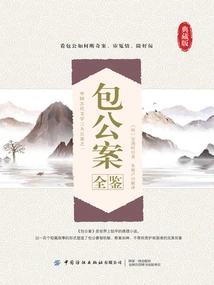
A Complete Account of Bao Gong's Case
General Fiction包公案全鉴
(ming Dynasty) Written By An Yushi And Interpreted By Zhu Delu
"Bao Gong's Case" is also known as "Longtu Gong'an". Today, it is known as "Bao Gong's Case" according to the popular oral name. This collection contains 100 short stories about Bao Zheng's trial and imprisonment in the Song Dynasty. Most of the contents are about Bao Gongming's murder, bullying, rape and fraud. It is one of the three major public cases in ancient Chinese literature and has a profound influence on the creation of public case novels in later generations. "The Case of Bao Gong" not only creates the perfect image of Gong Bao as being wise and agile, solving cases like a god, and not afraid of the powerful to protect the weak, but it also serves as a warning to the world to abide by the law. On the basis of retaining the complete content of the original work of "Bao Gong's Case", "The Complete Book of Bao Gong's Case" has phoneticized the rare characters, explained the rare and difficult words, and used the "text analysis" section to conduct an in-depth analysis of the storyline, which has solved the readers' dyslexia to a large extent.
"Bao Gong's Case" is also known as "Longtu Gong'an". Today, it is known as "Bao Gong's Case" according to the popular oral name. This collection contains 100 short stories about Bao Zheng's trial and imprisonment in the Song Dynasty. Most of the contents are about Bao Gongming's murder, bullying, rape and fraud. It is one of the three major public cases in ancient Chinese literature and has a profound influence on the creation of public case novels in later generations. "The Case of Bao Gong" not only creates the perfect image of Gong Bao as being wise and agile, solving cases like a god, and not afraid of the powerful to protect the weak, but it also serves as a warning to the world to abide by the law. On the basis of retaining the complete content of the original work of "Bao Gong's Case", "The Complete Book of Bao Gong's Case" has phoneticized the rare characters, explained the rare and difficult words, and used the "text analysis" section to conduct an in-depth analysis of the storyline, which has solved the readers' dyslexia to a large extent.
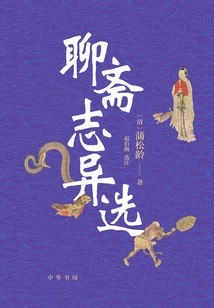
Strange Selections from Liaozhaizhi
General Fiction聊斋志异选
(qing Dynasty) By Pu Songling And Selected Notes By Zhao Botao
"Strange Stories from a Chinese Studio" is a famous collection of short stories in classical Chinese written by Pu Songling in the early Qing Dynasty. It contains nearly 500 stories about foxes and ghosts and strange stories. It mainly includes four categories of content. The first is to criticize the shortcomings of the imperial examination, the second is to describe the love between men and women, the third is to criticize the corruption of officials and the darkness of society, and the fourth is to praise the wisdom and virtues of the people. With concise and vivid writing style, it expresses the understanding and expectation of world affairs and people's conditions. "Strange Selection of Strange Stories from a Chinese Studio" extracts 46 works that have outstanding ideological value and artistic achievements and take into account readability, supplemented by precise annotations, to provide readers with a basic selection of "Liao Zhai". The text is based on the manuscript version. If there is a missing manuscript version, the Kangxi version is used as the original version. If there is neither a manuscript version nor a Kangxi version, the Qingketing version is used as the original version. If there are none of the three, the "Yishi" version is used as the original version. The twenty-four volumes of manuscripts and the Zhuxuezhai manuscript are used for proofreading. The text is accurate. There are three special features of its annotation. First, he is good at giving precise and in-depth explanations, especially the introduction of the famous things system, the background of the imperial examination system, and the official experiences of Qing people. The second is to phoneticize difficult words. The third is the explanation of the first note of each article, which explains the main purpose of this article and reveals much about Pu Songling's creative intention, which is of great significance to readers. The book is paperbacked in 16 pages, with subtitles on each page. The layout is clear and clear, and the content is rich. 27 Color illustrations are carefully selected and manually inserted into specific stories to show the plot.
"Strange Stories from a Chinese Studio" is a famous collection of short stories in classical Chinese written by Pu Songling in the early Qing Dynasty. It contains nearly 500 stories about foxes and ghosts and strange stories. It mainly includes four categories of content. The first is to criticize the shortcomings of the imperial examination, the second is to describe the love between men and women, the third is to criticize the corruption of officials and the darkness of society, and the fourth is to praise the wisdom and virtues of the people. With concise and vivid writing style, it expresses the understanding and expectation of world affairs and people's conditions. "Strange Selection of Strange Stories from a Chinese Studio" extracts 46 works that have outstanding ideological value and artistic achievements and take into account readability, supplemented by precise annotations, to provide readers with a basic selection of "Liao Zhai". The text is based on the manuscript version. If there is a missing manuscript version, the Kangxi version is used as the original version. If there is neither a manuscript version nor a Kangxi version, the Qingketing version is used as the original version. If there are none of the three, the "Yishi" version is used as the original version. The twenty-four volumes of manuscripts and the Zhuxuezhai manuscript are used for proofreading. The text is accurate. There are three special features of its annotation. First, he is good at giving precise and in-depth explanations, especially the introduction of the famous things system, the background of the imperial examination system, and the official experiences of Qing people. The second is to phoneticize difficult words. The third is the explanation of the first note of each article, which explains the main purpose of this article and reveals much about Pu Songling's creative intention, which is of great significance to readers. The book is paperbacked in 16 pages, with subtitles on each page. The layout is clear and clear, and the content is rich. 27 Color illustrations are carefully selected and manually inserted into specific stories to show the plot.
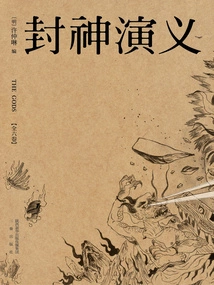
The Romance of the Gods (six Volumes in Total)
General Fiction封神演义(全六卷)
Xu Zhonglin
"Fengshen Yanyi" relies on the historical facts of "King Wu's attack on Zhou" during the transition of the Shang and Zhou dynasties, combined with folklore and the author's rich imagination, telling the story of King Zhou who insulted Nuwa and was later deceived by Daji, a thousand-year-old vixen sent by him. On the other side of the war, King Wen of Zhou Jichang was imprisoned in Youli for seven years by King Zhou for no reason. He finally escaped back to Xiqi and worshiped Jiang Ziya as his prime minister. He died in the successive campaigns launched by King Zhou. After his son Ji Fa, King Wu of Zhou, succeeded to the throne, he recruited talents and continuously strengthened the national power in response to the conquest. Finally, he realized a strategic counterattack, overthrew Shang Tang and established the Zhou Dynasty. During the war between Shang and Zhou, the gods in heaven and earth were divided into two factions: Chanjiao and Jiejiao. They used their own magical powers and magic weapons to disrupt the war and change the trend of the war. The imagination of the abilities and treasures of these gods and demons is what makes this book unique in classical literature. Classic characters such as Yang Jian, Jiang Ziya, Nezha, Lei Zhenzi, Daji, King Zhou, and the Four Generals of the Demon Family portrayed in the works have been continuously interpreted in various literary and artistic works of later generations.
"Fengshen Yanyi" relies on the historical facts of "King Wu's attack on Zhou" during the transition of the Shang and Zhou dynasties, combined with folklore and the author's rich imagination, telling the story of King Zhou who insulted Nuwa and was later deceived by Daji, a thousand-year-old vixen sent by him. On the other side of the war, King Wen of Zhou Jichang was imprisoned in Youli for seven years by King Zhou for no reason. He finally escaped back to Xiqi and worshiped Jiang Ziya as his prime minister. He died in the successive campaigns launched by King Zhou. After his son Ji Fa, King Wu of Zhou, succeeded to the throne, he recruited talents and continuously strengthened the national power in response to the conquest. Finally, he realized a strategic counterattack, overthrew Shang Tang and established the Zhou Dynasty. During the war between Shang and Zhou, the gods in heaven and earth were divided into two factions: Chanjiao and Jiejiao. They used their own magical powers and magic weapons to disrupt the war and change the trend of the war. The imagination of the abilities and treasures of these gods and demons is what makes this book unique in classical literature. Classic characters such as Yang Jian, Jiang Ziya, Nezha, Lei Zhenzi, Daji, King Zhou, and the Four Generals of the Demon Family portrayed in the works have been continuously interpreted in various literary and artistic works of later generations.
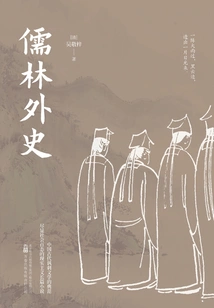
K
General Fictionk
H
"The Scholars" is a famous classic satirical novel in my country. It mainly describes the spiritual outlook of intellectuals and officials in feudal society. It successfully portrays the portraits of feudal literati who lived in the late feudal society and under the eight-part imperial examination system, such as those who were successful or frustrated in the examination room, the official veterans who were honest or corrupt, and the scholars who cheated on food and drink... It reflects the decadent and dark social reality of feudal society, criticizes the eight-part imperial examination system, and exposes the evils of feudal rule. "The Scholars" not only provides people with a vision, but also forms a technique and creates a novel structure. It has become a groundbreaking masterpiece in the history of Chinese novels and has an unsurpassed position in the history of the development of Chinese novels.
"The Scholars" is a famous classic satirical novel in my country. It mainly describes the spiritual outlook of intellectuals and officials in feudal society. It successfully portrays the portraits of feudal literati who lived in the late feudal society and under the eight-part imperial examination system, such as those who were successful or frustrated in the examination room, the official veterans who were honest or corrupt, and the scholars who cheated on food and drink... It reflects the decadent and dark social reality of feudal society, criticizes the eight-part imperial examination system, and exposes the evils of feudal rule. "The Scholars" not only provides people with a vision, but also forms a technique and creates a novel structure. It has become a groundbreaking masterpiece in the history of Chinese novels and has an unsurpassed position in the history of the development of Chinese novels.
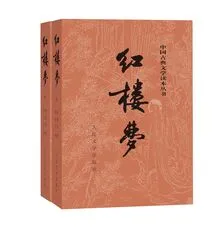
Dream of Red Mansions
General Fiction红楼梦
M
"A Dream of Red Mansions" is one of the four great classics in ancient China and the pinnacle of ancient Chinese novels. The whole book is centered on the daily life of Rongguo Mansion, with the love and marriage tragedies of Baoyu, Daiyu, and Baochai as well as the trivial matters in the Grand View Garden as the main line. It also uses the history of the four famous aristocratic families of Jinling, Jia, Shi, Wang, and Xue, from their peak to decline as a hidden line, showing the decline of families and society in the feudal era.
"A Dream of Red Mansions" is one of the four great classics in ancient China and the pinnacle of ancient Chinese novels. The whole book is centered on the daily life of Rongguo Mansion, with the love and marriage tragedies of Baoyu, Daiyu, and Baochai as well as the trivial matters in the Grand View Garden as the main line. It also uses the history of the four famous aristocratic families of Jinling, Jia, Shi, Wang, and Xue, from their peak to decline as a hidden line, showing the decline of families and society in the feudal era.
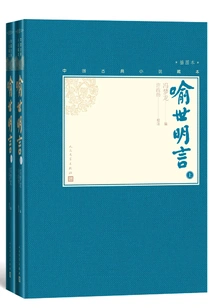
Yu Shi Ming Yan (2 Volumes in Total)
General Fiction喻世明言(全2册)
(ming Dynasty) Edited By Feng Menglong And Edited By Xu Zhengyang
In the late Ming Dynasty, Feng Menglong compiled "Yu Shi Ming Yan", formerly known as "Ancient and Modern Novels", which is a collection of short stories in vernacular. It contains 40 articles, most of which are old scripts from the Song and Yuan Dynasties, a few are from Ming Dynasty scripts, and some are polished and processed by the Ming Dynasty's old works from the Song and Yuan Dynasties. The novels are mostly based on real life, with themes covering love, marriage, friendship, etc., Showing various aspects of social life at that time. This book was edited and annotated by Mr. Xu Zhengyang in the late 1950s. It has been circulated for more than half a century and is recognized by the academic community as the final version.
In the late Ming Dynasty, Feng Menglong compiled "Yu Shi Ming Yan", formerly known as "Ancient and Modern Novels", which is a collection of short stories in vernacular. It contains 40 articles, most of which are old scripts from the Song and Yuan Dynasties, a few are from Ming Dynasty scripts, and some are polished and processed by the Ming Dynasty's old works from the Song and Yuan Dynasties. The novels are mostly based on real life, with themes covering love, marriage, friendship, etc., Showing various aspects of social life at that time. This book was edited and annotated by Mr. Xu Zhengyang in the late 1950s. It has been circulated for more than half a century and is recognized by the academic community as the final version.
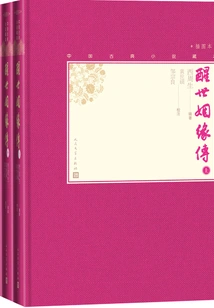
The Story of Awakening Marriage (3 Volumes in Total)
General Fiction醒世姻缘传(全3册)
(qing Dynasty) Written By Western Zhou Dynasty. The Author's Writing Style Is Edited By Yuan Shishuo And Edited By Zou Zongliang.
This book uses the story of a marriage between two generations of one person's karma and retribution as a clue. It makes an in-depth analysis of the two major symptoms of social darkness in the late Ming Dynasty and the early Qing Dynasty - corrupt officialdom and superficial world customs. It is a very outstanding novel about the world in ancient China. It is outstanding in similar novels in terms of shaping characters and organizing stories. This inclusion into the collection of Chinese classical novels in hardcover form makes up for the lack of ordinary hardcover editions of classical novels currently available in our publisher, and the overall set is conducive to large-scale distribution.
This book uses the story of a marriage between two generations of one person's karma and retribution as a clue. It makes an in-depth analysis of the two major symptoms of social darkness in the late Ming Dynasty and the early Qing Dynasty - corrupt officialdom and superficial world customs. It is a very outstanding novel about the world in ancient China. It is outstanding in similar novels in terms of shaping characters and organizing stories. This inclusion into the collection of Chinese classical novels in hardcover form makes up for the lack of ordinary hardcover editions of classical novels currently available in our publisher, and the overall set is conducive to large-scale distribution.
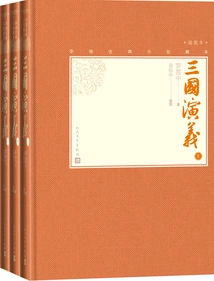
Romance of the Three Kingdoms (3 Volumes in Total)
General Fiction三国演义(全3册)
W
The classic novel "The Romance of the Three Kingdoms" begins with the Yellow Turban Rebellion of Emperor Ling of the Han Dynasty and ends with the reunification of the Three Kingdoms in the Western Jin Dynasty. It describes the major historical events and the activities of historical figures for more than ninety years. It shows the historical picture of the rise and fall of the Three Kingdoms, vividly reproduces this tumultuous historical era, and vividly reveals the intrigues and struggles for power within the ruling group. "The Romance of the Three Kingdoms" published by People's Literature Publishing House is based on Mao Zonggang's original version and has been compiled and revised many times. It is the most widely circulated and authoritative version in China to date. Since its release, it has been one of the most popular classical literature masterpieces on the market.
The classic novel "The Romance of the Three Kingdoms" begins with the Yellow Turban Rebellion of Emperor Ling of the Han Dynasty and ends with the reunification of the Three Kingdoms in the Western Jin Dynasty. It describes the major historical events and the activities of historical figures for more than ninety years. It shows the historical picture of the rise and fall of the Three Kingdoms, vividly reproduces this tumultuous historical era, and vividly reveals the intrigues and struggles for power within the ruling group. "The Romance of the Three Kingdoms" published by People's Literature Publishing House is based on Mao Zonggang's original version and has been compiled and revised many times. It is the most widely circulated and authoritative version in China to date. Since its release, it has been one of the most popular classical literature masterpieces on the market.
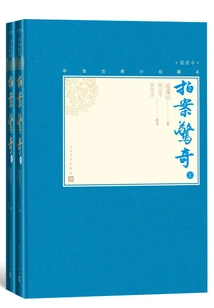
Surprised by the Crime (2 Volumes in Total)
General Fiction拍案惊奇(全2册)
X
"The Surprise on the Case" (also known as "The Surprise on the Case" (also known as "The Surprise on the Case") is a storybook written by the novelist Ling Shuchu of the Ming Dynasty. It has forty volumes and forty chapters. The content includes a large number of adventure legends, business stories, love stories between men and women, and marriage stories. It reflects the social reality and atmosphere of the times in the late Ming Dynasty. This inclusion into the collection of Chinese classical novels in hardcover form makes up for the lack of ordinary hardcover editions of classical novels currently available in our publisher, and the overall set is conducive to large-scale distribution.
"The Surprise on the Case" (also known as "The Surprise on the Case" (also known as "The Surprise on the Case") is a storybook written by the novelist Ling Shuchu of the Ming Dynasty. It has forty volumes and forty chapters. The content includes a large number of adventure legends, business stories, love stories between men and women, and marriage stories. It reflects the social reality and atmosphere of the times in the late Ming Dynasty. This inclusion into the collection of Chinese classical novels in hardcover form makes up for the lack of ordinary hardcover editions of classical novels currently available in our publisher, and the overall set is conducive to large-scale distribution.
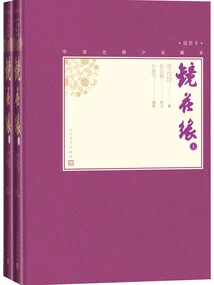
Flowers in the Mirror (2 Volumes in Total)
General Fiction镜花缘(全2册)
C
A novel from the Qing Dynasty, with 100 chapters in total. It uses rich imagination and humorous style to show all kinds of world phenomena. It prominently depicts women's talents and embodies the idea of respecting women's rights. The most significant thing about literary history is that it uses fantastic writing techniques to reveal various customs and moral depravity in human society, and embodies thinking about social issues, which is of practical significance. This inclusion into the collection of Chinese classical novels in hardcover form makes up for the lack of ordinary hardcover editions of classical novels currently available in our publisher, and the overall set is conducive to large-scale distribution.
A novel from the Qing Dynasty, with 100 chapters in total. It uses rich imagination and humorous style to show all kinds of world phenomena. It prominently depicts women's talents and embodies the idea of respecting women's rights. The most significant thing about literary history is that it uses fantastic writing techniques to reveal various customs and moral depravity in human society, and embodies thinking about social issues, which is of practical significance. This inclusion into the collection of Chinese classical novels in hardcover form makes up for the lack of ordinary hardcover editions of classical novels currently available in our publisher, and the overall set is conducive to large-scale distribution.
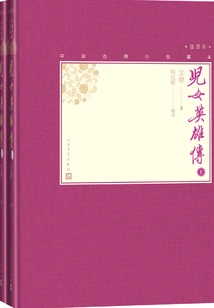
Heroes of Sons and Daughters (2 Volumes in Total)
General Fiction儿女英雄传(全2册)
(qing Dynasty) Written By Wen Kang And Edited By Misong Yi
"The Story of Heroes of Sons and Daughters" is not far from the novels of gifted men and beauties in the late Qing Dynasty, but it attempts to integrate the "nature of heroes" and "the hearts of sons and daughters". It is written in a bleak manner and is written in the tone of a literati's pen and ink to imitate the tone of a storyteller. In particular, the use of Beijing dialect is lively and free. In addition, the scope of the scenes described in the book is also quite wide and colorful, and it can be seen as a broad picture of the folk customs of the Qing Dynasty. In addition to the full text and annotations of "The Heroes of Sons and Daughters", this book also has an appendix with a brief version list and the works of the author Wen Kang and his friends.
"The Story of Heroes of Sons and Daughters" is not far from the novels of gifted men and beauties in the late Qing Dynasty, but it attempts to integrate the "nature of heroes" and "the hearts of sons and daughters". It is written in a bleak manner and is written in the tone of a literati's pen and ink to imitate the tone of a storyteller. In particular, the use of Beijing dialect is lively and free. In addition, the scope of the scenes described in the book is also quite wide and colorful, and it can be seen as a broad picture of the folk customs of the Qing Dynasty. In addition to the full text and annotations of "The Heroes of Sons and Daughters", this book also has an appendix with a brief version list and the works of the author Wen Kang and his friends.
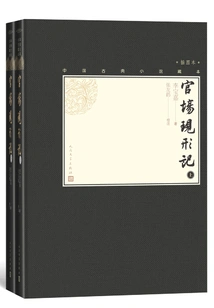
The Appearance of Officialdom (2 Volumes in Total)
General Fiction官场现形记(全2册)
A
This series is a reorganization of resources. It is planned to be based on the recently published "Illustrated Collection Series of Ancient Chinese Novels" (11 types), "Chinese Heroes Series" (6 types), "Four Condemnation Novels" (4 types), and "Four Kinds of Qing Dynasty Novels" (4 types). It is planned to be compiled into an overall series, which basically covers the most widely circulated and best-selling varieties of Chinese classical novels. The hardcover format makes up for the lack of ordinary hardcover editions of classical novels currently available in our publisher, and the overall set is conducive to large-scale distribution.
This series is a reorganization of resources. It is planned to be based on the recently published "Illustrated Collection Series of Ancient Chinese Novels" (11 types), "Chinese Heroes Series" (6 types), "Four Condemnation Novels" (4 types), and "Four Kinds of Qing Dynasty Novels" (4 types). It is planned to be compiled into an overall series, which basically covers the most widely circulated and best-selling varieties of Chinese classical novels. The hardcover format makes up for the lack of ordinary hardcover editions of classical novels currently available in our publisher, and the overall set is conducive to large-scale distribution.
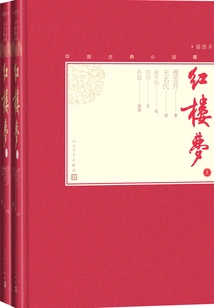
A Dream of Red Mansions (3 Volumes in Total)
General Fiction红楼梦(全3册)
(qing Dynasty) Written By Cao Xueqin, Continuation Of The Anonymous, And Notes By Yu Pingbo, Qi Gong
This series is a reorganization of resources. It is planned to be based on the recently published "Illustrated Collection Series of Ancient Chinese Novels" (11 types), "Chinese Heroes Series" (6 types), "Four Condemnation Novels" (4 types), and "Four Kinds of Qing Dynasty Novels" (4 types). It is planned to be compiled into an overall series, which basically covers the most widely circulated and best-selling varieties of Chinese classical novels. The hardcover format makes up for the lack of ordinary hardcover editions of classical novels currently available in our publisher, and the overall set is conducive to large-scale distribution.
This series is a reorganization of resources. It is planned to be based on the recently published "Illustrated Collection Series of Ancient Chinese Novels" (11 types), "Chinese Heroes Series" (6 types), "Four Condemnation Novels" (4 types), and "Four Kinds of Qing Dynasty Novels" (4 types). It is planned to be compiled into an overall series, which basically covers the most widely circulated and best-selling varieties of Chinese classical novels. The hardcover format makes up for the lack of ordinary hardcover editions of classical novels currently available in our publisher, and the overall set is conducive to large-scale distribution.
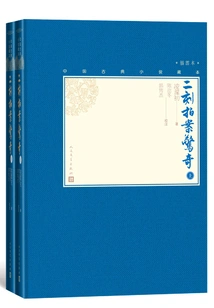
Surprise at the Second Moment (2 Volumes in Total)
General Fiction二刻拍案惊奇(全2册)
P
"The Surprise at the Second Moment" is a storybook written by the novelist Ling Shuchu of the Ming Dynasty. It has forty volumes and forty chapters. Volume 23 is the same as the "Surprise at the First Moment". Volume 40 has been lost, and the Zaju "Song Gongming Lantern Festival Zaju" was added to complete the number. The content includes a large number of adventure legends, business stories, love stories between men and women, and marriage stories, reflecting the social reality and atmosphere of the times in the late Ming Dynasty. This inclusion into the collection of Chinese classical novels in hardcover form makes up for the lack of ordinary hardcover editions of classical novels currently available in our publisher, and the overall set is conducive to large-scale distribution.
"The Surprise at the Second Moment" is a storybook written by the novelist Ling Shuchu of the Ming Dynasty. It has forty volumes and forty chapters. Volume 23 is the same as the "Surprise at the First Moment". Volume 40 has been lost, and the Zaju "Song Gongming Lantern Festival Zaju" was added to complete the number. The content includes a large number of adventure legends, business stories, love stories between men and women, and marriage stories, reflecting the social reality and atmosphere of the times in the late Ming Dynasty. This inclusion into the collection of Chinese classical novels in hardcover form makes up for the lack of ordinary hardcover editions of classical novels currently available in our publisher, and the overall set is conducive to large-scale distribution.
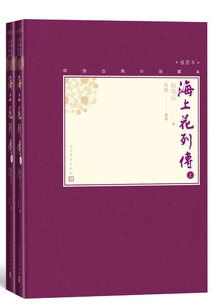
Biography of Flowers on the Sea (2 Volumes in Total)
General Fiction海上花列传(全2册)
(qing Dynasty) Written By Han Bangqing, Compiled By Dianyao
"Biographies of Shanghai Flowers", through the author's vivid writing, faithfully presents the brothels, officialdom and business circles, as well as the social life involved in these areas, and the multi-faceted activities of the abnormal society in the Shanghai Concession in the late Qing Dynasty to readers. It depicts human emotions and the world in a delicate and vivid way. Not only the structural technique of "interspersed hidden flashes" and the "plain and natural" realistic method of the novel can be used for reference, but its ability to depict characters and shape images is also worthy of praise. In addition to the full text of "Biography of Flowers on the Sea", this book also has an appendix with the author Han Bangqing's classical Chinese novel "Tai Xian Manuscript", information on the author's works and a brief explanation of the dialect, which is very helpful for understanding the work.
"Biographies of Shanghai Flowers", through the author's vivid writing, faithfully presents the brothels, officialdom and business circles, as well as the social life involved in these areas, and the multi-faceted activities of the abnormal society in the Shanghai Concession in the late Qing Dynasty to readers. It depicts human emotions and the world in a delicate and vivid way. Not only the structural technique of "interspersed hidden flashes" and the "plain and natural" realistic method of the novel can be used for reference, but its ability to depict characters and shape images is also worthy of praise. In addition to the full text of "Biography of Flowers on the Sea", this book also has an appendix with the author Han Bangqing's classical Chinese novel "Tai Xian Manuscript", information on the author's works and a brief explanation of the dialect, which is very helpful for understanding the work.
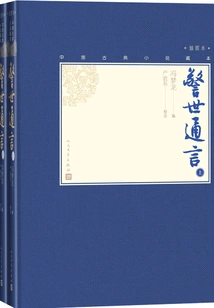
Warning Words (2 Volumes in Total)
General Fiction警世通言(全2册)
(ming Dynasty) Edited By Feng Menglong And Edited By Yan Dunyi
Of the forty chapters of "Jingshi Tongyan", more than ten are considered to be the scripts of the Song and Yuan Dynasties, focusing on the structure of the story; the rest are works from the Ming Dynasty, with more detailed and vivid descriptions. The content describes love, business life, and public case stories. The ideological outlook, hobbies, life scenes, etc. Of the citizen class are all vividly and naturally described, and the characters are lifelike. This book was edited and annotated by Mr. Yan Dunyi and published in 1956. This book was re-edited by Comrade Jiangyun, using the original photocopy of Jinling Jianshantang as the base, and the editions of Yanqingtang and Sanguitang. The annotations still use the masterpiece of Mr. Yan Dunyi, with only slight modifications in individual words.
Of the forty chapters of "Jingshi Tongyan", more than ten are considered to be the scripts of the Song and Yuan Dynasties, focusing on the structure of the story; the rest are works from the Ming Dynasty, with more detailed and vivid descriptions. The content describes love, business life, and public case stories. The ideological outlook, hobbies, life scenes, etc. Of the citizen class are all vividly and naturally described, and the characters are lifelike. This book was edited and annotated by Mr. Yan Dunyi and published in 1956. This book was re-edited by Comrade Jiangyun, using the original photocopy of Jinling Jianshantang as the base, and the editions of Yanqingtang and Sanguitang. The annotations still use the masterpiece of Mr. Yan Dunyi, with only slight modifications in individual words.
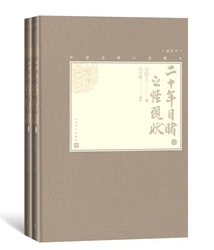
二十年目睹之怪现状(全2册)
I
"The Strange Current Situation Witnessed in Twenty Years" describes various social anomalies in the more than 20 years from before and after the Sino-French War in 1884 to around 1904. The scope of its description is slightly wider than "The Appearance of Officialdom", but it still takes the strange current situation of officialdom as the central clue, and secondly involves shopping malls and "foreign markets". The power of shopping malls and "foreign markets" can sometimes influence officialdom. Corresponding to the plot, the author is very good at creating negative images and complex characters. It is one of the representative works of the genre of condemnation novels in the late Qing Dynasty.
"The Strange Current Situation Witnessed in Twenty Years" describes various social anomalies in the more than 20 years from before and after the Sino-French War in 1884 to around 1904. The scope of its description is slightly wider than "The Appearance of Officialdom", but it still takes the strange current situation of officialdom as the central clue, and secondly involves shopping malls and "foreign markets". The power of shopping malls and "foreign markets" can sometimes influence officialdom. Corresponding to the plot, the author is very good at creating negative images and complex characters. It is one of the representative works of the genre of condemnation novels in the late Qing Dynasty.
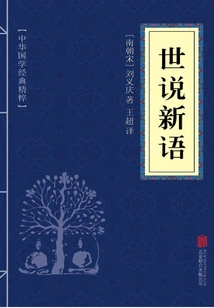
Shishuoxinyu (the Essence of Chinese Classics)
General Fiction世说新语(中华国学经典精粹)
(southern Song Dynasty) Liu Yiqing
"Shishuoxinyu" is a "novel about aspirational people" compiled by Liu Yiqing in the Southern Dynasty. It mainly records the conversational habits and anecdotes of the gentry class in the late Han Dynasty, the Three Kingdoms, and the Jin Dynasty. It truly reflects the customs and social features of the people of this era, and involves people ranging from emperors, generals, and ministers to scholars and monks. Therefore, it has become an important historical material for studying the history of this period. Based on the principles of storytelling, interest and philosophy, this book excerpts some of the wonderful contents of Shishuo Xinyu, and comprehensively and vividly restores the style of the late Han, Wei and Jin Dynasties in the form of original text, annotations and translations.
"Shishuoxinyu" is a "novel about aspirational people" compiled by Liu Yiqing in the Southern Dynasty. It mainly records the conversational habits and anecdotes of the gentry class in the late Han Dynasty, the Three Kingdoms, and the Jin Dynasty. It truly reflects the customs and social features of the people of this era, and involves people ranging from emperors, generals, and ministers to scholars and monks. Therefore, it has become an important historical material for studying the history of this period. Based on the principles of storytelling, interest and philosophy, this book excerpts some of the wonderful contents of Shishuo Xinyu, and comprehensively and vividly restores the style of the late Han, Wei and Jin Dynasties in the form of original text, annotations and translations.
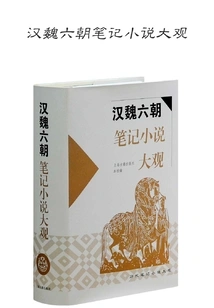
汉魏六朝笔记小说大观
Written By (jin) Zhang Hua (han) Liu Xin And Others
"A Comprehensive View of Notebook Novels of the Han, Wei and Six Dynasties" collects 21 types of most representative noteworthy novels of the Han, Wei and Six Dynasties, such as "Natural History", "Biography of Emperor Mu", "Xijing Miscellaneous Notes", "Sou Shen Ji·Sou Shen Postscript", "Shi Yi Ji", "Yi Yuan", "You Ming Lu", "Xu Qi Xie Ji", etc., Among which myths, strange things, strange things, the spirit of the ancestors' struggle with nature and rich imagination are fully revealed; ambitions, life interests, and rich products are all fully revealed.
"A Comprehensive View of Notebook Novels of the Han, Wei and Six Dynasties" collects 21 types of most representative noteworthy novels of the Han, Wei and Six Dynasties, such as "Natural History", "Biography of Emperor Mu", "Xijing Miscellaneous Notes", "Sou Shen Ji·Sou Shen Postscript", "Shi Yi Ji", "Yi Yuan", "You Ming Lu", "Xu Qi Xie Ji", etc., Among which myths, strange things, strange things, the spirit of the ancestors' struggle with nature and rich imagination are fully revealed; ambitions, life interests, and rich products are all fully revealed.
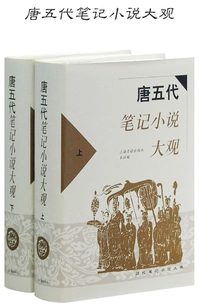
唐五代笔记小说大观
(tang Dynasty) Duan Chengshi, Niu Sengru And Others
"A Comprehensive View of Note Novels of the Tang and Five Dynasties" includes 39 types of most representative note novels of the Tang and Five Dynasties, including "Youyang Zazu", "Supplement to the History of the Tang Dynasty", "Miscellaneous Records of the Ming Emperor", "The Legacy of Kaiyuan Tianbao", "Xuanguai Lu", etc., Which were all famous works at that time.
"A Comprehensive View of Note Novels of the Tang and Five Dynasties" includes 39 types of most representative note novels of the Tang and Five Dynasties, including "Youyang Zazu", "Supplement to the History of the Tang Dynasty", "Miscellaneous Records of the Ming Emperor", "The Legacy of Kaiyuan Tianbao", "Xuanguai Lu", etc., Which were all famous works at that time.
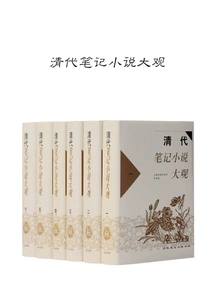
A Comprehensive View of Qing Dynasty Notebook Novels
General Fiction清代笔记小说大观
(qing Dynasty) Written By Song Nao, Liu Tingji And Others
"A Comprehensive View of Qing Dynasty Note Novel" contains 24 kinds of note novels of the Qing Dynasty that are of great literary and historical value. Among them, "Zi Buyu" and "Yuewei Thatched Cottage Notes" are the most well-known. The title of the former book comes from "The Analects of Confucius" "The Master does not talk about strange powers and confuses the gods", indicating that he specializes in recording weird things about ghosts and gods. The latter was written to compete with Pu Songling's "Strange Stories from a Chinese Studio", and together with "Liao Zhai" is known as a double masterpiece.
"A Comprehensive View of Qing Dynasty Note Novel" contains 24 kinds of note novels of the Qing Dynasty that are of great literary and historical value. Among them, "Zi Buyu" and "Yuewei Thatched Cottage Notes" are the most well-known. The title of the former book comes from "The Analects of Confucius" "The Master does not talk about strange powers and confuses the gods", indicating that he specializes in recording weird things about ghosts and gods. The latter was written to compete with Pu Songling's "Strange Stories from a Chinese Studio", and together with "Liao Zhai" is known as a double masterpiece.
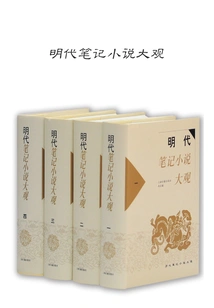
An Overview of Notebook Novels in Ming Dynasty
General Fiction明代笔记小说大观
(ming Dynasty) Written By Ye Ziqi, Huang Yu And Others
"A Comprehensive View of Notes and Novels of the Ming Dynasty" contains 13 types of important and commonly used notes of the Ming Dynasty. The collected contents are extensive, such as "Cao Mu Zi" which covers astronomy, laws and calendars, gains and losses in current affairs, military famines and disasters, as well as natural phenomena, the forms of animals and plants, etc. Another example is Shuyuan Miscellaneous Notes, which contains many anecdotes about the Ming Dynasty, including the personnel, dialects and customs of Taicang, the author's hometown.
"A Comprehensive View of Notes and Novels of the Ming Dynasty" contains 13 types of important and commonly used notes of the Ming Dynasty. The collected contents are extensive, such as "Cao Mu Zi" which covers astronomy, laws and calendars, gains and losses in current affairs, military famines and disasters, as well as natural phenomena, the forms of animals and plants, etc. Another example is Shuyuan Miscellaneous Notes, which contains many anecdotes about the Ming Dynasty, including the personnel, dialects and customs of Taicang, the author's hometown.
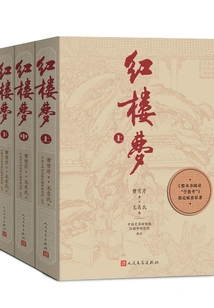
Dream of Red Mansions (three Volumes)
General Fiction红楼梦(全三册)
Written By Cao Xueqin, Continued By Anonymous, Compiled By Cheng Weiyuan, Compiled By Gao E, And Annotated By The Institute Of Dream Of The Red Chamber, Chinese Academy Of Arts
"A Dream of Red Mansions" is one of the four great classics in ancient China and the pinnacle of ancient Chinese novels. The whole book is centered on the daily life of Rongguo Mansion, with the love and marriage tragedies of Baoyu, Daiyu, and Baochai as well as the trivial matters in the Grand View Garden as the main line. It also uses the history of the four famous aristocratic families of Jinling, Jia, Shi, Wang, and Xue, from their peak to decline as a hidden line, showing the decline of families and society in the feudal era. The latest unified compilation of this Chinese textbook includes "Dream of Red Mansions" as one of the readings in the whole book. This topic is planned to develop a special version for high school Chinese teaching.
"A Dream of Red Mansions" is one of the four great classics in ancient China and the pinnacle of ancient Chinese novels. The whole book is centered on the daily life of Rongguo Mansion, with the love and marriage tragedies of Baoyu, Daiyu, and Baochai as well as the trivial matters in the Grand View Garden as the main line. It also uses the history of the four famous aristocratic families of Jinling, Jia, Shi, Wang, and Xue, from their peak to decline as a hidden line, showing the decline of families and society in the feudal era. The latest unified compilation of this Chinese textbook includes "Dream of Red Mansions" as one of the readings in the whole book. This topic is planned to develop a special version for high school Chinese teaching.
Legend of Chivalry
General Fiction侠义风月传
I
"The Story of Chivalrous Romance" is one of the novels written by Mingjiao Zhongren (Qing Dynasty). It is a novel with classical literature themes.
"The Story of Chivalrous Romance" is one of the novels written by Mingjiao Zhongren (Qing Dynasty). It is a novel with classical literature themes.
Xianxian Comments
General Fiction杌闲评
No Author Mentioned
"Zhuxian Commentary", also known as "Mingzhuyuan", has five volumes and fifty chapters, with a general introduction at the beginning. No author's name is attached. In "Ou Xiang Bie Chao", Miao Quansun relied on Li Sicheng's false accusation and speculated that it was written by Li Qing, a descendant of Li Sicheng. Li Qing (1602-1683), whose courtesy name was Yingbi and later nicknamed Tianyi Jushi, was a native of Xinghua (now part of Jiangsu), Zhili, southern Ming Dynasty. In the fourth year of Chongzhen (1631), he became a Jinshi. He went through the official, criminal, civil and engineering subjects and was awarded the title of Shizhong. After the death of the Ming Dynasty, he did not serve as an official. He wrote "San Yuan Memorial", "San Yuan Notes", "Nan Du Lu", "Combined Notes on the History of the North and South", etc.
"Zhuxian Commentary", also known as "Mingzhuyuan", has five volumes and fifty chapters, with a general introduction at the beginning. No author's name is attached. In "Ou Xiang Bie Chao", Miao Quansun relied on Li Sicheng's false accusation and speculated that it was written by Li Qing, a descendant of Li Sicheng. Li Qing (1602-1683), whose courtesy name was Yingbi and later nicknamed Tianyi Jushi, was a native of Xinghua (now part of Jiangsu), Zhili, southern Ming Dynasty. In the fourth year of Chongzhen (1631), he became a Jinshi. He went through the official, criminal, civil and engineering subjects and was awarded the title of Shizhong. After the death of the Ming Dynasty, he did not serve as an official. He wrote "San Yuan Memorial", "San Yuan Notes", "Nan Du Lu", "Combined Notes on the History of the North and South", etc.
Wufengyin
General Fiction五凤吟
Chi Chi Taoist
As a novel about talented scholars and beautiful ladies, "The Song of Five Phoenixes" has many characteristics common to novels about talented scholars and beautiful ladies. In novels about talented men and beautiful women, whenever heroines are written about, their talents and appearance must be affirmed before emphasizing their moral character. They cannot help but violate rules and etiquette. The same is true for Xue'e's writing style. As for the plots such as the prince becoming the number one scholar and getting married according to the decree, it is even more vulgar and cliche.
As a novel about talented scholars and beautiful ladies, "The Song of Five Phoenixes" has many characteristics common to novels about talented scholars and beautiful ladies. In novels about talented men and beautiful women, whenever heroines are written about, their talents and appearance must be affirmed before emphasizing their moral character. They cannot help but violate rules and etiquette. The same is true for Xue'e's writing style. As for the plots such as the prince becoming the number one scholar and getting married according to the decree, it is even more vulgar and cliche.
Edited by Zhu Cui
General Fiction杌萃编
(qing Dynasty) Dansou
In the forest of modern long-length novels, "Zha Cui Bian" (also known as "Huan Hai Zhong") has not achieved a prominent position, but it can still be regarded as a shining masterpiece. The author, Dansou, is Qian Xibao, courtesy name Shuchu, and was born in Hangzhou, Zhejiang. He lived in the late Qing Dynasty and the early Republic of China, and his deeds are unknown. In the "Preface" written by the poet Bing Chensui (1916) of Chanqi, there are words such as "The old man was born in a state of poverty, and he went to serve as a minister. He wore embroidered silk in the morning, and smoked the coop at night."
In the forest of modern long-length novels, "Zha Cui Bian" (also known as "Huan Hai Zhong") has not achieved a prominent position, but it can still be regarded as a shining masterpiece. The author, Dansou, is Qian Xibao, courtesy name Shuchu, and was born in Hangzhou, Zhejiang. He lived in the late Qing Dynasty and the early Republic of China, and his deeds are unknown. In the "Preface" written by the poet Bing Chensui (1916) of Chanqi, there are words such as "The old man was born in a state of poverty, and he went to serve as a minister. He wore embroidered silk in the morning, and smoked the coop at night."
Yushi
General Fiction蟫史
The Owner Of Leidi Mountain House
This book was written by Tu Shen (also known as Leishanren), a scholar during the Qian and Jia years of the Qing Dynasty. It takes the uprising of ethnic minorities (mainly Miao people) in the Qing Dynasty as the background and describes many battles between the official army and the rebel army. It ended with the victory of the official army and the defeat of the rebel army. In the description of war scenes, the author absorbed the writing style of fighting magic and treasures in novels about gods and demons. Although the writing is ancient, it has a magical color. Although the author strongly attacks the debauchery of the rebel leaders, objectively he also exposes the dark corruption of the Qing Dynasty official system.
This book was written by Tu Shen (also known as Leishanren), a scholar during the Qian and Jia years of the Qing Dynasty. It takes the uprising of ethnic minorities (mainly Miao people) in the Qing Dynasty as the background and describes many battles between the official army and the rebel army. It ended with the victory of the official army and the defeat of the rebel army. In the description of war scenes, the author absorbed the writing style of fighting magic and treasures in novels about gods and demons. Although the writing is ancient, it has a magical color. Although the author strongly attacks the debauchery of the rebel leaders, objectively he also exposes the dark corruption of the Qing Dynasty official system.
Continuation of the Legend of Heroes
General Fiction续英烈传
(ming Dynasty) Xu Wei
This book is a collection of two historical novels from the Ming Dynasty, "The Heroes and Martyrs" and "The Continued Biography of the Heroes and Martyrs". "Biography of Heroes and Martyrs", "Biography of Heroes and Martyrs of Huangming Kaiyun", "Biography of Heroes and Martyrs of Huangming", and "Yunheqizong", this book does not name the author. According to "Ye Huo Bian" by Shen Defu of the Ming Dynasty, this book was written by Guo Xun, the Marquis of Wu Ding during the Jiajing period, in order to take credit for his ancestor Guo Ying. Guo Ying's achievements in the "Biography of Heroes" mainly refer to the fact that Guo Ying killed Chen Youliang with one arrow in the Battle of Poyang Lake. Taizu praised Guo Ying for defeating a million soldiers with one arrow, and later Guo Ying was named the Marquis of Wu Ding. Guo Xun was his fifth great-great-grandson. He was later imprisoned and died for taking advantage of his favor and monopolizing power. There is also one titled "Jishan Xu Weiwen Changfu compiled". Xu Wenchang was a famous writer, calligrapher and painter in the middle of the Ming Dynasty. Neither argument is credible.
This book is a collection of two historical novels from the Ming Dynasty, "The Heroes and Martyrs" and "The Continued Biography of the Heroes and Martyrs". "Biography of Heroes and Martyrs", "Biography of Heroes and Martyrs of Huangming Kaiyun", "Biography of Heroes and Martyrs of Huangming", and "Yunheqizong", this book does not name the author. According to "Ye Huo Bian" by Shen Defu of the Ming Dynasty, this book was written by Guo Xun, the Marquis of Wu Ding during the Jiajing period, in order to take credit for his ancestor Guo Ying. Guo Ying's achievements in the "Biography of Heroes" mainly refer to the fact that Guo Ying killed Chen Youliang with one arrow in the Battle of Poyang Lake. Taizu praised Guo Ying for defeating a million soldiers with one arrow, and later Guo Ying was named the Marquis of Wu Ding. Guo Xun was his fifth great-great-grandson. He was later imprisoned and died for taking advantage of his favor and monopolizing power. There is also one titled "Jishan Xu Weiwen Changfu compiled". Xu Wenchang was a famous writer, calligrapher and painter in the middle of the Ming Dynasty. Neither argument is credible.