Library
Browse and search books
115 novels found
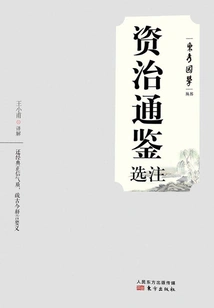
资治通鉴选注(东方国学丛书)
Interpretation By Wang Xiaofu
The whole book maintains as much as possible the characteristics of "Zizhi Tongjian" as a general history masterpiece that lasts for thousands of years: the beginning of the Warring States and the end of the Five Dynasties, during which the Qin unified, Wenjing's rule, the Wei and Jin split, Zu Ti's Northern Expedition, the Feishui War, the move to Luo Genghua, the Sui's unification, the Zhenguan's rule, The Anshi Rebellion, these major historical events are all listed in the anthology; Qin Shihuang, Han Gaozu, Han Wu Emperor, Wang Mang, Cao Cao, Zhuge Liang, Emperor Xiaowen, Tang Taizong, Wu Zetian, Shi Jingtang, Feng Dao, Zhou Shizong and other important historical figures are also included in the anthology. These events and characters in different periods build the framework of general historical knowledge in different ways and from different aspects, making it possible for readers to see and grasp the evolutionary trend of long-term history and the endless spirit of my country's excellent traditional culture through the selected books.
The whole book maintains as much as possible the characteristics of "Zizhi Tongjian" as a general history masterpiece that lasts for thousands of years: the beginning of the Warring States and the end of the Five Dynasties, during which the Qin unified, Wenjing's rule, the Wei and Jin split, Zu Ti's Northern Expedition, the Feishui War, the move to Luo Genghua, the Sui's unification, the Zhenguan's rule, The Anshi Rebellion, these major historical events are all listed in the anthology; Qin Shihuang, Han Gaozu, Han Wu Emperor, Wang Mang, Cao Cao, Zhuge Liang, Emperor Xiaowen, Tang Taizong, Wu Zetian, Shi Jingtang, Feng Dao, Zhou Shizong and other important historical figures are also included in the anthology. These events and characters in different periods build the framework of general historical knowledge in different ways and from different aspects, making it possible for readers to see and grasp the evolutionary trend of long-term history and the endless spirit of my country's excellent traditional culture through the selected books.
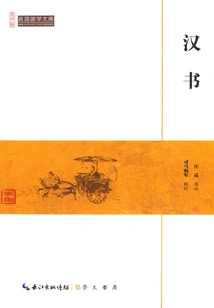
汉书(民国国学文库)
Selected Notes By Zhuang Shi, Edited By Sima Chao Military Academy
The original book of "Republic of China Chinese Studies Library: Hanshu" was in traditional vertical format, but now it is in simplified horizontal format. The simplification is based on common rules, but considering that it is a traditional Chinese reading book and is reasonable to popularize elementary school knowledge, a small number of Tongjia, traditional Chinese, and variant characters are retained, and are generally explained with annotations. This may also increase readers' interest in reading and expand their knowledge. Uncommon and polyphonic characters are given corresponding phonetic notations, and the original Fanqie, Tongyin, and Wei Tuoma phonetic notations are all uniformly changed to modern Chinese pinyin.
The original book of "Republic of China Chinese Studies Library: Hanshu" was in traditional vertical format, but now it is in simplified horizontal format. The simplification is based on common rules, but considering that it is a traditional Chinese reading book and is reasonable to popularize elementary school knowledge, a small number of Tongjia, traditional Chinese, and variant characters are retained, and are generally explained with annotations. This may also increase readers' interest in reading and expand their knowledge. Uncommon and polyphonic characters are given corresponding phonetic notations, and the original Fanqie, Tongyin, and Wei Tuoma phonetic notations are all uniformly changed to modern Chinese pinyin.
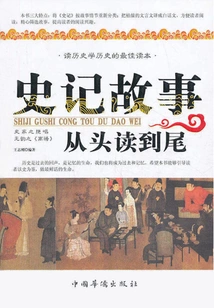
史记故事从头读到尾
Wang Zhigang
This book selects the most acclaimed and essential chapters in "Historical Records" and compiles them in chronological order. Through scientific style and innovative form, it presents this masterpiece of Chinese civilization to readers in an all-round, new perspective and multi-faceted manner. It strives to reach a new height in terms of authenticity, interest and inspiration, and guide readers to examine and experience history from a new perspective and new level.
This book selects the most acclaimed and essential chapters in "Historical Records" and compiles them in chronological order. Through scientific style and innovative form, it presents this masterpiece of Chinese civilization to readers in an all-round, new perspective and multi-faceted manner. It strives to reach a new height in terms of authenticity, interest and inspiration, and guide readers to examine and experience history from a new perspective and new level.
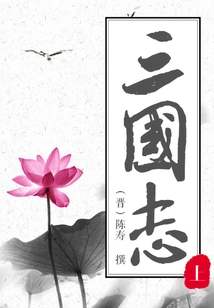
三国志(上)
Chen Shou
"Three Kingdoms" was written by Chen Shou, a historian of the Western Jin Dynasty. It records the chronological history of the Three Kingdoms era in China. It is also one of the most highly rated "first four histories" among the Twenty-Four Histories. "Three Kingdoms" is also the most special one among the Twenty-Four Histories because it is too brief. It does not record the "table" of the lineage of princes and officials, nor does it record the "records" of economy, geography, official positions, rituals and music, laws and calendars, etc. It does not conform to the general standards of official history established by "Historical Records" and "Hanshu".
"Three Kingdoms" was written by Chen Shou, a historian of the Western Jin Dynasty. It records the chronological history of the Three Kingdoms era in China. It is also one of the most highly rated "first four histories" among the Twenty-Four Histories. "Three Kingdoms" is also the most special one among the Twenty-Four Histories because it is too brief. It does not record the "table" of the lineage of princes and officials, nor does it record the "records" of economy, geography, official positions, rituals and music, laws and calendars, etc. It does not conform to the general standards of official history established by "Historical Records" and "Hanshu".
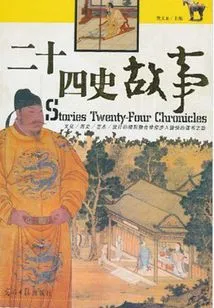
Twenty-four Histories
History二十四史故事
Fan Wenlong
Rich in content, the editor selects classic chapters from the masterpiece of Chinese history - "Twenty-Four Histories" and compiles them into beautiful and smooth vernacular text, trying to comprehensively display the rise and fall of past dynasties in a smaller space and deeply explore the rich connotations of Chinese civilization.
Rich in content, the editor selects classic chapters from the masterpiece of Chinese history - "Twenty-Four Histories" and compiles them into beautiful and smooth vernacular text, trying to comprehensively display the rise and fall of past dynasties in a smaller space and deeply explore the rich connotations of Chinese civilization.
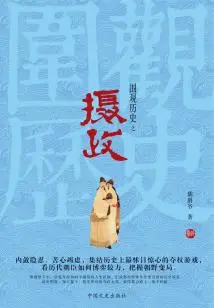
围观历史之摄政
Lord Ru
Political turmoil and weak monarchs are often the best times in history for powerful officials to seek thrones. The most common game mode is to have traitorous ministers in power and control the monarch to order the world. Successful and unwilling to retreat, majestic for a while, but ended sadly, it is almost an inevitable ending for the regent. This book tells the legendary cases of regency in Chinese history in humorous language, leading readers back to the historical scenes of power disputes and intrigues, and quietly observing the desolation and helplessness of the puppet emperor, and the scenery and loneliness of the regency ministers. It allows readers to see clearly the front and side of the power game in the rights and wrongs of the regency, and understand the light and darkness of human nature.
Political turmoil and weak monarchs are often the best times in history for powerful officials to seek thrones. The most common game mode is to have traitorous ministers in power and control the monarch to order the world. Successful and unwilling to retreat, majestic for a while, but ended sadly, it is almost an inevitable ending for the regent. This book tells the legendary cases of regency in Chinese history in humorous language, leading readers back to the historical scenes of power disputes and intrigues, and quietly observing the desolation and helplessness of the puppet emperor, and the scenery and loneliness of the regency ministers. It allows readers to see clearly the front and side of the power game in the rights and wrongs of the regency, and understand the light and darkness of human nature.
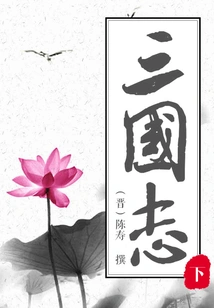
三国志(下)
Chen Shou
"Three Kingdoms" was written by Chen Shou, a historian of the Western Jin Dynasty. It records the chronological history of the Three Kingdoms era in China. It is also one of the most highly rated "first four histories" among the Twenty-Four Histories. "Three Kingdoms" is also the most special one among the Twenty-Four Histories because it is too brief. It does not record the "table" of the lineage of princes and officials, nor does it record the "records" of economy, geography, official positions, rituals and music, laws and calendars, etc. It does not conform to the general standards of official history established by "Historical Records" and "Hanshu".
"Three Kingdoms" was written by Chen Shou, a historian of the Western Jin Dynasty. It records the chronological history of the Three Kingdoms era in China. It is also one of the most highly rated "first four histories" among the Twenty-Four Histories. "Three Kingdoms" is also the most special one among the Twenty-Four Histories because it is too brief. It does not record the "table" of the lineage of princes and officials, nor does it record the "records" of economy, geography, official positions, rituals and music, laws and calendars, etc. It does not conform to the general standards of official history established by "Historical Records" and "Hanshu".
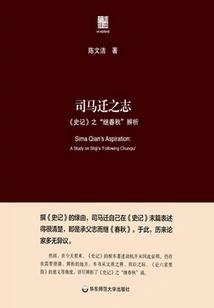
司马迁之志:《史记》之“继《春秋》”辨析
Chen Wenjie
The reason for writing "Historical Records" was clearly stated by Sima Qian in the last chapter of "Historical Records", that is, he inherited his father's ambition and succeeded "Spring and Autumn". Many commentators have always had no objections to this. However, from today's perspective, the fundamental motivation for writing "Historical Records" has not been revealed, and there are still areas that need to be clarified and analyzed. This book provides a detailed analysis of the theory of "Following the Spring and Autumn Period" in "Historical Records" from the perspectives of the distinction between literary qualities, the relationship between monarchs and ministers, and the significance of "On the Essential Points of the Six Schools".
The reason for writing "Historical Records" was clearly stated by Sima Qian in the last chapter of "Historical Records", that is, he inherited his father's ambition and succeeded "Spring and Autumn". Many commentators have always had no objections to this. However, from today's perspective, the fundamental motivation for writing "Historical Records" has not been revealed, and there are still areas that need to be clarified and analyzed. This book provides a detailed analysis of the theory of "Following the Spring and Autumn Period" in "Historical Records" from the perspectives of the distinction between literary qualities, the relationship between monarchs and ministers, and the significance of "On the Essential Points of the Six Schools".
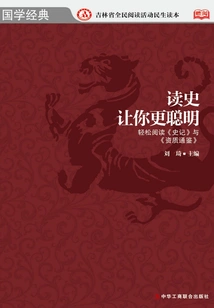
读史让你更聪明:轻松阅读《史记》与《资治通鉴》
Liu Qi
This book excerpts famous historical stories from "Historical Records" and "Zizhi Tongjian" and narrates them based on the background of the events, so that readers can appreciate the charm of these two historical masterpieces, and at the same time, they can use history as a mirror to gain enlightenment in life. It can truly be read and used immediately, which is beneficial to life.
This book excerpts famous historical stories from "Historical Records" and "Zizhi Tongjian" and narrates them based on the background of the events, so that readers can appreciate the charm of these two historical masterpieces, and at the same time, they can use history as a mirror to gain enlightenment in life. It can truly be read and used immediately, which is beneficial to life.
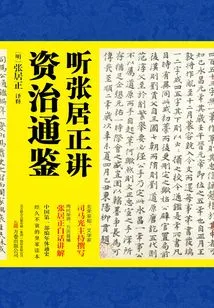
听张居正讲资治通鉴
Zhang Juzheng
This book is Zhang Juzheng's commentary and analysis of "Zi Zhi Tong Jian". After each paragraph of the original text of "Zi Zhi Tong Jian", there are Zhang Juzheng's comments, which can be said to be precious and full of profound philosophy. Zhang Juzheng served as a lecturer and aide to Emperor Muzong Longqing of the Ming Dynasty, and as a scholar and banquet officer to Emperor Wanli Emperor Shenzong of the Ming Dynasty. He can be said to be the emperor's teacher for two generations. The whole book starts from the Three Sovereigns and Five Emperors, down to Chai Rong, Shizong of Zhou Dynasty after the Five Dynasties. It covers a wide range and is highly literary.
This book is Zhang Juzheng's commentary and analysis of "Zi Zhi Tong Jian". After each paragraph of the original text of "Zi Zhi Tong Jian", there are Zhang Juzheng's comments, which can be said to be precious and full of profound philosophy. Zhang Juzheng served as a lecturer and aide to Emperor Muzong Longqing of the Ming Dynasty, and as a scholar and banquet officer to Emperor Wanli Emperor Shenzong of the Ming Dynasty. He can be said to be the emperor's teacher for two generations. The whole book starts from the Three Sovereigns and Five Emperors, down to Chai Rong, Shizong of Zhou Dynasty after the Five Dynasties. It covers a wide range and is highly literary.
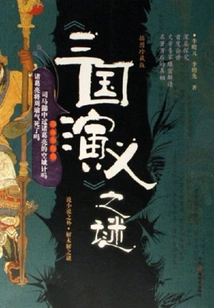
三国演义之谜
Li Dianyuan Li Shaoxian
What do Liu Bei and Cao Cao look like? Why is Guan Yu red-faced and Zhang Fei is "leopard-headed and ring-eyed"? Is it true that "Three Heroes Fighting Lu Bu" is true? Why did Zhuge Liang marry an ugly wife? Did Zhu Xunliang piss Zhou Yu to death? Has Liu Bei ever named one of the "Five Tiger Generals"? Is Cao Cao a military genius? Is "Seven Captures and Seven Copies of Meng Di" true or false?
What do Liu Bei and Cao Cao look like? Why is Guan Yu red-faced and Zhang Fei is "leopard-headed and ring-eyed"? Is it true that "Three Heroes Fighting Lu Bu" is true? Why did Zhuge Liang marry an ugly wife? Did Zhu Xunliang piss Zhou Yu to death? Has Liu Bei ever named one of the "Five Tiger Generals"? Is Cao Cao a military genius? Is "Seven Captures and Seven Copies of Meng Di" true or false?
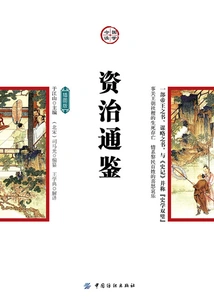
Zizhi Tongjian
History资治通鉴
Editor-in-chief Yu Jiangshan
"Zizhi Tongjian" is an unprecedented chronological general history compiled by Sima Guang of the Northern Song Dynasty. At that time, it was mainly for the purpose of "taking stock of the rise and fall of the past and examining the gains and losses of the present". It had a profound influence. On the basis of respecting the original work, this book selects some of the essence, appropriately deletes the bibliography in the original work, and refines the title. It extracts some content with practical significance in terms of human conduct, intelligence, strategy, and moral cultivation, helping readers open the door to the palace of Chinese classical culture.
"Zizhi Tongjian" is an unprecedented chronological general history compiled by Sima Guang of the Northern Song Dynasty. At that time, it was mainly for the purpose of "taking stock of the rise and fall of the past and examining the gains and losses of the present". It had a profound influence. On the basis of respecting the original work, this book selects some of the essence, appropriately deletes the bibliography in the original work, and refines the title. It extracts some content with practical significance in terms of human conduct, intelligence, strategy, and moral cultivation, helping readers open the door to the palace of Chinese classical culture.
百家争鸣
Jin Kaicheng
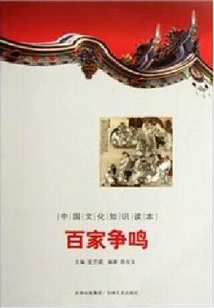
This book "A Hundred Schools of Thought Contends" is edited by Jin Kaicheng and edited by Chen Changwen: The Hundred Schools of Thought contends refers to the emergence of different schools of thought among intellectuals during the Spring and Autumn Period and the Warring States Period, and the situation in which various schools competed for prominence.
This book "A Hundred Schools of Thought Contends" is edited by Jin Kaicheng and edited by Chen Changwen: The Hundred Schools of Thought contends refers to the emergence of different schools of thought among intellectuals during the Spring and Autumn Period and the Warring States Period, and the situation in which various schools competed for prominence.
史记(第五卷)
F
"Historical Records" is the first biographical general history in Chinese history compiled by Sima Qian during the Western Han Dynasty. It records more than three thousand years of history from the Yellow Emperor to the Taichu reign of Emperor Wu of the Han Dynasty. It was originally called "Tai Shi Gong", or "Tai Shi Gong Ji" or "Tai Shi Gong Ji". "Historical Records" is huge in scale and has a complete system, and it has a profound influence on subsequent biographical history books. Official histories of all dynasties have been written in this style. At the same time, the vividness of the text and the imageness of the narrative in the book are also the highest achievements.
"Historical Records" is the first biographical general history in Chinese history compiled by Sima Qian during the Western Han Dynasty. It records more than three thousand years of history from the Yellow Emperor to the Taichu reign of Emperor Wu of the Han Dynasty. It was originally called "Tai Shi Gong", or "Tai Shi Gong Ji" or "Tai Shi Gong Ji". "Historical Records" is huge in scale and has a complete system, and it has a profound influence on subsequent biographical history books. Official histories of all dynasties have been written in this style. At the same time, the vividness of the text and the imageness of the narrative in the book are also the highest achievements.
史记(第十卷)
F
"Historical Records" is the first biographical general history in Chinese history compiled by Sima Qian during the Western Han Dynasty. It records more than three thousand years of history from the Yellow Emperor to the Taichu reign of Emperor Wu of the Han Dynasty. It was originally called "Tai Shi Gong", or "Tai Shi Gong Ji" or "Tai Shi Gong Ji". "Historical Records" is huge in scale and has a complete system, and it has a profound influence on subsequent biographical history books. Official histories of all dynasties have been written in this style. At the same time, the vividness of the text and the imageness of the narrative in the book are also the highest achievements.
"Historical Records" is the first biographical general history in Chinese history compiled by Sima Qian during the Western Han Dynasty. It records more than three thousand years of history from the Yellow Emperor to the Taichu reign of Emperor Wu of the Han Dynasty. It was originally called "Tai Shi Gong", or "Tai Shi Gong Ji" or "Tai Shi Gong Ji". "Historical Records" is huge in scale and has a complete system, and it has a profound influence on subsequent biographical history books. Official histories of all dynasties have been written in this style. At the same time, the vividness of the text and the imageness of the narrative in the book are also the highest achievements.
史记(第七卷)
F
"Historical Records" is the first biographical general history in Chinese history compiled by Sima Qian during the Western Han Dynasty. It records more than three thousand years of history from the Yellow Emperor to the Taichu reign of Emperor Wu of the Han Dynasty. It was originally called "Tai Shi Gong", or "Tai Shi Gong Ji" or "Tai Shi Gong Ji". "Historical Records" is huge in scale and has a complete system, and it has a profound influence on subsequent biographical history books. Official histories of all dynasties have been written in this style. At the same time, the vividness of the text and the imageness of the narrative in the book are also the highest achievements.
"Historical Records" is the first biographical general history in Chinese history compiled by Sima Qian during the Western Han Dynasty. It records more than three thousand years of history from the Yellow Emperor to the Taichu reign of Emperor Wu of the Han Dynasty. It was originally called "Tai Shi Gong", or "Tai Shi Gong Ji" or "Tai Shi Gong Ji". "Historical Records" is huge in scale and has a complete system, and it has a profound influence on subsequent biographical history books. Official histories of all dynasties have been written in this style. At the same time, the vividness of the text and the imageness of the narrative in the book are also the highest achievements.
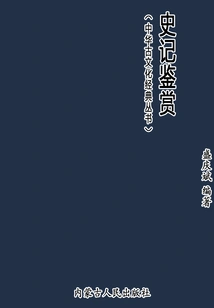
史记鉴赏(中华古文化经典丛书)
Compiled By Sheng Qingbin
"Historical Records" ranks first among the Twenty-Four Histories. It is the first general history of our country written by Sima Qian and is the origin of biographical history books. The whole book "Historical Records" includes chronicles, lists, family histories and biographies, with 130 chapters and more than 526,000 words. The content is vast and the art is superb. Because of his outstanding achievements in the fields of history and literature and his profound influence on later generations, Lu Xun praised it in the book "Outline of the History of Chinese Literature" as: "The historian's swan song, the unrhymed "Li Sao"". In order to help young friends learn history and increase their wisdom, "Appreciation of Historical Records" selects chapters including narratives, characters, discussions, and allusions to annotate and translate them, providing incisive appreciation and simple explanations. The text is well-written and the translation is subtle, detailed but not complicated, making it easy to read.
"Historical Records" ranks first among the Twenty-Four Histories. It is the first general history of our country written by Sima Qian and is the origin of biographical history books. The whole book "Historical Records" includes chronicles, lists, family histories and biographies, with 130 chapters and more than 526,000 words. The content is vast and the art is superb. Because of his outstanding achievements in the fields of history and literature and his profound influence on later generations, Lu Xun praised it in the book "Outline of the History of Chinese Literature" as: "The historian's swan song, the unrhymed "Li Sao"". In order to help young friends learn history and increase their wisdom, "Appreciation of Historical Records" selects chapters including narratives, characters, discussions, and allusions to annotate and translate them, providing incisive appreciation and simple explanations. The text is well-written and the translation is subtle, detailed but not complicated, making it easy to read.