Library
Browse and search books
2,169 novels found
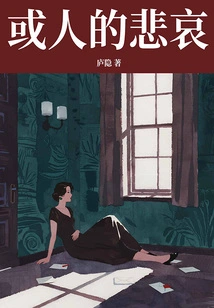
Or Human Sorrow
Literature或人的悲哀
Luyin
"Someone's Sorrow" unfolds in the form of letters. The protagonist Yaxia reveals her life trajectory and mental dilemma through many letters to her friend KY: Influenced by the concept of "playing the world", she suffered from insomnia and illness due to her uncle's entanglement. She was exposed to religion when she was hospitalized but did not find relief; she went to Japan to seek "light", but witnessed human intolerance, class oppression and hypocritical peace. Weiyi even died of her illness. In the end, in pain and confusion about the true meaning of life, Yaxia threw himself into a lake in Hangzhou. The work draws on the tragedy of Yaxia to outline the struggle of intellectual women after the May 4th Movement between tradition and modernity. It reveals the pain of repeatedly hitting a wall in their pursuit of spiritual solutions. It is the author's inquiry into the nature of human nature and the meaning of life, and illuminates the spiritual dilemma and anxiety of the times among a generation of intellectuals.
"Someone's Sorrow" unfolds in the form of letters. The protagonist Yaxia reveals her life trajectory and mental dilemma through many letters to her friend KY: Influenced by the concept of "playing the world", she suffered from insomnia and illness due to her uncle's entanglement. She was exposed to religion when she was hospitalized but did not find relief; she went to Japan to seek "light", but witnessed human intolerance, class oppression and hypocritical peace. Weiyi even died of her illness. In the end, in pain and confusion about the true meaning of life, Yaxia threw himself into a lake in Hangzhou. The work draws on the tragedy of Yaxia to outline the struggle of intellectual women after the May 4th Movement between tradition and modernity. It reveals the pain of repeatedly hitting a wall in their pursuit of spiritual solutions. It is the author's inquiry into the nature of human nature and the meaning of life, and illuminates the spiritual dilemma and anxiety of the times among a generation of intellectuals.
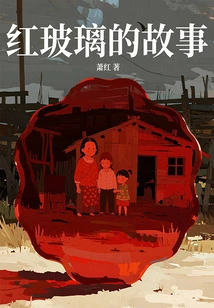
The Story of Red Glass
Literature红玻璃的故事
Xiao Hong
"The Story of Red Glass" tells the story of the widow Aunt Wang, who saw the similar fate of herself, her daughter and three generations of women in the red glass flower tube played by her granddaughter when she was visiting her daughter. From this, she realized the poverty, loneliness and horror of life, and her outlook on life changed. This article also includes several excellent works such as "Departure", "In the Blur" and "Red Orchard". "Departure" describes the scene of young Li Van saying goodbye to his family and friends before leaving home. From the perspective of a young mother, "In the Brink" tells the story of her husband staying away all night and she learns about her husband's cheating on her from the rumors next door. The work depicts women's confusion and helplessness in marriage, as well as their inner suffering when faced with sudden changes in life. "Red Orchard" tells the story of a male teacher who is unable to complete a love story while facing the seasonal changes in the orchard outside the window. Together, these works constitute Xiao Hong's deep meditation on the dilemma of survival and the struggle of human nature, showing the fragility and tenacity of the spiritual world of ordinary people under the torrent of the times.
"The Story of Red Glass" tells the story of the widow Aunt Wang, who saw the similar fate of herself, her daughter and three generations of women in the red glass flower tube played by her granddaughter when she was visiting her daughter. From this, she realized the poverty, loneliness and horror of life, and her outlook on life changed. This article also includes several excellent works such as "Departure", "In the Blur" and "Red Orchard". "Departure" describes the scene of young Li Van saying goodbye to his family and friends before leaving home. From the perspective of a young mother, "In the Brink" tells the story of her husband staying away all night and she learns about her husband's cheating on her from the rumors next door. The work depicts women's confusion and helplessness in marriage, as well as their inner suffering when faced with sudden changes in life. "Red Orchard" tells the story of a male teacher who is unable to complete a love story while facing the seasonal changes in the orchard outside the window. Together, these works constitute Xiao Hong's deep meditation on the dilemma of survival and the struggle of human nature, showing the fragility and tenacity of the spiritual world of ordinary people under the torrent of the times.
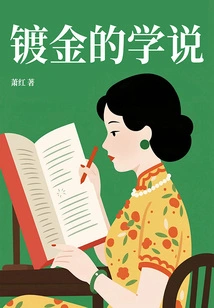
Gilded Doctrine
Literature镀金的学说
Xiao Hong
"The Gilded Doctrine" shows the plight of intellectual women in the old society through the perspective of "I". In the article, "I" regard my uncle as my only idol. He is upright and knowledgeable. He often teaches "I" to be simple, not to boast, and not to apply makeup. Under his influence, "I" developed a strong interest in knowledge and literature. However, when "I" wanted to go to school, my father used various excuses to stop me. My uncle, who was originally supportive of me, suddenly changed his attitude. Not only did he despise women's education, he even mocked female students as "ridiculous." This left me feeling disillusioned. Finally, "I" accidentally discovered that my uncle had a failed love affair, and his young lover was now gray-haired. At this time, "I" realized that my uncle's opposition to "me" pursuing knowledge was not because he really believed in those doctrines, but because he himself had succumbed to the prejudices and moral constraints of the old society. His so-called doctrine is just a layer of "gilding" to cover up the helplessness and pain deep in his heart. Under the heavy pressure of paternal authority, it was difficult for me to break through the embarrassment. This book also includes excellent works such as "Sickness", "Frost on His Upper Lip" and "Spring Again".
"The Gilded Doctrine" shows the plight of intellectual women in the old society through the perspective of "I". In the article, "I" regard my uncle as my only idol. He is upright and knowledgeable. He often teaches "I" to be simple, not to boast, and not to apply makeup. Under his influence, "I" developed a strong interest in knowledge and literature. However, when "I" wanted to go to school, my father used various excuses to stop me. My uncle, who was originally supportive of me, suddenly changed his attitude. Not only did he despise women's education, he even mocked female students as "ridiculous." This left me feeling disillusioned. Finally, "I" accidentally discovered that my uncle had a failed love affair, and his young lover was now gray-haired. At this time, "I" realized that my uncle's opposition to "me" pursuing knowledge was not because he really believed in those doctrines, but because he himself had succumbed to the prejudices and moral constraints of the old society. His so-called doctrine is just a layer of "gilding" to cover up the helplessness and pain deep in his heart. Under the heavy pressure of paternal authority, it was difficult for me to break through the embarrassment. This book also includes excellent works such as "Sickness", "Frost on His Upper Lip" and "Spring Again".
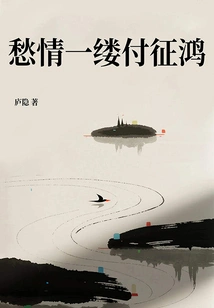
愁情一缕付征鸿
Luyin
"A Wisp of Sorrow Pays to Zhenghong" is a letter written by Yunyin to her friend Qiang. The article describes her experience of going to Taoranting in the rain on a rainy day. In the letter, she used this journey to reminisce about the past with her late friend Han five or six years ago, and compared her own sadness, longing, and frowning experiences, thus expressing her deep nostalgia for her old friend, her helplessness about her fate, and her sense of depression at being unable to express her grief happily. Another article, "I Hope Autumn Will Always Stay in the World," overturns people's traditional impression of autumn's desolation, viewing it as a season rich in color and full of lively spirit, enough to awaken a numb mind. "The Last Destiny" takes the disillusionment with marriage and love as its theme and explores the confusion and helplessness in life. It believes that love is like a "magic lantern", which is gorgeous when viewed from a distance but boring when viewed up close. "Coffee Shop" and "Temple Fair" express the author's observations and thoughts on modern society and human hearts by depicting scenes of urban life and traditional beliefs. Several articles are written with delicate writing and sincere emotions, revealing Lu Yin's inner world and struggles as a female writer during the "May Fourth Movement" period.
"A Wisp of Sorrow Pays to Zhenghong" is a letter written by Yunyin to her friend Qiang. The article describes her experience of going to Taoranting in the rain on a rainy day. In the letter, she used this journey to reminisce about the past with her late friend Han five or six years ago, and compared her own sadness, longing, and frowning experiences, thus expressing her deep nostalgia for her old friend, her helplessness about her fate, and her sense of depression at being unable to express her grief happily. Another article, "I Hope Autumn Will Always Stay in the World," overturns people's traditional impression of autumn's desolation, viewing it as a season rich in color and full of lively spirit, enough to awaken a numb mind. "The Last Destiny" takes the disillusionment with marriage and love as its theme and explores the confusion and helplessness in life. It believes that love is like a "magic lantern", which is gorgeous when viewed from a distance but boring when viewed up close. "Coffee Shop" and "Temple Fair" express the author's observations and thoughts on modern society and human hearts by depicting scenes of urban life and traditional beliefs. Several articles are written with delicate writing and sincere emotions, revealing Lu Yin's inner world and struggles as a female writer during the "May Fourth Movement" period.
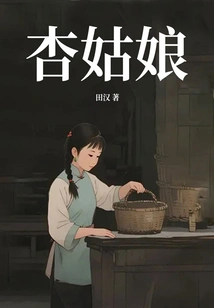
Miss Xing
Literature杏姑娘
Tian Han
Tian Han's "Apricot Girl" depicts the tragic fate of two "roadside flowers" in the form of memories. The experiences of the two women reveal how the lives and dreams of women at the bottom of the old society were imprisoned and destroyed. Another piece included is "Moonlight", in which he recalls what he saw and felt on the Mid-Autumn Festival nights in three different years, expressing his inner grief and longing for his deceased wife. Finally, he calmed down his emotions and decided not to indulge in sad memories, but to face a new life bravely and with concentration. The protagonist specifically quoted Whitman's poem, expressing that he should continue to walk his own "road" like the "bright and silent sun".
Tian Han's "Apricot Girl" depicts the tragic fate of two "roadside flowers" in the form of memories. The experiences of the two women reveal how the lives and dreams of women at the bottom of the old society were imprisoned and destroyed. Another piece included is "Moonlight", in which he recalls what he saw and felt on the Mid-Autumn Festival nights in three different years, expressing his inner grief and longing for his deceased wife. Finally, he calmed down his emotions and decided not to indulge in sad memories, but to face a new life bravely and with concentration. The protagonist specifically quoted Whitman's poem, expressing that he should continue to walk his own "road" like the "bright and silent sun".
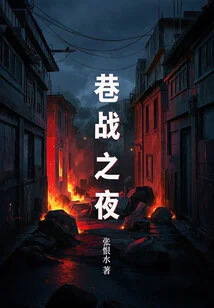
Street Fighting Night
Literature巷战之夜
Zhang Henshui
"Night of Street Fighting" is a novella anti-Japanese war military novel written by Zhang Henshui. It is set in Tianjin and Qianshan under the Japanese attack. It tells the story of an ordinary teacher who grew up to be a guerrilla captain in the struggle against the Japanese army and led the people to rise up in resistance. The novel depicts the heroic struggle of the people during the war with real and delicate writing, and shows the awakening and resistance of the people at the bottom under the iron heel of the invaders. The protagonist's growth trajectory reflects the author's strong desire to unite in the war of resistance, and highlights the durability of the war of resistance and the unyielding spirit of the people with a sense of historical depth.
"Night of Street Fighting" is a novella anti-Japanese war military novel written by Zhang Henshui. It is set in Tianjin and Qianshan under the Japanese attack. It tells the story of an ordinary teacher who grew up to be a guerrilla captain in the struggle against the Japanese army and led the people to rise up in resistance. The novel depicts the heroic struggle of the people during the war with real and delicate writing, and shows the awakening and resistance of the people at the bottom under the iron heel of the invaders. The protagonist's growth trajectory reflects the author's strong desire to unite in the war of resistance, and highlights the durability of the war of resistance and the unyielding spirit of the people with a sense of historical depth.
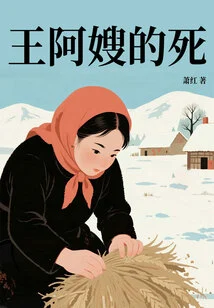
Death of Aunt Wang
Literature王阿嫂的死
Xiao Hong
"The Death of Aunt Wang" is set in the northeastern countryside and tells the story of the tragedy of Aunt Wang, a peasant woman. The novel profoundly exposes the cruel exploitation of farmers by the landlord class and reveals the suffering of the people at the bottom. "The Story of Wang Si" reveals the tragedy of the grassroots people at the bottom who cannot truly integrate into the upper class society even if they give everything they have through the experience of a loyal old cook Wang Si. He ends up losing his wallet while working, losing his life savings, his sense of identity, and ultimately being lost in ridicule. Feng Shan, the old hunter in "Stable Night", has been looking for companions and a sense of belonging all his life. When he finally waited for his old friend "Wu Dongjia", he found that they had been separated by class and time, leaving only the emptiness of memories.
"The Death of Aunt Wang" is set in the northeastern countryside and tells the story of the tragedy of Aunt Wang, a peasant woman. The novel profoundly exposes the cruel exploitation of farmers by the landlord class and reveals the suffering of the people at the bottom. "The Story of Wang Si" reveals the tragedy of the grassroots people at the bottom who cannot truly integrate into the upper class society even if they give everything they have through the experience of a loyal old cook Wang Si. He ends up losing his wallet while working, losing his life savings, his sense of identity, and ultimately being lost in ridicule. Feng Shan, the old hunter in "Stable Night", has been looking for companions and a sense of belonging all his life. When he finally waited for his old friend "Wu Dongjia", he found that they had been separated by class and time, leaving only the emptiness of memories.
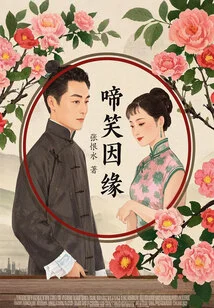
Cause of Laughter
Literature啼笑因缘
Zhang Henshui
"Cause of Crying and Laughing" is a chapter-length novel written by Zhang Henshui. It is set in Peiping during the reign of Beiyang warlords. Through the emotional entanglements between Hangzhou young Fan Jiashu and drum calligraphy artist Shen Fengxi, chivalrous girl Guan Xiugu, and wealthy daughter He Lina, it shows the world and human emotions under social turmoil. The novel combines elements of romance, martial arts and social criticism, and breaks through the limitations of the traditional chapter style with delicate psychological descriptions. It has become a classic of popular literature in the Republic of China. It has been adapted for the screen six times and adapted into TV series seven times.
"Cause of Crying and Laughing" is a chapter-length novel written by Zhang Henshui. It is set in Peiping during the reign of Beiyang warlords. Through the emotional entanglements between Hangzhou young Fan Jiashu and drum calligraphy artist Shen Fengxi, chivalrous girl Guan Xiugu, and wealthy daughter He Lina, it shows the world and human emotions under social turmoil. The novel combines elements of romance, martial arts and social criticism, and breaks through the limitations of the traditional chapter style with delicate psychological descriptions. It has become a classic of popular literature in the Republic of China. It has been adapted for the screen six times and adapted into TV series seven times.
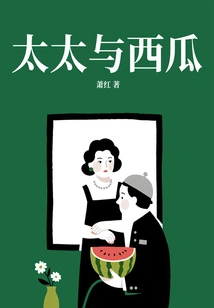
Wife and Watermelon
Literature太太与西瓜
Xiao Hong
"The Wife and the Watermelon" delicately depicts the indifference and vanity of the upper class through the interaction between a rich lady and the footman who delivers the watermelon. The ladies use the gifts given by others to put on airs, take the gifts of others for granted, and even sneer at them. The morbid view of human nature revealed between the lines is full of irony. In several other novels, the author's writing is equally powerful. "On the Road in the Morning" depicts all the living beings on the streets in the early morning. From cigarette boys and old men selling pulp to disabled beggars, they are all struggling to survive in poverty. At the same time, the warmth of mutual support among the people at the bottom is not lost. "Yali" is a story about exile and ideals. The protagonist "I" has established a deep friendship with Yali from North Korea. Although Yali is in a foreign land, she cannot forget her suffering hometown and her father who fought for the revolution. In the end, she chose to give up her personal peace and embark on the road of shedding blood for the motherland. "Two Frogs" describes the tragedy of lovers Hirano and Qin Zheng. The sweet time in the past is only a dream. Each story is like a mirror of the times, reflecting the glory and darkness of human nature, while also conveying the author's deep concern and compassion for the suffering lives.
"The Wife and the Watermelon" delicately depicts the indifference and vanity of the upper class through the interaction between a rich lady and the footman who delivers the watermelon. The ladies use the gifts given by others to put on airs, take the gifts of others for granted, and even sneer at them. The morbid view of human nature revealed between the lines is full of irony. In several other novels, the author's writing is equally powerful. "On the Road in the Morning" depicts all the living beings on the streets in the early morning. From cigarette boys and old men selling pulp to disabled beggars, they are all struggling to survive in poverty. At the same time, the warmth of mutual support among the people at the bottom is not lost. "Yali" is a story about exile and ideals. The protagonist "I" has established a deep friendship with Yali from North Korea. Although Yali is in a foreign land, she cannot forget her suffering hometown and her father who fought for the revolution. In the end, she chose to give up her personal peace and embark on the road of shedding blood for the motherland. "Two Frogs" describes the tragedy of lovers Hirano and Qin Zheng. The sweet time in the past is only a dream. Each story is like a mirror of the times, reflecting the glory and darkness of human nature, while also conveying the author's deep concern and compassion for the suffering lives.
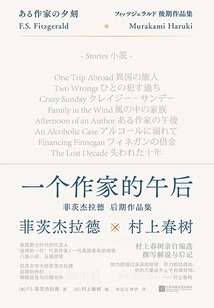
一个作家的午后:菲茨杰拉德后期作品集
(u. S.) Written By F. S. Fitzgerald (japanese) Edited By Haruki Murakami
This book contains a total of 8 short stories and 5 essays, which were published by Fitzgerald from 1930 to 1939. At this time, the glamorous Jazz Age ended and the Great Depression began. Fitzgerald's American dream was shattered. He had problems with his body, marriage, and finances, and his life was under great pressure. His works at this time mainly have two characteristics: - full of nostalgia for the past, nostalgia for the loss of health, fame and wealth, and frustration that the market for his novels will no longer exist; - although he was depressed and desperate due to the difficult situation, he still did not lose his creative conscience and ambition. Haruki Murakami deliberately compiled the works of this period into a collection and explained them precisely because he saw Fitzgerald's persistence in writing during this period. He said in the commentary, "Fitzgerald is the kind of writer who takes daily life experience as the core, uses his imagination to create novels from it... He tried his best to get through the deep despair, tried to grasp a weak light source, and slowly moved forward with a firm will. This may be Fitzgerald's strong instinct as a writer." Murakami, who compiled this book, hopes that readers can see this side of Fitzgerald.
This book contains a total of 8 short stories and 5 essays, which were published by Fitzgerald from 1930 to 1939. At this time, the glamorous Jazz Age ended and the Great Depression began. Fitzgerald's American dream was shattered. He had problems with his body, marriage, and finances, and his life was under great pressure. His works at this time mainly have two characteristics: - full of nostalgia for the past, nostalgia for the loss of health, fame and wealth, and frustration that the market for his novels will no longer exist; - although he was depressed and desperate due to the difficult situation, he still did not lose his creative conscience and ambition. Haruki Murakami deliberately compiled the works of this period into a collection and explained them precisely because he saw Fitzgerald's persistence in writing during this period. He said in the commentary, "Fitzgerald is the kind of writer who takes daily life experience as the core, uses his imagination to create novels from it... He tried his best to get through the deep despair, tried to grasp a weak light source, and slowly moved forward with a firm will. This may be Fitzgerald's strong instinct as a writer." Murakami, who compiled this book, hopes that readers can see this side of Fitzgerald.
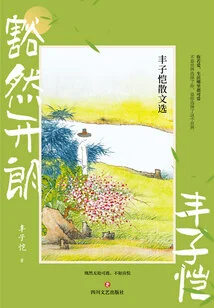
豁然开朗:丰子恺散文选
Feng Zikai
This book is a selection of Feng Zikai's prose works. The theme of this book aims to express Feng Zikai's love for life. It contains 36 classic prose works such as "White Goose", "Train Car Society", "Bamboo Shadow" and "For My Children". It integrates the author's innocent heart into the pen and expresses the innocent mood and open-minded and optimistic attitude towards life of a generation of literary masters.
This book is a selection of Feng Zikai's prose works. The theme of this book aims to express Feng Zikai's love for life. It contains 36 classic prose works such as "White Goose", "Train Car Society", "Bamboo Shadow" and "For My Children". It integrates the author's innocent heart into the pen and expresses the innocent mood and open-minded and optimistic attitude towards life of a generation of literary masters.
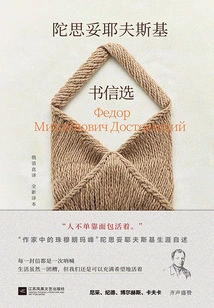
Selected Letters of Dostoevsky
Literature陀思妥耶夫斯基书信选
G
"Selected Letters of Dostoevsky" is a collection of Russian writer Dostoevsky's letters to his family, friends, relatives and others. These letters provide valuable information about the writer Dostoevsky's creations, thoughts, social activities, and even the writer's personality in various periods. They are undoubtedly an important part of his literary legacy. They have left a rich mine for us descendants, allowing us to better interpret his novels, intervene in his era, and understand his thoughts. This book has selected and translated more than 200 of his letters. The content mainly involves the writer's creation, literary and artistic views, political thoughts and major events in his personal experience. It plays an important role in comprehensively and deeply understanding the writer's creation. This time, a new translation jointly translated by Wang Luyao and Han Yuqi is used to create a literary classic that is more suitable for current people's reading.
"Selected Letters of Dostoevsky" is a collection of Russian writer Dostoevsky's letters to his family, friends, relatives and others. These letters provide valuable information about the writer Dostoevsky's creations, thoughts, social activities, and even the writer's personality in various periods. They are undoubtedly an important part of his literary legacy. They have left a rich mine for us descendants, allowing us to better interpret his novels, intervene in his era, and understand his thoughts. This book has selected and translated more than 200 of his letters. The content mainly involves the writer's creation, literary and artistic views, political thoughts and major events in his personal experience. It plays an important role in comprehensively and deeply understanding the writer's creation. This time, a new translation jointly translated by Wang Luyao and Han Yuqi is used to create a literary classic that is more suitable for current people's reading.
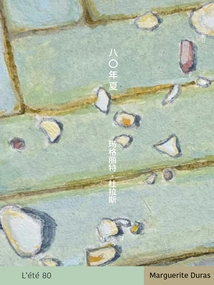
Summer 1980
Literature八〇年夏
Marguerite Duras
Ten summer reflections; seeing the world through Duras's eyes; poetic expressions of ordinary life. In early 1980, the editor-in-chief of Liberation invited Duras to write articles of any length for one year. Duras responded: One year is impossible, three months is possible, because summer lasts for three months, one article per week. Hence the book "Summer of 1980". In the windy and rainy summer of 1980, Duras looked at the black rocks, wet beach and sea from his balcony. In the summer of 1980, in the summer of Gdansk, the world condensed in her eyes: the Moscow Olympics, Polish workers' strikes, famine in Uganda, the funeral of the Shah of Iran, Russian tanks in Kabul... In the summer of 1980, "the summer when our story takes place", Jan Andrea Steinay, the last lover in Duras's life, knocked on her door and officially entered her life. In the summer of 1980, the summer of the gray-eyed boy, who neither swam nor sang, was perhaps Duras himself. "This book suddenly appeared in a terrifying loneliness, gaining eternity due to its sudden interruption."
Ten summer reflections; seeing the world through Duras's eyes; poetic expressions of ordinary life. In early 1980, the editor-in-chief of Liberation invited Duras to write articles of any length for one year. Duras responded: One year is impossible, three months is possible, because summer lasts for three months, one article per week. Hence the book "Summer of 1980". In the windy and rainy summer of 1980, Duras looked at the black rocks, wet beach and sea from his balcony. In the summer of 1980, in the summer of Gdansk, the world condensed in her eyes: the Moscow Olympics, Polish workers' strikes, famine in Uganda, the funeral of the Shah of Iran, Russian tanks in Kabul... In the summer of 1980, "the summer when our story takes place", Jan Andrea Steinay, the last lover in Duras's life, knocked on her door and officially entered her life. In the summer of 1980, the summer of the gray-eyed boy, who neither swam nor sang, was perhaps Duras himself. "This book suddenly appeared in a terrifying loneliness, gaining eternity due to its sudden interruption."
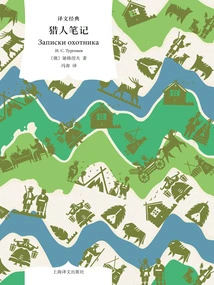
Hunter's Notes (translation Classic)
Literature猎人笔记(译文经典)
Turgenev
Turgenev's masterpiece, a pastoral pastoral of Russian natural scenery and humanistic care; with beautiful words, it brings pure aesthetic enjoyment; translated by the famous Russian translator Feng Chun. "Hunter's Notes" is Turgenev's masterpiece. The book uses a hunter's hunting as a clue to string together twenty-five self-contained stories. The natural landscapes full of Russian style and the typical images of kind and honest Russian farmers are vividly written on the page. Under the interaction of the scenery and people, it reveals the national character and simple nature of the Russian people from the outside to the inside. "Hunter's Notes" is not only artistically unique and embodies Turgenev's highest artistic achievement, but also shines with deep humanistic care between the lines. Through the delicate portrayal of the complex relationships between various characters, it expresses resistance to all oppression and bullying. Regardless of the differences in people's identities, personality and dignity are always the most precious assets that everyone has equally.
Turgenev's masterpiece, a pastoral pastoral of Russian natural scenery and humanistic care; with beautiful words, it brings pure aesthetic enjoyment; translated by the famous Russian translator Feng Chun. "Hunter's Notes" is Turgenev's masterpiece. The book uses a hunter's hunting as a clue to string together twenty-five self-contained stories. The natural landscapes full of Russian style and the typical images of kind and honest Russian farmers are vividly written on the page. Under the interaction of the scenery and people, it reveals the national character and simple nature of the Russian people from the outside to the inside. "Hunter's Notes" is not only artistically unique and embodies Turgenev's highest artistic achievement, but also shines with deep humanistic care between the lines. Through the delicate portrayal of the complex relationships between various characters, it expresses resistance to all oppression and bullying. Regardless of the differences in people's identities, personality and dignity are always the most precious assets that everyone has equally.
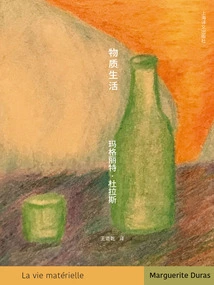
Material Life
Literature物质生活
Marguerite Duras
Duras's masterpiece of essays, writing about "a moment" of life; heroic dreams in tired life, magical metaphors of all things in the world; adopted Mr. Wang Daoqian's classic translation, with a translation postscript: "I have no story. Likewise, I have no life. My story, every day, every second of every day, is shattered by the present of life. If nothing happens, that is the most worthy event to think about." "Material Life" " is a very unique and iconic collection of essays by the French writer Marguerite Duras. The writing is free, rich and poetic. It originated from Duras's narration to her friend Jérôme Beaujour. It is collected into "Chemical Smell", "Lady of Black Rock", "Alcohol", "Hanoi", "Black Mass", "The Blue of the Shawl", "Man", "Animals", "Racine Forest", "Liar Man", "Clever Talk", "Green Steak" and "Wouldn't You?" "Mediterranean Sea", "Paris", "Red Deck Chair", "Wardrobe", "Time Lost", "Night Food", "Dangerous State", "Apparition" and other forty-eight articles, ranging in length from 400 to 500 words to 10,000 words. "It is not a novel, but it is closest to the writing method of a novel". The theme is "induced from daily events". It has Duras's writing view, understanding of language and drama, and the writing background of certain works. There are explanations of ideas and the influence of the writing environment; there are also social observations, such as judgments about men, analysis of the inherent functions of men and women in daily life, criticism of social injustice, and opinions on the news stance; there are also confessions of private life, such as living habits, diet, clothing, exotic scenery in childhood memories, family life, emotional past, acquaintance with lover Yang, unbearable illness, delirium, etc. Duras's life and writing are integrated. Reading "Material Life" is like listening to Duras's memories: memories of creation and memories of life. As Duras said: "The flowing writing style of "Material Life" allows for communication back and forth between me and you, and between you and me during the period of time we live together."
Duras's masterpiece of essays, writing about "a moment" of life; heroic dreams in tired life, magical metaphors of all things in the world; adopted Mr. Wang Daoqian's classic translation, with a translation postscript: "I have no story. Likewise, I have no life. My story, every day, every second of every day, is shattered by the present of life. If nothing happens, that is the most worthy event to think about." "Material Life" " is a very unique and iconic collection of essays by the French writer Marguerite Duras. The writing is free, rich and poetic. It originated from Duras's narration to her friend Jérôme Beaujour. It is collected into "Chemical Smell", "Lady of Black Rock", "Alcohol", "Hanoi", "Black Mass", "The Blue of the Shawl", "Man", "Animals", "Racine Forest", "Liar Man", "Clever Talk", "Green Steak" and "Wouldn't You?" "Mediterranean Sea", "Paris", "Red Deck Chair", "Wardrobe", "Time Lost", "Night Food", "Dangerous State", "Apparition" and other forty-eight articles, ranging in length from 400 to 500 words to 10,000 words. "It is not a novel, but it is closest to the writing method of a novel". The theme is "induced from daily events". It has Duras's writing view, understanding of language and drama, and the writing background of certain works. There are explanations of ideas and the influence of the writing environment; there are also social observations, such as judgments about men, analysis of the inherent functions of men and women in daily life, criticism of social injustice, and opinions on the news stance; there are also confessions of private life, such as living habits, diet, clothing, exotic scenery in childhood memories, family life, emotional past, acquaintance with lover Yang, unbearable illness, delirium, etc. Duras's life and writing are integrated. Reading "Material Life" is like listening to Duras's memories: memories of creation and memories of life. As Duras said: "The flowing writing style of "Material Life" allows for communication back and forth between me and you, and between you and me during the period of time we live together."
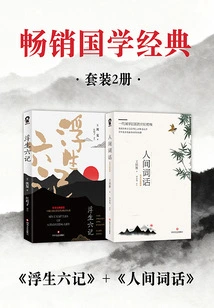
畅销国学经典(套装2册)
(qing Dynasty) Shen Fu Wang Guowei
[Best-Selling Traditional Chinese Studies Classic Set: Six Chapters of a Floating Life + 2 Volumes of Human Words] "Six Chapters of a Floating Life" is an autobiographical prose written by Shen Fu in the Qing Dynasty. It was originally written in six volumes, two of which have been lost, and only four volumes remain today. The author narrates his life experience for most of his life in pure and beautiful words. The content is unpretentious, real and moving. The turmoil, sorrow, joys and sorrows displayed in the book also reveal another true face of life in the floating world. This book is "happy but not obscene, sad but not sad". It occupies a very important position in Qing Dynasty notebook literature and has been passed down to this day and has become a classic. "Human Words" is the representative work of Wang Guowei, a master of modern Chinese studies. In the form of traditional Chinese words, it integrates Western philosophy, literature and aesthetic ideas to provide a wonderful and unique commentary on traditional Chinese literature. The whole book takes the theory of "realm" as the core, with incisive arguments and a self-contained system. It can be called a landmark work in Chinese classical literary criticism. This book brings together 64 final drafts, 50 unpublished manuscripts, and 12 deleted drafts of "The Words of the World" that were deleted and edited by Wang Guowei himself. It presents the full picture of "The Words of the World" and provides appropriate annotations and textual translations for each article, allowing readers to easily enter the palace of Wang Guowei's literary and aesthetic thoughts. It also includes two of Wang Guowei's "Prefaces to "The Words of the World"", and organizes Wang Guowei's life and appends them to the text, giving an all-round presentation of Wang Guowei's magnificent life.
[Best-Selling Traditional Chinese Studies Classic Set: Six Chapters of a Floating Life + 2 Volumes of Human Words] "Six Chapters of a Floating Life" is an autobiographical prose written by Shen Fu in the Qing Dynasty. It was originally written in six volumes, two of which have been lost, and only four volumes remain today. The author narrates his life experience for most of his life in pure and beautiful words. The content is unpretentious, real and moving. The turmoil, sorrow, joys and sorrows displayed in the book also reveal another true face of life in the floating world. This book is "happy but not obscene, sad but not sad". It occupies a very important position in Qing Dynasty notebook literature and has been passed down to this day and has become a classic. "Human Words" is the representative work of Wang Guowei, a master of modern Chinese studies. In the form of traditional Chinese words, it integrates Western philosophy, literature and aesthetic ideas to provide a wonderful and unique commentary on traditional Chinese literature. The whole book takes the theory of "realm" as the core, with incisive arguments and a self-contained system. It can be called a landmark work in Chinese classical literary criticism. This book brings together 64 final drafts, 50 unpublished manuscripts, and 12 deleted drafts of "The Words of the World" that were deleted and edited by Wang Guowei himself. It presents the full picture of "The Words of the World" and provides appropriate annotations and textual translations for each article, allowing readers to easily enter the palace of Wang Guowei's literary and aesthetic thoughts. It also includes two of Wang Guowei's "Prefaces to "The Words of the World"", and organizes Wang Guowei's life and appends them to the text, giving an all-round presentation of Wang Guowei's magnificent life.
雅舍小品(人文经典文库)
Liang Shiqiu
"Yashe Essays" is Liang Shiqiu's representative work, and it is also a humorous and fresh collection of essays. Liang Shiqiu lived in Beibei, Chongqing for seven years. During his time off from school, he wrote a thousand-character essay, which he named "Ya She" and was collectively referred to as "Ya She Essays". These series of short essays are famous at home and abroad, and are still read and loved by a large number of readers decades later. They can be called prose classics in modern literature. Liang Shiqiu's writing is unique, with everyday themes. Everyday things such as bathing, queuing, looking at paintings, and walking slowly flow out of his writing, as if playing a jingling short movement of life. Different from the four-volume "Yashe Essays", this book selects about 200,000 words from the "Yashe" series of articles to provide the public with a classic and lively selection.
"Yashe Essays" is Liang Shiqiu's representative work, and it is also a humorous and fresh collection of essays. Liang Shiqiu lived in Beibei, Chongqing for seven years. During his time off from school, he wrote a thousand-character essay, which he named "Ya She" and was collectively referred to as "Ya She Essays". These series of short essays are famous at home and abroad, and are still read and loved by a large number of readers decades later. They can be called prose classics in modern literature. Liang Shiqiu's writing is unique, with everyday themes. Everyday things such as bathing, queuing, looking at paintings, and walking slowly flow out of his writing, as if playing a jingling short movement of life. Different from the four-volume "Yashe Essays", this book selects about 200,000 words from the "Yashe" series of articles to provide the public with a classic and lively selection.
培根随笔集(人文经典文库)
H
"Collection of Bacon's Essays" has a total of fifty-nine articles, covering all aspects of human life. The language is concise, the writing is beautiful, the reasoning is thorough, and the aphorisms are repeated. It has been deeply loved by readers from all over the world for hundreds of years. Bacon was knowledgeable and well-versed in the world, and had thought-provoking and unique insights into the issues he discussed. The version included in the Humanities Classics Library for the first time is the perfect version after three revisions by the translator, and it is the exclusive translation of our agency. The translator, Cao Minglun, is a famous translator from Zigong, Sichuan. He has a doctorate from Peking University and a professor at Sichuan University. His main translated works include "The Collection of Edgar Allan Poe", "The Collection of Frost", "The Collection of Willa Cather", "The Essays of Bacon" and "Selected Poems of Scott".
"Collection of Bacon's Essays" has a total of fifty-nine articles, covering all aspects of human life. The language is concise, the writing is beautiful, the reasoning is thorough, and the aphorisms are repeated. It has been deeply loved by readers from all over the world for hundreds of years. Bacon was knowledgeable and well-versed in the world, and had thought-provoking and unique insights into the issues he discussed. The version included in the Humanities Classics Library for the first time is the perfect version after three revisions by the translator, and it is the exclusive translation of our agency. The translator, Cao Minglun, is a famous translator from Zigong, Sichuan. He has a doctorate from Peking University and a professor at Sichuan University. His main translated works include "The Collection of Edgar Allan Poe", "The Collection of Frost", "The Collection of Willa Cather", "The Essays of Bacon" and "Selected Poems of Scott".
Back View (humanities Classic Library)
Literature背影(人文经典文库)
Zhu Ziqing
This book is a collection of Zhu Ziqing's essays and is also a variety in the "Humanities Classic Library". "Back" is Zhu Ziqing's masterpiece of prose and a must-read article for primary and secondary school students. It has become an IP symbol with the author's characteristics. This book is named after "Back View", which makes it obvious at a glance that it is a collection of Zhu Ziqing's works. This book selects chapters suitable for teenagers to read and study. It is estimated that 200,000 words will be selected and edited in categories to show readers Zhu Ziqing's creative content and writing style, allowing readers to experience the pleasure and beauty of reading modern prose in detail. The selected articles include "Moonlight over the Lotus Pond", "Hurry", "Spring", "Qinhuai River in the Sound of Oars and Shadows of Lights" and other famous works.
This book is a collection of Zhu Ziqing's essays and is also a variety in the "Humanities Classic Library". "Back" is Zhu Ziqing's masterpiece of prose and a must-read article for primary and secondary school students. It has become an IP symbol with the author's characteristics. This book is named after "Back View", which makes it obvious at a glance that it is a collection of Zhu Ziqing's works. This book selects chapters suitable for teenagers to read and study. It is estimated that 200,000 words will be selected and edited in categories to show readers Zhu Ziqing's creative content and writing style, allowing readers to experience the pleasure and beauty of reading modern prose in detail. The selected articles include "Moonlight over the Lotus Pond", "Hurry", "Spring", "Qinhuai River in the Sound of Oars and Shadows of Lights" and other famous works.
假如给我三天光明(纪实影像典藏版)
Helen Keller
"If You Give Me Three Days of Light" completely collects Helen Keller's widely circulated essay "If You Give Me Three Days of Light" and the autobiographical classic "My Life Story", showing her moving from darkness and silence to a bright and abundant life. This book specially collects more than 100 precious documentary images of Helen Keller. It uses literary style visual design and high-quality visual language to construct an "image biography", transforming Helen's difficult process of establishing cognition into an immersive visual experience that directly touches people's hearts. The "Life Book List" and "Spiritual Friends" sections have been added to reveal Helen's spiritual nourishment and ideological background.
"If You Give Me Three Days of Light" completely collects Helen Keller's widely circulated essay "If You Give Me Three Days of Light" and the autobiographical classic "My Life Story", showing her moving from darkness and silence to a bright and abundant life. This book specially collects more than 100 precious documentary images of Helen Keller. It uses literary style visual design and high-quality visual language to construct an "image biography", transforming Helen's difficult process of establishing cognition into an immersive visual experience that directly touches people's hearts. The "Life Book List" and "Spiritual Friends" sections have been added to reveal Helen's spiritual nourishment and ideological background.
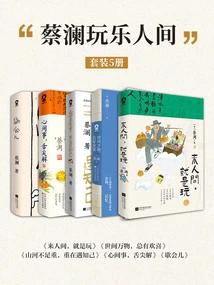
蔡澜玩乐人间(套装5册)
Cai Lam
"Cai Lam Eats, Drinks, and Plays in the World Collection Set of 5 Volumes": "Coming to the World Just to Play" is the life-interesting aesthetics of the eighty-year-old urchin Cai Lam. "Things in the Heart, Explained by the Tip of the Tongue" is a masterpiece of gourmet healing by the God of Cookery Chua Lam. "Mountains and Rivers Are Not Important, What's Important is Meeting a Confidant" Cai Lan personally taught the art of making friends and recounted interesting stories about his interactions with Jin Yong and other friends. "There is always joy in everything in the world" is the life guide of Cai Lan, a naughty boy in his eighties. "Have a Break" is a slow life essay by the famous writer Cai Lan. The world is busy, but you can slow down. Take a break and have fun. Slow down life, speed up happiness! We have plenty of time, live life slowly!
"Cai Lam Eats, Drinks, and Plays in the World Collection Set of 5 Volumes": "Coming to the World Just to Play" is the life-interesting aesthetics of the eighty-year-old urchin Cai Lam. "Things in the Heart, Explained by the Tip of the Tongue" is a masterpiece of gourmet healing by the God of Cookery Chua Lam. "Mountains and Rivers Are Not Important, What's Important is Meeting a Confidant" Cai Lan personally taught the art of making friends and recounted interesting stories about his interactions with Jin Yong and other friends. "There is always joy in everything in the world" is the life guide of Cai Lan, a naughty boy in his eighties. "Have a Break" is a slow life essay by the famous writer Cai Lan. The world is busy, but you can slow down. Take a break and have fun. Slow down life, speed up happiness! We have plenty of time, live life slowly!
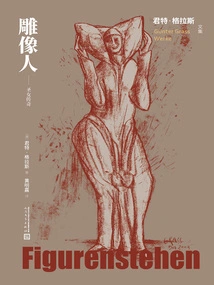
雕像人:圣女传奇(君特·格拉斯文集)
M
The novella "The Statue Man" is the posthumous work of German writer Günter Grass, written around 2003. Authorized by the Grass Foundation in 2022, it was published in Germany for the first time. This work is based on a reading tour that Glass took in the Democratic Republic of Germany in the late 1980s. It uses the sculptures of the 13th-century statue master in the Naumburg Cathedral in Germany, its prototype model, and the young woman who is currently makeup as a statue to perform as protagonists. It weaves a magical realism "legend" that interweaves reality and history, and is both real and illusory. This book also includes some of Glass's essays and short stories, such as "Five Birds", "Left-Handed", "The Rabbit and the Hedgehog", etc.
The novella "The Statue Man" is the posthumous work of German writer Günter Grass, written around 2003. Authorized by the Grass Foundation in 2022, it was published in Germany for the first time. This work is based on a reading tour that Glass took in the Democratic Republic of Germany in the late 1980s. It uses the sculptures of the 13th-century statue master in the Naumburg Cathedral in Germany, its prototype model, and the young woman who is currently makeup as a statue to perform as protagonists. It weaves a magical realism "legend" that interweaves reality and history, and is both real and illusory. This book also includes some of Glass's essays and short stories, such as "Five Birds", "Left-Handed", "The Rabbit and the Hedgehog", etc.
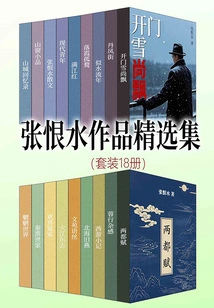
张恨水作品精选集(套装18册)
Zhang Henshui
"Selected Works of Zhang Henshui (set of 18 volumes)" brings together the classic works of Zhang Henshui, a master of popular literature in the Republic of China. "Danfeng Street" tells the story of Nanjing hawkers rescuing a poor girl, showing the chivalry of the city; "The Snow is Falling at the Open Door" tells the story of the struggle of a young couple in complex interpersonal relationships after the victory of the Anti-Japanese War; in addition, "Man Jiang Hong" depicts the love tragedy of a poor painter and a singer, and "Qinhuai Family" and others show social customs. "The Lonely Bird in the Falling Clouds" tells the story of the love entanglement between a man and two women. "Time flies" depicts the depravity and repentance of young student Huang Xishi; the set also includes short prose notes such as "Zhang Henshui's Prose" and "Mountain Window Essay", as well as novels such as "The River Goes East" and "Happy Enemies". These works have twists and turns in their plots and rigorous structures. They combine traditional chapter style with Western novel techniques. They not only show the humanities and customs of the world, but also reflect the social reality. They are a good choice for understanding the social landscape of the Republic of China and Zhang Henshui's literary achievements.
"Selected Works of Zhang Henshui (set of 18 volumes)" brings together the classic works of Zhang Henshui, a master of popular literature in the Republic of China. "Danfeng Street" tells the story of Nanjing hawkers rescuing a poor girl, showing the chivalry of the city; "The Snow is Falling at the Open Door" tells the story of the struggle of a young couple in complex interpersonal relationships after the victory of the Anti-Japanese War; in addition, "Man Jiang Hong" depicts the love tragedy of a poor painter and a singer, and "Qinhuai Family" and others show social customs. "The Lonely Bird in the Falling Clouds" tells the story of the love entanglement between a man and two women. "Time flies" depicts the depravity and repentance of young student Huang Xishi; the set also includes short prose notes such as "Zhang Henshui's Prose" and "Mountain Window Essay", as well as novels such as "The River Goes East" and "Happy Enemies". These works have twists and turns in their plots and rigorous structures. They combine traditional chapter style with Western novel techniques. They not only show the humanities and customs of the world, but also reflect the social reality. They are a good choice for understanding the social landscape of the Republic of China and Zhang Henshui's literary achievements.
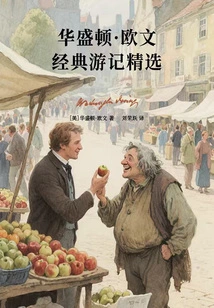
华盛顿·欧文经典游记精选
I
The author of this book, Washington Irving (1783-1859), was the founder of American literature and a famous essayist and short story writer. His masterpiece "Notes on What He Saw" caused a sensation when it was published in England in 1820 and spread widely, making him the first American writer to gain international reputation and known as the "Father of American Literature". Scott and Byron became his close friends, and Thackeray called him "the first envoy from the New World literary world to the Old World." He left the world with immortal chapters such as "Rip Van Winkle", "The Legend of Sleepy Hollow" and "Westminster Abbey". He is also a master of travel writing, and his selected works such as "Westminster Abbey", "Voyage" and "Alhambra" are all excellent and can be regarded as models in prose essays. They can be regarded as fine works of literary works, giving readers great artistic enjoyment.
The author of this book, Washington Irving (1783-1859), was the founder of American literature and a famous essayist and short story writer. His masterpiece "Notes on What He Saw" caused a sensation when it was published in England in 1820 and spread widely, making him the first American writer to gain international reputation and known as the "Father of American Literature". Scott and Byron became his close friends, and Thackeray called him "the first envoy from the New World literary world to the Old World." He left the world with immortal chapters such as "Rip Van Winkle", "The Legend of Sleepy Hollow" and "Westminster Abbey". He is also a master of travel writing, and his selected works such as "Westminster Abbey", "Voyage" and "Alhambra" are all excellent and can be regarded as models in prose essays. They can be regarded as fine works of literary works, giving readers great artistic enjoyment.
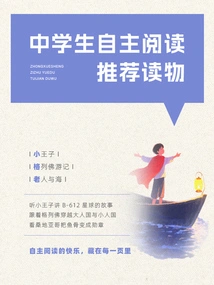
中学生自主阅读推荐读物
(france) Antoine De Saint-exupéry And Others
This book selects three classics of world literature, "The Little Prince", "Gulliver's Travels" and "The Old Man and the Sea", among the recommended reading materials for middle school students of the Ministry of Education to help them expand their horizons and nourish their souls. "The Little Prince" uses poetic fables to interrogate the essence of life, leading readers to understand love and responsibility; "Gulliver's Travels" uses fantasy adventures to reflect social reality and cultivate critical thinking and imagination; "The Old Man and the Sea" conveys the spirit of never giving up through the lonely old man's battle at sea. This book is supplemented by introductory reading and thinking columns to help middle school students deeply understand the connotation of the work, improve their humanistic literacy and independent reading ability, and move toward a broader spiritual world nourished by classics.
This book selects three classics of world literature, "The Little Prince", "Gulliver's Travels" and "The Old Man and the Sea", among the recommended reading materials for middle school students of the Ministry of Education to help them expand their horizons and nourish their souls. "The Little Prince" uses poetic fables to interrogate the essence of life, leading readers to understand love and responsibility; "Gulliver's Travels" uses fantasy adventures to reflect social reality and cultivate critical thinking and imagination; "The Old Man and the Sea" conveys the spirit of never giving up through the lonely old man's battle at sea. This book is supplemented by introductory reading and thinking columns to help middle school students deeply understand the connotation of the work, improve their humanistic literacy and independent reading ability, and move toward a broader spiritual world nourished by classics.
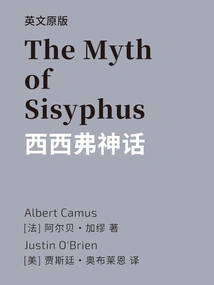
The Myth of Sisyphus 西西弗神话(英文版)
(france) Albert Camus
"The Myth of Sisyphus" is the core work of Camus' "Philosophy of the Absurd". It uses the endless absurd fate of Sisyphus pushing the stone up the mountain in the Greek myth as a metaphor to explore "how people can fight against absurdity and live out their values in a meaningless world."
"The Myth of Sisyphus" is the core work of Camus' "Philosophy of the Absurd". It uses the endless absurd fate of Sisyphus pushing the stone up the mountain in the Greek myth as a metaphor to explore "how people can fight against absurdity and live out their values in a meaningless world."
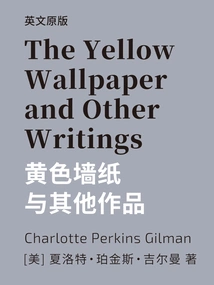
The Yellow Wallpaper and Other Writings the Yellow Wallpaper and Other Writings (english Version)
LiteratureThe Yellow Wallpaper and Other Writings 黄色墙纸与其他作品(英文版)
(us)charlotte Perkins Gilman
"The Yellow Wallpaper and Other Writings" is a collection of Charlotte Perkins Gilman's works, including novels and non-fiction works that explore issues such as women's status and rights.
"The Yellow Wallpaper and Other Writings" is a collection of Charlotte Perkins Gilman's works, including novels and non-fiction works that explore issues such as women's status and rights.
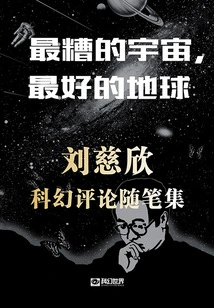
The Worst Universe, the Best Earth: a Collection of Liu Cixin's Science Fiction Reviews and Essays
Literature最糟的宇宙,最好的地球:刘慈欣科幻评论随笔集
Liu Cixin
This book uses time as a line to compile the author's representative articles published over the years into a collection, systematically showing the changes and evolution of his science fiction concepts. Through this book, readers can further delve into Liu Cixin's wonderful world and appreciate the unique beauty of science fiction and the freedom it brings to soaring thoughts.
This book uses time as a line to compile the author's representative articles published over the years into a collection, systematically showing the changes and evolution of his science fiction concepts. Through this book, readers can further delve into Liu Cixin's wonderful world and appreciate the unique beauty of science fiction and the freedom it brings to soaring thoughts.
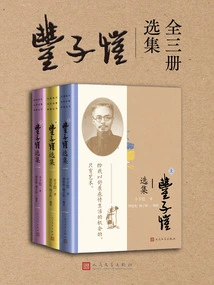
丰子恺选集(全三册)
Written By Feng Zikai, Edited By Zhong Guisong And Yang Ziyun
Feng Zikai is the originator of modern Chinese comics. He is also a famous essayist, writer, art and music educator. His main works include "Yuanyuantang Essays", the collection of paintings "Zikai Comics", "Nursing Student Painting Collection", etc. He is a literary master who has made outstanding achievements in different categories of literature and art. His works contain rich social significance and educational value, and have artistic charm that transcends the times. Therefore, he is widely loved by readers of all ages. Currently, there are many works by Feng Zikai on the market, but there is no "Selected Collection of Feng Zikai" that comprehensively summarizes the essence of his literature and art. This time, it is added to the "Selected Collection of Modern Chinese Writers" series. It is planned to select two volumes of prose and one volume of art. As the essence of the large and comprehensive "Complete Works", the "Selected Collection" allows readers to appreciate Feng Zikai's creative style in three volumes.
Feng Zikai is the originator of modern Chinese comics. He is also a famous essayist, writer, art and music educator. His main works include "Yuanyuantang Essays", the collection of paintings "Zikai Comics", "Nursing Student Painting Collection", etc. He is a literary master who has made outstanding achievements in different categories of literature and art. His works contain rich social significance and educational value, and have artistic charm that transcends the times. Therefore, he is widely loved by readers of all ages. Currently, there are many works by Feng Zikai on the market, but there is no "Selected Collection of Feng Zikai" that comprehensively summarizes the essence of his literature and art. This time, it is added to the "Selected Collection of Modern Chinese Writers" series. It is planned to select two volumes of prose and one volume of art. As the essence of the large and comprehensive "Complete Works", the "Selected Collection" allows readers to appreciate Feng Zikai's creative style in three volumes.
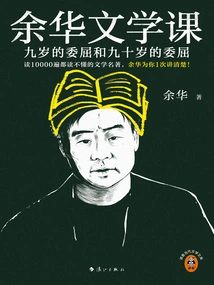
余华文学课:九岁的委屈和九十岁的委屈
Yu Hua
Yu Hua recommends [Reading for Junior High School Students], which condenses the essence of Yu Hua's 60 years of reading and writing. Listen to Yu Hua's interpretation of 60+ Chinese and foreign classics, and thoroughly read the classics in one go. It contains 15 literary essays and 1 literary dialogue by Yu Hua, including 7 new works by Yu Hua, as well as sharing of teaching content from Beijing Normal University! From "Journey to the West" and "One Thousand and One Nights" to "Metamorphosis" and "One Hundred Years of Solitude", Yu Hua interprets more than 60 classic works in the history of Chinese and foreign literature with the insight of a top writer. For those literary masterpieces that you still can't understand after reading them 10,000 times, Yu Hua will explain them clearly to you in one go! Yu Hua: "I dare not say how good I am as a writer, but as a reader, I am very good."
Yu Hua recommends [Reading for Junior High School Students], which condenses the essence of Yu Hua's 60 years of reading and writing. Listen to Yu Hua's interpretation of 60+ Chinese and foreign classics, and thoroughly read the classics in one go. It contains 15 literary essays and 1 literary dialogue by Yu Hua, including 7 new works by Yu Hua, as well as sharing of teaching content from Beijing Normal University! From "Journey to the West" and "One Thousand and One Nights" to "Metamorphosis" and "One Hundred Years of Solitude", Yu Hua interprets more than 60 classic works in the history of Chinese and foreign literature with the insight of a top writer. For those literary masterpieces that you still can't understand after reading them 10,000 times, Yu Hua will explain them clearly to you in one go! Yu Hua: "I dare not say how good I am as a writer, but as a reader, I am very good."
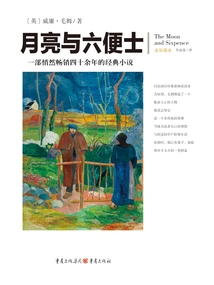
The Moon and Sixpence
Literature月亮与六便士
(uk) William Maugham
This book is an outstanding work by the talented novelist Somerset Maugham. It has been widely praised since its first publication. It has been popular in 110 countries around the world in 62 languages and has been firmly on the best-seller list in China for a long time. This work was not only warmly welcomed by readers, but also highly praised by the literary community. The famous French writer Romain Rolland once praised: "The Moon and Sixpence presents a novel world full of beauty, art and perfection." In order to allow readers to have a deeper experience of this charming art world, this edition specially includes more than a hundred exquisite paintings as illustrations, including the prototype of the protagonist of the novel - the classic works of the French painter Paul Gauguin. These treasures of visual art not only enrich the reading experience of the text, but also make this literary work more vivid and touching. We invite you to step into the charming and dazzling art world described by Somerset Maugham and experience the extraordinary literary and visual feast.
This book is an outstanding work by the talented novelist Somerset Maugham. It has been widely praised since its first publication. It has been popular in 110 countries around the world in 62 languages and has been firmly on the best-seller list in China for a long time. This work was not only warmly welcomed by readers, but also highly praised by the literary community. The famous French writer Romain Rolland once praised: "The Moon and Sixpence presents a novel world full of beauty, art and perfection." In order to allow readers to have a deeper experience of this charming art world, this edition specially includes more than a hundred exquisite paintings as illustrations, including the prototype of the protagonist of the novel - the classic works of the French painter Paul Gauguin. These treasures of visual art not only enrich the reading experience of the text, but also make this literary work more vivid and touching. We invite you to step into the charming and dazzling art world described by Somerset Maugham and experience the extraordinary literary and visual feast.
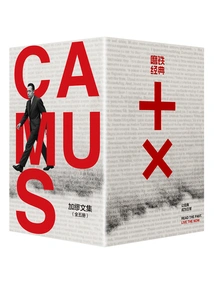
磨铁经典文库系列:加缪文集(全五册)
H
This book contains five immortal classics by Nobel Prize-winning writer Albert Camus: his first novel "Happy Death", his famous work and global phenomenon bestseller "The Outsider", "The Plague", the most representative novel of absurd philosophy and a must-read work on modern public crises, and the foundation of absurd philosophy. "The Myth of Sisyphus", one of the most important ideological works of the 20th century, as well as Douban's 9.0 High-scoring translation of the essay collection "There is an Invincible Summer in Me" (complete with 17 essays in "Anti and Positive", "Wedding Collection" and "Summer Collection").
This book contains five immortal classics by Nobel Prize-winning writer Albert Camus: his first novel "Happy Death", his famous work and global phenomenon bestseller "The Outsider", "The Plague", the most representative novel of absurd philosophy and a must-read work on modern public crises, and the foundation of absurd philosophy. "The Myth of Sisyphus", one of the most important ideological works of the 20th century, as well as Douban's 9.0 High-scoring translation of the essay collection "There is an Invincible Summer in Me" (complete with 17 essays in "Anti and Positive", "Wedding Collection" and "Summer Collection").
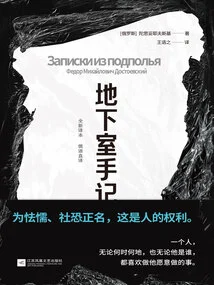
N
LiteratureN
G
"A person, no matter when, where, or who he is, likes to do what he is willing to do." Many people have suffered various grievances in life; many people have suffered blows to their self-esteem; many people have low self-esteem but dare not speak out; many people want to resist but find that they have no power; every sensitive person is a "basement person", with a confused, sensitive, struggling, and introspective soul. "It is a human right to justify cowardice and social fear." For those who feel grievances and dare not speak out, this book can fully express them for you.
"A person, no matter when, where, or who he is, likes to do what he is willing to do." Many people have suffered various grievances in life; many people have suffered blows to their self-esteem; many people have low self-esteem but dare not speak out; many people want to resist but find that they have no power; every sensitive person is a "basement person", with a confused, sensitive, struggling, and introspective soul. "It is a human right to justify cowardice and social fear." For those who feel grievances and dare not speak out, this book can fully express them for you.
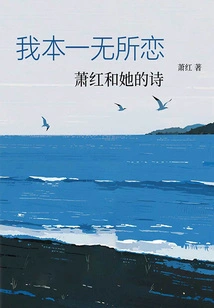
I Love Nothing: Xiao Hong and Her Poems
Literature我本一无所恋:萧红和她的诗
Xiao Hong
Xiao Hong is a talented female writer famous at home and abroad in the 20th century. She is known as the "Luo Shen of Chinese literature in the 1930s". He began to publish his works officially in 1933 and died of illness in 1942. His creative career lasted only 9 years, but he left us with a precious cultural heritage of more than one million words. Xiao Hong has written a large number of novels and essays, but few people know that she also published some poems and is a talented and prolific writer. This book is a collection of Xiao Hong's poetry works. Although Xiao Hong's poetry works are not many, each one is full of spirituality.
Xiao Hong is a talented female writer famous at home and abroad in the 20th century. She is known as the "Luo Shen of Chinese literature in the 1930s". He began to publish his works officially in 1933 and died of illness in 1942. His creative career lasted only 9 years, but he left us with a precious cultural heritage of more than one million words. Xiao Hong has written a large number of novels and essays, but few people know that she also published some poems and is a talented and prolific writer. This book is a collection of Xiao Hong's poetry works. Although Xiao Hong's poetry works are not many, each one is full of spirituality.
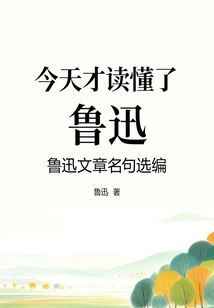
今天才读懂了鲁迅:鲁迅文章名句选编
Lu Xun
Lu Xun's words are like throwing spears and daggers, piercing hypocrisy; and like morning bells and evening drums, awakening a sleeping soul. Reading Lu Xun is not only reading the criticism of an era, but also reading a spirit of never compromising. This book selects the most penetrating famous sentences from Lu Xun's articles, each of which embodies cold insight and fiery struggle. Facing the current situation where nihilism is spreading and value judgments are out of focus, Lu Xun's sobriety of "listening to the thunder in the silent place" and his role as a "rebellious warrior" are just a good way to wake up the mind. The selection will highlight its constructive dimensions (such as "The infinite distance, countless people, are all related to me") and break the stereotype that "Lu Xun only criticizes".
Lu Xun's words are like throwing spears and daggers, piercing hypocrisy; and like morning bells and evening drums, awakening a sleeping soul. Reading Lu Xun is not only reading the criticism of an era, but also reading a spirit of never compromising. This book selects the most penetrating famous sentences from Lu Xun's articles, each of which embodies cold insight and fiery struggle. Facing the current situation where nihilism is spreading and value judgments are out of focus, Lu Xun's sobriety of "listening to the thunder in the silent place" and his role as a "rebellious warrior" are just a good way to wake up the mind. The selection will highlight its constructive dimensions (such as "The infinite distance, countless people, are all related to me") and break the stereotype that "Lu Xun only criticizes".
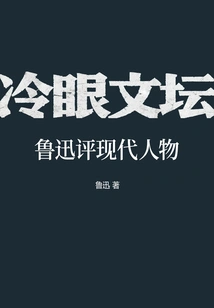
冷眼文坛:鲁迅评现代人物
Lu Xun
Lu Xun's character commentary has unique "archaeological" qualities. He is like an ideological physician holding a scalpel, always able to accurately cut through the surface of a character and get straight to the spiritual core. Regarding Sun Yat-sen, what he saw was not the deified "Father of the Nation" but the essential existence of "the eternal revolutionary"; in his commentary on Taiyan, he deplored his life path of retreating from a revolutionary to a scholar, but still regarded his "achievements in the history of revolution" as his position; regarding Cai Yuanpei, he had both a cold judgment of a "puppet" and a warm description of "nostalgia for old acquaintances." This dual style of writing that both tears away pretense and retains warmth constitutes the unique tension of Lu Xun's style of character criticism. This book specially collects Lu Xun's different evaluations of the same character, aiming to show the complex aspects of his thoughts. Readers can see not only his admiration for Chen Duxiu as the standard bearer of the New Culture Movement, but also his reservations about his political choices; both recognition of Hu Shi's academic status and more criticism of his political tendencies. These seemingly contradictory expressions exactly constitute Lu Xun's three-dimensional cognitive picture.
Lu Xun's character commentary has unique "archaeological" qualities. He is like an ideological physician holding a scalpel, always able to accurately cut through the surface of a character and get straight to the spiritual core. Regarding Sun Yat-sen, what he saw was not the deified "Father of the Nation" but the essential existence of "the eternal revolutionary"; in his commentary on Taiyan, he deplored his life path of retreating from a revolutionary to a scholar, but still regarded his "achievements in the history of revolution" as his position; regarding Cai Yuanpei, he had both a cold judgment of a "puppet" and a warm description of "nostalgia for old acquaintances." This dual style of writing that both tears away pretense and retains warmth constitutes the unique tension of Lu Xun's style of character criticism. This book specially collects Lu Xun's different evaluations of the same character, aiming to show the complex aspects of his thoughts. Readers can see not only his admiration for Chen Duxiu as the standard bearer of the New Culture Movement, but also his reservations about his political choices; both recognition of Hu Shi's academic status and more criticism of his political tendencies. These seemingly contradictory expressions exactly constitute Lu Xun's three-dimensional cognitive picture.
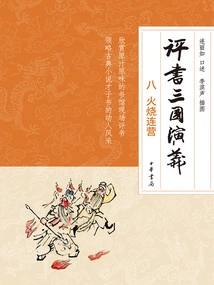
评书三国演义(八):火烧连营
Narrated By Lian Liru And Illustrated By Li Binsheng
Lian Liru, a famous storytelling expert, interprets and comments on historical events and various characters from a unique perspective, making Lian's "Three Kingdoms" a masterpiece that inherits the tradition of "telling history" in contemporary storytelling. It fully reproduces the moving style of the classic novel Cai Zi Shu. This book has thirty chapters in total, starting from the meeting with Wen Ji in Lantian and ending with the fire attack on Cao Pi, including classic chapters such as Dingjun Mountain, Yang Xiu's Death, Flooding the Seventh Army, Scraping Bones to Treat Poison, Crossing the River in White Clothes, Walking through Maicheng, Poems in Seven Steps, Huang Zhong's Death, Scholar's Worship, Battle of Yiling, Bai Di Tuogu, Anju Ping Wulu, etc.
Lian Liru, a famous storytelling expert, interprets and comments on historical events and various characters from a unique perspective, making Lian's "Three Kingdoms" a masterpiece that inherits the tradition of "telling history" in contemporary storytelling. It fully reproduces the moving style of the classic novel Cai Zi Shu. This book has thirty chapters in total, starting from the meeting with Wen Ji in Lantian and ending with the fire attack on Cao Pi, including classic chapters such as Dingjun Mountain, Yang Xiu's Death, Flooding the Seventh Army, Scraping Bones to Treat Poison, Crossing the River in White Clothes, Walking through Maicheng, Poems in Seven Steps, Huang Zhong's Death, Scholar's Worship, Battle of Yiling, Bai Di Tuogu, Anju Ping Wulu, etc.
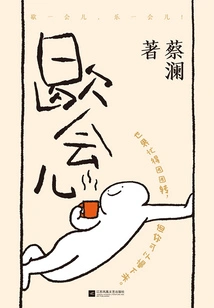
Take a Break
Literature歇会儿
Cai Lam
This book is Mr. Cai Lam's slow life essay. It contains more than 60 articles. In the style of a close friend, he shares the art of slow chatting, slow living, and slow happiness. From the long-awaited reunions between friends to the fireworks at the corner restaurant, everything reveals a casual and relaxed atmosphere. The work exudes a cheerful atmosphere that makes people smile from the inside out, making people unconsciously slow down their minds and pace. With its optimistic calmness, it heals every modern person who longs to slow down, and inspires us to bravely live at our own pace in a running world. Opening an article at random can relax your tense nerves between the lines.
This book is Mr. Cai Lam's slow life essay. It contains more than 60 articles. In the style of a close friend, he shares the art of slow chatting, slow living, and slow happiness. From the long-awaited reunions between friends to the fireworks at the corner restaurant, everything reveals a casual and relaxed atmosphere. The work exudes a cheerful atmosphere that makes people smile from the inside out, making people unconsciously slow down their minds and pace. With its optimistic calmness, it heals every modern person who longs to slow down, and inspires us to bravely live at our own pace in a running world. Opening an article at random can relax your tense nerves between the lines.
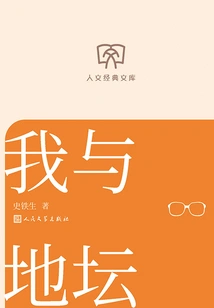
我与地坛(人文经典文库)
Shi Tiesheng
"Me and the Temple of Earth" is a carefully selected collection of Shi Tiesheng's works for readers. Compared with the previous collection, this new anthology is more concise and comprehensive. It not only includes famous prose works such as "Me and the Temple of Earth", "Autumn Memories" and "Albizia Julibrissin Tree", but also classic novels such as "My Distant Qingping Bay" and "Grandma's Star". Readers can appreciate Shi Tiesheng's beautiful writing style and warm and deep heart, and understand his unusual life and writing path. It is more enlightening for young readers who like to think and write. With his perseverance and wisdom, Shi Tiesheng spent forty years in a wheelchair, wrote millions of words of work, and became the most accomplished writer of our time. His influence and contribution go far beyond literature; what he gives readers is not only exquisite and clean writing, but also a healthy spirit, deep love and exploration of the true meaning of life.
"Me and the Temple of Earth" is a carefully selected collection of Shi Tiesheng's works for readers. Compared with the previous collection, this new anthology is more concise and comprehensive. It not only includes famous prose works such as "Me and the Temple of Earth", "Autumn Memories" and "Albizia Julibrissin Tree", but also classic novels such as "My Distant Qingping Bay" and "Grandma's Star". Readers can appreciate Shi Tiesheng's beautiful writing style and warm and deep heart, and understand his unusual life and writing path. It is more enlightening for young readers who like to think and write. With his perseverance and wisdom, Shi Tiesheng spent forty years in a wheelchair, wrote millions of words of work, and became the most accomplished writer of our time. His influence and contribution go far beyond literature; what he gives readers is not only exquisite and clean writing, but also a healthy spirit, deep love and exploration of the true meaning of life.
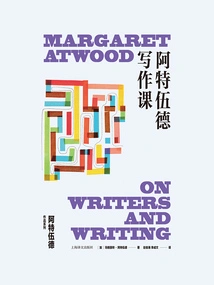
阿特伍德写作课(玛格丽特·阿特伍德作品系列)
H
In this book, Margaret Atwood dissects key questions that have long plagued many writers. She reviewed her childhood and writing trajectory, using personal experience as a mirror to examine the various metaphors novelists and poets use to explain their creative activities, the costumes writers have historically worn, the "talent" required for writing, the conditions for obtaining such "talent", the relationship between writers, social and political power and readers, etc. She quoted extensively and eclectically, talking about a large number of living and deceased writers, as well as a lot of anecdotes from the Canadian and international literary circles. Underneath her relaxed and humorous writing style is her serious attitude towards the purpose and pleasure of writing, as well as her familiarity and deep understanding of the Western literary tradition.
In this book, Margaret Atwood dissects key questions that have long plagued many writers. She reviewed her childhood and writing trajectory, using personal experience as a mirror to examine the various metaphors novelists and poets use to explain their creative activities, the costumes writers have historically worn, the "talent" required for writing, the conditions for obtaining such "talent", the relationship between writers, social and political power and readers, etc. She quoted extensively and eclectically, talking about a large number of living and deceased writers, as well as a lot of anecdotes from the Canadian and international literary circles. Underneath her relaxed and humorous writing style is her serious attitude towards the purpose and pleasure of writing, as well as her familiarity and deep understanding of the Western literary tradition.
Sakhalin's Travels (translation Classic)
Literature萨哈林旅行记(译文经典)
I
This book is the only non-fiction work in the life of the great Russian writer Chekhov. However, "Travel to Sakhalin" occupies an irreplaceable position in Chekhov's literary legacy. It can even be called a manifesto of Chekhov's world view and literary practice throughout his life. The Sakhalin region has long been a barren land in Russia. Most of the people living here are hard labor exiles. The living conditions here are extremely difficult. However, what is more terrifying than the harsh natural environment is the human factor: the prevalence of bureaucracy, which destroys human dignity and kindness. Chekhov's records present these bloody facts to every reader, but the value of "Sakhalin's Travels" does not lie in its truth, but in the "human conscience" that shines between the lines. The ultimate purpose of Chekhov's writing is not to criticize and expose, but to protect everyone and fight against "violence and hypocrisy."
This book is the only non-fiction work in the life of the great Russian writer Chekhov. However, "Travel to Sakhalin" occupies an irreplaceable position in Chekhov's literary legacy. It can even be called a manifesto of Chekhov's world view and literary practice throughout his life. The Sakhalin region has long been a barren land in Russia. Most of the people living here are hard labor exiles. The living conditions here are extremely difficult. However, what is more terrifying than the harsh natural environment is the human factor: the prevalence of bureaucracy, which destroys human dignity and kindness. Chekhov's records present these bloody facts to every reader, but the value of "Sakhalin's Travels" does not lie in its truth, but in the "human conscience" that shines between the lines. The ultimate purpose of Chekhov's writing is not to criticize and expose, but to protect everyone and fight against "violence and hypocrisy."
大师和玛格丽特(译文经典)
I
This book is hailed as one of the greatest literary works of Russian literature in the 20th century. It uses the devil's visit to Moscow as a clue to integrate magic, history and reality into three time-spaces. They are independent of each other in narrative and logically causal. Incomparably wild magic, true and false history, true love and ordinary reality are intertwined and stacked to form an extremely exquisite world. The author uses a playful writing style to outline the absurdity of the world, and reveals the complex relationship between good and evil, love and hate, truth and lies in the symbiotic opposition between good and evil, love and hate, truth and lies. The work breaks through the shackles of time and space and has eternal artistic charm, becoming another peak in the history of Russian literature.
This book is hailed as one of the greatest literary works of Russian literature in the 20th century. It uses the devil's visit to Moscow as a clue to integrate magic, history and reality into three time-spaces. They are independent of each other in narrative and logically causal. Incomparably wild magic, true and false history, true love and ordinary reality are intertwined and stacked to form an extremely exquisite world. The author uses a playful writing style to outline the absurdity of the world, and reveals the complex relationship between good and evil, love and hate, truth and lies in the symbiotic opposition between good and evil, love and hate, truth and lies. The work breaks through the shackles of time and space and has eternal artistic charm, becoming another peak in the history of Russian literature.
假如给我三天光明(译文经典)
Helen Keller
This book includes the following works by Helen Keller: "The Story of My Life", "The World I Live in" and "If You Give Me Three Days of Light". Her autobiography "The Story of My Life" was published in 1902 and is known as "an unparalleled masterpiece in the history of world literature"; "The World I Live in" was published in 1913 and is also an autobiographical work; "If You Give Me Three Days of Light" was published in the American "Atlantic Monthly" in 1933. In this article, Helen expressed her longing for light in a unique way. This book is part of the "Translation Classics" series.
This book includes the following works by Helen Keller: "The Story of My Life", "The World I Live in" and "If You Give Me Three Days of Light". Her autobiography "The Story of My Life" was published in 1902 and is known as "an unparalleled masterpiece in the history of world literature"; "The World I Live in" was published in 1913 and is also an autobiographical work; "If You Give Me Three Days of Light" was published in the American "Atlantic Monthly" in 1933. In this article, Helen expressed her longing for light in a unique way. This book is part of the "Translation Classics" series.
忆鲁迅先生三则(名家文学经典)
Xiao Hong
This collection consists of three texts: "Memories of Mr. Lu Xun", "In Tokyo" and "Memories of Mr. Lu Xun". On October 19, 1936, Mr. Lu Xun passed away in Shanghai due to illness. At that time, the writer Xiao Hong was in Tokyo, Japan. When she learned the news late, she was shocked and deeply saddened. I wrote the article "In Tokyo" to express my condolences. After that, Xiao Hong returned to China and often met with her wife Xu Guangping. They went to her home to reminisce about old times. There was a gray-blue vase in her home with evergreens planted in it, which would last through the winter. Every time Xiao Hong went there, the flowers were always green, but the vase was placed anywhere, and finally placed in front of her husband's portrait. After the war broke out, people moved away from Peiping, and the vases were placed in Mr. Lu Xun's cemetery. Because people moved south, the cemetery lost care, and the tomb grass grew very tall, burying the vases and covering Mr. Lu Xun's porcelain statue. But no matter how far we go, the past is still young, and the people who have passed away will be remembered in our hearts. The last article in the collection, "Memories of Mr. Lu Xun", is the longest. It tells every detail of Xiao Hong and Mr. Lu Xun's family, their deep friendship, and plain records. It is a precious first-hand information to understand that era, Mr. Lu Xun, and the living conditions of his family.
This collection consists of three texts: "Memories of Mr. Lu Xun", "In Tokyo" and "Memories of Mr. Lu Xun". On October 19, 1936, Mr. Lu Xun passed away in Shanghai due to illness. At that time, the writer Xiao Hong was in Tokyo, Japan. When she learned the news late, she was shocked and deeply saddened. I wrote the article "In Tokyo" to express my condolences. After that, Xiao Hong returned to China and often met with her wife Xu Guangping. They went to her home to reminisce about old times. There was a gray-blue vase in her home with evergreens planted in it, which would last through the winter. Every time Xiao Hong went there, the flowers were always green, but the vase was placed anywhere, and finally placed in front of her husband's portrait. After the war broke out, people moved away from Peiping, and the vases were placed in Mr. Lu Xun's cemetery. Because people moved south, the cemetery lost care, and the tomb grass grew very tall, burying the vases and covering Mr. Lu Xun's porcelain statue. But no matter how far we go, the past is still young, and the people who have passed away will be remembered in our hearts. The last article in the collection, "Memories of Mr. Lu Xun", is the longest. It tells every detail of Xiao Hong and Mr. Lu Xun's family, their deep friendship, and plain records. It is a precious first-hand information to understand that era, Mr. Lu Xun, and the living conditions of his family.
卢隐经典作品全集
Luyin
Lu Yin is a female writer who entered the Chinese new literature world with "problem novels". As the first generation of female writers after the May 4th Movement, her thoughts, works, and life pursuits played an enlightening role in awakening the consciousness of modern Chinese women and contributed to the liberation of modern women. Her works are good at using epistolary, diary and other novel forms, such as: Mary's Diary, Old Friends on the Seaside, etc., Which truly describe the struggle of women in the early twentieth century, unfold the passionate and determined life exploration and pursuit of the novel protagonist, and convey rich emotions, allowing readers to understand life. Through the author's writing style, it epitomizes the struggles of female intellectual youths in an era on the road to fighting for love and independence of human nature. Lu Yin is also good at writing prose and essays. This book is the complete collection of Lu Yin's classic works, including "Flame", "Old Friend on the Seaside", "Lishi's Diary", "Ivory Ring" and many other classic works and many essays and essays.
Lu Yin is a female writer who entered the Chinese new literature world with "problem novels". As the first generation of female writers after the May 4th Movement, her thoughts, works, and life pursuits played an enlightening role in awakening the consciousness of modern Chinese women and contributed to the liberation of modern women. Her works are good at using epistolary, diary and other novel forms, such as: Mary's Diary, Old Friends on the Seaside, etc., Which truly describe the struggle of women in the early twentieth century, unfold the passionate and determined life exploration and pursuit of the novel protagonist, and convey rich emotions, allowing readers to understand life. Through the author's writing style, it epitomizes the struggles of female intellectual youths in an era on the road to fighting for love and independence of human nature. Lu Yin is also good at writing prose and essays. This book is the complete collection of Lu Yin's classic works, including "Flame", "Old Friend on the Seaside", "Lishi's Diary", "Ivory Ring" and many other classic works and many essays and essays.
W
Literaturew
H
"The Myth of Sisyphus" is a comprehensive reflection on the meaning of life by Nobel Prize winner Albert Camus. It contains the content of four series: "The Myth of Sisyphus", "Absurd Reasoning", "Absurd Man" and "Absurd Creation". Among them, "The Myth of Sisyphus" mainly revolves around Sisyphus in Greek mythology. He never stops pushing the boulder to the top of the mountain, and the boulder rolls down again unchanged. In Albert Camus's view, the struggle of pushing the boulder up the mountain is enough to enrich people's hearts. For Albert Camus, the essence of life is how to live with the pain you are born with. This book directly faces the dilemma of human existence and has become an influential philosophical essay in Western literature in the 20th century.
"The Myth of Sisyphus" is a comprehensive reflection on the meaning of life by Nobel Prize winner Albert Camus. It contains the content of four series: "The Myth of Sisyphus", "Absurd Reasoning", "Absurd Man" and "Absurd Creation". Among them, "The Myth of Sisyphus" mainly revolves around Sisyphus in Greek mythology. He never stops pushing the boulder to the top of the mountain, and the boulder rolls down again unchanged. In Albert Camus's view, the struggle of pushing the boulder up the mountain is enough to enrich people's hearts. For Albert Camus, the essence of life is how to live with the pain you are born with. This book directly faces the dilemma of human existence and has become an influential philosophical essay in Western literature in the 20th century.
我年轻时以为金钱至上:王尔德三部曲
G
This book selects three classic works of "Wilde's tragic aesthetics". The first "Collection of Wilde's Fairy Tales": these nine fairy tales put Wilde into the world of fairy tale masters. The story and metaphor of "The Nightingale and the Rose" are known to the world. The second "The Picture of Dorian Gray": It is Wilde's only novel and the evidence that sent Wilde to prison. The third book, "From the Depths": a long letter to his lover that exposes the soul like scraping bones and flesh, is also the last work in Wilde's life, and was named "100 greatest non-fiction works". These three works are not only Wilde's masterpieces in the literary sense, but also "fateful" works that connect Wilde's life. Readers, please follow the short introduction and translation postscript that are interspersed between each work. In this way, from fairy tales to long letters, you can gradually penetrate into his ideological world step by step, and read all the heartbreak of his life in one book.
This book selects three classic works of "Wilde's tragic aesthetics". The first "Collection of Wilde's Fairy Tales": these nine fairy tales put Wilde into the world of fairy tale masters. The story and metaphor of "The Nightingale and the Rose" are known to the world. The second "The Picture of Dorian Gray": It is Wilde's only novel and the evidence that sent Wilde to prison. The third book, "From the Depths": a long letter to his lover that exposes the soul like scraping bones and flesh, is also the last work in Wilde's life, and was named "100 greatest non-fiction works". These three works are not only Wilde's masterpieces in the literary sense, but also "fateful" works that connect Wilde's life. Readers, please follow the short introduction and translation postscript that are interspersed between each work. In this way, from fairy tales to long letters, you can gradually penetrate into his ideological world step by step, and read all the heartbreak of his life in one book.
紫图经典文库:瓦尔登湖(通识图解版)
H
This book is a minimalist record of Thoreau's life when he lived alone by Walden Pond. It depicts the natural scenery of Walden Pond with beautiful brushstrokes. It records what the author saw, heard and thought over more than two years, and expresses his profound thinking about man and nature, society and life. Since its first publication in 1854, "Walden" has broken the limitations of time and space and continued to influence the world. In the field of literature, it created and triggered the writing trend of natural literature. In the field of philosophy, Thoreau and Emerson are urged to be regarded as the two giants of transcendentalism. It also directly gave birth to the idea of environmental protection and is the true origin of the contemporary minimalist aesthetics and lifestyle that are in the ascendant. The general illustrated edition contains a large number of fine illustrations, intuitively presenting Thoreau's philosophical thoughts, allusions in the text and related natural history knowledge, and pioneeringly provides a set of "knowledge encyclopedia" that is essential for understanding "Walden".
This book is a minimalist record of Thoreau's life when he lived alone by Walden Pond. It depicts the natural scenery of Walden Pond with beautiful brushstrokes. It records what the author saw, heard and thought over more than two years, and expresses his profound thinking about man and nature, society and life. Since its first publication in 1854, "Walden" has broken the limitations of time and space and continued to influence the world. In the field of literature, it created and triggered the writing trend of natural literature. In the field of philosophy, Thoreau and Emerson are urged to be regarded as the two giants of transcendentalism. It also directly gave birth to the idea of environmental protection and is the true origin of the contemporary minimalist aesthetics and lifestyle that are in the ascendant. The general illustrated edition contains a large number of fine illustrations, intuitively presenting Thoreau's philosophical thoughts, allusions in the text and related natural history knowledge, and pioneeringly provides a set of "knowledge encyclopedia" that is essential for understanding "Walden".
滑竿(名家文学经典)
Xiao Hong
"Sliding Gun" is a very interesting text. It uses the image of donkeys on the Yellow River and bearers of sedan chairs in Sichuan to outline the survival picture of the lower class people during the Anti-Japanese War. The donkeys of the Yellow River trekked through the wilderness carrying military provisions, and the bearers of Sichuan sedan chairs climbed the steep mountain roads with heavy loads. Both of them carried the weight of the times with their rickety bodies. The author shows his simple patriotic feelings through dialogue with the bearers. This collection also includes several excellent texts such as "Untitled", "Completion of a Railway", "Letter", "Skeleton and Soul", etc., All of which demonstrate the spiritual core of patriotism, love for family and loved ones, and national awakening.
"Sliding Gun" is a very interesting text. It uses the image of donkeys on the Yellow River and bearers of sedan chairs in Sichuan to outline the survival picture of the lower class people during the Anti-Japanese War. The donkeys of the Yellow River trekked through the wilderness carrying military provisions, and the bearers of Sichuan sedan chairs climbed the steep mountain roads with heavy loads. Both of them carried the weight of the times with their rickety bodies. The author shows his simple patriotic feelings through dialogue with the bearers. This collection also includes several excellent texts such as "Untitled", "Completion of a Railway", "Letter", "Skeleton and Soul", etc., All of which demonstrate the spiritual core of patriotism, love for family and loved ones, and national awakening.