Library
Browse and search books
2,037 novels found
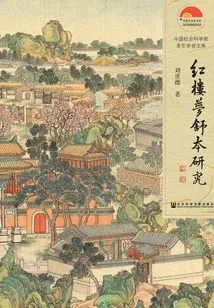
Study on Shuben of Dream of Red Mansions
Literature红楼梦舒本研究
Liu Shide
Shu version (Shu Yuanwei's preface to "A Dream of Red Mansions") is an important manuscript among the fat versions of "A Dream of Red Mansions". The Shu version is a manuscript written during the Qianlong period. It is a very rare version of Dream of Red Mansions. Its value can be said to surpass other existing fat copies! Moreover, for researchers and readers, it also retains part of the text and traces of Cao Xueqin's "first draft", making it even more precious. Studying the Shu version of Dream of Red Mansions is a very important branch in the study of versions of Dream of Red Mansions. This book fully researches and discusses the characteristics of Shu's version. The comparison with other versions not only deepens the study of Dream of Red Mansions, but also contributes academic essence to versionology.
Shu version (Shu Yuanwei's preface to "A Dream of Red Mansions") is an important manuscript among the fat versions of "A Dream of Red Mansions". The Shu version is a manuscript written during the Qianlong period. It is a very rare version of Dream of Red Mansions. Its value can be said to surpass other existing fat copies! Moreover, for researchers and readers, it also retains part of the text and traces of Cao Xueqin's "first draft", making it even more precious. Studying the Shu version of Dream of Red Mansions is a very important branch in the study of versions of Dream of Red Mansions. This book fully researches and discusses the characteristics of Shu's version. The comparison with other versions not only deepens the study of Dream of Red Mansions, but also contributes academic essence to versionology.
李国文谈《红楼梦》
Li Guowen
This is a book about the interpretation and inspiration of "Dream of Red Mansions" by a famous contemporary writer. This book is different from the research and writings of "Red Mansions" experts and scholars, but uses the vision and thinking of novelists, relying on their rich life experiences and decades of literary creation experience to elaborate and interpret the writing realm, the artistic charm of the characters and the political background of "A Dream of Red Mansions". Their interpretations have unique insights and unique artistic conceptions. They have the wisdom of scholars and the sensitivity of writers. They can be said to be Cao Xueqin's close friends from different generations and the interpreters of "A Dream of Red Mansions".
This is a book about the interpretation and inspiration of "Dream of Red Mansions" by a famous contemporary writer. This book is different from the research and writings of "Red Mansions" experts and scholars, but uses the vision and thinking of novelists, relying on their rich life experiences and decades of literary creation experience to elaborate and interpret the writing realm, the artistic charm of the characters and the political background of "A Dream of Red Mansions". Their interpretations have unique insights and unique artistic conceptions. They have the wisdom of scholars and the sensitivity of writers. They can be said to be Cao Xueqin's close friends from different generations and the interpreters of "A Dream of Red Mansions".
李国文说三国演义(上):世事成败
Li Guowen
"Li Guo Wen Shuo Three Kingdoms" is based on the original length of Li Guo's literary review "The Romance of the Three Kingdoms", reducing redundancy and adding new ones, and expanded it into 240 exquisite articles. The visualization insights are published in the most complete form for the first time. "The Romance of the Three Kingdoms" is the quintessence of Chinese culture, the most influential and widely circulated historical novel, and can be called a strange book in Chinese history. The famous contemporary literary writer Li Guowen, as a literary man, uses literature to reflect history, uses characters to radiate the times, and uses the past to reflect the present. He reviews books without being limited to books, and talks about history without being limited to history. He has insights and insights into the contemporary literary world, society, and nation, which shows the integrity and social responsibility of intellectuals. The upper part, "Success and Failure in World Affairs", focuses on the content of the first 40 chapters of "The Romance of the Three Kingdoms", with two comments per chapter. It is informative and has novel insights. It cites "Three Kingdoms", "Book of the Later Han Dynasty", "Historical Records", "Zi Zhi Tong Jian" and other historical documents. It is based on historical facts and expresses unique opinions based on the opinions of various scholars. It has high reference and guiding value for readers to understand the real history. While the writing is concise and elegant, it also takes into account the use of spoken language and slang. In a relaxed and interesting reading atmosphere, it infiltrates historical literature and spreads Chinese culture. The illustrations are interspersed with selected works from "The Chronicles of the Three Kingdoms" (Huang's edition in the late Ming Dynasty) and "The Romance of the Three Kingdoms with the Embroidered Portraits of the First Talent" (early Qing Dynasty). The illustrations of the classic embroidered portrait versions allow readers to gain a rich aesthetic experience.
"Li Guo Wen Shuo Three Kingdoms" is based on the original length of Li Guo's literary review "The Romance of the Three Kingdoms", reducing redundancy and adding new ones, and expanded it into 240 exquisite articles. The visualization insights are published in the most complete form for the first time. "The Romance of the Three Kingdoms" is the quintessence of Chinese culture, the most influential and widely circulated historical novel, and can be called a strange book in Chinese history. The famous contemporary literary writer Li Guowen, as a literary man, uses literature to reflect history, uses characters to radiate the times, and uses the past to reflect the present. He reviews books without being limited to books, and talks about history without being limited to history. He has insights and insights into the contemporary literary world, society, and nation, which shows the integrity and social responsibility of intellectuals. The upper part, "Success and Failure in World Affairs", focuses on the content of the first 40 chapters of "The Romance of the Three Kingdoms", with two comments per chapter. It is informative and has novel insights. It cites "Three Kingdoms", "Book of the Later Han Dynasty", "Historical Records", "Zi Zhi Tong Jian" and other historical documents. It is based on historical facts and expresses unique opinions based on the opinions of various scholars. It has high reference and guiding value for readers to understand the real history. While the writing is concise and elegant, it also takes into account the use of spoken language and slang. In a relaxed and interesting reading atmosphere, it infiltrates historical literature and spreads Chinese culture. The illustrations are interspersed with selected works from "The Chronicles of the Three Kingdoms" (Huang's edition in the late Ming Dynasty) and "The Romance of the Three Kingdoms with the Embroidered Portraits of the First Talent" (early Qing Dynasty). The illustrations of the classic embroidered portrait versions allow readers to gain a rich aesthetic experience.
李国文说三国演义(中):萧萧故垒
Li Guowen
"Li Guo Wen Shuo Three Kingdoms" is based on the original length of Li Guo's literary review "The Romance of the Three Kingdoms", reducing redundancy and adding new ones, and expanded it into 240 exquisite articles. The visualization insights are published in the most complete form for the first time. "The Romance of the Three Kingdoms" is the quintessence of Chinese culture, the most influential and widely circulated historical novel, and can be called a strange book in Chinese history. The famous contemporary literary writer Li Guowen, as a literary man, uses literature to reflect history, uses characters to radiate the times, and uses the past to reflect the present. He reviews books without being limited to books, and talks about history without being limited to history. He has insights and insights into the contemporary literary world, society, and nation, which shows the integrity and social responsibility of intellectuals. The second volume, "Xiao Xiao Gu Liao", focuses on the content of Chapters 41-80 of "The Romance of the Three Kingdoms", with two comments per chapter. It is informative and novel. It quotes extensively from "Three Kingdoms", "Book of the Later Han Dynasty", "Historical Records", "Zi Zhi Tong Jian" and other historical documents. It is based on historical facts and expresses unique opinions based on the opinions of various scholars. It has high reference and guiding value for readers to understand the real history. While the writing is concise and elegant, it also takes into account the use of spoken language and slang. In a relaxed and interesting reading atmosphere, it infiltrates historical literature and spreads Chinese culture. The illustrations are interspersed with selected works from "The Chronicles of the Three Kingdoms" (Huang's edition in the late Ming Dynasty) and "The Romance of the Three Kingdoms with the Embroidered Portraits of the First Talent" (early Qing Dynasty). The illustrations of the classic embroidered portrait versions allow readers to gain a rich aesthetic experience.
"Li Guo Wen Shuo Three Kingdoms" is based on the original length of Li Guo's literary review "The Romance of the Three Kingdoms", reducing redundancy and adding new ones, and expanded it into 240 exquisite articles. The visualization insights are published in the most complete form for the first time. "The Romance of the Three Kingdoms" is the quintessence of Chinese culture, the most influential and widely circulated historical novel, and can be called a strange book in Chinese history. The famous contemporary literary writer Li Guowen, as a literary man, uses literature to reflect history, uses characters to radiate the times, and uses the past to reflect the present. He reviews books without being limited to books, and talks about history without being limited to history. He has insights and insights into the contemporary literary world, society, and nation, which shows the integrity and social responsibility of intellectuals. The second volume, "Xiao Xiao Gu Liao", focuses on the content of Chapters 41-80 of "The Romance of the Three Kingdoms", with two comments per chapter. It is informative and novel. It quotes extensively from "Three Kingdoms", "Book of the Later Han Dynasty", "Historical Records", "Zi Zhi Tong Jian" and other historical documents. It is based on historical facts and expresses unique opinions based on the opinions of various scholars. It has high reference and guiding value for readers to understand the real history. While the writing is concise and elegant, it also takes into account the use of spoken language and slang. In a relaxed and interesting reading atmosphere, it infiltrates historical literature and spreads Chinese culture. The illustrations are interspersed with selected works from "The Chronicles of the Three Kingdoms" (Huang's edition in the late Ming Dynasty) and "The Romance of the Three Kingdoms with the Embroidered Portraits of the First Talent" (early Qing Dynasty). The illustrations of the classic embroidered portrait versions allow readers to gain a rich aesthetic experience.
Li Guowen Talks About the Romance of the Three Kingdoms (part 2): Stars Fall in the Autumn Wind
Literature李国文说三国演义(下):星落秋风
Li Guowen
"Li Guo Wen Shuo Three Kingdoms" is based on the original length of Li Guo's literary review "The Romance of the Three Kingdoms", reducing redundancy and adding new ones, and expanded it into 240 exquisite articles. The visualization insights are published in the most complete form for the first time. "The Romance of the Three Kingdoms" is the quintessence of Chinese culture, the most influential and widely circulated historical novel, and can be called a strange book in Chinese history. The famous contemporary literary writer Li Guowen, as a literary man, uses literature to reflect history, uses characters to radiate the times, and uses the past to reflect the present. He reviews books without being limited to books, and talks about history without being limited to history. He has insights and insights into the contemporary literary world, society, and nation, which shows the integrity and social responsibility of intellectuals. The third volume, "Stars Fall in the Autumn Wind", focuses on the content of chapters 81-120 of "The Romance of the Three Kingdoms". It contains two comments per chapter. It is meaningful and novel. It quotes extensively from "Three Kingdoms", "Book of the Later Han Dynasty", "Historical Records", "Zi Zhi Tong Jian" and other historical documents. It is based on historical facts and expresses unique opinions on the basis of various opinions. It has high reference and guiding value for readers to understand the real history. While the writing is concise and elegant, it also takes into account the use of spoken language and slang. In a relaxed and interesting reading atmosphere, it infiltrates historical literature and spreads Chinese culture. The illustrations are interspersed with selected works from "The Chronicles of the Three Kingdoms" (Huang's edition in the late Ming Dynasty) and "The Romance of the Three Kingdoms with the Embroidered Portraits of the First Talent" (early Qing Dynasty). The illustrations of the classic embroidered portrait versions allow readers to gain a rich aesthetic experience.
"Li Guo Wen Shuo Three Kingdoms" is based on the original length of Li Guo's literary review "The Romance of the Three Kingdoms", reducing redundancy and adding new ones, and expanded it into 240 exquisite articles. The visualization insights are published in the most complete form for the first time. "The Romance of the Three Kingdoms" is the quintessence of Chinese culture, the most influential and widely circulated historical novel, and can be called a strange book in Chinese history. The famous contemporary literary writer Li Guowen, as a literary man, uses literature to reflect history, uses characters to radiate the times, and uses the past to reflect the present. He reviews books without being limited to books, and talks about history without being limited to history. He has insights and insights into the contemporary literary world, society, and nation, which shows the integrity and social responsibility of intellectuals. The third volume, "Stars Fall in the Autumn Wind", focuses on the content of chapters 81-120 of "The Romance of the Three Kingdoms". It contains two comments per chapter. It is meaningful and novel. It quotes extensively from "Three Kingdoms", "Book of the Later Han Dynasty", "Historical Records", "Zi Zhi Tong Jian" and other historical documents. It is based on historical facts and expresses unique opinions on the basis of various opinions. It has high reference and guiding value for readers to understand the real history. While the writing is concise and elegant, it also takes into account the use of spoken language and slang. In a relaxed and interesting reading atmosphere, it infiltrates historical literature and spreads Chinese culture. The illustrations are interspersed with selected works from "The Chronicles of the Three Kingdoms" (Huang's edition in the late Ming Dynasty) and "The Romance of the Three Kingdoms with the Embroidered Portraits of the First Talent" (early Qing Dynasty). The illustrations of the classic embroidered portrait versions allow readers to gain a rich aesthetic experience.
明清小说史话
Li Jianwu
During the Ming and Qing dynasties, novels became the most prominent representatives of "the literature of a generation". There are distinctions between classical Chinese and vernacular novels, and they can be divided into categories such as history, stories about monsters, stories about people, public cases, gods and demons, world affairs, officialdom, chivalry, satire, condemnation, etc. During the Ming and Qing Dynasties, four major themes of novels were formed: historical romances, heroic legends, gods and monsters, and worldly romances. The "Eight Works" ("The Romance of the Three Kingdoms", "Water Margin", "Journey to the West", "The Plum in the Golden Vase", "The Romance of the Gods", "A Dream of Red Mansions", "The Scholars" and "Strange Stories from a Chinese Studio"), "Four Condemnations" and "Three Words, Two Patterns and One Type" were born. "History of Novels of the Ming and Qing Dynasties" shows readers the development context, overall style and unique charm of the novels of the Ming and Qing Dynasties.
During the Ming and Qing dynasties, novels became the most prominent representatives of "the literature of a generation". There are distinctions between classical Chinese and vernacular novels, and they can be divided into categories such as history, stories about monsters, stories about people, public cases, gods and demons, world affairs, officialdom, chivalry, satire, condemnation, etc. During the Ming and Qing Dynasties, four major themes of novels were formed: historical romances, heroic legends, gods and monsters, and worldly romances. The "Eight Works" ("The Romance of the Three Kingdoms", "Water Margin", "Journey to the West", "The Plum in the Golden Vase", "The Romance of the Gods", "A Dream of Red Mansions", "The Scholars" and "Strange Stories from a Chinese Studio"), "Four Condemnations" and "Three Words, Two Patterns and One Type" were born. "History of Novels of the Ming and Qing Dynasties" shows readers the development context, overall style and unique charm of the novels of the Ming and Qing Dynasties.
发以辩理 悟以证心:汪瑗及其《楚辞集解》研究
Zhao Jing
"Collection of Chu Ci" is a work on Chu Ci written by Wang Yuan during the Jiajing period of the Ming Dynasty. It is an accomplished and distinctive annotation of Chu Ci. On the basis of clarifying Wang Yuan's life and academic background, this book deeply explores the writing process and the characteristics of the research methods of "Annotation of Chu Ci", carefully combs the new perspectives of "Annotation of Chu Ci" that are different from the old annotations, and discusses Wang Yuan's annotations on Qu The exegetical achievements, annotation methods and contributions to literary inheritance are also objectively evaluated. At the same time, Wang Yuan's subjective speculations are also objectively evaluated to show the overall style of Wang Yuan's "Anthology of Chu Ci" and evaluate its status in the history of Chu Ci.
"Collection of Chu Ci" is a work on Chu Ci written by Wang Yuan during the Jiajing period of the Ming Dynasty. It is an accomplished and distinctive annotation of Chu Ci. On the basis of clarifying Wang Yuan's life and academic background, this book deeply explores the writing process and the characteristics of the research methods of "Annotation of Chu Ci", carefully combs the new perspectives of "Annotation of Chu Ci" that are different from the old annotations, and discusses Wang Yuan's annotations on Qu The exegetical achievements, annotation methods and contributions to literary inheritance are also objectively evaluated. At the same time, Wang Yuan's subjective speculations are also objectively evaluated to show the overall style of Wang Yuan's "Anthology of Chu Ci" and evaluate its status in the history of Chu Ci.
The World of Korean Classical Novels
Literature韩国古典小说世界
(korean) Lee Sang-taek
This book is a must-read and special textbook for Korean classical literature majors. It integrates the opinions of many experts and comprehensively and systematically examines various related issues of Korean classical novels from a new perspective. The book answers many questions about the study of Korean classical novels in detail, summarizes the latest research results in the academic world, and discusses the concept, formation, sub-genres and types of Korean classical novels, authors and readers, themes and motifs, composition principles of works, worldview, marking forms and circulation methods, connections with adjacent genres, criticism and modern significance. It can be called a masterpiece of research on Korean classical novels.
This book is a must-read and special textbook for Korean classical literature majors. It integrates the opinions of many experts and comprehensively and systematically examines various related issues of Korean classical novels from a new perspective. The book answers many questions about the study of Korean classical novels in detail, summarizes the latest research results in the academic world, and discusses the concept, formation, sub-genres and types of Korean classical novels, authors and readers, themes and motifs, composition principles of works, worldview, marking forms and circulation methods, connections with adjacent genres, criticism and modern significance. It can be called a masterpiece of research on Korean classical novels.
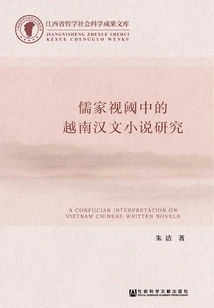
儒家视阈中的越南汉文小说研究
Zhu Jie
This book examines Vietnamese Chinese novels in terms of political ethics, family ethics and interpersonal norms between individuals. It extracts core categories such as "loyalty", "filial piety", "honesty", "righteousness" and "faith" and examines their reflection in the texts of Vietnamese Chinese novels. It can be seen that the main ideas of Confucianism were relatively comprehensive and profoundly spread and penetrated in ancient Vietnamese society. Not only that, the authors and citations in Vietnamese Chinese novels are also specific supplements to Vietnamese Chinese novels, and are an important way to understand the main connotation and cultural implications of the works. Finally, by comparing the similarities and differences reflected in the acceptance of Confucianism in Chinese and Vietnamese novels, it shows the variation and deviation under cultural acceptance, as well as the integration and absorption in blending.
This book examines Vietnamese Chinese novels in terms of political ethics, family ethics and interpersonal norms between individuals. It extracts core categories such as "loyalty", "filial piety", "honesty", "righteousness" and "faith" and examines their reflection in the texts of Vietnamese Chinese novels. It can be seen that the main ideas of Confucianism were relatively comprehensive and profoundly spread and penetrated in ancient Vietnamese society. Not only that, the authors and citations in Vietnamese Chinese novels are also specific supplements to Vietnamese Chinese novels, and are an important way to understand the main connotation and cultural implications of the works. Finally, by comparing the similarities and differences reflected in the acceptance of Confucianism in Chinese and Vietnamese novels, it shows the variation and deviation under cultural acceptance, as well as the integration and absorption in blending.
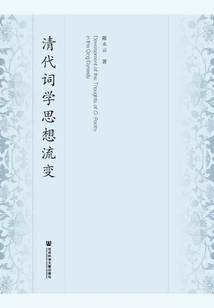
清代词学思想流变
Chen Shuiyun
Using schools as the outline, this book describes the main features and development process of Ci studies in the Qing Dynasty, reproduces the important influence of Ci studies in the Qing Dynasty on the formation of modern Ci studies concepts, and provides an objective historical presentation of several Ci scholars in the history of Ci studies in the Qing Dynasty. It has important academic value for the study of Ci studies in the Qing Dynasty.
Using schools as the outline, this book describes the main features and development process of Ci studies in the Qing Dynasty, reproduces the important influence of Ci studies in the Qing Dynasty on the formation of modern Ci studies concepts, and provides an objective historical presentation of several Ci scholars in the history of Ci studies in the Qing Dynasty. It has important academic value for the study of Ci studies in the Qing Dynasty.
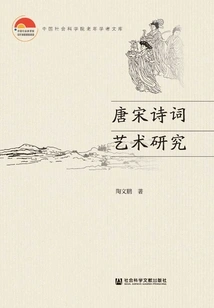
唐宋诗词艺术研究
Tao Wenpeng
This book is divided into part one and part two. The first part is mainly about a comprehensive study of poetry in the Tang and Song Dynasties. It studies the methods of expressing natural beauty by poets from the Jin to the Tang Dynasty, the art of quatrains in the Tang Dynasty, the conversational interest of landscape poems in the Song Dynasty, the desolate and cold artistic conception of Song poems, the drama of Tang and Song poems, the art of painting, shadow and sound in Song poems, etc., Such as "The fusion of vivid portraits, poetry and painting - On the reference and absorption of Tang Dynasty figure paintings in Tang poetry", etc. The second part conducts special research on the poetic artistic characteristics of poets such as Meng Haoran, Du Fu, Li Bai, and Lu You, such as "On Meng Haoran's Poetry Aesthetics", "On the Color Expression Art of Li He's Poems", "The Humor, Strange Interest and Reasonable Interest of Su Shi's Landscape Poems", etc.
This book is divided into part one and part two. The first part is mainly about a comprehensive study of poetry in the Tang and Song Dynasties. It studies the methods of expressing natural beauty by poets from the Jin to the Tang Dynasty, the art of quatrains in the Tang Dynasty, the conversational interest of landscape poems in the Song Dynasty, the desolate and cold artistic conception of Song poems, the drama of Tang and Song poems, the art of painting, shadow and sound in Song poems, etc., Such as "The fusion of vivid portraits, poetry and painting - On the reference and absorption of Tang Dynasty figure paintings in Tang poetry", etc. The second part conducts special research on the poetic artistic characteristics of poets such as Meng Haoran, Du Fu, Li Bai, and Lu You, such as "On Meng Haoran's Poetry Aesthetics", "On the Color Expression Art of Li He's Poems", "The Humor, Strange Interest and Reasonable Interest of Su Shi's Landscape Poems", etc.
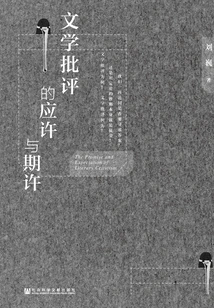
文学批评的应许与期许
Liu Wei
Literary criticism for what? What is literary criticism? Are we asking again and again to seek answers? Or is the inference itself futile? Criticism is of course not criticizing or blaming, but pointing out what is good and can be promoted, and what is bad and can be avoided. For the author, it is to clarify the goal of moving forward; for the reader, it is to open the skylight to the work. But the promise of literature is not a textbook. It is at most a narrow door to enlightenment, and so is criticism. Its promise does not provide rational answers, but opens up the desire for cognition and the possibility of understanding.
Literary criticism for what? What is literary criticism? Are we asking again and again to seek answers? Or is the inference itself futile? Criticism is of course not criticizing or blaming, but pointing out what is good and can be promoted, and what is bad and can be avoided. For the author, it is to clarify the goal of moving forward; for the reader, it is to open the skylight to the work. But the promise of literature is not a textbook. It is at most a narrow door to enlightenment, and so is criticism. Its promise does not provide rational answers, but opens up the desire for cognition and the possibility of understanding.
西学东渐与文学变革
Zhou Debo Wang Chunfei
This book adopts a problem-based research method, starting from the important changes in literary concepts and changes in literary phenomena that have occurred in the Chinese literary world due to the influence of Western learning, and explores topics such as the integration of Eastern and Western literary concepts, "technological theory and teaching", school music and songs, Mandarin Duck and Butterfly School novels, women's literature, Northern Chinese literature, etc. On the basis of restoring history as much as possible, it traces how the changes in literary concepts and changes in literary phenomena in this period came about under the influence of Western learning, and studied the changes in Chinese literature from the late Qing Dynasty to the early Republic of China under the influence of Western learning.
This book adopts a problem-based research method, starting from the important changes in literary concepts and changes in literary phenomena that have occurred in the Chinese literary world due to the influence of Western learning, and explores topics such as the integration of Eastern and Western literary concepts, "technological theory and teaching", school music and songs, Mandarin Duck and Butterfly School novels, women's literature, Northern Chinese literature, etc. On the basis of restoring history as much as possible, it traces how the changes in literary concepts and changes in literary phenomena in this period came about under the influence of Western learning, and studied the changes in Chinese literature from the late Qing Dynasty to the early Republic of China under the influence of Western learning.
经验、体式与诗的变奏:晚清至“五四”诗歌的“言说方式”
Lai Yuhuang
This book is a research monograph on modern poetry theory by young scholar Dr. Lai Yuhuang. The author mainly sorts out and discusses the huge and profound changes in the way of speaking poetry during the special period from the late Qing Dynasty to the May Fourth Movement from three dimensions: experience, language, and style. This book characterizes the changes in poetry that began in the late Qing Dynasty as the reconstruction of "modes of speech," reflecting the author's deep understanding of the dialectical interaction between autonomy and heteronomy in literary form. The author points out that poetic form as a way of imagination is actually a double-edged sword, which can not only accept and integrate new and ever-changing experiences, but also distort and reject unfamiliar experiences and feelings.
This book is a research monograph on modern poetry theory by young scholar Dr. Lai Yuhuang. The author mainly sorts out and discusses the huge and profound changes in the way of speaking poetry during the special period from the late Qing Dynasty to the May Fourth Movement from three dimensions: experience, language, and style. This book characterizes the changes in poetry that began in the late Qing Dynasty as the reconstruction of "modes of speech," reflecting the author's deep understanding of the dialectical interaction between autonomy and heteronomy in literary form. The author points out that poetic form as a way of imagination is actually a double-edged sword, which can not only accept and integrate new and ever-changing experiences, but also distort and reject unfamiliar experiences and feelings.
穿过云层都是阳光:贾平凹文学对话录
Jia Pingwa Han Luhua
This book is an interview and dialogue with Jia Pingwa. It is an overall review of Jia Pingwa's literary creation over the past thirty years. The content covers the creative ideas, character analysis, themes, behind-the-scenes stories, etc. Of his major works. The dialogue places his works within the entire history of his literary creation, and then examines the entire history of contemporary Chinese literature and Chinese and foreign literature, explores Jia Pingwa's return to Chinese literary tradition in literary creation over the past thirty years, redefines the literary historical value of Jia Pingwa's works, and presents the true Jia Pingwa inside and outside his works. It is a complete and precious literary dialogue to understand Jia Pingwa and his creations.
This book is an interview and dialogue with Jia Pingwa. It is an overall review of Jia Pingwa's literary creation over the past thirty years. The content covers the creative ideas, character analysis, themes, behind-the-scenes stories, etc. Of his major works. The dialogue places his works within the entire history of his literary creation, and then examines the entire history of contemporary Chinese literature and Chinese and foreign literature, explores Jia Pingwa's return to Chinese literary tradition in literary creation over the past thirty years, redefines the literary historical value of Jia Pingwa's works, and presents the true Jia Pingwa inside and outside his works. It is a complete and precious literary dialogue to understand Jia Pingwa and his creations.
三字经注解
Yin Rong Guo Yi
This topic interprets this classic from the perspective of today's people, with detailed annotations and translations. The translator also explains the origins of its history, geography, astronomy, allusions, and thoughts, and interprets it in conjunction with some current situations, which well reflects the essence of today's reading of the classic. The Three Character Classic has a history of more than 700 years since the Song Dynasty. It can be said to be a household name and popular among the people. There are more than a thousand words in total, and the three-character verses are easy to recite. The content includes traditional Chinese education, history, astronomy, geography, ethics and morality, and some folklore. It is extensive, vivid, and concise. Annotations are helpful for today's readers.
This topic interprets this classic from the perspective of today's people, with detailed annotations and translations. The translator also explains the origins of its history, geography, astronomy, allusions, and thoughts, and interprets it in conjunction with some current situations, which well reflects the essence of today's reading of the classic. The Three Character Classic has a history of more than 700 years since the Song Dynasty. It can be said to be a household name and popular among the people. There are more than a thousand words in total, and the three-character verses are easy to recite. The content includes traditional Chinese education, history, astronomy, geography, ethics and morality, and some folklore. It is extensive, vivid, and concise. Annotations are helpful for today's readers.
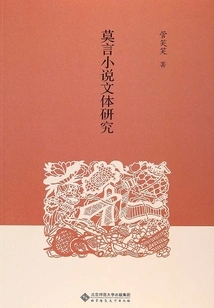
A Study on the Style of Mo Yan's Novels
Literature莫言小说文体研究
Guan Xiaoxiao
The book "Research on the Style of Mo Yan's Novels" is a recent work on Mo Yan's research. The book mainly covers six parts: path and process: the three stages of the creation of the style of Mo Yan's novels, literary style: the "hybrid" style of Mo Yan's novels, the time shape and space-time structure of the narrative in Mo Yan's novels, dreams and legends: the allegorical style of Mo Yan's novels, This article comprehensively studies and explores the stylistic significance of Mo Yan's novels from six aspects: the stylistic characteristics of Mo Yan's novels, the external influence of Mo Yan's novel style and the inheritance of traditional Chinese narratives, especially its inheritance and continuation of traditional narrative issues and the integration and innovation of Western stylistic narrative techniques.
The book "Research on the Style of Mo Yan's Novels" is a recent work on Mo Yan's research. The book mainly covers six parts: path and process: the three stages of the creation of the style of Mo Yan's novels, literary style: the "hybrid" style of Mo Yan's novels, the time shape and space-time structure of the narrative in Mo Yan's novels, dreams and legends: the allegorical style of Mo Yan's novels, This article comprehensively studies and explores the stylistic significance of Mo Yan's novels from six aspects: the stylistic characteristics of Mo Yan's novels, the external influence of Mo Yan's novel style and the inheritance of traditional Chinese narratives, especially its inheritance and continuation of traditional narrative issues and the integration and innovation of Western stylistic narrative techniques.
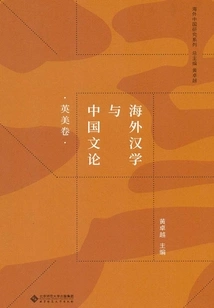
海外汉学与中国文论(英美卷)
Huang Zhuoyue
"Overseas Sinology and Chinese Literary Theory" was originally a major research project of the Ministry of Education's Humanities and Social Sciences Key Research Base. This volume reflects the basic aspects of "Research on Ancient Chinese Literary Theory in the English-speaking World" and provides a comprehensive and in-depth introduction to the study of Chinese literary theory in the English-speaking world. It systematically reflects the trajectory of the evolution of Chinese literary theory in the English-speaking world, and reveals the internal and external elements of the evolution of Sinology within the broader context of the history of Sinology, disciplines, and ideas. It is a comprehensive and solid original achievement of domestic research on Chinese literary theory and the development of overseas Sinology theory.
"Overseas Sinology and Chinese Literary Theory" was originally a major research project of the Ministry of Education's Humanities and Social Sciences Key Research Base. This volume reflects the basic aspects of "Research on Ancient Chinese Literary Theory in the English-speaking World" and provides a comprehensive and in-depth introduction to the study of Chinese literary theory in the English-speaking world. It systematically reflects the trajectory of the evolution of Chinese literary theory in the English-speaking world, and reveals the internal and external elements of the evolution of Sinology within the broader context of the history of Sinology, disciplines, and ideas. It is a comprehensive and solid original achievement of domestic research on Chinese literary theory and the development of overseas Sinology theory.
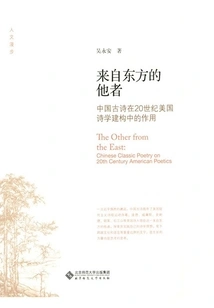
来自东方的他者:中国古诗在20世纪美国诗学建构中的作用
Wu Yongan
There have been many researchers over the decades regarding the relationship between modern American poetry and China. The author has taken a different approach. With his profound knowledge of Chinese poetry, he chooses to focus a considerable part of his attention on the emergence and survival of Chinese poetry and Chinese characters as things on the American poetics platform, and attempts to provide multiple channels so that readers can enter and exit this critical hundred years, making this book of high academic value.
There have been many researchers over the decades regarding the relationship between modern American poetry and China. The author has taken a different approach. With his profound knowledge of Chinese poetry, he chooses to focus a considerable part of his attention on the emergence and survival of Chinese poetry and Chinese characters as things on the American poetics platform, and attempts to provide multiple channels so that readers can enter and exit this critical hundred years, making this book of high academic value.
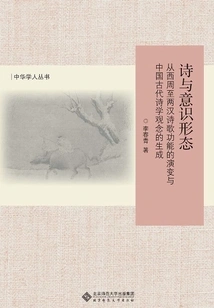
诗与意识形态:从西周至两汉诗歌功能的演变与中国古代诗学观念的生成(修订版)
Li Chunqing
This book examines the evolution of poetic functions from the beginning of the Western Zhou Dynasty to the Han Dynasty and the generation process of ancient Chinese poetic concepts from the perspective of historical and ideological evolution. It reveals the complex interactive relationship between poetic functions, poetic concepts, political history, and intellectual history during this period. The book is divided into three parts: Part One, Middle and Part Two. The Part One explains the important political significance of poetry at that time from the perspective of the ideological construction of the Zhou people after the founding of the country. The author believes that from the Western Zhou Dynasty to the Spring and Autumn Period, the function of poetry was transformed in three contexts: the relationship between humans and gods, the relationship between monarch and ministers, and the relationship between nobles. "Part 2" explains the formation of the Confucian discourse system on the basis of Zhou people's ritual and music culture and the transformation process of poetry from official discourse to folk discourse. "Part Two" specifically examines the process of "collusion" between the scholar class and the monarchy group in the Han Dynasty to construct a unified national ideology, as well as the various characteristics of the scholar-official class as a social "middleman", and reveals the importance of the Book of Songs in the process of ideological construction.
This book examines the evolution of poetic functions from the beginning of the Western Zhou Dynasty to the Han Dynasty and the generation process of ancient Chinese poetic concepts from the perspective of historical and ideological evolution. It reveals the complex interactive relationship between poetic functions, poetic concepts, political history, and intellectual history during this period. The book is divided into three parts: Part One, Middle and Part Two. The Part One explains the important political significance of poetry at that time from the perspective of the ideological construction of the Zhou people after the founding of the country. The author believes that from the Western Zhou Dynasty to the Spring and Autumn Period, the function of poetry was transformed in three contexts: the relationship between humans and gods, the relationship between monarch and ministers, and the relationship between nobles. "Part 2" explains the formation of the Confucian discourse system on the basis of Zhou people's ritual and music culture and the transformation process of poetry from official discourse to folk discourse. "Part Two" specifically examines the process of "collusion" between the scholar class and the monarchy group in the Han Dynasty to construct a unified national ideology, as well as the various characteristics of the scholar-official class as a social "middleman", and reveals the importance of the Book of Songs in the process of ideological construction.
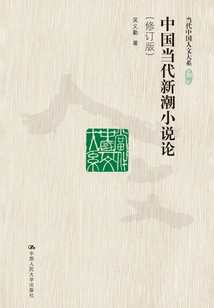
中国当代新潮小说论(修订版)(当代中国人文大系)
Wu Yiqin
This book won the third prize of the national "Ministry of Education Philosophy and Social Sciences Outstanding Achievements Award". This book consists of three articles, which analyze and discuss contemporary Chinese novels from three aspects: overview (chapters 1-4), writer theory (chapters 5-10), and work theory (chapters 11-25). The overview part sorts out various trends in new wave novels, discovers the hidden rules, and outlines a development chart of contemporary new wave novels; the writer theory focuses on analyzing the representative writers of new wave novels, summarizing their writing characteristics and literary styles; the work theory evaluates contemporary new wave novels from the perspective of their works.
This book won the third prize of the national "Ministry of Education Philosophy and Social Sciences Outstanding Achievements Award". This book consists of three articles, which analyze and discuss contemporary Chinese novels from three aspects: overview (chapters 1-4), writer theory (chapters 5-10), and work theory (chapters 11-25). The overview part sorts out various trends in new wave novels, discovers the hidden rules, and outlines a development chart of contemporary new wave novels; the writer theory focuses on analyzing the representative writers of new wave novels, summarizing their writing characteristics and literary styles; the work theory evaluates contemporary new wave novels from the perspective of their works.
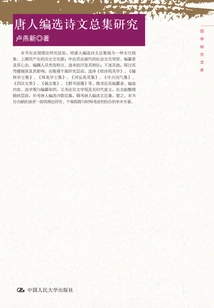
唐人编选诗文总集研究(国学研究文库)
Lu Yanxin
This book is divided into three parts. The first part, the general part, mainly studies the impact of poetry collections compiled before the Tang Dynasty such as "Collection of Articles", "Selected Works", "New Odes of Yutai", "Collection of Poems on Banquets of Jin and Yuan Dynasties", etc. The second part, divided into chapters, is roughly divided into periods of the "Four Tang Dynasties" in the traditional academic sense, and selected works compiled by the Tang Dynasty people such as "Xu Shiyuan Yinghua", "Hanlin Bachelor Collection", "Zhuying Bachelor Collection", "Guoxiu Collection", "Heyue Yingling Collection", "Zhongyue Yingling Collection" Collections of poems and essays from different periods such as "Xingjian Qi Ji", "Western Han Wen Lei", "Ji Xuan Ji", "Qunshu Lizao", etc., As well as compilers of poems and essays such as Li Jifu, explore the collections of poems and essays compiled by the Tang people in various historical periods and their characteristics and influences. The third part, the compilation and examination part, is based on the research of previous scholars, making up the examination of the collection of poems compiled and selected by the Tang Dynasty, and the compilation and examination of the collection of the poems compiled and selected by the Tang Dynasty. In short, this book aims to conduct a comprehensive and holistic study of the collection of poems and essays compiled by the Tang Dynasty, based on macroscopic research, phased inspections and case studies, and supplementary materials through collection and examination.
This book is divided into three parts. The first part, the general part, mainly studies the impact of poetry collections compiled before the Tang Dynasty such as "Collection of Articles", "Selected Works", "New Odes of Yutai", "Collection of Poems on Banquets of Jin and Yuan Dynasties", etc. The second part, divided into chapters, is roughly divided into periods of the "Four Tang Dynasties" in the traditional academic sense, and selected works compiled by the Tang Dynasty people such as "Xu Shiyuan Yinghua", "Hanlin Bachelor Collection", "Zhuying Bachelor Collection", "Guoxiu Collection", "Heyue Yingling Collection", "Zhongyue Yingling Collection" Collections of poems and essays from different periods such as "Xingjian Qi Ji", "Western Han Wen Lei", "Ji Xuan Ji", "Qunshu Lizao", etc., As well as compilers of poems and essays such as Li Jifu, explore the collections of poems and essays compiled by the Tang people in various historical periods and their characteristics and influences. The third part, the compilation and examination part, is based on the research of previous scholars, making up the examination of the collection of poems compiled and selected by the Tang Dynasty, and the compilation and examination of the collection of the poems compiled and selected by the Tang Dynasty. In short, this book aims to conduct a comprehensive and holistic study of the collection of poems and essays compiled by the Tang Dynasty, based on macroscopic research, phased inspections and case studies, and supplementary materials through collection and examination.
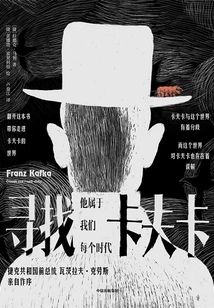
Looking for Kafka
Literature寻找卡夫卡
(czech Republic) Written By Radek Marley (czech Republic) Illustrated By Renata Fuchkova
We are always trying to figure out Kafka's inner world. Kafka has differences with the world, and the world also misunderstands Kafka. Kafka's works, like his name, are well known around the world. There are various interpretations of him all over the world. But returning to Kafka himself, his inner world is closely related to his growth experience, living environment, etc. This book takes Kafka's growth experience as the main line, running through his family environment, historical background, growth process, and his most talked about stories. Accompanied by a large number of unique and stylish pictures (international award-winning works), we seem to have been able to enter Kafka's world and better understand him and his works.
We are always trying to figure out Kafka's inner world. Kafka has differences with the world, and the world also misunderstands Kafka. Kafka's works, like his name, are well known around the world. There are various interpretations of him all over the world. But returning to Kafka himself, his inner world is closely related to his growth experience, living environment, etc. This book takes Kafka's growth experience as the main line, running through his family environment, historical background, growth process, and his most talked about stories. Accompanied by a large number of unique and stylish pictures (international award-winning works), we seem to have been able to enter Kafka's world and better understand him and his works.
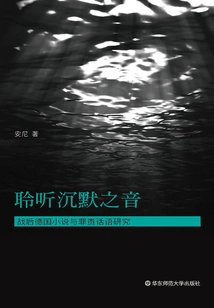
Listen to the Sound of Silence
Literature聆听沉默之音
Annie
"Listening to the Sound of Silence" takes three influential postwar German novels "The Tin Drum", "German Lesson" and "The Reader" as examples to study how postwar German society rethinks Nazi guilt and the specific discourse of guilt in different postwar stages. The three texts were born in three different historical periods after the war. They not only intuitively reproduce the ideological collision and emotional load surrounding the issue of guilt in society at that time, but also trigger readers to consciously reflect on themselves, building a bridge between history and reality, and the text and themselves. The three writers (Glass, Lenz, and Schlink) are not three generations in the strict sense, but their creations all have distinctive characteristics of the times, and at least highlight a specific issue in the discourse of guilt. They are both relatively independent and connected to each other. The book has a rigorous structure, which not only summarizes the characteristics of postwar literary reflection, but also puts forward a dialectical thinking plan on the possibilities and limitations of defense and atonement today.
"Listening to the Sound of Silence" takes three influential postwar German novels "The Tin Drum", "German Lesson" and "The Reader" as examples to study how postwar German society rethinks Nazi guilt and the specific discourse of guilt in different postwar stages. The three texts were born in three different historical periods after the war. They not only intuitively reproduce the ideological collision and emotional load surrounding the issue of guilt in society at that time, but also trigger readers to consciously reflect on themselves, building a bridge between history and reality, and the text and themselves. The three writers (Glass, Lenz, and Schlink) are not three generations in the strict sense, but their creations all have distinctive characteristics of the times, and at least highlight a specific issue in the discourse of guilt. They are both relatively independent and connected to each other. The book has a rigorous structure, which not only summarizes the characteristics of postwar literary reflection, but also puts forward a dialectical thinking plan on the possibilities and limitations of defense and atonement today.
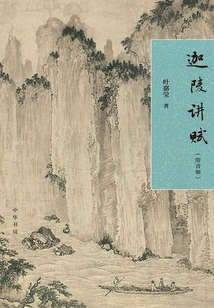
Jialing Lectures on Fu
Literature迦陵讲赋
Ye Jiaying
This book collects into one volume the contents of Mr. Ye Jiaying's lectures on Fu published in "Literary and Historical Knowledge". Everyone is familiar with Mr. Ye's lectures on poetry, but his explanation of Fu may be the first time he has met you so far, so it is novel. Mr. Ye explained "Wucheng Fu" by Bao Zhao, a master of fu style, "Xiaoyuan Fu" and "Ai Jiangnan Fu Preface" by Yu Xin, Ouyang Xiu's "Autumn Sound Fu", and Su Shi's "Red Cliff Fu" before and after. He not only sorted out the development and evolution of the fu style, but also explained the author's life, historical background, allusions, language common sense, etc. Involved in each article in a simple and easy-to-understand way. Readers can have a vivid understanding of this literary genre and several masterpieces of its most famous writers in a narrated atmosphere.
This book collects into one volume the contents of Mr. Ye Jiaying's lectures on Fu published in "Literary and Historical Knowledge". Everyone is familiar with Mr. Ye's lectures on poetry, but his explanation of Fu may be the first time he has met you so far, so it is novel. Mr. Ye explained "Wucheng Fu" by Bao Zhao, a master of fu style, "Xiaoyuan Fu" and "Ai Jiangnan Fu Preface" by Yu Xin, Ouyang Xiu's "Autumn Sound Fu", and Su Shi's "Red Cliff Fu" before and after. He not only sorted out the development and evolution of the fu style, but also explained the author's life, historical background, allusions, language common sense, etc. Involved in each article in a simple and easy-to-understand way. Readers can have a vivid understanding of this literary genre and several masterpieces of its most famous writers in a narrated atmosphere.
汉唐小说文体研究
He Liang
The novels of the Han and Tang dynasties are a "mixture of genres" in their stylistic composition. At present, academic circles pay more attention to the relationship between historical biographies, poetry, poetry, etc. And novels of the Han and Tang Dynasties, while less attention is paid to official documents, calligraphy documents, Zhu Wen and other literary styles. Based on the statistics and classification of the "public genres" integrated into Han and Tang novels, this topic examines the specific ways of integrating them into Han and Tang novels; from the perspective of the integration of narratology and stylistics, it analyzes the functions of each "style" in novel narrative, revealing the reasons and rules for its integration into Han and Tang novels; finally, it compares the combination of "public genres" in Han and Tang novels, explores the characteristics of the stylistic construction of Han and Tang novels, and the deep reasons for the transition from Han, Wei and Six Dynasties novels to Tang legends.
The novels of the Han and Tang dynasties are a "mixture of genres" in their stylistic composition. At present, academic circles pay more attention to the relationship between historical biographies, poetry, poetry, etc. And novels of the Han and Tang Dynasties, while less attention is paid to official documents, calligraphy documents, Zhu Wen and other literary styles. Based on the statistics and classification of the "public genres" integrated into Han and Tang novels, this topic examines the specific ways of integrating them into Han and Tang novels; from the perspective of the integration of narratology and stylistics, it analyzes the functions of each "style" in novel narrative, revealing the reasons and rules for its integration into Han and Tang novels; finally, it compares the combination of "public genres" in Han and Tang novels, explores the characteristics of the stylistic construction of Han and Tang novels, and the deep reasons for the transition from Han, Wei and Six Dynasties novels to Tang legends.
古典戏曲评论集
Deng Shaoji
This book is a special collection of essays on the study and review of classical opera. Most of the articles in the collection are about Yuan dramas, while some are about famous opera writers in the Ming and Qing dynasties, and some articles are about the study of the history of opera. The articles in the collection were published over a wide period of time and are classics of the author's decades of research and criticism on classical opera. Many of the discussions and examinations in the article are extremely insightful, and their scholarship and research methods are sufficient for future generations of scholars to learn from.
This book is a special collection of essays on the study and review of classical opera. Most of the articles in the collection are about Yuan dramas, while some are about famous opera writers in the Ming and Qing dynasties, and some articles are about the study of the history of opera. The articles in the collection were published over a wide period of time and are classics of the author's decades of research and criticism on classical opera. Many of the discussions and examinations in the article are extremely insightful, and their scholarship and research methods are sufficient for future generations of scholars to learn from.
图像、文字文本与灵视诗学:布莱克兰贝斯时期作品研究
Lin Xiaoxiao
First of all, from the perspective of literary research, the study of Blake's Lambeth period works will help us further understand the symbolic system developed by Blake in his later period. Secondly, through the study of the relationship between written text, image text and "spiritual vision", we can understand Blake's creative mode more systematically. Finally, starting from the current context, we are in an era of proliferation of "images", and words are increasingly taking a back seat.
First of all, from the perspective of literary research, the study of Blake's Lambeth period works will help us further understand the symbolic system developed by Blake in his later period. Secondly, through the study of the relationship between written text, image text and "spiritual vision", we can understand Blake's creative mode more systematically. Finally, starting from the current context, we are in an era of proliferation of "images", and words are increasingly taking a back seat.
民国学术文化名著:红楼梦辨
Yu Pingbo
This book mainly includes the study of the literary style of Dream of Red Mansions, as well as lost manuscripts and commentaries. It is the first monograph in the history of new red studies. Although it is not large in length, it covers many fields of red studies and has achieved fruitful research results. Many studies have pioneering value, are of great academic significance and have far-reaching influence.
This book mainly includes the study of the literary style of Dream of Red Mansions, as well as lost manuscripts and commentaries. It is the first monograph in the history of new red studies. Although it is not large in length, it covers many fields of red studies and has achieved fruitful research results. Many studies have pioneering value, are of great academic significance and have far-reaching influence.
读书,带我去山外边的海
Edited By Chen Xingjia, Translated By Xu Yuanchong, Annotated By Chen Changyu
This book starts from the Book of Songs and sorts out eighteen poems that represent the soul of mountains and seas according to the historical context. It is edited by Chen Xingjia, translated by Xu Yuanchong, annotated by Chen Changyu, and illustrated by two painters, Fu Jun and Cai Yong. It can not only lead the children to appreciate the language art of poetry and understand the atmosphere of the Han and Tang Dynasties in the poetry, but also lead the children in the mountains to see the sea outside the mountains and ignite the dreams in their hearts.
This book starts from the Book of Songs and sorts out eighteen poems that represent the soul of mountains and seas according to the historical context. It is edited by Chen Xingjia, translated by Xu Yuanchong, annotated by Chen Changyu, and illustrated by two painters, Fu Jun and Cai Yong. It can not only lead the children to appreciate the language art of poetry and understand the atmosphere of the Han and Tang Dynasties in the poetry, but also lead the children in the mountains to see the sea outside the mountains and ignite the dreams in their hearts.
Talk About My Life
Literature安吾人生谈
(japan) Sakaguchi Ango
"Talker" Ango Sakaguchi's miscellaneous collection of classic crime stories, a post-war Japanese crime version of "Three Words and Two Patterns"; the first complete translation and publication in China after being out of print in Japan for 50 years, the prototype character of the popular Japanese anime "Bungou Stray Dogs". Collecting strange cases in the streets and alleys, the bizarre and bizarre world of the world is interpreted with laughter and curses. The standard bearer of "rogue school" literature as famous as Dazai Osamu, a literary master highly praised by Kawabata Yasunari and Mishima Yukio. "Ango Life Story" is a collection of Sakaguchi Ango's classic crime stories. This book is divided into two parts: "An Wu Life Talk" and "My Outlook on Life". In "Anwu Life Talk", the author transforms into a "street talker" and uses the collected notes of criminals to vividly restore crime stories and attach wonderful comments and miscellaneous remarks. Through the restoration and analysis of a hot case in Japanese society at that time, it pointed out the crux and ideological problems of society at that time in a sharp and humorous manner, and criticized the darkness of human nature. "My Outlook on Life" contains eight of his current affairs essays, combining the social events happening around him to interpret the bizarre social and life situations at that time. "Ango Life Story" was published in a single volume in Japan from the 1960s to the 1980s. After that, it was out of print for more than 30 years. In February 2019, a Japanese publishing house republished it in a single volume. This book is the first translation and publication in China. It is of great significance for domestic readers of Sakaguchi Ango to learn more about the author's thoughts and the situation of Japanese society at that time.
"Talker" Ango Sakaguchi's miscellaneous collection of classic crime stories, a post-war Japanese crime version of "Three Words and Two Patterns"; the first complete translation and publication in China after being out of print in Japan for 50 years, the prototype character of the popular Japanese anime "Bungou Stray Dogs". Collecting strange cases in the streets and alleys, the bizarre and bizarre world of the world is interpreted with laughter and curses. The standard bearer of "rogue school" literature as famous as Dazai Osamu, a literary master highly praised by Kawabata Yasunari and Mishima Yukio. "Ango Life Story" is a collection of Sakaguchi Ango's classic crime stories. This book is divided into two parts: "An Wu Life Talk" and "My Outlook on Life". In "Anwu Life Talk", the author transforms into a "street talker" and uses the collected notes of criminals to vividly restore crime stories and attach wonderful comments and miscellaneous remarks. Through the restoration and analysis of a hot case in Japanese society at that time, it pointed out the crux and ideological problems of society at that time in a sharp and humorous manner, and criticized the darkness of human nature. "My Outlook on Life" contains eight of his current affairs essays, combining the social events happening around him to interpret the bizarre social and life situations at that time. "Ango Life Story" was published in a single volume in Japan from the 1960s to the 1980s. After that, it was out of print for more than 30 years. In February 2019, a Japanese publishing house republished it in a single volume. This book is the first translation and publication in China. It is of great significance for domestic readers of Sakaguchi Ango to learn more about the author's thoughts and the situation of Japanese society at that time.
Wu Zuxiang's Novel Class
Literature吴组缃小说课
Wu Zuxiang
Mr. Wu Zuxiang is a famous novelist and expert on ancient novels. Since 1952, he has lectured in the Chinese Department of Peking University on the literary history of the Song, Yuan, Ming and Qing Dynasties, the history of Chinese novels, special courses on "Strange Stories from a Chinese Studio" and "A Dream of Red Mansions", etc., And compiled lecture notes. Mr. Fu Chengzhou reorganized these lecture notes and combined the never-published special lecture notes on "Strange Stories from a Chinese Studio" and an essay on "Jin Ping Mei" that Mr. Wu had compiled but not published into a volume for the readers and as a memorial to Mr. Wu. The book also includes six essays by Mr. Wu Zuxiang on the four famous works of ancient Chinese novels and "The Scholars".
Mr. Wu Zuxiang is a famous novelist and expert on ancient novels. Since 1952, he has lectured in the Chinese Department of Peking University on the literary history of the Song, Yuan, Ming and Qing Dynasties, the history of Chinese novels, special courses on "Strange Stories from a Chinese Studio" and "A Dream of Red Mansions", etc., And compiled lecture notes. Mr. Fu Chengzhou reorganized these lecture notes and combined the never-published special lecture notes on "Strange Stories from a Chinese Studio" and an essay on "Jin Ping Mei" that Mr. Wu had compiled but not published into a volume for the readers and as a memorial to Mr. Wu. The book also includes six essays by Mr. Wu Zuxiang on the four famous works of ancient Chinese novels and "The Scholars".
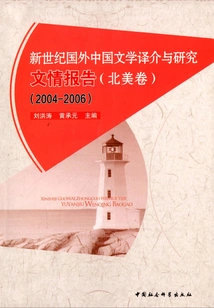
新世纪国外中国文学译介与研究文情报告(北美卷)(2004-2006)
Liu Hongtao Editor-in-chief Huang Chengyuan
North American Chinese literature research is the center of Chinese literature research in the Spanish-speaking world. It not only has the largest number of teaching and research institutions, personnel, publications and results, but also ranks among the world's leading researchers in overall quality and influence. This book collects information on Chinese literature research in North America from 2001 to 2003, and is divided into two parts: a research introduction and a literature index. "Research Introduction" includes brief introductions and main contents of important works on Chinese literature studies, brief introductions to Chinese literature scholars and translators, brief introductions to Chinese literature teaching and research institutions, brief introductions to important academic journals, and brief introductions to North American Chinese literature; "Literature Index" includes an index of Chinese literature translations, an index of doctoral theses in Chinese literature studies, an index of Chinese literature research journal articles, an index of Chinese literature research works, and an index of works by North American Chinese writers. At the back of the book is a comparison table of Spanish and Chinese names, providing the Spanish and Chinese spellings of the names that appear in the book. For the first time, this book provides the Chinese academic community with documentary information on Chinese literature research in North America in the 21st century in the form of a chronology. It is an important reference book for Chinese literature research, comparative literature and world literature research, and sinology research.
North American Chinese literature research is the center of Chinese literature research in the Spanish-speaking world. It not only has the largest number of teaching and research institutions, personnel, publications and results, but also ranks among the world's leading researchers in overall quality and influence. This book collects information on Chinese literature research in North America from 2001 to 2003, and is divided into two parts: a research introduction and a literature index. "Research Introduction" includes brief introductions and main contents of important works on Chinese literature studies, brief introductions to Chinese literature scholars and translators, brief introductions to Chinese literature teaching and research institutions, brief introductions to important academic journals, and brief introductions to North American Chinese literature; "Literature Index" includes an index of Chinese literature translations, an index of doctoral theses in Chinese literature studies, an index of Chinese literature research journal articles, an index of Chinese literature research works, and an index of works by North American Chinese writers. At the back of the book is a comparison table of Spanish and Chinese names, providing the Spanish and Chinese spellings of the names that appear in the book. For the first time, this book provides the Chinese academic community with documentary information on Chinese literature research in North America in the 21st century in the form of a chronology. It is an important reference book for Chinese literature research, comparative literature and world literature research, and sinology research.
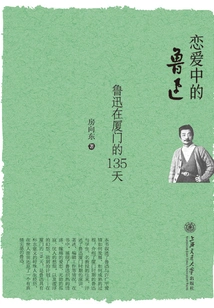
恋爱中的鲁迅:鲁迅在厦门的135天
Fang Xiangdong
This book describes how the love between Lu Xun and Xu Guangping developed and matured, introduces Lu Xun's contacts with students and famous professors during the Xiamen period, and reviews Lu Xun's speeches, writings, and editing work during the Xiamen period. The book shows Lu Xun's passionate emotions, lingering love, helpless loneliness, worrying worries, as well as vain fantasies and trivial plans... The 135 days in Xiamen were Lu Xun's special and iconic life experience, restoring a Lu Xun with true feelings in front of the world.
This book describes how the love between Lu Xun and Xu Guangping developed and matured, introduces Lu Xun's contacts with students and famous professors during the Xiamen period, and reviews Lu Xun's speeches, writings, and editing work during the Xiamen period. The book shows Lu Xun's passionate emotions, lingering love, helpless loneliness, worrying worries, as well as vain fantasies and trivial plans... The 135 days in Xiamen were Lu Xun's special and iconic life experience, restoring a Lu Xun with true feelings in front of the world.
三叶集(谷臻小简·AI导读版)
Yang Wuneng
As a work of comparative literature on German literature and literary translation, "San Ye Ji" is divided into the first part discussing German literature, the second part talking about the practice and theory of literary translation, and the third part dealing with comparative literature. The author takes the lead in emphasizing that Goethe was first of all a great thinker, and was also the first to put forward the proposition that German literature, with German literature as the main body, is the literature of thinkers, thus clarifying its fundamental characteristics and special value as an important part of world literature. He also took the lead in China to conduct research on the theory of German short stories and their writers and works, which has greatly promoted and helped Chinese readers to understand, recognize and appreciate this genre that German literature is good at.
As a work of comparative literature on German literature and literary translation, "San Ye Ji" is divided into the first part discussing German literature, the second part talking about the practice and theory of literary translation, and the third part dealing with comparative literature. The author takes the lead in emphasizing that Goethe was first of all a great thinker, and was also the first to put forward the proposition that German literature, with German literature as the main body, is the literature of thinkers, thus clarifying its fundamental characteristics and special value as an important part of world literature. He also took the lead in China to conduct research on the theory of German short stories and their writers and works, which has greatly promoted and helped Chinese readers to understand, recognize and appreciate this genre that German literature is good at.
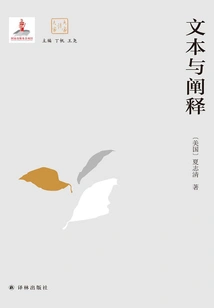
Text and Interpretation
Literature文本与阐释
(u. S.) Xia Zhiqing
This book brings together the essence of Xia Zhiqing's pioneering research throughout his life, covering "A Dream of Red Mansions", Tang Xianzu, "The Travels of Lao Can", "Flowers in the Mirror", as well as novels by Duanmu Hongliang, Shen Congwen, Zhang Ailing, Bai Xianyong, etc. Some of these masterpieces have long been immersed in the spiritual world of the Chinese people, and some have been interpreted by Xia Zhiqing, and their landmark significance in the history of literature has been confirmed. The book is full of wit and has an international perspective. It eloquently explains the Western critical theory and humanistic spirit in the ancient and modern Chinese narrative traditions.
This book brings together the essence of Xia Zhiqing's pioneering research throughout his life, covering "A Dream of Red Mansions", Tang Xianzu, "The Travels of Lao Can", "Flowers in the Mirror", as well as novels by Duanmu Hongliang, Shen Congwen, Zhang Ailing, Bai Xianyong, etc. Some of these masterpieces have long been immersed in the spiritual world of the Chinese people, and some have been interpreted by Xia Zhiqing, and their landmark significance in the history of literature has been confirmed. The book is full of wit and has an international perspective. It eloquently explains the Western critical theory and humanistic spirit in the ancient and modern Chinese narrative traditions.
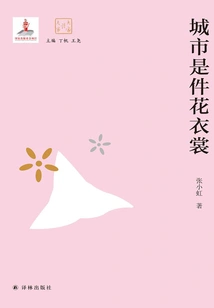
The City is a Flowery Dress
Literature城市是件花衣裳
Zhang Xiaohong
"The City is a Flowery Clothes" is the essence of Professor Zhang Xiaohong's thinking on "fetishes", known as China's "Susan Sontag". "Fetishism" is a popular cultural trend in the twentieth century. From the perspective of "fetish", masterpieces by Zhang Ailing, Lu Xun, Jin Yong and other famous figures are presented to readers in a fresh and interesting way.
"The City is a Flowery Clothes" is the essence of Professor Zhang Xiaohong's thinking on "fetishes", known as China's "Susan Sontag". "Fetishism" is a popular cultural trend in the twentieth century. From the perspective of "fetish", masterpieces by Zhang Ailing, Lu Xun, Jin Yong and other famous figures are presented to readers in a fresh and interesting way.
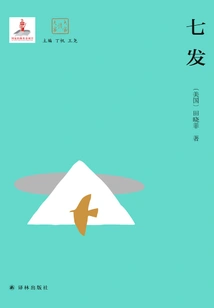
Seven Shots
Literature七发
Tian Xiaofei
Tian Xiaofei, a professor in the Department of East Asian Languages and Civilizations at Harvard University, used "Qifa" as a title to interpret seven writers and their classic works, including Tao Yuanming, Xiao Gang, Xie Lingyun, Tang Xianzu and Yu Dafu, taking into account different themes and connecting different eras - from poetry, drama to novels, from the literature of the Six Dynasties to modern literature, the essence is repeated and the insights are profound.
Tian Xiaofei, a professor in the Department of East Asian Languages and Civilizations at Harvard University, used "Qifa" as a title to interpret seven writers and their classic works, including Tao Yuanming, Xiao Gang, Xie Lingyun, Tang Xianzu and Yu Dafu, taking into account different themes and connecting different eras - from poetry, drama to novels, from the literature of the Six Dynasties to modern literature, the essence is repeated and the insights are profound.
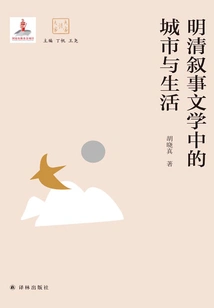
明清叙事文学中的城市与生活
Hu Xiaozhen
Since the Ming and Qing Dynasties, China's urban development has entered a new stage. Famous historical cities such as Bianjing, Lin'an, Beijing, Jinling, and Suzhou, on the one hand, have witnessed the process of China's modernization and modernization, and on the other hand, with their abundant political, social and cultural momentum, they have deeply affected people's lifestyles, and have also been implicitly or explicitly reflected in the creation and reception of literature. Hu Xiaozhen goes into the details of the text to discuss the interweaving of literature and urban life, leading readers into the "illusory reality" and experiencing the dialectical and complementary complementarity of space and creation.
Since the Ming and Qing Dynasties, China's urban development has entered a new stage. Famous historical cities such as Bianjing, Lin'an, Beijing, Jinling, and Suzhou, on the one hand, have witnessed the process of China's modernization and modernization, and on the other hand, with their abundant political, social and cultural momentum, they have deeply affected people's lifestyles, and have also been implicitly or explicitly reflected in the creation and reception of literature. Hu Xiaozhen goes into the details of the text to discuss the interweaving of literature and urban life, leading readers into the "illusory reality" and experiencing the dialectical and complementary complementarity of space and creation.
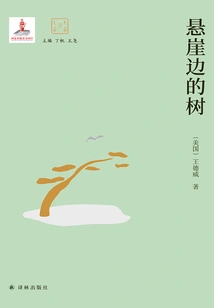
Tree on Cliff
Literature悬崖边的树
(us) Wang Dewei
"Tree on the Edge of the Cliff" is Professor Wang Dewei's selection of the creative practices of modern and contemporary Chinese writers and critics. The author traverses the world of Chinese literature, connects "classics" and "modern classics", gratefully recalls the scholarly and creative lives of previous scholars, and explores the possible development of Chinese writing in an equal dialogue between overseas Chinese literature and Chinese mainstream literature.
"Tree on the Edge of the Cliff" is Professor Wang Dewei's selection of the creative practices of modern and contemporary Chinese writers and critics. The author traverses the world of Chinese literature, connects "classics" and "modern classics", gratefully recalls the scholarly and creative lives of previous scholars, and explores the possible development of Chinese writing in an equal dialogue between overseas Chinese literature and Chinese mainstream literature.
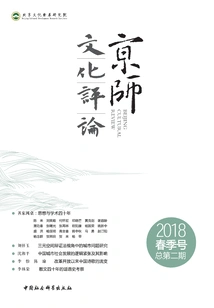
京师文化评论·2018·春季号:总第二期
Shen Xiangping
This book is a serial publication with two issues per year. The first issue has been published in 2017. This publication is the spring volume of 2018, the second issue in total. With the process of globalization, the cultural center is gradually being dispelled and disenchanted. The culture that has lost its center shows the characteristics of diversity, flatness and fragmentation. Nihilistic anxiety goes hand in hand with the prosperity of culture. Cultural industrialization has made the materialization of culture a reality, but all rationality has its limitations. Vulgarity and entertainment-to-death transformation into GDP figures have become a lingering nightmare in cultural development. Possession or survival? Cultural redemption becomes the myth of Sisyphus. Cultural self-confidence cannot be separated from cultural introspection, cultural innovation cannot be separated from cultural redemption, and all of these cannot be separated from rational reflection. "Capital Cultural Review" came into being as an effort to reflect on and explore culture. "Beijing Cultural Review" is sponsored by the Beijing Cultural Development Institute of Beijing Normal University. Establish an editorial board and editorial department. Shen Xiangping is the editor-in-chief, and the executive editor is in charge of daily editorial affairs. "Capital Cultural Review" will have several basic sections: monographs on famous figures, historical references, academic frontiers, cutting-edge observations, and film and television book reviews. "Capital Cultural Review" will be published biannually in a small 16-format format.
This book is a serial publication with two issues per year. The first issue has been published in 2017. This publication is the spring volume of 2018, the second issue in total. With the process of globalization, the cultural center is gradually being dispelled and disenchanted. The culture that has lost its center shows the characteristics of diversity, flatness and fragmentation. Nihilistic anxiety goes hand in hand with the prosperity of culture. Cultural industrialization has made the materialization of culture a reality, but all rationality has its limitations. Vulgarity and entertainment-to-death transformation into GDP figures have become a lingering nightmare in cultural development. Possession or survival? Cultural redemption becomes the myth of Sisyphus. Cultural self-confidence cannot be separated from cultural introspection, cultural innovation cannot be separated from cultural redemption, and all of these cannot be separated from rational reflection. "Capital Cultural Review" came into being as an effort to reflect on and explore culture. "Beijing Cultural Review" is sponsored by the Beijing Cultural Development Institute of Beijing Normal University. Establish an editorial board and editorial department. Shen Xiangping is the editor-in-chief, and the executive editor is in charge of daily editorial affairs. "Capital Cultural Review" will have several basic sections: monographs on famous figures, historical references, academic frontiers, cutting-edge observations, and film and television book reviews. "Capital Cultural Review" will be published biannually in a small 16-format format.
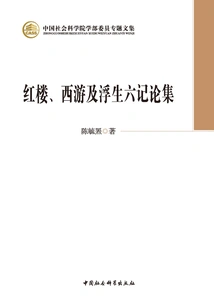
A Collection of Essays on the Red Mansion, Journey to the West and Six Chapters of a Floating Life
Literature红楼、西游及浮生六记论集
Chen Yuzhen
The book is divided into four parts. The first three parts include Mr. Chen Yuzhen's representative articles on the study of "A Dream of Red Mansions", Journey to the West, Six Chapters of a Floating Life and other studies, systematically displaying Mr. Chen Yuzhen's academic views. The appendix is Memories of Past Events, which compiles some of Mr. Chen Yuzhen's prose, poetry and other creations.
The book is divided into four parts. The first three parts include Mr. Chen Yuzhen's representative articles on the study of "A Dream of Red Mansions", Journey to the West, Six Chapters of a Floating Life and other studies, systematically displaying Mr. Chen Yuzhen's academic views. The appendix is Memories of Past Events, which compiles some of Mr. Chen Yuzhen's prose, poetry and other creations.
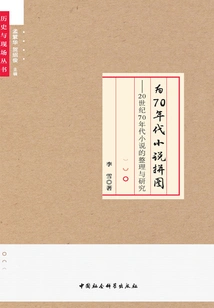
为70年代小说拼图:20世纪70年代小说的整理与研究
Li Xue
This book takes novels published from 1972 to 1977 as the object of compilation and research. It emphasizes the importance of organizing novels, proofreading publication time and editions, investigating author identity, classifying novel themes and other basic work. It advocates relying on first-hand materials to approach the literary scene and examine historical details, thereby leading the study of literature in the 1970s to "microscopic" research. The book is divided into upper and lower parts: the first part discusses the significance and methods of researching literature in the 1970s, details the "story" of novels in the 1970s based on a large number of historical materials, and attempts to draw a topographic map of literature in the 1970s; the second part organizes, compiles and explains the literary journals and novels of the 1970s, in order to provide data support for other related research.
This book takes novels published from 1972 to 1977 as the object of compilation and research. It emphasizes the importance of organizing novels, proofreading publication time and editions, investigating author identity, classifying novel themes and other basic work. It advocates relying on first-hand materials to approach the literary scene and examine historical details, thereby leading the study of literature in the 1970s to "microscopic" research. The book is divided into upper and lower parts: the first part discusses the significance and methods of researching literature in the 1970s, details the "story" of novels in the 1970s based on a large number of historical materials, and attempts to draw a topographic map of literature in the 1970s; the second part organizes, compiles and explains the literary journals and novels of the 1970s, in order to provide data support for other related research.
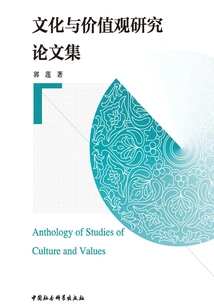
文化与价值观研究论文集
Guo Lian
This book is a collection of more than 20 papers and translations published by the author in the fields of cultural theory and value comparison that he has been engaged in for many years. It is compiled into a volume and consists of two parts: papers and translations. The content of the paper mainly focuses on the definition of culture, the construction of a scale system for comparative values, the verification research of Western "post-modernization theory", and the empirical research on the comparison of values in China, the United States, the Soviet Union and other countries. It fills in the gaps in domestic research in related fields and serves as a guide. The academic translation part involves many fields of cultural studies, such as religion, human rights, feminist movement, capitalism, cultural imperialism, Internet, media, multiculturalism, Marx, media and cultural studies, etc. The content mainly involves the analysis and interpretation of these issues by experts and scholars in relevant fields from various countries, and serves as an inspiration and reference for domestic scholars to study these issues.
This book is a collection of more than 20 papers and translations published by the author in the fields of cultural theory and value comparison that he has been engaged in for many years. It is compiled into a volume and consists of two parts: papers and translations. The content of the paper mainly focuses on the definition of culture, the construction of a scale system for comparative values, the verification research of Western "post-modernization theory", and the empirical research on the comparison of values in China, the United States, the Soviet Union and other countries. It fills in the gaps in domestic research in related fields and serves as a guide. The academic translation part involves many fields of cultural studies, such as religion, human rights, feminist movement, capitalism, cultural imperialism, Internet, media, multiculturalism, Marx, media and cultural studies, etc. The content mainly involves the analysis and interpretation of these issues by experts and scholars in relevant fields from various countries, and serves as an inspiration and reference for domestic scholars to study these issues.
戴建业精读世说新语
Dai Jianye
"Shishuoxinyu" is an aspirational novel that records the words and deeds of celebrities in the Wei and Jin Dynasties. It is a treasure of ancient Chinese literature. However, its writing is simple and difficult to understand if one does not know the relevant background. Dai Jianye, the author of this book, has studied "Shishuo Xinyu" for thirty years. Not only can he completely restore the anecdotes in the book based on the historical background, eliminating reading difficulties, but he can also help you understand the essence of the Wei and Jin Dynasties, and understand the uninhibited, frank and unrestrained style of an era. Thanks to Liu Yiqing's "Shishuoxinyu", we can see what it means to be detached and refined, what it means to be noble and elegant, and what it means to be free and elegant.
"Shishuoxinyu" is an aspirational novel that records the words and deeds of celebrities in the Wei and Jin Dynasties. It is a treasure of ancient Chinese literature. However, its writing is simple and difficult to understand if one does not know the relevant background. Dai Jianye, the author of this book, has studied "Shishuo Xinyu" for thirty years. Not only can he completely restore the anecdotes in the book based on the historical background, eliminating reading difficulties, but he can also help you understand the essence of the Wei and Jin Dynasties, and understand the uninhibited, frank and unrestrained style of an era. Thanks to Liu Yiqing's "Shishuoxinyu", we can see what it means to be detached and refined, what it means to be noble and elegant, and what it means to be free and elegant.
非洲现代作家作品(世界文学知识漫谈)
Editor-in-chief Xiao Feng
Literature is a social ideology that is closely related to society, politics, philosophy, religion, morality and other social sciences. It is formed and developed on a certain social and economic basis. Therefore, it can profoundly reflect the social life of a country or a nation in a specific period. The function of literature is to reflect social life with images and to reflect the objective world with concrete, vivid and touching details. Excellent literary works can make people feel as if they are there, see the person, and hear their voice, and they can be infected, educated, and cultivated ideologically and emotionally.
Literature is a social ideology that is closely related to society, politics, philosophy, religion, morality and other social sciences. It is formed and developed on a certain social and economic basis. Therefore, it can profoundly reflect the social life of a country or a nation in a specific period. The function of literature is to reflect social life with images and to reflect the objective world with concrete, vivid and touching details. Excellent literary works can make people feel as if they are there, see the person, and hear their voice, and they can be infected, educated, and cultivated ideologically and emotionally.
落花时节又逢君:重温那些美好古诗词
Ai Wenyin
Those words have traveled through the smoke and dust of thousands of years, and still retain their spirit even in the otherworldly situation. The charming feelings are lingering in my heart, and the soft bones and tender intestines express so much favor; when it is difficult to be loved, tears and ink are written as a book, engraved with a person's vast sea and stars; after going through hardships, the frosty sky and cold moon can bear it, I can't bear to look at the clothes in my dream and sigh... Thousands of people have recited it thousands of times, are you included in those familiar lines?
Those words have traveled through the smoke and dust of thousands of years, and still retain their spirit even in the otherworldly situation. The charming feelings are lingering in my heart, and the soft bones and tender intestines express so much favor; when it is difficult to be loved, tears and ink are written as a book, engraved with a person's vast sea and stars; after going through hardships, the frosty sky and cold moon can bear it, I can't bear to look at the clothes in my dream and sigh... Thousands of people have recited it thousands of times, are you included in those familiar lines?
话本小说与诗词关系研究
Liang Dongli
"Research on the Relationship between Storytelling Novels and Poetry" attempts to comprehensively and multi-angle analyze the vertical development and internal relationship between storytelling novels and imported poetry, and explain the uniqueness between the two. The story-telling novels and the introduced poems have indeed experienced the trajectory of "separation-combining-separation" under the combined influence of changes and developments in the system, editing methods, and narrative methods.
"Research on the Relationship between Storytelling Novels and Poetry" attempts to comprehensively and multi-angle analyze the vertical development and internal relationship between storytelling novels and imported poetry, and explain the uniqueness between the two. The story-telling novels and the introduced poems have indeed experienced the trajectory of "separation-combining-separation" under the combined influence of changes and developments in the system, editing methods, and narrative methods.
Read Sherlock Holmes in One Book
Literature一本书读懂福尔摩斯
Li Xianhui
Sherlock Holmes - the world's best synonym for famous detective. "The Complete Works of Sherlock Holmes" - a classic that has been best-selling around the world for a century, and a detective novel that must not be missed. Condensation is the essence, Sherlock Holmes' detective stories are all in "Understanding Sherlock Holmes in One Book".
Sherlock Holmes - the world's best synonym for famous detective. "The Complete Works of Sherlock Holmes" - a classic that has been best-selling around the world for a century, and a detective novel that must not be missed. Condensation is the essence, Sherlock Holmes' detective stories are all in "Understanding Sherlock Holmes in One Book".