Library
Browse and search books
2,273 novels found
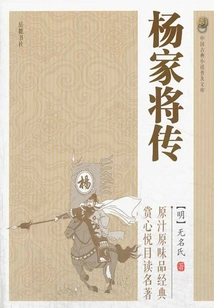
杨家将传(中国古典小说普及文库)
(ming) Anonymous
This book is an adaptation of the famous Chinese classical novel "The Biography of the Generals of the Yang Family". It uses popular and vivid modern language to narrate the story of the early Northern Song Dynasty in the history of my country, when Song Taizu, Song Taizong, and Song Zhenzong conquered the divided northern and western border regimes such as the Northern Han, Liao, and Xixia, and unified the Central Plains. The book focuses on describing the epic deeds of three generations of heroes of the Yang family, men, women and children, who endured humiliation and fought bloody battles for the unification of China. It portrays heroic figures such as Yang Ye, Yang Liulang, Yang Zongbao, Taijun She and Mu Guiying, and lashes out at the ugly behavior of treacherous ministers and corrupt officials such as Pan Renmei and Wang Qin who were jealous of the virtuous and capable and betrayed the interests of the nation and the country just for their own selfish interests.
This book is an adaptation of the famous Chinese classical novel "The Biography of the Generals of the Yang Family". It uses popular and vivid modern language to narrate the story of the early Northern Song Dynasty in the history of my country, when Song Taizu, Song Taizong, and Song Zhenzong conquered the divided northern and western border regimes such as the Northern Han, Liao, and Xixia, and unified the Central Plains. The book focuses on describing the epic deeds of three generations of heroes of the Yang family, men, women and children, who endured humiliation and fought bloody battles for the unification of China. It portrays heroic figures such as Yang Ye, Yang Liulang, Yang Zongbao, Taijun She and Mu Guiying, and lashes out at the ugly behavior of treacherous ministers and corrupt officials such as Pan Renmei and Wang Qin who were jealous of the virtuous and capable and betrayed the interests of the nation and the country just for their own selfish interests.
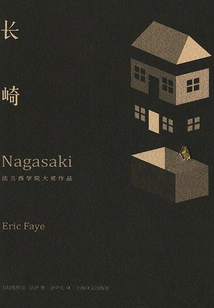
Nagasaki
General Fiction长崎
(france) Eric Fahy
The 2010 French Academy Novel Grand Prix work was inspired by a social news story and was reported by many Japanese newspapers, including the Asahi Shimbun in May 2008. It tells the story of a Japanese man in his 50s and a female intruder. Mr. Shimura is an ordinary man who lives a regular life alone. However, starting from one day, he gradually discovered some small changes: the food in his refrigerator was slowly disappearing, and some items were moved very slightly when he was not at home... So he decided to install a camera at home so that he could monitor the situation at home from the weather station where he worked, and he discovered that a woman actually lived in one of his closets. This woman has no family and no fixed residence. Without his knowledge, she has been sharing his house with him for several months...
The 2010 French Academy Novel Grand Prix work was inspired by a social news story and was reported by many Japanese newspapers, including the Asahi Shimbun in May 2008. It tells the story of a Japanese man in his 50s and a female intruder. Mr. Shimura is an ordinary man who lives a regular life alone. However, starting from one day, he gradually discovered some small changes: the food in his refrigerator was slowly disappearing, and some items were moved very slightly when he was not at home... So he decided to install a camera at home so that he could monitor the situation at home from the weather station where he worked, and he discovered that a woman actually lived in one of his closets. This woman has no family and no fixed residence. Without his knowledge, she has been sharing his house with him for several months...
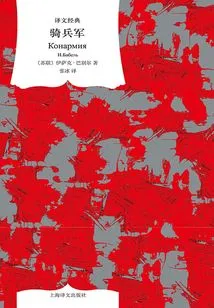
Cavalry Corps
General Fiction骑兵军
(russian) Isaac Babel
It records the real blood and tears during the war years and is a masterpiece among contemporary works. "Cavalry Army" is the representative work of the talented Russian writer Babel. The creative material is taken from the battlefield diary that Babel kept when he was 26 years old as a war reporter following Budyonny's command of the First Cavalry Army of the Soviet Red Army into Poland. This grand battle was the last large-scale cavalry battle in world history and lasted for three months. In the book, the author uses the most direct, concise yet gorgeous language to describe the most realistic military life of the Soviet cavalry in Poland through 35 essays. As a Jew, he did not deny the great spirit of the Soviet cavalry in their dedication to the revolution; as a revolutionary, he did not shy away from the mistakes made by the Soviet Cossack cavalry. "Cavalry" shocked the world as soon as it came out. In the Soviet Union, it was first popular and then banned, and even brought Babel's death. In Europe and the United States, it was praised as a masterpiece by contemporary writers in Europe and the United States, winning him immortal reputation.
It records the real blood and tears during the war years and is a masterpiece among contemporary works. "Cavalry Army" is the representative work of the talented Russian writer Babel. The creative material is taken from the battlefield diary that Babel kept when he was 26 years old as a war reporter following Budyonny's command of the First Cavalry Army of the Soviet Red Army into Poland. This grand battle was the last large-scale cavalry battle in world history and lasted for three months. In the book, the author uses the most direct, concise yet gorgeous language to describe the most realistic military life of the Soviet cavalry in Poland through 35 essays. As a Jew, he did not deny the great spirit of the Soviet cavalry in their dedication to the revolution; as a revolutionary, he did not shy away from the mistakes made by the Soviet Cossack cavalry. "Cavalry" shocked the world as soon as it came out. In the Soviet Union, it was first popular and then banned, and even brought Babel's death. In Europe and the United States, it was praised as a masterpiece by contemporary writers in Europe and the United States, winning him immortal reputation.
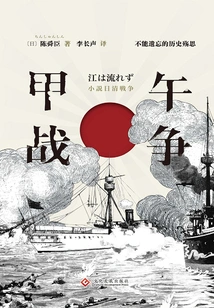
Sino-japanese War
General Fiction甲午战争
(japan) Chen Shunchen
The historical novel "The Sino-Japanese War" centers on Yuan Shikai, Li Hongzhang, Japan's Mutsu Munemitsu, and North Korea's Jin Yujun. It starts with the background of the outbreak of the Sino-Japanese War of 1894-1894 and tells in detail from the Imago Mutiny in North Korea to the Kashin Coup, from Japan's deliberate efforts to launch a war to the end when Li Hongzhang stepped in to clean up the mess and signed the Treaty of Shimonoseki, which was humiliating and humiliating the country. The whole novel has grand scenes and numerous characters. The author quotes a large number of historical materials to objectively describe the intricate relationships between different interest groups in that special era. It depicts how the aging late Qing Dynasty was defeated by the youthful Meiji Japan, triggering readers' thinking and questioning about history. In this war, what is the inside story between China and Japan? What key role does North Korea play?
The historical novel "The Sino-Japanese War" centers on Yuan Shikai, Li Hongzhang, Japan's Mutsu Munemitsu, and North Korea's Jin Yujun. It starts with the background of the outbreak of the Sino-Japanese War of 1894-1894 and tells in detail from the Imago Mutiny in North Korea to the Kashin Coup, from Japan's deliberate efforts to launch a war to the end when Li Hongzhang stepped in to clean up the mess and signed the Treaty of Shimonoseki, which was humiliating and humiliating the country. The whole novel has grand scenes and numerous characters. The author quotes a large number of historical materials to objectively describe the intricate relationships between different interest groups in that special era. It depicts how the aging late Qing Dynasty was defeated by the youthful Meiji Japan, triggering readers' thinking and questioning about history. In this war, what is the inside story between China and Japan? What key role does North Korea play?
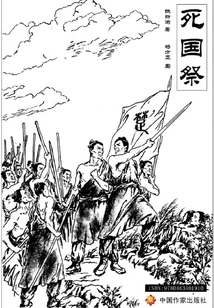
Death Country Festival
General Fiction死国祭
Chen Xinyu
Man and ape say goodbye. Only a few stones were used to polish it when I was a child. The flames are turning in the copper and iron furnace. How can I guess when? Only a few thousand cold and hot. It is rare in this world to smile, and we bow to each other on the battlefield. Bleeding everywhere, Jiaoyuan blood. After reading this article, I felt like my head was spinning, but I remembered only a few spots and a few lines. The five emperors and three emperors deceived countless passers-by. After stealing Zhizhuang and gaining fame, King Chen stood up and waved the yellow ax. The song is not yet finished, the east is white.
Man and ape say goodbye. Only a few stones were used to polish it when I was a child. The flames are turning in the copper and iron furnace. How can I guess when? Only a few thousand cold and hot. It is rare in this world to smile, and we bow to each other on the battlefield. Bleeding everywhere, Jiaoyuan blood. After reading this article, I felt like my head was spinning, but I remembered only a few spots and a few lines. The five emperors and three emperors deceived countless passers-by. After stealing Zhizhuang and gaining fame, King Chen stood up and waved the yellow ax. The song is not yet finished, the east is white.
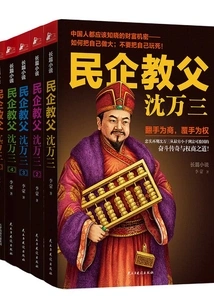
民企教父沈万三(全集)
Li Meng
At the end of the Yuan Dynasty, Shen Wansan, a young country boy, was arrested by the government as a young man. By chance, he worked as a clerk in Liu's Trading Company in Dadu (Beijing). With his ability to observe words and emotions, Shen Wansan gradually learned the explicit and implicit rules in shopping malls, official circles and social circles, and resolved crisis after crisis for his boss. Unfortunately, he also mastered a big secret of a person in power. In order to protect himself, he had to stay away from the capital and return to his hometown in the south of the Yangtze River... The current situation was turbulent. Shen Wansan used his know-how to compromise, cater to, and figure out among the major political forces of the Yuan Dynasty, Zhu Yuanzhang, Zhang Shicheng, and Chen Youliang. He walked a tightrope to resolve one crisis after another, and did business with ease. From selling private salt, reselling grain, running a bank, to speculating on real estate, purchasing military supplies, and overseas trade, he traveled north to Dadu and south to Nanyang. He had business everywhere, always had plans, and gradually built his own business empire...
At the end of the Yuan Dynasty, Shen Wansan, a young country boy, was arrested by the government as a young man. By chance, he worked as a clerk in Liu's Trading Company in Dadu (Beijing). With his ability to observe words and emotions, Shen Wansan gradually learned the explicit and implicit rules in shopping malls, official circles and social circles, and resolved crisis after crisis for his boss. Unfortunately, he also mastered a big secret of a person in power. In order to protect himself, he had to stay away from the capital and return to his hometown in the south of the Yangtze River... The current situation was turbulent. Shen Wansan used his know-how to compromise, cater to, and figure out among the major political forces of the Yuan Dynasty, Zhu Yuanzhang, Zhang Shicheng, and Chen Youliang. He walked a tightrope to resolve one crisis after another, and did business with ease. From selling private salt, reselling grain, running a bank, to speculating on real estate, purchasing military supplies, and overseas trade, he traveled north to Dadu and south to Nanyang. He had business everywhere, always had plans, and gradually built his own business empire...
Secret History of the Huns
General Fiction匈奴秘史
Yang Xianping
"Secret History of the Xiongnu" compiled by Yang Xianping is the first long literary volume based on historical classics to comprehensively show the origin of the Xiongnu in the East and its major historical activities on the Mongolian Plateau. It focuses on the early Xiongnu legends, the war between Qin and Xiong, Maodun's "Patricide" by Maodun, the siege of Liu Bang on Baishan Mountain, Ma's march on Donghu, the expulsion of the Yuezhi, and the great migration of ethnic groups from the Mongolian Plateau to Europe. It also provides a more realistic analysis and record of the different political choices and personal fates of Huhanxie and Zhizhiguduhou. It vividly and vividly presents the profound traces and many iron-blooded dramas left by the Xiongnu, a nomadic army like wolves and lightning, in Chinese history.
"Secret History of the Xiongnu" compiled by Yang Xianping is the first long literary volume based on historical classics to comprehensively show the origin of the Xiongnu in the East and its major historical activities on the Mongolian Plateau. It focuses on the early Xiongnu legends, the war between Qin and Xiong, Maodun's "Patricide" by Maodun, the siege of Liu Bang on Baishan Mountain, Ma's march on Donghu, the expulsion of the Yuezhi, and the great migration of ethnic groups from the Mongolian Plateau to Europe. It also provides a more realistic analysis and record of the different political choices and personal fates of Huhanxie and Zhizhiguduhou. It vividly and vividly presents the profound traces and many iron-blooded dramas left by the Xiongnu, a nomadic army like wolves and lightning, in Chinese history.
Cema Qiang Village
General Fiction策马羌寨
Feng Xiang
At the end of the Qing Dynasty, the imperial court decreed that the chieftains should be abolished and replaced with locals, and the last chieftain of the Qiang ethnic group coerced the people of the Qiang ethnic group to arm themselves against the outside world. Where does Yanzi Village face in the deep mountains of Beichuan? Geshe, a leader of the younger generation, led his people to adapt to historical changes, fight chieftains, fight bandits, quell banditry, establish a family business, provide flood relief, and open an incense hall... Along the way, Geshe's relatives and enemies could not stand aside. China has experienced a hundred years of changes in modern times. The remote Qiang village in the past has also experienced ups and downs several times in the tide of history, and has become the spiritual home of the Qiang people today.
At the end of the Qing Dynasty, the imperial court decreed that the chieftains should be abolished and replaced with locals, and the last chieftain of the Qiang ethnic group coerced the people of the Qiang ethnic group to arm themselves against the outside world. Where does Yanzi Village face in the deep mountains of Beichuan? Geshe, a leader of the younger generation, led his people to adapt to historical changes, fight chieftains, fight bandits, quell banditry, establish a family business, provide flood relief, and open an incense hall... Along the way, Geshe's relatives and enemies could not stand aside. China has experienced a hundred years of changes in modern times. The remote Qiang village in the past has also experienced ups and downs several times in the tide of history, and has become the spiritual home of the Qiang people today.
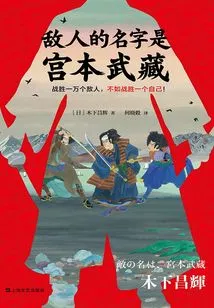
The Enemy's Name is Miyamoto Musashi
General Fiction敌人的名字是宫本武藏
(japan) Kinoshita Masaki
The legendary swordsman Miyamoto Musashi! It is better to defeat ten thousand enemies than to defeat one yourself! Learn more about the life of the legendary swordsman Miyamoto Musashi from the perspective of seven enemies! Miyamoto Musashi was the pinnacle swordsman and strategist in Japanese history. There are more than 100 kinds of film and television dramas, stage plays, games, animations, music, and literary works based on him, which have a profound impact on Japanese society and culture! This book was shortlisted for the Naoki Award, Yamamoto Ishirō Award, and Yamada Futaro Award in the same year! Get an in-depth look at the life of the legendary swordsman Miyamoto Musashi from the perspective of his seven enemies. With a long sword and martial arts skills, he is a peerless master who makes all his opponents fearful. A piece of red cloth, a birthmark, a deeply hidden mystery of life experience. An ink painting, a black cat, a fateful life and death showdown. A generation of sword master, Miyamoto Musashi in the eyes of seven enemies.
The legendary swordsman Miyamoto Musashi! It is better to defeat ten thousand enemies than to defeat one yourself! Learn more about the life of the legendary swordsman Miyamoto Musashi from the perspective of seven enemies! Miyamoto Musashi was the pinnacle swordsman and strategist in Japanese history. There are more than 100 kinds of film and television dramas, stage plays, games, animations, music, and literary works based on him, which have a profound impact on Japanese society and culture! This book was shortlisted for the Naoki Award, Yamamoto Ishirō Award, and Yamada Futaro Award in the same year! Get an in-depth look at the life of the legendary swordsman Miyamoto Musashi from the perspective of his seven enemies. With a long sword and martial arts skills, he is a peerless master who makes all his opponents fearful. A piece of red cloth, a birthmark, a deeply hidden mystery of life experience. An ink painting, a black cat, a fateful life and death showdown. A generation of sword master, Miyamoto Musashi in the eyes of seven enemies.
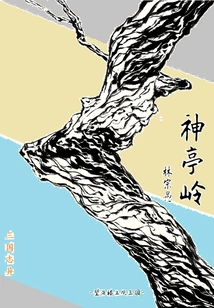
Shentingling
General Fiction神亭岭
Lin Zongyu
This is a short psychological novel that tells the first encounter between Taishi Ci and Sun Ce at Shenting Ridge. The background is the battle of Qu'a when Sun Ce entered Jiangdong in the winter of the second year of Xingping. The focus is not on fighting, but on the political choices of historical figures such as Sun Ce, Taishi Ci, Zhang Zhao, Gu Yong, and Rui Yi.
This is a short psychological novel that tells the first encounter between Taishi Ci and Sun Ce at Shenting Ridge. The background is the battle of Qu'a when Sun Ce entered Jiangdong in the winter of the second year of Xingping. The focus is not on fighting, but on the political choices of historical figures such as Sun Ce, Taishi Ci, Zhang Zhao, Gu Yong, and Rui Yi.
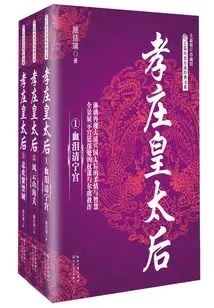
Empress Dowager Xiaozhuang (complete Works)
General Fiction孝庄皇太后(全集)
Yan Tingrui
On the seventh day of August in the eighth year of Chongde in the Qing Dynasty, the news that Huang Taiji fell from his horse in Tiebei Mountain reached Shengjing City, causing an uproar. Prince Rui, Dorgon, is eyeing the throne. The eldest son of the emperor, Hauge, is bound to win the Antlers throne. Each of the eight banners is its master, and a coup is imminent. In order to protect the overall situation, the beautiful and intelligent Concubine Zhuang concealed Huang Taiji's true condition from the outside. On the other hand, she secretly contacted loyal and resourceful people and tried every means to stabilize the status of Qingning Palace. On the ninth day of August, Huang Taiji suddenly collapsed. The grieving concubine of Qingning Palace had no time to wipe away her tears when she felt the coldness from the polished steel knife in the hands of the Dorgon brothers. Whether to live or die, to die together, or to endure humiliation, seek common ground while reserving differences, and seek long-term development of the Qing Dynasty, Xiaozhuang was thinking and wandering painfully... In the end, she was good at judging the situation and seized the opportunity of history and made an astonishing decision...
On the seventh day of August in the eighth year of Chongde in the Qing Dynasty, the news that Huang Taiji fell from his horse in Tiebei Mountain reached Shengjing City, causing an uproar. Prince Rui, Dorgon, is eyeing the throne. The eldest son of the emperor, Hauge, is bound to win the Antlers throne. Each of the eight banners is its master, and a coup is imminent. In order to protect the overall situation, the beautiful and intelligent Concubine Zhuang concealed Huang Taiji's true condition from the outside. On the other hand, she secretly contacted loyal and resourceful people and tried every means to stabilize the status of Qingning Palace. On the ninth day of August, Huang Taiji suddenly collapsed. The grieving concubine of Qingning Palace had no time to wipe away her tears when she felt the coldness from the polished steel knife in the hands of the Dorgon brothers. Whether to live or die, to die together, or to endure humiliation, seek common ground while reserving differences, and seek long-term development of the Qing Dynasty, Xiaozhuang was thinking and wandering painfully... In the end, she was good at judging the situation and seized the opportunity of history and made an astonishing decision...
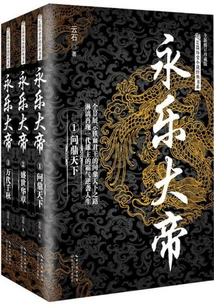
Emperor Yongle (complete Works)
General Fiction永乐大帝(全集)
Marble
This book consists of three volumes. After the death of Zhu Yuanzhang, Emperor Jianwen seized the military power of the vassal king. Seeing that a catastrophe was coming, King Zhu Di of Yan began to secretly accumulate strength while quarreling with the court. Finally, at a time of life and death, he fought back with all his strength and raised troops to quell Jingnan. Facing the imperial court that dominates the world, Yan Fan, who is only in a corner of Peiping, is like a small boat in the vast sea, in danger of capsizing at any time under the turbulent waves. How to find a way out has become a problem that Zhu Di needs to solve urgently...
This book consists of three volumes. After the death of Zhu Yuanzhang, Emperor Jianwen seized the military power of the vassal king. Seeing that a catastrophe was coming, King Zhu Di of Yan began to secretly accumulate strength while quarreling with the court. Finally, at a time of life and death, he fought back with all his strength and raised troops to quell Jingnan. Facing the imperial court that dominates the world, Yan Fan, who is only in a corner of Peiping, is like a small boat in the vast sea, in danger of capsizing at any time under the turbulent waves. How to find a way out has become a problem that Zhu Di needs to solve urgently...
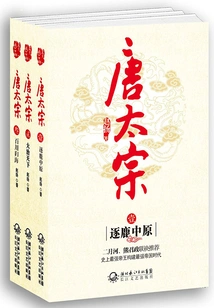
Emperor Taizong of Tang Dynasty (complete Works)
General Fiction唐太宗(全集)
Zhao Yang
Taizong of the Tang Dynasty (three volumes) strives to restore the true appearance of history. The war scenes are majestic and impassioned, the power struggles are touching, the characters are lifelike and vivid, the local customs are vivid and close to the Tang Dynasty, and the descriptions of the artifacts are exquisite and breathtaking.
Taizong of the Tang Dynasty (three volumes) strives to restore the true appearance of history. The war scenes are majestic and impassioned, the power struggles are touching, the characters are lifelike and vivid, the local customs are vivid and close to the Tang Dynasty, and the descriptions of the artifacts are exquisite and breathtaking.
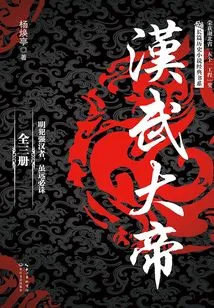
Emperor Wu of Han Dynasty (complete Works)
General Fiction汉武大帝(全集)
Yang Huanting
"Emperor Wu of the Han Dynasty" begins with Liu Che's childhood. He succeeded to the throne through risks and took control of the power; he used virtuous reforms to respect the king and resist the barbarians; he fought against the Xiongnu and sent envoys to the Western Regions; he used witchcraft to cause chaos and revealed his sins to the people. During this period, there were overt and covert struggles in the palace, and the spectacular scene of the Han Empire fighting in all directions and fighting with iron horses. "The yellow sand will wear golden armor in a hundred battles, and Loulan will never be returned until it is broken!" The work resists foreign invasion, the majestic war scenes, the heroic and passionate feelings of the soldiers, and the grandeur of the prosperous age that dominates the world will all be vividly displayed in this work.
"Emperor Wu of the Han Dynasty" begins with Liu Che's childhood. He succeeded to the throne through risks and took control of the power; he used virtuous reforms to respect the king and resist the barbarians; he fought against the Xiongnu and sent envoys to the Western Regions; he used witchcraft to cause chaos and revealed his sins to the people. During this period, there were overt and covert struggles in the palace, and the spectacular scene of the Han Empire fighting in all directions and fighting with iron horses. "The yellow sand will wear golden armor in a hundred battles, and Loulan will never be returned until it is broken!" The work resists foreign invasion, the majestic war scenes, the heroic and passionate feelings of the soldiers, and the grandeur of the prosperous age that dominates the world will all be vividly displayed in this work.
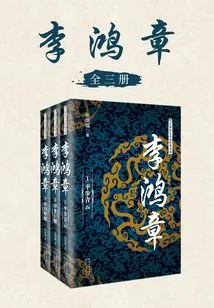
Li Hongzhang (all Three Volumes)
General Fiction李鸿章(全三册)
Zhang Hongfu
Li Hongzhang must be a figure in Chinese history for thousands of years, there is no doubt about it. Li Hongzhang must be a figure in the world history of the 19th century, there is no doubt about it. I respect Li Hongzhang's talent, I cherish Li Hongzhang's knowledge, and I am saddened by Li Hongzhang's encounter - Liang Qichao's book is by far the best novel about Li Hongzhang. It is also called "the five masterpieces of contemporary historical novels" along with "Emperor Yongzheng" by Yue Erhe, "Zhang Juzheng" by Xiong Zhaozheng, "The Great Qin Empire" by Sun Haohui, and "Zeng Guofan" by Tang Haoming.
Li Hongzhang must be a figure in Chinese history for thousands of years, there is no doubt about it. Li Hongzhang must be a figure in the world history of the 19th century, there is no doubt about it. I respect Li Hongzhang's talent, I cherish Li Hongzhang's knowledge, and I am saddened by Li Hongzhang's encounter - Liang Qichao's book is by far the best novel about Li Hongzhang. It is also called "the five masterpieces of contemporary historical novels" along with "Emperor Yongzheng" by Yue Erhe, "Zhang Juzheng" by Xiong Zhaozheng, "The Great Qin Empire" by Sun Haohui, and "Zeng Guofan" by Tang Haoming.
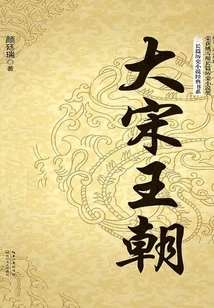
Song Dynasty (full Volume)
General Fiction大宋王朝(全册)
Yan Tingrui
Passed away like this, the comfortable luxury and rain have bid farewell to the glory of the Song Dynasty for nearly a hundred years. There is no comfort under the dangerous wall. Some people of insight began to seek ways to revitalize and strengthen the country. The young emperor Zhao Xu was even more ambitious and vowed to reform and make immortal achievements. Therefore, Wang Anshi, with the support of Emperor Zhao Xu, used thunderbolt means and his nine reform measures to start the famous "Xining Reform" in history. This rapid and violent change shocked the court and officials who were addicted to "a hundred years of nothing". It impacted the old ways and regulations that had led to the country's poverty and weakness, and awakened the declining people's hearts. However, during the implementation of the new law, with the emergence of "deficiencies", fierce political disputes began between Wang Anshi, Sima Guang, and Su Shi, three close friends who "were basically the same but had different skills." They even became incompatible. Public and private affairs, mutual love, honor and disgrace, promotions, joys and sorrows, demonstrate the unique personality of a generation of famous ministers and the confusing and complex reasons for the great social changes. The author vividly reproduces the ups and downs of that period of history with elegant and refined words, and takes the reform as the main line, running through the laws and regulations, customs and sentiments, poems and songs, and military disputes of the Song Dynasty, and then reshapes the image of politicians and literati led by Wang Anshi. It is exciting to read and feels like being there.
Passed away like this, the comfortable luxury and rain have bid farewell to the glory of the Song Dynasty for nearly a hundred years. There is no comfort under the dangerous wall. Some people of insight began to seek ways to revitalize and strengthen the country. The young emperor Zhao Xu was even more ambitious and vowed to reform and make immortal achievements. Therefore, Wang Anshi, with the support of Emperor Zhao Xu, used thunderbolt means and his nine reform measures to start the famous "Xining Reform" in history. This rapid and violent change shocked the court and officials who were addicted to "a hundred years of nothing". It impacted the old ways and regulations that had led to the country's poverty and weakness, and awakened the declining people's hearts. However, during the implementation of the new law, with the emergence of "deficiencies", fierce political disputes began between Wang Anshi, Sima Guang, and Su Shi, three close friends who "were basically the same but had different skills." They even became incompatible. Public and private affairs, mutual love, honor and disgrace, promotions, joys and sorrows, demonstrate the unique personality of a generation of famous ministers and the confusing and complex reasons for the great social changes. The author vividly reproduces the ups and downs of that period of history with elegant and refined words, and takes the reform as the main line, running through the laws and regulations, customs and sentiments, poems and songs, and military disputes of the Song Dynasty, and then reshapes the image of politicians and literati led by Wang Anshi. It is exciting to read and feels like being there.
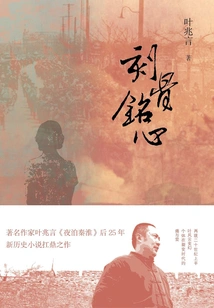
Unforgettable
General Fiction刻骨铭心
Ye Zhaoyan
"Unforgettable" is a 2018 new novel by the famous writer Ye Zhaoyan. 25 Years after "Night at Qinhuai", it is a masterpiece of new historical novels. This is a righteous work with men as the protagonists, a group portrait novel, describing the men's feelings about family and country, brotherhood, and describing the changes in Nanjing in the 1920s and 1930s, and the pain and love in the fission era. It is more masculine and upright than "Night at Qinhuai".
"Unforgettable" is a 2018 new novel by the famous writer Ye Zhaoyan. 25 Years after "Night at Qinhuai", it is a masterpiece of new historical novels. This is a righteous work with men as the protagonists, a group portrait novel, describing the men's feelings about family and country, brotherhood, and describing the changes in Nanjing in the 1920s and 1930s, and the pain and love in the fission era. It is more masculine and upright than "Night at Qinhuai".
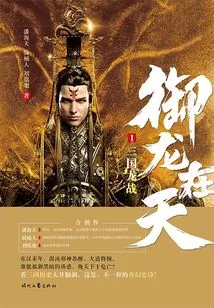
The Dragon in the Sky: Dragon War of the Three Kingdoms
General Fiction御龙在天:三国龙战
Pan Haitian Bucket Rider Liu Mingxu
Dunhuang. The strong wind stirred up yellow sand, accompanied by the shouts of the soldiers on the school field, and slapped it on Zhang Huan's gray beard. The general who protects the Huns, Zhang Huan, whose courtesy name is Ran Ming, is over seventy years old this year. He still wears armor and rides on a gray horse. The long sword was unsheathed and waved high in the air, sometimes pointing to the northwest, sometimes pointing to the southeast. There are Huns and Qiang people in the northwest. Zhang Huan has been a soldier all his life to protect the Han people and has repelled the intruders countless times. To the southeast is Luoyang, where the Han royal family and the eunuchs who control the government are located. Zhang Huan wanted to get rid of them, but he was unable to save them.
Dunhuang. The strong wind stirred up yellow sand, accompanied by the shouts of the soldiers on the school field, and slapped it on Zhang Huan's gray beard. The general who protects the Huns, Zhang Huan, whose courtesy name is Ran Ming, is over seventy years old this year. He still wears armor and rides on a gray horse. The long sword was unsheathed and waved high in the air, sometimes pointing to the northwest, sometimes pointing to the southeast. There are Huns and Qiang people in the northwest. Zhang Huan has been a soldier all his life to protect the Han people and has repelled the intruders countless times. To the southeast is Luoyang, where the Han royal family and the eunuchs who control the government are located. Zhang Huan wanted to get rid of them, but he was unable to save them.
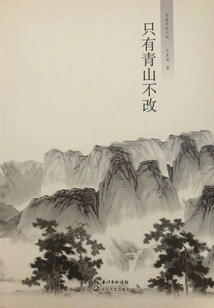
Only the Green Hills Remain Unchanged
General Fiction只有青山不改
Lu Xingyuan
This book takes the real major historical events of the Ming and Qing Dynasties as the main line. Through the portrayal and description of historical figures Zhu Dadian, Ma Shiying, Jin Shenghuan, Wang Deren, Li Chengdong and others, this book profoundly reveals the duality and complexity of good and evil in human nature based on real historical data. There is a theme throughout the book: good and evil deeds are in oneself, and the name of good and evil is in people. Human nature is complex and changeable, and the only thing that cannot be changed is the towering green mountains.
This book takes the real major historical events of the Ming and Qing Dynasties as the main line. Through the portrayal and description of historical figures Zhu Dadian, Ma Shiying, Jin Shenghuan, Wang Deren, Li Chengdong and others, this book profoundly reveals the duality and complexity of good and evil in human nature based on real historical data. There is a theme throughout the book: good and evil deeds are in oneself, and the name of good and evil is in people. Human nature is complex and changeable, and the only thing that cannot be changed is the towering green mountains.
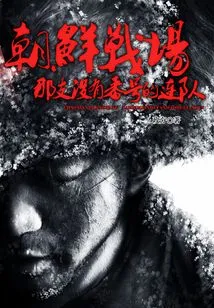
Korean Battlefield: the Company Without a Number
General Fiction朝鲜战场:那支没有番号的连队
Zhengtang
Decrypt Class A files and recreate the tragic war history of the Ace Army. The bloody battle trajectory of the 38th Long Live Army, which was proclaimed by Peng Dehuai, on the Korean battlefield.
Decrypt Class A files and recreate the tragic war history of the Ace Army. The bloody battle trajectory of the 38th Long Live Army, which was proclaimed by Peng Dehuai, on the Korean battlefield.
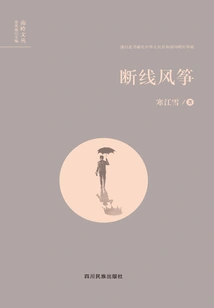
Broken String Kite
General Fiction断线风筝
Han Jiangxue
The Mei Agency, the Special High School, the Lan Agency, as well as the legendary Japanese Empire Expert Factory, and the Ace 100 Unit of the Black Sun Empire's aces that are still shrouded in mystery. There is also the multi-faceted spy "Blue Butterfly" who seems to be ethereal but follows you like a shadow! The agents of the Kuomintang and the Communist Party of China and international agents work together to set up and break situations, and fight to the death again and again! Vow to the death to expel the invaders! The astonishing treasure unearthed by the Japanese army in a ruins of the old capital is actually related to Tang Sanzang? For a time, it attracted the covetous attention of the underworld Xiaoxiao. The gangster Xiaoxiao, the peddler Guo Qiurong, colluded with the Japanese and puppet agents to smuggle the treasure into Fusang. The agents of the Kuomintang and the Communist Party joined forces to attack! The secret recipe of the third young master of the Tang clan, a traditional martial arts family, has been stolen. What conspiracy is hidden in it? The ambitions of the Black Sun Empire are connected with a mysterious supernatural laboratory of the Nazis. Another crazy operation is being prepared to target China and even the entire Asia. The incredible "D" plan completely subverted human thinking at the time. This is a historical mystery that has not yet been completely deciphered.
The Mei Agency, the Special High School, the Lan Agency, as well as the legendary Japanese Empire Expert Factory, and the Ace 100 Unit of the Black Sun Empire's aces that are still shrouded in mystery. There is also the multi-faceted spy "Blue Butterfly" who seems to be ethereal but follows you like a shadow! The agents of the Kuomintang and the Communist Party of China and international agents work together to set up and break situations, and fight to the death again and again! Vow to the death to expel the invaders! The astonishing treasure unearthed by the Japanese army in a ruins of the old capital is actually related to Tang Sanzang? For a time, it attracted the covetous attention of the underworld Xiaoxiao. The gangster Xiaoxiao, the peddler Guo Qiurong, colluded with the Japanese and puppet agents to smuggle the treasure into Fusang. The agents of the Kuomintang and the Communist Party joined forces to attack! The secret recipe of the third young master of the Tang clan, a traditional martial arts family, has been stolen. What conspiracy is hidden in it? The ambitions of the Black Sun Empire are connected with a mysterious supernatural laboratory of the Nazis. Another crazy operation is being prepared to target China and even the entire Asia. The incredible "D" plan completely subverted human thinking at the time. This is a historical mystery that has not yet been completely deciphered.
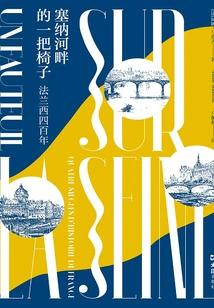
A Chair by the Seine: Four Hundred Years in France
General Fiction塞纳河畔的一把椅子:法兰西四百年
(france) Amin Malouf
The French Academy on the banks of the Seine is the highest honorary institution for French intellectuals. The 40 academicians are all lifelong and have their own seats. Only after the death of an academician can a successor be elected. After being elected as the owner of Seat No. 29, The writer Amin Malouf traces the life adventures of the 18 former academicians since the founding of the Academy in 1634, allowing readers to immerse themselves in France's four-hundred-year history under the guidance of the academician's "guide": this chair once sat the chief minister of the Louis XV era, a historian who was sentenced to death twice, and a religion that dared to call Jesus a "man". Scholars, but the great writers Corneille, Molière, Hugo, etc. Had no connection with it... From the prosperity and decline of the feudal dynasty, the emergence of the Reformation and Enlightenment, the baptism of the Great Revolution, the repeated "reincarnation" of political systems and the final establishment of the republic, to the outbreak of the two world wars, this chair faces the Seine River, carrying warm and heavy memories, and has witnessed the glorious and vicissitudes of France's four hundred years of history. They sat on the 29th chair one after another. As they sat there they experienced glory or terror, piety or enlightenment, epicness, loss, defeat... While Paris, France, Europe and all of humanity were changing.
The French Academy on the banks of the Seine is the highest honorary institution for French intellectuals. The 40 academicians are all lifelong and have their own seats. Only after the death of an academician can a successor be elected. After being elected as the owner of Seat No. 29, The writer Amin Malouf traces the life adventures of the 18 former academicians since the founding of the Academy in 1634, allowing readers to immerse themselves in France's four-hundred-year history under the guidance of the academician's "guide": this chair once sat the chief minister of the Louis XV era, a historian who was sentenced to death twice, and a religion that dared to call Jesus a "man". Scholars, but the great writers Corneille, Molière, Hugo, etc. Had no connection with it... From the prosperity and decline of the feudal dynasty, the emergence of the Reformation and Enlightenment, the baptism of the Great Revolution, the repeated "reincarnation" of political systems and the final establishment of the republic, to the outbreak of the two world wars, this chair faces the Seine River, carrying warm and heavy memories, and has witnessed the glorious and vicissitudes of France's four hundred years of history. They sat on the 29th chair one after another. As they sat there they experienced glory or terror, piety or enlightenment, epicness, loss, defeat... While Paris, France, Europe and all of humanity were changing.
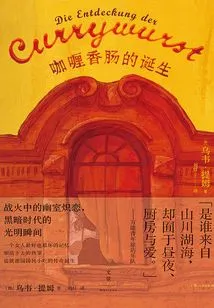
The Birth of Currywurst
General Fiction咖哩香肠的诞生
(germany) Uwe Tim
"The Birth of Currywurst" is a novel by German writer Uwe Thiem, a magical story about war and peace, men and women, people and food. In 1945 during World War II, the British army had crossed the Elbe River and Germany was facing defeat. Bremer, a naval soldier, met Mrs. Brinker who worked in the Hamburg Food Bureau restaurant on his way back from vacation. An air raid brought two strangers together. Bremer became a deserter and hid in Mrs. Brinker's house, beginning a period of time full of secret passion. Soon after, however, the war ended abruptly. In order to keep Bremer, who was much younger than herself, Mrs. Bluck temporarily blocked the news of the end of the war from him. But the clues of the truce continued to emerge. Bremer was trapped in the room and became more and more impatient. Later, he finally learned the truth and returned to his family without saying goodbye. He left Mrs. Brinker and fell into loneliness again. ...
"The Birth of Currywurst" is a novel by German writer Uwe Thiem, a magical story about war and peace, men and women, people and food. In 1945 during World War II, the British army had crossed the Elbe River and Germany was facing defeat. Bremer, a naval soldier, met Mrs. Brinker who worked in the Hamburg Food Bureau restaurant on his way back from vacation. An air raid brought two strangers together. Bremer became a deserter and hid in Mrs. Brinker's house, beginning a period of time full of secret passion. Soon after, however, the war ended abruptly. In order to keep Bremer, who was much younger than herself, Mrs. Bluck temporarily blocked the news of the end of the war from him. But the clues of the truce continued to emerge. Bremer was trapped in the room and became more and more impatient. Later, he finally learned the truth and returned to his family without saying goodbye. He left Mrs. Brinker and fell into loneliness again. ...
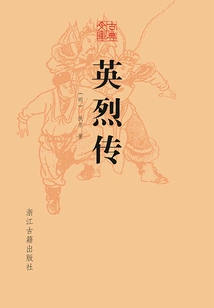
Heroes and Martyrs (classical Library)
General Fiction英烈传(古典文库)
J
This book is also known as "Biography of the Heroes of the Ming Dynasty", "Biography of the Heroes of the Ming Dynasty", "Yunhe Qi trace", etc. It takes the peasant uprising at the end of the Yuan Dynasty as the background and tells the story of Zhu Yuanzhang and a group of founding heroes of the Ming Dynasty who resisted the rule of the Yuan Dynasty, pacified the world, and established the Ming Dynasty. The novel reflects the turbulent social background at that time, the massive anti-Yuan struggle, and the competition between various anti-Yuan forces; it focuses on Zhu Yuanzhang's political talent and excellent military strategy; it also portrays the image of a large number of counselors and generals who followed Zhu Yuanzhang in his southern and northern campaigns, such as Liu Ji, Li Shanchang, Xu Da, Chang Yuchun, Zhu Liangzu, Tang He, Fu Youde, Guo Ying, Hua Yun, etc. The work depicts several larger-scale wars with more ink, and the scenes appear to be grand and clear-cut.
This book is also known as "Biography of the Heroes of the Ming Dynasty", "Biography of the Heroes of the Ming Dynasty", "Yunhe Qi trace", etc. It takes the peasant uprising at the end of the Yuan Dynasty as the background and tells the story of Zhu Yuanzhang and a group of founding heroes of the Ming Dynasty who resisted the rule of the Yuan Dynasty, pacified the world, and established the Ming Dynasty. The novel reflects the turbulent social background at that time, the massive anti-Yuan struggle, and the competition between various anti-Yuan forces; it focuses on Zhu Yuanzhang's political talent and excellent military strategy; it also portrays the image of a large number of counselors and generals who followed Zhu Yuanzhang in his southern and northern campaigns, such as Liu Ji, Li Shanchang, Xu Da, Chang Yuchun, Zhu Liangzu, Tang He, Fu Youde, Guo Ying, Hua Yun, etc. The work depicts several larger-scale wars with more ink, and the scenes appear to be grand and clear-cut.
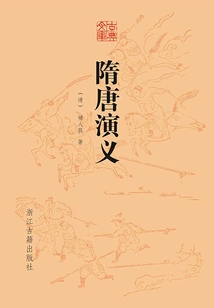
Romance of Sui and Tang Dynasties (classical Library)
General Fiction隋唐演义(古典文库)
J
This book is a long historical novel compiled by Chu Renhuo in the early Qing Dynasty. The book has a total of one hundred volumes, with history as the basis and characters and events as the latitude, with clear organization and clear narrative. It depicts the major historical events of more than 200 years from the Sui Dynasty's destruction of Chen and the unification of the country, to the uprising of heroes due to Emperor Yang's debauchery and immorality, to the early years of the Tang Dynasty. It constitutes a magnificent and majestic historical picture, which is soul-stirring to read.
This book is a long historical novel compiled by Chu Renhuo in the early Qing Dynasty. The book has a total of one hundred volumes, with history as the basis and characters and events as the latitude, with clear organization and clear narrative. It depicts the major historical events of more than 200 years from the Sui Dynasty's destruction of Chen and the unification of the country, to the uprising of heroes due to Emperor Yang's debauchery and immorality, to the early years of the Tang Dynasty. It constitutes a magnificent and majestic historical picture, which is soul-stirring to read.
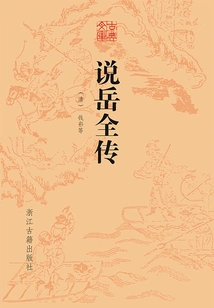
Shuo Yue Quan Zhuan (classical Library)
General Fiction说岳全传(古典文库)
(qing) Qian Cai, Etc.
The full name of "Shuo Yue Quan Zhuan" is "Jing Zhong Yan Yi Shuo Ben Yue Wang Quan Zhuan", with 20 volumes and 80 chapters. The first sixty chapters of the book try their best to describe Yue Fei's loyalty to the country, the invincibility of the Yue family's army in battle, Qin Hui's evil deeds that harmed the country, and the rampant use of Wushu's favor. The fiction and reality are intertwined, making the reading exciting, hilarious and sad. The last twenty chapters describe the rise of the second generation of the Yue family army and the redress of injustices committed by Yue Fei and others. It's all written in vain, but it's a great pleasure to read.
The full name of "Shuo Yue Quan Zhuan" is "Jing Zhong Yan Yi Shuo Ben Yue Wang Quan Zhuan", with 20 volumes and 80 chapters. The first sixty chapters of the book try their best to describe Yue Fei's loyalty to the country, the invincibility of the Yue family's army in battle, Qin Hui's evil deeds that harmed the country, and the rampant use of Wushu's favor. The fiction and reality are intertwined, making the reading exciting, hilarious and sad. The last twenty chapters describe the rise of the second generation of the Yue family army and the redress of injustices committed by Yue Fei and others. It's all written in vain, but it's a great pleasure to read.
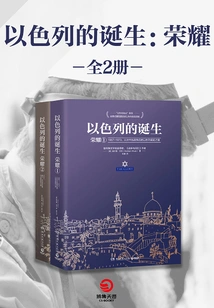
The Birth of Israel: Glory (full Collection)
General Fiction以色列的诞生:荣耀(全集)
Herman Walker
This set consists of two volumes, namely: "The Birth of Israel. Glory. 1" And "The Birth of Israel. Glory. 2". In the 1960s, conflicts continued on the Arab-Israeli border. Syria trained Palestinian guerrillas to carry out terrorist attacks against Israel. Egyptian leader Nasser formed an alliance with Jordan and Syria and declared that Israel must disappear from the map. The "Six-Day War" broke out on June 5, 1967, known in history as the "Third Middle East War." In this war, Israel won the war with an overwhelming advantage and occupied the Gaza Strip, the West Bank, the Old City of Jerusalem, Egypt's Sinai Peninsula, and Syria's Golan Heights, a total of 65,000 square kilometers of Arab land, thus confirming Israel's strategic advantage. However, after the war, it did not bring the long-awaited peace and stability to Israel. During the war, hundreds of thousands of Arab civilians fled their homes and became refugees. This became the root cause of the subsequent escalation of the war in the Middle East, seriously affecting the situation between Palestine and Israel, and the Palestinian and Israeli people have suffered from the pain of the conflict for a long time. After the "Six-Day War" and before the "Yom Kippur War", what changes have occurred in Israel's domestic politics, economy, diplomacy, military, culture, and people's living conditions? How have the careers and family lives of Barak, Nichan, Pastrnak and their children changed? These stories and details will be told one by one in "The Birth of Israel. Glory. 1" Written by Pulitzer Prize winner Herman Walker. "The Birth of Israel. Glory. 2" If Israel's struggle for survival is regarded as a drama, the 1973 "Yom Kippur War", the fourth Middle East war, can be regarded as a condensed version of this drama: on the holy day, Israel was raided on both the northern and southern fronts. The Soviet Union, the superpower at that time, gave formidable support to the Arab countries' attacks. Israel fought an arduous battle despite a huge disparity in strength and weapons with the other side, and later achieved a jaw-dropping victory. It successfully broke through the encirclement of the Arab countries and embarked on the road to signing a peace agreement with Egypt. Pulitzer Prize winner Herman Walker, based on historical data obtained through years of arduous investigation, in "The Birth of Israel. Glory. 2", Gives a detailed description of the escalating Arab-Israeli conflicts before and after the "Yom Kippur War", focusing on the strategic and tactical confrontation and competition, as well as the fierce competition and diplomatic entanglements among various power centers. It truly reproduces the dangerous situation of Israel's overthrow at that time, and at the same time provides ideas for understanding and solving the problems in the Middle East today. "The Birth of Israel. Glory 2" is not only a condensed history of Israel's struggle for survival, but also an admirable history of the struggle of the patriots: the older generation of heroes Zev Barak, Yossi Nichan, and Sam Pastrnak also sacrificed their lives on different battlefields. After careful consideration, the new generation of heroes Noah Barak, Ariel Nichan, and Amos Pastrnak have begun to contribute and fight in different units. Their career choices and emotional choices are deeply embedded in the changing destiny of the State of Israel...
This set consists of two volumes, namely: "The Birth of Israel. Glory. 1" And "The Birth of Israel. Glory. 2". In the 1960s, conflicts continued on the Arab-Israeli border. Syria trained Palestinian guerrillas to carry out terrorist attacks against Israel. Egyptian leader Nasser formed an alliance with Jordan and Syria and declared that Israel must disappear from the map. The "Six-Day War" broke out on June 5, 1967, known in history as the "Third Middle East War." In this war, Israel won the war with an overwhelming advantage and occupied the Gaza Strip, the West Bank, the Old City of Jerusalem, Egypt's Sinai Peninsula, and Syria's Golan Heights, a total of 65,000 square kilometers of Arab land, thus confirming Israel's strategic advantage. However, after the war, it did not bring the long-awaited peace and stability to Israel. During the war, hundreds of thousands of Arab civilians fled their homes and became refugees. This became the root cause of the subsequent escalation of the war in the Middle East, seriously affecting the situation between Palestine and Israel, and the Palestinian and Israeli people have suffered from the pain of the conflict for a long time. After the "Six-Day War" and before the "Yom Kippur War", what changes have occurred in Israel's domestic politics, economy, diplomacy, military, culture, and people's living conditions? How have the careers and family lives of Barak, Nichan, Pastrnak and their children changed? These stories and details will be told one by one in "The Birth of Israel. Glory. 1" Written by Pulitzer Prize winner Herman Walker. "The Birth of Israel. Glory. 2" If Israel's struggle for survival is regarded as a drama, the 1973 "Yom Kippur War", the fourth Middle East war, can be regarded as a condensed version of this drama: on the holy day, Israel was raided on both the northern and southern fronts. The Soviet Union, the superpower at that time, gave formidable support to the Arab countries' attacks. Israel fought an arduous battle despite a huge disparity in strength and weapons with the other side, and later achieved a jaw-dropping victory. It successfully broke through the encirclement of the Arab countries and embarked on the road to signing a peace agreement with Egypt. Pulitzer Prize winner Herman Walker, based on historical data obtained through years of arduous investigation, in "The Birth of Israel. Glory. 2", Gives a detailed description of the escalating Arab-Israeli conflicts before and after the "Yom Kippur War", focusing on the strategic and tactical confrontation and competition, as well as the fierce competition and diplomatic entanglements among various power centers. It truly reproduces the dangerous situation of Israel's overthrow at that time, and at the same time provides ideas for understanding and solving the problems in the Middle East today. "The Birth of Israel. Glory 2" is not only a condensed history of Israel's struggle for survival, but also an admirable history of the struggle of the patriots: the older generation of heroes Zev Barak, Yossi Nichan, and Sam Pastrnak also sacrificed their lives on different battlefields. After careful consideration, the new generation of heroes Noah Barak, Ariel Nichan, and Amos Pastrnak have begun to contribute and fight in different units. Their career choices and emotional choices are deeply embedded in the changing destiny of the State of Israel...
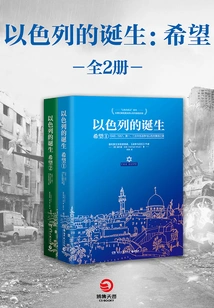
The Birth of Israel: Hope (complete Collection)
General Fiction以色列的诞生:希望(全集)
Herman Walker
This set consists of two volumes, namely: "The Birth of Israel. Hope. 1" And "The Birth of Israel. Hope. 2". After the first and second Middle East wars, the Palestinian-Israeli conflict continued and entered a white-hot stage. At the same time, Britain and France also successively reduced military aid to Israel under pressure from international public opinion. At this time, several political riots and armed conflicts broke out in Israel. The situation at home and abroad is becoming increasingly severe. In order to seek international support, "Flash Wolf" Zeev Barak served as the military attaché at the Israeli Embassy in the United States. Relying on his years of combat experience and political experience, he tried his best to win a great deal of political support for Israel at United Nations meetings. At the same time, "Don Quixote" Yossi Nican gradually revealed his outstanding military talents, grew into the backbone of the armored forces, and commanded the armored brigade under his command to participate in the raging war. Under attack from all parties, the third Middle East War broke out on June 5, 1967. Israel launched a lightning air strike that destroyed the air force of the Arab League. The war lasted only six days and ended with the defeat of the Arab side. It was known as the "Six-Day War" in history. This classic battle redrawn the map of the Middle East and once again consolidated Israel's international status. However, it did not bring the long-awaited peace to Israel. It caused a series of problems that are still affecting the situation between Palestine and Israel.
This set consists of two volumes, namely: "The Birth of Israel. Hope. 1" And "The Birth of Israel. Hope. 2". After the first and second Middle East wars, the Palestinian-Israeli conflict continued and entered a white-hot stage. At the same time, Britain and France also successively reduced military aid to Israel under pressure from international public opinion. At this time, several political riots and armed conflicts broke out in Israel. The situation at home and abroad is becoming increasingly severe. In order to seek international support, "Flash Wolf" Zeev Barak served as the military attaché at the Israeli Embassy in the United States. Relying on his years of combat experience and political experience, he tried his best to win a great deal of political support for Israel at United Nations meetings. At the same time, "Don Quixote" Yossi Nican gradually revealed his outstanding military talents, grew into the backbone of the armored forces, and commanded the armored brigade under his command to participate in the raging war. Under attack from all parties, the third Middle East War broke out on June 5, 1967. Israel launched a lightning air strike that destroyed the air force of the Arab League. The war lasted only six days and ended with the defeat of the Arab side. It was known as the "Six-Day War" in history. This classic battle redrawn the map of the Middle East and once again consolidated Israel's international status. However, it did not bring the long-awaited peace to Israel. It caused a series of problems that are still affecting the situation between Palestine and Israel.
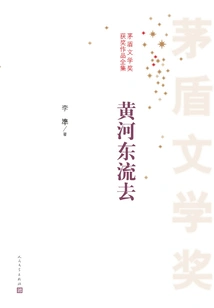
The Yellow River Flows Eastward
General Fiction黄河东流去
Li Zhun
"The Yellow River Flows East" is based on the historical event in 1938 when the Japanese invading army entered the Central Plains and the Kuomintang troops who retreated south broke open the Huayuankou embankment of the Yellow River and flooded 44 counties in Henan, Jiangsu and Anhui provinces, causing more than 10 million people to suffer. It describes the profound disasters and evocative struggles experienced by the people of the Yellow River area from 1938 to 1948. The book has a compact structure, a profound yet humorous tone, and is a touching and touching read, with a strong artistic appeal.
"The Yellow River Flows East" is based on the historical event in 1938 when the Japanese invading army entered the Central Plains and the Kuomintang troops who retreated south broke open the Huayuankou embankment of the Yellow River and flooded 44 counties in Henan, Jiangsu and Anhui provinces, causing more than 10 million people to suffer. It describes the profound disasters and evocative struggles experienced by the people of the Yellow River area from 1938 to 1948. The book has a compact structure, a profound yet humorous tone, and is a touching and touching read, with a strong artistic appeal.
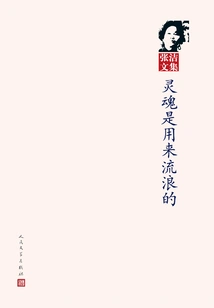
The Soul is Meant to Wander
General Fiction灵魂是用来流浪的
Zhang Jie
Long novel. This is a work that requires careful appreciation and taste. From a story perspective, the work tells us about a young scholar's unexpected journey of exploration, but the protagonist's strange encounters and complex feelings hint at the charm of many winding paths. Even if we browse casually, we will be struck and infected by the wisdom and lamentation from time to time.
Long novel. This is a work that requires careful appreciation and taste. From a story perspective, the work tells us about a young scholar's unexpected journey of exploration, but the protagonist's strange encounters and complex feelings hint at the charm of many winding paths. Even if we browse casually, we will be struck and infected by the wisdom and lamentation from time to time.
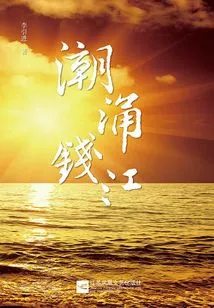
The Tide Surges into the Qianjiang River
General Fiction潮涌钱江
Li Introduction
On the eve of the Japanese invasion of China landing in Hangzhou Bay in 1927, Zheng Tietou established an armed force in Jiuba Village and was appointed squad leader by the Zhejiang Provincial Military District. They were gearing up to defend Hangzhou Bay. His mother-in-law Feng Guizi nursed two children since childhood. One was Zheng Futu, the grandson of Zheng Dahang, a gentleman of Zheng Zhai; the other was Ma Chunxiu, the niece of Zheng Zhai's third concubine. Zheng Tietou fell in love with Ma Chunxiu, and their mad love quickly spread throughout the village and Hangzhou. Zheng Tietou and his nanny Zheng Futu clashed with bandits while escorting supplies. Everyone thought he died. When Zheng Futu and Ma Chunxiu held their wedding, Zheng Tietou returned with a reorganized team... The Japanese invaders landed in Hangzhou Bay with a sneak attack. Several local armed forces failed to defend Hangzhou Bay. Zheng Futu, the nanny, was captured. Ma Chunxiu returned to Zheng Tietou and became an anti-Japanese couple.
On the eve of the Japanese invasion of China landing in Hangzhou Bay in 1927, Zheng Tietou established an armed force in Jiuba Village and was appointed squad leader by the Zhejiang Provincial Military District. They were gearing up to defend Hangzhou Bay. His mother-in-law Feng Guizi nursed two children since childhood. One was Zheng Futu, the grandson of Zheng Dahang, a gentleman of Zheng Zhai; the other was Ma Chunxiu, the niece of Zheng Zhai's third concubine. Zheng Tietou fell in love with Ma Chunxiu, and their mad love quickly spread throughout the village and Hangzhou. Zheng Tietou and his nanny Zheng Futu clashed with bandits while escorting supplies. Everyone thought he died. When Zheng Futu and Ma Chunxiu held their wedding, Zheng Tietou returned with a reorganized team... The Japanese invaders landed in Hangzhou Bay with a sneak attack. Several local armed forces failed to defend Hangzhou Bay. Zheng Futu, the nanny, was captured. Ma Chunxiu returned to Zheng Tietou and became an anti-Japanese couple.
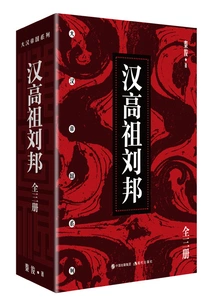
Liu Bang, the Emperor of the Han Dynasty (all Three Volumes)
General Fiction汉高祖刘邦(全三册)
Qin Jun
Look at the beautiful car and seize Weiyang in the market. When the dust rises, Hongmen cleverly confronts the king. Recruit the virtuous and fearless to conquer the world. Three chapters of law, Gaixia determines the territory of Han Dynasty. The historical novelist Qin Jun's "Han Emperor Liu Bang (all three volumes)" in the "Han Empire" series interprets the legendary heroic story of Liu Bang who "conquered the world with a commoner and a three-foot sword" from a folk perspective. Liu Bang knows people well and accepts advice easily. He has a statesman's vision, a strategist's plans, and a military strategist's plans. He finally defeated Xiang Yu and created the foundation of the Han Empire for more than 400 years. In a true sense, he ended the divisions and wars since the Spring and Autumn Period and the Warring States Period, and created a stable feudal unified dynasty. "Liu Bang, the Great Ancestor of the Han Dynasty (Complete Three Volumes)" completely shows the historical picture of Liu Bang from a dissolute little pavilion chief to recruiting virtuous people and independently commanding the army, to skillfully using personnel and leading military strategies to create an imperial career, and finally becoming the first commoner emperor in Chinese history.
Look at the beautiful car and seize Weiyang in the market. When the dust rises, Hongmen cleverly confronts the king. Recruit the virtuous and fearless to conquer the world. Three chapters of law, Gaixia determines the territory of Han Dynasty. The historical novelist Qin Jun's "Han Emperor Liu Bang (all three volumes)" in the "Han Empire" series interprets the legendary heroic story of Liu Bang who "conquered the world with a commoner and a three-foot sword" from a folk perspective. Liu Bang knows people well and accepts advice easily. He has a statesman's vision, a strategist's plans, and a military strategist's plans. He finally defeated Xiang Yu and created the foundation of the Han Empire for more than 400 years. In a true sense, he ended the divisions and wars since the Spring and Autumn Period and the Warring States Period, and created a stable feudal unified dynasty. "Liu Bang, the Great Ancestor of the Han Dynasty (Complete Three Volumes)" completely shows the historical picture of Liu Bang from a dissolute little pavilion chief to recruiting virtuous people and independently commanding the army, to skillfully using personnel and leading military strategies to create an imperial career, and finally becoming the first commoner emperor in Chinese history.
M
General Fictionm
I
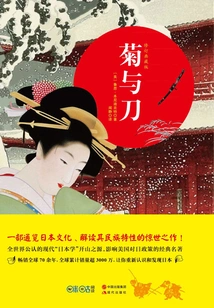
"The Chrysanthemum and the Sword" was originally a military investigation report made by the author on the order of the U. S. Government for the purpose of analyzing and studying Japanese society and Japanese nationality. Since its official publication in 1946, this book has become a classic work loved by international academic circles and general readers for its incisive analysis of Japanese national character. The Japanese regard Benedict as the mother of rebuilding Japanese culture after the war. They have set off a craze for reading "The Chrysanthemum and the Sword" time and time again. It has aroused strong repercussions in the United States, Japan and other countries, and is known as the "pioneering work of Japanese studies" in modern times. "Chrysanthemum" is originally the emblem of the Japanese royal family, and "sword" is the symbol of Bushido culture. Benedict uses "chrysanthemum" and "sword" to symbolize the contradictory character of the Japanese people, and uses a calm perspective of a Westerner to gain an overview of Japan's unique cultural traditions and national character. It not only captures the details of Japanese culture, but also places it within the anthropological perspective of Eastern culture and Pacific island culture. To this day, the book "The Chrysanthemum and the Sword" is recognized as the first book describing Japanese culture in history. This book has been highly praised by all walks of life, and its great influence continues to this day.
"The Chrysanthemum and the Sword" was originally a military investigation report made by the author on the order of the U. S. Government for the purpose of analyzing and studying Japanese society and Japanese nationality. Since its official publication in 1946, this book has become a classic work loved by international academic circles and general readers for its incisive analysis of Japanese national character. The Japanese regard Benedict as the mother of rebuilding Japanese culture after the war. They have set off a craze for reading "The Chrysanthemum and the Sword" time and time again. It has aroused strong repercussions in the United States, Japan and other countries, and is known as the "pioneering work of Japanese studies" in modern times. "Chrysanthemum" is originally the emblem of the Japanese royal family, and "sword" is the symbol of Bushido culture. Benedict uses "chrysanthemum" and "sword" to symbolize the contradictory character of the Japanese people, and uses a calm perspective of a Westerner to gain an overview of Japan's unique cultural traditions and national character. It not only captures the details of Japanese culture, but also places it within the anthropological perspective of Eastern culture and Pacific island culture. To this day, the book "The Chrysanthemum and the Sword" is recognized as the first book describing Japanese culture in history. This book has been highly praised by all walks of life, and its great influence continues to this day.
Chaos in the Song Empire
General Fiction大宋帝国之中原乱
Ding Mu
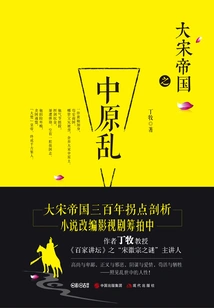
Wearing a yellow robe and trying to keep the Southern Kingdom safe, no matter how much his father and brother were captured, he abandoned the land of the Central Plains of the Song Dynasty. He was upright and upright, wielded his sword to fight against the Jin Dynasty, and was impeached many times, but he had no ambition to serve the country. He was insidious and despicable, a traitor to his country and an alliance, the emperor of "Great Chu", and eventually became a sinner through the ages. Nobility and despicability, justice and evil, conspiracy and love, survival and sacrifice-see the human nature in troubled times! During the Jingkang period, the mighty Song Dynasty faced powerful enemies. Zhao Ji abandoned his throne and fled, throwing away his helmet and armor. The prince Zhao Huan was pushed to the throne with no big chest. Taiyuan was in a hurry and Bianjing was in danger. The Yellow River defense line of the Song Dynasty collapsed overnight and was vulnerable. The two emperors of Huiqin were captured, and the country was ruined and the people were ill. The country has no good ruler, the government has no authority, the country is weak and corrupt, and the people are in dire straits. Li Gang was upright and upright. When the national crisis came, he advocated against the Jin army. He defeated the Jin army but was repeatedly impeached and banished. Suo Tianxiong had great ambitions to save the country from danger, resisted the imperial court and assisted the British masters. When the Jin army invaded the south, he stood up and mobilized the people to fight against foreign enemies. A generation of heroes, loyal to the country and loving the people, how could it be that Zhao Gou sat down and established his own court facing south, while Li Bangyan, Tong Guan, and Zhang Bangchang betrayed the country and begged for their lives! The hero is short of breath. The Northern Song Dynasty, which was once second to none and had unprecedented prosperity, is gone...
Wearing a yellow robe and trying to keep the Southern Kingdom safe, no matter how much his father and brother were captured, he abandoned the land of the Central Plains of the Song Dynasty. He was upright and upright, wielded his sword to fight against the Jin Dynasty, and was impeached many times, but he had no ambition to serve the country. He was insidious and despicable, a traitor to his country and an alliance, the emperor of "Great Chu", and eventually became a sinner through the ages. Nobility and despicability, justice and evil, conspiracy and love, survival and sacrifice-see the human nature in troubled times! During the Jingkang period, the mighty Song Dynasty faced powerful enemies. Zhao Ji abandoned his throne and fled, throwing away his helmet and armor. The prince Zhao Huan was pushed to the throne with no big chest. Taiyuan was in a hurry and Bianjing was in danger. The Yellow River defense line of the Song Dynasty collapsed overnight and was vulnerable. The two emperors of Huiqin were captured, and the country was ruined and the people were ill. The country has no good ruler, the government has no authority, the country is weak and corrupt, and the people are in dire straits. Li Gang was upright and upright. When the national crisis came, he advocated against the Jin army. He defeated the Jin army but was repeatedly impeached and banished. Suo Tianxiong had great ambitions to save the country from danger, resisted the imperial court and assisted the British masters. When the Jin army invaded the south, he stood up and mobilized the people to fight against foreign enemies. A generation of heroes, loyal to the country and loving the people, how could it be that Zhao Gou sat down and established his own court facing south, while Li Bangyan, Tong Guan, and Zhang Bangchang betrayed the country and begged for their lives! The hero is short of breath. The Northern Song Dynasty, which was once second to none and had unprecedented prosperity, is gone...
The Setting Sun of the Great Song Empire
General Fiction大宋帝国之残阳烈
Ding Mu
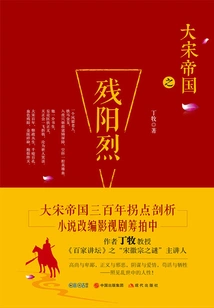
A weather-beaten old man with an iron horse and a strong sword, enters the tiger's den to drive away the enemy and builds a barrier, with the blood of a hero in his heart. As a scholar, he talked nonsense about upholding justice, and the Tianzhenghui collapsed and became a laughing matter of the world. For hundreds of years during the Song Dynasty, bad governance was rife and riddled with holes. The bloody sun sets, the golden pot is broken, and the hatred lasts forever. Nobility and despicability, justice and evil, conspiracy and love, survival and sacrifice-see the human nature in troubled times! In February of the first year of Jingkang, there were frequent wars in the northern territory of the Song Dynasty, and the Jin army captured a large number of prefectures and counties. The Song Dynasty was riddled with bad governance, riddled with holes, declining, and lacking good generals. Zongze, a famous anti-gold general who feared the enemy, was in his dying years. He was ordered to put on his military uniform again when the country was in crisis. He turned the tide when the country was in crisis and fought bravely to resist the foreign invaders. Fortunately, we turned the corner and established ourselves in the south of the Yangtze River. The city was in ruins and bandits were on the rise. Zongze entered the tiger's den alone, showing his true character of being a wise and courageous man. He outsmarted the leaders of Tianzhenghui, hoeed traitors and raised food to defend Bianjing. In the second year of Jianyan, after more than seventy battles in three months, the Jin army was defeated. Zongze's achievements were outstanding, which enhanced the power of the Song army. He hates Zhao Gou's court and wants to keep the Southern Kingdom safe. Zongze wants to sweep across Mobei. Unfortunately, the bloody sun sets. He only harbors the blood of a hero who cares about the country and the people. He holds hatred for the rest of his life...
A weather-beaten old man with an iron horse and a strong sword, enters the tiger's den to drive away the enemy and builds a barrier, with the blood of a hero in his heart. As a scholar, he talked nonsense about upholding justice, and the Tianzhenghui collapsed and became a laughing matter of the world. For hundreds of years during the Song Dynasty, bad governance was rife and riddled with holes. The bloody sun sets, the golden pot is broken, and the hatred lasts forever. Nobility and despicability, justice and evil, conspiracy and love, survival and sacrifice-see the human nature in troubled times! In February of the first year of Jingkang, there were frequent wars in the northern territory of the Song Dynasty, and the Jin army captured a large number of prefectures and counties. The Song Dynasty was riddled with bad governance, riddled with holes, declining, and lacking good generals. Zongze, a famous anti-gold general who feared the enemy, was in his dying years. He was ordered to put on his military uniform again when the country was in crisis. He turned the tide when the country was in crisis and fought bravely to resist the foreign invaders. Fortunately, we turned the corner and established ourselves in the south of the Yangtze River. The city was in ruins and bandits were on the rise. Zongze entered the tiger's den alone, showing his true character of being a wise and courageous man. He outsmarted the leaders of Tianzhenghui, hoeed traitors and raised food to defend Bianjing. In the second year of Jianyan, after more than seventy battles in three months, the Jin army was defeated. Zongze's achievements were outstanding, which enhanced the power of the Song army. He hates Zhao Gou's court and wants to keep the Southern Kingdom safe. Zongze wants to sweep across Mobei. Unfortunately, the bloody sun sets. He only harbors the blood of a hero who cares about the country and the people. He holds hatred for the rest of his life...
Three Kingdoms 2: Enter the Dragon and the Tiger
General Fiction三国2:龙争虎斗
I
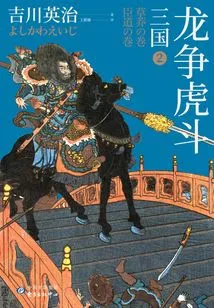
"Three Kingdoms" is the pinnacle work of Eiji Yoshikawa, and it is also the ultimate work of the blend of Chinese culture and Japanese temperament. In Japan, there are countless historians, politicians, entrepreneurs, writers and artists influenced by "Three Kingdoms". They regard "Three Kingdoms" as a historical masterpiece, a comprehensive collection of political strategies, a business war manual and an inspirational book, and learn from it history and culture, ways of success, methods of doing things, leadership theories, etc. There are five volumes in the "Three Kingdoms" series, and this is the second volume, including the Cao Mang Volume and the Chen Dao Volume among the ten volumes. The Cao Mang Volume: After Emperor Xian of the Han Dynasty was welcomed to Xudu, the regime of the Eastern Han Dynasty was nominally preserved. The relatively stable situation was full of crises. Lu Bu captured Xuzhou, Sun Ce captured Moling, Yuan Shu proclaimed himself emperor in Huainan, Liu Biao occupied Jingxiang, and Cao Cao, who "held the emperor hostage to order the princes", formed a pattern of great powers competing for hegemony.
"Three Kingdoms" is the pinnacle work of Eiji Yoshikawa, and it is also the ultimate work of the blend of Chinese culture and Japanese temperament. In Japan, there are countless historians, politicians, entrepreneurs, writers and artists influenced by "Three Kingdoms". They regard "Three Kingdoms" as a historical masterpiece, a comprehensive collection of political strategies, a business war manual and an inspirational book, and learn from it history and culture, ways of success, methods of doing things, leadership theories, etc. There are five volumes in the "Three Kingdoms" series, and this is the second volume, including the Cao Mang Volume and the Chen Dao Volume among the ten volumes. The Cao Mang Volume: After Emperor Xian of the Han Dynasty was welcomed to Xudu, the regime of the Eastern Han Dynasty was nominally preserved. The relatively stable situation was full of crises. Lu Bu captured Xuzhou, Sun Ce captured Moling, Yuan Shu proclaimed himself emperor in Huainan, Liu Biao occupied Jingxiang, and Cao Cao, who "held the emperor hostage to order the princes", formed a pattern of great powers competing for hegemony.
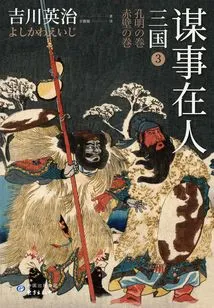
Three Kingdoms 3: It's up to People to Plan Things
General Fiction三国3:谋事在人
I
"Three Kingdoms" is the pinnacle work of Eiji Yoshikawa, and it is also the ultimate work of the blend of Chinese culture and Japanese temperament. In Japan, there are countless historians, politicians, entrepreneurs, writers and artists influenced by "Three Kingdoms". They regard "Three Kingdoms" as a historical masterpiece, a comprehensive collection of political strategies, a business war manual and an inspirational book, and learn from it history and culture, ways of success, methods of doing things, leadership theories, etc. There are five volumes in the "Three Kingdoms" series, and this is the third volume, including the Kong Ming Volume and the Red Cliff Volume among the ten volumes. Kong Ming's Scroll: Liu Bei learned from Xu Shu that the sage in Longzhong, Mr. Wolong Zhuge Liang, took Guan Yu and Zhang Fei to visit the thatched cottage three times, and finally met him. The two hit it off immediately, and they chatted about world affairs. Red Cliff Scroll: Zhuge Liang went to Soochow to argue with Jiangdong counselors, and persuaded Sun Quan to unite against Cao Cao. Pang Tong proposed a chain plan to Cao Cao to connect the warships into one. Zhuge Liang first relied on the favorable location and thatched boat to borrow arrows, and then took advantage of the weather to borrow the east wind. Huang Gai pretended to surrender and took the opportunity to burn Red Cliff and defeat Cao's army. The three-legged force is established.
"Three Kingdoms" is the pinnacle work of Eiji Yoshikawa, and it is also the ultimate work of the blend of Chinese culture and Japanese temperament. In Japan, there are countless historians, politicians, entrepreneurs, writers and artists influenced by "Three Kingdoms". They regard "Three Kingdoms" as a historical masterpiece, a comprehensive collection of political strategies, a business war manual and an inspirational book, and learn from it history and culture, ways of success, methods of doing things, leadership theories, etc. There are five volumes in the "Three Kingdoms" series, and this is the third volume, including the Kong Ming Volume and the Red Cliff Volume among the ten volumes. Kong Ming's Scroll: Liu Bei learned from Xu Shu that the sage in Longzhong, Mr. Wolong Zhuge Liang, took Guan Yu and Zhang Fei to visit the thatched cottage three times, and finally met him. The two hit it off immediately, and they chatted about world affairs. Red Cliff Scroll: Zhuge Liang went to Soochow to argue with Jiangdong counselors, and persuaded Sun Quan to unite against Cao Cao. Pang Tong proposed a chain plan to Cao Cao to connect the warships into one. Zhuge Liang first relied on the favorable location and thatched boat to borrow arrows, and then took advantage of the weather to borrow the east wind. Huang Gai pretended to surrender and took the opportunity to burn Red Cliff and defeat Cao's army. The three-legged force is established.
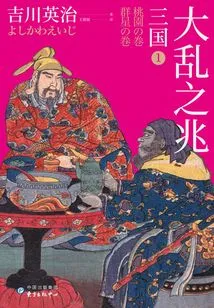
Three Kingdoms 1: Signs of Chaos
General Fiction三国1:大乱之兆
I
"Three Kingdoms" is the pinnacle work of Eiji Yoshikawa, and it is also the ultimate work of the blend of Chinese culture and Japanese temperament. In Japan, there are countless historians, politicians, entrepreneurs, writers and artists influenced by "Three Kingdoms". They regard "Three Kingdoms" as a historical masterpiece, a comprehensive collection of political strategies, a business war manual and an inspirational book, and learn from it history and culture, ways of success, methods of doing things, leadership theories, etc. There are five volumes in the "Three Kingdoms" series. This is the first volume, including the Peach Garden Volume and the Stars Volume among the ten volumes. The Book of Taoyuan: Liu Bei encounters a Yellow Turban thief while buying tea for his mother, and is rescued by Zhang Fei. Later, he meets Guan Yu, a teacher in Tongxue Caoshe. The three have similar interests and become brothers in Taoyuan. The story officially begins. Scroll of Stars: All the heroes of the Three Kingdoms appear on stage - Guan Yu warms wine and kills Hua Xiong, the three heroes of Hulao Pass fight Lu Bu, Cao Cao is defeated for the first time in Xingyang, Sun Jian and Yuan Shao turn against each other because of the jade seal, Lu Bu kills Dong Zhuo in a series of plots, Lu Bu is defeated and surrenders to Liu Bei... The forces from all sides continue to kill each other, and the competition among heroes becomes more and more intense.
"Three Kingdoms" is the pinnacle work of Eiji Yoshikawa, and it is also the ultimate work of the blend of Chinese culture and Japanese temperament. In Japan, there are countless historians, politicians, entrepreneurs, writers and artists influenced by "Three Kingdoms". They regard "Three Kingdoms" as a historical masterpiece, a comprehensive collection of political strategies, a business war manual and an inspirational book, and learn from it history and culture, ways of success, methods of doing things, leadership theories, etc. There are five volumes in the "Three Kingdoms" series. This is the first volume, including the Peach Garden Volume and the Stars Volume among the ten volumes. The Book of Taoyuan: Liu Bei encounters a Yellow Turban thief while buying tea for his mother, and is rescued by Zhang Fei. Later, he meets Guan Yu, a teacher in Tongxue Caoshe. The three have similar interests and become brothers in Taoyuan. The story officially begins. Scroll of Stars: All the heroes of the Three Kingdoms appear on stage - Guan Yu warms wine and kills Hua Xiong, the three heroes of Hulao Pass fight Lu Bu, Cao Cao is defeated for the first time in Xingyang, Sun Jian and Yuan Shao turn against each other because of the jade seal, Lu Bu kills Dong Zhuo in a series of plots, Lu Bu is defeated and surrenders to Liu Bei... The forces from all sides continue to kill each other, and the competition among heroes becomes more and more intense.
Luoyang Crisis: Emperor Xiaowen's Secret Envoy
General Fiction洛阳危机:孝文帝密使
Li Gang
The era of Emperor Xiaowen of the Northern Wei Dynasty opened a grand prelude to the reunification of China and the arrival of the prosperous Sui and Tang Dynasties. However, surrounding the reform and relocation of the capital, on the occasion of the completion of the Xumi Tian Pavilion in Luoyang, the largest Buddhist temple in the world, a lieutenant of the Forbidden Army suddenly died tragically and tragically in the Siyi Pavilion on the banks of the Luoshui River. Later, the princess galloped thousands of miles, left Hulao Pass at night, and went to Lu County to avenge the emperor Yuanhong. Yuan Hong arranged for Zhennan General Wang Su to be responsible for investigating the case. Bailu Cao, the imperial spy center who had been domineering for hundreds of years and dominated hundreds of officials, had degenerated into a black hole of power for the powerful ministers. The censor, Cheng Li Daoyuan, was ordered to reorganize him. ...
The era of Emperor Xiaowen of the Northern Wei Dynasty opened a grand prelude to the reunification of China and the arrival of the prosperous Sui and Tang Dynasties. However, surrounding the reform and relocation of the capital, on the occasion of the completion of the Xumi Tian Pavilion in Luoyang, the largest Buddhist temple in the world, a lieutenant of the Forbidden Army suddenly died tragically and tragically in the Siyi Pavilion on the banks of the Luoshui River. Later, the princess galloped thousands of miles, left Hulao Pass at night, and went to Lu County to avenge the emperor Yuanhong. Yuan Hong arranged for Zhennan General Wang Su to be responsible for investigating the case. Bailu Cao, the imperial spy center who had been domineering for hundreds of years and dominated hundreds of officials, had degenerated into a black hole of power for the powerful ministers. The censor, Cheng Li Daoyuan, was ordered to reorganize him. ...
Prophecy of Disaster During the Partition
General Fiction瓜分惨祸预言记
(qing Dynasty) Xuanyuan Zhengyi
"Prophecy of the Tragedy of the Partition" narrates that a scholar from Shangzhou named Zeng Zixing, who had gone abroad to study in the United States, founded a school after returning to China, called an independent school. When Zixing heard that the great powers wanted to carve up China, he sent a letter calling on all friends and patriots near and far to rise up against foreign aggression, which led to the introduction of two great heroes, Hua Yongnian and Xia Zhenou. After Hua Yongnian defeated the foreign soldiers, Xia Zhenou drafted a declaration to the world, made an independent flag, named the country the Xinli Xinghuabang Republic, formulated an official system and constitution, and expelled Manchu officials. After the announcement of this declaration, major powers such as the United States, France, Germany, and Italy successively recognized its independence. The government heard that Hua Yongnian had launched an army to attack foreigners and sent troops to encircle and suppress them. The two Chinese men saved a ruined country for China and were determined to restore the country, while Zeng Zixing died for his country.
"Prophecy of the Tragedy of the Partition" narrates that a scholar from Shangzhou named Zeng Zixing, who had gone abroad to study in the United States, founded a school after returning to China, called an independent school. When Zixing heard that the great powers wanted to carve up China, he sent a letter calling on all friends and patriots near and far to rise up against foreign aggression, which led to the introduction of two great heroes, Hua Yongnian and Xia Zhenou. After Hua Yongnian defeated the foreign soldiers, Xia Zhenou drafted a declaration to the world, made an independent flag, named the country the Xinli Xinghuabang Republic, formulated an official system and constitution, and expelled Manchu officials. After the announcement of this declaration, major powers such as the United States, France, Germany, and Italy successively recognized its independence. The government heard that Hua Yongnian had launched an army to attack foreigners and sent troops to encircle and suppress them. The two Chinese men saved a ruined country for China and were determined to restore the country, while Zeng Zixing died for his country.
为文殊牵缰(中国原创历史悬疑小说系列)
Sun Beize
In the early years of the Northern Song Dynasty, Li Shangge, a general from Shatuo, was on the run because of the defeat of the Northern Han Dynasty; Guo Min, a native of Liangzhou, was unruly and acted as an interpreter for the brigade traveling between Hexi and the Central Plains; Wang Yunqing, a Taoist priest, was familiar with the art of making gunpowder, but was trapped by love... They unexpectedly came together because of Li Congde, the prince of Khotan. From then on, galloping thousands of miles, side by side in life and death, their fates experienced ups and downs, and together they witnessed the magnificent history of Dangxiang, Tubo, Khotan, Shazhou, Uighurs, Kara Khanate, etc., Outlining the rise, fall and integration of the other half of China...
In the early years of the Northern Song Dynasty, Li Shangge, a general from Shatuo, was on the run because of the defeat of the Northern Han Dynasty; Guo Min, a native of Liangzhou, was unruly and acted as an interpreter for the brigade traveling between Hexi and the Central Plains; Wang Yunqing, a Taoist priest, was familiar with the art of making gunpowder, but was trapped by love... They unexpectedly came together because of Li Congde, the prince of Khotan. From then on, galloping thousands of miles, side by side in life and death, their fates experienced ups and downs, and together they witnessed the magnificent history of Dangxiang, Tubo, Khotan, Shazhou, Uighurs, Kara Khanate, etc., Outlining the rise, fall and integration of the other half of China...
最后的契丹(中国原创历史悬疑小说系列)
Sun Beize
The story takes place in the year of SARS. The atmosphere of panic made the city quiet and even a little depressing. Archaeologist Professor Shi's depressed mood comes more from his daughter Dandan. He was troubled by the communication between father and daughter, not to mention that he had hidden secrets from his daughter for more than ten years... Yelu Dashi became a Jinshi and served in the Hanlin Academy. Full of ambition, he was ordered to escort Princess Cheng'an to marry in Xixia. During this period, he learned about the princess's legendary family background and unfair treatment, but he did not expect that he and the princess would be involved in a larger conspiracy... Thousands of years of fate, decades of life experiences, the mystery of her life experience, and the fate of the Khitan people in the end exceeded the expectations of the explorer.
The story takes place in the year of SARS. The atmosphere of panic made the city quiet and even a little depressing. Archaeologist Professor Shi's depressed mood comes more from his daughter Dandan. He was troubled by the communication between father and daughter, not to mention that he had hidden secrets from his daughter for more than ten years... Yelu Dashi became a Jinshi and served in the Hanlin Academy. Full of ambition, he was ordered to escort Princess Cheng'an to marry in Xixia. During this period, he learned about the princess's legendary family background and unfair treatment, but he did not expect that he and the princess would be involved in a larger conspiracy... Thousands of years of fate, decades of life experiences, the mystery of her life experience, and the fate of the Khitan people in the end exceeded the expectations of the explorer.
游仙窟(中国原创历史悬疑小说系列)
Sun Beize
Cui Zhiyuan, a native of Silla, studied in the Tang Dynasty for many years and passed the Jinshi examination. However, his first official position was in the remote Longqiu County in western Zhejiang. There is a two-girl hill outside Longqiu City, where legends about the Dragon Cave are spread. Tired of his job as a county lieutenant, he finally chose to resign, and before leaving Longqiu County, he went to the dragon cave in Shuangnuqiu to find out... He did not expect that the subsequent experience would be like a dream: a pair of twin sisters with different genders, a picturesque wandering, and an unforgettable agreement. What he didn't expect was that after experiencing the lingering sadness and despair, he would be involved in a struggle between conspiracy and humanity in the prosperous city of Yangzhou... Will he be able to go to the grotto for an appointment three years later? What secrets are hidden in the Dragon Cave? What is the fate of the sisters? What choices did they make in the face of love? How did the glorious city of Yangzhou in the Tang Dynasty disappear? ...
Cui Zhiyuan, a native of Silla, studied in the Tang Dynasty for many years and passed the Jinshi examination. However, his first official position was in the remote Longqiu County in western Zhejiang. There is a two-girl hill outside Longqiu City, where legends about the Dragon Cave are spread. Tired of his job as a county lieutenant, he finally chose to resign, and before leaving Longqiu County, he went to the dragon cave in Shuangnuqiu to find out... He did not expect that the subsequent experience would be like a dream: a pair of twin sisters with different genders, a picturesque wandering, and an unforgettable agreement. What he didn't expect was that after experiencing the lingering sadness and despair, he would be involved in a struggle between conspiracy and humanity in the prosperous city of Yangzhou... Will he be able to go to the grotto for an appointment three years later? What secrets are hidden in the Dragon Cave? What is the fate of the sisters? What choices did they make in the face of love? How did the glorious city of Yangzhou in the Tang Dynasty disappear? ...
The Walker Xuanzang (finale)
General Fiction行者玄奘(大结局)
Chang Ru
In the 22nd year of Zhenguan, it had been more than three years since Xuanzang returned to the Tang Dynasty. With the support of Li Shimin, he built the translation hall of Hongfu Temple and spread thousands of volumes of Buddhist teachings. At this time, virtuous ministers passed away one after another, and the elderly emperor made several requests for Xuanzang to return to secular life and serve as an official, but he politely declined them all. The two talked for a long time, discussing life and death, Buddhism and even political strategies... Nothing was taboo. Taizong regarded Xuanzang as a close friend. Until his death, Taizong only confided his inner thoughts to Xuanzang. After Li Zhi came to the throne, he established many Taoist temples, but he openly praised and secretly restricted Buddhism. Xuanzang urged the construction of the Big Wild Goose Pagoda in order to preserve the Sanskrit texts of the Buddhist kingdom. After the completion of the pagoda, Buddhism in Chang'an became more prosperous, and an endless stream of foreign monks came to Chang'an to study. Xuanzang was obsessed with this all his life, and he was extremely satisfied to see the flourishing age of Buddhism. However, the more restrictions Li Zhi placed on Buddhism, he favored Taoism in debates about Buddhism and Taoism, and in the construction of temples. He suspended the translation of scriptures and broke the restrictions to welcome the emperor... How would Xuanzang pursue and promote the wisdom of Buddhism amidst the emperor's step-by-step disparagement? 19 Years + 56 countries + 110 cities + 1,335 volumes of scriptures + 50,000 miles = Xuanzang's westward journey. The emerging Tang Dynasty, the Turks on horseback, the mysterious Central Asia, and India where various ideas collided... Were all revealed in Xuanzang's journey of seeking truth, which made him an insurmountable and great adventure in the history of human hiking.
In the 22nd year of Zhenguan, it had been more than three years since Xuanzang returned to the Tang Dynasty. With the support of Li Shimin, he built the translation hall of Hongfu Temple and spread thousands of volumes of Buddhist teachings. At this time, virtuous ministers passed away one after another, and the elderly emperor made several requests for Xuanzang to return to secular life and serve as an official, but he politely declined them all. The two talked for a long time, discussing life and death, Buddhism and even political strategies... Nothing was taboo. Taizong regarded Xuanzang as a close friend. Until his death, Taizong only confided his inner thoughts to Xuanzang. After Li Zhi came to the throne, he established many Taoist temples, but he openly praised and secretly restricted Buddhism. Xuanzang urged the construction of the Big Wild Goose Pagoda in order to preserve the Sanskrit texts of the Buddhist kingdom. After the completion of the pagoda, Buddhism in Chang'an became more prosperous, and an endless stream of foreign monks came to Chang'an to study. Xuanzang was obsessed with this all his life, and he was extremely satisfied to see the flourishing age of Buddhism. However, the more restrictions Li Zhi placed on Buddhism, he favored Taoism in debates about Buddhism and Taoism, and in the construction of temples. He suspended the translation of scriptures and broke the restrictions to welcome the emperor... How would Xuanzang pursue and promote the wisdom of Buddhism amidst the emperor's step-by-step disparagement? 19 Years + 56 countries + 110 cities + 1,335 volumes of scriptures + 50,000 miles = Xuanzang's westward journey. The emerging Tang Dynasty, the Turks on horseback, the mysterious Central Asia, and India where various ideas collided... Were all revealed in Xuanzang's journey of seeking truth, which made him an insurmountable and great adventure in the history of human hiking.
Fallen Leaves: Chiang Kai-shek's Great Escape
General Fiction落叶:蒋军大逃亡
Zhang Yong
In the middle of the 20th century, the two major political and military blocs, the Kuomintang and the Communist Party, launched a desperate struggle on the stage of Chinese history. As a result, Mao Zedong and the People's Liberation Army led by him came out on top and became the giants who dominated China's historical destiny. Chiang Kai-shek and the National Revolutionary Army commanded by him fell into disrepute and fell from the majestic peak to the embarrassing valley. This book takes the failure of the Chiang Kai-shek Group as the main line, and Chiang Kai-shek's deep regret before his death. It uses detailed historical materials, beautiful writing, and a novel perspective to comprehensively record the historical process of the collapse, defeat, and escape of Chiang Kai-shek and his army. Because the author has been engaged in military history research for a long time, he has mastered a large amount of first-hand information and disclosed many little-known historical insider information: Chiang Kai-shek attempted to commit suicide by throwing himself into the sea after "going to power", Soong Meiling's hidden extramarital affair, the naked escape of thousands of Kuomintang troops, Lieutenant General Commander and Yunnan Provincial Chairman Li Mi Bei escaped from the "Golden Triangle" and strayed into a primitive tribe... All of this, with brand-new expressions and realistic descriptions, reveals the mystery and fog that led to Chiang Kai-shek's millions of troops being defeated and dispersed in a short period of time. After reading this, it is thought-provoking, alarming, and deafening.
In the middle of the 20th century, the two major political and military blocs, the Kuomintang and the Communist Party, launched a desperate struggle on the stage of Chinese history. As a result, Mao Zedong and the People's Liberation Army led by him came out on top and became the giants who dominated China's historical destiny. Chiang Kai-shek and the National Revolutionary Army commanded by him fell into disrepute and fell from the majestic peak to the embarrassing valley. This book takes the failure of the Chiang Kai-shek Group as the main line, and Chiang Kai-shek's deep regret before his death. It uses detailed historical materials, beautiful writing, and a novel perspective to comprehensively record the historical process of the collapse, defeat, and escape of Chiang Kai-shek and his army. Because the author has been engaged in military history research for a long time, he has mastered a large amount of first-hand information and disclosed many little-known historical insider information: Chiang Kai-shek attempted to commit suicide by throwing himself into the sea after "going to power", Soong Meiling's hidden extramarital affair, the naked escape of thousands of Kuomintang troops, Lieutenant General Commander and Yunnan Provincial Chairman Li Mi Bei escaped from the "Golden Triangle" and strayed into a primitive tribe... All of this, with brand-new expressions and realistic descriptions, reveals the mystery and fog that led to Chiang Kai-shek's millions of troops being defeated and dispersed in a short period of time. After reading this, it is thought-provoking, alarming, and deafening.
Romantic Emperor
General Fiction风流帝王
Guo Jiulin
"The Merry Emperor" is a historical biographical novel. It is said to be a biography because the whole book shapes the true image of Li Yu, the late leader of the Southern Tang Dynasty, describes his legendary and bumpy, happy and tragic life from heaven to hell, and shows the process of his character formation, development, and change, and the main characters in the book, The characters' experiences, clues, and storylines are all real; it is called a novel because in terms of refining the theme, laying out the structure, developing the plot, and describing the characters' personalities, they all use novel techniques, using imagination and fiction, pouring my passion and ideals into it, and expressing my love, hate, and praise. This novel contains many fictitious features in character portrayal and plot arrangement. It also adds or removes the deeds of individual characters. It basically follows the principle of "doing justice to big things and leaving small things unconstrained", so it is called a "biographical novel".
"The Merry Emperor" is a historical biographical novel. It is said to be a biography because the whole book shapes the true image of Li Yu, the late leader of the Southern Tang Dynasty, describes his legendary and bumpy, happy and tragic life from heaven to hell, and shows the process of his character formation, development, and change, and the main characters in the book, The characters' experiences, clues, and storylines are all real; it is called a novel because in terms of refining the theme, laying out the structure, developing the plot, and describing the characters' personalities, they all use novel techniques, using imagination and fiction, pouring my passion and ideals into it, and expressing my love, hate, and praise. This novel contains many fictitious features in character portrayal and plot arrangement. It also adds or removes the deeds of individual characters. It basically follows the principle of "doing justice to big things and leaving small things unconstrained", so it is called a "biographical novel".
The Biography of Cao Xueqin (14 Volumes in Total)
General Fiction曹雪芹大传(全14册)
Gaoyang
Only by understanding the story of Cao Xueqin can we understand the world of Dream of Red Mansions! The set includes "A Dream of Red Mansions" by Gao Yang and "A Dream of Red Mansions Accompanied by Wang Meng". The masterpiece of Gao Yang, the master of historical novels, who has worked hard for 30 years! Through the life of Cao Xueqin, the story behind "Dream of Red Mansions" is restored in detail! With "research into the novel, use the novel to become the research", the true fate of the prototype characters such as Jia Mu, Jia Zheng, Jia Baoyu, Wang Xifeng, and Xi Ren in "A Dream of Red Mansions" is restored in detail! Open this book and take you on a tour of the daily life of the nobles, the fate of the Twelve Hairpins of Jinling, the emotional entanglements of Bao Dai and Chai, and the rise and fall of the Jia family. Fully display the world in the Grand View Garden, and witness the rise and fall of the Qing Dynasty's wealthy families with Cao Xueqin! Cao Xueqin's grandfather, Cao Yin, was a close associate of Kangxi. Three generations of his grandfather and grandson were responsible for weaving in Jiangning for 60 years. The Cao Mansion was as grand as the Jia Mansion in "A Dream of Red Mansions". At the end of the fifth year of Yongzheng's reign, when Cao Xueqin was 13 years old, his family was dismissed for crimes and their property confiscated. Cao Xueqin moved back to Beijing with his mother, and the Cao Mansion fell into decline. Cao Xueqin created "A Dream of Red Mansions" based on the rise and fall of his family. A large number of stories and character prototypes come from the family life that he has been exposed to since childhood. In addition to Jia Baoyu who is based on himself, the shrewd and aggressive Wang Xifeng, the romantic and dexterous Xi Ren, and the articulate Qingwen, they are all people who exist in real life and are loved by the author. The fate of fictional characters often coincides with the character's prototype, and there are also real-life joys and sorrows that are deliberately hidden. Opening the book, in the author's wonderful narration, Jia Mu, Jia Zheng, Mrs. Wang, Baoyu, Jia Lian, Wang Xifeng, Aunt Zhao, Jia Huan, Yuanyang, Jin Chuan, Xiren, Qingwen, Ping'er and others came out of the "Red Mansion" to tell a story that is more real than "A Dream of Red Mansions".
Only by understanding the story of Cao Xueqin can we understand the world of Dream of Red Mansions! The set includes "A Dream of Red Mansions" by Gao Yang and "A Dream of Red Mansions Accompanied by Wang Meng". The masterpiece of Gao Yang, the master of historical novels, who has worked hard for 30 years! Through the life of Cao Xueqin, the story behind "Dream of Red Mansions" is restored in detail! With "research into the novel, use the novel to become the research", the true fate of the prototype characters such as Jia Mu, Jia Zheng, Jia Baoyu, Wang Xifeng, and Xi Ren in "A Dream of Red Mansions" is restored in detail! Open this book and take you on a tour of the daily life of the nobles, the fate of the Twelve Hairpins of Jinling, the emotional entanglements of Bao Dai and Chai, and the rise and fall of the Jia family. Fully display the world in the Grand View Garden, and witness the rise and fall of the Qing Dynasty's wealthy families with Cao Xueqin! Cao Xueqin's grandfather, Cao Yin, was a close associate of Kangxi. Three generations of his grandfather and grandson were responsible for weaving in Jiangning for 60 years. The Cao Mansion was as grand as the Jia Mansion in "A Dream of Red Mansions". At the end of the fifth year of Yongzheng's reign, when Cao Xueqin was 13 years old, his family was dismissed for crimes and their property confiscated. Cao Xueqin moved back to Beijing with his mother, and the Cao Mansion fell into decline. Cao Xueqin created "A Dream of Red Mansions" based on the rise and fall of his family. A large number of stories and character prototypes come from the family life that he has been exposed to since childhood. In addition to Jia Baoyu who is based on himself, the shrewd and aggressive Wang Xifeng, the romantic and dexterous Xi Ren, and the articulate Qingwen, they are all people who exist in real life and are loved by the author. The fate of fictional characters often coincides with the character's prototype, and there are also real-life joys and sorrows that are deliberately hidden. Opening the book, in the author's wonderful narration, Jia Mu, Jia Zheng, Mrs. Wang, Baoyu, Jia Lian, Wang Xifeng, Aunt Zhao, Jia Huan, Yuanyang, Jin Chuan, Xiren, Qingwen, Ping'er and others came out of the "Red Mansion" to tell a story that is more real than "A Dream of Red Mansions".
Conquer the Devil
General Fiction降魔变
Ma Mingqian
"Conquering the Demons" is set in Dunhuang and tells the history of how the local political power changed from Zhang's Guiyi Army to Cao's Guiyi Army in the Tang Dynasty. As a historical novel, Ma Mingqian uses historical hindsight and the Buddhist concept of "karma" to create a ghostly atmosphere like historical destiny. The author imagines various images that are charmed by his pen, such as eagles, wild antelopes, white snakes, flying birds, King Kong and the demon-conquering mural that is the title of the book. He allows these ghosts to lurk around real historical figures or in their dreams from beginning to end, using a mysterious power to attract readers' reading senses, so that readers who do not know much about the history of Dunhuang and the Guiyi Army can easily be attracted by the clues buried by the author and enter the deeper texture of history.
"Conquering the Demons" is set in Dunhuang and tells the history of how the local political power changed from Zhang's Guiyi Army to Cao's Guiyi Army in the Tang Dynasty. As a historical novel, Ma Mingqian uses historical hindsight and the Buddhist concept of "karma" to create a ghostly atmosphere like historical destiny. The author imagines various images that are charmed by his pen, such as eagles, wild antelopes, white snakes, flying birds, King Kong and the demon-conquering mural that is the title of the book. He allows these ghosts to lurk around real historical figures or in their dreams from beginning to end, using a mysterious power to attract readers' reading senses, so that readers who do not know much about the history of Dunhuang and the Guiyi Army can easily be attracted by the clues buried by the author and enter the deeper texture of history.
中国抗日战争全景录(四川卷)
Edited By Chen Tingxiang, Xu Xuechu And Zhang Likai
The Anti-Japanese War was "a spectacle in the history of war, a feat of the Chinese nation, and an earth-shattering cause." It was of great significance and far-reaching influence in the modern history of China. The Anti-Japanese War influenced and changed China's political structure, popular support and historical trend in the 20th century, and became a key turning point in "turning old China into a new China"; the Chinese Anti-Japanese War was a major turning point in modern China's rise from sinking and toward national rejuvenation.
The Anti-Japanese War was "a spectacle in the history of war, a feat of the Chinese nation, and an earth-shattering cause." It was of great significance and far-reaching influence in the modern history of China. The Anti-Japanese War influenced and changed China's political structure, popular support and historical trend in the 20th century, and became a key turning point in "turning old China into a new China"; the Chinese Anti-Japanese War was a major turning point in modern China's rise from sinking and toward national rejuvenation.