Library
Browse and search books
1,508 novels found
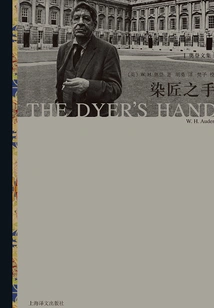
染匠之手(奥登文集)
H
"The Dyer's Hand" contains Auden's most exciting prose works, including his famous lectures as "Professor of Poetry at Oxford University". This is not so much an orderly collection of essays as a series of interrelated comments on a wide range of topics - Auden puts forward his own views on poetry, art and life in general. These thoughts and feelings are purely personal, original and unconventional. The focus is on poetry - especially Shakespeare's poems - but what is invested in its scope of research is the author's entire experience in the twentieth century.
"The Dyer's Hand" contains Auden's most exciting prose works, including his famous lectures as "Professor of Poetry at Oxford University". This is not so much an orderly collection of essays as a series of interrelated comments on a wide range of topics - Auden puts forward his own views on poetry, art and life in general. These thoughts and feelings are purely personal, original and unconventional. The focus is on poetry - especially Shakespeare's poems - but what is invested in its scope of research is the author's entire experience in the twentieth century.
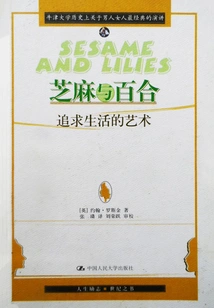
芝麻与百合:追求生活的艺术
J
This book is a popular youth book. It is divided into three lectures. The first lecture talks about why reading, how to read, and what to read; the second lecture talks about women's status, rights and education; the third lecture talks about the mystery of life and its art. The speech is rich in content and highly readable. It is philosophical, full of wisdom, inspiring, lively, easy to understand, and integrates knowledge and interest.
This book is a popular youth book. It is divided into three lectures. The first lecture talks about why reading, how to read, and what to read; the second lecture talks about women's status, rights and education; the third lecture talks about the mystery of life and its art. The speech is rich in content and highly readable. It is philosophical, full of wisdom, inspiring, lively, easy to understand, and integrates knowledge and interest.
G
LiteratureG
H
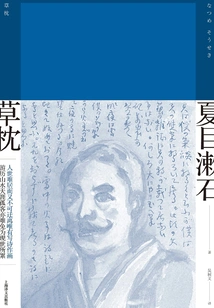
"Grass Pillow" is one of Natsume Soseki's early important masterpieces. The novel writes about "I": In order to escape the worries of the world and seek a world of "inhuman" beauty, a young painter came to a remote mountain village and what he saw, thought and heard there. The work focuses on describing the people and scenery in the mountain village, interspersed with a large number of "my" monologues about art theory and aesthetics, and comparing the differences between Eastern and Western art. The most core point in these monologues is "inhumanity". The so-called "impersonal feelings" are a realm that transcends morality or human feelings, a worldly realm that transcends the secular world, and is also an artistic aesthetic. For example, the "I" in the work believes that the artistic conception conveyed in Tao Yuanming's poems is deeply "inhuman". Therefore, "The Straw Pillow" is more like Natsume Soseki's treatise on art than a novel; and the description of the mountain village style and the occasional haiku and poems make this work like a beautiful travel prose. In short, "The Straw Pillow" is a unique work and well worth reading.
"Grass Pillow" is one of Natsume Soseki's early important masterpieces. The novel writes about "I": In order to escape the worries of the world and seek a world of "inhuman" beauty, a young painter came to a remote mountain village and what he saw, thought and heard there. The work focuses on describing the people and scenery in the mountain village, interspersed with a large number of "my" monologues about art theory and aesthetics, and comparing the differences between Eastern and Western art. The most core point in these monologues is "inhumanity". The so-called "impersonal feelings" are a realm that transcends morality or human feelings, a worldly realm that transcends the secular world, and is also an artistic aesthetic. For example, the "I" in the work believes that the artistic conception conveyed in Tao Yuanming's poems is deeply "inhuman". Therefore, "The Straw Pillow" is more like Natsume Soseki's treatise on art than a novel; and the description of the mountain village style and the occasional haiku and poems make this work like a beautiful travel prose. In short, "The Straw Pillow" is a unique work and well worth reading.
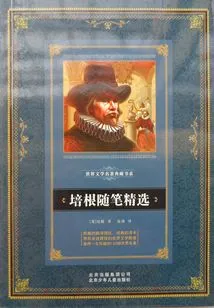
Selected Bacon Essays
Literature培根随笔精选
I
"Bacon's Essays" is a collection of essays written by the British philosopher and writer Francis Bacon. The content is mainly short essays of an argumentative nature, mainly describing Bacon's attitudes and ideas about looking at things from different angles. It involves politics, economy, religion, love, marriage, friendship, art, education, ethics and many other aspects, including chapters such as "On Reading", "On Truth", "On Jealousy", "On Death", "On Beauty", etc. It is Bacon's representative work in literature. The language is simple and beautiful, the reasoning is thorough, and the aphorisms are repeated, which contain the essence of Bacon's thoughts.
"Bacon's Essays" is a collection of essays written by the British philosopher and writer Francis Bacon. The content is mainly short essays of an argumentative nature, mainly describing Bacon's attitudes and ideas about looking at things from different angles. It involves politics, economy, religion, love, marriage, friendship, art, education, ethics and many other aspects, including chapters such as "On Reading", "On Truth", "On Jealousy", "On Death", "On Beauty", etc. It is Bacon's representative work in literature. The language is simple and beautiful, the reasoning is thorough, and the aphorisms are repeated, which contain the essence of Bacon's thoughts.
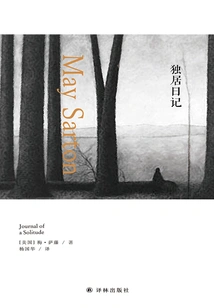
独居日记(梅·萨藤作品)
(u. S.) May Satten
"Diary of Living Alone" is a recognized classic among the five diaries written by May Satten. When Mei Sateng's reputation was at its peak, she secluded herself from the world, struggled with her heart, and healed by living alone. In her diary, she often talked about her thinking and creation, love affairs and friendships, kept writing down the trivial matters of daily life, and her detailed observation of the ever-changing but surprising four seasons, all of which constantly soothed her sensitive and fragile heart.
"Diary of Living Alone" is a recognized classic among the five diaries written by May Satten. When Mei Sateng's reputation was at its peak, she secluded herself from the world, struggled with her heart, and healed by living alone. In her diary, she often talked about her thinking and creation, love affairs and friendships, kept writing down the trivial matters of daily life, and her detailed observation of the ever-changing but surprising four seasons, all of which constantly soothed her sensitive and fragile heart.
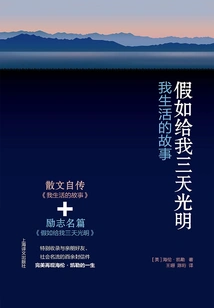
If You Give Me Three Days of Light
Literature假如给我三天光明
Helen Keller
Helen Keller is a great name that represents an optimistic and positive image in the minds of readers, and one that never gives up. Her life experience has inspired generations of people. Her autobiography and essays have been translated and spread widely in China, but in comparison, Keller's letters have been translated less. In addition to Keller's autobiography and essays, this book also contains letters she wrote to friends and family. This book is mainly composed of three parts: the first part is the autobiography "The Story of My Life", in which Keller reviews her life in delicate and moving writing, describing the great changes in her life after her illness, as well as the process of overcoming various difficulties in life and achieving outstanding achievements; the second part is the prose "If You Give Me Three Days of Light", in which Keller imagines that she has three days of light and how she should use these precious three days. Day; the third part is more than a hundred letters written by Keller to relatives and friends between 1887 and 1907. She made a wide range of friends. The letters record many anecdotes about her interactions with famous people from all walks of life. This allows us to see a Keller who had wide interests and hobbies, a rich inner world, and had her own independent opinions and thinking on many things. It provides a true and comprehensive supplement for readers to understand the life of this legendary woman.
Helen Keller is a great name that represents an optimistic and positive image in the minds of readers, and one that never gives up. Her life experience has inspired generations of people. Her autobiography and essays have been translated and spread widely in China, but in comparison, Keller's letters have been translated less. In addition to Keller's autobiography and essays, this book also contains letters she wrote to friends and family. This book is mainly composed of three parts: the first part is the autobiography "The Story of My Life", in which Keller reviews her life in delicate and moving writing, describing the great changes in her life after her illness, as well as the process of overcoming various difficulties in life and achieving outstanding achievements; the second part is the prose "If You Give Me Three Days of Light", in which Keller imagines that she has three days of light and how she should use these precious three days. Day; the third part is more than a hundred letters written by Keller to relatives and friends between 1887 and 1907. She made a wide range of friends. The letters record many anecdotes about her interactions with famous people from all walks of life. This allows us to see a Keller who had wide interests and hobbies, a rich inner world, and had her own independent opinions and thinking on many things. It provides a true and comprehensive supplement for readers to understand the life of this legendary woman.
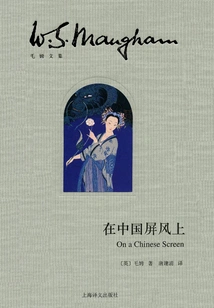
在中国屏风上(毛姆文集)
H
In the winter of 1919-1920, the 45-year-old Maugham came to China and traveled 1,500 miles up the Yangtze River. "On the Chinese Screen" is the product of his trip. Fifty-eight short or long "materials" that could have been written into novels were concatenated into "a set of narratives of a trip to China." What Maugham showed to his British compatriots was an antique "Chinese screen" exuding a strong oriental sentiment. He felt and conveyed the images of all kinds of Chinese people he met with a compassionate heart that was sophisticated yet innocent. What is especially important is that while he sympathetically tried to get close to Chinese customs, he reflected the truth of British life in China with a critical attitude without mercy. Because he always believes: "In writing, what is more important is not rich materials, but rich personality."
In the winter of 1919-1920, the 45-year-old Maugham came to China and traveled 1,500 miles up the Yangtze River. "On the Chinese Screen" is the product of his trip. Fifty-eight short or long "materials" that could have been written into novels were concatenated into "a set of narratives of a trip to China." What Maugham showed to his British compatriots was an antique "Chinese screen" exuding a strong oriental sentiment. He felt and conveyed the images of all kinds of Chinese people he met with a compassionate heart that was sophisticated yet innocent. What is especially important is that while he sympathetically tried to get close to Chinese customs, he reflected the truth of British life in China with a critical attitude without mercy. Because he always believes: "In writing, what is more important is not rich materials, but rich personality."
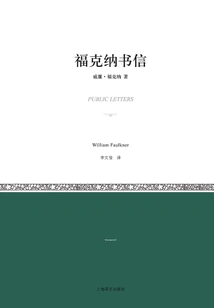
福克纳书信(小经典系列)
H
"Faulkner's Letters" includes letters that Faulkner intended to publish, as well as recommendations on book jackets, newspaper advertisements and revelations. Faulkner's wisdom, knowledge, imagination, talent and sense of humor are fully reflected in this book. This collection of non-fiction essays provides a glimpse into some aspects of Faulkner as an artist and as a human being. These articles, while showing us what this extremely passionate, extremely complex, and extremely secretive writer was willing to reveal to the public during the last forty years of his career, also allow us to gain a better understanding of his person and his work.
"Faulkner's Letters" includes letters that Faulkner intended to publish, as well as recommendations on book jackets, newspaper advertisements and revelations. Faulkner's wisdom, knowledge, imagination, talent and sense of humor are fully reflected in this book. This collection of non-fiction essays provides a glimpse into some aspects of Faulkner as an artist and as a human being. These articles, while showing us what this extremely passionate, extremely complex, and extremely secretive writer was willing to reveal to the public during the last forty years of his career, also allow us to gain a better understanding of his person and his work.
福克纳随笔(小经典系列)
H
The essays in "Faulkner's Essays", like his novels, also present a very special diversity. For example, "Mississippi", "On Privacy", "On Fear", etc. Are all masterpieces of Faulkner's non-fiction works. Faulkner's wisdom, knowledge, imagination, talent and sense of humor are fully reflected in this book. These articles, while showing us what this extremely passionate, extremely complex, and extremely secretive writer was willing to reveal to the public during the last forty years of his career, also allow us to gain a better understanding of his person and his work.
The essays in "Faulkner's Essays", like his novels, also present a very special diversity. For example, "Mississippi", "On Privacy", "On Fear", etc. Are all masterpieces of Faulkner's non-fiction works. Faulkner's wisdom, knowledge, imagination, talent and sense of humor are fully reflected in this book. These articles, while showing us what this extremely passionate, extremely complex, and extremely secretive writer was willing to reveal to the public during the last forty years of his career, also allow us to gain a better understanding of his person and his work.
客厅里的绅士(毛姆文集)
H
In 1922, when Maugham was achieving great success as a playwright, short story and novelist, and even a socialite, he put it all aside and made a long and arduous trip to Southeast Asia. Maugham accidentally read a passage from Herzlitt's "On Travel" on the boat going up the Irrawaddy River to Bagan: "Wonderful! Break free from the shackles of the world and public opinion - leave our entangled, annoying, endless self-identity in nature, be a person of the moment, and eliminate all burdens --Only a plate of offal to sustain everything, and owe nothing except the night's wine debt. No longer seeking applause and being despised, only known by the title of the gentleman in the drawing room!" I was so enlightened that I decided to write such a travelogue and titled it "The Gentleman in the Drawing Room". However, it was not until seven years later that he actually wrote the book, and confessed in the "Preface": "This book is not an accident like "On the Chinese Screen". The journey described in the book was my wish; but I had intended to write it as a book from the beginning. I had fun writing "On the Chinese Screen". I want to try my craft again on the same subject, but on a more refined scale and in a form that I can give a clear pattern. This is an exercise in style."
In 1922, when Maugham was achieving great success as a playwright, short story and novelist, and even a socialite, he put it all aside and made a long and arduous trip to Southeast Asia. Maugham accidentally read a passage from Herzlitt's "On Travel" on the boat going up the Irrawaddy River to Bagan: "Wonderful! Break free from the shackles of the world and public opinion - leave our entangled, annoying, endless self-identity in nature, be a person of the moment, and eliminate all burdens --Only a plate of offal to sustain everything, and owe nothing except the night's wine debt. No longer seeking applause and being despised, only known by the title of the gentleman in the drawing room!" I was so enlightened that I decided to write such a travelogue and titled it "The Gentleman in the Drawing Room". However, it was not until seven years later that he actually wrote the book, and confessed in the "Preface": "This book is not an accident like "On the Chinese Screen". The journey described in the book was my wish; but I had intended to write it as a book from the beginning. I had fun writing "On the Chinese Screen". I want to try my craft again on the same subject, but on a more refined scale and in a form that I can give a clear pattern. This is an exercise in style."
The Art of Travel (translated Classics)
Literature旅行的艺术(译文经典)
H
"The Art of Travel" is an important work by Alan de Botton, a talented writer known as "the wonder of British literature". Since its publication in 2002, it has been on the best-seller list in the United Kingdom and the United States. The British "Sunday Times" commented: This book is like a perfect journey, teaching us how to be curious, thinking and observing, and making us passionate about life again. Pricking a needle into the dream at the end of "Love in Prague", the oozing light blue can color de Botton's journey. The true color of any journey is transformed by the blue of the heart and the blue of the mist, becoming an irresistible temptation; space loses its geographical meaning In the direction of the location, time lazily turned into a wisp of fragrance; only Wordsworth, Baudelaire, Van Gogh and de Botton, a talented man, connected the itinerary and words, and the resonance throbbed in the depths of the soul; walking with de Botton, the road ahead was a journey to a distant place or a return to home in the sunset...
"The Art of Travel" is an important work by Alan de Botton, a talented writer known as "the wonder of British literature". Since its publication in 2002, it has been on the best-seller list in the United Kingdom and the United States. The British "Sunday Times" commented: This book is like a perfect journey, teaching us how to be curious, thinking and observing, and making us passionate about life again. Pricking a needle into the dream at the end of "Love in Prague", the oozing light blue can color de Botton's journey. The true color of any journey is transformed by the blue of the heart and the blue of the mist, becoming an irresistible temptation; space loses its geographical meaning In the direction of the location, time lazily turned into a wisp of fragrance; only Wordsworth, Baudelaire, Van Gogh and de Botton, a talented man, connected the itinerary and words, and the resonance throbbed in the depths of the soul; walking with de Botton, the road ahead was a journey to a distant place or a return to home in the sunset...
西班牙主题变奏(毛姆文集)
H
In "Variations on a Spanish Theme", which Graham Greene praised as Maugham's best work, Maugham explores the unique spiritual essence of Spain, a country he was fascinated by, and takes us back to her golden age. He examines her religious beliefs and the most representative artistic and cultural categories such as picaresque novels, dramas, and paintings one by one. He reviews Loyola, The life stories and mental journeys of those great figures such as De Vega, Cervantes, El Greco, and Mother Teresa who shaped the spiritual outlook of this nation, depict the true image of the Spaniards in the golden age, and reveal why Don Quixote, Sancho and Don Juan have become the three immortal images that best represent the spiritual outlook of the Spaniards, and thus draw the conclusion: "In Spain, People are poetry, paintings, and architecture. People are the philosophy of this country. These Spaniards of the Golden Age lived, felt, and acted, but they did not think. What they pursued and discovered was life, a turbulent, passionate, and diverse life. Passion was the seed of their lives... Their excellence... Lies in their differences. Direction: It is an excellence of character. I think no one can surpass them except the ancient Romans. This energetic people seems to devote all its energy and originality to one goal: the creation of people. They are not good at art, but they are good at something greater than art. "
In "Variations on a Spanish Theme", which Graham Greene praised as Maugham's best work, Maugham explores the unique spiritual essence of Spain, a country he was fascinated by, and takes us back to her golden age. He examines her religious beliefs and the most representative artistic and cultural categories such as picaresque novels, dramas, and paintings one by one. He reviews Loyola, The life stories and mental journeys of those great figures such as De Vega, Cervantes, El Greco, and Mother Teresa who shaped the spiritual outlook of this nation, depict the true image of the Spaniards in the golden age, and reveal why Don Quixote, Sancho and Don Juan have become the three immortal images that best represent the spiritual outlook of the Spaniards, and thus draw the conclusion: "In Spain, People are poetry, paintings, and architecture. People are the philosophy of this country. These Spaniards of the Golden Age lived, felt, and acted, but they did not think. What they pursued and discovered was life, a turbulent, passionate, and diverse life. Passion was the seed of their lives... Their excellence... Lies in their differences. Direction: It is an excellence of character. I think no one can surpass them except the ancient Romans. This energetic people seems to devote all its energy and originality to one goal: the creation of people. They are not good at art, but they are good at something greater than art. "
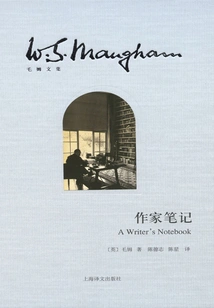
作家笔记(毛姆文集)
H
"I have never said that I have the ability to make up stories out of thin air; I often need an event or a character to start writing, but I always use my imagination, creativity and sense of drama to make the material my own." Maugham said. Since the age of eighteen in 1892, Maugham has developed the habit of recording various creative materials at any time, a habit he has continued for more than fifty years. In 1949, Maugham, who was already seventy-five years old, carefully selected from the fifteen volumes of notes, memoranda and travel notes he had saved, and published this "Writer's Notes" with concise notes. This is undoubtedly one of Maugham's most important and authentic works. It is tantamount to making his "warehouse of writing materials", the ultimate secret of his creation, public to the public after officially giving up the creation of fictional literature. Although he later published two collections of essays and reviews, "What Happens" and "Viewpoints," "A Writer's Notes" can be seen as the starting point and end point of Maugham's literary creation, and it was his farewell to his long literary career.
"I have never said that I have the ability to make up stories out of thin air; I often need an event or a character to start writing, but I always use my imagination, creativity and sense of drama to make the material my own." Maugham said. Since the age of eighteen in 1892, Maugham has developed the habit of recording various creative materials at any time, a habit he has continued for more than fifty years. In 1949, Maugham, who was already seventy-five years old, carefully selected from the fifteen volumes of notes, memoranda and travel notes he had saved, and published this "Writer's Notes" with concise notes. This is undoubtedly one of Maugham's most important and authentic works. It is tantamount to making his "warehouse of writing materials", the ultimate secret of his creation, public to the public after officially giving up the creation of fictional literature. Although he later published two collections of essays and reviews, "What Happens" and "Viewpoints," "A Writer's Notes" can be seen as the starting point and end point of Maugham's literary creation, and it was his farewell to his long literary career.
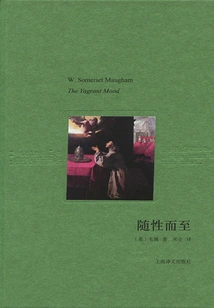
Coming by Chance (translation Essay)
Literature随性而至(译文随笔)
H
"As It Comes" is a collection of essays with diverse styles and wonderful twists. It is also Maugham's highly regarded masterpiece of literary criticism. The characters and themes in his writing range from the master of philosophy Kant to the tough-guy detective novelist Chandler, from the legend of Spanish Baroque painter Zurbarán to the Western The art of detective fiction has been explored by writers ranging from the statesman Burke to the travel writer and memoirist Augustus Hale, and among "pure literary" writers there are eccentric yet wonderful descriptions of Henry James, H. G. Wells, Arnold Bennett, and Edith Wharton. With his insight into character creation and superb storytelling skills, Maugham vividly, interestingly and penetratingly portrays the personalities, temperaments, quirks and even souls of these famous characters. This is a rare and wonderful article that bridges the two different fields of chronicling essays and literary criticism.
"As It Comes" is a collection of essays with diverse styles and wonderful twists. It is also Maugham's highly regarded masterpiece of literary criticism. The characters and themes in his writing range from the master of philosophy Kant to the tough-guy detective novelist Chandler, from the legend of Spanish Baroque painter Zurbarán to the Western The art of detective fiction has been explored by writers ranging from the statesman Burke to the travel writer and memoirist Augustus Hale, and among "pure literary" writers there are eccentric yet wonderful descriptions of Henry James, H. G. Wells, Arnold Bennett, and Edith Wharton. With his insight into character creation and superb storytelling skills, Maugham vividly, interestingly and penetratingly portrays the personalities, temperaments, quirks and even souls of these famous characters. This is a rare and wonderful article that bridges the two different fields of chronicling essays and literary criticism.
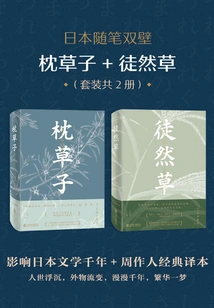
日本随笔双壁:枕草子+徒然草(套装共2册)
(japanese) Kaneyoshi Yoshida (japanese) Seishonagon
"Pillow" is a collection of literary prose essays, written around 1001. The author saw and heard a lot during his tenure in the court. There are more than 300 chapters in the book, which are divided into three parts: collection, diary and random thoughts. Clustering is a list of things of different nature and categories in life, such as "mountains", "sea", "disappointing things", "elegant things", involving geographical features, vegetation, flowers and birds, inner emotions, life interests, etc. It richly reflects the author's delicate observation and aesthetic taste. In the article, you can learn about the living conditions and tastes of the royal family and nobles in Japan's Heian period, as well as the author's casual feelings about nature and life, which shows his bright and free attitude towards life. The title of "Turancao" originally means "Boring Lai" in Japanese, which can also be translated as "Relieving Worry and Relieving Boredom". It was written during the Southern and Northern Dynasties of Japan. The book has a total of 243 paragraphs, which contain not only warnings and insights on life, but also anecdotes and scenery of the four seasons. Famous for the escapist truth revealed in his indifferent words, it has become a shining pearl in the history of Japanese classical literature and an introductory classic of Japanese literature. It has had a profound impact on later writers including Zhou Zuoren.
"Pillow" is a collection of literary prose essays, written around 1001. The author saw and heard a lot during his tenure in the court. There are more than 300 chapters in the book, which are divided into three parts: collection, diary and random thoughts. Clustering is a list of things of different nature and categories in life, such as "mountains", "sea", "disappointing things", "elegant things", involving geographical features, vegetation, flowers and birds, inner emotions, life interests, etc. It richly reflects the author's delicate observation and aesthetic taste. In the article, you can learn about the living conditions and tastes of the royal family and nobles in Japan's Heian period, as well as the author's casual feelings about nature and life, which shows his bright and free attitude towards life. The title of "Turancao" originally means "Boring Lai" in Japanese, which can also be translated as "Relieving Worry and Relieving Boredom". It was written during the Southern and Northern Dynasties of Japan. The book has a total of 243 paragraphs, which contain not only warnings and insights on life, but also anecdotes and scenery of the four seasons. Famous for the escapist truth revealed in his indifferent words, it has become a shining pearl in the history of Japanese classical literature and an introductory classic of Japanese literature. It has had a profound impact on later writers including Zhou Zuoren.
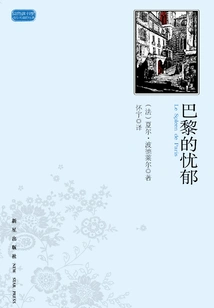
Melancholy in Paris
Literature巴黎的忧郁
I
"Melancholy in Paris" contains both incisive criticism and satire of the dirty and ugly social reality and secular habits, as well as a fascinating depiction of beauty and the heart's longing for it. The book aroused great criticism from critics at the time, the collection of poems was banned, and Baudelaire even faced a lawsuit. But Hugo, who was in exile, praised the collection of poems, saying that it was like a "dazzling star" and brought "a new tremor" to the French poetry world.
"Melancholy in Paris" contains both incisive criticism and satire of the dirty and ugly social reality and secular habits, as well as a fascinating depiction of beauty and the heart's longing for it. The book aroused great criticism from critics at the time, the collection of poems was banned, and Baudelaire even faced a lawsuit. But Hugo, who was in exile, praised the collection of poems, saying that it was like a "dazzling star" and brought "a new tremor" to the French poetry world.
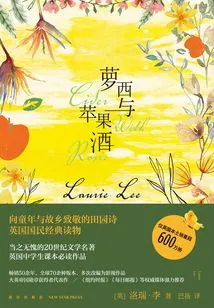
Rosie and Cider
Literature萝西与苹果酒
M
At the end of World War I, young Lori Lee settled with her family in the picturesque countryside of the Cotswolds, England. In his thirties, he used poetically beautiful and warm words to relive the childhood memories of his hometown and composed an enduring British pastoral song. The golden flame, the boy's poem, Rosie's smile, the beautiful village untouched by electrification, the lost collective memory of a generation...
At the end of World War I, young Lori Lee settled with her family in the picturesque countryside of the Cotswolds, England. In his thirties, he used poetically beautiful and warm words to relive the childhood memories of his hometown and composed an enduring British pastoral song. The golden flame, the boy's poem, Rosie's smile, the beautiful village untouched by electrification, the lost collective memory of a generation...
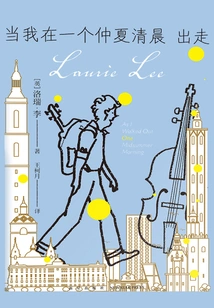
When I Run Away on a Midsummer Morning
Literature当我在一个仲夏清晨出走
M
In 1934, on a bright midsummer morning, Lori Lee left her hometown in England alone. At 19 years old, he is still very immature, but he firmly believes in good luck in the future. With a violin and a suitcase, he walked to see the sea, went to London to work hard, and sailed to Spain because of a phrase. A journey to the sea, a journey to the mountains, a romantic and surprising journey is also a journey of transformation in life. However, the smoke of the Spanish Civil War interrupted all this...
In 1934, on a bright midsummer morning, Lori Lee left her hometown in England alone. At 19 years old, he is still very immature, but he firmly believes in good luck in the future. With a violin and a suitcase, he walked to see the sea, went to London to work hard, and sailed to Spain because of a phrase. A journey to the sea, a journey to the mountains, a romantic and surprising journey is also a journey of transformation in life. However, the smoke of the Spanish Civil War interrupted all this...
序跋集(奥登文集)
H
"Preface and Postscripts" is an important collection of essays in "Auden's Collected Works". The essays included in "Collection of Preface and Postscripts" were written from the 1940s to the 1970s. The content involves literature, theology, philosophy, art and even daily household affairs. The materials are detailed and rigorous, and the writing style is comprehensive. They have extremely high academic value, historical value and aesthetic value. "Preface and Postscript" is a collection of prefaces and postscripts to poems written by the author W. H. Auden. The preface and postscript of these poems reflect the author's creative thoughts, creative process and creative feelings. For example, regarding the long poem "Spain" written in 1937, he wrote in the preface that as an ambulance driver, he participated in the anti-fascist armed struggle in Spain in 1937. In the preface to "Battlefield" (1939), he expressed his feelings about going to the battlefield in China to interview with the novelist Yi Xiuwu De. These prefaces and postscripts about creation will help readers understand the full picture of Auden's creation.
"Preface and Postscripts" is an important collection of essays in "Auden's Collected Works". The essays included in "Collection of Preface and Postscripts" were written from the 1940s to the 1970s. The content involves literature, theology, philosophy, art and even daily household affairs. The materials are detailed and rigorous, and the writing style is comprehensive. They have extremely high academic value, historical value and aesthetic value. "Preface and Postscript" is a collection of prefaces and postscripts to poems written by the author W. H. Auden. The preface and postscript of these poems reflect the author's creative thoughts, creative process and creative feelings. For example, regarding the long poem "Spain" written in 1937, he wrote in the preface that as an ambulance driver, he participated in the anti-fascist armed struggle in Spain in 1937. In the preface to "Battlefield" (1939), he expressed his feelings about going to the battlefield in China to interview with the novelist Yi Xiuwu De. These prefaces and postscripts about creation will help readers understand the full picture of Auden's creation.

Thoughts Travel Alone
Literature思想独步旅行
K
Masters who have gone through the wash of time are not all big books, there are also small chapters. This book collects all the works of masters. They are not large in length, but very nutritious. Traveling alone is suitable for reading when you are lonely. It is relaxing and enjoyable. Going to any place in the world is not as good as walking into your own soul alone.
Masters who have gone through the wash of time are not all big books, there are also small chapters. This book collects all the works of masters. They are not large in length, but very nutritious. Traveling alone is suitable for reading when you are lonely. It is relaxing and enjoyable. Going to any place in the world is not as good as walking into your own soul alone.
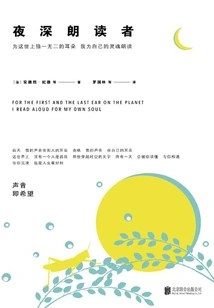
Late Night Reader
Literature夜深朗读者
(france) Andre Gide Et Al.
This book collects classic articles that are most suitable for reading aloud, reflecting on life, and the words are meaningful and beautiful. There is no need to go to a reading booth. You can regain your hobby of reading aloud at home, feel the power of words and express your inner emotions through reading aloud. Thoughtful and enlightened, the brain is relaxed and the mood is happy.
This book collects classic articles that are most suitable for reading aloud, reflecting on life, and the words are meaningful and beautiful. There is no need to go to a reading booth. You can regain your hobby of reading aloud at home, feel the power of words and express your inner emotions through reading aloud. Thoughtful and enlightened, the brain is relaxed and the mood is happy.
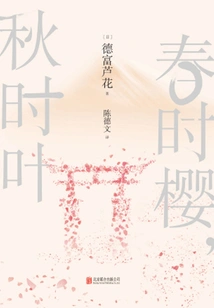
春时樱,秋时叶
L
The famous Japanese writer Tokutomi Ashika lived in seclusion in a mountain village and recorded his beautiful natural life of "working on his own food, farming in fair weather and reading in rainy weather". The book is divided into four parts: "Spring, Summer, Autumn, and Winter". The author uses beautiful writing to delicately describe the natural scenery of Japan throughout the year - the colorful Fuji dawn, the vast Sagami Beach sunset, the strange and changeable flying clouds over Fragrant Mountain, the misty and confusing Hanazuki Autumn Eve... These natural scenes, once touched by the author's wonderful writing, are all full of interest and fascinating.
The famous Japanese writer Tokutomi Ashika lived in seclusion in a mountain village and recorded his beautiful natural life of "working on his own food, farming in fair weather and reading in rainy weather". The book is divided into four parts: "Spring, Summer, Autumn, and Winter". The author uses beautiful writing to delicately describe the natural scenery of Japan throughout the year - the colorful Fuji dawn, the vast Sagami Beach sunset, the strange and changeable flying clouds over Fragrant Mountain, the misty and confusing Hanazuki Autumn Eve... These natural scenes, once touched by the author's wonderful writing, are all full of interest and fascinating.
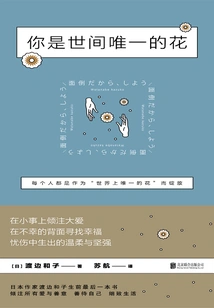
You Are the Only Flower in the World
Literature你是世间唯一的花
(japan) Watanabe Kazuko
This is a book about the philosophy of life, telling the life attitude of the Japanese female writer Watanabe Kazuko, how to treat the world, treat others, and treat herself. If you have love, even if there are many troubles in life, you will overcome them. Watanabe Kazuko uses her lifelong life wisdom to teach her students, influence the world, cherish and value herself, but also does not forget to do things that are meaningful to this society. Pour all your love and kindness into it, be kind to yourself, and live your life meticulously.
This is a book about the philosophy of life, telling the life attitude of the Japanese female writer Watanabe Kazuko, how to treat the world, treat others, and treat herself. If you have love, even if there are many troubles in life, you will overcome them. Watanabe Kazuko uses her lifelong life wisdom to teach her students, influence the world, cherish and value herself, but also does not forget to do things that are meaningful to this society. Pour all your love and kindness into it, be kind to yourself, and live your life meticulously.
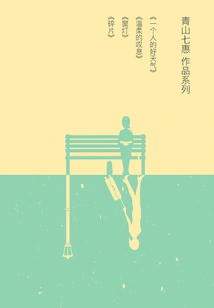
青山七惠小说集(套装共4册)
I
Nanae Aoyama is a typical Japanese "post-80s" female writer. She became famous after winning Japan's highest award, the Akutagawa Literary Award. After the publication of her award-winning novel "One Person's Good Weather", it aroused widespread resonance in China. Her novels with light details can be described as unique. Her other works published subsequently were also sought after by her fans. This series includes the works of Nanae Aoyama that have been published by our agency: "Good Weather Alone", "Window Light", "Tender Sigh", and "Fragments".
Nanae Aoyama is a typical Japanese "post-80s" female writer. She became famous after winning Japan's highest award, the Akutagawa Literary Award. After the publication of her award-winning novel "One Person's Good Weather", it aroused widespread resonance in China. Her novels with light details can be described as unique. Her other works published subsequently were also sought after by her fans. This series includes the works of Nanae Aoyama that have been published by our agency: "Good Weather Alone", "Window Light", "Tender Sigh", and "Fragments".
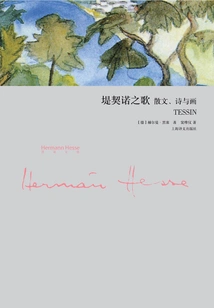
Y
LiteratureY
G
This book "Song of Ticino" can be said to be the essence of Hesse's works. It is a collection of prose and poetry, and it is also the author's induction, summary and interpretation of the artistic concepts, creative methods and philosophical thoughts of all his previous works. It is regarded by many experts and scholars as a key to the door of Hesse's thought.
This book "Song of Ticino" can be said to be the essence of Hesse's works. It is a collection of prose and poetry, and it is also the author's induction, summary and interpretation of the artistic concepts, creative methods and philosophical thoughts of all his previous works. It is regarded by many experts and scholars as a key to the door of Hesse's thought.
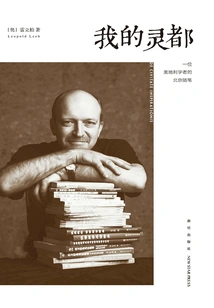
我的灵都:一位奥地利学者的北京随笔
(austrian) Lei Libai
This book is the work of Austrian scholar and classical philologist Lei Libo. Lei Libo has been based in Beijing for more than 20 years. In this book, he pours his deep feelings for Beijing into words from the perspective of a "global citizen" and a "cultural bridge". With his knowledge of both China and the West, he quotes from many sources and discusses ancient and modern times. He may explore the little-known and submerged history from many nuances such as language, writing, history, art, religion, etc., Or interpret the well-known history from a new perspective, and break away obsessions in the encounter and collision of cultures.
This book is the work of Austrian scholar and classical philologist Lei Libo. Lei Libo has been based in Beijing for more than 20 years. In this book, he pours his deep feelings for Beijing into words from the perspective of a "global citizen" and a "cultural bridge". With his knowledge of both China and the West, he quotes from many sources and discusses ancient and modern times. He may explore the little-known and submerged history from many nuances such as language, writing, history, art, religion, etc., Or interpret the well-known history from a new perspective, and break away obsessions in the encounter and collision of cultures.
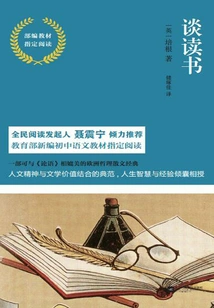
Talk About Reading
Literature谈读书
I
A modern European philosophical prose classic comparable to The Analects of Confucius. As a record of a wise man's thoughts, it is the crystallization of the author's life wisdom and experience. The whole book expresses the power of introspection and speculation. Its thoughts are broad and profound enough to enable people to absorb spiritual nutrients on the road of life. It can be called a treasure handed down from generation to generation in the history of world prose and thought.
A modern European philosophical prose classic comparable to The Analects of Confucius. As a record of a wise man's thoughts, it is the crystallization of the author's life wisdom and experience. The whole book expresses the power of introspection and speculation. Its thoughts are broad and profound enough to enable people to absorb spiritual nutrients on the road of life. It can be called a treasure handed down from generation to generation in the history of world prose and thought.
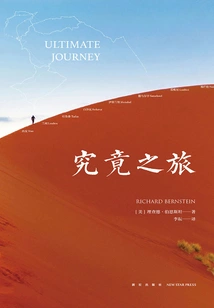
The Ultimate Journey
Literature究竟之旅
(us) Richard Bernstein
The New York Times best book of the year, Retracing the Road of Xuanzang, from China to India, an American journalist records a thousand-year journey through Central Asia. In 629 AD, Xuanzang's journey across icebergs and scorching deserts along the world's most important trade, conquest, and ideological route for thousands of years was an "ultimate journey" in search of the true meaning of Buddhism. More than 1,300 years later, the American sinologist Richard Bernstein did everything possible to follow Xuanzang's footsteps westward. Starting from Xi'an, it passes through the Silk Road oasis, climbs steep mountain passes, passes through Kyrgyzstan, Uzbekistan, Kazakhstan, Pakistan, arrives in India, and then turns back to China. Xuanzang's journey to the west was to solve the fundamental doubts of "hesitating while holding the scroll and holding the sutra"; Bernstein also tried to solve his own confusion, his Jewish identity, the crisis of middle age, the loneliness in silence... Dialogue with Xuanzang and history, he re-recognized and discovered himself.
The New York Times best book of the year, Retracing the Road of Xuanzang, from China to India, an American journalist records a thousand-year journey through Central Asia. In 629 AD, Xuanzang's journey across icebergs and scorching deserts along the world's most important trade, conquest, and ideological route for thousands of years was an "ultimate journey" in search of the true meaning of Buddhism. More than 1,300 years later, the American sinologist Richard Bernstein did everything possible to follow Xuanzang's footsteps westward. Starting from Xi'an, it passes through the Silk Road oasis, climbs steep mountain passes, passes through Kyrgyzstan, Uzbekistan, Kazakhstan, Pakistan, arrives in India, and then turns back to China. Xuanzang's journey to the west was to solve the fundamental doubts of "hesitating while holding the scroll and holding the sutra"; Bernstein also tried to solve his own confusion, his Jewish identity, the crisis of middle age, the loneliness in silence... Dialogue with Xuanzang and history, he re-recognized and discovered himself.
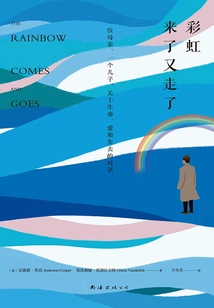
The Rainbow Comes and Goes
Literature彩虹来了又走了
(u. S.) Anderson Cooper Gloria Vanderbilt
Recommended deeply by Kangyong Tsai, it has moved thousands of readers together with "Seeing Off". It topped the best-seller list of "The New York Times" and sincerely recommended by "Wall Street Journal" and "Publishers Weekly". A letter written by a ninety-one-year-old mother to her son, a wonderful dialogue between mother and son. They candidly talk about the ups and downs, successes and failures in their lives, as well as life topics such as growth, love, marriage, loneliness and courage. The book is full of a lot of life philosophy and life wisdom, and every insightful sharing is a reflection of the ups and downs of life. Ninety-one years ago today, I came to this world. Today, I am ninety-one years old, much wiser than I was then, but deep down I am still seventeen years old. What is the answer to life? What is the secret of life?
Recommended deeply by Kangyong Tsai, it has moved thousands of readers together with "Seeing Off". It topped the best-seller list of "The New York Times" and sincerely recommended by "Wall Street Journal" and "Publishers Weekly". A letter written by a ninety-one-year-old mother to her son, a wonderful dialogue between mother and son. They candidly talk about the ups and downs, successes and failures in their lives, as well as life topics such as growth, love, marriage, loneliness and courage. The book is full of a lot of life philosophy and life wisdom, and every insightful sharing is a reflection of the ups and downs of life. Ninety-one years ago today, I came to this world. Today, I am ninety-one years old, much wiser than I was then, but deep down I am still seventeen years old. What is the answer to life? What is the secret of life?

Practice Saying Goodbye
Literature练习告别
Momo
This is a book about parting, eleven stories, eleven lives, eleven encounters, and eleven partings. Each story takes place during the author's travels and sojourn. They may be similar to your stories, or maybe after you read them, you will think of the people and things in your memory. Life is like this, some people are always around, and some people have to say goodbye eventually. No matter what, we will always live warmly and live well.
This is a book about parting, eleven stories, eleven lives, eleven encounters, and eleven partings. Each story takes place during the author's travels and sojourn. They may be similar to your stories, or maybe after you read them, you will think of the people and things in your memory. Life is like this, some people are always around, and some people have to say goodbye eventually. No matter what, we will always live warmly and live well.
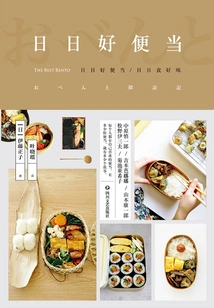
Good Lunch Every Day
Literature日日好便当
(japan) Masako Ito
Why is the legendary bento so popular? How should four-season bento be better matched according to the characteristics of the seasons? What kind of lunch do actors, painters, writers, and stylists like? How to make hearty lunches more efficiently and quickly? Everyone has their own favorite bento and a story about that bento. There are as many stories as there are bento boxes. People who always prefer one flavor, people who want to experience the scenery and atmosphere at the same time, people who are constantly discovering new bento flavors. Everyone has their own reasons for their favorite bentos. When with friends, Masako Ito can't help but ask, "What kind of bento do you like to eat?" Making bento every day, going to Khapabashi to buy ingredients, looking for the bento that I have longed for, asking friends for their favorite bento, and asking the cooking master how to make bento... This book is full of delicious stories about visiting bento.
Why is the legendary bento so popular? How should four-season bento be better matched according to the characteristics of the seasons? What kind of lunch do actors, painters, writers, and stylists like? How to make hearty lunches more efficiently and quickly? Everyone has their own favorite bento and a story about that bento. There are as many stories as there are bento boxes. People who always prefer one flavor, people who want to experience the scenery and atmosphere at the same time, people who are constantly discovering new bento flavors. Everyone has their own reasons for their favorite bentos. When with friends, Masako Ito can't help but ask, "What kind of bento do you like to eat?" Making bento every day, going to Khapabashi to buy ingredients, looking for the bento that I have longed for, asking friends for their favorite bento, and asking the cooking master how to make bento... This book is full of delicious stories about visiting bento.
英国文学:中古到伊丽莎白时期
(u. S.) William Joseph Long
Combining historical facts, the author narrates the glorious history of British literature from the Anglo-Saxon period to the Elizabethan period by appreciating the charming literary works of various periods in Britain and introducing the life stories of representative writers. The original work has been used as a textbook for American high school students since its publication, and has also been adopted by the English departments of some universities in my country.
Combining historical facts, the author narrates the glorious history of British literature from the Anglo-Saxon period to the Elizabethan period by appreciating the charming literary works of various periods in Britain and introducing the life stories of representative writers. The original work has been used as a textbook for American high school students since its publication, and has also been adopted by the English departments of some universities in my country.
P
Literaturep
J
"Ukiyo Bathhouse" is the pinnacle of Japanese comedy in the Edo period and is also the representative work of Shikitei Sanma. The book consists of two parts. The first part describes the scene in the men's section of the bathhouse, which lasts from early morning to afternoon, with a lively and noisy atmosphere. There are dozens of characters among the bathers, including the paralyzed Dou Qi, a 70-year-old reclusive old man, Kinbei with his child, a quack doctor who plays nonsense, a stranger who mistakes someone else's underwear for a towel, a drunkard, a blind man, and 19 small scenes. The second part describes the women's section of the bathhouse, which is equally lively. There are women of various identities in the bathhouse, including geishas, maids, daughters, mothers, daughters-in-law, mothers-in-law, wet nurses, etc., With a wide age range, and a total of 16 small scenes. The characters of each of the men, women, and children who come to bathe are vivid and interesting through dialogue.
"Ukiyo Bathhouse" is the pinnacle of Japanese comedy in the Edo period and is also the representative work of Shikitei Sanma. The book consists of two parts. The first part describes the scene in the men's section of the bathhouse, which lasts from early morning to afternoon, with a lively and noisy atmosphere. There are dozens of characters among the bathers, including the paralyzed Dou Qi, a 70-year-old reclusive old man, Kinbei with his child, a quack doctor who plays nonsense, a stranger who mistakes someone else's underwear for a towel, a drunkard, a blind man, and 19 small scenes. The second part describes the women's section of the bathhouse, which is equally lively. There are women of various identities in the bathhouse, including geishas, maids, daughters, mothers, daughters-in-law, mothers-in-law, wet nurses, etc., With a wide age range, and a total of 16 small scenes. The characters of each of the men, women, and children who come to bathe are vivid and interesting through dialogue.
Fake Documents
Literature假证件
K
"False Documents" contains ten essays written by Luiselli when she debuted: some passages record her thoughts about self and space while roaming (or riding) between cities and countries; some passages explore the boundaries of reading and writing. The word "fake document" is taken from her experience of getting a permanent residence card in Venice during her trip to Venice and visiting Brodsky's grave in the beginning and end. It also metaphors the complexity and change of the flow of the author's own experience. The detached perspective and graceful writing style of essay writing reflect Luiselli's ambition and honesty as a writer, and it also provides readers with a new way of seeing the world around them.
"False Documents" contains ten essays written by Luiselli when she debuted: some passages record her thoughts about self and space while roaming (or riding) between cities and countries; some passages explore the boundaries of reading and writing. The word "fake document" is taken from her experience of getting a permanent residence card in Venice during her trip to Venice and visiting Brodsky's grave in the beginning and end. It also metaphors the complexity and change of the flow of the author's own experience. The detached perspective and graceful writing style of essay writing reflect Luiselli's ambition and honesty as a writer, and it also provides readers with a new way of seeing the world around them.
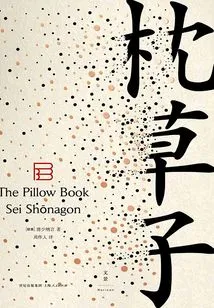
M
Literaturem
H
"Pillow" was written around 1001 and was the first of Japanese essay literature. The book has a total of 305 paragraphs, divided into three major contents: clustering, diary and random thoughts. The clustering is influenced by Li Yishan's "Za Tu" of the Tang Dynasty, which lists things of different natures and categories in life, such as "mountains", "sea", "disappointing things", "elegant things", involving geographical features, vegetation, flowers and birds, inner emotions, life interests, etc., Which very richly reflects the author's delicate observation and aesthetic taste of Qing Shao Nayan. The diary records the author's life in the palace, which reflects her deep relationship with Empress Fujiwara Teiko, as well as fragments of her life in the palace. This part of the content reflects the classical style, and allows us to understand the living conditions and tastes of the royal family and nobles in Japan's Heian period. Random thoughts are random thoughts about nature and life, especially the author's bright and free attitude towards life.
"Pillow" was written around 1001 and was the first of Japanese essay literature. The book has a total of 305 paragraphs, divided into three major contents: clustering, diary and random thoughts. The clustering is influenced by Li Yishan's "Za Tu" of the Tang Dynasty, which lists things of different natures and categories in life, such as "mountains", "sea", "disappointing things", "elegant things", involving geographical features, vegetation, flowers and birds, inner emotions, life interests, etc., Which very richly reflects the author's delicate observation and aesthetic taste of Qing Shao Nayan. The diary records the author's life in the palace, which reflects her deep relationship with Empress Fujiwara Teiko, as well as fragments of her life in the palace. This part of the content reflects the classical style, and allows us to understand the living conditions and tastes of the royal family and nobles in Japan's Heian period. Random thoughts are random thoughts about nature and life, especially the author's bright and free attitude towards life.
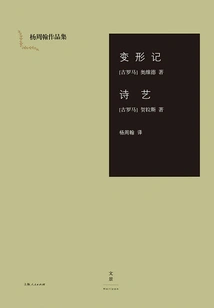
杨周翰作品集:变形记·诗艺
(ancient Rome) Ovid Horace
The structure of the entire poem "Metamorphoses" can be broken down into the following paragraphs: prologue, introduction (the creation of heaven and earth, the four major eras, the legend of the flood), the story of God (Volume 1 to Volume 6), the story of heroes and heroines (Volume 6 to Volume 11), the deeds of "historical" figures (Volume 11 to Volume 15), and the epilogue. Such an arrangement is more or less made in chronological order, but the time of occurrence of many stories is difficult to determine, so the author arranges them according to the nature of the story. For example, the stories in volumes 1 and 2 mainly center on the love of gods, volumes 3 and 4 center on Bacchus and the city of Thebes, volumes 5 and 6 center on the revenge of gods, volumes 6 to 9 center on Athenian heroes, and volumes 9 to 11 center on the love of male and female heroes, etc. "Ars Poetica" was originally an untitled letter in verse. Less than a hundred years after its publication, it was called "Ars Poetica" by the Roman rhetorician and orator Quintillianus (approximately 35-95 AD), and it later became famous by this name. The trustees are Piso, his father and his son. There were many Pisots at that time, and I don't know who it was. According to the content of this letter, one-third talked about drama. One of the three people may have wanted to write a script and asked Horace for advice. Horace wrote this reply and talked about his writing experience.
The structure of the entire poem "Metamorphoses" can be broken down into the following paragraphs: prologue, introduction (the creation of heaven and earth, the four major eras, the legend of the flood), the story of God (Volume 1 to Volume 6), the story of heroes and heroines (Volume 6 to Volume 11), the deeds of "historical" figures (Volume 11 to Volume 15), and the epilogue. Such an arrangement is more or less made in chronological order, but the time of occurrence of many stories is difficult to determine, so the author arranges them according to the nature of the story. For example, the stories in volumes 1 and 2 mainly center on the love of gods, volumes 3 and 4 center on Bacchus and the city of Thebes, volumes 5 and 6 center on the revenge of gods, volumes 6 to 9 center on Athenian heroes, and volumes 9 to 11 center on the love of male and female heroes, etc. "Ars Poetica" was originally an untitled letter in verse. Less than a hundred years after its publication, it was called "Ars Poetica" by the Roman rhetorician and orator Quintillianus (approximately 35-95 AD), and it later became famous by this name. The trustees are Piso, his father and his son. There were many Pisots at that time, and I don't know who it was. According to the content of this letter, one-third talked about drama. One of the three people may have wanted to write a script and asked Horace for advice. Horace wrote this reply and talked about his writing experience.
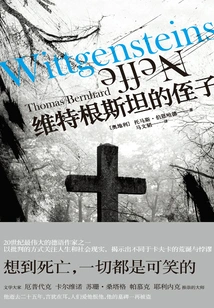
Bernhard Series: Wittgenstein's Nephew
Literature伯恩哈德作品系列:维特根斯坦的侄子
(o) Thomas Bernhard
The first volume in a series of Bernhard's works, "Wittgenstein's Nephew" contains three stories about death. "Persian Women": A story of love, revenge and death. "Wittgenstein's Nephew: A Friendship": A story of friendship, understanding and death. "The Hatter": A story about family, respect and death. Bernhard said at the Austrian National Literature Prize Award Ceremony: "If you think about death, everything is ridiculous... What we are thinking is lagging thinking, what we are feeling is chaos, and it is not clear what we are. We don't have to be ashamed, we are nothing."
The first volume in a series of Bernhard's works, "Wittgenstein's Nephew" contains three stories about death. "Persian Women": A story of love, revenge and death. "Wittgenstein's Nephew: A Friendship": A story of friendship, understanding and death. "The Hatter": A story about family, respect and death. Bernhard said at the Austrian National Literature Prize Award Ceremony: "If you think about death, everything is ridiculous... What we are thinking is lagging thinking, what we are feeling is chaos, and it is not clear what we are. We don't have to be ashamed, we are nothing."
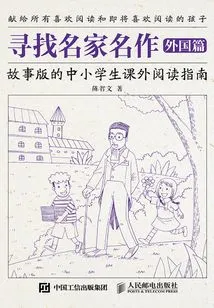
寻找名家名作(外国篇):故事版的中小学生课外阅读指南
Chen Zhiwen
This book takes the journey of the brothers "Wanli Road" and "Wanjuanshu" in search of "masterpieces by foreign masters" as the main clue. It tells the essence of foreign literature through 38 interesting stories, inducing children to put themselves in their shoes and experiencing diverse experiences. It helps children quickly understand the most influential foreign masters and their works in history, quickly accumulate literary knowledge, and provides an index for children's future in-depth reading, as well as materials and topics for writing. This book is suitable for independent reading by middle- and high-grade primary school students, and parent-child reading by lower-grade primary school students.
This book takes the journey of the brothers "Wanli Road" and "Wanjuanshu" in search of "masterpieces by foreign masters" as the main clue. It tells the essence of foreign literature through 38 interesting stories, inducing children to put themselves in their shoes and experiencing diverse experiences. It helps children quickly understand the most influential foreign masters and their works in history, quickly accumulate literary knowledge, and provides an index for children's future in-depth reading, as well as materials and topics for writing. This book is suitable for independent reading by middle- and high-grade primary school students, and parent-child reading by lower-grade primary school students.
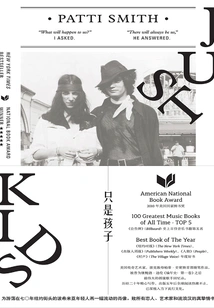
J
LiteratureJ
Z
The National Book Award-winning work, the masterpiece of the memoirs of legendary artist Patti Smith, is newly hardcover and revised in 2017. "Just Kids" begins as a love story and ends as an elegy. It is a tribute to New York in the 1960s and 1970s, when the city was emerging as the cultural capital of the Western world. This book chronicles its wealth and poverty, as well as its gangsters and villains. It tells a true myth and paints a portrait of a young artist on his way up, prelude to the arrival of fame.
The National Book Award-winning work, the masterpiece of the memoirs of legendary artist Patti Smith, is newly hardcover and revised in 2017. "Just Kids" begins as a love story and ends as an elegy. It is a tribute to New York in the 1960s and 1970s, when the city was emerging as the cultural capital of the Western world. This book chronicles its wealth and poverty, as well as its gangsters and villains. It tells a true myth and paints a portrait of a young artist on his way up, prelude to the arrival of fame.
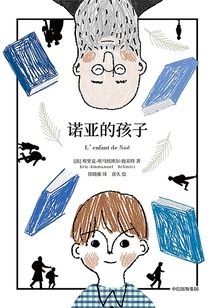
Noah's Children
Literature诺亚的孩子
I
My name is Joseph Bernstein, I am almost eight years old, and my parents have gone somewhere. But Miss Marcel said that my name must be Joseph Bertin, I am six years old, my parents died of influenza; because I am a Jew, I have to hide in the yellow villa of Father Pence. But what does it mean to be Jewish? Why can't I be like others? In Father Pence's secret base, I finally found the answer to this question, and I understood that no matter what kind of people they are, they have the right to survive, and our lives are not only meaningful to ourselves... "Do you know who was the first collector in human history? It was Noah. He saved all the creatures created by God."
My name is Joseph Bernstein, I am almost eight years old, and my parents have gone somewhere. But Miss Marcel said that my name must be Joseph Bertin, I am six years old, my parents died of influenza; because I am a Jew, I have to hide in the yellow villa of Father Pence. But what does it mean to be Jewish? Why can't I be like others? In Father Pence's secret base, I finally found the answer to this question, and I understood that no matter what kind of people they are, they have the right to survive, and our lives are not only meaningful to ourselves... "Do you know who was the first collector in human history? It was Noah. He saved all the creatures created by God."
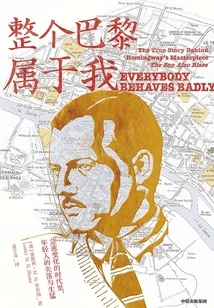
All Paris Belongs to Me
Literature整个巴黎属于我
(u. S.) Leslie M. M. Bloom
From the age of 21 to 27, in the golden age of his life, Hemingway lived in Paris and spent a difficult and crazy time. He believes in literature and is arrogant, but he can only make a living as a reporter. His wife Hadley's fund is the main source of income. When he was at his most impoverished, he even went to the Luxembourg Gardens to attack pigeons, and when he caught them, he went home and stewed them. He was a social darling and loved boxing and bullfighting. Boxing was his habit of making friends, and his passion for bullfighting brought him his first important work, "The Sun Also Rises." The ambiguity with Mrs. Duff and the Pfeiffer sisters caused Hemingway to be "punched" by Hadley - and the nurturing marriage came to an end. His parodic works mocked his mentor, and wrote the unspeakable emotional entanglements of some elite friends in Paris, London, and New York into novels... Hemingway went from an unnoticed bystander to the center of attention. ----------Some people say that Hemingway is a "bad boy" who combines the hustle and bustle of Paris, the roughness of the Alps, the brutality of the boxing ring, and a different kind of talent. From beginning to end, Hemingway knew best what kind of person he wanted to be and what kind of achievements he wanted to achieve. No one or anything could stop him.
From the age of 21 to 27, in the golden age of his life, Hemingway lived in Paris and spent a difficult and crazy time. He believes in literature and is arrogant, but he can only make a living as a reporter. His wife Hadley's fund is the main source of income. When he was at his most impoverished, he even went to the Luxembourg Gardens to attack pigeons, and when he caught them, he went home and stewed them. He was a social darling and loved boxing and bullfighting. Boxing was his habit of making friends, and his passion for bullfighting brought him his first important work, "The Sun Also Rises." The ambiguity with Mrs. Duff and the Pfeiffer sisters caused Hemingway to be "punched" by Hadley - and the nurturing marriage came to an end. His parodic works mocked his mentor, and wrote the unspeakable emotional entanglements of some elite friends in Paris, London, and New York into novels... Hemingway went from an unnoticed bystander to the center of attention. ----------Some people say that Hemingway is a "bad boy" who combines the hustle and bustle of Paris, the roughness of the Alps, the brutality of the boxing ring, and a different kind of talent. From beginning to end, Hemingway knew best what kind of person he wanted to be and what kind of achievements he wanted to achieve. No one or anything could stop him.
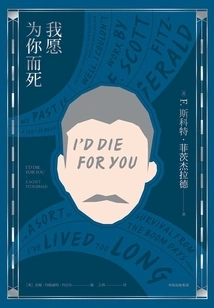
I Would Die for You
Literature我愿为你而死
G
"I Would Die for You" is the last surviving collection of unpublished posthumous works by the American literary master Fitzgerald, which includes 18 short stories and screenplay outlines. This is Fitzgerald's perfect work. It is Fitzgerald's transformation work that wants to get rid of the label of "youth writer" and move towards more mature realistic literature. In the writer's opinion, this is his perfect work, a "return to zero" for being completely honest with himself. In this work, readers can get a glimpse of his zeroing in and perfection of art and literature, as well as his original intention and desire. The book also contains 40 precious life photos, writer's manuscripts, printed manuscripts and other archive pictures, which is known as the most precious Fitzgerald work.
"I Would Die for You" is the last surviving collection of unpublished posthumous works by the American literary master Fitzgerald, which includes 18 short stories and screenplay outlines. This is Fitzgerald's perfect work. It is Fitzgerald's transformation work that wants to get rid of the label of "youth writer" and move towards more mature realistic literature. In the writer's opinion, this is his perfect work, a "return to zero" for being completely honest with himself. In this work, readers can get a glimpse of his zeroing in and perfection of art and literature, as well as his original intention and desire. The book also contains 40 precious life photos, writer's manuscripts, printed manuscripts and other archive pictures, which is known as the most precious Fitzgerald work.
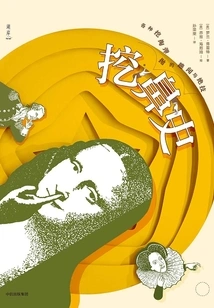
History of Nose Picking
Literature挖鼻史
(u. S.) Roland Frater
Since time immemorial, men have picked their noses. However, it was not until the influenza outbreak in 985 BC that nose-picking became an art form. ... Quotes from classics + British humor, a combination of real history and parody fiction. An encyclopedia of nose-picking, a detailed study on nose-picking. Anecdotes and tips on nose picking, teaching you how to pick your nose in a fancy way. From Van Gogh, Munch to Picasso?, A forgotten history of nose picking art. An analysis of the nose picking characteristics of the twelve zodiac signs, so accurate that you will pinch your nose in admiration. 114 Wonderful and vivid illustrations, every page of the book is a highlight. Nose-picking is far more fun than fish and water, and there is no risk. Teach you how to find your "like-minded people" in the crowd. How deep can your fingers penetrate into the nasal cavity? Which finger should you use to pick your nose? Is nose picking addictive? After blowing your nose with a handkerchief, should you check the results afterward? How should I explain to my boyfriend when he catches me digging for treasure? ?...?
Since time immemorial, men have picked their noses. However, it was not until the influenza outbreak in 985 BC that nose-picking became an art form. ... Quotes from classics + British humor, a combination of real history and parody fiction. An encyclopedia of nose-picking, a detailed study on nose-picking. Anecdotes and tips on nose picking, teaching you how to pick your nose in a fancy way. From Van Gogh, Munch to Picasso?, A forgotten history of nose picking art. An analysis of the nose picking characteristics of the twelve zodiac signs, so accurate that you will pinch your nose in admiration. 114 Wonderful and vivid illustrations, every page of the book is a highlight. Nose-picking is far more fun than fish and water, and there is no risk. Teach you how to find your "like-minded people" in the crowd. How deep can your fingers penetrate into the nasal cavity? Which finger should you use to pick your nose? Is nose picking addictive? After blowing your nose with a handkerchief, should you check the results afterward? How should I explain to my boyfriend when he catches me digging for treasure? ?...?
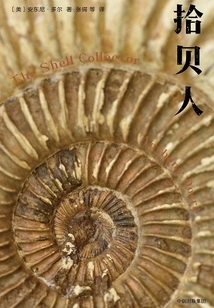
M
Literaturem
N
"The Shell Pickers" is a collection of eight short stories. It is Anthony Dole's earliest collection of novels and the first work that won him fame. Unlike "Memory Wall", which all takes "memory" as its theme, the eight stories in "The Shell Picker" are told individually, and each story has a theme. However, the overall tone of the book is still the same as Dole's concern about issues such as loss, alienation, and the distance between people. From time to time in "The Shell Picker", readers will feel familiar characters or emotions in "The Memory Wall".
"The Shell Pickers" is a collection of eight short stories. It is Anthony Dole's earliest collection of novels and the first work that won him fame. Unlike "Memory Wall", which all takes "memory" as its theme, the eight stories in "The Shell Picker" are told individually, and each story has a theme. However, the overall tone of the book is still the same as Dole's concern about issues such as loss, alienation, and the distance between people. From time to time in "The Shell Picker", readers will feel familiar characters or emotions in "The Memory Wall".
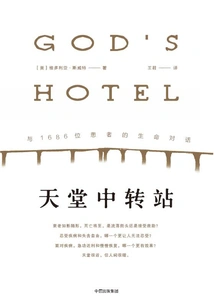
Paradise Transit Station
Literature天堂中转站
(us) Victoria Sweet
In Deep Pond Hospital, the only remaining almshouse in the United States, Dr. Sweet witnessed all kinds of human suffering and held life conversations with 1,686 patients. Combining many years of medical experience and fluent writing, he revealed all aspects of elderly care in American society and the improper treatment of patients, and put forward the argument that only exercise, healthy diet and a happy mentality can ensure people's health. In Sweet's writing, Shenchi Hospital is like a theater of life with mixed joys and sorrows: it is not only a hospital, but also a shelter, a shelter for the unemployed, a halfway house, and a rehabilitation center. People who need long-term medical care, including ballet dancers, rock musicians, professors, and thieves, have come here. Hens have been raised in the AIDS room. Some people dump their boyfriends here, some find their other half here, some leave with the expectation of a new life, but soon bid farewell to their lives on the streets. In these stories, we see the emotional changes of patients and doctors when facing illness or life and death, as well as true portrayals of the nature, cost and value of physical, mental and spiritual care. This is a new discussion on life, aging, illness and death, and it is a subversive description of the true meaning of medicine. Therefore, Oliver Sachs, the author of "Mistaking My Wife for a Hat," once said that "Heavenly Stop" is worth reading by everyone, especially those who are eager to understand the human nature of medicine. Heaven is very close, but the world is very warm.
In Deep Pond Hospital, the only remaining almshouse in the United States, Dr. Sweet witnessed all kinds of human suffering and held life conversations with 1,686 patients. Combining many years of medical experience and fluent writing, he revealed all aspects of elderly care in American society and the improper treatment of patients, and put forward the argument that only exercise, healthy diet and a happy mentality can ensure people's health. In Sweet's writing, Shenchi Hospital is like a theater of life with mixed joys and sorrows: it is not only a hospital, but also a shelter, a shelter for the unemployed, a halfway house, and a rehabilitation center. People who need long-term medical care, including ballet dancers, rock musicians, professors, and thieves, have come here. Hens have been raised in the AIDS room. Some people dump their boyfriends here, some find their other half here, some leave with the expectation of a new life, but soon bid farewell to their lives on the streets. In these stories, we see the emotional changes of patients and doctors when facing illness or life and death, as well as true portrayals of the nature, cost and value of physical, mental and spiritual care. This is a new discussion on life, aging, illness and death, and it is a subversive description of the true meaning of medicine. Therefore, Oliver Sachs, the author of "Mistaking My Wife for a Hat," once said that "Heavenly Stop" is worth reading by everyone, especially those who are eager to understand the human nature of medicine. Heaven is very close, but the world is very warm.

自然探险小冠军:我的动物朋友
(france) Paul Bopel
This is a comprehensive animal science book that helps you gain knowledge through games. Did you know that since the extinction of the dinosaurs, there has never been an animal larger than a blue whale on earth? You know which creatures use tentacles to move, and which animals can move very fast even without legs? What should you do if you are stung by a jellyfish? How to find a shelter for birds in the cold winter? How to identify animals based on their footprints? ... No matter in the city or suburbs, on land or in the sea, there are many novel animals hidden worth exploring! Countless interesting stories are happening around you.
This is a comprehensive animal science book that helps you gain knowledge through games. Did you know that since the extinction of the dinosaurs, there has never been an animal larger than a blue whale on earth? You know which creatures use tentacles to move, and which animals can move very fast even without legs? What should you do if you are stung by a jellyfish? How to find a shelter for birds in the cold winter? How to identify animals based on their footprints? ... No matter in the city or suburbs, on land or in the sea, there are many novel animals hidden worth exploring! Countless interesting stories are happening around you.

自然探险小冠军. 野外生存手册
(france) Paul Bopel
This is a comprehensive popular science book on wild adventure that helps you gain knowledge in the game. What essential items do you need to set out on an adventure? Do you use Morse code to send messages to friends? Do you know how many ants weigh as much as an elephant? Why are spiders not insects? What should you do if you are accidentally scratched by a nettle? How to use the wind to predict the weather outdoors? How to make a tent from simple materials? Take stock of the skills needed for survival in the wild, and use real-life experiences to help children develop curiosity and thirst for knowledge about nature.
This is a comprehensive popular science book on wild adventure that helps you gain knowledge in the game. What essential items do you need to set out on an adventure? Do you use Morse code to send messages to friends? Do you know how many ants weigh as much as an elephant? Why are spiders not insects? What should you do if you are accidentally scratched by a nettle? How to use the wind to predict the weather outdoors? How to make a tent from simple materials? Take stock of the skills needed for survival in the wild, and use real-life experiences to help children develop curiosity and thirst for knowledge about nature.
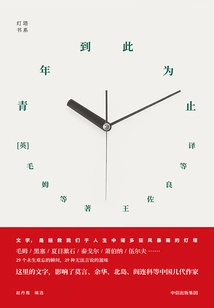
Youth Ends Here
Literature青年到此为止
(british) Maugham Et Al.
"Youth Ends Here" is a collection of essays in the "Lighthouse Book Series". It selects 29 classic essays by famous writers from nearly 400 issues of "World Literature" magazine since its 65th anniversary. When I was forty, I said to myself: "Youth ends here." On my fiftieth birthday, I said: "It's useless to lie to myself. I'm middle-aged, and I have to agree." When I was sixty, I said: "Now I have to sort out my various things, because I have reached the door of old age and I have to settle an account myself." - Somerset Maugham. My whole life has been a life of long-term struggle, and I must not be laughed at. --George Orwell. The art of writing a letter lies in arousing emotion, in recalling the past, in reliving a day, a moment, or even an instant in the past. --Virginia Woolf.
"Youth Ends Here" is a collection of essays in the "Lighthouse Book Series". It selects 29 classic essays by famous writers from nearly 400 issues of "World Literature" magazine since its 65th anniversary. When I was forty, I said to myself: "Youth ends here." On my fiftieth birthday, I said: "It's useless to lie to myself. I'm middle-aged, and I have to agree." When I was sixty, I said: "Now I have to sort out my various things, because I have reached the door of old age and I have to settle an account myself." - Somerset Maugham. My whole life has been a life of long-term struggle, and I must not be laughed at. --George Orwell. The art of writing a letter lies in arousing emotion, in recalling the past, in reliving a day, a moment, or even an instant in the past. --Virginia Woolf.
Paris Enlightenment
Literature巴黎之悟
Jack Kerouac
This book is called the Paris version of "On the Road" and is Kerouac's later work. In a semi-autobiographical style, the novel tells the first-person story of the author's ten-day trip to Paris and Brittany to explore family history. From the unattractive French woman in the Montparnasse gangster bar to the strange French "noble" with the same name as the author, Kerouac was deeply fascinated by everyone and everything on the journey. He believed that he had gained the highest level of life experience in the eyes of the "Beat Generation": "epiphany." The whole book adheres to Kerouac's consistent writing style, using unconstrained associations and passionate writing to write out unique travel insights.
This book is called the Paris version of "On the Road" and is Kerouac's later work. In a semi-autobiographical style, the novel tells the first-person story of the author's ten-day trip to Paris and Brittany to explore family history. From the unattractive French woman in the Montparnasse gangster bar to the strange French "noble" with the same name as the author, Kerouac was deeply fascinated by everyone and everything on the journey. He believed that he had gained the highest level of life experience in the eyes of the "Beat Generation": "epiphany." The whole book adheres to Kerouac's consistent writing style, using unconstrained associations and passionate writing to write out unique travel insights.