Library
Browse and search books
2,169 novels found
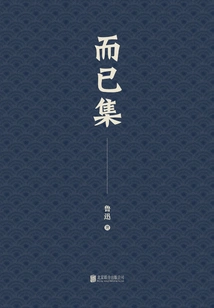
Youjian Library: Only Collection
Literature有间文库:而已集
Lu Xun
"Ji Ji Ji" is a collection of essays written by Lu Xun in 1927 and published in 1928. Faced with the reactionary warlords' massacre of revolutionaries and progressives, Mr. Lu Xun was both resentful and powerless. "In the past six months, I have seen a lot of blood and a lot of tears, but I only have mixed feelings. The tears have dried, the blood has disappeared, and the butchers are free and easy again, some with steel knives, some with soft knives. But I only have 'mixed feelings'. When even the 'mixed feelings' have been 'put where they should go,' I can only say 'nothing more.'"
"Ji Ji Ji" is a collection of essays written by Lu Xun in 1927 and published in 1928. Faced with the reactionary warlords' massacre of revolutionaries and progressives, Mr. Lu Xun was both resentful and powerless. "In the past six months, I have seen a lot of blood and a lot of tears, but I only have mixed feelings. The tears have dried, the blood has disappeared, and the butchers are free and easy again, some with steel knives, some with soft knives. But I only have 'mixed feelings'. When even the 'mixed feelings' have been 'put where they should go,' I can only say 'nothing more.'"
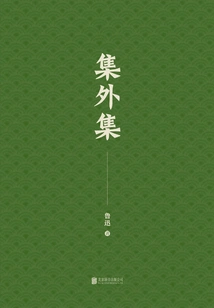
Youjian Library: Jiwaiji
Literature有间文库:集外集
Lu Xun
This book is a collection of poems and essays that were not included in the author's collection of essays published before 1933. It was published by Shanghai Qunzhong Book Company in May 1935. Only one edition was printed during the author's lifetime. This time, only two articles, "Small Quotations from [Collection of Short Stories from the Modern World]" and the translated version "Poems of Petofisandor", which have been compiled into "Sanxian Collection", have been removed. The "preparations" for the three chapters "Beyond Chewing", "Being Chewy Before Beginning", and "Pastoral Thoughts" were copied out by the author himself after the book was published. Those originally intended to be printed in "Collection Collection Collection" have now been moved to the relevant chapters of this collection. After the article; the letters in "Communication (Fu Miaojiang)" were copied this time; the last one was omitted in the first edition of "[Benliu] Editing and Editing Postscript", which is also added now; the order of the collected old-style poems has been adjusted according to the time of writing.
This book is a collection of poems and essays that were not included in the author's collection of essays published before 1933. It was published by Shanghai Qunzhong Book Company in May 1935. Only one edition was printed during the author's lifetime. This time, only two articles, "Small Quotations from [Collection of Short Stories from the Modern World]" and the translated version "Poems of Petofisandor", which have been compiled into "Sanxian Collection", have been removed. The "preparations" for the three chapters "Beyond Chewing", "Being Chewy Before Beginning", and "Pastoral Thoughts" were copied out by the author himself after the book was published. Those originally intended to be printed in "Collection Collection Collection" have now been moved to the relevant chapters of this collection. After the article; the letters in "Communication (Fu Miaojiang)" were copied this time; the last one was omitted in the first edition of "[Benliu] Editing and Editing Postscript", which is also added now; the order of the collected old-style poems has been adjusted according to the time of writing.
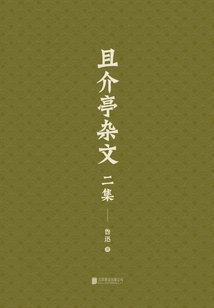
有间文库:且介亭杂文二集
Lu Xun
"Second Collection of Qiejieting Essays" consists of forty-eight essays written by the author in 1935. Lu Xun's essays absorbed the characteristics of British essays, which are short in length, hidden in the details, subtle but significant, small but big. They also drew on the "clear, simple, gorgeous, and powerful" style of Wei and Jin prose, especially inheriting the strength of Wei and Jin's articles. Miscellaneous feelings and short comments are the backbone of Lu Xun's essays, which focus on discussion and integrate the realm, image and beautiful words of poetry.
"Second Collection of Qiejieting Essays" consists of forty-eight essays written by the author in 1935. Lu Xun's essays absorbed the characteristics of British essays, which are short in length, hidden in the details, subtle but significant, small but big. They also drew on the "clear, simple, gorgeous, and powerful" style of Wei and Jin prose, especially inheriting the strength of Wei and Jin's articles. Miscellaneous feelings and short comments are the backbone of Lu Xun's essays, which focus on discussion and integrate the realm, image and beautiful words of poetry.
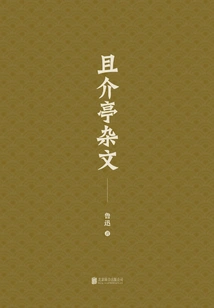
Youjian Library: Qiejieting Essays
Literature有间文库:且介亭杂文
Lu Xun
"Qiejieting Essays" is a collection of essays by Lu Xun. This book collects thirty-six essays written by Lu Xun in 1934, including "Two or Three Things About China", "Using Doctrine", "An Eye for an Eye", "Speaking of "Face"", etc. "Qiejie" is made up of half of the word "concession", which means that only half of China's sovereignty is left. These essays are not only sophisticated in technique and rich in argumentation, but the author's application of Marxist theory has also been integrated and integrated into specific content in accordance with the characteristics of miscellany. "Qiejieting Essays" is a collection of essays by Lu Xun. This book collects thirty-six essays written by Lu Xun in 1934, including "Two or Three Things About China", "Using Doctrine", "An Eye for an Eye", "Speaking of "Face"", etc. "Qiejie" is made up of half of the word "concession", which means that only half of China's sovereignty is left. These essays are not only skillful in technique and rich in argumentation, but the author's application of Marxist theory has also been integrated and integrated into the specific content in accordance with the characteristics of miscellaneous feelings.
"Qiejieting Essays" is a collection of essays by Lu Xun. This book collects thirty-six essays written by Lu Xun in 1934, including "Two or Three Things About China", "Using Doctrine", "An Eye for an Eye", "Speaking of "Face"", etc. "Qiejie" is made up of half of the word "concession", which means that only half of China's sovereignty is left. These essays are not only sophisticated in technique and rich in argumentation, but the author's application of Marxist theory has also been integrated and integrated into specific content in accordance with the characteristics of miscellany. "Qiejieting Essays" is a collection of essays by Lu Xun. This book collects thirty-six essays written by Lu Xun in 1934, including "Two or Three Things About China", "Using Doctrine", "An Eye for an Eye", "Speaking of "Face"", etc. "Qiejie" is made up of half of the word "concession", which means that only half of China's sovereignty is left. These essays are not only skillful in technique and rich in argumentation, but the author's application of Marxist theory has also been integrated and integrated into the specific content in accordance with the characteristics of miscellaneous feelings.
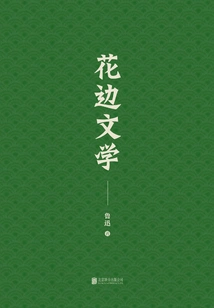
Youjian Library: Lace Literature
Literature有间文库:花边文学
Lu Xun
This book contains sixty-one essays written by the author from January to November 1934, and was published by Shanghai Lianhua Book Company in June 1936. Reprinted in August of the same year. A total of two editions were printed during the author's lifetime. Lu Xun often wrote short commentaries, which indeed started from the "Freedom Talk" submitted to "Shenbao". Collected from 1933, there are two books: "Pseudo Free Book" and "Huai Fengyue Talk". Later, the editor, Mr. Li Liewen, was really squeezed out. The next year, he was finally squeezed out. Lu Xun changed some methods, changed some pen names, and asked someone to copy and submit the manuscript. The new editor could not distinguish it carefully, so he still published it frequently. On the one hand, the scope was expanded, and the supplement "Tongxiang" of "China Daily" and the semi-monthly essay magazine "Taibai" were also written occasionally. The same text was written in 1934. The collection of these things written in 1934 is this "Lace Literature".
This book contains sixty-one essays written by the author from January to November 1934, and was published by Shanghai Lianhua Book Company in June 1936. Reprinted in August of the same year. A total of two editions were printed during the author's lifetime. Lu Xun often wrote short commentaries, which indeed started from the "Freedom Talk" submitted to "Shenbao". Collected from 1933, there are two books: "Pseudo Free Book" and "Huai Fengyue Talk". Later, the editor, Mr. Li Liewen, was really squeezed out. The next year, he was finally squeezed out. Lu Xun changed some methods, changed some pen names, and asked someone to copy and submit the manuscript. The new editor could not distinguish it carefully, so he still published it frequently. On the one hand, the scope was expanded, and the supplement "Tongxiang" of "China Daily" and the semi-monthly essay magazine "Taibai" were also written occasionally. The same text was written in 1934. The collection of these things written in 1934 is this "Lace Literature".
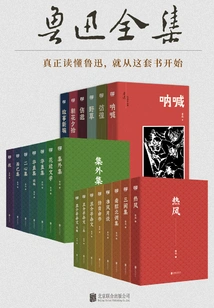
有间文库:鲁迅全集
Lu Xun
The complete works of Lu Xun include: Scream, Wandering, Sadness, New Stories, Picking Up Flowers in the Morning and Dusk, Wild Grasses, Hot Wind, Sanxian Collection, Nanqianbei Diao Collection, Pseudo Free Letters, Quan Feng Yue Tan, Qie Jie Ting Essays, Qie Jie Ting Essays Two Collections, Qie Jie Ting Essays Final Collection, Collection Outside Collection, Tomb, Huagai Collection, Huagai Collection Sequel, Erxin Collection, and 21 volumes of lace literature.
The complete works of Lu Xun include: Scream, Wandering, Sadness, New Stories, Picking Up Flowers in the Morning and Dusk, Wild Grasses, Hot Wind, Sanxian Collection, Nanqianbei Diao Collection, Pseudo Free Letters, Quan Feng Yue Tan, Qie Jie Ting Essays, Qie Jie Ting Essays Two Collections, Qie Jie Ting Essays Final Collection, Collection Outside Collection, Tomb, Huagai Collection, Huagai Collection Sequel, Erxin Collection, and 21 volumes of lace literature.
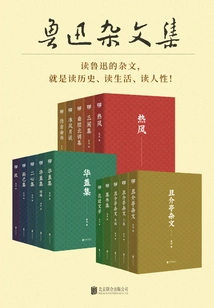
Youjian Library: Lu Xun's Essays
Literature有间文库:鲁迅杂文集
Lu Xun
The collection of Lu Xun's essays includes: Refeng, Sanxian Collection, Nanqianbei Diao Collection, Pseudo Free Letters, Quan Feng Yue Tan, Qie Jie Ting's Essays, Two Collections of Qie Jie Ting's Essays, The Last Collection of Qie Jie Ting's Essays, Collection Outside Collection, Tomb, Huagai Collection, Huagai Collection Sequel, Erxin Collection, Already Collection, and 15 volumes of lace literature.
The collection of Lu Xun's essays includes: Refeng, Sanxian Collection, Nanqianbei Diao Collection, Pseudo Free Letters, Quan Feng Yue Tan, Qie Jie Ting's Essays, Two Collections of Qie Jie Ting's Essays, The Last Collection of Qie Jie Ting's Essays, Collection Outside Collection, Tomb, Huagai Collection, Huagai Collection Sequel, Erxin Collection, Already Collection, and 15 volumes of lace literature.
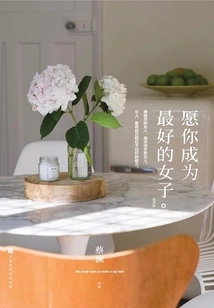
愿你成为最好的女子(经典版)
Cai Lam
The woman I like is a woman who strives for progress. What is the most lovable thing about a woman? It is truth, freedom, independence, courtesy, kindness, reason, and fun. It is not difficult to become the best woman. Many things are a learning process. Learn to be independent, learn to be confident, learn to be tolerant, learn to give up, learn to be hardworking, and learn to love. We don't have so many innate personalities, so when we deal with others, we need to give others more consideration and leeway. There are still good women, good wives, and good mothers. They are given by God, but they are also something that every woman can achieve through self-improvement. A woman who has a heart to learn and make progress and has perfect requirements for herself will definitely become a better woman. "May You Be the Best Woman" is based on Chua Lam's more than 70 years of experience in dealing with women. He can be sharp and spicy, gentle and calm, or solemn and simple. From different angles and depths, he points out women's problems while giving positive encouragement. Every woman has her own problems, and I hope we can find our own answers from Chua Lam.
The woman I like is a woman who strives for progress. What is the most lovable thing about a woman? It is truth, freedom, independence, courtesy, kindness, reason, and fun. It is not difficult to become the best woman. Many things are a learning process. Learn to be independent, learn to be confident, learn to be tolerant, learn to give up, learn to be hardworking, and learn to love. We don't have so many innate personalities, so when we deal with others, we need to give others more consideration and leeway. There are still good women, good wives, and good mothers. They are given by God, but they are also something that every woman can achieve through self-improvement. A woman who has a heart to learn and make progress and has perfect requirements for herself will definitely become a better woman. "May You Be the Best Woman" is based on Chua Lam's more than 70 years of experience in dealing with women. He can be sharp and spicy, gentle and calm, or solemn and simple. From different angles and depths, he points out women's problems while giving positive encouragement. Every woman has her own problems, and I hope we can find our own answers from Chua Lam.
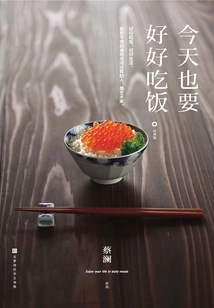
Have a Good Meal Today (classic Version)
Literature今天也要好好吃饭(经典版)
Cai Lam
A good life starts with eating well. Eating well means loving yourself well. The meaning of life is to eat and drink, it's that simple and basic. Eating well is a top priority. Every meal will affect yourself and your entire life in the future. Study as much as possible, experience as much as possible, and eat as much good food as possible, and life will be better. "Eat Well Today" is Chua Lam's record of delicacies from various places and ingredients closely related to daily life. Take a look at the taste, form and cooking techniques of each dish, as well as the local customs, people's feelings and life experiences revealed between the lines. People can't help but sigh, life is not long, you have to eat well, drink well, and live a good life. I hope you can eat well every day, understand life, love life, and live well every day.
A good life starts with eating well. Eating well means loving yourself well. The meaning of life is to eat and drink, it's that simple and basic. Eating well is a top priority. Every meal will affect yourself and your entire life in the future. Study as much as possible, experience as much as possible, and eat as much good food as possible, and life will be better. "Eat Well Today" is Chua Lam's record of delicacies from various places and ingredients closely related to daily life. Take a look at the taste, form and cooking techniques of each dish, as well as the local customs, people's feelings and life experiences revealed between the lines. People can't help but sigh, life is not long, you have to eat well, drink well, and live a good life. I hope you can eat well every day, understand life, love life, and live well every day.
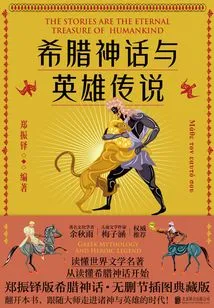
Greek Mythology and Heroic Legends
Literature希腊神话与英雄传说
Compiled By Zheng Zhenduo
This book was compiled by Zheng Zhenduo, a famous Chinese litterateur and scholar, based on dozens of authoritative monographs and documents in foreign languages, and spent more than ten years carefully compiling it. It contains more than 600 gods and heroes in Greek mythology, covering more than 300 city-states and regions in ancient Greece, and It is creatively divided into seven major systems: Thessalian, Argos, Ares, Thebes, Heracles, Athenian, and Pelops. It has beautiful writing and a complete system. It is the best reading book for Chinese readers to understand the intricate ancient Greek mythology.
This book was compiled by Zheng Zhenduo, a famous Chinese litterateur and scholar, based on dozens of authoritative monographs and documents in foreign languages, and spent more than ten years carefully compiling it. It contains more than 600 gods and heroes in Greek mythology, covering more than 300 city-states and regions in ancient Greece, and It is creatively divided into seven major systems: Thessalian, Argos, Ares, Thebes, Heracles, Athenian, and Pelops. It has beautiful writing and a complete system. It is the best reading book for Chinese readers to understand the intricate ancient Greek mythology.
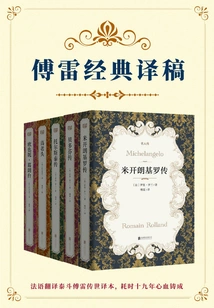
Fu Lei's Classic Translation
Literature傅雷经典译稿
(france) Romain Rolland (france) Balzac
Fu Lei's classic translations include five volumes: Beethoven's biography, Michelangelo's biography, Tolstoy's biography, and Goriot. "The Biography of Beethoven" Beethoven was born in an era when "breaking" and "establishing" were in conflict. He is talented and has composed one song after another that has been handed down from generation to generation; despite his ill-fated fate, he has gone through hardships and still adheres to his original intention of "being devoted to good, loving freedom more than anything else; and never betraying the truth under any circumstances." In this biography, the author not only tells the legendary life of music master Beethoven in beautiful language from different perspectives, but also reveals a great soul to readers. At the same time, Romain Rolland also compiled Beethoven's will and letters into a collection. "The Biography of Michelangelo" Michelangelo has a powerful power that can influence an era. Before him, the artistic sky in Florence was dull and lacked vitality. His appearance blew away the dark clouds hanging over it like a sudden storm. After him, Michelangelo's style influenced artists for almost three centuries. This biography mainly consists of three parts: the first part "Battle", the second part "Abandonment" and the epilogue. The author highly praises Michelangelo's artistic achievements and analyzes his inner world, thus revealing to readers a Michelangelo who is both ordinary and extraordinary, with unparalleled artistic talent and creativity. "The Biography of Tolstoy" Romain Rolland regarded Tolstoy as his spiritual mentor, and Toon's humanitarian feelings deeply moved him. Therefore, studying Toon's artistic creations, letters, and even the reminiscences of his contemporaries became the medium for Romain Rolland to express his admiration for Toon. Thus, an immortal "The Biography of Tolstoy" was born. The author's detailed research on Tolstoy has become the solid foundation of this work. With his extraordinary insight, Romain Rolland shows readers all the important aspects of the creative personality of a generation of literary giants. "Petro Goriot" In Paris in 1819, the Napoleonic era had just come to an end. Behind the prosperity of the upper class, socialites were worried about lovers and debts, nobles were weighing wealth and love, and wealthy businessmen were planning speculation and business. In a low-income apartment in the lower society, various characters are inextricably linked to the upper class: the upstart old man Gao was drained by his two daughters and died desolately in a shabby corner; the mainland young man Rastignac is determined to rise to the top and urgently needs to learn many rules of the upper class; the gangster leader Mufu Tolen is dormant in the dark, waiting for an opportunity to declare war on secular society... In "Petro Goriot", Balzac depicts the unique spirit of the times during the period of social transformation: moral decay, social tension, confusion of values, and poverty of the lower class. At the same time, society is rarely full of mobility. Human relationships and world affairs in society during the period of transformation are taking turns to be staged in this human comedy. "Eugénie Grandet" is a novel by the famous French writer Balzac. It tells the story of the innocent and beautiful Eugenie, the only daughter of the miserly and shrewd millionaire Grandet. She fell in love with her bankrupt cousin. For his sake, she did not hesitate to anger her money-loving father and spent all her private savings to help him make his way into the world. At this point, the relationship between father and daughter broke down, and the timid and virtuous mother was so frightened that she fell ill. The girl who lost her parents and her youth in the bitter expectation ended up with a heartless man who returned rich.
Fu Lei's classic translations include five volumes: Beethoven's biography, Michelangelo's biography, Tolstoy's biography, and Goriot. "The Biography of Beethoven" Beethoven was born in an era when "breaking" and "establishing" were in conflict. He is talented and has composed one song after another that has been handed down from generation to generation; despite his ill-fated fate, he has gone through hardships and still adheres to his original intention of "being devoted to good, loving freedom more than anything else; and never betraying the truth under any circumstances." In this biography, the author not only tells the legendary life of music master Beethoven in beautiful language from different perspectives, but also reveals a great soul to readers. At the same time, Romain Rolland also compiled Beethoven's will and letters into a collection. "The Biography of Michelangelo" Michelangelo has a powerful power that can influence an era. Before him, the artistic sky in Florence was dull and lacked vitality. His appearance blew away the dark clouds hanging over it like a sudden storm. After him, Michelangelo's style influenced artists for almost three centuries. This biography mainly consists of three parts: the first part "Battle", the second part "Abandonment" and the epilogue. The author highly praises Michelangelo's artistic achievements and analyzes his inner world, thus revealing to readers a Michelangelo who is both ordinary and extraordinary, with unparalleled artistic talent and creativity. "The Biography of Tolstoy" Romain Rolland regarded Tolstoy as his spiritual mentor, and Toon's humanitarian feelings deeply moved him. Therefore, studying Toon's artistic creations, letters, and even the reminiscences of his contemporaries became the medium for Romain Rolland to express his admiration for Toon. Thus, an immortal "The Biography of Tolstoy" was born. The author's detailed research on Tolstoy has become the solid foundation of this work. With his extraordinary insight, Romain Rolland shows readers all the important aspects of the creative personality of a generation of literary giants. "Petro Goriot" In Paris in 1819, the Napoleonic era had just come to an end. Behind the prosperity of the upper class, socialites were worried about lovers and debts, nobles were weighing wealth and love, and wealthy businessmen were planning speculation and business. In a low-income apartment in the lower society, various characters are inextricably linked to the upper class: the upstart old man Gao was drained by his two daughters and died desolately in a shabby corner; the mainland young man Rastignac is determined to rise to the top and urgently needs to learn many rules of the upper class; the gangster leader Mufu Tolen is dormant in the dark, waiting for an opportunity to declare war on secular society... In "Petro Goriot", Balzac depicts the unique spirit of the times during the period of social transformation: moral decay, social tension, confusion of values, and poverty of the lower class. At the same time, society is rarely full of mobility. Human relationships and world affairs in society during the period of transformation are taking turns to be staged in this human comedy. "Eugénie Grandet" is a novel by the famous French writer Balzac. It tells the story of the innocent and beautiful Eugenie, the only daughter of the miserly and shrewd millionaire Grandet. She fell in love with her bankrupt cousin. For his sake, she did not hesitate to anger her money-loving father and spent all her private savings to help him make his way into the world. At this point, the relationship between father and daughter broke down, and the timid and virtuous mother was so frightened that she fell ill. The girl who lost her parents and her youth in the bitter expectation ended up with a heartless man who returned rich.
我与地坛(插图版)
Shi Tiesheng
Contemporary literary master Shi Tiesheng's prose is simple and transparent, containing profound philosophy of life and rich flavor of life, and is known as the "most beautiful harvest" in the Chinese literary world. His poems are full of philosophy and compassion, and his imagination, unique language and condensation have unique literary value. This collection of prose poems selects classic works such as "The Temple of Earth and Me", "Memory and Impression", "Autumn Memories", "Albizia Julibrissin Tree" and "Love Song of the Yellow Earth". These works are based on the author's personal experience. The beautiful prose is full of love for life, youth, lover, relatives and friends, and hometown. Among them, the representative work of lyrical prose "Me and the Temple of Earth" is like a profound chant of life, with profound emotions, implicit philosophy, and meaningful language; "Memory and Impression" is like a human drama of sorrow and joy, with profound themes, rich Beijing flavor, and touching hearts; the ideological essay "Good Luck" "Design" is obsessed with asking about the riddles of the fate of all people, peeling off the bamboo shoots, telling it in a eloquent way, with wisdom and humor... Shi Tiesheng's words are full of magical charm, have the power to penetrate time and soul, and have a poetic grasp of fate, making us rethink the meaning of life.
Contemporary literary master Shi Tiesheng's prose is simple and transparent, containing profound philosophy of life and rich flavor of life, and is known as the "most beautiful harvest" in the Chinese literary world. His poems are full of philosophy and compassion, and his imagination, unique language and condensation have unique literary value. This collection of prose poems selects classic works such as "The Temple of Earth and Me", "Memory and Impression", "Autumn Memories", "Albizia Julibrissin Tree" and "Love Song of the Yellow Earth". These works are based on the author's personal experience. The beautiful prose is full of love for life, youth, lover, relatives and friends, and hometown. Among them, the representative work of lyrical prose "Me and the Temple of Earth" is like a profound chant of life, with profound emotions, implicit philosophy, and meaningful language; "Memory and Impression" is like a human drama of sorrow and joy, with profound themes, rich Beijing flavor, and touching hearts; the ideological essay "Good Luck" "Design" is obsessed with asking about the riddles of the fate of all people, peeling off the bamboo shoots, telling it in a eloquent way, with wisdom and humor... Shi Tiesheng's words are full of magical charm, have the power to penetrate time and soul, and have a poetic grasp of fate, making us rethink the meaning of life.
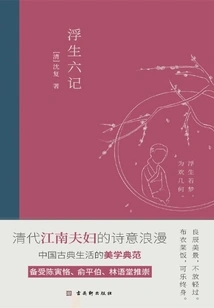
Six Chapters of a Floating Life
Literature浮生六记
Shen Fu
"Six Chapters of a Floating Life" is compiled by Shen Fu based on his own personal experience and selected unforgettable moments in his life. It takes the life of the couple as the main line and records the ordinary but interesting home life and wandering experiences, which involves ancient life art, family ethics, economy and culture, landscape travel and other aspects. It truly and richly shows the life experiences and living environment of ordinary people at that time, and is known as the "little "Dream of Red Mansions"" in the late Qing Dynasty.
"Six Chapters of a Floating Life" is compiled by Shen Fu based on his own personal experience and selected unforgettable moments in his life. It takes the life of the couple as the main line and records the ordinary but interesting home life and wandering experiences, which involves ancient life art, family ethics, economy and culture, landscape travel and other aspects. It truly and richly shows the life experiences and living environment of ordinary people at that time, and is known as the "little "Dream of Red Mansions"" in the late Qing Dynasty.
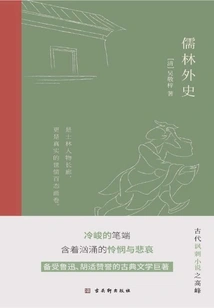
K
Literaturek
H
"The Scholars" has fifty-six chapters. It is a long satirical novel depicting the portraits of ancient intellectuals. The novel depicts various people's attitudes and pursuits of fame and wealth in a realistic way, and points the finger at the dark politics and pedantic imperial examination system. On the one hand, the novel describes the various absurd and hypocritical behaviors of Confucian scholars who were deeply poisoned by eight-legged stereotypes, satirizes those fake Confucian scholars and fake celebrities, and criticizes the corrupt social atmosphere at that time. The novel depicts the characters in depth and detail, creating many typical characters, such as corrupt Confucians Zhou Jin and Fan Jin, corrupt officials Tang Feng and Wang Hui, Mr. Ma Er, Mr. Lu Bianxiu, real celebrities Wang Mian and Du Shaoqing, etc. The superb satirical technique makes this book a masterpiece of Chinese classical satirical literature. The Scholars also created an example of using novels to directly evaluate real life.
"The Scholars" has fifty-six chapters. It is a long satirical novel depicting the portraits of ancient intellectuals. The novel depicts various people's attitudes and pursuits of fame and wealth in a realistic way, and points the finger at the dark politics and pedantic imperial examination system. On the one hand, the novel describes the various absurd and hypocritical behaviors of Confucian scholars who were deeply poisoned by eight-legged stereotypes, satirizes those fake Confucian scholars and fake celebrities, and criticizes the corrupt social atmosphere at that time. The novel depicts the characters in depth and detail, creating many typical characters, such as corrupt Confucians Zhou Jin and Fan Jin, corrupt officials Tang Feng and Wang Hui, Mr. Ma Er, Mr. Lu Bianxiu, real celebrities Wang Mian and Du Shaoqing, etc. The superb satirical technique makes this book a masterpiece of Chinese classical satirical literature. The Scholars also created an example of using novels to directly evaluate real life.
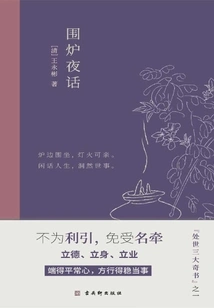
Night Talk Around the Fire
Literature围炉夜话
Wang Yongbin
"Night Talk around the Lu" is a collection of aphorisms written by Wang Yongbin in the Qing Dynasty. Together with "Cai Gen Tan" and "Xiaochuang Youji", it is also known as the three most wonderful books on Chinese people's life. The book has a total of 221 chapters. It talks about the ancient wisdom of "establishing morality, establishing one's character, and establishing one's words" from various aspects such as reading, self-cultivation, educating children, cultivating virtue, making friends, dealing with affairs, managing the family, etc. The book is short in length but meaningful in meaning. The author creates a situation of sitting around the stove on a winter night and chatting with his family, making the language of this book friendly, natural and easy to read, giving people a sense of moisturizing and silent. The content of this book includes phonetic notation and interpretation of rare and difficult words. Each aphorism is accompanied by carefully selected illustrations, striving to create a good reading scene for readers.
"Night Talk around the Lu" is a collection of aphorisms written by Wang Yongbin in the Qing Dynasty. Together with "Cai Gen Tan" and "Xiaochuang Youji", it is also known as the three most wonderful books on Chinese people's life. The book has a total of 221 chapters. It talks about the ancient wisdom of "establishing morality, establishing one's character, and establishing one's words" from various aspects such as reading, self-cultivation, educating children, cultivating virtue, making friends, dealing with affairs, managing the family, etc. The book is short in length but meaningful in meaning. The author creates a situation of sitting around the stove on a winter night and chatting with his family, making the language of this book friendly, natural and easy to read, giving people a sense of moisturizing and silent. The content of this book includes phonetic notation and interpretation of rare and difficult words. Each aphorism is accompanied by carefully selected illustrations, striving to create a good reading scene for readers.
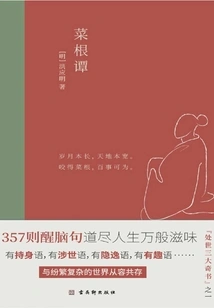
Cai Gentan
Literature菜根谭
Hong Yingming
"Cai Gen Tan" is a collection of quotations that discusses self-cultivation, life, dealing with others, and dealing with things. It is also known as the three great books on self-cultivation for Chinese people along with "The Notes of a Small Window" and "Night Talk around the Furnace". The title of the book "Cai Gen Tan" comes from the saying of Wang Ge, a Confucian scholar in the Song Dynasty: "If a person bites the vegetable root, he can do everything." The content adopts the essence of Confucianism, Taoism, and Buddhism, and contains the principles of self-cultivation, family management, and life.
"Cai Gen Tan" is a collection of quotations that discusses self-cultivation, life, dealing with others, and dealing with things. It is also known as the three great books on self-cultivation for Chinese people along with "The Notes of a Small Window" and "Night Talk around the Furnace". The title of the book "Cai Gen Tan" comes from the saying of Wang Ge, a Confucian scholar in the Song Dynasty: "If a person bites the vegetable root, he can do everything." The content adopts the essence of Confucianism, Taoism, and Buddhism, and contains the principles of self-cultivation, family management, and life.
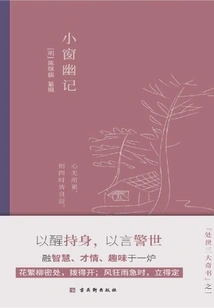
Notes on the Small Window
Literature小窗幽记
Chen Jiru
"Little Window You Ji" is a collection of clear-spoken sketches compiled by Chen Jiru in the Ming Dynasty. It is divided into twelve volumes: Xing, Qing, Qiao, Ling, Su, Jing, Yun, Qi, Qi, Hao, Fa and Qian. It explains the Chinese literati's life principles from many aspects such as self-cultivation, life, making friends, and studying. The content is extensive, rich in philosophy, the writing is neat and beautiful, and the words are concise and far-reaching. This book, together with Cai Gen Tan and Night Talk around the Furnace, is known as the three great books on self-cultivation for Chinese people. Since its publication, it has been favored by readers of all ages. It is a good philosophical book that provides an in-depth understanding of the Chinese people's wisdom in life.
"Little Window You Ji" is a collection of clear-spoken sketches compiled by Chen Jiru in the Ming Dynasty. It is divided into twelve volumes: Xing, Qing, Qiao, Ling, Su, Jing, Yun, Qi, Qi, Hao, Fa and Qian. It explains the Chinese literati's life principles from many aspects such as self-cultivation, life, making friends, and studying. The content is extensive, rich in philosophy, the writing is neat and beautiful, and the words are concise and far-reaching. This book, together with Cai Gen Tan and Night Talk around the Furnace, is known as the three great books on self-cultivation for Chinese people. Since its publication, it has been favored by readers of all ages. It is a good philosophical book that provides an in-depth understanding of the Chinese people's wisdom in life.
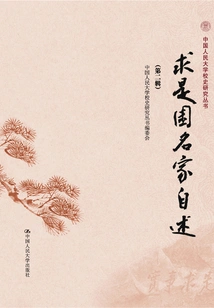
求是园名家自述(第二辑)(中国人民大学校史研究丛书)
Editorial Board Of Renmin University Of China History Research Series
This manuscript is compiled from articles written by more than 40 experts, scholars or alumni who have made outstanding contributions to the development of the school or witnessed important historical moments in the history of the school. They recount their life resumes, teaching, scientific research, and related events and feelings. It reproduces their rich history of sharing the same fate with Renmin University.
This manuscript is compiled from articles written by more than 40 experts, scholars or alumni who have made outstanding contributions to the development of the school or witnessed important historical moments in the history of the school. They recount their life resumes, teaching, scientific research, and related events and feelings. It reproduces their rich history of sharing the same fate with Renmin University.
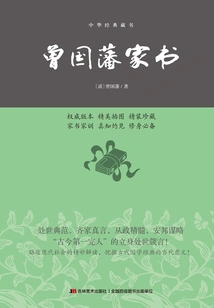
Zeng Guofan's Family Letters (hardcover)
Literature曾国藩家书(精装)
Zeng Guofan
In terms of style, Zeng Guofan's family letters are divided into chapters on self-cultivation, admonition to study, family management, financial management, making friends, government, employment, health care, and military affairs. During the selection process, multiple versions were compared, and chapters that were representative and of great reference value to contemporary people were selected. Sort by time, decide the title, annotate and comment. "Zeng Guofan's Family Letters (Collected Edition)" is different in content and has its own emphasis, as described below: The family letters selected in the Self-cultivation chapter are intended to reflect Zeng Guofan's inner cultivation in aspects such as self-preservation, moral cultivation, patience, perseverance, prudence, and self-reliance. The family letters selected for the chapter on encouraging students include teaching their brothers to write and cultivate their minds, advising their brothers to be diligent in their studies, explaining how to study, and teaching their brothers to pay attention to reading and to have perseverance in reading. They reflect Zeng Guofan's academic thoughts of "reading, being determined, and persevering".
In terms of style, Zeng Guofan's family letters are divided into chapters on self-cultivation, admonition to study, family management, financial management, making friends, government, employment, health care, and military affairs. During the selection process, multiple versions were compared, and chapters that were representative and of great reference value to contemporary people were selected. Sort by time, decide the title, annotate and comment. "Zeng Guofan's Family Letters (Collected Edition)" is different in content and has its own emphasis, as described below: The family letters selected in the Self-cultivation chapter are intended to reflect Zeng Guofan's inner cultivation in aspects such as self-preservation, moral cultivation, patience, perseverance, prudence, and self-reliance. The family letters selected for the chapter on encouraging students include teaching their brothers to write and cultivate their minds, advising their brothers to be diligent in their studies, explaining how to study, and teaching their brothers to pay attention to reading and to have perseverance in reading. They reflect Zeng Guofan's academic thoughts of "reading, being determined, and persevering".
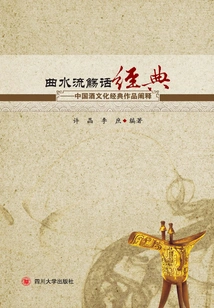
Qu Shui Shui Shang Talks About Classics: an Interpretation of Classic Works of Chinese Wine Culture
Literature曲水流觞话经典:中国酒文化经典作品阐释
Xu Jing Li Shu
Wine culture occupies an important position in Chinese national culture. It has a long history and involves all aspects of life. For thousands of years, wine has been integrated with various arts of the Chinese nation, such as calligraphy, music, dance, painting, poetry, etc., To construct a rich and diverse Chinese wine culture. Chinese wine culture has the enterprising spirit of "learning well and becoming an official", Tao Qian's tranquility and far-reaching attitude like "being indifferent to fame and wealth", the aloofness of "I am a madman of Chu", and the sentiment of helping the world by "worrying before the world, and taking pleasure in the world later". These classic works are the splendid treasures of Chinese culture. This is the first compilation of wine culture works and has certain publication value.
Wine culture occupies an important position in Chinese national culture. It has a long history and involves all aspects of life. For thousands of years, wine has been integrated with various arts of the Chinese nation, such as calligraphy, music, dance, painting, poetry, etc., To construct a rich and diverse Chinese wine culture. Chinese wine culture has the enterprising spirit of "learning well and becoming an official", Tao Qian's tranquility and far-reaching attitude like "being indifferent to fame and wealth", the aloofness of "I am a madman of Chu", and the sentiment of helping the world by "worrying before the world, and taking pleasure in the world later". These classic works are the splendid treasures of Chinese culture. This is the first compilation of wine culture works and has certain publication value.
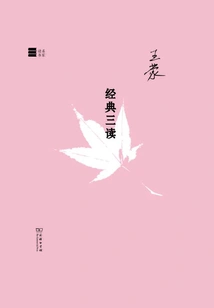
经典三读(名家读书)
Wang Meng
At present, the whole country is in an atmosphere of enthusiastic learning, discussion, interpretation and promotion of traditional culture. However, traditional culture contains a very broad content and it is not easy to summarize it simply. Culture is not only the accumulation and summary of experience, but also human feelings and ideals about life. Today I want to use the most common and simple words from one angle to summarize the ideal of "gentleness" among Chinese intellectuals represented by Confucius, and to discuss and communicate with you on this issue.
At present, the whole country is in an atmosphere of enthusiastic learning, discussion, interpretation and promotion of traditional culture. However, traditional culture contains a very broad content and it is not easy to summarize it simply. Culture is not only the accumulation and summary of experience, but also human feelings and ideals about life. Today I want to use the most common and simple words from one angle to summarize the ideal of "gentleness" among Chinese intellectuals represented by Confucius, and to discuss and communicate with you on this issue.
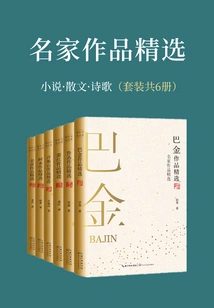
名家作品精选(套装共6册)
Ba Jin Lu Xun Xiao Hong Xu Dishan Alai Lao She
"Selected Works of Ba Jin" includes works such as "Open Garden", "Bird's Paradise" and "Remembering Xiao Shan", showing the thoughts, feelings and life traces of this centenarian at different stages of his life. From these affectionate words, we can see Ba Jin's joy and sorrow, frustration and pursuit, as well as his deep love and thinking about the world. "Selected Works of Lu Xun" is a collection of selected works of Lu Xun, including 69 representative articles in four genres: novels, essays, prose poems, and miscellaneous feelings. Including "Blessings", "Hometown", "From Baicao Garden to Sanwei Bookstore", "Usingism" and other popular masterpieces, they are rich in literary and ideological nature and clearly demonstrate Lu Xun's ideological characteristics and writing style. "Selected Works of Xiao Hong" is a selection of the works of the famous writer Xiao Hong. It selects the representative works of Xiao Hong's novels such as "The Story of Hulan River", "March in the Small Town" and "Mabele". It also includes Xiao Hong's famous prose works, such as selected articles from "Shangshi Street" and "Memories of Mr. Lu Xun". It writes about the unique customs and customs of the Northeast, reflects the fate of ordinary people in the context of the 1930s and 1940s, and reflects the characteristics and style of Xiao Hong's literary works. "Selected Works of Xu Dishan" collects Xu Dishan's representative novels, essays, and poems, including famous works such as "The Bird of Life", "The Spider Who Weaves the Web", "The Falling Peanut", and "The Forest at the Bottom of Spring". These works pay full attention to life issues and reflect the author's compassion for people and his persistent pursuit of truth, goodness and beauty. At the same time, they also present a swaying, euphemistic and delicate artistic style, which can be called "a gorgeous and dazzling strange flower" of modern literature. "Selected Works of Alai" is a collection of works by Alai, winner of the Mao Dun Literature Prize. It includes Alai's representative short and medium-length works "Mushroom Circle" and "Silversmith in the Moonlight", as well as a set of essays about Tibetan scenery. Alai's works use a highly national and individual carrier, embracing the dimension of time, melting the boundaries between the idealized mind and reality, and showing us a Tibetan place where poetry and history blend, shining with the brilliance of classics. "Selected Works of Lao She" includes Mr. Lao She's representative works in different creative periods, including "Camel Xiangzi", "Teahouse", "Spring in Jinan", "My Mother", etc. He is good at using "Beijing-style" language to write about the living conditions of Beijing people from the late Qing Dynasty to the Republic of China. He uses rich brushwork to construct characters that are as real as if they were standing on paper, and uses a simple and sincere creative attitude to describe the daily lives of ordinary people.
"Selected Works of Ba Jin" includes works such as "Open Garden", "Bird's Paradise" and "Remembering Xiao Shan", showing the thoughts, feelings and life traces of this centenarian at different stages of his life. From these affectionate words, we can see Ba Jin's joy and sorrow, frustration and pursuit, as well as his deep love and thinking about the world. "Selected Works of Lu Xun" is a collection of selected works of Lu Xun, including 69 representative articles in four genres: novels, essays, prose poems, and miscellaneous feelings. Including "Blessings", "Hometown", "From Baicao Garden to Sanwei Bookstore", "Usingism" and other popular masterpieces, they are rich in literary and ideological nature and clearly demonstrate Lu Xun's ideological characteristics and writing style. "Selected Works of Xiao Hong" is a selection of the works of the famous writer Xiao Hong. It selects the representative works of Xiao Hong's novels such as "The Story of Hulan River", "March in the Small Town" and "Mabele". It also includes Xiao Hong's famous prose works, such as selected articles from "Shangshi Street" and "Memories of Mr. Lu Xun". It writes about the unique customs and customs of the Northeast, reflects the fate of ordinary people in the context of the 1930s and 1940s, and reflects the characteristics and style of Xiao Hong's literary works. "Selected Works of Xu Dishan" collects Xu Dishan's representative novels, essays, and poems, including famous works such as "The Bird of Life", "The Spider Who Weaves the Web", "The Falling Peanut", and "The Forest at the Bottom of Spring". These works pay full attention to life issues and reflect the author's compassion for people and his persistent pursuit of truth, goodness and beauty. At the same time, they also present a swaying, euphemistic and delicate artistic style, which can be called "a gorgeous and dazzling strange flower" of modern literature. "Selected Works of Alai" is a collection of works by Alai, winner of the Mao Dun Literature Prize. It includes Alai's representative short and medium-length works "Mushroom Circle" and "Silversmith in the Moonlight", as well as a set of essays about Tibetan scenery. Alai's works use a highly national and individual carrier, embracing the dimension of time, melting the boundaries between the idealized mind and reality, and showing us a Tibetan place where poetry and history blend, shining with the brilliance of classics. "Selected Works of Lao She" includes Mr. Lao She's representative works in different creative periods, including "Camel Xiangzi", "Teahouse", "Spring in Jinan", "My Mother", etc. He is good at using "Beijing-style" language to write about the living conditions of Beijing people from the late Qing Dynasty to the Republic of China. He uses rich brushwork to construct characters that are as real as if they were standing on paper, and uses a simple and sincere creative attitude to describe the daily lives of ordinary people.

S-stories 第一辑·春天故事集
Moyin Ji Zhongxian Zheng Xiaolu Zhou Jianing Wang Dajin Shu Feilian Tang Bandit And Others
In spring, people test each other, hesitate, search for memories, long for rebirth, wake up from a dream, miss the past, search for hometown, and face life. Eight novelists describe spring with different flavors and people with different attitudes in spring. The ninth special collection of spring stories, "Every Day is a Memorial Day," records the stories of six anti-epidemic front lines in the special spring of 2020. The unique experiences of ordinary people in the stories bring us special spring memories.
In spring, people test each other, hesitate, search for memories, long for rebirth, wake up from a dream, miss the past, search for hometown, and face life. Eight novelists describe spring with different flavors and people with different attitudes in spring. The ninth special collection of spring stories, "Every Day is a Memorial Day," records the stories of six anti-epidemic front lines in the special spring of 2020. The unique experiences of ordinary people in the stories bring us special spring memories.
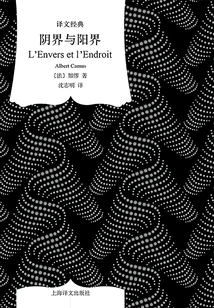
Yin World and Yang World
Literature阴界与阳界
G
A selection of the works of Camus, winner of the Nobel Prize for Literature, this book collects the essence of Camus's creations from 1933 to 1939: "The World of Hell and the Sun", the collection of beautiful essays of "The Good Marriage" and the novel "Happy Death". The themes all revolve around the metaphysical issues of life and death, so "The World of Hell and the Sun" is the title of the book. Camus believed that "every artist retains a unique source deep in his soul, which nourishes his words and deeds throughout his life", and "The Realm of the Underworld", his first outstanding work, is exactly where this source lies. The four essays in "A Good Marriage" are Camus's early travel notes. He expressed his feelings about life in poetic and picturesque language. "Happy Death" is Camus's debut novel. Although it is not very mature, it clearly embodies Camus's philosophical ideas.
A selection of the works of Camus, winner of the Nobel Prize for Literature, this book collects the essence of Camus's creations from 1933 to 1939: "The World of Hell and the Sun", the collection of beautiful essays of "The Good Marriage" and the novel "Happy Death". The themes all revolve around the metaphysical issues of life and death, so "The World of Hell and the Sun" is the title of the book. Camus believed that "every artist retains a unique source deep in his soul, which nourishes his words and deeds throughout his life", and "The Realm of the Underworld", his first outstanding work, is exactly where this source lies. The four essays in "A Good Marriage" are Camus's early travel notes. He expressed his feelings about life in poetic and picturesque language. "Happy Death" is Camus's debut novel. Although it is not very mature, it clearly embodies Camus's philosophical ideas.
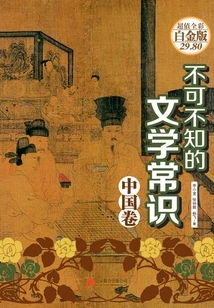
不可不知的文学常识·中国卷
Bruce Lee Zhang Fangfang Yang Fei
"Essential Literary Common Sense (China Volume)" written by Bruce Lee, Zhang Quanfang, and Yang Fei is a book that introduces common sense about Chinese literature and conveys human civilization. It is a popular reading prepared for readers who like Chinese literature, are eager to understand Chinese literature, and hope to broaden their horizons and improve their taste in life. Chinese literature has a long history, is extensive and profound, has a wide range and has far-reaching influence. Here you can meet famous writers, briefly browse famous works, come from various schools, or be inspired by the beauty of hundreds of schools of thought, or learn about people and the world through anecdotes and allusions. The book condenses the essence of Chinese literature and can lead you on an interesting cultural journey.
"Essential Literary Common Sense (China Volume)" written by Bruce Lee, Zhang Quanfang, and Yang Fei is a book that introduces common sense about Chinese literature and conveys human civilization. It is a popular reading prepared for readers who like Chinese literature, are eager to understand Chinese literature, and hope to broaden their horizons and improve their taste in life. Chinese literature has a long history, is extensive and profound, has a wide range and has far-reaching influence. Here you can meet famous writers, briefly browse famous works, come from various schools, or be inspired by the beauty of hundreds of schools of thought, or learn about people and the world through anecdotes and allusions. The book condenses the essence of Chinese literature and can lead you on an interesting cultural journey.
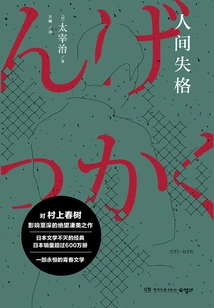
N
Literaturen
G
This book contains Osamu Dazai's five important masterpieces, namely "Disqualification in the World", "Clown's Flower", "Run, Melos" and "Villon's Wife" Goodbye. "Disqualified in the World" is Osamu Dazai's last novella before his death, and it is also a work with a rather autobiographical feel. The protagonist of the novel, Ye Zang, has been sensitive and thoughtful since childhood, with a cowardly personality. Although he was born into a wealthy family, he is full of fear of the surrounding environment and people. In his early years, he left his hometown to study and first tasted wine and sex. From then on, he indulged in it and spent his life avoiding everything he feared.
This book contains Osamu Dazai's five important masterpieces, namely "Disqualification in the World", "Clown's Flower", "Run, Melos" and "Villon's Wife" Goodbye. "Disqualified in the World" is Osamu Dazai's last novella before his death, and it is also a work with a rather autobiographical feel. The protagonist of the novel, Ye Zang, has been sensitive and thoughtful since childhood, with a cowardly personality. Although he was born into a wealthy family, he is full of fear of the surrounding environment and people. In his early years, he left his hometown to study and first tasted wine and sex. From then on, he indulged in it and spent his life avoiding everything he feared.
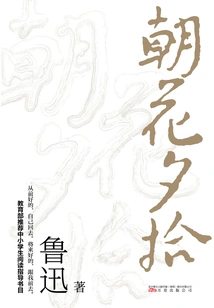
朝花夕拾
Lu Xun
"Morning Blossoms Plucked at Dusk" was written in 1926. It is Lu Xun's first collection of retrospective essays. It was originally called "Revisiting Old Things", but was later changed to "Morning Blossoms Plucked at Dusk" by Lu Xun. It enjoys high praise. "Chao" means early years, and "Xi" means old age. This word means picking up flowers in the morning at night, and refers to Mr. Lu Xun's memories of people and events in his childhood, adolescence, and youth in his later years. The author said that these articles are "memories" "copied from memory". This book is a collection of Lu Xun's reminiscence essays written in 1926, with a total of ten essays. The first five articles were written in Beijing, and the last five articles were written in Xiamen. As a "note of memories", this collection of essays reflects the author's life as a teenager and vividly reflects the formation of his character and interests. In addition to "Morning Blossoms Plucked at Dusk", this book also includes all chapters of "New Stories", as well as some chapters of "Jiwaiji", "Jiwaiji Supplements" and "Jiwaiji Supplements".
"Morning Blossoms Plucked at Dusk" was written in 1926. It is Lu Xun's first collection of retrospective essays. It was originally called "Revisiting Old Things", but was later changed to "Morning Blossoms Plucked at Dusk" by Lu Xun. It enjoys high praise. "Chao" means early years, and "Xi" means old age. This word means picking up flowers in the morning at night, and refers to Mr. Lu Xun's memories of people and events in his childhood, adolescence, and youth in his later years. The author said that these articles are "memories" "copied from memory". This book is a collection of Lu Xun's reminiscence essays written in 1926, with a total of ten essays. The first five articles were written in Beijing, and the last five articles were written in Xiamen. As a "note of memories", this collection of essays reflects the author's life as a teenager and vividly reflects the formation of his character and interests. In addition to "Morning Blossoms Plucked at Dusk", this book also includes all chapters of "New Stories", as well as some chapters of "Jiwaiji", "Jiwaiji Supplements" and "Jiwaiji Supplements".
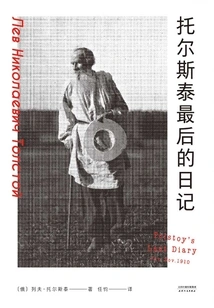
Tolstoy's Last Diary
Literature托尔斯泰最后的日记
(russia) Leo Tolstoy
This is a diary written by Tolstoy in 1910, the last year of his life. It started on January 2 and ended on November 3, 1910, with a total of 266 entries. The 82-year-old Tolstoy described his daily life, his family, the inevitable happiness or unhappiness, and his plan to run away from home for 40 years, "so that the last few days of his life could pass in loneliness and silence and hide from the world." On October 28, 1910, Tolstoy left a letter to his wife and then left home. He fell ill on the road and died on November 7 at a small station on his way away from home.
This is a diary written by Tolstoy in 1910, the last year of his life. It started on January 2 and ended on November 3, 1910, with a total of 266 entries. The 82-year-old Tolstoy described his daily life, his family, the inevitable happiness or unhappiness, and his plan to run away from home for 40 years, "so that the last few days of his life could pass in loneliness and silence and hide from the world." On October 28, 1910, Tolstoy left a letter to his wife and then left home. He fell ill on the road and died on November 7 at a small station on his way away from home.
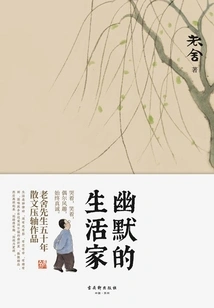
Humorous Lifestyle
Literature幽默的生活家
Lao She
This book selects 57 pieces of Lao She's prose, including travel notes, sketches about life, memories of events, descriptions of scenes and people, and all of them are affectionate and interesting. It comprehensively displays the essence of Lao She's prose creation and restores a humorous, friendly and simple life writer. As the originator of contemporary Beijing-style literature, Lao She's prose writing runs through his consistent humorous style, allowing people to appreciate the heaviness and beauty of life with a knowing smile.
This book selects 57 pieces of Lao She's prose, including travel notes, sketches about life, memories of events, descriptions of scenes and people, and all of them are affectionate and interesting. It comprehensively displays the essence of Lao She's prose creation and restores a humorous, friendly and simple life writer. As the originator of contemporary Beijing-style literature, Lao She's prose writing runs through his consistent humorous style, allowing people to appreciate the heaviness and beauty of life with a knowing smile.
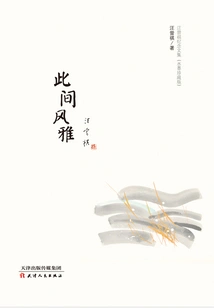
This Place is Elegant
Literature此间风雅
Wang Zengqi
This book comprehensively collects Wang Zengqi's words on literary and artistic creation. The author's short essays about writing and painting are as sparse and diluted as ever, and open and close calmly. For artistic creation, whether it is calligraphy, painting, drama, or folk music, readers can feel his natural aesthetic sentiment and attitude towards life, making people feel moved and yearned for...
This book comprehensively collects Wang Zengqi's words on literary and artistic creation. The author's short essays about writing and painting are as sparse and diluted as ever, and open and close calmly. For artistic creation, whether it is calligraphy, painting, drama, or folk music, readers can feel his natural aesthetic sentiment and attitude towards life, making people feel moved and yearned for...
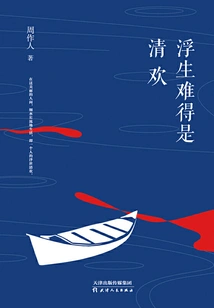
Happiness is Rare in Floating Life
Literature浮生难得是清欢
Zhou Zuoren
This book is based on the various editions of Zhou Zuoren's monograph published by Shanghai Kaiming Bookstore in 1932, and uses the editions of other publishing houses as reference. It selects more than 50 of the most representative classic essays, essays, and miscellaneous talks written by Zhou Zuoren in his life. His homely vernacular is permeated with profound Chinese, Eastern, and Western classical and modern cultural literacy. His writing style is elegant, true and pure, and each chapter is precise. It has profound historical and cultural connotations and demonstrates Zhou Zuoren's superb literary attainments and calm style of life to the maximum extent.
This book is based on the various editions of Zhou Zuoren's monograph published by Shanghai Kaiming Bookstore in 1932, and uses the editions of other publishing houses as reference. It selects more than 50 of the most representative classic essays, essays, and miscellaneous talks written by Zhou Zuoren in his life. His homely vernacular is permeated with profound Chinese, Eastern, and Western classical and modern cultural literacy. His writing style is elegant, true and pure, and each chapter is precise. It has profound historical and cultural connotations and demonstrates Zhou Zuoren's superb literary attainments and calm style of life to the maximum extent.
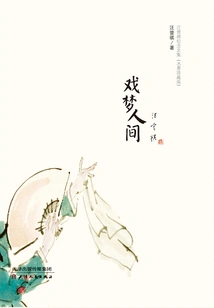
Dream World
Literature戏梦人间
Wang Zengqi
This book comprehensively collects Wang Zengqi's articles criticizing opera. Wang Zengqi's perspective on drama is unique. He starts from the opera's characters, structure, language, creation and feelings about the famous actors, making people feel no rigid or domineering preaching, just like friends chatting over tea. This quiet and dilute aesthetic is completely melted between the lines, and what is presented to the reader is like a freehand painting full of "joy of life".
This book comprehensively collects Wang Zengqi's articles criticizing opera. Wang Zengqi's perspective on drama is unique. He starts from the opera's characters, structure, language, creation and feelings about the famous actors, making people feel no rigid or domineering preaching, just like friends chatting over tea. This quiet and dilute aesthetic is completely melted between the lines, and what is presented to the reader is like a freehand painting full of "joy of life".
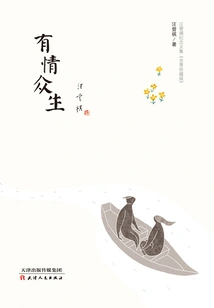
Sentient Beings
Literature有情众生
Wang Zengqi
This book comprehensively collects representative novels written by Wang Zengqi in different periods, such as "Ordering" and "Da Nao Chronicles", etc. Readers can appreciate the unique charm of Wang Zengqi's novels. Wang Zengqi once commented on himself: "There are some beautiful things in my novels that can comfort and warm people. But there is nothing profound in my novels." It is precisely this seemingly calm text, as well as the ordinary life and sophistication of ordinary people in the city, that "are soaked in the essence of classical Chinese culture, including excellent wit and casual temperament."
This book comprehensively collects representative novels written by Wang Zengqi in different periods, such as "Ordering" and "Da Nao Chronicles", etc. Readers can appreciate the unique charm of Wang Zengqi's novels. Wang Zengqi once commented on himself: "There are some beautiful things in my novels that can comfort and warm people. But there is nothing profound in my novels." It is precisely this seemingly calm text, as well as the ordinary life and sophistication of ordinary people in the city, that "are soaked in the essence of classical Chinese culture, including excellent wit and casual temperament."
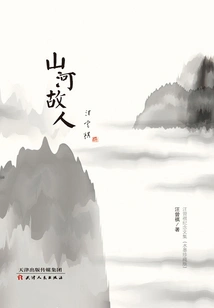
Old Friend of Mountains and Rivers
Literature山河故人
Wang Zengqi
This book is a complete collection of Wang Zengqi's series of essays on remembering people and remembering the past. In the book, we will get to know the author's childhood family members and school teachers, the street shops and strange people in his hometown, as well as the teachers and students of the Southwest Associated University with different temperaments in the past, and the people who still lived interestingly in the war years. The book also contains many articles by the author about Shen Congwen, from which we can get a glimpse of the deep and touching friendship between the two Chinese literary masters in the 20th century...
This book is a complete collection of Wang Zengqi's series of essays on remembering people and remembering the past. In the book, we will get to know the author's childhood family members and school teachers, the street shops and strange people in his hometown, as well as the teachers and students of the Southwest Associated University with different temperaments in the past, and the people who still lived interestingly in the war years. The book also contains many articles by the author about Shen Congwen, from which we can get a glimpse of the deep and touching friendship between the two Chinese literary masters in the 20th century...
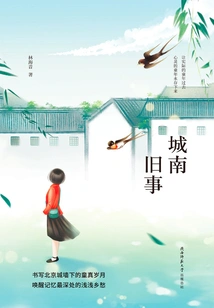
先锋经典文库:城南旧事
Lin Haiyin
"Old Things in the South of the City" is Lin Haiyin's classic work 30 years after entering the literary world. This autobiographical novel shows the author's childhood life in front of us in detail. The author moved to Beijing when he was a child and settled in the south of the city. Under the city walls of old Beijing is the growth trajectory of the young girl Yingzi. The work is delicate and candid. From a child's clear perspective, it not only truly reflects the social conditions at that time, but also shows us different stories of joy and sorrow. At the same time, it expresses the slight nostalgia deep in the author's heart.
"Old Things in the South of the City" is Lin Haiyin's classic work 30 years after entering the literary world. This autobiographical novel shows the author's childhood life in front of us in detail. The author moved to Beijing when he was a child and settled in the south of the city. Under the city walls of old Beijing is the growth trajectory of the young girl Yingzi. The work is delicate and candid. From a child's clear perspective, it not only truly reflects the social conditions at that time, but also shows us different stories of joy and sorrow. At the same time, it expresses the slight nostalgia deep in the author's heart.
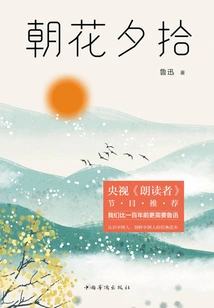
朝花夕拾
Lu Xun
"Morning Blossoms Plucked at Dusk" is a collection of essays by the modern writer Lu Xun, which includes a total of 10 memoir essays written by Lu Xun in 1926. Among them, the first five were written in Beijing and the last five were written in Xiamen. Initially, "Revisiting Old Things" was published successively in the bimonthly magazine "Wangyuan". In July 1927, Lu Xun added "Xiaoyin" and "Postscript", compiled and published them, and renamed them "Morning Blossoms Plucked at Dusk". "Morning Blossoms Plucked at Dusk" is Lu Xun's work of recalling the past. It uses life experiences in his youth as clues and combines narration and discussion, memories and reflections, lyricism and satire. It narrates a set of his life experiences from rural to urban, from family to society, and from domestic to foreign countries. It expresses his nostalgia for his past relatives, friends and teachers, and at the same time mocks and criticizes the old forces and culture.
"Morning Blossoms Plucked at Dusk" is a collection of essays by the modern writer Lu Xun, which includes a total of 10 memoir essays written by Lu Xun in 1926. Among them, the first five were written in Beijing and the last five were written in Xiamen. Initially, "Revisiting Old Things" was published successively in the bimonthly magazine "Wangyuan". In July 1927, Lu Xun added "Xiaoyin" and "Postscript", compiled and published them, and renamed them "Morning Blossoms Plucked at Dusk". "Morning Blossoms Plucked at Dusk" is Lu Xun's work of recalling the past. It uses life experiences in his youth as clues and combines narration and discussion, memories and reflections, lyricism and satire. It narrates a set of his life experiences from rural to urban, from family to society, and from domestic to foreign countries. It expresses his nostalgia for his past relatives, friends and teachers, and at the same time mocks and criticizes the old forces and culture.
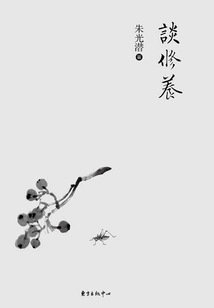
Talk About Self-cultivation
Literature谈修养
Zhu Guangqian
"Talk about Cultivation" is a work by Mr. Zhu Guangqian, a generation of academic masters, who explains the ways of life cultivation. It has been published for 60 years and is still the favorite of young students. The book consists of more than 20 articles, centered on "respecting reason and will, but not sparing emotion and imagination", and covering various issues closely related to young people, such as aspiration to "three principles", cultivating the spirit of struggle, grasping the interaction between individuals and communities and nations, and even talking about character, knowledge, reading, making friends, sex, love and marriage, and even value consciousness, aesthetic education, etc.
"Talk about Cultivation" is a work by Mr. Zhu Guangqian, a generation of academic masters, who explains the ways of life cultivation. It has been published for 60 years and is still the favorite of young students. The book consists of more than 20 articles, centered on "respecting reason and will, but not sparing emotion and imagination", and covering various issues closely related to young people, such as aspiration to "three principles", cultivating the spirit of struggle, grasping the interaction between individuals and communities and nations, and even talking about character, knowledge, reading, making friends, sex, love and marriage, and even value consciousness, aesthetic education, etc.
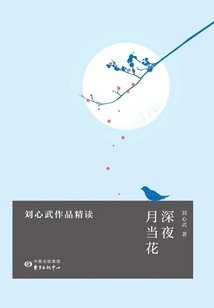
深夜月当花:刘心武作品精读
Liu Xinwu
This book contains exquisite prose works by the famous writer Liu Xinwu. These essays not only eulogize family and friendship, but also praise ordinary people and ordinary life; they also include elaborations on the opposites of life and life, and they also explain reading and writing. He always finds beauty in the ordinary and sublimity in the daily. His brushwork is fresh and timeless, full of rich human touch.
This book contains exquisite prose works by the famous writer Liu Xinwu. These essays not only eulogize family and friendship, but also praise ordinary people and ordinary life; they also include elaborations on the opposites of life and life, and they also explain reading and writing. He always finds beauty in the ordinary and sublimity in the daily. His brushwork is fresh and timeless, full of rich human touch.
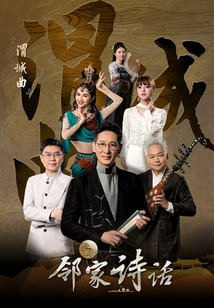
邻家诗话独家幕后(第3话):《渭城曲·送元二使安西》
Neighbor Poetry Theater Group
Exclusive news! The first "Poetry Courtyard Collection" variety show "Neighbor Poetry Talk" adapted a collection of poems of the same name (the third volume): "Weicheng Songs: Sending the Yuan Dynasty to Anxi". The tea party host Wang Jinsong, the traditional Chinese music practitioner Fang Jinlong, and the literary instructor Li Bo will take you to experience the eternal and touching farewell. That year, Wang Wei, a poet of the Tang Dynasty, sent his friend Yuan Er to Anxi as an envoy in Weicheng. The journey was difficult, but life was unruly, and a farewell could become eternal. All the thoughts of not seeing each other for the rest of my life are placed in a glass of wine. Whether in ancient times or modern times, the emotions towards friends are the same. No matter where we are with our friends, we will always care about each other.
Exclusive news! The first "Poetry Courtyard Collection" variety show "Neighbor Poetry Talk" adapted a collection of poems of the same name (the third volume): "Weicheng Songs: Sending the Yuan Dynasty to Anxi". The tea party host Wang Jinsong, the traditional Chinese music practitioner Fang Jinlong, and the literary instructor Li Bo will take you to experience the eternal and touching farewell. That year, Wang Wei, a poet of the Tang Dynasty, sent his friend Yuan Er to Anxi as an envoy in Weicheng. The journey was difficult, but life was unruly, and a farewell could become eternal. All the thoughts of not seeing each other for the rest of my life are placed in a glass of wine. Whether in ancient times or modern times, the emotions towards friends are the same. No matter where we are with our friends, we will always care about each other.
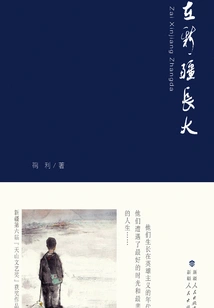
Grew up in Xinjiang
Literature在新疆长大
Juli
This book is another masterpiece by Xinjiang writer Ju Li that tells the story of southern Xinjiang. It won the 6th "Tianshan Literature and Art Award" and is a key literary and artistic work support project of the Aksu Federation of Literary and Art Circles. It describes the story of the "second generation from Xinjiang" who were born in the oasis of the Xinjiang Corps and grew up with their parents from the 1960s to the 1970s. It depicts those passionate years, the two generations who devoted themselves to defending and building the frontier, and the difficult journey of creating a happy home.
This book is another masterpiece by Xinjiang writer Ju Li that tells the story of southern Xinjiang. It won the 6th "Tianshan Literature and Art Award" and is a key literary and artistic work support project of the Aksu Federation of Literary and Art Circles. It describes the story of the "second generation from Xinjiang" who were born in the oasis of the Xinjiang Corps and grew up with their parents from the 1960s to the 1970s. It depicts those passionate years, the two generations who devoted themselves to defending and building the frontier, and the difficult journey of creating a happy home.
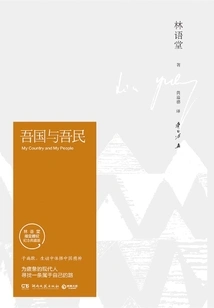
Our Country and Our People
Literature吾国与吾民
Lin Yutang
"My Country and My People", also known as "The Chinese", is Lin Yutang's famous and representative work in the Western literary world. The book uses a frank and humorous style and wise and accessible language to describe the morality, mental state and aspirations of the Chinese people, as well as China's society, literature and art, and life interests. It beautifully explains Chinese character, soul, ideals, life, politics, society, and art, and makes extensive and in-depth comparisons with Western characters, ideals, and life. It caused a sensation at home and abroad, was translated into many languages, and was widely circulated around the world.
"My Country and My People", also known as "The Chinese", is Lin Yutang's famous and representative work in the Western literary world. The book uses a frank and humorous style and wise and accessible language to describe the morality, mental state and aspirations of the Chinese people, as well as China's society, literature and art, and life interests. It beautifully explains Chinese character, soul, ideals, life, politics, society, and art, and makes extensive and in-depth comparisons with Western characters, ideals, and life. It caused a sensation at home and abroad, was translated into many languages, and was widely circulated around the world.
邻家诗话独家幕后(第6话):《渔家傲·秋思》
Neighbor Poetry Theater Group
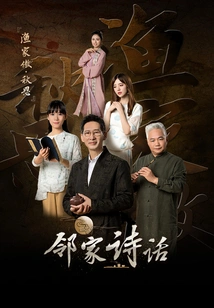
Exclusive news! The first "Poetry Courtyard Collection" variety show "Neighbor Poetry Talk" adapted a collection of poems of the same name (Volume 6): "The Proud Fisherman·Autumn Thoughts". The host of the tea party Wang Jinsong, the traditional Chinese music practitioner Fang Jinlong, and the literary tutor Li Bo will explain to you the noble character and integrity of Fan Zhongyan, the "Wen Zhenggong" of the Song Dynasty. Fan Zhongyan was able to govern the country with literature and military skills, and he was passionate about serving the country and the people, and he was proud and upright. The border guards in his works live a miserable life, but they are still willing to stay at the frontier to protect their homeland and country. The years are peaceful because there are people who carry the burden forward for us. The strength and peace of the country and the people's peace and contentment are inseparable from these most lovely people. Just as Fan Zhongyan said, "Be worried about the world's worries first, and be happy after the world's happiness." This spiritual power has traveled through thousands of years and will always inspire future generations.
Exclusive news! The first "Poetry Courtyard Collection" variety show "Neighbor Poetry Talk" adapted a collection of poems of the same name (Volume 6): "The Proud Fisherman·Autumn Thoughts". The host of the tea party Wang Jinsong, the traditional Chinese music practitioner Fang Jinlong, and the literary tutor Li Bo will explain to you the noble character and integrity of Fan Zhongyan, the "Wen Zhenggong" of the Song Dynasty. Fan Zhongyan was able to govern the country with literature and military skills, and he was passionate about serving the country and the people, and he was proud and upright. The border guards in his works live a miserable life, but they are still willing to stay at the frontier to protect their homeland and country. The years are peaceful because there are people who carry the burden forward for us. The strength and peace of the country and the people's peace and contentment are inseparable from these most lovely people. Just as Fan Zhongyan said, "Be worried about the world's worries first, and be happy after the world's happiness." This spiritual power has traveled through thousands of years and will always inspire future generations.
Exclusive Behind-the-scenes of Poetry Talk Next Door (episode 5): "thoughts on a Quiet Night
Literature邻家诗话独家幕后(第5话):《静夜思》
Neighbor Poetry Theater Group
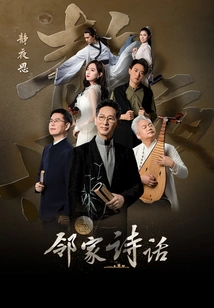
Exclusive news! The first "Poetry Courtyard Collection" variety show "Neighbor Poetry Talk" adapted a collection of poems of the same name (Volume 5): "Quiet Night Thoughts". The tea party host Wang Jinsong, Chinese music practitioner Fang Jinlong, and literature instructor Li Bo will take you through the feeling of homesickness. Li Bai, who was only twenty-four years old, went on a trip with a sword, wearing bright clothes and angry horses, and was high-spirited. However, after two years, he lost three hundred thousand gold and had nothing to live on. He fell ill in a Yangzhou hotel in late autumn. Grievance, loneliness, and desolation permeated his heart. Li Bai raised his head to look at the moon and expressed his deepest emotions in the simplest words. Relatives exist because of memories, and hometowns exist because of relatives. This poem is so pure and beautiful, and it is still passed down to this day. It not only makes people proud, but also tells us to cherish our family. I believe that in a thousand years there will still be people reciting "Thoughts on a Quiet Night".
Exclusive news! The first "Poetry Courtyard Collection" variety show "Neighbor Poetry Talk" adapted a collection of poems of the same name (Volume 5): "Quiet Night Thoughts". The tea party host Wang Jinsong, Chinese music practitioner Fang Jinlong, and literature instructor Li Bo will take you through the feeling of homesickness. Li Bai, who was only twenty-four years old, went on a trip with a sword, wearing bright clothes and angry horses, and was high-spirited. However, after two years, he lost three hundred thousand gold and had nothing to live on. He fell ill in a Yangzhou hotel in late autumn. Grievance, loneliness, and desolation permeated his heart. Li Bai raised his head to look at the moon and expressed his deepest emotions in the simplest words. Relatives exist because of memories, and hometowns exist because of relatives. This poem is so pure and beautiful, and it is still passed down to this day. It not only makes people proud, but also tells us to cherish our family. I believe that in a thousand years there will still be people reciting "Thoughts on a Quiet Night".
京华烟云(共2册)
Lin Yutang
Smoke and Clouds of Beijing (Commemorative Collector's Edition, 2 volumes in total) - Lin Yutang's prestigious work, a classic portrayal of modern Chinese society, commemorative collector's edition for the 40th anniversary of Lin Yutang's death.
Smoke and Clouds of Beijing (Commemorative Collector's Edition, 2 volumes in total) - Lin Yutang's prestigious work, a classic portrayal of modern Chinese society, commemorative collector's edition for the 40th anniversary of Lin Yutang's death.
Scarecrow
Literature稻草人
Ye Shengtao
This book is a collection of Ye Shengtao's fairy tales and prose, with a lyrical style and beautiful style. Beautiful fairy tales are rich in imagination, fresh in writing, simple in story but profound in meaning, and full of wisdom; beautiful prose describes various situations in the world, expresses emotions, and is full of profound and long-lasting cultural meaning.
This book is a collection of Ye Shengtao's fairy tales and prose, with a lyrical style and beautiful style. Beautiful fairy tales are rich in imagination, fresh in writing, simple in story but profound in meaning, and full of wisdom; beautiful prose describes various situations in the world, expresses emotions, and is full of profound and long-lasting cultural meaning.
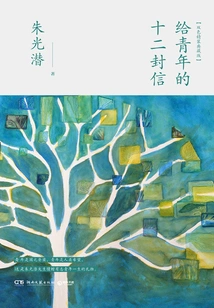
Twelve Letters to Young People
Literature给青年的十二封信
Zhu Guangqian
This book is actually a letter that Zhu Guangqian sent from overseas to a magazine for publication during his stay in Europe. These articles were later compiled into the book "Twelve Letters to Youth", which was published by Kaiming Bookstore in March 1929. The purpose is to target ordinary people and introduce some academic ideas based on real life. These twelve letters are targeted at young people with a middle school education. They do not specify a specific recipient. As long as they are a young person with a middle school education, they are the recipients. Everyone should read these twelve letters. Each letter is titled with something that young people are concerned about or should be concerned about, such as reading, self-cultivation, composition, social movements, love, philosophy, and so on. Although the author expresses his opinions on different topics and looks at the whole story, there seems to be a consistent starting point to be found, which is to advise young people to have a clear vision, to work from the bottom up, to take care of themselves, and not to follow the world for quick gain.
This book is actually a letter that Zhu Guangqian sent from overseas to a magazine for publication during his stay in Europe. These articles were later compiled into the book "Twelve Letters to Youth", which was published by Kaiming Bookstore in March 1929. The purpose is to target ordinary people and introduce some academic ideas based on real life. These twelve letters are targeted at young people with a middle school education. They do not specify a specific recipient. As long as they are a young person with a middle school education, they are the recipients. Everyone should read these twelve letters. Each letter is titled with something that young people are concerned about or should be concerned about, such as reading, self-cultivation, composition, social movements, love, philosophy, and so on. Although the author expresses his opinions on different topics and looks at the whole story, there seems to be a consistent starting point to be found, which is to advise young people to have a clear vision, to work from the bottom up, to take care of themselves, and not to follow the world for quick gain.
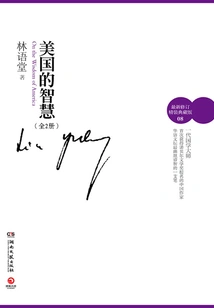
American Wisdom (2 Volumes in Total)
Literature美国的智慧(共2册)
Lin Yutang
"American Wisdom (Collector's Edition) (set of 2 volumes)" includes "American Wisdom Part 1" and "American Wisdom Part 2", a total of 2 volumes. "American Wisdom (Collector's Edition) (set of 2 volumes)" introduces many important philosophers and writers since the founding of the United States, such as Franklin, Emerson, Thoreau, Santayana, etc. The content covers all aspects of social life: life, life, emotion, freedom, happiness, nature, religion, humor and irony, love and marriage, war and peace, etc. Reading "American Wisdom (Collector's Edition) (set of 2 volumes)" is tantamount to communicating with many great and wise minds, and the soul will be purified and sublimated.
"American Wisdom (Collector's Edition) (set of 2 volumes)" includes "American Wisdom Part 1" and "American Wisdom Part 2", a total of 2 volumes. "American Wisdom (Collector's Edition) (set of 2 volumes)" introduces many important philosophers and writers since the founding of the United States, such as Franklin, Emerson, Thoreau, Santayana, etc. The content covers all aspects of social life: life, life, emotion, freedom, happiness, nature, religion, humor and irony, love and marriage, war and peace, etc. Reading "American Wisdom (Collector's Edition) (set of 2 volumes)" is tantamount to communicating with many great and wise minds, and the soul will be purified and sublimated.
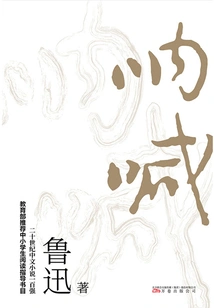
Shout
Literature呐喊
Lu Xun
"The Scream" is Lu Xun's long-famous collection of novels. It is the pioneer and most important work of modern Chinese novels. It collects fourteen novels written from 1918 to 1922, including his representative articles "Diary of a Madman", "Kong Yiji", "Medicine", "The True Story of Ah Q", "Hometown", "Social Opera", etc. The first edition has been a best-seller for nearly a hundred years and has far-reaching influence. Many articles have been included in Chinese language textbooks for primary and secondary schools and colleges and universities. Before Lu Xun, there were no works in the history of Chinese novels that truly portrayed the image of farmers. Lu Xun's true feelings were always devoted to the farmers, but he focused more on exploring the mental disability of the farmers in old China and the servility in the national character. The short story collection "The Scream" was born under the background of the May Fourth Movement and the New Culture Movement. It is not only a banner of the New Culture Movement, but also a powerful declaration of Lu Xun's war against the old feudal ethics and old ideas.
"The Scream" is Lu Xun's long-famous collection of novels. It is the pioneer and most important work of modern Chinese novels. It collects fourteen novels written from 1918 to 1922, including his representative articles "Diary of a Madman", "Kong Yiji", "Medicine", "The True Story of Ah Q", "Hometown", "Social Opera", etc. The first edition has been a best-seller for nearly a hundred years and has far-reaching influence. Many articles have been included in Chinese language textbooks for primary and secondary schools and colleges and universities. Before Lu Xun, there were no works in the history of Chinese novels that truly portrayed the image of farmers. Lu Xun's true feelings were always devoted to the farmers, but he focused more on exploring the mental disability of the farmers in old China and the servility in the national character. The short story collection "The Scream" was born under the background of the May Fourth Movement and the New Culture Movement. It is not only a banner of the New Culture Movement, but also a powerful declaration of Lu Xun's war against the old feudal ethics and old ideas.
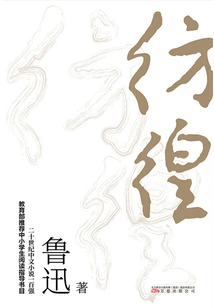
Hesitant
Literature彷徨
Lu Xun
"Wandering" is Lu Xun's second collection of short stories, which includes eleven short stories written between 1924 and 1925, including "Blessings", "At the Restaurant", "Big Happy Family", "Old Master Gao", "Brothers", "Sad Death", etc. The work created the modern characteristics of the novel with its "profound expression" and "special format". At that time, the May 4th movement was ebbing, and there were divisions within the New Culture Movement camp. Mr. Lu Xun's state of mind had changed, and he was in a situation where "there are two people left but one pawn, and the halberd is alone and hesitant." He stopped shouting and instead focused on the peasants and intellectuals who were under the heavy pressure of feudal forces. He mourned their misfortune and was angry about them. In the profound and broad historical picture, he embodied his persistent exploration of life and future. His works can be regarded as a mirror of the development and transformation of Chinese society and a model of modern literature.
"Wandering" is Lu Xun's second collection of short stories, which includes eleven short stories written between 1924 and 1925, including "Blessings", "At the Restaurant", "Big Happy Family", "Old Master Gao", "Brothers", "Sad Death", etc. The work created the modern characteristics of the novel with its "profound expression" and "special format". At that time, the May 4th movement was ebbing, and there were divisions within the New Culture Movement camp. Mr. Lu Xun's state of mind had changed, and he was in a situation where "there are two people left but one pawn, and the halberd is alone and hesitant." He stopped shouting and instead focused on the peasants and intellectuals who were under the heavy pressure of feudal forces. He mourned their misfortune and was angry about them. In the profound and broad historical picture, he embodied his persistent exploration of life and future. His works can be regarded as a mirror of the development and transformation of Chinese society and a model of modern literature.