Library
Browse and search books
2,823 novels found
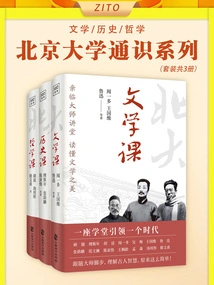
北京大学通识系列(套装共3册)
Wang Guowei Lu Xun Hu Shi Et Al.
As the center of the New Culture Movement and the birthplace of the May 4th Movement, the traditional spirit of patriotism, progress, democracy, and science and the academic style of diligence, rigor, pragmatism, and innovation are endlessly passed down here from generation to generation. Peking University's general education has profoundly influenced a generation of Chinese scholars and laid a solid foundation for their achievements. This set of books includes the classic lecture notes and works of 14 gentlemen including Lu Xun, Wang Guowei, Chen Yinke, Wen Yiduo, Tang Yongtong, Fu Sinian, Fan Wenlan, Hu Shi, Zhang Yinlin, Meng Sen, Wang Tongling, Gu Sui, Wu Mei, Ji Wenfu, etc., Integrating literature The three compulsory general courses, history, and philosophy, select some important literary works, historical events, and ideological concepts from the pre-Qin to the Qing Dynasty for readers to understand the essence of traditional culture from the perspective of a master and reproduce the key nodes of Chinese culture.
As the center of the New Culture Movement and the birthplace of the May 4th Movement, the traditional spirit of patriotism, progress, democracy, and science and the academic style of diligence, rigor, pragmatism, and innovation are endlessly passed down here from generation to generation. Peking University's general education has profoundly influenced a generation of Chinese scholars and laid a solid foundation for their achievements. This set of books includes the classic lecture notes and works of 14 gentlemen including Lu Xun, Wang Guowei, Chen Yinke, Wen Yiduo, Tang Yongtong, Fu Sinian, Fan Wenlan, Hu Shi, Zhang Yinlin, Meng Sen, Wang Tongling, Gu Sui, Wu Mei, Ji Wenfu, etc., Integrating literature The three compulsory general courses, history, and philosophy, select some important literary works, historical events, and ideological concepts from the pre-Qin to the Qing Dynasty for readers to understand the essence of traditional culture from the perspective of a master and reproduce the key nodes of Chinese culture.
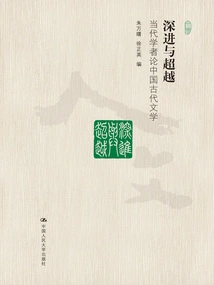
深进与超越:当代学者论中国古代文学
Zhu Wanshu Xu Zhengying
"Going Deeper and Beyond: Contemporary Scholars on Ancient Chinese Literature" is a collection of essays that brings together 31 research papers on ancient Chinese literature by domestic representative scholars in recent years. These papers are scholars' in-depth study of academic issues in the fields they work in, either raising new questions or providing new insights into old issues. At the same time, they also reflect the thinking and expansion of the methods and vision of each scholar, or the inheritance of the methods of their predecessors, or the thinking and application of new methods, showing the transcendence of the predecessors scholars, and even the transcendence of self-research. The collection of essays reflects the academic height and depth of ancient literature research since the 21st century, and also demonstrates the academic feelings and academic wisdom of a generation of scholars.
"Going Deeper and Beyond: Contemporary Scholars on Ancient Chinese Literature" is a collection of essays that brings together 31 research papers on ancient Chinese literature by domestic representative scholars in recent years. These papers are scholars' in-depth study of academic issues in the fields they work in, either raising new questions or providing new insights into old issues. At the same time, they also reflect the thinking and expansion of the methods and vision of each scholar, or the inheritance of the methods of their predecessors, or the thinking and application of new methods, showing the transcendence of the predecessors scholars, and even the transcendence of self-research. The collection of essays reflects the academic height and depth of ancient literature research since the 21st century, and also demonstrates the academic feelings and academic wisdom of a generation of scholars.
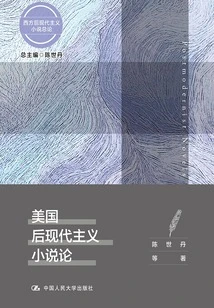
美国后现代主义小说论(西方后现代主义小说总论)
Chen Shidan Et Al.
"A Theory of American Postmodernist Novels" reveals that American postmodernist novels use texts intertwined with reality and fiction to effectively express postmodern human experience. While deconstructing and subverting the fictional world, they reconstruct a real world that recognizes differences, respects others, and develops sustainably. Doctorow uses diverse narrative techniques and diverse and mixed text structures to express postmodern left-wing thoughts, criticize the capitalist system, and pursue social justice. DeLillo's series of novels express social themes such as American consumerism, trauma, terrorism, foreign policy, ideology, technology supremacy, financial capital, mass media, and totalitarianism. Auster was keen on creating a series of labyrinthine novels in his novels to reveal the truth of reality and history. Powers actively advocates and constructs the idea of a post-humanistic harmonious society in his works. Coupland's novels pay close attention to popular culture and social issues, perfectly combining cultural criticism with characterization. Donleavy's carnival novel creation presents readers with an uncertain, unstable real world full of weirdness and absurdity.
"A Theory of American Postmodernist Novels" reveals that American postmodernist novels use texts intertwined with reality and fiction to effectively express postmodern human experience. While deconstructing and subverting the fictional world, they reconstruct a real world that recognizes differences, respects others, and develops sustainably. Doctorow uses diverse narrative techniques and diverse and mixed text structures to express postmodern left-wing thoughts, criticize the capitalist system, and pursue social justice. DeLillo's series of novels express social themes such as American consumerism, trauma, terrorism, foreign policy, ideology, technology supremacy, financial capital, mass media, and totalitarianism. Auster was keen on creating a series of labyrinthine novels in his novels to reveal the truth of reality and history. Powers actively advocates and constructs the idea of a post-humanistic harmonious society in his works. Coupland's novels pay close attention to popular culture and social issues, perfectly combining cultural criticism with characterization. Donleavy's carnival novel creation presents readers with an uncertain, unstable real world full of weirdness and absurdity.
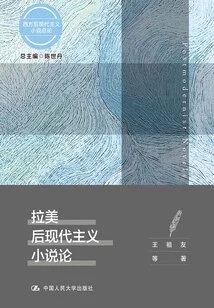
拉美后现代主义小说论(西方后现代主义小说总论)
Wang Zuyou Et Al.
The Latin American continent is rich in mystery. It is said that the poorer the land, the more extraordinary works can be produced. Contemporary Latin American literature is both real and illusory, full of twists and turns, and every work can definitely take you into a completely new world. Latin America is not the birthplace of postmodernist literature, but its achievements in postmodernist literary creation have attracted worldwide attention. Innovative Latin American writers used their own postmodern writing style with strong Caribbean characteristics to recreate a new Latin American novel system that adheres to the true nature of Indian culture, black culture and Spanish mixed culture, shocking and influencing world literature. The multi-dimensional perspective of the narrative of contemporary Latin American novels also enables the three-dimensional time and space to embrace a broader story connotation, presenting a conscious "Latin American consciousness." The study of postmodernity in contemporary Latin American novels will share these literary wonders with you.
The Latin American continent is rich in mystery. It is said that the poorer the land, the more extraordinary works can be produced. Contemporary Latin American literature is both real and illusory, full of twists and turns, and every work can definitely take you into a completely new world. Latin America is not the birthplace of postmodernist literature, but its achievements in postmodernist literary creation have attracted worldwide attention. Innovative Latin American writers used their own postmodern writing style with strong Caribbean characteristics to recreate a new Latin American novel system that adheres to the true nature of Indian culture, black culture and Spanish mixed culture, shocking and influencing world literature. The multi-dimensional perspective of the narrative of contemporary Latin American novels also enables the three-dimensional time and space to embrace a broader story connotation, presenting a conscious "Latin American consciousness." The study of postmodernity in contemporary Latin American novels will share these literary wonders with you.
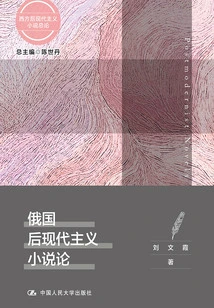
俄国后现代主义小说论(西方后现代主义小说总论)
Liu Wenxia
Russian postmodernist literature quietly emerged, rose rapidly, and faded in just 30 years. However, it filled the gap in Russian literature after the collapse of the Soviet Union and reflected people's common self-imagination, anxiety and desires in the inner world in a specific historical period. Its ideological and poetic characteristics also provided creative experience for the later New Russian Literature. This book aims to use the theories of historical materialism and dialectical materialism and chronological means to sort out and study Russian postmodernist novels in different periods, and to explore the ideological and artistic values of Russian postmodernist novels. In the 1970s, "avant-garde" writers deconstructed tradition, subverted authority, and expressed repressed carnival in their works. After the disintegration of the Soviet Union, postmodern writers represented by Markkanin and Pelevin reflected on history and reality and gradually returned to the tradition of realism. In addition, Nabokov's literary thought, aesthetic tradition and creative art have exerted an explicit or implicit influence on Russian postmodernist writers. Dovlatov and others used "fragmented" "authentic narrative" techniques to show the "absurd reality" and identity anxiety in immigrant life.
Russian postmodernist literature quietly emerged, rose rapidly, and faded in just 30 years. However, it filled the gap in Russian literature after the collapse of the Soviet Union and reflected people's common self-imagination, anxiety and desires in the inner world in a specific historical period. Its ideological and poetic characteristics also provided creative experience for the later New Russian Literature. This book aims to use the theories of historical materialism and dialectical materialism and chronological means to sort out and study Russian postmodernist novels in different periods, and to explore the ideological and artistic values of Russian postmodernist novels. In the 1970s, "avant-garde" writers deconstructed tradition, subverted authority, and expressed repressed carnival in their works. After the disintegration of the Soviet Union, postmodern writers represented by Markkanin and Pelevin reflected on history and reality and gradually returned to the tradition of realism. In addition, Nabokov's literary thought, aesthetic tradition and creative art have exerted an explicit or implicit influence on Russian postmodernist writers. Dovlatov and others used "fragmented" "authentic narrative" techniques to show the "absurd reality" and identity anxiety in immigrant life.
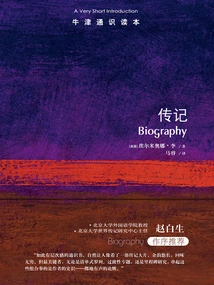
牛津通识读本:传记(中文版)
(uk)elmiona Lee
Biography is a genre with a long history, but today it has gained new vitality and is widely loved by the public. From biographies of role models in classical antiquity to biographies of public figures today, the form, rules, and purposes of biography have evolved. This book provides an excellent introduction to the art of biography, outlines the cultural and historical background of different types of biography, various factors that influence biography writing, and explores many controversies about biography. How should biography be defined? Does a biography have to be true? Does the biographer need to know the subject personally? Are different strategies, ethics, and rules needed when writing for different people? In the book, biography researcher Elmiona Lee proposes a number of rules for imaginary biographies and breaks them one by one, leading us closer to the reality and essence of biography.
Biography is a genre with a long history, but today it has gained new vitality and is widely loved by the public. From biographies of role models in classical antiquity to biographies of public figures today, the form, rules, and purposes of biography have evolved. This book provides an excellent introduction to the art of biography, outlines the cultural and historical background of different types of biography, various factors that influence biography writing, and explores many controversies about biography. How should biography be defined? Does a biography have to be true? Does the biographer need to know the subject personally? Are different strategies, ethics, and rules needed when writing for different people? In the book, biography researcher Elmiona Lee proposes a number of rules for imaginary biographies and breaks them one by one, leading us closer to the reality and essence of biography.
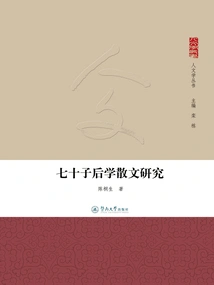
七十子后学散文研究
Chen Tongsheng
The content of this book includes: the origin of Chinese reasoning prose, the transformation of the historian culture of the Shang and Zhou Dynasties to the scholar culture of the Warring States period and its impact on reasoning prose, the documentary basis of the prose of the Seventy-year-old scholar, the etiquette nature of the Seventy-year-old scholar's literature, etc.
The content of this book includes: the origin of Chinese reasoning prose, the transformation of the historian culture of the Shang and Zhou Dynasties to the scholar culture of the Warring States period and its impact on reasoning prose, the documentary basis of the prose of the Seventy-year-old scholar, the etiquette nature of the Seventy-year-old scholar's literature, etc.
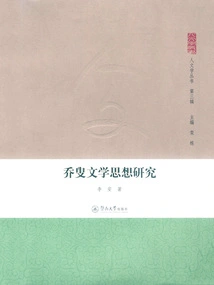
Research on Chaucer's Literary Thoughts
Literature乔叟文学思想研究
Ang Lee
This book focuses on a close reading of Chaucer's three early poems ("The Book of the Duchess", "The Palace of Reputation" and "The Parliament of Birds"). It analyzes Chaucer's own creative process to explore the changing trajectory of his life concepts, reveals the generation, combination and interaction of multiple values in his works, and then more specifically understands Chaucer's care and thinking about life as a humanist poet.
This book focuses on a close reading of Chaucer's three early poems ("The Book of the Duchess", "The Palace of Reputation" and "The Parliament of Birds"). It analyzes Chaucer's own creative process to explore the changing trajectory of his life concepts, reveals the generation, combination and interaction of multiple values in his works, and then more specifically understands Chaucer's care and thinking about life as a humanist poet.
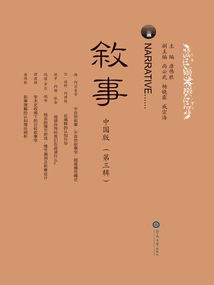
Narrative: Chinese Edition (part 3)
Literature叙事:中国版(第三辑)
Editor-in-chief Tang Weisheng
This book includes articles such as "On the Violation of Mimetic Cognition in First-Person Narrative Novels", "What Are We Reading When Reading Autobiographies", "Comparative Narratology from the Perspective of Academic History", and "Analysis of Cognitive Theory of Narrative Understanding".
This book includes articles such as "On the Violation of Mimetic Cognition in First-Person Narrative Novels", "What Are We Reading When Reading Autobiographies", "Comparative Narratology from the Perspective of Academic History", and "Analysis of Cognitive Theory of Narrative Understanding".
叙事:中国版(第四辑)
Editor-in-chief Tang Weisheng
This book has five columns: "Focus·Cross-border Narrative Theory", "Selection of Latest Papers on "Narrative"", "Narratological Interpretation of Classic Texts", "Domestic Scholars Forum", and "Book Reviews".
This book has five columns: "Focus·Cross-border Narrative Theory", "Selection of Latest Papers on "Narrative"", "Narratological Interpretation of Classic Texts", "Domestic Scholars Forum", and "Book Reviews".
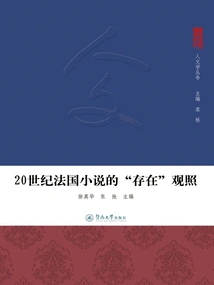
20世纪法国小说的“存在”观照
Xu Zhenhua Editor-in-chief Zhang Chi
"Existential Reflections on French Novels in the 20th Century" is divided into four parts: discovering the truth of existence, experiencing existential anxiety, reflecting on the situation of existence, and resisting the absurdity of existence. The content includes: the crisis and temptation of Western culture, the existence and development of contradictions in life, etc.
"Existential Reflections on French Novels in the 20th Century" is divided into four parts: discovering the truth of existence, experiencing existential anxiety, reflecting on the situation of existence, and resisting the absurdity of existence. The content includes: the crisis and temptation of Western culture, the existence and development of contradictions in life, etc.
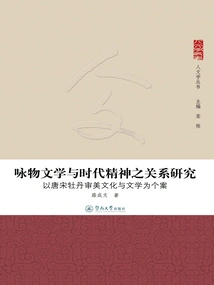
咏物文学与时代精神之关系研究:以唐宋牡丹审美文化与文学为个案
Lu Chengwen
This book first conducts an in-depth and systematic investigation of the aesthetic appreciation of peonies in the Tang and Song Dynasties for six hundred years from the perspective of custom history. On this basis, it systematically interprets and elaborates on the peony poems and peony poems of this period, thereby respectively presenting the transfer of peony aesthetic trends in the society of the Tang and Song dynasties, as well as the evolution of the peony aesthetic cultural psychology of literati and officials in the Tang and Song dynasties. Through the mutual reference and mutual support of the history of customs and the evolution of literary themes, the changes in the spirit of the times at that time are jointly presented from a specific and specific perspective.
This book first conducts an in-depth and systematic investigation of the aesthetic appreciation of peonies in the Tang and Song Dynasties for six hundred years from the perspective of custom history. On this basis, it systematically interprets and elaborates on the peony poems and peony poems of this period, thereby respectively presenting the transfer of peony aesthetic trends in the society of the Tang and Song dynasties, as well as the evolution of the peony aesthetic cultural psychology of literati and officials in the Tang and Song dynasties. Through the mutual reference and mutual support of the history of customs and the evolution of literary themes, the changes in the spirit of the times at that time are jointly presented from a specific and specific perspective.
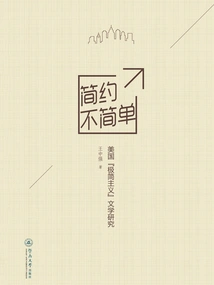
简约不简单:美国“极简主义”文学研究
Wang Zhongqiang
This book comprehensively and systematically studies Raymond Carver and "minimalist" novels, and discusses the aesthetic characteristics of "minimalism" from the perspective of comparative literature.
This book comprehensively and systematically studies Raymond Carver and "minimalist" novels, and discusses the aesthetic characteristics of "minimalism" from the perspective of comparative literature.
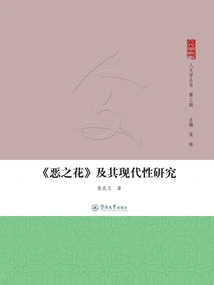
《恶之花》及其现代性研究
Yuan Zhaowen
This book is dedicated to thinking about "Flowers of Evil" and its modernity from the two dimensions of "poetry" and "thinking", that is, from the "poetry" level to study and analyze the modern concepts or theoretical elements revealed in the poem "Flowers of Evil", from the "thinking" level to interpret and analyze the poetic structure and ideological context of the poem "Flowers of Evil", in order to think about the poem "Flowers of Evil" and its modernity issues in the integrated realm of "poetry" and "thinking".
This book is dedicated to thinking about "Flowers of Evil" and its modernity from the two dimensions of "poetry" and "thinking", that is, from the "poetry" level to study and analyze the modern concepts or theoretical elements revealed in the poem "Flowers of Evil", from the "thinking" level to interpret and analyze the poetic structure and ideological context of the poem "Flowers of Evil", in order to think about the poem "Flowers of Evil" and its modernity issues in the integrated realm of "poetry" and "thinking".
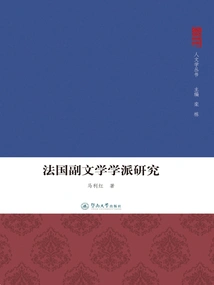
法国副文学学派研究
Malihong
In France, its emergence is almost contemporaneous with the poststructuralism or deconstruction movement, and it has been more than half a century since it was formally proposed. "The waves behind the Yangtze River push the waves ahead." One academic trend surged one after another, leading to today's so-called post-theoretical era where literature and its theory are in "crisis." Therefore, the debate over the life and death of literature and literary theory in France, where everyone can become a writer, is self-evident. In his new book "The Crisis of Literature" published in 2008, the senior French literary theorist Todorov strongly advocated a return to classical aesthetic education in order to save the endangered French literature. However, "literary crisis" itself is a questionable proposition or a false proposition. As everyone knows, France's annual Goncourt Literary Prize and other various large and small literary awards are still being awarded as lively as ever; French writer Le Clézio also received a Nobel Prize for Literature in 2008. Therefore, the real literary fact is not a literary "crisis." Rather, literature is "transforming." The "transformation" of literature is not only an explicit change in many aspects such as the content, form, and carrier of literature, but also a fundamental and subtle change in literature. It is a change in the "nature" or "literary nature" of literature. This phenomenon, which is promoted by both internal and external forces in literature, is described in the terminology of industry expert Luan Dong as "literary othering." "Literary othering" is not a recent phenomenon. As early as the mid-to-late 1960s, scholars such as Jean Totel were already sensitive to this change in the process of research on paraliterature. When they throw out the term "paraliterature" as a critical discourse, what they want to convey is not the desire to maintain the field of paraliterature and cultivate it in depth, but the desire to try to tear down the visible barriers between pure and paraliterature. If the ascendant deconstruction of that period aimed to criticize logocentrism, then the study of the paraliterary school sought to eliminate (pure) literary centrism. In short, paraliterary discourse appears in a subversive manner.
In France, its emergence is almost contemporaneous with the poststructuralism or deconstruction movement, and it has been more than half a century since it was formally proposed. "The waves behind the Yangtze River push the waves ahead." One academic trend surged one after another, leading to today's so-called post-theoretical era where literature and its theory are in "crisis." Therefore, the debate over the life and death of literature and literary theory in France, where everyone can become a writer, is self-evident. In his new book "The Crisis of Literature" published in 2008, the senior French literary theorist Todorov strongly advocated a return to classical aesthetic education in order to save the endangered French literature. However, "literary crisis" itself is a questionable proposition or a false proposition. As everyone knows, France's annual Goncourt Literary Prize and other various large and small literary awards are still being awarded as lively as ever; French writer Le Clézio also received a Nobel Prize for Literature in 2008. Therefore, the real literary fact is not a literary "crisis." Rather, literature is "transforming." The "transformation" of literature is not only an explicit change in many aspects such as the content, form, and carrier of literature, but also a fundamental and subtle change in literature. It is a change in the "nature" or "literary nature" of literature. This phenomenon, which is promoted by both internal and external forces in literature, is described in the terminology of industry expert Luan Dong as "literary othering." "Literary othering" is not a recent phenomenon. As early as the mid-to-late 1960s, scholars such as Jean Totel were already sensitive to this change in the process of research on paraliterature. When they throw out the term "paraliterature" as a critical discourse, what they want to convey is not the desire to maintain the field of paraliterature and cultivate it in depth, but the desire to try to tear down the visible barriers between pure and paraliterature. If the ascendant deconstruction of that period aimed to criticize logocentrism, then the study of the paraliterary school sought to eliminate (pure) literary centrism. In short, paraliterary discourse appears in a subversive manner.
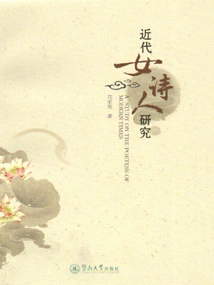
Research on Modern Female Poets
Literature近代女诗人研究
Hua Hongyan
This book takes the mainstream of modern female literature-female poets and their old-style poetry creations-as the research object. Based on solid historical documents, it examines modern female literature from an overall perspective. Specific contents include: the modernization of the historical situation of women in the late Qing Dynasty, the modernization of the life situation of women in the late Qing Dynasty, the transformation process of women in literary writing, the modern transformation of the themes of women's poetry, etc.
This book takes the mainstream of modern female literature-female poets and their old-style poetry creations-as the research object. Based on solid historical documents, it examines modern female literature from an overall perspective. Specific contents include: the modernization of the historical situation of women in the late Qing Dynasty, the modernization of the life situation of women in the late Qing Dynasty, the transformation process of women in literary writing, the modern transformation of the themes of women's poetry, etc.
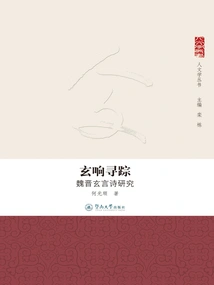
The Trace of Xuanxiang: a Study of Xuanyan Poetry in the Wei and Jin Dynasties (humanities Series)
Literature玄响寻踪:魏晋玄言诗研究(人文学丛书)
He Guangshun
The theme of this book is "The Search for Mysterious Sound", which is mainly dedicated to finding the hidden hometown of the spirit in the deep places of history, the world, and life. The subtitle is "Research on Xuanyan Poems of the Wei and Jin Dynasties". The "word" of Xuanyan poems is modified with "Xuan", implying that the language of Xuanyan poems is not ordinary speech, but "Tao Yan" which is closest to "Tao". When we study metaphysical poetry, we need to look for the spiritual homeland they once clung to from the specific deeds of "poets" who are familiar or unfamiliar to us in history.
The theme of this book is "The Search for Mysterious Sound", which is mainly dedicated to finding the hidden hometown of the spirit in the deep places of history, the world, and life. The subtitle is "Research on Xuanyan Poems of the Wei and Jin Dynasties". The "word" of Xuanyan poems is modified with "Xuan", implying that the language of Xuanyan poems is not ordinary speech, but "Tao Yan" which is closest to "Tao". When we study metaphysical poetry, we need to look for the spiritual homeland they once clung to from the specific deeds of "poets" who are familiar or unfamiliar to us in history.
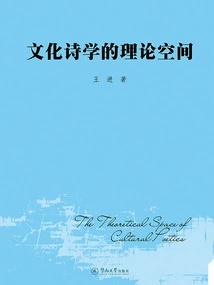
文化诗学的理论空间
Wang Jin
From the perspective of the journey of cultural poetics in China, this book explores issues related to the sinicization of cultural poetics, and specifically reviews the growth process of cultural poetics in Chinese soil and Chinese context: from translation to theoretical reference, from theoretical construction to critical practice, and at the same time studies and predicts issues such as the expansion of the theoretical space and practice of cultural poetics in China.
From the perspective of the journey of cultural poetics in China, this book explores issues related to the sinicization of cultural poetics, and specifically reviews the growth process of cultural poetics in Chinese soil and Chinese context: from translation to theoretical reference, from theoretical construction to critical practice, and at the same time studies and predicts issues such as the expansion of the theoretical space and practice of cultural poetics in China.
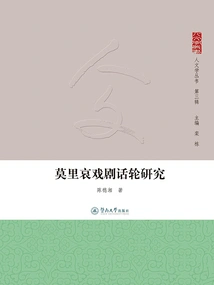
A Study on Molière's Drama Wheels
Literature莫里哀戏剧话轮研究
Chen Suixiang
This book provides an in-depth study of the four turn patterns in Molière's dramatic dialogue. The first part mainly explains the linguistic theory on which this research is based; the second part uses examples to analyze the key points in detail. It not only explains the theoretical basis of the research, but also explains in detail what the four turn patterns are, their role in drama, their operating mechanism and the resulting interpersonal significance.
This book provides an in-depth study of the four turn patterns in Molière's dramatic dialogue. The first part mainly explains the linguistic theory on which this research is based; the second part uses examples to analyze the key points in detail. It not only explains the theoretical basis of the research, but also explains in detail what the four turn patterns are, their role in drama, their operating mechanism and the resulting interpersonal significance.
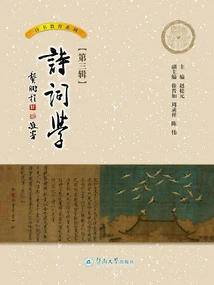
Poetry (third Series)
Literature诗词学(第三辑)
Editor-in-chief Zhao Songyuan
This book is mainly about the compilation and appreciation of Chinese poetry. The book is divided into nine parts, namely selected poems by modern famous poets, selected contemporary poems, selected contemporary online poems, selected poems by contemporary college students, bibliography, academic criticism of contemporary poetry, monographs on modern poets, poetry forums, and document collections.
This book is mainly about the compilation and appreciation of Chinese poetry. The book is divided into nine parts, namely selected poems by modern famous poets, selected contemporary poems, selected contemporary online poems, selected poems by contemporary college students, bibliography, academic criticism of contemporary poetry, monographs on modern poets, poetry forums, and document collections.
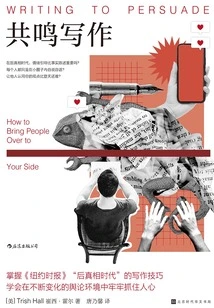
Resonance Writing
Literature共鸣写作
(us) Tracy Hall
The author Tracy Hall has served as the editor-in-chief of the opinion page of The New York Times for more than 20 years. With his rich experience and skills, he has organized and edited countless wonderful, interesting and influential articles. These "hot articles" have different authors and diverse themes, but they all have some obvious things in common: clear opinions, strong persuasiveness, and strong resonance with readers. Based on Hall's work experience at the New York Times, this book explains the core principles of establishing connections with, influencing and persuading readers, and details the writing techniques and key points for persuasive articles. Combining wonderful stories with practical skills, this book is very inspiring for the creation of non-fiction literature, argumentative essay writing, popular public account writing, and the expression of opinions in daily life.
The author Tracy Hall has served as the editor-in-chief of the opinion page of The New York Times for more than 20 years. With his rich experience and skills, he has organized and edited countless wonderful, interesting and influential articles. These "hot articles" have different authors and diverse themes, but they all have some obvious things in common: clear opinions, strong persuasiveness, and strong resonance with readers. Based on Hall's work experience at the New York Times, this book explains the core principles of establishing connections with, influencing and persuading readers, and details the writing techniques and key points for persuasive articles. Combining wonderful stories with practical skills, this book is very inspiring for the creation of non-fiction literature, argumentative essay writing, popular public account writing, and the expression of opinions in daily life.
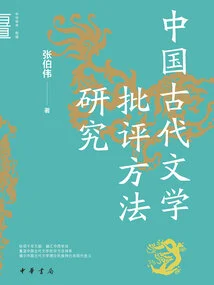
中国古代文学批评方法研究
Zhang Bowei
If we take Mencius's "poetry" method as the starting point, then Chinese literary criticism has a history of about 2,300 years. So, before Western academics entered China, how did the Chinese conduct literary criticism? This book traces back more than 2,000 years of history, combs through numerous documents, and summarizes three methods that best embody the spirit of traditional literary criticism, namely the "meaning against will" method influenced by Confucianism, the "inference of origin and flow" method influenced by academic tradition, and the "image criticism" method influenced by Zhuang Zen thought. It also explores the formation and development of six critical forms, including text selections, excerpts, poetic styles, poems on poetry, poetry talks, and comments, which are both practical and practical. Through the overall grasp and research of ancient Chinese literary criticism methods, its hidden system is resurfaced, and the continuously improved and enriched history of this system is presented. In the process of reappearance and presentation, the national characteristics and modern significance of ancient Chinese literary theory are revealed.
If we take Mencius's "poetry" method as the starting point, then Chinese literary criticism has a history of about 2,300 years. So, before Western academics entered China, how did the Chinese conduct literary criticism? This book traces back more than 2,000 years of history, combs through numerous documents, and summarizes three methods that best embody the spirit of traditional literary criticism, namely the "meaning against will" method influenced by Confucianism, the "inference of origin and flow" method influenced by academic tradition, and the "image criticism" method influenced by Zhuang Zen thought. It also explores the formation and development of six critical forms, including text selections, excerpts, poetic styles, poems on poetry, poetry talks, and comments, which are both practical and practical. Through the overall grasp and research of ancient Chinese literary criticism methods, its hidden system is resurfaced, and the continuously improved and enriched history of this system is presented. In the process of reappearance and presentation, the national characteristics and modern significance of ancient Chinese literary theory are revealed.
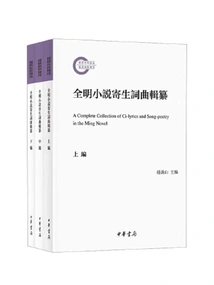
全明小说寄生词曲辑纂(全3册)
Editor-in-chief Zhao Yishan
The Ming and Qing dynasties were the era when novels flourished. Novels incorporated a large number of poems, lyrics, music, rhymes and other rhymes, which were most popular in the Ming Dynasty, forming a beautiful scenery of the combination of prose and rhyme in the narratives of Ming Dynasty novels. The emergence of this phenomenon is closely related to the special social and cultural background of the Ming Dynasty. The study of parasitic lyrics and music has gradually become a new field in the study of ancient Chinese literature. This book is a compilation of parasitic lyrics and music in Ming Dynasty novels. The whole book is divided into three volumes: "Compilation of Parasitic Ci and Music in Vernacular Novels of Ming Dynasty", "Compilation of Parasitic Ci and Music in Classical Chinese Novels of Ming Dynasty", and "Compilation of Parasitic Ci and Music in Ming Dynasty Novels". More than 700 novels of the Ming Dynasty have been comprehensively surveyed, and a total of 5,806 parasitic lyrics and music have been compiled (including about 1,400 reoccurring poems). This book can be called a masterpiece of the compilation of parasitic lyrics and music in Ming Dynasty novels.
The Ming and Qing dynasties were the era when novels flourished. Novels incorporated a large number of poems, lyrics, music, rhymes and other rhymes, which were most popular in the Ming Dynasty, forming a beautiful scenery of the combination of prose and rhyme in the narratives of Ming Dynasty novels. The emergence of this phenomenon is closely related to the special social and cultural background of the Ming Dynasty. The study of parasitic lyrics and music has gradually become a new field in the study of ancient Chinese literature. This book is a compilation of parasitic lyrics and music in Ming Dynasty novels. The whole book is divided into three volumes: "Compilation of Parasitic Ci and Music in Vernacular Novels of Ming Dynasty", "Compilation of Parasitic Ci and Music in Classical Chinese Novels of Ming Dynasty", and "Compilation of Parasitic Ci and Music in Ming Dynasty Novels". More than 700 novels of the Ming Dynasty have been comprehensively surveyed, and a total of 5,806 parasitic lyrics and music have been compiled (including about 1,400 reoccurring poems). This book can be called a masterpiece of the compilation of parasitic lyrics and music in Ming Dynasty novels.
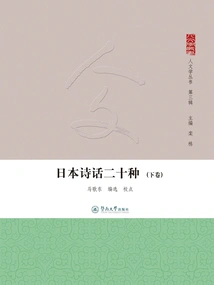
日本诗话二十种(下卷)
Edited By Ma Gedong
This book selects 20 types of Chinese poems from the "Japanese Poetry Series", Japan's only collection of poems and talks, and proofreads them.
This book selects 20 types of Chinese poems from the "Japanese Poetry Series", Japan's only collection of poems and talks, and proofreads them.
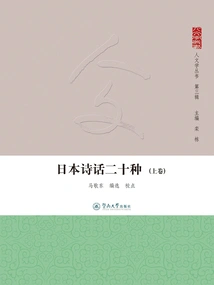
日本诗话二十种(上卷)
Edited By Ma Gedong
This book selects 20 types of Chinese poems from the "Japanese Poetry Series", Japan's only collection of poems and talks, and proofreads them.
This book selects 20 types of Chinese poems from the "Japanese Poetry Series", Japan's only collection of poems and talks, and proofreads them.
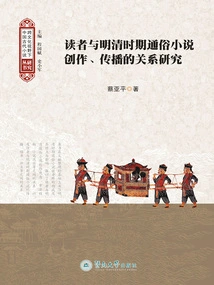
读者与明清时期通俗小说创作、传播的关系研究
Cai Yaping
Based on the literature review, this book focuses on the composition, characteristics and influence of the popular novel readership in the Ming and Qing Dynasties. It explores the relationship between readers and the creation concepts, organizational structures, novel genres, etc. Of popular novels in the Ming and Qing Dynasties, as well as the relationship between readers and the dissemination, continuations, and reviews of popular novels in the Ming and Qing Dynasties.
Based on the literature review, this book focuses on the composition, characteristics and influence of the popular novel readership in the Ming and Qing Dynasties. It explores the relationship between readers and the creation concepts, organizational structures, novel genres, etc. Of popular novels in the Ming and Qing Dynasties, as well as the relationship between readers and the dissemination, continuations, and reviews of popular novels in the Ming and Qing Dynasties.
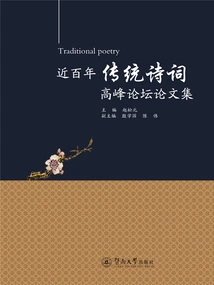
近百年传统诗词高峰论坛论文集
Editor-in-chief Zhao Songyuan
This book is a collection of papers written by scholars at the "Summit Forum on Traditional Poetry in the Past Hundred Years", including four parts: "Research on the Poems of Nearly One Hundred Famous Masters", "Research on the Ecology of Contemporary Poetry", "Poetic Education and University Poetry Education", and "Other Manuscripts".
This book is a collection of papers written by scholars at the "Summit Forum on Traditional Poetry in the Past Hundred Years", including four parts: "Research on the Poems of Nearly One Hundred Famous Masters", "Research on the Ecology of Contemporary Poetry", "Poetic Education and University Poetry Education", and "Other Manuscripts".
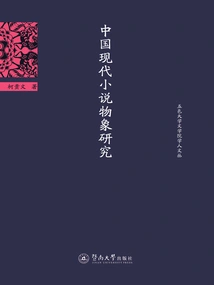
中国现代小说物象研究
Ke Guiwen
This book briefly explains the nature, type and function of object images in modern novels through the analysis of modern novel object images and traditional poetic images. It then describes the development history of the object art in modern Chinese novels by analyzing the representative genres and writers' object art in the history of modern Chinese novels.
This book briefly explains the nature, type and function of object images in modern novels through the analysis of modern novel object images and traditional poetic images. It then describes the development history of the object art in modern Chinese novels by analyzing the representative genres and writers' object art in the history of modern Chinese novels.
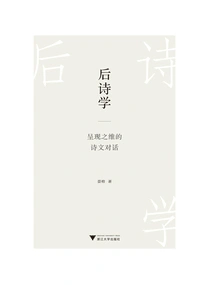
后诗学:呈现之维的诗文对话
Yan Rong
This book is the latest masterpiece of poet and poetry researcher Yan Rong. The book is divided into three volumes, namely "The Dimension of Presentation: Toward a New Poetics", "Ecological Reshaping: Commemoration and Criticism" and "The Supreme Fiction: Confirmation and Imagination". The first volume is developed from the perspective of "presentation" of poetry. It is the author's unique interpretation and textual reading of classic poets such as Pound, Eliot, and Stevens, as well as important contemporary poets such as Robert Creeley and John Berryman. The middle volume combines the author's own creative experience, starting from the entire poetry creation ecosystem, commenting on important domestic poets, introducing important foreign poetry forums, and thinking about the reshaping of cultural creativity and cultural ecology in the context of capital and consumption. The second volume presents the author's representative poetry works over the past 30 years.
This book is the latest masterpiece of poet and poetry researcher Yan Rong. The book is divided into three volumes, namely "The Dimension of Presentation: Toward a New Poetics", "Ecological Reshaping: Commemoration and Criticism" and "The Supreme Fiction: Confirmation and Imagination". The first volume is developed from the perspective of "presentation" of poetry. It is the author's unique interpretation and textual reading of classic poets such as Pound, Eliot, and Stevens, as well as important contemporary poets such as Robert Creeley and John Berryman. The middle volume combines the author's own creative experience, starting from the entire poetry creation ecosystem, commenting on important domestic poets, introducing important foreign poetry forums, and thinking about the reshaping of cultural creativity and cultural ecology in the context of capital and consumption. The second volume presents the author's representative poetry works over the past 30 years.
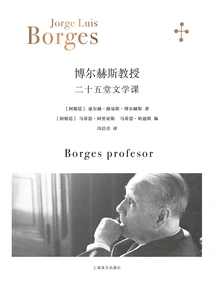
博尔赫斯教授:二十五堂文学课(博尔赫斯全集)
H
"I taught English literature at the university for a full forty semesters, and not only that, I also tried to convey my love for English literature." "Professor Borges: Twenty-Five Literature Lessons" brings together the complete content of the English literature course that Borges taught at the School of Philosophy and Literature at the University of Buenos Aires in 1966. In these twenty-five lessons, Borges takes us on a true journey through English literature, always staying close to his own readings and works. The journey begins in the mists of time, beginning with the arrival of the Angles, Jutes, and Saxons in England, continuing to the work of Samuel Johnson; wandering to Macpherson, the Romantic poets, and the Victorian era; offering a panoramic view of the lives and works of the Pre-Raphaelites; and ending in nineteenth-century Samoa with one of Borges's favorite writers, Robert Louis Stevenson. What ties these lectures together is an authentic enjoyment of literature, the affection with which Borges approached each work, and his desire to share his enthusiasm for each author and period he studied.
"I taught English literature at the university for a full forty semesters, and not only that, I also tried to convey my love for English literature." "Professor Borges: Twenty-Five Literature Lessons" brings together the complete content of the English literature course that Borges taught at the School of Philosophy and Literature at the University of Buenos Aires in 1966. In these twenty-five lessons, Borges takes us on a true journey through English literature, always staying close to his own readings and works. The journey begins in the mists of time, beginning with the arrival of the Angles, Jutes, and Saxons in England, continuing to the work of Samuel Johnson; wandering to Macpherson, the Romantic poets, and the Victorian era; offering a panoramic view of the lives and works of the Pre-Raphaelites; and ending in nineteenth-century Samoa with one of Borges's favorite writers, Robert Louis Stevenson. What ties these lectures together is an authentic enjoyment of literature, the affection with which Borges approached each work, and his desire to share his enthusiasm for each author and period he studied.
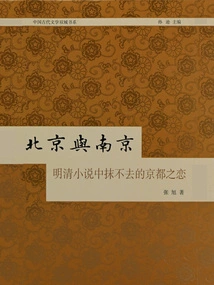
北京与南京:明清小说中抹不去的京都之恋
Zhang Xu
This book is one of the "Two Cities Book Series of Ancient Chinese Literature" series. It discusses the images of the two major cities of Beijing and Nanjing reflected in the novels of the Ming and Qing Dynasties. During the Ming and Qing Dynasties, Beijing and Nanjing became the two most important cities in the north and south with their irreplaceable roles in politics, culture, and economy. This book focuses on the urban writing of Beijing and Nanjing in popular novels of the Ming and Qing Dynasties. It studies the relationship between the city and its citizens presented in the novel text, the similarities and differences in the urban cultural spirit of Beijing and Nanjing, and the mentality behind the urban writing of the novel authors, in order to provide a three-dimensional and relatively complete presentation of the urban images of Beijing and Nanjing in the Ming and Qing Dynasties.
This book is one of the "Two Cities Book Series of Ancient Chinese Literature" series. It discusses the images of the two major cities of Beijing and Nanjing reflected in the novels of the Ming and Qing Dynasties. During the Ming and Qing Dynasties, Beijing and Nanjing became the two most important cities in the north and south with their irreplaceable roles in politics, culture, and economy. This book focuses on the urban writing of Beijing and Nanjing in popular novels of the Ming and Qing Dynasties. It studies the relationship between the city and its citizens presented in the novel text, the similarities and differences in the urban cultural spirit of Beijing and Nanjing, and the mentality behind the urban writing of the novel authors, in order to provide a three-dimensional and relatively complete presentation of the urban images of Beijing and Nanjing in the Ming and Qing Dynasties.
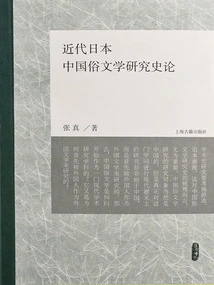
近代日本中国俗文学研究史论
Zhang Zhen
The manuscript examines the background of the formation of the history of Chinese popular literature in modern Japan, the research on Chinese popular literature by the two major schools in Tokyo and Kyoto and outside the two major schools, and puts the study of Chinese popular literature in modern Japan into an international perspective, outlining the academic connections and interactions between the West, Japan, China, and East Asia, including China, Japan, and South Korea, in the history of Chinese popular literature research.
The manuscript examines the background of the formation of the history of Chinese popular literature in modern Japan, the research on Chinese popular literature by the two major schools in Tokyo and Kyoto and outside the two major schools, and puts the study of Chinese popular literature in modern Japan into an international perspective, outlining the academic connections and interactions between the West, Japan, China, and East Asia, including China, Japan, and South Korea, in the history of Chinese popular literature research.
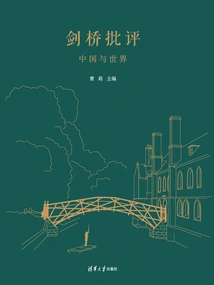
Cambridge Criticism: China and the World
Literature剑桥批评:中国与世界
Editor-in-chief Cao Li
As a historical process and academic phenomenon, "Cambridge Criticism" has experienced ups and downs, inheritance and fission. Its acceptance and discussion in China and the world show that the rise of Cambridge literary research and criticism methods is not only a local experience and academic concern. Different cultural missions and disciplinary visions determine the value connotation and development trajectory of "Cambridge Criticism" and its research in various historical periods. Its echo and influence in the 20th century and now are worth exploring. Dialogue with China and communication with the world were the pursuit and dream of Richard Chiaci and Yanbu Sun.
As a historical process and academic phenomenon, "Cambridge Criticism" has experienced ups and downs, inheritance and fission. Its acceptance and discussion in China and the world show that the rise of Cambridge literary research and criticism methods is not only a local experience and academic concern. Different cultural missions and disciplinary visions determine the value connotation and development trajectory of "Cambridge Criticism" and its research in various historical periods. Its echo and influence in the 20th century and now are worth exploring. Dialogue with China and communication with the world were the pursuit and dream of Richard Chiaci and Yanbu Sun.
The Spread of Buddhism to the East and the Evolution of Literary Trends in the Six Dynasties
Literature佛学东渐与六朝文学思潮的嬗变
Gao Wenqiang Wang Jing
The Six Dynasties was a prosperous period in the history of the development of Chinese Buddhism, and it was also a harvest period in the history of literary thought. The overlap of the two development trends makes the interdisciplinary study of Buddhism and the Six Dynasties literary thoughts extremely important for the study of the history of Chinese literary thoughts. This book starts with the new cultural changes caused by the spread of Buddhism to the East. It focuses on the circulation of Xuan Buddhism and the philosophical trend of poetry, the Nirvana of Immortals and the trend of landscape literature, the new sound of Sanskrit and the rhythmic trend of poetry, the skillful and frivolous literary trend, statues and prayers, and the ritualization of Northern Dynasties literature. The role played by the new cultural changes in the philosophical poetry trend, the landscape literature trend, the metrical poetry trend, the frivolous literature trend, the ritualization of literature and other literary trends were analyzed in depth, revealing the impact and new changes brought to Chinese thought, culture and literature during the Six Dynasties period during the spread and acceptance of Buddhism after it was introduced to China.
The Six Dynasties was a prosperous period in the history of the development of Chinese Buddhism, and it was also a harvest period in the history of literary thought. The overlap of the two development trends makes the interdisciplinary study of Buddhism and the Six Dynasties literary thoughts extremely important for the study of the history of Chinese literary thoughts. This book starts with the new cultural changes caused by the spread of Buddhism to the East. It focuses on the circulation of Xuan Buddhism and the philosophical trend of poetry, the Nirvana of Immortals and the trend of landscape literature, the new sound of Sanskrit and the rhythmic trend of poetry, the skillful and frivolous literary trend, statues and prayers, and the ritualization of Northern Dynasties literature. The role played by the new cultural changes in the philosophical poetry trend, the landscape literature trend, the metrical poetry trend, the frivolous literature trend, the ritualization of literature and other literary trends were analyzed in depth, revealing the impact and new changes brought to Chinese thought, culture and literature during the Six Dynasties period during the spread and acceptance of Buddhism after it was introduced to China.
屈大均与明末清初岭南诗派
Wang Fupeng
At the end of the Ming Dynasty and the beginning of the Qing Dynasty, many scholars in Lingnan devoted themselves to the struggle against the Qing Dynasty, which gave birth to the local upright scholar spirit. Driven by poets represented by Qu Dajun, the Lingnan poetry circle quickly reached its peak and was on a par with the Central Plains and Jiangnan poetry circles. The book "Qu Dajun and the Lingnan School of Poetry in the Late Ming and Early Qing Dynasties" starts with Qu Dajun, one of the "Three Lingnan Masters", and shows that at a time when the continuation of China's Taoist and cultural tradition was facing an unprecedented crisis, Qu Dajun took the inheritance of Chinese orthodox culture as his own responsibility.
At the end of the Ming Dynasty and the beginning of the Qing Dynasty, many scholars in Lingnan devoted themselves to the struggle against the Qing Dynasty, which gave birth to the local upright scholar spirit. Driven by poets represented by Qu Dajun, the Lingnan poetry circle quickly reached its peak and was on a par with the Central Plains and Jiangnan poetry circles. The book "Qu Dajun and the Lingnan School of Poetry in the Late Ming and Early Qing Dynasties" starts with Qu Dajun, one of the "Three Lingnan Masters", and shows that at a time when the continuation of China's Taoist and cultural tradition was facing an unprecedented crisis, Qu Dajun took the inheritance of Chinese orthodox culture as his own responsibility.
海峡两岸“龙学”比较研究(中国诗学研究专刊)
Li Ping Huang Chengzhen
"Dragonism" is a common learning on both sides of the Taiwan Strait. As the first academic monograph on the comparative study of "Dragonism" across the Taiwan Straits, this book sorts out and analyzes the cultural background, guiding ideology, research paths, academic methods, development trends, content results, and classic cases of "Dragonism" on both sides of the Taiwan Strait in the second half of the 20th century. It summarizes each other's styles and characteristics, summarizes their respective gains and losses, and demonstrates the relationship between the two. It has many achievements and has important academic value. The first part of the introduction discusses the similarities, differences, and reasons from the perspective of the background thoughts and approaches of "Dragonism" on both sides of the Taiwan Strait. The middle part of the general chapter analyzes the similarities, differences, and complementarity of "Dragonism" on both sides of the Taiwan Strait based on an overall statement of the development process and spatial distribution of "Dragonism" on both sides of the Taiwan Strait. The next part is a case study, conducting in-depth and specific research on the representative figures, academic views, and inheritance relationships in the development of "Dragonism" on both sides of the Taiwan Strait. The book contains both high-level macro-level generalizations and summaries, as well as detailed case analysis and exploration. It contains in-depth research and unique insights into the integration and complementarity of "Dragonism" on both sides of the Taiwan Strait, the symbiosis of each other, and the mutual learning, criticism and debate among "Dragonism" scholars on both sides of the Taiwan Strait.
"Dragonism" is a common learning on both sides of the Taiwan Strait. As the first academic monograph on the comparative study of "Dragonism" across the Taiwan Straits, this book sorts out and analyzes the cultural background, guiding ideology, research paths, academic methods, development trends, content results, and classic cases of "Dragonism" on both sides of the Taiwan Strait in the second half of the 20th century. It summarizes each other's styles and characteristics, summarizes their respective gains and losses, and demonstrates the relationship between the two. It has many achievements and has important academic value. The first part of the introduction discusses the similarities, differences, and reasons from the perspective of the background thoughts and approaches of "Dragonism" on both sides of the Taiwan Strait. The middle part of the general chapter analyzes the similarities, differences, and complementarity of "Dragonism" on both sides of the Taiwan Strait based on an overall statement of the development process and spatial distribution of "Dragonism" on both sides of the Taiwan Strait. The next part is a case study, conducting in-depth and specific research on the representative figures, academic views, and inheritance relationships in the development of "Dragonism" on both sides of the Taiwan Strait. The book contains both high-level macro-level generalizations and summaries, as well as detailed case analysis and exploration. It contains in-depth research and unique insights into the integration and complementarity of "Dragonism" on both sides of the Taiwan Strait, the symbiosis of each other, and the mutual learning, criticism and debate among "Dragonism" scholars on both sides of the Taiwan Strait.
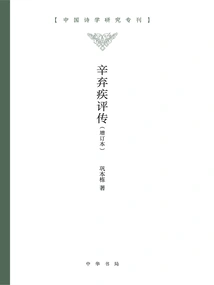
Critical Biography of Xin Qiji: Updated Edition (Special Issue on Chinese Poetics Research)
Literature辛弃疾评传:增订本(中国诗学研究专刊)
Gong Bendong
The era Xin Qiji lived in was a tragic era, and his life was also tragic. After Xin Qiji returned to the south, his ambition of recovery was impossible to realize, and his ideals and reality were in conflict. He entered and exited with twists and turns, and his mentality also changed accordingly. He wrote poems, which may mean "setting sun, smokey willows", or "straight to grab Cao Tun and Liu". They are vigorous and sparse, but also profound and graceful, showing a deep sense of worry and responsibility for the future and destiny of the country and nation. Therefore, although his lyrics were learned from Wu and Cai, and inherited from Su Shi, he was able to combine hardness and softness, and created his own high style. He occupies an important position in the history of Chinese literature and has far-reaching influence. This book attempts to place the study of Xin Qiji in the historical background and conditions of the long-term confrontation between the Song and Jin Dynasties. By grasping his mentality after returning to the south, he enters the world of his literary creation, reveals the anxiety and sense of responsibility expressed in his lyrics, displays the majestic, profound and elegant style of his lyrics, summarizes and abstracts his stylistic concepts and aesthetic tastes, traces the artistic origins of his lyrics, and discusses his status and influence in the history of Chinese literature. In addition, this book also has a special discussion on Xin Qiji's poetry creation.
The era Xin Qiji lived in was a tragic era, and his life was also tragic. After Xin Qiji returned to the south, his ambition of recovery was impossible to realize, and his ideals and reality were in conflict. He entered and exited with twists and turns, and his mentality also changed accordingly. He wrote poems, which may mean "setting sun, smokey willows", or "straight to grab Cao Tun and Liu". They are vigorous and sparse, but also profound and graceful, showing a deep sense of worry and responsibility for the future and destiny of the country and nation. Therefore, although his lyrics were learned from Wu and Cai, and inherited from Su Shi, he was able to combine hardness and softness, and created his own high style. He occupies an important position in the history of Chinese literature and has far-reaching influence. This book attempts to place the study of Xin Qiji in the historical background and conditions of the long-term confrontation between the Song and Jin Dynasties. By grasping his mentality after returning to the south, he enters the world of his literary creation, reveals the anxiety and sense of responsibility expressed in his lyrics, displays the majestic, profound and elegant style of his lyrics, summarizes and abstracts his stylistic concepts and aesthetic tastes, traces the artistic origins of his lyrics, and discusses his status and influence in the history of Chinese literature. In addition, this book also has a special discussion on Xin Qiji's poetry creation.
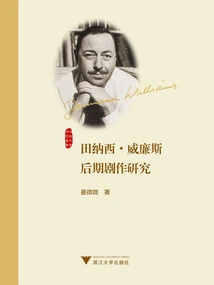
田纳西·威廉斯后期剧作研究
Yan Weiwei
This book is the result of the humanities and social sciences planning fund project of the Ministry of Education. Tennessee Williams was "the first person in American theater" after the war. This book examines Williams' later plays in the context of American society, history and culture, and at the same time looks at the author's unique life experience, ideological orientation and drama creation path. It focuses on comparison with the playwright's early plays and explores it from various methods and perspectives such as post-theatrical theater theory, gender studies, cruel theater theory, etc. The ideological implication of Williams' later plays summarizes its artistic characteristics, assesses its artistic value, and searches for its historical coordinates in the history of American drama. It then explores the reasons for the failure of Williams' later plays on the American stage and their long-term rejection by critics. It summarizes the achievements of Williams' late drama creations and points out its flaws and deficiencies.
This book is the result of the humanities and social sciences planning fund project of the Ministry of Education. Tennessee Williams was "the first person in American theater" after the war. This book examines Williams' later plays in the context of American society, history and culture, and at the same time looks at the author's unique life experience, ideological orientation and drama creation path. It focuses on comparison with the playwright's early plays and explores it from various methods and perspectives such as post-theatrical theater theory, gender studies, cruel theater theory, etc. The ideological implication of Williams' later plays summarizes its artistic characteristics, assesses its artistic value, and searches for its historical coordinates in the history of American drama. It then explores the reasons for the failure of Williams' later plays on the American stage and their long-term rejection by critics. It summarizes the achievements of Williams' late drama creations and points out its flaws and deficiencies.
老舍文学十五讲(下)
Lao She
"Lao She's Fifteen Lectures on Literature" is compiled based on Mr. Lao She's university lectures. Mr. Lao She synthesized ancient and modern times, conducted a comprehensive and unique thinking on literature from a writer's perspective, turned rigid theories into wisdom-filled thinking, talked about the characteristics of literature, the creation of literature, the origin of literature, the style of literature, divided the genres into literary forms, and talked about the ethos and tendencies of literature. This book is not only an important material for studying Lao She's literary views, but also a rare introductory book on literary theory. This book is the second volume.
"Lao She's Fifteen Lectures on Literature" is compiled based on Mr. Lao She's university lectures. Mr. Lao She synthesized ancient and modern times, conducted a comprehensive and unique thinking on literature from a writer's perspective, turned rigid theories into wisdom-filled thinking, talked about the characteristics of literature, the creation of literature, the origin of literature, the style of literature, divided the genres into literary forms, and talked about the ethos and tendencies of literature. This book is not only an important material for studying Lao She's literary views, but also a rare introductory book on literary theory. This book is the second volume.
老舍文学十五讲(上)
Lao She
"Lao She's Fifteen Lectures on Literature" is compiled based on Mr. Lao She's university lectures. Mr. Lao She synthesized ancient and modern times, conducted a comprehensive and unique thinking on literature from a writer's perspective, turned rigid theories into wisdom-filled thinking, talked about the characteristics of literature, the creation of literature, the origin of literature, the style of literature, divided the genres into literary forms, and talked about the ethos and tendencies of literature. This book is not only an important material for studying Lao She's literary views, but also a rare introductory book on literary theory. This book is the first volume.
"Lao She's Fifteen Lectures on Literature" is compiled based on Mr. Lao She's university lectures. Mr. Lao She synthesized ancient and modern times, conducted a comprehensive and unique thinking on literature from a writer's perspective, turned rigid theories into wisdom-filled thinking, talked about the characteristics of literature, the creation of literature, the origin of literature, the style of literature, divided the genres into literary forms, and talked about the ethos and tendencies of literature. This book is not only an important material for studying Lao She's literary views, but also a rare introductory book on literary theory. This book is the first volume.
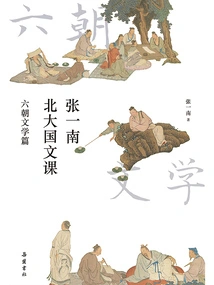
Zhang Yi Chinese Language Course at North and South University: Literature of the Six Dynasties
Literature张一南北大国文课:六朝文学篇
Zhang Yinan
The new masterpiece of Zhang Yinan, a popular teacher at Peking University, will take you to understand Chinese literature of the Six Dynasties in one go. From the end of the Eastern Han Dynasty to the beginning of the Sui Dynasty, the literary world of the Six Dynasties spanned more than 300 years, and many well-known great poets emerged, from the three fathers and sons of the Cao family to the seven sons of Jian'an, from the pastoral poet Tao Yuanming to the landscape poet Xie Lingyun, from Ji Kang who was handsome even without makeup to the plastic handsome man Pan Yue, etc. Without the explorations of the Six Dynasties poets, there would be no golden age of Chinese poetry. In this book, the author carefully explains in detail the development of the history of Six Dynasties literature, and thoroughly interprets the life experiences, famous poems and creative styles of more than 30 literati. He presents the spiritual world of celebrities in the Six Dynasties in a consistently relaxed, humorous and simple way, leading readers to appreciate the unique charm of the Six Dynasties literature, with incisive sentences and hilarious articles.
The new masterpiece of Zhang Yinan, a popular teacher at Peking University, will take you to understand Chinese literature of the Six Dynasties in one go. From the end of the Eastern Han Dynasty to the beginning of the Sui Dynasty, the literary world of the Six Dynasties spanned more than 300 years, and many well-known great poets emerged, from the three fathers and sons of the Cao family to the seven sons of Jian'an, from the pastoral poet Tao Yuanming to the landscape poet Xie Lingyun, from Ji Kang who was handsome even without makeup to the plastic handsome man Pan Yue, etc. Without the explorations of the Six Dynasties poets, there would be no golden age of Chinese poetry. In this book, the author carefully explains in detail the development of the history of Six Dynasties literature, and thoroughly interprets the life experiences, famous poems and creative styles of more than 30 literati. He presents the spiritual world of celebrities in the Six Dynasties in a consistently relaxed, humorous and simple way, leading readers to appreciate the unique charm of the Six Dynasties literature, with incisive sentences and hilarious articles.
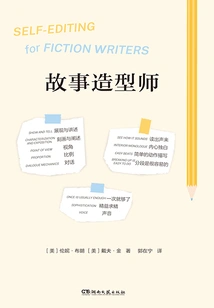
Story Stylist
Literature故事造型师
(u. S.) Lennie Brown Dave King
Lenny Brown, who has more than fifty years of editing experience, and Dave King, who has long been an independent editor of manuscripts, co-wrote "The Story Stylist". It has been revised in two editions and has been a best-seller for nearly thirty years. The books handled by the two senior editors have been on the New York Times bestseller list many times. In this era where stories are king, narrative, as well as narrative techniques, are crucial. Whether you are a budding writer or a skilled writer who is already able to control the characters in your writing, you can gain new experience and improvement by using the simple techniques in the book and viewing the work with an editor's eye.
Lenny Brown, who has more than fifty years of editing experience, and Dave King, who has long been an independent editor of manuscripts, co-wrote "The Story Stylist". It has been revised in two editions and has been a best-seller for nearly thirty years. The books handled by the two senior editors have been on the New York Times bestseller list many times. In this era where stories are king, narrative, as well as narrative techniques, are crucial. Whether you are a budding writer or a skilled writer who is already able to control the characters in your writing, you can gain new experience and improvement by using the simple techniques in the book and viewing the work with an editor's eye.
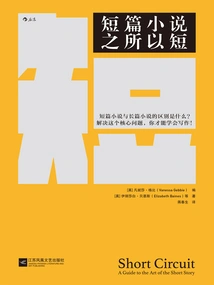
Why Are Short Stories Short?
Literature短篇小说之所以短
(uk)elizabeth Baines Et Al.
The "shortness" of short stories is not only a characteristic of genre, but also an artistic style, which contains certain qualities that short stories can achieve but that novels cannot match. Only short stories can achieve perfection that is self-consistent, subtle and meaningful, and cannot be added or deleted. Compared with novels, short stories seem more like a mystery. This book is a collection of creative talks by 26 emerging British and American contemporary writers and creative writing teachers. It focuses on the mystery of short story writing - what is the essential difference between short stories and novels? Why is the structure and form of a short story important? What is unique about the language, plot, and author's voice of a short story? How to write a stunning short story? Different creators have different emphases when creating. This book will take us to travel, travel, explore the mysteries of short stories from different perspectives, and understand the most private writing skills of the most avant-garde and cutting-edge novelists.
The "shortness" of short stories is not only a characteristic of genre, but also an artistic style, which contains certain qualities that short stories can achieve but that novels cannot match. Only short stories can achieve perfection that is self-consistent, subtle and meaningful, and cannot be added or deleted. Compared with novels, short stories seem more like a mystery. This book is a collection of creative talks by 26 emerging British and American contemporary writers and creative writing teachers. It focuses on the mystery of short story writing - what is the essential difference between short stories and novels? Why is the structure and form of a short story important? What is unique about the language, plot, and author's voice of a short story? How to write a stunning short story? Different creators have different emphases when creating. This book will take us to travel, travel, explore the mysteries of short stories from different perspectives, and understand the most private writing skills of the most avant-garde and cutting-edge novelists.
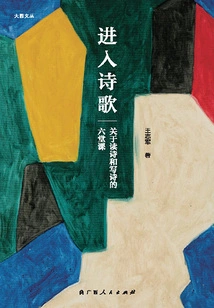
进入诗歌:关于读诗和写诗的六堂课
Wang Zhijun
This book is a collection of poet and critic Wang Zhijun's poetry reading and writing courses at Peking University. Based on his many years of poetry writing and reading experience, the author focuses on six aspects of poetry: content, lyricism, sound, language, structure and realm, clarifying common misunderstandings and proposing unique insights. In the author's opinion, understanding the six aspects of poetry is an introductory and fundamental issue to poetry, and is the foundation of the concept of modern poetry. Only by understanding these issues can we establish the most basic aesthetic awareness of modern poetry and even all art.
This book is a collection of poet and critic Wang Zhijun's poetry reading and writing courses at Peking University. Based on his many years of poetry writing and reading experience, the author focuses on six aspects of poetry: content, lyricism, sound, language, structure and realm, clarifying common misunderstandings and proposing unique insights. In the author's opinion, understanding the six aspects of poetry is an introductory and fundamental issue to poetry, and is the foundation of the concept of modern poetry. Only by understanding these issues can we establish the most basic aesthetic awareness of modern poetry and even all art.
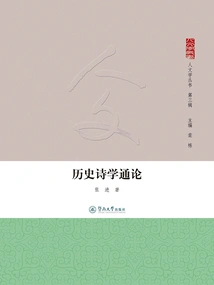
General Theory of Historical Poetics
Literature历史诗学通论
Zhang Jin
This book provides a comprehensive and profound analysis of the development, current situation and overall characteristics of historical poetics theory on the basis of theory and practice across disciplines, eras, and national boundaries. It is helpful for us to systematically grasp the concept of historical poetics and its development status, and has high academic value. This book attempts to break through the boundaries of disciplines, eras and countries, and conducts a comparative, comprehensive and universal study of the ideological resources of "historical poetics" at home and abroad, both ancient and modern.
This book provides a comprehensive and profound analysis of the development, current situation and overall characteristics of historical poetics theory on the basis of theory and practice across disciplines, eras, and national boundaries. It is helpful for us to systematically grasp the concept of historical poetics and its development status, and has high academic value. This book attempts to break through the boundaries of disciplines, eras and countries, and conducts a comparative, comprehensive and universal study of the ideological resources of "historical poetics" at home and abroad, both ancient and modern.
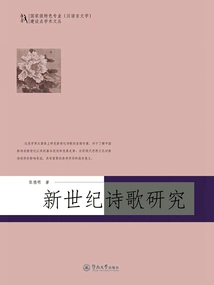
Research on New Century Poetry
Literature新世纪诗歌研究
Zhang Deming
This book is divided into five chapters, including: New Century Poetry and Internet Context, Theme Categories of New Century Poetry, New Century Poetry and Regional Culture, Postmodern Writing in New Century Poetry, and Female Writing in New Century Poetry.
This book is divided into five chapters, including: New Century Poetry and Internet Context, Theme Categories of New Century Poetry, New Century Poetry and Regional Culture, Postmodern Writing in New Century Poetry, and Female Writing in New Century Poetry.
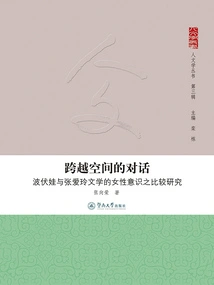
跨越空间的对话:波伏娃与张爱玲文学的女性意识之比较研究
Zhang Xiangrong
This book is an academic work that studies the female consciousness of Beauvoir and Eileen Chang. On the basis of referring to a large number of literature, the author systematically analyzes and summarizes the female consciousness in the literature of Beauvoir and Zhang Ailing. Combined with the current background of globalization and China's social transformation and change, the author compares, draws on and critically absorbs the reasonable core of the two female consciousness, which is of certain significance for the study of women's consciousness.
This book is an academic work that studies the female consciousness of Beauvoir and Eileen Chang. On the basis of referring to a large number of literature, the author systematically analyzes and summarizes the female consciousness in the literature of Beauvoir and Zhang Ailing. Combined with the current background of globalization and China's social transformation and change, the author compares, draws on and critically absorbs the reasonable core of the two female consciousness, which is of certain significance for the study of women's consciousness.
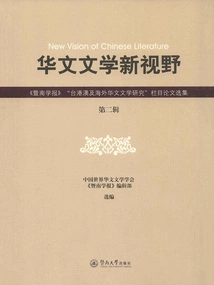
华文文学新视野(第二辑)
Selections From China World Chinese Literature Society And Others
The articles included in this book include: "Review of Hong Kong New Poetry in the 1980s", "Research on Overseas Chinese Literature in the Global Context", "Exploration on Nonsensical Culture", "On the Basic Connotation and Expression Forms of Cross-Cultural Communication of Overseas Chinese Literature", etc.
The articles included in this book include: "Review of Hong Kong New Poetry in the 1980s", "Research on Overseas Chinese Literature in the Global Context", "Exploration on Nonsensical Culture", "On the Basic Connotation and Expression Forms of Cross-Cultural Communication of Overseas Chinese Literature", etc.
飘渺的浮生:创造社诗歌新论
Huang Xuemin
This book takes the poetry of the Creation Society as the research object. It is not intended to position individual poets or even the entire group of poets in the Creation Society in literary history. Rather, it aims to reflect on the difficulties encountered in the development of new Chinese poetry through some key issues of the poetry of the Creation Society, examine how these difficulties change in specific contexts, and explore the impact of their emergence on Chinese poetry.
This book takes the poetry of the Creation Society as the research object. It is not intended to position individual poets or even the entire group of poets in the Creation Society in literary history. Rather, it aims to reflect on the difficulties encountered in the development of new Chinese poetry through some key issues of the poetry of the Creation Society, examine how these difficulties change in specific contexts, and explore the impact of their emergence on Chinese poetry.