Library
Browse and search books
2,169 novels found
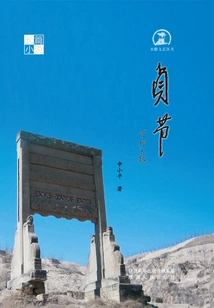
Chastity
Literature贞节
Shen Xiaoping
This book is set in the rural areas of northern Shaanxi and describes the life journeys of three women of different ages and different growth environments, reflecting the views and values of the new generation of northern Shaanxi women on love and marriage. The author's previous original novel "Northern Shaanxi Women" was once included in the "Hundred Peasant Writers and Hundred Peasant Works" organized by the Central Ministries and Commissions. The author Shen Xiaoping is from Mizhi, Shaanxi, a member of the Shaanxi Writers Association, and a female writer in northern Shaanxi. He has published novels such as "Women of Northern Shaanxi", "Awakening from Dreams in the Yellow River" and "Living Like This". He has published novels, essays, reviews and other articles of different genres in "Mi", "Yulin Daily", "North Shaanxi" and "Yan'an Literature".
This book is set in the rural areas of northern Shaanxi and describes the life journeys of three women of different ages and different growth environments, reflecting the views and values of the new generation of northern Shaanxi women on love and marriage. The author's previous original novel "Northern Shaanxi Women" was once included in the "Hundred Peasant Writers and Hundred Peasant Works" organized by the Central Ministries and Commissions. The author Shen Xiaoping is from Mizhi, Shaanxi, a member of the Shaanxi Writers Association, and a female writer in northern Shaanxi. He has published novels such as "Women of Northern Shaanxi", "Awakening from Dreams in the Yellow River" and "Living Like This". He has published novels, essays, reviews and other articles of different genres in "Mi", "Yulin Daily", "North Shaanxi" and "Yan'an Literature".
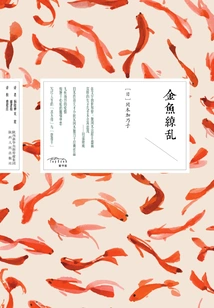
Goldfish Dazzled
Literature金鱼缭乱
(japan) Kanoko Okamoto
This book is written by Japanese writer Okamoto Kanoko. Okamoto Kanoko's works are full of modernity and her brushwork is very gorgeous. Many of her works were published after her death under the arrangement of her husband Ippei. During her lifetime, Kanoko had a strong personality and a strange lifestyle, which was often discussed by people. The Japanese writer Setouchi Harumi's "Kanoko Daze" is a novel based on her. This book contains three works: "The Dazzling Goldfish", "Summer Night Dream" and "The Power of Flowers", none of which have ever been translated into Chinese. "The Dazzling Goldfish" tells the story of a man who is obsessed with goldfish and whose "love" ends in vain. "Summer Night Dream" contains the two people's shared memories, and the conversation is filled with soul resonance. In "The Power of Flowers", the energetic female flower arrangement teacher likes the gentle male painter, but the male painter gradually cannot bear it and can only escape...
This book is written by Japanese writer Okamoto Kanoko. Okamoto Kanoko's works are full of modernity and her brushwork is very gorgeous. Many of her works were published after her death under the arrangement of her husband Ippei. During her lifetime, Kanoko had a strong personality and a strange lifestyle, which was often discussed by people. The Japanese writer Setouchi Harumi's "Kanoko Daze" is a novel based on her. This book contains three works: "The Dazzling Goldfish", "Summer Night Dream" and "The Power of Flowers", none of which have ever been translated into Chinese. "The Dazzling Goldfish" tells the story of a man who is obsessed with goldfish and whose "love" ends in vain. "Summer Night Dream" contains the two people's shared memories, and the conversation is filled with soul resonance. In "The Power of Flowers", the energetic female flower arrangement teacher likes the gentle male painter, but the male painter gradually cannot bear it and can only escape...
Selected Works of Lu Xun
Literature鲁迅作品精选
Lu Xun
"Selected Works of Lu Xun" is a collection of selected works of Lu Xun, including 69 representative articles in four genres: novels, essays, prose poems, and miscellaneous feelings. Including "Blessings", "Hometown", "From Baicao Garden to Sanwei Bookstore", "Usingism" and other popular masterpieces, they are rich in literary and ideological nature and clearly demonstrate Lu Xun's ideological characteristics and writing style.
"Selected Works of Lu Xun" is a collection of selected works of Lu Xun, including 69 representative articles in four genres: novels, essays, prose poems, and miscellaneous feelings. Including "Blessings", "Hometown", "From Baicao Garden to Sanwei Bookstore", "Usingism" and other popular masterpieces, they are rich in literary and ideological nature and clearly demonstrate Lu Xun's ideological characteristics and writing style.
Selections of Sun Li's Works
Literature孙犁作品精选
Sun Li
"Selected Works of Sun Li" collects Sun Li's representative works in different creative periods, including famous works such as "Lotus Lake", "Luhua Dang", "Instructions" and "Plucking Reeds from the Pu Tai". The author describes the vicissitudes of the times with an optimistic and calm attitude, expresses the harshness of war and the hardship of life in a friendly and gentle style, and depicts the characters' hardworking, kind, intelligent, brave and noble spiritual world with colorful brushstrokes.
"Selected Works of Sun Li" collects Sun Li's representative works in different creative periods, including famous works such as "Lotus Lake", "Luhua Dang", "Instructions" and "Plucking Reeds from the Pu Tai". The author describes the vicissitudes of the times with an optimistic and calm attitude, expresses the harshness of war and the hardship of life in a friendly and gentle style, and depicts the characters' hardworking, kind, intelligent, brave and noble spiritual world with colorful brushstrokes.
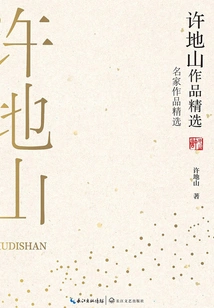
Selected Works of Xu Dishan
Literature许地山作品精选
Xu Dishan
"Selected Works of Xu Dishan" collects Xu Dishan's most representative novels, essays, and poems, including famous works such as "The Bird of Life", "The Spider Who Weaves the Web", "The Falling Peanut", and "The Forest at the Bottom of Spring". These works pay full attention to life issues and reflect the author's compassion for people and his persistent pursuit of truth, goodness and beauty. At the same time, they also present a swaying, euphemistic and delicate artistic style, which can be called "a gorgeous and dazzling strange flower" of modern literature.
"Selected Works of Xu Dishan" collects Xu Dishan's most representative novels, essays, and poems, including famous works such as "The Bird of Life", "The Spider Who Weaves the Web", "The Falling Peanut", and "The Forest at the Bottom of Spring". These works pay full attention to life issues and reflect the author's compassion for people and his persistent pursuit of truth, goodness and beauty. At the same time, they also present a swaying, euphemistic and delicate artistic style, which can be called "a gorgeous and dazzling strange flower" of modern literature.
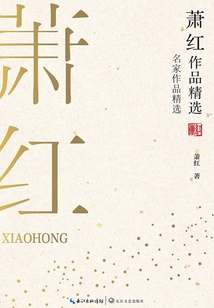
Selected Works of Xiao Hong
Literature萧红作品精选
Xiao Hong
This book is a selection of the works of the famous writer Xiao Hong. It selects the most representative works of Xiao Hong's novels, such as "The Story of Hulan River", "March in the Small Town", and "Mabele". It also includes Xiao Hong's famous prose works, such as selected articles from "Shangshi Street" and "Memories of Mr. Lu Xun". It writes about the unique customs and customs of the Northeast, reflects the fate of ordinary people in the context of the 1930s and 1940s, and reflects the characteristics and style of Xiao Hong's literary works.
This book is a selection of the works of the famous writer Xiao Hong. It selects the most representative works of Xiao Hong's novels, such as "The Story of Hulan River", "March in the Small Town", and "Mabele". It also includes Xiao Hong's famous prose works, such as selected articles from "Shangshi Street" and "Memories of Mr. Lu Xun". It writes about the unique customs and customs of the Northeast, reflects the fate of ordinary people in the context of the 1930s and 1940s, and reflects the characteristics and style of Xiao Hong's literary works.
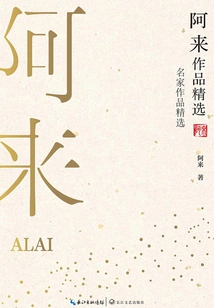
Selected Works of Alai
Literature阿来作品精选
Alai
"Selected Works of Alai" is a collection of works by Alai, winner of the Mao Dun Literature Prize. It includes Alai's representative short and medium-length works "Mushroom Circle" and "Silversmith in the Moonlight", as well as a set of essays about Tibetan scenery. Alai's works use a highly national and individual carrier, embracing the dimension of time, melting the boundaries between the idealized mind and reality, and showing us a Tibetan place where poetry and history blend, shining with the brilliance of classics.
"Selected Works of Alai" is a collection of works by Alai, winner of the Mao Dun Literature Prize. It includes Alai's representative short and medium-length works "Mushroom Circle" and "Silversmith in the Moonlight", as well as a set of essays about Tibetan scenery. Alai's works use a highly national and individual carrier, embracing the dimension of time, melting the boundaries between the idealized mind and reality, and showing us a Tibetan place where poetry and history blend, shining with the brilliance of classics.
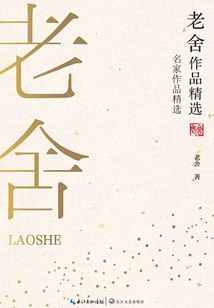
Selected Works of Lao She
Literature老舍作品精选
Lao She
"Selected Works of Lao She" includes Mr. Lao She's representative works in different creative periods, including "Camel Xiangzi", "Teahouse", "Spring in Jinan", "My Mother", etc. He is good at using "Beijing-style" language to write about the living conditions of Beijing people from the late Qing Dynasty to the Republic of China. He uses rich brushwork to construct characters that are as real as if they were standing on paper, and uses a simple and sincere creative attitude to describe the daily lives of ordinary people.
"Selected Works of Lao She" includes Mr. Lao She's representative works in different creative periods, including "Camel Xiangzi", "Teahouse", "Spring in Jinan", "My Mother", etc. He is good at using "Beijing-style" language to write about the living conditions of Beijing people from the late Qing Dynasty to the Republic of China. He uses rich brushwork to construct characters that are as real as if they were standing on paper, and uses a simple and sincere creative attitude to describe the daily lives of ordinary people.
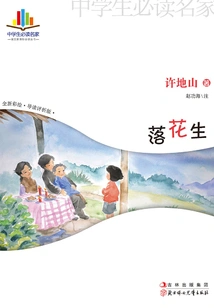
Peanut
Literature落花生
Xu Dishan
Xu Dishan is a famous writer and scholar in the history of modern Chinese literature. Although his writings are not very rich, he is famous for his fresh writing style, novel material, romantic style and rich connotation. Many of his works read like fables. The most famous of them, "Peanuts", not only established Xu Dishan's status as a classic in the history of modern prose, but also allowed children to get to know this famous writer with his unpretentious and silently dedicated "Peanuts" spirit. This book selects exquisite chapters from Xu Dishan's works that are suitable for children to read. They are divided according to genres and arranged according to publication time, so that readers can see them clearly and clearly in the process of reading and learning. At the same time, this book also invites senior middle school Chinese teachers to make detailed comments on each article, so that children can understand each article on a deeper level during the reading process and fully appreciate the unique artistic charm of the article.
Xu Dishan is a famous writer and scholar in the history of modern Chinese literature. Although his writings are not very rich, he is famous for his fresh writing style, novel material, romantic style and rich connotation. Many of his works read like fables. The most famous of them, "Peanuts", not only established Xu Dishan's status as a classic in the history of modern prose, but also allowed children to get to know this famous writer with his unpretentious and silently dedicated "Peanuts" spirit. This book selects exquisite chapters from Xu Dishan's works that are suitable for children to read. They are divided according to genres and arranged according to publication time, so that readers can see them clearly and clearly in the process of reading and learning. At the same time, this book also invites senior middle school Chinese teachers to make detailed comments on each article, so that children can understand each article on a deeper level during the reading process and fully appreciate the unique artistic charm of the article.
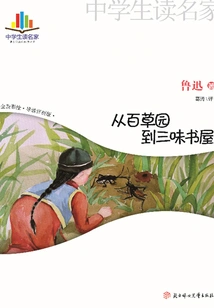
From Baicao Garden to Sanwei Bookstore
Literature从百草园到三味书屋
Lu Xun
Education is always rooted in love. "From Baicao Garden to Sanwei Bookstore" is a collection of Mr. Lu Xun's articles, including "From Baicao Garden to Sanwei Bookstore", "Kite", "Runtu", "Mr. Fujino", "A Chang and the Classic of Mountains and Seas", "Hometown", "Spring", "The True Story of Ah Q" and many other articles that have been selected in primary and secondary school Chinese textbooks. This book not only completely retains the most wonderful descriptions of scenes, objects, and people in each article, but also invited Ge Tao, a researcher at the Lu Xun Museum, to provide an introduction and analysis, restoring the most authentic and intimate Lu Xun to our readers.
Education is always rooted in love. "From Baicao Garden to Sanwei Bookstore" is a collection of Mr. Lu Xun's articles, including "From Baicao Garden to Sanwei Bookstore", "Kite", "Runtu", "Mr. Fujino", "A Chang and the Classic of Mountains and Seas", "Hometown", "Spring", "The True Story of Ah Q" and many other articles that have been selected in primary and secondary school Chinese textbooks. This book not only completely retains the most wonderful descriptions of scenes, objects, and people in each article, but also invited Ge Tao, a researcher at the Lu Xun Museum, to provide an introduction and analysis, restoring the most authentic and intimate Lu Xun to our readers.
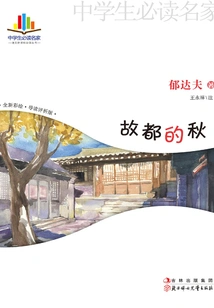
Autumn in the Old Capital
Literature故都的秋
Yu Dafu
In the history of modern Chinese literature, Yu Dafu's creative style can be said to be unique. He is full of romantic sentimentality, his writing style is free and natural, his language is fresh and beautiful, and he has a strong subjective lyricism. He advocates that "literary works are all autobiographies of writers". He often uses personal life experiences as material for the creation of novels and essays, dissects himself, and expresses the depression and suffocation of a talented intellectual in a turbulent society without any concealment. He is frank, free and informal. He dwells on the pain of his family and country, and laments his loneliness in life, so his writing always reveals a strong sense of sadness.
In the history of modern Chinese literature, Yu Dafu's creative style can be said to be unique. He is full of romantic sentimentality, his writing style is free and natural, his language is fresh and beautiful, and he has a strong subjective lyricism. He advocates that "literary works are all autobiographies of writers". He often uses personal life experiences as material for the creation of novels and essays, dissects himself, and expresses the depression and suffocation of a talented intellectual in a turbulent society without any concealment. He is frank, free and informal. He dwells on the pain of his family and country, and laments his loneliness in life, so his writing always reveals a strong sense of sadness.
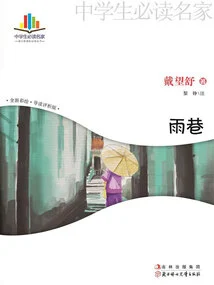
Yuxiang
Literature雨巷
Dai Wangshu
This book basically covers the poems written by the "Rain Alley Poet". At the same time, Ms. Li Zheng, who has been working on the frontline of educational reading promotion, made a wonderful analysis of each article, so that we can see the most authentic "Rain Alley Poet" and have a deeper understanding of the artistic creation of his poetry. Although Dai Wangshu's works are not many and most of them are short poems, they present a unique charm. The artistic temperament contained in poetry shows and contains various trends in the development and evolution of new poetry. The poet absorbed the nutrients of Chinese classical poetry, adopted Western modern techniques, and embarked on the road of chanting reality. After several searches and innovations, he formed his own unique style, which is characterized by the hazy beauty of the poem, the musical beauty of the language, and the prose beauty of the poem.
This book basically covers the poems written by the "Rain Alley Poet". At the same time, Ms. Li Zheng, who has been working on the frontline of educational reading promotion, made a wonderful analysis of each article, so that we can see the most authentic "Rain Alley Poet" and have a deeper understanding of the artistic creation of his poetry. Although Dai Wangshu's works are not many and most of them are short poems, they present a unique charm. The artistic temperament contained in poetry shows and contains various trends in the development and evolution of new poetry. The poet absorbed the nutrients of Chinese classical poetry, adopted Western modern techniques, and embarked on the road of chanting reality. After several searches and innovations, he formed his own unique style, which is characterized by the hazy beauty of the poem, the musical beauty of the language, and the prose beauty of the poem.
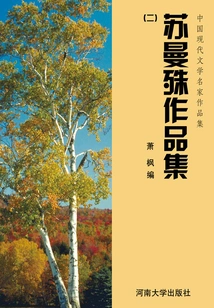
Su Manshu's Works Collection (2)
Literature苏曼殊作品集(2)
Xiao Feng
The content of this book includes poems and paintings to leave Tang Guodun farewell (two poems), living in Baiyun Temple in West Lake, Mochou Lake Yuwang, Chenqi Kouzhan, Hua Chao, Chunri, Chi You, Dai Kezi, Cambodian Shaohou, Cambodian Jinfeng Jian Liu San (two poems), inscribed "Picture of a Quiet Girl Tuning the Zheng", and poems about the poem (ten poems). You can't bear the poem to show Brother Zhong that the tuner is about to leave. He painted "Golden Fen Jiangshan Picture" on silk ribbons, and inscribed it as a gift to Erjue, falling cherry blossoms, etc.
The content of this book includes poems and paintings to leave Tang Guodun farewell (two poems), living in Baiyun Temple in West Lake, Mochou Lake Yuwang, Chenqi Kouzhan, Hua Chao, Chunri, Chi You, Dai Kezi, Cambodian Shaohou, Cambodian Jinfeng Jian Liu San (two poems), inscribed "Picture of a Quiet Girl Tuning the Zheng", and poems about the poem (ten poems). You can't bear the poem to show Brother Zhong that the tuner is about to leave. He painted "Golden Fen Jiangshan Picture" on silk ribbons, and inscribed it as a gift to Erjue, falling cherry blossoms, etc.
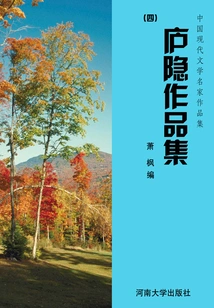
Lu Yin's Works Collection (4)
Literature庐隐作品集(4)
Xiao Feng
The content of this book includes thoughts, past, memories under the moon, Penglai scenery, a wisp of sadness to Zhenghong, Under the Leifeng Pagoda - sent to the blue sky, the miracle of night, the alarm bell of spring, the sound of autumn, the glory of life - the letter from Keng Cang from prison, Tokyo sketch, thoughts about autumn in a foreign country, the praise of summer, I hope autumn will always stay in the world, starry night, a few words of truth, the thorn of the rose, the final fate, the beautiful girl, the spring scenery outside the window, etc.
The content of this book includes thoughts, past, memories under the moon, Penglai scenery, a wisp of sadness to Zhenghong, Under the Leifeng Pagoda - sent to the blue sky, the miracle of night, the alarm bell of spring, the sound of autumn, the glory of life - the letter from Keng Cang from prison, Tokyo sketch, thoughts about autumn in a foreign country, the praise of summer, I hope autumn will always stay in the world, starry night, a few words of truth, the thorn of the rose, the final fate, the beautiful girl, the spring scenery outside the window, etc.
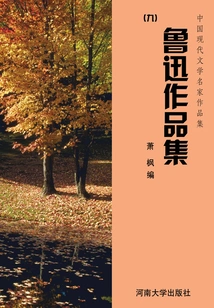
Lu Xun's Works Collection (9)
Literature鲁迅作品集(9)
Xiao Feng
The contents of this book include two or three things about China, answers to questions from international literary societies, short quotes from "Straw Shoe Feet" (an English-translated collection of Chinese short stories), on "the adoption of old forms", trivia about comic strips, Confucianism, "Learning to Read Pictures", Utilizationism, Isolation, and short quotes from "Wood Engraving Chronicles" , Difficulty and unbelief, purchase of "Primary School Encyclopedia", memories of Wei Suyuan's tomb, recalling Mr. Wei Suyuan, recalling Mr. Liu Bannong, replying to Mr. Cao Juren's letter, starting from the children's photos, foreign language talks, not knowing the taste of meat and not knowing the taste of water, the new life of Chinese language, have the Chinese lost their self-confidence, etc.
The contents of this book include two or three things about China, answers to questions from international literary societies, short quotes from "Straw Shoe Feet" (an English-translated collection of Chinese short stories), on "the adoption of old forms", trivia about comic strips, Confucianism, "Learning to Read Pictures", Utilizationism, Isolation, and short quotes from "Wood Engraving Chronicles" , Difficulty and unbelief, purchase of "Primary School Encyclopedia", memories of Wei Suyuan's tomb, recalling Mr. Wei Suyuan, recalling Mr. Liu Bannong, replying to Mr. Cao Juren's letter, starting from the children's photos, foreign language talks, not knowing the taste of meat and not knowing the taste of water, the new life of Chinese language, have the Chinese lost their self-confidence, etc.
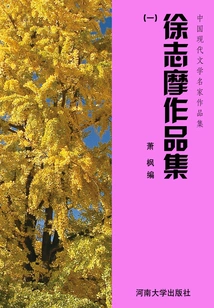
Xu Zhimo's Works Collection (1)
Literature徐志摩作品集(1)
Xiao Feng
The contents of this book include: It's a cowardly world, Thank God! My heart beat again, I have a love, let's go, in order to find a star, leave behind Japan, the Mediterranean, poison, white flags, babies, peaceful scenes, Calverley, a golden light trace, covered with a few pieces of oil paper, residual poems, Dongshan ditties, a small picture of poor happiness, etc.
The contents of this book include: It's a cowardly world, Thank God! My heart beat again, I have a love, let's go, in order to find a star, leave behind Japan, the Mediterranean, poison, white flags, babies, peaceful scenes, Calverley, a golden light trace, covered with a few pieces of oil paper, residual poems, Dongshan ditties, a small picture of poor happiness, etc.
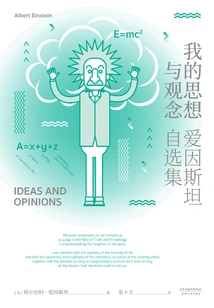
我的思想与观念:爱因斯坦自选集
H
"My Thoughts and Concepts: Selected Works of Einstein" is a collection of Einstein's popular writings widely circulated in the English-speaking world. It has been a long-selling book since its publication in 1954. This book was compiled and selected under the personal supervision and assistance of Einstein himself. It includes important articles from the English translations of "My World View", "Later Years Collection" and "My World View", as well as unpublished new articles, a total of 121 articles. It is a must-read for understanding and studying Einstein. This book collects the essence of Einstein's articles from his youth to his death, covering Einstein's thoughts and opinions on life, science, culture, education, war, friendship and social issues. It shows Einstein's open-minded attitude towards life, keen insight and deep concern for the destiny of mankind.
"My Thoughts and Concepts: Selected Works of Einstein" is a collection of Einstein's popular writings widely circulated in the English-speaking world. It has been a long-selling book since its publication in 1954. This book was compiled and selected under the personal supervision and assistance of Einstein himself. It includes important articles from the English translations of "My World View", "Later Years Collection" and "My World View", as well as unpublished new articles, a total of 121 articles. It is a must-read for understanding and studying Einstein. This book collects the essence of Einstein's articles from his youth to his death, covering Einstein's thoughts and opinions on life, science, culture, education, war, friendship and social issues. It shows Einstein's open-minded attitude towards life, keen insight and deep concern for the destiny of mankind.
Qu Qiubai's Works Collection (1)
Literature瞿秋白作品集(1)
Xiao Feng
The content of this book includes: 10 "Russian-style socialism", 11 Religious Russia, 12 Resurrection of labor, 13 "Workers", 14 Return of the "House of the Dead", 15 Angel, 16 Noble's Nest, 17 Moscow Red Tide, 18th Lenin Durotsky, 19th Southland, 20th Bureaucratic Problems, 21st New Bourgeoisie, 23rd Spiritual Feelings, 24th Nationality, 25th "Eastern Moon", 26th Return, 27th Intellectual Labor, 28th Qingtian Village Travel Notes, etc.
The content of this book includes: 10 "Russian-style socialism", 11 Religious Russia, 12 Resurrection of labor, 13 "Workers", 14 Return of the "House of the Dead", 15 Angel, 16 Noble's Nest, 17 Moscow Red Tide, 18th Lenin Durotsky, 19th Southland, 20th Bureaucratic Problems, 21st New Bourgeoisie, 23rd Spiritual Feelings, 24th Nationality, 25th "Eastern Moon", 26th Return, 27th Intellectual Labor, 28th Qingtian Village Travel Notes, etc.
Jiang Guangci's Works Collection
Literature蒋光慈作品集
Xiao Feng
The contents of this book include Young Wanderer, Lisa's Sorrow, The Moon Breaking Out of the Clouds, On the Yalu River, Brothers' Night Talks, etc.
The contents of this book include Young Wanderer, Lisa's Sorrow, The Moon Breaking Out of the Clouds, On the Yalu River, Brothers' Night Talks, etc.
Dai Wangshu's Works Collection (4)
Literature戴望舒作品集(4)
Xiao Feng
The content of this book includes information about Garcia Lorca, Selected Ballads of the Spanish War of Resistance, Defense of Madrid, Defense of Caldarunia, Unknown People's Army, Sacrifices, José Gauron, Olive Groves, Cold in the Mountains, Groups of Exiles, Moorish Deserters, Ballads of Exiles, Contemporary Men, and the postscript "Selected Ballads of the Spanish War of Resistance", etc.
The content of this book includes information about Garcia Lorca, Selected Ballads of the Spanish War of Resistance, Defense of Madrid, Defense of Caldarunia, Unknown People's Army, Sacrifices, José Gauron, Olive Groves, Cold in the Mountains, Groups of Exiles, Moorish Deserters, Ballads of Exiles, Contemporary Men, and the postscript "Selected Ballads of the Spanish War of Resistance", etc.
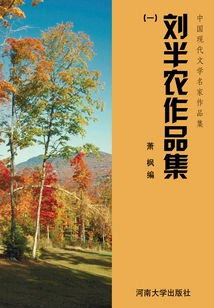
Liu Bannong's Works Collection (1)
Literature刘半农作品集(1)
Xiao Feng
The contents of this book include The Carrot Seller, The Mutton Shop (an imitation of a children's song), Knocking on the Ice, An imitation of a music (1), Wuhu March 18th, A Chronicle of a Tour to Xiangshan, A Layer of Paper, A Statue of Xiaohui's First Birthday, Actually, The Desk, Dingsi New Year's Eve, Window Paper, Two Ancient Songs, The Suffering of an Apprentice, Listening to the Rain, Boredom, Strong Wind, Boiling Heat, Imitation of a Children's Rhyme, Their Balance, etc.
The contents of this book include The Carrot Seller, The Mutton Shop (an imitation of a children's song), Knocking on the Ice, An imitation of a music (1), Wuhu March 18th, A Chronicle of a Tour to Xiangshan, A Layer of Paper, A Statue of Xiaohui's First Birthday, Actually, The Desk, Dingsi New Year's Eve, Window Paper, Two Ancient Songs, The Suffering of an Apprentice, Listening to the Rain, Boredom, Strong Wind, Boiling Heat, Imitation of a Children's Rhyme, Their Balance, etc.
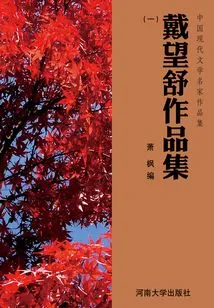
Dai Wangshu's Works Collection (1)
Literature戴望舒作品集(1)
Xiao Feng
The content of this book includes creative works, walking on the street, sitting at night, hearing the birds in the sunset, in the cold wind, sadness at home, life, night songs of homeless people, Fragments, going out in tears, knowing, quiet night, mountain walks, tears of broken flowers, Fourteen Lines, Don't look at each other with so much joy, come back, Spleen, Song of the broken leaves, Mandoline, rain alley, broken fingers, in front of the ancient temple, my memories, whispers on the road, etc.
The content of this book includes creative works, walking on the street, sitting at night, hearing the birds in the sunset, in the cold wind, sadness at home, life, night songs of homeless people, Fragments, going out in tears, knowing, quiet night, mountain walks, tears of broken flowers, Fourteen Lines, Don't look at each other with so much joy, come back, Spleen, Song of the broken leaves, Mandoline, rain alley, broken fingers, in front of the ancient temple, my memories, whispers on the road, etc.
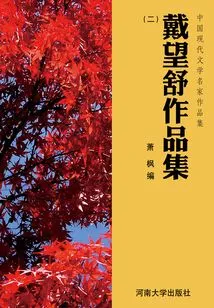
Dai Wangshu's Works Collection (2)
Literature戴望舒作品集(2)
Xiao Feng
The contents of this book include talks about Lin Geng's poetic opinions and "quatrains", poems about national defense, the inscription of "Returning from the Soviet Union", the editor's remarks of "Modern Turkish Politics", the first issue of "Constellation", the editor's message of "Vulgar Literature", the postscript "Rainy Scenery in the Mountain City", a few poems, the death of the poet Van Lexi, the mourning of Dulayser, "Star Island" and "Constellation" ten years ago, etc.
The contents of this book include talks about Lin Geng's poetic opinions and "quatrains", poems about national defense, the inscription of "Returning from the Soviet Union", the editor's remarks of "Modern Turkish Politics", the first issue of "Constellation", the editor's message of "Vulgar Literature", the postscript "Rainy Scenery in the Mountain City", a few poems, the death of the poet Van Lexi, the mourning of Dulayser, "Star Island" and "Constellation" ten years ago, etc.
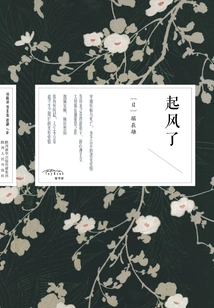
N
Literaturen
H
"The Wind Rises" is a masterpiece by Japanese novelist Hori Tatsuo. Among the author's few novellas, "The Wind Rises" has won recognition and moved many readers with its profound ideological themes and beautiful artistic realm. It also became a milestone in the shaping of Hori's literary thoughts. In 2013, Hayao Miyazaki adapted it into the final work of the animated film. After the animation was released, the number of visits to the Hori Tatsuo Memorial Hall in Karuizawa Town, Nagano Prefecture increased sharply.
"The Wind Rises" is a masterpiece by Japanese novelist Hori Tatsuo. Among the author's few novellas, "The Wind Rises" has won recognition and moved many readers with its profound ideological themes and beautiful artistic realm. It also became a milestone in the shaping of Hori's literary thoughts. In 2013, Hayao Miyazaki adapted it into the final work of the animated film. After the animation was released, the number of visits to the Hori Tatsuo Memorial Hall in Karuizawa Town, Nagano Prefecture increased sharply.
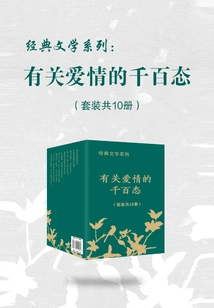
经典文学系列:有关爱情的千百态(套装共10册)
Shen Congwen Lu Yin Li Weijian Xiaoxin He Hongyu Flower Petal Rain Li Shi Qinghe Poetry Zhang Ying Shen Nian Peng Xia
The word "love" does not represent absolute sweetness. In love, there is also the bitterness of separation, the astringency of waiting, and the sourness of not getting what you want. Life is full of different situations, and so is love. This set of "Thousands of Forms of Love" has collected a variety of forms of love. There must be one that belongs to you, or one that you expect. I hope to give you warmth in every lonely moment.
The word "love" does not represent absolute sweetness. In love, there is also the bitterness of separation, the astringency of waiting, and the sourness of not getting what you want. Life is full of different situations, and so is love. This set of "Thousands of Forms of Love" has collected a variety of forms of love. There must be one that belongs to you, or one that you expect. I hope to give you warmth in every lonely moment.
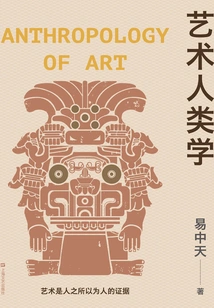
Art Anthropology
Literature艺术人类学
Yi Zhongtian
This book is a wonderful summary of Professor Yi Zhongtian's many years of aesthetic research and writing. In this work, Yi Zhongtian cited a large number of anthropological materials and elaborated on a basic point of view: Art was created by humans specifically to achieve human confirmation. In art, through the experience and transmission of emotions, people's self-verification and mutual verification between people are realized. This is the "confirmation theory of the essence of art". This book starts from the perspective of human beings stepping out of nature, and examines a large number of primitive art forms such as crafts, architecture, sculpture, human body decoration, dance, drama, painting, music, poetry, etc. It is not only an important work for understanding the origin and essence of human art, but also a vivid illustration of primitive art.
This book is a wonderful summary of Professor Yi Zhongtian's many years of aesthetic research and writing. In this work, Yi Zhongtian cited a large number of anthropological materials and elaborated on a basic point of view: Art was created by humans specifically to achieve human confirmation. In art, through the experience and transmission of emotions, people's self-verification and mutual verification between people are realized. This is the "confirmation theory of the essence of art". This book starts from the perspective of human beings stepping out of nature, and examines a large number of primitive art forms such as crafts, architecture, sculpture, human body decoration, dance, drama, painting, music, poetry, etc. It is not only an important work for understanding the origin and essence of human art, but also a vivid illustration of primitive art.
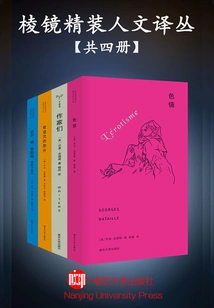
棱镜精装人文译丛(套装书共4册)
(france) Georges Bataille (u. S.) Barry Gifford
The set contains four volumes, including four works by Georges Bataille: "Pornography", "The Case of Gilles de Rais: The Bluebeard Incident", "The Cursed Part" and "The Writers".
The set contains four volumes, including four works by Georges Bataille: "Pornography", "The Case of Gilles de Rais: The Bluebeard Incident", "The Cursed Part" and "The Writers".
Lu Xun's Proverbs
Literature鲁迅箴言
Compiled By Huang Qiaosheng
This book selects wonderful passages from Lu Xun's works and divides them into four major sections, aiming to allow readers to understand China through reading Lu Xun. These four parts are: history, society, national character and reform. The text is selected from Lu Xun's manuscripts and letters, and a large part of it comes from Lu Xun's essays. Lu Xun's essays are concise and rich in content. Because of the relationship between the times and the living conditions of the nation, when Lu Xun evaluated China's history and reality, he often spoke sharply and sometimes made fierce remarks, which sometimes make people tremble with fear and sometimes make their blood boil.
This book selects wonderful passages from Lu Xun's works and divides them into four major sections, aiming to allow readers to understand China through reading Lu Xun. These four parts are: history, society, national character and reform. The text is selected from Lu Xun's manuscripts and letters, and a large part of it comes from Lu Xun's essays. Lu Xun's essays are concise and rich in content. Because of the relationship between the times and the living conditions of the nation, when Lu Xun evaluated China's history and reality, he often spoke sharply and sometimes made fierce remarks, which sometimes make people tremble with fear and sometimes make their blood boil.
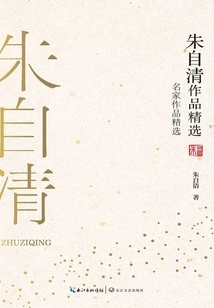
Selected Works of Zhu Ziqing
Literature朱自清作品精选
Zhu Ziqing
"Selected Works of Zhu Ziqing" contains more than dozens of famous works by Mr. Zhu Ziqing. The language of his works is clear and concise, conveying sincere feelings in plainness. Zhu Ziqing's works have extremely rich ideological connotations, some of which reflect his thoughts on current social events, and some of which reflect his unique understanding of life. His enduring artistic charm has conquered generations of readers.
"Selected Works of Zhu Ziqing" contains more than dozens of famous works by Mr. Zhu Ziqing. The language of his works is clear and concise, conveying sincere feelings in plainness. Zhu Ziqing's works have extremely rich ideological connotations, some of which reflect his thoughts on current social events, and some of which reflect his unique understanding of life. His enduring artistic charm has conquered generations of readers.
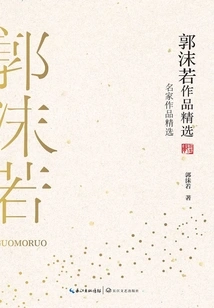
Selections of Guo Moruo's Works
Literature郭沫若作品精选
Guo Moruo
"Selected Works of Guo Moruo" contains Guo Moruo's classic works. There are poems full of vitality and romanticism, shocking historical dramas, and autobiographical essays and novels. These works all reflect the author's literary and artistic achievements and have far-reaching influence.
"Selected Works of Guo Moruo" contains Guo Moruo's classic works. There are poems full of vitality and romanticism, shocking historical dramas, and autobiographical essays and novels. These works all reflect the author's literary and artistic achievements and have far-reaching influence.
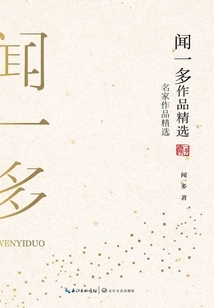
Selected Works of Wen Yiduo
Literature闻一多作品精选
Wen Yiduo
"Selected Works of Wen Yiduo" selects many of Mr. Wen Yiduo's poems such as "Red Candle", "Dead Water" and "Song of the Seven Sons". It also selects Mr. Wen Yiduo's research and criticism on poetry such as "The People's Poet - Qu Yuan" and "What Are Nine Songs" and other famous works. The poetry creations and poetry reviews included in this book present Mr. Wen Yiduo's specific propositions on the metrical beauty of poetry from multiple perspectives: poetry should have three beauties, the beauty of music, the beauty of painting, and the beauty of architecture. The book also includes letters between Mr. Wen Yiduo and his relatives and friends, showing his humorous and tender side to readers.
"Selected Works of Wen Yiduo" selects many of Mr. Wen Yiduo's poems such as "Red Candle", "Dead Water" and "Song of the Seven Sons". It also selects Mr. Wen Yiduo's research and criticism on poetry such as "The People's Poet - Qu Yuan" and "What Are Nine Songs" and other famous works. The poetry creations and poetry reviews included in this book present Mr. Wen Yiduo's specific propositions on the metrical beauty of poetry from multiple perspectives: poetry should have three beauties, the beauty of music, the beauty of painting, and the beauty of architecture. The book also includes letters between Mr. Wen Yiduo and his relatives and friends, showing his humorous and tender side to readers.
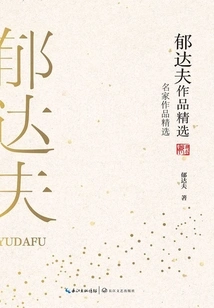
Selected Works of Yu Dafu
Literature郁达夫作品精选
Yu Dafu
"Selected Works of Yu Dafu" is a collection of Yu Dafu's most representative works, including his most representative novels such as "The Fall", "The Intoxicating Spring Breeze Evening", "Chi Osmanthus" and the prose "Autumn in the Old Capital", "Remembering Lu Xun", etc. Yu Dafu's novels are full of sentimental sentiments and conform to the social and psychological atmosphere of the youthful era of the "May Fourth Movement". They are an important harvest in the founding period of new literature. Yu Dafu's prose has broad themes, free writing, smooth and fresh writing, and has both the beauty of painting and music, and has a unique charm.
"Selected Works of Yu Dafu" is a collection of Yu Dafu's most representative works, including his most representative novels such as "The Fall", "The Intoxicating Spring Breeze Evening", "Chi Osmanthus" and the prose "Autumn in the Old Capital", "Remembering Lu Xun", etc. Yu Dafu's novels are full of sentimental sentiments and conform to the social and psychological atmosphere of the youthful era of the "May Fourth Movement". They are an important harvest in the founding period of new literature. Yu Dafu's prose has broad themes, free writing, smooth and fresh writing, and has both the beauty of painting and music, and has a unique charm.
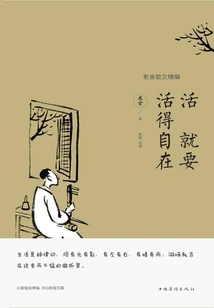
活就要活得自在:老舍散文精编
Lao She Liu Xia
This book selects Lao She's prose works from different periods, different styles, and different themes, including descriptions of scenes, nostalgia, lyricism, narratives, literary and artistic talks, etc., And the selection of various themes also shows Lao She's unique aesthetic taste. In order to respect the original work, we have retained the ancient and modern variant characters and traditional punctuation habits in the original text to ensure that the work is as authentic as possible.
This book selects Lao She's prose works from different periods, different styles, and different themes, including descriptions of scenes, nostalgia, lyricism, narratives, literary and artistic talks, etc., And the selection of various themes also shows Lao She's unique aesthetic taste. In order to respect the original work, we have retained the ancient and modern variant characters and traditional punctuation habits in the original text to ensure that the work is as authentic as possible.
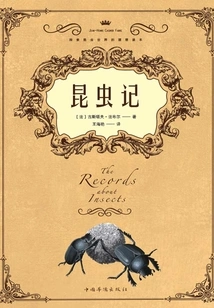
Insect Diary
Literature昆虫记
(france) Henri Fabre
"Insect Diary" not only truly records the life of insects, but also reflects human society and life through the insect world. The book reveals witty words from time to time, puts forward in-depth thinking on the value of life, and attempts to incorporate deeper meanings into science. Moreover, Fabre cleverly connected the life of insects with human society, moved the moral and cognitive system of human society into the world of insects in his writing, and then reflected on society through insects endowed with human nature, conveyed personal experience and thinking, and gained insights into human society. Invisibly, it guides readers to re-understand the norms of human thought, morality and cognition in the "ethics" and "social life" of insects. After reading this book, we can think about many issues, such as how to face our short life and how to sublimate a small life in the struggle. "Insect Diary" is indeed a miracle. It is a music of life written by Fabre, an outstanding representative of mankind, and insects, the numerous ordinary people in nature. It is a book that can never be deciphered. Such a miracle may provide us with even more precious revelations as the earth is about to usher in the ecological era.
"Insect Diary" not only truly records the life of insects, but also reflects human society and life through the insect world. The book reveals witty words from time to time, puts forward in-depth thinking on the value of life, and attempts to incorporate deeper meanings into science. Moreover, Fabre cleverly connected the life of insects with human society, moved the moral and cognitive system of human society into the world of insects in his writing, and then reflected on society through insects endowed with human nature, conveyed personal experience and thinking, and gained insights into human society. Invisibly, it guides readers to re-understand the norms of human thought, morality and cognition in the "ethics" and "social life" of insects. After reading this book, we can think about many issues, such as how to face our short life and how to sublimate a small life in the struggle. "Insect Diary" is indeed a miracle. It is a music of life written by Fabre, an outstanding representative of mankind, and insects, the numerous ordinary people in nature. It is a book that can never be deciphered. Such a miracle may provide us with even more precious revelations as the earth is about to usher in the ecological era.
N
Literaturen
H
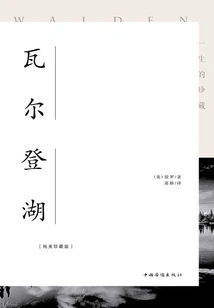
The whole book begins with spring, goes through summer, autumn, and winter, and ends with spring, completing a cycle of life. The end is also the starting point, and life is revived. Where the article analyzes life and criticizes customs, the language is astonishing, the words are sparkling, the insights are unique, and thought-provoking; where the scenery is described, the language is beautiful and detailed, such as the clear and transparent lake water and the dense and green mountains and forests. This is a fresh, healthy, and uplifting book with extremely moving descriptions of spring and dawn. Here you can find the pure air provided by nature, gurgling streams, and singing birds, without the environmental pollution caused by industrial society. By reading this book, you will not only feel the purity of your soul and the sublimation of your spirit, but you will also learn about flora and fauna, extensive knowledge of humanities, geography, and history, and experience the enlightening thoughts that flow through the clouds. Taste the philosophy of life, increase the wisdom of life, and feel the beauty of nature and life.
The whole book begins with spring, goes through summer, autumn, and winter, and ends with spring, completing a cycle of life. The end is also the starting point, and life is revived. Where the article analyzes life and criticizes customs, the language is astonishing, the words are sparkling, the insights are unique, and thought-provoking; where the scenery is described, the language is beautiful and detailed, such as the clear and transparent lake water and the dense and green mountains and forests. This is a fresh, healthy, and uplifting book with extremely moving descriptions of spring and dawn. Here you can find the pure air provided by nature, gurgling streams, and singing birds, without the environmental pollution caused by industrial society. By reading this book, you will not only feel the purity of your soul and the sublimation of your spirit, but you will also learn about flora and fauna, extensive knowledge of humanities, geography, and history, and experience the enlightening thoughts that flow through the clouds. Taste the philosophy of life, increase the wisdom of life, and feel the beauty of nature and life.
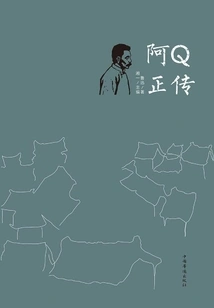
The True Story of Ah Q
Literature阿q正传
Lu Xun Xiang Yi
"The True Story of Ah Q" is the masterpiece of Lu Xun's novels and the only medium-sized novel written by Lu Xun in his life. It takes the countryside before and after the Revolution of 1911 as the background, creating a typical image of Ah Q, an immortal wandering farmhand. In addition to "The True Story of Ah Q", this book also selects 22 representative works of Lu Xun's novels, with exquisite illustrations.
"The True Story of Ah Q" is the masterpiece of Lu Xun's novels and the only medium-sized novel written by Lu Xun in his life. It takes the countryside before and after the Revolution of 1911 as the background, creating a typical image of Ah Q, an immortal wandering farmhand. In addition to "The True Story of Ah Q", this book also selects 22 representative works of Lu Xun's novels, with exquisite illustrations.
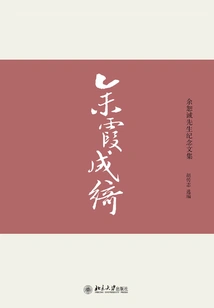
余霞成绮:余恕诚先生纪念文集
Hu Chuanzhi
How can a person who has never entered a prestigious school or received guidance from a famous teacher achieve first-class results? How did an unpretentious, ordinary teacher from a local school become a nationally famous teacher and be sincerely admired and infinitely missed by students of all generations? This book includes condolence articles by famous scholars Liu Xuekai, Dong Naibin, Mo Lifeng and others, as well as elegy poems by Tao Wenpeng, Luo Shijin, Dai Weihua and others. It also collects the reminiscences of students who were personally affected by Mr. Yu in various periods, showing Mr. Yu's academic achievements and personality from different angles. At the back of the book is attached a chronology of Mr. Yu Shucheng, a bibliography of his writings, etc., Which will help everyone get closer to Mr. Yu Shucheng and understand his unique way of being a student and a teacher.
How can a person who has never entered a prestigious school or received guidance from a famous teacher achieve first-class results? How did an unpretentious, ordinary teacher from a local school become a nationally famous teacher and be sincerely admired and infinitely missed by students of all generations? This book includes condolence articles by famous scholars Liu Xuekai, Dong Naibin, Mo Lifeng and others, as well as elegy poems by Tao Wenpeng, Luo Shijin, Dai Weihua and others. It also collects the reminiscences of students who were personally affected by Mr. Yu in various periods, showing Mr. Yu's academic achievements and personality from different angles. At the back of the book is attached a chronology of Mr. Yu Shucheng, a bibliography of his writings, etc., Which will help everyone get closer to Mr. Yu Shucheng and understand his unique way of being a student and a teacher.
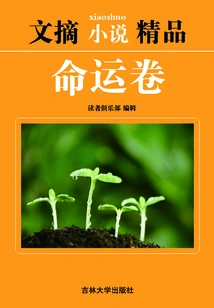
Roll of Destiny
Literature命运卷
Readers Club
The contents of this book include "White Light" by Lu Xun, "Blessings" by Lu Xun, "Autumn River" by Yu Dafu, "Prayer" by Yu Dafu, "Little Heart" by Lu Yan, "Old House" by Mu Shiying, "The Way Out" by Peng Jiahuang, "Lessons" by Peng Jiahuang, and "Full Moon in Fenhe River" by Xiao Hong , "The Bamboo Dances in Hometown" Yuan Qun, "Snow Whiter than Linen" Bennett, "Equestrian" Maupassant, "God and the Dog" Nuer, "Two Inns" Dode, "Cheese Soup" Dode, "The Cellar" Gee Sesbron, "The Innocence Maid" Maupassant, "Cat's Paradise" Zola, "The Slaughter of the Immortals" Jean Revitch, "A Detour to Paradise" E. Haouofa, "The Man Who Can't Laugh" Shimazaki Fujimura, "Lemon Girl" Kawabata Yasunari, "Emerald" Hoshi Shinichi, "Golden Brain's Cock" Serra, "Album of Remembrance" Chekhov, "The Misfortune" Chekhov, "Fantasia" Gorky, "The Face of Judas" Leonardo da Vinci, "Second Steppe" Sienkiewicz, "Eleven Sons" Kafka, "Old Lady Yanni's Stories Plus" Kazantzaki, etc.
The contents of this book include "White Light" by Lu Xun, "Blessings" by Lu Xun, "Autumn River" by Yu Dafu, "Prayer" by Yu Dafu, "Little Heart" by Lu Yan, "Old House" by Mu Shiying, "The Way Out" by Peng Jiahuang, "Lessons" by Peng Jiahuang, and "Full Moon in Fenhe River" by Xiao Hong , "The Bamboo Dances in Hometown" Yuan Qun, "Snow Whiter than Linen" Bennett, "Equestrian" Maupassant, "God and the Dog" Nuer, "Two Inns" Dode, "Cheese Soup" Dode, "The Cellar" Gee Sesbron, "The Innocence Maid" Maupassant, "Cat's Paradise" Zola, "The Slaughter of the Immortals" Jean Revitch, "A Detour to Paradise" E. Haouofa, "The Man Who Can't Laugh" Shimazaki Fujimura, "Lemon Girl" Kawabata Yasunari, "Emerald" Hoshi Shinichi, "Golden Brain's Cock" Serra, "Album of Remembrance" Chekhov, "The Misfortune" Chekhov, "Fantasia" Gorky, "The Face of Judas" Leonardo da Vinci, "Second Steppe" Sienkiewicz, "Eleven Sons" Kafka, "Old Lady Yanni's Stories Plus" Kazantzaki, etc.
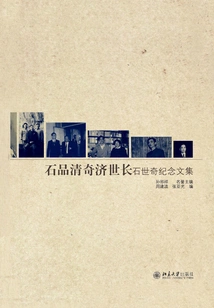
石品清奇济世长:石世奇纪念文集
Zhou Jianbo Zhang Yaguang
The anthology contains a total of more than 30 articles in memory of Mr. Shi Shiqi, all of which are deeply written. Some of the authors are classmates and friends of Mr. Shi Shiqi in his youth. They once had high-spirited and denounced Fang Qiu with him, and they also met to weep and reminisce at his bedside. Another part of the authors are colleagues of Mr. Shi at different times in the Department of Economics and School of Economics of Peking University. Some of them have worked with Mr. Shiqi for many years and know each other well. Some have been greatly favored by him and are filled with gratitude; Some of the authors are close friends of his colleagues in the Society for the History of Chinese Economic Thought, and have worked closely with him academically for decades. The last part is a fellow teacher and student of the Department of History of Chinese Economic Thought at Peking University. Since the 1980s, graduate students in this major have collectively organized to visit his home every year on Teachers' Day and New Year's Day, and they have become as close to him as one family. It contains not only the recollection of Mr. Shi Shiqi's life, but also the evaluation of his academic thoughts and contributions, which has high documentary and historical value.
The anthology contains a total of more than 30 articles in memory of Mr. Shi Shiqi, all of which are deeply written. Some of the authors are classmates and friends of Mr. Shi Shiqi in his youth. They once had high-spirited and denounced Fang Qiu with him, and they also met to weep and reminisce at his bedside. Another part of the authors are colleagues of Mr. Shi at different times in the Department of Economics and School of Economics of Peking University. Some of them have worked with Mr. Shiqi for many years and know each other well. Some have been greatly favored by him and are filled with gratitude; Some of the authors are close friends of his colleagues in the Society for the History of Chinese Economic Thought, and have worked closely with him academically for decades. The last part is a fellow teacher and student of the Department of History of Chinese Economic Thought at Peking University. Since the 1980s, graduate students in this major have collectively organized to visit his home every year on Teachers' Day and New Year's Day, and they have become as close to him as one family. It contains not only the recollection of Mr. Shi Shiqi's life, but also the evaluation of his academic thoughts and contributions, which has high documentary and historical value.
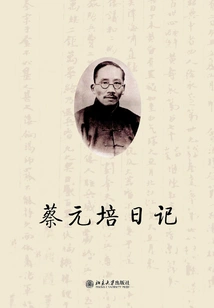
Cai Yuanpei's Diary (part 1 and 2)
Literature蔡元培日记(上下)
Wang Shiru
Mr. Cai Yuanpei is a famous educator, famous scholar and professor of Peking University in modern China. This book contains the diary of Mr. Cai Yuanpei, which has important reference value for studying the history of modern Chinese thought and education.
Mr. Cai Yuanpei is a famous educator, famous scholar and professor of Peking University in modern China. This book contains the diary of Mr. Cai Yuanpei, which has important reference value for studying the history of modern Chinese thought and education.
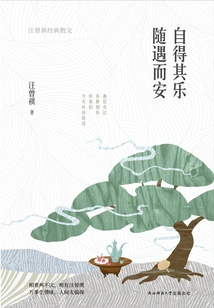
自得其乐 随遇而安:汪曾祺经典散文
Wang Zengqi
The cutest old man in the literary world is Wang Zengqi, who brings warmth, happiness and extraordinary interest to readers. To this day, it still has a large number of fans. This book is one of the popular "Xinhua Classic Prose Library" series on the market. It contains Wang Zengqi's classic prose from various periods, and is divided into four volumes: "Looking for the five flavors in all directions, the sun and the moon in the pot" (Food) "Knowing that the universe is vast, and the world is vast. "Pity the green grass and trees" (Caomu) "Sit quietly with nothing to do, one day seems like two days" (Gossip) "Everything is done with a smile, and the world sends a little warmth" (Interesting Talk); it vividly displays Wang Zengqi's humorous attitude, life insights and life aesthetics, making it easy and leisurely to read. "You have worked very hard and are very tired. Then sit down and rest for a while, drink a cup of tea that is neither cold nor hot, and read some of my works." - Wang Zengqi
The cutest old man in the literary world is Wang Zengqi, who brings warmth, happiness and extraordinary interest to readers. To this day, it still has a large number of fans. This book is one of the popular "Xinhua Classic Prose Library" series on the market. It contains Wang Zengqi's classic prose from various periods, and is divided into four volumes: "Looking for the five flavors in all directions, the sun and the moon in the pot" (Food) "Knowing that the universe is vast, and the world is vast. "Pity the green grass and trees" (Caomu) "Sit quietly with nothing to do, one day seems like two days" (Gossip) "Everything is done with a smile, and the world sends a little warmth" (Interesting Talk); it vividly displays Wang Zengqi's humorous attitude, life insights and life aesthetics, making it easy and leisurely to read. "You have worked very hard and are very tired. Then sit down and rest for a while, drink a cup of tea that is neither cold nor hot, and read some of my works." - Wang Zengqi
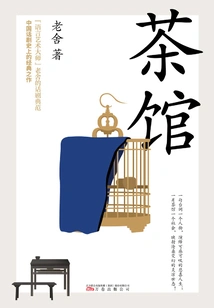
Teahouse
Literature茶馆
Lao She
"Teahouse" is Lao She's representative drama collection, which includes his famous dramas "Teahouse" and "Longxugou", as well as many classic short stories by Mr. Lao She. "Teahouse" is a classic in the history of Chinese drama. It was created in 1956. Through a teahouse called Yutai, the play shows the social changes in the three eras of the Reform Movement of 1898, the warlord war and the eve of the founding of New China for nearly half a century, as well as all the living beings in this society. There are dozens of characters in the play, but the characters all have distinct personalities and can "know the person by hearing their voice" and "outline the outline of a character in a few words." This play has been performed many times at home and abroad and has won high praise. It is a classic work of contemporary Chinese drama creation.
"Teahouse" is Lao She's representative drama collection, which includes his famous dramas "Teahouse" and "Longxugou", as well as many classic short stories by Mr. Lao She. "Teahouse" is a classic in the history of Chinese drama. It was created in 1956. Through a teahouse called Yutai, the play shows the social changes in the three eras of the Reform Movement of 1898, the warlord war and the eve of the founding of New China for nearly half a century, as well as all the living beings in this society. There are dozens of characters in the play, but the characters all have distinct personalities and can "know the person by hearing their voice" and "outline the outline of a character in a few words." This play has been performed many times at home and abroad and has won high praise. It is a classic work of contemporary Chinese drama creation.
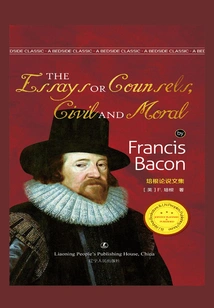
Bacon's Essays
Literature培根论说文集
(uk) F. Bacon
After the publication of this collection of essays, Bacon received acclaim. Although Bacon himself did not have a high opinion of the collection of essays, he said that this collection of essays was just "accidental insights from my other learning processes." But critics didn't think so. They went further, arguing that Bacon pioneered a new form of writing called "prose." Of course, some people later discovered that Bacon's prose structure came more from the works of the great French essayist Montaigne (see other series of books in the "Most Classic English Library" of Liaoning People's Publishing House) and the works of Aristotle. They also discovered that Bacon actually drew nutrients from the works of more other great writers. Despite this, this "Collected Works of Bacon" has always enjoyed a high reputation. Some people have commented that "The Collected Works of Bacon" is more profound and unique than other people's prose works. It has become the most outstanding work in the English-speaking world.
After the publication of this collection of essays, Bacon received acclaim. Although Bacon himself did not have a high opinion of the collection of essays, he said that this collection of essays was just "accidental insights from my other learning processes." But critics didn't think so. They went further, arguing that Bacon pioneered a new form of writing called "prose." Of course, some people later discovered that Bacon's prose structure came more from the works of the great French essayist Montaigne (see other series of books in the "Most Classic English Library" of Liaoning People's Publishing House) and the works of Aristotle. They also discovered that Bacon actually drew nutrients from the works of more other great writers. Despite this, this "Collected Works of Bacon" has always enjoyed a high reputation. Some people have commented that "The Collected Works of Bacon" is more profound and unique than other people's prose works. It has become the most outstanding work in the English-speaking world.
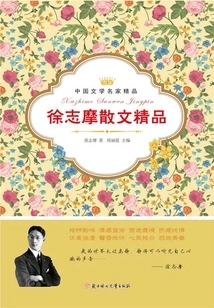
Xu Zhimo's Exquisite Prose
Literature徐志摩散文精品
Written By Xu Zhimo And Edited By Zhou Lixia
The content of this book includes autumn thoughts on the Indian Ocean, fantasy on the Beidaihe seaside, gossips about living in Feilengcui Mountain, scale claws in Paris, Cambridge as I know it, notes on Tianmu Mountain, etc.
The content of this book includes autumn thoughts on the Indian Ocean, fantasy on the Beidaihe seaside, gossips about living in Feilengcui Mountain, scale claws in Paris, Cambridge as I know it, notes on Tianmu Mountain, etc.
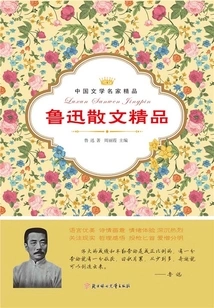
Lu Xun's Best Prose
Literature鲁迅散文精品
Written By Lu Xun And Edited By Zhou Lixia
The content of this book includes: From Baicao Garden to Sanwei Bookstore, Father's Illness, Trivial Notes, Mr. Fujino, Fan Ainong, Dogs, Cats, and Rats, Shadow's Farewell, Beggars, Hope, Autumn Nights, etc.
The content of this book includes: From Baicao Garden to Sanwei Bookstore, Father's Illness, Trivial Notes, Mr. Fujino, Fan Ainong, Dogs, Cats, and Rats, Shadow's Farewell, Beggars, Hope, Autumn Nights, etc.
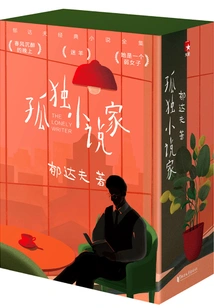
The Lonely Novelist (3 Volumes in Total)
Literature孤独小说家(全3册)
Yu Dafu
"Everyone can discover themselves from his works." - Shen Congwen. Mr. Y who anesthetizes himself with wine and sex, the timid and crying "I", Yu Zhifu who is full of uneasiness every day, Li Bai who is wavering in love, Wang Jiecheng who is crazy about love, Chen Jun who chases the dream shadow, Chen Yiqun who gets out of the emotional dilemma, Zheng Xiuyue who lives without self, Li E who talks to the moon... The protagonists in the book have different experiences, but they have similar lonely souls. A collection of Yu Dafu's classic short stories, the soul book of a lonely novelist. This book contains a complete collection of 44 classic short stories and short stories published by Yu Dafu from 1921 to 1935, such as "The Sinking", "The Night Intoxicated by the Spring Breeze", "The Past", "The Lost Sheep", "She is a Weak Woman" and "Chi Osmanthus". His novels are delicate and true, reflecting the loneliness and desires deep in people's hearts in modern society. Can loneliness really destroy a person?
"Everyone can discover themselves from his works." - Shen Congwen. Mr. Y who anesthetizes himself with wine and sex, the timid and crying "I", Yu Zhifu who is full of uneasiness every day, Li Bai who is wavering in love, Wang Jiecheng who is crazy about love, Chen Jun who chases the dream shadow, Chen Yiqun who gets out of the emotional dilemma, Zheng Xiuyue who lives without self, Li E who talks to the moon... The protagonists in the book have different experiences, but they have similar lonely souls. A collection of Yu Dafu's classic short stories, the soul book of a lonely novelist. This book contains a complete collection of 44 classic short stories and short stories published by Yu Dafu from 1921 to 1935, such as "The Sinking", "The Night Intoxicated by the Spring Breeze", "The Past", "The Lost Sheep", "She is a Weak Woman" and "Chi Osmanthus". His novels are delicate and true, reflecting the loneliness and desires deep in people's hearts in modern society. Can loneliness really destroy a person?
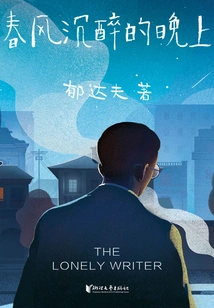
Intoxicating Spring Night
Literature春风沉醉的晚上
Yu Dafu
A collection of Yu Dafu's classic short stories, the soul book of a lonely novelist. This book contains a complete collection of 19 classic short stories and short stories published by Yu Dafu from 1921 to 1924, such as "Silver Death", "Sinking", "The Vast Night", "Caishiji", "Titaluo Xing" and "Intoxicating Evening with Spring Breeze". His novels are delicate and true, reflecting the loneliness and desires deep in people's hearts in modern society. Can loneliness really destroy a person? If you want to be mentally strong, you must first learn to enjoy loneliness.
A collection of Yu Dafu's classic short stories, the soul book of a lonely novelist. This book contains a complete collection of 19 classic short stories and short stories published by Yu Dafu from 1921 to 1924, such as "Silver Death", "Sinking", "The Vast Night", "Caishiji", "Titaluo Xing" and "Intoxicating Evening with Spring Breeze". His novels are delicate and true, reflecting the loneliness and desires deep in people's hearts in modern society. Can loneliness really destroy a person? If you want to be mentally strong, you must first learn to enjoy loneliness.
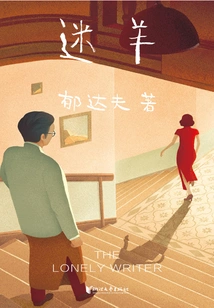
Lost Sheep
Literature迷羊
Yu Dafu
"We are all lost sheep." Li Bai was wandering in love, Wang Jiecheng was crazy about love, and Chen Jun was chasing after his dream... The protagonists in the book have different experiences, but they have similar lonely souls. A collection of Yu Dafu's classic short stories, the soul book of a lonely novelist. This book contains a complete collection of 15 classic short stories and short stories published by Yu Dafu from 1924 to 1930, including "The Third Day of November", "Smoke Shadow", "The Past", "The Lost Sheep", "Escape" and "Thirteen Nights". His novels are delicate and true, reflecting the loneliness and desires deep in people's hearts in modern society. Can loneliness really destroy a person? Good loneliness can make you reborn.
"We are all lost sheep." Li Bai was wandering in love, Wang Jiecheng was crazy about love, and Chen Jun was chasing after his dream... The protagonists in the book have different experiences, but they have similar lonely souls. A collection of Yu Dafu's classic short stories, the soul book of a lonely novelist. This book contains a complete collection of 15 classic short stories and short stories published by Yu Dafu from 1924 to 1930, including "The Third Day of November", "Smoke Shadow", "The Past", "The Lost Sheep", "Escape" and "Thirteen Nights". His novels are delicate and true, reflecting the loneliness and desires deep in people's hearts in modern society. Can loneliness really destroy a person? Good loneliness can make you reborn.
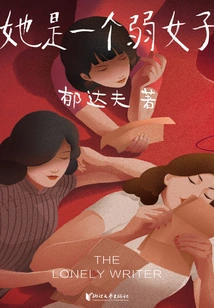
She is a Weak Woman
Literature她是一个弱女子
Yu Dafu
A collection of Yu Dafu's classic short stories, the soul book of a lonely novelist. This book contains a complete collection of 10 classic short stories and short stories published by Yu Dafu from 1931 to 1935, including "Phantom", "She is a Weak Woman", "Chi Osmanthus", "Autumn Night at Bilang Lake" and "Escape". His novels are delicate and true, reflecting the loneliness and desires deep in people's hearts in modern society. Can loneliness really destroy a person? May every lonely soul be treated gently by the world.
A collection of Yu Dafu's classic short stories, the soul book of a lonely novelist. This book contains a complete collection of 10 classic short stories and short stories published by Yu Dafu from 1931 to 1935, including "Phantom", "She is a Weak Woman", "Chi Osmanthus", "Autumn Night at Bilang Lake" and "Escape". His novels are delicate and true, reflecting the loneliness and desires deep in people's hearts in modern society. Can loneliness really destroy a person? May every lonely soul be treated gently by the world.