Library
Browse and search books
2,273 novels found
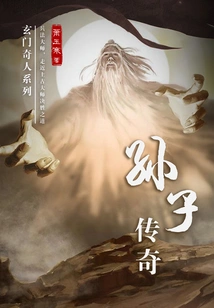
Legend of Sun Tzu
General Fiction孙子传奇
Xiao Yuhan
The essence of Chinese culture, Sun Tzu's Art of War, includes two parts: Sun Wu's Art of War and Sun Bin's Art of War. It is the culmination of the ideas of pioneers such as Laozi, Jiang Ziya, and Gui Guzi. This book describes the formation of Sun Tzu's art of war over hundreds of years. The book is divided into three parts. The first is the story of Hu Yan, a pioneer in the art of war, assisting Duke Wen of Jin to dominate, and interpreting the story of "soldiers never tire of deceit"; the second is the story of Sun Wu using his superb military skills to save the fate of the state of Wu; the third is the story of the military sage Sun Bin helping King Wei of Qi to rejuvenate the country.
The essence of Chinese culture, Sun Tzu's Art of War, includes two parts: Sun Wu's Art of War and Sun Bin's Art of War. It is the culmination of the ideas of pioneers such as Laozi, Jiang Ziya, and Gui Guzi. This book describes the formation of Sun Tzu's art of war over hundreds of years. The book is divided into three parts. The first is the story of Hu Yan, a pioneer in the art of war, assisting Duke Wen of Jin to dominate, and interpreting the story of "soldiers never tire of deceit"; the second is the story of Sun Wu using his superb military skills to save the fate of the state of Wu; the third is the story of the military sage Sun Bin helping King Wei of Qi to rejuvenate the country.
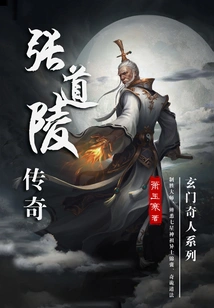
The Legend of Zhang Daoling
General Fiction张道陵传奇
Xiao Yuhan
Zhang Daoling, the eighth grandson of Zhang Liang, obtained the true biography of Lao Tzu, but the emperor tried to recruit him three times to become the emperor's teacher, but he refused. Concentrate on the three great mysteries of Heavenly Mysteries, Human World, and Earth Meridians. Following the verse left by Zhang Liang, "You should recognize Liu Suncao in your eyes," and with the great ambition to save the world, we look for the person who responded to the great changes in the world in the past 80 years. Cao Cao's Dan Furnace Dragon Vein, Liu Bei's White Rabbit Dragon Vein, and Sun Quan's Green Dragon Vein all influence their respective fates and characters. Zhang Daoleng saw that Zhuge Liang's eyes were like bright stars and his feet were like seven stars. He was a strange man and a stranger of a generation. He gave him three kits and accepted him as his direct disciple.
Zhang Daoling, the eighth grandson of Zhang Liang, obtained the true biography of Lao Tzu, but the emperor tried to recruit him three times to become the emperor's teacher, but he refused. Concentrate on the three great mysteries of Heavenly Mysteries, Human World, and Earth Meridians. Following the verse left by Zhang Liang, "You should recognize Liu Suncao in your eyes," and with the great ambition to save the world, we look for the person who responded to the great changes in the world in the past 80 years. Cao Cao's Dan Furnace Dragon Vein, Liu Bei's White Rabbit Dragon Vein, and Sun Quan's Green Dragon Vein all influence their respective fates and characters. Zhang Daoleng saw that Zhuge Liang's eyes were like bright stars and his feet were like seven stars. He was a strange man and a stranger of a generation. He gave him three kits and accepted him as his direct disciple.
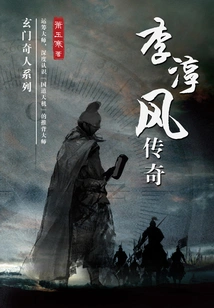
The Legend of Li Chunfeng
General Fiction李淳风传奇
Xiao Yuhan
Li Chunfeng, the supervisor of Emperor Yang of the Sui Dynasty, was well versed in astronomy and astrology, and he foresaw the secrets of the heavens and that there would be 21 generations of the Li dynasty. More than ten years ago, he began to cultivate people who would lead the great changes in the future. Emperor Yang of the Sui Dynasty was dissolute and extravagant, and people starved to death everywhere. The foundation of the national destiny lies in the hearts of the people. The popular folk song "Yang Hua Fails, Li Hua Blooms" shows that the demise of the Sui Dynasty is accelerating. Li Chunfeng was determined to promote the blooming of Li flowers. He found Tang Guogong Li Yuan in Taiyuan and revealed the secret to Li Shimin and his son. They traveled around the world to find heroes and warriors who could assist the Li family and made great contributions to the founding of the Tang Dynasty.
Li Chunfeng, the supervisor of Emperor Yang of the Sui Dynasty, was well versed in astronomy and astrology, and he foresaw the secrets of the heavens and that there would be 21 generations of the Li dynasty. More than ten years ago, he began to cultivate people who would lead the great changes in the future. Emperor Yang of the Sui Dynasty was dissolute and extravagant, and people starved to death everywhere. The foundation of the national destiny lies in the hearts of the people. The popular folk song "Yang Hua Fails, Li Hua Blooms" shows that the demise of the Sui Dynasty is accelerating. Li Chunfeng was determined to promote the blooming of Li flowers. He found Tang Guogong Li Yuan in Taiyuan and revealed the secret to Li Shimin and his son. They traveled around the world to find heroes and warriors who could assist the Li family and made great contributions to the founding of the Tang Dynasty.
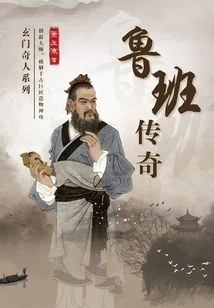
Luban Legend
General Fiction鲁班传奇
Xiao Yuhan
Lu Ban, who learned the Bagua Zhenqi from Jiang Ziya, assisted the Qi State, but found insidious traps around him... Lu Ban narrowly escaped death and escaped from danger. He learned the "Magical Art of Creation" from the strange people on all sides, but he was trapped in Yingcheng, the capital of Chu. Using the bait of persuading Lu Ban to surrender to the Chu Kingdom, Yun Cai sneaked into the Chu Palace. With the help of Du Kang, the god of wine, he drunk more than 800 people in the palace with "Fairy Wine" and rescued Lu Ban. Lu Ban learned that his father had been killed by the Chu people, and angrily used the "Qiankun Finger" to bring drought to Chu. Later, he could not bear to injure innocent people and did it anyway. He withdrew from the scene of right and wrong, concentrated on studying craftsmanship, and concentrated on building the famous "Zhaozhou Bridge" on the Zhulong River, which was prone to floods in Zhao...
Lu Ban, who learned the Bagua Zhenqi from Jiang Ziya, assisted the Qi State, but found insidious traps around him... Lu Ban narrowly escaped death and escaped from danger. He learned the "Magical Art of Creation" from the strange people on all sides, but he was trapped in Yingcheng, the capital of Chu. Using the bait of persuading Lu Ban to surrender to the Chu Kingdom, Yun Cai sneaked into the Chu Palace. With the help of Du Kang, the god of wine, he drunk more than 800 people in the palace with "Fairy Wine" and rescued Lu Ban. Lu Ban learned that his father had been killed by the Chu people, and angrily used the "Qiankun Finger" to bring drought to Chu. Later, he could not bear to injure innocent people and did it anyway. He withdrew from the scene of right and wrong, concentrated on studying craftsmanship, and concentrated on building the famous "Zhaozhou Bridge" on the Zhulong River, which was prone to floods in Zhao...
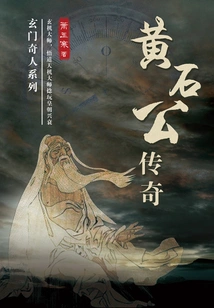
The Legend of Huang Shigong
General Fiction黄石公传奇
Xiao Yuhan
Huang Shigong entered the Qin Dynasty and witnessed Lu Buwei's huge deal in establishing himself as the master of the country. Lu Buwei became the prime minister, and his illegitimate son Qin Wang Yingzheng became the first emperor of Qin. In order to protect the country's destiny for generations to come, Lu Buwei personally formulated three major projects. The Great Wall was built in the north of Xianyang to guide the dragon vein into Xianyang, the Afang Palace was built in the west, and the Lishan Imperial Mausoleum was built in the east. In order to eliminate the bloody evil spirit of King Qin's tyranny, Huang Shigong accepted Zhang Liang as his disciple, taught Etai Gong the art of war, and assisted Liu Bang in destroying Qin.
Huang Shigong entered the Qin Dynasty and witnessed Lu Buwei's huge deal in establishing himself as the master of the country. Lu Buwei became the prime minister, and his illegitimate son Qin Wang Yingzheng became the first emperor of Qin. In order to protect the country's destiny for generations to come, Lu Buwei personally formulated three major projects. The Great Wall was built in the north of Xianyang to guide the dragon vein into Xianyang, the Afang Palace was built in the west, and the Lishan Imperial Mausoleum was built in the east. In order to eliminate the bloody evil spirit of King Qin's tyranny, Huang Shigong accepted Zhang Liang as his disciple, taught Etai Gong the art of war, and assisted Liu Bang in destroying Qin.
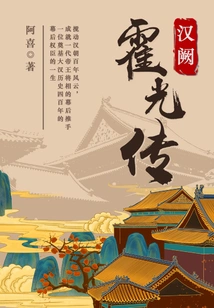
Hanque: the Story of Huo Guang
General Fiction汉阙:霍光传
Axi
Huo Guang was so powerful that he was one of the key figures who promoted the Zhaoxuan ZTE. He won the era, but failed to win history. He was so insignificant that his contemporary Sima Qian did not care about him in the first half of his life. He was so insignificant that Ban Chao's "Book of Han" wrote that Huo Guang when Emperor Wu of the Han Dynasty only "served in the chariot and served at the left and right". However, he is the only and consistent winner in the turbulent political struggle. During the reign of Emperor Wu, as an unknown junior, he quietly hid behind everyone. He avoided other people's prying eyes and perfectly concealed his intentions. He was always at the center of things but kept his whereabouts hidden. Zweig's evaluation of Joseph Fouche could be applied to Huo Guang. He collectively called such people "machinists." This book observes and narrates the turbulent life of this "powerful man" from a popular perspective.
Huo Guang was so powerful that he was one of the key figures who promoted the Zhaoxuan ZTE. He won the era, but failed to win history. He was so insignificant that his contemporary Sima Qian did not care about him in the first half of his life. He was so insignificant that Ban Chao's "Book of Han" wrote that Huo Guang when Emperor Wu of the Han Dynasty only "served in the chariot and served at the left and right". However, he is the only and consistent winner in the turbulent political struggle. During the reign of Emperor Wu, as an unknown junior, he quietly hid behind everyone. He avoided other people's prying eyes and perfectly concealed his intentions. He was always at the center of things but kept his whereabouts hidden. Zweig's evaluation of Joseph Fouche could be applied to Huo Guang. He collectively called such people "machinists." This book observes and narrates the turbulent life of this "powerful man" from a popular perspective.
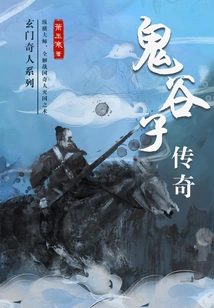
The Legend of Guiguzi
General Fiction鬼谷子传奇
Xiao Yuhan
Gui Guzi, a warrior and international warrior, foresaw that Zhao would be in danger, so he led his apprentice Fan Li and others to rescue him. Gou Jian was besieged by Wu King Fu Chai at Kuaiji Peak, and his country was about to be destroyed. Guiguzi conspired to order Yue to surrender to Wu. Gou Jian was taken hostage and was heartbroken. Gui Guzi bitterly advised: When a person is in a desperate situation, he is not a hero if he dies. If he is unyielding and unyielding, his fortune will be smooth. The great fortune of the country means that in times of great chaos, there will be times of great rule. Only then did Gou Jian lie down on the firewood and taste his courage, and was able to reverse his fate and make the Yue country recover.
Gui Guzi, a warrior and international warrior, foresaw that Zhao would be in danger, so he led his apprentice Fan Li and others to rescue him. Gou Jian was besieged by Wu King Fu Chai at Kuaiji Peak, and his country was about to be destroyed. Guiguzi conspired to order Yue to surrender to Wu. Gou Jian was taken hostage and was heartbroken. Gui Guzi bitterly advised: When a person is in a desperate situation, he is not a hero if he dies. If he is unyielding and unyielding, his fortune will be smooth. The great fortune of the country means that in times of great chaos, there will be times of great rule. Only then did Gou Jian lie down on the firewood and taste his courage, and was able to reverse his fate and make the Yue country recover.
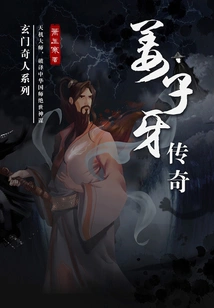
The Legend of Jiang Ziya
General Fiction姜子牙传奇
Xiao Yuhan
Jiang Ziya opened the "Fate Photo Gallery" in Chaoge City, the capital of Shang Dynasty, to judge good and bad luck. He did not seek fame or fortune, but only waited for the opportunity to enter the court, have a glimpse of the body and spirit of King Zhou of Shang, and complete the great cause of establishing the universe. Jiang Ziya's talent for insight into everything conquered King Zhou, and he was left in the palace as the Si Tianjian in charge of astronomy. King Zhou listened to Su Daji's slander and framed the four princes for rebellion. King Wen of Zhou Jichang was arrested and imprisoned. Jiang Ziya sneaked into prison and taught Ji Chang the secret knowledge of Bagua. Ji Chang drew inferences from one instance and developed Bagua. Ji Chang, who was infused with Bagua Zhenqi, conquered King Zhou with the Bagua zither music, and was pardoned and returned to Xiqi...
Jiang Ziya opened the "Fate Photo Gallery" in Chaoge City, the capital of Shang Dynasty, to judge good and bad luck. He did not seek fame or fortune, but only waited for the opportunity to enter the court, have a glimpse of the body and spirit of King Zhou of Shang, and complete the great cause of establishing the universe. Jiang Ziya's talent for insight into everything conquered King Zhou, and he was left in the palace as the Si Tianjian in charge of astronomy. King Zhou listened to Su Daji's slander and framed the four princes for rebellion. King Wen of Zhou Jichang was arrested and imprisoned. Jiang Ziya sneaked into prison and taught Ji Chang the secret knowledge of Bagua. Ji Chang drew inferences from one instance and developed Bagua. Ji Chang, who was infused with Bagua Zhenqi, conquered King Zhou with the Bagua zither music, and was pardoned and returned to Xiqi...
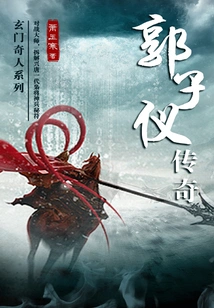
The Legend of Guo Ziyi
General Fiction郭子仪传奇
Xiao Yuhan
A famous general in the middle of Tang Dynasty. He intended to save people in the Kewu examination, but he won the top prize in martial arts. The general of the army was invincible wherever he went, quelled the Anshi Rebellion, wiped out the border bandits, broke into the enemy's formation alone, persuaded the Uighur army to rebel against Tibet, and surrendered without a fight.
A famous general in the middle of Tang Dynasty. He intended to save people in the Kewu examination, but he won the top prize in martial arts. The general of the army was invincible wherever he went, quelled the Anshi Rebellion, wiped out the border bandits, broke into the enemy's formation alone, persuaded the Uighur army to rebel against Tibet, and surrendered without a fight.
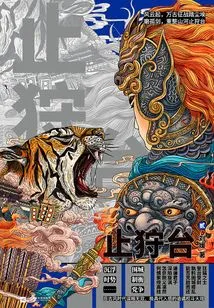
The Hunting Terrace (part 2)
General Fiction止狩台(第二部)
Liu Yuan
In order to realize Dayan's national wish to regain its lost land, Sun Muye put on armor and went into battle and led the army to attack Luo State. Unexpectedly, he encountered a powerful enemy. The entire army was trapped in Zhuzhi City, and plagues also followed. In the face of death, the morale of the army collapsed, officers and soldiers killed each other, and he was in a desperate situation... The government rebuilt houses for the people of Yongyang Street, but Tang Yu refused to accept the project because of cut corners. A seemingly calm lake was muddied, and various forces came up to put pressure. Tang Yu remained unmoved. He walked on thin ice step by step, and carried out a series of changes. Unexpectedly, a bigger hand behind the scenes was involved... In troubled times, he was surrounded by swords and shadows, and his plans were profound. Where will their fate go?
In order to realize Dayan's national wish to regain its lost land, Sun Muye put on armor and went into battle and led the army to attack Luo State. Unexpectedly, he encountered a powerful enemy. The entire army was trapped in Zhuzhi City, and plagues also followed. In the face of death, the morale of the army collapsed, officers and soldiers killed each other, and he was in a desperate situation... The government rebuilt houses for the people of Yongyang Street, but Tang Yu refused to accept the project because of cut corners. A seemingly calm lake was muddied, and various forces came up to put pressure. Tang Yu remained unmoved. He walked on thin ice step by step, and carried out a series of changes. Unexpectedly, a bigger hand behind the scenes was involved... In troubled times, he was surrounded by swords and shadows, and his plans were profound. Where will their fate go?
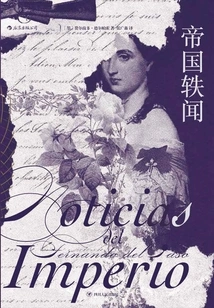
Imperial Anecdotes
General Fiction帝国轶闻
(mexico) Fernando Del Paso
The novel narrates the history of the Second Mexican Empire and the tragic fate of its emperor. In 1861, President Benito Juarez ordered a cessation of repayments of Mexico's foreign debt. This decision provided the excuse for the then French Emperor Napoleon III to send occupying troops to Mexico in the hope of establishing an empire there headed by members of the European Catholic royal family. Archduke Fernando Maximiliano of Habsburg Austria was chosen for this mission. The Archduke arrived in Mexico in 1864 with his wife, Princess Carlotta of Belgium. In 1867 the empire fell and the archduke was shot. The novel has a total of twenty-three chapters, and the odd twelve chapters are the raving stream of consciousness of the mad Queen Carlotta, which took place in the last year of her life. The even-numbered eleven chapters are in chronological order, with each chapter having three sections. They use different techniques to show different aspects of history from different perspectives (from political figures who influenced the historical process to street vendors). All in all, this book is a synthesis of all literary expression techniques and forms so far, so it can be said to be a panoramic novel focusing on the style of a specific historical period.
The novel narrates the history of the Second Mexican Empire and the tragic fate of its emperor. In 1861, President Benito Juarez ordered a cessation of repayments of Mexico's foreign debt. This decision provided the excuse for the then French Emperor Napoleon III to send occupying troops to Mexico in the hope of establishing an empire there headed by members of the European Catholic royal family. Archduke Fernando Maximiliano of Habsburg Austria was chosen for this mission. The Archduke arrived in Mexico in 1864 with his wife, Princess Carlotta of Belgium. In 1867 the empire fell and the archduke was shot. The novel has a total of twenty-three chapters, and the odd twelve chapters are the raving stream of consciousness of the mad Queen Carlotta, which took place in the last year of her life. The even-numbered eleven chapters are in chronological order, with each chapter having three sections. They use different techniques to show different aspects of history from different perspectives (from political figures who influenced the historical process to street vendors). All in all, this book is a synthesis of all literary expression techniques and forms so far, so it can be said to be a panoramic novel focusing on the style of a specific historical period.
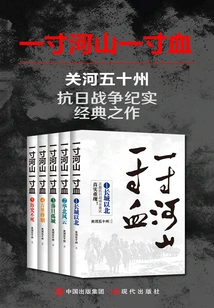
An Inch of Rivers and an Inch of Blood (complete Collection)
General Fiction一寸河山一寸血(全集)
Guanhe Fifty States
This book tells the full history of China's frontal resistance to Japan from a brand-new perspective. It is also the history closest to New China. It was an era of comprehensive turmoil and transformation in social structure, ideology and economy. New China came from there, and we live in New China. The reason why we are what we are now is inseparable from that era. Understanding it helps us understand our own era. This book takes the Huanggutun Incident and the September 18th Incident as its starting point and the fall of Northeast China as its starting point to reproduce the influential figures and wonderful past events in the historical context of the fourteen-year Anti-Japanese War. This book is like a magnificent picture scroll. The author uses a humorous, profound, exciting or tragic style to take you closer to Zhang Zuolin, Chiang Kai-shek, and Wang Jingwei, and appreciate the armor and flowers, friendship and intrigue, tears and laughter, joy and sorrow they once had.
This book tells the full history of China's frontal resistance to Japan from a brand-new perspective. It is also the history closest to New China. It was an era of comprehensive turmoil and transformation in social structure, ideology and economy. New China came from there, and we live in New China. The reason why we are what we are now is inseparable from that era. Understanding it helps us understand our own era. This book takes the Huanggutun Incident and the September 18th Incident as its starting point and the fall of Northeast China as its starting point to reproduce the influential figures and wonderful past events in the historical context of the fourteen-year Anti-Japanese War. This book is like a magnificent picture scroll. The author uses a humorous, profound, exciting or tragic style to take you closer to Zhang Zuolin, Chiang Kai-shek, and Wang Jingwei, and appreciate the armor and flowers, friendship and intrigue, tears and laughter, joy and sorrow they once had.
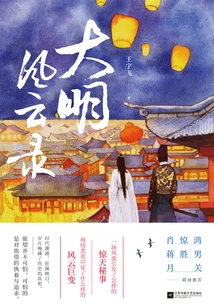
Records of the Ming Dynasty
General Fiction大明风云录
Wang Yufei
This book tells the story of the struggle for the throne between Zhu Di and Zhu Yunwen in the late Hongwu period of the Ming Dynasty. The story is connected by a kind of "Jingcao" with a sworn meaning. The plot is twists and turns, including fictional characters and stories, as well as historical figures and events. An accidental opportunity brought Zhu Di together with He Fugui, a failed candidate, and Gou Sheng'er, a local ruffian, and they became brothers, thus starting the struggle between the three brothers to seize the throne. Among them, the King of Yan, Zhu Di, was cunning and vicious. He took advantage of his sworn brothers and various forces in the court and society to work for him. When he finally learned that the little emperor was his illegitimate son, he still strangled the little emperor's mother, the empress dowager, to death, revealing the inhumanity of the feudal rulers for the sake of the throne. The structure of the book is tight and compact, the plot is full of twists and turns, the language is popular and vernacular, and the story unfolds in the style of a classical literary chapter novel, with ups and downs and a thought-provoking ending, making it highly readable and enlightening.
This book tells the story of the struggle for the throne between Zhu Di and Zhu Yunwen in the late Hongwu period of the Ming Dynasty. The story is connected by a kind of "Jingcao" with a sworn meaning. The plot is twists and turns, including fictional characters and stories, as well as historical figures and events. An accidental opportunity brought Zhu Di together with He Fugui, a failed candidate, and Gou Sheng'er, a local ruffian, and they became brothers, thus starting the struggle between the three brothers to seize the throne. Among them, the King of Yan, Zhu Di, was cunning and vicious. He took advantage of his sworn brothers and various forces in the court and society to work for him. When he finally learned that the little emperor was his illegitimate son, he still strangled the little emperor's mother, the empress dowager, to death, revealing the inhumanity of the feudal rulers for the sake of the throne. The structure of the book is tight and compact, the plot is full of twists and turns, the language is popular and vernacular, and the story unfolds in the style of a classical literary chapter novel, with ups and downs and a thought-provoking ending, making it highly readable and enlightening.
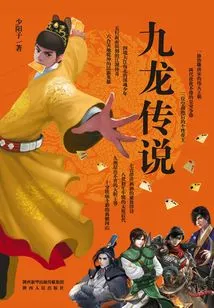
Legend of Kowloon
General Fiction九龙传说
Shaoyangzi
From the prosperous age of Yongle to the "Hongzhi Zhongxing", the scorching sun of the Ming Dynasty was shining brightly, and the sun was setting in the west. A generation of Ming emperors, Emperor Hongzhi, worked hard to rule but died young. The 15-year-old young master solemnly ascended the throne, and the "Eighth Ming Taizu" Emperor Zhengde was born. While the late emperor was still alive, the old Taishi Wang Shu once predicted that the prince's national destiny would be in the "Tian Lei Wu Wang Gua", and there would be a vassal king to cause the "Nine Dragons Rebellion". To restore Yongle, we must find those four people for the Ming Dynasty to complete the talent plan of "Four Elephants to Conquer Nine Dragons". As a result, in the night of the Ming Dynasty, heroes appeared in large numbers... "The Legend of Suzaku", "The Legend of White Tiger", "The Legend of Xuanwu", "The Legend of Qinglong", "Biuan" and "Pulao". The novel uses six chapters and forty-eight chapters to tell the passionate stories of the heroes of the Ming Dynasty, powerful vassal and fierce bandits, Japanese and northern bandits, Emperor Zhengde pointed his sword at the world, and sounded the elite assembly call.
From the prosperous age of Yongle to the "Hongzhi Zhongxing", the scorching sun of the Ming Dynasty was shining brightly, and the sun was setting in the west. A generation of Ming emperors, Emperor Hongzhi, worked hard to rule but died young. The 15-year-old young master solemnly ascended the throne, and the "Eighth Ming Taizu" Emperor Zhengde was born. While the late emperor was still alive, the old Taishi Wang Shu once predicted that the prince's national destiny would be in the "Tian Lei Wu Wang Gua", and there would be a vassal king to cause the "Nine Dragons Rebellion". To restore Yongle, we must find those four people for the Ming Dynasty to complete the talent plan of "Four Elephants to Conquer Nine Dragons". As a result, in the night of the Ming Dynasty, heroes appeared in large numbers... "The Legend of Suzaku", "The Legend of White Tiger", "The Legend of Xuanwu", "The Legend of Qinglong", "Biuan" and "Pulao". The novel uses six chapters and forty-eight chapters to tell the passionate stories of the heroes of the Ming Dynasty, powerful vassal and fierce bandits, Japanese and northern bandits, Emperor Zhengde pointed his sword at the world, and sounded the elite assembly call.
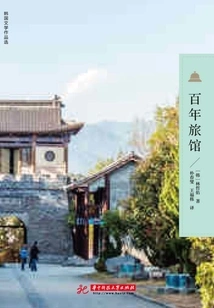
Centenary Inn
General Fiction百年旅馆
(korean) Lim Cheol-woo
The novel uses an epic style to focus on three characters gathered in the "Century Hotel", and uses their respective stories to show the one-hundred-year history of blood and tears in South Korea, which has experienced Japanese colonial rule, the Jeju Island Massacre, the Vietnam War and the Gwangju Resistance. In these hundred years of vicissitudes, who can soothe the pain of the living who have been wronged and whose life is worse than death, and the innocent souls who have lost their lives innocently and are still wandering in the world unwilling to leave? The writer faced the past head-on and used words to tell their past events and their stories. In this era that is easy to forget, from this novel, we seem to hear a low cry from the depths of history, the living life and the beating heart in our warm and soft chests: "Don't forget me! Don't forget the living of the dead who suffered in history."
The novel uses an epic style to focus on three characters gathered in the "Century Hotel", and uses their respective stories to show the one-hundred-year history of blood and tears in South Korea, which has experienced Japanese colonial rule, the Jeju Island Massacre, the Vietnam War and the Gwangju Resistance. In these hundred years of vicissitudes, who can soothe the pain of the living who have been wronged and whose life is worse than death, and the innocent souls who have lost their lives innocently and are still wandering in the world unwilling to leave? The writer faced the past head-on and used words to tell their past events and their stories. In this era that is easy to forget, from this novel, we seem to hear a low cry from the depths of history, the living life and the beating heart in our warm and soft chests: "Don't forget me! Don't forget the living of the dead who suffered in history."
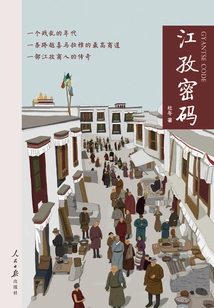
Gyantse Code
General Fiction江孜密码
Du Dong
This book is a long historical spy novel. The story takes place after the Battle of Southern Henan during the Anti-Japanese War. The Nationalist Government had many casualties and was in urgent need of field medicine. The shipping line used to transport supplies was completely cut off by the Japanese army. It was necessary to quickly restore the destroyed Gyantse-Kalimpong (India) trade route so that silk from the rear could be transported to Calcutta, India, to purchase war supplies. The story revolves around opening up the India-Tibet route and ensuring the transportation of war supplies.
This book is a long historical spy novel. The story takes place after the Battle of Southern Henan during the Anti-Japanese War. The Nationalist Government had many casualties and was in urgent need of field medicine. The shipping line used to transport supplies was completely cut off by the Japanese army. It was necessary to quickly restore the destroyed Gyantse-Kalimpong (India) trade route so that silk from the rear could be transported to Calcutta, India, to purchase war supplies. The story revolves around opening up the India-Tibet route and ensuring the transportation of war supplies.
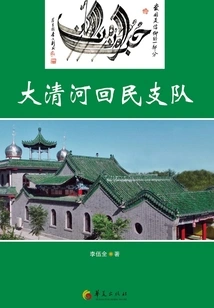
Daqinghe Hui Detachment
General Fiction大清河回民支队
Li Wuquan
The glorious history of the Daqinghe Hui Detachment's heroic resistance in the war is an integral part of the Chinese people's great cause of resisting foreign aggression, pursuing independence and liberation. "Daqinghe Hui Detachment", in the form of a documentary novel, faithfully records the vivid deeds of the Hui people in central Hebei during the Anti-Japanese War. It focuses on describing the fearless revolutionary spirit of a large number of outstanding Hui commanders and combatants headed by Comrade Ma Zhixin, who frightened the enemy in various battles against the Japanese and puppet troops. It also records their efforts to open up wasteland and start their own business, and their wits and courage to break the embargo and blockade, and provide evidence base. The legendary story of transporting scarce supplies to the ground fully reflects the patriotic and religious feats of dozens of mosques as safe islands and strongholds for the Eighth Route Army and guerrillas during the Anti-Japanese War. It profoundly reveals the cultural cohesion of the Chinese nation in pursuit of peace and unity in the war of resistance. The work also vividly depicts the life details and religious rituals of the Hui people, and is full of strong Islamic cultural atmosphere. The author fully absorbs the vitality of local language and culture, adding liveliness, humor and humor to the twists and turns and intense story.
The glorious history of the Daqinghe Hui Detachment's heroic resistance in the war is an integral part of the Chinese people's great cause of resisting foreign aggression, pursuing independence and liberation. "Daqinghe Hui Detachment", in the form of a documentary novel, faithfully records the vivid deeds of the Hui people in central Hebei during the Anti-Japanese War. It focuses on describing the fearless revolutionary spirit of a large number of outstanding Hui commanders and combatants headed by Comrade Ma Zhixin, who frightened the enemy in various battles against the Japanese and puppet troops. It also records their efforts to open up wasteland and start their own business, and their wits and courage to break the embargo and blockade, and provide evidence base. The legendary story of transporting scarce supplies to the ground fully reflects the patriotic and religious feats of dozens of mosques as safe islands and strongholds for the Eighth Route Army and guerrillas during the Anti-Japanese War. It profoundly reveals the cultural cohesion of the Chinese nation in pursuit of peace and unity in the war of resistance. The work also vividly depicts the life details and religious rituals of the Hui people, and is full of strong Islamic cultural atmosphere. The author fully absorbs the vitality of local language and culture, adding liveliness, humor and humor to the twists and turns and intense story.
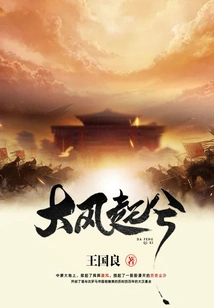
The Wind is Blowing
General Fiction大风起兮
Wang Guoliang
More than 2,000 years ago, there was a peasant boy. He and a group of his buddies set off whirlwinds in the Central Plains, stirring up clouds of historical dust and blowing away the once-proud Great Qin Empire. It created a Han Dynasty empire that lasted four hundred years and was comparable to the ancient Roman Empire. Liu Bang, the reckless emperor and founding king of the Han Dynasty, was born in a peasant family! What is his life experience like? What legend is there about his birth? What twists and turns has he experienced in his life? How did he kill the snake and start the uprising? How did he destroy the Qin Empire? Why didn't he let his son inherit the throne? Are you interested in knowing more about Liu Bang and his buddies? If you are interested, then please listen to my details.
More than 2,000 years ago, there was a peasant boy. He and a group of his buddies set off whirlwinds in the Central Plains, stirring up clouds of historical dust and blowing away the once-proud Great Qin Empire. It created a Han Dynasty empire that lasted four hundred years and was comparable to the ancient Roman Empire. Liu Bang, the reckless emperor and founding king of the Han Dynasty, was born in a peasant family! What is his life experience like? What legend is there about his birth? What twists and turns has he experienced in his life? How did he kill the snake and start the uprising? How did he destroy the Qin Empire? Why didn't he let his son inherit the throne? Are you interested in knowing more about Liu Bang and his buddies? If you are interested, then please listen to my details.
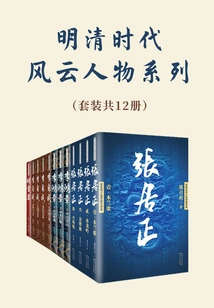
明清时代风云人物(套装共4册)
Xiong Zhaozheng Yao Xueyin Er Erhe Zhang Hongfu
"Zhang Juzheng (four volumes)": Zhang Juzheng is a reformer with extraordinary personality and a legendary figure who shines in the annals of history. After he ascended to the position of chief minister, he managed the government for ten years: rectifying the official administration and refreshing the decadent style; rectifying education and recruiting talents to help the world; reforming taxes and sorting out finances. He saved the ruins of the Zhu Ming Dynasty and made the Wanli period the most prosperous era of the Ming Dynasty. "Li Zicheng (three volumes)": The author uses the principle of "going deep into history and jumping out of history" to describe the intricate historical process and the magnificent peasant uprising of more than 300 years ago. The novel takes the peasant uprising army led by Li Zicheng in the late Ming Dynasty from weak to strong, turning defeat into victory, overthrowing the rule of the Ming Dynasty, and resisting the southward march of the Qing army as the main clue. It reproduces the changing historical landscape of the late Ming and early Qing dynasty and the tragic ending of the peasant uprising army from victory to defeat from multiple angles, multi-facets, and multi-levels, and reveals the law of the development of peasant wars and historical movements. "Hu Xueyan": Another masterpiece created in collaboration with the famous writer Xue Jiazhu after Er Erhe has been dormant for several years. Using the author's usual historical novel writing style, it is a new interpretation of the business methods of red-top businessman Hu Xueyan from scratch, from childhood to adulthood. It not only shows the ups and downs of the officialdom and the political changes in the late Qing Dynasty, but also shows Hu Xueyan's wisdom and strategies as he traveled across the political and business circles. This book restores Hu Xueyan from a "god" to a flesh-and-blood person, which has great reference significance for contemporary businessmen and businessmen! "Li Hongzhang (all three volumes)": Introduction to the first volume: This volume mainly describes how Li Hongzhang transported thousands of troops to Shanghai in order to defend Shanghai; he fought three battles in Shanghai and became governor of Jiangsu; he founded a modern military industrial enterprise, equipped the Huai army with foreign guns and cannons, regained the lost territory of Jiangsu, and granted the title of Su Yibo and Prince Shaobao. Introduction to Volume 2: This volume mainly records the 25 years that Li Hongzhang has been the governor of Zhili, the first governor in the world, and has long-term influence on the military, diplomacy and foreign affairs of the Qing Dynasty. He felt painfully that the Qing Dynasty was weak and sluggish, and came to the understanding that "wealth and strength are related to each other" and "we must first get rich before we can become strong", and turned the focus of the Westernization Movement to "seeking wealth." Introduction to the content of Volume 3: After thirty years of the Westernization Movement, the Qing Dynasty's national power and military power have greatly increased, and it has the Northern Fleet known as East Asia. However, the Sino-Japanese War broke out and the Beiyang Fleet was completely wiped out. The Qing Dynasty signed the Treaty of Shimonoseki with Japan and ceded the Liaodong Peninsula and Taiwan. Later, Li Hongzhang went to Russia as an envoy, signed a Sino-Russian secret treaty to check and balance Japan, and broadened his horizons with Europe and the United States. This book is the best novel about Li Hongzhang so far. It is also known as "the five masterpieces of contemporary historical novels" together with "Emperor Yongzheng" by Yue Erhe, "Zhang Juzheng" by Xiong Zhaozheng, "The Qin Empire" by Sun Haohui, and "Zeng Guofan" by Tang Haoming.
"Zhang Juzheng (four volumes)": Zhang Juzheng is a reformer with extraordinary personality and a legendary figure who shines in the annals of history. After he ascended to the position of chief minister, he managed the government for ten years: rectifying the official administration and refreshing the decadent style; rectifying education and recruiting talents to help the world; reforming taxes and sorting out finances. He saved the ruins of the Zhu Ming Dynasty and made the Wanli period the most prosperous era of the Ming Dynasty. "Li Zicheng (three volumes)": The author uses the principle of "going deep into history and jumping out of history" to describe the intricate historical process and the magnificent peasant uprising of more than 300 years ago. The novel takes the peasant uprising army led by Li Zicheng in the late Ming Dynasty from weak to strong, turning defeat into victory, overthrowing the rule of the Ming Dynasty, and resisting the southward march of the Qing army as the main clue. It reproduces the changing historical landscape of the late Ming and early Qing dynasty and the tragic ending of the peasant uprising army from victory to defeat from multiple angles, multi-facets, and multi-levels, and reveals the law of the development of peasant wars and historical movements. "Hu Xueyan": Another masterpiece created in collaboration with the famous writer Xue Jiazhu after Er Erhe has been dormant for several years. Using the author's usual historical novel writing style, it is a new interpretation of the business methods of red-top businessman Hu Xueyan from scratch, from childhood to adulthood. It not only shows the ups and downs of the officialdom and the political changes in the late Qing Dynasty, but also shows Hu Xueyan's wisdom and strategies as he traveled across the political and business circles. This book restores Hu Xueyan from a "god" to a flesh-and-blood person, which has great reference significance for contemporary businessmen and businessmen! "Li Hongzhang (all three volumes)": Introduction to the first volume: This volume mainly describes how Li Hongzhang transported thousands of troops to Shanghai in order to defend Shanghai; he fought three battles in Shanghai and became governor of Jiangsu; he founded a modern military industrial enterprise, equipped the Huai army with foreign guns and cannons, regained the lost territory of Jiangsu, and granted the title of Su Yibo and Prince Shaobao. Introduction to Volume 2: This volume mainly records the 25 years that Li Hongzhang has been the governor of Zhili, the first governor in the world, and has long-term influence on the military, diplomacy and foreign affairs of the Qing Dynasty. He felt painfully that the Qing Dynasty was weak and sluggish, and came to the understanding that "wealth and strength are related to each other" and "we must first get rich before we can become strong", and turned the focus of the Westernization Movement to "seeking wealth." Introduction to the content of Volume 3: After thirty years of the Westernization Movement, the Qing Dynasty's national power and military power have greatly increased, and it has the Northern Fleet known as East Asia. However, the Sino-Japanese War broke out and the Beiyang Fleet was completely wiped out. The Qing Dynasty signed the Treaty of Shimonoseki with Japan and ceded the Liaodong Peninsula and Taiwan. Later, Li Hongzhang went to Russia as an envoy, signed a Sino-Russian secret treaty to check and balance Japan, and broadened his horizons with Europe and the United States. This book is the best novel about Li Hongzhang so far. It is also known as "the five masterpieces of contemporary historical novels" together with "Emperor Yongzheng" by Yue Erhe, "Zhang Juzheng" by Xiong Zhaozheng, "The Qin Empire" by Sun Haohui, and "Zeng Guofan" by Tang Haoming.
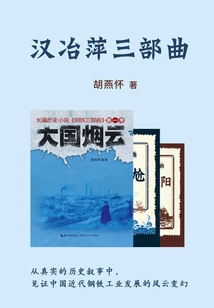
han Zhi Ping" Trilogy
General Fiction“汉治萍”三部曲
Hu Yanhuai
After 20 years of preparation and 8 years of painstaking creation, the author wrote the "Han Yeping Trilogy" with great passion. Panoramic restoration of the history of "Han Zhi Ping" reflects the historical status of Huangshi's industrial civilization. "The Smoke and Clouds of a Great Country": Based on the historical facts of the Hanyeping Coal, Iron Works and Mining Corporation, a large-scale cross-regional and cross-industry steel and coal conglomerate, from its beginning, development to peak prosperity, decline and demise, it presents readers with a magnificent historical scroll of modern Chinese society. "The Embarrassment of the Red Top": The story begins in the 27th year of Guangxu (1901) and ends in 1918, the end of the First World War. It mainly describes the story that after Sheng Xuanhuai took over the Hanyang Iron Works, he established a new Daye Iron Works in Daye Lime Kiln (today's Huangshi), and then established the Hanyeping Coal and Iron Works and Mine Corporation. "The Fire and the Setting Sun": mainly describes the overall decline of Han Yeping Company during the Anti-Japanese War and the westward migration process of Hanyang Iron Works. The book uses a group of people with lofty ideals represented by Weng Wenhao as a group of characters, and describes their spirit of exhausting their efforts, succeeding one after another, and working hard for China's steel industry.
After 20 years of preparation and 8 years of painstaking creation, the author wrote the "Han Yeping Trilogy" with great passion. Panoramic restoration of the history of "Han Zhi Ping" reflects the historical status of Huangshi's industrial civilization. "The Smoke and Clouds of a Great Country": Based on the historical facts of the Hanyeping Coal, Iron Works and Mining Corporation, a large-scale cross-regional and cross-industry steel and coal conglomerate, from its beginning, development to peak prosperity, decline and demise, it presents readers with a magnificent historical scroll of modern Chinese society. "The Embarrassment of the Red Top": The story begins in the 27th year of Guangxu (1901) and ends in 1918, the end of the First World War. It mainly describes the story that after Sheng Xuanhuai took over the Hanyang Iron Works, he established a new Daye Iron Works in Daye Lime Kiln (today's Huangshi), and then established the Hanyeping Coal and Iron Works and Mine Corporation. "The Fire and the Setting Sun": mainly describes the overall decline of Han Yeping Company during the Anti-Japanese War and the westward migration process of Hanyang Iron Works. The book uses a group of people with lofty ideals represented by Weng Wenhao as a group of characters, and describes their spirit of exhausting their efforts, succeeding one after another, and working hard for China's steel industry.
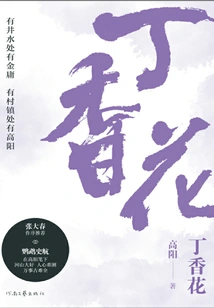
Lilac
General Fiction丁香花
Gaoyang
"A flute and a sword can bring business to an end, and he has been famous for being a madman for fifteen years." He is the "madman" Gong Zizhen. He hopes to defend the border and make meritorious deeds throughout his life, but he has always been frustrated. "Imagine that the hero is dying, where can gentleness live?" He is the "famous scholar" Gong Zizhen. He was romantic for half his life, but left only a few new lyrics and a few heart-breaking lines. "I urge God to cheer up and send talents of any kind." Full of passion, grievances and the situation of things being different, they turned into 315 "Miscellaneous Poems of Ji Hai". This book describes Gong Zizhen's "life with flute and sword". He was as talented as the sea and took six examinations before becoming a Jinshi. He was ambitious and had no way to succeed. He was promoted from cabinet secretary to head of the Zongren Mansion and then to head of the Ministry of Rites. His position was humble and he was humble. He wanted to guard the border and perform meritorious service, but he also failed to do so in order to join the shogunate. Only in Shantang, Suzhou, and Xiao Qinhuai, Yangzhou, did he become a "son of a noble man" who was admired by talented people and dignitaries, and loved by red and pink confidants. However, he was a beautiful man, but his happiness was in vain... When Gong Zizhen, frustrated in both officialdom and love, resigned and returned to his hometown, he caused a sensation in the capital, the "lilac case", and a scandal with Belle Fujin Gu Taiqing was rampant. It is true that it is mediocre not to be envied by others.
"A flute and a sword can bring business to an end, and he has been famous for being a madman for fifteen years." He is the "madman" Gong Zizhen. He hopes to defend the border and make meritorious deeds throughout his life, but he has always been frustrated. "Imagine that the hero is dying, where can gentleness live?" He is the "famous scholar" Gong Zizhen. He was romantic for half his life, but left only a few new lyrics and a few heart-breaking lines. "I urge God to cheer up and send talents of any kind." Full of passion, grievances and the situation of things being different, they turned into 315 "Miscellaneous Poems of Ji Hai". This book describes Gong Zizhen's "life with flute and sword". He was as talented as the sea and took six examinations before becoming a Jinshi. He was ambitious and had no way to succeed. He was promoted from cabinet secretary to head of the Zongren Mansion and then to head of the Ministry of Rites. His position was humble and he was humble. He wanted to guard the border and perform meritorious service, but he also failed to do so in order to join the shogunate. Only in Shantang, Suzhou, and Xiao Qinhuai, Yangzhou, did he become a "son of a noble man" who was admired by talented people and dignitaries, and loved by red and pink confidants. However, he was a beautiful man, but his happiness was in vain... When Gong Zizhen, frustrated in both officialdom and love, resigned and returned to his hometown, he caused a sensation in the capital, the "lilac case", and a scandal with Belle Fujin Gu Taiqing was rampant. It is true that it is mediocre not to be envied by others.
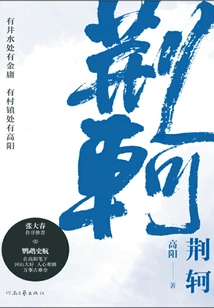
Jing Ke
General Fiction荆轲
Gaoyang
"Jing Ke" is based on the well-known story of "Jing Ke assassinates the King of Qin", and gives a vivid interpretation based on historical facts, creating a wise, courageous, and affectionate Jing Ke. After many twists and turns, Prince Dan of the Yan Kingdom finally got rid of Ying Zheng and returned to the Yan Kingdom safely. He met Jing Ke, a wise and courageous knight, and planned a plan to destroy Qin with Jing Ke. Jing Ke felt grateful for Prince Dan's kindness in knowing him, and decided to embark on the road of no return to assassinate the King of Qin. But the beautiful, elegant, gentle and affectionate Princess Yan shook Jing Ke's heart that he thought death was at home. With Gao Jianli's shouting, holding Fan Yuqi's head, and carrying the sword forged by Mrs. Xu herself, Jing Ke embarked on the road of no return to assassinate Qin...
"Jing Ke" is based on the well-known story of "Jing Ke assassinates the King of Qin", and gives a vivid interpretation based on historical facts, creating a wise, courageous, and affectionate Jing Ke. After many twists and turns, Prince Dan of the Yan Kingdom finally got rid of Ying Zheng and returned to the Yan Kingdom safely. He met Jing Ke, a wise and courageous knight, and planned a plan to destroy Qin with Jing Ke. Jing Ke felt grateful for Prince Dan's kindness in knowing him, and decided to embark on the road of no return to assassinate the King of Qin. But the beautiful, elegant, gentle and affectionate Princess Yan shook Jing Ke's heart that he thought death was at home. With Gao Jianli's shouting, holding Fan Yuqi's head, and carrying the sword forged by Mrs. Xu herself, Jing Ke embarked on the road of no return to assassinate Qin...
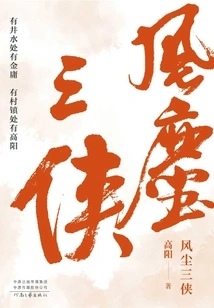
The Three Heroes of Feng Chen
General Fiction风尘三侠
Gaoyang
At the end of the Sui Dynasty, Emperor Yang was dissolute and immoral, and his treacherous ministers monopolized the government, causing chaos in the world. The knight Li Jing wanted to devote himself to serving his country. He came to Chang'an to visit Yang Su but was almost killed by Yang Su. Fortunately, Hong Funu, a singing girl from the Yang family, took the risk to rescue him. He also had the help of the bearded leader of the anti-Sui rebel army. The three hit it off. The bearded guest originally wanted to be in the world, until he got acquainted with the extraordinary magnanimous Li Shimin... There is a sense of chivalry in the world, and he will show his sincerity in adversity. Li Jing, Hong Fu, and Qiu Bearke used their talents in troubled times and achieved great success. Later generations respectfully called them the "Three Heroes of the Wind and Dust".
At the end of the Sui Dynasty, Emperor Yang was dissolute and immoral, and his treacherous ministers monopolized the government, causing chaos in the world. The knight Li Jing wanted to devote himself to serving his country. He came to Chang'an to visit Yang Su but was almost killed by Yang Su. Fortunately, Hong Funu, a singing girl from the Yang family, took the risk to rescue him. He also had the help of the bearded leader of the anti-Sui rebel army. The three hit it off. The bearded guest originally wanted to be in the world, until he got acquainted with the extraordinary magnanimous Li Shimin... There is a sense of chivalry in the world, and he will show his sincerity in adversity. Li Jing, Hong Fu, and Qiu Bearke used their talents in troubled times and achieved great success. Later generations respectfully called them the "Three Heroes of the Wind and Dust".
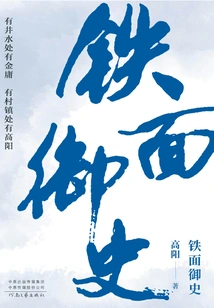
The Iron-faced Censor
General Fiction铁面御史
Gaoyang
During the Hongzhi and Zhengde years of the Ming Dynasty, Liu Tianming, the imperial censor of Nanzhili, went hunting on behalf of the emperor. He carried Shangfang's sword and cut first and then played. Wherever he went, the sound of the blue sky could be heard. The county magistrate of Suqian and the head guard Hu worked together in collusion. In the fish and meat village, Liu Tianming wanted to punish these corrupt officials, but he was unable to catch them all. At this moment, a bizarre and unheard-of murder happened, and this murder actually involved both Liu Tianming and Wei Hu... When the iron-faced censor wanted to take the opportunity to eliminate evil, who knew that Shang Fang's sword was stolen, and the eunuch from the palace came to investigate, only to realize that this struggle had become a wrestling match between him and the eunuch in the capital...
During the Hongzhi and Zhengde years of the Ming Dynasty, Liu Tianming, the imperial censor of Nanzhili, went hunting on behalf of the emperor. He carried Shangfang's sword and cut first and then played. Wherever he went, the sound of the blue sky could be heard. The county magistrate of Suqian and the head guard Hu worked together in collusion. In the fish and meat village, Liu Tianming wanted to punish these corrupt officials, but he was unable to catch them all. At this moment, a bizarre and unheard-of murder happened, and this murder actually involved both Liu Tianming and Wei Hu... When the iron-faced censor wanted to take the opportunity to eliminate evil, who knew that Shang Fang's sword was stolen, and the eunuch from the palace came to investigate, only to realize that this struggle had become a wrestling match between him and the eunuch in the capital...
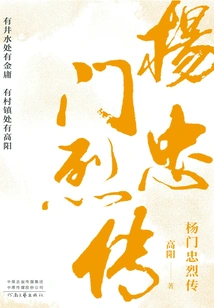
Yang Men Zhonglie Biography
General Fiction杨门忠烈传
Gaoyang
In the early years of the Northern Song Dynasty, Emperor Taizong of the Song Dynasty went on a personal expedition to destroy the Northern Han Dynasty and end the division of the Five Dynasties and Ten Kingdoms. The Northern Han Dynasty was allied with the Liao Kingdom, and relied on the famous general Yang Ye to resist. After a fierce battle, the Liao army retreated, the Northern Han Dynasty was destroyed, and Yang Ye surrendered. Emperor Taizong of the Song Dynasty made great efforts to expedition to the sixteen states of Yanyun that were occupied by the Liao Kingdom. In the battle of Gaoliang River, the Song army was defeated, and Taizong fled south in panic, but Yang Ye was the savior. The following year, the Liao State sent troops to attack Yanmen Pass. Yang Ye was ordered to guard and defeat the Liao army. From then on, the Liao army called Yang Ye "Yang Wudi" and would avoid or flee when they saw the Yang family's army flag. The soldiers were strong, and Song Taizong once again thought about attacking Liao...
In the early years of the Northern Song Dynasty, Emperor Taizong of the Song Dynasty went on a personal expedition to destroy the Northern Han Dynasty and end the division of the Five Dynasties and Ten Kingdoms. The Northern Han Dynasty was allied with the Liao Kingdom, and relied on the famous general Yang Ye to resist. After a fierce battle, the Liao army retreated, the Northern Han Dynasty was destroyed, and Yang Ye surrendered. Emperor Taizong of the Song Dynasty made great efforts to expedition to the sixteen states of Yanyun that were occupied by the Liao Kingdom. In the battle of Gaoliang River, the Song army was defeated, and Taizong fled south in panic, but Yang Ye was the savior. The following year, the Liao State sent troops to attack Yanmen Pass. Yang Ye was ordered to guard and defeat the Liao army. From then on, the Liao army called Yang Ye "Yang Wudi" and would avoid or flee when they saw the Yang family's army flag. The soldiers were strong, and Song Taizong once again thought about attacking Liao...
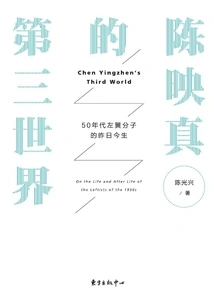
Chen Yingzhen's the Third World: the Yesterday and Present Life of Left-wingers in the 1950s
General Fiction陈映真的第三世界:50年代左翼分子的昨天今生
Chen Guangxing
This book is another masterpiece that traces the local leftists in Taiwan after "After the Empire". This book traces mainly the relevant clues of understanding provided by Chen Yingzhen's five texts. These five texts include "Teacher in the Village" (1960), an early work by Chen Yingzhen, "Bell Flower" (1983), "Mountain Road" (1983), and "Zhao Nandong" (1987), written in the 1980s, and "The Red Star Sets in the Qigulin Mountain Area" (1999) written in the 1990s. 3), These five articles are the most directly left-wing writings in Chen Yingzhen's literature. They are all concerned with underground party members and their families who were imprisoned in the 1950s. The first four of them were completed during the turbulent martial law period. They are obviously the product of the writer's pursuit of left-wing predecessors regardless of the danger of the external situation.
This book is another masterpiece that traces the local leftists in Taiwan after "After the Empire". This book traces mainly the relevant clues of understanding provided by Chen Yingzhen's five texts. These five texts include "Teacher in the Village" (1960), an early work by Chen Yingzhen, "Bell Flower" (1983), "Mountain Road" (1983), and "Zhao Nandong" (1987), written in the 1980s, and "The Red Star Sets in the Qigulin Mountain Area" (1999) written in the 1990s. 3), These five articles are the most directly left-wing writings in Chen Yingzhen's literature. They are all concerned with underground party members and their families who were imprisoned in the 1950s. The first four of them were completed during the turbulent martial law period. They are obviously the product of the writer's pursuit of left-wing predecessors regardless of the danger of the external situation.
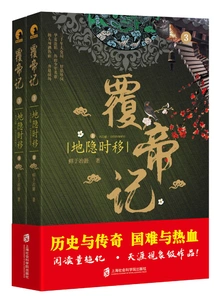
The Overthrow of the Emperor: Earth Hidden and Time Shifts
General Fiction覆帝记:地隐时移
Xian Yu Ye Tu
After experiencing a palace coup, Li Bai'an saw clearly the face of the royal family, became disheartened about saving the Qing Dynasty from danger, and decided to return to the mountains and forests. But when leaving the city, Xinyue was accidentally injured by an artillery shell from the Eight-Power Allied Forces, and her life was in danger. After learning the clues to the life-saving medicine, they pieced together the secret map contained in all three gold boxes, called "The Four Visions of Shaking the Emperor," and the extreme north pointed in the map coincided with the location where they were going to find the medicine. So everyone embarked on a confusing journey to find the medicine. Several young people were separated by the Qing army, and they had to find the way in pairs. Sheng Sirui and Ming Yong experienced strange and terrifying difficulties and dangers, and after a narrow escape from death, the boy and the girl gradually fell in love. However, after Qin Xiaozai and Mo Qinran experienced a series of coincidental encounters, they gradually became confused about this mysterious girl, and they gradually lost their way.
After experiencing a palace coup, Li Bai'an saw clearly the face of the royal family, became disheartened about saving the Qing Dynasty from danger, and decided to return to the mountains and forests. But when leaving the city, Xinyue was accidentally injured by an artillery shell from the Eight-Power Allied Forces, and her life was in danger. After learning the clues to the life-saving medicine, they pieced together the secret map contained in all three gold boxes, called "The Four Visions of Shaking the Emperor," and the extreme north pointed in the map coincided with the location where they were going to find the medicine. So everyone embarked on a confusing journey to find the medicine. Several young people were separated by the Qing army, and they had to find the way in pairs. Sheng Sirui and Ming Yong experienced strange and terrifying difficulties and dangers, and after a narrow escape from death, the boy and the girl gradually fell in love. However, after Qin Xiaozai and Mo Qinran experienced a series of coincidental encounters, they gradually became confused about this mysterious girl, and they gradually lost their way.
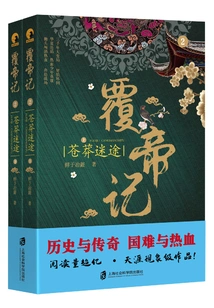
The Overthrow of the Emperor: Lost in the Wilderness
General Fiction覆帝记:苍莽迷途
Xian Yu Ye Tu
An unexpected late-night encounter resulted in Zhou Ye being seriously injured. In order to seek medical treatment, they traveled to Paris to find medicine, but because the medicine cost a fortune, no one had any cash. It happened that monsters were running rampant in Paris, and the Paris police offered a reward for their capture, so a few people started a fierce battle with the transformed monster in the Eiffel Tower. After getting the elixir and returning to the ship again, everyone just wanted to return to their motherland as soon as possible. However, during the trip, he encountered a mob in Badong and while saving the local Chinese, he met Sun Wen, who was raising money overseas. Sun Wen's revolutionary thoughts inspired Li Baian and another orphan Qin Xiao, but they each had their own love affairs, so they had to say goodbye after disembarking.
An unexpected late-night encounter resulted in Zhou Ye being seriously injured. In order to seek medical treatment, they traveled to Paris to find medicine, but because the medicine cost a fortune, no one had any cash. It happened that monsters were running rampant in Paris, and the Paris police offered a reward for their capture, so a few people started a fierce battle with the transformed monster in the Eiffel Tower. After getting the elixir and returning to the ship again, everyone just wanted to return to their motherland as soon as possible. However, during the trip, he encountered a mob in Badong and while saving the local Chinese, he met Sun Wen, who was raising money overseas. Sun Wen's revolutionary thoughts inspired Li Baian and another orphan Qin Xiao, but they each had their own love affairs, so they had to say goodbye after disembarking.
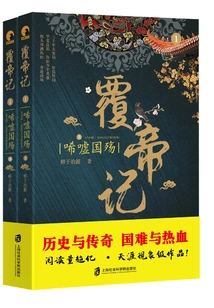
The Overthrow of the Emperor: Lamenting the National Tragedy
General Fiction覆帝记:唏嘘国殇
Xian Yu Ye Tu
At the end of the 19th century, the Qing Dynasty was teetering on the edge of turmoil. But the centipede is dead but not stiff. There are always capable ministers who are loyal to the emperor and the master and try their best to save more light for the dynasty. The formation of the First Fleet in the Far East gave the Qing Dynasty a shot in the arm, but before the effect of the drug was achieved, the Japanese pirates had already declared war. In the battle, the Beiyang Fleet suffered a huge defeat and was about to be annihilated. But Li Baian, a river and lake hero who was inspired by the Beiyang Minister to serve on the fleet, was willing to turn the tide of the war on his own. No matter how powerful your martial arts skills are, you are still no match for Western technology. As a result, one hit was missed and the Beiyang Fleet capsized. After Li Baian rushed back to report the news, out of concern for the conspiracy of his political enemies, he was assigned to go overseas with several Jianghu figures to hide and cultivate a few Beiyang orphans.
At the end of the 19th century, the Qing Dynasty was teetering on the edge of turmoil. But the centipede is dead but not stiff. There are always capable ministers who are loyal to the emperor and the master and try their best to save more light for the dynasty. The formation of the First Fleet in the Far East gave the Qing Dynasty a shot in the arm, but before the effect of the drug was achieved, the Japanese pirates had already declared war. In the battle, the Beiyang Fleet suffered a huge defeat and was about to be annihilated. But Li Baian, a river and lake hero who was inspired by the Beiyang Minister to serve on the fleet, was willing to turn the tide of the war on his own. No matter how powerful your martial arts skills are, you are still no match for Western technology. As a result, one hit was missed and the Beiyang Fleet capsized. After Li Baian rushed back to report the news, out of concern for the conspiracy of his political enemies, he was assigned to go overseas with several Jianghu figures to hide and cultivate a few Beiyang orphans.
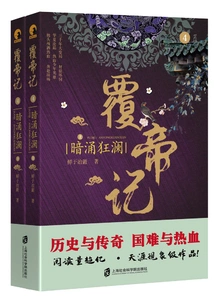
The Overthrow of the Emperor: Undercurrents
General Fiction覆帝记:暗涌狂澜
Xian Yu Ye Tu
Time flies, and it's 1913 in a blink of an eye. Ming Yong didn't find Sheng Sirui, but he never gave up. Mo Qinran showed his power in Mobei and formed a force to confront the Qing army. Qin Xiao, on the other hand, sank step by step in his confusion and became an alcoholic who relied on supporting the detective business. An opportunity gave him an opportunity to investigate a strange case entrusted by an old friend, but he unexpectedly pulled both him and Ming Yong into a political conspiracy. After that, Sheng Sirui and Mo Qinran appeared mysteriously one after another, making the conspiracy even more bizarre and unpredictable. Finally, when they overcame all difficulties and gathered together heroes to defeat the separatist forces, they discovered that the world outside had already changed.
Time flies, and it's 1913 in a blink of an eye. Ming Yong didn't find Sheng Sirui, but he never gave up. Mo Qinran showed his power in Mobei and formed a force to confront the Qing army. Qin Xiao, on the other hand, sank step by step in his confusion and became an alcoholic who relied on supporting the detective business. An opportunity gave him an opportunity to investigate a strange case entrusted by an old friend, but he unexpectedly pulled both him and Ming Yong into a political conspiracy. After that, Sheng Sirui and Mo Qinran appeared mysteriously one after another, making the conspiracy even more bizarre and unpredictable. Finally, when they overcame all difficulties and gathered together heroes to defeat the separatist forces, they discovered that the world outside had already changed.
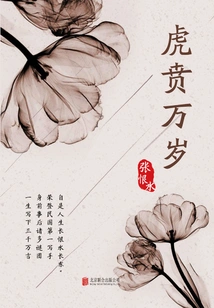
Youjian Library: Long Live Tiger Ben
General Fiction有间文库:虎贲万岁
Zhang Henshui
"Long Live the Tiger" was written in 1945 and is China's first modern war history novel. The book directly describes the famous battle - the Battle of Changde. The 57th Division of the 74th Army, code-named "Hu Ben", fought hard for more than ten days and fought bloody battles with the Japanese aggressors for more than ten days, code-named "Hu Ben". Only 83 of the division's 8,000 people survived in the end. The tone of the book is tragic, generous and majestic.
"Long Live the Tiger" was written in 1945 and is China's first modern war history novel. The book directly describes the famous battle - the Battle of Changde. The 57th Division of the 74th Army, code-named "Hu Ben", fought hard for more than ten days and fought bloody battles with the Japanese aggressors for more than ten days, code-named "Hu Ben". Only 83 of the division's 8,000 people survived in the end. The tone of the book is tragic, generous and majestic.
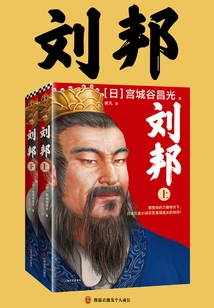
Liu Bang (complete Works)
General Fiction刘邦(全集)
(japan) Masamitsu Miyagitani
Relying on collective strength to conquer the world, the master of Japanese historical novels recreates the real Liu Bang! Reveal the secret of success behind the reputation of the rogue emperor! In the writings of many Chinese writers, Liu Bang is a "rogue emperor" who will do anything to conquer the world. But in the eyes of Miyagi Tani Masamitsu, Liu Bang was able to conquer the world because he could grow together with the collective and maximize the collective power! Masamitsu Miyagi, a master of Japanese historical novels, has won 8 literary and art awards and 2 medals of honor: Naoki Award, Ryotaro Shiba Award, Eiji Yoshikawa Literature Award, Kan Kikuchi Award, Purple Ribbon Medal, Sino-Japanese Cultural Award, Nitta Jiro Award, Art Selection Minister of Education, Culture, Sports, Science and Technology Award, Mainichi Art Award, and the Rising Sun Small Ribbon Medal. Open this book and see how Liu Bang maximizes the power of the collective and conquers the world step by step! Liu Bang, nearly fifty years old, was still the head of a small pavilion in Surabaya. But he is not willing to do this, and the people around him are even less willing to do this. When he was in exile in the barren mountains and about to starve to death, Xiao He helped him lead his troops back to Peixian County to rebuild his foundation; when he was hesitant, Zhang Liang helped him plan a victory thousands of miles away; when he was out of strength and in danger, Han Xin defeated the strong with the weak and won the rank of general among the millions of troops. Liu Bang did not surpass ordinary people's martial arts and virtues, but he was able to maximize the power of his subordinates and eventually conquer the world. Xiao He, Cao Shen, Han Xin and others did not have a prominent life experience, but because of Liu Bang's eclectic way of employing people, they repeatedly accomplished extraordinary feats and became generals. This is not the heroism of one person, but the passionate legend of a group of people!
Relying on collective strength to conquer the world, the master of Japanese historical novels recreates the real Liu Bang! Reveal the secret of success behind the reputation of the rogue emperor! In the writings of many Chinese writers, Liu Bang is a "rogue emperor" who will do anything to conquer the world. But in the eyes of Miyagi Tani Masamitsu, Liu Bang was able to conquer the world because he could grow together with the collective and maximize the collective power! Masamitsu Miyagi, a master of Japanese historical novels, has won 8 literary and art awards and 2 medals of honor: Naoki Award, Ryotaro Shiba Award, Eiji Yoshikawa Literature Award, Kan Kikuchi Award, Purple Ribbon Medal, Sino-Japanese Cultural Award, Nitta Jiro Award, Art Selection Minister of Education, Culture, Sports, Science and Technology Award, Mainichi Art Award, and the Rising Sun Small Ribbon Medal. Open this book and see how Liu Bang maximizes the power of the collective and conquers the world step by step! Liu Bang, nearly fifty years old, was still the head of a small pavilion in Surabaya. But he is not willing to do this, and the people around him are even less willing to do this. When he was in exile in the barren mountains and about to starve to death, Xiao He helped him lead his troops back to Peixian County to rebuild his foundation; when he was hesitant, Zhang Liang helped him plan a victory thousands of miles away; when he was out of strength and in danger, Han Xin defeated the strong with the weak and won the rank of general among the millions of troops. Liu Bang did not surpass ordinary people's martial arts and virtues, but he was able to maximize the power of his subordinates and eventually conquer the world. Xiao He, Cao Shen, Han Xin and others did not have a prominent life experience, but because of Liu Bang's eclectic way of employing people, they repeatedly accomplished extraordinary feats and became generals. This is not the heroism of one person, but the passionate legend of a group of people!
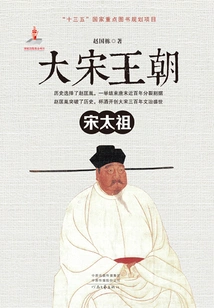
Song Taizu (song Dynasty)
General Fiction宋太祖(大宋王朝)
Zhao Guodong
The author perfectly combines the meticulousness of textual research with artistic imagination. The sinister political struggles, bloody killing wars, complex human nature, and touching love are all presented in a profound and detailed way as the story unfolds, showing the author's in-depth research on the Song Dynasty and his admirable originality.
The author perfectly combines the meticulousness of textual research with artistic imagination. The sinister political struggles, bloody killing wars, complex human nature, and touching love are all presented in a profound and detailed way as the story unfolds, showing the author's in-depth research on the Song Dynasty and his admirable originality.
Fox King Ling
General Fiction狐王令
Evergreen
In the spring of the thirteenth year of Zhengtong, Ming Zheng, the daughter of Li Hanjiang, the former minister of the Ministry of Industry, embarked on the road back to Beijing after living in a foreign land for six years. On the way back to Beijing, he encountered many dangers and got involved in a dispute between Jianghu and Jianghu. The cause turned out to be a strange book "Tianmen Mountain Records" that she accidentally obtained. This book was originally owned by the great eunuch Wang Zhen. The book described in detail the treasures of each sect, including the Fox clan, and became a treasure map for Wang Zhen to search for property. Wang Zhen ordered Dongchang and Jinyiwei to search for treasures according to the book. Many gangs and ethnic groups were implicated, and the Fox tribe was even disgraced.
In the spring of the thirteenth year of Zhengtong, Ming Zheng, the daughter of Li Hanjiang, the former minister of the Ministry of Industry, embarked on the road back to Beijing after living in a foreign land for six years. On the way back to Beijing, he encountered many dangers and got involved in a dispute between Jianghu and Jianghu. The cause turned out to be a strange book "Tianmen Mountain Records" that she accidentally obtained. This book was originally owned by the great eunuch Wang Zhen. The book described in detail the treasures of each sect, including the Fox clan, and became a treasure map for Wang Zhen to search for property. Wang Zhen ordered Dongchang and Jinyiwei to search for treasures according to the book. Many gangs and ethnic groups were implicated, and the Fox tribe was even disgraced.
Chunshen Jun Huang Xie
General Fiction春申君黄歇
Cao Yanyan
Chunshenjun Huang Xie was one of the four princes of the Warring States Period. He had three thousand followers and hundreds of miles of fiefdom. Shanghai Shenjiang was named after him. He was the last virtuous prime minister of Chu State, and he single-handedly completed the last revival of Chu State. He was born when the country was destroyed and the capital was destroyed. He served as a hostage for the savior who sacrificed his life. He saved Zhao and destroyed Lu, moved the capital to Shouchun, made the lingering sound of Chu bells permeate Wuyue in the southeast, and ushered in the prosperity of Jiangnan. However, the minister of Humerus was also a lonely man. The power in the court and the public was ushered in a palace mutiny. The noble son who was famous in the six countries died at the hands of an actor. It was lamentable, pitiful and suspicious. Through this novel, let us get closer to the wonderful and legendary life of the three-dimensional and plump Chun Shenjun.
Chunshenjun Huang Xie was one of the four princes of the Warring States Period. He had three thousand followers and hundreds of miles of fiefdom. Shanghai Shenjiang was named after him. He was the last virtuous prime minister of Chu State, and he single-handedly completed the last revival of Chu State. He was born when the country was destroyed and the capital was destroyed. He served as a hostage for the savior who sacrificed his life. He saved Zhao and destroyed Lu, moved the capital to Shouchun, made the lingering sound of Chu bells permeate Wuyue in the southeast, and ushered in the prosperity of Jiangnan. However, the minister of Humerus was also a lonely man. The power in the court and the public was ushered in a palace mutiny. The noble son who was famous in the six countries died at the hands of an actor. It was lamentable, pitiful and suspicious. Through this novel, let us get closer to the wonderful and legendary life of the three-dimensional and plump Chun Shenjun.
Heluotu
General Fiction河洛图
Li Peifu
The novel "He Luo Tu" is the latest masterpiece of Mao Dun Literature Award winner Li Peifu, which took ten years to be polished. "He Luo Tu" is based on the millions of people from the Kang family in Gongyi, Henan. It describes the entrepreneurial history of three generations centered on Kang Xiucai, Zhou Tinglan, and Kang Huiwen, who were nurtured by the Heluo culture, from "farming and studying people" to "Central Plains Gods of Wealth"; in the face of the conflict between luck and fate, and the coercion of time and trend, how they followed the trend, came back from the dead, and moved towards prosperity and prosperity. Its thrilling and arduous journey with twists and turns reflects the national destiny and family situation from the late Qing Dynasty to the Republic of China. By describing the Kang family's ancient motto of "Leave Remains" and the heirloom of "Benevolence and Trust", the writer vividly portrays the image of a generation of Henan merchants who were loyal to the country in the face of great right and wrong, cared about the people in the face of huge wealth, and were tolerant in the face of grudges and hatreds, as well as the feelings of family and country that benefited the world.
The novel "He Luo Tu" is the latest masterpiece of Mao Dun Literature Award winner Li Peifu, which took ten years to be polished. "He Luo Tu" is based on the millions of people from the Kang family in Gongyi, Henan. It describes the entrepreneurial history of three generations centered on Kang Xiucai, Zhou Tinglan, and Kang Huiwen, who were nurtured by the Heluo culture, from "farming and studying people" to "Central Plains Gods of Wealth"; in the face of the conflict between luck and fate, and the coercion of time and trend, how they followed the trend, came back from the dead, and moved towards prosperity and prosperity. Its thrilling and arduous journey with twists and turns reflects the national destiny and family situation from the late Qing Dynasty to the Republic of China. By describing the Kang family's ancient motto of "Leave Remains" and the heirloom of "Benevolence and Trust", the writer vividly portrays the image of a generation of Henan merchants who were loyal to the country in the face of great right and wrong, cared about the people in the face of huge wealth, and were tolerant in the face of grudges and hatreds, as well as the feelings of family and country that benefited the world.
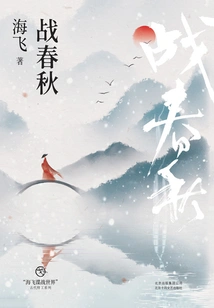
Zhan Chunqiu
General Fiction战春秋
Haifei
A drop of heroic tears, a dance of red sleeves. With the support of amazing imagination, "War in Spring and Autumn" retells familiar historical stories, reshapes historical figures, and reconstructs the unparalleled emotions of a generation of female spies. It shows the love and hatred between King Gou Jian of Yue, King Fu Chai of Wu, and beauty Xi Shi from a new perspective, as well as the peak showdown between the two countries' advisers Fan Li and Wu Zixu on the secret service front. The storm is turbulent, the murderous intention is deep, and every step in the spy sea is a life-or-death decision hanging by a thread...
A drop of heroic tears, a dance of red sleeves. With the support of amazing imagination, "War in Spring and Autumn" retells familiar historical stories, reshapes historical figures, and reconstructs the unparalleled emotions of a generation of female spies. It shows the love and hatred between King Gou Jian of Yue, King Fu Chai of Wu, and beauty Xi Shi from a new perspective, as well as the peak showdown between the two countries' advisers Fan Li and Wu Zixu on the secret service front. The storm is turbulent, the murderous intention is deep, and every step in the spy sea is a life-or-death decision hanging by a thread...
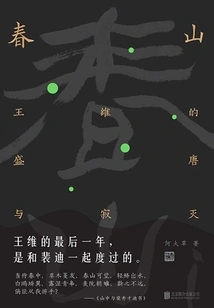
春山:王维的盛唐与寂灭
He Dacao
"Spring Mountain" vividly reproduces the poet Wang Wei's later life, his daily life and complex emotions with Pei Di, his interactions with one or two friends, and his unknown inner world. Poetry and Zen are the two keys to explore Wang Wei's inner universe. They wrap Wang Wei's heart and make it shine with poetic and philosophical light, through which life is nourished, integrated and sublimated. This is also a window into the journey of Chinese literati through historical hardships.
"Spring Mountain" vividly reproduces the poet Wang Wei's later life, his daily life and complex emotions with Pei Di, his interactions with one or two friends, and his unknown inner world. Poetry and Zen are the two keys to explore Wang Wei's inner universe. They wrap Wang Wei's heart and make it shine with poetic and philosophical light, through which life is nourished, integrated and sublimated. This is also a window into the journey of Chinese literati through historical hardships.
小山胜清·宫本武藏后传(套装共2册)
B
We have only read half of "Miyamoto Musashi" so far. "Miyamoto Musashi" by Yoshikawa Eiji is actually just a prequel to "The Complete Biography of Miyamoto Musashi", and "Miyamoto Musashi" by Koyama Katsuki is its postquel. Miyamoto Musashi, portrayed by Katsuki Oyama's delicate brushwork, brings to life the spirit of Yamato Bushido that has lasted for hundreds of years: perseverance, hard work, loyalty, and seeking truth from facts.
We have only read half of "Miyamoto Musashi" so far. "Miyamoto Musashi" by Yoshikawa Eiji is actually just a prequel to "The Complete Biography of Miyamoto Musashi", and "Miyamoto Musashi" by Koyama Katsuki is its postquel. Miyamoto Musashi, portrayed by Katsuki Oyama's delicate brushwork, brings to life the spirit of Yamato Bushido that has lasted for hundreds of years: perseverance, hard work, loyalty, and seeking truth from facts.
吉川英治·宫本武藏前传(套装共3册)
H
Miyamoto Musashi, a well-known legend in Japan. A Japanese swordsman, strategist, and artist from the late Warring States Period to the early Edo Period. In the hearts of the Japanese, Miyamoto Musashi is a strong man, a wise man, a philosopher, a martial artist, and the eternal winner. This book describes the complete life legend of the sword master Miyamoto Musashi, reveals the spiritual code and cultural spirit of the Japanese nation, awakens sensitive, impetuous, and weak modern people, and regains the strong mental outlook, dreams and sincere pursuit of life possessed by human beings. It is a must-read for modern people to temper their lives, challenge themselves, and overcome difficulties. "Miyamoto Musashi" is a novel that Yoshikawa has practiced for twenty years. From a broad humanistic perspective, it weaves the true appearance of historical figures, showing Musashi's "sword and Zen" and true inner world, making this enigmatic historical figure eternally vivid on the page.
Miyamoto Musashi, a well-known legend in Japan. A Japanese swordsman, strategist, and artist from the late Warring States Period to the early Edo Period. In the hearts of the Japanese, Miyamoto Musashi is a strong man, a wise man, a philosopher, a martial artist, and the eternal winner. This book describes the complete life legend of the sword master Miyamoto Musashi, reveals the spiritual code and cultural spirit of the Japanese nation, awakens sensitive, impetuous, and weak modern people, and regains the strong mental outlook, dreams and sincere pursuit of life possessed by human beings. It is a must-read for modern people to temper their lives, challenge themselves, and overcome difficulties. "Miyamoto Musashi" is a novel that Yoshikawa has practiced for twenty years. From a broad humanistic perspective, it weaves the true appearance of historical figures, showing Musashi's "sword and Zen" and true inner world, making this enigmatic historical figure eternally vivid on the page.
宫本武藏全传(套装共5册)
Ai
Miyamoto Musashi, a well-known legend in Japan. A Japanese swordsman, strategist, and artist from the late Warring States Period to the early Edo Period. In the hearts of the Japanese, Miyamoto Musashi is a strong man, a wise man, a philosopher, a martial artist, and the eternal winner. We have only read half of "Miyamoto Musashi" so far. "Miyamoto Musashi" by Eiji Yoshikawa is actually just a prequel to "The Complete Biography of Miyamoto Musashi", and "Miyamoto Musashi" by Koyama Katsuki is its postquel. Only by reading the complete "The Complete Biography of Miyamoto Musashi" can we understand the real Miyamoto Musashi. The book consists of 5 volumes and 13 volumes describe the complete life legend of the sword master Miyamoto Musashi, reveal the spiritual code and cultural spirit of the Japanese nation, awaken sensitive, impetuous, and weak modern people, and regain the strong mental outlook, dreams and sincere pursuit of life possessed by human beings. It is a must-read for modern people to temper their lives, challenge themselves, and overcome difficulties.
Miyamoto Musashi, a well-known legend in Japan. A Japanese swordsman, strategist, and artist from the late Warring States Period to the early Edo Period. In the hearts of the Japanese, Miyamoto Musashi is a strong man, a wise man, a philosopher, a martial artist, and the eternal winner. We have only read half of "Miyamoto Musashi" so far. "Miyamoto Musashi" by Eiji Yoshikawa is actually just a prequel to "The Complete Biography of Miyamoto Musashi", and "Miyamoto Musashi" by Koyama Katsuki is its postquel. Only by reading the complete "The Complete Biography of Miyamoto Musashi" can we understand the real Miyamoto Musashi. The book consists of 5 volumes and 13 volumes describe the complete life legend of the sword master Miyamoto Musashi, reveal the spiritual code and cultural spirit of the Japanese nation, awaken sensitive, impetuous, and weak modern people, and regain the strong mental outlook, dreams and sincere pursuit of life possessed by human beings. It is a must-read for modern people to temper their lives, challenge themselves, and overcome difficulties.
The Legendary Ji Kang's "guangling San" is Extremely Famous
General Fiction传奇嵇康·《广陵散》绝响
Wang Zhijie
Ji Kang's steadfast love with Princess Changleting, his loyalty to his friend Lu An, his disdain to serve as an official in the court, his unswerving pursuit of "Guangling San", his communication with Nie Zheng, the opportunity to meet an immortal, and the tragic ending of being killed by an adulterer... "Bamboo Forest" at the end of the Three Kingdoms Ji Kang, the leader of the "Seven Sages", used the techniques of Lao Zhuang and Zhuang Zhuang and the new trend of metaphysics to fight against the "famous religion" advocated by the Sima Group; used the free and independent humanistic spirit to fight against the ignorant education of the feudal dynasty, and finally bid farewell to the world with the "unsound" song of "Guangling San", leaving an immortal mark on history. The book starts from Ji Kang's life, supplemented by the heart-soul bond between Ji Kang and "Guangling San", reflecting the unruly character and tragic experience of the famous scholar Ji Kang's life. The novel has a strong sense of imagery and immersion. Each chapter starts with a scene, bringing readers into the prescribed situation, and then introduces the characters one by one to unfold the storyline, which is fascinating.
Ji Kang's steadfast love with Princess Changleting, his loyalty to his friend Lu An, his disdain to serve as an official in the court, his unswerving pursuit of "Guangling San", his communication with Nie Zheng, the opportunity to meet an immortal, and the tragic ending of being killed by an adulterer... "Bamboo Forest" at the end of the Three Kingdoms Ji Kang, the leader of the "Seven Sages", used the techniques of Lao Zhuang and Zhuang Zhuang and the new trend of metaphysics to fight against the "famous religion" advocated by the Sima Group; used the free and independent humanistic spirit to fight against the ignorant education of the feudal dynasty, and finally bid farewell to the world with the "unsound" song of "Guangling San", leaving an immortal mark on history. The book starts from Ji Kang's life, supplemented by the heart-soul bond between Ji Kang and "Guangling San", reflecting the unruly character and tragic experience of the famous scholar Ji Kang's life. The novel has a strong sense of imagery and immersion. Each chapter starts with a scene, bringing readers into the prescribed situation, and then introduces the characters one by one to unfold the storyline, which is fascinating.
Black Soil and Ocean
General Fiction黑土重洋
Chen Baizhu
Warren Delano, the grandfather of Franklin Delano Roosevelt (the 32nd President of the United States), came to Guangzhou in pursuit of wealth and joined Qichang Foreign Trade Company. After experiencing ups and downs in life and death, he finally accumulated a wealth of wealth and joined the upper class of the United States, laying the foundation for Roosevelt's future political career. Based on the historical background of the decades before and after the Opium War, this book tells the story of Dai Warren's early capital accumulation through the opium trade. It uses literary methods to help readers better understand abstract economic and political concepts such as the silver standard and the gold standard system, the impact of globalization on China, international trade, the American Civil War, the impact of the opium trade on the modern development of the United States, including the Ivy League universities, and the revitalization of China in modern China. The economic and trade interests between China and the United States are highly integrated, interdependent, and mutually beneficial. You have me, and I have you. There is no doubt that China has obtained technology, capital and markets from the United States and is a beneficiary of Sino-US integration. However, is the United States not the same? This is true today, and it was even truer in the past. From the independence of the United States, to the early primitive accumulation of capital, and the later construction of the Continental Railway, in a sense, they are all closely related to China. I have been teaching at universities for more than 20 years, and every time I talk about this period of trade history between China and the United States, I find that not only do the Chinese know very little about it, but even American students who have studied American history since childhood are confused about it, and are full of amazement after hearing about it. In order to make this history known to more people, about five years ago I decided that I should write a book. At that time, some film students suggested that in order to increase readability, this period of history should be told vividly through storytelling. Therefore, I decided not to write an academic book, but to use the form of a novel to present the history of trade between China and the United States and some of the major events that occurred during this period through the fifteen years of Roosevelt's grandfather Dai Warren's experience in China.
Warren Delano, the grandfather of Franklin Delano Roosevelt (the 32nd President of the United States), came to Guangzhou in pursuit of wealth and joined Qichang Foreign Trade Company. After experiencing ups and downs in life and death, he finally accumulated a wealth of wealth and joined the upper class of the United States, laying the foundation for Roosevelt's future political career. Based on the historical background of the decades before and after the Opium War, this book tells the story of Dai Warren's early capital accumulation through the opium trade. It uses literary methods to help readers better understand abstract economic and political concepts such as the silver standard and the gold standard system, the impact of globalization on China, international trade, the American Civil War, the impact of the opium trade on the modern development of the United States, including the Ivy League universities, and the revitalization of China in modern China. The economic and trade interests between China and the United States are highly integrated, interdependent, and mutually beneficial. You have me, and I have you. There is no doubt that China has obtained technology, capital and markets from the United States and is a beneficiary of Sino-US integration. However, is the United States not the same? This is true today, and it was even truer in the past. From the independence of the United States, to the early primitive accumulation of capital, and the later construction of the Continental Railway, in a sense, they are all closely related to China. I have been teaching at universities for more than 20 years, and every time I talk about this period of trade history between China and the United States, I find that not only do the Chinese know very little about it, but even American students who have studied American history since childhood are confused about it, and are full of amazement after hearing about it. In order to make this history known to more people, about five years ago I decided that I should write a book. At that time, some film students suggested that in order to increase readability, this period of history should be told vividly through storytelling. Therefore, I decided not to write an academic book, but to use the form of a novel to present the history of trade between China and the United States and some of the major events that occurred during this period through the fifteen years of Roosevelt's grandfather Dai Warren's experience in China.
Blood Court
General Fiction血朝廷
Zhu Yong
In "The Blood Court", Zhu Yong reinterprets the history of the dramatic changes in the late Qing Dynasty from the perspectives of Emperor Guangxu, Empress Dowager Cixi, Empress Longyu and Li Lianying. Everyone in the novel is fearful, hesitant and entangled, and it is intended to present the "terrible atmosphere" on the eve of the collapse of a dynasty through the hearts of these figures at the top of the country's power. By showing the ghostly depths of human nature that are obscured by political discourse, we create vivid, three-dimensional people, and then present a sunken dynasty through these vivid images.
In "The Blood Court", Zhu Yong reinterprets the history of the dramatic changes in the late Qing Dynasty from the perspectives of Emperor Guangxu, Empress Dowager Cixi, Empress Longyu and Li Lianying. Everyone in the novel is fearful, hesitant and entangled, and it is intended to present the "terrible atmosphere" on the eve of the collapse of a dynasty through the hearts of these figures at the top of the country's power. By showing the ghostly depths of human nature that are obscured by political discourse, we create vivid, three-dimensional people, and then present a sunken dynasty through these vivid images.
Empress of China
General Fiction中国皇后号
Ding Weizhong
At the end of the 18th century, the United States was born, but under the blockade of the great powers, its economic situation was difficult and it was in trouble. In 1784, the American merchant ship "Queen of China" crossed the ocean, overcame difficulties and obstacles, and made its maiden voyage to China. When it came to Guangzhou during the Qianlong period, it received warm reception and help from all walks of life in China's political and business circles. This opened up the East-West trade channel and also kicked off the friendly exchanges between the peoples of China and the United States! This novel narrates this process in detail, highly praises the profound friendship between the people of China and the United States, highlights the theme of peace and development of the times, and makes it clear that the relationship between countries is ultimately the relationship between the people.
At the end of the 18th century, the United States was born, but under the blockade of the great powers, its economic situation was difficult and it was in trouble. In 1784, the American merchant ship "Queen of China" crossed the ocean, overcame difficulties and obstacles, and made its maiden voyage to China. When it came to Guangzhou during the Qianlong period, it received warm reception and help from all walks of life in China's political and business circles. This opened up the East-West trade channel and also kicked off the friendly exchanges between the peoples of China and the United States! This novel narrates this process in detail, highly praises the profound friendship between the people of China and the United States, highlights the theme of peace and development of the times, and makes it clear that the relationship between countries is ultimately the relationship between the people.
World Business Gang (complete Collection)
General Fiction天下商帮(全集)
Long Zaiyu
Meng Yuanheng, who was born into a merchant family, only wanted to gain fame and had no interest in doing business. However, his father was suddenly framed and his path to the imperial examination was blocked. In order to survive and take revenge, he resolutely embarked on the road of business. The road to business is difficult and the road to survival is difficult and dangerous! Faced with competition and entrapment from his peers, how can Meng Yuanheng survive in danger and defeat his opponents by relying on his business talent? When facing extortion and oppression from bureaucrats, how can we use political and business wisdom to avert danger and improve ourselves step by step? Meng Yuanheng experienced dangerous roads in high mountains, robbers demanding lives, and almost died several times during long business trips. But he passed all the way, seized the opportunity, and won the appreciation of Kangxi with his excellent logistical services in the Qing court's campaign to conquer Galdan. He finally stood out and became a famous first-class businessman in the world.
Meng Yuanheng, who was born into a merchant family, only wanted to gain fame and had no interest in doing business. However, his father was suddenly framed and his path to the imperial examination was blocked. In order to survive and take revenge, he resolutely embarked on the road of business. The road to business is difficult and the road to survival is difficult and dangerous! Faced with competition and entrapment from his peers, how can Meng Yuanheng survive in danger and defeat his opponents by relying on his business talent? When facing extortion and oppression from bureaucrats, how can we use political and business wisdom to avert danger and improve ourselves step by step? Meng Yuanheng experienced dangerous roads in high mountains, robbers demanding lives, and almost died several times during long business trips. But he passed all the way, seized the opportunity, and won the appreciation of Kangxi with his excellent logistical services in the Qing court's campaign to conquer Galdan. He finally stood out and became a famous first-class businessman in the world.
World Business Gang: Finale
General Fiction天下商帮:大结局
Long Zaiyu
Meng Yuanheng, who was born into a merchant family, only wanted to gain fame and had no interest in doing business. However, his father was suddenly framed and his path to the imperial examination was blocked. In order to survive and take revenge, he resolutely embarked on the road of business. The road to business is difficult and the road to survival is difficult and dangerous! Faced with competition and entrapment from his peers, how can Meng Yuanheng survive in danger and defeat his opponents by relying on his business talent? When facing extortion and oppression from bureaucrats, how can we use political and business wisdom to avert danger and improve ourselves step by step? Meng Yuanheng experienced dangerous roads in high mountains, robbers demanding lives, and almost died several times during long business trips. But he passed all the way, seized the opportunity, and won the appreciation of Kangxi with his excellent logistical services in the Qing court's campaign to conquer Galdan. He finally stood out and became a famous first-class businessman in the world.
Meng Yuanheng, who was born into a merchant family, only wanted to gain fame and had no interest in doing business. However, his father was suddenly framed and his path to the imperial examination was blocked. In order to survive and take revenge, he resolutely embarked on the road of business. The road to business is difficult and the road to survival is difficult and dangerous! Faced with competition and entrapment from his peers, how can Meng Yuanheng survive in danger and defeat his opponents by relying on his business talent? When facing extortion and oppression from bureaucrats, how can we use political and business wisdom to avert danger and improve ourselves step by step? Meng Yuanheng experienced dangerous roads in high mountains, robbers demanding lives, and almost died several times during long business trips. But he passed all the way, seized the opportunity, and won the appreciation of Kangxi with his excellent logistical services in the Qing court's campaign to conquer Galdan. He finally stood out and became a famous first-class businessman in the world.
汉武大帝之汉宫春梦(全集)
Liu Yijiang
The first two volumes of the series of long historical novels "Emperor Wu of the Han Dynasty" total about one million words. "A Spring Dream in the Han Palace" narrates Liu Che's growth process from being appointed crown prince to ascending the throne as emperor.
The first two volumes of the series of long historical novels "Emperor Wu of the Han Dynasty" total about one million words. "A Spring Dream in the Han Palace" narrates Liu Che's growth process from being appointed crown prince to ascending the throne as emperor.
汉武大帝之飞龙在天(全集)
Liu Yijiang
The first two volumes of the series of long historical novels "Emperor Wu of the Han Dynasty" total about one million words. "Flying Dragon in the Sky" comprehensively displays a series of magnificent historical pictures of Emperor Wu of the Han Dynasty recruiting talents, promoting Confucianism, conquering the Xiongnu in the north, opening up the Western Regions, and consecrating Mount Tai, as well as the thoughts of this emperor who was unique in Chinese history in terms of his literary, political, and martial arts during his rising career.
The first two volumes of the series of long historical novels "Emperor Wu of the Han Dynasty" total about one million words. "Flying Dragon in the Sky" comprehensively displays a series of magnificent historical pictures of Emperor Wu of the Han Dynasty recruiting talents, promoting Confucianism, conquering the Xiongnu in the north, opening up the Western Regions, and consecrating Mount Tai, as well as the thoughts of this emperor who was unique in Chinese history in terms of his literary, political, and martial arts during his rising career.