Library
Browse and search books
3,417 novels found
中国古代空间文化溯源(修订版)
Zhang Jie
This book comprehensively and systematically explores the main origins, concepts, connotations, phenomena, characteristics and laws of ancient Chinese space culture from multiple perspectives such as ancient astronomy, cultural geography and mountain and river patterns, ritual culture and institutions, artifacts and space archeology, traditional painting, and Kanyu theory. It also fully demonstrates some important theoretical issues, especially how to measure extremely long distances and directions in ancient China, and draws new conclusions and research ideas.
This book comprehensively and systematically explores the main origins, concepts, connotations, phenomena, characteristics and laws of ancient Chinese space culture from multiple perspectives such as ancient astronomy, cultural geography and mountain and river patterns, ritual culture and institutions, artifacts and space archeology, traditional painting, and Kanyu theory. It also fully demonstrates some important theoretical issues, especially how to measure extremely long distances and directions in ancient China, and draws new conclusions and research ideas.
香港杂记(外一种)
Chen Juxun Mo Shixiang
The first Chinese book on Hong Kong history written by a local Chinese scholar in Hong Kong! An encyclopedia of understanding Hong Kong society in the 19th century! This book compiles two precious Hong Kong research historical materials, "Hong Kong Miscellaneous Notes" and "The Complete Case of the Construction of Kowloon Walled City". It can be called an encyclopedia for understanding Hong Kong society in the 19th century. Among them, "Hong Kong Miscellaneous Notes", published in 1894, uses concise words to comprehensively present the social overview of Hong Kong and South Kowloon in the 19th century. It is the first Chinese book on Hong Kong history written by a local Chinese scholar in Hong Kong. It pioneered the study of Hong Kong history and has been influential to this day. "The Complete Case of the Construction of Kowloon Walled City" reveals the inside story of the Qing government's construction of Kowloon Walled City, forts and other defense facilities after the Opium War. It reflects the social development of Kowloon at that time and is important information to help future generations understand and study the social appearance of the area before the British occupation of Kowloon.
The first Chinese book on Hong Kong history written by a local Chinese scholar in Hong Kong! An encyclopedia of understanding Hong Kong society in the 19th century! This book compiles two precious Hong Kong research historical materials, "Hong Kong Miscellaneous Notes" and "The Complete Case of the Construction of Kowloon Walled City". It can be called an encyclopedia for understanding Hong Kong society in the 19th century. Among them, "Hong Kong Miscellaneous Notes", published in 1894, uses concise words to comprehensively present the social overview of Hong Kong and South Kowloon in the 19th century. It is the first Chinese book on Hong Kong history written by a local Chinese scholar in Hong Kong. It pioneered the study of Hong Kong history and has been influential to this day. "The Complete Case of the Construction of Kowloon Walled City" reveals the inside story of the Qing government's construction of Kowloon Walled City, forts and other defense facilities after the Opium War. It reflects the social development of Kowloon at that time and is important information to help future generations understand and study the social appearance of the area before the British occupation of Kowloon.
五代十国全史III:朱温称霸
Teacher Mai
The prosperous Tang Dynasty, with well-dressed gentry, was finally in trouble. "The Complete History of the Five Dynasties and Ten Kingdoms" is a set of eight volumes. It is a popular history work about the late Tang and Five Dynasties. It is based on historical materials and uses rigorous logical analysis and vivid and humorous writing to describe this important historical period with constant disputes and turmoil. It focuses on describing the various major historical events that occurred during the more than 100 years from the Huangchao Uprising at the end of the Tang Dynasty to the Song Dynasty's destruction of the Northern Han Dynasty (875-979), including the Huangchao Uprising, the Liang-Jin struggle for supremacy, the replacement of the Five Dynasties, the rise of the Ten Kingdoms, the unification of the Zhao and Song Dynasties, etc., With a detailed analysis of the beginning and end of the events, and a panoramic depiction of the great chaos of the Five Dynasties and Ten Kingdoms during the Tang and Song Dynasties. There are eight volumes in the set, and this book is the third volume "Zhu Wen Dominates".
The prosperous Tang Dynasty, with well-dressed gentry, was finally in trouble. "The Complete History of the Five Dynasties and Ten Kingdoms" is a set of eight volumes. It is a popular history work about the late Tang and Five Dynasties. It is based on historical materials and uses rigorous logical analysis and vivid and humorous writing to describe this important historical period with constant disputes and turmoil. It focuses on describing the various major historical events that occurred during the more than 100 years from the Huangchao Uprising at the end of the Tang Dynasty to the Song Dynasty's destruction of the Northern Han Dynasty (875-979), including the Huangchao Uprising, the Liang-Jin struggle for supremacy, the replacement of the Five Dynasties, the rise of the Ten Kingdoms, the unification of the Zhao and Song Dynasties, etc., With a detailed analysis of the beginning and end of the events, and a panoramic depiction of the great chaos of the Five Dynasties and Ten Kingdoms during the Tang and Song Dynasties. There are eight volumes in the set, and this book is the third volume "Zhu Wen Dominates".
明朝原来是这样(白金升级版)
Zhang Xin
The Ming Dynasty was a dynasty that was deliberately discredited. Discredited by whom? The answer is: civil servants. The civil servant group was extremely powerful in the Ming Dynasty and became an important force that could compete with the imperial power. This was also a major feature of the political situation of the Ming Dynasty. Therefore, the emperor had to reuse eunuchs to compete with them. Therefore, the emperor was greedy and lazy, the eunuchs were arrogant and domineering, and the rule of factory guards and spies made everyone in danger... This is the Ming Dynasty described by civilian officials. Its successor, the Qing Dynasty, in order to prove the legitimacy of its rule, strengthened this statement in history books. But is this seriously biased statement the historical truth? Therefore, with a book like ours, we strive to bring people closer to the truth from the most objective perspective, from unique topic points, and with de-faceted interpretations. For example, Zhu Yuanzhang's fierce methods of governing the country also contained traces of warmth; Ming Yingzong, who was burdened with the humiliation of the "Tumu Fort Incident", moved his enemies with his unique personal charm; the lazy Emperor Wanli had not seen his courtiers for decades, but the military state In matters of major importance, his decision-making and handling were still wise; no matter how powerful the eunuchs were in the Ming Dynasty, it was only a matter of the emperor to get rid of them; Yuan Chonghuan, who was known as a loyal minister through the ages, actually caused problems in state affairs because of his willfulness. Objectivity comes from the observation of historical reality; authenticity comes from a practical understanding of the complexity of human nature. These two points make this book destined to become an important work in writing the history of the Ming Dynasty.
The Ming Dynasty was a dynasty that was deliberately discredited. Discredited by whom? The answer is: civil servants. The civil servant group was extremely powerful in the Ming Dynasty and became an important force that could compete with the imperial power. This was also a major feature of the political situation of the Ming Dynasty. Therefore, the emperor had to reuse eunuchs to compete with them. Therefore, the emperor was greedy and lazy, the eunuchs were arrogant and domineering, and the rule of factory guards and spies made everyone in danger... This is the Ming Dynasty described by civilian officials. Its successor, the Qing Dynasty, in order to prove the legitimacy of its rule, strengthened this statement in history books. But is this seriously biased statement the historical truth? Therefore, with a book like ours, we strive to bring people closer to the truth from the most objective perspective, from unique topic points, and with de-faceted interpretations. For example, Zhu Yuanzhang's fierce methods of governing the country also contained traces of warmth; Ming Yingzong, who was burdened with the humiliation of the "Tumu Fort Incident", moved his enemies with his unique personal charm; the lazy Emperor Wanli had not seen his courtiers for decades, but the military state In matters of major importance, his decision-making and handling were still wise; no matter how powerful the eunuchs were in the Ming Dynasty, it was only a matter of the emperor to get rid of them; Yuan Chonghuan, who was known as a loyal minister through the ages, actually caused problems in state affairs because of his willfulness. Objectivity comes from the observation of historical reality; authenticity comes from a practical understanding of the complexity of human nature. These two points make this book destined to become an important work in writing the history of the Ming Dynasty.
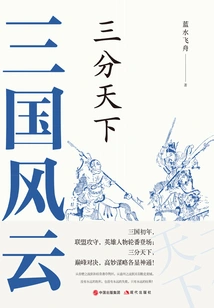
三国风云:三分天下
Blue Water Flying Boat
"Three Kingdoms" is a popular historical work that tells the history of the Three Kingdoms. This book covers nearly 100 years of historical stories from 184 AD to 280 AD, and is divided into four volumes - "The Heroes Struggle", "Three Parts of the World", "Three Kingdoms" and "Three Families Return to Jin". It is based on historical materials, with characters and events as the main line, and time as the order. It uses the light and lively language that modern people like to read, and uses the writing style of novels and humorous style to write a wonderful and informative story of the Three Kingdoms. This book gives a panoramic description of the emperors, generals, ministers and other various characters during the Three Kingdoms period, including heroic figures who were able to turn the tide, as well as cunning and despicable villains. It also fully details war strategies, political struggles, and character psychology. By analyzing, combing and summarizing the history of the Three Kingdoms, the author uses human nature to gain insight into history, deeply explore the true emotions of historical figures, and unravel the mysteries behind historical events. It also reflects the direct or indirect impact of individual complex human nature on historical development, allowing us to understand and understand those historical figures and historical events more deeply. "Three Kingdoms: Three Triparts of the World" starts from the Battle of Chibi, when Sun and Liu unite to fight against Cao, and ends with Sun Quan's capture of Jingzhou to unify the middle and lower reaches of the Yangtze River. This period was the formation period of the Three Kingdoms. Cao Cao's group was defeated in the Battle of Chibi and retreated to the north. The coalition forces of Sun and Liu won and divided Jingzhou. The situation of dividing the world into three parts began to be established. In the following ten years, all parties continued to compete and attack each other, and gradually formed three large groups headed by Cao, Liu, and Sun - the embryonic form of the Wei, Shu, and Wu regimes. At the same time, the history of the Three Kingdoms is still turbulent and wars are frequent. Heroes appear in turns, superb strategies show their magical powers, and famous battles continue to be staged, magnificent and exciting.
"Three Kingdoms" is a popular historical work that tells the history of the Three Kingdoms. This book covers nearly 100 years of historical stories from 184 AD to 280 AD, and is divided into four volumes - "The Heroes Struggle", "Three Parts of the World", "Three Kingdoms" and "Three Families Return to Jin". It is based on historical materials, with characters and events as the main line, and time as the order. It uses the light and lively language that modern people like to read, and uses the writing style of novels and humorous style to write a wonderful and informative story of the Three Kingdoms. This book gives a panoramic description of the emperors, generals, ministers and other various characters during the Three Kingdoms period, including heroic figures who were able to turn the tide, as well as cunning and despicable villains. It also fully details war strategies, political struggles, and character psychology. By analyzing, combing and summarizing the history of the Three Kingdoms, the author uses human nature to gain insight into history, deeply explore the true emotions of historical figures, and unravel the mysteries behind historical events. It also reflects the direct or indirect impact of individual complex human nature on historical development, allowing us to understand and understand those historical figures and historical events more deeply. "Three Kingdoms: Three Triparts of the World" starts from the Battle of Chibi, when Sun and Liu unite to fight against Cao, and ends with Sun Quan's capture of Jingzhou to unify the middle and lower reaches of the Yangtze River. This period was the formation period of the Three Kingdoms. Cao Cao's group was defeated in the Battle of Chibi and retreated to the north. The coalition forces of Sun and Liu won and divided Jingzhou. The situation of dividing the world into three parts began to be established. In the following ten years, all parties continued to compete and attack each other, and gradually formed three large groups headed by Cao, Liu, and Sun - the embryonic form of the Wei, Shu, and Wu regimes. At the same time, the history of the Three Kingdoms is still turbulent and wars are frequent. Heroes appear in turns, superb strategies show their magical powers, and famous battles continue to be staged, magnificent and exciting.
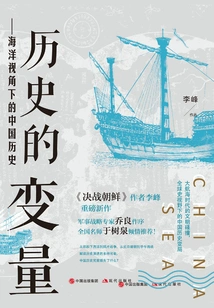
历史的变量:海洋视角下的中国历史
Li Feng
Around 1500 AD was an important watershed in human history, and also a watershed in China's national destiny. The advent of the Age of Discovery made human history move from fragmentation to unity, but it also caused China to gradually lose its civilizational advantage in the collision with the West. This key historical variable lies in the ocean. "Wealth comes from the sea, and danger also comes from the sea. Zheng He's diagnosis actually became a prophecy for China's historical fate in the past 500 years. Going to the land or going to the sea became the two strategic choices faced by China at that time. The 500 years of Chinese history after Zheng He's voyages to the West, because of this choice What changes have taken place in China? This book tells the history of China from the perspective of oceans and sea power. China is one of the earliest countries in the world to use the ocean, and its observation and research in some fields has historically confirmed the development of China's navigation. The tortuous development of Chinese civilization presents the history of China from the perspective of the ocean. The content covers the brief history of Chinese navigation from the Spring and Autumn Period to the Yuan Dynasty, Zheng He's voyages to the West, the military confrontation between China and Portugal and China in the Ming Dynasty, the war against Japan and aid to Korea during the Wanli period of the Ming Dynasty, the maritime embargo of the Ming and Qing Dynasties, the Opium War, and foreign affairs. The Civil War Movement, the Sino-French War, the construction of the Beiyang Fleet and the Sino-Japanese War. This has also become the most critical thread for observing the evolution of Chinese history after 1500 AD. Just imagine, what would Chinese civilization look like today if China had chosen the ocean?
Around 1500 AD was an important watershed in human history, and also a watershed in China's national destiny. The advent of the Age of Discovery made human history move from fragmentation to unity, but it also caused China to gradually lose its civilizational advantage in the collision with the West. This key historical variable lies in the ocean. "Wealth comes from the sea, and danger also comes from the sea. Zheng He's diagnosis actually became a prophecy for China's historical fate in the past 500 years. Going to the land or going to the sea became the two strategic choices faced by China at that time. The 500 years of Chinese history after Zheng He's voyages to the West, because of this choice What changes have taken place in China? This book tells the history of China from the perspective of oceans and sea power. China is one of the earliest countries in the world to use the ocean, and its observation and research in some fields has historically confirmed the development of China's navigation. The tortuous development of Chinese civilization presents the history of China from the perspective of the ocean. The content covers the brief history of Chinese navigation from the Spring and Autumn Period to the Yuan Dynasty, Zheng He's voyages to the West, the military confrontation between China and Portugal and China in the Ming Dynasty, the war against Japan and aid to Korea during the Wanli period of the Ming Dynasty, the maritime embargo of the Ming and Qing Dynasties, the Opium War, and foreign affairs. The Civil War Movement, the Sino-French War, the construction of the Beiyang Fleet and the Sino-Japanese War. This has also become the most critical thread for observing the evolution of Chinese history after 1500 AD. Just imagine, what would Chinese civilization look like today if China had chosen the ocean?
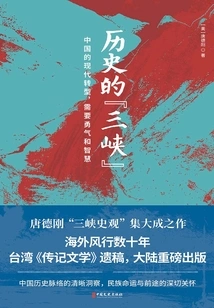
The Historical "three Gorges
History历史的“三峡”
Tang Degang
Since the Opium War in 1840, Chinese society has entered the "Three Gorges of History" with twists and turns and has begun a slow transformation. In this process, how many elites participated and merged into this turbulent historical tide. They waved flags and shouted, swarmed to be the first, and the waves rolled over the boat, which was inexplicably thrilling. They are loyal in words, respectful in deeds, and work quietly, slowly pushing our ancient civilization towards modernization. In this book, historian Tang Degang does not hide from relatives or respects. He analyzes the merits and demerits of these influential figures one by one without bias, showing his clear insight into the context of Chinese history and his deep concern for the fate and future of the Chinese nation.
Since the Opium War in 1840, Chinese society has entered the "Three Gorges of History" with twists and turns and has begun a slow transformation. In this process, how many elites participated and merged into this turbulent historical tide. They waved flags and shouted, swarmed to be the first, and the waves rolled over the boat, which was inexplicably thrilling. They are loyal in words, respectful in deeds, and work quietly, slowly pushing our ancient civilization towards modernization. In this book, historian Tang Degang does not hide from relatives or respects. He analyzes the merits and demerits of these influential figures one by one without bias, showing his clear insight into the context of Chinese history and his deep concern for the fate and future of the Chinese nation.
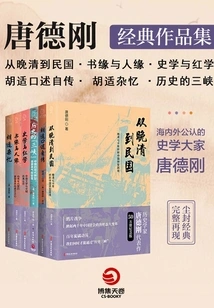
The Pioneer of Oral History: Collection of Tang Degang's Classic Works 2 (6 Volumes in Total)
History口述历史开创者:唐德刚经典作品集2(共6册)
Tang Degang
This set of books is a collection of classic works by Tang Degang, a recognized historian at home and abroad, including six works: "From the Late Qing Dynasty to the Republic of China", "Book Connection and Popularity", "History and Red Studies", "Miscellaneous Memories of Hu Shi" and "The Three Gorges of History". The content involves many historical events and figures in the modern history of China. It has rich historical materials, free and easy writing style, and rare subject matter. It is extremely precious. It is an indispensable classic for understanding the modern history of China. "From the Late Qing Dynasty to the Republic of China": The twists and turns of the Three Gorges of the Yangtze River are the pride of the Chinese people and a trendy area in China's natural history. The Opium War opened the prelude to China's once-in-two-thousand-year "social and cultural transformation" phenomenon that began in the 19th century. In the wise eyes of historian Tang Degang, the "humanistic view of history" is just like the "natural history view." A war in 1840 not only set off a major change in China's social and political form, but also made the long history of history have to go through a hundred years of treacherous turbulence before it can enter the magnificent Pacific Ocean through the Three Gorges. Tang Degang combines the historical perspective of the Three Gorges and humanistic exploration in this book, creating an objective and in-depth history of modern China. "Books and People": Oral history is a career that Tang Degang has devoted most of his life to. After helping many modern and contemporary celebrities complete their oral autobiographies or memoirs, he also became friends with them. This book is a collection of Tang Degang's articles about his interactions with many celebrities over the years, as well as his daily reading reviews, including Gu Weijun, Zhang Xueliang, Liu Tingfang, Wu Kaixian, Liu Shaotang, Yang Zhenning and others, as well as books such as "Biographic Literature" and "Rubaiyat". Whether writing about people or commenting on books, the author pays great attention to details and intersperses many anecdotes, aphorisms, irony, and metaphors. His writing style is free and uninhibited, and his writing style is smooth. It not only shows the historical style, but also reflects the author's multi-faceted talents. "History and Redology": For most of his life, Tang Degang witnessed the frequent wars in China since modern times, and was baptized by a large number of Chinese and Western classics. While teaching and reading foreign countries, he often felt nostalgic for his homeland, so he wrote these scattered journal works in this book, which includes more than ten articles and speeches on historical theory, research methods and redology research. Tang Degang believed that excellent historical works are often excellent literary works. He advocated that "the six classics are all histories", "all histories are texts", "literature and history are not divided" and "history is transmitted through literature", which is quite insightful in order to avoid rigid and stubborn management of history. "Miscellaneous Memories of Hu Shi": This book is a memoir written by Tang Degang on many issues in Hu Shi's life, using his own memories and the records of Hu Shi's diary as materials. In addition, he also put forward his own opinions on Hu Shi's achievements in history, politics, philosophy, literature and other fields. The language of the book is majestic and the writing is full of wit and wit. It restores the true image of Hu Shi, a generation of scholars with flesh and blood, wisdom, genius and shortcomings. It is a faithful portrayal of Hu Shi's later years. "Hu Shi's Oral Autobiography": This book is compiled based on sixteen English oral recordings made by Hu Shi at the invitation of the Department of Chinese Oral History at Columbia University in the United States. Tang Degang was responsible for the interview and compiled the recording into text, covering Hu Shi's life experience and his summary and evaluation of his life's academic thoughts. Tang Degang's annotations and comments further elaborated his own views on relevant characters and events, allowing readers to understand Hu Shi and his era more clearly. Therefore, this book received high praise from overseas historians in the 1970s - "Look at De Gang first, then Hu Shi." "Historical Three Gorges": Since the Opium War in 1840, Chinese society has entered the tortuous and turbulent "Historical Three Gorges" and began a slow transformation. In this process, how many elites participated and merged into this turbulent historical tide. They waved flags and shouted, swarmed to be the first, and the waves rolled over the boat, which was inexplicably thrilling. They are loyal in words, respectful in deeds, and work quietly, slowly pushing our ancient civilization towards modernization. In this book, historian Tang Degang does not hide from relatives or respects. He analyzes the merits and demerits of these influential figures one by one without bias, showing his clear insight into the context of Chinese history and his deep concern for the fate and future of the Chinese nation.
This set of books is a collection of classic works by Tang Degang, a recognized historian at home and abroad, including six works: "From the Late Qing Dynasty to the Republic of China", "Book Connection and Popularity", "History and Red Studies", "Miscellaneous Memories of Hu Shi" and "The Three Gorges of History". The content involves many historical events and figures in the modern history of China. It has rich historical materials, free and easy writing style, and rare subject matter. It is extremely precious. It is an indispensable classic for understanding the modern history of China. "From the Late Qing Dynasty to the Republic of China": The twists and turns of the Three Gorges of the Yangtze River are the pride of the Chinese people and a trendy area in China's natural history. The Opium War opened the prelude to China's once-in-two-thousand-year "social and cultural transformation" phenomenon that began in the 19th century. In the wise eyes of historian Tang Degang, the "humanistic view of history" is just like the "natural history view." A war in 1840 not only set off a major change in China's social and political form, but also made the long history of history have to go through a hundred years of treacherous turbulence before it can enter the magnificent Pacific Ocean through the Three Gorges. Tang Degang combines the historical perspective of the Three Gorges and humanistic exploration in this book, creating an objective and in-depth history of modern China. "Books and People": Oral history is a career that Tang Degang has devoted most of his life to. After helping many modern and contemporary celebrities complete their oral autobiographies or memoirs, he also became friends with them. This book is a collection of Tang Degang's articles about his interactions with many celebrities over the years, as well as his daily reading reviews, including Gu Weijun, Zhang Xueliang, Liu Tingfang, Wu Kaixian, Liu Shaotang, Yang Zhenning and others, as well as books such as "Biographic Literature" and "Rubaiyat". Whether writing about people or commenting on books, the author pays great attention to details and intersperses many anecdotes, aphorisms, irony, and metaphors. His writing style is free and uninhibited, and his writing style is smooth. It not only shows the historical style, but also reflects the author's multi-faceted talents. "History and Redology": For most of his life, Tang Degang witnessed the frequent wars in China since modern times, and was baptized by a large number of Chinese and Western classics. While teaching and reading foreign countries, he often felt nostalgic for his homeland, so he wrote these scattered journal works in this book, which includes more than ten articles and speeches on historical theory, research methods and redology research. Tang Degang believed that excellent historical works are often excellent literary works. He advocated that "the six classics are all histories", "all histories are texts", "literature and history are not divided" and "history is transmitted through literature", which is quite insightful in order to avoid rigid and stubborn management of history. "Miscellaneous Memories of Hu Shi": This book is a memoir written by Tang Degang on many issues in Hu Shi's life, using his own memories and the records of Hu Shi's diary as materials. In addition, he also put forward his own opinions on Hu Shi's achievements in history, politics, philosophy, literature and other fields. The language of the book is majestic and the writing is full of wit and wit. It restores the true image of Hu Shi, a generation of scholars with flesh and blood, wisdom, genius and shortcomings. It is a faithful portrayal of Hu Shi's later years. "Hu Shi's Oral Autobiography": This book is compiled based on sixteen English oral recordings made by Hu Shi at the invitation of the Department of Chinese Oral History at Columbia University in the United States. Tang Degang was responsible for the interview and compiled the recording into text, covering Hu Shi's life experience and his summary and evaluation of his life's academic thoughts. Tang Degang's annotations and comments further elaborated his own views on relevant characters and events, allowing readers to understand Hu Shi and his era more clearly. Therefore, this book received high praise from overseas historians in the 1970s - "Look at De Gang first, then Hu Shi." "Historical Three Gorges": Since the Opium War in 1840, Chinese society has entered the tortuous and turbulent "Historical Three Gorges" and began a slow transformation. In this process, how many elites participated and merged into this turbulent historical tide. They waved flags and shouted, swarmed to be the first, and the waves rolled over the boat, which was inexplicably thrilling. They are loyal in words, respectful in deeds, and work quietly, slowly pushing our ancient civilization towards modernization. In this book, historian Tang Degang does not hide from relatives or respects. He analyzes the merits and demerits of these influential figures one by one without bias, showing his clear insight into the context of Chinese history and his deep concern for the fate and future of the Chinese nation.
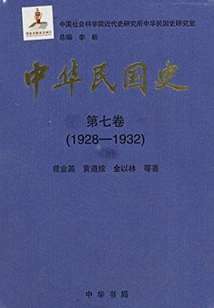
中华民国史·第七卷:1928-1932
Chief Editor Li Xin Research Office Of The History Of The Republic Of China, Institute Of Modern History, Chinese Academy Of Social Sciences
This volume covers the period from 1928 to 1931. In addition to comprehensively collecting and utilizing the archives of the Republic of China stored in the Second Historical Archives of China, archival materials from relevant local archives, historical materials related to the National Committee of the Chinese People's Political Consultative Conference and local political consultative conferences, as well as a large number of domestically collected books and newspapers of the Republic of China, the author also made extensive reference to relevant materials, books, and articles published in Taiwan and abroad. On the basis of respecting historical facts, the author restores the true face of the history of the Republic of China.
This volume covers the period from 1928 to 1931. In addition to comprehensively collecting and utilizing the archives of the Republic of China stored in the Second Historical Archives of China, archival materials from relevant local archives, historical materials related to the National Committee of the Chinese People's Political Consultative Conference and local political consultative conferences, as well as a large number of domestically collected books and newspapers of the Republic of China, the author also made extensive reference to relevant materials, books, and articles published in Taiwan and abroad. On the basis of respecting historical facts, the author restores the true face of the history of the Republic of China.
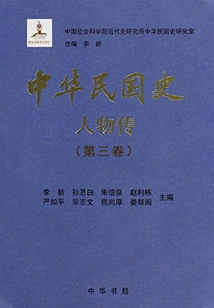
中华民国史·人物传(第三卷)
Chief Editor Li Xin Research Office Of The History Of The Republic Of China, Institute Of Modern History, Chinese Academy Of Social Sciences
"Biographies of Figures in the History of the Republic of China", written by the Research Office of the History of the Republic of China at the Institute of Modern History, Chinese Academy of Social Sciences, is a companion piece to "History of the Republic of China" and has been renamed "History of the Republic of China - Biographies of Figures". This book selects and compiles biographies of more than a thousand representatives in the fields of politics, economy, military, culture, science and technology from the founding of the Tongmenghui in 1905 to the end of the Republic of China in 1949. This department aims at people and collects extensive information on the life of the biographer. The deeds of the biographer are mainly objectively narrated, striving for accurate historical facts, fair judgment, concise writing, authenticity and credibility, enough to be passed down to future generations.
"Biographies of Figures in the History of the Republic of China", written by the Research Office of the History of the Republic of China at the Institute of Modern History, Chinese Academy of Social Sciences, is a companion piece to "History of the Republic of China" and has been renamed "History of the Republic of China - Biographies of Figures". This book selects and compiles biographies of more than a thousand representatives in the fields of politics, economy, military, culture, science and technology from the founding of the Tongmenghui in 1905 to the end of the Republic of China in 1949. This department aims at people and collects extensive information on the life of the biographer. The deeds of the biographer are mainly objectively narrated, striving for accurate historical facts, fair judgment, concise writing, authenticity and credibility, enough to be passed down to future generations.
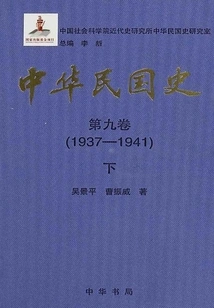
中华民国史·第九卷:1937-1941(下)
Chief Editor Li Xin Research Office Of The History Of The Republic Of China, Institute Of Modern History, Chinese Academy Of Social Sciences
This volume covers the period from 1937 to 1941. In addition to comprehensively collecting and utilizing the archives of the Republic of China stored in the Second Historical Archives of China, archival materials from relevant local archives, historical materials related to the National Committee of the Chinese People's Political Consultative Conference and local political consultative conferences, as well as a large number of domestically collected books and newspapers of the Republic of China, the author also made extensive reference to relevant materials, books, and articles published in Taiwan and abroad. On the basis of respecting historical facts, the author restores the true face of the history of the Republic of China.
This volume covers the period from 1937 to 1941. In addition to comprehensively collecting and utilizing the archives of the Republic of China stored in the Second Historical Archives of China, archival materials from relevant local archives, historical materials related to the National Committee of the Chinese People's Political Consultative Conference and local political consultative conferences, as well as a large number of domestically collected books and newspapers of the Republic of China, the author also made extensive reference to relevant materials, books, and articles published in Taiwan and abroad. On the basis of respecting historical facts, the author restores the true face of the history of the Republic of China.
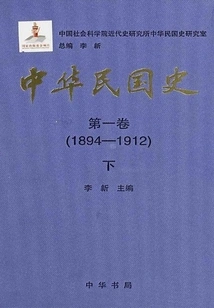
中华民国史·第一卷:1894-1912(下)
Chief Editor Li Xin Research Office Of The History Of The Republic Of China, Institute Of Modern History, Chinese Academy Of Social Sciences
This volume covers the period from 1894 to 1912. In addition to comprehensively collecting and utilizing the archives of the Republic of China stored in the Second Historical Archives of China, archival materials from relevant local archives, historical materials related to the National Committee of the Chinese People's Political Consultative Conference and local political consultative conferences, as well as a large number of domestically collected books and newspapers of the Republic of China, the author also made extensive reference to relevant materials, books, and articles published in Taiwan and abroad. On the basis of respecting historical facts, the author restores the true face of the history of the Republic of China.
This volume covers the period from 1894 to 1912. In addition to comprehensively collecting and utilizing the archives of the Republic of China stored in the Second Historical Archives of China, archival materials from relevant local archives, historical materials related to the National Committee of the Chinese People's Political Consultative Conference and local political consultative conferences, as well as a large number of domestically collected books and newspapers of the Republic of China, the author also made extensive reference to relevant materials, books, and articles published in Taiwan and abroad. On the basis of respecting historical facts, the author restores the true face of the history of the Republic of China.
中华民国史·第八卷:1932-1937(下)
Chief Editor Li Xin Research Office Of The History Of The Republic Of China, Institute Of Modern History, Chinese Academy Of Social Sciences
This volume covers the period from 1932 to 1937. In addition to comprehensively collecting and utilizing the archives of the Republic of China stored in the Second Historical Archives of China, archival materials from relevant local archives, historical materials related to the National Committee of the Chinese People's Political Consultative Conference and local political consultative conferences, as well as a large number of domestically collected books and newspapers of the Republic of China, the author also made extensive reference to relevant materials, books, and articles published in Taiwan and abroad. On the basis of respecting historical facts, the author restores the true face of the history of the Republic of China.
This volume covers the period from 1932 to 1937. In addition to comprehensively collecting and utilizing the archives of the Republic of China stored in the Second Historical Archives of China, archival materials from relevant local archives, historical materials related to the National Committee of the Chinese People's Political Consultative Conference and local political consultative conferences, as well as a large number of domestically collected books and newspapers of the Republic of China, the author also made extensive reference to relevant materials, books, and articles published in Taiwan and abroad. On the basis of respecting historical facts, the author restores the true face of the history of the Republic of China.
中华民国史·大事记·第九卷:1940-1942
Editor-in-chief Li Xin, Editor-in-chief Han Xinfu, Editor-in-chief Jiang Kefu
This book adopts a chronicle style to record important historical events in the history of the Republic of China from 1940 to 1942, and provides a reference material for research on the history of the Republic of China. The content recorded in this book not only covers politics, military affairs, and diplomacy, but also involves economics, culture, and even natural disasters. It includes not only the activities of the ruling class and its regime, but also the revolutionary struggles and spontaneous resistance of the people. World events related to our country are also appropriately listed. The content is substantial and the volume is large. It provides a reference for research on the history of the Republic of China.
This book adopts a chronicle style to record important historical events in the history of the Republic of China from 1940 to 1942, and provides a reference material for research on the history of the Republic of China. The content recorded in this book not only covers politics, military affairs, and diplomacy, but also involves economics, culture, and even natural disasters. It includes not only the activities of the ruling class and its regime, but also the revolutionary struggles and spontaneous resistance of the people. World events related to our country are also appropriately listed. The content is substantial and the volume is large. It provides a reference for research on the history of the Republic of China.
中华民国史·大事记·第十卷:1943-1944
Editor-in-chief Li Xin, Editor-in-chief Han Xinfu, Editor-in-chief Jiang Kefu
This book adopts a chronicle style to record important historical events in the historical period of the Republic of China from 1943 to 1944, and provides a reference material for research on the history of the Republic of China. The content recorded in this book not only covers politics, military affairs, and diplomacy, but also involves economics, culture, and even natural disasters. It includes not only the activities of the ruling class and its regime, but also the revolutionary struggles and spontaneous resistance of the people. World events related to our country are also appropriately listed. The content is substantial and the volume is large. It provides a reference for research on the history of the Republic of China.
This book adopts a chronicle style to record important historical events in the historical period of the Republic of China from 1943 to 1944, and provides a reference material for research on the history of the Republic of China. The content recorded in this book not only covers politics, military affairs, and diplomacy, but also involves economics, culture, and even natural disasters. It includes not only the activities of the ruling class and its regime, but also the revolutionary struggles and spontaneous resistance of the people. World events related to our country are also appropriately listed. The content is substantial and the volume is large. It provides a reference for research on the history of the Republic of China.
中华民国史·第二卷:1912-1916(下)
Chief Editor Li Xin Research Office Of The History Of The Republic Of China, Institute Of Modern History, Chinese Academy Of Social Sciences
This volume covers the period from 1912 to 1916. In addition to comprehensively collecting and utilizing the archives of the Republic of China stored in the Second Historical Archives of China, archival materials from relevant local archives, historical materials related to the National Committee of the Chinese People's Political Consultative Conference and local political consultative conferences, as well as a large number of domestically collected books and newspapers of the Republic of China, the author also made extensive reference to relevant materials, books, and articles published in Taiwan and abroad. On the basis of respecting historical facts, the author restores the true face of the history of the Republic of China.
This volume covers the period from 1912 to 1916. In addition to comprehensively collecting and utilizing the archives of the Republic of China stored in the Second Historical Archives of China, archival materials from relevant local archives, historical materials related to the National Committee of the Chinese People's Political Consultative Conference and local political consultative conferences, as well as a large number of domestically collected books and newspapers of the Republic of China, the author also made extensive reference to relevant materials, books, and articles published in Taiwan and abroad. On the basis of respecting historical facts, the author restores the true face of the history of the Republic of China.
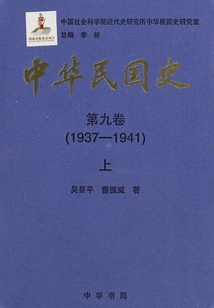
中华民国史·第九卷:1937-1941(上)
Chief Editor Li Xin Research Office Of The History Of The Republic Of China, Institute Of Modern History, Chinese Academy Of Social Sciences
This volume covers the period from 1937 to 1941. In addition to comprehensively collecting and utilizing the archives of the Republic of China stored in the Second Historical Archives of China, archival materials from relevant local archives, historical materials related to the National Committee of the Chinese People's Political Consultative Conference and local political consultative conferences, as well as a large number of domestically collected books and newspapers of the Republic of China, the author also made extensive reference to relevant materials, books, and articles published in Taiwan and abroad. On the basis of respecting historical facts, the author restores the true face of the history of the Republic of China.
This volume covers the period from 1937 to 1941. In addition to comprehensively collecting and utilizing the archives of the Republic of China stored in the Second Historical Archives of China, archival materials from relevant local archives, historical materials related to the National Committee of the Chinese People's Political Consultative Conference and local political consultative conferences, as well as a large number of domestically collected books and newspapers of the Republic of China, the author also made extensive reference to relevant materials, books, and articles published in Taiwan and abroad. On the basis of respecting historical facts, the author restores the true face of the history of the Republic of China.
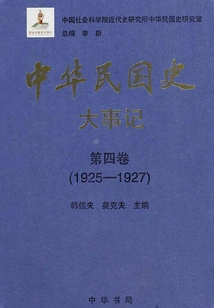
中华民国史·大事记·第四卷:1925-1927
Editor-in-chief Li Xin, Editor-in-chief Han Xinfu, Editor-in-chief Jiang Kefu
This book adopts a chronological style to record important historical events in the history of the Republic of China from 1925 to 1927, providing a reference material for research on the history of the Republic of China. The content recorded in this book not only covers politics, military affairs, and diplomacy, but also involves economics, culture, and even natural disasters. It includes not only the activities of the ruling class and its regime, but also the revolutionary struggles and spontaneous resistance of the people. World events related to our country are also appropriately listed. The content is substantial and the volume is large. It provides a reference for research on the history of the Republic of China.
This book adopts a chronological style to record important historical events in the history of the Republic of China from 1925 to 1927, providing a reference material for research on the history of the Republic of China. The content recorded in this book not only covers politics, military affairs, and diplomacy, but also involves economics, culture, and even natural disasters. It includes not only the activities of the ruling class and its regime, but also the revolutionary struggles and spontaneous resistance of the people. World events related to our country are also appropriately listed. The content is substantial and the volume is large. It provides a reference for research on the history of the Republic of China.
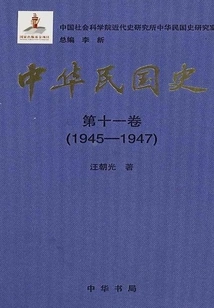
中华民国史·第十一卷:1945-1947
Chief Editor Li Xin Research Office Of The History Of The Republic Of China, Institute Of Modern History, Chinese Academy Of Social Sciences
This volume covers the period from 1945 to 1947. In addition to comprehensively collecting and utilizing the archives of the Republic of China stored in the Second Historical Archives of China, archival materials from relevant local archives, historical materials related to the National Committee of the Chinese People's Political Consultative Conference and local political consultative conferences, as well as a large number of domestically collected books and newspapers of the Republic of China, the author also made extensive reference to relevant materials, books, and articles published in Taiwan and abroad. On the basis of respecting historical facts, the author restores the true face of the history of the Republic of China.
This volume covers the period from 1945 to 1947. In addition to comprehensively collecting and utilizing the archives of the Republic of China stored in the Second Historical Archives of China, archival materials from relevant local archives, historical materials related to the National Committee of the Chinese People's Political Consultative Conference and local political consultative conferences, as well as a large number of domestically collected books and newspapers of the Republic of China, the author also made extensive reference to relevant materials, books, and articles published in Taiwan and abroad. On the basis of respecting historical facts, the author restores the true face of the history of the Republic of China.
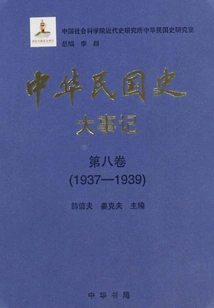
中华民国史·大事记·第八卷:1937-1939
Editor-in-chief Li Xin, Editor-in-chief Han Xinfu, Editor-in-chief Jiang Kefu
This book adopts a chronological style and records the important historical events of the Republic of China from 1937 to 1939, providing a reference material for research on the history of the Republic of China. The content recorded in this book not only covers politics, military affairs, and diplomacy, but also involves economics, culture, and even natural disasters. It includes not only the activities of the ruling class and its regime, but also the revolutionary struggles and spontaneous resistance of the people. World events related to our country are also appropriately listed. The content is substantial and the volume is large. It provides a reference for research on the history of the Republic of China.
This book adopts a chronological style and records the important historical events of the Republic of China from 1937 to 1939, providing a reference material for research on the history of the Republic of China. The content recorded in this book not only covers politics, military affairs, and diplomacy, but also involves economics, culture, and even natural disasters. It includes not only the activities of the ruling class and its regime, but also the revolutionary struggles and spontaneous resistance of the people. World events related to our country are also appropriately listed. The content is substantial and the volume is large. It provides a reference for research on the history of the Republic of China.
中华民国史·第八卷:1932-1937(上)
Chief Editor Li Xin Research Office Of The History Of The Republic Of China, Institute Of Modern History, Chinese Academy Of Social Sciences
This volume covers the period from 1932 to 1937. In addition to comprehensively collecting and utilizing the archives of the Republic of China stored in the Second Historical Archives of China, archival materials from relevant local archives, historical materials related to the National Committee of the Chinese People's Political Consultative Conference and local political consultative conferences, as well as a large number of domestically collected books and newspapers of the Republic of China, the author also made extensive reference to relevant materials, books, and articles published in Taiwan and abroad. On the basis of respecting historical facts, the author restores the true face of the history of the Republic of China.
This volume covers the period from 1932 to 1937. In addition to comprehensively collecting and utilizing the archives of the Republic of China stored in the Second Historical Archives of China, archival materials from relevant local archives, historical materials related to the National Committee of the Chinese People's Political Consultative Conference and local political consultative conferences, as well as a large number of domestically collected books and newspapers of the Republic of China, the author also made extensive reference to relevant materials, books, and articles published in Taiwan and abroad. On the basis of respecting historical facts, the author restores the true face of the history of the Republic of China.
中华民国史·大事记·第十一卷:1945-1946
Editor-in-chief Li Xin, Editor-in-chief Han Xinfu, Editor-in-chief Jiang Kefu
This book adopts a chronicle style and records the important historical events in the history of the Republic of China from 1945 to 1946, providing a reference material for research on the history of the Republic of China. The content recorded in this book not only covers politics, military affairs, and diplomacy, but also involves economics, culture, and even natural disasters. It includes not only the activities of the ruling class and its regime, but also the revolutionary struggles and spontaneous resistance of the people. World events related to our country are also appropriately listed. The content is substantial and the volume is large. It provides a reference for research on the history of the Republic of China.
This book adopts a chronicle style and records the important historical events in the history of the Republic of China from 1945 to 1946, providing a reference material for research on the history of the Republic of China. The content recorded in this book not only covers politics, military affairs, and diplomacy, but also involves economics, culture, and even natural disasters. It includes not only the activities of the ruling class and its regime, but also the revolutionary struggles and spontaneous resistance of the people. World events related to our country are also appropriately listed. The content is substantial and the volume is large. It provides a reference for research on the history of the Republic of China.
中华民国史·第四卷:1920-1924
Chief Editor Li Xin Research Office Of The History Of The Republic Of China, Institute Of Modern History, Chinese Academy Of Social Sciences
This volume covers the period from 1920 to 1924. In addition to comprehensively collecting and utilizing the archives of the Republic of China stored in the Second Historical Archives of China, archival materials from relevant local archives, historical materials related to the National Committee of the Chinese People's Political Consultative Conference and local political consultative conferences, as well as a large number of domestically collected books and newspapers of the Republic of China, the author also made extensive reference to relevant materials, books, and articles published in Taiwan and abroad. On the basis of respecting historical facts, the author restores the true face of the history of the Republic of China.
This volume covers the period from 1920 to 1924. In addition to comprehensively collecting and utilizing the archives of the Republic of China stored in the Second Historical Archives of China, archival materials from relevant local archives, historical materials related to the National Committee of the Chinese People's Political Consultative Conference and local political consultative conferences, as well as a large number of domestically collected books and newspapers of the Republic of China, the author also made extensive reference to relevant materials, books, and articles published in Taiwan and abroad. On the basis of respecting historical facts, the author restores the true face of the history of the Republic of China.
中华民国史·大事记·第六卷:1931-1933
Editor-in-chief Li Xin, Editor-in-chief Han Xinfu, Editor-in-chief Jiang Kefu
This book adopts a chronicle style and records the important historical events in the history of the Republic of China from 1931 to 1933, providing a reference material for research on the history of the Republic of China. The content recorded in this book not only covers politics, military affairs, and diplomacy, but also involves economics, culture, and even natural disasters. It includes not only the activities of the ruling class and its regime, but also the revolutionary struggles and spontaneous resistance of the people. World events related to our country are also appropriately listed. The content is substantial and the volume is large. It provides a reference for research on the history of the Republic of China.
This book adopts a chronicle style and records the important historical events in the history of the Republic of China from 1931 to 1933, providing a reference material for research on the history of the Republic of China. The content recorded in this book not only covers politics, military affairs, and diplomacy, but also involves economics, culture, and even natural disasters. It includes not only the activities of the ruling class and its regime, but also the revolutionary struggles and spontaneous resistance of the people. World events related to our country are also appropriately listed. The content is substantial and the volume is large. It provides a reference for research on the history of the Republic of China.
中华民国史·人物传(第五卷)
Chief Editor Li Xin Research Office Of The History Of The Republic Of China, Institute Of Modern History, Chinese Academy Of Social Sciences
"Biographies of Figures in the History of the Republic of China", written by the Research Office of the History of the Republic of China at the Institute of Modern History, Chinese Academy of Social Sciences, is a companion piece to "History of the Republic of China" and has been renamed "History of the Republic of China - Biographies of Figures". This book selects and compiles biographies of more than a thousand representatives in the fields of politics, economy, military, culture, science and technology from the founding of the Tongmenghui in 1905 to the end of the Republic of China in 1949. This department aims at people and collects extensive information on the life of the biographer. The deeds of the biographer are mainly objectively narrated, striving for accurate historical facts, fair judgment, concise writing, authenticity and credibility, enough to be passed down to future generations.
"Biographies of Figures in the History of the Republic of China", written by the Research Office of the History of the Republic of China at the Institute of Modern History, Chinese Academy of Social Sciences, is a companion piece to "History of the Republic of China" and has been renamed "History of the Republic of China - Biographies of Figures". This book selects and compiles biographies of more than a thousand representatives in the fields of politics, economy, military, culture, science and technology from the founding of the Tongmenghui in 1905 to the end of the Republic of China in 1949. This department aims at people and collects extensive information on the life of the biographer. The deeds of the biographer are mainly objectively narrated, striving for accurate historical facts, fair judgment, concise writing, authenticity and credibility, enough to be passed down to future generations.
中华民国史·大事记·第十二卷:1947-1949
Editor-in-chief Li Xin, Editor-in-chief Han Xinfu, Editor-in-chief Jiang Kefu
This book adopts a chronicle style and records the important historical events in the history of the Republic of China from 1947 to 1949, providing a reference material for research on the history of the Republic of China. The content recorded in this book not only covers politics, military affairs, and diplomacy, but also involves economics, culture, and even natural disasters. It includes not only the activities of the ruling class and its regime, but also the revolutionary struggles and spontaneous resistance of the people. World events related to our country are also appropriately listed. The content is substantial and the volume is large. It provides a reference for research on the history of the Republic of China.
This book adopts a chronicle style and records the important historical events in the history of the Republic of China from 1947 to 1949, providing a reference material for research on the history of the Republic of China. The content recorded in this book not only covers politics, military affairs, and diplomacy, but also involves economics, culture, and even natural disasters. It includes not only the activities of the ruling class and its regime, but also the revolutionary struggles and spontaneous resistance of the people. World events related to our country are also appropriately listed. The content is substantial and the volume is large. It provides a reference for research on the history of the Republic of China.
中华民国史·人物传(第七卷)
Chief Editor Li Xin Research Office Of The History Of The Republic Of China, Institute Of Modern History, Chinese Academy Of Social Sciences
"Biographies of Figures in the History of the Republic of China", written by the Research Office of the History of the Republic of China at the Institute of Modern History, Chinese Academy of Social Sciences, is a companion piece to "History of the Republic of China" and has been renamed "History of the Republic of China - Biographies of Figures". This book selects and compiles biographies of more than a thousand representatives in the fields of politics, economy, military, culture, science and technology from the founding of the Tongmenghui in 1905 to the end of the Republic of China in 1949. This department aims at people and collects extensive information on the life of the biographer. The deeds of the biographer are mainly objectively narrated, striving for accurate historical facts, fair judgment, concise writing, authenticity and credibility, enough to be passed down to future generations.
"Biographies of Figures in the History of the Republic of China", written by the Research Office of the History of the Republic of China at the Institute of Modern History, Chinese Academy of Social Sciences, is a companion piece to "History of the Republic of China" and has been renamed "History of the Republic of China - Biographies of Figures". This book selects and compiles biographies of more than a thousand representatives in the fields of politics, economy, military, culture, science and technology from the founding of the Tongmenghui in 1905 to the end of the Republic of China in 1949. This department aims at people and collects extensive information on the life of the biographer. The deeds of the biographer are mainly objectively narrated, striving for accurate historical facts, fair judgment, concise writing, authenticity and credibility, enough to be passed down to future generations.
中华民国史·人物传(第四卷)
Chief Editor Li Xin Research Office Of The History Of The Republic Of China, Institute Of Modern History, Chinese Academy Of Social Sciences
"Biographies of Figures in the History of the Republic of China", written by the Research Office of the History of the Republic of China at the Institute of Modern History, Chinese Academy of Social Sciences, is a companion piece to "History of the Republic of China" and has been renamed "History of the Republic of China - Biographies of Figures". This book selects and compiles biographies of more than a thousand representatives in the fields of politics, economy, military, culture, science and technology from the founding of the Tongmenghui in 1905 to the end of the Republic of China in 1949. This department aims at people and collects extensive information on the life of the biographer. The deeds of the biographer are mainly objectively narrated, striving for accurate historical facts, fair judgment, concise writing, authenticity and credibility, enough to be passed down to future generations.
"Biographies of Figures in the History of the Republic of China", written by the Research Office of the History of the Republic of China at the Institute of Modern History, Chinese Academy of Social Sciences, is a companion piece to "History of the Republic of China" and has been renamed "History of the Republic of China - Biographies of Figures". This book selects and compiles biographies of more than a thousand representatives in the fields of politics, economy, military, culture, science and technology from the founding of the Tongmenghui in 1905 to the end of the Republic of China in 1949. This department aims at people and collects extensive information on the life of the biographer. The deeds of the biographer are mainly objectively narrated, striving for accurate historical facts, fair judgment, concise writing, authenticity and credibility, enough to be passed down to future generations.
中华民国史·人物传(第一卷)
Chief Editor Li Xin Research Office Of The History Of The Republic Of China, Institute Of Modern History, Chinese Academy Of Social Sciences
"Biographies of Figures in the History of the Republic of China", written by the Research Office of the History of the Republic of China at the Institute of Modern History, Chinese Academy of Social Sciences, is a companion piece to "History of the Republic of China" and has been renamed "History of the Republic of China - Biographies of Figures". This book selects and compiles biographies of more than a thousand representatives in the fields of politics, economy, military, culture, science and technology from the founding of the Tongmenghui in 1905 to the end of the Republic of China in 1949. This department aims at people and collects extensive information on the life of the biographer. The deeds of the biographer are mainly objectively narrated, striving for accurate historical facts, fair judgment, concise writing, authenticity and credibility, enough to be passed down to future generations.
"Biographies of Figures in the History of the Republic of China", written by the Research Office of the History of the Republic of China at the Institute of Modern History, Chinese Academy of Social Sciences, is a companion piece to "History of the Republic of China" and has been renamed "History of the Republic of China - Biographies of Figures". This book selects and compiles biographies of more than a thousand representatives in the fields of politics, economy, military, culture, science and technology from the founding of the Tongmenghui in 1905 to the end of the Republic of China in 1949. This department aims at people and collects extensive information on the life of the biographer. The deeds of the biographer are mainly objectively narrated, striving for accurate historical facts, fair judgment, concise writing, authenticity and credibility, enough to be passed down to future generations.
中华民国史·大事记·第三卷:1922-1924
Editor-in-chief Li Xin, Editor-in-chief Han Xinfu, Editor-in-chief Jiang Kefu
This book adopts a chronicle style to record important historical events in the history of the Republic of China from 1922 to 1924, and provides a reference material for research on the history of the Republic of China. The content recorded in this book not only covers politics, military affairs, and diplomacy, but also involves economics, culture, and even natural disasters. It includes not only the activities of the ruling class and its regime, but also the revolutionary struggles and spontaneous resistance of the people. World events related to our country are also appropriately listed. The content is substantial and the volume is large. It provides a reference for research on the history of the Republic of China.
This book adopts a chronicle style to record important historical events in the history of the Republic of China from 1922 to 1924, and provides a reference material for research on the history of the Republic of China. The content recorded in this book not only covers politics, military affairs, and diplomacy, but also involves economics, culture, and even natural disasters. It includes not only the activities of the ruling class and its regime, but also the revolutionary struggles and spontaneous resistance of the people. World events related to our country are also appropriately listed. The content is substantial and the volume is large. It provides a reference for research on the history of the Republic of China.
中华民国史·人物传(第六卷)
Chief Editor Li Xin Research Office Of The History Of The Republic Of China, Institute Of Modern History, Chinese Academy Of Social Sciences
"Biographies of Figures in the History of the Republic of China", written by the Research Office of the History of the Republic of China at the Institute of Modern History, Chinese Academy of Social Sciences, is a companion piece to "History of the Republic of China" and has been renamed "History of the Republic of China - Biographies of Figures". This book selects and compiles biographies of more than a thousand representatives in the fields of politics, economy, military, culture, science and technology from the founding of the Tongmenghui in 1905 to the end of the Republic of China in 1949. This department aims at people and collects extensive information on the life of the biographer. The deeds of the biographer are mainly objectively narrated, striving for accurate historical facts, fair judgment, concise writing, authenticity and credibility, enough to be passed down to future generations.
"Biographies of Figures in the History of the Republic of China", written by the Research Office of the History of the Republic of China at the Institute of Modern History, Chinese Academy of Social Sciences, is a companion piece to "History of the Republic of China" and has been renamed "History of the Republic of China - Biographies of Figures". This book selects and compiles biographies of more than a thousand representatives in the fields of politics, economy, military, culture, science and technology from the founding of the Tongmenghui in 1905 to the end of the Republic of China in 1949. This department aims at people and collects extensive information on the life of the biographer. The deeds of the biographer are mainly objectively narrated, striving for accurate historical facts, fair judgment, concise writing, authenticity and credibility, enough to be passed down to future generations.
中华民国史·人物传(第二卷)
Chief Editor Li Xin Research Office Of The History Of The Republic Of China, Institute Of Modern History, Chinese Academy Of Social Sciences
"Biographies of Figures in the History of the Republic of China", written by the Research Office of the History of the Republic of China at the Institute of Modern History, Chinese Academy of Social Sciences, is a companion piece to "History of the Republic of China" and has been renamed "History of the Republic of China - Biographies of Figures". This book selects and compiles biographies of more than a thousand representatives in the fields of politics, economy, military, culture, science and technology from the founding of the Tongmenghui in 1905 to the end of the Republic of China in 1949. This department aims at people and collects extensive information on the life of the biographer. The deeds of the biographer are mainly objectively narrated, striving for accurate historical facts, fair judgment, concise writing, authenticity and credibility, enough to be passed down to future generations.
"Biographies of Figures in the History of the Republic of China", written by the Research Office of the History of the Republic of China at the Institute of Modern History, Chinese Academy of Social Sciences, is a companion piece to "History of the Republic of China" and has been renamed "History of the Republic of China - Biographies of Figures". This book selects and compiles biographies of more than a thousand representatives in the fields of politics, economy, military, culture, science and technology from the founding of the Tongmenghui in 1905 to the end of the Republic of China in 1949. This department aims at people and collects extensive information on the life of the biographer. The deeds of the biographer are mainly objectively narrated, striving for accurate historical facts, fair judgment, concise writing, authenticity and credibility, enough to be passed down to future generations.
中华民国史·第五卷:1924-1926
Chief Editor Li Xin Research Office Of The History Of The Republic Of China, Institute Of Modern History, Chinese Academy Of Social Sciences
This volume covers the period from 1924 to 1926. In addition to comprehensively collecting and utilizing the archives of the Republic of China stored in the Second Historical Archives of China, archival materials from relevant local archives, historical materials related to the National Committee of the Chinese People's Political Consultative Conference and local political consultative conferences, as well as a large number of domestically collected books and newspapers of the Republic of China, the author also made extensive reference to relevant materials, books, and articles published in Taiwan and abroad. On the basis of respecting historical facts, the author restores the true face of the history of the Republic of China.
This volume covers the period from 1924 to 1926. In addition to comprehensively collecting and utilizing the archives of the Republic of China stored in the Second Historical Archives of China, archival materials from relevant local archives, historical materials related to the National Committee of the Chinese People's Political Consultative Conference and local political consultative conferences, as well as a large number of domestically collected books and newspapers of the Republic of China, the author also made extensive reference to relevant materials, books, and articles published in Taiwan and abroad. On the basis of respecting historical facts, the author restores the true face of the history of the Republic of China.
中华民国史·大事记·第五卷:1928-1930
Editor-in-chief Li Xin, Editor-in-chief Han Xinfu, Editor-in-chief Jiang Kefu
This book adopts a chronological style to record important historical events in the history of the Republic of China from 1928 to 1930, and provides a reference material for research on the history of the Republic of China. The content recorded in this book not only covers politics, military affairs, and diplomacy, but also involves economics, culture, and even natural disasters. It includes not only the activities of the ruling class and its regime, but also the revolutionary struggles and spontaneous resistance of the people. World events related to our country are also appropriately listed. The content is substantial and the volume is large. It provides a reference for research on the history of the Republic of China.
This book adopts a chronological style to record important historical events in the history of the Republic of China from 1928 to 1930, and provides a reference material for research on the history of the Republic of China. The content recorded in this book not only covers politics, military affairs, and diplomacy, but also involves economics, culture, and even natural disasters. It includes not only the activities of the ruling class and its regime, but also the revolutionary struggles and spontaneous resistance of the people. World events related to our country are also appropriately listed. The content is substantial and the volume is large. It provides a reference for research on the history of the Republic of China.
中华民国史·大事记·第七卷:1934-1936
Editor-in-chief Li Xin, Editor-in-chief Han Xinfu, Editor-in-chief Jiang Kefu
This book adopts a chronicle style and records the important historical events in the history of the Republic of China from 1934 to 1936, providing a reference material for research on the history of the Republic of China. The content recorded in this book not only covers politics, military affairs, and diplomacy, but also involves economics, culture, and even natural disasters. It includes not only the activities of the ruling class and its regime, but also the revolutionary struggles and spontaneous resistance of the people. World events related to our country are also appropriately listed. The content is substantial and the volume is large. It provides a reference for research on the history of the Republic of China.
This book adopts a chronicle style and records the important historical events in the history of the Republic of China from 1934 to 1936, providing a reference material for research on the history of the Republic of China. The content recorded in this book not only covers politics, military affairs, and diplomacy, but also involves economics, culture, and even natural disasters. It includes not only the activities of the ruling class and its regime, but also the revolutionary struggles and spontaneous resistance of the people. World events related to our country are also appropriately listed. The content is substantial and the volume is large. It provides a reference for research on the history of the Republic of China.
食货《金瓶梅》:晚明市井生活
Hou Hui
"The Plum in the Golden Lotus" is a rare novel in ancient China that takes the perspective of ordinary people in the market, understands with the thoughts of the ordinary people, loves and hates with the emotions of the ordinary people, and tells it in the language of the ordinary people. In addition to the joys and sorrows of the characters and the ups and downs of the plot, the economic motivations hidden deep in the story and behind human nature are also worthy of scrutiny. The amount of economic information in "Jin Ping Mei" can be regarded as the best among Chinese novels. Not only did Ximen Qing make a business, buy a house, accept a bribe, send a generous gift and other "major events" with detailed descriptions of their value, but also detailed details such as selling wine, tailoring clothes, shaving heads, polishing mirrors, buying sweat towels, weighing melon seeds, and even rewarding cooks and sending sedan bearers. This book starts with food and discusses the firewood, rice prices, and personnel disputes in "The Plum in the Golden Ping". It uses our normal mentality of working to earn money and support our families to understand the ancients, observe life, and touch the secular life of the people in the late Ming Dynasty. From Ximen Qing's methods of making and distributing wealth, the life and death entanglement between the "poor" Golden Lotus and the "rich" Ping'er, to the ugly faces of the slaves and gangsters seen through the eyes of money, in the face of money, all hypocrisy is removed, and naked humanity is revealed. Ximen Qing's path of fortune and destruction, driven by the desire for money and female lust, is particularly thought-provoking and thought-provoking.
"The Plum in the Golden Lotus" is a rare novel in ancient China that takes the perspective of ordinary people in the market, understands with the thoughts of the ordinary people, loves and hates with the emotions of the ordinary people, and tells it in the language of the ordinary people. In addition to the joys and sorrows of the characters and the ups and downs of the plot, the economic motivations hidden deep in the story and behind human nature are also worthy of scrutiny. The amount of economic information in "Jin Ping Mei" can be regarded as the best among Chinese novels. Not only did Ximen Qing make a business, buy a house, accept a bribe, send a generous gift and other "major events" with detailed descriptions of their value, but also detailed details such as selling wine, tailoring clothes, shaving heads, polishing mirrors, buying sweat towels, weighing melon seeds, and even rewarding cooks and sending sedan bearers. This book starts with food and discusses the firewood, rice prices, and personnel disputes in "The Plum in the Golden Ping". It uses our normal mentality of working to earn money and support our families to understand the ancients, observe life, and touch the secular life of the people in the late Ming Dynasty. From Ximen Qing's methods of making and distributing wealth, the life and death entanglement between the "poor" Golden Lotus and the "rich" Ping'er, to the ugly faces of the slaves and gangsters seen through the eyes of money, in the face of money, all hypocrisy is removed, and naked humanity is revealed. Ximen Qing's path of fortune and destruction, driven by the desire for money and female lust, is particularly thought-provoking and thought-provoking.
晚清教案危机与政府应对
Dong Conglin
This book is the final result of a general project of the National Social Science Fund applied by the author. It systematically studies the late Qing government's response and handling of the religious case (that is, the conflict between the Chinese people and the Christian church). This book discusses in detail the social and cultural background of the teaching plans in the late Qing Dynasty, the impact of the teaching plans on the intensification of the social and political crisis in the late Qing Dynasty, the differences in attitudes between the government and the people towards the teaching plans, and analyzes the Qing government's operational level, decision-making mechanism, disposal ability, right and wrong gains and losses, and the actual effectiveness of the policies in dealing with the teaching plans. It reflects from one aspect the situation of the late Qing government in the face of social changes and its ability and limitations in responding to crises.
This book is the final result of a general project of the National Social Science Fund applied by the author. It systematically studies the late Qing government's response and handling of the religious case (that is, the conflict between the Chinese people and the Christian church). This book discusses in detail the social and cultural background of the teaching plans in the late Qing Dynasty, the impact of the teaching plans on the intensification of the social and political crisis in the late Qing Dynasty, the differences in attitudes between the government and the people towards the teaching plans, and analyzes the Qing government's operational level, decision-making mechanism, disposal ability, right and wrong gains and losses, and the actual effectiveness of the policies in dealing with the teaching plans. It reflects from one aspect the situation of the late Qing government in the face of social changes and its ability and limitations in responding to crises.
丹砂古寨:贵州务川龙潭仡佬族村民族志研究
Li Jinsong Et Al.
This book is divided into eight chapters. The main contents include: Longtan - a thousand-year-old ancient village, the "ancient tribe" of Guizhou in Longtan Village, the spatial structure of Longtan Village, the time arrangement in daily life in Longtan Village, the daily presentation of Gelao culture in Longtan Village, etc.
This book is divided into eight chapters. The main contents include: Longtan - a thousand-year-old ancient village, the "ancient tribe" of Guizhou in Longtan Village, the spatial structure of Longtan Village, the time arrangement in daily life in Longtan Village, the daily presentation of Gelao culture in Longtan Village, etc.
代耕农:珠三角与京郊外地小农的生产与生活研究
Huang Zhihui Et Al.
"Farmers" are migrant workers who contract and rent land from local communities. They made a living by growing grains in the early days and then mainly growing vegetables and fruits. The groups come in various forms and are distributed in the suburbs of Beijing, the Yangtze River Delta and other urban suburbs. The core of this book is to take vegetable farmers in urban suburbs as an example to reveal the limits that contemporary small farmers can reach in terms of production and life, and to make corresponding reflections. The content of this book focuses on the contract farming community in the Pearl River Delta, mostly journal papers published since 2013; some of the content on the suburbs of Beijing is mainly supported by the latest research reports.
"Farmers" are migrant workers who contract and rent land from local communities. They made a living by growing grains in the early days and then mainly growing vegetables and fruits. The groups come in various forms and are distributed in the suburbs of Beijing, the Yangtze River Delta and other urban suburbs. The core of this book is to take vegetable farmers in urban suburbs as an example to reveal the limits that contemporary small farmers can reach in terms of production and life, and to make corresponding reflections. The content of this book focuses on the contract farming community in the Pearl River Delta, mostly journal papers published since 2013; some of the content on the suburbs of Beijing is mainly supported by the latest research reports.
五四图史
Compiled By Chen Zhanbiao
The May 4th Movement in 1919 ushered in a new era for our country and a new era for our nation. It is now a century old in the blink of an eye. This book divides the entire process of the May Fourth Movement into eight sections, describing its background, triggers, objects, outbreak, development, intensification, ending and spirit in turn. It is an account of the ins and outs of the May Fourth Movement 100 years ago.
The May 4th Movement in 1919 ushered in a new era for our country and a new era for our nation. It is now a century old in the blink of an eye. This book divides the entire process of the May Fourth Movement into eight sections, describing its background, triggers, objects, outbreak, development, intensification, ending and spirit in turn. It is an account of the ins and outs of the May Fourth Movement 100 years ago.
民国学风
Liu Kedi
This book makes full use of diaries, letters, autobiographies and other historical materials to lead readers into the study rooms and living rooms of a group of cultural masters during the Republic of China. It aims to gradually reveal the deep and touching inner world of the masters through descriptions of their academic research and literary creation careers as well as daily trivial and interesting things, and how they constructed their "circle of friends", which will ultimately help to maintain determination, persistence and hope in this increasingly noisy and impetuous world.
This book makes full use of diaries, letters, autobiographies and other historical materials to lead readers into the study rooms and living rooms of a group of cultural masters during the Republic of China. It aims to gradually reveal the deep and touching inner world of the masters through descriptions of their academic research and literary creation careers as well as daily trivial and interesting things, and how they constructed their "circle of friends", which will ultimately help to maintain determination, persistence and hope in this increasingly noisy and impetuous world.
历史只露半边脸
Liu Xuyi
This is a work that easily interprets history. The selected articles are all from the historical commentary special section of Southern Metropolis Daily. This book mainly re-examines and analyzes some well-known historical events in history and some familiar academic issues in cultural history, puts forward new perspectives, corrects misunderstandings of history, and restores the truth of history.
This is a work that easily interprets history. The selected articles are all from the historical commentary special section of Southern Metropolis Daily. This book mainly re-examines and analyzes some well-known historical events in history and some familiar academic issues in cultural history, puts forward new perspectives, corrects misunderstandings of history, and restores the truth of history.
史海撷英:台湾历史研究续编
Joe Lee
Along with the process of my country's reform and opening up, the study of Taiwan history has also gone through nearly 40 years. This book aims to review the research on Taiwan history in the past 40 years, summarize achievements and experiences, analyze existing problems, and identify the path and direction of future development. The book is divided into six volumes. The first three volumes introduce the history of Taiwan in the early Qing Dynasty, the late Qing Dynasty and after the liberation. The last three volumes introduce Taiwan's folk history and local documents in Taiwan, as well as appendices supplemented by the author. The book is informative, rich in historical materials, and clearly organized. It provides a detailed introduction and analysis of the study of Taiwan history.
Along with the process of my country's reform and opening up, the study of Taiwan history has also gone through nearly 40 years. This book aims to review the research on Taiwan history in the past 40 years, summarize achievements and experiences, analyze existing problems, and identify the path and direction of future development. The book is divided into six volumes. The first three volumes introduce the history of Taiwan in the early Qing Dynasty, the late Qing Dynasty and after the liberation. The last three volumes introduce Taiwan's folk history and local documents in Taiwan, as well as appendices supplemented by the author. The book is informative, rich in historical materials, and clearly organized. It provides a detailed introduction and analysis of the study of Taiwan history.
台湾抗日运动简史
Li Yueqian
In 1895, the Qing government was defeated and signed the Treaty of Shimonoseki with the Japanese government. Since then, Taiwan has been occupied by Japan. From this time on, the Taiwanese people launched a resistance movement. This book combs the history of the Taiwanese people's anti-Japanese movement, with seven chapters in total, including the struggles of Taiwanese officials and people against the cessation of Taiwan, the colonial conquest policy of the Taiwan Governor-General's Office, the anti-Japanese guerrilla activities dominated by Han people, the armed resistance against Japan by Taiwan's ethnic minorities, the struggles of Taiwanese social groups against colonial rule, and the anti-Japanese activities of the Taiwanese people on the mainland.
In 1895, the Qing government was defeated and signed the Treaty of Shimonoseki with the Japanese government. Since then, Taiwan has been occupied by Japan. From this time on, the Taiwanese people launched a resistance movement. This book combs the history of the Taiwanese people's anti-Japanese movement, with seven chapters in total, including the struggles of Taiwanese officials and people against the cessation of Taiwan, the colonial conquest policy of the Taiwan Governor-General's Office, the anti-Japanese guerrilla activities dominated by Han people, the armed resistance against Japan by Taiwan's ethnic minorities, the struggles of Taiwanese social groups against colonial rule, and the anti-Japanese activities of the Taiwanese people on the mainland.
写给青少年的中国历史
Lu Simian
"Chinese History for Teenagers" is an introductory book on Chinese history specially compiled by Lu Simian for middle school students. It tells the 5,000-year history of China in popular and fluent language. The book not only simplifies the historical materials for young readers, but also breaks down the sub-categories and narrates them in sections, which greatly facilitates readers' understanding and learning. The content of the book is easy to understand and well organized, and it has been a best-seller for more than 80 years. This publication retains all the annotations and 24 explanatory charts from the first edition, and adds 57 hand-drawn illustrations to help young readers enter the historical scene and feel the historical reality.
"Chinese History for Teenagers" is an introductory book on Chinese history specially compiled by Lu Simian for middle school students. It tells the 5,000-year history of China in popular and fluent language. The book not only simplifies the historical materials for young readers, but also breaks down the sub-categories and narrates them in sections, which greatly facilitates readers' understanding and learning. The content of the book is easy to understand and well organized, and it has been a best-seller for more than 80 years. This publication retains all the annotations and 24 explanatory charts from the first edition, and adds 57 hand-drawn illustrations to help young readers enter the historical scene and feel the historical reality.
中华传统文化(慕课版)
Editor-in-chief Gao Lishui
This book starts from the formation and development of traditional Chinese culture, and mainly introduces traditional Chinese philosophy, religion, literature, art, medicine, health preservation, martial arts, diet, science and technology, folk customs and other knowledge. In the process of writing this book, we not only focused on comprehensive coverage of content, but also conducted a more detailed analysis of certain knowledge that is easy for students to accept. At the same time, this book is also equipped with a large number of exquisite illustrations to help readers understand and understand.
This book starts from the formation and development of traditional Chinese culture, and mainly introduces traditional Chinese philosophy, religion, literature, art, medicine, health preservation, martial arts, diet, science and technology, folk customs and other knowledge. In the process of writing this book, we not only focused on comprehensive coverage of content, but also conducted a more detailed analysis of certain knowledge that is easy for students to accept. At the same time, this book is also equipped with a large number of exquisite illustrations to help readers understand and understand.
童书业讲春秋史
Children's Book Industry
This book begins with the Western Zhou Dynasty and ends with the end of the Spring and Autumn Period. It takes the disputes among various countries as the central clue, discusses the economic, political, institutional and other situations in categories, and reveals the process of their changes. It is a chronological history that records the history of the Spring and Autumn Period, and has important academic significance.
This book begins with the Western Zhou Dynasty and ends with the end of the Spring and Autumn Period. It takes the disputes among various countries as the central clue, discusses the economic, political, institutional and other situations in categories, and reveals the process of their changes. It is a chronological history that records the history of the Spring and Autumn Period, and has important academic significance.
吴晗讲明代简史
Wu Han
This book succinctly and systematically describes the basic features and development of the history of the Ming Dynasty. The content covers all aspects of the Ming Dynasty's politics, systems, society, characters, etc., And has extremely high academic value. At the same time, the text is easy to understand and highly readable.
This book succinctly and systematically describes the basic features and development of the history of the Ming Dynasty. The content covers all aspects of the Ming Dynasty's politics, systems, society, characters, etc., And has extremely high academic value. At the same time, the text is easy to understand and highly readable.
图腾分析路径下中国五帝文明研究
Fu Xiliang
Chinese civilization has a long history. Understanding the time, place, ethnic group, process, dynamic mechanism of the origin of Chinese civilization and the history of the Five Emperors era is of great importance in enhancing the soft power, national pride and cohesion of the Chinese nation. However, it is not easy for us to understand that history. This book uses the totem theory of cultural anthropology to interpret "The Classic of Mountains and Seas", examines handed down, unearthed, ethnic and other documentary records and the archaeological research results of the Neolithic Age, and for the first time briefly outlines the outline of the origin of Chinese civilization and the development of the history of the Five Emperors.
Chinese civilization has a long history. Understanding the time, place, ethnic group, process, dynamic mechanism of the origin of Chinese civilization and the history of the Five Emperors era is of great importance in enhancing the soft power, national pride and cohesion of the Chinese nation. However, it is not easy for us to understand that history. This book uses the totem theory of cultural anthropology to interpret "The Classic of Mountains and Seas", examines handed down, unearthed, ethnic and other documentary records and the archaeological research results of the Neolithic Age, and for the first time briefly outlines the outline of the origin of Chinese civilization and the development of the history of the Five Emperors.