Library
Browse and search books
2,273 novels found
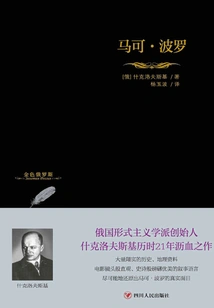
Marco Polo
General Fiction马可·波罗
(russia) Shklovsky
This is a historical novel by Shklovsky. Based on Marco Polo's own travel notes and a large number of real historical materials, Shi did his best to develop his literary imagination of the Silk Road. He used Marco Polo's life experience and Silk Road culture as the starting point, and used a combination of documentary and commentary to give a detailed description of Marco Polo's personal experiences and Eastern culture. By telling the encounters and experiences of Marco Polo, his father and uncle during their journey to the East, it not only describes Marco Polo's troubled life, but also reproduces the political and economic development conditions of countries along the Silk Road, especially China and other Eastern countries, reflects the social life and customs of each country, and restores the historical features of the Silk Road to a certain extent.
This is a historical novel by Shklovsky. Based on Marco Polo's own travel notes and a large number of real historical materials, Shi did his best to develop his literary imagination of the Silk Road. He used Marco Polo's life experience and Silk Road culture as the starting point, and used a combination of documentary and commentary to give a detailed description of Marco Polo's personal experiences and Eastern culture. By telling the encounters and experiences of Marco Polo, his father and uncle during their journey to the East, it not only describes Marco Polo's troubled life, but also reproduces the political and economic development conditions of countries along the Silk Road, especially China and other Eastern countries, reflects the social life and customs of each country, and restores the historical features of the Silk Road to a certain extent.
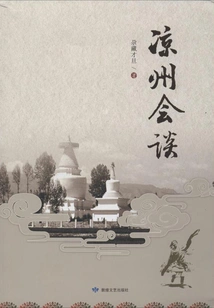
Liangzhou Talks
General Fiction凉州会谈
Ga Zang Caidan
This book is a novel based on the major historical event of the Liangzhou Talks. This novel is related to historical facts.
This book is a novel based on the major historical event of the Liangzhou Talks. This novel is related to historical facts.
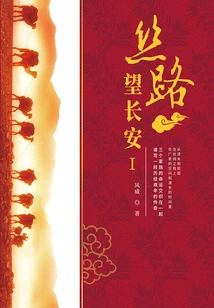
Silk Road to Chang'anⅰ
General Fiction丝路望长安Ⅰ
Prestige
"Looking to Chang'an from the Silk Road" is a novel. The novel is divided into three parts, namely "The Way of Heaven", "Westward from Yangguan" and "Snow-covered Tianshan Road". The novel is set in Shaanxi, Gansu and other regions along the Silk Road during the Republic of China. It uses the lives of two generations of the Xie family in Xi'an, the Wei family in Suzhou and the Qu family in Hami as clues. Through simple language and dense details, the novel delicately tells the love-hate entanglements of the Xie, Wei and Qu families and the fate of the characters. The novel effectively depicts the emotions and character of each character, and profoundly reveals the good and evil of human nature.
"Looking to Chang'an from the Silk Road" is a novel. The novel is divided into three parts, namely "The Way of Heaven", "Westward from Yangguan" and "Snow-covered Tianshan Road". The novel is set in Shaanxi, Gansu and other regions along the Silk Road during the Republic of China. It uses the lives of two generations of the Xie family in Xi'an, the Wei family in Suzhou and the Qu family in Hami as clues. Through simple language and dense details, the novel delicately tells the love-hate entanglements of the Xie, Wei and Qu families and the fate of the characters. The novel effectively depicts the emotions and character of each character, and profoundly reveals the good and evil of human nature.
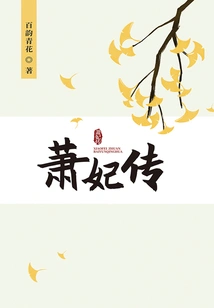
The Legend of Concubine Xiao
General Fiction萧妃传
Baiyun Blue And White
The story takes place during the Zhenguan period of the Tang Dynasty. The heroine Xiao Moer is the granddaughter of Xiao Cong, the last ruler of the Western Liang regime. She is the direct descendant of Li Deying, the daughter of Li Jing, the Duke of Wei, and her father Xiao Xuan is the guardian of Xiangcheng City. Mo'er has been smart, beautiful and versatile since she was a child. When he became an adult, he opened a clothing shop, did charity, treated epidemics, and helped those in need, which made him famous in the capital. Later, she married Li Shimin's third son, King Wu Li Ke, and became his concubine. From then on, the couple loved each other and worked hand in hand in the temple. Later, Li Ke was unjustly imprisoned. Mo'er trained the government soldiers and rescued her husband from the prison. His childhood sweetheart Cui Hao was trapped by love throughout his life, entangled and entangled, and came to help several times. Other characters in the book, such as Emperor Li Shimin, Queen Sun Wugou and his brother Sun Wuji, King Wei Li Tai, Wu Meiniang before becoming emperor, personal maid Xiao Wu, Shi Hua, etc., Are all people with distinctive personalities and happy grudges.
The story takes place during the Zhenguan period of the Tang Dynasty. The heroine Xiao Moer is the granddaughter of Xiao Cong, the last ruler of the Western Liang regime. She is the direct descendant of Li Deying, the daughter of Li Jing, the Duke of Wei, and her father Xiao Xuan is the guardian of Xiangcheng City. Mo'er has been smart, beautiful and versatile since she was a child. When he became an adult, he opened a clothing shop, did charity, treated epidemics, and helped those in need, which made him famous in the capital. Later, she married Li Shimin's third son, King Wu Li Ke, and became his concubine. From then on, the couple loved each other and worked hand in hand in the temple. Later, Li Ke was unjustly imprisoned. Mo'er trained the government soldiers and rescued her husband from the prison. His childhood sweetheart Cui Hao was trapped by love throughout his life, entangled and entangled, and came to help several times. Other characters in the book, such as Emperor Li Shimin, Queen Sun Wugou and his brother Sun Wuji, King Wei Li Tai, Wu Meiniang before becoming emperor, personal maid Xiao Wu, Shi Hua, etc., Are all people with distinctive personalities and happy grudges.
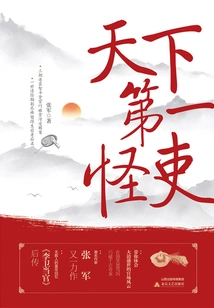
The Most Weird Official in the World
General Fiction天下第一怪吏
Zhang Jun
In the early years of Qianlong's reign, corruption in the officialdom was serious. Buying and selling officials was banned repeatedly, especially in the wealthy areas of the capital. Li Wei, a veteran of three dynasties, was secretly ordered by Emperor Qianlong to go to Zhili to investigate the truth of the case. When he first arrived in Zhili, Li Wei noticed that the governor Li Zhuqi was a sanctimonious and corrupt official. However, he was very cunning. Li Wei tried several times but failed. With no other choice, Li Wei had to disguise himself and break into Li Zhu's organ-selling system, find the evidence and turn it over to the emperor. Qianlong sent an imperial envoy to Zhili to investigate the case. Li Wei and the imperial envoy Haiwang set a trap to expose Li Zhuqi's crimes one by one and restore a clear and bright officialdom in the Qing Dynasty!
In the early years of Qianlong's reign, corruption in the officialdom was serious. Buying and selling officials was banned repeatedly, especially in the wealthy areas of the capital. Li Wei, a veteran of three dynasties, was secretly ordered by Emperor Qianlong to go to Zhili to investigate the truth of the case. When he first arrived in Zhili, Li Wei noticed that the governor Li Zhuqi was a sanctimonious and corrupt official. However, he was very cunning. Li Wei tried several times but failed. With no other choice, Li Wei had to disguise himself and break into Li Zhu's organ-selling system, find the evidence and turn it over to the emperor. Qianlong sent an imperial envoy to Zhili to investigate the case. Li Wei and the imperial envoy Haiwang set a trap to expose Li Zhuqi's crimes one by one and restore a clear and bright officialdom in the Qing Dynasty!
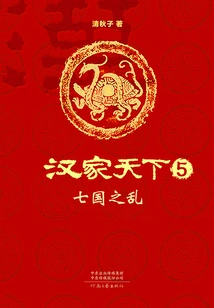
Han Family World 5: Rebellion of the Seven Kingdoms
General Fiction汉家天下5:七国之乱
Qingqiuzi
Preface by February River! Read the history of the Han Dynasty like "The Romance of the Three Kingdoms" and "Water Margin"! Yue Yuehe: "Qing Qiuzi's talent in writing historical stories is something that few people can match today." Yue Yuehe: "I feel like I can't let it go several times. The author continues the traditional writing method of ancient chapter novels, integrates them, and develops them. In the contemporary era, it is a surprise to read such simple and smart words." To understand Chinese history, you must read the story of the Han Dynasty! Let me tell you: Why are the Han people called the Han people, and why are China called China? From the succession of Emperor Jing of the Han Dynasty to the pacification of the Seven Kingdoms Rebellion, "Han Family 5" perfectly reshapes the heroes of the Han Dynasty! In order to write "Han Family World", the author Qing Qiuzi revisited the ancient battlefields of Chu and Han and traveled more than 5,000 kilometers! Open this book and return to the heroic era of the Han Dynasty!
Preface by February River! Read the history of the Han Dynasty like "The Romance of the Three Kingdoms" and "Water Margin"! Yue Yuehe: "Qing Qiuzi's talent in writing historical stories is something that few people can match today." Yue Yuehe: "I feel like I can't let it go several times. The author continues the traditional writing method of ancient chapter novels, integrates them, and develops them. In the contemporary era, it is a surprise to read such simple and smart words." To understand Chinese history, you must read the story of the Han Dynasty! Let me tell you: Why are the Han people called the Han people, and why are China called China? From the succession of Emperor Jing of the Han Dynasty to the pacification of the Seven Kingdoms Rebellion, "Han Family 5" perfectly reshapes the heroes of the Han Dynasty! In order to write "Han Family World", the author Qing Qiuzi revisited the ancient battlefields of Chu and Han and traveled more than 5,000 kilometers! Open this book and return to the heroic era of the Han Dynasty!
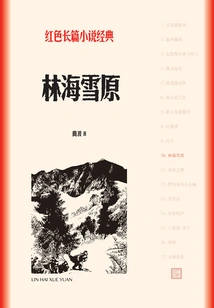
Linhaixueyuan
General Fiction林海雪原
Qu Bo
In the winter of 1946, our People's Liberation Army entered the forest and snow plains of Northeast China to search and suppress the remnants of the Kuomintang bandits that we had defeated. The Mudanjiang Military Region sent Shao Jian to lead a detachment to suppress them. Yang Zirong captured the agent Luan Ping and Liu Xuncang captured the gangster Diao Zhanyi. The health worker Bai Ru cures the disease of the old man Mushroom, the soldier Luan Chao climbs the cliff and flies over the natural dangers. Our army surprises the bandits and attacks the mountain top, captures the bandit leader Xu Damabang and his son alive, and eliminates the remaining bandits.
In the winter of 1946, our People's Liberation Army entered the forest and snow plains of Northeast China to search and suppress the remnants of the Kuomintang bandits that we had defeated. The Mudanjiang Military Region sent Shao Jian to lead a detachment to suppress them. Yang Zirong captured the agent Luan Ping and Liu Xuncang captured the gangster Diao Zhanyi. The health worker Bai Ru cures the disease of the old man Mushroom, the soldier Luan Chao climbs the cliff and flies over the natural dangers. Our army surprises the bandits and attacks the mountain top, captures the bandit leader Xu Damabang and his son alive, and eliminates the remaining bandits.
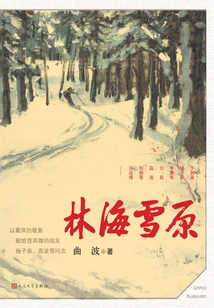
Linhaixueyuan
General Fiction林海雪原
Qu Bo
In the winter of 1946, our People's Liberation Army entered the forest and snow plains of Northeast China to search and suppress the remnants of the Kuomintang bandits that we had defeated. The Mudanjiang Military Region sent Shao Jian to lead a detachment to suppress them. Yang Zirong captured the agent Luan Ping and Liu Xuncang captured the gangster Diao Zhanyi. The health worker Bai Ru cures the disease of the old man Mushroom, the soldier Luan Chao climbs the cliff and flies over the natural dangers. Our army surprises the bandits and attacks the mountain top, captures the bandit leader Xu Damabang and his son alive, and eliminates the remaining bandits.
In the winter of 1946, our People's Liberation Army entered the forest and snow plains of Northeast China to search and suppress the remnants of the Kuomintang bandits that we had defeated. The Mudanjiang Military Region sent Shao Jian to lead a detachment to suppress them. Yang Zirong captured the agent Luan Ping and Liu Xuncang captured the gangster Diao Zhanyi. The health worker Bai Ru cures the disease of the old man Mushroom, the soldier Luan Chao climbs the cliff and flies over the natural dangers. Our army surprises the bandits and attacks the mountain top, captures the bandit leader Xu Damabang and his son alive, and eliminates the remaining bandits.
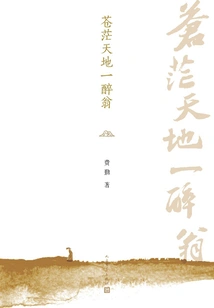
A Drunken Man in the Vast World
General Fiction苍茫天地一醉翁
Feiqin
"Clouds and Vast Waters" is a long historical novel about Ouyang Xiu, a writer in the Song Dynasty. The work tells Ouyang Xiu's life experience in a sophisticated language, fully embodying his feelings about his family and country that "if you are successful, you can help the world, and if you are poor, you can be alone". The novel outlines a vivid picture of the political and cultural life of the Song Dynasty, and describes the interactions between Ouyang Xiu and Su Dongpo and other younger literary figures. The author reviewed a large number of historical materials and presented Ouyang Xiu's rich life to readers in a simple and profound way.
"Clouds and Vast Waters" is a long historical novel about Ouyang Xiu, a writer in the Song Dynasty. The work tells Ouyang Xiu's life experience in a sophisticated language, fully embodying his feelings about his family and country that "if you are successful, you can help the world, and if you are poor, you can be alone". The novel outlines a vivid picture of the political and cultural life of the Song Dynasty, and describes the interactions between Ouyang Xiu and Su Dongpo and other younger literary figures. The author reviewed a large number of historical materials and presented Ouyang Xiu's rich life to readers in a simple and profound way.
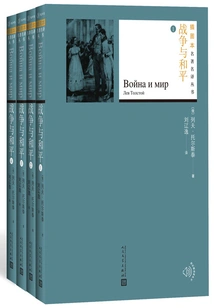
War and Peace (complete Collection)
General Fiction战争与和平(全集)
O
"War and Peace" (1866-1869) describes the entire process of the Russo-French War in 1812. It uses the activities of the four aristocratic families at that time as clues to reflect many major historical events and the real life of all classes from 1805 to 1820. It criticizes those nobles who speak elegantly but ignore the fate of the motherland. It praises the patriotism and heroism displayed by the younger generation in the war. It is an epic masterpiece.
"War and Peace" (1866-1869) describes the entire process of the Russo-French War in 1812. It uses the activities of the four aristocratic families at that time as clues to reflect many major historical events and the real life of all classes from 1805 to 1820. It criticizes those nobles who speak elegantly but ignore the fate of the motherland. It praises the patriotism and heroism displayed by the younger generation in the war. It is an epic masterpiece.
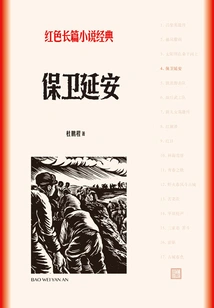
Defend Yan'an
General Fiction保卫延安
Du Pengcheng
"Defending Yan'an", written by Du Pengcheng, is the first excellent novel in the history of contemporary literature to describe the liberation war in a large-scale and positive manner, and is known as a "heroic epic". The novel sincerely and movingly describes several famous battles in the war to defend Yan'an, General Peng Dehuai, and many heroic figures among the commanders and soldiers who risked their lives. The work centers on the heroic deeds of Captain Zhou Dayong and depicts the historical picture of the People's War. It is a powerful work describing our country's People's Liberation War.
"Defending Yan'an", written by Du Pengcheng, is the first excellent novel in the history of contemporary literature to describe the liberation war in a large-scale and positive manner, and is known as a "heroic epic". The novel sincerely and movingly describes several famous battles in the war to defend Yan'an, General Peng Dehuai, and many heroic figures among the commanders and soldiers who risked their lives. The work centers on the heroic deeds of Captain Zhou Dayong and depicts the historical picture of the People's War. It is a powerful work describing our country's People's Liberation War.
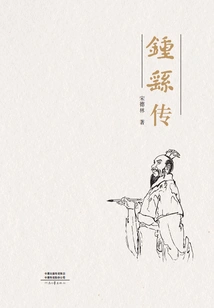
The Legend of Zhong Yao
General Fiction钟繇传
Song Delin
The long historical novel "The Biography of Zhong Yao" tells the story of Zhong Yao, a native of Yingchuan Changshe during the Han and Wei Dynasties, who served as an official for the second emperor and assisted the Cao family for three generations. It reflects that Zhong Yao was not only a famous politician and military strategist, but also a great calligrapher with an eternal reputation. The novel has grand scenes, numerous characters, vivid and touching stories, ups and downs of plot, outstanding characters and distinctive language, which is fascinating.
The long historical novel "The Biography of Zhong Yao" tells the story of Zhong Yao, a native of Yingchuan Changshe during the Han and Wei Dynasties, who served as an official for the second emperor and assisted the Cao family for three generations. It reflects that Zhong Yao was not only a famous politician and military strategist, but also a great calligrapher with an eternal reputation. The novel has grand scenes, numerous characters, vivid and touching stories, ups and downs of plot, outstanding characters and distinctive language, which is fascinating.
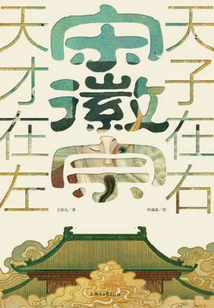
宋徽宗:天才在左 天子在右
Wang Xiaofu
The work dramatizes the life of Zhao Ji, Emperor Huizong of the Song Dynasty, in a fantasy style. In the book, historical figures such as Li Shishi, Zhou Bangyan, Li Qingzhao, and Zhang Zeduan appear one after another. The interweaving of reality and dreams drives the fate of a generation of emperors, vividly showing Zhao Ji's tragic life and the final prosperity and overthrow of the Northern Song Dynasty.
The work dramatizes the life of Zhao Ji, Emperor Huizong of the Song Dynasty, in a fantasy style. In the book, historical figures such as Li Shishi, Zhou Bangyan, Li Qingzhao, and Zhang Zeduan appear one after another. The interweaving of reality and dreams drives the fate of a generation of emperors, vividly showing Zhao Ji's tragic life and the final prosperity and overthrow of the Northern Song Dynasty.
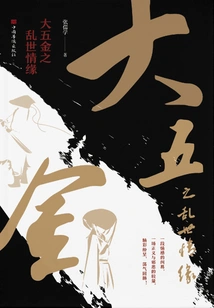
Big Hardware's Love in Troubled Times
General Fiction大五金之乱世情缘
Zhang Ruxue
A Qing Dynasty interpretation novel, an emotional entanglement and a battle between justice and evil. In the late Qing Dynasty, Longshui Town, a town with water and mountains, attracted merchants from all over the place due to the development of ironware. On the streets, there are iron shops, barbers, tinkers, fortune tellers hanging banners, batik weavers, jugglers, and entertainers, all of which bring excitement and prosperity to the place.
A Qing Dynasty interpretation novel, an emotional entanglement and a battle between justice and evil. In the late Qing Dynasty, Longshui Town, a town with water and mountains, attracted merchants from all over the place due to the development of ironware. On the streets, there are iron shops, barbers, tinkers, fortune tellers hanging banners, batik weavers, jugglers, and entertainers, all of which bring excitement and prosperity to the place.
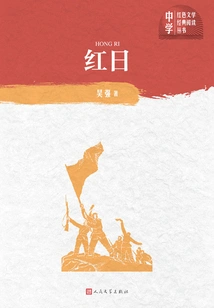
Red Sun
General Fiction红日
Wu Qiang
The "Red Classic Literature Reading Series for Middle Schools" has a total of twenty-five kinds, all of which consist of revolutionary-themed novels or non-fiction works that have passed the test of time or been recognized by national awards. The earliest works created include "The Iron Wall", "The Legend of Luliang Heroes", "The Sun Shines on the Sanggan River", and the most recent works are "War of Liberation" by Wang Shuzeng, etc. The series aims to educate young readers on revolutionary tradition and literary aesthetics through high-level literary works. We have reason to believe that this is a classic series of books that have strong practical significance for the growth of teenagers.
The "Red Classic Literature Reading Series for Middle Schools" has a total of twenty-five kinds, all of which consist of revolutionary-themed novels or non-fiction works that have passed the test of time or been recognized by national awards. The earliest works created include "The Iron Wall", "The Legend of Luliang Heroes", "The Sun Shines on the Sanggan River", and the most recent works are "War of Liberation" by Wang Shuzeng, etc. The series aims to educate young readers on revolutionary tradition and literary aesthetics through high-level literary works. We have reason to believe that this is a classic series of books that have strong practical significance for the growth of teenagers.
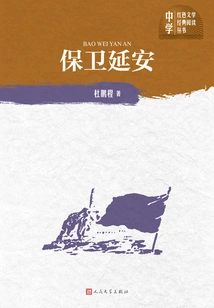
Defend Yan'an
General Fiction保卫延安
Du Pengcheng
This book is the first large-scale positive description of the Liberation War in the history of contemporary Chinese literature. The novel takes a company of the Chinese People's Liberation Army participating in the battles of Qinghua Bian, Panlong Town, Yulin, and Shajiadian as the main line. It artistically reproduces the historical scenes of the Yan'an Defense War in 1947, shapes the heroic images of the PLA officers and soldiers at all levels, and reveals the ideological proposition that the spirit of revolutionary heroism is the inner strength of war victory.
This book is the first large-scale positive description of the Liberation War in the history of contemporary Chinese literature. The novel takes a company of the Chinese People's Liberation Army participating in the battles of Qinghua Bian, Panlong Town, Yulin, and Shajiadian as the main line. It artistically reproduces the historical scenes of the Yan'an Defense War in 1947, shapes the heroic images of the PLA officers and soldiers at all levels, and reveals the ideological proposition that the spirit of revolutionary heroism is the inner strength of war victory.
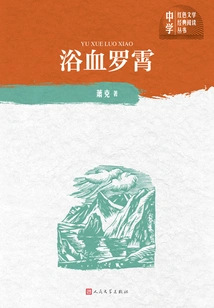
Bathed in Blood and Luo Xiao
General Fiction浴血罗霄
Xiao Ke
"Blood in the Sky" is based on the fifth large-scale "encirclement and suppression" campaign carried out by the Kuomintang's 500,000 troops against the Central Soviet Area of the Communist Party of China in 1933. It describes the process of the Luo Xiao Column, the main force of the Red Army in the Hunan-Jiangxi Soviet Area, advancing northward, breaking through the enemy's blockade in one fell swoop, and then fighting back to the base area. It shows the perseverance of Red Army commanders and fighters with revolutionary beliefs, as well as their optimistic and generous spirit of sacrifice in a difficult and cruel environment.
"Blood in the Sky" is based on the fifth large-scale "encirclement and suppression" campaign carried out by the Kuomintang's 500,000 troops against the Central Soviet Area of the Communist Party of China in 1933. It describes the process of the Luo Xiao Column, the main force of the Red Army in the Hunan-Jiangxi Soviet Area, advancing northward, breaking through the enemy's blockade in one fell swoop, and then fighting back to the base area. It shows the perseverance of Red Army commanders and fighters with revolutionary beliefs, as well as their optimistic and generous spirit of sacrifice in a difficult and cruel environment.
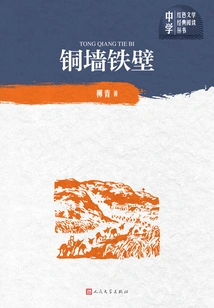
Iron Wall
General Fiction铜墙铁壁
Liu Qing
The book describes the story of the heroic struggle of the people of northern Shaanxi to protect food and supplies during the Liberation War. The novel focuses on the work of the Shajiadian Grain Station, vividly showing the great historical achievements of the people in the War of Liberation. Through true and touching artistic description, the novel profoundly reveals this theme that shines with the brilliance of historical materialism.
The book describes the story of the heroic struggle of the people of northern Shaanxi to protect food and supplies during the Liberation War. The novel focuses on the work of the Shajiadian Grain Station, vividly showing the great historical achievements of the people in the War of Liberation. Through true and touching artistic description, the novel profoundly reveals this theme that shines with the brilliance of historical materialism.
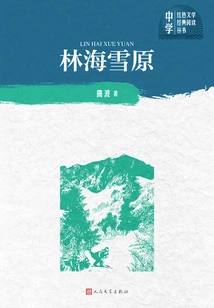
Linhaixueyuan
General Fiction林海雪原
Qu Bo
The novel is a full-length novel based on Qu Bo's own experience. As soon as the novel came out, it caused a strong response in the society at that time. The novel describes the story of a small team of the Northeastern Democratic Alliance Army, led by the regiment's chief of staff Shao Jianbo, as the reconnaissance hero Yang Zirong battles wits and courage with the Eagle Bandits of Weihu Mountain, and goes deep into the forest, sea and snowy fields to carry out the task of suppressing bandits.
The novel is a full-length novel based on Qu Bo's own experience. As soon as the novel came out, it caused a strong response in the society at that time. The novel describes the story of a small team of the Northeastern Democratic Alliance Army, led by the regiment's chief of staff Shao Jianbo, as the reconnaissance hero Yang Zirong battles wits and courage with the Eagle Bandits of Weihu Mountain, and goes deep into the forest, sea and snowy fields to carry out the task of suppressing bandits.
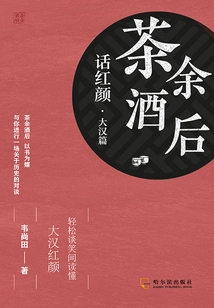
After-dinner Talk About Beauties: a Man's Chapter
General Fiction茶余酒后话红颜·大汉篇
Wei Shangtian
This book is a deductive novel that combines historical facts and folklore. The two-faced appearance of Xiao He, the first prime minister of the Han Dynasty, supports the legend that "Xiao He succeeds and Xiao He fails." The first female hero of the Han Dynasty to go to the Western Regions to relieve worries. The image is admirable. A shepherd's song praising Su Wu has been sung for thousands of years in China. What legendary experiences Su Wu had in the Qiang land, and how the daughter of "Treacherous Prime Minister Cao Cao" sacrificed her life to pursue pure love, this book will show you one by one. On the premise of respecting historical facts, the work carries out certain creative interpretations, making it interesting to read. The plot of this book is vivid, the narrative is smooth, the language is popular and interesting, and the characters are rich.
This book is a deductive novel that combines historical facts and folklore. The two-faced appearance of Xiao He, the first prime minister of the Han Dynasty, supports the legend that "Xiao He succeeds and Xiao He fails." The first female hero of the Han Dynasty to go to the Western Regions to relieve worries. The image is admirable. A shepherd's song praising Su Wu has been sung for thousands of years in China. What legendary experiences Su Wu had in the Qiang land, and how the daughter of "Treacherous Prime Minister Cao Cao" sacrificed her life to pursue pure love, this book will show you one by one. On the premise of respecting historical facts, the work carries out certain creative interpretations, making it interesting to read. The plot of this book is vivid, the narrative is smooth, the language is popular and interesting, and the characters are rich.
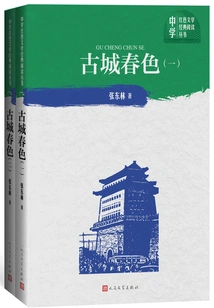
Spring Scenery in the Ancient City (complete Works)
General Fiction古城春色(全集)
Zhang Donglin
In the spring of 1949, the majestic ancient city of Beijing was finally liberated under the victorious offensive of the Party Central Committee and the Chinese People's Liberation Army led by Chairman Mao, ending thousands of years of reactionary rule and ushering in the eternal spring. This novel describes the glorious process of the liberation of Beijing. It describes a company of the Fourth Field Army, creating vivid heroic images with many touching and touching deeds. The work is permeated with the spirit of revolutionism and revolutionary optimism.
In the spring of 1949, the majestic ancient city of Beijing was finally liberated under the victorious offensive of the Party Central Committee and the Chinese People's Liberation Army led by Chairman Mao, ending thousands of years of reactionary rule and ushering in the eternal spring. This novel describes the glorious process of the liberation of Beijing. It describes a company of the Fourth Field Army, creating vivid heroic images with many touching and touching deeds. The work is permeated with the spirit of revolutionism and revolutionary optimism.
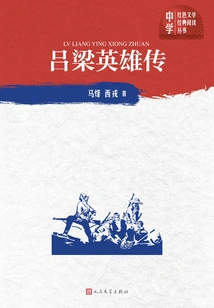
The Heroes of Luliang
General Fiction吕梁英雄传
Ma Feng Xirong
"The Biography of the Heroes of Luliang" is the first full-length novel that reflects the Chinese Communist Party's leadership of the entire nation in resisting Japan. It tells the story of an ordinary village in Luliang Mountain who awakened from the evil deeds of the Japanese invaders and organized a militia force to fight tenaciously against the enemy under the leadership of the Communist Party. From "The Biography of the Heroes of Luliang", we can see the outline of the arduous struggle of the people of the Jinsui Liberated Area during the eight years of the Anti-Japanese War. During the revolutionary war years, more than 30,000 Luliang heroes and heroines were bloody on the battlefield. "The Biography of the Heroes of Luliang" is an epic battle of blood and fire among the people of Luliang.
"The Biography of the Heroes of Luliang" is the first full-length novel that reflects the Chinese Communist Party's leadership of the entire nation in resisting Japan. It tells the story of an ordinary village in Luliang Mountain who awakened from the evil deeds of the Japanese invaders and organized a militia force to fight tenaciously against the enemy under the leadership of the Communist Party. From "The Biography of the Heroes of Luliang", we can see the outline of the arduous struggle of the people of the Jinsui Liberated Area during the eight years of the Anti-Japanese War. During the revolutionary war years, more than 30,000 Luliang heroes and heroines were bloody on the battlefield. "The Biography of the Heroes of Luliang" is an epic battle of blood and fire among the people of Luliang.
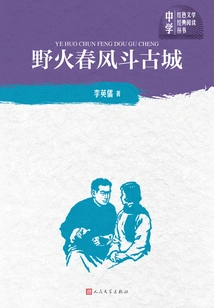
Wild Fire Spring Breeze Fighting Ancient City
General Fiction野火春风斗古城
Li Yingru
"Wild Fire, Spring Wind and Ancient City" is a novel describing the life and struggle of our party's underground workers. The story described in the novel took place in the winter of 1943, against the most difficult and complex background of the Anti-Japanese War, in the provincial capital occupied by the enemy and puppets (today's Baoding City, Hebei Province). It is against this background that the novel creates the indomitable and heroic image of the Chinese Communists represented by Yang Xiaodong.
"Wild Fire, Spring Wind and Ancient City" is a novel describing the life and struggle of our party's underground workers. The story described in the novel took place in the winter of 1943, against the most difficult and complex background of the Anti-Japanese War, in the provincial capital occupied by the enemy and puppets (today's Baoding City, Hebei Province). It is against this background that the novel creates the indomitable and heroic image of the Chinese Communists represented by Yang Xiaodong.
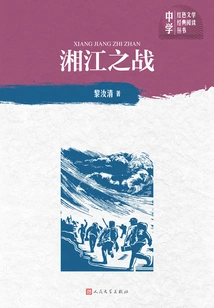
Battle of Xiangjiang River
General Fiction湘江之战
Li Ruqing
During the Battle of the Xiangjiang River during the Red Army's Long March, the Red Army sacrificed 30,000 people and captured 6,000 people. The Eighth Red Army, the 18th Regiment of the Sixth Division of the Third Red Army, and the 34th Division of the Fifth Red Army were almost completely wiped out. The total strength of the Central Red Army dropped sharply to 30,000 people. "The Battle of Xiangjiang" takes the most tragic Battle of Xiangjiang during the Long March as the main line, and truly reproduces the military and political reality since the Central Red Army's breakout. It not only truly reproduces the historical situation at that time, but also reflects on the status and role of war decision-making in history from the standpoint of historical development and historical speculation.
During the Battle of the Xiangjiang River during the Red Army's Long March, the Red Army sacrificed 30,000 people and captured 6,000 people. The Eighth Red Army, the 18th Regiment of the Sixth Division of the Third Red Army, and the 34th Division of the Fifth Red Army were almost completely wiped out. The total strength of the Central Red Army dropped sharply to 30,000 people. "The Battle of Xiangjiang" takes the most tragic Battle of Xiangjiang during the Long March as the main line, and truly reproduces the military and political reality since the Central Red Army's breakout. It not only truly reproduces the historical situation at that time, but also reflects on the status and role of war decision-making in history from the standpoint of historical development and historical speculation.
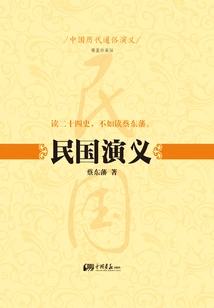
中国历代通俗演义:民国演义
Cai Dongfan
"The Romance of the Republic of China" is the history of the Ming Dynasty. "The Romance of the Republic of China" was compiled by Cai Dongfan.
"The Romance of the Republic of China" is the history of the Ming Dynasty. "The Romance of the Republic of China" was compiled by Cai Dongfan.
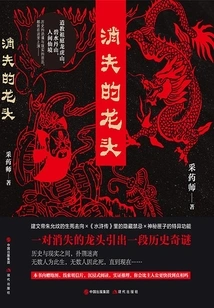
The Missing Faucet
General Fiction消失的龙头
Herbalist
The life and death of Emperor Jianwen Zhu Yunwen, the mystery of the author of "Water Margin", the true purpose of Zheng He's voyages to the West and Hu Hui's search for immortals. These mysteries in history are all connected to each other because of a theft of cultural relics in a scenic spot. The truth slowly emerged six hundred years later. Confused, tricked, rounded up, and killed, Mo Tongchen must race against time to solve the puzzle in order to regain the treasure, save his grandfather, and even save the world. In this mystery of life and death, a mysterious organization that has existed for six hundred years seems to "control" everything. According to legend, they are the overseas descendants of Zheng He's fleet...
The life and death of Emperor Jianwen Zhu Yunwen, the mystery of the author of "Water Margin", the true purpose of Zheng He's voyages to the West and Hu Hui's search for immortals. These mysteries in history are all connected to each other because of a theft of cultural relics in a scenic spot. The truth slowly emerged six hundred years later. Confused, tricked, rounded up, and killed, Mo Tongchen must race against time to solve the puzzle in order to regain the treasure, save his grandfather, and even save the world. In this mystery of life and death, a mysterious organization that has existed for six hundred years seems to "control" everything. According to legend, they are the overseas descendants of Zheng He's fleet...
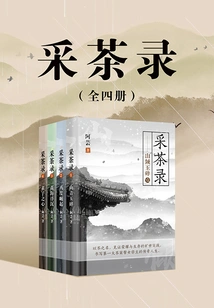
Tea Picking Record Series (complete Collection)
General Fiction采茶录系列(全集)
Ayun
Among the eight generations of tea-making families, the Ying family worked diligently, while the Nan family worked hard. In the 10th year of Qianlong's reign, Lu Xun, a descendant of the tea saint, rated Nanjia Tea House as the best tea house in the world. Nanjia became the number one tea merchant in the world through the influence of the royal family. Since then, Nan Di, the head of the Nan family, has been inflated with desire. He wants to renew his relationship with Wei Qingyue, a talented girl who has fallen in love with Ying An, the head of the Ying family. Wei Qingyue flatly refuses. The next year, the Nan family's skills were inferior to others, and they were defeated by the Ying family in a tea fight, losing face. Nan Di held a grudge and recommended Wei Qingyue to Prince He. Prince He fell in love with Wei Qingyue at first sight and took her by force. After Wei Qingyue escaped, she married Ying An and gave birth to her daughter Ying Yu. Due to the one-stop trade policy, the trading company involved the interests of many factions, and the Ying family was unfortunately involved in the struggle for the interests of the royal family. In order to defeat the Ying family, Nan Di and the prince devised a poisonous plan to throw all the men of the Ying family into prison. In the end, Wei Qingyue was thrown into the pond, and Ying An became mentally disturbed. Ying An's daughter Ying Yu, who witnessed all the misfortunes, embarked on the road of leading the family to start a new business and take revenge...
Among the eight generations of tea-making families, the Ying family worked diligently, while the Nan family worked hard. In the 10th year of Qianlong's reign, Lu Xun, a descendant of the tea saint, rated Nanjia Tea House as the best tea house in the world. Nanjia became the number one tea merchant in the world through the influence of the royal family. Since then, Nan Di, the head of the Nan family, has been inflated with desire. He wants to renew his relationship with Wei Qingyue, a talented girl who has fallen in love with Ying An, the head of the Ying family. Wei Qingyue flatly refuses. The next year, the Nan family's skills were inferior to others, and they were defeated by the Ying family in a tea fight, losing face. Nan Di held a grudge and recommended Wei Qingyue to Prince He. Prince He fell in love with Wei Qingyue at first sight and took her by force. After Wei Qingyue escaped, she married Ying An and gave birth to her daughter Ying Yu. Due to the one-stop trade policy, the trading company involved the interests of many factions, and the Ying family was unfortunately involved in the struggle for the interests of the royal family. In order to defeat the Ying family, Nan Di and the prince devised a poisonous plan to throw all the men of the Ying family into prison. In the end, Wei Qingyue was thrown into the pond, and Ying An became mentally disturbed. Ying An's daughter Ying Yu, who witnessed all the misfortunes, embarked on the road of leading the family to start a new business and take revenge...
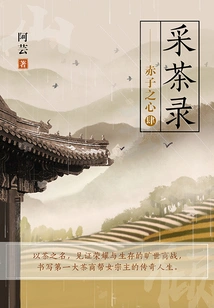
Tea Picking Record 4: Innocent Heart
General Fiction采茶录4:赤子之心
Ayun
The battle between Prince He and the Ying family has become fierce, but Prince He is old and mentally and physically exhausted. As a father, he truly envied Hao Lian, who had Duanmu and Shen Xiaocheng at his knees, but in his heart he envied Ying An even more. This tea farmer in Fujian found a daughter with "karma" and built the Ying family's business empire in just a few years, and also destroyed a prestigious prince's palace. But his biological son seemed so incompetent. Prince He decided to go on stage in person, but because of the emperor's protection, Ying Yu was no longer just a tea merchant who could be disposed of at will. For the sake of future generations and the glory of the palace, Prince He decided to make a desperate move, and Ying Yu was sent to the guillotine as he wished. However, at the moment before the execution, he learned that Ying Yu was his and Wei Qingyue's daughter. After desperately saving Ying Yu, the war finally came to an end. But after his death, the Queen Mother learned that Ying Yu had faked her identity, and that she had deceived the prince just for revenge...
The battle between Prince He and the Ying family has become fierce, but Prince He is old and mentally and physically exhausted. As a father, he truly envied Hao Lian, who had Duanmu and Shen Xiaocheng at his knees, but in his heart he envied Ying An even more. This tea farmer in Fujian found a daughter with "karma" and built the Ying family's business empire in just a few years, and also destroyed a prestigious prince's palace. But his biological son seemed so incompetent. Prince He decided to go on stage in person, but because of the emperor's protection, Ying Yu was no longer just a tea merchant who could be disposed of at will. For the sake of future generations and the glory of the palace, Prince He decided to make a desperate move, and Ying Yu was sent to the guillotine as he wished. However, at the moment before the execution, he learned that Ying Yu was his and Wei Qingyue's daughter. After desperately saving Ying Yu, the war finally came to an end. But after his death, the Queen Mother learned that Ying Yu had faked her identity, and that she had deceived the prince just for revenge...
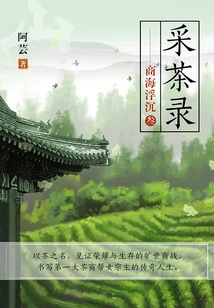
采茶录3:商海浮沉
Ayun
Although the young sect leader Ying Yu has a far-reaching vision, his footsteps are firm. The first priority before the Ying Family Tea House is to return to the tea world of the Qing Dynasty. As a businessman, she was located in a remote location, but she could understand the court situation and knew that Emperor Qianlong would have a battle with the Gongbang Dynasty of Myanmar. So she established herself in the tea house and actively expanded the trade on the Tea Horse Road. In exchange for a large number of war horses, she donated them to the court. With Emperor Qianlong's sympathy and permission, she returned to the Qing Dynasty tea industry. From then on, the sea was as wide as the fish could leap, and the sky was as high as the birds could fly. Under her leadership, Yingjia Tea House pushed the Qing Dynasty tea trade to a new historical high. At the same time, Yingyu opened multiple branches and established teahouse outlets throughout major tea-producing areas and all important towns across the country, becoming the well-deserved No. 1 Teahouse in the world. However, the development process has not been smooth sailing...
Although the young sect leader Ying Yu has a far-reaching vision, his footsteps are firm. The first priority before the Ying Family Tea House is to return to the tea world of the Qing Dynasty. As a businessman, she was located in a remote location, but she could understand the court situation and knew that Emperor Qianlong would have a battle with the Gongbang Dynasty of Myanmar. So she established herself in the tea house and actively expanded the trade on the Tea Horse Road. In exchange for a large number of war horses, she donated them to the court. With Emperor Qianlong's sympathy and permission, she returned to the Qing Dynasty tea industry. From then on, the sea was as wide as the fish could leap, and the sky was as high as the birds could fly. Under her leadership, Yingjia Tea House pushed the Qing Dynasty tea trade to a new historical high. At the same time, Yingyu opened multiple branches and established teahouse outlets throughout major tea-producing areas and all important towns across the country, becoming the well-deserved No. 1 Teahouse in the world. However, the development process has not been smooth sailing...
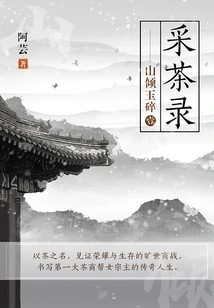
Tea Picking Record 1: Jade Broken in the Mountain
General Fiction采茶录1:山倾玉碎
Ayun
Lu Xun, the 54th-generation male grandson who calls himself the tea sage Lu Yu, rated Nanjia Tea House as the best tea house in the world in his famous "Jiancha Diary". This stimulated Nanjia Tea House's chief proprietor Nan Di to feel swollen. He began to cling to the powerful, aiming to climb to the middle and upper levels of society. Although Yingjia Tea House adheres to the principle of not caring about worldly affairs and making a fortune in silence, Nan Di is still afraid of his unfathomable strength, and is regarded by Nan Di as a natural enemy and an obstacle to his climb. At this time, the beautiful girl Wei Qingyue rejected Nan Di's marriage proposal and resolutely wanted to marry Ying An, the owner of the Ying family tea house, which made Nan Di feel even more insulted. Out of jealousy, Nan Di sacrificed Wei Qingyue to Qianlong's younger brother Aixinjueluo Hongzhou. Hong Zhou fell in love with Wei Qingyue, and from then on he was trapped in the mud and the sea of suffering was boundless...
Lu Xun, the 54th-generation male grandson who calls himself the tea sage Lu Yu, rated Nanjia Tea House as the best tea house in the world in his famous "Jiancha Diary". This stimulated Nanjia Tea House's chief proprietor Nan Di to feel swollen. He began to cling to the powerful, aiming to climb to the middle and upper levels of society. Although Yingjia Tea House adheres to the principle of not caring about worldly affairs and making a fortune in silence, Nan Di is still afraid of his unfathomable strength, and is regarded by Nan Di as a natural enemy and an obstacle to his climb. At this time, the beautiful girl Wei Qingyue rejected Nan Di's marriage proposal and resolutely wanted to marry Ying An, the owner of the Ying family tea house, which made Nan Di feel even more insulted. Out of jealousy, Nan Di sacrificed Wei Qingyue to Qianlong's younger brother Aixinjueluo Hongzhou. Hong Zhou fell in love with Wei Qingyue, and from then on he was trapped in the mud and the sea of suffering was boundless...
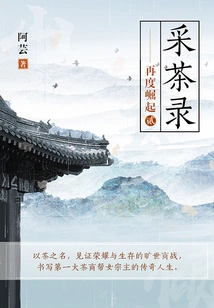
Tea Picking Record 2: Rise Again
General Fiction采茶录2:再度崛起
Ayun
Nan Di, the old enemy of Nanjia Tea House, bloodily tore the relationship between her and Ying An, so she and the prince wanted to recapture Wei Qingyue as the source, triggering the tragedy of the Ying family being imprisoned, looted, and their families destroyed, and finally ended with Wei Qingyue being humiliated and killed by Shen Tan. The Ying family has gone from being a wealthy family to having little food and clothing, and Ying is suffering from mental disorder. But the corrupt official Zhu Gao still wanted to squeeze the oil out of the bones of the Ying family. He put Ying An in jail and broke one of his legs. The 14-year-old Ying Yu recognized Zhu Gao's desire for promotion and wealth, and used the "pruning method" to shock the court. In one fell swoop, he pulled Zhu Gao off his horse and rescued his father from prison. Ying Yu's courage and talent were recognized by the whole clan, and he became the ninth generation master of the Ying family tea house. As soon as Ying Yu took office, she showed a completely different style of conduct from the original eight heads of the Ying family. She was pioneering and ambitious. At the same time, he also started investigating the unjust case of the Ying family and embarked on a journey of revenge.
Nan Di, the old enemy of Nanjia Tea House, bloodily tore the relationship between her and Ying An, so she and the prince wanted to recapture Wei Qingyue as the source, triggering the tragedy of the Ying family being imprisoned, looted, and their families destroyed, and finally ended with Wei Qingyue being humiliated and killed by Shen Tan. The Ying family has gone from being a wealthy family to having little food and clothing, and Ying is suffering from mental disorder. But the corrupt official Zhu Gao still wanted to squeeze the oil out of the bones of the Ying family. He put Ying An in jail and broke one of his legs. The 14-year-old Ying Yu recognized Zhu Gao's desire for promotion and wealth, and used the "pruning method" to shock the court. In one fell swoop, he pulled Zhu Gao off his horse and rescued his father from prison. Ying Yu's courage and talent were recognized by the whole clan, and he became the ninth generation master of the Ying family tea house. As soon as Ying Yu took office, she showed a completely different style of conduct from the original eight heads of the Ying family. She was pioneering and ambitious. At the same time, he also started investigating the unjust case of the Ying family and embarked on a journey of revenge.
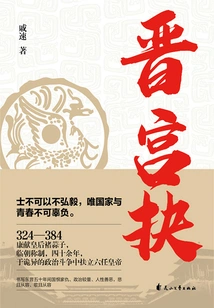
Jin Gong Jue
General Fiction晋宫抉
Qi Su
This book takes the Empress Chu Suanzi of the Eastern Jin Dynasty as the main line, adopts the method of large themes and small shots, and describes the struggle for power between the Sima family and the Yu, Huan, Xie and other aristocratic families, as well as Su Jun's rebellion, Huan Wen's usurpation of the throne, and the Yin Dynasty. The small details in major historical events such as the Northern Expedition and the Battle of Feishui have vividly and vividly created the image of Chu Suanzi, a woman who abides by her true nature, is law-abiding and rare, and whose youth and country cannot be let down.
This book takes the Empress Chu Suanzi of the Eastern Jin Dynasty as the main line, adopts the method of large themes and small shots, and describes the struggle for power between the Sima family and the Yu, Huan, Xie and other aristocratic families, as well as Su Jun's rebellion, Huan Wen's usurpation of the throne, and the Yin Dynasty. The small details in major historical events such as the Northern Expedition and the Battle of Feishui have vividly and vividly created the image of Chu Suanzi, a woman who abides by her true nature, is law-abiding and rare, and whose youth and country cannot be let down.
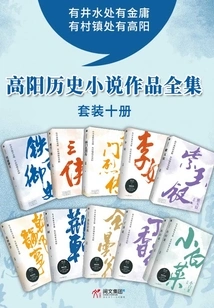
高阳历史小说作品全集(共10册)
Gaoyang
Gao Yang's status in the world of Chinese historical novels is equivalent to Jin Yong's status in the world of Chinese martial arts novels. It is said that "where there is well water, there is Jin Yong, and where there are villages and towns, there is Gao Yang." This collection includes ten works including the famous work "Li Wa", the representative works "The Romance of Qianlong", "Lilacs", "Little Baicai", "Golden Epiphyllum" and "Jing Ke". It covers many historical periods such as the Warring States, Sui, Tang, Song, Ming, Qing, and the Republic of China, and involves popular historical events such as "Jing Ke's Assassination of Qin", "Mysterious Cases in the Qing Palace", "Strange Cases in the Late Qing Dynasty" and "Zhang Xun's Restoration". It is a wonderful read and can be called a folk history.
Gao Yang's status in the world of Chinese historical novels is equivalent to Jin Yong's status in the world of Chinese martial arts novels. It is said that "where there is well water, there is Jin Yong, and where there are villages and towns, there is Gao Yang." This collection includes ten works including the famous work "Li Wa", the representative works "The Romance of Qianlong", "Lilacs", "Little Baicai", "Golden Epiphyllum" and "Jing Ke". It covers many historical periods such as the Warring States, Sui, Tang, Song, Ming, Qing, and the Republic of China, and involves popular historical events such as "Jing Ke's Assassination of Qin", "Mysterious Cases in the Qing Palace", "Strange Cases in the Late Qing Dynasty" and "Zhang Xun's Restoration". It is a wonderful read and can be called a folk history.
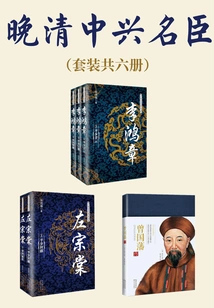
晚清中兴名臣(套装共六册)
Zhang Hongfu
"Li Hongzhang" (three volumes): Introduction to the first volume: This volume mainly describes how Li Hongzhang transported thousands of troops to Shanghai in order to defend Shanghai; he fought three battles in Shanghai and became governor of Jiangsu; he founded a modern military industrial enterprise, equipped the Huai army with foreign guns and cannons, regained the lost territory of Jiangsu, and granted the title of Su Yibo and Prince Shaobao. Introduction to Volume 2: This volume mainly records the 25 years that Li Hongzhang has been the governor of Zhili, the first governor in the world, and has long-term influence on the military, diplomacy and foreign affairs of the Qing Dynasty. He felt painfully that the Qing Dynasty was weak and sluggish, and came to the understanding that "wealth and strength are related to each other" and "we must first get rich before we can become strong", and turned the focus of the Westernization Movement to "seeking wealth." Introduction to the content of Volume 3: After thirty years of the Westernization Movement, the Qing Dynasty's national power and military power have greatly increased, and it has the Northern Fleet known as East Asia. However, the Sino-Japanese War broke out and the Beiyang Fleet was completely wiped out. The Qing Dynasty signed the Treaty of Shimonoseki with Japan and ceded the Liaodong Peninsula and Taiwan. Later, Li Hongzhang went to Russia as an envoy, signed a Sino-Russian secret treaty to check and balance Japan, and broadened his horizons with Europe and the United States. This book is the best novel about Li Hongzhang so far. It is also known as "the five masterpieces of contemporary historical novels" together with "Emperor Yongzheng" by Yue Erhe, "Zhang Juzheng" by Xiong Zhaozheng, "The Qin Empire" by Sun Haohui, and "Zeng Guofan" by Tang Haoming. "Zongtang Zuo" (two volumes in total): This book is a long historical novel. Zuo Zongtang was an important minister of the late Qing Dynasty, a strategist, a politician, a famous general of the Hunan Army, and the leader of the Westernization Movement. He failed in many trials when he was young, so he turned his attention to farming, read many books, studied geography and military art, and later became a famous minister of the Qing Dynasty. Throughout his life, he experienced important historical events such as the pacification of the Taiping Rebellion, the Westernization Movement, the pacification of the Shaanxi-Gansu Revolution, and the recovery of Xinjiang, leaving a mark in modern Chinese history. "The Biography of Zeng Guofan": "The Biography of Zeng Guofan" is the original version of the biography of Zeng Guofan written by Western scholars. The author uses nearly 200 kinds of witness materials, focusing on the overall military and civil decadence of the late Qing Dynasty, and vividly tells how Zeng Guofan founded the Hunan Army, pacified the Taiping Rebellion, advocated the Westernization Movement, and saved the Qing court from collapse. This book also combines Zeng Guofan's letters to provide an in-depth analysis of his rare personality as a saint within and a king outside, and explores why he rose from a commoner to a famous official in the late Qing Dynasty, and became the "Washington of China" in the eyes of Westerners.
"Li Hongzhang" (three volumes): Introduction to the first volume: This volume mainly describes how Li Hongzhang transported thousands of troops to Shanghai in order to defend Shanghai; he fought three battles in Shanghai and became governor of Jiangsu; he founded a modern military industrial enterprise, equipped the Huai army with foreign guns and cannons, regained the lost territory of Jiangsu, and granted the title of Su Yibo and Prince Shaobao. Introduction to Volume 2: This volume mainly records the 25 years that Li Hongzhang has been the governor of Zhili, the first governor in the world, and has long-term influence on the military, diplomacy and foreign affairs of the Qing Dynasty. He felt painfully that the Qing Dynasty was weak and sluggish, and came to the understanding that "wealth and strength are related to each other" and "we must first get rich before we can become strong", and turned the focus of the Westernization Movement to "seeking wealth." Introduction to the content of Volume 3: After thirty years of the Westernization Movement, the Qing Dynasty's national power and military power have greatly increased, and it has the Northern Fleet known as East Asia. However, the Sino-Japanese War broke out and the Beiyang Fleet was completely wiped out. The Qing Dynasty signed the Treaty of Shimonoseki with Japan and ceded the Liaodong Peninsula and Taiwan. Later, Li Hongzhang went to Russia as an envoy, signed a Sino-Russian secret treaty to check and balance Japan, and broadened his horizons with Europe and the United States. This book is the best novel about Li Hongzhang so far. It is also known as "the five masterpieces of contemporary historical novels" together with "Emperor Yongzheng" by Yue Erhe, "Zhang Juzheng" by Xiong Zhaozheng, "The Qin Empire" by Sun Haohui, and "Zeng Guofan" by Tang Haoming. "Zongtang Zuo" (two volumes in total): This book is a long historical novel. Zuo Zongtang was an important minister of the late Qing Dynasty, a strategist, a politician, a famous general of the Hunan Army, and the leader of the Westernization Movement. He failed in many trials when he was young, so he turned his attention to farming, read many books, studied geography and military art, and later became a famous minister of the Qing Dynasty. Throughout his life, he experienced important historical events such as the pacification of the Taiping Rebellion, the Westernization Movement, the pacification of the Shaanxi-Gansu Revolution, and the recovery of Xinjiang, leaving a mark in modern Chinese history. "The Biography of Zeng Guofan": "The Biography of Zeng Guofan" is the original version of the biography of Zeng Guofan written by Western scholars. The author uses nearly 200 kinds of witness materials, focusing on the overall military and civil decadence of the late Qing Dynasty, and vividly tells how Zeng Guofan founded the Hunan Army, pacified the Taiping Rebellion, advocated the Westernization Movement, and saved the Qing court from collapse. This book also combines Zeng Guofan's letters to provide an in-depth analysis of his rare personality as a saint within and a king outside, and explores why he rose from a commoner to a famous official in the late Qing Dynasty, and became the "Washington of China" in the eyes of Westerners.
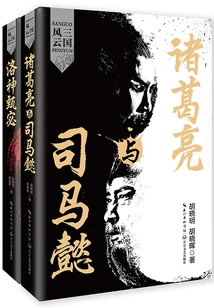
Romance of the Three Kingdoms (complete Works)
General Fiction三国风云(全集)
Hu Xiaoming Hu Xiaohui
"Zhuge Liang and Sima Yi": In the spring of AD 223, the third year of Zhangwu of the Han Dynasty, Liu Bei fell seriously ill in Baidi City, and asked Zhuge Liang to leave him alone before his death. In order to repay Liu Bei's kindness and revive the Han Dynasty, Zhuge Liang vowed to expedition to the north. In the north, the powerful Wei State had General Sima Yi, who was wily and resourceful, and became the strongest opponent to hinder Zhuge Liang's Northern Expedition. The novel "Zhuge Liang and Sima Yi" is based on the "game" between Zhuge Liang and Sima Yi. It focuses on stories such as six expeditions from Qishan, seven captures of Meng Huo, beheading Ma Su in tears, and the Empty City Strategy. It vividly shows the political situation in the post-Three Kingdoms era. The whole work focuses on the "destiny" of the characters and explores the rich inner world of the characters. The description is delicate and the perspective is unique, giving readers a refreshing feeling...
"Zhuge Liang and Sima Yi": In the spring of AD 223, the third year of Zhangwu of the Han Dynasty, Liu Bei fell seriously ill in Baidi City, and asked Zhuge Liang to leave him alone before his death. In order to repay Liu Bei's kindness and revive the Han Dynasty, Zhuge Liang vowed to expedition to the north. In the north, the powerful Wei State had General Sima Yi, who was wily and resourceful, and became the strongest opponent to hinder Zhuge Liang's Northern Expedition. The novel "Zhuge Liang and Sima Yi" is based on the "game" between Zhuge Liang and Sima Yi. It focuses on stories such as six expeditions from Qishan, seven captures of Meng Huo, beheading Ma Su in tears, and the Empty City Strategy. It vividly shows the political situation in the post-Three Kingdoms era. The whole work focuses on the "destiny" of the characters and explores the rich inner world of the characters. The description is delicate and the perspective is unique, giving readers a refreshing feeling...
Han Yeping's Trilogy: the War and the Setting Sun
General Fiction汉冶萍三部曲之烽火残阳
Hu Yanhuai
"Han Yeping Trilogy: The Warring Sun" is the last volume of "Han Yeping Trilogy" and is a full-length historical novel. It mainly describes the overall decline of Han Yeping Company during the Anti-Japanese War and the westward migration process of Hanyang Iron Works. The book uses a group of people with lofty ideals represented by Weng Wenhao as a group of characters, and describes their spirit of exhausting their efforts, succeeding one after another, and working hard for China's steel industry.
"Han Yeping Trilogy: The Warring Sun" is the last volume of "Han Yeping Trilogy" and is a full-length historical novel. It mainly describes the overall decline of Han Yeping Company during the Anti-Japanese War and the westward migration process of Hanyang Iron Works. The book uses a group of people with lofty ideals represented by Weng Wenhao as a group of characters, and describes their spirit of exhausting their efforts, succeeding one after another, and working hard for China's steel industry.
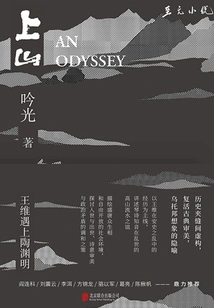
Up the Mountain: When Wang Wei Met Tao Yuanming
General Fiction上山:当王维遇上陶渊明
Yin Guang
This article is full of ancient meaning, taking Wang Wei's experience during the Anshi Rebellion as the main line, describing all living beings in the prosperous Tang Dynasty, telling the story of the close friendship between a pair of close friends in Qin poetry, as well as how individuals deal with themselves in the collective, and how to deal with conflicts between personality ideals and politics. Wang Wei felt that he always looked like Tao Yuanming. A famous poet, painter, musician and politician in the prosperous Tang Dynasty, Wang Wei (Yun Qi) experienced the Anshi Rebellion and accepted the pseudo-post of An Lushan, but did not die for his country. Even if you take dumb pills and laxatives to escape, you still can't avoid the suspicion of losing your temper. Wang and Tao (Ku Yuan) are both artists who live in seclusion in the landscape and countryside. They are close friends, but their personalities are similar but have differences. Wang Wei once commented that Tao Yuanming "cannot bear to be ashamed for a lifetime." Although Tao was famous for "not giving up for five buckets of rice", Wang Wei's achievements were also the ideal life that Tao Yuanming wanted but could not achieve. Sometimes, the person we hate may be another self deep in our hearts.
This article is full of ancient meaning, taking Wang Wei's experience during the Anshi Rebellion as the main line, describing all living beings in the prosperous Tang Dynasty, telling the story of the close friendship between a pair of close friends in Qin poetry, as well as how individuals deal with themselves in the collective, and how to deal with conflicts between personality ideals and politics. Wang Wei felt that he always looked like Tao Yuanming. A famous poet, painter, musician and politician in the prosperous Tang Dynasty, Wang Wei (Yun Qi) experienced the Anshi Rebellion and accepted the pseudo-post of An Lushan, but did not die for his country. Even if you take dumb pills and laxatives to escape, you still can't avoid the suspicion of losing your temper. Wang and Tao (Ku Yuan) are both artists who live in seclusion in the landscape and countryside. They are close friends, but their personalities are similar but have differences. Wang Wei once commented that Tao Yuanming "cannot bear to be ashamed for a lifetime." Although Tao was famous for "not giving up for five buckets of rice", Wang Wei's achievements were also the ideal life that Tao Yuanming wanted but could not achieve. Sometimes, the person we hate may be another self deep in our hearts.
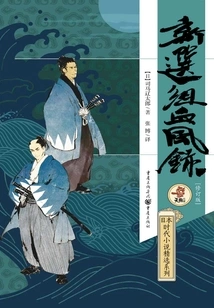
Shinsengumi Blood Wind Record
General Fiction新选组血风录
(japan) Shima Ryotaro
They were the strongest swordsman group at the end of the shogunate, known as the "Wolves of Mibu"; their team rules were extremely strict, and if they were violated, they would commit seppuku; they adhered to their duties, but they became a conservative force that maintained the shogunate and suffered disaster. However, their last warrior heart has always persisted in the cracks of the changes of time. On the night of June 5, the first year of the Yuanji period (1864), Shinsengumi chief Isamu Kondo led only four soldiers into Ikedaya, a hotel near Sanjo Bridge in Kyoto, and started a fierce battle with more than 20 rebel ronin who were plotting here. After a thrilling night of swords and sword shadows, the Ronin were all killed and injured, and the Shinsengumi ushered in the dawn of its peak. On May 30th of the fourth year of Keio (1868), the young talented swordsman Okita Souji died of illness in the Senda Valley Uekiya Hotel in Edo. Until the last moment, he still didn't know that Director Kondo Isamu had been executed two months ago, the Shinsengumi had become history, and even the era of samurai was about to pass... The era was full of conflicts, and the unyielding faith under the banner of "sincerity" stood proudly!
They were the strongest swordsman group at the end of the shogunate, known as the "Wolves of Mibu"; their team rules were extremely strict, and if they were violated, they would commit seppuku; they adhered to their duties, but they became a conservative force that maintained the shogunate and suffered disaster. However, their last warrior heart has always persisted in the cracks of the changes of time. On the night of June 5, the first year of the Yuanji period (1864), Shinsengumi chief Isamu Kondo led only four soldiers into Ikedaya, a hotel near Sanjo Bridge in Kyoto, and started a fierce battle with more than 20 rebel ronin who were plotting here. After a thrilling night of swords and sword shadows, the Ronin were all killed and injured, and the Shinsengumi ushered in the dawn of its peak. On May 30th of the fourth year of Keio (1868), the young talented swordsman Okita Souji died of illness in the Senda Valley Uekiya Hotel in Edo. Until the last moment, he still didn't know that Director Kondo Isamu had been executed two months ago, the Shinsengumi had become history, and even the era of samurai was about to pass... The era was full of conflicts, and the unyielding faith under the banner of "sincerity" stood proudly!
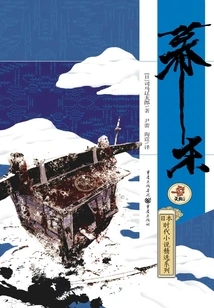
The End of the Tokugawa Period
General Fiction幕末
J
They are ordinary lower-level warriors, but with the great righteousness of "every man is responsible for the rise and fall of the world", they abandon their homeland and go to other places. They transformed into assassins, hid in the dark, brandished their swords, and did not hesitate to stain their hands with blood, hoping to save the country from danger amid the surrounding powers. On March 3, the seventh year of Anzheng (1860), there was heavy snow. Naoki Ii, the shogunate who signed a trade treaty with the Americans, was assassinated by an assassin outside the Sakurada Gate of Edo Castle on his way to the city to meet the general. Subsequently, the idea of founding the country was drowned out by the voice of "rejecting the foreigners". The samurai came to Japan one after another, vowing to drive foreigners out of Japan. On the fifteenth day of the first lunar month of the first year of Meiji (1868), Emperor Meiji, who regained power, declared to the world that establishing diplomatic relations with friendly countries was an international justice and needed to be handled properly. I hope all people will remember this. This move cut off the last hope of the warriors who were looking forward to "repelling the foreigners". They became miserable abandoned children. The light of the sword bloomed in the dark night, and the song of the warrior was heard!
They are ordinary lower-level warriors, but with the great righteousness of "every man is responsible for the rise and fall of the world", they abandon their homeland and go to other places. They transformed into assassins, hid in the dark, brandished their swords, and did not hesitate to stain their hands with blood, hoping to save the country from danger amid the surrounding powers. On March 3, the seventh year of Anzheng (1860), there was heavy snow. Naoki Ii, the shogunate who signed a trade treaty with the Americans, was assassinated by an assassin outside the Sakurada Gate of Edo Castle on his way to the city to meet the general. Subsequently, the idea of founding the country was drowned out by the voice of "rejecting the foreigners". The samurai came to Japan one after another, vowing to drive foreigners out of Japan. On the fifteenth day of the first lunar month of the first year of Meiji (1868), Emperor Meiji, who regained power, declared to the world that establishing diplomatic relations with friendly countries was an international justice and needed to be handled properly. I hope all people will remember this. This move cut off the last hope of the warriors who were looking forward to "repelling the foreigners". They became miserable abandoned children. The light of the sword bloomed in the dark night, and the song of the warrior was heard!
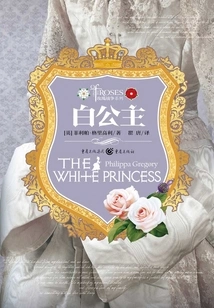
White Princess
General Fiction白公主
I
In January 1486, a hopeless love affair ended, and Princess Elizabeth of York wore a blood-red wedding dress and became the bride of Henry Tudor. However, this political marriage full of suspicion was full of thorns from the beginning. The York boy who was rumored to have died suddenly appears overseas. Is he a conspirator with evil intentions, or is he the legitimate heir to England? There are internal and external troubles, disputes are everywhere, and war is about to break out. Family love, which one is more important? White rose, red rose, what choice will Elizabeth make? The War of the Roses, which intertwined the love and hate of several generations, finally came to a magnificent end...
In January 1486, a hopeless love affair ended, and Princess Elizabeth of York wore a blood-red wedding dress and became the bride of Henry Tudor. However, this political marriage full of suspicion was full of thorns from the beginning. The York boy who was rumored to have died suddenly appears overseas. Is he a conspirator with evil intentions, or is he the legitimate heir to England? There are internal and external troubles, disputes are everywhere, and war is about to break out. Family love, which one is more important? White rose, red rose, what choice will Elizabeth make? The War of the Roses, which intertwined the love and hate of several generations, finally came to a magnificent end...
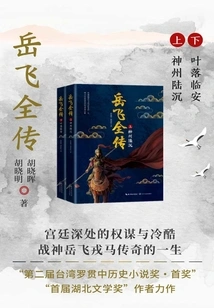
The Complete Biography of Yue Fei (complete Collection)
General Fiction岳飞全传(全集)
Hu Xiaoming Hu Xiaohui
This book takes the history of the confrontation between the Song Dynasty and the Jin Dynasty as the background, and takes Yue Fei's resistance to the Jin Dynasty, the Song Dynasty's southern crossing and the rise of the Jin Dynasty as the three main lines. It vividly depicts the life and destiny of the lower class people during this period, showing a vivid picture of social life in the Song Dynasty.
This book takes the history of the confrontation between the Song Dynasty and the Jin Dynasty as the background, and takes Yue Fei's resistance to the Jin Dynasty, the Song Dynasty's southern crossing and the rise of the Jin Dynasty as the three main lines. It vividly depicts the life and destiny of the lower class people during this period, showing a vivid picture of social life in the Song Dynasty.
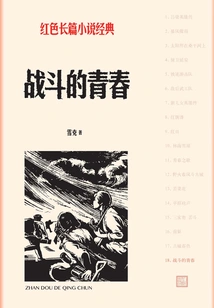
Fighting Youth
General Fiction战斗的青春
Shake
The story of "Fighting Youth" begins with the "May Day" anti-"sweeping" in 1942. It tells the story of Zaoyuan District by the Hutuo River. After it was devastated, Xu Feng, secretary of the new district party committee, Li Tie, captain of the district team, and others relied on the masses to carry out an indomitable struggle against the enemy in extremely difficult situations. They seize every opportunity available to attack the enemy without warning. Later, due to the sabotage of spies and traitors lurking within the guerrillas, the revolutionary struggle once again suffered serious difficulties and losses. However, they still fought with confidence, and finally opened up the situation, captured the Zaoyuan stronghold, and completely annihilated the Japanese and puppet troops.
The story of "Fighting Youth" begins with the "May Day" anti-"sweeping" in 1942. It tells the story of Zaoyuan District by the Hutuo River. After it was devastated, Xu Feng, secretary of the new district party committee, Li Tie, captain of the district team, and others relied on the masses to carry out an indomitable struggle against the enemy in extremely difficult situations. They seize every opportunity available to attack the enemy without warning. Later, due to the sabotage of spies and traitors lurking within the guerrillas, the revolutionary struggle once again suffered serious difficulties and losses. However, they still fought with confidence, and finally opened up the situation, captured the Zaoyuan stronghold, and completely annihilated the Japanese and puppet troops.
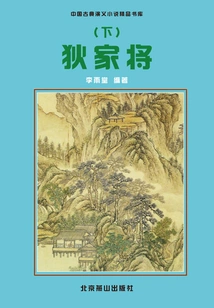
Di Family General (part 2)
General Fiction狄家将(下)
Compiled By Li Yutang
The contents of this book include the story of a female eunuch from the draft who went to the imperial capital to shed tears for Jiao'e, the eighth prince who was favored and received a daughter from Medea to comfort his mother and write a book, a traitor who conspired with a righteous man to trap a living creature, Di Qing who was rescued by a flood and the Central Plains Xixia soldiers who raised troops, a young hero who was trapped and asked for a fortune-telling, two heroes who showed pity for the poor and became sworn brothers, and a comparison of skilled heroes. They wandered up and down the tavern and caused disasters, killed the tough and eliminated the public harm to exonerate heroes and obeyed the people's sentiments, talked about loyalty and treachery, argued with martial arts heroes and acted arbitrarily, urgently asked for famous names and wrote poems to avenge misfortunes, private grudges and transgressed the law and hurt people, injured heroes sought medical treatment and urgently helped the world, eminent monks gave good medicine, loved heroes persuaded them to return to their hometown, hated traitors and gave golden knives, etc.
The contents of this book include the story of a female eunuch from the draft who went to the imperial capital to shed tears for Jiao'e, the eighth prince who was favored and received a daughter from Medea to comfort his mother and write a book, a traitor who conspired with a righteous man to trap a living creature, Di Qing who was rescued by a flood and the Central Plains Xixia soldiers who raised troops, a young hero who was trapped and asked for a fortune-telling, two heroes who showed pity for the poor and became sworn brothers, and a comparison of skilled heroes. They wandered up and down the tavern and caused disasters, killed the tough and eliminated the public harm to exonerate heroes and obeyed the people's sentiments, talked about loyalty and treachery, argued with martial arts heroes and acted arbitrarily, urgently asked for famous names and wrote poems to avenge misfortunes, private grudges and transgressed the law and hurt people, injured heroes sought medical treatment and urgently helped the world, eminent monks gave good medicine, loved heroes persuaded them to return to their hometown, hated traitors and gave golden knives, etc.
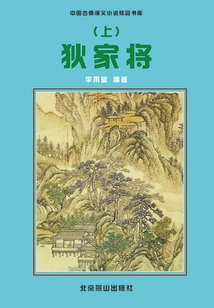
Di Family General (part 1)
General Fiction狄家将(上)
Compiled By Li Yutang
The contents of this book include the story of a female eunuch from the draft who went to the imperial capital to shed tears for Jiao'e, the eighth prince who was favored and received a daughter from Medea to comfort his mother and write a book, a traitor who conspired with a righteous man to trap a living creature, Di Qing who was rescued by a flood and the Central Plains Xixia soldiers who raised troops, a young hero who was trapped and asked for a fortune-telling, two heroes who showed pity for the poor and became sworn brothers, and a comparison of skilled heroes. They wandered up and down the tavern and caused disasters, killed the tough and eliminated the public harm to exonerate heroes and obeyed the people's sentiments, talked about loyalty and treachery, argued with martial arts heroes and acted arbitrarily, urgently asked for famous names and wrote poems to avenge misfortunes, private grudges and transgressed the law and hurt people, injured heroes sought medical treatment and urgently helped the world, eminent monks gave good medicine, loved heroes persuaded them to return to their hometown, hated traitors and gave golden knives, etc.
The contents of this book include the story of a female eunuch from the draft who went to the imperial capital to shed tears for Jiao'e, the eighth prince who was favored and received a daughter from Medea to comfort his mother and write a book, a traitor who conspired with a righteous man to trap a living creature, Di Qing who was rescued by a flood and the Central Plains Xixia soldiers who raised troops, a young hero who was trapped and asked for a fortune-telling, two heroes who showed pity for the poor and became sworn brothers, and a comparison of skilled heroes. They wandered up and down the tavern and caused disasters, killed the tough and eliminated the public harm to exonerate heroes and obeyed the people's sentiments, talked about loyalty and treachery, argued with martial arts heroes and acted arbitrarily, urgently asked for famous names and wrote poems to avenge misfortunes, private grudges and transgressed the law and hurt people, injured heroes sought medical treatment and urgently helped the world, eminent monks gave good medicine, loved heroes persuaded them to return to their hometown, hated traitors and gave golden knives, etc.
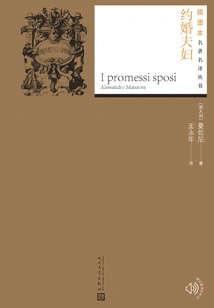
Engaged Couple
General Fiction约婚夫妇
(italy) Manzoni
"The Betrothed" is Manzoni's long historical novel and a treasure of Italian classical literature. In Italy, this literary masterpiece is as well-known as Dante's "Divine Comedy". It is known to every household, women and children, and the people cherish and love it very much. It takes the joys and sorrows of a young man and woman as well as the twists and turns of marriage as the main line, depicting people from all walks of life in Italy in the seventeenth century and the changing social reality. It is known as an encyclopedia that reflects the social reality at that time.
"The Betrothed" is Manzoni's long historical novel and a treasure of Italian classical literature. In Italy, this literary masterpiece is as well-known as Dante's "Divine Comedy". It is known to every household, women and children, and the people cherish and love it very much. It takes the joys and sorrows of a young man and woman as well as the twists and turns of marriage as the main line, depicting people from all walks of life in Italy in the seventeenth century and the changing social reality. It is known as an encyclopedia that reflects the social reality at that time.
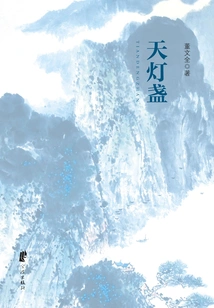
Sky Lamp
General Fiction天灯盏
Dong Wenquan
This book is a full-length novel narrating the story of Shaoxing's military and civilian resistance against Japanese aggression in the Ming Dynasty. Spoiling was one of the ancient battlefields of the Ming Dynasty's anti-Japanese war. There are many legends and stories. In order to prevent the beautiful legends of the previous generation from being forgotten, the author mainly recommends the legendary story of Dong Yuanru, a Shaoxing scholar, to reproduce the epic anti-Japanese history of the Shaoxing people in the Ming Dynasty who share the same hatred with the enemy. Which monuments and legends the author incorporates into the novel as scenery and foil, providing more topics for future generations to chat in the cool air, and also leaving something behind for the culture of Kuaiji.
This book is a full-length novel narrating the story of Shaoxing's military and civilian resistance against Japanese aggression in the Ming Dynasty. Spoiling was one of the ancient battlefields of the Ming Dynasty's anti-Japanese war. There are many legends and stories. In order to prevent the beautiful legends of the previous generation from being forgotten, the author mainly recommends the legendary story of Dong Yuanru, a Shaoxing scholar, to reproduce the epic anti-Japanese history of the Shaoxing people in the Ming Dynasty who share the same hatred with the enemy. Which monuments and legends the author incorporates into the novel as scenery and foil, providing more topics for future generations to chat in the cool air, and also leaving something behind for the culture of Kuaiji.
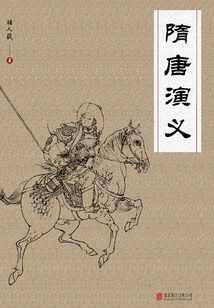
Romance of Sui and Tang Dynasties
General Fiction隋唐演义
Chu Renhuo
"Romance of the Sui and Tang Dynasties" Emperor Yang of the Sui Dynasty and Zhu Gui'er were reincarnated as Emperor Ming of the Tang Dynasty and Concubine Yang Guifei. During the time between these two marriages, many heroes emerged: Qin Qiong, a loyal and courageous man, Luo Cheng, who broke the Sui formation twice, Cheng Yaojin, who fixed the Wagang with three axes... They overthrew the tyranny of the Sui Dynasty and created the prosperous Tang Dynasty. Chu people of the Qing Dynasty expounded this period of history based on historical books and a large amount of folk literature, and compiled "Romance of the Sui and Tang Dynasties". The book is large in scale, has a popular story, and has many characters with distinctive personalities. It is a historical romance novel that is loved by readers.
"Romance of the Sui and Tang Dynasties" Emperor Yang of the Sui Dynasty and Zhu Gui'er were reincarnated as Emperor Ming of the Tang Dynasty and Concubine Yang Guifei. During the time between these two marriages, many heroes emerged: Qin Qiong, a loyal and courageous man, Luo Cheng, who broke the Sui formation twice, Cheng Yaojin, who fixed the Wagang with three axes... They overthrew the tyranny of the Sui Dynasty and created the prosperous Tang Dynasty. Chu people of the Qing Dynasty expounded this period of history based on historical books and a large amount of folk literature, and compiled "Romance of the Sui and Tang Dynasties". The book is large in scale, has a popular story, and has many characters with distinctive personalities. It is a historical romance novel that is loved by readers.
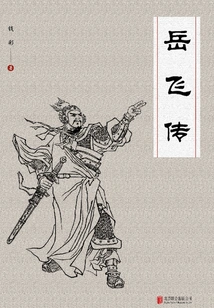
Yue Fei's Biography
General Fiction岳飞传
Money Lottery
The whole book "Yue Fei Biography" uses the life story of Yue Fei, a famous anti-Jin Dynasty general in the Song Dynasty, as the story frame, and draws on Yue Fei's story materials from folk legends, rap skills, and drama narratives. The novel vividly exaggerates the literary, Taoist and military strategies of Yue Fei and his son who served the country loyally and bravely killed the enemy, and lashes out the historical tragedy that the ignorant emperor and his ministers killed Yue Fei and his son on "unfounded" charges. The careful conception, twists and turns of the plot, and vivid language create a number of lifelike characters.
The whole book "Yue Fei Biography" uses the life story of Yue Fei, a famous anti-Jin Dynasty general in the Song Dynasty, as the story frame, and draws on Yue Fei's story materials from folk legends, rap skills, and drama narratives. The novel vividly exaggerates the literary, Taoist and military strategies of Yue Fei and his son who served the country loyally and bravely killed the enemy, and lashes out the historical tragedy that the ignorant emperor and his ministers killed Yue Fei and his son on "unfounded" charges. The careful conception, twists and turns of the plot, and vivid language create a number of lifelike characters.
Talk About the Complete Biography of Tang Dynasty
General Fiction说唐全传
Anonymous
"The Complete Biography of the Tang Dynasty" begins with the peasant uprising in the late Sui Dynasty and ends with the Tang king Li Shimin leading the heroes to pacify the separatist forces and ascend the throne. It details the story of the heroes of Wagangzhai who gathered to rebel against the Sui Dynasty and help the founding of the Tang Dynasty. It shows the vigorous and turbulent era of the Eighteenth Route to rebel against the king and the Sixty-fourth Route. The book takes the gathering of heroes in Wagangzhai as the core, creates many suspenseful atmospheres, details many majestic battle scenes, and creates many lively and charming characters, such as Qin Shubao, Shan Xiongxin, Cheng Yaojin, Xu Maogong, Luo Cheng, etc. Among them were poor people from the lower class, horsemen and horsemen, nobles and nobles in important positions, famous generals, heroes from the forest, and heroic heroes who roamed the country. They had different backgrounds and life experiences. Because they had similar interests and the same beliefs, they gathered under the anti-Sui banner without hesitation, which fully demonstrated that "those who win the hearts of the people win the world"...
"The Complete Biography of the Tang Dynasty" begins with the peasant uprising in the late Sui Dynasty and ends with the Tang king Li Shimin leading the heroes to pacify the separatist forces and ascend the throne. It details the story of the heroes of Wagangzhai who gathered to rebel against the Sui Dynasty and help the founding of the Tang Dynasty. It shows the vigorous and turbulent era of the Eighteenth Route to rebel against the king and the Sixty-fourth Route. The book takes the gathering of heroes in Wagangzhai as the core, creates many suspenseful atmospheres, details many majestic battle scenes, and creates many lively and charming characters, such as Qin Shubao, Shan Xiongxin, Cheng Yaojin, Xu Maogong, Luo Cheng, etc. Among them were poor people from the lower class, horsemen and horsemen, nobles and nobles in important positions, famous generals, heroes from the forest, and heroic heroes who roamed the country. They had different backgrounds and life experiences. Because they had similar interests and the same beliefs, they gathered under the anti-Sui banner without hesitation, which fully demonstrated that "those who win the hearts of the people win the world"...