Shinsengumi Blood Wind Record
About This Novel
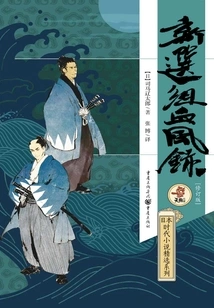
They were the strongest swordsman group at the end of the shogunate, known as the "Wolves of Mibu"; their team rules were extremely strict, and if they were violated, they would commit seppuku; they adhered to their duties, but they became a conservative force that maintained the shogunate and suffered disaster. However, their last warrior heart has always persisted in the cracks of the changes of time. On the night of June 5, the first year of the Yuanji period (1864), Shinsengumi chief Isamu Kondo led only four soldiers into Ikedaya, a hotel near Sanjo Bridge in Kyoto, and started a fierce battle with more than 20 rebel ronin who were plotting here. After a thrilling night of swords and sword shadows, the Ronin were all killed and injured, and the Shinsengumi ushered in the dawn of its peak. On May 30th of the fourth year of Keio (1868), the young talented swordsman Okita Souji died of illness in the Senda Valley Uekiya Hotel in Edo. Until the last moment, he still didn't know that Director Kondo Isamu had been executed two months ago, the Shinsengumi had become history, and even the era of samurai was about to pass... The era was full of conflicts, and the unyielding faith under the banner of "sincerity" stood proudly!
Official Sources
What Readers Think
Rating
Community(0)
Official(2)Scraped 1mo ago
There is no holiday in the year
My favorite chapters are "Okita Souji's Love" and "Kiku Ichimonji" (and "Sanjo Nada Ranba"). The opportunity to revisit it was the 2011 version of the TV series. The TV series is also quite good, and the cold weapon fighting in it is very well designed. Aki Maeda's role was added later, but her acting skills are very good. Needless to say, the author's writing skills not only reproduce historical events, but also highlight the creation of group portraits. For example Fukamachi, who became a master in a daze and died in a daze, felt the beauty of the world at the last second before his death. Maybe he didn't need any beauty, just a simple "Innocent Blue". This description is worth studying. There is also a paragraph about Okita relaying Serizawa, which provides Hijikata with information about Serizawa sleeping undefended in terms of plot. In shaping the characters, Serizawa's simplicity in his heart and Okita's clarity in seeing people and the same innocence in his character were created with two birds with one stone. There are also some fighting parts that also reflect the power of writing. Needless to say. (This is Su's reflection three years ago) Finished watching "Shinsengumi Blood Wind Record" (So expensive. Jpg) The first one I read was Okita Souji's Love, and it was shorter than expected, and the ending was inexplicably melancholy. Then I read up on the previous few articles and found that the style of painting is actually different from this one. Overall very interesting. Basically, kill your own people. Reading the last two articles is that the Shinsengumi has lost its power, and the era of artillery and muskets has arrived. This is so sad. The last article talks about the General Secretary's days and holidays. My heart still skipped a beat.
Director General yyds
Rating
Community(0)
Official(2)Scraped 1mo ago
There is no holiday in the year
My favorite chapters are "Okita Souji's Love" and "Kiku Ichimonji" (and "Sanjo Nada Ranba"). The opportunity to revisit it was the 2011 version of the TV series. The TV series is also quite good, and the cold weapon fighting in it is very well designed. Aki Maeda's role was added later, but her acting skills are very good. Needless to say, the author's writing skills not only reproduce historical events, but also highlight the creation of group portraits. For example Fukamachi, who became a master in a daze and died in a daze, felt the beauty of the world at the last second before his death. Maybe he didn't need any beauty, just a simple "Innocent Blue". This description is worth studying. There is also a paragraph about Okita relaying Serizawa, which provides Hijikata with information about Serizawa sleeping undefended in terms of plot. In shaping the characters, Serizawa's simplicity in his heart and Okita's clarity in seeing people and the same innocence in his character were created with two birds with one stone. There are also some fighting parts that also reflect the power of writing. Needless to say. (This is Su's reflection three years ago) Finished watching "Shinsengumi Blood Wind Record" (So expensive. Jpg) The first one I read was Okita Souji's Love, and it was shorter than expected, and the ending was inexplicably melancholy. Then I read up on the previous few articles and found that the style of painting is actually different from this one. Overall very interesting. Basically, kill your own people. Reading the last two articles is that the Shinsengumi has lost its power, and the era of artillery and muskets has arrived. This is so sad. The last article talks about the General Secretary's days and holidays. My heart still skipped a beat.
Director General yyds