Library
Browse and search books
2,823 novels found
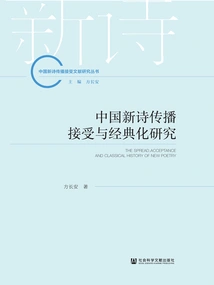
中国新诗传播接受与经典化研究
Fang Changan
This book studies the dissemination, acceptance and canonization of Chinese new poetry. It not only combs the history of the dissemination and acceptance of Chinese new poetry, uses documents to present the characteristics of the dissemination and acceptance of new poetry, but also in-depth demonstrates the relationship between dissemination, acceptance and canonization. It not only studies the characteristics of new poetry criticism and anthology in shaping the classics, but also sorts out and demonstrates the historical process of narrating the history of new poetry and identifying new poetry classics, thereby summarizing the characteristics and rules of the canonization of new poetry, and reflecting on the creation of new poetry. This book combines historical analysis with theoretical thinking and is an important monograph in this field.
This book studies the dissemination, acceptance and canonization of Chinese new poetry. It not only combs the history of the dissemination and acceptance of Chinese new poetry, uses documents to present the characteristics of the dissemination and acceptance of new poetry, but also in-depth demonstrates the relationship between dissemination, acceptance and canonization. It not only studies the characteristics of new poetry criticism and anthology in shaping the classics, but also sorts out and demonstrates the historical process of narrating the history of new poetry and identifying new poetry classics, thereby summarizing the characteristics and rules of the canonization of new poetry, and reflecting on the creation of new poetry. This book combines historical analysis with theoretical thinking and is an important monograph in this field.
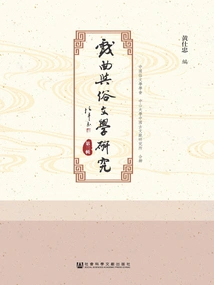
戏曲与俗文学研究(第3辑)
Edited By Huang Shizhong
This book provides a platform for the textual research of Chinese popular literature. The book takes the study of ancient operas and popular literature as its main object, features empirical research, attaches great importance to the discovery and utilization of first-hand documentary materials, and emphasizes the investigation, cataloging, and textual research of basic literature. It especially emphasizes the research of textual research on literature and materials, that is, it focuses on author research, important event research, edition literature research, collection of catalogs for collectors at home and abroad, research on rare documents, and collection and interpretation of new literature materials. Opera, popular literature, literature, and empirical evidence are the key words that distinguish this book from other similar publications.
This book provides a platform for the textual research of Chinese popular literature. The book takes the study of ancient operas and popular literature as its main object, features empirical research, attaches great importance to the discovery and utilization of first-hand documentary materials, and emphasizes the investigation, cataloging, and textual research of basic literature. It especially emphasizes the research of textual research on literature and materials, that is, it focuses on author research, important event research, edition literature research, collection of catalogs for collectors at home and abroad, research on rare documents, and collection and interpretation of new literature materials. Opera, popular literature, literature, and empirical evidence are the key words that distinguish this book from other similar publications.
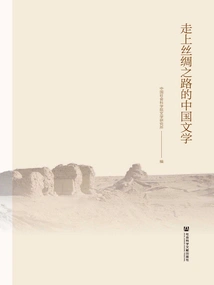
Chinese Literature Along the Silk Road
Literature走上丝绸之路的中国文学
Compiled By The Institute Of Literature, Chinese Academy Of Social Sciences
In 2013, General Secretary Xi Jinping proposed the "Belt and Road" major initiative. The Institute of Literature of the Chinese Academy of Social Sciences tried to use this major initiative to promote the study of Silk Road culture and participate in the cultural construction of contemporary China through specific research. Therefore, on August 20, 2015, a seminar on "Silk Road and Chinese Literature" was held in Yiwu County, Hami City, Xinjiang Uygur Autonomous Region. The papers included in this collection of papers were selected from more than 30 papers submitted by participants. These papers cover many aspects such as literature, history, religion, music, art, exploration, cultural exchanges between China and foreign countries, etc., Showing the richness of Silk Road culture.
In 2013, General Secretary Xi Jinping proposed the "Belt and Road" major initiative. The Institute of Literature of the Chinese Academy of Social Sciences tried to use this major initiative to promote the study of Silk Road culture and participate in the cultural construction of contemporary China through specific research. Therefore, on August 20, 2015, a seminar on "Silk Road and Chinese Literature" was held in Yiwu County, Hami City, Xinjiang Uygur Autonomous Region. The papers included in this collection of papers were selected from more than 30 papers submitted by participants. These papers cover many aspects such as literature, history, religion, music, art, exploration, cultural exchanges between China and foreign countries, etc., Showing the richness of Silk Road culture.
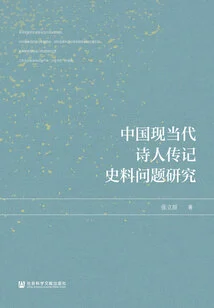
Research on Issues of Biographical and Historical Materials of Modern and Contemporary Chinese Poets
Literature中国现当代诗人传记史料问题研究
Zhang Liqun
"Research on Historical Materials Issues in the Biographies of Modern and Contemporary Chinese Poets" starts from the historical material issues in the biographies of modern and contemporary poets, and is supplemented by various methods such as literary historiography to conduct research. It is mainly composed of seven parts, specifically including the definition of biographies of modern and contemporary poets and the issues of historical materials, the value of historical materials in biographies of modern and contemporary poets, the division of historical materials in biographies of modern and contemporary poets, the practice and application of historical materials in biographies of modern and contemporary poets, the relationship between the quality of biographers and the issues of biographical materials, other factors that affect the biographical materials of modern and contemporary poets, and the construction and historical prospects of biographical materials of modern and contemporary poets.
"Research on Historical Materials Issues in the Biographies of Modern and Contemporary Chinese Poets" starts from the historical material issues in the biographies of modern and contemporary poets, and is supplemented by various methods such as literary historiography to conduct research. It is mainly composed of seven parts, specifically including the definition of biographies of modern and contemporary poets and the issues of historical materials, the value of historical materials in biographies of modern and contemporary poets, the division of historical materials in biographies of modern and contemporary poets, the practice and application of historical materials in biographies of modern and contemporary poets, the relationship between the quality of biographers and the issues of biographical materials, other factors that affect the biographical materials of modern and contemporary poets, and the construction and historical prospects of biographical materials of modern and contemporary poets.
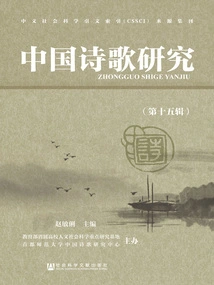
Research on Chinese Poetry (volume 15)
Literature中国诗歌研究(第十五辑)
Editor-in-chief Zhao Minli
"Chinese Poetry Research" is an academic journal sponsored by the Chinese Poetry Research Center of Capital Normal University, covering the study of poetry at home and abroad in ancient and modern times. The columns include research on ancient Chinese poetry, research on modern and contemporary Chinese poetry, research on Chinese poetry theory, research on Chinese ethnic minority poetry, research on contemporary overseas Chinese poetry, research on Chinese and Western comparative poetry, research on the history of poetics and poetic literature, and youth forums. It has a good reputation in academic circles at home and abroad and is an important reference book for poetry lovers and teachers and students.
"Chinese Poetry Research" is an academic journal sponsored by the Chinese Poetry Research Center of Capital Normal University, covering the study of poetry at home and abroad in ancient and modern times. The columns include research on ancient Chinese poetry, research on modern and contemporary Chinese poetry, research on Chinese poetry theory, research on Chinese ethnic minority poetry, research on contemporary overseas Chinese poetry, research on Chinese and Western comparative poetry, research on the history of poetics and poetic literature, and youth forums. It has a good reputation in academic circles at home and abroad and is an important reference book for poetry lovers and teachers and students.
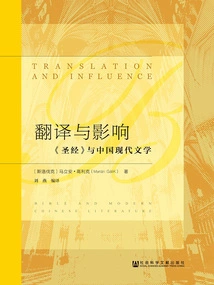
翻译与影响:《圣经》与中国现代文学
(slovakia)marian Golik
This book is based on comparative literature and mainly studies the influence of the Bible on modern Chinese literature. The first part of the book mainly discusses the translation and acceptance of the Bible in China in the 20th century; the second part mainly studies the influence of the Bible on modern literature, such as Zhou Zuoren, Haizi, Bing Xin, Mao Dun, Gu Cheng, Wang Meng and other literary creations were influenced by the Bible; the third part mainly discusses how Han Suyin, Zhang Xiaofeng, Rongzi, Xia Yu and Si Ren were influenced by the Bible and created literature. Through this book, readers can have a more detailed understanding of the translation and acceptance of the Bible in China and its impact on modern Chinese literature.
This book is based on comparative literature and mainly studies the influence of the Bible on modern Chinese literature. The first part of the book mainly discusses the translation and acceptance of the Bible in China in the 20th century; the second part mainly studies the influence of the Bible on modern literature, such as Zhou Zuoren, Haizi, Bing Xin, Mao Dun, Gu Cheng, Wang Meng and other literary creations were influenced by the Bible; the third part mainly discusses how Han Suyin, Zhang Xiaofeng, Rongzi, Xia Yu and Si Ren were influenced by the Bible and created literature. Through this book, readers can have a more detailed understanding of the translation and acceptance of the Bible in China and its impact on modern Chinese literature.
明清以来文学中的广府风情研究
Ji Dejun He Shiying
This book mainly focuses on literary texts of various genres since the Ming and Qing Dynasties. It aims to study the scenes of Guangfu depicted in literary texts from various aspects, including the commercial customs, food culture, etiquette and customs, annual festivals, folk beliefs, entertainment customs, garden architecture, etc. In the Guangfu area, and reveal the cultural spirit contained in them. There have been many works on the study of Cantonese customs in the past, but they lacked the perspective of caring about Cantonese customs from a literary perspective. This book uses this as an entry point to comprehensively introduce Cantonese customs, which has certain academic value.
This book mainly focuses on literary texts of various genres since the Ming and Qing Dynasties. It aims to study the scenes of Guangfu depicted in literary texts from various aspects, including the commercial customs, food culture, etiquette and customs, annual festivals, folk beliefs, entertainment customs, garden architecture, etc. In the Guangfu area, and reveal the cultural spirit contained in them. There have been many works on the study of Cantonese customs in the past, but they lacked the perspective of caring about Cantonese customs from a literary perspective. This book uses this as an entry point to comprehensively introduce Cantonese customs, which has certain academic value.
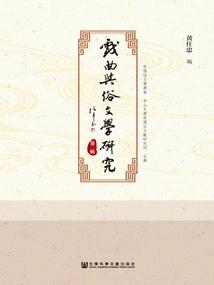
戏曲与俗文学研究(第2辑)
Edited By Huang Shizhong
This book provides a platform for the textual research of Chinese popular literature. The book takes the study of ancient operas and popular literature as its main object, features empirical research, attaches great importance to the discovery and utilization of first-hand documentary materials, and emphasizes the investigation, cataloging, and textual research of basic literature. It especially emphasizes the research of textual research on literature and materials, that is, it focuses on author research, important event research, edition literature research, collection of catalogs for collectors at home and abroad, research on rare documents, and collection and interpretation of new literature materials. Opera, popular literature, literature, and empirical evidence are the key words that distinguish this book from other similar publications.
This book provides a platform for the textual research of Chinese popular literature. The book takes the study of ancient operas and popular literature as its main object, features empirical research, attaches great importance to the discovery and utilization of first-hand documentary materials, and emphasizes the investigation, cataloging, and textual research of basic literature. It especially emphasizes the research of textual research on literature and materials, that is, it focuses on author research, important event research, edition literature research, collection of catalogs for collectors at home and abroad, research on rare documents, and collection and interpretation of new literature materials. Opera, popular literature, literature, and empirical evidence are the key words that distinguish this book from other similar publications.
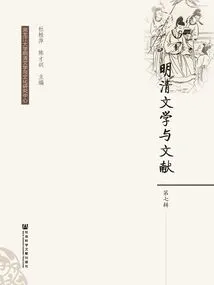
明清文学与文献(第七辑)
Editor-in-chief Chen Caixun Du Guiping
"Ming and Qing Literature and Documents" is a professional academic journal sponsored by the Ming and Qing Literature and Culture Research Center of Heilongjiang University. The book focuses on the research results of Ming and Qing literature, documents and culture, and strives to present the cutting-edge trends and latest results of Ming and Qing literature research, reflecting the characteristics of this discipline.
"Ming and Qing Literature and Documents" is a professional academic journal sponsored by the Ming and Qing Literature and Culture Research Center of Heilongjiang University. The book focuses on the research results of Ming and Qing literature, documents and culture, and strives to present the cutting-edge trends and latest results of Ming and Qing literature research, reflecting the characteristics of this discipline.
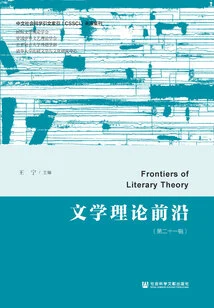
Frontiers of Literary Theory (volume 21)
Literature文学理论前沿(第21辑)
Editor-in-chief Wang Ning
"Frontiers of Literary Theory" (biannual) was founded in 2004. As the journal of the Chinese and Foreign Literary Theory Society and the only Chinese publication of the International Society of Literary Theory, it is currently one of the largest circulation journals in the humanities and social sciences in my country. This volume has five columns: "Exploration of cutting-edge theoretical trends", "Marxism and world literature research", "Theoretical interpretation and construction of Asian and African literature", "Literary reading and theoretical interpretation", and "Critical theory and debate", with a total of eleven articles. Standing at the forefront of international literary theory and cultural research, we pay attention to and study hot topics that are generally concerned by today's academic circles, and make new interpretations.
"Frontiers of Literary Theory" (biannual) was founded in 2004. As the journal of the Chinese and Foreign Literary Theory Society and the only Chinese publication of the International Society of Literary Theory, it is currently one of the largest circulation journals in the humanities and social sciences in my country. This volume has five columns: "Exploration of cutting-edge theoretical trends", "Marxism and world literature research", "Theoretical interpretation and construction of Asian and African literature", "Literary reading and theoretical interpretation", and "Critical theory and debate", with a total of eleven articles. Standing at the forefront of international literary theory and cultural research, we pay attention to and study hot topics that are generally concerned by today's academic circles, and make new interpretations.
中国现代抒情诗叙事性研究
Fu Hua
This book provides an in-depth analysis of the mechanism of "narrativeness" in modern lyric poetry from the aspects of translation, language, poetic style, and concepts, and specifically presents the diverse and complex aspects of modern lyric poets in the practice of narrative poetics. On this basis, from the perspective of the narrative discourse and emotional interaction of the lyric subject, a theoretical analysis of the narrative poetic form - situational aesthetics is carried out. By tracing the historical evolution of "narrativeness", it redraws the changes in the ideographic landscape of modern lyric poetry, highlights the poetic significance of "narrativeness" in modern lyric poetry, and further clarifies the status and value of "narrativeness" in literary history.
This book provides an in-depth analysis of the mechanism of "narrativeness" in modern lyric poetry from the aspects of translation, language, poetic style, and concepts, and specifically presents the diverse and complex aspects of modern lyric poets in the practice of narrative poetics. On this basis, from the perspective of the narrative discourse and emotional interaction of the lyric subject, a theoretical analysis of the narrative poetic form - situational aesthetics is carried out. By tracing the historical evolution of "narrativeness", it redraws the changes in the ideographic landscape of modern lyric poetry, highlights the poetic significance of "narrativeness" in modern lyric poetry, and further clarifies the status and value of "narrativeness" in literary history.
文学理论的实践视域
Zhang Yonggang
This book focuses on elaborating on the practical characteristics of literary theory, and further explores the functions, values, and theoretical mechanisms of literary theory from a practical perspective. It puts forward important ideas for the development of the practical perspective of literary theory in terms of practical trends, category exploration, principle reflection, and theoretical evolution. Based on the subject system, teaching status, literary reality, and local local literary and cultural resources, it conducts a detailed analysis of the possible deviations of literary theory in solving practical problems, and explores the possibility of opening the closed literary theory system and promoting the construction of literary theory at the practical level.
This book focuses on elaborating on the practical characteristics of literary theory, and further explores the functions, values, and theoretical mechanisms of literary theory from a practical perspective. It puts forward important ideas for the development of the practical perspective of literary theory in terms of practical trends, category exploration, principle reflection, and theoretical evolution. Based on the subject system, teaching status, literary reality, and local local literary and cultural resources, it conducts a detailed analysis of the possible deviations of literary theory in solving practical problems, and explores the possibility of opening the closed literary theory system and promoting the construction of literary theory at the practical level.
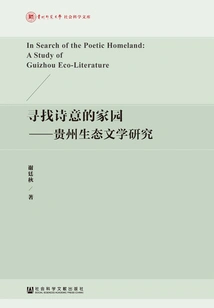
寻找诗意的家园:贵州生态文学研究
Xie Tingqiu
This book is the first monograph on the study of Guizhou ecological literature. This book analyzes and evaluates the development origin and main achievements of Guizhou ecological literature, conducts an in-depth discussion of the characteristics of ecological literature, and conducts a systematic study of the ideological connotation of ecological literature. Through the interpretation of the ecological consciousness of Guizhou folk literature, the book explores the enlightenment effect of the profound ecological ideological resources in Guizhou folk literature on the creation of Guizhou ecological literature; by analyzing the ecological literature works of Guizhou writers, it reveals the rich connotation of Guizhou ecological literature; in the current increasingly serious ecological crisis, it explores the concern and responsibility of Guizhou ecological literature creation for reality.
This book is the first monograph on the study of Guizhou ecological literature. This book analyzes and evaluates the development origin and main achievements of Guizhou ecological literature, conducts an in-depth discussion of the characteristics of ecological literature, and conducts a systematic study of the ideological connotation of ecological literature. Through the interpretation of the ecological consciousness of Guizhou folk literature, the book explores the enlightenment effect of the profound ecological ideological resources in Guizhou folk literature on the creation of Guizhou ecological literature; by analyzing the ecological literature works of Guizhou writers, it reveals the rich connotation of Guizhou ecological literature; in the current increasingly serious ecological crisis, it explores the concern and responsibility of Guizhou ecological literature creation for reality.
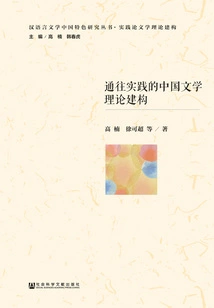
通往实践的中国文学理论建构
Gao Nan Xu Kechao Et Al.
Since the new century, the tremendous development vitality and astonishing scale of literary practice have exerted an unavoidable pressure on the conceptual and epistemological literary theories that are still dominant in the country. Literature is not just a text, nor is it only an object of knowledge, it is also a practical object, and it is the practical process itself. The main point of this book's research is to reveal the practical relationship between literary theory and literary research objects. In this relationship, we study the practical attributes of literary theory, the practical logic of literary theory, the appreciation and criticism activities of literary practice, the practical textology of literary theory, and the practical research methods of literary theory.
Since the new century, the tremendous development vitality and astonishing scale of literary practice have exerted an unavoidable pressure on the conceptual and epistemological literary theories that are still dominant in the country. Literature is not just a text, nor is it only an object of knowledge, it is also a practical object, and it is the practical process itself. The main point of this book's research is to reveal the practical relationship between literary theory and literary research objects. In this relationship, we study the practical attributes of literary theory, the practical logic of literary theory, the appreciation and criticism activities of literary practice, the practical textology of literary theory, and the practical research methods of literary theory.
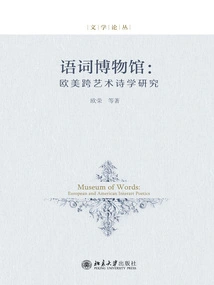
语词博物馆:欧美跨艺术诗学研究
Ou Rong Et Al.
This book studies the development of contemporary European and American inter-art poetics. It first sorts out the development process of European and American inter-art poetics, classifies and analyzes representative schools, and makes a comparative study of Chinese and Western inter-art poetics. Then it uses relevant theories to interpret representative European and American poems. Finally, it elucidates important existing translations and excerpts important inter-art poetics discussions for translation.
This book studies the development of contemporary European and American inter-art poetics. It first sorts out the development process of European and American inter-art poetics, classifies and analyzes representative schools, and makes a comparative study of Chinese and Western inter-art poetics. Then it uses relevant theories to interpret representative European and American poems. Finally, it elucidates important existing translations and excerpts important inter-art poetics discussions for translation.
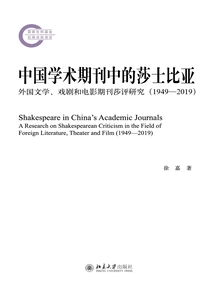
中国学术期刊中的莎士比亚:外国文学、戏剧和电影期刊莎评研究(1949—2019)
Xu Jia
This book takes Shakespeare criticism in Chinese academic journals as the research object. It interprets the current situation of contemporary Chinese Shakespeare criticism in the multiple contexts of different genres, periods and journals, and the intertextuality of various material cultural materials. It also pays attention to the guiding and constructive role of academic journals as a "cultural power body" in literary criticism. By analyzing the "Seventeen Years" period, the early stage of the new era (1978-1981), the 1980s and 1990s, and the 21st century, foreign literature, drama and film The characteristics and rules of Shakespeare criticism discourse in film journals, as well as the political, economic, cultural and publishing factors behind these "changes" and "unchanges", discuss the overall characteristics and paradigm shifts of contemporary Shakespeare research in China, present the process of Shakespeare criticism in Chinese academic journals from single to pluralistic, from closed to open, and construct the subjectivity of Chinese Shakespeare research since the founding of the People's Republic of China 70 years ago. Suggestions and thoughts on future research trends and directions are also put forward.
This book takes Shakespeare criticism in Chinese academic journals as the research object. It interprets the current situation of contemporary Chinese Shakespeare criticism in the multiple contexts of different genres, periods and journals, and the intertextuality of various material cultural materials. It also pays attention to the guiding and constructive role of academic journals as a "cultural power body" in literary criticism. By analyzing the "Seventeen Years" period, the early stage of the new era (1978-1981), the 1980s and 1990s, and the 21st century, foreign literature, drama and film The characteristics and rules of Shakespeare criticism discourse in film journals, as well as the political, economic, cultural and publishing factors behind these "changes" and "unchanges", discuss the overall characteristics and paradigm shifts of contemporary Shakespeare research in China, present the process of Shakespeare criticism in Chinese academic journals from single to pluralistic, from closed to open, and construct the subjectivity of Chinese Shakespeare research since the founding of the People's Republic of China 70 years ago. Suggestions and thoughts on future research trends and directions are also put forward.
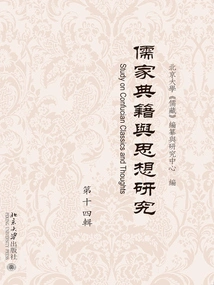
儒家典籍与思想研究(第十四辑)
Compiled By Peking University "confucianism Collection" Compilation And Research Center
This book is divided into four parts: "Designated Book", "Collation and Correction", "New Confucianism", "Confucianism and Tibetan Talks·Young Scholars Forum", and includes articles such as "Collection of Shen Qin and Han Relics", "On the Unified Meaning of the Three Subjects and Nine Purposes", "Between the Orthodox and the Customary - Talking about the Relationship between Common Chinese Characters and the Collection of Ancient Books".
This book is divided into four parts: "Designated Book", "Collation and Correction", "New Confucianism", "Confucianism and Tibetan Talks·Young Scholars Forum", and includes articles such as "Collection of Shen Qin and Han Relics", "On the Unified Meaning of the Three Subjects and Nine Purposes", "Between the Orthodox and the Customary - Talking about the Relationship between Common Chinese Characters and the Collection of Ancient Books".
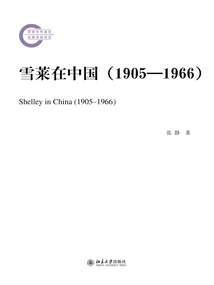
Shelley in China (1905-1966)
Literature雪莱在中国(1905—1966)
Zhang Jing
This book mainly studies Shelley's translation and reception in different periods of modern Chinese literature. Starting from the portrait of Shelley published in "New Novel" in 1905 hosted by Liang Qichao, it discusses Shelley's outstanding characteristics and views presented by translators with different identities in different periods, in order to examine its relationship with the occurrence and development of modern Chinese literature.
This book mainly studies Shelley's translation and reception in different periods of modern Chinese literature. Starting from the portrait of Shelley published in "New Novel" in 1905 hosted by Liang Qichao, it discusses Shelley's outstanding characteristics and views presented by translators with different identities in different periods, in order to examine its relationship with the occurrence and development of modern Chinese literature.
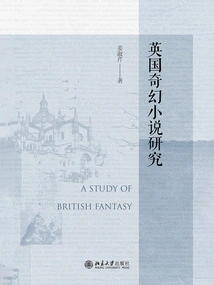
A Study of British Fantasy Novels
Literature英国奇幻小说研究
Jiang Shuqin
This book uses a combination of literary history and specific case analysis to explore the origins and development trajectory of British fantasy novels. It sorts out the formal evolution of British fantasy novels and their close relationship with reality according to five stages: the Victorian period, the Edwardian period, the postwar period, the Cold War period, and the globalization period, helping readers understand the overall picture of British fantasy novels.
This book uses a combination of literary history and specific case analysis to explore the origins and development trajectory of British fantasy novels. It sorts out the formal evolution of British fantasy novels and their close relationship with reality according to five stages: the Victorian period, the Edwardian period, the postwar period, the Cold War period, and the globalization period, helping readers understand the overall picture of British fantasy novels.
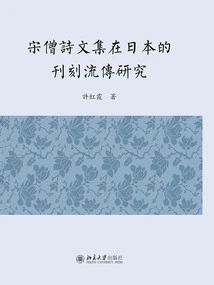
宋僧诗文集在日本的刊刻流传研究
Xu Hongxia
This book takes 39 different collections and collections of poems by Song monks as a whole, collects and investigates the various existing editions in Japan, and retrieves more than 300 editions. It studies their publication and circulation in Japan, adds new content and new understanding to the study of Chinese ancient book editions, and is an important supplement to the study of ancient book editions.
This book takes 39 different collections and collections of poems by Song monks as a whole, collects and investigates the various existing editions in Japan, and retrieves more than 300 editions. It studies their publication and circulation in Japan, adds new content and new understanding to the study of Chinese ancient book editions, and is an important supplement to the study of ancient book editions.
论伍尔夫非个人化创作理念及其实践
Huang Chongfeng
This book takes the original reading of Woolf's text as the starting point to study Woolf's impersonal poetics in novel creation, analyze its key elements and their interrelationships, explore the inheritance and innovation of Woolf's impersonal poetics on the impersonal poetics of writers such as Shakespeare, explore the difference between Woolf's impersonal poetics and that of contemporary writers such as Eliot, explore the practice of Woolf's impersonal creative concept in her novels, and analyze its profound impact on contemporary Chinese female writers such as Chen Ran.
This book takes the original reading of Woolf's text as the starting point to study Woolf's impersonal poetics in novel creation, analyze its key elements and their interrelationships, explore the inheritance and innovation of Woolf's impersonal poetics on the impersonal poetics of writers such as Shakespeare, explore the difference between Woolf's impersonal poetics and that of contemporary writers such as Eliot, explore the practice of Woolf's impersonal creative concept in her novels, and analyze its profound impact on contemporary Chinese female writers such as Chen Ran.
文学与图像:文图互释
Editor-in-chief Chen Ming
This book focuses on the historical context of the production, presentation, consumption, dissemination, and evolution of literary images, explores the narrative function of images, and sorts out the communication and interaction of literary images in different cultural contexts, thereby laying the foundation for the construction of a new disciplinary branch "Literary Image Theory."
This book focuses on the historical context of the production, presentation, consumption, dissemination, and evolution of literary images, explores the narrative function of images, and sorts out the communication and interaction of literary images in different cultural contexts, thereby laying the foundation for the construction of a new disciplinary branch "Literary Image Theory."
19世纪西方文学思潮研究(第六卷):颓废主义
Jiang Chengyong Yang Xi
Based on many key issues of decadence, this book conducts systematic research on the levels of discourse construction, paradigm methods, theoretical horizons, etc., And points out that as a product of the historical process of modernity in Western society that suddenly accelerated after the industrial revolution, it is not only a reflection of this social and historical process, but also a reaction to the great social changes; it is not only an artistic expression of the social historical process, but also a spiritual-psychological compensation for the great social changes.
Based on many key issues of decadence, this book conducts systematic research on the levels of discourse construction, paradigm methods, theoretical horizons, etc., And points out that as a product of the historical process of modernity in Western society that suddenly accelerated after the industrial revolution, it is not only a reflection of this social and historical process, but also a reaction to the great social changes; it is not only an artistic expression of the social historical process, but also a spiritual-psychological compensation for the great social changes.
19世纪西方文学思潮研究(第五卷):象征主义
Li Guohui
This book conducts an in-depth study of symbolism both vertically and horizontally. The first four chapters diachronically sort out the history of the emergence, evolution, and decline of the Symbolism genre, and describe the influence of Symbolism in Europe and the United States. The last four chapters focus on synchronic and comprehensive research, mainly exploring the mysticism, musical aesthetics, free verse theory and cultural background of symbolism.
This book conducts an in-depth study of symbolism both vertically and horizontally. The first four chapters diachronically sort out the history of the emergence, evolution, and decline of the Symbolism genre, and describe the influence of Symbolism in Europe and the United States. The last four chapters focus on synchronic and comprehensive research, mainly exploring the mysticism, musical aesthetics, free verse theory and cultural background of symbolism.
法国当代自撰文学现象研究
Yang Guozheng
The book is divided into two parts, a total of fifteen chapters, including: pioneers; hundreds of schools; "fictitious" and "constructed"; strange works; self-talk - Barthes' "Barthes Autobiography"; autobiography in the age of doubt - Salote's "Childhood"; "terrorist actions" in autobiographical writing - Robbeglier's "Play" trilogy, etc.
The book is divided into two parts, a total of fifteen chapters, including: pioneers; hundreds of schools; "fictitious" and "constructed"; strange works; self-talk - Barthes' "Barthes Autobiography"; autobiography in the age of doubt - Salote's "Childhood"; "terrorist actions" in autobiographical writing - Robbeglier's "Play" trilogy, etc.
Research on Western Literary Trends of Thought in the 19th Century (volume 4): Aestheticism
Literature19世纪西方文学思潮研究(第四卷):唯美主义
Jiang Chengyong Ma Xiang
This book explores the context of the emergence of aestheticism from the perspectives of philosophy, aesthetics, art history, changes in social life, and cultural exchanges between the East and the West, combs its development pedigree in major European and American countries in the 19th century, and refines its poetic concept of "art for art's sake" into levels such as "art is higher than life," "artistic self-discipline," and "art saves life" and provides in-depth explanations. It points out that aestheticist poetic theory and literary creation have mutual correspondences and misalignments.
This book explores the context of the emergence of aestheticism from the perspectives of philosophy, aesthetics, art history, changes in social life, and cultural exchanges between the East and the West, combs its development pedigree in major European and American countries in the 19th century, and refines its poetic concept of "art for art's sake" into levels such as "art is higher than life," "artistic self-discipline," and "art saves life" and provides in-depth explanations. It points out that aestheticist poetic theory and literary creation have mutual correspondences and misalignments.
文学汉语实践与中国现代文学的发生
Wen Guiliang
This book focuses on the literary Chinese practice of ten "axis writers" from the late Qing Dynasty to the May 4th Movement: Huang Zunxian, Yan Fu, Liang Qichao, Lin Shu, Wang Guowei, Zhang Taiyan, Wu Zhihui, Hu Shi, Lu Xun and Zhou Zuoren. It returns to the language standard and discusses literary Chinese along the dimensions of Chinese modeling, subject consciousness and literary form, presenting the history of modern literature at the linguistic level.
This book focuses on the literary Chinese practice of ten "axis writers" from the late Qing Dynasty to the May 4th Movement: Huang Zunxian, Yan Fu, Liang Qichao, Lin Shu, Wang Guowei, Zhang Taiyan, Wu Zhihui, Hu Shi, Lu Xun and Zhou Zuoren. It returns to the language standard and discusses literary Chinese along the dimensions of Chinese modeling, subject consciousness and literary form, presenting the history of modern literature at the linguistic level.
北京大学中国古文献研究中心集刊(第二十五辑)
Compiled By Peking University Chinese Ancient Literature Research Center
The content of this book covers the theoretical research of ancient literature, the compilation and research of handed down documents, the research of ancient characters and unearthed documents, the study of overseas Chinese books and sinology, and other related fields such as the study of ancient Chinese documents. The whole book is divided into four parts according to Jing, Shi, Zi and Ji, which are reflected in blank lines in the table of contents. The papers may be the latest research on a specific issue in a related field, or they may be an examination of the lives and travels of famous ancient Chinese scholars, or they may be an exchange and discussion of overseas sinology.
The content of this book covers the theoretical research of ancient literature, the compilation and research of handed down documents, the research of ancient characters and unearthed documents, the study of overseas Chinese books and sinology, and other related fields such as the study of ancient Chinese documents. The whole book is divided into four parts according to Jing, Shi, Zi and Ji, which are reflected in blank lines in the table of contents. The papers may be the latest research on a specific issue in a related field, or they may be an examination of the lives and travels of famous ancient Chinese scholars, or they may be an exchange and discussion of overseas sinology.
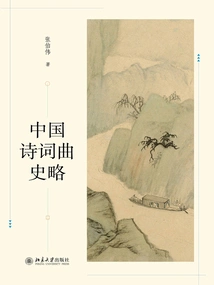
中国诗词曲史略
Zhang Bowei
This book is composed of upper and lower parts. The first part is a brief history of poetry, starting from the formation of the original concept of poetry, the Book of Songs and the Songs of Chu, and discusses ethnic minority poets and foreign Chinese poetry; the second part is a brief history of ci and music, which examines the transition from poetry to ci, and from ci to music, and compares the similarities and differences in form, content and style of poetry, ci and music, and outlines the development of the history of ci and music.
This book is composed of upper and lower parts. The first part is a brief history of poetry, starting from the formation of the original concept of poetry, the Book of Songs and the Songs of Chu, and discusses ethnic minority poets and foreign Chinese poetry; the second part is a brief history of ci and music, which examines the transition from poetry to ci, and from ci to music, and compares the similarities and differences in form, content and style of poetry, ci and music, and outlines the development of the history of ci and music.
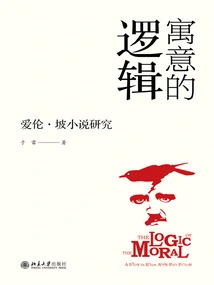
寓意的逻辑:爱伦·坡小说研究
Yu Lei
With a keen academic vision, this book captures the semantic logic issues that are often ignored by researchers of Poe's novels. After determining the basic framework of Poe's novels' logical poetics, this book reinterprets Poe's novels around seven levels: "literature and cybernetics," "parallax and surface reading," "genre energy and evolution," "language games and semantic proliferation," "new media and secret writing," "literature and ritual," and "double binds and double structures." This book highlights the logical mechanism on which its meaning depends.
With a keen academic vision, this book captures the semantic logic issues that are often ignored by researchers of Poe's novels. After determining the basic framework of Poe's novels' logical poetics, this book reinterprets Poe's novels around seven levels: "literature and cybernetics," "parallax and surface reading," "genre energy and evolution," "language games and semantic proliferation," "new media and secret writing," "literature and ritual," and "double binds and double structures." This book highlights the logical mechanism on which its meaning depends.
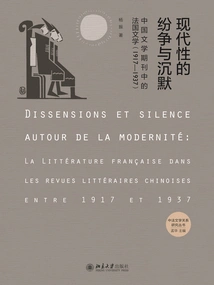
Disputes and Silences in Modernity: French Literature in Chinese Literary Journals (1917-1937)
Literature现代性的纷争与沉默:中国文学期刊中的法国文学(1917—1937)
Yang Zhen
This book focuses on the French literature debate in modern Chinese literary journals from 1917 to 1937, and uses key words in the debate to reconstruct the reception context of French literature in China from 1917 to 1937.
This book focuses on the French literature debate in modern Chinese literary journals from 1917 to 1937, and uses key words in the debate to reconstruct the reception context of French literature in China from 1917 to 1937.
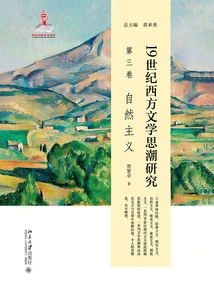
19世纪西方文学思潮研究(第三卷):自然主义
Zeng Fanting
Starting from various aspects such as poetic concepts, creative methods and text composition, this book provides an innovative interpretation of the naturalistic literary trend, revealing its "leading" position in the literary space that interacts with and co-exists with the contemporary symbolism and aestheticism literary trends, and points out its important influence on the emergence and development of modernism in the 20th century.
Starting from various aspects such as poetic concepts, creative methods and text composition, this book provides an innovative interpretation of the naturalistic literary trend, revealing its "leading" position in the literary space that interacts with and co-exists with the contemporary symbolism and aestheticism literary trends, and points out its important influence on the emergence and development of modernism in the 20th century.
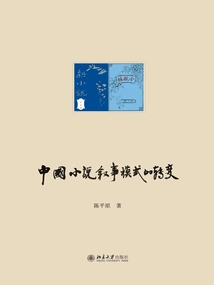
中国小说叙事模式的转变
Chen Pingyuan
This book takes Chinese novels from 1898 to 1927 as the main research object. It borrows Western narrative theory to explore how the writers of the late Qing Dynasty and the "May 4th" generation completed the transition from ancient novels to modern novels from two perspectives: the enlightenment of Western novels and the transformation of the narrative mode of Chinese novels, and the role of traditional literature in the transformation of the narrative mode of Chinese novels. The author draws on Todorov's narrative theory and "combines purely formal narratology research with sociological research on novels that pay attention to cultural background" from three aspects: narrative time, narrative perspective, and narrative structure. This not only fills the gap in stylistic research, but also advances the study of literary form and achieves epoch-making achievements.
This book takes Chinese novels from 1898 to 1927 as the main research object. It borrows Western narrative theory to explore how the writers of the late Qing Dynasty and the "May 4th" generation completed the transition from ancient novels to modern novels from two perspectives: the enlightenment of Western novels and the transformation of the narrative mode of Chinese novels, and the role of traditional literature in the transformation of the narrative mode of Chinese novels. The author draws on Todorov's narrative theory and "combines purely formal narratology research with sociological research on novels that pay attention to cultural background" from three aspects: narrative time, narrative perspective, and narrative structure. This not only fills the gap in stylistic research, but also advances the study of literary form and achieves epoch-making achievements.
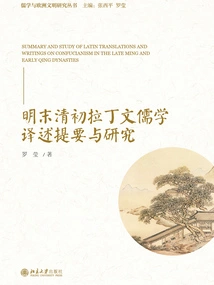
明末清初拉丁文儒学译述提要与研究
Luo Ying
This book aims to trace the origins of the "Western Transmission of Confucianism", starting from the cataloging and compilation of Chinese and foreign Confucian translations by missionaries who came to China in the late Ming and early Qing dynasties. It mainly focuses on the Confucian translations of the three religious orders, the Jesuits, the Dominicans, and the Franciscans, who played an important role in the "Chinese Rituals Controversy." On this basis, based on their different attitudes towards Confucian culture, the missionary groups to China were refined into three factions: "supporting cultural adaptation policy", "opposing cultural adaptation policy" and "cultural reconciliation faction". With the help of the research path of "conceptual history", "Heaven", "God", "Tai Chi", "Ghosts and Gods", etc. This article sorts out the different understandings of the highly controversial Confucian concepts among missionaries in China, and explores how they separate the original "name" and "reality" of Confucian concepts in a cross-cultural context, artificially reconstruct them, and assign them new contextual meanings to realize their own arguments and arguments.
This book aims to trace the origins of the "Western Transmission of Confucianism", starting from the cataloging and compilation of Chinese and foreign Confucian translations by missionaries who came to China in the late Ming and early Qing dynasties. It mainly focuses on the Confucian translations of the three religious orders, the Jesuits, the Dominicans, and the Franciscans, who played an important role in the "Chinese Rituals Controversy." On this basis, based on their different attitudes towards Confucian culture, the missionary groups to China were refined into three factions: "supporting cultural adaptation policy", "opposing cultural adaptation policy" and "cultural reconciliation faction". With the help of the research path of "conceptual history", "Heaven", "God", "Tai Chi", "Ghosts and Gods", etc. This article sorts out the different understandings of the highly controversial Confucian concepts among missionaries in China, and explores how they separate the original "name" and "reality" of Confucian concepts in a cross-cultural context, artificially reconstruct them, and assign them new contextual meanings to realize their own arguments and arguments.
摹物不倦:物象与明清小说日常叙事的展开
Liu Ziyun
This book attempts to sort out the historical process of daily objects appearing on the surface of literature, and through classic texts, it brings to light those descriptions of daily objects that were originally regarded as scattered, trivial, and lacking independent value, so that they can re-enter the horizons of readers and researchers, thereby stimulating the perception and understanding of the new aesthetic style and creative concepts of Ming and Qing daily narratives, as well as the material life and culture of Ming and Qing Dynasties.
This book attempts to sort out the historical process of daily objects appearing on the surface of literature, and through classic texts, it brings to light those descriptions of daily objects that were originally regarded as scattered, trivial, and lacking independent value, so that they can re-enter the horizons of readers and researchers, thereby stimulating the perception and understanding of the new aesthetic style and creative concepts of Ming and Qing daily narratives, as well as the material life and culture of Ming and Qing Dynasties.
法国儿童文学:理论与实践
Zhang Wen
Starting from the dichotomy between theory and practice, this book attempts to define the stylistic extension of French children's literature, and analyzes the common characteristics of this genre with the help of representative literary practices to emphasize the special attributes of children's literature as "the most important carrier of children's culture."
Starting from the dichotomy between theory and practice, this book attempts to define the stylistic extension of French children's literature, and analyzes the common characteristics of this genre with the help of representative literary practices to emphasize the special attributes of children's literature as "the most important carrier of children's culture."
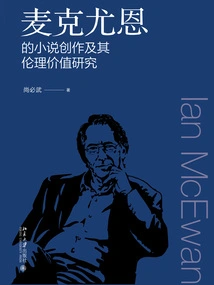
麦克尤恩的小说创作及其伦理价值研究
Shang Biwu
This book consists of twelve chapters, analyzing the narrative art of McEwan's novels and the ethical issues immersed in the works, and exploring the ethical demands that have been ignored by the academic community.
This book consists of twelve chapters, analyzing the narrative art of McEwan's novels and the ethical issues immersed in the works, and exploring the ethical demands that have been ignored by the academic community.
北京大学中国古文献研究中心集刊(第二十七辑)
Compiled By Peking University Chinese Ancient Literature Research Center
The content of this book covers the theoretical research of ancient literature, the compilation and research of handed down documents, the research of ancient characters and unearthed documents, the study of overseas Chinese books and sinology, and other related fields such as the study of ancient Chinese documents. It includes articles such as "Examination of Xia Yu's Sword", "Examination of Hong Rukui's Book Engraving and Related Document Collection Activities", "An Examination of the Collection of Poems of Jiangxi Poetry School in Song Dynasty", etc.
The content of this book covers the theoretical research of ancient literature, the compilation and research of handed down documents, the research of ancient characters and unearthed documents, the study of overseas Chinese books and sinology, and other related fields such as the study of ancient Chinese documents. It includes articles such as "Examination of Xia Yu's Sword", "Examination of Hong Rukui's Book Engraving and Related Document Collection Activities", "An Examination of the Collection of Poems of Jiangxi Poetry School in Song Dynasty", etc.
北京大学中国古文献研究中心集刊(第二十八辑)
Compiled By Peking University Chinese Ancient Literature Research Center
The content of this book covers the theoretical research of ancient literature, the compilation and research of handed down documents, the research of ancient characters and unearthed documents, the study of overseas Chinese books and sinology, and other related fields such as the study of ancient Chinese documents. It includes articles such as "The Inner Theory of the Yan-Li School of Confucianism - An Investigation Centered on the Book of Changes", "New Collection of Epitaphs and New Insights on Tang People's Writings", "On the Linji Sect's Buddhist Dharma System and Its Influence at Daxingshan Temple in Xi'an during the Kangxi Period of Shunzhi", and "A Study of the Sources of the Collection of Ming Zhi Dun's Poems".
The content of this book covers the theoretical research of ancient literature, the compilation and research of handed down documents, the research of ancient characters and unearthed documents, the study of overseas Chinese books and sinology, and other related fields such as the study of ancient Chinese documents. It includes articles such as "The Inner Theory of the Yan-Li School of Confucianism - An Investigation Centered on the Book of Changes", "New Collection of Epitaphs and New Insights on Tang People's Writings", "On the Linji Sect's Buddhist Dharma System and Its Influence at Daxingshan Temple in Xi'an during the Kangxi Period of Shunzhi", and "A Study of the Sources of the Collection of Ming Zhi Dun's Poems".
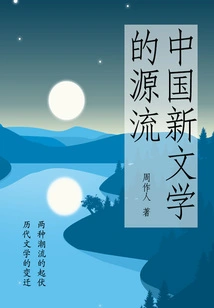
The Origins of Chinese New Literature
Literature中国新文学的源流
Zhou Zuoren
"The Origin of Chinese New Literature" is a systematic summary of Zhou Zuoren's theory on the May 4th New Literature Movement and the entire history of Chinese literature. It has thorough reasoning and exquisite writing. As a Chinese scholar, you must read it carefully. The origin, course, and significance of the Chinese New Literature Movement will be explained based on what Zhou Zuoren knows and has seen. "Literature is something that conveys the author's unique thoughts and feelings in a beautiful form, so that people who read it can get pleasure from it."
"The Origin of Chinese New Literature" is a systematic summary of Zhou Zuoren's theory on the May 4th New Literature Movement and the entire history of Chinese literature. It has thorough reasoning and exquisite writing. As a Chinese scholar, you must read it carefully. The origin, course, and significance of the Chinese New Literature Movement will be explained based on what Zhou Zuoren knows and has seen. "Literature is something that conveys the author's unique thoughts and feelings in a beautiful form, so that people who read it can get pleasure from it."
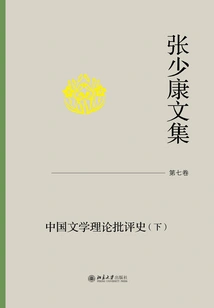
张少康文集·第七卷:中国文学理论批评史(下)
Zhang Shaokang
This book contains articles such as "Su Shi and the literary theory criticism in the early Northern Song Dynasty", "Huang Tingjian and the literary theory criticism in the late Northern Song Dynasty", "New developments in literary theory criticism in the Southern Song Dynasty", "Literary theory criticism in the Jin and Yuan Dynasties", "The emergence and development of the retro-ism literary trend in the Ming Dynasty", "Theoretical criticism of opera in the Ming Dynasty", "The poetry theory of Wang Fuzhi and Ye Xie", etc.
This book contains articles such as "Su Shi and the literary theory criticism in the early Northern Song Dynasty", "Huang Tingjian and the literary theory criticism in the late Northern Song Dynasty", "New developments in literary theory criticism in the Southern Song Dynasty", "Literary theory criticism in the Jin and Yuan Dynasties", "The emergence and development of the retro-ism literary trend in the Ming Dynasty", "Theoretical criticism of opera in the Ming Dynasty", "The poetry theory of Wang Fuzhi and Ye Xie", etc.
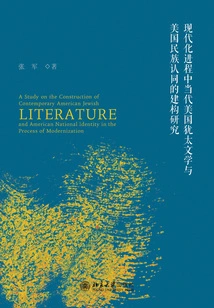
现代化进程中当代美国犹太文学与美国民族认同的建构研究
Zhang Jun
This book traces the history of the modernization process in the United States, summarizes the development of contemporary American Jewish literature in the process of American modernization, reviews the lives and literary creation characteristics of the four founding writers of contemporary American Jewish literature, including Bellow, Singer, Malamud, and Roth, who have made outstanding contributions to this development process, and then sorts out the domestic and foreign research status of contemporary American Jewish literature in the process of modernization. Starting from the concepts of identity and national identity, this paper analyzes the core content and main reasons of contemporary American Jewish literature's construction of American national identity in the process of modernization. The relevant measures taken by American Jewish literature to construct national identity provide a useful academic reference for the academic community to conduct research on ethnic minority literature in other countries.
This book traces the history of the modernization process in the United States, summarizes the development of contemporary American Jewish literature in the process of American modernization, reviews the lives and literary creation characteristics of the four founding writers of contemporary American Jewish literature, including Bellow, Singer, Malamud, and Roth, who have made outstanding contributions to this development process, and then sorts out the domestic and foreign research status of contemporary American Jewish literature in the process of modernization. Starting from the concepts of identity and national identity, this paper analyzes the core content and main reasons of contemporary American Jewish literature's construction of American national identity in the process of modernization. The relevant measures taken by American Jewish literature to construct national identity provide a useful academic reference for the academic community to conduct research on ethnic minority literature in other countries.
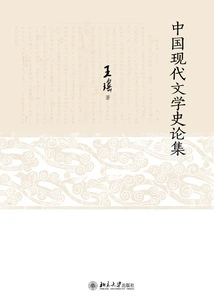
中国现代文学史论集
Wang Yao
This book collects representative papers on Lu Xun research and modern literature research. Including "On the historical connection between Lu Xun's works and Chinese classical literature", "On the relationship between Lu Xun's works and foreign literature", "On Ba Jin's novels", "The development and characteristics of prose during the "May Fourth Movement"", etc.
This book collects representative papers on Lu Xun research and modern literature research. Including "On the historical connection between Lu Xun's works and Chinese classical literature", "On the relationship between Lu Xun's works and foreign literature", "On Ba Jin's novels", "The development and characteristics of prose during the "May Fourth Movement"", etc.
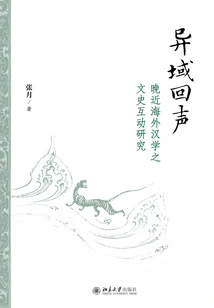
异域回声:晚近海外汉学之文史互动研究
Zhang Yue
This book focuses on a specific literary phenomenon, that is, the interaction of literature and history in ancient literature, including topics such as the mutual reading of poetry and history, the mutual penetration of history and novels, and the mutual integration of history and culture. It involves important genres in the field of literature and history such as epic poems, classic works such as "The Romance of the Three Kingdoms", and major events such as Jing Ke's assassination of Qin. It also includes conversations with three professors: Co Martin, Qian Nanxiu, and Alano. Based on the collection of a large number of research results in the English-speaking world (most of which are works since the new century that have not been translated into Chinese), and combined with the development of overseas Sinology, it expounds the latest research methods and perspectives of Sinologists on the interaction of ancient Chinese literature and history.
This book focuses on a specific literary phenomenon, that is, the interaction of literature and history in ancient literature, including topics such as the mutual reading of poetry and history, the mutual penetration of history and novels, and the mutual integration of history and culture. It involves important genres in the field of literature and history such as epic poems, classic works such as "The Romance of the Three Kingdoms", and major events such as Jing Ke's assassination of Qin. It also includes conversations with three professors: Co Martin, Qian Nanxiu, and Alano. Based on the collection of a large number of research results in the English-speaking world (most of which are works since the new century that have not been translated into Chinese), and combined with the development of overseas Sinology, it expounds the latest research methods and perspectives of Sinologists on the interaction of ancient Chinese literature and history.
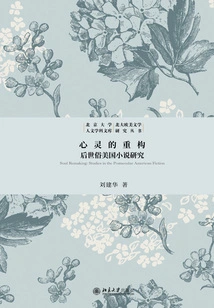
心灵的重构:后世俗美国小说研究(北大欧美文学研究丛书)
Liu Jianhua
By carefully reading relevant works of outstanding contemporary American writers such as Walker, Gaines, Milhauser, Doctorow, Saltzman, Robinson, Updike, and Goldstein, the author of this book attempts to describe the artistic exploration of post-secular American novels in reconstructing the soul in the fallen reality, and to rethink what is post-secular and other basic issues in the emerging field of post-secular novel research.
By carefully reading relevant works of outstanding contemporary American writers such as Walker, Gaines, Milhauser, Doctorow, Saltzman, Robinson, Updike, and Goldstein, the author of this book attempts to describe the artistic exploration of post-secular American novels in reconstructing the soul in the fallen reality, and to rethink what is post-secular and other basic issues in the emerging field of post-secular novel research.
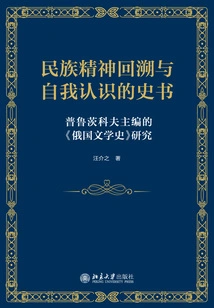
民族精神回溯与自我认识的史书:普鲁茨科夫主编的《俄国文学史》研究
Wang Jiezhi
This book focuses on how the translation project of the four-volume "Academy of Sciences Edition" "History of Russian Literature" comprehensively presents the development process of Russian literature from the 10th century to before the October Revolution as described by first-class scholars in the Soviet period. It combs and displays the historical evolution, artistic achievements, ideological value, cultural connotation and aesthetic characteristics of Russian literature during this thousand years; in comparison with similar works at home and abroad, it reveals the literary history concepts, leading ideas and editing embodied in this representative set of literary history works. It will provide valuable reference for updating the concept of literary history, optimizing literary history research methods and promoting the improvement of the writing level of literary history, and for constructing a scientific and complete literary history, literary theory and literary criticism discourse system.
This book focuses on how the translation project of the four-volume "Academy of Sciences Edition" "History of Russian Literature" comprehensively presents the development process of Russian literature from the 10th century to before the October Revolution as described by first-class scholars in the Soviet period. It combs and displays the historical evolution, artistic achievements, ideological value, cultural connotation and aesthetic characteristics of Russian literature during this thousand years; in comparison with similar works at home and abroad, it reveals the literary history concepts, leading ideas and editing embodied in this representative set of literary history works. It will provide valuable reference for updating the concept of literary history, optimizing literary history research methods and promoting the improvement of the writing level of literary history, and for constructing a scientific and complete literary history, literary theory and literary criticism discourse system.
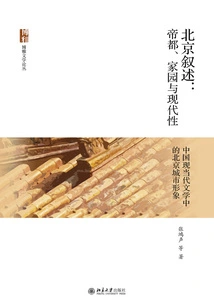
北京叙述:帝都、家园与现代性——中国现当代文学中的北京城市形象
Zhang Hongsheng Et Al.
This book mainly uses the imagination of Beijing expressed in urban culture and literature as an entry point to explore the connotations of literature and Beijing and "Beijing in literature" in modern and contemporary Chinese literature. In terms of research paradigm, with region, space, characters (including region, class, gender), consciousness, artifacts, and emotions as the core, similar writers and genres are combined and discussed. Text forms include novels, poems, essays, notes, dramas, cultural phenomena, etc.
This book mainly uses the imagination of Beijing expressed in urban culture and literature as an entry point to explore the connotations of literature and Beijing and "Beijing in literature" in modern and contemporary Chinese literature. In terms of research paradigm, with region, space, characters (including region, class, gender), consciousness, artifacts, and emotions as the core, similar writers and genres are combined and discussed. Text forms include novels, poems, essays, notes, dramas, cultural phenomena, etc.
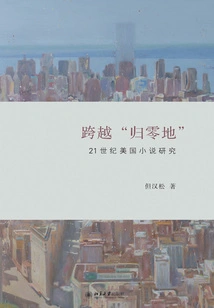
跨越“归零地”:21世纪美国小说研究
Hansong
From Melville and Conrad, to DeLillo and Updike, to McCain and Waldman, the author analyzes the subtle relationship between literary representation, aesthetics and horror in different eras and cultural contexts.
From Melville and Conrad, to DeLillo and Updike, to McCain and Waldman, the author analyzes the subtle relationship between literary representation, aesthetics and horror in different eras and cultural contexts.
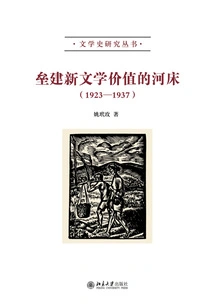
垒建新文学价值的河床(1923—1937)
Yao Daimei
This book explores the value practice of China's new literature from 1925 to 1937. This was a period of leaderless culture and diverse symbiosis. Different literary concepts did not replace each other in the competition, but each went its own way.
This book explores the value practice of China's new literature from 1925 to 1937. This was a period of leaderless culture and diverse symbiosis. Different literary concepts did not replace each other in the competition, but each went its own way.