Library
Browse and search books
2,982 novels found
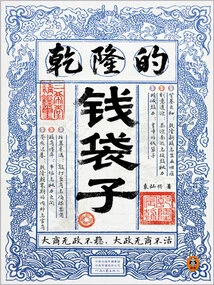
Qianlong's Money Bag
History乾隆的钱袋子
Yuan Canxing
If you understand the fate of businessmen in the Qianlong era, you will understand the political and business game of two thousand years in ancient China! This book takes the salt industry of the Qianlong Dynasty as an entry point, showing the complex interactions between salt merchants and Emperor Qianlong around the interests of the salt industry. It is a political and business record of the emperor and merchants: - Salt merchants continued to deliver money to Emperor Qianlong to curry favor with the imperial power, and once became the emperor's "money bag"; - Qianlong kept the salt industry firmly in the hands of the royal family through layers of control and frequent beatings. Salt merchants could only survive carefully caught in the gap between the market and power. Their ups and downs also reflected the political, business, and social landscape of the prosperous era of Qianlong. This is not only a history of the rise and fall of salt merchants in the Qianlong Dynasty, but also a two-thousand-year history of political and business games that understands how power controlled capital in the imperial era and how capital affected politics and society. It provides a unique perspective for understanding the political and economic operations of the Qing Dynasty and even traditional Chinese society.
If you understand the fate of businessmen in the Qianlong era, you will understand the political and business game of two thousand years in ancient China! This book takes the salt industry of the Qianlong Dynasty as an entry point, showing the complex interactions between salt merchants and Emperor Qianlong around the interests of the salt industry. It is a political and business record of the emperor and merchants: - Salt merchants continued to deliver money to Emperor Qianlong to curry favor with the imperial power, and once became the emperor's "money bag"; - Qianlong kept the salt industry firmly in the hands of the royal family through layers of control and frequent beatings. Salt merchants could only survive carefully caught in the gap between the market and power. Their ups and downs also reflected the political, business, and social landscape of the prosperous era of Qianlong. This is not only a history of the rise and fall of salt merchants in the Qianlong Dynasty, but also a two-thousand-year history of political and business games that understands how power controlled capital in the imperial era and how capital affected politics and society. It provides a unique perspective for understanding the political and economic operations of the Qing Dynasty and even traditional Chinese society.
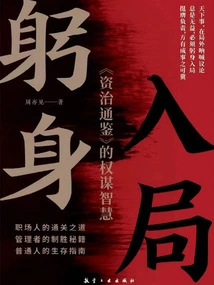
Get Involved
History躬身入局
Zhou Yijian
It is always useless to shout and discuss the affairs of the world from the outside. You must get involved and take responsibility, only then can you hope to achieve success. Organizations cannot do without management, and management has methods and rules. "Zi Zhi Tong Jian" has 294 volumes, and one story is a vivid management case. Self-promotion, image management, and the correct attitude towards talents when "Marquis Wei Wen strengthened Wei"; leaders' motivation methods for subordinates during "Shang Yang's Reform", etc. This book is based on this, using history to explain human nature, power, wisdom, ways of dealing with the world, and the art of management. As a leader, how do you recruit talents? Establish your own prestige? As a middle-level manager, how can you convince your subordinates and quickly open up the work situation? As a subordinate, how do you "correctly" make suggestions to your leader and gain support for yourself? ... The cycle of history is essentially the cycle of human nature. The evolution of every incident is a game of human nature, and there is a consistent motive behind every decision. If you cannot understand human nature, you will repeat the mistakes of your predecessors. This book uses vernacular to allow you to easily understand the stories in "Zi Zhi Tong Jian", and deeply analyzes the characters' motivations from the perspectives of human nature, strategy, and games, allowing you to understand the logical thinking of masters in solving problems and truly learn their wisdom. At the same time, combined with the analysis of real cases, you will suddenly realize it! There is nothing new under the sun. From the perspective of history, everything is still so familiar, only the form has changed!
It is always useless to shout and discuss the affairs of the world from the outside. You must get involved and take responsibility, only then can you hope to achieve success. Organizations cannot do without management, and management has methods and rules. "Zi Zhi Tong Jian" has 294 volumes, and one story is a vivid management case. Self-promotion, image management, and the correct attitude towards talents when "Marquis Wei Wen strengthened Wei"; leaders' motivation methods for subordinates during "Shang Yang's Reform", etc. This book is based on this, using history to explain human nature, power, wisdom, ways of dealing with the world, and the art of management. As a leader, how do you recruit talents? Establish your own prestige? As a middle-level manager, how can you convince your subordinates and quickly open up the work situation? As a subordinate, how do you "correctly" make suggestions to your leader and gain support for yourself? ... The cycle of history is essentially the cycle of human nature. The evolution of every incident is a game of human nature, and there is a consistent motive behind every decision. If you cannot understand human nature, you will repeat the mistakes of your predecessors. This book uses vernacular to allow you to easily understand the stories in "Zi Zhi Tong Jian", and deeply analyzes the characters' motivations from the perspectives of human nature, strategy, and games, allowing you to understand the logical thinking of masters in solving problems and truly learn their wisdom. At the same time, combined with the analysis of real cases, you will suddenly realize it! There is nothing new under the sun. From the perspective of history, everything is still so familiar, only the form has changed!
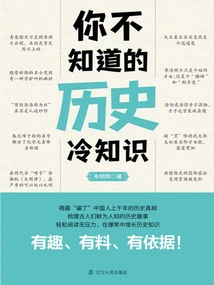
你不知道的历史冷知识
Wei Minghui
This is a popular book about historical knowledge. Based on the attitude of respecting history and the principle of learning history easily, the book looks at the perspective of modern people, sorts out little-known historical interesting things, and tells them in humorous language, which is full of fun. The relatively niche characters, events and other historical trivia selected in the book are interesting, informative and eye-catching. While making it easy to read, it also makes people understand history and is thought-provoking. In the context of the increasingly microscopic background of historical research, allowing readers to enter the door of historical knowledge from all sides through interesting stories is a unique way, which is helpful for learning history and promoting excellent traditional culture.
This is a popular book about historical knowledge. Based on the attitude of respecting history and the principle of learning history easily, the book looks at the perspective of modern people, sorts out little-known historical interesting things, and tells them in humorous language, which is full of fun. The relatively niche characters, events and other historical trivia selected in the book are interesting, informative and eye-catching. While making it easy to read, it also makes people understand history and is thought-provoking. In the context of the increasingly microscopic background of historical research, allowing readers to enter the door of historical knowledge from all sides through interesting stories is a unique way, which is helpful for learning history and promoting excellent traditional culture.
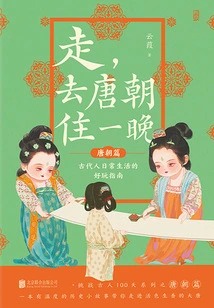
走,去唐朝住一晚
Yunjia
An immersive life guide that allows people to truly "travel" back to the Tang Dynasty, and provide interesting popular science that instantly understands the life of the ancients. Using super down-to-earth language and super interesting stories, it will take you back to the Tang Dynasty in a second, where you can eat delicious food, play games, and listen to music together, and you will unknowingly gain a lot of historical knowledge. How did ordinary people live in the Tang Dynasty? There were also beauty salons in the Tang Dynasty? What kind of pets did people in the Tang Dynasty like to keep? What was the tea culture of the Tang Dynasty like? What did poets living in the Tang Dynasty do on daily basis? This book takes daily scenes such as Tang Dynasty clothing, makeup and hairstyles, and Cold Food Festival customs as the entry point, and combines life details such as the Dragon Boat Festival herb fight, Hu Xuan dance performance, tea ceremony process, etc. To systematically present the clothing trends, food culture, and entertainment activities of Chang'an City. From petting cats and drinking tea to beauty and fashion, the city is full of life. The book uses fictional characters to explain the city's curfew system, the network of aristocratic families, and the background of Tang poetry creation. It also includes images of cultural relics such as Tang Dynasty paintings and pottery figurines, vividly reproducing the social features of the Tang Dynasty such as nobles raising fern dogs, women participating in polo, and the popularity of backgammon.
An immersive life guide that allows people to truly "travel" back to the Tang Dynasty, and provide interesting popular science that instantly understands the life of the ancients. Using super down-to-earth language and super interesting stories, it will take you back to the Tang Dynasty in a second, where you can eat delicious food, play games, and listen to music together, and you will unknowingly gain a lot of historical knowledge. How did ordinary people live in the Tang Dynasty? There were also beauty salons in the Tang Dynasty? What kind of pets did people in the Tang Dynasty like to keep? What was the tea culture of the Tang Dynasty like? What did poets living in the Tang Dynasty do on daily basis? This book takes daily scenes such as Tang Dynasty clothing, makeup and hairstyles, and Cold Food Festival customs as the entry point, and combines life details such as the Dragon Boat Festival herb fight, Hu Xuan dance performance, tea ceremony process, etc. To systematically present the clothing trends, food culture, and entertainment activities of Chang'an City. From petting cats and drinking tea to beauty and fashion, the city is full of life. The book uses fictional characters to explain the city's curfew system, the network of aristocratic families, and the background of Tang poetry creation. It also includes images of cultural relics such as Tang Dynasty paintings and pottery figurines, vividly reproducing the social features of the Tang Dynasty such as nobles raising fern dogs, women participating in polo, and the popularity of backgammon.
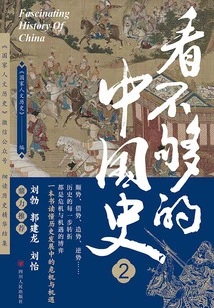
看不够的中国史2
"national Humanities History" Ed.
Why did the competition between Han and Wei become the strategic fulcrum of Qin's unification? How did Liu Bang cleverly solve the problem of demobilization of hundreds of thousands of soldiers? The failure rate of secretly raising dead soldiers under the eyes of the emperor was extremely high. How did Sima Yi do every step correctly? Holding the script of "Dong Zhuo + Cao Cao", why was Er Zhurong killed by the emperor who held him hostage? While anxious to establish a grandson, while delegating power to Wu Zetian, how did Tang Gaozong deal with the "mid-life crisis"? How did Emperor Gaozong of the Song Dynasty take refuge at sea, giving rise to the unprecedented maritime strategy of the Southern Song Dynasty regime? Between Daqing and Dashun, why did Wu Sangui choose to open Shanhaiguan to surrender to the Qing Dynasty? ... Every turning point in history is a game of crisis and opportunity. Following the trend, taking advantage of the trend, building momentum, going against the trend... The long scroll of history slowly unfolds. Crisis and opportunity are like the light and dark lines on it, intertwined and intertwined, jointly outlining the tortuous process of social development. This book is a collection of historical essences carefully read in the national treasure historical book "National Humanities History" sponsored by the People's Daily! With "Crisis and Opportunity" as the core, it selects four major themes: gathering momentum, following the trend, taking advantage of the trend, and going against the trend, and 29 interesting and interesting topics. It explores many key turning periods in ancient China, the collapse of the old order and the birth of the new order. It also uses humorous language and unique The unique perspective and rigorous research reveal the ancient Chinese nation's awareness of the interdependence of blessings and misfortune, the sense of urgency in times of peace, the practical wisdom of seeking governance in chaos, and turning crises into opportunities, as well as the experience and lessons of crisis brewing such as institutional rigidity, governance incompetence, economic imbalance, and strategic misjudgment. Open this book and understand the crises and opportunities in China's historical development, and you will be able to understand the unique resilience of Chinese civilization in China, which originates from the cultural gene that regards crises as opportunities for self-renewal.
Why did the competition between Han and Wei become the strategic fulcrum of Qin's unification? How did Liu Bang cleverly solve the problem of demobilization of hundreds of thousands of soldiers? The failure rate of secretly raising dead soldiers under the eyes of the emperor was extremely high. How did Sima Yi do every step correctly? Holding the script of "Dong Zhuo + Cao Cao", why was Er Zhurong killed by the emperor who held him hostage? While anxious to establish a grandson, while delegating power to Wu Zetian, how did Tang Gaozong deal with the "mid-life crisis"? How did Emperor Gaozong of the Song Dynasty take refuge at sea, giving rise to the unprecedented maritime strategy of the Southern Song Dynasty regime? Between Daqing and Dashun, why did Wu Sangui choose to open Shanhaiguan to surrender to the Qing Dynasty? ... Every turning point in history is a game of crisis and opportunity. Following the trend, taking advantage of the trend, building momentum, going against the trend... The long scroll of history slowly unfolds. Crisis and opportunity are like the light and dark lines on it, intertwined and intertwined, jointly outlining the tortuous process of social development. This book is a collection of historical essences carefully read in the national treasure historical book "National Humanities History" sponsored by the People's Daily! With "Crisis and Opportunity" as the core, it selects four major themes: gathering momentum, following the trend, taking advantage of the trend, and going against the trend, and 29 interesting and interesting topics. It explores many key turning periods in ancient China, the collapse of the old order and the birth of the new order. It also uses humorous language and unique The unique perspective and rigorous research reveal the ancient Chinese nation's awareness of the interdependence of blessings and misfortune, the sense of urgency in times of peace, the practical wisdom of seeking governance in chaos, and turning crises into opportunities, as well as the experience and lessons of crisis brewing such as institutional rigidity, governance incompetence, economic imbalance, and strategic misjudgment. Open this book and understand the crises and opportunities in China's historical development, and you will be able to understand the unique resilience of Chinese civilization in China, which originates from the cultural gene that regards crises as opportunities for self-renewal.
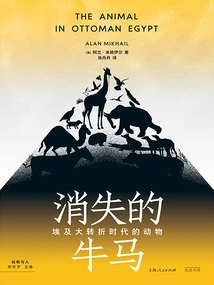
消失的牛马:埃及大转折时代的动物
(us) Alan Mikhail
This book tells the story of the "disappearance" of animals represented by cows and horses in human society in history. The specific time and space is Egypt under the rule of the Ottoman Empire from the 16th to the 19th century. From the perspective of the relationship between humans and animals, it observes its social changes. During this period, Egypt under the rule of the Ottoman Empire transitioned from pre-modern society to modern society, and the relationship between humans and animals also underwent tremendous changes. From the initial close connection and interdependence between humans and animals, the role of animals gradually weakened, and their status in human society gradually became marginalized. This book reorganizes this historical process through three different types of animals, helping to re-understand the history of the Ottoman Empire and Egypt, as well as the transformation of global agricultural society into commercial society and urban society in modern times.
This book tells the story of the "disappearance" of animals represented by cows and horses in human society in history. The specific time and space is Egypt under the rule of the Ottoman Empire from the 16th to the 19th century. From the perspective of the relationship between humans and animals, it observes its social changes. During this period, Egypt under the rule of the Ottoman Empire transitioned from pre-modern society to modern society, and the relationship between humans and animals also underwent tremendous changes. From the initial close connection and interdependence between humans and animals, the role of animals gradually weakened, and their status in human society gradually became marginalized. This book reorganizes this historical process through three different types of animals, helping to re-understand the history of the Ottoman Empire and Egypt, as well as the transformation of global agricultural society into commercial society and urban society in modern times.
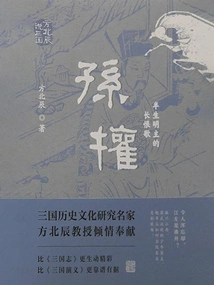
孙权:半生明主的长恨歌
Fang Beichen
The basic positioning of the "Fang Beichen Talks about the Three Kingdoms" series is that it is a popular and popular reading book with a solid academic foundation. It is neither as difficult to understand as the classical expressions in the history book "Three Kingdoms", nor as the novel "The Romance of the Three Kingdoms", which has many fictional transplants and loses the authenticity of history. The author carefully selects reliable materials from historical classics and freely uses the vivid writing style of literary aesthetics. The two are organically combined, striving to achieve the established level of being lively and interesting, concise and smooth, suitable for both refined and popular tastes, and suitable for all ages. Specific to this book, this book depicts Sun Quan's heroic determination in his youth, his struggle against Cao Cao, and his power over the Yangtze River. It also records his confusion in his old age, his self-destruction of his business, and his tragic ending. This is a song of everlasting regret for a half-life wise man. The author's writing is beautiful, and the description of Sun Quan's life is based on historical facts. It is credible and reliable, making it fascinating to read. The manuscript is of high quality and is suitable for readers who want to understand the history of the Three Kingdoms and draw useful lessons from it.
The basic positioning of the "Fang Beichen Talks about the Three Kingdoms" series is that it is a popular and popular reading book with a solid academic foundation. It is neither as difficult to understand as the classical expressions in the history book "Three Kingdoms", nor as the novel "The Romance of the Three Kingdoms", which has many fictional transplants and loses the authenticity of history. The author carefully selects reliable materials from historical classics and freely uses the vivid writing style of literary aesthetics. The two are organically combined, striving to achieve the established level of being lively and interesting, concise and smooth, suitable for both refined and popular tastes, and suitable for all ages. Specific to this book, this book depicts Sun Quan's heroic determination in his youth, his struggle against Cao Cao, and his power over the Yangtze River. It also records his confusion in his old age, his self-destruction of his business, and his tragic ending. This is a song of everlasting regret for a half-life wise man. The author's writing is beautiful, and the description of Sun Quan's life is based on historical facts. It is credible and reliable, making it fascinating to read. The manuscript is of high quality and is suitable for readers who want to understand the history of the Three Kingdoms and draw useful lessons from it.
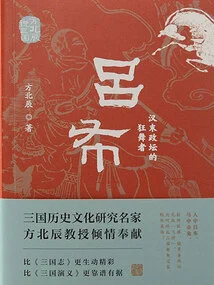
吕布:汉末政坛的狂舞者
Fang Beichen
This series of books is a set of popular books that introduce the characters of the Three Kingdoms. The author has been studying the historical facts of the Three Kingdoms period for many years and has considerable experience. He can carefully select reliable materials from historical classics. The writing style is vivid, academic and literary, concise and smooth, and can be appreciated by both refined and popular people. This volume depicts how Lu Bu quickly reached the peak of his life, and then streaked across the sky in the late Eastern Han Dynasty like a meteor, ending in tragedy. Due to the influence of the novel "Romance of the Three Kingdoms" and various folk arts, Lu Bu has always existed in the minds of later generations as the "most powerful general of the Three Kingdoms". In history, Lu Bu's defection to Dong Zhuo had an important impact on the political structure of the Three Kingdoms period. This book strives to show a real Lu Bu.
This series of books is a set of popular books that introduce the characters of the Three Kingdoms. The author has been studying the historical facts of the Three Kingdoms period for many years and has considerable experience. He can carefully select reliable materials from historical classics. The writing style is vivid, academic and literary, concise and smooth, and can be appreciated by both refined and popular people. This volume depicts how Lu Bu quickly reached the peak of his life, and then streaked across the sky in the late Eastern Han Dynasty like a meteor, ending in tragedy. Due to the influence of the novel "Romance of the Three Kingdoms" and various folk arts, Lu Bu has always existed in the minds of later generations as the "most powerful general of the Three Kingdoms". In history, Lu Bu's defection to Dong Zhuo had an important impact on the political structure of the Three Kingdoms period. This book strives to show a real Lu Bu.
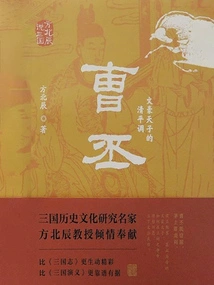
曹丕:文豪天子的清平调
Fang Beichen
The basic positioning of the "Fang Beichen Talks about the Three Kingdoms" series is that it is a popular and popular reading book with a solid academic foundation. It is neither as difficult to understand as the classical expressions in the history book "Three Kingdoms", nor as the novel "The Romance of the Three Kingdoms", which has many fictional transplants and loses the authenticity of history. The author carefully selects reliable materials from historical classics and freely uses the vivid writing style of literary aesthetics. The two are organically combined, striving to achieve the established level of being lively and interesting, concise and smooth, suitable for both refined and popular tastes, and suitable for all ages. Cao Pi, named Zihuan, was born in Qiao County, Peiguo (now Bozhou City, Anhui Province). His father was Cao Cao, a hero in the late Han Dynasty. This book mainly describes Cao Pi's military expeditions with his father, staying behind in Xudu to preside over government affairs, accepting Zen on behalf of the Han Dynasty to establish Cao Wei, establishing the Nine-Rank Zhongzheng System and reopening the Western Regions, dying young and sleeping in Shouyang, etc. It details Cao Pi's short and wonderful life, which not only includes the loss, forbearance and perseverance of not being established as a prince, but also a series of civil and military achievements established after becoming emperor, which makes him a wise king. In short, this is a Qingping tune in which the literary emperor is proud and willful.
The basic positioning of the "Fang Beichen Talks about the Three Kingdoms" series is that it is a popular and popular reading book with a solid academic foundation. It is neither as difficult to understand as the classical expressions in the history book "Three Kingdoms", nor as the novel "The Romance of the Three Kingdoms", which has many fictional transplants and loses the authenticity of history. The author carefully selects reliable materials from historical classics and freely uses the vivid writing style of literary aesthetics. The two are organically combined, striving to achieve the established level of being lively and interesting, concise and smooth, suitable for both refined and popular tastes, and suitable for all ages. Cao Pi, named Zihuan, was born in Qiao County, Peiguo (now Bozhou City, Anhui Province). His father was Cao Cao, a hero in the late Han Dynasty. This book mainly describes Cao Pi's military expeditions with his father, staying behind in Xudu to preside over government affairs, accepting Zen on behalf of the Han Dynasty to establish Cao Wei, establishing the Nine-Rank Zhongzheng System and reopening the Western Regions, dying young and sleeping in Shouyang, etc. It details Cao Pi's short and wonderful life, which not only includes the loss, forbearance and perseverance of not being established as a prince, but also a series of civil and military achievements established after becoming emperor, which makes him a wise king. In short, this is a Qingping tune in which the literary emperor is proud and willful.
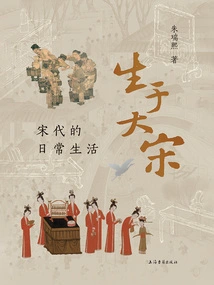
生于大宋:宋代的日常生活
Zhu Ruixi
This book collects Mr. Zhu Ruixi's research on all aspects of life in the Song Dynasty, including titles and rankings, taboos, lettering, tattoos, tattoos, hairpins, folk family organizations, vacations, festivals, wedding and funeral etiquette, clothing and fashion, northern and southern food, daily utensils, etc. It is also accompanied by more than 40 archaeological and painting illustrations. It has a very in-depth and detailed display of the social life of the Song people.
This book collects Mr. Zhu Ruixi's research on all aspects of life in the Song Dynasty, including titles and rankings, taboos, lettering, tattoos, tattoos, hairpins, folk family organizations, vacations, festivals, wedding and funeral etiquette, clothing and fashion, northern and southern food, daily utensils, etc. It is also accompanied by more than 40 archaeological and painting illustrations. It has a very in-depth and detailed display of the social life of the Song people.
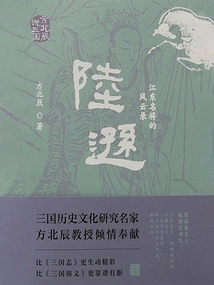
陆逊:江东名将的风云录
Fang Beichen
This series of books is a set of popular books that introduce the characters of the Three Kingdoms. The author has been studying the historical facts of the Three Kingdoms period for many years and has considerable experience. He can carefully select reliable materials from historical classics. The writing style is vivid, academic and literary, concise and smooth, and can be appreciated by both refined and popular people. Lu Xun came from a prominent family in Jiangdong, and his own martial arts skills added new glory to his family. His son Lu Kang fully inherited his military genius, and was later promoted to the commander-in-chief of Sun Wu's entire army, becoming a reliable security guarantee for the Sun Wu dynasty. His grandsons, Lu Ji and Lu Yun, were literary masters in the Western Jin Dynasty. They wrote a large number of famous works and were the shining twins in the literary world at that time. This volume depicts the colorful and tortuous life of the Lu Xun family, including their admirable and glorious civil and military achievements, as well as their tragic life ending that is extremely regrettable.
This series of books is a set of popular books that introduce the characters of the Three Kingdoms. The author has been studying the historical facts of the Three Kingdoms period for many years and has considerable experience. He can carefully select reliable materials from historical classics. The writing style is vivid, academic and literary, concise and smooth, and can be appreciated by both refined and popular people. Lu Xun came from a prominent family in Jiangdong, and his own martial arts skills added new glory to his family. His son Lu Kang fully inherited his military genius, and was later promoted to the commander-in-chief of Sun Wu's entire army, becoming a reliable security guarantee for the Sun Wu dynasty. His grandsons, Lu Ji and Lu Yun, were literary masters in the Western Jin Dynasty. They wrote a large number of famous works and were the shining twins in the literary world at that time. This volume depicts the colorful and tortuous life of the Lu Xun family, including their admirable and glorious civil and military achievements, as well as their tragic life ending that is extremely regrettable.
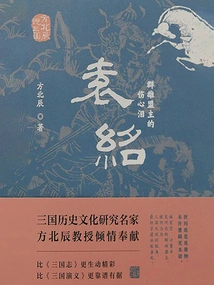
袁绍:群雄盟主的伤心泪
Fang Beichen
Born in the "Runan Yuan Family" of the "Four Generations and Three Dukes", he was a corporal of Shaozhejie and was well-known in the world. Kill the eunuchs, attack Dong Zhuo, and command the heroes. He captured Ji, Qing, and the three prefectures, pacified the Black Mountain Army, defeated Gongsun Zan, and unified Hebei, with unlimited glory. However, in the decisive battle against Cao Cao, although Yuan was strong and Cao Cao was weak, and his advisers were unparalleled, he was ultimately defeated first at Guandu and then at Cangting due to his great ambition and weak talent, and ended up with hatred. I burst into tears and sighed, "The heroes in the world are only envoys, and there is no need to talk about the original generation." How can the glory of the hairpin family withstand the hardships of Sun, Cao and Liu?
Born in the "Runan Yuan Family" of the "Four Generations and Three Dukes", he was a corporal of Shaozhejie and was well-known in the world. Kill the eunuchs, attack Dong Zhuo, and command the heroes. He captured Ji, Qing, and the three prefectures, pacified the Black Mountain Army, defeated Gongsun Zan, and unified Hebei, with unlimited glory. However, in the decisive battle against Cao Cao, although Yuan was strong and Cao Cao was weak, and his advisers were unparalleled, he was ultimately defeated first at Guandu and then at Cangting due to his great ambition and weak talent, and ended up with hatred. I burst into tears and sighed, "The heroes in the world are only envoys, and there is no need to talk about the original generation." How can the glory of the hairpin family withstand the hardships of Sun, Cao and Liu?
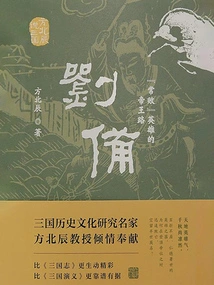
刘备:“常败”英雄的帝王路
Fang Beichen
This series of books is a set of popular books that introduce the characters of the Three Kingdoms. The author has been studying the historical facts of the Three Kingdoms period for many years and has considerable experience. He can carefully select reliable materials from historical classics. The writing style is vivid, academic and literary, concise and fluent, and can be enjoyed by both elegant and popular people. The basic positioning of the "Fang Beichen Talks about the Three Kingdoms" series is to be popular and popular reading materials with a solid academic foundation. He was born in a troubled time and was often ridiculed as "a man who weaves mats and sells shoes" even though he has the reputation of being an imperial relative. Even if he starts from scratch, he can still make friends with loyalty and sincerity, and treat people with "the style of the great ancestor". He is like a reed, with an uncertain destiny but a tenacious character. Even if they are defeated in Pingyuan, Xuzhou, Xinye, Changban, and are at the end of the road many times, they will not lose the heroic ambition in their hearts, and they will be able to unite with Wu to resist Cao and take control of the two rivers. However, his rise was not easy, and his death was sudden. Jiangzuo was gnashing his teeth, leaving only the pride and hatred of the old hero of Yong'an Palace.
This series of books is a set of popular books that introduce the characters of the Three Kingdoms. The author has been studying the historical facts of the Three Kingdoms period for many years and has considerable experience. He can carefully select reliable materials from historical classics. The writing style is vivid, academic and literary, concise and fluent, and can be enjoyed by both elegant and popular people. The basic positioning of the "Fang Beichen Talks about the Three Kingdoms" series is to be popular and popular reading materials with a solid academic foundation. He was born in a troubled time and was often ridiculed as "a man who weaves mats and sells shoes" even though he has the reputation of being an imperial relative. Even if he starts from scratch, he can still make friends with loyalty and sincerity, and treat people with "the style of the great ancestor". He is like a reed, with an uncertain destiny but a tenacious character. Even if they are defeated in Pingyuan, Xuzhou, Xinye, Changban, and are at the end of the road many times, they will not lose the heroic ambition in their hearts, and they will be able to unite with Wu to resist Cao and take control of the two rivers. However, his rise was not easy, and his death was sudden. Jiangzuo was gnashing his teeth, leaving only the pride and hatred of the old hero of Yong'an Palace.
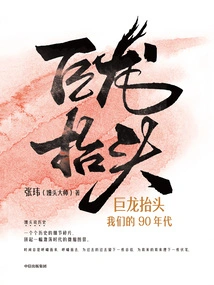
巨龙抬头:我们的90年代
Zhang Wei
The first chronological work of the Mantou Master. Speaking of the 1990s, many of us can think of many exciting moments. From the establishment of weekends to the popularization of color televisions, from the boom in stock issuance to the popularity of hit songs, from the successful hosting of the Beijing Asian Games to the emergence of Chinese athletes in the world of sports... In the past ten years, this land has exuded passion and vitality warmly and vigorously. This book uses years as units to record the major and minor events of the 1990s. The author Zhang Wei turned into a master of beading, picking up important events in the 1990s and carefully weaving them together, presenting a miniature picture of a passionate era with objective and warm brushwork, allowing us to immerse ourselves in it, arouse the curiosity, beauty and passion scattered in time, and move forward warmly.
The first chronological work of the Mantou Master. Speaking of the 1990s, many of us can think of many exciting moments. From the establishment of weekends to the popularization of color televisions, from the boom in stock issuance to the popularity of hit songs, from the successful hosting of the Beijing Asian Games to the emergence of Chinese athletes in the world of sports... In the past ten years, this land has exuded passion and vitality warmly and vigorously. This book uses years as units to record the major and minor events of the 1990s. The author Zhang Wei turned into a master of beading, picking up important events in the 1990s and carefully weaving them together, presenting a miniature picture of a passionate era with objective and warm brushwork, allowing us to immerse ourselves in it, arouse the curiosity, beauty and passion scattered in time, and move forward warmly.
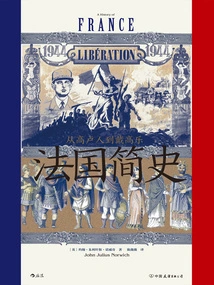
法国简史:从高卢人到戴高乐
(uk) John Julius Norwich
The history of France is a wonderful and important chapter in world history. Charlemagne, Joan of Arc, Louis XIV, de Gaulle and other figures have long been familiar to readers. How did these great figures gradually shape France, which had a major impact on world civilization? The author of this book, John Julius Norwich, uses French historical celebrities to connect major events in French history over the past two thousand years. From Vercingetorius, the Gallic national hero who was determined to prevent Caesar's invasion, to Charlemagne who obtained the crown from the Pope; from the disasters caused by the Crusades to the great achievements created by the Sun King; from the devastating storming of the Bastille to the dramatic scenes of the French army taking taxis to the battlefields of World War I... Norwich used his rich knowledge and deep feelings for France to take us on a wonderful journey of French history.
The history of France is a wonderful and important chapter in world history. Charlemagne, Joan of Arc, Louis XIV, de Gaulle and other figures have long been familiar to readers. How did these great figures gradually shape France, which had a major impact on world civilization? The author of this book, John Julius Norwich, uses French historical celebrities to connect major events in French history over the past two thousand years. From Vercingetorius, the Gallic national hero who was determined to prevent Caesar's invasion, to Charlemagne who obtained the crown from the Pope; from the disasters caused by the Crusades to the great achievements created by the Sun King; from the devastating storming of the Bastille to the dramatic scenes of the French army taking taxis to the battlefields of World War I... Norwich used his rich knowledge and deep feelings for France to take us on a wonderful journey of French history.
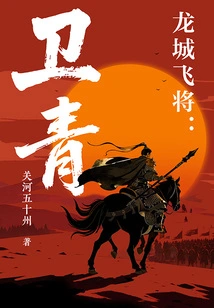
龙城飞将:卫青
Guanhe Fifty States
From a humble horseman to a famous general who fought against the Hungarians, he counterattacked and climbed to the top, then retreated in great glory! Through the life of Wei Qing, we can see through the core context of Han and Hungarian offenses and defenses for hundreds of years, and understand the survival rules of those with great achievements under the imperial power! Wei Qing was originally a riding slave in Princess Pingyang's palace, but with his illustrious military exploits, he changed his destiny and gradually ascended to the position of general. They counterattacked in Guanshi, made a surprise attack on Henan, detoured to Yinbei, and decisively fought in Mobei. They went out of the fortress seven times and galloped on the battlefield. Wei Qing used the power of thunder to rewrite the centuries-old offensive and defensive pattern of the Han and Huns, and expanded the territory and territory of the Han Dynasty. Serving as a servant, commanding all armies, sweeping away the dust, shaking the clouds in the desert, serving as a pillar of ministers, and carrying out the Seven Victories! He has great achievements but does not overwhelm his master. He does not rely on his achievements and is not good at power. Build great achievements with a humble body, and avoid the disasters of prosperity with a humble heart. The new masterpiece of literary and historical writer Guan He Fifty States takes Wei Qing's legendary life as the axis, reviews the centuries-old game between Han and Hungary, and decodes the wisdom of life at the peak of power.
From a humble horseman to a famous general who fought against the Hungarians, he counterattacked and climbed to the top, then retreated in great glory! Through the life of Wei Qing, we can see through the core context of Han and Hungarian offenses and defenses for hundreds of years, and understand the survival rules of those with great achievements under the imperial power! Wei Qing was originally a riding slave in Princess Pingyang's palace, but with his illustrious military exploits, he changed his destiny and gradually ascended to the position of general. They counterattacked in Guanshi, made a surprise attack on Henan, detoured to Yinbei, and decisively fought in Mobei. They went out of the fortress seven times and galloped on the battlefield. Wei Qing used the power of thunder to rewrite the centuries-old offensive and defensive pattern of the Han and Huns, and expanded the territory and territory of the Han Dynasty. Serving as a servant, commanding all armies, sweeping away the dust, shaking the clouds in the desert, serving as a pillar of ministers, and carrying out the Seven Victories! He has great achievements but does not overwhelm his master. He does not rely on his achievements and is not good at power. Build great achievements with a humble body, and avoid the disasters of prosperity with a humble heart. The new masterpiece of literary and historical writer Guan He Fifty States takes Wei Qing's legendary life as the axis, reviews the centuries-old game between Han and Hungary, and decodes the wisdom of life at the peak of power.
小说,小说网,最新热门小说-QQ阅读_阅文集团旗下网站
You Biao
This is a history of the Song Dynasty written by professional scholars for the public from the "emperor's perspective". The book outlines the rise and fall of the Zhao and Song Dynasties over more than 300 years by telling the real lives of eighteen emperors in the Northern and Southern Song Dynasties. The author carefully selects the most dramatic and decisive events in each emperor's life, and uses the shortest possible length to explain all the major trends of the Zhao and Song Dynasties: How did the national policy of "advocating culture and restraining military force" come about? How could he hold up the "Zhizhi Era" represented by Fan Zhongyan, Wang Anshi, and Su Shi with one hand, and systematically kill generals such as Di Qing and Yue Fei with the other hand, so that the Song Dynasty was labeled as a "weak Song"? In the author's writing, these eighteen emperors have different personalities and are flesh and blood: they are not only the emperor, but also sons, husbands and fathers. Their character and destiny determine the character and destiny of the dynasty. After reading the whole book, you will understand: the Song Dynasty's civil and martial arts, prosperity and fragility, openness and dilemma, are all written in the life history of these 18 people; and the secret of why Chinese civilization is "the most advanced in Zhao and Song Dynasty" is also hidden in these living people.
This is a history of the Song Dynasty written by professional scholars for the public from the "emperor's perspective". The book outlines the rise and fall of the Zhao and Song Dynasties over more than 300 years by telling the real lives of eighteen emperors in the Northern and Southern Song Dynasties. The author carefully selects the most dramatic and decisive events in each emperor's life, and uses the shortest possible length to explain all the major trends of the Zhao and Song Dynasties: How did the national policy of "advocating culture and restraining military force" come about? How could he hold up the "Zhizhi Era" represented by Fan Zhongyan, Wang Anshi, and Su Shi with one hand, and systematically kill generals such as Di Qing and Yue Fei with the other hand, so that the Song Dynasty was labeled as a "weak Song"? In the author's writing, these eighteen emperors have different personalities and are flesh and blood: they are not only the emperor, but also sons, husbands and fathers. Their character and destiny determine the character and destiny of the dynasty. After reading the whole book, you will understand: the Song Dynasty's civil and martial arts, prosperity and fragility, openness and dilemma, are all written in the life history of these 18 people; and the secret of why Chinese civilization is "the most advanced in Zhao and Song Dynasty" is also hidden in these living people.
如果生活在魏晋南北朝
Lingxi Without Wings
The Wei, Jin, Southern and Northern Dynasties were a special period in Chinese history where regimes changed frequently and cultures blended and collided. This book takes "immersive experience" as its core and takes readers through the millennium from seven dimensions to touch the real life of the Wei and Jin Dynasties. The book not only covers the special customs of New Year's Day, Dragon Boat Festival and other annual festivals, but also covers the fashion trends of fresh and beautiful clothes. It also explains in detail the fields of food culture, palace furnishings, travel and tourism, weddings and funerals, health care, education and communication. The book connects historical details with vivid writing and restores the vivid daily life of the Wei, Jin, Southern and Northern Dynasties. It is not only a practical guide to understand the social life of the Wei, Jin, Southern and Northern Dynasties, but also provides readers with a unique historical perspective, allowing the public to experience the elegance of the Wei and Jin Dynasties through easy reading.
The Wei, Jin, Southern and Northern Dynasties were a special period in Chinese history where regimes changed frequently and cultures blended and collided. This book takes "immersive experience" as its core and takes readers through the millennium from seven dimensions to touch the real life of the Wei and Jin Dynasties. The book not only covers the special customs of New Year's Day, Dragon Boat Festival and other annual festivals, but also covers the fashion trends of fresh and beautiful clothes. It also explains in detail the fields of food culture, palace furnishings, travel and tourism, weddings and funerals, health care, education and communication. The book connects historical details with vivid writing and restores the vivid daily life of the Wei, Jin, Southern and Northern Dynasties. It is not only a practical guide to understand the social life of the Wei, Jin, Southern and Northern Dynasties, but also provides readers with a unique historical perspective, allowing the public to experience the elegance of the Wei and Jin Dynasties through easy reading.
如果生活在汉朝
Luo Qianyi
From a unique "life archeology" perspective, this book focuses on the daily life of ordinary people in the Han Dynasty from multiple dimensions such as clothing, food, housing, transportation, and entertainment. It is based on solid historical materials and uses relaxed and humorous writing to restore a vibrant Han Dynasty. Readers can see simple human sufferings, interesting daily life, and different world situations in the book. From these down-to-earth life details, they can get a glimpse of a vivid picture of urban life in the Han Dynasty. Did you know that Hanfu is gorgeous and practical, but wearing the wrong clothes can make you lose your head? Was the Han Dynasty the beginning of China's cosmetics era? Health preservation culture began in the Han Dynasty. While we are still worrying about our houses, the grassroots officials in the Han Dynasty have easily escaped from the era of house slaves. A small hot pot settled the "war" between "rice party" and "noodle party" for more than two thousand years. Things to know about divorce in the Han Dynasty. Both men and women have the autonomy to divorce and remarry. Isn't it completely unexpected? Don't worry, there is more than this in the book that will interest you. In addition to these small gossips, this book also has a lot of historical knowledge, subversive views on marriage and love in the Han Dynasty, and the joys and sorrows of the Han "workers". This book thoroughly explains the daily life of the people in the Han Dynasty. The author uses concise and humorous language, supplemented by quotations from historical materials that can be used for textual research. The author has a novel perspective and far-reaching ideas, making readers laugh and think while reading.
From a unique "life archeology" perspective, this book focuses on the daily life of ordinary people in the Han Dynasty from multiple dimensions such as clothing, food, housing, transportation, and entertainment. It is based on solid historical materials and uses relaxed and humorous writing to restore a vibrant Han Dynasty. Readers can see simple human sufferings, interesting daily life, and different world situations in the book. From these down-to-earth life details, they can get a glimpse of a vivid picture of urban life in the Han Dynasty. Did you know that Hanfu is gorgeous and practical, but wearing the wrong clothes can make you lose your head? Was the Han Dynasty the beginning of China's cosmetics era? Health preservation culture began in the Han Dynasty. While we are still worrying about our houses, the grassroots officials in the Han Dynasty have easily escaped from the era of house slaves. A small hot pot settled the "war" between "rice party" and "noodle party" for more than two thousand years. Things to know about divorce in the Han Dynasty. Both men and women have the autonomy to divorce and remarry. Isn't it completely unexpected? Don't worry, there is more than this in the book that will interest you. In addition to these small gossips, this book also has a lot of historical knowledge, subversive views on marriage and love in the Han Dynasty, and the joys and sorrows of the Han "workers". This book thoroughly explains the daily life of the people in the Han Dynasty. The author uses concise and humorous language, supplemented by quotations from historical materials that can be used for textual research. The author has a novel perspective and far-reaching ideas, making readers laugh and think while reading.
挑战古人100天:梦回大宋(套装2册)
Yunjia
[Challenging the Ancients in 100 Days: Dreaming Back to the Song Dynasty (set of 2 volumes)] "Challenging the Ancients in 100 Days: Diary of the People's Life in the Song Dynasty" What was the daily life of ordinary people in the Song Dynasty like? People in the Song Dynasty also rented houses? Are house prices and rents high? Where do you go to take medicine when you are sick? What are the details of weddings and funerals? How to defend your rights if you are involved in a dispute? Food, medicine, prices, marriage customs, imperial examinations, justice... Panoramicly reproduce the all-encompassing people's livelihood and sentiments of the Song Dynasty, set off again and arrive in words. "Challenging the Ancients in 100 Days: Moving to the Southern Song Dynasty" Compared with the Northern Song Dynasty, what changes have taken place in the lives of people in the Southern Song Dynasty? What is the difference between Lin'an City and Bianjing City? What was the name of the bathhouse in the Southern Song Dynasty? Was there toilet paper in the Southern Song Dynasty? How many kinds of schools were there in the Southern Song Dynasty? Is there a lot of homework? How did workers in the Southern Song Dynasty take holidays? Adjust rest or not? How much did people in the Southern Song Dynasty love West Lake?
[Challenging the Ancients in 100 Days: Dreaming Back to the Song Dynasty (set of 2 volumes)] "Challenging the Ancients in 100 Days: Diary of the People's Life in the Song Dynasty" What was the daily life of ordinary people in the Song Dynasty like? People in the Song Dynasty also rented houses? Are house prices and rents high? Where do you go to take medicine when you are sick? What are the details of weddings and funerals? How to defend your rights if you are involved in a dispute? Food, medicine, prices, marriage customs, imperial examinations, justice... Panoramicly reproduce the all-encompassing people's livelihood and sentiments of the Song Dynasty, set off again and arrive in words. "Challenging the Ancients in 100 Days: Moving to the Southern Song Dynasty" Compared with the Northern Song Dynasty, what changes have taken place in the lives of people in the Southern Song Dynasty? What is the difference between Lin'an City and Bianjing City? What was the name of the bathhouse in the Southern Song Dynasty? Was there toilet paper in the Southern Song Dynasty? How many kinds of schools were there in the Southern Song Dynasty? Is there a lot of homework? How did workers in the Southern Song Dynasty take holidays? Adjust rest or not? How much did people in the Southern Song Dynasty love West Lake?
一本书讲透《战国策》
Compiled By Lu Siyuan
This book vividly reproduces the tactics and wisdom of the Warring States Period, and demonstrates the strategies and eloquence of the political strategists through the classic stories in "Warring States Policy". The book not only records the legendary deeds of strategists such as Su Qin, Zhang Yi, Fan Ju, etc., Interprets the Assassin's Creed of Yu Rang, Nie Zheng, and Jing Ke, demonstrates Zou Ji's persuasive skills in satirizing the King of Qi and accepting remonstrances, but also provides an in-depth analysis of the political structure and diplomatic strategies of the Warring States Period. This book believes that "Warring States Policy", with its unique narrative style and profound ideological connotation, has become an important document for studying the history and thought of the Warring States Period, and has had a profound impact on later politics, military, diplomacy and other fields.
This book vividly reproduces the tactics and wisdom of the Warring States Period, and demonstrates the strategies and eloquence of the political strategists through the classic stories in "Warring States Policy". The book not only records the legendary deeds of strategists such as Su Qin, Zhang Yi, Fan Ju, etc., Interprets the Assassin's Creed of Yu Rang, Nie Zheng, and Jing Ke, demonstrates Zou Ji's persuasive skills in satirizing the King of Qi and accepting remonstrances, but also provides an in-depth analysis of the political structure and diplomatic strategies of the Warring States Period. This book believes that "Warring States Policy", with its unique narrative style and profound ideological connotation, has become an important document for studying the history and thought of the Warring States Period, and has had a profound impact on later politics, military, diplomacy and other fields.
一本书讲透《天朝的崩溃》
Compiled By Shi Yian
Through detailed historical materials and in-depth analysis, this book explores the impact of the Opium War on the Qing Dynasty and the underlying reasons behind it. Interpreted Mao Haijian's use of rich historical materials to explore the Qing Dynasty's decadence and backwardness in military, political, economic and other aspects, as well as its incompetence and stubbornness in the face of Western impact. The book not only analyzes the specific process and results of the war, but also deeply explores the mentality and decision-making process of Emperor Daoguang and Qing officials, showing the inevitability and tragedy of the collapse of the "Celestial Dynasty" and sounding the alarm for us in the contemporary era.
Through detailed historical materials and in-depth analysis, this book explores the impact of the Opium War on the Qing Dynasty and the underlying reasons behind it. Interpreted Mao Haijian's use of rich historical materials to explore the Qing Dynasty's decadence and backwardness in military, political, economic and other aspects, as well as its incompetence and stubbornness in the face of Western impact. The book not only analyzes the specific process and results of the war, but also deeply explores the mentality and decision-making process of Emperor Daoguang and Qing officials, showing the inevitability and tragedy of the collapse of the "Celestial Dynasty" and sounding the alarm for us in the contemporary era.
一本书讲透《史通》
Compiled By Shi Yian
This book provides an in-depth analysis of the famous historical work "Shi Tong" by Liu Zhiji, a historian of the Tang Dynasty, and reveals his outstanding contributions in historical theory, historical criticism and historical methodology. Liu Zhiji examined the historical books of previous generations with a critical spirit, and proposed the theory of "six schools of thought", the theory of "three talents of history" and the method of "straight writing" and "curved writing". He believed that Liu Zhiji not only systematically sorted out the origin and style of history, but also deeply discussed the principles and methods of compilation of history books, which had a profound impact on later historiography. At the same time, through the analysis of the historical works of Zheng Qiao and Zhang Xuecheng, the influence of Liu Zhiji's "Shi Tong" on later historical research is demonstrated.
This book provides an in-depth analysis of the famous historical work "Shi Tong" by Liu Zhiji, a historian of the Tang Dynasty, and reveals his outstanding contributions in historical theory, historical criticism and historical methodology. Liu Zhiji examined the historical books of previous generations with a critical spirit, and proposed the theory of "six schools of thought", the theory of "three talents of history" and the method of "straight writing" and "curved writing". He believed that Liu Zhiji not only systematically sorted out the origin and style of history, but also deeply discussed the principles and methods of compilation of history books, which had a profound impact on later historiography. At the same time, through the analysis of the historical works of Zheng Qiao and Zhang Xuecheng, the influence of Liu Zhiji's "Shi Tong" on later historical research is demonstrated.
一本书讲透《叫魂:1768年中国妖术大恐慌》
Compiled By Yu Mu
This book systematically elaborates on "Soul Calling: The Great Panic on Chinese Witchcraft in 1768". Through detailed historical data, this book restores a nationwide panic caused by "soul calling" sorcery in the Qing Dynasty of China in 1768. The book provides an in-depth analysis of the social roots, political motivations and cultural psychology behind the panic, and reveals the deep-seated social contradictions in the prosperous era of Qianlong. It not only depicts the spread of panic, but also explores the reaction and strategies of the bureaucracy in dealing with the crisis, and believes that Professor Kong Feili's theory and analysis provide a unique perspective for understanding Qing Dynasty society.
This book systematically elaborates on "Soul Calling: The Great Panic on Chinese Witchcraft in 1768". Through detailed historical data, this book restores a nationwide panic caused by "soul calling" sorcery in the Qing Dynasty of China in 1768. The book provides an in-depth analysis of the social roots, political motivations and cultural psychology behind the panic, and reveals the deep-seated social contradictions in the prosperous era of Qianlong. It not only depicts the spread of panic, but also explores the reaction and strategies of the bureaucracy in dealing with the crisis, and believes that Professor Kong Feili's theory and analysis provide a unique perspective for understanding Qing Dynasty society.
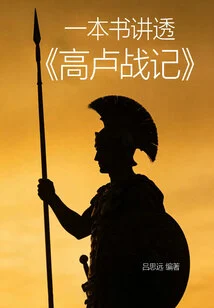
一本书讲透《高卢战记》
Compiled By Lu Siyuan
This book provides an in-depth analysis of Julius Caesar's classic "Gaul Wars", revealing how Caesar conquered Gaul and consolidated his personal power through the clever use of strategy and tactics. The book not only demonstrates Caesar's military genius and political wisdom, but also depicts the complex political structure and fierce struggles between tribes in Gaul through vivid historical scenes. Readers will follow in Caesar's footsteps, experience a journey across the Alps, and understand how he changed the fate of Rome and Gaul through a series of battles.
This book provides an in-depth analysis of Julius Caesar's classic "Gaul Wars", revealing how Caesar conquered Gaul and consolidated his personal power through the clever use of strategy and tactics. The book not only demonstrates Caesar's military genius and political wisdom, but also depicts the complex political structure and fierce struggles between tribes in Gaul through vivid historical scenes. Readers will follow in Caesar's footsteps, experience a journey across the Alps, and understand how he changed the fate of Rome and Gaul through a series of battles.
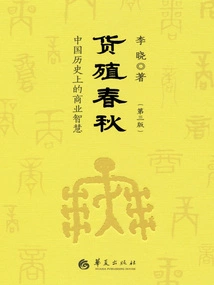
货殖春秋(第三版)
Li Xiao
"The Spring and Autumn Period of Huo Zhi" is revised and supplemented based on the lecture notes of Professor Li Xiao, a doctoral tutor at the Business School of China University of Political Science and Law and vice president of the China Business History Society, on the popular lecture "Legends of Merchants" on CCTV-10's "Hundred Forums". The book starts with the stories of merchants and business philosophy recorded in Sima Qian's "Historical Records: Biography of Huo Zhi", and provides a new elucidation of the great business wisdom in Chinese history.
"The Spring and Autumn Period of Huo Zhi" is revised and supplemented based on the lecture notes of Professor Li Xiao, a doctoral tutor at the Business School of China University of Political Science and Law and vice president of the China Business History Society, on the popular lecture "Legends of Merchants" on CCTV-10's "Hundred Forums". The book starts with the stories of merchants and business philosophy recorded in Sima Qian's "Historical Records: Biography of Huo Zhi", and provides a new elucidation of the great business wisdom in Chinese history.
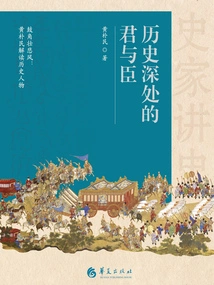
历史深处的君与臣
Huang Pumin
This book contains a total of forty-six articles by Mr. Huang Pumin interpreting historical figures. Some of the articles have been published in major newspapers and magazines at different times, and some are new works by the author. Each historical figure in the collection is a separate article. When compiled, the articles are divided into six sections according to the theme: the wisdom of sages, the wisdom of national scholars, the many faces of kings and tyrants, the mirror of history, the separation of talents and the fate of heroes. It includes well-known historical figures, such as sages such as Laozi and Confucius, scholars such as Han Xin and Zhuge Liang, emperors such as the Spring and Autumn Overlords and Mingjuns, civil servants such as Deng Yu and Yang Hu, and generals such as Yue Fei and Ge Shuhan. In interpreting historical figures, the author not only starts from the aspects that are well-known to people, but also pays special attention to revealing other aspects of historical figures that are not noticed by people. For example, when discussing Dong Zhongshu, a great Confucian of the Han Dynasty, the author does not focus on Dong Zhongshu's contribution to establishing the orthodox status of Confucianism. Instead, he focuses on the "unity of man and nature" proposed by him, which was intended to limit the power of the monarch under the false theocratic power. In a feudal society, this was purely whimsical. When talking about Yue Fei's death, in addition to mentioning the reasons for the political struggle of "main war" and "maintaining peace", it also pointed out that Yue Fei's character of impartial deliberation and speaking out for justice; the fact that he had a large number of troops and was powerful in the world, and was suspected by Emperor Gaozong of being "disloyal"; the talent-stifling mechanism of the monarchy's centralized autocratic politics... These were all "accomplices" that led to Yue Fei's unjust death. The author uses popular and vivid language to give modern interpretations of various classic figures, summarizes their successes and failures, reveals their inspirations, and provides a reference material and approach for all today's readers who are interested in history and have a complex with heroes. By reading this book, more people can be inspired to pay attention to the evolution of history and the fate of those influential figures in history, and then understand and recognize historical figures from different angles and positions.
This book contains a total of forty-six articles by Mr. Huang Pumin interpreting historical figures. Some of the articles have been published in major newspapers and magazines at different times, and some are new works by the author. Each historical figure in the collection is a separate article. When compiled, the articles are divided into six sections according to the theme: the wisdom of sages, the wisdom of national scholars, the many faces of kings and tyrants, the mirror of history, the separation of talents and the fate of heroes. It includes well-known historical figures, such as sages such as Laozi and Confucius, scholars such as Han Xin and Zhuge Liang, emperors such as the Spring and Autumn Overlords and Mingjuns, civil servants such as Deng Yu and Yang Hu, and generals such as Yue Fei and Ge Shuhan. In interpreting historical figures, the author not only starts from the aspects that are well-known to people, but also pays special attention to revealing other aspects of historical figures that are not noticed by people. For example, when discussing Dong Zhongshu, a great Confucian of the Han Dynasty, the author does not focus on Dong Zhongshu's contribution to establishing the orthodox status of Confucianism. Instead, he focuses on the "unity of man and nature" proposed by him, which was intended to limit the power of the monarch under the false theocratic power. In a feudal society, this was purely whimsical. When talking about Yue Fei's death, in addition to mentioning the reasons for the political struggle of "main war" and "maintaining peace", it also pointed out that Yue Fei's character of impartial deliberation and speaking out for justice; the fact that he had a large number of troops and was powerful in the world, and was suspected by Emperor Gaozong of being "disloyal"; the talent-stifling mechanism of the monarchy's centralized autocratic politics... These were all "accomplices" that led to Yue Fei's unjust death. The author uses popular and vivid language to give modern interpretations of various classic figures, summarizes their successes and failures, reveals their inspirations, and provides a reference material and approach for all today's readers who are interested in history and have a complex with heroes. By reading this book, more people can be inspired to pay attention to the evolution of history and the fate of those influential figures in history, and then understand and recognize historical figures from different angles and positions.
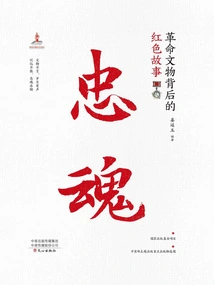
忠魂:革命文物背后的红色故事
Compiled By Jiang Tingyu
This book is divided into three chapters: "Heroic Flags", "Relics of Heroes" and "Weapons of Merit". By introducing revolutionary cultural relics and the stories behind them, this book allows young people to get close to precious revolutionary cultural relics and understand the history of revolutionary cultural relics and the stories behind them.
This book is divided into three chapters: "Heroic Flags", "Relics of Heroes" and "Weapons of Merit". By introducing revolutionary cultural relics and the stories behind them, this book allows young people to get close to precious revolutionary cultural relics and understand the history of revolutionary cultural relics and the stories behind them.
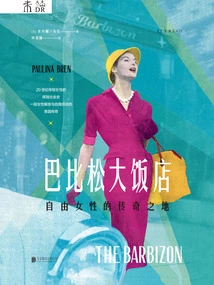
巴比松大饭店:自由女性的传奇之地
(us) Paulina Brun
Welcome to the Barbizon Hotel. In the 1920s, a large number of young women liberated from their families poured into New York, and apartment hotels with mainly female guests became popular. Among them, the only one that really captures the imagination of the entire United States is the Barbizon Hotel. It's filled with aspiring young actors, models, artists, and writers who have rooms of their own and are eager to make a name for themselves in New York. Writer Sylvia Plath spent ten years at the Barbizon, Titanic survivor Molly Brown sang arias here, Joan Didion got her start writing here, and actress Grace Kelly danced here. "The Barbizon Hotel" records a group of women in an era, and also records a glorious development history of women. Historian Bren takes us back to New York in the 20th century to witness a fascinating little-known history.
Welcome to the Barbizon Hotel. In the 1920s, a large number of young women liberated from their families poured into New York, and apartment hotels with mainly female guests became popular. Among them, the only one that really captures the imagination of the entire United States is the Barbizon Hotel. It's filled with aspiring young actors, models, artists, and writers who have rooms of their own and are eager to make a name for themselves in New York. Writer Sylvia Plath spent ten years at the Barbizon, Titanic survivor Molly Brown sang arias here, Joan Didion got her start writing here, and actress Grace Kelly danced here. "The Barbizon Hotel" records a group of women in an era, and also records a glorious development history of women. Historian Bren takes us back to New York in the 20th century to witness a fascinating little-known history.
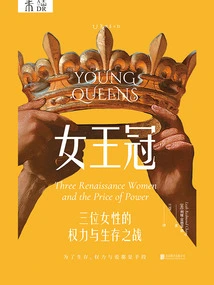
女王冠:三位女性的权力与生存之战
(us) Leah Redmond Zheng
Catherine de' Medici: From the monastery to the throne, the "Scorpion Queen" as the world calls her, the actual ruler of France at the end of the Valois Dynasty. Elizabeth de Valois: Catherine's daughter, she maintained stability between France and Spain during her short life and became the beloved queen of Spain. Mary Stuart: Catherine's daughter-in-law, the famous beheaded queen, her life was full of tragedy, and Zweig also wrote a biography of her. Leah Redmond Cheng deftly weaves the lives of these three women together to give us a look at how some of the most powerful women of their time struggled against the odds.
Catherine de' Medici: From the monastery to the throne, the "Scorpion Queen" as the world calls her, the actual ruler of France at the end of the Valois Dynasty. Elizabeth de Valois: Catherine's daughter, she maintained stability between France and Spain during her short life and became the beloved queen of Spain. Mary Stuart: Catherine's daughter-in-law, the famous beheaded queen, her life was full of tragedy, and Zweig also wrote a biography of her. Leah Redmond Cheng deftly weaves the lives of these three women together to give us a look at how some of the most powerful women of their time struggled against the odds.
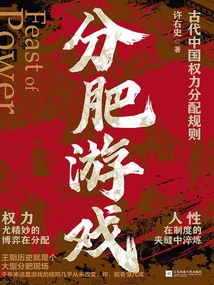
Fat Sharing Game
History分肥游戏
Xu Youshi
This book analyzes how ancient Chinese dynasties maintained stability in power games, class mobility and resource distribution through the perspectives of emperors, powerful ministers, generals and civilians, and reveals a proposition that has lasted for two thousand years in ancient China - the fat sharing game. Through in-depth analysis of historical figures, high-level restoration of political events, and detailed examination of social culture, this book provides an in-depth analysis of the operating mechanism of feudal society. The choices made by those in power in the face of power, the precise calculations in the distribution of benefits, and the complex logic of resource flows behind them will all inspire readers to think more deeply about history and institutions.
This book analyzes how ancient Chinese dynasties maintained stability in power games, class mobility and resource distribution through the perspectives of emperors, powerful ministers, generals and civilians, and reveals a proposition that has lasted for two thousand years in ancient China - the fat sharing game. Through in-depth analysis of historical figures, high-level restoration of political events, and detailed examination of social culture, this book provides an in-depth analysis of the operating mechanism of feudal society. The choices made by those in power in the face of power, the precise calculations in the distribution of benefits, and the complex logic of resource flows behind them will all inspire readers to think more deeply about history and institutions.
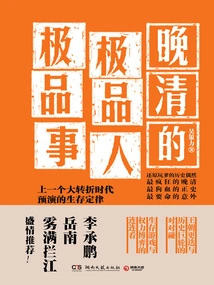
晚清的极品人、极品事
Wu Celi
"The Best People and Things in the Late Qing Dynasty" is a popular historical reading written by the famous commentator Wu Celi, which integrates numerous and detailed works from the late Qing Dynasty to the Republic of China and interprets it in his own personal style. These people and things will make you laugh uncontrollably - those revolutionaries who manipulated the human body, the promiscuous women who influenced the reform of the political system in ancient China, the imperial teachers who looked like gentlemen but were actually double-faced, the representative figures who studied abroad in modern times but were keen on "local diplomas", etc., Will leave deep scratches on your brain.
"The Best People and Things in the Late Qing Dynasty" is a popular historical reading written by the famous commentator Wu Celi, which integrates numerous and detailed works from the late Qing Dynasty to the Republic of China and interprets it in his own personal style. These people and things will make you laugh uncontrollably - those revolutionaries who manipulated the human body, the promiscuous women who influenced the reform of the political system in ancient China, the imperial teachers who looked like gentlemen but were actually double-faced, the representative figures who studied abroad in modern times but were keen on "local diplomas", etc., Will leave deep scratches on your brain.
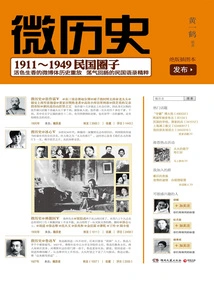
微历史:1911—1949民国圈子
Compiled By Huang Yihe
Micro history, as the name suggests, writes history in Weibo style. "Micro History: The Circle of the Republic of China 1911-1949" covers the essence of quotations such as how small people in the Republic of China chose and actively developed and optimized their own circles, how big people managed and controlled their own circles, and how super figures balanced their own circles. It is also equipped with a large number of rare pictures, with continuous influences, just like a historical snapshot from 1911 to 1949, a modern version of "Shi Shuo Xin Yu".
Micro history, as the name suggests, writes history in Weibo style. "Micro History: The Circle of the Republic of China 1911-1949" covers the essence of quotations such as how small people in the Republic of China chose and actively developed and optimized their own circles, how big people managed and controlled their own circles, and how super figures balanced their own circles. It is also equipped with a large number of rare pictures, with continuous influences, just like a historical snapshot from 1911 to 1949, a modern version of "Shi Shuo Xin Yu".
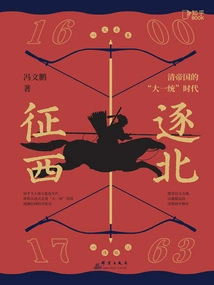
逐北征西:清帝国的“大一统”时代
Feng Wenpeng
This book tells the story of the magnificent development history of the Jianzhou Jurchens from 1600 to 1763, when they rose from a local regime in northeastern China to become the "unified" empire of the Qing Dynasty - from the rise of Nurhachi to Huang Taiji's five conquests on Chahar, from the anti-Russian struggle in the Shunzhi Dynasty, to the six Qing quasi-wars that ran through the three dynasties of Kangxi, Yongzong and Qianlong. This book is written for general readers. It uses first-hand information and is written in a way that is like peeling off threads and cocoons. It clarifies this complicated history clearly and tells it in an easy-to-understand language. It is slow and slow. Relying on solid analysis, the author breaks conventional cognition and tells how Huang Taiji corrected Nurhachi's "three major bad policies", how Emperor Shunzhi deployed troops and generals in the war against Russia, and Emperor Kangxi's military reform, all of which are convincing. He is especially good at examining historical details, such as the special topic of the Eight Banners system, detailed explanations of Qing army artillery and other weapons, and the schematic diagram of the Qing-Huai War, giving readers a bird's-eye view of the big historical picture and gaining immersive interest.
This book tells the story of the magnificent development history of the Jianzhou Jurchens from 1600 to 1763, when they rose from a local regime in northeastern China to become the "unified" empire of the Qing Dynasty - from the rise of Nurhachi to Huang Taiji's five conquests on Chahar, from the anti-Russian struggle in the Shunzhi Dynasty, to the six Qing quasi-wars that ran through the three dynasties of Kangxi, Yongzong and Qianlong. This book is written for general readers. It uses first-hand information and is written in a way that is like peeling off threads and cocoons. It clarifies this complicated history clearly and tells it in an easy-to-understand language. It is slow and slow. Relying on solid analysis, the author breaks conventional cognition and tells how Huang Taiji corrected Nurhachi's "three major bad policies", how Emperor Shunzhi deployed troops and generals in the war against Russia, and Emperor Kangxi's military reform, all of which are convincing. He is especially good at examining historical details, such as the special topic of the Eight Banners system, detailed explanations of Qing army artillery and other weapons, and the schematic diagram of the Qing-Huai War, giving readers a bird's-eye view of the big historical picture and gaining immersive interest.
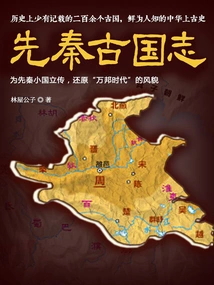
先秦古国志(林屋公子作品)
Mr. Linwu
This book systematically tells the history of more than 200 ancient countries in the pre-Qin era, divided into seven parts: East China, Central South, South China, Southwest, Northwest, North China, and Northeast China, showing the style of the ancient countries in the "era of all nations" in the pre-Qin period. These more than 200 ancient countries are rarely recorded in Sima Qian's "Historical Records", and their stories are rarely known. This book is based on traditional documents, combined with modern archaeology, folklore and other materials, and details the thought-provoking rise and fall of these ancient pre-Qin countries, as well as the bizarre anecdotes and dazzling treasures...
This book systematically tells the history of more than 200 ancient countries in the pre-Qin era, divided into seven parts: East China, Central South, South China, Southwest, Northwest, North China, and Northeast China, showing the style of the ancient countries in the "era of all nations" in the pre-Qin period. These more than 200 ancient countries are rarely recorded in Sima Qian's "Historical Records", and their stories are rarely known. This book is based on traditional documents, combined with modern archaeology, folklore and other materials, and details the thought-provoking rise and fall of these ancient pre-Qin countries, as well as the bizarre anecdotes and dazzling treasures...
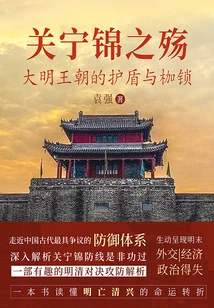
关宁锦之殇:大明王朝的护盾与枷锁
Yuan Qiang
Get close to the most controversial defense system in ancient China and deeply analyze the merits and demerits of the Guanning Jin Line of Defense. The position of the Guanning Jin Defense Line in the military history of the late Ming Dynasty is irreplaceable. Its historical role has received mixed reviews so far, and the evaluation is very polarized. The story behind it is worth writing about. Ming Jun, Foolish King, capable ministers, corrupt officials, stupid officials, brave generals, barbarian generals, deserters, traitorous generals, plus weird ones. Their appearance makes the story of this line of defense more exciting and unexpected than the drama, and also makes the historical role of this line of defense extraordinarily enhanced. Is it the "Maginot Line" of the East or the trump card of the Ming Dynasty? This book sorts out the major historical events that occurred on this line of defense, fully presenting its emergence, development, and decline. It also closely links it with the political, economic, and diplomacy of the Ming Dynasty, and analyzes its positive and negative effects, so that readers can have an objective and profound understanding of it. "One piece of Guan Ning Brocade is half the history of the Ming and Qing Dynasties." It condenses the history of the Ming and Qing Dynasties and provides an interesting analysis of the offensive and defensive duels between the Ming and Qing Dynasties. The large and small battles that took place on the Guanjin Defense Line accounted for most of the war history of the Ming and Qing Dynasties. After understanding the story that happened here, you can have a systematic understanding of the ebb and flow of the two forces of the Ming and Qing Dynasties. This book introduces readers to the relatively typical and important war situations between the Ming and Qing armies. Readers can generally understand the historical pattern of the confrontation between the two armies. Through the author's detailed historical materials and sophisticated analysis, readers can gain an in-depth understanding of the reasons for the changes in the strength of the two armies, which is both interesting and profound. Mirroring the changes and development of political forces in the Ming Dynasty, Qing Dynasty, Dashun Dynasty and even Mongolia and Korea, this book understands the rise and fall of the "Guanning Brocade Defense Line" and the fateful turning point of the Ming Dynasty and Qing Dynasty. Why would the construction of a defense system produce a series of unexpected chain reactions and bring untold pain to a dynasty? How is this related to the history, political system, military layout, and economic policies of the Ming Dynasty? What problems within the Ming Dynasty can the Guanning Jin Defense Line reflect, and what clues and ideas does it provide for us to think about the lessons of the Ming Dynasty's demise? Through the author's analysis of the political forces of all parties that appeared on the Guan-Ning-Jin line of defense, the author will give readers a more comprehensive understanding of the saying that the Ming Dynasty perished from within. Break labels and restore misunderstood heroes and eras. The exciting duel between hearts and minds and the game of power vividly present the diplomatic, economic, and political gains and losses of the late Ming Dynasty. This book uses the establishment, operation, maintenance and disorder of the "Guanning Brocade Defense Line" to present the internal party strife, financial crisis and corruption issues of the Ming Dynasty. Focusing on external forces such as North Korea and Mongolia, it shows the weakness of the Ming Dynasty's diplomacy and the huge expenditures to maintain the Guanning Brocade Defense Line. The financial crisis in the late Ming Dynasty triggered a butterfly effect. The Ming Dynasty's internal divisions, selfishness and greed had no bottom line, and the Ming Dynasty's state machinery was paralyzed. This was the catalyst for the overall collapse of the Ming Dynasty and the flashpoint for the overall collapse of the Ming Dynasty. From here, we can see the disintegration of the Ming Dynasty's people and the ambition, ambition and unity of the Qing Dynasty. In short, in this struggle for land, population, talents, wealth and people's hearts, the Ming Dynasty's internal corruption was fully exposed.
Get close to the most controversial defense system in ancient China and deeply analyze the merits and demerits of the Guanning Jin Line of Defense. The position of the Guanning Jin Defense Line in the military history of the late Ming Dynasty is irreplaceable. Its historical role has received mixed reviews so far, and the evaluation is very polarized. The story behind it is worth writing about. Ming Jun, Foolish King, capable ministers, corrupt officials, stupid officials, brave generals, barbarian generals, deserters, traitorous generals, plus weird ones. Their appearance makes the story of this line of defense more exciting and unexpected than the drama, and also makes the historical role of this line of defense extraordinarily enhanced. Is it the "Maginot Line" of the East or the trump card of the Ming Dynasty? This book sorts out the major historical events that occurred on this line of defense, fully presenting its emergence, development, and decline. It also closely links it with the political, economic, and diplomacy of the Ming Dynasty, and analyzes its positive and negative effects, so that readers can have an objective and profound understanding of it. "One piece of Guan Ning Brocade is half the history of the Ming and Qing Dynasties." It condenses the history of the Ming and Qing Dynasties and provides an interesting analysis of the offensive and defensive duels between the Ming and Qing Dynasties. The large and small battles that took place on the Guanjin Defense Line accounted for most of the war history of the Ming and Qing Dynasties. After understanding the story that happened here, you can have a systematic understanding of the ebb and flow of the two forces of the Ming and Qing Dynasties. This book introduces readers to the relatively typical and important war situations between the Ming and Qing armies. Readers can generally understand the historical pattern of the confrontation between the two armies. Through the author's detailed historical materials and sophisticated analysis, readers can gain an in-depth understanding of the reasons for the changes in the strength of the two armies, which is both interesting and profound. Mirroring the changes and development of political forces in the Ming Dynasty, Qing Dynasty, Dashun Dynasty and even Mongolia and Korea, this book understands the rise and fall of the "Guanning Brocade Defense Line" and the fateful turning point of the Ming Dynasty and Qing Dynasty. Why would the construction of a defense system produce a series of unexpected chain reactions and bring untold pain to a dynasty? How is this related to the history, political system, military layout, and economic policies of the Ming Dynasty? What problems within the Ming Dynasty can the Guanning Jin Defense Line reflect, and what clues and ideas does it provide for us to think about the lessons of the Ming Dynasty's demise? Through the author's analysis of the political forces of all parties that appeared on the Guan-Ning-Jin line of defense, the author will give readers a more comprehensive understanding of the saying that the Ming Dynasty perished from within. Break labels and restore misunderstood heroes and eras. The exciting duel between hearts and minds and the game of power vividly present the diplomatic, economic, and political gains and losses of the late Ming Dynasty. This book uses the establishment, operation, maintenance and disorder of the "Guanning Brocade Defense Line" to present the internal party strife, financial crisis and corruption issues of the Ming Dynasty. Focusing on external forces such as North Korea and Mongolia, it shows the weakness of the Ming Dynasty's diplomacy and the huge expenditures to maintain the Guanning Brocade Defense Line. The financial crisis in the late Ming Dynasty triggered a butterfly effect. The Ming Dynasty's internal divisions, selfishness and greed had no bottom line, and the Ming Dynasty's state machinery was paralyzed. This was the catalyst for the overall collapse of the Ming Dynasty and the flashpoint for the overall collapse of the Ming Dynasty. From here, we can see the disintegration of the Ming Dynasty's people and the ambition, ambition and unity of the Qing Dynasty. In short, in this struggle for land, population, talents, wealth and people's hearts, the Ming Dynasty's internal corruption was fully exposed.
五代十国:乱世中的辉煌与衰败
Whispering Kyushu
This book deeply explores the history of the Five Dynasties and Ten Kingdoms period. During this period, many separatist regimes appeared in Chinese history, including the Five Dynasties of Later Liang, Later Tang, Later Jin, Later Han, and Later Zhou, as well as ten states including Wu, Wuyue, Former Shu, Later Shu, Fujian, Southern Han, Nanping (Jingnan), Chu, Southern Tang, and Northern Han. The rise and fall of these regimes reflected the social turmoil and changes at that time. The book describes in detail the political struggles, economic development, cultural exchanges and military conflicts of the Five Dynasties and Ten Kingdoms, revealing the historical characteristics of this period. The book not only covers the establishment and demise of various regimes, but also provides an in-depth analysis of how these regimes sought stability amid turmoil and how they affected the political landscape and cultural development of later generations.
This book deeply explores the history of the Five Dynasties and Ten Kingdoms period. During this period, many separatist regimes appeared in Chinese history, including the Five Dynasties of Later Liang, Later Tang, Later Jin, Later Han, and Later Zhou, as well as ten states including Wu, Wuyue, Former Shu, Later Shu, Fujian, Southern Han, Nanping (Jingnan), Chu, Southern Tang, and Northern Han. The rise and fall of these regimes reflected the social turmoil and changes at that time. The book describes in detail the political struggles, economic development, cultural exchanges and military conflicts of the Five Dynasties and Ten Kingdoms, revealing the historical characteristics of this period. The book not only covers the establishment and demise of various regimes, but also provides an in-depth analysis of how these regimes sought stability amid turmoil and how they affected the political landscape and cultural development of later generations.
半小时讲透《枪炮、细菌与钢铁》
Compiled By Yu Mu
This book takes "Yale's Question" as the entry point, jumps out of traditional historical narratives, and systematically dismantles the core logic of "Guns, Germs, and Steel" - the root of the differences in the development of global civilizations is not the intelligence or moral superiority of ethnic groups, but the innate differences in geography and biological environment. The interpretation follows the causal chain of "environment → agriculture → civilization" and analyzes key variables such as the distribution of domesticated animals and plants, the direction of the continental axis, and the evolution of pathogens: Eurasia has become a fertile ground for agricultural revolution and technological dissemination due to its rich animal and plant resources and east-west axis; while America, Africa, and Australia have limited development trajectories due to lack of resources or geographical barriers. By comparing cases from different continents, it presents the underlying logic of the collision of civilizations, while exploring the controversy between geographical determinism and institutional determinism, taking into account historical inertia and human agency. Ultimately, the interpretation of this book is based on realistic revelations, emphasizing its value in breaking racial prejudice and building empathy, and provides a profound historical perspective for understanding the challenges of globalization and shaping an inclusive future.
This book takes "Yale's Question" as the entry point, jumps out of traditional historical narratives, and systematically dismantles the core logic of "Guns, Germs, and Steel" - the root of the differences in the development of global civilizations is not the intelligence or moral superiority of ethnic groups, but the innate differences in geography and biological environment. The interpretation follows the causal chain of "environment → agriculture → civilization" and analyzes key variables such as the distribution of domesticated animals and plants, the direction of the continental axis, and the evolution of pathogens: Eurasia has become a fertile ground for agricultural revolution and technological dissemination due to its rich animal and plant resources and east-west axis; while America, Africa, and Australia have limited development trajectories due to lack of resources or geographical barriers. By comparing cases from different continents, it presents the underlying logic of the collision of civilizations, while exploring the controversy between geographical determinism and institutional determinism, taking into account historical inertia and human agency. Ultimately, the interpretation of this book is based on realistic revelations, emphasizing its value in breaking racial prejudice and building empathy, and provides a profound historical perspective for understanding the challenges of globalization and shaping an inclusive future.
半小时讲透《南明史》
Compiled By Shi Yian
This book takes "History of the Southern Ming Dynasty" as its core, breaks the "harsh mirror" effect of traditional historical views, and reconstructs the rise and fall of the Southern Ming Dynasty in the twenty years from 1644 to 1664 based on detailed historical research. The interpretation is based on the background of the late Ming and early Qing dynasties, subverting the stereotyped perception of "loyal ministers vs. Rogue bandits", and restoring the transformation of peasant armed forces such as the Dashun Army and Daxi Army from "gravediggers of the Ming Dynasty" to the main force against the Qing Dynasty. The core focuses on the main line of "internal strife leading to death", analyzing key internal conflicts such as the struggle for the support of the Hongguang Dynasty, the orthodoxy between Longwu and King Lu, the fratricide between Shaowu and Yongli, the strategic mismatch between Li Dingguo and Zheng Chenggong, and the rebellion of Sun Kewang. At the same time, it focuses on the highlights and tragic moments of Li Dingguo's "two defeats to become a king" and the final struggle of the thirteen Kuidong families, revealing that the South Ming Dynasty died not because of the Qing army's strength, but because of internal factional strife and selfish desires. The interpretation also emphasizes historical contingency, criticizes historical determinism, and ultimately settles on the eternal warning of unity and cohesion, showing multiple perspectives and profound reflections on this period of history.
This book takes "History of the Southern Ming Dynasty" as its core, breaks the "harsh mirror" effect of traditional historical views, and reconstructs the rise and fall of the Southern Ming Dynasty in the twenty years from 1644 to 1664 based on detailed historical research. The interpretation is based on the background of the late Ming and early Qing dynasties, subverting the stereotyped perception of "loyal ministers vs. Rogue bandits", and restoring the transformation of peasant armed forces such as the Dashun Army and Daxi Army from "gravediggers of the Ming Dynasty" to the main force against the Qing Dynasty. The core focuses on the main line of "internal strife leading to death", analyzing key internal conflicts such as the struggle for the support of the Hongguang Dynasty, the orthodoxy between Longwu and King Lu, the fratricide between Shaowu and Yongli, the strategic mismatch between Li Dingguo and Zheng Chenggong, and the rebellion of Sun Kewang. At the same time, it focuses on the highlights and tragic moments of Li Dingguo's "two defeats to become a king" and the final struggle of the thirteen Kuidong families, revealing that the South Ming Dynasty died not because of the Qing army's strength, but because of internal factional strife and selfish desires. The interpretation also emphasizes historical contingency, criticizes historical determinism, and ultimately settles on the eternal warning of unity and cohesion, showing multiple perspectives and profound reflections on this period of history.
有趣的古代生活(套装2册)
Wang Zhihong Youmei
"Interesting Ancient Life (Set of 2 Volumes)" takes readers into the daily life of ancient people in a relaxed and interesting way. "The Ancients' Guide to Staying Up Late" is unique and unique, breaking people's stereotype of ancient people who "worked at sunrise and rested at sunset", and deeply explored the unique activities of different classes and professional groups in ancient times at night. The book may tell about literati reciting poems and reading at night, or about the bustle of ordinary people in the night market, allowing readers to understand the culture, entertainment and social life behind the ancient people staying up late. "A Brief History of Ancient Chinese Costumes" focuses on ancient costumes, a carrier that carries rich historical culture. From the styles, materials, and colors of costumes to the evolution of costumes in different dynasties, it shows the charm and changes of ancient costumes, making readers feel as if they have traveled through time and space, witnessing the elegant style of ancient people wearing Chinese costumes, and feeling the profound heritage of ancient costume culture.
"Interesting Ancient Life (Set of 2 Volumes)" takes readers into the daily life of ancient people in a relaxed and interesting way. "The Ancients' Guide to Staying Up Late" is unique and unique, breaking people's stereotype of ancient people who "worked at sunrise and rested at sunset", and deeply explored the unique activities of different classes and professional groups in ancient times at night. The book may tell about literati reciting poems and reading at night, or about the bustle of ordinary people in the night market, allowing readers to understand the culture, entertainment and social life behind the ancient people staying up late. "A Brief History of Ancient Chinese Costumes" focuses on ancient costumes, a carrier that carries rich historical culture. From the styles, materials, and colors of costumes to the evolution of costumes in different dynasties, it shows the charm and changes of ancient costumes, making readers feel as if they have traveled through time and space, witnessing the elegant style of ancient people wearing Chinese costumes, and feeling the profound heritage of ancient costume culture.
天下归一:秦何以终结战国
Compiled By Xu Ke
This book systematically analyzes the historical code of the rise of the Qin State, from the institutional revolution of Shang Yang's reforms, the survival rules of farming and fighting to build a country, to the strategic advantages of Guanzhong's geographical location and the diplomatic wisdom of making distant contacts and attacking closely. The manuscript deeply demonstrates how the Qin State stimulated its war potential through the military merit system, built a centralized power framework through the system of prefectures and counties, and finally completed the unification of the six kingdoms in the hands of Qin Shihuang. It also deeply reflected on the cost of people's livelihood under the iron-blood policy and the internal logic of the Qin Dynasty's quick demise, and completely presented the historical transition from feudal feudalism to a unified empire.
This book systematically analyzes the historical code of the rise of the Qin State, from the institutional revolution of Shang Yang's reforms, the survival rules of farming and fighting to build a country, to the strategic advantages of Guanzhong's geographical location and the diplomatic wisdom of making distant contacts and attacking closely. The manuscript deeply demonstrates how the Qin State stimulated its war potential through the military merit system, built a centralized power framework through the system of prefectures and counties, and finally completed the unification of the six kingdoms in the hands of Qin Shihuang. It also deeply reflected on the cost of people's livelihood under the iron-blood policy and the internal logic of the Qin Dynasty's quick demise, and completely presented the historical transition from feudal feudalism to a unified empire.
From the Jin Dynasty to the Tang Dynasty: the Establishment and Disintegration of the Clan System
History从晋朝到唐朝:门阀制度的建立与瓦解
Hong Liuhua
In 265 AD, Sima Yan proclaimed himself emperor and unified the world! In order to consolidate the imperial power, Sima Yan granted great titles to the clan kings and granted them military and political power. Emperor Hui of the Jin Dynasty, Sima Zhong, was mentally retarded, and his queen, Jia Nanfeng, was obsessed with power. They united the clan and launched a power struggle with their relatives, which eventually led to a 16-year intra-clan civil strife, known in history as the "Rebellion of the Eight Kings."
In 265 AD, Sima Yan proclaimed himself emperor and unified the world! In order to consolidate the imperial power, Sima Yan granted great titles to the clan kings and granted them military and political power. Emperor Hui of the Jin Dynasty, Sima Zhong, was mentally retarded, and his queen, Jia Nanfeng, was obsessed with power. They united the clan and launched a power struggle with their relatives, which eventually led to a 16-year intra-clan civil strife, known in history as the "Rebellion of the Eight Kings."
别笑,这是大清正史(共3册)
Fog Blocks The River
The first part narrates the 86-year history from the birth of Nurhaci (1559) to the second year of Shunzhi (1645) when Shi Kefa was trapped in Yangzhou. This was an extraordinary period of great turmoil and change with the rise of the Qing Dynasty and the demise of the Ming Dynasty. The historical events that occurred were both exciting and bloody. Tragic. The second part depicts the 15-year history from the birth of the demon king Zhang Xianzhong (AD 166) to the fifty-ninth year of Kangxi (AD 172) when Yue Zhongqi entered Tibet and defeated the Junggar soldiers. The rogue bandits wreaked havoc on the world, the small imperial court of the Southern Ming Dynasty struggled to survive, the bloody suppression after the Qing troops entered the customs, Zheng Chenggong became more courageous and loyal after being frustrated, Emperor Shunzhi fought crazy and frustrated for love, Kangxi captured Oboi, pacified the San Francisco, and destroyed Galdan's "haha" martial arts. The third part describes the history of about 8 years from the struggle of various scholars in the last years of Kangxi to the pacification of the White Lotus Sect in the early years of Jiaqing. Among them, the political struggles and military expeditions of the Yongzheng and Qianlong dynasties run through the entire article, and the so-called "ten complete martial arts" of Emperor Qianlong is the highlight of the author's full discussion.
The first part narrates the 86-year history from the birth of Nurhaci (1559) to the second year of Shunzhi (1645) when Shi Kefa was trapped in Yangzhou. This was an extraordinary period of great turmoil and change with the rise of the Qing Dynasty and the demise of the Ming Dynasty. The historical events that occurred were both exciting and bloody. Tragic. The second part depicts the 15-year history from the birth of the demon king Zhang Xianzhong (AD 166) to the fifty-ninth year of Kangxi (AD 172) when Yue Zhongqi entered Tibet and defeated the Junggar soldiers. The rogue bandits wreaked havoc on the world, the small imperial court of the Southern Ming Dynasty struggled to survive, the bloody suppression after the Qing troops entered the customs, Zheng Chenggong became more courageous and loyal after being frustrated, Emperor Shunzhi fought crazy and frustrated for love, Kangxi captured Oboi, pacified the San Francisco, and destroyed Galdan's "haha" martial arts. The third part describes the history of about 8 years from the struggle of various scholars in the last years of Kangxi to the pacification of the White Lotus Sect in the early years of Jiaqing. Among them, the political struggles and military expeditions of the Yongzheng and Qianlong dynasties run through the entire article, and the so-called "ten complete martial arts" of Emperor Qianlong is the highlight of the author's full discussion.
百家讲坛李寅:清十二帝的政治、爱情与性格(全8册)
Li Yin
A collection of Qing history works by Li Yin, the speaker at Baijia Lecture Forum, including the life of the emperor and the secrets of the harem revealed. The correct solution to the mystery of the Twelve Emperors of the Qing Dynasty: How many mysteries are there about the twelve emperors of the Qing Dynasty? Emperor Shunzhi vomited blood due to fatigue from reading. How credible is this legend? Why did Kangxi like his younger son? Are the rumors about Yongzheng's patricide and Kangxi's violent death reliable? Emperor Qianlong actually knew five foreign languages. Is this true or false? Why didn't Emperor Tongzhi inherit Cixi's tenacity? Why did Emperor Guangxu die the day before Cixi's death? This book analyzes the joys and sorrows of the emperors at the top of power, helps you see through the little-known joys and sorrows behind luxury, and restores a real and vivid Qing Dynasty. The mystery of the harems of the Twelve Emperors of the Qing Dynasty: What kind of family life did these emperors of the Qing Dynasty live with their wives, concubines, and children in their harems? Did the concubines of the Qing palace who were close to power really live a life of "once they were selected into the imperial palace, they were loved by thousands of people"? This book tells us about the harem life of the twelve emperors of the Qing Dynasty and reveals the little-known harem mysteries.
A collection of Qing history works by Li Yin, the speaker at Baijia Lecture Forum, including the life of the emperor and the secrets of the harem revealed. The correct solution to the mystery of the Twelve Emperors of the Qing Dynasty: How many mysteries are there about the twelve emperors of the Qing Dynasty? Emperor Shunzhi vomited blood due to fatigue from reading. How credible is this legend? Why did Kangxi like his younger son? Are the rumors about Yongzheng's patricide and Kangxi's violent death reliable? Emperor Qianlong actually knew five foreign languages. Is this true or false? Why didn't Emperor Tongzhi inherit Cixi's tenacity? Why did Emperor Guangxu die the day before Cixi's death? This book analyzes the joys and sorrows of the emperors at the top of power, helps you see through the little-known joys and sorrows behind luxury, and restores a real and vivid Qing Dynasty. The mystery of the harems of the Twelve Emperors of the Qing Dynasty: What kind of family life did these emperors of the Qing Dynasty live with their wives, concubines, and children in their harems? Did the concubines of the Qing palace who were close to power really live a life of "once they were selected into the imperial palace, they were loved by thousands of people"? This book tells us about the harem life of the twelve emperors of the Qing Dynasty and reveals the little-known harem mysteries.
庙堂之蠹:钦办案件中的清代官场生态
Bu Key
The period from Qianlong to Daoguang was a period of rapid changes in the Qing Dynasty from prosperity to decline. At that time, the scholarly conduct was corrupt, the officialdom was degenerate, and countless temples were corrupted, which continued to erode the foundation of the Empire State Building. The author has long studied the history of the Qing Dynasty, carefully selected from the numerous historical records, more than ten important cases handled by the three emperors Qianlong, Jiaqing and Daoguang from the Qianlong to Daoguang years in the mid-Qing Dynasty. The people involved ranged from governors of dukes to clerks and servants, including the mysterious death of a relief committee member, the last major anti-corruption case before Qianlong abdicated, and a series of gambling cases that held important ministers accountable during the Jiaqing period. , There was also a case of long-term private sales of fake photos by clerks in the Ministry of Household Affairs... During this period, the desolate administration, maladministration, embezzlement, corruption and collusion, bad official regulations, slander and injustice all revealed the decline of society at that time and the insensitivity of officials. Thrilling and intricate. The author peels back the cocoons and truly reconstructs a series of cases that shocked the Qing court two hundred years ago, and can also see the scars under the appearance of the prosperous age.
The period from Qianlong to Daoguang was a period of rapid changes in the Qing Dynasty from prosperity to decline. At that time, the scholarly conduct was corrupt, the officialdom was degenerate, and countless temples were corrupted, which continued to erode the foundation of the Empire State Building. The author has long studied the history of the Qing Dynasty, carefully selected from the numerous historical records, more than ten important cases handled by the three emperors Qianlong, Jiaqing and Daoguang from the Qianlong to Daoguang years in the mid-Qing Dynasty. The people involved ranged from governors of dukes to clerks and servants, including the mysterious death of a relief committee member, the last major anti-corruption case before Qianlong abdicated, and a series of gambling cases that held important ministers accountable during the Jiaqing period. , There was also a case of long-term private sales of fake photos by clerks in the Ministry of Household Affairs... During this period, the desolate administration, maladministration, embezzlement, corruption and collusion, bad official regulations, slander and injustice all revealed the decline of society at that time and the insensitivity of officials. Thrilling and intricate. The author peels back the cocoons and truly reconstructs a series of cases that shocked the Qing court two hundred years ago, and can also see the scars under the appearance of the prosperous age.
欧洲的熔炉:意大利文艺复兴与西方的崛起
(uk) Catherine Fletcher
The Italian Renaissance was a volatile and extremely important period in Western history. During this period, there were new developments in literature and art, as well as major events such as the Italian War, the "discovery" of the New World, and the Reformation. As a result, different political ideas and cultural concepts merged during this period, which in turn influenced the subsequent West. The Italian Renaissance shaped Western culture, but it was far stranger and darker than many of us realize. We know the "Mona Lisa" because of the smile of the woman in the painting, but we don't know that she married a slave trader; we admire Leonardo da Vinci's art, but few people now appreciate his ingenious designs on weapons... In fact, many famous artists and thinkers of the Renaissance did not appear during the famous "rebirth" of the 15th century, but emerged during the death and destruction of the 16th century. This book is a fascinating work. In addition to telling the familiar genius painters and works, it also describes forgotten female writers, Jewish businessmen, mercenaries, farmers, citizens, etc. This book is full of life and brings us closer than ever to the reality of this amazing era and what it means today. This book won the Times History Book of the Year in 2020.
The Italian Renaissance was a volatile and extremely important period in Western history. During this period, there were new developments in literature and art, as well as major events such as the Italian War, the "discovery" of the New World, and the Reformation. As a result, different political ideas and cultural concepts merged during this period, which in turn influenced the subsequent West. The Italian Renaissance shaped Western culture, but it was far stranger and darker than many of us realize. We know the "Mona Lisa" because of the smile of the woman in the painting, but we don't know that she married a slave trader; we admire Leonardo da Vinci's art, but few people now appreciate his ingenious designs on weapons... In fact, many famous artists and thinkers of the Renaissance did not appear during the famous "rebirth" of the 15th century, but emerged during the death and destruction of the 16th century. This book is a fascinating work. In addition to telling the familiar genius painters and works, it also describes forgotten female writers, Jewish businessmen, mercenaries, farmers, citizens, etc. This book is full of life and brings us closer than ever to the reality of this amazing era and what it means today. This book won the Times History Book of the Year in 2020.
遥远的帝国:两晋十六国风云录(张军作品)
Zhang Jun
This book is a popular historical reading, in chronological order, covering important events and figures of the Jin Dynasty, covering politics, economy, military, social life and other aspects, which can help readers quickly understand the history of the Jin Dynasty. The Two Jin Dynasties and Sixteen Kingdoms were a gorgeous era, a period of iron-blooded heroes, and a history that had a profound impact on the Chinese nation! During this period, although the world was in chaos, the Chinese nation ushered in a true great integration with far-reaching historical influence. The author uses a historical perspective and literary style to describe the waves and magnificence behind the clothes of the Jin Dynasty. This is the history that Chinese people should read. After reading the Three Kingdoms, I want to read the Two Jins and Sixteen Kingdoms - the most chaotic era in Chinese history. This book is written from the founding of the Western Jin Dynasty in 265 AD to the fall of Northern Liang in 439 AD, a period of 174 years, including the four stages of the Western Jin Dynasty, the Sixteen Kingdoms of the Eastern Jin Dynasty, the early years of the Northern Wei Dynasty, and the Southern Dynasty and Song Dynasty. The book covers more than 70 countries, nearly 200 monarchs, more than 300 generals and counselors with distinctive personalities, more than 400 wars, more than 100 coups, more than 40 allusions, and countless strategies of great and small power. The article contains many incisive discussions and analyzes of the social situation and future development by outstanding politicians, diplomats, and military strategists, as well as summaries and reflections of experience and lessons by losers. Of course, tragic and heroic stories, emotional and passionate scenes are also indispensable. This is a historical drama, a stage where heroes gather.
This book is a popular historical reading, in chronological order, covering important events and figures of the Jin Dynasty, covering politics, economy, military, social life and other aspects, which can help readers quickly understand the history of the Jin Dynasty. The Two Jin Dynasties and Sixteen Kingdoms were a gorgeous era, a period of iron-blooded heroes, and a history that had a profound impact on the Chinese nation! During this period, although the world was in chaos, the Chinese nation ushered in a true great integration with far-reaching historical influence. The author uses a historical perspective and literary style to describe the waves and magnificence behind the clothes of the Jin Dynasty. This is the history that Chinese people should read. After reading the Three Kingdoms, I want to read the Two Jins and Sixteen Kingdoms - the most chaotic era in Chinese history. This book is written from the founding of the Western Jin Dynasty in 265 AD to the fall of Northern Liang in 439 AD, a period of 174 years, including the four stages of the Western Jin Dynasty, the Sixteen Kingdoms of the Eastern Jin Dynasty, the early years of the Northern Wei Dynasty, and the Southern Dynasty and Song Dynasty. The book covers more than 70 countries, nearly 200 monarchs, more than 300 generals and counselors with distinctive personalities, more than 400 wars, more than 100 coups, more than 40 allusions, and countless strategies of great and small power. The article contains many incisive discussions and analyzes of the social situation and future development by outstanding politicians, diplomats, and military strategists, as well as summaries and reflections of experience and lessons by losers. Of course, tragic and heroic stories, emotional and passionate scenes are also indispensable. This is a historical drama, a stage where heroes gather.
解密民国要案
Zhang Jun
"Decrypting Important Cases of the Republic of China" carefully compiles eleven important cases that have been dusted away from a large number of archives of the Republic of China, and reveals the secrets one by one. The story is full of twists and turns, showing the various aspects of the world, including celebrities and dignitaries as well as grassroots civilians.
"Decrypting Important Cases of the Republic of China" carefully compiles eleven important cases that have been dusted away from a large number of archives of the Republic of China, and reveals the secrets one by one. The story is full of twists and turns, showing the various aspects of the world, including celebrities and dignitaries as well as grassroots civilians.
Things About the Jin Dynasty
History晋朝那些事儿
Yue Man West Building
"Those Things About the Jin Dynasty" was written from the founding of the Western Jin Dynasty in 265 AD to the fall of Northern Liang in 439 AD, a period of 174 years, including the Western Jin Dynasty, the Sixteen Kingdoms of the Eastern Jin Dynasty, the early Northern Wei Dynasty, and the Southern Dynasty and Song Dynasty. The full text covers more than 70 countries, nearly 200 monarchs, more than 300 generals and counselors with distinctive personalities, more than 400 wars, more than 100 coups, more than 40 allusions, and countless strategies of great and small power. The article contains many incisive discussions and analyzes of the social situation and future development by outstanding politicians, diplomats, and military strategists, as well as summaries and reflections of experience and lessons by losers. Of course, there are also tragic and heroic stories, as well as emotional and exciting scenes. This is a historical drama, a stage where heroes gather.
"Those Things About the Jin Dynasty" was written from the founding of the Western Jin Dynasty in 265 AD to the fall of Northern Liang in 439 AD, a period of 174 years, including the Western Jin Dynasty, the Sixteen Kingdoms of the Eastern Jin Dynasty, the early Northern Wei Dynasty, and the Southern Dynasty and Song Dynasty. The full text covers more than 70 countries, nearly 200 monarchs, more than 300 generals and counselors with distinctive personalities, more than 400 wars, more than 100 coups, more than 40 allusions, and countless strategies of great and small power. The article contains many incisive discussions and analyzes of the social situation and future development by outstanding politicians, diplomats, and military strategists, as well as summaries and reflections of experience and lessons by losers. Of course, there are also tragic and heroic stories, as well as emotional and exciting scenes. This is a historical drama, a stage where heroes gather.