Library
Browse and search books
471 novels found
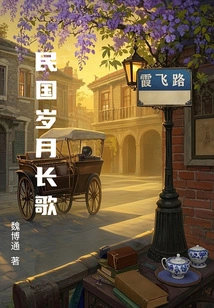
民国岁月长歌
Wei Botong
It tells the historical stories of the Republic of China in the form of a long song. From the din of war to the desire for peace, from personal struggle to the fate of the country. Let you feel the magnificence of the Republic of China in the melody and rhythm of history.
It tells the historical stories of the Republic of China in the form of a long song. From the din of war to the desire for peace, from personal struggle to the fate of the country. Let you feel the magnificence of the Republic of China in the melody and rhythm of history.
历史的智慧之光:古代思想家
Li Haibo
Introducing thinkers in ancient history whose ideas influenced the development of later generations. Let you understand the profoundness of ancient thought.
Introducing thinkers in ancient history whose ideas influenced the development of later generations. Let you understand the profoundness of ancient thought.
历史中的传奇旅程
Yang Jincheng
It tells the story of those legendary journeys in history, whether it is the adventures of navigators or the travels of men of letters. These journeys have witnessed historical changes and left many touching stories.
It tells the story of those legendary journeys in history, whether it is the adventures of navigators or the travels of men of letters. These journeys have witnessed historical changes and left many touching stories.
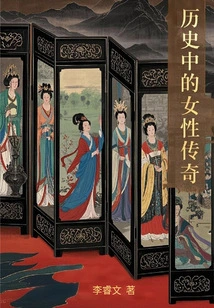
Female Legends in History
History历史中的女性传奇
Li Ruiwen
In the long history, women are often ignored, but they write legends in their own way. This book showcases the outstanding women in history who played an important role in politics, culture, art, science and other fields. From Wu Zetian's wisdom and courage to Li Qingzhao's talent and elegance, from Hua Mulan's bravery and fearlessness to Marie Curie's perseverance, every woman has a unique charm and story. They broke the shackles of traditional concepts, demonstrated women's wisdom, courage and strength, and set an example for future generations.
In the long history, women are often ignored, but they write legends in their own way. This book showcases the outstanding women in history who played an important role in politics, culture, art, science and other fields. From Wu Zetian's wisdom and courage to Li Qingzhao's talent and elegance, from Hua Mulan's bravery and fearlessness to Marie Curie's perseverance, every woman has a unique charm and story. They broke the shackles of traditional concepts, demonstrated women's wisdom, courage and strength, and set an example for future generations.
Female Power in History
History历史中的女性力量
Wu Shuxiang
Emphasize the power of women in history and describe the contributions of ancient women in politics, culture, society and other fields. Let you realize the important position of women in history and break the shackles of traditional concepts.
Emphasize the power of women in history and describe the contributions of ancient women in politics, culture, society and other fields. Let you realize the important position of women in history and break the shackles of traditional concepts.
Historical Legends
History历史传奇人物传
Sun Dehou
There are many legendary figures in history, and their stories are full of charm and inspiration. This book selects famous figures from various historical periods, such as the First Emperor of Qin, Emperor Wu of the Han Dynasty, Emperor Taizong of the Tang Dynasty, etc., And tells their life stories, achievements and influence, allowing you to feel the charm of historical figures.
There are many legendary figures in history, and their stories are full of charm and inspiration. This book selects famous figures from various historical periods, such as the First Emperor of Qin, Emperor Wu of the Han Dynasty, Emperor Taizong of the Tang Dynasty, etc., And tells their life stories, achievements and influence, allowing you to feel the charm of historical figures.
战国那些牛人们
Zhaojiasaburo
"Those Awesome People in the Warring States Period" uses a humorous and relaxed writing style to show us all kinds of outstanding people in the first troubled times in Chinese history during the Spring and Autumn Period and the Warring States Period. "Those Awesome Men of the Warring States Period" introduces Jing Ke, Zhuan Zhu and other hot-blooded assassins, Sun Wu, Sun Bin and other ancestors of military strategists, Guan Zhong and Shang Yang and other historical figures who have influenced the direction of Chinese history. On the scroll of five thousand years of Chinese civilization, the Spring and Autumn Period and the Warring States Period are destined to be the most colorful. In that turbulent era, in the intertwining of blood and fire, the roots of Chinese civilization were planted.
"Those Awesome People in the Warring States Period" uses a humorous and relaxed writing style to show us all kinds of outstanding people in the first troubled times in Chinese history during the Spring and Autumn Period and the Warring States Period. "Those Awesome Men of the Warring States Period" introduces Jing Ke, Zhuan Zhu and other hot-blooded assassins, Sun Wu, Sun Bin and other ancestors of military strategists, Guan Zhong and Shang Yang and other historical figures who have influenced the direction of Chinese history. On the scroll of five thousand years of Chinese civilization, the Spring and Autumn Period and the Warring States Period are destined to be the most colorful. In that turbulent era, in the intertwining of blood and fire, the roots of Chinese civilization were planted.
百年前的中国:19世纪大英皇家建筑师Thomas Allom笔下的中国画卷
(uk) Thomas Allom
"The Chinese Empire Illustrated" (The Chinese Empire Illustrated) is a true Chinese style picture written by the British royal architect Thomas Allom in the 19th century. As soon as this book was published in the UK in 1843, it immediately became a famous Chinese history textbook with pictures in the UK and even Europe. It is the main reading book for mainstream Western society to understand China. At that time, Europeans obtained most of their knowledge about China from this book. China's Old Summer Palace, Great Wall, Jingshan, Meridian Gate, Canal, Tiger Hill Pagoda, Leifeng Pagoda, Bao'en Temple, Glazed Pagoda, Jinshan Temple, dragon boats, lanterns, banquets, weddings, and even worship and dice... Were all spread to Europe through this book.
"The Chinese Empire Illustrated" (The Chinese Empire Illustrated) is a true Chinese style picture written by the British royal architect Thomas Allom in the 19th century. As soon as this book was published in the UK in 1843, it immediately became a famous Chinese history textbook with pictures in the UK and even Europe. It is the main reading book for mainstream Western society to understand China. At that time, Europeans obtained most of their knowledge about China from this book. China's Old Summer Palace, Great Wall, Jingshan, Meridian Gate, Canal, Tiger Hill Pagoda, Leifeng Pagoda, Bao'en Temple, Glazed Pagoda, Jinshan Temple, dragon boats, lanterns, banquets, weddings, and even worship and dice... Were all spread to Europe through this book.
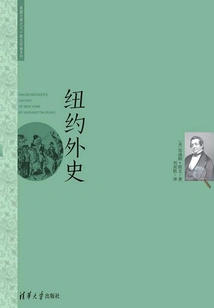
New York Foreign History
History纽约外史
I
"A Foreign History of New York" is the first full-length work of Washington Irving, the father of American literature. This is a humorous work with a unique style, which fully reveals Irving's humorous talent. "Reflect the tradition of our city in a funny way; explain the temperament, customs and characteristics of the local people; give local scenery, places and familiar characters a layer of whimsical associations that arouse the imagination." The book satirizes the Dutch colonial rule in New York and refutes the absurd arguments made by the colonialists for enslaving and massacring the Indians. Before the publication of this work, although the United States had gained independence for more than thirty years, it had never been able to break away from the shackles of Britain in literature and create works that were representative of this emerging bourgeois republic. It can be seen that "New York Foreign History", a work with national characteristics, is of great significance in promoting the development of American national literature.
"A Foreign History of New York" is the first full-length work of Washington Irving, the father of American literature. This is a humorous work with a unique style, which fully reveals Irving's humorous talent. "Reflect the tradition of our city in a funny way; explain the temperament, customs and characteristics of the local people; give local scenery, places and familiar characters a layer of whimsical associations that arouse the imagination." The book satirizes the Dutch colonial rule in New York and refutes the absurd arguments made by the colonialists for enslaving and massacring the Indians. Before the publication of this work, although the United States had gained independence for more than thirty years, it had never been able to break away from the shackles of Britain in literature and create works that were representative of this emerging bourgeois republic. It can be seen that "New York Foreign History", a work with national characteristics, is of great significance in promoting the development of American national literature.
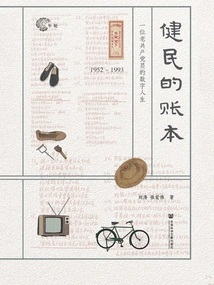
健民的账本:1952~1993,一位老共产党员的数字人生
Liu Tao Zhang Hongwei
Jianmin, also known as Zhang Jianmin, served as deputy secretary-general of the Shanxi Provincial Committee of the Chinese People's Political Consultative Conference. Zhang Jianmin left behind 12 ledgers, spanning more than 40 years from the 1950s to the 1990s. "Jianmin's Account Book - 1952~1993, the Digital Life of an Old Communist Party Member" conducts detailed research and combing of Zhang Jianmin's 41 years of life accounts. Analyzing the rich era information contained in the ledger is not only a personal life history, but also has high value in social history and economic history.
Jianmin, also known as Zhang Jianmin, served as deputy secretary-general of the Shanxi Provincial Committee of the Chinese People's Political Consultative Conference. Zhang Jianmin left behind 12 ledgers, spanning more than 40 years from the 1950s to the 1990s. "Jianmin's Account Book - 1952~1993, the Digital Life of an Old Communist Party Member" conducts detailed research and combing of Zhang Jianmin's 41 years of life accounts. Analyzing the rich era information contained in the ledger is not only a personal life history, but also has high value in social history and economic history.
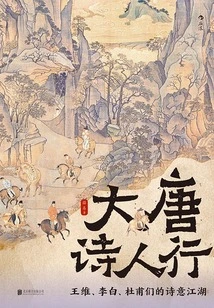
大唐诗人行:王维、李白、杜甫们的诗意江湖
Xue Yi
This book is written from the perspective of group portraits, and provides biographies of ten poets of the Tang Dynasty represented by Wang Wei, Li Bai, and Du Fu. It also explores interesting anecdotes about more than forty poets from the early Tang Dynasty to the Anshi Rebellion. On the basis of historical records, it combines the false and the true, fills in the blanks through novel writing, vividly interprets the personnel changes and historical waves behind the famous poems, outlines the development process of poetry in the Tang Dynasty, and comprehensively restores the immortal charm of the poets and poetry of the Tang Dynasty.
This book is written from the perspective of group portraits, and provides biographies of ten poets of the Tang Dynasty represented by Wang Wei, Li Bai, and Du Fu. It also explores interesting anecdotes about more than forty poets from the early Tang Dynasty to the Anshi Rebellion. On the basis of historical records, it combines the false and the true, fills in the blanks through novel writing, vividly interprets the personnel changes and historical waves behind the famous poems, outlines the development process of poetry in the Tang Dynasty, and comprehensively restores the immortal charm of the poets and poetry of the Tang Dynasty.
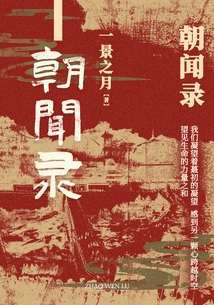
Chao Wen Lu
History朝闻录
A Scene Of The Moon
Starting from the Spring and Autumn Period and the Warring States Period to the end of the Ming and Qing Dynasties, this book tells short stories that happened during these periods, covering a wide range of stories and diversifying the types of stories, presenting many amazing historical moments. The story is still the same story, and the history is still that history, but through the author's narration, it becomes interesting.
Starting from the Spring and Autumn Period and the Warring States Period to the end of the Ming and Qing Dynasties, this book tells short stories that happened during these periods, covering a wide range of stories and diversifying the types of stories, presenting many amazing historical moments. The story is still the same story, and the history is still that history, but through the author's narration, it becomes interesting.
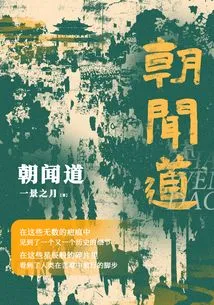
Chao Wen Dao
History朝闻道
A Scene Of The Moon
This book is mainly composed of short historical stories, interspersed with various historical records, occasionally with the writing style of novels, and the evaluation of these historical figures in the past dynasties. The story starts from the Spring and Autumn Period and the Warring States Period and ends in the Ming and Qing Dynasties. It covers a wide range of information and contains a lot of information. It is easy and interesting to read.
This book is mainly composed of short historical stories, interspersed with various historical records, occasionally with the writing style of novels, and the evaluation of these historical figures in the past dynasties. The story starts from the Spring and Autumn Period and the Warring States Period and ends in the Ming and Qing Dynasties. It covers a wide range of information and contains a lot of information. It is easy and interesting to read.
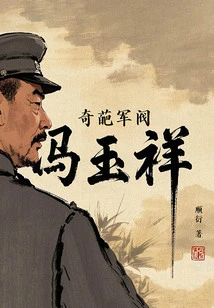
Weird Warlord: Feng Yuxiang
History奇葩军阀:冯玉祥
Shunyan
In the turbulent years of modern China, one figure stood out. He came from a humble background, but with extraordinary courage and firm belief, he made his way through the turbulent warlord melee. He was Feng Yuxiang. Shun Yan's "The Strange Warlord: Feng Yuxiang" is like a magnificent historical scroll, slowly unfolding the ups and downs of Feng Yuxiang's legendary life. In the book, we will see that young Feng Yuxiang struggled in poverty but had great ambitions. From his ignorance when he first entered the military camp, to his passion when resisting foreign enemies in Dagukou; from his courage in the Luanzhou Uprising, to his difficult dealings in the war to protect the country, every step he took was full of challenges and choices. The author uses delicate writing and many little-known stories to vividly show Feng Yuxiang's growth and transformation, ideological awakening, and his heroic performance on the military and political stages. Open this book, follow Feng Yuxiang's footsteps, travel through history together, feel the changes of that era, and appreciate his indomitable fighting spirit in troubled times.
In the turbulent years of modern China, one figure stood out. He came from a humble background, but with extraordinary courage and firm belief, he made his way through the turbulent warlord melee. He was Feng Yuxiang. Shun Yan's "The Strange Warlord: Feng Yuxiang" is like a magnificent historical scroll, slowly unfolding the ups and downs of Feng Yuxiang's legendary life. In the book, we will see that young Feng Yuxiang struggled in poverty but had great ambitions. From his ignorance when he first entered the military camp, to his passion when resisting foreign enemies in Dagukou; from his courage in the Luanzhou Uprising, to his difficult dealings in the war to protect the country, every step he took was full of challenges and choices. The author uses delicate writing and many little-known stories to vividly show Feng Yuxiang's growth and transformation, ideological awakening, and his heroic performance on the military and political stages. Open this book, follow Feng Yuxiang's footsteps, travel through history together, feel the changes of that era, and appreciate his indomitable fighting spirit in troubled times.
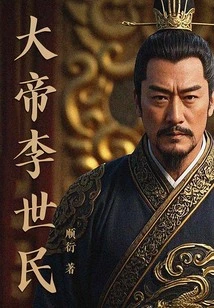
Emperor Li Shimin
History大帝李世民
Shunyan
The Tang Dynasty was glorious in its heyday, and Li Shimin was undoubtedly the core figure of this era. "The Great Emperor Li Shimin" written by Shun Yan takes you through thousands of years and into the magnificent life of this emperor. At the end of the Sui Dynasty, he assisted his father Li Yuan in raising troops in Taiyuan and made many military exploits in the establishment of the Tang Dynasty. After the Xuanwumen Incident, Shou Chan succeeded to the throne and started the "Government of Zhenguan", showing his outstanding wisdom in governing the country. He was courteous to the virtuous and corporal, followed his advice very well, and created brilliance together with Fang Xuanling, Du Ruhui and other capable ministers; he conducted border operations and pacified the Eastern Turks, and was successively revered as the "Khan of Heaven". This book vividly tells the legendary story of Li Shimin, allowing you to appreciate the changes in the Tang Dynasty and feel the talents and strategies of this eternal emperor.
The Tang Dynasty was glorious in its heyday, and Li Shimin was undoubtedly the core figure of this era. "The Great Emperor Li Shimin" written by Shun Yan takes you through thousands of years and into the magnificent life of this emperor. At the end of the Sui Dynasty, he assisted his father Li Yuan in raising troops in Taiyuan and made many military exploits in the establishment of the Tang Dynasty. After the Xuanwumen Incident, Shou Chan succeeded to the throne and started the "Government of Zhenguan", showing his outstanding wisdom in governing the country. He was courteous to the virtuous and corporal, followed his advice very well, and created brilliance together with Fang Xuanling, Du Ruhui and other capable ministers; he conducted border operations and pacified the Eastern Turks, and was successively revered as the "Khan of Heaven". This book vividly tells the legendary story of Li Shimin, allowing you to appreciate the changes in the Tang Dynasty and feel the talents and strategies of this eternal emperor.
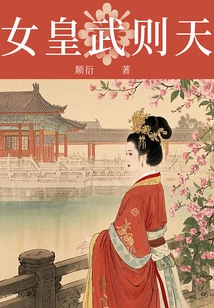
Empress Wu Zetian
History女皇武则天
Shunyan
Wu Zetian, the only female emperor in Chinese history. She entered the palace at the age of fourteen and became the concubine of Emperor Taizong of the Tang Dynasty. After the death of Emperor Taizong of the Tang Dynasty, she was tonsured as a nun and stayed away from the court. In a twist of fate, she returned to the palace with her talents, became Gaozong's concubine again, and assisted Gaozong in handling government affairs. When Gaozong was seriously ill, she gradually took control of the government and took over the throne, replacing Gaozong's authority. It was not until 690 AD that Wu Zetian broke the gender restrictions, officially ascended the throne and proclaimed herself emperor, and changed the country's name to "Zhou", creating a precedent for women to rule. Her life is full of legends. With her extraordinary political intelligence and determination, she became one of the most outstanding female emperors in Chinese history.
Wu Zetian, the only female emperor in Chinese history. She entered the palace at the age of fourteen and became the concubine of Emperor Taizong of the Tang Dynasty. After the death of Emperor Taizong of the Tang Dynasty, she was tonsured as a nun and stayed away from the court. In a twist of fate, she returned to the palace with her talents, became Gaozong's concubine again, and assisted Gaozong in handling government affairs. When Gaozong was seriously ill, she gradually took control of the government and took over the throne, replacing Gaozong's authority. It was not until 690 AD that Wu Zetian broke the gender restrictions, officially ascended the throne and proclaimed herself emperor, and changed the country's name to "Zhou", creating a precedent for women to rule. Her life is full of legends. With her extraordinary political intelligence and determination, she became one of the most outstanding female emperors in Chinese history.
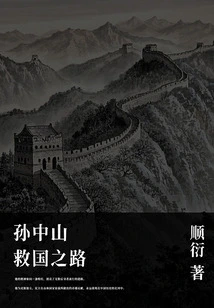
孙中山救国之路
Shunyan
When society was in turmoil in the late Qing Dynasty, a pioneer determined to save the country stepped forward. He was Sun Yat-sen. The book "Sun Yat-sen's Road to Saving the Nation" carefully written by Shun Yan will lead you to an in-depth exploration of Sun Yat-sen's magnificent life. From his unremitting pursuit of knowledge and deep indignation at the injustice of the world in his youth, to his broad vision and deep understanding when he went abroad to study; from the founding of the Xingzhong Society, to his heroic feats in multiple uprisings, and until he was honored as the interim president of the Republic of China, every step of Sun Yat-sen's journey was full of thorns and challenges. The book details the many setbacks he encountered on his revolutionary journey, including the defeat of the uprising and the fierce battle with the royalists. It also demonstrates his unwavering revolutionary belief. Opening this masterpiece, let us step into Sun Yat-sen's legendary life together and deeply understand those exciting revolutionary years.
When society was in turmoil in the late Qing Dynasty, a pioneer determined to save the country stepped forward. He was Sun Yat-sen. The book "Sun Yat-sen's Road to Saving the Nation" carefully written by Shun Yan will lead you to an in-depth exploration of Sun Yat-sen's magnificent life. From his unremitting pursuit of knowledge and deep indignation at the injustice of the world in his youth, to his broad vision and deep understanding when he went abroad to study; from the founding of the Xingzhong Society, to his heroic feats in multiple uprisings, and until he was honored as the interim president of the Republic of China, every step of Sun Yat-sen's journey was full of thorns and challenges. The book details the many setbacks he encountered on his revolutionary journey, including the defeat of the uprising and the fierce battle with the royalists. It also demonstrates his unwavering revolutionary belief. Opening this masterpiece, let us step into Sun Yat-sen's legendary life together and deeply understand those exciting revolutionary years.
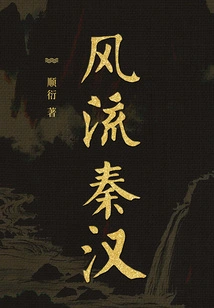
风流秦汉
Shunyan
Want to learn more about the changes and heroic legends of the Qin and Han Dynasties? "Romance in Qin and Han" written by Shun Yan takes you through time and space and into that magnificent era. From Qin Shihuang's heroic strategy to unify the six countries, to Liu Bang's arduous journey in establishing the Han Dynasty; from Han Xin's endurance of humiliation and invincibility, to Sima Qian's perseverance in enduring humiliation in "Historical Records". The book tells the stories of many historical figures in detail, showing the political struggles, military wars, and cultural development of the Qin and Han Dynasties. By reading this book, you will feel the wisdom and pride of the ancients in the long history, and draw on experience and strength. It is a masterpiece that history lovers should not miss.
Want to learn more about the changes and heroic legends of the Qin and Han Dynasties? "Romance in Qin and Han" written by Shun Yan takes you through time and space and into that magnificent era. From Qin Shihuang's heroic strategy to unify the six countries, to Liu Bang's arduous journey in establishing the Han Dynasty; from Han Xin's endurance of humiliation and invincibility, to Sima Qian's perseverance in enduring humiliation in "Historical Records". The book tells the stories of many historical figures in detail, showing the political struggles, military wars, and cultural development of the Qin and Han Dynasties. By reading this book, you will feel the wisdom and pride of the ancients in the long history, and draw on experience and strength. It is a masterpiece that history lovers should not miss.
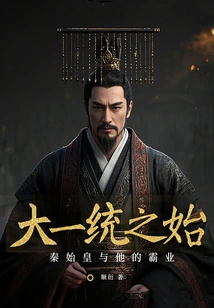
大一统之始:秦始皇与他的霸业
Shunyan
In the long history, the name of Qin Shihuang Ying Zheng is like thunder. "The Beginning of the Great Unification: Qin Shihuang and His Hegemony" written by Shun Yan takes you through time and space to appreciate the magnificent life of this eternal emperor. From the origin of Qin to the unification of the six kingdoms by Yingzheng, from the establishment of the monarchy to the implementation of a series of reforms, this book details Qin Shihuang's talents and far-sightedness. At the same time, the book also shows his tyranny and confusion in his later years, as well as the tragedy of the Qin Empire's rapid demise behind him. Following this book, you will have an in-depth understanding of Qin Shihuang's life and deeds, feel the changing era, and learn from it the wisdom and lessons of history.
In the long history, the name of Qin Shihuang Ying Zheng is like thunder. "The Beginning of the Great Unification: Qin Shihuang and His Hegemony" written by Shun Yan takes you through time and space to appreciate the magnificent life of this eternal emperor. From the origin of Qin to the unification of the six kingdoms by Yingzheng, from the establishment of the monarchy to the implementation of a series of reforms, this book details Qin Shihuang's talents and far-sightedness. At the same time, the book also shows his tyranny and confusion in his later years, as well as the tragedy of the Qin Empire's rapid demise behind him. Following this book, you will have an in-depth understanding of Qin Shihuang's life and deeds, feel the changing era, and learn from it the wisdom and lessons of history.
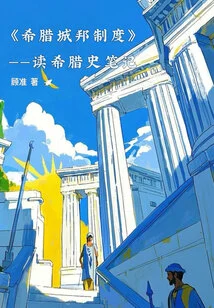
希腊城邦制度:读希腊史笔记
Gu Zhun
"Greek City-State System" is Gu Zhun's reading notes on Greek history. Although he unfortunately passed away before the manuscript was completed, his profound insights are still widely praised. This book takes the city-state system as the core, explores the politics, economy, culture and other aspects of ancient Greece, and reveals the characteristics and importance of city-states as independent sovereign states. Through comparative research and independent thinking, Gu Zhun conducted an in-depth analysis of the rise, development and influence of Greek city-states, demonstrating the diversity and complexity of Greek history. This book is not only an in-depth excavation of the history of ancient Greece, but also a reflection of Gu Zhun's spirit of independent thinking and academic exploration. It is of great significance for understanding ancient Greek civilization and city-state systems.
"Greek City-State System" is Gu Zhun's reading notes on Greek history. Although he unfortunately passed away before the manuscript was completed, his profound insights are still widely praised. This book takes the city-state system as the core, explores the politics, economy, culture and other aspects of ancient Greece, and reveals the characteristics and importance of city-states as independent sovereign states. Through comparative research and independent thinking, Gu Zhun conducted an in-depth analysis of the rise, development and influence of Greek city-states, demonstrating the diversity and complexity of Greek history. This book is not only an in-depth excavation of the history of ancient Greece, but also a reflection of Gu Zhun's spirit of independent thinking and academic exploration. It is of great significance for understanding ancient Greek civilization and city-state systems.
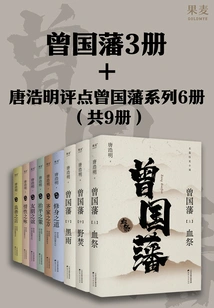
Zeng Guofan 3 Volumes + Tang Haoming Comments on Zeng Guofan Series 6 Volumes (9 Volumes in Total)
History曾国藩3册+唐浩明评点曾国藩系列6册(共9册)
Tang Jianfu
Nine volumes of ingenious arrangement, millions of words of in-depth deconstruction, and Tang Haoming's careful research and annotation, integrating documentary value, academic depth and practical transformation. From self-cultivation and family management to governing the country and bringing peace to the world, from the elegance of poetry to memorials and strategies, the essence of Zeng Guofan's lifelong wisdom has been collected in his bag! It is not only a first-hand source for studying the history of the late Qing Dynasty, but also a living source for contemporary people to absorb traditional wisdom. The wisdom passed down from generation to generation, the best choice for collection, opens for you the three-dimensional life picture of the first famous official in the late Qing Dynasty!
Nine volumes of ingenious arrangement, millions of words of in-depth deconstruction, and Tang Haoming's careful research and annotation, integrating documentary value, academic depth and practical transformation. From self-cultivation and family management to governing the country and bringing peace to the world, from the elegance of poetry to memorials and strategies, the essence of Zeng Guofan's lifelong wisdom has been collected in his bag! It is not only a first-hand source for studying the history of the late Qing Dynasty, but also a living source for contemporary people to absorb traditional wisdom. The wisdom passed down from generation to generation, the best choice for collection, opens for you the three-dimensional life picture of the first famous official in the late Qing Dynasty!
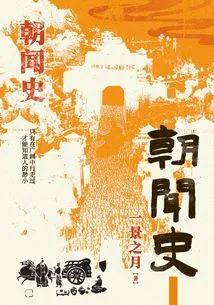
History of Chao Wen
History朝闻史
A Scene Of The Moon
This book mainly tells the history from the Spring and Autumn Period and the Warring States Period to the Ming Dynasty, covering many historical events and character stories, showing the rise and fall of each dynasty, the ups and downs of the characters' fate, and exploring the authenticity of historical records.
This book mainly tells the history from the Spring and Autumn Period and the Warring States Period to the Ming Dynasty, covering many historical events and character stories, showing the rise and fall of each dynasty, the ups and downs of the characters' fate, and exploring the authenticity of historical records.
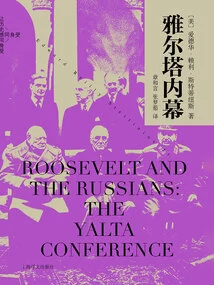
Yalta Insider
History雅尔塔内幕
(us) Edward Riley Stettinius
The Yalta Conference was a critical summit meeting held between February 4 and 11, 1945, between February 4 and 11, 1945, in Yalta, the Crimean Peninsula in the northern Black Sea, on the formulation of a new post-war world order and the distribution of interests. The meeting mainly studied the post-war disposition of the German issue, the Polish issue, the Far East issue, and the United Nations issue. The meeting signed the "Yalta Agreement" and adopted the "Declaration of a Liberated Europe" and the "Crimea Declaration" and other documents. The meeting consolidated and maintained the wartime alliance of the three countries, played an important and positive role in coordinating the allies' war against Germany and Japan, accelerating the victory of the anti-fascist war and promoting the formation of post-war peace and stability, and laid the foundation for the establishment of the United Nations. The arrangements for the postwar world order made by the three major powers at the conference were called the "Yalta System" and had a huge impact on the postwar world. As the then U. S. Secretary of State, Stettinius participated in the entire meeting and was one of the important decision-makers. His memoirs have irreplaceable historical value.
The Yalta Conference was a critical summit meeting held between February 4 and 11, 1945, between February 4 and 11, 1945, in Yalta, the Crimean Peninsula in the northern Black Sea, on the formulation of a new post-war world order and the distribution of interests. The meeting mainly studied the post-war disposition of the German issue, the Polish issue, the Far East issue, and the United Nations issue. The meeting signed the "Yalta Agreement" and adopted the "Declaration of a Liberated Europe" and the "Crimea Declaration" and other documents. The meeting consolidated and maintained the wartime alliance of the three countries, played an important and positive role in coordinating the allies' war against Germany and Japan, accelerating the victory of the anti-fascist war and promoting the formation of post-war peace and stability, and laid the foundation for the establishment of the United Nations. The arrangements for the postwar world order made by the three major powers at the conference were called the "Yalta System" and had a huge impact on the postwar world. As the then U. S. Secretary of State, Stettinius participated in the entire meeting and was one of the important decision-makers. His memoirs have irreplaceable historical value.
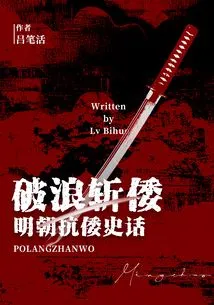
破浪斩倭:明朝抗倭史话
Lu Bihuo
Since the founding of the People's Republic of China, the Ming Dynasty has been constantly encountering Japanese invaders. Fortunately, Taizu and Chengzu of the Ming Dynasty had great talents, strengthened coastal defense construction, and built a powerful army and navy to deal a heavy blow to the Japanese pirates, so that the Japanese pirates did not dare to act recklessly. However, during the Jiajing period, because Japan was in the Warring States period, Japanese pirates were out of control, and the Ming Dynasty's coastal defenses were weakened, the Japanese invasion was particularly serious, causing great harm to lives and serious social and economic damage. Under such circumstances, many patriotic soldiers devoted themselves to the cause of resisting Japanese aggression, and many commendable anti-Japanese deeds emerged. But at that time, the treacherous minister Yan Song's clique controlled the world and only cared about his own interests. He framed the famous anti-Japanese generals Zhu Wan, Zhang Jing, Wang Yan, etc. To death, and the great cause of anti-Japanese war was in vain. Later, Hu Zongxian served as the governor of Southern Zhili and Zhejiang. He united and led famous generals such as Qi Jiguang, Yu Dayou, Tan Lun, and Tang Kekuan to successfully trap and kill great traitors such as Wang Zhi and Xu Hai. Qi Jiguang, in particular, established a Qi family army that was good at conquering and fighting, created a mandarin duck formation capable of attacking and defending, and won one classic battle after another with fewer defeating more, making the Japanese pirates terrified. After the hard work of many people, the Ming Dynasty finally won the victory in the Anti-Japanese War. However, during the Wanli period, the ambitious Toyotomi Hideyoshi brazenly launched an invasion of Korea and tried to use Korea as a springboard to attack the Ming Dynasty. The Ming Dynasty was well aware of the truth of the bitterness of lips and teeth. It sent troops twice to fight against the Japanese and aid Korea. After seven years of arduous war, the Japanese army was finally driven out of Korea.
Since the founding of the People's Republic of China, the Ming Dynasty has been constantly encountering Japanese invaders. Fortunately, Taizu and Chengzu of the Ming Dynasty had great talents, strengthened coastal defense construction, and built a powerful army and navy to deal a heavy blow to the Japanese pirates, so that the Japanese pirates did not dare to act recklessly. However, during the Jiajing period, because Japan was in the Warring States period, Japanese pirates were out of control, and the Ming Dynasty's coastal defenses were weakened, the Japanese invasion was particularly serious, causing great harm to lives and serious social and economic damage. Under such circumstances, many patriotic soldiers devoted themselves to the cause of resisting Japanese aggression, and many commendable anti-Japanese deeds emerged. But at that time, the treacherous minister Yan Song's clique controlled the world and only cared about his own interests. He framed the famous anti-Japanese generals Zhu Wan, Zhang Jing, Wang Yan, etc. To death, and the great cause of anti-Japanese war was in vain. Later, Hu Zongxian served as the governor of Southern Zhili and Zhejiang. He united and led famous generals such as Qi Jiguang, Yu Dayou, Tan Lun, and Tang Kekuan to successfully trap and kill great traitors such as Wang Zhi and Xu Hai. Qi Jiguang, in particular, established a Qi family army that was good at conquering and fighting, created a mandarin duck formation capable of attacking and defending, and won one classic battle after another with fewer defeating more, making the Japanese pirates terrified. After the hard work of many people, the Ming Dynasty finally won the victory in the Anti-Japanese War. However, during the Wanli period, the ambitious Toyotomi Hideyoshi brazenly launched an invasion of Korea and tried to use Korea as a springboard to attack the Ming Dynasty. The Ming Dynasty was well aware of the truth of the bitterness of lips and teeth. It sent troops twice to fight against the Japanese and aid Korea. After seven years of arduous war, the Japanese army was finally driven out of Korea.
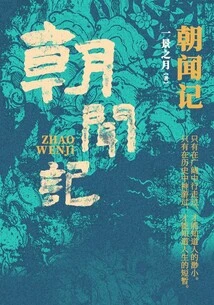
Chao Wen Ji
History朝闻记
A Scene Of The Moon
This book brings together stories that happened during the Tang, Song, Yuan and Ming dynasties, focusing on the interesting experiences of various literati, famous generals and emperors, leading readers to walk into history, understand history, and feel history.
This book brings together stories that happened during the Tang, Song, Yuan and Ming dynasties, focusing on the interesting experiences of various literati, famous generals and emperors, leading readers to walk into history, understand history, and feel history.
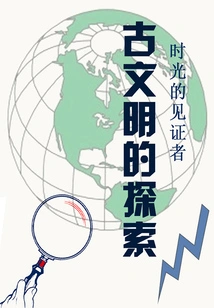
时光的见证者:古文明的探索
Jiangchengzi
This book depicts China's glorious history from ancient times to the present for readers through vivid words and detailed historical information. From the early dawn of civilization in Hongshan Culture to the prosperity and transformation of the Qing Dynasty, each historical period is vividly displayed in front of readers. We will see the political innovation and cultural prosperity of the Xia, Shang and Zhou dynasties, and feel the changes in the Spring and Autumn and Warring States periods and the fierce scenes of princes competing for hegemony. The book discusses in detail the Qin Dynasty's great cause of unification and the construction of the rule of law, the rise of the Han Dynasty's empire and congratulations from all directions. Especially the part about the Qing Dynasty, through the detailed description of the economic and cultural achievements of the prosperous ages of Kangxi and Qianlong, makes people feel like they are in that glorious era. Whether they are paintings, operas or literary works, they all show the unique style and rich connotation of that era. This book is not only a historical reading, but also a cultural journey that takes you through time and space to experience the broad and profound Chinese civilization.
This book depicts China's glorious history from ancient times to the present for readers through vivid words and detailed historical information. From the early dawn of civilization in Hongshan Culture to the prosperity and transformation of the Qing Dynasty, each historical period is vividly displayed in front of readers. We will see the political innovation and cultural prosperity of the Xia, Shang and Zhou dynasties, and feel the changes in the Spring and Autumn and Warring States periods and the fierce scenes of princes competing for hegemony. The book discusses in detail the Qin Dynasty's great cause of unification and the construction of the rule of law, the rise of the Han Dynasty's empire and congratulations from all directions. Especially the part about the Qing Dynasty, through the detailed description of the economic and cultural achievements of the prosperous ages of Kangxi and Qianlong, makes people feel like they are in that glorious era. Whether they are paintings, operas or literary works, they all show the unique style and rich connotation of that era. This book is not only a historical reading, but also a cultural journey that takes you through time and space to experience the broad and profound Chinese civilization.
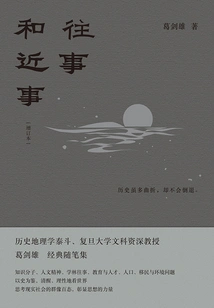
往事和近事(增订本)
Ge Jianxiong
This book is a collection of academic essays by Mr. Ge Jianxiong. The content is mainly divided into five parts: thoughts on China's historical geography, unity and division; notes or reflections on reading history books; memories and remembrances of Gu Jiegang and Tan Qixiang; some opinions on education, talents, intellectuals, and humanistic spirit; and several articles discussing issues such as population, immigration, and the environment. The book's writing is plain, its views are broad, and its critical thinking on the development of culture and civilization is even more thought-provoking.
This book is a collection of academic essays by Mr. Ge Jianxiong. The content is mainly divided into five parts: thoughts on China's historical geography, unity and division; notes or reflections on reading history books; memories and remembrances of Gu Jiegang and Tan Qixiang; some opinions on education, talents, intellectuals, and humanistic spirit; and several articles discussing issues such as population, immigration, and the environment. The book's writing is plain, its views are broad, and its critical thinking on the development of culture and civilization is even more thought-provoking.
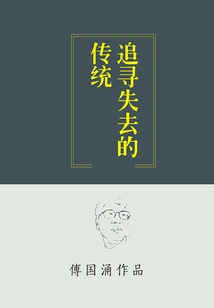
Chasing a Lost Tradition
History追寻失去的传统
Fu Guoyong
This book uses passionate writing to study the fight for freedom of speech by Chinese intellectuals in the first half of the 20th century, the tradition of "literati discussing politics" and the century-old history of speech in China. Freedom of speech is one of the basic standards of a civilized society, a public law in the world, and a symbol of human progress. As early as the beginning of the last century, freedom, democracy, and constitutional government have become the goals pursued tirelessly by Chinese people with lofty ideals. For this ideal, Song Jiaoren, Shao Piaoping, Lin Baishui, Shi Liangcai, Yang Xingfo, etc. Dedicated their precious lives, and Liang Qichao, Zhang Jiluan, Hu Zhengzhi, Cheng Shewo, Chen Mingde, Xu Zhucheng, etc. Dedicated their wisdom, hard work, and lifelong energy. This book is not a general narration of the experiences of historical figures, but a look at the speech space of an era from the experiences of historical figures, and what a literati can do and have done in such a space. This book is about the near and distant, and the scope is thousands of miles.
This book uses passionate writing to study the fight for freedom of speech by Chinese intellectuals in the first half of the 20th century, the tradition of "literati discussing politics" and the century-old history of speech in China. Freedom of speech is one of the basic standards of a civilized society, a public law in the world, and a symbol of human progress. As early as the beginning of the last century, freedom, democracy, and constitutional government have become the goals pursued tirelessly by Chinese people with lofty ideals. For this ideal, Song Jiaoren, Shao Piaoping, Lin Baishui, Shi Liangcai, Yang Xingfo, etc. Dedicated their precious lives, and Liang Qichao, Zhang Jiluan, Hu Zhengzhi, Cheng Shewo, Chen Mingde, Xu Zhucheng, etc. Dedicated their wisdom, hard work, and lifelong energy. This book is not a general narration of the experiences of historical figures, but a look at the speech space of an era from the experiences of historical figures, and what a literati can do and have done in such a space. This book is about the near and distant, and the scope is thousands of miles.
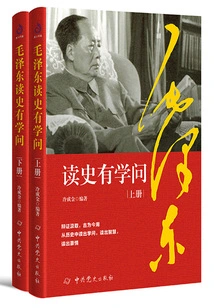
毛泽东读史有学问(全二册)
Compiled By Leng Chengjin
Chairman Mao said: "Historical experience is worth noting." Mao Zedong loved reading history and was the best at reading history. He read great knowledge, great wisdom, the Chinese revolution, and heroic aspirations in history. This book reads history from the perspective of a great proletarian revolutionary, examines history with the profundity of a thinker, analyzes history with the wisdom of an outstanding wise man, and of course feels history with the passion of a poet. Mao Zedong traced the history of mankind, overlooked the rise and fall of success and failure, gained experience and lessons, and expressed revolutionary ideals. This is Mao Zedong's summary of history, revolution, and life! This is Mao Zedong's great wisdom in reading history and learning from the university!
Chairman Mao said: "Historical experience is worth noting." Mao Zedong loved reading history and was the best at reading history. He read great knowledge, great wisdom, the Chinese revolution, and heroic aspirations in history. This book reads history from the perspective of a great proletarian revolutionary, examines history with the profundity of a thinker, analyzes history with the wisdom of an outstanding wise man, and of course feels history with the passion of a poet. Mao Zedong traced the history of mankind, overlooked the rise and fall of success and failure, gained experience and lessons, and expressed revolutionary ideals. This is Mao Zedong's summary of history, revolution, and life! This is Mao Zedong's great wisdom in reading history and learning from the university!
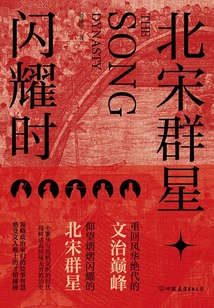
北宋群星闪耀时
Yan Jianhuai
The Northern Song Dynasty was rich in literary energy but weak in blood. Driven by this extremely prosperous literary spirit, a large number of outstanding literary politicians emerged. These outstanding elites and leaders, with their profound talents and wisdom, have pushed the culture of the Chinese nation to the peak of history. This book uses vivid character stories to connect episodes of historical events, presenting readers with a star-studded picture of the Northern Song Dynasty.
The Northern Song Dynasty was rich in literary energy but weak in blood. Driven by this extremely prosperous literary spirit, a large number of outstanding literary politicians emerged. These outstanding elites and leaders, with their profound talents and wisdom, have pushed the culture of the Chinese nation to the peak of history. This book uses vivid character stories to connect episodes of historical events, presenting readers with a star-studded picture of the Northern Song Dynasty.
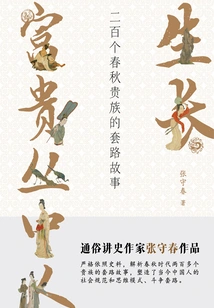
People Who Grow up in Wealth
History生长富贵丛中人
Zhang Shouchun
Get the famous teacher "Xiao Shui" to talk about the Spring and Autumn Period! Carefully tell the unknown routine stories of the great nobles of the Spring and Autumn Period! The Spring and Autumn Period was an era of intense struggle among nobles in the middle of the Zhou Dynasty. The struggle strategies, resourcefulness, and interpersonal norms produced in it have profoundly set a template for history, and can even be said to have shaped the social norms, thinking patterns, and struggle routines of today's Chinese people. Strictly based on historical materials, this book contains a large number of examples of noble behavior stories (about 218 stories of nobles in the Spring and Autumn Period), as well as an analysis of the norms and work routines reflected in them. The stories themselves are vivid, varied, often unexpected, and almost beyond the fabrication of the plot, but they are true. Comments, analysis and inspiration are added at the end of each story. Not only gain fresh feelings, but also enrich your thinking.
Get the famous teacher "Xiao Shui" to talk about the Spring and Autumn Period! Carefully tell the unknown routine stories of the great nobles of the Spring and Autumn Period! The Spring and Autumn Period was an era of intense struggle among nobles in the middle of the Zhou Dynasty. The struggle strategies, resourcefulness, and interpersonal norms produced in it have profoundly set a template for history, and can even be said to have shaped the social norms, thinking patterns, and struggle routines of today's Chinese people. Strictly based on historical materials, this book contains a large number of examples of noble behavior stories (about 218 stories of nobles in the Spring and Autumn Period), as well as an analysis of the norms and work routines reflected in them. The stories themselves are vivid, varied, often unexpected, and almost beyond the fabrication of the plot, but they are true. Comments, analysis and inspiration are added at the end of each story. Not only gain fresh feelings, but also enrich your thinking.
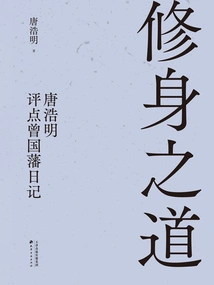
修身之道:唐浩明评点曾国藩日记
Tang Haoming
The value of Zeng Guofan's works is self-evident, but for today's readers, it is very difficult to read because of its large volume, complex content, and the writing is not in today's vernacular. In order to allow today's public readers to approach Zeng Guofan in an easy way, Tang Haoming wrote and published a series of books "Tang Haoming Comments on Zeng Guofan". There are six volumes in this series, including family letters, memorials, diaries, poems, letters and quotations. In each volume, Tang Haoming selects a part of the text for translation and commentary, helping readers to understand Zeng Guofan and the Wan Qing Dynasty from a close perspective, and to understand the living traditional Chinese culture. "The Way of Self-cultivation: Tang Haoming Comments on Zeng Guofan's Diary" is one of them. The author of this book has selected more than 200 articles from them, divided into eight categories: enlightenment, self-cultivation, state affairs, family affairs, reading, writing, appreciation, and dreams. In order to maintain the integrity of the day's diary, the selected diary is recorded in its entirety and will not be deleted. The original text is preceded by comments to provide readers with some help in order to have a better understanding of the diary. Before each major category, the author also has a general review, which is intended to serve as a guide for readers.
The value of Zeng Guofan's works is self-evident, but for today's readers, it is very difficult to read because of its large volume, complex content, and the writing is not in today's vernacular. In order to allow today's public readers to approach Zeng Guofan in an easy way, Tang Haoming wrote and published a series of books "Tang Haoming Comments on Zeng Guofan". There are six volumes in this series, including family letters, memorials, diaries, poems, letters and quotations. In each volume, Tang Haoming selects a part of the text for translation and commentary, helping readers to understand Zeng Guofan and the Wan Qing Dynasty from a close perspective, and to understand the living traditional Chinese culture. "The Way of Self-cultivation: Tang Haoming Comments on Zeng Guofan's Diary" is one of them. The author of this book has selected more than 200 articles from them, divided into eight categories: enlightenment, self-cultivation, state affairs, family affairs, reading, writing, appreciation, and dreams. In order to maintain the integrity of the day's diary, the selected diary is recorded in its entirety and will not be deleted. The original text is preceded by comments to provide readers with some help in order to have a better understanding of the diary. Before each major category, the author also has a general review, which is intended to serve as a guide for readers.
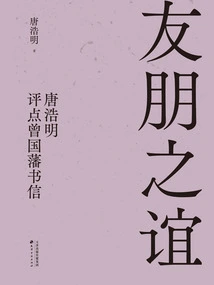
友朋之谊:唐浩明评点曾国藩书信
Tang Haoming
Understanding the sage Zeng Guofan is better than reading thousands of mediocre works. Zeng left tens of millions of words in ink in voluminous volumes with mixed contents. Where should we start to imitate him as a teacher and general, and learn from his meritorious deeds and virtues? Tang Haoming, an expert on Zeng Guofan, spent many years of hard work and published a six-volume series of "Tang Haoming Comments on Zeng Guofan". He selected Zeng Guofan's family letters, letters, memorials, quotations, poems, and diaries and commented on them, leading readers to get to know a Zeng Guofan who could be felt, lamented, and learned. "Friends and Friendships: Tang Haoming Comments on Zeng Guofan's Letters" collects and comments on a total of 135 letters and replies between Zeng Guofan and his friends, colleagues, subordinates, and relatives. In these letters, as a thoughtful thinker, an observer of current affairs, and a historical participant in a high position, Zeng not only talked about morality and principles, but also talked about the practicalities of joining the political army. There were sincere teachings and candid self-disclosures, which revealed the inner world of a complex person. Many of the truths in these proverbs are worthy of understanding and imitation by future generations. At the same time, this is also an important historical material about the Hunan Army and a specific historical period.
Understanding the sage Zeng Guofan is better than reading thousands of mediocre works. Zeng left tens of millions of words in ink in voluminous volumes with mixed contents. Where should we start to imitate him as a teacher and general, and learn from his meritorious deeds and virtues? Tang Haoming, an expert on Zeng Guofan, spent many years of hard work and published a six-volume series of "Tang Haoming Comments on Zeng Guofan". He selected Zeng Guofan's family letters, letters, memorials, quotations, poems, and diaries and commented on them, leading readers to get to know a Zeng Guofan who could be felt, lamented, and learned. "Friends and Friendships: Tang Haoming Comments on Zeng Guofan's Letters" collects and comments on a total of 135 letters and replies between Zeng Guofan and his friends, colleagues, subordinates, and relatives. In these letters, as a thoughtful thinker, an observer of current affairs, and a historical participant in a high position, Zeng not only talked about morality and principles, but also talked about the practicalities of joining the political army. There were sincere teachings and candid self-disclosures, which revealed the inner world of a complex person. Many of the truths in these proverbs are worthy of understanding and imitation by future generations. At the same time, this is also an important historical material about the Hunan Army and a specific historical period.
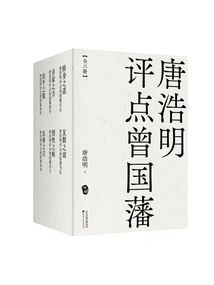
唐浩明评点曾国藩(全六册)
Tang Haoming
Understanding the sage Zeng Guofan is better than reading thousands of mediocre works. Zeng left tens of millions of words in ink in voluminous volumes with mixed contents. Where should we start to imitate him as a teacher and general, and learn from his meritorious deeds and virtues? Tang Haoming, an expert on Zeng Guofan, spent many years of hard work and published a six-volume series of "Tang Haoming Comments on Zeng Guofan". He selected Zeng Guofan's family letters, letters, memorials, quotations, poems, and diaries and commented on them, leading readers to get to know a Zeng Guofan who could be felt, lamented, and learned.
Understanding the sage Zeng Guofan is better than reading thousands of mediocre works. Zeng left tens of millions of words in ink in voluminous volumes with mixed contents. Where should we start to imitate him as a teacher and general, and learn from his meritorious deeds and virtues? Tang Haoming, an expert on Zeng Guofan, spent many years of hard work and published a six-volume series of "Tang Haoming Comments on Zeng Guofan". He selected Zeng Guofan's family letters, letters, memorials, quotations, poems, and diaries and commented on them, leading readers to get to know a Zeng Guofan who could be felt, lamented, and learned.
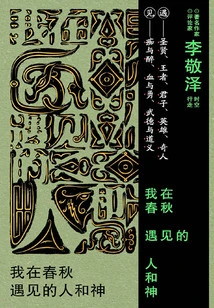
我在春秋遇见的人和神
Li Jingze
This book is a collection of historical essays by the famous writer and critic Li Jingze. Fifty-three essays, fifty-three encounters, walking into "Zuo Zhuan", "Historical Records", "Book of Songs" and "The Analects", and getting to know those huge souls in ancient times in the wilderness and wrong roads of the Spring and Autumn Period. Affectionate people, wise people, dull people, absurd people, people as generous as the wind, people as narrow as the eye of a needle, i people and e people, people trapped in their original families and people rushing to uncertain distances, people who sacrifice their lives for righteousness, people who pursue the kindness of their hearts in hardship... They are human beings, just like us. They are gods, the stars in our hearts, illuminating our darkness and light.
This book is a collection of historical essays by the famous writer and critic Li Jingze. Fifty-three essays, fifty-three encounters, walking into "Zuo Zhuan", "Historical Records", "Book of Songs" and "The Analects", and getting to know those huge souls in ancient times in the wilderness and wrong roads of the Spring and Autumn Period. Affectionate people, wise people, dull people, absurd people, people as generous as the wind, people as narrow as the eye of a needle, i people and e people, people trapped in their original families and people rushing to uncertain distances, people who sacrifice their lives for righteousness, people who pursue the kindness of their hearts in hardship... They are human beings, just like us. They are gods, the stars in our hearts, illuminating our darkness and light.
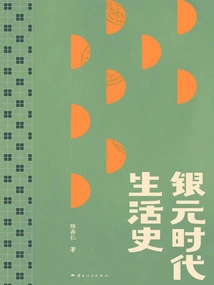
银元时代生活史(2024版)
Chen Cunren
"Life in the silver dollar era is really a history of vicissitudes." - Chen Cunren, as a famous doctor in Shanghai in the 1920s and 1930s, Chen Cunren used his personal experience as a clue, wrote from the details, and through stories one by one, vividly described Shanghai's economy, finance, trade, medicine, people's sentiments, and customs for nearly half a century from the late Qing Dynasty to the Second World War, and described the three religions and nine streams he came into contact with. The anecdotes of various figures, including influential figures in the cultural, business and political circles - Zhang Taiyan, Yu Youren, Cai Yuanpei, Du Yuesheng, Huang Jinrong, the Rong brothers, etc., Reveal the ordinary lives of these extraordinary people and celebrities. The living side; down to the common people at the bottom-boys, patrolmen, prostitutes, "white-faced people", liar gangsters, traffickers and pawns, each has his or her own style, and the stories described here are about the ups and downs of the little people in the big era. From the perspective of a citizen's life, from firewood, rice, oil and salt to the ten-mile foreign market, Chen Cunren used the circulation of silver coins as a clue to connect the economic changes of old Shanghai. Through interesting and even thrilling anecdotes, Chen Cunren meticulously portrayed the personnel and customs of the Republic of China, presenting a The joys and sorrows of this era; in addition, as a Confucian doctor, the author also describes in the book bit by bit the philosophy of life, mental health, interpersonal relationships, and financial management methods infiltrated by traditional education, which is a kind of inspiration and encouragement to today's young readers. The writing style of this book is plain, close and full of human touch; the book also contains more than 120 old black and white photos, taking you back to the historical scene and the silver dollar era filled with bright colors.
"Life in the silver dollar era is really a history of vicissitudes." - Chen Cunren, as a famous doctor in Shanghai in the 1920s and 1930s, Chen Cunren used his personal experience as a clue, wrote from the details, and through stories one by one, vividly described Shanghai's economy, finance, trade, medicine, people's sentiments, and customs for nearly half a century from the late Qing Dynasty to the Second World War, and described the three religions and nine streams he came into contact with. The anecdotes of various figures, including influential figures in the cultural, business and political circles - Zhang Taiyan, Yu Youren, Cai Yuanpei, Du Yuesheng, Huang Jinrong, the Rong brothers, etc., Reveal the ordinary lives of these extraordinary people and celebrities. The living side; down to the common people at the bottom-boys, patrolmen, prostitutes, "white-faced people", liar gangsters, traffickers and pawns, each has his or her own style, and the stories described here are about the ups and downs of the little people in the big era. From the perspective of a citizen's life, from firewood, rice, oil and salt to the ten-mile foreign market, Chen Cunren used the circulation of silver coins as a clue to connect the economic changes of old Shanghai. Through interesting and even thrilling anecdotes, Chen Cunren meticulously portrayed the personnel and customs of the Republic of China, presenting a The joys and sorrows of this era; in addition, as a Confucian doctor, the author also describes in the book bit by bit the philosophy of life, mental health, interpersonal relationships, and financial management methods infiltrated by traditional education, which is a kind of inspiration and encouragement to today's young readers. The writing style of this book is plain, close and full of human touch; the book also contains more than 120 old black and white photos, taking you back to the historical scene and the silver dollar era filled with bright colors.
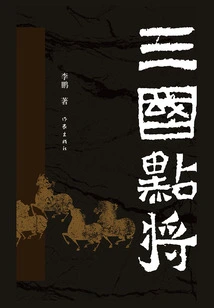
三国点将
Li Peng
In the Three Kingdoms, heroes emerged in troubled times. Since ancient times, emperors have needed the assistance of famous generals to achieve a generation of hegemony, and famous generals have also needed the emperor's discernment to achieve success. "Three Kingdoms Generals" comments on the thirty-three generals of the Three Kingdoms. They all fought for their lives, and history is wonderful because of them.
In the Three Kingdoms, heroes emerged in troubled times. Since ancient times, emperors have needed the assistance of famous generals to achieve a generation of hegemony, and famous generals have also needed the emperor's discernment to achieve success. "Three Kingdoms Generals" comments on the thirty-three generals of the Three Kingdoms. They all fought for their lives, and history is wonderful because of them.
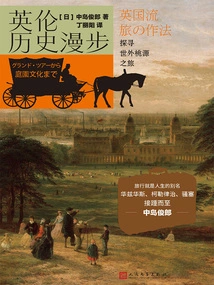
英伦历史漫步:探寻世外桃源之旅
(japanese) Toshiro Nakajima
In the 8th century, before entering the social scene, the children of British nobles would go to Italy with their tutors to study classical literature as the last part of their education - this was the craze of the Grand Tour. This was not only a custom of the nobility, but also became institutionalized in the later period. The starting point and destination of the study tour were the same every time. This behavior was praised by some and ridiculed by others. When the French Revolution broke out and the Great Study Tour was interrupted, these aristocratic children instead traveled among the Lake District in England. They hold travel guides and hone their aesthetic sense by admiring the scenery. The popularity of horse-drawn carriages led to a craze for hiking, where people were encouraged to "walk by themselves and deepen their poetic imagination," while the emergence of travelogues made civilians more eager to travel. The old feudalism was replaced by a passionate spirit of adventure in travel writing, and the result was a succession of world-famous Romantic English poets, including Wordsworth.
In the 8th century, before entering the social scene, the children of British nobles would go to Italy with their tutors to study classical literature as the last part of their education - this was the craze of the Grand Tour. This was not only a custom of the nobility, but also became institutionalized in the later period. The starting point and destination of the study tour were the same every time. This behavior was praised by some and ridiculed by others. When the French Revolution broke out and the Great Study Tour was interrupted, these aristocratic children instead traveled among the Lake District in England. They hold travel guides and hone their aesthetic sense by admiring the scenery. The popularity of horse-drawn carriages led to a craze for hiking, where people were encouraged to "walk by themselves and deepen their poetic imagination," while the emergence of travelogues made civilians more eager to travel. The old feudalism was replaced by a passionate spirit of adventure in travel writing, and the result was a succession of world-famous Romantic English poets, including Wordsworth.
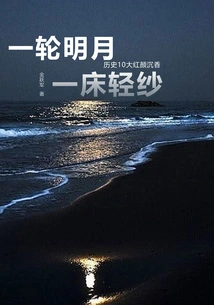
一轮明月一床轻纱:历史10大红颜沉香
Jin Yuejun
This book begins with the history of Xi Shi in the late Spring and Autumn Period, the fall of the Wu Kingdom in the Spring and Autumn Period, and the revival of the Yue Kingdom, and ends with Dong Xiaowan, a brothel girl who constantly fights against the God of Destiny for personal happiness in the war years. It narrates 10 beauties in ancient Chinese history and their fate with war. In the tenderness and the shadow of swords, it outlines the evolution of ancient Chinese history. In the selection of characters, this book strives to reflect history, and vividly reproduces their fate of a moment of glory, as well as the sorrow of being unable to turn the tide. The most exciting part of this book is the "surprise" part, which brings us a new rational understanding through historical phenomena, which is very worthy of praise.
This book begins with the history of Xi Shi in the late Spring and Autumn Period, the fall of the Wu Kingdom in the Spring and Autumn Period, and the revival of the Yue Kingdom, and ends with Dong Xiaowan, a brothel girl who constantly fights against the God of Destiny for personal happiness in the war years. It narrates 10 beauties in ancient Chinese history and their fate with war. In the tenderness and the shadow of swords, it outlines the evolution of ancient Chinese history. In the selection of characters, this book strives to reflect history, and vividly reproduces their fate of a moment of glory, as well as the sorrow of being unable to turn the tide. The most exciting part of this book is the "surprise" part, which brings us a new rational understanding through historical phenomena, which is very worthy of praise.
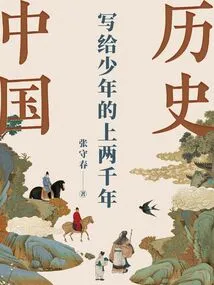
写给少年的两千年中国历史
Zhang Shouchun
"Historical Records" is the source of Chinese history, explores the relationship between heaven and man, and tells the general history from the Qin and Han Dynasties to the middle of the Western Han Dynasty. This book is a vernacular explanation of almost the contents of "Historical Records" and is easy to understand. Taking character stories as the main form, it narrates and gives new interpretations to the emperors, kings, ministers, generals, strategists, cultural elites and other figures in history, and extracts and summarizes their wisdom. This book strictly follows the content of "Historical Records", enriches other relevant historical materials, and conducts practical analysis based on reality.
"Historical Records" is the source of Chinese history, explores the relationship between heaven and man, and tells the general history from the Qin and Han Dynasties to the middle of the Western Han Dynasty. This book is a vernacular explanation of almost the contents of "Historical Records" and is easy to understand. Taking character stories as the main form, it narrates and gives new interpretations to the emperors, kings, ministers, generals, strategists, cultural elites and other figures in history, and extracts and summarizes their wisdom. This book strictly follows the content of "Historical Records", enriches other relevant historical materials, and conducts practical analysis based on reality.
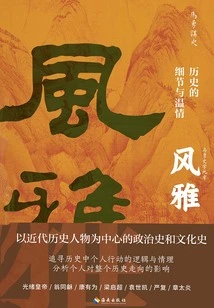
Elegant
History风雅
Ma Yong
In this book, teacher Ma Yong uses more than ten important figures as clues to record the modern history of China and puts forward many new theories. For example, based on Weng Tonghe's specific actions, words and articles before and after the Reform Movement of 1898, he connected the process from the initiation to the failure of the Reform Movement; another example is that Kang Youwei went into exile after the failure of the Reform Movement of 1898 and claimed that he had received the "Belt Order" from Emperor Guangxu. Nowadays, academic circles generally believe that Kang Youwei was lying, but the author has come to a new view through analysis; and so on. In this book, the author shows readers how people in history affect historical events, thereby affecting the direction of the entire history. These articles are rigorously written and written with subtle insights. They are different from emotional historical essays and grand and professional historical papers. They must be well-founded and easy to understand and read. This book brings together the author's discussions on the main figures and important events in modern China in the past ten years. The author believes that big men make history. They make decisions with more power than the average person. However, the people are the ultimate creators of history. Many major breakthroughs in history, which changed the direction of the historical process, were often little people who attracted no attention. Little people leverage big history. The valuable thing about the author is that he can always provide readers with an idea for discussing history in his character descriptions, striving to find the logic of history and open up the history of ancient and modern civilizations.
In this book, teacher Ma Yong uses more than ten important figures as clues to record the modern history of China and puts forward many new theories. For example, based on Weng Tonghe's specific actions, words and articles before and after the Reform Movement of 1898, he connected the process from the initiation to the failure of the Reform Movement; another example is that Kang Youwei went into exile after the failure of the Reform Movement of 1898 and claimed that he had received the "Belt Order" from Emperor Guangxu. Nowadays, academic circles generally believe that Kang Youwei was lying, but the author has come to a new view through analysis; and so on. In this book, the author shows readers how people in history affect historical events, thereby affecting the direction of the entire history. These articles are rigorously written and written with subtle insights. They are different from emotional historical essays and grand and professional historical papers. They must be well-founded and easy to understand and read. This book brings together the author's discussions on the main figures and important events in modern China in the past ten years. The author believes that big men make history. They make decisions with more power than the average person. However, the people are the ultimate creators of history. Many major breakthroughs in history, which changed the direction of the historical process, were often little people who attracted no attention. Little people leverage big history. The valuable thing about the author is that he can always provide readers with an idea for discussing history in his character descriptions, striving to find the logic of history and open up the history of ancient and modern civilizations.
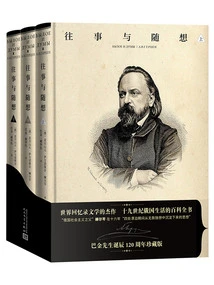
往事与随想(上中下)
(russia) Alexander Ivanovich Herzen
Herzen wrote a long memoir, Past and Thoughts, in eight volumes, describing the social life and revolutionary events in Russia and Western Europe in the half century from the Decembrist uprising to the eve of the Paris Commune. He described various characters against a broad historical background and closely combined major social events with the writer's personal life path and ideological development. The main clue running through it was his lifelong exploration of revolutionary truth and his firm belief in a bright future. This is a unique literary work, which is not only rich in content, profound in thought, but also lively in writing. The purpose of Herzen's writing is to truly record "the reflection of history on a person", not only to recall the personal spiritual growth process, but also to demonstrate the rationality of historical development.
Herzen wrote a long memoir, Past and Thoughts, in eight volumes, describing the social life and revolutionary events in Russia and Western Europe in the half century from the Decembrist uprising to the eve of the Paris Commune. He described various characters against a broad historical background and closely combined major social events with the writer's personal life path and ideological development. The main clue running through it was his lifelong exploration of revolutionary truth and his firm belief in a bright future. This is a unique literary work, which is not only rich in content, profound in thought, but also lively in writing. The purpose of Herzen's writing is to truly record "the reflection of history on a person", not only to recall the personal spiritual growth process, but also to demonstrate the rationality of historical development.
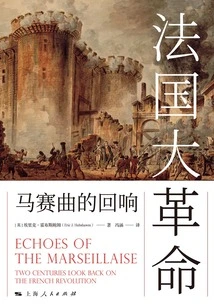
法国大革命:马赛曲的回响
(uk) Eric Hobsbawm
This book was written on the occasion of the bicentenary of the French Revolution and was first published in 1990. Huo explores the references and interpretations of the Revolution by different people over two centuries, from bourgeois liberals to communists, explaining how they applied the Revolution model to their own times and causes, and guiding readers out of the fog of "revisionist" historiography. No matter how historians explain it, it is undeniable that the French Revolution made the people realize that they could truly change the course of history through their own participation. It has profoundly changed the world, and continues to influence the present and future of mankind.
This book was written on the occasion of the bicentenary of the French Revolution and was first published in 1990. Huo explores the references and interpretations of the Revolution by different people over two centuries, from bourgeois liberals to communists, explaining how they applied the Revolution model to their own times and causes, and guiding readers out of the fog of "revisionist" historiography. No matter how historians explain it, it is undeniable that the French Revolution made the people realize that they could truly change the course of history through their own participation. It has profoundly changed the world, and continues to influence the present and future of mankind.
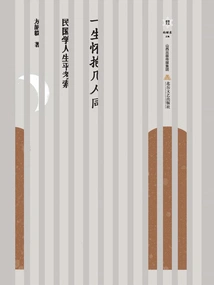
一生怀抱几人同
Fang Shaoyi
The protagonists of this book are some unknown cultural figures during the Republic of China, such as the painter Cikai, Xu Zhimo's student Hua Wu, epigrapher Xie Leiming, middle school teacher Wu Lushan, our party's early radio communicator Huang Shangying, university professor Wu Shutang, etc. The author's skill is evident in the deep and subtle explorations. The book contains not only introductions to the characters, but also some poetic textual research. Each article is accompanied by pictures, and the information is solid and valuable.
The protagonists of this book are some unknown cultural figures during the Republic of China, such as the painter Cikai, Xu Zhimo's student Hua Wu, epigrapher Xie Leiming, middle school teacher Wu Lushan, our party's early radio communicator Huang Shangying, university professor Wu Shutang, etc. The author's skill is evident in the deep and subtle explorations. The book contains not only introductions to the characters, but also some poetic textual research. Each article is accompanied by pictures, and the information is solid and valuable.
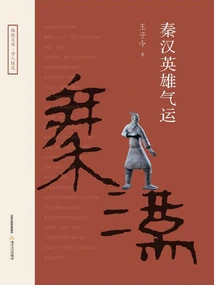
秦汉英雄气运
Wang Zijin
"The Luck of Heroes in the Qin and Han Dynasties" selects several results published by the author in recent years on the history of the Qin and Han Dynasties in the form of essays, short treatises, and not very specialized papers. It introduces the historical and positive characteristics of our national spirit in the Qin and Han Dynasties from the aspects of heroism, enterprising spirit, and open mind. Through popular interpretation of historical knowledge, we work with readers to deepen their knowledge, understanding and explanation of the outstanding cultural traditions of the Chinese nation, so as to inherit the content that adapts to modern social and cultural life.
"The Luck of Heroes in the Qin and Han Dynasties" selects several results published by the author in recent years on the history of the Qin and Han Dynasties in the form of essays, short treatises, and not very specialized papers. It introduces the historical and positive characteristics of our national spirit in the Qin and Han Dynasties from the aspects of heroism, enterprising spirit, and open mind. Through popular interpretation of historical knowledge, we work with readers to deepen their knowledge, understanding and explanation of the outstanding cultural traditions of the Chinese nation, so as to inherit the content that adapts to modern social and cultural life.
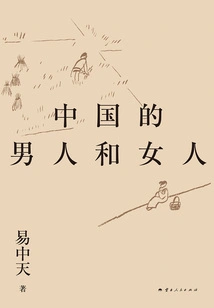
易中天带你读懂中国系列:中国的男人和女人
Yi Zhongtian
"Chinese Men and Women" shows the styles of Chinese men and women in different eras. This book starts with two gender roles, first analyzes the typical characters in literary works, then proceeds to the real social manifestations of the two, and further examines the social and historical evolution of the relationship between the two. In an empirical spirit, this investigation does not stop at the moral fringes of a specific historical period, but presents a complete picture of gender relations, and its content is helpful for people to seek the historical origins of their own gender roles. The book contains narratives, evidence, opinions, and stories, and is both informative and interesting.
"Chinese Men and Women" shows the styles of Chinese men and women in different eras. This book starts with two gender roles, first analyzes the typical characters in literary works, then proceeds to the real social manifestations of the two, and further examines the social and historical evolution of the relationship between the two. In an empirical spirit, this investigation does not stop at the moral fringes of a specific historical period, but presents a complete picture of gender relations, and its content is helpful for people to seek the historical origins of their own gender roles. The book contains narratives, evidence, opinions, and stories, and is both informative and interesting.
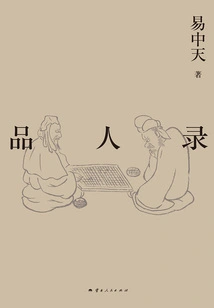
易中天带你读懂中国系列:品人录
Yi Zhongtian
Xiang Yu, Liu Bang, Cao Cao, Liu Bei, Zhuge Liang, Wu Zetian, Sun Wuji, Hai Rui, Kangxi and Yongzheng years Gengyao... Using five historical figures as the starting point, we will tell you about their heroic stories, political wrestling, and palace battles with evidence and evidence. The author has a good grasp of historical facts and textual research, and looks at the interaction between individuals and the historical environment from a macro perspective. The writing style is relaxed and interesting, and the text is full of story-telling.
Xiang Yu, Liu Bang, Cao Cao, Liu Bei, Zhuge Liang, Wu Zetian, Sun Wuji, Hai Rui, Kangxi and Yongzheng years Gengyao... Using five historical figures as the starting point, we will tell you about their heroic stories, political wrestling, and palace battles with evidence and evidence. The author has a good grasp of historical facts and textual research, and looks at the interaction between individuals and the historical environment from a macro perspective. The writing style is relaxed and interesting, and the text is full of story-telling.
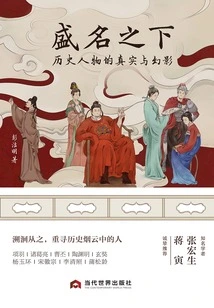
盛名之下:历史人物的真实与幻影
Peng Jieming
Emperors, generals, heroes, beauties, noble men, talented people - under these "stereotypical" titles are people with the same warmth as us. This book focuses on some characters who have been "misunderstood" for a long time for specific reasons. It strives to tell those sad, desolate, or tragic life stories through document combing, text reading, scene restoration and in-depth analysis, and restore the true colors of historical figures in detail, hoping to provide some inspiration to modern people living in the torrent of the times.
Emperors, generals, heroes, beauties, noble men, talented people - under these "stereotypical" titles are people with the same warmth as us. This book focuses on some characters who have been "misunderstood" for a long time for specific reasons. It strives to tell those sad, desolate, or tragic life stories through document combing, text reading, scene restoration and in-depth analysis, and restore the true colors of historical figures in detail, hoping to provide some inspiration to modern people living in the torrent of the times.
案卷里的唐朝法律故事
Hu Yi
This book is an experiential historical and legal reading. By telling famous legal cases in the Tang Dynasty, it panoramically reproduces the different legal regulations, political systems, and social life between the prosperous Tang Dynasty and today. "Tang Lv Shu Yi" is the first complete code handed down from our country, and it is also a treasure of the Chinese legal system. Our current legal system is based on the integrity and innovation of the past. Its excellent legal concepts have traveled through time and space, and are still worthy of our study and understanding. Through Chu Suiliang's house purchase case, Gaochang traffic accident case, Prince Zhanghuai case, Prince Yide case, Princess Yongtai case, Lai Junchen's false accusation of rebellion, Li Bai's exile of Yelang case, Drunk Da Jinzhi case, Wu Yuanheng's assassination case, Yuan He's reverse case, Yu Xuanji's murder of a maidservant and other cases, it uses a relaxed style and combines historical and legal research results to show the details of life in the Tang Dynasty one by one.
This book is an experiential historical and legal reading. By telling famous legal cases in the Tang Dynasty, it panoramically reproduces the different legal regulations, political systems, and social life between the prosperous Tang Dynasty and today. "Tang Lv Shu Yi" is the first complete code handed down from our country, and it is also a treasure of the Chinese legal system. Our current legal system is based on the integrity and innovation of the past. Its excellent legal concepts have traveled through time and space, and are still worthy of our study and understanding. Through Chu Suiliang's house purchase case, Gaochang traffic accident case, Prince Zhanghuai case, Prince Yide case, Princess Yongtai case, Lai Junchen's false accusation of rebellion, Li Bai's exile of Yelang case, Drunk Da Jinzhi case, Wu Yuanheng's assassination case, Yuan He's reverse case, Yu Xuanji's murder of a maidservant and other cases, it uses a relaxed style and combines historical and legal research results to show the details of life in the Tang Dynasty one by one.