Library
Browse and search books
2,823 novels found
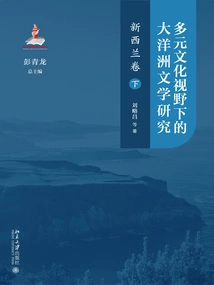
Research on Oceanian Literature from a Multicultural Perspective: New Zealand Volume (Part 2)
Literature多元文化视野下的大洋洲文学研究:新西兰卷(下)
Liu Luechang Et Al.
This volume mainly studies the specific characteristics of the development of New Zealand literature since the 1970s and the aesthetic value of representative works. First, from a macro perspective, we explore the uniqueness and diversity of New Zealand society as it moves from duality to pluralism; then, from the meso level, we discuss the important achievements in literary book production and the three major genres of novels, poetry, and drama; finally, this volume focuses on the micro level - 19 unique representative writers and their works are selected, and a combination of theme classification interpretation and multi-dimensional interpretation of artistic styles is used to reflect on New Zealand's diverse history, reflect New Zealand's diverse social reality, connect Europe, the United States and the Asia-Pacific region, and show the new style of literature in the era of globalization. The study found that New Zealand literature in the 21st century is actively integrating into the trend of globalization with an inclusive, mixed, diverse and open attitude from a higher starting point.
This volume mainly studies the specific characteristics of the development of New Zealand literature since the 1970s and the aesthetic value of representative works. First, from a macro perspective, we explore the uniqueness and diversity of New Zealand society as it moves from duality to pluralism; then, from the meso level, we discuss the important achievements in literary book production and the three major genres of novels, poetry, and drama; finally, this volume focuses on the micro level - 19 unique representative writers and their works are selected, and a combination of theme classification interpretation and multi-dimensional interpretation of artistic styles is used to reflect on New Zealand's diverse history, reflect New Zealand's diverse social reality, connect Europe, the United States and the Asia-Pacific region, and show the new style of literature in the era of globalization. The study found that New Zealand literature in the 21st century is actively integrating into the trend of globalization with an inclusive, mixed, diverse and open attitude from a higher starting point.
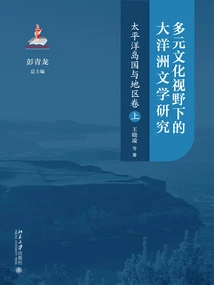
多元文化视野下的大洋洲文学研究:太平洋岛国与地区卷(上)
Wang Xiaoling Et Al.
Based on geographical location, Pacific island countries and regions can be roughly divided into three cultural zones: Melanesia, Micronesia and Polynesia. Since this region has been occupied and enslaved by Britain, the United States, France, Germany and other countries for a long time, not only is the socio-economic development backward, but also the cultural traditions are different and the degree of development is also very uneven. This achievement not only studies the multicultural pattern and internal and external relations of Pacific island countries and regions since the 1970s from a macro perspective, but also explores the respective achievements and characteristics of white literature, immigrant literature, and indigenous literature in Pacific island countries and regions from a macro and micro perspective. It also reveals the commonalities and differences manifested in Pacific literature from the perspective of literary text criticism, and demonstrates the complex relationships and trends between Pacific islands and Eastern and Western civilizations and cultures.
Based on geographical location, Pacific island countries and regions can be roughly divided into three cultural zones: Melanesia, Micronesia and Polynesia. Since this region has been occupied and enslaved by Britain, the United States, France, Germany and other countries for a long time, not only is the socio-economic development backward, but also the cultural traditions are different and the degree of development is also very uneven. This achievement not only studies the multicultural pattern and internal and external relations of Pacific island countries and regions since the 1970s from a macro perspective, but also explores the respective achievements and characteristics of white literature, immigrant literature, and indigenous literature in Pacific island countries and regions from a macro and micro perspective. It also reveals the commonalities and differences manifested in Pacific literature from the perspective of literary text criticism, and demonstrates the complex relationships and trends between Pacific islands and Eastern and Western civilizations and cultures.
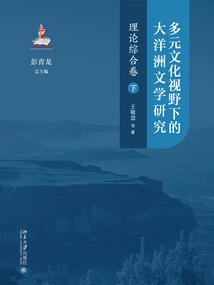
多元文化视野下的大洋洲文学研究:理论综合卷(下)
Wang Jinghui Et Al.
This volume mainly starts from the problems faced by pluralism, from the perspective of the diversity and complexity of human civilization, and uses a combination of macro and micro methods to comprehensively discuss the historical context and evolution rules of the origin and spread of pluralism, the multiple patterns and interactive relationships in Oceania, and reveal the historical motivations of the multiple generation mechanism in Oceania. By analyzing the cases of diverse practices in Australia, New Zealand and South Pacific island countries, it highlights the complexity and diversity of the intertwined shields in a pluralistic society. Based on the practical challenges and dilemmas of the intricate relationship between China and Oceania, we propose paths and strategies for civilization and differences, and advocate mutual learning, so as to promote the development of exchanges and cooperation between China and Oceania.
This volume mainly starts from the problems faced by pluralism, from the perspective of the diversity and complexity of human civilization, and uses a combination of macro and micro methods to comprehensively discuss the historical context and evolution rules of the origin and spread of pluralism, the multiple patterns and interactive relationships in Oceania, and reveal the historical motivations of the multiple generation mechanism in Oceania. By analyzing the cases of diverse practices in Australia, New Zealand and South Pacific island countries, it highlights the complexity and diversity of the intertwined shields in a pluralistic society. Based on the practical challenges and dilemmas of the intricate relationship between China and Oceania, we propose paths and strategies for civilization and differences, and advocate mutual learning, so as to promote the development of exchanges and cooperation between China and Oceania.
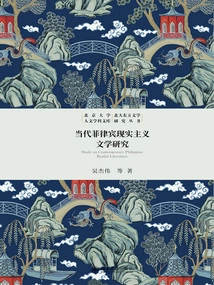
当代菲律宾现实主义文学研究
Wu Jiewei Et Al.
This book focuses on the development process, major literary works and representative writers of the realist literary trend after the Philippines gained independence in 1946. It combines the different development stages of Philippine social development and different themes of literary creation, divides Philippine contemporary literature into three stages, and summarizes the themes of the realist literary trend in the three stages as identification, resistance and return. This book consists of 10 parts.
This book focuses on the development process, major literary works and representative writers of the realist literary trend after the Philippines gained independence in 1946. It combines the different development stages of Philippine social development and different themes of literary creation, divides Philippine contemporary literature into three stages, and summarizes the themes of the realist literary trend in the three stages as identification, resistance and return. This book consists of 10 parts.
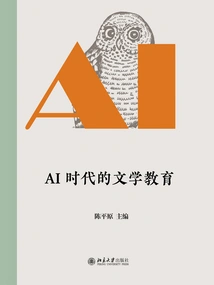
Literary Education in the Ai era
LiteratureAI时代的文学教育
Editor-in-chief Chen Pingyuan
From the birth of ChatGPT to Deepseek shocking the world, in just a few years, artificial intelligence has changed from a profound professional field to a carnival national topic. Deeply affected by it. As a university professor, especially a humanities scholar, I am naturally particularly sensitive to this. In the current world, every particularly significant scientific and technological progress will be accompanied by a certain degree of value restructuring, social unrest, and changes in the knowledge structure. This time is no exception. In view of this, Professor Chen Pingyuan of Peking University organized a team of experts to talk about "Literary Education in the AI Era". The content included profound reflections on literary creation, literary criticism, and literary research, as well as rethinking of the purposes and goals of literary education, curriculum and teaching methods, thesis requirements, and academic ethics.
From the birth of ChatGPT to Deepseek shocking the world, in just a few years, artificial intelligence has changed from a profound professional field to a carnival national topic. Deeply affected by it. As a university professor, especially a humanities scholar, I am naturally particularly sensitive to this. In the current world, every particularly significant scientific and technological progress will be accompanied by a certain degree of value restructuring, social unrest, and changes in the knowledge structure. This time is no exception. In view of this, Professor Chen Pingyuan of Peking University organized a team of experts to talk about "Literary Education in the AI Era". The content included profound reflections on literary creation, literary criticism, and literary research, as well as rethinking of the purposes and goals of literary education, curriculum and teaching methods, thesis requirements, and academic ethics.
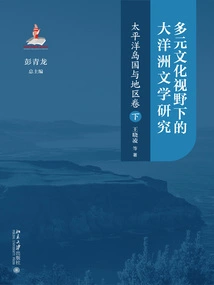
多元文化视野下的大洋洲文学研究:太平洋岛国与地区卷(下)
Wang Xiaoling Et Al.
Based on geographical location, Pacific island countries and regions can be roughly divided into three cultural zones: Melanesia, Micronesia and Polynesia. Since this region has been occupied and enslaved by Britain, the United States, France, Germany and other countries for a long time, not only is the socio-economic development backward, but also the cultural traditions are different and the degree of development is also very uneven. This achievement not only studies the multicultural pattern and internal and external relations of Pacific island countries and regions since the 1970s from a macro perspective, but also explores the respective achievements and characteristics of white literature, immigrant literature, and indigenous literature in Pacific island countries and regions from a macro and micro perspective. It also reveals the commonalities and differences manifested in Pacific literature from the perspective of literary text criticism, and demonstrates the complex relationships and trends between Pacific islands and Eastern and Western civilizations and cultures.
Based on geographical location, Pacific island countries and regions can be roughly divided into three cultural zones: Melanesia, Micronesia and Polynesia. Since this region has been occupied and enslaved by Britain, the United States, France, Germany and other countries for a long time, not only is the socio-economic development backward, but also the cultural traditions are different and the degree of development is also very uneven. This achievement not only studies the multicultural pattern and internal and external relations of Pacific island countries and regions since the 1970s from a macro perspective, but also explores the respective achievements and characteristics of white literature, immigrant literature, and indigenous literature in Pacific island countries and regions from a macro and micro perspective. It also reveals the commonalities and differences manifested in Pacific literature from the perspective of literary text criticism, and demonstrates the complex relationships and trends between Pacific islands and Eastern and Western civilizations and cultures.
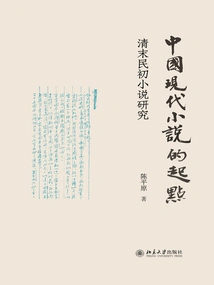
中国现代小说的起点:清末民初小说研究
Chen Pingyuan
This book is based on the literary history concept of "20th-century Chinese literature" and takes the collision of Eastern and Western cultures and the stimulation and enlightenment of foreign novels as the cultural background for the emergence and development of Chinese novels in the 20th century. It comprehensively examines the evolution of Chinese novels from classical to modern.
This book is based on the literary history concept of "20th-century Chinese literature" and takes the collision of Eastern and Western cultures and the stimulation and enlightenment of foreign novels as the cultural background for the emergence and development of Chinese novels in the 20th century. It comprehensively examines the evolution of Chinese novels from classical to modern.
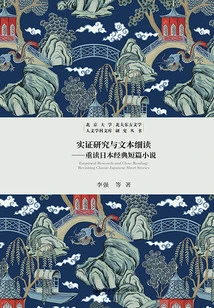
实证研究与文本细读:重读日本经典短篇小说
Li Qiang Et Al.
This book selects 11 works by 9 modern Japanese writers, and reinterprets each work by combining "problem awareness", "theoretical interpretation" and "methods" with "literary appreciation" and "text interpretation". In order to truly understand a work, this book places special emphasis on the method of combining "empirical research" and "textual reading".
This book selects 11 works by 9 modern Japanese writers, and reinterprets each work by combining "problem awareness", "theoretical interpretation" and "methods" with "literary appreciation" and "text interpretation". In order to truly understand a work, this book places special emphasis on the method of combining "empirical research" and "textual reading".
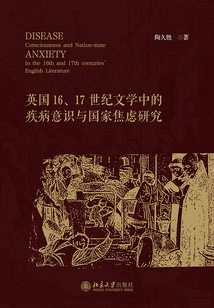
英国16、17世纪文学中的疾病意识与国家焦虑研究
Tao Jiusheng
In the historical context of the high frequency of the Black Death and the epidemics of syphilis, smallpox, malaria and typhoid in the 16th and 17th centuries, this book adopts an interdisciplinary perspective of literature and medicine, theology, politics, geography, etc., Focusing on the study of disease narratives in more than 20 works of important early modern British writers such as Shakespeare, Jonson, Milton, Donne, More, Burton, Dekker, Kidd, and Middleton.
In the historical context of the high frequency of the Black Death and the epidemics of syphilis, smallpox, malaria and typhoid in the 16th and 17th centuries, this book adopts an interdisciplinary perspective of literature and medicine, theology, politics, geography, etc., Focusing on the study of disease narratives in more than 20 works of important early modern British writers such as Shakespeare, Jonson, Milton, Donne, More, Burton, Dekker, Kidd, and Middleton.
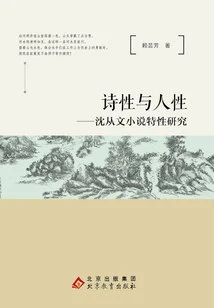
诗性与人性:沈从文小说特性研究
Lai Yunfang
This book is a monograph that studies the characteristics of Shen Congwen's novels. Shen Congwen is an important writer in the history of modern Chinese literature. Compared with the works of his contemporaries, his works have distinctive poetic and human characteristics. This book starts from Shen Congwen's life experience to study the romantic characteristics in Shen Congwen's novels. On this basis, it analyzes the narrative of Chinese poetic novels, focusing on analyzing the characteristics of Shen Congwen's novels from the two aspects of poetry and human nature, and conducts an in-depth examination of the relevant background factors. This book is theoretically informative and provides a more in-depth analysis of the characteristics of Shen Congwen's novels. Its research has certain reference significance and is worthy of reference by relevant researchers.
This book is a monograph that studies the characteristics of Shen Congwen's novels. Shen Congwen is an important writer in the history of modern Chinese literature. Compared with the works of his contemporaries, his works have distinctive poetic and human characteristics. This book starts from Shen Congwen's life experience to study the romantic characteristics in Shen Congwen's novels. On this basis, it analyzes the narrative of Chinese poetic novels, focusing on analyzing the characteristics of Shen Congwen's novels from the two aspects of poetry and human nature, and conducts an in-depth examination of the relevant background factors. This book is theoretically informative and provides a more in-depth analysis of the characteristics of Shen Congwen's novels. Its research has certain reference significance and is worthy of reference by relevant researchers.
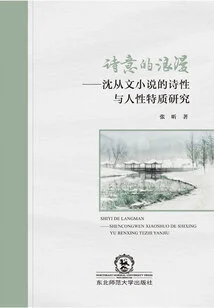
诗意的浪漫: 沈从文小说的诗性与人性特质研究
Zhang Xin
This book is a study of the characteristics of Shen Congwen's novels. Shen Congwen is an extremely special writer in the history of modern Chinese literature. Its special feature is that its literary and creative views have certain similarities with other literary schools of the same period, but at the same time they are completely independent and unique. This book is based on the romantic characteristics of Shen Congwen's works, combined with the study of the evolution and characteristics of Chinese poetic novels. On this basis, it conducts a detailed study of the poetic creative background, poetic connotation, poetic artistic expression in Shen Congwen's novels, as well as the brilliance and expression of human nature in Shen Congwen's novels. This book conducts a comprehensive and systematic investigation of the characteristics of Shen Congwen's novels, revealing the uniqueness and richness of Shen Congwen's novel creation. It is suitable for researchers of Shen Congwen's works or readers who are interested in Shen Congwen's novels.
This book is a study of the characteristics of Shen Congwen's novels. Shen Congwen is an extremely special writer in the history of modern Chinese literature. Its special feature is that its literary and creative views have certain similarities with other literary schools of the same period, but at the same time they are completely independent and unique. This book is based on the romantic characteristics of Shen Congwen's works, combined with the study of the evolution and characteristics of Chinese poetic novels. On this basis, it conducts a detailed study of the poetic creative background, poetic connotation, poetic artistic expression in Shen Congwen's novels, as well as the brilliance and expression of human nature in Shen Congwen's novels. This book conducts a comprehensive and systematic investigation of the characteristics of Shen Congwen's novels, revealing the uniqueness and richness of Shen Congwen's novel creation. It is suitable for researchers of Shen Congwen's works or readers who are interested in Shen Congwen's novels.
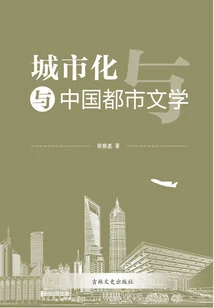
城市化与中国都市文学
Hou Yahui
This book explains the impact of urban lifestyle, urban space and urbanization on urban literature, and focuses on the study of the expression and symbolization of urban space in urban literature, especially the depiction of cities such as Beijing, Shanghai, Shenzhen and Suzhou, revealing the urban landscape, humanistic atmosphere and cultural charm of these cities. This book explores in detail how the characters in urban literature are shaped in the process of urbanization, as well as the social culture behind it. It also provides forward-looking thinking on the relationship between urbanization and the future of Chinese urban literature. It has extremely high reference value for relevant scholars, researchers and readers who like urban literature.
This book explains the impact of urban lifestyle, urban space and urbanization on urban literature, and focuses on the study of the expression and symbolization of urban space in urban literature, especially the depiction of cities such as Beijing, Shanghai, Shenzhen and Suzhou, revealing the urban landscape, humanistic atmosphere and cultural charm of these cities. This book explores in detail how the characters in urban literature are shaped in the process of urbanization, as well as the social culture behind it. It also provides forward-looking thinking on the relationship between urbanization and the future of Chinese urban literature. It has extremely high reference value for relevant scholars, researchers and readers who like urban literature.
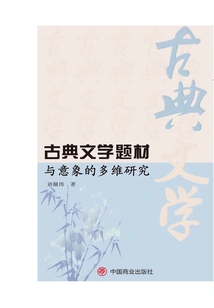
古典文学题材与意象的多维研究
Liu Peiwei
This book is a work on the study of ancient literature. From the interpretation of themes and images about pines and cypresses, the interpretation of themes and images about bamboos, the interpretation of themes and images about willows, the interpretation of themes and images about reeds, the interpretation of themes and images about plum blossoms, the interpretation of themes and images about peach blossoms, the interpretation of themes and images about peonies, and the interpretation of themes about rain. It selects typical representative works from different angles such as interpretation of materials and images, interpretation of themes and images about the moon, etc., And provides a detailed interpretation of the themes and images in ancient literature. It provides new research ideas and methods for the study of ancient literature, and has certain learning and reference value for those engaged in ancient literature research and teaching.
This book is a work on the study of ancient literature. From the interpretation of themes and images about pines and cypresses, the interpretation of themes and images about bamboos, the interpretation of themes and images about willows, the interpretation of themes and images about reeds, the interpretation of themes and images about plum blossoms, the interpretation of themes and images about peach blossoms, the interpretation of themes and images about peonies, and the interpretation of themes about rain. It selects typical representative works from different angles such as interpretation of materials and images, interpretation of themes and images about the moon, etc., And provides a detailed interpretation of the themes and images in ancient literature. It provides new research ideas and methods for the study of ancient literature, and has certain learning and reference value for those engaged in ancient literature research and teaching.
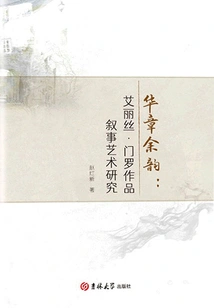
The Aftertaste of the Magnificent Chapter: a Study on the Narrative Art of Alice Munro's Works
Literature华章余韵:艾丽丝·门罗作品叙事艺术研究
Zhao Hongxin
This book is a work on the study of Alice Munro's works. It consists of Alice Munro's person and creation, narrative perspective of Alice Munro's works, narrative time and narrative space of Alice Munro's works, narrative structure and narrative process of Alice Munro's works, narrative rhetoric of Alice Munro's works, etc. The book takes the narrative art of the female writer Alice Munro's works as the research object, discusses the narrative characteristics of Alice Munro's works from multiple angles, analyzes Alice Munro's person and creative characteristics, and interprets her narrative art from multiple levels such as perspective, structure, rhetoric, etc. It has certain learning and reference value for practitioners and literature lovers who are engaged in the study of Alice Munro's works.
This book is a work on the study of Alice Munro's works. It consists of Alice Munro's person and creation, narrative perspective of Alice Munro's works, narrative time and narrative space of Alice Munro's works, narrative structure and narrative process of Alice Munro's works, narrative rhetoric of Alice Munro's works, etc. The book takes the narrative art of the female writer Alice Munro's works as the research object, discusses the narrative characteristics of Alice Munro's works from multiple angles, analyzes Alice Munro's person and creative characteristics, and interprets her narrative art from multiple levels such as perspective, structure, rhetoric, etc. It has certain learning and reference value for practitioners and literature lovers who are engaged in the study of Alice Munro's works.
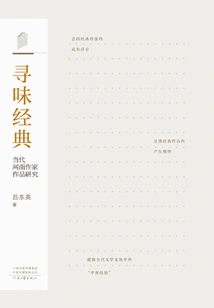
寻味经典:当代河南作家作品研究
Lu Dongliang
"Looking for Classics: Research on the Works of Contemporary Henan Writers" is divided into two parts: writer research and work research. There is an in-depth review of the creative context of famous artists such as Nan Ding, Zhang Yigong, Shao Li, and Liu Qingbang, as well as a re-examination of classic texts such as "Chaoyanggou", "Learning to Smile", and "May". The author puts the classic works back to the era, discusses the pros and cons, and re-evaluates the value; while affirming the achievements of the works, he does not avoid limitations and strives to truly outline the development picture and spiritual pedigree of Henan literature. This book is not only a systematic summary of Henan's literary creation experience, but also a key exploration to enhance the cultural recognition of the Central Plains.
"Looking for Classics: Research on the Works of Contemporary Henan Writers" is divided into two parts: writer research and work research. There is an in-depth review of the creative context of famous artists such as Nan Ding, Zhang Yigong, Shao Li, and Liu Qingbang, as well as a re-examination of classic texts such as "Chaoyanggou", "Learning to Smile", and "May". The author puts the classic works back to the era, discusses the pros and cons, and re-evaluates the value; while affirming the achievements of the works, he does not avoid limitations and strives to truly outline the development picture and spiritual pedigree of Henan literature. This book is not only a systematic summary of Henan's literary creation experience, but also a key exploration to enhance the cultural recognition of the Central Plains.
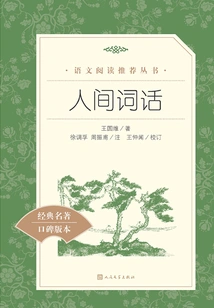
Human Words
Literature人间词话
Written By Wang Guowei, Xu Tiaofu, Annotated By Zhou Zhenfu, Edited By Wang Zhongwen
"Human Words" is a literary criticism work written by Wang Guowei. This work is a commentary on old Chinese literature from a new perspective after the author accepted the baptism of Western aesthetic ideas. On the surface, "Human Words" has no significant difference from the style and format of Chinese traditional poetry and poetry works. In fact, it has begun to form a theoretical system and can be regarded as one of the few works among old poetry treatises. In the field of modern word theory, many people regard it as a guideline, which has far-reaching influence. This book is also well-known to today's public readers and is a literary theory work suitable as a popular reading.
"Human Words" is a literary criticism work written by Wang Guowei. This work is a commentary on old Chinese literature from a new perspective after the author accepted the baptism of Western aesthetic ideas. On the surface, "Human Words" has no significant difference from the style and format of Chinese traditional poetry and poetry works. In fact, it has begun to form a theoretical system and can be regarded as one of the few works among old poetry treatises. In the field of modern word theory, many people regard it as a guideline, which has far-reaching influence. This book is also well-known to today's public readers and is a literary theory work suitable as a popular reading.
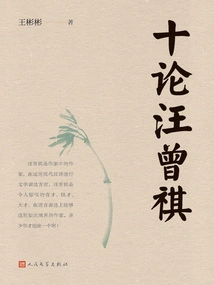
Ten Essays on Wang Zengqi
Literature十论汪曾祺
Wang Binbin
The book consists of a series of ten essays, which conducts a detailed and in-depth study of Wang Zengqi's novel creation from multiple angles. The characteristics of this book are mainly reflected in three points. First, a relatively full study was conducted on Wang Zengqi's early novel creation. Wang Zengqi wrote more than forty novels in the 1940s, but the research on this part of his works has been obviously weak. This book puts more effort into this aspect; based on detailed text analysis, it points out the artistic characteristics and unique value of Wang Zengqi's early novels. Second, the book combines Wang Zengqi's life experience and personal temperament to conduct an in-depth analysis and study of Wang Zengqi's novel creation resources, pointing out that the unique interest, charm and value of Wang Zengqi's novels are related to his unique novel creation resources. The third and most important point is that the book focuses on the study of the rhetorical art and language aesthetics of Wang Zengqi's novels. Wang Zengqi's novels win with his perfect language skills, and this book reveals Wang Zengqi's rhetorical ingenuity from multiple aspects, thus making Wang Zengqi's value in the history of new Chinese literature more prominent.
The book consists of a series of ten essays, which conducts a detailed and in-depth study of Wang Zengqi's novel creation from multiple angles. The characteristics of this book are mainly reflected in three points. First, a relatively full study was conducted on Wang Zengqi's early novel creation. Wang Zengqi wrote more than forty novels in the 1940s, but the research on this part of his works has been obviously weak. This book puts more effort into this aspect; based on detailed text analysis, it points out the artistic characteristics and unique value of Wang Zengqi's early novels. Second, the book combines Wang Zengqi's life experience and personal temperament to conduct an in-depth analysis and study of Wang Zengqi's novel creation resources, pointing out that the unique interest, charm and value of Wang Zengqi's novels are related to his unique novel creation resources. The third and most important point is that the book focuses on the study of the rhetorical art and language aesthetics of Wang Zengqi's novels. Wang Zengqi's novels win with his perfect language skills, and this book reveals Wang Zengqi's rhetorical ingenuity from multiple aspects, thus making Wang Zengqi's value in the history of new Chinese literature more prominent.
当代比较文学(第十三辑)
Editor-in-chief Chen Rongnu
"Contemporary Comparative Literature" is a series of comprehensive academic journals that focus on the hot topics and cutting-edge discussions in the humanities and social sciences in recent years with comparative literature and world literature as the core. It widely draws on the theories of domestic and foreign academic experts and the cutting-edge thoughts of young scholars. Its main purpose is to integrate China and foreign countries, bring together the past and the present, inquire about wisdom, and cultivate the spirit. "Contemporary Comparative Literature" has top scholars in the literary research field such as Le Daiyun and Yan Chunde as academic advisors. The academic committee members are composed of many well-known scholars at home and abroad, such as Chen Yuehong, Dai Jinhua, Gao Xudong, and David Damrosch. The academic nature of this journal is self-evident. The thirteenth volume of "Contemporary Comparative Literature" has columns such as "Column in Memory of Professor Yang Hengda", "Classics Research", "Academic Dialogue", "Drama Research", "Classics and Interpretation", "Comparative Literature and Comparative Culture Research", and "Conference Review", etc. It focuses on a wider range of academic classic issues and hot issues.
"Contemporary Comparative Literature" is a series of comprehensive academic journals that focus on the hot topics and cutting-edge discussions in the humanities and social sciences in recent years with comparative literature and world literature as the core. It widely draws on the theories of domestic and foreign academic experts and the cutting-edge thoughts of young scholars. Its main purpose is to integrate China and foreign countries, bring together the past and the present, inquire about wisdom, and cultivate the spirit. "Contemporary Comparative Literature" has top scholars in the literary research field such as Le Daiyun and Yan Chunde as academic advisors. The academic committee members are composed of many well-known scholars at home and abroad, such as Chen Yuehong, Dai Jinhua, Gao Xudong, and David Damrosch. The academic nature of this journal is self-evident. The thirteenth volume of "Contemporary Comparative Literature" has columns such as "Column in Memory of Professor Yang Hengda", "Classics Research", "Academic Dialogue", "Drama Research", "Classics and Interpretation", "Comparative Literature and Comparative Culture Research", and "Conference Review", etc. It focuses on a wider range of academic classic issues and hot issues.
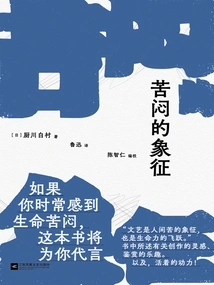
Symbol of Depression
Literature苦闷的象征
(japan) Chugawa Hakumura
"The Symbol of Depression" is a work by the Japanese literary theorist Kukawa Hakumura. It was translated and introduced to China by Mr. Lu Xun in 1924, and was used as a teaching material for his classes at Peking University and Beijing Normal University. This is a literary theory work that systematically talks about human suffering and literary and artistic creation. The book has four chapters in total: The first chapter talks about how depression plays a role in creators. Literary creation is to create a dream to heal oneself. Chapter 2 is about how distress works on the appreciator. Appreciating literary and artistic works is to enter other people's dreams to heal yourself. Chapter 3 talks about how depression plays a role in the times and circumstances. Clarify that writers and artists are prophets, and literary and artistic works are revelations. Chapter 4 traces the origins back to primitive people, tells how depression plays a role in primitive people, and explains that the state of mind of literary and artistic creation is the state of mind of primitive people when they face uncontrollable nature. Kukawa Hakumura summarizes the essence of literary and artistic works as follows: "The depression and annoyance caused by suppressed vitality is the foundation of literature and art, and its expression is symbolism in a broad sense." That is, it is a symbol of depression. This book is based on the second volume of the 1929 Japanese Renovation Society's "The Complete Works of Shirakawa Hakumura" and includes Lu Xun's introduction to the first edition and his translation notes.
"The Symbol of Depression" is a work by the Japanese literary theorist Kukawa Hakumura. It was translated and introduced to China by Mr. Lu Xun in 1924, and was used as a teaching material for his classes at Peking University and Beijing Normal University. This is a literary theory work that systematically talks about human suffering and literary and artistic creation. The book has four chapters in total: The first chapter talks about how depression plays a role in creators. Literary creation is to create a dream to heal oneself. Chapter 2 is about how distress works on the appreciator. Appreciating literary and artistic works is to enter other people's dreams to heal yourself. Chapter 3 talks about how depression plays a role in the times and circumstances. Clarify that writers and artists are prophets, and literary and artistic works are revelations. Chapter 4 traces the origins back to primitive people, tells how depression plays a role in primitive people, and explains that the state of mind of literary and artistic creation is the state of mind of primitive people when they face uncontrollable nature. Kukawa Hakumura summarizes the essence of literary and artistic works as follows: "The depression and annoyance caused by suppressed vitality is the foundation of literature and art, and its expression is symbolism in a broad sense." That is, it is a symbol of depression. This book is based on the second volume of the 1929 Japanese Renovation Society's "The Complete Works of Shirakawa Hakumura" and includes Lu Xun's introduction to the first edition and his translation notes.
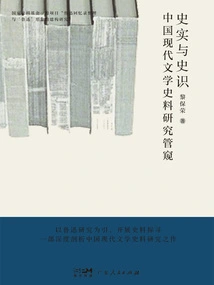
史实与史识:中国现代文学史料研究管窥
Li Baorong
This is a monograph on the study of modern literary historical materials with the theme of "historical facts and historical knowledge". This book conducts a relatively systematic study and discussion of various issues and fields of modern Chinese literature from three aspects: historical data research, historical data collation, and historical knowledge extraction. The author believes that both historical facts and historical knowledge are inseparable from logical thinking and academic vision, and advocates that the study of historical materials should not be satisfied with the "obsession with bones" of searching for marginal materials, but also have historical vision, historical speculation and historical feelings. The whole book focuses on "taking historical facts as the basis and historical knowledge as the purpose", advocating what Wang Yuanhua calls "ideological scholarship" and "academic thinking", and refining literary historical views such as "writer's conceptual history", which has certain ideological originality and academic value.
This is a monograph on the study of modern literary historical materials with the theme of "historical facts and historical knowledge". This book conducts a relatively systematic study and discussion of various issues and fields of modern Chinese literature from three aspects: historical data research, historical data collation, and historical knowledge extraction. The author believes that both historical facts and historical knowledge are inseparable from logical thinking and academic vision, and advocates that the study of historical materials should not be satisfied with the "obsession with bones" of searching for marginal materials, but also have historical vision, historical speculation and historical feelings. The whole book focuses on "taking historical facts as the basis and historical knowledge as the purpose", advocating what Wang Yuanhua calls "ideological scholarship" and "academic thinking", and refining literary historical views such as "writer's conceptual history", which has certain ideological originality and academic value.
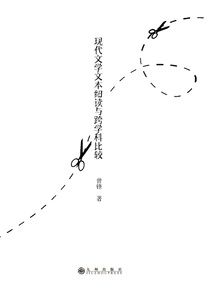
现代文学文本细读与跨学科比较
Zeng Feng
This book uses the theory and method of text close reading to conduct interdisciplinary and cross-art comparative research on modern literature, including close reading of literary classic texts, the connection between literary multi-layered contexts and writers' thoughts, the development status of literature and literary authors, literature and music, literature and film and television, literature and life, literature and academics, literature and art, literary boundaries, etc. The author is committed to the integration of the aesthetic close reading of literary texts and the macro-thinking of social culture. He carefully and meticulously demonstrates the cross-border phenomena such as the musicalization of literary texts, revealing that literary texts are an overall artistic structure in which sounds, images, and meanings echo. In his scholarly approach, he pursues the combination of rigorous analysis of historical factual materials and exquisite listening of artistic aesthetics. This book has a reasonable structure and rigorous argumentation, and has certain academic value.
This book uses the theory and method of text close reading to conduct interdisciplinary and cross-art comparative research on modern literature, including close reading of literary classic texts, the connection between literary multi-layered contexts and writers' thoughts, the development status of literature and literary authors, literature and music, literature and film and television, literature and life, literature and academics, literature and art, literary boundaries, etc. The author is committed to the integration of the aesthetic close reading of literary texts and the macro-thinking of social culture. He carefully and meticulously demonstrates the cross-border phenomena such as the musicalization of literary texts, revealing that literary texts are an overall artistic structure in which sounds, images, and meanings echo. In his scholarly approach, he pursues the combination of rigorous analysis of historical factual materials and exquisite listening of artistic aesthetics. This book has a reasonable structure and rigorous argumentation, and has certain academic value.
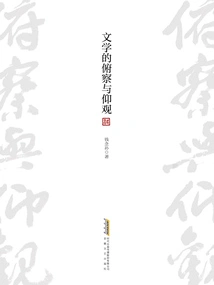
文学的俯察与仰观
Qian Niansun
This book collects some academic articles written by the author in recent years, covering many aspects such as literary theory, literary criticism, and traditional culture research. Most of the articles in the book are rigorous in argumentation, have unique perspectives, and are rich in ideological sharpness. They express the author's observations and thinking on contemporary literature and art, literary and artistic creation, and cultural construction from a relatively wide range of fields. They also reflect from one aspect some hot issues of general concern in the Chinese literary and artistic circles and cultural circles. Some articles in the book have aroused widespread response and have great reference value.
This book collects some academic articles written by the author in recent years, covering many aspects such as literary theory, literary criticism, and traditional culture research. Most of the articles in the book are rigorous in argumentation, have unique perspectives, and are rich in ideological sharpness. They express the author's observations and thinking on contemporary literature and art, literary and artistic creation, and cultural construction from a relatively wide range of fields. They also reflect from one aspect some hot issues of general concern in the Chinese literary and artistic circles and cultural circles. Some articles in the book have aroused widespread response and have great reference value.
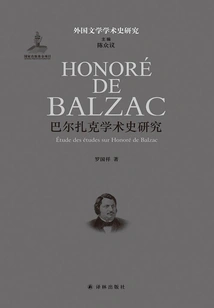
Research on the Academic History of Balzac (research on the Academic History of Foreign Literature)
Literature巴尔扎克学术史研究(外国文学学术史研究)
Luo Guoxiang
The book is divided into two parts. The first part systematically sorts out the research on Balzac by French writers and scholars such as Hugo, Saint-Beuve, Proust, Mauroya, and Butor. Then it expands its horizons to the world, mainly introducing representative countries such as German-speaking countries, the United Kingdom, the United States, Japan, and China. The second part focuses on the study of this French writer; based on the previous part, the second part selects ten important sub-fields in Balzac research, introduces some representative research results, and puts forward the academic viewpoints of Chinese scholars, striving to provide a new rationale for the development of Balzac research.
The book is divided into two parts. The first part systematically sorts out the research on Balzac by French writers and scholars such as Hugo, Saint-Beuve, Proust, Mauroya, and Butor. Then it expands its horizons to the world, mainly introducing representative countries such as German-speaking countries, the United Kingdom, the United States, Japan, and China. The second part focuses on the study of this French writer; based on the previous part, the second part selects ten important sub-fields in Balzac research, introduces some representative research results, and puts forward the academic viewpoints of Chinese scholars, striving to provide a new rationale for the development of Balzac research.
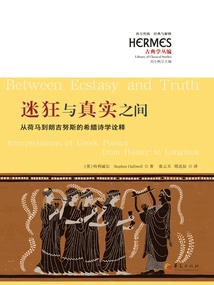
迷狂与真实之间:从荷马到朗吉努斯的希腊诗学诠释
(uk) Halliwell
Ancient Greek culture not only gave birth to one of the most outstanding poetic traditions, but also produced a major tradition of poetic theory and poetry criticism. Halliwell's book provides a series of detailed and challenging readings of many important authors and texts in the history of ancient Greek poetry. Its central focus is on how the Greeks conceptualized poetic experience and debated the value of this poetic experience. The overarching theme of the book is the recurring dialectic in ancient Greek conceptions of poetry: poetry is on the one hand an inherently gripping experience (an ecstasy), and on the other hand it is a medium that conveys truth and thus profoundly affects the reader's worldview.
Ancient Greek culture not only gave birth to one of the most outstanding poetic traditions, but also produced a major tradition of poetic theory and poetry criticism. Halliwell's book provides a series of detailed and challenging readings of many important authors and texts in the history of ancient Greek poetry. Its central focus is on how the Greeks conceptualized poetic experience and debated the value of this poetic experience. The overarching theme of the book is the recurring dialectic in ancient Greek conceptions of poetry: poetry is on the one hand an inherently gripping experience (an ecstasy), and on the other hand it is a medium that conveys truth and thus profoundly affects the reader's worldview.
Chinese "poetry" in Chinese Characters
Literature汉字中国《诗》
Zhao Yanxi
China is a country of poetry with a long tradition of poetry. The word "poetry" comes from what it refers to - the language art style with a certain rhythm and rhyme - poetry. The word "poetry" is used to refer to the style of "poetry", which is directly related to the understanding in the pre-Qin period that "poems" can "express aspirations". With the continuous development of poetry in my country, the objects and connotations referred to by the word "poetry" are constantly enriched. Initially, "poetry" was only used to refer to the Book of Songs, but later it gradually included Sao style poetry, Yuefu style, and non-musical five-character, seven-character, and miscellaneous styles. Ci poems from the Tang and Song dynasties and Sanqu from the Jin and Yuan dynasties were once excluded from "poetry", but later they were also included in "poetry" due to their refined style. The scope of the Chinese character "poetry" is getting larger and larger, just like a trickling stream. As the tributaries continue to merge, the river becomes wider and louder, and finally develops into a rolling giant stream. Poems use an open embrace to tell old stories and incorporate new ones. The style of poetry is always changing and always new, but poetic thoughts and sentiments have lasted for thousands of years, continuing to nourish the hearts of generations of Chinese people.
China is a country of poetry with a long tradition of poetry. The word "poetry" comes from what it refers to - the language art style with a certain rhythm and rhyme - poetry. The word "poetry" is used to refer to the style of "poetry", which is directly related to the understanding in the pre-Qin period that "poems" can "express aspirations". With the continuous development of poetry in my country, the objects and connotations referred to by the word "poetry" are constantly enriched. Initially, "poetry" was only used to refer to the Book of Songs, but later it gradually included Sao style poetry, Yuefu style, and non-musical five-character, seven-character, and miscellaneous styles. Ci poems from the Tang and Song dynasties and Sanqu from the Jin and Yuan dynasties were once excluded from "poetry", but later they were also included in "poetry" due to their refined style. The scope of the Chinese character "poetry" is getting larger and larger, just like a trickling stream. As the tributaries continue to merge, the river becomes wider and louder, and finally develops into a rolling giant stream. Poems use an open embrace to tell old stories and incorporate new ones. The style of poetry is always changing and always new, but poetic thoughts and sentiments have lasted for thousands of years, continuing to nourish the hearts of generations of Chinese people.
The Living Conditions of Scholars in the Southern Song Dynasty and the Literary Nature of Notes
Literature南宋士人的生存境遇与笔记的文学性
Liu Shijian
The notebooks of the Southern Song Dynasty not only expressed the complex mood and exquisite taste of the scholars at that time, but also expanded the artistic potential of the notebook style, occupying a unique position in the history of the development of notebook writing. This book starts from the contemporary situation of the notebook writers in the Southern Song Dynasty, explores the difficult choices made by the creative subjects in the face of difficult situations, and thereby examines the multi-dimensional state of mind shown in their notebook works, and then grasps the theme of the times, unique aesthetic qualities, and influence on future generations contained in their works.
The notebooks of the Southern Song Dynasty not only expressed the complex mood and exquisite taste of the scholars at that time, but also expanded the artistic potential of the notebook style, occupying a unique position in the history of the development of notebook writing. This book starts from the contemporary situation of the notebook writers in the Southern Song Dynasty, explores the difficult choices made by the creative subjects in the face of difficult situations, and thereby examines the multi-dimensional state of mind shown in their notebook works, and then grasps the theme of the times, unique aesthetic qualities, and influence on future generations contained in their works.
随园诗话全2册:注释本(中国古代文学理论经典丛书)
(qing Dynasty) Written By Yuan Mei, Edited By Gu Xuejie, Annotated By Xie Hailin
This book is an important poetry theory work by Yuan Mei, a poet of the Qing Dynasty. It discusses a person's endowment, cultivation, reading and practice, the design of the article, the diction and rhyme, as well as the nature, etherealness, twists and turns, as well as the revision, appreciation, editing and selection of poetry, and even the writing of poetry. The scope is very wide. There is also an appendix, "Biben Suiyuan Shihua", which is a useful reference material for studying the Qianlong era, Yuan Mei, Shihua and other aspects. It is printed based on the manuscript of Deng and Zhang collected by Mr. Wang Liqi. The poetry talks involve many literary and historical figures from ancient and modern times as well as poetic terminology. This time, additional annotations are added to facilitate ordinary readers to clearly understand the content of the poetry talks. It was originally arranged vertically in traditional Chinese, but now it is arranged horizontally in simplified Chinese to facilitate contemporary reading.
This book is an important poetry theory work by Yuan Mei, a poet of the Qing Dynasty. It discusses a person's endowment, cultivation, reading and practice, the design of the article, the diction and rhyme, as well as the nature, etherealness, twists and turns, as well as the revision, appreciation, editing and selection of poetry, and even the writing of poetry. The scope is very wide. There is also an appendix, "Biben Suiyuan Shihua", which is a useful reference material for studying the Qianlong era, Yuan Mei, Shihua and other aspects. It is printed based on the manuscript of Deng and Zhang collected by Mr. Wang Liqi. The poetry talks involve many literary and historical figures from ancient and modern times as well as poetic terminology. This time, additional annotations are added to facilitate ordinary readers to clearly understand the content of the poetry talks. It was originally arranged vertically in traditional Chinese, but now it is arranged horizontally in simplified Chinese to facilitate contemporary reading.
Research on Chinese Poetry (volume 19)
Literature中国诗歌研究(第19辑)
Editor-in-chief Zhao Minli
"Chinese Poetry Research" is an academic journal sponsored by the Chinese Poetry Research Center of Capital Normal University, covering the study of poetry at home and abroad in ancient and modern times. The columns include research on ancient Chinese poetry, research on modern and contemporary Chinese poetry, research on Chinese poetry theory, research on Chinese ethnic minority poetry, research on contemporary overseas Chinese poetry, research on Chinese and Western comparative poetry, research on the history of poetics and poetic literature, and youth forums. It has a good reputation in academic circles at home and abroad and is an important reference book for poetry lovers and teachers and students.
"Chinese Poetry Research" is an academic journal sponsored by the Chinese Poetry Research Center of Capital Normal University, covering the study of poetry at home and abroad in ancient and modern times. The columns include research on ancient Chinese poetry, research on modern and contemporary Chinese poetry, research on Chinese poetry theory, research on Chinese ethnic minority poetry, research on contemporary overseas Chinese poetry, research on Chinese and Western comparative poetry, research on the history of poetics and poetic literature, and youth forums. It has a good reputation in academic circles at home and abroad and is an important reference book for poetry lovers and teachers and students.
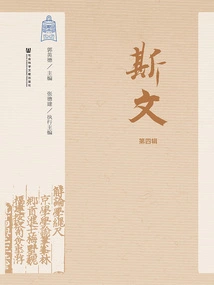
Sven (4th Series)
Literature斯文(第4辑)
Editor-in-chief Guo Yingde
This collection is divided into eight columns, with stylistic research as the focus. It is divided into stylistic origin research, stylistic evolution research, and stylistic research starting from a close reading of the works. It not only leads us into classical literature and understands the ancients' way of thinking, expression, rhetorical means, and aesthetic taste, but also leads us into ancient social thought, culture, and To recognize the evolution of prose in the context of institutional changes; "Mr. Nie Shiqiao's Academic Commemorative Issue" highlights and commemorates Mr. Nie's academic achievements and noble character; "Overseas Prose Research" focuses on the results and progress of the compilation and research of overseas Chinese documents; "Review of Prose Research" provides timely and effective information for the study of ancient prose.
This collection is divided into eight columns, with stylistic research as the focus. It is divided into stylistic origin research, stylistic evolution research, and stylistic research starting from a close reading of the works. It not only leads us into classical literature and understands the ancients' way of thinking, expression, rhetorical means, and aesthetic taste, but also leads us into ancient social thought, culture, and To recognize the evolution of prose in the context of institutional changes; "Mr. Nie Shiqiao's Academic Commemorative Issue" highlights and commemorates Mr. Nie's academic achievements and noble character; "Overseas Prose Research" focuses on the results and progress of the compilation and research of overseas Chinese documents; "Review of Prose Research" provides timely and effective information for the study of ancient prose.
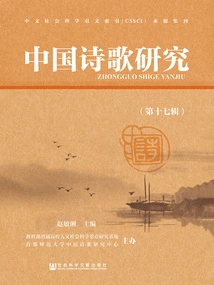
Research on Chinese Poetry (volume 17)
Literature中国诗歌研究(第17辑)
Editor-in-chief Zhao Minli
"Chinese Poetry Research" is an academic journal sponsored by the Chinese Poetry Research Center of Capital Normal University, covering the study of poetry at home and abroad in ancient and modern times. The columns include research on ancient Chinese poetry, research on modern and contemporary Chinese poetry, research on Chinese poetry theory, research on Chinese ethnic minority poetry, research on contemporary overseas Chinese poetry, research on Chinese and Western comparative poetry, research on the history of poetics and poetic literature, and youth forums. It has a good reputation in academic circles at home and abroad and is an important reference book for poetry lovers and teachers and students.
"Chinese Poetry Research" is an academic journal sponsored by the Chinese Poetry Research Center of Capital Normal University, covering the study of poetry at home and abroad in ancient and modern times. The columns include research on ancient Chinese poetry, research on modern and contemporary Chinese poetry, research on Chinese poetry theory, research on Chinese ethnic minority poetry, research on contemporary overseas Chinese poetry, research on Chinese and Western comparative poetry, research on the history of poetics and poetic literature, and youth forums. It has a good reputation in academic circles at home and abroad and is an important reference book for poetry lovers and teachers and students.
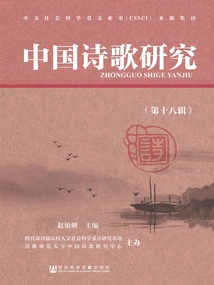
Research on Chinese Poetry (volume 18)
Literature中国诗歌研究(第18辑)
Editor-in-chief Zhao Minli
"Chinese Poetry Research" is an academic journal sponsored by the Chinese Poetry Research Center of Capital Normal University, covering the study of poetry at home and abroad in ancient and modern times. The columns include research on ancient Chinese poetry, research on modern and contemporary Chinese poetry, research on Chinese poetry theory, research on Chinese ethnic minority poetry, research on contemporary overseas Chinese poetry, research on Chinese and Western comparative poetry, research on the history of poetics and poetic literature, and youth forums. It has a good reputation in academic circles at home and abroad and is an important reference book for poetry lovers and teachers and students.
"Chinese Poetry Research" is an academic journal sponsored by the Chinese Poetry Research Center of Capital Normal University, covering the study of poetry at home and abroad in ancient and modern times. The columns include research on ancient Chinese poetry, research on modern and contemporary Chinese poetry, research on Chinese poetry theory, research on Chinese ethnic minority poetry, research on contemporary overseas Chinese poetry, research on Chinese and Western comparative poetry, research on the history of poetics and poetic literature, and youth forums. It has a good reputation in academic circles at home and abroad and is an important reference book for poetry lovers and teachers and students.
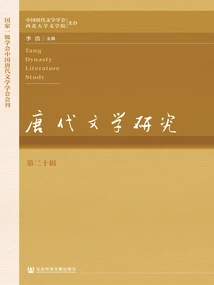
唐代文学研究(第20辑)
Editor-in-chief Li Hao
"Research on Tang Dynasty Literature" is the journal of the Chinese Tang Dynasty Literature Society, a national first-level society, and is co-sponsored by the China Tang Dynasty Literature Society and the School of Literature of Northwest University. This journal mainly publishes academic papers on the study of literature in the Tang Dynasty, covering the study of literary creation and writers in the Tang Dynasty (in addition to the overall comprehensive study, including research on various types of literature and writers such as poems, poems, poems, prose, parallel prose, novels, and popular literature), research on literary documents and historical materials of the Tang Dynasty, research on literary theory and criticism of the Tang Dynasty, interdisciplinary research between Tang Dynasty literature and other disciplines, research on the reception and dissemination history of Tang Dynasty literature, research on Tang Dynasty literature and documents outside the country, etc.
"Research on Tang Dynasty Literature" is the journal of the Chinese Tang Dynasty Literature Society, a national first-level society, and is co-sponsored by the China Tang Dynasty Literature Society and the School of Literature of Northwest University. This journal mainly publishes academic papers on the study of literature in the Tang Dynasty, covering the study of literary creation and writers in the Tang Dynasty (in addition to the overall comprehensive study, including research on various types of literature and writers such as poems, poems, poems, prose, parallel prose, novels, and popular literature), research on literary documents and historical materials of the Tang Dynasty, research on literary theory and criticism of the Tang Dynasty, interdisciplinary research between Tang Dynasty literature and other disciplines, research on the reception and dissemination history of Tang Dynasty literature, research on Tang Dynasty literature and documents outside the country, etc.
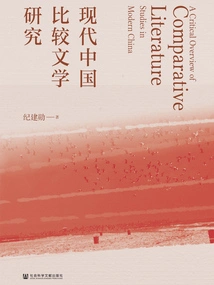
现代中国比较文学研究
Ji Jianxun
"Modern Chinese comparative literature research" refers to the broad sense of comparative literature research that has emerged in my country since the 20th century. This book contains both case studies and overall reviews of comparative literature; it contains both questions and responses to hot issues in comparative literature, as well as criticism and construction of methodological issues. The study of this book not only involves the early classics of comparative literature in my country since the late Qing Dynasty and the early Republic of China, but also takes the rapid development period of comparative literature in my country after the founding of the People's Republic of China, especially since the reform and opening up, as the main object of investigation. Then, on this basis, we will make an overall observation and reflection on the occurrence, development and existing problems of comparative literature in my country, so as to help our country's comparative literature move towards a better future.
"Modern Chinese comparative literature research" refers to the broad sense of comparative literature research that has emerged in my country since the 20th century. This book contains both case studies and overall reviews of comparative literature; it contains both questions and responses to hot issues in comparative literature, as well as criticism and construction of methodological issues. The study of this book not only involves the early classics of comparative literature in my country since the late Qing Dynasty and the early Republic of China, but also takes the rapid development period of comparative literature in my country after the founding of the People's Republic of China, especially since the reform and opening up, as the main object of investigation. Then, on this basis, we will make an overall observation and reflection on the occurrence, development and existing problems of comparative literature in my country, so as to help our country's comparative literature move towards a better future.
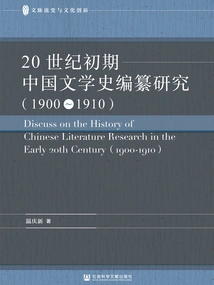
Compilation and Research of Chinese Literary History in the Early 20th Century (1900~1910)
Literature20世纪初期中国文学史编纂研究(1900~1910)
Wen Qingxin
This book attempts to place the history of Chinese literature compiled in the early 20th century, such as Huang Ren's "History of Chinese Literature", Lin Chuanjia's "History of Chinese Literature", and Lai Yuxun's "Manuscript of the History of Chinese Literature", into the context of the cultural governance at that time. It examines how the compilation of Chinese literary history in the early 20th century used the "literary history" framework to sort out the evolution of literature in the past, and how to seek effective connections between the compilation of Chinese literary history and traditional academic and Western knowledge. In particular, it focuses on the relationship between the compilation of Chinese literary history in the early 20th century and the reform of the modern academic system, the general trend of academic changes, the tradition of classical bibliography and Western ideological trends, as well as the many individual compilation purposes brought about by the changes in the knowledge structure and mentality of the compilers at that time.
This book attempts to place the history of Chinese literature compiled in the early 20th century, such as Huang Ren's "History of Chinese Literature", Lin Chuanjia's "History of Chinese Literature", and Lai Yuxun's "Manuscript of the History of Chinese Literature", into the context of the cultural governance at that time. It examines how the compilation of Chinese literary history in the early 20th century used the "literary history" framework to sort out the evolution of literature in the past, and how to seek effective connections between the compilation of Chinese literary history and traditional academic and Western knowledge. In particular, it focuses on the relationship between the compilation of Chinese literary history in the early 20th century and the reform of the modern academic system, the general trend of academic changes, the tradition of classical bibliography and Western ideological trends, as well as the many individual compilation purposes brought about by the changes in the knowledge structure and mentality of the compilers at that time.
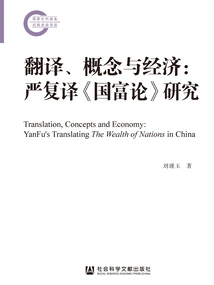
Translation, Concepts and Economy: a Study of Yan Fu's Translation of the Wealth of Nations
Literature翻译、概念与经济:严复译《国富论》研究
Liu Jinyu
This book starts from the basic context and historical facts of the history of translation and cultural exchange between China and the West. It takes Yan Fu's translation of Smith's masterpiece "The Wealth of Nations" as the main research object, and combines the English originals, manuscripts, scripts, revised versions of the translation and diaries and other peripheral first-hand materials to explore the translation issues highlighted in the early contact between Chinese and Western ideas. The book focuses on the analysis of Yan Fu's personal reading experience and translation thinking during the translation process. Through his selection and consideration of Western economic ideas, he achieved the purpose of reflecting on and promoting traditional Chinese culture, reflecting his protection and persistence of Chinese culture. The research emphasizes using new discoveries and new interpretations of data as breakthroughs to restore the diversity, continuity and integrity of history. The research path and research value return to the development context of Chinese culture and are reinterpreted from the perspective of contemporary academic thinking.
This book starts from the basic context and historical facts of the history of translation and cultural exchange between China and the West. It takes Yan Fu's translation of Smith's masterpiece "The Wealth of Nations" as the main research object, and combines the English originals, manuscripts, scripts, revised versions of the translation and diaries and other peripheral first-hand materials to explore the translation issues highlighted in the early contact between Chinese and Western ideas. The book focuses on the analysis of Yan Fu's personal reading experience and translation thinking during the translation process. Through his selection and consideration of Western economic ideas, he achieved the purpose of reflecting on and promoting traditional Chinese culture, reflecting his protection and persistence of Chinese culture. The research emphasizes using new discoveries and new interpretations of data as breakthroughs to restore the diversity, continuity and integrity of history. The research path and research value return to the development context of Chinese culture and are reinterpreted from the perspective of contemporary academic thinking.
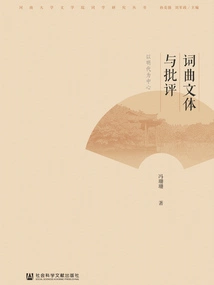
词曲文体与批评:以明代为中心
Feng Shanshan
This book mainly explores the interactive relationship between styles. The Ming Dynasty was not only the trough period of poetry literature, but also the glorious era of opera. The two were both music literature and had long-term symbiosis. A large number of lyrics are parasitic in operas and assume specific structural or plot functions such as "opening". This type of lyrics has considerable literary value and historical significance.
This book mainly explores the interactive relationship between styles. The Ming Dynasty was not only the trough period of poetry literature, but also the glorious era of opera. The two were both music literature and had long-term symbiosis. A large number of lyrics are parasitic in operas and assume specific structural or plot functions such as "opening". This type of lyrics has considerable literary value and historical significance.
Research on Rhyme Poems of Song Dynasty
Literature宋代分韵诗研究
Zhang Minghua
This book is a companion work to "Study on Rhyme Poems of the Tang Dynasty". Compared with the Tang Dynasty, rhyme poetry in the Song Dynasty has undergone new development. Not only has it changed the way of rhyme division, from participants dividing isolated rhyme characters to using words from the best lines of previous poems, but it also generally no longer limits the poetry style and number of lines used. This book first examines all the documents on the use of good verses in poems by poets in the Song Dynasty to ensure the accuracy of the documents used; then conducts a multi-faceted analysis of the good verses extracted from them, and considers the complex reasons why the Song people chose these verses, including cultural traditions, social backgrounds and on-the-spot factors; finally, it further examines the huge influence of the verse verses in the Song Dynasty, which not only directly promoted the development of verse verses in the Yuan, Ming and Qing dynasties, but also inspired the emergence and development of verse verses and personally composed verse verses.
This book is a companion work to "Study on Rhyme Poems of the Tang Dynasty". Compared with the Tang Dynasty, rhyme poetry in the Song Dynasty has undergone new development. Not only has it changed the way of rhyme division, from participants dividing isolated rhyme characters to using words from the best lines of previous poems, but it also generally no longer limits the poetry style and number of lines used. This book first examines all the documents on the use of good verses in poems by poets in the Song Dynasty to ensure the accuracy of the documents used; then conducts a multi-faceted analysis of the good verses extracted from them, and considers the complex reasons why the Song people chose these verses, including cultural traditions, social backgrounds and on-the-spot factors; finally, it further examines the huge influence of the verse verses in the Song Dynasty, which not only directly promoted the development of verse verses in the Yuan, Ming and Qing dynasties, but also inspired the emergence and development of verse verses and personally composed verse verses.
Li E and the Kangxi-qian Poetry Circle
Literature厉鹗与康乾诗坛
Xia Piaopiao
This book takes Li E as the center and systematically sorts out Li E's creative process and poetic concepts. It uses time development as the vertical line and regional displacement as the horizontal line, integrating time and space. It conducts a three-dimensional investigation of Li E's poetic activities and restores Li E's important position in the Kangxi and Qianlong poetry circles. The whole book launches a detailed analysis of Li E's process of entering Beijing and becoming an official, his "unconventional" temperament, errors in the chronology, the dispute between the Tang and Song Dynasties in poetic stance, the style of "Chronicles of Song Poems", the evolution of his creative process, his relationship with the Hanshi Poetry Group, and his influence on the Zhejiang School. This book combines case analysis with overall observation, and conducts a relatively systematic exploration of Li E's person, poems, events and names from point to point.
This book takes Li E as the center and systematically sorts out Li E's creative process and poetic concepts. It uses time development as the vertical line and regional displacement as the horizontal line, integrating time and space. It conducts a three-dimensional investigation of Li E's poetic activities and restores Li E's important position in the Kangxi and Qianlong poetry circles. The whole book launches a detailed analysis of Li E's process of entering Beijing and becoming an official, his "unconventional" temperament, errors in the chronology, the dispute between the Tang and Song Dynasties in poetic stance, the style of "Chronicles of Song Poems", the evolution of his creative process, his relationship with the Hanshi Poetry Group, and his influence on the Zhejiang School. This book combines case analysis with overall observation, and conducts a relatively systematic exploration of Li E's person, poems, events and names from point to point.
近代中国江南基督宗教文人研究(1868—1919)
Bian Qian
This book takes the Christian literati in Jiangnan in China from 1868 to 1919 as the research object. It first examines the spread of Christianity in China and the basic situation of Christian literati in Jiangnan in modern China. Secondly, it analyzes the characteristics of Christian literati in Jiangnan in modern China in the literary field from three aspects: literary translation and creation, literary concepts and literary activities. Finally, in connection with the development of modern Chinese literature, the study of Christian literati in the south of the Yangtze River in modern China is placed into the category of literary history to make an overall evaluation. From the perspective of literary research, taking Chinese Christian literati in the late Qing Dynasty and the early Republic of China as the research object can systematically sort out the relationship between Chinese Christianity and literature during this period, fill the vacuum of coverage of Christian religious groups in modern literary history, and supplement the research on the history of literature and literary criticism at the documentary level.
This book takes the Christian literati in Jiangnan in China from 1868 to 1919 as the research object. It first examines the spread of Christianity in China and the basic situation of Christian literati in Jiangnan in modern China. Secondly, it analyzes the characteristics of Christian literati in Jiangnan in modern China in the literary field from three aspects: literary translation and creation, literary concepts and literary activities. Finally, in connection with the development of modern Chinese literature, the study of Christian literati in the south of the Yangtze River in modern China is placed into the category of literary history to make an overall evaluation. From the perspective of literary research, taking Chinese Christian literati in the late Qing Dynasty and the early Republic of China as the research object can systematically sort out the relationship between Chinese Christianity and literature during this period, fill the vacuum of coverage of Christian religious groups in modern literary history, and supplement the research on the history of literature and literary criticism at the documentary level.
美国梦视域下幽默小说的历史书写
Tangwen
As a cultural core full of changing elements, the American Dream has profoundly influenced the development characteristics of American literature in various periods. This book examines the changes in the connotation and denotation of American humor novels from the perspective of the American Dream, and based on this, reflects on the evolution of the American Dream and its inherent contradictions. At the same time, it examines the historical writing of humorous novels by important writers from the perspective of the American Dream in the four stages of the American Colonial, Romantic, Realist and Modernist periods, explores the relationship between "humor" and "history" in the development of American humor novels, reflects on the impact of the changes in the American Dream on American humor novels, and broadens the channels for understanding the American country and society.
As a cultural core full of changing elements, the American Dream has profoundly influenced the development characteristics of American literature in various periods. This book examines the changes in the connotation and denotation of American humor novels from the perspective of the American Dream, and based on this, reflects on the evolution of the American Dream and its inherent contradictions. At the same time, it examines the historical writing of humorous novels by important writers from the perspective of the American Dream in the four stages of the American Colonial, Romantic, Realist and Modernist periods, explores the relationship between "humor" and "history" in the development of American humor novels, reflects on the impact of the changes in the American Dream on American humor novels, and broadens the channels for understanding the American country and society.
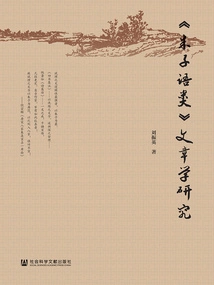
《朱子语类》文章学研究
Liu Zhenying
This book is based on stylistic analysis and takes the three stylistic forms of narration, explanation, and argumentation as its general outline. It directly faces the text of quotations and summarizes Zhu Xi's stylistics and essay studies achievements. As a narrative style, the narrative in "Zhu Xi Yu Lei" is different and related to literary narrative, and has the uniqueness of telling stories and shaping characters. As a style of explanation, the explanations in "Zhu Xi Yu Lei" are closely related to previous generations of classics. Its style elements include explanation methods, explanation words themselves, and the meaning contained in the classics explained. As a style of argumentation, the argumentative elements of "Zhu Xi Yulei" are discussion and analysis, which embodies the spirit of Neo-Confucianism in pursuing truth and appraising right and wrong. "Zhu Xi Yu Lei" is different from "Guoyu", but closer to "The Analects" and "Mencius". It shows Zhu Xi's wise thinking on academics, politics, history and literature, and also reflects his superb ability to control the art of lecturing and the rules of writing.
This book is based on stylistic analysis and takes the three stylistic forms of narration, explanation, and argumentation as its general outline. It directly faces the text of quotations and summarizes Zhu Xi's stylistics and essay studies achievements. As a narrative style, the narrative in "Zhu Xi Yu Lei" is different and related to literary narrative, and has the uniqueness of telling stories and shaping characters. As a style of explanation, the explanations in "Zhu Xi Yu Lei" are closely related to previous generations of classics. Its style elements include explanation methods, explanation words themselves, and the meaning contained in the classics explained. As a style of argumentation, the argumentative elements of "Zhu Xi Yulei" are discussion and analysis, which embodies the spirit of Neo-Confucianism in pursuing truth and appraising right and wrong. "Zhu Xi Yu Lei" is different from "Guoyu", but closer to "The Analects" and "Mencius". It shows Zhu Xi's wise thinking on academics, politics, history and literature, and also reflects his superb ability to control the art of lecturing and the rules of writing.
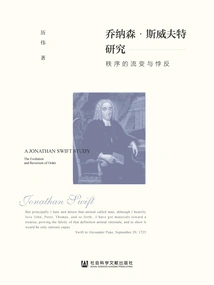
乔纳森·斯威夫特研究:秩序的流变与悖反
Li Wei
This book examines the literary activities of Jonathan Swift during the ideological and cultural transformation of England in the seventeenth and eighteenth centuries, including letters, biographies, political essays, poetry, historical writing, sermons, etc. It also examines the literary works of members of the Scribblerus Club such as Pope and Guy, as well as the political writings of Hobbes, Locke, Temple, Harrington, Viscount Bolingbroke, and others. This book places the above-mentioned text in the political, cultural, philosophical, and legal trends of thought such as the "Debate on the Enlightenment Order," "The Controversy between Ancient and Modern Times," "The Controversy over the Best Political System," "The Controversy over the Successor Act," and the "Controversy over the Standing Army." At the same time, this book also focuses on examining the Chinese characteristics in England's Enlightenment thought, as well as the Chinese elements in Swift's literature and ideological landscape.
This book examines the literary activities of Jonathan Swift during the ideological and cultural transformation of England in the seventeenth and eighteenth centuries, including letters, biographies, political essays, poetry, historical writing, sermons, etc. It also examines the literary works of members of the Scribblerus Club such as Pope and Guy, as well as the political writings of Hobbes, Locke, Temple, Harrington, Viscount Bolingbroke, and others. This book places the above-mentioned text in the political, cultural, philosophical, and legal trends of thought such as the "Debate on the Enlightenment Order," "The Controversy between Ancient and Modern Times," "The Controversy over the Best Political System," "The Controversy over the Successor Act," and the "Controversy over the Standing Army." At the same time, this book also focuses on examining the Chinese characteristics in England's Enlightenment thought, as well as the Chinese elements in Swift's literature and ideological landscape.
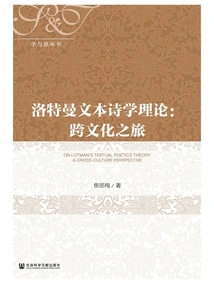
洛特曼文本诗学理论:跨文化之旅
Jiao Limei
Based on strict text reading, this book clarifies the discourse logic, theoretical viewpoints and methodologies of Lotman's representative writings in various periods, and devotes himself to verifying and analyzing the formation of his important theoretical viewpoints and methodologies. It presents Lotman's textual viewpoints, principles, and methodological models for text analysis practice in a specific text context, and at the same time demonstrates Lotman's textual analysis practice. The development and changes of Terman's textual thought are explored to find the context of his textual thought; with the British and American New Criticism and Structuralist Criticism as a reference, by comparing Lotman's textual thought with Bakhtin, Derrida, Barthes, Iser, Gadamer and other textual theories, the unique text existence mode and structural situation of Lotman's textual thought are discussed in detail.
Based on strict text reading, this book clarifies the discourse logic, theoretical viewpoints and methodologies of Lotman's representative writings in various periods, and devotes himself to verifying and analyzing the formation of his important theoretical viewpoints and methodologies. It presents Lotman's textual viewpoints, principles, and methodological models for text analysis practice in a specific text context, and at the same time demonstrates Lotman's textual analysis practice. The development and changes of Terman's textual thought are explored to find the context of his textual thought; with the British and American New Criticism and Structuralist Criticism as a reference, by comparing Lotman's textual thought with Bakhtin, Derrida, Barthes, Iser, Gadamer and other textual theories, the unique text existence mode and structural situation of Lotman's textual thought are discussed in detail.
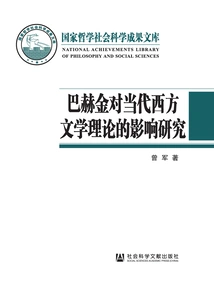
巴赫金对当代西方文学理论的影响研究
Zeng Jun
In the trend of literary theory, Bakhtin is an unavoidable peak. His theory has become one of the most important ideological treasures of mankind in the 20th century and is talked about by everyone. People are not only surprised by the uniqueness of his literary discourse and the weird way of thinking, but are also surprised to find that no matter which school or school, almost everyone can find resonance in his thoughts. Understanding Bakhtin becomes a key to entering the thinking maze of contemporary Western literary theory and solving the mystery of the mutual influence, acceptance, transformation and rebirth of literary theories of different nation-states in the globalization pattern. Studying the impact of Bakhtin on contemporary Western literary theory can also better reflect on the problems existing in the acceptance and application of Bakhtin's theory (and by extension, all foreign literary theories) in Chinese academic circles.
In the trend of literary theory, Bakhtin is an unavoidable peak. His theory has become one of the most important ideological treasures of mankind in the 20th century and is talked about by everyone. People are not only surprised by the uniqueness of his literary discourse and the weird way of thinking, but are also surprised to find that no matter which school or school, almost everyone can find resonance in his thoughts. Understanding Bakhtin becomes a key to entering the thinking maze of contemporary Western literary theory and solving the mystery of the mutual influence, acceptance, transformation and rebirth of literary theories of different nation-states in the globalization pattern. Studying the impact of Bakhtin on contemporary Western literary theory can also better reflect on the problems existing in the acceptance and application of Bakhtin's theory (and by extension, all foreign literary theories) in Chinese academic circles.
文史研究与诗词鉴赏
Lu Yongpin
This book is divided into two parts. The first part is about the academic theory of literary and historical research, and the lower part is about new interpretations of poetry appreciation, including selected lectures and reviews of Tang and Song Dynasty poems, reviews and introductions to classic literary masterpieces, and appreciation of famous works, such as Zhuangzi's Selections and Commentaries, Laozi's Comprehensive Commentary, Xin Qiji's Selected Poems, etc. The academic works and academic research papers published by the author are the result of decades of painstaking academic research. They have unique insights and high academic value, and are of reference value to scholars engaged in the study of Chinese literature and history.
This book is divided into two parts. The first part is about the academic theory of literary and historical research, and the lower part is about new interpretations of poetry appreciation, including selected lectures and reviews of Tang and Song Dynasty poems, reviews and introductions to classic literary masterpieces, and appreciation of famous works, such as Zhuangzi's Selections and Commentaries, Laozi's Comprehensive Commentary, Xin Qiji's Selected Poems, etc. The academic works and academic research papers published by the author are the result of decades of painstaking academic research. They have unique insights and high academic value, and are of reference value to scholars engaged in the study of Chinese literature and history.
中国文情报告(2015~2016)
Editor-in-chief Bai Ye
This book contains a general report, novels, novellas, short stories, documentary literature, prose, poetry, drama, online literature, theoretical criticism, and nine special topics and appendix information. It comprehensively sorts out and briefly describes this year's literary creations, literary phenomena, literary debates, and literary events. Detailed information on the literary world, sophisticated academic refinement, especially the capture and commentary of some focal phenomena and trending issues, highlight the basic style and objective trends of the annual literature, as well as its main characteristics and existing problems in its development and evolution.
This book contains a general report, novels, novellas, short stories, documentary literature, prose, poetry, drama, online literature, theoretical criticism, and nine special topics and appendix information. It comprehensively sorts out and briefly describes this year's literary creations, literary phenomena, literary debates, and literary events. Detailed information on the literary world, sophisticated academic refinement, especially the capture and commentary of some focal phenomena and trending issues, highlight the basic style and objective trends of the annual literature, as well as its main characteristics and existing problems in its development and evolution.
The Creation of Chinese Language: Literary Education and Knowledge Evolution in the Qing Dynasty
Literature国文的创生:清季文学教育与知识衍变
Lu Yin
In the Qing Dynasty, new schools suddenly emerged, and a new type of literary education named "Chinese Literature" came into being. The first subject of Chinese Language and Literature is not only the product of changes in modern knowledge order, knowledge carriers, and knowledge dissemination methods, but also incorporates many experiences from traditional Mongolian studies and ancient Chinese poetry. It has the dual mission of cultivating reading and writing skills and extending national culture. This book focuses on the creation moment of "Chinese literature" and aims to explore the changes of "literature" in ancient and modern times from the perspective of educational practice, and then explore the universal mechanism of modern knowledge formation.
In the Qing Dynasty, new schools suddenly emerged, and a new type of literary education named "Chinese Literature" came into being. The first subject of Chinese Language and Literature is not only the product of changes in modern knowledge order, knowledge carriers, and knowledge dissemination methods, but also incorporates many experiences from traditional Mongolian studies and ancient Chinese poetry. It has the dual mission of cultivating reading and writing skills and extending national culture. This book focuses on the creation moment of "Chinese literature" and aims to explore the changes of "literature" in ancient and modern times from the perspective of educational practice, and then explore the universal mechanism of modern knowledge formation.
先秦散文的思想政治教育价值研究
Liu Chuntan
Pre-Qin prose is the beginning of Chinese prose, carrying the spirit of the times in the Pre-Qin period. The content may criticize current ills, advise the king, guide self-cultivation, or correct personality. This book attempts to analyze and interpret relevant representative works of pre-Qin prose within the framework of ideological and political education, and unearth the essence of philosophical thoughts, personality theories, and educational concepts related to ideological and political education contained in them. By analyzing the actual impact of the ideological essence of Pre-Qin prose on ancient ideological and political education, we will explore its ideological and political education value, and by studying the realization of its potential value, we will further promote the integration of Pre-Qin prose and ideological and political education.
Pre-Qin prose is the beginning of Chinese prose, carrying the spirit of the times in the Pre-Qin period. The content may criticize current ills, advise the king, guide self-cultivation, or correct personality. This book attempts to analyze and interpret relevant representative works of pre-Qin prose within the framework of ideological and political education, and unearth the essence of philosophical thoughts, personality theories, and educational concepts related to ideological and political education contained in them. By analyzing the actual impact of the ideological essence of Pre-Qin prose on ancient ideological and political education, we will explore its ideological and political education value, and by studying the realization of its potential value, we will further promote the integration of Pre-Qin prose and ideological and political education.
羌汉文学关系研究
Xu Xiping
This book systematically and comprehensively sorts out the objectively existing close relationship between Qiang and Han literature, and analyzes the historical development of the relationship between Qiang and Han literature from pre-Qin to modern times. It is divided into three parts: Part One, Middle and Part Two, and selects important works of important writers for analysis and evaluation. This book discusses the formation of important literary images such as "Yingying Bluefly", Longtou Flowing Water, Qiang Flute, etc., The writings of Yuan Hao, Bingchang, Qian Shun, etc., As well as the promotion of the popularization of modern poetry creation by "Songyou Xiaoshang", etc., Showing the progress of Qiang literature. The development overview illustrates the inseparable inner connection and cross-influence between Qiang and Han literature, provides reference for exploring effective ways for the prosperity and development of Chinese national culture and literature, and reflects the positive interaction of China's diverse literature and culture from one aspect.
This book systematically and comprehensively sorts out the objectively existing close relationship between Qiang and Han literature, and analyzes the historical development of the relationship between Qiang and Han literature from pre-Qin to modern times. It is divided into three parts: Part One, Middle and Part Two, and selects important works of important writers for analysis and evaluation. This book discusses the formation of important literary images such as "Yingying Bluefly", Longtou Flowing Water, Qiang Flute, etc., The writings of Yuan Hao, Bingchang, Qian Shun, etc., As well as the promotion of the popularization of modern poetry creation by "Songyou Xiaoshang", etc., Showing the progress of Qiang literature. The development overview illustrates the inseparable inner connection and cross-influence between Qiang and Han literature, provides reference for exploring effective ways for the prosperity and development of Chinese national culture and literature, and reflects the positive interaction of China's diverse literature and culture from one aspect.