Library
Browse and search novels
1,326 novels found
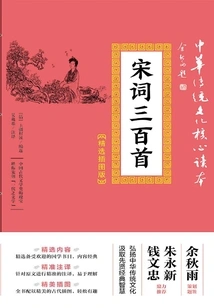
Three Hundred Song Poems
Literature宋词三百首
(qing Dynasty) Compiled And Selected By Shangqiang Villagers Annotated By Wu Zhaoji
Song lyrics, with their perfect artistic form, complement each other with Tang poetry and Yuan opera. They are both three wonders in the literary garden of ancient my country. They have been attracting readers for hundreds of years, and many famous poems and lines have become household names and are popular among people. "Three Hundred Song Ci Poems" compiled by Shangqiang villagers in the Qing Dynasty is an excellent version favored by Song Ci lovers. This book selects more than 300 excellent lyrics representing various styles of the Song Dynasty, comprehensively displaying the characteristics of the times and life styles of the Song Dynasty. In addition to the original work, there are also annotations, translations, appreciations, and exquisite illustrations of the work, so that the emotion of the words and the meaning of the painting complement each other and become interesting.
Song lyrics, with their perfect artistic form, complement each other with Tang poetry and Yuan opera. They are both three wonders in the literary garden of ancient my country. They have been attracting readers for hundreds of years, and many famous poems and lines have become household names and are popular among people. "Three Hundred Song Ci Poems" compiled by Shangqiang villagers in the Qing Dynasty is an excellent version favored by Song Ci lovers. This book selects more than 300 excellent lyrics representing various styles of the Song Dynasty, comprehensively displaying the characteristics of the times and life styles of the Song Dynasty. In addition to the original work, there are also annotations, translations, appreciations, and exquisite illustrations of the work, so that the emotion of the words and the meaning of the painting complement each other and become interesting.
Ci Studies.36th Series
Literature词学.第三十六辑
Ma Xingrong Zhu Huiguo
"Ciology (36th Series)" contains more than 20 research papers on ci studies, historical documents on ci studies, evaluations of ci studies, chronicles of poets, and other miscellaneous works, as well as more than 20 contemporary ci works. It is still divided into columns such as "Discussions", "Book Chronicles", "Chronicles", "Documents", "Ci Yuan", and "Conversation". The collection of essays brings together famous poets at home and abroad. It provides innovative and in-depth research on the development of Chinese Ci and famous poets of all ages, and is quite enlightening for the exploration of the history of ancient Chinese literature.
"Ciology (36th Series)" contains more than 20 research papers on ci studies, historical documents on ci studies, evaluations of ci studies, chronicles of poets, and other miscellaneous works, as well as more than 20 contemporary ci works. It is still divided into columns such as "Discussions", "Book Chronicles", "Chronicles", "Documents", "Ci Yuan", and "Conversation". The collection of essays brings together famous poets at home and abroad. It provides innovative and in-depth research on the development of Chinese Ci and famous poets of all ages, and is quite enlightening for the exploration of the history of ancient Chinese literature.
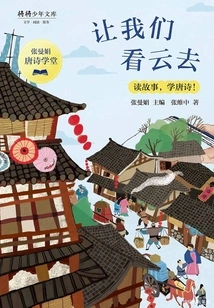
Let's Look at the Clouds
Literature让我们看云去
Zhang Manjuan Zhang Weizhong
"Let's Watch the Clouds Go" is a work in the genre of children's literature (novel). "Let's Watch the Clouds Go" is one of Zhang Manjuan's "Tang Poetry School" series of works. The story tells the story of a young man named Yunzi, who was depressed all day long due to the death of his friend. On a trip to Japan, he met Brother Jie and found his "time notebook", and his life changed drastically. By reading this book, you can learn 30 Tang poems by landscape and pastoral poets such as Wang Wei and Meng Haoran. This book is suitable for children aged 8-12 years old.
"Let's Watch the Clouds Go" is a work in the genre of children's literature (novel). "Let's Watch the Clouds Go" is one of Zhang Manjuan's "Tang Poetry School" series of works. The story tells the story of a young man named Yunzi, who was depressed all day long due to the death of his friend. On a trip to Japan, he met Brother Jie and found his "time notebook", and his life changed drastically. By reading this book, you can learn 30 Tang poems by landscape and pastoral poets such as Wang Wei and Meng Haoran. This book is suitable for children aged 8-12 years old.
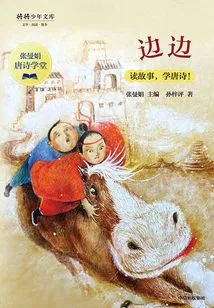
Bianbian
Literature边边
Zhang Manjuan Sun Ziping
"Bian Bian" is a work in the genre of children's literature (novel). "Bian Bian" is one of Zhang Manjuan's "Tang Poetry School" series of works. The story tells the story of Gao Yingxiong, a fourth-grade primary school student who accidentally traveled to the border of the Tang Dynasty during a physical education class. Gao Yingxiong met Xiaomu, a boy from the Tang Dynasty, and they adventured on the frontier together. He met famous frontier fortress poets such as Gao Shi and Cen Shen of the Tang Dynasty, and learned many frontier fortress poems. Integrate Tang poems into newly compiled stories to lead children to enjoy reading, understand and use frontier poems. Each story is followed by the original text and appreciation of Tang poetry. After reading one book, you can learn about 30 Tang poems, which is of practical value.
"Bian Bian" is a work in the genre of children's literature (novel). "Bian Bian" is one of Zhang Manjuan's "Tang Poetry School" series of works. The story tells the story of Gao Yingxiong, a fourth-grade primary school student who accidentally traveled to the border of the Tang Dynasty during a physical education class. Gao Yingxiong met Xiaomu, a boy from the Tang Dynasty, and they adventured on the frontier together. He met famous frontier fortress poets such as Gao Shi and Cen Shen of the Tang Dynasty, and learned many frontier fortress poems. Integrate Tang poems into newly compiled stories to lead children to enjoy reading, understand and use frontier poems. Each story is followed by the original text and appreciation of Tang poetry. After reading one book, you can learn about 30 Tang poems, which is of practical value.
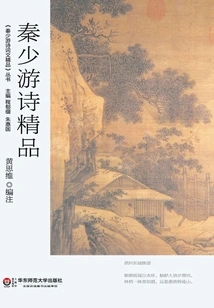
Qin Shaoyou's Exquisite Poems
Literature秦少游词精品
Xie Yan
In the compilation process of "Qin Shaoyou's Poems and Prose Series: Qin Shaoyou's Poems", we adhered to the ability-oriented approach, consulted a large number of newly published tourism textbooks, monographs, newspapers and periodicals, listened extensively to valuable suggestions from the industry, grasped the latest trends in tourism development, and used the latest data and materials to strive for a high starting point, new ideas, new information, and new cases in the teaching materials. It focuses on the scientific and innovative content of the teaching materials and the interactive and participatory nature of the teaching methods. "Qin Shaoyou's Poems and Prose Series: Qin Shaoyou's Poems" pays special attention to concise and concise expressions, clear logic and levels, and refined and rich content.
In the compilation process of "Qin Shaoyou's Poems and Prose Series: Qin Shaoyou's Poems", we adhered to the ability-oriented approach, consulted a large number of newly published tourism textbooks, monographs, newspapers and periodicals, listened extensively to valuable suggestions from the industry, grasped the latest trends in tourism development, and used the latest data and materials to strive for a high starting point, new ideas, new information, and new cases in the teaching materials. It focuses on the scientific and innovative content of the teaching materials and the interactive and participatory nature of the teaching methods. "Qin Shaoyou's Poems and Prose Series: Qin Shaoyou's Poems" pays special attention to concise and concise expressions, clear logic and levels, and refined and rich content.
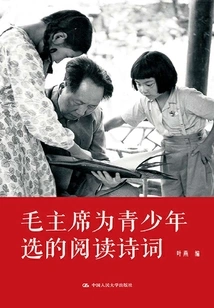
毛主席为青少年选的阅读诗词
Ye Yan
This book is an ancient Chinese classic poem carefully selected by Chairman Mao for young people to read. There are about 300 poems in total, including folk songs, nursery rhymes, ancient poems, etc. In order to facilitate teenagers to learn and recite, simple annotations are made. It is hoped that by reciting classical poetry, young people can benefit their minds, improve their temperament, enlighten their thoughts, nourish their lives, absorb spiritual strength, and increase their positive energy. This book expresses Chairman Mao's ardent expectation for young people to carry forward the profound Chinese culture and inherit the great spirit of the Chinese nation. It is a must-have book for young people to learn and read poetry.
This book is an ancient Chinese classic poem carefully selected by Chairman Mao for young people to read. There are about 300 poems in total, including folk songs, nursery rhymes, ancient poems, etc. In order to facilitate teenagers to learn and recite, simple annotations are made. It is hoped that by reciting classical poetry, young people can benefit their minds, improve their temperament, enlighten their thoughts, nourish their lives, absorb spiritual strength, and increase their positive energy. This book expresses Chairman Mao's ardent expectation for young people to carry forward the profound Chinese culture and inherit the great spirit of the Chinese nation. It is a must-have book for young people to learn and read poetry.
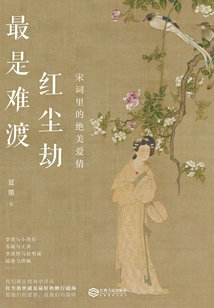
The Most Difficult Thing to Survive in the World of Mortals: the Beautiful Love in Song Poetry
Literature最是难渡红尘劫:宋词里的绝美爱情
Xia Mo
How many sorrows, how many thoughts, how many passions, how many sorrows; one song is graceful and fragrant, and the other is bold and sweet. The Song Dynasty was divided into north and south, and there were differences before and after. The huge waves and small waves set off by the long river of history were reflected in the heart of the poet. What was reflected were the most touching words and the more vivid love stories behind the words. This book not only tells the story of literati through word-class literature, but also tells the story of the rise and fall of an era.
How many sorrows, how many thoughts, how many passions, how many sorrows; one song is graceful and fragrant, and the other is bold and sweet. The Song Dynasty was divided into north and south, and there were differences before and after. The huge waves and small waves set off by the long river of history were reflected in the heart of the poet. What was reflected were the most touching words and the more vivid love stories behind the words. This book not only tells the story of literati through word-class literature, but also tells the story of the rise and fall of an era.
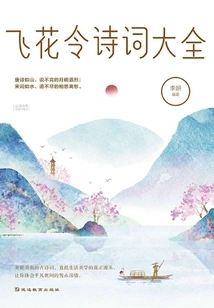
飞花令诗词大全
Compiled By Li Yan
In this world, Tang poetry and Song lyrics are worth reading again and again, because they write emotions that can resonate with readers for thousands of years. "Feihualing Poetry Collection" carefully selects nearly 200 classic ancient poems from the vast sea of ancient poems, leading readers to embark on a beautiful and moving journey of poetry culture among the sea of poems. "Feihualing Poetry Collection" inherits culture and accumulates history. It is a kind of nourishment and aesthetic education for the soul. It is also a carrier of Chinese culture and exerts a profound influence on Chinese culture in a subtle way. The intoxicating and beautiful ancient poetry is full of the warmth of humanity and carries touching beauty. It is a literary classic that no one should miss.
In this world, Tang poetry and Song lyrics are worth reading again and again, because they write emotions that can resonate with readers for thousands of years. "Feihualing Poetry Collection" carefully selects nearly 200 classic ancient poems from the vast sea of ancient poems, leading readers to embark on a beautiful and moving journey of poetry culture among the sea of poems. "Feihualing Poetry Collection" inherits culture and accumulates history. It is a kind of nourishment and aesthetic education for the soul. It is also a carrier of Chinese culture and exerts a profound influence on Chinese culture in a subtle way. The intoxicating and beautiful ancient poetry is full of the warmth of humanity and carries touching beauty. It is a literary classic that no one should miss.
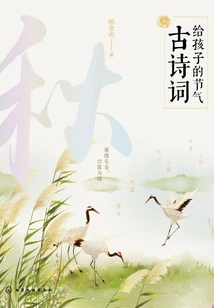
给孩子的节气古诗词·秋
Yang Jinzhi
The book series "Ancient Poems about Solar Terms for Children" takes solar terms as the main theme and selects more than 300 poems to fit the twenty-four solar terms one by one. The author's interpretation of the poems is unique and combines extensive knowledge related to the poems such as agricultural weather, astronomy and geography, historical allusions, traditional culture, and lifestyle. The poet's heart is more sensitive. At the beginning of spring, it is the beautiful artistic conception of "there is nothing in the south of the Yangtze River, just give me a spring"; at the autumnal equinox, it is the vastness and loftiness of "the wind is blowing thousands of miles, sending autumn geese, and you can enjoy the high buildings". Great poets walked between the time series of heaven and earth, recording the beauty of solar terms and poetry in catchy poems. I hope readers can follow the footsteps of the twenty-four solar terms and the poet's insights to discover the treasures of traditional Chinese culture with a poetic heart. Travel through history with poetry, and awaken the beauty of poetry and solar terms in current life. When you open this book, the "poetic solar term wind" comes to your face, and reading will be a wonderful journey.
The book series "Ancient Poems about Solar Terms for Children" takes solar terms as the main theme and selects more than 300 poems to fit the twenty-four solar terms one by one. The author's interpretation of the poems is unique and combines extensive knowledge related to the poems such as agricultural weather, astronomy and geography, historical allusions, traditional culture, and lifestyle. The poet's heart is more sensitive. At the beginning of spring, it is the beautiful artistic conception of "there is nothing in the south of the Yangtze River, just give me a spring"; at the autumnal equinox, it is the vastness and loftiness of "the wind is blowing thousands of miles, sending autumn geese, and you can enjoy the high buildings". Great poets walked between the time series of heaven and earth, recording the beauty of solar terms and poetry in catchy poems. I hope readers can follow the footsteps of the twenty-four solar terms and the poet's insights to discover the treasures of traditional Chinese culture with a poetic heart. Travel through history with poetry, and awaken the beauty of poetry and solar terms in current life. When you open this book, the "poetic solar term wind" comes to your face, and reading will be a wonderful journey.
中国文学经典·古代诗词卷
Chen Yinchi Zhou Xinglu
The "Chinese Literary Classics" set is divided into three types: "Ancient Poetry Volume", "Ancient Prose Volume", and "Ancient Novels and Drama Volume". It categorizes outstanding and classic Chinese traditional literary works and compiles them into volumes. Each textbook is arranged in chronological order. The content includes an overview of literature at this stage, as well as explanations and annotations of the works. The highlight is that it uses the works as a point to bring out the context of literary history. While highlighting the dominant position of intensive reading and interpretation of the works, it also forms a certain historical view of literary development.
The "Chinese Literary Classics" set is divided into three types: "Ancient Poetry Volume", "Ancient Prose Volume", and "Ancient Novels and Drama Volume". It categorizes outstanding and classic Chinese traditional literary works and compiles them into volumes. Each textbook is arranged in chronological order. The content includes an overview of literature at this stage, as well as explanations and annotations of the works. The highlight is that it uses the works as a point to bring out the context of literary history. While highlighting the dominant position of intensive reading and interpretation of the works, it also forms a certain historical view of literary development.
《西厢记》评点研究(清代卷)(文澜学术文库)
Wei Le
Commentary is a traditional literary criticism style with Chinese national characteristics. Commentary on "The Romance of the West Chamber" is the most typical representative. After experiencing the "extensive" development in the Ming Dynasty, the commentary on "The Romance of the West Chamber" entered a period of integration in the Qing Dynasty, showing highly mature literary characteristics. On the basis of fully clarifying the literature, this book provides a three-dimensional, dynamic, systematic and in-depth perspective on the criticism of "The Romance of the West Chamber" in this period from multiple perspectives such as the intention of commenting, the way of commenting, theoretical results and aesthetic characteristics. It also focuses on some rarely-known commentaries.
Commentary is a traditional literary criticism style with Chinese national characteristics. Commentary on "The Romance of the West Chamber" is the most typical representative. After experiencing the "extensive" development in the Ming Dynasty, the commentary on "The Romance of the West Chamber" entered a period of integration in the Qing Dynasty, showing highly mature literary characteristics. On the basis of fully clarifying the literature, this book provides a three-dimensional, dynamic, systematic and in-depth perspective on the criticism of "The Romance of the West Chamber" in this period from multiple perspectives such as the intention of commenting, the way of commenting, theoretical results and aesthetic characteristics. It also focuses on some rarely-known commentaries.
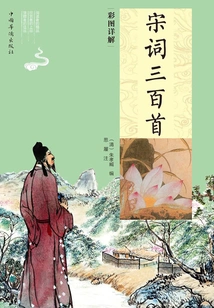
彩图详解宋词三百首:全册
F
Ci is a precious pearl in the treasure house of Chinese literature. For more than a thousand years, it has been hanging high in the sky of history, shining with dazzling brilliance. After this long historical precipitation, it still plays an indispensable role in today's society. In modern society, material life is becoming increasingly prosperous and the pace of life is accelerating. People have gradually turned into a rapidly rotating top. When people feel exhausted, if they can hold up a book of Song poetry and read a few poems gently, their anxious hearts will gradually calm down, just like a long-term drought encountering a gentle spring rain.
Ci is a precious pearl in the treasure house of Chinese literature. For more than a thousand years, it has been hanging high in the sky of history, shining with dazzling brilliance. After this long historical precipitation, it still plays an indispensable role in today's society. In modern society, material life is becoming increasingly prosperous and the pace of life is accelerating. People have gradually turned into a rapidly rotating top. When people feel exhausted, if they can hold up a book of Song poetry and read a few poems gently, their anxious hearts will gradually calm down, just like a long-term drought encountering a gentle spring rain.
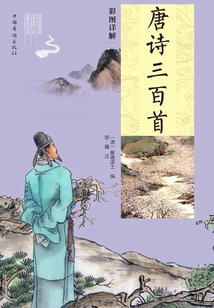
彩图详解唐诗三百首:全册
Hengtang Retirees
This book collects the essence of Tang Dynasty poetry in order of the poet's activity time. In addition to the original works of Tang poems, this book also has the following related auxiliary columns: "Author Introduction" introduces the author's life and work style, so that readers can have a general understanding of the author; in addition to annotating difficult words, this book also provides a detailed explanation of allusions in the poem; "Translation" strives to be loyal to the original work, so that readers can directly understand the original poem. Language style; "Metric of Poetry" introduces the format and rules of metrical poetry in terms of word count, sentence number, antithesis, rhythm, rhyme, etc.; "Poetry Appreciation Knowledge" introduces the style of Tang poetry and techniques commonly used in Tang poetry, etc.; "Appreciation" section introduces the poet's writing background and intention, the artistic conception and writing characteristics of the poem, as well as the emotions the author wants to express and the meaning of the work. At the same time, hundreds of exquisite illustrations in the book that match the text create a colorful, three-dimensional, and artistically charming reading space to help readers gain more beautiful enjoyment and reading experience. All you need to do is follow this book and enter the beautiful and fresh world of classical poetry, feel the beautiful artistic conception, and experience the poetic life.
This book collects the essence of Tang Dynasty poetry in order of the poet's activity time. In addition to the original works of Tang poems, this book also has the following related auxiliary columns: "Author Introduction" introduces the author's life and work style, so that readers can have a general understanding of the author; in addition to annotating difficult words, this book also provides a detailed explanation of allusions in the poem; "Translation" strives to be loyal to the original work, so that readers can directly understand the original poem. Language style; "Metric of Poetry" introduces the format and rules of metrical poetry in terms of word count, sentence number, antithesis, rhythm, rhyme, etc.; "Poetry Appreciation Knowledge" introduces the style of Tang poetry and techniques commonly used in Tang poetry, etc.; "Appreciation" section introduces the poet's writing background and intention, the artistic conception and writing characteristics of the poem, as well as the emotions the author wants to express and the meaning of the work. At the same time, hundreds of exquisite illustrations in the book that match the text create a colorful, three-dimensional, and artistically charming reading space to help readers gain more beautiful enjoyment and reading experience. All you need to do is follow this book and enter the beautiful and fresh world of classical poetry, feel the beautiful artistic conception, and experience the poetic life.
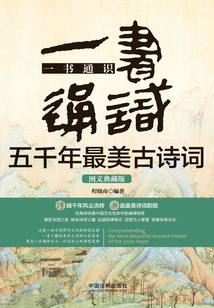
一书通识五千年最美古诗词
Cheng Xiaonan
This book is a rare book that is both practical, readable and literary. The whole book adopts an arrangement method that combines dynasty history and poetic imagery, and captures hundreds of catchy and communication-worthy poems, lyrics, and vocabularies from Chinese history into one book. It provides both general interpretation and expanded appreciation. It is a book of knowledge that introduces poetry culture, a spiritual reader for understanding history, and a poetic wandering through ancient and modern times in dialogue with ancestors. The craze for Chinese studies that has arisen in recent years has brought classical culture closer to the eyes of ordinary people. As a timeless and classic part of classical culture, ancient poetry is a spiritual wealth that every Chinese should master. This book has selected nearly 300 popular and long-circulated ancient poems. Based on the existing annotations and translations, it has added beautiful appreciation based on poetic language, and also added expansion links to connect some poetic works with similar artistic conceptions, so that readers can further deepen their understanding of the selected poems.
This book is a rare book that is both practical, readable and literary. The whole book adopts an arrangement method that combines dynasty history and poetic imagery, and captures hundreds of catchy and communication-worthy poems, lyrics, and vocabularies from Chinese history into one book. It provides both general interpretation and expanded appreciation. It is a book of knowledge that introduces poetry culture, a spiritual reader for understanding history, and a poetic wandering through ancient and modern times in dialogue with ancestors. The craze for Chinese studies that has arisen in recent years has brought classical culture closer to the eyes of ordinary people. As a timeless and classic part of classical culture, ancient poetry is a spiritual wealth that every Chinese should master. This book has selected nearly 300 popular and long-circulated ancient poems. Based on the existing annotations and translations, it has added beautiful appreciation based on poetic language, and also added expansion links to connect some poetic works with similar artistic conceptions, so that readers can further deepen their understanding of the selected poems.
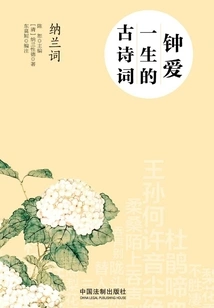
钟爱一生的古诗词:纳兰词
(qing Dynasty) Written By Nalan Xingde And Edited By Dong Moni
This book is a collection of the poems of Nalan Xingde, a famous poet in the Qing Dynasty. Nalan Xingde is a representative figure in the poetry circle of the Qing Dynasty and is known as the "first poet of the Qing Dynasty". Most of his poems are based on homesickness, missing relatives and missing friends. They are beautiful, sad, elegant and timeless, occupying an important position in the history of poetry. In this publication, a brief annotation is given on the difficult words and allusions involved in Liu Yong's poems, and an appreciation is added after each poem. The book also contains historical comments for readers to read and appreciate.
This book is a collection of the poems of Nalan Xingde, a famous poet in the Qing Dynasty. Nalan Xingde is a representative figure in the poetry circle of the Qing Dynasty and is known as the "first poet of the Qing Dynasty". Most of his poems are based on homesickness, missing relatives and missing friends. They are beautiful, sad, elegant and timeless, occupying an important position in the history of poetry. In this publication, a brief annotation is given on the difficult words and allusions involved in Liu Yong's poems, and an appreciation is added after each poem. The book also contains historical comments for readers to read and appreciate.
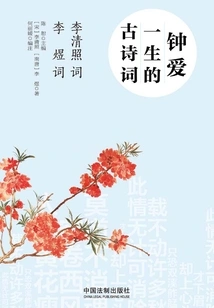
钟爱一生的古诗词:李清照词 李煜词
(song) Li Qingzhao (southern Tang) Written By Li Yu Edited And Annotated By He Liyuan
"Love the Ancient Poems of a Lifetime: Li Qingzhao's Ci and Li Yu's Ci" selects 49 Li Qingzhao's poems and 33 Li Yu's poems for readers to interpret carefully. Through divergent annotations, the book allows readers to gain more knowledge by reading excellent works; through the interpretation of prose, readers can put themselves in the author's shoes and experience what the author sees and thinks, and reproduce the poetic and picturesque scene. I believe that readers can start from such a book and fall in love with beautiful ancient poetry and our traditional culture.
"Love the Ancient Poems of a Lifetime: Li Qingzhao's Ci and Li Yu's Ci" selects 49 Li Qingzhao's poems and 33 Li Yu's poems for readers to interpret carefully. Through divergent annotations, the book allows readers to gain more knowledge by reading excellent works; through the interpretation of prose, readers can put themselves in the author's shoes and experience what the author sees and thinks, and reproduce the poetic and picturesque scene. I believe that readers can start from such a book and fall in love with beautiful ancient poetry and our traditional culture.
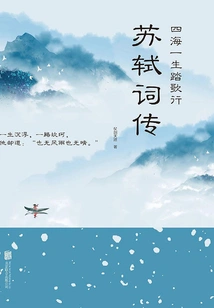
四海一生踏歌行:苏轼词传
Sword To The End Of The World
This book takes Su Shi's poems as the theme, starting from the social concepts and background of the time, and conducts an in-depth analysis of Su Shi's life experiences, poetry, art, social activities, etc., And reproduces the typical Song Dynasty civil servant image of Su Shi who passed down the world through writing and entered the world as an official. This book combines Su Shi's life experience and provides an emotional interpretation of his words. Reading his words can heal the heart; tasting his life can inspire people. Su Shi is a rare all-round genius in poetry, literature, calligraphy, painting and Ci in history. In poetry, he stood at the highest point of Song poetry; in prose, he was one of the "Eight Great Masters of the Tang and Song Dynasties"; in calligraphy, he, Huang Tingjian, Mi Fu, and Cai Xiang were collectively known as the "Four Great Masters of the Northern Song Dynasty"; in painting, he was the first to propose the concept of literati painting; in poetry, he created a new school - the Bold School. Su Shi's creativity is astonishing. Zhao Yi said that he was "born with a strong pen, as refreshing as a sad pear, as fast as pruning it together. There is a secret that must be reached, and there is no difficulty in showing the emotion." And he himself was not modest: "My writing is like a thousand dendrobium springs, coming out at any place. It is gushing on the plains, even though it is a thousand miles a day, there is no difficulty."
This book takes Su Shi's poems as the theme, starting from the social concepts and background of the time, and conducts an in-depth analysis of Su Shi's life experiences, poetry, art, social activities, etc., And reproduces the typical Song Dynasty civil servant image of Su Shi who passed down the world through writing and entered the world as an official. This book combines Su Shi's life experience and provides an emotional interpretation of his words. Reading his words can heal the heart; tasting his life can inspire people. Su Shi is a rare all-round genius in poetry, literature, calligraphy, painting and Ci in history. In poetry, he stood at the highest point of Song poetry; in prose, he was one of the "Eight Great Masters of the Tang and Song Dynasties"; in calligraphy, he, Huang Tingjian, Mi Fu, and Cai Xiang were collectively known as the "Four Great Masters of the Northern Song Dynasty"; in painting, he was the first to propose the concept of literati painting; in poetry, he created a new school - the Bold School. Su Shi's creativity is astonishing. Zhao Yi said that he was "born with a strong pen, as refreshing as a sad pear, as fast as pruning it together. There is a secret that must be reached, and there is no difficulty in showing the emotion." And he himself was not modest: "My writing is like a thousand dendrobium springs, coming out at any place. It is gushing on the plains, even though it is a thousand miles a day, there is no difficulty."
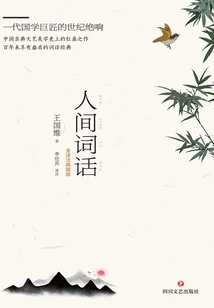
Human Words
Literature人间词话
Wang Guowei
Wang Guowei, the founder of New Historiography and a master of Chinese studies, is a landmark work and a masterpiece in the history of Chinese classical literature and aesthetics. Liang Qichao, Lu Xun, Chen Yinke, Zhu Guangqian, Fu Lei, Ye Jiaying, etc. Highly praised it and sold millions of copies of Chinese classics. The fully translated and annotated collector's edition: accurate annotations and beautiful translations fully present Wang Guowei's aesthetic thoughts, allowing you to enjoy barrier-free reading. From the perspective of a master, with beautiful interpretation, this book can help you understand the aesthetic context of Chinese poetry and hold the golden key to developing your spirituality. Taste the unique "realm" aesthetics and appreciate the "Bible" that enhances the realm of life.
Wang Guowei, the founder of New Historiography and a master of Chinese studies, is a landmark work and a masterpiece in the history of Chinese classical literature and aesthetics. Liang Qichao, Lu Xun, Chen Yinke, Zhu Guangqian, Fu Lei, Ye Jiaying, etc. Highly praised it and sold millions of copies of Chinese classics. The fully translated and annotated collector's edition: accurate annotations and beautiful translations fully present Wang Guowei's aesthetic thoughts, allowing you to enjoy barrier-free reading. From the perspective of a master, with beautiful interpretation, this book can help you understand the aesthetic context of Chinese poetry and hold the golden key to developing your spirituality. Taste the unique "realm" aesthetics and appreciate the "Bible" that enhances the realm of life.
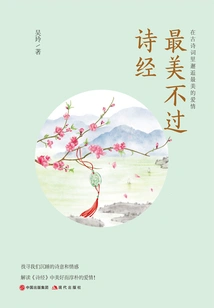
最美不过诗经:在古诗词里邂逅最美的爱情
Wu Ling
This book is a reinterpretation of the Chinese classic "The Book of Songs", and mainly focuses on the love-related chapters in the Book of Songs. The love of two thousand years ago took root and sprouted in pastoral songs. The selection of "The Most Beautiful Books in the World" in 2010 was recently announced, and the Chinese ancient classic "The Book of Songs" won the first prize. Without straightforward words, the original emotional impulse of "The Book of Songs" cannot be regretted; without implicit expression, it is difficult to make the love in "The Book of Songs" euphemistic and moving. You might as well be a poetry collector with a hand-cranked wooden instrument, running around thousands of hectares of fertile fields, bending down, picking your own happiness and sadness. Every fragment of life, without modification, can produce moving music.
This book is a reinterpretation of the Chinese classic "The Book of Songs", and mainly focuses on the love-related chapters in the Book of Songs. The love of two thousand years ago took root and sprouted in pastoral songs. The selection of "The Most Beautiful Books in the World" in 2010 was recently announced, and the Chinese ancient classic "The Book of Songs" won the first prize. Without straightforward words, the original emotional impulse of "The Book of Songs" cannot be regretted; without implicit expression, it is difficult to make the love in "The Book of Songs" euphemistic and moving. You might as well be a poetry collector with a hand-cranked wooden instrument, running around thousands of hectares of fertile fields, bending down, picking your own happiness and sadness. Every fragment of life, without modification, can produce moving music.
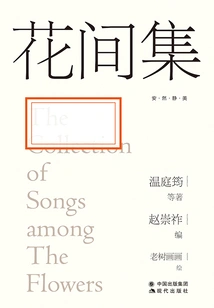
Huajianji
Literature花间集
Wen Tingyun
"Flower Room Collection" is the first comprehensive collection of Chinese poetry in the history of Chinese poetry. It contains 18 poems by Wen Tingyun, Wei Zhuang, Niu Xiji, etc., Totaling 500 poems. The collected words include love affairs between men and women, historical events and monuments, scenery and people's feelings, old stories about frontier fortresses, landscapes, flowers and birds, etc. "Flowers Collection" lies between the two literary peaks of Tang poetry and Song poetry. With its clear and graceful style, it established a new aesthetic standard for the literary world. It has the reputation of "Li Sao in Ci". With the popularity of TV programs such as "Chinese Poetry Conference", "The Legend of Zhen Huan" used Wen Tingyun's Bodhisattva Man (The Hills Overlap the Golden Brightness) from "The Collection of Flowers" as an episode for the TV series, composed by Liu Huan and sung by Yao Beina. The market for classical poetry works is gradually gaining popularity. This popular version of "Flower Room Collection" will definitely stand out.
"Flower Room Collection" is the first comprehensive collection of Chinese poetry in the history of Chinese poetry. It contains 18 poems by Wen Tingyun, Wei Zhuang, Niu Xiji, etc., Totaling 500 poems. The collected words include love affairs between men and women, historical events and monuments, scenery and people's feelings, old stories about frontier fortresses, landscapes, flowers and birds, etc. "Flowers Collection" lies between the two literary peaks of Tang poetry and Song poetry. With its clear and graceful style, it established a new aesthetic standard for the literary world. It has the reputation of "Li Sao in Ci". With the popularity of TV programs such as "Chinese Poetry Conference", "The Legend of Zhen Huan" used Wen Tingyun's Bodhisattva Man (The Hills Overlap the Golden Brightness) from "The Collection of Flowers" as an episode for the TV series, composed by Liu Huan and sung by Yao Beina. The market for classical poetry works is gradually gaining popularity. This popular version of "Flower Room Collection" will definitely stand out.
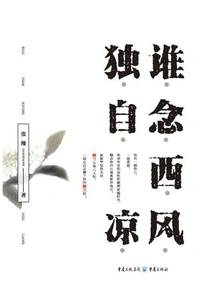
谁念西风独自凉
Zhang Man
Nalan Xingde, a peerless talent, is known as "the first lyricist in the early Qing Dynasty". During the prosperous age of Kangxi and Qianlong, peace and prosperity prevailed. Although Nalan was born into a noble family and was well-dressed and well-educated, he was born with a sad heart and a soft heart. The sincerity in his lyrics showed a kind of noble sadness and a kind of beautiful sadness, which made people unable to bear to read and unable to put it down. Nalan suffered several emotional setbacks and official setbacks throughout his life. In his poems, there is the longing for the parted lover, the memory of the deceased first wife, and the depression of being in a high position but unable to fulfill his ambitions. These touching emotions are contained in Nalan's poems. Every word and sentence slowly settles over time and becomes a tea leaf. Only at the moment we open the book, it exudes the fragrance of Nalan.
Nalan Xingde, a peerless talent, is known as "the first lyricist in the early Qing Dynasty". During the prosperous age of Kangxi and Qianlong, peace and prosperity prevailed. Although Nalan was born into a noble family and was well-dressed and well-educated, he was born with a sad heart and a soft heart. The sincerity in his lyrics showed a kind of noble sadness and a kind of beautiful sadness, which made people unable to bear to read and unable to put it down. Nalan suffered several emotional setbacks and official setbacks throughout his life. In his poems, there is the longing for the parted lover, the memory of the deceased first wife, and the depression of being in a high position but unable to fulfill his ambitions. These touching emotions are contained in Nalan's poems. Every word and sentence slowly settles over time and becomes a tea leaf. Only at the moment we open the book, it exudes the fragrance of Nalan.
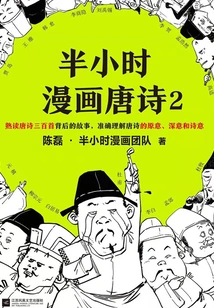
Half-hour Comic Tang Poetry 2
Literature半小时漫画唐诗2
Chen Lei·half Hour Comics Team
The final chapter of "Half-hour Comic Tang Poetry 2"! "Half-Hour Comics Tang Poems 2" is a new work by Chen Lei (pseudonym: Erhuanzi), the founder of the knowledge public account group with 7 million fans on the Internet. It is another popular science masterpiece after "Half-Hour Comics History of China" and "Half-Hour Comics World History"! Familiarize yourself with the stories behind 300 Tang poems and accurately understand the original meaning, profound meaning and poetic flavor of Tang poems. It all looks like a joke, but in fact it's all a test point! The much-anticipated poet Du Fu finally makes his appearance. In the first half of his life, he was a wild young man who "could be at the top of the mountain and could see all the small mountains." In the second half of his life, he was a sad old man who "the country is broken, the mountains and rivers are there, and the city is springy and has deep vegetation." Liu Zongyuan, a great poet, is actually the king of Duanzi. "Thousands of mountains and birds are gone, and thousands of people are gone" is just his daily practice. The change in the style of Bai Juyi's works is related to the change in his life attitude. When he was filled with righteous indignation in the court, he wrote "The Charcoal Seller" which exposed the darkness of reality. After staying away from the party strife, he wrote "Indiscriminate flowers gradually become charming, and Asakusa can have no horse hooves" while enjoying a leisurely life. Put aside complicated annotations and formulaic appreciation, and use a humorous way to tell serious knowledge. It may seem like a joke, but in fact it is all a test point, making you fall in love with Tang poetry again while laughing. Open this book to understand the joys and sorrows of the great poet's life, and feel the joy, anger, sorrow and joy behind the eternal famous lines!
The final chapter of "Half-hour Comic Tang Poetry 2"! "Half-Hour Comics Tang Poems 2" is a new work by Chen Lei (pseudonym: Erhuanzi), the founder of the knowledge public account group with 7 million fans on the Internet. It is another popular science masterpiece after "Half-Hour Comics History of China" and "Half-Hour Comics World History"! Familiarize yourself with the stories behind 300 Tang poems and accurately understand the original meaning, profound meaning and poetic flavor of Tang poems. It all looks like a joke, but in fact it's all a test point! The much-anticipated poet Du Fu finally makes his appearance. In the first half of his life, he was a wild young man who "could be at the top of the mountain and could see all the small mountains." In the second half of his life, he was a sad old man who "the country is broken, the mountains and rivers are there, and the city is springy and has deep vegetation." Liu Zongyuan, a great poet, is actually the king of Duanzi. "Thousands of mountains and birds are gone, and thousands of people are gone" is just his daily practice. The change in the style of Bai Juyi's works is related to the change in his life attitude. When he was filled with righteous indignation in the court, he wrote "The Charcoal Seller" which exposed the darkness of reality. After staying away from the party strife, he wrote "Indiscriminate flowers gradually become charming, and Asakusa can have no horse hooves" while enjoying a leisurely life. Put aside complicated annotations and formulaic appreciation, and use a humorous way to tell serious knowledge. It may seem like a joke, but in fact it is all a test point, making you fall in love with Tang poetry again while laughing. Open this book to understand the joys and sorrows of the great poet's life, and feel the joy, anger, sorrow and joy behind the eternal famous lines!

李清照:人生不过一场绚烂花事
Wei Qi
Li Qingzhao, also known as "Yi An Jushi", is a representative poet of the Wanyue School in the Song Dynasty. She is known as the "Eternal DIY Talented Woman" and the "Ci Master of a Generation". Her words are graceful and clear, with harmonious melody and sincere emotions. She is good at using line drawing techniques and has a unique style, which is called "Yi An Ti". She especially likes to use flowers as themes and symbols. In her words, there is the elegance of "You know, you know, they should be green, fat, red and thin"; there is also the nobility of "Why light green and deep red, they are the best among flowers"; there is the lovesickness of "The west wind blows, people are thinner than yellow flowers"; and there is the poignancy of "the wind abides in the dust and the fragrance of the flowers is gone". She writes about her wandering and ups and downs but as beautiful as a flower life. Wei Qi uses a beautiful and romantic writing style, combined with Li Qingzhao's life and historical background, to intensively read the only fifty Yi'an poems in existence. The book is divided into five volumes, carefully interpreting Li Qingzhao's genius as a girl, the sweetness of newlywed love, the indifference of living in a screen in Qingzhou, the hardships of wandering south, and the desolation of living alone in his later years. The historical materials and anecdotes are accurate and credible, the poetry appreciation is novel and exquisite, and the writing style is delicate and smart, making people think. A collection of Li Qingzhao's poems and essays is attached at the end of the article. Her poems are upright and generous, and her articles such as "Ci Lun" and "Ba Ma Fu" are all excellent works.
Li Qingzhao, also known as "Yi An Jushi", is a representative poet of the Wanyue School in the Song Dynasty. She is known as the "Eternal DIY Talented Woman" and the "Ci Master of a Generation". Her words are graceful and clear, with harmonious melody and sincere emotions. She is good at using line drawing techniques and has a unique style, which is called "Yi An Ti". She especially likes to use flowers as themes and symbols. In her words, there is the elegance of "You know, you know, they should be green, fat, red and thin"; there is also the nobility of "Why light green and deep red, they are the best among flowers"; there is the lovesickness of "The west wind blows, people are thinner than yellow flowers"; and there is the poignancy of "the wind abides in the dust and the fragrance of the flowers is gone". She writes about her wandering and ups and downs but as beautiful as a flower life. Wei Qi uses a beautiful and romantic writing style, combined with Li Qingzhao's life and historical background, to intensively read the only fifty Yi'an poems in existence. The book is divided into five volumes, carefully interpreting Li Qingzhao's genius as a girl, the sweetness of newlywed love, the indifference of living in a screen in Qingzhou, the hardships of wandering south, and the desolation of living alone in his later years. The historical materials and anecdotes are accurate and credible, the poetry appreciation is novel and exquisite, and the writing style is delicate and smart, making people think. A collection of Li Qingzhao's poems and essays is attached at the end of the article. Her poems are upright and generous, and her articles such as "Ci Lun" and "Ba Ma Fu" are all excellent works.
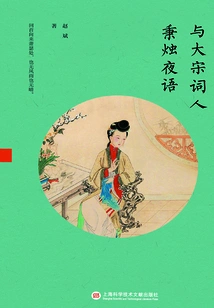
与大宋词人秉烛夜语
Zhao Bin
The Song Dynasty was an era of ups and downs and poor poetic quality! Countless literati wandered the streets and drank to their wits. It's always difficult to be infatuated; or you can go up to the river tower alone and see the mountains and rivers, and the westerly wind and the wild geese are always close to your heart; or you can travel in a windy and windy way, and your return date is unpredictable, and you don't know you are a guest in your dreams... They patted the railings all over, and looked at the sword with the lamp on, and it was so embarrassing; they shed tears in the rivers and lakes, their dreams were cut off on the journey, and it was difficult to return to their hometown. Song lyrics inherited the lingering charm of Tang poetry, created a new style, and created the unique cultural landscape of that era! "Walking with the Poems of the Song Dynasty at Night" selects 37 famous literati from the Song Dynasty to write. Compared with "Wine and Sing with the Poets of the Tang Dynasty", it adopts the opposite writing path, and the novelty is doubled: especially the use of the second person method, which seems to be in direct dialogue with the ancients, eloquent and eloquent... Reading, there is a sense of intimacy, a sense of presence, a gentle and elegant charm, and a profound and far-reaching meaning.
The Song Dynasty was an era of ups and downs and poor poetic quality! Countless literati wandered the streets and drank to their wits. It's always difficult to be infatuated; or you can go up to the river tower alone and see the mountains and rivers, and the westerly wind and the wild geese are always close to your heart; or you can travel in a windy and windy way, and your return date is unpredictable, and you don't know you are a guest in your dreams... They patted the railings all over, and looked at the sword with the lamp on, and it was so embarrassing; they shed tears in the rivers and lakes, their dreams were cut off on the journey, and it was difficult to return to their hometown. Song lyrics inherited the lingering charm of Tang poetry, created a new style, and created the unique cultural landscape of that era! "Walking with the Poems of the Song Dynasty at Night" selects 37 famous literati from the Song Dynasty to write. Compared with "Wine and Sing with the Poets of the Tang Dynasty", it adopts the opposite writing path, and the novelty is doubled: especially the use of the second person method, which seems to be in direct dialogue with the ancients, eloquent and eloquent... Reading, there is a sense of intimacy, a sense of presence, a gentle and elegant charm, and a profound and far-reaching meaning.
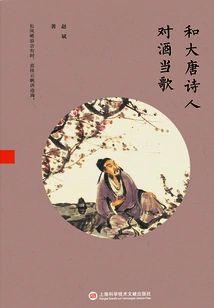
和大唐诗人对酒当歌
Zhao Bin
The Tang Dynasty was an era that called for geniuses and created wizards! It is the power of dreams that has awakened countless literati to have high aspirations, care about the world, and travel around the world. There is wine in the rivers and lakes, dreams in the temples, nostalgia on the road, and elegance in poetry! The poets walked along the way, the Tang style was majestic and the poetry was flying. Poetry is no longer the exclusive preserve of literati, poetry has entered the common people. For a time, splendid chapters appeared one after another and brilliant verses became the symbol of a prosperous age that shakes the past and shines upon the present, and became the immortal memory of the splendor of a nation. "Drinking and Singing with the Poets of the Tang Dynasty" written by Zhao Bin selects 50 Tang Dynasty poets to appreciate their characters and poems, and appreciate that great era that cannot be copied, is long gone, and is haunting. It has both academic value and enjoyable reading. The writing is fluent and the meaning is beautiful...
The Tang Dynasty was an era that called for geniuses and created wizards! It is the power of dreams that has awakened countless literati to have high aspirations, care about the world, and travel around the world. There is wine in the rivers and lakes, dreams in the temples, nostalgia on the road, and elegance in poetry! The poets walked along the way, the Tang style was majestic and the poetry was flying. Poetry is no longer the exclusive preserve of literati, poetry has entered the common people. For a time, splendid chapters appeared one after another and brilliant verses became the symbol of a prosperous age that shakes the past and shines upon the present, and became the immortal memory of the splendor of a nation. "Drinking and Singing with the Poets of the Tang Dynasty" written by Zhao Bin selects 50 Tang Dynasty poets to appreciate their characters and poems, and appreciate that great era that cannot be copied, is long gone, and is haunting. It has both academic value and enjoyable reading. The writing is fluent and the meaning is beautiful...
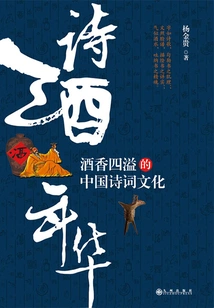
诗酒年华:酒香四溢的中国诗词文化
Yang Jingui
Throughout the dynasties, all poets who could write poetry included drinking in their poems. Su Dongpo of the Song Dynasty, in addition to "relieving sorrow and relieving boredom", also added infinite wildness and friendship in his drinking poems, opening up a new first-class drinking style for later generations of literati. "Asking the blue sky with wine", "Life is like a dream, a bottle of wine returns the moonlight over the river", "The spirit of wine is still open to the public", pushing the wine culture to another peak. Scholars such as Lu You, Xin Qiji, and Li Qingzhao in the Song Dynasty also wrote a large number of "wine poems", which not only expanded the subject matter of wine culture, but also deepened the connotation of wine culture, leaving us with precious wine cultural heritage. Just as the essence of Chinese wine culture is that "a drunkard's intention is not in wine", in the poet's writings, wine is the carrier of emotion, which is vividly displayed in the poem.
Throughout the dynasties, all poets who could write poetry included drinking in their poems. Su Dongpo of the Song Dynasty, in addition to "relieving sorrow and relieving boredom", also added infinite wildness and friendship in his drinking poems, opening up a new first-class drinking style for later generations of literati. "Asking the blue sky with wine", "Life is like a dream, a bottle of wine returns the moonlight over the river", "The spirit of wine is still open to the public", pushing the wine culture to another peak. Scholars such as Lu You, Xin Qiji, and Li Qingzhao in the Song Dynasty also wrote a large number of "wine poems", which not only expanded the subject matter of wine culture, but also deepened the connotation of wine culture, leaving us with precious wine cultural heritage. Just as the essence of Chinese wine culture is that "a drunkard's intention is not in wine", in the poet's writings, wine is the carrier of emotion, which is vividly displayed in the poem.
诗歌的语言与形式:中国现代诗歌语言与形式学术研讨会论文集
Wang Guangming
This book specializes in the study of poetic language and form issues. It can be seen that the development of poetic form has experienced historical choices, and is inseparable from the active exploration of poets in various eras. As an academic issue, it should indeed be discussed. This collection of essays is very rich in content, including discussions on poetry theory, analysis of poets' creations, microscopic research on poetic language and form, and macroscopic scanning and generalization, etc. This reflects our concern for the future of Chinese poetry and our sense of responsibility for the development of well-developed new Chinese poetry!
This book specializes in the study of poetic language and form issues. It can be seen that the development of poetic form has experienced historical choices, and is inseparable from the active exploration of poets in various eras. As an academic issue, it should indeed be discussed. This collection of essays is very rich in content, including discussions on poetry theory, analysis of poets' creations, microscopic research on poetic language and form, and macroscopic scanning and generalization, etc. This reflects our concern for the future of Chinese poetry and our sense of responsibility for the development of well-developed new Chinese poetry!
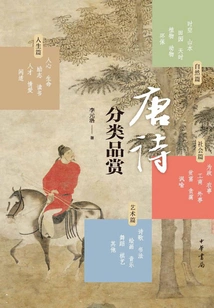
Classified Appreciation of Tang Poetry
Literature唐诗分类品赏
Li Yuanluo
Mr. Li Yuanluo, a famous connoisseur of classical poetry, selected more than 300 Tang poems based on different themes from a contemporary perspective, divided into four major chapters: nature, society, life and art. Each article is divided into seven sub-categories, covering topics such as time and space, landscapes, pastoral, weather, plants... Calligraphy, painting, music, dance, chess and other themes. It depicts various aspects of the world between heaven and earth, showing the essence of Tang poetry and even the encyclopedia of Tang people's life. The selected poems are carefully appreciated in connection with the historical background, the poet's situation and current hot topics, and have both historical value and practical significance. Appropriately combining the new poetry and old-style poetry since the May 4th Movement, nearly a thousand poems can be appreciated.
Mr. Li Yuanluo, a famous connoisseur of classical poetry, selected more than 300 Tang poems based on different themes from a contemporary perspective, divided into four major chapters: nature, society, life and art. Each article is divided into seven sub-categories, covering topics such as time and space, landscapes, pastoral, weather, plants... Calligraphy, painting, music, dance, chess and other themes. It depicts various aspects of the world between heaven and earth, showing the essence of Tang poetry and even the encyclopedia of Tang people's life. The selected poems are carefully appreciated in connection with the historical background, the poet's situation and current hot topics, and have both historical value and practical significance. Appropriately combining the new poetry and old-style poetry since the May 4th Movement, nearly a thousand poems can be appreciated.
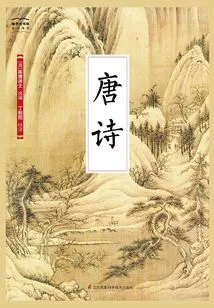
唐诗(国学大书院)
J
"Poetry of the Tang Dynasty" selects more than 300 ancient poems from the Tang Dynasty, covering various themes, such as seclusion, visiting, taking exams, failure, favors, relocation, concern for the country and the people, resignation and return to the fields, lovesickness, parting, Salesianism, friendship... It is clear and easy to understand, reflecting the life background and characteristics of the times in the Tang Dynasty. If you savor it carefully, you can also get the benefits of cultivating your temperament, and cultivate and inspire people's hearts.
"Poetry of the Tang Dynasty" selects more than 300 ancient poems from the Tang Dynasty, covering various themes, such as seclusion, visiting, taking exams, failure, favors, relocation, concern for the country and the people, resignation and return to the fields, lovesickness, parting, Salesianism, friendship... It is clear and easy to understand, reflecting the life background and characteristics of the times in the Tang Dynasty. If you savor it carefully, you can also get the benefits of cultivating your temperament, and cultivate and inspire people's hearts.
New Autumn Collection
Literature新秋集
Wang Yubao
The ancient literary form of "ci" itself needs the soil of traditional culture to provide nutrients. For contemporary people who have lost the traditional humanistic environment, the first thing that is difficult to overcome when studying Ci is the cumbersome rhythm, which is like "dancing with shackles." The ancient method of writing words on the sound has long been lost. Today we can only study the rhythm and rhyme according to the handed down word cards, and write words word for word and rhyme, not to mention expressing expressions on this basis and entering a beautiful and meaningful artistic realm. The last and most difficult point is how to integrate the past and the present in literary form and aesthetic style, and use the past to serve the present, and use the bright moonlight of classical literature to illuminate the ambitions of today's new generation of Chinese people. This is a difficult but inevitable task that today's lyricists face. Otherwise, the poems we write are just superficial, where will the vitality of life come from? Mr. Wang Yubao is actually doing all these difficult things, and he is doing it very well. Reading his words makes people's eyes brighten and let people know that this classical art form is still tenaciously alive in the hands of a small number of people, which is really remarkable.
The ancient literary form of "ci" itself needs the soil of traditional culture to provide nutrients. For contemporary people who have lost the traditional humanistic environment, the first thing that is difficult to overcome when studying Ci is the cumbersome rhythm, which is like "dancing with shackles." The ancient method of writing words on the sound has long been lost. Today we can only study the rhythm and rhyme according to the handed down word cards, and write words word for word and rhyme, not to mention expressing expressions on this basis and entering a beautiful and meaningful artistic realm. The last and most difficult point is how to integrate the past and the present in literary form and aesthetic style, and use the past to serve the present, and use the bright moonlight of classical literature to illuminate the ambitions of today's new generation of Chinese people. This is a difficult but inevitable task that today's lyricists face. Otherwise, the poems we write are just superficial, where will the vitality of life come from? Mr. Wang Yubao is actually doing all these difficult things, and he is doing it very well. Reading his words makes people's eyes brighten and let people know that this classical art form is still tenaciously alive in the hands of a small number of people, which is really remarkable.
The Sunset is so Beautiful
Literature夕阳如此美好
Yang Yuqin
Ci is indeed a pearl in Chinese culture and one of the precious cultural heritages worthy of research and study by every poetry lover. In the current era of rapid economic development, people's pace of life is getting faster and faster, and even culture has become a fast food culture that caters to people's lives. The relationship between people is becoming more and more alienated. The pressure of life brings more negative emotions: anxiety, depression, worry, loneliness, emptiness, pain and so on. How to properly regulate the emotions in the heart and resolve spiritual conflicts has become a problem faced by people today. When you encounter these situations, you may wish to read this collection of poems. I hope that the harmonious connotation of classical poetry, the treasure of traditional Chinese culture, can open another door for you.
Ci is indeed a pearl in Chinese culture and one of the precious cultural heritages worthy of research and study by every poetry lover. In the current era of rapid economic development, people's pace of life is getting faster and faster, and even culture has become a fast food culture that caters to people's lives. The relationship between people is becoming more and more alienated. The pressure of life brings more negative emotions: anxiety, depression, worry, loneliness, emptiness, pain and so on. How to properly regulate the emotions in the heart and resolve spiritual conflicts has become a problem faced by people today. When you encounter these situations, you may wish to read this collection of poems. I hope that the harmonious connotation of classical poetry, the treasure of traditional Chinese culture, can open another door for you.
唐风唐韵:唐诗三百首精选
Nanshan
Since "Three Hundred Poems of the Tang Dynasty" was written, there have been various editions due to different annotators and translators. Each of these annotations has its own characteristics. The annotators are all well-known scholars in the field of Tang and Song literature studies. They have devoted many years of hard work to the annotations, which are of great help to readers in reading and appreciating Tang poetry. This version of Mr. Nanshan's annotation is characterized by trying to avoid the problems of more detailed annotations and more complicated explanations, and focuses on explaining the background of the poem and the cause and state of the poet's creation of this work, so as to allow readers to have a broader space to appreciate and appreciate the charm of the original work after removing the most basic reading obstacles. The book consists of three parts: the first is the original text of the poem; the second is the annotation; and the third is a brief analysis, which briefly explains the background of the poem's creation and the poet's psychological state at that time.
Since "Three Hundred Poems of the Tang Dynasty" was written, there have been various editions due to different annotators and translators. Each of these annotations has its own characteristics. The annotators are all well-known scholars in the field of Tang and Song literature studies. They have devoted many years of hard work to the annotations, which are of great help to readers in reading and appreciating Tang poetry. This version of Mr. Nanshan's annotation is characterized by trying to avoid the problems of more detailed annotations and more complicated explanations, and focuses on explaining the background of the poem and the cause and state of the poet's creation of this work, so as to allow readers to have a broader space to appreciate and appreciate the charm of the original work after removing the most basic reading obstacles. The book consists of three parts: the first is the original text of the poem; the second is the annotation; and the third is a brief analysis, which briefly explains the background of the poem's creation and the poet's psychological state at that time.
古风清音:元曲精选集
Xu Songhua
Yuan opera is a treasure in ancient Chinese culture. Together with Han fu, Tang poetry, Song lyrics, and Ming and Qing novels, it has become a testimony to the intelligence and wisdom of ancient Chinese literati. The language of Yuan opera is popular and beautiful, with a wide range of themes and unique styles. It has a desolate and nostalgic feeling, an exciting and tragic frontier style, and a sad and elegant feeling of resentment... This book has selected 300 works to comprehensively display the style of Yuan opera. In addition to the original text, it is also accompanied by annotations and appreciation, which fully display the essence of Yuan opera art in the book, allowing readers to gain more cultural influence and enhance their aesthetic taste while reading easily.
Yuan opera is a treasure in ancient Chinese culture. Together with Han fu, Tang poetry, Song lyrics, and Ming and Qing novels, it has become a testimony to the intelligence and wisdom of ancient Chinese literati. The language of Yuan opera is popular and beautiful, with a wide range of themes and unique styles. It has a desolate and nostalgic feeling, an exciting and tragic frontier style, and a sad and elegant feeling of resentment... This book has selected 300 works to comprehensively display the style of Yuan opera. In addition to the original text, it is also accompanied by annotations and appreciation, which fully display the essence of Yuan opera art in the book, allowing readers to gain more cultural influence and enhance their aesthetic taste while reading easily.
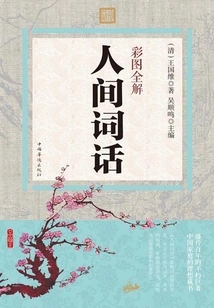
彩图全解人间词话
Wang Guowei
Wang Guowei (1877-1927), courtesy name Jing'an, was born in Haining, Zhejiang, and was one of the "Four Great Mentors" of the Tsinghua Institute of Chinese Studies. The earliest outstanding scholar in modern China who tried to evaluate Chinese classical literature based on Western philosophy, aesthetics, and literary theory, and one of the most dazzling masters of Chinese studies in the hearts of Chinese people. The words he writes are as pure as lotus flowers, just as his thoughts are like the branches of tender lotus flowers.
Wang Guowei (1877-1927), courtesy name Jing'an, was born in Haining, Zhejiang, and was one of the "Four Great Mentors" of the Tsinghua Institute of Chinese Studies. The earliest outstanding scholar in modern China who tried to evaluate Chinese classical literature based on Western philosophy, aesthetics, and literary theory, and one of the most dazzling masters of Chinese studies in the hearts of Chinese people. The words he writes are as pure as lotus flowers, just as his thoughts are like the branches of tender lotus flowers.
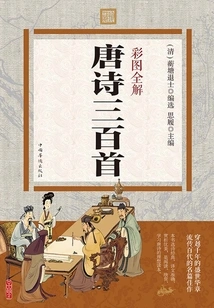
彩图全解唐诗三百首
Hengtang Retirees
Tang poetry is one of my country's best literary heritages and a shining pearl in the treasure house of world literature. Although it was produced more than a thousand years ago, as a treasure of traditional Chinese culture, the achievements and influence of Tang poetry are unparalleled. In the Tang Dynasty, "children recited the Song of Everlasting Sorrow, and Hu'er could sing "Pipa Chapter"; today's children can also recite "Spring Sleep Unconsciously at Dawn" or "Bedside Bright Moonlight". The reason why Tang poetry is so deeply rooted in the hearts of the people lies in its eternal artistic power.
Tang poetry is one of my country's best literary heritages and a shining pearl in the treasure house of world literature. Although it was produced more than a thousand years ago, as a treasure of traditional Chinese culture, the achievements and influence of Tang poetry are unparalleled. In the Tang Dynasty, "children recited the Song of Everlasting Sorrow, and Hu'er could sing "Pipa Chapter"; today's children can also recite "Spring Sleep Unconsciously at Dawn" or "Bedside Bright Moonlight". The reason why Tang poetry is so deeply rooted in the hearts of the people lies in its eternal artistic power.
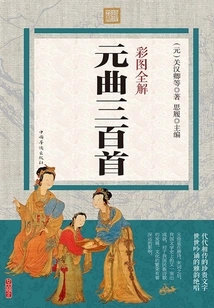
彩图全解元曲三百首
Guan Hanqing
Wang Guowei, a master of modern Chinese studies, said: "Every generation has its own literature." This is an important feature of the development history of Chinese literature. Yuan opera is another outstanding achievement in Chinese literature after Tang poetry and Song poetry. Yuan Opera shines with dazzling brilliance in the ancient Chinese literature and art garden with its profound revelation of reality, wide range of themes, popular language, liveliness of form, freshness of style, vividness of description and variety of techniques.
Wang Guowei, a master of modern Chinese studies, said: "Every generation has its own literature." This is an important feature of the development history of Chinese literature. Yuan opera is another outstanding achievement in Chinese literature after Tang poetry and Song poetry. Yuan Opera shines with dazzling brilliance in the ancient Chinese literature and art garden with its profound revelation of reality, wide range of themes, popular language, liveliness of form, freshness of style, vividness of description and variety of techniques.
Fan Zhen and His "haikang Collection
Literature范梈与他的《海康集》
Zhang Yingbin
"Haikang Collection" was written by Fan Zhen, one of the four great poets of the Yuan Dynasty. It is the only collection of poems in the North and South China Sea, and the first collection of poems named after Leizhou in history. However, it was lost in the Ming Dynasty. This book collects more than 100 poems and essays from the "Haikang Collection" and identifies, examines and interprets them from the aspects of subject matter, region and time, so as to restore the basic appearance of the "Haikang Collection" and provide a basic text for the literary and historical research on the last cross-sea political region in the South China Sea and Beibu Gulf.
"Haikang Collection" was written by Fan Zhen, one of the four great poets of the Yuan Dynasty. It is the only collection of poems in the North and South China Sea, and the first collection of poems named after Leizhou in history. However, it was lost in the Ming Dynasty. This book collects more than 100 poems and essays from the "Haikang Collection" and identifies, examines and interprets them from the aspects of subject matter, region and time, so as to restore the basic appearance of the "Haikang Collection" and provide a basic text for the literary and historical research on the last cross-sea political region in the South China Sea and Beibu Gulf.
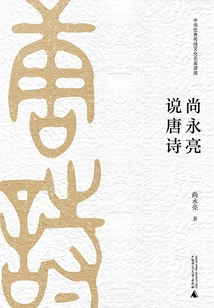
中华优秀传统文化名家讲座第二辑:尚永亮说唐诗
Shang Yongliang
This book is the first revised version of Professor Shang Yongliang's national quality open video course "The Art of Tang Poetry". In the form of a lecture, with the artistic techniques of poetry as the golden thread, the vast collection of Tang Dynasty poetry was discussed. Eleven lectures are divided into an overview of the characteristics of Tang poetry, theory of rhythm, theory of conception, theory of structure, theory of language, theory of style, theory of tailoring, theory of situation, theory of speech, theory of technique, theory of time and space, and theory of poetry and painting. The interpretation is sophisticated without being pretentious, the citations are extensive without being trivial, and the profound and simple explanations can provide a platform for the public to learn poetry.
This book is the first revised version of Professor Shang Yongliang's national quality open video course "The Art of Tang Poetry". In the form of a lecture, with the artistic techniques of poetry as the golden thread, the vast collection of Tang Dynasty poetry was discussed. Eleven lectures are divided into an overview of the characteristics of Tang poetry, theory of rhythm, theory of conception, theory of structure, theory of language, theory of style, theory of tailoring, theory of situation, theory of speech, theory of technique, theory of time and space, and theory of poetry and painting. The interpretation is sophisticated without being pretentious, the citations are extensive without being trivial, and the profound and simple explanations can provide a platform for the public to learn poetry.
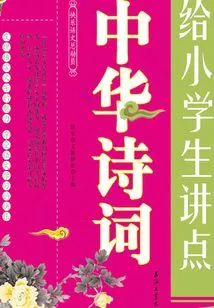
给小学生讲点中华诗词
Happy Chinese Teaching And Research Group
In "Teaching Chinese Poems to Primary School Students", the Happy Chinese Teaching and Research Team specially selected poems with diverse styles and broad themes. In terms of content, some of these poems are about farewell, some are lyrical, some are nostalgic for the country, some are about frontier wars; some are graceful, some are bold, some are resentful, some are beautiful. Through these works, we can have a better understanding of the social development of the Tang and Song Dynasties and the fate of people from all walks of life.
In "Teaching Chinese Poems to Primary School Students", the Happy Chinese Teaching and Research Team specially selected poems with diverse styles and broad themes. In terms of content, some of these poems are about farewell, some are lyrical, some are nostalgic for the country, some are about frontier wars; some are graceful, some are bold, some are resentful, some are beautiful. Through these works, we can have a better understanding of the social development of the Tang and Song Dynasties and the fate of people from all walks of life.
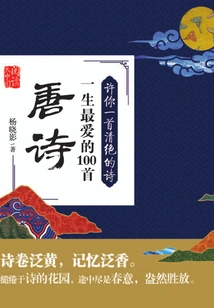
许你一首清绝的诗:一生最爱的100首唐诗
Yang Xiaoying
The 100 poems selected in "Reading Great China: Promise You a Pure Poetry: 100 Favorite Tang Poems in Your Life" are either masterpieces by famous writers, or excellent poems that have been sung for generations and are well-known to women and children. They almost include the most outstanding poetry works in various periods in Chinese history. The interpretation of the book is both beautiful and accurate, which will undoubtedly allow readers to enjoy a real feast of classic poetry. Love, longing for each other, sorrow and separation, longing for waiting, the separation between yin and yang, the sorrow of family and country, every hidden or explicit emotion is an indispensable backbone of Tang poetry. Li Bai became orchids when he breathed, and poems when he drank. His free and uninhibited charm made time marvel. Du Fu was a scholar, with hair as white as snow, but he used a pen to carry out the turning point of the Anshi Rebellion, which shocked the years. Tao Yuanming did not love the court but the countryside, and the five willows were his livelihood, which made even the treacherous ministers ashamed. Wang Wei looked down on worldly affairs and only wished to make a cup of tea and live in peace for the rest of his life in the scent of tea, leaving the world of mortals helpless. Gao Shi and Cen Shen only wrote about the desolation and vastness of the desert. Even if they were thousands of miles away from home, they still wanted to see the solitary smoke and the setting sun, adding fragrance and color to the frontier fortress. Later generations can't help but ask why a short poem, whether it's a quatrain or a rhyme, just a few words, can contain the whole world. Perhaps, this is the indescribable charm of Tang poetry.
The 100 poems selected in "Reading Great China: Promise You a Pure Poetry: 100 Favorite Tang Poems in Your Life" are either masterpieces by famous writers, or excellent poems that have been sung for generations and are well-known to women and children. They almost include the most outstanding poetry works in various periods in Chinese history. The interpretation of the book is both beautiful and accurate, which will undoubtedly allow readers to enjoy a real feast of classic poetry. Love, longing for each other, sorrow and separation, longing for waiting, the separation between yin and yang, the sorrow of family and country, every hidden or explicit emotion is an indispensable backbone of Tang poetry. Li Bai became orchids when he breathed, and poems when he drank. His free and uninhibited charm made time marvel. Du Fu was a scholar, with hair as white as snow, but he used a pen to carry out the turning point of the Anshi Rebellion, which shocked the years. Tao Yuanming did not love the court but the countryside, and the five willows were his livelihood, which made even the treacherous ministers ashamed. Wang Wei looked down on worldly affairs and only wished to make a cup of tea and live in peace for the rest of his life in the scent of tea, leaving the world of mortals helpless. Gao Shi and Cen Shen only wrote about the desolation and vastness of the desert. Even if they were thousands of miles away from home, they still wanted to see the solitary smoke and the setting sun, adding fragrance and color to the frontier fortress. Later generations can't help but ask why a short poem, whether it's a quatrain or a rhyme, just a few words, can contain the whole world. Perhaps, this is the indescribable charm of Tang poetry.
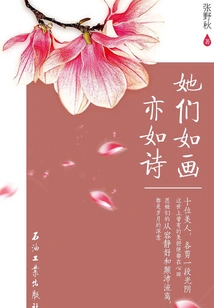
They Are Picturesque and Poetic
Literature她们如画亦如诗
Zhang Yeqiu
The woman who conquered the country and conquered the city had a rough and uneven life. Beauty is as beautiful as a painting, as bright as the bright moon, but fragile and fragile, just as the world is impermanent. Beauty is like poetry, you need to have compassion, read about wandering life, and see the glory of history. Selected for this book "They are as picturesque as they are poetic": Xi Shi, Wang Zhaojun, Diao Chan, Liu Rushi, etc. Borrowing the red thread of time, I look for them in the poems. When I write, it seems as if dozens of lotus flowers are blooming between the lines, and I can see the fragrance of the flowers and the falling flowers.
The woman who conquered the country and conquered the city had a rough and uneven life. Beauty is as beautiful as a painting, as bright as the bright moon, but fragile and fragile, just as the world is impermanent. Beauty is like poetry, you need to have compassion, read about wandering life, and see the glory of history. Selected for this book "They are as picturesque as they are poetic": Xi Shi, Wang Zhaojun, Diao Chan, Liu Rushi, etc. Borrowing the red thread of time, I look for them in the poems. When I write, it seems as if dozens of lotus flowers are blooming between the lines, and I can see the fragrance of the flowers and the falling flowers.
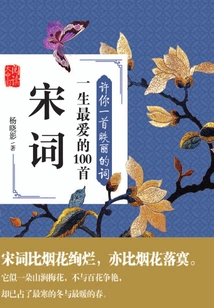
许你一首昳丽的词:一生最爱的100首宋词
Yang Xiaoying
In Song poetry, most of the stories that are understated are cool and beautiful. A chance meeting, a grand love, a heart-breaking separation, a bone-crushing lovesickness, every moment is forever. Song Ci is more like a flower that has been given magic power. It is light and tender in spring, hot and charming in summer, azure in Xiao Su's hollow in autumn, and white with frost and cold in winter. Every side is Beauty, even if one day it withers and dies, the wings of the soul will still carry an unknown depth of affection, crossing thousands of rivers and mountains, walking through the length of time and the thickness of space, and reaching the soft, water-like heart of the world.
In Song poetry, most of the stories that are understated are cool and beautiful. A chance meeting, a grand love, a heart-breaking separation, a bone-crushing lovesickness, every moment is forever. Song Ci is more like a flower that has been given magic power. It is light and tender in spring, hot and charming in summer, azure in Xiao Su's hollow in autumn, and white with frost and cold in winter. Every side is Beauty, even if one day it withers and dies, the wings of the soul will still carry an unknown depth of affection, crossing thousands of rivers and mountains, walking through the length of time and the thickness of space, and reaching the soft, water-like heart of the world.
Sven (volume 2)
Literature斯文(第2辑)
Editor-in-chief Guo Yingde And Executive Editor-in-chief Zhang Dejian
This collection is divided into six columns: "Style Research", "Prose Research Literature Review", "Broad View", "Document Research", "Writer Research" and "Book Review". The selected papers mainly focus on the stylistic evolution of ancient Chinese prose, textual research and analysis of literature, and and important schools such as the Yangming School of Mind, the Yanghu School and the evolution of ancient prose thought, and takes the famous ancient Chinese prose as a special study; in addition, this volume also pays attention to the latest achievements in the field of ancient Chinese prose, such as the review of Guo Changbao's monograph.
This collection is divided into six columns: "Style Research", "Prose Research Literature Review", "Broad View", "Document Research", "Writer Research" and "Book Review". The selected papers mainly focus on the stylistic evolution of ancient Chinese prose, textual research and analysis of literature, and and important schools such as the Yangming School of Mind, the Yanghu School and the evolution of ancient prose thought, and takes the famous ancient Chinese prose as a special study; in addition, this volume also pays attention to the latest achievements in the field of ancient Chinese prose, such as the review of Guo Changbao's monograph.
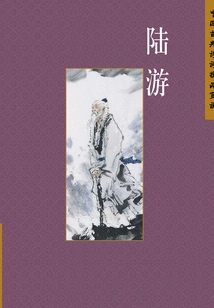
中国古典诗词精品赏读:陆游(中文版)
Zhang Minjie
[Chinese Classical Poetry Appreciation Series]: This is a series of books designed to introduce influential poets and their representative works in Chinese literature. Each poet and lyricist has a separate volume. Each volume includes a biography of the poet and an appreciation of his works. The appreciation of each work is divided into three sections: title explanation, sentence explanation, and commentary: the title explanation explains the creative background, the sentence explanation uses modern Chinese to translate and appreciate the poems line by line, and the commentary comments on the characteristics of the work. It is convenient for readers to understand the ideological content, artistic characteristics and writing skills of poems. In order to vividly express the connotation of classical poetry, each work is accompanied by Chinese paintings created according to the artistic conception of the poetry, including many works by famous painters. The book series embodies the cultural value of ancient poetry masterpieces from multiple perspectives such as literature, art, history, etc., From which readers can obtain various cultural knowledge and artistic influence.
[Chinese Classical Poetry Appreciation Series]: This is a series of books designed to introduce influential poets and their representative works in Chinese literature. Each poet and lyricist has a separate volume. Each volume includes a biography of the poet and an appreciation of his works. The appreciation of each work is divided into three sections: title explanation, sentence explanation, and commentary: the title explanation explains the creative background, the sentence explanation uses modern Chinese to translate and appreciate the poems line by line, and the commentary comments on the characteristics of the work. It is convenient for readers to understand the ideological content, artistic characteristics and writing skills of poems. In order to vividly express the connotation of classical poetry, each work is accompanied by Chinese paintings created according to the artistic conception of the poetry, including many works by famous painters. The book series embodies the cultural value of ancient poetry masterpieces from multiple perspectives such as literature, art, history, etc., From which readers can obtain various cultural knowledge and artistic influence.
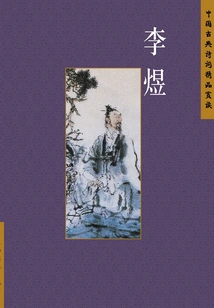
中国古典诗词精品赏读:李煜(中文版)
Tan Composition Wan Hope
[Chinese Classical Poetry Appreciation Series]: This is a series of books designed to introduce influential poets and their representative works in Chinese literature. Each poet and lyricist has a separate volume. Each volume includes a biography of the poet and an appreciation of his works. The appreciation of each work is divided into three sections: title explanation, sentence explanation, and commentary: the title explanation explains the creative background, the sentence explanation uses modern Chinese to translate and appreciate the poems line by line, and the commentary comments on the characteristics of the work. It is convenient for readers to understand the ideological content, artistic characteristics and writing skills of poems. In order to vividly express the connotation of classical poetry, each work is accompanied by Chinese paintings created according to the artistic conception of the poetry, including many works by famous painters. The book series embodies the cultural value of ancient poetry masterpieces from multiple perspectives such as literature, art, history, etc., From which readers can obtain various cultural knowledge and artistic influence.
[Chinese Classical Poetry Appreciation Series]: This is a series of books designed to introduce influential poets and their representative works in Chinese literature. Each poet and lyricist has a separate volume. Each volume includes a biography of the poet and an appreciation of his works. The appreciation of each work is divided into three sections: title explanation, sentence explanation, and commentary: the title explanation explains the creative background, the sentence explanation uses modern Chinese to translate and appreciate the poems line by line, and the commentary comments on the characteristics of the work. It is convenient for readers to understand the ideological content, artistic characteristics and writing skills of poems. In order to vividly express the connotation of classical poetry, each work is accompanied by Chinese paintings created according to the artistic conception of the poetry, including many works by famous painters. The book series embodies the cultural value of ancient poetry masterpieces from multiple perspectives such as literature, art, history, etc., From which readers can obtain various cultural knowledge and artistic influence.
Liu Yuxi (chinese Version)
Literature刘禹锡(中文版)
Jiang Xiaodong
[Chinese Classical Poetry Appreciation Series]: This is a series of books designed to introduce influential poets and their representative works in Chinese literature. Each poet and lyricist has a separate volume. Each volume includes a biography of the poet and an appreciation of his works. The appreciation of each work is divided into three sections: title explanation, sentence explanation, and commentary: the title explanation explains the creative background, the sentence explanation uses modern Chinese to translate and appreciate the poems line by line, and the commentary comments on the characteristics of the work. It is convenient for readers to understand the ideological content, artistic characteristics and writing skills of poems. In order to vividly express the connotation of classical poetry, each work is accompanied by Chinese paintings created according to the artistic conception of the poetry, including many works by famous painters. The book series embodies the cultural value of ancient poetry masterpieces from multiple perspectives such as literature, art, history, etc., From which readers can obtain various cultural knowledge and artistic influence.
[Chinese Classical Poetry Appreciation Series]: This is a series of books designed to introduce influential poets and their representative works in Chinese literature. Each poet and lyricist has a separate volume. Each volume includes a biography of the poet and an appreciation of his works. The appreciation of each work is divided into three sections: title explanation, sentence explanation, and commentary: the title explanation explains the creative background, the sentence explanation uses modern Chinese to translate and appreciate the poems line by line, and the commentary comments on the characteristics of the work. It is convenient for readers to understand the ideological content, artistic characteristics and writing skills of poems. In order to vividly express the connotation of classical poetry, each work is accompanied by Chinese paintings created according to the artistic conception of the poetry, including many works by famous painters. The book series embodies the cultural value of ancient poetry masterpieces from multiple perspectives such as literature, art, history, etc., From which readers can obtain various cultural knowledge and artistic influence.
Tao Yuanming (chinese Version)
Literature陶渊明(中文版)
Chen Qiaosheng
[Chinese Classical Poetry Appreciation Series]: This is a series of books designed to introduce influential poets and their representative works in Chinese literature. Each poet and lyricist has a separate volume. Each volume includes a biography of the poet and an appreciation of his works. The appreciation of each work is divided into three sections: title explanation, sentence explanation, and commentary: the title explanation explains the creative background, the sentence explanation uses modern Chinese to translate and appreciate the poems line by line, and the commentary comments on the characteristics of the work. It is convenient for readers to understand the ideological content, artistic characteristics and writing skills of poems. In order to vividly express the connotation of classical poetry, each work is accompanied by Chinese paintings created according to the artistic conception of the poetry, including many works by famous painters. The book series embodies the cultural value of ancient poetry masterpieces from multiple perspectives such as literature, art, history, etc., From which readers can obtain various cultural knowledge and artistic influence.
[Chinese Classical Poetry Appreciation Series]: This is a series of books designed to introduce influential poets and their representative works in Chinese literature. Each poet and lyricist has a separate volume. Each volume includes a biography of the poet and an appreciation of his works. The appreciation of each work is divided into three sections: title explanation, sentence explanation, and commentary: the title explanation explains the creative background, the sentence explanation uses modern Chinese to translate and appreciate the poems line by line, and the commentary comments on the characteristics of the work. It is convenient for readers to understand the ideological content, artistic characteristics and writing skills of poems. In order to vividly express the connotation of classical poetry, each work is accompanied by Chinese paintings created according to the artistic conception of the poetry, including many works by famous painters. The book series embodies the cultural value of ancient poetry masterpieces from multiple perspectives such as literature, art, history, etc., From which readers can obtain various cultural knowledge and artistic influence.
中国古典诗词精品赏读:杜牧(中文版)
Zhang Mei
[Chinese Classical Poetry Appreciation Series]: This is a series of books designed to introduce influential poets and their representative works in Chinese literature. Each poet and lyricist has a separate volume. Each volume includes a biography of the poet and an appreciation of his works. The appreciation of each work is divided into three sections: title explanation, sentence explanation, and commentary: the title explanation explains the creative background, the sentence explanation uses modern Chinese to translate and appreciate the poems line by line, and the commentary comments on the characteristics of the work. It is convenient for readers to understand the ideological content, artistic characteristics and writing skills of poems. In order to vividly express the connotation of classical poetry, each work is accompanied by Chinese paintings created according to the artistic conception of the poetry, including many works by famous painters. The book series embodies the cultural value of ancient poetry masterpieces from multiple perspectives such as literature, art, history, etc., From which readers can obtain various cultural knowledge and artistic influence.
[Chinese Classical Poetry Appreciation Series]: This is a series of books designed to introduce influential poets and their representative works in Chinese literature. Each poet and lyricist has a separate volume. Each volume includes a biography of the poet and an appreciation of his works. The appreciation of each work is divided into three sections: title explanation, sentence explanation, and commentary: the title explanation explains the creative background, the sentence explanation uses modern Chinese to translate and appreciate the poems line by line, and the commentary comments on the characteristics of the work. It is convenient for readers to understand the ideological content, artistic characteristics and writing skills of poems. In order to vividly express the connotation of classical poetry, each work is accompanied by Chinese paintings created according to the artistic conception of the poetry, including many works by famous painters. The book series embodies the cultural value of ancient poetry masterpieces from multiple perspectives such as literature, art, history, etc., From which readers can obtain various cultural knowledge and artistic influence.
Interesting Facts Hidden in Song Poetry
Literature藏在宋词里的趣事
Wang Yueliang
This book takes the culturally prosperous Song Dynasty as the background, selects classic works of Song poetry, and narrates the life stories of twenty Song poetry masters, including Li Yu, Liu Yong, Yan Shu, Li Qingzhao, Su Dongpo, Qin Guan, and Xin Qiji. The author interprets in detail from a unique perspective, integrating Qingjun's insights into the ancient narrative, allowing readers to get into the interesting people and things behind Song Ci and appreciate the style and charm of the ancients.
This book takes the culturally prosperous Song Dynasty as the background, selects classic works of Song poetry, and narrates the life stories of twenty Song poetry masters, including Li Yu, Liu Yong, Yan Shu, Li Qingzhao, Su Dongpo, Qin Guan, and Xin Qiji. The author interprets in detail from a unique perspective, integrating Qingjun's insights into the ancient narrative, allowing readers to get into the interesting people and things behind Song Ci and appreciate the style and charm of the ancients.
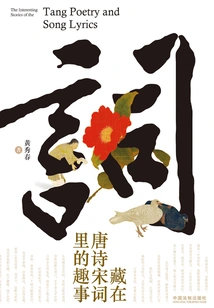
藏在唐诗宋词里的趣事
Huang Xiuchun
Tang poetry and Song lyrics are treasures in the history of Chinese literature. Literati in the Tang and Song dynasties used poetry to record events, chant history, express feelings, and clarify aspirations. They also used poetry to entertain, amuse themselves, and convey emotions. Today, we can not only understand the historical events and life scenes of the Tang and Song Dynasties in Tang poetry and Song lyrics, but we can also truly see the spiritual outlook of the literati of that period, and even better understand ourselves. This book goes deep into the life and background of the poets and tells the interesting stories hidden in Tang poetry and Song lyrics, allowing readers to truly enter into Tang poetry and Song poetry and feel the infinite charm of Tang poetry and Song poetry.
Tang poetry and Song lyrics are treasures in the history of Chinese literature. Literati in the Tang and Song dynasties used poetry to record events, chant history, express feelings, and clarify aspirations. They also used poetry to entertain, amuse themselves, and convey emotions. Today, we can not only understand the historical events and life scenes of the Tang and Song Dynasties in Tang poetry and Song lyrics, but we can also truly see the spiritual outlook of the literati of that period, and even better understand ourselves. This book goes deep into the life and background of the poets and tells the interesting stories hidden in Tang poetry and Song lyrics, allowing readers to truly enter into Tang poetry and Song poetry and feel the infinite charm of Tang poetry and Song poetry.