Library
Browse and search books
2,273 novels found
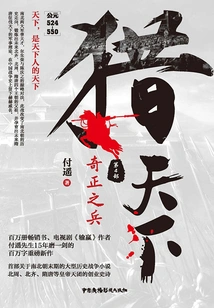
Hunting the World Part 4: the Soldiers of Qi Zheng
General Fiction猎天下第4部:奇正之兵
Fu Yao
The peak showdown between the two great military geniuses of the North and the South, Er Zhurong and Chen Qingzhi, changed the historical direction of the Northern and Southern Dynasties. This battle forged the fathers and ancestors of the future Northern Qi, Northern Zhou, Sui and Tang dynasties, and gave birth to the future military theories of the Sui and Tang Dynasties in conquering the world, leaving a great reputation in the history of Chinese wars. Hundreds of people in Fangtouwu sent Liu Li to Luoyang to marry Southern Liang general Song Jingxiu. Chen Qingzhi and Ma Funian wanted to detain Emperor Yuan Hao to launch a coup and restore the Han Dynasty, but they gave up because Emperor Wu of Southern Liang Xiao Yan hesitated. Under Acharya's guidance, Emperor Xiaowen's Sinicization measures and what he saw in Luoyang made Chen Qingzhi question his political proposition of "driving out the Suolu". Entering Luoyang was Chen Qingzhi's highlight moment, but it also put him in a desperate situation. Yuan Hao used gold and silver beauties to bribe Liang Jun, but refused to replenish his troops and refused to allow the Nanliang reinforcements to enter. He even wanted to marry Mingyue to Yang Zhong to divide Liang Jun. On the way to escape, Yuan Ziyou shared the difficulties with Er Zhuge, and after temporarily abandoning hatred, he joined forces with Er Zhurong again. Er Zhurong's 300,000 troops hung across the Yellow River and launched a decisive battle with Chen Qingzhi. Song Jingxiu pretended to send back the people of Fangtouwu and secretly set up defenses at Taigu Pass to prepare an escape route for returning to Liang State; Yang Zhong was seriously injured again while protecting Mingyue and was sent to Taigu Pass for treatment; Yuan Hao pretended to send troops to escort, leaking the Liang army's retreat route and laying hidden dangers. Gao Aocao and Erzhu Zhao fought alone. From his martial arts, Chen Qingzhi realized the Qi Zheng strategy of "queue the moon as righteousness, the sharp arrow as strange, the combination as righteousness, and the separation as strange", and understood Acharya's good intentions. Chen Qingzhi pretended to be defeated and lured Er Zhurong's army to the battlefield he set for a decisive battle. Yuan Hao fled greedily, destroying Queyue's formation and cutting off Liang Jun's retreat. At the critical moment, Acharya rescued Chen Qingzhi, and Yuan Hao was left alone, with blood splattered on the Zen platform. Ma Funian was killed, and Yang Zhong and Xiaohou were captured. In just one year, Er Zhurong pacified Hanlou and others, and appointed He Bayue to lead only a thousand men to defeat Wanqi Chounu, suppress the rebellion of all parties, and then added Jiuxi, posing a huge threat to the Northern Wei Dynasty. A plan to assassinate Er Zhurong was also in progress...
The peak showdown between the two great military geniuses of the North and the South, Er Zhurong and Chen Qingzhi, changed the historical direction of the Northern and Southern Dynasties. This battle forged the fathers and ancestors of the future Northern Qi, Northern Zhou, Sui and Tang dynasties, and gave birth to the future military theories of the Sui and Tang Dynasties in conquering the world, leaving a great reputation in the history of Chinese wars. Hundreds of people in Fangtouwu sent Liu Li to Luoyang to marry Southern Liang general Song Jingxiu. Chen Qingzhi and Ma Funian wanted to detain Emperor Yuan Hao to launch a coup and restore the Han Dynasty, but they gave up because Emperor Wu of Southern Liang Xiao Yan hesitated. Under Acharya's guidance, Emperor Xiaowen's Sinicization measures and what he saw in Luoyang made Chen Qingzhi question his political proposition of "driving out the Suolu". Entering Luoyang was Chen Qingzhi's highlight moment, but it also put him in a desperate situation. Yuan Hao used gold and silver beauties to bribe Liang Jun, but refused to replenish his troops and refused to allow the Nanliang reinforcements to enter. He even wanted to marry Mingyue to Yang Zhong to divide Liang Jun. On the way to escape, Yuan Ziyou shared the difficulties with Er Zhuge, and after temporarily abandoning hatred, he joined forces with Er Zhurong again. Er Zhurong's 300,000 troops hung across the Yellow River and launched a decisive battle with Chen Qingzhi. Song Jingxiu pretended to send back the people of Fangtouwu and secretly set up defenses at Taigu Pass to prepare an escape route for returning to Liang State; Yang Zhong was seriously injured again while protecting Mingyue and was sent to Taigu Pass for treatment; Yuan Hao pretended to send troops to escort, leaking the Liang army's retreat route and laying hidden dangers. Gao Aocao and Erzhu Zhao fought alone. From his martial arts, Chen Qingzhi realized the Qi Zheng strategy of "queue the moon as righteousness, the sharp arrow as strange, the combination as righteousness, and the separation as strange", and understood Acharya's good intentions. Chen Qingzhi pretended to be defeated and lured Er Zhurong's army to the battlefield he set for a decisive battle. Yuan Hao fled greedily, destroying Queyue's formation and cutting off Liang Jun's retreat. At the critical moment, Acharya rescued Chen Qingzhi, and Yuan Hao was left alone, with blood splattered on the Zen platform. Ma Funian was killed, and Yang Zhong and Xiaohou were captured. In just one year, Er Zhurong pacified Hanlou and others, and appointed He Bayue to lead only a thousand men to defeat Wanqi Chounu, suppress the rebellion of all parties, and then added Jiuxi, posing a huge threat to the Northern Wei Dynasty. A plan to assassinate Er Zhurong was also in progress...
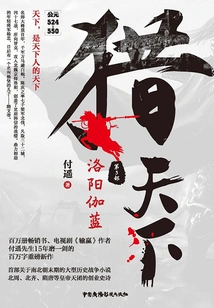
Hunting the World Part 3: Luoyang Jialan
General Fiction猎天下第3部:洛阳伽蓝
Fu Yao
Famous teachers and generals should not keep themselves in prison, and thousands of troops should avoid white robes. Chen Qingzhi led 7,000 Liang troops in the Northern Expedition. He captured thirty-two cities and fought forty-seven battles, conquering all directions. He captured Luoyang, the capital of the Northern Wei Dynasty, and created a record comparable to that of Han Xin. The young general Yang Zhong who helped greatly would later have a son named Yang Jian - Emperor Wen of the Sui Dynasty. Chen Qingzhi, the Marquis of Guanzhong in Nanliang, is a legendary general in Chinese history. Chairman Mao read and re-read "Liang Shu·Chen Qing's Biography". He circled and dotted many places in the biography, underlined it, and commented affectionately: "Reading this biography again, I am fascinated by it." In 528 AD, Emperor Wu of Liang Dynasty, Xiao Yan, conferred Yuan Hao as King of Wei and Chen Qingzhi as General Biao Yong. Yang Zhong and Ma Fo Nian assisted Yuan Hao in returning to the Wei Kingdom. The Northern Wei Dynasty was facing the rebellion of Wanqi Chounu west of Chang'an, Xing Gao of Shandong, and Ge Rongyu's Hanlou, leaving Luoyang empty. Chen Qingzhi seized the opportunity and quickly headed north, while Yuan Hao proclaimed himself emperor in Suiyang, raising the banner of revenge for the Heyin Incident, winning over people's hearts and recruiting generals to surrender. Liang Jun quickly captured Xingyang and Hulao, with overwhelming momentum, and Luoyang changed hands. In order to deceive others, Er Zhurong accepted the Confucian selection etiquette of his ancestors, and Er Zhuge stood out and became the queen. When Mingyue was about to become a concubine, she was implicated by Yuan Hao's proclaimed emperor and was thrown into the cattle-packing station. Unexpectedly, she met Gao Aocao, the hero of Yanzhao, the person Er Zhurong was most afraid of. She realized that Yuan Ziyou only had the world in his heart and no one else.
Famous teachers and generals should not keep themselves in prison, and thousands of troops should avoid white robes. Chen Qingzhi led 7,000 Liang troops in the Northern Expedition. He captured thirty-two cities and fought forty-seven battles, conquering all directions. He captured Luoyang, the capital of the Northern Wei Dynasty, and created a record comparable to that of Han Xin. The young general Yang Zhong who helped greatly would later have a son named Yang Jian - Emperor Wen of the Sui Dynasty. Chen Qingzhi, the Marquis of Guanzhong in Nanliang, is a legendary general in Chinese history. Chairman Mao read and re-read "Liang Shu·Chen Qing's Biography". He circled and dotted many places in the biography, underlined it, and commented affectionately: "Reading this biography again, I am fascinated by it." In 528 AD, Emperor Wu of Liang Dynasty, Xiao Yan, conferred Yuan Hao as King of Wei and Chen Qingzhi as General Biao Yong. Yang Zhong and Ma Fo Nian assisted Yuan Hao in returning to the Wei Kingdom. The Northern Wei Dynasty was facing the rebellion of Wanqi Chounu west of Chang'an, Xing Gao of Shandong, and Ge Rongyu's Hanlou, leaving Luoyang empty. Chen Qingzhi seized the opportunity and quickly headed north, while Yuan Hao proclaimed himself emperor in Suiyang, raising the banner of revenge for the Heyin Incident, winning over people's hearts and recruiting generals to surrender. Liang Jun quickly captured Xingyang and Hulao, with overwhelming momentum, and Luoyang changed hands. In order to deceive others, Er Zhurong accepted the Confucian selection etiquette of his ancestors, and Er Zhuge stood out and became the queen. When Mingyue was about to become a concubine, she was implicated by Yuan Hao's proclaimed emperor and was thrown into the cattle-packing station. Unexpectedly, she met Gao Aocao, the hero of Yanzhao, the person Er Zhurong was most afraid of. She realized that Yuan Ziyou only had the world in his heart and no one else.
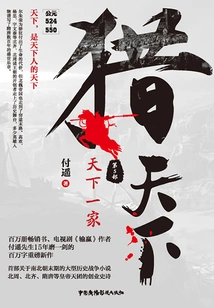
Hunting the World Part 5: the World is One Family
General Fiction猎天下第5部:天下一家
Fu Yao
Er Zhurong paid the price with his life for his arrogance, but the Northern Wei Empire also came to an end. Gao Huan, Yang Zhong, Yu Wentai and other founders of the Northern Qi and Northern Zhou dynasties stepped onto the stage of history. How many heroic figures composed the prosperity of the Sui and Tang Dynasties for hundreds of years. Yuan Ziyou embarked on a crazy road of revenge for the sake of Jiangshan Sheji. Er Zhurong was arrogant by nature. Even though the queen's daughter reminded him many times, he didn't take it to heart. Ma Funian died on the battlefield. Yang Zhong avenged his brothers and sneaked into Luoyang to be recruited by Yuan Ziyou to assassinate Er Zhurong and Yuan Tianmu in Mingguang Hall. Erzhu Dulu and Erzhu Zhao captured Luoyang. Yang Zhong avenged Mingyue and once again helped Erzhu capture Yuan Ziyou alive. Gao Huan deceived Erzhu Zhao, intercepted the troops of the six towns, continued to grow and develop with Jinyang as his base, and joined forces with the wealthy families of Hebei. In the battle with the Erzhu Group, Yang Zhong and Xiaohou, who were in charge of the supply camp, switched sides, causing the Erzhu Group to be defeated. Gao Huan won a great victory and married Queen Er Zhuge. He eventually became the leader of Cao Cao and became the actual controller of the Northern Wei Dynasty. His son Gao Yang proclaimed himself emperor and established the Northern Qi Dynasty. Yuwentai took control of the Western Wei Dynasty, and his son Yuwenjue proclaimed himself emperor and established the Northern Zhou Dynasty. Lu Taoer finally got together with Yang Zhong and gave birth to Yang Jian, who was raised by the Zhixian shrine. Yang Jian married Dugu Ruyi's daughter Dugu Jialuo, usurped the Northern Zhou Dynasty, and founded the Sui Dynasty. Yu Wentai's granddaughter married Li Yuan and gave birth to Li Shimin. Li Yuan was very dissatisfied with Yang Jian's killing of the Northern Zhou clan, and waited for the opportunity until the end of the Sui Dynasty, when he finally raised troops in Jinyang and established the Tang Dynasty. Gao Huan's grandson Gao Changgong is the famous King of Lanling in history, and his legend lasts forever.
Er Zhurong paid the price with his life for his arrogance, but the Northern Wei Empire also came to an end. Gao Huan, Yang Zhong, Yu Wentai and other founders of the Northern Qi and Northern Zhou dynasties stepped onto the stage of history. How many heroic figures composed the prosperity of the Sui and Tang Dynasties for hundreds of years. Yuan Ziyou embarked on a crazy road of revenge for the sake of Jiangshan Sheji. Er Zhurong was arrogant by nature. Even though the queen's daughter reminded him many times, he didn't take it to heart. Ma Funian died on the battlefield. Yang Zhong avenged his brothers and sneaked into Luoyang to be recruited by Yuan Ziyou to assassinate Er Zhurong and Yuan Tianmu in Mingguang Hall. Erzhu Dulu and Erzhu Zhao captured Luoyang. Yang Zhong avenged Mingyue and once again helped Erzhu capture Yuan Ziyou alive. Gao Huan deceived Erzhu Zhao, intercepted the troops of the six towns, continued to grow and develop with Jinyang as his base, and joined forces with the wealthy families of Hebei. In the battle with the Erzhu Group, Yang Zhong and Xiaohou, who were in charge of the supply camp, switched sides, causing the Erzhu Group to be defeated. Gao Huan won a great victory and married Queen Er Zhuge. He eventually became the leader of Cao Cao and became the actual controller of the Northern Wei Dynasty. His son Gao Yang proclaimed himself emperor and established the Northern Qi Dynasty. Yuwentai took control of the Western Wei Dynasty, and his son Yuwenjue proclaimed himself emperor and established the Northern Zhou Dynasty. Lu Taoer finally got together with Yang Zhong and gave birth to Yang Jian, who was raised by the Zhixian shrine. Yang Jian married Dugu Ruyi's daughter Dugu Jialuo, usurped the Northern Zhou Dynasty, and founded the Sui Dynasty. Yu Wentai's granddaughter married Li Yuan and gave birth to Li Shimin. Li Yuan was very dissatisfied with Yang Jian's killing of the Northern Zhou clan, and waited for the opportunity until the end of the Sui Dynasty, when he finally raised troops in Jinyang and established the Tang Dynasty. Gao Huan's grandson Gao Changgong is the famous King of Lanling in history, and his legend lasts forever.
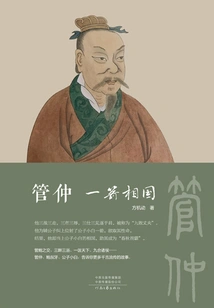
Guan Zhong: Prime Minister with One Arrow
General Fiction管仲:一箭相国
Fang Maneuver
The stories of Guan Zhong, Bao Shuya and Qi Huangong were used as composition materials for the first paper of the National College Entrance Examination in 2020, and came into the people's sight overnight. These three people shook off the dust of more than two thousand years on their clothes, returned to the stage, and became a piece of living history. Regarding Guan Zhong, you may know about the "friendship between Guan and Bao", "one rule of the world" and "nine combined princes". This book will tell you more stories about this iron triangle.
The stories of Guan Zhong, Bao Shuya and Qi Huangong were used as composition materials for the first paper of the National College Entrance Examination in 2020, and came into the people's sight overnight. These three people shook off the dust of more than two thousand years on their clothes, returned to the stage, and became a piece of living history. Regarding Guan Zhong, you may know about the "friendship between Guan and Bao", "one rule of the world" and "nine combined princes". This book will tell you more stories about this iron triangle.
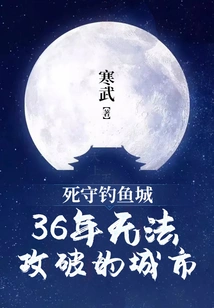
死守钓鱼城:36年无法攻破的城市
Cambrian
Siege, sneak attack, beheading, seduction, when the Mongolian iron cavalry approached the city, the city held on for 36 years. How did this miracle in military history happen? This column will take you to find out. Is there any city in history that has never been captured? Have! It's in China. In the 13th century AD, a powerful army emerged in Mobei. Mongolian horses carried brave steppe warriors and swept across the Eurasian continent like a torrent. Due to the military front, the defenders of various European and Asian countries either fled in the face of the wind, or knelt down and begged for surrender. Those who resisted in the corner would be bloody and massacred. In Chongqing, China, there is a heroic city called "Diaoyu City" that has stood firm for thirty-six years and has gone through more than 200 battles. The descendant of a generation of geniuses, the Mongol Khan who was running wildly on the road to conquer the world, died here with a bloody head and a hatred. This defensive war profoundly changed the world structure in the 13th century and beyond...
Siege, sneak attack, beheading, seduction, when the Mongolian iron cavalry approached the city, the city held on for 36 years. How did this miracle in military history happen? This column will take you to find out. Is there any city in history that has never been captured? Have! It's in China. In the 13th century AD, a powerful army emerged in Mobei. Mongolian horses carried brave steppe warriors and swept across the Eurasian continent like a torrent. Due to the military front, the defenders of various European and Asian countries either fled in the face of the wind, or knelt down and begged for surrender. Those who resisted in the corner would be bloody and massacred. In Chongqing, China, there is a heroic city called "Diaoyu City" that has stood firm for thirty-six years and has gone through more than 200 battles. The descendant of a generation of geniuses, the Mongol Khan who was running wildly on the road to conquer the world, died here with a bloody head and a hatred. This defensive war profoundly changed the world structure in the 13th century and beyond...
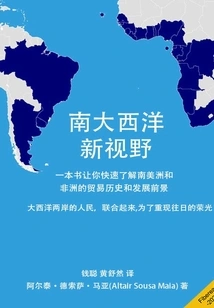
New Horizons in the South Atlantic
General Fiction南大西洋新视野
Altair Sousa Maia
The opening of the Suez Canal (1869) and the Panama Canal (1914) led to economic shocks in the South Atlantic countries. Recife, Rio de Janeiro, Buenos Aires, etc. In South America, and Dakar, Lagos, Luanda, etc. In Africa, have all experienced a decline in foreign exchange earnings due to the reduction in shipping volume in the South Atlantic. At this time, China, whose business status is getting higher and higher, may be able to provide a way to break the situation. The construction of the "One Belt, One Road" will provide great help to the development of relevant countries.
The opening of the Suez Canal (1869) and the Panama Canal (1914) led to economic shocks in the South Atlantic countries. Recife, Rio de Janeiro, Buenos Aires, etc. In South America, and Dakar, Lagos, Luanda, etc. In Africa, have all experienced a decline in foreign exchange earnings due to the reduction in shipping volume in the South Atlantic. At this time, China, whose business status is getting higher and higher, may be able to provide a way to break the situation. The construction of the "One Belt, One Road" will provide great help to the development of relevant countries.
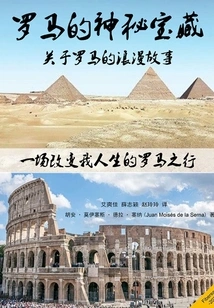
Rome's Mysterious Treasures
General Fiction罗马的神秘宝藏
Juan Moises De La Sena
Who could have imagined that this impromptu trip would turn out to be my most exciting adventure. Thanks to that trip, I was able to save the life of a person who later became my wife and spent 30 years of happiness with me...
Who could have imagined that this impromptu trip would turn out to be my most exciting adventure. Thanks to that trip, I was able to save the life of a person who later became my wife and spent 30 years of happiness with me...
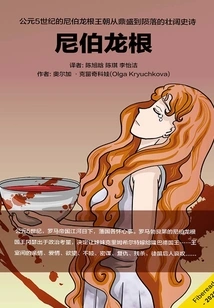
Nibelungen
General Fiction尼伯龙根
Olga Kryuchkova
In the 5th century AD, the Roman Empire was in decline. Barbarians invaded the frontier. Gunther, the Nibelung king of Burgundy in Rome, decided to let his sister Kriemhild marry King Lombard out of political considerations. Empress Dowager Ute firmly opposed this marriage and did not hesitate to use various tricks such as bribery and poisoning to obstruct it...
In the 5th century AD, the Roman Empire was in decline. Barbarians invaded the frontier. Gunther, the Nibelung king of Burgundy in Rome, decided to let his sister Kriemhild marry King Lombard out of political considerations. Empress Dowager Ute firmly opposed this marriage and did not hesitate to use various tricks such as bribery and poisoning to obstruct it...
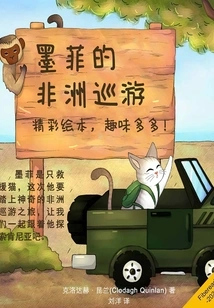
Murphy's Africa Cruise
General Fiction墨菲的非洲巡游
Clodagh Quinlan
Murphy is a rescue cat. This time he is going on a magical African cruise. Let's follow him and explore Kenya.
Murphy is a rescue cat. This time he is going on a magical African cruise. Let's follow him and explore Kenya.
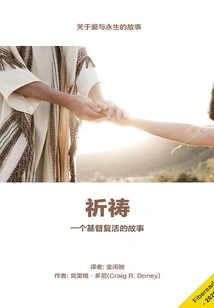
Pray
General Fiction祈祷
Craig R. Doney
Joseph has loved Anna since he was a child. He was worried about her secret, a secret that only he knew, not their people. As violence escalates again across the Middle East and a sense of foreboding looms, Anna prays for her people and her loved ones. Despite reports that there were no survivors from Israeli flight LY17, Joseph Zadok believed he saw his wife shortly after the crash. This incident was like a bolt from the blue. He steeled himself and vowed to uncover the truth. Haunted by mysterious nightmares, he struggles to face the unknown. He felt a change happening deep in his soul. What all this means, only God knows. Because sometimes when he was driving down the street looking for something, he seemed to hear a whisper of truth...
Joseph has loved Anna since he was a child. He was worried about her secret, a secret that only he knew, not their people. As violence escalates again across the Middle East and a sense of foreboding looms, Anna prays for her people and her loved ones. Despite reports that there were no survivors from Israeli flight LY17, Joseph Zadok believed he saw his wife shortly after the crash. This incident was like a bolt from the blue. He steeled himself and vowed to uncover the truth. Haunted by mysterious nightmares, he struggles to face the unknown. He felt a change happening deep in his soul. What all this means, only God knows. Because sometimes when he was driving down the street looking for something, he seemed to hear a whisper of truth...

Female Soldier Anne
General Fiction女兵安妮
Rail
In 1937, British doctor George Rand came to China to carry out humanitarian relief. He encountered the brutal Nanjing Massacre by the Japanese invaders. His wife was killed by the Japanese soldiers. His 13-year-old daughter Anne suffered from severe amnesia after witnessing the atrocities of the Japanese soldiers. Annie wanted revenge and joined the New Fourth Army. Inspired by party members and with the care and help of her comrades, Anne gradually grew into an anti-fascist fighter and yearned to join the party organization... The work shaped the image of the internationalist warriors in the army led by the party, promoted the spiritual core of communists, inherited the red gene, analyzed the psychological trauma caused by the war on children, and saw through the cruelty of war and the flash of humanity. It composed a heroic hymn for the Chinese people and international friends to fight side by side for the world's anti-fascism under the leadership of the party.
In 1937, British doctor George Rand came to China to carry out humanitarian relief. He encountered the brutal Nanjing Massacre by the Japanese invaders. His wife was killed by the Japanese soldiers. His 13-year-old daughter Anne suffered from severe amnesia after witnessing the atrocities of the Japanese soldiers. Annie wanted revenge and joined the New Fourth Army. Inspired by party members and with the care and help of her comrades, Anne gradually grew into an anti-fascist fighter and yearned to join the party organization... The work shaped the image of the internationalist warriors in the army led by the party, promoted the spiritual core of communists, inherited the red gene, analyzed the psychological trauma caused by the war on children, and saw through the cruelty of war and the flash of humanity. It composed a heroic hymn for the Chinese people and international friends to fight side by side for the world's anti-fascism under the leadership of the party.
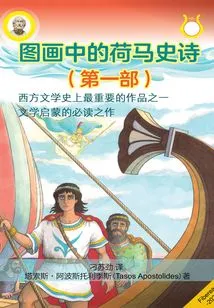
Homer in Pictures (part 1)
General Fiction图画中的荷马史诗(第一部)
Tasos Apostolides
Ten years have passed since the Trojan War, and King Odysseus of Ithaca has still not returned to his homeland. No one knows where he has gone... It is soul-stirring, and the answer is blowing in the wind. Come and listen to Homer's singing...
Ten years have passed since the Trojan War, and King Odysseus of Ithaca has still not returned to his homeland. No one knows where he has gone... It is soul-stirring, and the answer is blowing in the wind. Come and listen to Homer's singing...
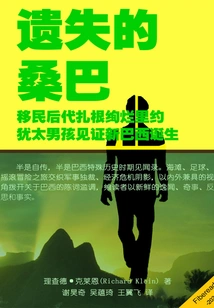
The Lost Samba
General Fiction遗失的桑巴
Richard Klein
Part autobiography, part chronicle of the birth of a new Brazil, The Lost Samba is a riveting first-person account of a dark yet exciting period in the country. This book gets rid of many clichés about Brazil and provides readers with fresh anecdotes, wonders, reflections and facts, which is amazing; at the same time, it also provides a practical reference for those who want to understand this big country. Although "The Lost Samba" takes the form of an autobiography, it contains powerful historical and political insights into the recent history of this "sleeping giant". The author, a descendant of British and Jewish immigrants who was educated in Brazil, has both an outsider and insider background, an adventurous spirit and political acumen. He lives through the intense historical moments that marked the birth of democracy in this country, and his text is ideal for those who want to better understand Brazil.
Part autobiography, part chronicle of the birth of a new Brazil, The Lost Samba is a riveting first-person account of a dark yet exciting period in the country. This book gets rid of many clichés about Brazil and provides readers with fresh anecdotes, wonders, reflections and facts, which is amazing; at the same time, it also provides a practical reference for those who want to understand this big country. Although "The Lost Samba" takes the form of an autobiography, it contains powerful historical and political insights into the recent history of this "sleeping giant". The author, a descendant of British and Jewish immigrants who was educated in Brazil, has both an outsider and insider background, an adventurous spirit and political acumen. He lives through the intense historical moments that marked the birth of democracy in this country, and his text is ideal for those who want to better understand Brazil.
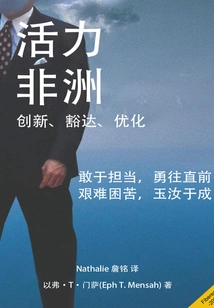
Vibrant Africa
General Fiction活力非洲
Eph T. Mensah
We will prove to all young entrepreneurs that this is the best place to be!
We will prove to all young entrepreneurs that this is the best place to be!
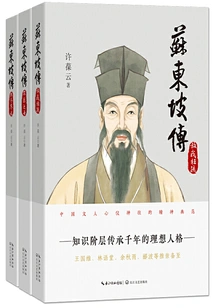
Biography of Su Dongpo (3 Volumes in Total)
General Fiction苏东坡传(全3册)
Xu Baoyun
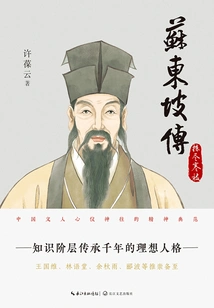
This book is a trilogy of long historical novels written by historical writer Xu Baoyun. The book begins when the young Su Dongpo emerged and became famous all over the world, and narrates his ups and downs in the officialdom until his rise to immortality. It shows the talent and sentiments of Su Dongpo, a literary giant of a generation, and then reflects the spiritual core and life experiences of traditional literati in the temple. The book has a grand background. Through thrilling historical events such as the Xining Reform and the imperial party strife, it shows the social changes and the style of the times under the rule of several generations of emperors in the Northern Song Dynasty.
This book is a trilogy of long historical novels written by historical writer Xu Baoyun. The book begins when the young Su Dongpo emerged and became famous all over the world, and narrates his ups and downs in the officialdom until his rise to immortality. It shows the talent and sentiments of Su Dongpo, a literary giant of a generation, and then reflects the spiritual core and life experiences of traditional literati in the temple. The book has a grand background. Through thrilling historical events such as the Xining Reform and the imperial party strife, it shows the social changes and the style of the times under the rule of several generations of emperors in the Northern Song Dynasty.
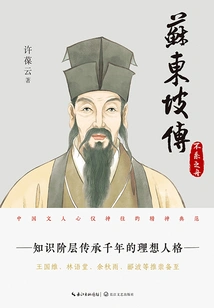
Biography of Su Dongpo (3): the Untied Boat
General Fiction苏东坡传(3):不系之舟
Xu Baoyun
Su Dongpo is a legend. He was proficient in poetry, calligraphy and painting. He was a free and unrestrained writer with outstanding literary talent. He was widely circulated and recited through the ages. He was also an excellent politician. He was a scholar in the Hanlin Academy and held a high position. He participated in major decisions of the court. After becoming a local official, he benefited one area and was loved by the people. He Treating everyone equally, his circle of friends ranged from emperors and high-ranking officials to ordinary people, including literati, monks and beggars; he was a true Confucian scholar, but he also deeply understood the essence of Buddhism and Taoism... Su Dongpo was a superstar in the long history, shining brightly and not dimming for more than a thousand years. His great personality and innocent spirit have become more and more eye-catching over time. The author of this book spent several years and revised the draft several times to analyze Su Dongpo's life course and open up his rich inner world. When you open this book, a real and three-dimensional Su Dongpo appears on the page. After reading in depth, Su Dongpo's legendary and ups and downs life appears before your eyes.
Su Dongpo is a legend. He was proficient in poetry, calligraphy and painting. He was a free and unrestrained writer with outstanding literary talent. He was widely circulated and recited through the ages. He was also an excellent politician. He was a scholar in the Hanlin Academy and held a high position. He participated in major decisions of the court. After becoming a local official, he benefited one area and was loved by the people. He Treating everyone equally, his circle of friends ranged from emperors and high-ranking officials to ordinary people, including literati, monks and beggars; he was a true Confucian scholar, but he also deeply understood the essence of Buddhism and Taoism... Su Dongpo was a superstar in the long history, shining brightly and not dimming for more than a thousand years. His great personality and innocent spirit have become more and more eye-catching over time. The author of this book spent several years and revised the draft several times to analyze Su Dongpo's life course and open up his rich inner world. When you open this book, a real and three-dimensional Su Dongpo appears on the page. After reading in depth, Su Dongpo's legendary and ups and downs life appears before your eyes.
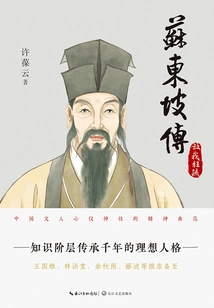
Biography of Su Dongpo (1): Visiting My Madness
General Fiction苏东坡传(1):访我狂疏
Xu Baoyun
Su Dongpo is a legend. He was proficient in poetry, calligraphy and painting. He was a free and unrestrained writer with outstanding literary talent. He was widely circulated and recited through the ages. He was also an excellent politician. He was a scholar in the Hanlin Academy and held a high position. He participated in major decisions of the court. After becoming a local official, he benefited one area and was loved by the people. He Treating everyone equally, his circle of friends ranged from emperors and high-ranking officials to ordinary people, including literati, monks and beggars; he was a true Confucian scholar, but he also deeply understood the essence of Buddhism and Taoism... Su Dongpo was a superstar in the long history, shining brightly and not dimming for more than a thousand years. His great personality and innocent spirit have become more and more eye-catching over time. The author of this book spent several years and revised the draft several times to analyze Su Dongpo's life course and open up his rich inner world. When you open this book, a real and three-dimensional Su Dongpo appears on the page. After reading in depth, Su Dongpo's legendary and ups and downs life appears before your eyes.
Su Dongpo is a legend. He was proficient in poetry, calligraphy and painting. He was a free and unrestrained writer with outstanding literary talent. He was widely circulated and recited through the ages. He was also an excellent politician. He was a scholar in the Hanlin Academy and held a high position. He participated in major decisions of the court. After becoming a local official, he benefited one area and was loved by the people. He Treating everyone equally, his circle of friends ranged from emperors and high-ranking officials to ordinary people, including literati, monks and beggars; he was a true Confucian scholar, but he also deeply understood the essence of Buddhism and Taoism... Su Dongpo was a superstar in the long history, shining brightly and not dimming for more than a thousand years. His great personality and innocent spirit have become more and more eye-catching over time. The author of this book spent several years and revised the draft several times to analyze Su Dongpo's life course and open up his rich inner world. When you open this book, a real and three-dimensional Su Dongpo appears on the page. After reading in depth, Su Dongpo's legendary and ups and downs life appears before your eyes.
Biography of Su Dongpo (2): Picking up All the Cold Branches
General Fiction苏东坡传(2):拣尽寒枝
Xu Baoyun
Su Dongpo is a legend. He was proficient in poetry, calligraphy and painting. He was a free and unrestrained writer with outstanding literary talent. He was widely circulated and recited through the ages. He was also an excellent politician. He was a scholar in the Hanlin Academy and held a high position. He participated in major decisions of the court. After becoming a local official, he benefited one area and was loved by the people. He Treating everyone equally, his circle of friends ranged from emperors and high-ranking officials to ordinary people, including literati, monks and beggars; he was a true Confucian scholar, but he also deeply understood the essence of Buddhism and Taoism... Su Dongpo was a superstar in the long history, shining brightly and not dimming for more than a thousand years. His great personality and innocent spirit have become more and more eye-catching over time. The author of this book spent several years and revised the draft several times to analyze Su Dongpo's life course and open up his rich inner world. When you open this book, a real and three-dimensional Su Dongpo appears on the page. After reading in depth, Su Dongpo's legendary and ups and downs life appears before your eyes.
Su Dongpo is a legend. He was proficient in poetry, calligraphy and painting. He was a free and unrestrained writer with outstanding literary talent. He was widely circulated and recited through the ages. He was also an excellent politician. He was a scholar in the Hanlin Academy and held a high position. He participated in major decisions of the court. After becoming a local official, he benefited one area and was loved by the people. He Treating everyone equally, his circle of friends ranged from emperors and high-ranking officials to ordinary people, including literati, monks and beggars; he was a true Confucian scholar, but he also deeply understood the essence of Buddhism and Taoism... Su Dongpo was a superstar in the long history, shining brightly and not dimming for more than a thousand years. His great personality and innocent spirit have become more and more eye-catching over time. The author of this book spent several years and revised the draft several times to analyze Su Dongpo's life course and open up his rich inner world. When you open this book, a real and three-dimensional Su Dongpo appears on the page. After reading in depth, Su Dongpo's legendary and ups and downs life appears before your eyes.
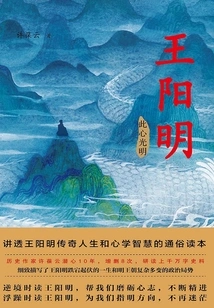
Wang Yangming 3: This Heart is Bright
General Fiction王阳明3:此心光明
Xu Baoyun
This book tells the story of Wang Yangming who used his troops like a god, quelled King Ning's rebellion in fourteen days, and captured Zhu Chenhao alive. However, Emperor Zhengde wanted to go to the south of the Yangtze River, and Wang Yangming resisted the order to save the people. The traitors brought trouble to Yangzhou and Nanchang, and Yangming dealt with the traitors. Jiajing ascended to the throne; Yangming gave lectures; after his wife died, he married Xing'er; he launched a campaign against the Sitian Rebellion; he suppressed eight villages, saw the tragic killings and became seriously ill, proving his "conscience", and died on the way home.
This book tells the story of Wang Yangming who used his troops like a god, quelled King Ning's rebellion in fourteen days, and captured Zhu Chenhao alive. However, Emperor Zhengde wanted to go to the south of the Yangtze River, and Wang Yangming resisted the order to save the people. The traitors brought trouble to Yangzhou and Nanchang, and Yangming dealt with the traitors. Jiajing ascended to the throne; Yangming gave lectures; after his wife died, he married Xing'er; he launched a campaign against the Sitian Rebellion; he suppressed eight villages, saw the tragic killings and became seriously ill, proving his "conscience", and died on the way home.
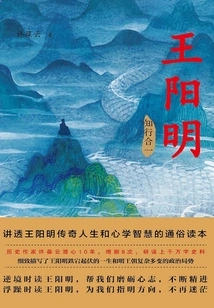
Wang Yangming 2: Unity of Knowledge and Action
General Fiction王阳明2:知行合一
Xu Baoyun
This volume tells the story of Wang Yangming's defeat of mountain bandits in southern Jiangxi and the powerful Ning Wang Zhu Chenhao. Wang Yangming went to Guizhou from Longchangyi to give lectures, discovered the secret of "five evils to be punished", and vowed to destroy the thieves in the human heart by integrating knowledge and action. He served as the county magistrate in Luling, Jiangxi Province, and petitioned for orders for the people; after Liu Jin was executed, Yangming finally had hope again. Wang Qiong outwitted Qian Ning and King Ning, and appointed Wang Yangming to patrol south of Jiangxi to suppress bandits and prevent King Ning from rebelling.
This volume tells the story of Wang Yangming's defeat of mountain bandits in southern Jiangxi and the powerful Ning Wang Zhu Chenhao. Wang Yangming went to Guizhou from Longchangyi to give lectures, discovered the secret of "five evils to be punished", and vowed to destroy the thieves in the human heart by integrating knowledge and action. He served as the county magistrate in Luling, Jiangxi Province, and petitioned for orders for the people; after Liu Jin was executed, Yangming finally had hope again. Wang Qiong outwitted Qian Ning and King Ning, and appointed Wang Yangming to patrol south of Jiangxi to suppress bandits and prevent King Ning from rebelling.
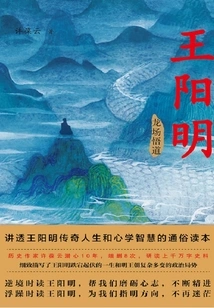
Wang Yangming 1: Enlightenment in Longchang
General Fiction王阳明1:龙场悟道
Xu Baoyun
This volume tells the story of how Wang Yangming became enlightened after being demoted to the Dragon Field. In the early days of Zhengde, the eunuchs had exclusive power. Wang Yangming was imprisoned and exiled to Longchang, Guizhou because he spoke uprightly. Along the way, he was hunted down, encountered a shipwreck, traveled around the world, his life was trampled on, and his life seemed to be at an impasse. All this did not extinguish the bright light in Wang Yangming's heart. He worked hard to save himself. He realized the principle of "unity of knowledge and action" in Longchang overnight and completed self-save in a desperate situation. He made friends with the Miao people, interacted with the chieftain, and quelled the war. He was invited to teach in Guiyang, and the once "desperate situation" has become a paradise.
This volume tells the story of how Wang Yangming became enlightened after being demoted to the Dragon Field. In the early days of Zhengde, the eunuchs had exclusive power. Wang Yangming was imprisoned and exiled to Longchang, Guizhou because he spoke uprightly. Along the way, he was hunted down, encountered a shipwreck, traveled around the world, his life was trampled on, and his life seemed to be at an impasse. All this did not extinguish the bright light in Wang Yangming's heart. He worked hard to save himself. He realized the principle of "unity of knowledge and action" in Longchang overnight and completed self-save in a desperate situation. He made friends with the Miao people, interacted with the chieftain, and quelled the war. He was invited to teach in Guiyang, and the once "desperate situation" has become a paradise.
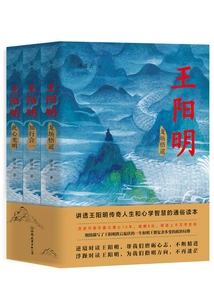
Wang Yangming (all Three Volumes)
General Fiction王阳明(全三册)
Xu Baoyun
Wang Shouren (October 31, 1472 - January 9, 1529), whose real name was Wang Yun, courtesy name Bo'an, and nickname Yangming, was from Yuyao, Zhejiang, Han nationality. An outstanding thinker, writer, military strategist and educator in the Ming Dynasty. Destiny never favored Wang Yangming. When he first entered the officialdom, he offended powerful traitors because of his outspokenness and was demoted to the wild Longchang. Later, he put down the rebellion of King Ning, which was a great achievement, but because of the obstruction of villains, he had to retreat bravely. In his later years, he was also criticized because of the popularity of "Xin Xue". In Wang Yangming's life, there were more adversity than good times, more suffering than glory, and more controversy than praise. However, Wang Yangming, who believed in the "Learning of Conscience", relied on the wisdom of "Learning from the Heart" to successfully break through the situation in the dark era. He made some knowledge and career, earned a bright and beautiful life, and influenced and inspired everyone who struggled to break through in the darkest moments of life.
Wang Shouren (October 31, 1472 - January 9, 1529), whose real name was Wang Yun, courtesy name Bo'an, and nickname Yangming, was from Yuyao, Zhejiang, Han nationality. An outstanding thinker, writer, military strategist and educator in the Ming Dynasty. Destiny never favored Wang Yangming. When he first entered the officialdom, he offended powerful traitors because of his outspokenness and was demoted to the wild Longchang. Later, he put down the rebellion of King Ning, which was a great achievement, but because of the obstruction of villains, he had to retreat bravely. In his later years, he was also criticized because of the popularity of "Xin Xue". In Wang Yangming's life, there were more adversity than good times, more suffering than glory, and more controversy than praise. However, Wang Yangming, who believed in the "Learning of Conscience", relied on the wisdom of "Learning from the Heart" to successfully break through the situation in the dark era. He made some knowledge and career, earned a bright and beautiful life, and influenced and inspired everyone who struggled to break through in the darkest moments of life.
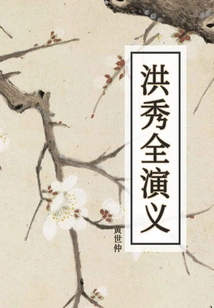
The Romance of Hong Xiuquan
General Fiction洪秀全演义
Huang Shizhong
"The Romance of Hong Xiuquan", written by Huang Shizhong (Qing Dynasty), also known as "The Romance of the Taiping Heavenly Kingdom" and "The Complete Works of the Heroes of Hong Yang". This book is an important work in the history of modern Chinese novels. It is the first full-length novel to enthusiastically praise the revolutionary history of the Taiping Heavenly Kingdom after the historical work "History of the Taiping Heavenly Kingdom". It narrates the historical events of the Taiping Heavenly Kingdom, starting with Hong Xiuquan's uprising and ending with Zeng Guofan's deployment of victorious troops and the siege of Jinling City. Many of the characters written are inconsistent with historical facts, but they sympathize with and praise the Taiping Rebellion, and better portray the images of Hong Xiuquan, Li Xiucheng, Lin Fengxiang and other characters.
"The Romance of Hong Xiuquan", written by Huang Shizhong (Qing Dynasty), also known as "The Romance of the Taiping Heavenly Kingdom" and "The Complete Works of the Heroes of Hong Yang". This book is an important work in the history of modern Chinese novels. It is the first full-length novel to enthusiastically praise the revolutionary history of the Taiping Heavenly Kingdom after the historical work "History of the Taiping Heavenly Kingdom". It narrates the historical events of the Taiping Heavenly Kingdom, starting with Hong Xiuquan's uprising and ending with Zeng Guofan's deployment of victorious troops and the siege of Jinling City. Many of the characters written are inconsistent with historical facts, but they sympathize with and praise the Taiping Rebellion, and better portray the images of Hong Xiuquan, Li Xiucheng, Lin Fengxiang and other characters.
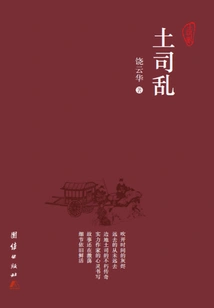
Tusi Chaos
General Fiction土司乱
Rao Yunhua
This volume contains three historical novellas by the author, which are based on local historical themes in Chuxiong Prefecture, Yunnan Province. "Guan Zi Jue" describes the story of the Ming Dynasty thinker Li Zhi when he was the prefect of Yao'an. "Supernatural Tribulation" At the end of the Ming Dynasty and the beginning of the Qing Dynasty, Gao Meiying, the son of Gao Tusi of Yao'an Prefecture and known as a child prodigy, became the object of various political forces such as Emperor Yongli, Mu Zongbing, Wu Sangui, etc.... "Tusi Rebellion" During the Jiaqing period of the Ming Dynasty, Yunnan "returned to local rule", triggering a power struggle among the chieftains of Wuding Prefecture, forcing Feng Jizu to rebel. As a result, Governor Lu and General Mu each had their own ulterior motives, and the chieftains of Huichuan Prefecture and Yao'an Prefecture were suspicious of each other and deceived each other. The chieftain rebellion began...
This volume contains three historical novellas by the author, which are based on local historical themes in Chuxiong Prefecture, Yunnan Province. "Guan Zi Jue" describes the story of the Ming Dynasty thinker Li Zhi when he was the prefect of Yao'an. "Supernatural Tribulation" At the end of the Ming Dynasty and the beginning of the Qing Dynasty, Gao Meiying, the son of Gao Tusi of Yao'an Prefecture and known as a child prodigy, became the object of various political forces such as Emperor Yongli, Mu Zongbing, Wu Sangui, etc.... "Tusi Rebellion" During the Jiaqing period of the Ming Dynasty, Yunnan "returned to local rule", triggering a power struggle among the chieftains of Wuding Prefecture, forcing Feng Jizu to rebel. As a result, Governor Lu and General Mu each had their own ulterior motives, and the chieftains of Huichuan Prefecture and Yao'an Prefecture were suspicious of each other and deceived each other. The chieftain rebellion began...
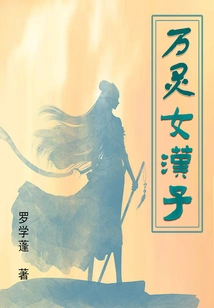
All-round Female Man
General Fiction万灵女汉子
Luo Xuepeng
The Xinhai Incident occurred and the Qing Dynasty was overthrown. Bewitched by fanatical nationalist sentiments, the rebel Han people launched a crazy revenge against the Manchus who had ruled China for 268 years. Chongqing Mancheng Fotuguan was also under heavy siege. Chongqing General Jin Yuan entrusted his fifteen-year-old only daughter Jin Yuyao to Batab, the leader of the nursing home. Relying on his friendship with Jin Lan, the chief helmsman of Chongqing Paoge, Yuan Qingyang, Batabu took Jin Yuyao down from Fotuguan on the eve of the city's fall and went to Chengdu to visit relatives and friends. When World War I broke out, the British funded the recruitment of Chinese workers in China. Zhao Zhongyu, who was living in Guangzhou, passed the exam as a translator and went to the battlefield in Europe, where he shared the joys and sorrows with many Chinese workers and struggled on the line of life and death. After the First World War, Zhao Zhongyu came to Moscow, accepted the influence of communism, entered the Frunze Military Academy in Moscow, and became a member of the Communist Party. Under the dual pressure of foreign powers and the Nationalist Government, Yang Sen visited Rongchang in person, tried his best to rescue the British, and designed a special plan to kill Xiao Tianhan. However, the talented Zhao Zhongyu is regarded as a hero among people, and he is particularly valued, and he wants to serve under his account...
The Xinhai Incident occurred and the Qing Dynasty was overthrown. Bewitched by fanatical nationalist sentiments, the rebel Han people launched a crazy revenge against the Manchus who had ruled China for 268 years. Chongqing Mancheng Fotuguan was also under heavy siege. Chongqing General Jin Yuan entrusted his fifteen-year-old only daughter Jin Yuyao to Batab, the leader of the nursing home. Relying on his friendship with Jin Lan, the chief helmsman of Chongqing Paoge, Yuan Qingyang, Batabu took Jin Yuyao down from Fotuguan on the eve of the city's fall and went to Chengdu to visit relatives and friends. When World War I broke out, the British funded the recruitment of Chinese workers in China. Zhao Zhongyu, who was living in Guangzhou, passed the exam as a translator and went to the battlefield in Europe, where he shared the joys and sorrows with many Chinese workers and struggled on the line of life and death. After the First World War, Zhao Zhongyu came to Moscow, accepted the influence of communism, entered the Frunze Military Academy in Moscow, and became a member of the Communist Party. Under the dual pressure of foreign powers and the Nationalist Government, Yang Sen visited Rongchang in person, tried his best to rescue the British, and designed a special plan to kill Xiao Tianhan. However, the talented Zhao Zhongyu is regarded as a hero among people, and he is particularly valued, and he wants to serve under his account...
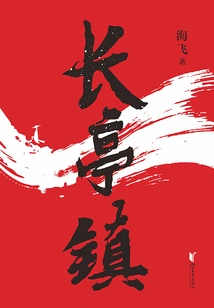
Changting Town
General Fiction长亭镇
Haifei
The story in the novel takes place on the eve of the Revolution of 1911, in an ancient town in the south of the Yangtze River called Changting Town. The novel vividly describes the twists and turns of Du Xiaoe's growth from a weak woman to a brave female revolutionary. The story begins with Du Xiao'e's personal revenge and ends with the national revolution. In the changing and turbulent historical era, the hatred of the country and the family are intertwined, and the fate of the individual resonates with the fate of the country. The novel is intertwined with many clues, and reality and memories are frequently switched. The author uses a film and television technique with a strong sense of camera to truly show a magnificent picture of the changes in the revolution in modern Chinese society, creating a portrait of a group of chivalrous people who fearlessly resist the enemy for the sake of their country, country and the world.
The story in the novel takes place on the eve of the Revolution of 1911, in an ancient town in the south of the Yangtze River called Changting Town. The novel vividly describes the twists and turns of Du Xiaoe's growth from a weak woman to a brave female revolutionary. The story begins with Du Xiao'e's personal revenge and ends with the national revolution. In the changing and turbulent historical era, the hatred of the country and the family are intertwined, and the fate of the individual resonates with the fate of the country. The novel is intertwined with many clues, and reality and memories are frequently switched. The author uses a film and television technique with a strong sense of camera to truly show a magnificent picture of the changes in the revolution in modern Chinese society, creating a portrait of a group of chivalrous people who fearlessly resist the enemy for the sake of their country, country and the world.
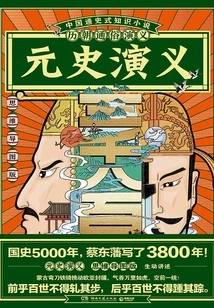
Popular Romance of the Past Dynasties: Romance of the Yuan Dynasty (mind Map Version)
General Fiction历朝通俗演义:元史演义(思维导图版)
Cai Dongfan
"The Romance of the Yuan Dynasty" is a re-adaptation of Cai Dongfan's original work. The book depicts the entire process of the rise and fall of the Yuan Dynasty over a century, and depicts famous historical figures such as Genghis Khan and Kublai Khan, providing a detailed and powerful reference for understanding the history of the Yuan Dynasty. During the editing process of the book, not only were the rare characters annotated and phoneticized according to the latest "General Standard Chinese Character List", but the book's character embroideries and text illustrations were also redrawn. The "Reading Mind Map" added to the book for the first time provides big data support for readers to quickly understand the history of the Yuan Dynasty. Through multiple modules such as "Classic Battles", more than a hundred knowledge points are sorted out, and historical changes are rigorously presented through maps. It is of great help to young readers in learning history and enhancing national pride.
"The Romance of the Yuan Dynasty" is a re-adaptation of Cai Dongfan's original work. The book depicts the entire process of the rise and fall of the Yuan Dynasty over a century, and depicts famous historical figures such as Genghis Khan and Kublai Khan, providing a detailed and powerful reference for understanding the history of the Yuan Dynasty. During the editing process of the book, not only were the rare characters annotated and phoneticized according to the latest "General Standard Chinese Character List", but the book's character embroideries and text illustrations were also redrawn. The "Reading Mind Map" added to the book for the first time provides big data support for readers to quickly understand the history of the Yuan Dynasty. Through multiple modules such as "Classic Battles", more than a hundred knowledge points are sorted out, and historical changes are rigorously presented through maps. It is of great help to young readers in learning history and enhancing national pride.
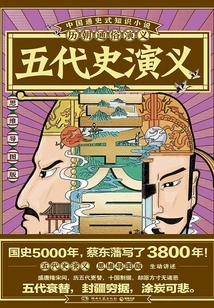
Popular Romance of the Past Dynasties: Romance of the Five Dynasties (mind Map Version)
General Fiction历朝通俗演义:五代史演义(思维导图版)
Cai Dongfan
"History of the Five Dynasties" is a recreation of Cai Dongfan's original work. The book describes the rise and fall of each dynasty during the Five Dynasties and Ten Kingdoms period. The book depicts many historical figures, such as Li Yu, Chai Rong, etc., And depicts the historical changes of the Five Dynasties period in a panoramic manner. As a large-scale work, the review process of this book was carefully and rigorously edited, all illustrations and character embroideries in the book were restored and redrawn, and all rare characters were notated in accordance with the latest "General Standard Chinese Character List". As the core feature of this book that is different from previous versions, "Reading Mind Map" provides a new interpretation of the book from the perspective of "cultural anecdotes of emperors, generals, generals" and other perspectives, and uses big data presentation to gain insight into the context of historical changes and understand ancient wisdom from data changes. The mind map involves many classic battles and unsolved mysteries during the Five Dynasties period, and all content is reviewed by relevant experts and scholars.
"History of the Five Dynasties" is a recreation of Cai Dongfan's original work. The book describes the rise and fall of each dynasty during the Five Dynasties and Ten Kingdoms period. The book depicts many historical figures, such as Li Yu, Chai Rong, etc., And depicts the historical changes of the Five Dynasties period in a panoramic manner. As a large-scale work, the review process of this book was carefully and rigorously edited, all illustrations and character embroideries in the book were restored and redrawn, and all rare characters were notated in accordance with the latest "General Standard Chinese Character List". As the core feature of this book that is different from previous versions, "Reading Mind Map" provides a new interpretation of the book from the perspective of "cultural anecdotes of emperors, generals, generals" and other perspectives, and uses big data presentation to gain insight into the context of historical changes and understand ancient wisdom from data changes. The mind map involves many classic battles and unsolved mysteries during the Five Dynasties period, and all content is reviewed by relevant experts and scholars.
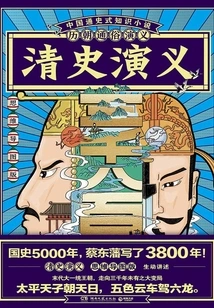
历朝通俗演义:清史演义(思维导图版)
Cai Dongfan
"The Romance of Qing History" is a re-creation of Cai Dongfan's original work. The book tells the story of famous historical figures such as Kangxi, Yongzheng, and Qianlong, and depicts the rise and fall of the Qing Dynasty in detail. During the editing process of this book, the editor strictly followed the newly promulgated "General Standard Chinese Character List" to annotate and phoneticize rare characters, and redrawn a large number of character embroideries and illustrations. The core feature of the book, "Reading Mind Map", aims to make use of big data changes in history, providing convenience for readers to read the essence of the book at the first time. This map uses multiple modules such as "Cultural Anecdotes" to sort out more than a hundred knowledge points about the history of the Qing Dynasty, which is of great help to young readers in learning history and enhancing their confidence in national culture.
"The Romance of Qing History" is a re-creation of Cai Dongfan's original work. The book tells the story of famous historical figures such as Kangxi, Yongzheng, and Qianlong, and depicts the rise and fall of the Qing Dynasty in detail. During the editing process of this book, the editor strictly followed the newly promulgated "General Standard Chinese Character List" to annotate and phoneticize rare characters, and redrawn a large number of character embroideries and illustrations. The core feature of the book, "Reading Mind Map", aims to make use of big data changes in history, providing convenience for readers to read the essence of the book at the first time. This map uses multiple modules such as "Cultural Anecdotes" to sort out more than a hundred knowledge points about the history of the Qing Dynasty, which is of great help to young readers in learning history and enhancing their confidence in national culture.
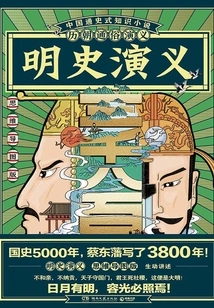
Popular Romance of the Past Dynasties: Romance of the Ming Dynasty (mind Map Version)
General Fiction历朝通俗演义:明史演义(思维导图版)
Cai Dongfan
"The Romance of the Ming Dynasty" is a newly compiled "mind map version" of Cai Dongfan's "Popular Romance of the Past Dynasties" series of books. This book depicts the entire process of the rise and fall of the Ming Dynasty and tells the story of famous historical figures such as Zhu Yuanzhang and Zhu Di, allowing readers to understand the history of the Ming Dynasty. The book is carefully edited and edited, adding annotations and phonetic notations for rare words based on the latest "General Standard Chinese Character List", and redrawing the character embroidery and text illustrations. As the core feature of the book, the "Reading Mind Map" was reviewed by experts and scholars. It uses multiple modules such as "Emperors, Generals and Prime Ministers" to sort out more than a hundred knowledge points involved in the history of the Ming Dynasty, bringing great reading convenience to readers. This book is an in-depth update of a classic literary work. It aims to use big data and other new forms to allow readers to quickly understand historical development trends, clarify the roots of the formation of national culture, and greatly enhance the national pride of young people.
"The Romance of the Ming Dynasty" is a newly compiled "mind map version" of Cai Dongfan's "Popular Romance of the Past Dynasties" series of books. This book depicts the entire process of the rise and fall of the Ming Dynasty and tells the story of famous historical figures such as Zhu Yuanzhang and Zhu Di, allowing readers to understand the history of the Ming Dynasty. The book is carefully edited and edited, adding annotations and phonetic notations for rare words based on the latest "General Standard Chinese Character List", and redrawing the character embroidery and text illustrations. As the core feature of the book, the "Reading Mind Map" was reviewed by experts and scholars. It uses multiple modules such as "Emperors, Generals and Prime Ministers" to sort out more than a hundred knowledge points involved in the history of the Ming Dynasty, bringing great reading convenience to readers. This book is an in-depth update of a classic literary work. It aims to use big data and other new forms to allow readers to quickly understand historical development trends, clarify the roots of the formation of national culture, and greatly enhance the national pride of young people.
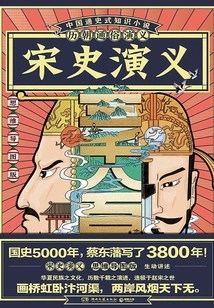
历朝通俗演义:宋史演义(思维导图版)
Cai Dongfan
This book is a re-creation based on "The Romance of the Former Han Dynasty" by the famous historical novelist Cai Dongfan. It depicts the entire process of the rise and fall of the Western Han Dynasty, and depicts vivid historical figures such as the Emperor Gaozu of the Han Dynasty and Emperor Wu of the Han Dynasty. The whole book retains the original appearance of Cai Dongfan's works. For the convenience of readers, we have added pinyin to rare characters using the latest "General Standard Chinese Character List" as a reference. More than a thousand illustrations and embroideries from the book were excavated, restored and redrawn. On this basis, we conducted in-depth exploration of the content of the book and invited experts and scholars to create an original reading mind map of the book. A brand-new interpretation is made from the five major modules of "Historical Events", "Emperors and Generals", "Classic Battles", "Cultural Anecdotes" and "Ancient Wisdom", which involves dozens of dynasty changes, 503 emperors, more than a hundred classic battles, dozens of reforms and many unsolved mysteries in history. The mind map aims to present the essence of popular romances from past dynasties in a panoramic manner through big data. It integrates more than a thousand knowledge points with multiple modules. It is especially useful for young readers to learn history and increase their classical and traditional cultural literacy.
This book is a re-creation based on "The Romance of the Former Han Dynasty" by the famous historical novelist Cai Dongfan. It depicts the entire process of the rise and fall of the Western Han Dynasty, and depicts vivid historical figures such as the Emperor Gaozu of the Han Dynasty and Emperor Wu of the Han Dynasty. The whole book retains the original appearance of Cai Dongfan's works. For the convenience of readers, we have added pinyin to rare characters using the latest "General Standard Chinese Character List" as a reference. More than a thousand illustrations and embroideries from the book were excavated, restored and redrawn. On this basis, we conducted in-depth exploration of the content of the book and invited experts and scholars to create an original reading mind map of the book. A brand-new interpretation is made from the five major modules of "Historical Events", "Emperors and Generals", "Classic Battles", "Cultural Anecdotes" and "Ancient Wisdom", which involves dozens of dynasty changes, 503 emperors, more than a hundred classic battles, dozens of reforms and many unsolved mysteries in history. The mind map aims to present the essence of popular romances from past dynasties in a panoramic manner through big data. It integrates more than a thousand knowledge points with multiple modules. It is especially useful for young readers to learn history and increase their classical and traditional cultural literacy.
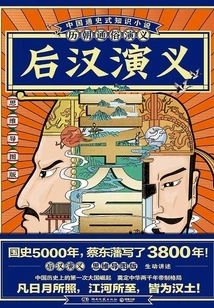
Popular Romance of the Past Dynasties: Romance of the Later Han Dynasty (mind Map Version)
General Fiction历朝通俗演义:后汉演义(思维导图版)
Cai Dongfan
This book is a re-creation based on "The Romance of the Former Han Dynasty" by the famous historical novelist Cai Dongfan. It depicts the entire process of the rise and fall of the Eastern Han Dynasty and depicts vivid historical figures such as Emperor Guangwu Liu Xiu. The whole book retains the original appearance of Cai Dongfan's works. For the convenience of readers, we have added pinyin to rare characters using the latest "General Standard Chinese Character List" as a reference. More than a thousand illustrations and embroideries from the book were excavated, restored and redrawn. On this basis, we conducted in-depth exploration of the content of the book and invited experts and scholars to create an original reading mind map of the book. A brand-new interpretation is made from the five major modules of "Historical Events", "Emperors and Generals", "Classic Battles", "Cultural Anecdotes" and "Ancient Wisdom", which involves dozens of dynasty changes, 503 emperors, more than a hundred classic battles, dozens of reforms and many unsolved mysteries in history. The mind map aims to present the essence of popular romances from past dynasties in a panoramic manner through big data. It integrates more than a thousand knowledge points with multiple modules. It is especially useful for young readers to learn history and increase their classical and traditional cultural literacy.
This book is a re-creation based on "The Romance of the Former Han Dynasty" by the famous historical novelist Cai Dongfan. It depicts the entire process of the rise and fall of the Eastern Han Dynasty and depicts vivid historical figures such as Emperor Guangwu Liu Xiu. The whole book retains the original appearance of Cai Dongfan's works. For the convenience of readers, we have added pinyin to rare characters using the latest "General Standard Chinese Character List" as a reference. More than a thousand illustrations and embroideries from the book were excavated, restored and redrawn. On this basis, we conducted in-depth exploration of the content of the book and invited experts and scholars to create an original reading mind map of the book. A brand-new interpretation is made from the five major modules of "Historical Events", "Emperors and Generals", "Classic Battles", "Cultural Anecdotes" and "Ancient Wisdom", which involves dozens of dynasty changes, 503 emperors, more than a hundred classic battles, dozens of reforms and many unsolved mysteries in history. The mind map aims to present the essence of popular romances from past dynasties in a panoramic manner through big data. It integrates more than a thousand knowledge points with multiple modules. It is especially useful for young readers to learn history and increase their classical and traditional cultural literacy.
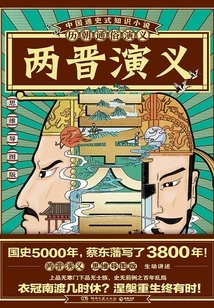
Popular Romance of the Past Dynasties: Romance of the Two Jin Dynasties (mind Map Version)
General Fiction历朝通俗演义:两晋演义(思维导图版)
Cai Dongfan
This book is a re-creation of "The Romance of the Two Jin Dynasties" by the famous historical novelist Cai Dongfan. The book vividly describes the rise and fall of the Jin Dynasty, and depicts vivid historical figures such as Sima Yan and Xie Xuan. It provides a rigorous description of major historical events during the Jin and Jin Dynasties. The whole book retains the original appearance of Cai Dongfan's works. For the convenience of readers, the phonetic notation of rare characters is made with reference to the latest "General Standard Chinese Character List". The book's character embroideries and illustrations have been redrawn. On this basis, experts and scholars were invited to carefully sort out the whole book and create a reading mind map. A new interpretation of the content from modules such as "Historical Events", "Emperors and Generals", and "Classic Battles". It involves the emperors of the two Jin Dynasties, dozens of classic battles and many unsolved historical mysteries. The mind map aims to use big data to present history and reinterpret the essence of "The Romance of the Two Jins". More than a hundred unique knowledge points can help young readers learn history and enhance national pride.
This book is a re-creation of "The Romance of the Two Jin Dynasties" by the famous historical novelist Cai Dongfan. The book vividly describes the rise and fall of the Jin Dynasty, and depicts vivid historical figures such as Sima Yan and Xie Xuan. It provides a rigorous description of major historical events during the Jin and Jin Dynasties. The whole book retains the original appearance of Cai Dongfan's works. For the convenience of readers, the phonetic notation of rare characters is made with reference to the latest "General Standard Chinese Character List". The book's character embroideries and illustrations have been redrawn. On this basis, experts and scholars were invited to carefully sort out the whole book and create a reading mind map. A new interpretation of the content from modules such as "Historical Events", "Emperors and Generals", and "Classic Battles". It involves the emperors of the two Jin Dynasties, dozens of classic battles and many unsolved historical mysteries. The mind map aims to use big data to present history and reinterpret the essence of "The Romance of the Two Jins". More than a hundred unique knowledge points can help young readers learn history and enhance national pride.
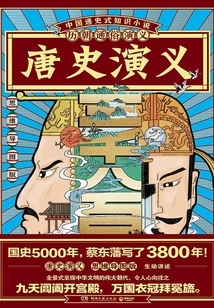
历朝通俗演义:唐史演义(思维导图版)
Cai Dongfan
This book is a re-creation based on "The Romance of the Tang Dynasty". The book describes the rise and fall of the Tang Dynasty for more than two hundred years, depicts historical figures such as Tang Taizong and Wu Zetian, and gives a panoramic depiction of the history of the Tang Dynasty. The book's review process was rigorous and meticulous. Not only did the book's portraits and illustrations be redrawn, but all rare characters were phoneticized using the latest "General Standard Chinese Character List" as a reference. For the first time, the book has a unique new "Reading Mind Map", using modules such as "Emperors, Generals" and "Classic Battles" to provide a new interpretation of the content of the book, involving 24 emperors in the Tang Dynasty, dozens of classic battles and many unsolved mysteries. The purpose of the mind map is to use big data to present history, so that readers can have a clearer understanding of the laws of historical change and the characteristics of each stage of social development, which can greatly enhance the national pride of young people.
This book is a re-creation based on "The Romance of the Tang Dynasty". The book describes the rise and fall of the Tang Dynasty for more than two hundred years, depicts historical figures such as Tang Taizong and Wu Zetian, and gives a panoramic depiction of the history of the Tang Dynasty. The book's review process was rigorous and meticulous. Not only did the book's portraits and illustrations be redrawn, but all rare characters were phoneticized using the latest "General Standard Chinese Character List" as a reference. For the first time, the book has a unique new "Reading Mind Map", using modules such as "Emperors, Generals" and "Classic Battles" to provide a new interpretation of the content of the book, involving 24 emperors in the Tang Dynasty, dozens of classic battles and many unsolved mysteries. The purpose of the mind map is to use big data to present history, so that readers can have a clearer understanding of the laws of historical change and the characteristics of each stage of social development, which can greatly enhance the national pride of young people.
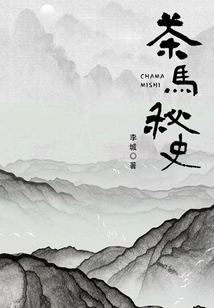
The Secret History of the Tea Horse
General Fiction茶马秘史
Licheng
In the early days of the Ming Dynasty, in order to guard Taozhou, the border gateway, and ensure the smooth flow of the ancient tea-horse road in the northwest, the imperial court stationed Jianghuai soldiers who had quelled local wars here, and forcibly moved their wives, children, and family members westward. They fell wood, built houses, and forged swords into plows in the wilderness. They had to support themselves by their own efforts, and they also had to be loyal to their duties to maintain long-term peace and stability in the border areas and the normal progress of the tea-horse trade. Taozhou is a place of farming and nomadic flower arrangements. Willows cling to the east and rain and snow fall in the west. The left hand harvests highland barley and the right hand makes cheese for food. People from the land of plenty sing the sad "Tuen Tian Song" while devoting themselves to the arduous life of garrison without hesitation. , They eventually had to take root and become western farmers with dark faces and rough voices... The novel uses the fate of the Taozhou woman "Ma Niangniang" as a clue to reproduce the hidden history of the Ming Dynasty's immigration to farm fields in the western border and the implementation of the tea-horse gold medal system.
In the early days of the Ming Dynasty, in order to guard Taozhou, the border gateway, and ensure the smooth flow of the ancient tea-horse road in the northwest, the imperial court stationed Jianghuai soldiers who had quelled local wars here, and forcibly moved their wives, children, and family members westward. They fell wood, built houses, and forged swords into plows in the wilderness. They had to support themselves by their own efforts, and they also had to be loyal to their duties to maintain long-term peace and stability in the border areas and the normal progress of the tea-horse trade. Taozhou is a place of farming and nomadic flower arrangements. Willows cling to the east and rain and snow fall in the west. The left hand harvests highland barley and the right hand makes cheese for food. People from the land of plenty sing the sad "Tuen Tian Song" while devoting themselves to the arduous life of garrison without hesitation. , They eventually had to take root and become western farmers with dark faces and rough voices... The novel uses the fate of the Taozhou woman "Ma Niangniang" as a clue to reproduce the hidden history of the Ming Dynasty's immigration to farm fields in the western border and the implementation of the tea-horse gold medal system.
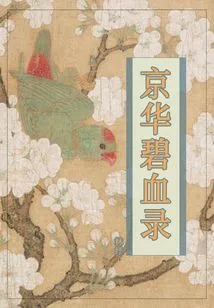
Jinghua Bixuelu
General Fiction京华碧血录
Lin Shu
"Jinghua Bixuelu" is a novel that reflects the Gengzi Incident. Waishi Shi said: The style of a novel is not a chronological book. If there is a reporter, even if it is trivial and trivial, it will be left in the editor; if there is nothing to remember, a year can pass between one line. It has been handed over to Gengzi for three months. The Gengzi situation has so many threads, where will you start? However, those who brought chaos to the world were the Boxers, and those who wrote books had to originate from this.
"Jinghua Bixuelu" is a novel that reflects the Gengzi Incident. Waishi Shi said: The style of a novel is not a chronological book. If there is a reporter, even if it is trivial and trivial, it will be left in the editor; if there is nothing to remember, a year can pass between one line. It has been handed over to Gengzi for three months. The Gengzi situation has so many threads, where will you start? However, those who brought chaos to the world were the Boxers, and those who wrote books had to originate from this.
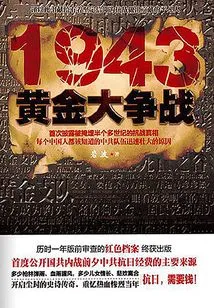
1943: the Great War for Gold
General Fiction1943:黄金大争战
Iwanami
After the July 7th Incident, the Japanese invaded North China and then entered the Huanggangshan gold mines. With the outbreak of the Pacific War in 1941, the Japanese invaders also tightened their predatory mining of Huanggangshan gold mines due to the stretched front line and lack of domestic resources. The miners were killed at the slightest dissatisfaction. At this time, Yan'an was short of funds, and superior leaders ordered the Eighth Route Army and the underground party to try to mine and transport the gold from Huanggang Mountain. The struggle between the enemy and ourselves has fallen into a stalemate. Guo Xiaodong, a young underground party member, was ordered to lurk in the Huanggang Mountain gold mine. He cooperated with Ma Wanqi, the wealthy owner of Huanggang Mountain, and used his hidden hundred rifles and ammunition to ambush the Japanese and puppet troops. The Japanese and puppet troops became angry and tightened their control over the Huanggang Mountain gold mine. Guo Xiaodong designed to capture Lu Dacheng and rescue Ma Wanqi and his daughter. Kuomintang die-hard Wan Jiaming turned to the Japanese army out of anger at Ma Wanqi's daughter's betrayal, and Guo Xiaodong struggled to mediate... A gold medal battle mixed with emotional entanglements intensified.
After the July 7th Incident, the Japanese invaded North China and then entered the Huanggangshan gold mines. With the outbreak of the Pacific War in 1941, the Japanese invaders also tightened their predatory mining of Huanggangshan gold mines due to the stretched front line and lack of domestic resources. The miners were killed at the slightest dissatisfaction. At this time, Yan'an was short of funds, and superior leaders ordered the Eighth Route Army and the underground party to try to mine and transport the gold from Huanggang Mountain. The struggle between the enemy and ourselves has fallen into a stalemate. Guo Xiaodong, a young underground party member, was ordered to lurk in the Huanggang Mountain gold mine. He cooperated with Ma Wanqi, the wealthy owner of Huanggang Mountain, and used his hidden hundred rifles and ammunition to ambush the Japanese and puppet troops. The Japanese and puppet troops became angry and tightened their control over the Huanggang Mountain gold mine. Guo Xiaodong designed to capture Lu Dacheng and rescue Ma Wanqi and his daughter. Kuomintang die-hard Wan Jiaming turned to the Japanese army out of anger at Ma Wanqi's daughter's betrayal, and Guo Xiaodong struggled to mediate... A gold medal battle mixed with emotional entanglements intensified.
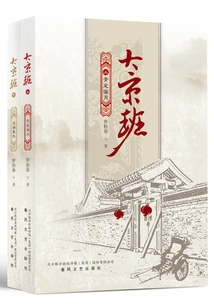
Dajing Class
General Fiction大京班
Luo Yichun
This book tells the story of the Liyuan people's grievances, sorrows and joys through the growth of a Peking Opera performer. The novel weaves the rich and legendary life stories of people inside and outside the Liyuan. While writing characters and history from a unique perspective, it also reflects the twisted cruelty of good and evil in human nature through the joys and sorrows of people from the royal palace to ordinary people, and reflects the deep imprint left on people by the times.
This book tells the story of the Liyuan people's grievances, sorrows and joys through the growth of a Peking Opera performer. The novel weaves the rich and legendary life stories of people inside and outside the Liyuan. While writing characters and history from a unique perspective, it also reflects the twisted cruelty of good and evil in human nature through the joys and sorrows of people from the royal palace to ordinary people, and reflects the deep imprint left on people by the times.
Tianmowu
General Fiction天魔舞
Li Jieren
"The Dance of the Demons" is another masterpiece written by Li Jieren after the historical novels "Small Waves in the Dead Water", "Before the Storm" and "The Big Wave", which reflect historical storms.
"The Dance of the Demons" is another masterpiece written by Li Jieren after the historical novels "Small Waves in the Dead Water", "Before the Storm" and "The Big Wave", which reflect historical storms.
Flame
General Fiction火苗
Gu Jian
This book is the latest novel by the famous best-selling author Gu Jian. It is an anti-Japanese themed novel commemorating the 100th anniversary of the founding of the Communist Party of China and carrying forward the main theme. The novel is set in a water town in the south of the Yangtze River. It tells the story of Zhang Zheng, a Communist Party member and battalion commander of the New Fourth Army, who actively mobilized the people, developed Communist Party members, and organized the anti-Japanese struggle while he was recovering in the countryside. In the first month of 1942, New Fourth Army battalion commander Zhang Zheng was injured while defending Qilin Town. Lin Huasheng, an underground party member who opened a pharmacy in the town as a cover, was secretly sent to the home of Du Junshan, a lake resident on the outskirts of the town, to recover from his injuries. While Zhang was recovering from his injuries, he developed anti-Japanese activists among the local people, won over the power of the gentry, organized an anti-Japanese militia squadron on the water, and dealt with the Japanese and puppet troops who went to the countryside to sweep up, protecting the people's property and growing stronger in the struggle. They took advantage of the terrain of the lake, built dams and buried piles, made their own "mines", and cleverly set up Bagua formations, smashing the enemy's suppression campaigns again and again. During the autumn offensive against the Japanese and puppets, the water militia squadron cooperated with the county detachment and district brigade to launch an ambush at Liuyuefen, completely wiping out the Japanese troops fleeing south from Qilin Town.
This book is the latest novel by the famous best-selling author Gu Jian. It is an anti-Japanese themed novel commemorating the 100th anniversary of the founding of the Communist Party of China and carrying forward the main theme. The novel is set in a water town in the south of the Yangtze River. It tells the story of Zhang Zheng, a Communist Party member and battalion commander of the New Fourth Army, who actively mobilized the people, developed Communist Party members, and organized the anti-Japanese struggle while he was recovering in the countryside. In the first month of 1942, New Fourth Army battalion commander Zhang Zheng was injured while defending Qilin Town. Lin Huasheng, an underground party member who opened a pharmacy in the town as a cover, was secretly sent to the home of Du Junshan, a lake resident on the outskirts of the town, to recover from his injuries. While Zhang was recovering from his injuries, he developed anti-Japanese activists among the local people, won over the power of the gentry, organized an anti-Japanese militia squadron on the water, and dealt with the Japanese and puppet troops who went to the countryside to sweep up, protecting the people's property and growing stronger in the struggle. They took advantage of the terrain of the lake, built dams and buried piles, made their own "mines", and cleverly set up Bagua formations, smashing the enemy's suppression campaigns again and again. During the autumn offensive against the Japanese and puppets, the water militia squadron cooperated with the county detachment and district brigade to launch an ambush at Liuyuefen, completely wiping out the Japanese troops fleeing south from Qilin Town.
Cangci
General Fiction沧慈
Liao Tianqi
This book is a historical novel involving the Rouran Khanate in the north during the Wei, Jin, Southern and Northern Dynasties. The protagonist of the story, Heda'an's mother was a princess of the Northern Wei Dynasty. She fell in love with Rouran envoy Ji You but eventually separated. His father took his brother and left Wei and returned to Rouran. Heda'an and his mother lived together in Wei. Heda'an has been trying to find his father and brother in Rouran. After his mother died, he finally came to Rouran and met Mulun, the second prince of Rouran Khanate, and won the love of his father and brother. Under the care of Prince Mulun and her father and brother, Heda'an decided to start with trade as the main means of survival and improving surrounding relations, and showed extraordinary talents. She cracked down on profiteers, stabilized prices, rectified the salt market, protected Rouran's strategic materials, and straightened out the business relationships around Rouran. While accompanying Prince Mulun on his visit to the Khitan Khanate, he cleverly took advantage of the civil strife in the Khitan Khanate and captured Dongdan, which belonged to the Khitan Khanate. Heda'an's political and business talents won the trust of the Khan of Rouran Khanate, and he was entrusted with the important task of managing Su Shui and became the princess. Under Heda'an's careful governance, Sushui became the richest place in the Rouran Khanate, and he established his own army - Cangci. Later, the Northern Wei Dynasty united with Heda'an's father to launch a massive attack on Rouran. Heda'an cooperated with Prince Mulun to defeat the powerful Northern Wei army, quelled the civil strife, and won peace in Rouran. After experiencing a series of changes, Heda'an returned to the Northern Wei Dynasty. Soon, the old Khan King of Rouran passed away, and Prince Mulun successfully succeeded to the throne and became the new King Khan. In order to improve the relationship between the two countries, Heda'an married Mulun Khan as the representative of the Northern Wei Dynasty and returned to Rouran again. But on the way back to Rouran, he was poisoned by an unknown reason...
This book is a historical novel involving the Rouran Khanate in the north during the Wei, Jin, Southern and Northern Dynasties. The protagonist of the story, Heda'an's mother was a princess of the Northern Wei Dynasty. She fell in love with Rouran envoy Ji You but eventually separated. His father took his brother and left Wei and returned to Rouran. Heda'an and his mother lived together in Wei. Heda'an has been trying to find his father and brother in Rouran. After his mother died, he finally came to Rouran and met Mulun, the second prince of Rouran Khanate, and won the love of his father and brother. Under the care of Prince Mulun and her father and brother, Heda'an decided to start with trade as the main means of survival and improving surrounding relations, and showed extraordinary talents. She cracked down on profiteers, stabilized prices, rectified the salt market, protected Rouran's strategic materials, and straightened out the business relationships around Rouran. While accompanying Prince Mulun on his visit to the Khitan Khanate, he cleverly took advantage of the civil strife in the Khitan Khanate and captured Dongdan, which belonged to the Khitan Khanate. Heda'an's political and business talents won the trust of the Khan of Rouran Khanate, and he was entrusted with the important task of managing Su Shui and became the princess. Under Heda'an's careful governance, Sushui became the richest place in the Rouran Khanate, and he established his own army - Cangci. Later, the Northern Wei Dynasty united with Heda'an's father to launch a massive attack on Rouran. Heda'an cooperated with Prince Mulun to defeat the powerful Northern Wei army, quelled the civil strife, and won peace in Rouran. After experiencing a series of changes, Heda'an returned to the Northern Wei Dynasty. Soon, the old Khan King of Rouran passed away, and Prince Mulun successfully succeeded to the throne and became the new King Khan. In order to improve the relationship between the two countries, Heda'an married Mulun Khan as the representative of the Northern Wei Dynasty and returned to Rouran again. But on the way back to Rouran, he was poisoned by an unknown reason...
Yuan Chonghuan
General Fiction袁崇焕
Liu Dacheng
This book is a long historical biography, starting from Yuan Chonghuan's boyhood and ending with his execution and martyrdom and the overthrow of the Ming Dynasty. This book integrates a large number of historical facts and artistic creation, and uses grand, solemn and vivid literary narrative to reproduce the intricate and magnificent historical scene of the late Ming Dynasty and Yuan Chonghuan's heroic image of serving the country bravely and with distinctive personality, leading readers to re-understand Yuan Chonghuan, a highly controversial and tragic historical figure. It can be described as "composing a tragic song for a hero and reminiscing a painful history of the late Ming Dynasty".
This book is a long historical biography, starting from Yuan Chonghuan's boyhood and ending with his execution and martyrdom and the overthrow of the Ming Dynasty. This book integrates a large number of historical facts and artistic creation, and uses grand, solemn and vivid literary narrative to reproduce the intricate and magnificent historical scene of the late Ming Dynasty and Yuan Chonghuan's heroic image of serving the country bravely and with distinctive personality, leading readers to re-understand Yuan Chonghuan, a highly controversial and tragic historical figure. It can be described as "composing a tragic song for a hero and reminiscing a painful history of the late Ming Dynasty".
Lin Chong Runs at Night
General Fiction林冲夜奔
Gaoyang
The characters in "Water Margin" are all kinds of strange - the Fengxue Mountain Temple, Coach Lin was forced to go to Liangshan; the riot in Cuiping Mountain, Shi Sanlang's clever plan to break up the adultery. Gao Yang has rewritten two popular stories in "Water Margin" with unique characteristics and charm. The characters are lifelike, the plots are interlocking, the text is smooth and exquisite, and the rhythm is relaxed and relaxed. Lin Chong, Chai Jin, Shi Xiu... A group of Water Margin heroes, under Gao Yang's pen, appear on the page with more vivid, full and profound characters.
The characters in "Water Margin" are all kinds of strange - the Fengxue Mountain Temple, Coach Lin was forced to go to Liangshan; the riot in Cuiping Mountain, Shi Sanlang's clever plan to break up the adultery. Gao Yang has rewritten two popular stories in "Water Margin" with unique characteristics and charm. The characters are lifelike, the plots are interlocking, the text is smooth and exquisite, and the rhythm is relaxed and relaxed. Lin Chong, Chai Jin, Shi Xiu... A group of Water Margin heroes, under Gao Yang's pen, appear on the page with more vivid, full and profound characters.
Wild Boar Forest
General Fiction野猪林
K
The characters in "Water Margin" are all kinds of strange - in the wild boar forest, the flower monk Lu Zhishen saves Lin Chong; in the Wulong Courtyard, the timely rain of the Song River kills Yan Poxi. Gao Yang has rewritten two popular stories in "Water Margin" with unique characteristics and charm. The characters are lifelike, the plots are interlocking, the text is smooth and exquisite, and the rhythm is relaxed and relaxed. Lu Zhishen, Lin Chong, Song Jiang... A group of Water Margin heroes, under Gao Yang's pen, appear on the page with more vivid, full and profound characters.
The characters in "Water Margin" are all kinds of strange - in the wild boar forest, the flower monk Lu Zhishen saves Lin Chong; in the Wulong Courtyard, the timely rain of the Song River kills Yan Poxi. Gao Yang has rewritten two popular stories in "Water Margin" with unique characteristics and charm. The characters are lifelike, the plots are interlocking, the text is smooth and exquisite, and the rhythm is relaxed and relaxed. Lu Zhishen, Lin Chong, Song Jiang... A group of Water Margin heroes, under Gao Yang's pen, appear on the page with more vivid, full and profound characters.
Alluring City and Country
General Fiction倾城倾国
Tian Zong Yif
The content of the long historical novel "A Falling City and a Falling Country" is written in 589 BC. The talented and strategic King Zhuang of Chu had been dead for more than a year. Jin attacked Qi and Qi was defeated and asked Chu for support. Before the Chu State sent troops, the King of Chu sent a wizard to visit Qi. The wizard took away all his family property, including the beautiful Xia Ji. Xia Ji, the princess of Zheng who grew up in Zheng, married in Chen, and lived in exile in Chu, finally won the mutual love after a wandering life.
The content of the long historical novel "A Falling City and a Falling Country" is written in 589 BC. The talented and strategic King Zhuang of Chu had been dead for more than a year. Jin attacked Qi and Qi was defeated and asked Chu for support. Before the Chu State sent troops, the King of Chu sent a wizard to visit Qi. The wizard took away all his family property, including the beautiful Xia Ji. Xia Ji, the princess of Zheng who grew up in Zheng, married in Chen, and lived in exile in Chu, finally won the mutual love after a wandering life.
Legend of Mountains and Rivers
General Fiction山河传
Zhang Xinke
As my country's first full-length documentary novel that presents the revolutionary career of General Yang Jingyu in a panoramic manner, the work begins with the protagonist studying in Kaifeng in 1923, gradually embarking on the revolutionary road, and finally making a heroic sacrifice in the Anti-Japanese War in 1940. With infectious language and ups and downs of narrative, it comprehensively presents the process of how the national hero Yang Jingyu was made, and truly shows the revolutionary career of General Yang Jingyu that shocked the world and made people cry.
As my country's first full-length documentary novel that presents the revolutionary career of General Yang Jingyu in a panoramic manner, the work begins with the protagonist studying in Kaifeng in 1923, gradually embarking on the revolutionary road, and finally making a heroic sacrifice in the Anti-Japanese War in 1940. With infectious language and ups and downs of narrative, it comprehensively presents the process of how the national hero Yang Jingyu was made, and truly shows the revolutionary career of General Yang Jingyu that shocked the world and made people cry.
The Legend of Bo Ji
General Fiction薄姬传
Blue Cloud
The protagonist of the novel, Bo Ji, had a rough life. She suffered many hardships but still lived as tenaciously as a weed. She quietly changed her destiny, refused to give in to fate, and eventually pushed her son Liu Heng to the throne of the emperor. The plots of the novel are interlocking and thrilling. The author uses delicate and elegant writing style to tell the readers about Bo Ji's extraordinary life.
The protagonist of the novel, Bo Ji, had a rough life. She suffered many hardships but still lived as tenaciously as a weed. She quietly changed her destiny, refused to give in to fate, and eventually pushed her son Liu Heng to the throne of the emperor. The plots of the novel are interlocking and thrilling. The author uses delicate and elegant writing style to tell the readers about Bo Ji's extraordinary life.
Windmanguyun
General Fiction风满孤云
Double Ninth Festival Trail
The work tells the story of Jing Xining, a young hero during the Five Dynasties and Ten Kingdoms period, who was reborn from the ashes in the struggle for power. It demonstrates Jing Xining's heroic image of working for the people and dedicating himself to peace.
The work tells the story of Jing Xining, a young hero during the Five Dynasties and Ten Kingdoms period, who was reborn from the ashes in the struggle for power. It demonstrates Jing Xining's heroic image of working for the people and dedicating himself to peace.
Biography of Princess Anqing
General Fiction安庆王妃传
Ganges River Sand Count
"The Biography of Princess Anqing" is a long historical novel about love, marriage, morality and human nature. The novel is based on the historical period during the reign of Emperor Gaozong of the Tang Dynasty and tells the story of the life-long friendship and entanglements of three women: one of them pursues love constantly, overcomes the opposition of her parents and finally gets married, but is ostracized after marriage because of the heirs, and finally ends up seeking love. One child died with hatred; one planned carefully to achieve his own goals and harmed others invisibly, and in the end implicated the whole family, and realized full regret; one had his family destroyed due to an accident, and missed his true love, becoming a lonely widow. The story of the novel tells us: On the big stage of life, those who chase and fight blindly end up dying inexplicably; those who are good at calculation and sinister end up implicating the whole family and suffer no good consequences; those who have no choice but to compromise and bow their heads become the most helpless victims! Love can trust each other and betray in an instant. Friendship seems to be sincere but it can't resist a selfish desire.
"The Biography of Princess Anqing" is a long historical novel about love, marriage, morality and human nature. The novel is based on the historical period during the reign of Emperor Gaozong of the Tang Dynasty and tells the story of the life-long friendship and entanglements of three women: one of them pursues love constantly, overcomes the opposition of her parents and finally gets married, but is ostracized after marriage because of the heirs, and finally ends up seeking love. One child died with hatred; one planned carefully to achieve his own goals and harmed others invisibly, and in the end implicated the whole family, and realized full regret; one had his family destroyed due to an accident, and missed his true love, becoming a lonely widow. The story of the novel tells us: On the big stage of life, those who chase and fight blindly end up dying inexplicably; those who are good at calculation and sinister end up implicating the whole family and suffer no good consequences; those who have no choice but to compromise and bow their heads become the most helpless victims! Love can trust each other and betray in an instant. Friendship seems to be sincere but it can't resist a selfish desire.