Library
Browse and search books
3,417 novels found
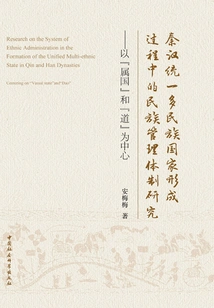
秦汉统一多民族国家形成过程中的民族管理体制研究
An Meimei
The Qin and Han Dynasties were an important historical period for the formation and development of my country's unified multi-ethnic country. The Qin Dynasty was the first of two thousand years of imperial rule, and all subsequent regulations and systems originated from this. Among them, the ethnic management system is no exception. The national and ethnic management system formed during the special historical period of Qin and Han Dynasties had a profound impact on that time and later generations. Among them, the ethnic management systems represented by the national system and the Tao system are the most representative. The research content of this book is mainly reflected in three aspects: first, from a macro level, it explores the formation and characteristics of new ethnic relations, ethnic distribution patterns, and ethnic management systems during the transition from feudalism to centralization in the Qin and Han Dynasties; second, it discusses issues related to the ethnic management system in the Qin and Han Dynasties from the national structural level, the institutional level, and the legal level. Hierarchical discussion; thirdly, focusing on the vassal state and the Tao system, we study the specific connotations of the vassal state system and the Tao system in the Qin and Han dynasties, explore the development and change process of the ethnic management system in the Qin and Han dynasties and its characteristics in different historical stages, systematically and comprehensively discuss the historical overview of the development and evolution of the ethnic management system in the Qin and Han dynasties, and summarize and analyze the historical significance of the implementation of the ethnic management system in the Qin and Han dynasties.
The Qin and Han Dynasties were an important historical period for the formation and development of my country's unified multi-ethnic country. The Qin Dynasty was the first of two thousand years of imperial rule, and all subsequent regulations and systems originated from this. Among them, the ethnic management system is no exception. The national and ethnic management system formed during the special historical period of Qin and Han Dynasties had a profound impact on that time and later generations. Among them, the ethnic management systems represented by the national system and the Tao system are the most representative. The research content of this book is mainly reflected in three aspects: first, from a macro level, it explores the formation and characteristics of new ethnic relations, ethnic distribution patterns, and ethnic management systems during the transition from feudalism to centralization in the Qin and Han Dynasties; second, it discusses issues related to the ethnic management system in the Qin and Han Dynasties from the national structural level, the institutional level, and the legal level. Hierarchical discussion; thirdly, focusing on the vassal state and the Tao system, we study the specific connotations of the vassal state system and the Tao system in the Qin and Han dynasties, explore the development and change process of the ethnic management system in the Qin and Han dynasties and its characteristics in different historical stages, systematically and comprehensively discuss the historical overview of the development and evolution of the ethnic management system in the Qin and Han dynasties, and summarize and analyze the historical significance of the implementation of the ethnic management system in the Qin and Han dynasties.
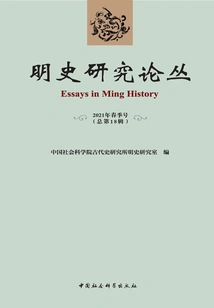
明史研究论丛·2021年春季号(总第十八辑)
Ming History Research Office, Institute Of Ancient History, Chinese Academy Of Social Sciences
"Ming History Research Series" is edited by the Ming History Research Office of the Institute of History, Chinese Academy of Social Sciences, and contains 15 academic papers and 2 book reviews. Among them, there are 8 papers in the category of "Culture, Diplomacy, and Politics". They are Zhang Zhaoyu's research on the reorganization of the academy in the early years of Wanli through "Si Quan Zuo Cao", Chen Shilong's research on the life, writings and thoughts of Chen Jiamo, a later scholar of Yangming, Chen Xiaoshan's research on Lin Rong and Huang Qianheng's mission to the Kingdom of Manchuria in the 19th year of Chenghua, and Pang Naiming's research on Matteo Ricci's diplomatic relations with China. Tourists have made corrections, Xie Yang has analyzed Nan Gao Academy and Zou Yuanbiao's lectures, Qin Bo has sorted out and analyzed the canonization, suspension of attacks, and restoration of Wang Shouren's new earldom. American scholar Lu Dawei has studied the Ming Dynasty's martial behavior from the perspective of global history. Liu Yongxia's research on Wang Chuanshan's "Dragon Boat Festival" drama is also very innovative. In the "Documents and Historical Materials" section, several scholars conducted philological and historical analyzes on the Wanli Dynasty's vassal legislation, the collation of Huang Jingfang's "Huan Meng Lu", Zhang Fuzhen's chronology, the collation errors of "Ming Confucianism Cases", the differences in the establishment time of the guard found in "The Selections of Military Officers" and "Ming Taizu Records", and the collation of Qian Haiyue's "History of the Southern Ming Dynasty". In terms of "dynamic research", there is Peng Guoxiang's review of Yuan Huang's research.
"Ming History Research Series" is edited by the Ming History Research Office of the Institute of History, Chinese Academy of Social Sciences, and contains 15 academic papers and 2 book reviews. Among them, there are 8 papers in the category of "Culture, Diplomacy, and Politics". They are Zhang Zhaoyu's research on the reorganization of the academy in the early years of Wanli through "Si Quan Zuo Cao", Chen Shilong's research on the life, writings and thoughts of Chen Jiamo, a later scholar of Yangming, Chen Xiaoshan's research on Lin Rong and Huang Qianheng's mission to the Kingdom of Manchuria in the 19th year of Chenghua, and Pang Naiming's research on Matteo Ricci's diplomatic relations with China. Tourists have made corrections, Xie Yang has analyzed Nan Gao Academy and Zou Yuanbiao's lectures, Qin Bo has sorted out and analyzed the canonization, suspension of attacks, and restoration of Wang Shouren's new earldom. American scholar Lu Dawei has studied the Ming Dynasty's martial behavior from the perspective of global history. Liu Yongxia's research on Wang Chuanshan's "Dragon Boat Festival" drama is also very innovative. In the "Documents and Historical Materials" section, several scholars conducted philological and historical analyzes on the Wanli Dynasty's vassal legislation, the collation of Huang Jingfang's "Huan Meng Lu", Zhang Fuzhen's chronology, the collation errors of "Ming Confucianism Cases", the differences in the establishment time of the guard found in "The Selections of Military Officers" and "Ming Taizu Records", and the collation of Qian Haiyue's "History of the Southern Ming Dynasty". In terms of "dynamic research", there is Peng Guoxiang's review of Yuan Huang's research.
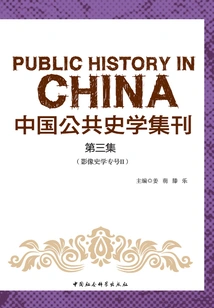
中国公共史学集刊·第三集
Jiang Meng Editor-in-chief Teng Le
Public history is a historical school that emerged in the United States since the 1960s and 1970s. It has become an important part of the field of history in many countries and regions around the world. In recent years, the field of Chinese history has shifted from paying attention to public history to developing public history. Many history researchers and enthusiasts have joined the ranks of advocating and practicing public history. The United States and other regions where public history is relatively developed have already produced very influential professional public history publications. However, China, as a country with a large history, does not yet have a relatively professional academic journal. This series can provide a communication platform for the development of Chinese public history and promote the healthy development of Chinese public history. The third volume of "Public History Collection" will bring together a number of works on film and television history.
Public history is a historical school that emerged in the United States since the 1960s and 1970s. It has become an important part of the field of history in many countries and regions around the world. In recent years, the field of Chinese history has shifted from paying attention to public history to developing public history. Many history researchers and enthusiasts have joined the ranks of advocating and practicing public history. The United States and other regions where public history is relatively developed have already produced very influential professional public history publications. However, China, as a country with a large history, does not yet have a relatively professional academic journal. This series can provide a communication platform for the development of Chinese public history and promote the healthy development of Chinese public history. The third volume of "Public History Collection" will bring together a number of works on film and television history.
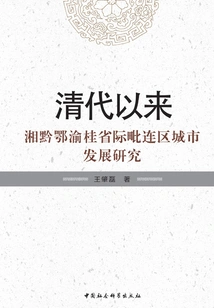
清代以来湘黔鄂渝桂省际毗连区城市发展研究
Wang Zhaolei
By sorting out the urban development process in the interprovincial contiguous area of Hunan, Guizhou, Hubei, Chongqing and Guangxi since the Qing Dynasty, this topic comprehensively examines the number of cities, urban economy, urban transportation, urban culture and education, urban planning and municipal construction, urban internal functional structure, urban social security and social governance, urban social life, population development and scale levels, and urban distribution pattern in the interprovincial contiguous area of Hunan, Guizhou, Hubei, Chongqing, and Guangxi. The evolution of bureaus and systems, the relationship between urban and rural areas, the dynamic mechanism and constraints of urban development, the inlandization of urban development, and the basic characteristics of urban development are summarized. Some experiences and lessons in the urban development of the interprovincial contiguous areas of Hunan, Guizhou, Hubei, Chongqing, and Guangxi since the Qing Dynasty are summarized. The achievements and existing problems of the urban development of the interprovincial contiguous areas of Hunan, Guizhou, Hubei, Chongqing, and Guangxi are evaluated at each stage since the Qing Dynasty. That is to say, since the Qing Dynasty, driven by many external factors such as the state, immigration, transportation, etc., The urban development level of the interprovincial contiguous areas of Hunan, Guizhou, Hubei, Chongqing and Guangxi has been greatly improved from a longitudinal perspective. However, the Hunan, Guizhou, Hubei, Chongqing and Guangxi interprovincial contiguous areas are restricted by geographical conditions, long-term status on the fringe of national political and economic development, rural poverty, traffic congestion, complex ethnic relations and other factors. Its urban development level lags behind surrounding areas in terms of urban economy, culture and municipal construction, as well as urban scale, functional structure, social development changes, etc., And is at a lower level.
By sorting out the urban development process in the interprovincial contiguous area of Hunan, Guizhou, Hubei, Chongqing and Guangxi since the Qing Dynasty, this topic comprehensively examines the number of cities, urban economy, urban transportation, urban culture and education, urban planning and municipal construction, urban internal functional structure, urban social security and social governance, urban social life, population development and scale levels, and urban distribution pattern in the interprovincial contiguous area of Hunan, Guizhou, Hubei, Chongqing, and Guangxi. The evolution of bureaus and systems, the relationship between urban and rural areas, the dynamic mechanism and constraints of urban development, the inlandization of urban development, and the basic characteristics of urban development are summarized. Some experiences and lessons in the urban development of the interprovincial contiguous areas of Hunan, Guizhou, Hubei, Chongqing, and Guangxi since the Qing Dynasty are summarized. The achievements and existing problems of the urban development of the interprovincial contiguous areas of Hunan, Guizhou, Hubei, Chongqing, and Guangxi are evaluated at each stage since the Qing Dynasty. That is to say, since the Qing Dynasty, driven by many external factors such as the state, immigration, transportation, etc., The urban development level of the interprovincial contiguous areas of Hunan, Guizhou, Hubei, Chongqing and Guangxi has been greatly improved from a longitudinal perspective. However, the Hunan, Guizhou, Hubei, Chongqing and Guangxi interprovincial contiguous areas are restricted by geographical conditions, long-term status on the fringe of national political and economic development, rural poverty, traffic congestion, complex ethnic relations and other factors. Its urban development level lags behind surrounding areas in terms of urban economy, culture and municipal construction, as well as urban scale, functional structure, social development changes, etc., And is at a lower level.
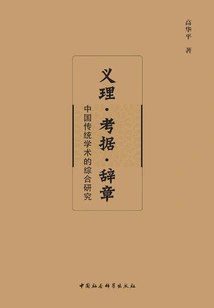
Principles, Textual Research, and Dictionary: a Comprehensive Study of Traditional Chinese Academics
History义理·考据·辞章:中国传统学术的综合研究
Gao Huaping
This book is a selection of the author's papers on traditional Chinese literature, history, and philosophy published in publications such as "Chinese Social Sciences", "Philosophical Research", "Literary Review", "Literary Heritage", and "Documentation" over the past thirty years. In terms of literary research, the author mainly expounds the characteristics of early poetry and novels in Chinese literature from a unique perspective, the relationship between medieval metaphysical social trends and literature, the influence of Buddhism on medieval literary forms, etc., And has made several important breakthroughs in the field of pre-Tang literature research. In terms of history, the author adheres to the methods and methods of traditional textual criticism, conducts new research on the life stories of Mo Zhai, Wu Qi, Huan Yuan, He Yan, Xie Lingyun, Duan Ye, etc., And puts forward new perspectives on the difficult and difficult issues in the life stories of the above figures based on documentary evidence. In terms of philosophy, the author first expounds on the ideas of contemporary Chinese educational theory and practice based on the examination of Chinese and Western philosophical education and humanistic thoughts, taking the Marxist philosophical theory of the comprehensive development of human beings as the guideline; secondly, the author conducts an in-depth discussion on the origin of Chinese Zen philosophical thought and the development of several important conceptual categories of Chinese philosophy and academic thoughts, providing new enlightenment for the study of the history of contemporary Chinese philosophical thought.
This book is a selection of the author's papers on traditional Chinese literature, history, and philosophy published in publications such as "Chinese Social Sciences", "Philosophical Research", "Literary Review", "Literary Heritage", and "Documentation" over the past thirty years. In terms of literary research, the author mainly expounds the characteristics of early poetry and novels in Chinese literature from a unique perspective, the relationship between medieval metaphysical social trends and literature, the influence of Buddhism on medieval literary forms, etc., And has made several important breakthroughs in the field of pre-Tang literature research. In terms of history, the author adheres to the methods and methods of traditional textual criticism, conducts new research on the life stories of Mo Zhai, Wu Qi, Huan Yuan, He Yan, Xie Lingyun, Duan Ye, etc., And puts forward new perspectives on the difficult and difficult issues in the life stories of the above figures based on documentary evidence. In terms of philosophy, the author first expounds on the ideas of contemporary Chinese educational theory and practice based on the examination of Chinese and Western philosophical education and humanistic thoughts, taking the Marxist philosophical theory of the comprehensive development of human beings as the guideline; secondly, the author conducts an in-depth discussion on the origin of Chinese Zen philosophical thought and the development of several important conceptual categories of Chinese philosophy and academic thoughts, providing new enlightenment for the study of the history of contemporary Chinese philosophical thought.
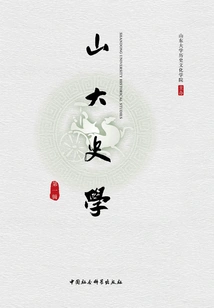
山大史学(第一辑)
Sponsored By The School Of History And Culture Of Shandong University
"History of Shandong University" is an academic journal sponsored by the School of History and Culture of Shandong University. It is an open academic platform. This collection focuses on originality and thought, and encourages academic debate and interdisciplinary research. This journal solicits papers from the international academic community and implements an anonymous review system. The first volume of "History of Shandong University" is planned to be officially published in 2020. This issue mainly focuses on the three themes of "Ancient Chinese Civilization", "Imjin War" and "Study on the Boxer Movement", and publishes nearly twenty original academic papers. The authors include famous scholars from the United States, Japan, and South Korea, as well as well-known domestic scholars from Peking University, Chinese Academy of Social Sciences, Shandong University and other universities.
"History of Shandong University" is an academic journal sponsored by the School of History and Culture of Shandong University. It is an open academic platform. This collection focuses on originality and thought, and encourages academic debate and interdisciplinary research. This journal solicits papers from the international academic community and implements an anonymous review system. The first volume of "History of Shandong University" is planned to be officially published in 2020. This issue mainly focuses on the three themes of "Ancient Chinese Civilization", "Imjin War" and "Study on the Boxer Movement", and publishes nearly twenty original academic papers. The authors include famous scholars from the United States, Japan, and South Korea, as well as well-known domestic scholars from Peking University, Chinese Academy of Social Sciences, Shandong University and other universities.
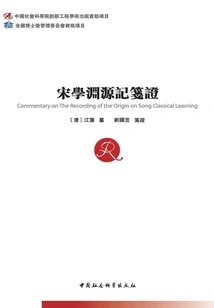
宋学渊源记笺证
(qing Dynasty) Written By Jiang Fan And Certified By Liu Guoxuan
Jiang Fan (1761-1830), a famous scholar of the Qing Dynasty who was active in the Qianjia period, was a disciple of Hui Dong, the master of the Wu School. He adhered to Hui's teachings of "respecting Zheng in the Six Classics, and following Zhu in a hundred practices." The compilation of the two notes reflects Jiang Fan's understanding and summary of the academic history of the era, and together completes Jiang Fan's own construction of the academic history system of the early Qing Dynasty. It has become an important work that is the first reference for examining the development of ideological and academic scholarship in the past two centuries. However, compared with the Sinology Shi Cheng Ji, as the first true historical work of Qing Dynasty scholarship, the Song Study Origins was written in a hasty manner, written simply and even without errors. The root cause lies in the compiler Jiang Fan's deep rejection of the scholastic consciousness. This manuscript uses traditional philological methods to study academic history, and conducts detailed textual documentation of the entire book "The Origins of Song Dynasty". It examines historical sources, compares similarities and differences, eliminates falsifications, and fills in gaps. It is based on the purpose of seeking truth in scholarship and making sure that the Neo-Confucian personnel and personnel in the early Qing Dynasty described in the account are detailed and accurate for the reference of the academic community. It is helpful to understand Jiang Fan's own thoughts, the academic ecology of the dispute between Han and Song Dynasties in the Qing Dynasty, and especially the development of Neo-Confucianism in the early Qing Dynasty.
Jiang Fan (1761-1830), a famous scholar of the Qing Dynasty who was active in the Qianjia period, was a disciple of Hui Dong, the master of the Wu School. He adhered to Hui's teachings of "respecting Zheng in the Six Classics, and following Zhu in a hundred practices." The compilation of the two notes reflects Jiang Fan's understanding and summary of the academic history of the era, and together completes Jiang Fan's own construction of the academic history system of the early Qing Dynasty. It has become an important work that is the first reference for examining the development of ideological and academic scholarship in the past two centuries. However, compared with the Sinology Shi Cheng Ji, as the first true historical work of Qing Dynasty scholarship, the Song Study Origins was written in a hasty manner, written simply and even without errors. The root cause lies in the compiler Jiang Fan's deep rejection of the scholastic consciousness. This manuscript uses traditional philological methods to study academic history, and conducts detailed textual documentation of the entire book "The Origins of Song Dynasty". It examines historical sources, compares similarities and differences, eliminates falsifications, and fills in gaps. It is based on the purpose of seeking truth in scholarship and making sure that the Neo-Confucian personnel and personnel in the early Qing Dynasty described in the account are detailed and accurate for the reference of the academic community. It is helpful to understand Jiang Fan's own thoughts, the academic ecology of the dispute between Han and Song Dynasties in the Qing Dynasty, and especially the development of Neo-Confucianism in the early Qing Dynasty.
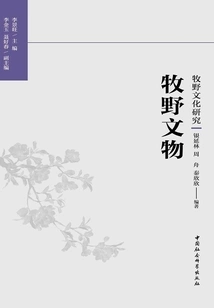
Makino Cultural Relics
History牧野文物
Compiled By Yin Yanlin, Zhou Zhou And Qin Xinxin
Xinxiang City has 20 national key cultural relics protection units announced by the State Council and 59 provincial-level cultural relics protection units. Among these cultural protection units, there are 35 ancient buildings, 16 ancient ruins, 3 ancient tombs, 14 stone carvings, and 10 modern and contemporary historical sites. Among these relics, there are the Mengzhuang ruins spanning the Peiligang Culture, Yangshao Culture, Longshan Culture, Erlitou Culture, Erligang Culture and the Shang and Zhou dynasties; there are the ruins of the capital of the Republic of China in the late Western Zhou Dynasty; in the mountainous areas of Huixian and Weihui, there is the Warring States Great Wall dating back 2,300 years ago. It is worth mentioning that in June 2014, the Grand Canal was selected as a World Heritage Site. The Grand Canal in Xinxiang City began with the Sui-Tang Grand Canal Yongji Canal built in the fourth year of Emperor Yang's reign (608). It was renamed Yuhe in the Northern Song Dynasty and Weihe in the early Ming Dynasty and has been in use ever since. Xinxiang cultural and museum institutions at all levels and other famous domestic museums also preserve a large number of Xinxiang's handed down cultural relics, which together with various cultural relics tell the history of Xinxiang. This book contains 217 fine cultural relics, which are collected in Xinxiang Museum, the Palace Museum, Henan Museum, etc., Including 65 bronzes, 47 ceramics, 13 jades, 30 paintings and calligraphy, 15 statues, 29 rubbings, 6 modern pieces, and 12 other collections. These cultural relic collections have high historical, scientific and artistic value.
Xinxiang City has 20 national key cultural relics protection units announced by the State Council and 59 provincial-level cultural relics protection units. Among these cultural protection units, there are 35 ancient buildings, 16 ancient ruins, 3 ancient tombs, 14 stone carvings, and 10 modern and contemporary historical sites. Among these relics, there are the Mengzhuang ruins spanning the Peiligang Culture, Yangshao Culture, Longshan Culture, Erlitou Culture, Erligang Culture and the Shang and Zhou dynasties; there are the ruins of the capital of the Republic of China in the late Western Zhou Dynasty; in the mountainous areas of Huixian and Weihui, there is the Warring States Great Wall dating back 2,300 years ago. It is worth mentioning that in June 2014, the Grand Canal was selected as a World Heritage Site. The Grand Canal in Xinxiang City began with the Sui-Tang Grand Canal Yongji Canal built in the fourth year of Emperor Yang's reign (608). It was renamed Yuhe in the Northern Song Dynasty and Weihe in the early Ming Dynasty and has been in use ever since. Xinxiang cultural and museum institutions at all levels and other famous domestic museums also preserve a large number of Xinxiang's handed down cultural relics, which together with various cultural relics tell the history of Xinxiang. This book contains 217 fine cultural relics, which are collected in Xinxiang Museum, the Palace Museum, Henan Museum, etc., Including 65 bronzes, 47 ceramics, 13 jades, 30 paintings and calligraphy, 15 statues, 29 rubbings, 6 modern pieces, and 12 other collections. These cultural relic collections have high historical, scientific and artistic value.
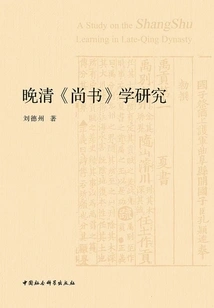
晚清《尚书》学研究
Liu Dezhou
The research object of this book is mainly Shangshu scholars and their works from Daoguang to the late Qing Dynasty. It not only focuses on case studies of special persons and books, but also strives to grasp the evolution of Shangshu studies and the overall characteristics of the academic era. "Shangshu" was a hot topic in the study of Confucian classics in the Qing Dynasty. In the middle and early Qing Dynasty, Yan Ruochu, Jiang Sheng, Duan Yucai, Sun Xingyan and others used textual research and method to govern "Shangshu" and achieved significant results. Since the reign of Jia and Dao, and with the changes in the world's fortunes and trends, the study of "Shangshu" has gained new content and presented new characteristics. Although it is not as good as the general emergence of famous figures and fruitful achievements in the middle and early periods, it is still an issue worthy of attention in the history of "Shangshu" study and requires systematic research. At the same time, these new contents and new features clearly reflected the characteristics of the times at that time, and discussing them will help to fully grasp the academic trends at that time.
The research object of this book is mainly Shangshu scholars and their works from Daoguang to the late Qing Dynasty. It not only focuses on case studies of special persons and books, but also strives to grasp the evolution of Shangshu studies and the overall characteristics of the academic era. "Shangshu" was a hot topic in the study of Confucian classics in the Qing Dynasty. In the middle and early Qing Dynasty, Yan Ruochu, Jiang Sheng, Duan Yucai, Sun Xingyan and others used textual research and method to govern "Shangshu" and achieved significant results. Since the reign of Jia and Dao, and with the changes in the world's fortunes and trends, the study of "Shangshu" has gained new content and presented new characteristics. Although it is not as good as the general emergence of famous figures and fruitful achievements in the middle and early periods, it is still an issue worthy of attention in the history of "Shangshu" study and requires systematic research. At the same time, these new contents and new features clearly reflected the characteristics of the times at that time, and discussing them will help to fully grasp the academic trends at that time.
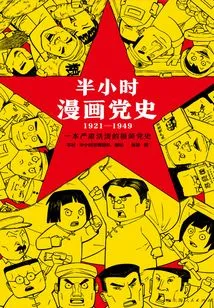
半小时漫画党史 1921—1949
Shanghai People's Publishing House, Compiled And Illustrated By The Half-hour Comic Team, Written By Wu Bo
From the May 4th Movement to the founding of the People's Republic of China, the Communist Party of China relied closely on the people and led the Chinese people to fight bloody battles. In the torrent of the Great Revolution and the storm of the Agrarian Revolution, it defeated Japanese imperialism, overthrew the rule of the Kuomintang, achieved victory in the New Democratic Revolution, and established the People's Republic of China.
From the May 4th Movement to the founding of the People's Republic of China, the Communist Party of China relied closely on the people and led the Chinese people to fight bloody battles. In the torrent of the Great Revolution and the storm of the Agrarian Revolution, it defeated Japanese imperialism, overthrew the rule of the Kuomintang, achieved victory in the New Democratic Revolution, and established the People's Republic of China.
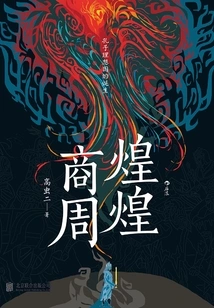
煌煌商周
Gao Chong Ii
This book mainly tells the magnificent history of the Zhou people for more than a hundred years from the time when the father of the Zhou clan moved to Qishan to the death of Zhou Gongdan, as well as the story of the late Shang Dynasty between the generations of Shang kings from Wu Yi to Di Xin in a parallel timeline. The author uses popular and humorous language to sort out the dark history of the early history of Chinese civilization in chronological order. He tells us how the small state Zhou led his own state and many small states to overthrow the Shang Dynasty, which was keen on divine worship and human sacrifice. The various institutional ideas of the Zhou Dynasty became the humanistic source of Confucius' lifelong ideological pursuit, and the historical changes between the Shang and Zhou Dynasties shaped the basic appearance of Chinese civilization.
This book mainly tells the magnificent history of the Zhou people for more than a hundred years from the time when the father of the Zhou clan moved to Qishan to the death of Zhou Gongdan, as well as the story of the late Shang Dynasty between the generations of Shang kings from Wu Yi to Di Xin in a parallel timeline. The author uses popular and humorous language to sort out the dark history of the early history of Chinese civilization in chronological order. He tells us how the small state Zhou led his own state and many small states to overthrow the Shang Dynasty, which was keen on divine worship and human sacrifice. The various institutional ideas of the Zhou Dynasty became the humanistic source of Confucius' lifelong ideological pursuit, and the historical changes between the Shang and Zhou Dynasties shaped the basic appearance of Chinese civilization.
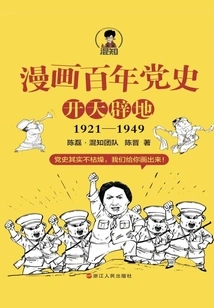
漫画百年党史·开天辟地(1921—1949)
Chen Lei·hunzhi Team Chen Jin
One of the series "Cartoon History of the Communist Party of China". The manuscript is in the form of a comic with appropriate details, clear context, and liveliness. It aims to break through the previous writing methods of heavy and serious party history books and tells the story of party history through hand-drawn comics. The starting and ending time of this volume is from 1919 to 1927. The manuscript begins with the May 4th Movement on the eve of the founding of the Communist Party of China, focusing on the background, process and impact of this series of major events in the history of the party at this stage, including the First Congress of the Communist Party of China, the first cooperation between the Kuomintang and the Communist Party, the May 30th Movement, the Great Revolution, the Northern Expedition, the failure of the Great Revolution, and the Nanchang Uprising. It reflects the historical process of the Communist Party of China from its inception to the establishment of its own armed forces.
One of the series "Cartoon History of the Communist Party of China". The manuscript is in the form of a comic with appropriate details, clear context, and liveliness. It aims to break through the previous writing methods of heavy and serious party history books and tells the story of party history through hand-drawn comics. The starting and ending time of this volume is from 1919 to 1927. The manuscript begins with the May 4th Movement on the eve of the founding of the Communist Party of China, focusing on the background, process and impact of this series of major events in the history of the party at this stage, including the First Congress of the Communist Party of China, the first cooperation between the Kuomintang and the Communist Party, the May 30th Movement, the Great Revolution, the Northern Expedition, the failure of the Great Revolution, and the Nanchang Uprising. It reflects the historical process of the Communist Party of China from its inception to the establishment of its own armed forces.
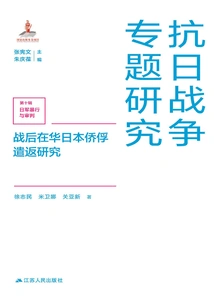
战后在华日本侨俘遣返研究
Xu Zhimin Mi Weina Guan Yaxin
After the victory of the Anti-Japanese War, the Chinese government repatriated approximately 3.7 Million Japanese prisoners of war stranded in China, and the repatriation work did not stop even during the War of Liberation. After the founding of the People's Republic of China, the remaining 40,000 Japanese expatriates were "returned", which reflected the Chinese people's national character of disregarding past grudges, being magnanimous, and being kind to others. Compiling the history of the repatriation of Japanese prisoners in postwar China, recording the largest population movement in East Asia in modern times, and introducing the content and characteristics of the repatriation of Japanese prisoners in various parts of China will not only help people remember the disasters of the war and learn historical lessons, but will also help to understand the evolution of Sino-Japanese relations in modern times and the contemporary Japanese people's understanding of war responsibilities.
After the victory of the Anti-Japanese War, the Chinese government repatriated approximately 3.7 Million Japanese prisoners of war stranded in China, and the repatriation work did not stop even during the War of Liberation. After the founding of the People's Republic of China, the remaining 40,000 Japanese expatriates were "returned", which reflected the Chinese people's national character of disregarding past grudges, being magnanimous, and being kind to others. Compiling the history of the repatriation of Japanese prisoners in postwar China, recording the largest population movement in East Asia in modern times, and introducing the content and characteristics of the repatriation of Japanese prisoners in various parts of China will not only help people remember the disasters of the war and learn historical lessons, but will also help to understand the evolution of Sino-Japanese relations in modern times and the contemporary Japanese people's understanding of war responsibilities.
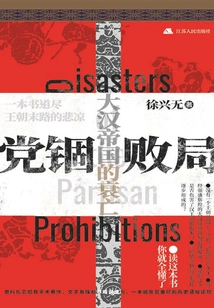
The Party's Defeat
History党锢败局
Xu Xingwu
This book captures the more than 70 years of the rule of the three emperors Huan, Ling and Xian of the Han Dynasty, and shows a panoramic view of the entire process of the decline of the Han Empire. The author has profound historical knowledge. Based on various historical books and historical materials, he records the historical process of the decline of the Eastern Han Dynasty in a writing style that is both elegant and vulgar, solemn and humorous. He also provides a thorough analysis of the key figures and major historical events during the period, and explores the intricate reasons that led to the end of this powerful dynasty. Scenes of the rise and fall of imperial dynasties, the merits and demerits of historical figures, and thrilling historical events provide rich and vivid information for future generations to understand the hidden rules of political rise and fall.
This book captures the more than 70 years of the rule of the three emperors Huan, Ling and Xian of the Han Dynasty, and shows a panoramic view of the entire process of the decline of the Han Empire. The author has profound historical knowledge. Based on various historical books and historical materials, he records the historical process of the decline of the Eastern Han Dynasty in a writing style that is both elegant and vulgar, solemn and humorous. He also provides a thorough analysis of the key figures and major historical events during the period, and explores the intricate reasons that led to the end of this powerful dynasty. Scenes of the rise and fall of imperial dynasties, the merits and demerits of historical figures, and thrilling historical events provide rich and vivid information for future generations to understand the hidden rules of political rise and fall.
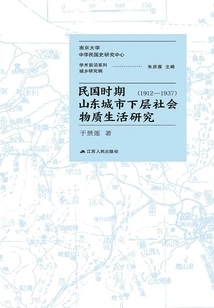
民国时期山东城市下层社会物质生活研究(1912-1937)
Yu Jinglian
The Republic of China period was an important period of social transformation in China. The life experiences of the urban lower class during the Republic of China contain rich information that reflects the metabolism of modern Chinese society. This book comprehensively uses the theories and methods of history, urban studies, sociology and other disciplines to conduct a relatively detailed research and analysis on the material living conditions of Shandong's urban underclass during the Republic of China.
The Republic of China period was an important period of social transformation in China. The life experiences of the urban lower class during the Republic of China contain rich information that reflects the metabolism of modern Chinese society. This book comprehensively uses the theories and methods of history, urban studies, sociology and other disciplines to conduct a relatively detailed research and analysis on the material living conditions of Shandong's urban underclass during the Republic of China.
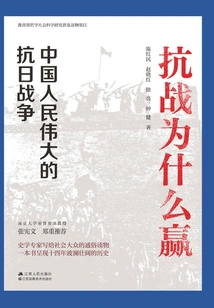
抗战为什么赢:中国人民伟大的抗日战争
Chen Hongmin Zhao Xiaohong Xu Liang Zhong Jian
This book is one of the "Philosophy and Social Science Research Popular Reading Project of the Ministry of Education" and specializes in studying the fundamental reasons for China's victory in the Anti-Japanese War. The Chinese People's War of Resistance Against Japanese Aggression was the greatest patriotic war in the history of the Chinese nation. It was a just war for the Chinese people to resist Japanese imperialist aggression. It was an important part of the world's anti-fascist war. It was also the first national liberation war in which China achieved complete victory against foreign invasion in modern times. This book describes the great process of the Chinese people's heroic resistance to Japan and China's re-establishment. The book is divided into four chapters: "China's Partial War of Resistance (1931-1937)", "The Hard Struggle in the Early Stage of the Comprehensive War of Resistance (1937-1941)", "China Becomes the Main Eastern Battlefield of the World Anti-Fascist War (1941-1945)" and "The Great Victory of the Anti-Japanese War (1945)".
This book is one of the "Philosophy and Social Science Research Popular Reading Project of the Ministry of Education" and specializes in studying the fundamental reasons for China's victory in the Anti-Japanese War. The Chinese People's War of Resistance Against Japanese Aggression was the greatest patriotic war in the history of the Chinese nation. It was a just war for the Chinese people to resist Japanese imperialist aggression. It was an important part of the world's anti-fascist war. It was also the first national liberation war in which China achieved complete victory against foreign invasion in modern times. This book describes the great process of the Chinese people's heroic resistance to Japan and China's re-establishment. The book is divided into four chapters: "China's Partial War of Resistance (1931-1937)", "The Hard Struggle in the Early Stage of the Comprehensive War of Resistance (1937-1941)", "China Becomes the Main Eastern Battlefield of the World Anti-Fascist War (1941-1945)" and "The Great Victory of the Anti-Japanese War (1945)".
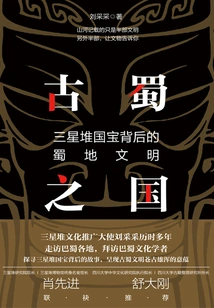
古蜀之国:三星堆国宝背后的蜀地文明
Liu Caicai
Where did the ancient Shu civilization originate? Who built it? Is the ancient Shu Kingdom really a paradise in the southwest isolated from the Central Plains? What kind of development stories have gone through among the five major clans and tribes of Cancong, Baiguan, Yufu, Du Yu, and Kaiming Ancient Shu... Bronze Dali Ren, Tongtian Sacred Tree, Bronze Zongmu Mask, Golden Staff... The dust and smoke of history have unearthed real moments, and the ancient Shu civilization that has been buried deep underground for thousands of years has finally revealed its mysterious veil. This book does not talk about the well-known big history, nor does it use short paragraphs to show off its cleverness. Instead, it starts with the national treasures unearthed in the Sanxingdui Museum. From these precious historical relics, it reveals the unknown historical truth and connects the historical context of the rise and fall of the Shu civilization. From myths and legends, folk stories, historical clues, scientific judgments of cultural relics, expert explanations, etc., We objectively reveal the vivid ancient Shu country and the cultural development behind it.
Where did the ancient Shu civilization originate? Who built it? Is the ancient Shu Kingdom really a paradise in the southwest isolated from the Central Plains? What kind of development stories have gone through among the five major clans and tribes of Cancong, Baiguan, Yufu, Du Yu, and Kaiming Ancient Shu... Bronze Dali Ren, Tongtian Sacred Tree, Bronze Zongmu Mask, Golden Staff... The dust and smoke of history have unearthed real moments, and the ancient Shu civilization that has been buried deep underground for thousands of years has finally revealed its mysterious veil. This book does not talk about the well-known big history, nor does it use short paragraphs to show off its cleverness. Instead, it starts with the national treasures unearthed in the Sanxingdui Museum. From these precious historical relics, it reveals the unknown historical truth and connects the historical context of the rise and fall of the Shu civilization. From myths and legends, folk stories, historical clues, scientific judgments of cultural relics, expert explanations, etc., We objectively reveal the vivid ancient Shu country and the cultural development behind it.
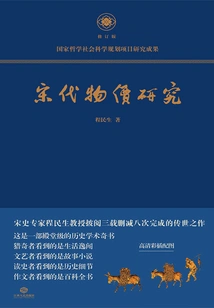
宋代物价研究
Cheng Minsheng
The author of this book has systematically verified and studied the exchange prices of land, houses, minerals, clothing, livestock, poultry, four treasures of the study, and daily necessities in the two and three hundred years of the Song Dynasty. There are a total of 283 categories in 13 categories, and he has made a detailed analysis in the book. Here, readers can intuitively understand the dynamic changes in price of the same item in the Song Dynasty due to quality differences, regional differences, and era differences. This is a key for readers to deeply understand the social and economic life of the Song Dynasty.
The author of this book has systematically verified and studied the exchange prices of land, houses, minerals, clothing, livestock, poultry, four treasures of the study, and daily necessities in the two and three hundred years of the Song Dynasty. There are a total of 283 categories in 13 categories, and he has made a detailed analysis in the book. Here, readers can intuitively understand the dynamic changes in price of the same item in the Song Dynasty due to quality differences, regional differences, and era differences. This is a key for readers to deeply understand the social and economic life of the Song Dynasty.
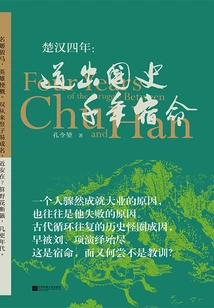
楚汉四年:道尽国史千年宿命
Kong Lingkun
From the time of Qin Shihuang to the death of Liu Bang, the founder of Han Dynasty, the history of just fifty years spanned two dynasties and three generations. The book uses a unique perspective to analyze the impact of the personalities of historical figures on the historical process; the de-faceted writing technique makes the characters vividly appear on the page; it reflects the inevitable fate of some historical figures, which still has practical significance today. The book's writing is humorous and light-hearted, but also full of insights. While interpreting it in depth, it truly restores historical events and portrays historical figures well, allowing readers to enter the inner world of historical figures.
From the time of Qin Shihuang to the death of Liu Bang, the founder of Han Dynasty, the history of just fifty years spanned two dynasties and three generations. The book uses a unique perspective to analyze the impact of the personalities of historical figures on the historical process; the de-faceted writing technique makes the characters vividly appear on the page; it reflects the inevitable fate of some historical figures, which still has practical significance today. The book's writing is humorous and light-hearted, but also full of insights. While interpreting it in depth, it truly restores historical events and portrays historical figures well, allowing readers to enter the inner world of historical figures.
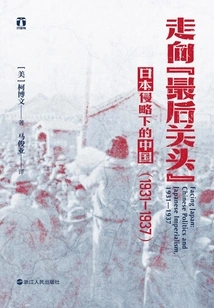
走向“最后关头”:日本侵略下的中国(1931—1937)
(us) Ke Bowen
Japan's invasion of China in the 1930s had a major impact on China's political development. This book provides a very detailed and unique analysis of how various political forces in China responded to this issue at that time, as well as the various ups and downs that resulted. Japan's threats, attacks and various unreasonable economic demands put great pressure on the Kuomintang government and aroused public indignation. However, Chiang Kai-shek pursued the policy of "reconciling the internal situation first before fighting against foreign aggression". In the face of Japan's provocations, Chiang Kai-shek made many concessions because his primary goal was to compete with domestic competitors for control of China. Chiang's policies created tension within the Kuomintang, and other key leaders inside and outside the government proposed alternatives. As Japan's military expansion continued to intensify, the establishment of a unified and powerful central government became a historical outlet for China's domestic politics in the 1930s.
Japan's invasion of China in the 1930s had a major impact on China's political development. This book provides a very detailed and unique analysis of how various political forces in China responded to this issue at that time, as well as the various ups and downs that resulted. Japan's threats, attacks and various unreasonable economic demands put great pressure on the Kuomintang government and aroused public indignation. However, Chiang Kai-shek pursued the policy of "reconciling the internal situation first before fighting against foreign aggression". In the face of Japan's provocations, Chiang Kai-shek made many concessions because his primary goal was to compete with domestic competitors for control of China. Chiang's policies created tension within the Kuomintang, and other key leaders inside and outside the government proposed alternatives. As Japan's military expansion continued to intensify, the establishment of a unified and powerful central government became a historical outlet for China's domestic politics in the 1930s.
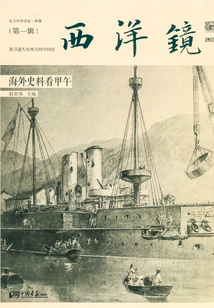
海外史料看甲午
Editor-in-chief Zhao Shengwei
The first domestically produced historical serial published with high-definition images and out-of-print overseas historical materials, 200 rare overseas exquisite prints + 100,000 words of first-hand news reports by overseas front-line reporters, "Oriental History Review" jointly promotes sub-brands "Illustrated London News", "Illustrated France", "Clumsy" comics, Out-of-print overseas historical materials such as "Japanese Customs Illustrated" are published for the first time, interpreting the Sino-Japanese War from a new perspective to find Chinese history lost overseas, historical readings with collection and research value, and recommended by Ma Yong of the Institute of Modern History of the Academy of Social Sciences to land on the homepage of the crowdfunding website before publication. The crowdfunding performance is good and there are many supporters. "Peep Show: A Look at the Sino-Japanese War from Overseas Historical Materials" brings together the British "Illustrated London News" (100 pictures, 20,000 words of first-hand reporting by reporters), the famous British satirical magazine "Clumsy" (15 cartoons), French Pictorial (80 pictures, 20,000 words of first-hand reporting by reporters), and Japanese Customs Illustrated (written by Japanese military veterans) It was compiled based on what they "saw and heard" on the battlefield. From 1894 to 1895, a total of ten issues of the Sino-Japanese War Supplement were published. The complete set of this book is currently difficult to find even in Japan) and other classic graphic records about Sino-Japanese War. It has a strong market differentiation for books on Sino-Japanese War and Sino-Japanese topics.
The first domestically produced historical serial published with high-definition images and out-of-print overseas historical materials, 200 rare overseas exquisite prints + 100,000 words of first-hand news reports by overseas front-line reporters, "Oriental History Review" jointly promotes sub-brands "Illustrated London News", "Illustrated France", "Clumsy" comics, Out-of-print overseas historical materials such as "Japanese Customs Illustrated" are published for the first time, interpreting the Sino-Japanese War from a new perspective to find Chinese history lost overseas, historical readings with collection and research value, and recommended by Ma Yong of the Institute of Modern History of the Academy of Social Sciences to land on the homepage of the crowdfunding website before publication. The crowdfunding performance is good and there are many supporters. "Peep Show: A Look at the Sino-Japanese War from Overseas Historical Materials" brings together the British "Illustrated London News" (100 pictures, 20,000 words of first-hand reporting by reporters), the famous British satirical magazine "Clumsy" (15 cartoons), French Pictorial (80 pictures, 20,000 words of first-hand reporting by reporters), and Japanese Customs Illustrated (written by Japanese military veterans) It was compiled based on what they "saw and heard" on the battlefield. From 1894 to 1895, a total of ten issues of the Sino-Japanese War Supplement were published. The complete set of this book is currently difficult to find even in Japan) and other classic graphic records about Sino-Japanese War. It has a strong market differentiation for books on Sino-Japanese War and Sino-Japanese topics.
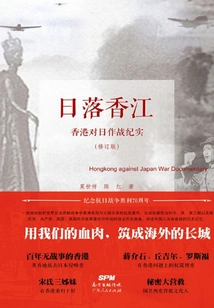
Sunset over Hong Kong
History日落香江
Mo Shixiang Chen Hong
Hong Kong's war against Japan was an important battle in China's Anti-Japanese War and the International Pacific War. The sufferings, struggles, victories and regrets experienced by Hong Kong during the war are closely related to the experiences the war brought to China and other allied countries. Based on a large amount of historical materials and previous research results, this book systematically introduces the history of Hong Kong's war against Japan through vivid language and displays a large number of historical details. On the eve of Hong Kong's return to the motherland in 1997, the author, Mr. Mo Shixiang, took advantage of the opportunity of being invited to Hong Kong for an academic visit to collect Chinese and foreign historical materials and archival documents about Hong Kong's war against Japan, and co-wrote this manuscript with his wife Chen Hong. This year marks the 70th anniversary of the victory of the World Anti-Fascist War. The publication of a revised version of the book has great commemorative significance, closely follows social hot spots, and is expected to arouse a certain response in society. The book has approximately 250,000 words.
Hong Kong's war against Japan was an important battle in China's Anti-Japanese War and the International Pacific War. The sufferings, struggles, victories and regrets experienced by Hong Kong during the war are closely related to the experiences the war brought to China and other allied countries. Based on a large amount of historical materials and previous research results, this book systematically introduces the history of Hong Kong's war against Japan through vivid language and displays a large number of historical details. On the eve of Hong Kong's return to the motherland in 1997, the author, Mr. Mo Shixiang, took advantage of the opportunity of being invited to Hong Kong for an academic visit to collect Chinese and foreign historical materials and archival documents about Hong Kong's war against Japan, and co-wrote this manuscript with his wife Chen Hong. This year marks the 70th anniversary of the victory of the World Anti-Fascist War. The publication of a revised version of the book has great commemorative significance, closely follows social hot spots, and is expected to arouse a certain response in society. The book has approximately 250,000 words.
罗登贤史料汇编
Kong Fanwen
This book is a compilation of research materials on revolutionary martyr Luo Dengxian. Luo Dengxian (1905-1933) was a proletarian revolutionary from Nanhai, Guangdong. In his early years, he worked at the British merchant Swire Shipyard in Hong Kong and joined the Communist Party of China in 1925. He once participated in organizing a general strike in the province and Hong Kong. In 1927, he participated in organizing the Guangzhou Uprising. In June 1928, he was elected as a member of the Central Committee and an alternate member of the Political Bureau of the CPC Central Committee at the Sixth National Congress of the Communist Party of China. In the same year, he was appointed Secretary of the Jiangsu Provincial Committee of the Communist Party of China. In 1930, he successively served as Secretary of the Party League of the All-China Federation of Trade Unions, Secretary of the Guangdong Provincial Committee of the Communist Party of China, and Secretary of the Southern Bureau of the Central Committee of the Communist Party of China, leading the national labor movement. In 1931, he served as the representative of the Central Committee of the Communist Party of China in Northeast China and the secretary of the Manchuria Provincial Committee. Lead the anti-Japanese movement in Northeast China. In 1932, he was appointed secretary of the Shanghai Executive Bureau of the All-China Federation of Trade Unions. He is a member of the Political Bureau of the Sixth Central Committee of the Communist Party of China and a member of the Central Executive Committee of the Chinese Soviet Republic. On March 28, 1933, he was arrested in Shanghai for being betrayed by a traitor. Arrive in Nanjing in April. He died heroically in Yuhuatai, Nanjing on August 29. This book brings together Luo Dengxian's research materials for the first time, and its publication will help promote research on Luo Dengxian's deeds.
This book is a compilation of research materials on revolutionary martyr Luo Dengxian. Luo Dengxian (1905-1933) was a proletarian revolutionary from Nanhai, Guangdong. In his early years, he worked at the British merchant Swire Shipyard in Hong Kong and joined the Communist Party of China in 1925. He once participated in organizing a general strike in the province and Hong Kong. In 1927, he participated in organizing the Guangzhou Uprising. In June 1928, he was elected as a member of the Central Committee and an alternate member of the Political Bureau of the CPC Central Committee at the Sixth National Congress of the Communist Party of China. In the same year, he was appointed Secretary of the Jiangsu Provincial Committee of the Communist Party of China. In 1930, he successively served as Secretary of the Party League of the All-China Federation of Trade Unions, Secretary of the Guangdong Provincial Committee of the Communist Party of China, and Secretary of the Southern Bureau of the Central Committee of the Communist Party of China, leading the national labor movement. In 1931, he served as the representative of the Central Committee of the Communist Party of China in Northeast China and the secretary of the Manchuria Provincial Committee. Lead the anti-Japanese movement in Northeast China. In 1932, he was appointed secretary of the Shanghai Executive Bureau of the All-China Federation of Trade Unions. He is a member of the Political Bureau of the Sixth Central Committee of the Communist Party of China and a member of the Central Executive Committee of the Chinese Soviet Republic. On March 28, 1933, he was arrested in Shanghai for being betrayed by a traitor. Arrive in Nanjing in April. He died heroically in Yuhuatai, Nanjing on August 29. This book brings together Luo Dengxian's research materials for the first time, and its publication will help promote research on Luo Dengxian's deeds.
宋代医学方书的形成与传播应用研究
Han Yi
This book is based on the research theories and methods of medical history, social history and communication studies, as well as Chinese literature, foreign literature, unearthed materials and academic research results. It deeply explores the formation and dissemination process of medical prescriptions that are closely related to the country's "benevolent government" ideology and orthodox politics. It solves and overcomes the historical facts and mechanisms of the formation and dissemination of medical prescriptions, such as the source of knowledge, knowledge composition, knowledge dissemination, knowledge application and knowledge innovation.
This book is based on the research theories and methods of medical history, social history and communication studies, as well as Chinese literature, foreign literature, unearthed materials and academic research results. It deeply explores the formation and dissemination process of medical prescriptions that are closely related to the country's "benevolent government" ideology and orthodox politics. It solves and overcomes the historical facts and mechanisms of the formation and dissemination of medical prescriptions, such as the source of knowledge, knowledge composition, knowledge dissemination, knowledge application and knowledge innovation.
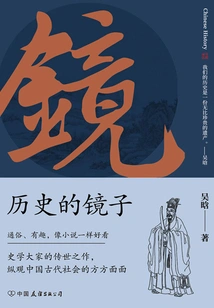
Mirror of History
History历史的镜子
Wu Han
Using copper as a mirror, you can straighten your clothes; using ancient times as a mirror, you can know the ups and downs; using people as a mirror, you can know gains and losses. "Mirror of History" is one of Mr. Wu Han's masterpieces. Its content includes politics, military, characters, culture and many other aspects. The author captures a large number of historical details, observes from multiple angles and levels, and discusses the gains and losses of the rise and fall. Many of his views are extremely unique. This book also profoundly expresses Mr. Wu Han's thinking on history and observation of reality. For example, the discussion and thinking on many issues such as improving social atmosphere, limiting power, eradicating corruption, democratic politics, life and reading, etc. Are very enlightening whether it is for national construction or personal growth.
Using copper as a mirror, you can straighten your clothes; using ancient times as a mirror, you can know the ups and downs; using people as a mirror, you can know gains and losses. "Mirror of History" is one of Mr. Wu Han's masterpieces. Its content includes politics, military, characters, culture and many other aspects. The author captures a large number of historical details, observes from multiple angles and levels, and discusses the gains and losses of the rise and fall. Many of his views are extremely unique. This book also profoundly expresses Mr. Wu Han's thinking on history and observation of reality. For example, the discussion and thinking on many issues such as improving social atmosphere, limiting power, eradicating corruption, democratic politics, life and reading, etc. Are very enlightening whether it is for national construction or personal growth.
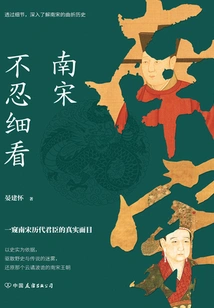
南宋不忍细看
Yan Jianhuai
The Southern Song Dynasty was a country that was hastily established when the army was defeated, and a regime in which the emperor and ministers rushed around in a hurry from the beginning. From the "Jingkang Disaster" to the "Yashan Fall", the Southern Song Dynasty experienced 152 years of arduous life and death. In the face of internal and external troubles, from the ministers who lived high in the temple to the loyal people far away, most people were struggling to find the country. Although there are also shameless people and treacherous villains in the future of family and home of the soul, there are more virtuous ministers, good generals and people with lofty ideals who use their thoughts, wisdom, beliefs, courage and blood to compose a series of soul-stirring "righteous songs". But with so many loyal ministers and good generals, and so many steadfast loyalties, why couldn't they change the fate of the Southern Song Dynasty's defeat? This book uses characters to string together sections of vivid history, so that the historical facts of the Southern Song Dynasty that are "unbearable to look at" but worth looking at carefully are presented to readers one by one like a picture scroll.
The Southern Song Dynasty was a country that was hastily established when the army was defeated, and a regime in which the emperor and ministers rushed around in a hurry from the beginning. From the "Jingkang Disaster" to the "Yashan Fall", the Southern Song Dynasty experienced 152 years of arduous life and death. In the face of internal and external troubles, from the ministers who lived high in the temple to the loyal people far away, most people were struggling to find the country. Although there are also shameless people and treacherous villains in the future of family and home of the soul, there are more virtuous ministers, good generals and people with lofty ideals who use their thoughts, wisdom, beliefs, courage and blood to compose a series of soul-stirring "righteous songs". But with so many loyal ministers and good generals, and so many steadfast loyalties, why couldn't they change the fate of the Southern Song Dynasty's defeat? This book uses characters to string together sections of vivid history, so that the historical facts of the Southern Song Dynasty that are "unbearable to look at" but worth looking at carefully are presented to readers one by one like a picture scroll.
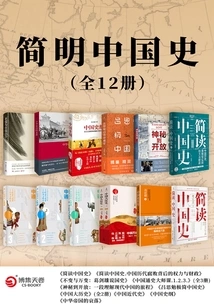
简明中国史(全12册)
Zhang Hongjie, Ge Jianxiong, Xu Hong, Hu Axiang, Deng Xiaonan (canada), Alexander Trudeau, Lu Simian, Etc.
Covering all aspects of Chinese history, it is written by historians Zhang Hongjie, Lu Simian, Ge Jianxiong, Xu Hong, Hu Axiang and others. There are 12 volumes in the set, namely "A Brief Reading of Chinese History", "A Brief Reading of Chinese History. The Power and Finance Behind the Corruption in Chinese History", "Unchangeable and Ever-Changing: Ge Jianxiong on National History", "China's General History Master Class" (all 3 volumes), "Mysterious to Open: A Journey to Understanding Modern China", "Lü Simian's Minimalist History of China", "China's Big History (all 2 volumes)", "Modern History of China", "The Decline of the Chinese Empire" and "Outline of Chinese History".
Covering all aspects of Chinese history, it is written by historians Zhang Hongjie, Lu Simian, Ge Jianxiong, Xu Hong, Hu Axiang and others. There are 12 volumes in the set, namely "A Brief Reading of Chinese History", "A Brief Reading of Chinese History. The Power and Finance Behind the Corruption in Chinese History", "Unchangeable and Ever-Changing: Ge Jianxiong on National History", "China's General History Master Class" (all 3 volumes), "Mysterious to Open: A Journey to Understanding Modern China", "Lü Simian's Minimalist History of China", "China's Big History (all 2 volumes)", "Modern History of China", "The Decline of the Chinese Empire" and "Outline of Chinese History".
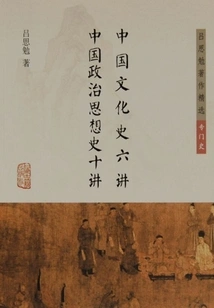
中国文化史六讲 中国政治思想史十讲
Lu Simian
"Six Lectures on the History of Chinese Culture" is a lecture notes given by Mr. Lu when he taught at Changzhou Middle School. The six lectures include marriage and clan system, household registration class, property system, agriculture, industry and commerce, food, clothing, housing, transportation and communications, etc., Covering a wide range of topics. Each lecture can also run through ancient and modern times. In addition, the writing target is middle school students, so it is concise and comprehensive, and has far-reaching implications. "Ten Lectures on the History of Chinese Political Thought" is Mr. Lu's lecture notes at Shanghai Guanghua University. Based on the political system and political facts at that time, it discusses China's political thought in different periods, from ancient times to modern times. The time span is wide and the argument is extremely sophisticated.
"Six Lectures on the History of Chinese Culture" is a lecture notes given by Mr. Lu when he taught at Changzhou Middle School. The six lectures include marriage and clan system, household registration class, property system, agriculture, industry and commerce, food, clothing, housing, transportation and communications, etc., Covering a wide range of topics. Each lecture can also run through ancient and modern times. In addition, the writing target is middle school students, so it is concise and comprehensive, and has far-reaching implications. "Ten Lectures on the History of Chinese Political Thought" is Mr. Lu's lecture notes at Shanghai Guanghua University. Based on the political system and political facts at that time, it discusses China's political thought in different periods, from ancient times to modern times. The time span is wide and the argument is extremely sophisticated.
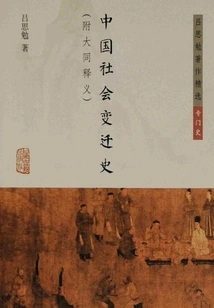
中国社会变迁史(附大同释义)
Lu Simian
Mr. Lu mainly used modern sociological theory to elaborate on Confucius's thought of Datong, and analyzed the social changes in China and the practical process of Datong theory. He believed that the ideal model of social organization created by Confucius was the driving force that guided people of all generations to strive for social improvement. The process of social change is the process of striving for Datong, rather than a simple retrospective action. It was originally called "History of Social Changes in China" and was later renamed "Interpretation of Datong". Later, considering that "more people are closer to vernacular than to classical Chinese" and in order to "disseminate it more widely and achieve greater results", the classical Chinese manuscript was changed to vernacular, and it was called "History of Social Changes in China".
Mr. Lu mainly used modern sociological theory to elaborate on Confucius's thought of Datong, and analyzed the social changes in China and the practical process of Datong theory. He believed that the ideal model of social organization created by Confucius was the driving force that guided people of all generations to strive for social improvement. The process of social change is the process of striving for Datong, rather than a simple retrospective action. It was originally called "History of Social Changes in China" and was later renamed "Interpretation of Datong". Later, considering that "more people are closer to vernacular than to classical Chinese" and in order to "disseminate it more widely and achieve greater results", the classical Chinese manuscript was changed to vernacular, and it was called "History of Social Changes in China".
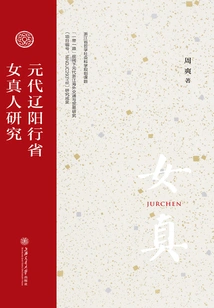
元代辽阳行省女真人研究
Zhou Shuang
This book conducts a panoramic series of studies on the Jurchens in Liaoyang Province in the Yuan Dynasty. The book divides the Jurchens in Liaoyang Province of the Yuan Dynasty into three regions: northern, eastern and southern regions. It introduces the geographical location of the three regions, the way the rulers of the Yuan Dynasty ruled the Jurchens in the three regions, and the production and living conditions of the Jurchens distributed in the three regions. It is the latest result of the author's many years of research on the Jurchens in the Yuan Dynasty. The Yuan Dynasty effectively incorporated the Jurchen activity areas in Liaoyang Province into the Yuan Dynasty's jurisdiction system. This was of great significance in accelerating the formation of a pluralistic and unified Chinese national community, maintaining and consolidating the unity of the country, and had a profound impact on later generations. The academic value of this book lies in the study of the divisions and phases of the Jurchens in Liaoyang Province in the Yuan Dynasty, which clarified some vague understandings in the past and filled several academic gaps.
This book conducts a panoramic series of studies on the Jurchens in Liaoyang Province in the Yuan Dynasty. The book divides the Jurchens in Liaoyang Province of the Yuan Dynasty into three regions: northern, eastern and southern regions. It introduces the geographical location of the three regions, the way the rulers of the Yuan Dynasty ruled the Jurchens in the three regions, and the production and living conditions of the Jurchens distributed in the three regions. It is the latest result of the author's many years of research on the Jurchens in the Yuan Dynasty. The Yuan Dynasty effectively incorporated the Jurchen activity areas in Liaoyang Province into the Yuan Dynasty's jurisdiction system. This was of great significance in accelerating the formation of a pluralistic and unified Chinese national community, maintaining and consolidating the unity of the country, and had a profound impact on later generations. The academic value of this book lies in the study of the divisions and phases of the Jurchens in Liaoyang Province in the Yuan Dynasty, which clarified some vague understandings in the past and filled several academic gaps.
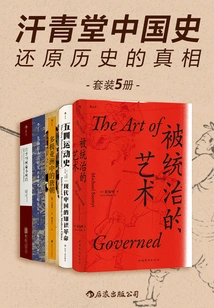
汗青堂中国史:还原历史的真相(套装共5册)
(canada) Song Yiming (u. S.) Zhou Cezong (canada) Wang Zhenping (japan) Miyazaki Shisada (sweden) Hirenryu
"The Art of Being Governed" takes the coastal guard station of the Ming Dynasty as the background and analyzes the interaction between military households and the government under the Ming Dynasty's hereditary military household system. It focuses on describing and summarizing how military households with military service obligations seek advantages and avoid disadvantages, and formulate various strategies to optimize their own situation. "History of the May 4th Movement" describes in detail the causes, social support and development of the May 4th Movement, and clarifies how the "May 4th" incident initiated by students gradually expanded into a national political and patriotic movement; it analyzes the impact of the May 4th Movement on politics, society, literature and ideological fields, and comprehensively and systematically discusses the New Culture Movement, the Literary Revolution and various social and political trends of the time. The book "The Tang Dynasty in Multipolar Asia" cites extensive references and narrates the complex and ever-changing relationship between the Tang Dynasty in "multipolar" Asia and the "mutual benefit" and "interdependence" of neighboring regimes such as the Turks, Uighurs, Korea, Nanzhao, and Tibet. "Research on the Nine-Rank Officials' Law" breaks through the traditional research model and accurately describes the development and evolution of the Nine-Rank Officials' Law, an official selection system that ran through the Wei, Jin, Southern and Northern Dynasties, down to the Sui and Tang Dynasties, over more than 300 years. The book "City Walls and Gates of Beijing" truly restores the remaining walls and gates of Beijing in the 1920s. Through field visits and investigations, the author was impressed by the magnificence of these magnificent monuments, and also sighed at their current state of decline.
"The Art of Being Governed" takes the coastal guard station of the Ming Dynasty as the background and analyzes the interaction between military households and the government under the Ming Dynasty's hereditary military household system. It focuses on describing and summarizing how military households with military service obligations seek advantages and avoid disadvantages, and formulate various strategies to optimize their own situation. "History of the May 4th Movement" describes in detail the causes, social support and development of the May 4th Movement, and clarifies how the "May 4th" incident initiated by students gradually expanded into a national political and patriotic movement; it analyzes the impact of the May 4th Movement on politics, society, literature and ideological fields, and comprehensively and systematically discusses the New Culture Movement, the Literary Revolution and various social and political trends of the time. The book "The Tang Dynasty in Multipolar Asia" cites extensive references and narrates the complex and ever-changing relationship between the Tang Dynasty in "multipolar" Asia and the "mutual benefit" and "interdependence" of neighboring regimes such as the Turks, Uighurs, Korea, Nanzhao, and Tibet. "Research on the Nine-Rank Officials' Law" breaks through the traditional research model and accurately describes the development and evolution of the Nine-Rank Officials' Law, an official selection system that ran through the Wei, Jin, Southern and Northern Dynasties, down to the Sui and Tang Dynasties, over more than 300 years. The book "City Walls and Gates of Beijing" truly restores the remaining walls and gates of Beijing in the 1920s. Through field visits and investigations, the author was impressed by the magnificence of these magnificent monuments, and also sighed at their current state of decline.
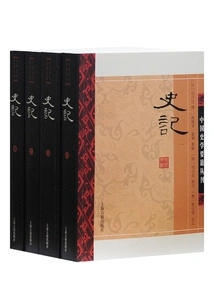
史记(中国史学要籍丛刊)
(han) Written By Sima Qian (southern Dynasty And Song Dynasty) Interpreted By Pei Piao
"Historical Records" has a total of 130 chapters, including 12 chronicles, 10 tables, 8 books, 30 aristocratic families, and 70 biographies. The narrative traces back to the legendary Three Sovereigns and Five Emperors, ending with Emperor Wu of the Han Dynasty. The whole book is arranged according to categories and centered on characters. "The writing is straight and the facts are to the point, without false beauty or hidden evil", which provides a good example for later generations of history writing.
"Historical Records" has a total of 130 chapters, including 12 chronicles, 10 tables, 8 books, 30 aristocratic families, and 70 biographies. The narrative traces back to the legendary Three Sovereigns and Five Emperors, ending with Emperor Wu of the Han Dynasty. The whole book is arranged according to categories and centered on characters. "The writing is straight and the facts are to the point, without false beauty or hidden evil", which provides a good example for later generations of history writing.
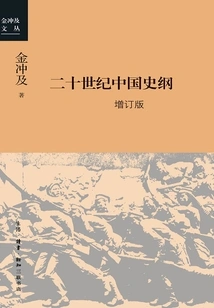
二十世纪中国史纲(全四卷·增订版)
Jin Chongji
A classic historical work that explains China's rejuvenation in the 20th century. The book consists of 4 volumes and more than one million words. This royal masterpiece begins with China's disastrous defeat in the Sino-Japanese War of 1894, and goes through the Boxer Rebellion, the Revolution of 1911, the May 4th Movement, the Anti-Japanese War, the Civil War between the Kuomintang and the Communist Party, as well as various social movements after the founding of New China, and reaches China in 2000. In this expanded edition, the author has revised the original book and also includes the wonderful comments on the book by eight famous historical figures: Qi Shirong, Li Wenhai, Luo Zhitian, Wang Qisheng, Yang Kuisong, Huang Daoxuan, Cheng Zhongyuan, and Zhou Suyuan, which will guide readers to fully understand the essence of the book.
A classic historical work that explains China's rejuvenation in the 20th century. The book consists of 4 volumes and more than one million words. This royal masterpiece begins with China's disastrous defeat in the Sino-Japanese War of 1894, and goes through the Boxer Rebellion, the Revolution of 1911, the May 4th Movement, the Anti-Japanese War, the Civil War between the Kuomintang and the Communist Party, as well as various social movements after the founding of New China, and reaches China in 2000. In this expanded edition, the author has revised the original book and also includes the wonderful comments on the book by eight famous historical figures: Qi Shirong, Li Wenhai, Luo Zhitian, Wang Qisheng, Yang Kuisong, Huang Daoxuan, Cheng Zhongyuan, and Zhou Suyuan, which will guide readers to fully understand the essence of the book.
中国近代史八种
Lu Simian
"Eight Types of Modern Chinese History" includes "Lecture Notes on Modern Chinese History", "Prehistory of Modern China", "Introduction to the History of China in the Past Hundred Years", "Supplement to the History of China in the Past Hundred Years", "Supplement to the Cultural History of Modern China", etc. This book provides an introduction to China's modern history.
"Eight Types of Modern Chinese History" includes "Lecture Notes on Modern Chinese History", "Prehistory of Modern China", "Introduction to the History of China in the Past Hundred Years", "Supplement to the History of China in the Past Hundred Years", "Supplement to the Cultural History of Modern China", etc. This book provides an introduction to China's modern history.
Pre-qin History
History先秦史
Lu Simian
"History of the Pre-Qin Dynasty" is one of Mr. Lu Simian's "four chronological histories" and the first in his series of chronological histories, representing his most essential academic achievements. The book was written in the mid-1930s. Mr. Lu also attached great importance to it and revised it many times. He also said that it was the best in terms of ancient historical materials, ancient historical chronology, the origin and westward migration of China, and the official system. The book discusses the history of the pre-Qin Dynasty in fifteen special topics. The materials cited range from myths and legends to archaeological materials, which are very detailed. It is one of his important academic works.
"History of the Pre-Qin Dynasty" is one of Mr. Lu Simian's "four chronological histories" and the first in his series of chronological histories, representing his most essential academic achievements. The book was written in the mid-1930s. Mr. Lu also attached great importance to it and revised it many times. He also said that it was the best in terms of ancient historical materials, ancient historical chronology, the origin and westward migration of China, and the official system. The book discusses the history of the pre-Qin Dynasty in fifteen special topics. The materials cited range from myths and legends to archaeological materials, which are very detailed. It is one of his important academic works.
General History of China
History中国通史
Lu Simian
"General History of China" is one of Mr. Lu Simian's "two general histories". The book is divided into two parts. The first volume describes the development of social economy, historical institutions and academic culture by topic, while the second volume describes the changes in political history in historical order. The style is quite special and is obviously different from the teacher's other general history works. The book was originally published by Kaiming Bookstore from 1940 to 1944. It was reprinted many times in just a few years and was generally popular at the time. Together with "History of the Country in Vernacular", it can be called Mr. Lu's most important general history work.
"General History of China" is one of Mr. Lu Simian's "two general histories". The book is divided into two parts. The first volume describes the development of social economy, historical institutions and academic culture by topic, while the second volume describes the changes in political history in historical order. The style is quite special and is obviously different from the teacher's other general history works. The book was originally published by Kaiming Bookstore from 1940 to 1944. It was reprinted many times in just a few years and was generally popular at the time. Together with "History of the Country in Vernacular", it can be called Mr. Lu's most important general history work.
秦汉史
Lu Simian
"History of Qin and Han" is the second part of Mr. Lu Simian's "four chronological histories" and was written in the 1930s and 1940s. This book was first published in 1947 and has been reprinted many times. It is one of the most basic reference books for studying the history of Qin and Han Dynasties. It has become a classic work in the academic history of modern China and has high academic value. The book divides the political history of the Han Dynasty into eleven paragraphs, which not only provides a comprehensive and systematic narrative, but also grasps the key points for a relatively detailed explanation. It has important reference significance for social economy, political system and cultural scholarship.
"History of Qin and Han" is the second part of Mr. Lu Simian's "four chronological histories" and was written in the 1930s and 1940s. This book was first published in 1947 and has been reprinted many times. It is one of the most basic reference books for studying the history of Qin and Han Dynasties. It has become a classic work in the academic history of modern China and has high academic value. The book divides the political history of the Han Dynasty into eleven paragraphs, which not only provides a comprehensive and systematic narrative, but also grasps the key points for a relatively detailed explanation. It has important reference significance for social economy, political system and cultural scholarship.
白话本国史(全二册)
Lu Simian
"History of the Country in Vernacular" is one of Mr. Lu Simian's "two general histories" and is also the first general history work written by Mr. Lu Simian. This book is a lecture notes given by Mr. Wang in a middle school and is intended for readers to self-study history. It is divided into ancient times, medieval times, modern times, and modern times, and systematically introduces Chinese history. Among its various history textbooks, it is particularly comprehensive and specific, and is one of its important works. "History of the Country in Vernacular" has been reprinted many times since its publication in 1923, and was very popular at the time. It has also been revised and revised many times by my husband, who valued it very much and put a lot of effort into it.
"History of the Country in Vernacular" is one of Mr. Lu Simian's "two general histories" and is also the first general history work written by Mr. Lu Simian. This book is a lecture notes given by Mr. Wang in a middle school and is intended for readers to self-study history. It is divided into ancient times, medieval times, modern times, and modern times, and systematically introduces Chinese history. Among its various history textbooks, it is particularly comprehensive and specific, and is one of its important works. "History of the Country in Vernacular" has been reprinted many times since its publication in 1923, and was very popular at the time. It has also been revised and revised many times by my husband, who valued it very much and put a lot of effort into it.
两晋南北朝史(全二册)
Lu Simian
"History of the Two Jins and the Southern and Northern Dynasties" is the third part of Mr. Lu Simian's "Four Parts of Chronological History". It was written in the early 1940s and introduces the history of the Two Jins and the Southern and Northern Dynasties in different periods. Mr. Lu Simian commented that his "general summary is readable", and at the same time he "discovered the forgery and cover-up of the history of Wei, criticized the Yimin of Wei, praised Emperor Wu of Chen, examined prices, wages, assets, and discussed the electoral system." It is an indispensable reference book for studying the history of Wei, Jin, Southern and Northern Dynasties.
"History of the Two Jins and the Southern and Northern Dynasties" is the third part of Mr. Lu Simian's "Four Parts of Chronological History". It was written in the early 1940s and introduces the history of the Two Jins and the Southern and Northern Dynasties in different periods. Mr. Lu Simian commented that his "general summary is readable", and at the same time he "discovered the forgery and cover-up of the history of Wei, criticized the Yimin of Wei, praised Emperor Wu of Chen, examined prices, wages, assets, and discussed the electoral system." It is an indispensable reference book for studying the history of Wei, Jin, Southern and Northern Dynasties.
A Brief History of China
History中国简史
Lu Simian
This book is a large encyclopedia of Chinese history. It runs through the Three Sovereigns and Five Emperors, Xia, Shang and Zhou, Spring and Autumn and Warring States, Qin and Han Dynasties to the Ming and Qing Dynasties and the Republic of China. It covers various fields such as politics, economy, system, culture, and society. It involves specialized knowledge in history, geography, etc. That is not easy to find in general reference books. In terms of form, it changes from long sermons. It is short and concise, easy to read and understand, without any dullness. In terms of content, it is even more coherent and has extremely original and novel insights. It can be said to be Lu Simian's most popular general history of China.
This book is a large encyclopedia of Chinese history. It runs through the Three Sovereigns and Five Emperors, Xia, Shang and Zhou, Spring and Autumn and Warring States, Qin and Han Dynasties to the Ming and Qing Dynasties and the Republic of China. It covers various fields such as politics, economy, system, culture, and society. It involves specialized knowledge in history, geography, etc. That is not easy to find in general reference books. In terms of form, it changes from long sermons. It is short and concise, easy to read and understand, without any dullness. In terms of content, it is even more coherent and has extremely original and novel insights. It can be said to be Lu Simian's most popular general history of China.
中国通史:从上古传说到1949
Deng Guangming Et Al.
This book is jointly written by 26 authoritative experts and scholars who have studied the history of various dynasties in China. The time limit starts from the legendary period to the founding of the People's Republic of China in 1949. It basically reflects the basic facts and main context of China's politics, economy, society, military, science and technology, culture, ethnicity, and foreign exchanges in various historical periods from ancient times to modern times. It is systematic and comprehensive, with accurate knowledge, rigorous writing, and precise expressions. It fully reflects the scholarly style of famous scholars, and many words are extremely precious.
This book is jointly written by 26 authoritative experts and scholars who have studied the history of various dynasties in China. The time limit starts from the legendary period to the founding of the People's Republic of China in 1949. It basically reflects the basic facts and main context of China's politics, economy, society, military, science and technology, culture, ethnicity, and foreign exchanges in various historical periods from ancient times to modern times. It is systematic and comprehensive, with accurate knowledge, rigorous writing, and precise expressions. It fully reflects the scholarly style of famous scholars, and many words are extremely precious.
中共江苏地方简史(1921-2021)
Party History Work Office Of The Jiangsu Provincial Committee Of The Communist Party Of China
"A Brief History of the Jiangsu Local Areas of the Communist Party of China" (1921-2021) is a party history book compiled by the Party History Office of the Jiangsu Provincial Committee to celebrate the 100th anniversary of the founding of the party. The book objectively records the glorious history and arduous exploration of Jiangsu's party organizations at all levels in leading the people to carry out the new democratic revolution, socialist revolution and construction, and reform and opening up since the founding of the Communist Party of China 100 years ago. It realistically summarizes the experience and lessons learned in Jiangsu's revolution, construction, and reform and opening up. It fully reflects the brilliant achievements of Jiangsu's various undertakings and provides historical resources and reference for building a strong, prosperous, beautiful, high-tech Jiangsu, and writing a good Jiangsu chapter of the "Chinese Dream."
"A Brief History of the Jiangsu Local Areas of the Communist Party of China" (1921-2021) is a party history book compiled by the Party History Office of the Jiangsu Provincial Committee to celebrate the 100th anniversary of the founding of the party. The book objectively records the glorious history and arduous exploration of Jiangsu's party organizations at all levels in leading the people to carry out the new democratic revolution, socialist revolution and construction, and reform and opening up since the founding of the Communist Party of China 100 years ago. It realistically summarizes the experience and lessons learned in Jiangsu's revolution, construction, and reform and opening up. It fully reflects the brilliant achievements of Jiangsu's various undertakings and provides historical resources and reference for building a strong, prosperous, beautiful, high-tech Jiangsu, and writing a good Jiangsu chapter of the "Chinese Dream."
抗战时期的中国海关
Yang Zhiyou Li Ning
This book studies China's customs issues during the Anti-Japanese War. Starting from Japan's occupation of Northeastern Customs, this article describes in chronological order the structural adjustment, personnel changes and tariff storage status of the customs during the war, the establishment and operation of the Chongqing General Taxation Department, the Wang Puppet regime's robbery and control of the customs in the occupied areas, and the customs reception after the victory of the Anti-Japanese War. This book discusses the administrative power of China's customs during the Anti-Japanese War, trying to return the history of customs to the customs agency itself, and thereby show the true situation of this special agency during the fourteen-year history of the Anti-Japanese War. This book has very significant academic value, with rich historical materials and in-depth research. It has a novel idea and opens up a new research direction on China's customs issues during the Anti-Japanese War. There are many difficulties in the research of this book, which also provide a lot of space for future research.
This book studies China's customs issues during the Anti-Japanese War. Starting from Japan's occupation of Northeastern Customs, this article describes in chronological order the structural adjustment, personnel changes and tariff storage status of the customs during the war, the establishment and operation of the Chongqing General Taxation Department, the Wang Puppet regime's robbery and control of the customs in the occupied areas, and the customs reception after the victory of the Anti-Japanese War. This book discusses the administrative power of China's customs during the Anti-Japanese War, trying to return the history of customs to the customs agency itself, and thereby show the true situation of this special agency during the fourteen-year history of the Anti-Japanese War. This book has very significant academic value, with rich historical materials and in-depth research. It has a novel idea and opens up a new research direction on China's customs issues during the Anti-Japanese War. There are many difficulties in the research of this book, which also provide a lot of space for future research.
日伪在天津的统治研究
Feng Chengjie
After the July 7th Incident, the Japanese army implemented the policy of "using China to control China" in various occupied areas and supported the puppet regime. During this eight-year period, important changes occurred in the occupied areas. This book takes the Japanese and puppet rule of Tianjin from 1937 to 1945 as the starting point, discusses how they used various methods to control Tianjin, analyzes the complex relationship between the puppet regime and the Japanese, British and French concessions, and strives to present the multi-faceted nature of the occupied areas under the Japanese and puppet rule. This book is a project of "Special Research on China's Anti-Japanese War", which was included in Nanjing University's first excellence plan project to realize the "double first-class" construction, and was reported to the Ministry of Education for approval as a "major commissioned project of philosophy and social science research by the Ministry of Education." The entire series consists of approximately one hundred volumes and is of large scale; more than one hundred professors and researchers participated in its writing. It is carried out in cooperation with Nanjing University and top universities at home and abroad who have made in-depth research on the War of Resistance Against Japan.
After the July 7th Incident, the Japanese army implemented the policy of "using China to control China" in various occupied areas and supported the puppet regime. During this eight-year period, important changes occurred in the occupied areas. This book takes the Japanese and puppet rule of Tianjin from 1937 to 1945 as the starting point, discusses how they used various methods to control Tianjin, analyzes the complex relationship between the puppet regime and the Japanese, British and French concessions, and strives to present the multi-faceted nature of the occupied areas under the Japanese and puppet rule. This book is a project of "Special Research on China's Anti-Japanese War", which was included in Nanjing University's first excellence plan project to realize the "double first-class" construction, and was reported to the Ministry of Education for approval as a "major commissioned project of philosophy and social science research by the Ministry of Education." The entire series consists of approximately one hundred volumes and is of large scale; more than one hundred professors and researchers participated in its writing. It is carried out in cooperation with Nanjing University and top universities at home and abroad who have made in-depth research on the War of Resistance Against Japan.
周恩来与人民代表大会制度
Editor-in-chief Ge Ping
This book is a historical work on party building organized and compiled by the Office of the Standing Committee of the People's Congress of Huai'an City. From the perspective of historical research, it traces the origin and relationship between Comrade Zhou Enlai and the People's Congress system. It has a very in-depth study of the life of the Prime Minister and the history of the People's Congress system, which will help readers further appreciate the great man's style and understand the superiority of our country's political system. The book consists of more than twenty papers on Premier Zhou Enlai and the People's Congress system. It provides a rather professional discussion of the Premier's historical contribution to the People's Congress system, the core content and substantive relationship between the Prime Minister and the People's Congress system, the established and perfect relationship between the Prime Minister and the People's Congress system, and its far-reaching political influence.
This book is a historical work on party building organized and compiled by the Office of the Standing Committee of the People's Congress of Huai'an City. From the perspective of historical research, it traces the origin and relationship between Comrade Zhou Enlai and the People's Congress system. It has a very in-depth study of the life of the Prime Minister and the history of the People's Congress system, which will help readers further appreciate the great man's style and understand the superiority of our country's political system. The book consists of more than twenty papers on Premier Zhou Enlai and the People's Congress system. It provides a rather professional discussion of the Premier's historical contribution to the People's Congress system, the core content and substantive relationship between the Prime Minister and the People's Congress system, the established and perfect relationship between the Prime Minister and the People's Congress system, and its far-reaching political influence.
Ming Dynasty History 2021
History明朝大历史2021
Wu Han
This book is an essential collection of Mr. Wu Han's study of the history of the Ming Dynasty: "A Brief Introduction to the History of the Ming Dynasty" is a record of Wu Han's academic lectures at the Central Advanced Party School, which elaborates on the basic and key issues in the study of the history of the Ming Dynasty; "Politics, Military and Society of the Ming Dynasty" contains the core of Wu Han's interpretation of the Ming Dynasty in his life. The heart-warming articles, in particular, include in-depth discussions on the Ming Dynasty's terror politics and Zhu Yuanzhang's ruling strategies; "Characters of the Ming Dynasty" profoundly reproduces the representative figures in the history of the Ming Dynasty, using point-to-point aspects to illustrate, and through vivid character portrayals, a comprehensive understanding of the political characteristics and social customs of the Ming Dynasty. History is a mirror. Take a look at the history of the Ming Dynasty and restore the true image of the Ming Dynasty in your heart.
This book is an essential collection of Mr. Wu Han's study of the history of the Ming Dynasty: "A Brief Introduction to the History of the Ming Dynasty" is a record of Wu Han's academic lectures at the Central Advanced Party School, which elaborates on the basic and key issues in the study of the history of the Ming Dynasty; "Politics, Military and Society of the Ming Dynasty" contains the core of Wu Han's interpretation of the Ming Dynasty in his life. The heart-warming articles, in particular, include in-depth discussions on the Ming Dynasty's terror politics and Zhu Yuanzhang's ruling strategies; "Characters of the Ming Dynasty" profoundly reproduces the representative figures in the history of the Ming Dynasty, using point-to-point aspects to illustrate, and through vivid character portrayals, a comprehensive understanding of the political characteristics and social customs of the Ming Dynasty. History is a mirror. Take a look at the history of the Ming Dynasty and restore the true image of the Ming Dynasty in your heart.
三国史话
Lu Simian
This book is the only popular historical work written by the great historian Mr. Lu Simian. Mr. Lu writes popular articles with a masterful hand. In the book, Mr. Lu distinguishes between the real Three Kingdoms and the characters, events, wars and geographical environment of the Three Kingdoms in the "Romance": the truth of the Battle of Chibi, the rise and fall of the Sima family, how Dong Zhuo disrupted the imperial court, how Cao Cao's power rose, etc. Mr. Lu put forward his personal opinions. The combination of a deep historical foundation and easy-to-understand sentences makes the writing vivid and interesting. Readers will not feel difficult when reading it, and they will sometimes understand it. Therefore, this book has also become one of the important reference materials for Yi Zhongtian to study the Three Kingdoms.
This book is the only popular historical work written by the great historian Mr. Lu Simian. Mr. Lu writes popular articles with a masterful hand. In the book, Mr. Lu distinguishes between the real Three Kingdoms and the characters, events, wars and geographical environment of the Three Kingdoms in the "Romance": the truth of the Battle of Chibi, the rise and fall of the Sima family, how Dong Zhuo disrupted the imperial court, how Cao Cao's power rose, etc. Mr. Lu put forward his personal opinions. The combination of a deep historical foundation and easy-to-understand sentences makes the writing vivid and interesting. Readers will not feel difficult when reading it, and they will sometimes understand it. Therefore, this book has also become one of the important reference materials for Yi Zhongtian to study the Three Kingdoms.
大明王朝的十字路口
Zheng Yunpeng
This book tells the story of a major event in the history of the Ming Dynasty - the Tumubao Incident. This battle changed the direction of the national destiny of the Ming Dynasty. The author starts with the young man Zhu Qizhen, the emperor of the Ming Dynasty, during the Tumubao Incident, and tells his growth experience and the historical development of the Ming Dynasty. It focuses on the entire process of the Tumubao Incident in which Zhu Qizhen, the emperor of the Ming Dynasty, was defeated in the northern expedition to Oara and was captured. The author starts from the causes and consequences of the Tumubao Incident, peels off the cocoons layer by layer, and deeply analyzes a series of major changes and turning points in the politics, military, and internal and external situations of the Ming Dynasty at that time. This book is the first popular book to comprehensively describe the Tumu Fort Incident.
This book tells the story of a major event in the history of the Ming Dynasty - the Tumubao Incident. This battle changed the direction of the national destiny of the Ming Dynasty. The author starts with the young man Zhu Qizhen, the emperor of the Ming Dynasty, during the Tumubao Incident, and tells his growth experience and the historical development of the Ming Dynasty. It focuses on the entire process of the Tumubao Incident in which Zhu Qizhen, the emperor of the Ming Dynasty, was defeated in the northern expedition to Oara and was captured. The author starts from the causes and consequences of the Tumubao Incident, peels off the cocoons layer by layer, and deeply analyzes a series of major changes and turning points in the politics, military, and internal and external situations of the Ming Dynasty at that time. This book is the first popular book to comprehensively describe the Tumu Fort Incident.
秦朝原来是这样(白金升级版)
Get Drunk In Junshan
Remote and barren, living with the barbarians, how did a small country rise against the odds in the turbulent times of the Spring and Autumn Period, annex the eight wastelands, and dominate the world? This book condenses the history of the rise and fall of the Qin Dynasty for more than 500 years. The historical materials used by the author are all from "Zuo Zhuan", "Historical Records", "Warring States Policy", "Lu Shi Chun Qiu", "Zi Zhi Tong Jian", as well as the works of hundreds of scholars in the pre-Qin period, as well as textual research and comments from past dynasties. The author combines the opinions of many scholars and focuses on the rise of the Qin Empire and the arduous process of unifying the country. Advocating martial arts, advocating wisdom, treating talents courteously, and innovating systems. Since Shang Yang's reform, Qin State has been at war with the other six countries for more than two hundred years, finally making Qin Shihuang dominate the world. Du Mu in the Tang Dynasty once lamented: "Those who destroy the Six Kingdoms are the Six Kingdoms and are not Qin; those who belong to Qin are Qin and are not the world." From Jing Ke's assassination of Qin to the burning of books and humiliation of Confucian scholars, from Zhao Gao's manipulation of power to the cruelty of loyal and good people, unbridled expropriation and cruel massacres have caused loyal and virtuous people to choke, and scholars to become alienated, and the people dare to be angry but dare not speak out. Even if the Qin regime collected the weapons of the world and cast twelve golden figures, it still could not stop the rebel army who raised poles as flags and chopped trees as soldiers; even if the Qin regime burned books, humiliated Confucians, and restricted the world's thoughts, it could not bear to die at the hands of Liu Bang and Xiang Yu who did not study. In just ten years, the Qin State went from being invincible to quickly perishing, and ended hastily in a turbulent uprising. This book connects the fragments of history to give you a coherent and comprehensive understanding of the real Qin Empire. Qin Dynasty, it turned out to be like this.
Remote and barren, living with the barbarians, how did a small country rise against the odds in the turbulent times of the Spring and Autumn Period, annex the eight wastelands, and dominate the world? This book condenses the history of the rise and fall of the Qin Dynasty for more than 500 years. The historical materials used by the author are all from "Zuo Zhuan", "Historical Records", "Warring States Policy", "Lu Shi Chun Qiu", "Zi Zhi Tong Jian", as well as the works of hundreds of scholars in the pre-Qin period, as well as textual research and comments from past dynasties. The author combines the opinions of many scholars and focuses on the rise of the Qin Empire and the arduous process of unifying the country. Advocating martial arts, advocating wisdom, treating talents courteously, and innovating systems. Since Shang Yang's reform, Qin State has been at war with the other six countries for more than two hundred years, finally making Qin Shihuang dominate the world. Du Mu in the Tang Dynasty once lamented: "Those who destroy the Six Kingdoms are the Six Kingdoms and are not Qin; those who belong to Qin are Qin and are not the world." From Jing Ke's assassination of Qin to the burning of books and humiliation of Confucian scholars, from Zhao Gao's manipulation of power to the cruelty of loyal and good people, unbridled expropriation and cruel massacres have caused loyal and virtuous people to choke, and scholars to become alienated, and the people dare to be angry but dare not speak out. Even if the Qin regime collected the weapons of the world and cast twelve golden figures, it still could not stop the rebel army who raised poles as flags and chopped trees as soldiers; even if the Qin regime burned books, humiliated Confucians, and restricted the world's thoughts, it could not bear to die at the hands of Liu Bang and Xiang Yu who did not study. In just ten years, the Qin State went from being invincible to quickly perishing, and ended hastily in a turbulent uprising. This book connects the fragments of history to give you a coherent and comprehensive understanding of the real Qin Empire. Qin Dynasty, it turned out to be like this.