Library
Browse and search books
2,982 novels found
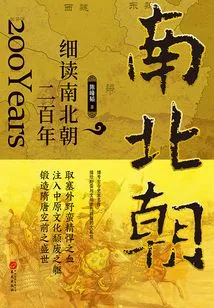
细读南北朝二百年
Chen Fengtao
The more than 160 years from the Liu Song Dynasty to the Sui Dynasty when the Nanchen Dynasty was destroyed was a relatively special historical period in Chinese history. During this period, the Chinese Empire, dominated by the Han civilization, had a long-term confrontation with the country established by the northern nomads. The integration and struggle of various ethnic groups that began during the Jin Dynasty continued to deepen. From the perspective of the society at that time, this was certainly an era full of disasters and pain, but from a historical perspective, the conflict was a special form of collision of civilizations of different natures, and the results it brought were not all negative. As far as the historical process of Han civilization at that time is concerned, the Jin Dynasty was full of pathological aristocratic habits, which could no longer be cleansed and solved by its own strength. In other words, Han civilization had reached a bottleneck period. Without violent collision and integration, it would be difficult to get out of it on its own strength. Under such conditions, it is of certain positive significance to integrate the vitality of the ethnic groups outside the Great Wall. This small book starts from this perspective, trying to uncover the veil of the Northern and Southern Dynasties era, and understand the people and things that have passed away from point to point, as well as the traces they left in the long history.
The more than 160 years from the Liu Song Dynasty to the Sui Dynasty when the Nanchen Dynasty was destroyed was a relatively special historical period in Chinese history. During this period, the Chinese Empire, dominated by the Han civilization, had a long-term confrontation with the country established by the northern nomads. The integration and struggle of various ethnic groups that began during the Jin Dynasty continued to deepen. From the perspective of the society at that time, this was certainly an era full of disasters and pain, but from a historical perspective, the conflict was a special form of collision of civilizations of different natures, and the results it brought were not all negative. As far as the historical process of Han civilization at that time is concerned, the Jin Dynasty was full of pathological aristocratic habits, which could no longer be cleansed and solved by its own strength. In other words, Han civilization had reached a bottleneck period. Without violent collision and integration, it would be difficult to get out of it on its own strength. Under such conditions, it is of certain positive significance to integrate the vitality of the ethnic groups outside the Great Wall. This small book starts from this perspective, trying to uncover the veil of the Northern and Southern Dynasties era, and understand the people and things that have passed away from point to point, as well as the traces they left in the long history.
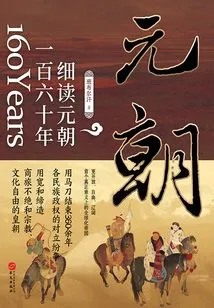
细读元朝一百六十年
Bambur Khan
In 1206, the Great Mongolian Kingdom was established. In 1271, Kuhan changed the name of his country to "Dayuan". During the Yuan Dynasty, the unified multi-ethnic country was further consolidated, and its territory exceeded that of previous dynasties. It pioneered the political system and had a profound impact on the society of the Yuan Dynasty and the subsequent Ming and Qing Dynasties and modern times. The commodity economy and overseas trade were more prosperous, and Beijing and Quanzhou became truly international metropolises. The cultural form became more secular, and freedom of religious belief made cultural exchanges more extensive. Many casual historians like to use words such as cruelty, corruption, and darkness to describe the regime established by this nomadic people. It is undeniable that the Mongol Empire conquered the East and the West with iron blood and brought war to many regions. But beyond the logic of farming culture, look at it from a broader perspective: the empire that conquered Asia and Europe, and connected the East and the West, brought the world into the true era of globalization for the first time and accelerated the process of world integration. This book comprehensively analyzes the rise and fall of the Mongol Empire from the political, military, cultural, and economic perspectives, presenting a comprehensive and three-dimensional view of the Yuan Dynasty.
In 1206, the Great Mongolian Kingdom was established. In 1271, Kuhan changed the name of his country to "Dayuan". During the Yuan Dynasty, the unified multi-ethnic country was further consolidated, and its territory exceeded that of previous dynasties. It pioneered the political system and had a profound impact on the society of the Yuan Dynasty and the subsequent Ming and Qing Dynasties and modern times. The commodity economy and overseas trade were more prosperous, and Beijing and Quanzhou became truly international metropolises. The cultural form became more secular, and freedom of religious belief made cultural exchanges more extensive. Many casual historians like to use words such as cruelty, corruption, and darkness to describe the regime established by this nomadic people. It is undeniable that the Mongol Empire conquered the East and the West with iron blood and brought war to many regions. But beyond the logic of farming culture, look at it from a broader perspective: the empire that conquered Asia and Europe, and connected the East and the West, brought the world into the true era of globalization for the first time and accelerated the process of world integration. This book comprehensively analyzes the rise and fall of the Mongol Empire from the political, military, cultural, and economic perspectives, presenting a comprehensive and three-dimensional view of the Yuan Dynasty.
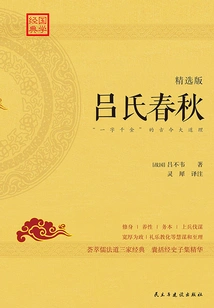
吕氏春秋:“一字千金”的古今大道理(精选版)
(warring States)? Lu Buwei
"Lu Shi Chun Qiu", also known as "Lu Lan". The book is mainly based on Taoist thoughts, and integrates the thoughts of Confucianism, Taoism, Mohism, Legalism, Military, Agriculture, Zongheng, Yin and Yang, etc., So it was included in the miscellaneous family system by later generations. "Lu's Spring and Autumn Annals" is divided into twelve chapters, eight chapters, and six treatises, with a total of twenty-six volumes, one hundred and sixty chapters, and more than 200,000 words. Due to space limitations, this book selects nearly a hundred incisive and profound philosophical quotes from the original text of more than 200,000 words, supplemented by many classic cases, in order to provide an in-depth interpretation of "Lu's Spring and Autumn Annals" and present to readers the wisdom and strategies in many aspects of health preservation, education, military affairs, self-cultivation, and country governance in the original work.
"Lu Shi Chun Qiu", also known as "Lu Lan". The book is mainly based on Taoist thoughts, and integrates the thoughts of Confucianism, Taoism, Mohism, Legalism, Military, Agriculture, Zongheng, Yin and Yang, etc., So it was included in the miscellaneous family system by later generations. "Lu's Spring and Autumn Annals" is divided into twelve chapters, eight chapters, and six treatises, with a total of twenty-six volumes, one hundred and sixty chapters, and more than 200,000 words. Due to space limitations, this book selects nearly a hundred incisive and profound philosophical quotes from the original text of more than 200,000 words, supplemented by many classic cases, in order to provide an in-depth interpretation of "Lu's Spring and Autumn Annals" and present to readers the wisdom and strategies in many aspects of health preservation, education, military affairs, self-cultivation, and country governance in the original work.
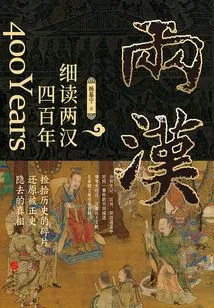
细读两汉四百年
Yang Jining
Compare different descriptions of the same event in "Historical Records", "Hanshu", and "Zizhi Tongjian"; do extensive research on reliable information such as "Shui Jing Zhu", documents unearthed from Han tombs, and famous poems; pick up the fragments of history and restore the truth that has been hidden by official history.
Compare different descriptions of the same event in "Historical Records", "Hanshu", and "Zizhi Tongjian"; do extensive research on reliable information such as "Shui Jing Zhu", documents unearthed from Han tombs, and famous poems; pick up the fragments of history and restore the truth that has been hidden by official history.
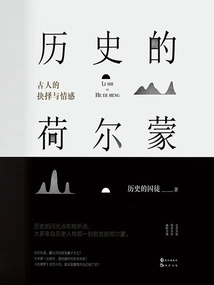
历史的荷尔蒙1:古人的抉择与情感
Prisoners Of History
Prisoners of History writes history, using historical facts as the skeleton, reality as the flesh and blood, humor as the soul, applying modern lifestyles, and telling different stories. The characters he chose are all very well-known. Those dull and serious historical celebrities in the history books turned into vivid faces and flesh and blood bodies with souls in the prisoner's pen.
Prisoners of History writes history, using historical facts as the skeleton, reality as the flesh and blood, humor as the soul, applying modern lifestyles, and telling different stories. The characters he chose are all very well-known. Those dull and serious historical celebrities in the history books turned into vivid faces and flesh and blood bodies with souls in the prisoner's pen.
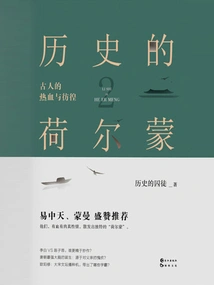
历史的荷尔蒙2:古人的热血与彷徨
Prisoners Of History
Prisoners of History writes history, using historical facts as the skeleton, reality as the flesh and blood, humor as the soul, applying modern lifestyles, and telling different stories. The characters he chose are all very well-known. Those dull and serious historical celebrities in the history books turned into vivid faces and flesh and blood bodies with souls in the prisoner's pen.
Prisoners of History writes history, using historical facts as the skeleton, reality as the flesh and blood, humor as the soul, applying modern lifestyles, and telling different stories. The characters he chose are all very well-known. Those dull and serious historical celebrities in the history books turned into vivid faces and flesh and blood bodies with souls in the prisoner's pen.
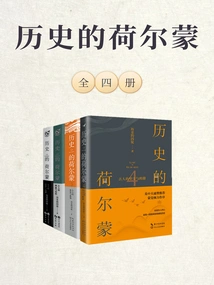
历史的荷尔蒙(全4册)
Prisoners Of History
Prisoners of History writes history, using historical facts as the skeleton, reality as the flesh and blood, humor as the soul, applying modern lifestyles, and telling different stories. The characters he chose are all very well-known. Those dull and serious historical celebrities in the history books turned into vivid faces and flesh and blood bodies with souls in the prisoner's pen.
Prisoners of History writes history, using historical facts as the skeleton, reality as the flesh and blood, humor as the soul, applying modern lifestyles, and telling different stories. The characters he chose are all very well-known. Those dull and serious historical celebrities in the history books turned into vivid faces and flesh and blood bodies with souls in the prisoner's pen.
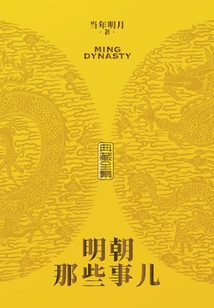
明朝那些事儿(典藏全集)
The Bright Moon
"Those Things in the Ming Dynasty" mainly tells the history of the Ming Dynasty in the three hundred years from 1344 to 1644. It refers to more than 20 kinds of historical materials and notes of the Ming Dynasty, such as "Records of the Ming Dynasty", "Ming Tongjian", "History of the Ming Dynasty", "Ming Dynasty Chronicles", etc. It was reviewed and recommended by Mao Peiqi, an expert on Ming Dynasty. Overlooking the three hundred years of Ming Dynasty history, you can see a different Ming Dynasty.
"Those Things in the Ming Dynasty" mainly tells the history of the Ming Dynasty in the three hundred years from 1344 to 1644. It refers to more than 20 kinds of historical materials and notes of the Ming Dynasty, such as "Records of the Ming Dynasty", "Ming Tongjian", "History of the Ming Dynasty", "Ming Dynasty Chronicles", etc. It was reviewed and recommended by Mao Peiqi, an expert on Ming Dynasty. Overlooking the three hundred years of Ming Dynasty history, you can see a different Ming Dynasty.
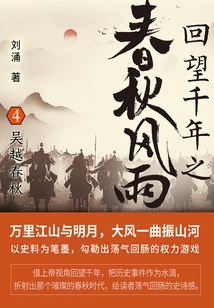
Looking Back at the Thousand Years of Spring and Autumn Storm 4: Wu Yue Spring and Autumn Period
History回望千年之春秋风雨4:吴越春秋
Liu Yong
This book is the first work in the series of looking back at the millennium. This work sorts out a clear main line of the Spring and Autumn Period from the complex historical materials, which can help readers grasp the historical process of the Spring and Autumn Period from a macro perspective. The main line of Spring and Autumn is mainly divided into four stages. The early Spring and Autumn Period - after King Ping moved eastward, the Three Little Overlords of the Spring and Autumn Period headed by Zheng Zhuanggong supported the main line of the Early Spring and Autumn Period. The work revolves around the perspectives of Zheng, Qi and Chu, telling the historical events of the Early Spring and Autumn Period; the middle stage of the Spring and Autumn Period - after the rise of Duke Huan of Qi, the main line of the Early Spring and Autumn Period is continued, and the work revolves around The struggle for hegemony between Qi and Chu unfolds, telling the historical events from Duke Huan's first hegemony of the Central Plains to the battle between Qi and Chu over the Yangtze River and Huaihe River; the late Spring and Autumn Period - introduces the background of Qu Wo Dai Yi and the rise of the Jin State, taking Jin Wengong Chong'er's exile in various countries as the main line, and restoring the beginning and end of the Battle of Chengpu from multiple perspectives such as politics, military, and geography. From the Battle of Chengpu in 632 BC to the second annihilation of the military alliance in 546 BC, in nearly a hundred years, the struggle between Jin and Chu for hegemony became the main theme of the era. At the end of the Spring and Autumn Period - after the second war and alliance, the countries of the Spring and Autumn Period had a truce for forty years. While the external conflicts of each country were alleviated, the Jin, Chu, and Qi countries all experienced internal worries to varying degrees. The scholar-bureaucrat class rose up and gradually emptied the power of the princes and kings. This phenomenon had a profound impact on later generations, such as the division of the three families into Jin and the succession of the Tian family to Qi. During the same period, Wu and Yue in the southeast region rose one after another, pushing Wu and Yue's struggle for hegemony to its climax. In the end, King Gou Jian of Yue succeeded in his revenge. This established the pattern of the four great powers of Jin, Chu, Qi and Yue in the early Warring States Period.
This book is the first work in the series of looking back at the millennium. This work sorts out a clear main line of the Spring and Autumn Period from the complex historical materials, which can help readers grasp the historical process of the Spring and Autumn Period from a macro perspective. The main line of Spring and Autumn is mainly divided into four stages. The early Spring and Autumn Period - after King Ping moved eastward, the Three Little Overlords of the Spring and Autumn Period headed by Zheng Zhuanggong supported the main line of the Early Spring and Autumn Period. The work revolves around the perspectives of Zheng, Qi and Chu, telling the historical events of the Early Spring and Autumn Period; the middle stage of the Spring and Autumn Period - after the rise of Duke Huan of Qi, the main line of the Early Spring and Autumn Period is continued, and the work revolves around The struggle for hegemony between Qi and Chu unfolds, telling the historical events from Duke Huan's first hegemony of the Central Plains to the battle between Qi and Chu over the Yangtze River and Huaihe River; the late Spring and Autumn Period - introduces the background of Qu Wo Dai Yi and the rise of the Jin State, taking Jin Wengong Chong'er's exile in various countries as the main line, and restoring the beginning and end of the Battle of Chengpu from multiple perspectives such as politics, military, and geography. From the Battle of Chengpu in 632 BC to the second annihilation of the military alliance in 546 BC, in nearly a hundred years, the struggle between Jin and Chu for hegemony became the main theme of the era. At the end of the Spring and Autumn Period - after the second war and alliance, the countries of the Spring and Autumn Period had a truce for forty years. While the external conflicts of each country were alleviated, the Jin, Chu, and Qi countries all experienced internal worries to varying degrees. The scholar-bureaucrat class rose up and gradually emptied the power of the princes and kings. This phenomenon had a profound impact on later generations, such as the division of the three families into Jin and the succession of the Tian family to Qi. During the same period, Wu and Yue in the southeast region rose one after another, pushing Wu and Yue's struggle for hegemony to its climax. In the end, King Gou Jian of Yue succeeded in his revenge. This established the pattern of the four great powers of Jin, Chu, Qi and Yue in the early Warring States Period.
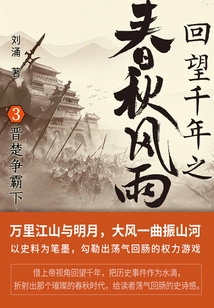
回望千年之春秋风雨3:晋楚争霸(下)
Liu Yong
This book is the first work in the series of looking back at the millennium. This work sorts out a clear main line of the Spring and Autumn Period from the complex historical materials, which can help readers grasp the historical process of the Spring and Autumn Period from a macro perspective. The main line of Spring and Autumn is mainly divided into four stages. The early Spring and Autumn Period - after King Ping moved eastward, the Three Little Overlords of the Spring and Autumn Period headed by Zheng Zhuanggong supported the main line of the Early Spring and Autumn Period. The work revolves around the perspectives of Zheng, Qi and Chu, telling the historical events of the Early Spring and Autumn Period; the middle stage of the Spring and Autumn Period - after the rise of Duke Huan of Qi, the main line of the Early Spring and Autumn Period is continued, and the work revolves around The struggle for hegemony between Qi and Chu unfolds, telling the historical events from Duke Huan's first hegemony of the Central Plains to the battle between Qi and Chu over the Yangtze River and Huaihe River; the late Spring and Autumn Period - introduces the background of Qu Wo Dai Yi and the rise of the Jin State, taking Jin Wengong Chong'er's exile in various countries as the main line, and restoring the beginning and end of the Battle of Chengpu from multiple perspectives such as politics, military, and geography. From the Battle of Chengpu in 632 BC to the second annihilation of the military alliance in 546 BC, in nearly a hundred years, the struggle between Jin and Chu for hegemony became the main theme of the era. At the end of the Spring and Autumn Period - after the second war and alliance, the countries of the Spring and Autumn Period had a truce for forty years. While the external conflicts of each country were alleviated, the Jin, Chu, and Qi countries all experienced internal worries to varying degrees. The scholar-bureaucrat class rose up and gradually emptied the power of the princes and kings. This phenomenon had a profound impact on later generations, such as the division of the three families into Jin and the succession of the Tian family to Qi. During the same period, Wu and Yue in the southeast region rose one after another, pushing Wu and Yue's struggle for hegemony to its climax. In the end, King Gou Jian of Yue succeeded in his revenge. This established the pattern of the four great powers of Jin, Chu, Qi and Yue in the early Warring States Period.
This book is the first work in the series of looking back at the millennium. This work sorts out a clear main line of the Spring and Autumn Period from the complex historical materials, which can help readers grasp the historical process of the Spring and Autumn Period from a macro perspective. The main line of Spring and Autumn is mainly divided into four stages. The early Spring and Autumn Period - after King Ping moved eastward, the Three Little Overlords of the Spring and Autumn Period headed by Zheng Zhuanggong supported the main line of the Early Spring and Autumn Period. The work revolves around the perspectives of Zheng, Qi and Chu, telling the historical events of the Early Spring and Autumn Period; the middle stage of the Spring and Autumn Period - after the rise of Duke Huan of Qi, the main line of the Early Spring and Autumn Period is continued, and the work revolves around The struggle for hegemony between Qi and Chu unfolds, telling the historical events from Duke Huan's first hegemony of the Central Plains to the battle between Qi and Chu over the Yangtze River and Huaihe River; the late Spring and Autumn Period - introduces the background of Qu Wo Dai Yi and the rise of the Jin State, taking Jin Wengong Chong'er's exile in various countries as the main line, and restoring the beginning and end of the Battle of Chengpu from multiple perspectives such as politics, military, and geography. From the Battle of Chengpu in 632 BC to the second annihilation of the military alliance in 546 BC, in nearly a hundred years, the struggle between Jin and Chu for hegemony became the main theme of the era. At the end of the Spring and Autumn Period - after the second war and alliance, the countries of the Spring and Autumn Period had a truce for forty years. While the external conflicts of each country were alleviated, the Jin, Chu, and Qi countries all experienced internal worries to varying degrees. The scholar-bureaucrat class rose up and gradually emptied the power of the princes and kings. This phenomenon had a profound impact on later generations, such as the division of the three families into Jin and the succession of the Tian family to Qi. During the same period, Wu and Yue in the southeast region rose one after another, pushing Wu and Yue's struggle for hegemony to its climax. In the end, King Gou Jian of Yue succeeded in his revenge. This established the pattern of the four great powers of Jin, Chu, Qi and Yue in the early Warring States Period.
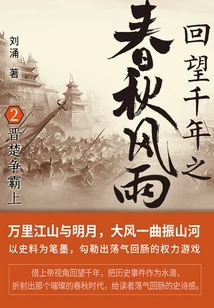
回望千年之春秋风雨2:晋楚争霸(上)
Liu Yong
This book is the first work in the series of looking back at the millennium. This work sorts out a clear main line of the Spring and Autumn Period from the complex historical materials, which can help readers grasp the historical process of the Spring and Autumn Period from a macro perspective. The main line of Spring and Autumn is mainly divided into four stages. The early Spring and Autumn Period - after King Ping moved eastward, the Three Little Overlords of the Spring and Autumn Period headed by Zheng Zhuanggong supported the main line of the Early Spring and Autumn Period. The work revolves around the perspectives of Zheng, Qi and Chu, telling the historical events of the Early Spring and Autumn Period; the middle stage of the Spring and Autumn Period - after the rise of Duke Huan of Qi, the main line of the Early Spring and Autumn Period is continued, and the work revolves around The struggle for hegemony between Qi and Chu unfolds, telling the historical events from Duke Huan's first hegemony of the Central Plains to the battle between Qi and Chu over the Yangtze River and Huaihe River; the late Spring and Autumn Period - introduces the background of Qu Wo Dai Yi and the rise of the Jin State, taking Jin Wengong Chong'er's exile in various countries as the main line, and restoring the beginning and end of the Battle of Chengpu from multiple perspectives such as politics, military, and geography. From the Battle of Chengpu in 632 BC to the second annihilation of the military alliance in 546 BC, in nearly a hundred years, the struggle between Jin and Chu for hegemony became the main theme of the era. At the end of the Spring and Autumn Period - after the second war and alliance, the countries of the Spring and Autumn Period had a truce for forty years. While the external conflicts of each country were alleviated, the Jin, Chu, and Qi countries all experienced internal worries to varying degrees. The scholar-bureaucrat class rose up and gradually emptied the power of the princes and kings. This phenomenon had a profound impact on later generations, such as the division of the three families into Jin and the succession of the Tian family to Qi. During the same period, Wu and Yue in the southeast region rose one after another, pushing Wu and Yue's struggle for hegemony to its climax. In the end, King Gou Jian of Yue succeeded in his revenge. This established the pattern of the four great powers of Jin, Chu, Qi and Yue in the early Warring States Period.
This book is the first work in the series of looking back at the millennium. This work sorts out a clear main line of the Spring and Autumn Period from the complex historical materials, which can help readers grasp the historical process of the Spring and Autumn Period from a macro perspective. The main line of Spring and Autumn is mainly divided into four stages. The early Spring and Autumn Period - after King Ping moved eastward, the Three Little Overlords of the Spring and Autumn Period headed by Zheng Zhuanggong supported the main line of the Early Spring and Autumn Period. The work revolves around the perspectives of Zheng, Qi and Chu, telling the historical events of the Early Spring and Autumn Period; the middle stage of the Spring and Autumn Period - after the rise of Duke Huan of Qi, the main line of the Early Spring and Autumn Period is continued, and the work revolves around The struggle for hegemony between Qi and Chu unfolds, telling the historical events from Duke Huan's first hegemony of the Central Plains to the battle between Qi and Chu over the Yangtze River and Huaihe River; the late Spring and Autumn Period - introduces the background of Qu Wo Dai Yi and the rise of the Jin State, taking Jin Wengong Chong'er's exile in various countries as the main line, and restoring the beginning and end of the Battle of Chengpu from multiple perspectives such as politics, military, and geography. From the Battle of Chengpu in 632 BC to the second annihilation of the military alliance in 546 BC, in nearly a hundred years, the struggle between Jin and Chu for hegemony became the main theme of the era. At the end of the Spring and Autumn Period - after the second war and alliance, the countries of the Spring and Autumn Period had a truce for forty years. While the external conflicts of each country were alleviated, the Jin, Chu, and Qi countries all experienced internal worries to varying degrees. The scholar-bureaucrat class rose up and gradually emptied the power of the princes and kings. This phenomenon had a profound impact on later generations, such as the division of the three families into Jin and the succession of the Tian family to Qi. During the same period, Wu and Yue in the southeast region rose one after another, pushing Wu and Yue's struggle for hegemony to its climax. In the end, King Gou Jian of Yue succeeded in his revenge. This established the pattern of the four great powers of Jin, Chu, Qi and Yue in the early Warring States Period.
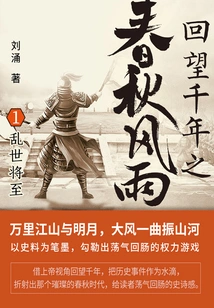
回望千年之春秋风雨1:乱世将至
Liu Yong
This book is the first work in the series of looking back at the millennium. This work sorts out a clear main line of the Spring and Autumn Period from the complex historical materials, which can help readers grasp the historical process of the Spring and Autumn Period from a macro perspective. The main line of Spring and Autumn is mainly divided into four stages. The early Spring and Autumn Period - after King Ping moved eastward, the Three Little Overlords of the Spring and Autumn Period headed by Zheng Zhuanggong supported the main line of the Early Spring and Autumn Period. The work revolves around the perspectives of Zheng, Qi and Chu, telling the historical events of the Early Spring and Autumn Period; the middle stage of the Spring and Autumn Period - after the rise of Duke Huan of Qi, the main line of the Early Spring and Autumn Period is continued, and the work revolves around The struggle for hegemony between Qi and Chu unfolds, telling the historical events from Duke Huan's first hegemony of the Central Plains to the battle between Qi and Chu over the Yangtze River and Huaihe River; the late Spring and Autumn Period - introduces the background of Qu Wo Dai Yi and the rise of the Jin State, taking Jin Wengong Chong'er's exile in various countries as the main line, and restoring the beginning and end of the Battle of Chengpu from multiple perspectives such as politics, military, and geography. From the Battle of Chengpu in 632 BC to the second annihilation of the military alliance in 546 BC, in nearly a hundred years, the struggle between Jin and Chu for hegemony became the main theme of the era. At the end of the Spring and Autumn Period - after the second war and alliance, the countries of the Spring and Autumn Period had a truce for forty years. While the external conflicts of each country were alleviated, the Jin, Chu, and Qi countries all experienced internal worries to varying degrees. The scholar-bureaucrat class rose up and gradually emptied the power of the princes and kings. This phenomenon had a profound impact on later generations, such as the division of the three families into Jin and the succession of the Tian family to Qi. During the same period, Wu and Yue in the southeast region rose one after another, pushing Wu and Yue's struggle for hegemony to its climax. In the end, King Gou Jian of Yue succeeded in his revenge. This established the pattern of the four great powers of Jin, Chu, Qi and Yue in the early Warring States Period.
This book is the first work in the series of looking back at the millennium. This work sorts out a clear main line of the Spring and Autumn Period from the complex historical materials, which can help readers grasp the historical process of the Spring and Autumn Period from a macro perspective. The main line of Spring and Autumn is mainly divided into four stages. The early Spring and Autumn Period - after King Ping moved eastward, the Three Little Overlords of the Spring and Autumn Period headed by Zheng Zhuanggong supported the main line of the Early Spring and Autumn Period. The work revolves around the perspectives of Zheng, Qi and Chu, telling the historical events of the Early Spring and Autumn Period; the middle stage of the Spring and Autumn Period - after the rise of Duke Huan of Qi, the main line of the Early Spring and Autumn Period is continued, and the work revolves around The struggle for hegemony between Qi and Chu unfolds, telling the historical events from Duke Huan's first hegemony of the Central Plains to the battle between Qi and Chu over the Yangtze River and Huaihe River; the late Spring and Autumn Period - introduces the background of Qu Wo Dai Yi and the rise of the Jin State, taking Jin Wengong Chong'er's exile in various countries as the main line, and restoring the beginning and end of the Battle of Chengpu from multiple perspectives such as politics, military, and geography. From the Battle of Chengpu in 632 BC to the second annihilation of the military alliance in 546 BC, in nearly a hundred years, the struggle between Jin and Chu for hegemony became the main theme of the era. At the end of the Spring and Autumn Period - after the second war and alliance, the countries of the Spring and Autumn Period had a truce for forty years. While the external conflicts of each country were alleviated, the Jin, Chu, and Qi countries all experienced internal worries to varying degrees. The scholar-bureaucrat class rose up and gradually emptied the power of the princes and kings. This phenomenon had a profound impact on later generations, such as the division of the three families into Jin and the succession of the Tian family to Qi. During the same period, Wu and Yue in the southeast region rose one after another, pushing Wu and Yue's struggle for hegemony to its climax. In the end, King Gou Jian of Yue succeeded in his revenge. This established the pattern of the four great powers of Jin, Chu, Qi and Yue in the early Warring States Period.
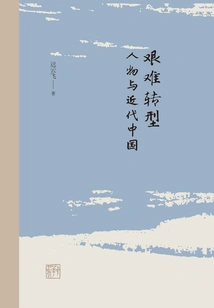
艰难转型:人物与近代中国
Chi Yunfei
This book aims to observe the changes in modern China through characters, and at the same time observe characters in the midst of major historical changes. The first chapter, through Zeng Guofan and others, shows the traditional scholar-bureaucrats' pursuit of change and their inner struggles. Chapter 2 shows the changes within the system of scholar-bureaucrats and officials from the Reform Movement to the New Deal in the late Qing Dynasty. Chapter three shows the pursuits and ideas of the first generation of modern intellectuals and revolutionaries. The appendix is about the author's mentor's record. Although it is slightly different from the first three chapters, it still shows the complex "changes" in contemporary times.
This book aims to observe the changes in modern China through characters, and at the same time observe characters in the midst of major historical changes. The first chapter, through Zeng Guofan and others, shows the traditional scholar-bureaucrats' pursuit of change and their inner struggles. Chapter 2 shows the changes within the system of scholar-bureaucrats and officials from the Reform Movement to the New Deal in the late Qing Dynasty. Chapter three shows the pursuits and ideas of the first generation of modern intellectuals and revolutionaries. The appendix is about the author's mentor's record. Although it is slightly different from the first three chapters, it still shows the complex "changes" in contemporary times.
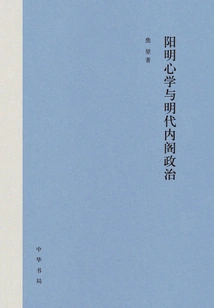
阳明心学与明代内阁政治
Jiao Kun
This book is titled "Yangming's Psychology and the Cabinet Politics of the Ming Dynasty". It mainly discusses the social background of the popularity of Yangming's Psychology in the mid- to late Ming Dynasty from a historical perspective, as well as the political ideas and activities of the people in the school. Mainly using empirical methods of history to refute some views put forward by predecessors. For example, with regard to the view that Wang Yangming turned to enlightened people to practice Taoism after enlightenment in Longchang, it is believed that Wang Yangming's disciple group was mainly local middle- and lower-class scholars, specifically Juren and Shengyuan. Therefore, Wang Yangming's preaching line should be summarized as "enlightened scholars practicing Taoism." In terms of politics, Wang Yangming did not give up his concern for the situation in the court after his epiphany. On the occasion of the "Great Ceremony Meeting", Wang Yangming expressed his position to his disciples at court and tried to guide the political situation through these disciples. When he lectured and preached, he focused on the cultivation of middle- and lower-class scholars, and it was precisely out of the expectation that these disciples would be able to save the decline of politics after they became officials in the future. What Xinxue targets is, to a large extent, the shortcomings of the scholar-official class as the political subject. Under the political system at that time, the most obvious result of this shortcoming was the cabinet's exclusive power to establish the party and exclude dissidents. The Yangming School has advocated the spirit of decentralization and co-governance among scholar-bureaucrats since Yangming, and later scholars also inherited this concept. Since Jiajing, people in the school either resisted the cabinet and suffered repeated blows, or they joined the cabinet and prospered for a while. After entering Wanli, the conflict between the cabinet and the ministry led to intense party strife. Although some of the school moved slightly closer to the cabinet, they could not be tolerated by the party leaders in the cabinet. The rest were gradually absorbed by the Donglin faction, a new force that opposed the cabinet.
This book is titled "Yangming's Psychology and the Cabinet Politics of the Ming Dynasty". It mainly discusses the social background of the popularity of Yangming's Psychology in the mid- to late Ming Dynasty from a historical perspective, as well as the political ideas and activities of the people in the school. Mainly using empirical methods of history to refute some views put forward by predecessors. For example, with regard to the view that Wang Yangming turned to enlightened people to practice Taoism after enlightenment in Longchang, it is believed that Wang Yangming's disciple group was mainly local middle- and lower-class scholars, specifically Juren and Shengyuan. Therefore, Wang Yangming's preaching line should be summarized as "enlightened scholars practicing Taoism." In terms of politics, Wang Yangming did not give up his concern for the situation in the court after his epiphany. On the occasion of the "Great Ceremony Meeting", Wang Yangming expressed his position to his disciples at court and tried to guide the political situation through these disciples. When he lectured and preached, he focused on the cultivation of middle- and lower-class scholars, and it was precisely out of the expectation that these disciples would be able to save the decline of politics after they became officials in the future. What Xinxue targets is, to a large extent, the shortcomings of the scholar-official class as the political subject. Under the political system at that time, the most obvious result of this shortcoming was the cabinet's exclusive power to establish the party and exclude dissidents. The Yangming School has advocated the spirit of decentralization and co-governance among scholar-bureaucrats since Yangming, and later scholars also inherited this concept. Since Jiajing, people in the school either resisted the cabinet and suffered repeated blows, or they joined the cabinet and prospered for a while. After entering Wanli, the conflict between the cabinet and the ministry led to intense party strife. Although some of the school moved slightly closer to the cabinet, they could not be tolerated by the party leaders in the cabinet. The rest were gradually absorbed by the Donglin faction, a new force that opposed the cabinet.
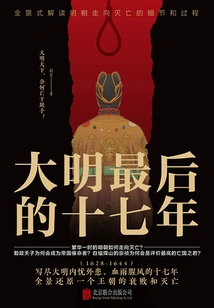
大明最后的十七年
Wei Min
This book tells the story of the controversial and tumultuous final days of the Ming Dynasty. Starting from the fall of the eunuch Wei Zhongxian, it describes the ups and downs of the general Yuan Chonghuan, the treacherous minister Wen Tiren's dominance of the government and the public, the peasant uprisings in the mountains and plains, the dilemma of internal and external troubles, the sacrifice of the famous generals Lu Xiangsheng and Sun Chuanting for the country, and finally the end of the Ming Dynasty in 1644 when Chongzhen hanged himself. This book focuses on the bloody last seventeen years of the Ming Dynasty from 1628 to 1644, telling the story of the controversial and turbulent last days of the Ming Dynasty. The seventeen-year historical scroll began with the annihilation of the eunuchs and the restoration of chaos, and slowly unfolded with the conflict between ministers, border crises, the collapse of the Central Plains, the loss of the capital, and the change of political power. In the end, the dynasty overthrew, and the prosperous Ming Dynasty came to an end. The ending was written by the suicide of a generation of emperor Meishan. The river goes eastward, and beyond the white clouds of right and wrong, success or failure, the wheel of history is still rolling forward mightily...
This book tells the story of the controversial and tumultuous final days of the Ming Dynasty. Starting from the fall of the eunuch Wei Zhongxian, it describes the ups and downs of the general Yuan Chonghuan, the treacherous minister Wen Tiren's dominance of the government and the public, the peasant uprisings in the mountains and plains, the dilemma of internal and external troubles, the sacrifice of the famous generals Lu Xiangsheng and Sun Chuanting for the country, and finally the end of the Ming Dynasty in 1644 when Chongzhen hanged himself. This book focuses on the bloody last seventeen years of the Ming Dynasty from 1628 to 1644, telling the story of the controversial and turbulent last days of the Ming Dynasty. The seventeen-year historical scroll began with the annihilation of the eunuchs and the restoration of chaos, and slowly unfolded with the conflict between ministers, border crises, the collapse of the Central Plains, the loss of the capital, and the change of political power. In the end, the dynasty overthrew, and the prosperous Ming Dynasty came to an end. The ending was written by the suicide of a generation of emperor Meishan. The river goes eastward, and beyond the white clouds of right and wrong, success or failure, the wheel of history is still rolling forward mightily...
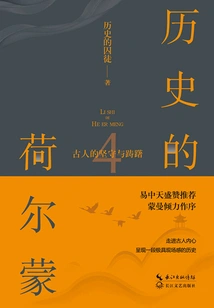
历史的荷尔蒙4:古人的坚守与踌躇
Prisoners Of History
"Hormones of History 4" is the author's new historical and cultural book after "Hormones of History" 1, 2 and 3. Prisoners of History writes history, using historical facts as the skeleton, reality as the flesh and blood, humor as the soul, applying modern lifestyles, and telling different stories. The characters he chose are all very well-known. Those dull and serious historical celebrities in the history books turned into vivid faces and flesh and blood bodies with souls in the prisoner's pen. This book focuses on selected story-telling characters from four perspectives: famous kings, famous ministers, celebrities, and celebrities, allowing readers to explore the hearts of historical figures more deeply and multi-dimensionally, and appreciate the grandeur of Chinese history.
"Hormones of History 4" is the author's new historical and cultural book after "Hormones of History" 1, 2 and 3. Prisoners of History writes history, using historical facts as the skeleton, reality as the flesh and blood, humor as the soul, applying modern lifestyles, and telling different stories. The characters he chose are all very well-known. Those dull and serious historical celebrities in the history books turned into vivid faces and flesh and blood bodies with souls in the prisoner's pen. This book focuses on selected story-telling characters from four perspectives: famous kings, famous ministers, celebrities, and celebrities, allowing readers to explore the hearts of historical figures more deeply and multi-dimensionally, and appreciate the grandeur of Chinese history.
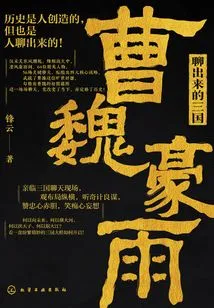
聊出来的三国:曹魏豪雨
Fengyun
This is a historical fact that changed the history of the Three Kingdoms in the late Han Dynasty through chatting. Through detailed descriptions and in-depth analysis of each chat, this book gives a panoramic view of how Cao Cao changed from a capable minister to a hero, and from a hero to a traitor, as well as how Cao Wei rose and fell. The sentence "A capable minister in times of trouble is a traitor in troubled times" fixed the fate of Cao Cao's life; the sentence "Let the world's intelligence be used to control it" clarified Cao Cao's entrepreneurial route; the sentence "Guard the south of the river and wait for it to change" established the foundation of Cao Cao's life. The foundation of Cao Wei's career; the sentence "Serving the emperor with orders but not serving as ministers" recreated the lonely emperor Han Xiandi; the sentence "today's heroes are only envoys and cao'er" revealed Cao Cao's deep-seated knot; the sentence "it is appropriate to repair the five levels of ancient feudalism" made Cao Cao Cao Cao found a way to break out of his shell; the sentence "Dunhuang offers a large diameter pearl, but it can be returned to the market for profit", exposed Cao Pi's endless greed; the sentence "it is appropriate to call Sima Yi and Xiang Shen" caused Cao Wei to fall into an irreversible disaster... Cao Wei The rise and fall of the company are closely related to these conversations - the entrepreneurial direction is discussed, the talent team is also discussed, military decision-making is discussed, the change of dynasties is even more discussed, and the power is changed through chatting. During the chat, Cao Cao showed his true face, Xun Yu showed his true character, Guo Jia showed his true ability, and Cao Pi showed his true temperament. So, in this complicated history, what did these crucial chats change, and how did they contribute to the change intentionally or unintentionally? The author analyzes it piece by piece, one by one.
This is a historical fact that changed the history of the Three Kingdoms in the late Han Dynasty through chatting. Through detailed descriptions and in-depth analysis of each chat, this book gives a panoramic view of how Cao Cao changed from a capable minister to a hero, and from a hero to a traitor, as well as how Cao Wei rose and fell. The sentence "A capable minister in times of trouble is a traitor in troubled times" fixed the fate of Cao Cao's life; the sentence "Let the world's intelligence be used to control it" clarified Cao Cao's entrepreneurial route; the sentence "Guard the south of the river and wait for it to change" established the foundation of Cao Cao's life. The foundation of Cao Wei's career; the sentence "Serving the emperor with orders but not serving as ministers" recreated the lonely emperor Han Xiandi; the sentence "today's heroes are only envoys and cao'er" revealed Cao Cao's deep-seated knot; the sentence "it is appropriate to repair the five levels of ancient feudalism" made Cao Cao Cao Cao found a way to break out of his shell; the sentence "Dunhuang offers a large diameter pearl, but it can be returned to the market for profit", exposed Cao Pi's endless greed; the sentence "it is appropriate to call Sima Yi and Xiang Shen" caused Cao Wei to fall into an irreversible disaster... Cao Wei The rise and fall of the company are closely related to these conversations - the entrepreneurial direction is discussed, the talent team is also discussed, military decision-making is discussed, the change of dynasties is even more discussed, and the power is changed through chatting. During the chat, Cao Cao showed his true face, Xun Yu showed his true character, Guo Jia showed his true ability, and Cao Pi showed his true temperament. So, in this complicated history, what did these crucial chats change, and how did they contribute to the change intentionally or unintentionally? The author analyzes it piece by piece, one by one.
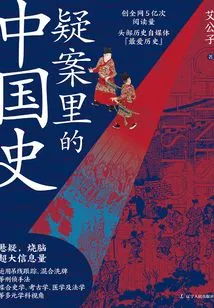
Chinese History in Mystery
History疑案里的中国史
Ai Gongzi
"The History of China in Mysterious Cases" is a popular historical reading that interprets historical mysteries. The book is divided into 8 chapters, with the themes of "The Mystery of the Emperor's Life and Death", "The Hidden Secrets of the Imperial Heirs", "The Mysterious Case of the Dynasty Seizing Power", "The Strange Case of the General's End", "The Shocking Case of the Empire", "The Mysterious Case of the Female Celebrity", "The Mystery of the History", "The Bizarre Case that is "Hot Searched by the Nation"", and selects 40 historical cases. Historical Mysteries, from the pre-Qin Dynasty to the late Qing Dynasty, from the emperors and generals to the three religions and nine streams, combine the perspectives of history, archeology, medicine and law, etc., And use criminal investigation techniques such as hanging wire tracking and mixed shuffling to boldly speculate and carefully verify, through the fog of thousands of years, and strive to restore the historical truth for readers.
"The History of China in Mysterious Cases" is a popular historical reading that interprets historical mysteries. The book is divided into 8 chapters, with the themes of "The Mystery of the Emperor's Life and Death", "The Hidden Secrets of the Imperial Heirs", "The Mysterious Case of the Dynasty Seizing Power", "The Strange Case of the General's End", "The Shocking Case of the Empire", "The Mysterious Case of the Female Celebrity", "The Mystery of the History", "The Bizarre Case that is "Hot Searched by the Nation"", and selects 40 historical cases. Historical Mysteries, from the pre-Qin Dynasty to the late Qing Dynasty, from the emperors and generals to the three religions and nine streams, combine the perspectives of history, archeology, medicine and law, etc., And use criminal investigation techniques such as hanging wire tracking and mixed shuffling to boldly speculate and carefully verify, through the fog of thousands of years, and strive to restore the historical truth for readers.
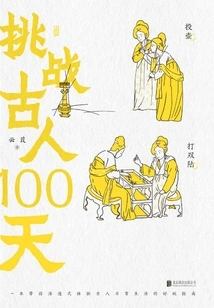
挑战古人100天
Yunjia
Why did the ancients call raising cats "hiring cats"? What was there in the ancient night markets? Did ancient people also drink afternoon tea? A manual that completely explains the daily life of ancient people. Enter the Song Dynasty, and enter the era when young men wore bright clothes and were angry with their horses, singing and dancing to their heart's content. Those places where our eyes cannot reach, words can.
Why did the ancients call raising cats "hiring cats"? What was there in the ancient night markets? Did ancient people also drink afternoon tea? A manual that completely explains the daily life of ancient people. Enter the Song Dynasty, and enter the era when young men wore bright clothes and were angry with their horses, singing and dancing to their heart's content. Those places where our eyes cannot reach, words can.
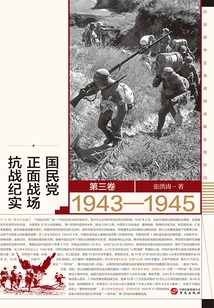
国殇:国民党正面战场抗战纪实(1943—1945)(第三卷)
Zhang Hongtao
This book is the third volume of "National Memorial", which records the important historical events that occurred on the frontal battlefield when the Anti-Japanese War entered the strategic counter-offensive stage. It focuses on recording several major battles on the Kuomintang's frontal battlefields during the strategic counteroffensive stage from 1943 to 1945, and describes in detail the Expeditionary Force's Yunnan-Myanmar War of Resistance, the Changde Defense Battle, the Battle of Central Henan, the Battle of Hengyang, the Battle of Guiliu, and the Battle of Zhijiang, etc. It reveals the painful experience of the high-level factions of the Kuomintang army that were at odds with each other, leading to repeated defeats in battles. It also revealed the heinous crimes committed by the Japanese invaders against the Chinese nation. After the Communist Party of China promoted the formation of the anti-Japanese united front, all Chinese sons and daughters fought bravely and bravely fought against the enemy, finally ushering in the dawn of victory.
This book is the third volume of "National Memorial", which records the important historical events that occurred on the frontal battlefield when the Anti-Japanese War entered the strategic counter-offensive stage. It focuses on recording several major battles on the Kuomintang's frontal battlefields during the strategic counteroffensive stage from 1943 to 1945, and describes in detail the Expeditionary Force's Yunnan-Myanmar War of Resistance, the Changde Defense Battle, the Battle of Central Henan, the Battle of Hengyang, the Battle of Guiliu, and the Battle of Zhijiang, etc. It reveals the painful experience of the high-level factions of the Kuomintang army that were at odds with each other, leading to repeated defeats in battles. It also revealed the heinous crimes committed by the Japanese invaders against the Chinese nation. After the Communist Party of China promoted the formation of the anti-Japanese united front, all Chinese sons and daughters fought bravely and bravely fought against the enemy, finally ushering in the dawn of victory.
国殇:国民党正面战场抗战纪实(1938—1943)(第二卷)
Zhang Hongtao
This book is the second volume of "National Memorial". It tells the arduous process of China's Anti-Japanese War from the strategic defense stage to the stalemate stage. It focuses on recording several major battles on the front battlefield of the Kuomintang from October 1938 to 1943. It describes in detail the Battle of Nanchang, the Battle of Changsha, the Battle of Southern Guangxi, the Battle of Shanggao, the Battle of Zhejiang and Jiangxi, etc. It eulogizes the patriotism and heroism of Chinese officers and soldiers for their tenacity and bloody fighting. At the same time, it also reveals the ferocity and crimes of the invaders from the "encirclement and suppression" wars, "mopping up" wars and germ warfare launched by the Japanese army.
This book is the second volume of "National Memorial". It tells the arduous process of China's Anti-Japanese War from the strategic defense stage to the stalemate stage. It focuses on recording several major battles on the front battlefield of the Kuomintang from October 1938 to 1943. It describes in detail the Battle of Nanchang, the Battle of Changsha, the Battle of Southern Guangxi, the Battle of Shanggao, the Battle of Zhejiang and Jiangxi, etc. It eulogizes the patriotism and heroism of Chinese officers and soldiers for their tenacity and bloody fighting. At the same time, it also reveals the ferocity and crimes of the invaders from the "encirclement and suppression" wars, "mopping up" wars and germ warfare launched by the Japanese army.
国殇:国民党正面战场抗战纪实(1931—1938)(第一卷)
Zhang Hongtao
This book is the first volume of "National Memorial". It records the events from the "September 18th" Incident in 1931, the Japanese army's all-out war of aggression against China in July 1937, to the fall of Wuhan in October 1938, and the patriotic generals of the Kuomintang army. The detailed process of the soldiers fighting the enemy bravely on the frontal battlefield against Japan is described in detail, focusing on the strategic defense stage of the Great Wall War, Marco Polo Bridge War, Songhu War, Nanjing Defense War, Jinzhong Battle, Xuzhou Battle, Wuhan Battle, etc. Unprecedented and brutal general battles have composed a national song in which the Chinese people rose up to resist and fought bloody battles under the banner of the Anti-Japanese National United Front.
This book is the first volume of "National Memorial". It records the events from the "September 18th" Incident in 1931, the Japanese army's all-out war of aggression against China in July 1937, to the fall of Wuhan in October 1938, and the patriotic generals of the Kuomintang army. The detailed process of the soldiers fighting the enemy bravely on the frontal battlefield against Japan is described in detail, focusing on the strategic defense stage of the Great Wall War, Marco Polo Bridge War, Songhu War, Nanjing Defense War, Jinzhong Battle, Xuzhou Battle, Wuhan Battle, etc. Unprecedented and brutal general battles have composed a national song in which the Chinese people rose up to resist and fought bloody battles under the banner of the Anti-Japanese National United Front.
历史如何走向未来
Li Bin
This book starts from "human behavior" and divides all members of a society (or a country) into three major social groups: political power (group), capital (group) and people (group). Accordingly, the process of a society (or a country) moving from history to the future step by step can be described as the process of continuous evolution and interaction of these three social groups. Based on this novel idea, this book reorganizes the historical process of thousands of years between the East and the West and reveals the different logics of the evolution of social governance systems in the East and West. Since the Middle Ages, capital-centeredness has always been the basic logic of the evolution of Western social governance systems, until today's capitalism. Since the Spring and Autumn Period and the Warring States Period, China's social governance system has generally followed a people-centered logical evolution until today's socialism with Chinese characteristics. Regarding today's "great changes unseen in a century," this book concisely and rigorously discusses "the ebb and flow of capitalism and socialism." In this way, the bright prospects for the great rejuvenation of the Chinese nation are self-evident. As for the great power game between China and the United States, it is summarized as "the interaction between the 'world factory' and the 'world banker'"; a few words, but a far-reaching artistic conception.
This book starts from "human behavior" and divides all members of a society (or a country) into three major social groups: political power (group), capital (group) and people (group). Accordingly, the process of a society (or a country) moving from history to the future step by step can be described as the process of continuous evolution and interaction of these three social groups. Based on this novel idea, this book reorganizes the historical process of thousands of years between the East and the West and reveals the different logics of the evolution of social governance systems in the East and West. Since the Middle Ages, capital-centeredness has always been the basic logic of the evolution of Western social governance systems, until today's capitalism. Since the Spring and Autumn Period and the Warring States Period, China's social governance system has generally followed a people-centered logical evolution until today's socialism with Chinese characteristics. Regarding today's "great changes unseen in a century," this book concisely and rigorously discusses "the ebb and flow of capitalism and socialism." In this way, the bright prospects for the great rejuvenation of the Chinese nation are self-evident. As for the great power game between China and the United States, it is summarized as "the interaction between the 'world factory' and the 'world banker'"; a few words, but a far-reaching artistic conception.
建炎南渡 宋金逐鹿
Xu Tao
After the Jingkang Incident, Zhao Gou went south from Hebei to the Hongqing Palace in Yingtianfu, Nanjing (Shangqiu, Henan Province) to worship the Zhao Song ancestral temple. He ascended the throne in the palace, changed the Yuan Dynasty to Jianyan, and the Southern Song Dynasty (1128-1279) was established. After that, Emperor Gaozong of the Song Dynasty went all the way from the Huaihe River to the Yangtze River and then to Hangzhou. In the first year of Shaoxing (1131), Hangzhou was promoted to Lin'an Prefecture and designated as "Xingzai" (accompanying capital), which was actually the capital. The Jin Dynasty also rushed southward, approaching Lin'an. Song Gaozong had no way to escape, so he had to escape into the sea and wandered along the coast of Wenzhou for four months.
After the Jingkang Incident, Zhao Gou went south from Hebei to the Hongqing Palace in Yingtianfu, Nanjing (Shangqiu, Henan Province) to worship the Zhao Song ancestral temple. He ascended the throne in the palace, changed the Yuan Dynasty to Jianyan, and the Southern Song Dynasty (1128-1279) was established. After that, Emperor Gaozong of the Song Dynasty went all the way from the Huaihe River to the Yangtze River and then to Hangzhou. In the first year of Shaoxing (1131), Hangzhou was promoted to Lin'an Prefecture and designated as "Xingzai" (accompanying capital), which was actually the capital. The Jin Dynasty also rushed southward, approaching Lin'an. Song Gaozong had no way to escape, so he had to escape into the sea and wandered along the coast of Wenzhou for four months.
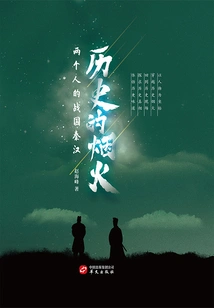
Fireworks of History
History历史的烟火
Zhao Haifeng
This book is a popular historical book, showing the history of the Warring States, Qin and Han Dynasties. The author uses two figures from the Warring States, Qin and Han Dynasties as the coordinate system, and uses humorous language to show the entanglement between people, people and things, and things and things. From it, we can not only understand the historical scene at that time, but also understand the true knowledge of worldly affairs. The selected historical figures are all familiar to us, and the author shows us another side of the historical figures in a unique way, which makes us think deeply when reading. This book continues the style of the "Boiling Points of History" series, and innovates and optimizes it, making it easier, more interesting and more meaningful to read.
This book is a popular historical book, showing the history of the Warring States, Qin and Han Dynasties. The author uses two figures from the Warring States, Qin and Han Dynasties as the coordinate system, and uses humorous language to show the entanglement between people, people and things, and things and things. From it, we can not only understand the historical scene at that time, but also understand the true knowledge of worldly affairs. The selected historical figures are all familiar to us, and the author shows us another side of the historical figures in a unique way, which makes us think deeply when reading. This book continues the style of the "Boiling Points of History" series, and innovates and optimizes it, making it easier, more interesting and more meaningful to read.
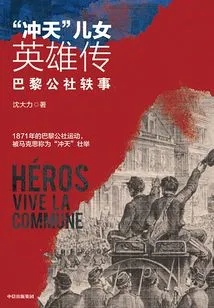
“冲天”儿女英雄传:巴黎公社轶事
Shen Dali
The Paris Commune is a crucial chapter in world history, especially in the international communist movement. Based on detailed historical documents and using a variety of literary expressions, this book narrates the entire process of the short-lived revolutionary regime of the Paris Commune from its establishment to its brutal suppression by Versailles' army. It allows us to see a tragic page in French history and the last drop of blood shed by the Paris Commune fighters in order to defend "popular sovereignty." The book vividly reproduces the moving stories of Marx's "fourth daughter" Elisabeth Dmitrieva, the "Red Saint" Louise Michel, and the author of "The Internationale" Eugène Baudier and many other heroic and heroic fighting stories, embodying the spirit of the Paris Commune movement. Although the Paris Commune only existed for 72 days in the long history, Marx said that "the principles of the Commune are eternal." For 150 years, Eugène Baudier's "Internationale" has been sung around the world in various languages. In 2016, the French National Assembly vindicated the Paris Commune and recognized its spiritual essence. In 2021, France and even around the world are commemorating the 150th anniversary of the Paris Commune. The author recorded the memorial activities with rich pictures and texts, tracing the important historical source of "people's sovereignty", and at the same time reflecting the respect of the Chinese people and people all over the world.
The Paris Commune is a crucial chapter in world history, especially in the international communist movement. Based on detailed historical documents and using a variety of literary expressions, this book narrates the entire process of the short-lived revolutionary regime of the Paris Commune from its establishment to its brutal suppression by Versailles' army. It allows us to see a tragic page in French history and the last drop of blood shed by the Paris Commune fighters in order to defend "popular sovereignty." The book vividly reproduces the moving stories of Marx's "fourth daughter" Elisabeth Dmitrieva, the "Red Saint" Louise Michel, and the author of "The Internationale" Eugène Baudier and many other heroic and heroic fighting stories, embodying the spirit of the Paris Commune movement. Although the Paris Commune only existed for 72 days in the long history, Marx said that "the principles of the Commune are eternal." For 150 years, Eugène Baudier's "Internationale" has been sung around the world in various languages. In 2016, the French National Assembly vindicated the Paris Commune and recognized its spiritual essence. In 2021, France and even around the world are commemorating the 150th anniversary of the Paris Commune. The author recorded the memorial activities with rich pictures and texts, tracing the important historical source of "people's sovereignty", and at the same time reflecting the respect of the Chinese people and people all over the world.
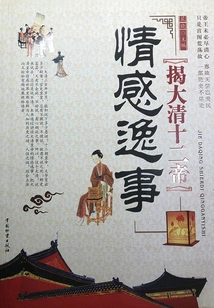
揭大清十二帝情感逸事
Editor-in-chief Chen Xiao
By telling the secret love history of the Qing emperors, this book will reveal to everyone the little-known historical mysteries of the Qing emperors' emotional world.
By telling the secret love history of the Qing emperors, this book will reveal to everyone the little-known historical mysteries of the Qing emperors' emotional world.
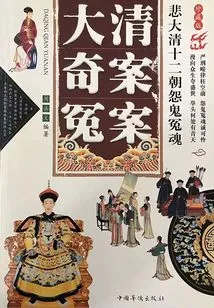
悲大清十二朝怨魄哀魂:大清奇案冤案
Compiled By Zhou Haowen
How many mysteries can be accumulated in three hundred years, how many mysteries have been bred by the twelve emperors and queens, this is another way of saying the strange and unjust cases of the Qing Dynasty.
How many mysteries can be accumulated in three hundred years, how many mysteries have been bred by the twelve emperors and queens, this is another way of saying the strange and unjust cases of the Qing Dynasty.
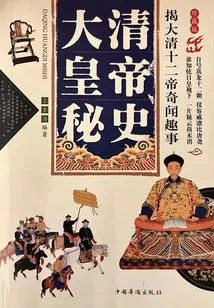
揭大清十二帝奇闻趣事:大清皇帝秘史
Compiled By Wang Kuihai
How many mysteries can be accumulated in three hundred years, how many mysteries have been bred by the twelve emperors and queens, this is another way of saying the secret history of the Qing emperor.
How many mysteries can be accumulated in three hundred years, how many mysteries have been bred by the twelve emperors and queens, this is another way of saying the secret history of the Qing emperor.
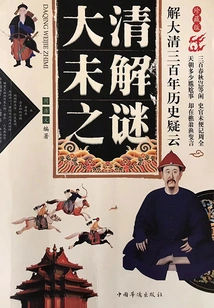
解大清三百年历史疑云:大清未解之谜
Compiled By Zhou Haowen
How many mysteries can be accumulated in three hundred years, how many mysteries have been bred by the twelve emperors and queens, this is another way of saying the unsolved mysteries of the Qing Dynasty.
How many mysteries can be accumulated in three hundred years, how many mysteries have been bred by the twelve emperors and queens, this is another way of saying the unsolved mysteries of the Qing Dynasty.
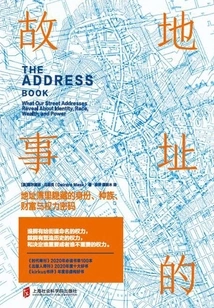
The Story of Addresses: the Codes of Identity, Race, Wealth and Power Hidden in Address Books
History地址的故事:地址簿里隐藏的身份、种族、财富与权力密码
(us) Deirdre Musk
What is a street address used for? It's a question that few people think about, and when they do, most think that the role of street addresses is to ensure accurate delivery of mail, to allow people to receive packages, or to prevent travelers from getting lost. "The Story of Address" tells us that addresses have played a deeper and more complex role in history: the practice of numbering individual houses began in Vienna in the 18th century, when Maria Theresa, the leader of the Habsburg Empire, ordered this not to help her subjects find their way in the city, but to collect taxes and recruit soldiers; in London in the 19th century, Dr. John Snow used the city's newly created house numbers to identify the source of a cholera epidemic and The author also examines place names in India, Korea, and Ireland, tracing the different ways in which these countries created, commemorated, and in some cases banned the use of street names... This book starts with a simple question: "Why are street addresses so important?" To answer this question, the author visited and collected information in more than a dozen important, world-famous and influential cities to study how people describe the places where they live, and what this description says. These fascinating characters and histories reveal how street names and house numbers are related to people's identity, class and race, why they are most closely related to power, why they are related to the power of naming, the power of concealment and the power of deciding who matters and who does not matter, and why.
What is a street address used for? It's a question that few people think about, and when they do, most think that the role of street addresses is to ensure accurate delivery of mail, to allow people to receive packages, or to prevent travelers from getting lost. "The Story of Address" tells us that addresses have played a deeper and more complex role in history: the practice of numbering individual houses began in Vienna in the 18th century, when Maria Theresa, the leader of the Habsburg Empire, ordered this not to help her subjects find their way in the city, but to collect taxes and recruit soldiers; in London in the 19th century, Dr. John Snow used the city's newly created house numbers to identify the source of a cholera epidemic and The author also examines place names in India, Korea, and Ireland, tracing the different ways in which these countries created, commemorated, and in some cases banned the use of street names... This book starts with a simple question: "Why are street addresses so important?" To answer this question, the author visited and collected information in more than a dozen important, world-famous and influential cities to study how people describe the places where they live, and what this description says. These fascinating characters and histories reveal how street names and house numbers are related to people's identity, class and race, why they are most closely related to power, why they are related to the power of naming, the power of concealment and the power of deciding who matters and who does not matter, and why.
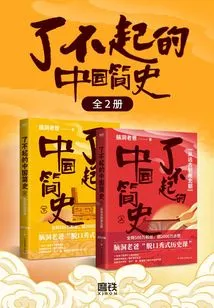
了不起的中国简史(全2册)
Brain Hole Dad
A brief history of China that you won't be able to stop reading. It will take you to see all kinds of things in the world while laughing and scolding. In the imaginative "jokes", you can understand the inner temperament of each dynasty. Almost every page is full of laughter, allowing you to fully understand ancient Chinese history in a very short time, and help you establish a more modern view of history. There is no threshold for reading, it is popular enough! It is suitable for you who are intimidated by "General History of China" and want to get started; you who like to read historical stories and broaden your horizons; you who have heavy coursework and want to increase your interest in reading and increase your knowledge at the same time.
A brief history of China that you won't be able to stop reading. It will take you to see all kinds of things in the world while laughing and scolding. In the imaginative "jokes", you can understand the inner temperament of each dynasty. Almost every page is full of laughter, allowing you to fully understand ancient Chinese history in a very short time, and help you establish a more modern view of history. There is no threshold for reading, it is popular enough! It is suitable for you who are intimidated by "General History of China" and want to get started; you who like to read historical stories and broaden your horizons; you who have heavy coursework and want to increase your interest in reading and increase your knowledge at the same time.
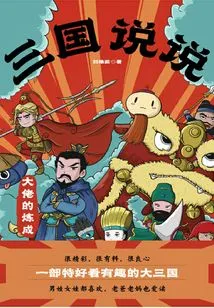
三国说说
Liu Yaru
A relaxing and enjoyable true story of the Three Kingdoms. Small stories are connected to big stories, and historical laws run through them. The details are vivid and the grandeur is magnificent. Readers who feel tired after reading "The Romance of the Three Kingdoms" and find it cumbersome to read the historical theory of the Three Kingdoms can appreciate a history of the Three Kingdoms that does not stray too far and has a thorough narrative in a relaxed and interesting way. Fang Fang, a historian, writes about the Three Kingdoms, writing about laws and details; passionate writers write about the Three Kingdoms, about war records, and battles. This book focuses on writing about the Three Kingdoms, human nature, and feelings. It can make readers sigh for Boss Cao's ambition, admire Prime Minister Zhuge's heart, be amazed by Zhou Gongjin's brilliance, and feel sorry for the sadness of the mainland governor... In short, it can be summarized in one sentence: tell stories easily and delve deeply into human nature.
A relaxing and enjoyable true story of the Three Kingdoms. Small stories are connected to big stories, and historical laws run through them. The details are vivid and the grandeur is magnificent. Readers who feel tired after reading "The Romance of the Three Kingdoms" and find it cumbersome to read the historical theory of the Three Kingdoms can appreciate a history of the Three Kingdoms that does not stray too far and has a thorough narrative in a relaxed and interesting way. Fang Fang, a historian, writes about the Three Kingdoms, writing about laws and details; passionate writers write about the Three Kingdoms, about war records, and battles. This book focuses on writing about the Three Kingdoms, human nature, and feelings. It can make readers sigh for Boss Cao's ambition, admire Prime Minister Zhuge's heart, be amazed by Zhou Gongjin's brilliance, and feel sorry for the sadness of the mainland governor... In short, it can be summarized in one sentence: tell stories easily and delve deeply into human nature.
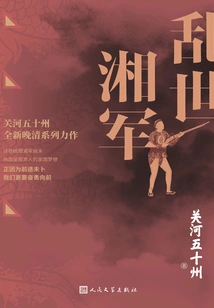
Hunan Army in Troubled Times
History乱世湘军
Guanhe Fifty States
"The Hunan Army in Troubled Times" is the latest historical biography of Guanhe Fifty Prefectures. The manuscript follows the timeline of the Hunan Army from its initial prototype to its formal formation and development. Through the detailed reproduction of a series of battles, it sorts out the social status quo of the late Qing Dynasty and the historical relationship between the Hunan Army and the Hunan Army. In narrating the creation and development of the Hunan Army, the manuscript also presents readers with a more realistic and full portrait of the generals, and successfully embodies the historical images of these famous figures in their words, deeds and actions. At the same time, the manuscript also makes a sideways and in-depth analysis of the complex history of the late Qing Dynasty while sorting out the development of the Hunan Army and the crises it experienced. It is a biographical literary work with detailed content and vivid characters.
"The Hunan Army in Troubled Times" is the latest historical biography of Guanhe Fifty Prefectures. The manuscript follows the timeline of the Hunan Army from its initial prototype to its formal formation and development. Through the detailed reproduction of a series of battles, it sorts out the social status quo of the late Qing Dynasty and the historical relationship between the Hunan Army and the Hunan Army. In narrating the creation and development of the Hunan Army, the manuscript also presents readers with a more realistic and full portrait of the generals, and successfully embodies the historical images of these famous figures in their words, deeds and actions. At the same time, the manuscript also makes a sideways and in-depth analysis of the complex history of the late Qing Dynasty while sorting out the development of the Hunan Army and the crises it experienced. It is a biographical literary work with detailed content and vivid characters.
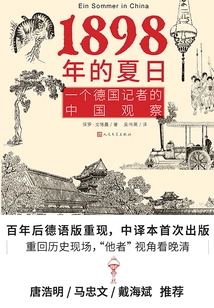
1898年的夏日:一个德国记者的中国观察
(german) Paul Goldman
The book is a China trip written by Paul Goldmann, the China correspondent of the German Frankfurter Zeitung, from April to October 1898. It traveled from Europe to the Gulf of Aden, to the Red Sea, Hong Kong, Guangzhou, Shanghai, Tianjin, and Beijing. The book contains detailed sea travel scenery, as well as the layout and customs of Chinese cities at that time. At the same time, he visited local officials in Guangdong and Shanghai, as well as Zhang Zhidong, Li Hongzhang and other important officials in the late Qing Dynasty, recording China in the late Qing Dynasty from a foreigner's perspective. The book is beautifully written and has detailed descriptions. It combines the journalist's objectivity in paying attention to what he sees and hears, and the dramatist's ability to observe and write down the details of life. This is a fragment of China's modern history in the world structure, and it is also a genre painting of coastal cities and Beijing in the late Qing Dynasty. Its publication can not only supplement the historical materials for the study of modern Chinese history, but also open another window for China's exchanges with the world. In terms of historical value, the book ranks alongside the works of Marco Polo and Edgar Snow.
The book is a China trip written by Paul Goldmann, the China correspondent of the German Frankfurter Zeitung, from April to October 1898. It traveled from Europe to the Gulf of Aden, to the Red Sea, Hong Kong, Guangzhou, Shanghai, Tianjin, and Beijing. The book contains detailed sea travel scenery, as well as the layout and customs of Chinese cities at that time. At the same time, he visited local officials in Guangdong and Shanghai, as well as Zhang Zhidong, Li Hongzhang and other important officials in the late Qing Dynasty, recording China in the late Qing Dynasty from a foreigner's perspective. The book is beautifully written and has detailed descriptions. It combines the journalist's objectivity in paying attention to what he sees and hears, and the dramatist's ability to observe and write down the details of life. This is a fragment of China's modern history in the world structure, and it is also a genre painting of coastal cities and Beijing in the late Qing Dynasty. Its publication can not only supplement the historical materials for the study of modern Chinese history, but also open another window for China's exchanges with the world. In terms of historical value, the book ranks alongside the works of Marco Polo and Edgar Snow.
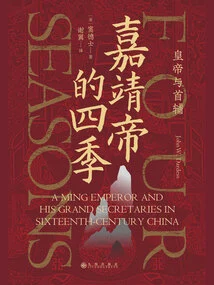
嘉靖帝的四季:皇帝与首辅
(us) Doudoshi
This book uses "four seasons" to describe the four stages of Emperor Jiajing's long reign after he took charge. The outstanding symbol of each stage is a different and powerful first assistant: Zhang Cong, Xia Yan, Yan Song, and Xu Jie, corresponding to the four seasons of spring, summer, autumn, and winter respectively. The book reviews the entire process of Emperor Jiajing from ascending the throne to taking charge and finally assuming power. It introduces the interaction between the chief assistant and the emperor in detail in stages: revealing how the emperor cooperates with his ministers to govern the country? How does the emperor coexist with the mature administrative bureaucracy? This clearly presents the characteristics of political operation in the middle and late Ming Dynasty, and provides a perspective on the relationship between the supreme ruler and his ministers.
This book uses "four seasons" to describe the four stages of Emperor Jiajing's long reign after he took charge. The outstanding symbol of each stage is a different and powerful first assistant: Zhang Cong, Xia Yan, Yan Song, and Xu Jie, corresponding to the four seasons of spring, summer, autumn, and winter respectively. The book reviews the entire process of Emperor Jiajing from ascending the throne to taking charge and finally assuming power. It introduces the interaction between the chief assistant and the emperor in detail in stages: revealing how the emperor cooperates with his ministers to govern the country? How does the emperor coexist with the mature administrative bureaucracy? This clearly presents the characteristics of political operation in the middle and late Ming Dynasty, and provides a perspective on the relationship between the supreme ruler and his ministers.
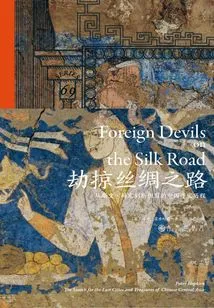
劫掠丝绸之路:从斯文·赫定到斯坦因的中国寻宝历程
R
This book tells the story of the quarter century starting from the end of the 19th century to the beginning of the 20th century. Sven Hedin of Sweden, Oriel Stein of England, Albert von Lecoq of Germany, Paul Pelliot of France, Langdon Warner of the United States, Mitsui Ohtani and Mizucho Tachibana of Japan, etc., Swept away tons of various murals, manuscripts, scriptures, sculptures, etc. From the ruins of lost cities on the Silk Road. They looted China's precious cultural relics and launched a fierce international battle for antiquities from the Western Regions. The author brings together the historical stories of these adventurous raiders to explore the motivations for their actions.
This book tells the story of the quarter century starting from the end of the 19th century to the beginning of the 20th century. Sven Hedin of Sweden, Oriel Stein of England, Albert von Lecoq of Germany, Paul Pelliot of France, Langdon Warner of the United States, Mitsui Ohtani and Mizucho Tachibana of Japan, etc., Swept away tons of various murals, manuscripts, scriptures, sculptures, etc. From the ruins of lost cities on the Silk Road. They looted China's precious cultural relics and launched a fierce international battle for antiquities from the Western Regions. The author brings together the historical stories of these adventurous raiders to explore the motivations for their actions.
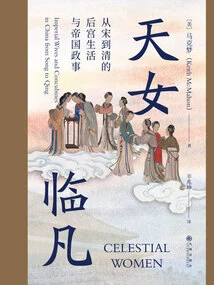
天女临凡:从宋到清的后宫生活与帝国政事
(us) Mark Dream
The author makes full use of ancient official history books and novels written by contemporary people, as well as the excellent research results of contemporary domestic and foreign scholars, to sort out the typical experiences and deeds of concubines from the Song Dynasty to the Qing Dynasty. Focusing on the two focuses of harem relations and female rule under the polygamy system, the author examines the selection of court ladies in different dynasties. The themes of different sexual tendencies, their fertility and favor, their ranks and titles, their relationships with slaves, and their relationships with their natal families explore the lives of concubines in the palace and the various difficulties and challenges they face, allowing readers to have a thorough understanding of the real life of concubines in ancient times.
The author makes full use of ancient official history books and novels written by contemporary people, as well as the excellent research results of contemporary domestic and foreign scholars, to sort out the typical experiences and deeds of concubines from the Song Dynasty to the Qing Dynasty. Focusing on the two focuses of harem relations and female rule under the polygamy system, the author examines the selection of court ladies in different dynasties. The themes of different sexual tendencies, their fertility and favor, their ranks and titles, their relationships with slaves, and their relationships with their natal families explore the lives of concubines in the palace and the various difficulties and challenges they face, allowing readers to have a thorough understanding of the real life of concubines in ancient times.
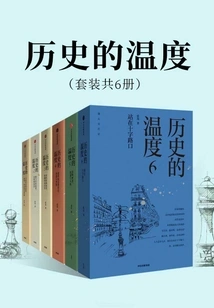
历史的温度(套装共6册)
Zhang Wei
What is happening now will soon be history. What has become history will often appear in the future. Cai Yuanpei, on the stage of China's modern turmoil, why can he always achieve the unity of words and deeds? What kind of struggles and contradictions did Gu Hongming, a generation of "crazy Confucian", have? ... There are always times when we stand at a crossroads or face unprecedented changes. Should we go left or right, forward or backward? This is a choice that was once faced by Gu Hongming, Cai Yuanpei and others, and it is also a choice that we often face now. Facing the real world, how do you choose what you can believe? Are there hidden facts beneath the surface that have not yet been revealed? If you get to the core through some appearances, you will find that the reason why many incredible things happen is still related to personal choices and human nature: greed, fear, loneliness, vanity, selfishness, confusion... Character determines fate, and human nature determines choice. There are no ifs or assumptions in history. When they stand at the crossroads and make a choice, it may affect their entire lives and even history. When future generations read history, they should feel its contradictions and entanglements, interpret it, and learn from it. Zhang Wei tried his best to restore the historical events at that time in a third-party, non-emotional tone. In his writing, history is no longer cold and inaccessible to strangers. The protagonists behind seemingly historical events composed of time, place and a series of numbers are living people with flesh and blood, humanity, stories and true temperaments. He made the originally boring history come alive before his eyes.
What is happening now will soon be history. What has become history will often appear in the future. Cai Yuanpei, on the stage of China's modern turmoil, why can he always achieve the unity of words and deeds? What kind of struggles and contradictions did Gu Hongming, a generation of "crazy Confucian", have? ... There are always times when we stand at a crossroads or face unprecedented changes. Should we go left or right, forward or backward? This is a choice that was once faced by Gu Hongming, Cai Yuanpei and others, and it is also a choice that we often face now. Facing the real world, how do you choose what you can believe? Are there hidden facts beneath the surface that have not yet been revealed? If you get to the core through some appearances, you will find that the reason why many incredible things happen is still related to personal choices and human nature: greed, fear, loneliness, vanity, selfishness, confusion... Character determines fate, and human nature determines choice. There are no ifs or assumptions in history. When they stand at the crossroads and make a choice, it may affect their entire lives and even history. When future generations read history, they should feel its contradictions and entanglements, interpret it, and learn from it. Zhang Wei tried his best to restore the historical events at that time in a third-party, non-emotional tone. In his writing, history is no longer cold and inaccessible to strangers. The protagonists behind seemingly historical events composed of time, place and a series of numbers are living people with flesh and blood, humanity, stories and true temperaments. He made the originally boring history come alive before his eyes.
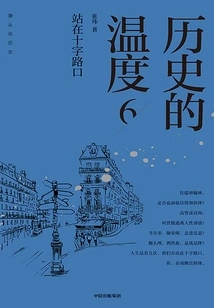
历史的温度6:站在十字路口
Zhang Wei
What is happening now will soon be history. What has become history will often appear in the future. Cai Yuanpei, on the stage of China's modern turmoil, why can he always achieve the unity of words and deeds? What kind of struggles and contradictions did Gu Hongming, a generation of "crazy Confucian", have? ... There are always times when we stand at a crossroads or face unprecedented changes. Should we go left or right, forward or backward? This is a choice that was once faced by Gu Hongming, Cai Yuanpei and others, and it is also a choice that we often face now. Facing the real world, how do you choose what you can believe? Are there hidden facts beneath the surface that have not yet been revealed? If you get to the core through some appearances, you will find that the reason why many incredible things happen is still related to personal choices and human nature: greed, fear, loneliness, vanity, selfishness, confusion... Character determines fate, and human nature determines choice. There are no ifs or assumptions in history. When they stand at the crossroads and make a choice, it may affect their entire lives and even history. When future generations read history, they should feel its contradictions and entanglements, interpret it, and learn from it. Zhang Wei tried his best to restore the historical events at that time in a third-party, non-emotional tone. In his writing, history is no longer cold and inaccessible to strangers. The protagonists behind seemingly historical events composed of time, place and a series of numbers are living people with flesh and blood, humanity, stories and true temperaments. He made the originally boring history come alive before his eyes.
What is happening now will soon be history. What has become history will often appear in the future. Cai Yuanpei, on the stage of China's modern turmoil, why can he always achieve the unity of words and deeds? What kind of struggles and contradictions did Gu Hongming, a generation of "crazy Confucian", have? ... There are always times when we stand at a crossroads or face unprecedented changes. Should we go left or right, forward or backward? This is a choice that was once faced by Gu Hongming, Cai Yuanpei and others, and it is also a choice that we often face now. Facing the real world, how do you choose what you can believe? Are there hidden facts beneath the surface that have not yet been revealed? If you get to the core through some appearances, you will find that the reason why many incredible things happen is still related to personal choices and human nature: greed, fear, loneliness, vanity, selfishness, confusion... Character determines fate, and human nature determines choice. There are no ifs or assumptions in history. When they stand at the crossroads and make a choice, it may affect their entire lives and even history. When future generations read history, they should feel its contradictions and entanglements, interpret it, and learn from it. Zhang Wei tried his best to restore the historical events at that time in a third-party, non-emotional tone. In his writing, history is no longer cold and inaccessible to strangers. The protagonists behind seemingly historical events composed of time, place and a series of numbers are living people with flesh and blood, humanity, stories and true temperaments. He made the originally boring history come alive before his eyes.
唐朝人的日常生活
Yu Gengzhe
What was Wu Zetian's court like? How did the great poet Bai Juyi spend his day? What kind of wine did Li Bai drink? How did people in the Tang Dynasty call their father, mother, brothers and sisters? What are the attractions of the developed brothel culture in the Tang Dynasty? This is a multi-faceted record of the details of people's life in the Tang Dynasty. Through a detailed analysis of historical materials, the daily life of people in the Tang Dynasty is restored, including topics such as Tang Dynasty food, Datang language, Datang culture, and Datang family life. The book describes in detail the life details of all classes in the Tang Dynasty, from the court nobles to the scholars, peasants, industrialists and merchants. It is indeed a practical "Guide to Life in the Tang Dynasty".
What was Wu Zetian's court like? How did the great poet Bai Juyi spend his day? What kind of wine did Li Bai drink? How did people in the Tang Dynasty call their father, mother, brothers and sisters? What are the attractions of the developed brothel culture in the Tang Dynasty? This is a multi-faceted record of the details of people's life in the Tang Dynasty. Through a detailed analysis of historical materials, the daily life of people in the Tang Dynasty is restored, including topics such as Tang Dynasty food, Datang language, Datang culture, and Datang family life. The book describes in detail the life details of all classes in the Tang Dynasty, from the court nobles to the scholars, peasants, industrialists and merchants. It is indeed a practical "Guide to Life in the Tang Dynasty".
华杉讲透《资治通鉴》12
Huashan
"Zizhi Tongjian" is written from the Warring States Period to the Five Dynasties and Ten Kingdoms, vividly showing the living people and stories in the 1362-year history of 16 dynasties. It can be said to be the "big data" and "super case collection" of China's political and cultural heritage. The problems and confusions we encounter today, whether personal or national, have been encountered and dealt with by our historical predecessors, and they have learned lessons from them. The author of this book, Hua Shan, translated the entire "Zi Zhi Tong Jian" in "vernacular Chinese" and tried his best to retain the charm of the original text, making people pick it up like reading a novel and not be able to put it down. At the same time, this book combines the views of famous scholars from past dynasties and Hua Shan's own comments to thoroughly explain the wisdom in "Zi Zhi Tong Jian" that is truly useful to ordinary people in the 21st century - people can understand it after reading it once, and use it after reading it.
"Zizhi Tongjian" is written from the Warring States Period to the Five Dynasties and Ten Kingdoms, vividly showing the living people and stories in the 1362-year history of 16 dynasties. It can be said to be the "big data" and "super case collection" of China's political and cultural heritage. The problems and confusions we encounter today, whether personal or national, have been encountered and dealt with by our historical predecessors, and they have learned lessons from them. The author of this book, Hua Shan, translated the entire "Zi Zhi Tong Jian" in "vernacular Chinese" and tried his best to retain the charm of the original text, making people pick it up like reading a novel and not be able to put it down. At the same time, this book combines the views of famous scholars from past dynasties and Hua Shan's own comments to thoroughly explain the wisdom in "Zi Zhi Tong Jian" that is truly useful to ordinary people in the 21st century - people can understand it after reading it once, and use it after reading it.
2021年度畅销历史精选集(套装13册)
(france) Alain Burundi Et Al.
This set of books includes "A Brief Essay on the Origin of Institutions in the Sui and Tang Dynasties", "The Forty Years of the Rise and Fall of the Sui Dynasty" (all 4 volumes), "Wu Zetian", "Wenzhi Empire: Fate and Characters in the Song Dynasty in 300 Years", "The First Year of Jingde: The Great Song Dynasty" It consists of "The Great Historical Changes of the Song Dynasty in 1004", "Three Hundred Years of the Rise and Fall of the Ming Dynasty", "War in Tianjing: Military and Political Biographies of the Late Qing Dynasty", "The Front and Side of History", "Fifteen Thousand Years of the Mediterranean World", and "A Brief History of the World".
This set of books includes "A Brief Essay on the Origin of Institutions in the Sui and Tang Dynasties", "The Forty Years of the Rise and Fall of the Sui Dynasty" (all 4 volumes), "Wu Zetian", "Wenzhi Empire: Fate and Characters in the Song Dynasty in 300 Years", "The First Year of Jingde: The Great Song Dynasty" It consists of "The Great Historical Changes of the Song Dynasty in 1004", "Three Hundred Years of the Rise and Fall of the Ming Dynasty", "War in Tianjing: Military and Political Biographies of the Late Qing Dynasty", "The Front and Side of History", "Fifteen Thousand Years of the Mediterranean World", and "A Brief History of the World".
Not Enough Chinese History
History看不够的中国史
National Humanities And History
Why are most of Qin Guoxingyao's think tanks composed of foreigners such as Shang Yang and Zhang Yi? How did Emperor Wu of the Han Dynasty make money and burn it? Emperor Yang of the Sui Dynasty dug the Grand Canal during his southern tour, but what did he do during his western tour? Why did Li Yuan dominate the world with 30,000 troops and horses in 7 years? What strategic shortcomings did the tactical genius Li Cunxu suffer from? How did Wang Anshi become the scapegoat for the Jingkang Incident? Why did Hu Weiyong have to die? How did Chongzhen "help" remotely? Why did Yuan Shikai plan the "PS Gate" incident in the late Qing Dynasty? ... History is a drama in which you sing and then we appear. Behind these familiar names, there are not only stories of ups and downs, but also condensed contingency and inevitability of inheritance, change and development in each era. This book is a collection of the essence of the public account of the magazine "National Humanities and History". It takes time as the context and "change" as the core. It selects five major themes: system, economy, military, strategy, and court, and 53 interesting and interesting topics. It combs the inheritance and changes in many fields of ancient China vertically from point to point, and uses dynamic thinking. Wei excavates the logic and essence behind it, not only restores the vivid and diverse eras and explains the reasons for success and failure, but also uses humorous language, unique perspectives, and rigorous research to outline the historical context of today's China's territory, cultural thoughts, economic structure, customs, laws and systems, and other fields. Details determine success or failure, and pattern determines the outcome. If you open this book and understand the inheritance and transformation of ancient China, you will be able to understand China's changes over thousands of years, and you will also be able to understand why China has been passed down to this day and remains new over time.
Why are most of Qin Guoxingyao's think tanks composed of foreigners such as Shang Yang and Zhang Yi? How did Emperor Wu of the Han Dynasty make money and burn it? Emperor Yang of the Sui Dynasty dug the Grand Canal during his southern tour, but what did he do during his western tour? Why did Li Yuan dominate the world with 30,000 troops and horses in 7 years? What strategic shortcomings did the tactical genius Li Cunxu suffer from? How did Wang Anshi become the scapegoat for the Jingkang Incident? Why did Hu Weiyong have to die? How did Chongzhen "help" remotely? Why did Yuan Shikai plan the "PS Gate" incident in the late Qing Dynasty? ... History is a drama in which you sing and then we appear. Behind these familiar names, there are not only stories of ups and downs, but also condensed contingency and inevitability of inheritance, change and development in each era. This book is a collection of the essence of the public account of the magazine "National Humanities and History". It takes time as the context and "change" as the core. It selects five major themes: system, economy, military, strategy, and court, and 53 interesting and interesting topics. It combs the inheritance and changes in many fields of ancient China vertically from point to point, and uses dynamic thinking. Wei excavates the logic and essence behind it, not only restores the vivid and diverse eras and explains the reasons for success and failure, but also uses humorous language, unique perspectives, and rigorous research to outline the historical context of today's China's territory, cultural thoughts, economic structure, customs, laws and systems, and other fields. Details determine success or failure, and pattern determines the outcome. If you open this book and understand the inheritance and transformation of ancient China, you will be able to understand China's changes over thousands of years, and you will also be able to understand why China has been passed down to this day and remains new over time.
三国六大家族列传
Liu Xuanhong
Most of the perspectives of works on the Three Kingdoms theme focus on a specific and story-telling character, such as Cao Cao, Zhuge Liang, Liu Bei, Sun Quan, etc.; But there is no information about the families behind these people. But at the end of the Eastern Han Dynasty and the beginning of the Three Kingdoms, aristocratic families began to emerge. No matter how outstanding they were, their career success was due to their own outstanding factors, but the support and operation role played by the family behind the scenes should not be underestimated. This book studies and analyzes each outstanding person within the context of the entire family, bringing us a new perspective and perception. The author has strong language skills. The humorous and slightly ancient vernacular is very fascinating, and the popular Internet language is very appropriately embedded, making it even more difficult to put down. During the miserable Three Kingdoms era, disasters and continuous wars caused the population to drop to the lowest level in history. However, wise men who are good at seeking the light of humanity can still live surprisingly happily.
Most of the perspectives of works on the Three Kingdoms theme focus on a specific and story-telling character, such as Cao Cao, Zhuge Liang, Liu Bei, Sun Quan, etc.; But there is no information about the families behind these people. But at the end of the Eastern Han Dynasty and the beginning of the Three Kingdoms, aristocratic families began to emerge. No matter how outstanding they were, their career success was due to their own outstanding factors, but the support and operation role played by the family behind the scenes should not be underestimated. This book studies and analyzes each outstanding person within the context of the entire family, bringing us a new perspective and perception. The author has strong language skills. The humorous and slightly ancient vernacular is very fascinating, and the popular Internet language is very appropriately embedded, making it even more difficult to put down. During the miserable Three Kingdoms era, disasters and continuous wars caused the population to drop to the lowest level in history. However, wise men who are good at seeking the light of humanity can still live surprisingly happily.
日月当空:武则天与武周社会
Wang Shuanghuai
This book is divided into eleven chapters, through Wu Zetian's family relationship, the causes and consequences of Wu Zetian's participation in politics, the historical truth of Wu Zetian's proclaimed emperor, the political structure of the Wu Zhou period, the economic situation of the Wu Zhou period, the military situation of the Wu Zhou period, the cultural features of the Wu Zhou period, and the historical status of the Wu Zhou regime. Wu Zetian's tragic ending, Wu Zetian's final destination, evaluation issues about Wu Zetian, the historical and cultural remains of Wu Zetian's era, 12 chapters and appendices provide a relatively comprehensive analysis of Wu Zetian's character and Wu Zhou's social development. The manuscript contains dozens of pictures, both pictures and text, and is highly readable. It is an authoritative book for readers to understand the history of Wu Zetian.
This book is divided into eleven chapters, through Wu Zetian's family relationship, the causes and consequences of Wu Zetian's participation in politics, the historical truth of Wu Zetian's proclaimed emperor, the political structure of the Wu Zhou period, the economic situation of the Wu Zhou period, the military situation of the Wu Zhou period, the cultural features of the Wu Zhou period, and the historical status of the Wu Zhou regime. Wu Zetian's tragic ending, Wu Zetian's final destination, evaluation issues about Wu Zetian, the historical and cultural remains of Wu Zetian's era, 12 chapters and appendices provide a relatively comprehensive analysis of Wu Zetian's character and Wu Zhou's social development. The manuscript contains dozens of pictures, both pictures and text, and is highly readable. It is an authoritative book for readers to understand the history of Wu Zetian.
秦始皇帝陵博物院讲解资料汇编
He Hong Editor-in-chief Ren Haodong
"Compilation of Explanatory Materials of the Mausoleum of the First Emperor of Qin" is the latest professional popular reading compiled by the Qin Mausoleum Museum to comprehensively introduce the historical and cultural relics of the Mausoleum of the First Emperor of Qin. This book is divided into six parts, including a basic introduction to the Qinling Mausoleum Museum as a whole, a general introduction to the historical development of the Qin people, and content on the fine cultural relics and scientific research and protection of the terracotta warriors and horses discovered and exhibited over the past 40 years. This book has detailed historical materials, rich content, and a combination of pictures and texts to meet the needs of a broad audience to obtain knowledge from different angles.
"Compilation of Explanatory Materials of the Mausoleum of the First Emperor of Qin" is the latest professional popular reading compiled by the Qin Mausoleum Museum to comprehensively introduce the historical and cultural relics of the Mausoleum of the First Emperor of Qin. This book is divided into six parts, including a basic introduction to the Qinling Mausoleum Museum as a whole, a general introduction to the historical development of the Qin people, and content on the fine cultural relics and scientific research and protection of the terracotta warriors and horses discovered and exhibited over the past 40 years. This book has detailed historical materials, rich content, and a combination of pictures and texts to meet the needs of a broad audience to obtain knowledge from different angles.
唐朝穿越指南:长安及各地人民生活手册(2021版)
Forest Deer
If one day, you open your eyes and find that you have traveled to the Tang Dynasty - don't panic, come and pick up the "Tang Dynasty Travel Guide": first pass the language barrier, learn a few words of medieval Chinese and Tang Dynasty national curses; then sneak into the official canteen to open a small stove, taste tea and drink. Remember, walking carelessly on the street like in time-travel novels and casually taking out a few taels of tattooed silver will be tragic, and you must have a household registration book and a temporary residence permit. You can join a tour group to visit the five popular attractions in Chang'an City, visit a brothel, watch polo, and go hunting outdoors with a leopard. You can also do as the locals do and celebrate the Dragon Boat Festival, Spring Festival, Chinese Valentine's Day and Chinese Valentine's Day like people from the Tang Dynasty. If you are lucky, you can be invited to someone else's home, sing karaoke, dance, and enjoy yourself, and then buy a house with a limited price covering an area of ten acres. If you are a woman, this guide will enable you to master Changan's fashionable clothing. If you ever take root and marry someone from the Tang Dynasty, you can also learn the details of the wedding and the secrets to a happy life after marriage. If you are interested in getting involved in politics, whether you want to be a civil servant, a military general, or an international student from a foreign country, we have prepared strategies for you. It's infinitely better to travel through time and live happily in the Tang Dynasty.
If one day, you open your eyes and find that you have traveled to the Tang Dynasty - don't panic, come and pick up the "Tang Dynasty Travel Guide": first pass the language barrier, learn a few words of medieval Chinese and Tang Dynasty national curses; then sneak into the official canteen to open a small stove, taste tea and drink. Remember, walking carelessly on the street like in time-travel novels and casually taking out a few taels of tattooed silver will be tragic, and you must have a household registration book and a temporary residence permit. You can join a tour group to visit the five popular attractions in Chang'an City, visit a brothel, watch polo, and go hunting outdoors with a leopard. You can also do as the locals do and celebrate the Dragon Boat Festival, Spring Festival, Chinese Valentine's Day and Chinese Valentine's Day like people from the Tang Dynasty. If you are lucky, you can be invited to someone else's home, sing karaoke, dance, and enjoy yourself, and then buy a house with a limited price covering an area of ten acres. If you are a woman, this guide will enable you to master Changan's fashionable clothing. If you ever take root and marry someone from the Tang Dynasty, you can also learn the details of the wedding and the secrets to a happy life after marriage. If you are interested in getting involved in politics, whether you want to be a civil servant, a military general, or an international student from a foreign country, we have prepared strategies for you. It's infinitely better to travel through time and live happily in the Tang Dynasty.
Historical Moment
History历史瞬间
Zhang Jiuyang Lian Xiaofang Wang Meng
"Historical Moments\u002F Series" is a picture album, one of the series "Looking at Ningxia for 70 Years". It is a collection of historical pictures of "Ningxia Daily" since the founding of New China. More than 170 representative pictures since the founding of "Ningxia Daily" show the development process of Ningxia in the past 70 years since its liberation with classic historical moments one by one.
"Historical Moments\u002F Series" is a picture album, one of the series "Looking at Ningxia for 70 Years". It is a collection of historical pictures of "Ningxia Daily" since the founding of New China. More than 170 representative pictures since the founding of "Ningxia Daily" show the development process of Ningxia in the past 70 years since its liberation with classic historical moments one by one.