Library
Browse and search books
2,982 novels found
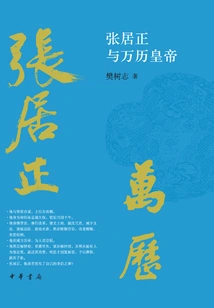
张居正与万历皇帝
Fan Shuzhi
Zhang Juzheng is a famous historical and cultural celebrity. The reforms he led during the Wanli period of the Ming Dynasty were vigorous and drastic, reversing the decadent political situation that continued to decline in one fell swoop. His outstanding achievements are remembered in the annals of history. This is usually what people know about him. After his death, the emperor turned against him and disowned him, saying that he was "authoritarian and disruptive of the government" and "disloyal to the country", and even wanted to "cut into his coffin and kill his corpse". Bureaucrats with particularly keen political sense echoed the sentiment and took the opportunity to add insult to injury. A generation of famous ministers who dedicated their lives to the Ming Dynasty fell from the towering clouds and became criminals of the country. Why is this? What's the mystery behind it? Mr. Fan Shuzhi, a great historian of the Ming Dynasty, will lead you to explore the answers to your questions.
Zhang Juzheng is a famous historical and cultural celebrity. The reforms he led during the Wanli period of the Ming Dynasty were vigorous and drastic, reversing the decadent political situation that continued to decline in one fell swoop. His outstanding achievements are remembered in the annals of history. This is usually what people know about him. After his death, the emperor turned against him and disowned him, saying that he was "authoritarian and disruptive of the government" and "disloyal to the country", and even wanted to "cut into his coffin and kill his corpse". Bureaucrats with particularly keen political sense echoed the sentiment and took the opportunity to add insult to injury. A generation of famous ministers who dedicated their lives to the Ming Dynasty fell from the towering clouds and became criminals of the country. Why is this? What's the mystery behind it? Mr. Fan Shuzhi, a great historian of the Ming Dynasty, will lead you to explore the answers to your questions.
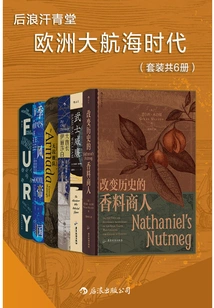
欧洲大航海时代(套装共6册)
(uk) Giles Milton Et Al.
Exchanges and collisions in the Age of Discovery, a set of wonderful popular history works and wonderful adventure stories, vividly and detailedly reproduce legendary maritime adventures that cannot be read in mainstream historical works such as maritime exploration.
Exchanges and collisions in the Age of Discovery, a set of wonderful popular history works and wonderful adventure stories, vividly and detailedly reproduce legendary maritime adventures that cannot be read in mainstream historical works such as maritime exploration.
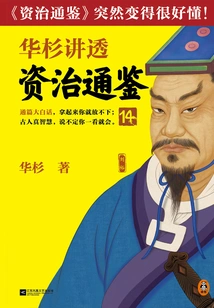
华杉讲透《资治通鉴》14
Huashan
"Zizhi Tongjian" is written from the Warring States Period to the Five Dynasties and Ten Kingdoms, vividly showing the living people and stories in the 1362-year history of 16 dynasties. It can be said to be the "big data" and "super case collection" of China's political and cultural heritage. The problems and confusions we encounter today have been encountered and dealt with by our historical predecessors, and they have learned lessons from them. The author Hua Shan translates the entire "Zi Zhi Tong Jian" in "vernacular Chinese", and tries his best to retain the charm of the original text, making people pick it up like reading a novel and not be able to put it down. At the same time, it combines the views of famous experts in the past and my own management experience to explain the wisdom in "Zi Zhi Tong Jian" that is truly useful to ordinary people in the 21st century.
"Zizhi Tongjian" is written from the Warring States Period to the Five Dynasties and Ten Kingdoms, vividly showing the living people and stories in the 1362-year history of 16 dynasties. It can be said to be the "big data" and "super case collection" of China's political and cultural heritage. The problems and confusions we encounter today have been encountered and dealt with by our historical predecessors, and they have learned lessons from them. The author Hua Shan translates the entire "Zi Zhi Tong Jian" in "vernacular Chinese", and tries his best to retain the charm of the original text, making people pick it up like reading a novel and not be able to put it down. At the same time, it combines the views of famous experts in the past and my own management experience to explain the wisdom in "Zi Zhi Tong Jian" that is truly useful to ordinary people in the 21st century.
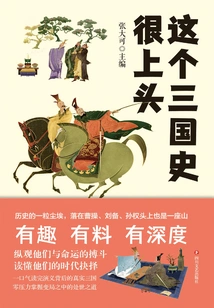
这个三国史很上头
Editor-in-chief Zhang Dake
How many defeats did Liu Bei have before meeting Zhuge Liang? Why did Cao Cao's journey of "replacing the Han" have to be completed by his own son? Zhuge Liang's biggest opponent on the Northern Expedition was not Sima Yi, and Sun Ce was "ugly to death" by himself... The story of the Three Kingdoms is a household name and has lasted for a long time; the characters of the Three Kingdoms fought fiercely and conquered the mountains and rivers. Times make heroes, and "people's plans" determine three points. This book takes characters as the main line and inherits the spirit of biographies. It selects fifty stories of the heroes of the Three Kingdoms to analyze the human feelings and human nature under the historical surface, read about their triumphs and frustrations, and understand their way of life and choices of the times. Reading history is also reading people.
How many defeats did Liu Bei have before meeting Zhuge Liang? Why did Cao Cao's journey of "replacing the Han" have to be completed by his own son? Zhuge Liang's biggest opponent on the Northern Expedition was not Sima Yi, and Sun Ce was "ugly to death" by himself... The story of the Three Kingdoms is a household name and has lasted for a long time; the characters of the Three Kingdoms fought fiercely and conquered the mountains and rivers. Times make heroes, and "people's plans" determine three points. This book takes characters as the main line and inherits the spirit of biographies. It selects fifty stories of the heroes of the Three Kingdoms to analyze the human feelings and human nature under the historical surface, read about their triumphs and frustrations, and understand their way of life and choices of the times. Reading history is also reading people.
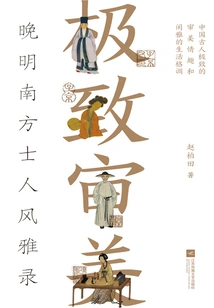
极致审美:晚明南方士人风雅录
Zhao Baitian
This is a history of the elegant life of southern scholars in the late Ming Dynasty. The book takes time as the warp and characters as the weft. Through a large number of interesting historical materials and notebooks, the book connects up and down, left and right, more than thirty extraordinary people with different destinies in the late Ming Dynasty. They put their spirit on the utensils, integrated elegance into their daily life, and obtained the nourishment of life from a painting, a square of ink, a cup of tea, and a burner of incense, showing the ultimate aesthetic taste and life pursuit of the ancient Chinese. Although the people and events written in the book are from ancient times, they can soothe people's confusion and anxiety today, enrich and stabilize our hearts, and allow us to live a free and romantic life.
This is a history of the elegant life of southern scholars in the late Ming Dynasty. The book takes time as the warp and characters as the weft. Through a large number of interesting historical materials and notebooks, the book connects up and down, left and right, more than thirty extraordinary people with different destinies in the late Ming Dynasty. They put their spirit on the utensils, integrated elegance into their daily life, and obtained the nourishment of life from a painting, a square of ink, a cup of tea, and a burner of incense, showing the ultimate aesthetic taste and life pursuit of the ancient Chinese. Although the people and events written in the book are from ancient times, they can soothe people's confusion and anxiety today, enrich and stabilize our hearts, and allow us to live a free and romantic life.
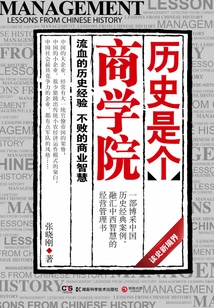
History is a Business School
History历史是个商学院
Zhang Xiaogang
Select key stages, events, and important figures from Chinese history as cases for analysis, and cite the essence of Western management, economics, marketing and other works. Most of them are translated by the author from the original works, striving to be honest and elegant, and integrating a large number of classic content from ancient Chinese poems. It not only embodies the exquisite insights of the ancients "cultivate oneself, manage one's family, govern the country and bring peace to the world", but is also connected with modern business management ideas, and can also enhance the humanistic accomplishments of entrepreneurs and managers. On this basis, the author expressed his own voice, proposed three major organizational archetypes in Chinese society, and discussed their impact and inspiration on modern organizations. He elaborated on many viewpoints such as paying attention to the value of "benevolence" in management, being good at running undefeated strategically, transcending personal limitations in leadership building, cultivating loyalty in human resource management, guarding against "horseman politics" in employing people, and finding "sustenance" from tradition in brand building. The focus of "History is a Business School" is not to tell historical stories. The author believes that telling stories in an almost catchy way is more suitable for entertainment after dinner. For entrepreneurs and managers, reading history is to learn valuable wisdom and lessons from the common experience of the Chinese nation, so as to gain inspiration that can help solve practical problems.
Select key stages, events, and important figures from Chinese history as cases for analysis, and cite the essence of Western management, economics, marketing and other works. Most of them are translated by the author from the original works, striving to be honest and elegant, and integrating a large number of classic content from ancient Chinese poems. It not only embodies the exquisite insights of the ancients "cultivate oneself, manage one's family, govern the country and bring peace to the world", but is also connected with modern business management ideas, and can also enhance the humanistic accomplishments of entrepreneurs and managers. On this basis, the author expressed his own voice, proposed three major organizational archetypes in Chinese society, and discussed their impact and inspiration on modern organizations. He elaborated on many viewpoints such as paying attention to the value of "benevolence" in management, being good at running undefeated strategically, transcending personal limitations in leadership building, cultivating loyalty in human resource management, guarding against "horseman politics" in employing people, and finding "sustenance" from tradition in brand building. The focus of "History is a Business School" is not to tell historical stories. The author believes that telling stories in an almost catchy way is more suitable for entertainment after dinner. For entrepreneurs and managers, reading history is to learn valuable wisdom and lessons from the common experience of the Chinese nation, so as to gain inspiration that can help solve practical problems.
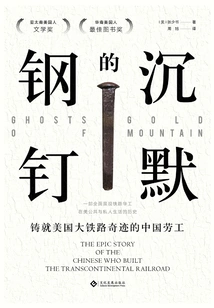
沉默的钢钉:铸就美国铁路奇迹的中国劳工
(us) Zhang Shaoshu
A groundbreaking and thrilling history of the transcontinental railroad built by Chinese workers who helped shape modern America but only now emerge from history's shadows. Thousands of Chinese workers came to the United States from across the ocean in search of their fortune. They gathered on the transcontinental railroad's western construction sites and spent years blasting tunnels through the snowy cliffs of the Sierra Nevada and laying tracks in the scorching Utah desert. Their sweat and blood connect the east and west of America. But those who survived these dangerous jobs would suffer a different kind of death: a historic death that would push them first to the fringes of American society and then to the fringes of public memory. In this groundbreaking work, award-winning scholar Shaoshu Zhang uses unprecedented research to reconstruct the stories of Chinese railroad workers and affirm the role they played in rebuilding America. This book is a valuable corrective to historical injustice, restoring these "silent spikes" to their rightful place in the American miracle.
A groundbreaking and thrilling history of the transcontinental railroad built by Chinese workers who helped shape modern America but only now emerge from history's shadows. Thousands of Chinese workers came to the United States from across the ocean in search of their fortune. They gathered on the transcontinental railroad's western construction sites and spent years blasting tunnels through the snowy cliffs of the Sierra Nevada and laying tracks in the scorching Utah desert. Their sweat and blood connect the east and west of America. But those who survived these dangerous jobs would suffer a different kind of death: a historic death that would push them first to the fringes of American society and then to the fringes of public memory. In this groundbreaking work, award-winning scholar Shaoshu Zhang uses unprecedented research to reconstruct the stories of Chinese railroad workers and affirm the role they played in rebuilding America. This book is a valuable corrective to historical injustice, restoring these "silent spikes" to their rightful place in the American miracle.
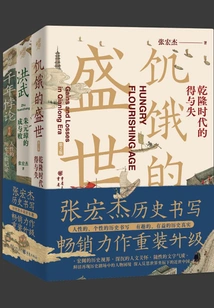
张宏杰作品集(全三册)
Zhang Hongjie
This set includes three works by Zhang Hongjie: "Hongwu: The Successes and Failures of Zhu Yuanzhang", "The Hungry Age: Gains and Losses in the Qianlong Era" and "Millennium Paradox: Records of Historical Experiments on Human Nature". Zhang Hongjie is a master of writing history. When reading his books, I feel that "history is better than novels." However, "good-looking history" has never been the starting point of Zhang Hongjie's writing, but to focus on how the past princes and generals influenced the historical development at that time and later. Some people say that from a cultural perspective, Zhang Hongjie has only written about three people so far: Zhu Yuanzhang, Qianlong and Zeng Guofan. In this writing process, Zhang Hongjie has always paid attention to culture and human nature, which is especially reflected in the work "Hongwu: The Success and Failure of Zhu Yuanzhang". Zhang Hongjie compared the history of the early Ming Dynasty vertically and horizontally from the two dimensions of global history and Chinese culture, and deeply analyzed Zhu Yuanzhang's success and failure. The book "The Prosperous Age of Hungry: Gains and Losses in the Qianlong Era" mainly writes about the gains and losses of the Qianlong Era. Through the deconstruction of the Qianlong Era, the author paints a colorful picture of the "prosperous age" for readers, and at the same time profoundly reveals the lost secrets of modern China. "The Millennium Paradox" is the first book published by Zhang Hongjie. This book is a newly revised edition of "The Millennium Paradox", which contains most of the author's excellent "historical and cultural prose" works in the early writing period, as well as two interviews about historical writing in his early years, and is accompanied by exquisite illustrations.
This set includes three works by Zhang Hongjie: "Hongwu: The Successes and Failures of Zhu Yuanzhang", "The Hungry Age: Gains and Losses in the Qianlong Era" and "Millennium Paradox: Records of Historical Experiments on Human Nature". Zhang Hongjie is a master of writing history. When reading his books, I feel that "history is better than novels." However, "good-looking history" has never been the starting point of Zhang Hongjie's writing, but to focus on how the past princes and generals influenced the historical development at that time and later. Some people say that from a cultural perspective, Zhang Hongjie has only written about three people so far: Zhu Yuanzhang, Qianlong and Zeng Guofan. In this writing process, Zhang Hongjie has always paid attention to culture and human nature, which is especially reflected in the work "Hongwu: The Success and Failure of Zhu Yuanzhang". Zhang Hongjie compared the history of the early Ming Dynasty vertically and horizontally from the two dimensions of global history and Chinese culture, and deeply analyzed Zhu Yuanzhang's success and failure. The book "The Prosperous Age of Hungry: Gains and Losses in the Qianlong Era" mainly writes about the gains and losses of the Qianlong Era. Through the deconstruction of the Qianlong Era, the author paints a colorful picture of the "prosperous age" for readers, and at the same time profoundly reveals the lost secrets of modern China. "The Millennium Paradox" is the first book published by Zhang Hongjie. This book is a newly revised edition of "The Millennium Paradox", which contains most of the author's excellent "historical and cultural prose" works in the early writing period, as well as two interviews about historical writing in his early years, and is accompanied by exquisite illustrations.
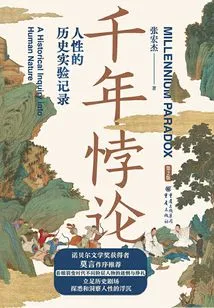
千年悖论:人性的历史实验记录
Zhang Hongjie
"Human is an animal that is too complex, and its complexity sometimes makes humans themselves dumbfounded." Historical figures who have been labeled with various labels are especially difficult to write about. The well-known historian Zhang Hongjie has a unique approach: "He neither criticizes nor looks up to. He just has compassion, puts himself in the shoes of the characters he writes, and shares the joys and sorrows." Historical figures such as Wu Sangui, Zeng Guofan, Cixi, and Zhu Yuanzhang who are familiar to the public have been stripped of all kinds of bizarre labels, showing that in the entanglement of good and evil, they struggled to break free from the shackles of the times, but in the end they could not escape the "paradox" of their destined ending. Historical events such as China's imperial examination system, the Sinicization of the Manchus, and the truth about the hermits also present the alienation and distortion of human nature on multiple levels. "The Millennium Paradox" is Zhang Hongjie's first work, and the origins of the conception of his subsequent wonderful works are included in it. Perhaps some of the content subverts our previous understanding, but it is undeniable that Zhang Hongjie writes about the complexity and richness of human nature, presents the rich background of historical figures, and brings readers more useful thoughts.
"Human is an animal that is too complex, and its complexity sometimes makes humans themselves dumbfounded." Historical figures who have been labeled with various labels are especially difficult to write about. The well-known historian Zhang Hongjie has a unique approach: "He neither criticizes nor looks up to. He just has compassion, puts himself in the shoes of the characters he writes, and shares the joys and sorrows." Historical figures such as Wu Sangui, Zeng Guofan, Cixi, and Zhu Yuanzhang who are familiar to the public have been stripped of all kinds of bizarre labels, showing that in the entanglement of good and evil, they struggled to break free from the shackles of the times, but in the end they could not escape the "paradox" of their destined ending. Historical events such as China's imperial examination system, the Sinicization of the Manchus, and the truth about the hermits also present the alienation and distortion of human nature on multiple levels. "The Millennium Paradox" is Zhang Hongjie's first work, and the origins of the conception of his subsequent wonderful works are included in it. Perhaps some of the content subverts our previous understanding, but it is undeniable that Zhang Hongjie writes about the complexity and richness of human nature, presents the rich background of historical figures, and brings readers more useful thoughts.
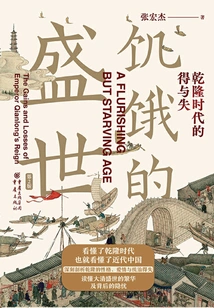
饥饿的盛世:乾隆时代的得与失
Zhang Hongjie
Qianlong's rule occupied most of the 18th century and pushed the prosperity of Kangxi and Qianlong to its peak. In addition to the good foundation laid by Kangxi and Yongzheng, Qianlong's strong self-control, diligence, decisiveness and speed in dealing with problems, good at absorbing the gains and losses of previous dynasties, relatively dedicated emotional life, health and longevity are important factors for Qianlong's success in creating a prosperous age. China under Qianlong's rule was the most populous and most powerful period in China's thousands of years of history. Horizontally, it was the most powerful and wealthy country in the world at that time. However, behind Qianlong was the collapse of the prosperous age and the gradual decline of the Qing Dynasty. The massive White Lotus Rebellion broke out in Qianlong's later years; less than half a century after his death, the Opium War broke out. Qianlong was successful, and his achievements were enough to rank him among the greatest emperors in Chinese history; Qianlong was also a failure, and the development of world history in the 18th century made his rule seem to have nothing new. From the Macartney mission's visit to China, we can see that the historical development of China and the West during the Qianlong period was experiencing another "great divergence".
Qianlong's rule occupied most of the 18th century and pushed the prosperity of Kangxi and Qianlong to its peak. In addition to the good foundation laid by Kangxi and Yongzheng, Qianlong's strong self-control, diligence, decisiveness and speed in dealing with problems, good at absorbing the gains and losses of previous dynasties, relatively dedicated emotional life, health and longevity are important factors for Qianlong's success in creating a prosperous age. China under Qianlong's rule was the most populous and most powerful period in China's thousands of years of history. Horizontally, it was the most powerful and wealthy country in the world at that time. However, behind Qianlong was the collapse of the prosperous age and the gradual decline of the Qing Dynasty. The massive White Lotus Rebellion broke out in Qianlong's later years; less than half a century after his death, the Opium War broke out. Qianlong was successful, and his achievements were enough to rank him among the greatest emperors in Chinese history; Qianlong was also a failure, and the development of world history in the 18th century made his rule seem to have nothing new. From the Macartney mission's visit to China, we can see that the historical development of China and the West during the Qianlong period was experiencing another "great divergence".
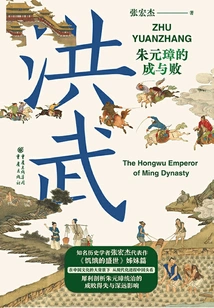
洪武:朱元璋的成与败
Zhang Hongjie
"Hongwu" is the reign name used by Zhu Yuanzhang, the founding emperor of the Ming Dynasty. In Chinese history, Zhu Yuanzhang is a unique existence. For Zhu Yuanzhang personally, going from abject poverty to emperor is an almost impossible event with a small probability. The peasant uprising at the end of the Yuan Dynasty pushed Zhu Yuanzhang out of the bottom of society. Zhu Yuanzhang successfully ascended to the throne by virtue of his ability to win over people's hearts, his preferential treatment of intellectuals, and his excellent outlook on the overall situation. In traditional China, the ruler's personality, experience, cultural level, etc. Often determine his ruling style. On the one hand, Zhu Yuanzhang's life experience at the bottom made him particularly sympathetic to farmers. He did light corvee and low taxes, created and implemented various welfare systems, and created a long period of peace. On the other hand, he had a strong cultural background in managing the country, with arbitrary and rigid thinking: he deposed the prime minister, slaughtered the meritorious officials, and monopolized power; he set up literary prisons and massacred civil servants; he set up royal guards to monitor the subjects; he suppressed commerce, closed the country, and restricted foreign trade; he forced immigration and interfered in all aspects of people's lives... Zhu Yuanzhang's ruling model made the Hongwu period and even the entire Ming Dynasty show a distinct introversion, closedness, and backwardness. Due to the Qing Dynasty and the Meiji Dynasty, this pattern of rule actually lasted for five to six hundred years. This book vividly narrates Zhu Yuanzhang's legendary experience from beggar to emperor, puts him into the context of Chinese culture, and deeply analyzes the successes and failures of his rule as well as his profound impact on Chinese culture and society.
"Hongwu" is the reign name used by Zhu Yuanzhang, the founding emperor of the Ming Dynasty. In Chinese history, Zhu Yuanzhang is a unique existence. For Zhu Yuanzhang personally, going from abject poverty to emperor is an almost impossible event with a small probability. The peasant uprising at the end of the Yuan Dynasty pushed Zhu Yuanzhang out of the bottom of society. Zhu Yuanzhang successfully ascended to the throne by virtue of his ability to win over people's hearts, his preferential treatment of intellectuals, and his excellent outlook on the overall situation. In traditional China, the ruler's personality, experience, cultural level, etc. Often determine his ruling style. On the one hand, Zhu Yuanzhang's life experience at the bottom made him particularly sympathetic to farmers. He did light corvee and low taxes, created and implemented various welfare systems, and created a long period of peace. On the other hand, he had a strong cultural background in managing the country, with arbitrary and rigid thinking: he deposed the prime minister, slaughtered the meritorious officials, and monopolized power; he set up literary prisons and massacred civil servants; he set up royal guards to monitor the subjects; he suppressed commerce, closed the country, and restricted foreign trade; he forced immigration and interfered in all aspects of people's lives... Zhu Yuanzhang's ruling model made the Hongwu period and even the entire Ming Dynasty show a distinct introversion, closedness, and backwardness. Due to the Qing Dynasty and the Meiji Dynasty, this pattern of rule actually lasted for five to six hundred years. This book vividly narrates Zhu Yuanzhang's legendary experience from beggar to emperor, puts him into the context of Chinese culture, and deeply analyzes the successes and failures of his rule as well as his profound impact on Chinese culture and society.
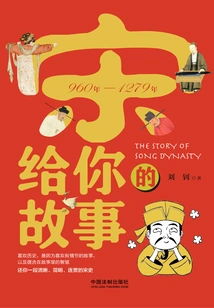
Song's Story for You
History宋给你的故事
Liu Zhao
As monarchs in the feudal era, the emperor's quality directly determined the rise and fall of the dynasty. How did the literary and artistic emperors of the Song Dynasty perform in governing the country? Open this book and you will get the answer. This book is not a simple abbreviation, but a reasonable interpretation of Song history. The author chooses 16 vivid emperors of the Song Dynasty as clues to show the charming charm and extensive wisdom of history. He hopes that this will make many readers who are intimidated by large history books fall in love with history.
As monarchs in the feudal era, the emperor's quality directly determined the rise and fall of the dynasty. How did the literary and artistic emperors of the Song Dynasty perform in governing the country? Open this book and you will get the answer. This book is not a simple abbreviation, but a reasonable interpretation of Song history. The author chooses 16 vivid emperors of the Song Dynasty as clues to show the charming charm and extensive wisdom of history. He hopes that this will make many readers who are intimidated by large history books fall in love with history.
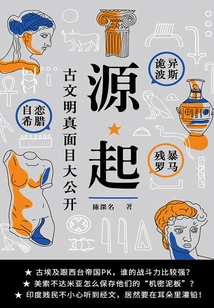
源起:诡异波斯×自恋希腊×残暴罗马,古文明真面目大公开
Chen Shenming
This book starts from the civilizations of Asia, Africa, America and Europe respectively, and is based on the research and exploration of archaeologists, historians and other scientists. It works with readers to find lost ancient civilizations and explore the past world. Detailed historical materials and vivid language not only allow readers to deeply see the civilization that has gradually been lost in the long history, but also satisfy readers' psychological needs to trace the past lives of mankind and their emotional needs to get close to history. As described in the popular Japanese haiku "In the prosperous Tang Dynasty, walking through the city of Chang'an at night", in this book, readers can also stroll among the colorful ruins of ancient civilizations... In order to make the content of the article more colorful, we have also specially set up some small knowledge at the end of each section of the article to interpret and display various ancient civilizations from multiple angles, truly reproducing the brilliant achievements of mankind in various stages of historical development.
This book starts from the civilizations of Asia, Africa, America and Europe respectively, and is based on the research and exploration of archaeologists, historians and other scientists. It works with readers to find lost ancient civilizations and explore the past world. Detailed historical materials and vivid language not only allow readers to deeply see the civilization that has gradually been lost in the long history, but also satisfy readers' psychological needs to trace the past lives of mankind and their emotional needs to get close to history. As described in the popular Japanese haiku "In the prosperous Tang Dynasty, walking through the city of Chang'an at night", in this book, readers can also stroll among the colorful ruins of ancient civilizations... In order to make the content of the article more colorful, we have also specially set up some small knowledge at the end of each section of the article to interpret and display various ancient civilizations from multiple angles, truly reproducing the brilliant achievements of mankind in various stages of historical development.
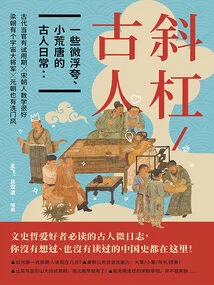
斜杠古人:一些微浮夸、小荒唐的古人日常
Compiled By Meng Fei And Lu Shuangbo
We receive new knowledge every day, but this does not prevent us from understanding a little more history and learning a little more culture. Whenever we are in a historical scene, there are echoes of gold, jade and pearls in our ears, which may be heavy or alarming, shocking or colorful, making us recall and ponder deeply. China's thousand-year history is vast and vast, and there are countless ancient and modern Chinese and foreign classics. How to fully appreciate the essence of civilization and understand the natural landscape in a limited time is not an easy task for busy modern people. Therefore, if you can selectively read about the most valuable culture, the history you want to know most, and the monuments you want to visit most, this will undoubtedly be what readers want, and this is the original intention of writing this book.
We receive new knowledge every day, but this does not prevent us from understanding a little more history and learning a little more culture. Whenever we are in a historical scene, there are echoes of gold, jade and pearls in our ears, which may be heavy or alarming, shocking or colorful, making us recall and ponder deeply. China's thousand-year history is vast and vast, and there are countless ancient and modern Chinese and foreign classics. How to fully appreciate the essence of civilization and understand the natural landscape in a limited time is not an easy task for busy modern people. Therefore, if you can selectively read about the most valuable culture, the history you want to know most, and the monuments you want to visit most, this will undoubtedly be what readers want, and this is the original intention of writing this book.
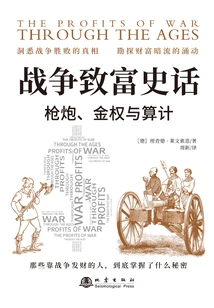
War to Get Rich History
History战争致富史话
(german) Richard Levinsohn
Understanding war is ultimately about resisting war! What this book talks about are all examples of people who got rich thanks to war, from Caesar in the distant first century BC to the Morgan, Rothschild and other families who are still very rich today, including the original soldier (Napoleon), the government and the military Financiers who serve (Jacques Cole), giants who specialize in arms production (Krupp), agents of the government (Morgan), speculators in times of revolution or war (Bernard Baruch), this is also the main content of the first five chapters of this book.
Understanding war is ultimately about resisting war! What this book talks about are all examples of people who got rich thanks to war, from Caesar in the distant first century BC to the Morgan, Rothschild and other families who are still very rich today, including the original soldier (Napoleon), the government and the military Financiers who serve (Jacques Cole), giants who specialize in arms production (Krupp), agents of the government (Morgan), speculators in times of revolution or war (Bernard Baruch), this is also the main content of the first five chapters of this book.
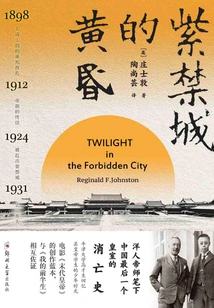
Dusk in the Forbidden City
History紫禁城的黄昏
(uk) Johnston
This book is a memoir of Johnston, Puyi's British teacher. It focuses on Puyi, the last emperor of China, and describes modern China from a Western perspective. The whole book can be roughly divided into three stages based on time: the dying struggle of the Qing Dynasty (1898-1912); the end of the imperial system (1912-1924); and the life from Puyi's expulsion from the Forbidden City to his departure to Fengtian (1924-1931). In this book, Johnston not only describes the life of the last emperor from boyhood to youth, but also shows a series of major events from the late Qing Dynasty to the Republic of China: from the Hundred Days Reform to the Boxer Rebellion, Yuan Shikai proclaimed himself emperor, Zhang Xun was restored, Feng Yuxiang launched the Beijing coup, and so on.
This book is a memoir of Johnston, Puyi's British teacher. It focuses on Puyi, the last emperor of China, and describes modern China from a Western perspective. The whole book can be roughly divided into three stages based on time: the dying struggle of the Qing Dynasty (1898-1912); the end of the imperial system (1912-1924); and the life from Puyi's expulsion from the Forbidden City to his departure to Fengtian (1924-1931). In this book, Johnston not only describes the life of the last emperor from boyhood to youth, but also shows a series of major events from the late Qing Dynasty to the Republic of China: from the Hundred Days Reform to the Boxer Rebellion, Yuan Shikai proclaimed himself emperor, Zhang Xun was restored, Feng Yuxiang launched the Beijing coup, and so on.
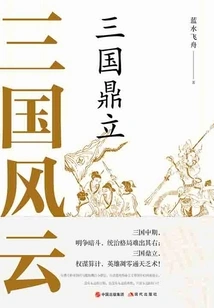
三国风云:三国鼎立
Blue Water Flying Boat
"Three Kingdoms" is a popular historical work that tells the history of the Three Kingdoms. This book covers nearly 100 years of historical stories from 184 AD to 280 AD, and is divided into four volumes: "The Heroes Struggle", "Three Parts of the World", "Three Kingdoms" and "Three Families Return to Jin". It is based on historical materials, with characters and events as the main line, and time as the order. It uses the lively language that modern people like to read, and uses the writing style of novels and humorous style to write a wonderful and informative story of the Three Kingdoms. This book gives a panoramic description of the emperors, generals, ministers and other various characters during the Three Kingdoms period, including heroic figures who were able to turn the tide, as well as cunning and despicable villains. It also fully details war strategies, political struggles, and character psychology. Through the analysis, sorting and summarization of the history of the Three Kingdoms, the author uses human nature to gain insight into history, deeply explore the true emotions of historical figures, and unravel the mysteries behind historical events. It also reflects the direct or indirect impact of individual complex human nature on historical development, allowing us to understand and understand those historical figures and historical events more deeply. "Three Kingdoms: The Rise of the Three Kingdoms" was written from the time when Cao Pi became emperor and ended when Sun Quan died of illness in Jianye. This period was the mature period of the Three Kingdoms. The three regimes of Wei, Shu, and Wu were successively established, officially opening the three kingdoms' tripartite ruling pattern. In the following decades, the three regimes of Wei, Shu, and Wu went from domestic affairs to diplomacy, from war to peace, from overt disputes to secret plots, and each step was startling: whether it was a magnificent war scene or a diplomatic occasion of battle of wits and courage, conspiracies and plots were hidden and permeated everywhere, and those involved were both heroic figures who could turn the tide, as well as cunning and despicable villains. The game of nations, the struggles of individuals, the collision of wars and intrigues are dizzying and dangerous.
"Three Kingdoms" is a popular historical work that tells the history of the Three Kingdoms. This book covers nearly 100 years of historical stories from 184 AD to 280 AD, and is divided into four volumes: "The Heroes Struggle", "Three Parts of the World", "Three Kingdoms" and "Three Families Return to Jin". It is based on historical materials, with characters and events as the main line, and time as the order. It uses the lively language that modern people like to read, and uses the writing style of novels and humorous style to write a wonderful and informative story of the Three Kingdoms. This book gives a panoramic description of the emperors, generals, ministers and other various characters during the Three Kingdoms period, including heroic figures who were able to turn the tide, as well as cunning and despicable villains. It also fully details war strategies, political struggles, and character psychology. Through the analysis, sorting and summarization of the history of the Three Kingdoms, the author uses human nature to gain insight into history, deeply explore the true emotions of historical figures, and unravel the mysteries behind historical events. It also reflects the direct or indirect impact of individual complex human nature on historical development, allowing us to understand and understand those historical figures and historical events more deeply. "Three Kingdoms: The Rise of the Three Kingdoms" was written from the time when Cao Pi became emperor and ended when Sun Quan died of illness in Jianye. This period was the mature period of the Three Kingdoms. The three regimes of Wei, Shu, and Wu were successively established, officially opening the three kingdoms' tripartite ruling pattern. In the following decades, the three regimes of Wei, Shu, and Wu went from domestic affairs to diplomacy, from war to peace, from overt disputes to secret plots, and each step was startling: whether it was a magnificent war scene or a diplomatic occasion of battle of wits and courage, conspiracies and plots were hidden and permeated everywhere, and those involved were both heroic figures who could turn the tide, as well as cunning and despicable villains. The game of nations, the struggles of individuals, the collision of wars and intrigues are dizzying and dangerous.
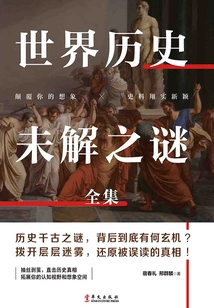
世界历史未解之谜(全集)
Su Chunli Xing Qunlin
"Unsolved Mysteries of World History (Complete Collection)" leads readers to explore world history from a new perspective: supernatural phenomena, ancient legends, emperors and generals, palace secrets, talented men and beauties, bloody intrigues, bizarre events... This book will use rich and detailed historical materials and razor-sharp analysis to directly penetrate the historical truth, solve various mysteries in world history, and expand readers' cognitive horizons and imagination. This book can be used as leisure reading for the general public, or as a way for young readers to expand their knowledge. It is a must-read for those readers who marvel at the mysterious depth of history and are eager to learn more about unsolved mysteries.
"Unsolved Mysteries of World History (Complete Collection)" leads readers to explore world history from a new perspective: supernatural phenomena, ancient legends, emperors and generals, palace secrets, talented men and beauties, bloody intrigues, bizarre events... This book will use rich and detailed historical materials and razor-sharp analysis to directly penetrate the historical truth, solve various mysteries in world history, and expand readers' cognitive horizons and imagination. This book can be used as leisure reading for the general public, or as a way for young readers to expand their knowledge. It is a must-read for those readers who marvel at the mysterious depth of history and are eager to learn more about unsolved mysteries.
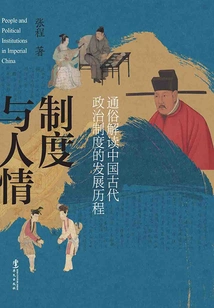
Institutions and Favors
History制度与人情
Zhang Cheng
Where there are people, there is politics, and where there are people, there are systems. The political system is an inevitable product of the development of human society. Institutional history is the container of historiography, and understanding the history of Chinese political institutions is the basic skill for learning ancient history. Ancient China's political system has a long history and far-reaching influence. Institutions were an important force in shaping ancient Chinese society, and their influence affects us in the 21st century. This book revolves around the political system of ancient China, including the emperor and imperial power, the palace and the court, the central and local governments, and specifically involves the money and grain taxation system, the military system, the talent selection system, etc. "Think about politics in the pile of old papers, and look at the world outside the history of institutions." This is a popular interpretation of the development process of ancient Chinese political systems.
Where there are people, there is politics, and where there are people, there are systems. The political system is an inevitable product of the development of human society. Institutional history is the container of historiography, and understanding the history of Chinese political institutions is the basic skill for learning ancient history. Ancient China's political system has a long history and far-reaching influence. Institutions were an important force in shaping ancient Chinese society, and their influence affects us in the 21st century. This book revolves around the political system of ancient China, including the emperor and imperial power, the palace and the court, the central and local governments, and specifically involves the money and grain taxation system, the military system, the talent selection system, etc. "Think about politics in the pile of old papers, and look at the world outside the history of institutions." This is a popular interpretation of the development process of ancient Chinese political systems.
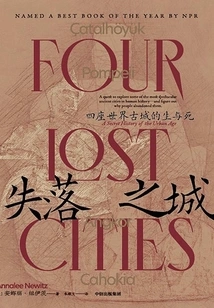
失落之城:四座世界古城的生与死
(u. S.) Annalee Newitz
"Lost Cities" explores four once-glorious ancient cities and uncovers the history of their rise and fall. Çatalhöyük, Angkor, Pompeii, and Cahokia are respectively the world's earliest cities, giant cities hidden in the jungles of medieval South Asia, the spiritual Eden of European civilization, and the heart of Mississippian culture in the Americas. They were once the heart of civilization, radiating vitality in all directions-but people eventually abandoned them. The heart of the former civilization stopped beating and became the legendary "Lost City". Author Annalee Newitz uses story-telling language to reveal the true face of the lost city. The author visited experts and archaeological sites in the field and brought back cutting-edge information about these four cities. What is new is that this book focuses more on the common people who are often ignored by history, so you can not only see the development trend of the city from scratch, but also see the daily life of a Stone Age woman, the business ups and downs of a pair of Pompeii brothers... Through the laborers, women, slaves, immigrants and other unknown ordinary people who support the city, we re-examine the ancient civilized city from a head-up perspective. Looking back at history, we can't help but ask, what caused the collapse of great cities? Political unrest, natural disasters... This book will take you through the multiple reasons that overwhelm a city. It will also bring about another reflection: Will our city also face the same lonely end in the future? In an unstable era, "Lost City" will give us a new perspective on cities, civilization, and ourselves.
"Lost Cities" explores four once-glorious ancient cities and uncovers the history of their rise and fall. Çatalhöyük, Angkor, Pompeii, and Cahokia are respectively the world's earliest cities, giant cities hidden in the jungles of medieval South Asia, the spiritual Eden of European civilization, and the heart of Mississippian culture in the Americas. They were once the heart of civilization, radiating vitality in all directions-but people eventually abandoned them. The heart of the former civilization stopped beating and became the legendary "Lost City". Author Annalee Newitz uses story-telling language to reveal the true face of the lost city. The author visited experts and archaeological sites in the field and brought back cutting-edge information about these four cities. What is new is that this book focuses more on the common people who are often ignored by history, so you can not only see the development trend of the city from scratch, but also see the daily life of a Stone Age woman, the business ups and downs of a pair of Pompeii brothers... Through the laborers, women, slaves, immigrants and other unknown ordinary people who support the city, we re-examine the ancient civilized city from a head-up perspective. Looking back at history, we can't help but ask, what caused the collapse of great cities? Political unrest, natural disasters... This book will take you through the multiple reasons that overwhelm a city. It will also bring about another reflection: Will our city also face the same lonely end in the future? In an unstable era, "Lost City" will give us a new perspective on cities, civilization, and ourselves.
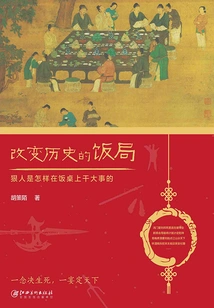
A Meal That Changed History
History改变历史的饭局
Hu Cemo
Dinner is an eternal matter, gained and lost between the lips and teeth. The ancients preferred to settle important matters at the dinner table, because the dinner party is the most suitable place for transactions, and murderous intentions are often buried between the cups and glasses! The wonderful methods used by the ancients at dinner parties are impressive and can inspire modern people to ponder and learn from them. This book selects 20 of the most classic dinner parties from history books, which are either full of political wisdom, change the course of history, or highlight the humanistic spirit. The author closely revolves the joys and sorrows of the characters and the wonderful events of history around a dinner party, slowly opening the curtain on the history of Chinese dinner parties.
Dinner is an eternal matter, gained and lost between the lips and teeth. The ancients preferred to settle important matters at the dinner table, because the dinner party is the most suitable place for transactions, and murderous intentions are often buried between the cups and glasses! The wonderful methods used by the ancients at dinner parties are impressive and can inspire modern people to ponder and learn from them. This book selects 20 of the most classic dinner parties from history books, which are either full of political wisdom, change the course of history, or highlight the humanistic spirit. The author closely revolves the joys and sorrows of the characters and the wonderful events of history around a dinner party, slowly opening the curtain on the history of Chinese dinner parties.
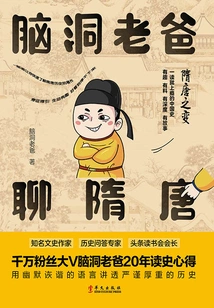
隋唐之变:脑洞老爸聊隋唐
Brain Hole Dad
"Changes in the Sui and Tang Dynasties: Brainstorming about the Sui and Tang Dynasties" is an interesting masterpiece that allows you to quickly understand the history of the Sui and Tang Dynasties! This book comprehensively reflects the splendid but unknown history of the Sui and Tang Dynasties. With a rigorous historical spirit and a humorous and simple writing style, the author conducts macro exploration and detailed excavation of the history of these two dynasties, and vividly presents a true and beautiful historical feast to readers.
"Changes in the Sui and Tang Dynasties: Brainstorming about the Sui and Tang Dynasties" is an interesting masterpiece that allows you to quickly understand the history of the Sui and Tang Dynasties! This book comprehensively reflects the splendid but unknown history of the Sui and Tang Dynasties. With a rigorous historical spirit and a humorous and simple writing style, the author conducts macro exploration and detailed excavation of the history of these two dynasties, and vividly presents a true and beautiful historical feast to readers.
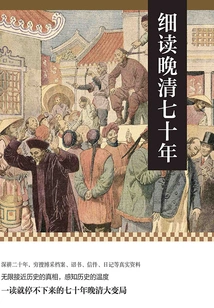
细读晚清七十年
Jinmanlou
Today's fast-paced life makes time scarce and tense, but blindly fragmented reading or shallow reading can also be boring. The author insists on exploring history with a careful reading attitude, and also presents readers with in-depth articles. The late Qing Dynasty was the period of decline of the last feudal dynasty in China. Chinese and foreign forces, old and new, were intertwined. There are many wonderful stories worth reading carefully. The author looked through archives, memoirs, "Manuscripts of Qing History", etc. To explain in popular and relaxed language, and kept the sobriety of bystanders to comment. Different aspects such as politics, military, and culture tell about the various characters who emerged and the major historical events that occurred during the turbulent period from 1840 to 1911. It strives to dig out fresh and valuable things from the boring historical materials to inspire readers to think and analyze.
Today's fast-paced life makes time scarce and tense, but blindly fragmented reading or shallow reading can also be boring. The author insists on exploring history with a careful reading attitude, and also presents readers with in-depth articles. The late Qing Dynasty was the period of decline of the last feudal dynasty in China. Chinese and foreign forces, old and new, were intertwined. There are many wonderful stories worth reading carefully. The author looked through archives, memoirs, "Manuscripts of Qing History", etc. To explain in popular and relaxed language, and kept the sobriety of bystanders to comment. Different aspects such as politics, military, and culture tell about the various characters who emerged and the major historical events that occurred during the turbulent period from 1840 to 1911. It strives to dig out fresh and valuable things from the boring historical materials to inspire readers to think and analyze.
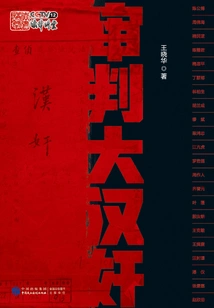
Trial of the Traitor
History审判大汉奸
Wang Xiaohua
In the previous wars against foreign aggression, in addition to hardware factors such as weapons and equipment, the emergence of traitors within the Chinese nation was also a major reason for the failure and humiliation. Traitors are cancer cells and tumors within the body of the Chinese nation. Once a national crisis breaks out, these traitors will seek refuge with the invaders, willing to be driven by them and betray national interests. This book selects the five traitor regimes that Japan fostered in China during the Sino-Japanese War, and 22 representative traitors. Among them are all kinds of figures including Beiyang elders, political, military, financial, and cultural circles. This book has rich information, reasonable style, and appropriate details. It records the harm caused by traitors during the Anti-Japanese War in relatively detail, the process of trying traitors, and the evidence of their crimes. It also provides popular education on the final fate of traitors and uses history as a mirror.
In the previous wars against foreign aggression, in addition to hardware factors such as weapons and equipment, the emergence of traitors within the Chinese nation was also a major reason for the failure and humiliation. Traitors are cancer cells and tumors within the body of the Chinese nation. Once a national crisis breaks out, these traitors will seek refuge with the invaders, willing to be driven by them and betray national interests. This book selects the five traitor regimes that Japan fostered in China during the Sino-Japanese War, and 22 representative traitors. Among them are all kinds of figures including Beiyang elders, political, military, financial, and cultural circles. This book has rich information, reasonable style, and appropriate details. It records the harm caused by traitors during the Anti-Japanese War in relatively detail, the process of trying traitors, and the evidence of their crimes. It also provides popular education on the final fate of traitors and uses history as a mirror.
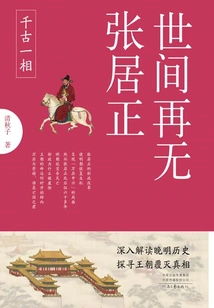
世间再无张居正:千古一相
Qingqiuzi
"Zhang Juzheng No More in the World" is a multi-volume popular historical work. It starts from the birth of Zhang Juzheng and ends with Emperor Chongzhen's hanging on Meishan Mountain. It focuses on describing the distinctive historical events of the late Ming Dynasty and exploring the reasons for the demise of the Ming Dynasty.
"Zhang Juzheng No More in the World" is a multi-volume popular historical work. It starts from the birth of Zhang Juzheng and ends with Emperor Chongzhen's hanging on Meishan Mountain. It focuses on describing the distinctive historical events of the late Ming Dynasty and exploring the reasons for the demise of the Ming Dynasty.
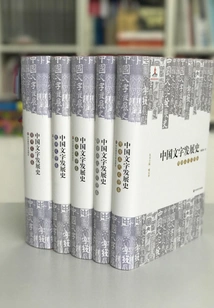
中国文字发展史套装(全5册)
Liu Zhiji Zang Kehe Et Al.
"History of the Development of Chinese Writing" includes: "Shang and Zhou Scripts", "Qin and Han Scripts", "Wei, Jin, Southern and Northern Dynasties Scrolls", "Sui, Tang and Five Dynasties Scripts", and "Ethnic Scripts", with a total of 3 million words. Based on extensive collection of materials for investigation, it uses highly quantitative methods. Using specialized statistical analysis methods, we conduct chronological investigations and descriptions of the development and evolution of Chinese characters, scientifically present the laws of character development in various important periods in our country, pay attention to the systematic nature of development and the factors and environments that influence development, and systematically construct the history of the development of Chinese characters.
"History of the Development of Chinese Writing" includes: "Shang and Zhou Scripts", "Qin and Han Scripts", "Wei, Jin, Southern and Northern Dynasties Scrolls", "Sui, Tang and Five Dynasties Scripts", and "Ethnic Scripts", with a total of 3 million words. Based on extensive collection of materials for investigation, it uses highly quantitative methods. Using specialized statistical analysis methods, we conduct chronological investigations and descriptions of the development and evolution of Chinese characters, scientifically present the laws of character development in various important periods in our country, pay attention to the systematic nature of development and the factors and environments that influence development, and systematically construct the history of the development of Chinese characters.
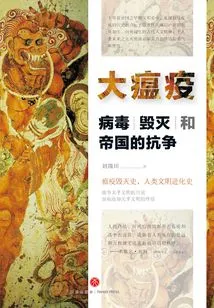
Great Plague
History大瘟疫
Liu Dichuan
A readable alternative civilization history about plague. The famous historian Croce once said that all history is contemporary history. Plague is not far away from us, and understanding the history of plague will not only help us understand Chinese history in a more three-dimensional way. This book reveals the impact and profound significance of plague on human development through the investigation of the history of Qin and Han Dynasties. The extended reading in the book uses storytelling to explain in detail historical figures, events, historical relics, geographical evolution, Chinese classics, oracle bone inscriptions, etc.
A readable alternative civilization history about plague. The famous historian Croce once said that all history is contemporary history. Plague is not far away from us, and understanding the history of plague will not only help us understand Chinese history in a more three-dimensional way. This book reveals the impact and profound significance of plague on human development through the investigation of the history of Qin and Han Dynasties. The extended reading in the book uses storytelling to explain in detail historical figures, events, historical relics, geographical evolution, Chinese classics, oracle bone inscriptions, etc.
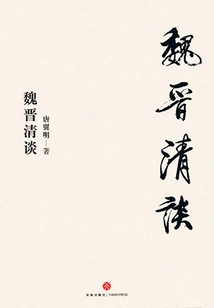
魏晋清谈
Tang Yiming
The Six Dynasties era is the cultural treasure house of our country. At that time, people's thoughts and spirits were far more open and free than they are now, even in Europe after the Renaissance. Qingtan in the Wei and Jin Dynasties refers to the aristocratic intellectuals in the Wei and Jin Dynasties. Their main content is to explore the philosophy of life, society, and the universe. They pay great attention to rhetoric and skills in talking and debating. It is an extremely interesting and ideologically valuable activity. Its content can be an eye-opener for people who are stuck in the technological age. When writing this book, we consulted a large number of historical materials, made extensive reference to relevant previous research results, and combined the literature in Chinese, Japanese, and English to provide a detailed and clear discussion of the name, form, content, and evolution and development of Qingtan in the Wei and Jin Dynasties. Yu Yingshi commented: This book fills a gap in the history of cultural thought. The whole book seems academic, but the actual style is like a famous master telling history, vivid and real but not boring; with keen thinking and vivid and elegant diction, it is a historical masterpiece written for ordinary people of the Yan and Huang Dynasties.
The Six Dynasties era is the cultural treasure house of our country. At that time, people's thoughts and spirits were far more open and free than they are now, even in Europe after the Renaissance. Qingtan in the Wei and Jin Dynasties refers to the aristocratic intellectuals in the Wei and Jin Dynasties. Their main content is to explore the philosophy of life, society, and the universe. They pay great attention to rhetoric and skills in talking and debating. It is an extremely interesting and ideologically valuable activity. Its content can be an eye-opener for people who are stuck in the technological age. When writing this book, we consulted a large number of historical materials, made extensive reference to relevant previous research results, and combined the literature in Chinese, Japanese, and English to provide a detailed and clear discussion of the name, form, content, and evolution and development of Qingtan in the Wei and Jin Dynasties. Yu Yingshi commented: This book fills a gap in the history of cultural thought. The whole book seems academic, but the actual style is like a famous master telling history, vivid and real but not boring; with keen thinking and vivid and elegant diction, it is a historical masterpiece written for ordinary people of the Yan and Huang Dynasties.
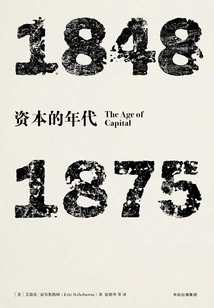
资本的年代:1848—1875
L
The age of capital is a progressive drama starring the bourgeoisie. New technologies such as trains and steamships have brought the scene from Europe to the world. The protagonists in simple clothes confidently and calmly performed this era of victory that ignored the ups and downs but witnessed the grandeur. After a short and exciting prelude to revolution, the peaceful and steady triumph of capitalism echoed around the world. In an era of great economic prosperity, the winners who controlled capital and technology dominated the losers who clung to tradition. A large number of farmers moved away from the land that had been reduced to commodities and moved to cities and industries, slowly condensing their worker consciousness in the boundless environment; the respected bourgeoisie, in its solid family fortress, created an immortal legend of liberalism. The theory of evolution leads scientific advancement, while realism suppresses artistic creativity... In 1875, an unprecedentedly long Great Depression quietly slipped into the age of empire.
The age of capital is a progressive drama starring the bourgeoisie. New technologies such as trains and steamships have brought the scene from Europe to the world. The protagonists in simple clothes confidently and calmly performed this era of victory that ignored the ups and downs but witnessed the grandeur. After a short and exciting prelude to revolution, the peaceful and steady triumph of capitalism echoed around the world. In an era of great economic prosperity, the winners who controlled capital and technology dominated the losers who clung to tradition. A large number of farmers moved away from the land that had been reduced to commodities and moved to cities and industries, slowly condensing their worker consciousness in the boundless environment; the respected bourgeoisie, in its solid family fortress, created an immortal legend of liberalism. The theory of evolution leads scientific advancement, while realism suppresses artistic creativity... In 1875, an unprecedentedly long Great Depression quietly slipped into the age of empire.
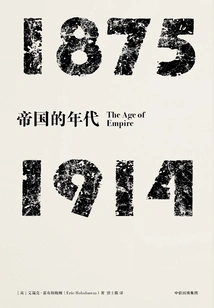
The Age of Empire: 1875-1914
History帝国的年代:1875—1914
Y
The Age of Empire is a story of expansion and death filled with contradictions, where unparalleled peace creates unparalleled war. The hope of progress hides an increasingly uneasy fear, and the effortless conquest breeds the unstoppable destruction. It seems to have broken off the past, but is directly connected to the present. We are no longer in it, but we don't know how much it is still in us. When a group of advanced countries carve up the backward world, the economic position shifts from free competition of small businesses to protectionist conglomerates, and the political motivation moves from the middle-class elite to the masses. The labor movement bursts out from the economic boom, and the bourgeoisie falls from wealth. Nationalism moves to the right waving the national flag. New women break out of darkness and appear in history. Popular art completes the cultural revolution that the avant-garde aims to promote. The scientific revolution disintegrates the certain and stable truth of the universe. The ancient empire set off a huge wave of revolution, and the new empire was shrouded in the haze of war.
The Age of Empire is a story of expansion and death filled with contradictions, where unparalleled peace creates unparalleled war. The hope of progress hides an increasingly uneasy fear, and the effortless conquest breeds the unstoppable destruction. It seems to have broken off the past, but is directly connected to the present. We are no longer in it, but we don't know how much it is still in us. When a group of advanced countries carve up the backward world, the economic position shifts from free competition of small businesses to protectionist conglomerates, and the political motivation moves from the middle-class elite to the masses. The labor movement bursts out from the economic boom, and the bourgeoisie falls from wealth. Nationalism moves to the right waving the national flag. New women break out of darkness and appear in history. Popular art completes the cultural revolution that the avant-garde aims to promote. The scientific revolution disintegrates the certain and stable truth of the universe. The ancient empire set off a huge wave of revolution, and the new empire was shrouded in the haze of war.
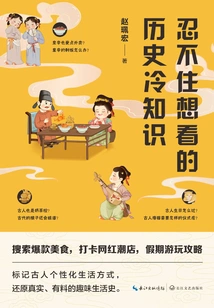
忍不住想看的历史冷知识
Zhao Peihong
This is a history of ancient life that will make you hungry. From the three aspects of eating, drinking and having fun, we will take you to fully experience the wisdom of the ancients. Observe the lives of ancient people from a modern perspective, and you will find that the ancients put no less thought into eating, drinking, and having fun than modern people do. No matter when, people always pursue high-quality life and elegant spiritual enjoyment. This book will take you through ancient times and experience the seemingly ordinary but interesting daily life of the ancients. It will reveal all kinds of historical trivia you want to know in one breath, making you unable to help but read it again and again.
This is a history of ancient life that will make you hungry. From the three aspects of eating, drinking and having fun, we will take you to fully experience the wisdom of the ancients. Observe the lives of ancient people from a modern perspective, and you will find that the ancients put no less thought into eating, drinking, and having fun than modern people do. No matter when, people always pursue high-quality life and elegant spiritual enjoyment. This book will take you through ancient times and experience the seemingly ordinary but interesting daily life of the ancients. It will reveal all kinds of historical trivia you want to know in one breath, making you unable to help but read it again and again.
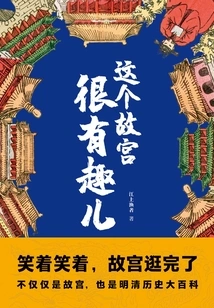
这个故宫很有趣儿
Fisherman On The River
Legend has it that there are 9,999 half-rooms in the Forbidden City. Why are there half-rooms? Is the Meridian Gate really the place where beheadings take place? Do eunuchs and maids also need to receive wages and bonuses? Why is the crow in the Forbidden City called a sacred bird? How high are the "high-soled shoes" worn by palace concubines? You can find the answers to these questions in the book. The majestic palace, etiquette and regulations, health and daily life, elegance of culture and sports, eunuchs and maids, secrets of the palace, palace costumes, the origin of the Forbidden City, this book will satisfy all your curiosity about the Forbidden City. Explore the mysteries of majestic buildings, interpret the rights and wrongs of palace walls, and unlock the codes of the rise and fall of dynasties...
Legend has it that there are 9,999 half-rooms in the Forbidden City. Why are there half-rooms? Is the Meridian Gate really the place where beheadings take place? Do eunuchs and maids also need to receive wages and bonuses? Why is the crow in the Forbidden City called a sacred bird? How high are the "high-soled shoes" worn by palace concubines? You can find the answers to these questions in the book. The majestic palace, etiquette and regulations, health and daily life, elegance of culture and sports, eunuchs and maids, secrets of the palace, palace costumes, the origin of the Forbidden City, this book will satisfy all your curiosity about the Forbidden City. Explore the mysteries of majestic buildings, interpret the rights and wrongs of palace walls, and unlock the codes of the rise and fall of dynasties...
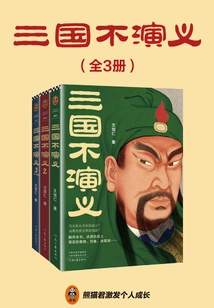
三国不演义(全3册)
Wang Jueren
The Three Kingdoms era was a time of great changes and heroes emerged in large numbers. There are endless official historical records, unofficial legends, and romantic novels about this period. It is difficult to distinguish between right and wrong, and the true face of the Three Kingdoms has gradually been ignored by readers. This book is a new masterpiece by Wang Jueren, the author of "Three Hundred Years of the Rise and Fall of the Tang Dynasty" (formerly "The Bloody Tang Dynasty"). It strives to unravel the mysteries behind historical events and restore the true history of the Three Kingdoms from the end of the Eastern Han Dynasty to the fall of the Kingdom of Wu. The sworn friendship between Liu Guan and Zhang Taoyuan is a beautiful fictional story. It was not Zhuge Liang who "borrowed arrows from a straw boat", but Sun Quan. Sima Yi did not accept the women's clothing sent by Zhuge Liang. Open this book and restore the real Cao Cao, Liu Bei, and Zhuge Liang in history...
The Three Kingdoms era was a time of great changes and heroes emerged in large numbers. There are endless official historical records, unofficial legends, and romantic novels about this period. It is difficult to distinguish between right and wrong, and the true face of the Three Kingdoms has gradually been ignored by readers. This book is a new masterpiece by Wang Jueren, the author of "Three Hundred Years of the Rise and Fall of the Tang Dynasty" (formerly "The Bloody Tang Dynasty"). It strives to unravel the mysteries behind historical events and restore the true history of the Three Kingdoms from the end of the Eastern Han Dynasty to the fall of the Kingdom of Wu. The sworn friendship between Liu Guan and Zhang Taoyuan is a beautiful fictional story. It was not Zhuge Liang who "borrowed arrows from a straw boat", but Sun Quan. Sima Yi did not accept the women's clothing sent by Zhuge Liang. Open this book and restore the real Cao Cao, Liu Bei, and Zhuge Liang in history...

Nba History
HistoryNBA风云录
Wang Yuguo
"NBA Chronicles" is an NBA history encyclopedia book that tells the wonderful moments of every year in NBA history. From the perspective of the annual rings, recall the complete NBA years and record the changes in the NBA from the beginning to the present. From the birth of the NBA, to the early green jersey era, free-for-alls, black and white hegemony, the Jordan era, superstars in troubled times, and giant teams, to today's small ball era, what roles did superstars such as Chamberlain, Jordan, Kobe, James, Curry, etc. Play in the long history of the NBA and in their respective eras? This book gives you the answer. From 1946 to 2021, the 75th Anniversary Collector's Edition of "NBA Chronicles" presents readers with a comprehensive and true account of the NBA years.
"NBA Chronicles" is an NBA history encyclopedia book that tells the wonderful moments of every year in NBA history. From the perspective of the annual rings, recall the complete NBA years and record the changes in the NBA from the beginning to the present. From the birth of the NBA, to the early green jersey era, free-for-alls, black and white hegemony, the Jordan era, superstars in troubled times, and giant teams, to today's small ball era, what roles did superstars such as Chamberlain, Jordan, Kobe, James, Curry, etc. Play in the long history of the NBA and in their respective eras? This book gives you the answer. From 1946 to 2021, the 75th Anniversary Collector's Edition of "NBA Chronicles" presents readers with a comprehensive and true account of the NBA years.
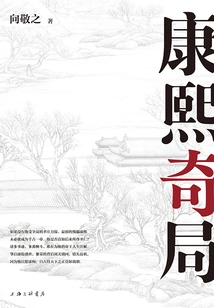
Kangxi's Strange Game
History康熙奇局
Pay Tribute To Him
"The Strange Game of Kangxi" focuses on the rights and wrongs of Kangxi's rule for decades. From multiple perspectives such as "removing vassals", "powerful ministers", "governing skills", "employing people", "seizing direct lineage" and "passing on the throne", it restores Kangxi, a powerful figure who was iron-fisted, arbitrary, enlightened and wise, and reveals the emperor hidden behind the prosperity of Kangxi's prosperous era. Political struggles, scheming and human desires, the struggle between powerful ministers in the court, and the secrets in the inner courtyard of the palace... Comprehensively interpret the intricate relationship between political struggle and orthodoxy, nation and world, human feelings and imperial power, emptiness and bloodshed, as well as the profound connotation of rationally and objectively questioning Kangxi's power and human misalignment.
"The Strange Game of Kangxi" focuses on the rights and wrongs of Kangxi's rule for decades. From multiple perspectives such as "removing vassals", "powerful ministers", "governing skills", "employing people", "seizing direct lineage" and "passing on the throne", it restores Kangxi, a powerful figure who was iron-fisted, arbitrary, enlightened and wise, and reveals the emperor hidden behind the prosperity of Kangxi's prosperous era. Political struggles, scheming and human desires, the struggle between powerful ministers in the court, and the secrets in the inner courtyard of the palace... Comprehensively interpret the intricate relationship between political struggle and orthodoxy, nation and world, human feelings and imperial power, emptiness and bloodshed, as well as the profound connotation of rationally and objectively questioning Kangxi's power and human misalignment.
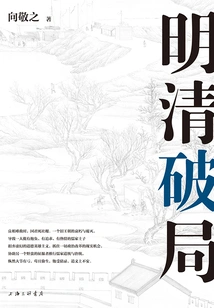
明清破局
Pay Tribute To Him
"Breaking the Ming and Qing Dynasties" takes the "Biography of Erchen" compiled since the 41st year of Qianlong's reign as the main research object, focusing on the life choices and historical actions of intellectuals during the Ming and Qing Dynasties: the author introduces it from 1644, a special period of "three days in the sky", and with the help of a large number of ancient historical books of the Ming and Qing Dynasties, returns to the scenes and behind-the-scenes of the Ming and Qing Dynasties. Based on careful research, he analyzes some controversial historical facts. The history has been clarified and corrected, and for the mysterious cases that have not yet been clearly concluded, we use human circumstances and make reasonable speculations, striving to restore the causes and consequences of the Ming ministers' surrender to the Qing Dynasty during the Ming and Qing Dynasties. Among them are Fan Wencheng and Hong Chengchou, who were the founders of the country, Sun Dingyuan, Kong Youde, etc. Who were loyal and martyred to the "two masters" of the Qing Dynasty, and Xie Sheng, Qian Qianyi, etc. Who served in the new dynasty but "made no achievements".
"Breaking the Ming and Qing Dynasties" takes the "Biography of Erchen" compiled since the 41st year of Qianlong's reign as the main research object, focusing on the life choices and historical actions of intellectuals during the Ming and Qing Dynasties: the author introduces it from 1644, a special period of "three days in the sky", and with the help of a large number of ancient historical books of the Ming and Qing Dynasties, returns to the scenes and behind-the-scenes of the Ming and Qing Dynasties. Based on careful research, he analyzes some controversial historical facts. The history has been clarified and corrected, and for the mysterious cases that have not yet been clearly concluded, we use human circumstances and make reasonable speculations, striving to restore the causes and consequences of the Ming ministers' surrender to the Qing Dynasty during the Ming and Qing Dynasties. Among them are Fan Wencheng and Hong Chengchou, who were the founders of the country, Sun Dingyuan, Kong Youde, etc. Who were loyal and martyred to the "two masters" of the Qing Dynasty, and Xie Sheng, Qian Qianyi, etc. Who served in the new dynasty but "made no achievements".
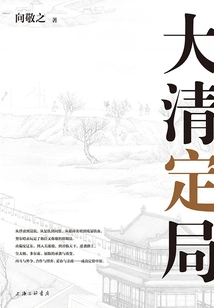
大清定局
Pay Tribute To Him
"The Final Destiny of the Qing Dynasty" interprets the founding history of the Qing Dynasty during the Ming and Qing Dynasties. It is divided into four chapters: Tianming Khan, Huang Taiji, Dorgon and Emperor Shunzhi. It tells the founding history of the Qing Dynasty from the Jurchen tribe to the unification of the Central Plains: from the Tianming Khan Nurhaci who changed the Yuan Dynasty and founded the country, to the Qing Emperor Taizong Huang Taiji changed his name to Khan and proclaimed himself emperor, and then Prince Rui, Dorgon, entered the Guan Dynasty as regent, and finally the ancestor of the Qing Dynasty Fulin Dingding Central Plains opened the curtain of Qing rule. He tried to restore the inheritance and changes of the emperors in the early Qing Dynasty, internal and external struggles for political power, cooperation and games in the fame and fortune market, until he successfully settled the history of the Central Plains.
"The Final Destiny of the Qing Dynasty" interprets the founding history of the Qing Dynasty during the Ming and Qing Dynasties. It is divided into four chapters: Tianming Khan, Huang Taiji, Dorgon and Emperor Shunzhi. It tells the founding history of the Qing Dynasty from the Jurchen tribe to the unification of the Central Plains: from the Tianming Khan Nurhaci who changed the Yuan Dynasty and founded the country, to the Qing Emperor Taizong Huang Taiji changed his name to Khan and proclaimed himself emperor, and then Prince Rui, Dorgon, entered the Guan Dynasty as regent, and finally the ancestor of the Qing Dynasty Fulin Dingding Central Plains opened the curtain of Qing rule. He tried to restore the inheritance and changes of the emperors in the early Qing Dynasty, internal and external struggles for political power, cooperation and games in the fame and fortune market, until he successfully settled the history of the Central Plains.
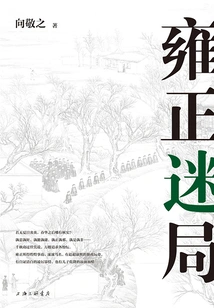
Yongzheng Mystery
History雍正迷局
Pay Tribute To Him
"The Mystery of Yongzheng" tells the history of how Emperor Yongzheng counterattacked from an "idle" prince to a "diligent" emperor. It not only writes about his outstanding political achievements in the thirteen years of his reign, but also writes about his attempts to rectify his name and reform in order to seize the throne and the historical events behind it. Yongzheng was determined to reform and reverse the long-standing shortcomings of the late Kangxi Dynasty. He worked hard, worked hard, and died young in his prime. The merits and demerits of a thousand years are open to speculation, and all kinds of pursuits are different. Yongzheng gained great achievements and notoriety. He was diligent and hard-working enough to catch up with Kangxi. He was fierce and ruthless in proving his innocence. He was also fueled by his son Qianlong...
"The Mystery of Yongzheng" tells the history of how Emperor Yongzheng counterattacked from an "idle" prince to a "diligent" emperor. It not only writes about his outstanding political achievements in the thirteen years of his reign, but also writes about his attempts to rectify his name and reform in order to seize the throne and the historical events behind it. Yongzheng was determined to reform and reverse the long-standing shortcomings of the late Kangxi Dynasty. He worked hard, worked hard, and died young in his prime. The merits and demerits of a thousand years are open to speculation, and all kinds of pursuits are different. Yongzheng gained great achievements and notoriety. He was diligent and hard-working enough to catch up with Kangxi. He was fierce and ruthless in proving his innocence. He was also fueled by his son Qianlong...
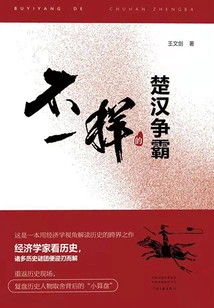
不一样的楚汉争霸
Wang Wenjian
This is a cross-border work that interprets history from an economic perspective. This book details the employment system and profit distribution system of the two major military groups Liu Bang and Xiang Yu, making the historical mysteries clear and transparent, with a novel perspective and interesting information. At the end of the Qin Dynasty, the world was in chaos, and all the heroes were vying for the throne. Liu Bang and Xiang Yu fought for hegemony for seven years and won. What is the underlying reason? This book takes the Chu-Han struggle for hegemony as the main line and tells how Liu Bang gradually strengthened his own strength through conquests, diplomacy and internal political management, and attracted senior talents such as Han Xin, and finally established the Han Empire. The author uses the economics perspective to reorganize this seven-year war for hegemony, conducts in-depth interpretations of historical events such as the "Hongmen Banquet", corrects fallacies, and brings readers a different and novel experience.
This is a cross-border work that interprets history from an economic perspective. This book details the employment system and profit distribution system of the two major military groups Liu Bang and Xiang Yu, making the historical mysteries clear and transparent, with a novel perspective and interesting information. At the end of the Qin Dynasty, the world was in chaos, and all the heroes were vying for the throne. Liu Bang and Xiang Yu fought for hegemony for seven years and won. What is the underlying reason? This book takes the Chu-Han struggle for hegemony as the main line and tells how Liu Bang gradually strengthened his own strength through conquests, diplomacy and internal political management, and attracted senior talents such as Han Xin, and finally established the Han Empire. The author uses the economics perspective to reorganize this seven-year war for hegemony, conducts in-depth interpretations of historical events such as the "Hongmen Banquet", corrects fallacies, and brings readers a different and novel experience.
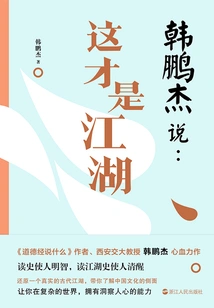
韩鹏杰说:这才是江湖
Han Pengjie
In every era, there are different arenas. This book takes you through the various ancient professions and tells you how dangerous the ancient world was. How the emperors were deceived by charlatans, how the ancients predicted the future, how the wandering charlatans deceived people, what to do if someone robbed someone's home, how advanced the art of counterfeiting was in ancient times, and there were "master salesmen" who could act in ancient times. Telling about the things that happened in Jianghu, readers can learn about Jianghu culture, understand the ways of the world, increase their knowledge and abilities in a relaxed reading, and become a sober, wise and thorough person in a complex society!
In every era, there are different arenas. This book takes you through the various ancient professions and tells you how dangerous the ancient world was. How the emperors were deceived by charlatans, how the ancients predicted the future, how the wandering charlatans deceived people, what to do if someone robbed someone's home, how advanced the art of counterfeiting was in ancient times, and there were "master salesmen" who could act in ancient times. Telling about the things that happened in Jianghu, readers can learn about Jianghu culture, understand the ways of the world, increase their knowledge and abilities in a relaxed reading, and become a sober, wise and thorough person in a complex society!
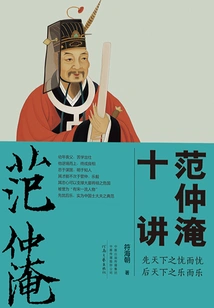
Ten Lectures by Fan Zhongyan
History范仲淹十讲
Fu Haichao
This book uses popular and beautiful writing to present the life of Fan Zhongyan Xiu Qi Zhiping. On the basis of being faithful to historical facts and comprehensively absorbing Fan Zhongyan's research results, and under the guidance of a correct view of history, this book faces the public and uses popular and beautiful writing to present Fan Zhongyan's family background, Fan Zhongyan and Qingli New Deal, Fan Zhongyan from ten aspects. His relationship with many friends such as Ouyang Xiu and Han Qi, Fan Zhongyan's contributions to people's livelihood, education, and academics during his time as an official in various places, Fan Zhongyan's political thoughts, literary creations, family traditions, etc., All show this traditional scholar-bureaucrat's feelings of "worrying about the world's worries first, and rejoicing after the world's happiness" from aspects such as being a person, being a writer, and being an official. It is both academic and popular.
This book uses popular and beautiful writing to present the life of Fan Zhongyan Xiu Qi Zhiping. On the basis of being faithful to historical facts and comprehensively absorbing Fan Zhongyan's research results, and under the guidance of a correct view of history, this book faces the public and uses popular and beautiful writing to present Fan Zhongyan's family background, Fan Zhongyan and Qingli New Deal, Fan Zhongyan from ten aspects. His relationship with many friends such as Ouyang Xiu and Han Qi, Fan Zhongyan's contributions to people's livelihood, education, and academics during his time as an official in various places, Fan Zhongyan's political thoughts, literary creations, family traditions, etc., All show this traditional scholar-bureaucrat's feelings of "worrying about the world's worries first, and rejoicing after the world's happiness" from aspects such as being a person, being a writer, and being an official. It is both academic and popular.
The Three Kingdoms Out of Chat: the Military Revolution of Shu-han (new Historical Records Series)
History聊出来的三国:蜀汉兵革(新史纪丛书)
Fengyun
This is a historical fact that changed the history of the Three Kingdoms in the late Han Dynasty through chatting. Through the detailed description and in-depth analysis of each chat, this book gives a panoramic view of the tortuous entrepreneurial period of Liu Bei and his followers from Youzhou to Xuzhou, and from Jingzhou to Yizhou; the difficult period of maintaining their career after the victory in Chibi and the loss of Jingzhou, the tragic defeat of Yiling, the Northern Expedition and the Southern Expedition; and the helpless failure period of the Shu Han regime's defeat in Hanzhong and the surrender of Chengdu. Liu Bei, who was "indifferent to emotions and anger", did not leave many chat records, but almost every chat was of great significance and meant that some changes had occurred. Why did a conversation with Taishi Ci awaken Pingyuan Xiang at that time? While drinking green plum wine, why did Uncle Liu become so panicked? "Longzhong Pair" is well-known, but why is it fatal? Liu Qi asked Zhuge Liang for advice, what would he do if he went upstairs and took out the stairs? Why did Sun Quan nod in agreement with Lu Su's innovative proposal of "borrowing Jingzhou"? Considering the contradiction between Yizhou and trustworthiness, how did Liu Bei find a solution from Pang Tong's "contingency" theory? What kind of twist is hidden in Bai Di Tuogu? What exquisite designs are buried in "Chu Shi Biao"? Why did Zhuge Liang evaluate Wei Yan's plan to launch a surprise attack on Chang'an from Ziwu Valley as "dangerous"? Why did General Jiang Wei dare not express his anger after a conversation with the empress, and has been stationed in Tashang since then? What kind of secrets does Liu Chan, the king of the subjugated country, hide in Shu? In this complicated history, each chat has profound meaning and far-reaching influence, but what exactly have changed in these chats, and how have they contributed to the change intentionally or unintentionally? The author analyzes it piece by piece, one by one.
This is a historical fact that changed the history of the Three Kingdoms in the late Han Dynasty through chatting. Through the detailed description and in-depth analysis of each chat, this book gives a panoramic view of the tortuous entrepreneurial period of Liu Bei and his followers from Youzhou to Xuzhou, and from Jingzhou to Yizhou; the difficult period of maintaining their career after the victory in Chibi and the loss of Jingzhou, the tragic defeat of Yiling, the Northern Expedition and the Southern Expedition; and the helpless failure period of the Shu Han regime's defeat in Hanzhong and the surrender of Chengdu. Liu Bei, who was "indifferent to emotions and anger", did not leave many chat records, but almost every chat was of great significance and meant that some changes had occurred. Why did a conversation with Taishi Ci awaken Pingyuan Xiang at that time? While drinking green plum wine, why did Uncle Liu become so panicked? "Longzhong Pair" is well-known, but why is it fatal? Liu Qi asked Zhuge Liang for advice, what would he do if he went upstairs and took out the stairs? Why did Sun Quan nod in agreement with Lu Su's innovative proposal of "borrowing Jingzhou"? Considering the contradiction between Yizhou and trustworthiness, how did Liu Bei find a solution from Pang Tong's "contingency" theory? What kind of twist is hidden in Bai Di Tuogu? What exquisite designs are buried in "Chu Shi Biao"? Why did Zhuge Liang evaluate Wei Yan's plan to launch a surprise attack on Chang'an from Ziwu Valley as "dangerous"? Why did General Jiang Wei dare not express his anger after a conversation with the empress, and has been stationed in Tashang since then? What kind of secrets does Liu Chan, the king of the subjugated country, hide in Shu? In this complicated history, each chat has profound meaning and far-reaching influence, but what exactly have changed in these chats, and how have they contributed to the change intentionally or unintentionally? The author analyzes it piece by piece, one by one.
凋落的昙花:新莽王朝兴亡往事
Snowy Taoyuan
The author focuses on writing from the first year of Han Yuan Emperor Liu Shi Jingning (33 BC) to the fourth year of Emperor Di Huang (23 AD) when Wang Mang was killed. In total, he describes Wang Mang's ups and downs in politics for about fifty-six years. Based on the records of traditional official history, combined with unofficial history, notes, anecdotes and folklore, the author describes the main experiences of Wang Mang's life in detail. Using his bloody imperial journey as the main line, the author depicts the contradictory and complicated history of inner struggle of Wang Mang's life, and also depicts his inner wandering and struggle between ideals and reality.
The author focuses on writing from the first year of Han Yuan Emperor Liu Shi Jingning (33 BC) to the fourth year of Emperor Di Huang (23 AD) when Wang Mang was killed. In total, he describes Wang Mang's ups and downs in politics for about fifty-six years. Based on the records of traditional official history, combined with unofficial history, notes, anecdotes and folklore, the author describes the main experiences of Wang Mang's life in detail. Using his bloody imperial journey as the main line, the author depicts the contradictory and complicated history of inner struggle of Wang Mang's life, and also depicts his inner wandering and struggle between ideals and reality.
清宫档案秘闻(共5册)
Lu Zhiyong Zou Ailian Et Al.
In-depth decryption of the Qing palace archives and revealing hidden secrets to the world: "Qing Palace Archives Tell the History of the Qing Dynasty", "Two Hundred Years of the Military Aircraft Department", "The Twelve Iron-hatted Kings of the Qing Dynasty", "Sunset over the Forbidden City: The Biography of Cixi", "The Double-Faced Official: The Biography of He Shen".
In-depth decryption of the Qing palace archives and revealing hidden secrets to the world: "Qing Palace Archives Tell the History of the Qing Dynasty", "Two Hundred Years of the Military Aircraft Department", "The Twelve Iron-hatted Kings of the Qing Dynasty", "Sunset over the Forbidden City: The Biography of Cixi", "The Double-Faced Official: The Biography of He Shen".
六人:泰坦尼克号上的中国幸存者
(us) Schwank
On April 10, 1912, the Titanic, the largest cruise ship in the world at the time, began its first and last voyage. But what is less known is that there were eight Chinese passengers on that ship, and six of them survived. Regarding the Chinese survivors on the "Titanic", the earliest traceable information is only sporadic reports from Western media after the disaster, as well as the memories and testimonies of individual survivors of the "Titanic": some said they were stowaways and hid in the lifeboats from the beginning; some said they got on the lifeboats by pretending to be women; others said they were pointed at guns and would rather be beaten to death than get off the lifeboats. Behind these apparently contradictory accusations lies a historical truth that no one knows or cares about. These six people suffered a century of infamy for no reason and were then forgotten. More than a century later, maritime historian Schwank unveiled that dusty history for the first time. He removed the false and retained the true from the massive archives and pieced together the identity information about the Chinese passengers. He personally carried out immersion experiments and built lifeboats according to original proportions, just to restore the experience of Chinese passengers at the time of the shipwreck and to dispel false accusations. He also went to the United Kingdom, the United States, Canada and Taishan, the hometown of the Chinese passengers, many times to conduct on-the-spot investigations to find out why these people came across the ocean and where they went after the shipwreck.
On April 10, 1912, the Titanic, the largest cruise ship in the world at the time, began its first and last voyage. But what is less known is that there were eight Chinese passengers on that ship, and six of them survived. Regarding the Chinese survivors on the "Titanic", the earliest traceable information is only sporadic reports from Western media after the disaster, as well as the memories and testimonies of individual survivors of the "Titanic": some said they were stowaways and hid in the lifeboats from the beginning; some said they got on the lifeboats by pretending to be women; others said they were pointed at guns and would rather be beaten to death than get off the lifeboats. Behind these apparently contradictory accusations lies a historical truth that no one knows or cares about. These six people suffered a century of infamy for no reason and were then forgotten. More than a century later, maritime historian Schwank unveiled that dusty history for the first time. He removed the false and retained the true from the massive archives and pieced together the identity information about the Chinese passengers. He personally carried out immersion experiments and built lifeboats according to original proportions, just to restore the experience of Chinese passengers at the time of the shipwreck and to dispel false accusations. He also went to the United Kingdom, the United States, Canada and Taishan, the hometown of the Chinese passengers, many times to conduct on-the-spot investigations to find out why these people came across the ocean and where they went after the shipwreck.
Chaos in Beiyang
History北洋乱局
Song Liansheng
After Yuan Shikai's death, the Beiyang warlord group split into three major factions: the Zhili clique headed by Cao Kun and Wu Peifu, the Anhui clique headed by Duan Qirui, and the Feng clique headed by Zhang Zuolin. In order to compete for the actual control of the Beiyang government, the battle between the government and the academy between President Li Yuanhong and Prime Minister Duan Qirui has become fierce. From 1916 to 1928, the political chaos lasted for 12 years. Various farces were staged in turn, from Zhang Xun's restoration to Cao Kun's election bribery, and the 38th cabinet collapsed. Based on a large number of historical documents and long-term research, the author is very knowledgeable about many complex historical issues. The plot is confusing, suspenseful and fascinating, making this book both profoundly thoughtful and highly readable.
After Yuan Shikai's death, the Beiyang warlord group split into three major factions: the Zhili clique headed by Cao Kun and Wu Peifu, the Anhui clique headed by Duan Qirui, and the Feng clique headed by Zhang Zuolin. In order to compete for the actual control of the Beiyang government, the battle between the government and the academy between President Li Yuanhong and Prime Minister Duan Qirui has become fierce. From 1916 to 1928, the political chaos lasted for 12 years. Various farces were staged in turn, from Zhang Xun's restoration to Cao Kun's election bribery, and the 38th cabinet collapsed. Based on a large number of historical documents and long-term research, the author is very knowledgeable about many complex historical issues. The plot is confusing, suspenseful and fascinating, making this book both profoundly thoughtful and highly readable.
华杉讲透《资治通鉴》13
Huashan
"Zizhi Tongjian" is written from the Warring States Period to the Five Dynasties and Ten Kingdoms, vividly showing the living people and stories in the 1362-year history of 16 dynasties. It can be said to be the "big data" and "super case collection" of China's political and cultural heritage. The problems and confusions we encounter today have been encountered and dealt with by our historical predecessors, and they have learned lessons from them. The author Hua Shan translates the entire "Zi Zhi Tong Jian" in "vernacular Chinese", and tries his best to retain the charm of the original text, making people pick it up like reading a novel and not be able to put it down. At the same time, it combines the views of famous experts in the past and my own management experience to explain the wisdom in "Zi Zhi Tong Jian" that is truly useful to ordinary people in the 21st century.
"Zizhi Tongjian" is written from the Warring States Period to the Five Dynasties and Ten Kingdoms, vividly showing the living people and stories in the 1362-year history of 16 dynasties. It can be said to be the "big data" and "super case collection" of China's political and cultural heritage. The problems and confusions we encounter today have been encountered and dealt with by our historical predecessors, and they have learned lessons from them. The author Hua Shan translates the entire "Zi Zhi Tong Jian" in "vernacular Chinese", and tries his best to retain the charm of the original text, making people pick it up like reading a novel and not be able to put it down. At the same time, it combines the views of famous experts in the past and my own management experience to explain the wisdom in "Zi Zhi Tong Jian" that is truly useful to ordinary people in the 21st century.
新史学(第13卷):历史的统一性和多元性
Editor-in-chief Zhong Huan
"New Historiography" is sponsored by the Institute of Qing History at Renmin University of China. It focuses on grasping the forefront of the development of history from a methodological perspective and strives to explore the path of historical innovation. This book is the 13th volume. The theme of this book revolves around the issues of modern ethnic and East Asian identity concepts. It covers the historical writing of the Xiangxi region in the Qing Dynasty, the inheritance system of the eldest son concept in the Shuixi Junchang Kingdom, the expansion and universalization of the concepts of "Chinese" and "China" in the Yuan, Ming and Qing dynasties, and literature. The governance of Japan in the Edo period and the world system of East Asia in the Ming and Qing dynasties, the re-evaluation of the Meiji Restoration, the Ottoman Empire's cultural policy of "governing according to customs", the recognition of the political center of Beijing by various ethnic groups in the Qing Dynasty as seen in the mythological epics of minority languages, etc.
"New Historiography" is sponsored by the Institute of Qing History at Renmin University of China. It focuses on grasping the forefront of the development of history from a methodological perspective and strives to explore the path of historical innovation. This book is the 13th volume. The theme of this book revolves around the issues of modern ethnic and East Asian identity concepts. It covers the historical writing of the Xiangxi region in the Qing Dynasty, the inheritance system of the eldest son concept in the Shuixi Junchang Kingdom, the expansion and universalization of the concepts of "Chinese" and "China" in the Yuan, Ming and Qing dynasties, and literature. The governance of Japan in the Edo period and the world system of East Asia in the Ming and Qing dynasties, the re-evaluation of the Meiji Restoration, the Ottoman Empire's cultural policy of "governing according to customs", the recognition of the political center of Beijing by various ethnic groups in the Qing Dynasty as seen in the mythological epics of minority languages, etc.
细读隋朝四十年
Yiwei
The more than thirty years of the Sui Dynasty was a short period of intense color in ancient history, connecting the past and the future. It was also a gorgeous stage where the king's flag changed on the city wall, and you sang and I appeared. Yiwei's "A Close Reading of the Forty Years of the Sui Dynasty" provides a panoramic description of the Sui Dynasty history in three sections: the rise, prosperity, and decline. It is of great help to quickly grasp the history of the Sui Dynasty and to go beyond the temporary reputation and think about this period of great transition.
The more than thirty years of the Sui Dynasty was a short period of intense color in ancient history, connecting the past and the future. It was also a gorgeous stage where the king's flag changed on the city wall, and you sang and I appeared. Yiwei's "A Close Reading of the Forty Years of the Sui Dynasty" provides a panoramic description of the Sui Dynasty history in three sections: the rise, prosperity, and decline. It is of great help to quickly grasp the history of the Sui Dynasty and to go beyond the temporary reputation and think about this period of great transition.