Library
Browse and search books
2,037 novels found
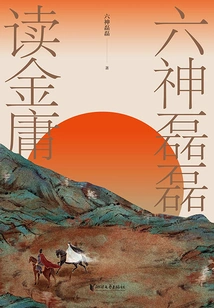
Six Gods Leilei Reads Jin Yong
Literature六神磊磊读金庸
Six Gods Leilei
When we read Jin Yong, we tend to be immersed in the profound martial arts and exciting plots. And there is such an amazing fan of Jin Yong, who understands Mr. Jin Yong's caring about human nature and insight, and the "compassion" of a generation of literary giants for the world. He also shoulders the moral responsibility of "punishing evil and promoting good" with a pair of iron shoulders, and inherits the career of Mr. Jin Yong's "pity the world" with a sharp and sharp pen. He is our beloved Liushen Leile. Mr. Jin Yong's works always reflect the times and use wonderful stories to inspire people's thinking about reality. Liushen Leilei interprets and analyzes Mr. Jin Yong's works in detail, takes us to read Jin Yong, and guides us to think: Why did the Eastern Invincible not kill Ren Yingying? Why can't the camellias in Mantuo Villa always survive?
When we read Jin Yong, we tend to be immersed in the profound martial arts and exciting plots. And there is such an amazing fan of Jin Yong, who understands Mr. Jin Yong's caring about human nature and insight, and the "compassion" of a generation of literary giants for the world. He also shoulders the moral responsibility of "punishing evil and promoting good" with a pair of iron shoulders, and inherits the career of Mr. Jin Yong's "pity the world" with a sharp and sharp pen. He is our beloved Liushen Leile. Mr. Jin Yong's works always reflect the times and use wonderful stories to inspire people's thinking about reality. Liushen Leilei interprets and analyzes Mr. Jin Yong's works in detail, takes us to read Jin Yong, and guides us to think: Why did the Eastern Invincible not kill Ren Yingying? Why can't the camellias in Mantuo Villa always survive?
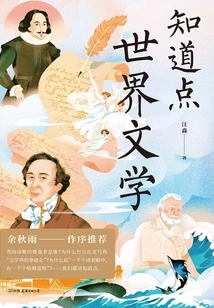
Know Something About World Literature
Literature知道点世界文学
Wang Miao
Who is the founder of British poetry? Why is Balzac known as the Napoleon of literature? Why is it said that "a thousand readers, there are a thousand Hamlets"? ...We should all know better.
Who is the founder of British poetry? Why is Balzac known as the Napoleon of literature? Why is it said that "a thousand readers, there are a thousand Hamlets"? ...We should all know better.
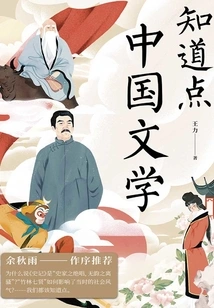
Know Something About Chinese Literature
Literature知道点中国文学
Wang Li
What kind of ancient social life does The Book of Songs reflect? Why is it said that "Historical Records" is "the swansong of historians and a rhymeless lisao"? How did the "Seven Sages of the Bamboo Grove" influence the social atmosphere at that time? ...We should all know better.
What kind of ancient social life does The Book of Songs reflect? Why is it said that "Historical Records" is "the swansong of historians and a rhymeless lisao"? How did the "Seven Sages of the Bamboo Grove" influence the social atmosphere at that time? ...We should all know better.
A Study of Naturalism in British Novels
Literature英国小说中的自然主义研究
Song Hutang
This book focuses on the historical existence and dynamic development of naturalism in Britain, closely follows the works of representative British writers in the late 19th and early 20th centuries, and uses the social cognition, humanistic examination, aesthetic pursuit, rhetorical art, and morphological evolution closely related to British novels and naturalism as the entry point. , Using a research perspective that combines macro and micro, in-depth analysis of the spread and acceptance of naturalism in the UK and the actual meaning of the name, analysis and exposition of the multi-dimensional existence form of naturalism in British novels, and exploration of the unique connotation, text form and artistic value of naturalism in British novels. This book can provide a useful reference for systematically understanding and grasping the existence form, artistic value and literary history writing of naturalism in British novels, and has high academic value.
This book focuses on the historical existence and dynamic development of naturalism in Britain, closely follows the works of representative British writers in the late 19th and early 20th centuries, and uses the social cognition, humanistic examination, aesthetic pursuit, rhetorical art, and morphological evolution closely related to British novels and naturalism as the entry point. , Using a research perspective that combines macro and micro, in-depth analysis of the spread and acceptance of naturalism in the UK and the actual meaning of the name, analysis and exposition of the multi-dimensional existence form of naturalism in British novels, and exploration of the unique connotation, text form and artistic value of naturalism in British novels. This book can provide a useful reference for systematically understanding and grasping the existence form, artistic value and literary history writing of naturalism in British novels, and has high academic value.
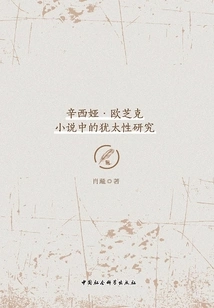
辛西娅·欧芝克小说中的犹太性研究
Xiao Biao
This book selects Ozick's thirteen short stories, three novellas and five novels as target texts, and mainly includes an introduction, five chapters and a conclusion. From a non-Jewish perspective, interpret the Jewishness expressed in Ozick's novels. Using diaspora theory, from the perspectives of feminism, new historicism, and postmodern narrative research, this paper explains his views on literature, history, nature, and women, and analyzes how Ozick inherits and develops the main characteristics of Jewishness in contemporary American Jewish novels, unifies ideological and artistic qualities, displays unique Jewishness, and enriches the literary expression of Jewishness in contemporary American Jewish novels. It provides a research way for us to understand this female writer.
This book selects Ozick's thirteen short stories, three novellas and five novels as target texts, and mainly includes an introduction, five chapters and a conclusion. From a non-Jewish perspective, interpret the Jewishness expressed in Ozick's novels. Using diaspora theory, from the perspectives of feminism, new historicism, and postmodern narrative research, this paper explains his views on literature, history, nature, and women, and analyzes how Ozick inherits and develops the main characteristics of Jewishness in contemporary American Jewish novels, unifies ideological and artistic qualities, displays unique Jewishness, and enriches the literary expression of Jewishness in contemporary American Jewish novels. It provides a research way for us to understand this female writer.
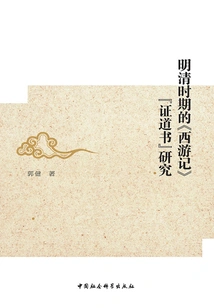
Research on the "book of Zhengdao" in "journey to the West" During the Ming and Qing Dynasties
Literature明清时期的《西游记》“证道书”研究
Guo Jian
For the first time, this book uses the clear Taoist inner alchemy knowledge as an important basis to conduct specialized research on 9 commentaries and 1 sequel of "Journey to the West" one by one. It not only studies the commentator, sequel author, creation year and other version information, but also deeply explores the specific commentaries and the purpose of the sequel. Each chapter of this book presents new perspectives, and many of the conclusions drawn throughout the book are original. For the first time, this book uses the clear Taoist inner alchemy knowledge as an important basis to conduct specialized research on 9 commentaries and 1 sequel of "Journey to the West" one by one. It not only studies the commentator, sequel author, creation year and other version information, but also deeply explores the specific commentaries and the purpose of the sequel. Each chapter of this book presents new perspectives, and many of the conclusions drawn throughout the book are original.
For the first time, this book uses the clear Taoist inner alchemy knowledge as an important basis to conduct specialized research on 9 commentaries and 1 sequel of "Journey to the West" one by one. It not only studies the commentator, sequel author, creation year and other version information, but also deeply explores the specific commentaries and the purpose of the sequel. Each chapter of this book presents new perspectives, and many of the conclusions drawn throughout the book are original. For the first time, this book uses the clear Taoist inner alchemy knowledge as an important basis to conduct specialized research on 9 commentaries and 1 sequel of "Journey to the West" one by one. It not only studies the commentator, sequel author, creation year and other version information, but also deeply explores the specific commentaries and the purpose of the sequel. Each chapter of this book presents new perspectives, and many of the conclusions drawn throughout the book are original.
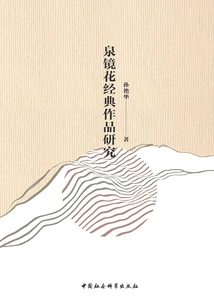
Research on Izumi Kyoka's Classic Works
Literature泉镜花经典作品研究
Sun Yanhua
Kyoka Izumi (1873-1939), a romantic master in the history of Japanese literature, is a peak in the history of modern Japanese romantic novels. This book selects 11 classic works written by Izumi Kyoka at different stages in the Meiji, Taisho, and Showa periods, and examines the characteristics of Izumi Kyoka's literature in detail from the perspectives of linguistics, folklore, psychology, stylistics, narratology, and comparative literature. It traces back upwards to pre-modern literature and art such as legends, waka, and Chinese poetry, as well as noh and comic books and other pre-modern literature, and extends downward to contemporary film and television literature; horizontally, it compares with contemporary writers and works, and vertically with Chinese literature, thus reflecting the panoramic view of Izumi Kyoka literature in a three-dimensional and all-round way. Quan Jinghua is a "heterodox" among modern writers, and Quan Jinghua literature is a reflection on modern literature from an "anti-modern" standpoint. If we observe the 11 works in order according to the time when they were published, we can outline the trajectory of Izumi Kyoka literature from "modern times" to "anti-modern times". Specifically, the "modernity" embodied by Kyoka through "conceptual novels" weakens in the "autobiographical novel" stage - the focus shifts from the outside to the inside. After the transition of "The Bird", it finally enters "anti-modernity". The appearance of "The Holy Monk of Kono" marks this change. Since then, all the works created by Kyoka have an "anti-modern" color.
Kyoka Izumi (1873-1939), a romantic master in the history of Japanese literature, is a peak in the history of modern Japanese romantic novels. This book selects 11 classic works written by Izumi Kyoka at different stages in the Meiji, Taisho, and Showa periods, and examines the characteristics of Izumi Kyoka's literature in detail from the perspectives of linguistics, folklore, psychology, stylistics, narratology, and comparative literature. It traces back upwards to pre-modern literature and art such as legends, waka, and Chinese poetry, as well as noh and comic books and other pre-modern literature, and extends downward to contemporary film and television literature; horizontally, it compares with contemporary writers and works, and vertically with Chinese literature, thus reflecting the panoramic view of Izumi Kyoka literature in a three-dimensional and all-round way. Quan Jinghua is a "heterodox" among modern writers, and Quan Jinghua literature is a reflection on modern literature from an "anti-modern" standpoint. If we observe the 11 works in order according to the time when they were published, we can outline the trajectory of Izumi Kyoka literature from "modern times" to "anti-modern times". Specifically, the "modernity" embodied by Kyoka through "conceptual novels" weakens in the "autobiographical novel" stage - the focus shifts from the outside to the inside. After the transition of "The Bird", it finally enters "anti-modernity". The appearance of "The Holy Monk of Kono" marks this change. Since then, all the works created by Kyoka have an "anti-modern" color.
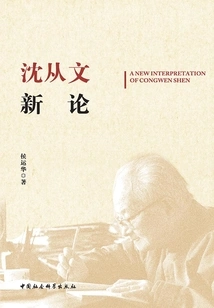
Shen Congwen's New Comments
Literature沈从文新论
Hou Yunhua
Shen Congwen (1902-1988) is a famous writer in the history of modern Chinese literature. Research on his works has been fruitful, but there is still a need for further in-depth research. This book is the result of the author's many years of research on Shen Congwen. It conducts an in-depth analysis of Shen Congwen's prose creation and his legendary experience, poetry creation and subject consciousness, novel creation and cultural choices. It explains the main connotations of Shen Congwen's novels' narrative characteristics, poetry views, and novel views. It also sorts out his views on the dispute between the Beijing School and the Shanghai School to explore the differences in literary views between the two schools and their impact on the creation of novels of the Beijing School and Shanghai School, and to highlight the characteristics of the Beijing School's novel creation.
Shen Congwen (1902-1988) is a famous writer in the history of modern Chinese literature. Research on his works has been fruitful, but there is still a need for further in-depth research. This book is the result of the author's many years of research on Shen Congwen. It conducts an in-depth analysis of Shen Congwen's prose creation and his legendary experience, poetry creation and subject consciousness, novel creation and cultural choices. It explains the main connotations of Shen Congwen's novels' narrative characteristics, poetry views, and novel views. It also sorts out his views on the dispute between the Beijing School and the Shanghai School to explore the differences in literary views between the two schools and their impact on the creation of novels of the Beijing School and Shanghai School, and to highlight the characteristics of the Beijing School's novel creation.
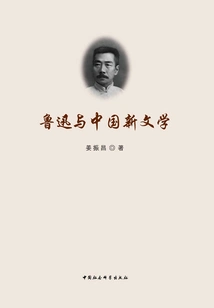
Lu Xun and Chinese New Literature
Literature鲁迅与中国新文学
Jiang Zhenchang
The relationship between Lu Xun and Chinese new literature in the twentieth century is very close and crucial. He not only played a leading role in the two sources of new literature, "May Fourth Literature" and "Left-Wing Literature," but also had a profound influence on major literary trends such as "realism" and "transforming national character." At the same time, Lu Xun's novels "The Scream" and "Wandering", the historical novel "New Stories", the prose poem "Weeds" and "Essays" and other new literary styles have always established an immortal style in "aesthetic" and "historical" construction. Lu Xun ended an old era of literature and created a new historical era in which Chinese literature synchronized with the world's modern literature.
The relationship between Lu Xun and Chinese new literature in the twentieth century is very close and crucial. He not only played a leading role in the two sources of new literature, "May Fourth Literature" and "Left-Wing Literature," but also had a profound influence on major literary trends such as "realism" and "transforming national character." At the same time, Lu Xun's novels "The Scream" and "Wandering", the historical novel "New Stories", the prose poem "Weeds" and "Essays" and other new literary styles have always established an immortal style in "aesthetic" and "historical" construction. Lu Xun ended an old era of literature and created a new historical era in which Chinese literature synchronized with the world's modern literature.
简明中国文学史(典藏版)
Luo Yuming
So far, there have been many versions of Chinese literary history, and they have been written in different ways. The goal of this book is to pursue theoretical novelty and strong knowledge, and to clearly and completely explain the main context and basic characteristics of the development and evolution of Chinese literature in a limited space. In terms of specific discussion, we adhere to the literary-oriented stance and emphasize the analysis of problems from the unique value scale of literature; we focus on the basic clues of literary development, the main characteristics of literary evolution in each period, and the unique significance and influence of important writers' works on artistic creation. Although the title of the book carries the word "concise", in some aspects, such as the analysis and evaluation of some writers' works, it is more thorough than ordinary multi-volume literary histories. Coupled with the beautiful writing and numerous insights, it is an outstanding work among literary history writings.
So far, there have been many versions of Chinese literary history, and they have been written in different ways. The goal of this book is to pursue theoretical novelty and strong knowledge, and to clearly and completely explain the main context and basic characteristics of the development and evolution of Chinese literature in a limited space. In terms of specific discussion, we adhere to the literary-oriented stance and emphasize the analysis of problems from the unique value scale of literature; we focus on the basic clues of literary development, the main characteristics of literary evolution in each period, and the unique significance and influence of important writers' works on artistic creation. Although the title of the book carries the word "concise", in some aspects, such as the analysis and evaluation of some writers' works, it is more thorough than ordinary multi-volume literary histories. Coupled with the beautiful writing and numerous insights, it is an outstanding work among literary history writings.
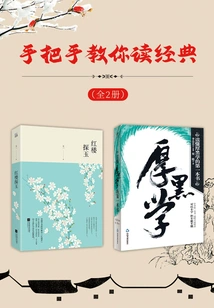
手把手教你读经典(全2册)
Wang Yi He Xiao
This set of books includes 2 books, "A Quest for Jade in Red Mansions" and "The First Book to Understand the Theory of Darkness". "A Quest for Jade in Red Mansions" deciphers the truth about the ending of "A Dream of Red Mansions". This includes the fates of Lin Daiyu, Xue Baochai, Jia Baoyu, Zhen Baoyu, and Shi Xiangyun. "The First Book on Understanding Houhei Studies" can be called a stunning work on the study of China. The book is divided into two parts. The first part is Mr. He Xiao's annotation and interpretation of Houhei Studies, which is divided into "Li Zongwu, the leader of Houhei" and "What is Houhei?" , "The Style in Houhei Temple", three chapters, telling some concise stories in a lively writing style, allowing readers to easily obtain the essence of "Houheiology" and fully understand the "Houhei Cult Leader" - Mr. Li Zongwu, a modern Chinese educator and thinker. The second part is the original work of "Houheixue" by Li Zongwu, providing readers with the most comprehensive and profound banquet of authentic Houheixue.
This set of books includes 2 books, "A Quest for Jade in Red Mansions" and "The First Book to Understand the Theory of Darkness". "A Quest for Jade in Red Mansions" deciphers the truth about the ending of "A Dream of Red Mansions". This includes the fates of Lin Daiyu, Xue Baochai, Jia Baoyu, Zhen Baoyu, and Shi Xiangyun. "The First Book on Understanding Houhei Studies" can be called a stunning work on the study of China. The book is divided into two parts. The first part is Mr. He Xiao's annotation and interpretation of Houhei Studies, which is divided into "Li Zongwu, the leader of Houhei" and "What is Houhei?" , "The Style in Houhei Temple", three chapters, telling some concise stories in a lively writing style, allowing readers to easily obtain the essence of "Houheiology" and fully understand the "Houhei Cult Leader" - Mr. Li Zongwu, a modern Chinese educator and thinker. The second part is the original work of "Houheixue" by Li Zongwu, providing readers with the most comprehensive and profound banquet of authentic Houheixue.
Meet the Book of Songs
Literature遇见诗经
Hou Taier
The Book of Songs is the beginning of ancient Chinese poetry and the earliest poetry collection in my country. Confucius commented that "if you don't learn poetry, you can't speak". This book integrates the "wind", "elegance" and "song" famous articles in the Book of Songs, and tells the stories behind the Book of Songs in easy and smooth words. Through these ancient and simple poems, it presents readers with all aspects of love between men and women, people's livelihood, and national systems in the Book of Songs period. It shows an era that, although distant, resonates with our current life, and its pure, simple and warm emotional core.
The Book of Songs is the beginning of ancient Chinese poetry and the earliest poetry collection in my country. Confucius commented that "if you don't learn poetry, you can't speak". This book integrates the "wind", "elegance" and "song" famous articles in the Book of Songs, and tells the stories behind the Book of Songs in easy and smooth words. Through these ancient and simple poems, it presents readers with all aspects of love between men and women, people's livelihood, and national systems in the Book of Songs period. It shows an era that, although distant, resonates with our current life, and its pure, simple and warm emotional core.
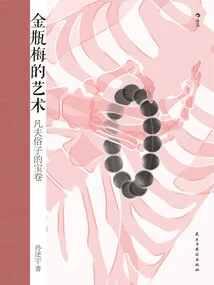
金瓶梅的艺术:凡夫俗子的宝卷
Sun Shuyu
This book is a collection of appreciation essays on "The Plum in the Golden Vase". The author uses comparative literature techniques to place "The Plum in the Golden Vase" in two broad literary dimensions: traditional Chinese literature and world famous works. Starting from representative figures such as Jin (Pan Jinlian), Ping (Li Ping'er), Mei (Pang Chunmei), Ximen Qing, etc., The author focuses on analyzing the realistic art and satire of "The Plum in the Golden Vase". The techniques, attention to the details of daily life, and unique concern for death not only illustrate the many precedents that "The Plum in the Golden Lotus" set for traditional literary classics such as "A Dream of Red Mansions" and "The Scholars", but also draw on the works of many world-class writers such as Chekhov, Tolstoy, Dickens, etc. To explain the outstanding literary height of "The Plum in the Golden Lotus" in a simple and easy-to-understand manner. At the same time, the author understands the unfathomable nature of human nature with a heart similar to that of the author of "The Plum in the Golden Vase". In particular, he explains the non-main characters such as Song Huilian, Count Ying, and Sister Li Gui, giving a thorough insight into the sympathy, mercy and redemption contained in "The Plum in the Golden Vase".
This book is a collection of appreciation essays on "The Plum in the Golden Vase". The author uses comparative literature techniques to place "The Plum in the Golden Vase" in two broad literary dimensions: traditional Chinese literature and world famous works. Starting from representative figures such as Jin (Pan Jinlian), Ping (Li Ping'er), Mei (Pang Chunmei), Ximen Qing, etc., The author focuses on analyzing the realistic art and satire of "The Plum in the Golden Vase". The techniques, attention to the details of daily life, and unique concern for death not only illustrate the many precedents that "The Plum in the Golden Lotus" set for traditional literary classics such as "A Dream of Red Mansions" and "The Scholars", but also draw on the works of many world-class writers such as Chekhov, Tolstoy, Dickens, etc. To explain the outstanding literary height of "The Plum in the Golden Lotus" in a simple and easy-to-understand manner. At the same time, the author understands the unfathomable nature of human nature with a heart similar to that of the author of "The Plum in the Golden Vase". In particular, he explains the non-main characters such as Song Huilian, Count Ying, and Sister Li Gui, giving a thorough insight into the sympathy, mercy and redemption contained in "The Plum in the Golden Vase".
文艺百家谈(2020年第1—2辑 总第25辑)
Anhui Literary And Art Circles Federation Anhui Literary And Art Critics Association
"Hundred Schools of Literature and Art (Volume 1-2 in 2020, 25th overall)" is divided into four columns: Nationally renowned literary and art critics look at Anhui, New Era Literary and Art Research, Anhui original literature, and cutting-edge criticism. The content covers literary and art theory, aesthetics, art history, literature, drama, film, television, music, dance, art, photography, calligraphy, folk art, acrobatics, folk literature and art, as well as online literature and art, digital art, new media art, cultural industry and other aspects. The included articles are based on the glorious reality of today's great development and prosperity of socialist literature and art, and closely follow the pulse of the times. The article has a novel perspective, thoughtful thinking, and vivid language. To a certain extent, the manuscript reflects the new realm and height of Anhui literary and art criticism.
"Hundred Schools of Literature and Art (Volume 1-2 in 2020, 25th overall)" is divided into four columns: Nationally renowned literary and art critics look at Anhui, New Era Literary and Art Research, Anhui original literature, and cutting-edge criticism. The content covers literary and art theory, aesthetics, art history, literature, drama, film, television, music, dance, art, photography, calligraphy, folk art, acrobatics, folk literature and art, as well as online literature and art, digital art, new media art, cultural industry and other aspects. The included articles are based on the glorious reality of today's great development and prosperity of socialist literature and art, and closely follow the pulse of the times. The article has a novel perspective, thoughtful thinking, and vivid language. To a certain extent, the manuscript reflects the new realm and height of Anhui literary and art criticism.
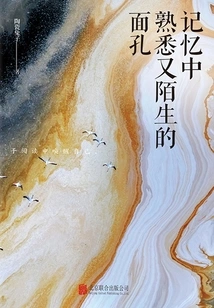
Familiar and Unfamiliar Faces in Memory
Literature记忆中熟悉又陌生的面孔
Ceramic Rabbit
This is an alternative literary inspirational book. Reread literary classics with the author and discover interesting philosophy of life between the lines. In "Education", how many detours does a girl have to take to achieve the life she wants? Why can't a female literary young man like Emma in "Madame Bovary" find happiness? Can you be like Charlotte in "Pride and Prejudice", not complaining about broken dreams, but regretting, and looking firmly ahead... The Ceramic Rabbit rereads the famous book, observes the details, and has a unique perspective. He says what others have not said. It seems to be open-minded, but it is really reasonable. This work combines inspirational and literary interpretations of literary classics from different angles. It is both down-to-earth and practical and can meet the cultural needs of readers.
This is an alternative literary inspirational book. Reread literary classics with the author and discover interesting philosophy of life between the lines. In "Education", how many detours does a girl have to take to achieve the life she wants? Why can't a female literary young man like Emma in "Madame Bovary" find happiness? Can you be like Charlotte in "Pride and Prejudice", not complaining about broken dreams, but regretting, and looking firmly ahead... The Ceramic Rabbit rereads the famous book, observes the details, and has a unique perspective. He says what others have not said. It seems to be open-minded, but it is really reasonable. This work combines inspirational and literary interpretations of literary classics from different angles. It is both down-to-earth and practical and can meet the cultural needs of readers.
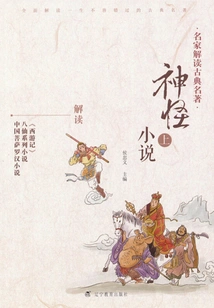
名家解读古典名著·神怪小说(上)
Hou Zhongyi
Interpret the stories of "Eight Immortals Crossing the Sea" and "Journey to the West". "Interpretations of Classical Classics by Famous Masters: Novels of Gods and Monsters (Part 1)" not only systematically interprets seven types of novels about the Eight Immortals, from novels to folk tales, until tracing the origins of the Eight Immortals, but also clarifies the influence of Taoism on Chinese novels. "Famous Masters Interpret Classical Classics: Novels of Gods and Monsters (Part 1)" not only introduces the opinions of each school, but also puts forward new insights. It also interprets the images of Sun Wukong, Zhu Bajie, Sha Seng, Tang Seng and other characters.
Interpret the stories of "Eight Immortals Crossing the Sea" and "Journey to the West". "Interpretations of Classical Classics by Famous Masters: Novels of Gods and Monsters (Part 1)" not only systematically interprets seven types of novels about the Eight Immortals, from novels to folk tales, until tracing the origins of the Eight Immortals, but also clarifies the influence of Taoism on Chinese novels. "Famous Masters Interpret Classical Classics: Novels of Gods and Monsters (Part 1)" not only introduces the opinions of each school, but also puts forward new insights. It also interprets the images of Sun Wukong, Zhu Bajie, Sha Seng, Tang Seng and other characters.
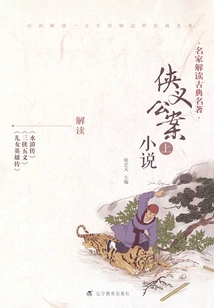
Classical Masterpieces Interpreted by Famous Experts·chivalrous Public Case Novels (part 1)
Literature名家解读古典名著·侠义公案小说(上)
Hou Zhongyi
Interpreting the profound ideological content of "Water Margin" and shaping Shangchao's artistic techniques solve the eternal mystery of why "if you don't read Water Margin, you don't know the wonders of the world" and "it is unique to "Water Margin", but I just don't get tired of watching it". Interpret what kind of novel "The Heroes of Sons and Daughters" is? Why is it said to be comparable to "Dream of Red Mansions"? What are the similarities between its content and author and "A Dream of Red Mansions"? What are its achievements and shortcomings? Interpretation of "Three Heroes and Five Righteousness" is a chivalrous public case novel with the highest artistic level. It interprets the images of Bao Gong and Zhan Zhao described in the book, analyzes the artistic characteristics of the characters in the book and their influence on later novels, and explores the writing process of the "Three Heroes and Five Righteousness" series.
Interpreting the profound ideological content of "Water Margin" and shaping Shangchao's artistic techniques solve the eternal mystery of why "if you don't read Water Margin, you don't know the wonders of the world" and "it is unique to "Water Margin", but I just don't get tired of watching it". Interpret what kind of novel "The Heroes of Sons and Daughters" is? Why is it said to be comparable to "Dream of Red Mansions"? What are the similarities between its content and author and "A Dream of Red Mansions"? What are its achievements and shortcomings? Interpretation of "Three Heroes and Five Righteousness" is a chivalrous public case novel with the highest artistic level. It interprets the images of Bao Gong and Zhan Zhao described in the book, analyzes the artistic characteristics of the characters in the book and their influence on later novels, and explores the writing process of the "Three Heroes and Five Righteousness" series.
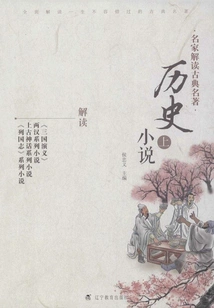
名家解读古典名著·历史小说(上)
Hou Zhongyi
"Masters Interpret Classical Classics: Historical Novels (Part 1)" uses concise, smooth and popular words to interpret the origin, evolution, historical background, ideological connotation and artistic achievements of these novels. Interpretation of the novels of the Two Han Dynasties The two Han Dynasties were an important period in the history of our country. The novels based on the historical events of the Two Han Dynasties constitute a unique series that is continuous. Through several development stages of early novels with themes of the Han Dynasty, Sewu Pinghua and popular romances of the Ming and Qing Dynasties, the author combs the development and evolution trajectory of the novels of the Han Dynasty, compares their similarities and differences with official history, and compares and analyzes the different styles and tastes of the same theme in different historical periods and written by different writers, and cannot exhaust the special rules of the creation of historical novels.
"Masters Interpret Classical Classics: Historical Novels (Part 1)" uses concise, smooth and popular words to interpret the origin, evolution, historical background, ideological connotation and artistic achievements of these novels. Interpretation of the novels of the Two Han Dynasties The two Han Dynasties were an important period in the history of our country. The novels based on the historical events of the Two Han Dynasties constitute a unique series that is continuous. Through several development stages of early novels with themes of the Han Dynasty, Sewu Pinghua and popular romances of the Ming and Qing Dynasties, the author combs the development and evolution trajectory of the novels of the Han Dynasty, compares their similarities and differences with official history, and compares and analyzes the different styles and tastes of the same theme in different historical periods and written by different writers, and cannot exhaust the special rules of the creation of historical novels.
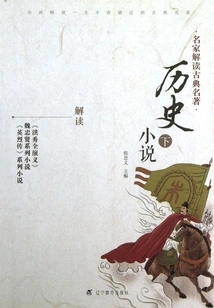
名家解读古典名著·历史小说(下)
Hou Zhongyi
"Historical Novels" Interpretation of the "Biographies of Heroes" series of novels "Masters Interpret Classical Masterpieces: Historical Novels (Part 2)", on the basis of introducing and interpreting "Biographies of Heroes" and analyzing its artistic achievements, makes a more in-depth discussion of historical novels from the aspects of the relationship between novels and historical facts and the mentality of the citizen class, and affirms its pioneering significance and creative literary value in reflecting contemporary history with novels.
"Historical Novels" Interpretation of the "Biographies of Heroes" series of novels "Masters Interpret Classical Masterpieces: Historical Novels (Part 2)", on the basis of introducing and interpreting "Biographies of Heroes" and analyzing its artistic achievements, makes a more in-depth discussion of historical novels from the aspects of the relationship between novels and historical facts and the mentality of the citizen class, and affirms its pioneering significance and creative literary value in reflecting contemporary history with novels.
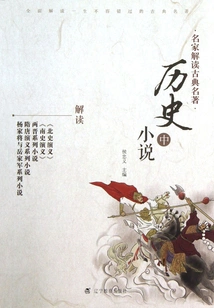
名家解读古典名著·历史小说(中)
Hou Zhongyi
"Masters' Interpretation of Classical Classics: Historical Novels (Part 2)" Interpretation of the Two Jin Series Novels In terms of historical changes, the Two Jin Dynasty followed the Three Kingdoms era. The Jin Dynasty was a feudal dynasty established by the Sima family after usurping the military and political power of Wei and defeating Shu and Wu. In this dynasty, unity was short-lived, but war and division were the characteristics of this dynasty. "Masters' Interpretation of Classical Classics: Historical Novels (Part 2)" will analyze and compare the creative ideas, content and artistic achievements of "The Romance of the Eastern and Western Jin Dynasties" and "The Romance of the Two Jin Dynasties" that reflect this period of history, and provide help for readers to understand and read these two historical romance novels.
"Masters' Interpretation of Classical Classics: Historical Novels (Part 2)" Interpretation of the Two Jin Series Novels In terms of historical changes, the Two Jin Dynasty followed the Three Kingdoms era. The Jin Dynasty was a feudal dynasty established by the Sima family after usurping the military and political power of Wei and defeating Shu and Wu. In this dynasty, unity was short-lived, but war and division were the characteristics of this dynasty. "Masters' Interpretation of Classical Classics: Historical Novels (Part 2)" will analyze and compare the creative ideas, content and artistic achievements of "The Romance of the Eastern and Western Jin Dynasties" and "The Romance of the Two Jin Dynasties" that reflect this period of history, and provide help for readers to understand and read these two historical romance novels.
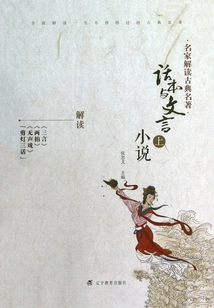
Famous Experts Interpret Classical Masterpieces, Scripts and Classical Chinese Novels (part 1)
Literature名家解读古典名著·话本与文言小说(上)
Hou Zhongyi
Interpretation of "Three Episodes of Jian Deng" and "Three Episodes of Jian Deng" are the collective name of the three novel collections "New Stories of Jian Deng", "Remaining Stories of Jian Deng" and "The Story of Looking for Deng Yin". Among them, "New Stories of Jian Deng" is a pioneering collection of novels from the enlightened era. This book provides a comprehensive interpretation of the historical status, artistic achievements, and ideological tendencies of "Three Stories of Cutting the Deng" from the perspectives of Chinese novel history, literature and art, and historical religion. Interpretation of "Three Words" When it comes to Feng Menglong's "Three Words", many people know that it includes "Mingyan to illustrate the world", "Tongyan to warn the world" and "Everlasting words to awaken the world", but they ask how it came into being. It is hard to say what kind of artistic charm it will have on later generations. This book focuses on interpreting "Three Words" and its representative chapters from the aspects of era background, ideological tendencies, characters, artistic techniques, and practical significance. Interpretation of "Two Beats" Ling Yangchu's "Two Beats" - "Surprise at the First Moment of Shooting the Case" and "Surprise at the First Moment of Shooting the Case" are as famous as Feng Menglong's "Three Words". This book brings together the results of contemporary research on "Two Beats" and interprets it in detail from various aspects such as exploring its origins, artistic analysis, comparison of works, and the relationship between the ideological tendency of the work and social life. Interpretation of "Silent Play" Li Yu not only wrote poems, lyrics, operas, novels, but also theoretical miscellaneous works. The complete categories and considerable quantity are rare in the history of Chinese literature. To be fair, Li Yu was not only the most outstanding writer in the creation of popular short stories after Feng Menglong and Ling Yangchu in the late Ming Dynasty, but he was also one of the rare generalists in ancient my country. Based on many years of research, the author of this book comprehensively and systematically interprets Li Yu and his "Silent Play" and other novels.
Interpretation of "Three Episodes of Jian Deng" and "Three Episodes of Jian Deng" are the collective name of the three novel collections "New Stories of Jian Deng", "Remaining Stories of Jian Deng" and "The Story of Looking for Deng Yin". Among them, "New Stories of Jian Deng" is a pioneering collection of novels from the enlightened era. This book provides a comprehensive interpretation of the historical status, artistic achievements, and ideological tendencies of "Three Stories of Cutting the Deng" from the perspectives of Chinese novel history, literature and art, and historical religion. Interpretation of "Three Words" When it comes to Feng Menglong's "Three Words", many people know that it includes "Mingyan to illustrate the world", "Tongyan to warn the world" and "Everlasting words to awaken the world", but they ask how it came into being. It is hard to say what kind of artistic charm it will have on later generations. This book focuses on interpreting "Three Words" and its representative chapters from the aspects of era background, ideological tendencies, characters, artistic techniques, and practical significance. Interpretation of "Two Beats" Ling Yangchu's "Two Beats" - "Surprise at the First Moment of Shooting the Case" and "Surprise at the First Moment of Shooting the Case" are as famous as Feng Menglong's "Three Words". This book brings together the results of contemporary research on "Two Beats" and interprets it in detail from various aspects such as exploring its origins, artistic analysis, comparison of works, and the relationship between the ideological tendency of the work and social life. Interpretation of "Silent Play" Li Yu not only wrote poems, lyrics, operas, novels, but also theoretical miscellaneous works. The complete categories and considerable quantity are rare in the history of Chinese literature. To be fair, Li Yu was not only the most outstanding writer in the creation of popular short stories after Feng Menglong and Ling Yangchu in the late Ming Dynasty, but he was also one of the rare generalists in ancient my country. Based on many years of research, the author of this book comprehensively and systematically interprets Li Yu and his "Silent Play" and other novels.
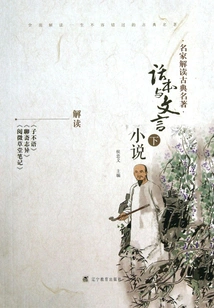
Famous Experts Interpret Classical Masterpieces, Scripts and Classical Chinese Novels (part 2)
Literature名家解读古典名著·话本与文言小说(下)
Hou Zhongyi
Interpretation of "Strange Stories from a Chinese Studio" Pu Songling and his "Strange Stories from a Chinese Studio" are almost known to everyone. "Interpretations of Classical Masterpieces by Famous Writers: Storytelling and Classical Chinese Novels (Part 2)" combines the many results of the research on "Strange Stories from a Chinese Studio" and gives a detailed interpretation of Pu Songling's "Strange Stories from a Chinese Studio". It not only gives an overview but also details the sources, helping readers to fully understand Pu Songling and his "Strange Stories from a Chinese Studio". Interpretation of "Zi Buyu" Yuan Mei was a famous litterateur in the Qing Dynasty. He had been writing poetry for fifty years and left a large number of works. The novel "Zi Buyu" reflects his humorous personality and ridicule of the world. "Famous Masters Interpret Classical Masterpieces: Storytelling and Classical Chinese Novels (Part 2)" briefly introduces Yuan Mei's life experience, ideological character and literary achievements, and then focuses on interpreting the ideological content and artistic characteristics of "Zi Buyu". Interpretation The popularity of TV series such as "Yuewei Cottage Notes" and "Iron Teeth and Bronze Teeth Ji Xiaolan" have made Ji Xiaolan (Ji Yun) a household name. Ji Yun, a famous writer in the Qing Dynasty who served as a high official and edited the "Sikuquanshu". Why did you write "Notes of Yuewei Thatched Cottage" which talks about ghosts and foxes? The author broadens his horizons and explores and interprets Ji Yun and his "Notes from Yuewei Cottage" from the perspective of the diversity of traditional Chinese culture in the context of world literature.
Interpretation of "Strange Stories from a Chinese Studio" Pu Songling and his "Strange Stories from a Chinese Studio" are almost known to everyone. "Interpretations of Classical Masterpieces by Famous Writers: Storytelling and Classical Chinese Novels (Part 2)" combines the many results of the research on "Strange Stories from a Chinese Studio" and gives a detailed interpretation of Pu Songling's "Strange Stories from a Chinese Studio". It not only gives an overview but also details the sources, helping readers to fully understand Pu Songling and his "Strange Stories from a Chinese Studio". Interpretation of "Zi Buyu" Yuan Mei was a famous litterateur in the Qing Dynasty. He had been writing poetry for fifty years and left a large number of works. The novel "Zi Buyu" reflects his humorous personality and ridicule of the world. "Famous Masters Interpret Classical Masterpieces: Storytelling and Classical Chinese Novels (Part 2)" briefly introduces Yuan Mei's life experience, ideological character and literary achievements, and then focuses on interpreting the ideological content and artistic characteristics of "Zi Buyu". Interpretation The popularity of TV series such as "Yuewei Cottage Notes" and "Iron Teeth and Bronze Teeth Ji Xiaolan" have made Ji Xiaolan (Ji Yun) a household name. Ji Yun, a famous writer in the Qing Dynasty who served as a high official and edited the "Sikuquanshu". Why did you write "Notes of Yuewei Thatched Cottage" which talks about ghosts and foxes? The author broadens his horizons and explores and interprets Ji Yun and his "Notes from Yuewei Cottage" from the perspective of the diversity of traditional Chinese culture in the context of world literature.
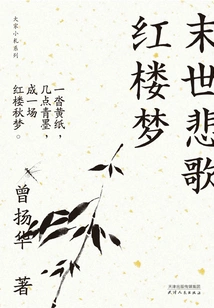
Apocalyptic Elegy Dream of Red Mansions
Literature末世悲歌红楼梦
Zeng Yanghua
This book is an appreciation monograph by the famous red scholar Mr. Zeng Yanghua. The book consists of more than 70 articles, each of which is short and concise. The content covers various issues that are of concern to the majority of lovers of Red Mansions. It focuses on sorting out the characters and emotions in "A Dream of Red Mansions", exploring the disillusionment of prosperity and the sadness of passing expressed in the book, and describing the loneliness, loneliness and hesitation of youth. The author elaborates on this "endless "Dream of Red Mansions"" with careful and meticulous analysis and plain and simple language, abandoning the shortcomings of obscure and difficult-to-understand academic works, making this book not only of academic value, but also a guide for readers to read "Dream of Red Mansions".
This book is an appreciation monograph by the famous red scholar Mr. Zeng Yanghua. The book consists of more than 70 articles, each of which is short and concise. The content covers various issues that are of concern to the majority of lovers of Red Mansions. It focuses on sorting out the characters and emotions in "A Dream of Red Mansions", exploring the disillusionment of prosperity and the sadness of passing expressed in the book, and describing the loneliness, loneliness and hesitation of youth. The author elaborates on this "endless "Dream of Red Mansions"" with careful and meticulous analysis and plain and simple language, abandoning the shortcomings of obscure and difficult-to-understand academic works, making this book not only of academic value, but also a guide for readers to read "Dream of Red Mansions".
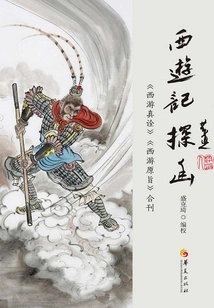
《西游记》探幽:《西游真诠》《西游原旨》合刊
Edited By Sheng Keqi
"Journey to the West" is one of the four classic classics. It has been regarded as a "wonderful book" since the Ming and Qing Dynasties. The secrets of Taoist practice are hidden in the mythical stories. Wang Dongting, a Taoist in the late Qing Dynasty, called this book "truly the first Taoist wonder book". "Those who are familiar with "Journey to the West" can understand all the golden elixirs by themselves"; In order to facilitate readers to understand and study the mystery of the novel "Journey to the West", "Journey to the West True Interpretation" written by Chen Shibin in the Qing Dynasty and "Original Purpose of Journey to the West" written by Liu Yiming in the Qing Dynasty are now published together for the readers' enjoyment. Sheng Keqi (formerly known as Sheng Keqi) was born in Tangshan, Hebei Province. Originally from Ji County, Tianjin. He is the executive director of the National Laozi Taoist Culture Research Association, deputy secretary-general of the Alchemy and Health Culture Research Association, deputy secretary-general of the Hebei Taoist Association, and vice-president and secretary-general of the Tangshan Taoist Association. The 27th generation of Quanzhen Longmen Sect and the 6th generation of Dajiangxi Sect. In Nei-alchemy, he was taught by Mr. Chen Yuzhao (1926-2012), the fifth generation descendant of the Jiangxi School of Taoism. He received careful guidance from Professor Hu Fuchen, a doctoral supervisor at the Chinese Academy of Social Sciences, and studied traditional Taoist culture. Main works: "Yuanqiao Internal Chapter", "Fanghu External History", "Collected Annotations of Shen Tongqi", "Collected Annotations of Huangting Jing", "Complete Works of Zhang Sanfeng", "Ancient Yijin Jing and Ximui Jing" and other dozens of ancient book compilation works.
"Journey to the West" is one of the four classic classics. It has been regarded as a "wonderful book" since the Ming and Qing Dynasties. The secrets of Taoist practice are hidden in the mythical stories. Wang Dongting, a Taoist in the late Qing Dynasty, called this book "truly the first Taoist wonder book". "Those who are familiar with "Journey to the West" can understand all the golden elixirs by themselves"; In order to facilitate readers to understand and study the mystery of the novel "Journey to the West", "Journey to the West True Interpretation" written by Chen Shibin in the Qing Dynasty and "Original Purpose of Journey to the West" written by Liu Yiming in the Qing Dynasty are now published together for the readers' enjoyment. Sheng Keqi (formerly known as Sheng Keqi) was born in Tangshan, Hebei Province. Originally from Ji County, Tianjin. He is the executive director of the National Laozi Taoist Culture Research Association, deputy secretary-general of the Alchemy and Health Culture Research Association, deputy secretary-general of the Hebei Taoist Association, and vice-president and secretary-general of the Tangshan Taoist Association. The 27th generation of Quanzhen Longmen Sect and the 6th generation of Dajiangxi Sect. In Nei-alchemy, he was taught by Mr. Chen Yuzhao (1926-2012), the fifth generation descendant of the Jiangxi School of Taoism. He received careful guidance from Professor Hu Fuchen, a doctoral supervisor at the Chinese Academy of Social Sciences, and studied traditional Taoist culture. Main works: "Yuanqiao Internal Chapter", "Fanghu External History", "Collected Annotations of Shen Tongqi", "Collected Annotations of Huangting Jing", "Complete Works of Zhang Sanfeng", "Ancient Yijin Jing and Ximui Jing" and other dozens of ancient book compilation works.
On Lu Xun's Polyphonic Novels
Literature论鲁迅的复调小说
Yan Jiayan
This book is a collection of essays by Mr. Yan Jiayan on Lu Xun's novels and Lu Xun's thoughts. It not only discusses Lu Xun's novels relatively fully, but also makes a series of new elucidations on his achievements and characteristics. It also conducts a lot of new excavations and research on the profoundness of Lu Xun's thoughts, especially his thoughts in his later years.
This book is a collection of essays by Mr. Yan Jiayan on Lu Xun's novels and Lu Xun's thoughts. It not only discusses Lu Xun's novels relatively fully, but also makes a series of new elucidations on his achievements and characteristics. It also conducts a lot of new excavations and research on the profoundness of Lu Xun's thoughts, especially his thoughts in his later years.
History of Modern Chinese Novel Genres
Literature中国现代小说流派史
Yan Jiayan
Mr. Yan Jiayan, on the basis of doing a lot of work on historical materials, summarized the naturally formed "community" of novelists in the history of modern literature, and created a research pattern on the genre history of modern Chinese novels in the new era. The book unearthed for the first time novel genres such as the New Sensation School, the July School, and the Beijing School that had been forgotten by history, triggering a subsequent wave of research on related schools. In 1992, he won the "National Excellence Award" for the second national outstanding textbooks for colleges and universities issued by the State Education Commission. In 2008, he won the "100 Excellent Achievements Award" for Peking University's humanities and social science research in the past 30 years of reform and opening up.
Mr. Yan Jiayan, on the basis of doing a lot of work on historical materials, summarized the naturally formed "community" of novelists in the history of modern literature, and created a research pattern on the genre history of modern Chinese novels in the new era. The book unearthed for the first time novel genres such as the New Sensation School, the July School, and the Beijing School that had been forgotten by history, triggering a subsequent wave of research on related schools. In 1992, he won the "National Excellence Award" for the second national outstanding textbooks for colleges and universities issued by the State Education Commission. In 2008, he won the "100 Excellent Achievements Award" for Peking University's humanities and social science research in the past 30 years of reform and opening up.
Jin Yong's Novels Essays
Literature金庸小说论稿
Yan Jiayan
In 1995, Mr. Yan Jiayan opened the first special course on "Research on Jin Yong's Novels" in the Chinese Department of Peking University, and published a series of influential research articles on Jin Yong, which played an important role in the entry of Jin Yong and his works into the history of literature. This book is compiled based on the lecture notes and related articles of this special course.
In 1995, Mr. Yan Jiayan opened the first special course on "Research on Jin Yong's Novels" in the Chinese Department of Peking University, and published a series of influential research articles on Jin Yong, which played an important role in the entry of Jin Yong and his works into the history of literature. This book is compiled based on the lecture notes and related articles of this special course.
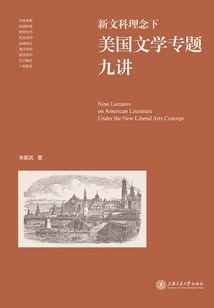
新文科理念下美国文学专题九讲
Zhu Zhenwu
Under the concept of the new liberal arts, this book provides a thematic explanation of American literature from nine aspects, focusing on exploring current issues based on the original classics. It provides a reference for understanding the artistic characteristics, theme connotations, aesthetic styles, social concerns of American literature, especially American novels, and the factors that help them break away from the shackles of British literature and steadily move towards independence. It also provides a reference for readers to think about the past, present and future issues of mankind through literary works.
Under the concept of the new liberal arts, this book provides a thematic explanation of American literature from nine aspects, focusing on exploring current issues based on the original classics. It provides a reference for understanding the artistic characteristics, theme connotations, aesthetic styles, social concerns of American literature, especially American novels, and the factors that help them break away from the shackles of British literature and steadily move towards independence. It also provides a reference for readers to think about the past, present and future issues of mankind through literary works.
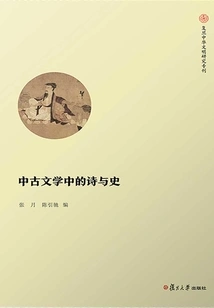
中古文学中的诗与史
Zhang Yue Chen Yinchi
The relationship between poetry and history in medieval literature is very subtle and intricate. It is common for poetry and history to intersect with each other. Historical narratives or historical allusions often appear in poetry. Complex historical figures and events are highly compressed into poems with concise language, such as epic poems and nostalgic poems. At the same time, poems are quoted and composed from time to time in history and narrative literature. These poems play an important role and function in narrative literature, enriching narrative methods and means. For example, "Historical Records", "Hanshu", "Shishuo Xinyu" and "Ben Shi Shi" all quoted a considerable number of poems. In addition, poetry and history are so closely intertwined that they sometimes depend on each other and are difficult to separate, adding to the richness of Chinese culture. For example, Du Fu's poems record the history of that time, which can prove history and make up for the lost records of history. In view of the important interactive relationship between poetry and history, this book invites Chinese and foreign scholars to discuss and write essays on poetry and history in medieval literature.
The relationship between poetry and history in medieval literature is very subtle and intricate. It is common for poetry and history to intersect with each other. Historical narratives or historical allusions often appear in poetry. Complex historical figures and events are highly compressed into poems with concise language, such as epic poems and nostalgic poems. At the same time, poems are quoted and composed from time to time in history and narrative literature. These poems play an important role and function in narrative literature, enriching narrative methods and means. For example, "Historical Records", "Hanshu", "Shishuo Xinyu" and "Ben Shi Shi" all quoted a considerable number of poems. In addition, poetry and history are so closely intertwined that they sometimes depend on each other and are difficult to separate, adding to the richness of Chinese culture. For example, Du Fu's poems record the history of that time, which can prove history and make up for the lost records of history. In view of the important interactive relationship between poetry and history, this book invites Chinese and foreign scholars to discuss and write essays on poetry and history in medieval literature.
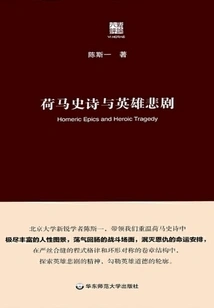
Homeric Epics and Heroic Tragedies
Literature荷马史诗与英雄悲剧
Chen Siyi
"Homer's Epic and Heroic Tragedy" consists of eight independent but interconnected articles. The first three articles are equivalent to general reviews, studying the textual nature and artistic unity of Homer's epic, the historical foundation of Homer's morality, and the literary criticism methods of Homer's epic. The last five chapters interpret Homer's epics from different angles, focusing on the "Iliad", especially Hector and Achilles, showing the world of Homer's poetry with "extremely rich pictures of human nature, soul-stirring battle scenes, and fateful arrangements that eliminate grudges" and strive to reveal the unique temperament and ideological significance of ancient Greek heroes. Based on a close reading of Homer's epics, the author of this book deeply thinks about major issues such as poetry and history, nature and customs, divinity and beastliness, war and friendship, heroes and tragedy, etc.
"Homer's Epic and Heroic Tragedy" consists of eight independent but interconnected articles. The first three articles are equivalent to general reviews, studying the textual nature and artistic unity of Homer's epic, the historical foundation of Homer's morality, and the literary criticism methods of Homer's epic. The last five chapters interpret Homer's epics from different angles, focusing on the "Iliad", especially Hector and Achilles, showing the world of Homer's poetry with "extremely rich pictures of human nature, soul-stirring battle scenes, and fateful arrangements that eliminate grudges" and strive to reveal the unique temperament and ideological significance of ancient Greek heroes. Based on a close reading of Homer's epics, the author of this book deeply thinks about major issues such as poetry and history, nature and customs, divinity and beastliness, war and friendship, heroes and tragedy, etc.
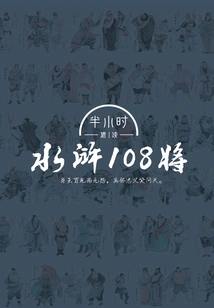
半小时速读水浒108将
Anonymous
The Water Margin concretely and vividly describes the entire process from the occurrence, development and failure of the peasant uprising headed by Song Jiang. It exposes the darkness, decadence and evils of the ruling class in feudal society. It enthusiastically praises the rebellious spirit and righteous actions of the uprising heroes, creates a glorious image of a large number of Liangshan heroes, and vividly reveals the objective truth of "officials forcing the people to rebel" in feudal society and the internal reasons for the failure of the peasant uprising. This book gives a brief introduction to 108, so that readers who are interested in Water Margin can have a deeper understanding of the characters.
The Water Margin concretely and vividly describes the entire process from the occurrence, development and failure of the peasant uprising headed by Song Jiang. It exposes the darkness, decadence and evils of the ruling class in feudal society. It enthusiastically praises the rebellious spirit and righteous actions of the uprising heroes, creates a glorious image of a large number of Liangshan heroes, and vividly reveals the objective truth of "officials forcing the people to rebel" in feudal society and the internal reasons for the failure of the peasant uprising. This book gives a brief introduction to 108, so that readers who are interested in Water Margin can have a deeper understanding of the characters.
半小时速读西游记
Anonymous
"Journey to the West" is based on the historical fact that the eminent monk Xuanzang of the Tang Dynasty went to the West to worship Buddha and obtain Buddhist scriptures. Through the author's extremely imaginative conception and description, it has created the images of the brave and loyal Sun Wukong, the corrupt Tang Sanzang, the delicious and lazy Zhu Bajie and the diligent Monk Sha. Through the hardships and hardships of going to the West to obtain Buddhist scriptures, this book provides a summary of the various hardships on the way to facilitate readers to understand the plot first and pave the way for an in-depth reading of "Journey to the West".
"Journey to the West" is based on the historical fact that the eminent monk Xuanzang of the Tang Dynasty went to the West to worship Buddha and obtain Buddhist scriptures. Through the author's extremely imaginative conception and description, it has created the images of the brave and loyal Sun Wukong, the corrupt Tang Sanzang, the delicious and lazy Zhu Bajie and the diligent Monk Sha. Through the hardships and hardships of going to the West to obtain Buddhist scriptures, this book provides a summary of the various hardships on the way to facilitate readers to understand the plot first and pave the way for an in-depth reading of "Journey to the West".
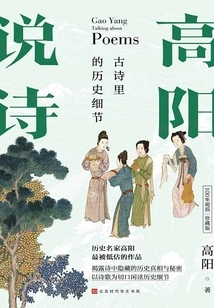
Gao Yang's Poetry
Literature高阳说诗
Gaoyang
Gao Yang, an underrated masterpiece by the famous historical writer Gao Yang, uses the poems of Du Fu, Li Shangyin, Bai Juyi and other famous figures to connect legendary figures such as Wang Zhaojun and Dong Xiaowan. With the power of writing of historical novels, the skill of academic research, and the talent of ancient poetry and literature, he draws lessons from other sources and draws parallels. Using poetry as a starting point, leisurely reading historical details shows the rigor and erudition of a scholar, but also the imagination of a novelist. Gao Yang's poetics, history, and literary attainments can be fully reflected in this book.
Gao Yang, an underrated masterpiece by the famous historical writer Gao Yang, uses the poems of Du Fu, Li Shangyin, Bai Juyi and other famous figures to connect legendary figures such as Wang Zhaojun and Dong Xiaowan. With the power of writing of historical novels, the skill of academic research, and the talent of ancient poetry and literature, he draws lessons from other sources and draws parallels. Using poetry as a starting point, leisurely reading historical details shows the rigor and erudition of a scholar, but also the imagination of a novelist. Gao Yang's poetics, history, and literary attainments can be fully reflected in this book.
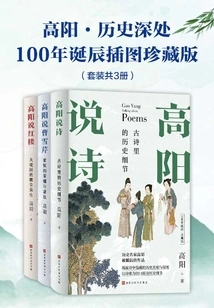
Gaoyang·deep History·100th Birthday Illustrated Collection Edition (set of 3 Volumes in Total)
Literature高阳·历史深处·100年诞辰插图珍藏版(套装共3册)
Gaoyang
This book is composed of "Gao Yang Talks about Poems", "Gao Yang Talks about Red Mansions" and "Gao Yang Talks about Cao Xueqin". "Poetry from Gao Yang" uses the poems of Du Fu, Li Shangyin, Bai Juyi and other famous figures to connect legendary figures such as Wang Zhaojun and Dong Xiaowan. It uses poetry as an opening to leisurely read historical details and reveal the historical truth and secrets hidden in the poems. "Gao Yang Talks about Red Mansions" is a rare work that subverts the mainland red building circles. It contains 60 illustrations from the collection of the Palace Museum. Gao Yang has devoted 30 years of research to collect various stories from the historical context, and restores the true fate of prototype characters such as Jia Baoyu, Wang Xifeng and Xi Ren in detail, leading us into the sentient world of the Grand View Garden. "Gao Yang Talks about Cao Xueqin" is a masterpiece of historical novel master Gao Yang, which includes 56 illustrations collected by the Palace Museum. Gao Yang uses the writing power of historical novels, academic research skills, and ancient poetry and literature to restore in detail the real-life joys and sorrows of the Cao family that were deliberately hidden in "A Dream of Red Mansions", vividly showing Cao Xueqin's compassion and troubled life.
This book is composed of "Gao Yang Talks about Poems", "Gao Yang Talks about Red Mansions" and "Gao Yang Talks about Cao Xueqin". "Poetry from Gao Yang" uses the poems of Du Fu, Li Shangyin, Bai Juyi and other famous figures to connect legendary figures such as Wang Zhaojun and Dong Xiaowan. It uses poetry as an opening to leisurely read historical details and reveal the historical truth and secrets hidden in the poems. "Gao Yang Talks about Red Mansions" is a rare work that subverts the mainland red building circles. It contains 60 illustrations from the collection of the Palace Museum. Gao Yang has devoted 30 years of research to collect various stories from the historical context, and restores the true fate of prototype characters such as Jia Baoyu, Wang Xifeng and Xi Ren in detail, leading us into the sentient world of the Grand View Garden. "Gao Yang Talks about Cao Xueqin" is a masterpiece of historical novel master Gao Yang, which includes 56 illustrations collected by the Palace Museum. Gao Yang uses the writing power of historical novels, academic research skills, and ancient poetry and literature to restore in detail the real-life joys and sorrows of the Cao family that were deliberately hidden in "A Dream of Red Mansions", vividly showing Cao Xueqin's compassion and troubled life.
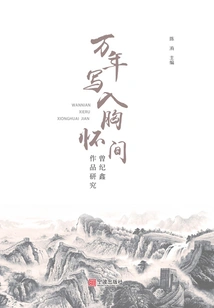
万年写入胸怀间:曾纪鑫作品研究
Editor-in-chief Chen Wei
This book is a collection of research and reviews of the works of the famous writer Zeng Jixin, and collects more than 50 articles by experts and scholars. This book affirms the broad vision, profound historical and cultural heritage of scholar-writer Zeng Jixin's works, as well as the new discoveries and new perspectives of his characters. It is an important achievement in studying Zeng Jixin's works.
This book is a collection of research and reviews of the works of the famous writer Zeng Jixin, and collects more than 50 articles by experts and scholars. This book affirms the broad vision, profound historical and cultural heritage of scholar-writer Zeng Jixin's works, as well as the new discoveries and new perspectives of his characters. It is an important achievement in studying Zeng Jixin's works.
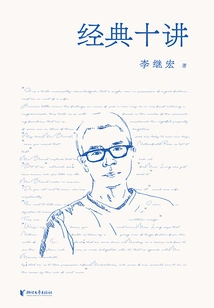
Ten Lectures on Classics
Literature经典十讲
Li Jihong
In one classic, discover its connection with all books. This is a collection of literary criticism that deeply analyzes classics. It is an introductory collection that brings together the "New Translation Series of Li Jihong's World Masterpieces". It is also a collection of stories about ten flesh-and-blood historical figures. The main content includes introductions to a total of 10 best-selling classic books such as "The Little Prince", "The Old Man and the Sea", "The Great Gatsby", "Animal Farm", "Walden", "The Moon and Sixpence", "Pride and Prejudice", "The Sound and the Fury", "Jane Eyre" and "On the Road". The introduction covers a variety of genres, covering sociology, economics, philosophy, religion and many other fields. It introduces in detail the life of the original author, the arduous process of the publication of the work, the social background at that time, and its practical significance to the present.
In one classic, discover its connection with all books. This is a collection of literary criticism that deeply analyzes classics. It is an introductory collection that brings together the "New Translation Series of Li Jihong's World Masterpieces". It is also a collection of stories about ten flesh-and-blood historical figures. The main content includes introductions to a total of 10 best-selling classic books such as "The Little Prince", "The Old Man and the Sea", "The Great Gatsby", "Animal Farm", "Walden", "The Moon and Sixpence", "Pride and Prejudice", "The Sound and the Fury", "Jane Eyre" and "On the Road". The introduction covers a variety of genres, covering sociology, economics, philosophy, religion and many other fields. It introduces in detail the life of the original author, the arduous process of the publication of the work, the social background at that time, and its practical significance to the present.
R
Literaturer
L
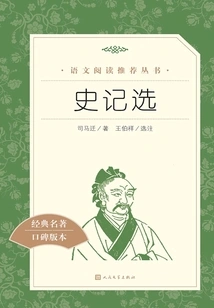
"Historical Records" is a general history written by Sima Qian of the Western Han Dynasty. The whole book consists of twelve chronicles, thirty families, seventy biographies, ten tables, and eight books, with a total of 130 chapters and more than 500,000 words. It is the first biographical general history in Chinese history. Its pioneering biographical style was followed by the "official histories" of subsequent dynasties and has far-reaching influence. The book is also an excellent literary work, and Lu Xun praised it as "the historian's swan song, the rhymeless "Li Sao"". Wang Boxiang's "Selected Historical Records" mainly selects famous chapters from the chronicles and biographies, and annotates the difficult words and regulations in them, which is very helpful for reading and understanding the book.
"Historical Records" is a general history written by Sima Qian of the Western Han Dynasty. The whole book consists of twelve chronicles, thirty families, seventy biographies, ten tables, and eight books, with a total of 130 chapters and more than 500,000 words. It is the first biographical general history in Chinese history. Its pioneering biographical style was followed by the "official histories" of subsequent dynasties and has far-reaching influence. The book is also an excellent literary work, and Lu Xun praised it as "the historian's swan song, the rhymeless "Li Sao"". Wang Boxiang's "Selected Historical Records" mainly selects famous chapters from the chronicles and biographies, and annotates the difficult words and regulations in them, which is very helpful for reading and understanding the book.
Selections of Shishuoxinyu
Literature世说新语选
T
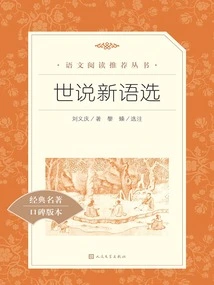
Shishuoxinyu is a classic that records the anecdotes and interesting sayings of celebrities during the Three Kingdoms and Jin Dynasties. It reflects the spiritual outlook and life interests of the scholar-bureaucrats at that time. It is a classic work that records the affairs of celebrities. The book was compiled by Liu Yiqing, King of Linchuan in the Southern Song Dynasty. Because of its brief chronicle, Liu Xiaobiao made annotations during the Southern and Liang Dynasties, adding many relevant historical materials. From then on, the main text and the annotations were inseparable and circulated together. "Shishuo Xinyu Anthology" collects the essence and makes detailed annotations on difficult-to-understand words, characters, classics, etc. In the original text, which is of great benefit to reading comprehension.
Shishuoxinyu is a classic that records the anecdotes and interesting sayings of celebrities during the Three Kingdoms and Jin Dynasties. It reflects the spiritual outlook and life interests of the scholar-bureaucrats at that time. It is a classic work that records the affairs of celebrities. The book was compiled by Liu Yiqing, King of Linchuan in the Southern Song Dynasty. Because of its brief chronicle, Liu Xiaobiao made annotations during the Southern and Liang Dynasties, adding many relevant historical materials. From then on, the main text and the annotations were inseparable and circulated together. "Shishuo Xinyu Anthology" collects the essence and makes detailed annotations on difficult-to-understand words, characters, classics, etc. In the original text, which is of great benefit to reading comprehension.
Spiritual Loneliness and Struggle
Literature精神的孤独与挣扎
Hu Xia
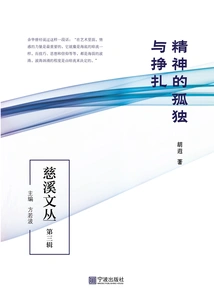
This is a Cixi literary series, divided into five parts: novellas, short novels, modern poetry, classical poetry and critical literature. The novella part "Uncle is here" consists of four novellas: "My Sister", "Uncle is here", "Lao Hai" and "This Newspaper News". The short novel section "What do you want me to say before you believe it" contains several short stories, which are short and thoughtful. The modern poetry section "Moonlight Ballads" includes many modern poems such as "Hometown" and "Walking in the South of the Yangtze River". The classical poetry section "Mirror Shadow Collection" is a selection of old-style poetry works created by the author in the past ten years. The critical literature section "Spiritual Loneliness and Struggle" includes the latest critical works created by the author in recent years, mainly reviewing the works of local writers. This set of books is a concentrated display of the works of several writers in Cixi, and is the enrichment and continuation of the "Cixi Literature Series".
This is a Cixi literary series, divided into five parts: novellas, short novels, modern poetry, classical poetry and critical literature. The novella part "Uncle is here" consists of four novellas: "My Sister", "Uncle is here", "Lao Hai" and "This Newspaper News". The short novel section "What do you want me to say before you believe it" contains several short stories, which are short and thoughtful. The modern poetry section "Moonlight Ballads" includes many modern poems such as "Hometown" and "Walking in the South of the Yangtze River". The classical poetry section "Mirror Shadow Collection" is a selection of old-style poetry works created by the author in the past ten years. The critical literature section "Spiritual Loneliness and Struggle" includes the latest critical works created by the author in recent years, mainly reviewing the works of local writers. This set of books is a concentrated display of the works of several writers in Cixi, and is the enrichment and continuation of the "Cixi Literature Series".
Cixi Writer·review Volume
Literature慈溪作家·评论卷
Editor-in-chief Fang Boling
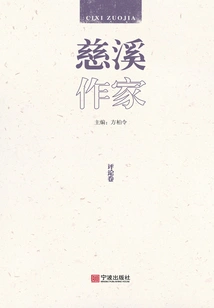
This book is a collection of works created by members of the Cixi Writers Association in the past five years. It is divided into four volumes of novels, essays, poems, and reviews. It comprehensively reflects the overall level of literary creation in Cixi City and reflects the prosperity and development of regional literary and artistic creation. The review volume contains nearly 80 works, divided into three parts: "Novel Review", "Prose Review" and "Poetry Review". It includes not only comments and appreciation of famous works, but also a detailed reading of the works of local writers, and the latter accounts for a heavier weight. All of them are meaningful and the interpretation is precise. Based on the understanding of local writers and their creative background, comments on their works can be more in-depth, which is an effective boost to the prosperity of regional literature.
This book is a collection of works created by members of the Cixi Writers Association in the past five years. It is divided into four volumes of novels, essays, poems, and reviews. It comprehensively reflects the overall level of literary creation in Cixi City and reflects the prosperity and development of regional literary and artistic creation. The review volume contains nearly 80 works, divided into three parts: "Novel Review", "Prose Review" and "Poetry Review". It includes not only comments and appreciation of famous works, but also a detailed reading of the works of local writers, and the latter accounts for a heavier weight. All of them are meaningful and the interpretation is precise. Based on the understanding of local writers and their creative background, comments on their works can be more in-depth, which is an effective boost to the prosperity of regional literature.
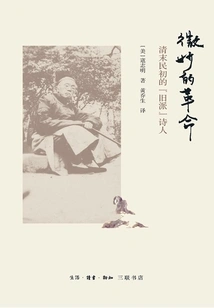
微妙的革命:清末民初的“旧派”诗人
(us) Kou Zhiming
The main research object of "Subtle Revolution: "Old School" Poets in the Late Qing Dynasty and the Early Republic of China" is the representatives of the three major poetic schools from 1871 to 1914 (of course, some of the poets have had a longer influence). In my opinion, Wang Minyun (1833-1916), Fan Zengxiang (1846-1931), Yi Shunding (1858-1920), Chen Yan (1856-1937), Chen Sanli (1853-19) 37) and Zheng Xiaoxu (1860-1938) were able to engage in active dialogue with readers of their contemporaries. They used poetry, a prestigious literary form, to explore the critical issue of the continuation of the threatened Chinese cultural tradition. Since their works were originally written for elite readers of their time, we should not judge their poems by the readability standards of the 20th century, or by foreign standards, but by the standards of Chinese poetry criticism at that time. When we situate these poets within their own historical and literary contexts, they become representatives of a generation struggling in the gap between the traditional Chinese order and the jungle society of Social Darwinism imposed on the Third World in the mid-to-late 19th century. Most of these poets are neither those who shout political slogans, nor are they indifferent aesthetes who stand aside and are indifferent. Their works describe the personal and cultural dilemmas faced by the citizens of a country facing internal and external troubles and struggling in life and death dilemmas. The poet is using a language that draws richly from a great literary tradition that is unfortunately facing extinction. Their success provides an enduring testament to all the great Chinese cultural traditions and to the courageous adaptability of the human spirit in the face of horrific circumstances.
The main research object of "Subtle Revolution: "Old School" Poets in the Late Qing Dynasty and the Early Republic of China" is the representatives of the three major poetic schools from 1871 to 1914 (of course, some of the poets have had a longer influence). In my opinion, Wang Minyun (1833-1916), Fan Zengxiang (1846-1931), Yi Shunding (1858-1920), Chen Yan (1856-1937), Chen Sanli (1853-19) 37) and Zheng Xiaoxu (1860-1938) were able to engage in active dialogue with readers of their contemporaries. They used poetry, a prestigious literary form, to explore the critical issue of the continuation of the threatened Chinese cultural tradition. Since their works were originally written for elite readers of their time, we should not judge their poems by the readability standards of the 20th century, or by foreign standards, but by the standards of Chinese poetry criticism at that time. When we situate these poets within their own historical and literary contexts, they become representatives of a generation struggling in the gap between the traditional Chinese order and the jungle society of Social Darwinism imposed on the Third World in the mid-to-late 19th century. Most of these poets are neither those who shout political slogans, nor are they indifferent aesthetes who stand aside and are indifferent. Their works describe the personal and cultural dilemmas faced by the citizens of a country facing internal and external troubles and struggling in life and death dilemmas. The poet is using a language that draws richly from a great literary tradition that is unfortunately facing extinction. Their success provides an enduring testament to all the great Chinese cultural traditions and to the courageous adaptability of the human spirit in the face of horrific circumstances.
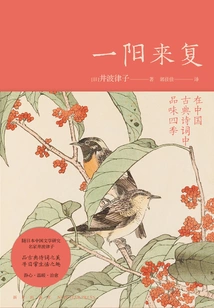
一阳来复:在中国古典诗词中品味四季
(japan) Ritsuko Inami
This book is divided into two parts. The first part is "Scenery of the Four Seasons and Spending Time with Poems". The author relates his life experience in the order of the four seasons and twelve months of the year, and talks about the knowledge of solar terms and customs and the appreciation of Chinese classical poetry. The second part "The Past and the Present: Remembering Things Around Us" contains some of the author's essays about Chinese classical poetry and classical characters. The book is easy to understand, emotionally warm and touching, and informative and interesting.
This book is divided into two parts. The first part is "Scenery of the Four Seasons and Spending Time with Poems". The author relates his life experience in the order of the four seasons and twelve months of the year, and talks about the knowledge of solar terms and customs and the appreciation of Chinese classical poetry. The second part "The Past and the Present: Remembering Things Around Us" contains some of the author's essays about Chinese classical poetry and classical characters. The book is easy to understand, emotionally warm and touching, and informative and interesting.
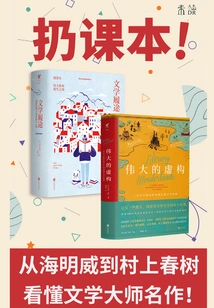
扔课本系列04:文学入门(套装共2册)
New York Times (usa) Laura Miller
"Great Fiction": From the ancient "Gilgamesh" to Haruki Murakami's "1Q84", from Huxley's "Brave New World" to J. K. Rowling's "Harry Potter and the Philosopher's Stone", there are countless fictional imaginary worlds in the long history of human literature. In "The Great Fiction", American professional book critic Laura Miller leads us across the four thousand years of human literary creation, visiting 96 fantasy worlds created by 96 outstanding writers, deeply analyzing the birth process of these extraordinary ideas, and also showing the fascinating charm of the fictional literary world across time and space. "Literary Journeys: Wandering Where Great Stories Are Born": How did Nabokov write "Lolita" during his journey across America? How did Lewis Carroll create Alice's Adventures in Wonderland in Oxford? What is the deep connection between Alice Munro and the city of Vancouver? What traces did Borges leave in his hometown of Buenos Aires, and how did this city shape him? This book is a collection of the "Literary Travels" column of The New York Times, which contains 38 travel notes about travel destinations related to great writers. New York Times columnists with different styles use words to lead us to explore the "legacy" left by writers in nature and cities, as well as the origins of the immortal works they created.
"Great Fiction": From the ancient "Gilgamesh" to Haruki Murakami's "1Q84", from Huxley's "Brave New World" to J. K. Rowling's "Harry Potter and the Philosopher's Stone", there are countless fictional imaginary worlds in the long history of human literature. In "The Great Fiction", American professional book critic Laura Miller leads us across the four thousand years of human literary creation, visiting 96 fantasy worlds created by 96 outstanding writers, deeply analyzing the birth process of these extraordinary ideas, and also showing the fascinating charm of the fictional literary world across time and space. "Literary Journeys: Wandering Where Great Stories Are Born": How did Nabokov write "Lolita" during his journey across America? How did Lewis Carroll create Alice's Adventures in Wonderland in Oxford? What is the deep connection between Alice Munro and the city of Vancouver? What traces did Borges leave in his hometown of Buenos Aires, and how did this city shape him? This book is a collection of the "Literary Travels" column of The New York Times, which contains 38 travel notes about travel destinations related to great writers. New York Times columnists with different styles use words to lead us to explore the "legacy" left by writers in nature and cities, as well as the origins of the immortal works they created.
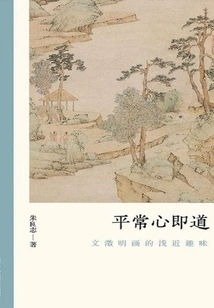
平常心即道:文徵明画的浅近趣味(文人画的真性)
Zhu Liangzhi
Literary painting, also known as "literary painting", does not refer to a specific identity, such as being limited to paintings painted by knowledgeable literati, but paintings with a "literary spirit" or "literary spirit". "Literati Qi" is what people today call "literati consciousness". Dasu refers to a consciousness that has a certain ideological nature, rich humanistic care, and a special sense of life. It is a consciousness that is far away from political or moral subordination and belongs to the reality of life. Therefore, in a certain sense, it can be said that literati painting is "humanistic painting" - painting with the pursuit of humanistic values. This series of works, through the observation of sixteen painters since the Yuan Dynasty, looks at the inner trajectory of literati painting's pursuit of the "authenticity" of life. This book is one in this series. Starting from the Ming Dynasty painter Wen Zhengming, we discuss two key issues in literati paintings: "simplicity" and "interest".
Literary painting, also known as "literary painting", does not refer to a specific identity, such as being limited to paintings painted by knowledgeable literati, but paintings with a "literary spirit" or "literary spirit". "Literati Qi" is what people today call "literati consciousness". Dasu refers to a consciousness that has a certain ideological nature, rich humanistic care, and a special sense of life. It is a consciousness that is far away from political or moral subordination and belongs to the reality of life. Therefore, in a certain sense, it can be said that literati painting is "humanistic painting" - painting with the pursuit of humanistic values. This series of works, through the observation of sixteen painters since the Yuan Dynasty, looks at the inner trajectory of literati painting's pursuit of the "authenticity" of life. This book is one in this series. Starting from the Ming Dynasty painter Wen Zhengming, we discuss two key issues in literati paintings: "simplicity" and "interest".
世界莲花里:八大山人的“涉事”哲学(文人画的真性)
Zhu Liangzhi
Literary painting, also known as "literary painting", does not refer to a specific identity, such as being limited to paintings painted by knowledgeable literati, but paintings with a "literary spirit" or "literary spirit". "Literati Qi" is what people today call "literati consciousness". Dasu refers to a consciousness that has a certain ideological nature, rich humanistic care, and a special sense of life. It is a consciousness that is far away from political or moral subordination and belongs to the reality of life. Therefore, in a certain sense, it can be said that literati painting is "humanistic painting" - painting with the pursuit of humanistic values. This series of works, through the observation of sixteen painters since the Yuan Dynasty, looks at the inner trajectory of literati painting's pursuit of the "authenticity" of life. This book is one in this series. This book starts with Bada Shanren's concept of "involvement" and explores Bada Shanren's spiritual philosophy and painting philosophy from many aspects.
Literary painting, also known as "literary painting", does not refer to a specific identity, such as being limited to paintings painted by knowledgeable literati, but paintings with a "literary spirit" or "literary spirit". "Literati Qi" is what people today call "literati consciousness". Dasu refers to a consciousness that has a certain ideological nature, rich humanistic care, and a special sense of life. It is a consciousness that is far away from political or moral subordination and belongs to the reality of life. Therefore, in a certain sense, it can be said that literati painting is "humanistic painting" - painting with the pursuit of humanistic values. This series of works, through the observation of sixteen painters since the Yuan Dynasty, looks at the inner trajectory of literati painting's pursuit of the "authenticity" of life. This book is one in this series. This book starts with Bada Shanren's concept of "involvement" and explores Bada Shanren's spiritual philosophy and painting philosophy from many aspects.
浑沌里放出光明:黄公望的浑朴画风(文人画的真性)
Zhu Liangzhi
Literary painting, also known as "literary painting", does not refer to a specific identity, such as being limited to paintings painted by knowledgeable literati, but paintings with a "literary spirit" or "literary spirit". "Literati Qi" is what people today call "literati consciousness". Dasu refers to a consciousness that has a certain ideological nature, rich humanistic care, and a special sense of life. It is a consciousness that is far away from political or moral subordination and belongs to the reality of life. Therefore, in a certain sense, it can be said that literati painting is "humanistic painting" - painting with the pursuit of humanistic values. This series of works, through the observation of sixteen painters since the Yuan Dynasty, looks at the inner trajectory of literati painting's pursuit of the "authenticity" of life. This book is one in this series. Huang Gongwang's world is described from five perspectives: "Hun", "Preface", "True", "Complete" and "Light".
Literary painting, also known as "literary painting", does not refer to a specific identity, such as being limited to paintings painted by knowledgeable literati, but paintings with a "literary spirit" or "literary spirit". "Literati Qi" is what people today call "literati consciousness". Dasu refers to a consciousness that has a certain ideological nature, rich humanistic care, and a special sense of life. It is a consciousness that is far away from political or moral subordination and belongs to the reality of life. Therefore, in a certain sense, it can be said that literati painting is "humanistic painting" - painting with the pursuit of humanistic values. This series of works, through the observation of sixteen painters since the Yuan Dynasty, looks at the inner trajectory of literati painting's pursuit of the "authenticity" of life. This book is one in this series. Huang Gongwang's world is described from five perspectives: "Hun", "Preface", "True", "Complete" and "Light".
十指间的娉婷:陈洪绶的高古画境(文人画的真性)
Zhu Liangzhi
Literary painting, also known as "literary painting", does not refer to a specific identity, such as being limited to paintings painted by knowledgeable literati, but paintings with a "literary spirit" or "literary spirit". "Literati Qi" is what people today call "literati consciousness". Dasu refers to a consciousness that has a certain ideological nature, rich humanistic care, and a special sense of life. It is a consciousness that is far away from political or moral subordination and belongs to the reality of life. Therefore, in a certain sense, it can be said that literati painting is "humanistic painting" - painting with the pursuit of humanistic values. This series of works, through the observation of sixteen painters since the Yuan Dynasty, looks at the inner trajectory of literati painting's pursuit of the "authenticity" of life. This book is one in this series. This book starts from "high antiquity" and leads readers to experience Chen Hongshou's otherworldly artistic realm and life experience displayed in "Awakening Stone", "Taste", "Fragrance" and "Hangu".
Literary painting, also known as "literary painting", does not refer to a specific identity, such as being limited to paintings painted by knowledgeable literati, but paintings with a "literary spirit" or "literary spirit". "Literati Qi" is what people today call "literati consciousness". Dasu refers to a consciousness that has a certain ideological nature, rich humanistic care, and a special sense of life. It is a consciousness that is far away from political or moral subordination and belongs to the reality of life. Therefore, in a certain sense, it can be said that literati painting is "humanistic painting" - painting with the pursuit of humanistic values. This series of works, through the observation of sixteen painters since the Yuan Dynasty, looks at the inner trajectory of literati painting's pursuit of the "authenticity" of life. This book is one in this series. This book starts from "high antiquity" and leads readers to experience Chen Hongshou's otherworldly artistic realm and life experience displayed in "Awakening Stone", "Taste", "Fragrance" and "Hangu".
四天无遮:董其昌画的空相(文人画的真性)
Zhu Liangzhi
Literary painting, also known as "literary painting", does not refer to a specific identity, such as being limited to paintings painted by knowledgeable literati, but paintings with a "literary spirit" or "literary spirit". "Literati Qi" is what people today call "literati consciousness". Dasu refers to a consciousness that has a certain ideological nature, rich humanistic care, and a special sense of life. It is a consciousness that is far away from political or moral subordination and belongs to the reality of life. Therefore, in a certain sense, it can be said that literati painting is "humanistic painting" - painting with the pursuit of humanistic values. This series of works, through the observation of sixteen painters since the Yuan Dynasty, looks at the inner trajectory of literati painting's pursuit of the "authenticity" of life. This book is one in this series. This book explores the "emptiness" of Dong Qichang's landscape paintings from several aspects of Dong Qichang's "authentic nature is empty", "cannot be said", "lazy in writing famous mountains", "has no vertical and horizontal energy", "amplifies the light" and "the charm cannot be learned", and appreciates how Dong Qichang implemented his "formless method" in art.
Literary painting, also known as "literary painting", does not refer to a specific identity, such as being limited to paintings painted by knowledgeable literati, but paintings with a "literary spirit" or "literary spirit". "Literati Qi" is what people today call "literati consciousness". Dasu refers to a consciousness that has a certain ideological nature, rich humanistic care, and a special sense of life. It is a consciousness that is far away from political or moral subordination and belongs to the reality of life. Therefore, in a certain sense, it can be said that literati painting is "humanistic painting" - painting with the pursuit of humanistic values. This series of works, through the observation of sixteen painters since the Yuan Dynasty, looks at the inner trajectory of literati painting's pursuit of the "authenticity" of life. This book is one in this series. This book explores the "emptiness" of Dong Qichang's landscape paintings from several aspects of Dong Qichang's "authentic nature is empty", "cannot be said", "lazy in writing famous mountains", "has no vertical and horizontal energy", "amplifies the light" and "the charm cannot be learned", and appreciates how Dong Qichang implemented his "formless method" in art.
一枝瘦骨写空山:金农画的金石气(文人画的真性)
Zhu Liangzhi
Literary painting, also known as "literary painting", does not refer to a specific identity, such as being limited to paintings painted by knowledgeable literati, but paintings with a "literary spirit" or "literary spirit". "Literati Qi" is what people today call "literati consciousness". Dasu refers to a consciousness that has a certain ideological nature, rich humanistic care, and a special sense of life. It is a consciousness that is far away from political or moral subordination and belongs to the reality of life. Therefore, in a certain sense, it can be said that literati painting is "humanistic painting" - painting with the pursuit of humanistic values. This series of works, through the observation of sixteen painters since the Yuan Dynasty, looks at the inner trajectory of literati painting's pursuit of the "authenticity" of life. This book is one in this series. This book begins with "playing with epigraphy", "understanding the pure cause" and "managing cold fragrance" to experience the epigraphic meaning of Jin Nong's paintings and his unique philosophy of life.
Literary painting, also known as "literary painting", does not refer to a specific identity, such as being limited to paintings painted by knowledgeable literati, but paintings with a "literary spirit" or "literary spirit". "Literati Qi" is what people today call "literati consciousness". Dasu refers to a consciousness that has a certain ideological nature, rich humanistic care, and a special sense of life. It is a consciousness that is far away from political or moral subordination and belongs to the reality of life. Therefore, in a certain sense, it can be said that literati painting is "humanistic painting" - painting with the pursuit of humanistic values. This series of works, through the observation of sixteen painters since the Yuan Dynasty, looks at the inner trajectory of literati painting's pursuit of the "authenticity" of life. This book is one in this series. This book begins with "playing with epigraphy", "understanding the pure cause" and "managing cold fragrance" to experience the epigraphic meaning of Jin Nong's paintings and his unique philosophy of life.