Library
Browse and search books
2,037 novels found
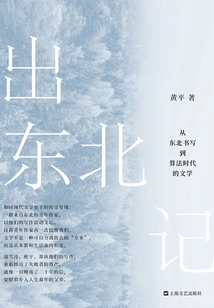
出东北记:从东北书写到算法时代的文学
Huang Ping
Huang Ping, a professor at East China Normal University and a young critic, made wonderful comments about the works of contemporary Northeastern young writers Shuang Xuetao, Ban Yu, and Zheng Zhi. Regarding the gradually marginalized contemporary literature, Shuang Xuetao, Ban Yu, and Zheng Zhi once again remind us that literature is not a "professional" that can be separated, but has always been closely connected with life. The writings of Shuang Xuetao, Ban Yu, and Zheng Zhi have re-polished the dignity of losers. It's like a letter sent twenty years late, comforting my parents who are entering their twilight years. The writings of Shuang Xuetao, Ban Yu, and Zheng Zhi began in the Northeast, reconstructing the connection between literature and life, unfolding narratives in the continuity of history, and safeguarding true emotions and human nature. The writings of Shuang Xuetao, Ban Yu, and Zheng Zhi create a novel realism. Their novels are a call to action in terms of themes and aesthetic styles. Summons the continuity of history, summons the moral mission of fiction, summons true art.
Huang Ping, a professor at East China Normal University and a young critic, made wonderful comments about the works of contemporary Northeastern young writers Shuang Xuetao, Ban Yu, and Zheng Zhi. Regarding the gradually marginalized contemporary literature, Shuang Xuetao, Ban Yu, and Zheng Zhi once again remind us that literature is not a "professional" that can be separated, but has always been closely connected with life. The writings of Shuang Xuetao, Ban Yu, and Zheng Zhi have re-polished the dignity of losers. It's like a letter sent twenty years late, comforting my parents who are entering their twilight years. The writings of Shuang Xuetao, Ban Yu, and Zheng Zhi began in the Northeast, reconstructing the connection between literature and life, unfolding narratives in the continuity of history, and safeguarding true emotions and human nature. The writings of Shuang Xuetao, Ban Yu, and Zheng Zhi create a novel realism. Their novels are a call to action in terms of themes and aesthetic styles. Summons the continuity of history, summons the moral mission of fiction, summons true art.
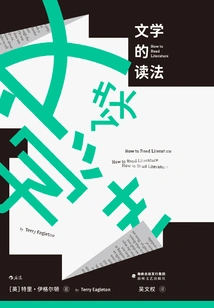
How to Read Literature
Literature文学的读法
(uk) Terry Eagleton
In this accessible and entertaining book, Terry Eagleton asks a series of intriguing questions. In a brilliant analysis, Eagleton shows how to pay full attention to a literary work's tone, rhythm, texture, syntax, allusion, ambiguity, and other formal aspects when reading. He also examines broader issues of character, plot, narrative, creative imagination, the meaning of fictionality, and the tension between what literature says and what it represents. Authoritative and enjoyable, the author provides helpful commentary on classicism, romanticism, modernism, and postmodernism, and offers fascinating insights into writers ranging from Shakespeare and J. K. Rowling to Jane Austen and Samuel Beckett. This book is a first choice for beginning literature students and all other readers interested in deepening their understanding and enriching their reading experience.
In this accessible and entertaining book, Terry Eagleton asks a series of intriguing questions. In a brilliant analysis, Eagleton shows how to pay full attention to a literary work's tone, rhythm, texture, syntax, allusion, ambiguity, and other formal aspects when reading. He also examines broader issues of character, plot, narrative, creative imagination, the meaning of fictionality, and the tension between what literature says and what it represents. Authoritative and enjoyable, the author provides helpful commentary on classicism, romanticism, modernism, and postmodernism, and offers fascinating insights into writers ranging from Shakespeare and J. K. Rowling to Jane Austen and Samuel Beckett. This book is a first choice for beginning literature students and all other readers interested in deepening their understanding and enriching their reading experience.
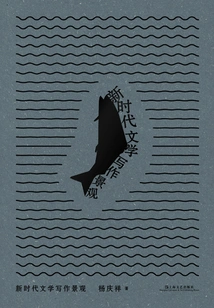
新时代文学写作景观
Yang Qingxiang
"The Landscape of Literary Writing in the New Era" is a collection of literary criticism. The book is divided into upper and lower parts to outline the creative and diverse landscape of original literary writing in the new era: the first part focuses on discussing the new development trends and new literary issues emerging in the new era from a macro perspective, focusing on analyzing the coordinate system of youth writing, the possibilities and current symptoms of non-fiction writing, as well as the direction of new types of writing such as New Southern writing, science fiction literature, and AI writing; the second part focuses on microscopic aspects In this aspect, nine representatives of young writers who are active in the forefront of original literature, including Xu Zechen's "Going North", Li Xiuwen's "Poetry Come to Meet Me", Lu Min's "Flying to the Moon", Ge Liang's "Ade and Steve", Fu Xiuying's "Moshang", Zhang Yueran's "Cocoon", Sun Pin's "Glory Years", Hu Zhufeng's "Chinese Articles", and Wang William's "Wild Future" are used as text interpretation models, showing the vitality of youth writing in the new era. Xu Zechen's "Grand Canal", Li Xiuwen's "Poetry of Life and the Soul of the Earth", Lu Min's response to the changes of the times, Fu Xiuying's new rural narrative, and the spiritual dilemma of the post-80s generation represented by Zhang Yueran... These interesting literary phenomena were keenly perceived, captured, and amplified by the author, recording the richness and diversity of the microscopic literary landscape.
"The Landscape of Literary Writing in the New Era" is a collection of literary criticism. The book is divided into upper and lower parts to outline the creative and diverse landscape of original literary writing in the new era: the first part focuses on discussing the new development trends and new literary issues emerging in the new era from a macro perspective, focusing on analyzing the coordinate system of youth writing, the possibilities and current symptoms of non-fiction writing, as well as the direction of new types of writing such as New Southern writing, science fiction literature, and AI writing; the second part focuses on microscopic aspects In this aspect, nine representatives of young writers who are active in the forefront of original literature, including Xu Zechen's "Going North", Li Xiuwen's "Poetry Come to Meet Me", Lu Min's "Flying to the Moon", Ge Liang's "Ade and Steve", Fu Xiuying's "Moshang", Zhang Yueran's "Cocoon", Sun Pin's "Glory Years", Hu Zhufeng's "Chinese Articles", and Wang William's "Wild Future" are used as text interpretation models, showing the vitality of youth writing in the new era. Xu Zechen's "Grand Canal", Li Xiuwen's "Poetry of Life and the Soul of the Earth", Lu Min's response to the changes of the times, Fu Xiuying's new rural narrative, and the spiritual dilemma of the post-80s generation represented by Zhang Yueran... These interesting literary phenomena were keenly perceived, captured, and amplified by the author, recording the richness and diversity of the microscopic literary landscape.
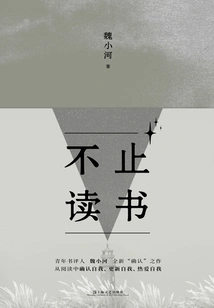
More Than Just Reading
Literature不止读书
Wei Xiaohe
Taken from the name of Wei Xiaohe's earliest WeChat official account: More than Reading. "More Than Reading" includes readings of novels by Marquez, Hemingway, Janet Winterson, Jane Austen, Chekhov, Dickens, Balzac, Dostoevsky, Salinger, Shen Congwen, Zhang Ailing, Mu Xin, Zhang Beihai, Li Juan, Lu Nei, Shuang Xuetao, Ban Yu, Zheng Zhi, biographies of writers, literary criticism, and essays by Wei Xiaohe. This "confirmation" work that belongs to young people may help more young people to confirm themselves, renew themselves, and love themselves through reading: until the end of reading, I hope that we can all be more tolerant and understand the complexity of this world.
Taken from the name of Wei Xiaohe's earliest WeChat official account: More than Reading. "More Than Reading" includes readings of novels by Marquez, Hemingway, Janet Winterson, Jane Austen, Chekhov, Dickens, Balzac, Dostoevsky, Salinger, Shen Congwen, Zhang Ailing, Mu Xin, Zhang Beihai, Li Juan, Lu Nei, Shuang Xuetao, Ban Yu, Zheng Zhi, biographies of writers, literary criticism, and essays by Wei Xiaohe. This "confirmation" work that belongs to young people may help more young people to confirm themselves, renew themselves, and love themselves through reading: until the end of reading, I hope that we can all be more tolerant and understand the complexity of this world.
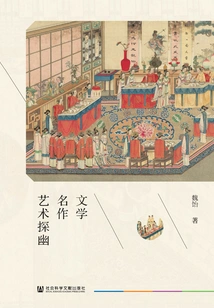
Exploring Literary Masterpieces and Art
Literature文学名作艺术探幽
Wei Yi
This book takes Chinese and foreign ancient and modern literary names as the object, and conducts an in-depth and simple exploration of dozens of selected poems and prose art from the perspective of readers. The book is divided into three chapters: "Comparison", "Differences" and "Research". It collects a total of 53 articles on literary appreciation that the author has completed over the past 30 years. Some of them have been published in newspapers and periodicals, and a large part were written in response to the invitations of Hunan People's Broadcasting Station's "Work Appreciation" and Central People's Broadcasting Station's "Reading and Appreciation" programs. They were once spiritual delicacies eagerly anticipated by the broad literary audience. It will be a loyal companion for literature lovers at home and abroad seeking tranquility and beauty in literary gardens.
This book takes Chinese and foreign ancient and modern literary names as the object, and conducts an in-depth and simple exploration of dozens of selected poems and prose art from the perspective of readers. The book is divided into three chapters: "Comparison", "Differences" and "Research". It collects a total of 53 articles on literary appreciation that the author has completed over the past 30 years. Some of them have been published in newspapers and periodicals, and a large part were written in response to the invitations of Hunan People's Broadcasting Station's "Work Appreciation" and Central People's Broadcasting Station's "Reading and Appreciation" programs. They were once spiritual delicacies eagerly anticipated by the broad literary audience. It will be a loyal companion for literature lovers at home and abroad seeking tranquility and beauty in literary gardens.
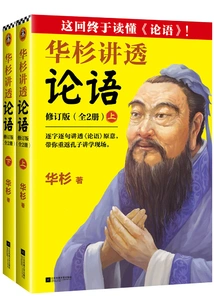
华杉讲透《论语》·修订版(全2册)
Huashan
Mr. Hua Shan has studied the Analects of Confucius for more than 30 years. He has synthesized the classic interpretations of Zhu Xi, Wang Yangming, Zhang Juzheng and other sages. He uses 429 easy-to-read interpretation articles to take you back to the teaching scene where Confucius preached truth and told stories 2,500 years ago. It is as plain as words, friendly and interesting, and it is effortless to read. This book not only focuses on explaining the original meaning of "The Analects", but also provides a detailed explanation and analysis of the common misunderstandings and misunderstandings caused by people's language and reading time lag for more than 2,500 years. On this basis, the author Hua Shan revised the entire book, and fully updated the citations, chapter titles, punctuation marks, etc.! Opening this book, you can easily understand the original text of "The Analects" word for word and sentence by sentence, and experience firsthand the wisdom and mottos that have enabled Chinese people to cultivate their moral character and settle down for more than 2,500 years.
Mr. Hua Shan has studied the Analects of Confucius for more than 30 years. He has synthesized the classic interpretations of Zhu Xi, Wang Yangming, Zhang Juzheng and other sages. He uses 429 easy-to-read interpretation articles to take you back to the teaching scene where Confucius preached truth and told stories 2,500 years ago. It is as plain as words, friendly and interesting, and it is effortless to read. This book not only focuses on explaining the original meaning of "The Analects", but also provides a detailed explanation and analysis of the common misunderstandings and misunderstandings caused by people's language and reading time lag for more than 2,500 years. On this basis, the author Hua Shan revised the entire book, and fully updated the citations, chapter titles, punctuation marks, etc.! Opening this book, you can easily understand the original text of "The Analects" word for word and sentence by sentence, and experience firsthand the wisdom and mottos that have enabled Chinese people to cultivate their moral character and settle down for more than 2,500 years.
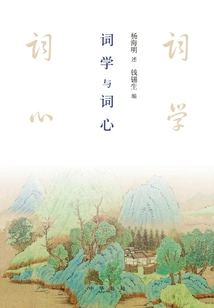
Ci Science and Ci Heart
Literature词学与词心
Yang Hai Ming Shu Compiled By Qian Xisheng
This book is divided into three parts: "How to Appreciate Tang and Song Ci", "Appreciation of Tang and Song Ci" and "My Life of Ci Study". The first part is compiled orally by Mr. Yang Haiming, sharing with readers the methods and experiences of poetry appreciation in the Tang and Song Dynasties in popular and fluent language; the second part selects 43 works of 24 poets from the Tang and Song Dynasties for appreciation. The article is beautiful and fluent yet rigorous, allowing readers to appreciate the beautiful writing at the same time. At the same time, the creative background, central idea, layout, choice of words and sentences, and key points of Ci are clearly understood one by one; in the third part, Mr. Yang Haiming talks about his "ci study life" and the academic process from going to school at a young age to Zhuoran starting a family. It is lively and interesting, and it also reflects the changes of the times. What is extremely precious is that in the appendix at the back of the book, Mr. Yang Haiming has preserved the records of the lectures given by the master of ci poetry, Mr. Tang Guizhang, to graduate students, which can be studied and treasured by ci masters. Readers can follow Professor Yang Haiming to appreciate the heart of Ci and embark on a journey of Ci study.
This book is divided into three parts: "How to Appreciate Tang and Song Ci", "Appreciation of Tang and Song Ci" and "My Life of Ci Study". The first part is compiled orally by Mr. Yang Haiming, sharing with readers the methods and experiences of poetry appreciation in the Tang and Song Dynasties in popular and fluent language; the second part selects 43 works of 24 poets from the Tang and Song Dynasties for appreciation. The article is beautiful and fluent yet rigorous, allowing readers to appreciate the beautiful writing at the same time. At the same time, the creative background, central idea, layout, choice of words and sentences, and key points of Ci are clearly understood one by one; in the third part, Mr. Yang Haiming talks about his "ci study life" and the academic process from going to school at a young age to Zhuoran starting a family. It is lively and interesting, and it also reflects the changes of the times. What is extremely precious is that in the appendix at the back of the book, Mr. Yang Haiming has preserved the records of the lectures given by the master of ci poetry, Mr. Tang Guizhang, to graduate students, which can be studied and treasured by ci masters. Readers can follow Professor Yang Haiming to appreciate the heart of Ci and embark on a journey of Ci study.
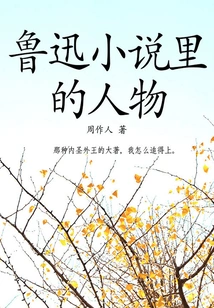
周作人经典作品:鲁迅小说里的人物
Zhou Zuoren
"Characters in Lu Xun's Novels", like "Lu Xun's Hometown", focuses on exploring the various characters in Lu Xun's novels, such as character prototypes, background deeds, etc. On the surface, it is doing index research, but in fact it sheds light on customs, introduces interesting local dialects, and comments on the relationship between poetry and reality. The insights are very insightful and can often reveal the wonderful features of Lu Xun's novels that others cannot see.
"Characters in Lu Xun's Novels", like "Lu Xun's Hometown", focuses on exploring the various characters in Lu Xun's novels, such as character prototypes, background deeds, etc. On the surface, it is doing index research, but in fact it sheds light on customs, introduces interesting local dialects, and comments on the relationship between poetry and reality. The insights are very insightful and can often reveal the wonderful features of Lu Xun's novels that others cannot see.
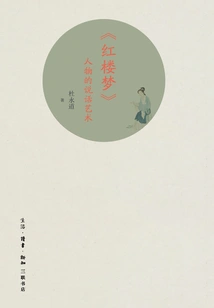
《红楼梦》人物的说话艺术
Du Yongdao
This book takes the dialogue between characters in "A Dream of Red Mansions" as an entry point and guides readers to appreciate "A Dream of Red Mansions" from the perspective of verbal communication - the characters' self-identity awareness when speaking, the awareness of the listener, the purpose of speech, context, etc., So as to have a deeper understanding of the characters in "A Dream of Red Mansions" and appreciate the subtlety and delicacy of Cao Xueqin's writing.
This book takes the dialogue between characters in "A Dream of Red Mansions" as an entry point and guides readers to appreciate "A Dream of Red Mansions" from the perspective of verbal communication - the characters' self-identity awareness when speaking, the awareness of the listener, the purpose of speech, context, etc., So as to have a deeper understanding of the characters in "A Dream of Red Mansions" and appreciate the subtlety and delicacy of Cao Xueqin's writing.
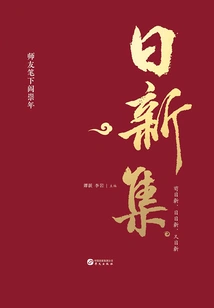
日新集:师友笔下阎崇年
Tan Yue Editor-in-chief Li Yan
This book selects 41 articles from more than 500 book reviews, interviews, and in-depth reports about Mr. Yan Chongnian in the past 20 years to demonstrate Mr. Yan Chongnian's contribution to academic research and popularization of history and culture. The authors of the article include well-known scholars such as Zheng Xinmiao, Feng Erkang, and Bu Xianqun, media professionals, and publishers who have collaborated with Mr. Yan Chongnian. The book also includes conversations between Mr. Yan Chongnian and cultural celebrities such as Tang Haoming and Yue Yuehe. The manuscript covers a variety of genres such as dialogues, works reviews, and interviews with figures, and provides a three-dimensional outline of the image of the great historian in the eyes of his mentors and friends.
This book selects 41 articles from more than 500 book reviews, interviews, and in-depth reports about Mr. Yan Chongnian in the past 20 years to demonstrate Mr. Yan Chongnian's contribution to academic research and popularization of history and culture. The authors of the article include well-known scholars such as Zheng Xinmiao, Feng Erkang, and Bu Xianqun, media professionals, and publishers who have collaborated with Mr. Yan Chongnian. The book also includes conversations between Mr. Yan Chongnian and cultural celebrities such as Tang Haoming and Yue Yuehe. The manuscript covers a variety of genres such as dialogues, works reviews, and interviews with figures, and provides a three-dimensional outline of the image of the great historian in the eyes of his mentors and friends.
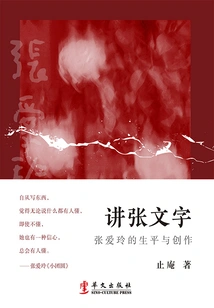
讲张文字:张爱玲的生平与创作
Zhi'an
Zhi'an is a well-known expert on Zhang Ailing in China and has edited the simplified Chinese version of "The Complete Works of Zhang Ailing". This book selects Zhi'an's research articles on Zhang Ailing in the past twenty years, and is the first collection of such works. The discussion is practical and in-depth, and there is much that others have not said; the author is also a master of prose, and his writing is exquisite and elegant. It is not an exaggeration to call him "gentle and elegant". The collection includes "The Differences of Zhang Ailing's Literature", "Zhang Ailing's Cruel Beauty", "Postscript", "Character Illustrations", "Floating Life Is Only for Little Reunion", "Revisiting", "The Skills of Female Writer Sheng Jiuli", "With", "Zhang Ailing and Visual Art", "About "Nan Ling Beimei"", "Review of the Manuscript of "Little Reunion"", "Review of the Manuscript of "Border Town Revisited"", etc., Totaling nearly 100,000 words.
Zhi'an is a well-known expert on Zhang Ailing in China and has edited the simplified Chinese version of "The Complete Works of Zhang Ailing". This book selects Zhi'an's research articles on Zhang Ailing in the past twenty years, and is the first collection of such works. The discussion is practical and in-depth, and there is much that others have not said; the author is also a master of prose, and his writing is exquisite and elegant. It is not an exaggeration to call him "gentle and elegant". The collection includes "The Differences of Zhang Ailing's Literature", "Zhang Ailing's Cruel Beauty", "Postscript", "Character Illustrations", "Floating Life Is Only for Little Reunion", "Revisiting", "The Skills of Female Writer Sheng Jiuli", "With", "Zhang Ailing and Visual Art", "About "Nan Ling Beimei"", "Review of the Manuscript of "Little Reunion"", "Review of the Manuscript of "Border Town Revisited"", etc., Totaling nearly 100,000 words.
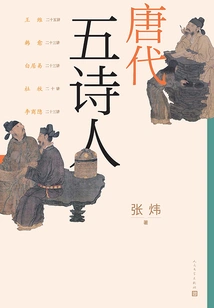
Five Poets of the Tang Dynasty
Literature唐代五诗人
Zhang Wei
The Tang Dynasty was an era of poetry, and the splendid "Tang Poetry" appeared. In addition to Li Bai and Du Fu, the great poets listed by period include Wang Wei, Han Yu, Bai Juyi, Du Mu, Li Shangyin, etc. This is the reason why the book "Five Poets of the Tang Dynasty" was written. The book is divided into five units, analyzing the five poets from the perspectives of history, human nature, philosophy, poetics, aesthetics, literary history and writing. For example, in "Wang Wei's Twenty-Five Lectures", Zhang Wei focused on the historical perspective of literature and put forward the poetic propositions of "large scale" and "small scale". For example, "Han Yu's Twenty-Three Lectures" can be regarded as admiration for the miracle of life. Han Yu was a sharp, straightforward, serious and passionate scholar, "a sunny boy with no sense of dignity". "I didn't know how interesting and cute he was, but Su Dongpo knew a little bit about it." From "Reading", "Notes", "The Legacy of Tao Yuanming", "Also Talking about Li Bai and Du Fu", "Beautiful Records", to "Five Poets of the Tang Dynasty", Zhang Wei completed his personal system of classical poetry and opened up a new landscape for readers. Every poet in the book has been resurrected in his writing and comes alive to the readers.
The Tang Dynasty was an era of poetry, and the splendid "Tang Poetry" appeared. In addition to Li Bai and Du Fu, the great poets listed by period include Wang Wei, Han Yu, Bai Juyi, Du Mu, Li Shangyin, etc. This is the reason why the book "Five Poets of the Tang Dynasty" was written. The book is divided into five units, analyzing the five poets from the perspectives of history, human nature, philosophy, poetics, aesthetics, literary history and writing. For example, in "Wang Wei's Twenty-Five Lectures", Zhang Wei focused on the historical perspective of literature and put forward the poetic propositions of "large scale" and "small scale". For example, "Han Yu's Twenty-Three Lectures" can be regarded as admiration for the miracle of life. Han Yu was a sharp, straightforward, serious and passionate scholar, "a sunny boy with no sense of dignity". "I didn't know how interesting and cute he was, but Su Dongpo knew a little bit about it." From "Reading", "Notes", "The Legacy of Tao Yuanming", "Also Talking about Li Bai and Du Fu", "Beautiful Records", to "Five Poets of the Tang Dynasty", Zhang Wei completed his personal system of classical poetry and opened up a new landscape for readers. Every poet in the book has been resurrected in his writing and comes alive to the readers.
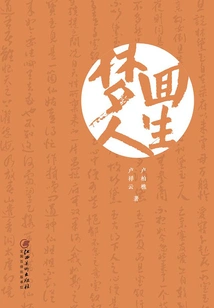
Dream Back to Life
Literature梦回人生
Lu Xiangyun Lu Baiqiao
"A Dream of Red Mansions" is actually a novel written for the common people. The social life reflected in the book is not far from reality, and the characters created are still active in today's society. Based on the present, studying "Dream of Red Mansions" from a new perspective, and comprehensively and accurately understanding society and understanding life, this is my original intention in writing and publishing "Dream Back to Life".
"A Dream of Red Mansions" is actually a novel written for the common people. The social life reflected in the book is not far from reality, and the characters created are still active in today's society. Based on the present, studying "Dream of Red Mansions" from a new perspective, and comprehensively and accurately understanding society and understanding life, this is my original intention in writing and publishing "Dream Back to Life".
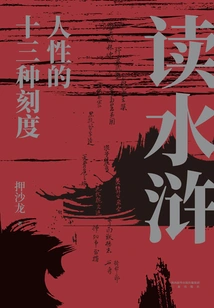
读水浒:人性的十三种刻度
Absalom
This is a book that interprets the characters in "Water Margin". The book contains more than a dozen characters, including Lin Chong, Lu Zhishen, Song Jiang, Wu Yong, Chao Gai, Wu Song, Li Kui, Hu Sanniang, Shi Xiu, Yan Qing, Shi Jin, Lei Heng, Zhu Tong, Yang Zhi, etc. The author "strives to understand their psychology, scrutinize their behavior, analyze their character, and figure out why they behave like this", so that each character can show his complex side and the good and evil in the depth of their human nature.
This is a book that interprets the characters in "Water Margin". The book contains more than a dozen characters, including Lin Chong, Lu Zhishen, Song Jiang, Wu Yong, Chao Gai, Wu Song, Li Kui, Hu Sanniang, Shi Xiu, Yan Qing, Shi Jin, Lei Heng, Zhu Tong, Yang Zhi, etc. The author "strives to understand their psychology, scrutinize their behavior, analyze their character, and figure out why they behave like this", so that each character can show his complex side and the good and evil in the depth of their human nature.
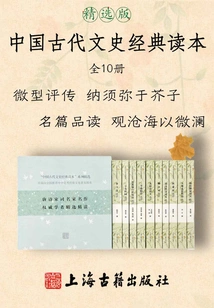
中国古代文史经典读本(精选版)
Written By Zhao Changping
It combines the poets of the early, middle and late Tang Dynasties and the lyricists of the two Song Dynasties, bold and graceful, in one letter. The lives and writings of famous writers are discussed in stages, with each chapter beginning with an introduction and then selecting representative works. Each chapter is accompanied by concise and accurate annotations and brilliant comments. The author lineup is luxurious, including Professor Wang Shuizhao of Fudan University, Professor Ge Xiaoyin of Peking University, Professor Liu Ning of the Chinese Academy of Social Sciences, etc. All authors present their essence in simple and vivid language based on sustained and in-depth research. It has been nearly 20 years since the first edition of this series was published. It has been deeply loved and has been revised and reprinted many times. In 2015, it was selected into the "First Recommendation of Excellent Chinese Traditional Culture Popularization Books to the Nation" and in 2016, it received the "Special Funding for the Compilation of Popular Ancient Books". Now we have specially launched a series of selections from the "Classic Readers of Ancient Chinese Literature and History", which can be used as a starting point for beginners of classical literature, for enthusiasts to gain a glimpse of its secrets, and for researchers to seek inspiration.
It combines the poets of the early, middle and late Tang Dynasties and the lyricists of the two Song Dynasties, bold and graceful, in one letter. The lives and writings of famous writers are discussed in stages, with each chapter beginning with an introduction and then selecting representative works. Each chapter is accompanied by concise and accurate annotations and brilliant comments. The author lineup is luxurious, including Professor Wang Shuizhao of Fudan University, Professor Ge Xiaoyin of Peking University, Professor Liu Ning of the Chinese Academy of Social Sciences, etc. All authors present their essence in simple and vivid language based on sustained and in-depth research. It has been nearly 20 years since the first edition of this series was published. It has been deeply loved and has been revised and reprinted many times. In 2015, it was selected into the "First Recommendation of Excellent Chinese Traditional Culture Popularization Books to the Nation" and in 2016, it received the "Special Funding for the Compilation of Popular Ancient Books". Now we have specially launched a series of selections from the "Classic Readers of Ancient Chinese Literature and History", which can be used as a starting point for beginners of classical literature, for enthusiasts to gain a glimpse of its secrets, and for researchers to seek inspiration.
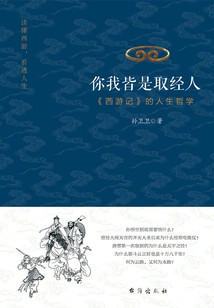
你我皆是取经人:《西游记》的人生哲学
Sun Weiwei
Why did the Jade Emperor send Sun Wukong to look after the Peach Garden? Why can't Monkey King, the great sage who once caused havoc in the Heavenly Palace, defeat many monsters? Why did Tang Monk obtain the Wordless Sutra for the first time? Why does the somersault cloud also happen to be thousands of miles away? What is the cloud road, and what is the main road? ... "Journey to the West" seems to contain many mysteries, but in fact there is a profound philosophy hidden behind it. This book is not a "big talk" or a "joke", but on the basis of being loyal to the original work, it focuses on understanding the life implications of "Journey to the West", allowing readers to get inspiration from relaxed reading and feel the power of the classic work in a subtle way.
Why did the Jade Emperor send Sun Wukong to look after the Peach Garden? Why can't Monkey King, the great sage who once caused havoc in the Heavenly Palace, defeat many monsters? Why did Tang Monk obtain the Wordless Sutra for the first time? Why does the somersault cloud also happen to be thousands of miles away? What is the cloud road, and what is the main road? ... "Journey to the West" seems to contain many mysteries, but in fact there is a profound philosophy hidden behind it. This book is not a "big talk" or a "joke", but on the basis of being loyal to the original work, it focuses on understanding the life implications of "Journey to the West", allowing readers to get inspiration from relaxed reading and feel the power of the classic work in a subtle way.
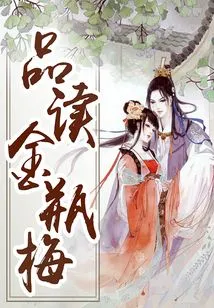
Reading Jin Ping Mei
Literature品读金瓶梅
Shulou Longsu White Feathered Dog
Is "Jin Ping Mei" really a filthy book? But why is it one of the four great books and why it has been studied by so many people for thousands of years? This work can be read from many perspectives such as human nature, history, and society. Some of them restore the true history of the late Ming Dynasty, and some tell the story of unchanging human nature. Anyone can borrow the wine cup of Jin Ping Mei to pour out the block in his heart.
Is "Jin Ping Mei" really a filthy book? But why is it one of the four great books and why it has been studied by so many people for thousands of years? This work can be read from many perspectives such as human nature, history, and society. Some of them restore the true history of the late Ming Dynasty, and some tell the story of unchanging human nature. Anyone can borrow the wine cup of Jin Ping Mei to pour out the block in his heart.
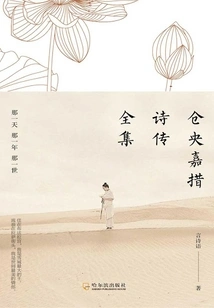
仓央嘉措诗传全集:那一天那一年那一世
Poetry
"The Complete Poems of Tsangyang Gyatso" tells the life of Tsangyang Gyatso in two parts. The first part talks about the fifth Dalai Lama's birth, becoming a living Buddha, love, deposed, wandering, cause of death, etc. In chronological order. The second part analyzes Tsangyang Gyatso's classic poems. The author pays attention to research, searched a large number of archives, sorted out the true story of Tsangyang Gyatso's life and poems, and made an in-depth analysis of his love and destiny changes.
"The Complete Poems of Tsangyang Gyatso" tells the life of Tsangyang Gyatso in two parts. The first part talks about the fifth Dalai Lama's birth, becoming a living Buddha, love, deposed, wandering, cause of death, etc. In chronological order. The second part analyzes Tsangyang Gyatso's classic poems. The author pays attention to research, searched a large number of archives, sorted out the true story of Tsangyang Gyatso's life and poems, and made an in-depth analysis of his love and destiny changes.
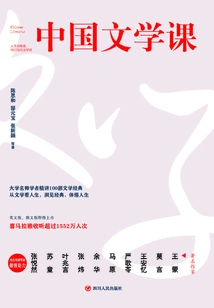
Chinese Literature Class
Literature中国文学课
Chen Sihe Gao Yuanbao Zhang Xinxin
China's first-class writers and well-known scholars have rarely joined forces to carefully select for you the immortal classics of modern and contemporary Chinese literature, the top ten life themes, and one hundred classics. Look at life from literature, gain insights into classics, and understand life. From Lu Xun's "The Scream", Shen Congwen's "Border Town", Zhang Ailing's "Half Life", to the contemporary familiar "White Deer Plain", "Song of Everlasting Sorrow" and "The Ordinary World"... Each work has a unique interpretation by famous teachers. Only by knowing "what each work is about" can we better understand them.
China's first-class writers and well-known scholars have rarely joined forces to carefully select for you the immortal classics of modern and contemporary Chinese literature, the top ten life themes, and one hundred classics. Look at life from literature, gain insights into classics, and understand life. From Lu Xun's "The Scream", Shen Congwen's "Border Town", Zhang Ailing's "Half Life", to the contemporary familiar "White Deer Plain", "Song of Everlasting Sorrow" and "The Ordinary World"... Each work has a unique interpretation by famous teachers. Only by knowing "what each work is about" can we better understand them.
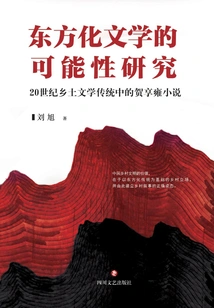
东方化文学的可能性研究
Liu Xu
This is a monograph of literary criticism focusing on He Xiangyong's rural novels. He Xiangyong's novels have unique value in contemporary Chinese literature. Based on traditional Chinese culture, more than a dozen novels represented by the "Village Chronicles" series systematically and comprehensively represent the tremendous changes in China's rural areas during the 40 years of reform. The writer truly describes all aspects of contemporary farmers with delicate brushwork, forming the true "peasant writing" after Zhao Shuli. This book mainly analyzes He Xiangyong's novels and compares them with local novels by writers such as Zhao Shuli and Mo Yan. It discusses how to face traditional Chinese culture and Chinese countryside in the era of large-scale industry, post-modernity and consumerism, and how to deal with issues such as the combination of Oriental narratives and modern Western narratives.
This is a monograph of literary criticism focusing on He Xiangyong's rural novels. He Xiangyong's novels have unique value in contemporary Chinese literature. Based on traditional Chinese culture, more than a dozen novels represented by the "Village Chronicles" series systematically and comprehensively represent the tremendous changes in China's rural areas during the 40 years of reform. The writer truly describes all aspects of contemporary farmers with delicate brushwork, forming the true "peasant writing" after Zhao Shuli. This book mainly analyzes He Xiangyong's novels and compares them with local novels by writers such as Zhao Shuli and Mo Yan. It discusses how to face traditional Chinese culture and Chinese countryside in the era of large-scale industry, post-modernity and consumerism, and how to deal with issues such as the combination of Oriental narratives and modern Western narratives.
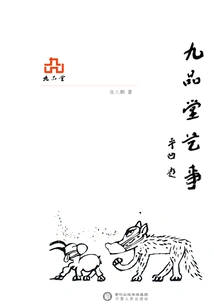
Jiupintang Arts
Literature九品堂艺事
Zhang Jiupeng
"Jiupintang Art" is the name of a column opened by writer Zhang Jiupeng in the newspaper. He sorted out the artistic achievements and creative past of some representative writers, calligraphers, painters, and sculptors in Ningxia and China, visited them from multiple angles, and wrote a number of thoughtful essays. Zhang Jiupeng compiled these words into a volume, creating "Jiupintang Art Stories", which combines art criticism and art appreciation, serious discussion and interest.
"Jiupintang Art" is the name of a column opened by writer Zhang Jiupeng in the newspaper. He sorted out the artistic achievements and creative past of some representative writers, calligraphers, painters, and sculptors in Ningxia and China, visited them from multiple angles, and wrote a number of thoughtful essays. Zhang Jiupeng compiled these words into a volume, creating "Jiupintang Art Stories", which combines art criticism and art appreciation, serious discussion and interest.
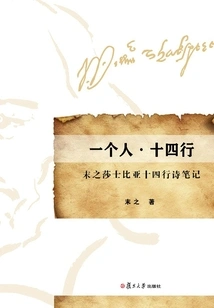
一个人 十四行:末之莎士比亚十四行诗笔记
The End
Open the book and slowly read Shakespeare's sonnets. The version I chose is the 2005 Arden edition (edited by Katherine Duncan-Jones) Shakespeare's Sonnets. Opening the collection of poems, I found that in addition to the 154 sonnets, there is another poem under the same title of "Shakespeare's Sonnets". This poem is titled "A Lover's Complaint". According to reports, the incorporation of this long poem is to achieve a certain balance, contrast, or complementarity, that is, the sonnet is a male expression, while "The Lover's Resentment" is a female narrative. If the former reveals men's frustrated desire for love, then the latter expresses women's tragic complaints in a wonderful echo, creating an image of a male victim of love. This kind of gender balance would be very interesting if it became a reason for the works to be unified.
Open the book and slowly read Shakespeare's sonnets. The version I chose is the 2005 Arden edition (edited by Katherine Duncan-Jones) Shakespeare's Sonnets. Opening the collection of poems, I found that in addition to the 154 sonnets, there is another poem under the same title of "Shakespeare's Sonnets". This poem is titled "A Lover's Complaint". According to reports, the incorporation of this long poem is to achieve a certain balance, contrast, or complementarity, that is, the sonnet is a male expression, while "The Lover's Resentment" is a female narrative. If the former reveals men's frustrated desire for love, then the latter expresses women's tragic complaints in a wonderful echo, creating an image of a male victim of love. This kind of gender balance would be very interesting if it became a reason for the works to be unified.
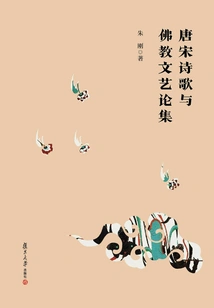
唐宋诗歌与佛教文艺论集
Zhu Gang
This book contains 17 important research papers by the author on Tang and Song poetry and Buddhist literature and art over the years, plus 3 book reviews. The research part on poetry of the Tang and Song dynasties involves poetic style, poetry themes, poetic concepts, poet identity, etc. The research part on Buddhist literature and art involves many aspects such as art, texts, and folk customs. The specific examinations and discussions are all cutting-edge results in this field, without losing interest and readability.
This book contains 17 important research papers by the author on Tang and Song poetry and Buddhist literature and art over the years, plus 3 book reviews. The research part on poetry of the Tang and Song dynasties involves poetic style, poetry themes, poetic concepts, poet identity, etc. The research part on Buddhist literature and art involves many aspects such as art, texts, and folk customs. The specific examinations and discussions are all cutting-edge results in this field, without losing interest and readability.
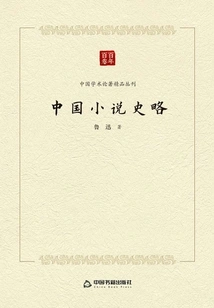
中国学术论著精品丛刊:中国小说史略
Lu Xun
This book is a monograph that discusses the history of the development of Chinese novels. Starting from ancient myths and legends to the condemnation of novels in the late Qing Dynasty, it discusses the origin and evolution of Chinese novels, evaluates representative novel writers and works in various historical periods of China, and analyzes the internal connections between earlier and later novels.
This book is a monograph that discusses the history of the development of Chinese novels. Starting from ancient myths and legends to the condemnation of novels in the late Qing Dynasty, it discusses the origin and evolution of Chinese novels, evaluates representative novel writers and works in various historical periods of China, and analyzes the internal connections between earlier and later novels.
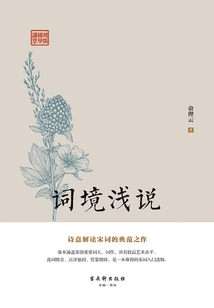
鸿儒国学讲堂:词境浅说
Yu Biyun
This book collects a total of 35 poets from the Northern Song Dynasty, with a total of 281 lyrics; a total of 37 poets from the Southern Song Dynasty, with a total of more than 400 lyrics; it basically covers the important poets and lyricists in the Northern Song Dynasty and the Southern Song Dynasty. The selected words reflect the social life and style of the times at that time, and have a high artistic level.
This book collects a total of 35 poets from the Northern Song Dynasty, with a total of 281 lyrics; a total of 37 poets from the Southern Song Dynasty, with a total of more than 400 lyrics; it basically covers the important poets and lyricists in the Northern Song Dynasty and the Southern Song Dynasty. The selected words reflect the social life and style of the times at that time, and have a high artistic level.
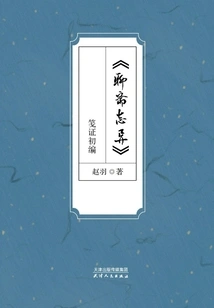
《聊斋志异》笺证初编
Zhao Yu
Regarding the origin of the stories in the novel "Strange Stories from a Chinese Studio", most scholars currently focus on the comparative analysis of Legends of the Six Dynasties, Legends of the Tang and Song Dynasties and "Strange Stories from a Chinese Studio". However, there is still a lack of sufficient attention and in-depth discussion of the influence of classical Chinese novels from the Ming Dynasty and the early Qing Dynasty on the creation of "Strange Stories from a Chinese Studio". Based on the research of previous scholars, "Jianzheng Chubian" extensively excavated information from the notebooks, novels and poetry collections of Ming and Qing literati, read the texts carefully, and conducted detailed research, further proving that a large number of works in "Strange Stories from a Chinese Studio" were adapted from classical Chinese novels from the mid-late Ming Dynasty to the early Qing Dynasty.
Regarding the origin of the stories in the novel "Strange Stories from a Chinese Studio", most scholars currently focus on the comparative analysis of Legends of the Six Dynasties, Legends of the Tang and Song Dynasties and "Strange Stories from a Chinese Studio". However, there is still a lack of sufficient attention and in-depth discussion of the influence of classical Chinese novels from the Ming Dynasty and the early Qing Dynasty on the creation of "Strange Stories from a Chinese Studio". Based on the research of previous scholars, "Jianzheng Chubian" extensively excavated information from the notebooks, novels and poetry collections of Ming and Qing literati, read the texts carefully, and conducted detailed research, further proving that a large number of works in "Strange Stories from a Chinese Studio" were adapted from classical Chinese novels from the mid-late Ming Dynasty to the early Qing Dynasty.
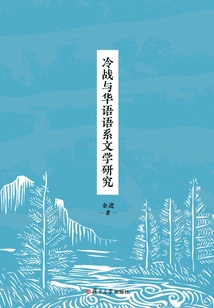
冷战与华语语系文学研究
Jin Jin
Sinophone literature is the most eye-catching theoretical innovation in modern Western literature since the new century. From the perspective of global Chinese literature, it emphasizes the new relationship of dialogue, coexistence, and negotiation between mainland Chinese literature and Taiwan, Hong Kong, Macao, and overseas Chinese literature, and opposes the Cold War mentality that opposes the two. This book combines "Cold War culture" with "Sinophone literature" and strives to conduct a new discussion and interpretation of the century-old history of Chinese literature under the perspective of the Cold War. The book creatively uses important terms in Chinese literature such as "Cold War", "war cultural psychology", "Chinese comparative literature", "Southern literati" and "Cultural China" in new contexts, demonstrating the vitality of Sinophone literary theory. This book is also the first treatise on Chinese-language literature in mainland China, and will have a significant impact on the research paradigm of modern Chinese literature.
Sinophone literature is the most eye-catching theoretical innovation in modern Western literature since the new century. From the perspective of global Chinese literature, it emphasizes the new relationship of dialogue, coexistence, and negotiation between mainland Chinese literature and Taiwan, Hong Kong, Macao, and overseas Chinese literature, and opposes the Cold War mentality that opposes the two. This book combines "Cold War culture" with "Sinophone literature" and strives to conduct a new discussion and interpretation of the century-old history of Chinese literature under the perspective of the Cold War. The book creatively uses important terms in Chinese literature such as "Cold War", "war cultural psychology", "Chinese comparative literature", "Southern literati" and "Cultural China" in new contexts, demonstrating the vitality of Sinophone literary theory. This book is also the first treatise on Chinese-language literature in mainland China, and will have a significant impact on the research paradigm of modern Chinese literature.
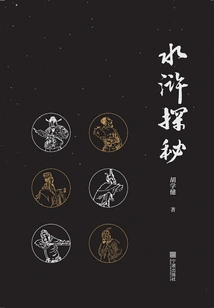
Water Margin Quest
Literature水浒探秘
Hu Xuejian
"Water Margin" mainly describes the story of 108 heroes headed by Song Jiang who gathered in Liangshan in the late Northern Song Dynasty. The author Gui Chuluzhu's writing is easy to understand, humorous and fluent, and full of philosophical thoughts. "Water Margin Exploration" is a collection of articles about "Water Margin" published by the author in newspaper columns. It is based on the novel text, starting from the novel text itself, using the logical mutual support between the plots and narratives of different chapters to explore the character creation, character relationships, Liangshan interesting things and various mysteries in the novel "Water Margin", striving to explore the real Water Margin world written by the novel writer. The full text has solid content, in-depth thinking, and a unique perspective. It is an excellent work that comprehensively interprets "Water Margin".
"Water Margin" mainly describes the story of 108 heroes headed by Song Jiang who gathered in Liangshan in the late Northern Song Dynasty. The author Gui Chuluzhu's writing is easy to understand, humorous and fluent, and full of philosophical thoughts. "Water Margin Exploration" is a collection of articles about "Water Margin" published by the author in newspaper columns. It is based on the novel text, starting from the novel text itself, using the logical mutual support between the plots and narratives of different chapters to explore the character creation, character relationships, Liangshan interesting things and various mysteries in the novel "Water Margin", striving to explore the real Water Margin world written by the novel writer. The full text has solid content, in-depth thinking, and a unique perspective. It is an excellent work that comprehensively interprets "Water Margin".
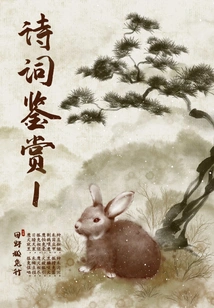
Poetry Appreciation 1
Literature诗词鉴赏1
Pear Blossom Listening Book
Poetry appreciation is the identification and appreciation of classical poetry. The thinking activity and process of feeling, understanding and evaluating the images and ideas contained in classical poetry. The thinking activities and emotional activities in appreciation generally start from the specific feelings of classical poetry, achieving a cognitive leap from the perceptual stage to the rational stage. They are not only restricted by the image and content of classical poetry, but also supplement and enrich the image based on their own thoughts and feelings, life experience, artistic perspectives and artistic interests. Use your own visual perception, past life experience and cultural knowledge to feel, experience, associate, analyze and judge classical poetry to gain aesthetic enjoyment.
Poetry appreciation is the identification and appreciation of classical poetry. The thinking activity and process of feeling, understanding and evaluating the images and ideas contained in classical poetry. The thinking activities and emotional activities in appreciation generally start from the specific feelings of classical poetry, achieving a cognitive leap from the perceptual stage to the rational stage. They are not only restricted by the image and content of classical poetry, but also supplement and enrich the image based on their own thoughts and feelings, life experience, artistic perspectives and artistic interests. Use your own visual perception, past life experience and cultural knowledge to feel, experience, associate, analyze and judge classical poetry to gain aesthetic enjoyment.
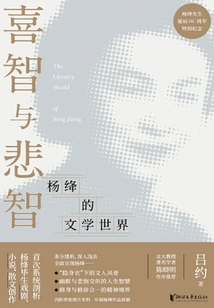
喜智与悲智:杨绛的文学世界(杨绛诞辰110周年纪念)
Lu Yue
This book is a monograph of literary criticism. As a literary master who combines Chinese and Western literature, Mr. Yang Jiang has captured the hearts of thousands of readers with his wise, pure, sincere and broad-minded writing. This book explains in depth and in simple terms, and interprets all of Yang Jiang's dramas, novels, and prose works in detail, with subtle details, leading readers to experience the unique aesthetic characteristics, spiritual connotations, and cultural connotations of Yang Jiang's works, enter the inner world of this wise man wearing an "invisibility cloak", and appreciate the charm of his wisdom that is intertwined with humor and compassion, and that combines rationality and sensibility. As the first monograph at home and abroad that systematically and comprehensively explains Yang Jiang's literary creation over more than eighty years, this book also attempts to grasp the spiritual pulse of intellectuals in the historical changes of China in the twentieth century through case analysis.
This book is a monograph of literary criticism. As a literary master who combines Chinese and Western literature, Mr. Yang Jiang has captured the hearts of thousands of readers with his wise, pure, sincere and broad-minded writing. This book explains in depth and in simple terms, and interprets all of Yang Jiang's dramas, novels, and prose works in detail, with subtle details, leading readers to experience the unique aesthetic characteristics, spiritual connotations, and cultural connotations of Yang Jiang's works, enter the inner world of this wise man wearing an "invisibility cloak", and appreciate the charm of his wisdom that is intertwined with humor and compassion, and that combines rationality and sensibility. As the first monograph at home and abroad that systematically and comprehensively explains Yang Jiang's literary creation over more than eighty years, this book also attempts to grasp the spiritual pulse of intellectuals in the historical changes of China in the twentieth century through case analysis.
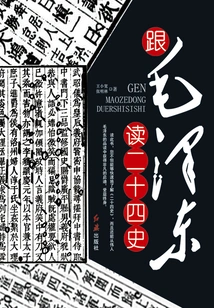
跟毛泽东读二十四史
Wang Xiaokuan Zhang Minglin
"Twenty-Four Histories" is a voluminous Chinese historical classic. It begins with the "Historical Records" written by Sima Qian of the Western Han Dynasty and has been carefully compiled by famous historians from all dynasties over more than 2,000 years. It is a collection of biographical history books, with a total of 3,259 volumes and about 40 million words. It describes the politics, economy, culture, astronomy, geography and other aspects of the Chinese nation for more than 4,000 years from the legendary Huangdi era to the 17th year of Chongzhen in the Ming Dynasty. It is the most detailed and authoritative historical masterpiece in my country.
"Twenty-Four Histories" is a voluminous Chinese historical classic. It begins with the "Historical Records" written by Sima Qian of the Western Han Dynasty and has been carefully compiled by famous historians from all dynasties over more than 2,000 years. It is a collection of biographical history books, with a total of 3,259 volumes and about 40 million words. It describes the politics, economy, culture, astronomy, geography and other aspects of the Chinese nation for more than 4,000 years from the legendary Huangdi era to the 17th year of Chongzhen in the Ming Dynasty. It is the most detailed and authoritative historical masterpiece in my country.
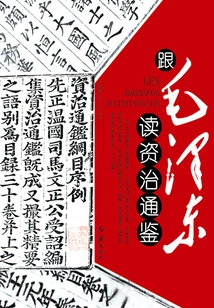
Read Zizhi Tongjian with Mao Zedong
Literature跟毛泽东读资治通鉴
Zhou Suyuan Yu Liwen
"Zizhi Tongjian", referred to as "Tongjian", is a multi-volume chronological history book edited by Sima Guang of the Northern Song Dynasty. It has a total of 294 volumes and took 19 years to complete. It uses time as the outline and events as the objectives. It starts from the 23rd year of King Weilie of Zhou Dynasty (403 BC) and ends with the conquest of Huainan in the 6th year of Emperor Xiande of the Later Zhou Dynasty (959 AD), covering 1362 years of history in 16 dynasties. It is China's first chronological general history and occupies a very important position in Chinese official history books.
"Zizhi Tongjian", referred to as "Tongjian", is a multi-volume chronological history book edited by Sima Guang of the Northern Song Dynasty. It has a total of 294 volumes and took 19 years to complete. It uses time as the outline and events as the objectives. It starts from the 23rd year of King Weilie of Zhou Dynasty (403 BC) and ends with the conquest of Huainan in the 6th year of Emperor Xiande of the Later Zhou Dynasty (959 AD), covering 1362 years of history in 16 dynasties. It is China's first chronological general history and occupies a very important position in Chinese official history books.
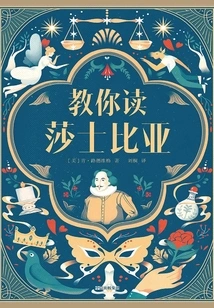
Teach You to Read Shakespeare
Literature教你读莎士比亚
(us) Ken Ludwig
As an introductory book to Shakespeare's plays, "Teaching You to Read Shakespeare" shows us and analyzes the essence of Shakespeare's plays in easy-to-understand language, and it is in unaltered and original language, which is very rare among existing books in China. The author Ken Ludwig puts 25 of the most famous original English texts in Shakespeare's plays into the book, leading readers to appreciate Shakespeare's wonderful use of words one by one through recitation. Every reader will start with a simple line - I know a bank where the wildthy meblows bloom. At the same time, he also carefully interspersed the background knowledge about Shakespeare and his drama creation, allowing us to fully understand and understand this great literary master and playwright. At the end of the book, the author has carefully compiled a series of auxiliary materials for readers who want to know more about Shakespeare and his dramatic works, including: a chronology of Shakespeare's dramatic works for reference, a list of passages from his works for in-depth study, a carefully selected list of Shakespeare's meaningful quotes, and recommended books, movies, and audio recordings for extended reading.
As an introductory book to Shakespeare's plays, "Teaching You to Read Shakespeare" shows us and analyzes the essence of Shakespeare's plays in easy-to-understand language, and it is in unaltered and original language, which is very rare among existing books in China. The author Ken Ludwig puts 25 of the most famous original English texts in Shakespeare's plays into the book, leading readers to appreciate Shakespeare's wonderful use of words one by one through recitation. Every reader will start with a simple line - I know a bank where the wildthy meblows bloom. At the same time, he also carefully interspersed the background knowledge about Shakespeare and his drama creation, allowing us to fully understand and understand this great literary master and playwright. At the end of the book, the author has carefully compiled a series of auxiliary materials for readers who want to know more about Shakespeare and his dramatic works, including: a chronology of Shakespeare's dramatic works for reference, a list of passages from his works for in-depth study, a carefully selected list of Shakespeare's meaningful quotes, and recommended books, movies, and audio recordings for extended reading.
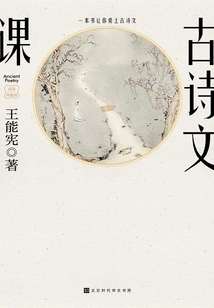
Ancient Poetry Class
Literature古诗文课
Wang Nengxian
"Ancient Poetry Lesson" is a book that will make you fall in love with ancient poetry. This book provides exquisite interpretation and appreciation of 46 emotional and classic ancient poems and modern poems. Part of the content is an appreciation draft written by the author in his early years for the flagship program "Reading and Appreciation" of the Central People's Broadcasting Station. The program features celebrities introducing masterpieces and broadcasting by famous announcers (popular with generations of viewers, known as the "three" program); part of the content is the author's essence works in the classical literature courses in colleges and universities, and part is a newly written analysis of classic poetry. The famous Chinese classical writer Yuan Xingpei, the famous calligraphers Fan Zeng and Guan Jun, etc. Have illustrated the poems and texts and presented them in the form of calligraphy, calligraphy, painting, seal cutting and other forms. This book is also accompanied by 15 early precious original audio tracks, reproduced by famous broadcasters Xia Qing, Ge Lan, Lin Ru, Tiecheng, Fang Ming and others. This book presents the infinite charm of classical poetry from all aspects and angles.
"Ancient Poetry Lesson" is a book that will make you fall in love with ancient poetry. This book provides exquisite interpretation and appreciation of 46 emotional and classic ancient poems and modern poems. Part of the content is an appreciation draft written by the author in his early years for the flagship program "Reading and Appreciation" of the Central People's Broadcasting Station. The program features celebrities introducing masterpieces and broadcasting by famous announcers (popular with generations of viewers, known as the "three" program); part of the content is the author's essence works in the classical literature courses in colleges and universities, and part is a newly written analysis of classic poetry. The famous Chinese classical writer Yuan Xingpei, the famous calligraphers Fan Zeng and Guan Jun, etc. Have illustrated the poems and texts and presented them in the form of calligraphy, calligraphy, painting, seal cutting and other forms. This book is also accompanied by 15 early precious original audio tracks, reproduced by famous broadcasters Xia Qing, Ge Lan, Lin Ru, Tiecheng, Fang Ming and others. This book presents the infinite charm of classical poetry from all aspects and angles.
享誉世界的文学名著(下册)
Lin Zhiman Editor-in-chief Xiao Feng
The "Speaking of China" series puts the glory and setbacks, unity and division, progress and regression, war and peace, justice and evil of the Chinese nation in the dialectical process of the unity of opposites, and displays them one by one.
The "Speaking of China" series puts the glory and setbacks, unity and division, progress and regression, war and peace, justice and evil of the Chinese nation in the dialectical process of the unity of opposites, and displays them one by one.
享誉世界的文学名著(上册)
Lin Zhiman Editor-in-chief Xiao Feng
The "Speaking of China" series puts the glory and setbacks, unity and division, progress and regression, war and peace, justice and evil of the Chinese nation in the dialectical process of the unity of opposites, and displays them one by one.
The "Speaking of China" series puts the glory and setbacks, unity and division, progress and regression, war and peace, justice and evil of the Chinese nation in the dialectical process of the unity of opposites, and displays them one by one.
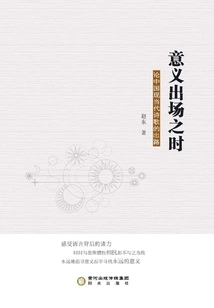
意义出场之时:论中国现当代诗歌的出路
Zhao Dong
This book brings together the author's nearly 20 years of poetry research results. Although some chapters were written earlier or the thinking is not mature enough, they can still be used as a reference for the research and creation of modern Chinese poetry. The author insists that the study of modern Chinese poetry should be "opened up" as the main feature. From a comprehensive perspective of ancient and modern Chinese and foreign poetry creation and poetic thought, the author uses the history of modern Chinese poetry as the basic research background and the recent new development direction of current poetry creation as the starting point for research, reviewing history and looking forward to the future.
This book brings together the author's nearly 20 years of poetry research results. Although some chapters were written earlier or the thinking is not mature enough, they can still be used as a reference for the research and creation of modern Chinese poetry. The author insists that the study of modern Chinese poetry should be "opened up" as the main feature. From a comprehensive perspective of ancient and modern Chinese and foreign poetry creation and poetic thought, the author uses the history of modern Chinese poetry as the basic research background and the recent new development direction of current poetry creation as the starting point for research, reviewing history and looking forward to the future.
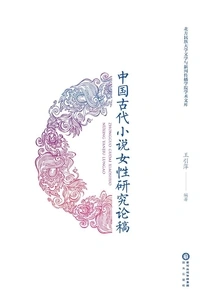
中国古代小说女性研究论稿
Compiled By Wang Yinping
This book contains 27 academic papers on female topics in ancient Chinese novels that have been written by the author since 2000 or co-authored with master students under the guidance of the author. They are signed by the author in the catalog. "A Research Paper on Women in Ancient Chinese Novels", based on traditional research methods, uses feminist criticism methods to analyze and discuss issues such as female images, views on women, women's living conditions and female consciousness in ancient novels. At the same time, it also reflects the unique perspectives, experiences and research interests of myself and the graduate students as women.
This book contains 27 academic papers on female topics in ancient Chinese novels that have been written by the author since 2000 or co-authored with master students under the guidance of the author. They are signed by the author in the catalog. "A Research Paper on Women in Ancient Chinese Novels", based on traditional research methods, uses feminist criticism methods to analyze and discuss issues such as female images, views on women, women's living conditions and female consciousness in ancient novels. At the same time, it also reflects the unique perspectives, experiences and research interests of myself and the graduate students as women.
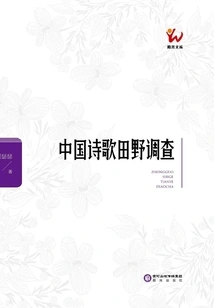
Fieldwork on Chinese Poetry
Literature中国诗歌田野调查
Zhou Sese
The main contents of this book include: Writing in the Cave·Anthropology of Poetry, "Everything must be lived personally", the historical sense of contemporary poetry, writing such as loess-fried sorghum, lifeboats, life and death cards, and island writing, active poetic language alcohol molecules, abstract poetry: unknown codes, black holes of thinking, etc.
The main contents of this book include: Writing in the Cave·Anthropology of Poetry, "Everything must be lived personally", the historical sense of contemporary poetry, writing such as loess-fried sorghum, lifeboats, life and death cards, and island writing, active poetic language alcohol molecules, abstract poetry: unknown codes, black holes of thinking, etc.
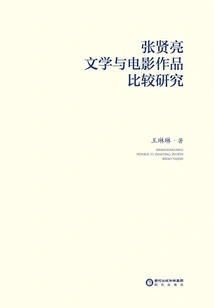
张贤亮文学与电影作品比较研究
Wang Linlin
This book is divided into three parts: the upper part, the lower part and the appendix. The first part mainly discusses the two art types of literature and film, and makes a theoretical comparison from the differences and interactivity of their media symbols and other aspects; the second part is a close reading of the texts of Zhang Xianliang's literary works and film works. In the process of collecting and reading, relevant theories of literature and film were used to analyze the works, mainly using the methods of media symbols and narratology mentioned above to read the works carefully; the appendix is Zhang Xianliang's memorabilia, which completes Zhang Xianliang's life and creative memorabilia in the form of a chronology.
This book is divided into three parts: the upper part, the lower part and the appendix. The first part mainly discusses the two art types of literature and film, and makes a theoretical comparison from the differences and interactivity of their media symbols and other aspects; the second part is a close reading of the texts of Zhang Xianliang's literary works and film works. In the process of collecting and reading, relevant theories of literature and film were used to analyze the works, mainly using the methods of media symbols and narratology mentioned above to read the works carefully; the appendix is Zhang Xianliang's memorabilia, which completes Zhang Xianliang's life and creative memorabilia in the form of a chronology.
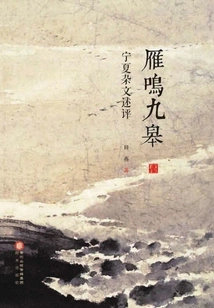
雁鸣九皋:宁夏杂文述评
Tian Yan
"Yan Ming Jiugao - A Review of Ningxia Essays" is the author's monograph of narrative commentary on the current situation and achievements of Ningxia essays in the past forty years. It is divided into eleven chapters and discusses the works created by Ningxia essay writers in different eras, such as Wu Xuanwen, Wang Qingtong, Xing Kuixue, Niu Paina, Mu Yuan, Ma He, Wang Tuya, Batu, and Min Shengyu. It not only presents the diversity of Ningxia essays, but also structures the current situation of Ningxia essays in this period from an academic level.
"Yan Ming Jiugao - A Review of Ningxia Essays" is the author's monograph of narrative commentary on the current situation and achievements of Ningxia essays in the past forty years. It is divided into eleven chapters and discusses the works created by Ningxia essay writers in different eras, such as Wu Xuanwen, Wang Qingtong, Xing Kuixue, Niu Paina, Mu Yuan, Ma He, Wang Tuya, Batu, and Min Shengyu. It not only presents the diversity of Ningxia essays, but also structures the current situation of Ningxia essays in this period from an academic level.
宁夏文学六十年(1958-2018)
Li Shengbin
This book discusses the development of literature in the Ningxia Hui Autonomous Region since its establishment sixty years ago, and presents the overall style and historical development of Ningxia regional literature. It is divided into three parts: "Literary Geography Theory", "Literary Mere Theory" and "Documentary Data Collection".
This book discusses the development of literature in the Ningxia Hui Autonomous Region since its establishment sixty years ago, and presents the overall style and historical development of Ningxia regional literature. It is divided into three parts: "Literary Geography Theory", "Literary Mere Theory" and "Documentary Data Collection".
Commentary on Liu Jian's Poems
Literature刘兼诗评注
Zhong Xuehui Gong Weilian
Liu Jian was born in Jingzhao Prefecture (governing Liangliang'an, Shaanxi today) during the Five Dynasties and early Song Dynasty. In the early Song Dynasty, tired officials came to live and give up their lives. In the third year of Emperor Qiande's reign (965), Emperor Taizu of the Song Dynasty became the general magistrate and military supervisor of Sizhou. In Kaibaozhong, he was the salt and iron judge of the third division. He was ordered to participate in the compilation of "Old History of the Five Dynasties". After Emperor Taizong of the Song Dynasty came to the throne, he was promoted to Wai Lang, a member of the Ministry of War. In the third year of the Taiping Xingguo reign (978), he was ordered to jointly examine the special officials of various states with Zhang Jue and Guo Zhi. He eventually became the governor of Rongzhou. He likes to recite poetry and has a collection of poems.
Liu Jian was born in Jingzhao Prefecture (governing Liangliang'an, Shaanxi today) during the Five Dynasties and early Song Dynasty. In the early Song Dynasty, tired officials came to live and give up their lives. In the third year of Emperor Qiande's reign (965), Emperor Taizu of the Song Dynasty became the general magistrate and military supervisor of Sizhou. In Kaibaozhong, he was the salt and iron judge of the third division. He was ordered to participate in the compilation of "Old History of the Five Dynasties". After Emperor Taizong of the Song Dynasty came to the throne, he was promoted to Wai Lang, a member of the Ministry of War. In the third year of the Taiping Xingguo reign (978), he was ordered to jointly examine the special officials of various states with Zhang Jue and Guo Zhi. He eventually became the governor of Rongzhou. He likes to recite poetry and has a collection of poems.
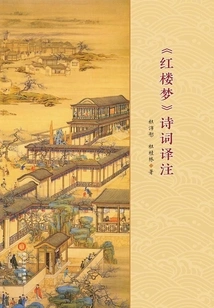
《红楼梦》诗词译注
Du Peitong Du Guilin
The main contents of this book include: poems, lyrics, songs, fu, tunes, couplets, drinking orders, lantern riddles, Jiejie, jiwen, divine fortune tellers, and verses.
The main contents of this book include: poems, lyrics, songs, fu, tunes, couplets, drinking orders, lantern riddles, Jiejie, jiwen, divine fortune tellers, and verses.
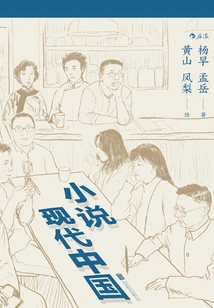
Novel Modern China
Literature小说现代中国
Huangshan Pineapple Painting By Yang Zao And Meng Yue
The author selects 40 modern novels that represent the times and reflect the social outlook in the thirty years from 1919 to 1948. "Novel is the secret history of a nation." In addition to political storms and wars, the novel also contains the mentality, thoughts, and actions of ordinary people in "big history", as well as their joys, sorrows, and joys, as well as the details of their lives. Fictional novels have non-fictional backgrounds. To understand the history and emotions of modern China, the best way is to read the novels that were widely circulated at that time and communicate and resonate with the Chinese people a hundred years ago.
The author selects 40 modern novels that represent the times and reflect the social outlook in the thirty years from 1919 to 1948. "Novel is the secret history of a nation." In addition to political storms and wars, the novel also contains the mentality, thoughts, and actions of ordinary people in "big history", as well as their joys, sorrows, and joys, as well as the details of their lives. Fictional novels have non-fictional backgrounds. To understand the history and emotions of modern China, the best way is to read the novels that were widely circulated at that time and communicate and resonate with the Chinese people a hundred years ago.
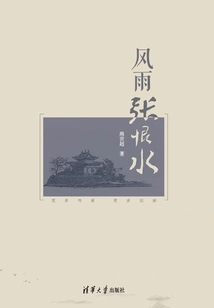
Wind and Rain, Zhang Henshui
Literature风雨张恨水
Yan Shichao
This book is divided into five parts: author theory, work theory, reader theory, comparative theory, and appendices. The main content covers Zhang Henshui's life and creative path, Zhang Henshui's literary achievements, the artistic characteristics of Zhang Henshui's masterpieces, the social and cultural roots of Zhang Henshui's continuing popularity of novels, and the interactions and comparisons between Zhang Henshui and contemporary writers. It examines Zhang Henshui and his works in the context of Chinese culture and Chinese literature, and guides readers into Zhang Henshui's literary world.
This book is divided into five parts: author theory, work theory, reader theory, comparative theory, and appendices. The main content covers Zhang Henshui's life and creative path, Zhang Henshui's literary achievements, the artistic characteristics of Zhang Henshui's masterpieces, the social and cultural roots of Zhang Henshui's continuing popularity of novels, and the interactions and comparisons between Zhang Henshui and contemporary writers. It examines Zhang Henshui and his works in the context of Chinese culture and Chinese literature, and guides readers into Zhang Henshui's literary world.
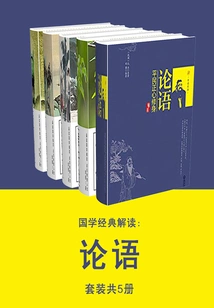
国学经典解读:论语(套装共5册)
Liu Qiang
This set includes a total of 5 volumes: "The Analects of Confucius (The Theory of Gentlemen)", "The Analects of Confucius (Etiquette, Music, and Humane Virtues)", "The Analects of Confucius (The World is Common)", "The Analects of Confucius (The Words and Behavior of Rural Residents)" and "The Analects of Confucius: Common People's Right Mind and Self-cultivation". The Analects of Confucius is a work that records the words and deeds of Confucius and his disciples in the form of quotations. It is the origin of Chinese Confucian culture. This book is the author's interpretation of "The Analects" from an ordinary person's perspective. The author is an official and has been conducting in-depth research on the Analects of Confucius. This analysis focuses on "cultivating one's mind with a correct mind", taking the improvement of self-cultivation and exploring social phenomena as the context, and interprets it chapter by chapter, sentence by sentence, hoping to connect theory with practice, open up and stimulate readers' thinking, so as to achieve the purpose of interactive communication and reach the destination together.
This set includes a total of 5 volumes: "The Analects of Confucius (The Theory of Gentlemen)", "The Analects of Confucius (Etiquette, Music, and Humane Virtues)", "The Analects of Confucius (The World is Common)", "The Analects of Confucius (The Words and Behavior of Rural Residents)" and "The Analects of Confucius: Common People's Right Mind and Self-cultivation". The Analects of Confucius is a work that records the words and deeds of Confucius and his disciples in the form of quotations. It is the origin of Chinese Confucian culture. This book is the author's interpretation of "The Analects" from an ordinary person's perspective. The author is an official and has been conducting in-depth research on the Analects of Confucius. This analysis focuses on "cultivating one's mind with a correct mind", taking the improvement of self-cultivation and exploring social phenomena as the context, and interprets it chapter by chapter, sentence by sentence, hoping to connect theory with practice, open up and stimulate readers' thinking, so as to achieve the purpose of interactive communication and reach the destination together.
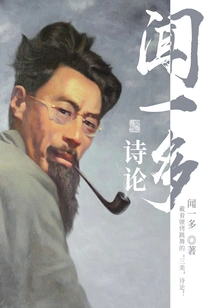
文学经典:闻一多诗论
Wen Yiduo
Mr. Wen Yiduo went through three stages in his life: poet, scholar, and fighter, and finally composed a magnificent poem with his own blood and life. The poems written by Wen Yiduo developed the patriotic tradition in the creations of Qu Yuan and Du Fu, and have a distinct sense of the times and the nature of social criticism. This book selects Mr. Wen Yiduo's discussion on poetry to help us understand the ideological process of Chinese people in turbulent times. Some people comment that Wen Yiduo's poems are the practice of his artistic ideas. Most of his poems are like oil paintings with heavy colors. He not only likes to use heavy brushstrokes to depict images and exaggerate the atmosphere, but is especially good at changing various moods and colors in bold imagination and novel metaphors. Coupled with the framework of beautiful artistic forms such as harmonious syllables and neat verses, his poems become complete works of art. But sometimes due to deliberate carving, the brilliance of simplicity and natural beauty is lost. It can be said that Wen Yiduo's poems created a new genre of metrical poetry and influenced many subsequent poets.
Mr. Wen Yiduo went through three stages in his life: poet, scholar, and fighter, and finally composed a magnificent poem with his own blood and life. The poems written by Wen Yiduo developed the patriotic tradition in the creations of Qu Yuan and Du Fu, and have a distinct sense of the times and the nature of social criticism. This book selects Mr. Wen Yiduo's discussion on poetry to help us understand the ideological process of Chinese people in turbulent times. Some people comment that Wen Yiduo's poems are the practice of his artistic ideas. Most of his poems are like oil paintings with heavy colors. He not only likes to use heavy brushstrokes to depict images and exaggerate the atmosphere, but is especially good at changing various moods and colors in bold imagination and novel metaphors. Coupled with the framework of beautiful artistic forms such as harmonious syllables and neat verses, his poems become complete works of art. But sometimes due to deliberate carving, the brilliance of simplicity and natural beauty is lost. It can be said that Wen Yiduo's poems created a new genre of metrical poetry and influenced many subsequent poets.
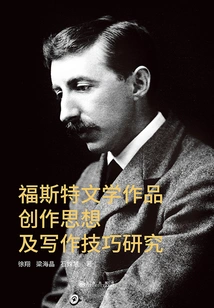
福斯特文学作品创作思想及写作技巧研究
Xu Xiang Liang Haijing Shi Shuhui
This book attempts to conduct a relatively comprehensive study and evaluation of Forster and his works from the two perspectives of Forster's creative thoughts and writing skills. The book touches on Forster's life experience and the formation process of his outlook on life. It also studies Forster's creative thoughts and creative process from the perspectives of changing times and social, political and economic development.
This book attempts to conduct a relatively comprehensive study and evaluation of Forster and his works from the two perspectives of Forster's creative thoughts and writing skills. The book touches on Forster's life experience and the formation process of his outlook on life. It also studies Forster's creative thoughts and creative process from the perspectives of changing times and social, political and economic development.