Library
Browse and search novels
1,305 novels found
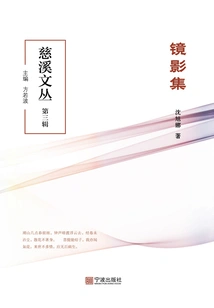
Mirror Collection
Literature镜影集
Shen Xuna
This is a Cixi literary series, divided into five parts: novellas, short novels, modern poetry, classical poetry and critical literature. The novella part "Uncle is here" consists of four novellas: "My Sister", "Uncle is here", "Lao Hai" and "This Newspaper News". The short novel section "What do you want me to say before you believe it" contains several short stories, which are short and thoughtful. The modern poetry section "Moonlight Ballads" includes many modern poems such as "Hometown" and "Walking in the South of the Yangtze River". The classical poetry section "Mirror Shadow Collection" is a selection of old-style poetry works created by the author in the past ten years. The critical literature section "Spiritual Loneliness and Struggle" includes the latest critical works created by the author in recent years, mainly reviewing the works of local writers. This set of books is a concentrated display of the works of several writers in Cixi, and is the enrichment and continuation of the "Cixi Literature Series".
This is a Cixi literary series, divided into five parts: novellas, short novels, modern poetry, classical poetry and critical literature. The novella part "Uncle is here" consists of four novellas: "My Sister", "Uncle is here", "Lao Hai" and "This Newspaper News". The short novel section "What do you want me to say before you believe it" contains several short stories, which are short and thoughtful. The modern poetry section "Moonlight Ballads" includes many modern poems such as "Hometown" and "Walking in the South of the Yangtze River". The classical poetry section "Mirror Shadow Collection" is a selection of old-style poetry works created by the author in the past ten years. The critical literature section "Spiritual Loneliness and Struggle" includes the latest critical works created by the author in recent years, mainly reviewing the works of local writers. This set of books is a concentrated display of the works of several writers in Cixi, and is the enrichment and continuation of the "Cixi Literature Series".
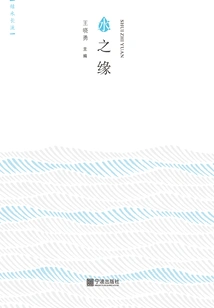
The Edge of Water
Literature水之缘
Editor-in-chief Wang Xiaoyong
Ningbo is a famous water town. Following the joint management of five waters, Ningbo has further promoted the action of "eliminating inferior V-type water" to create green mountains and green waters in this city. The book series "Green Water Flows" focuses on this. Ningbo writers use their unique literary sensitivity to feel the changes brought by the water control project to the city and the lives of residents in this city. This book is a collection of poems in the series. It includes not only the works of Ningbo local poets, but also poetry manuscripts from all over the country. Together, they eulogized the charm of water in Ningbo's rivers, lakes, white-capped seas, etc., The beautiful vision of the harmonious development of man and water, and the new changes in the city brought about by water control actions in the style of poetry. There are both passionate and high-spirited songs, as well as delicate and low-pitched lyrics, which are positive and convey the positive energy of society.
Ningbo is a famous water town. Following the joint management of five waters, Ningbo has further promoted the action of "eliminating inferior V-type water" to create green mountains and green waters in this city. The book series "Green Water Flows" focuses on this. Ningbo writers use their unique literary sensitivity to feel the changes brought by the water control project to the city and the lives of residents in this city. This book is a collection of poems in the series. It includes not only the works of Ningbo local poets, but also poetry manuscripts from all over the country. Together, they eulogized the charm of water in Ningbo's rivers, lakes, white-capped seas, etc., The beautiful vision of the harmonious development of man and water, and the new changes in the city brought about by water control actions in the style of poetry. There are both passionate and high-spirited songs, as well as delicate and low-pitched lyrics, which are positive and convey the positive energy of society.
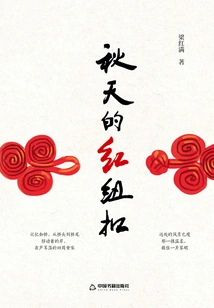
Autumn Red Buttons
Literature秋天的红纽扣
Liang Hongman
"The red of autumn is just a red button; bite it tight and make your way home every day" - "The Red Button of Autumn". This is a collection of poems with the main theme of going home. The collection of poems contains the author's praise and lamentation of nature, his understanding and narration of life, and his examination and observation of society and life. With deep love, the author objectively describes the ever-improving life, which is direct, frank, powerful, critical, shocking and inspiring. The author is full of poetry, writes his life sincerely, and follows a multi-dimensional creative path.
"The red of autumn is just a red button; bite it tight and make your way home every day" - "The Red Button of Autumn". This is a collection of poems with the main theme of going home. The collection of poems contains the author's praise and lamentation of nature, his understanding and narration of life, and his examination and observation of society and life. With deep love, the author objectively describes the ever-improving life, which is direct, frank, powerful, critical, shocking and inspiring. The author is full of poetry, writes his life sincerely, and follows a multi-dimensional creative path.
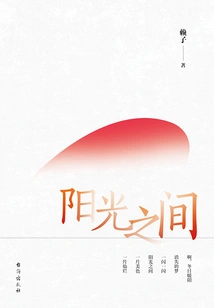
Between Sunshine
Literature阳光之间
Raiko
This collection of poems is divided into two parts. The first part "Ancient Style and Modern Rhythm" is in the style of ancient poetry, and the second part "Collecting Shells from the Sea of Heart" is in the style of modern poetry. There are beautiful and magnificent poems in the collection that drive readers to follow the author's vision and take in the beautiful mountains, rivers and scenery of the motherland; there are poems that sing about the wind, flowers, snow, moon, spring and autumn, showing the charm of a beautiful and peaceful life; there are also some poems that are the author's thinking about life, time and the future, with a certain philosophical meaning. The entire collection of poems is full of the author's deep affection and love for nature. It is a tribute to a beautiful life and noble sentiments.
This collection of poems is divided into two parts. The first part "Ancient Style and Modern Rhythm" is in the style of ancient poetry, and the second part "Collecting Shells from the Sea of Heart" is in the style of modern poetry. There are beautiful and magnificent poems in the collection that drive readers to follow the author's vision and take in the beautiful mountains, rivers and scenery of the motherland; there are poems that sing about the wind, flowers, snow, moon, spring and autumn, showing the charm of a beautiful and peaceful life; there are also some poems that are the author's thinking about life, time and the future, with a certain philosophical meaning. The entire collection of poems is full of the author's deep affection and love for nature. It is a tribute to a beautiful life and noble sentiments.
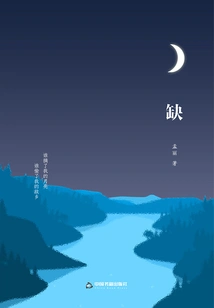
Lack
Literature缺
Meng Li
This is a collection of poems that integrates the author's mood and philosophy. Traveling through the world, experiencing ups and downs in love and hate, joy and sorrow in gains and losses, ups and downs in honor and disgrace, the author uses his pen as a guide to plow time and sow goodness and beauty, which is his respect for life. The iron teeth of real life can easily crush the ribs of dreams. But poetry can make you burn with passion or burst into tears. With all its tolerance, it turns your emotions into a necklace and wears it around your neck. Poetry is a sincere text. Whether in the past or now, poetry is loyal to the writer's inner self and faithfully reflects his character, texture, and level. Life is not easy, but "poetry is better than work". I hope that difficulties can polish a person's spirit or talent, like a clear moon, shining brightly in the night sky of his life.
This is a collection of poems that integrates the author's mood and philosophy. Traveling through the world, experiencing ups and downs in love and hate, joy and sorrow in gains and losses, ups and downs in honor and disgrace, the author uses his pen as a guide to plow time and sow goodness and beauty, which is his respect for life. The iron teeth of real life can easily crush the ribs of dreams. But poetry can make you burn with passion or burst into tears. With all its tolerance, it turns your emotions into a necklace and wears it around your neck. Poetry is a sincere text. Whether in the past or now, poetry is loyal to the writer's inner self and faithfully reflects his character, texture, and level. Life is not easy, but "poetry is better than work". I hope that difficulties can polish a person's spirit or talent, like a clear moon, shining brightly in the night sky of his life.
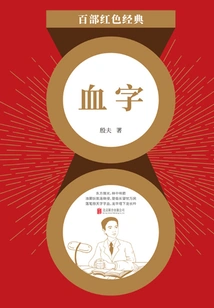
Letters in Blood (red Classic)
Literature血字(红色经典)
Yin Fu
"Words in Blood" contains many revolutionary poems by Yin Fu. Most of Yin Fu's early poems sung about love and homeland, both condemning the dark reality and yearning for a bright future. After his creation began to mature, he began to eulogize the struggle of the working class from the front with rough timbre and high rhythm, and confided his persistent pursuit of ideals and belief in a complete break with the old world. He had a broad realm, a strong spirit, a clear political tendency and a strong sense of the times. After Guo Moruo and Jiang Guangci, he is another important revolutionary poet in the history of modern literature. Lu Xun spoke highly of his poems: "There is no need to compare all the so-called mature, concise, quiet and distant works, because this poem belongs to another world."
"Words in Blood" contains many revolutionary poems by Yin Fu. Most of Yin Fu's early poems sung about love and homeland, both condemning the dark reality and yearning for a bright future. After his creation began to mature, he began to eulogize the struggle of the working class from the front with rough timbre and high rhythm, and confided his persistent pursuit of ideals and belief in a complete break with the old world. He had a broad realm, a strong spirit, a clear political tendency and a strong sense of the times. After Guo Moruo and Jiang Guangci, he is another important revolutionary poet in the history of modern literature. Lu Xun spoke highly of his poems: "There is no need to compare all the so-called mature, concise, quiet and distant works, because this poem belongs to another world."
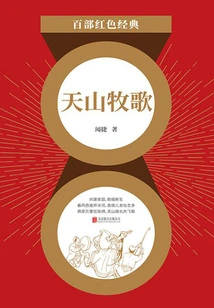
Tianshan Pastoral (Red Classic)
Literature天山牧歌(红色经典)
Wen Jie
The collection of poems "Tianshan Pastoral" is a hymn describing the working people in ethnic minority areas in New China. It is not only beautiful and clear in terms of border scenery, folk customs, poetic language, etc., But is also unique in terms of theme. "Tianshan Pastoral" selects the poet's main poems from 1951 to 1955. There are four groups of poems, nine pastoral poems and one narrative poem. The most famous are the two love poems "Tulupan Love Song" and "Guozigou Mountain Ballad". It reflects the new life of Kazakhs, Uyghurs, Mongolians and other ethnic groups in Xinjiang after liberation, and expresses the loyalty of young men and women of fraternal ethnic groups to the motherland, their eagerness to devote themselves to creating a new life, and their pure and steadfast love that is closely integrated with labor. The poems are soft and brisk, and mostly use descriptions of life scenes to express passionate emotions. It is a rare excellent poem in the history of contemporary literature that reflects the real life of fraternal nations.
The collection of poems "Tianshan Pastoral" is a hymn describing the working people in ethnic minority areas in New China. It is not only beautiful and clear in terms of border scenery, folk customs, poetic language, etc., But is also unique in terms of theme. "Tianshan Pastoral" selects the poet's main poems from 1951 to 1955. There are four groups of poems, nine pastoral poems and one narrative poem. The most famous are the two love poems "Tulupan Love Song" and "Guozigou Mountain Ballad". It reflects the new life of Kazakhs, Uyghurs, Mongolians and other ethnic groups in Xinjiang after liberation, and expresses the loyalty of young men and women of fraternal ethnic groups to the motherland, their eagerness to devote themselves to creating a new life, and their pure and steadfast love that is closely integrated with labor. The poems are soft and brisk, and mostly use descriptions of life scenes to express passionate emotions. It is a rare excellent poem in the history of contemporary literature that reflects the real life of fraternal nations.
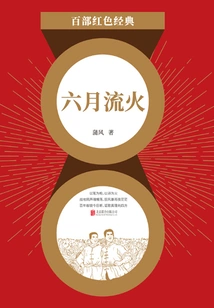
June Fire (red Classic)
Literature六月流火(红色经典)
Pu Feng
"Flowing Fire in June" is Pu Feng's classic representative poem and a long narrative poem. This long poem has a total of 24 chapters and 1,800 lines. The long poem enthusiastically and heroically eulogizes the power of "fire in the center of the earth", reflecting the "rage" of riots set off by farmers in a corner of southern China under the leadership of the party. They bravely issued the cry of "the old world is about to be shattered" and fearlessly showed the prospect of "the fire will burn out the glory of new life". In addition to "Flowing Fire in June", this book also includes Pu Feng's classic poems such as "The Vast Night", "Armed Fields, Mountains and Rivers", "The Anti-Japanese War Trilogy", and "The Second Sun in the North of Shandong".
"Flowing Fire in June" is Pu Feng's classic representative poem and a long narrative poem. This long poem has a total of 24 chapters and 1,800 lines. The long poem enthusiastically and heroically eulogizes the power of "fire in the center of the earth", reflecting the "rage" of riots set off by farmers in a corner of southern China under the leadership of the party. They bravely issued the cry of "the old world is about to be shattered" and fearlessly showed the prospect of "the fire will burn out the glory of new life". In addition to "Flowing Fire in June", this book also includes Pu Feng's classic poems such as "The Vast Night", "Armed Fields, Mountains and Rivers", "The Anti-Japanese War Trilogy", and "The Second Sun in the North of Shandong".
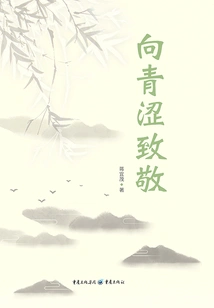
Tribute to Youth
Literature向青涩致敬
Jiang Yimao
This book is divided into two parts: Shi Ling Yin Mood and Ancient Style Fu Qicai, which respectively contain 90 new poems and 70 ancient poems created by the author. The new poems are free in form but have a strong sense of rhythm; the ancient poems are mainly seven-character poems but still retain the new atmosphere of the times. The author describes the flowers, plants, insects and fish around him, streams and rivers, wind, rain, thunder and lightning, and even foreign customs. He expresses his awe for the passage of time, his deep reflection on the meaning of life, his attachment to family, friendship and nostalgia, and praises the life virtues of humility, calmness, bravery and dedication.
This book is divided into two parts: Shi Ling Yin Mood and Ancient Style Fu Qicai, which respectively contain 90 new poems and 70 ancient poems created by the author. The new poems are free in form but have a strong sense of rhythm; the ancient poems are mainly seven-character poems but still retain the new atmosphere of the times. The author describes the flowers, plants, insects and fish around him, streams and rivers, wind, rain, thunder and lightning, and even foreign customs. He expresses his awe for the passage of time, his deep reflection on the meaning of life, his attachment to family, friendship and nostalgia, and praises the life virtues of humility, calmness, bravery and dedication.
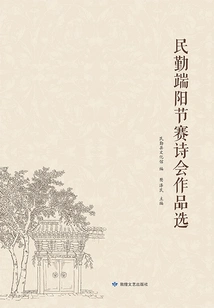
民勤端阳节赛诗会作品集
Edited By Fan Zemin
This book contains the award-winning works of the six Dragon Boat Festival Poetry Competitions held by Minqin County, including poems, lyrics, new poems, prose poems, etc. It comprehensively reflects the new look of Minqin County, and the content is healthy and uplifting, with high ideological and literary quality.
This book contains the award-winning works of the six Dragon Boat Festival Poetry Competitions held by Minqin County, including poems, lyrics, new poems, prose poems, etc. It comprehensively reflects the new look of Minqin County, and the content is healthy and uplifting, with high ideological and literary quality.
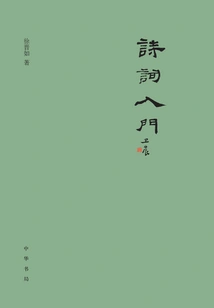
Introduction to Poetry
Literature诗词入门
Xu Jinru
This is a popular book explaining traditional poetry writing. The author has been famous for his poems for a long time and understands the joys and sorrows of poetry creation. Therefore, he can explain what good poems and good lyrics are and how to write good poems and good lyrics in a concise, clear and enlightening way. The book contains basic knowledge of poetry appreciation and poetry writing, as well as advanced writing skills. The writing style is profound and thorough, yet simple and clear, making it suitable for all readers who are interested in poetry. Following the "College Poetry Writing Tutorial", the author of this book writes this book especially for poetry lovers with zero foundation. Various essentials for learning to write poetry are explained in detail and in detail from the aspects of poetry's rhythm, rhyme, level, attributive pairs, adhering to pairs, concise sentences, arrangement of images, the interplay of virtuality and reality, and the use of themes. This book also answers common questions among poetry lovers such as why we should learn to write poetry, whether all good poems were completed by people in the Tang Dynasty, and why we can never write poetry well. It contains both theoretical explanations of poetry and practical guidance on poetry writing, which can serve as a guide for beginners. The language of this book is popular and informative. It takes into account both creation and appreciation. It is also very helpful for poetry lovers to improve their appreciation of poetry.
This is a popular book explaining traditional poetry writing. The author has been famous for his poems for a long time and understands the joys and sorrows of poetry creation. Therefore, he can explain what good poems and good lyrics are and how to write good poems and good lyrics in a concise, clear and enlightening way. The book contains basic knowledge of poetry appreciation and poetry writing, as well as advanced writing skills. The writing style is profound and thorough, yet simple and clear, making it suitable for all readers who are interested in poetry. Following the "College Poetry Writing Tutorial", the author of this book writes this book especially for poetry lovers with zero foundation. Various essentials for learning to write poetry are explained in detail and in detail from the aspects of poetry's rhythm, rhyme, level, attributive pairs, adhering to pairs, concise sentences, arrangement of images, the interplay of virtuality and reality, and the use of themes. This book also answers common questions among poetry lovers such as why we should learn to write poetry, whether all good poems were completed by people in the Tang Dynasty, and why we can never write poetry well. It contains both theoretical explanations of poetry and practical guidance on poetry writing, which can serve as a guide for beginners. The language of this book is popular and informative. It takes into account both creation and appreciation. It is also very helpful for poetry lovers to improve their appreciation of poetry.
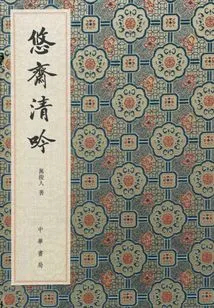
悠斋清吟:悠斋诗词联语初集
Wan Junren
This manuscript is the first collection of poems by Wan Junren, one of the first batch of senior liberal arts professors at Tsinghua University. Wan Junren was influenced by his family education, and traditional classical literature, especially poetry, was integrated into Wan Junren's bones. After working, by chance, Wan Junren studied Chinese classical literature and poetry at a teacher's school, and began to create old-style poetry. This manuscript is the first collection of Wan Junren's many years of poetry creation, including a total of 57 poems, 42 lyrics, and 78 couplets. Some of these works are poems and songs with teachers and friends, some are the author's reflections on the times, and some are travel notes. The author puts his philosophical feelings and feelings about his family and country into poetic words, vividly interpreting the proposition of "poetry expresses aspirations" in traditional poetics. Because he has a high level of knowledge in his chest, he has learned both Chinese and Western knowledge, and has received guidance from famous teachers. Therefore, his poems have a high style, an elegant and upright approach, and true and pure emotions. It can be regarded as a collection of old-style poems with a relatively high level in modern and contemporary times.
This manuscript is the first collection of poems by Wan Junren, one of the first batch of senior liberal arts professors at Tsinghua University. Wan Junren was influenced by his family education, and traditional classical literature, especially poetry, was integrated into Wan Junren's bones. After working, by chance, Wan Junren studied Chinese classical literature and poetry at a teacher's school, and began to create old-style poetry. This manuscript is the first collection of Wan Junren's many years of poetry creation, including a total of 57 poems, 42 lyrics, and 78 couplets. Some of these works are poems and songs with teachers and friends, some are the author's reflections on the times, and some are travel notes. The author puts his philosophical feelings and feelings about his family and country into poetic words, vividly interpreting the proposition of "poetry expresses aspirations" in traditional poetics. Because he has a high level of knowledge in his chest, he has learned both Chinese and Western knowledge, and has received guidance from famous teachers. Therefore, his poems have a high style, an elegant and upright approach, and true and pure emotions. It can be regarded as a collection of old-style poems with a relatively high level in modern and contemporary times.
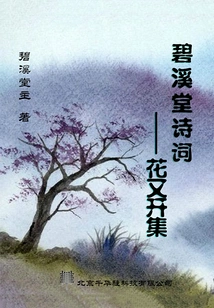
Bixitang Poetry: Flowers Bloom Again
Literature碧溪堂诗词:花又开集
Master Of Bixi Hall
Poetry in the style of veteran cadres is now popular. Of course, it is a joking name, and it is quite ironic. Since Wang Shuo pioneered the joking style of writing, everyone likes to laugh at themselves and others, with more jokes and less sincerity. You can make jokes, but sometimes there is no bottom line. When something is taken to an extreme, it will not be good. 2020 Is over, and spring will come again. Otherwise, let's call this collection of poems "Flowers Bloom Again". Although the flowers have bloomed and people have grown old, I don't want to go back to the childish boy I once was. Rejection does not grow.
Poetry in the style of veteran cadres is now popular. Of course, it is a joking name, and it is quite ironic. Since Wang Shuo pioneered the joking style of writing, everyone likes to laugh at themselves and others, with more jokes and less sincerity. You can make jokes, but sometimes there is no bottom line. When something is taken to an extreme, it will not be good. 2020 Is over, and spring will come again. Otherwise, let's call this collection of poems "Flowers Bloom Again". Although the flowers have bloomed and people have grown old, I don't want to go back to the childish boy I once was. Rejection does not grow.
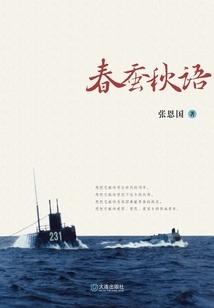
Spring Silkworms and Autumn Language
Literature春蚕秋语
Zhang En Guo
Zhang En Guo, a devoted admirer of traditional Chinese culture, weaves his love for it with his life experiences-from his student days, to his time in the countryside, his military service, and finally, his integration into civilian life. This fusion of experiences and passion has resulted in a collection of poems titled 'Spring Silkworm, Autumn Language'. Throughout his poetry, Zhang En Guo's loyalty to his country and nation, his sincerity towards his fellow soldiers, his camaraderie with his comrades, and his love for nature are ever-present. His poetry serves as a bridge of understanding and emotional resonance with his readers, offering insights and warnings.
Zhang En Guo, a devoted admirer of traditional Chinese culture, weaves his love for it with his life experiences-from his student days, to his time in the countryside, his military service, and finally, his integration into civilian life. This fusion of experiences and passion has resulted in a collection of poems titled 'Spring Silkworm, Autumn Language'. Throughout his poetry, Zhang En Guo's loyalty to his country and nation, his sincerity towards his fellow soldiers, his camaraderie with his comrades, and his love for nature are ever-present. His poetry serves as a bridge of understanding and emotional resonance with his readers, offering insights and warnings.
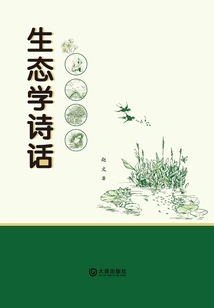
Ecological Poetry
Literature生态学诗话
Zhao Wen
Ecology is the science that studies the relationship between living things and the environment. The harmonious coexistence of man and nature and the construction of a beautiful China require ecological knowledge and skills. This book briefly describes the basic concepts and principles of ecology through the language of ancient poetry. The book is divided into fourteen chapters, which introduces the development history of ecology, individual ecology, population ecology, community ecology, ecosystem ecology, and applied ecology.
Ecology is the science that studies the relationship between living things and the environment. The harmonious coexistence of man and nature and the construction of a beautiful China require ecological knowledge and skills. This book briefly describes the basic concepts and principles of ecology through the language of ancient poetry. The book is divided into fourteen chapters, which introduces the development history of ecology, individual ecology, population ecology, community ecology, ecosystem ecology, and applied ecology.
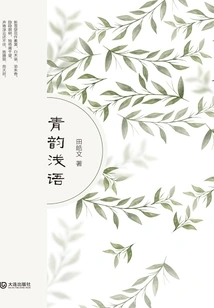
Qingyun Qianyu
Literature青韵浅语
Tian Haowen
Qingyun Qianyu, the poems of a young man, with a youthful charm; the short essays of a liberal arts man, with a simple context. The text in the book collects the author's "poems, feelings, words, and ideas" since he was nine years old. These words bear witness to the growth of an ignorant child and record the thoughts of an ignorant young man. They are both the whispers of growth and the voice of the soul. During that time, these things flow in my memory.
Qingyun Qianyu, the poems of a young man, with a youthful charm; the short essays of a liberal arts man, with a simple context. The text in the book collects the author's "poems, feelings, words, and ideas" since he was nine years old. These words bear witness to the growth of an ignorant child and record the thoughts of an ignorant young man. They are both the whispers of growth and the voice of the soul. During that time, these things flow in my memory.
Sang Yu Sings Late
Literature桑榆唱晚
Wenchang Road
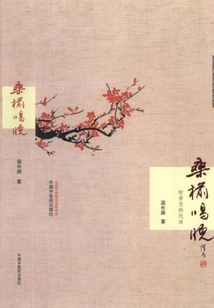
This book is a collection of original poems by Mr. Wen Changlu. The book contains the author's random reflections in the ten years between 60 and 70 years old, arranged naturally in chronological order, with the title "Ten Years of Poetry" and divided into two parts. "Along the Way: Memories of Footsteps" is a portrait of personal life and is the main body of the book. "Qingge Yayun: The Voice of Friends" is a collection of poems and choruses among colleagues and friends, and is an appendix to this book. Most of the photos in the book are the author's random works taken over the past ten years. They have exactly the same background as the poem of the same name and form a complementary relationship with the poem. After the main text of this book, there is an appendix "Paranalogy: Commonly used pronouns", which the author compiled and used over a long period of time from some of the pronouns he has studied and applied throughout his life, and finally classified them. In Chinese, in terms of words, the same meaning can be expressed in several or even ten different forms. These substitutes used to express the original meaning are what people often call "daiyu". In poetry, especially ancient poetry (imitation of ancient poetry), this technique is very commonly used to make up for those meanings that cannot be expressed directly due to limitations of the pattern. This book classifies commonly used pronouns according to their commonly used meanings, and strives to provide readers with a reference when reading poetic texts.
This book is a collection of original poems by Mr. Wen Changlu. The book contains the author's random reflections in the ten years between 60 and 70 years old, arranged naturally in chronological order, with the title "Ten Years of Poetry" and divided into two parts. "Along the Way: Memories of Footsteps" is a portrait of personal life and is the main body of the book. "Qingge Yayun: The Voice of Friends" is a collection of poems and choruses among colleagues and friends, and is an appendix to this book. Most of the photos in the book are the author's random works taken over the past ten years. They have exactly the same background as the poem of the same name and form a complementary relationship with the poem. After the main text of this book, there is an appendix "Paranalogy: Commonly used pronouns", which the author compiled and used over a long period of time from some of the pronouns he has studied and applied throughout his life, and finally classified them. In Chinese, in terms of words, the same meaning can be expressed in several or even ten different forms. These substitutes used to express the original meaning are what people often call "daiyu". In poetry, especially ancient poetry (imitation of ancient poetry), this technique is very commonly used to make up for those meanings that cannot be expressed directly due to limitations of the pattern. This book classifies commonly used pronouns according to their commonly used meanings, and strives to provide readers with a reference when reading poetic texts.
New Century Poetry·season 9
Literature新世纪诗典·第九季
Edited By Isha
This book is a poetry recommendation column on Weibo (WeChat) opened by the poet Yisha in 2011. It recommends and reviews an outstanding original contemporary poem every day. On this basis, it is compiled into a "New Century Poetry Dictionary" every year and is officially published. This is the ninth volume. Works are not selected based on posture, attitude, qualifications or seniority, but only based on the quality of the work as the only evaluation criterion. "New Century Poems" is a collective presentation of Chinese poetry since the new century. It records the voice of the times, shows the survival of Chinese people, and conveys the emotions of poets. Yisha's selection is not sectarian and has an all-inclusive atmosphere. His wonderful comments on each poem can be seen as an overall observation and evaluation of China's current poetry world.
This book is a poetry recommendation column on Weibo (WeChat) opened by the poet Yisha in 2011. It recommends and reviews an outstanding original contemporary poem every day. On this basis, it is compiled into a "New Century Poetry Dictionary" every year and is officially published. This is the ninth volume. Works are not selected based on posture, attitude, qualifications or seniority, but only based on the quality of the work as the only evaluation criterion. "New Century Poems" is a collective presentation of Chinese poetry since the new century. It records the voice of the times, shows the survival of Chinese people, and conveys the emotions of poets. Yisha's selection is not sectarian and has an all-inclusive atmosphere. His wonderful comments on each poem can be seen as an overall observation and evaluation of China's current poetry world.
戴望舒诗全集
Dai Wangshu
As the "Rain Alley Poet", Dai Wangshu is a household name. He is a dazzling star in the sky of China's new poetry country. His poems are as gentle and submerged as dreams, as clear and bright as stars. Many of his works have been selected into middle school Chinese textbooks, and his collection of poems has become required reading in the new curriculum. "The Complete Poems of Dai Wangshu" contains all of Dai Wangshu's poems + all translated poems. It not only includes a legendary poet and all his legendary poems, but also includes precious translations of Hugo, Pushkin, Yesenin, Baudelaire, Lorca and other masters. It is a complete collection of poems that fully demonstrates Dai Wangshu's creative trajectory, artistic style and translation achievements.
As the "Rain Alley Poet", Dai Wangshu is a household name. He is a dazzling star in the sky of China's new poetry country. His poems are as gentle and submerged as dreams, as clear and bright as stars. Many of his works have been selected into middle school Chinese textbooks, and his collection of poems has become required reading in the new curriculum. "The Complete Poems of Dai Wangshu" contains all of Dai Wangshu's poems + all translated poems. It not only includes a legendary poet and all his legendary poems, but also includes precious translations of Hugo, Pushkin, Yesenin, Baudelaire, Lorca and other masters. It is a complete collection of poems that fully demonstrates Dai Wangshu's creative trajectory, artistic style and translation achievements.
Yinfu's Exquisite Poems
Literature殷夫诗歌精品
Written By Yin Fu And Edited By Li Dandan
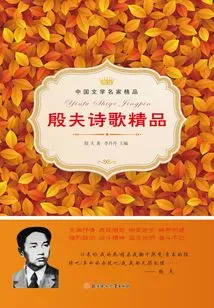
Yin Fu's early lyric poems expressed his hatred of the old society and his pursuit of light, and also contained sad emotions. Later, his agitation poems had a strong fighting character. The collection of his works was not published during his lifetime. After the founding of New China, he compiled and printed poetry collections "Child's Tower", "Selected Works of Yin Fu" and "Collected Works of Yin Fu". His major works include "Farewell, Brother", "Word in Scarlet", "Children's Tower", "The Black Wave of Volga", "One Hundred and Seven", etc.
Yin Fu's early lyric poems expressed his hatred of the old society and his pursuit of light, and also contained sad emotions. Later, his agitation poems had a strong fighting character. The collection of his works was not published during his lifetime. After the founding of New China, he compiled and printed poetry collections "Child's Tower", "Selected Works of Yin Fu" and "Collected Works of Yin Fu". His major works include "Farewell, Brother", "Word in Scarlet", "Children's Tower", "The Black Wave of Volga", "One Hundred and Seven", etc.
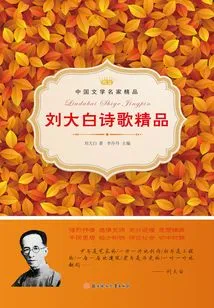
刘大白诗歌精品(中国文学名家精品)
Written By Liu Dabai And Edited By Li Dandan
The contents of this book include deep autumn, lunar eclipse, dusk, marriage-love, the same rooster crow, looking at Tang flowers with peonies, a mysterious painting, stories about life and death, spring snow, etc.
The contents of this book include deep autumn, lunar eclipse, dusk, marriage-love, the same rooster crow, looking at Tang flowers with peonies, a mysterious painting, stories about life and death, spring snow, etc.
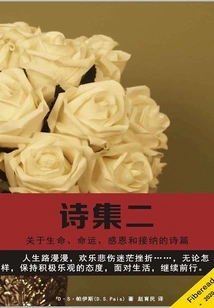
Poetry Collection 2
Literature诗集二
D. S. Pais
The poems written here describe various aspects that we often face in life. When we encounter difficulties, failures and everything, we will have our own emotions. We need to channel our emotions in the right direction and steer the wheel of our lives without being held back by failure. Many times, we lose our way and we are confused about the path we are taking, whether it is right or wrong. But we still need to move on, take action, and face life. As time passes, with every struggle, every step we take takes us down a new path that has never been taken before. We take courage, we express gratitude, we live one day at a time without losing any hope and with a positive attitude towards everything.
The poems written here describe various aspects that we often face in life. When we encounter difficulties, failures and everything, we will have our own emotions. We need to channel our emotions in the right direction and steer the wheel of our lives without being held back by failure. Many times, we lose our way and we are confused about the path we are taking, whether it is right or wrong. But we still need to move on, take action, and face life. As time passes, with every struggle, every step we take takes us down a new path that has never been taken before. We take courage, we express gratitude, we live one day at a time without losing any hope and with a positive attitude towards everything.
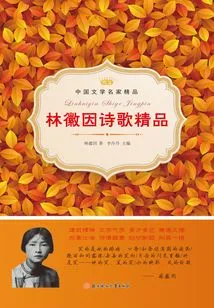
Lin Huiyin's Exquisite Poems
Literature林徽因诗歌精品
Written By Lin Huiyin And Edited By Li Dandan
The content of this book includes Hearing Music Late at Night, Wisdom, Still, A Summer Night in the Mountains, Passionate, A Peach Blossom, Lotus Lantern, Midnight Bells, New Year's Eve, You Are the April Day in the World, etc.
The content of this book includes Hearing Music Late at Night, Wisdom, Still, A Summer Night in the Mountains, Passionate, A Peach Blossom, Lotus Lantern, Midnight Bells, New Year's Eve, You Are the April Day in the World, etc.
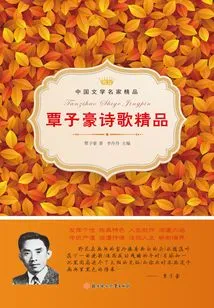
覃子豪诗歌精品(中国文学名家精品)
Written By Qin Zihao And Edited By Li Dandan
The contents of this book include bomb fragments and air force warriors! Fly, Great Response, Statue of Peace, Two Grenadiers, Shepherd, Machine Gunner's Testament, War Gives Me Love, Songs of War, Sailor Brothers, September Morning, etc.
The contents of this book include bomb fragments and air force warriors! Fly, Great Response, Statue of Peace, Two Grenadiers, Shepherd, Machine Gunner's Testament, War Gives Me Love, Songs of War, Sailor Brothers, September Morning, etc.
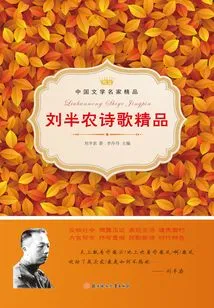
刘半农诗歌精品(中国文学名家精品)
Written By Liu Bannong And Edited By Li Dandan
The content of this book includes the carrot seller, the mutton shop (imitation of a children's song), ice-breaking, imitation of music, Wuhu March 18th, poems chronicling a trip to Xiangshan, a layer of paper, a statue on Xiaohui's first birthday, etc.
The content of this book includes the carrot seller, the mutton shop (imitation of a children's song), ice-breaking, imitation of music, Wuhu March 18th, poems chronicling a trip to Xiangshan, a layer of paper, a statue on Xiaohui's first birthday, etc.
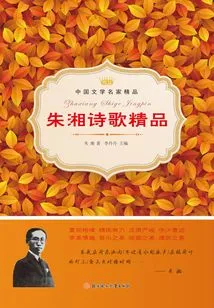
朱湘诗歌精品(中国文学名家精品)
Written By Zhu Xiang And Edited By Li Dandan
The contents of this book include Abandoned Gardens, Late Plowing, Quiet Summer Evenings, Long-awaited Spring, Early Spring Rains in the North, Send Many Basic Signs, Memories, Returning to the South, Ode to Spring Suns in the Snow, Enthusiasm, Red Beans, Youth Songs, Make-Up Songs, Weeping for Sun Yat-sen, etc.
The contents of this book include Abandoned Gardens, Late Plowing, Quiet Summer Evenings, Long-awaited Spring, Early Spring Rains in the North, Send Many Basic Signs, Memories, Returning to the South, Ode to Spring Suns in the Snow, Enthusiasm, Red Beans, Youth Songs, Make-Up Songs, Weeping for Sun Yat-sen, etc.
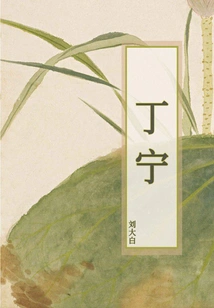
Ding Ning
Literature丁宁
Liu Dabai
His new poems also show the characteristics evolved from the old poems, with strong emotions, bright and powerful language, easy to understand, touching on major social issues and distinctive local colors, making them unique in the poetry world of the "May Fourth" period. "Ding Ning" is one of Liu Dabai's collections of new poems, including sixty-three poems by Ding Ning, one hundred and one poems by "Old Dreams", and four poems by "Flock of Birds".
His new poems also show the characteristics evolved from the old poems, with strong emotions, bright and powerful language, easy to understand, touching on major social issues and distinctive local colors, making them unique in the poetry world of the "May Fourth" period. "Ding Ning" is one of Liu Dabai's collections of new poems, including sixty-three poems by Ding Ning, one hundred and one poems by "Old Dreams", and four poems by "Flock of Birds".
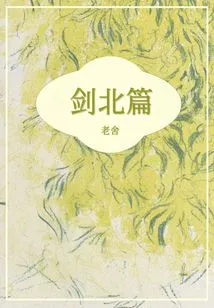
Jianbei Chapter
Literature剑北篇
Lao She
"Jianbei Pian" is a long narrative poem written by Lao She in drum style during the Anti-Japanese War. It is also the only long poem published by Lao She during his lifetime. From here we can see a truly moving aspect of Lao She's creations.
"Jianbei Pian" is a long narrative poem written by Lao She in drum style during the Anti-Japanese War. It is also the only long poem published by Lao She during his lifetime. From here we can see a truly moving aspect of Lao She's creations.
Tears of Autumn
Literature秋之泪
Liu Dabai
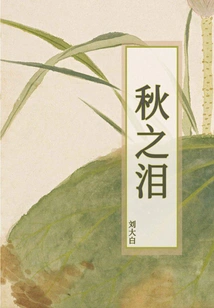
"Tears of Autumn" is one of Liu Dabai's new poetry collections. This book contains forty-nine songs among the flowers, ten songs about the moon, forty-five songs about the tears of autumn, thirty-three songs about the fallen leaves, eighteen songs about the happy boat, fourteen songs about the resurrection at the end of spring, and three songs about the lonely trees.
"Tears of Autumn" is one of Liu Dabai's new poetry collections. This book contains forty-nine songs among the flowers, ten songs about the moon, forty-five songs about the tears of autumn, thirty-three songs about the fallen leaves, eighteen songs about the happy boat, fourteen songs about the resurrection at the end of spring, and three songs about the lonely trees.
Loneliness is the Gold of Silence
Literature孤独是沉默的金子
Xu Xiaowen
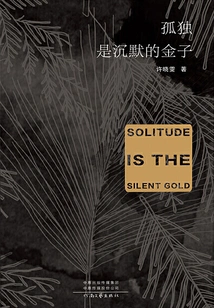
"Loneliness is the Gold of Silence" is the latest collection of poems by young poet Xu Xiaowen. This collection of poems is more than just a book. To the author, it is life, joys and sorrows, the warmth in the cold and the return of a seed in the darkness to a land, the drizzle of a piece of soul and the private murmur of a piece of life. This book contains nearly one hundred poems she published in more than 20 publications such as "People's Literature", "October", "Writer", "Stars", and Japan's "Poetry and Thought" in recent years. It is a person's spiritual perception, and it is also the confusion and light of a generation's love, consciousness and soul.
"Loneliness is the Gold of Silence" is the latest collection of poems by young poet Xu Xiaowen. This collection of poems is more than just a book. To the author, it is life, joys and sorrows, the warmth in the cold and the return of a seed in the darkness to a land, the drizzle of a piece of soul and the private murmur of a piece of life. This book contains nearly one hundred poems she published in more than 20 publications such as "People's Literature", "October", "Writer", "Stars", and Japan's "Poetry and Thought" in recent years. It is a person's spiritual perception, and it is also the confusion and light of a generation's love, consciousness and soul.
中国散文诗一百年大系8:闲情逸趣
Editor-in-chief Wang Zequn
The prose poems included in this volume of "Leisurely Love and Interests" are mostly touching with emotion, moving with artistic conception, and striking with words. They record the elegant and extraordinary daily tastes of prose poets and their various feelings of admiring the world. These works with different visions, different tastes, and different styles of expression can allow readers to fully appreciate the understanding of life, philosophical thinking, and the beauty of human nature.
The prose poems included in this volume of "Leisurely Love and Interests" are mostly touching with emotion, moving with artistic conception, and striking with words. They record the elegant and extraordinary daily tastes of prose poets and their various feelings of admiring the world. These works with different visions, different tastes, and different styles of expression can allow readers to fully appreciate the understanding of life, philosophical thinking, and the beauty of human nature.
中国散文诗一百年大系7:云锦人生
Editor-in-chief Wang Zequn
Life is long, but still short; the journey is tiring, but also rewarding. Looking back at a certain moment, I suddenly realized that we not only enjoyed the ups and downs of life, but also the innocence and profundity of life, as well as the beautiful and refreshing natural scenery.
Life is long, but still short; the journey is tiring, but also rewarding. Looking back at a certain moment, I suddenly realized that we not only enjoyed the ups and downs of life, but also the innocence and profundity of life, as well as the beautiful and refreshing natural scenery.
中国散文诗一百年大系6:挚爱情愫
Editor-in-chief Wang Zequn
Travel thousands of miles through the wilderness of a hundred years, looking for the love sites recorded in words, and return to the scene of their love. Their classic love amber is so beautiful that it makes your heart palpitate. Nomadic in time, traveling in various time areas over the past hundred years, going to various text sites to collect touching specimens of love. Prose poetry is such an elegant and quiet literary style. It is ethereal, high-spirited, full of details, has the beauty of split-level architecture, and has the color beauty of music.
Travel thousands of miles through the wilderness of a hundred years, looking for the love sites recorded in words, and return to the scene of their love. Their classic love amber is so beautiful that it makes your heart palpitate. Nomadic in time, traveling in various time areas over the past hundred years, going to various text sites to collect touching specimens of love. Prose poetry is such an elegant and quiet literary style. It is ethereal, high-spirited, full of details, has the beauty of split-level architecture, and has the color beauty of music.
中国散文诗一百年大系4:都市情怀
Editor-in-chief Wang Zequn
One of the eight volumes of "A Hundred Years Series of Chinese Prose Poetry", it contains more than 100 excellent prose poems by more than 100 well-known prose poets such as Lu Xun, Zhou Zuoren, Liu Bannong, and Xu Zhimo, covering urban culture, urban scenery, urban human feelings, etc. The volume "Urban Feelings" is not only an important summary of the development process of prose poetry, but also an examination and presentation of prose poetry from the perspective of "Urban Feelings".
One of the eight volumes of "A Hundred Years Series of Chinese Prose Poetry", it contains more than 100 excellent prose poems by more than 100 well-known prose poets such as Lu Xun, Zhou Zuoren, Liu Bannong, and Xu Zhimo, covering urban culture, urban scenery, urban human feelings, etc. The volume "Urban Feelings" is not only an important summary of the development process of prose poetry, but also an examination and presentation of prose poetry from the perspective of "Urban Feelings".
Years of Disaster
Literature灾难的岁月
Dai Wangshu
This is a complete set that has never been published; this is a literary master who feels both strange and familiar. Dai Wangshu-a poet and writer with outstanding creative personality and achievements in the history of modern Chinese literature!
This is a complete set that has never been published; this is a literary master who feels both strange and familiar. Dai Wangshu-a poet and writer with outstanding creative personality and achievements in the history of modern Chinese literature!
Ten Years in a Flash
Literature十年一瞬
Xia Wenjie
Collection of poetry. As simple as cabbage and radish, it can be incorporated into poetry and is full of poetic flavor; as ethereal as Zen philosophy, it has hidden writing but no dryness.
Collection of poetry. As simple as cabbage and radish, it can be incorporated into poetry and is full of poetic flavor; as ethereal as Zen philosophy, it has hidden writing but no dryness.
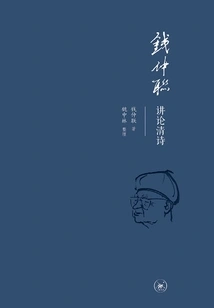
Qian Zhonglian Talks About Qing Poetry
Literature钱仲联讲论清诗
Written By Qian Zhonglian And Compiled By Wei Zhonglin
Qian Zhonglian is a famous poet, lyricist, expert in classical literature, and a master of Chinese studies. His attainments in Qing poetry are particularly profound. The "Chronicles of Qing Poetry" compiled by him in his later years has become a classic. There is almost no one who can compare with him in this field. This is a manuscript explaining Qing poetry by a famous writer. The manuscript is a lecture manuscript given by Qian Zhonglian when he was a doctoral student at Suzhou University, and was compiled by his disciple Wei Zhonglin. There are eight chapters in the manuscript. Because Qian has a profound knowledge of Qing poetry and has already known all the poems by heart, there is no textbook when teaching. He teaches them all the way from the early Qing Dynasty to the late Qing Dynasty; whether tracing the origins, uncovering hidden treasures , express secrets, analyze and comment, all are eloquently told, and quoted from other sources, erudite and comprehensive, and new thoughts and ideas. The description is not limited to one poem, person, or event. This kind of skill is beyond the ability of ordinary scholars or historical books.
Qian Zhonglian is a famous poet, lyricist, expert in classical literature, and a master of Chinese studies. His attainments in Qing poetry are particularly profound. The "Chronicles of Qing Poetry" compiled by him in his later years has become a classic. There is almost no one who can compare with him in this field. This is a manuscript explaining Qing poetry by a famous writer. The manuscript is a lecture manuscript given by Qian Zhonglian when he was a doctoral student at Suzhou University, and was compiled by his disciple Wei Zhonglin. There are eight chapters in the manuscript. Because Qian has a profound knowledge of Qing poetry and has already known all the poems by heart, there is no textbook when teaching. He teaches them all the way from the early Qing Dynasty to the late Qing Dynasty; whether tracing the origins, uncovering hidden treasures , express secrets, analyze and comment, all are eloquently told, and quoted from other sources, erudite and comprehensive, and new thoughts and ideas. The description is not limited to one poem, person, or event. This kind of skill is beyond the ability of ordinary scholars or historical books.
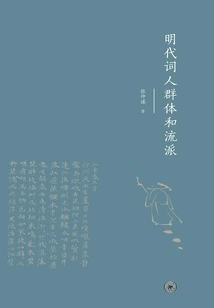
明代词人群体和流派
Zhang Zhongmou
Based on historical facts and text interpretation, this book boldly explores and carefully verifies, and proposes the "four schools" (the Yimin Ci School in the early Ming Dynasty, the Wumen Ci School in the early Ming Dynasty, the Yan Ci School in the late Ming Dynasty, and the Liuzhou Ci School in the late Ming Dynasty), and the "two styles" (Taige style and Neo-Confucian style) in the history of Ming Dynasty Ci. ) Theory, outlining the time and space boundaries and basic outlines of each group or genre, making the Ming Dynasty Ci Circle, which originally seemed chaotic, reveal a pattern of clear priorities and clear communities, providing a new coordinate pedigree for further detailed research.
Based on historical facts and text interpretation, this book boldly explores and carefully verifies, and proposes the "four schools" (the Yimin Ci School in the early Ming Dynasty, the Wumen Ci School in the early Ming Dynasty, the Yan Ci School in the late Ming Dynasty, and the Liuzhou Ci School in the late Ming Dynasty), and the "two styles" (Taige style and Neo-Confucian style) in the history of Ming Dynasty Ci. ) Theory, outlining the time and space boundaries and basic outlines of each group or genre, making the Ming Dynasty Ci Circle, which originally seemed chaotic, reveal a pattern of clear priorities and clear communities, providing a new coordinate pedigree for further detailed research.
Deep in Season
Literature季节深处
Xia Wenjie
Collection of poetry. The works describe local customs, urban scenery, beautiful seasons, and sentimental scenery.
Collection of poetry. The works describe local customs, urban scenery, beautiful seasons, and sentimental scenery.
Spiritual Covenant
Literature心灵之约
Xu Fei
"Cultural wage earners" are no different from ordinary wage earners in the essential meaning of their work. The difficulty of survival, the fatigue of work, and the wandering of the soul make their understanding and experience of the survival and living conditions of the wage earners more direct and profound. Therefore, in addition to the satisfaction and needs of survival, "cultural wage earners" also have a pursuit of spiritual yearning and ideals.
"Cultural wage earners" are no different from ordinary wage earners in the essential meaning of their work. The difficulty of survival, the fatigue of work, and the wandering of the soul make their understanding and experience of the survival and living conditions of the wage earners more direct and profound. Therefore, in addition to the satisfaction and needs of survival, "cultural wage earners" also have a pursuit of spiritual yearning and ideals.
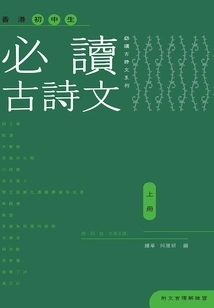
香港初中生必读古诗文(上册)
Zhong Hua He Yanyan
This book is divided into two volumes, the upper and lower volumes, which respectively select poems, lyrics, tunes, essays, and poems from the pre-Qin to the Qing Dynasties. There are 67 articles in total, which are suitable for students of Xiang Middle School to read. Ancient Chinese poetry and prose are rich in imagery and music. Memorizing these handed down works can enhance students' ability to learn ancient poetry and prose, and improve their ability to appreciate cultural and artistic works. This book has different learning links to help students understand the profound meaning of ancient poems and articles, understand the cultural sentiments contained in them, and consolidate what they have learned to meet the needs of daily assessment: Introduction: Quoting real-life examples to reflect on the relationship between the content of the work, ideas, and personal and social situations. Introduction to the author/classic: Introduce the author's life or the source of the chapter and its literary and historical status. Notes: Explain difficult-to-understand and pronounce words in the work, and mark the Cantonese and Mandarin pronunciations. Interpretation: Analyze the theme and characteristics of the work to help reading and understanding. Cultural knowledge: Extract cultural concepts or literary images worthy of discussion in the works, extend learning, and improve the level of culture, morality, and affection. Practice: Various types of questions are included to consolidate the understanding of the content of ancient poetry and improve the analysis ability of classical Chinese; special open-ended questions are designed to reflect on the relationship between ancient poetry and today's society.
This book is divided into two volumes, the upper and lower volumes, which respectively select poems, lyrics, tunes, essays, and poems from the pre-Qin to the Qing Dynasties. There are 67 articles in total, which are suitable for students of Xiang Middle School to read. Ancient Chinese poetry and prose are rich in imagery and music. Memorizing these handed down works can enhance students' ability to learn ancient poetry and prose, and improve their ability to appreciate cultural and artistic works. This book has different learning links to help students understand the profound meaning of ancient poems and articles, understand the cultural sentiments contained in them, and consolidate what they have learned to meet the needs of daily assessment: Introduction: Quoting real-life examples to reflect on the relationship between the content of the work, ideas, and personal and social situations. Introduction to the author/classic: Introduce the author's life or the source of the chapter and its literary and historical status. Notes: Explain difficult-to-understand and pronounce words in the work, and mark the Cantonese and Mandarin pronunciations. Interpretation: Analyze the theme and characteristics of the work to help reading and understanding. Cultural knowledge: Extract cultural concepts or literary images worthy of discussion in the works, extend learning, and improve the level of culture, morality, and affection. Practice: Various types of questions are included to consolidate the understanding of the content of ancient poetry and improve the analysis ability of classical Chinese; special open-ended questions are designed to reflect on the relationship between ancient poetry and today's society.
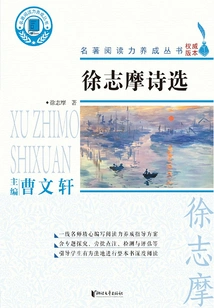
Selected Poems of Xu Zhimo
Literature徐志摩诗选
Xu Zhimo
The emotional world in Xu Zhimo's writing, that is, his poetry, is timeless and occupies an important place in the history of modern literature. He made extraordinary contributions to the innovation of new poetry forms and the creation of patterns. In his short life, he left behind four collections of poems: "Zhimo's Poems", "A Night in the Green Green", "Collection of Tigers" and "Yunyou". Among them, there are many masterpieces handed down from generation to generation. This book contains many wonderful works from his collection of poems, such as "Farewell to Cambridge", "Accidental", etc. In addition to the selected poems by Xu Zhimo, there are also well-known first-line teachers who have carefully compiled a guidance plan for developing reading ability, including special topic exploration, side comments, testing and evaluation, etc., To guide students to methodically carry out in-depth reading of the entire book.
The emotional world in Xu Zhimo's writing, that is, his poetry, is timeless and occupies an important place in the history of modern literature. He made extraordinary contributions to the innovation of new poetry forms and the creation of patterns. In his short life, he left behind four collections of poems: "Zhimo's Poems", "A Night in the Green Green", "Collection of Tigers" and "Yunyou". Among them, there are many masterpieces handed down from generation to generation. This book contains many wonderful works from his collection of poems, such as "Farewell to Cambridge", "Accidental", etc. In addition to the selected poems by Xu Zhimo, there are also well-known first-line teachers who have carefully compiled a guidance plan for developing reading ability, including special topic exploration, side comments, testing and evaluation, etc., To guide students to methodically carry out in-depth reading of the entire book.
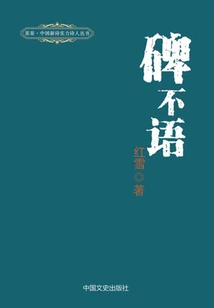
The Monument is Silent
Literature碑不语
Red Snow
"The Stele Does Not Say" selects 132 poems written by the poet Hongxue in the past two years and published in major domestic newspapers. The five volumes of "The Wind is Blowing", "The Monument is Silent", "Tie Shuhua", "In the World" and "Mid-aged Ci" are intertwined, exciting and full of poetry. The poet asked about his hometown, wrote the original flavor, and laid out the original sound. The thunder and lightning of thoughts resounded between the lines. The golden sound and jade vibration, the ancient posture, and endless twists and turns. It is a rare sample of modern poetry.
"The Stele Does Not Say" selects 132 poems written by the poet Hongxue in the past two years and published in major domestic newspapers. The five volumes of "The Wind is Blowing", "The Monument is Silent", "Tie Shuhua", "In the World" and "Mid-aged Ci" are intertwined, exciting and full of poetry. The poet asked about his hometown, wrote the original flavor, and laid out the original sound. The thunder and lightning of thoughts resounded between the lines. The golden sound and jade vibration, the ancient posture, and endless twists and turns. It is a rare sample of modern poetry.
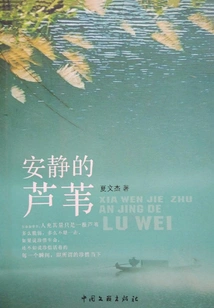
Quiet Reed
Literature安静的芦苇
Xia Wenjie
Hope is in the distance and happiness is around you. The moonlight of life is scattered on the earth and floating in the flowing water. I would like to imagine myself as a humble reed, drifting under the dim moonlight, swaying with the wind, stopping at its roots, floating or stopping, or being there or not.
Hope is in the distance and happiness is around you. The moonlight of life is scattered on the earth and floating in the flowing water. I would like to imagine myself as a humble reed, drifting under the dim moonlight, swaying with the wind, stopping at its roots, floating or stopping, or being there or not.
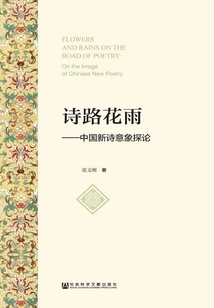
诗路花雨:中国新诗意象探论
Zhang Wengang
This book is divided into two parts. The first part explores the theory of image essence, image function, image generation and image appreciation. The second part excerpts Wen Yiduo, Xu Zhimo, Dai Wangshu, Bian Zhilin, Shizhi and Shu Ting. The poems of more than ten poets such as Yu Jian, Gome, Chang Yao and Yu Guangzhong are systematically interpreted with imagery, and the poetic phenomena and poets' poems such as the July Poetry School and the Nine-leaf Poets, Gu Cheng and Haizi are compared and analyzed. It includes both theoretical integration and analysis, as well as practical text interpretation. While inheriting the inner spirit and context of classical image poetics and image criticism, it also embodies the sense of the times and realistic character of literary theory and literary criticism.
This book is divided into two parts. The first part explores the theory of image essence, image function, image generation and image appreciation. The second part excerpts Wen Yiduo, Xu Zhimo, Dai Wangshu, Bian Zhilin, Shizhi and Shu Ting. The poems of more than ten poets such as Yu Jian, Gome, Chang Yao and Yu Guangzhong are systematically interpreted with imagery, and the poetic phenomena and poets' poems such as the July Poetry School and the Nine-leaf Poets, Gu Cheng and Haizi are compared and analyzed. It includes both theoretical integration and analysis, as well as practical text interpretation. While inheriting the inner spirit and context of classical image poetics and image criticism, it also embodies the sense of the times and realistic character of literary theory and literary criticism.
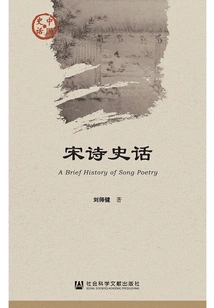
Song Poetry History
Literature宋诗史话
Liu Shijian
As an important part of Song culture, Song poetry embodies the unique qualities of Song culture and has become a unique existence in the history of traditional Chinese poetry. Song poetry is distinguished by meaning, strong in spirit, and has a plain and lean style, forming characteristics that are different from Tang poetry. Its breakthroughs in subject matter, artistic expression, and aesthetic style have established its role as a model in the history of Chinese poetry, standing alongside the twin peaks of Tang poetry. This book combs the development of Song poetry, examines the works of important poets, and shows the poetic styles and schools of poetry in different periods. It has important reference value for poetry research.
As an important part of Song culture, Song poetry embodies the unique qualities of Song culture and has become a unique existence in the history of traditional Chinese poetry. Song poetry is distinguished by meaning, strong in spirit, and has a plain and lean style, forming characteristics that are different from Tang poetry. Its breakthroughs in subject matter, artistic expression, and aesthetic style have established its role as a model in the history of Chinese poetry, standing alongside the twin peaks of Tang poetry. This book combs the development of Song poetry, examines the works of important poets, and shows the poetic styles and schools of poetry in different periods. It has important reference value for poetry research.
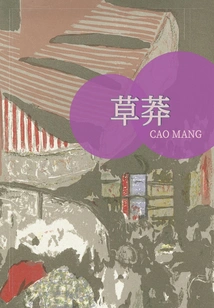
Wilderness
Literature草莽
Zhu Xiang
This is Zhu Xiang's second collection of poems, "Cao Mang Ji" (1927). It has neat form, soft tone and clear style.
This is Zhu Xiang's second collection of poems, "Cao Mang Ji" (1927). It has neat form, soft tone and clear style.
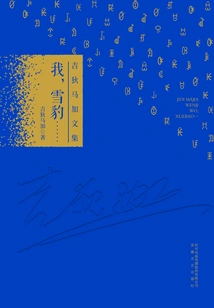
我,雪豹……(吉狄马加文集)
Jidi Maga
This volume collects the author's representative works of poetry in recent years. The themes tend to be international and universal in world culture, showing the poet's broad mind and benevolent feelings.
This volume collects the author's representative works of poetry in recent years. The themes tend to be international and universal in world culture, showing the poet's broad mind and benevolent feelings.
彝人之歌(吉狄马加文集)
Jidi Maga
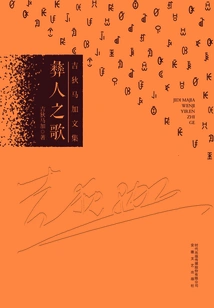
This is the poetry volume "Songs of the Yi People" in the "Collected Works of Jidi Maga", which contains more than 300 poems. They are all exquisite poems created by the author based on the people, things, and customs of the Yi people in his hometown. For example, the distinctive ancient poetry of the Yi people Copper-colored skin, the favorite colors of black, yellow and red of the Yi people, the unique tile houses of the Yi people, Daliang Mountain, Lugu Lake, Duoluohe dance, etc., Have profound meanings, vivid images, beautiful language, and distinct ethnic characteristics.
This is the poetry volume "Songs of the Yi People" in the "Collected Works of Jidi Maga", which contains more than 300 poems. They are all exquisite poems created by the author based on the people, things, and customs of the Yi people in his hometown. For example, the distinctive ancient poetry of the Yi people Copper-colored skin, the favorite colors of black, yellow and red of the Yi people, the unique tile houses of the Yi people, Daliang Mountain, Lugu Lake, Duoluohe dance, etc., Have profound meanings, vivid images, beautiful language, and distinct ethnic characteristics.
Let Everything Pass Through Me
Literature让万物穿过我
Xiao Xiao
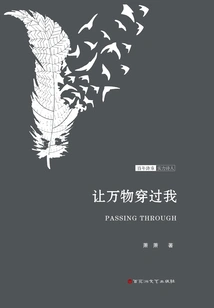
This book is the latest poetry anthology by the famous poet and film director Xiao Xiao. It contains more than 100 masterpieces and is divided into 7 volumes. The whole book presents an emotional thread of poetry: love and return to hometown. The author writes down his emotional ups and downs all the way from his hometown to a foreign country, including bright singing, the sadness of nostalgia, and the joy and pain of love and separation. This book can be regarded as a true personal emotional poetry history. The poet Xiao Xiao confirms what the philosopher Heidegger said through this book: "The poet's vocation is to return home."
This book is the latest poetry anthology by the famous poet and film director Xiao Xiao. It contains more than 100 masterpieces and is divided into 7 volumes. The whole book presents an emotional thread of poetry: love and return to hometown. The author writes down his emotional ups and downs all the way from his hometown to a foreign country, including bright singing, the sadness of nostalgia, and the joy and pain of love and separation. This book can be regarded as a true personal emotional poetry history. The poet Xiao Xiao confirms what the philosopher Heidegger said through this book: "The poet's vocation is to return home."