Library
Browse and search novels
1,326 novels found
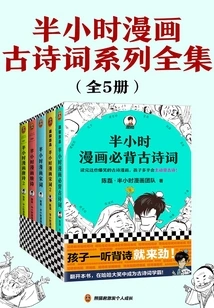
半小时漫画古诗词系列全集(全5册)
Chen Lei·half Hour Comics Team
\
\
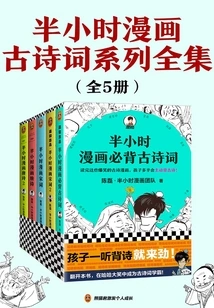
半小时漫画古诗词系列全集(全5册)(独家定制版)
Chen Lei·half Hour Comics Team
After reading these hilarious comics about ancient poems, most children will take the initiative to memorize ancient poems! Through hand-drawn cartoons and jokes, the half-hour cartoon team led by Chen Lei (Brother Hun) takes children into the interesting world of ancient poetry: "The Book of Songs" was once asked by Qin Shihuang to "take it off the shelves and burn it." Only with the literati's ability to recite and write silently did it have the opportunity to become an orthodox textbook in the Han Dynasty; Tao Yuanming, the founder of pastoral poetry, served as an official four times and resigned four times, but in the end he was "picking chrysanthemums" Xie Lingyun became a happy drunkard in "Under the Eastern Fence, Leisurely Seeing the Nanshan"; Xie Lingyun was able to write excellent landscape poems such as "Spring grass grows in the pond, and garden willows turn into songbirds", not only because of his own unique talents, but also because his family had money and could travel around the mountains and rivers without working... Li Bai shouted "An Neng bows down to serve the powerful, which makes me unhappy" because the court always refused to let him be a high official, and he felt aggrieved. The much-anticipated poet Du Fu finally makes his appearance. In the first half of his life, he was a wild young man who "could be at the top of the mountain and could see all the small mountains." In the second half of his life, he was a sad old man who "the country is broken, the mountains and rivers are there, and the city is springy and has deep vegetation." Open this book and become a master of ancient poetry while laughing!
After reading these hilarious comics about ancient poems, most children will take the initiative to memorize ancient poems! Through hand-drawn cartoons and jokes, the half-hour cartoon team led by Chen Lei (Brother Hun) takes children into the interesting world of ancient poetry: "The Book of Songs" was once asked by Qin Shihuang to "take it off the shelves and burn it." Only with the literati's ability to recite and write silently did it have the opportunity to become an orthodox textbook in the Han Dynasty; Tao Yuanming, the founder of pastoral poetry, served as an official four times and resigned four times, but in the end he was "picking chrysanthemums" Xie Lingyun became a happy drunkard in "Under the Eastern Fence, Leisurely Seeing the Nanshan"; Xie Lingyun was able to write excellent landscape poems such as "Spring grass grows in the pond, and garden willows turn into songbirds", not only because of his own unique talents, but also because his family had money and could travel around the mountains and rivers without working... Li Bai shouted "An Neng bows down to serve the powerful, which makes me unhappy" because the court always refused to let him be a high official, and he felt aggrieved. The much-anticipated poet Du Fu finally makes his appearance. In the first half of his life, he was a wild young man who "could be at the top of the mountain and could see all the small mountains." In the second half of his life, he was a sad old man who "the country is broken, the mountains and rivers are there, and the city is springy and has deep vegetation." Open this book and become a master of ancient poetry while laughing!
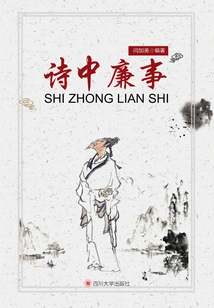
Integrity in Poetry
Literature诗中廉事
Compiled By Yan Jiamei
This book selects more than a hundred poems (some are part of a poem) that describe honest officials from ancient times to the Qing Dynasty in Chinese history. The title of each article is taken from a line in the poem. When creating, first put a certain poem under the title of the chapter, and then point out who wrote the poem, what is the meaning of the poem, and why is the protagonist written like this? This leads to the story of the protagonist's integrity in the poem. The catalog of this book is divided into chapters, ordered by the pinyin of the characters' surnames, breaking down dynasty distinctions.
This book selects more than a hundred poems (some are part of a poem) that describe honest officials from ancient times to the Qing Dynasty in Chinese history. The title of each article is taken from a line in the poem. When creating, first put a certain poem under the title of the chapter, and then point out who wrote the poem, what is the meaning of the poem, and why is the protagonist written like this? This leads to the story of the protagonist's integrity in the poem. The catalog of this book is divided into chapters, ordered by the pinyin of the characters' surnames, breaking down dynasty distinctions.
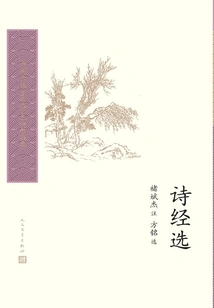
Selected Poems
Literature诗经选
Notes By Chu Binjie And Fang Mingxuan
The Book of Songs is the earliest extant poetry collection in my country, containing 305 poems, representing the first peak of poetry creation. For thousands of years, it has had a profound influence on the literature of later generations. It has also been regarded as an important classic by Confucianism and is a must-read book for enlightenment education in all ages. This book inherits the outstanding achievements of previous generations of research on the Book of Songs. It selects 152 works and provides precise interpretations. It accurately explains the writing background and theme of each poem, and annotates important words and key chapters. It is a classic reading of the Book of Songs.
The Book of Songs is the earliest extant poetry collection in my country, containing 305 poems, representing the first peak of poetry creation. For thousands of years, it has had a profound influence on the literature of later generations. It has also been regarded as an important classic by Confucianism and is a must-read book for enlightenment education in all ages. This book inherits the outstanding achievements of previous generations of research on the Book of Songs. It selects 152 works and provides precise interpretations. It accurately explains the writing background and theme of each poem, and annotates important words and key chapters. It is a classic reading of the Book of Songs.
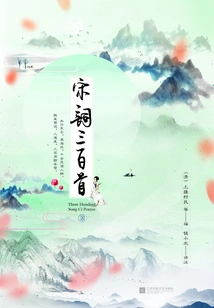
宋词三百首(精装版)
(qing Dynasty) Compiled By Shangqiang Villagers And Others, Translated And Annotated By Qian Xiaobei
"Three Hundred Song Ci Poems" contains a total of more than 300 poems selected by more than 110 writers. They are all excellent works that have been widely read throughout the ages. It not only highlights Su, Xin, Li and many famous poets, but also covers more poets. Even female poets and unknown people, as long as their works have been handed down, are also included. It can fully reflect the rich and diverse themes, modes, genres and styles of Song Ci, and show the overall style of Song Ci.
"Three Hundred Song Ci Poems" contains a total of more than 300 poems selected by more than 110 writers. They are all excellent works that have been widely read throughout the ages. It not only highlights Su, Xin, Li and many famous poets, but also covers more poets. Even female poets and unknown people, as long as their works have been handed down, are also included. It can fully reflect the rich and diverse themes, modes, genres and styles of Song Ci, and show the overall style of Song Ci.
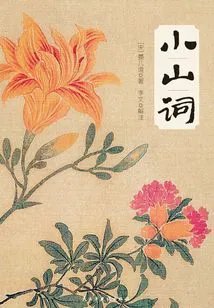
Xiaoshan Ci
Literature小山词
Yan Jidao
The works in "Xiaoshan Ci" are full of nostalgia for the past and express sadness. The style of writing is full of sentimentality, and the emotions are deep and sincere, which can shake people's hearts. "Linjiang Fairy", "Partridge Sky", "Ruan Lang Returns", etc. Are all famous poems that have been recited throughout the history. They depict vivid and touching scenes and express the sorrow of parting, the pain of missing each other and the joy of reunion. They can be described as sincere and heart-warming. Among them, the clear words and beautiful sentences are deeply praised by commentators.
The works in "Xiaoshan Ci" are full of nostalgia for the past and express sadness. The style of writing is full of sentimentality, and the emotions are deep and sincere, which can shake people's hearts. "Linjiang Fairy", "Partridge Sky", "Ruan Lang Returns", etc. Are all famous poems that have been recited throughout the history. They depict vivid and touching scenes and express the sorrow of parting, the pain of missing each other and the joy of reunion. They can be described as sincere and heart-warming. Among them, the clear words and beautiful sentences are deeply praised by commentators.
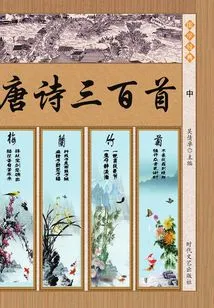
Three Hundred Tang Poems (part 2)
Literature唐诗三百首(中)
Wu Qianzhuo
"Chinese Studies Collection Series: Three Hundred Tang Poems" was written during the Qianlong period of the Qing Dynasty. It was compiled and selected by Wuxi Jinshi Sun Zhu (also known as Hengtang retired scholar). It is the most widely circulated, most influential and deeply loved Tang poetry book by the people. As the saying goes: "If you read 300 Tang poems well, you can recite them even if you don't know how to compose them." "Three Hundred Tang Poems" selects more than 310 Tang poems, and its naming follows the saying of "Three Hundred Tang Poems". The selected Tang poems not only do not omit the works of everyone who express the atmosphere of the prosperous Tang Dynasty, but also take into account the representative works of famous poets from the early Tang Dynasty, the middle and late Tang Dynasty. It does not ignore the masterpieces of unknown poets, and indeed achieves its purpose of gathering famous works.
"Chinese Studies Collection Series: Three Hundred Tang Poems" was written during the Qianlong period of the Qing Dynasty. It was compiled and selected by Wuxi Jinshi Sun Zhu (also known as Hengtang retired scholar). It is the most widely circulated, most influential and deeply loved Tang poetry book by the people. As the saying goes: "If you read 300 Tang poems well, you can recite them even if you don't know how to compose them." "Three Hundred Tang Poems" selects more than 310 Tang poems, and its naming follows the saying of "Three Hundred Tang Poems". The selected Tang poems not only do not omit the works of everyone who express the atmosphere of the prosperous Tang Dynasty, but also take into account the representative works of famous poets from the early Tang Dynasty, the middle and late Tang Dynasty. It does not ignore the masterpieces of unknown poets, and indeed achieves its purpose of gathering famous works.
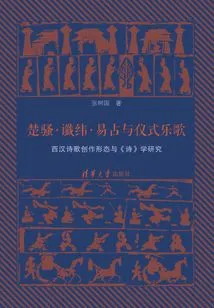
楚骚·谶纬·易占与仪式乐歌:西汉诗歌创作形态与《诗》学研究
Zhang Shuguo
This book is composed of six parts, which can be divided into two categories: one is the study of "Poetry" in the Western Han Dynasty, and the other is the study of the poetry creation form in the Western Han Dynasty, including the creation of Chu Sao, the "Three Major Groups of Poems" and the poems of "Yilin", etc. Different from monographs that are generally written according to procedures, each article embodies a strong "problem awareness" and is highly generalizable. When these articles are gathered together, the poetic style and poetry creation style explained by the Western Han Dynasty's "Poetry" theory are generally presented.
This book is composed of six parts, which can be divided into two categories: one is the study of "Poetry" in the Western Han Dynasty, and the other is the study of the poetry creation form in the Western Han Dynasty, including the creation of Chu Sao, the "Three Major Groups of Poems" and the poems of "Yilin", etc. Different from monographs that are generally written according to procedures, each article embodies a strong "problem awareness" and is highly generalizable. When these articles are gathered together, the poetic style and poetry creation style explained by the Western Han Dynasty's "Poetry" theory are generally presented.
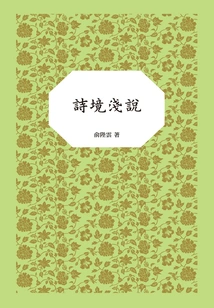
A Brief Introduction to Poetic Realm
Literature诗境浅说
Yu Biyun
Yu Biyun is the grandson of Yu Yue, a writer and educator in the late Qing Dynasty, and the father of Yu Pingbo, a famous modern writer. He inherited his family education at a young age and has high attainments in literature and calligraphy, especially poetry. This book is an enlightenment book specially compiled by Mr. Yu Biyun for his grandchildren to learn poetry. It analyzes and appreciates the tones, rhythms, meanings, syntax, and calligraphy in detail. It not only inspires the way to get started with Tang poetry, but also provides a taste of the aesthetic effect of Tang poetry. It is actually an excellent book for learning and appreciating Tang poetry. This book combines "A Brief Introduction to the Poetry Realm" and "A Continuation of a Brief Introduction to the Poetic Realm" into one volume. "A Brief Introduction to the Poetic Realm" is about rhymed poetry, while "A Brief Introduction to the Poetic Realm - A Continuation" is devoted to quatrains.
Yu Biyun is the grandson of Yu Yue, a writer and educator in the late Qing Dynasty, and the father of Yu Pingbo, a famous modern writer. He inherited his family education at a young age and has high attainments in literature and calligraphy, especially poetry. This book is an enlightenment book specially compiled by Mr. Yu Biyun for his grandchildren to learn poetry. It analyzes and appreciates the tones, rhythms, meanings, syntax, and calligraphy in detail. It not only inspires the way to get started with Tang poetry, but also provides a taste of the aesthetic effect of Tang poetry. It is actually an excellent book for learning and appreciating Tang poetry. This book combines "A Brief Introduction to the Poetry Realm" and "A Continuation of a Brief Introduction to the Poetic Realm" into one volume. "A Brief Introduction to the Poetic Realm" is about rhymed poetry, while "A Brief Introduction to the Poetic Realm - A Continuation" is devoted to quatrains.
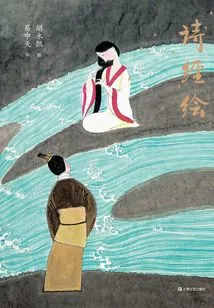
The Book of Songs Painting
Literature诗经绘
Illustrated By Hu Yongkai Translated By Yi Zhongtian
The Book of Songs, the source of Chinese poetry. What has it been saying for 2,500 years? "There are plums, but they are actually beautiful! Please help me, a common man, to bring good luck to them." This is a girl's song hoping that her lover will marry her as soon as possible: the ripe plums will fall down, and only 60 to 70% of them will remain on the branches. The ripe plums fell down, leaving only 20 to 30% of the branches. The ripe plums fell down and no one was left on the branches. If you propose marriage, come quickly, don't wait until you are too late... (Translated by Yi Zhongtian) Confucius said that the Book of Songs means "thinking without evil". The Book of Songs is a folk song, a song for ordinary people, a voice that echoed in our hearts 2,500 years ago. "The Book of Songs" was painted by the painter Hu Yongkai and translated by Yi Zhongtian. This time, two young children, who are a combined 150 years old, will use light, shadow and words to recreate for us the innocent memories of the Chinese people 2,500 years ago.
The Book of Songs, the source of Chinese poetry. What has it been saying for 2,500 years? "There are plums, but they are actually beautiful! Please help me, a common man, to bring good luck to them." This is a girl's song hoping that her lover will marry her as soon as possible: the ripe plums will fall down, and only 60 to 70% of them will remain on the branches. The ripe plums fell down, leaving only 20 to 30% of the branches. The ripe plums fell down and no one was left on the branches. If you propose marriage, come quickly, don't wait until you are too late... (Translated by Yi Zhongtian) Confucius said that the Book of Songs means "thinking without evil". The Book of Songs is a folk song, a song for ordinary people, a voice that echoed in our hearts 2,500 years ago. "The Book of Songs" was painted by the painter Hu Yongkai and translated by Yi Zhongtian. This time, two young children, who are a combined 150 years old, will use light, shadow and words to recreate for us the innocent memories of the Chinese people 2,500 years ago.
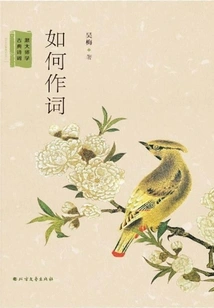
How to Write Lyrics
Literature如何作词
Wu Mei
The author of this book is Wu Mei, a modern opera theorist and master of quxue. This book is a lecture note given by Wu Mei when he was teaching at the university. It is also one of his masterpieces. It mainly discusses the relationship between ci and music, the practice of ci, the history of the development of ci, and the evaluation of famous ci writers and their masterpieces. As an introductory book for masters of Chinese studies, readers can be satisfied whether they want to learn and progress or appreciate research. This is a book that can bring great inspiration to beginners or researchers. In addition to re-editing and integrating the content, this reprint also boldly re-drafts the title of the classic book, making the classic work closer to life and closer to readers.
The author of this book is Wu Mei, a modern opera theorist and master of quxue. This book is a lecture note given by Wu Mei when he was teaching at the university. It is also one of his masterpieces. It mainly discusses the relationship between ci and music, the practice of ci, the history of the development of ci, and the evaluation of famous ci writers and their masterpieces. As an introductory book for masters of Chinese studies, readers can be satisfied whether they want to learn and progress or appreciate research. This is a book that can bring great inspiration to beginners or researchers. In addition to re-editing and integrating the content, this reprint also boldly re-drafts the title of the classic book, making the classic work closer to life and closer to readers.
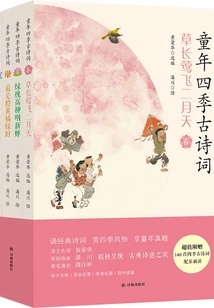
童年四季古诗词
Selected By Huang Ronghua And Painted By Pan Chuan
The grass is long and the orioles are flying, the green locust trees are tall and the willows are tall, the oranges are green and the oranges are yellow, the jade trees are blooming... With a childish heart, you can enjoy the poetry and painting of spring, soak up the vitality of summer, feel the richness of autumn, and taste the quiet beauty of winter.
The grass is long and the orioles are flying, the green locust trees are tall and the willows are tall, the oranges are green and the oranges are yellow, the jade trees are blooming... With a childish heart, you can enjoy the poetry and painting of spring, soak up the vitality of summer, feel the richness of autumn, and taste the quiet beauty of winter.
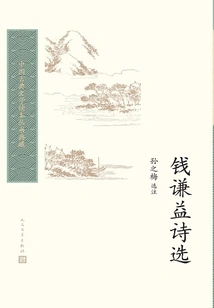
Selected Poems of Qian Qianyi
Literature钱谦益诗选
Selected Notes By Sun Zhimei
Qian Qianyi (1582~1664) was an essayist and poet in the late Ming and early Qing dynasties. The courtesy name was Shouzhi, his nickname was Muzhai, and his later nicknames were Mengsou and Dongjian Yilao. Changshu people. In the thirty-eighth year of Wanli (1610), he was a Jinshi. In the first year of Chongzhen (1628), he was appointed as the Minister of Rites and a Bachelor of the Imperial Academy. In the Hongguang Dynasty of the Southern Ming Dynasty, he was the Minister of the Ministry of Rites. After becoming an official in the Qing Dynasty, he took charge of the secretarial affairs as the Minister of Rites and served as the vice president of the "History of the Ming Dynasty". He first studied poetry in the prosperous Tang Dynasty, and later studied extensively from famous writers in the Tang and Song Dynasties. The poems written after the fall of the Ming Dynasty express the feelings of the vicissitudes of life, the sadness of the stubborn beauty and the desolation of Chu. The interpretation of poetry in this book is academic, paying particular attention to the specific background of poetry creation and its connection with other poems. The allusions used in Qian's poetry are both complex and clever, and the annotator notes the sources of the allusions one by one, concisely and accurately. It is not only of great benefit to lovers of Qian Qianyi's poetry, but also of great value to researchers.
Qian Qianyi (1582~1664) was an essayist and poet in the late Ming and early Qing dynasties. The courtesy name was Shouzhi, his nickname was Muzhai, and his later nicknames were Mengsou and Dongjian Yilao. Changshu people. In the thirty-eighth year of Wanli (1610), he was a Jinshi. In the first year of Chongzhen (1628), he was appointed as the Minister of Rites and a Bachelor of the Imperial Academy. In the Hongguang Dynasty of the Southern Ming Dynasty, he was the Minister of the Ministry of Rites. After becoming an official in the Qing Dynasty, he took charge of the secretarial affairs as the Minister of Rites and served as the vice president of the "History of the Ming Dynasty". He first studied poetry in the prosperous Tang Dynasty, and later studied extensively from famous writers in the Tang and Song Dynasties. The poems written after the fall of the Ming Dynasty express the feelings of the vicissitudes of life, the sadness of the stubborn beauty and the desolation of Chu. The interpretation of poetry in this book is academic, paying particular attention to the specific background of poetry creation and its connection with other poems. The allusions used in Qian's poetry are both complex and clever, and the annotator notes the sources of the allusions one by one, concisely and accurately. It is not only of great benefit to lovers of Qian Qianyi's poetry, but also of great value to researchers.
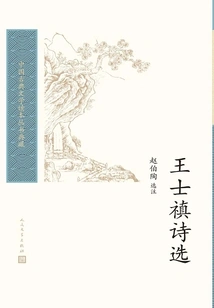
Selected Poems of Wang Shizhen
Literature王士禛诗选
Selected Notes By Zhao Botao
Wang Shizhen, nicknamed Yuyangshanren, advocated the theory of Shen Yun which has been popular for more than a hundred years, with influence at home and abroad. He is known as the founder of poetry. This book selects more than 250 of his poems, with meticulous annotations and wonderful comments. He can be said to be a great "interpreter" of Yuyang after Hui Dong and Jin Rong. In previous annotations, there were many omissions and arbitrariness that were not noted or misunderstood, but this book has many corrections and clarifications. It is a work of "the previous revision was not secret, but the later revision is refined".
Wang Shizhen, nicknamed Yuyangshanren, advocated the theory of Shen Yun which has been popular for more than a hundred years, with influence at home and abroad. He is known as the founder of poetry. This book selects more than 250 of his poems, with meticulous annotations and wonderful comments. He can be said to be a great "interpreter" of Yuyang after Hui Dong and Jin Rong. In previous annotations, there were many omissions and arbitrariness that were not noted or misunderstood, but this book has many corrections and clarifications. It is a work of "the previous revision was not secret, but the later revision is refined".
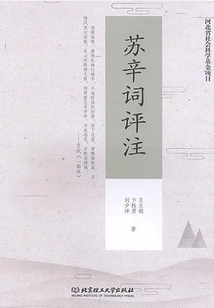
Commentary on Su Xin's Ci
Literature苏辛词评注
Wang Lijuan Bian Yinan Liu Shaokun
This tutorial is compiled based on the talent training objectives of higher science and engineering colleges and combined with the editor's many years of work and teaching experience. The whole book includes limits, calculus of functions of one variable and its applications, differential equations, etc. This tutorial is rich in content and diverse in form, focusing on the combination of theory and practice, and on the cultivation of students' abilities. This tutorial can be used as a supporting exercise for students in science and engineering colleges, and can also be used as a teaching reference book for relevant teachers.
This tutorial is compiled based on the talent training objectives of higher science and engineering colleges and combined with the editor's many years of work and teaching experience. The whole book includes limits, calculus of functions of one variable and its applications, differential equations, etc. This tutorial is rich in content and diverse in form, focusing on the combination of theory and practice, and on the cultivation of students' abilities. This tutorial can be used as a supporting exercise for students in science and engineering colleges, and can also be used as a teaching reference book for relevant teachers.
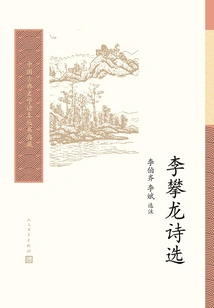
Selected Poems of Li Panlong
Literature李攀龙诗选
Li Boqi Li Bin
"Selected Poems of Li Panlong" annotated by Professor Li Boqi is an important annotation of the poems of Li Panlong, a representative figure of the "Later Seven Sons" in the Ming Dynasty. A total of more than 250 poems by Li Panlong have been selected and annotated, taking into account Li Panlong's works in various styles and periods. Each poem is accompanied by detailed and accurate annotations, which explain the usage and uncommon words in the poem. This is a better selection to understand the characteristics and artistic achievements of Li Panlong's poetry.
"Selected Poems of Li Panlong" annotated by Professor Li Boqi is an important annotation of the poems of Li Panlong, a representative figure of the "Later Seven Sons" in the Ming Dynasty. A total of more than 250 poems by Li Panlong have been selected and annotated, taking into account Li Panlong's works in various styles and periods. Each poem is accompanied by detailed and accurate annotations, which explain the usage and uncommon words in the poem. This is a better selection to understand the characteristics and artistic achievements of Li Panlong's poetry.
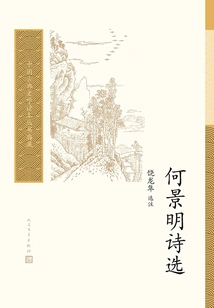
Selected Poems of He Jingming
Literature何景明诗选
Rao Long Falcon
He Jingming (1483-1521), named Zhongmo, also known as Baipo, also known as Dafushan, was from Xinyang. In the fifteenth year of Hongzhi in the Ming Dynasty (1502), he became a Jinshi. He was appointed deputy envoy to Shaanxi Province to study. He is one of the "First Seven Sons" and is known as a leader in the literary world together with Li Mengyang. He has "Da Fu Ji". There are more than 1,600 of his poems extant today, which are rich in inspiration from the Han and Tang Dynasties. Some of the poems have quite realistic content, while others are about pleasant landscapes, which are suitable for the true nature. This editor selects mostly poems that are highly artistic, can reflect his creative ideas, and can reflect important communication activities in his life. The annotations are mainly to clear up the words and sentences, explain the classics and elucidate the poetic skills. They are concise and rigorous, concise and easy to understand.
He Jingming (1483-1521), named Zhongmo, also known as Baipo, also known as Dafushan, was from Xinyang. In the fifteenth year of Hongzhi in the Ming Dynasty (1502), he became a Jinshi. He was appointed deputy envoy to Shaanxi Province to study. He is one of the "First Seven Sons" and is known as a leader in the literary world together with Li Mengyang. He has "Da Fu Ji". There are more than 1,600 of his poems extant today, which are rich in inspiration from the Han and Tang Dynasties. Some of the poems have quite realistic content, while others are about pleasant landscapes, which are suitable for the true nature. This editor selects mostly poems that are highly artistic, can reflect his creative ideas, and can reflect important communication activities in his life. The annotations are mainly to clear up the words and sentences, explain the classics and elucidate the poetic skills. They are concise and rigorous, concise and easy to understand.
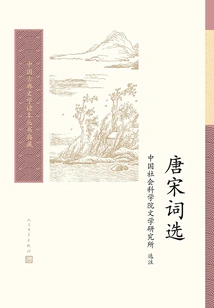
唐宋词选
Institute Of Literature, Chinese Academy Of Social Sciences
The famous scholar Wang Guowei said that "one generation has its own literature." As one of the literary styles, the Tang and Song dynasties were the most prosperous times for the creation of lyrics. This book is a selection of classic poems from the Tang and Song Dynasties, with a total of 312 poems from the Tang and Song Dynasties, 56 poems from the Tang and Five Dynasties, 89 poems from the Northern Song Dynasty, and 167 poems from the Southern Song Dynasty. When selecting works, we first focus on works with good ideological content, high artistic achievements, and basically healthy moods, and take into account representative works of various schools and styles, so that readers can have a more comprehensive understanding of the lyrics of this period.
The famous scholar Wang Guowei said that "one generation has its own literature." As one of the literary styles, the Tang and Song dynasties were the most prosperous times for the creation of lyrics. This book is a selection of classic poems from the Tang and Song Dynasties, with a total of 312 poems from the Tang and Song Dynasties, 56 poems from the Tang and Five Dynasties, 89 poems from the Northern Song Dynasty, and 167 poems from the Southern Song Dynasty. When selecting works, we first focus on works with good ideological content, high artistic achievements, and basically healthy moods, and take into account representative works of various schools and styles, so that readers can have a more comprehensive understanding of the lyrics of this period.
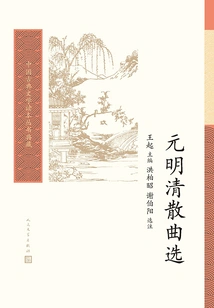
元明清散曲选
Compiled By Wang Qi, Hong Baizhao, And Xie Boyang
Sanqu is the last vital classical poetry style in my country. It was once famous and achieved a status that is on par with poetry and Ci. This book is an anthology that comprehensively displays the style of Sanqu. The editor-in-chief is Wang Jisi (Wang Qi), a master of music studies of the generation. In addition to detailed annotations, each article also has a unique and exquisite interpretation. It is a good teacher and helpful friend for readers, beginners and researchers. As one of the "Selected Books of Famous Masters", this book further reflects the charm of the classics and is a masterpiece that readers can enjoy for a long time.
Sanqu is the last vital classical poetry style in my country. It was once famous and achieved a status that is on par with poetry and Ci. This book is an anthology that comprehensively displays the style of Sanqu. The editor-in-chief is Wang Jisi (Wang Qi), a master of music studies of the generation. In addition to detailed annotations, each article also has a unique and exquisite interpretation. It is a good teacher and helpful friend for readers, beginners and researchers. As one of the "Selected Books of Famous Masters", this book further reflects the charm of the classics and is a masterpiece that readers can enjoy for a long time.
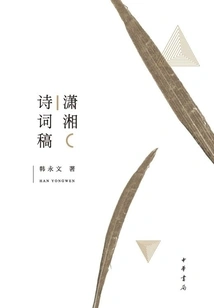
Xiaoxiang Poetry Draft
Literature潇湘诗词稿
Han Yongwen
"Xiaoxiang Poetry Draft", written by Han Yongwen. This is a collection of poems written by the author during the ten years he worked in Hunan. It not only praises the scenic spots of Xiaoxiang, but also recalls the history and culture of Hunan and Chu. It also expresses feelings about current events and records life. The genres include metrical poetry, ancient poetry, lyrics, etc. It is rich and colorful and expresses the author's love for the land of Hunan and his yearning for the culture of Xiaoxiang.
"Xiaoxiang Poetry Draft", written by Han Yongwen. This is a collection of poems written by the author during the ten years he worked in Hunan. It not only praises the scenic spots of Xiaoxiang, but also recalls the history and culture of Hunan and Chu. It also expresses feelings about current events and records life. The genres include metrical poetry, ancient poetry, lyrics, etc. It is rich and colorful and expresses the author's love for the land of Hunan and his yearning for the culture of Xiaoxiang.
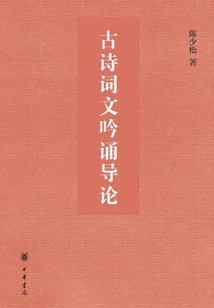
古诗词文吟诵导论
Chen Shaosong
"Introduction to the Recitation of Ancient Poems and Words" consists of a manuscript, which includes chapters such as "Introduction", "Recitation of Poetry", "Recitation of Words", "Recitation of Prose", "Reciting Requirements", "Reciting Techniques", "Reciting Tone", "Reciting Examples", etc. This book was first published in 1995 and went through three editions in 2002, with a total of 8,000 copies printed. It has long been out of print on the market. In order to meet the requirements of teachers, students, and parents, and taking advantage of the promotion of the Chanting Society, we contacted the author to prepare a new and comprehensive revision.
"Introduction to the Recitation of Ancient Poems and Words" consists of a manuscript, which includes chapters such as "Introduction", "Recitation of Poetry", "Recitation of Words", "Recitation of Prose", "Reciting Requirements", "Reciting Techniques", "Reciting Tone", "Reciting Examples", etc. This book was first published in 1995 and went through three editions in 2002, with a total of 8,000 copies printed. It has long been out of print on the market. In order to meet the requirements of teachers, students, and parents, and taking advantage of the promotion of the Chanting Society, we contacted the author to prepare a new and comprehensive revision.
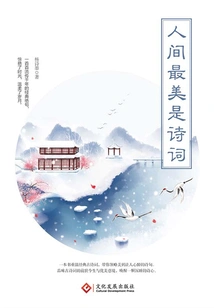
人间最美是诗词
Yang Shimo
This book is a carefully prepared gift for poetry lovers. Opening this book allows us who are busy in modern life to enter the world of aesthetic and romantic poetry, appreciate the love and beauty of classical poetry, and improve our aesthetic taste and spiritual cultivation in the beautiful poetry. The author spent many years carefully screening and selecting hundreds of beautiful ancient poems suitable for the general public to read from the vast sea of ancient poems, annotating and appreciating them. At the same time, he used multiple perspectives to explain the creation era and author's background of each poem in simple and detailed terms, integrating knowledge and appreciation. By reading these ancient poems, one can appreciate the tones, sentiments and sustenance of family and country of the predecessors, and also gain a more direct understanding of the entire ancient Chinese poetry. The book is beautifully printed in four colors, and is equipped with dozens of fresh and beautiful antique photography illustrations, which complement each other with the beautiful text, awakening every sleeping poetic heart, and making ordinary days a little more fragrant.
This book is a carefully prepared gift for poetry lovers. Opening this book allows us who are busy in modern life to enter the world of aesthetic and romantic poetry, appreciate the love and beauty of classical poetry, and improve our aesthetic taste and spiritual cultivation in the beautiful poetry. The author spent many years carefully screening and selecting hundreds of beautiful ancient poems suitable for the general public to read from the vast sea of ancient poems, annotating and appreciating them. At the same time, he used multiple perspectives to explain the creation era and author's background of each poem in simple and detailed terms, integrating knowledge and appreciation. By reading these ancient poems, one can appreciate the tones, sentiments and sustenance of family and country of the predecessors, and also gain a more direct understanding of the entire ancient Chinese poetry. The book is beautifully printed in four colors, and is equipped with dozens of fresh and beautiful antique photography illustrations, which complement each other with the beautiful text, awakening every sleeping poetic heart, and making ordinary days a little more fragrant.
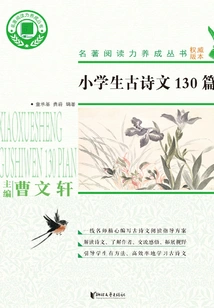
小学生古诗文130篇
Compiled By Tong Chengji And Fei Wei
"Understanding the richness and breadth of Chinese culture and absorbing the wisdom of national culture" and "cultivating a love for the language and characters of the motherland" are one of the overall goals of the Chinese subject in primary schools in my country. "130 Ancient Poems and Essays for Primary School Students" is a reading book that is close to the requirements of primary school Chinese learning, but also expanded to help students improve their ability to learn ancient poems and essays. It compiles all the ancient poems and classical Chinese essays required for primary school students in grades one to six to learn Chinese, a total of 130 essays. It mainly includes five columns: "Looking up the dictionary", "Understanding the meaning of poetry (words and texts)", "Understanding the author", "Communicating insights" and "Expanding horizons". It not only provides learning content for young readers, but also reminds the general rules of learning ancient poetry and prose, helping students better understand ancient poetry and prose, while cultivating self-learning ability and improving the literacy of traditional culture. For students of different grades and reading this book at different times, they have different requirements and will get different gains.
"Understanding the richness and breadth of Chinese culture and absorbing the wisdom of national culture" and "cultivating a love for the language and characters of the motherland" are one of the overall goals of the Chinese subject in primary schools in my country. "130 Ancient Poems and Essays for Primary School Students" is a reading book that is close to the requirements of primary school Chinese learning, but also expanded to help students improve their ability to learn ancient poems and essays. It compiles all the ancient poems and classical Chinese essays required for primary school students in grades one to six to learn Chinese, a total of 130 essays. It mainly includes five columns: "Looking up the dictionary", "Understanding the meaning of poetry (words and texts)", "Understanding the author", "Communicating insights" and "Expanding horizons". It not only provides learning content for young readers, but also reminds the general rules of learning ancient poetry and prose, helping students better understand ancient poetry and prose, while cultivating self-learning ability and improving the literacy of traditional culture. For students of different grades and reading this book at different times, they have different requirements and will get different gains.
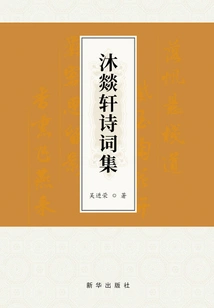
Mu Yixuan's Poetry Collection
Literature沐燚轩诗词集
Wu Jinrong
This book is an anthology of old-style poems created by the author over the years. According to the content, it is divided into five series: "The Traces of Time", "The Rover of Green Poplars", "Sentimental Sentiments", "The Remaining Fragrance of Flowers and Grass" and "Memory of the Journey". The first four series are arranged in the order of "Poetry Department" and "Chapter Department", and the fifth series is arranged according to the tour itinerary. The themes are diverse, including landscapes, flowers and plants, chants of objects, or feelings. They express the praise of nature, the care of animals, the sustenance of emotions, the intoxication of mountains and rivers, the emotion of journeys, and the praise of construction achievements from many aspects. At the same time, they also reflect the author's pursuit and exploration of the art of poetry.
This book is an anthology of old-style poems created by the author over the years. According to the content, it is divided into five series: "The Traces of Time", "The Rover of Green Poplars", "Sentimental Sentiments", "The Remaining Fragrance of Flowers and Grass" and "Memory of the Journey". The first four series are arranged in the order of "Poetry Department" and "Chapter Department", and the fifth series is arranged according to the tour itinerary. The themes are diverse, including landscapes, flowers and plants, chants of objects, or feelings. They express the praise of nature, the care of animals, the sustenance of emotions, the intoxication of mountains and rivers, the emotion of journeys, and the praise of construction achievements from many aspects. At the same time, they also reflect the author's pursuit and exploration of the art of poetry.
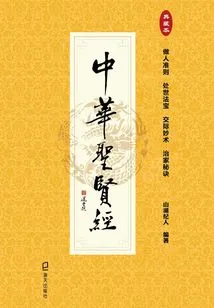
中华圣贤经(典藏本)
Compiled By Shanhu Jiren
This book is not only the crystallization of the wisdom of generations of descendants of the Yan and Huang Dynasties, but also the essence of the excellent traditional culture of the Chinese nation. It is also an indispensable bible for every Chinese to deal with matters, hold office and politics, govern the family and encourage education, speak and behave, treat others, and cultivate their moral character. This book is compiled after "Zengguang Xianwen" and classified according to rhyme according to "Chinese Rhythm Code". It keeps in mind the people-oriented, builds a harmonious society, inherits excellent culture, and encourages the world to do good and encourage learning. This book collects traditional wisdom. Readers are allowed to read it anytime and anywhere and receive the "Awakening Warnings". In the intersection of time and space, they can truly appreciate the implication of five thousand years of Chinese civilization and cultural classics, and at the same time, they can also gain infinite insights into life through rational reading.
This book is not only the crystallization of the wisdom of generations of descendants of the Yan and Huang Dynasties, but also the essence of the excellent traditional culture of the Chinese nation. It is also an indispensable bible for every Chinese to deal with matters, hold office and politics, govern the family and encourage education, speak and behave, treat others, and cultivate their moral character. This book is compiled after "Zengguang Xianwen" and classified according to rhyme according to "Chinese Rhythm Code". It keeps in mind the people-oriented, builds a harmonious society, inherits excellent culture, and encourages the world to do good and encourage learning. This book collects traditional wisdom. Readers are allowed to read it anytime and anywhere and receive the "Awakening Warnings". In the intersection of time and space, they can truly appreciate the implication of five thousand years of Chinese civilization and cultural classics, and at the same time, they can also gain infinite insights into life through rational reading.
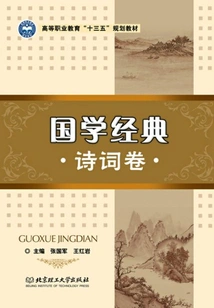
Chinese Classics·poetry Volume
Literature国学经典·诗词卷
Editor-in-chief Zhang Guojun Wang Hongyan
This book has compiled more than 100 representative writers in my country from the pre-Qin Dynasty to modern times, and contains more than 400 poems, lyrics, and music. Each work is followed by "author introduction", "notes", "literal translation", "appreciation" and other contents. It provides a relatively in-depth and comprehensive interpretation of the selected works. It is suitable for students majoring in Chinese language education, Chinese language and literature in higher vocational colleges to study the "Selected Readings of Ancient Chinese Literary Works" course.
This book has compiled more than 100 representative writers in my country from the pre-Qin Dynasty to modern times, and contains more than 400 poems, lyrics, and music. Each work is followed by "author introduction", "notes", "literal translation", "appreciation" and other contents. It provides a relatively in-depth and comprehensive interpretation of the selected works. It is suitable for students majoring in Chinese language education, Chinese language and literature in higher vocational colleges to study the "Selected Readings of Ancient Chinese Literary Works" course.
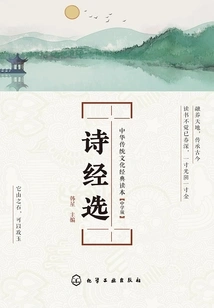
诗经选(中学版)
Korean Editor-in-chief
"The Book of Songs" is the earliest collection of poems in my country. The content is divided into three parts: "Wind", "Elegance" and "Song". The "Book of Songs" shows the great artistic achievements of my country's earliest poetic works in terms of language skills, artistic images and expression techniques. This book combines the growth and cognitive characteristics of today's teenagers, and is divided into contents such as reciting classics, reading annotations, and reading translations, etc., Striving to make the annotations and translations easier for students to understand. This book is suitable for middle school students, their teachers, and parents to read.
"The Book of Songs" is the earliest collection of poems in my country. The content is divided into three parts: "Wind", "Elegance" and "Song". The "Book of Songs" shows the great artistic achievements of my country's earliest poetic works in terms of language skills, artistic images and expression techniques. This book combines the growth and cognitive characteristics of today's teenagers, and is divided into contents such as reciting classics, reading annotations, and reading translations, etc., Striving to make the annotations and translations easier for students to understand. This book is suitable for middle school students, their teachers, and parents to read.
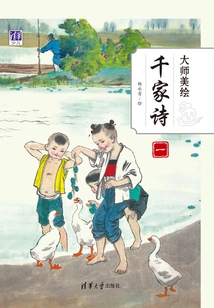
大师美绘千家诗(一)
Yang Yongqing
"Master's Beautiful Painting of Thousands of Poems" selects representative ancient poems from the Han Dynasty to the Tang Dynasty, such as "Viewing the Sea", "Returning to the Garden and Fields", "Moonlight Night on the Spring River", "Spring Dawn", "Passing the Old Friend's Village", etc.
"Master's Beautiful Painting of Thousands of Poems" selects representative ancient poems from the Han Dynasty to the Tang Dynasty, such as "Viewing the Sea", "Returning to the Garden and Fields", "Moonlight Night on the Spring River", "Spring Dawn", "Passing the Old Friend's Village", etc.
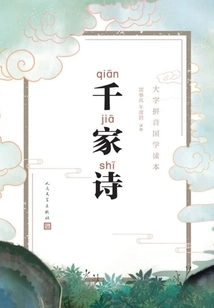
Thousands of Poems
Literature千家诗
Annotations By Zhou Fengzhen And Niu Yanjun
"Poems of a Thousand Families" was widely circulated in the Ming and Qing dynasties and was a popular book for children who taught poetry in private schools. Its main characteristics are: there are many famous writers and many famous articles; it is superficial and uses few allusions; it has more joy and less irony. Although it is a textbook for elementary school students, it is not a "children's poem". Most of the poems selected are works by famous writers of the Tang and Song Dynasties, and we just selected those that are "easy to recite". Moreover, the poets selected are not limited to famous poets, including emperors, generals, ministers, hermits, female authors and even unknown authors. In terms of subject matter, various forms reflect the social reality of the Tang and Song Dynasties. This book is based on the lithographic version of "Annotation of Qianjia Poems on Drawing" published by Shanghai Jinzhang Book Company, and is fully annotated and readable.
"Poems of a Thousand Families" was widely circulated in the Ming and Qing dynasties and was a popular book for children who taught poetry in private schools. Its main characteristics are: there are many famous writers and many famous articles; it is superficial and uses few allusions; it has more joy and less irony. Although it is a textbook for elementary school students, it is not a "children's poem". Most of the poems selected are works by famous writers of the Tang and Song Dynasties, and we just selected those that are "easy to recite". Moreover, the poets selected are not limited to famous poets, including emperors, generals, ministers, hermits, female authors and even unknown authors. In terms of subject matter, various forms reflect the social reality of the Tang and Song Dynasties. This book is based on the lithographic version of "Annotation of Qianjia Poems on Drawing" published by Shanghai Jinzhang Book Company, and is fully annotated and readable.
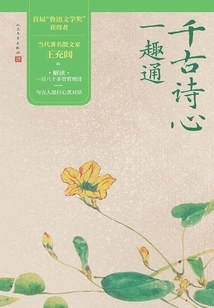
Poetry Through the Ages
Literature千古诗心一趣通
Wang Chonglu
The famous contemporary essayist Wang Chonglu selected more than 180 philosophical poems from pre-Qin to modern times. With the help of these philosophical poems, the author interprets his understanding of history, life and other aspects of life. It is an innovative new prose work. The author has rich knowledge in Chinese and Western philosophy, history and literature. In the process of interpretation, he studied from multiple angles and levels, expanded the poetic artistic space, and made accurate and warning advice. This book is a selected version of the author's "Articles Beyond Poetry", which selects the best poems of the best poets and gives them exquisite interpretations. Several ancient Chinese landscape and figure paintings were selected as illustrations, printed in black and white, with both pictures and text.
The famous contemporary essayist Wang Chonglu selected more than 180 philosophical poems from pre-Qin to modern times. With the help of these philosophical poems, the author interprets his understanding of history, life and other aspects of life. It is an innovative new prose work. The author has rich knowledge in Chinese and Western philosophy, history and literature. In the process of interpretation, he studied from multiple angles and levels, expanded the poetic artistic space, and made accurate and warning advice. This book is a selected version of the author's "Articles Beyond Poetry", which selects the best poems of the best poets and gives them exquisite interpretations. Several ancient Chinese landscape and figure paintings were selected as illustrations, printed in black and white, with both pictures and text.
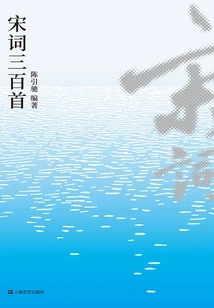
Three Hundred Song Poems
Literature宋词三百首
Compiled By Chen Yinchi
This book is compiled by Professor Chen Yinchi from the Chinese Department of Fudan University. It is based on the selected works of Shangqiang villagers in the late Qing Dynasty. It has newly screened and selected all the Song Dynasty poems and added 17 beautiful and touching Song poems, supplementing 300 Song poems. It has streamlined annotations and beautiful appreciation. It coexists gracefulness and boldness, and competes with freshness and richness.
This book is compiled by Professor Chen Yinchi from the Chinese Department of Fudan University. It is based on the selected works of Shangqiang villagers in the late Qing Dynasty. It has newly screened and selected all the Song Dynasty poems and added 17 beautiful and touching Song poems, supplementing 300 Song poems. It has streamlined annotations and beautiful appreciation. It coexists gracefulness and boldness, and competes with freshness and richness.
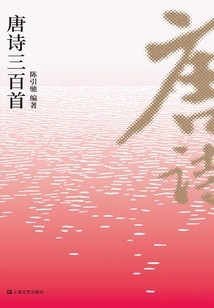
Three Hundred Tang Poems (2021)
Literature唐诗三百首(2021)
Compiled By Chen Yinchi
This book is compiled by Professor Chen Yinchi from the Chinese Department of Fudan University and is based on the anthology of retired scholars from Hengtang in the Qing Dynasty. It has newly screened and selected all Tang poems and added 22 excellent Tang poems with beautiful diction and touching people's hearts. 307 Poems are fully presented with concise annotations and beautiful appreciation, so as to jointly understand the touching parts of the poems.
This book is compiled by Professor Chen Yinchi from the Chinese Department of Fudan University and is based on the anthology of retired scholars from Hengtang in the Qing Dynasty. It has newly screened and selected all Tang poems and added 22 excellent Tang poems with beautiful diction and touching people's hearts. 307 Poems are fully presented with concise annotations and beautiful appreciation, so as to jointly understand the touching parts of the poems.
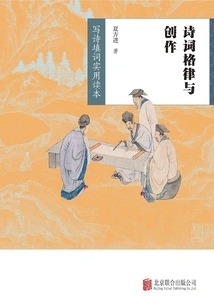
Poetry Rhythm and Creation
Literature诗词格律与创作
Xia Fangjin
"Poetry Rhythm and Creation" is a practical textbook for poetry writing. The book is concisely divided into three chapters: "Poetry Rhythm", "Citric Rhythm" and "Poetry Creation". It explains the metrical rules of poetry in an orderly manner from many aspects such as poetry's rhyme, equivalence, antithesis, word tone, word cards, word score, etc. It also conducts quantitative comparative analysis between ancient poetry and modern poetry, and more comprehensively introduces the classification and composition of poetry. The book also includes appreciation of famous works, introduces the techniques and techniques of poetry creation, and provides incisive and detailed explanations, bringing inspiration and artistic enjoyment to readers when learning poetry.
"Poetry Rhythm and Creation" is a practical textbook for poetry writing. The book is concisely divided into three chapters: "Poetry Rhythm", "Citric Rhythm" and "Poetry Creation". It explains the metrical rules of poetry in an orderly manner from many aspects such as poetry's rhyme, equivalence, antithesis, word tone, word cards, word score, etc. It also conducts quantitative comparative analysis between ancient poetry and modern poetry, and more comprehensively introduces the classification and composition of poetry. The book also includes appreciation of famous works, introduces the techniques and techniques of poetry creation, and provides incisive and detailed explanations, bringing inspiration and artistic enjoyment to readers when learning poetry.
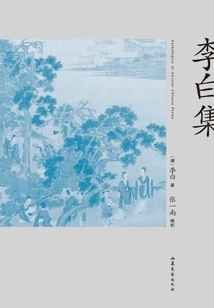
Li Baiji
Literature李白集
(tang Dynasty) Written By Li Bai Edited By Zhang Yinan
This book is comprehensively introduced, annotated, and appreciated by teacher Zhang Yinan, who is highly sought after by Peking University students. The opening chapter is a biography of Li Bai as an introduction. Let you understand the poetry and the warmth behind the poetry through the poet's story. One hundred and fifty of the poet's best works handed down from generation to generation are selected and sorted based on the chronology of his life. Each poem is supplemented by a brief analysis and annotations, and rare words have phonetic notation. The combination of biographical introduction and brief analysis of poetry helps readers better understand the poetry and the poet's life.
This book is comprehensively introduced, annotated, and appreciated by teacher Zhang Yinan, who is highly sought after by Peking University students. The opening chapter is a biography of Li Bai as an introduction. Let you understand the poetry and the warmth behind the poetry through the poet's story. One hundred and fifty of the poet's best works handed down from generation to generation are selected and sorted based on the chronology of his life. Each poem is supplemented by a brief analysis and annotations, and rare words have phonetic notation. The combination of biographical introduction and brief analysis of poetry helps readers better understand the poetry and the poet's life.
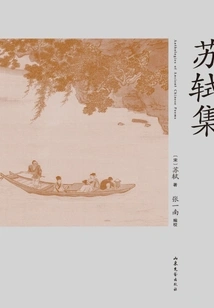
Collection of Su Shi
Literature苏轼集
(song Dynasty) Written By Su Shi Edited By Zhang Yinan
This book is comprehensively introduced, annotated, and appreciated by teacher Zhang Yinan, who is highly sought after by Peking University students. The beginning is Su Shi's biography as an introduction. Let you understand the poetry and the warmth behind the poetry through the poet's story. One hundred and fifty of the poet's best works handed down from generation to generation are selected and sorted based on the chronology of his life. Each poem is supplemented by a brief analysis and annotations, and rare words have phonetic notations. The combination of biographical introduction and brief analysis of poetry helps readers better understand the poetry and the poet's life.
This book is comprehensively introduced, annotated, and appreciated by teacher Zhang Yinan, who is highly sought after by Peking University students. The beginning is Su Shi's biography as an introduction. Let you understand the poetry and the warmth behind the poetry through the poet's story. One hundred and fifty of the poet's best works handed down from generation to generation are selected and sorted based on the chronology of his life. Each poem is supplemented by a brief analysis and annotations, and rare words have phonetic notations. The combination of biographical introduction and brief analysis of poetry helps readers better understand the poetry and the poet's life.
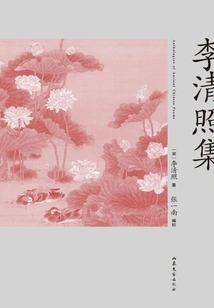
Collection of Li Qingzhao
Literature李清照集
(song) Written By Li Qingzhao Edited By Zhang Yinan
This book is comprehensively introduced, annotated, and appreciated by teacher Zhang Yinan, who is highly sought after by Peking University students. The opening chapter is the biography of Li Qingzhao as an introduction. Let you understand the poetry and the warmth behind the poetry through the poet's story. One hundred and fifty of the poet's best works handed down from generation to generation are selected and sorted based on the chronology of his life. Each poem is supplemented by a brief analysis and annotations, and rare words have phonetic notations. The combination of biographical introduction and brief analysis of poetry helps readers better understand the poetry and the poet's life.
This book is comprehensively introduced, annotated, and appreciated by teacher Zhang Yinan, who is highly sought after by Peking University students. The opening chapter is the biography of Li Qingzhao as an introduction. Let you understand the poetry and the warmth behind the poetry through the poet's story. One hundred and fifty of the poet's best works handed down from generation to generation are selected and sorted based on the chronology of his life. Each poem is supplemented by a brief analysis and annotations, and rare words have phonetic notations. The combination of biographical introduction and brief analysis of poetry helps readers better understand the poetry and the poet's life.
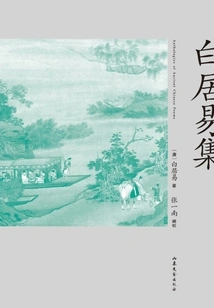
Collection of Bai Juyi
Literature白居易集
(tang) Written By Bai Juyi Edited By Zhang Yinan
This book is comprehensively introduced, annotated, and appreciated by teacher Zhang Yinan, who is highly sought after by Peking University students. The opening chapter is the biography of Bai Juyi as an introduction. Let you understand the poetry and the warmth behind the poetry through the poet's story. One hundred and fifty of the poet's best works handed down from generation to generation are selected and sorted based on the chronology of his life. Each poem is supplemented by a brief analysis and annotations, and rare words have phonetic notation. The combination of biographical introduction and brief poetry analysis helps readers better understand the poetry and the poet's life.
This book is comprehensively introduced, annotated, and appreciated by teacher Zhang Yinan, who is highly sought after by Peking University students. The opening chapter is the biography of Bai Juyi as an introduction. Let you understand the poetry and the warmth behind the poetry through the poet's story. One hundred and fifty of the poet's best works handed down from generation to generation are selected and sorted based on the chronology of his life. Each poem is supplemented by a brief analysis and annotations, and rare words have phonetic notation. The combination of biographical introduction and brief poetry analysis helps readers better understand the poetry and the poet's life.
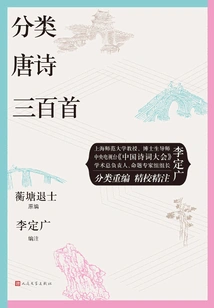
分类唐诗三百首
Original Edition Of Hengtang Retired Scholars, Edited And Annotated By Li Dingguang
"Three Hundred Tang Poems" is one of the important enlightenment readings. This book changes the "split" of the original edition to help the ancients figure out the ideas of learning according to the style, and adopts a classification and arrangement method to facilitate learning according to the content. Each category is arranged according to the poet's era; in the text and its interpretation, dozens of errors in the original and popular versions are corrected. Compile the poet's biography, strive to be accurate and interesting, and capture the poet's main characteristics. The annotations are brief, referring to ancient sayings and the latest research results; the comments strive to explain the profound things in simple terms and are enlightening. This book can be regarded as a rigorous, credible, simple and refreshing read.
"Three Hundred Tang Poems" is one of the important enlightenment readings. This book changes the "split" of the original edition to help the ancients figure out the ideas of learning according to the style, and adopts a classification and arrangement method to facilitate learning according to the content. Each category is arranged according to the poet's era; in the text and its interpretation, dozens of errors in the original and popular versions are corrected. Compile the poet's biography, strive to be accurate and interesting, and capture the poet's main characteristics. The annotations are brief, referring to ancient sayings and the latest research results; the comments strive to explain the profound things in simple terms and are enlightening. This book can be regarded as a rigorous, credible, simple and refreshing read.
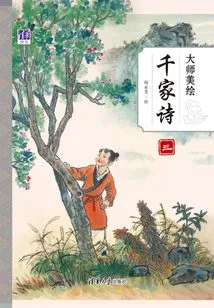
大师美绘千家诗(三)
Yang Yongqing
"Master's Beautiful Painting of Thousands of Poems Three" selects representative ancient poems of the Tang Dynasty, such as "Ode to the Willows", "Joyful Rain on a Spring Night", "Quatrains", "Looking at the Mountains", "Night Mooring on the Maple Bridge", "Chuzhou West Stream", etc.
"Master's Beautiful Painting of Thousands of Poems Three" selects representative ancient poems of the Tang Dynasty, such as "Ode to the Willows", "Joyful Rain on a Spring Night", "Quatrains", "Looking at the Mountains", "Night Mooring on the Maple Bridge", "Chuzhou West Stream", etc.
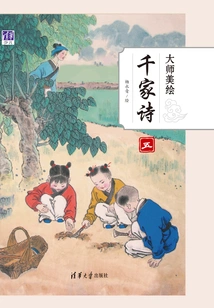
大师美绘千家诗(五)
Yang Yongqing
"Fifth Poems of Masters Beautifully Painting Thousands of Families" selects representative ancient poems from the late Tang and Song Dynasties, such as "Morning Journey to Shangshan", "Fisherman on the River", "Tian Family", "Mooring Boats at Guazhou", "Visiting Shanxi Village", etc.
"Fifth Poems of Masters Beautifully Painting Thousands of Families" selects representative ancient poems from the late Tang and Song Dynasties, such as "Morning Journey to Shangshan", "Fisherman on the River", "Tian Family", "Mooring Boats at Guazhou", "Visiting Shanxi Village", etc.
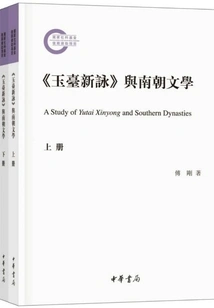
《玉台新咏》与南朝文学(全2册)
Fu Gang
The book "New Odes of Yutai and Southern Dynasties Literature" adopts a combination of macro research and micro analysis, and is divided into two parts. Starting from the inherent laws of literary development, the first part systematically discusses the reasons and processes for the formation of the erotic style of writing in the Southern Dynasties. On this basis, it explores the logical relationship between the compilation of "New Odes of Yutai" and the evolution of literary styles in the Southern Dynasties. It clearly outlines the development trajectory of the literary style of the Southern Dynasties, reveals the literary value and documentary value of "New Odes of Yutai", and also carefully combs the history of research on "New Odes of Yutai". This book's research on the version of "New Odes of Yutai" is in-depth and comprehensive, with precise judgments and extremely high academic value. This book is compiled as "Yutai New Ode Collector's Notes", which is also the only "Yutai New Ode" compiled collation available so far. The author has widely cited and carefully revised many editions. He has combined the collation notes of various schools into one place, and is able to extract the true and eliminate the complex, and to express his own opinions. The whole book is meticulously collated and well-explained, making it a model work for ancient book collation.
The book "New Odes of Yutai and Southern Dynasties Literature" adopts a combination of macro research and micro analysis, and is divided into two parts. Starting from the inherent laws of literary development, the first part systematically discusses the reasons and processes for the formation of the erotic style of writing in the Southern Dynasties. On this basis, it explores the logical relationship between the compilation of "New Odes of Yutai" and the evolution of literary styles in the Southern Dynasties. It clearly outlines the development trajectory of the literary style of the Southern Dynasties, reveals the literary value and documentary value of "New Odes of Yutai", and also carefully combs the history of research on "New Odes of Yutai". This book's research on the version of "New Odes of Yutai" is in-depth and comprehensive, with precise judgments and extremely high academic value. This book is compiled as "Yutai New Ode Collector's Notes", which is also the only "Yutai New Ode" compiled collation available so far. The author has widely cited and carefully revised many editions. He has combined the collation notes of various schools into one place, and is able to extract the true and eliminate the complex, and to express his own opinions. The whole book is meticulously collated and well-explained, making it a model work for ancient book collation.
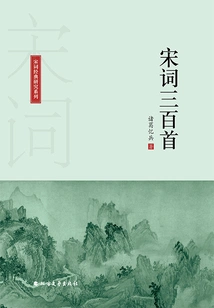
宋词三百首(宋词经典研究系列)
Zhuge Yibing
The "Three Hundred Song Ci Poems" compiled by Zhu Zumou has been widely circulated. The first draft was published in 1924, and 87 Song Ci poets were selected and composed of 300 poems. Soon, Zhu Zumou revised the first draft, deleting 28 works and adding 11 more, bringing the total number of selected works to 283. In the third draft, Zhu Zumou added 2 more songs, totaling 285 songs. This book uses the second draft as the basis, and includes the works selected from the first draft and the third draft one by one. The deletion of specific works is briefly explained in the "Comments" to see the changes in Zhu Zumou's conception and aesthetic taste before and after he selected the works.
The "Three Hundred Song Ci Poems" compiled by Zhu Zumou has been widely circulated. The first draft was published in 1924, and 87 Song Ci poets were selected and composed of 300 poems. Soon, Zhu Zumou revised the first draft, deleting 28 works and adding 11 more, bringing the total number of selected works to 283. In the third draft, Zhu Zumou added 2 more songs, totaling 285 songs. This book uses the second draft as the basis, and includes the works selected from the first draft and the third draft one by one. The deletion of specific works is briefly explained in the "Comments" to see the changes in Zhu Zumou's conception and aesthetic taste before and after he selected the works.
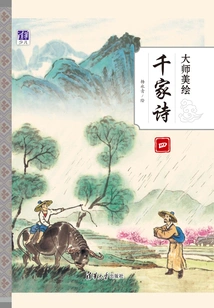
大师美绘千家诗(四)
Yang Yongqing
"Master's Beautiful Painting of Thousands of Poems IV" selects representative ancient poems from the Tang Dynasty, such as "Spring Tour at Qiantang Lake", "Bamboo Branch Poetry", "Snow on the River", "Chrysanthemum", "Qingming", etc.
"Master's Beautiful Painting of Thousands of Poems IV" selects representative ancient poems from the Tang Dynasty, such as "Spring Tour at Qiantang Lake", "Bamboo Branch Poetry", "Snow on the River", "Chrysanthemum", "Qingming", etc.
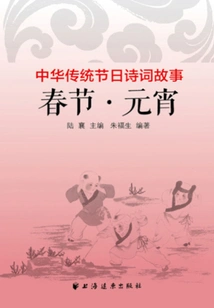
春节·元宵(中华传统节日诗词故事)
Editor-in-chief Lu Xiang
Festival poems combine folk customs and literati interests, which well reflect the long-standing and rich and colorful characteristics of Chinese culture, and are good teaching materials for learning traditional culture. The content includes related ancient poems, annotations of ancient poems, modern translations and appreciation, etc. Through such a relatively comprehensive study, readers not only learn the outstanding poems of the past dynasties, but also gain a deeper understanding of these most famous festivals in China. In turn, combining traditional festivals with poetry can deepen readers' understanding of ancient poetry. In addition, at the end of each festival, there is a related poem and story to increase readers' interest.
Festival poems combine folk customs and literati interests, which well reflect the long-standing and rich and colorful characteristics of Chinese culture, and are good teaching materials for learning traditional culture. The content includes related ancient poems, annotations of ancient poems, modern translations and appreciation, etc. Through such a relatively comprehensive study, readers not only learn the outstanding poems of the past dynasties, but also gain a deeper understanding of these most famous festivals in China. In turn, combining traditional festivals with poetry can deepen readers' understanding of ancient poetry. In addition, at the end of each festival, there is a related poem and story to increase readers' interest.
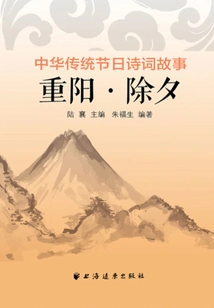
重阳·除夕(中华传统节日诗词故事)
Editor-in-chief Lu Xiang
Festival poems combine folk customs and literati interests, which well reflect the long-standing and rich and colorful characteristics of Chinese culture, and are good teaching materials for learning traditional culture. The content includes related ancient poems, annotations of ancient poems, modern translations and appreciation, etc. Through such a relatively comprehensive study, readers not only learn the outstanding poems of the past dynasties, but also gain a deeper understanding of these most famous festivals in China. In turn, combining traditional festivals with poetry can deepen readers' understanding of ancient poetry. In addition, at the end of each festival, there is a related poem and story to increase readers' interest.
Festival poems combine folk customs and literati interests, which well reflect the long-standing and rich and colorful characteristics of Chinese culture, and are good teaching materials for learning traditional culture. The content includes related ancient poems, annotations of ancient poems, modern translations and appreciation, etc. Through such a relatively comprehensive study, readers not only learn the outstanding poems of the past dynasties, but also gain a deeper understanding of these most famous festivals in China. In turn, combining traditional festivals with poetry can deepen readers' understanding of ancient poetry. In addition, at the end of each festival, there is a related poem and story to increase readers' interest.
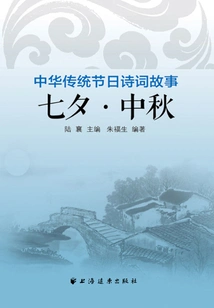
七夕·中秋(中华传统节日诗词故事)
Editor-in-chief Lu Xiang
Festival poems combine folk customs and literati interests, which well reflect the long-standing and rich and colorful characteristics of Chinese culture, and are good teaching materials for learning traditional culture. The content includes related ancient poems, annotations of ancient poems, modern translations and appreciation, etc. Through such a relatively comprehensive study, readers not only learn the outstanding poems of the past dynasties, but also gain a deeper understanding of these most famous festivals in China. In turn, combining traditional festivals with poetry can deepen readers' understanding of ancient poetry. In addition, at the end of each festival, there is a related poem and story to increase readers' interest.
Festival poems combine folk customs and literati interests, which well reflect the long-standing and rich and colorful characteristics of Chinese culture, and are good teaching materials for learning traditional culture. The content includes related ancient poems, annotations of ancient poems, modern translations and appreciation, etc. Through such a relatively comprehensive study, readers not only learn the outstanding poems of the past dynasties, but also gain a deeper understanding of these most famous festivals in China. In turn, combining traditional festivals with poetry can deepen readers' understanding of ancient poetry. In addition, at the end of each festival, there is a related poem and story to increase readers' interest.
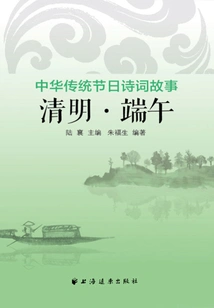
清明·端午(中华传统节日诗词故事)
Editor-in-chief Lu Xiang
Festival poems combine folk customs and literati interests, which well reflect the long-standing and rich and colorful characteristics of Chinese culture, and are good teaching materials for learning traditional culture. The content includes related ancient poems, annotations of ancient poems, modern translations and appreciation, etc. Through such a relatively comprehensive study, readers not only learn the outstanding poems of the past dynasties, but also gain a deeper understanding of these most famous festivals in China. In turn, combining traditional festivals with poetry can deepen readers' understanding of ancient poetry. In addition, at the end of each festival, there is a related poem and story to increase readers' interest.
Festival poems combine folk customs and literati interests, which well reflect the long-standing and rich and colorful characteristics of Chinese culture, and are good teaching materials for learning traditional culture. The content includes related ancient poems, annotations of ancient poems, modern translations and appreciation, etc. Through such a relatively comprehensive study, readers not only learn the outstanding poems of the past dynasties, but also gain a deeper understanding of these most famous festivals in China. In turn, combining traditional festivals with poetry can deepen readers' understanding of ancient poetry. In addition, at the end of each festival, there is a related poem and story to increase readers' interest.
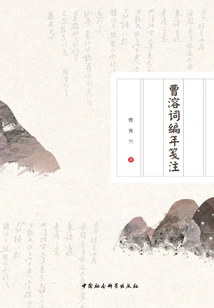
Chronological Notes on Cao Rong's Ci
Literature曹溶词编年笺注
Cao Xiulan
Cao Rong was a famous poet in the early Qing Dynasty and authored the volume "Jing Ti Tang Ci". The Complete Qing Ci Ci Compilation Committee of the Department of Chinese Language and Literature of Nanjing University compiled "Quan Qing Ci" (Shunkang Volume) and recorded 282 Cao Rong's poems based on the coexistence of "Jing Ti Tang Ci" and multiple anthologies. According to the existing research results and the author's search for lost textual research, this book shows that Cao Rong has at least three poems: "Thanks to the Emperor's Grace" (Pearls Falling into the Phoenix Pond), "Traveling on the Shasha Xisai Mountain", and "Pipa Immortal·Pipa Pavilion Zhihuai", so Cao Rong has at least 285 poems. This book chronicles Cao Rong's poems based on information about his works, the author's life experiences, friendships, etc., And makes notes, reviews, corrections, etc. Through detailed information and meticulous annotations of his works, it reveals Cao Rong's complex inner world of being a second minister but caring about his motherland.
Cao Rong was a famous poet in the early Qing Dynasty and authored the volume "Jing Ti Tang Ci". The Complete Qing Ci Ci Compilation Committee of the Department of Chinese Language and Literature of Nanjing University compiled "Quan Qing Ci" (Shunkang Volume) and recorded 282 Cao Rong's poems based on the coexistence of "Jing Ti Tang Ci" and multiple anthologies. According to the existing research results and the author's search for lost textual research, this book shows that Cao Rong has at least three poems: "Thanks to the Emperor's Grace" (Pearls Falling into the Phoenix Pond), "Traveling on the Shasha Xisai Mountain", and "Pipa Immortal·Pipa Pavilion Zhihuai", so Cao Rong has at least 285 poems. This book chronicles Cao Rong's poems based on information about his works, the author's life experiences, friendships, etc., And makes notes, reviews, corrections, etc. Through detailed information and meticulous annotations of his works, it reveals Cao Rong's complex inner world of being a second minister but caring about his motherland.
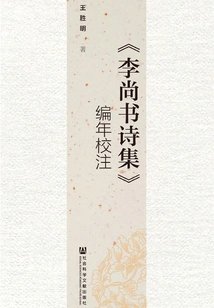
《李尚书诗集》编年校注
Wang Shengming
This book is a comprehensive compilation and research result of the Tang Dynasty Li Yi's poetry collection "Li Shangshu Poetry Collection" compiled by Zhang Shu of the Qing Dynasty. It is also a comprehensive study of Li Yi and his poetry. It mainly includes eight aspects: investigation of the source of poems in Li Shangshu's Poetry Collection, collation, annotation, collection review, analysis, investigation of the borrowing and use of Li Yi's poems by later generations, chronology and appendices.
This book is a comprehensive compilation and research result of the Tang Dynasty Li Yi's poetry collection "Li Shangshu Poetry Collection" compiled by Zhang Shu of the Qing Dynasty. It is also a comprehensive study of Li Yi and his poetry. It mainly includes eight aspects: investigation of the source of poems in Li Shangshu's Poetry Collection, collation, annotation, collection review, analysis, investigation of the borrowing and use of Li Yi's poems by later generations, chronology and appendices.
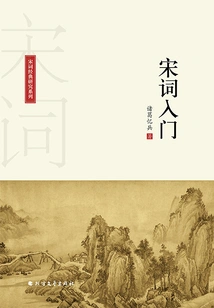
宋词入门(宋词经典研究系列)
Zhuge Yibing
In the splendid garden of classical poetry, Song Ci is a bright and dazzling flower. As a new lyric poetry style that rivals Tang poetry, Song poetry has its own unique aesthetic value. From a broad perspective, the development of Song poetry can be divided into Northern Song poetry and Southern Song poetry. Ci poetry in the Northern Song Dynasty can be roughly divided into four creative periods: the prosperous period of Xiaoling, the rise of slow Ci, the creation of bold Ci, and the standardization of Ci rhythm. The creation of lyrics in the Southern Song Dynasty was affected by the environment of the times, and a genre of patriotic lyrics represented by Xin Qiji emerged. With the formation of the peaceful situation in the Southern Song Dynasty, the creative tendency of literati pursuing the "elegance" of poetry once again occupied the mainstream position in the poetry world. This book uses concise and easy-to-understand language to introduce the basic literary characteristics of Song Ci and the basic development process of Song Ci, serving as an introduction to the reading and appreciation of Song Ci.
In the splendid garden of classical poetry, Song Ci is a bright and dazzling flower. As a new lyric poetry style that rivals Tang poetry, Song poetry has its own unique aesthetic value. From a broad perspective, the development of Song poetry can be divided into Northern Song poetry and Southern Song poetry. Ci poetry in the Northern Song Dynasty can be roughly divided into four creative periods: the prosperous period of Xiaoling, the rise of slow Ci, the creation of bold Ci, and the standardization of Ci rhythm. The creation of lyrics in the Southern Song Dynasty was affected by the environment of the times, and a genre of patriotic lyrics represented by Xin Qiji emerged. With the formation of the peaceful situation in the Southern Song Dynasty, the creative tendency of literati pursuing the "elegance" of poetry once again occupied the mainstream position in the poetry world. This book uses concise and easy-to-understand language to introduce the basic literary characteristics of Song Ci and the basic development process of Song Ci, serving as an introduction to the reading and appreciation of Song Ci.