Library
Browse and search books
753 novels found
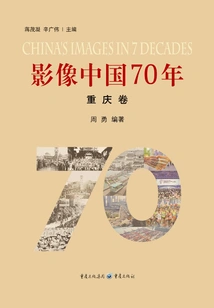
影像中国70年·重庆卷
Compiled By Zhou Yong
In order to commemorate the 70th anniversary of the founding of the People's Republic of China and demonstrate the tremendous changes that have taken place in our country's economy, society and people's lives over the past 70 years, the People's Publishing House Working Committee of the China Publishing Association has made preliminary plans to officially publish and distribute the "Photo China 70 Years" series on the eve of October 2019. The People's Publishing House will guide and coordinate the compilation of the series, and plans to publish one volume for each province, autonomous region, and municipality directly under the Central Government. Among them, the compilation and publication of "70 Years of Photo China·Chongqing Volume" (hereinafter referred to as "Chongqing Volume") is jointly undertaken by Chongqing Daily Newspaper Group, Chongqing Local History Research Association and Chongqing Publishing Group. This book was written from 1949 to 2019. It uses a combination of pictures and text to review the vicissitudes of Chongqing's development over the past 70 years, with pictures as the main component and illustrations as supplements. The selection of pictures in the book is based on the characteristics of Chongqing, facing ordinary people and grassroots, adhering to the perspective of ordinary people, showing the profound changes in Chongqing's city appearance and the profound changes brought by social and economic development to people's clothing, food, housing and transportation, reflecting the social and people's livelihood of Chongqing in a specific period.
In order to commemorate the 70th anniversary of the founding of the People's Republic of China and demonstrate the tremendous changes that have taken place in our country's economy, society and people's lives over the past 70 years, the People's Publishing House Working Committee of the China Publishing Association has made preliminary plans to officially publish and distribute the "Photo China 70 Years" series on the eve of October 2019. The People's Publishing House will guide and coordinate the compilation of the series, and plans to publish one volume for each province, autonomous region, and municipality directly under the Central Government. Among them, the compilation and publication of "70 Years of Photo China·Chongqing Volume" (hereinafter referred to as "Chongqing Volume") is jointly undertaken by Chongqing Daily Newspaper Group, Chongqing Local History Research Association and Chongqing Publishing Group. This book was written from 1949 to 2019. It uses a combination of pictures and text to review the vicissitudes of Chongqing's development over the past 70 years, with pictures as the main component and illustrations as supplements. The selection of pictures in the book is based on the characteristics of Chongqing, facing ordinary people and grassroots, adhering to the perspective of ordinary people, showing the profound changes in Chongqing's city appearance and the profound changes brought by social and economic development to people's clothing, food, housing and transportation, reflecting the social and people's livelihood of Chongqing in a specific period.
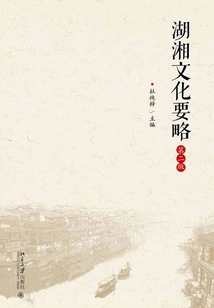
湖湘文化要略(第二版)
Du Chunzi
Hunan people's spirit of self-improvement, their patriotic ambitions, their pragmatic character, their pioneering courage, their indomitable talent, their inclusive spirit, their generous spirit of sacrifice and their tradition of self-improvement and self-improvement have created a Hunan culture that is profound and reflects the past and present. Hunan culture with rich connotations and distinctive characteristics is an important part of Chinese culture. This book adopts a comprehensive perspective, a comprehensive expression paradigm and a discourse style that is full of passion in explanation, depicting the charm of Hunan's landscape, exploring the origin of Hunan culture, introducing the achievements of Hunan culture, explaining the spiritual characteristics of Hunan people, commenting on outstanding figures in Hunan, showing the folk customs of Hunan, analyzing the inheritance and innovation of Hunan culture, and opening up an important channel for readers to review and explore Hunan culture.
Hunan people's spirit of self-improvement, their patriotic ambitions, their pragmatic character, their pioneering courage, their indomitable talent, their inclusive spirit, their generous spirit of sacrifice and their tradition of self-improvement and self-improvement have created a Hunan culture that is profound and reflects the past and present. Hunan culture with rich connotations and distinctive characteristics is an important part of Chinese culture. This book adopts a comprehensive perspective, a comprehensive expression paradigm and a discourse style that is full of passion in explanation, depicting the charm of Hunan's landscape, exploring the origin of Hunan culture, introducing the achievements of Hunan culture, explaining the spiritual characteristics of Hunan people, commenting on outstanding figures in Hunan, showing the folk customs of Hunan, analyzing the inheritance and innovation of Hunan culture, and opening up an important channel for readers to review and explore Hunan culture.
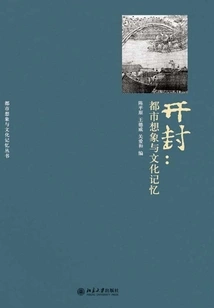
开封:都市想象与文化记忆
Chen Pingyuan Wang Dewei Guan Aihe
This book is a collection of papers from the international academic conference "Kaifeng: Urban Imagination and Cultural Memory", which comprehensively presents the academic spirit and pursuit of this seminar. The selected articles search for historical memories about the ancient city of Kaifeng from historical documents, literary works and even daily life, and explore the urban imagination and cultural memory about Kaifeng.
This book is a collection of papers from the international academic conference "Kaifeng: Urban Imagination and Cultural Memory", which comprehensively presents the academic spirit and pursuit of this seminar. The selected articles search for historical memories about the ancient city of Kaifeng from historical documents, literary works and even daily life, and explore the urban imagination and cultural memory about Kaifeng.
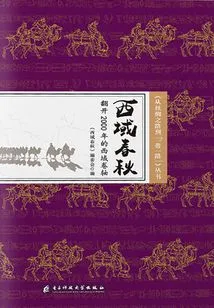
西域春秋:翻开2000年的西域卷轴
Editorial Board Of "spring And Autumn Period Of The Western Regions"
The Western Region, a shining pearl in the desert. The development of the Silk Road began with Zhang Qian's passage to the Western Regions. The smooth traffic in the Western Regions also opened the eyes of the people of the Han Dynasty, allowing them to understand the customs and customs of the Western Regions, and strengthened the friendship with the people of other countries in the Western Regions. The Western Regions is the most legendary region on the Silk Road and the focus of Eastern and Western cultures. The ancient Western Regions are of great significance in terms of strategy, politics, economy, culture, transportation and other aspects. The three major states of Asia, Africa and Europe have never stopped engaging in colorful exchanges using the Western Region as a corridor. Darius, Alexander, Emperor Qin and Emperor Wu of Han, Genghis Khan... Countless influential figures have shown their talents on this big stage. Various cultures have been exchanged and spread through the Western Regions, and have played an important role in this land. People of all ethnic groups come and go in this land in an endless stream.
The Western Region, a shining pearl in the desert. The development of the Silk Road began with Zhang Qian's passage to the Western Regions. The smooth traffic in the Western Regions also opened the eyes of the people of the Han Dynasty, allowing them to understand the customs and customs of the Western Regions, and strengthened the friendship with the people of other countries in the Western Regions. The Western Regions is the most legendary region on the Silk Road and the focus of Eastern and Western cultures. The ancient Western Regions are of great significance in terms of strategy, politics, economy, culture, transportation and other aspects. The three major states of Asia, Africa and Europe have never stopped engaging in colorful exchanges using the Western Region as a corridor. Darius, Alexander, Emperor Qin and Emperor Wu of Han, Genghis Khan... Countless influential figures have shown their talents on this big stage. Various cultures have been exchanged and spread through the Western Regions, and have played an important role in this land. People of all ethnic groups come and go in this land in an endless stream.
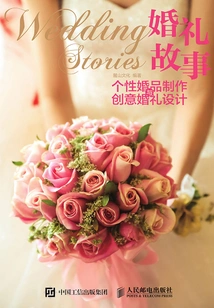
婚礼故事 个性婚品制作与创意婚礼设计
Compiled By Lushan Culture
This book focuses on the production of personalized wedding products and creative wedding design. It starts with the basic knowledge of wedding design concepts, methods, processes, commonly used tools and materials for wedding product production, and then selects a number of typical cases to explain in detail the production of wedding paper products, fabric wedding products, and the production of wedding decorations through a large number of pictures. The second half of the book explains a variety of creative wedding design cases, how to design a theme wedding and trendy wedding design, etc., And comprehensively introduces all aspects of wedding design creative entities, combinations, scenes and backgrounds. This book has rich cases, diverse styles, detailed step-by-step explanations, strong appreciation and reference, and strong pertinence and practicality. It can be used as a reference book for wedding planners and other wedding practitioners, and can also be used as a self-study tutorial for handmade enthusiasts and related practitioners.
This book focuses on the production of personalized wedding products and creative wedding design. It starts with the basic knowledge of wedding design concepts, methods, processes, commonly used tools and materials for wedding product production, and then selects a number of typical cases to explain in detail the production of wedding paper products, fabric wedding products, and the production of wedding decorations through a large number of pictures. The second half of the book explains a variety of creative wedding design cases, how to design a theme wedding and trendy wedding design, etc., And comprehensively introduces all aspects of wedding design creative entities, combinations, scenes and backgrounds. This book has rich cases, diverse styles, detailed step-by-step explanations, strong appreciation and reference, and strong pertinence and practicality. It can be used as a reference book for wedding planners and other wedding practitioners, and can also be used as a self-study tutorial for handmade enthusiasts and related practitioners.
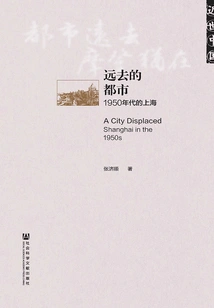
远去的都市:1950年代的上海(近世中国)
Zhang Jishun
Has old Shanghai ever disappeared without a trace? Will Shanghai's local character continue? How does the "admission" of the state interact with the "presence" of the city? ... Just as the exploration of problems is inexhaustible, there is much to be done about almost every problem, and there is plenty of room for new problems to arise. Starting from only three research subjects: "working people", "intellectuals and cultural people" and "petty citizens", this book revisits the social culture of Shanghai in the 1950s, hoping to bring the distant city back to the historical reality during the great historical changes.
Has old Shanghai ever disappeared without a trace? Will Shanghai's local character continue? How does the "admission" of the state interact with the "presence" of the city? ... Just as the exploration of problems is inexhaustible, there is much to be done about almost every problem, and there is plenty of room for new problems to arise. Starting from only three research subjects: "working people", "intellectuals and cultural people" and "petty citizens", this book revisits the social culture of Shanghai in the 1950s, hoping to bring the distant city back to the historical reality during the great historical changes.
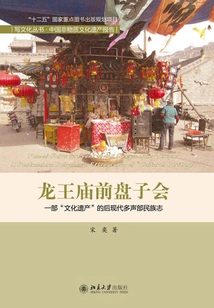
龙王庙前盘子会:一部“文化遗产”的后现代多声部民族志
Song Yi
Through the juxtaposition of two "cultural heritage" cases, the "national intangible cultural heritage" Liulin Panhui and the "county cultural relics protection unit" Longwang Temple in Liulin County, Shanxi Province, the author reveals the differences, contradictions and complexities contained in the seemingly unified and coherent concept and practice system of "cultural heritage" in complex local daily life. Viewed from the perspective of anthropological cultural heritage as a whole, the Panhui and Longwang Temple in Liulin people's daily life, their changing past and present, and the broader postmodern "cultural heritage" discourse background in which they are located are presented in this multi-voice "cultural heritage" ethnography from a postmodern perspective, which also provides inspiration for answering the question "What is 'cultural heritage'?"
Through the juxtaposition of two "cultural heritage" cases, the "national intangible cultural heritage" Liulin Panhui and the "county cultural relics protection unit" Longwang Temple in Liulin County, Shanxi Province, the author reveals the differences, contradictions and complexities contained in the seemingly unified and coherent concept and practice system of "cultural heritage" in complex local daily life. Viewed from the perspective of anthropological cultural heritage as a whole, the Panhui and Longwang Temple in Liulin people's daily life, their changing past and present, and the broader postmodern "cultural heritage" discourse background in which they are located are presented in this multi-voice "cultural heritage" ethnography from a postmodern perspective, which also provides inspiration for answering the question "What is 'cultural heritage'?"
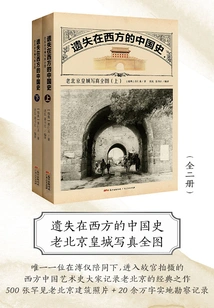
遗失在西方的中国史:老北京皇城写真全图
Bx
The whole book is divided into two volumes. The first volume was originally titled "Complete Photos of the Imperial City of Beijing, China" and was first published in 1926. It contains 14 architectural drawings and more than 300 photos. It comprehensively displays the structural and decorative features of the Forbidden City's gates, turrets, palaces and other buildings, and faithfully records the original appearance of Zhongnanhai, Beihai, Old Summer Palace and other royal gardens.
The whole book is divided into two volumes. The first volume was originally titled "Complete Photos of the Imperial City of Beijing, China" and was first published in 1926. It contains 14 architectural drawings and more than 300 photos. It comprehensively displays the structural and decorative features of the Forbidden City's gates, turrets, palaces and other buildings, and faithfully records the original appearance of Zhongnanhai, Beihai, Old Summer Palace and other royal gardens.
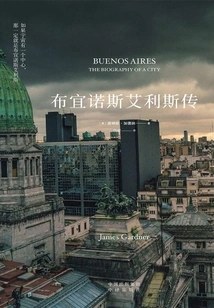
Buenos Aires Biography
History布宜诺斯艾利斯传
(us) James Gardner
Buenos Aires is the capital of Argentina and has an important influence in the international community. In the book, the author reveals to readers a city full of nostalgia, but also rich in music, dance and magnificent landscapes. This book looks at the impact of history on the city, tells the story of people's efforts to build a city that can realize their dreams, and shows the vibrant Buenos Aires of today. From new skyscrapers in front of the giant "Milky Way" to the picturesque port of Las Boca, where hundreds of thousands of immigrants faced a new continent for the first time, Buenos Aires created its own legend. The master of modern architecture Le Corbusier once called Buenos Aires "the capital of an imaginary empire." Since its founding in the 16th century, Argentina's major city has been a place of interest and the site of many notable historical events.
Buenos Aires is the capital of Argentina and has an important influence in the international community. In the book, the author reveals to readers a city full of nostalgia, but also rich in music, dance and magnificent landscapes. This book looks at the impact of history on the city, tells the story of people's efforts to build a city that can realize their dreams, and shows the vibrant Buenos Aires of today. From new skyscrapers in front of the giant "Milky Way" to the picturesque port of Las Boca, where hundreds of thousands of immigrants faced a new continent for the first time, Buenos Aires created its own legend. The master of modern architecture Le Corbusier once called Buenos Aires "the capital of an imaginary empire." Since its founding in the 16th century, Argentina's major city has been a place of interest and the site of many notable historical events.
北京史学论丛(2017)
Sponsored By The Institute Of History, Beijing Academy Of Social Sciences Editor-in-chief Gao Fumei
"Beijing Historiography Series" is organized and compiled by the Institute of History of the Beijing Academy of Social Sciences. It involves the introduction and research of Beijing history. It is a summary of Beijing regional historical research and is divided into regional relations, historical geography, industrial finance, social life, academic thought, culture and art, and conference reviews.
"Beijing Historiography Series" is organized and compiled by the Institute of History of the Beijing Academy of Social Sciences. It involves the introduction and research of Beijing history. It is a summary of Beijing regional historical research and is divided into regional relations, historical geography, industrial finance, social life, academic thought, culture and art, and conference reviews.
老胡同(民国趣读)
"old Hutong" Editorial Team
"Interesting Readings of Old Hutongs in the Republic of China" is a collection of texts recalling the memorable political, economic, cultural and life events that took place in the alleys of the 49 cities of old Beijing. The authors are all great figures of the Republic of China, such as Feng Youlan, Zhang Shizhao, Zhou Zuoren, He Siyuan, Gao Xingya, Zhang Shenfu, Zhang Dainian, and Zhang Hen. Shui, Yao Xueyin... These texts describe from different aspects some historical events, celebrity anecdotes, former residences of literati, etc. That happened in the alleys of old Beijing during the Republic of China. Through these articles, we can see what happened in various small alleys in old Beijing and what kind of literati politicians lived there. These authors are also those who have experienced it. In their writings, there are details of family affairs and ups and downs of national affairs. When I read it now, the scenes are like vivid memories. These scenes are connected into a brocade, making that period of time gorgeous and glorious.
"Interesting Readings of Old Hutongs in the Republic of China" is a collection of texts recalling the memorable political, economic, cultural and life events that took place in the alleys of the 49 cities of old Beijing. The authors are all great figures of the Republic of China, such as Feng Youlan, Zhang Shizhao, Zhou Zuoren, He Siyuan, Gao Xingya, Zhang Shenfu, Zhang Dainian, and Zhang Hen. Shui, Yao Xueyin... These texts describe from different aspects some historical events, celebrity anecdotes, former residences of literati, etc. That happened in the alleys of old Beijing during the Republic of China. Through these articles, we can see what happened in various small alleys in old Beijing and what kind of literati politicians lived there. These authors are also those who have experienced it. In their writings, there are details of family affairs and ups and downs of national affairs. When I read it now, the scenes are like vivid memories. These scenes are connected into a brocade, making that period of time gorgeous and glorious.
老清华(民国趣读)
"old Tsinghua" Editorial Team
"Interesting Readings of Old Tsinghua University in the Republic of China" is a collection of texts recalling the old Tsinghua University in those days. The authors are all great figures of the Republic of China, such as Feng Youlan, Pan Guangdan, Chen Daisun, Sun Xisan, Mei Zuyan, Zhang Shenfu, Ma John, Mei Yibao, Fei Xiaotong... These texts describe the history of Tsinghua University during the Republic of China period, the successive principals, student sources, curriculum, teacher style, school environment and other aspects from different aspects. As well as the activities that students on and off campus participated in at that time, through these articles, we can see what kind of students were admitted to Tsinghua University and what kind of talents stood on the podium in the classroom to preach and teach; these students and teachers, in that turbulent era, what they experienced, what they witnessed, and what they did; what kind of emotions they had, and what kind of life they had. Their descriptions are like vines covering the wall of memory, allowing us to better understand Tsinghua's past and the reason why Tsinghua came here. They once lived in Tsinghua's past and spent the best time of their lives in that beautiful place. They are the ones who experienced it. In their writings, there are the details of family affairs and the ups and downs of national affairs. When reading it now, the scenes are like a vivid experience. These scenes are connected together, making that period of time gorgeous and glorious.
"Interesting Readings of Old Tsinghua University in the Republic of China" is a collection of texts recalling the old Tsinghua University in those days. The authors are all great figures of the Republic of China, such as Feng Youlan, Pan Guangdan, Chen Daisun, Sun Xisan, Mei Zuyan, Zhang Shenfu, Ma John, Mei Yibao, Fei Xiaotong... These texts describe the history of Tsinghua University during the Republic of China period, the successive principals, student sources, curriculum, teacher style, school environment and other aspects from different aspects. As well as the activities that students on and off campus participated in at that time, through these articles, we can see what kind of students were admitted to Tsinghua University and what kind of talents stood on the podium in the classroom to preach and teach; these students and teachers, in that turbulent era, what they experienced, what they witnessed, and what they did; what kind of emotions they had, and what kind of life they had. Their descriptions are like vines covering the wall of memory, allowing us to better understand Tsinghua's past and the reason why Tsinghua came here. They once lived in Tsinghua's past and spent the best time of their lives in that beautiful place. They are the ones who experienced it. In their writings, there are the details of family affairs and the ups and downs of national affairs. When reading it now, the scenes are like a vivid experience. These scenes are connected together, making that period of time gorgeous and glorious.
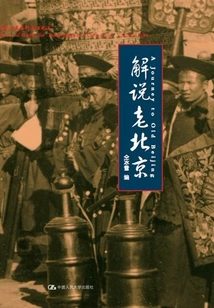
Explain Old Beijing
History解说老北京
Same As Ice And Snow
The author conducted research on a collection of historical images of old Beijing. These images span from the late Qing Dynasty to the 1930s of the Republic of China. They include hundreds of original photos, prints, etc. The images reflect the memory of old Beijing at that time, with pictures and texts.
The author conducted research on a collection of historical images of old Beijing. These images span from the late Qing Dynasty to the 1930s of the Republic of China. They include hundreds of original photos, prints, etc. The images reflect the memory of old Beijing at that time, with pictures and texts.
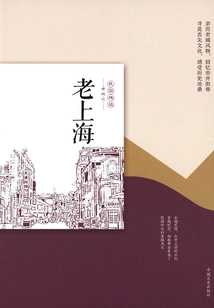
老上海(民国趣读·老城记)
Editor-in-chief Han Shufang
This book comprehensively describes the old Shanghai's old city style, market culture and people's lives. From the perspective of personal experience, it describes the landmark buildings, famous mansions, concessions, alleys, "modern" signs, old business, gluttonous food, local slang, old events in the literary world, and opera performances of old Shanghai. It uses excerpts to vividly and interestingly display the once glorious market culture of old Shanghai and vividly reproduce the life of old Shanghai and its people. Only by understanding the rich cultural heritage and historical origins of the capital can we truly appreciate the essence of this city. This book is valuable for understanding the history and humanities of Shanghai.
This book comprehensively describes the old Shanghai's old city style, market culture and people's lives. From the perspective of personal experience, it describes the landmark buildings, famous mansions, concessions, alleys, "modern" signs, old business, gluttonous food, local slang, old events in the literary world, and opera performances of old Shanghai. It uses excerpts to vividly and interestingly display the once glorious market culture of old Shanghai and vividly reproduce the life of old Shanghai and its people. Only by understanding the rich cultural heritage and historical origins of the capital can we truly appreciate the essence of this city. This book is valuable for understanding the history and humanities of Shanghai.
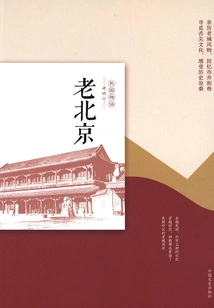
老北京(民国趣读·老城记)
Editor-in-chief Han Shufang
This book comprehensively describes the old Beijing's old city style, urban culture and people's lives. From the perspective of personal experience, it depicts the old shadows of the imperial city, famous temples and ancient temples, festivals and customs, gluttonous delicacies, Beijing accent, opera talks, Five Elements and Eight Works, playing with pets... It uses excerpts to vividly and interestingly display the once glorious urban culture of old Beijing, and vividly reproduce the old Beijing city and the life of old Beijingers. Only by understanding the rich cultural heritage and historical origins of the capital can we truly appreciate the essence of this city. This book is valuable for understanding the history and humanities of Beijing.
This book comprehensively describes the old Beijing's old city style, urban culture and people's lives. From the perspective of personal experience, it depicts the old shadows of the imperial city, famous temples and ancient temples, festivals and customs, gluttonous delicacies, Beijing accent, opera talks, Five Elements and Eight Works, playing with pets... It uses excerpts to vividly and interestingly display the once glorious urban culture of old Beijing, and vividly reproduce the old Beijing city and the life of old Beijingers. Only by understanding the rich cultural heritage and historical origins of the capital can we truly appreciate the essence of this city. This book is valuable for understanding the history and humanities of Beijing.
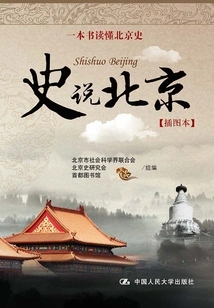
史说北京(插图本)
Beijing Federation Of Social Sciences, Etc.
This book is based on the contents of the "History of Beijing" series of lectures jointly organized by the Beijing Federation of Social Science Circles, the Beijing History Research Association, and the Capital Library in 2010. It introduces the history of Beijing from ancient times to before liberation in ten lectures.
This book is based on the contents of the "History of Beijing" series of lectures jointly organized by the Beijing Federation of Social Science Circles, the Beijing History Research Association, and the Capital Library in 2010. It introduces the history of Beijing from ancient times to before liberation in ten lectures.
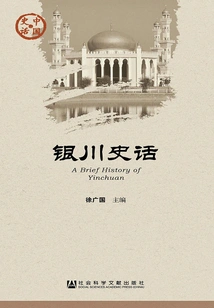
银川史话(中国史话·社会系列)
Editor-in-chief Xu Guangguo
Yinchuan City is the capital of Ningxia Hui Autonomous Region and one of the famous historical and cultural cities in the country. The annual rings of history and diverse cultures stir up and blend with each other here. The rich hometown customs, the majestic desert scenery, the beautiful water color of Saishang, the ancient Yellow River civilization, and the mysterious Xixia culture form the image of the city as "powerful Helan and colorful Yinchuan" and form the distinctive characteristics of "Saishang Lake City, the ancient capital of Xixia, and the hometown of the Hui people." This book selects the most local and national characteristics from the history and culture of Yinchuan to compile, showing the historical relics, natural landscapes, celebrity anecdotes and modern style of Yinchuan, a famous historical and cultural city.
Yinchuan City is the capital of Ningxia Hui Autonomous Region and one of the famous historical and cultural cities in the country. The annual rings of history and diverse cultures stir up and blend with each other here. The rich hometown customs, the majestic desert scenery, the beautiful water color of Saishang, the ancient Yellow River civilization, and the mysterious Xixia culture form the image of the city as "powerful Helan and colorful Yinchuan" and form the distinctive characteristics of "Saishang Lake City, the ancient capital of Xixia, and the hometown of the Hui people." This book selects the most local and national characteristics from the history and culture of Yinchuan to compile, showing the historical relics, natural landscapes, celebrity anecdotes and modern style of Yinchuan, a famous historical and cultural city.
哈尔滨地名与城史纪元研究
Wang Yulang
Place names are as important as living fossils. As a settlement area of different ethnic groups in ancient times, the place names in Northeast China are extremely complicated due to the history, culture and language of different ethnic groups. The author devoted himself to studying the meaning of Harbin's place names, put forward the viewpoint of "Swan Theory", and gradually figured out the general rules and methods for the study of the historical place name system in Northeast China. That is, the study of the place name system in Northeast China should comprehensively verify and study it from the four dimensions of word nature, etymology, context and phonetics. On the issue of Harbin city history era, the author combines the research of place names with the research of city history era, which has the effect of complementing each other.
Place names are as important as living fossils. As a settlement area of different ethnic groups in ancient times, the place names in Northeast China are extremely complicated due to the history, culture and language of different ethnic groups. The author devoted himself to studying the meaning of Harbin's place names, put forward the viewpoint of "Swan Theory", and gradually figured out the general rules and methods for the study of the historical place name system in Northeast China. That is, the study of the place name system in Northeast China should comprehensively verify and study it from the four dimensions of word nature, etymology, context and phonetics. On the issue of Harbin city history era, the author combines the research of place names with the research of city history era, which has the effect of complementing each other.
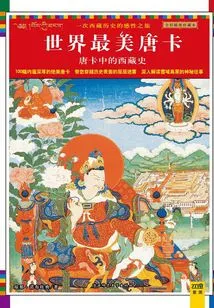
Tibetan History in Thangka
History唐卡中的西藏史
Joanna Norbuwandian
This book will tell you: Did the ancestors of Tibet descend from macaques? How did the first Tibetan king Nie Chi Zanpu "fall from the sky"? What difficulties did Songtsen Gampo encounter when he proposed to the Tang Dynasty? How did Master Padmasambhava subdue the Bon gods? How are the early and late propagation periods of Tibetan Buddhism divided? How did the four major sects come into being? Why is Tsongkhapa revered as the "Second Buddha"? Where did the titles "Dalai" and "Panchen" come from? How did the Tibetan people bravely resist the two invasions of the British army? Why did the 13th Dalai Lama and the 9th Panchen Lama fall out? Who does "Mr. Zhang's Flower" commemorate?
This book will tell you: Did the ancestors of Tibet descend from macaques? How did the first Tibetan king Nie Chi Zanpu "fall from the sky"? What difficulties did Songtsen Gampo encounter when he proposed to the Tang Dynasty? How did Master Padmasambhava subdue the Bon gods? How are the early and late propagation periods of Tibetan Buddhism divided? How did the four major sects come into being? Why is Tsongkhapa revered as the "Second Buddha"? Where did the titles "Dalai" and "Panchen" come from? How did the Tibetan people bravely resist the two invasions of the British army? Why did the 13th Dalai Lama and the 9th Panchen Lama fall out? Who does "Mr. Zhang's Flower" commemorate?
明清时期贵州民田制度研究
Cao Wukun
This book consists of five parts: Introduction, the political and social background of Guizhou during the Ming and Qing Dynasties, the civil land system in Guizhou during the Ming Dynasty, the civil land system in Guizhou during the Qing Dynasty, the changes in the civil land system in Guizhou during the Ming and Qing Dynasties and its enlightenment. Following the research path from "structure and motivation" to "function and meaning", this paper uses legal sociology theory and property rights theory to explore issues such as the ownership system, usufruct system and registration system of Guizhou's private land in the Ming and Qing Dynasties, the changes in the private land system in Guizhou during the Ming and Qing Dynasties and its implications, and focuses on analyzing the structure, characteristics, causes and functions of the private land system in Guizhou during the Ming and Qing Dynasties.
This book consists of five parts: Introduction, the political and social background of Guizhou during the Ming and Qing Dynasties, the civil land system in Guizhou during the Ming Dynasty, the civil land system in Guizhou during the Qing Dynasty, the changes in the civil land system in Guizhou during the Ming and Qing Dynasties and its enlightenment. Following the research path from "structure and motivation" to "function and meaning", this paper uses legal sociology theory and property rights theory to explore issues such as the ownership system, usufruct system and registration system of Guizhou's private land in the Ming and Qing Dynasties, the changes in the private land system in Guizhou during the Ming and Qing Dynasties and its implications, and focuses on analyzing the structure, characteristics, causes and functions of the private land system in Guizhou during the Ming and Qing Dynasties.
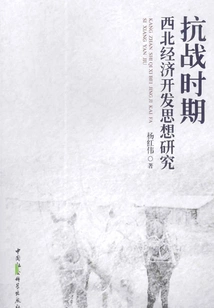
抗战时期西北经济开发思想研究
Yang Hongwei
"Research on the Thoughts on the Economic Development of the Northwest During the Anti-Japanese War" edited by Yang Hongwei is a project of the National Social Science Fund. "Research on the Thoughts on the Economic Development of the Northwest During the Anti-Japanese War" tells the story: In the dual changes of modern China's efforts to save the nation and seek wealth through self-improvement, the idea of developing the Northwest arose and continued endlessly. By the time of the Anti-Japanese War, ideas on the development of the northwest had gathered together, quietly transcending tradition and moving toward modernity. It outlines the prospects for a harmonious ecological agricultural economy, proposes a new path to industrialization, and also depicts a blueprint for economic development in minority areas. It is the peak of northwest development exploration in modern times and an important part of the thinking in the early days of China's development economics, regional economics and development economics. Although it has congenital flaws such as wartime nature, temporary nature and inability to be implemented, the flashes of insights in it are still a valuable treasure trove of ideas that are rare today.
"Research on the Thoughts on the Economic Development of the Northwest During the Anti-Japanese War" edited by Yang Hongwei is a project of the National Social Science Fund. "Research on the Thoughts on the Economic Development of the Northwest During the Anti-Japanese War" tells the story: In the dual changes of modern China's efforts to save the nation and seek wealth through self-improvement, the idea of developing the Northwest arose and continued endlessly. By the time of the Anti-Japanese War, ideas on the development of the northwest had gathered together, quietly transcending tradition and moving toward modernity. It outlines the prospects for a harmonious ecological agricultural economy, proposes a new path to industrialization, and also depicts a blueprint for economic development in minority areas. It is the peak of northwest development exploration in modern times and an important part of the thinking in the early days of China's development economics, regional economics and development economics. Although it has congenital flaws such as wartime nature, temporary nature and inability to be implemented, the flashes of insights in it are still a valuable treasure trove of ideas that are rare today.
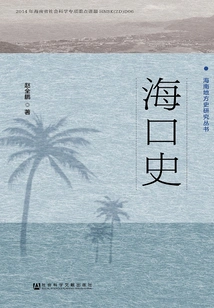
海口史(海南地方史研究丛书)
Zhao Quanpeng
Haikou has always been the political, economic and cultural center of Hainan and has a special historical position in Hainan's history. Since Emperor Wu of the Han Dynasty established Zhuya County here, Haikou began the process of feudalization. During the Wei, Jin, Southern and Northern Dynasties, the feudal dynasty's rule in Hainan was limited to the Qiongbei region. During the Sui and Tang Dynasties, counties and counties were re-established in Hainan. Haikou's political, economic, cultural and other fields made great progress, and Han immigrants increased significantly. From the Song Dynasty to the Qing Dynasty, due to the influence of the development of the Maritime Silk Road, Haikou entered a stage of prosperity and development. After the founding of the People's Republic of China, Haikou's social, economic and other fields have shown an all-round and rapid development trend.
Haikou has always been the political, economic and cultural center of Hainan and has a special historical position in Hainan's history. Since Emperor Wu of the Han Dynasty established Zhuya County here, Haikou began the process of feudalization. During the Wei, Jin, Southern and Northern Dynasties, the feudal dynasty's rule in Hainan was limited to the Qiongbei region. During the Sui and Tang Dynasties, counties and counties were re-established in Hainan. Haikou's political, economic, cultural and other fields made great progress, and Han immigrants increased significantly. From the Song Dynasty to the Qing Dynasty, due to the influence of the development of the Maritime Silk Road, Haikou entered a stage of prosperity and development. After the founding of the People's Republic of China, Haikou's social, economic and other fields have shown an all-round and rapid development trend.
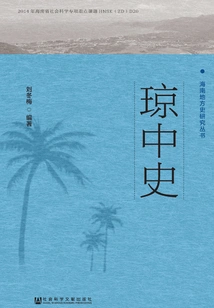
琼中史(海南地方史研究丛书)
Liu Dongmei
In the Qiongzhong area of Hainan, humans have been thriving since the Neolithic Age. However, during a long historical period, the historical and cultural development of Qiongzhong area in Hainan was slow and lacked the continuity and inheritance of its own evolution and development, showing obvious lagging characteristics in the gradual process of historical and cultural changes. As a people from the hinterland of the island, the Li people in Qiongzhong area have their own unique historical development process. This book outlines the unique development and evolution history of this land from prehistoric times to the early 21st century, shows the development context and characteristics of Qiongzhong area in different historical periods, and explores the formation and development rules of Qiongzhong Li and Miao Autonomous County.
In the Qiongzhong area of Hainan, humans have been thriving since the Neolithic Age. However, during a long historical period, the historical and cultural development of Qiongzhong area in Hainan was slow and lacked the continuity and inheritance of its own evolution and development, showing obvious lagging characteristics in the gradual process of historical and cultural changes. As a people from the hinterland of the island, the Li people in Qiongzhong area have their own unique historical development process. This book outlines the unique development and evolution history of this land from prehistoric times to the early 21st century, shows the development context and characteristics of Qiongzhong area in different historical periods, and explores the formation and development rules of Qiongzhong Li and Miao Autonomous County.
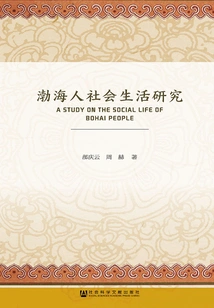
渤海人社会生活研究
Hao Qingyun Zhou He
"Research on Bohai People's Social Life" is a vertical presentation in the form of a special topic, describing from the shallower to the deeper the origin, appearance, and convergence of the Bohai people's social life events with the Tang Dynasty and Chinese culture, as well as the "car and book family" situation, revealing that the characteristics of the changes in the Bohai people's social life are gradual top-down and all-round fundamental changes. On the basis of paying attention to the life of the upper class society in the Bohai Sea, we excavate Chinese and foreign archaeological materials to reveal the living conditions of the local people as much as possible, thereby displaying the national conditions and customs of the Bohai Sea.
"Research on Bohai People's Social Life" is a vertical presentation in the form of a special topic, describing from the shallower to the deeper the origin, appearance, and convergence of the Bohai people's social life events with the Tang Dynasty and Chinese culture, as well as the "car and book family" situation, revealing that the characteristics of the changes in the Bohai people's social life are gradual top-down and all-round fundamental changes. On the basis of paying attention to the life of the upper class society in the Bohai Sea, we excavate Chinese and foreign archaeological materials to reveal the living conditions of the local people as much as possible, thereby displaying the national conditions and customs of the Bohai Sea.
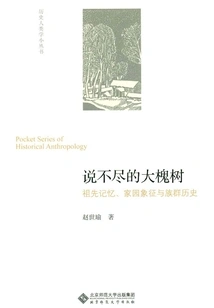
说不尽的大槐树:祖先记忆、家园象征与族群历史
Zhao Shiyu
The issue of immigration to the big locust tree in Hongdong, Shanxi is a topic that is truly appreciated by both refined and popular people, and is well-known to women and children. Even in history, it was an issue that both the gentry and the people paid great attention to and devoted a lot of efforts to. This is a good starting point for understanding the sharing and interaction of cultures in history, and for understanding the history of Shanxi and even North China. What is more worthy of discussion is the process of local historical changes reflected in the legend of the immigrants from the Big Sophora Tree, the legend of the immigrants from Zhuji Lane in Nanxiong, Guangdong, and the legend of the immigrants from Shibi Village among the Hakkas. This issue involves regional development issues, clan issues, belief issues, gentry issues, ethnic issues, and especially military system issues in the historical period. Only in this way can we truly or more accurately understand the origin and spread of such legends. This step-by-step in-depth process also reflects the author's thinking and elaboration on the methodological significance of regional social history or historical anthropology.
The issue of immigration to the big locust tree in Hongdong, Shanxi is a topic that is truly appreciated by both refined and popular people, and is well-known to women and children. Even in history, it was an issue that both the gentry and the people paid great attention to and devoted a lot of efforts to. This is a good starting point for understanding the sharing and interaction of cultures in history, and for understanding the history of Shanxi and even North China. What is more worthy of discussion is the process of local historical changes reflected in the legend of the immigrants from the Big Sophora Tree, the legend of the immigrants from Zhuji Lane in Nanxiong, Guangdong, and the legend of the immigrants from Shibi Village among the Hakkas. This issue involves regional development issues, clan issues, belief issues, gentry issues, ethnic issues, and especially military system issues in the historical period. Only in this way can we truly or more accurately understand the origin and spread of such legends. This step-by-step in-depth process also reflects the author's thinking and elaboration on the methodological significance of regional social history or historical anthropology.
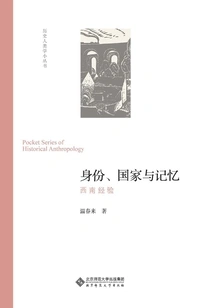
身份、国家与记忆:西南经验
Wen Chunlai
More than 2,000 years ago, Sima Qian discovered that there were large and small local governments such as Yelang and Dian in the southwestern region, and there were also many people without kings and leaders. In his past works, the author took northwest Guizhou as an example to explore the historical process of people with their own local political traditions gradually integrating into China's unified dynasty. This book explores the impact of this process on the modern southwest region from the perspective of identity and memory, thereby theoretically explaining the reality and rationality of China's multi-ethnic country, and revealing the academic problems of some extreme views of Western scholars.
More than 2,000 years ago, Sima Qian discovered that there were large and small local governments such as Yelang and Dian in the southwestern region, and there were also many people without kings and leaders. In his past works, the author took northwest Guizhou as an example to explore the historical process of people with their own local political traditions gradually integrating into China's unified dynasty. This book explores the impact of this process on the modern southwest region from the perspective of identity and memory, thereby theoretically explaining the reality and rationality of China's multi-ethnic country, and revealing the academic problems of some extreme views of Western scholars.
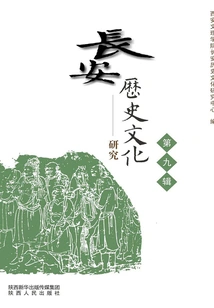
长安历史文化研究(第九辑)
Xi'an Arts And Sciences Dean's History And Culture Research Center
This Chang'an History and Culture Research (Eighth Series) is another collection of essays edited and published by the Chang'an History and Culture Research Center of Xi'an Arts and Sciences. The book is divided into six parts: one is theoretical research, two is history and geography, three is literature and art, four is research on customs, five is history and culture, and six is literature research. Starting from these six parts, the book discusses the historical geography, document research, historical and cultural research of Chang'an, and discusses Chang'an's natural environment, urban development and their interrelationships, Chang'an ancient settlements, Chang'an cultural landscape changes and their utilization, etc.
This Chang'an History and Culture Research (Eighth Series) is another collection of essays edited and published by the Chang'an History and Culture Research Center of Xi'an Arts and Sciences. The book is divided into six parts: one is theoretical research, two is history and geography, three is literature and art, four is research on customs, five is history and culture, and six is literature research. Starting from these six parts, the book discusses the historical geography, document research, historical and cultural research of Chang'an, and discusses Chang'an's natural environment, urban development and their interrelationships, Chang'an ancient settlements, Chang'an cultural landscape changes and their utilization, etc.
中国共产党富县历史(第一卷)(1921-1949)
Party History Research Office Of Fuxian Party Committee Of The Communist Party Of China
This book is a local history book of the Communist Party of China compiled by the Organization Department of the Yan'an Municipal Committee of the Communist Party of China and the Party History Research Office of the Municipal Committee of the Communist Party of China under the leadership of the Fuxian County Committee of the Communist Party of China. It comprehensively and accurately records the historical process of production, development, and growth of local organizations in Fu County of the Communist Party of China during the New Democratic Revolution period.
This book is a local history book of the Communist Party of China compiled by the Organization Department of the Yan'an Municipal Committee of the Communist Party of China and the Party History Research Office of the Municipal Committee of the Communist Party of China under the leadership of the Fuxian County Committee of the Communist Party of China. It comprehensively and accurately records the historical process of production, development, and growth of local organizations in Fu County of the Communist Party of China during the New Democratic Revolution period.
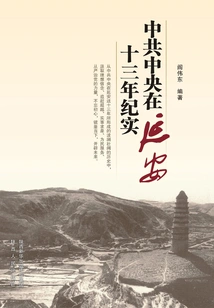
The Central Committee of the Communist Party of China Confirmed the Truth in the 13th Year of Yan'an
History中共中央在延安十三年纪实
Yan Weidong
This book uses the basic situation and time clues of the Central Committee of the Communist Party of China in the Yan'an period as the framework, the establishment of organizational structures and the promulgation of lines and policies by the Communist Party of China as the basis, and the excellent ideological style and governance experience formed by the Communist Party of China as the focus.
This book uses the basic situation and time clues of the Central Committee of the Communist Party of China in the Yan'an period as the framework, the establishment of organizational structures and the promulgation of lines and policies by the Communist Party of China as the basis, and the excellent ideological style and governance experience formed by the Communist Party of China as the focus.
清涧县卫生志
"qingjian County Health Chronicle" Compilation Committee
"Qingjian County Health Chronicle" (1632-2014) is a local chronicle-type health journal commissioned by the Qingjian County Health Bureau and organized by the county health training school, based on the "Qingjian County Health Chronicle" drafted in 1990 (minimum 1990). The upper limit of the book can be traced back to the Ming Dynasty (1632) when the medical industry in this region was recorded, and the lower limit is 2014.
"Qingjian County Health Chronicle" (1632-2014) is a local chronicle-type health journal commissioned by the Qingjian County Health Bureau and organized by the county health training school, based on the "Qingjian County Health Chronicle" drafted in 1990 (minimum 1990). The upper limit of the book can be traced back to the Ming Dynasty (1632) when the medical industry in this region was recorded, and the lower limit is 2014.
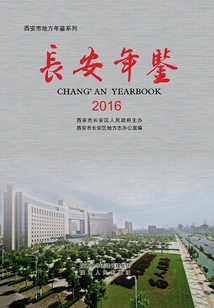
Chang'an Yearbook 2016
History长安年鉴2016
Xi'an Chang'an District Local Chronicles Office
"Chang'an Yearbook" (Volume 2016) is a comprehensive local yearbook sponsored by the Chang'an District Party Committee and District Government and compiled by the Chang'an District Local Chronicles Compilation Committee. It is published year by year. Guided by Marxism-Leninism, Mao Zedong Thought, Deng Xiaoping Theory, the important thought of "Three Represents", the Scientific Outlook on Development and the spirit of Xi Jinping's series of speeches, we persist in building a harmonious socialist society, serving reform and opening up, and serving socialist modernization. Comprehensively and systematically describe the basic appearance, development status, and new achievements in various social undertakings of Chang'an District in 2015 in terms of nature, politics, economy, and society.
"Chang'an Yearbook" (Volume 2016) is a comprehensive local yearbook sponsored by the Chang'an District Party Committee and District Government and compiled by the Chang'an District Local Chronicles Compilation Committee. It is published year by year. Guided by Marxism-Leninism, Mao Zedong Thought, Deng Xiaoping Theory, the important thought of "Three Represents", the Scientific Outlook on Development and the spirit of Xi Jinping's series of speeches, we persist in building a harmonious socialist society, serving reform and opening up, and serving socialist modernization. Comprehensively and systematically describe the basic appearance, development status, and new achievements in various social undertakings of Chang'an District in 2015 in terms of nature, politics, economy, and society.
陕西省志·民政志(第九卷·政治)(1990-2010)
Shaanxi Provincial Local Chronicles Compilation Committee
This book is an important chronicle in the "Shaanxi Provincial Chronicle", with about 900,000 words and more than 120 pictures. The book condenses 21 years of civil affairs achievements into one volume. It shows the development process of the province's civil affairs in an all-round, multi-faceted and focused way. It faithfully records the struggles of Shaanxi civil affairs people and truly reflects the outstanding contribution of Shaanxi's civil affairs to the economic and social development of the province and ensuring and improving people's livelihood. It is a provincial professional journal with correct political views, detailed historical materials, rich texts and pictures, and a relatively successful compilation. It plays an important role in "governing, educating, and preserving history" and shows a vivid and magnificent historical picture of Shaanxi's times.
This book is an important chronicle in the "Shaanxi Provincial Chronicle", with about 900,000 words and more than 120 pictures. The book condenses 21 years of civil affairs achievements into one volume. It shows the development process of the province's civil affairs in an all-round, multi-faceted and focused way. It faithfully records the struggles of Shaanxi civil affairs people and truly reflects the outstanding contribution of Shaanxi's civil affairs to the economic and social development of the province and ensuring and improving people's livelihood. It is a provincial professional journal with correct political views, detailed historical materials, rich texts and pictures, and a relatively successful compilation. It plays an important role in "governing, educating, and preserving history" and shows a vivid and magnificent historical picture of Shaanxi's times.
Gaojiabao Town Chronicle
History高家堡镇志
"gaojiapu Town Chronicles" Compilation Committee
This book comprehensively and systematically organizes and describes the history and current situation of Gaojiabao Town, a national historical and cultural town in Shenmu County, Yulin City, Shaanxi Province. It is divided into overview, major events, establishment, geography, population, economy, urban and rural construction, politics, military, education, science, culture and health, society, characters, appendices and other parts. The upper limit of time is the Neolithic period, and the lower limit is to the end of 2014. It displays the rich, rich and colorful history and culture of Gaojiabao Town, which has historical, regional and cultural characteristics.
This book comprehensively and systematically organizes and describes the history and current situation of Gaojiabao Town, a national historical and cultural town in Shenmu County, Yulin City, Shaanxi Province. It is divided into overview, major events, establishment, geography, population, economy, urban and rural construction, politics, military, education, science, culture and health, society, characters, appendices and other parts. The upper limit of time is the Neolithic period, and the lower limit is to the end of 2014. It displays the rich, rich and colorful history and culture of Gaojiabao Town, which has historical, regional and cultural characteristics.
Guyuan Encyclopedia
History固原百科
Guyuan City Local Chronicles Compilation Committee Office
This book is a collection of information on Guyuan City. It adopts the framework of Fang Zhiheng's classification. The content is compiled according to 36 categories: natural environment, administrative system, population, revolutionary history, political parties, political power, CPPCC, mass organizations, rule of law, military, agriculture, forestry, water conservancy, breeding, industry, construction, etc., Comprehensively showing the development and changes of Guyuan's geographical conditions in all walks of life.
This book is a collection of information on Guyuan City. It adopts the framework of Fang Zhiheng's classification. The content is compiled according to 36 categories: natural environment, administrative system, population, revolutionary history, political parties, political power, CPPCC, mass organizations, rule of law, military, agriculture, forestry, water conservancy, breeding, industry, construction, etc., Comprehensively showing the development and changes of Guyuan's geographical conditions in all walks of life.
兴义一中史话(中国史话·文化系列)
Wang Fuyou Editor-in-chief Wang Bisheng
This book uses the form of "talk" and concise language to present the history of Xingyi No. 1 Middle School in a three-dimensional manner from three aspects: historical retrospection, celebrities, and modern style. Through concise words, people can deeply feel the profound cultural heritage of Xingyi No. 1 Middle School accumulated over a century of history. They can also appreciate the unremitting pursuit and struggle of generations of No. 1 Middle School to inherit and carry forward the excellent tradition of famous schools. They can also comprehensively understand the glorious history of Xingyi No. 1 Middle School in the vicissitudes of life and the reality of constantly creating miracles in the progress.
This book uses the form of "talk" and concise language to present the history of Xingyi No. 1 Middle School in a three-dimensional manner from three aspects: historical retrospection, celebrities, and modern style. Through concise words, people can deeply feel the profound cultural heritage of Xingyi No. 1 Middle School accumulated over a century of history. They can also appreciate the unremitting pursuit and struggle of generations of No. 1 Middle School to inherit and carry forward the excellent tradition of famous schools. They can also comprehensively understand the glorious history of Xingyi No. 1 Middle School in the vicissitudes of life and the reality of constantly creating miracles in the progress.
武汉四中史话(中国史话·文化系列)
Zhu Tianyuan Wang Xianhai
Wuhan No. 4 Middle School·Boxue Middle School is a century-old school that has created three centuries of educational glory. It is an educational poem written by the teachers and students of the school with great concentration. This book is compiled on the basis of consulting a large number of original archival materials and conducting a large number of interviews and research. The historical materials are authentic, the expression is simple, the content is rich, and it is easy to understand in simple terms. The biggest highlight of the book is the "heavy and erudition" part, which is not only an innovation of historical topics, but also a return to the essence of education and the identification of the educational status of the educator and the educated.
Wuhan No. 4 Middle School·Boxue Middle School is a century-old school that has created three centuries of educational glory. It is an educational poem written by the teachers and students of the school with great concentration. This book is compiled on the basis of consulting a large number of original archival materials and conducting a large number of interviews and research. The historical materials are authentic, the expression is simple, the content is rich, and it is easy to understand in simple terms. The biggest highlight of the book is the "heavy and erudition" part, which is not only an innovation of historical topics, but also a return to the essence of education and the identification of the educational status of the educator and the educated.
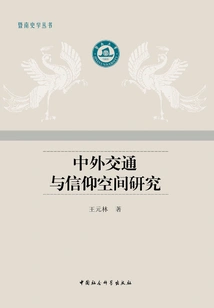
中外交通与信仰空间研究
Wang Yuanlin
This book is a summary of the author's research on transportation and faith space at home and abroad in recent years. The book is divided into two parts. The first part mainly focuses on communication between China and foreign countries. The second part mainly focuses on space beliefs, outlining the origin, spread and evolution of various beliefs such as Dragon Mother, Fubo God, the Four Golden Dragon Kings, Bixia Yuanjun, Tianfei, Nanhai God, Water God Xiao Gong, Zongsan, Tan Gong, etc., And discusses their status and role in national sacrifices, local order, Sino-foreign exchanges, and Zheng He's voyages to the West.
This book is a summary of the author's research on transportation and faith space at home and abroad in recent years. The book is divided into two parts. The first part mainly focuses on communication between China and foreign countries. The second part mainly focuses on space beliefs, outlining the origin, spread and evolution of various beliefs such as Dragon Mother, Fubo God, the Four Golden Dragon Kings, Bixia Yuanjun, Tianfei, Nanhai God, Water God Xiao Gong, Zongsan, Tan Gong, etc., And discusses their status and role in national sacrifices, local order, Sino-foreign exchanges, and Zheng He's voyages to the West.
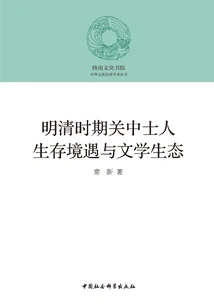
The Living Conditions and Literary Ecology of Guanzhong Scholars During the Ming and Qing Dynasties
History明清时期关中士人生存境遇与文学生态
Chang Xin
This book conducts a more detailed examination of the relationship between the living conditions of the Ming and Qing Dynasty scholars and literature, and then panoramically displays the evolution trajectory of the Ming and Qing Dynasty literature, and more comprehensively reflects the regional characteristics of the Ming and Qing Dynasty literature. Through research, it provides new perspectives and new ideas in terms of research content and research methods for the emerging study of Guanzhong regional culture.
This book conducts a more detailed examination of the relationship between the living conditions of the Ming and Qing Dynasty scholars and literature, and then panoramically displays the evolution trajectory of the Ming and Qing Dynasty literature, and more comprehensively reflects the regional characteristics of the Ming and Qing Dynasty literature. Through research, it provides new perspectives and new ideas in terms of research content and research methods for the emerging study of Guanzhong regional culture.
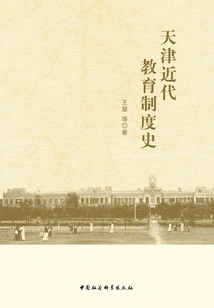
天津近代教育制度史
Wang Hui Et Al.
This study selects modern church education, preschool education, compulsory education, general middle school education, higher education, study abroad education, teacher education, vocational education, and social education in Tianjin as the research objects. It uses historical research methods to conduct a phased study on the development of the above types of education from the emergence of Tianjin to the founding of New China, and Conduct an in-depth analysis of school institutions, curriculum, teaching content, administrative institutions, teachers and student management, etc., And strive to clarify the development of various types of education in Tianjin in modern times, summarize the historical experience of the development of Tianjin's modern education system and its inspiration for today's education, and further deepen the understanding of the modernization of Tianjin education.
This study selects modern church education, preschool education, compulsory education, general middle school education, higher education, study abroad education, teacher education, vocational education, and social education in Tianjin as the research objects. It uses historical research methods to conduct a phased study on the development of the above types of education from the emergence of Tianjin to the founding of New China, and Conduct an in-depth analysis of school institutions, curriculum, teaching content, administrative institutions, teachers and student management, etc., And strive to clarify the development of various types of education in Tianjin in modern times, summarize the historical experience of the development of Tianjin's modern education system and its inspiration for today's education, and further deepen the understanding of the modernization of Tianjin education.
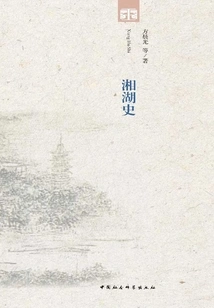
History of Xianghu
History湘湖史
Fang Chenguang Et Al.
"History of Xianghu" takes the development of history as the running thread and conducts a more detailed discussion by era. The book is divided into six chapters. The "Introduction" clearly explains and defines the lake name, ecological environment, cultural value and the stages of Xiang Lake's history related to Xiang Lake. The first chapter, "Primitive Society Period: Kuahuqiao Culture", gives a more detailed description of the sites and remains of Kuahuqiao Culture in ancient Xiang Lake, the production and life of Kuahuqiao people, and the protection and display of Kuahuqiao Culture. The second chapter, "Pre-Qin to Han and Tang Dynasties: Ancient-Vietnamese Wars and Cultural Diversity," narrates the war preparations and wars in the Xianghu Lake area during this historical period, as well as the evolution of the Xiaoshao Canal and the remains of famous celebrities, etc., In order to reveal the humanistic state of Xianghu Lake during the natural lake period. The third chapter, "Song and Yuan Dynasties: From Nature to Humanistic Lake," emphatically discusses the natural state of Xiang Lake before the lake was built and the water conservancy results after artificial construction. It also discusses the relevant figures in "Fang Wenlin's Epitaph", the remains of the royal family of the Southern Song Dynasty, and the praise of the mountains and rivers of Xiang Lake by famous officials and scribes, so that future generations can be immersed in the beautiful realm of Xiang Lake's poetry and painting. Chapter 4, "Ming and Qing Dynasties: The Controversy over the Reclamation Ban on Xiang Lake and the Development of Humanities", not only traces the history of the occupation and counter-occupation of Xiang Lake by powerful people, but also details the market towns, historical sites, and specialties of Xiang Lake, with emphasis on It discusses the legacy of local sages, the origin of clans and the humanistic activities of literati, and brings together the poems, calligraphy and paintings they created, which fully embodies the humanistic spirit of Xianghu and embellishes the humanistic color of Xianghu, which is fascinating. Chapter 5 "20th Century: Reclamation and Cultural Exploration in Xianghu Lake", this is the period of decline when Xianghu Lake is almost extinct.
"History of Xianghu" takes the development of history as the running thread and conducts a more detailed discussion by era. The book is divided into six chapters. The "Introduction" clearly explains and defines the lake name, ecological environment, cultural value and the stages of Xiang Lake's history related to Xiang Lake. The first chapter, "Primitive Society Period: Kuahuqiao Culture", gives a more detailed description of the sites and remains of Kuahuqiao Culture in ancient Xiang Lake, the production and life of Kuahuqiao people, and the protection and display of Kuahuqiao Culture. The second chapter, "Pre-Qin to Han and Tang Dynasties: Ancient-Vietnamese Wars and Cultural Diversity," narrates the war preparations and wars in the Xianghu Lake area during this historical period, as well as the evolution of the Xiaoshao Canal and the remains of famous celebrities, etc., In order to reveal the humanistic state of Xianghu Lake during the natural lake period. The third chapter, "Song and Yuan Dynasties: From Nature to Humanistic Lake," emphatically discusses the natural state of Xiang Lake before the lake was built and the water conservancy results after artificial construction. It also discusses the relevant figures in "Fang Wenlin's Epitaph", the remains of the royal family of the Southern Song Dynasty, and the praise of the mountains and rivers of Xiang Lake by famous officials and scribes, so that future generations can be immersed in the beautiful realm of Xiang Lake's poetry and painting. Chapter 4, "Ming and Qing Dynasties: The Controversy over the Reclamation Ban on Xiang Lake and the Development of Humanities", not only traces the history of the occupation and counter-occupation of Xiang Lake by powerful people, but also details the market towns, historical sites, and specialties of Xiang Lake, with emphasis on It discusses the legacy of local sages, the origin of clans and the humanistic activities of literati, and brings together the poems, calligraphy and paintings they created, which fully embodies the humanistic spirit of Xianghu and embellishes the humanistic color of Xianghu, which is fascinating. Chapter 5 "20th Century: Reclamation and Cultural Exploration in Xianghu Lake", this is the period of decline when Xianghu Lake is almost extinct.
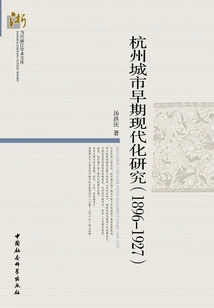
杭州城市早期现代化研究:1896~1927
Tang Hongqing
From ancient times to the end of the 19th century, the city of Hangzhou showed a development trajectory from rising to gradually declining status. The disastrous defeat of the Sino-Japanese War of 1894-1894 and the subsequent Treaty of Shimonoseki made Hangzhou a new member of the treaty port. Although this is a humiliating symbol of defeat in the war, it is an opportunity for development for the city of Hangzhou. Since then, Hangzhou City has begun its long journey of modernization. As Israeli scholar Eisenstad said: "From a historical point of view, modernization is the process of social, economic, and political systems changing to modern types." The modernization of Hangzhou City is all-round, reflected in the tremendous changes in political system, economy, education and culture, municipal facilities, social customs and many other aspects. This book mainly explains the early modernization of Hangzhou city (1896-1927) from four aspects: political system, economy, culture, municipal construction and management.
From ancient times to the end of the 19th century, the city of Hangzhou showed a development trajectory from rising to gradually declining status. The disastrous defeat of the Sino-Japanese War of 1894-1894 and the subsequent Treaty of Shimonoseki made Hangzhou a new member of the treaty port. Although this is a humiliating symbol of defeat in the war, it is an opportunity for development for the city of Hangzhou. Since then, Hangzhou City has begun its long journey of modernization. As Israeli scholar Eisenstad said: "From a historical point of view, modernization is the process of social, economic, and political systems changing to modern types." The modernization of Hangzhou City is all-round, reflected in the tremendous changes in political system, economy, education and culture, municipal facilities, social customs and many other aspects. This book mainly explains the early modernization of Hangzhou city (1896-1927) from four aspects: political system, economy, culture, municipal construction and management.
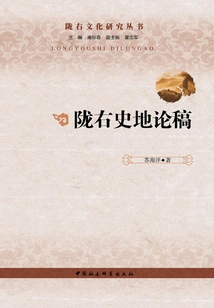
陇右史地论稿
Su Haiyang
This book is a compilation of the author's published and partially unpublished papers on the historical geography of Longyou. The collection of papers is divided into four parts: Part One contains 5 papers in the theory and methods section. This paper discusses major theoretical issues such as the mutual relationship and status of cultural forces and natural forces at different scales of time and space, as well as scale selection and conversion in the study of human-land relations in historical geography. It also systematically introduces the research methods, technologies and means of historical climate, as well as the application status and prospects of geographic information systems in historical geography. The second part contains 8 papers on the relationship between man and land and early civilization. From the perspectives of large-scale (Northern China), medium-scale (Northwest) and small-scale (upper reaches of Weihe River), taking the relationship between man and land as the main line, the spatio-temporal evolution process and mechanism of early agricultural civilization under the joint action of natural environment and technological progress were elaborated. Some papers use quantitative analysis methods and draw on relevant theories of regional structure and organization in economic geography. The third volume of historical transportation geography contains 11 papers on Silk Road transportation and Longshu transportation. In addition to using the traditional literature review and field investigation methods of historical geography, this part attempts to apply the man-land relationship theory and the spatial interaction theory of economic geography to the research, providing a new theoretical perspective for the study of historical transportation geography. The fourth volume of comprehensive research on historical disasters includes a series of five papers on the correlation between historical earthquakes and meteorological anomalies in Gansu. At present, there are not many comprehensive studies on the history of natural disasters in China, and there are even fewer comprehensive studies linking the two seemingly unrelated elements of historical earthquakes and meteorological anomalies.
This book is a compilation of the author's published and partially unpublished papers on the historical geography of Longyou. The collection of papers is divided into four parts: Part One contains 5 papers in the theory and methods section. This paper discusses major theoretical issues such as the mutual relationship and status of cultural forces and natural forces at different scales of time and space, as well as scale selection and conversion in the study of human-land relations in historical geography. It also systematically introduces the research methods, technologies and means of historical climate, as well as the application status and prospects of geographic information systems in historical geography. The second part contains 8 papers on the relationship between man and land and early civilization. From the perspectives of large-scale (Northern China), medium-scale (Northwest) and small-scale (upper reaches of Weihe River), taking the relationship between man and land as the main line, the spatio-temporal evolution process and mechanism of early agricultural civilization under the joint action of natural environment and technological progress were elaborated. Some papers use quantitative analysis methods and draw on relevant theories of regional structure and organization in economic geography. The third volume of historical transportation geography contains 11 papers on Silk Road transportation and Longshu transportation. In addition to using the traditional literature review and field investigation methods of historical geography, this part attempts to apply the man-land relationship theory and the spatial interaction theory of economic geography to the research, providing a new theoretical perspective for the study of historical transportation geography. The fourth volume of comprehensive research on historical disasters includes a series of five papers on the correlation between historical earthquakes and meteorological anomalies in Gansu. At present, there are not many comprehensive studies on the history of natural disasters in China, and there are even fewer comprehensive studies linking the two seemingly unrelated elements of historical earthquakes and meteorological anomalies.
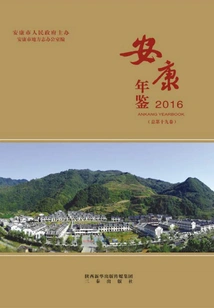
Ankang Yearbook 2016
History安康年鉴2016
Ankang Local Chronicles Office
This book is a summary of Ankang City's work in 2015. It uses a classification editing method to describe the main economic and social development of Ankang City in 2015. The book has 1.2 Million words and 68 color inserts. The content is close to the actual market development and highlights industry and local characteristics. It is the basic information for all sectors of society to understand and study health.
This book is a summary of Ankang City's work in 2015. It uses a classification editing method to describe the main economic and social development of Ankang City in 2015. The book has 1.2 Million words and 68 color inserts. The content is close to the actual market development and highlights industry and local characteristics. It is the basic information for all sectors of society to understand and study health.
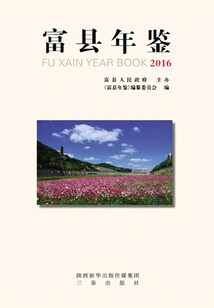
Phu County Yearbook 2016
History富县年鉴2016
"fu County Yearbook" Compilation Committee
"Fuxian County Yearbook" is sponsored by the county government under the leadership of the county party committee. It is compiled by the editorial board of "Fuxian County Yearbook" and is specifically undertaken by the county local chronicle office (Archives Bureau). It is a large-scale comprehensive, practical and informative document published continuously on an annual basis. The purpose is to carefully collect and collect annual county conditions historical facts and information to provide references for leaders at all levels to make scientific decisions and deployment work, to provide local teaching materials for county conditions education in urban and rural primary and secondary schools, to reserve materials for the renewal of the "Fu County Chronicles", and to serve the construction of material, political and spiritual civilizations in Fu County.
"Fuxian County Yearbook" is sponsored by the county government under the leadership of the county party committee. It is compiled by the editorial board of "Fuxian County Yearbook" and is specifically undertaken by the county local chronicle office (Archives Bureau). It is a large-scale comprehensive, practical and informative document published continuously on an annual basis. The purpose is to carefully collect and collect annual county conditions historical facts and information to provide references for leaders at all levels to make scientific decisions and deployment work, to provide local teaching materials for county conditions education in urban and rural primary and secondary schools, to reserve materials for the renewal of the "Fu County Chronicles", and to serve the construction of material, political and spiritual civilizations in Fu County.
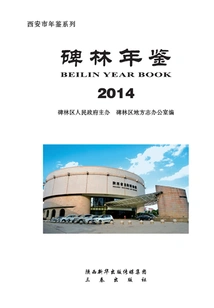
碑林年鉴·2014
Beilin District Local Chronicles Office
This book is a summary of the work of Xi'an Beilin District in 2013, recording the basic situation, latest achievements, major events, development trends, etc. Of Beilin District. Published by Sanqin Publishing House.
This book is a summary of the work of Xi'an Beilin District in 2013, recording the basic situation, latest achievements, major events, development trends, etc. Of Beilin District. Published by Sanqin Publishing House.
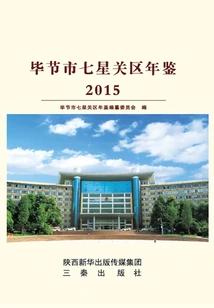
毕节市七星关区年鉴·2015
Bijie City Qixingguan District Yearbook Compilation Committee
This book is a summary of the work of Qixingguan District in Bijie City in 2014, recording the basic situation, latest achievements, major events, development trends, etc. Of Qixingguan District. This yearbook will provide comprehensive and detailed regional information for all walks of life to understand Qixing Pass, build Qixing Pass, develop Qixing Pass and study Qixing Pass.
This book is a summary of the work of Qixingguan District in Bijie City in 2014, recording the basic situation, latest achievements, major events, development trends, etc. Of Qixingguan District. This yearbook will provide comprehensive and detailed regional information for all walks of life to understand Qixing Pass, build Qixing Pass, develop Qixing Pass and study Qixing Pass.
A Brief History of Baoji
History宝鸡简史
Baoji City Local Chronicles Office
Baoji's ancient name is Chencang. It is an ancient city with rich products and beautiful scenery. It has a long history. Baoji is the hometown of Emperor Yan, the founder of China. It is the place where the Zhou and Qin dynasties and Chinese civilization began. It is known as the "hometown of bronzes" and "the homeland of folk arts and crafts". The Guantaoyuan ruins discovered by archeology within the territory date back to 8,000 to 7,500 years ago. It has a long history and profound cultural heritage. The history of Baoji has always been called the root of China and the source of Chinese civilization by academic circles.
Baoji's ancient name is Chencang. It is an ancient city with rich products and beautiful scenery. It has a long history. Baoji is the hometown of Emperor Yan, the founder of China. It is the place where the Zhou and Qin dynasties and Chinese civilization began. It is known as the "hometown of bronzes" and "the homeland of folk arts and crafts". The Guantaoyuan ruins discovered by archeology within the territory date back to 8,000 to 7,500 years ago. It has a long history and profound cultural heritage. The history of Baoji has always been called the root of China and the source of Chinese civilization by academic circles.
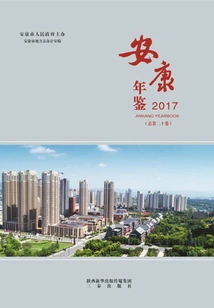
Ankang Yearbook 2017
History安康年鉴2017
Ankang Local Chronicles Office
This book is a summary of Ankang City's work in 2016. It uses a classification editing method to describe the main economic and social development of Ankang City in 2016. The content closely follows the actual market development and highlights industry and local characteristics. It is the basic information for all sectors of society to understand and study health.
This book is a summary of Ankang City's work in 2016. It uses a classification editing method to describe the main economic and social development of Ankang City in 2016. The content closely follows the actual market development and highlights industry and local characteristics. It is the basic information for all sectors of society to understand and study health.
《陇州志》校注本
Long County Local Chronicles Compilation Committee Office
Old records are an important carrier for the inheritance of Chinese civilization and a non-renewable cultural resource. Collating old records and using the past as a mirror will be of great benefit. The completion of the "Annotated Edition of "Longzhou Chronicles"" has built a bridge between ancient Longzhou and new Longxian County, broadened the horizons of today's people, and extended the cultural context of Longzhou. It has both exploratory significance and pioneering merit.
Old records are an important carrier for the inheritance of Chinese civilization and a non-renewable cultural resource. Collating old records and using the past as a mirror will be of great benefit. The completion of the "Annotated Edition of "Longzhou Chronicles"" has built a bridge between ancient Longzhou and new Longxian County, broadened the horizons of today's people, and extended the cultural context of Longzhou. It has both exploratory significance and pioneering merit.