Library
Browse and search books
513 novels found
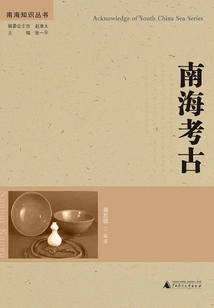
南海考古(南海知识丛书)
Compiled By Haoside
"South China Sea Archeology" mainly introduces the underwater cultural relics and shipwreck sites of the Xisha Islands, Dongsha Islands and Nansha Islands. "Nanhai No. 1", As a treasure house of maritime cultural relics, is highlighted in "South China Sea Archeology". At the same time, necessary descriptions and explanations are also given to the colorful cultural relics of the South China Sea, such as porcelain, pottery, bronzes, stone carvings and ancient coins of the past dynasties.
"South China Sea Archeology" mainly introduces the underwater cultural relics and shipwreck sites of the Xisha Islands, Dongsha Islands and Nansha Islands. "Nanhai No. 1", As a treasure house of maritime cultural relics, is highlighted in "South China Sea Archeology". At the same time, necessary descriptions and explanations are also given to the colorful cultural relics of the South China Sea, such as porcelain, pottery, bronzes, stone carvings and ancient coins of the past dynasties.
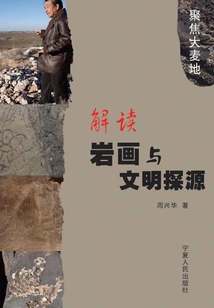
解读岩画与文明探源
Zhou Xinghua
Confucius determined the "Six Classics", "it can be traced back to the Tang and Yu Dynasties; it precedes the Tang and Yu Dynasties, and no one can believe it". Therefore, many ancient books and classics were deleted by him. Yeah? No? The unearthed prehistoric relics have corrected the prejudices of Confucius.
Confucius determined the "Six Classics", "it can be traced back to the Tang and Yu Dynasties; it precedes the Tang and Yu Dynasties, and no one can believe it". Therefore, many ancient books and classics were deleted by him. Yeah? No? The unearthed prehistoric relics have corrected the prejudices of Confucius.
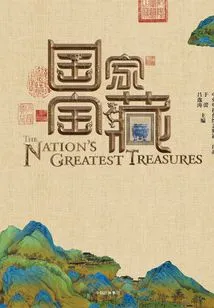
National Treasure
History国家宝藏
Yu Lei Lu Yitao
A national treasure, a word of glory, a kind of timelessness, passed down for a lifetime. "National Treasure" is a book of the same name authorized by CCTV Variety Channel's large-scale cultural exploration program "National Treasure". This is a book of memories that precipitates Chinese civilization. The curators of the nine major museums selected 27 treasures to tell the story of the past and present of the national treasures. Get a glimpse of the backs of your ancestors in the magnificence of "A Thousand Miles of Rivers and Mountains", listen to the authentic Chinese music played by "Zeng Hou Yi Chime", and feel the immortal Chinese sword soul of "Yue Wang Goujian Sword"... This is a collection of Chinese wisdom. Cultural relics remember the history of the past and also create the story of today. Dozens of national treasure guardians, regardless of their professional background, temperament, or academic achievements, are intertwined with the fate of the 27 national treasures and tell the legends that happened to them. Every creator, excavator, and guardian of a national treasure has contributed to the genetic treasure house of the Chinese nation. This is a collection that popularizes cultural heritage knowledge. All contents in the book have been personally reviewed and revised by experts from nine major museums including the Palace Museum. The book contains a large number of unbroadcast content and combines historical documents and expert research results to sort out the knowledge of cultural relics and reveal the stories and history behind the cultural relics, so that more people can understand the civilization and the spiritual core of the continuation of Chinese culture carried by the cultural relics while knowing how to appreciate the beauty of the cultural relics.
A national treasure, a word of glory, a kind of timelessness, passed down for a lifetime. "National Treasure" is a book of the same name authorized by CCTV Variety Channel's large-scale cultural exploration program "National Treasure". This is a book of memories that precipitates Chinese civilization. The curators of the nine major museums selected 27 treasures to tell the story of the past and present of the national treasures. Get a glimpse of the backs of your ancestors in the magnificence of "A Thousand Miles of Rivers and Mountains", listen to the authentic Chinese music played by "Zeng Hou Yi Chime", and feel the immortal Chinese sword soul of "Yue Wang Goujian Sword"... This is a collection of Chinese wisdom. Cultural relics remember the history of the past and also create the story of today. Dozens of national treasure guardians, regardless of their professional background, temperament, or academic achievements, are intertwined with the fate of the 27 national treasures and tell the legends that happened to them. Every creator, excavator, and guardian of a national treasure has contributed to the genetic treasure house of the Chinese nation. This is a collection that popularizes cultural heritage knowledge. All contents in the book have been personally reviewed and revised by experts from nine major museums including the Palace Museum. The book contains a large number of unbroadcast content and combines historical documents and expert research results to sort out the knowledge of cultural relics and reveal the stories and history behind the cultural relics, so that more people can understand the civilization and the spiritual core of the continuation of Chinese culture carried by the cultural relics while knowing how to appreciate the beauty of the cultural relics.
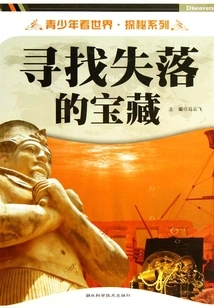
Search for Lost Treasure
History寻找失落的宝藏
Editor-in-chief Ma Yunfei
From the ancient times of drilling wood to make fire and tying ropes to record events to today's virtual network and digital age, human beings have experienced thousands of years. In these thousands of years, the most wonderful thing we have experienced is mystery. Life is wonderful, and the nature, earth and universe that create life are even more magical. In this magical and magnificent world, there are endless mysteries. Chapter content of this book: Chapter 1: Mysterious underwater treasure hunt; Chapter 2: Mysterious treasure hunt in ancient tombs; Chapter 3: Mysterious royal treasure hunt; Chapter 4: Mysterious treasure hunt in the world. This book uses the most vivid words, the most meticulous thinking, and the most wonderful pictures to tell the mysteries of these puzzling and mysterious phenomena, and explore all kinds of confusing scientific doubts with you.
From the ancient times of drilling wood to make fire and tying ropes to record events to today's virtual network and digital age, human beings have experienced thousands of years. In these thousands of years, the most wonderful thing we have experienced is mystery. Life is wonderful, and the nature, earth and universe that create life are even more magical. In this magical and magnificent world, there are endless mysteries. Chapter content of this book: Chapter 1: Mysterious underwater treasure hunt; Chapter 2: Mysterious treasure hunt in ancient tombs; Chapter 3: Mysterious royal treasure hunt; Chapter 4: Mysterious treasure hunt in the world. This book uses the most vivid words, the most meticulous thinking, and the most wonderful pictures to tell the mysteries of these puzzling and mysterious phenomena, and explore all kinds of confusing scientific doubts with you.
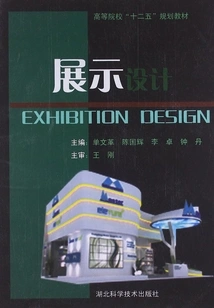
Display Design
History展示设计
Editor-in-chief Shan Wenge, Chen Guohui, And Li Zhuo
It systematically expounds the main principles and design methods of display design, emphasizing not only the cultivation of students' theoretical knowledge, their grasp of new concepts, new thinking, new perspectives, and new methods, but also the cultivation of practical abilities.
It systematically expounds the main principles and design methods of display design, emphasizing not only the cultivation of students' theoretical knowledge, their grasp of new concepts, new thinking, new perspectives, and new methods, but also the cultivation of practical abilities.
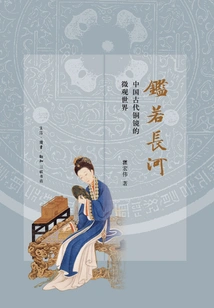
鉴若长河:中国古代铜镜的微观世界
Huo Hongwei
This book selects fourteen topics about ancient bronze mirrors and studies them from different angles. The content covers the world-famous bronze mirrors unearthed from Jinchun Tomb, the inscriptions, poems, pictures on the bronze mirrors, the mirror casting process, the frames and stands related to the use of bronze mirrors and the development of furniture they reflect, the mirror grinding technology and craftsmen related to bronze mirrors, as well as the archaeological issues related to the unearthed bronze mirrors and tomb robbing. These topics are divided into separate chapters, arranged from early to late according to the era. It not only introduces the exquisite appearance of the bronze mirror to everyone, but also analyzes the people and history related to it, achieving the purpose of archaeological research to see people from things.
This book selects fourteen topics about ancient bronze mirrors and studies them from different angles. The content covers the world-famous bronze mirrors unearthed from Jinchun Tomb, the inscriptions, poems, pictures on the bronze mirrors, the mirror casting process, the frames and stands related to the use of bronze mirrors and the development of furniture they reflect, the mirror grinding technology and craftsmen related to bronze mirrors, as well as the archaeological issues related to the unearthed bronze mirrors and tomb robbing. These topics are divided into separate chapters, arranged from early to late according to the era. It not only introduces the exquisite appearance of the bronze mirror to everyone, but also analyzes the people and history related to it, achieving the purpose of archaeological research to see people from things.
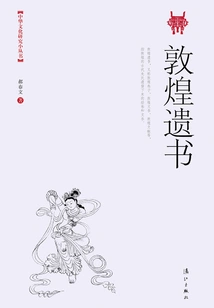
Dunhuang Posthumous Notes
History敦煌遗书
Hao Chunwen
Dunhuang posthumous books, also known as Dunhuang scrolls, Dunhuang documents, Dunhuang documents, etc., Refer to the scriptures and documents left by the ancient ancestors of Dunhuang. Dunhuang posthumous writings were first discovered in the Dunhuang Mogao Grottoes in 1919. Most of them are handwritten texts, but there are also a small number of engraving printed texts and rubbings. It was written or copied from AD 393 to AD 12. It is mainly religious documents. Other contents involve politics, economy, military, geography, society, ethnicity, language, literature, art, music, dance, astronomy, calendar, mathematics, medicine, sports, ancient books and many other aspects. Although the Dunhuang suicide notes are a unique and rare treasure in the world, when they were discovered in 1919, our country was in a period of weakness in the late Qing Dynasty, and the invasion and carving up by foreign powers continued to intensify. Therefore, the Dunhuang suicide notes were inevitably plundered and destroyed, resulting in at least 40,000 of the total of more than 60,000 pieces being lost overseas, leaving an eternal sigh.
Dunhuang posthumous books, also known as Dunhuang scrolls, Dunhuang documents, Dunhuang documents, etc., Refer to the scriptures and documents left by the ancient ancestors of Dunhuang. Dunhuang posthumous writings were first discovered in the Dunhuang Mogao Grottoes in 1919. Most of them are handwritten texts, but there are also a small number of engraving printed texts and rubbings. It was written or copied from AD 393 to AD 12. It is mainly religious documents. Other contents involve politics, economy, military, geography, society, ethnicity, language, literature, art, music, dance, astronomy, calendar, mathematics, medicine, sports, ancient books and many other aspects. Although the Dunhuang suicide notes are a unique and rare treasure in the world, when they were discovered in 1919, our country was in a period of weakness in the late Qing Dynasty, and the invasion and carving up by foreign powers continued to intensify. Therefore, the Dunhuang suicide notes were inevitably plundered and destroyed, resulting in at least 40,000 of the total of more than 60,000 pieces being lost overseas, leaving an eternal sigh.
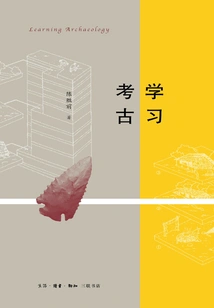
Study Archeology
History学习考古
Chen Shengqian
This book brings together the author's thoughts in teaching and scientific research. From the perspective of an archaeology teacher, he provides knowledge background for young students and workers who are interested in archeology, want to invest in archaeological research, and are currently studying archeology, including subject history, learning methods and theories, relevant professional books, etc., And also provide opinions and views on archaeological education. The content written starts from archeology, combines it with literature, philosophy, science and even life details, and uses archaeological methods and perspectives to explore public affairs. "Every line is separated and no reason is separated", its perspective is unique and it is full of references. For example, the archeology of love, the classification of stone tools and the style of archaeological culture from today's fashion, and the "seeing through things and people" in archaeological research from "A Bite of China", etc. For students who are new to this major and the general public who are interested in archeology, this book undoubtedly provides an accurate knowledge system and, even more rare, provides correct values.
This book brings together the author's thoughts in teaching and scientific research. From the perspective of an archaeology teacher, he provides knowledge background for young students and workers who are interested in archeology, want to invest in archaeological research, and are currently studying archeology, including subject history, learning methods and theories, relevant professional books, etc., And also provide opinions and views on archaeological education. The content written starts from archeology, combines it with literature, philosophy, science and even life details, and uses archaeological methods and perspectives to explore public affairs. "Every line is separated and no reason is separated", its perspective is unique and it is full of references. For example, the archeology of love, the classification of stone tools and the style of archaeological culture from today's fashion, and the "seeing through things and people" in archaeological research from "A Bite of China", etc. For students who are new to this major and the general public who are interested in archeology, this book undoubtedly provides an accurate knowledge system and, even more rare, provides correct values.
中国文物常识
Shen Congwen
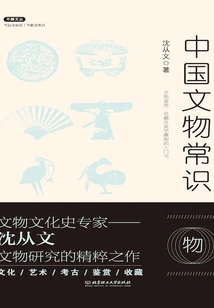
Shen Congwen used the attitude of a writer to sort out the common sense related to cultural relics, and talked about various cultural relics from the perspective of appreciation. His writing was rigorous and vivid, and the content was rich and systematic, filling a gap in the cultural history of our country. "Chinese Cultural Relics Knowledge" covers ancient people's clothing, daily necessities, transportation, cultural life, arts and crafts, etc., And is more specific to the evolution and development of ancient jade, ceramics, glass, mirrors, lacquerware, chariots, carriages, fans, embroidery, clothing, lions, dragons, phoenixes, and fish patterns. "Common Knowledge on Chinese Cultural Relics" is an ideal book to enrich cultural relics knowledge and improve humanistic accomplishment.
Shen Congwen used the attitude of a writer to sort out the common sense related to cultural relics, and talked about various cultural relics from the perspective of appreciation. His writing was rigorous and vivid, and the content was rich and systematic, filling a gap in the cultural history of our country. "Chinese Cultural Relics Knowledge" covers ancient people's clothing, daily necessities, transportation, cultural life, arts and crafts, etc., And is more specific to the evolution and development of ancient jade, ceramics, glass, mirrors, lacquerware, chariots, carriages, fans, embroidery, clothing, lions, dragons, phoenixes, and fish patterns. "Common Knowledge on Chinese Cultural Relics" is an ideal book to enrich cultural relics knowledge and improve humanistic accomplishment.
古蜀文明探秘:刘兴诗新说三星堆、金沙的前世今生
Liu Xingshi
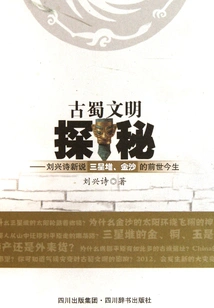
Writing this book makes me feel a little scared, as if the applicant is holding a fake diploma bought on the street in his arms and facing the cold gaze of the head of the HR department. It's also very exciting, as if the athletes (except the Chinese men's football team) are lucky enough to be on the Olympic podium.
Writing this book makes me feel a little scared, as if the applicant is holding a fake diploma bought on the street in his arms and facing the cold gaze of the head of the HR department. It's also very exciting, as if the athletes (except the Chinese men's football team) are lucky enough to be on the Olympic podium.
识古寻踪:中国文化史迹手账·西出阳关
Fly Group
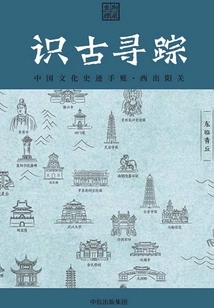
National Key Cultural Relics Protection Units (referred to as "National Protected Areas") are immovable cultural relics with the highest legal protection level in China and are the essence of Chinese cultural and historical sites. From 1961 to 2013, the State Council announced seven batches of 4,296 national security units. Si Fei's team has been paying attention to and visiting the subject of "national protection" for more than ten years, so they thoroughly sorted out seven batches of "national protection" lists, compiled nearly 10,000 historical sites, and presented China's existing magnificent and precious ancient buildings, painted sculptures, murals, grottoes, ruins, tombs, etc. From multiple angles. They compiled a detailed visiting guide based on on-the-spot travel experience and gathered them in the form of a manual, a total of four volumes. Volume 4: Yunnan, Sichuan, Chongqing, Shaanxi, Ningxia, Gansu, Qinghai, Xinjiang, and Tibet.
National Key Cultural Relics Protection Units (referred to as "National Protected Areas") are immovable cultural relics with the highest legal protection level in China and are the essence of Chinese cultural and historical sites. From 1961 to 2013, the State Council announced seven batches of 4,296 national security units. Si Fei's team has been paying attention to and visiting the subject of "national protection" for more than ten years, so they thoroughly sorted out seven batches of "national protection" lists, compiled nearly 10,000 historical sites, and presented China's existing magnificent and precious ancient buildings, painted sculptures, murals, grottoes, ruins, tombs, etc. From multiple angles. They compiled a detailed visiting guide based on on-the-spot travel experience and gathered them in the form of a manual, a total of four volumes. Volume 4: Yunnan, Sichuan, Chongqing, Shaanxi, Ningxia, Gansu, Qinghai, Xinjiang, and Tibet.
识古寻踪:中国文化史迹手账·南游潇湘
Fly Group
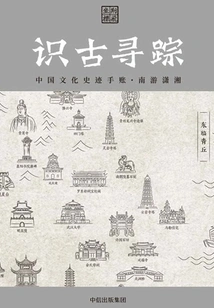
National Key Cultural Relics Protection Units (referred to as "National Protected Areas") are immovable cultural relics with the highest legal protection level in China and are the essence of Chinese cultural and historical sites. From 1961 to 2013, the State Council announced seven batches of 4,296 national security units. Si Fei's team has been paying attention to and visiting the subject of "national protection" for more than ten years, so they thoroughly sorted out seven batches of "national protection" lists, compiled nearly 10,000 historical sites, and presented China's existing magnificent and precious ancient buildings, painted sculptures, murals, grottoes, ruins, tombs, etc. From multiple angles. They compiled a detailed visiting guide based on on-the-spot travel experience and gathered them in the form of a manual, a total of four volumes. Volume Three: Fujian, Jiangxi, Hubei, Hunan, Guangdong, Hainan, Guangxi, Guizhou...
National Key Cultural Relics Protection Units (referred to as "National Protected Areas") are immovable cultural relics with the highest legal protection level in China and are the essence of Chinese cultural and historical sites. From 1961 to 2013, the State Council announced seven batches of 4,296 national security units. Si Fei's team has been paying attention to and visiting the subject of "national protection" for more than ten years, so they thoroughly sorted out seven batches of "national protection" lists, compiled nearly 10,000 historical sites, and presented China's existing magnificent and precious ancient buildings, painted sculptures, murals, grottoes, ruins, tombs, etc. From multiple angles. They compiled a detailed visiting guide based on on-the-spot travel experience and gathered them in the form of a manual, a total of four volumes. Volume Three: Fujian, Jiangxi, Hubei, Hunan, Guangdong, Hainan, Guangxi, Guizhou...
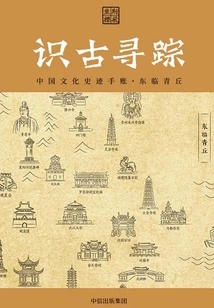
识古寻踪:中国文化史迹手账·东临青丘
Fly Group
National Key Cultural Relics Protection Units (referred to as "National Protected Areas") are immovable cultural relics with the highest legal protection level in China and are the essence of Chinese cultural and historical sites. From 1961 to 2013, the State Council announced seven batches of 4,296 national security units. Si Fei's team has been paying attention to and visiting the subject of "national protection" for more than ten years, so they thoroughly sorted out seven batches of "national protection" lists, compiled nearly 10,000 historical sites, and presented China's existing magnificent and precious ancient buildings, painted sculptures, murals, grottoes, ruins, tombs, etc. From multiple angles. They compiled a detailed visiting guide based on on-the-spot travel experience and gathered them in the form of a manual, a total of four volumes. Volume 2: Henan, Shandong, Jiangsu, Shanghai, Zhejiang, and Anhui.
National Key Cultural Relics Protection Units (referred to as "National Protected Areas") are immovable cultural relics with the highest legal protection level in China and are the essence of Chinese cultural and historical sites. From 1961 to 2013, the State Council announced seven batches of 4,296 national security units. Si Fei's team has been paying attention to and visiting the subject of "national protection" for more than ten years, so they thoroughly sorted out seven batches of "national protection" lists, compiled nearly 10,000 historical sites, and presented China's existing magnificent and precious ancient buildings, painted sculptures, murals, grottoes, ruins, tombs, etc. From multiple angles. They compiled a detailed visiting guide based on on-the-spot travel experience and gathered them in the form of a manual, a total of four volumes. Volume 2: Henan, Shandong, Jiangsu, Shanghai, Zhejiang, and Anhui.
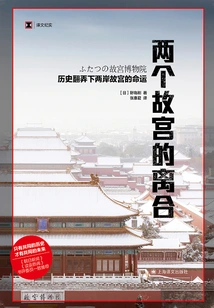
两个故宫的离合:历史翻弄下两岸故宫的命运
Q
This book reveals how a large number of cultural relics flowed out of the country in the late Qing Dynasty, why Chiang Kai-shek was defeated and fled in the war, and why he used the extremely precious warships to transport cultural relics. What kind of warehouse stage did these cultural relics go through in Taiwan? Under what international circumstances, the Taipei National Palace Museum was later built, and the Democratic Progressive Party's \
This book reveals how a large number of cultural relics flowed out of the country in the late Qing Dynasty, why Chiang Kai-shek was defeated and fled in the war, and why he used the extremely precious warships to transport cultural relics. What kind of warehouse stage did these cultural relics go through in Taiwan? Under what international circumstances, the Taipei National Palace Museum was later built, and the Democratic Progressive Party's \
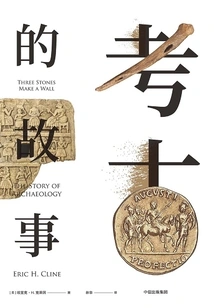
Archaeological Story
History考古的故事
J
This book covers more than twenty major archaeological resorts in the world, as well as important archaeological discoveries. We will see the golden mask of the Egyptian Pharaoh, the marble statues in the Parthenon Temple in Greece, and the sacrifices in the Mexican jungle... These cultural relics will tell us as objectively as possible, what kind of life our ancestors lived, what kind of civilization they created, and why some of these civilizations went to destruction. This is also the legendary story of a group of "treasure hunters" - archaeologists. In 1872, Schliemann dug a large trench like a wound on the mound in search of Troy; in the 1960s, Israeli Aden led an archaeological team to climb to the top of Masada's steep mountaintop and sifted about 38,000 cubic meters of soil in search of cultural relics; in 2010, Klein, the author of this book, and "space archaeologist" Sara Parkak stared at satellite images and discovered in the fields the ruins of the Roman "Ironclad Regiment" barracks in the second century AD. The book also demonstrates the evolving archaeological technologies, such as aerial surveys, lidar, and carbon-14 dating, which allow more sites to be discovered and cultural relics to tell more stories. The author also answers the common questions of ordinary people from the perspective of an archaeologist: How do you know where to dig? How do you know how old something is? Do you own what you find? In this way, archaeological stories take us on a journey upstream in human history and provide us with revelations about the future.
This book covers more than twenty major archaeological resorts in the world, as well as important archaeological discoveries. We will see the golden mask of the Egyptian Pharaoh, the marble statues in the Parthenon Temple in Greece, and the sacrifices in the Mexican jungle... These cultural relics will tell us as objectively as possible, what kind of life our ancestors lived, what kind of civilization they created, and why some of these civilizations went to destruction. This is also the legendary story of a group of "treasure hunters" - archaeologists. In 1872, Schliemann dug a large trench like a wound on the mound in search of Troy; in the 1960s, Israeli Aden led an archaeological team to climb to the top of Masada's steep mountaintop and sifted about 38,000 cubic meters of soil in search of cultural relics; in 2010, Klein, the author of this book, and "space archaeologist" Sara Parkak stared at satellite images and discovered in the fields the ruins of the Roman "Ironclad Regiment" barracks in the second century AD. The book also demonstrates the evolving archaeological technologies, such as aerial surveys, lidar, and carbon-14 dating, which allow more sites to be discovered and cultural relics to tell more stories. The author also answers the common questions of ordinary people from the perspective of an archaeologist: How do you know where to dig? How do you know how old something is? Do you own what you find? In this way, archaeological stories take us on a journey upstream in human history and provide us with revelations about the future.
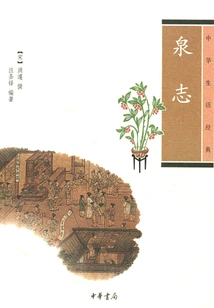
泉志(中华生活经典)
(song Dynasty) Hong Zun
"Quan Zhi" is "Qian Zhi", which is dedicated to writing about money. At the beginning of "Quan Zhi", Hong Zun talked about his purpose of writing this book. He believed that the books of Gu Xuan, Feng Yan, Jin Guangxi, Li Xiaomei, Dong Kui and others were either too brief or had too many mistakes. He wanted to combine them with real objects and "read the biographies and catch the records of the barnyard officials" to correct the mistakes of the predecessors and write a more substantial and reliable monograph on money. "Quanzhi" studied about 320 kinds of "coins", and Hong Zun divided them into nine categories (i. E. Nine grades), which are genuine products (three volumes), counterfeit products (two volumes), products of unknown age (two volumes), heavenly products (one volume), knife and cloth products (one volume), foreign products (three volumes), strange products (one volume), divine products (one volume), and disgusting products (one volume). "Quanzhi" contains more than 300 "coins", which basically cover the coins from the Pre-Qin Dynasty to the Five Dynasties. It brings great convenience to coin collection, collection and research.
"Quan Zhi" is "Qian Zhi", which is dedicated to writing about money. At the beginning of "Quan Zhi", Hong Zun talked about his purpose of writing this book. He believed that the books of Gu Xuan, Feng Yan, Jin Guangxi, Li Xiaomei, Dong Kui and others were either too brief or had too many mistakes. He wanted to combine them with real objects and "read the biographies and catch the records of the barnyard officials" to correct the mistakes of the predecessors and write a more substantial and reliable monograph on money. "Quanzhi" studied about 320 kinds of "coins", and Hong Zun divided them into nine categories (i. E. Nine grades), which are genuine products (three volumes), counterfeit products (two volumes), products of unknown age (two volumes), heavenly products (one volume), knife and cloth products (one volume), foreign products (three volumes), strange products (one volume), divine products (one volume), and disgusting products (one volume). "Quanzhi" contains more than 300 "coins", which basically cover the coins from the Pre-Qin Dynasty to the Five Dynasties. It brings great convenience to coin collection, collection and research.
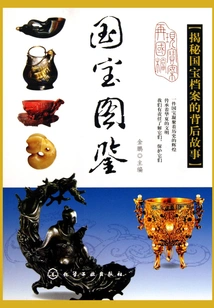
国宝图鉴
Jinpeng
? In order to give readers a clearer understanding of national treasures, the "National Treasures Illustrated Book" has selected more than 60 representative national treasures from various fields and organized them systematically, striving to highlight the knowledge and interest. Each national treasure is accompanied by exquisite pictures for readers to read and appreciate. We hope that through this book, we can inspire readers, especially young people, to pay attention to and love national treasures, learn about the history and culture of our nation from national treasures, and consciously protect our national treasures.
? In order to give readers a clearer understanding of national treasures, the "National Treasures Illustrated Book" has selected more than 60 representative national treasures from various fields and organized them systematically, striving to highlight the knowledge and interest. Each national treasure is accompanied by exquisite pictures for readers to read and appreciate. We hope that through this book, we can inspire readers, especially young people, to pay attention to and love national treasures, learn about the history and culture of our nation from national treasures, and consciously protect our national treasures.
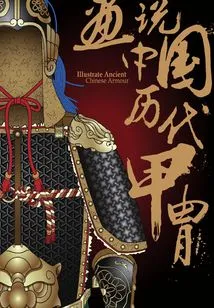
画说中国历代甲胄
Chen Dawei
The author of "Painting on Chinese Armor in Ancient Dynasties" has been researching Chinese armor in ancient times for a long time. He has made many on-the-spot inspections of architectural murals, unearthed cultural relics and surviving sculptures. He has referred to existing archaeological results and historical documents, combined with his own understanding and speculation on the shapes of armor and costumes in previous dynasties over the years, and used the method of painting decomposition to intuitively and concretely explain the basic situation of the shape, structure, material, wearing method and other aspects of Chinese armor in previous dynasties. The main feature of this book is that the author based on the known information related to armor in each dynasty, combined with the development of crafts and technology in different dynasties, changes in combat weapons and other factors, and added varying degrees of rational assumptions to speculate on unknown gaps, so that the overall image of armor in each dynasty can be comprehensively and intuitively displayed, and further summarized the evolution and inheritance of armor in past dynasties. "Drawings on Chinese Armor of Ancient Dynasties" is not only of great value to the study of military costumes, but also has important inspiration and reference value for art and creative personnel in various related fields such as film and television, drama, animation, games, etc.
The author of "Painting on Chinese Armor in Ancient Dynasties" has been researching Chinese armor in ancient times for a long time. He has made many on-the-spot inspections of architectural murals, unearthed cultural relics and surviving sculptures. He has referred to existing archaeological results and historical documents, combined with his own understanding and speculation on the shapes of armor and costumes in previous dynasties over the years, and used the method of painting decomposition to intuitively and concretely explain the basic situation of the shape, structure, material, wearing method and other aspects of Chinese armor in previous dynasties. The main feature of this book is that the author based on the known information related to armor in each dynasty, combined with the development of crafts and technology in different dynasties, changes in combat weapons and other factors, and added varying degrees of rational assumptions to speculate on unknown gaps, so that the overall image of armor in each dynasty can be comprehensively and intuitively displayed, and further summarized the evolution and inheritance of armor in past dynasties. "Drawings on Chinese Armor of Ancient Dynasties" is not only of great value to the study of military costumes, but also has important inspiration and reference value for art and creative personnel in various related fields such as film and television, drama, animation, games, etc.
豫章遗韵:南昌不可移动文物精粹(南昌历史文化丛书)
Yu Fenglin
This book introduces the ancient buildings, ancient ruins, ancient tombs, ancient temples and modern buildings in Nanchang area with pictures and texts from the perspectives of name, location, characteristics, value and level of cultural relics.
This book introduces the ancient buildings, ancient ruins, ancient tombs, ancient temples and modern buildings in Nanchang area with pictures and texts from the perspectives of name, location, characteristics, value and level of cultural relics.
五色炫曜:南昌汉代海昏侯国考古成果
Jiangxi Provincial Institute Of Cultural Relics And Archeology Capital Museum
Although the excavation of the Haihunhou Tomb has not yet been completed, the high level of the precious artifacts that have been unearthed has shocked people. The relevant discoveries may open a new window for us to examine the history of that time. On February 27, 2016, the Capital Museum, Jiangxi Provincial Museum, and Jiangxi Provincial Institute of Cultural Relics and Archaeology will hold "Five Colors of Dazzling Light: An Exhibition of Archaeological Achievements of the Haihun Marquis in Nanchang Han Dynasty" at the Capital Museum and hold a press conference. As part of the exhibition, this book will officially meet with readers during the exhibition. This book is divided into several parts: the cemetery, the main tomb, and the unearthed cultural relics. It authoritatively publishes a series of precious pictures about the tomb of Haihunhou in the Western Han Dynasty. Many pictures of the scene and cultural relics are made public for the first time, which has excellent research value.
Although the excavation of the Haihunhou Tomb has not yet been completed, the high level of the precious artifacts that have been unearthed has shocked people. The relevant discoveries may open a new window for us to examine the history of that time. On February 27, 2016, the Capital Museum, Jiangxi Provincial Museum, and Jiangxi Provincial Institute of Cultural Relics and Archaeology will hold "Five Colors of Dazzling Light: An Exhibition of Archaeological Achievements of the Haihun Marquis in Nanchang Han Dynasty" at the Capital Museum and hold a press conference. As part of the exhibition, this book will officially meet with readers during the exhibition. This book is divided into several parts: the cemetery, the main tomb, and the unearthed cultural relics. It authoritatively publishes a series of precious pictures about the tomb of Haihunhou in the Western Han Dynasty. Many pictures of the scene and cultural relics are made public for the first time, which has excellent research value.
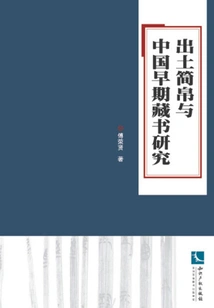
出土简帛与中国早期藏书研究
Fu Rongxian
The book takes the mutual reading and mutual corroboration of unearthed bamboo slips and handed down documents as the main research method, and initially outlines the basic historical facts and evolution rules of the collection, arrangement, preservation and utilization of early Chinese documents (the so-called "book collection"). On this basis, we are committed to breaking through the time and space dimensions of "China" and "early" instincts, and questioning the world significance and modern value of early book collections; and breaking through the disciplinary dimension of the "book collection" instinct, and questioning the cultural significance of early book collections.
The book takes the mutual reading and mutual corroboration of unearthed bamboo slips and handed down documents as the main research method, and initially outlines the basic historical facts and evolution rules of the collection, arrangement, preservation and utilization of early Chinese documents (the so-called "book collection"). On this basis, we are committed to breaking through the time and space dimensions of "China" and "early" instincts, and questioning the world significance and modern value of early book collections; and breaking through the disciplinary dimension of the "book collection" instinct, and questioning the cultural significance of early book collections.
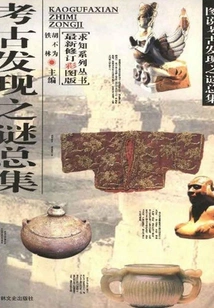
考古发现之谜总集
Tielin Hu Bu Chief Editor
After a bumpy journey, several scientists finally set foot on the soil of the United States. They focused on inspecting places such as Kansas. In western Kansas, the severe winter became the biggest obstacle, and the hostility of the Indians also threatened their safety at all times. But they are still carrying out excavation work tenaciously. Wherever sincerity comes, gold and stone will open. The first bird fossil, a tibia of Vesperornis, was found under such circumstances. Later, the expedition also discovered a large number of ancient bird fossils in the strata of Nebraska. Their efforts were not in vain.
After a bumpy journey, several scientists finally set foot on the soil of the United States. They focused on inspecting places such as Kansas. In western Kansas, the severe winter became the biggest obstacle, and the hostility of the Indians also threatened their safety at all times. But they are still carrying out excavation work tenaciously. Wherever sincerity comes, gold and stone will open. The first bird fossil, a tibia of Vesperornis, was found under such circumstances. Later, the expedition also discovered a large number of ancient bird fossils in the strata of Nebraska. Their efforts were not in vain.
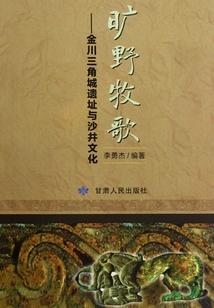
旷野牧歌:金川三角城遗址与沙井文化
Compiled By Li Yongjie
In the mid-summer of 2012, I was conducting archaeological excavations at the Hongchengsi Tomb Site in Yongjing County, Gansu Province. This is a horse factory type site of the Majiayao Culture. Mr. Li Yongjie from the Cultural Relics Section of the Jinchang Municipal Bureau of Culture, Radio, Film, Television, Press and Publication called me and sent me an e-book manuscript, inviting me to write a preface to the book "Wild Pastoral - Jinchuan Triangle City Ruins and Manhole Culture" edited by him. I felt both "flattered" and "unable to live up to it", and I wrote the preface under the "extreme hospitality".
In the mid-summer of 2012, I was conducting archaeological excavations at the Hongchengsi Tomb Site in Yongjing County, Gansu Province. This is a horse factory type site of the Majiayao Culture. Mr. Li Yongjie from the Cultural Relics Section of the Jinchang Municipal Bureau of Culture, Radio, Film, Television, Press and Publication called me and sent me an e-book manuscript, inviting me to write a preface to the book "Wild Pastoral - Jinchuan Triangle City Ruins and Manhole Culture" edited by him. I felt both "flattered" and "unable to live up to it", and I wrote the preface under the "extreme hospitality".
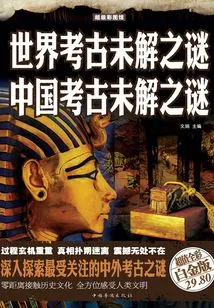
世界考古未解之谜 中国考古未解之谜(彩图精装)
Wenjuan
The book "Unsolved Mysteries of World Archeology and Unsolved Mysteries of Chinese Archeology" edited by Wenjuan uses a new perspective to study and explore the world and Chinese history and culture. Based on a large number of historical documents and archaeological materials, the editor combines the latest research results, starting from ancient ruins, brilliant civilizations, tombs, etc., To deeply explore the historical and cultural mysteries hidden behind the mysterious appearance, leading readers into a wonderful and mysterious unknown world.
The book "Unsolved Mysteries of World Archeology and Unsolved Mysteries of Chinese Archeology" edited by Wenjuan uses a new perspective to study and explore the world and Chinese history and culture. Based on a large number of historical documents and archaeological materials, the editor combines the latest research results, starting from ancient ruins, brilliant civilizations, tombs, etc., To deeply explore the historical and cultural mysteries hidden behind the mysterious appearance, leading readers into a wonderful and mysterious unknown world.
Ming Xiaoling Mausoleum
History明孝陵
Xia Weizhong Han Wenning
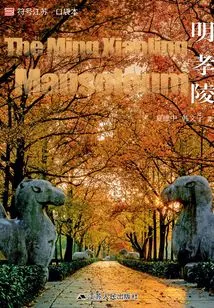
Ming Xiaoling Mausoleum is the joint burial mausoleum of the founding emperor of the Ming Dynasty Zhu Yuanzhang and his queen Ma Shi. It is located at the southern foot of Purple Mountain in Nanjing. It is the largest imperial mausoleum in Nanjing and one of the largest imperial mausoleums in ancient China. As the first Ming tomb in China, the Ming Xiaoling Mausoleum is spectacular and magnificent. It represents the highest achievement of architecture and stone carving art in the early Ming Dynasty. It directly influenced the shape of imperial tombs in the Ming and Qing Dynasties for more than 500 years. It has a special status in the development history of Chinese imperial mausoleums, so it is known as the "first royal mausoleum of the Ming and Qing Dynasties". It was selected into the World Cultural Heritage List in 2003. This book provides a comprehensive introduction to Ming Xiaoling Mausoleum from six aspects: the life of the tomb owner, mausoleum construction, architectural layout, funeral and guarding, worship and visiting the mausoleum, protection and management.
Ming Xiaoling Mausoleum is the joint burial mausoleum of the founding emperor of the Ming Dynasty Zhu Yuanzhang and his queen Ma Shi. It is located at the southern foot of Purple Mountain in Nanjing. It is the largest imperial mausoleum in Nanjing and one of the largest imperial mausoleums in ancient China. As the first Ming tomb in China, the Ming Xiaoling Mausoleum is spectacular and magnificent. It represents the highest achievement of architecture and stone carving art in the early Ming Dynasty. It directly influenced the shape of imperial tombs in the Ming and Qing Dynasties for more than 500 years. It has a special status in the development history of Chinese imperial mausoleums, so it is known as the "first royal mausoleum of the Ming and Qing Dynasties". It was selected into the World Cultural Heritage List in 2003. This book provides a comprehensive introduction to Ming Xiaoling Mausoleum from six aspects: the life of the tomb owner, mausoleum construction, architectural layout, funeral and guarding, worship and visiting the mausoleum, protection and management.
Guyuan Archaeological Notes
History固原考古札记
Yang Ming
Guyuan has been one of the birthplaces of Chinese civilization since ancient times. It is dotted with historical relics and has layers of cultural accumulation behind it. The gilt silver vase is undoubtedly a national treasure; the Roman gold coins are dazzling; and the remains of ancient monuments are too numerous to mention.
Guyuan has been one of the birthplaces of Chinese civilization since ancient times. It is dotted with historical relics and has layers of cultural accumulation behind it. The gilt silver vase is undoubtedly a national treasure; the Roman gold coins are dazzling; and the remains of ancient monuments are too numerous to mention.
Xixia Mausoleum
History西夏陵
Yinchuan Xixialing District Management Office
The Imperial Tombs of Xixia, also known as the Imperial Mausoleums of Xixia and the Imperial Mausoleums of Xixia, are the imperial mausoleums and royal mausoleums of the Western Xia dynasties. The Royal Mausoleum is located in the west of Yinchuan City, Ningxia, with Helan Mountain in the west and Yinchuan Plain in the east. It is between 1,130 meters and 1,200 meters above sea level. It is one of the largest existing imperial cemeteries with the most complete ground ruins in China, and is also the largest existing Xixia cultural site.
The Imperial Tombs of Xixia, also known as the Imperial Mausoleums of Xixia and the Imperial Mausoleums of Xixia, are the imperial mausoleums and royal mausoleums of the Western Xia dynasties. The Royal Mausoleum is located in the west of Yinchuan City, Ningxia, with Helan Mountain in the west and Yinchuan Plain in the east. It is between 1,130 meters and 1,200 meters above sea level. It is one of the largest existing imperial cemeteries with the most complete ground ruins in China, and is also the largest existing Xixia cultural site.
宁夏固原北周宇文猛墓发掘报告与研究
Geng Zhiqiang
Yuwenmeng himself was a veteran of the Northern Wei, Western Wei, and Northern Zhou dynasties. The discovery and excavation of Yuwenmeng's tomb is the most important large-scale tomb in the Northern Zhou Dynasty that has a clear chronology so far. The unearthed cultural relics and murals can show that Yuwenmeng was a prominent figure in the ruling groups of the Western Wei and Northern Zhou Dynasties, but there is no history book. The publication of this book is of great significance to the study of the history of this period, cultural exchanges between China and the West, and ethnic relations.
Yuwenmeng himself was a veteran of the Northern Wei, Western Wei, and Northern Zhou dynasties. The discovery and excavation of Yuwenmeng's tomb is the most important large-scale tomb in the Northern Zhou Dynasty that has a clear chronology so far. The unearthed cultural relics and murals can show that Yuwenmeng was a prominent figure in the ruling groups of the Western Wei and Northern Zhou Dynasties, but there is no history book. The publication of this book is of great significance to the study of the history of this period, cultural exchanges between China and the West, and ethnic relations.
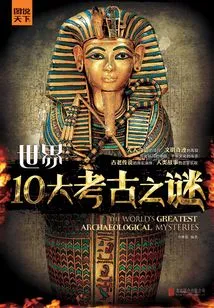
世界10大考古之谜
Leng Linwei
Throughout the past and present, it spans thousands of miles. Seek dreams at the pinnacle of civilization, marvel at the magnificence of treasures, feel the confusion of secret history, marvel at the ancient discoveries, and think about the suspense of mysteries. Looking at the outside world, the hidden past in the deep Qing Palace is touching the heart. The disappearing traces of ancient countries and treasures are tempting to pursue. Ancient tombs bury countless secrets in the world, and each national treasure writes a legend. The numerous unsolved cases have left many unsolved mysteries to future generations, and archaeological discoveries continue to reveal shocking mysteries. The Discovery Series is like a colorful and bizarre kaleidoscope.
Throughout the past and present, it spans thousands of miles. Seek dreams at the pinnacle of civilization, marvel at the magnificence of treasures, feel the confusion of secret history, marvel at the ancient discoveries, and think about the suspense of mysteries. Looking at the outside world, the hidden past in the deep Qing Palace is touching the heart. The disappearing traces of ancient countries and treasures are tempting to pursue. Ancient tombs bury countless secrets in the world, and each national treasure writes a legend. The numerous unsolved cases have left many unsolved mysteries to future generations, and archaeological discoveries continue to reveal shocking mysteries. The Discovery Series is like a colorful and bizarre kaleidoscope.
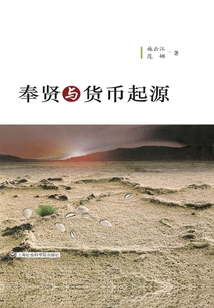
奉贤与货币起源
Shi Yunjiang Fan Na
The Ancient Numismatic Museum in Berlin, Germany, and the British Museum both believe that human currency began with Chinese shell coins. So where did China's shell coins come from, how did they change from shells to currency, and who instigated it. After a lot of research and historical data collection, and two geological drillings on the shell mining site, the author proved that it was Fengxian with 5 empirical and logical deductions.
The Ancient Numismatic Museum in Berlin, Germany, and the British Museum both believe that human currency began with Chinese shell coins. So where did China's shell coins come from, how did they change from shells to currency, and who instigated it. After a lot of research and historical data collection, and two geological drillings on the shell mining site, the author proved that it was Fengxian with 5 empirical and logical deductions.
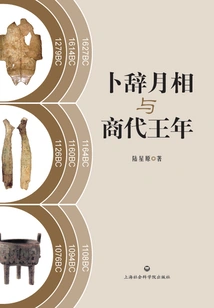
卜辞月相与商代王年
Lu Xingyuan
Obviously, in the research fields of Shang and Zhou calendars and Shang and Zhou chronology, it is truly amazing that this book can make so many key breakthroughs at the same time. However, I believe that those who have carefully read "Divinations on Moon Phases and the Years of Kings of the Shang Dynasty" edited by Lu Xingyuan will eventually find that these brand-new and pioneering theories are also realistic theories based on oracle bone inscriptions, bronze inscriptions, pre-Qin bamboo slips and pre-Qin documents. And many numerical conclusions such as "The first year of Shang King Wu Yi = 1169BC" recovered by this book based on this detailed evidence chain are believed to be able to withstand the test of more facts.
Obviously, in the research fields of Shang and Zhou calendars and Shang and Zhou chronology, it is truly amazing that this book can make so many key breakthroughs at the same time. However, I believe that those who have carefully read "Divinations on Moon Phases and the Years of Kings of the Shang Dynasty" edited by Lu Xingyuan will eventually find that these brand-new and pioneering theories are also realistic theories based on oracle bone inscriptions, bronze inscriptions, pre-Qin bamboo slips and pre-Qin documents. And many numerical conclusions such as "The first year of Shang King Wu Yi = 1169BC" recovered by this book based on this detailed evidence chain are believed to be able to withstand the test of more facts.
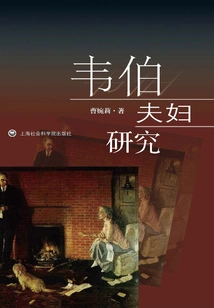
Weber Couple Study
History韦伯夫妇研究
Cao Wanli
"A Study of the Webers" written by Cao Wanli places the Webers in the historical background of the turn of the 19th century and the 20th century. On the basis of fully grasping the life stories and interaction experiences of the Webers, it attempts to systematically sort out and comprehensively summarize the ideological theories and social practices of the Webers. On this basis, it tries to objectively comment on the contribution and influence of the Webers on the development of British society as much as possible, in order to deepen the understanding of the development history of British society in this period.
"A Study of the Webers" written by Cao Wanli places the Webers in the historical background of the turn of the 19th century and the 20th century. On the basis of fully grasping the life stories and interaction experiences of the Webers, it attempts to systematically sort out and comprehensively summarize the ideological theories and social practices of the Webers. On this basis, it tries to objectively comment on the contribution and influence of the Webers on the development of British society as much as possible, in order to deepen the understanding of the development history of British society in this period.
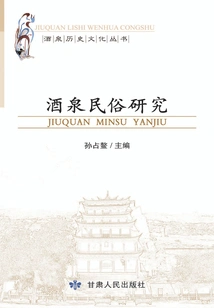
Jiuquan Folklore Research
History酒泉民俗研究
Editor-in-chief Sun Zhan'ao
This topic mainly describes the clothing, food, housing, transportation, weddings, funerals, entertainment, customs, etc. Of Jiuquan people from ancient times to the present. It aims to comprehensively reflect the development and changes in the material and spiritual life of Jiuquan people since ancient times.
This topic mainly describes the clothing, food, housing, transportation, weddings, funerals, entertainment, customs, etc. Of Jiuquan people from ancient times to the present. It aims to comprehensively reflect the development and changes in the material and spiritual life of Jiuquan people since ancient times.
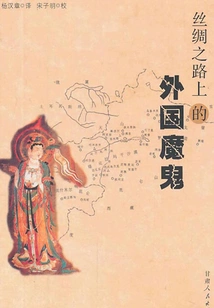
丝绸之路上的外国魔鬼
(uk) Peter Hopcock
"Foreign Devils on the Silk Road" describes in detail the late 19th and early 20th centuries of Germany's Van Laycock, Britain's Stein, Sweden's Sven Heding, France's Pelliot, and Japan's Mitsui Otani, Mitsucho Tachibana, and Koichiro Yoshikawa. , Warner and others in the United States, in the name of exploration, investigation, and travel, studied the historical facts of the looting of underground cultural relics and grotto murals in the Western Region of the Kyrgyzstan Silk Road in China (Xinjiang region, including Dunhuang), especially the looting of cultural relics in the Dunhuang Sutra Cave.
"Foreign Devils on the Silk Road" describes in detail the late 19th and early 20th centuries of Germany's Van Laycock, Britain's Stein, Sweden's Sven Heding, France's Pelliot, and Japan's Mitsui Otani, Mitsucho Tachibana, and Koichiro Yoshikawa. , Warner and others in the United States, in the name of exploration, investigation, and travel, studied the historical facts of the looting of underground cultural relics and grotto murals in the Western Region of the Kyrgyzstan Silk Road in China (Xinjiang region, including Dunhuang), especially the looting of cultural relics in the Dunhuang Sutra Cave.
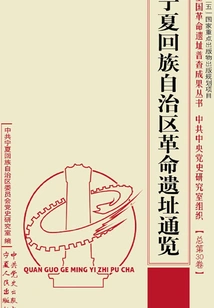
宁夏回族自治区革命遗址通览
Party History Research Office Of The Ningxia Hui Autonomous Region Committee Of The Communist Party Of China
Edited by the Party History Research Office of the Party Committee of the Ningxia Hui Autonomous Region, and jointly published by the Communist Party of China History Press and the Ningxia People's Publishing House, the "Ningxia Hui Autonomous Region Revolutionary Sites Overview" is a sub-volume of the "National Revolutionary Sites Census Results Series" and is the first to be published among provincial volumes nationwide. The "National Revolutionary Sites Census Results Series" is listed as a national key publication planning project during the 12th Five-Year Plan. The "Overview of Revolutionary Sites in Ningxia Hui Autonomous Region", a volume of this series, is compiled based on the results of the census of revolutionary sites in the entire region from 2009 to 2010, and contains nearly 400 pictures.
Edited by the Party History Research Office of the Party Committee of the Ningxia Hui Autonomous Region, and jointly published by the Communist Party of China History Press and the Ningxia People's Publishing House, the "Ningxia Hui Autonomous Region Revolutionary Sites Overview" is a sub-volume of the "National Revolutionary Sites Census Results Series" and is the first to be published among provincial volumes nationwide. The "National Revolutionary Sites Census Results Series" is listed as a national key publication planning project during the 12th Five-Year Plan. The "Overview of Revolutionary Sites in Ningxia Hui Autonomous Region", a volume of this series, is compiled based on the results of the census of revolutionary sites in the entire region from 2009 to 2010, and contains nearly 400 pictures.
黄文弼的多重意义
Li Xun
The Kizil Thousand Buddha Cave is located more than 10 kilometers southwest of Baicheng County. It currently has 339 caves and is the largest group of grottoes in Xinjiang. However, the grottoes have been robbed by imperialist explorers since the late 19th century. The most serious excavation was by the German Lecoq from 1905 to 1909. He robbed at least more than 230 caves, cut up and stole about 128 boxes of Buddha statues and murals. Therefore, when Huang Wenbi arrived here in November 1928, the cave was empty. Huang Wenbi was the first Chinese archaeologist to arrive here. In July 2012, the author came here to trace the archaeological remains of Huang Wenbi.
The Kizil Thousand Buddha Cave is located more than 10 kilometers southwest of Baicheng County. It currently has 339 caves and is the largest group of grottoes in Xinjiang. However, the grottoes have been robbed by imperialist explorers since the late 19th century. The most serious excavation was by the German Lecoq from 1905 to 1909. He robbed at least more than 230 caves, cut up and stole about 128 boxes of Buddha statues and murals. Therefore, when Huang Wenbi arrived here in November 1928, the cave was empty. Huang Wenbi was the first Chinese archaeologist to arrive here. In July 2012, the author came here to trace the archaeological remains of Huang Wenbi.
曹操墓真相
Tang Jigen Zhang Zhiqing Pan Weibin
What did "Lu Qian's epitaph" reveal? Xigaoxue is an inconspicuous small village in northern Henan. It is inconspicuous because there is nothing special about its size or architecture. The village currently has a population of less than 3,000, with hundreds of tile-roofed houses clustered together, making it a bit chaotic. The paths in the village are narrow and muddy. Such villages are everywhere in northern Henan. The three words "Xigao Point" seem to hide some kind of secret. West naturally refers to the direction, but what is the "high point"? No one could give a reasonable explanation, so a mystery remained. Xigaoxue Village is located 16 kilometers northwest of Anyang City, Henan Province, and is administratively affiliated with Anfeng Township, Anyang County. The village is adjacent to Taihang in the west and Zhanghe River in the north. Local people often describe the surrounding environment as "nearing the water and facing the peaks".
What did "Lu Qian's epitaph" reveal? Xigaoxue is an inconspicuous small village in northern Henan. It is inconspicuous because there is nothing special about its size or architecture. The village currently has a population of less than 3,000, with hundreds of tile-roofed houses clustered together, making it a bit chaotic. The paths in the village are narrow and muddy. Such villages are everywhere in northern Henan. The three words "Xigao Point" seem to hide some kind of secret. West naturally refers to the direction, but what is the "high point"? No one could give a reasonable explanation, so a mystery remained. Xigaoxue Village is located 16 kilometers northwest of Anyang City, Henan Province, and is administratively affiliated with Anfeng Township, Anyang County. The village is adjacent to Taihang in the west and Zhanghe River in the north. Local people often describe the surrounding environment as "nearing the water and facing the peaks".
辽西古刹塔窟
Compiled By Jia Hui
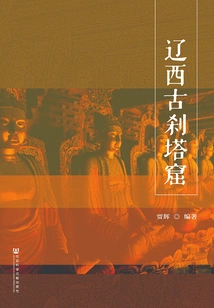
"History of Ancient Temples, Pagodas and Grottoes in Western Liaoning" carefully selects more than 500 well-known ancient temples, pagodas and caves in Western Liaoning that have a long history, complete scale and profound heritage. It mainly uses text, accompanied by photos, to present a beautiful effect of both pictures and texts, and strives to show the appearance of ancient temples in Western Liaoning. In terms of text editing, the author uses a scholar's rigorous and thoughtful attitude to carefully sort out the historical evolution of more than 500 temples, pagodas, and caves selected. He also collected a large number of relevant couplets written by literati, so that readers can sense their understanding, interpretation, and corresponding emotions of religion, and enrich the content of the book.
"History of Ancient Temples, Pagodas and Grottoes in Western Liaoning" carefully selects more than 500 well-known ancient temples, pagodas and caves in Western Liaoning that have a long history, complete scale and profound heritage. It mainly uses text, accompanied by photos, to present a beautiful effect of both pictures and texts, and strives to show the appearance of ancient temples in Western Liaoning. In terms of text editing, the author uses a scholar's rigorous and thoughtful attitude to carefully sort out the historical evolution of more than 500 temples, pagodas, and caves selected. He also collected a large number of relevant couplets written by literati, so that readers can sense their understanding, interpretation, and corresponding emotions of religion, and enrich the content of the book.
青铜之路:固原北方青铜文化
Editor-in-chief Wei Jin
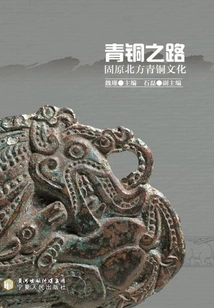
As an important part of the bronze culture of northern China, the Guyuan bronze culture began in the Western Zhou Dynasty. In 1981, the bronzes unearthed from the Western Zhou tombs and chariot pits in Sunjiazhuang, Zhonghe Township, Guyuan County, Ningxia were mainly in the Central Plains style and contained elements of nomadic culture. They were a sign that the Western Zhou rule spanned the west of Longshan (Liupan Mountain).
As an important part of the bronze culture of northern China, the Guyuan bronze culture began in the Western Zhou Dynasty. In 1981, the bronzes unearthed from the Western Zhou tombs and chariot pits in Sunjiazhuang, Zhonghe Township, Guyuan County, Ningxia were mainly in the Central Plains style and contained elements of nomadic culture. They were a sign that the Western Zhou rule spanned the west of Longshan (Liupan Mountain).
陕西省石峁遗址保护条例
Legal Affairs Committee Of The Standing Committee Of The Shaanxi Provincial People's Congress
The Shimao site is the largest human activity site from the late Longshan Culture to the early Xia Dynasty that has been discovered in northern Shaanxi. It is also the largest city site from the prehistoric period that has been discovered in China. In order to strengthen protection, our province has formulated the "Shaanxi Province Shimao Site Protection Regulations". The "Regulations" stipulate that the Shimao site and its unearthed cultural relics are owned by the state, and citizens, legal persons and other organizations are not allowed to illegally excavate, destroy, possess or trade. The Shimao ruins protection area is divided into protection scope and construction control zone.
The Shimao site is the largest human activity site from the late Longshan Culture to the early Xia Dynasty that has been discovered in northern Shaanxi. It is also the largest city site from the prehistoric period that has been discovered in China. In order to strengthen protection, our province has formulated the "Shaanxi Province Shimao Site Protection Regulations". The "Regulations" stipulate that the Shimao site and its unearthed cultural relics are owned by the state, and citizens, legal persons and other organizations are not allowed to illegally excavate, destroy, possess or trade. The Shimao ruins protection area is divided into protection scope and construction control zone.
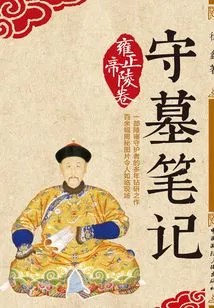
守墓笔记:雍正帝陵卷
Xu Xin
"Tomb Keeper's Notes" is based on the official history and Qing palace archives, combined with the author's more than 20 years of on-site investigation and research experience of the tombs, to interpret for you the Feng Shui and establishment, history and secrets, theft and cleanup of the Three Tombs outside the Pass, the Eastern Qing Tombs, and the Western Qing Tombs, reflecting the origin, development, glory and decline of the Qing Dynasty.
"Tomb Keeper's Notes" is based on the official history and Qing palace archives, combined with the author's more than 20 years of on-site investigation and research experience of the tombs, to interpret for you the Feng Shui and establishment, history and secrets, theft and cleanup of the Three Tombs outside the Pass, the Eastern Qing Tombs, and the Western Qing Tombs, reflecting the origin, development, glory and decline of the Qing Dynasty.
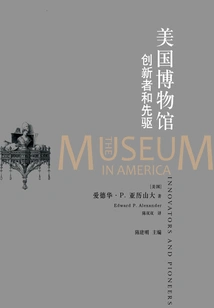
美国博物馆:创新者和先驱
(usa) Edward P. Alexander
Another classic work by Edward P. Alexander, the author of "Museum Change: A Reader on Museum History and Function" (one of the top ten national cultural heritage books in 2014 and the first national outstanding academic achievement in museology). "American Museums: Innovators and Pioneers" introduces the history of how 13 leading museum figures built private collections into various public museums during the formative years of American museums (at the turn of the 19th and 20th centuries). These first institutions include today's world-renowned American Museum of Natural History, the Metropolitan Museum of Art, the Museum of Modern Art in New York, and the Brooklyn Children's Museum. It is precisely because of the vision and leadership of these museum innovators and pioneers that the vigorous development and international influence of American museums today are possible.
Another classic work by Edward P. Alexander, the author of "Museum Change: A Reader on Museum History and Function" (one of the top ten national cultural heritage books in 2014 and the first national outstanding academic achievement in museology). "American Museums: Innovators and Pioneers" introduces the history of how 13 leading museum figures built private collections into various public museums during the formative years of American museums (at the turn of the 19th and 20th centuries). These first institutions include today's world-renowned American Museum of Natural History, the Metropolitan Museum of Art, the Museum of Modern Art in New York, and the Brooklyn Children's Museum. It is precisely because of the vision and leadership of these museum innovators and pioneers that the vigorous development and international influence of American museums today are possible.
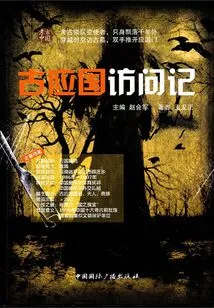
A Visit to Gu Yingguo
History古应国访问记
Wang Long Is Waiting
"Visit to Gu Ying Guo" Regarding Gu Ying Guo, there are only a few records in historical documents. It is a vassal state established by Ying Shu, the son of King Wu of Zhou Dynasty. As for where it is located, who the king is, and how long its history is, it is unknown. Fortunately, the archaeological excavations of Yingguo Cemetery from 1986 to 2007 made up for the lack of documentary records, solved one mystery after another in Yingguo's history, and clearly outlined the true appearance of a small lost country. The discovery of more than 500 tombs and the discovery of more than 10,000 cultural relics made the excavation of Yingguo Cemetery among the top ten new archaeological discoveries in the country in 1996.
"Visit to Gu Ying Guo" Regarding Gu Ying Guo, there are only a few records in historical documents. It is a vassal state established by Ying Shu, the son of King Wu of Zhou Dynasty. As for where it is located, who the king is, and how long its history is, it is unknown. Fortunately, the archaeological excavations of Yingguo Cemetery from 1986 to 2007 made up for the lack of documentary records, solved one mystery after another in Yingguo's history, and clearly outlined the true appearance of a small lost country. The discovery of more than 500 tombs and the discovery of more than 10,000 cultural relics made the excavation of Yingguo Cemetery among the top ten new archaeological discoveries in the country in 1996.
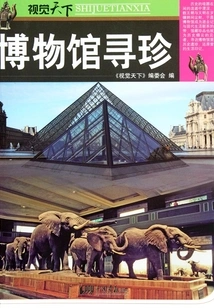
博物馆寻珍(视觉天下)
"visual World" Editorial Board
"Treasure Hunting in Museums" compiled by the editorial board of "Visual World" tells the story: Museums are distributed around the world and are places for collecting, collecting, and displaying natural and human cultural heritage. It can be said that a museum is one or even several periods of materialized development history. The collection of treasures has become a valuable asset for studying history. The lost history cannot be saved, but the treasures in the collection have become the most vivid memories of history. "Treasure Hunting in Museums" will lead readers into the most famous and interesting museums around the world. Through close contact with museum treasures, they will explore the stories behind the treasures, taste the rich cultural connotations contained in them, and sort out the great process of historical development.
"Treasure Hunting in Museums" compiled by the editorial board of "Visual World" tells the story: Museums are distributed around the world and are places for collecting, collecting, and displaying natural and human cultural heritage. It can be said that a museum is one or even several periods of materialized development history. The collection of treasures has become a valuable asset for studying history. The lost history cannot be saved, but the treasures in the collection have become the most vivid memories of history. "Treasure Hunting in Museums" will lead readers into the most famous and interesting museums around the world. Through close contact with museum treasures, they will explore the stories behind the treasures, taste the rich cultural connotations contained in them, and sort out the great process of historical development.
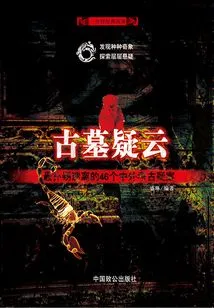
古墓疑云
J
"Mysterious Tombs" uses different writing styles to tell you interesting anecdotes that happened in Chinese and foreign archeology in one minute, taking you through time and space to distant countries, allowing you to experience ancient civilizations up close.
"Mysterious Tombs" uses different writing styles to tell you interesting anecdotes that happened in Chinese and foreign archeology in one minute, taking you through time and space to distant countries, allowing you to experience ancient civilizations up close.
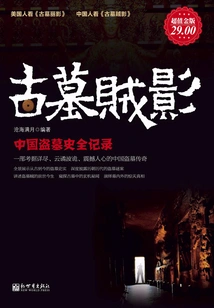
古墓贼影:中国盗墓史全记录
Full Moon
Americans watch "Tomb Raider" and Chinese people watch "Tomb Raider"! Comprehensively display the historical facts of tomb robbing from ancient times to the present, and reveal in depth the tomb robbing mysteries of past dynasties! It tells the past and present lives of tomb robbers, peeps into the mysteries of ancient tombs, and interprets the shocking truth inside and outside the tomb. A Chinese tomb robbing legend with detailed research, turbulent clouds, and shocking people. It tells the facts and truth about tomb robbing in China's thousands of years of history, explains the rise of tomb robbing activities, the composition and identity of tomb robbers, tools and techniques, major tomb robbing trends and horrific tomb robbing incidents. It also reveals the dangerous and bizarre anti-tomb robbing measures taken by the owners of ancient tombs to prevent theft, such as setting up suspicious tombs, fake tombs, concealing crossbows, poisonous smoke, and ambushes. It also reveals the incredible phenomenon of "seeing ghosts" in the history of Chinese tomb robbing.
Americans watch "Tomb Raider" and Chinese people watch "Tomb Raider"! Comprehensively display the historical facts of tomb robbing from ancient times to the present, and reveal in depth the tomb robbing mysteries of past dynasties! It tells the past and present lives of tomb robbers, peeps into the mysteries of ancient tombs, and interprets the shocking truth inside and outside the tomb. A Chinese tomb robbing legend with detailed research, turbulent clouds, and shocking people. It tells the facts and truth about tomb robbing in China's thousands of years of history, explains the rise of tomb robbing activities, the composition and identity of tomb robbers, tools and techniques, major tomb robbing trends and horrific tomb robbing incidents. It also reveals the dangerous and bizarre anti-tomb robbing measures taken by the owners of ancient tombs to prevent theft, such as setting up suspicious tombs, fake tombs, concealing crossbows, poisonous smoke, and ambushes. It also reveals the incredible phenomenon of "seeing ghosts" in the history of Chinese tomb robbing.
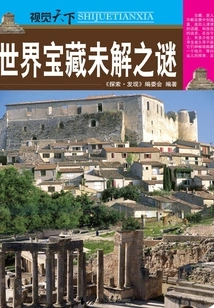
世界宝藏未解之谜(视觉天下)
Editorial Board Of "visual World·exploration And Discovery Series"
"Unsolved Mysteries of World Treasures" compiled by the editorial board of "Exploration·Discovery" tells the story: Wealth stops in the time tunnel for various reasons. They are either buried deep underground, deliberately hidden, or secretly collected, thus becoming mysterious treasures. Behind every treasure, there is a legendary story, which becomes more mysterious over the course of history. Where are those treasures? How mysterious are those stories? Read "Unsolved Mysteries of World's Treasures" to find the secrets of the treasures.
"Unsolved Mysteries of World Treasures" compiled by the editorial board of "Exploration·Discovery" tells the story: Wealth stops in the time tunnel for various reasons. They are either buried deep underground, deliberately hidden, or secretly collected, thus becoming mysterious treasures. Behind every treasure, there is a legendary story, which becomes more mysterious over the course of history. Where are those treasures? How mysterious are those stories? Read "Unsolved Mysteries of World's Treasures" to find the secrets of the treasures.
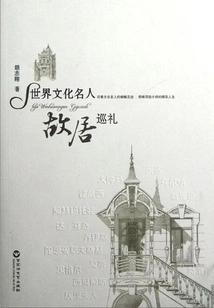
世界文化名人故居巡礼
Hu Zhixiang
Cai Yuanpei, Marie Curie, Debussy, Sibelius, Toscanini, Leonardo da Vinci, Delacroix, Monet, Hegel, Mickiewicz, Alexandre Dumas, George Sand, Nekrasov, Dostoyevsky, Verne... "Tour of the Former Residences of World Cultural Celebrities" will lead readers to get to know 25 deceased world cultural celebrities and visit their former residences to help readers become familiar with their lives and thoughts and art. "Tour of the Former Residences of World Cultural Celebrities" was written by Hu Zhixiang.
Cai Yuanpei, Marie Curie, Debussy, Sibelius, Toscanini, Leonardo da Vinci, Delacroix, Monet, Hegel, Mickiewicz, Alexandre Dumas, George Sand, Nekrasov, Dostoyevsky, Verne... "Tour of the Former Residences of World Cultural Celebrities" will lead readers to get to know 25 deceased world cultural celebrities and visit their former residences to help readers become familiar with their lives and thoughts and art. "Tour of the Former Residences of World Cultural Celebrities" was written by Hu Zhixiang.
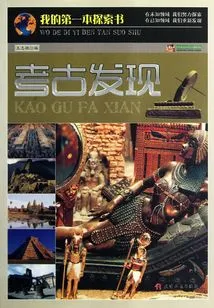
Archaeological Discoveries
History考古发现
Wang Zhiyan
From a scientific standpoint, this book is based on archaeological excavations and uses Asia, Africa, Europe, and America as the dividing points. It vividly and vividly explains the major archaeological discoveries in the world. It strives to re-create historical civilizations, reinterpret ancient legends, and help people uncover secrets that have been sleeping underground for thousands of years. By reading this book, readers can re-read the thoughts of their ancestors, gain insights into the developed ancient civilization, and gain spiritual pleasure and rich knowledge.
From a scientific standpoint, this book is based on archaeological excavations and uses Asia, Africa, Europe, and America as the dividing points. It vividly and vividly explains the major archaeological discoveries in the world. It strives to re-create historical civilizations, reinterpret ancient legends, and help people uncover secrets that have been sleeping underground for thousands of years. By reading this book, readers can re-read the thoughts of their ancestors, gain insights into the developed ancient civilization, and gain spiritual pleasure and rich knowledge.