Library
Browse and search books
521 novels found
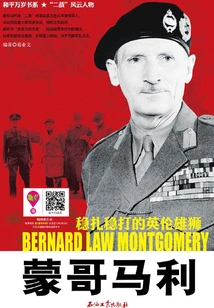
蒙哥马利:稳扎稳打的英伦雄狮
Ge Yewen
"Montgomery: The Steady Lion of England" introduces Montgomery as an outstanding British military leader during World War II. He defeated the "Afrika Korps" at El Alamein and reversed the war situation in North Africa. He was called Rommel's nemesis and brought hope to Britain's victory. He led his troops to land in Normandy and marched straight into Europe to rectify the name of the British army. In times of war, he is strong and resolute; in times of setbacks, he is tenacious and unyielding; in times of victory, he is tolerant and kind; in times of peace, he is friendly and friendly.
"Montgomery: The Steady Lion of England" introduces Montgomery as an outstanding British military leader during World War II. He defeated the "Afrika Korps" at El Alamein and reversed the war situation in North Africa. He was called Rommel's nemesis and brought hope to Britain's victory. He led his troops to land in Normandy and marched straight into Europe to rectify the name of the British army. In times of war, he is strong and resolute; in times of setbacks, he is tenacious and unyielding; in times of victory, he is tolerant and kind; in times of peace, he is friendly and friendly.
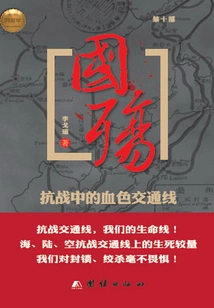
国殇(第十部):抗战中的血色交通线
Ligori
During the Anti-Japanese War, on the one hand, the Japanese army ordered the army to launch crazy attacks along several major transportation lines in North China; on the other hand, it sent the navy to block China's coastal transportation lines in an attempt to cut off China's international communication lines with the outside world. Cutting off international communication lines is equivalent to cutting off the lifeline of the war of resistance! As a result, China and Japan launched life and death duels on multiple battlefields on land, sea, and air around the Anti-Japanese War transportation lines that determined the fate of the country! The 18 major battles of the Anti-Japanese War all revolved around the struggle for transportation lines. In order to ensure the smooth flow of the Burma Highway and the China-India Highway, hundreds of thousands of soldiers of the expeditionary force shed their blood in foreign lands. China's first documentary work that presents a panoramic view of the transportation lines and battlefields of the Anti-Japanese War.
During the Anti-Japanese War, on the one hand, the Japanese army ordered the army to launch crazy attacks along several major transportation lines in North China; on the other hand, it sent the navy to block China's coastal transportation lines in an attempt to cut off China's international communication lines with the outside world. Cutting off international communication lines is equivalent to cutting off the lifeline of the war of resistance! As a result, China and Japan launched life and death duels on multiple battlefields on land, sea, and air around the Anti-Japanese War transportation lines that determined the fate of the country! The 18 major battles of the Anti-Japanese War all revolved around the struggle for transportation lines. In order to ensure the smooth flow of the Burma Highway and the China-India Highway, hundreds of thousands of soldiers of the expeditionary force shed their blood in foreign lands. China's first documentary work that presents a panoramic view of the transportation lines and battlefields of the Anti-Japanese War.
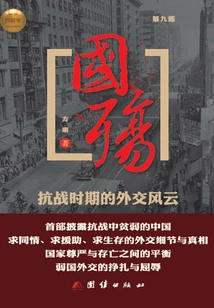
国殇(第九部):抗战时期的外交风云
Fang Ming
In China's modern history, there have been two good opportunities for its rise. One was the "Westernization Movement" initiated by Li Hongzhang, Zhang Zhidong and others at the end of the 19th century; the other was from the late 1930s to before the outbreak of the Anti-Japanese War. At that time, China's annual GDP growth rate was as high as double digits. But what is depressing is that these two opportunities were ruined by the Japanese in a sense. What is diplomacy? Diplomacy is the external exchanges between countries to safeguard their sovereignty and interests. And this kind of exchange must be based and backed by the strength of the country. Did China have these capabilities at that time? Do you speak with a strong backbone? Does anyone listen carefully to what the Chinese say? Is any country sincerely willing to help China? This was the case with China's diplomacy during the Anti-Japanese War. Although it is sad and humiliating, it is an indisputable fact. Let us turn over the pages of history and review the past that is enough to wake us up!
In China's modern history, there have been two good opportunities for its rise. One was the "Westernization Movement" initiated by Li Hongzhang, Zhang Zhidong and others at the end of the 19th century; the other was from the late 1930s to before the outbreak of the Anti-Japanese War. At that time, China's annual GDP growth rate was as high as double digits. But what is depressing is that these two opportunities were ruined by the Japanese in a sense. What is diplomacy? Diplomacy is the external exchanges between countries to safeguard their sovereignty and interests. And this kind of exchange must be based and backed by the strength of the country. Did China have these capabilities at that time? Do you speak with a strong backbone? Does anyone listen carefully to what the Chinese say? Is any country sincerely willing to help China? This was the case with China's diplomacy during the Anti-Japanese War. Although it is sad and humiliating, it is an indisputable fact. Let us turn over the pages of history and review the past that is enough to wake us up!
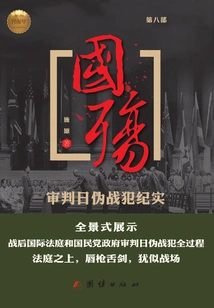
国殇(第八部):审判日伪战犯纪实
Shi Yuan
"National Memorial (Part 8): Documentary of the Trial of Japanese and Puppet War Criminals" is the eighth book in the "National Memorial" series. It tells the entire process of the trial of Japanese and puppet war criminals by the Kuomintang government and the International Military Tribunal for the Far East after the victory of the Anti-Japanese War. In court, war criminals who have committed numerous crimes try to escape punishment by various means. War criminals, prosecutors, witnesses, and lawyers battled wits and courage, and the trial process was full of ups and downs. Through the trial, some of them finally got the punishment they deserved, while others escaped. "National Memorial (Part 8): Documentary of the Judgment Day of Puppet War Criminals" comprehensively displays this history in a documentary style.
"National Memorial (Part 8): Documentary of the Trial of Japanese and Puppet War Criminals" is the eighth book in the "National Memorial" series. It tells the entire process of the trial of Japanese and puppet war criminals by the Kuomintang government and the International Military Tribunal for the Far East after the victory of the Anti-Japanese War. In court, war criminals who have committed numerous crimes try to escape punishment by various means. War criminals, prosecutors, witnesses, and lawyers battled wits and courage, and the trial process was full of ups and downs. Through the trial, some of them finally got the punishment they deserved, while others escaped. "National Memorial (Part 8): Documentary of the Judgment Day of Puppet War Criminals" comprehensively displays this history in a documentary style.
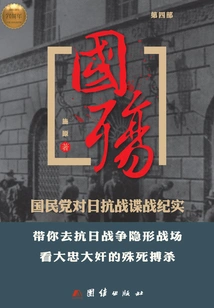
国殇(第四部):国民党对日抗战谍战纪实
Shi Yuan
During World War II, China suffered a war of aggression, China's laws were trampled upon, and national justice could not be guaranteed. The vast majority of Chinese people chose to resist. In addition to joining the battlefield under heavy artillery fire, some people (mainly agents of the Kuomintang military commander and the Central Commander-in-Chief) chose to devote themselves to eradicating the root causes of the war of aggression against China, punishing Japanese war criminals and traitors, and "targeted elimination" of a very few people who were extremely harmful to the Chinese nation. They hope to reduce the sacrifices on the battlefields and the losses of civilians on both sides by eliminating the root cause. Of course, this battle between human natures was very bloody, brutal, extremely complicated, and its results were extremely confusing, leaving many puzzling mysteries to this day. "National Memorial (Part 4): A Record of the Kuomintang's Anti-Japanese War Spy War" focuses on some historical facts that mainly occurred from 1938 to 1945 before the victory of the Anti-Japanese War, most of which occurred in Shanghai.
During World War II, China suffered a war of aggression, China's laws were trampled upon, and national justice could not be guaranteed. The vast majority of Chinese people chose to resist. In addition to joining the battlefield under heavy artillery fire, some people (mainly agents of the Kuomintang military commander and the Central Commander-in-Chief) chose to devote themselves to eradicating the root causes of the war of aggression against China, punishing Japanese war criminals and traitors, and "targeted elimination" of a very few people who were extremely harmful to the Chinese nation. They hope to reduce the sacrifices on the battlefields and the losses of civilians on both sides by eliminating the root cause. Of course, this battle between human natures was very bloody, brutal, extremely complicated, and its results were extremely confusing, leaving many puzzling mysteries to this day. "National Memorial (Part 4): A Record of the Kuomintang's Anti-Japanese War Spy War" focuses on some historical facts that mainly occurred from 1938 to 1945 before the victory of the Anti-Japanese War, most of which occurred in Shanghai.
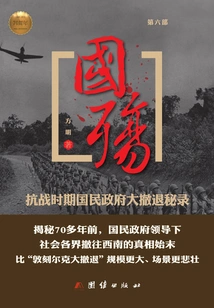
国殇(第六部):抗战时期国民政府大撤退秘录
Fang Ming
"National Memorial (Part 6): Secret Records of the National Government's Great Retreat During the Anti-Japanese War" mainly records the historical events during the Anti-Japanese War, when faced with the strong Japanese army pressing hard, the National Government and all walks of life moved to the southwest to prepare for a protracted war. The book reveals the reasons and timing of the retreat to the Southwest, the inside story of the Kuomintang's deployment before and after the retreat to Chongqing and the formulation of the retreat plan, as well as details of the business, cultural, cultural relics, and refugees' experiences during the inward relocation.
"National Memorial (Part 6): Secret Records of the National Government's Great Retreat During the Anti-Japanese War" mainly records the historical events during the Anti-Japanese War, when faced with the strong Japanese army pressing hard, the National Government and all walks of life moved to the southwest to prepare for a protracted war. The book reveals the reasons and timing of the retreat to the Southwest, the inside story of the Kuomintang's deployment before and after the retreat to Chongqing and the formulation of the retreat plan, as well as details of the business, cultural, cultural relics, and refugees' experiences during the inward relocation.
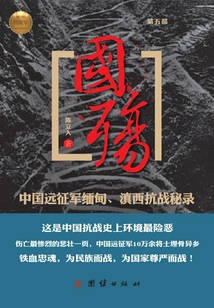
国殇(第五部):中国远征军缅甸、滇西抗战秘录
Chen Liren
Exactly 70 years ago, the war of resistance in northern Myanmar and western Yunnan, launched to fight for jungles, roads, and survival, ended with the annihilation of the Japanese army and the glorious victory of the Chinese Expeditionary Force. However, do people remember that in the vast jungles of northern Myanmar and western Yunnan and under the long roads, more than 100,000 remains of the Chinese Expeditionary Force were lying; do people know how difficult, tragic and tragic that war was?
Exactly 70 years ago, the war of resistance in northern Myanmar and western Yunnan, launched to fight for jungles, roads, and survival, ended with the annihilation of the Japanese army and the glorious victory of the Chinese Expeditionary Force. However, do people remember that in the vast jungles of northern Myanmar and western Yunnan and under the long roads, more than 100,000 remains of the Chinese Expeditionary Force were lying; do people know how difficult, tragic and tragic that war was?
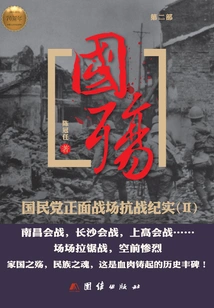
国殇(第二部):国民党正面战场抗战纪实(II)
J
After the Wuhan Battle in October 1938, China's Anti-Japanese War entered a more difficult period. The Kuomintang's frontal battles of Nanchang, Changsha, Guinan, and Suizao... Began one after another, forming an unprecedented and brutal tug-of-war - the Changde Battle, in which China defended The Chinese army of more than 8,000 people faced repeated attacks by 30,000 Japanese troops and held out for 16 days and nights until they ran out of ammunition and food, and fewer than a hundred people survived: the outpost battle to attack Nanning. After 12 days of fierce fighting, the Chinese army regained Kunlun Pass and witnessed the most brutal fighting in the Battle of Nanning. In the first phase of the Chinese Expeditionary Force's entry into Myanmar, they suffered heavy casualties in northern Myanmar. There were only 40,000 remnants of the 100,000 troops in the three armies. During this period, the famous anti-Japanese war generals Zhang Zizhong and General Dai Anlan, as well as millions of Kuomintang officers and soldiers fell on the battlefield to kill the enemy and defend the country. In this period until the Battle of Western Hunan kicked off the counter-offensive, the Chinese Anti-Japanese War finally ushered in a great victory. The country and the soul of the nation were sacrificed. This is a historical monument made of flesh and blood.
After the Wuhan Battle in October 1938, China's Anti-Japanese War entered a more difficult period. The Kuomintang's frontal battles of Nanchang, Changsha, Guinan, and Suizao... Began one after another, forming an unprecedented and brutal tug-of-war - the Changde Battle, in which China defended The Chinese army of more than 8,000 people faced repeated attacks by 30,000 Japanese troops and held out for 16 days and nights until they ran out of ammunition and food, and fewer than a hundred people survived: the outpost battle to attack Nanning. After 12 days of fierce fighting, the Chinese army regained Kunlun Pass and witnessed the most brutal fighting in the Battle of Nanning. In the first phase of the Chinese Expeditionary Force's entry into Myanmar, they suffered heavy casualties in northern Myanmar. There were only 40,000 remnants of the 100,000 troops in the three armies. During this period, the famous anti-Japanese war generals Zhang Zizhong and General Dai Anlan, as well as millions of Kuomintang officers and soldiers fell on the battlefield to kill the enemy and defend the country. In this period until the Battle of Western Hunan kicked off the counter-offensive, the Chinese Anti-Japanese War finally ushered in a great victory. The country and the soul of the nation were sacrificed. This is a historical monument made of flesh and blood.
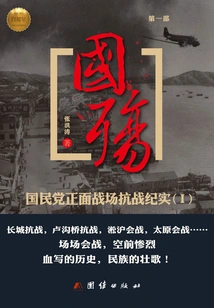
国殇(第一部):国民党正面战场抗战纪实(I)
Zhang Hongtao
A sleeping lion with wounds all over his body finally woke up suddenly with a roar after being bitten and bullied for 6 years. In the 15-month strategic defense bloody battle, the Chinese army blocked the powerful Japanese invading army with blood and flesh. Is it war or peace? Politicians and military strategists appeared frequently and acted in various ways. In Songhu, Xinkou, Xuzhou, and Wuhan, several major battles were intertwined and fought with unprecedented brutality. The Chinese soldiers died on the battlefield, smiling in the nine springs: the bloody sky, bloody earth, and bloody rivers restrained the bloody light of the Japanese "sun". The senior generals of the Kuomintang appear on the stage, and who is better and worse will be seen on the battlefield. Tong Linge, Zhao Dengyu, Hao Mengling, Wang Mingzhang... The generals' uniforms were soaked with blood, and they succeeded in becoming benevolent; Han Fuju, Xiang Hanping, Li Fuying... Dozens of senior generals fell on the execution ground and became infamous for thousands of years.
A sleeping lion with wounds all over his body finally woke up suddenly with a roar after being bitten and bullied for 6 years. In the 15-month strategic defense bloody battle, the Chinese army blocked the powerful Japanese invading army with blood and flesh. Is it war or peace? Politicians and military strategists appeared frequently and acted in various ways. In Songhu, Xinkou, Xuzhou, and Wuhan, several major battles were intertwined and fought with unprecedented brutality. The Chinese soldiers died on the battlefield, smiling in the nine springs: the bloody sky, bloody earth, and bloody rivers restrained the bloody light of the Japanese "sun". The senior generals of the Kuomintang appear on the stage, and who is better and worse will be seen on the battlefield. Tong Linge, Zhao Dengyu, Hao Mengling, Wang Mingzhang... The generals' uniforms were soaked with blood, and they succeeded in becoming benevolent; Han Fuju, Xiang Hanping, Li Fuying... Dozens of senior generals fell on the execution ground and became infamous for thousands of years.
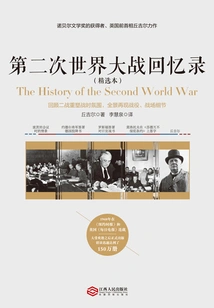
第二次世界大战回忆录(精选本)
(british) Churchill
This book was written by former British Prime Minister Churchill between 1948 and 1954. The book begins with the "Contract of Versailles" in 1919 and ends with the "Potsdam Declaration" in 1945 and the end of World War II. It not only describes the causes and course of the war, but also reproduces the details of the war process. It contains both narratives of major international events and discussions of the relationships between countries during the war. It involves politics, economy, military, diplomacy and other aspects. It is an important historical material for the study of World War II.
This book was written by former British Prime Minister Churchill between 1948 and 1954. The book begins with the "Contract of Versailles" in 1919 and ends with the "Potsdam Declaration" in 1945 and the end of World War II. It not only describes the causes and course of the war, but also reproduces the details of the war process. It contains both narratives of major international events and discussions of the relationships between countries during the war. It involves politics, economy, military, diplomacy and other aspects. It is an important historical material for the study of World War II.
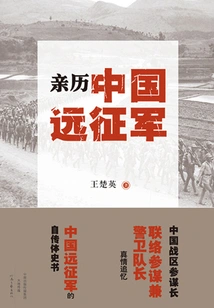
亲历中国远征军
Wang Chuying
"Experiencing the Chinese Expeditionary Force" is a lengthy work written by Mr. Wang Chuying, who is over 90 years old, based on his personal experience and took several years to write. This book truly records the entire process of the Chinese Expeditionary Force's mission to Burma to aid the British and Japanese forces from 1942 to 1945. It vividly depicts the character traits and war activities of senior Allied generals such as Stilwell, Mountbatten, Wavell, Alexander, and Slim, as well as the main generals of the expeditionary force such as Luo Zhuoying, Du Yuming, Sun Liren, Liao Yaoxiang, and Dai Anlan. It is the most complete and authoritative historical monograph at home and abroad that describes the Chinese Expeditionary Force's operations in Burma, India and Yunnan.
"Experiencing the Chinese Expeditionary Force" is a lengthy work written by Mr. Wang Chuying, who is over 90 years old, based on his personal experience and took several years to write. This book truly records the entire process of the Chinese Expeditionary Force's mission to Burma to aid the British and Japanese forces from 1942 to 1945. It vividly depicts the character traits and war activities of senior Allied generals such as Stilwell, Mountbatten, Wavell, Alexander, and Slim, as well as the main generals of the expeditionary force such as Luo Zhuoying, Du Yuming, Sun Liren, Liao Yaoxiang, and Dai Anlan. It is the most complete and authoritative historical monograph at home and abroad that describes the Chinese Expeditionary Force's operations in Burma, India and Yunnan.
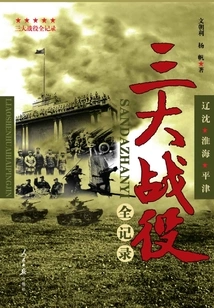
三大战役全记录
Wen Chaoli Yang Fan
In human history, war is a never-ending topic. In every era and every country, it appears with an unprecedented face. The short period from September 1948 to September 1949 was undoubtedly the most intense period of change in China in more than a century. The victories in the three major battles of Liaoshen, Huaihai, and Pingjin destroyed the main force that the Kuomintang relied on to maintain its rule and completely changed the direction of this country. In this war, the fates of great men, wise men, fools, and cowards were mixed together, and the battlefield between ourselves and the enemy was turned upside down by them. The situation in the entire China has been turned upside down because of them... On the mottled pictures smeared with blood and tears, we see the fate of the country; in the sounds of fighting and groans that travel through time and space, we listen to the pulse of the nation.
In human history, war is a never-ending topic. In every era and every country, it appears with an unprecedented face. The short period from September 1948 to September 1949 was undoubtedly the most intense period of change in China in more than a century. The victories in the three major battles of Liaoshen, Huaihai, and Pingjin destroyed the main force that the Kuomintang relied on to maintain its rule and completely changed the direction of this country. In this war, the fates of great men, wise men, fools, and cowards were mixed together, and the battlefield between ourselves and the enemy was turned upside down by them. The situation in the entire China has been turned upside down because of them... On the mottled pictures smeared with blood and tears, we see the fate of the country; in the sounds of fighting and groans that travel through time and space, we listen to the pulse of the nation.
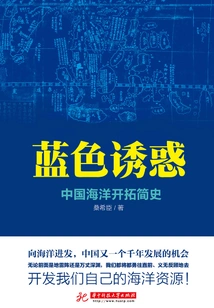
蓝色诱惑:中国海洋开拓简史
Sang Xichen
This book begins with the exploration of marine resources by the ancestors of the Yin and Shang Dynasties in the form of myths in the "Book of Mountains and Seas", and tells the process of our gradual understanding of marine resources over thousands of years. The ocean is not only a treasure of resources, but also a bridge of friendship and a guarantee of national security!
This book begins with the exploration of marine resources by the ancestors of the Yin and Shang Dynasties in the form of myths in the "Book of Mountains and Seas", and tells the process of our gradual understanding of marine resources over thousands of years. The ocean is not only a treasure of resources, but also a bridge of friendship and a guarantee of national security!
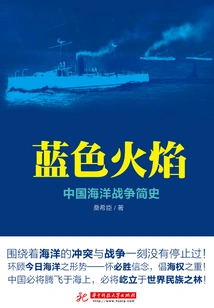
蓝色火焰:中国海洋战争简史
Sang Xichen
This book begins with China's first naval war on record - the Wu Qi Sea War Hegemony in the Spring and Autumn Period, and tells the important role of the ocean in maintaining national security and reunifying the motherland. Among them is the pride of the first naval battle between China and Japan in the Tang Dynasty, the "Battle of Baijiangkou" (this battle made Japan surrender to China for more than 900 years. It was not until the Wanli period that it dared to invade North Korea again, but was defeated by China again). There is also the tragedy of the Yashan naval battle. There is also the heroic feat of regaining Taiwan in the Penghu naval battle, which tells the story of the indomitable spirit of the Chinese military and civilians in order to safeguard the reunification of the motherland and territorial security. He also talked about the fierce battles between China and France, Japan and other invading forces such as the Battle of Mawei, the Battle of Sino-Japanese War, the Battle of Humen, and the Battle of Jiangyin.
This book begins with China's first naval war on record - the Wu Qi Sea War Hegemony in the Spring and Autumn Period, and tells the important role of the ocean in maintaining national security and reunifying the motherland. Among them is the pride of the first naval battle between China and Japan in the Tang Dynasty, the "Battle of Baijiangkou" (this battle made Japan surrender to China for more than 900 years. It was not until the Wanli period that it dared to invade North Korea again, but was defeated by China again). There is also the tragedy of the Yashan naval battle. There is also the heroic feat of regaining Taiwan in the Penghu naval battle, which tells the story of the indomitable spirit of the Chinese military and civilians in order to safeguard the reunification of the motherland and territorial security. He also talked about the fierce battles between China and France, Japan and other invading forces such as the Battle of Mawei, the Battle of Sino-Japanese War, the Battle of Humen, and the Battle of Jiangyin.
战争史笔记:清(修订版)
Zhu Zengquan
General Zhu Zengquan reviewed the "War History Notes: Qing Dynasty" on ancient Chinese wars with the professional vision of a professional soldier, presenting the classic battles of armies and iron horses, and commenting in depth on the rise and fall of dynasties. "War History Notes" is the author's prose-style war history notes, or a notebook-style war history. All history is boring and boring to read, and war history is no exception. This is an attempt by the author to write the history of war in an easy-to-understand and fascinating way. This book describes the war history of the Qing Dynasty in detail.
General Zhu Zengquan reviewed the "War History Notes: Qing Dynasty" on ancient Chinese wars with the professional vision of a professional soldier, presenting the classic battles of armies and iron horses, and commenting in depth on the rise and fall of dynasties. "War History Notes" is the author's prose-style war history notes, or a notebook-style war history. All history is boring and boring to read, and war history is no exception. This is an attempt by the author to write the history of war in an easy-to-understand and fascinating way. This book describes the war history of the Qing Dynasty in detail.
战争史笔记:上古——秦汉(修订版)
Zhu Zengquan
General Zhu Zengquan used the professional vision of a professional soldier to review ancient Chinese wars in "War History Notes: Ancient Times - Qin and Han", presenting the classic battles of armies and iron horses, and commenting in depth on the rise and fall of dynasties. The history of the millennium war is told in a unique notebook style, the classic battles are brilliantly presented, and the rise and fall of dynasties is commented on in depth. History serves as a mirror and a warning that if you forget to fight, you will be in danger.
General Zhu Zengquan used the professional vision of a professional soldier to review ancient Chinese wars in "War History Notes: Ancient Times - Qin and Han", presenting the classic battles of armies and iron horses, and commenting in depth on the rise and fall of dynasties. The history of the millennium war is told in a unique notebook style, the classic battles are brilliantly presented, and the rise and fall of dynasties is commented on in depth. History serves as a mirror and a warning that if you forget to fight, you will be in danger.
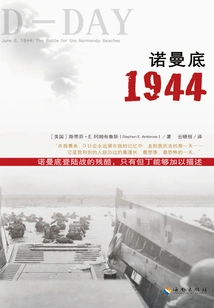
Normandy 1944
Military诺曼底1944
(usa) Stephen E. Ambrose
On June 6, 1944 (D-Day), the Allied forces launched the Normandy invasion, the largest coordinated attack by air force and naval fleets known to date. Stalin once wrote to Churchill and commented: "This is a feat that has never happened in the entire history of war." The Battle of Normandy brought about a fundamental turning point in the entire strategic situation of World War II. It also largely determined the subsequent relationship between the United States and Europe, and established the overall pattern of the post-World War II world.
On June 6, 1944 (D-Day), the Allied forces launched the Normandy invasion, the largest coordinated attack by air force and naval fleets known to date. Stalin once wrote to Churchill and commented: "This is a feat that has never happened in the entire history of war." The Battle of Normandy brought about a fundamental turning point in the entire strategic situation of World War II. It also largely determined the subsequent relationship between the United States and Europe, and established the overall pattern of the post-World War II world.
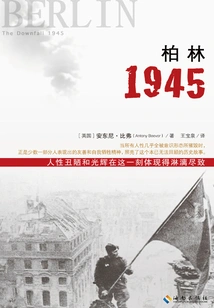
Berlin 1945
Military柏林1945
(uk) Anthony Beaver
"Berlin 1945" won the first Longman Today Trusteeship Award for History and has been translated into more than twenty languages. Drawing on newly declassified Soviet archives and historical sources from Germany, the United States, Britain and France, Anthony Beaver vividly recounts the nightmarish fate endured by many civilians and soldiers, especially women, in the final days of the Third Reich's collapse. Under the cover of the magnificent war scenes, the author recorded an experiential historical event in the form of oral history. The kindness and self-sacrifice shown by some people in extreme times illuminated this historical story that was already impossible to review.
"Berlin 1945" won the first Longman Today Trusteeship Award for History and has been translated into more than twenty languages. Drawing on newly declassified Soviet archives and historical sources from Germany, the United States, Britain and France, Anthony Beaver vividly recounts the nightmarish fate endured by many civilians and soldiers, especially women, in the final days of the Third Reich's collapse. Under the cover of the magnificent war scenes, the author recorded an experiential historical event in the form of oral history. The kindness and self-sacrifice shown by some people in extreme times illuminated this historical story that was already impossible to review.
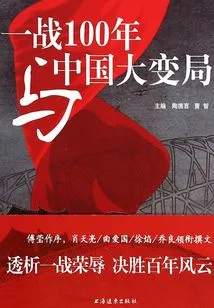
一战100年与中国大变局
Tao Deyan Cao Zhi
The book is divided into two parts, the Chinese chapter and the world chapter. The main contents include: why China should participate in One Stop; One Stop's century-old revelation; One Stop promotes China's development to a major turning point; the Western War stimulates the awakening of the Chinese nation; One Stop reflects the economic trend of modern China; One Stop promotes China's military modernization, etc.
The book is divided into two parts, the Chinese chapter and the world chapter. The main contents include: why China should participate in One Stop; One Stop's century-old revelation; One Stop promotes China's development to a major turning point; the Western War stimulates the awakening of the Chinese nation; One Stop reflects the economic trend of modern China; One Stop promotes China's military modernization, etc.
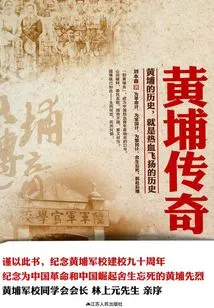
Huangpu Legend
Military黄埔传奇
Liu Bensen
"Whampoa Military Academy" was published on the occasion of the 90th anniversary of the establishment of Whampoa Military Academy in 2014, as a tribute to this great military academy. The whole book is written from the establishment of Whampoa Military Academy to the withdrawal from the mainland. It not only introduces the magnificent history and achievements of Huangpu teachers and students during this period, such as the Eastern Expedition, the Northern Expedition, the Civil War, the Anti-Japanese War, etc., But also describes a large number of unknown stories of Huangpu elites who once influenced Chinese history, as well as some legends of important figures in Huangpu between the Kuomintang and the Communist Party.
"Whampoa Military Academy" was published on the occasion of the 90th anniversary of the establishment of Whampoa Military Academy in 2014, as a tribute to this great military academy. The whole book is written from the establishment of Whampoa Military Academy to the withdrawal from the mainland. It not only introduces the magnificent history and achievements of Huangpu teachers and students during this period, such as the Eastern Expedition, the Northern Expedition, the Civil War, the Anti-Japanese War, etc., But also describes a large number of unknown stories of Huangpu elites who once influenced Chinese history, as well as some legends of important figures in Huangpu between the Kuomintang and the Communist Party.
Liberate Siping
Military解放四平
Record Work
In the summer of 1947, the Northeastern Democratic Alliance Army commanded by Lin Biao launched a powerful summer offensive against the Kuomintang army. After two stages of fierce attacks, dozens of cities were conquered and nearly 4 divisions of the Kuomintang army were wiped out with more than 60,000 people. It can be said that they are invincible. In the last battle before ending the offensive, Lin Biao targeted Siping City. In order to conquer Siping, Lin Biao gathered the entire 1st Column of the Democratic Alliance Army, the entire Liaoji Column (7th Column), the 17th Division of the 6th Column and 5 battalions of the Artillery Directly under the Eastern General Artillery, a total of 7 divisions with more than 70,000 troops to form a siege group, under the unified command of the 1st Column Commander Li Tianyou. Lin Biao personally commanded 6 columns and 7 independent divisions, a total of 17 divisions, to carry out blocking and reinforcement operations.
In the summer of 1947, the Northeastern Democratic Alliance Army commanded by Lin Biao launched a powerful summer offensive against the Kuomintang army. After two stages of fierce attacks, dozens of cities were conquered and nearly 4 divisions of the Kuomintang army were wiped out with more than 60,000 people. It can be said that they are invincible. In the last battle before ending the offensive, Lin Biao targeted Siping City. In order to conquer Siping, Lin Biao gathered the entire 1st Column of the Democratic Alliance Army, the entire Liaoji Column (7th Column), the 17th Division of the 6th Column and 5 battalions of the Artillery Directly under the Eastern General Artillery, a total of 7 divisions with more than 70,000 troops to form a siege group, under the unified command of the 1st Column Commander Li Tianyou. Lin Biao personally commanded 6 columns and 7 independent divisions, a total of 17 divisions, to carry out blocking and reinforcement operations.
Liberate a Country
Military解放一江山
Record Work
After the liberation of the mainland, the remaining troops of the national army retreated to some islands along the southeast coast. They attempted to use these islands as forward bases to defend Taiwan and launch counterattacks on the mainland. The People's Liberation Army's East China Military Region troops launched an attack on the island. This was the first time the People's Liberation Army's army, navy and air force coordinated the operation. The battle lasted for two days. By 2:00 on January 19, the People's Liberation Army occupied the island, and Wang Shengming, the commander of the National Army Yijiangshan Island, was killed in action.
After the liberation of the mainland, the remaining troops of the national army retreated to some islands along the southeast coast. They attempted to use these islands as forward bases to defend Taiwan and launch counterattacks on the mainland. The People's Liberation Army's East China Military Region troops launched an attack on the island. This was the first time the People's Liberation Army's army, navy and air force coordinated the operation. The battle lasted for two days. By 2:00 on January 19, the People's Liberation Army occupied the island, and Wang Shengming, the commander of the National Army Yijiangshan Island, was killed in action.
World War Ii
Military二战风云
Yang Shaodan
Opening up the annals of World War II, that period of time left a tragic and tragic past in human history. After years of hard work, it still seems so thrilling and depressing. Revisiting every detail of World War II, people not only relive the scenes of war and corpses everywhere, but also cherish the unforgettable memory of the battle between justice and evil. This book provides a full review of the Second World War through a large number of classic battles and a lot of war data, which can help us clearly understand the difficulty and cruelty of the war.
Opening up the annals of World War II, that period of time left a tragic and tragic past in human history. After years of hard work, it still seems so thrilling and depressing. Revisiting every detail of World War II, people not only relive the scenes of war and corpses everywhere, but also cherish the unforgettable memory of the battle between justice and evil. This book provides a full review of the Second World War through a large number of classic battles and a lot of war data, which can help us clearly understand the difficulty and cruelty of the war.
二战谜中谜
Li Li
There was a time when the specter of fascism hung over the world. But now it has been burned to the core by the fire of justice set by peace-loving warriors. But when people follow the footsteps of history and look back at the past, there are still many mysteries of World War II that obscure our view - the miracle of the Dunkirk evacuation, the suspicion of the attack on Pearl Harbor, the details of the Normandy landing...
There was a time when the specter of fascism hung over the world. But now it has been burned to the core by the fire of justice set by peace-loving warriors. But when people follow the footsteps of history and look back at the past, there are still many mysteries of World War II that obscure our view - the miracle of the Dunkirk evacuation, the suspicion of the attack on Pearl Harbor, the details of the Normandy landing...
Panoramic World War Ii
Military全景二战
Yang Shaodan
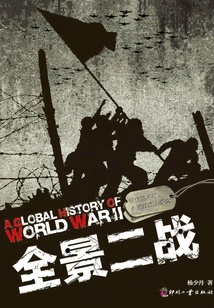
This book selects major events and characters in World War II from a calm and unique perspective. "Panorama World War II" reproduces the entire process of "World War II" through a large number of real battlefield pictures and exquisite hand-drawn drawings, reflecting the microscopic image of the history of "World War II". If you want to know what war is, then please use reading to collect the events of "World War II" that are far away.
This book selects major events and characters in World War II from a calm and unique perspective. "Panorama World War II" reproduces the entire process of "World War II" through a large number of real battlefield pictures and exquisite hand-drawn drawings, reflecting the microscopic image of the history of "World War II". If you want to know what war is, then please use reading to collect the events of "World War II" that are far away.
军部当国:近代日本军国主义冒险史(从明治到大正)
Zhao Kai
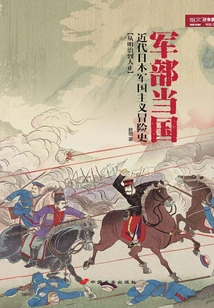
This book focuses on an extremely radical era of change in Japan's modern history. After the Sino-Japanese War, Japan annexed the Korean Peninsula and mobilized its entire country to compete with Tsarist Russia for the Northeast. At the same time, agents in China were fostered to become the driving force behind the warlords' melee, until they invaded China with arms. The offensive and defensive battle between Japan and Germany around Qingdao during World War I was once hidden in historical data. The intervention in the Soviet revolution and the military action of sending troops to Siberia further reflected the complicated political and military game in Japan. This book will take the history from the Sino-Japanese War of 1894 to the end of World War I as a clue, follow the footsteps of Japan's military expansion, and show readers the history of the Japanese military gradually becoming the master of the country.
This book focuses on an extremely radical era of change in Japan's modern history. After the Sino-Japanese War, Japan annexed the Korean Peninsula and mobilized its entire country to compete with Tsarist Russia for the Northeast. At the same time, agents in China were fostered to become the driving force behind the warlords' melee, until they invaded China with arms. The offensive and defensive battle between Japan and Germany around Qingdao during World War I was once hidden in historical data. The intervention in the Soviet revolution and the military action of sending troops to Siberia further reflected the complicated political and military game in Japan. This book will take the history from the Sino-Japanese War of 1894 to the end of World War I as a clue, follow the footsteps of Japan's military expansion, and show readers the history of the Japanese military gradually becoming the master of the country.
帝国强军:欧洲八大古战精锐
Zhiwen Fenghuo Studio
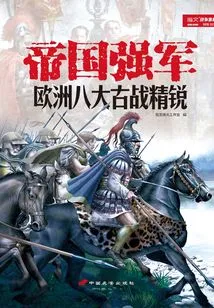
There are eight elite European classical troops here. They are the embodiment of the military and national power of a dynasty or empire. They are the creators of glorious achievements and witnesses of the rise and fall of an empire. This book uses vivid stories and rigorous research to explain in detail the organizational systems, weapons and equipment, and tactical applications of these eight troops, as well as the battles and great achievements they created!
There are eight elite European classical troops here. They are the embodiment of the military and national power of a dynasty or empire. They are the creators of glorious achievements and witnesses of the rise and fall of an empire. This book uses vivid stories and rigorous research to explain in detail the organizational systems, weapons and equipment, and tactical applications of these eight troops, as well as the battles and great achievements they created!
帝国强军:中国八大古战精锐
Zhiwen Fenghuo Studio
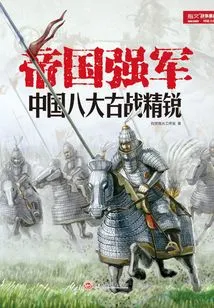
Qin Xianyang Garrison, Han Yulin Cavalry, Eastern Jin Beifu Army, Northern Qi Baibao Xianbeijia Cavalry, Tang Xuanjia Army, Mongolian Qongxue Army, Ming Qijia Army, Houjin Baya La... They are eight famous elite troops in Chinese history. They are the greatest expression of the military and national power of a dynasty or empire. They are the creators of glorious achievements and legendary history, and witnesses of the rise and fall of empires. This book uses vivid stories and rigorous research to explain in detail the organizational systems, weapons and equipment, and tactical applications of these eight troops, as well as the famous battles and great achievements they created!
Qin Xianyang Garrison, Han Yulin Cavalry, Eastern Jin Beifu Army, Northern Qi Baibao Xianbeijia Cavalry, Tang Xuanjia Army, Mongolian Qongxue Army, Ming Qijia Army, Houjin Baya La... They are eight famous elite troops in Chinese history. They are the greatest expression of the military and national power of a dynasty or empire. They are the creators of glorious achievements and legendary history, and witnesses of the rise and fall of empires. This book uses vivid stories and rigorous research to explain in detail the organizational systems, weapons and equipment, and tactical applications of these eight troops, as well as the famous battles and great achievements they created!
Secret War 3000 (part 3)
Military秘密战3000年(第3部)
Zhiwen Fenghuo Studio
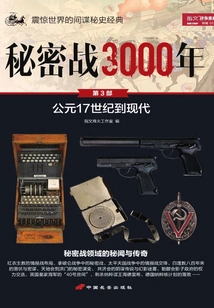
Human history has always been accompanied by wars and contests, and secret warfare methods from the shadows have always been present throughout it. "3000 Years of Secret War" has three volumes with detailed historical materials, twists and turns, and exciting stories. It collects classic secret war events in the past 3000 years at home and abroad, including the secret war behind the princes in Zhou You's beacon fire play, the mystery of Alexander the Great's patricide, the identity change of Changping Jun, Qin Prime Minister and the last Chu king, Zhu Yuanzhang's spy politics, Elizabeth I's bloody secret war, and Jewish business groups. The secret societies he owns, the Knights Templar who suffered "Black Friday" because of their overwhelming wealth, the mysterious Japanese ninja group, Cardinal Richelieu's intelligence warfare layout, Emperor Napoleon's secrecy bureau battles, the overlapping of power and the shadow government of the Skull and Bones Society, the Cheka organization of the Soviet regime, the deciphering of the "Enigma" code, the end of Nazi Germany's nuclear program, etc.
Human history has always been accompanied by wars and contests, and secret warfare methods from the shadows have always been present throughout it. "3000 Years of Secret War" has three volumes with detailed historical materials, twists and turns, and exciting stories. It collects classic secret war events in the past 3000 years at home and abroad, including the secret war behind the princes in Zhou You's beacon fire play, the mystery of Alexander the Great's patricide, the identity change of Changping Jun, Qin Prime Minister and the last Chu king, Zhu Yuanzhang's spy politics, Elizabeth I's bloody secret war, and Jewish business groups. The secret societies he owns, the Knights Templar who suffered "Black Friday" because of their overwhelming wealth, the mysterious Japanese ninja group, Cardinal Richelieu's intelligence warfare layout, Emperor Napoleon's secrecy bureau battles, the overlapping of power and the shadow government of the Skull and Bones Society, the Cheka organization of the Soviet regime, the deciphering of the "Enigma" code, the end of Nazi Germany's nuclear program, etc.
日本军事崛起之路:幕末至明治时代
Pan Yue
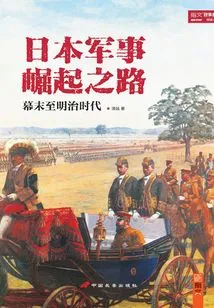
This book takes time as the axis and tells the story of Japan's entire rise and expansion process from the early 19th century to the early 20th century, from being closed to the outside world to being forced to go abroad, from the Meiji Restoration to the launch of the Russo-Japanese War. It focuses on the historical process, military changes, organizational forms of the army and navy, the weapons equipped and the wars launched in Japan during this century of changes.
This book takes time as the axis and tells the story of Japan's entire rise and expansion process from the early 19th century to the early 20th century, from being closed to the outside world to being forced to go abroad, from the Meiji Restoration to the launch of the Russo-Japanese War. It focuses on the historical process, military changes, organizational forms of the army and navy, the weapons equipped and the wars launched in Japan during this century of changes.
Summer Candy
Military夏天糖
Tian Er
There is almost no shortage of urban elements in "Summer Sugar". There are modern urban landscapes, production methods, fashion trends, and even, using Di Qing as a clue, it also describes a group of underground film production groups. They are undoubtedly the most pioneering tribe in the city. However, in Tian Er's writings, more people show a kind of dislocation in time and space.
There is almost no shortage of urban elements in "Summer Sugar". There are modern urban landscapes, production methods, fashion trends, and even, using Di Qing as a clue, it also describes a group of underground film production groups. They are undoubtedly the most pioneering tribe in the city. However, in Tian Er's writings, more people show a kind of dislocation in time and space.
从俘虏到战友:八路军、新四军的敌军工作
Xu Zehao
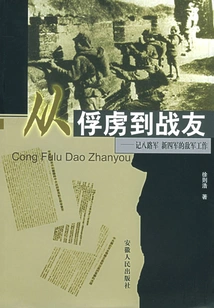
The enemy's work includes the puppet army, and is also called the enemy's and puppet army's work. During the War of Resistance, the Eighth Route Army and the New Fourth Army carried out political offensives, divided and disintegrated the puppet troops, won over the puppet troops, weakened and eliminated the enemy's power, and strengthened the people's armed forces. Their achievements were remarkable and their accumulated experience was rich. This book focuses on winning over and educating prisoners, but does not write about the puppet soldiers. The second is about the issue of the Korean Independence Alliance. Some of the Japanese invaders in China were Korean soldiers who were forcibly recruited into the army. After being captured by the Eighth Route Army and the New Fourth Army, they awakened and opposed the aggressive war launched by the Japanese fascist military headquarters. They formed the Korean Independence League and the Korean Volunteer Army. Together with the Japanese anti-war groups in China, they cooperated with the enemy engineering departments of the Eighth Route Army and the New Fourth Army to disintegrate the enemy forces and made important contributions to the victory of the Chinese People's Anti-Japanese War.
The enemy's work includes the puppet army, and is also called the enemy's and puppet army's work. During the War of Resistance, the Eighth Route Army and the New Fourth Army carried out political offensives, divided and disintegrated the puppet troops, won over the puppet troops, weakened and eliminated the enemy's power, and strengthened the people's armed forces. Their achievements were remarkable and their accumulated experience was rich. This book focuses on winning over and educating prisoners, but does not write about the puppet soldiers. The second is about the issue of the Korean Independence Alliance. Some of the Japanese invaders in China were Korean soldiers who were forcibly recruited into the army. After being captured by the Eighth Route Army and the New Fourth Army, they awakened and opposed the aggressive war launched by the Japanese fascist military headquarters. They formed the Korean Independence League and the Korean Volunteer Army. Together with the Japanese anti-war groups in China, they cooperated with the enemy engineering departments of the Eighth Route Army and the New Fourth Army to disintegrate the enemy forces and made important contributions to the victory of the Chinese People's Anti-Japanese War.
M
Militarym
N
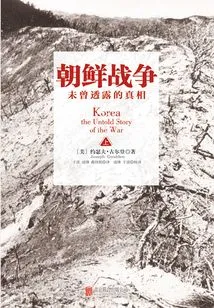
"The Korean War: The Untold Truth" is a comprehensive and fascinating study of the Korean War. American political commentator Joseph Goulden made full use of the official files on the Korean War that he began to declassify in the late 1970s to collect the original intelligence data that the U. S. Government relied on for important decisions. After four years of interviewing many people involved and insiders, he completed this insider work through precise sorting and keen grasp. This batch of "Pentagon Korean War Documents" has been re-encrypted by the George W. Bush administration, which makes the truth revealed in this book even more rare and valuable.
"The Korean War: The Untold Truth" is a comprehensive and fascinating study of the Korean War. American political commentator Joseph Goulden made full use of the official files on the Korean War that he began to declassify in the late 1970s to collect the original intelligence data that the U. S. Government relied on for important decisions. After four years of interviewing many people involved and insiders, he completed this insider work through precise sorting and keen grasp. This batch of "Pentagon Korean War Documents" has been re-encrypted by the George W. Bush administration, which makes the truth revealed in this book even more rare and valuable.
The Great Rescue: a Major Operation to Rescue the U. S. Flying Tigers During the Anti-japanese War
Military大营救:抗战时期营救美军飞虎队大行动
Jiang Jiyong
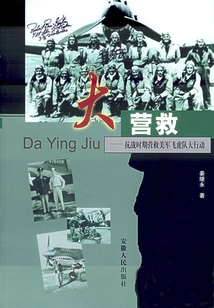
This book is a record of the author who has been engaged in compiling military history for more than ten years and traveled to southern Anhui, Huaibei and other places to collect and write the records of the New Fourth Army, the anti-Japanese guerrillas and the people who rescued 5 US military plane crashes and rescued 20 US military pilots who died. The author describes each rescue in detail, as well as the bravery and fearlessness of the New Fourth Army soldiers, guerrillas, and the people who participated in the rescue. The whole book is full of legend.
This book is a record of the author who has been engaged in compiling military history for more than ten years and traveled to southern Anhui, Huaibei and other places to collect and write the records of the New Fourth Army, the anti-Japanese guerrillas and the people who rescued 5 US military plane crashes and rescued 20 US military pilots who died. The author describes each rescue in detail, as well as the bravery and fearlessness of the New Fourth Army soldiers, guerrillas, and the people who participated in the rescue. The whole book is full of legend.
遥远的桥:1944市场花园行动
K
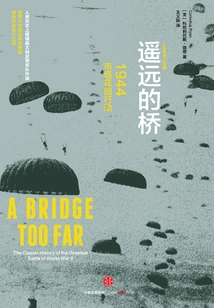
The pinnacle of historical writing, a global best-seller with a cumulative sales of more than 20 million copies, an epic masterpiece that shocked the hearts of readers in 36 countries. If you don't read the "Epic Trilogy of World War II", you don't understand World War II! This is not a military history, but a human story. The famous historical writer and war correspondent Ryan is not only an eyewitness of the war, but also a researcher of the war. After World War II, he spent 30 years searching for survivors. Based on a large number of oral materials and documents, he used his original "journalism and historical writing" technique to truly recreate three classic battles in the largest global conflict of the 20th century. Reading the whole book, there are no grand concepts or abstract faces, only vivid characters and details. When you open this book, you can see Rommel's anxious expression, smell the thick smoke on the battlefield, and feel the fear of the soldiers in the battle... It's so real. It turns out that this is war!
The pinnacle of historical writing, a global best-seller with a cumulative sales of more than 20 million copies, an epic masterpiece that shocked the hearts of readers in 36 countries. If you don't read the "Epic Trilogy of World War II", you don't understand World War II! This is not a military history, but a human story. The famous historical writer and war correspondent Ryan is not only an eyewitness of the war, but also a researcher of the war. After World War II, he spent 30 years searching for survivors. Based on a large number of oral materials and documents, he used his original "journalism and historical writing" technique to truly recreate three classic battles in the largest global conflict of the 20th century. Reading the whole book, there are no grand concepts or abstract faces, only vivid characters and details. When you open this book, you can see Rommel's anxious expression, smell the thick smoke on the battlefield, and feel the fear of the soldiers in the battle... It's so real. It turns out that this is war!
漫长的征程:军事史上的远征(军事史上传奇丛书)
Shi Chunwei
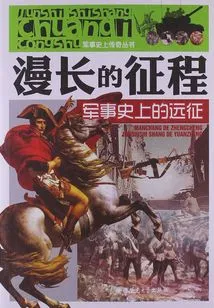
The "Legendary Series of Military History: The Long Journey - Expeditions in Military History" selects more than 40 battle cases up to the Second World War, excluding several long-distance foreign expeditions in the contemporary era. On the other hand, the "expedition" in "expedition" refers to a planned, certain-scale military operation with the purpose of invading the territory of another country. This characteristic of "expedition" will also be reflected in the presentation of combat examples in this article.
The "Legendary Series of Military History: The Long Journey - Expeditions in Military History" selects more than 40 battle cases up to the Second World War, excluding several long-distance foreign expeditions in the contemporary era. On the other hand, the "expedition" in "expedition" refers to a planned, certain-scale military operation with the purpose of invading the territory of another country. This characteristic of "expedition" will also be reflected in the presentation of combat examples in this article.
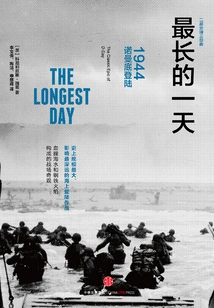
The Longest Day: D-day 1944
Military最长的一天:1944诺曼底登陆
J
The pinnacle of historical writing, a global best-seller with a cumulative sales of more than 20 million copies, an epic masterpiece that shocked the hearts of readers in 36 countries. If you don't read the "Epic Trilogy of World War II", you don't understand World War II! A war epic about fate and its turning points. Each book in the "World War II Epic Trilogy" has a theme ("Courage" in "The Longest Day", "Failure" in "The Far Bridge", and "Survival" in "The Last Battle"), but they all focus on people's fate. To be precise, this is the story of how people change their destiny. In times of peace far away from war, it allowed millions of readers to gain spiritual inspiration from reading, accompanying them through the gloomy and gloomy times of their lives, and ushering in a turning point in life; in Europe and the United States, it was given to young readers as a "grown-up book" by their fathers, hoping that the masculine beauty in it would strengthen the growing hearts of teenagers, especially boys.
The pinnacle of historical writing, a global best-seller with a cumulative sales of more than 20 million copies, an epic masterpiece that shocked the hearts of readers in 36 countries. If you don't read the "Epic Trilogy of World War II", you don't understand World War II! A war epic about fate and its turning points. Each book in the "World War II Epic Trilogy" has a theme ("Courage" in "The Longest Day", "Failure" in "The Far Bridge", and "Survival" in "The Last Battle"), but they all focus on people's fate. To be precise, this is the story of how people change their destiny. In times of peace far away from war, it allowed millions of readers to gain spiritual inspiration from reading, accompanying them through the gloomy and gloomy times of their lives, and ushering in a turning point in life; in Europe and the United States, it was given to young readers as a "grown-up book" by their fathers, hoping that the masculine beauty in it would strengthen the growing hearts of teenagers, especially boys.
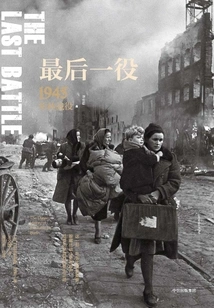
The Last Battle
Military最后一役
J
The "Epic Trilogy of World War II" includes "The Longest Day: The Normandy Invasion of 1944", "A Far Bridge: Operation Market Garden of 1944" and "The Last Battle: The Battle of Berlin 1945". It is an epic masterpiece written by Cornelius Ryan, a famous historical writer and war correspondent, which took nearly 30 years to complete after personally experiencing World War II. Through the three decisive battles during World War II, it vividly reproduces those great historical moments that determine the fate of the world. In "The Last Battle", on the one hand, there are magnificent war scenes, and on the other hand, there is the nightmare misfortune suffered by Berlin civilians, especially women. As with his other two books, Ryan gets to the core of the military and political dimensions to explore the more immediate question of survival. As the author said, during these dark years, "eating was more important than loving, hiding was more dignified than fighting, and enduring was more militarily correct than winning." The profound description of war and individual survival and destiny in the abyss of war makes this book "one of the most immortal works on war." "The Last Battle" tells the story of civilians and soldiers, the story of people in the abyss of war, and the darkness and glory of human nature in a cruel world. These stories deserve to be remembered for generations to come.
The "Epic Trilogy of World War II" includes "The Longest Day: The Normandy Invasion of 1944", "A Far Bridge: Operation Market Garden of 1944" and "The Last Battle: The Battle of Berlin 1945". It is an epic masterpiece written by Cornelius Ryan, a famous historical writer and war correspondent, which took nearly 30 years to complete after personally experiencing World War II. Through the three decisive battles during World War II, it vividly reproduces those great historical moments that determine the fate of the world. In "The Last Battle", on the one hand, there are magnificent war scenes, and on the other hand, there is the nightmare misfortune suffered by Berlin civilians, especially women. As with his other two books, Ryan gets to the core of the military and political dimensions to explore the more immediate question of survival. As the author said, during these dark years, "eating was more important than loving, hiding was more dignified than fighting, and enduring was more militarily correct than winning." The profound description of war and individual survival and destiny in the abyss of war makes this book "one of the most immortal works on war." "The Last Battle" tells the story of civilians and soldiers, the story of people in the abyss of war, and the darkness and glory of human nature in a cruel world. These stories deserve to be remembered for generations to come.
子长县军事志(公元前627年~公元2005年)
Zichang County Military Chronicle Compilation Committee
This book is divided into 11 chapters: military environment; military organization; military campaigns; military activities of the Central Red Army in Wayaobao; military work; political work; logistics work; military service; and civilian armed forces.
This book is divided into 11 chapters: military environment; military organization; military campaigns; military activities of the Central Red Army in Wayaobao; military work; political work; logistics work; military service; and civilian armed forces.
渭南市临渭区军事志
Weinan City Linwei District Military Chronicle Compilation Committee
The upper limit of this journal dates back to 209 BC, and the lower limit ends in 2005. Detailed present, Ming and ancient times. Mainly based on ambition, narrative, notes, biographies, diagrams, tables and records are also used. According to the chapter, section, and heading structure, write horizontally and vertically to connect things by categories.
The upper limit of this journal dates back to 209 BC, and the lower limit ends in 2005. Detailed present, Ming and ancient times. Mainly based on ambition, narrative, notes, biographies, diagrams, tables and records are also used. According to the chapter, section, and heading structure, write horizontally and vertically to connect things by categories.
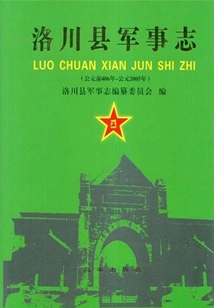
洛川县军事志(公元前406年—2005年)
Luochuan County Military Chronicle Compilation Committee
The upper limit of this magazine is the beginning of things, and the lower limit is December 2005. It has ten chapters: military environment, military organization, military warfare, military work, political work, logistics work, military service, civilian armed forces, national defense mobilization, and military figures.
The upper limit of this magazine is the beginning of things, and the lower limit is December 2005. It has ten chapters: military environment, military organization, military warfare, military work, political work, logistics work, military service, civilian armed forces, national defense mobilization, and military figures.
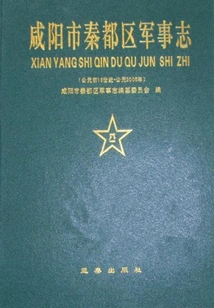
咸阳市秦都区军事志(公元前16世纪—公元2005年)
Military Records Compilation Committee Of Qindu District, Xianyang City
This book records the history and current situation of military development in Qindu District, Xianyang City in the form of chronicles. The content is divided into seven chapters: military environment, military organization, civilian armed forces, military service, national defense mobilization, military activities, and military figures.
This book records the history and current situation of military development in Qindu District, Xianyang City in the form of chronicles. The content is divided into seven chapters: military environment, military organization, civilian armed forces, military service, national defense mobilization, military activities, and military figures.
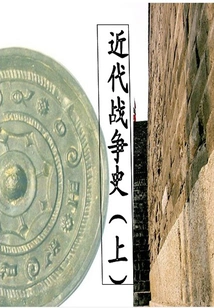
Detailed Explanation of Major War Events in Chinese History: History of Modern Wars (part 1)
Military中国历史战争大事详解:近代战争史(上)
Feng Xianzhi
From 1840 to 1842, the British colonists launched a war of aggression against China. The trigger was the British forcibly selling opium to China, so it was called the Opium War, also called the First Opium War. After this war, China gradually changed from a feudal society to a semi-colonial and semi-feudal society. Therefore, 1840 became the beginning of China's modern history.
From 1840 to 1842, the British colonists launched a war of aggression against China. The trigger was the British forcibly selling opium to China, so it was called the Opium War, also called the First Opium War. After this war, China gradually changed from a feudal society to a semi-colonial and semi-feudal society. Therefore, 1840 became the beginning of China's modern history.
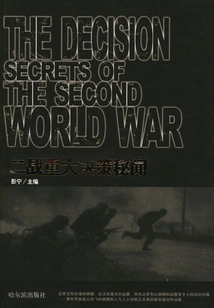
二战重大决策秘闻
Editor-in-chief Peng Ning
Nearly 60 years have passed since the end of World War II. This most brutal war in human history took away the lives of 90 million people on the earth. People who came out of the war will never forget the heaviest page in human history, and people today will also not forget who lit the fuse of the war back then? Who caused more than 2 billion people in 61 countries and regions to be involved in this devastating disaster? Who directed this human tragedy? This is about the war behind the war. This is not a battlefield filled with gunpowder smoke, and there is no blood on the battlefield. However, there is an inside story that is more horrifying than the gunpowder smoke and blood -- the secret decisions that lead to the smoke of war and the killing of each other.
Nearly 60 years have passed since the end of World War II. This most brutal war in human history took away the lives of 90 million people on the earth. People who came out of the war will never forget the heaviest page in human history, and people today will also not forget who lit the fuse of the war back then? Who caused more than 2 billion people in 61 countries and regions to be involved in this devastating disaster? Who directed this human tragedy? This is about the war behind the war. This is not a battlefield filled with gunpowder smoke, and there is no blood on the battlefield. However, there is an inside story that is more horrifying than the gunpowder smoke and blood -- the secret decisions that lead to the smoke of war and the killing of each other.
秦汉战争史(下)
Feng Xianzhi
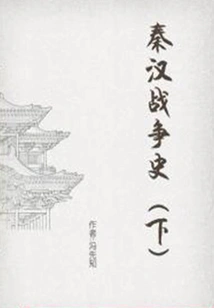
War is a special social phenomenon that develops with the development of society. The history of war is a specialized history that records the entire process of the emergence and development of this special social phenomenon. It is the main component of the history of human social development. For thousands of years in our country, there are thousands of recorded wars between tribes, between nationalities, between princes, between old and new dynasties, between classes, within classes and between countries. The history of Chinese wars is rich in content, and it shines with dazzling brilliance in the long river of human history.
War is a special social phenomenon that develops with the development of society. The history of war is a specialized history that records the entire process of the emergence and development of this special social phenomenon. It is the main component of the history of human social development. For thousands of years in our country, there are thousands of recorded wars between tribes, between nationalities, between princes, between old and new dynasties, between classes, within classes and between countries. The history of Chinese wars is rich in content, and it shines with dazzling brilliance in the long river of human history.
战事传奇:战争中的隐秘事件和幕后谜团
Compiled By Shi Shulu
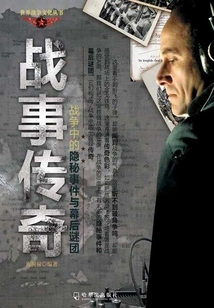
There is a kind of war where there is no smoke and no fighting. Killing is invisible and the victory is won thousands of miles away. This is another kind of war, which exists on the other side of the war and affects and determines the direction of the war with invisible power and secret ways. Here we can see the excitement and mystery behind the war.
There is a kind of war where there is no smoke and no fighting. Killing is invisible and the victory is won thousands of miles away. This is another kind of war, which exists on the other side of the war and affects and determines the direction of the war with invisible power and secret ways. Here we can see the excitement and mystery behind the war.
Soldiers Approaching the City
Military兵临城下
Xue Huibing
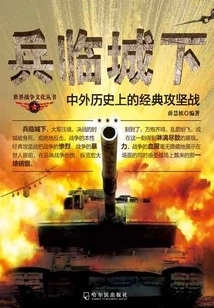
During the War of Liberation, the Kuomintang army guarding a certain city in Northeast China was surrounded by the Northeast Democratic Alliance Forces. In order to win over Zhao Chongwu, the commander of the 369th Division of the Kuomintang's non-lineage force, the Democratic Coalition released the captured Zhao Chongwu's trusted group leader Zheng Hanchen and his wife, and promised to find their separated children on their behalf. Zheng Hanchen was deeply moved. But after he returned to the city, he was suspected by Qian Xiaozheng, chief of staff of the 203rd Division, a direct unit of the Kuomintang, which made him very disgusted. Soon, Mrs. Zheng was humiliated by a company commander of the 203rd Division. When the news came, Zheng Hanchen was furious and wanted to fight with the 203rd Division, but was stopped by Zhao Chongwu. Minister Jiang of the Democratic Alliance Army, thinking that Zheng Hanchen was sending his child away, went to the 369th Division's station in disguise and urged Zhao Chongwu to recognize the situation clearly and abandon the old and pursue the new. Although Zhao Chongwu had the intention to revolt, he had no determination.
During the War of Liberation, the Kuomintang army guarding a certain city in Northeast China was surrounded by the Northeast Democratic Alliance Forces. In order to win over Zhao Chongwu, the commander of the 369th Division of the Kuomintang's non-lineage force, the Democratic Coalition released the captured Zhao Chongwu's trusted group leader Zheng Hanchen and his wife, and promised to find their separated children on their behalf. Zheng Hanchen was deeply moved. But after he returned to the city, he was suspected by Qian Xiaozheng, chief of staff of the 203rd Division, a direct unit of the Kuomintang, which made him very disgusted. Soon, Mrs. Zheng was humiliated by a company commander of the 203rd Division. When the news came, Zheng Hanchen was furious and wanted to fight with the 203rd Division, but was stopped by Zhao Chongwu. Minister Jiang of the Democratic Alliance Army, thinking that Zheng Hanchen was sending his child away, went to the 369th Division's station in disguise and urged Zhao Chongwu to recognize the situation clearly and abandon the old and pursue the new. Although Zhao Chongwu had the intention to revolt, he had no determination.
Battle of Yaksa
Military雅克萨之战
Editor-in-chief Jin Kaicheng
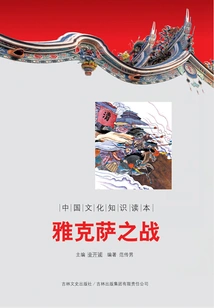
From the 24th to the 27th year of Emperor Kangxi of the Qing Dynasty (1685-1688), the Chinese army conducted two encirclement and annihilation battles against the invading Russian army in order to regain the territory of Yaksa. It was the first self-defense counterattack between China and Russia. "Chinese Cultural Knowledge Reader: The Battle of Yaksa" introduces the relevant content of the Battle of Yaksa in the form of beautiful and vivid words, concise and popular language, and pictures and texts.
From the 24th to the 27th year of Emperor Kangxi of the Qing Dynasty (1685-1688), the Chinese army conducted two encirclement and annihilation battles against the invading Russian army in order to regain the territory of Yaksa. It was the first self-defense counterattack between China and Russia. "Chinese Cultural Knowledge Reader: The Battle of Yaksa" introduces the relevant content of the Battle of Yaksa in the form of beautiful and vivid words, concise and popular language, and pictures and texts.
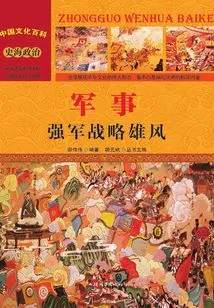
军事:强军战略雄风
Compiled By Guo Weiwei
Military bravery is the pillar of the country and an important guarantee for safeguarding national security. Each feudal dynasty in ancient my country paid special attention to the importance of military bravery, formulated timely conscription and recruitment systems, and built a complete and effective organizational and implementation system with ensuring combat effectiveness as the core. There were many types of conscription systems in ancient my country, and there were changes in different periods, such as the system of combining soldiers and farmers, the system of all soldiers, the guard system, the flag soldier system, etc. The brave soldiers under the conscription system can be summoned when necessary, and they will return to the countryside. Their origin is clear, and the country has no expenses for raising troops in peacetime. Soldiers under the recruitment system regard soldiering as their profession, and their number and service time are not restricted by agricultural production.
Military bravery is the pillar of the country and an important guarantee for safeguarding national security. Each feudal dynasty in ancient my country paid special attention to the importance of military bravery, formulated timely conscription and recruitment systems, and built a complete and effective organizational and implementation system with ensuring combat effectiveness as the core. There were many types of conscription systems in ancient my country, and there were changes in different periods, such as the system of combining soldiers and farmers, the system of all soldiers, the guard system, the flag soldier system, etc. The brave soldiers under the conscription system can be summoned when necessary, and they will return to the countryside. Their origin is clear, and the country has no expenses for raising troops in peacetime. Soldiers under the recruitment system regard soldiering as their profession, and their number and service time are not restricted by agricultural production.