Library
Browse and search novels
1,324 novels found
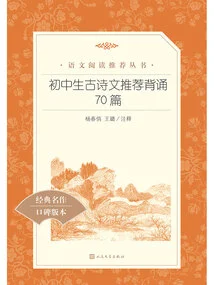
初中生古诗文推荐背诵70篇
Comments By Yang Chunqiao And Wang Lu
Completely includes the recitation sections specified in the 2011 version of the "New Curriculum Standards" ("Chinese Curriculum Standards for Full-time Compulsory Education"), with new and comprehensive content. At the same time, there is an introduction at the beginning of the book that summarizes the main content and has "knowledge links" so that you can fully grasp the key test points in the text. The chapters include author introductions, annotations and extremely detailed reviews to help children thoroughly understand these excellent literary works and gain a better understanding of traditional culture.
Completely includes the recitation sections specified in the 2011 version of the "New Curriculum Standards" ("Chinese Curriculum Standards for Full-time Compulsory Education"), with new and comprehensive content. At the same time, there is an introduction at the beginning of the book that summarizes the main content and has "knowledge links" so that you can fully grasp the key test points in the text. The chapters include author introductions, annotations and extremely detailed reviews to help children thoroughly understand these excellent literary works and gain a better understanding of traditional culture.
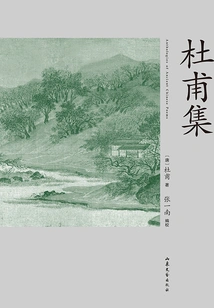
Du Fu Collection
Literature杜甫集
(tang Dynasty) Written By Du Fu Edited By Zhang Yinan
This book is an introductory book for quickly understanding the "Poetic Saint" Du Fu. It is comprehensively introduced, annotated, and appreciated by Zhang Yinan, a classical literature teacher who is highly sought after by Peking University students and a Ph. D. In Peking University literature. At the beginning, there is a biography of Du Fu as an introduction, allowing you to understand the poems in the poet's story and the warmth behind the poems. A selection of 226 masterpieces by poets handed down from generation to generation are selected and sorted based on the chronology of their lives. Each poem is supplemented by a brief analysis and annotations, and rare words have phonetic notation. The form of a combination of short guided reading and brief analysis of the poems allows readers to better understand the poems and the poet's life.
This book is an introductory book for quickly understanding the "Poetic Saint" Du Fu. It is comprehensively introduced, annotated, and appreciated by Zhang Yinan, a classical literature teacher who is highly sought after by Peking University students and a Ph. D. In Peking University literature. At the beginning, there is a biography of Du Fu as an introduction, allowing you to understand the poems in the poet's story and the warmth behind the poems. A selection of 226 masterpieces by poets handed down from generation to generation are selected and sorted based on the chronology of their lives. Each poem is supplemented by a brief analysis and annotations, and rare words have phonetic notation. The form of a combination of short guided reading and brief analysis of the poems allows readers to better understand the poems and the poet's life.
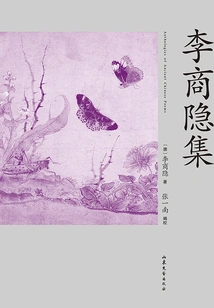
Collection of Li Shangyin
Literature李商隐集
(tang Dynasty) Written By Li Shangyin Edited By Zhang Yinan
This book is an introductory book for quickly understanding Li Shangyin, the "Fighter of Tang Poetry". It is comprehensively introduced, annotated, and appreciated by Zhang Yinan, a classical literature teacher who is highly sought after by Peking University students and a Ph. D. In literature from Peking University. At the beginning, there is a biography of Li Shangyin as an introduction, allowing you to understand the poems in the poet's story and the warmth behind the poems. One hundred and fifty of the poet's best works handed down from generation to generation are selected and sorted based on the chronology of his life. Each poem is supplemented by a brief analysis and annotations, and rare words have phonetic notation. The form of a combination of short guided reading and brief analysis of the poems allows readers to better understand the poems and the poet's life.
This book is an introductory book for quickly understanding Li Shangyin, the "Fighter of Tang Poetry". It is comprehensively introduced, annotated, and appreciated by Zhang Yinan, a classical literature teacher who is highly sought after by Peking University students and a Ph. D. In literature from Peking University. At the beginning, there is a biography of Li Shangyin as an introduction, allowing you to understand the poems in the poet's story and the warmth behind the poems. One hundred and fifty of the poet's best works handed down from generation to generation are selected and sorted based on the chronology of his life. Each poem is supplemented by a brief analysis and annotations, and rare words have phonetic notation. The form of a combination of short guided reading and brief analysis of the poems allows readers to better understand the poems and the poet's life.
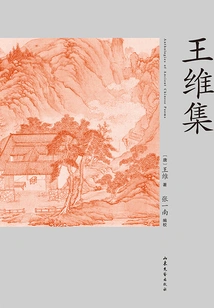
Wang Weiji
Literature王维集
(tang Dynasty) Written By Wang Wei Edited By Zhang Yinan
This book is an introductory book for quickly understanding the "poetic Buddha" Wang Wei. It is comprehensively introduced, annotated, and appreciated by Zhang Yinan, a classical literature teacher who is highly sought after by Peking University students and a Ph. D. In Peking University literature. At the beginning, there is a biography of Wang Wei as an introduction, allowing you to understand the poems in the poet's story and the warmth behind the poems. One hundred and fifty of the poet's best works handed down from generation to generation are selected and sorted based on the chronology of his life. Each poem is supplemented by a brief analysis and annotations, and rare words have phonetic notation. The form of a combination of short guided reading and brief analysis of the poems allows readers to better understand the poems and the poet's life.
This book is an introductory book for quickly understanding the "poetic Buddha" Wang Wei. It is comprehensively introduced, annotated, and appreciated by Zhang Yinan, a classical literature teacher who is highly sought after by Peking University students and a Ph. D. In Peking University literature. At the beginning, there is a biography of Wang Wei as an introduction, allowing you to understand the poems in the poet's story and the warmth behind the poems. One hundred and fifty of the poet's best works handed down from generation to generation are selected and sorted based on the chronology of his life. Each poem is supplemented by a brief analysis and annotations, and rare words have phonetic notation. The form of a combination of short guided reading and brief analysis of the poems allows readers to better understand the poems and the poet's life.
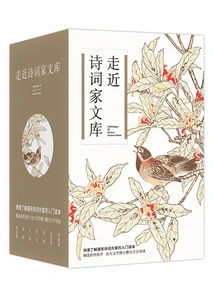
走近诗词家文库(张一南7册套装)
(tang Dynasty) Du Fu Li Shangyin Li Bai Wang Wei Bai Juyi (song Dynasty) Su Shi Edited By Li Qingzhao Zhang Yinan
This set of books is an introductory book for everyone to quickly understand the poetry of the Tang and Song Dynasties. It is comprehensively introduced, annotated, and appreciated by Zhang Yinan, a classical literature teacher who is highly sought after by Peking University students and a Ph. D. In Peking University literature. Each book has a biography of the poet as an introduction at the beginning, allowing you to understand the poetry in their stories and the warmth behind the poetry. Select the best poems handed down by famous poets and sort them based on the chronology of their lives. Each poem is supplemented by a brief analysis and annotations, and rare words have phonetic notation. The form of a combination of short guided reading and brief analysis of poems allows readers to better understand the poems and the poet's life.
This set of books is an introductory book for everyone to quickly understand the poetry of the Tang and Song Dynasties. It is comprehensively introduced, annotated, and appreciated by Zhang Yinan, a classical literature teacher who is highly sought after by Peking University students and a Ph. D. In Peking University literature. Each book has a biography of the poet as an introduction at the beginning, allowing you to understand the poetry in their stories and the warmth behind the poetry. Select the best poems handed down by famous poets and sort them based on the chronology of their lives. Each poem is supplemented by a brief analysis and annotations, and rare words have phonetic notation. The form of a combination of short guided reading and brief analysis of poems allows readers to better understand the poems and the poet's life.
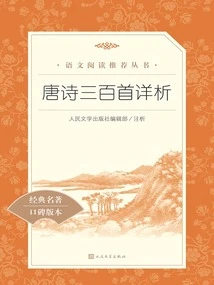
唐诗三百首详析
Notes From The Editorial Department Of People's Literature Publishing House
Tang poetry has a profound influence on Chinese literature. Literati of all dynasties regarded Tang poetry as a model and regarded Tang people as a model. There are many anthologies of Tang poetry, among which "Three Hundred Tang Poems" is the most widely circulated and influential. It is popular throughout the country, suitable for both young and old, and is appreciated by both refined and popular people. It has become one of the most classic anthologies that has been printed repeatedly. This book is based on "Three Hundred Tang Poems", with detailed annotations and analytical comments on each poem, providing young people with an excellent annotation for appreciating Tang poetry.
Tang poetry has a profound influence on Chinese literature. Literati of all dynasties regarded Tang poetry as a model and regarded Tang people as a model. There are many anthologies of Tang poetry, among which "Three Hundred Tang Poems" is the most widely circulated and influential. It is popular throughout the country, suitable for both young and old, and is appreciated by both refined and popular people. It has become one of the most classic anthologies that has been printed repeatedly. This book is based on "Three Hundred Tang Poems", with detailed annotations and analytical comments on each poem, providing young people with an excellent annotation for appreciating Tang poetry.
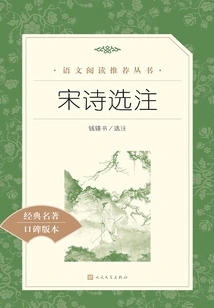
Selected Notes on Song Poems
Literature宋诗选注
Selected Annotations Of Qian Zhongshu
This book is a classic anthology of Song poetry. The selected poems are very distinctive and the annotations are detailed. There is a preface at the front of the book, and a biography of each poet. The author has a high-level view and makes wonderful comments and clarifications on the personality of the poets in the Song Dynasty, the origin and development of Song poetry, successes and failures, and even the basic theory of classical poetry. The whole book is full of quotations and has wonderful words for the world.
This book is a classic anthology of Song poetry. The selected poems are very distinctive and the annotations are detailed. There is a preface at the front of the book, and a biography of each poet. The author has a high-level view and makes wonderful comments and clarifications on the personality of the poets in the Song Dynasty, the origin and development of Song poetry, successes and failures, and even the basic theory of classical poetry. The whole book is full of quotations and has wonderful words for the world.
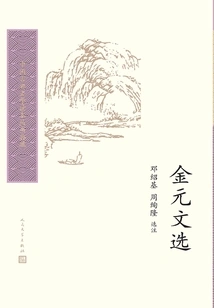
金元文选
Selected Notes By Deng Shaoji And Zhou Xuanlong
The prose of the Jin Dynasty and the Yuan Dynasty had artistic pursuits that transcended the Tang and Song Dynasties and directly followed the Qin and Han Dynasties. Although the achievements were not as good as those of the Tang and Song Dynasties, famous writers such as Yao Sui, Yuan Mingshan, Yu Ji, Ouyang Xuan, Huang Shu, and Su Tianjue also appeared. They influenced the creation of Ming Dynasty prose to varying degrees, and they have a place in the history of prose. This book selects nearly a hundred essays of various types from the Yuan Dynasty, with rich content, exquisite writing style, and high literary and ideological quality. Each writer has a concise biography, and each article has concise annotations.
The prose of the Jin Dynasty and the Yuan Dynasty had artistic pursuits that transcended the Tang and Song Dynasties and directly followed the Qin and Han Dynasties. Although the achievements were not as good as those of the Tang and Song Dynasties, famous writers such as Yao Sui, Yuan Mingshan, Yu Ji, Ouyang Xuan, Huang Shu, and Su Tianjue also appeared. They influenced the creation of Ming Dynasty prose to varying degrees, and they have a place in the history of prose. This book selects nearly a hundred essays of various types from the Yuan Dynasty, with rich content, exquisite writing style, and high literary and ideological quality. Each writer has a concise biography, and each article has concise annotations.
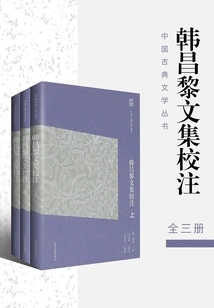
Annotations and Proofreading of Han Changli's Collected Works (simplified Version) (three Volumes)
Literature韩昌黎文集校注(简体版)(全三册)
(tang Dynasty) Written By Han Yu, Edited By Ma Qichang, Compiled By Ma Maoyuan
This book is based on Wanli Dongyatang's "Mr. Changli's Collection", with the poems removed and the essays preserved. It consists of eight volumes of collected works, two volumes of extra-text collections, one volume of posthumous works, three appendices of foreign texts, and one volume of collected biographies. Tongcheng Ma's collection of articles is comprehensive and complete, and the editing is profound. This "simplified Chinese version" maintains the reading content of various notes and punctuation of proper names in the traditional version, and hopes to use the simplified horizontal format that is easier to read, so that more readers can come into contact with the orthodox interpretation of traditional culture and appreciate the high-quality essence.
This book is based on Wanli Dongyatang's "Mr. Changli's Collection", with the poems removed and the essays preserved. It consists of eight volumes of collected works, two volumes of extra-text collections, one volume of posthumous works, three appendices of foreign texts, and one volume of collected biographies. Tongcheng Ma's collection of articles is comprehensive and complete, and the editing is profound. This "simplified Chinese version" maintains the reading content of various notes and punctuation of proper names in the traditional version, and hopes to use the simplified horizontal format that is easier to read, so that more readers can come into contact with the orthodox interpretation of traditional culture and appreciate the high-quality essence.
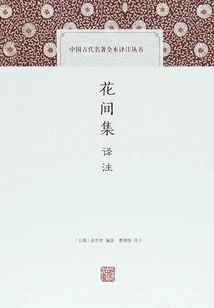
花间集译注
(later Shu) Collection Edited By Zhao Chongzuo And Translated And Annotated By Cao Minggang
"Huajian Ji" is the first comprehensive collection of literati's poetry in the history of Chinese poetry, and has always been regarded as the originator and model of Yisheng poetry. Edited by Zhao Chongzuo of Houshu, it includes representative works of 18 poets of the Huajian Ci School, including Wen Tingyun and Wei Zhuang. Each poem has annotations and rhyme translations, making it a masterpiece of popular reading in "The Collection of Flowers".
"Huajian Ji" is the first comprehensive collection of literati's poetry in the history of Chinese poetry, and has always been regarded as the originator and model of Yisheng poetry. Edited by Zhao Chongzuo of Houshu, it includes representative works of 18 poets of the Huajian Ci School, including Wen Tingyun and Wei Zhuang. Each poem has annotations and rhyme translations, making it a masterpiece of popular reading in "The Collection of Flowers".
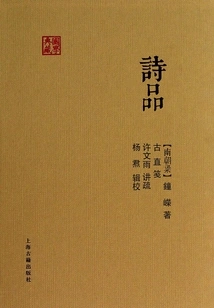
Poetry
Literature诗品
(liang Dynasty In The Southern Dynasties) Written By Zhong Rong, Ancient Notes, Commentary By Xu Wenyu, Edited By Yang Yan
Zhong Rong's "Shipin" has attracted much attention since modern times, and there have been some important annotations, and many achievements have been made in terms of text textual research, allusion tracing, and literary interpretation. Among them, Gu Zhi's "Zhongjishi Poetry Notes" and Xu Wenyu's "Zhong Rong's Poems Notes" are the most important. This compilation combines Gu Zhi's "Zhongjishi Poetry Notes" and Xu Wenyu's "Zhong Rong's Poetry Notes" into one volume.
Zhong Rong's "Shipin" has attracted much attention since modern times, and there have been some important annotations, and many achievements have been made in terms of text textual research, allusion tracing, and literary interpretation. Among them, Gu Zhi's "Zhongjishi Poetry Notes" and Xu Wenyu's "Zhong Rong's Poems Notes" are the most important. This compilation combines Gu Zhi's "Zhongjishi Poetry Notes" and Xu Wenyu's "Zhong Rong's Poetry Notes" into one volume.
AT
M
Literaturem
J
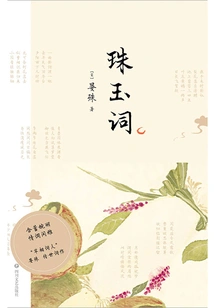
"Zhuyu Ci" is a work handed down from generation to generation by Yan Shu, the "prime minister poet" in the Northern Song Dynasty. Yan Shu absorbed the remaining styles of the "Huajian School" of the Southern Tang Dynasty and Feng Yansi, and made most of his poems. Although the content was monotonous, the style of his poems was graceful and graceful, which had a certain influence on the poetry world in the early Song Dynasty. In "Zhuyu Ci", there are 131 graceful poems, carefully annotated to ensure barrier-free reading, and more than 90 beautiful pictures, which increase the artistic conception of appreciation.
"Zhuyu Ci" is a work handed down from generation to generation by Yan Shu, the "prime minister poet" in the Northern Song Dynasty. Yan Shu absorbed the remaining styles of the "Huajian School" of the Southern Tang Dynasty and Feng Yansi, and made most of his poems. Although the content was monotonous, the style of his poems was graceful and graceful, which had a certain influence on the poetry world in the early Song Dynasty. In "Zhuyu Ci", there are 131 graceful poems, carefully annotated to ensure barrier-free reading, and more than 90 beautiful pictures, which increase the artistic conception of appreciation.
Xiaoshan Ci
Literature小山词
Yan Jidao
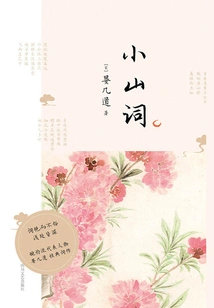
"Xiaoshan Ci" is a work handed down from generation to generation by Yan Jidao, a famous poet in the Northern Song Dynasty and a representative of the Wanyue School. Yan Jidao specializes in romance, and his poems are particularly famous for their clear language and deep emotions. He expresses his emotions directly and writes mostly about love life. He is an important writer of the graceful school. 259 Poems, with more than 90 exquisite illustrations, carefully annotated, perfect and barrier-free reading.
"Xiaoshan Ci" is a work handed down from generation to generation by Yan Jidao, a famous poet in the Northern Song Dynasty and a representative of the Wanyue School. Yan Jidao specializes in romance, and his poems are particularly famous for their clear language and deep emotions. He expresses his emotions directly and writes mostly about love life. He is an important writer of the graceful school. 259 Poems, with more than 90 exquisite illustrations, carefully annotated, perfect and barrier-free reading.
Huajianji
Literature花间集
Wen Tingyun
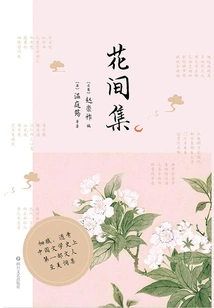
As China's first collection of words, "Flowers Collection" is also a milestone work in the history of Chinese literature. This collection of poetry includes 500 classic works by 18 poets of the Huajian Ci School, including Wen Tingyun and Wei Zhuang, which reflect the subject orientation, aesthetic taste, physical style and artistic achievements of literati poetry creation in the early history of poetry, and profoundly influenced celebrities such as Tang Xianzu, Cao Xueqin, Wang Guowei, Yu Pingbo, Jiang Xun, Zhu Guangqian, and Ye Jiaying.
As China's first collection of words, "Flowers Collection" is also a milestone work in the history of Chinese literature. This collection of poetry includes 500 classic works by 18 poets of the Huajian Ci School, including Wen Tingyun and Wei Zhuang, which reflect the subject orientation, aesthetic taste, physical style and artistic achievements of literati poetry creation in the early history of poetry, and profoundly influenced celebrities such as Tang Xianzu, Cao Xueqin, Wang Guowei, Yu Pingbo, Jiang Xun, Zhu Guangqian, and Ye Jiaying.
O
Literatureo
I
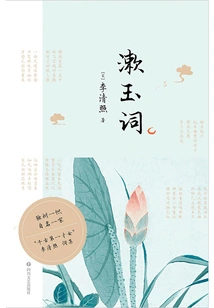
"Shu Yu Ci" is a work handed down from generation to generation by Li Qingzhao, a representative of the Wanyue Ci School and "the most talented woman throughout the ages". In the early stage of his poems, he wrote mostly about his leisurely life, while in the later stage, he mostly lamented his life experience and had a sentimental mood. In terms of form, he makes good use of line drawing techniques, creates his own channels, and uses clear and beautiful language. This version adds detailed annotations, making it easy to read and appreciate the beautiful artistic conception of the words. At the same time, there are 156 beautiful illustrations, printed in full color and four colors, which are worth collecting.
"Shu Yu Ci" is a work handed down from generation to generation by Li Qingzhao, a representative of the Wanyue Ci School and "the most talented woman throughout the ages". In the early stage of his poems, he wrote mostly about his leisurely life, while in the later stage, he mostly lamented his life experience and had a sentimental mood. In terms of form, he makes good use of line drawing techniques, creates his own channels, and uses clear and beautiful language. This version adds detailed annotations, making it easy to read and appreciate the beautiful artistic conception of the words. At the same time, there are 156 beautiful illustrations, printed in full color and four colors, which are worth collecting.
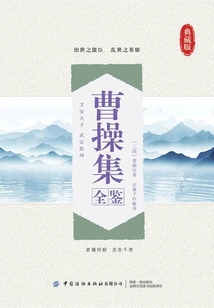
The Complete Collection of Cao Cao
Literature曹操集全鉴
P
Cao Cao (AD 155--220), named Mengde, was a native of Qiao County, Peiguo (now Bozhou, Anhui). He was an outstanding politician and military strategist during the Three Kingdoms period, and he also had profound attainments in literature. His thoughts had a great influence on later generations and are worth studying. Since there is currently a lack of a good quality compilation of Cao Cao's works on the market, we have reprinted this collection of Cao Cao. This collection was compiled and printed in 1959. It is based on Ding Fubao's Collection of Famous Masters of the Han, Wei and Six Dynasties and the Collection of Emperor Wu of Wei. For the poems and essays, I have used Chronicles of the Three Kingdoms, Song Dynasty Music Chronicles, Yuefu Poetry Collection and various other books for proofreading, and the sources have been indicated.
Cao Cao (AD 155--220), named Mengde, was a native of Qiao County, Peiguo (now Bozhou, Anhui). He was an outstanding politician and military strategist during the Three Kingdoms period, and he also had profound attainments in literature. His thoughts had a great influence on later generations and are worth studying. Since there is currently a lack of a good quality compilation of Cao Cao's works on the market, we have reprinted this collection of Cao Cao. This collection was compiled and printed in 1959. It is based on Ding Fubao's Collection of Famous Masters of the Han, Wei and Six Dynasties and the Collection of Emperor Wu of Wei. For the poems and essays, I have used Chronicles of the Three Kingdoms, Song Dynasty Music Chronicles, Yuefu Poetry Collection and various other books for proofreading, and the sources have been indicated.
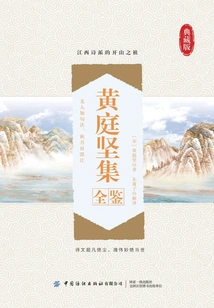
黄庭坚集全鉴
(song Dynasty) Written By Huang Tingjian And Interpreted By Dong Lizi
Huang Tingjian (1045-1105), courtesy name Luzhi, was born in Fenning, Hongzhou (now Xiushui County, Jiangxi Province). He was a poet and calligrapher of the Northern Song Dynasty and the founder of Jiangxi Poetry School. Together with Du Fu, Chen Shidao and Chen Yuyi, they are known as "one ancestor and three sects" (Huang Tingjian is one of them). Together with Zhang Lei, Chao Buzhi, and Qin Guan, they all studied under Su Shi's sect, and they were collectively known as the "Four Scholars of the Su School". During his lifetime, he was as famous as Su Shi and was known as "Su Huang" in the world.
Huang Tingjian (1045-1105), courtesy name Luzhi, was born in Fenning, Hongzhou (now Xiushui County, Jiangxi Province). He was a poet and calligrapher of the Northern Song Dynasty and the founder of Jiangxi Poetry School. Together with Du Fu, Chen Shidao and Chen Yuyi, they are known as "one ancestor and three sects" (Huang Tingjian is one of them). Together with Zhang Lei, Chao Buzhi, and Qin Guan, they all studied under Su Shi's sect, and they were collectively known as the "Four Scholars of the Su School". During his lifetime, he was as famous as Su Shi and was known as "Su Huang" in the world.
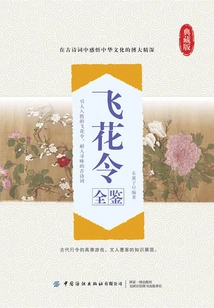
Fei Hua Ling Quan Jian
Literature飞花令全鉴
Compiled By Dong Lizi
Fei Hua Ling was originally a word game used by the ancients when they were drinking wine. It originated from the interest in poetry of the ancients. It was named after the famous line "Flying flowers are everywhere in the Spring City" in "Han Shi" by Han Hong, a poet of the Tang Dynasty. You can choose sentences from poetry and music when flying the flower order. Hebei TV Station's "Chinese Good Poetry" column was the first to introduce and improve the "Feihua Ling" for a competition between two contestants. Later, "Chinese Poetry Conference" and other poetry variety show columns also introduced and improved the "Feihua Ling".
Fei Hua Ling was originally a word game used by the ancients when they were drinking wine. It originated from the interest in poetry of the ancients. It was named after the famous line "Flying flowers are everywhere in the Spring City" in "Han Shi" by Han Hong, a poet of the Tang Dynasty. You can choose sentences from poetry and music when flying the flower order. Hebei TV Station's "Chinese Good Poetry" column was the first to introduce and improve the "Feihua Ling" for a competition between two contestants. Later, "Chinese Poetry Conference" and other poetry variety show columns also introduced and improved the "Feihua Ling".
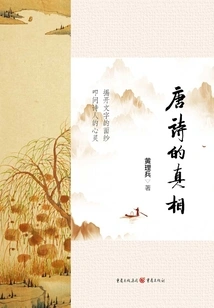
The Truth About Tang Poetry
Literature唐诗的真相
Huang Libing
Everyone knows that Tang poetry is good, but there are different ways to read Tang poetry. After decades of exploration, the author of this book found the most suitable reading method for himself and wrote the "truth" he saw into this book. There are 42 articles in the book, divided into three groups. "Flowers": Each article interprets a Tang poem. "Flower Branches": Each article discusses a theme and involves multiple Tang poems. "Bouquet": Every three articles review a poet or a popular theme. The interpretation principles pursued by the author are: interesting, rigorous and novel.
Everyone knows that Tang poetry is good, but there are different ways to read Tang poetry. After decades of exploration, the author of this book found the most suitable reading method for himself and wrote the "truth" he saw into this book. There are 42 articles in the book, divided into three groups. "Flowers": Each article interprets a Tang poem. "Flower Branches": Each article discusses a theme and involves multiple Tang poems. "Bouquet": Every three articles review a poet or a popular theme. The interpretation principles pursued by the author are: interesting, rigorous and novel.
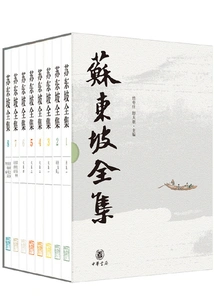
苏东坡全集(全八册)
Zeng Zaozhuang Editor-in-chief Shu Dagang
This book is a compilation of Su Dongpo's works, with a total of eight volumes, including fifteen kinds of works. The first and second volumes are Su Dongpo's "Collected Poems" and "Collection of Ci"; the third to sixth volumes are "Collected Works"; the seventh volume is "Su Shi Yi Zhuan" and "Dong Po Shu Biography". "The Analects of Confucius" (edited version); the eighth volume is "Dongpo Zhilin", "Qiu Chi's Notes", "Dongpo Tezawa" and as appendices "Su Chen Liang Prescription", "Ai Zi Miscellaneous Comments", "Second Collection of Miscellaneous Collections", "Fishermen's Chatter", "Tiaojie" and "Questions and Answers". Needless to say, there is no need to talk about the poems and prose. "Su Shi Yi Zhuan", "Dongpo Shu Zhuan" and "The Analects of Confucius" are Su Dongpo's academic works, "Dongpo Zhilin", "Qiuchi Notes" and "Dongpo Hand Ze" are Dongpo's note-type works, and "Su Chen Liangfang" is included It contains articles about prescriptions and health care by Su Dongpo and Shen Kuo. "Miscellaneous Comments on Ai Zi" is said to be Dongpo's allegorical work. "Second Collection of Miscellaneous Collections" and other works are mostly works named after Su Dongpo, which generally reflect Su Dongpo's humorous cultural image. There is a long "Introduction" at the front of the book, which comments in detail on Su Dongpo's literary and ideological achievements; it also compiles a "Chronology of Su Dongpo" to help readers understand Su Dongpo's life experience; and there is an "Index of Chapter Titles" at the end of the book to facilitate readers to find relevant chapters. This book is the "Complete Works of Su Dongpo" with the most comprehensive and rich collection of Su Dongpo's works on the market. It provides a panoramic view of Su Dongpo's colorful life history and spiritual world. It is a good choice for ordinary readers to read and understand Su Dongpo.
This book is a compilation of Su Dongpo's works, with a total of eight volumes, including fifteen kinds of works. The first and second volumes are Su Dongpo's "Collected Poems" and "Collection of Ci"; the third to sixth volumes are "Collected Works"; the seventh volume is "Su Shi Yi Zhuan" and "Dong Po Shu Biography". "The Analects of Confucius" (edited version); the eighth volume is "Dongpo Zhilin", "Qiu Chi's Notes", "Dongpo Tezawa" and as appendices "Su Chen Liang Prescription", "Ai Zi Miscellaneous Comments", "Second Collection of Miscellaneous Collections", "Fishermen's Chatter", "Tiaojie" and "Questions and Answers". Needless to say, there is no need to talk about the poems and prose. "Su Shi Yi Zhuan", "Dongpo Shu Zhuan" and "The Analects of Confucius" are Su Dongpo's academic works, "Dongpo Zhilin", "Qiuchi Notes" and "Dongpo Hand Ze" are Dongpo's note-type works, and "Su Chen Liangfang" is included It contains articles about prescriptions and health care by Su Dongpo and Shen Kuo. "Miscellaneous Comments on Ai Zi" is said to be Dongpo's allegorical work. "Second Collection of Miscellaneous Collections" and other works are mostly works named after Su Dongpo, which generally reflect Su Dongpo's humorous cultural image. There is a long "Introduction" at the front of the book, which comments in detail on Su Dongpo's literary and ideological achievements; it also compiles a "Chronology of Su Dongpo" to help readers understand Su Dongpo's life experience; and there is an "Index of Chapter Titles" at the end of the book to facilitate readers to find relevant chapters. This book is the "Complete Works of Su Dongpo" with the most comprehensive and rich collection of Su Dongpo's works on the market. It provides a panoramic view of Su Dongpo's colorful life history and spiritual world. It is a good choice for ordinary readers to read and understand Su Dongpo.
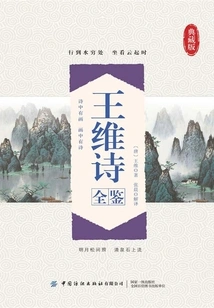
Complete Collection of Wang Wei's Poems
Literature王维诗全鉴
(tang Dynasty) Written By Wang Wei And Interpreted By Zhang Chen
Wang Wei, also known as Mojie, and Meng Haoran, collectively known as "Wang Meng", was a landscape pastoral poet in the prosperous Tang Dynasty. He believed deeply in Buddhism, and his poetry was often combined with the essence of Buddhism, so he was known as the "Poetry Buddha". Su Shi is good at painting. He called it "when you taste Mojie's poems, there are paintings in the poems; when you look at Mojie's paintings, there are poems in the paintings."
Wang Wei, also known as Mojie, and Meng Haoran, collectively known as "Wang Meng", was a landscape pastoral poet in the prosperous Tang Dynasty. He believed deeply in Buddhism, and his poetry was often combined with the essence of Buddhism, so he was known as the "Poetry Buddha". Su Shi is good at painting. He called it "when you taste Mojie's poems, there are paintings in the poems; when you look at Mojie's paintings, there are poems in the paintings."
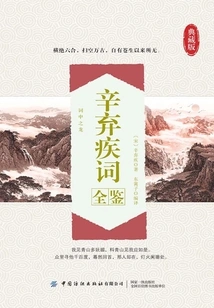
辛弃疾词全鉴
(song Dynasty) Written By Xin Qiji And Compiled By Dong Lizi
Xin Qiji was a poet in the Southern Song Dynasty and one of the representatives of heroic Ci. He was known as the "Dragon of Ci" and was called "Su Xin" together with Su Shi. His poems are famous for their boldness and majesty, and there is a collection of poems called "Jia Xuan's Long and Short Sentences". This book selects the poet's representative works, provides concise annotations for unfamiliar words in the poems, and provides translations, which can lead everyone to easily enter the world of Xin Ci and appreciate the artistic charm of Xin Ci.
Xin Qiji was a poet in the Southern Song Dynasty and one of the representatives of heroic Ci. He was known as the "Dragon of Ci" and was called "Su Xin" together with Su Shi. His poems are famous for their boldness and majesty, and there is a collection of poems called "Jia Xuan's Long and Short Sentences". This book selects the poet's representative works, provides concise annotations for unfamiliar words in the poems, and provides translations, which can lead everyone to easily enter the world of Xin Ci and appreciate the artistic charm of Xin Ci.
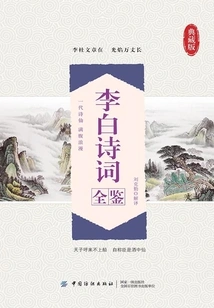
A Complete Collection of Li Bai's Poems
Literature李白诗词全鉴
Interpretation By Liu Keqin
Li Bai, also known as Taibai and Qinglian Jushi, was a romantic poet in the Tang Dynasty. Together with Du Fu, he was known as "Li Du". His poems are rich in imagination, romantic and unrestrained, unique in artistic conception, and natural. This book selects the essence of Li Bai's poems and divides them into four parts: explanations, original texts, annotations, and translations. It is convenient for Chinese studies lovers to read and understand, and gain literary influence while gaining extensive knowledge of Chinese studies.
Li Bai, also known as Taibai and Qinglian Jushi, was a romantic poet in the Tang Dynasty. Together with Du Fu, he was known as "Li Du". His poems are rich in imagination, romantic and unrestrained, unique in artistic conception, and natural. This book selects the essence of Li Bai's poems and divides them into four parts: explanations, original texts, annotations, and translations. It is convenient for Chinese studies lovers to read and understand, and gain literary influence while gaining extensive knowledge of Chinese studies.
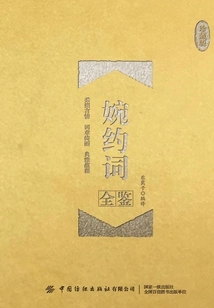
婉约词全鉴(珍藏版)
Compiled By Donglizi
In the history of the development of ancient Chinese literature, graceful words exude unique color and charm, adding a lot of luster to our country's classical poetry, and at the same time playing an important role in the development of literature. This book specially selects the classic poems from the Tang Dynasty to the Qing Dynasty. It also specially selects some less famous works that are full of style and charm. This book is mainly divided into four sections: author introduction, original text, notes and comments, to facilitate readers to understand and appreciate graceful words.
In the history of the development of ancient Chinese literature, graceful words exude unique color and charm, adding a lot of luster to our country's classical poetry, and at the same time playing an important role in the development of literature. This book specially selects the classic poems from the Tang Dynasty to the Qing Dynasty. It also specially selects some less famous works that are full of style and charm. This book is mainly divided into four sections: author introduction, original text, notes and comments, to facilitate readers to understand and appreciate graceful words.
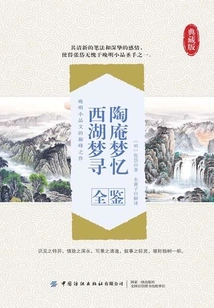
陶庵梦忆 西湖梦寻全鉴
(ming Dynasty) Written By Zhang Dai And Interpreted By Dong Lizi
Zhang Dai's "Reminiscences of a Dream in Tao'an" and "A Dream in the West Lake" have been unanimously praised by many commentators as being exquisite and representative of Zhang Dai's prose, and even established his special status among the prose writers of the Ming and Qing Dynasties. "Memories of Dreams in Tao'an" is a self-narrative prose written by Zhang Dai after "the country was destroyed and the family was destroyed" and "he went into the mountains with his hair untied"; "Dreams of West Lake" has certain particularity in style and content. It writes about the scenic spots in the West Lake in the author's memory.
Zhang Dai's "Reminiscences of a Dream in Tao'an" and "A Dream in the West Lake" have been unanimously praised by many commentators as being exquisite and representative of Zhang Dai's prose, and even established his special status among the prose writers of the Ming and Qing Dynasties. "Memories of Dreams in Tao'an" is a self-narrative prose written by Zhang Dai after "the country was destroyed and the family was destroyed" and "he went into the mountains with his hair untied"; "Dreams of West Lake" has certain particularity in style and content. It writes about the scenic spots in the West Lake in the author's memory.
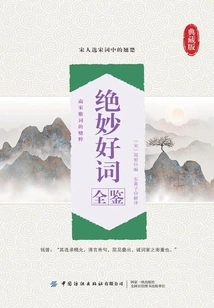
A Complete Collection of Wonderful Words
Literature绝妙好词全鉴
(song Dynasty) Compiled By Zhou Mi And Interpreted By Dong Lizi
"Excellent Poems" is an anthology of Song lyrics carefully selected by poets in the late Song Dynasty and early Yuan Dynasty. There are 390 poems selected from the whole collection, written by 132 poets (including Cai Songnian, who is actually from the Jin Dynasty). It is one of the selected dynasty poems in my country, and it has distinctive genre characteristics and occupies an important position in the history of Chinese literature. This book is an annotated version of "Excellent Poems". Each poem contains three parts: lyrics, annotations and translations.
"Excellent Poems" is an anthology of Song lyrics carefully selected by poets in the late Song Dynasty and early Yuan Dynasty. There are 390 poems selected from the whole collection, written by 132 poets (including Cai Songnian, who is actually from the Jin Dynasty). It is one of the selected dynasty poems in my country, and it has distinctive genre characteristics and occupies an important position in the history of Chinese literature. This book is an annotated version of "Excellent Poems". Each poem contains three parts: lyrics, annotations and translations.
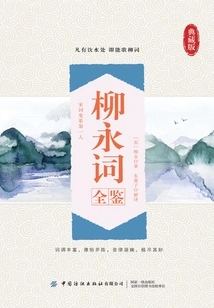
柳永词全鉴(典藏版)
(song Dynasty) Written By Liu Yong And Interpreted By Dong Lizi
Liu Yong (about 984-about 1053), whose original name was Sanbian, also named Jingzhuang, later changed his name to Liu Yong, also named Qiqing, also known as Liu Qi because he was ranked seventh, was a native of Chong'an, Fujian, a poet in the Northern Song Dynasty, and a representative figure of the Wanyue School. Liu Yong was born in a family of officials. He studied poetry when he was young and had ambitions to gain fame and serve the world. In the fifth year of Xianping (1002), Liu Yong left his hometown and lived in Hangzhou and Suzhou, indulging in the romantic life of listening to music, buying and laughing. In the first year of Dazhong Xiangfu (1008), Liu Yong went to Beijing to take part in the imperial examination, but failed repeatedly, so he devoted himself to writing lyrics. In the first year of Jingyou (1034), Liu Yong passed the throne in his later years. He successively served as Muzhou Tuanlian Tuanyan, Yuhang County Magistrate, Xiaofeng Salt Alkali, Sizhou Magistrate, etc. He became an official in the field as a wailang, and his old name was Liu Tuntian.
Liu Yong (about 984-about 1053), whose original name was Sanbian, also named Jingzhuang, later changed his name to Liu Yong, also named Qiqing, also known as Liu Qi because he was ranked seventh, was a native of Chong'an, Fujian, a poet in the Northern Song Dynasty, and a representative figure of the Wanyue School. Liu Yong was born in a family of officials. He studied poetry when he was young and had ambitions to gain fame and serve the world. In the fifth year of Xianping (1002), Liu Yong left his hometown and lived in Hangzhou and Suzhou, indulging in the romantic life of listening to music, buying and laughing. In the first year of Dazhong Xiangfu (1008), Liu Yong went to Beijing to take part in the imperial examination, but failed repeatedly, so he devoted himself to writing lyrics. In the first year of Jingyou (1034), Liu Yong passed the throne in his later years. He successively served as Muzhou Tuanlian Tuanyan, Yuhang County Magistrate, Xiaofeng Salt Alkali, Sizhou Magistrate, etc. He became an official in the field as a wailang, and his old name was Liu Tuntian.
豪放词全鉴(珍藏版)
R
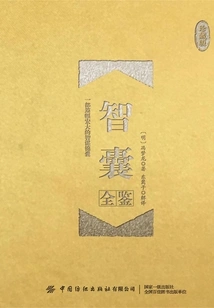
"Haobang Ci" is a cultural treasure in Chinese classical poetry. It is famous for its majestic and majestic writing. It likes to use poetic techniques and syntax to write words, and is not limited to music and rhythm. Especially the works written during the period of great changes in the times are tragic, generous and heroic. It makes people feel the sadness of shedding heroic tears, but also the heroism of galloping on the battlefield and sacrificing one's life to serve the country. There is the majestic atmosphere of "The river goes eastward, the waves are panning for gold, and the romantic figures of the ages"; there is the desolate and majestic atmosphere of "Drunk with a lamp burning the sword, and the dream of blowing the trumpet in the camp"; Bold words are not only an art, but also the call and resonance of the soul. This is not only a collection of words, but also a heroic and inspirational book that inspires emotions, inspires people to work hard, and expands their minds.
"Haobang Ci" is a cultural treasure in Chinese classical poetry. It is famous for its majestic and majestic writing. It likes to use poetic techniques and syntax to write words, and is not limited to music and rhythm. Especially the works written during the period of great changes in the times are tragic, generous and heroic. It makes people feel the sadness of shedding heroic tears, but also the heroism of galloping on the battlefield and sacrificing one's life to serve the country. There is the majestic atmosphere of "The river goes eastward, the waves are panning for gold, and the romantic figures of the ages"; there is the desolate and majestic atmosphere of "Drunk with a lamp burning the sword, and the dream of blowing the trumpet in the camp"; Bold words are not only an art, but also the call and resonance of the soul. This is not only a collection of words, but also a heroic and inspirational book that inspires emotions, inspires people to work hard, and expands their minds.
唐诗三百首全鉴
Pei Yunlong
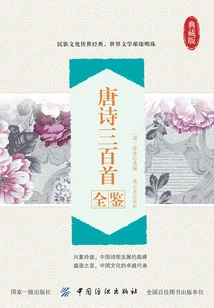
"Three Hundred Tang Poems" provides annotations and appreciation for each poem in the famous Qing Dynasty anthology "Three Hundred Tang Poems". The annotation part includes an introduction to the author, creative background and poetry genre, as well as an analysis of all vocabulary. The appreciation part first includes a discussion of the overall meaning of the poem, and more importantly, a summary and comment on the aesthetic characteristics of the poem. Reading poetry, and even reading all literary works, requires a joint grasp from multiple dimensions. This is a step-by-step process.
"Three Hundred Tang Poems" provides annotations and appreciation for each poem in the famous Qing Dynasty anthology "Three Hundred Tang Poems". The annotation part includes an introduction to the author, creative background and poetry genre, as well as an analysis of all vocabulary. The appreciation part first includes a discussion of the overall meaning of the poem, and more importantly, a summary and comment on the aesthetic characteristics of the poem. Reading poetry, and even reading all literary works, requires a joint grasp from multiple dimensions. This is a step-by-step process.
Collection of Li Taibai (part 2)
Literature李太白集(下)
Editor-in-chief Liu Chao
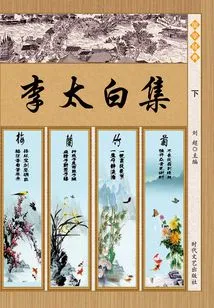
This set of books can not only be used as a reference book for primary and secondary school students to learn idioms, but also suitable for readers of different levels to read as stories. It has wide applicability. Therefore, this set of books is very suitable for reading and collection by readers, and is also very suitable for collection and display in libraries at all levels.
This set of books can not only be used as a reference book for primary and secondary school students to learn idioms, but also suitable for readers of different levels to read as stories. It has wide applicability. Therefore, this set of books is very suitable for reading and collection by readers, and is also very suitable for collection and display in libraries at all levels.
李太白集·杜甫诗选
Editor-in-chief Liu Chao
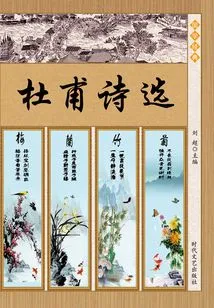
This set of books can not only be used as a reference book for primary and secondary school students to learn idioms, but also suitable for readers of different levels to read as stories. It has wide applicability. Therefore, this set of books is very suitable for reading and collection by readers, and is also very suitable for collection and display in libraries at all levels.
This set of books can not only be used as a reference book for primary and secondary school students to learn idioms, but also suitable for readers of different levels to read as stories. It has wide applicability. Therefore, this set of books is very suitable for reading and collection by readers, and is also very suitable for collection and display in libraries at all levels.
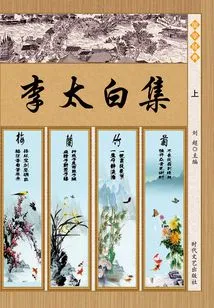
Collection of Li Taibai (part 1)
Literature李太白集(上)
Editor-in-chief Liu Chao
This set of books can not only be used as a reference book for primary and secondary school students to learn idioms, but also suitable for readers of different levels to read as stories. It has wide applicability. Therefore, this set of books is very suitable for reading and collection by readers, and is also very suitable for collection and display in libraries at all levels.
This set of books can not only be used as a reference book for primary and secondary school students to learn idioms, but also suitable for readers of different levels to read as stories. It has wide applicability. Therefore, this set of books is very suitable for reading and collection by readers, and is also very suitable for collection and display in libraries at all levels.
D
D
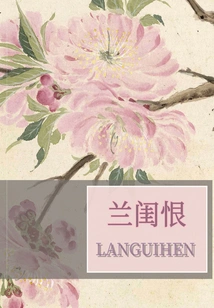
Lan Guihen
Literature兰闺恨
Xu Zhenya
"Lan Guihen" is an ancient Chinese classic written by Xu Zhenya, which contains many of the author's old-style poems.
"Lan Guihen" is an ancient Chinese classic written by Xu Zhenya, which contains many of the author's old-style poems.
Yuefu Poetry Collection
Literature乐府诗集
(northern Song Dynasty) Compiled By Guo Maoqian And Annotated By Zhou Xinglu
Yuefu Poetry is another organic part of the outstanding cultural heritage of the Chinese nation after the "Book of Songs" and "Chu Ci". Its content has a wide range of themes, its language is simple and natural, and its emotions are natural and simple. It has a profound influence on the development of poetry in later generations. This edition is compiled and selected by Professor Zhou Xinglu of Peking University. It contains 100 classic Yuefu songs in 12 volumes and biographies of 57 poets and painters. The illustrations use the works of many painters in Chinese history, represented by Qian Xuan and Yun Shouping. The themes are mainly flowers, birds, beasts, insects, fish and other lively and natural creatures, which set off the natural, simple, smart and lively emotional color of the book.
Yuefu Poetry is another organic part of the outstanding cultural heritage of the Chinese nation after the "Book of Songs" and "Chu Ci". Its content has a wide range of themes, its language is simple and natural, and its emotions are natural and simple. It has a profound influence on the development of poetry in later generations. This edition is compiled and selected by Professor Zhou Xinglu of Peking University. It contains 100 classic Yuefu songs in 12 volumes and biographies of 57 poets and painters. The illustrations use the works of many painters in Chinese history, represented by Qian Xuan and Yun Shouping. The themes are mainly flowers, birds, beasts, insects, fish and other lively and natural creatures, which set off the natural, simple, smart and lively emotional color of the book.
宋词里藏着故事:和孩子一起读经典名篇
Huang Ming Wang Liding
This book uses time as a line to introduce the stories of 25 famous poets of the Song Dynasty and their masterpieces. Song poetry works are interspersed among them, allowing readers to intuitively appreciate the creative background, connotation and rich meaning of the works. In addition, this book refers to the "New Curriculum Standards" and selects 31 representative works of 25 poets, which are explained in detail in the "Must-Memorize Excellent Works" section to help children learn Song Ci in depth.
This book uses time as a line to introduce the stories of 25 famous poets of the Song Dynasty and their masterpieces. Song poetry works are interspersed among them, allowing readers to intuitively appreciate the creative background, connotation and rich meaning of the works. In addition, this book refers to the "New Curriculum Standards" and selects 31 representative works of 25 poets, which are explained in detail in the "Must-Memorize Excellent Works" section to help children learn Song Ci in depth.
花间一壶酒:品味唐诗里的气度情怀
Liu Yiting
Tang poetry is the dazzling crystallization of the development of ancient Chinese poetry. Its charming charm has convinced countless future generations, and it can be called the glorious swan song of poetry at present. Gorgeous literary chapters, well-honed famous sayings, precious words passed down from generation to generation, and elegant songs recited by generations to come. We embark on a journey of Tang poetry, lingering on pavilions and terraces, wandering among mountains and rivers, listening to the jingle and iron horses, and seeing the picturesque mountains and rivers. You will find that Tang poetry is much more than what you imagined.
Tang poetry is the dazzling crystallization of the development of ancient Chinese poetry. Its charming charm has convinced countless future generations, and it can be called the glorious swan song of poetry at present. Gorgeous literary chapters, well-honed famous sayings, precious words passed down from generation to generation, and elegant songs recited by generations to come. We embark on a journey of Tang poetry, lingering on pavilions and terraces, wandering among mountains and rivers, listening to the jingle and iron horses, and seeing the picturesque mountains and rivers. You will find that Tang poetry is much more than what you imagined.
How to Learn Meter
Literature怎样学习格律
Long Yusheng
The author of this book is Long Yusheng, one of the most famous ci masters in the 20th century. This book is a book dedicated to the structure and rhythm of poetry in the Tang and Song Dynasties. This book contains more than a hundred tunes of poetry, most of which are common in poetry in the Tang and Song Dynasties. Each word plate explains its origin and evolution, and occasionally points out what kind of emotions are suitable for expression and some specific syntax and word sounds. As an entry-level book for masters of Chinese studies, readers can be satisfied whether they want to learn and progress or appreciate research. In addition to re-editing and integrating the content, this reprint also boldly re-drafts the title of the classic book, making the classic work closer to life and closer to readers.
The author of this book is Long Yusheng, one of the most famous ci masters in the 20th century. This book is a book dedicated to the structure and rhythm of poetry in the Tang and Song Dynasties. This book contains more than a hundred tunes of poetry, most of which are common in poetry in the Tang and Song Dynasties. Each word plate explains its origin and evolution, and occasionally points out what kind of emotions are suitable for expression and some specific syntax and word sounds. As an entry-level book for masters of Chinese studies, readers can be satisfied whether they want to learn and progress or appreciate research. In addition to re-editing and integrating the content, this reprint also boldly re-drafts the title of the classic book, making the classic work closer to life and closer to readers.
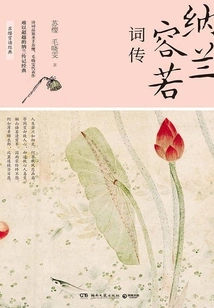
Nalan Rongruo's Ci Biography
Literature纳兰容若词传
Su Ying Mao Xiaowen
Nalan Rongruo, a man named DI in the early Qing Dynasty, was the son of a great scholar. He was gifted and intelligent, well versed in classics and history, good at calligraphy and painting, and good at riding and shooting. A Jinshi in the Kangxi Dynasty and a first-class bodyguard. He died of cold illness at the age of thirty-one. There are "Zi Mao Ji", "Ding Shui Ci" and "Tongzhitang Ji" handed down from generation to generation. Nalan's poems are "clear and graceful, with a strong sense of sadness, high and far-reaching style, unique and direct to the heart", and were praised by Wang Guowei as "only one person since the Northern Song Dynasty". Every family is singing the drinking song, how often does Nalan know what is on his mind? Nalan is a young nobleman who attracts the attention of the world, and he is also an astonishing and unparalleled talent. He is the most intimate friend of the literati, and he is also a heartbroken person through the ages. The legend of Nalan is only hidden in Nalan's poems. If life were just like the first time we met... A letter of "Magnolia Flower Order" was sent to the capital and Jiangnan, starting a poetic ten-act play, describing Nalan's short but gorgeous life in detail. The author's profound interpretation of the changes in Nalan's era and the destiny of genius, as well as his exquisite interpretation of classical culture and poetic aesthetics, are like the bright pearls and jade scattered throughout the article, which make people think and sigh. The book quotes more than a hundred of Nalan's poems, and the author is like Nalan's confidant across generations. He filters out misunderstandings and misinterpretations with sophisticated textual research, and takes us to each poetic scene with in-depth understanding to meet the real Nalan Rongruo...
Nalan Rongruo, a man named DI in the early Qing Dynasty, was the son of a great scholar. He was gifted and intelligent, well versed in classics and history, good at calligraphy and painting, and good at riding and shooting. A Jinshi in the Kangxi Dynasty and a first-class bodyguard. He died of cold illness at the age of thirty-one. There are "Zi Mao Ji", "Ding Shui Ci" and "Tongzhitang Ji" handed down from generation to generation. Nalan's poems are "clear and graceful, with a strong sense of sadness, high and far-reaching style, unique and direct to the heart", and were praised by Wang Guowei as "only one person since the Northern Song Dynasty". Every family is singing the drinking song, how often does Nalan know what is on his mind? Nalan is a young nobleman who attracts the attention of the world, and he is also an astonishing and unparalleled talent. He is the most intimate friend of the literati, and he is also a heartbroken person through the ages. The legend of Nalan is only hidden in Nalan's poems. If life were just like the first time we met... A letter of "Magnolia Flower Order" was sent to the capital and Jiangnan, starting a poetic ten-act play, describing Nalan's short but gorgeous life in detail. The author's profound interpretation of the changes in Nalan's era and the destiny of genius, as well as his exquisite interpretation of classical culture and poetic aesthetics, are like the bright pearls and jade scattered throughout the article, which make people think and sigh. The book quotes more than a hundred of Nalan's poems, and the author is like Nalan's confidant across generations. He filters out misunderstandings and misinterpretations with sophisticated textual research, and takes us to each poetic scene with in-depth understanding to meet the real Nalan Rongruo...
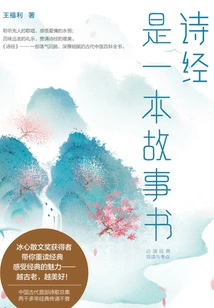
The Book of Songs is a Story Book
Literature《诗经》是一本故事书
Wang Fuli
The Book of Songs is the beginning of ancient Chinese poetry and the earliest collection of poetry. It focuses on reality and expresses true feelings triggered by real life. It is the first milestone of Chinese realist literature. Through popular transformation of traditional academic interpretations, this book liberates readers of traditional culture from boring academic reading and reproduces the details of life from the Western Zhou Dynasty to the Spring and Autumn Period. From the aspects of diet, work, study, etc., The real stories behind the Book of Songs and the Zhou ritual system are presented in a panoramic manner, allowing readers to achieve the "triple reading" effect of understanding the Book of Songs, understanding the history, and fully understanding the Zhou rituals through each fascinating and vivid scene. The author of this book, Wang Fuli, is the winner of the Bingxin Prose Award. He provides readers with this kind of prose and story-based easy reading, which is not equivalent to fast food reading. Under the background of looking back at Zhouli civilization and returning to traditional culture, traditional culture is presented in a more vivid and three-dimensional way, so that readers can understand the charm of traditional culture through an intuitive and direct reading experience. Reading "The Book of Songs is a Storybook" awakens people's sleeping poetic nature and emotions. Everything we have lost can be found here.
The Book of Songs is the beginning of ancient Chinese poetry and the earliest collection of poetry. It focuses on reality and expresses true feelings triggered by real life. It is the first milestone of Chinese realist literature. Through popular transformation of traditional academic interpretations, this book liberates readers of traditional culture from boring academic reading and reproduces the details of life from the Western Zhou Dynasty to the Spring and Autumn Period. From the aspects of diet, work, study, etc., The real stories behind the Book of Songs and the Zhou ritual system are presented in a panoramic manner, allowing readers to achieve the "triple reading" effect of understanding the Book of Songs, understanding the history, and fully understanding the Zhou rituals through each fascinating and vivid scene. The author of this book, Wang Fuli, is the winner of the Bingxin Prose Award. He provides readers with this kind of prose and story-based easy reading, which is not equivalent to fast food reading. Under the background of looking back at Zhouli civilization and returning to traditional culture, traditional culture is presented in a more vivid and three-dimensional way, so that readers can understand the charm of traditional culture through an intuitive and direct reading experience. Reading "The Book of Songs is a Storybook" awakens people's sleeping poetic nature and emotions. Everything we have lost can be found here.
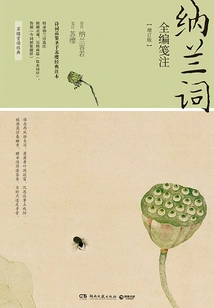
纳兰词全编笺注(增订版)
(qing Dynasty) Notes By Nalan Rongruo And Su Ying
"Nalan Rongruo's Complete Compilation and Notes" is a work annotated by Su Yingjian and includes all Nalan Rongruo's lyrics. The poetry world of the Qing Dynasty was revived. Nalan Rongruo was highly praised by Liang Qichao as "the most talented scholar in the early Qing Dynasty". His poetry style was "pure and graceful, with a sad feeling, high style and far-reaching style, unique and direct to the heart". He stood side by side with Chen Weisong, the representative of the Yangxian School, and Zhu Yizun, the head of the Western Zhejiang School, and was known as the "Three Great Masters of Qing Ci". Kuang Zhouyi praised him as "the best lyricist in the early days of the Republic of China" in "Huifeng Cihua", and academic master Wang Guoweigen praised him in "Huifeng Cihua" as "the only one since the Northern Song Dynasty". After Nalan's death, his lifelong teachers and friends compiled the "Tongzhitang Collection" for him, which included four volumes of lyrics, totaling 300 poems, all handwritten by Gu Zhenguan. Zhang Chunxiu also compiled the "Collection of Drinking Poems". Since then, Nalan's poems have been published one after another, and the collation has become increasingly refined. It is now confirmed that there are 348 Nalan poems in total, all of which are included in this book. Eleven representative poems by Nalan are also selected to more fully present Nalan's poetry creation style. Although Nalan's poems are known for being as clear as words, due to his profound knowledge, they are actually profound in allusions, subtle in meaning, and tortuous. There are many interpretations and annotations by predecessors, but there are still many omissions and misunderstandings, which lead to deviations in the understanding of the theme of the poem. Su Yingguang drew on the strengths of many experts, carefully reviewed the materials, and added and corrected errors from the aspects of creative background, text exegesis, ancient events and modern classics, knowledge of historical materials, rhetorical methods, etc. He also made notes on relevant important documents such as Gu Zhenguan and Wu Qi's "Drinking Water Preface" and Lu Chao's "Inscription to the First Collection of Modern Ci". Through Su Ying's new annotation, we can better feel the affectionate and graceful style of Nalan's poems, and get closer to his true and natural spirit.
"Nalan Rongruo's Complete Compilation and Notes" is a work annotated by Su Yingjian and includes all Nalan Rongruo's lyrics. The poetry world of the Qing Dynasty was revived. Nalan Rongruo was highly praised by Liang Qichao as "the most talented scholar in the early Qing Dynasty". His poetry style was "pure and graceful, with a sad feeling, high style and far-reaching style, unique and direct to the heart". He stood side by side with Chen Weisong, the representative of the Yangxian School, and Zhu Yizun, the head of the Western Zhejiang School, and was known as the "Three Great Masters of Qing Ci". Kuang Zhouyi praised him as "the best lyricist in the early days of the Republic of China" in "Huifeng Cihua", and academic master Wang Guoweigen praised him in "Huifeng Cihua" as "the only one since the Northern Song Dynasty". After Nalan's death, his lifelong teachers and friends compiled the "Tongzhitang Collection" for him, which included four volumes of lyrics, totaling 300 poems, all handwritten by Gu Zhenguan. Zhang Chunxiu also compiled the "Collection of Drinking Poems". Since then, Nalan's poems have been published one after another, and the collation has become increasingly refined. It is now confirmed that there are 348 Nalan poems in total, all of which are included in this book. Eleven representative poems by Nalan are also selected to more fully present Nalan's poetry creation style. Although Nalan's poems are known for being as clear as words, due to his profound knowledge, they are actually profound in allusions, subtle in meaning, and tortuous. There are many interpretations and annotations by predecessors, but there are still many omissions and misunderstandings, which lead to deviations in the understanding of the theme of the poem. Su Yingguang drew on the strengths of many experts, carefully reviewed the materials, and added and corrected errors from the aspects of creative background, text exegesis, ancient events and modern classics, knowledge of historical materials, rhetorical methods, etc. He also made notes on relevant important documents such as Gu Zhenguan and Wu Qi's "Drinking Water Preface" and Lu Chao's "Inscription to the First Collection of Modern Ci". Through Su Ying's new annotation, we can better feel the affectionate and graceful style of Nalan's poems, and get closer to his true and natural spirit.
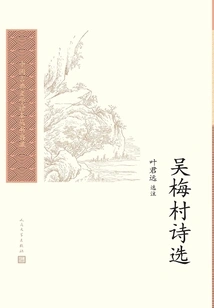
Selected Poems of Wumeicun
Literature吴梅村诗选
Selected Notes By Ye Junyuan
Wu Weiye (1609-1672), courtesy name Jungong and Meicun, alias Lu Qiaosheng, Guanyin Master, Dayun Taoist, a native of Taicang, Jiangsu Province, and a Chongzhen Jinshi. A famous poet in the late Ming and early Qing dynasties, he is known as the "Three Great Masters of Jiangzuo" along with Qian Qianyi and Gong Dingzi. He is also the founder of the Loudong Poetry School. He is good at seven-character singing. He first learned the "Changqing style" and later developed his own new chant, which later generations called "Meicun style". This book selects and annotates several representative poems of Meicun and arranges them in the order of creation time. The first annotation under each poem indicates the creation time. It also briefly introduces the relevant creative background, main idea and artistic characteristics of the poem. It is very suitable for general readers to understand Wu Weiye's literary characteristics and creative level.
Wu Weiye (1609-1672), courtesy name Jungong and Meicun, alias Lu Qiaosheng, Guanyin Master, Dayun Taoist, a native of Taicang, Jiangsu Province, and a Chongzhen Jinshi. A famous poet in the late Ming and early Qing dynasties, he is known as the "Three Great Masters of Jiangzuo" along with Qian Qianyi and Gong Dingzi. He is also the founder of the Loudong Poetry School. He is good at seven-character singing. He first learned the "Changqing style" and later developed his own new chant, which later generations called "Meicun style". This book selects and annotates several representative poems of Meicun and arranges them in the order of creation time. The first annotation under each poem indicates the creation time. It also briefly introduces the relevant creative background, main idea and artistic characteristics of the poem. It is very suitable for general readers to understand Wu Weiye's literary characteristics and creative level.
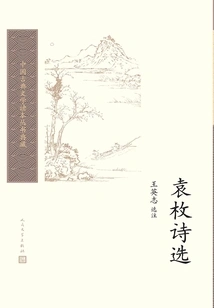
Selected Poems of Yuan Mei
Literature袁枚诗选
Selected Notes By Wang Yingzhi
This book is a selected and annotated version of the poems of Yuan Mei, the leader of the Qianlong poetry circle and the leader of the "Xingling School". It is annotated by Mr. Wang Yingzhi, an expert on Yuan Mei. This book is unique in the selection of poems, paying equal attention to artistry and thought; the interpretation of poems is elegant, accurate and appropriate; the annotations are concise and concise, and the sources of allusions are noted as much as possible. The preface also gives a proper introduction to Yuan Mei's life, thoughts, poetic theory, and poetic thoughts and artistic characteristics, providing readers with an excellent selection to fully grasp the artistic style of Yuan Mei's poems and understand the profound meaning of Yuan Mei's poems.
This book is a selected and annotated version of the poems of Yuan Mei, the leader of the Qianlong poetry circle and the leader of the "Xingling School". It is annotated by Mr. Wang Yingzhi, an expert on Yuan Mei. This book is unique in the selection of poems, paying equal attention to artistry and thought; the interpretation of poems is elegant, accurate and appropriate; the annotations are concise and concise, and the sources of allusions are noted as much as possible. The preface also gives a proper introduction to Yuan Mei's life, thoughts, poetic theory, and poetic thoughts and artistic characteristics, providing readers with an excellent selection to fully grasp the artistic style of Yuan Mei's poems and understand the profound meaning of Yuan Mei's poems.
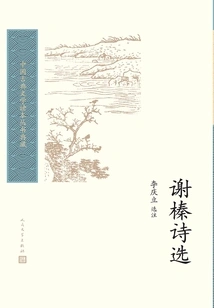
Selected Poems by Xie Zhen
Literature谢榛诗选
Selected Notes By Li Qingli
Xie Zhen was a famous poet and poetic theorist in the Ming Dynasty, and one of the elders of the important literary society "Later Seven Sons". His poetry creation, artistic achievements, and poetic theory played a prominent role in the literary history of the Ming Dynasty. The annotations in this book are based on a large number of Xie Zhen's poetry documents, and 594 poems in various styles have been repeatedly screened, and detailed annotations and clear explanations have been provided. While adhering to the perfect unity of content and form, thought and art, and diversification of style and art, the selected poems pay special attention to the embodiment of "true feelings" and "integrated artistic conception" in the poems, which is very helpful for readers to understand the true appearance of Xie Zhen's poems.
Xie Zhen was a famous poet and poetic theorist in the Ming Dynasty, and one of the elders of the important literary society "Later Seven Sons". His poetry creation, artistic achievements, and poetic theory played a prominent role in the literary history of the Ming Dynasty. The annotations in this book are based on a large number of Xie Zhen's poetry documents, and 594 poems in various styles have been repeatedly screened, and detailed annotations and clear explanations have been provided. While adhering to the perfect unity of content and form, thought and art, and diversification of style and art, the selected poems pay special attention to the embodiment of "true feelings" and "integrated artistic conception" in the poems, which is very helpful for readers to understand the true appearance of Xie Zhen's poems.
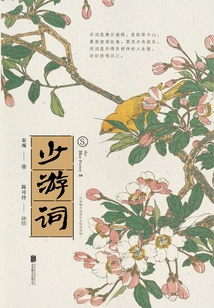
Less Travel Words
Literature少游词
Written By Qin Guan And Commented By Chen Keshu
Qin Guan's "Shao You Ci" occupies an important position in the history of Chinese literature. Most of its content describes the love between men and women and expresses the sadness of frustrated career. The widely circulated saying "If the two love lasts for a long time, how can they stay together day and night" was written by Qin Guan. In this book, poetry critic, Peking University young writer, and classical culture scholar Chen Keshu provides a new and essential commentary on Qin Guan's lyrics, vividly expressing his sad and sentimental artistic style and restoring a true "eternal heartbroken man." Others write lyrics with "ci talent", while Qin Guan writes lyrics with "ci heart".
Qin Guan's "Shao You Ci" occupies an important position in the history of Chinese literature. Most of its content describes the love between men and women and expresses the sadness of frustrated career. The widely circulated saying "If the two love lasts for a long time, how can they stay together day and night" was written by Qin Guan. In this book, poetry critic, Peking University young writer, and classical culture scholar Chen Keshu provides a new and essential commentary on Qin Guan's lyrics, vividly expressing his sad and sentimental artistic style and restoring a true "eternal heartbroken man." Others write lyrics with "ci talent", while Qin Guan writes lyrics with "ci heart".
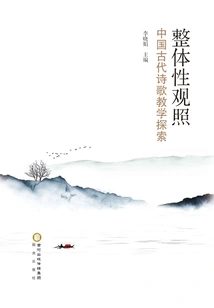
整体性观照:中国古代诗歌教学探索
Editor-in-chief Li Xiaojuan
This manuscript is an academic monograph and the result of the research project "Exploration of the Teaching Practice of Ancient Chinese Poetry". This manuscript focuses on exploring how to achieve "holistic observation" in ancient poetry teaching in junior middle schools, and then achieve the purpose of teaching ancient poetry. The whole manuscript is composed of three parts: "Reading Poems and Understanding People" with a holistic view, "Appreciating Poems and Understanding the Tao" with a holistic view, and "Reciting Poems and Seeking Beauty" with a holistic view. It analyzes many problems, elements and implementation paths in the teaching of ancient poetry. The language is fluent, the cases are rich, and the operability is strong. It is a teaching theory book with novel views and quite inspiring.
This manuscript is an academic monograph and the result of the research project "Exploration of the Teaching Practice of Ancient Chinese Poetry". This manuscript focuses on exploring how to achieve "holistic observation" in ancient poetry teaching in junior middle schools, and then achieve the purpose of teaching ancient poetry. The whole manuscript is composed of three parts: "Reading Poems and Understanding People" with a holistic view, "Appreciating Poems and Understanding the Tao" with a holistic view, and "Reciting Poems and Seeking Beauty" with a holistic view. It analyzes many problems, elements and implementation paths in the teaching of ancient poetry. The language is fluent, the cases are rich, and the operability is strong. It is a teaching theory book with novel views and quite inspiring.
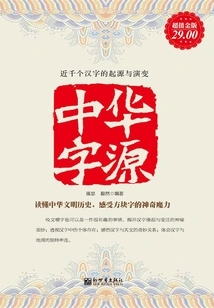
Chinese Etymology
Literature中华字源
Edited By Yaser Yiran
A history of Chinese characters is a history of changes in Chinese culture, even though the external form has changed. But the inner spirit continues to this day. The unique art forms of Chinese characters, such as literature, calligraphy and couplets, benefit from the philosophy contained in Chinese characters as well as the pronunciation and structure of Chinese characters. Chinese characters are so broad that an interesting story can happen even between each stroke. "Chinese Character Source (Super Value Gold Edition)" strives to introduce the origin and evolution of 1,000 Chinese characters in detail, allowing readers to understand Chinese characters in a language full of fun and wisdom, and to use this language with the oldest history and the largest number of speakers in the world more accurately, flexibly and skillfully.
A history of Chinese characters is a history of changes in Chinese culture, even though the external form has changed. But the inner spirit continues to this day. The unique art forms of Chinese characters, such as literature, calligraphy and couplets, benefit from the philosophy contained in Chinese characters as well as the pronunciation and structure of Chinese characters. Chinese characters are so broad that an interesting story can happen even between each stroke. "Chinese Character Source (Super Value Gold Edition)" strives to introduce the origin and evolution of 1,000 Chinese characters in detail, allowing readers to understand Chinese characters in a language full of fun and wisdom, and to use this language with the oldest history and the largest number of speakers in the world more accurately, flexibly and skillfully.
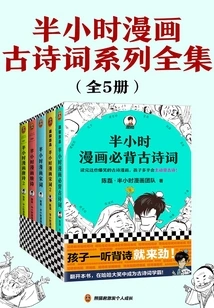
半小时漫画古诗词系列全集(全5册)
Chen Lei·half Hour Comics Team
\
\