Library
Browse and search books
311 novels found
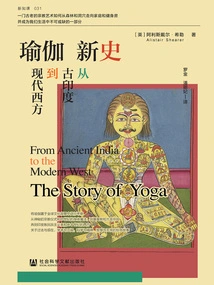
瑜伽新史:从古印度到现代西方
(uk) Alisdair Shearer
How did an ancient Indian spiritual discipline become the backbone of a £20bn-a-year health industry? From the caves and forests of sages to modern Western gyms, hospitals and village halls, what has yoga experienced in its tortuous development? This book places yoga in a global cultural context, from mystical rituals and medieval body magicians, to Christianity and the British Empire, to Indian nationalists and the twentieth-century West. Yoga is now integrated into powerful social trends, including women's rights, digital media, celebrity culture, stress culture and the pursuit of authentic identity. The author mainly focuses on "body yoga" and "spiritual yoga", and conducts an in-depth discussion of the origin, birth environment, evolution of "yoga", and its status in modern society.
How did an ancient Indian spiritual discipline become the backbone of a £20bn-a-year health industry? From the caves and forests of sages to modern Western gyms, hospitals and village halls, what has yoga experienced in its tortuous development? This book places yoga in a global cultural context, from mystical rituals and medieval body magicians, to Christianity and the British Empire, to Indian nationalists and the twentieth-century West. Yoga is now integrated into powerful social trends, including women's rights, digital media, celebrity culture, stress culture and the pursuit of authentic identity. The author mainly focuses on "body yoga" and "spiritual yoga", and conducts an in-depth discussion of the origin, birth environment, evolution of "yoga", and its status in modern society.
阿拉伯研究论丛(总第13期)
Hou Yuxiang Editor-in-chief Wu Sike
"Arab Studies Series" is a collection of Arab studies sponsored by the Arab Studies Center of Beijing International Studies University, the regional and national research base of the Ministry of Education. The content focuses on the politics, economy, society, culture and diplomacy of Arab countries. Based on the Arab Studies Forum, this journal selects academic papers published by scholars at the forum and compiles them into a volume to benefit the accumulation of domestic Arab studies. This book is the 13th issue and is divided into four columns: "Special Articles", "Country and Regional Focus - Middle Eastern Parties and Politics from a Diverse Perspective", "Country and Regional Focus - "One Belt and One Road" and China-Middle East Relations" and "Arabic Language and Literature".
"Arab Studies Series" is a collection of Arab studies sponsored by the Arab Studies Center of Beijing International Studies University, the regional and national research base of the Ministry of Education. The content focuses on the politics, economy, society, culture and diplomacy of Arab countries. Based on the Arab Studies Forum, this journal selects academic papers published by scholars at the forum and compiles them into a volume to benefit the accumulation of domestic Arab studies. This book is the 13th issue and is divided into four columns: "Special Articles", "Country and Regional Focus - Middle Eastern Parties and Politics from a Diverse Perspective", "Country and Regional Focus - "One Belt and One Road" and China-Middle East Relations" and "Arabic Language and Literature".
阿拉伯研究论丛(总第14期)
Hou Yuxiang Editor-in-chief Wu Sike
"Arab Studies Series" is a collection of Arab studies sponsored by the Arab Studies Center of Beijing International Studies University. It mainly focuses on research on the politics, economy, society, culture and diplomacy of Arab countries. This issue is the 14th in total and is divided into two columns: regional and country studies and Arabic language and literature.
"Arab Studies Series" is a collection of Arab studies sponsored by the Arab Studies Center of Beijing International Studies University. It mainly focuses on research on the politics, economy, society, culture and diplomacy of Arab countries. This issue is the 14th in total and is divided into two columns: regional and country studies and Arabic language and literature.
河北近代医疗卫生事业发展史略
Fan Tiequan Qiao Yanhua
This book is based on history, fully draws on relevant knowledge and theories from medicine, sociology, statistics, cultural communication and other disciplines, focuses on empirical analysis, combines cross-cutting, macro research and case analysis, examines the construction of the medical and health system in different historical periods and stages, and attempts to comprehensively present Hebei's modern medical and health undertakings. The three-dimensional spatial picture of development and changes reveals the roles and functions of different subjects such as the government and civil society, medical education institutions, and doctors in the development process of Hebei's medical and health services. Finally, a summary of Hebei's modern medical and health services is made, which not only affirms the achievements, but also points out the shortcomings, and provides experience and lessons that can be used as a reference for today's society. In the use of historical materials, original newspapers, periodicals, archives, etc. Are mainly used, supplemented by other related materials such as anthologies, diaries, local chronicles, and memoirs.
This book is based on history, fully draws on relevant knowledge and theories from medicine, sociology, statistics, cultural communication and other disciplines, focuses on empirical analysis, combines cross-cutting, macro research and case analysis, examines the construction of the medical and health system in different historical periods and stages, and attempts to comprehensively present Hebei's modern medical and health undertakings. The three-dimensional spatial picture of development and changes reveals the roles and functions of different subjects such as the government and civil society, medical education institutions, and doctors in the development process of Hebei's medical and health services. Finally, a summary of Hebei's modern medical and health services is made, which not only affirms the achievements, but also points out the shortcomings, and provides experience and lessons that can be used as a reference for today's society. In the use of historical materials, original newspapers, periodicals, archives, etc. Are mainly used, supplemented by other related materials such as anthologies, diaries, local chronicles, and memoirs.
英国文学史(1620—1900)
(u. S.) William Joseph Long
Literature does not deal with our rationality, but with our emotions and imagination. Its charm lies not in its literal meaning but in its ability to awaken something within us. Based on his profound understanding of human history and civilization, Lang, the author of this book, has made an accurate and interesting review of the history of British literature from 1620 to 1900. He has used poetic words to outline the lives and anecdotes of famous British writers, and has a profound understanding of British literature during this period. The works have been insightfully selected and appreciated. Readers can sense the author's concern for the other side of history and his passion for reality from between the lines. Under their guidance, they can understand literature, enjoy literature, and realize the beauty of literature that "time will not make it grow old, and death will not let it be destroyed." The translator has been translating this book since 2007, taking honesty and elegance as his criterion and striving to present the appearance and purpose of the original work authentically.
Literature does not deal with our rationality, but with our emotions and imagination. Its charm lies not in its literal meaning but in its ability to awaken something within us. Based on his profound understanding of human history and civilization, Lang, the author of this book, has made an accurate and interesting review of the history of British literature from 1620 to 1900. He has used poetic words to outline the lives and anecdotes of famous British writers, and has a profound understanding of British literature during this period. The works have been insightfully selected and appreciated. Readers can sense the author's concern for the other side of history and his passion for reality from between the lines. Under their guidance, they can understand literature, enjoy literature, and realize the beauty of literature that "time will not make it grow old, and death will not let it be destroyed." The translator has been translating this book since 2007, taking honesty and elegance as his criterion and striving to present the appearance and purpose of the original work authentically.
唐代色役研究
Wu Shuguo
This book is a monograph that systematically studies sex labor in the Tang Dynasty. On the basis of affirming that sex service in the Tang Dynasty was an independent type of service, this paper gave a new interpretation to the characteristics, hierarchical classification, nature, and issues such as period and service period, payment of wages and payment of fees, etc. Of sex service in the early Tang Dynasty. At the same time, based on the institutional changes in the Tang and Song Dynasties, the evolution of sex service in the late Tang Dynasty and its relationship with the job service in the Song Dynasty were analyzed. In addition, this book also examines the Tang Dynasty sex service in the evolution of the overall service system in ancient China, revealing the key role it played in the early and late transitions of the ancient Chinese service system. In recent years, sex service in the Tang Dynasty has received very little attention as a traditional topic in the study of the economic history of the Tang Dynasty. I hope this book can promote the expansion of this topic and thus provide help for the overall study of the ancient Chinese service system.
This book is a monograph that systematically studies sex labor in the Tang Dynasty. On the basis of affirming that sex service in the Tang Dynasty was an independent type of service, this paper gave a new interpretation to the characteristics, hierarchical classification, nature, and issues such as period and service period, payment of wages and payment of fees, etc. Of sex service in the early Tang Dynasty. At the same time, based on the institutional changes in the Tang and Song Dynasties, the evolution of sex service in the late Tang Dynasty and its relationship with the job service in the Song Dynasty were analyzed. In addition, this book also examines the Tang Dynasty sex service in the evolution of the overall service system in ancient China, revealing the key role it played in the early and late transitions of the ancient Chinese service system. In recent years, sex service in the Tang Dynasty has received very little attention as a traditional topic in the study of the economic history of the Tang Dynasty. I hope this book can promote the expansion of this topic and thus provide help for the overall study of the ancient Chinese service system.
赤脚医生与中国乡村的现代医学
Fang Xiaoping
In 1968, under the great call to "put the focus of medical and health care in rural areas", not only a large number of doctors from urban hospitals were "decentralized" to the countryside, but starting from Chuansha County in the suburbs of Shanghai, they were called "our own doctors for our poor and lower-middle peasants" The "Barefoot Doctor" also alleviated the shortage of doctors and medicines in backward rural areas to some extent, initiated the attempt to integrate traditional Chinese and Western medicine, established a "cooperative medical system" based on communes and teams, and also created the "myth" of contemporary Hua Tuo and Sun Lizhe. In fact, barefoot doctors, together with commune and team cadres, private teachers, agricultural technicians, and accountants of large and small teams, constitute a certain quasi-knowledge, technology, or management class that corresponds to the authentic "mud-legged men." This book restores the collective memory of doctors and patients in a special time and space through oral interviews and written archives, and also makes the narrative of the history of China's medical system more comprehensive.
In 1968, under the great call to "put the focus of medical and health care in rural areas", not only a large number of doctors from urban hospitals were "decentralized" to the countryside, but starting from Chuansha County in the suburbs of Shanghai, they were called "our own doctors for our poor and lower-middle peasants" The "Barefoot Doctor" also alleviated the shortage of doctors and medicines in backward rural areas to some extent, initiated the attempt to integrate traditional Chinese and Western medicine, established a "cooperative medical system" based on communes and teams, and also created the "myth" of contemporary Hua Tuo and Sun Lizhe. In fact, barefoot doctors, together with commune and team cadres, private teachers, agricultural technicians, and accountants of large and small teams, constitute a certain quasi-knowledge, technology, or management class that corresponds to the authentic "mud-legged men." This book restores the collective memory of doctors and patients in a special time and space through oral interviews and written archives, and also makes the narrative of the history of China's medical system more comprehensive.
中国传统学术史概论
Compiled By Yin Yushan
When discussing experts, academic cases, and books, this book not only refines traditional and authoritative viewpoints, but also boldly draws on cutting-edge achievements in the academic world. The academic results it focuses on cover political science, sociology, history, philosophy, literature, religion and philology, and even astronomy, geography, mathematics and other science and technology categories. It is relatively comprehensive among academic history (including intellectual history, philosophy history) works. In addition, many new scholars and their academic achievements that have been ignored by previous academic history have been added, correcting biases and helping readers comprehensively, accurately and clearly grasp the development context of traditional Chinese academic history.
When discussing experts, academic cases, and books, this book not only refines traditional and authoritative viewpoints, but also boldly draws on cutting-edge achievements in the academic world. The academic results it focuses on cover political science, sociology, history, philosophy, literature, religion and philology, and even astronomy, geography, mathematics and other science and technology categories. It is relatively comprehensive among academic history (including intellectual history, philosophy history) works. In addition, many new scholars and their academic achievements that have been ignored by previous academic history have been added, correcting biases and helping readers comprehensively, accurately and clearly grasp the development context of traditional Chinese academic history.
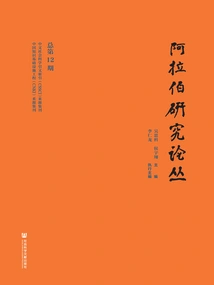
阿拉伯研究论丛(总第12期)
Editor-in-chief Wu Sike Hou Yuxiang
"Arab Studies Series" is a collection of Arab studies sponsored by the Arab Studies Center of Beijing International Studies University, the regional and national research base of the Ministry of Education. The content focuses on the politics, economy, society, culture and diplomacy of Arab countries. Based on the Arab Studies Forum, this journal selects academic papers published by scholars at the forum and compiles them into a volume to benefit the accumulation of domestic Arab studies. This book is the 12th issue and is divided into two columns: country and regional focus, and Arabic language and literature.
"Arab Studies Series" is a collection of Arab studies sponsored by the Arab Studies Center of Beijing International Studies University, the regional and national research base of the Ministry of Education. The content focuses on the politics, economy, society, culture and diplomacy of Arab countries. Based on the Arab Studies Forum, this journal selects academic papers published by scholars at the forum and compiles them into a volume to benefit the accumulation of domestic Arab studies. This book is the 12th issue and is divided into two columns: country and regional focus, and Arabic language and literature.
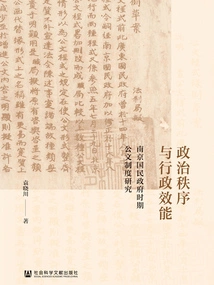
政治秩序与行政效能:南京国民政府时期公文制度研究
Yuan Xiaochuan
Based on an extensive collection of various original documents, this book conducts a relatively detailed examination of the construction and evolution of the official document system during the Nanjing National Government from the perspective of research on the interaction between political order and administrative efficiency. The book is based on a variety of documents such as original archives, newspapers, diaries, memoirs, etc., And comprehensively uses research methods such as literature analysis, case analysis, statistical analysis, and comparative analysis. It takes the evolution of the official document system during the Nanjing National Government period as the main line of research, combines the characteristics of the political system in the Nanjing National Government era, analyzes the status and mechanism of different social forces in the development of the official document system, and explores the intrinsic factors hidden behind the changes in the official document system, thereby profoundly and comprehensively displaying the evolution path and mechanism of the official document system during the Nanjing National Government period.
Based on an extensive collection of various original documents, this book conducts a relatively detailed examination of the construction and evolution of the official document system during the Nanjing National Government from the perspective of research on the interaction between political order and administrative efficiency. The book is based on a variety of documents such as original archives, newspapers, diaries, memoirs, etc., And comprehensively uses research methods such as literature analysis, case analysis, statistical analysis, and comparative analysis. It takes the evolution of the official document system during the Nanjing National Government period as the main line of research, combines the characteristics of the political system in the Nanjing National Government era, analyzes the status and mechanism of different social forces in the development of the official document system, and explores the intrinsic factors hidden behind the changes in the official document system, thereby profoundly and comprehensively displaying the evolution path and mechanism of the official document system during the Nanjing National Government period.
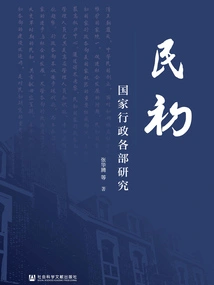
民初国家行政各部研究
Zhang Huateng Et Al.
This book discusses in detail the establishment process, organizational structure, personnel adjustments and development and evolution of various administrative departments under the Yuan Shikai government in the early Republic of China (1912-1916). If necessary, it also covers relevant content of the late Qing government and the end of the Yuan Shikai monarchy. The book studies seven administrative departments including foreign affairs, internal affairs, finance, army, navy, education, and justice. Finally, it discusses the social development in the early Republic of China reflected in the evolution of each administrative department. It believes that the previous academic understanding of Yuan Shikai's rule focused on its negative effects and ignored its positive role in the context of social transformation in the late Qing Dynasty and the early Republic of China.
This book discusses in detail the establishment process, organizational structure, personnel adjustments and development and evolution of various administrative departments under the Yuan Shikai government in the early Republic of China (1912-1916). If necessary, it also covers relevant content of the late Qing government and the end of the Yuan Shikai monarchy. The book studies seven administrative departments including foreign affairs, internal affairs, finance, army, navy, education, and justice. Finally, it discusses the social development in the early Republic of China reflected in the evolution of each administrative department. It believes that the previous academic understanding of Yuan Shikai's rule focused on its negative effects and ignored its positive role in the context of social transformation in the late Qing Dynasty and the early Republic of China.
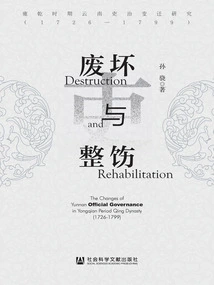
废坏与整饬:雍乾时期云南吏治变迁研究(1726—1799)
Sun Xiao
This book takes five cases of corruption among Yunnan border officials from 1726 to 1799 as the object of observation. It explores the impact of the reform of the land and the return of local officials on Yunnan during the Yongzheng and Qian Dynasties, as well as the ruling thoughts of the monarchs in the Yongzheng and Qian dynasties. It forms the following core viewpoints: First, the reform of the land and the return of local officials during the Yongzheng period was an important node in the integration process of Yunnan and the mainland in the early Qing Dynasty, and it was used as a benchmark. Yunnan has undergone major changes in politics and culture. It is no longer a border province with marginalized political status, but has gradually transformed into an inland province with a high degree of integration with the Central Plains. Secondly, while political integration has brought rapid development opportunities to Yunnan, it has also had many impacts on the local social culture and official structure.
This book takes five cases of corruption among Yunnan border officials from 1726 to 1799 as the object of observation. It explores the impact of the reform of the land and the return of local officials on Yunnan during the Yongzheng and Qian Dynasties, as well as the ruling thoughts of the monarchs in the Yongzheng and Qian dynasties. It forms the following core viewpoints: First, the reform of the land and the return of local officials during the Yongzheng period was an important node in the integration process of Yunnan and the mainland in the early Qing Dynasty, and it was used as a benchmark. Yunnan has undergone major changes in politics and culture. It is no longer a border province with marginalized political status, but has gradually transformed into an inland province with a high degree of integration with the Central Plains. Secondly, while political integration has brought rapid development opportunities to Yunnan, it has also had many impacts on the local social culture and official structure.
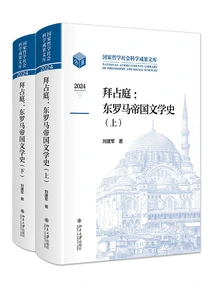
拜占庭:东罗马帝国文学史(全2册)
Liu Jianjun
The Byzantine Empire has been in the midst of conflicts between various Eastern and Western cultures and civilizations for more than a thousand years, and at the same time it was in the process of transformation from ancient culture to medieval and modern culture. As a carrier of Byzantine culture, this literature fully reflects the complex history of conflict and integration between ancient times and the Middle Ages, and Eastern and Western cultures, and provides some important, detailed and unique examples for the development of world culture and civilization from a literary perspective. This book takes the historical evolution of Byzantine literature as a context and uses the works of important writers in various periods as examples. It attempts to redefine the concept and scope of Byzantine literature, fully reflects the complexity and diversity of Byzantine literature, re-examines some important issues in the development process of Byzantine literature and culture, and provides Chinese-style explanations.
The Byzantine Empire has been in the midst of conflicts between various Eastern and Western cultures and civilizations for more than a thousand years, and at the same time it was in the process of transformation from ancient culture to medieval and modern culture. As a carrier of Byzantine culture, this literature fully reflects the complex history of conflict and integration between ancient times and the Middle Ages, and Eastern and Western cultures, and provides some important, detailed and unique examples for the development of world culture and civilization from a literary perspective. This book takes the historical evolution of Byzantine literature as a context and uses the works of important writers in various periods as examples. It attempts to redefine the concept and scope of Byzantine literature, fully reflects the complexity and diversity of Byzantine literature, re-examines some important issues in the development process of Byzantine literature and culture, and provides Chinese-style explanations.
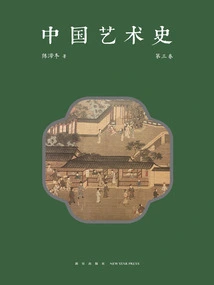
中国艺术史(第三卷)
Chen Zhidong
Mr. Chen Zhidong, an art history researcher, painter, calligrapher, and collector, has profound accomplishments in Chinese classical literature and rich experience in artistic creation. The "History of Chinese Art" series, which he spent many years creating, is based on getting rid of the historical view of Western centralism, reinterprets the long development process of Chinese art from a Chinese perspective, and shares the latest academic results and related archaeological discoveries. The book goes back to the period of the Chinese ancestors and ends in the first half of the 19th century, covering painting, calligraphy, architecture, sculpture and other art categories. It also focuses on the social background, creative ideas and humanistic values behind the works of art. It can be said that the "History of Chinese Art" series is not only a comprehensive general history of Chinese art, but also a history of Chinese thought. This volume explores in depth the ups and downs of the development of Chinese art from the second half of the 13th century to the early 20th century. Over the past few hundred years, Chinese society has experienced changes in different dynasties and the rapid development of the outside world, which has resulted in Chinese art taking on a diversified form during several innovations and developments. The rise of the Mongolian nation in the 13th century and the establishment of the Yuan Dynasty not only created the "blue and white porcelain" art trend in the interaction with the world, but also the impact of the Yuan Dynasty on the cultural traditions of the Central Plains prompted artists to use literati paintings as spiritual support in a turbulent society. The complex social environment in the early Ming Dynasty brought about the diversified development of painting art, and at the same time profoundly affected the paradigm of Chinese royal architectural aesthetics. The prosperity of commerce and handicraft industry in the Jiangnan region promoted the rise of individualism, which not only profoundly affected the aesthetics of literati art, but also promoted the development of folk secular art ranging from gardens to the aesthetics of utensils. From the development of woodblock color printing technology that flourished in the late Ming Dynasty to the Qing Dynasty, it played a key role in the popularity and decline of literati paintings. Later, the art of court painting reached its peak in the Qing Dynasty, and an artistic style combining Chinese and Western styles emerged. The dramatic changes in Chinese society during the late Qing Dynasty brought about the prosperity of pseudo-classicism and decorative arts, while the intrusion of the Western world ended the secular aesthetic carnival; China was forced to open its doors and ushered in the "Shanghai style" custom, which opened a new chapter for Chinese art...
Mr. Chen Zhidong, an art history researcher, painter, calligrapher, and collector, has profound accomplishments in Chinese classical literature and rich experience in artistic creation. The "History of Chinese Art" series, which he spent many years creating, is based on getting rid of the historical view of Western centralism, reinterprets the long development process of Chinese art from a Chinese perspective, and shares the latest academic results and related archaeological discoveries. The book goes back to the period of the Chinese ancestors and ends in the first half of the 19th century, covering painting, calligraphy, architecture, sculpture and other art categories. It also focuses on the social background, creative ideas and humanistic values behind the works of art. It can be said that the "History of Chinese Art" series is not only a comprehensive general history of Chinese art, but also a history of Chinese thought. This volume explores in depth the ups and downs of the development of Chinese art from the second half of the 13th century to the early 20th century. Over the past few hundred years, Chinese society has experienced changes in different dynasties and the rapid development of the outside world, which has resulted in Chinese art taking on a diversified form during several innovations and developments. The rise of the Mongolian nation in the 13th century and the establishment of the Yuan Dynasty not only created the "blue and white porcelain" art trend in the interaction with the world, but also the impact of the Yuan Dynasty on the cultural traditions of the Central Plains prompted artists to use literati paintings as spiritual support in a turbulent society. The complex social environment in the early Ming Dynasty brought about the diversified development of painting art, and at the same time profoundly affected the paradigm of Chinese royal architectural aesthetics. The prosperity of commerce and handicraft industry in the Jiangnan region promoted the rise of individualism, which not only profoundly affected the aesthetics of literati art, but also promoted the development of folk secular art ranging from gardens to the aesthetics of utensils. From the development of woodblock color printing technology that flourished in the late Ming Dynasty to the Qing Dynasty, it played a key role in the popularity and decline of literati paintings. Later, the art of court painting reached its peak in the Qing Dynasty, and an artistic style combining Chinese and Western styles emerged. The dramatic changes in Chinese society during the late Qing Dynasty brought about the prosperity of pseudo-classicism and decorative arts, while the intrusion of the Western world ended the secular aesthetic carnival; China was forced to open its doors and ushered in the "Shanghai style" custom, which opened a new chapter for Chinese art...
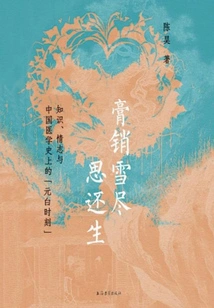
膏销雪尽思还生:知识、情志与中国医学史上的“元白时刻”
Chen Hao
Through the study of the songs about illness among Yuan Zhen, Bai Juyi and other friends, this book discusses how poets in the Tang Dynasty wrote poems in the state of illness, how they mentioned, described and even showed the state of illness in their poems, as well as the social expression behind it. The "moments" constructed by Yuan Bai's exchange of medicines and poems, and the "thinking" in them that are related to knowledge, emotion and even desire, are the main points of this book. This book further proposes that researchers need to reflect on the situations in which scholars read and write medical literature and various medical-related writings, to understand the complexities in their expressions, in order to find the possibility of re-writing. This book was selected as the best book of 2025 by Shanghai Ancient Books Bookstore × The Paper Fans Book Party.
Through the study of the songs about illness among Yuan Zhen, Bai Juyi and other friends, this book discusses how poets in the Tang Dynasty wrote poems in the state of illness, how they mentioned, described and even showed the state of illness in their poems, as well as the social expression behind it. The "moments" constructed by Yuan Bai's exchange of medicines and poems, and the "thinking" in them that are related to knowledge, emotion and even desire, are the main points of this book. This book further proposes that researchers need to reflect on the situations in which scholars read and write medical literature and various medical-related writings, to understand the complexities in their expressions, in order to find the possibility of re-writing. This book was selected as the best book of 2025 by Shanghai Ancient Books Bookstore × The Paper Fans Book Party.
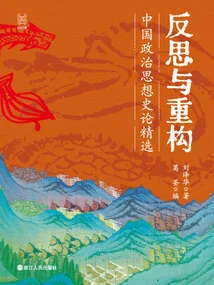
反思与重构:中国政治思想史论精选
Edited By Liu Zehua And Ge Quan
This book is a collection of articles written by Mr. Liu Zehua, a famous historian, expert on the history of Chinese thought, and honorary professor of Nankai University, on various issues in the study of the history of Chinese political thought. It was selected and compiled by Professor Ge Quan after extensive listening to suggestions. This book takes the research objects and research methods of the history of Chinese political thought as clues, discusses the context and characteristics of Chinese political thought and culture from different angles, and conducts detailed discussions on common concepts and issues in traditional Chinese society that cannot be bypassed by historical research. I believe it can not only provide inspiration for history professionals to carry out academic research, but also help general readers better understand tradition and history. The language of this book is simple and easy to understand, the text is smooth and fluent, the reasoning is penetrating, and the views are vivid. It is an excellent historical reading.
This book is a collection of articles written by Mr. Liu Zehua, a famous historian, expert on the history of Chinese thought, and honorary professor of Nankai University, on various issues in the study of the history of Chinese political thought. It was selected and compiled by Professor Ge Quan after extensive listening to suggestions. This book takes the research objects and research methods of the history of Chinese political thought as clues, discusses the context and characteristics of Chinese political thought and culture from different angles, and conducts detailed discussions on common concepts and issues in traditional Chinese society that cannot be bypassed by historical research. I believe it can not only provide inspiration for history professionals to carry out academic research, but also help general readers better understand tradition and history. The language of this book is simple and easy to understand, the text is smooth and fluent, the reasoning is penetrating, and the views are vivid. It is an excellent historical reading.
礼俗仪式与先秦诗歌演变(修订版)
Han Gaonian
The pre-Qin period was the beginning of Chinese literature. Literature and other cultural events were integrated without being separated, and poetry and rituals interacted closely and intertextually. Based on previous research, this book starts from the perspective of ancient customs and rituals, and comprehensively uses research methods from related disciplines such as poetics, philology, archeology, cultural anthropology, etc., Breaking through the previous research pattern that focused on the Book of Songs, Songs of Chu, ballads, and lost poems. The author combines the process of Pre-Qin rituals from the separation of sacred and secular to communication and interaction, describes and analyzes the connotation, generation, form, dissemination, evolution and authorship of Pre-Qin poetry, and proposes new perspectives such as "song as ritual recitation theory", "epic as ritual narrative theory", "carnivalization of love songs" and "Nine Songs of Chu Song theory". It is a useful attempt to construct new categories and new theories for the study of Pre-Qin poetry.
The pre-Qin period was the beginning of Chinese literature. Literature and other cultural events were integrated without being separated, and poetry and rituals interacted closely and intertextually. Based on previous research, this book starts from the perspective of ancient customs and rituals, and comprehensively uses research methods from related disciplines such as poetics, philology, archeology, cultural anthropology, etc., Breaking through the previous research pattern that focused on the Book of Songs, Songs of Chu, ballads, and lost poems. The author combines the process of Pre-Qin rituals from the separation of sacred and secular to communication and interaction, describes and analyzes the connotation, generation, form, dissemination, evolution and authorship of Pre-Qin poetry, and proposes new perspectives such as "song as ritual recitation theory", "epic as ritual narrative theory", "carnivalization of love songs" and "Nine Songs of Chu Song theory". It is a useful attempt to construct new categories and new theories for the study of Pre-Qin poetry.
宋代医疗福利制度
Du Jing
The medical welfare system is one of the important manifestations of the Song Dynasty government's benevolent governance ideology. The development and integration of traditional Chinese culture such as Confucianism, Taoism, and Buddhism in the Song Dynasty were the ideological roots of its emergence. It was gradually established and implemented under the background that the ruling class attached great importance to medicine. It was led by government actions and provided different medical benefits to different objects such as the royal family and officials, soldiers and civilians. Under the tenet of "medicine is a benevolent skill" that embodies benevolent government, with the purpose of implementing medical welfare and stabilizing social order, it is gradually implemented mainly through the submissions of ministers, the emperor's edicts and decisions, and the establishment of medical administration agencies, etc., Forming a top-down medical welfare system guarantee system from the central to local governments. The whole book mainly discusses it from six aspects: its ideological origin, proposal, edict and decision-making, medical and political establishment, implementation group, and historical reference.
The medical welfare system is one of the important manifestations of the Song Dynasty government's benevolent governance ideology. The development and integration of traditional Chinese culture such as Confucianism, Taoism, and Buddhism in the Song Dynasty were the ideological roots of its emergence. It was gradually established and implemented under the background that the ruling class attached great importance to medicine. It was led by government actions and provided different medical benefits to different objects such as the royal family and officials, soldiers and civilians. Under the tenet of "medicine is a benevolent skill" that embodies benevolent government, with the purpose of implementing medical welfare and stabilizing social order, it is gradually implemented mainly through the submissions of ministers, the emperor's edicts and decisions, and the establishment of medical administration agencies, etc., Forming a top-down medical welfare system guarantee system from the central to local governments. The whole book mainly discusses it from six aspects: its ideological origin, proposal, edict and decision-making, medical and political establishment, implementation group, and historical reference.
宗师施教:晚清学政与近代学术
Wang Xiagang
Xuezheng, the full name of "Admiral Xuezheng", also known as "Inspector Messenger", commonly known as "Xuetai", was a local cultural and education administrative official in the Qing Dynasty. "Late Qing Academic Affairs and Modern Academics" starts from understanding the functions of academic administration, examines the responsibilities of academicians and priests, and discusses five major problems that affect the completion of its mission. Next, we will analyze the activities of the academic administration in detail, including the examinations hosted by the academic administration, the issuance of literature to encourage students to study, the expansion of epigraphy and local history by the academic administration, the compilation and publication of academic books and the commendation of sages for inheriting academics, the establishment of academies by the academic administration, etc. On the basis of comprehensively displaying academic affairs activities, it highlights the relationship between academic affairs and modern academics.
Xuezheng, the full name of "Admiral Xuezheng", also known as "Inspector Messenger", commonly known as "Xuetai", was a local cultural and education administrative official in the Qing Dynasty. "Late Qing Academic Affairs and Modern Academics" starts from understanding the functions of academic administration, examines the responsibilities of academicians and priests, and discusses five major problems that affect the completion of its mission. Next, we will analyze the activities of the academic administration in detail, including the examinations hosted by the academic administration, the issuance of literature to encourage students to study, the expansion of epigraphy and local history by the academic administration, the compilation and publication of academic books and the commendation of sages for inheriting academics, the establishment of academies by the academic administration, etc. On the basis of comprehensively displaying academic affairs activities, it highlights the relationship between academic affairs and modern academics.
中国风险投资史
Dong Lihan Et Al.
This is a history of venture capital in China written in the form of a "biographical biography". The book takes the twenty years of venture capital development in China as the main context, starting from the development of venture capital capital, from germination, pioneering, to localization, professionalization, and then to popularization. It selects representative events and individuals, cuts through the details, and restores the whole process of capital localization and investor role changes in a panoramic manner, allowing more readers to have a deeper understanding of this 20-year history. The book not only contains stories about the venture capital industry, but also selects representative figures such as Jin Haitao, Zhang Lei, Shen Nanpeng, Zhang Ying, etc. To specifically restore their thinking, decision-making and roles in a series of business stories, helping readers to more specifically perceive the different historical stages that China's entrepreneurial environment has experienced. The history of China's venture capital in these 20 years is not just a "money history" full of copper odor, but a "humanities history" composed of living people with local characteristics and involving entrepreneurship, investment, capital and decision-making.
This is a history of venture capital in China written in the form of a "biographical biography". The book takes the twenty years of venture capital development in China as the main context, starting from the development of venture capital capital, from germination, pioneering, to localization, professionalization, and then to popularization. It selects representative events and individuals, cuts through the details, and restores the whole process of capital localization and investor role changes in a panoramic manner, allowing more readers to have a deeper understanding of this 20-year history. The book not only contains stories about the venture capital industry, but also selects representative figures such as Jin Haitao, Zhang Lei, Shen Nanpeng, Zhang Ying, etc. To specifically restore their thinking, decision-making and roles in a series of business stories, helping readers to more specifically perceive the different historical stages that China's entrepreneurial environment has experienced. The history of China's venture capital in these 20 years is not just a "money history" full of copper odor, but a "humanities history" composed of living people with local characteristics and involving entrepreneurship, investment, capital and decision-making.

东亚汉字传播史研究:日本卷(全二册)
Ma Yingjie
This book closely follows the historical context of the spread of Chinese characters in Japan, and comprehensively and systematically sorts out and studies the spread and use of Chinese characters in Japan through statistical analysis of the spread and evolution of Chinese characters in various eras in Japan, as well as describing changes in the number, frequency, variants, and form-meaning relationships of Japanese Chinese characters over time. It is the first academic monograph on the study of the spread of overseas Chinese characters by country, and has important practical significance to fill the academic gap. This book has four major chapters and seven appendices. It takes the introduction, popularization, inheritance and improvement as clues, takes ancient dictionaries as the main context, and combines rare documents such as Japanese epigraphy, wooden slips, and ancient documents to carefully describe the spread, acceptance, and development of Chinese characters in Japan in various historical periods from aspects such as word size, variant characters, and changes in the relationship between form and meaning. It uses the research methods of the development history of Chinese characters to study the history of the spread of Chinese characters in Japan. In addition, the related Chinese character collections formed under the influence of Japan's modern Chinese character policy, as well as the influence of the Meiji era calligraphy books on the character collections, are also new contents studied in this book, making this book a general history of Japanese Chinese characters. It is worth mentioning that the materials involved in the appendix of this book also have very high academic value and application value, and have certain guiding significance for relevant topic research.
This book closely follows the historical context of the spread of Chinese characters in Japan, and comprehensively and systematically sorts out and studies the spread and use of Chinese characters in Japan through statistical analysis of the spread and evolution of Chinese characters in various eras in Japan, as well as describing changes in the number, frequency, variants, and form-meaning relationships of Japanese Chinese characters over time. It is the first academic monograph on the study of the spread of overseas Chinese characters by country, and has important practical significance to fill the academic gap. This book has four major chapters and seven appendices. It takes the introduction, popularization, inheritance and improvement as clues, takes ancient dictionaries as the main context, and combines rare documents such as Japanese epigraphy, wooden slips, and ancient documents to carefully describe the spread, acceptance, and development of Chinese characters in Japan in various historical periods from aspects such as word size, variant characters, and changes in the relationship between form and meaning. It uses the research methods of the development history of Chinese characters to study the history of the spread of Chinese characters in Japan. In addition, the related Chinese character collections formed under the influence of Japan's modern Chinese character policy, as well as the influence of the Meiji era calligraphy books on the character collections, are also new contents studied in this book, making this book a general history of Japanese Chinese characters. It is worth mentioning that the materials involved in the appendix of this book also have very high academic value and application value, and have certain guiding significance for relevant topic research.
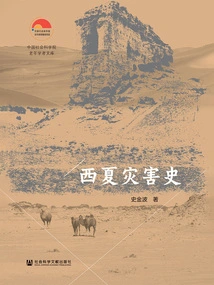
西夏灾害史
Shi Jinbo
Since the History of Xixia was not compiled in the Yuan Dynasty, records of natural disasters are lacking. This book uses historical documents and Xixia documents and cultural relics unearthed in modern times to conduct a systematic discussion on the history of Xixia disasters. The book is divided into four chapters. The first is the historical evolution and natural and humanistic conditions of Xixia; the second is the disasters and characteristics of Xixia, including a summary of disasters, major disasters, their spatial and temporal distribution and disaster characteristics; the third is the harm and impact of disasters, including loss of life and property, the impact on politics, military, economy and society, and has affected the demise of some cities; the fourth is disaster relief and prevention measures and lessons learned in disaster response. In the conclusion, it is pointed out that comprehensive national strength is the basis for disaster prevention and reduction. Xixia's comprehensive national strength is weak and unable to cope with natural disasters. Therefore, maintaining the unity of the country is very necessary for disaster prevention and reduction, and substantive disaster prevention and relief measures should be strengthened. Natural disasters are a common challenge facing mankind, and all countries should strengthen cooperation. The book contains more than 130 pictures to facilitate readers' comparison of pictures and texts.
Since the History of Xixia was not compiled in the Yuan Dynasty, records of natural disasters are lacking. This book uses historical documents and Xixia documents and cultural relics unearthed in modern times to conduct a systematic discussion on the history of Xixia disasters. The book is divided into four chapters. The first is the historical evolution and natural and humanistic conditions of Xixia; the second is the disasters and characteristics of Xixia, including a summary of disasters, major disasters, their spatial and temporal distribution and disaster characteristics; the third is the harm and impact of disasters, including loss of life and property, the impact on politics, military, economy and society, and has affected the demise of some cities; the fourth is disaster relief and prevention measures and lessons learned in disaster response. In the conclusion, it is pointed out that comprehensive national strength is the basis for disaster prevention and reduction. Xixia's comprehensive national strength is weak and unable to cope with natural disasters. Therefore, maintaining the unity of the country is very necessary for disaster prevention and reduction, and substantive disaster prevention and relief measures should be strengthened. Natural disasters are a common challenge facing mankind, and all countries should strengthen cooperation. The book contains more than 130 pictures to facilitate readers' comparison of pictures and texts.
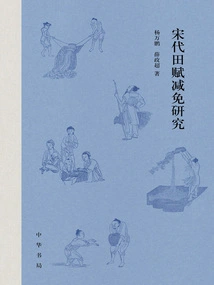
宋代田赋减免研究
Yang Wanpeng Xue Zhengchao
Land tax reduction or exemption is a fiscal and taxation management activity carried out by traditional countries to exempt (including temporary exemptions and deferrals) all or part of the land tax that people are legally required to pay. From the perspective of national fiscal expenditure, the manuscript divides the land tax exemption and exemption in the Song Dynasty into three types of exemption and exemption: free expenditure type, economic compensation type and financial subsidy type. It also analyzes the operation process and actual effect of the land tax exemption and exemption system in the Song Dynasty, and analyzes the historical and ideological roots of the land tax exemption and exemption system in the Song Dynasty.
Land tax reduction or exemption is a fiscal and taxation management activity carried out by traditional countries to exempt (including temporary exemptions and deferrals) all or part of the land tax that people are legally required to pay. From the perspective of national fiscal expenditure, the manuscript divides the land tax exemption and exemption in the Song Dynasty into three types of exemption and exemption: free expenditure type, economic compensation type and financial subsidy type. It also analyzes the operation process and actual effect of the land tax exemption and exemption system in the Song Dynasty, and analyzes the historical and ideological roots of the land tax exemption and exemption system in the Song Dynasty.
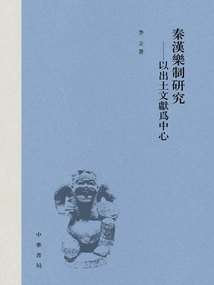
秦汉乐制研究:以出土文献为中心
Li Li
This book uses the burial objects and bamboo slips and documentary materials related to the Qin and Han Dynasty Si Yue official offices to establish the concept that "new archaeological materials never exist in isolation". It attaches great importance to the connection between archeology, history and philology, so as to discover the causal connection and era information among the three. This book conducts in-depth research on issues such as the inheritance and evolution of the Qin and Han Dynasty's Music Bureau's organizational system, the management and operation mechanism of the Qin and Han Dynasty's Music Bureau, the job establishment and job remuneration of public service musicians in the Qin and Han Dynasties, the creation of Yuefu institutions in the Western Han Dynasty and the changes and expansion of Yuefu functions, and the relationship between the reform of the Yuefu system in the Han Dynasty and the prosperity and development of folk music, dance and opera.
This book uses the burial objects and bamboo slips and documentary materials related to the Qin and Han Dynasty Si Yue official offices to establish the concept that "new archaeological materials never exist in isolation". It attaches great importance to the connection between archeology, history and philology, so as to discover the causal connection and era information among the three. This book conducts in-depth research on issues such as the inheritance and evolution of the Qin and Han Dynasty's Music Bureau's organizational system, the management and operation mechanism of the Qin and Han Dynasty's Music Bureau, the job establishment and job remuneration of public service musicians in the Qin and Han Dynasties, the creation of Yuefu institutions in the Western Han Dynasty and the changes and expansion of Yuefu functions, and the relationship between the reform of the Yuefu system in the Han Dynasty and the prosperity and development of folk music, dance and opera.
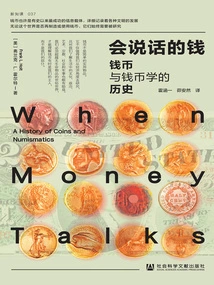
会说话的钱:钱币与钱币学的历史
(u. S.) Frank L. Holt
For 2,600 years, poets, economists, philosophers, historians and theologians have pondered the mysteries of money. Who invented money and why? Does money function beyond our control, as if it has a mind of its own? How has it changed world history and culture? What does numismatics reveal about the past that we cannot discover from other sources? How did modern science promote the development of numismatics? What is the future of numismatics? Coins are inseparable from our economic, social, political, religious and cultural history. Talking Money explores various aspects of money.
For 2,600 years, poets, economists, philosophers, historians and theologians have pondered the mysteries of money. Who invented money and why? Does money function beyond our control, as if it has a mind of its own? How has it changed world history and culture? What does numismatics reveal about the past that we cannot discover from other sources? How did modern science promote the development of numismatics? What is the future of numismatics? Coins are inseparable from our economic, social, political, religious and cultural history. Talking Money explores various aspects of money.
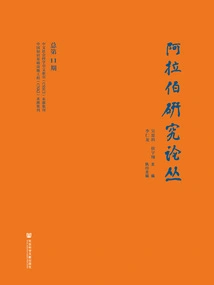
阿拉伯研究论丛(总第11期)
Editor-in-chief Wu Sike Hou Yuxiang
"Arab Studies Series" is a collection of Arab studies sponsored by the Arab Studies Center of Beijing International Studies University, the regional and national research base of the Ministry of Education. The content focuses on the politics, economy, society, culture and diplomacy of Arab countries. Based on the Arab Studies Forum, this journal selects academic papers published by scholars at the forum and compiles them into a volume to benefit the accumulation of domestic Arab studies. This book is the 11th issue and is divided into two columns: country and regional focus, and Arabic language and literature.
"Arab Studies Series" is a collection of Arab studies sponsored by the Arab Studies Center of Beijing International Studies University, the regional and national research base of the Ministry of Education. The content focuses on the politics, economy, society, culture and diplomacy of Arab countries. Based on the Arab Studies Forum, this journal selects academic papers published by scholars at the forum and compiles them into a volume to benefit the accumulation of domestic Arab studies. This book is the 11th issue and is divided into two columns: country and regional focus, and Arabic language and literature.
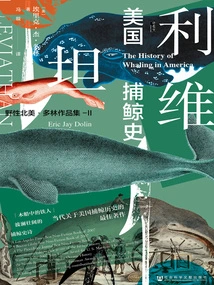
利维坦:美国捕鲸史
(us) Eric Jay Dolin
Few things capture the sheer danger and desperation of a man in the deep like whaling. Eric Dolin begins his vivid account of Captain John Smith's failed whaling adventure in the New World in 1614. Subsequently, we will witness the rapid rise of an industry: from the brutal struggles of the American Revolution to the golden age of the mid-19th century, when a fleet of more than 700 whaling ships crisscrossed the oceans, and American whale oil illuminated the world. Eventually, it declined rapidly when the 20th century came. Looking back at the successes and travails of this great industry, and rich with true stories of whales and whalers, Leviathan tells the most original and exciting history of American whaling in decades.
Few things capture the sheer danger and desperation of a man in the deep like whaling. Eric Dolin begins his vivid account of Captain John Smith's failed whaling adventure in the New World in 1614. Subsequently, we will witness the rapid rise of an industry: from the brutal struggles of the American Revolution to the golden age of the mid-19th century, when a fleet of more than 700 whaling ships crisscrossed the oceans, and American whale oil illuminated the world. Eventually, it declined rapidly when the 20th century came. Looking back at the successes and travails of this great industry, and rich with true stories of whales and whalers, Leviathan tells the most original and exciting history of American whaling in decades.
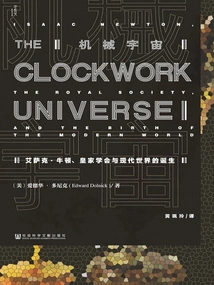
机械宇宙:艾萨克·牛顿、皇家学会与现代世界的诞生
(u. S.) Edward Dornick
This is a rare masterpiece that anyone who wants to understand the history of science must read. Through the author's popular yet vivid narrative, we can understand that era when geniuses gathered in droves, understand the connection between science and the modern world, and understand the scientific history of the human world. This is the first time in history that the collective power of the scientific community has been used to find simple mathematical forms that describe the universe. The author believes that the results of their efforts have forever changed the way people view themselves and their status. Combining history and science, this book paints a fascinating portrait of a group of scientists whose answers remain key to our understanding of the world today.
This is a rare masterpiece that anyone who wants to understand the history of science must read. Through the author's popular yet vivid narrative, we can understand that era when geniuses gathered in droves, understand the connection between science and the modern world, and understand the scientific history of the human world. This is the first time in history that the collective power of the scientific community has been used to find simple mathematical forms that describe the universe. The author believes that the results of their efforts have forever changed the way people view themselves and their status. Combining history and science, this book paints a fascinating portrait of a group of scientists whose answers remain key to our understanding of the world today.
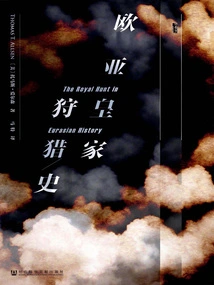
欧亚皇家狩猎史
F
How did the royal families of many empires in Eurasian history carry out hunting activities? What are the location selection, types, management operations, cultural traditions, political imagery, war simulations, and international models of hunting? What is the internal logic between great empires and military activities? This classic work by Thomas Elson will answer one by one questions about royal hunting in ancient dynasties within the space of the Eurasian continent. It is full of storytelling, interest and exploration. The perspective of observation is unique, and it provides an encyclopedic interpretation of the hunting history of the royal families of Eurasia.
How did the royal families of many empires in Eurasian history carry out hunting activities? What are the location selection, types, management operations, cultural traditions, political imagery, war simulations, and international models of hunting? What is the internal logic between great empires and military activities? This classic work by Thomas Elson will answer one by one questions about royal hunting in ancient dynasties within the space of the Eurasian continent. It is full of storytelling, interest and exploration. The perspective of observation is unique, and it provides an encyclopedic interpretation of the hunting history of the royal families of Eurasia.
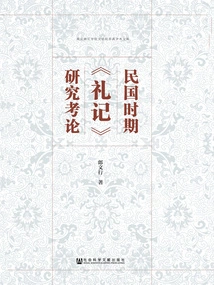
民国时期《礼记》研究考论
Lang Wenxing
This book aims to reveal the basic style of the study of the "Book of Rites" during the Republic of China, and to study the basic issues of the "Book of Rites" based on this. Taking the research content of the "Book of Rites" as the object, it is divided into five parts: introduction, textual research on the "Book of Rites", research on the interpretation of the "Book of Rites", general research on the "Book of Rites", and conclusion.
This book aims to reveal the basic style of the study of the "Book of Rites" during the Republic of China, and to study the basic issues of the "Book of Rites" based on this. Taking the research content of the "Book of Rites" as the object, it is divided into five parts: introduction, textual research on the "Book of Rites", research on the interpretation of the "Book of Rites", general research on the "Book of Rites", and conclusion.
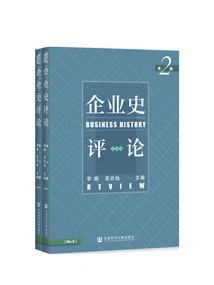
企业史评论(第2、3期)
Wu Yunxian Editor-in-chief Li Xiao
"Enterprise History Review" is an academic journal edited by the Institute of Enterprise History of China University of Political Science and Law. It covers enterprise history research paradigms, enterprise development and institutional changes, management concepts and business operations, innovation and entrepreneurship, and academic research trends. It reflects the latest results of current domestic and foreign enterprise history research and is an important reference book in the fields of enterprise history and economic history research. This book is a collection of the 2nd and 3rd issues, and includes columns such as "Enterprise History·Theories and Methods", "Enterprise Development·System Change", "Business Strategy·Management Philosophy", "Entrepreneurs·Entrepreneurship", "Enterprise History of the People's Republic of China", and "Academic Research Trends".
"Enterprise History Review" is an academic journal edited by the Institute of Enterprise History of China University of Political Science and Law. It covers enterprise history research paradigms, enterprise development and institutional changes, management concepts and business operations, innovation and entrepreneurship, and academic research trends. It reflects the latest results of current domestic and foreign enterprise history research and is an important reference book in the fields of enterprise history and economic history research. This book is a collection of the 2nd and 3rd issues, and includes columns such as "Enterprise History·Theories and Methods", "Enterprise Development·System Change", "Business Strategy·Management Philosophy", "Entrepreneurs·Entrepreneurship", "Enterprise History of the People's Republic of China", and "Academic Research Trends".
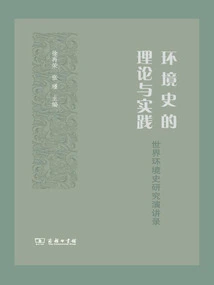
The Theory and Practice of Environmental History: Lectures on World Environmental History Research
History环境史的理论与实践:世界环境史研究演讲录
Editor-in-chief Xu Zairong Zhang Jin
In order to promote the in-depth development of domestic research on world environmental history, the European and American History Department of the Chinese Academy of Social Sciences (the dominant discipline of the Chinese Academy of Social Sciences' Summit Strategic Plan) invited 9 environmental history experts in 2019 to conduct 10 special lectures focusing on theoretical and practical issues in environmental history research. This book is a record of these special lectures.
In order to promote the in-depth development of domestic research on world environmental history, the European and American History Department of the Chinese Academy of Social Sciences (the dominant discipline of the Chinese Academy of Social Sciences' Summit Strategic Plan) invited 9 environmental history experts in 2019 to conduct 10 special lectures focusing on theoretical and practical issues in environmental history research. This book is a record of these special lectures.
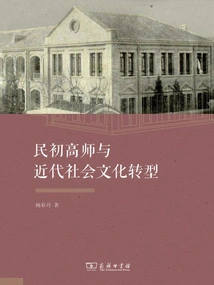
民初高师与近代社会文化转型
Yang Caidan
This book is the final result of the National Social Science Fund project "Normal Colleges in the Early Republic of China and Modern Social and Cultural Transformation" hosted by the author. The book is divided into five parts, including the evolution of Normal University in the early Republic of China and its historical situation, Normal University in the early Republic of China and the New Culture Movement, Normal University in the early Republic of China and modern social trends of thought, Normal University in the early Republic of China and the New Education Movement, Normal University in the early Republic of China and the construction of new history, etc. Normal schools in the early years of the Republic of China refer to the higher normal schools in the early years of the Republic of China, including Beijing Higher Normal School, Nanjing Higher Normal School, Wuchang Higher Normal School, etc. This group is the product of modern social changes and national will control. The times have given them a special mission to participate in the reconstruction of modern social culture.
This book is the final result of the National Social Science Fund project "Normal Colleges in the Early Republic of China and Modern Social and Cultural Transformation" hosted by the author. The book is divided into five parts, including the evolution of Normal University in the early Republic of China and its historical situation, Normal University in the early Republic of China and the New Culture Movement, Normal University in the early Republic of China and modern social trends of thought, Normal University in the early Republic of China and the New Education Movement, Normal University in the early Republic of China and the construction of new history, etc. Normal schools in the early years of the Republic of China refer to the higher normal schools in the early years of the Republic of China, including Beijing Higher Normal School, Nanjing Higher Normal School, Wuchang Higher Normal School, etc. This group is the product of modern social changes and national will control. The times have given them a special mission to participate in the reconstruction of modern social culture.
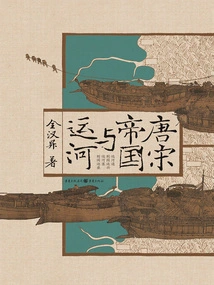
唐宋帝国与运河
Quan Hansheng
This book is an economic history work that explores the relationship between the Grand Canal and the rise and fall of the Tang and Song empires. The work comprehensively analyzes the "Old Book of Tang", "New Book of Tang", "Old History of the Five Dynasties", "New History of the Five Dynasties", "Song History", "Zizhi Tongjian", "Continued Zizhi Tongjian Long Edition" and "Quan Tangwen" Historical materials about the Grand Canal in a large number of historical books such as "Cefu Yuangui" have made a methodical analysis of the causal relationship between the smoothness of the canal and the rise and fall of the empire's national destiny since the Sui Dynasty, and concluded: if the canal is open, the national destiny will prosper; if the canal is blocked, the national destiny will decline. This academic achievement is of great significance to our understanding of the internal connections between China's politics, economy, military, and capital establishment from the Sui and Tang Dynasties to the Ming Dynasty. It also makes a great contribution to the description of the historical process of China's economic center of gravity shifting from the north to the south since the Eastern Jin Dynasty, and the important role of the Beijing-Hangzhou Grand Canal in this process.
This book is an economic history work that explores the relationship between the Grand Canal and the rise and fall of the Tang and Song empires. The work comprehensively analyzes the "Old Book of Tang", "New Book of Tang", "Old History of the Five Dynasties", "New History of the Five Dynasties", "Song History", "Zizhi Tongjian", "Continued Zizhi Tongjian Long Edition" and "Quan Tangwen" Historical materials about the Grand Canal in a large number of historical books such as "Cefu Yuangui" have made a methodical analysis of the causal relationship between the smoothness of the canal and the rise and fall of the empire's national destiny since the Sui Dynasty, and concluded: if the canal is open, the national destiny will prosper; if the canal is blocked, the national destiny will decline. This academic achievement is of great significance to our understanding of the internal connections between China's politics, economy, military, and capital establishment from the Sui and Tang Dynasties to the Ming Dynasty. It also makes a great contribution to the description of the historical process of China's economic center of gravity shifting from the north to the south since the Eastern Jin Dynasty, and the important role of the Beijing-Hangzhou Grand Canal in this process.
中国古代监察法制简史
Gou Jinan
This book is based on the order of ancient Chinese dynasties and is divided into eight chapters: Pre-Qin, Qin and Han, Wei, Jin, Southern and Northern Dynasties, Sui, Tang and Five Dynasties, Song, Liao, Xia and Jin, Yuan Dynasty, Ming Dynasty, and Qing Dynasty. Each chapter is divided into five parts based on the background of the dynasty, supervisory ideas, supervisory laws, supervisory systems, and supervisory characteristics. It briefly describes the political and social background of each dynasty so that readers have a general understanding of the political and social issues of that period; it expounds the supervisory thought and political thought in ancient China, showing the characteristics of "external Confucianism and internal law"; it analyzes the ancient supervisory regulations and supervisory system, including departmental regulations and guidelines, emperor's orders and edict-style special legislation, supervisory clauses in other national laws and regulations, etc., And details the ancient "one body and four legs" supervisory characteristics.
This book is based on the order of ancient Chinese dynasties and is divided into eight chapters: Pre-Qin, Qin and Han, Wei, Jin, Southern and Northern Dynasties, Sui, Tang and Five Dynasties, Song, Liao, Xia and Jin, Yuan Dynasty, Ming Dynasty, and Qing Dynasty. Each chapter is divided into five parts based on the background of the dynasty, supervisory ideas, supervisory laws, supervisory systems, and supervisory characteristics. It briefly describes the political and social background of each dynasty so that readers have a general understanding of the political and social issues of that period; it expounds the supervisory thought and political thought in ancient China, showing the characteristics of "external Confucianism and internal law"; it analyzes the ancient supervisory regulations and supervisory system, including departmental regulations and guidelines, emperor's orders and edict-style special legislation, supervisory clauses in other national laws and regulations, etc., And details the ancient "one body and four legs" supervisory characteristics.
清末民初黑龙江移民史研究(汉英双语)=Study on the History of Heilongjiang Immigration in the Late Qing Dynasty and Early Republic of China
Li Peng Wei Ying Yin Tiechao Gao Longbin Gao Zhenling
The immigration from Heilongjiang at the end of the Qing Dynasty and the beginning of the Republic of China was one of the large-scale population movements in Chinese history. It had a huge and far-reaching impact on the historical process of the Heilongjiang Basin. The civilization and cultural characteristics and effects it shaped also had a unique impact on Chinese culture and history. The reason for this is that in terms of time and space, it accompanied and promoted the major transformation of Chinese society - the agricultural era moved towards the industrialization era; the autocratic dynasty moved towards republic; and China began to embrace the world. Experts and scholars in many fields used the same theme, new methods, and new results to initially display a holographic picture of all aspects of society in the Heilongjiang Basin of that era, highlighting the unique status and importance of many fields such as economy, politics, culture, and military. It can be considered that the foreign translation of the book opened a window to the world, showing the civilization of the Heilongjiang Basin and the role it played in the transformation period of Chinese civilization. It can be regarded as one of the milestones in related research fields.
The immigration from Heilongjiang at the end of the Qing Dynasty and the beginning of the Republic of China was one of the large-scale population movements in Chinese history. It had a huge and far-reaching impact on the historical process of the Heilongjiang Basin. The civilization and cultural characteristics and effects it shaped also had a unique impact on Chinese culture and history. The reason for this is that in terms of time and space, it accompanied and promoted the major transformation of Chinese society - the agricultural era moved towards the industrialization era; the autocratic dynasty moved towards republic; and China began to embrace the world. Experts and scholars in many fields used the same theme, new methods, and new results to initially display a holographic picture of all aspects of society in the Heilongjiang Basin of that era, highlighting the unique status and importance of many fields such as economy, politics, culture, and military. It can be considered that the foreign translation of the book opened a window to the world, showing the civilization of the Heilongjiang Basin and the role it played in the transformation period of Chinese civilization. It can be regarded as one of the milestones in related research fields.
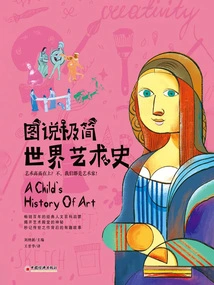
图说极简世界艺术史
Editor-in-chief Liu Naxin
The content of this book covers many aspects such as painting, sculpture, and architecture. The text is worth reading because it not only introduces the famous masterpieces, but also provides an in-depth explanation of the famous artists behind the masterpieces and the stories behind their creations. The editor pays more attention to the integration of storytelling and interest in reading, so that artists and artworks can be quickly remembered by readers through lifelike stories. Those artworks that have been passed down through the ages are no longer cold pictures. The process of their creation makes readers resonate and love them. Behind great works of art and great artists, they all rely on concentration, enthusiasm, talent and opportunity. We hope that today we live in a way that can also use the achievements of great art in the past to arouse our continued love for beauty today.
The content of this book covers many aspects such as painting, sculpture, and architecture. The text is worth reading because it not only introduces the famous masterpieces, but also provides an in-depth explanation of the famous artists behind the masterpieces and the stories behind their creations. The editor pays more attention to the integration of storytelling and interest in reading, so that artists and artworks can be quickly remembered by readers through lifelike stories. Those artworks that have been passed down through the ages are no longer cold pictures. The process of their creation makes readers resonate and love them. Behind great works of art and great artists, they all rely on concentration, enthusiasm, talent and opportunity. We hope that today we live in a way that can also use the achievements of great art in the past to arouse our continued love for beauty today.
唐宋“古文运动”与士大夫文学
Zhu Gang
The "Ancient Prose Movement" of the Tang and Song Dynasties was of great significance in the history of literature, thought, and Confucianism. Based on a genealogical review of the framework and paradigm of previous research on the "Ancient Prose Movement", this book highlights "literary literature", keenly grasps the difference between the "Ancient Prose Movement" of the Tang and Song Dynasties and the previous and subsequent literary "movements", and emphasizes the scholar-officials produced by the imperial examination system. The particularity of the society and literature of the Tang and Song Dynasties, which were composed of elites, redefined the ancient prose movement and re-staged its development process. It focused on elucidating propositions such as the relationship between the "ancient prose movement" and New Confucianism, Xian Liang Jinjuan, and Su Che and the "ancient prose movement". It was full of new meanings and had great meanings.
The "Ancient Prose Movement" of the Tang and Song Dynasties was of great significance in the history of literature, thought, and Confucianism. Based on a genealogical review of the framework and paradigm of previous research on the "Ancient Prose Movement", this book highlights "literary literature", keenly grasps the difference between the "Ancient Prose Movement" of the Tang and Song Dynasties and the previous and subsequent literary "movements", and emphasizes the scholar-officials produced by the imperial examination system. The particularity of the society and literature of the Tang and Song Dynasties, which were composed of elites, redefined the ancient prose movement and re-staged its development process. It focused on elucidating propositions such as the relationship between the "ancient prose movement" and New Confucianism, Xian Liang Jinjuan, and Su Che and the "ancient prose movement". It was full of new meanings and had great meanings.
六至九世纪中国政治史
Huang Yongnian
This book is a political history work written by Mr. Huang Yongnian, a famous literary and historical figure, based on a monograph on the history of the Northern Dynasties, Sui and Tang Dynasties. The book is divided into fifteen chapters, which systematically discusses the political development and evolution from the Northern Qi, Northern Zhou to Tang Xianzong. The author starts from the internal conflicts and struggles of the ruling group, examines historical materials, determines the historical truth, and explains political phenomena. The whole book has a clear context, many new meanings, and advances the research on many issues, such as the civil-military disputes within the Northern Qi Dynasty, the truth about the Xuanwu Gate Incident in the early Tang Dynasty, the "Li Wu regime" formed after Wu Zetian came to power, the internal and external disputes during the Xuanzong period, the political nature of the Shence Army, etc. It is very enlightening for us to accurately understand the political evolution from the late Northern Dynasties to the mid-Tang Dynasty. At the same time, the author analyzes old historical records and the views of modern scholars around many important issues, puts forward many opinions, and clarifies some basic historical facts.
This book is a political history work written by Mr. Huang Yongnian, a famous literary and historical figure, based on a monograph on the history of the Northern Dynasties, Sui and Tang Dynasties. The book is divided into fifteen chapters, which systematically discusses the political development and evolution from the Northern Qi, Northern Zhou to Tang Xianzong. The author starts from the internal conflicts and struggles of the ruling group, examines historical materials, determines the historical truth, and explains political phenomena. The whole book has a clear context, many new meanings, and advances the research on many issues, such as the civil-military disputes within the Northern Qi Dynasty, the truth about the Xuanwu Gate Incident in the early Tang Dynasty, the "Li Wu regime" formed after Wu Zetian came to power, the internal and external disputes during the Xuanzong period, the political nature of the Shence Army, etc. It is very enlightening for us to accurately understand the political evolution from the late Northern Dynasties to the mid-Tang Dynasty. At the same time, the author analyzes old historical records and the views of modern scholars around many important issues, puts forward many opinions, and clarifies some basic historical facts.
西域与南海:考古、艺术与文化交流
Yao Chongxin
The Western Regions and the South China Sea were ancient China's traditional exports to the world, and they were also the only way for the world outside the region to transmit information to China. The bustling people and events in the history of Sino-Western cultural exchanges passed through the Western Regions and the South China Sea, opening a thoroughfare for us to admire the traces of civilization. This book is divided into two parts. The first part is a monograph. From the perspective of archeology, art and cultural exchanges between China and foreign countries, relying on archaeological materials, image materials and documentary materials, it conducts a number of special studies on Buddhism, Sanyi religion, Hinduism, etc. That were popular in the ancient Western Regions and South China Sea. It also includes a discussion of newly discovered archaeological materials and the remains of cave temple statues in other areas. The second part of the book review is an introduction to important relevant literature collection and research works published in recent years, which reflects the author's macroscopic understanding and timely follow-up of the latest achievements in the fields of Silk Road research, Western Region historical archaeological research, and Dunhuang and Turpan research, as well as thoughts on academic principles and methods.
The Western Regions and the South China Sea were ancient China's traditional exports to the world, and they were also the only way for the world outside the region to transmit information to China. The bustling people and events in the history of Sino-Western cultural exchanges passed through the Western Regions and the South China Sea, opening a thoroughfare for us to admire the traces of civilization. This book is divided into two parts. The first part is a monograph. From the perspective of archeology, art and cultural exchanges between China and foreign countries, relying on archaeological materials, image materials and documentary materials, it conducts a number of special studies on Buddhism, Sanyi religion, Hinduism, etc. That were popular in the ancient Western Regions and South China Sea. It also includes a discussion of newly discovered archaeological materials and the remains of cave temple statues in other areas. The second part of the book review is an introduction to important relevant literature collection and research works published in recent years, which reflects the author's macroscopic understanding and timely follow-up of the latest achievements in the fields of Silk Road research, Western Region historical archaeological research, and Dunhuang and Turpan research, as well as thoughts on academic principles and methods.
Elephant Traces
History大象的踪迹
(us) Nigel Rothfels
Elephants appear in every corner of human history and life: mammoths in prehistoric cave paintings in Europe, the fable of "the blind man touching the elephant", expensive ivory products, Roosevelt's elephant hunting legend, elephant performances in circuses... Many rumors about elephants are still unknown to people today. They like to talk about: when they are about to die, they go to the "elephant cemetery" and mourn and cry for the death of their companions; they have no joints, are afraid of mice, and only mate once in their lives... They are regarded as human friends in the zoo, but they also act as killers for keepers from time to time. Humans seem to have an ancient fascination with elephants. However, for thousands of years, we have been fascinated by elephants, thinking that we understand them, but we have ignored that elephants have their own appearance and their own history, and our understanding of them is filled with our history, our identity, and our vision. It turns out that we have been using elephants to understand the world and our place in the world. This book uses a wide range of materials, including municipal documents, museum collections, zoo records, hunters' memoirs, and interviews with people who live with elephants, to explore the origins of many human understandings and concepts about elephants, and to uncover the history of how the image of elephants has been shaped by humans.
Elephants appear in every corner of human history and life: mammoths in prehistoric cave paintings in Europe, the fable of "the blind man touching the elephant", expensive ivory products, Roosevelt's elephant hunting legend, elephant performances in circuses... Many rumors about elephants are still unknown to people today. They like to talk about: when they are about to die, they go to the "elephant cemetery" and mourn and cry for the death of their companions; they have no joints, are afraid of mice, and only mate once in their lives... They are regarded as human friends in the zoo, but they also act as killers for keepers from time to time. Humans seem to have an ancient fascination with elephants. However, for thousands of years, we have been fascinated by elephants, thinking that we understand them, but we have ignored that elephants have their own appearance and their own history, and our understanding of them is filled with our history, our identity, and our vision. It turns out that we have been using elephants to understand the world and our place in the world. This book uses a wide range of materials, including municipal documents, museum collections, zoo records, hunters' memoirs, and interviews with people who live with elephants, to explore the origins of many human understandings and concepts about elephants, and to uncover the history of how the image of elephants has been shaped by humans.
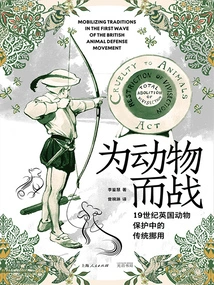
Fighting for Animals: Appropriation of Tradition in Animal Protection in 19th-century Britain
History为动物而战:19世纪英国动物保护中的传统挪用
Li Jianhui
The modern animal protection movement was born in Britain in the 19th century. Animals are widely used for labor, medical experiments, and performances, and they meet people's commercial and entertainment needs. However, in the eyes of protectors, animals are weak and unfairly treated. Opponents and supporters, radicals and conservatives, have launched a century-long struggle. This book tells the story of animal rights activists who actively "appropriate" various traditions - the political tradition that cares about fairness, justice and social liberation, the natural history tradition that recognizes biological diversity, the evolutionary tradition that believes that living things are related, the literary tradition that expresses emotions as animal friends... And then appeals to the public for support. This movement promoted the popularization and legislation of animal protection concepts, and also reflected the evolution of modern British society, culture, and ideological trends.
The modern animal protection movement was born in Britain in the 19th century. Animals are widely used for labor, medical experiments, and performances, and they meet people's commercial and entertainment needs. However, in the eyes of protectors, animals are weak and unfairly treated. Opponents and supporters, radicals and conservatives, have launched a century-long struggle. This book tells the story of animal rights activists who actively "appropriate" various traditions - the political tradition that cares about fairness, justice and social liberation, the natural history tradition that recognizes biological diversity, the evolutionary tradition that believes that living things are related, the literary tradition that expresses emotions as animal friends... And then appeals to the public for support. This movement promoted the popularization and legislation of animal protection concepts, and also reflected the evolution of modern British society, culture, and ideological trends.
中国史学史:开创时期的代表性作品
Jin Yufu
"History of Chinese Historiography" is a representative work in the founding period of Chinese historiography. It mainly discusses the emergence of historians, historians, historical books, and the differences between official history and private history; the focus of historiography is on two aspects: writing history and discussing history; two turning points in the way of writing history; the important position of historical materials in the development of historiography, etc.
"History of Chinese Historiography" is a representative work in the founding period of Chinese historiography. It mainly discusses the emergence of historians, historians, historical books, and the differences between official history and private history; the focus of historiography is on two aspects: writing history and discussing history; two turning points in the way of writing history; the important position of historical materials in the development of historiography, etc.
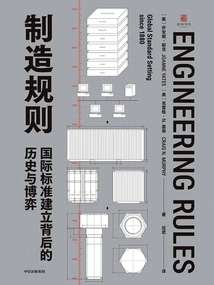
Manufacturing Rules: the History and Game Behind the Establishment of International Standards
History制造规则:国际标准建立背后的历史与博弈
(us) Joanne Yates (us) Craig N. Murphy
From threads to shipping containers to e-readers, nearly everything we use has been affected by the standards-setting process. This book traces the global history of standardization, where such standards have been linked to every major change in the world economy for more than a century, from manufacturing to the Internet. The two authors believe that there have been three waves of technological standardization from the 1880s to the present. In the first wave, engineers developed useful standards that could be widely adopted by manufacturers while meeting the needs of the company's customers, spawning a standardization movement that cut across political and ethnic boundaries. One of the results of the second wave is the standardization of containers, which has greatly promoted the development of global trade and the integration of global markets; the core of the third wave is the standardization of information technology, with a new generation of standard setters providing support for the Internet and networks, while using standard-setting procedures to control social and environmental hazards that may arise in an increasingly globalized economy. Drawing on archival material from three continents, the authors explore the positive ideas that gave rise to standardization movements, the attempts to realize them, and the challenges that standardization movements face today. Standards are infrastructure that is almost invisible in today's economy, but has an equally important status as the country and the global market. In today's international situation and the context of global governance, the formulation and promotion of standards, and the battle for standards are closely related to competition and cooperation between countries. This book helps readers understand the history of the past century and the importance of standardization from the perspective of technical rules, and understand the relationship between business, technology and politics.
From threads to shipping containers to e-readers, nearly everything we use has been affected by the standards-setting process. This book traces the global history of standardization, where such standards have been linked to every major change in the world economy for more than a century, from manufacturing to the Internet. The two authors believe that there have been three waves of technological standardization from the 1880s to the present. In the first wave, engineers developed useful standards that could be widely adopted by manufacturers while meeting the needs of the company's customers, spawning a standardization movement that cut across political and ethnic boundaries. One of the results of the second wave is the standardization of containers, which has greatly promoted the development of global trade and the integration of global markets; the core of the third wave is the standardization of information technology, with a new generation of standard setters providing support for the Internet and networks, while using standard-setting procedures to control social and environmental hazards that may arise in an increasingly globalized economy. Drawing on archival material from three continents, the authors explore the positive ideas that gave rise to standardization movements, the attempts to realize them, and the challenges that standardization movements face today. Standards are infrastructure that is almost invisible in today's economy, but has an equally important status as the country and the global market. In today's international situation and the context of global governance, the formulation and promotion of standards, and the battle for standards are closely related to competition and cooperation between countries. This book helps readers understand the history of the past century and the importance of standardization from the perspective of technical rules, and understand the relationship between business, technology and politics.
History of Cartography (volume 3, Part 2): History of Cartography During the European Renaissance
History地图学史(第三卷第二分册):欧洲文艺复兴时期的地图学史
M
This volume is a specific regional study. It describes and studies the cartography and map use during the Renaissance in Germany, the Low Countries, France, England, Ireland, Scotland, Scandinavia, East-Central Europe, and Russia, as well as the social basis and driving factors for the development of cartography, as well as the role of cartography development in society. The content of this book is informative and extensive. On the one hand, it presents in detail the important figures, map works and map drawing activities in various regions of Europe during the Renaissance, changing the previous narrative model that only focused on a few cartographers and works. At the same time, it also provides a detailed introduction to Ireland, Suzhou and other countries that have rarely been involved in the Chinese world. The history of map drawing and use in the Netherlands, Northern Europe, Hungary, Poland, Russia and other regions is also described and excavated as much as possible. It is of great enlightenment for us to understand the development process of cartography, geography, and even the entire scientific system and society during the European Renaissance in a three-dimensional and multi-dimensional way.
This volume is a specific regional study. It describes and studies the cartography and map use during the Renaissance in Germany, the Low Countries, France, England, Ireland, Scotland, Scandinavia, East-Central Europe, and Russia, as well as the social basis and driving factors for the development of cartography, as well as the role of cartography development in society. The content of this book is informative and extensive. On the one hand, it presents in detail the important figures, map works and map drawing activities in various regions of Europe during the Renaissance, changing the previous narrative model that only focused on a few cartographers and works. At the same time, it also provides a detailed introduction to Ireland, Suzhou and other countries that have rarely been involved in the Chinese world. The history of map drawing and use in the Netherlands, Northern Europe, Hungary, Poland, Russia and other regions is also described and excavated as much as possible. It is of great enlightenment for us to understand the development process of cartography, geography, and even the entire scientific system and society during the European Renaissance in a three-dimensional and multi-dimensional way.
History of Cartography (volume 3, Part 1): History of Cartography During the European Renaissance
History地图学史(第三卷第一分册):欧洲文艺复兴时期的地图学史
(us) Editor-in-chief David Woodward
This volume covers the period from 1450 to 1650, which has long been considered an extremely important period in the history of European cartography. The book first introduces the academic circles' discussions and reflections on the concept of "Renaissance" in recent years, and carefully analyzes the continuation and rupture between the maps of this period and the medieval maps, and introduces the role of maps in late medieval society, thus setting the tone for the writing of this volume. This volume discusses maps and Renaissance culture by topic; the drawing of cosmographic, nautical and celestial maps; the visual, mathematical and textual models used for map drawing; the relationship between literature and maps; the production and consumption of technology; maps and their role in national governance during the Renaissance; and finally discusses the history of cartography in Italian countries, Portugal, Spain, etc. As advances in science during the Renaissance, the use of classical mapping techniques, the emergence of new trade routes, and dramatic political and social changes fueled an explosion in map production and use, this volume, unlike other volumes, spends considerable space discussing maps in a variety of contexts and connections, resulting in some innovative interpretive monographs.
This volume covers the period from 1450 to 1650, which has long been considered an extremely important period in the history of European cartography. The book first introduces the academic circles' discussions and reflections on the concept of "Renaissance" in recent years, and carefully analyzes the continuation and rupture between the maps of this period and the medieval maps, and introduces the role of maps in late medieval society, thus setting the tone for the writing of this volume. This volume discusses maps and Renaissance culture by topic; the drawing of cosmographic, nautical and celestial maps; the visual, mathematical and textual models used for map drawing; the relationship between literature and maps; the production and consumption of technology; maps and their role in national governance during the Renaissance; and finally discusses the history of cartography in Italian countries, Portugal, Spain, etc. As advances in science during the Renaissance, the use of classical mapping techniques, the emergence of new trade routes, and dramatic political and social changes fueled an explosion in map production and use, this volume, unlike other volumes, spends considerable space discussing maps in a variety of contexts and connections, resulting in some innovative interpretive monographs.
地图学史(第二卷第一分册):伊斯兰与南亚传统社会的地图学史
(u. S.) J. B. Harry (u. S.) Editor-in-chief David Woodward
This volume focuses on the rise and evolution of cartographic concepts and cartographic practices in the two major civilizations of Islam and South Asia, covering a wide range of types and themes. It is the most comprehensive review of the history of cartography to date. The book is full of information and contains a lot of information. It not only helps readers understand the characteristics, traditions and development of these two civilizations' cartographic activities from their own perspectives, but also lays a solid foundation for in-depth discussions in related academic fields. It also opens up new topics for future cross-cultural comparative research on the history of cartography from a global perspective.
This volume focuses on the rise and evolution of cartographic concepts and cartographic practices in the two major civilizations of Islam and South Asia, covering a wide range of types and themes. It is the most comprehensive review of the history of cartography to date. The book is full of information and contains a lot of information. It not only helps readers understand the characteristics, traditions and development of these two civilizations' cartographic activities from their own perspectives, but also lays a solid foundation for in-depth discussions in related academic fields. It also opens up new topics for future cross-cultural comparative research on the history of cartography from a global perspective.
地理学思想史:以中国为中心的地理学大事年表长表(全3册)
Pan Yujun Zheng Du Yang Qinye Et Al.
This book follows Marxist ideas and theories about science and history and their relationship, and is based on long-term geographical ideological methods and historical research. With the support of the National Natural Science Foundation of China, and on the basis of previous relevant works and papers, this book completes "History of Geographic Thought-A Long Chronology of Geographic Events Centered on China." This book systematically studies and expounds a long chronology of major geographical events from "before the 25th century BC" to "since the 21st century AD", with the development of world geography as the background and Chinese geography as the center. This book is an academic work on geography and can also be used for the teaching and research of geography undergraduates, masters, doctoral students and other related courses such as "Introduction to Geographic Science" and "Geographic Thought Methods".
This book follows Marxist ideas and theories about science and history and their relationship, and is based on long-term geographical ideological methods and historical research. With the support of the National Natural Science Foundation of China, and on the basis of previous relevant works and papers, this book completes "History of Geographic Thought-A Long Chronology of Geographic Events Centered on China." This book systematically studies and expounds a long chronology of major geographical events from "before the 25th century BC" to "since the 21st century AD", with the development of world geography as the background and Chinese geography as the center. This book is an academic work on geography and can also be used for the teaching and research of geography undergraduates, masters, doctoral students and other related courses such as "Introduction to Geographic Science" and "Geographic Thought Methods".
当代中国近代文化史研究
Editor-in-chief Zuo Yuhe
In accordance with the internal logic of the evolution of modern Chinese culture, this book adopts a writing strategy that focuses on key areas and takes into account innovative fields. It focuses on the research process, theoretical methods, modern cultural debates, modern cultural trends, modern literature and art history, modern education history, the spread of Western learning to the east and the history of modern academic science and technology, the history of modern newspapers and periodicals, modern sports, health and cultural facilities, and modern cultural history research. 10 Aspects of modern regional cultural history. The final chapter concludes with "The Road to Breakthrough of Social and Cultural History Research". On the basis of discussing the development history of modern Chinese cultural history research and its outstanding achievements, it analyzes the current new challenges faced by the current Chinese modern cultural history, especially the social and cultural history research, and its breakthrough path, providing preliminary opinions on the future development direction of Chinese modern Chinese cultural history research.
In accordance with the internal logic of the evolution of modern Chinese culture, this book adopts a writing strategy that focuses on key areas and takes into account innovative fields. It focuses on the research process, theoretical methods, modern cultural debates, modern cultural trends, modern literature and art history, modern education history, the spread of Western learning to the east and the history of modern academic science and technology, the history of modern newspapers and periodicals, modern sports, health and cultural facilities, and modern cultural history research. 10 Aspects of modern regional cultural history. The final chapter concludes with "The Road to Breakthrough of Social and Cultural History Research". On the basis of discussing the development history of modern Chinese cultural history research and its outstanding achievements, it analyzes the current new challenges faced by the current Chinese modern cultural history, especially the social and cultural history research, and its breakthrough path, providing preliminary opinions on the future development direction of Chinese modern Chinese cultural history research.