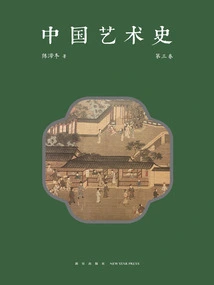
History of Chinese Art (Volume 3)
by Chen Zhidong
About This Novel
Mr. Chen Zhidong, an art history researcher, painter, calligrapher, and collector, has profound accomplishments in Chinese classical literature and rich experience in artistic creation. The "History of Chinese Art" series, which he spent many years creating, is based on getting rid of the historical view of Western centralism, reinterprets the long development process of Chinese art from a Chinese perspective, and shares the latest academic results and related archaeological discoveries. The book goes back to the period of the Chinese ancestors and ends in the first half of the 19th century, covering painting, calligraphy, architecture, sculpture and other art categories. It also focuses on the social background, creative ideas and humanistic values behind the works of art. It can be said that the "History of Chinese Art" series is not only a comprehensive general history of Chinese art, but also a history of Chinese thought. This volume explores in depth the ups and downs of the development of Chinese art from the second half of the 13th century to the early 20th century. Over the past few hundred years, Chinese society has experienced changes in different dynasties and the rapid development of the outside world, which has resulted in Chinese art taking on a diversified form during several innovations and developments. The rise of the Mongolian nation in the 13th century and the establishment of the Yuan Dynasty not only created the "blue and white porcelain" art trend in the interaction with the world, but also the impact of the Yuan Dynasty on the cultural traditions of the Central Plains prompted artists to use literati paintings as spiritual support in a turbulent society. The complex social environment in the early Ming Dynasty brought about the diversified development of painting art, and at the same time profoundly affected the paradigm of Chinese royal architectural aesthetics. The prosperity of commerce and handicraft industry in the Jiangnan region promoted the rise of individualism, which not only profoundly affected the aesthetics of literati art, but also promoted the development of folk secular art ranging from gardens to the aesthetics of utensils. From the development of woodblock color printing technology that flourished in the late Ming Dynasty to the Qing Dynasty, it played a key role in the popularity and decline of literati paintings. Later, the art of court painting reached its peak in the Qing Dynasty, and an artistic style combining Chinese and Western styles emerged. The dramatic changes in Chinese society during the late Qing Dynasty brought about the prosperity of pseudo-classicism and decorative arts, while the intrusion of the Western world ended the secular aesthetic carnival; China was forced to open its doors and ushered in the "Shanghai style" custom, which opened a new chapter for Chinese art...
Official Sources
What Readers Think
Rating
Community(0)
Rating
Community(0)
