Library
Browse and search novels
25,832 novels found
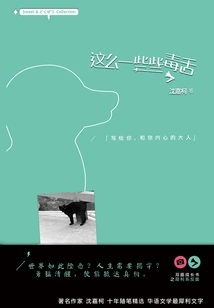
Such Venomous Tongues
Literature这么一些些毒舌
Shen Jiake
Is the reverse world so dangerous? Life needs to be revealed? With courage and sobriety, you can reach the truth. A selection of famous writer Shen Jiake's ten years of prose, the most penetrating words of Chinese literature are written for you and the child in you. Finally, someone asked you are you happy? You could just laugh it off, you don't bother to answer. This book criticizes various social phenomena and the growth process with sharp and pointed writing, playful ridicule, and mercy like a bolt from the blue. It is like holding four bright lights for those who see flowers in the fog, illuminating all the blurred world. This is a necessary slap in the face in the process of growing up, dispersing the fog in the hearts of confused people.
Is the reverse world so dangerous? Life needs to be revealed? With courage and sobriety, you can reach the truth. A selection of famous writer Shen Jiake's ten years of prose, the most penetrating words of Chinese literature are written for you and the child in you. Finally, someone asked you are you happy? You could just laugh it off, you don't bother to answer. This book criticizes various social phenomena and the growth process with sharp and pointed writing, playful ridicule, and mercy like a bolt from the blue. It is like holding four bright lights for those who see flowers in the fog, illuminating all the blurred world. This is a necessary slap in the face in the process of growing up, dispersing the fog in the hearts of confused people.
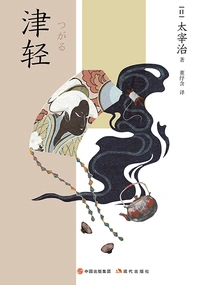
Tsugaru (japanese Translation Series)
Literature津轻(和风译丛)
(japan) Osamu Dazai
Tsugaru is Dazai Osamu's hometown, where he spent the first twenty years of his short life. It can be said that Tsugaru made Dazai Osamu what he is today; and when Dazai Osamu revisited his hometown, he also found the long-lost warmth. This book is not only an excellent work describing the customs and customs of Tsugaru, but also has extremely high literary value. Reading this book may allow us to gain unprecedented spiritual strength through Dazai Osamu's growth path.
Tsugaru is Dazai Osamu's hometown, where he spent the first twenty years of his short life. It can be said that Tsugaru made Dazai Osamu what he is today; and when Dazai Osamu revisited his hometown, he also found the long-lost warmth. This book is not only an excellent work describing the customs and customs of Tsugaru, but also has extremely high literary value. Reading this book may allow us to gain unprecedented spiritual strength through Dazai Osamu's growth path.
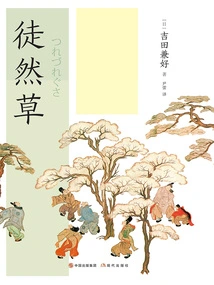
In Vain Grass (hefeng Translation)
Literature徒然草(和风译丛)
(japan) Kaneyoshi Yoshida
"Turancao (Chinese-Japanese Illustrated Edition)" is one of the classic works of Japanese classical literature launched by Modern Publishing House and the Wind Translation Series. Yoshida Kaneyoshi's "Uranso" and Kiyoshi Shōnagon's "Pillow Soko" are collectively known as the "Double Wall of Japanese Essays". The first two, together with Kamo Nagaaki's "Hojo Chronicles", are known as the "Three Major Essays in Japan". "Turancao (Chinese-Japanese Illustrated Edition)" adopts the Karasuma version, which has the least errors and is the most widely circulated among more than a hundred versions, and is based on "The Complete Works of Japanese Classical Literature 27·Turancao" (Shogakukan, 1983); using the Chinese-Japanese comparative translation, it also The original work is a mixture of Han Chinese and Japanese characters, mainly kana; it contains nearly a hundred exquisite illustrations such as "Uranso Painting Notes" painted by Yoshiki Kei and "Illustrated Turanso" painted by Nishikawa Yunobu, which three-dimensionally presents the social scene of Japan at the end of the Kamakura period. "Furancao" was created in the late Kamakura period. The whole book consists of a prologue and 243 incoherent paragraphs of mixed feelings, comments, short stories with morals, records of people from all walks of life or research works of different lengths. The author Kaneyoshi Yoshida is a famous singer who is proficient in Confucianism, Buddhism, and Lao-Zhuang studies. After becoming a monk, he created "Uran Grass" with exquisite writing style. He observes all things in the world, changes in the world, and changes in personnel with a clear and transparent heart. The lines are full of poetry, interest, and philosophy. "Furancao" is the origin of Japanese hermit literature. It represents the outstanding achievements of Japanese medieval prose creation. It occupies an important position in the history of Japanese literature and has a profound impact on later writers such as Shu Zuoren, Kawabata Yasunari, and Natsume Soseki. It has long been used as an introductory textbook for classical literature in Japan and is one of the most widely read literary works.
"Turancao (Chinese-Japanese Illustrated Edition)" is one of the classic works of Japanese classical literature launched by Modern Publishing House and the Wind Translation Series. Yoshida Kaneyoshi's "Uranso" and Kiyoshi Shōnagon's "Pillow Soko" are collectively known as the "Double Wall of Japanese Essays". The first two, together with Kamo Nagaaki's "Hojo Chronicles", are known as the "Three Major Essays in Japan". "Turancao (Chinese-Japanese Illustrated Edition)" adopts the Karasuma version, which has the least errors and is the most widely circulated among more than a hundred versions, and is based on "The Complete Works of Japanese Classical Literature 27·Turancao" (Shogakukan, 1983); using the Chinese-Japanese comparative translation, it also The original work is a mixture of Han Chinese and Japanese characters, mainly kana; it contains nearly a hundred exquisite illustrations such as "Uranso Painting Notes" painted by Yoshiki Kei and "Illustrated Turanso" painted by Nishikawa Yunobu, which three-dimensionally presents the social scene of Japan at the end of the Kamakura period. "Furancao" was created in the late Kamakura period. The whole book consists of a prologue and 243 incoherent paragraphs of mixed feelings, comments, short stories with morals, records of people from all walks of life or research works of different lengths. The author Kaneyoshi Yoshida is a famous singer who is proficient in Confucianism, Buddhism, and Lao-Zhuang studies. After becoming a monk, he created "Uran Grass" with exquisite writing style. He observes all things in the world, changes in the world, and changes in personnel with a clear and transparent heart. The lines are full of poetry, interest, and philosophy. "Furancao" is the origin of Japanese hermit literature. It represents the outstanding achievements of Japanese medieval prose creation. It occupies an important position in the history of Japanese literature and has a profound impact on later writers such as Shu Zuoren, Kawabata Yasunari, and Natsume Soseki. It has long been used as an introductory textbook for classical literature in Japan and is one of the most widely read literary works.
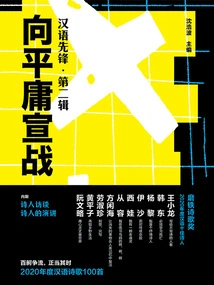
向平庸宣战:汉语先锋·第二辑
Editor-in-chief Shen Haobo
"Declaring War on Mediocrity: Chinese Pioneers·Second Series" is a summary of the creation of Chinese avant-garde poems in 2020. It includes the 2020 Motie Poetry Award, exhibitions and interviews of the top ten poets' works, and the 100 best Chinese poems in 2020. It also compiles and includes the transcripts of the "Poet's Speech: Concepts and Writing" speech event and the introduction of the 2020 "Motie Poetry Monthly Report" as important poetry materials this year. The "Chinese Pioneer" series continues to focus on contemporary Chinese poetry creation, fully considering the richness of aesthetics, while also emphasizing the recognition and uniqueness of poets. We always welcome personalized voices. From a avant-garde perspective, we are more willing to lean toward poems that boldly experiment and create new aesthetic possibilities. More than ever, we will reject aesthetic sameness, which always means mediocrity of the soul.
"Declaring War on Mediocrity: Chinese Pioneers·Second Series" is a summary of the creation of Chinese avant-garde poems in 2020. It includes the 2020 Motie Poetry Award, exhibitions and interviews of the top ten poets' works, and the 100 best Chinese poems in 2020. It also compiles and includes the transcripts of the "Poet's Speech: Concepts and Writing" speech event and the introduction of the 2020 "Motie Poetry Monthly Report" as important poetry materials this year. The "Chinese Pioneer" series continues to focus on contemporary Chinese poetry creation, fully considering the richness of aesthetics, while also emphasizing the recognition and uniqueness of poets. We always welcome personalized voices. From a avant-garde perspective, we are more willing to lean toward poems that boldly experiment and create new aesthetic possibilities. More than ever, we will reject aesthetic sameness, which always means mediocrity of the soul.
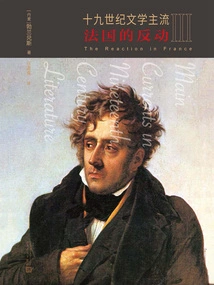
十九世纪文学主流Ⅲ:法国的反动
(denmark) Brandes
"Mainstream of Nineteenth-Century Literature" is a literary history full of poetry and passion, a landmark masterpiece. It is a high-rise and majestic book that vividly tells the life story of the writer and provides thoughtful analysis of the works. It vividly reflects the magnificent history of the European literary world in the first half of the 19th century, especially the youthful movement of Romantic literature. Although this book is divided into six volumes, each volume is an independent chapter. "Reaction in France" mainly analyzes the thoughts and creations of writers such as Joseph de Maestre, Bonnard, Chateaubriand, Madame Cludenay, Lamartine and other writers.
"Mainstream of Nineteenth-Century Literature" is a literary history full of poetry and passion, a landmark masterpiece. It is a high-rise and majestic book that vividly tells the life story of the writer and provides thoughtful analysis of the works. It vividly reflects the magnificent history of the European literary world in the first half of the 19th century, especially the youthful movement of Romantic literature. Although this book is divided into six volumes, each volume is an independent chapter. "Reaction in France" mainly analyzes the thoughts and creations of writers such as Joseph de Maestre, Bonnard, Chateaubriand, Madame Cludenay, Lamartine and other writers.
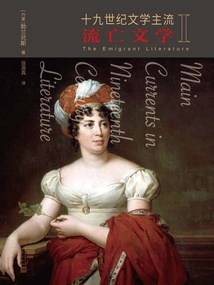
十九世纪文学主流Ⅰ:流亡文学
I
"Mainstream of Nineteenth-Century Literature" is a literary history full of poetry and passion, a landmark masterpiece. It is a high-rise and majestic book that vividly tells the life story of the writer and provides thoughtful analysis of the works. It vividly reflects the magnificent history of the European literary world in the first half of the 19th century, especially the youthful movement of Romantic literature. Although this book is divided into six volumes, each volume is an independent chapter. "Exile Literature" focuses on the ups and downs of French exile writers such as Chateaubriand, Rousseau, Nodier, Constant, and Madame de Staal, and praises their independent and uninhibited spirit of struggle. The translator, Mr. Zhang Daozhen, is not only a master of English but also a master of French translation. His translation is elegant and smooth.
"Mainstream of Nineteenth-Century Literature" is a literary history full of poetry and passion, a landmark masterpiece. It is a high-rise and majestic book that vividly tells the life story of the writer and provides thoughtful analysis of the works. It vividly reflects the magnificent history of the European literary world in the first half of the 19th century, especially the youthful movement of Romantic literature. Although this book is divided into six volumes, each volume is an independent chapter. "Exile Literature" focuses on the ups and downs of French exile writers such as Chateaubriand, Rousseau, Nodier, Constant, and Madame de Staal, and praises their independent and uninhibited spirit of struggle. The translator, Mr. Zhang Daozhen, is not only a master of English but also a master of French translation. His translation is elegant and smooth.
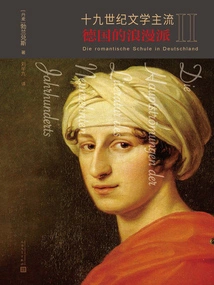
十九世纪文学主流Ⅱ:德国的浪漫派
I
"Mainstream of Nineteenth-Century Literature" is a literary history full of poetry and passion, a landmark masterpiece. It is a high-rise and majestic book that vividly tells the life story of the writer and provides thoughtful analysis of the works. It vividly reflects the magnificent history of the European literary world in the first half of the 19th century, especially the youthful movement of Romantic literature. Although this book is divided into six volumes, each volume is an independent chapter. "Romanticism in Germany" analyzes the creations of German Romantic writers such as Holderlin, the Schlegel brothers, Tieck, Hoffmann, Chamisso, Novalis, Eichendorff and their origins with writers such as Shelley. The translator Liu Banjiu is the poet Luyuan, and his translation is both rational and poetic, complementing the original work. "Mainstream of Nineteenth-Century Literature" was published by Lu Yuan in our publishing house in the 1980s.
"Mainstream of Nineteenth-Century Literature" is a literary history full of poetry and passion, a landmark masterpiece. It is a high-rise and majestic book that vividly tells the life story of the writer and provides thoughtful analysis of the works. It vividly reflects the magnificent history of the European literary world in the first half of the 19th century, especially the youthful movement of Romantic literature. Although this book is divided into six volumes, each volume is an independent chapter. "Romanticism in Germany" analyzes the creations of German Romantic writers such as Holderlin, the Schlegel brothers, Tieck, Hoffmann, Chamisso, Novalis, Eichendorff and their origins with writers such as Shelley. The translator Liu Banjiu is the poet Luyuan, and his translation is both rational and poetic, complementing the original work. "Mainstream of Nineteenth-Century Literature" was published by Lu Yuan in our publishing house in the 1980s.
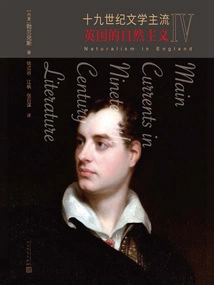
十九世纪文学主流Ⅳ:英国的自然主义
I
"Mainstream of Nineteenth-Century Literature" is a literary history full of poetry and passion, a landmark masterpiece. It is a high-rise and majestic book that vividly tells the life story of the writer and provides thoughtful analysis of the works. It vividly reflects the magnificent history of the European literary world in the first half of the 19th century, especially the youthful movement of Romantic literature. Although this book is divided into six volumes, each volume is an independent chapter. What Brandes calls "naturalism" is roughly equivalent to what we often call "romanticism." This volume focuses on the development of British Romanticism, from the tranquility and self-admiration of the Pastoral and Lakeside Poetry Schools, to the emergence of Byron and Shelley, who have a universal mind.
"Mainstream of Nineteenth-Century Literature" is a literary history full of poetry and passion, a landmark masterpiece. It is a high-rise and majestic book that vividly tells the life story of the writer and provides thoughtful analysis of the works. It vividly reflects the magnificent history of the European literary world in the first half of the 19th century, especially the youthful movement of Romantic literature. Although this book is divided into six volumes, each volume is an independent chapter. What Brandes calls "naturalism" is roughly equivalent to what we often call "romanticism." This volume focuses on the development of British Romanticism, from the tranquility and self-admiration of the Pastoral and Lakeside Poetry Schools, to the emergence of Byron and Shelley, who have a universal mind.
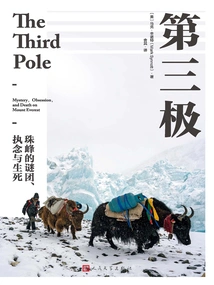
第三极:珠峰的谜团、执念与生死
(us) Mark Sinnott
This book is a non-fiction documentary about the climb of Mount Everest. Nearly 100 years ago, George Mallory and Andrew "Sandy" Owen died climbing Mount Everest in 1924, leaving a mystery: Did they ever summit Everest? In 2019, Mark Sinnott, the author of this book and a professional climber, joined the "National Geographic" "Sandy Owen Research and Documentary Expedition", hoping to find Owen's body and camera on the uppermost slope of Mount Everest to solve this century-old mystery. In the book, Sinnott cleverly interweaves the story of Owen's climb to Mount Everest a hundred years ago with the actual record of his own expedition progress, allowing us to witness modern people's obsession with Mount Everest, the dangers and human courage of Everest climbing, and the impact of commercial mountaineering on the environment of Mount Everest.
This book is a non-fiction documentary about the climb of Mount Everest. Nearly 100 years ago, George Mallory and Andrew "Sandy" Owen died climbing Mount Everest in 1924, leaving a mystery: Did they ever summit Everest? In 2019, Mark Sinnott, the author of this book and a professional climber, joined the "National Geographic" "Sandy Owen Research and Documentary Expedition", hoping to find Owen's body and camera on the uppermost slope of Mount Everest to solve this century-old mystery. In the book, Sinnott cleverly interweaves the story of Owen's climb to Mount Everest a hundred years ago with the actual record of his own expedition progress, allowing us to witness modern people's obsession with Mount Everest, the dangers and human courage of Everest climbing, and the impact of commercial mountaineering on the environment of Mount Everest.
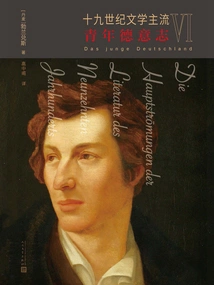
十九世纪文学主流Ⅵ:青年德意志
I
"Mainstream of Nineteenth-Century Literature" is a literary history full of poetry and passion, a landmark masterpiece. It is a high-rise and majestic book that vividly tells the life story of the writer and provides thoughtful analysis of the works. It vividly reflects the magnificent history of the European literary world in the first half of the 19th century, especially the youthful movement of Romantic literature. Although this book is divided into six volumes, each volume is an independent chapter. This volume talks about "Young Germany". The author concludes: "Among this group of writers there is no first-rate great figure in poetry, but only one high-level person, and that is Heine. This group of writers did not leave behind any truly great works. Most of their functions were negation, cleansing, destruction and the removal of the old and the creation of the new. Their strength lies in their suspicion, their hatred of servility and their individualism."
"Mainstream of Nineteenth-Century Literature" is a literary history full of poetry and passion, a landmark masterpiece. It is a high-rise and majestic book that vividly tells the life story of the writer and provides thoughtful analysis of the works. It vividly reflects the magnificent history of the European literary world in the first half of the 19th century, especially the youthful movement of Romantic literature. Although this book is divided into six volumes, each volume is an independent chapter. This volume talks about "Young Germany". The author concludes: "Among this group of writers there is no first-rate great figure in poetry, but only one high-level person, and that is Heine. This group of writers did not leave behind any truly great works. Most of their functions were negation, cleansing, destruction and the removal of the old and the creation of the new. Their strength lies in their suspicion, their hatred of servility and their individualism."
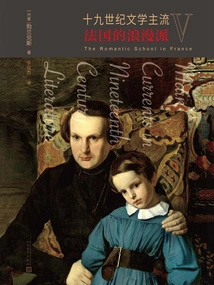
十九世纪文学主流Ⅴ:法国的浪漫派
(denmark) Brandes
"Mainstream of Nineteenth-Century Literature" is a literary history full of poetry and passion, a landmark masterpiece. It is a high-rise and majestic book that vividly tells the life story of the writer and provides thoughtful analysis of the works. It vividly reflects the magnificent history of the European literary world in the first half of the 19th century, especially the youthful movement of Romantic literature. Although this book is divided into six volumes, each volume is an independent chapter. This volume analyzes the thoughts and creations of French writers such as Charles Nodier, Vigny, Hugo, Musset, George Sand, Balzac, Stendhal, Mérimée, etc., Especially allowing us to see the "romantic" side of Balzac and others.
"Mainstream of Nineteenth-Century Literature" is a literary history full of poetry and passion, a landmark masterpiece. It is a high-rise and majestic book that vividly tells the life story of the writer and provides thoughtful analysis of the works. It vividly reflects the magnificent history of the European literary world in the first half of the 19th century, especially the youthful movement of Romantic literature. Although this book is divided into six volumes, each volume is an independent chapter. This volume analyzes the thoughts and creations of French writers such as Charles Nodier, Vigny, Hugo, Musset, George Sand, Balzac, Stendhal, Mérimée, etc., Especially allowing us to see the "romantic" side of Balzac and others.
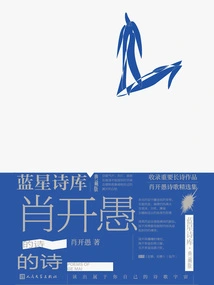
Xiao Kaiyu's Poems
Literature肖开愚的诗
Xiao Kaiyu
"Xiao Kaiyu's Poems" is one of the Blue Star Poetry Library series, which includes the poet's works from the 1980s to the new century, reflecting the poet's creative outlook at different stages. Due to his aversion to delicate poetic styles and his optimistic attitude toward the present, Xiao Kaiyu deliberately made his poems open, rough, and solid. At the same time, Xiao Kaiyu's poems are also stylistically diverse, and more importantly, these diverse works are always inspired and prompted by real life. The collection of poems includes the poet's creative attempts in long poems, including the important work "Homage to Du Fu", which consists of 10 poems of more than 100 lines and focuses on two issues he is concerned about: poetic art and reality. Xiao Kaiyu's poems are full of vitality under the requirements of complexity. The core issue he focuses on is always the indescribable complex relationship between poets and society.
"Xiao Kaiyu's Poems" is one of the Blue Star Poetry Library series, which includes the poet's works from the 1980s to the new century, reflecting the poet's creative outlook at different stages. Due to his aversion to delicate poetic styles and his optimistic attitude toward the present, Xiao Kaiyu deliberately made his poems open, rough, and solid. At the same time, Xiao Kaiyu's poems are also stylistically diverse, and more importantly, these diverse works are always inspired and prompted by real life. The collection of poems includes the poet's creative attempts in long poems, including the important work "Homage to Du Fu", which consists of 10 poems of more than 100 lines and focuses on two issues he is concerned about: poetic art and reality. Xiao Kaiyu's poems are full of vitality under the requirements of complexity. The core issue he focuses on is always the indescribable complex relationship between poets and society.
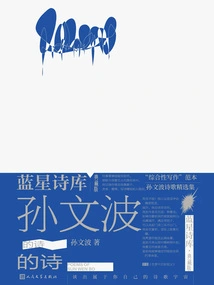
Sun Wenbo's Poems
Literature孙文波的诗
Sun Wenbo
"Sun Wenbo's Poems" is one of the Blue Star Poetry Library series. The poetry collection includes nearly a hundred poems by the poet, including representative works from various stages such as "Scent of Roses", "The Last Autumn", "Black and White Movie", "Three Portraits in the Commercial Era", and other outstanding works created by new poets in recent years, which basically reflects the overall appearance of the poet's creation. The poet's language tends to be colloquial, forming a harmonious relationship of form, language, emotion, and thought. The depiction of life is very realistic, but it is also full of shocking and amazing observation and thinking. Sun Wenbo's writing of long poems is also a major feature. The collection of poems includes "New Landscape Poems" and "Notes on a Long-distance Bus", etc., Which demonstrate the poet's extraordinary poetic skills and in-depth observation and thinking.
"Sun Wenbo's Poems" is one of the Blue Star Poetry Library series. The poetry collection includes nearly a hundred poems by the poet, including representative works from various stages such as "Scent of Roses", "The Last Autumn", "Black and White Movie", "Three Portraits in the Commercial Era", and other outstanding works created by new poets in recent years, which basically reflects the overall appearance of the poet's creation. The poet's language tends to be colloquial, forming a harmonious relationship of form, language, emotion, and thought. The depiction of life is very realistic, but it is also full of shocking and amazing observation and thinking. Sun Wenbo's writing of long poems is also a major feature. The collection of poems includes "New Landscape Poems" and "Notes on a Long-distance Bus", etc., Which demonstrate the poet's extraordinary poetic skills and in-depth observation and thinking.
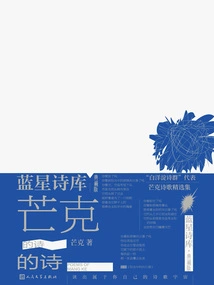
Munch's Poems
Literature芒克的诗
Munk
"Mang Ke's Poems" is one of the Blue Star Poetry Library series. The collection of poems selects the poet's poems from the early 1970s to the new century, and basically presents the poet's overall creative outlook. The collection of poems includes representative works such as "Sunflowers in the Sun", "Old House", "Dusk", "Night on the Snow", "Even After Death". Mangke's poetry has a unique style, and everything comes from life. Mangke's poetry is far away from the social nature of one moment and one thing, and pays more attention to the pursuit of long-term common human emotions in art itself. Vibrant perceptions from urban life and rural life are transformed into language in the rhythm of life, resulting in a clear and bright language and an intimate and touching melody of life. Mang Ke is an important poet in the early period of Misty Poetry. His poetry has unique characteristics and is of great research value.
"Mang Ke's Poems" is one of the Blue Star Poetry Library series. The collection of poems selects the poet's poems from the early 1970s to the new century, and basically presents the poet's overall creative outlook. The collection of poems includes representative works such as "Sunflowers in the Sun", "Old House", "Dusk", "Night on the Snow", "Even After Death". Mangke's poetry has a unique style, and everything comes from life. Mangke's poetry is far away from the social nature of one moment and one thing, and pays more attention to the pursuit of long-term common human emotions in art itself. Vibrant perceptions from urban life and rural life are transformed into language in the rhythm of life, resulting in a clear and bright language and an intimate and touching melody of life. Mang Ke is an important poet in the early period of Misty Poetry. His poetry has unique characteristics and is of great research value.
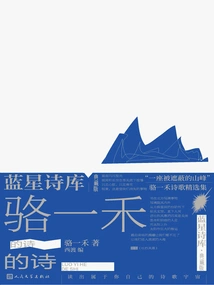
Luo Yihe's Poems
Literature骆一禾的诗
Luo Yihe
"Luo Yihe's Poems" includes 72 short poems by Luo Yihe, five selected chapters from the long poem "Blood of the World" and "The Sea". Taking into account the poet's works in various periods, it roughly reflects the poet's complete poetic history, and strives to reflect the poet's writing achievements. Luo Yihe is an important poet after Mengyu Poetry. He thought deeply and deeply about poetry against the background of civilization. For the first time in the history of new poetry, he poeticized a power of action that combined perfect conduct and tenacity, and contributed many new qualities to new poetry. Selected into a series of important masterpieces such as "Danger", "Broad Mind", "Majestic Landscape", "Thinking for Beauty", "Xiu Distance", "Heavenly Road", "Diary of the Sun" and "House".
"Luo Yihe's Poems" includes 72 short poems by Luo Yihe, five selected chapters from the long poem "Blood of the World" and "The Sea". Taking into account the poet's works in various periods, it roughly reflects the poet's complete poetic history, and strives to reflect the poet's writing achievements. Luo Yihe is an important poet after Mengyu Poetry. He thought deeply and deeply about poetry against the background of civilization. For the first time in the history of new poetry, he poeticized a power of action that combined perfect conduct and tenacity, and contributed many new qualities to new poetry. Selected into a series of important masterpieces such as "Danger", "Broad Mind", "Majestic Landscape", "Thinking for Beauty", "Xiu Distance", "Heavenly Road", "Diary of the Sun" and "House".
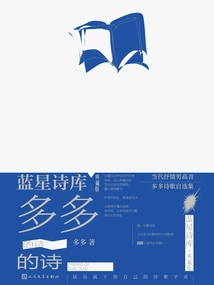
Lots of Poems
Literature多多的诗
Duoduo
"Duoduo's Poems" is a book in the "Blue Star Poetry Library" series. It was compiled and selected by the poet himself and sorted according to the year of creation. It contains Duoduo's important poetry works created from the 1970s to the 2010s, many of which have become classics in the history of contemporary poetry. Duoduo is recognized as one of the best contemporary lyric poets in China. He can be called a genius poet and has always maintained strong creativity. Duoduo's poems are like plowshares plowing deep in the vast fields of the north. They have the power of language to point directly to people's hearts. Their strong musicality and lyricism, as well as the glory and dignity of human nature embedded in them, bring lasting shock to readers. From the early rebellion of language and youth, to the later exploration of the depth of destiny, to the shaping of the myth of home in a foreign country, to the ultimate questioning in his recent works. Duoduo's poetry writing over the past few decades has constituted the most bizarre landscape of modern Chinese poetry.
"Duoduo's Poems" is a book in the "Blue Star Poetry Library" series. It was compiled and selected by the poet himself and sorted according to the year of creation. It contains Duoduo's important poetry works created from the 1970s to the 2010s, many of which have become classics in the history of contemporary poetry. Duoduo is recognized as one of the best contemporary lyric poets in China. He can be called a genius poet and has always maintained strong creativity. Duoduo's poems are like plowshares plowing deep in the vast fields of the north. They have the power of language to point directly to people's hearts. Their strong musicality and lyricism, as well as the glory and dignity of human nature embedded in them, bring lasting shock to readers. From the early rebellion of language and youth, to the later exploration of the depth of destiny, to the shaping of the myth of home in a foreign country, to the ultimate questioning in his recent works. Duoduo's poetry writing over the past few decades has constituted the most bizarre landscape of modern Chinese poetry.
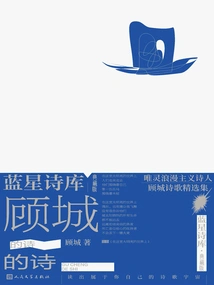
Gu Cheng's Poems
Literature顾城的诗
Gu Cheng
"Gu Cheng's Poems" is one of the Blue Star Poetry Library series. This manuscript is edited and selected by the author's close relatives, and it compiles the author's essence works since his poetry creation. Gu Cheng's poetry is a unique branch in the Chinese poetry circle, writing the history of contemporary literature. Since the new era, several poets have been indispensable, and Gu Cheng is one of them. This manuscript clearly demonstrates the author's poetic quality and is a very good material for appreciating and learning poetry and studying contemporary Chinese literature. As one of the most representative figures of contemporary Chinese "misty poetry", Gu Cheng's poetry has become a specimen that cannot be ignored in the study of Chinese literature, Chinese poetry, contemporary Chinese cultural trends and even the spiritual history of contemporary people.
"Gu Cheng's Poems" is one of the Blue Star Poetry Library series. This manuscript is edited and selected by the author's close relatives, and it compiles the author's essence works since his poetry creation. Gu Cheng's poetry is a unique branch in the Chinese poetry circle, writing the history of contemporary literature. Since the new era, several poets have been indispensable, and Gu Cheng is one of them. This manuscript clearly demonstrates the author's poetic quality and is a very good material for appreciating and learning poetry and studying contemporary Chinese literature. As one of the most representative figures of contemporary Chinese "misty poetry", Gu Cheng's poetry has become a specimen that cannot be ignored in the study of Chinese literature, Chinese poetry, contemporary Chinese cultural trends and even the spiritual history of contemporary people.
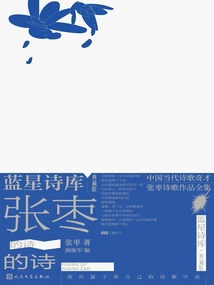
Zhang Zao's Poems
Literature张枣的诗
Zhang Zao
This collection of poems brings together for the first time more than 130 of Zhang Zao's poems that have been seen so far, showing all the poetic aspects of this outstanding contemporary poet who is the most "low-yield". It collects many of the poet's works before "In the Mirror", showing readers a Zhang Zao before "In the Mirror"; it also includes all of Zhang Zao's important later poems, such as "Song of the Earth", "Father", "Farewell to the Castle of Solitude" and many short poems, including Zhang Zao's poems when he was ill. Zhang Zao's friends and students during his lifetime collected all the poet's poems that the poet had seen so far and compiled this collection of poems. His precise and perceptual poetic skills, as well as his mastery of integrating and inventing Chinese and Western poetry, have always been popular among countless poetry lovers. He was called "Chinese contemporary poetry wizard" by the poet Bei Dao.
This collection of poems brings together for the first time more than 130 of Zhang Zao's poems that have been seen so far, showing all the poetic aspects of this outstanding contemporary poet who is the most "low-yield". It collects many of the poet's works before "In the Mirror", showing readers a Zhang Zao before "In the Mirror"; it also includes all of Zhang Zao's important later poems, such as "Song of the Earth", "Father", "Farewell to the Castle of Solitude" and many short poems, including Zhang Zao's poems when he was ill. Zhang Zao's friends and students during his lifetime collected all the poet's poems that the poet had seen so far and compiled this collection of poems. His precise and perceptual poetic skills, as well as his mastery of integrating and inventing Chinese and Western poetry, have always been popular among countless poetry lovers. He was called "Chinese contemporary poetry wizard" by the poet Bei Dao.
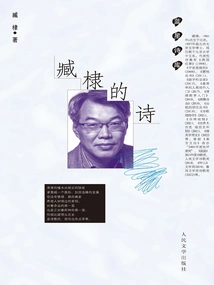
Zang Di's Poems
Literature臧棣的诗
Zang Di
This book contains more than 300 poems written by Zang Di spanning more than thirty years from the 1990s to the 2020s. They are mainly selected by the author himself, with minor additions and deletions made by the editor. More than two-thirds of them are the author's original works that have never been included in other poetry collections. The rest are mostly the author's representative works over the years and iconic works that have an important turning point in his creative process. From these works, we can see the clear context of the poet's poetry writing over the past decades, including the poet's understanding of poetry's creativity, construction, imagination, changes in interpretation, advancement, and self-reflection and understanding. This collection of poems has a considerable degree of iconic significance, both for the poet's future creations and for the advancement of contemporary Chinese poetry as a whole.
This book contains more than 300 poems written by Zang Di spanning more than thirty years from the 1990s to the 2020s. They are mainly selected by the author himself, with minor additions and deletions made by the editor. More than two-thirds of them are the author's original works that have never been included in other poetry collections. The rest are mostly the author's representative works over the years and iconic works that have an important turning point in his creative process. From these works, we can see the clear context of the poet's poetry writing over the past decades, including the poet's understanding of poetry's creativity, construction, imagination, changes in interpretation, advancement, and self-reflection and understanding. This collection of poems has a considerable degree of iconic significance, both for the poet's future creations and for the advancement of contemporary Chinese poetry as a whole.
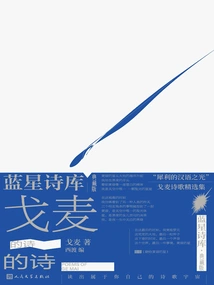
Gomer's Poems
Literature戈麦的诗
Gomer
"Gome's Poems" is based on "The Complete Poems of Gome", but some works before 1990 have been deleted (only a short three-line poem from 1990 to 1991 has been deleted). The main text includes 199 poems written by Gomer from 1988 to 1991. It still follows the style of "The Complete Poems of Gomer" and is sorted by the time of creation. Several typographical errors in the "Complete Poems of Gomer" are corrected based on "Comet" and Gomer's manuscript. The appendix also includes 10 lost poems by Gomer that were not included in the "Complete Collection of Gomer's Poems", provided by Mr. Chu Fuyun, Gomer's eldest brother. Gomer's poetry is directly subordinate to fantasy, constantly expanding the space of mind and existence, while making the impossible possible.
"Gome's Poems" is based on "The Complete Poems of Gome", but some works before 1990 have been deleted (only a short three-line poem from 1990 to 1991 has been deleted). The main text includes 199 poems written by Gomer from 1988 to 1991. It still follows the style of "The Complete Poems of Gomer" and is sorted by the time of creation. Several typographical errors in the "Complete Poems of Gomer" are corrected based on "Comet" and Gomer's manuscript. The appendix also includes 10 lost poems by Gomer that were not included in the "Complete Collection of Gomer's Poems", provided by Mr. Chu Fuyun, Gomer's eldest brother. Gomer's poetry is directly subordinate to fantasy, constantly expanding the space of mind and existence, while making the impossible possible.
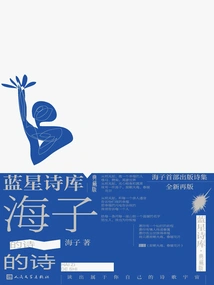
Haizi's Poems
Literature海子的诗
Haizi
"Haizi's Poems" is one of the Blue Star Poetry Library series. The collection of poems contains the essence of all short poems by Haizi since his creation, as well as excerpts from the long poem "Messiah", which more completely shows the author's lifelong poetry creation. Haizi is an influential poet among young people. His works and his posthumous influence not only retain their place in the history of literature, but also have value in social and cultural history. This book contains Haizi's most popular works, such as "Asian Copper", "Living in the Precious World", "Motherland", "Diary", "Facing the Sea, Spring Flowers Bloom", etc. It is one of the most widely marketed poetry collections and one of the editions with the best marketing record of Haizi's works. The value of this manuscript has been proven by the market.
"Haizi's Poems" is one of the Blue Star Poetry Library series. The collection of poems contains the essence of all short poems by Haizi since his creation, as well as excerpts from the long poem "Messiah", which more completely shows the author's lifelong poetry creation. Haizi is an influential poet among young people. His works and his posthumous influence not only retain their place in the history of literature, but also have value in social and cultural history. This book contains Haizi's most popular works, such as "Asian Copper", "Living in the Precious World", "Motherland", "Diary", "Facing the Sea, Spring Flowers Bloom", etc. It is one of the most widely marketed poetry collections and one of the editions with the best marketing record of Haizi's works. The value of this manuscript has been proven by the market.
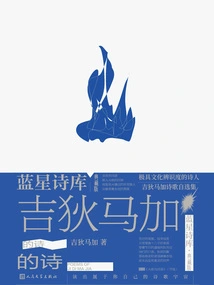
Jidi Maga's Poems
Literature吉狄马加的诗
Jidi Maga
"Poems of Jidi Maga" is one of the Blue Star Poetry Library series. This collection of poems brings together the author's representative works since he published his poems, showing the author's poetry creation so far and his development path in this aspect. It includes classic works such as "Self-Portrait", "Song of the Yi People", "Black Rhapsody" and "The Sun". Most of his works are based on the people, objects and customs of his hometown Yi people, integrating the myths and poetics of the Yi people with modern vocabulary, with profound meaning, unique expressiveness and appeal. Jidimajia's poetry creation benefited from the nourishment of his national culture, the tempering of his continuous Chinese writing over the years, and the vision cultivated by his long-term cultural management work. Its social benefits are undoubted.
"Poems of Jidi Maga" is one of the Blue Star Poetry Library series. This collection of poems brings together the author's representative works since he published his poems, showing the author's poetry creation so far and his development path in this aspect. It includes classic works such as "Self-Portrait", "Song of the Yi People", "Black Rhapsody" and "The Sun". Most of his works are based on the people, objects and customs of his hometown Yi people, integrating the myths and poetics of the Yi people with modern vocabulary, with profound meaning, unique expressiveness and appeal. Jidimajia's poetry creation benefited from the nourishment of his national culture, the tempering of his continuous Chinese writing over the years, and the vision cultivated by his long-term cultural management work. Its social benefits are undoubted.
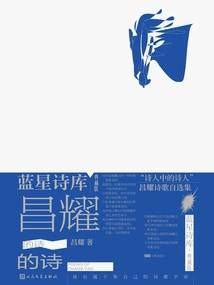
Changyao's Poems
Literature昌耀的诗
Changyao
The first-choice author in this book has composed nearly 200 poems from 1955 to 1998, including all representative works of his lifelong poetry creation. Changyao's poems are good at promoting the consciousness of life in spiritual dilemma, integrating perception and passion; the images are dignified and magnificent. The vicissitudes of feelings, the vast and far-reaching humanistic background, and the strong sense of life constitute the author's grand poetry as a whole. Representative works of income: "Cihang", "Sir", "Row, Row, Fathers!" "Prisoners of the Mountains", "One Hundred Bulls", "A Chinese Poet in Russia", "The Side of the Eriduo Snow Peak", "Halakutu", etc.
The first-choice author in this book has composed nearly 200 poems from 1955 to 1998, including all representative works of his lifelong poetry creation. Changyao's poems are good at promoting the consciousness of life in spiritual dilemma, integrating perception and passion; the images are dignified and magnificent. The vicissitudes of feelings, the vast and far-reaching humanistic background, and the strong sense of life constitute the author's grand poetry as a whole. Representative works of income: "Cihang", "Sir", "Row, Row, Fathers!" "Prisoners of the Mountains", "One Hundred Bulls", "A Chinese Poet in Russia", "The Side of the Eriduo Snow Peak", "Halakutu", etc.
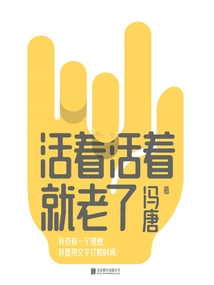
As Long as You Live, You Will Grow Old
Literature活着活着就老了
Feng Tang
"You will grow old if you live" is a classic collection of essays by Feng Tang who made his debut as a god. No pretense, no pretense, no calculation, no reason, no scruple. Feng Tang candidly talks about all kinds of interesting people, interesting things, and interesting books he met. Everything that allowed him to understand time, cultivate knowledge, and increase wisdom is expressed in this book: youth, love and hate, reading, success, desire, life and other themes. Every article is filled with vitality when read. Some people grow old as they live, and some people become themselves as they live. Make good use of your material and spend time drinking and talking.
"You will grow old if you live" is a classic collection of essays by Feng Tang who made his debut as a god. No pretense, no pretense, no calculation, no reason, no scruple. Feng Tang candidly talks about all kinds of interesting people, interesting things, and interesting books he met. Everything that allowed him to understand time, cultivate knowledge, and increase wisdom is expressed in this book: youth, love and hate, reading, success, desire, life and other themes. Every article is filled with vitality when read. Some people grow old as they live, and some people become themselves as they live. Make good use of your material and spend time drinking and talking.
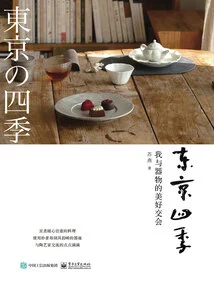
东京四季:我与器物的美好交会
Su Yan
Cooking heart-warming and healing dishes, using simple but unique utensils, and communicating with potters every moment. In the book, the author reviews his "home" life in Tokyo in the past three years, looking for fun in simple life, and integrating life aesthetics such as pottery appreciation, flower arrangement, and cooking with the seasons. It is also a poetic interpretation of "every day is a good day." Whether it's flower arranging or cooking, if you focus on one thing and practice it every day, even ordinary and trivial housework can gradually form your own aesthetics and taste. And those who focus on it will gradually develop a unique mental state. This is the wealth and happiness that life truly rewards oneself. The author always adheres to a simple and quiet lifestyle and attitude towards life. This book inspires readers to rethink their relationship with life - even though we cannot change the environment we live in, the choice of life is always in our own hands.
Cooking heart-warming and healing dishes, using simple but unique utensils, and communicating with potters every moment. In the book, the author reviews his "home" life in Tokyo in the past three years, looking for fun in simple life, and integrating life aesthetics such as pottery appreciation, flower arrangement, and cooking with the seasons. It is also a poetic interpretation of "every day is a good day." Whether it's flower arranging or cooking, if you focus on one thing and practice it every day, even ordinary and trivial housework can gradually form your own aesthetics and taste. And those who focus on it will gradually develop a unique mental state. This is the wealth and happiness that life truly rewards oneself. The author always adheres to a simple and quiet lifestyle and attitude towards life. This book inspires readers to rethink their relationship with life - even though we cannot change the environment we live in, the choice of life is always in our own hands.
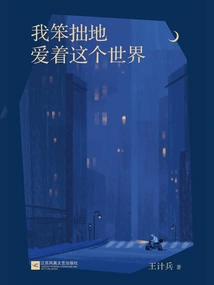
I Love This World Clumsily
Literature我笨拙地爱着这个世界
Wang Jibing
"I Love the World Clumsily" contains 130 poems personally selected by Wang Jibing. He writes about the difficulties of life, memories of his parents, and nostalgia for his hometown. Simple and plain words burst out with amazing power. Everyone who is in trouble should read Wang Jibing.
"I Love the World Clumsily" contains 130 poems personally selected by Wang Jibing. He writes about the difficulties of life, memories of his parents, and nostalgia for his hometown. Simple and plain words burst out with amazing power. Everyone who is in trouble should read Wang Jibing.
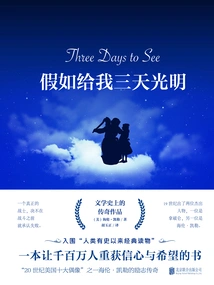
假如给我三天光明(新版)
Helen Keller
In order to help teenagers get to know and understand this great woman more deeply, we have carefully drawn nearly 30 exquisite illustrations for this book that fit the meaning of the text, so that we can absorb her precious ideological and spiritual wealth while appreciating her outstanding life. "I only look at what I have, not what I don't have." It is with the support of this belief that Helen Keller persisted in looking for light in the darkness and sowing hope in misfortune during the 87 years of lightlessness and silence. Finally, with this fighting spirit of self-improvement and the persistent pursuit of happiness, she fought bravely against fate and won light and laughter for herself. Whether you are frustrated due to setbacks, or want to give up on your life goals because of a difficult future; whether you are a disabled person who is suffering from illness and suffering from life, or a normal person who is in good health but has lost confidence in life, you can be inspired by it and regain confidence and hope.
In order to help teenagers get to know and understand this great woman more deeply, we have carefully drawn nearly 30 exquisite illustrations for this book that fit the meaning of the text, so that we can absorb her precious ideological and spiritual wealth while appreciating her outstanding life. "I only look at what I have, not what I don't have." It is with the support of this belief that Helen Keller persisted in looking for light in the darkness and sowing hope in misfortune during the 87 years of lightlessness and silence. Finally, with this fighting spirit of self-improvement and the persistent pursuit of happiness, she fought bravely against fate and won light and laughter for herself. Whether you are frustrated due to setbacks, or want to give up on your life goals because of a difficult future; whether you are a disabled person who is suffering from illness and suffering from life, or a normal person who is in good health but has lost confidence in life, you can be inspired by it and regain confidence and hope.
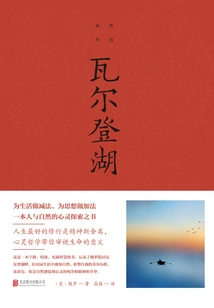
Walden Pond (new Edition)
Literature瓦尔登湖(新版)
H
The whole book begins with spring, goes through summer, autumn, and winter, and ends with spring, completing a cycle of life. The end is also the starting point, and life is revived. Where the article analyzes life and criticizes customs, the language is astonishing, the words are sparkling, the insights are unique, and thought-provoking; where the scenery is described, the language is beautiful and detailed, such as the clear and transparent lake water and the dense and green mountains and forests. This is a fresh, healthy, and uplifting book with very moving descriptions of spring and dawn. Here you can find the pure air provided by nature, the gurgling streams, and the singing of birds, without the environmental pollution caused by industrial society. By reading this book, you will not only feel the purity of your soul and the sublimation of your spirit, but you will also learn about flora and fauna, extensive knowledge of humanities, geography, and history, and experience the inspiring thoughts that flow through the clouds. Taste the philosophy of life, increase the wisdom of life, and feel the beauty of nature and life.
The whole book begins with spring, goes through summer, autumn, and winter, and ends with spring, completing a cycle of life. The end is also the starting point, and life is revived. Where the article analyzes life and criticizes customs, the language is astonishing, the words are sparkling, the insights are unique, and thought-provoking; where the scenery is described, the language is beautiful and detailed, such as the clear and transparent lake water and the dense and green mountains and forests. This is a fresh, healthy, and uplifting book with very moving descriptions of spring and dawn. Here you can find the pure air provided by nature, the gurgling streams, and the singing of birds, without the environmental pollution caused by industrial society. By reading this book, you will not only feel the purity of your soul and the sublimation of your spirit, but you will also learn about flora and fauna, extensive knowledge of humanities, geography, and history, and experience the inspiring thoughts that flow through the clouds. Taste the philosophy of life, increase the wisdom of life, and feel the beauty of nature and life.
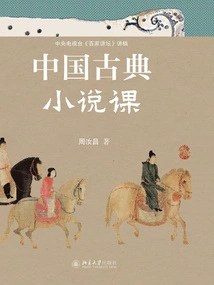
Chinese Classical Novels Class
Literature中国古典小说课
Zhou Ruchang
Zhou Ruchang is a master of contemporary Chinese studies of classical novels, and his lectures on CCTV's "Hundred Schools Forum" were interesting and exciting. This book is greatly expanded and further developed on this basis. It uses the "Four Great Masterpieces" of Chinese classical novels as the main framework, understands the significance and value of the novels in the context of Chinese history and culture, and uses a distinctive heuristic and discursive language to give a detailed interpretation of Chinese classical novels. It also provides modern transformations of many of China's excellent traditional cultures. It starts from the cultural, aesthetic, social and other elements of the novel, conducts a comprehensive multi-perspective understanding, and believes that "Three Talents", that is, the "three talents" of heaven, earth, and man, is the soul of Chinese classical novels and the core idea of the connotation of Chinese culture. This book allows readers to enter the colorful world of Chinese classical novels through the "Four Great Classics", and gain a broad understanding of the rich connotations of Chinese classical novels such as their origin, development, essence, and characteristics. This book pays tribute to Chinese culture and promotes the spirit of boxing in the family, country and the world. For today's readers to read and appreciate Chinese classical novels and carry forward China's excellent traditional culture, this book is a rare work and a representative academic popularization work. Let's relive the charm of Chinese classical novels and let Chinese classical wisdom enter our daily lives.
Zhou Ruchang is a master of contemporary Chinese studies of classical novels, and his lectures on CCTV's "Hundred Schools Forum" were interesting and exciting. This book is greatly expanded and further developed on this basis. It uses the "Four Great Masterpieces" of Chinese classical novels as the main framework, understands the significance and value of the novels in the context of Chinese history and culture, and uses a distinctive heuristic and discursive language to give a detailed interpretation of Chinese classical novels. It also provides modern transformations of many of China's excellent traditional cultures. It starts from the cultural, aesthetic, social and other elements of the novel, conducts a comprehensive multi-perspective understanding, and believes that "Three Talents", that is, the "three talents" of heaven, earth, and man, is the soul of Chinese classical novels and the core idea of the connotation of Chinese culture. This book allows readers to enter the colorful world of Chinese classical novels through the "Four Great Classics", and gain a broad understanding of the rich connotations of Chinese classical novels such as their origin, development, essence, and characteristics. This book pays tribute to Chinese culture and promotes the spirit of boxing in the family, country and the world. For today's readers to read and appreciate Chinese classical novels and carry forward China's excellent traditional culture, this book is a rare work and a representative academic popularization work. Let's relive the charm of Chinese classical novels and let Chinese classical wisdom enter our daily lives.
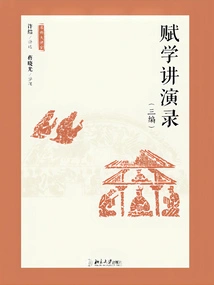
Lectures on Fu Studies (part 3)
Literature赋学讲演录(三编)
Narrated By Xu Jie And Compiled By Jiang Xiaoguang
This book is compiled based on the class recordings of the "Chinese Fu Studies" course taught by the lecturer. It is a new ten lectures after the ten lectures in the first and second parts: Ci Fu satirizes and admonishes, six meanings enter Fu, Fu traces and heart, Fu style is beautiful, the ending is elegant, the flow of ancient poems, reciting without singing, the body is bright, the ancestors show the Han Dynasty, Fu combines talent and learning. Focusing on the main characteristics of the art of Ci and Fu, with a strong awareness of issues, the lecturer selected major theoretical categories in the study of Ci and Fu to explain and analyze on the basis that the first volume focused on the knowledge of Fu and the second volume focused on the genre of Fu, vividly reproducing the history and criticism of Fu. In summarizing the theory of ancient Fu studies, this book not only expands its theoretical connotation but also grasps the key turning points with its broad vision and profound thinking, vividly showing the history and criticism of Fu studies. In the process of analyzing the scope of poetry and theory, the speaker uses humorous language, vivid examples, and detailed explanations, hoping to achieve a learning effect that connects ancient and modern times, appreciates both refined and popular tastes, and brings the joy of reading classics.
This book is compiled based on the class recordings of the "Chinese Fu Studies" course taught by the lecturer. It is a new ten lectures after the ten lectures in the first and second parts: Ci Fu satirizes and admonishes, six meanings enter Fu, Fu traces and heart, Fu style is beautiful, the ending is elegant, the flow of ancient poems, reciting without singing, the body is bright, the ancestors show the Han Dynasty, Fu combines talent and learning. Focusing on the main characteristics of the art of Ci and Fu, with a strong awareness of issues, the lecturer selected major theoretical categories in the study of Ci and Fu to explain and analyze on the basis that the first volume focused on the knowledge of Fu and the second volume focused on the genre of Fu, vividly reproducing the history and criticism of Fu. In summarizing the theory of ancient Fu studies, this book not only expands its theoretical connotation but also grasps the key turning points with its broad vision and profound thinking, vividly showing the history and criticism of Fu studies. In the process of analyzing the scope of poetry and theory, the speaker uses humorous language, vivid examples, and detailed explanations, hoping to achieve a learning effect that connects ancient and modern times, appreciates both refined and popular tastes, and brings the joy of reading classics.
Literary Essence and Aesthetic Essence
Literature文学本质与审美本质
Dong Xuewen
Professor Dong Xuewen has long been committed to the study of the nature of literature and aesthetics. In "The Essence of Literature and the Essence of Aesthetics", based on the ideological documents of classic Marxist writers, adhering to historical materialism and dialectics, he made a rigorous and in-depth discussion of the basic attributes of literature, the value and function of literature, and the relationship between literature and aesthetics, literature and ideology, and conducted a detailed analysis of aesthetic issues such as "practical ontology" and "practical ontology." "The Essence of Literature and the Essence of Aesthetics" has positive reference significance for constructing literary theory and aesthetic theory with Chinese characteristics in the new era.
Professor Dong Xuewen has long been committed to the study of the nature of literature and aesthetics. In "The Essence of Literature and the Essence of Aesthetics", based on the ideological documents of classic Marxist writers, adhering to historical materialism and dialectics, he made a rigorous and in-depth discussion of the basic attributes of literature, the value and function of literature, and the relationship between literature and aesthetics, literature and ideology, and conducted a detailed analysis of aesthetic issues such as "practical ontology" and "practical ontology." "The Essence of Literature and the Essence of Aesthetics" has positive reference significance for constructing literary theory and aesthetic theory with Chinese characteristics in the new era.
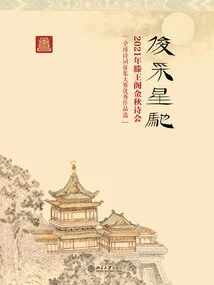
俊采星驰:2021年滕王阁金秋诗会全球诗词征集大赛优秀作品选
Tengwang Pavilion Golden Autumn Poetry Festival Organizing Committee
In 2021, the Tengwangge Golden Autumn Poetry Society Global Poetry Competition was successfully held. The poetry committee, composed of important academic scholars in Jiangxi Province, Peking University and the Chinese Department of Peking University, selected more than 9,200 participating poems. This book contains the winning works after selection in this competition, including 48 new poems and 50 old-style poems.
In 2021, the Tengwangge Golden Autumn Poetry Society Global Poetry Competition was successfully held. The poetry committee, composed of important academic scholars in Jiangxi Province, Peking University and the Chinese Department of Peking University, selected more than 9,200 participating poems. This book contains the winning works after selection in this competition, including 48 new poems and 50 old-style poems.
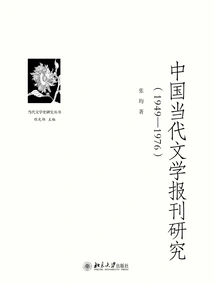
中国当代文学报刊研究(1949—1976)
Zhang Jun
This book selects seventeen newspaper cases to systematically examine the deep connection between literary newspapers and literary production in New China, and uses it to discuss how contemporary literature occurs and develops in the process of "mutual penetration, friction, adjustment, transformation, and conflict of multiple cultural components and forces." The careful review of this book shows that various heterogeneous "literary elements" such as "old liberated area literature and art" from different sources, liberalism, the left wing of Kuomintang-controlled areas, mandarin and butterfly traditions, folk popular literature and art, and personnel disputes that academic circles often hope to "filter out" all participate in this competition, and consciously use newspaper and periodical resources to compete for authentic status in the literary world, control the space for survival and development, and reconfigure literary interests through the construction of "correct" literary "knowledge." It can be said that the extensive and solid first-hand historical materials, the detailed examination "in front of the stage" and "behind the scenes", and the close connection with macro-level literary history issues, especially the use of the game theory perspective, make this book clearly demonstrate the efforts to get rid of the binary opposition thinking of official/folk, mainstream/heterodox, and represent a more exploratory path and orientation in the current literary research from the 1950s to the 1970s.
This book selects seventeen newspaper cases to systematically examine the deep connection between literary newspapers and literary production in New China, and uses it to discuss how contemporary literature occurs and develops in the process of "mutual penetration, friction, adjustment, transformation, and conflict of multiple cultural components and forces." The careful review of this book shows that various heterogeneous "literary elements" such as "old liberated area literature and art" from different sources, liberalism, the left wing of Kuomintang-controlled areas, mandarin and butterfly traditions, folk popular literature and art, and personnel disputes that academic circles often hope to "filter out" all participate in this competition, and consciously use newspaper and periodical resources to compete for authentic status in the literary world, control the space for survival and development, and reconfigure literary interests through the construction of "correct" literary "knowledge." It can be said that the extensive and solid first-hand historical materials, the detailed examination "in front of the stage" and "behind the scenes", and the close connection with macro-level literary history issues, especially the use of the game theory perspective, make this book clearly demonstrate the efforts to get rid of the binary opposition thinking of official/folk, mainstream/heterodox, and represent a more exploratory path and orientation in the current literary research from the 1950s to the 1970s.
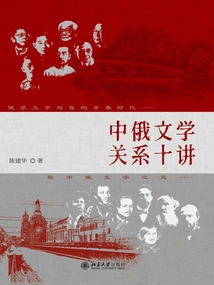
中俄文学关系十讲
Chen Jianhua
Since the late Qing Dynasty, especially since the May 4th Movement, China has been subject to many powerful impacts from foreign cultures. Foreign literature has had a profound impact on the enlightenment of domestic people's thoughts, and the Sino-Russian literary relationship is an important part of it. The author of "Ten Lectures on Sino-Russian Literary Relations" integrated a large number of historical materials on literary exchanges between the two countries, sorted out the history of Chinese and Russian literary translation from the late Qing Dynasty to the 21st century, and conducted in-depth research on the comparison of writers' works, styles and schools, and the intersection of ideological trends between Chinese and Russian literature. The book is divided into ten chapters, unfolding in chronological order: the early beginnings of Sino-Russian literary relations-literary relations at the end of the Qing Dynasty and the beginning of the Republic of China-Russian literary upsurge during the May Fourth Movement-early Soviet literature and Chinese left-wing literature-Russian-Soviet literature in China in the 1940s-Russian-Soviet literature in China in the 1950s-the frozen period of literary relations in the 1960s-Russian-Soviet literature in the early stages of reform and opening up-Sino-Russian literature after the collapse of the Soviet Union-Sino-Russian literary relations at the beginning of the 21st century.
Since the late Qing Dynasty, especially since the May 4th Movement, China has been subject to many powerful impacts from foreign cultures. Foreign literature has had a profound impact on the enlightenment of domestic people's thoughts, and the Sino-Russian literary relationship is an important part of it. The author of "Ten Lectures on Sino-Russian Literary Relations" integrated a large number of historical materials on literary exchanges between the two countries, sorted out the history of Chinese and Russian literary translation from the late Qing Dynasty to the 21st century, and conducted in-depth research on the comparison of writers' works, styles and schools, and the intersection of ideological trends between Chinese and Russian literature. The book is divided into ten chapters, unfolding in chronological order: the early beginnings of Sino-Russian literary relations-literary relations at the end of the Qing Dynasty and the beginning of the Republic of China-Russian literary upsurge during the May Fourth Movement-early Soviet literature and Chinese left-wing literature-Russian-Soviet literature in China in the 1940s-Russian-Soviet literature in China in the 1950s-the frozen period of literary relations in the 1960s-Russian-Soviet literature in the early stages of reform and opening up-Sino-Russian literature after the collapse of the Soviet Union-Sino-Russian literary relations at the beginning of the 21st century.
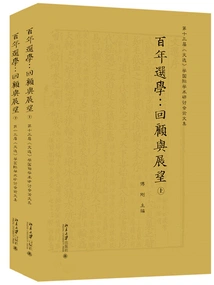
百年选学:回顾与展望(全2册)
Editor-in-chief Fu Gang
This book is a concentrated expression of the research results of "Selected Works" in recent years. It can be seen that the current study of study selection is first of all characterized by internationalization. For example, the achievements of overseas sinologists from Japan, South Korea, and the United States have been gradually introduced, and the exchanges between Chinese scholars and overseas sinologists have become increasingly close. Secondly, the content, scope and methods of research have undergone new changes. The traditional study of "Xuan" is mainly the study of exegesis, annotation, diction, pronunciation and meaning. In the new era, the proportion of theoretical research has greatly increased. In addition, examining "Selected Works" in the context of literary history, academic history, and book history expands the research horizons and expands the academic significance of the study of "Selected Works."
This book is a concentrated expression of the research results of "Selected Works" in recent years. It can be seen that the current study of study selection is first of all characterized by internationalization. For example, the achievements of overseas sinologists from Japan, South Korea, and the United States have been gradually introduced, and the exchanges between Chinese scholars and overseas sinologists have become increasingly close. Secondly, the content, scope and methods of research have undergone new changes. The traditional study of "Xuan" is mainly the study of exegesis, annotation, diction, pronunciation and meaning. In the new era, the proportion of theoretical research has greatly increased. In addition, examining "Selected Works" in the context of literary history, academic history, and book history expands the research horizons and expands the academic significance of the study of "Selected Works."
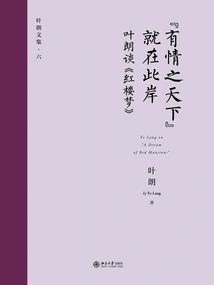
“有情之天下”就在此岸:叶朗谈《红楼梦》
Ye Lang
This book is a collection of essays by Ye Lang discussing "A Dream of Red Mansions" from an aesthetic perspective. The book mainly talks about two contents. One is the metaphysical implication of "Dream of Red Mansions". Cao Xueqin's pursuit of the ultimate meaning of life is to affirm the value of "emotion", pursue the liberation of "emotion", pursue the dignity of love, and pursue the equality of people. In summary, it is the pursuit of "a world with feelings." "The world of sentient beings" is not an illusory existence, but a real existence. "The world of sentient beings" is here, so life is meaningful. This is the "enlightenment" that "A Dream of Red Mansions" gives readers. Another content is the tragedy of "Dream of Red Mansions". The tragedy of "Dream of Red Mansions" is not the decline of the noble family, but the destruction of the "sentimental world". In Lin Daiyu's poem, it is "the cold moon buries the flower soul". In addition, the book also talks about the influence of Ye Xie and Jin Shengtan on "A Dream of Red Mansions", Zhi Yanzhai's comments, and the novel's aesthetics such as "the finishing touch" and "idle brushwork".
This book is a collection of essays by Ye Lang discussing "A Dream of Red Mansions" from an aesthetic perspective. The book mainly talks about two contents. One is the metaphysical implication of "Dream of Red Mansions". Cao Xueqin's pursuit of the ultimate meaning of life is to affirm the value of "emotion", pursue the liberation of "emotion", pursue the dignity of love, and pursue the equality of people. In summary, it is the pursuit of "a world with feelings." "The world of sentient beings" is not an illusory existence, but a real existence. "The world of sentient beings" is here, so life is meaningful. This is the "enlightenment" that "A Dream of Red Mansions" gives readers. Another content is the tragedy of "Dream of Red Mansions". The tragedy of "Dream of Red Mansions" is not the decline of the noble family, but the destruction of the "sentimental world". In Lin Daiyu's poem, it is "the cold moon buries the flower soul". In addition, the book also talks about the influence of Ye Xie and Jin Shengtan on "A Dream of Red Mansions", Zhi Yanzhai's comments, and the novel's aesthetics such as "the finishing touch" and "idle brushwork".
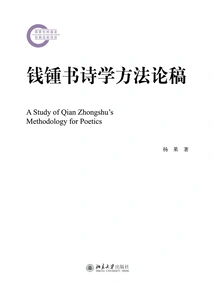
Qian Zhongshu's Poetry Methodology Draft
Literature钱锺书诗学方法论稿
Yang Guo
2017 National Social Science Fund late-stage funded project "Qian Zhongshu's Poetry Methodology Draft". Behind Qian Zhongshu's scattered poetic discussions on the surface, there is a "latent system" of poetic methods. Its rich methodological thoughts are reflected in the form layer, subject layer, critical layer and logical layer of poetic discussion. The poetic form of analyzing the world, the subjective construction of interpreting people and art, the critical mode of multiple examinations, and the argumentative logic of thinking and turning have become the distinctive features of the "Qian Studies" methodology. This method system integrates science and humanity, and provides important inspiration for the methodological construction of contemporary comparative poetry in terms of improving the quality of the research subject, dialectical reflection on "systems" and "laws", and appropriately grasping the relationship between emotion and reason.
2017 National Social Science Fund late-stage funded project "Qian Zhongshu's Poetry Methodology Draft". Behind Qian Zhongshu's scattered poetic discussions on the surface, there is a "latent system" of poetic methods. Its rich methodological thoughts are reflected in the form layer, subject layer, critical layer and logical layer of poetic discussion. The poetic form of analyzing the world, the subjective construction of interpreting people and art, the critical mode of multiple examinations, and the argumentative logic of thinking and turning have become the distinctive features of the "Qian Studies" methodology. This method system integrates science and humanity, and provides important inspiration for the methodological construction of contemporary comparative poetry in terms of improving the quality of the research subject, dialectical reflection on "systems" and "laws", and appropriately grasping the relationship between emotion and reason.
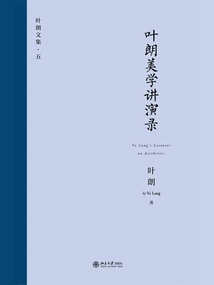
Ye Lang's Lectures on Aesthetics
Literature叶朗美学讲演录
Ye Lang
"Ye Lang's Lectures on Aesthetics" contains 18 articles in recent years by Mr. Ye Lang, senior professor of philosophy and social sciences at Peking University. The content covers four aspects: the basic theory of aesthetics, which mainly discusses the "image" theory of beauty; the spirit of Chinese aesthetics, which mainly starts from classic texts such as "Zhuangzi" and "Dream of Red Mansions" to explore the basic spirit of traditional Chinese aesthetics, highlighting the characteristics of Chinese aesthetics such as attaching great importance to the "sentient world" and attaching importance to ecology; Regarding art education, it mainly highlights the necessity and urgency of aesthetic education and art education in the current society from aspects such as the humanistic education of college students and the connotation of cultural power. The academic experience of engaging in aesthetic research highlights the connection between knowledge and individual life, and reading and writing should take into account both academic and interesting aspects. "Ye Lang's Lectures on Aesthetics" will be included in the "Ye Lang's Collected Works" series.
"Ye Lang's Lectures on Aesthetics" contains 18 articles in recent years by Mr. Ye Lang, senior professor of philosophy and social sciences at Peking University. The content covers four aspects: the basic theory of aesthetics, which mainly discusses the "image" theory of beauty; the spirit of Chinese aesthetics, which mainly starts from classic texts such as "Zhuangzi" and "Dream of Red Mansions" to explore the basic spirit of traditional Chinese aesthetics, highlighting the characteristics of Chinese aesthetics such as attaching great importance to the "sentient world" and attaching importance to ecology; Regarding art education, it mainly highlights the necessity and urgency of aesthetic education and art education in the current society from aspects such as the humanistic education of college students and the connotation of cultural power. The academic experience of engaging in aesthetic research highlights the connection between knowledge and individual life, and reading and writing should take into account both academic and interesting aspects. "Ye Lang's Lectures on Aesthetics" will be included in the "Ye Lang's Collected Works" series.
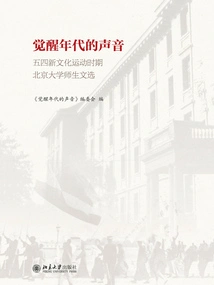
觉醒年代的声音:五四新文化运动时期北京大学师生文选
Editorial Board Of "voices Of The Awakening Age"
In order to commemorate the 100th anniversary of the founding of the Party, promote the implementation of the "Four Histories" education, encourage young people to consciously practice the core socialist values, and cultivate patriotism and the spirit of the times, Peking University organized and compiled "Voices of the Awakening Age: Selected Writings of Peking University Teachers and Students During the May Fourth New Culture Movement" based on sorting out the historical documents related to the May Fourth New Culture Movement by Peking University teachers and students. "Voices of the Awakening Age: Selected Writings of Peking University Teachers and Students During the May 4th New Culture Movement" focuses on the fundamental task of cultivating people morally in colleges and universities, and combines the work practice of teaching and educating people. It selects 52 articles by more than ten teachers and students of Peking University (including Cai Yuanpei, Chen Duxiu, Lu Xun, Hu Shi, Zhou Zuoren, Luo Jialun, Jiang Menglin, Zhang Shenfu, Yang Changji, etc.) During the May 4th New Culture Movement. According to "What is youth? Youth?" What is it?" "Ideological enlightenment, inspiring enlightenment", "reforming the past and leading the times", "transforming culture and molding it through teaching", "new road, beginning of rejuvenation" and other themes are classified and compiled into a book, in order to make hundreds of The voices of famous masters from years ago are full of new vitality today, inspiring students to pass on the legacy, forge ahead, walk the long march of this generation, and embody the responsibilities and responsibilities of young people in the new era. At the same time, "Voices of the Awakening Age: Selected Writings of Peking University Teachers and Students During the May Fourth New Culture Movement" can also provide historical materials for academic researchers in order to deepen May Fourth research, carry forward the spirit of the New Culture Movement, and inherit Chinese culture.
In order to commemorate the 100th anniversary of the founding of the Party, promote the implementation of the "Four Histories" education, encourage young people to consciously practice the core socialist values, and cultivate patriotism and the spirit of the times, Peking University organized and compiled "Voices of the Awakening Age: Selected Writings of Peking University Teachers and Students During the May Fourth New Culture Movement" based on sorting out the historical documents related to the May Fourth New Culture Movement by Peking University teachers and students. "Voices of the Awakening Age: Selected Writings of Peking University Teachers and Students During the May 4th New Culture Movement" focuses on the fundamental task of cultivating people morally in colleges and universities, and combines the work practice of teaching and educating people. It selects 52 articles by more than ten teachers and students of Peking University (including Cai Yuanpei, Chen Duxiu, Lu Xun, Hu Shi, Zhou Zuoren, Luo Jialun, Jiang Menglin, Zhang Shenfu, Yang Changji, etc.) During the May 4th New Culture Movement. According to "What is youth? Youth?" What is it?" "Ideological enlightenment, inspiring enlightenment", "reforming the past and leading the times", "transforming culture and molding it through teaching", "new road, beginning of rejuvenation" and other themes are classified and compiled into a book, in order to make hundreds of The voices of famous masters from years ago are full of new vitality today, inspiring students to pass on the legacy, forge ahead, walk the long march of this generation, and embody the responsibilities and responsibilities of young people in the new era. At the same time, "Voices of the Awakening Age: Selected Writings of Peking University Teachers and Students During the May Fourth New Culture Movement" can also provide historical materials for academic researchers in order to deepen May Fourth research, carry forward the spirit of the New Culture Movement, and inherit Chinese culture.
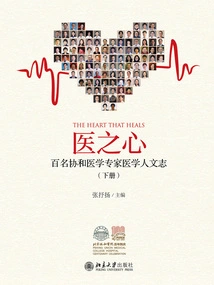
The Heart of Medicine: Medical Humanities Chronicle of One Hundred Union Medical Experts (volume 2)
Literature医之心:百名协和医学专家医学人文志(下册)
Editor-in-chief Zhang Shuyang
This book invites 102 well-known medical experts from 40 departments of Peking Union Medical College Hospital to tell stories about their medical careers. These stories show the special concerns between people, but they all carry the professional responsibility of medical skills and scientific inquiry of medical science, shining with the humanistic light of medicine. The connotation and positioning of this book is to deepen people's understanding of the practical significance of building a doctor-patient community and to uphold the concept of a human health community by presenting the beauty of medical humanities.
This book invites 102 well-known medical experts from 40 departments of Peking Union Medical College Hospital to tell stories about their medical careers. These stories show the special concerns between people, but they all carry the professional responsibility of medical skills and scientific inquiry of medical science, shining with the humanistic light of medicine. The connotation and positioning of this book is to deepen people's understanding of the practical significance of building a doctor-patient community and to uphold the concept of a human health community by presenting the beauty of medical humanities.
虚无与开花:中国当代诗歌现代性重构
Huang Nubo
Since the 1980s, Chinese contemporary poetry, while maintaining the same direction as China's modernization drive, has encountered the risk of modernity - the cultural crisis of nihilism. In the process of revealing and confronting nihilism, contemporary Chinese poetry has created a number of outstanding poets and texts. "Nihility and Blossom - The Reconstruction of Modernity in Chinese Contemporary Poetry" takes the study of the generation path of contemporary poetry and the characteristics of the times in the process of China's modernization as the main line, combs the development and transformation of poetic aesthetics since Misty Poetry, and systematically reveals the cultural crisis characteristics of nihilism in contemporary Chinese poetry, as well as the aesthetic presentation in poetry writing and texts. The author pays full attention to the connection between historical context and the transformation of poetry. He interprets and interprets texts and theories from multiple perspectives such as social, economic, and cultural development, revealing the manifestations, historical roots, contemporary soil, and immeasurable harm of nihilism. He also proposes the aesthetic spirit of contemporary Chinese poetry to resist and transcend nihilism. "Nothingness and Flowering - Reconstructing the Modernity of Contemporary Chinese Poetry" is based on a lofty vision, has a broad vision, and is full of talent in text analysis and theoretical explanation. It shows a clear and strong awareness of problems and a constructive height for the future.
Since the 1980s, Chinese contemporary poetry, while maintaining the same direction as China's modernization drive, has encountered the risk of modernity - the cultural crisis of nihilism. In the process of revealing and confronting nihilism, contemporary Chinese poetry has created a number of outstanding poets and texts. "Nihility and Blossom - The Reconstruction of Modernity in Chinese Contemporary Poetry" takes the study of the generation path of contemporary poetry and the characteristics of the times in the process of China's modernization as the main line, combs the development and transformation of poetic aesthetics since Misty Poetry, and systematically reveals the cultural crisis characteristics of nihilism in contemporary Chinese poetry, as well as the aesthetic presentation in poetry writing and texts. The author pays full attention to the connection between historical context and the transformation of poetry. He interprets and interprets texts and theories from multiple perspectives such as social, economic, and cultural development, revealing the manifestations, historical roots, contemporary soil, and immeasurable harm of nihilism. He also proposes the aesthetic spirit of contemporary Chinese poetry to resist and transcend nihilism. "Nothingness and Flowering - Reconstructing the Modernity of Contemporary Chinese Poetry" is based on a lofty vision, has a broad vision, and is full of talent in text analysis and theoretical explanation. It shows a clear and strong awareness of problems and a constructive height for the future.
Comparative Literature Thematics
Literature比较文学主题学
Meng Zhaoyi
This book is the first domestic monograph on comparative literature thematics. It follows the spirit of the key textbooks for Marxist theoretical research and construction projects, strives to combine theoretical framework with practical research, respects "original history", "original classics" and "principles", and comprehensively constructs comparative literature thematics in the Chinese context.
This book is the first domestic monograph on comparative literature thematics. It follows the spirit of the key textbooks for Marxist theoretical research and construction projects, strives to combine theoretical framework with practical research, respects "original history", "original classics" and "principles", and comprehensively constructs comparative literature thematics in the Chinese context.
一星如月:周一星和他的朋友们
The Editorial Board Of This Book
This book is a collection of memories written by his students, colleagues, and friends to celebrate the 80th birthday of Mr. Yi Xing, a Chinese urban geographer and professor at the School of Urban and Environmental Studies at Peking University. It contains 60 articles in total. From their own unique perspectives, 60 authors relive the past experiences they had with their husband, from daily moments to lifelong influences, from academic discussions to character and spirit. It is full of fun and warmth, and its richness is far more than a birthday celebration article. Everyone who has read this book is deeply affected and thinks that it is a book full of "warmth" and that it has enlightening significance for today's education methods, especially the relationship between doctoral supervisors, doctoral students, and master's students, as well as teaching methods.
This book is a collection of memories written by his students, colleagues, and friends to celebrate the 80th birthday of Mr. Yi Xing, a Chinese urban geographer and professor at the School of Urban and Environmental Studies at Peking University. It contains 60 articles in total. From their own unique perspectives, 60 authors relive the past experiences they had with their husband, from daily moments to lifelong influences, from academic discussions to character and spirit. It is full of fun and warmth, and its richness is far more than a birthday celebration article. Everyone who has read this book is deeply affected and thinks that it is a book full of "warmth" and that it has enlightening significance for today's education methods, especially the relationship between doctoral supervisors, doctoral students, and master's students, as well as teaching methods.
New Discussion on Poetry of Han Dynasty
Literature汉代诗歌新论
Ni Qixin
"A New Theory of Poetry in the Han Dynasty" is different from other writings on the literary history of the Han Dynasty. It starts from the famous unsolved case in the history of Chinese poetry - whether the popular poems with names such as Li Ling and Ban Jieyu are forged or not. It uses half the space to tell why the poets of the Han Dynasty wrote poems without leaving their names, and the contradiction between the concept and reality of poetry in the Han Dynasty. On the one hand, the tradition of inheriting and developing the culture and art of the pre-Qin Dynasty gradually established the dominance of Confucian poetry. On the one hand, the truly dynamic "vulgar" poetry of the Han Dynasty was in a state of free development and free competition. With the support of the upper class, unintentional or intentional, it challenged the past "elegant and upright" poetry, and was finally recognized as "ancient poetry" and became a new elegant and upright form. The first three chapters of "New Theory of Poetry in the Han Dynasty" are "Poets Have No Laurels", "The Rigidity and Alienation of Four-Character Poetry" and "The Rise, Fall and Stereotype of Chu Song and Sao Style". They carefully analyze the undercurrents of literary development in the middle and early Han Dynasty. The fourth chapter is "The Challenge of Emperor Wu of the Han Dynasty - the Establishment and Abolition of the Yuefu Institution" , on the other hand, shows that under certain historical conditions, the emperor's will to revitalize the country, even his almost absurd behavior, can also be consistent with the direction of historical progress. The replacement and renewal of refined and popular is irreversible. The development of Han Yuefu undoubtedly proves this point. The last three chapters of "New Theory of Poetry of the Han Dynasty" vividly exaggerate the art and beauty of the poetry of the Han Dynasty. This beauty is not the shackles of beauty restricted by metrical limitations in later generations, but the lively and vivid vitality of the ancestors. As the author of "New Theory of Poetry of the Han Dynasty" has always wanted to tell readers, the poetry of the Han Dynasty has something that has been ignored for a long time, namely bloodiness, simplicity, innocence, and an important free and unfettered spirit. This is precisely the reason why poetry exists. The poets of the Han Dynasty were praised later because they followed human nature. Therefore, all kinds of poetry formats existed in the Han Dynasty, unlike the Tang Dynasty where neat verses flourished. The content and artistic expression of poetry are also diverse, such as most of the Han Dynasty Yuefu poems that are clear and clear, simple and exaggerated; the Five Ancients of the Han Dynasty, which are praised by later generations and are said to continue the coquettish style; the Han Dynasty miscellaneous ballads that can be allegorical, allegorical or even mixed with prophecies.
"A New Theory of Poetry in the Han Dynasty" is different from other writings on the literary history of the Han Dynasty. It starts from the famous unsolved case in the history of Chinese poetry - whether the popular poems with names such as Li Ling and Ban Jieyu are forged or not. It uses half the space to tell why the poets of the Han Dynasty wrote poems without leaving their names, and the contradiction between the concept and reality of poetry in the Han Dynasty. On the one hand, the tradition of inheriting and developing the culture and art of the pre-Qin Dynasty gradually established the dominance of Confucian poetry. On the one hand, the truly dynamic "vulgar" poetry of the Han Dynasty was in a state of free development and free competition. With the support of the upper class, unintentional or intentional, it challenged the past "elegant and upright" poetry, and was finally recognized as "ancient poetry" and became a new elegant and upright form. The first three chapters of "New Theory of Poetry in the Han Dynasty" are "Poets Have No Laurels", "The Rigidity and Alienation of Four-Character Poetry" and "The Rise, Fall and Stereotype of Chu Song and Sao Style". They carefully analyze the undercurrents of literary development in the middle and early Han Dynasty. The fourth chapter is "The Challenge of Emperor Wu of the Han Dynasty - the Establishment and Abolition of the Yuefu Institution" , on the other hand, shows that under certain historical conditions, the emperor's will to revitalize the country, even his almost absurd behavior, can also be consistent with the direction of historical progress. The replacement and renewal of refined and popular is irreversible. The development of Han Yuefu undoubtedly proves this point. The last three chapters of "New Theory of Poetry of the Han Dynasty" vividly exaggerate the art and beauty of the poetry of the Han Dynasty. This beauty is not the shackles of beauty restricted by metrical limitations in later generations, but the lively and vivid vitality of the ancestors. As the author of "New Theory of Poetry of the Han Dynasty" has always wanted to tell readers, the poetry of the Han Dynasty has something that has been ignored for a long time, namely bloodiness, simplicity, innocence, and an important free and unfettered spirit. This is precisely the reason why poetry exists. The poets of the Han Dynasty were praised later because they followed human nature. Therefore, all kinds of poetry formats existed in the Han Dynasty, unlike the Tang Dynasty where neat verses flourished. The content and artistic expression of poetry are also diverse, such as most of the Han Dynasty Yuefu poems that are clear and clear, simple and exaggerated; the Five Ancients of the Han Dynasty, which are praised by later generations and are said to continue the coquettish style; the Han Dynasty miscellaneous ballads that can be allegorical, allegorical or even mixed with prophecies.
A Review of the Study of Sui, Tang and Five Dynasties Literature in the 20th Century (two Volumes)
Literature20世纪隋唐五代文学研究述论(全二册)
Du Xiaoqin
In the 20th century, the study of literature in the Sui, Tang and Five Dynasties underwent tremendous changes and developed rapidly, showing a trend of gradually expanding the scope of topics, constantly updating research methods, and significantly expanding the depth of research. During this period, a huge number of research results emerged, and there were many original ideas. It is an academic foundation that cannot be bypassed when engaging in research in this field today. This book reviews the academic achievements in the field of literary studies of the Sui, Tang and Five Dynasties in the 20th century from multiple dimensions, including the study of the dynasty literary history of the Sui Dynasty, the early Tang, the prosperous Tang, the middle Tang, the late Tang and the Five Dynasties, as well as the research on Wang Wei, Meng Haoran, Li Bai, Du Fu, and Bai Juyi. It is a systematic review and a relatively comprehensive summary of the research results in this field in the twentieth century. This book can guide researchers who are new to this field or a certain direction in reading, and it can also help them see clearly the ability of various academic viewpoints to withstand the test of time, and improve their discernment and judgment of academic value.
In the 20th century, the study of literature in the Sui, Tang and Five Dynasties underwent tremendous changes and developed rapidly, showing a trend of gradually expanding the scope of topics, constantly updating research methods, and significantly expanding the depth of research. During this period, a huge number of research results emerged, and there were many original ideas. It is an academic foundation that cannot be bypassed when engaging in research in this field today. This book reviews the academic achievements in the field of literary studies of the Sui, Tang and Five Dynasties in the 20th century from multiple dimensions, including the study of the dynasty literary history of the Sui Dynasty, the early Tang, the prosperous Tang, the middle Tang, the late Tang and the Five Dynasties, as well as the research on Wang Wei, Meng Haoran, Li Bai, Du Fu, and Bai Juyi. It is a systematic review and a relatively comprehensive summary of the research results in this field in the twentieth century. This book can guide researchers who are new to this field or a certain direction in reading, and it can also help them see clearly the ability of various academic viewpoints to withstand the test of time, and improve their discernment and judgment of academic value.
The Beauty of Fu: Application Fields and Writing Methods of Parallel Prose in the Song Dynasty
Literature黼黻之美:宋代骈文的应用场域与书写方式
Zhou Jianzhi
Parallel prose in the Song Dynasty paid attention to the twists and turns of affairs and the clarity of narrative, and emphasized the molding and edification of knowledge and the grandeur and profoundness of the atmosphere. It not only demonstrated the talents and academic qualities of the scholar class with literary thoughts and talents, but also echoed the etiquette of the civil service system with style and appearance, and polished the grand plans of the imperial society. "The Beauty of Fu: The Application Fields and Writing Methods of Parallel Prose in the Song Dynasty" attempts to make a detailed observation and comprehensive grasp of the application fields and writing methods of Parallel Prose in the Song Dynasty. Focusing on the highlighting of etiquette attributes and identity consciousness, it outlines the accumulation, formation and flow changes of the writing paradigm. From this, it explores the transformation of the aesthetic temperament of Parallel Prose in the Song Dynasty, understands the way of thinking and survival of the Song Dynasty scholars in coping with the times, and enters into their spiritual world and literary world.
Parallel prose in the Song Dynasty paid attention to the twists and turns of affairs and the clarity of narrative, and emphasized the molding and edification of knowledge and the grandeur and profoundness of the atmosphere. It not only demonstrated the talents and academic qualities of the scholar class with literary thoughts and talents, but also echoed the etiquette of the civil service system with style and appearance, and polished the grand plans of the imperial society. "The Beauty of Fu: The Application Fields and Writing Methods of Parallel Prose in the Song Dynasty" attempts to make a detailed observation and comprehensive grasp of the application fields and writing methods of Parallel Prose in the Song Dynasty. Focusing on the highlighting of etiquette attributes and identity consciousness, it outlines the accumulation, formation and flow changes of the writing paradigm. From this, it explores the transformation of the aesthetic temperament of Parallel Prose in the Song Dynasty, understands the way of thinking and survival of the Song Dynasty scholars in coping with the times, and enters into their spiritual world and literary world.
Medical Heart: Medical Humanities Chronicle of One Hundred Union Medical Experts (volume 1)
Literature医之心:百名协和医学专家医学人文志(上册)
Editor-in-chief Zhang Shuyang
This book invites 102 well-known medical experts from 40 departments of Peking Union Medical College Hospital to tell the most impressive stories in their medical careers. These stories show the special concerns between people, but they all carry the professional responsibility of medical skills and scientific inquiry of medical science, shining with the humanistic light of medicine. The connotation and positioning of this book is to deepen people's understanding of the practical significance of building a doctor-patient community and to uphold the concept of a human health community by presenting the beauty of medical humanities.
This book invites 102 well-known medical experts from 40 departments of Peking Union Medical College Hospital to tell the most impressive stories in their medical careers. These stories show the special concerns between people, but they all carry the professional responsibility of medical skills and scientific inquiry of medical science, shining with the humanistic light of medicine. The connotation and positioning of this book is to deepen people's understanding of the practical significance of building a doctor-patient community and to uphold the concept of a human health community by presenting the beauty of medical humanities.
中国文体论:原初生成与现代嬗变
Yao Aibin
"Chinese Style Theory: Original Generation and Modern Evolution" uses methods such as contextual restoration, original classic analysis, historical integration, and comparison between China and Japan to deeply reflect on many issues in the original generation and modern evolution of Chinese stylistics. First, from the conceptual level, we examine the evolution process from the dominant "wen" and "article" concepts in the pre-Qin and Han dynasties to the "style" concept that emerged in the late Han and Wei dynasties, compare the different connotations of the "article" concept and the "style" concept, analyze the literary motivations and cultural context of the generation and development of ancient stylistic theory, and reveal the literary historical significance of the concept of "style" and the emergence of stylistic theory. It then traces the evolution of Chinese stylistics from tradition to modernity, and reveals the formation history of modern Chinese stylistics with "linguistic form" as its core connotation under the multiple historical and cultural backgrounds such as Sino-Japanese exchanges, changes in ancient and modern times, and the spread of Western learning to the east. The Japanese acceptance of traditional stylistic concepts and the different influences of modern Japanese stylistic concepts, Western genres and stylistics on the formation process of modern Chinese stylistic concepts, and an in-depth exploration of the internal dynamics, mechanisms and laws of the spread, influence, evolution and transformation of Chinese, Japanese and Western "style" concepts. "Chinese Style Theory: Primitive Generation and Modern Evolution" also uses the reinterpreted ancient stylistic theory as the academic basis to elucidate the origin and development of the seven-character poetry style as well as important literary theory categories such as "tongbian", "character" and "qizheng" in a more consistent with the historical context.
"Chinese Style Theory: Original Generation and Modern Evolution" uses methods such as contextual restoration, original classic analysis, historical integration, and comparison between China and Japan to deeply reflect on many issues in the original generation and modern evolution of Chinese stylistics. First, from the conceptual level, we examine the evolution process from the dominant "wen" and "article" concepts in the pre-Qin and Han dynasties to the "style" concept that emerged in the late Han and Wei dynasties, compare the different connotations of the "article" concept and the "style" concept, analyze the literary motivations and cultural context of the generation and development of ancient stylistic theory, and reveal the literary historical significance of the concept of "style" and the emergence of stylistic theory. It then traces the evolution of Chinese stylistics from tradition to modernity, and reveals the formation history of modern Chinese stylistics with "linguistic form" as its core connotation under the multiple historical and cultural backgrounds such as Sino-Japanese exchanges, changes in ancient and modern times, and the spread of Western learning to the east. The Japanese acceptance of traditional stylistic concepts and the different influences of modern Japanese stylistic concepts, Western genres and stylistics on the formation process of modern Chinese stylistic concepts, and an in-depth exploration of the internal dynamics, mechanisms and laws of the spread, influence, evolution and transformation of Chinese, Japanese and Western "style" concepts. "Chinese Style Theory: Primitive Generation and Modern Evolution" also uses the reinterpreted ancient stylistic theory as the academic basis to elucidate the origin and development of the seven-character poetry style as well as important literary theory categories such as "tongbian", "character" and "qizheng" in a more consistent with the historical context.
中国当代文学批评史
Editor-in-chief Chen Xiaoming
China's modern cultural transformation may have been like the development of Western modern culture, with a romantic cultural movement accompanying it. However, in China, the transforming modern culture has always been dominated by the urgent needs of social reality, and social reality has not given it a little room to breathe. As a result, such a cultural movement that was originally romanticism has turned into a high-profile realism movement. "History of Contemporary Chinese Literary Criticism" takes the theoretical criticism of realism as a main line, reveals its entire process of construction and movement, radicalization and transition, variation and diversity, and examines the difficult path that Chinese contemporary literary criticism has taken. Because of realism, Chinese literary criticism strictly limits itself and can only dance within the boundaries given by realism; also because of realism, Chinese literary criticism is deeply imprinted with its own history. All realistic desires, burdens, and escapes are related to this. Literary criticism and literary creation seem to bear and atone for reality. The history of literary criticism is not simply about political affirmation or negation. It is intense and pathos, crude and complex, direct yet changeable.
China's modern cultural transformation may have been like the development of Western modern culture, with a romantic cultural movement accompanying it. However, in China, the transforming modern culture has always been dominated by the urgent needs of social reality, and social reality has not given it a little room to breathe. As a result, such a cultural movement that was originally romanticism has turned into a high-profile realism movement. "History of Contemporary Chinese Literary Criticism" takes the theoretical criticism of realism as a main line, reveals its entire process of construction and movement, radicalization and transition, variation and diversity, and examines the difficult path that Chinese contemporary literary criticism has taken. Because of realism, Chinese literary criticism strictly limits itself and can only dance within the boundaries given by realism; also because of realism, Chinese literary criticism is deeply imprinted with its own history. All realistic desires, burdens, and escapes are related to this. Literary criticism and literary creation seem to bear and atone for reality. The history of literary criticism is not simply about political affirmation or negation. It is intense and pathos, crude and complex, direct yet changeable.
古典诗文心解(全2册)
Ni Qixin
This book is a collection of Mr. Ni Qixin's works and is divided into three parts. The first part is Mr. Ni's representative research articles on classical poetry and prose since his academic studies. It does not involve opera novels. It is also accompanied by three papers on literature. The articles in this part are representative works of Mr. Ni's academic studies for more than 30 years. There are many insights on ancient poetry and literature, which are of great reference for the current research on classical poetry and prose. The second part is about academic research. Mr. Ni is a student of Mr. Lin Geng. He is rigorous in scholarship and knowledgeable. This part chooses Mr. Ni's daily essays and academic insights, which will be of great benefit to our current research on literature and history. The third part is the appreciation of classical masterpieces. These articles were written in the 1980s. During this period, many famous scholars had a special liking for appreciation articles and wrote many popular famous articles. Famous scholars such as Jin Kaicheng, Chu Binjie, Yuan Xingpei and other famous scholars had a large number of appreciation articles. This was also a response to the overwhelming needs of the 1980s and the people's extreme thirst for knowledge. The appreciation of these famous writers not only emphasizes explanations, but also sublimates, explaining profound things in simple terms. From this we can also get a glimpse of the current academic trends.
This book is a collection of Mr. Ni Qixin's works and is divided into three parts. The first part is Mr. Ni's representative research articles on classical poetry and prose since his academic studies. It does not involve opera novels. It is also accompanied by three papers on literature. The articles in this part are representative works of Mr. Ni's academic studies for more than 30 years. There are many insights on ancient poetry and literature, which are of great reference for the current research on classical poetry and prose. The second part is about academic research. Mr. Ni is a student of Mr. Lin Geng. He is rigorous in scholarship and knowledgeable. This part chooses Mr. Ni's daily essays and academic insights, which will be of great benefit to our current research on literature and history. The third part is the appreciation of classical masterpieces. These articles were written in the 1980s. During this period, many famous scholars had a special liking for appreciation articles and wrote many popular famous articles. Famous scholars such as Jin Kaicheng, Chu Binjie, Yuan Xingpei and other famous scholars had a large number of appreciation articles. This was also a response to the overwhelming needs of the 1980s and the people's extreme thirst for knowledge. The appreciation of these famous writers not only emphasizes explanations, but also sublimates, explaining profound things in simple terms. From this we can also get a glimpse of the current academic trends.