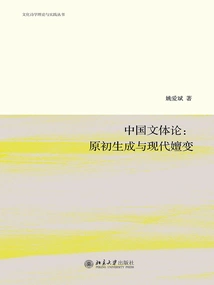
Theory of Chinese Stylistics: Original Generation and Modern Evolution
by Yao Aibin
About This Novel
"Chinese Style Theory: Original Generation and Modern Evolution" uses methods such as contextual restoration, original classic analysis, historical integration, and comparison between China and Japan to deeply reflect on many issues in the original generation and modern evolution of Chinese stylistics. First, from the conceptual level, we examine the evolution process from the dominant "wen" and "article" concepts in the pre-Qin and Han dynasties to the "style" concept that emerged in the late Han and Wei dynasties, compare the different connotations of the "article" concept and the "style" concept, analyze the literary motivations and cultural context of the generation and development of ancient stylistic theory, and reveal the literary historical significance of the concept of "style" and the emergence of stylistic theory. It then traces the evolution of Chinese stylistics from tradition to modernity, and reveals the formation history of modern Chinese stylistics with "linguistic form" as its core connotation under the multiple historical and cultural backgrounds such as Sino-Japanese exchanges, changes in ancient and modern times, and the spread of Western learning to the east. The Japanese acceptance of traditional stylistic concepts and the different influences of modern Japanese stylistic concepts, Western genres and stylistics on the formation process of modern Chinese stylistic concepts, and an in-depth exploration of the internal dynamics, mechanisms and laws of the spread, influence, evolution and transformation of Chinese, Japanese and Western "style" concepts. "Chinese Style Theory: Primitive Generation and Modern Evolution" also uses the reinterpreted ancient stylistic theory as the academic basis to elucidate the origin and development of the seven-character poetry style as well as important literary theory categories such as "tongbian", "character" and "qizheng" in a more consistent with the historical context.
Official Sources
What Readers Think
Rating
Community(0)
Rating
Community(0)