Library
Browse and search novels
25,832 novels found
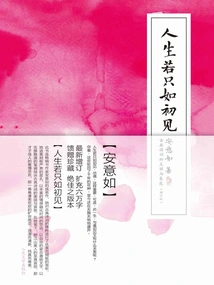
人生若只如初见
An Yiru
Best-selling author An Yiru has become famous for her beautiful and delicate appreciation of the essence of classical poetry. She escapes the rigid and serious face, melts the distance of time with her rich emotions, inspires words with her free attitude, and expresses the beauty and sadness of classical poetry with her elegant and elegant writing style. In her writings, the true sadness of beautiful women, the joys and sorrows of separation of talented men and beautiful women, and the scenes of poignant and joyful love are all romantic and fresh, pure and beautiful.
Best-selling author An Yiru has become famous for her beautiful and delicate appreciation of the essence of classical poetry. She escapes the rigid and serious face, melts the distance of time with her rich emotions, inspires words with her free attitude, and expresses the beauty and sadness of classical poetry with her elegant and elegant writing style. In her writings, the true sadness of beautiful women, the joys and sorrows of separation of talented men and beautiful women, and the scenes of poignant and joyful love are all romantic and fresh, pure and beautiful.
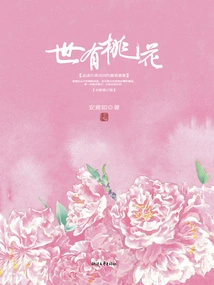
There Are Peach Blossoms in the World
Literature世有桃花
An Yiru
An Yi is like "Peach Blossoms in the World" from "Three Realms of Classical Aesthetics", reading the beautiful images of classical poetry. From the first marriage in the Book of Songs to the turmoil of the Qin and Han Dynasties, the brightness of the Tang Dynasty, and the beauty of the Song Dynasty, the image of peach blossoms continues endlessly in classical poetry, covering its branches and reincarnations. People can easily understand the symbolic meaning of pine, bamboo, plum orchid in Chinese culture, but it is not easy to understand the cultural connotation of things like peach blossoms. Peach blossoms in China are too complicated. Whenever I think of them, there is an ambiguity that is difficult to describe. If you look at a peach blossom, it becomes a world of its own. 49 Beautiful words, with poetry as the source and peach blossoms as the entrance, convey the love from the past to the present one by one.
An Yi is like "Peach Blossoms in the World" from "Three Realms of Classical Aesthetics", reading the beautiful images of classical poetry. From the first marriage in the Book of Songs to the turmoil of the Qin and Han Dynasties, the brightness of the Tang Dynasty, and the beauty of the Song Dynasty, the image of peach blossoms continues endlessly in classical poetry, covering its branches and reincarnations. People can easily understand the symbolic meaning of pine, bamboo, plum orchid in Chinese culture, but it is not easy to understand the cultural connotation of things like peach blossoms. Peach blossoms in China are too complicated. Whenever I think of them, there is an ambiguity that is difficult to describe. If you look at a peach blossom, it becomes a world of its own. 49 Beautiful words, with poetry as the source and peach blossoms as the entrance, convey the love from the past to the present one by one.
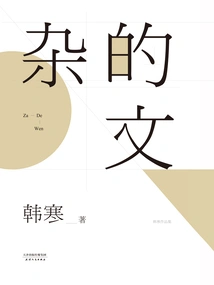
Miscellaneous Articles
Literature杂的文
Han Han
This book is a collection of essays based on Han Han's own unique way of thinking, commenting on current affairs, humanities, movies, art, racing, etc. What kind of things make Han Han have the courage to speak directly to people's hearts; what kind of people will attract Han Han's attention; what kind of movies are worth talking about. Han Han said: Words without weight have no power.
This book is a collection of essays based on Han Han's own unique way of thinking, commenting on current affairs, humanities, movies, art, racing, etc. What kind of things make Han Han have the courage to speak directly to people's hearts; what kind of people will attract Han Han's attention; what kind of movies are worth talking about. Han Han said: Words without weight have no power.
Q
LiteratureQ
K
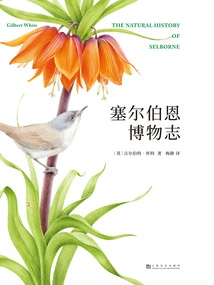
Selborne is a small village located 50 miles southwest of London, England, and is also the hometown of the author White. White loved nature and liked to observe biological dynamics. He often corresponded with two friends in London who were also engaged in natural history research and exchanged observations. "Selborne Natural History" was written on the basis of these letters. With a leisurely attitude and a rigorous scientific attitude, White described the natural scenery of the British countryside and observed and recorded the birds, animals and plants of Selborne. His simple and straightforward writing depicts Selborne like a picture scroll, and at the same time shows the British rural life in the 18th century, full of pastoral interest.
Selborne is a small village located 50 miles southwest of London, England, and is also the hometown of the author White. White loved nature and liked to observe biological dynamics. He often corresponded with two friends in London who were also engaged in natural history research and exchanged observations. "Selborne Natural History" was written on the basis of these letters. With a leisurely attitude and a rigorous scientific attitude, White described the natural scenery of the British countryside and observed and recorded the birds, animals and plants of Selborne. His simple and straightforward writing depicts Selborne like a picture scroll, and at the same time shows the British rural life in the 18th century, full of pastoral interest.
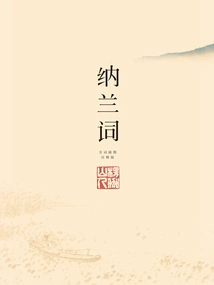
Nalan Ci (illustrated Annotated Edition)
Literature纳兰词(插图注释版)
(qing Dynasty) Written By Nalan Xingde, Illustrated By Shi Tao
About the edition: This edition is based on "Tongzhitang Collection" and is comprehensively revised with reference to 16 important editions such as Wang's edition and Yuyuan edition. Contains 348 complete words. Text part: full-text annotation and phonetic notation for smooth reading; upper and lower paragraphs, situational sentence fragmentation, and interior design full of humanistic care; a brief explanation of the creation time and background; retaining important idioms and providing interpretations from different perspectives. Illustrations: Shi Tao's high-definition collection, 10 authentic calligraphy works of Nalan, and famous paintings appraised and chanted by Nalan.
About the edition: This edition is based on "Tongzhitang Collection" and is comprehensively revised with reference to 16 important editions such as Wang's edition and Yuyuan edition. Contains 348 complete words. Text part: full-text annotation and phonetic notation for smooth reading; upper and lower paragraphs, situational sentence fragmentation, and interior design full of humanistic care; a brief explanation of the creation time and background; retaining important idioms and providing interpretations from different perspectives. Illustrations: Shi Tao's high-definition collection, 10 authentic calligraphy works of Nalan, and famous paintings appraised and chanted by Nalan.
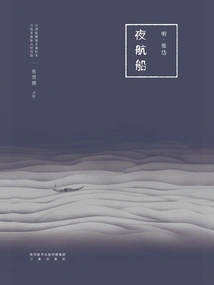
Night Boat
Literature夜航船
(ming Dynasty) Written By Zhang Dai And Edited By Zhang Xuejian
"Night Sailing" is an "encyclopedia" from three hundred years ago, and it is also the world in the eyes of Zhang Dai, a scholar. From astronomy and geography, the four directions of the stars to the three religions and nine streams, through the ages, it is either serious, humorous, serious, or joking, it covers everything and makes you want to read it. In 1665, sixty-nine-year-old Zhang Dai wrote an epitaph for himself, which did not mention "Night Sailing". In 1689, Zhang Dai died at the age of ninety-three. "Night Sailing" has since been lost. Three hundred years later, the dust-covered manuscript appeared in the world and was hidden in Tianyi Pavilion in Ningbo. "Night Sailing" reappeared.
"Night Sailing" is an "encyclopedia" from three hundred years ago, and it is also the world in the eyes of Zhang Dai, a scholar. From astronomy and geography, the four directions of the stars to the three religions and nine streams, through the ages, it is either serious, humorous, serious, or joking, it covers everything and makes you want to read it. In 1665, sixty-nine-year-old Zhang Dai wrote an epitaph for himself, which did not mention "Night Sailing". In 1689, Zhang Dai died at the age of ninety-three. "Night Sailing" has since been lost. Three hundred years later, the dust-covered manuscript appeared in the world and was hidden in Tianyi Pavilion in Ningbo. "Night Sailing" reappeared.
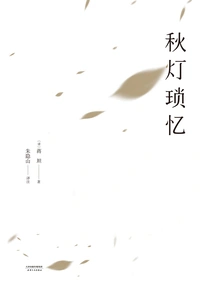
Aa
Literatureaa
K
"Memories of Autumn Lanterns" is a prose by Qing Dynasty scholar Jiang Tan reminiscing about trivial matters in daily life with his beloved wife Guan Rong (Guan Qiufu). It is full of elegance, talent, leisurely interest and poetic flavor. The narration of the whole book is vivid, the diction is clear and elegant, and the emotions are pure and touching. After that, Jiang Tan dedicated himself to worshiping Buddha. At the age of 40, his family was trapped in Hangzhou due to war and died of cold and starvation. The sorrow of the impermanence of the world can make people cry. This publication is based on the Qiantang Chiang Chaoyuan publication in the second year of Xianfeng (1852), and is carefully revised with reference to the punctuation typesetting edition of Zhu Jianmang's "Beautiful Literary Masterpiece Series" compiled by World Book Company in 1935. Specially invited Suzhou University teacher and young poet Zhu Yinshan's vernacular translation and annotation, which can be fully understood without any basic knowledge of ancient Chinese. The appendix is the preface to the first edition in the second year of Xianfeng, which includes "Hundred Poems by Chiang and Guan" and "Chronology and Biographies" as an aid to understanding Chiang and Guan.
"Memories of Autumn Lanterns" is a prose by Qing Dynasty scholar Jiang Tan reminiscing about trivial matters in daily life with his beloved wife Guan Rong (Guan Qiufu). It is full of elegance, talent, leisurely interest and poetic flavor. The narration of the whole book is vivid, the diction is clear and elegant, and the emotions are pure and touching. After that, Jiang Tan dedicated himself to worshiping Buddha. At the age of 40, his family was trapped in Hangzhou due to war and died of cold and starvation. The sorrow of the impermanence of the world can make people cry. This publication is based on the Qiantang Chiang Chaoyuan publication in the second year of Xianfeng (1852), and is carefully revised with reference to the punctuation typesetting edition of Zhu Jianmang's "Beautiful Literary Masterpiece Series" compiled by World Book Company in 1935. Specially invited Suzhou University teacher and young poet Zhu Yinshan's vernacular translation and annotation, which can be fully understood without any basic knowledge of ancient Chinese. The appendix is the preface to the first edition in the second year of Xianfeng, which includes "Hundred Poems by Chiang and Guan" and "Chronology and Biographies" as an aid to understanding Chiang and Guan.
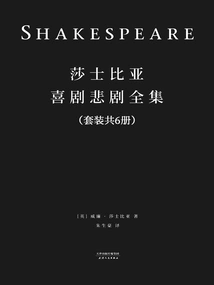
莎士比亚喜剧悲剧全集(套装共六册)
G
A complete collection of twenty-three plays from Shakespeare's comedies and tragedies. There are six volumes in total, three volumes of comedy and three volumes of tragedy. In 1947, "The Complete Works of Shakespeare's Dramas" translated by Mr. Zhu Shenghao was published by World Book Company. The entire book was selected and edited based on this edition. As one of China's earliest translators of Shakespeare's works, Zhu Shenghao's primary purpose of translation is to "maintain the charm of the original work", followed by clarity. It has been translated for more than seventy years and is still very popular. Zhu's translation is basically consistent with the style of today's Chinese. The distinctive Wu dialect and words that are unknown to modern readers but are rich in allusions and have great literary talent are all preserved in this edition. If combined with the context, these expressions will not cause obstacles to understanding the original text, and readers can also appreciate the charm of the original translation.
A complete collection of twenty-three plays from Shakespeare's comedies and tragedies. There are six volumes in total, three volumes of comedy and three volumes of tragedy. In 1947, "The Complete Works of Shakespeare's Dramas" translated by Mr. Zhu Shenghao was published by World Book Company. The entire book was selected and edited based on this edition. As one of China's earliest translators of Shakespeare's works, Zhu Shenghao's primary purpose of translation is to "maintain the charm of the original work", followed by clarity. It has been translated for more than seventy years and is still very popular. Zhu's translation is basically consistent with the style of today's Chinese. The distinctive Wu dialect and words that are unknown to modern readers but are rich in allusions and have great literary talent are all preserved in this edition. If combined with the context, these expressions will not cause obstacles to understanding the original text, and readers can also appreciate the charm of the original translation.
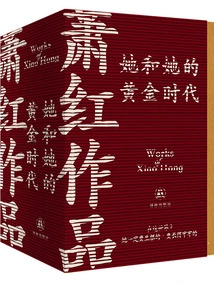
她和她的黄金时代(萧红作品)
Xiao Hong
Xiao Hong is a modern Chinese female writer and one of the four most talented women in the Republic of China. She is known as the "Luo Shen of Literature in the 1930s". She entered the literary world at the age of twenty-three and became famous with "The Field of Life and Death". Lu Xun praised her as "the most promising female writer in contemporary China". Xiao Hong was only thirty-one years old, but she left behind works of genius that are still praised today. In April 1933, Xiao Hong published the novel "The Abandoned Child" under the pseudonym "Quiet Yin". This was her first published work and started her writing career. "Xiao Hong's Works: She and Her Golden Age" is a commemorative edition of the letter set celebrating the 90th anniversary of Xiao Hong's creative career, including the representative novels "The Field of Life and Death", "The Story of the Hulan River" and "Mabele" and the representative prose work "Shangshi Street". "The Story of Hulan River" is prefaced by Mao Dun and is Xiao Hong's masterpiece. Xiao Hong uses her own childhood life as a line to describe the customs and customs of a small northeastern town in the 1920s and 1930s. Write about the pure joy and pure desolation of childhood in the world of ice and snow. "The Field of Life and Death" was prefaced by Lu Xun and became a famous work by Xiao Hong. It shocked the literary world upon its publication in 1935. The book is set in the countryside near Harbin, and vividly depicts the "strength of life" and "struggle of death" of ordinary people at the bottom. "Mabele" is Xiao Hong's masterpiece and a masterpiece of long satire. Marble was a bystander of that era, a redundant person. Even after more than half a century, watching Ma Bole still makes people feel that he is around, even that he is himself. The complete collection of Xiao Hong's prose in "Shangshi Street" includes for the first time rare original images of many of Xiao Hong's works from the first issue. From 1933 to 1941, in order of writing time, it contains ninety-two masterpieces such as "Abandoned Children", "Hotel Europa" and "Memories of Mr. Lu Xun". From her early twenties to the end of her life in her thirties, her temperament writings in the past ten years have become a true record of Xiao Hong's "golden age".
Xiao Hong is a modern Chinese female writer and one of the four most talented women in the Republic of China. She is known as the "Luo Shen of Literature in the 1930s". She entered the literary world at the age of twenty-three and became famous with "The Field of Life and Death". Lu Xun praised her as "the most promising female writer in contemporary China". Xiao Hong was only thirty-one years old, but she left behind works of genius that are still praised today. In April 1933, Xiao Hong published the novel "The Abandoned Child" under the pseudonym "Quiet Yin". This was her first published work and started her writing career. "Xiao Hong's Works: She and Her Golden Age" is a commemorative edition of the letter set celebrating the 90th anniversary of Xiao Hong's creative career, including the representative novels "The Field of Life and Death", "The Story of the Hulan River" and "Mabele" and the representative prose work "Shangshi Street". "The Story of Hulan River" is prefaced by Mao Dun and is Xiao Hong's masterpiece. Xiao Hong uses her own childhood life as a line to describe the customs and customs of a small northeastern town in the 1920s and 1930s. Write about the pure joy and pure desolation of childhood in the world of ice and snow. "The Field of Life and Death" was prefaced by Lu Xun and became a famous work by Xiao Hong. It shocked the literary world upon its publication in 1935. The book is set in the countryside near Harbin, and vividly depicts the "strength of life" and "struggle of death" of ordinary people at the bottom. "Mabele" is Xiao Hong's masterpiece and a masterpiece of long satire. Marble was a bystander of that era, a redundant person. Even after more than half a century, watching Ma Bole still makes people feel that he is around, even that he is himself. The complete collection of Xiao Hong's prose in "Shangshi Street" includes for the first time rare original images of many of Xiao Hong's works from the first issue. From 1933 to 1941, in order of writing time, it contains ninety-two masterpieces such as "Abandoned Children", "Hotel Europa" and "Memories of Mr. Lu Xun". From her early twenties to the end of her life in her thirties, her temperament writings in the past ten years have become a true record of Xiao Hong's "golden age".
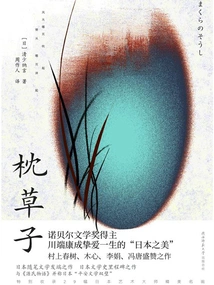
L
Literaturel
H
"Pillow" is the pioneer work of Japanese essay literature. There are 305 paragraphs in the book, which are divided into three categories: diary, diary, and random thoughts. The random list lists various things in life, involving geographical features, vegetation, flowers and birds, life interests, etc., Reflecting Seishonagon's aesthetic taste; the diary records Seishonagon's life in the palace, from which we can understand the living conditions and tastes of the royal family and nobles in Japan's Heian period; the random thoughts are random feelings in the face of nature and life, expressing a bright and free attitude towards life.
"Pillow" is the pioneer work of Japanese essay literature. There are 305 paragraphs in the book, which are divided into three categories: diary, diary, and random thoughts. The random list lists various things in life, involving geographical features, vegetation, flowers and birds, life interests, etc., Reflecting Seishonagon's aesthetic taste; the diary records Seishonagon's life in the palace, from which we can understand the living conditions and tastes of the royal family and nobles in Japan's Heian period; the random thoughts are random feelings in the face of nature and life, expressing a bright and free attitude towards life.
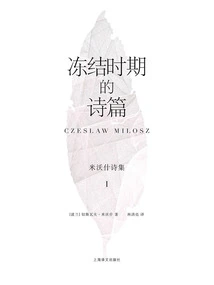
冻结时期的诗篇:米沃什诗集Ⅰ
(poland) Czeslaw Miłosz
"The purpose of poetry is, and can only be, salvation." "Poems in the Frozen Period: Miłosz's Collected Poems I" contains 56 poems by Miłosz, from "Poems in the Frozen Period" (1933), "Three Winters" (1936), "Salvation" (1945), The Light of Day (1953), "On Poetry" (1957) and "King Poppierre and Others" (1962). Most of them are long poems, which include rich lyricism and description, as well as fierce and indignant ridicule and criticism. During this period, Milosz witnessed many historical events and wrote famous works such as "Piazza Fiori". Czeslaw Milosz, one of the greatest poets of the 20th century, defined the tragedy and beauty of his era with unparalleled precision and elegance. His poems, whether they describe his boyhood in Poland, his grief in war-torn Warsaw, or his pursuit of faith, are all astonishing and awe-inspiring, and they convey a strong sense of life and the individuality of ordinary life. The poem's exploration of death, war, love and faith is gripping, shocking and thought-provoking: "The existence of this land itself is far beyond the description of any language." "Miłosz's Collected Poems" contains 335 of the poet's poems from 1931 to 2001. This poem chapter, according to the year of creation and publication, is divided into four volumes: "Poems of the Frozen Period", "Enchanted Guqiao", "Reminiscences of Homeland" and "Facing the River". It was directly translated from Polish by Polish literature experts. It is the first time that the complete picture of Miłosz's poetry is presented in the Chinese world.
"The purpose of poetry is, and can only be, salvation." "Poems in the Frozen Period: Miłosz's Collected Poems I" contains 56 poems by Miłosz, from "Poems in the Frozen Period" (1933), "Three Winters" (1936), "Salvation" (1945), The Light of Day (1953), "On Poetry" (1957) and "King Poppierre and Others" (1962). Most of them are long poems, which include rich lyricism and description, as well as fierce and indignant ridicule and criticism. During this period, Milosz witnessed many historical events and wrote famous works such as "Piazza Fiori". Czeslaw Milosz, one of the greatest poets of the 20th century, defined the tragedy and beauty of his era with unparalleled precision and elegance. His poems, whether they describe his boyhood in Poland, his grief in war-torn Warsaw, or his pursuit of faith, are all astonishing and awe-inspiring, and they convey a strong sense of life and the individuality of ordinary life. The poem's exploration of death, war, love and faith is gripping, shocking and thought-provoking: "The existence of this land itself is far beyond the description of any language." "Miłosz's Collected Poems" contains 335 of the poet's poems from 1931 to 2001. This poem chapter, according to the year of creation and publication, is divided into four volumes: "Poems of the Frozen Period", "Enchanted Guqiao", "Reminiscences of Homeland" and "Facing the River". It was directly translated from Polish by Polish literature experts. It is the first time that the complete picture of Miłosz's poetry is presented in the Chinese world.
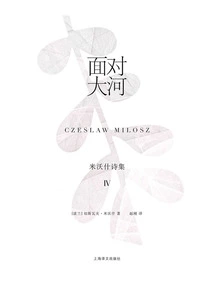
Facing the River: Miłosz's Poems Iv
Literature面对大河:米沃什诗集Ⅳ
I
"The pine trees have been injured, but they are growing uncontrollably." "Facing the River: Miłosz Poems IV" contains 120 of Miłosz's poems, from "Facing the River" (1995), "The Puppy on the Road" (1998) and "This" (2000). The poem contains conversations with other people, a cold description of the world, and the passion between the lines is still there, continuing the discussion of good and evil, truth and freedom. The poet blends personal experience with historical perspective to reveal a revelatory insight. Czeslaw Milosz, one of the greatest poets of the 20th century, defined the tragedy and beauty of his era with unparalleled precision and elegance. His poems, whether they describe his boyhood in Poland, his grief in war-torn Warsaw, or his pursuit of faith, are all astonishing and awe-inspiring, and they convey a strong sense of life and the individuality of ordinary life. The poem's exploration of death, war, love and faith is gripping, shocking and thought-provoking: "The existence of this land itself is far beyond the description of any language." "Miłosz's Collected Poems" contains 335 of the poet's poems from 1931 to 2001. This poem chapter, according to the year of creation and publication, is divided into four volumes: "Poems of the Frozen Period", "Enchanted Guqiao", "Reminiscences of Homeland" and "Facing the River". It was directly translated from Polish by Polish literature experts. It is the first time that the complete picture of Miłosz's poetry is presented in the Chinese world.
"The pine trees have been injured, but they are growing uncontrollably." "Facing the River: Miłosz Poems IV" contains 120 of Miłosz's poems, from "Facing the River" (1995), "The Puppy on the Road" (1998) and "This" (2000). The poem contains conversations with other people, a cold description of the world, and the passion between the lines is still there, continuing the discussion of good and evil, truth and freedom. The poet blends personal experience with historical perspective to reveal a revelatory insight. Czeslaw Milosz, one of the greatest poets of the 20th century, defined the tragedy and beauty of his era with unparalleled precision and elegance. His poems, whether they describe his boyhood in Poland, his grief in war-torn Warsaw, or his pursuit of faith, are all astonishing and awe-inspiring, and they convey a strong sense of life and the individuality of ordinary life. The poem's exploration of death, war, love and faith is gripping, shocking and thought-provoking: "The existence of this land itself is far beyond the description of any language." "Miłosz's Collected Poems" contains 335 of the poet's poems from 1931 to 2001. This poem chapter, according to the year of creation and publication, is divided into four volumes: "Poems of the Frozen Period", "Enchanted Guqiao", "Reminiscences of Homeland" and "Facing the River". It was directly translated from Polish by Polish literature experts. It is the first time that the complete picture of Miłosz's poetry is presented in the Chinese world.
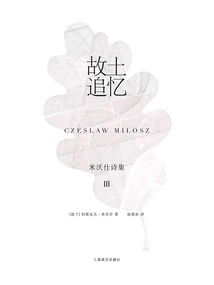
故土追忆:米沃什诗集3
(poland) Czeslaw Miłosz
"One sentence is home, and this sentence seems to be forged from steel." "Memories of Homeland: Miłosz Poetry Collection III" contains 87 poems by Miłosz, from "Memories of Homeland" (1986), "Chronicle" (1985-1987) and "The Other Shore" (1991). The poet recalls the people who have passed away and the homeland that is difficult to enter, and ponders our common destiny, but "still cannot learn to narrate properly and be calm". Czeslaw Milosz, one of the greatest poets of the 20th century, defined the tragedy and beauty of his era with unparalleled precision and elegance. His poems, whether they describe his boyhood in Poland, his grief in war-torn Warsaw, or his pursuit of faith, are all astonishing and awe-inspiring, and they convey a strong sense of life and the individuality of ordinary life. The poem's exploration of death, war, love and faith is gripping, shocking and thought-provoking: "The existence of this land itself is far beyond the description of any language." "Miłosz's Collected Poems" contains 335 of the poet's poems from 1931 to 2001. This poem chapter, according to the year of creation and publication, is divided into four volumes: "Poems of the Frozen Period", "Enchanted Guqiao", "Reminiscences of Homeland" and "Facing the River". It was directly translated from Polish by Polish literature experts. It is the first time that the complete picture of Miłosz's poetry is presented in the Chinese world.
"One sentence is home, and this sentence seems to be forged from steel." "Memories of Homeland: Miłosz Poetry Collection III" contains 87 poems by Miłosz, from "Memories of Homeland" (1986), "Chronicle" (1985-1987) and "The Other Shore" (1991). The poet recalls the people who have passed away and the homeland that is difficult to enter, and ponders our common destiny, but "still cannot learn to narrate properly and be calm". Czeslaw Milosz, one of the greatest poets of the 20th century, defined the tragedy and beauty of his era with unparalleled precision and elegance. His poems, whether they describe his boyhood in Poland, his grief in war-torn Warsaw, or his pursuit of faith, are all astonishing and awe-inspiring, and they convey a strong sense of life and the individuality of ordinary life. The poem's exploration of death, war, love and faith is gripping, shocking and thought-provoking: "The existence of this land itself is far beyond the description of any language." "Miłosz's Collected Poems" contains 335 of the poet's poems from 1931 to 2001. This poem chapter, according to the year of creation and publication, is divided into four volumes: "Poems of the Frozen Period", "Enchanted Guqiao", "Reminiscences of Homeland" and "Facing the River". It was directly translated from Polish by Polish literature experts. It is the first time that the complete picture of Miłosz's poetry is presented in the Chinese world.
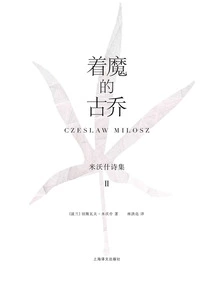
着魔的古乔:米沃什诗集Ⅱ
I
"There are no flowers in the garden because they have been trampled." "The Enchanted Guccio: Miłosz's Poems II" contains 73 poems by Miłosz, from "The Enchanted Guccio" (1965), "The City without a Name" (1969), "Prose Poems" (1954-1969), "Where the Sun Rises and Sets" (1974) and "Ode to the Pearl" (1981). Most of them were created by the poet after he immigrated to the United States. Some of his works reveal his happiness in settling in the New World, but there is still some inner struggle and pain. Czeslaw Milosz, one of the greatest poets of the 20th century, defined the tragedy and beauty of his era with unparalleled precision and elegance. His poems, whether they describe his boyhood in Poland, his grief in war-torn Warsaw, or his pursuit of faith, are all astonishing and awe-inspiring, and they convey a strong sense of life and the individuality of ordinary life. The poem's exploration of death, war, love and faith is gripping, shocking and thought-provoking: "The existence of this land itself is far beyond the description of any language." "Miłosz's Collected Poems" contains 335 of the poet's poems from 1931 to 2001. This poem chapter, according to the year of creation and publication, is divided into four volumes: "Poems of the Frozen Period", "Enchanted Guqiao", "Reminiscences of Homeland" and "Facing the River". It was directly translated from Polish by Polish literature experts. It is the first time that the complete picture of Miłosz's poetry is presented in the Chinese world.
"There are no flowers in the garden because they have been trampled." "The Enchanted Guccio: Miłosz's Poems II" contains 73 poems by Miłosz, from "The Enchanted Guccio" (1965), "The City without a Name" (1969), "Prose Poems" (1954-1969), "Where the Sun Rises and Sets" (1974) and "Ode to the Pearl" (1981). Most of them were created by the poet after he immigrated to the United States. Some of his works reveal his happiness in settling in the New World, but there is still some inner struggle and pain. Czeslaw Milosz, one of the greatest poets of the 20th century, defined the tragedy and beauty of his era with unparalleled precision and elegance. His poems, whether they describe his boyhood in Poland, his grief in war-torn Warsaw, or his pursuit of faith, are all astonishing and awe-inspiring, and they convey a strong sense of life and the individuality of ordinary life. The poem's exploration of death, war, love and faith is gripping, shocking and thought-provoking: "The existence of this land itself is far beyond the description of any language." "Miłosz's Collected Poems" contains 335 of the poet's poems from 1931 to 2001. This poem chapter, according to the year of creation and publication, is divided into four volumes: "Poems of the Frozen Period", "Enchanted Guqiao", "Reminiscences of Homeland" and "Facing the River". It was directly translated from Polish by Polish literature experts. It is the first time that the complete picture of Miłosz's poetry is presented in the Chinese world.
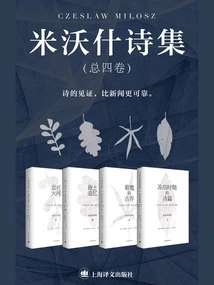
米沃什诗集(总四卷)
(poland) Czeslaw Miłosz
"The testimony of poetry is more reliable than news." Czeslaw Milosz, one of the greatest poets of the 20th century and winner of the 1980 Nobel Prize for Literature, defined the tragedy and beauty of his era with his unparalleled precision and elegance. His poems, whether they describe his boyhood in Poland, his grief in war-torn Warsaw, or his pursuit of faith, are all astonishing and awe-inspiring, and they convey a strong sense of life and the individuality of ordinary life. "Miłosz's Collected Poems" contains 335 poems by the poet from 1931 to 2001. According to the year of creation and publication, it is divided into four volumes: "Poems of the Frozen Period", "Enchanted Guqiao", "Memories of Homeland" and "Facing the River". It was directly translated from Polish by Polish literature experts. It is the first time in the Chinese world that the complete picture of Miłosz's poetry is presented. According to Milosz, poetry is a witness and participant of the times. The meaning of poetry is to try its best to capture the palpable truth. "Its purpose is, and can only be, to save." Poetry is not only a form, but also a power. Miłosz is a great patriot, not a person who is swayed by the wind; his poetry has taken root in the Chinese poetry scene since the 1980s and has had a lasting impact on Chinese poets. Milosz has always thought about whether poetry has a saving function. His poems are full of passion, firm and profound. His poems span the twentieth century, connecting the past with the present, connecting himself with readers, taking one sentence as his home, and fighting against chaos and nothingness.
"The testimony of poetry is more reliable than news." Czeslaw Milosz, one of the greatest poets of the 20th century and winner of the 1980 Nobel Prize for Literature, defined the tragedy and beauty of his era with his unparalleled precision and elegance. His poems, whether they describe his boyhood in Poland, his grief in war-torn Warsaw, or his pursuit of faith, are all astonishing and awe-inspiring, and they convey a strong sense of life and the individuality of ordinary life. "Miłosz's Collected Poems" contains 335 poems by the poet from 1931 to 2001. According to the year of creation and publication, it is divided into four volumes: "Poems of the Frozen Period", "Enchanted Guqiao", "Memories of Homeland" and "Facing the River". It was directly translated from Polish by Polish literature experts. It is the first time in the Chinese world that the complete picture of Miłosz's poetry is presented. According to Milosz, poetry is a witness and participant of the times. The meaning of poetry is to try its best to capture the palpable truth. "Its purpose is, and can only be, to save." Poetry is not only a form, but also a power. Miłosz is a great patriot, not a person who is swayed by the wind; his poetry has taken root in the Chinese poetry scene since the 1980s and has had a lasting impact on Chinese poets. Milosz has always thought about whether poetry has a saving function. His poems are full of passion, firm and profound. His poems span the twentieth century, connecting the past with the present, connecting himself with readers, taking one sentence as his home, and fighting against chaos and nothingness.
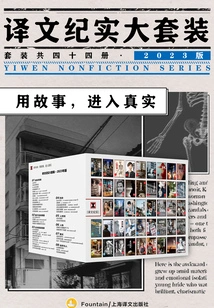
译文纪实大套装·2023版(套装共44册)
(u. S.) David Simon Et Al.
Use documentation to keep your focus on human experience. True stories are far more exciting than novels. "Translation Documentary Set · 2023 Edition (set has 44 volumes in total)" is the second collection of the Translation Documentary Series following "Translation Documentary Set · 2020 Edition (set has 39 volumes in total)". The documentary series has a total of 44 works, divided into 8 themes: true crime, invisible America, Japanese field observation, history, human world, characters, essays and nature and people. It spans disciplines, languages, time and space, continues to pay attention to human experience, and faces the real world. This set includes "The Year of Evil", "Tokyo Vice", "Body Trade", "The Defender", "Fabrication", "The Erased Family", "Lies", "Unknown Women", "Fatal Love", "Dangerous Acquaintances", "Toxicology Handbook", "The Devil Around Me", "Psychological Detective", "Top Cold Cases", "The Price of Justice", "Dream Addiction", "American Death (Revised Edition)", "Death and Life in Small Towns", "Female Poverty", "Bankruptcy after Old Age", "High School" "Born into poverty and busy family", "Two generations after old age are bankrupt", "East University Girl", "Dementia and Disappearance", "Thirty-year-old", "Cellphone Waste", "A Mass Abandoned Society", "Mid-life Crisis Observation", "Blood in the Water", "The Imperial Army", "Hope in Hell", "Business in the Constitution", "Core Meltdown", "Disintegration of Zhaohe", "Life and Death Lessons", "Euthanasia Scene", "My Brain is Open", "My Two Homelands", "The Age of Nothingness", "Looking for Things", "What is Good to Eat This Year?" "Ignite Hope", "First Light" and "The Story of the Vaccine".
Use documentation to keep your focus on human experience. True stories are far more exciting than novels. "Translation Documentary Set · 2023 Edition (set has 44 volumes in total)" is the second collection of the Translation Documentary Series following "Translation Documentary Set · 2020 Edition (set has 39 volumes in total)". The documentary series has a total of 44 works, divided into 8 themes: true crime, invisible America, Japanese field observation, history, human world, characters, essays and nature and people. It spans disciplines, languages, time and space, continues to pay attention to human experience, and faces the real world. This set includes "The Year of Evil", "Tokyo Vice", "Body Trade", "The Defender", "Fabrication", "The Erased Family", "Lies", "Unknown Women", "Fatal Love", "Dangerous Acquaintances", "Toxicology Handbook", "The Devil Around Me", "Psychological Detective", "Top Cold Cases", "The Price of Justice", "Dream Addiction", "American Death (Revised Edition)", "Death and Life in Small Towns", "Female Poverty", "Bankruptcy after Old Age", "High School" "Born into poverty and busy family", "Two generations after old age are bankrupt", "East University Girl", "Dementia and Disappearance", "Thirty-year-old", "Cellphone Waste", "A Mass Abandoned Society", "Mid-life Crisis Observation", "Blood in the Water", "The Imperial Army", "Hope in Hell", "Business in the Constitution", "Core Meltdown", "Disintegration of Zhaohe", "Life and Death Lessons", "Euthanasia Scene", "My Brain is Open", "My Two Homelands", "The Age of Nothingness", "Looking for Things", "What is Good to Eat This Year?" "Ignite Hope", "First Light" and "The Story of the Vaccine".
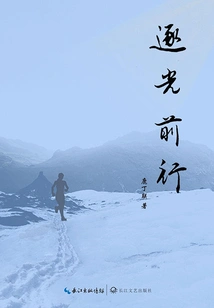
Follow the Light
Literature逐光前行
Luding United
The first volume mainly contains thoughts on education and literature, including some of the author's prose, novel exercises and poems, as well as articles on college entrance examination composition guidance, students' literary growth and college entrance examination marking. The second volume is mainly literary criticism, including some of the author's prose reviews published in newspapers and magazines over the years. The whole book is full of sincere emotions, the language is smooth and fresh, and the connotation is rich and profound.
The first volume mainly contains thoughts on education and literature, including some of the author's prose, novel exercises and poems, as well as articles on college entrance examination composition guidance, students' literary growth and college entrance examination marking. The second volume is mainly literary criticism, including some of the author's prose reviews published in newspapers and magazines over the years. The whole book is full of sincere emotions, the language is smooth and fresh, and the connotation is rich and profound.
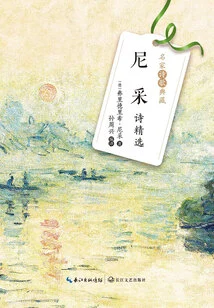
Selected Poems of Nietzsche
Literature尼采诗精选
H
A collection of outstanding poems from Nietzsche's life poetry, arranged in chronological order. This selection is based on the high quality of the poems and the completeness of the poetry collection, which can reflect the overall style of Nietzsche's poetry to a certain extent.
A collection of outstanding poems from Nietzsche's life poetry, arranged in chronological order. This selection is based on the high quality of the poems and the completeness of the poetry collection, which can reflect the overall style of Nietzsche's poetry to a certain extent.
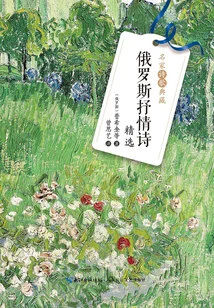
Selections of Russian Lyric Poems
Literature俄罗斯抒情诗精选
J
This book follows the historical development of Russian lyric poetry and collects more than 400 poems from more than 300 years. Among them, there are many representative works by some star poets, such as Pushkin, Tyutchev, Feit, Yesenin, Tsvetaeva, etc.
This book follows the historical development of Russian lyric poetry and collects more than 400 poems from more than 300 years. Among them, there are many representative works by some star poets, such as Pushkin, Tyutchev, Feit, Yesenin, Tsvetaeva, etc.
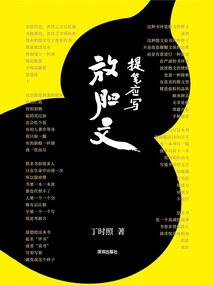
提笔应写放胆文
Ding Shizhao
This manuscript is a collection of essays by Mr. Ding Shizhao. Using books as a medium and from the perspective of a senior media person, he uses books to talk about people and books to discuss things, outlining the multiple aspects of people and things, and digging into the underlying logic behind the appearances. The writing touches everything in the book, the subject matter is light and casual, the language is fresh and humorous, and the views are different from others. The words are related to the weather in Lingnan and the situation in the Bay Area. The descriptions cover many aspects such as life philosophy, literature and art, various aspects of the world, social current affairs, etc., Allowing people to get a glimpse of different people and things, and feel different temperaments. The writing is bold yet graceful, solemn yet humorous, easy-going and readable, clear and natural. It is interesting to read and interesting to read.
This manuscript is a collection of essays by Mr. Ding Shizhao. Using books as a medium and from the perspective of a senior media person, he uses books to talk about people and books to discuss things, outlining the multiple aspects of people and things, and digging into the underlying logic behind the appearances. The writing touches everything in the book, the subject matter is light and casual, the language is fresh and humorous, and the views are different from others. The words are related to the weather in Lingnan and the situation in the Bay Area. The descriptions cover many aspects such as life philosophy, literature and art, various aspects of the world, social current affairs, etc., Allowing people to get a glimpse of different people and things, and feel different temperaments. The writing is bold yet graceful, solemn yet humorous, easy-going and readable, clear and natural. It is interesting to read and interesting to read.
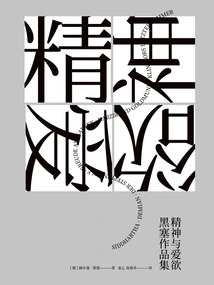
精神与爱欲:黑塞作品集(套装6本)
G
"Siddhartha" is a novella by Hesse published in 1922. "Demian" is a novel published in 1919. "Steppenwolf" is a novel published in 1927, with a strong autobiographical flavor. "Spirit and Eros" is a novel published in 1930. It tells the life of Narcissus and Goldmund, two talented but very different young men. "The Joy of the Garden" is a collection of Hesse's essays, containing 61 chapters. In addition to being widely known as a writer, Hesse was also a living artist, painter and gardener. This book mainly records Hesse's conversations and games with nature at different periods of his life. "Klingsor's Last Summer" is a novella published in 1920.
"Siddhartha" is a novella by Hesse published in 1922. "Demian" is a novel published in 1919. "Steppenwolf" is a novel published in 1927, with a strong autobiographical flavor. "Spirit and Eros" is a novel published in 1930. It tells the life of Narcissus and Goldmund, two talented but very different young men. "The Joy of the Garden" is a collection of Hesse's essays, containing 61 chapters. In addition to being widely known as a writer, Hesse was also a living artist, painter and gardener. This book mainly records Hesse's conversations and games with nature at different periods of his life. "Klingsor's Last Summer" is a novella published in 1920.
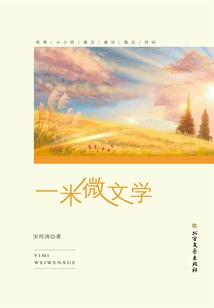
Yimi Micro Literature
Literature一米微文学
Song Chuantao
This book includes short novels, fables, fairy tales, essays and poems. It is the author's sincere effort to create an outstanding and influential original literary work that belongs to the Chinese people. "The Death of the Chinese Sturgeon" emphasizes the impact of environmental changes on the biosphere through the self-narration of a fish, aiming to awaken people's awareness of environmental protection. "Prodigal Son" tells the story of a "habitual thief" who changed his mind and started a new life after an accidental rescue experience. "The Hawker" shows the noble qualities of a small man in the market who enjoys helping others. "About Dog" is an affirmation of the loyal quality of dogs. "The Best Toy" has profound educational significance for children. Parents are the best teachers, and companionship is the best education.
This book includes short novels, fables, fairy tales, essays and poems. It is the author's sincere effort to create an outstanding and influential original literary work that belongs to the Chinese people. "The Death of the Chinese Sturgeon" emphasizes the impact of environmental changes on the biosphere through the self-narration of a fish, aiming to awaken people's awareness of environmental protection. "Prodigal Son" tells the story of a "habitual thief" who changed his mind and started a new life after an accidental rescue experience. "The Hawker" shows the noble qualities of a small man in the market who enjoys helping others. "About Dog" is an affirmation of the loyal quality of dogs. "The Best Toy" has profound educational significance for children. Parents are the best teachers, and companionship is the best education.
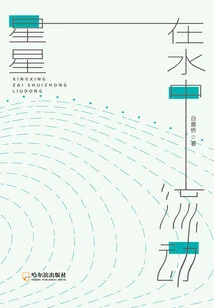
Stars Flowing in Water
Literature星星在水中流动
Bai Huiqiao
This book is a collection of poems by Bai Huiqiao, the creator of modern poetry, and it is a spiritual work. The content includes some of the author's poetry works from 2013 to 2022, and the author's mental journey over the past 10 years is recorded between the lines. The poem creates a dreamy and romantic atmosphere, reflecting the author's deep inner feelings. The poetic language is characterized by delicate and hazy language, not flattering, not empty, not artificial, and the emotions are sincere and passionate. No matter when and where, picking up this collection of poems, communicating with the poet during the reading process, and feeling the warmth of the poet's soul can bring comfort and warmth to the reader's soul.
This book is a collection of poems by Bai Huiqiao, the creator of modern poetry, and it is a spiritual work. The content includes some of the author's poetry works from 2013 to 2022, and the author's mental journey over the past 10 years is recorded between the lines. The poem creates a dreamy and romantic atmosphere, reflecting the author's deep inner feelings. The poetic language is characterized by delicate and hazy language, not flattering, not empty, not artificial, and the emotions are sincere and passionate. No matter when and where, picking up this collection of poems, communicating with the poet during the reading process, and feeling the warmth of the poet's soul can bring comfort and warmth to the reader's soul.
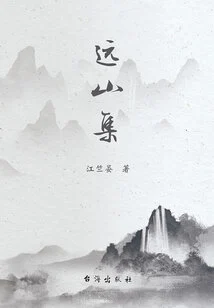
Yuanshan Collection
Literature远山集
Jiang Zhuyan
This collection of essays fully reflects the perseverance and tenacity of contemporary women, and has the courage to provide a reference for other independent women to struggle in this complex and challenging world. Since this article was accumulated during every work break in spring, summer, autumn and winter, it may be fifteen minutes before a meeting, half an hour after arriving home from overtime work late at night, or an hour on a business trip. The more trivial the time, the easier it is to be ignored. But it is this continuous accumulation and introspection of the world and the author himself that make us more intuitively aware of the dual pressures of work and family that contemporary women bear. We can also fully feel the author's endless love for life from the tedious daily things described by the author.
This collection of essays fully reflects the perseverance and tenacity of contemporary women, and has the courage to provide a reference for other independent women to struggle in this complex and challenging world. Since this article was accumulated during every work break in spring, summer, autumn and winter, it may be fifteen minutes before a meeting, half an hour after arriving home from overtime work late at night, or an hour on a business trip. The more trivial the time, the easier it is to be ignored. But it is this continuous accumulation and introspection of the world and the author himself that make us more intuitively aware of the dual pressures of work and family that contemporary women bear. We can also fully feel the author's endless love for life from the tedious daily things described by the author.
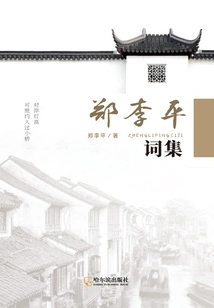
Collection of Zheng Liping's Ci
Literature郑李平词集
Zheng Liping
"Collection of Zheng Liping's Ci" records the author's life experiences and emotions. From Wenzhou in the south, Tianjin in the north, Jiujiang in the west, and Shanghai in the east, the author transformed the people and things he met into words. By reading and appreciating the literary talents of the predecessors, and adopting the styles of the predecessors, the author recorded various moving scenes through the artistic expression of words. The author is full of joy at the rapid development of the times. He has been working diligently for ten years and has compiled the text into chapters that explain his own opinions, hoping to resonate with readers and achieve a touching effect.
"Collection of Zheng Liping's Ci" records the author's life experiences and emotions. From Wenzhou in the south, Tianjin in the north, Jiujiang in the west, and Shanghai in the east, the author transformed the people and things he met into words. By reading and appreciating the literary talents of the predecessors, and adopting the styles of the predecessors, the author recorded various moving scenes through the artistic expression of words. The author is full of joy at the rapid development of the times. He has been working diligently for ten years and has compiled the text into chapters that explain his own opinions, hoping to resonate with readers and achieve a touching effect.
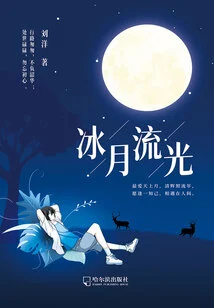
Ice Moon Streamer
Literature冰月流光
Liu Yang
The world is so big, there will always be people who understand. I think Yue must love this world very much, otherwise why would she avoid the grudges and grudges during the day and come out quietly at night to look at the world. I think Yue must love this world very much, otherwise why would she stay away from the joys and sorrows of the mortal world and come out quietly at night to watch you sleep peacefully. I hope that my words are like a ray of clear light from the bright moon in the sky to the world. Although it is weak, it can illuminate the dark night. I hope that every poem I write is a classic, worth pondering, and does not disappoint the world. I am just the most ordinary member of all living beings. I have tasted all kinds of life in the world of mortals, experienced right and wrong, success and failure, gains and losses, joys and sorrows. Most of the poems in the book are based on my life experience and my perception of life as the source of creation. They are then written from the heart and expressed in writing. Therefore, they do not deliberately pursue form, but seek to be true to the world. Watch my heart quietly and see my soul clearly.
The world is so big, there will always be people who understand. I think Yue must love this world very much, otherwise why would she avoid the grudges and grudges during the day and come out quietly at night to look at the world. I think Yue must love this world very much, otherwise why would she stay away from the joys and sorrows of the mortal world and come out quietly at night to watch you sleep peacefully. I hope that my words are like a ray of clear light from the bright moon in the sky to the world. Although it is weak, it can illuminate the dark night. I hope that every poem I write is a classic, worth pondering, and does not disappoint the world. I am just the most ordinary member of all living beings. I have tasted all kinds of life in the world of mortals, experienced right and wrong, success and failure, gains and losses, joys and sorrows. Most of the poems in the book are based on my life experience and my perception of life as the source of creation. They are then written from the heart and expressed in writing. Therefore, they do not deliberately pursue form, but seek to be true to the world. Watch my heart quietly and see my soul clearly.
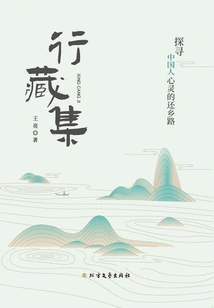
Xingzangji
Literature行藏集
Wang Liang
Most of the articles in this collection were originally published in the "Classics Reading" column of "Xingshi Guoxue". Because readers liked them, they were collected and published together with some essays and literary reviews. In terms of subject matter, there are personalized interpretations of classics, analysis of historical clouds and the emergence of the sun, and more of them show the rich and wonderful inner world of traditional Chinese intellectuals. From "seeing oneself" to "seeing heaven and earth" to "seeing all living beings", until "seeing human hearts" ends. Looking through the snow and mud of history, you will eventually find the power of indifference and calmness that reflects reality.
Most of the articles in this collection were originally published in the "Classics Reading" column of "Xingshi Guoxue". Because readers liked them, they were collected and published together with some essays and literary reviews. In terms of subject matter, there are personalized interpretations of classics, analysis of historical clouds and the emergence of the sun, and more of them show the rich and wonderful inner world of traditional Chinese intellectuals. From "seeing oneself" to "seeing heaven and earth" to "seeing all living beings", until "seeing human hearts" ends. Looking through the snow and mud of history, you will eventually find the power of indifference and calmness that reflects reality.
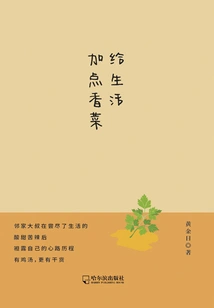
Add Some Coriander to Life
Literature给生活加点香菜
Golden Day
After experiencing all the ups and downs of life, an uncle next door reveals his own journey. I believe that every pair of eyes can find his own shadow in it, and his heart is filled with sadness. The content of this book is divided into three parts: the first is "I think, I am", which contains some thoughts that may make people laugh. After laughing, you may realize the author's sincerity that cannot be concealed; the second is "Shang Hai's Mind", in which every reflection is well-earned Yi, they are all obtained by a small business owner, and they can be said to be precious. The last thing is "meeting". Although the days are ordinary, there will always be something in them that makes a ripple. Maybe it is a movie, a trip, or a book. Who could have expected it? Open this book and add some coriander to your life!
After experiencing all the ups and downs of life, an uncle next door reveals his own journey. I believe that every pair of eyes can find his own shadow in it, and his heart is filled with sadness. The content of this book is divided into three parts: the first is "I think, I am", which contains some thoughts that may make people laugh. After laughing, you may realize the author's sincerity that cannot be concealed; the second is "Shang Hai's Mind", in which every reflection is well-earned Yi, they are all obtained by a small business owner, and they can be said to be precious. The last thing is "meeting". Although the days are ordinary, there will always be something in them that makes a ripple. Maybe it is a movie, a trip, or a book. Who could have expected it? Open this book and add some coriander to your life!
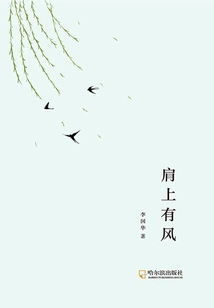
There is Wind on Shoulders
Literature肩上有风
Li Guohua
"The Wind on the Shoulder" is a work of local prose and educational essays that Li Guohua has devoted himself to creating in recent years. The book is divided into five series: "Light dust on the road rises with the wind", "Breathe deeply in the wind", "Wind and rain make a cassock", "Let the wind blow in your ears" and "The breeze comes from left and right", covering topics such as hometown, family relationships, life, childhood, education and so on. Through this work, the author strives to recall the beauty and vicissitudes of a village, restore the innocence and memory of a childhood, witness the past and present life of a group of villagers, listen to a hymn and symphony of family love, and support a kind of heart and temperature of education... As far as the eye can see, it covers the remaining territory of people and people, people and nature, striving to highlight the humanistic spirit, the spirit of reality and the spirit of art. Trying to make your life as vast, colorful and majestic as the sky in your hometown, showing the innocence, kindness and frankness of a child. The author uses his own ideas, his own soul, his own wisdom and actions to not only help others but also help them grow. He tastes education, reflects on education, explores education with everyone, calls for the return of education, looks for the loss of education, watches for the ideal of education, and spends the good times accompanied by education. It has the significance of gathering strength and conveying emotions to carry forward the excellent traditional Chinese culture and realize the educational dream together, and lead readers to the future. In theory and practice, it fills a shortcoming in happiness education - walking with others and living poetically.
"The Wind on the Shoulder" is a work of local prose and educational essays that Li Guohua has devoted himself to creating in recent years. The book is divided into five series: "Light dust on the road rises with the wind", "Breathe deeply in the wind", "Wind and rain make a cassock", "Let the wind blow in your ears" and "The breeze comes from left and right", covering topics such as hometown, family relationships, life, childhood, education and so on. Through this work, the author strives to recall the beauty and vicissitudes of a village, restore the innocence and memory of a childhood, witness the past and present life of a group of villagers, listen to a hymn and symphony of family love, and support a kind of heart and temperature of education... As far as the eye can see, it covers the remaining territory of people and people, people and nature, striving to highlight the humanistic spirit, the spirit of reality and the spirit of art. Trying to make your life as vast, colorful and majestic as the sky in your hometown, showing the innocence, kindness and frankness of a child. The author uses his own ideas, his own soul, his own wisdom and actions to not only help others but also help them grow. He tastes education, reflects on education, explores education with everyone, calls for the return of education, looks for the loss of education, watches for the ideal of education, and spends the good times accompanied by education. It has the significance of gathering strength and conveying emotions to carry forward the excellent traditional Chinese culture and realize the educational dream together, and lead readers to the future. In theory and practice, it fills a shortcoming in happiness education - walking with others and living poetically.
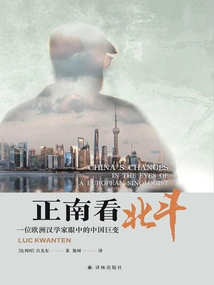
正南看北斗:一位欧洲汉学家眼中的中国巨变
(belgium) Lu Guangdong
Excellent documentary literary works by foreign sinologists who have lived in China describing contemporary Chinese stories. The author of this book, Dr. Lu Guangdong, an important Belgian Sinologist and Xixia scholar, narrates his connection and origins with China in a superb way. Through his personal stories and vivid experiences of more than 30 years of living in China, he tells the great development, changes of the times and remarkable achievements that he has witnessed in China from multiple perspectives such as economic development, social progress, civilization construction and improvement of people's livelihood. He conveys a positive and beautiful message of Chinese culture and civilization in the touching stories. The whole work is both perceptually vivid and rationally profound; it is full of daily warmth and academic depth. From a very unique perspective, it shows a true three-dimensional China to readers around the world.
Excellent documentary literary works by foreign sinologists who have lived in China describing contemporary Chinese stories. The author of this book, Dr. Lu Guangdong, an important Belgian Sinologist and Xixia scholar, narrates his connection and origins with China in a superb way. Through his personal stories and vivid experiences of more than 30 years of living in China, he tells the great development, changes of the times and remarkable achievements that he has witnessed in China from multiple perspectives such as economic development, social progress, civilization construction and improvement of people's livelihood. He conveys a positive and beautiful message of Chinese culture and civilization in the touching stories. The whole work is both perceptually vivid and rationally profound; it is full of daily warmth and academic depth. From a very unique perspective, it shows a true three-dimensional China to readers around the world.
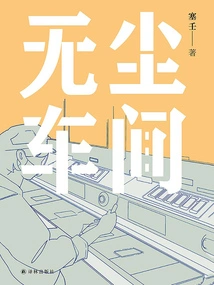
Dust-free Workshop
Literature无尘车间
Siren
Dongguan is a well-known manufacturing city. There are thousands of factories here. Countless products are shipped from here to all over the world. At the same time, there are also migrant workers from all over the country. The writer Siren went into factories in Dongguan in 2020 and 2021. He spent more than 80 days going deep into the front lines. He ate and lived with the workers in electronics factories, mold factories, jewelry factories, etc., And wrote this "Dust-Free Workshop" to record the work. The true image of workers - many people complain about "996", but they care about whether they can work overtime; they value their labor and will argue for the remuneration they deserve; at the barbecue stall after work, they also talk about dreams, hometown and love. It is precisely these workers who are invisible in the city that hold up the city and become its solid bottom.
Dongguan is a well-known manufacturing city. There are thousands of factories here. Countless products are shipped from here to all over the world. At the same time, there are also migrant workers from all over the country. The writer Siren went into factories in Dongguan in 2020 and 2021. He spent more than 80 days going deep into the front lines. He ate and lived with the workers in electronics factories, mold factories, jewelry factories, etc., And wrote this "Dust-Free Workshop" to record the work. The true image of workers - many people complain about "996", but they care about whether they can work overtime; they value their labor and will argue for the remuneration they deserve; at the barbecue stall after work, they also talk about dreams, hometown and love. It is precisely these workers who are invisible in the city that hold up the city and become its solid bottom.
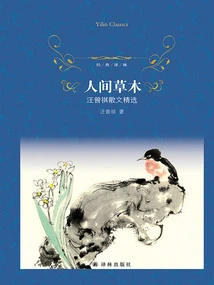
人间草木:汪曾祺散文精选(经典译林)
Wang Zengqi
This book selects nearly fifty prose works by Wang Zengqi, presenting the essence of Wang Zengqi's prose creation over the past decades. With seemingly plain and casual writing, the author narrates all kinds of things in the world, such as smoke from the past, ordinary food, flowers, birds, fish and insects, travel notes from all over the world, interesting reading stories, etc., Blending the strange into the ordinary, and the reading is full of profound charm. Through reading between the lines, one can feel the kindness of human nature and the beauty of life.
This book selects nearly fifty prose works by Wang Zengqi, presenting the essence of Wang Zengqi's prose creation over the past decades. With seemingly plain and casual writing, the author narrates all kinds of things in the world, such as smoke from the past, ordinary food, flowers, birds, fish and insects, travel notes from all over the world, interesting reading stories, etc., Blending the strange into the ordinary, and the reading is full of profound charm. Through reading between the lines, one can feel the kindness of human nature and the beauty of life.
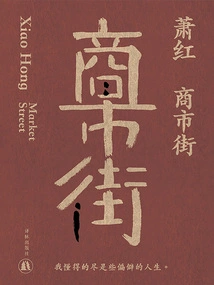
Shopping Street (works by Xiao Hong)
Literature商市街(萧红作品)
Xiao Hong
"All I know is remote life." "Shangshi Street" is the complete collection of Xiao Hong's prose. From 1933 to 1941, in order of writing time, it contains ninety-two masterpieces such as "The Abandoned Child", "Hotel Europa", "Black Lieba and White Salt", "When My Grandfather Died" and "Reminiscences of Mr. Lu Xun". From Xiao Hong's early twenties to the end of her life in her thirties, her temperament writings in the past ten years have become a true record of Xiao Hong's "golden age".
"All I know is remote life." "Shangshi Street" is the complete collection of Xiao Hong's prose. From 1933 to 1941, in order of writing time, it contains ninety-two masterpieces such as "The Abandoned Child", "Hotel Europa", "Black Lieba and White Salt", "When My Grandfather Died" and "Reminiscences of Mr. Lu Xun". From Xiao Hong's early twenties to the end of her life in her thirties, her temperament writings in the past ten years have become a true record of Xiao Hong's "golden age".
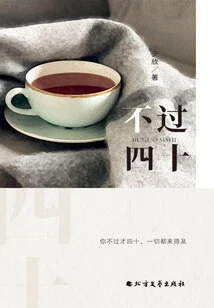
Only Forty
Literature不过四十
An Xin
Each experience, each past event, from the last day when I was nineteen to now entering middle age, where has the time gone? At forty, you are still young. Even at eighty, as long as your heart does not grow old, everything will be possible.
Each experience, each past event, from the last day when I was nineteen to now entering middle age, where has the time gone? At forty, you are still young. Even at eighty, as long as your heart does not grow old, everything will be possible.
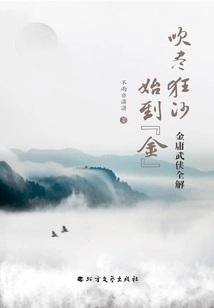
吹尽狂沙始到“金”:金庸武侠全解
Even If It's Not Raining, It's Still Raining
Every martial arts fan is a "everyone in the world", and every martial arts fan has his or her own "Weapon Book" in his or her heart. This book combines factors such as the degree of brilliance, literary level, ideological spirit and other factors to provide a comprehensive interpretation and reasonable ranking of Jin Yong's novels, so as to send "the greatest chivalrous man" from afar.
Every martial arts fan is a "everyone in the world", and every martial arts fan has his or her own "Weapon Book" in his or her heart. This book combines factors such as the degree of brilliance, literary level, ideological spirit and other factors to provide a comprehensive interpretation and reasonable ranking of Jin Yong's novels, so as to send "the greatest chivalrous man" from afar.
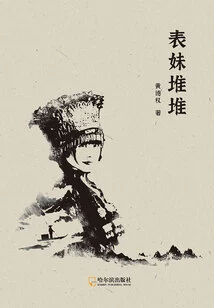
Cousin Dui Dui
Literature表妹堆堆
Huang Dequan
"Cousin Dui Dui" is an epic picture scroll from Wuling Mountain! It is a description of the natural scenery, national customs and construction style of the times in the hinterland of Wuling Mountain. The book contains affectionate praise for the beauty of human nature, such as "A Solitary Old Man and His Five Generations Living Together" and "The Eyes of Hometown"; there are wonderful displays of natural scenery, such as "Picture Scroll of Fishing Creek" and "Chang Xigou"; there are infinite memories of nostalgia such as "A Look at Hulu Bay" and "My Spectator's Hometown"; and there are memories of national customs, such as "My Daughter Will Marry Tomorrow" and "Miao Cloth Shoes". In short, "Cousin Dui Dui" is a picture of rural life that shows the customs and customs of Wuling Mountain, and is a poetic summary of what the author sees, hears and feels on this land. The whole book shines with the brilliance of philosophy and the lyrical style!
"Cousin Dui Dui" is an epic picture scroll from Wuling Mountain! It is a description of the natural scenery, national customs and construction style of the times in the hinterland of Wuling Mountain. The book contains affectionate praise for the beauty of human nature, such as "A Solitary Old Man and His Five Generations Living Together" and "The Eyes of Hometown"; there are wonderful displays of natural scenery, such as "Picture Scroll of Fishing Creek" and "Chang Xigou"; there are infinite memories of nostalgia such as "A Look at Hulu Bay" and "My Spectator's Hometown"; and there are memories of national customs, such as "My Daughter Will Marry Tomorrow" and "Miao Cloth Shoes". In short, "Cousin Dui Dui" is a picture of rural life that shows the customs and customs of Wuling Mountain, and is a poetic summary of what the author sees, hears and feels on this land. The whole book shines with the brilliance of philosophy and the lyrical style!
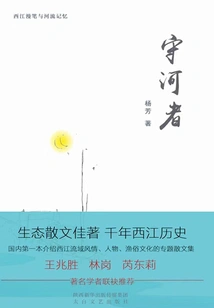
River Keeper
Literature守河者
Yang Fang
With light brushstrokes, graceful narratives, and emotional descriptions, this book takes the Xijiang River, the mother river of life and nourishment, as the object of literary description. It uses personal experience, blends sincere emotions, and creates detailed and moving depictions, showing the author's strong local sentiments. In particular, the descriptions of group portraits such as "River Keeper", "Last Shipbuilder", "Disappeared Drainage Man" and "Fisherman" are of the nature of historical data. "Looking at the water", "fish things", "catching fish flowers", and "shrimp pots" are vivid and interesting to people who are far away from home. At the same time, this book has the meaning of ecological literature, and the feelings devoted to "Fishermen's Songs", "Mosquito Flowers", "River Bend", etc. In the book are sincere and moving. In addition, this book has written about the scenery and products along the Xijiang River. Dinghu Mountain, Antelope Gorge, Sanzhou Rock, Longmu Temple, Xijiang Ancient Post Road, Jindu Flower Banquet, and Danjia Cake are all unique and difficult to find elsewhere.
With light brushstrokes, graceful narratives, and emotional descriptions, this book takes the Xijiang River, the mother river of life and nourishment, as the object of literary description. It uses personal experience, blends sincere emotions, and creates detailed and moving depictions, showing the author's strong local sentiments. In particular, the descriptions of group portraits such as "River Keeper", "Last Shipbuilder", "Disappeared Drainage Man" and "Fisherman" are of the nature of historical data. "Looking at the water", "fish things", "catching fish flowers", and "shrimp pots" are vivid and interesting to people who are far away from home. At the same time, this book has the meaning of ecological literature, and the feelings devoted to "Fishermen's Songs", "Mosquito Flowers", "River Bend", etc. In the book are sincere and moving. In addition, this book has written about the scenery and products along the Xijiang River. Dinghu Mountain, Antelope Gorge, Sanzhou Rock, Longmu Temple, Xijiang Ancient Post Road, Jindu Flower Banquet, and Danjia Cake are all unique and difficult to find elsewhere.
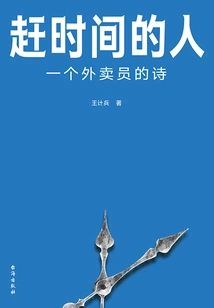
赶时间的人:一个外卖员的诗
Wang Jibing
The author of this book, Wang Jibing, is a delivery boy who has traveled a total of 150,000 kilometers, which is equivalent to running 15 times along the Great Wall. During the days when he traveled around the city, he saw more people like him who were struggling for survival, including delivery workers, migrant workers, cleaners, and nannies. They rush around in a hurry, but lose their identity: they can neither find a place to stay in the city, and their hometown and parents are constantly moving away. Like a troubadour from the lower class of China, Wang Jibing recorded himself and their embarrassment, as well as his self-esteem as a laborer. He wrote: I also have my own independent country. My boiling blood is my endless river, and my rugged bones are my towering mountains. These verses, written on cigarette boxes and scrap newspapers when in a hurry, are folk songs from the labor scene, full of vitality, rough and sharp. Some were accidentally posted online, triggering unexpected resonance, with a single poem read by as many as 20 million people. This book is the first collection and publication of his poems.
The author of this book, Wang Jibing, is a delivery boy who has traveled a total of 150,000 kilometers, which is equivalent to running 15 times along the Great Wall. During the days when he traveled around the city, he saw more people like him who were struggling for survival, including delivery workers, migrant workers, cleaners, and nannies. They rush around in a hurry, but lose their identity: they can neither find a place to stay in the city, and their hometown and parents are constantly moving away. Like a troubadour from the lower class of China, Wang Jibing recorded himself and their embarrassment, as well as his self-esteem as a laborer. He wrote: I also have my own independent country. My boiling blood is my endless river, and my rugged bones are my towering mountains. These verses, written on cigarette boxes and scrap newspapers when in a hurry, are folk songs from the labor scene, full of vitality, rough and sharp. Some were accidentally posted online, triggering unexpected resonance, with a single poem read by as many as 20 million people. This book is the first collection and publication of his poems.
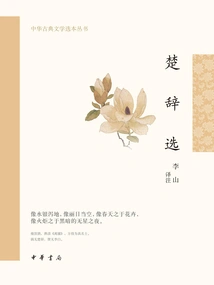
楚辞选(中华古典文学选本丛书)
Translation And Annotation By Li Shan
"Chu Ci" is a collection of poems based on the works of Chu poet Qu Yuan during the Warring States Period, as well as the works of Song Yu and other poets in the early Han Dynasty. Qu Yuan, the main representative poet of "Songs of Chu", was the first great poet in the history of Chinese literature to be handed down through his personal works. His works and personality had a huge impact on later generations. Qu Yuan's maverick personality and deep and tragic feelings inspired and inspired countless people with lofty ideals in later generations. The unique poetic style, romantic spiritual temperament and symbolic techniques in "Chu Ci" have had a profound impact on later literary creations. This annotation of "Songs of Chu" mainly focuses on Qu Yuan's works, as well as other works by Song Yu, which better reflects the artistic characteristics and overall style of "Songs of Chu". It is accompanied by concise annotations and translations, and difficult words are marked with pinyin for easier reading.
"Chu Ci" is a collection of poems based on the works of Chu poet Qu Yuan during the Warring States Period, as well as the works of Song Yu and other poets in the early Han Dynasty. Qu Yuan, the main representative poet of "Songs of Chu", was the first great poet in the history of Chinese literature to be handed down through his personal works. His works and personality had a huge impact on later generations. Qu Yuan's maverick personality and deep and tragic feelings inspired and inspired countless people with lofty ideals in later generations. The unique poetic style, romantic spiritual temperament and symbolic techniques in "Chu Ci" have had a profound impact on later literary creations. This annotation of "Songs of Chu" mainly focuses on Qu Yuan's works, as well as other works by Song Yu, which better reflects the artistic characteristics and overall style of "Songs of Chu". It is accompanied by concise annotations and translations, and difficult words are marked with pinyin for easier reading.
商周铭文叙事文体演变
Wei Hongyan
The issue of narrative in ancient China had already taken shape before the Qin and Han Dynasties. This book focuses on this issue and mainly discusses the categories and characteristics of early narrative styles such as oracle bone inscriptions and inscriptions, the process of evolution from early styles to later mature styles, and the impact on later styles. This mainly solves two problems. The first is to explore the phenomenon and characteristics of narrative style that appear in inscriptions; the second is to compare the style of inscriptions with the style of later mature periods, analyze its evolution process, and understand the internal mechanism of changes in narrative style, so as to provide a basis for establishing new style classification standards that are in line with the development laws of Chinese literature.
The issue of narrative in ancient China had already taken shape before the Qin and Han Dynasties. This book focuses on this issue and mainly discusses the categories and characteristics of early narrative styles such as oracle bone inscriptions and inscriptions, the process of evolution from early styles to later mature styles, and the impact on later styles. This mainly solves two problems. The first is to explore the phenomenon and characteristics of narrative style that appear in inscriptions; the second is to compare the style of inscriptions with the style of later mature periods, analyze its evolution process, and understand the internal mechanism of changes in narrative style, so as to provide a basis for establishing new style classification standards that are in line with the development laws of Chinese literature.
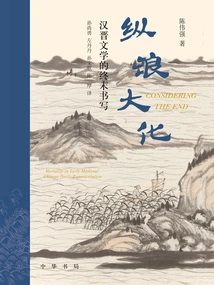
纵浪大化:汉晋文学的终末书写
Chen Weiqiang
For more than five hundred years from the Eastern Han Dynasty to the Liu Song Dynasty, dynasties changed frequently and political turmoil was dark. This realistic environment full of uncertainty forces writers to think about death and human mortality, thus forming the unique literary theme of "final thoughts". This book focuses on several writers who lived in the political chaos of the Han and Jin Dynasties, such as Wang Yi, Ruan Ji, Tao Qian, Xie Lingyun and others. It combines their life stories and trends of the times to learn about people and the world, and deeply analyzes the literary works from a new perspective. The origins and implications explore the worldview, mental state and life attitude of the ancients, and explore the literati's thinking on issues such as the end of the individual, the end of the dynasty, the end after death, and man's position in the universe, reconstructing the profound and unique spiritual world of the ancients.
For more than five hundred years from the Eastern Han Dynasty to the Liu Song Dynasty, dynasties changed frequently and political turmoil was dark. This realistic environment full of uncertainty forces writers to think about death and human mortality, thus forming the unique literary theme of "final thoughts". This book focuses on several writers who lived in the political chaos of the Han and Jin Dynasties, such as Wang Yi, Ruan Ji, Tao Qian, Xie Lingyun and others. It combines their life stories and trends of the times to learn about people and the world, and deeply analyzes the literary works from a new perspective. The origins and implications explore the worldview, mental state and life attitude of the ancients, and explore the literati's thinking on issues such as the end of the individual, the end of the dynasty, the end after death, and man's position in the universe, reconstructing the profound and unique spiritual world of the ancients.
守拙续集(中央文史研究馆馆员文丛)
Wujiang
This book is a collection of Mr. Wu Jiang's articles and scripts on Peking Opera. Mr. Wu Jiang entered the Beijing Opera School at the age of nine to study Peking Opera performance. He later engaged in artistic creation, art education, and art research. In February 2000, he was transferred to the director of the China Peking Opera Company. The papers selected in this book include reviews such as "The Philosophical Spirit of Chinese Opera", "A Brief Discussion of Opera Screenwriters", "My Opinion on the Development of Peking Opera" and "The Beauty of Opera Art", as well as Peking Opera scripts such as "Sister Qiu", "Blood-Stained Wooden Drum" and "Tomb Robbers".
This book is a collection of Mr. Wu Jiang's articles and scripts on Peking Opera. Mr. Wu Jiang entered the Beijing Opera School at the age of nine to study Peking Opera performance. He later engaged in artistic creation, art education, and art research. In February 2000, he was transferred to the director of the China Peking Opera Company. The papers selected in this book include reviews such as "The Philosophical Spirit of Chinese Opera", "A Brief Discussion of Opera Screenwriters", "My Opinion on the Development of Peking Opera" and "The Beauty of Opera Art", as well as Peking Opera scripts such as "Sister Qiu", "Blood-Stained Wooden Drum" and "Tomb Robbers".
柳永词选(中华古典文学选本丛书)
Commentary By Xue Ruisheng
Liu Yong was a famous poet in the Northern Song Dynasty, a representative of the Wanyue Ci School, and one of the most accomplished writers in the Northern Song Dynasty. Song poetry has Liu Yong, just as Tang poetry has Du Fu. He not only created and developed the tone and vocabulary of words, but also changed the aesthetic taste of words in the direction of popularization, and expanded the subject matter in the direction of personalization. Liu Yong is good at writing slow lyrics and is good at using narrative techniques to express the development of the story and the changes in the protagonist's inner world. His lyrics are widely circulated, "Anyone who has a well to drink can sing Liu's lyrics"; his lyrics have a great influence, and famous poets such as Su Shi, Qin Guan, Zhou Bangyan, etc. Are all indebted to Liu Yong. Li Qingzhao had sharp criticisms of many poets of the Northern Song Dynasty, but he only affirmed Liu Yong. Mr. Xue Ruisheng, a famous Liu Yong researcher, has studied Liu Yong for many years and has a lot of experience in the essence of Liu's Ci. This time, he has selected 70 of Liu's most popular poems and made wonderful comments, taking into account various types of Liu Yong's Ci. It is generally arranged in chronological order, the annotations should be concise and concise, and the analysis should be concise, so that readers can better understand the artistic characteristics of Liu Yong's poems. This book is indeed an ideal book for understanding and appreciating Liu Yong's life and poetry.
Liu Yong was a famous poet in the Northern Song Dynasty, a representative of the Wanyue Ci School, and one of the most accomplished writers in the Northern Song Dynasty. Song poetry has Liu Yong, just as Tang poetry has Du Fu. He not only created and developed the tone and vocabulary of words, but also changed the aesthetic taste of words in the direction of popularization, and expanded the subject matter in the direction of personalization. Liu Yong is good at writing slow lyrics and is good at using narrative techniques to express the development of the story and the changes in the protagonist's inner world. His lyrics are widely circulated, "Anyone who has a well to drink can sing Liu's lyrics"; his lyrics have a great influence, and famous poets such as Su Shi, Qin Guan, Zhou Bangyan, etc. Are all indebted to Liu Yong. Li Qingzhao had sharp criticisms of many poets of the Northern Song Dynasty, but he only affirmed Liu Yong. Mr. Xue Ruisheng, a famous Liu Yong researcher, has studied Liu Yong for many years and has a lot of experience in the essence of Liu's Ci. This time, he has selected 70 of Liu's most popular poems and made wonderful comments, taking into account various types of Liu Yong's Ci. It is generally arranged in chronological order, the annotations should be concise and concise, and the analysis should be concise, so that readers can better understand the artistic characteristics of Liu Yong's poems. This book is indeed an ideal book for understanding and appreciating Liu Yong's life and poetry.
陶渊明诗选(中华古典文学选本丛书)
Commentary By Yuan Xingpei
Tao Yuanming was the most outstanding poet in the Eastern Jin Dynasty, as well as an outstanding lyricist and essayist. He enjoyed a high status in the history of Chinese literature. He is not only a representative of the romance of the Wei and Jin Dynasties, but also an outstanding representative of the poetry of the Wei and Jin Dynasties. Tao Yuanming's poems can be divided into three categories in terms of content: pastoral poems, drinking poems and eulogizing poems. Among them, pastoral poems have the largest number and the highest achievements. The poetry, scenery, events, and reasoning are all harmonious, and there is warning in the plainness, and beauty in the simplicity. The artistic achievements of Tao's poems and the spiritual personality contained in them had a profound impact on the poetry creation and spiritual pursuits of later generations of literati. Mr. Yuan Xingpei has studied Tao Yuanming for decades and has made outstanding academic achievements. He can be said to be the master of Tao Yuanming research. This book provides precise annotations on all 125 extant poems of Tao Yuanming. It not only considers historical facts and is well-founded, but also explores the poetic heart and comes up with new insights from time to time. It is an excellent choice for public readers to appreciate and study Tao Yuanming.
Tao Yuanming was the most outstanding poet in the Eastern Jin Dynasty, as well as an outstanding lyricist and essayist. He enjoyed a high status in the history of Chinese literature. He is not only a representative of the romance of the Wei and Jin Dynasties, but also an outstanding representative of the poetry of the Wei and Jin Dynasties. Tao Yuanming's poems can be divided into three categories in terms of content: pastoral poems, drinking poems and eulogizing poems. Among them, pastoral poems have the largest number and the highest achievements. The poetry, scenery, events, and reasoning are all harmonious, and there is warning in the plainness, and beauty in the simplicity. The artistic achievements of Tao's poems and the spiritual personality contained in them had a profound impact on the poetry creation and spiritual pursuits of later generations of literati. Mr. Yuan Xingpei has studied Tao Yuanming for decades and has made outstanding academic achievements. He can be said to be the master of Tao Yuanming research. This book provides precise annotations on all 125 extant poems of Tao Yuanming. It not only considers historical facts and is well-founded, but also explores the poetic heart and comes up with new insights from time to time. It is an excellent choice for public readers to appreciate and study Tao Yuanming.
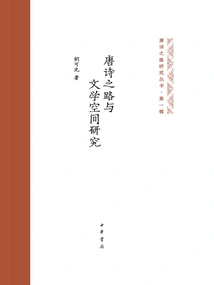
唐诗之路与文学空间研究
Hu Kexian
In recent years, the "Road of Tang Poetry" has become a hot topic in academic and cultural circles. Professor Hu Kexian of Zhejiang University's new book "Research on Tang Poetry Roads and Literary Space" takes the five Tang Poetry Roads that were the most important in the Tang Dynasty, had the most preserved poems, and had the greatest influence on later generations as the entry point, with literary implications as the research content, and spatial geography as the research dimension. This study attempts to conduct interdisciplinary comprehensive discussions and research on important issues such as the poetry scene, poet groups, poetry distribution, poetry art, etc. In the Tang Dynasty through the integration of "poetry" and "road". It expands the spatial aesthetic dimension of poetry road research, and uses archaeological results to expand the pattern of poetry road research, showing the splendor and elegance of the Tang Dynasty in a three-dimensional way, which is extremely pioneering and innovative.
In recent years, the "Road of Tang Poetry" has become a hot topic in academic and cultural circles. Professor Hu Kexian of Zhejiang University's new book "Research on Tang Poetry Roads and Literary Space" takes the five Tang Poetry Roads that were the most important in the Tang Dynasty, had the most preserved poems, and had the greatest influence on later generations as the entry point, with literary implications as the research content, and spatial geography as the research dimension. This study attempts to conduct interdisciplinary comprehensive discussions and research on important issues such as the poetry scene, poet groups, poetry distribution, poetry art, etc. In the Tang Dynasty through the integration of "poetry" and "road". It expands the spatial aesthetic dimension of poetry road research, and uses archaeological results to expand the pattern of poetry road research, showing the splendor and elegance of the Tang Dynasty in a three-dimensional way, which is extremely pioneering and innovative.
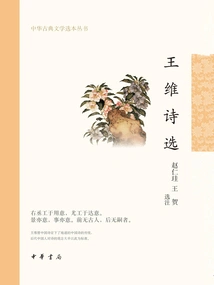
王维诗选(中华古典文学选本丛书)
Selected Notes By Zhao Rengui And Wang He
Wang Wei is a representative of landscape pastoral poetry in the prosperous Tang Dynasty, and is called "Wang Meng" together with Meng Haoran. Wang Wei's ancestral home was Taiyuan (today's Qixian County, Shanxi Province), and he was born in the first year of Chang'an (701), the first year of Empress Wu's reign. In his early years, he also yearned for fame, so he wrote many works about frontier fortresses. Wang Wei's poems are of various styles, especially the five rhymes. Wang Wei is proficient in music and painting, creating a quiet and beautiful poetic environment of "painting within poetry, poetry within painting". The beauty of emptiness and tranquility are the outstanding features of Wang Wei's poetry. The poems of Wang Wei selected in this book, on the basis of highlighting his pastoral works, comprehensively display the multi-faceted artistic characteristics of Wang Wei's poems, and are accompanied by concise annotations and analyzes to help readers appreciate the unique artistic conception of Wang Wei's poems.
Wang Wei is a representative of landscape pastoral poetry in the prosperous Tang Dynasty, and is called "Wang Meng" together with Meng Haoran. Wang Wei's ancestral home was Taiyuan (today's Qixian County, Shanxi Province), and he was born in the first year of Chang'an (701), the first year of Empress Wu's reign. In his early years, he also yearned for fame, so he wrote many works about frontier fortresses. Wang Wei's poems are of various styles, especially the five rhymes. Wang Wei is proficient in music and painting, creating a quiet and beautiful poetic environment of "painting within poetry, poetry within painting". The beauty of emptiness and tranquility are the outstanding features of Wang Wei's poetry. The poems of Wang Wei selected in this book, on the basis of highlighting his pastoral works, comprehensively display the multi-faceted artistic characteristics of Wang Wei's poems, and are accompanied by concise annotations and analyzes to help readers appreciate the unique artistic conception of Wang Wei's poems.
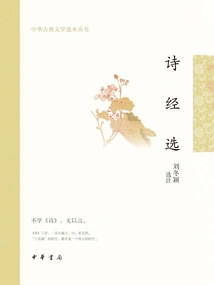
诗经选(中华古典文学选本丛书)
Selected Notes By Liu Dongying
The Book of Songs has a total of 305 chapters, referred to as "Three Hundred Chapters". It is my country's first collection of poetry and a selection of poetry from the first five hundred years of the Zhou Dynasty. The Book of Songs has been a teaching material for children since its creation. Therefore, Mr. Wen Yiduo said: "The Book of Songs is the first cultural textbook of our Chinese nation, and it was the only one at the earliest." In addition, the "Book of Songs" advocates the poetic theory of "gentleness and honesty", which has been highly praised by poets of all ages and had a great influence on ancient Chinese poetry and even ancient Chinese society. In the Book of Songs, many poems have beautiful language and long-lasting emotions, which are worth pondering over and over again. Therefore, we select the essence, annotate and analyze it, so that today's readers can more deeply appreciate the beauty of "The Book of Songs".
The Book of Songs has a total of 305 chapters, referred to as "Three Hundred Chapters". It is my country's first collection of poetry and a selection of poetry from the first five hundred years of the Zhou Dynasty. The Book of Songs has been a teaching material for children since its creation. Therefore, Mr. Wen Yiduo said: "The Book of Songs is the first cultural textbook of our Chinese nation, and it was the only one at the earliest." In addition, the "Book of Songs" advocates the poetic theory of "gentleness and honesty", which has been highly praised by poets of all ages and had a great influence on ancient Chinese poetry and even ancient Chinese society. In the Book of Songs, many poems have beautiful language and long-lasting emotions, which are worth pondering over and over again. Therefore, we select the essence, annotate and analyze it, so that today's readers can more deeply appreciate the beauty of "The Book of Songs".
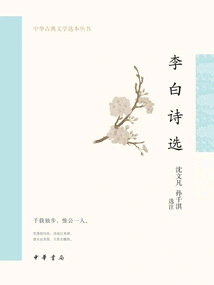
李白诗选(中华古典文学选本丛书)
Selected Notes By Shen Wenfan And Sun Qianqi
Li Bai, also known as Taibai, also known as Qinglian Jushi, was originally from Longxi City. Li Bai was a talented poet born in the culture of the prosperous Tang Dynasty. His extraordinary self-confidence, arrogant personality and free and easy demeanor fully reflected the character and spiritual outlook of the scholars of the prosperous Tang Dynasty. His poetry creation is full of unprovoked passion and magical imagination. It has vast momentum, magnificent scenery, windy charm and bright artistic conception. He is known as the "Poetry Immortal" by later generations. This book selects the most representative works from Li Bai's poetry collection, with concise annotations and reviews for easy reading.
Li Bai, also known as Taibai, also known as Qinglian Jushi, was originally from Longxi City. Li Bai was a talented poet born in the culture of the prosperous Tang Dynasty. His extraordinary self-confidence, arrogant personality and free and easy demeanor fully reflected the character and spiritual outlook of the scholars of the prosperous Tang Dynasty. His poetry creation is full of unprovoked passion and magical imagination. It has vast momentum, magnificent scenery, windy charm and bright artistic conception. He is known as the "Poetry Immortal" by later generations. This book selects the most representative works from Li Bai's poetry collection, with concise annotations and reviews for easy reading.
欧阳修诗词选(中华古典文学选本丛书)
Selected Notes By Liu Yangzhong
Ouyang Xiu (1007-1072), courtesy name Yongshu, nicknamed Zuiweng, and late Liuyi Jushi, was a native of Yongfeng, Jizhou (now part of Jiangxi). Ouyang Xiu was the leader of the literary world in the Northern Song Dynasty and a representative figure of the classical prose movement in the Tang and Song Dynasties. He made outstanding achievements in the creation of literature, poetry and lyrics. Ouyang Xiu's poetry styles are diverse, but the overall expression is the tendency of "using text as poetry". He admired the poetry of Han Yu in the Tang Dynasty, and in his own practice, he also had Han Yu's style of "argument as poetry". Compared with his poems, Ouyang Xiu's lyrics appear romantic and subtle. Compared with the poets of the previous generation, his lyrics are clear and bright, his language is affectionate and deeply artistic, and he is highly praised by later generations of poets. Ouyang Xiu's poems can be said to be the "two sides" of Ouyang Xiu. Only by looking at the poems together can we know Ouyang Xiu as a person. Now we select the essence of Ouyang Xiu's poems, annotate and analyze them, and present the "two sides" of Ouyang Xiu to readers, hoping to help readers better understand Ouyang Xiu as a person and his poems.
Ouyang Xiu (1007-1072), courtesy name Yongshu, nicknamed Zuiweng, and late Liuyi Jushi, was a native of Yongfeng, Jizhou (now part of Jiangxi). Ouyang Xiu was the leader of the literary world in the Northern Song Dynasty and a representative figure of the classical prose movement in the Tang and Song Dynasties. He made outstanding achievements in the creation of literature, poetry and lyrics. Ouyang Xiu's poetry styles are diverse, but the overall expression is the tendency of "using text as poetry". He admired the poetry of Han Yu in the Tang Dynasty, and in his own practice, he also had Han Yu's style of "argument as poetry". Compared with his poems, Ouyang Xiu's lyrics appear romantic and subtle. Compared with the poets of the previous generation, his lyrics are clear and bright, his language is affectionate and deeply artistic, and he is highly praised by later generations of poets. Ouyang Xiu's poems can be said to be the "two sides" of Ouyang Xiu. Only by looking at the poems together can we know Ouyang Xiu as a person. Now we select the essence of Ouyang Xiu's poems, annotate and analyze them, and present the "two sides" of Ouyang Xiu to readers, hoping to help readers better understand Ouyang Xiu as a person and his poems.
Takeshi Kitano's Midnight Radio
Literature北野武的午夜电台
K
At midnight, Kitano Takeshi Radio broadcasts for a limited time. Welcome everyone to follow Takeshi Kitano into the rough, confusing and adult world full of beautiful bubbles. Here, we talk about thoughts and words and deeds, about gangsters, celebrities, prime ministers and ourselves, about ordinary greatness, about love and affair, about character and beauty. We also use indestructible logic, add one wonderful story that slaps modern people in the face one after another, and re-explore the ultimate pursuit of life! Regarding dreams, Takeshi Kitano said: The world always uses "dreams" to deceive young people. Regarding taste, Kitano Takeshi said: When poverty and vulgarity reach the extreme, taste will naturally improve. About work, Kitano Takeshi said: Don't engage in your favorite profession, first do the job that ranks second in your heart. Only when I am extremely obscene do I understand better what is a high-class way of survival. Please read this book, it is my Bible. -- Kitano Takeshi
At midnight, Kitano Takeshi Radio broadcasts for a limited time. Welcome everyone to follow Takeshi Kitano into the rough, confusing and adult world full of beautiful bubbles. Here, we talk about thoughts and words and deeds, about gangsters, celebrities, prime ministers and ourselves, about ordinary greatness, about love and affair, about character and beauty. We also use indestructible logic, add one wonderful story that slaps modern people in the face one after another, and re-explore the ultimate pursuit of life! Regarding dreams, Takeshi Kitano said: The world always uses "dreams" to deceive young people. Regarding taste, Kitano Takeshi said: When poverty and vulgarity reach the extreme, taste will naturally improve. About work, Kitano Takeshi said: Don't engage in your favorite profession, first do the job that ranks second in your heart. Only when I am extremely obscene do I understand better what is a high-class way of survival. Please read this book, it is my Bible. -- Kitano Takeshi