Library
Browse and search novels
25,832 novels found
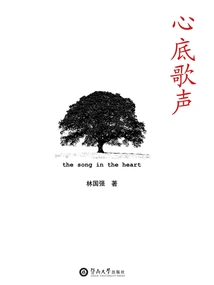
Song from the Bottom of My Heart
Literature心底歌声
Lin Guoqiang
This collection of poems is close to life and covers a wide range of topics. It not only cares about social reality, but also portrays nostalgia, family affection, and love. It includes both thinking about history and insights into the future. The book includes poems such as "A Stunning Violet", "Looking Back at Life" and "Looking Back at You Thousands of Times".
This collection of poems is close to life and covers a wide range of topics. It not only cares about social reality, but also portrays nostalgia, family affection, and love. It includes both thinking about history and insights into the future. The book includes poems such as "A Stunning Violet", "Looking Back at Life" and "Looking Back at You Thousands of Times".
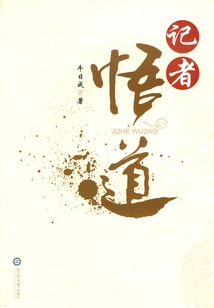
Reporter Enlightenment
Literature记者悟道
Niu Richeng
The author of this book rationally analyzes the ugly, evil, good, and beautiful phenomena in real life from the outside to the inside, and presents them to readers in the form of words.
The author of this book rationally analyzes the ugly, evil, good, and beautiful phenomena in real life from the outside to the inside, and presents them to readers in the form of words.
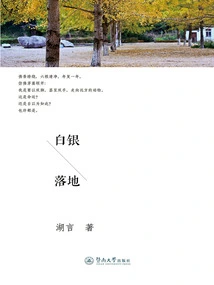
Silver Falls to the Ground
Literature白银落地
Huyan
This book collects the author's works from 2014 to 2016, including "First Born", "Die in the Cold", "Extinguish the Fire", "Singing a Song", "Living Lightly", "Can't Look Back", "First Love", etc.
This book collects the author's works from 2014 to 2016, including "First Born", "Die in the Cold", "Extinguish the Fire", "Singing a Song", "Living Lightly", "Can't Look Back", "First Love", etc.
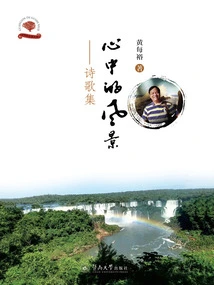
心中的风景:诗歌集
Huang Miyu
This book is divided into two parts. The first part is entitled "Colorful World", which depicts domestic and foreign scenery and scenic spots; the second part is entitled "Colorful Feelings", which expresses sentiments that are relevant to the current situation by observing real things or personally experienced events. The book includes poems such as "Leisure to Macau", "Ode to the Slender West Lake of Yangzhou", "Impression of Xiamen", "Hometown with the Fragrance of Books", and "Perceptions of WeChat".
This book is divided into two parts. The first part is entitled "Colorful World", which depicts domestic and foreign scenery and scenic spots; the second part is entitled "Colorful Feelings", which expresses sentiments that are relevant to the current situation by observing real things or personally experienced events. The book includes poems such as "Leisure to Macau", "Ode to the Slender West Lake of Yangzhou", "Impression of Xiamen", "Hometown with the Fragrance of Books", and "Perceptions of WeChat".
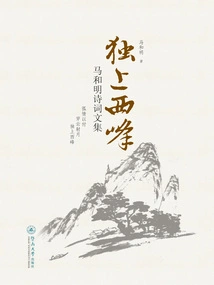
独上西峰:马和明诗词文集
Ma Heming
This book includes poems such as "Quiet in the Autumn Room", "Asking for Fortune on the Rough Road", "Deep Winter", "Want to Pretend to Be Snowed", "Drinking in Loneliness", and "Three Poems at Night".
This book includes poems such as "Quiet in the Autumn Room", "Asking for Fortune on the Rough Road", "Deep Winter", "Want to Pretend to Be Snowed", "Drinking in Loneliness", and "Three Poems at Night".
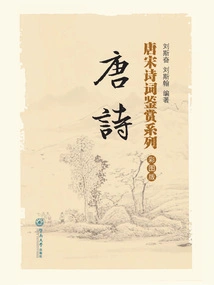
唐宋诗词鉴赏系列(彩图版):唐诗
Compiled By Liu Sifen And Liu Sihan
This book provides translation, appreciation and annotation of famous Tang poems collected by famous people, and includes a brief introduction of the author.
This book provides translation, appreciation and annotation of famous Tang poems collected by famous people, and includes a brief introduction of the author.
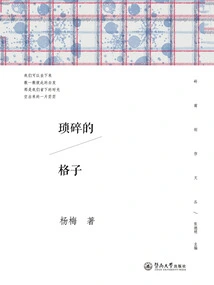
Trivial Grid
Literature琐碎的格子
Bayberry
This book is the first collection of poems by the poet Yang Mei, which is divided into five series: "Rain", "Weeds", "Moonlight", "River" and "Thoughts". It collects the main works of the poet who has been engaged in poetry creation for more than 10 years, reflecting the poet's appreciation of self-statement, his intuition of the somewhat frail body, and his in-depth care and examination of the world and life from his own body and psychology.
This book is the first collection of poems by the poet Yang Mei, which is divided into five series: "Rain", "Weeds", "Moonlight", "River" and "Thoughts". It collects the main works of the poet who has been engaged in poetry creation for more than 10 years, reflecting the poet's appreciation of self-statement, his intuition of the somewhat frail body, and his in-depth care and examination of the world and life from his own body and psychology.
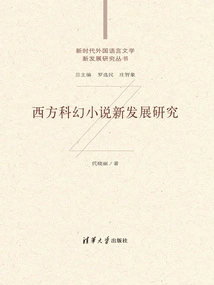
西方科幻小说新发展研究
Dai Xiaoli
This book outlines the key stages of the development of Western science fiction from the 20th to the 21st century, and focuses on the main results of European and American science fiction research from 2000 to 2019. The whole book is divided into 6 chapters. Chapter 1 briefly describes the development of Western science fiction, including the definition, origin, iconic stages, representative writers and works of science fiction. Chapter 2 introduces the current status of science fiction novels in terms of ideological criticism, economic criticism, utopia\u002F dystopia research, and philosophical research on science fiction movies and television under the theoretical framework of Marxist literary criticism. Chapter 3 explores the value and significance of posthuman and posthumanist research in the interpretation of science fiction. Chapter 4 discusses the distinctive characteristics of this genre of narrative based on the application of time and space critical theories in the study of science fiction. Chapter 5 mainly introduces the research results achieved in science fiction narrative rhetoric, linguistic research, narrative trajectory and aesthetic research. Chapter 6 summarizes and looks forward to some noteworthy new trends in the study of Western science fiction novels, and analyzes the imagination of building a community with a shared future for mankind in Western science fiction novels in the new era.
This book outlines the key stages of the development of Western science fiction from the 20th to the 21st century, and focuses on the main results of European and American science fiction research from 2000 to 2019. The whole book is divided into 6 chapters. Chapter 1 briefly describes the development of Western science fiction, including the definition, origin, iconic stages, representative writers and works of science fiction. Chapter 2 introduces the current status of science fiction novels in terms of ideological criticism, economic criticism, utopia\u002F dystopia research, and philosophical research on science fiction movies and television under the theoretical framework of Marxist literary criticism. Chapter 3 explores the value and significance of posthuman and posthumanist research in the interpretation of science fiction. Chapter 4 discusses the distinctive characteristics of this genre of narrative based on the application of time and space critical theories in the study of science fiction. Chapter 5 mainly introduces the research results achieved in science fiction narrative rhetoric, linguistic research, narrative trajectory and aesthetic research. Chapter 6 summarizes and looks forward to some noteworthy new trends in the study of Western science fiction novels, and analyzes the imagination of building a community with a shared future for mankind in Western science fiction novels in the new era.
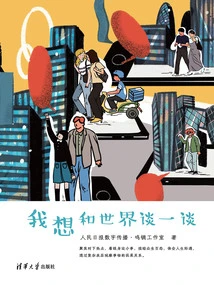
I Want to Talk to the World
Literature我想和世界谈一谈
People's Daily Digital Communication·mingdi Studio
The COVID-19 epidemic rises and falls, the double reduction policy comes into effect, and new types of consumption emerge one after another... What do you think in the face of complex social, economic, and people's livelihood issues? What to do? The commentary articles published in this book are intended to sort out the social, economic, cultural and other reasons behind the news, and look at the causes from the effects, so that you can find certainty in the uncertainty.
The COVID-19 epidemic rises and falls, the double reduction policy comes into effect, and new types of consumption emerge one after another... What do you think in the face of complex social, economic, and people's livelihood issues? What to do? The commentary articles published in this book are intended to sort out the social, economic, cultural and other reasons behind the news, and look at the causes from the effects, so that you can find certainty in the uncertainty.
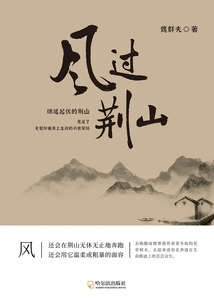
风过荆山
Wei Qunfu
"Wind Over Jingshan Mountain" is mainly set in the mountainous area of northwest Hubei, fully demonstrating the majesty, breadth, depth and solemnity of the vast Jingshan Mountain. The objects of expression are mainly the mountains, rivers, gorges, ravines, streams, foggy waterfalls and other scenery here, as well as the trees, grass, cattle and sheep, crops, mud ponds, birds, houses and other natural landscapes in the village. At the same time, the local customs and customs of the hometown elders are described with affectionate strokes, showing that they are hard-working, simple, narrow-minded, perseverant and honest. They work from sunrise to sunset and wait for their homeland with simple meals, joy and sorrow, giving people a long-lost kindness and warmth. The hometown is the author's soul home, the deep root of the author's spirit, and the author's most familiar and rich source of life. Over the years, the author has been stubbornly squatting on that land, pursuing the past and present of the countryside with his footsteps and pen and ink. He has worked diligently and silently. His works have been published in "Selected Prose", "Fujian Literature", "Yangtze River Series", "Literary Education" and "Hanshui" and Hubei Daily, China Teachers News and other newspapers and periodicals. In 2020, the author joined the Hubei Provincial Writers Association. In January 2022, the famous writer Professor Xiaosu from the School of Liberal Arts of Central China Normal University held a "Seminar on Wei Qunfu's Works" for the author in his hometown of Baokang, which received a good response.
"Wind Over Jingshan Mountain" is mainly set in the mountainous area of northwest Hubei, fully demonstrating the majesty, breadth, depth and solemnity of the vast Jingshan Mountain. The objects of expression are mainly the mountains, rivers, gorges, ravines, streams, foggy waterfalls and other scenery here, as well as the trees, grass, cattle and sheep, crops, mud ponds, birds, houses and other natural landscapes in the village. At the same time, the local customs and customs of the hometown elders are described with affectionate strokes, showing that they are hard-working, simple, narrow-minded, perseverant and honest. They work from sunrise to sunset and wait for their homeland with simple meals, joy and sorrow, giving people a long-lost kindness and warmth. The hometown is the author's soul home, the deep root of the author's spirit, and the author's most familiar and rich source of life. Over the years, the author has been stubbornly squatting on that land, pursuing the past and present of the countryside with his footsteps and pen and ink. He has worked diligently and silently. His works have been published in "Selected Prose", "Fujian Literature", "Yangtze River Series", "Literary Education" and "Hanshui" and Hubei Daily, China Teachers News and other newspapers and periodicals. In 2020, the author joined the Hubei Provincial Writers Association. In January 2022, the famous writer Professor Xiaosu from the School of Liberal Arts of Central China Normal University held a "Seminar on Wei Qunfu's Works" for the author in his hometown of Baokang, which received a good response.
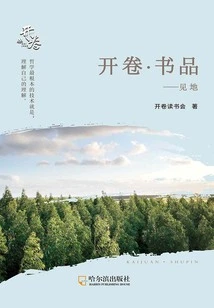
Open Book·book Product: Insights
Literature开卷·书品:见地
Open Book Reading Club
The content of "Open Book: Insights" is mainly composed of prose and poetry. The eight authors are all from the Open Book Reading Club. The main purpose is to allow members of the reading club to exert their own cultural originality and form a common cultural space.
The content of "Open Book: Insights" is mainly composed of prose and poetry. The eight authors are all from the Open Book Reading Club. The main purpose is to allow members of the reading club to exert their own cultural originality and form a common cultural space.
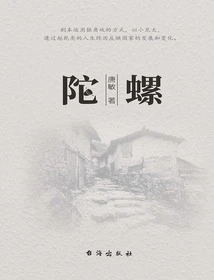
Top
Literature陀螺
Tang Min
This book contains three drama scripts, among which "Soda" commemorates the 14th anniversary of the earthquake relief. It reflects the selfless dedication of the people in the disaster area through the story of An Sanwa, a villager in Chaping, who sacrificed his own life to save the pregnant Li Xiufen. "Men's Room" explores the current attitudes of men towards work, marriage and the meaning of life through the chats of three men of different ages in the online virtual space. "Gyro" reflects the changes brought about by rural revitalization through the love of an old man. The script uses a one-man show to see the big from the small, and reflects the development and changes of the country through Zhao Qianliang's life experience.
This book contains three drama scripts, among which "Soda" commemorates the 14th anniversary of the earthquake relief. It reflects the selfless dedication of the people in the disaster area through the story of An Sanwa, a villager in Chaping, who sacrificed his own life to save the pregnant Li Xiufen. "Men's Room" explores the current attitudes of men towards work, marriage and the meaning of life through the chats of three men of different ages in the online virtual space. "Gyro" reflects the changes brought about by rural revitalization through the love of an old man. The script uses a one-man show to see the big from the small, and reflects the development and changes of the country through Zhao Qianliang's life experience.
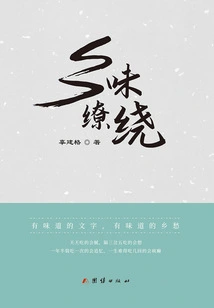
Surrounded by Local Flavor
Literature乡味缭绕
Gu Jiange
The author of this book was born in Li County, northwest Hunan, and works in Jinshi City, northwest Hunan. This area historically belonged to Lizhou, with the Lishui River running through the entire territory, rich in products, and simple folk customs. Wherever there are people, there is food, and food has distinct geographical attributes and cultural characteristics. In recent years, the author has devoted himself to pursuing the taste of local food and has written more than 100 food essays, most of which have been published continuously in local newspapers and periodicals, attracting many praises. Food is the most important thing for people, and taste is a kind of persistent memory. The author uses tasteful words to write about the taste of nostalgia, such as the common flowing water banquet dinner in the countryside, the warm family dining table, the beautiful food memories, the fragrant folk fireworks in the streets and lanes, the unique regional flavor of Hunan Jin's bozi dishes, and the astonishing... The author narrates the past time in a lifetime, using flowing words, using hometown, old friends, and stories to elicit food memories, evoking the people and things related to food, family ties, friendships, and various emotional memories, interspersed with some local folk customs, dialects, and slang, all creating a lingering nostalgia.
The author of this book was born in Li County, northwest Hunan, and works in Jinshi City, northwest Hunan. This area historically belonged to Lizhou, with the Lishui River running through the entire territory, rich in products, and simple folk customs. Wherever there are people, there is food, and food has distinct geographical attributes and cultural characteristics. In recent years, the author has devoted himself to pursuing the taste of local food and has written more than 100 food essays, most of which have been published continuously in local newspapers and periodicals, attracting many praises. Food is the most important thing for people, and taste is a kind of persistent memory. The author uses tasteful words to write about the taste of nostalgia, such as the common flowing water banquet dinner in the countryside, the warm family dining table, the beautiful food memories, the fragrant folk fireworks in the streets and lanes, the unique regional flavor of Hunan Jin's bozi dishes, and the astonishing... The author narrates the past time in a lifetime, using flowing words, using hometown, old friends, and stories to elicit food memories, evoking the people and things related to food, family ties, friendships, and various emotional memories, interspersed with some local folk customs, dialects, and slang, all creating a lingering nostalgia.
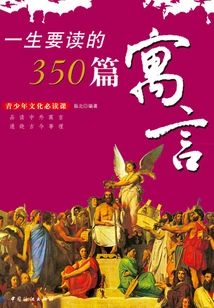
350 Fables to Read in a Lifetime
Literature一生要读的350篇寓言
Compiled By Zhenbei
As a kind of literary work that people like to hear and read, fables are story-telling, philosophical, diverse in genre, satirical and persuasive. This book is divided into Western fables and Chinese fables. Western fables are divided into four parts: Aesop's fables, Krylov's fables, La Fontaine's fables, and Lessing's fables. According to different contents, Chinese fables are divided into several clearly organized parts: inspirational chapter, philosophical chapter, political strategy chapter, dealing with the world chapter, and life chapter. It has selected hundreds of classic fables such as the picture of a snake adding a foot, the snipe and the clam fighting, Ye Gong loves the dragon, using the Yu to make up for the number, going in the opposite direction, and the Guizhou donkey has no skills. The content is concise, and both adults and students can gain something from reading it.
As a kind of literary work that people like to hear and read, fables are story-telling, philosophical, diverse in genre, satirical and persuasive. This book is divided into Western fables and Chinese fables. Western fables are divided into four parts: Aesop's fables, Krylov's fables, La Fontaine's fables, and Lessing's fables. According to different contents, Chinese fables are divided into several clearly organized parts: inspirational chapter, philosophical chapter, political strategy chapter, dealing with the world chapter, and life chapter. It has selected hundreds of classic fables such as the picture of a snake adding a foot, the snipe and the clam fighting, Ye Gong loves the dragon, using the Yu to make up for the number, going in the opposite direction, and the Guizhou donkey has no skills. The content is concise, and both adults and students can gain something from reading it.
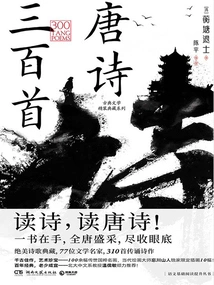
Three Hundred Tang Poems
Literature唐诗三百首
(qing Dynasty) Hengtang Retired Scholars, Edited By Chen Ping
"Three Hundred Tang Poems" is a widely circulated anthology of Tang poems. It was compiled by Sun Zhu (a retired scholar from Hengtang) and his wife Xu Lanying in the Qing Dynasty. It was written around the 28th year of Qianlong's reign (AD 1763). "Three Hundred Tang Poems" has a wide range of themes, bold writing, and various atmospheres. It profoundly reflects the political contradictions, frontier military affairs, palace women's grievances, social interactions, official ups and downs, and secluded life in the Tang Dynasty.
"Three Hundred Tang Poems" is a widely circulated anthology of Tang poems. It was compiled by Sun Zhu (a retired scholar from Hengtang) and his wife Xu Lanying in the Qing Dynasty. It was written around the 28th year of Qianlong's reign (AD 1763). "Three Hundred Tang Poems" has a wide range of themes, bold writing, and various atmospheres. It profoundly reflects the political contradictions, frontier military affairs, palace women's grievances, social interactions, official ups and downs, and secluded life in the Tang Dynasty.
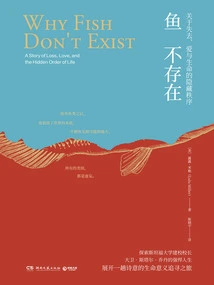
Fish Does Not Exist
Literature鱼不存在
(us) Lulu Miller
David Starr Jordan, the founding president of Stanford University, was a taxonomist and a man obsessed with bringing order to the natural world-he discovered nearly one-fifth of the fish known to man at the time. But the more hidden blueprints for life he uncovers, the more the universe seems intent on stopping him. His collection was destroyed by lightning, fire, and finally the 1906 San Francisco earthquake, which sent nearly a thousand fragile glass jars containing fish specimens to the ground. In an instant, his lifelong collection was destroyed. Others may have given up and succumbed to despair. But Jordan examined the wreckage at his feet, found the first fish he identified, and began confidently rebuilding his collection-using a sewing needle to sew the tags onto the fish. When the world fell into chaos, he used a needle to restore order. When journalist Lulu Miller first heard the anecdote, she took it as a cautionary tale about arrogance or a refusal to accept reality. But as her own life slowly unravels, she begins to wonder about David. What she uncovers about his life will change her understanding of history, morality, and the world beneath her feet. A fascinating blend of biography, memoir, and scientific adventure, Fish Don't Exist is a heartwarming parable about persevering in a world where chaos always reigns.
David Starr Jordan, the founding president of Stanford University, was a taxonomist and a man obsessed with bringing order to the natural world-he discovered nearly one-fifth of the fish known to man at the time. But the more hidden blueprints for life he uncovers, the more the universe seems intent on stopping him. His collection was destroyed by lightning, fire, and finally the 1906 San Francisco earthquake, which sent nearly a thousand fragile glass jars containing fish specimens to the ground. In an instant, his lifelong collection was destroyed. Others may have given up and succumbed to despair. But Jordan examined the wreckage at his feet, found the first fish he identified, and began confidently rebuilding his collection-using a sewing needle to sew the tags onto the fish. When the world fell into chaos, he used a needle to restore order. When journalist Lulu Miller first heard the anecdote, she took it as a cautionary tale about arrogance or a refusal to accept reality. But as her own life slowly unravels, she begins to wonder about David. What she uncovers about his life will change her understanding of history, morality, and the world beneath her feet. A fascinating blend of biography, memoir, and scientific adventure, Fish Don't Exist is a heartwarming parable about persevering in a world where chaos always reigns.
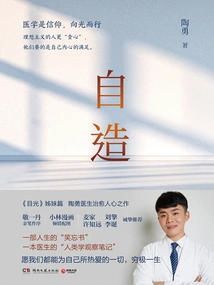
Self-made
Literature自造
Tao Yong
If the publication of "Gaze" is an accident, then the publication of "Self-Made" is more like an inevitable one. About career, about ideals, about love, about family ties, about life... In this book, Tao Yong is not only an ophthalmologist in a public hospital, but also a life doctor for patients and friends. From the dual perspectives of a doctor and an ordinary person, he faithfully recorded the doctor-patient relationship, doctors' thinking and medical stories in this era, and shared his insights on life inside and outside the hospital. As a doctor, Tao Yong naturally wants to provide solutions to those seeking help. He said: "In the past two years, I have encountered sudden blows in my life and come into contact with the common confusion among young people. The former brought me only a short adjustment, while the latter made me think for a long time." This book is a rare idealist's life monologue. He knows that his method may not be suitable for everyone, but he is still willing to share it sincerely. He makes you believe that there is light in the world and the power of light.
If the publication of "Gaze" is an accident, then the publication of "Self-Made" is more like an inevitable one. About career, about ideals, about love, about family ties, about life... In this book, Tao Yong is not only an ophthalmologist in a public hospital, but also a life doctor for patients and friends. From the dual perspectives of a doctor and an ordinary person, he faithfully recorded the doctor-patient relationship, doctors' thinking and medical stories in this era, and shared his insights on life inside and outside the hospital. As a doctor, Tao Yong naturally wants to provide solutions to those seeking help. He said: "In the past two years, I have encountered sudden blows in my life and come into contact with the common confusion among young people. The former brought me only a short adjustment, while the latter made me think for a long time." This book is a rare idealist's life monologue. He knows that his method may not be suitable for everyone, but he is still willing to share it sincerely. He makes you believe that there is light in the world and the power of light.
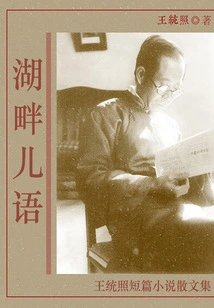
湖畔儿语:王统照短篇小说散文集
Wang Tongzhao
This book includes Wang Tongzhao's short stories and prose works such as "Children's Talk by the Lake", "A Line of Life and Death" and "The Knife's Hilt". Wang Tongzhao's creation began by exploring life issues. His early works expressed the thoughts of "beauty" and "love" and described the depression of young men and women. His writing style was fresh and full of subjective lyricism. In his early novel creation, Wang Tongzhao showed his artistic ability to experience and express his own and the characters' emotions and aspirations, and gave his characters a special color with introspective "contemplation", which was mixed with the vanity of fantasy and the heaviness of writing. "Children's Talk by the Lake" reveals signs of a transition to a new direction in Wang Tongzhao's novel creation. The description of a loner's dream-seeking life gave way to a deep concern and deep sympathy for the lower-class workers. The beautiful children's voice of the past is now covered up by the bitter "children's talk", and the eulogy of pure childlike innocence truly has a practical connotation.
This book includes Wang Tongzhao's short stories and prose works such as "Children's Talk by the Lake", "A Line of Life and Death" and "The Knife's Hilt". Wang Tongzhao's creation began by exploring life issues. His early works expressed the thoughts of "beauty" and "love" and described the depression of young men and women. His writing style was fresh and full of subjective lyricism. In his early novel creation, Wang Tongzhao showed his artistic ability to experience and express his own and the characters' emotions and aspirations, and gave his characters a special color with introspective "contemplation", which was mixed with the vanity of fantasy and the heaviness of writing. "Children's Talk by the Lake" reveals signs of a transition to a new direction in Wang Tongzhao's novel creation. The description of a loner's dream-seeking life gave way to a deep concern and deep sympathy for the lower-class workers. The beautiful children's voice of the past is now covered up by the bitter "children's talk", and the eulogy of pure childlike innocence truly has a practical connotation.
让爱守护平安回家的路——“宇泽慈心”背后的故事
Compiled By An Guojun, Cao Deyun, Wang Lin And Others
Love is like a lamp that lights the way home. Love is like a fire, a warm and happy home. Love is also a kind of expectation, hoping that the beloved son will return safely. Love is even more like a spark, the warmth that starts a prairie fire in the world. "Let Love Guard the Safe Way Home-The Story Behind "Uzawa's Kindness"" is a warm and touching book. We hope to pave a safe way home for our children through love, responsibility and attention. This book is not only a guide for children to grow up safely, but also an in-depth presentation of touching stories about love and family affection. It will inspire the whole society to think about child protection and safety education, and take positive public welfare actions to protect children's safe return home.
Love is like a lamp that lights the way home. Love is like a fire, a warm and happy home. Love is also a kind of expectation, hoping that the beloved son will return safely. Love is even more like a spark, the warmth that starts a prairie fire in the world. "Let Love Guard the Safe Way Home-The Story Behind "Uzawa's Kindness"" is a warm and touching book. We hope to pave a safe way home for our children through love, responsibility and attention. This book is not only a guide for children to grow up safely, but also an in-depth presentation of touching stories about love and family affection. It will inspire the whole society to think about child protection and safety education, and take positive public welfare actions to protect children's safe return home.
Shakespeare's Four Classic Tragedies
Literature莎士比亚四大经典悲剧
G
"Hamlet", "Othello", "King Lear" and "Macbeth" are recognized as Shakespeare's "four great tragedies". The stories are all taken from European historical legends. The four tragedies express the tragic conflict between humanistic ideals and the evil forces of real society and the disillusionment of ideals. "Hamlet" was written between 1599 and 1602. It tells the story of Hamlet's uncle Claudius who murdered Hamlet's father, usurped the throne, and married the king's widow Gertrude; Prince Hamlet therefore avenges his father on his uncle. "Othello" was written around 1603. It tells the story of a jealous Moor who killed his innocent wife because he believed his subordinates' slander. "King Lear" tells the story of the elderly King Lear who abdicated and was driven into the wilderness by his eldest and second daughters. The third daughter, who became the Queen of France, led an army to save her father, but was killed. King Lear died sadly beside her. "Macbeth" was written in 1606. It tells the story of the greed for power of the greedy king and queen and their final overthrow.
"Hamlet", "Othello", "King Lear" and "Macbeth" are recognized as Shakespeare's "four great tragedies". The stories are all taken from European historical legends. The four tragedies express the tragic conflict between humanistic ideals and the evil forces of real society and the disillusionment of ideals. "Hamlet" was written between 1599 and 1602. It tells the story of Hamlet's uncle Claudius who murdered Hamlet's father, usurped the throne, and married the king's widow Gertrude; Prince Hamlet therefore avenges his father on his uncle. "Othello" was written around 1603. It tells the story of a jealous Moor who killed his innocent wife because he believed his subordinates' slander. "King Lear" tells the story of the elderly King Lear who abdicated and was driven into the wilderness by his eldest and second daughters. The third daughter, who became the Queen of France, led an army to save her father, but was killed. King Lear died sadly beside her. "Macbeth" was written in 1606. It tells the story of the greed for power of the greedy king and queen and their final overthrow.
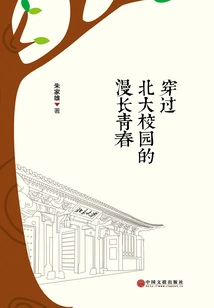
穿过北大校园的漫长青春
Zhu Jiaxiong
This book is a collection of various articles written by Zhu Jiaxiong, one of the representative writers born in the 1970s, on his long-term practice, observation and reflection on the literature he loves. Most of the articles have been published in various newspapers and journals. It can be said to be a comprehensive summary of the author's thirty-year unremitting literary exploration journey. The book is full of youthful poetry and highly readable. It may be of considerable reference and inspiration value for the growth of the younger generation of literary youth. Traveling through Peking University, you can experience growth, creative experiences, poetic thoughts, reading insights, and directly examine and reflect on the literary writing of the "post-70s" and "post-80s" generations... This book has rich and diverse themes and genres. It is full of talent and literary talent without losing its richness and depth. The warm and sharp humanistic qualities are reflected between the lines. It is a concentrated display of the author's independent thinking spirit and comprehensive writing ability.
This book is a collection of various articles written by Zhu Jiaxiong, one of the representative writers born in the 1970s, on his long-term practice, observation and reflection on the literature he loves. Most of the articles have been published in various newspapers and journals. It can be said to be a comprehensive summary of the author's thirty-year unremitting literary exploration journey. The book is full of youthful poetry and highly readable. It may be of considerable reference and inspiration value for the growth of the younger generation of literary youth. Traveling through Peking University, you can experience growth, creative experiences, poetic thoughts, reading insights, and directly examine and reflect on the literary writing of the "post-70s" and "post-80s" generations... This book has rich and diverse themes and genres. It is full of talent and literary talent without losing its richness and depth. The warm and sharp humanistic qualities are reflected between the lines. It is a concentrated display of the author's independent thinking spirit and comprehensive writing ability.
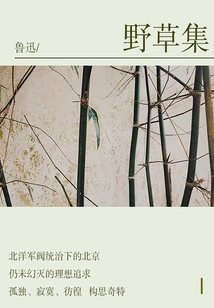
Wild Grass Collection
Literature野草集
Lu Xun
This book is a collection of prose poems written by the modern writer Lu Xun. In the early 1920s, the author Lu Xun lived in Beijing under the rule of the Beiyang warlords. Lu Xun, who was in extreme depression, was in a very depressed mood at the time, but his pursuit of ideals was still undisillusioned. This collection of poems truly describes the author's thoughts and feelings as he continued to fight after the New Culture United Front split, but felt lonely and lonely, and explored and moved forward in hesitation. The collection of poems is diverse in content, rich in imagination, and runs through serious self-dissection and unremitting ideological exploration. The works have distinctive artistic features, contain symbols and metaphors, are rich in imagination, and have unique conceptions.
This book is a collection of prose poems written by the modern writer Lu Xun. In the early 1920s, the author Lu Xun lived in Beijing under the rule of the Beiyang warlords. Lu Xun, who was in extreme depression, was in a very depressed mood at the time, but his pursuit of ideals was still undisillusioned. This collection of poems truly describes the author's thoughts and feelings as he continued to fight after the New Culture United Front split, but felt lonely and lonely, and explored and moved forward in hesitation. The collection of poems is diverse in content, rich in imagination, and runs through serious self-dissection and unremitting ideological exploration. The works have distinctive artistic features, contain symbols and metaphors, are rich in imagination, and have unique conceptions.
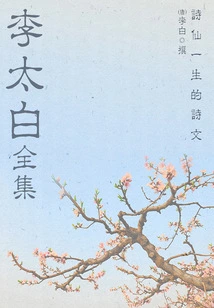
The Complete Works of Li Taibai
Literature李太白全集
Li Bai
"The Complete Works of Li Taibai" was written by Li Bai in the Tang Dynasty and edited and annotated by Wang Qi in the Qing Dynasty. Zeng Gong, an essayist of the Song Dynasty, compiled a thirty-volume collection based on the compilation of Li's poems by his predecessors, which became the final version of Li's collection. Since then, there have been many versions, all of which are different from each other. Although Li Bai lived in seclusion, served as a knight, and sought immortality throughout his life, from his "travelling among thousands of princes" when he was young to "asking for a tassel" when he was old, he was all about making contributions to the country and loving the motherland. "Benefiting the common people" and "securing the country" were the dominant thoughts in his life. Li Bai is the most unique and greatest romantic poet after Qu Yuan, reaching the pinnacle of poetry art in the prosperous Tang Dynasty. He is known as the "Immortal of Poetry" and is also known as "Li Du" together with Du Fu. The positive romantic spirit in Li Bai's poetry is expressed through a positive ideal, which makes his works bright, vivid and shocking.
"The Complete Works of Li Taibai" was written by Li Bai in the Tang Dynasty and edited and annotated by Wang Qi in the Qing Dynasty. Zeng Gong, an essayist of the Song Dynasty, compiled a thirty-volume collection based on the compilation of Li's poems by his predecessors, which became the final version of Li's collection. Since then, there have been many versions, all of which are different from each other. Although Li Bai lived in seclusion, served as a knight, and sought immortality throughout his life, from his "travelling among thousands of princes" when he was young to "asking for a tassel" when he was old, he was all about making contributions to the country and loving the motherland. "Benefiting the common people" and "securing the country" were the dominant thoughts in his life. Li Bai is the most unique and greatest romantic poet after Qu Yuan, reaching the pinnacle of poetry art in the prosperous Tang Dynasty. He is known as the "Immortal of Poetry" and is also known as "Li Du" together with Du Fu. The positive romantic spirit in Li Bai's poetry is expressed through a positive ideal, which makes his works bright, vivid and shocking.
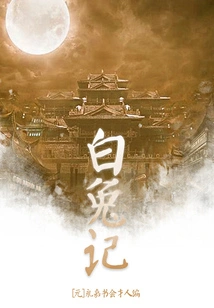
White Rabbit
Literature白兔记
(yuan) Yongjia Book Club Edited By Talented People
"White Rabbit", also known as "Liu Zhiyuan's White Rabbit", is a Southern Opera work of the Yuan Dynasty. It was compiled by talented people from the Yongjia Calligraphy Society. It tells the story of the joys and sorrows of Liu Zhiyuan and Li Sanniang: Liu Zhiyuan was the founding emperor of the Later Han Dynasty in the Five Dynasties. He ascended to the throne from a homeless man. His legendary experience is popular among the people. This play tells that he lost his fortune due to gambling and became homeless. He was taken in by the wealthy Li Wenkui and worked as a servant in the Li family. Li Wenkui saw a snake piercing his orifices while he was sleeping, and concluded that he would be rich in the future, so he betrothed his daughter Li Sanniang to him. After Li Wenkui's death, Sanniang's brother and sister-in-law assigned Liu Zhiyuan to guard the melon garden, which was troubled by melon spirits, on the grounds of dividing the family, in order to harm him. Li Sanniang knew the plan and tried to prevent Liu Zhiyuan from guarding the garden. Liu Zhiyuan, who was skilled in martial arts, grabbed the stick and left. Zhiyuan defeated Guajing and obtained the military book and sword. He said goodbye to Sanniang and went to Fenzhou to join the army. Because of his repeated military exploits, Liu Zhiyuan was promoted several times and went to Jiuzhou to appease him and married the Yue family. Sanniang was tortured at home. She was overworked and gave birth to a son in a mill. Since she had no scissors, she bit off the umbilical cord with her mouth, so she was named "Navel Biter". He also asked Duke Dou to send his son to Zhiyuan to be raised. Fifteen years later, Liu Zhiyuan ordered his son to return to the village to visit his mother. The navel-biting man went out hunting one day. As he was chasing a white rabbit, he met his mother who was drawing water from a well. The navel-biting man went back to report to his father. Liu Zhiyuan led his troops back to Shatuo and reunited with Li Sanniang.
"White Rabbit", also known as "Liu Zhiyuan's White Rabbit", is a Southern Opera work of the Yuan Dynasty. It was compiled by talented people from the Yongjia Calligraphy Society. It tells the story of the joys and sorrows of Liu Zhiyuan and Li Sanniang: Liu Zhiyuan was the founding emperor of the Later Han Dynasty in the Five Dynasties. He ascended to the throne from a homeless man. His legendary experience is popular among the people. This play tells that he lost his fortune due to gambling and became homeless. He was taken in by the wealthy Li Wenkui and worked as a servant in the Li family. Li Wenkui saw a snake piercing his orifices while he was sleeping, and concluded that he would be rich in the future, so he betrothed his daughter Li Sanniang to him. After Li Wenkui's death, Sanniang's brother and sister-in-law assigned Liu Zhiyuan to guard the melon garden, which was troubled by melon spirits, on the grounds of dividing the family, in order to harm him. Li Sanniang knew the plan and tried to prevent Liu Zhiyuan from guarding the garden. Liu Zhiyuan, who was skilled in martial arts, grabbed the stick and left. Zhiyuan defeated Guajing and obtained the military book and sword. He said goodbye to Sanniang and went to Fenzhou to join the army. Because of his repeated military exploits, Liu Zhiyuan was promoted several times and went to Jiuzhou to appease him and married the Yue family. Sanniang was tortured at home. She was overworked and gave birth to a son in a mill. Since she had no scissors, she bit off the umbilical cord with her mouth, so she was named "Navel Biter". He also asked Duke Dou to send his son to Zhiyuan to be raised. Fifteen years later, Liu Zhiyuan ordered his son to return to the village to visit his mother. The navel-biting man went out hunting one day. As he was chasing a white rabbit, he met his mother who was drawing water from a well. The navel-biting man went back to report to his father. Liu Zhiyuan led his troops back to Shatuo and reunited with Li Sanniang.
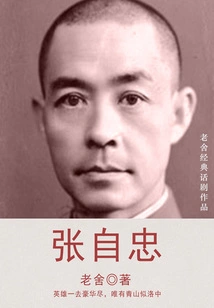
Zhang Zizhong (lao She's Classic Play)
Literature张自忠(老舍经典话剧)
Lao She
The play "Zhang Zizhong" was created during the anti-Japanese war in 1940. After the anti-Japanese general Zhang Zizhong (1891-1940) died for his country, Lao She was inspired by his heroic deeds. He spent three months and revised five drafts to create the four-act drama "Zhang Zizhong", creating a vivid image of the anti-Japanese general. The script describes Zhang Zizhong's persistence in the war of resistance. During the Battle of Linyi, he led his troops to defend the west bank of the Yi River. He fought bloody battles on Chaye Mountain for 7 days and 7 nights. He took the lead, used offense as defense, and pushed back the Japanese Itagaki Division 80 miles. The work focuses on the anti-Japanese war general Zhang Zizhong's example of leading the army, strict military discipline, understanding of the situation, and winning the hearts of the people. It particularly highlights his bravery and fearlessness, fighting the invaders to the end and dying on the battlefield, in order to inspire the people in the anti-war.
The play "Zhang Zizhong" was created during the anti-Japanese war in 1940. After the anti-Japanese general Zhang Zizhong (1891-1940) died for his country, Lao She was inspired by his heroic deeds. He spent three months and revised five drafts to create the four-act drama "Zhang Zizhong", creating a vivid image of the anti-Japanese general. The script describes Zhang Zizhong's persistence in the war of resistance. During the Battle of Linyi, he led his troops to defend the west bank of the Yi River. He fought bloody battles on Chaye Mountain for 7 days and 7 nights. He took the lead, used offense as defense, and pushed back the Japanese Itagaki Division 80 miles. The work focuses on the anti-Japanese war general Zhang Zizhong's example of leading the army, strict military discipline, understanding of the situation, and winning the hearts of the people. It particularly highlights his bravery and fearlessness, fighting the invaders to the end and dying on the battlefield, in order to inspire the people in the anti-war.
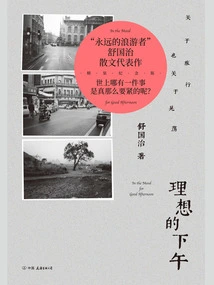
Ideal Afternoon
Literature理想的下午
Shu Guozhi
"Ideal Afternoon" is the representative work of Shu Guozhi, the founder of travel literature and the "eternal wanderer". With a transcendent vision and idle feelings about life, he talks about travel and landscapes, looking at the surroundings and looking for beautiful places. Since its publication, it has won many awards in the Chinese cultural circle and is known as "a must-have book for young literary and artistic people". It's wandering, it's life, it's also aesthetics. This book contains 32 essays compiled and selected by the author himself. Liang Wendao personally wrote the preface, introducing Shu as a person and his writings, and outlining Shu Guozhi's change trajectory from youth to maturity. There is also a new preface written by Shu Guozhi for the 22nd anniversary edition. Life is unplanned. May we walk in our own time. The good times after mediocrity may not always be 100% ideal. It is also peaceful and comfortable to find tranquility in the chaos and simplicity in the chaos. The ideal afternoon is of course limited, and the enjoyment is short-lived, but the afternoon time is more pleasant.
"Ideal Afternoon" is the representative work of Shu Guozhi, the founder of travel literature and the "eternal wanderer". With a transcendent vision and idle feelings about life, he talks about travel and landscapes, looking at the surroundings and looking for beautiful places. Since its publication, it has won many awards in the Chinese cultural circle and is known as "a must-have book for young literary and artistic people". It's wandering, it's life, it's also aesthetics. This book contains 32 essays compiled and selected by the author himself. Liang Wendao personally wrote the preface, introducing Shu as a person and his writings, and outlining Shu Guozhi's change trajectory from youth to maturity. There is also a new preface written by Shu Guozhi for the 22nd anniversary edition. Life is unplanned. May we walk in our own time. The good times after mediocrity may not always be 100% ideal. It is also peaceful and comfortable to find tranquility in the chaos and simplicity in the chaos. The ideal afternoon is of course limited, and the enjoyment is short-lived, but the afternoon time is more pleasant.
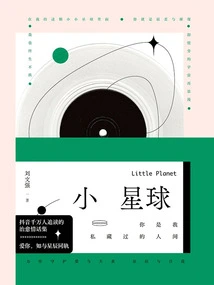
Small Planet
Literature小星球
Liu Wenqiang
This is a book and a warm gift. In the spring when cherry blossoms fall all over the ground and in the bright summer, in the autumn when the nights slowly lengthen and in the winter when the snow is full of joy, read the love words in a few words in the book, pick up the romance in the long and short sentences, and read the soft and warm fireworks stories. Every word is my love for you. Live your ordinary days more romantically, make your heart softer, and share with you the branches and vines of the world, as well as every detail of morning and evening. All good things are worth looking forward to, and every bit of warmth and loveliness in life is worth moving forward. Dedicated to everyone who loves you. No matter how big the world is, I still have you.
This is a book and a warm gift. In the spring when cherry blossoms fall all over the ground and in the bright summer, in the autumn when the nights slowly lengthen and in the winter when the snow is full of joy, read the love words in a few words in the book, pick up the romance in the long and short sentences, and read the soft and warm fireworks stories. Every word is my love for you. Live your ordinary days more romantically, make your heart softer, and share with you the branches and vines of the world, as well as every detail of morning and evening. All good things are worth looking forward to, and every bit of warmth and loveliness in life is worth moving forward. Dedicated to everyone who loves you. No matter how big the world is, I still have you.
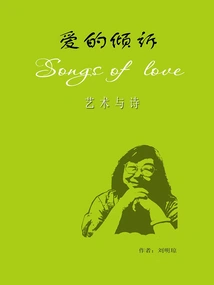
Confessions of Love: Art and Poetry
Literature爱的倾诉:艺术与诗
Liu Mingqiong
This collection of poems contains a total of 216 poems written by the author in the past two years, divided into three series according to content. Part One: Music and Poetry, which contains sixty-one poems written by the author for music or performance videos; Part Two: Photography and Poetry, which contains thirty-six poems written by the author for his friend's photography; Part Three: Free Random Thoughts; and finally three poems written by friends and three English poems written by me.
This collection of poems contains a total of 216 poems written by the author in the past two years, divided into three series according to content. Part One: Music and Poetry, which contains sixty-one poems written by the author for music or performance videos; Part Two: Photography and Poetry, which contains thirty-six poems written by the author for his friend's photography; Part Three: Free Random Thoughts; and finally three poems written by friends and three English poems written by me.
Birds and Fish
Literature飞鸟与鱼
Yan Xiaoqiu
Words and soul blend with ice and fire, tempering into a beauty with its own power. There is a kind of female poetry, which is always like a person with his back to an open window, holding a mirror, looking at the world and appreciating life and emotions. The same is true for this book "Birds and Fishes". All things and behaviors are refracted by subjective emotions, trimming life scenes in the endlessly rippling mirror image called love, choosing and choosing things in the world, thus indulging in the heart, and thus swinging enchantingly between affirmation and confusion. --Alai, author of "The Dust Has Settled"
Words and soul blend with ice and fire, tempering into a beauty with its own power. There is a kind of female poetry, which is always like a person with his back to an open window, holding a mirror, looking at the world and appreciating life and emotions. The same is true for this book "Birds and Fishes". All things and behaviors are refracted by subjective emotions, trimming life scenes in the endlessly rippling mirror image called love, choosing and choosing things in the world, thus indulging in the heart, and thus swinging enchantingly between affirmation and confusion. --Alai, author of "The Dust Has Settled"
诗音心语:唐宋诗人的文学江湖
Zhao Zhen
It reveals the prosperity and crisis of the Tang and Song dynasties through the eyes of poetry, shows the literary world of the Tang and Song dynasty poets, and reads the ways of doing things by the famous poets of the Tang and Song dynasties in one book. Focusing on the circle of friends of twelve famous poets of the Tang and Song Dynasties, it tells the life trajectory of each of them, involving nearly a hundred poems and many poets, giving an overview of the unprecedented prosperity of the literary world of the Tang and Song Dynasties. The first published exclusive extra to help you master Tang and Song poems easily and no longer have to worry about losing points in exams. From this book of essays on poems and stories by poets from the Tang and Song Dynasties, you will see famous celebrities from the Tang and Song Dynasties who are familiar to you, and you can also appreciate the beauty of Tang poetry and Song lyrics. Is Du Fu an official fan? Is the top student Bai Juyi a veteran in the examination room? Does he have a habit of "showing off his salary"? Is Li Qingzhao a gambler? Although the poets cannot be seen in the history books, the poems make the images of these characters fuller. The author carefully selects more than a dozen classic figures from the Tang and Song Dynasties - Li Bai, Du Fu, Bai Juyi, Li Shangyin, Liu Yong, Su Shi, Xin Qiji, Li Qingzhao, etc., Using psychological changes as the longitude and poetry interpretation as the weft to narrate their stories three-dimensionally. Not only can you see the literary world of the Tang and Song Dynasties, but you can also get a glimpse of a passionate history with ups and downs.
It reveals the prosperity and crisis of the Tang and Song dynasties through the eyes of poetry, shows the literary world of the Tang and Song dynasty poets, and reads the ways of doing things by the famous poets of the Tang and Song dynasties in one book. Focusing on the circle of friends of twelve famous poets of the Tang and Song Dynasties, it tells the life trajectory of each of them, involving nearly a hundred poems and many poets, giving an overview of the unprecedented prosperity of the literary world of the Tang and Song Dynasties. The first published exclusive extra to help you master Tang and Song poems easily and no longer have to worry about losing points in exams. From this book of essays on poems and stories by poets from the Tang and Song Dynasties, you will see famous celebrities from the Tang and Song Dynasties who are familiar to you, and you can also appreciate the beauty of Tang poetry and Song lyrics. Is Du Fu an official fan? Is the top student Bai Juyi a veteran in the examination room? Does he have a habit of "showing off his salary"? Is Li Qingzhao a gambler? Although the poets cannot be seen in the history books, the poems make the images of these characters fuller. The author carefully selects more than a dozen classic figures from the Tang and Song Dynasties - Li Bai, Du Fu, Bai Juyi, Li Shangyin, Liu Yong, Su Shi, Xin Qiji, Li Qingzhao, etc., Using psychological changes as the longitude and poetry interpretation as the weft to narrate their stories three-dimensionally. Not only can you see the literary world of the Tang and Song Dynasties, but you can also get a glimpse of a passionate history with ups and downs.
In Other Worlds (margaret Atwood Series)
Literature在其他的世界(玛格丽特·阿特伍德作品系列)
H
Margaret Atwood, the author of "The Handmaid's Tale" and a popular spokesperson for women's writing around the world, looks back on her relationship with science fiction novels throughout her life. She has profound insights and clever analysis, making it a refreshing read. "In Other Worlds: Science Fiction and the Human Imagination" is not a catalog of science fiction, nor a set of grand theories, nor a literary history; it is not a monograph on science fiction, with neither definition nor detailed analysis, nor is it an authoritative canon. It is not the product of years of study by pious scholars, nor is it the guardianship of a body of knowledge by moralists. "It is just an in-depth review of the relationship between one person, that is, 'I', as a reader and a writer, and one or more literary forms and their branch forms throughout her life." Through this book, Margaret Atwood reviews her relationship with science fiction throughout her life, from childhood to her time as a student at Harvard University, and then to her later years as a novelist and critic. These articles have profound insights, clever analysis, and sometimes unexpected humor and cunning. Reading them makes people feel like taking a breath of spring breeze.
Margaret Atwood, the author of "The Handmaid's Tale" and a popular spokesperson for women's writing around the world, looks back on her relationship with science fiction novels throughout her life. She has profound insights and clever analysis, making it a refreshing read. "In Other Worlds: Science Fiction and the Human Imagination" is not a catalog of science fiction, nor a set of grand theories, nor a literary history; it is not a monograph on science fiction, with neither definition nor detailed analysis, nor is it an authoritative canon. It is not the product of years of study by pious scholars, nor is it the guardianship of a body of knowledge by moralists. "It is just an in-depth review of the relationship between one person, that is, 'I', as a reader and a writer, and one or more literary forms and their branch forms throughout her life." Through this book, Margaret Atwood reviews her relationship with science fiction throughout her life, from childhood to her time as a student at Harvard University, and then to her later years as a novelist and critic. These articles have profound insights, clever analysis, and sometimes unexpected humor and cunning. Reading them makes people feel like taking a breath of spring breeze.
通往威根码头之路(译文经典)
(uk) George Orwell
What kind of person was a prophet before he became a prophet? "He did what Engels did in the mid-19th century." A social record of a cold mind and a sincere conscience. In the 1930s, commissioned by a left-wing book club, Orwell went to the industrial areas of northern England to investigate and record the real situation of the working class. Orwell did more than just investigate; he went down to the deepest part of the mine, lived in dilapidated and dirty workers' houses, and used the tip of his pen to vividly describe every aspect of the coal miners' lives. Reading it today, 80 years later, is still shockingly real. The despair and poverty conveyed by this picture have a terrifying power that transcends time and national boundaries. At the same time, the Road to Wigan Pier is also Orwell's road to socialism as he examines his own inner self. Born in the British middle class, he recalled how he gradually began to doubt and then hated the strict class barriers that divided British society at that time. Because in his mind, socialism ultimately means only one concept: "justice and freedom."
What kind of person was a prophet before he became a prophet? "He did what Engels did in the mid-19th century." A social record of a cold mind and a sincere conscience. In the 1930s, commissioned by a left-wing book club, Orwell went to the industrial areas of northern England to investigate and record the real situation of the working class. Orwell did more than just investigate; he went down to the deepest part of the mine, lived in dilapidated and dirty workers' houses, and used the tip of his pen to vividly describe every aspect of the coal miners' lives. Reading it today, 80 years later, is still shockingly real. The despair and poverty conveyed by this picture have a terrifying power that transcends time and national boundaries. At the same time, the Road to Wigan Pier is also Orwell's road to socialism as he examines his own inner self. Born in the British middle class, he recalled how he gradually began to doubt and then hated the strict class barriers that divided British society at that time. Because in his mind, socialism ultimately means only one concept: "justice and freedom."
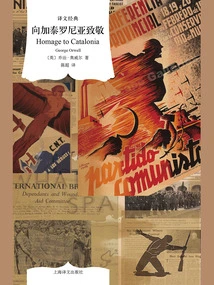
Homage to Catalonia (translated Classic)
Literature向加泰罗尼亚致敬(译文经典)
(uk) George Orwell
When "1984" meets "For Whom the Bell Tolls," George Orwell's adventures in the Spanish Civil War, which narrowly escaped death, were selected as one of the top ten documentary works of the 20th century by the National Review magazine. In December 1936, Orwell, with the enthusiasm to fight fascism, rushed to the Catalonia region of Spain to fight for the republican government, and was immediately sent to the Aragon front. In May 1937, Orwell was shot in the throat by a sniper of the Fascist army and his life hung on a thread. Fortunately, he survived the disaster and was forced to leave the front line and return to Barcelona to recuperate. However, what Orwell didn't know was that the rear at this time was actually more dangerous than the front line where bullets were raining, because on the seemingly peaceful streets of the capital, a life-and-death internal purge was brewing. Soon, Orwell will understand a truth that he will never forget: the greatest danger is not the enemy's bullets in front, but the muzzles of "one's own people" behind...
When "1984" meets "For Whom the Bell Tolls," George Orwell's adventures in the Spanish Civil War, which narrowly escaped death, were selected as one of the top ten documentary works of the 20th century by the National Review magazine. In December 1936, Orwell, with the enthusiasm to fight fascism, rushed to the Catalonia region of Spain to fight for the republican government, and was immediately sent to the Aragon front. In May 1937, Orwell was shot in the throat by a sniper of the Fascist army and his life hung on a thread. Fortunately, he survived the disaster and was forced to leave the front line and return to Barcelona to recuperate. However, what Orwell didn't know was that the rear at this time was actually more dangerous than the front line where bullets were raining, because on the seemingly peaceful streets of the capital, a life-and-death internal purge was brewing. Soon, Orwell will understand a truth that he will never forget: the greatest danger is not the enemy's bullets in front, but the muzzles of "one's own people" behind...
驳圣伯夫(译文经典)
G
"In Search of Lost Time" is too long, you can start with "Refutation of Sainte-Beuve" - the first book to understand Proust. Wang Daoqian's translation was published again after being out of print for many years. This book is neither an essay nor a novel, but a work of art. A piece of small madeleine cake brought out endless unconscious memories, and then the pen turned sharply. The author strongly criticizes the mechanical and erroneous criticism methods of the authoritative critic Saint-Beuve, and the resulting contempt and misunderstanding of all the literary geniuses in the French literary world at that time. The whole book contains both lyrical narrative and rational speculation. The two complement each other and reflect each other. The style of nearly half of the book is similar to or echoes that of "Reminiscence of Lost Time". It is a condensation of the essence of the author's thoughts and laid the first cornerstone for later textualist and structuralist criticism.
"In Search of Lost Time" is too long, you can start with "Refutation of Sainte-Beuve" - the first book to understand Proust. Wang Daoqian's translation was published again after being out of print for many years. This book is neither an essay nor a novel, but a work of art. A piece of small madeleine cake brought out endless unconscious memories, and then the pen turned sharply. The author strongly criticizes the mechanical and erroneous criticism methods of the authoritative critic Saint-Beuve, and the resulting contempt and misunderstanding of all the literary geniuses in the French literary world at that time. The whole book contains both lyrical narrative and rational speculation. The two complement each other and reflect each other. The style of nearly half of the book is similar to or echoes that of "Reminiscence of Lost Time". It is a condensation of the essence of the author's thoughts and laid the first cornerstone for later textualist and structuralist criticism.
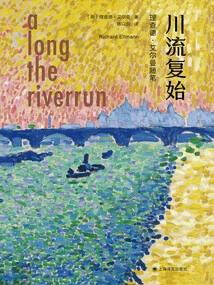
The Flow Begins Again
Literature川流复始
J
The essence of literary essays on the life of Richard Ellman, winner of the National Book Award and Pulitzer Prize for Biography. The collection of essays edited and selected by Ellman himself during his lifetime includes his most representative literary reviews and essays over the years, discussing the literary giants of the 20th century such as Pound, Eliot, Yeats, and Joyce. Book reviewer Chen Yikan's translation is very skillful and well conveyed. Richard Ellman is a famous American scholar and literary critic. With his three blockbuster biographies, "Yeats: Real Man and Mask", "Joyce" (National Book Award) and "Wilde" (Pulitzer Prize for Biography), he ranks among the giants in the study of modernist literature in the twentieth century. Through this book, we see that Ellman is not only good at large-scale works, but also a master of feature articles. In this book, Ellman uses his extensive knowledge, unrestrained talent and broad vision to review Pound's role in the birth of Eliot's "The Waste Land", examines Freud's indefinable influence on modern literature, recalls his interactions with Yeats's widow in his youth, and, of course, his favorite, Joyce - the title of the book "a long the riverrun" comes from the phrase connecting the beginning and end of "Finnegans Wake".
The essence of literary essays on the life of Richard Ellman, winner of the National Book Award and Pulitzer Prize for Biography. The collection of essays edited and selected by Ellman himself during his lifetime includes his most representative literary reviews and essays over the years, discussing the literary giants of the 20th century such as Pound, Eliot, Yeats, and Joyce. Book reviewer Chen Yikan's translation is very skillful and well conveyed. Richard Ellman is a famous American scholar and literary critic. With his three blockbuster biographies, "Yeats: Real Man and Mask", "Joyce" (National Book Award) and "Wilde" (Pulitzer Prize for Biography), he ranks among the giants in the study of modernist literature in the twentieth century. Through this book, we see that Ellman is not only good at large-scale works, but also a master of feature articles. In this book, Ellman uses his extensive knowledge, unrestrained talent and broad vision to review Pound's role in the birth of Eliot's "The Waste Land", examines Freud's indefinable influence on modern literature, recalls his interactions with Yeats's widow in his youth, and, of course, his favorite, Joyce - the title of the book "a long the riverrun" comes from the phrase connecting the beginning and end of "Finnegans Wake".
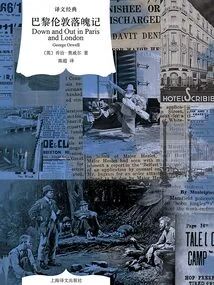
巴黎伦敦落魄记(译文经典)
I
"Adventures in the Slums" by George Orwell, the author of "1984", a little-known story of Orwell's early life. What kind of person was a prophet before he became a prophet? George Orwell, the author of "1984" and "Animal Farm" and the prophet of dystopia, was always a staunch socialist throughout his life. This may confuse today's readers who do not understand the changes in the political spectrum, but for Orwell, this was a natural choice. "Down and Out in Paris and London" is Orwell's first officially published documentary work. It tells the story of Orwell's true experience of voluntarily entering the slums in Paris and London to experience life at the bottom of society. After feeling completely disgusted and despaired of the British colonial system, Orwell's literary dream finally came to fruition for the first time after several setbacks. The experiences in Paris and London can be seen as Orwell's journey of repentance and redemption for his service to the colonial system. As a loyal believer in the socialist system, perhaps Orwell's deliberate choice of wandering and poverty was a test of his ability to persist in implementing socialist ideals. Paris and London are the most prosperous places in the capitalist world, but the poverty and hardship at the bottom of society is shocking. Orwell's sincere attitude of "resigning himself to suicide" and treating the working people as equals is truly unusual among British left-wing literary writers. It is this spirit that makes "Down and Out in Paris and London" a classic documentary work that exposes social injustice, and it still resonates with readers today.
"Adventures in the Slums" by George Orwell, the author of "1984", a little-known story of Orwell's early life. What kind of person was a prophet before he became a prophet? George Orwell, the author of "1984" and "Animal Farm" and the prophet of dystopia, was always a staunch socialist throughout his life. This may confuse today's readers who do not understand the changes in the political spectrum, but for Orwell, this was a natural choice. "Down and Out in Paris and London" is Orwell's first officially published documentary work. It tells the story of Orwell's true experience of voluntarily entering the slums in Paris and London to experience life at the bottom of society. After feeling completely disgusted and despaired of the British colonial system, Orwell's literary dream finally came to fruition for the first time after several setbacks. The experiences in Paris and London can be seen as Orwell's journey of repentance and redemption for his service to the colonial system. As a loyal believer in the socialist system, perhaps Orwell's deliberate choice of wandering and poverty was a test of his ability to persist in implementing socialist ideals. Paris and London are the most prosperous places in the capitalist world, but the poverty and hardship at the bottom of society is shocking. Orwell's sincere attitude of "resigning himself to suicide" and treating the working people as equals is truly unusual among British left-wing literary writers. It is this spirit that makes "Down and Out in Paris and London" a classic documentary work that exposes social injustice, and it still resonates with readers today.

Doors (margaret Atwood Series)
Literature门(玛格丽特·阿特伍德作品系列)
(add) Margaret Atwood
Margaret Atwood, the author of "The Handmaid's Tale" and the world's most popular spokesperson for female writing, is a masterpiece of poetry. The famous poet Wu Ang translated the poems and faithfully restored the female voices, letting words illuminate the darkness and witnessing reality with imagination. This book collects Atwood's poetry from 1995 to 2007. Through these works, she seeks to explore the nature of poetry, passages in time, and our shared moral consciousness. This is a brave, passionate collection of poetry that reflects on and interrogates the standpoints of human life, reaffirming Atwood's status as one of the most important English-language poets of our time. Atwood specializes in blank free verse, and has conducted various explorations in poetry forms and creative techniques over the years. Her poems are restrained and calm, focusing on the rhythm of words and the presentation of images. She is also good at using rich creative techniques such as collage and word games. Compared with her early works, these poems in her mature period of creation show a trend of being simpler, clearer and sharper, conveying the poet's powerful spiritual heritage and her examination of society and the times with cold or even sharp language.
Margaret Atwood, the author of "The Handmaid's Tale" and the world's most popular spokesperson for female writing, is a masterpiece of poetry. The famous poet Wu Ang translated the poems and faithfully restored the female voices, letting words illuminate the darkness and witnessing reality with imagination. This book collects Atwood's poetry from 1995 to 2007. Through these works, she seeks to explore the nature of poetry, passages in time, and our shared moral consciousness. This is a brave, passionate collection of poetry that reflects on and interrogates the standpoints of human life, reaffirming Atwood's status as one of the most important English-language poets of our time. Atwood specializes in blank free verse, and has conducted various explorations in poetry forms and creative techniques over the years. Her poems are restrained and calm, focusing on the rhythm of words and the presentation of images. She is also good at using rich creative techniques such as collage and word games. Compared with her early works, these poems in her mature period of creation show a trend of being simpler, clearer and sharper, conveying the poet's powerful spiritual heritage and her examination of society and the times with cold or even sharp language.
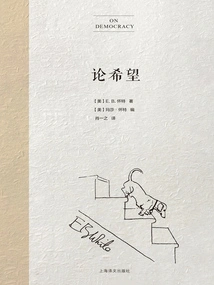
On Hope
Literature论希望
(u. S.) Written By E. B. White Edited By Martha White
"The greatest American essayist of the 20th century", the writer who single-handedly established the far-reaching "New Yorker style" and the author of "Charlotte's Web", E. B. White has newly compiled a collection of poems and essays, edited by the author's granddaughter Martha White, with an introduction and recommendation by Pulitzer Prize winner Jon Meacham. The included works cover essays, poetry, letters and other genres. Xiao Yizhi, a foreign literature researcher and translator, and the resident anchor of the "Island Hopping" podcast. White is full of care for everything in this world, and his morals are as high as his articles. In addition to his lifelong love of essays, he also wrote three books for children, "Charlotte's Web," "The Little Elf" and "The Trumpeting Swan," which have become literary classics loved by children and adults alike. These works were created over a wide period of time, but they reflect White's consistent attitude towards life: "Facing complexity, remain joyful."
"The greatest American essayist of the 20th century", the writer who single-handedly established the far-reaching "New Yorker style" and the author of "Charlotte's Web", E. B. White has newly compiled a collection of poems and essays, edited by the author's granddaughter Martha White, with an introduction and recommendation by Pulitzer Prize winner Jon Meacham. The included works cover essays, poetry, letters and other genres. Xiao Yizhi, a foreign literature researcher and translator, and the resident anchor of the "Island Hopping" podcast. White is full of care for everything in this world, and his morals are as high as his articles. In addition to his lifelong love of essays, he also wrote three books for children, "Charlotte's Web," "The Little Elf" and "The Trumpeting Swan," which have become literary classics loved by children and adults alike. These works were created over a wide period of time, but they reflect White's consistent attitude towards life: "Facing complexity, remain joyful."
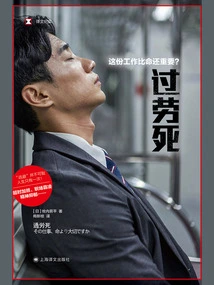
过劳死:这份工作比命还重要?(译文纪实)
(japan) Makuchi Shohei
Overtime work, workplace bullying, mental depression... "Escape" is not shameful. You only live once! The term "karoshi" originated in Japanese and has been widely circulated since the 1980s. Although more than 30 years have passed, many people in Japan today are still killed by heavy work. If the work is too hard, you can take a vacation or resign. When you first start working and are in good physical and mental shape, you will be able to see these options. However, making a decision is not a simple matter. Losing your source of income, not wanting to worry your parents, not finding the next job, all kinds of reasons will make you endure and continue working, so you will be overworked, and your vision will become narrower and narrower. Unknowingly, it is so narrow that people forget that there are options other than continuing to work. As a result, there is no way to escape from the current life, and you will be trapped by the idea that "you will be comfortable if you die", which makes people lose their normal judgment. This book is based on the special collection of karoshi cases published by the "Asahi Shimbun". The author selected 11 representative cases and conducted in-depth interviews with these 11 bereaved families to reveal the true situation of the karoshi problem in Japan's workplace. What kind of mood do people who fall at their jobs have to work hard? How did they end up struggling? In what kind of shadow will the family members left behind spend the rest of their lives? Why are there more and more cases of death from overwork and sudden death in society now? The author narrates cases and analyzes phenomena from several aspects such as medical treatment, legal concepts, and social environment, and contributes this documentary literature that restores the painful truth to the world.
Overtime work, workplace bullying, mental depression... "Escape" is not shameful. You only live once! The term "karoshi" originated in Japanese and has been widely circulated since the 1980s. Although more than 30 years have passed, many people in Japan today are still killed by heavy work. If the work is too hard, you can take a vacation or resign. When you first start working and are in good physical and mental shape, you will be able to see these options. However, making a decision is not a simple matter. Losing your source of income, not wanting to worry your parents, not finding the next job, all kinds of reasons will make you endure and continue working, so you will be overworked, and your vision will become narrower and narrower. Unknowingly, it is so narrow that people forget that there are options other than continuing to work. As a result, there is no way to escape from the current life, and you will be trapped by the idea that "you will be comfortable if you die", which makes people lose their normal judgment. This book is based on the special collection of karoshi cases published by the "Asahi Shimbun". The author selected 11 representative cases and conducted in-depth interviews with these 11 bereaved families to reveal the true situation of the karoshi problem in Japan's workplace. What kind of mood do people who fall at their jobs have to work hard? How did they end up struggling? In what kind of shadow will the family members left behind spend the rest of their lives? Why are there more and more cases of death from overwork and sudden death in society now? The author narrates cases and analyzes phenomena from several aspects such as medical treatment, legal concepts, and social environment, and contributes this documentary literature that restores the painful truth to the world.
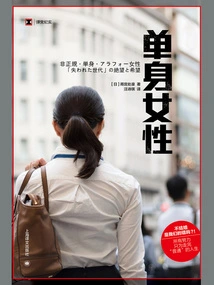
Single Women (translated Documentary)
Literature单身女性(译文纪实)
(japan) Rin Amamiya
"Is it our fault for not getting married?!" All the efforts are just to live an "ordinary" life. This is a group portrait of women from the working generation of Japan during the Ice Age, a true testimony of floating in the tide of the times. The object of this book's investigation is the female group in Japan's working generation during the Ice Age. Based on the four themes of "informal employees", "middle-aged women's blind dates", "hardship of life" and "caring for elderly parents", the author interviewed many women of the same age group and in similar situations: Some people know that the company's "efforts will make you transfer". "True" is a lie, and people who can only rely on self-numbing to persist in working; some people cannot enjoy the company's benefits when they are sick, and can only stand by and lose their jobs; some people find a boyfriend, but give up because they cannot accept the reality that they have to die for him first; some people pursue They seek close relationships but finally give up after many setbacks and decide to spend their lives with cats; some leave their original families and live a lonely but happy life on subsistence allowances; others reject the threat of consumerism and find a sense of belonging by participating in trade union activities to help others defend their rights... They sink or float in the mud and sand of the times, enduring and resisting all kinds of tangible and invisible discrimination against women in Japanese society, and leaving a precious testimony to record the current status of women's survival in contemporary East Asian society.
"Is it our fault for not getting married?!" All the efforts are just to live an "ordinary" life. This is a group portrait of women from the working generation of Japan during the Ice Age, a true testimony of floating in the tide of the times. The object of this book's investigation is the female group in Japan's working generation during the Ice Age. Based on the four themes of "informal employees", "middle-aged women's blind dates", "hardship of life" and "caring for elderly parents", the author interviewed many women of the same age group and in similar situations: Some people know that the company's "efforts will make you transfer". "True" is a lie, and people who can only rely on self-numbing to persist in working; some people cannot enjoy the company's benefits when they are sick, and can only stand by and lose their jobs; some people find a boyfriend, but give up because they cannot accept the reality that they have to die for him first; some people pursue They seek close relationships but finally give up after many setbacks and decide to spend their lives with cats; some leave their original families and live a lonely but happy life on subsistence allowances; others reject the threat of consumerism and find a sense of belonging by participating in trade union activities to help others defend their rights... They sink or float in the mud and sand of the times, enduring and resisting all kinds of tangible and invisible discrimination against women in Japanese society, and leaving a precious testimony to record the current status of women's survival in contemporary East Asian society.
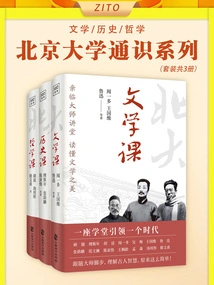
北京大学通识系列(套装共3册)
Wang Guowei Lu Xun Hu Shi Et Al.
As the center of the New Culture Movement and the birthplace of the May 4th Movement, the traditional spirit of patriotism, progress, democracy, and science and the academic style of diligence, rigor, pragmatism, and innovation are endlessly passed down here from generation to generation. Peking University's general education has profoundly influenced a generation of Chinese scholars and laid a solid foundation for their achievements. This set of books includes the classic lecture notes and works of 14 gentlemen including Lu Xun, Wang Guowei, Chen Yinke, Wen Yiduo, Tang Yongtong, Fu Sinian, Fan Wenlan, Hu Shi, Zhang Yinlin, Meng Sen, Wang Tongling, Gu Sui, Wu Mei, Ji Wenfu, etc., Integrating literature The three compulsory general courses, history, and philosophy, select some important literary works, historical events, and ideological concepts from the pre-Qin to the Qing Dynasty for readers to understand the essence of traditional culture from the perspective of a master and reproduce the key nodes of Chinese culture.
As the center of the New Culture Movement and the birthplace of the May 4th Movement, the traditional spirit of patriotism, progress, democracy, and science and the academic style of diligence, rigor, pragmatism, and innovation are endlessly passed down here from generation to generation. Peking University's general education has profoundly influenced a generation of Chinese scholars and laid a solid foundation for their achievements. This set of books includes the classic lecture notes and works of 14 gentlemen including Lu Xun, Wang Guowei, Chen Yinke, Wen Yiduo, Tang Yongtong, Fu Sinian, Fan Wenlan, Hu Shi, Zhang Yinlin, Meng Sen, Wang Tongling, Gu Sui, Wu Mei, Ji Wenfu, etc., Integrating literature The three compulsory general courses, history, and philosophy, select some important literary works, historical events, and ideological concepts from the pre-Qin to the Qing Dynasty for readers to understand the essence of traditional culture from the perspective of a master and reproduce the key nodes of Chinese culture.
影响中国历史的十篇政治美文(最新版)
Compiled By Liang Heng
There are a vast number of Chinese articles, among which there is a "political beauty article", that is, an article that is both ideological and beautiful, and its effect is far greater than other articles. From ancient times to the present, there are only a few beautiful articles that have influenced the political civilization, personality, behavior, and ideological culture of the Chinese nation with one article. This book selects ten beautiful political articles. These articles have original ideas and conform to the laws of art. The words, sentences, chapters, shapes, emotions, and principles all meet the requirements of beauty. Some famous sentences and familiar words in the articles have been widely circulated and become aphorisms and mottos. Some have been included in dictionaries, enriching the national language, and they have become classics of Chinese civilization. These ten beautiful political articles are the coordinates of China's political history and the backbone of its literary history for more than two thousand years. Thousands of armies are easy to get, but one general is hard to find; thousands of years are easy to pass, but good articles are hard to come by.
There are a vast number of Chinese articles, among which there is a "political beauty article", that is, an article that is both ideological and beautiful, and its effect is far greater than other articles. From ancient times to the present, there are only a few beautiful articles that have influenced the political civilization, personality, behavior, and ideological culture of the Chinese nation with one article. This book selects ten beautiful political articles. These articles have original ideas and conform to the laws of art. The words, sentences, chapters, shapes, emotions, and principles all meet the requirements of beauty. Some famous sentences and familiar words in the articles have been widely circulated and become aphorisms and mottos. Some have been included in dictionaries, enriching the national language, and they have become classics of Chinese civilization. These ten beautiful political articles are the coordinates of China's political history and the backbone of its literary history for more than two thousand years. Thousands of armies are easy to get, but one general is hard to find; thousands of years are easy to pass, but good articles are hard to come by.
深进与超越:当代学者论中国古代文学
Zhu Wanshu Xu Zhengying
"Going Deeper and Beyond: Contemporary Scholars on Ancient Chinese Literature" is a collection of essays that brings together 31 research papers on ancient Chinese literature by domestic representative scholars in recent years. These papers are scholars' in-depth study of academic issues in the fields they work in, either raising new questions or providing new insights into old issues. At the same time, they also reflect the thinking and expansion of the methods and vision of each scholar, or the inheritance of the methods of their predecessors, or the thinking and application of new methods, showing the transcendence of the predecessors scholars, and even the transcendence of self-research. The collection of essays reflects the academic height and depth of ancient literature research since the 21st century, and also demonstrates the academic feelings and academic wisdom of a generation of scholars.
"Going Deeper and Beyond: Contemporary Scholars on Ancient Chinese Literature" is a collection of essays that brings together 31 research papers on ancient Chinese literature by domestic representative scholars in recent years. These papers are scholars' in-depth study of academic issues in the fields they work in, either raising new questions or providing new insights into old issues. At the same time, they also reflect the thinking and expansion of the methods and vision of each scholar, or the inheritance of the methods of their predecessors, or the thinking and application of new methods, showing the transcendence of the predecessors scholars, and even the transcendence of self-research. The collection of essays reflects the academic height and depth of ancient literature research since the 21st century, and also demonstrates the academic feelings and academic wisdom of a generation of scholars.
泰戈尔集(套装共6册)
(india) Rabindranath Tagore
"Gitanjali" is an anthology of Rabindranath Tagore's poems. It includes fourteen collections of poems, including "Stories and Poems", "Gitanjali", "Gardener", "New Moon", "Birds", "Fruit Gathering", "Wandering Thoughts", "Lovers' Collection", "Ferry", "Once Again", "Leaf Plate", "Edge", "Sickbed" and "Birthday". It can be said to represent all the essence and higher achievements of Tagore's poetry creation. "The Hungry Stone" is an anthology of Rabindranath Tagore's short stories and short stories, including "The Secret Agent", "The Man of Kabul", "Skeleton", "The Hungry Stone", "Four People" and "Two Sisters". "Shipwreck" is Rabindranath Tagore's masterpiece. The whole story describes the joys and sorrows of Nari Naksha and Kamana, an extremely pious and kind-hearted young couple. But more importantly, Tagore actually fully expressed his outlook on life and world view through this story. "Entanglement" is Tagore's novel describing urban life and the bourgeoisie. The novel chastises the empty and humble spiritual soul of capitalists, outlines the historical trajectory of capital's fortune and development, and truly describes the Indian bourgeoisie and its spiritual characteristics in the nineteenth century. "Memories of Life" selects life memories, literary travel notes and literary articles with literary biographies, so that readers can enjoy the beauty in their knowledge. "The Flower Girl" is an anthology of Rabindranath Tagore's dramas, which includes seven dramas including "The Flower Girl", "Sacrifice", "Mokdotala", "The King", "Post Office", "Malini" and "Nandini". The plays selected in this book are Tagore's creations in different periods, comprehensively demonstrating Tagore's dramatic thoughts and creative achievements.
"Gitanjali" is an anthology of Rabindranath Tagore's poems. It includes fourteen collections of poems, including "Stories and Poems", "Gitanjali", "Gardener", "New Moon", "Birds", "Fruit Gathering", "Wandering Thoughts", "Lovers' Collection", "Ferry", "Once Again", "Leaf Plate", "Edge", "Sickbed" and "Birthday". It can be said to represent all the essence and higher achievements of Tagore's poetry creation. "The Hungry Stone" is an anthology of Rabindranath Tagore's short stories and short stories, including "The Secret Agent", "The Man of Kabul", "Skeleton", "The Hungry Stone", "Four People" and "Two Sisters". "Shipwreck" is Rabindranath Tagore's masterpiece. The whole story describes the joys and sorrows of Nari Naksha and Kamana, an extremely pious and kind-hearted young couple. But more importantly, Tagore actually fully expressed his outlook on life and world view through this story. "Entanglement" is Tagore's novel describing urban life and the bourgeoisie. The novel chastises the empty and humble spiritual soul of capitalists, outlines the historical trajectory of capital's fortune and development, and truly describes the Indian bourgeoisie and its spiritual characteristics in the nineteenth century. "Memories of Life" selects life memories, literary travel notes and literary articles with literary biographies, so that readers can enjoy the beauty in their knowledge. "The Flower Girl" is an anthology of Rabindranath Tagore's dramas, which includes seven dramas including "The Flower Girl", "Sacrifice", "Mokdotala", "The King", "Post Office", "Malini" and "Nandini". The plays selected in this book are Tagore's creations in different periods, comprehensively demonstrating Tagore's dramatic thoughts and creative achievements.
我怎样写小说(老舍作品集21)
Lao She
"How I Write a Novel" is a collection of Lao She's statements about his creative process and creative experience. From how to create "Lao Zhang's Philosophy" and "Zhao Zi Yue" to "Four Generations Under One Roof" and "Teahouse", it also talks about humor, scenery, characters, facts in creation, literary forms, drama, etc. It also touches on various readings. It is rich in content and can be used as a reference for literary creation and research.
"How I Write a Novel" is a collection of Lao She's statements about his creative process and creative experience. From how to create "Lao Zhang's Philosophy" and "Zhao Zi Yue" to "Four Generations Under One Roof" and "Teahouse", it also talks about humor, scenery, characters, facts in creation, literary forms, drama, etc. It also touches on various readings. It is rich in content and can be used as a reference for literary creation and research.
走在天地间(行走文丛)
Heidi Yang
In the author's writing, he went up to the plateau and climbed over the snow-capped mountains, entered Shenlongjia and Heizhugou, climbed Guanyin Mountain, and explored Dunzai Village. The beautiful southwestern and southeastern Guizhou are colorful, and the Niado Ladder is spectacular. Go to the southeast, pass through Huizhou, climb Mount Huangshan, and listen to the slow sound of Yangzhou. The author believes that only by "letting go" of the prejudices and stubbornness in your heart can you walk briskly between heaven and earth, and only then can the scenery you admire and the emotions you experience be vivid and lovely, and only then can you truly "get nature." Let us follow the author's "walking" footsteps, fall in love with nature, fall in love with the creation of heaven and earth, gain happiness, and enjoy a beautiful life.
In the author's writing, he went up to the plateau and climbed over the snow-capped mountains, entered Shenlongjia and Heizhugou, climbed Guanyin Mountain, and explored Dunzai Village. The beautiful southwestern and southeastern Guizhou are colorful, and the Niado Ladder is spectacular. Go to the southeast, pass through Huizhou, climb Mount Huangshan, and listen to the slow sound of Yangzhou. The author believes that only by "letting go" of the prejudices and stubbornness in your heart can you walk briskly between heaven and earth, and only then can the scenery you admire and the emotions you experience be vivid and lovely, and only then can you truly "get nature." Let us follow the author's "walking" footsteps, fall in love with nature, fall in love with the creation of heaven and earth, gain happiness, and enjoy a beautiful life.
水在水之外(行走文丛)
Ge Level
Ge Shuishi's works bring readers into a long-lost but eternal state of existence. "Walking" in the depths of Yellow River culture and history is not only immersive, but also "heart-to-heart", and the writing is grand and full of poetry. The author searches for villages, mountains, rivers, and crop fields, and there are countless manners. The wind and dust are all feelings, and everything is full of love. The author is humble in her treatment of nature, and rational and clear in her treatment of her own situation and life. She relies on reading and cognition to record the traces of her life, and her writing tells the ideal way of living.
Ge Shuishi's works bring readers into a long-lost but eternal state of existence. "Walking" in the depths of Yellow River culture and history is not only immersive, but also "heart-to-heart", and the writing is grand and full of poetry. The author searches for villages, mountains, rivers, and crop fields, and there are countless manners. The wind and dust are all feelings, and everything is full of love. The author is humble in her treatment of nature, and rational and clear in her treatment of her own situation and life. She relies on reading and cognition to record the traces of her life, and her writing tells the ideal way of living.
Dadi Articles (walking Collection)
Literature大地文章(行走文丛)
Chen Shixu
Chen Shixu, winner of the Lu Xun Literature Prize, "walked" for the first time. His prose passionately describes rivers, grasslands, forests, lakes, mountains, canyons, oceans, wilderness, cities and their history and humanity, examines the relationship between oneself and nature, and explores the spiritual issues of contemporary people. It is a work that "settles the soul". He has been creating for decades, never following trends, staying true to his own life and his own literary pursuits. Combining traditional prose writing methods with new life content, you can feel the author's unique natural aesthetics and prose aesthetics by reading the works.
Chen Shixu, winner of the Lu Xun Literature Prize, "walked" for the first time. His prose passionately describes rivers, grasslands, forests, lakes, mountains, canyons, oceans, wilderness, cities and their history and humanity, examines the relationship between oneself and nature, and explores the spiritual issues of contemporary people. It is a work that "settles the soul". He has been creating for decades, never following trends, staying true to his own life and his own literary pursuits. Combining traditional prose writing methods with new life content, you can feel the author's unique natural aesthetics and prose aesthetics by reading the works.
Nomadic Great Wall (walking Wencong)
Literature游牧长城(行走文丛)
Zhou Tao
Most of Zhou Tao's prose are based on life in the Northwest, covering everything from grasslands, snow-capped mountains, Gobi, ethnic groups, history, etc. This book starts from the Great Wall and goes from the outside to the inside. It writes about the personnel and the past of Gansu, Shaanxi and Shanxi provinces. What it praises is the tenacity and vitality of life, and it is the author's thinking and understanding of all things in nature and life. The whole book is written with vigorous momentum, solemn style and powerful writing.
Most of Zhou Tao's prose are based on life in the Northwest, covering everything from grasslands, snow-capped mountains, Gobi, ethnic groups, history, etc. This book starts from the Great Wall and goes from the outside to the inside. It writes about the personnel and the past of Gansu, Shaanxi and Shanxi provinces. What it praises is the tenacity and vitality of life, and it is the author's thinking and understanding of all things in nature and life. The whole book is written with vigorous momentum, solemn style and powerful writing.
泰戈尔诗集:新月集·飞鸟集
(india) Rabindranath Tagore
This book contains "Crescent Moon Collection" and "Bird Collection" by Indian poet Rabindranath Tagore. In "New Moon Collection", Tagore sings about love in the world from a child's perspective. In "Birds", Tagore praises the various charms of life in nature. These poems that praise love and life are timeless and beautiful. They are also recommended reading materials for middle school Chinese textbooks.
This book contains "Crescent Moon Collection" and "Bird Collection" by Indian poet Rabindranath Tagore. In "New Moon Collection", Tagore sings about love in the world from a child's perspective. In "Birds", Tagore praises the various charms of life in nature. These poems that praise love and life are timeless and beautiful. They are also recommended reading materials for middle school Chinese textbooks.