Library
Browse and search novels
25,832 novels found
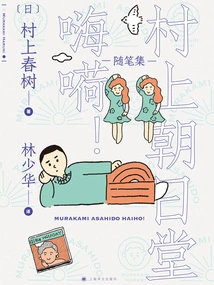
村上朝日堂 嗨嗬!(村上朝日堂系列)
H
An excellent three-dimensional portrait of Haruki Murakami - What kind of person is the real Haruki Murakami? There are real answers here. One of the "Murakami Asahido Series", 30 articles in total. There are 10 illustrations of Anxi Shuiwan. 1. Haruki Murakami's personal hobbies and habits, such as zodiac signs, when he will end his youth, why he is impatient, what kind of dream lover he has, how he was obsessed with playing pinball machines when he was young, etc. 2. Murakami's various views and discussions on social issues, such as poverty, fame, learning foreign languages, taxis, banks, service industries, advertising, schools, jazz, opera, etc. Each text is short, insightful, humorous and vivid, reflecting Haruki Murakami's unique unrestrained and whimsical style.
An excellent three-dimensional portrait of Haruki Murakami - What kind of person is the real Haruki Murakami? There are real answers here. One of the "Murakami Asahido Series", 30 articles in total. There are 10 illustrations of Anxi Shuiwan. 1. Haruki Murakami's personal hobbies and habits, such as zodiac signs, when he will end his youth, why he is impatient, what kind of dream lover he has, how he was obsessed with playing pinball machines when he was young, etc. 2. Murakami's various views and discussions on social issues, such as poverty, fame, learning foreign languages, taxis, banks, service industries, advertising, schools, jazz, opera, etc. Each text is short, insightful, humorous and vivid, reflecting Haruki Murakami's unique unrestrained and whimsical style.
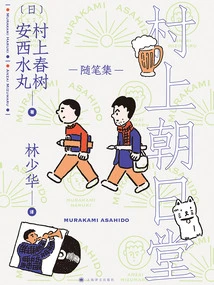
村上朝日堂(村上朝日堂系列)
(japan) Haruki Murakami Anzai Mizumaru
He has been in the literary world for many years with his unique style. What kind of person is Murakami in real life? This has great 3D images and real answers. The first book of the "Murakami Asahido Series", with a total of 92 chapters. There are 95 illustrations of Anxi Shuiwan. 1. Murakami's hobbies and habits, interesting stories about celebrities he met, etc. 2. Murakami's views and discussions on social issues, such as marriage, travel, movies, music, etc. 3. Murakami's interesting discoveries in daily trivial matters, such as books, diet, insects, etc. Murakami combines personal experience with various aspects of the world, and combines narratives and discussions. He is original, humorous, lively, friendly, casual, authentic and credible, reflecting Haruki Murakami's unique unrestrained and whimsical style.
He has been in the literary world for many years with his unique style. What kind of person is Murakami in real life? This has great 3D images and real answers. The first book of the "Murakami Asahido Series", with a total of 92 chapters. There are 95 illustrations of Anxi Shuiwan. 1. Murakami's hobbies and habits, interesting stories about celebrities he met, etc. 2. Murakami's views and discussions on social issues, such as marriage, travel, movies, music, etc. 3. Murakami's interesting discoveries in daily trivial matters, such as books, diet, insects, etc. Murakami combines personal experience with various aspects of the world, and combines narratives and discussions. He is original, humorous, lively, friendly, casual, authentic and credible, reflecting Haruki Murakami's unique unrestrained and whimsical style.
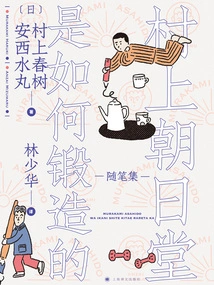
村上朝日堂是如何锻造的(村上朝日堂系列)
J
He has been in the literary world for many years with his unique style. What kind of person is Murakami in real life? This has great 3D images and real answers. One of the "Murakami Asahido Series", 56 articles in total. There are 61 illustrations of Anxi Shuiwan. 1. Murakami criticizes and discusses some abnormal and peculiar social phenomena in Japan. The former is such as the corporal punishment of students in schools, the proliferation of information in newspapers, the boring slogans, the emphasis on science and the neglect of literature, and the high prices of goods. The latter is such as love hotels competing to use weird names, housewives doing housework naked, etc. 2. Murakami puts forward praise and criticism on some cultural phenomena, involving many aspects such as literature, movies, music, dictionaries, translations, advertisements, and pornographic books. 3. Murakami talks about his daily life, such as diet, travel, long-distance running, making friends, raising cats, etc.; Talks about life experiences, such as the dangers of conditioned reflexes, how to protect oneself, how to complain, etc.; Talks about anecdotes, such as the troubles after becoming famous, lightning-fast encounters, hair loss, etc.; And his own fantasies, such as floating in the air, etc., Reflecting "Murakami in life" from multiple perspectives. Each chapter in the book is written in different ways, reflecting Murakami's typical style of humor, liveliness, casualness, unrestraint, and whimsy. It is highly readable, but it also contains sharp criticism, profound insights, and deep condolences, which demonstrates Murakami's multi-faceted writing talents.
He has been in the literary world for many years with his unique style. What kind of person is Murakami in real life? This has great 3D images and real answers. One of the "Murakami Asahido Series", 56 articles in total. There are 61 illustrations of Anxi Shuiwan. 1. Murakami criticizes and discusses some abnormal and peculiar social phenomena in Japan. The former is such as the corporal punishment of students in schools, the proliferation of information in newspapers, the boring slogans, the emphasis on science and the neglect of literature, and the high prices of goods. The latter is such as love hotels competing to use weird names, housewives doing housework naked, etc. 2. Murakami puts forward praise and criticism on some cultural phenomena, involving many aspects such as literature, movies, music, dictionaries, translations, advertisements, and pornographic books. 3. Murakami talks about his daily life, such as diet, travel, long-distance running, making friends, raising cats, etc.; Talks about life experiences, such as the dangers of conditioned reflexes, how to protect oneself, how to complain, etc.; Talks about anecdotes, such as the troubles after becoming famous, lightning-fast encounters, hair loss, etc.; And his own fantasies, such as floating in the air, etc., Reflecting "Murakami in life" from multiple perspectives. Each chapter in the book is written in different ways, reflecting Murakami's typical style of humor, liveliness, casualness, unrestraint, and whimsy. It is highly readable, but it also contains sharp criticism, profound insights, and deep condolences, which demonstrates Murakami's multi-faceted writing talents.
R
Literaturer
H
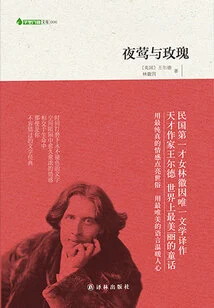
This book is a classic anthology of Wilde's fairy tales, including his popular classics such as "The Nightingale and the Rose", "The Happy Prince", "The Giant's Garden", "The Faithful Friend", "The Famous Rocket" and "The Star Child". These works were translated by Lin Huiyin, a talented woman during the Republic of China. Lin Huiyin's writing is beautiful, natural, full of aura, and full of quiet feminine beauty. It includes Lin Huiyin's translation of "The Nightingale and the Rose" and her play "Mei Zhen and Them" as well as some letters.
This book is a classic anthology of Wilde's fairy tales, including his popular classics such as "The Nightingale and the Rose", "The Happy Prince", "The Giant's Garden", "The Faithful Friend", "The Famous Rocket" and "The Star Child". These works were translated by Lin Huiyin, a talented woman during the Republic of China. Lin Huiyin's writing is beautiful, natural, full of aura, and full of quiet feminine beauty. It includes Lin Huiyin's translation of "The Nightingale and the Rose" and her play "Mei Zhen and Them" as well as some letters.
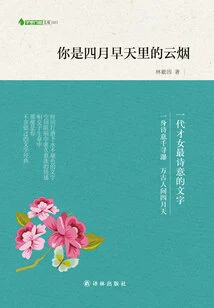
You Are the Clouds in the April Morning
Literature你是四月早天里的云烟
Lin Huiyin
This book collects Lin Huiyin's poems, prose, and novels. His poems are exquisite and clear, with delicate emotions, graceful style and musical beauty; his prose and novels focus on true feelings and reflect social reality to a certain extent. The poem "You Are April in the World", the prose "Beyond the Window", and the novel "Ninety-nine Degrees of Middle" can be regarded as his masterpieces.
This book collects Lin Huiyin's poems, prose, and novels. His poems are exquisite and clear, with delicate emotions, graceful style and musical beauty; his prose and novels focus on true feelings and reflect social reality to a certain extent. The poem "You Are April in the World", the prose "Beyond the Window", and the novel "Ninety-nine Degrees of Middle" can be regarded as his masterpieces.
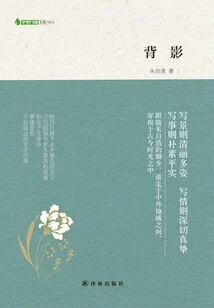
Back View
Literature背影
Zhu Ziqing
It contains Zhu Ziqing's prose that was never compiled into a collection during his lifetime. Some of these articles reflect the author's unique views on life, and some contain the author's thoughts on current social events. They have rich and profound thoughts, simple and meticulous style, clear and profound melancholy, concise language, clear and beautiful writing style, and are full of true feelings.
It contains Zhu Ziqing's prose that was never compiled into a collection during his lifetime. Some of these articles reflect the author's unique views on life, and some contain the author's thoughts on current social events. They have rich and profound thoughts, simple and meticulous style, clear and profound melancholy, concise language, clear and beautiful writing style, and are full of true feelings.
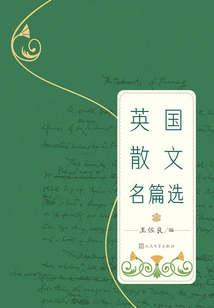
Selected British Prose Essays
Literature英国散文名篇选
Wang Zuoliang
"Selected Famous British Prose Essays" is a short book compiled by Mr. Wang Zuoliang, a well-known poet, translator and expert on British literature in my country. Wang Zuoliang selected prose works by thirty British writers such as Thomas More, Francis Bacon, Daniel Defoe, and John Keats. Each writer has an analysis of his or her work, which is placed before the translation. He carefully sorted out British prose in various eras based on time, including essays and portraits in the seventeenth century, journal discussions and political essays in the eighteenth century, essays and historical works in the nineteenth century, literary essays, travel notes, and popular science articles in the twentieth century, etc., Mainly showing a common prose tradition in British prose. It is simple but not ordinary, and it is both meaningful and literary.
"Selected Famous British Prose Essays" is a short book compiled by Mr. Wang Zuoliang, a well-known poet, translator and expert on British literature in my country. Wang Zuoliang selected prose works by thirty British writers such as Thomas More, Francis Bacon, Daniel Defoe, and John Keats. Each writer has an analysis of his or her work, which is placed before the translation. He carefully sorted out British prose in various eras based on time, including essays and portraits in the seventeenth century, journal discussions and political essays in the eighteenth century, essays and historical works in the nineteenth century, literary essays, travel notes, and popular science articles in the twentieth century, etc., Mainly showing a common prose tradition in British prose. It is simple but not ordinary, and it is both meaningful and literary.
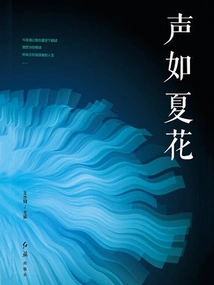
Sound Like Summer Flowers
Literature声如夏花
Editor-in-chief Wang Shuiming
Since 2018, Zhejiang Voice has accelerated its pace of integrated media with "sound" as the core, and has continuously created a trinity of "audible, readable, and visible" integrated media broadcasts, and has achieved gratifying achievements. The book consists of three sections: "Good Voices, Comes from 'Real' Voices", "Good Voices, Sings from the Soul" and "Good Voices, Play with Creative Life", and displays and summarizes the planning background, product concepts, production highlights and social responses of excellent broadcast integrated media products in the form of cases.
Since 2018, Zhejiang Voice has accelerated its pace of integrated media with "sound" as the core, and has continuously created a trinity of "audible, readable, and visible" integrated media broadcasts, and has achieved gratifying achievements. The book consists of three sections: "Good Voices, Comes from 'Real' Voices", "Good Voices, Sings from the Soul" and "Good Voices, Play with Creative Life", and displays and summarizes the planning background, product concepts, production highlights and social responses of excellent broadcast integrated media products in the form of cases.
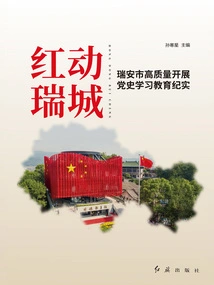
Red in Ruicheng
Literature红动瑞城
Editor-in-chief Sun Hanxing
Focusing on the highlights of local characteristics, through the four major sections of red landmarks, red communication, red culture, and red practice, the red story that happened in the red land of Ruian is fully demonstrated, and the responsibilities of the party members and cadres of Ruian City in "learning party history, understanding ideas, doing practical things, and opening new games" are fully demonstrated, and the vivid scene of Ruian maintaining its "red roots" and continuing to set off the "red movement in the city" craze is fully demonstrated.
Focusing on the highlights of local characteristics, through the four major sections of red landmarks, red communication, red culture, and red practice, the red story that happened in the red land of Ruian is fully demonstrated, and the responsibilities of the party members and cadres of Ruian City in "learning party history, understanding ideas, doing practical things, and opening new games" are fully demonstrated, and the vivid scene of Ruian maintaining its "red roots" and continuing to set off the "red movement in the city" craze is fully demonstrated.
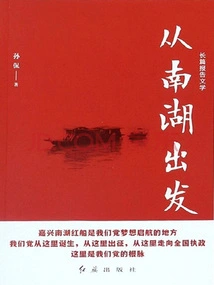
Departing from Nanhu
Literature从南湖出发
Sun Kan
In the style of reportage, through typical characters and vivid stories, this book comprehensively records the entire process of learning, promoting and practicing the Red Boat Spirit in Nanhu District, Jiaxing City, where the Red Boat set sail. It vividly and artistically describes the achievements of the people of Nanhu in social progress and economic development under the guidance of the Red Boat Spirit since the reform and opening up, especially since the 19th National Congress of the Communist Party of China. It shows the confidence and courage of the people of Nanhu to fully carry forward the Red Boat Spirit in the new era of socialism with Chinese characteristics.
In the style of reportage, through typical characters and vivid stories, this book comprehensively records the entire process of learning, promoting and practicing the Red Boat Spirit in Nanhu District, Jiaxing City, where the Red Boat set sail. It vividly and artistically describes the achievements of the people of Nanhu in social progress and economic development under the guidance of the Red Boat Spirit since the reform and opening up, especially since the 19th National Congress of the Communist Party of China. It shows the confidence and courage of the people of Nanhu to fully carry forward the Red Boat Spirit in the new era of socialism with Chinese characteristics.
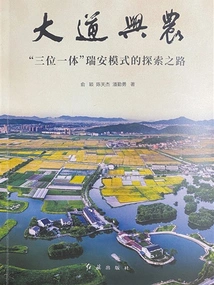
Prospering Agriculture Through the Road: the Path of Exploration of the "trinity" Ruian Model
Literature大道兴农:“三位一体”瑞安模式的探索之路
Yu Ying Chen Guanjie Pan Qinyong
The book truly, vividly and vividly depicts the process of Ruian's active exploration of the "Trinity" comprehensive cooperation reform, which has important practical significance and positive reference value for the current agricultural and rural development and rural revitalization.
The book truly, vividly and vividly depicts the process of Ruian's active exploration of the "Trinity" comprehensive cooperation reform, which has important practical significance and positive reference value for the current agricultural and rural development and rural revitalization.
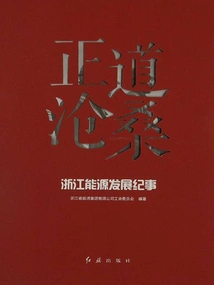
正道沧桑:浙江能源发展纪事
Compiled By The Trade Union Committee Of Zhejiang Energy Group Co., Ltd.
From the construction of Tankeng Hydropower Station, one of the most ambitious poverty alleviation projects in Zhejiang Province, to the transformation and upgrading of Changguang Coal Mining Group, to the zero-emission feat of Jiaxing Power Plant, the second largest thermal power plant in the world, this book comprehensively and systematically depicts the energy path of Zhejiang's economic and social development in the form of literature from the three perspectives of water, coal and electricity.
From the construction of Tankeng Hydropower Station, one of the most ambitious poverty alleviation projects in Zhejiang Province, to the transformation and upgrading of Changguang Coal Mining Group, to the zero-emission feat of Jiaxing Power Plant, the second largest thermal power plant in the world, this book comprehensively and systematically depicts the energy path of Zhejiang's economic and social development in the form of literature from the three perspectives of water, coal and electricity.
Oriental Grand Port
Literature东方大港
Chen Qirong
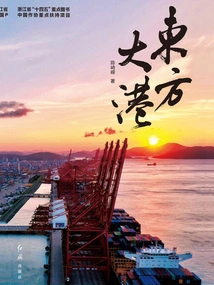
"Oriental Great Port" takes the development history of Ningbo-Zhoushan Port as the main content and the integrated construction of Zhejiang marine ports as an extension. It truly reflects the grand vision of the party and state leaders for the construction of Ningbo-Zhoushan Port. It writes about the Zhejiang Provincial Party Committee, Provincial Government and Zhejiang Provincial Seaport Group's implementation of General Secretary Xi Jinping's strategic thoughts and instructions on the integration of Ningbo-Zhoushan Port and the development of Zhejiang marine ports, coordinating all parties, hard work and hard work, and the achievements of turning ideals into reality. It vividly displays the style of the times of Zhejiang Seaport people.
"Oriental Great Port" takes the development history of Ningbo-Zhoushan Port as the main content and the integrated construction of Zhejiang marine ports as an extension. It truly reflects the grand vision of the party and state leaders for the construction of Ningbo-Zhoushan Port. It writes about the Zhejiang Provincial Party Committee, Provincial Government and Zhejiang Provincial Seaport Group's implementation of General Secretary Xi Jinping's strategic thoughts and instructions on the integration of Ningbo-Zhoushan Port and the development of Zhejiang marine ports, coordinating all parties, hard work and hard work, and the achievements of turning ideals into reality. It vividly displays the style of the times of Zhejiang Seaport people.
猎人笔记 A Sportsmens Sketches(双语译林)
Turgenev
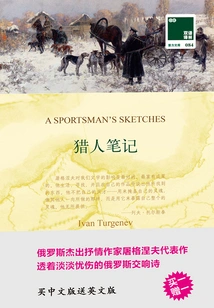
"Hunter's Notes" is Turgenev's famous work. It is a collection of essays that describes Russian rural life in the mid-19th century through the hunting activities of hunters. With Turgenev's graceful narration, the natural scenery of Russia, the customs and habits of the Russian people, the bullying of farmers by landlords, and the kindness, simplicity and wisdom of farmers slowly flow out in front of us like lyrical songs, converging into a symphonic poem with a touch of sadness.
"Hunter's Notes" is Turgenev's famous work. It is a collection of essays that describes Russian rural life in the mid-19th century through the hunting activities of hunters. With Turgenev's graceful narration, the natural scenery of Russia, the customs and habits of the Russian people, the bullying of farmers by landlords, and the kindness, simplicity and wisdom of farmers slowly flow out in front of us like lyrical songs, converging into a symphonic poem with a touch of sadness.
莎士比亚喜剧 威尼斯商人 The Merchant of Venice(双语译林)
G
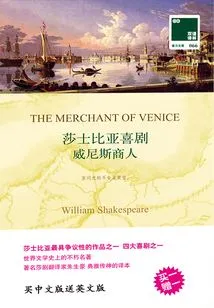
"The Merchant of Venice" was written around 1596-1597. It is an important early work of Shakespeare. It is a highly satirical comedy and one of Shakespeare's four major comedies. The script unfolds through three clues. The main line is the "pound of flesh" contract dispute caused by the Venetian merchant Antonio borrowing 3,000 gold coins from the Jewish loan shark Shylock in order to help Bassanio get married. Its theme is to celebrate benevolence, friendship and love, while also expressing humanistic thoughts on issues such as money, law and religion. An important literary achievement of this play is the creation of the typical image of Shylock, a loan shark. Since its publication in 1600, it has been adapted into movies and TV series many times, the most famous of which is the 2004 movie starring Al Pacino.
"The Merchant of Venice" was written around 1596-1597. It is an important early work of Shakespeare. It is a highly satirical comedy and one of Shakespeare's four major comedies. The script unfolds through three clues. The main line is the "pound of flesh" contract dispute caused by the Venetian merchant Antonio borrowing 3,000 gold coins from the Jewish loan shark Shylock in order to help Bassanio get married. Its theme is to celebrate benevolence, friendship and love, while also expressing humanistic thoughts on issues such as money, law and religion. An important literary achievement of this play is the creation of the typical image of Shylock, a loan shark. Since its publication in 1600, it has been adapted into movies and TV series many times, the most famous of which is the 2004 movie starring Al Pacino.
莎士比亚喜剧 仲夏夜之梦 The Midsummer Night's Dream(双语译林)
G
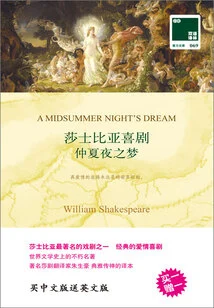
"A Midsummer Night's Dream", with a dreamlike name, is a relatively mature comedy work by the British playwright William Shakespeare in his youth. It is also one of William Shakespeare's most famous comedies. It tells a love story in which lovers finally get married. This play has had a huge influence on the history of world literature, especially the history of drama. Later generations adapted it into movies, stories, games, paintings, etc.
"A Midsummer Night's Dream", with a dreamlike name, is a relatively mature comedy work by the British playwright William Shakespeare in his youth. It is also one of William Shakespeare's most famous comedies. It tells a love story in which lovers finally get married. This play has had a huge influence on the history of world literature, especially the history of drama. Later generations adapted it into movies, stories, games, paintings, etc.
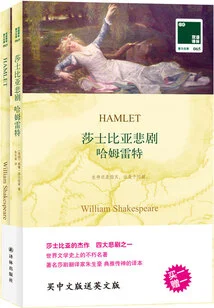
莎士比亚悲剧:哈姆雷特 Hamlet(双语译林)
(english) Shakespeare
"Hamlet" is a representative work of Shakespeare's tragedies. This work was written in 1602. It has reached unprecedented depth and breadth in ideological content, profoundly revealing the sins and essential characteristics of late feudal society. Among them, plots such as the father being killed by an evil uncle, the throne being usurped, the mother marrying the murderer in incest, the crown prince trying to take revenge and pretending to be crazy, etc., Can all be found in ancient Nordic legends. Shakespeare belongs not only to one era but to all centuries. His plays are like the Big Dipper in the bright starry sky, guiding people in the direction. "To survive or not to perish, this is a question worth considering." He raised this question as a basic proposition of philosophy.
"Hamlet" is a representative work of Shakespeare's tragedies. This work was written in 1602. It has reached unprecedented depth and breadth in ideological content, profoundly revealing the sins and essential characteristics of late feudal society. Among them, plots such as the father being killed by an evil uncle, the throne being usurped, the mother marrying the murderer in incest, the crown prince trying to take revenge and pretending to be crazy, etc., Can all be found in ancient Nordic legends. Shakespeare belongs not only to one era but to all centuries. His plays are like the Big Dipper in the bright starry sky, guiding people in the direction. "To survive or not to perish, this is a question worth considering." He raised this question as a basic proposition of philosophy.
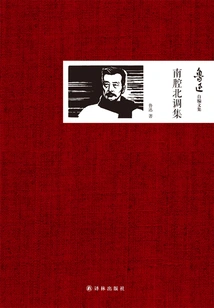
南腔北调集(鲁迅自编文集)
Lu Xun
"Collection of Nanqiangbei Diao" is a collection of essays by Lu Xun, which contains fifty-one essays written by Lu Xun between 1927 and 1929. At that time, a scholar in Shanghai signed "Meizi" attacked Lu Xun in an article "Writer's Sketches": "Lu Xun likes to speak very much, but he has a stutter, and he has a 'Southern accent and a Northern accent.'" In response, Lu Xun counterattacked: "I can't say that Su Bai is soft, I can't. "To play a loud Beijing tune, if it is not in tune or popular, it is really a southern tune and a northern tune." It shows that he is unwilling to follow the trend and despise boring literati. The title of this collection is humorous and expresses his contempt for the enemy and his uncompromising attitude. Therefore, my husband named this collection published in March 1934 "Collection of Nanqiangbei Diao", which was a kind of self-deprecation and a mockery of Meiko.
"Collection of Nanqiangbei Diao" is a collection of essays by Lu Xun, which contains fifty-one essays written by Lu Xun between 1927 and 1929. At that time, a scholar in Shanghai signed "Meizi" attacked Lu Xun in an article "Writer's Sketches": "Lu Xun likes to speak very much, but he has a stutter, and he has a 'Southern accent and a Northern accent.'" In response, Lu Xun counterattacked: "I can't say that Su Bai is soft, I can't. "To play a loud Beijing tune, if it is not in tune or popular, it is really a southern tune and a northern tune." It shows that he is unwilling to follow the trend and despise boring literati. The title of this collection is humorous and expresses his contempt for the enemy and his uncompromising attitude. Therefore, my husband named this collection published in March 1934 "Collection of Nanqiangbei Diao", which was a kind of self-deprecation and a mockery of Meiko.
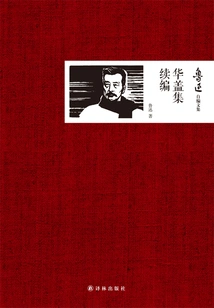
华盖集续编(鲁迅自编文集)
Lu Xun
"The Sequel to the Huagai Collection" is a collection of essays by Lu Xun, which contains thirty-two essays written by Lu Xun in 1926. Including "Miscellaneous Comments on Nosy, Learning, Gray, etc.", "Three Souls of Academics", "Ancient Books and Vernacular", "In Memory of Mr. Liu Hezhen", "Ma Zhi's Diary", "Shanghai Correspondence", etc.
"The Sequel to the Huagai Collection" is a collection of essays by Lu Xun, which contains thirty-two essays written by Lu Xun in 1926. Including "Miscellaneous Comments on Nosy, Learning, Gray, etc.", "Three Souls of Academics", "Ancient Books and Vernacular", "In Memory of Mr. Liu Hezhen", "Ma Zhi's Diary", "Shanghai Correspondence", etc.
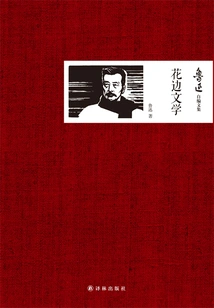
花边文学(鲁迅自编文集)
Lu Xun
"Lace Literature" is a collection of essays by Lu Xun, which contains 61 essays written by Lu Xun in 1934. Including "Women may not lie more often", "Northerners and Southerners", "The ancients were not kind", "Read a few books", "Toys", "Settling accounts", "Book reading notes", "Chinese characters and Latinization", "Three Ugly Examination Halls", "A Brief Discussion of Mei Lanfang and Others (Part 1)", etc. "Lace literature" was originally a word used by others in articles attacking Lu Xun, so Lu Xun used it to name the collection and design the cover.
"Lace Literature" is a collection of essays by Lu Xun, which contains 61 essays written by Lu Xun in 1934. Including "Women may not lie more often", "Northerners and Southerners", "The ancients were not kind", "Read a few books", "Toys", "Settling accounts", "Book reading notes", "Chinese characters and Latinization", "Three Ugly Examination Halls", "A Brief Discussion of Mei Lanfang and Others (Part 1)", etc. "Lace literature" was originally a word used by others in articles attacking Lu Xun, so Lu Xun used it to name the collection and design the cover.
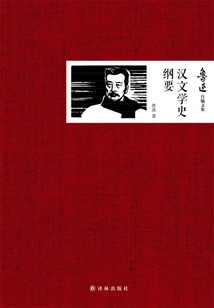
汉文学史纲要(鲁迅自编文集)
Lu Xun
The book was originally a handout compiled by Lu Xun when he was teaching a course on the history of Chinese literature at Xiamen University in 1923, titled "A Brief History of Chinese Literature"; it was used again the following year when he was teaching the same course at Sun Yat-sen University in Guangzhou, and was retitled "An Outline of the History of Ancient Chinese Literature". It was not officially published during the author's lifetime, but was renamed when it was compiled into "The Complete Works of Lu Xun" in 1938. Although the book only writes about the two Sima of the Western Han Dynasty, in this short ten-section lecture notes, it has its own characteristics in terms of material selection, style and viewpoints, so it plays an important role in the field of Chinese literary history research.
The book was originally a handout compiled by Lu Xun when he was teaching a course on the history of Chinese literature at Xiamen University in 1923, titled "A Brief History of Chinese Literature"; it was used again the following year when he was teaching the same course at Sun Yat-sen University in Guangzhou, and was retitled "An Outline of the History of Ancient Chinese Literature". It was not officially published during the author's lifetime, but was renamed when it was compiled into "The Complete Works of Lu Xun" in 1938. Although the book only writes about the two Sima of the Western Han Dynasty, in this short ten-section lecture notes, it has its own characteristics in terms of material selection, style and viewpoints, so it plays an important role in the field of Chinese literary history research.
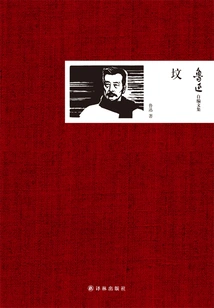
坟(鲁迅自编文集)
Lu Xun
"The Grave" is a collection of Lu Xun's essays, including "On the Fall of Leifeng Pagoda", "On the Slowdown of Fairplay", "What Happened to Nora After She Left", "On "Fuck!"", "On Cultural Partiality", "From Beard to Teeth", "Widowism" and other twenty-four articles. These essays were written between 1907 and 1925. In these essays, Lu Xun prominently used historical writing, vividly cited facts, expressed his own right and wrong, pointed out current ills, argued about the past and present, and showed his revolutionary image of fighting the old forces to the end.
"The Grave" is a collection of Lu Xun's essays, including "On the Fall of Leifeng Pagoda", "On the Slowdown of Fairplay", "What Happened to Nora After She Left", "On "Fuck!"", "On Cultural Partiality", "From Beard to Teeth", "Widowism" and other twenty-four articles. These essays were written between 1907 and 1925. In these essays, Lu Xun prominently used historical writing, vividly cited facts, expressed his own right and wrong, pointed out current ills, argued about the past and present, and showed his revolutionary image of fighting the old forces to the end.
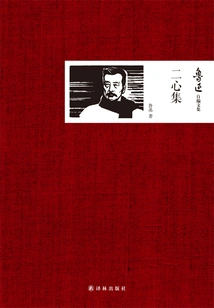
二心集(鲁迅自编文集)
Lu Xun
"Two Hearts Collection" is a collection of Lu Xun's essays, including thirty-seven essays written by Lu Xun from 1930 to 1931. Including "Good Governmentism", "On the Surprise of Friendships", "Bereaved" and "Capitalist's Lame Dog", "The Story of Rou Shi", "Serving the Country with Feet", etc. At the end is a translation of "Modern Film and the Property-owning Stage".
"Two Hearts Collection" is a collection of Lu Xun's essays, including thirty-seven essays written by Lu Xun from 1930 to 1931. Including "Good Governmentism", "On the Surprise of Friendships", "Bereaved" and "Capitalist's Lame Dog", "The Story of Rou Shi", "Serving the Country with Feet", etc. At the end is a translation of "Modern Film and the Property-owning Stage".
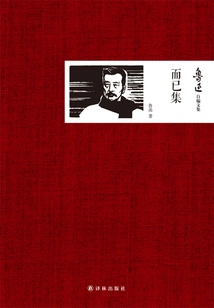
而已集(鲁迅自编文集)
Lu Xun
"Ji Ji Ji" is a collection of essays written by Lu Xun in 1927 and published in 1928. Faced with the reactionary warlords' massacre of revolutionaries and progressives, Mr. Lu Xun was both resentful and powerless. "In the past six months, I have seen a lot of blood and a lot of tears, but I only have mixed feelings. The tears have dried, the blood has disappeared, and the butchers are free and easy again, some with steel knives, some with soft knives. But I only have 'mixed feelings'. When even the 'mixed feelings' have been 'put where they should go,' I can only say 'nothing more.'"
"Ji Ji Ji" is a collection of essays written by Lu Xun in 1927 and published in 1928. Faced with the reactionary warlords' massacre of revolutionaries and progressives, Mr. Lu Xun was both resentful and powerless. "In the past six months, I have seen a lot of blood and a lot of tears, but I only have mixed feelings. The tears have dried, the blood has disappeared, and the butchers are free and easy again, some with steel knives, some with soft knives. But I only have 'mixed feelings'. When even the 'mixed feelings' have been 'put where they should go,' I can only say 'nothing more.'"
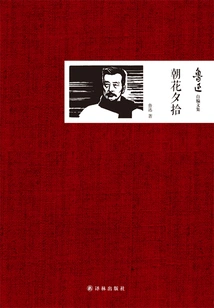
朝花夕拾(鲁迅自编文集)
Lu Xun
"Morning Blossoms Plucked at Dusk" is Lu Xun's only collection of retrospective essays, originally titled "Revisiting Old Things". It is a text written by Lu Xun recalling different life experiences and experiences in his childhood, adolescence and youth. He wrote a lot about children and teenagers, which was very interesting to read. The whole book is composed of "Xiaoyin", "Dog·Cat·Rat", "Ah Changyu", "Twenty-Four Pictures of Filial Piety", "Five Rampant Meeting", "Impermanence", "From Baicao Garden to Sanwei Bookstore", "Father's Illness", "Miscellaneous Notes", "Mr. Fujino", "Fan Ainong" and "Postscript".
"Morning Blossoms Plucked at Dusk" is Lu Xun's only collection of retrospective essays, originally titled "Revisiting Old Things". It is a text written by Lu Xun recalling different life experiences and experiences in his childhood, adolescence and youth. He wrote a lot about children and teenagers, which was very interesting to read. The whole book is composed of "Xiaoyin", "Dog·Cat·Rat", "Ah Changyu", "Twenty-Four Pictures of Filial Piety", "Five Rampant Meeting", "Impermanence", "From Baicao Garden to Sanwei Bookstore", "Father's Illness", "Miscellaneous Notes", "Mr. Fujino", "Fan Ainong" and "Postscript".
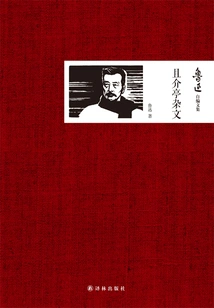
且介亭杂文(鲁迅自编文集)
Lu Xun
"Qiejieting Essays" is a collection of essays by Lu Xun. This book collects thirty-six essays written by Lu Xun in 1934, including "Two or Three Things About China", "Using Doctrine", "An Eye for an Eye", "Speaking of "Face"", etc. "Qiejie" is made up of half of the word "concession", which means that only half of China's sovereignty is left. These essays are not only sophisticated in technique and rich in argumentation, but the author's application of Marxist theory has also been integrated and integrated into specific content in accordance with the characteristics of miscellany.
"Qiejieting Essays" is a collection of essays by Lu Xun. This book collects thirty-six essays written by Lu Xun in 1934, including "Two or Three Things About China", "Using Doctrine", "An Eye for an Eye", "Speaking of "Face"", etc. "Qiejie" is made up of half of the word "concession", which means that only half of China's sovereignty is left. These essays are not only sophisticated in technique and rich in argumentation, but the author's application of Marxist theory has also been integrated and integrated into specific content in accordance with the characteristics of miscellany.
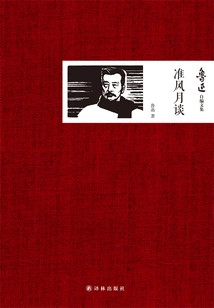
准风月谈(鲁迅自编文集)
Lu Xun
"Quan Feng Yue Tan" is a collection of essays by Lu Xun. It contains sixty-four essays written by Lu Xun in 1933. Including "Song of the Night", "Eating White Prime Minister's Rice", "Morning Cool Chronicles", "Autumn Night Journey", "Sikuquanshu Rare Books", "The Evolution of Men", "Lessons from Movies", "About Translation (Part 1)", "Drinking Tea", "Also in Foreign Countries", etc.
"Quan Feng Yue Tan" is a collection of essays by Lu Xun. It contains sixty-four essays written by Lu Xun in 1933. Including "Song of the Night", "Eating White Prime Minister's Rice", "Morning Cool Chronicles", "Autumn Night Journey", "Sikuquanshu Rare Books", "The Evolution of Men", "Lessons from Movies", "About Translation (Part 1)", "Drinking Tea", "Also in Foreign Countries", etc.
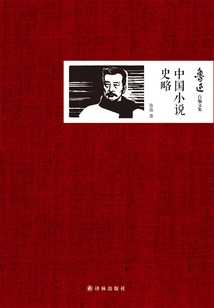
中国小说史略(鲁迅自编文集)
Lu Xun
"A Brief History of Chinese Novels" was originally Lu Xun's lecture notes on the history of Chinese novels at Peking University, with a total of twenty-eight articles. It was written in 1924 and published by Beijing Beixin Book Company in 1925. This book is the first monograph on the history of Chinese novels compiled by Mr. Lu Xun. The book has a total of twenty-eight chapters, describing the occurrence, development, and evolution of ancient Chinese novels, starting from myths and legends and ending with condemnation novels in the late Qing Dynasty. This book has a rich collection of materials and collected them carefully. It analyzes the thought and art of the novels of the past dynasties with concise words and accurate judgments. It is a landmark classic work in the 20th century.
"A Brief History of Chinese Novels" was originally Lu Xun's lecture notes on the history of Chinese novels at Peking University, with a total of twenty-eight articles. It was written in 1924 and published by Beijing Beixin Book Company in 1925. This book is the first monograph on the history of Chinese novels compiled by Mr. Lu Xun. The book has a total of twenty-eight chapters, describing the occurrence, development, and evolution of ancient Chinese novels, starting from myths and legends and ending with condemnation novels in the late Qing Dynasty. This book has a rich collection of materials and collected them carefully. It analyzes the thought and art of the novels of the past dynasties with concise words and accurate judgments. It is a landmark classic work in the 20th century.
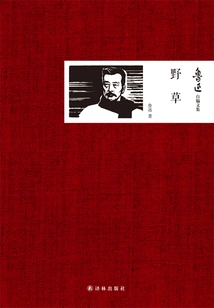
野草(鲁迅自编文集)
Lu Xun
"Wild Grass" includes 23 prose poems written by Lu Xun in Beijing from September 1924 to April 1926 and one "Inscription" written when compiling the collection in 1927. "Weeds" runs through serious self-dissection and unremitting ideological exploration. Its artistic features are distinctive - symbolic and metaphorical techniques, rich imagination and strange conception.
"Wild Grass" includes 23 prose poems written by Lu Xun in Beijing from September 1924 to April 1926 and one "Inscription" written when compiling the collection in 1927. "Weeds" runs through serious self-dissection and unremitting ideological exploration. Its artistic features are distinctive - symbolic and metaphorical techniques, rich imagination and strange conception.
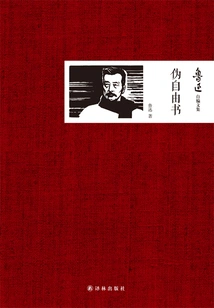
伪自由书(鲁迅自编文集)
Lu Xun
"Pseudo-Freedom" is a collection of Lu Xun's essays. It contains forty-three essays written by Lu Xun in 1933. It is a record of Lu Xun's political struggle and ideological criticism using essays as weapons at a specific historical period, including "Watching the Fight", "Talents in the Grand View Garden", "From Satire to Humor", "The Secret of Selling Your Soul", "Circle of Life of the Chinese", etc.
"Pseudo-Freedom" is a collection of Lu Xun's essays. It contains forty-three essays written by Lu Xun in 1933. It is a record of Lu Xun's political struggle and ideological criticism using essays as weapons at a specific historical period, including "Watching the Fight", "Talents in the Grand View Garden", "From Satire to Humor", "The Secret of Selling Your Soul", "Circle of Life of the Chinese", etc.
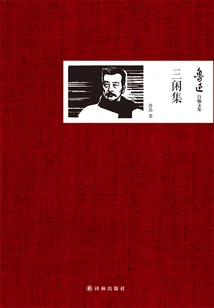
三闲集(鲁迅自编文集)
Lu Xun
"Sanxian Collection" is a collection of essays by Lu Xun, which contains thirty-four essays written by Lu Xun between 1927 and 1929. Including "Silent China", "On the Bell Tower (Night Notes Part 2)", "An Account of Hong Kong's Christmas Wishes", "Short Introduction to "February" by Rou Shi", "The Changes of Hooligans", etc.
"Sanxian Collection" is a collection of essays by Lu Xun, which contains thirty-four essays written by Lu Xun between 1927 and 1929. Including "Silent China", "On the Bell Tower (Night Notes Part 2)", "An Account of Hong Kong's Christmas Wishes", "Short Introduction to "February" by Rou Shi", "The Changes of Hooligans", etc.
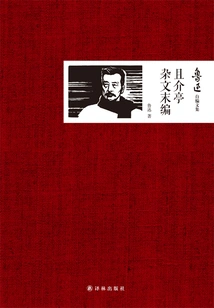
且介亭杂文末编(鲁迅自编文集)
Lu Xun
"The Final Collection of Qiejieting Essays" is a collection of essays by Lu Xun, which contains thirty-five essays written by Lu Xun in 1936. Including "Memory of the Soviet Printmaking Exhibition", "I Want to Lie", "Written in the Late Night", "Two or Three Things About Mr. Taiyan", etc. Attached volumes include "Comparative Studies of Literati", "Small Collection of Pinellia Pinellia", "Death", etc.
"The Final Collection of Qiejieting Essays" is a collection of essays by Lu Xun, which contains thirty-five essays written by Lu Xun in 1936. Including "Memory of the Soviet Printmaking Exhibition", "I Want to Lie", "Written in the Late Night", "Two or Three Things About Mr. Taiyan", etc. Attached volumes include "Comparative Studies of Literati", "Small Collection of Pinellia Pinellia", "Death", etc.
且介亭杂文二集(鲁迅自编文集)
Lu Xun
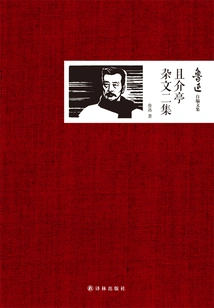
"Second Collection of Qiejieting Essays" is a collection of Lu Xun's essays. It contains forty-eight essays written by Lu Xun in 1935, including "The Hermit", "Cartoons and Cartoons", "The Beginning of Literacy in Life", "On "People's Words Are Terrible"", "Re-Discussion on "The Literary Disdain"", "Celebrities and Famous Quotes", "Escape from Fame", "The Tragedy of Almost Nothing", etc.
"Second Collection of Qiejieting Essays" is a collection of Lu Xun's essays. It contains forty-eight essays written by Lu Xun in 1935, including "The Hermit", "Cartoons and Cartoons", "The Beginning of Literacy in Life", "On "People's Words Are Terrible"", "Re-Discussion on "The Literary Disdain"", "Celebrities and Famous Quotes", "Escape from Fame", "The Tragedy of Almost Nothing", etc.
太阳是一颗种子:寻找遗失的可可托海
Bumper Harvest
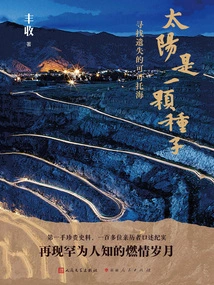
This is a documentary literary work describing the mining and excavation process of non-ferrous and rare metal mines in Keketuohai. Cocotuo Sea has the richest mineral varieties and high-grade rare metals in the world. It is known as the "meritorious mine" of the Republic. Since the 1950s, a large amount of lithium, beryllium, tantalum, niobium and other rare metals have been mined from Cocotuo Sea. After smelting and purification, they have become important raw materials for the development of China's industry and science and technology, which has strongly supported the progress of the Republic's newly emerging industry and science and technology. Since 2020, the author Fengsheng has rescued interviews with entrepreneurs and strivers who devoted themselves to the Keketuohai Mining Industry. He has recorded their specific and vivid life trajectories in oral writing, and written true stories of their united struggle, selfless dedication, blood inheritance, and achievements. He has created a credible, lovely and respectable image of China for several generations who are unknown, persistent, and willing to sacrifice for the country. The manuscript of this book is jointly published by our publisher and Xinjiang People's Publishing House.
This is a documentary literary work describing the mining and excavation process of non-ferrous and rare metal mines in Keketuohai. Cocotuo Sea has the richest mineral varieties and high-grade rare metals in the world. It is known as the "meritorious mine" of the Republic. Since the 1950s, a large amount of lithium, beryllium, tantalum, niobium and other rare metals have been mined from Cocotuo Sea. After smelting and purification, they have become important raw materials for the development of China's industry and science and technology, which has strongly supported the progress of the Republic's newly emerging industry and science and technology. Since 2020, the author Fengsheng has rescued interviews with entrepreneurs and strivers who devoted themselves to the Keketuohai Mining Industry. He has recorded their specific and vivid life trajectories in oral writing, and written true stories of their united struggle, selfless dedication, blood inheritance, and achievements. He has created a credible, lovely and respectable image of China for several generations who are unknown, persistent, and willing to sacrifice for the country. The manuscript of this book is jointly published by our publisher and Xinjiang People's Publishing House.
Selected Poems of Li He
Literature李贺诗选
Commentary By Huang Shizhong
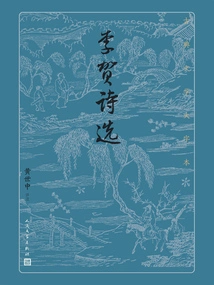
Li He was a famous poet in the mid-Tang Dynasty. He, Li Bai and Li Shangyin were called the "Three Lis of the Tang Dynasty". He was a representative of the transition period of poetic style from the mid-Tang Dynasty to the late Tang Dynasty. Most of the poems he wrote lamented his untimely birth and inner depression, and expressed his pursuit of ideals and ambitions; they also reflected the separatist rule of feudal towns, the dictatorship of eunuchs, and the cruel exploitation of the people at that time. He left behind some eternal good sayings such as "Dark clouds threaten to destroy the city", "When the rooster sings, the world becomes white", "If the sky is affectionate, the sky will also grow old". This book is a selection of Li He's poems, a total of 108 poems. The author selects poems carefully, taking into account both ideological and artistic qualities. After each poem, he attaches annotations of important words and an interpretation of the whole poem. The annotations are concise and accurate, including a synopsis of key verses and the phonetic notation and interpretation of difficult words. The interpretation part focuses on exploring the ideological and artistic nature of the poems, explaining the profound things in simple terms, and sometimes creating insights. This book is an excellent ancient poetry reader that is both academic and popular.
Li He was a famous poet in the mid-Tang Dynasty. He, Li Bai and Li Shangyin were called the "Three Lis of the Tang Dynasty". He was a representative of the transition period of poetic style from the mid-Tang Dynasty to the late Tang Dynasty. Most of the poems he wrote lamented his untimely birth and inner depression, and expressed his pursuit of ideals and ambitions; they also reflected the separatist rule of feudal towns, the dictatorship of eunuchs, and the cruel exploitation of the people at that time. He left behind some eternal good sayings such as "Dark clouds threaten to destroy the city", "When the rooster sings, the world becomes white", "If the sky is affectionate, the sky will also grow old". This book is a selection of Li He's poems, a total of 108 poems. The author selects poems carefully, taking into account both ideological and artistic qualities. After each poem, he attaches annotations of important words and an interpretation of the whole poem. The annotations are concise and accurate, including a synopsis of key verses and the phonetic notation and interpretation of difficult words. The interpretation part focuses on exploring the ideological and artistic nature of the poems, explaining the profound things in simple terms, and sometimes creating insights. This book is an excellent ancient poetry reader that is both academic and popular.
Calling for Love
Literature呼唤爱意
Zhou Daxin
Writers who specialize in novel creation mostly write some prose works in addition to novels. This is because in addition to literary fiction and imagination, writers also have many real feelings and real feelings about reality and life, which are difficult to express in novels and need to be expressed and expressed in non-fictional ways such as prose. The famous novelist Zhou Daxin wrote many prose works in addition to novels, and this is why. This book selects Zhou Daxin's classic prose, which is full of historical depth and thoughtful content. Although these works describe different objects and have different contents, they contain a main line and highlight a key point, which is to tell childhood memories, narrate military camp life, record travel experiences, and record reading feelings according to the author's youth growth and life footprint. It comprehensively presents Zhou Daxin's creative achievements in prose.
Writers who specialize in novel creation mostly write some prose works in addition to novels. This is because in addition to literary fiction and imagination, writers also have many real feelings and real feelings about reality and life, which are difficult to express in novels and need to be expressed and expressed in non-fictional ways such as prose. The famous novelist Zhou Daxin wrote many prose works in addition to novels, and this is why. This book selects Zhou Daxin's classic prose, which is full of historical depth and thoughtful content. Although these works describe different objects and have different contents, they contain a main line and highlight a key point, which is to tell childhood memories, narrate military camp life, record travel experiences, and record reading feelings according to the author's youth growth and life footprint. It comprehensively presents Zhou Daxin's creative achievements in prose.
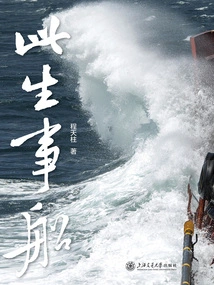
This Life Happened to the Boat
Literature此生事船
Cheng Tianzhu
This book is the memoirs of Mr. Cheng Tianzhu, an alumnus of Shanghai Jiao Tong University and former chief engineer of the Science and Technology Bureau of China State Shipbuilding Corporation. The author has long served in the national shipbuilding industry authorities. The book uses the author's personal experience to fully demonstrate the various stages of the development of my country's shipbuilding industry from weak to strong and even to become a major and powerful world shipbuilding country. It also fully reflects the important contributions made by the author in participating in and engaging in the organization and management of major national shipbuilding science and technology projects. This book interprets the development history of New China's shipbuilding industry from one side.
This book is the memoirs of Mr. Cheng Tianzhu, an alumnus of Shanghai Jiao Tong University and former chief engineer of the Science and Technology Bureau of China State Shipbuilding Corporation. The author has long served in the national shipbuilding industry authorities. The book uses the author's personal experience to fully demonstrate the various stages of the development of my country's shipbuilding industry from weak to strong and even to become a major and powerful world shipbuilding country. It also fully reflects the important contributions made by the author in participating in and engaging in the organization and management of major national shipbuilding science and technology projects. This book interprets the development history of New China's shipbuilding industry from one side.
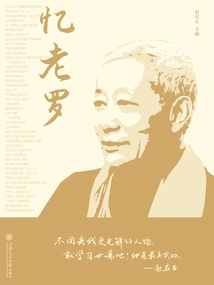
Remembering Luo
Literature忆老罗
Editor-in-chief Zhao Qizheng
When Luo Shiqian was alive, he asked everyone to call him Lao Luo. After Lao Luo passed away, people who knew him missed him very much and often recalled the past when Lao Luo cared about them and interacted with them. Many colleagues often choked with tears when recounting his past words and deeds. Zhao Qizheng once said: "Luo Shiqian is a role model for all of us and young people to learn from. There is really no need to look for a more glamorous figure, just learn from Shiqian! He is the most authentic." In order to preserve these memories, spread these touching stories, and let more ordinary people know about him, this book was compiled. This book contains nearly a hundred recollections of comrades who have interacted with Luo Shiqian. Everyone tells the story of Luo Shiqian they know in their ordinary language. The narrators are mainly comrades who have interacted with Luo Shiqian in work and life at different times. The language of this book is simple and vivid, and it mainly focuses on stories that happened objectively. Its main purpose is to impress and influence readers.
When Luo Shiqian was alive, he asked everyone to call him Lao Luo. After Lao Luo passed away, people who knew him missed him very much and often recalled the past when Lao Luo cared about them and interacted with them. Many colleagues often choked with tears when recounting his past words and deeds. Zhao Qizheng once said: "Luo Shiqian is a role model for all of us and young people to learn from. There is really no need to look for a more glamorous figure, just learn from Shiqian! He is the most authentic." In order to preserve these memories, spread these touching stories, and let more ordinary people know about him, this book was compiled. This book contains nearly a hundred recollections of comrades who have interacted with Luo Shiqian. Everyone tells the story of Luo Shiqian they know in their ordinary language. The narrators are mainly comrades who have interacted with Luo Shiqian in work and life at different times. The language of this book is simple and vivid, and it mainly focuses on stories that happened objectively. Its main purpose is to impress and influence readers.
Narrative Poetry in the Early Qing Dynasty from the Perspective of the Ming and Qing Dynasties
Literature明清易代视域下的清初叙事诗
Liu Li
Starting from the perspective of narrative poetry in the early Qing Dynasty, this book conducts a detailed combing and interpretation of the social history during the Ming and Qing dynasties. It discusses and researches the political, economic, cultural and other aspects of the Chongzhen regime, Shunzhi regime, and Nanming regime respectively. It also supplements the historical poetry materials of controversial historical figures in later generations, aiming to use poetry to prove history and to supplement history with poetry. At the same time, this book puts the early Qing narrative poems and their authors into the context of the Ming and Qing dynasties for analysis and commentary. Finally, it discusses the similarities and differences in ideological content and artistic expression between narrative poetry in the early Qing Dynasty and narrative poetry in previous generations, and puts forward the view that narrative poetry in the early Qing Dynasty is the peak of narrative poetry among Chinese literati.
Starting from the perspective of narrative poetry in the early Qing Dynasty, this book conducts a detailed combing and interpretation of the social history during the Ming and Qing dynasties. It discusses and researches the political, economic, cultural and other aspects of the Chongzhen regime, Shunzhi regime, and Nanming regime respectively. It also supplements the historical poetry materials of controversial historical figures in later generations, aiming to use poetry to prove history and to supplement history with poetry. At the same time, this book puts the early Qing narrative poems and their authors into the context of the Ming and Qing dynasties for analysis and commentary. Finally, it discusses the similarities and differences in ideological content and artistic expression between narrative poetry in the early Qing Dynasty and narrative poetry in previous generations, and puts forward the view that narrative poetry in the early Qing Dynasty is the peak of narrative poetry among Chinese literati.
茶的精神:宋代茶诗新解
Yang Duojie
"The Spirit of Tea: A New Interpretation of Tea Poems of the Song Dynasty" selects thirty-six representative tea poems of the Song Dynasty and explains in detail the tea drinking wisdom contained in these tea poems. We can not only understand the tea drinking methods of the Song Dynasty, such as ordering tea, frying tea, and dividing tea, but also learn about various famous teas at that time, such as Longfeng tea, Shu tea, Jian tea, Qibao tea, Shuangjing tea, Mengding tea, etc. This book is not only a book for appreciating the tea poetry of the Song Dynasty, but also a book for understanding the tea culture of the Song Dynasty.
"The Spirit of Tea: A New Interpretation of Tea Poems of the Song Dynasty" selects thirty-six representative tea poems of the Song Dynasty and explains in detail the tea drinking wisdom contained in these tea poems. We can not only understand the tea drinking methods of the Song Dynasty, such as ordering tea, frying tea, and dividing tea, but also learn about various famous teas at that time, such as Longfeng tea, Shu tea, Jian tea, Qibao tea, Shuangjing tea, Mengding tea, etc. This book is not only a book for appreciating the tea poetry of the Song Dynasty, but also a book for understanding the tea culture of the Song Dynasty.
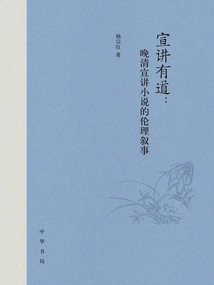
Proclaiming the Right Way: Ethical Narratives in Preaching Novels in the Late Qing Dynasty
Literature宣讲有道:晚清宣讲小说的伦理叙事
Yang Zonghong
This book focuses on the propaganda novels of the late Qing Dynasty and examines the family ethics, village ethics, job ethics and ecological ethics promoted by the stories as "evidence"; combined with the oral tradition of the propaganda novels of the late Qing Dynasty, it further analyzes the ethical functions of narrative perspective, narrative intervention, local stories, and dialect aphorisms in the "speaking-listening" field, as well as the ethical pursuits reflected in the ritualization of the propaganda, the programming of language and structure, and the repetition of plots and themes. It conducts a comprehensive and systematic study of the ethical narratives of the propaganda novels of the late Qing Dynasty.
This book focuses on the propaganda novels of the late Qing Dynasty and examines the family ethics, village ethics, job ethics and ecological ethics promoted by the stories as "evidence"; combined with the oral tradition of the propaganda novels of the late Qing Dynasty, it further analyzes the ethical functions of narrative perspective, narrative intervention, local stories, and dialect aphorisms in the "speaking-listening" field, as well as the ethical pursuits reflected in the ritualization of the propaganda, the programming of language and structure, and the repetition of plots and themes. It conducts a comprehensive and systematic study of the ethical narratives of the propaganda novels of the late Qing Dynasty.
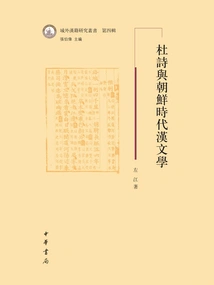
杜诗与朝鲜时代汉文学
Zuojiang
Du Fu's poetry has been established as a literary model in China, Japan and South Korea in the East Asian and Han cultural circles. Its publication, translation, annotation, editing, interpretation, and commentary constitute a systematic and rigorous "Du Poetry"; the research and evaluation of Du Fu, and the reading and interpretation of Du Fu's poetry have formed a huge network. As far as Korean and Chinese literature is concerned, the text left in this reading network of Du's poems amounts to more than 2 million words, including more than 1 million words of commentary, and 7.8 Million words of works such as Cidu, Jidu, and Xidu. Faced with so much literature, the method of this book is to first conduct a comprehensive survey, and then select each node on the network for detailed analysis and discussion. Some of these nodes are selected because they are crucial and have far-reaching influence, and some are because they have distinctive personalities and are independent. The purpose of studying specific nodes is to better reflect on the entire network and provide reference for methods.
Du Fu's poetry has been established as a literary model in China, Japan and South Korea in the East Asian and Han cultural circles. Its publication, translation, annotation, editing, interpretation, and commentary constitute a systematic and rigorous "Du Poetry"; the research and evaluation of Du Fu, and the reading and interpretation of Du Fu's poetry have formed a huge network. As far as Korean and Chinese literature is concerned, the text left in this reading network of Du's poems amounts to more than 2 million words, including more than 1 million words of commentary, and 7.8 Million words of works such as Cidu, Jidu, and Xidu. Faced with so much literature, the method of this book is to first conduct a comprehensive survey, and then select each node on the network for detailed analysis and discussion. Some of these nodes are selected because they are crucial and have far-reaching influence, and some are because they have distinctive personalities and are independent. The purpose of studying specific nodes is to better reflect on the entire network and provide reference for methods.
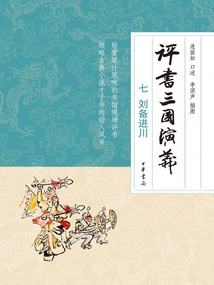
评书三国演义(七):刘备进川
Narrated By Lian Liru And Illustrated By Li Binsheng
This book has thirty chapters in total. Starting from seizing the ship to avoid arrows, and ending with the plan to seize the sky, it includes classic episodes such as Xu Chu's fight with Ma Chao, Han Sui in the book room, Zhang Song's map presentation, fighting against the river, Huang Wei's battle for merit, Luo Fengpo, Yi Shi Yan Yan, the battle at Jiameng Pass, Dan Daohui, Xiaoyao Jin, Baiqi robbed the Wei camp, and outsmarted Wakou Pass.
This book has thirty chapters in total. Starting from seizing the ship to avoid arrows, and ending with the plan to seize the sky, it includes classic episodes such as Xu Chu's fight with Ma Chao, Han Sui in the book room, Zhang Song's map presentation, fighting against the river, Huang Wei's battle for merit, Luo Fengpo, Yi Shi Yan Yan, the battle at Jiameng Pass, Dan Daohui, Xiaoyao Jin, Baiqi robbed the Wei camp, and outsmarted Wakou Pass.
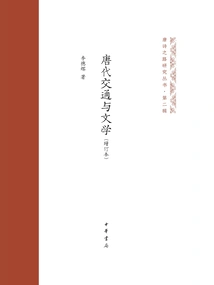
唐代交通与文学(增订本)
Li Dehui
Professor Li Dehui's "Transportation and Literature in the Tang Dynasty" is the first monograph in China that systematically studies transportation and literature in the Tang Dynasty. It has made outstanding achievements in institutional and literary research, and has led the subsequent research on the relationship between literature and transportation in the Tang Dynasty. It has been fully updated and included in the "Tang Poetry Road Research Series". The author combines history, geography, institutions, etc. With literature to interpret the literature of the Tang Dynasty. First, he gives a concise and detailed explanation of the various connections between transportation and literature in the Tang Dynasty. He then conducts a systematic and in-depth study of the intricate relationships between water and land transportation and literary creation, literati mentality, literary communication, literary motifs, literary styles, regional literature, and Tang people's travel notes.
Professor Li Dehui's "Transportation and Literature in the Tang Dynasty" is the first monograph in China that systematically studies transportation and literature in the Tang Dynasty. It has made outstanding achievements in institutional and literary research, and has led the subsequent research on the relationship between literature and transportation in the Tang Dynasty. It has been fully updated and included in the "Tang Poetry Road Research Series". The author combines history, geography, institutions, etc. With literature to interpret the literature of the Tang Dynasty. First, he gives a concise and detailed explanation of the various connections between transportation and literature in the Tang Dynasty. He then conducts a systematic and in-depth study of the intricate relationships between water and land transportation and literary creation, literati mentality, literary communication, literary motifs, literary styles, regional literature, and Tang people's travel notes.
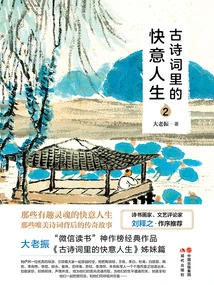
Pleasant Life in Ancient Poetry 2
Literature古诗词里的快意人生2
Da Laozhen
The sequel to Da Laozhen's classic work "The Pleasant Life in Ancient Poetry" reproduces the joyful life and happy atmosphere in the world of classical poetry. In this classic poetry reader, which is full of useful information, fun, rational thinking and historical depth, the author follows the clues of time and leads us to meet great poets such as Tao Yuanming, Wang Wei, Li Bai, Du Fu, Bai Juyi, Han Yu, Li Shangyin, Li Yu, Liu Yong, Yan Shu, Fan Zhongyan, Su Shi, Li Qingzhao, Xin Qiji, Lu You, Wen Tianxiang and so on. The author is full of treasures, full of ups and downs, and full of emotion and emotion. She sang for their noble souls and wept for their life experiences. She even traveled arm-in-arm with them, treating them as fathers, brothers, sisters, husbands, and confidants, in order to gain spiritual resonance and spiritual connection. The author's language is humorous and his writing is fluent. He observes the poet's life from his poems and summarizes his poetic achievements from his life. It expresses the emotions of people in the world and tells the legends of romantic figures through the ages.
The sequel to Da Laozhen's classic work "The Pleasant Life in Ancient Poetry" reproduces the joyful life and happy atmosphere in the world of classical poetry. In this classic poetry reader, which is full of useful information, fun, rational thinking and historical depth, the author follows the clues of time and leads us to meet great poets such as Tao Yuanming, Wang Wei, Li Bai, Du Fu, Bai Juyi, Han Yu, Li Shangyin, Li Yu, Liu Yong, Yan Shu, Fan Zhongyan, Su Shi, Li Qingzhao, Xin Qiji, Lu You, Wen Tianxiang and so on. The author is full of treasures, full of ups and downs, and full of emotion and emotion. She sang for their noble souls and wept for their life experiences. She even traveled arm-in-arm with them, treating them as fathers, brothers, sisters, husbands, and confidants, in order to gain spiritual resonance and spiritual connection. The author's language is humorous and his writing is fluent. He observes the poet's life from his poems and summarizes his poetic achievements from his life. It expresses the emotions of people in the world and tells the legends of romantic figures through the ages.
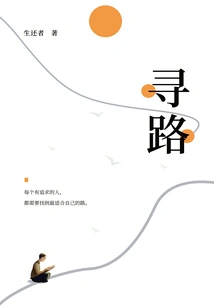
Pathfinding
Literature寻路
Survivors
The author himself analyzes and thinks about the difficulties faced by many writers and some of the chaos.
The author himself analyzes and thinks about the difficulties faced by many writers and some of the chaos.
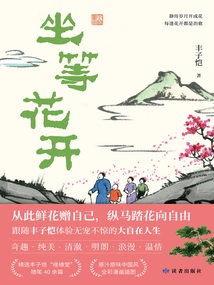
坐等花开
Feng Zikai
Capture the small beauties of life with a childlike innocence, and experience the great freedom of life with a Zen mind. As the originator and essayist of modern Chinese comics, Feng Zikai was a master of both painting and writing. In addition, he studied under Master Hongyi Li Shutong, so his life was artistic, poetic, and free. This book takes flowers as its theme, from "Don't be idle when the flowers are good" to "There is great beauty in the world", then to "Sentient world, innocent life", "Waiting for time to bloom into flowers", and finally to "This life is close to the peach blossom garden", laying out Feng Zikai's "flowers". The life of "Blooming into a scene, falling into a poem" also reflects the lifestyle that contemporary people yearn for - from now on giving flowers to themselves, riding horses to freedom, and conveying ambitions with a Zen heart - those who have a beautiful heart will surely bear flowers along the way. There are three thousand things in this world, and you should be like Feng Zikai, happy and enjoying your life freely.
Capture the small beauties of life with a childlike innocence, and experience the great freedom of life with a Zen mind. As the originator and essayist of modern Chinese comics, Feng Zikai was a master of both painting and writing. In addition, he studied under Master Hongyi Li Shutong, so his life was artistic, poetic, and free. This book takes flowers as its theme, from "Don't be idle when the flowers are good" to "There is great beauty in the world", then to "Sentient world, innocent life", "Waiting for time to bloom into flowers", and finally to "This life is close to the peach blossom garden", laying out Feng Zikai's "flowers". The life of "Blooming into a scene, falling into a poem" also reflects the lifestyle that contemporary people yearn for - from now on giving flowers to themselves, riding horses to freedom, and conveying ambitions with a Zen heart - those who have a beautiful heart will surely bear flowers along the way. There are three thousand things in this world, and you should be like Feng Zikai, happy and enjoying your life freely.
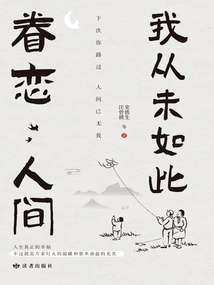
我从未如此眷恋人间
Wang Zengqi Shi Tiesheng Et Al.
This is a collection of essays about attachment to the world. There are 50 prose works by 13 well-known writers. In the book, the writers talk about family love, friendship, long-lost hometown, and lost time. They either go straight to the topic or elaborate slowly. In their words, they all reveal their deep understanding and attachment to life and time. Writers sincerely share their true feelings and insights about beautiful things in life with readers. You can see interesting stories about the lives of our predecessors Lu Xun, Chen Xiying, Lu Xiaoman, Liang Sicheng, etc. In the writers' pens. The book is divided into seven parts. It is rich in content, real in emotion, and warm, giving readers affectionate warmth, perception of beauty, and enlightenment of life.
This is a collection of essays about attachment to the world. There are 50 prose works by 13 well-known writers. In the book, the writers talk about family love, friendship, long-lost hometown, and lost time. They either go straight to the topic or elaborate slowly. In their words, they all reveal their deep understanding and attachment to life and time. Writers sincerely share their true feelings and insights about beautiful things in life with readers. You can see interesting stories about the lives of our predecessors Lu Xun, Chen Xiying, Lu Xiaoman, Liang Sicheng, etc. In the writers' pens. The book is divided into seven parts. It is rich in content, real in emotion, and warm, giving readers affectionate warmth, perception of beauty, and enlightenment of life.
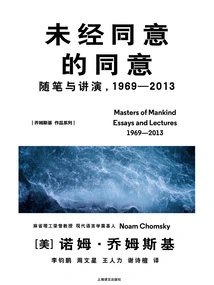
未经同意的同意:随笔与讲演,1969—2013(乔姆斯基作品系列)
(us) Noam Chomsky
Chomsky, who was named "one of the most important challengers of unfair forces and fallacies" by Edward Said, helps you see through the evil tricks of hegemony in seven articles. Spanning fifty years of accumulation, each chapter is to the point. Chomsky, the outstanding rationalist, pointed out that the basic concern of intellectuals must be to "tell the truth and expose lies." Consent Without Consent is a collection of selected articles and speeches published by Noam Chomsky from 1963 to 2013. In this book, Chomsky, in his usual poignant style, challenges authority, questions and explores the responsibilities of intellectuals and the methods of practicing them. In these articles, Chomsky examines the nature of state power, the ideological debates behind the Cold War, and war and terrorism, and reemphasizes moral and controversial factors that have long been ignored and misrepresented. Chomsky critiques prevailing arguments about capitalism and empire and explodes myths that protect the power and privilege of the few while ignoring the interests and influence of the many. At the same time, he also discussed realistic issues such as "human intelligence and the environment", "intellectuals and welfare-war states" and "the current status of civilization under existing capitalism".
Chomsky, who was named "one of the most important challengers of unfair forces and fallacies" by Edward Said, helps you see through the evil tricks of hegemony in seven articles. Spanning fifty years of accumulation, each chapter is to the point. Chomsky, the outstanding rationalist, pointed out that the basic concern of intellectuals must be to "tell the truth and expose lies." Consent Without Consent is a collection of selected articles and speeches published by Noam Chomsky from 1963 to 2013. In this book, Chomsky, in his usual poignant style, challenges authority, questions and explores the responsibilities of intellectuals and the methods of practicing them. In these articles, Chomsky examines the nature of state power, the ideological debates behind the Cold War, and war and terrorism, and reemphasizes moral and controversial factors that have long been ignored and misrepresented. Chomsky critiques prevailing arguments about capitalism and empire and explodes myths that protect the power and privilege of the few while ignoring the interests and influence of the many. At the same time, he also discussed realistic issues such as "human intelligence and the environment", "intellectuals and welfare-war states" and "the current status of civilization under existing capitalism".
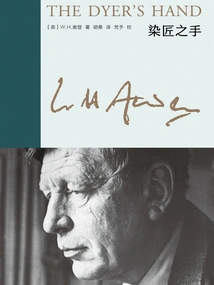
奥登文集:染匠之手
H
"Nature is as obedient to what it is engaged in as the hands of a dyer." Auden, one of the greatest writers of the 20th century, has newly included a 10,000-word postscript from the famous collection of essays by translator Hu Sang. "The Dyer's Hand" collects the splendid prose works of W. H. Auden, a generation of literary giants, including his famous lectures as professor of poetry at Oxford University. The articles in the book cover a wide range of topics but are related to each other. They all put forward their own views on poetry, art, and various situations in life. These thoughts and feelings are original and unconventional. Although the core focus is literature and art, behind the argument is the author's entire experience in the twentieth century.
"Nature is as obedient to what it is engaged in as the hands of a dyer." Auden, one of the greatest writers of the 20th century, has newly included a 10,000-word postscript from the famous collection of essays by translator Hu Sang. "The Dyer's Hand" collects the splendid prose works of W. H. Auden, a generation of literary giants, including his famous lectures as professor of poetry at Oxford University. The articles in the book cover a wide range of topics but are related to each other. They all put forward their own views on poetry, art, and various situations in life. These thoughts and feelings are original and unconventional. Although the core focus is literature and art, behind the argument is the author's entire experience in the twentieth century.