Library
Browse and search novels
26,102 novels found
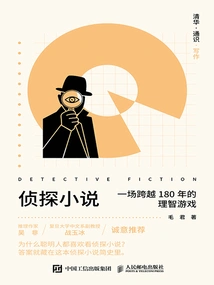
侦探小说:一场跨越180年的理智游戏(清华·通识·写作)
Mao Jun
This book first traces the origin and form of detective novels and explores their characteristics of both popular literature entertainment and high-level literature social concern; secondly, it introduces the historical periods, genres, typical writers and works of classical detective works, and analyzes how detective works embody and reflect on the value of human reason; then, it explores the human nature and social collective behind the themes of crime and punishment in detective works. The relationship between consciousness and moral conscience; the depiction of the crisis of modernity in detective works, especially the social phenomenon in the urban context; in addition, the secret room conspiracies in detective novels are introduced through typical works, and the roles of partners and rivals in detective works are analyzed, and how they reflect the soundness of human nature; finally, the subculture derived from detective literature and its sociological and educational value are discussed.
This book first traces the origin and form of detective novels and explores their characteristics of both popular literature entertainment and high-level literature social concern; secondly, it introduces the historical periods, genres, typical writers and works of classical detective works, and analyzes how detective works embody and reflect on the value of human reason; then, it explores the human nature and social collective behind the themes of crime and punishment in detective works. The relationship between consciousness and moral conscience; the depiction of the crisis of modernity in detective works, especially the social phenomenon in the urban context; in addition, the secret room conspiracies in detective novels are introduced through typical works, and the roles of partners and rivals in detective works are analyzed, and how they reflect the soundness of human nature; finally, the subculture derived from detective literature and its sociological and educational value are discussed.
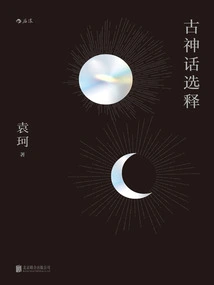
Selected Explanations of Ancient Myths
Literature古神话选释
Yuan Ke
Mr. Yuan Ke's research on Chinese mythology has expanded a new field in academic history, and his related research results have also become a series of important works on "Chinese Mythology". This book "Selected Interpretations of Ancient Myths" collects, organizes, selects, and interprets ancient Chinese myths scattered in ancient books and documents. It also makes arguments and interpretations based on historical materials such as inscriptions and stone carvings, national myths, and folklore. It presents readers with a magnificent and magnificent picture of ancient China, and also provides the first glimpse of Mr. Wang's "generalized mythology" theoretical system.
Mr. Yuan Ke's research on Chinese mythology has expanded a new field in academic history, and his related research results have also become a series of important works on "Chinese Mythology". This book "Selected Interpretations of Ancient Myths" collects, organizes, selects, and interprets ancient Chinese myths scattered in ancient books and documents. It also makes arguments and interpretations based on historical materials such as inscriptions and stone carvings, national myths, and folklore. It presents readers with a magnificent and magnificent picture of ancient China, and also provides the first glimpse of Mr. Wang's "generalized mythology" theoretical system.
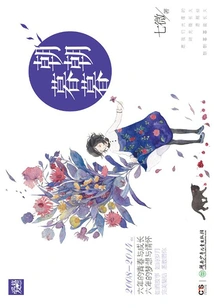
Morning and Evening
Literature朝朝暮暮
Qiwei
The collection of short and medium-length works by Qiwei, a best-selling youth literature writer, is a summary of the author's creations in recent years. It gathers the author's insights on youth, growth, love, friendship, and family ties over the past six years of writing. Readers voted Qiwei's top 10 most classic short stories - a 30-day travel essay on a 30-day trip to southern Xinjiang, a 30,000-word new novella, and 10 classic short stories.
The collection of short and medium-length works by Qiwei, a best-selling youth literature writer, is a summary of the author's creations in recent years. It gathers the author's insights on youth, growth, love, friendship, and family ties over the past six years of writing. Readers voted Qiwei's top 10 most classic short stories - a 30-day travel essay on a 30-day trip to southern Xinjiang, a 30,000-word new novella, and 10 classic short stories.
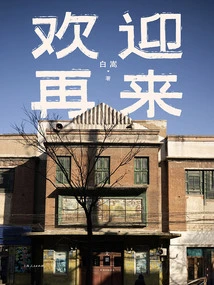
Welcome Again
Literature欢迎再来
Bai Song
In 2021, my father and I, who had been away from our hometown for many years, returned to our hometown in the middle of winter. The Lingshan area of Anshan City, Liaoning Province - the birthplace of the first high-horsepower crawler tractor and bulldozer in New China. As the Spring Festival approaches, we take care of our 94-year-old grandfather while buying new year's goods, sweeping graves, burning paper, and visiting relatives and friends. My father and I have another plan: to buy my grandfather's old house and fulfill our unfinished wish 20 years ago. During the reunion dinners, the life experiences and inner worlds of the three generations of grandparents, the 30-year changes in scenery at the Hongqi Tractor Factory, Lingshan Railway Station and along the lines, past family disputes and the restructuring of state-owned enterprises, and other past events emerged one after another. When I started writing, my grandma and grandpa were still chatting with me on the phone about home affairs, but they had both passed away before I finished the manuscript...
In 2021, my father and I, who had been away from our hometown for many years, returned to our hometown in the middle of winter. The Lingshan area of Anshan City, Liaoning Province - the birthplace of the first high-horsepower crawler tractor and bulldozer in New China. As the Spring Festival approaches, we take care of our 94-year-old grandfather while buying new year's goods, sweeping graves, burning paper, and visiting relatives and friends. My father and I have another plan: to buy my grandfather's old house and fulfill our unfinished wish 20 years ago. During the reunion dinners, the life experiences and inner worlds of the three generations of grandparents, the 30-year changes in scenery at the Hongqi Tractor Factory, Lingshan Railway Station and along the lines, past family disputes and the restructuring of state-owned enterprises, and other past events emerged one after another. When I started writing, my grandma and grandpa were still chatting with me on the phone about home affairs, but they had both passed away before I finished the manuscript...
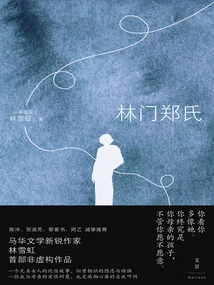
Linmen Zheng Family
Literature林门郑氏
(malaysia) Lin Xuehong
This book is a non-fiction work by the emerging Malaysian Chinese literature writer Lin Xuehong. In this work, which took six years to write, Lin Xuehong looks back on her mother's forbearance and tenacity from the perspective of her daughter, and keenly captures the complex and subtle emotional entanglements between Chinese mothers and daughters. She conveyed full and sincere emotions with restrained language. While mourning her deceased mother, it was also a heart-wrenching self-analysis and acceptance. "The Zheng Family of Linmen" is the murmur of two generations of women, and it is also a brave examination of the situation of women.
This book is a non-fiction work by the emerging Malaysian Chinese literature writer Lin Xuehong. In this work, which took six years to write, Lin Xuehong looks back on her mother's forbearance and tenacity from the perspective of her daughter, and keenly captures the complex and subtle emotional entanglements between Chinese mothers and daughters. She conveyed full and sincere emotions with restrained language. While mourning her deceased mother, it was also a heart-wrenching self-analysis and acceptance. "The Zheng Family of Linmen" is the murmur of two generations of women, and it is also a brave examination of the situation of women.
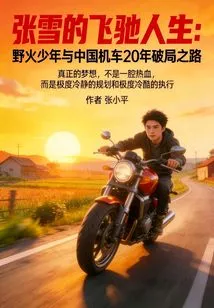
Zhang Xue's Flying Life: Wildfire Boy and China Motorcycle's 20-year Road to Breaking Through
Literature张雪的飞驰人生:野火少年与中国机车20年破局之路
Zhang Xiaoping
This is a more passionate and real grassroots counterattack epic than the movie "Flying Life". This book exclusively reveals Zhang Xue's 20-year legendary journey from dropping out of school to repair cars at the age of 14, pursuing his dream in the rain for hundreds of miles, to founding Excelle, finally naming the brand after himself and becoming the WSBK world champion. The book not only contains the highlight moments of his victory at the Portimão circuit, but also details his counterattack after leaving home, his self-developed three-cylinder engine's hard-core technological breakthrough to break the international monopoly, and his "two-way rush" with veteran Derbys. This is a story about extreme love, extreme effort and extreme persistence, dedicated to every ordinary person who is unwilling to be ordinary and struggles to pursue their dreams in reality.
This is a more passionate and real grassroots counterattack epic than the movie "Flying Life". This book exclusively reveals Zhang Xue's 20-year legendary journey from dropping out of school to repair cars at the age of 14, pursuing his dream in the rain for hundreds of miles, to founding Excelle, finally naming the brand after himself and becoming the WSBK world champion. The book not only contains the highlight moments of his victory at the Portimão circuit, but also details his counterattack after leaving home, his self-developed three-cylinder engine's hard-core technological breakthrough to break the international monopoly, and his "two-way rush" with veteran Derbys. This is a story about extreme love, extreme effort and extreme persistence, dedicated to every ordinary person who is unwilling to be ordinary and struggles to pursue their dreams in reality.
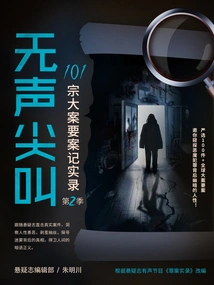
无声尖叫:101宗大案要案记实录(第2季)
Suspense Magazine Editorial Department Zhu Mingchuan
A direct look at the crime scene, the 101 most important cases worth reading in the Suspense Chronicles! Records of real cases, direct visits to crime scenes from various countries, revealing the darkness of human nature. Twisted psychology, horrific criminals, strange techniques, cruel crimes, after which is the unremitting pursuit of love and justice in the world. 6 Thrilling chapters, peeking into the evil of human nature and the cunning and cruelty of criminals. Suspense Magazine carefully compiles true records of crime cases. Only when we face the abyss can we have the courage to reflect on human nature!
A direct look at the crime scene, the 101 most important cases worth reading in the Suspense Chronicles! Records of real cases, direct visits to crime scenes from various countries, revealing the darkness of human nature. Twisted psychology, horrific criminals, strange techniques, cruel crimes, after which is the unremitting pursuit of love and justice in the world. 6 Thrilling chapters, peeking into the evil of human nature and the cunning and cruelty of criminals. Suspense Magazine carefully compiles true records of crime cases. Only when we face the abyss can we have the courage to reflect on human nature!
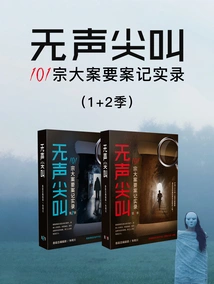
无声尖叫:101宗大案要案记实录(1+2季)
Suspense Magazine Editorial Department Zhu Mingchuan
A direct look at the crime scene, the 101 most important cases worth reading in the Suspense Chronicles! Records of real cases, direct visits to crime scenes from various countries, revealing the darkness of human nature. Twisted psychology, horrific criminals, strange techniques, cruel crimes, after which is the unremitting pursuit of love and justice in the world. A thriller that explores the evil of human nature and the cunning and cruelty of criminals. Suspense Magazine carefully compiles true records of crime cases. Only when we face the abyss can we have the courage to reflect on human nature!
A direct look at the crime scene, the 101 most important cases worth reading in the Suspense Chronicles! Records of real cases, direct visits to crime scenes from various countries, revealing the darkness of human nature. Twisted psychology, horrific criminals, strange techniques, cruel crimes, after which is the unremitting pursuit of love and justice in the world. A thriller that explores the evil of human nature and the cunning and cruelty of criminals. Suspense Magazine carefully compiles true records of crime cases. Only when we face the abyss can we have the courage to reflect on human nature!
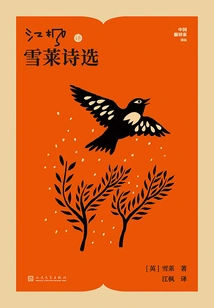
Selected Poems of Shelley Translated by Jiang Feng (Translation Series by Chinese Translators)
Literature江枫译雪莱诗选(中国翻译家译丛)
L
Shelley is one of the most talented lyric poets in the history of British literature. His poems are fast-paced and full of positive optimism, expressing his yearning and pursuit of a better life. His poems are beautiful in artistic conception, full of passion, subtle description, and full of musicality. This book collects Shelley's most outstanding and representative poetic works, including "Ode", "Ode to the West Wind", "To the Skylark", "The Philosophy of Love", etc. "Selected Poems of Shelley" is also a representative translation of the famous translator Jiang Feng. When the first edition was published in 1980, it aroused enthusiastic response among poetry readers and was loved by famous poets such as Ai Qing, Zang Kejia, and Bian Zhilin. "Selected Poems of Shelley" translated by Jiang Feng is currently the most comprehensive and richest anthology of Shelley's poems. This book is the exclusive translation of People's Literature Publishing House.
Shelley is one of the most talented lyric poets in the history of British literature. His poems are fast-paced and full of positive optimism, expressing his yearning and pursuit of a better life. His poems are beautiful in artistic conception, full of passion, subtle description, and full of musicality. This book collects Shelley's most outstanding and representative poetic works, including "Ode", "Ode to the West Wind", "To the Skylark", "The Philosophy of Love", etc. "Selected Poems of Shelley" is also a representative translation of the famous translator Jiang Feng. When the first edition was published in 1980, it aroused enthusiastic response among poetry readers and was loved by famous poets such as Ai Qing, Zang Kejia, and Bian Zhilin. "Selected Poems of Shelley" translated by Jiang Feng is currently the most comprehensive and richest anthology of Shelley's poems. This book is the exclusive translation of People's Literature Publishing House.
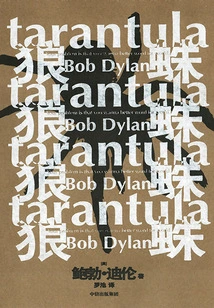
Tarantula
Literature狼蛛
K
Between 1965 and 1966, at the peak of his creative powers, Bob Dylan wrote a work that is difficult to define. The book has complex images, characters, dreamy and confusing style, and the ambiguous text forms a multi-faceted prism that reflects Dylan's rich inner world and keen artistic perception. This book indirectly retains many of the prototypes of Dylan's lyrics written in the 1960s. In addition to intuitively understanding Dylan's creative ideas, it can also provide a glimpse into his intellectual background and ideological outlook. In the 1960s, the American society, economy, culture, and ideology were intertwined and collided. Dylan used stream-of-consciousness techniques to separate, disrupt, and re-arrange the scene, weaving in many prototypes or variations of lyrics, and singing extraordinary and surreal songs with words. This is a very experimental text, and it is also the symphony and transformation of Rimbaud, Kerouac, and Ginsberg.
Between 1965 and 1966, at the peak of his creative powers, Bob Dylan wrote a work that is difficult to define. The book has complex images, characters, dreamy and confusing style, and the ambiguous text forms a multi-faceted prism that reflects Dylan's rich inner world and keen artistic perception. This book indirectly retains many of the prototypes of Dylan's lyrics written in the 1960s. In addition to intuitively understanding Dylan's creative ideas, it can also provide a glimpse into his intellectual background and ideological outlook. In the 1960s, the American society, economy, culture, and ideology were intertwined and collided. Dylan used stream-of-consciousness techniques to separate, disrupt, and re-arrange the scene, weaving in many prototypes or variations of lyrics, and singing extraordinary and surreal songs with words. This is a very experimental text, and it is also the symphony and transformation of Rimbaud, Kerouac, and Ginsberg.
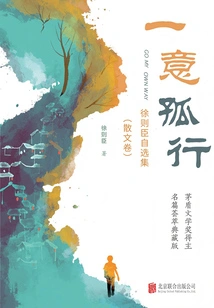
一意孤行:徐则臣自选集(散文卷)
Xu Zechen
This book is a self-selected collection of prose essays by Xu Zechen, winner of the Mao Dun Literature Prize. It includes various types of prose essays by the author, covering life growth, world travel, Chinese and foreign literary reviews, speeches, miscellaneous thoughts, etc. Readers can see Xu Zechen's sincerity, magnanimity, and single-minded approach to literature at a glance. The novelist's prose has both the sincerity of prose and the unique perspective and writing style of novels. The 48 wonderful essays tell the story of a rural boy's dream of looking into the world, and also record his profound footprints in the world. The text is rich in texture, bright and clear.
This book is a self-selected collection of prose essays by Xu Zechen, winner of the Mao Dun Literature Prize. It includes various types of prose essays by the author, covering life growth, world travel, Chinese and foreign literary reviews, speeches, miscellaneous thoughts, etc. Readers can see Xu Zechen's sincerity, magnanimity, and single-minded approach to literature at a glance. The novelist's prose has both the sincerity of prose and the unique perspective and writing style of novels. The 48 wonderful essays tell the story of a rural boy's dream of looking into the world, and also record his profound footprints in the world. The text is rich in texture, bright and clear.
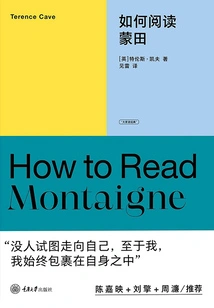
如何阅读蒙田(大家读经典)
(uk) Terence Cave
This book focuses on the classic chapters of the philosopher Montaigne, and through the interpretation of the famous thinker Terence Cave, his classic theory once again enters the public eye. Montaigne was a French thinker during the Renaissance. He has extensive experience, broad thinking, and unrestrained writing. His prose has a great influence on Francis Bacon, Shakespeare, etc. Terence Cave discusses the "subject", "self" and 10 other key themes in Montaigne's works, and interprets "Montaigne's Essays" from a cognitive level.
This book focuses on the classic chapters of the philosopher Montaigne, and through the interpretation of the famous thinker Terence Cave, his classic theory once again enters the public eye. Montaigne was a French thinker during the Renaissance. He has extensive experience, broad thinking, and unrestrained writing. His prose has a great influence on Francis Bacon, Shakespeare, etc. Terence Cave discusses the "subject", "self" and 10 other key themes in Montaigne's works, and interprets "Montaigne's Essays" from a cognitive level.
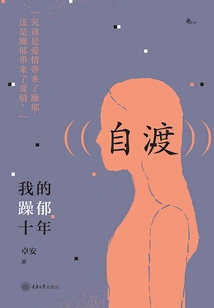
自渡:我的躁郁十年
Zhuo An
This book records the story of the protagonist's ten-year struggle with bipolar disorder. The protagonist began to suffer from bipolar disorder in college and finally lived a happy life after overcoming bipolar disorder. This book describes her emotional entanglements, academic choices, personality development, eating disorders, personal hobbies, psychiatric hospitalization experience, self-healing process, relationship with family and job search experience. The protagonist is a person who strives for excellence in her studies and has many hobbies, such as writing, painting, rock and roll, etc. She conflicts with her parents in her professional choice, and frequently encounters people who make her have a mental breakdown emotionally. Her career development is also hindered by illness. The book records the protagonist's observations and thoughts on these life events. The description is vivid and true, and has reference significance for young people who are confused about emotions, academic choices, and job hunting.
This book records the story of the protagonist's ten-year struggle with bipolar disorder. The protagonist began to suffer from bipolar disorder in college and finally lived a happy life after overcoming bipolar disorder. This book describes her emotional entanglements, academic choices, personality development, eating disorders, personal hobbies, psychiatric hospitalization experience, self-healing process, relationship with family and job search experience. The protagonist is a person who strives for excellence in her studies and has many hobbies, such as writing, painting, rock and roll, etc. She conflicts with her parents in her professional choice, and frequently encounters people who make her have a mental breakdown emotionally. Her career development is also hindered by illness. The book records the protagonist's observations and thoughts on these life events. The description is vivid and true, and has reference significance for young people who are confused about emotions, academic choices, and job hunting.
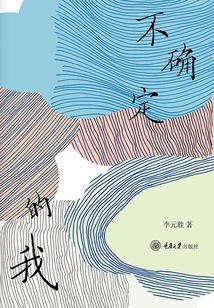
Unsure Me
Literature不确定的我
Li Yuansheng
"Uncertain Me" is a selection of Li Yuansheng's original poems from 2018 to the end of 2020. The poet with 20 years of fieldwork experience finally reshaped himself and his poetry in the wilderness. It can be said that this collection of poems was not written in a study, but was walked out in the mountains and valleys. As a popular poet, one of the characteristics of Li Yuansheng's works is transparency. In this collection of poems, he is more committed to using simple styles to contain deeper thoughts, and to convey the original poetic flavor he captured in the wilderness without hindrance to the hearts of readers, encouraging them to draw beauty and power from nature and history. Based on readers' suggestions, this poetry collection also includes the poet's articles on three important topics: personal reading, poetry writing in the cloud era, and the relationship between wilderness and poetry.
"Uncertain Me" is a selection of Li Yuansheng's original poems from 2018 to the end of 2020. The poet with 20 years of fieldwork experience finally reshaped himself and his poetry in the wilderness. It can be said that this collection of poems was not written in a study, but was walked out in the mountains and valleys. As a popular poet, one of the characteristics of Li Yuansheng's works is transparency. In this collection of poems, he is more committed to using simple styles to contain deeper thoughts, and to convey the original poetic flavor he captured in the wilderness without hindrance to the hearts of readers, encouraging them to draw beauty and power from nature and history. Based on readers' suggestions, this poetry collection also includes the poet's articles on three important topics: personal reading, poetry writing in the cloud era, and the relationship between wilderness and poetry.
Hoarse
Literature沙哑
Li Yuansheng
"Husky" is the latest collection of poems by Lu Xun Literature Award-winning poet Li Yuansheng. It is a selection of three short collections of poems written by Li Yuansheng between 2015 and the end of 2017: "Flowers in Destiny", "The Year of Forgetting Machines" and "Husky". Each of them is a masterpiece personally selected by Li Yuansheng. It is a brand new stage in Li Yuansheng's poetry writing, and it is also the peak and intensive period of his personal writing. Many of his works have been widely praised by readers. Among them, the poem "Fate Has Blooming Flowers" won the October Poetry Award, "A Lifelong Mistake" was adapted into a song by the famous singer Pinguan, and "A Night of Zen Talk" was launched on the recitation public account.
"Husky" is the latest collection of poems by Lu Xun Literature Award-winning poet Li Yuansheng. It is a selection of three short collections of poems written by Li Yuansheng between 2015 and the end of 2017: "Flowers in Destiny", "The Year of Forgetting Machines" and "Husky". Each of them is a masterpiece personally selected by Li Yuansheng. It is a brand new stage in Li Yuansheng's poetry writing, and it is also the peak and intensive period of his personal writing. Many of his works have been widely praised by readers. Among them, the poem "Fate Has Blooming Flowers" won the October Poetry Award, "A Lifelong Mistake" was adapted into a song by the famous singer Pinguan, and "A Night of Zen Talk" was launched on the recitation public account.
Mao Dun's Prose
Literature茅盾散文
Mao Dun
"Mao Dun's Prose" is one of the series of "Prose Collection of Modern and Contemporary Chinese Famous Masters", compiled and selected by Zhong Guisong, an expert on Mao Dun. Mao Dun's prose has the same realism qualities as his novels. It is "a sketch of ordinary life" and a true text that reflects him and the era in which he lived. His prose has a distinct imprint of the times, either describing events and scenes, or expressing lyrical discussions. His words are casual and natural, truly showing Mao Dun's thoughts, interests, and life experiences, as well as the social status quo and life styles of the era that Mao Dun experienced. Reading his prose is like opening a scroll of the times, and is a rare treasure in modern Chinese prose.
"Mao Dun's Prose" is one of the series of "Prose Collection of Modern and Contemporary Chinese Famous Masters", compiled and selected by Zhong Guisong, an expert on Mao Dun. Mao Dun's prose has the same realism qualities as his novels. It is "a sketch of ordinary life" and a true text that reflects him and the era in which he lived. His prose has a distinct imprint of the times, either describing events and scenes, or expressing lyrical discussions. His words are casual and natural, truly showing Mao Dun's thoughts, interests, and life experiences, as well as the social status quo and life styles of the era that Mao Dun experienced. Reading his prose is like opening a scroll of the times, and is a rare treasure in modern Chinese prose.
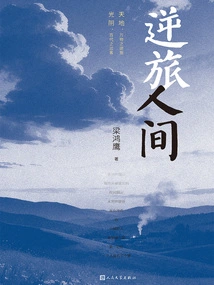
Traveling Against the World
Literature逆旅人间
Liang Hongying
The world is like a reverse journey. "Traveling Against the World" is a collection of retrospective essays by the famous writer Liang Hongying. Based on the column of the same name in "Contemporary" magazine, it selects a series of short prose works to review life experiences from different aspects, especially those in adolescence, to express personal feelings and record the feelings of the times. This series of essays has richness under the unified theme, such as the growth theme of "Distant Curse", the illness theme of "Accommodating Pain and Love", the travel theme of "The Endless Place", the campus theme of "School Smoke", the food theme of "First Memory", etc., With unique angles, and there are also "Those Not Forgotten" and "Small Town Good People" that describe characters. This series of essays is both intellectual and emotional, bringing a sense of intimacy and enlightenment to life.
The world is like a reverse journey. "Traveling Against the World" is a collection of retrospective essays by the famous writer Liang Hongying. Based on the column of the same name in "Contemporary" magazine, it selects a series of short prose works to review life experiences from different aspects, especially those in adolescence, to express personal feelings and record the feelings of the times. This series of essays has richness under the unified theme, such as the growth theme of "Distant Curse", the illness theme of "Accommodating Pain and Love", the travel theme of "The Endless Place", the campus theme of "School Smoke", the food theme of "First Memory", etc., With unique angles, and there are also "Those Not Forgotten" and "Small Town Good People" that describe characters. This series of essays is both intellectual and emotional, bringing a sense of intimacy and enlightenment to life.
阿赫玛托娃诗选(外国文学名著丛书)
(russia) Akhmatova
"Selected Poems of Akhmatova" selects the representative works of the famous Russian female poet Akhmatova. Akhmatova's poems reflect the tradition of graceful, fresh, concise and harmonious Russian classical poetry and are deeply loved by readers. Among her lyric poems, love poems are the most accomplished. She is good at describing frustrated love - the loneliness and sadness, grievance and torture, rebellion and wandering, even anger and revenge that love brings to women, as well as the incredible magic of love. Different from Pushkin's "bright melancholy", she uses novel and beautiful sentences to express the deep meaning in her heart. When describing a lonely life and expressing lovesickness, he expresses his attachment to his lover. There are not many words, but they are full of twists and turns, clear and handsome. Mr. Gao Mang's translation is meaningful, vivid and full of charm, and he has well grasped the essence of Akhmatova's selected poems.
"Selected Poems of Akhmatova" selects the representative works of the famous Russian female poet Akhmatova. Akhmatova's poems reflect the tradition of graceful, fresh, concise and harmonious Russian classical poetry and are deeply loved by readers. Among her lyric poems, love poems are the most accomplished. She is good at describing frustrated love - the loneliness and sadness, grievance and torture, rebellion and wandering, even anger and revenge that love brings to women, as well as the incredible magic of love. Different from Pushkin's "bright melancholy", she uses novel and beautiful sentences to express the deep meaning in her heart. When describing a lonely life and expressing lovesickness, he expresses his attachment to his lover. There are not many words, but they are full of twists and turns, clear and handsome. Mr. Gao Mang's translation is meaningful, vivid and full of charm, and he has well grasped the essence of Akhmatova's selected poems.
One Hundred Essays by Lu Xun
Literature鲁迅杂文一百篇
Written By Lu Xun And Edited By Sun Yu
Lu Xun has become a symbol of an era. In the process of transition from old to new, Lu Xun not only innovated the literary style of essays, but also used his own creation to participate in social changes and became a positive energy that promoted social evolution. Lu Xun's spirit thus became a new cultural force that can be inherited. This book is compiled and selected by teacher Sun Yu and contains a total of one hundred essays by Lu Xun.
Lu Xun has become a symbol of an era. In the process of transition from old to new, Lu Xun not only innovated the literary style of essays, but also used his own creation to participate in social changes and became a positive energy that promoted social evolution. Lu Xun's spirit thus became a new cultural force that can be inherited. This book is compiled and selected by teacher Sun Yu and contains a total of one hundred essays by Lu Xun.
文人与明清白话小说
Fu Chengzhou
This book deeply explores the evolution of the writing methods of vernacular novels in the Ming and Qing dynasties and the contributions of literati to the vernacular novels of the Ming and Qing dynasties. Vernacular novels originated from the art of speaking and have evolved over hundreds of years. The role of literati in it is undoubted. The three compilation methods of Zhanghui novels are generational collective creation, literati supplementation and literati original creation. Their creative characteristics and the contributions of literati writers are very different. In the early chapter novels, literati writers used the materials of their predecessors and imitated the art of speaking to create the genre of chapter novels. The supplementary chapters of chapter novels drew on the characters and plots of the original books and imitated the style of the original books. The overall achievements were not high. There are also some writers who borrowed other people's wine glasses to pour themselves. Along the way, some good works have been written; the chapter novels created by literati have brought new changes to this genre. The characters and plots are derived from real life, and the ideas are the independent thinking of the novelist. They represent the development direction of novel creation and push chapter novels to their peak. This result provides a new interpretation and analysis of the works of some novel writers, such as the type of adventure novels that existed in the chapter novels of the Ming and Qing Dynasties. "Jin Ping Mei Ci Hua" is a supplement to the chapter novels. Baoyu's rebellious character is directly related to his adolescence. This has not been published before and is quite influential in the academic world.
This book deeply explores the evolution of the writing methods of vernacular novels in the Ming and Qing dynasties and the contributions of literati to the vernacular novels of the Ming and Qing dynasties. Vernacular novels originated from the art of speaking and have evolved over hundreds of years. The role of literati in it is undoubted. The three compilation methods of Zhanghui novels are generational collective creation, literati supplementation and literati original creation. Their creative characteristics and the contributions of literati writers are very different. In the early chapter novels, literati writers used the materials of their predecessors and imitated the art of speaking to create the genre of chapter novels. The supplementary chapters of chapter novels drew on the characters and plots of the original books and imitated the style of the original books. The overall achievements were not high. There are also some writers who borrowed other people's wine glasses to pour themselves. Along the way, some good works have been written; the chapter novels created by literati have brought new changes to this genre. The characters and plots are derived from real life, and the ideas are the independent thinking of the novelist. They represent the development direction of novel creation and push chapter novels to their peak. This result provides a new interpretation and analysis of the works of some novel writers, such as the type of adventure novels that existed in the chapter novels of the Ming and Qing Dynasties. "Jin Ping Mei Ci Hua" is a supplement to the chapter novels. Baoyu's rebellious character is directly related to his adolescence. This has not been published before and is quite influential in the academic world.
雪国(外国文学名著丛书)
G
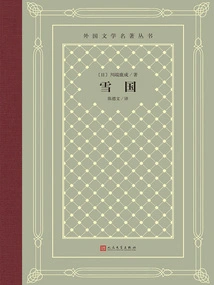
"Snow Country" contains a total of seven works by the author: "The Dancing Girl of Izu", "Snow Country", "Waltz of Flowers", "Thousand-Feathered Crane", "Mountain Sound", "Sleeping Beauty" and "Ancient Capital". These seven works range from the author's early famous work "Dancing Girl of Izu" to "Snow Country", "Thousand-Feathered Crane" and "Mountain Sound" in his creative period, to the mature works "Sleeping Beauty" and "Ancient Capital" in his later years. From short stories to novellas to full-length works, it can be said that they contain the essence of Kawabata Yasunari's life creation in one book. This selection arrangement is the only one of its kind in the market. Among them, "Snow Country" is Kawabata Yasunari's masterpiece. The novel describes a Western dance researcher named Shimamura who went to a hot spring hotel in the snow country three times and developed a subtle emotional relationship with a local geisha named Komako and the girl Ye Zi. The story finally ended with Ye Zi's accidental death. In the novel, Kawabata Yasunari skillfully applied the expression technique of stream of consciousness to describe the character's psychology delicately. The whole work is full of aestheticism and deserves to be a masterpiece in the history of Japanese literature. The translator of this book, Mr. Chen Dewen, has made brand-new revisions to the translation, ensuring that the translation is accurate and novel, which is not available in other versions of the translation.
"Snow Country" contains a total of seven works by the author: "The Dancing Girl of Izu", "Snow Country", "Waltz of Flowers", "Thousand-Feathered Crane", "Mountain Sound", "Sleeping Beauty" and "Ancient Capital". These seven works range from the author's early famous work "Dancing Girl of Izu" to "Snow Country", "Thousand-Feathered Crane" and "Mountain Sound" in his creative period, to the mature works "Sleeping Beauty" and "Ancient Capital" in his later years. From short stories to novellas to full-length works, it can be said that they contain the essence of Kawabata Yasunari's life creation in one book. This selection arrangement is the only one of its kind in the market. Among them, "Snow Country" is Kawabata Yasunari's masterpiece. The novel describes a Western dance researcher named Shimamura who went to a hot spring hotel in the snow country three times and developed a subtle emotional relationship with a local geisha named Komako and the girl Ye Zi. The story finally ended with Ye Zi's accidental death. In the novel, Kawabata Yasunari skillfully applied the expression technique of stream of consciousness to describe the character's psychology delicately. The whole work is full of aestheticism and deserves to be a masterpiece in the history of Japanese literature. The translator of this book, Mr. Chen Dewen, has made brand-new revisions to the translation, ensuring that the translation is accurate and novel, which is not available in other versions of the translation.
Chu Cixuan
Literature楚辞选
Selected Translations By Lu Kanru And Gong Kechang
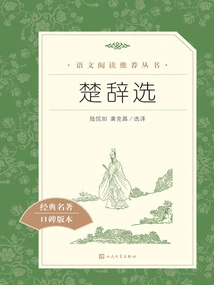
"Chu Ci" is a collection of works by Chu poet Qu Yuan and his later scholars during the Warring States Period. When he became emperor of the Western Han Dynasty, Liu Xiang compiled ancient books and compiled their works into a book, named "Chu Ci". From then on, "Chu Ci" became the name of a collection. This is the first personal monograph collection of poems in the history of our country, and is listed as the two major sources of Chinese poetry along with the Book of Songs. Qu Yuan has the largest number of works in "Chu Ci", and the most representative works are Qu Yuan's "Li Sao", "Nine Songs", "Heavenly Questions", etc. Song Yu's "Nine Debates" is also a work that has a great influence on later generations. "Selected Songs of Chu" selects the representative works of Qu Yuan and Song Yu. The annotations are concise and the translation is clear, making it suitable for general readers.
"Chu Ci" is a collection of works by Chu poet Qu Yuan and his later scholars during the Warring States Period. When he became emperor of the Western Han Dynasty, Liu Xiang compiled ancient books and compiled their works into a book, named "Chu Ci". From then on, "Chu Ci" became the name of a collection. This is the first personal monograph collection of poems in the history of our country, and is listed as the two major sources of Chinese poetry along with the Book of Songs. Qu Yuan has the largest number of works in "Chu Ci", and the most representative works are Qu Yuan's "Li Sao", "Nine Songs", "Heavenly Questions", etc. Song Yu's "Nine Debates" is also a work that has a great influence on later generations. "Selected Songs of Chu" selects the representative works of Qu Yuan and Song Yu. The annotations are concise and the translation is clear, making it suitable for general readers.
欧·亨利小说全集(全6册)
H
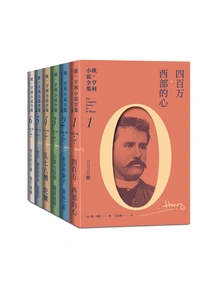
O. Henry was a famous American short story writer at the end of the 19th century and the beginning of the 20th century. He is known as one of the "three great short story masters in the world" together with France's Maupassant and Russia's Chekhov. He created a novel and nearly 300 short stories in total, with exquisite conception and unique style, expressing the lives of the middle and lower class people in the United States, with humorous language and unexpected endings. Mr. Wang Yongnian spent ten years translating the complete works of O. Henry's novels. The translation style is smooth and expressive, and perfectly conveys O. Henry's humor. It can be called a treasure in the history of literary translation.
O. Henry was a famous American short story writer at the end of the 19th century and the beginning of the 20th century. He is known as one of the "three great short story masters in the world" together with France's Maupassant and Russia's Chekhov. He created a novel and nearly 300 short stories in total, with exquisite conception and unique style, expressing the lives of the middle and lower class people in the United States, with humorous language and unexpected endings. Mr. Wang Yongnian spent ten years translating the complete works of O. Henry's novels. The translation style is smooth and expressive, and perfectly conveys O. Henry's humor. It can be called a treasure in the history of literary translation.
Messenger's Spell
Literature信使的咒语
Zhang Xianming
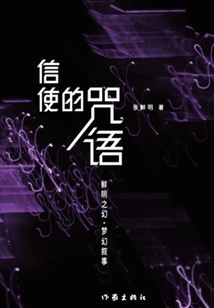
This is a surrealist text. Through "dream narrative", the author opens up the most secret part of the soul to us, nakedly showing the shocking and extremely rich scenery at the subconscious or unconscious level. These dreamy fragments not only let people see the confusion, loneliness, imprisonment, division, and struggle deep in the hearts of modern people, but also let people see the author's sincere desire and extremely strong appeal for love, as well as his exploration and efforts for the salvation of the soul. What is particularly valuable is that the author, guided by dream thinking and mythological thinking, opened up and recorded the dark areas hidden deep in everyone's heart through the recording of dreams, allowing dreams, unconsciousness or subconsciousness to gain literary character and rhetorical form, opening up the subject area of literature, thus providing a new discourse for Chinese literature. Most of the chapters in this book have been published in magazines such as "October", "Writer", "Tianya", "Wangyuan", and "Yanhe", and have generated widespread response.
This is a surrealist text. Through "dream narrative", the author opens up the most secret part of the soul to us, nakedly showing the shocking and extremely rich scenery at the subconscious or unconscious level. These dreamy fragments not only let people see the confusion, loneliness, imprisonment, division, and struggle deep in the hearts of modern people, but also let people see the author's sincere desire and extremely strong appeal for love, as well as his exploration and efforts for the salvation of the soul. What is particularly valuable is that the author, guided by dream thinking and mythological thinking, opened up and recorded the dark areas hidden deep in everyone's heart through the recording of dreams, allowing dreams, unconsciousness or subconsciousness to gain literary character and rhetorical form, opening up the subject area of literature, thus providing a new discourse for Chinese literature. Most of the chapters in this book have been published in magazines such as "October", "Writer", "Tianya", "Wangyuan", and "Yanhe", and have generated widespread response.
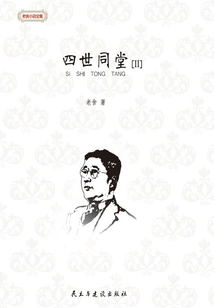
Four Generations under One Roof Ⅱ
Literature四世同堂Ⅱ
Lao She
Lao She (1899.2.3-1966.8.24), A modern Chinese literary giant, novelist and dramatist. His original name was Shu Qingchun, courtesy name Sheyu, Manchu, and a native of Beijing. He was born in a poor family and lost his father when he was young. He graduated from Beijing Normal School and served as the principal of a primary school and encouraged students in his early years. In 1924, he went to England to teach Chinese at the Oriental College of the University of London and began to write. He published novels "Lao Zhang's Philosophy", "Zhao Ziyue" and "Two Horses" in the "Novel Monthly", becoming one of the founders of modern novels in my country. After returning to China, he taught at Qilu University and Shandong University and engaged in writing at the same time. His representative works include the novels "Cat City", "Divorce", "Camel Xiangzi", the novellas "Crescent Moon" and "My Life", and the short stories "Micro God", "Soul-Breaking Gun", etc. After the outbreak of the Anti-Japanese War, he went to Wuhan and Chongqing to organize the All-China Association of Literary and Art Circles to Resist the Enemy, which dealt with the Prime Minister's meetings internally and represented the "Literary Association" externally. He wrote the novel "Four Generations Under One Roof" and improved modern folk arts. In 1946, he went to the United States to give lectures and returned to China four years later. He was mainly engaged in drama script creation. His representative works include "Longxugou" and "Teahouse". He was awarded the title of "People's Artist" and was known as a language master. He once served as Vice Chairman of the National Federation of Literary and Art Circles, Vice Chairman of the National Writers Association and Chairman of the Beijing Federation of Literary and Art Circles. After suffering severe persecution during the Cultural Revolution in 1966, he drowned himself in Taiping Lake. "The Complete Works of Lao She's Novels" contains Mr. Lao She's classic works, and this volume is the second volume of "Four Generations Under One Roof".
Lao She (1899.2.3-1966.8.24), A modern Chinese literary giant, novelist and dramatist. His original name was Shu Qingchun, courtesy name Sheyu, Manchu, and a native of Beijing. He was born in a poor family and lost his father when he was young. He graduated from Beijing Normal School and served as the principal of a primary school and encouraged students in his early years. In 1924, he went to England to teach Chinese at the Oriental College of the University of London and began to write. He published novels "Lao Zhang's Philosophy", "Zhao Ziyue" and "Two Horses" in the "Novel Monthly", becoming one of the founders of modern novels in my country. After returning to China, he taught at Qilu University and Shandong University and engaged in writing at the same time. His representative works include the novels "Cat City", "Divorce", "Camel Xiangzi", the novellas "Crescent Moon" and "My Life", and the short stories "Micro God", "Soul-Breaking Gun", etc. After the outbreak of the Anti-Japanese War, he went to Wuhan and Chongqing to organize the All-China Association of Literary and Art Circles to Resist the Enemy, which dealt with the Prime Minister's meetings internally and represented the "Literary Association" externally. He wrote the novel "Four Generations Under One Roof" and improved modern folk arts. In 1946, he went to the United States to give lectures and returned to China four years later. He was mainly engaged in drama script creation. His representative works include "Longxugou" and "Teahouse". He was awarded the title of "People's Artist" and was known as a language master. He once served as Vice Chairman of the National Federation of Literary and Art Circles, Vice Chairman of the National Writers Association and Chairman of the Beijing Federation of Literary and Art Circles. After suffering severe persecution during the Cultural Revolution in 1966, he drowned himself in Taiping Lake. "The Complete Works of Lao She's Novels" contains Mr. Lao She's classic works, and this volume is the second volume of "Four Generations Under One Roof".
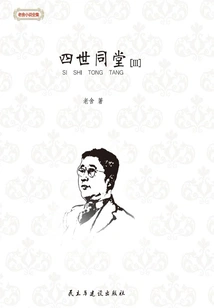
Four Generations under One Roof Iii
Literature四世同堂Ⅲ
Lao She
Lao She (1899.2.3-1966.8.24), A modern Chinese literary giant, novelist and dramatist. His original name was Shu Qingchun, courtesy name Sheyu, Manchu, and a native of Beijing. He was born in a poor family and lost his father when he was young. He graduated from Beijing Normal School and served as the principal of a primary school and encouraged students in his early years. In 1924, he went to England to teach Chinese at the Oriental College of the University of London and began to write. He published novels "Lao Zhang's Philosophy", "Zhao Ziyue" and "Two Horses" in the "Novel Monthly", becoming one of the founders of modern novels in my country. After returning to China, he taught at Qilu University and Shandong University and engaged in writing at the same time. His representative works include the novels "Cat City", "Divorce", "Camel Xiangzi", the novellas "Crescent Moon" and "My Life", and the short stories "Micro God", "Soul-Breaking Gun", etc. After the outbreak of the Anti-Japanese War, he went to Wuhan and Chongqing to organize the All-China Association of Literary and Art Circles to Resist the Enemy, which dealt with the Prime Minister's meetings internally and represented the "Literary Association" externally. He wrote the novel "Four Generations Under One Roof" and improved modern folk arts. In 1946, he went to the United States to give lectures and returned to China four years later. He was mainly engaged in drama script creation. His representative works include "Longxugou" and "Teahouse". He was awarded the title of "People's Artist" and was known as a language master. He once served as Vice Chairman of the National Federation of Literary and Art Circles, Vice Chairman of the National Writers Association and Chairman of the Beijing Federation of Literary and Art Circles. After suffering severe persecution during the Cultural Revolution in 1966, he drowned himself in Taiping Lake. "The Complete Works of Lao She's Novels" contains Mr. Lao She's classic works. This volume is the third volume of "Four Generations Under One Roof".
Lao She (1899.2.3-1966.8.24), A modern Chinese literary giant, novelist and dramatist. His original name was Shu Qingchun, courtesy name Sheyu, Manchu, and a native of Beijing. He was born in a poor family and lost his father when he was young. He graduated from Beijing Normal School and served as the principal of a primary school and encouraged students in his early years. In 1924, he went to England to teach Chinese at the Oriental College of the University of London and began to write. He published novels "Lao Zhang's Philosophy", "Zhao Ziyue" and "Two Horses" in the "Novel Monthly", becoming one of the founders of modern novels in my country. After returning to China, he taught at Qilu University and Shandong University and engaged in writing at the same time. His representative works include the novels "Cat City", "Divorce", "Camel Xiangzi", the novellas "Crescent Moon" and "My Life", and the short stories "Micro God", "Soul-Breaking Gun", etc. After the outbreak of the Anti-Japanese War, he went to Wuhan and Chongqing to organize the All-China Association of Literary and Art Circles to Resist the Enemy, which dealt with the Prime Minister's meetings internally and represented the "Literary Association" externally. He wrote the novel "Four Generations Under One Roof" and improved modern folk arts. In 1946, he went to the United States to give lectures and returned to China four years later. He was mainly engaged in drama script creation. His representative works include "Longxugou" and "Teahouse". He was awarded the title of "People's Artist" and was known as a language master. He once served as Vice Chairman of the National Federation of Literary and Art Circles, Vice Chairman of the National Writers Association and Chairman of the Beijing Federation of Literary and Art Circles. After suffering severe persecution during the Cultural Revolution in 1966, he drowned himself in Taiping Lake. "The Complete Works of Lao She's Novels" contains Mr. Lao She's classic works. This volume is the third volume of "Four Generations Under One Roof".
Let's Ask About Eternity
Literature且问永恒
Zhang Yong
"Asking About Eternity" contains nearly one hundred poems written by Zhang Yong during his student days. The whole book systematically expresses the post-2000 poet's thoughts on growth, society, and academics, revealing a maturity that transcends age. The in-depth thinking about society makes the whole text appear profound and philosophical. Each poem in this book reflects the author's feelings and thoughts during the growth process of life, as well as his love for the surrounding life, friends, and relatives. It embodies the author's ideological transformation as he grows up.
"Asking About Eternity" contains nearly one hundred poems written by Zhang Yong during his student days. The whole book systematically expresses the post-2000 poet's thoughts on growth, society, and academics, revealing a maturity that transcends age. The in-depth thinking about society makes the whole text appear profound and philosophical. Each poem in this book reflects the author's feelings and thoughts during the growth process of life, as well as his love for the surrounding life, friends, and relatives. It embodies the author's ideological transformation as he grows up.
Sit in the Shadows
Literature坐在阴影下
Niu Chong
This book contains nearly a hundred poems written by the author in the past ten years, and most of the selected chapters are works officially published in recent years. These poems are close to reality, life, and the masses, and use a variety of artistic expressions to show the spiritual outlook of the people in the new era. Some focus on the hardships and cruelty of small people at the bottom struggling to survive, reflecting the author's compassion for the world; some use philosophical rhetoric to talk about the past and the present, creating a unique approach. These works intervene in the vast aspects and corners of real life. They include sincere feelings and chants about family, love, and friendship, as well as deep sympathy for the disadvantaged in society, as well as restrained descriptions and ridicules of those who are prosperous and domineering. They can be called contemporary "Ukiyo-e". This collection of poems has been jointly recommended by famous poets and critics such as Qian Wenliang, Zhang Xianming, Mori Zi, Xia Han, and Yang Binglin.
This book contains nearly a hundred poems written by the author in the past ten years, and most of the selected chapters are works officially published in recent years. These poems are close to reality, life, and the masses, and use a variety of artistic expressions to show the spiritual outlook of the people in the new era. Some focus on the hardships and cruelty of small people at the bottom struggling to survive, reflecting the author's compassion for the world; some use philosophical rhetoric to talk about the past and the present, creating a unique approach. These works intervene in the vast aspects and corners of real life. They include sincere feelings and chants about family, love, and friendship, as well as deep sympathy for the disadvantaged in society, as well as restrained descriptions and ridicules of those who are prosperous and domineering. They can be called contemporary "Ukiyo-e". This collection of poems has been jointly recommended by famous poets and critics such as Qian Wenliang, Zhang Xianming, Mori Zi, Xia Han, and Yang Binglin.
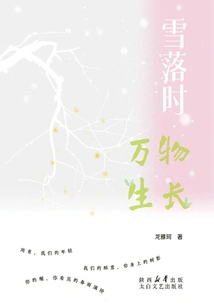
Everything Grows When the Snow Falls
Literature雪落时万物生长
Long Yake
"Everything Grows When Snow Falls" is a collection of modern poems. The poet uses words brick by brick to build a poetic world of lightness, elegance and fragrance, and uses the crystal clear rain and snow in streams and rivers to reflect another aspect of the world. From the moon to the willow tops, from the mist-filled south to the vast, dry north, from classicism to modern light and shadow, the poet records the feelings of the moment in a delicate and slightly whimsical way, using spring as the interweaving thread to sew a living "floating brocade". The author always maintains his love and curiosity about the world. The author believes that poetry flows down the river of emotions, and everyone's reflection can fall on it; poetry is the way for us to turn the clock, escape from time, extend the moment, and retain the past. This collection of poems hopes to use poetry to draw a wonderful picture of the old and new times using dark and light ink.
"Everything Grows When Snow Falls" is a collection of modern poems. The poet uses words brick by brick to build a poetic world of lightness, elegance and fragrance, and uses the crystal clear rain and snow in streams and rivers to reflect another aspect of the world. From the moon to the willow tops, from the mist-filled south to the vast, dry north, from classicism to modern light and shadow, the poet records the feelings of the moment in a delicate and slightly whimsical way, using spring as the interweaving thread to sew a living "floating brocade". The author always maintains his love and curiosity about the world. The author believes that poetry flows down the river of emotions, and everyone's reflection can fall on it; poetry is the way for us to turn the clock, escape from time, extend the moment, and retain the past. This collection of poems hopes to use poetry to draw a wonderful picture of the old and new times using dark and light ink.
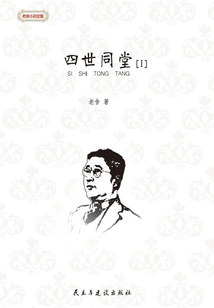
Four Generations Living under One Roofⅰ
Literature四世同堂Ⅰ
Lao She
Lao She (1899.2.3-1966.8.24), A modern Chinese literary giant, novelist and dramatist. His original name was Shu Qingchun, courtesy name Sheyu, Manchu, and a native of Beijing. He was born in a poor family and lost his father when he was young. He graduated from Beijing Normal School and served as the principal of a primary school and encouraged students in his early years. In 1924, he went to England to teach Chinese at the Oriental College of the University of London and began to write. He published novels "Lao Zhang's Philosophy", "Zhao Ziyue" and "Two Horses" in the "Novel Monthly", becoming one of the founders of modern novels in my country. After returning to China, he taught at Qilu University and Shandong University and engaged in writing at the same time. His representative works include the novels "Cat City", "Divorce", "Camel Xiangzi", the novellas "Crescent Moon" and "My Life", and the short stories "Micro God", "Soul-Breaking Gun", etc. After the outbreak of the Anti-Japanese War, he went to Wuhan and Chongqing to organize the All-China Association of Literary and Art Circles to Resist the Enemy, which dealt with the Prime Minister's meetings internally and represented the "Literary Association" externally. He wrote the novel "Four Generations Under One Roof" and improved modern folk arts. In 1946, he went to the United States to give lectures and returned to China four years later. He was mainly engaged in drama script creation. His representative works include "Longxugou" and "Teahouse". He was awarded the title of "People's Artist" and was known as a language master. He once served as Vice Chairman of the National Federation of Literary and Art Circles, Vice Chairman of the National Writers Association and Chairman of the Beijing Federation of Literary and Art Circles. After suffering severe persecution during the Cultural Revolution in 1966, he drowned himself in Taiping Lake. "The Complete Works of Lao She's Novels" contains Mr. Lao She's classic works. This volume is the first volume of "Four Generations Under One Roof".
Lao She (1899.2.3-1966.8.24), A modern Chinese literary giant, novelist and dramatist. His original name was Shu Qingchun, courtesy name Sheyu, Manchu, and a native of Beijing. He was born in a poor family and lost his father when he was young. He graduated from Beijing Normal School and served as the principal of a primary school and encouraged students in his early years. In 1924, he went to England to teach Chinese at the Oriental College of the University of London and began to write. He published novels "Lao Zhang's Philosophy", "Zhao Ziyue" and "Two Horses" in the "Novel Monthly", becoming one of the founders of modern novels in my country. After returning to China, he taught at Qilu University and Shandong University and engaged in writing at the same time. His representative works include the novels "Cat City", "Divorce", "Camel Xiangzi", the novellas "Crescent Moon" and "My Life", and the short stories "Micro God", "Soul-Breaking Gun", etc. After the outbreak of the Anti-Japanese War, he went to Wuhan and Chongqing to organize the All-China Association of Literary and Art Circles to Resist the Enemy, which dealt with the Prime Minister's meetings internally and represented the "Literary Association" externally. He wrote the novel "Four Generations Under One Roof" and improved modern folk arts. In 1946, he went to the United States to give lectures and returned to China four years later. He was mainly engaged in drama script creation. His representative works include "Longxugou" and "Teahouse". He was awarded the title of "People's Artist" and was known as a language master. He once served as Vice Chairman of the National Federation of Literary and Art Circles, Vice Chairman of the National Writers Association and Chairman of the Beijing Federation of Literary and Art Circles. After suffering severe persecution during the Cultural Revolution in 1966, he drowned himself in Taiping Lake. "The Complete Works of Lao She's Novels" contains Mr. Lao She's classic works. This volume is the first volume of "Four Generations Under One Roof".
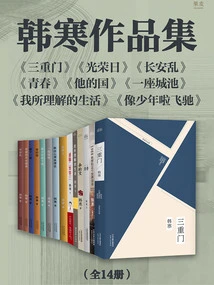
韩寒作品集(全14册)
Han Han
[A grand collection of Han Han's 14 works! From the million-selling "Triple Door" to the million-selling essay "Youth", let's see how the most outspoken young writer defines the youth and thinking of a generation with his sharp pen. As the most influential phenomenal writer and public intellectual in China's contemporary literary world, Han Han has sold more than 10 million copies of "Three Gates" since its debut in 2000. This set of books collects 14 of his masterpieces, fully presenting his literary landscape from a rebellious boy to a thinker. Overview of works: Novel: "Three Gates", "Flying Like a Boy", "A City", "Glory Day", "His Country", "Chang'an Chaos", "1988: I Want to Talk to the World" - examine the confusion of growth and the absurdity of reality with a cold gaze. Essays: "Manuscript 2003", "One Degree Below Zero", "Miscellaneous Articles", "Lovely Wild Beasts", "Youth", "Life as I Understand" - the sharpest presentation of Han Han's thoughts, lamenting the long-standing shortcomings of education and criticizing current social events. Autobiographical documentary: "Just Floating" - the first complete record of the racing life of China's only "double champion" of rally and track racing. Fourteen works, from the edge of fiction in novels to the frankness of essays and polemics, to the warmth of racing life, witness how a young man who "wanted to talk to the world" used words as a sword to carve a profound mark on this era.
[A grand collection of Han Han's 14 works! From the million-selling "Triple Door" to the million-selling essay "Youth", let's see how the most outspoken young writer defines the youth and thinking of a generation with his sharp pen. As the most influential phenomenal writer and public intellectual in China's contemporary literary world, Han Han has sold more than 10 million copies of "Three Gates" since its debut in 2000. This set of books collects 14 of his masterpieces, fully presenting his literary landscape from a rebellious boy to a thinker. Overview of works: Novel: "Three Gates", "Flying Like a Boy", "A City", "Glory Day", "His Country", "Chang'an Chaos", "1988: I Want to Talk to the World" - examine the confusion of growth and the absurdity of reality with a cold gaze. Essays: "Manuscript 2003", "One Degree Below Zero", "Miscellaneous Articles", "Lovely Wild Beasts", "Youth", "Life as I Understand" - the sharpest presentation of Han Han's thoughts, lamenting the long-standing shortcomings of education and criticizing current social events. Autobiographical documentary: "Just Floating" - the first complete record of the racing life of China's only "double champion" of rally and track racing. Fourteen works, from the edge of fiction in novels to the frankness of essays and polemics, to the warmth of racing life, witness how a young man who "wanted to talk to the world" used words as a sword to carve a profound mark on this era.
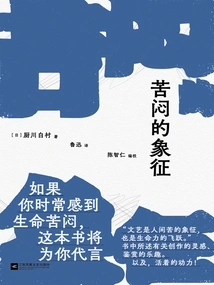
Symbol of Depression
Literature苦闷的象征
(japan) Chugawa Hakumura
"The Symbol of Depression" is a work by the Japanese literary theorist Kukawa Hakumura. It was translated and introduced to China by Mr. Lu Xun in 1924, and was used as a teaching material for his classes at Peking University and Beijing Normal University. This is a literary theory work that systematically talks about human suffering and literary and artistic creation. The book has four chapters in total: The first chapter talks about how depression plays a role in creators. Literary creation is to create a dream to heal oneself. Chapter 2 is about how distress works on the appreciator. Appreciating literary and artistic works is to enter other people's dreams to heal yourself. Chapter 3 talks about how depression plays a role in the times and circumstances. Clarify that writers and artists are prophets, and literary and artistic works are revelations. Chapter 4 traces the origins back to primitive people, tells how depression plays a role in primitive people, and explains that the state of mind of literary and artistic creation is the state of mind of primitive people when they face uncontrollable nature. Kukawa Hakumura summarizes the essence of literary and artistic works as follows: "The depression and annoyance caused by suppressed vitality is the foundation of literature and art, and its expression is symbolism in a broad sense." That is, it is a symbol of depression. This book is based on the second volume of the 1929 Japanese Renovation Society's "The Complete Works of Shirakawa Hakumura" and includes Lu Xun's introduction to the first edition and his translation notes.
"The Symbol of Depression" is a work by the Japanese literary theorist Kukawa Hakumura. It was translated and introduced to China by Mr. Lu Xun in 1924, and was used as a teaching material for his classes at Peking University and Beijing Normal University. This is a literary theory work that systematically talks about human suffering and literary and artistic creation. The book has four chapters in total: The first chapter talks about how depression plays a role in creators. Literary creation is to create a dream to heal oneself. Chapter 2 is about how distress works on the appreciator. Appreciating literary and artistic works is to enter other people's dreams to heal yourself. Chapter 3 talks about how depression plays a role in the times and circumstances. Clarify that writers and artists are prophets, and literary and artistic works are revelations. Chapter 4 traces the origins back to primitive people, tells how depression plays a role in primitive people, and explains that the state of mind of literary and artistic creation is the state of mind of primitive people when they face uncontrollable nature. Kukawa Hakumura summarizes the essence of literary and artistic works as follows: "The depression and annoyance caused by suppressed vitality is the foundation of literature and art, and its expression is symbolism in a broad sense." That is, it is a symbol of depression. This book is based on the second volume of the 1929 Japanese Renovation Society's "The Complete Works of Shirakawa Hakumura" and includes Lu Xun's introduction to the first edition and his translation notes.
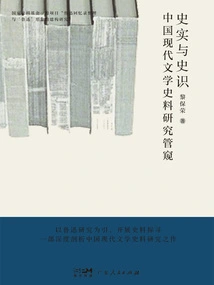
史实与史识:中国现代文学史料研究管窥
Li Baorong
This is a monograph on the study of modern literary historical materials with the theme of "historical facts and historical knowledge". This book conducts a relatively systematic study and discussion of various issues and fields of modern Chinese literature from three aspects: historical data research, historical data collation, and historical knowledge extraction. The author believes that both historical facts and historical knowledge are inseparable from logical thinking and academic vision, and advocates that the study of historical materials should not be satisfied with the "obsession with bones" of searching for marginal materials, but also have historical vision, historical speculation and historical feelings. The whole book focuses on "taking historical facts as the basis and historical knowledge as the purpose", advocating what Wang Yuanhua calls "ideological scholarship" and "academic thinking", and refining literary historical views such as "writer's conceptual history", which has certain ideological originality and academic value.
This is a monograph on the study of modern literary historical materials with the theme of "historical facts and historical knowledge". This book conducts a relatively systematic study and discussion of various issues and fields of modern Chinese literature from three aspects: historical data research, historical data collation, and historical knowledge extraction. The author believes that both historical facts and historical knowledge are inseparable from logical thinking and academic vision, and advocates that the study of historical materials should not be satisfied with the "obsession with bones" of searching for marginal materials, but also have historical vision, historical speculation and historical feelings. The whole book focuses on "taking historical facts as the basis and historical knowledge as the purpose", advocating what Wang Yuanhua calls "ideological scholarship" and "academic thinking", and refining literary historical views such as "writer's conceptual history", which has certain ideological originality and academic value.
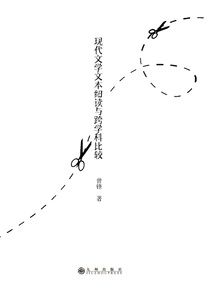
现代文学文本细读与跨学科比较
Zeng Feng
This book uses the theory and method of text close reading to conduct interdisciplinary and cross-art comparative research on modern literature, including close reading of literary classic texts, the connection between literary multi-layered contexts and writers' thoughts, the development status of literature and literary authors, literature and music, literature and film and television, literature and life, literature and academics, literature and art, literary boundaries, etc. The author is committed to the integration of the aesthetic close reading of literary texts and the macro-thinking of social culture. He carefully and meticulously demonstrates the cross-border phenomena such as the musicalization of literary texts, revealing that literary texts are an overall artistic structure in which sounds, images, and meanings echo. In his scholarly approach, he pursues the combination of rigorous analysis of historical factual materials and exquisite listening of artistic aesthetics. This book has a reasonable structure and rigorous argumentation, and has certain academic value.
This book uses the theory and method of text close reading to conduct interdisciplinary and cross-art comparative research on modern literature, including close reading of literary classic texts, the connection between literary multi-layered contexts and writers' thoughts, the development status of literature and literary authors, literature and music, literature and film and television, literature and life, literature and academics, literature and art, literary boundaries, etc. The author is committed to the integration of the aesthetic close reading of literary texts and the macro-thinking of social culture. He carefully and meticulously demonstrates the cross-border phenomena such as the musicalization of literary texts, revealing that literary texts are an overall artistic structure in which sounds, images, and meanings echo. In his scholarly approach, he pursues the combination of rigorous analysis of historical factual materials and exquisite listening of artistic aesthetics. This book has a reasonable structure and rigorous argumentation, and has certain academic value.
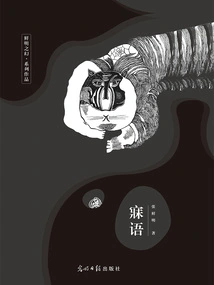
Sleep Talk
Literature寐语
Zhang Xianming
"Sleeping Words" is a series of prose works based on dreams. It is a characteristic "dream narrative". Cutting from the subconscious level, it vividly and profoundly displays many psychological pictures of contemporary people - anxiety, loneliness, division, pain, as well as the hope for love, the pursuit of the meaning of life, etc., And attempts to find a spiritual salvation path for Chinese people in a period of transformation.
"Sleeping Words" is a series of prose works based on dreams. It is a characteristic "dream narrative". Cutting from the subconscious level, it vividly and profoundly displays many psychological pictures of contemporary people - anxiety, loneliness, division, pain, as well as the hope for love, the pursuit of the meaning of life, etc., And attempts to find a spiritual salvation path for Chinese people in a period of transformation.
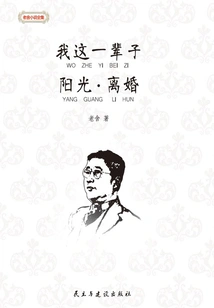
My Life·sunshine·divorce
Literature我这一辈子·阳光·离婚
Lao She
Lao She (1899.2.3-1966.8.24), A modern Chinese literary giant, novelist and dramatist. His original name was Shu Qingchun, courtesy name Sheyu, Manchu, and a native of Beijing. He was born in a poor family and lost his father when he was young. He graduated from Beijing Normal School and served as the principal of a primary school and encouraged students in his early years. In 1924, he went to England to teach Chinese at the Oriental College of the University of London and began to write. He published novels "Lao Zhang's Philosophy", "Zhao Ziyue" and "Two Horses" in the "Novel Monthly", becoming one of the founders of modern novels in my country. After returning to China, he taught at Qilu University and Shandong University and engaged in writing at the same time. His representative works include the novels "Cat City", "Divorce", "Camel Xiangzi", the novellas "Crescent Moon" and "My Life", and the short stories "Micro God", "Soul-Breaking Gun", etc. After the outbreak of the Anti-Japanese War, he went to Wuhan and Chongqing to organize the All-China Association of Literary and Art Circles to Resist the Enemy, which dealt with the Prime Minister's meetings internally and represented the "Literary Association" externally. He wrote the novel "Four Generations Under One Roof" and improved modern folk arts. In 1946, he went to the United States to give lectures and returned to China four years later. He was mainly engaged in drama script creation. His representative works include "Longxugou" and "Teahouse". He was awarded the title of "People's Artist" and was known as a language master. He once served as Vice Chairman of the National Federation of Literary and Art Circles, Vice Chairman of the National Writers Association and Chairman of the Beijing Federation of Literary and Art Circles. After suffering severe persecution during the Cultural Revolution in 1966, he drowned himself in Taiping Lake. "The Complete Works of Lao She's Novels" collects Mr. Lao She's classic works. This volume includes "My Life", "Sunshine" and "Divorce".
Lao She (1899.2.3-1966.8.24), A modern Chinese literary giant, novelist and dramatist. His original name was Shu Qingchun, courtesy name Sheyu, Manchu, and a native of Beijing. He was born in a poor family and lost his father when he was young. He graduated from Beijing Normal School and served as the principal of a primary school and encouraged students in his early years. In 1924, he went to England to teach Chinese at the Oriental College of the University of London and began to write. He published novels "Lao Zhang's Philosophy", "Zhao Ziyue" and "Two Horses" in the "Novel Monthly", becoming one of the founders of modern novels in my country. After returning to China, he taught at Qilu University and Shandong University and engaged in writing at the same time. His representative works include the novels "Cat City", "Divorce", "Camel Xiangzi", the novellas "Crescent Moon" and "My Life", and the short stories "Micro God", "Soul-Breaking Gun", etc. After the outbreak of the Anti-Japanese War, he went to Wuhan and Chongqing to organize the All-China Association of Literary and Art Circles to Resist the Enemy, which dealt with the Prime Minister's meetings internally and represented the "Literary Association" externally. He wrote the novel "Four Generations Under One Roof" and improved modern folk arts. In 1946, he went to the United States to give lectures and returned to China four years later. He was mainly engaged in drama script creation. His representative works include "Longxugou" and "Teahouse". He was awarded the title of "People's Artist" and was known as a language master. He once served as Vice Chairman of the National Federation of Literary and Art Circles, Vice Chairman of the National Writers Association and Chairman of the Beijing Federation of Literary and Art Circles. After suffering severe persecution during the Cultural Revolution in 1966, he drowned himself in Taiping Lake. "The Complete Works of Lao She's Novels" collects Mr. Lao She's classic works. This volume includes "My Life", "Sunshine" and "Divorce".
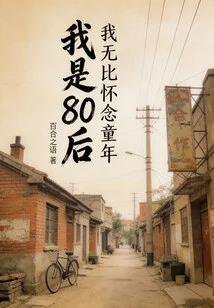
我是80后,我无比怀念童年
Lily's Language
I am a marriage and family counselor and psychological counselor who has been deeply involved in the field of education for more than ten years. Over the years of my career, I have always paid attention to the psychological growth trajectory of children with meticulous observation and sincere empathy. This work about childhood comes from my own life experience. In my long-term counseling and counseling, I have witnessed too many children falling into confusion due to lack of emotion. Some are even troubled by depression. There are even a few children who despise life and go to extremes. This made me deeply realize that the background of childhood is never defined by wealth and poverty. The tolerance and love of parents are the most solid support for children. I myself grew up in an environment of love. Therefore, I wrote down my childhood experience, not only to light up a glimmer of light for children, allowing them to find the beauty and power of childhood in words; but also to convey a hope to parents: excellent parents never give their children material things, but water their hearts with love and understanding, giving them the courage and warmth to face life. This is my original intention and expectation in writing this book.
I am a marriage and family counselor and psychological counselor who has been deeply involved in the field of education for more than ten years. Over the years of my career, I have always paid attention to the psychological growth trajectory of children with meticulous observation and sincere empathy. This work about childhood comes from my own life experience. In my long-term counseling and counseling, I have witnessed too many children falling into confusion due to lack of emotion. Some are even troubled by depression. There are even a few children who despise life and go to extremes. This made me deeply realize that the background of childhood is never defined by wealth and poverty. The tolerance and love of parents are the most solid support for children. I myself grew up in an environment of love. Therefore, I wrote down my childhood experience, not only to light up a glimmer of light for children, allowing them to find the beauty and power of childhood in words; but also to convey a hope to parents: excellent parents never give their children material things, but water their hearts with love and understanding, giving them the courage and warmth to face life. This is my original intention and expectation in writing this book.
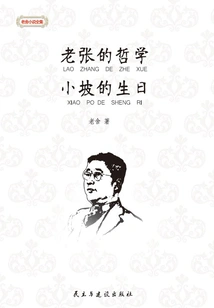
老张的哲学·小坡的生日
Lao She
Lao She (1899.2.3-1966.8.24), A modern Chinese literary giant, novelist and dramatist. His original name was Shu Qingchun, courtesy name Sheyu, Manchu, and a native of Beijing. He was born in a poor family and lost his father when he was young. He graduated from Beijing Normal School and served as the principal of a primary school and encouraged students in his early years. In 1924, he went to England to teach Chinese at the Oriental College of the University of London and began to write. He published novels "Lao Zhang's Philosophy", "Zhao Ziyue" and "Two Horses" in the "Novel Monthly", becoming one of the founders of modern novels in my country. After returning to China, he taught at Qilu University and Shandong University and engaged in writing at the same time. His representative works include the novels "Cat City", "Divorce", "Camel Xiangzi", the novellas "Crescent Moon" and "My Life", and the short stories "Micro God", "Soul-Breaking Gun", etc. After the outbreak of the Anti-Japanese War, he went to Wuhan and Chongqing to organize the All-China Association of Literary and Art Circles to Resist the Enemy, which dealt with the Prime Minister's meetings internally and represented the "Literary Association" externally. He wrote the novel "Four Generations Under One Roof" and improved modern folk arts. In 1946, he went to the United States to give lectures and returned to China four years later. He was mainly engaged in drama script creation. His representative works include "Longxugou" and "Teahouse". He was awarded the title of "People's Artist" and was known as a language master. He once served as Vice Chairman of the National Federation of Literary and Art Circles, Vice Chairman of the National Writers Association and Chairman of the Beijing Federation of Literary and Art Circles. After suffering severe persecution during the Cultural Revolution in 1966, he drowned himself in Taiping Lake. "The Complete Works of Lao She's Novels" collects Mr. Lao She's classic works. The content of this volume is "Lao Zhang's Philosophy" and "Xiao Po's Birthday".
Lao She (1899.2.3-1966.8.24), A modern Chinese literary giant, novelist and dramatist. His original name was Shu Qingchun, courtesy name Sheyu, Manchu, and a native of Beijing. He was born in a poor family and lost his father when he was young. He graduated from Beijing Normal School and served as the principal of a primary school and encouraged students in his early years. In 1924, he went to England to teach Chinese at the Oriental College of the University of London and began to write. He published novels "Lao Zhang's Philosophy", "Zhao Ziyue" and "Two Horses" in the "Novel Monthly", becoming one of the founders of modern novels in my country. After returning to China, he taught at Qilu University and Shandong University and engaged in writing at the same time. His representative works include the novels "Cat City", "Divorce", "Camel Xiangzi", the novellas "Crescent Moon" and "My Life", and the short stories "Micro God", "Soul-Breaking Gun", etc. After the outbreak of the Anti-Japanese War, he went to Wuhan and Chongqing to organize the All-China Association of Literary and Art Circles to Resist the Enemy, which dealt with the Prime Minister's meetings internally and represented the "Literary Association" externally. He wrote the novel "Four Generations Under One Roof" and improved modern folk arts. In 1946, he went to the United States to give lectures and returned to China four years later. He was mainly engaged in drama script creation. His representative works include "Longxugou" and "Teahouse". He was awarded the title of "People's Artist" and was known as a language master. He once served as Vice Chairman of the National Federation of Literary and Art Circles, Vice Chairman of the National Writers Association and Chairman of the Beijing Federation of Literary and Art Circles. After suffering severe persecution during the Cultural Revolution in 1966, he drowned himself in Taiping Lake. "The Complete Works of Lao She's Novels" collects Mr. Lao She's classic works. The content of this volume is "Lao Zhang's Philosophy" and "Xiao Po's Birthday".
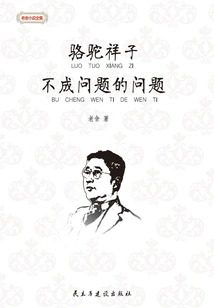
Luotuo Xiangzi·no Problem
Literature骆驼祥子·不成问题的问题
Lao She
Lao She (1899.2.3-1966.8.24), A modern Chinese literary giant, novelist and dramatist. His original name was Shu Qingchun, courtesy name Sheyu, Manchu, and a native of Beijing. He was born in a poor family and lost his father when he was young. He graduated from Beijing Normal School and served as the principal of a primary school and encouraged students in his early years. In 1924, he went to England to teach Chinese at the Oriental College of the University of London and began to write. He published novels "Lao Zhang's Philosophy", "Zhao Ziyue" and "Two Horses" in the "Novel Monthly", becoming one of the founders of modern novels in my country. After returning to China, he taught at Qilu University and Shandong University and engaged in writing at the same time. His representative works include the novels "Cat City", "Divorce", "Camel Xiangzi", the novellas "Crescent Moon" and "My Life", and the short stories "Micro God", "Soul-Breaking Gun", etc. After the outbreak of the Anti-Japanese War, he went to Wuhan and Chongqing to organize the All-China Association of Literary and Art Circles to Resist the Enemy, which dealt with the Prime Minister's meetings internally and represented the "Literary Association" externally. He wrote the novel "Four Generations Under One Roof" and improved modern folk arts. In 1946, he went to the United States to give lectures and returned to China four years later. He was mainly engaged in drama script creation. His representative works include "Longxugou" and "Teahouse". He was awarded the title of "People's Artist" and was known as a language master. He once served as Vice Chairman of the National Federation of Literary and Art Circles, Vice Chairman of the National Writers Association and Chairman of the Beijing Federation of Literary and Art Circles. After suffering severe persecution during the Cultural Revolution in 1966, he drowned himself in Taiping Lake. "The Complete Works of Lao She's Novels" collects Mr. Lao She's classic works. The content of this volume is "Camel Xiangzi" and "The Problem That Is Not a Problem".
Lao She (1899.2.3-1966.8.24), A modern Chinese literary giant, novelist and dramatist. His original name was Shu Qingchun, courtesy name Sheyu, Manchu, and a native of Beijing. He was born in a poor family and lost his father when he was young. He graduated from Beijing Normal School and served as the principal of a primary school and encouraged students in his early years. In 1924, he went to England to teach Chinese at the Oriental College of the University of London and began to write. He published novels "Lao Zhang's Philosophy", "Zhao Ziyue" and "Two Horses" in the "Novel Monthly", becoming one of the founders of modern novels in my country. After returning to China, he taught at Qilu University and Shandong University and engaged in writing at the same time. His representative works include the novels "Cat City", "Divorce", "Camel Xiangzi", the novellas "Crescent Moon" and "My Life", and the short stories "Micro God", "Soul-Breaking Gun", etc. After the outbreak of the Anti-Japanese War, he went to Wuhan and Chongqing to organize the All-China Association of Literary and Art Circles to Resist the Enemy, which dealt with the Prime Minister's meetings internally and represented the "Literary Association" externally. He wrote the novel "Four Generations Under One Roof" and improved modern folk arts. In 1946, he went to the United States to give lectures and returned to China four years later. He was mainly engaged in drama script creation. His representative works include "Longxugou" and "Teahouse". He was awarded the title of "People's Artist" and was known as a language master. He once served as Vice Chairman of the National Federation of Literary and Art Circles, Vice Chairman of the National Writers Association and Chairman of the Beijing Federation of Literary and Art Circles. After suffering severe persecution during the Cultural Revolution in 1966, he drowned himself in Taiping Lake. "The Complete Works of Lao She's Novels" collects Mr. Lao She's classic works. The content of this volume is "Camel Xiangzi" and "The Problem That Is Not a Problem".
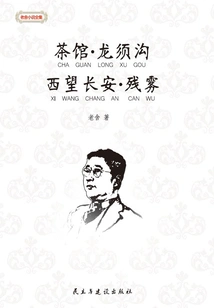
茶馆·龙须沟·西望长安·残雾
Lao She
Lao She (1899.2.3-1966.8.24), A modern Chinese literary giant, novelist and dramatist. His original name was Shu Qingchun, courtesy name Sheyu, Manchu, and a native of Beijing. He was born in a poor family and lost his father when he was young. He graduated from Beijing Normal School and served as the principal of a primary school and encouraged students in his early years. In 1924, he went to England to teach Chinese at the Oriental College of the University of London and began to write. He published novels "Lao Zhang's Philosophy", "Zhao Ziyue" and "Two Horses" in the "Novel Monthly", becoming one of the founders of modern novels in my country. After returning to China, he taught at Qilu University and Shandong University and engaged in writing at the same time. His representative works include the novels "Cat City", "Divorce", "Camel Xiangzi", the novellas "Crescent Moon" and "My Life", and the short stories "Micro God", "Soul-Breaking Gun", etc. After the outbreak of the Anti-Japanese War, he went to Wuhan and Chongqing to organize the All-China Association of Literary and Art Circles to Resist the Enemy, which dealt with the Prime Minister's meetings internally and represented the "Literary Association" externally. He wrote the novel "Four Generations Under One Roof" and improved modern folk arts. In 1946, he went to the United States to give lectures and returned to China four years later. He was mainly engaged in drama script creation. His representative works include "Longxugou" and "Teahouse". He was awarded the title of "People's Artist" and was known as a language master. He once served as Vice Chairman of the National Federation of Literary and Art Circles, Vice Chairman of the National Writers Association and Chairman of the Beijing Federation of Literary and Art Circles. After suffering severe persecution during the Cultural Revolution in 1966, he drowned himself in Taiping Lake. "The Complete Works of Lao She's Novels" collects Mr. Lao She's classic works. This volume includes the dramas "Teahouse", "Longxugou", "Looking West to Chang'an" and "Remnant Fog".
Lao She (1899.2.3-1966.8.24), A modern Chinese literary giant, novelist and dramatist. His original name was Shu Qingchun, courtesy name Sheyu, Manchu, and a native of Beijing. He was born in a poor family and lost his father when he was young. He graduated from Beijing Normal School and served as the principal of a primary school and encouraged students in his early years. In 1924, he went to England to teach Chinese at the Oriental College of the University of London and began to write. He published novels "Lao Zhang's Philosophy", "Zhao Ziyue" and "Two Horses" in the "Novel Monthly", becoming one of the founders of modern novels in my country. After returning to China, he taught at Qilu University and Shandong University and engaged in writing at the same time. His representative works include the novels "Cat City", "Divorce", "Camel Xiangzi", the novellas "Crescent Moon" and "My Life", and the short stories "Micro God", "Soul-Breaking Gun", etc. After the outbreak of the Anti-Japanese War, he went to Wuhan and Chongqing to organize the All-China Association of Literary and Art Circles to Resist the Enemy, which dealt with the Prime Minister's meetings internally and represented the "Literary Association" externally. He wrote the novel "Four Generations Under One Roof" and improved modern folk arts. In 1946, he went to the United States to give lectures and returned to China four years later. He was mainly engaged in drama script creation. His representative works include "Longxugou" and "Teahouse". He was awarded the title of "People's Artist" and was known as a language master. He once served as Vice Chairman of the National Federation of Literary and Art Circles, Vice Chairman of the National Writers Association and Chairman of the Beijing Federation of Literary and Art Circles. After suffering severe persecution during the Cultural Revolution in 1966, he drowned himself in Taiping Lake. "The Complete Works of Lao She's Novels" collects Mr. Lao She's classic works. This volume includes the dramas "Teahouse", "Longxugou", "Looking West to Chang'an" and "Remnant Fog".
春华秋实·全家福·正红旗下
Lao She
Lao She (1899.2.3-1966.8.24), A modern Chinese literary giant, novelist and dramatist. His original name was Shu Qingchun, courtesy name Sheyu, Manchu, and a native of Beijing. He was born in a poor family and lost his father when he was young. He graduated from Beijing Normal School and served as the principal of a primary school and encouraged students in his early years. In 1924, he went to England to teach Chinese at the Oriental College of the University of London and began to write. He published novels "Lao Zhang's Philosophy", "Zhao Ziyue" and "Two Horses" in the "Novel Monthly", becoming one of the founders of modern novels in my country. After returning to China, he taught at Qilu University and Shandong University and engaged in writing at the same time. His representative works include the novels "Cat City", "Divorce", "Camel Xiangzi", the novellas "Crescent Moon" and "My Life", and the short stories "Micro God", "Soul-Breaking Gun", etc. After the outbreak of the Anti-Japanese War, he went to Wuhan and Chongqing to organize the All-China Association of Literary and Art Circles to Resist the Enemy, which dealt with the Prime Minister's meetings internally and represented the "Literary Association" externally. He wrote the novel "Four Generations Under One Roof" and improved modern folk arts. In 1946, he went to the United States to give lectures and returned to China four years later. He was mainly engaged in drama script creation. His representative works include "Longxugou" and "Teahouse". He was awarded the title of "People's Artist" and was known as a language master. He once served as Vice Chairman of the National Federation of Literary and Art Circles, Vice Chairman of the National Writers Association and Chairman of the Beijing Federation of Literary and Art Circles. After suffering severe persecution during the Cultural Revolution in 1966, he drowned himself in Taiping Lake. "The Complete Works of Lao She's Novels" collects Mr. Lao She's classic works. This volume includes "Spring and Autumn Facts", "Family Portrait" and "Under the Red Flag".
Lao She (1899.2.3-1966.8.24), A modern Chinese literary giant, novelist and dramatist. His original name was Shu Qingchun, courtesy name Sheyu, Manchu, and a native of Beijing. He was born in a poor family and lost his father when he was young. He graduated from Beijing Normal School and served as the principal of a primary school and encouraged students in his early years. In 1924, he went to England to teach Chinese at the Oriental College of the University of London and began to write. He published novels "Lao Zhang's Philosophy", "Zhao Ziyue" and "Two Horses" in the "Novel Monthly", becoming one of the founders of modern novels in my country. After returning to China, he taught at Qilu University and Shandong University and engaged in writing at the same time. His representative works include the novels "Cat City", "Divorce", "Camel Xiangzi", the novellas "Crescent Moon" and "My Life", and the short stories "Micro God", "Soul-Breaking Gun", etc. After the outbreak of the Anti-Japanese War, he went to Wuhan and Chongqing to organize the All-China Association of Literary and Art Circles to Resist the Enemy, which dealt with the Prime Minister's meetings internally and represented the "Literary Association" externally. He wrote the novel "Four Generations Under One Roof" and improved modern folk arts. In 1946, he went to the United States to give lectures and returned to China four years later. He was mainly engaged in drama script creation. His representative works include "Longxugou" and "Teahouse". He was awarded the title of "People's Artist" and was known as a language master. He once served as Vice Chairman of the National Federation of Literary and Art Circles, Vice Chairman of the National Writers Association and Chairman of the Beijing Federation of Literary and Art Circles. After suffering severe persecution during the Cultural Revolution in 1966, he drowned himself in Taiping Lake. "The Complete Works of Lao She's Novels" collects Mr. Lao She's classic works. This volume includes "Spring and Autumn Facts", "Family Portrait" and "Under the Red Flag".
Two Horses
Literature二马
Lao She
Lao She (1899.2.3-1966.8.24), A modern Chinese literary giant, novelist and dramatist. His original name was Shu Qingchun, courtesy name Sheyu, Manchu, and a native of Beijing. He was born in a poor family and lost his father when he was young. He graduated from Beijing Normal School and served as the principal of a primary school and encouraged students in his early years. In 1924, he went to England to teach Chinese at the Oriental College of the University of London and began to write. He published novels "Lao Zhang's Philosophy", "Zhao Ziyue" and "Two Horses" in the "Novel Monthly", becoming one of the founders of modern novels in my country. After returning to China, he taught at Qilu University and Shandong University and engaged in writing at the same time. His representative works include the novels "Cat City", "Divorce", "Camel Xiangzi", the novellas "Crescent Moon" and "My Life", and the short stories "Micro God", "Soul-Breaking Gun", etc. After the outbreak of the Anti-Japanese War, he went to Wuhan and Chongqing to organize the All-China Association of Literary and Art Circles to Resist the Enemy, which dealt with the Prime Minister's meetings internally and represented the "Literary Association" externally. He wrote the novel "Four Generations Under One Roof" and improved modern folk arts. In 1946, he went to the United States to give lectures and returned to China four years later. He was mainly engaged in drama script creation. His representative works include "Longxugou" and "Teahouse". He was awarded the title of "People's Artist" and was known as a language master. He once served as Vice Chairman of the National Federation of Literary and Art Circles, Vice Chairman of the National Writers Association and Chairman of the Beijing Federation of Literary and Art Circles. After suffering severe persecution during the Cultural Revolution in 1966, he drowned himself in Taiping Lake. "The Complete Works of Lao She's Novels" collects Mr. Lao She's classic works. The content of this volume is "Two Horses".
Lao She (1899.2.3-1966.8.24), A modern Chinese literary giant, novelist and dramatist. His original name was Shu Qingchun, courtesy name Sheyu, Manchu, and a native of Beijing. He was born in a poor family and lost his father when he was young. He graduated from Beijing Normal School and served as the principal of a primary school and encouraged students in his early years. In 1924, he went to England to teach Chinese at the Oriental College of the University of London and began to write. He published novels "Lao Zhang's Philosophy", "Zhao Ziyue" and "Two Horses" in the "Novel Monthly", becoming one of the founders of modern novels in my country. After returning to China, he taught at Qilu University and Shandong University and engaged in writing at the same time. His representative works include the novels "Cat City", "Divorce", "Camel Xiangzi", the novellas "Crescent Moon" and "My Life", and the short stories "Micro God", "Soul-Breaking Gun", etc. After the outbreak of the Anti-Japanese War, he went to Wuhan and Chongqing to organize the All-China Association of Literary and Art Circles to Resist the Enemy, which dealt with the Prime Minister's meetings internally and represented the "Literary Association" externally. He wrote the novel "Four Generations Under One Roof" and improved modern folk arts. In 1946, he went to the United States to give lectures and returned to China four years later. He was mainly engaged in drama script creation. His representative works include "Longxugou" and "Teahouse". He was awarded the title of "People's Artist" and was known as a language master. He once served as Vice Chairman of the National Federation of Literary and Art Circles, Vice Chairman of the National Writers Association and Chairman of the Beijing Federation of Literary and Art Circles. After suffering severe persecution during the Cultural Revolution in 1966, he drowned himself in Taiping Lake. "The Complete Works of Lao She's Novels" collects Mr. Lao She's classic works. The content of this volume is "Two Horses".
月牙儿·猫城记·赶集
Lao She
Lao She (1899.2.3-1966.8.24), A modern Chinese literary giant, novelist and dramatist. His original name was Shu Qingchun, courtesy name Sheyu, Manchu, and a native of Beijing. He was born in a poor family and lost his father when he was young. He graduated from Beijing Normal School and served as the principal of a primary school and encouraged students in his early years. In 1924, he went to England to teach Chinese at the Oriental College of the University of London and began to write. He published novels "Lao Zhang's Philosophy", "Zhao Ziyue" and "Two Horses" in the "Novel Monthly", becoming one of the founders of modern novels in my country. After returning to China, he taught at Qilu University and Shandong University and engaged in writing at the same time. His representative works include the novels "Cat City", "Divorce", "Camel Xiangzi", the novellas "Crescent Moon" and "My Life", and the short stories "Micro God", "Soul-Breaking Gun", etc. After the outbreak of the Anti-Japanese War, he went to Wuhan and Chongqing to organize the All-China Association of Literary and Art Circles to Resist the Enemy, which dealt with the Prime Minister's meetings internally and represented the "Literary Association" externally. He wrote the novel "Four Generations Under One Roof" and improved modern folk arts. In 1946, he went to the United States to give lectures and returned to China four years later. He was mainly engaged in drama script creation. His representative works include "Longxugou" and "Teahouse". He was awarded the title of "People's Artist" and was known as a language master. He once served as Vice Chairman of the National Federation of Literary and Art Circles, Vice Chairman of the National Writers Association and Chairman of the Beijing Federation of Literary and Art Circles. After suffering severe persecution during the Cultural Revolution in 1966, he drowned himself in Taiping Lake. "The Complete Works of Lao She's Novels" collects Mr. Lao She's classic works. This volume includes "Crescent Moon", "Cat City" and "Going to the Market".
Lao She (1899.2.3-1966.8.24), A modern Chinese literary giant, novelist and dramatist. His original name was Shu Qingchun, courtesy name Sheyu, Manchu, and a native of Beijing. He was born in a poor family and lost his father when he was young. He graduated from Beijing Normal School and served as the principal of a primary school and encouraged students in his early years. In 1924, he went to England to teach Chinese at the Oriental College of the University of London and began to write. He published novels "Lao Zhang's Philosophy", "Zhao Ziyue" and "Two Horses" in the "Novel Monthly", becoming one of the founders of modern novels in my country. After returning to China, he taught at Qilu University and Shandong University and engaged in writing at the same time. His representative works include the novels "Cat City", "Divorce", "Camel Xiangzi", the novellas "Crescent Moon" and "My Life", and the short stories "Micro God", "Soul-Breaking Gun", etc. After the outbreak of the Anti-Japanese War, he went to Wuhan and Chongqing to organize the All-China Association of Literary and Art Circles to Resist the Enemy, which dealt with the Prime Minister's meetings internally and represented the "Literary Association" externally. He wrote the novel "Four Generations Under One Roof" and improved modern folk arts. In 1946, he went to the United States to give lectures and returned to China four years later. He was mainly engaged in drama script creation. His representative works include "Longxugou" and "Teahouse". He was awarded the title of "People's Artist" and was known as a language master. He once served as Vice Chairman of the National Federation of Literary and Art Circles, Vice Chairman of the National Writers Association and Chairman of the Beijing Federation of Literary and Art Circles. After suffering severe persecution during the Cultural Revolution in 1966, he drowned himself in Taiping Lake. "The Complete Works of Lao She's Novels" collects Mr. Lao She's classic works. This volume includes "Crescent Moon", "Cat City" and "Going to the Market".
I Come from Liangshan
Literature我从凉山来
Axi Axia
[Asi Axia, a girl from the Yi ethnic group, tells the story of Liangshan "on the ground", a first-person record of life in Liangshan, including the article "Axia, the train is coming, listen" that touched 300,000 people. Not the imagination of others, but my presence. 10 True stories reveal the pain and sadness, beauty and tenderness in my hometown of Daliang Mountain. "I Come from Liangshan" is a collection of non-fiction essays that frankly talks about hometown and growth. The author is Asi Axia, a Yi girl born in 1995. The 10 true stories tell the true story of the fate of people in the land of Daliang Mountain. Axia's record is not a deliberate search, but a natural memory retention in the process of life growth. About childhood, father and mother, about silent rainy days, distant trains, people sitting around the fire pit, songs about conversations with gods, about tribesmen who work outside the home, girls born with AIDS, blind people playing the piano under the moon, teenagers who change their destiny through football, but also about Axia's observation of Yi society, about the emotions flowing between people there... Through the appearance of these things, you can see the pain and sorrow, as well as the beauty and tenderness that are so fine and difficult to detect.
[Asi Axia, a girl from the Yi ethnic group, tells the story of Liangshan "on the ground", a first-person record of life in Liangshan, including the article "Axia, the train is coming, listen" that touched 300,000 people. Not the imagination of others, but my presence. 10 True stories reveal the pain and sadness, beauty and tenderness in my hometown of Daliang Mountain. "I Come from Liangshan" is a collection of non-fiction essays that frankly talks about hometown and growth. The author is Asi Axia, a Yi girl born in 1995. The 10 true stories tell the true story of the fate of people in the land of Daliang Mountain. Axia's record is not a deliberate search, but a natural memory retention in the process of life growth. About childhood, father and mother, about silent rainy days, distant trains, people sitting around the fire pit, songs about conversations with gods, about tribesmen who work outside the home, girls born with AIDS, blind people playing the piano under the moon, teenagers who change their destiny through football, but also about Axia's observation of Yi society, about the emotions flowing between people there... Through the appearance of these things, you can see the pain and sorrow, as well as the beauty and tenderness that are so fine and difficult to detect.
Zhang Xuefeng's Last Lesson
Literature张雪峰的最后一课
Zhang Yuanqi
Zhang Xuefeng, a poor student from a poverty-stricken county in Heilongjiang, has spent nearly two decades becoming a top national-level educator, helping millions of ordinary families understand the rules for entering higher education and plan their life paths. But this man who was best at "helping others win" was seriously unbalanced in his life - he ignored three warning signals from his body, and finally died suddenly of sudden cardiac death two months before his 42nd birthday. He spent his whole life teaching a "planning lesson" to students from disadvantaged backgrounds, and he also gave a "health lesson" to all strugglers with his sudden ending. When life ends suddenly, what is left is not only regret, but also a heavy question: We try our best to help others plan the future, but have we ever planned the rest of our lives for ourselves?
Zhang Xuefeng, a poor student from a poverty-stricken county in Heilongjiang, has spent nearly two decades becoming a top national-level educator, helping millions of ordinary families understand the rules for entering higher education and plan their life paths. But this man who was best at "helping others win" was seriously unbalanced in his life - he ignored three warning signals from his body, and finally died suddenly of sudden cardiac death two months before his 42nd birthday. He spent his whole life teaching a "planning lesson" to students from disadvantaged backgrounds, and he also gave a "health lesson" to all strugglers with his sudden ending. When life ends suddenly, what is left is not only regret, but also a heavy question: We try our best to help others plan the future, but have we ever planned the rest of our lives for ourselves?
涛声椰风逐梦来
Chen Huaqing
"The Sound of Waves and Coconut Wind Chasing Dreams" is a collection of fresh, free and easy prose. It mainly includes the author's more than 20 essay collections such as "Guangdong: The sound of coconut trees and the wind chasing dreams", "The southern tip of mainland China: Corals are beautiful because of you", "Sandun of the Han Dynasty: The wind passes through the port of departure of the "Maritime Silk Road"". The author uses delicate writing styles and affectionately tells readers the charm of the coastal cities in the south of the motherland, and shows the readers the enthusiasm and expectations of southern seaside people for life.
"The Sound of Waves and Coconut Wind Chasing Dreams" is a collection of fresh, free and easy prose. It mainly includes the author's more than 20 essay collections such as "Guangdong: The sound of coconut trees and the wind chasing dreams", "The southern tip of mainland China: Corals are beautiful because of you", "Sandun of the Han Dynasty: The wind passes through the port of departure of the "Maritime Silk Road"". The author uses delicate writing styles and affectionately tells readers the charm of the coastal cities in the south of the motherland, and shows the readers the enthusiasm and expectations of southern seaside people for life.
A Place with Lush Aquatic Plants
Literature水草茂盛的地方
He Lijie
This book is a collection of prose and essays by the writer He Lijie. It includes more than 60 essays and essays published by the author in recent years in Xinhua Monthly, Youth Monthly, Prose, Anhui Daily and other newspapers and periodicals. By writing about landscapes, villages, family relationships, and life, it highlights the ancient Leichi culture, depicts the true feelings of the world, and inspires people with positive energy.
This book is a collection of prose and essays by the writer He Lijie. It includes more than 60 essays and essays published by the author in recent years in Xinhua Monthly, Youth Monthly, Prose, Anhui Daily and other newspapers and periodicals. By writing about landscapes, villages, family relationships, and life, it highlights the ancient Leichi culture, depicts the true feelings of the world, and inspires people with positive energy.
Life Mark
Literature生命印记
Huang Yongchang
This book is a collection of prose essays by Huang Yongchang, a special teacher. This book records the author's life insights, teaching experience, and life experiences over the past decades, and incorporates his thoughts on various social realities. These life records are displayed in front of readers through delicate words. The work is profound in thought and beautiful in writing style. It is not only a summary of the stages of one's life, but also a reflection and understanding of the value of life, giving people warmth and enlightenment.
This book is a collection of prose essays by Huang Yongchang, a special teacher. This book records the author's life insights, teaching experience, and life experiences over the past decades, and incorporates his thoughts on various social realities. These life records are displayed in front of readers through delicate words. The work is profound in thought and beautiful in writing style. It is not only a summary of the stages of one's life, but also a reflection and understanding of the value of life, giving people warmth and enlightenment.
Unlock the Wisdom of Life
Literature开启生命的智慧
Chen Gong
This book is a collection of essays. The author transforms the psychological results he has studied in recent years and the rich personal inner world established in life experience into relaxed prose, generating insights into psychology, emotion, and life. The articles included in the book are full of life philosophy and thought-provoking.
This book is a collection of essays. The author transforms the psychological results he has studied in recent years and the rich personal inner world established in life experience into relaxed prose, generating insights into psychology, emotion, and life. The articles included in the book are full of life philosophy and thought-provoking.
The Place Where I Was Born Again
Literature我重新出生的地方
(iraq) Fang Haoming
[The tearful 93 military parade moved millions of netizens. Foreign Minister Wang Yi said, "You are also part of the Chinese story" and "This is also your home." The third skipping subject was praised by Hua Chunying. A story from war to fireworks. ] Ai Ming, who experienced the war at the age of three and lost his two homes in Iraq and Syria, was displaced and had a new name in distant China - Fang Haoming. He has taken root in this land for fifteen years. From an ignorant boy in a foreign land to a reporter stationed in China standing at the two sessions, from a transfer student who couldn't understand Chinese to a China-Arab exchange envoy recognized by the Ministry of Foreign Affairs. At the September 3rd military parade, when the peace doves flew up, he burst into tears in Tiananmen Square. This touching expression of peace moved millions of netizens. The third dance subject was praised by Hua Chunying and was tenderly called by Foreign Minister Wang Yi, "This is also your home" and "You are also part of the Chinese story." In Fireworks China, he measured the majesty of China's mountains and rivers with his footsteps, and recorded the preciousness of peace with his camera. From Ai Ming to Fang Haoming, from being displaced to a place of peace of mind, from a war survivor to a reporter in China, Fang Haoming tells the world through personal experience: Peace is never taken for granted, and the stability we are accustomed to is the prosperous age that many people dream of.
[The tearful 93 military parade moved millions of netizens. Foreign Minister Wang Yi said, "You are also part of the Chinese story" and "This is also your home." The third skipping subject was praised by Hua Chunying. A story from war to fireworks. ] Ai Ming, who experienced the war at the age of three and lost his two homes in Iraq and Syria, was displaced and had a new name in distant China - Fang Haoming. He has taken root in this land for fifteen years. From an ignorant boy in a foreign land to a reporter stationed in China standing at the two sessions, from a transfer student who couldn't understand Chinese to a China-Arab exchange envoy recognized by the Ministry of Foreign Affairs. At the September 3rd military parade, when the peace doves flew up, he burst into tears in Tiananmen Square. This touching expression of peace moved millions of netizens. The third dance subject was praised by Hua Chunying and was tenderly called by Foreign Minister Wang Yi, "This is also your home" and "You are also part of the Chinese story." In Fireworks China, he measured the majesty of China's mountains and rivers with his footsteps, and recorded the preciousness of peace with his camera. From Ai Ming to Fang Haoming, from being displaced to a place of peace of mind, from a war survivor to a reporter in China, Fang Haoming tells the world through personal experience: Peace is never taken for granted, and the stability we are accustomed to is the prosperous age that many people dream of.