Library
Browse and search novels
25,955 novels found
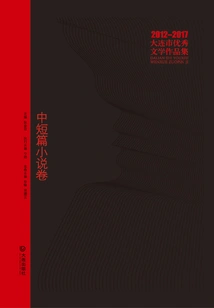
2012-2017大连市优秀文学作品集:中短篇小说卷
Editor-in-chief Zhang Jinshuang
This book uses diverse narrative styles to show the plateau scenery of short and medium-sized novels written in Dalian from 2012 to 2017. The vast majority of these selected works were published in newspapers and periodicals at or above the provincial level. After publication, they were reprinted by authoritative selected publications such as Xinhua Digest, Selected Novels, and Novel Monthly, or included in the annual anthology of outstanding short and medium stories. Many of these works have won various literary awards such as the Sixth Lu Xun Literary Award, the Biennial Award for Selected Novels, Chinese Writers, the Jianmenguan Literary Award, and the Liaoning Literary Award.
This book uses diverse narrative styles to show the plateau scenery of short and medium-sized novels written in Dalian from 2012 to 2017. The vast majority of these selected works were published in newspapers and periodicals at or above the provincial level. After publication, they were reprinted by authoritative selected publications such as Xinhua Digest, Selected Novels, and Novel Monthly, or included in the annual anthology of outstanding short and medium stories. Many of these works have won various literary awards such as the Sixth Lu Xun Literary Award, the Biennial Award for Selected Novels, Chinese Writers, the Jianmenguan Literary Award, and the Liaoning Literary Award.
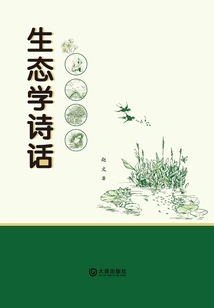
Ecological Poetry
Literature生态学诗话
Zhao Wen
Ecology is the science that studies the relationship between living things and the environment. The harmonious coexistence of man and nature and the construction of a beautiful China require ecological knowledge and skills. This book briefly describes the basic concepts and principles of ecology through the language of ancient poetry. The book is divided into fourteen chapters, which introduces the development history of ecology, individual ecology, population ecology, community ecology, ecosystem ecology, and applied ecology.
Ecology is the science that studies the relationship between living things and the environment. The harmonious coexistence of man and nature and the construction of a beautiful China require ecological knowledge and skills. This book briefly describes the basic concepts and principles of ecology through the language of ancient poetry. The book is divided into fourteen chapters, which introduces the development history of ecology, individual ecology, population ecology, community ecology, ecosystem ecology, and applied ecology.
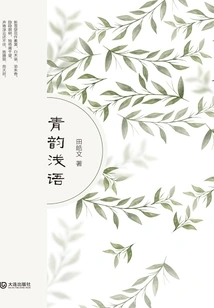
Qingyun Qianyu
Literature青韵浅语
Tian Haowen
Qingyun Qianyu, the poems of a young man, with a youthful charm; the short essays of a liberal arts man, with a simple context. The text in the book collects the author's "poems, feelings, words, and ideas" since he was nine years old. These words bear witness to the growth of an ignorant child and record the thoughts of an ignorant young man. They are both the whispers of growth and the voice of the soul. During that time, these things flow in my memory.
Qingyun Qianyu, the poems of a young man, with a youthful charm; the short essays of a liberal arts man, with a simple context. The text in the book collects the author's "poems, feelings, words, and ideas" since he was nine years old. These words bear witness to the growth of an ignorant child and record the thoughts of an ignorant young man. They are both the whispers of growth and the voice of the soul. During that time, these things flow in my memory.
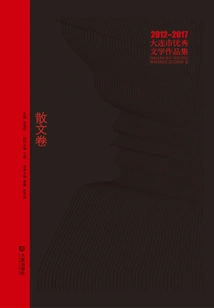
2012-2017大连市优秀文学作品集:散文卷
Editor-in-chief Zhang Jinshuang
This book strictly selects the outstanding works of nearly 50 writers in Dalian literary circles published in newspapers and periodicals at or above the provincial level between 2012 and 2017. It is a tour and review of the city's prose creation achievements in recent years, and is also a reflection and introspection on the current literature and prose creation ecology. The editor takes this opportunity to review the overall situation of Dalian's prose creation from backwardness to rise since the 1980s. While cheering for such fruitful results, the editor is also keenly aware of the problems involved. He hopes that the city's writers will live up to the historical opportunities of the rejuvenation of the national destiny and the Renaissance and make due contributions to the development and inheritance of prose art.
This book strictly selects the outstanding works of nearly 50 writers in Dalian literary circles published in newspapers and periodicals at or above the provincial level between 2012 and 2017. It is a tour and review of the city's prose creation achievements in recent years, and is also a reflection and introspection on the current literature and prose creation ecology. The editor takes this opportunity to review the overall situation of Dalian's prose creation from backwardness to rise since the 1980s. While cheering for such fruitful results, the editor is also keenly aware of the problems involved. He hopes that the city's writers will live up to the historical opportunities of the rejuvenation of the national destiny and the Renaissance and make due contributions to the development and inheritance of prose art.
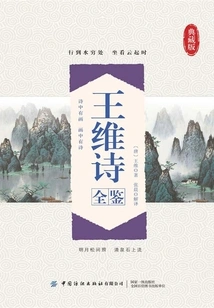
Complete Collection of Wang Wei's Poems
Literature王维诗全鉴
(tang Dynasty) Written By Wang Wei And Interpreted By Zhang Chen
Wang Wei, also known as Mojie, and Meng Haoran, collectively known as "Wang Meng", was a landscape pastoral poet in the prosperous Tang Dynasty. He believed deeply in Buddhism, and his poetry was often combined with the essence of Buddhism, so he was known as the "Poetry Buddha". Su Shi is good at painting. He called it "when you taste Mojie's poems, there are paintings in the poems; when you look at Mojie's paintings, there are poems in the paintings."
Wang Wei, also known as Mojie, and Meng Haoran, collectively known as "Wang Meng", was a landscape pastoral poet in the prosperous Tang Dynasty. He believed deeply in Buddhism, and his poetry was often combined with the essence of Buddhism, so he was known as the "Poetry Buddha". Su Shi is good at painting. He called it "when you taste Mojie's poems, there are paintings in the poems; when you look at Mojie's paintings, there are poems in the paintings."
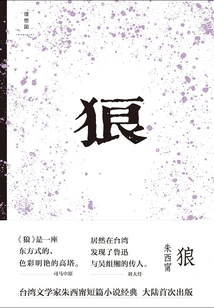
Wolf
Literature狼
Zhu Xining
"Wolf" is a collection of short stories by Taiwanese writer Zhu Xining, which includes nine classic short stories and is published in mainland China for the first time. "Wolf" continues the legendary characters and ancient events in the northern rural market town in "Iron Pulp". It is deeply engraved, and the characters and stories all flow from that "pure China": the old tailor who lives alone and is troubled by desire in "Odd", the tricycle driver who chooses to protect his simple beliefs after the battle between heaven and man in "Life Under the Line", "Goodbye, the sound of train wheels!" "The crazy Dr. Liu De who is obsessed with studying "silent railways" in "Snake House", Xiao Xuan, a national yoke who finally finds true confidence after suffering internal and external hardships, and the big wheel who adheres to the traditional Oriental tradition of forgiveness in a wild environment in "Wolf"... The original appearance of tradition, the situation of survival, the temptation of sexual desire, the pressure of the human heart, ancient China encounters modern civilization, and the eternal human desire encounters the suppression of reality. Each article contains a solid and rich brilliance and charming charm. In the hometown of words cast by Zhu Xining, people walk in the sun, moon, mountains and rivers, and ignorance and violence are never absent, but benevolence, love and faith are bright, upright and solid. He is a carver of words. With a pure pen, he summons the lost ancient China back bit by bit.
"Wolf" is a collection of short stories by Taiwanese writer Zhu Xining, which includes nine classic short stories and is published in mainland China for the first time. "Wolf" continues the legendary characters and ancient events in the northern rural market town in "Iron Pulp". It is deeply engraved, and the characters and stories all flow from that "pure China": the old tailor who lives alone and is troubled by desire in "Odd", the tricycle driver who chooses to protect his simple beliefs after the battle between heaven and man in "Life Under the Line", "Goodbye, the sound of train wheels!" "The crazy Dr. Liu De who is obsessed with studying "silent railways" in "Snake House", Xiao Xuan, a national yoke who finally finds true confidence after suffering internal and external hardships, and the big wheel who adheres to the traditional Oriental tradition of forgiveness in a wild environment in "Wolf"... The original appearance of tradition, the situation of survival, the temptation of sexual desire, the pressure of the human heart, ancient China encounters modern civilization, and the eternal human desire encounters the suppression of reality. Each article contains a solid and rich brilliance and charming charm. In the hometown of words cast by Zhu Xining, people walk in the sun, moon, mountains and rivers, and ignorance and violence are never absent, but benevolence, love and faith are bright, upright and solid. He is a carver of words. With a pure pen, he summons the lost ancient China back bit by bit.
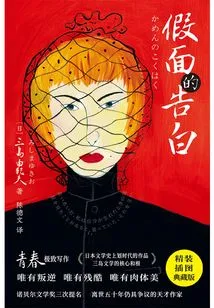
紫图经典文库:三岛由纪夫·假面的告白
H
"Confessions of a Mask" is Yukio Mishima's early famous work and one of his masterpieces. It has epoch-making significance in the history of Japanese literature and is rated as "the core and root of Mishima literature". "Confessions of a Mask" is autobiographical in nature, describing the growth process and complex psychological activities of the protagonist "I". In the novel, the sexual desires connected with the happy desires of young people are correctly and calmly organized, expressed, and literaryized. This is not only an important way to understand Mishima's deep thoughts, but also becomes an important reference sample of "youth" that everyone has experienced and frequently reviewed. Mishima adheres to the extreme concept of "people should die when they are young and beautiful". Almost all of his works are "youth-oriented", but only "Confessions of the Mask" is the pinnacle of youth and the swan song of youth.
"Confessions of a Mask" is Yukio Mishima's early famous work and one of his masterpieces. It has epoch-making significance in the history of Japanese literature and is rated as "the core and root of Mishima literature". "Confessions of a Mask" is autobiographical in nature, describing the growth process and complex psychological activities of the protagonist "I". In the novel, the sexual desires connected with the happy desires of young people are correctly and calmly organized, expressed, and literaryized. This is not only an important way to understand Mishima's deep thoughts, but also becomes an important reference sample of "youth" that everyone has experienced and frequently reviewed. Mishima adheres to the extreme concept of "people should die when they are young and beautiful". Almost all of his works are "youth-oriented", but only "Confessions of the Mask" is the pinnacle of youth and the swan song of youth.
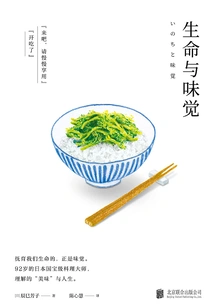
Life and Taste
Literature生命与味觉
E
"The delicious food that cells pursue is to take life in a better direction. I think the ultimate delicious food is food that makes cells happy." The relationship between life and taste is constantly thought about. However, looking at today, environmental pollution has gradually made us lose the food we can trust. Food is also pursuing simplicity and speed. People have forgotten the essence of "eating", and they don't know how to live better. The worried author proposed five indicators for the world: "awe", "sensibility", "intuition", "adaptation and response ability" and "gentle heart", hoping to provide solutions for future generations when they face difficulties in survival. The author writes about how he lives out his work in the kitchen, where he finds out the answer to "why people eat", understands that "life is connected to other lives through food", and conveys the touching wisdom of "eating in accordance with the local customs". He hopes that everyone can make soups and dishes with the thought of seeing the smiles of their loved ones.
"The delicious food that cells pursue is to take life in a better direction. I think the ultimate delicious food is food that makes cells happy." The relationship between life and taste is constantly thought about. However, looking at today, environmental pollution has gradually made us lose the food we can trust. Food is also pursuing simplicity and speed. People have forgotten the essence of "eating", and they don't know how to live better. The worried author proposed five indicators for the world: "awe", "sensibility", "intuition", "adaptation and response ability" and "gentle heart", hoping to provide solutions for future generations when they face difficulties in survival. The author writes about how he lives out his work in the kitchen, where he finds out the answer to "why people eat", understands that "life is connected to other lives through food", and conveys the touching wisdom of "eating in accordance with the local customs". He hopes that everyone can make soups and dishes with the thought of seeing the smiles of their loved ones.
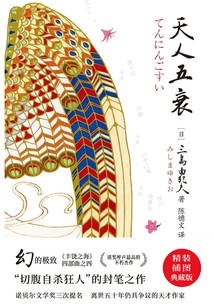
紫图经典文库:三岛由纪夫·天人五衰
H
"Five Decline of Heaven and Man", the final chapter of "Sea of Fertility", Mishima's last work, the reincarnation of the past, just like time stops in Buddhism, everything in the world is like a dream, but the untarnished spiritual power lasts forever. "There is nothing, neither memory nor anything exists. It is extremely lonely."
"Five Decline of Heaven and Man", the final chapter of "Sea of Fertility", Mishima's last work, the reincarnation of the past, just like time stops in Buddhism, everything in the world is like a dream, but the untarnished spiritual power lasts forever. "There is nothing, neither memory nor anything exists. It is extremely lonely."
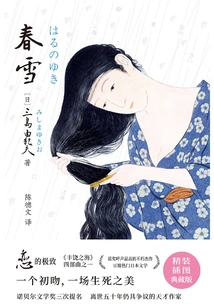
紫图经典文库:三岛由纪夫·春雪
(japan) Mishima Yukio
The aristocratic boy and girl Kiyoaki and Satoko are childhood sweethearts. As they get older, the relationship between the partners turns into love between a man and a woman. The two failed to adapt to the changes in emotions, resulting in suspicion and estrangement. It wasn't until Satoko was engaged to the royal family by her parents that the two of them acted in a panic. The love that could have developed naturally and matured turned into a dangerous affair. In a hurry, Satoko becomes pregnant, dragging the family's fate into crisis. In order to protect the family, Satoko had an abortion and became a nun. Qing Xian missed Satoko but couldn't find her, and died of pneumonia. This touching story was originally a rumor in temples in Kyoto and Nara. Mishima created "Spring Snow" based on this rumor. Pure love runs through "elegant taboo" and "blasphemous joy", and in this opposition, beauty is discovered, created, and destroyed. Technically, it blends Japanese classical dynasty novels and modern novel techniques, and has been praised as "comparable to "The Tale of Genji"" and has become the most popular masterpiece to win the Nobel Prize for Literature.
The aristocratic boy and girl Kiyoaki and Satoko are childhood sweethearts. As they get older, the relationship between the partners turns into love between a man and a woman. The two failed to adapt to the changes in emotions, resulting in suspicion and estrangement. It wasn't until Satoko was engaged to the royal family by her parents that the two of them acted in a panic. The love that could have developed naturally and matured turned into a dangerous affair. In a hurry, Satoko becomes pregnant, dragging the family's fate into crisis. In order to protect the family, Satoko had an abortion and became a nun. Qing Xian missed Satoko but couldn't find her, and died of pneumonia. This touching story was originally a rumor in temples in Kyoto and Nara. Mishima created "Spring Snow" based on this rumor. Pure love runs through "elegant taboo" and "blasphemous joy", and in this opposition, beauty is discovered, created, and destroyed. Technically, it blends Japanese classical dynasty novels and modern novel techniques, and has been praised as "comparable to "The Tale of Genji"" and has become the most popular masterpiece to win the Nobel Prize for Literature.
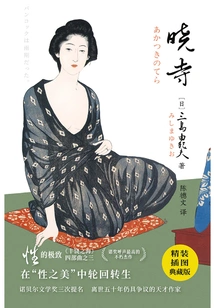
紫图经典文库:三岛由纪夫·晓寺
H
Reincarnated in "The Beauty of Sex", Mishima's soul will never rest in peace. Mishima said, "As soon as a person turns 30, his name will be quickly forgotten like peeling paint. The reality represented by those names is more illusory and useless than dreams, and will be gradually abandoned by daily life." However, Mishima's heroic scene of begging for death has always stood out in front of the world, becoming his literary and even aesthetic label. The dream that haunts Iinuma repeatedly uses the reincarnation of Princess Moonlight to make Mishima's beauty, together with his body and soul, a vigorous sacrifice in the book. In the strange "sexual" aesthetics caused by gender misplacement, Mishima integrated himself into the Four Seasons of the Sea of Fertility, reincarnating a fully mature and full kingdom of "sexuality", forging a twisting soul echo, a kingdom of Akatsuki that knows no difference between day and night.
Reincarnated in "The Beauty of Sex", Mishima's soul will never rest in peace. Mishima said, "As soon as a person turns 30, his name will be quickly forgotten like peeling paint. The reality represented by those names is more illusory and useless than dreams, and will be gradually abandoned by daily life." However, Mishima's heroic scene of begging for death has always stood out in front of the world, becoming his literary and even aesthetic label. The dream that haunts Iinuma repeatedly uses the reincarnation of Princess Moonlight to make Mishima's beauty, together with his body and soul, a vigorous sacrifice in the book. In the strange "sexual" aesthetics caused by gender misplacement, Mishima integrated himself into the Four Seasons of the Sea of Fertility, reincarnating a fully mature and full kingdom of "sexuality", forging a twisting soul echo, a kingdom of Akatsuki that knows no difference between day and night.
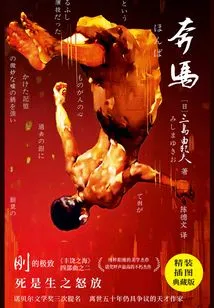
紫图经典文库:三岛由纪夫·奔马
H
As time goes by, the sublime turns into comedy bit by bit, Mishima's perfect narrative work. Honda remembered what Kiyoaki said after his dream eighteen years ago before his death: "We will meet again. We will definitely meet again, under the waterfall..." Honda believed that Isao was the reincarnation of Kiyoaki. But Ionuma Isao's character is very different from Kiyoaki. He is fierce and resolute. His highest belief is the "sword", which is "killing himself in the sun"! Ultimately, he assassinated the financial tycoon Takesuke Kurohara who he believed to be the source of the crime.
As time goes by, the sublime turns into comedy bit by bit, Mishima's perfect narrative work. Honda remembered what Kiyoaki said after his dream eighteen years ago before his death: "We will meet again. We will definitely meet again, under the waterfall..." Honda believed that Isao was the reincarnation of Kiyoaki. But Ionuma Isao's character is very different from Kiyoaki. He is fierce and resolute. His highest belief is the "sword", which is "killing himself in the sun"! Ultimately, he assassinated the financial tycoon Takesuke Kurohara who he believed to be the source of the crime.
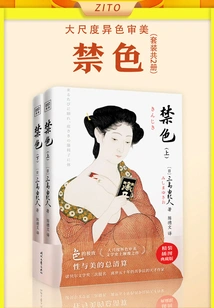
紫图经典文库:三岛由纪夫·禁色
H
A total reckoning of sex and beauty, intoxicated by the imagination of the sun and iron. For those who have survived the dreams written by Mishima Yukio, Mishima's imagination will always be a symbol of their encounter with the sun. The tight and expanding summer sun dominates the nocturnal universe as tightly as the physical bodies of men and women. Just like in the Iron Age, heavy blunt knives had an obligation to maintain a balance of blood flow with human muscles. The sex and beauty in "Forbidden Color" are like Mishima's spirit and strength. They need the exposure of the summer sun and the upbringing of iron, singing the fatal temptation of romance and freshness in the darkness.
A total reckoning of sex and beauty, intoxicated by the imagination of the sun and iron. For those who have survived the dreams written by Mishima Yukio, Mishima's imagination will always be a symbol of their encounter with the sun. The tight and expanding summer sun dominates the nocturnal universe as tightly as the physical bodies of men and women. Just like in the Iron Age, heavy blunt knives had an obligation to maintain a balance of blood flow with human muscles. The sex and beauty in "Forbidden Color" are like Mishima's spirit and strength. They need the exposure of the summer sun and the upbringing of iron, singing the fatal temptation of romance and freshness in the darkness.
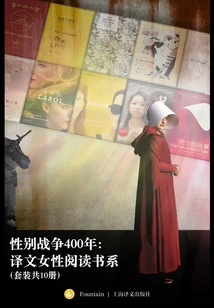
性别战争400年:译文女性阅读书系(套装共10册)
(english) Shakespeare Jane Austen, Etc.
10 books, directly examining the living conditions of women over the past 400 years, uncovering the hidden secrets and truth about gender in history! From Shakespeare to Atwood, see how 10 top authors join forces across time and space to tell the story of women's experiences in the past 400 years, witness the demise of romance in the past, discover that the current society is terminally ill, and foresee the upcoming gender war storm in the future. British countryside, French provinces, American Hollywood, European courts, Japanese society, the future world... When the plight of women is approaching us day by day, do you want to turn a blind eye? The 10-volume set of "400 Years of the Gender War: A Series of Translated Women's Readings" contains the ten most representative classics on women in translation from the seventeenth century to the twenty-first century, covering drama, novels, social sciences, documentary and other fields, including "The Merry Wives of Windsor", "Pride and Prejudice", "Madame Bovary", "The Flying Lady and the Philosopher", "Orlando", "The Second Sex", "Carol", "Female Poverty", "Chat Records" and "The Handmaid's Tale".
10 books, directly examining the living conditions of women over the past 400 years, uncovering the hidden secrets and truth about gender in history! From Shakespeare to Atwood, see how 10 top authors join forces across time and space to tell the story of women's experiences in the past 400 years, witness the demise of romance in the past, discover that the current society is terminally ill, and foresee the upcoming gender war storm in the future. British countryside, French provinces, American Hollywood, European courts, Japanese society, the future world... When the plight of women is approaching us day by day, do you want to turn a blind eye? The 10-volume set of "400 Years of the Gender War: A Series of Translated Women's Readings" contains the ten most representative classics on women in translation from the seventeenth century to the twenty-first century, covering drama, novels, social sciences, documentary and other fields, including "The Merry Wives of Windsor", "Pride and Prejudice", "Madame Bovary", "The Flying Lady and the Philosopher", "Orlando", "The Second Sex", "Carol", "Female Poverty", "Chat Records" and "The Handmaid's Tale".
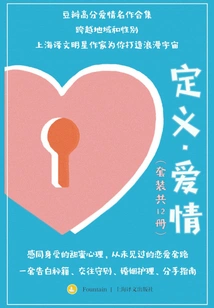
定义·爱情(套装共12册)
(ireland) Sally Rooney (japan) Kazuo Ishiguro, Yukio Mishima, Etc.
A collection of Douban's high-scoring love masterpieces, from Duras to Sally Rooney, from Yukio Mishima to Kazuo Ishiguro, across regions and genders, Shanghai Translation's star writers create a romantic universe for you. The Shanghai translation "Definition·Love (set of 12 volumes in total)" selects 12 love stories written by famous writers from the perspective of men and women respectively, including various possibilities in love such as first acquaintance, falling in love, protection, parting, etc., Traveling among men and women in the world, and getting a glimpse of the whole picture of love. The set includes "Normal People", "Subtle", "My Boyfriend", "Love Is Forever Unknown", "Honeymoon", "Broken Love List", "Lover", "End of Days", "Carol", "Forbidden Colors", "Female Guest" and "Love Notes", a total of 12 volumes.
A collection of Douban's high-scoring love masterpieces, from Duras to Sally Rooney, from Yukio Mishima to Kazuo Ishiguro, across regions and genders, Shanghai Translation's star writers create a romantic universe for you. The Shanghai translation "Definition·Love (set of 12 volumes in total)" selects 12 love stories written by famous writers from the perspective of men and women respectively, including various possibilities in love such as first acquaintance, falling in love, protection, parting, etc., Traveling among men and women in the world, and getting a glimpse of the whole picture of love. The set includes "Normal People", "Subtle", "My Boyfriend", "Love Is Forever Unknown", "Honeymoon", "Broken Love List", "Lover", "End of Days", "Carol", "Forbidden Colors", "Female Guest" and "Love Notes", a total of 12 volumes.
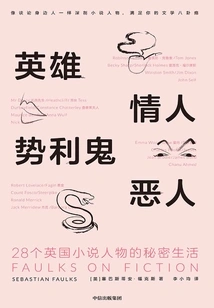
英雄、情人、势利鬼、恶人:28个英国小说人物的秘密生活
(uk) Sebastian Fox
This book is a "British novel course" for the general public written by Sebastian Fox, an impressive contemporary British novelist. The writing is profound and simple, humorous, full of passion, and filled with the novelist's unique and personalized "preference" for literary characters. It can be described as an alternative history of British novels. The book has a total of twenty-eight chapters, each of which introduces a character in the novel. The author classifies these twenty-eight characters into four different character types (heroes\u002F lovers\u002F snobs\u002F villains), and then systematically analyzes and explains them. The book has a clear style. Each part starts with an introduction, which first introduces the development history of a certain character type as a whole, and then starts the discussion of specific characters on this basis. In each interpretation, the author quotes one or two classic fragments from the novel, and demonstrates the author's writing skills and character creation characteristics of the original novel based on a close reading of the text, allowing readers to understand the full picture of the novel's creation in the details of the flesh-and-blood characters. At the same time, the author also re-examines the evolution of British culture and spirit from the fictional characters.
This book is a "British novel course" for the general public written by Sebastian Fox, an impressive contemporary British novelist. The writing is profound and simple, humorous, full of passion, and filled with the novelist's unique and personalized "preference" for literary characters. It can be described as an alternative history of British novels. The book has a total of twenty-eight chapters, each of which introduces a character in the novel. The author classifies these twenty-eight characters into four different character types (heroes\u002F lovers\u002F snobs\u002F villains), and then systematically analyzes and explains them. The book has a clear style. Each part starts with an introduction, which first introduces the development history of a certain character type as a whole, and then starts the discussion of specific characters on this basis. In each interpretation, the author quotes one or two classic fragments from the novel, and demonstrates the author's writing skills and character creation characteristics of the original novel based on a close reading of the text, allowing readers to understand the full picture of the novel's creation in the details of the flesh-and-blood characters. At the same time, the author also re-examines the evolution of British culture and spirit from the fictional characters.
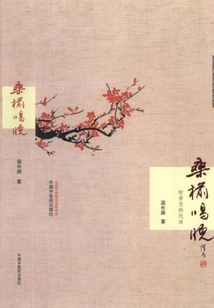
Sang Yu Sings Late
Literature桑榆唱晚
Wenchang Road
This book is a collection of original poems by Mr. Wen Changlu. The book contains the author's random reflections in the ten years between 60 and 70 years old, arranged naturally in chronological order, with the title "Ten Years of Poetry" and divided into two parts. "Along the Way: Memories of Footsteps" is a portrait of personal life and is the main body of the book. "Qingge Yayun: The Voice of Friends" is a collection of poems and choruses among colleagues and friends, and is an appendix to this book. Most of the photos in the book are the author's random works taken over the past ten years. They have exactly the same background as the poem of the same name and form a complementary relationship with the poem. After the main text of this book, there is an appendix "Paranalogy: Commonly used pronouns", which the author compiled and used over a long period of time from some of the pronouns he has studied and applied throughout his life, and finally classified them. In Chinese, in terms of words, the same meaning can be expressed in several or even ten different forms. These substitutes used to express the original meaning are what people often call "daiyu". In poetry, especially ancient poetry (imitation of ancient poetry), this technique is very commonly used to make up for those meanings that cannot be expressed directly due to limitations of the pattern. This book classifies commonly used pronouns according to their commonly used meanings, and strives to provide readers with a reference when reading poetic texts.
This book is a collection of original poems by Mr. Wen Changlu. The book contains the author's random reflections in the ten years between 60 and 70 years old, arranged naturally in chronological order, with the title "Ten Years of Poetry" and divided into two parts. "Along the Way: Memories of Footsteps" is a portrait of personal life and is the main body of the book. "Qingge Yayun: The Voice of Friends" is a collection of poems and choruses among colleagues and friends, and is an appendix to this book. Most of the photos in the book are the author's random works taken over the past ten years. They have exactly the same background as the poem of the same name and form a complementary relationship with the poem. After the main text of this book, there is an appendix "Paranalogy: Commonly used pronouns", which the author compiled and used over a long period of time from some of the pronouns he has studied and applied throughout his life, and finally classified them. In Chinese, in terms of words, the same meaning can be expressed in several or even ten different forms. These substitutes used to express the original meaning are what people often call "daiyu". In poetry, especially ancient poetry (imitation of ancient poetry), this technique is very commonly used to make up for those meanings that cannot be expressed directly due to limitations of the pattern. This book classifies commonly used pronouns according to their commonly used meanings, and strives to provide readers with a reference when reading poetic texts.
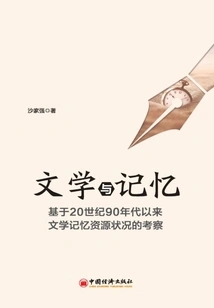
文学与记忆:基于20世纪90年代以来文学记忆资源状况的考察
Sha Jiaqiang
This manuscript is compiled based on a doctoral thesis. Five chapters in total: "Consumption Memory" generation context, critical analysis of the aesthetic characteristics of "Consumption Memory" "Edge": the subject diversification tendency of current literary memory objects, the theoretical construction of "accumulation memory" from the perspective of survival aesthetics "Accumulation memory" is recreated in crisis. Taking "survival aesthetics" as the internal logical train of thought, a systematic theoretical construction of the ideal "accumulated memory" is carried out. The game between "consumptive memory" and "accumulated memory" has profoundly affected contemporary Chinese literature. The growing influence of "consumer memory" has heralded the emergence of a "memory crisis". In solving the problem of "memory crisis", the reconstruction of "accumulated memory" should be explored from the perspective of "survival aesthetics". Writers who are the subject of memory should consciously restrain their desire for consumption, retain historical consciousness, pursue a poetic lifestyle, and mold ideal personality, etc., And finally use profound "ideological power" to reproduce the past glory of literature.
This manuscript is compiled based on a doctoral thesis. Five chapters in total: "Consumption Memory" generation context, critical analysis of the aesthetic characteristics of "Consumption Memory" "Edge": the subject diversification tendency of current literary memory objects, the theoretical construction of "accumulation memory" from the perspective of survival aesthetics "Accumulation memory" is recreated in crisis. Taking "survival aesthetics" as the internal logical train of thought, a systematic theoretical construction of the ideal "accumulated memory" is carried out. The game between "consumptive memory" and "accumulated memory" has profoundly affected contemporary Chinese literature. The growing influence of "consumer memory" has heralded the emergence of a "memory crisis". In solving the problem of "memory crisis", the reconstruction of "accumulated memory" should be explored from the perspective of "survival aesthetics". Writers who are the subject of memory should consciously restrain their desire for consumption, retain historical consciousness, pursue a poetic lifestyle, and mold ideal personality, etc., And finally use profound "ideological power" to reproduce the past glory of literature.
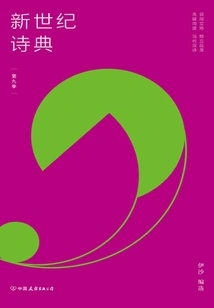
New Century Poetry·season 9
Literature新世纪诗典·第九季
Edited By Isha
This book is a poetry recommendation column on Weibo (WeChat) opened by the poet Yisha in 2011. It recommends and reviews an outstanding original contemporary poem every day. On this basis, it is compiled into a "New Century Poetry Dictionary" every year and is officially published. This is the ninth volume. Works are not selected based on posture, attitude, qualifications or seniority, but only based on the quality of the work as the only evaluation criterion. "New Century Poems" is a collective presentation of Chinese poetry since the new century. It records the voice of the times, shows the survival of Chinese people, and conveys the emotions of poets. Yisha's selection is not sectarian and has an all-inclusive atmosphere. His wonderful comments on each poem can be seen as an overall observation and evaluation of China's current poetry world.
This book is a poetry recommendation column on Weibo (WeChat) opened by the poet Yisha in 2011. It recommends and reviews an outstanding original contemporary poem every day. On this basis, it is compiled into a "New Century Poetry Dictionary" every year and is officially published. This is the ninth volume. Works are not selected based on posture, attitude, qualifications or seniority, but only based on the quality of the work as the only evaluation criterion. "New Century Poems" is a collective presentation of Chinese poetry since the new century. It records the voice of the times, shows the survival of Chinese people, and conveys the emotions of poets. Yisha's selection is not sectarian and has an all-inclusive atmosphere. His wonderful comments on each poem can be seen as an overall observation and evaluation of China's current poetry world.
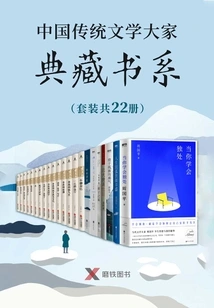
中国传统文学大家典藏书系(套装共22册)
Ji Xianlin Et Al.
This book consists of "When You Learn to Be Alone", "Life is Rich in Loneliness (New Edition)", "Lectures at Peking University: Forty-Seven Lectures on Chinese Culture", "The Way of a Gentleman", "Ji Xianlin Talks about Life (Hardcover Collection Edition)" , "The Inner Starry Sky: Yu Qiuyu's Humanistic Creations", "Ji Xianlin Talks about Buddhism (Collector's Edition)", "My Heart is a Mirror (Hardcover Collector's Edition)", "Endowed with Eternal Regret", "Red (Hardcover Collector's Edition)" )", "Imprints of the Other Shore (Hardcover Collector's Edition)", "Ji Xianlin Talks about Life (New Edition)", "Memories: Memoirs of Teachers and Friends (Hardcover Collector's Edition)", "Ivory Tower Diary (Hardcover Collector's Edition)", " It consists of "A Hundred Years of Ups and Downs (Hardcover Collector's Edition)", "Miscellaneous Memories of the Cowshed (Hardcover Collector's Edition)", "A Lifelong Journey (Hardcover Collector's Edition)", and "Ji Xianlin Talks about Eastern and Western Culture (Hardcover Collector's Edition)".
This book consists of "When You Learn to Be Alone", "Life is Rich in Loneliness (New Edition)", "Lectures at Peking University: Forty-Seven Lectures on Chinese Culture", "The Way of a Gentleman", "Ji Xianlin Talks about Life (Hardcover Collection Edition)" , "The Inner Starry Sky: Yu Qiuyu's Humanistic Creations", "Ji Xianlin Talks about Buddhism (Collector's Edition)", "My Heart is a Mirror (Hardcover Collector's Edition)", "Endowed with Eternal Regret", "Red (Hardcover Collector's Edition)" )", "Imprints of the Other Shore (Hardcover Collector's Edition)", "Ji Xianlin Talks about Life (New Edition)", "Memories: Memoirs of Teachers and Friends (Hardcover Collector's Edition)", "Ivory Tower Diary (Hardcover Collector's Edition)", " It consists of "A Hundred Years of Ups and Downs (Hardcover Collector's Edition)", "Miscellaneous Memories of the Cowshed (Hardcover Collector's Edition)", "A Lifelong Journey (Hardcover Collector's Edition)", and "Ji Xianlin Talks about Eastern and Western Culture (Hardcover Collector's Edition)".
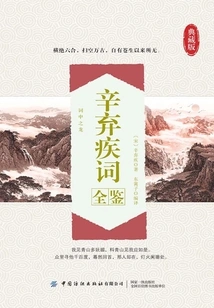
辛弃疾词全鉴
(song Dynasty) Written By Xin Qiji And Compiled By Dong Lizi
Xin Qiji was a poet in the Southern Song Dynasty and one of the representatives of heroic Ci. He was known as the "Dragon of Ci" and was called "Su Xin" together with Su Shi. His poems are famous for their boldness and majesty, and there is a collection of poems called "Jia Xuan's Long and Short Sentences". This book selects the poet's representative works, provides concise annotations for unfamiliar words in the poems, and provides translations, which can lead everyone to easily enter the world of Xin Ci and appreciate the artistic charm of Xin Ci.
Xin Qiji was a poet in the Southern Song Dynasty and one of the representatives of heroic Ci. He was known as the "Dragon of Ci" and was called "Su Xin" together with Su Shi. His poems are famous for their boldness and majesty, and there is a collection of poems called "Jia Xuan's Long and Short Sentences". This book selects the poet's representative works, provides concise annotations for unfamiliar words in the poems, and provides translations, which can lead everyone to easily enter the world of Xin Ci and appreciate the artistic charm of Xin Ci.
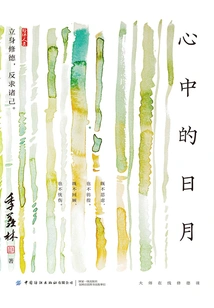
The Sun and Moon in My Heart
Literature心中的日月
Ji Xianlin
"The Sun and the Moon in the Heart" carefully selects and collects Mr. Ji Xianlin's classic prose, which includes four volumes: Mountains and Rivers, The Same Clothes with Children, Wind and Moon in the Sky, and Peach and Plum Fragrance. The content covers ecological civilization, moral cultivation, social relations, national education, etc. It is Mr. Ji Xianlin's profound insights based on his own life experience. Mr. Sir's philosophy and wisdom are expressed through simple and concise writing, just like an elder talking and confiding. The young people's self-cultivation and moral cultivation will be greatly benefited here.
"The Sun and the Moon in the Heart" carefully selects and collects Mr. Ji Xianlin's classic prose, which includes four volumes: Mountains and Rivers, The Same Clothes with Children, Wind and Moon in the Sky, and Peach and Plum Fragrance. The content covers ecological civilization, moral cultivation, social relations, national education, etc. It is Mr. Ji Xianlin's profound insights based on his own life experience. Mr. Sir's philosophy and wisdom are expressed through simple and concise writing, just like an elder talking and confiding. The young people's self-cultivation and moral cultivation will be greatly benefited here.
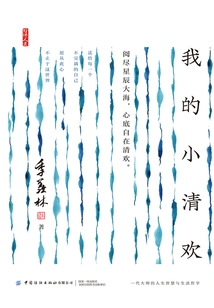
My Little Qinghuan
Literature我的小清欢
Ji Xianlin
"My Little Joy" mainly collects Mr. Ji Xianlin's prose works about reading, reading about the world, reminiscing about friends, and remembering interests. It not only shows his love for traditional Chinese culture, but also his attitude of not liking or fearing the world. It also includes his description, recollection and praise of his friends and interesting things in life. It is also a summary of his wisdom and spiritual monologue of more than 90 years of life. The article is sincere, humble, and interesting. It can inspire teenagers and encourage adults.
"My Little Joy" mainly collects Mr. Ji Xianlin's prose works about reading, reading about the world, reminiscing about friends, and remembering interests. It not only shows his love for traditional Chinese culture, but also his attitude of not liking or fearing the world. It also includes his description, recollection and praise of his friends and interesting things in life. It is also a summary of his wisdom and spiritual monologue of more than 90 years of life. The article is sincere, humble, and interesting. It can inspire teenagers and encourage adults.
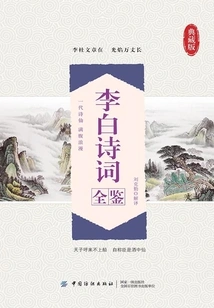
A Complete Collection of Li Bai's Poems
Literature李白诗词全鉴
Interpretation By Liu Keqin
Li Bai, also known as Taibai and Qinglian Jushi, was a romantic poet in the Tang Dynasty. Together with Du Fu, he was known as "Li Du". His poems are rich in imagination, romantic and unrestrained, unique in artistic conception, and natural. This book selects the essence of Li Bai's poems and divides them into four parts: explanations, original texts, annotations, and translations. It is convenient for Chinese studies lovers to read and understand, and gain literary influence while gaining extensive knowledge of Chinese studies.
Li Bai, also known as Taibai and Qinglian Jushi, was a romantic poet in the Tang Dynasty. Together with Du Fu, he was known as "Li Du". His poems are rich in imagination, romantic and unrestrained, unique in artistic conception, and natural. This book selects the essence of Li Bai's poems and divides them into four parts: explanations, original texts, annotations, and translations. It is convenient for Chinese studies lovers to read and understand, and gain literary influence while gaining extensive knowledge of Chinese studies.
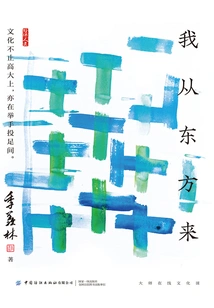
I'm from the East
Literature我从东方来
Ji Xianlin
"I Come from the East" is a collection of Mr. Ji Xianlin's discussions on Chinese culture, Chinese studies and traditional culture. It is divided into three parts: cultural exchange, cultural confidence and the essence of Chinese studies. Mr. Ji Xianlin, an academic master, has repeatedly thought about cultural exchanges and references between China and foreign countries and put forward many new viewpoints, the correctness of which has been or is being confirmed by history. Mr. Wang has profound attainments in Chinese studies, but his articles can explain the profound things in simple terms, leading readers to experience the unique ideas, wisdom, charm and magnanimity of traditional Chinese culture. Listen to masters talk about culture, strengthen cultural identity, and build cultural confidence.
"I Come from the East" is a collection of Mr. Ji Xianlin's discussions on Chinese culture, Chinese studies and traditional culture. It is divided into three parts: cultural exchange, cultural confidence and the essence of Chinese studies. Mr. Ji Xianlin, an academic master, has repeatedly thought about cultural exchanges and references between China and foreign countries and put forward many new viewpoints, the correctness of which has been or is being confirmed by history. Mr. Wang has profound attainments in Chinese studies, but his articles can explain the profound things in simple terms, leading readers to experience the unique ideas, wisdom, charm and magnanimity of traditional Chinese culture. Listen to masters talk about culture, strengthen cultural identity, and build cultural confidence.
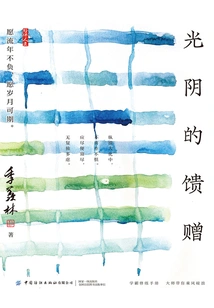
Gift of Time
Literature光阴的馈赠
Ji Xianlin
"The Gift of Time" is a collection of Mr. Ji Xianlin's essays. It is also a summary of his wisdom and spiritual monologue over more than ninety years of life. The book is divided into four volumes: A Young Man Doesn't Know the Feeling of Sorrow, My Heart Is Burning Youth with My Home and Country, My Heart Returns Like an Arrow to Yanyuan, and A Child's Heart in Sangyu Will Be a Young Man forever. The words he left at different stages of his life reflect his open-mindedness about human nature and worldly affairs from different aspects, his seriousness and rigor in academic research, and his cognitive reflections on the journey of life, all shining with the brilliant light that enlightens people's minds.
"The Gift of Time" is a collection of Mr. Ji Xianlin's essays. It is also a summary of his wisdom and spiritual monologue over more than ninety years of life. The book is divided into four volumes: A Young Man Doesn't Know the Feeling of Sorrow, My Heart Is Burning Youth with My Home and Country, My Heart Returns Like an Arrow to Yanyuan, and A Child's Heart in Sangyu Will Be a Young Man forever. The words he left at different stages of his life reflect his open-mindedness about human nature and worldly affairs from different aspects, his seriousness and rigor in academic research, and his cognitive reflections on the journey of life, all shining with the brilliant light that enlightens people's minds.
婉约词全鉴(珍藏版)
Compiled By Donglizi
In the history of the development of ancient Chinese literature, graceful words exude unique color and charm, adding a lot of luster to our country's classical poetry, and at the same time playing an important role in the development of literature. This book specially selects the classic poems from the Tang Dynasty to the Qing Dynasty. It also specially selects some less famous works that are full of style and charm. This book is mainly divided into four sections: author introduction, original text, notes and comments, to facilitate readers to understand and appreciate graceful words.
In the history of the development of ancient Chinese literature, graceful words exude unique color and charm, adding a lot of luster to our country's classical poetry, and at the same time playing an important role in the development of literature. This book specially selects the classic poems from the Tang Dynasty to the Qing Dynasty. It also specially selects some less famous works that are full of style and charm. This book is mainly divided into four sections: author introduction, original text, notes and comments, to facilitate readers to understand and appreciate graceful words.
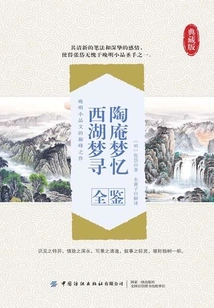
陶庵梦忆 西湖梦寻全鉴
(ming Dynasty) Written By Zhang Dai And Interpreted By Dong Lizi
Zhang Dai's "Reminiscences of a Dream in Tao'an" and "A Dream in the West Lake" have been unanimously praised by many commentators as being exquisite and representative of Zhang Dai's prose, and even established his special status among the prose writers of the Ming and Qing Dynasties. "Memories of Dreams in Tao'an" is a self-narrative prose written by Zhang Dai after "the country was destroyed and the family was destroyed" and "he went into the mountains with his hair untied"; "Dreams of West Lake" has certain particularity in style and content. It writes about the scenic spots in the West Lake in the author's memory.
Zhang Dai's "Reminiscences of a Dream in Tao'an" and "A Dream in the West Lake" have been unanimously praised by many commentators as being exquisite and representative of Zhang Dai's prose, and even established his special status among the prose writers of the Ming and Qing Dynasties. "Memories of Dreams in Tao'an" is a self-narrative prose written by Zhang Dai after "the country was destroyed and the family was destroyed" and "he went into the mountains with his hair untied"; "Dreams of West Lake" has certain particularity in style and content. It writes about the scenic spots in the West Lake in the author's memory.
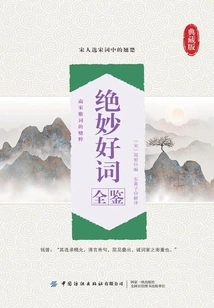
A Complete Collection of Wonderful Words
Literature绝妙好词全鉴
(song Dynasty) Compiled By Zhou Mi And Interpreted By Dong Lizi
"Excellent Poems" is an anthology of Song lyrics carefully selected by poets in the late Song Dynasty and early Yuan Dynasty. There are 390 poems selected from the whole collection, written by 132 poets (including Cai Songnian, who is actually from the Jin Dynasty). It is one of the selected dynasty poems in my country, and it has distinctive genre characteristics and occupies an important position in the history of Chinese literature. This book is an annotated version of "Excellent Poems". Each poem contains three parts: lyrics, annotations and translations.
"Excellent Poems" is an anthology of Song lyrics carefully selected by poets in the late Song Dynasty and early Yuan Dynasty. There are 390 poems selected from the whole collection, written by 132 poets (including Cai Songnian, who is actually from the Jin Dynasty). It is one of the selected dynasty poems in my country, and it has distinctive genre characteristics and occupies an important position in the history of Chinese literature. This book is an annotated version of "Excellent Poems". Each poem contains three parts: lyrics, annotations and translations.
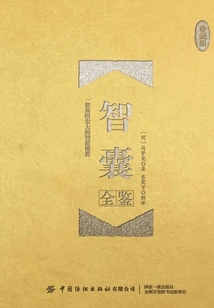
智囊全鉴(珍藏版)
V
"Wisdom Tank" was first compiled in the sixth year of Tianqi in the Ming Dynasty (1626). It is a collection of wisdom stories from the pre-Qin Dynasty to the Ming Dynasty. The whole book is divided into ten parts: superior wisdom, wise wisdom, discerning wisdom, courageous wisdom, technical wisdom, quick wisdom, language wisdom, military wisdom, boudoir wisdom, and miscellaneous wisdom. There are 28 sub-categories including Zhiwei, Xionglue, and Wise Enlightenment, including more than 1,200 stories of think tanks from past dynasties. It is not only a wonderful book that reflects the ancient people's clever use of wisdom to solve problems and defeat enemies, but also a huge resource collection in the history of Chinese culture. Based on the principle of learning from the past, this book selects representative chapters from the original book and interprets them carefully. I hope it can help readers absorb the nutrients for success while reading, enrich their own experience, and become a successful wise man.
"Wisdom Tank" was first compiled in the sixth year of Tianqi in the Ming Dynasty (1626). It is a collection of wisdom stories from the pre-Qin Dynasty to the Ming Dynasty. The whole book is divided into ten parts: superior wisdom, wise wisdom, discerning wisdom, courageous wisdom, technical wisdom, quick wisdom, language wisdom, military wisdom, boudoir wisdom, and miscellaneous wisdom. There are 28 sub-categories including Zhiwei, Xionglue, and Wise Enlightenment, including more than 1,200 stories of think tanks from past dynasties. It is not only a wonderful book that reflects the ancient people's clever use of wisdom to solve problems and defeat enemies, but also a huge resource collection in the history of Chinese culture. Based on the principle of learning from the past, this book selects representative chapters from the original book and interprets them carefully. I hope it can help readers absorb the nutrients for success while reading, enrich their own experience, and become a successful wise man.
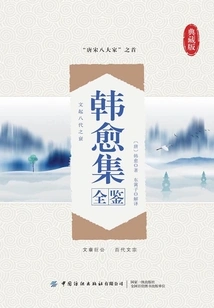
韩愈集全鉴(典藏版)
F
Han Yu (768-824), whose courtesy name was Tuizhi, was from Heyang, Henan. An outstanding writer, thinker and philosopher in the Tang Dynasty. The advocate of the ancient prose movement in the Tang Dynasty was revered as the head of the "Eight Great Masters of Tang and Song Dynasties". Together with Liu Zongyuan, he was called "Han Liu", and was known as "The Great Master of Articles" and "The Wen Zong of a Hundred Generations". This book selects his representative poems and prose, which comprehensively reflects Han Yu's ideological viewpoints, language characteristics and literary achievements. It also sets up four sections for each work: original text, annotation, translation and appreciation, so that readers can better understand or appreciate the essence.
Han Yu (768-824), whose courtesy name was Tuizhi, was from Heyang, Henan. An outstanding writer, thinker and philosopher in the Tang Dynasty. The advocate of the ancient prose movement in the Tang Dynasty was revered as the head of the "Eight Great Masters of Tang and Song Dynasties". Together with Liu Zongyuan, he was called "Han Liu", and was known as "The Great Master of Articles" and "The Wen Zong of a Hundred Generations". This book selects his representative poems and prose, which comprehensively reflects Han Yu's ideological viewpoints, language characteristics and literary achievements. It also sets up four sections for each work: original text, annotation, translation and appreciation, so that readers can better understand or appreciate the essence.
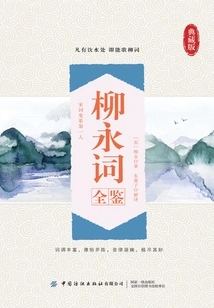
柳永词全鉴(典藏版)
(song Dynasty) Written By Liu Yong And Interpreted By Dong Lizi
Liu Yong (about 984-about 1053), whose original name was Sanbian, also named Jingzhuang, later changed his name to Liu Yong, also named Qiqing, also known as Liu Qi because he was ranked seventh, was a native of Chong'an, Fujian, a poet in the Northern Song Dynasty, and a representative figure of the Wanyue School. Liu Yong was born in a family of officials. He studied poetry when he was young and had ambitions to gain fame and serve the world. In the fifth year of Xianping (1002), Liu Yong left his hometown and lived in Hangzhou and Suzhou, indulging in the romantic life of listening to music, buying and laughing. In the first year of Dazhong Xiangfu (1008), Liu Yong went to Beijing to take part in the imperial examination, but failed repeatedly, so he devoted himself to writing lyrics. In the first year of Jingyou (1034), Liu Yong passed the throne in his later years. He successively served as Muzhou Tuanlian Tuanyan, Yuhang County Magistrate, Xiaofeng Salt Alkali, Sizhou Magistrate, etc. He became an official in the field as a wailang, and his old name was Liu Tuntian.
Liu Yong (about 984-about 1053), whose original name was Sanbian, also named Jingzhuang, later changed his name to Liu Yong, also named Qiqing, also known as Liu Qi because he was ranked seventh, was a native of Chong'an, Fujian, a poet in the Northern Song Dynasty, and a representative figure of the Wanyue School. Liu Yong was born in a family of officials. He studied poetry when he was young and had ambitions to gain fame and serve the world. In the fifth year of Xianping (1002), Liu Yong left his hometown and lived in Hangzhou and Suzhou, indulging in the romantic life of listening to music, buying and laughing. In the first year of Dazhong Xiangfu (1008), Liu Yong went to Beijing to take part in the imperial examination, but failed repeatedly, so he devoted himself to writing lyrics. In the first year of Jingyou (1034), Liu Yong passed the throne in his later years. He successively served as Muzhou Tuanlian Tuanyan, Yuhang County Magistrate, Xiaofeng Salt Alkali, Sizhou Magistrate, etc. He became an official in the field as a wailang, and his old name was Liu Tuntian.
S
S
My Memoirs
Literature我的回忆录
Xin Yanzhen
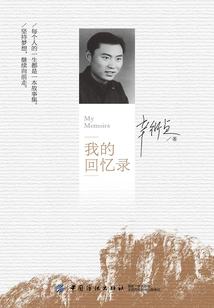
My memoir is a record of my life, a collection of stories. My life is like coffee with sugar, it tastes astringent and fragrant. In my more than 80 years of life, there have been picturesque scenery and rugged ditches and slopes along the way. Even if you fall down sometimes, you will bravely get up, pat the dirt off your body, hold on to your dream, and keep moving forward! I want to truly write down the joys, sorrows and joys of my life. Some people only talk about the success of passing the five passes to outsiders, and don't mention the disaster and leaving Maicheng. I don't shy away from the past. There are many things that I would rather explain clearly to myself than others. I want to show my true self in my autobiography, and I also hope that intimate readers will comment on it after reading it.
My memoir is a record of my life, a collection of stories. My life is like coffee with sugar, it tastes astringent and fragrant. In my more than 80 years of life, there have been picturesque scenery and rugged ditches and slopes along the way. Even if you fall down sometimes, you will bravely get up, pat the dirt off your body, hold on to your dream, and keep moving forward! I want to truly write down the joys, sorrows and joys of my life. Some people only talk about the success of passing the five passes to outsiders, and don't mention the disaster and leaving Maicheng. I don't shy away from the past. There are many things that I would rather explain clearly to myself than others. I want to show my true self in my autobiography, and I also hope that intimate readers will comment on it after reading it.
Invisible Seasons
Literature看不见的四季
Longping
"The Invisible Seasons" consists of two parts: an inner chapter and an outer chapter. It mostly writes about natural scenery. The author gives a philosophical explanation of nature and naturalism from the aspects of life and theory. The writing style is beautiful and fresh, and the objects described are more in line with the natural yearnings of today's urbanites; the text is short and exquisite, suitable for readers' reading habits.
"The Invisible Seasons" consists of two parts: an inner chapter and an outer chapter. It mostly writes about natural scenery. The author gives a philosophical explanation of nature and naturalism from the aspects of life and theory. The writing style is beautiful and fresh, and the objects described are more in line with the natural yearnings of today's urbanites; the text is short and exquisite, suitable for readers' reading habits.
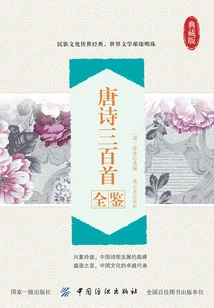
唐诗三百首全鉴
Pei Yunlong
"Three Hundred Tang Poems" provides annotations and appreciation for each poem in the famous Qing Dynasty anthology "Three Hundred Tang Poems". The annotation part includes an introduction to the author, creative background and poetry genre, as well as an analysis of all vocabulary. The appreciation part first includes a discussion of the overall meaning of the poem, and more importantly, a summary and comment on the aesthetic characteristics of the poem. Reading poetry, and even reading all literary works, requires a joint grasp from multiple dimensions. This is a step-by-step process.
"Three Hundred Tang Poems" provides annotations and appreciation for each poem in the famous Qing Dynasty anthology "Three Hundred Tang Poems". The annotation part includes an introduction to the author, creative background and poetry genre, as well as an analysis of all vocabulary. The appreciation part first includes a discussion of the overall meaning of the poem, and more importantly, a summary and comment on the aesthetic characteristics of the poem. Reading poetry, and even reading all literary works, requires a joint grasp from multiple dimensions. This is a step-by-step process.
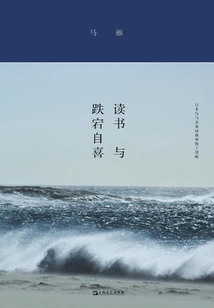
Reading and Ups and Downs
Literature读书与跌宕自喜
Ma Yan
"Reading and Ups and Downs of Joy" was the name Ma Yan proposed for his first collection of essays before his death. The introduction of the manuscript she wrote for herself is: Essays on reading life, focusing on ancient poetry and world literature, which focus on three themes: creative writing skills in the sense of style and pragmatics, the communication of reading aesthetic experience, and the inheritance of traditional Chinese culture. About thirty essays of less than 5,000 words are used to support each other and construct a rich reading life scene with personal aesthetic tendencies and intellectual characteristics. Through the author's unique knowledge background and theoretical structure, he shares a new reading vision and possibility with readers. The new edition not only restores the title of the book, but also restores all of Ma Yan's self-selected chapters and arrangement order, which may allow a new generation of readers to identify the true nature of Ma Yan's life before he encountered the accident. This is the first volume of this book. The remaining articles in the old edition, as the second volume, are classified as "outside the collection" and are arranged in the order of writing time. The third series is still a diary selection from the old version. "Ten years, although a short period of time, seems to be enough for both the dead and the living to shed their sorrowful and sad faces, and for a true life to be reborn from the ashes, as long as her poems and words are still joyful in the hearts of countless readers who don't know her."
"Reading and Ups and Downs of Joy" was the name Ma Yan proposed for his first collection of essays before his death. The introduction of the manuscript she wrote for herself is: Essays on reading life, focusing on ancient poetry and world literature, which focus on three themes: creative writing skills in the sense of style and pragmatics, the communication of reading aesthetic experience, and the inheritance of traditional Chinese culture. About thirty essays of less than 5,000 words are used to support each other and construct a rich reading life scene with personal aesthetic tendencies and intellectual characteristics. Through the author's unique knowledge background and theoretical structure, he shares a new reading vision and possibility with readers. The new edition not only restores the title of the book, but also restores all of Ma Yan's self-selected chapters and arrangement order, which may allow a new generation of readers to identify the true nature of Ma Yan's life before he encountered the accident. This is the first volume of this book. The remaining articles in the old edition, as the second volume, are classified as "outside the collection" and are arranged in the order of writing time. The third series is still a diary selection from the old version. "Ten years, although a short period of time, seems to be enough for both the dead and the living to shed their sorrowful and sad faces, and for a true life to be reborn from the ashes, as long as her poems and words are still joyful in the hearts of countless readers who don't know her."
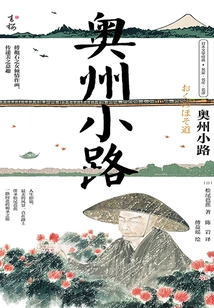
Oshu Alley
Literature奥州小路
H
In the second year of Genroku (1689), Basho left Edo, accompanied by his disciple Kawai Soryo, and traveled around Ou and Hokuriku on foot for 5 months, covering a distance of about 2,350 kilometers, and finally arrived in Ogaki. He recorded what he saw, heard, felt, and realized in exquisite writing, and compiled it into a book - "Oshu Trail" in the form of prose and haiku. It pushes the theory of "not easy to become popular" advocated by Matsuo Basho to the extreme, and is also the pinnacle of ancient Japanese travel literature.
In the second year of Genroku (1689), Basho left Edo, accompanied by his disciple Kawai Soryo, and traveled around Ou and Hokuriku on foot for 5 months, covering a distance of about 2,350 kilometers, and finally arrived in Ogaki. He recorded what he saw, heard, felt, and realized in exquisite writing, and compiled it into a book - "Oshu Trail" in the form of prose and haiku. It pushes the theory of "not easy to become popular" advocated by Matsuo Basho to the extreme, and is also the pinnacle of ancient Japanese travel literature.
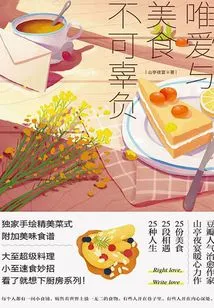
唯爱与美食不可辜负
Shanting Night Banquet
With the theme of love and food, this book tells a total of 25 kinds of food and the stories behind them. The author uses cakes, desserts, pasta, date palm roasted chicken, curry sauce meat, spicy crayfish and other foods as carriers to integrate various life emotions and trigger readers' experience of current life conditions from food culture: desire, struggle, sentimentality, loneliness and happiness. Sweet, sour, bitter, spicy, and full of flavors. This is a book about gourmet food and a journey of tasting life.
With the theme of love and food, this book tells a total of 25 kinds of food and the stories behind them. The author uses cakes, desserts, pasta, date palm roasted chicken, curry sauce meat, spicy crayfish and other foods as carriers to integrate various life emotions and trigger readers' experience of current life conditions from food culture: desire, struggle, sentimentality, loneliness and happiness. Sweet, sour, bitter, spicy, and full of flavors. This is a book about gourmet food and a journey of tasting life.
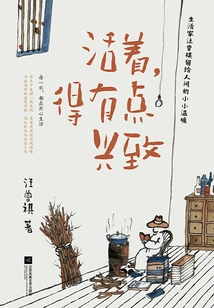
To Live, You Have to Have Some Interest
Literature活着,得有点兴致
Wang Zengqi
This book is a collection of Wang Zengqi's prose works. The whole book shows Wang Zengqi's colorful life and attitude towards life from four angles. Divided into four chapters, "Plants and Plants in the World" contains articles about vegetation such as "Garden" and "Vitality", each of which is classic; "Food in Four Directions" contains articles about food such as "Five Flavors" and "Home-cooked Wine and Dishes", leading readers to experience a gluttonous feast; "Enjoy yourself" It includes articles about calligraphy and painting and other interests such as "Writing" and "Looking at Paintings" to show Wang Zengqi's world of interests; "My World" includes articles about past experiences such as "Chinese Department of Southwest Associated University" and "My World" to recall Wang Zengqi's hometown, teachers, relatives and friends.
This book is a collection of Wang Zengqi's prose works. The whole book shows Wang Zengqi's colorful life and attitude towards life from four angles. Divided into four chapters, "Plants and Plants in the World" contains articles about vegetation such as "Garden" and "Vitality", each of which is classic; "Food in Four Directions" contains articles about food such as "Five Flavors" and "Home-cooked Wine and Dishes", leading readers to experience a gluttonous feast; "Enjoy yourself" It includes articles about calligraphy and painting and other interests such as "Writing" and "Looking at Paintings" to show Wang Zengqi's world of interests; "My World" includes articles about past experiences such as "Chinese Department of Southwest Associated University" and "My World" to recall Wang Zengqi's hometown, teachers, relatives and friends.
Selected Works of Chen Duxiu
Literature陈独秀文选
Chen Duxiu
Chen Duxiu was the spiritual leader of the May Fourth Movement and one of the advocates of the New Culture Movement. He founded the famous vernacular publication "New Youth". "Selected Works of Chen Duxiu" is one of the "Classic Paper Reading" series. The editor has selected the best articles from seven categories of Chen Duxiu's articles on the New Culture Movement, miscellaneous essays, culture, education, political commentary, characters, and literature, so that readers can appreciate and study Chen Duxiu's articles and feel the light of his thought and wisdom.
Chen Duxiu was the spiritual leader of the May Fourth Movement and one of the advocates of the New Culture Movement. He founded the famous vernacular publication "New Youth". "Selected Works of Chen Duxiu" is one of the "Classic Paper Reading" series. The editor has selected the best articles from seven categories of Chen Duxiu's articles on the New Culture Movement, miscellaneous essays, culture, education, political commentary, characters, and literature, so that readers can appreciate and study Chen Duxiu's articles and feel the light of his thought and wisdom.
陈独秀通信集·第三卷(1932-1942)
Chen Duxiu
This book collects Chen Duxiu's correspondence from 1923 to 1932, organized along the lines of time. The contents include: the New Culture Movement that advocated democratic revolution and opposed feudalism; the theoretical activities of spreading Marxism and discussing party building; views on the first domestic revolution and the current situation of the Anti-Japanese War, etc.
This book collects Chen Duxiu's correspondence from 1923 to 1932, organized along the lines of time. The contents include: the New Culture Movement that advocated democratic revolution and opposed feudalism; the theoretical activities of spreading Marxism and discussing party building; views on the first domestic revolution and the current situation of the Anti-Japanese War, etc.
陈独秀通信集·第一卷(1915-1922)
Chen Duxiu
This book collects Chen Duxiu's correspondence from 1923 to 1933, organized along the lines of time. The contents include: the New Culture Movement that advocated democratic revolution and opposed feudalism; the theoretical activities of spreading Marxism and discussing party building; views on the first domestic revolution and the current situation of the Anti-Japanese War, etc.
This book collects Chen Duxiu's correspondence from 1923 to 1933, organized along the lines of time. The contents include: the New Culture Movement that advocated democratic revolution and opposed feudalism; the theoretical activities of spreading Marxism and discussing party building; views on the first domestic revolution and the current situation of the Anti-Japanese War, etc.
Collected Works of Chen Duxiu (part 2)
Literature陈独秀文集(下)
Chen Duxiu
"Collected Works of Chen Duxiu (Volume 1-4) (set of 4 volumes in total)" compiles most of the manuscripts and other literature materials published by Chen Duxiu, and will be the most complete collection of literature on Chen Duxiu in China. "Collected Works of Chen Duxiu (Volume 1-4) (set of 4 volumes in total)" is one of the series of books in the "Pioneer Leaders Library of the Communist Party of China" series launched by the People's Publishing House on the 61st anniversary of the founding of the People's Republic of China. This series is of great significance to the study of the history of the Communist Party of China, the promotion of the sinicization, modernization and popularization of Marxism, the construction of the socialist core value system, and the construction of a culturally powerful socialist country with Chinese characteristics. It has been listed as a national publishing fund project and a national key book planning project during the 12th Five-Year Plan.
"Collected Works of Chen Duxiu (Volume 1-4) (set of 4 volumes in total)" compiles most of the manuscripts and other literature materials published by Chen Duxiu, and will be the most complete collection of literature on Chen Duxiu in China. "Collected Works of Chen Duxiu (Volume 1-4) (set of 4 volumes in total)" is one of the series of books in the "Pioneer Leaders Library of the Communist Party of China" series launched by the People's Publishing House on the 61st anniversary of the founding of the People's Republic of China. This series is of great significance to the study of the history of the Communist Party of China, the promotion of the sinicization, modernization and popularization of Marxism, the construction of the socialist core value system, and the construction of a culturally powerful socialist country with Chinese characteristics. It has been listed as a national publishing fund project and a national key book planning project during the 12th Five-Year Plan.
戴望舒诗全集
Dai Wangshu
As the "Rain Alley Poet", Dai Wangshu is a household name. He is a dazzling star in the sky of China's new poetry country. His poems are as gentle and submerged as dreams, as clear and bright as stars. Many of his works have been selected into middle school Chinese textbooks, and his collection of poems has become required reading in the new curriculum. "The Complete Poems of Dai Wangshu" contains all of Dai Wangshu's poems + all translated poems. It not only includes a legendary poet and all his legendary poems, but also includes precious translations of Hugo, Pushkin, Yesenin, Baudelaire, Lorca and other masters. It is a complete collection of poems that fully demonstrates Dai Wangshu's creative trajectory, artistic style and translation achievements.
As the "Rain Alley Poet", Dai Wangshu is a household name. He is a dazzling star in the sky of China's new poetry country. His poems are as gentle and submerged as dreams, as clear and bright as stars. Many of his works have been selected into middle school Chinese textbooks, and his collection of poems has become required reading in the new curriculum. "The Complete Poems of Dai Wangshu" contains all of Dai Wangshu's poems + all translated poems. It not only includes a legendary poet and all his legendary poems, but also includes precious translations of Hugo, Pushkin, Yesenin, Baudelaire, Lorca and other masters. It is a complete collection of poems that fully demonstrates Dai Wangshu's creative trajectory, artistic style and translation achievements.
Chen Duxiu's Essays
Literature陈独秀杂文集
Chen Duxiu
This book is a collection of his essays, covering many aspects: talking about Chinese studies, advocating democratic revolution, and opposing the New Culture Movement of feudalism; spreading Marxism and discussing theoretical activities on party building; his views on the first domestic revolution and the current situation of the Anti-Japanese War, etc.
This book is a collection of his essays, covering many aspects: talking about Chinese studies, advocating democratic revolution, and opposing the New Culture Movement of feudalism; spreading Marxism and discussing theoretical activities on party building; his views on the first domestic revolution and the current situation of the Anti-Japanese War, etc.
Dai Wangshu's Poems and Essays
Literature戴望舒诗文集
Dai Wangshu
"Dai Wangshu Poetry Collection/Collection" selects Dai Wangshu's representative poems, translated poems and some prose and literary criticism, basically covering the essence of Dai Wangshu's works. It not only helps to understand Dai Wangshu's works and writing characteristics, but also helps to form a comprehensive and systematic understanding of the works of many famous foreign poets, and feel the charm of poetry from them.
"Dai Wangshu Poetry Collection/Collection" selects Dai Wangshu's representative poems, translated poems and some prose and literary criticism, basically covering the essence of Dai Wangshu's works. It not only helps to understand Dai Wangshu's works and writing characteristics, but also helps to form a comprehensive and systematic understanding of the works of many famous foreign poets, and feel the charm of poetry from them.
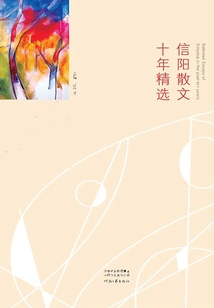
Selections of Xinyang Prose in Ten Years
Literature信阳散文十年精选
Editor-in-chief Hu Yacai
"Selected Prose of Xinyang for Ten Years" is a collection of fine works selected from the annual prose selection of Xinyang for ten years, with more than 80 articles. It is a group of Xinyang prose achievements, including more than 80 people including Chen Youcai, Chen Junfeng, Hu Yacai, Yang Binglin, Sui Sui, Tian Jun and Wen Qing. The creations of this group are mature and steady, and each has its own style in art. "Ten Years' Selection of Xinyang Prose" has rich and extensive themes and diverse writing techniques. It is a summary of Xinyang's prose creation in the past ten years. The overall artistic style: rich in content, rich in regional characteristics, full of a subtle and eager, warm and strong appeal. It is a text with both artistic quality and literary and historical value.
"Selected Prose of Xinyang for Ten Years" is a collection of fine works selected from the annual prose selection of Xinyang for ten years, with more than 80 articles. It is a group of Xinyang prose achievements, including more than 80 people including Chen Youcai, Chen Junfeng, Hu Yacai, Yang Binglin, Sui Sui, Tian Jun and Wen Qing. The creations of this group are mature and steady, and each has its own style in art. "Ten Years' Selection of Xinyang Prose" has rich and extensive themes and diverse writing techniques. It is a summary of Xinyang's prose creation in the past ten years. The overall artistic style: rich in content, rich in regional characteristics, full of a subtle and eager, warm and strong appeal. It is a text with both artistic quality and literary and historical value.
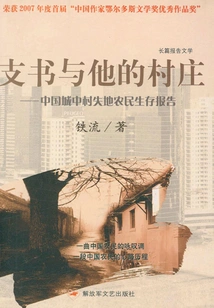
Party Secretary and His Village: a Survival Report of Landless Farmers in China's Urban Villages
Literature支书与他的村庄:中国城中村失地农民生存报告
Tieliu
With vivid and simple language, touching and fascinating twists and turns, this book vividly reflects the difficult journey of Gao Xinmin, the village party secretary, who led the villagers to face various contradictions, confusions and entanglements when they lost their land, successfully completed self-rescue, and finally integrated from the countryside into the city through the anatomy of a village in the city. In this long documentary literature, the village described by the writer is actually a microcosm of the rise and fall of the entire Chinese countryside.
With vivid and simple language, touching and fascinating twists and turns, this book vividly reflects the difficult journey of Gao Xinmin, the village party secretary, who led the villagers to face various contradictions, confusions and entanglements when they lost their land, successfully completed self-rescue, and finally integrated from the countryside into the city through the anatomy of a village in the city. In this long documentary literature, the village described by the writer is actually a microcosm of the rise and fall of the entire Chinese countryside.