Library
Browse and search novels
25,917 novels found
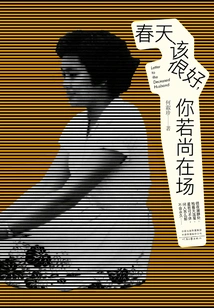
春天该很好,你若尚在场
He Shuzhen
A Chinese version of "The Fruit of Life" explores the treasures of love hidden in the long river of time through 42 letters written by Ms. He Shuzhen, the mother of Chua Lam's illustrator Su Meilu, who misses her late husband. The trivial experiences in life, the countless scenery throughout the year, and the small trees planted in the garden during her lifetime have all become indelible witnesses of 53 years of love through the writing of He Shuzhen. This book restores to us a pure love story that is not changed by time or changes in time and space, which is especially precious and shocking in today's era and world.
A Chinese version of "The Fruit of Life" explores the treasures of love hidden in the long river of time through 42 letters written by Ms. He Shuzhen, the mother of Chua Lam's illustrator Su Meilu, who misses her late husband. The trivial experiences in life, the countless scenery throughout the year, and the small trees planted in the garden during her lifetime have all become indelible witnesses of 53 years of love through the writing of He Shuzhen. This book restores to us a pure love story that is not changed by time or changes in time and space, which is especially precious and shocking in today's era and world.
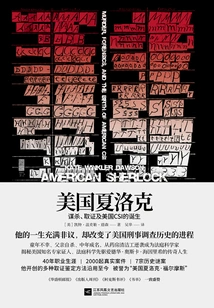
美国夏洛克:谋杀、取证及美国CSI的诞生
(us) Kate Winkler Dawson
Back in 1933, in the Berkeley Hills of California, there was a private laboratory filled with rare objects - beakers, microscopes, Bunsen burners and hundreds of books... The owner of the laboratory was Edward Oscar Heinrich, the pioneer of forensic science in the United States. Heinrich was America's first expert witness and solved at least 2,000 cases during his 40-year career. He is good at finding clues, establishing evidence, and deducing the correct answer with a seemingly super-powerful thinking technique. He also pioneered many forensic identification methods that are still in use today, such as blood stain analysis, ballistic analysis, latent fingerprint extraction and analysis, etc., Permanently changing the way criminal investigations are conducted, and is known as the "American Sherlock Holmes". This book combines real cases, scientific investigation, and insights into human nature, recreating that era when technology was far less developed than modern times. Heinrich's great wisdom allows us to understand his profound impact on crime scene investigation and the legal system, examine the chaotic history of criminal investigation, and glimpse the difficult birth of forensic science.
Back in 1933, in the Berkeley Hills of California, there was a private laboratory filled with rare objects - beakers, microscopes, Bunsen burners and hundreds of books... The owner of the laboratory was Edward Oscar Heinrich, the pioneer of forensic science in the United States. Heinrich was America's first expert witness and solved at least 2,000 cases during his 40-year career. He is good at finding clues, establishing evidence, and deducing the correct answer with a seemingly super-powerful thinking technique. He also pioneered many forensic identification methods that are still in use today, such as blood stain analysis, ballistic analysis, latent fingerprint extraction and analysis, etc., Permanently changing the way criminal investigations are conducted, and is known as the "American Sherlock Holmes". This book combines real cases, scientific investigation, and insights into human nature, recreating that era when technology was far less developed than modern times. Heinrich's great wisdom allows us to understand his profound impact on crime scene investigation and the legal system, examine the chaotic history of criminal investigation, and glimpse the difficult birth of forensic science.
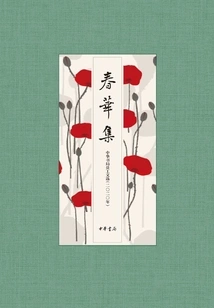
春华集:中华书局员工文选(2020年)
Zhonghua Book Company
Collects articles created or written by Zhonghua Book Company employees in 2020, divided into seven parts: Editor's Notes, Inside and Outside the Book, Learning in the Forest, Learning in the Sea, Art and Literature Collection, Publishing and Branding, and Special Articles, with a total of 42 articles. For example, editor's notes, Fu Ke's "Into the 2019 "Chinese Good Books"". Inside and outside the book, Ma Jing's "The Best of the Three Histories of Yuanxiu" is written by Ma Jing. "Wang Boxiang: The Daily Life of a Book Editor during the Republic of China" by Xue Lin Sanye and Du Yanru. Baichuan Xuehai, Yu Guolin's "The Complete Writing and Its Additions, Deletions and Adaptations". In a gathering of arts and literature, Song Fengdi's "The Rolling Yangtze River Passes East, Who Hasn't Been Washed Out by the Waves?" >>. Publishing and Branding, Zhang Yuliang's "A Preliminary Discussion on the Discovery and Research of Publishing Historical Materials in the Era of Technological Change: Taking Zhonghua Book Company as an Example". Special article, Zhao Shengliang's "Days at Zhonghua Book Company", etc.
Collects articles created or written by Zhonghua Book Company employees in 2020, divided into seven parts: Editor's Notes, Inside and Outside the Book, Learning in the Forest, Learning in the Sea, Art and Literature Collection, Publishing and Branding, and Special Articles, with a total of 42 articles. For example, editor's notes, Fu Ke's "Into the 2019 "Chinese Good Books"". Inside and outside the book, Ma Jing's "The Best of the Three Histories of Yuanxiu" is written by Ma Jing. "Wang Boxiang: The Daily Life of a Book Editor during the Republic of China" by Xue Lin Sanye and Du Yanru. Baichuan Xuehai, Yu Guolin's "The Complete Writing and Its Additions, Deletions and Adaptations". In a gathering of arts and literature, Song Fengdi's "The Rolling Yangtze River Passes East, Who Hasn't Been Washed Out by the Waves?" >>. Publishing and Branding, Zhang Yuliang's "A Preliminary Discussion on the Discovery and Research of Publishing Historical Materials in the Era of Technological Change: Taking Zhonghua Book Company as an Example". Special article, Zhao Shengliang's "Days at Zhonghua Book Company", etc.
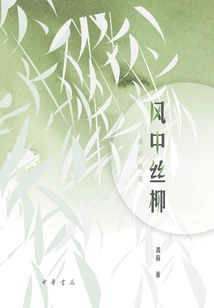
Willows in the Wind: Essays by Gong Li
Literature风中丝柳:龚莉随笔
Gong Li
This book is in the form of an essay, divided into three parts, introducing readers to what the author has seen, felt and thought in his work, travels and life. The writing style is plain and friendly, and it narrates the life journey of a female writer. Just as the author said: Micro thoughts, micro thoughts, micro words, micro deeds, and even micro articles, those ordinary, trivial, and small things that happen every moment, like thousands of willow silks swaying in the wind, describe the vivid and rich appearance of the world.
This book is in the form of an essay, divided into three parts, introducing readers to what the author has seen, felt and thought in his work, travels and life. The writing style is plain and friendly, and it narrates the life journey of a female writer. Just as the author said: Micro thoughts, micro thoughts, micro words, micro deeds, and even micro articles, those ordinary, trivial, and small things that happen every moment, like thousands of willow silks swaying in the wind, describe the vivid and rich appearance of the world.
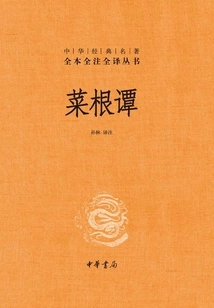
菜根谭(中华经典名著全本全注全译丛书)
Translation And Annotation By Sun Lin
"Cai Gen Tan" is a collection of clear-spoken short pieces that integrate Confucianism, Buddhism and Taoism, with mind science and Zen as the core, integrating life wisdom and self-cultivation. The title of the book is "Caigen", which means "If a person often bites the vegetable root, he can do everything", which means that only through tempering and tempering in life can one create perfect moral character and talent. The book uses both parallel and prose writing techniques and aphorisms to express Hong Yingming's profound understanding and understanding of self-cultivation, life, dealing with people, and objects. The book not only advocates the enterprising spirit of being active in the world and caring about the world, but also advocates the reclusive purpose of getting close to nature and leisurely wandering in the woods and springs. It also advocates the understanding of Zen and the transcendent realm of emptiness and purity. For readers who love traditional Chinese culture, this book can provide useful inspirations on how to behave, cultivate one's character, and survive in the workplace. For business operators, it can provide practical guidance on selecting talents, running a business, and providing practical guidance on how to improve managers' abilities.
"Cai Gen Tan" is a collection of clear-spoken short pieces that integrate Confucianism, Buddhism and Taoism, with mind science and Zen as the core, integrating life wisdom and self-cultivation. The title of the book is "Caigen", which means "If a person often bites the vegetable root, he can do everything", which means that only through tempering and tempering in life can one create perfect moral character and talent. The book uses both parallel and prose writing techniques and aphorisms to express Hong Yingming's profound understanding and understanding of self-cultivation, life, dealing with people, and objects. The book not only advocates the enterprising spirit of being active in the world and caring about the world, but also advocates the reclusive purpose of getting close to nature and leisurely wandering in the woods and springs. It also advocates the understanding of Zen and the transcendent realm of emptiness and purity. For readers who love traditional Chinese culture, this book can provide useful inspirations on how to behave, cultivate one's character, and survive in the workplace. For business operators, it can provide practical guidance on selecting talents, running a business, and providing practical guidance on how to improve managers' abilities.
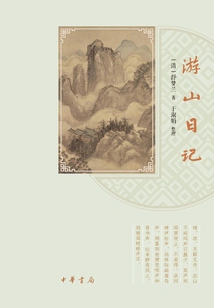
Mountain Travel Diary
Literature游山日记
(qing Dynasty) Written By Shu Menglan And Compiled By Yu Shujuan
"Diary of a Mountain Tour" was praised by Lin Yutang as a "model diary", and he wrote a 5,000-word article "How to Read "Diary of a Mountain Tour"", pointing out its advantages one by one, and highly praised it. This book has a total of 12 volumes. The first 10 volumes are called "Tianxiang Essays", which are the diary written by Shu Menglan during his one hundred days of traveling in Lushan during the Jiaqing period; the last two volumes are called "Tianxiang Manuscripts", which are the poems and poems written during this period. The seriousness of the diary is mixed with humor, and the writing is like flowing clouds and flowing water. It is humorous but not bitter. It is the best sketch and the best humor. Now we use the Shanghai Library's collection of the Jiaqing 10th year edition as the base, refer to relevant documents for proofreading, and arrange it into simplified Chinese characters for the convenience of readers. At the back of the book are attached the preface of the original edition, the preface by the author of Zhou in the 1936 edition, Lin Yutang's "Reading of "Mountain Travel Diary"", Zhou Shao's postscript, etc. Here, readers can know the whole story and the subtle interest of this book.
"Diary of a Mountain Tour" was praised by Lin Yutang as a "model diary", and he wrote a 5,000-word article "How to Read "Diary of a Mountain Tour"", pointing out its advantages one by one, and highly praised it. This book has a total of 12 volumes. The first 10 volumes are called "Tianxiang Essays", which are the diary written by Shu Menglan during his one hundred days of traveling in Lushan during the Jiaqing period; the last two volumes are called "Tianxiang Manuscripts", which are the poems and poems written during this period. The seriousness of the diary is mixed with humor, and the writing is like flowing clouds and flowing water. It is humorous but not bitter. It is the best sketch and the best humor. Now we use the Shanghai Library's collection of the Jiaqing 10th year edition as the base, refer to relevant documents for proofreading, and arrange it into simplified Chinese characters for the convenience of readers. At the back of the book are attached the preface of the original edition, the preface by the author of Zhou in the 1936 edition, Lin Yutang's "Reading of "Mountain Travel Diary"", Zhou Shao's postscript, etc. Here, readers can know the whole story and the subtle interest of this book.
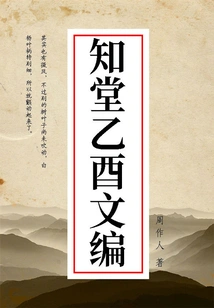
周作人经典作品:知堂乙酉文编
Zhou Zuoren
"Zhitang Yiyou Wenbian" was originally part of the original manuscript of Zhou Zuoren's "Yiyou Wenbian". Mr. Cao Juren traveled to the north to visit, and Zhou Zuoren came out to show his respect. Later, Cao took him to Hong Kong and published several articles in magazines. Later, it was collected and printed into a volume, namely "Past Work". For the remaining part, he compiled and published it, using the title of Yiyou Wenbian. Most of the content in this book was written in the late 1940s, including the customs and famous things that Zhou Zuoren always liked to talk about. It is comprehensive and far-reaching. The few articles that talk about famous objects and folk customs may not have much importance here, but some readers prefer these.
"Zhitang Yiyou Wenbian" was originally part of the original manuscript of Zhou Zuoren's "Yiyou Wenbian". Mr. Cao Juren traveled to the north to visit, and Zhou Zuoren came out to show his respect. Later, Cao took him to Hong Kong and published several articles in magazines. Later, it was collected and printed into a volume, namely "Past Work". For the remaining part, he compiled and published it, using the title of Yiyou Wenbian. Most of the content in this book was written in the late 1940s, including the customs and famous things that Zhou Zuoren always liked to talk about. It is comprehensive and far-reaching. The few articles that talk about famous objects and folk customs may not have much importance here, but some readers prefer these.
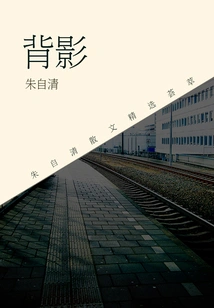
Zhu Ziqing's Classic Work: Back View
Literature朱自清经典作品:背影
Zhu Ziqing
Zhu Ziqing's prose creations range from delicate and meaningful to simple and plump to radical and profound, bearing the distinct mark of the times and showing his unique artistic style and aesthetic taste. "Back View" is an anthology of prose written by Mr. Zhu Ziqing. This anthology includes 12 works including "Back View", "Preface", "To the Dead Wife", "You and Me", "Talk about Smoking", "Winter", "Choose a Mate", "Nanjing", "Ye Shengtao's Short Stories", "Civilization on the Ship", "A Sorrow for the Three Lords of Wei Jie" and "Traces of Wenzhou", among which the most famous one is "Back View".
Zhu Ziqing's prose creations range from delicate and meaningful to simple and plump to radical and profound, bearing the distinct mark of the times and showing his unique artistic style and aesthetic taste. "Back View" is an anthology of prose written by Mr. Zhu Ziqing. This anthology includes 12 works including "Back View", "Preface", "To the Dead Wife", "You and Me", "Talk about Smoking", "Winter", "Choose a Mate", "Nanjing", "Ye Shengtao's Short Stories", "Civilization on the Ship", "A Sorrow for the Three Lords of Wei Jie" and "Traces of Wenzhou", among which the most famous one is "Back View".
Zhu Ziqing's Classic Work: Hurry
Literature朱自清经典作品:匆匆
Zhu Ziqing
Zhu Ziqing's prose creations range from delicate and meaningful to simple and plump to radical and profound, bearing the distinct mark of the times and showing his unique artistic style and aesthetic taste. "Hurry" is a collection of Zhu Ziqing's prose collections, which includes Zhu Ziqing's "Hurry", "Singing", "Qinhuai River in the Shadow of Oars and Lights", "Green", "Price of Life - Seven Cents", "Woman", "A River", "Drifting", "Moonlight in the Lotus Pond", "A Letter", "Children", "Summer in Yangzhou", "Looking at Flowers" and "The Ye Shengtao I Saw". Among them, "Hurry" and "Green" have also been included in Chinese teaching materials.
Zhu Ziqing's prose creations range from delicate and meaningful to simple and plump to radical and profound, bearing the distinct mark of the times and showing his unique artistic style and aesthetic taste. "Hurry" is a collection of Zhu Ziqing's prose collections, which includes Zhu Ziqing's "Hurry", "Singing", "Qinhuai River in the Shadow of Oars and Lights", "Green", "Price of Life - Seven Cents", "Woman", "A River", "Drifting", "Moonlight in the Lotus Pond", "A Letter", "Children", "Summer in Yangzhou", "Looking at Flowers" and "The Ye Shengtao I Saw". Among them, "Hurry" and "Green" have also been included in Chinese teaching materials.
朱自清经典作品:欧游杂记
Zhu Ziqing
Zhu Ziqing studied in the United Kingdom in 1931 and traveled around Europe. After returning to China, he wrote "Miscellaneous Notes on Travels in Europe", which contains 11 travel notes in total, including: Venice, Florence, the Old City of Penpei in Rome, Switzerland, the Netherlands, Berlin, Drisden, the Rhine River, Paris, and Westbound Correspondence. Among them, "Westward Newsletter" is the appendix. This book is a travel note by Chinese writer Zhu Ziqing. Its writing style is delicate and euphemistic, its language is exquisitely crafted, and its ideas are novel and unique. It creates a kind of beauty of interest, scenery, and gentleness, which can be called a model of beautiful Chinese vernacular writing.
Zhu Ziqing studied in the United Kingdom in 1931 and traveled around Europe. After returning to China, he wrote "Miscellaneous Notes on Travels in Europe", which contains 11 travel notes in total, including: Venice, Florence, the Old City of Penpei in Rome, Switzerland, the Netherlands, Berlin, Drisden, the Rhine River, Paris, and Westbound Correspondence. Among them, "Westward Newsletter" is the appendix. This book is a travel note by Chinese writer Zhu Ziqing. Its writing style is delicate and euphemistic, its language is exquisitely crafted, and its ideas are novel and unique. It creates a kind of beauty of interest, scenery, and gentleness, which can be called a model of beautiful Chinese vernacular writing.
经典诗文总集:昭明文选(五)
Xiao Tong
"Selected Works of Zhaoming", also known as "Selected Works", is an earlier collection of poems and essays in China. It contains more than 700 poems and essays by more than 130 authors from the Zhou Dynasty to the Six Dynasties before Liang Dynasty. It was compiled and selected by Xiao Tong, the eldest son of Emperor Wu of Liang Dynasty in the Southern Dynasties. The content of this book can be roughly divided into three major categories: Fu, poetry, and essays, which are further divided into 38 subcategories. His rigorous selection of materials and attention to vocabulary have made a clear distinction between literature and history in China since the pre-Qin Dynasty. "Selected Works of Zhaoming" carefully selects materials and pays attention to vocabulary, and most of the selected works are elegant. In the eyes of literati in the past, it has always been regarded as a textbook of literature and a must-read book for scholars. It has been circulated for more than a thousand years. Fu and poems account for the largest proportion in this book. According to content, Fu is divided into 15 categories such as Kyoto, Suburban Sacrifice, and Farming Books, and poetry is divided into 23 categories such as Compensating for Death, Describing Virtue, and Encouragement. This classification reflects Xiao Tong's theoretical views on the development of ancient literature, especially the classification and origin of genres, and reflects that stylistic analysis has entered a very detailed stage at that time. Due to the advantages of "Selected Works" itself, its influence is far deeper and wider than other collections of poems of the same type. In the Tang Dynasty, poetry was used to select scholars, and the literature of the Tang Dynasty had a close inheritance relationship with the literature of the Six Dynasties. Therefore, "Selected Works" became the most appropriate model for people to learn poetry and poetry, even alongside the classics and biographies.
"Selected Works of Zhaoming", also known as "Selected Works", is an earlier collection of poems and essays in China. It contains more than 700 poems and essays by more than 130 authors from the Zhou Dynasty to the Six Dynasties before Liang Dynasty. It was compiled and selected by Xiao Tong, the eldest son of Emperor Wu of Liang Dynasty in the Southern Dynasties. The content of this book can be roughly divided into three major categories: Fu, poetry, and essays, which are further divided into 38 subcategories. His rigorous selection of materials and attention to vocabulary have made a clear distinction between literature and history in China since the pre-Qin Dynasty. "Selected Works of Zhaoming" carefully selects materials and pays attention to vocabulary, and most of the selected works are elegant. In the eyes of literati in the past, it has always been regarded as a textbook of literature and a must-read book for scholars. It has been circulated for more than a thousand years. Fu and poems account for the largest proportion in this book. According to content, Fu is divided into 15 categories such as Kyoto, Suburban Sacrifice, and Farming Books, and poetry is divided into 23 categories such as Compensating for Death, Describing Virtue, and Encouragement. This classification reflects Xiao Tong's theoretical views on the development of ancient literature, especially the classification and origin of genres, and reflects that stylistic analysis has entered a very detailed stage at that time. Due to the advantages of "Selected Works" itself, its influence is far deeper and wider than other collections of poems of the same type. In the Tang Dynasty, poetry was used to select scholars, and the literature of the Tang Dynasty had a close inheritance relationship with the literature of the Six Dynasties. Therefore, "Selected Works" became the most appropriate model for people to learn poetry and poetry, even alongside the classics and biographies.
周作人经典作品:永日集
Zhou Zuoren
Zhou Zuoren's prose style is peaceful and tranquil, clear and elegant, and his essays are leisurely, humorous, and quaint. However, the two topics he discusses in his articles are always literature and current affairs. The articles in "Yongri Collection" are written around the author's writing themes - literature and current affairs. They are the author's continuation or in-depth thinking on these two aspects, reflecting his anti-ethical thoughts and humanitarian spirit, and showing the depth of Zhou Zuoren's thoughts and the beauty of his articles.
Zhou Zuoren's prose style is peaceful and tranquil, clear and elegant, and his essays are leisurely, humorous, and quaint. However, the two topics he discusses in his articles are always literature and current affairs. The articles in "Yongri Collection" are written around the author's writing themes - literature and current affairs. They are the author's continuation or in-depth thinking on these two aspects, reflecting his anti-ethical thoughts and humanitarian spirit, and showing the depth of Zhou Zuoren's thoughts and the beauty of his articles.
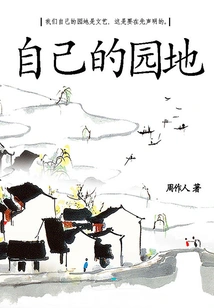
周作人经典作品:自己的园地
Zhou Zuoren
"My Own Garden" was originally compiled in 1923 and contains 18 chapters of "My Own Garden", 15 chapters of "Oasis", and 20 essays. Later, it was re-edited, retaining the two parts "My Own Garden" and "Oasis", completely removing the essays, and adding 23 "Tea Talks" for a total of fifty-six articles, still collectively called "My Own Garden". "My Own Garden" established Zhou Zuoren's position in the history of Chinese literary criticism and established the cornerstone of China's new literary criticism.
"My Own Garden" was originally compiled in 1923 and contains 18 chapters of "My Own Garden", 15 chapters of "Oasis", and 20 essays. Later, it was re-edited, retaining the two parts "My Own Garden" and "Oasis", completely removing the essays, and adding 23 "Tea Talks" for a total of fifty-six articles, still collectively called "My Own Garden". "My Own Garden" established Zhou Zuoren's position in the history of Chinese literary criticism and established the cornerstone of China's new literary criticism.
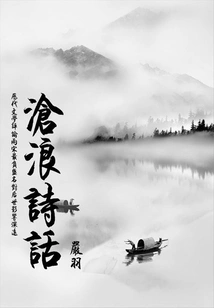
文学经典必读:沧浪诗话
Yan Yu
This book is a book on ancient Chinese poetry theory and poetic aesthetics written by Yan Yu. It was written approximately during the Shaoding and Chunyou years of Lizong in the Southern Song Dynasty. Yan Yu was a famous poetry critic in the late Southern Song Dynasty. This book is divided into five chapters: "Poetry Analysis", "Poetry Style", "Poetry Method", "Poetry Criticism" and "Critical Research", combined into one volume. This book has been further improved in terms of systematicity and theory, and has basically changed the characteristics of the early "Poetic Talks": "chatting with a casual mind" after dinner. It is the most famous poetic talk in the entire Song Dynasty and has a profound influence on later generations.
This book is a book on ancient Chinese poetry theory and poetic aesthetics written by Yan Yu. It was written approximately during the Shaoding and Chunyou years of Lizong in the Southern Song Dynasty. Yan Yu was a famous poetry critic in the late Southern Song Dynasty. This book is divided into five chapters: "Poetry Analysis", "Poetry Style", "Poetry Method", "Poetry Criticism" and "Critical Research", combined into one volume. This book has been further improved in terms of systematicity and theory, and has basically changed the characteristics of the early "Poetic Talks": "chatting with a casual mind" after dinner. It is the most famous poetic talk in the entire Song Dynasty and has a profound influence on later generations.
经典诗文总集:昭明文选(四)
Xiao Tong
"Selected Works of Zhaoming", also known as "Selected Works", is an earlier collection of poems and essays in China. It contains more than 700 poems and essays by more than 130 authors from the Zhou Dynasty to the Six Dynasties before Liang Dynasty. It was compiled and selected by Xiao Tong, the eldest son of Emperor Wu of Liang Dynasty in the Southern Dynasties. The content of this book can be roughly divided into three major categories: Fu, poetry, and essays, which are further divided into 38 subcategories. His rigorous selection of materials and attention to vocabulary have made a clear distinction between literature and history in China since the pre-Qin Dynasty. "Selected Works of Zhaoming" carefully selects materials and pays attention to vocabulary, and most of the selected works are elegant. In the eyes of literati in the past, it has always been regarded as a textbook of literature and a must-read book for scholars. It has been circulated for more than a thousand years. Fu and poems account for the largest proportion in this book. According to content, Fu is divided into 15 categories such as Kyoto, Suburban Sacrifice, and Farming Books, and poetry is divided into 23 categories such as Compensating for Death, Describing Virtue, and Encouragement. This classification reflects Xiao Tong's theoretical views on the development of ancient literature, especially the classification and origin of genres, and reflects that stylistic analysis has entered a very detailed stage at that time. Due to the advantages of "Selected Works" itself, its influence is far deeper and wider than other collections of poems of the same type. In the Tang Dynasty, poetry was used to select scholars, and the literature of the Tang Dynasty had a close inheritance relationship with the literature of the Six Dynasties. Therefore, "Selected Works" became the most appropriate model for people to learn poetry and poetry, even alongside the classics and biographies.
"Selected Works of Zhaoming", also known as "Selected Works", is an earlier collection of poems and essays in China. It contains more than 700 poems and essays by more than 130 authors from the Zhou Dynasty to the Six Dynasties before Liang Dynasty. It was compiled and selected by Xiao Tong, the eldest son of Emperor Wu of Liang Dynasty in the Southern Dynasties. The content of this book can be roughly divided into three major categories: Fu, poetry, and essays, which are further divided into 38 subcategories. His rigorous selection of materials and attention to vocabulary have made a clear distinction between literature and history in China since the pre-Qin Dynasty. "Selected Works of Zhaoming" carefully selects materials and pays attention to vocabulary, and most of the selected works are elegant. In the eyes of literati in the past, it has always been regarded as a textbook of literature and a must-read book for scholars. It has been circulated for more than a thousand years. Fu and poems account for the largest proportion in this book. According to content, Fu is divided into 15 categories such as Kyoto, Suburban Sacrifice, and Farming Books, and poetry is divided into 23 categories such as Compensating for Death, Describing Virtue, and Encouragement. This classification reflects Xiao Tong's theoretical views on the development of ancient literature, especially the classification and origin of genres, and reflects that stylistic analysis has entered a very detailed stage at that time. Due to the advantages of "Selected Works" itself, its influence is far deeper and wider than other collections of poems of the same type. In the Tang Dynasty, poetry was used to select scholars, and the literature of the Tang Dynasty had a close inheritance relationship with the literature of the Six Dynasties. Therefore, "Selected Works" became the most appropriate model for people to learn poetry and poetry, even alongside the classics and biographies.
经典诗文总集:昭明文选(三)
Xiao Tong
"Selected Works of Zhaoming", also known as "Selected Works", is an earlier collection of poems and essays in China. It contains more than 700 poems and essays by more than 130 authors from the Zhou Dynasty to the Six Dynasties before Liang Dynasty. It was compiled and selected by Xiao Tong, the eldest son of Emperor Wu of Liang Dynasty in the Southern Dynasties. The content of this book can be roughly divided into three major categories: Fu, poetry, and essays, which are further divided into 38 subcategories. His rigorous selection of materials and attention to vocabulary have made a clear distinction between literature and history in China since the pre-Qin Dynasty. "Selected Works of Zhaoming" carefully selects materials and pays attention to vocabulary, and most of the selected works are elegant. In the eyes of literati in the past, it has always been regarded as a textbook of literature and a must-read book for scholars. It has been circulated for more than a thousand years. Fu and poems account for the largest proportion in this book. According to content, Fu is divided into 15 categories such as Kyoto, Suburban Sacrifice, and Farming Books, and poetry is divided into 23 categories such as Compensating for Death, Describing Virtue, and Encouragement. This classification reflects Xiao Tong's theoretical views on the development of ancient literature, especially the classification and origin of genres, and reflects that stylistic analysis has entered a very detailed stage at that time. Due to the advantages of "Selected Works" itself, its influence is far deeper and wider than other collections of poems of the same type. In the Tang Dynasty, poetry was used to select scholars, and the literature of the Tang Dynasty had a close inheritance relationship with the literature of the Six Dynasties. Therefore, "Selected Works" became the most appropriate model for people to learn poetry and poetry, even alongside the classics and biographies.
"Selected Works of Zhaoming", also known as "Selected Works", is an earlier collection of poems and essays in China. It contains more than 700 poems and essays by more than 130 authors from the Zhou Dynasty to the Six Dynasties before Liang Dynasty. It was compiled and selected by Xiao Tong, the eldest son of Emperor Wu of Liang Dynasty in the Southern Dynasties. The content of this book can be roughly divided into three major categories: Fu, poetry, and essays, which are further divided into 38 subcategories. His rigorous selection of materials and attention to vocabulary have made a clear distinction between literature and history in China since the pre-Qin Dynasty. "Selected Works of Zhaoming" carefully selects materials and pays attention to vocabulary, and most of the selected works are elegant. In the eyes of literati in the past, it has always been regarded as a textbook of literature and a must-read book for scholars. It has been circulated for more than a thousand years. Fu and poems account for the largest proportion in this book. According to content, Fu is divided into 15 categories such as Kyoto, Suburban Sacrifice, and Farming Books, and poetry is divided into 23 categories such as Compensating for Death, Describing Virtue, and Encouragement. This classification reflects Xiao Tong's theoretical views on the development of ancient literature, especially the classification and origin of genres, and reflects that stylistic analysis has entered a very detailed stage at that time. Due to the advantages of "Selected Works" itself, its influence is far deeper and wider than other collections of poems of the same type. In the Tang Dynasty, poetry was used to select scholars, and the literature of the Tang Dynasty had a close inheritance relationship with the literature of the Six Dynasties. Therefore, "Selected Works" became the most appropriate model for people to learn poetry and poetry, even alongside the classics and biographies.
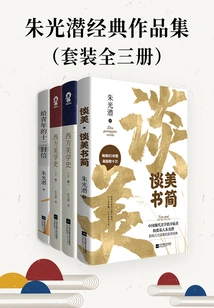
朱光潜经典作品集(套装全三册)
Zhu Guangqian
"Talking about Beauty·Talking about Beauty Letters" is an introductory book on aesthetics written by Zhu Guangqian for young people. It narrates aesthetic knowledge in a heart-to-heart way with friends, explains it in simple terms, is friendly and natural, and is the most classic enlightenment book on aesthetics. "History of Western Aesthetics" is Mr. Zhu Guangqian's most important aesthetic work and the first monograph on the history of Western aesthetics written by a Chinese scholar. "Twelve Letters to Youth" is an inspirational classic for young people's growth. It especially includes Zhu Guangqian's classic philosophy of life "On Cultivation". The two volumes are assembled and complement each other.
"Talking about Beauty·Talking about Beauty Letters" is an introductory book on aesthetics written by Zhu Guangqian for young people. It narrates aesthetic knowledge in a heart-to-heart way with friends, explains it in simple terms, is friendly and natural, and is the most classic enlightenment book on aesthetics. "History of Western Aesthetics" is Mr. Zhu Guangqian's most important aesthetic work and the first monograph on the history of Western aesthetics written by a Chinese scholar. "Twelve Letters to Youth" is an inspirational classic for young people's growth. It especially includes Zhu Guangqian's classic philosophy of life "On Cultivation". The two volumes are assembled and complement each other.
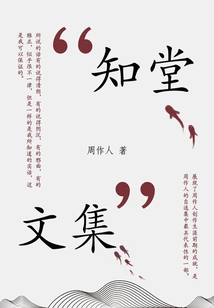
周作人经典作品:知堂文集
Zhou Zuoren
"Collected Works of Zhitang" is Zhou Zuoren's most satisfying work. It contains 45 articles, including essays, sketches, essays, etc. It has its own ideological understanding and insights, and also accommodates various knowledge and various moods in one volume. It shows Zhou Zuoren's early achievements in his creative career and is the most representative of Zhou Zuoren's self-selected works.
"Collected Works of Zhitang" is Zhou Zuoren's most satisfying work. It contains 45 articles, including essays, sketches, essays, etc. It has its own ideological understanding and insights, and also accommodates various knowledge and various moods in one volume. It shows Zhou Zuoren's early achievements in his creative career and is the most representative of Zhou Zuoren's self-selected works.
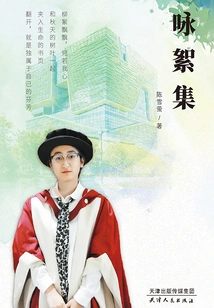
Collection of Chants
Literature咏絮集
Chen Xueying
This is a collection of essays with the theme of embracing life. The author condenses his life experience and insights from studying abroad for eight years into words, which include not only insights into every detail of life, but also film reviews from a unique perspective. There are both essays with flashes of inspiration and reading perspectives that keep you from putting the book down. It embodies the independence and wisdom of contemporary intellectual women, and also reflects the impact of multiculturalism on contemporary people's ideas.
This is a collection of essays with the theme of embracing life. The author condenses his life experience and insights from studying abroad for eight years into words, which include not only insights into every detail of life, but also film reviews from a unique perspective. There are both essays with flashes of inspiration and reading perspectives that keep you from putting the book down. It embodies the independence and wisdom of contemporary intellectual women, and also reflects the impact of multiculturalism on contemporary people's ideas.
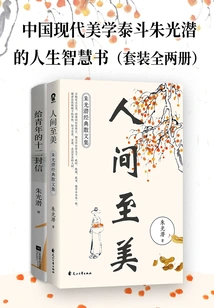
A Life Wisdom Book by Zhu Guangqian, a Master of Modern Chinese Aesthetics (set of Two Volumes)
Literature中国现代美学泰斗朱光潜的人生智慧书(套装全两册)
Zhu Guangqian
"Twelve Letters to Youth" is an inspirational classic for young people's growth. It especially includes Zhu Guangqian's classic philosophy of life "On Cultivation". The two volumes are assembled and complement each other. "The Best Beauty in the World" is a prose classic by Zhu Guangqian, a master of aesthetics, who condenses the beauty of life. All things are alive and beautiful. In an instant, there is eternity. There is a thousand things in the dust.
"Twelve Letters to Youth" is an inspirational classic for young people's growth. It especially includes Zhu Guangqian's classic philosophy of life "On Cultivation". The two volumes are assembled and complement each other. "The Best Beauty in the World" is a prose classic by Zhu Guangqian, a master of aesthetics, who condenses the beauty of life. All things are alive and beautiful. In an instant, there is eternity. There is a thousand things in the dust.
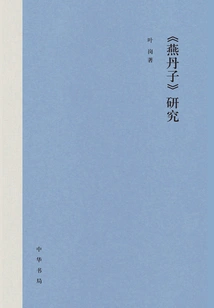
Research on "yan Danzi
Literature《燕丹子》研究
Ye Gang
"Yan Danzi" is one of the early miscellaneous novels, with the theme of Jing Ke's assassination of Qin Dynasty. It has important value in the history of novels. Hu Yinglin in the Ming Dynasty called it "the ancestor of miscellaneous biographies of ancient and modern novels." In the early stages of the history of Chinese novels, the appearance of "Yan Danzi" is amazing. Its long structure and mature stylistic features pose a challenge to the current concept of novel history. Its literary achievements help us to correctly understand the occurrence of Chinese novels and the national character of the novel's stylistic features. This book combines text research with history, literature, and textual research, and conducts a comprehensive and systematic study of key issues related to the research field of "Yan Danzi". In view of the fact that "Warring States Policy" and "Historical Records" also record this historical event, on the basis of examining the complex relationship between "Yan Danzi" and the two historical books, we focus on the time when this work was written, the possible compiler, historical records and other related propositions. At the same time, based on the academic background in which the novel took place, it provides a corresponding explanation of its literary achievements and status in the history of novels.
"Yan Danzi" is one of the early miscellaneous novels, with the theme of Jing Ke's assassination of Qin Dynasty. It has important value in the history of novels. Hu Yinglin in the Ming Dynasty called it "the ancestor of miscellaneous biographies of ancient and modern novels." In the early stages of the history of Chinese novels, the appearance of "Yan Danzi" is amazing. Its long structure and mature stylistic features pose a challenge to the current concept of novel history. Its literary achievements help us to correctly understand the occurrence of Chinese novels and the national character of the novel's stylistic features. This book combines text research with history, literature, and textual research, and conducts a comprehensive and systematic study of key issues related to the research field of "Yan Danzi". In view of the fact that "Warring States Policy" and "Historical Records" also record this historical event, on the basis of examining the complex relationship between "Yan Danzi" and the two historical books, we focus on the time when this work was written, the possible compiler, historical records and other related propositions. At the same time, based on the academic background in which the novel took place, it provides a corresponding explanation of its literary achievements and status in the history of novels.
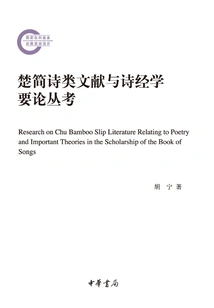
楚简诗类文献与诗经学要论丛考
Hu Ning
This book analyzes five Chu bamboo slip poetic documents that have been published for more than ten years and uses these documents and materials from multiple levels and angles to explore important theoretical issues in the Book of Songs, reveal new inspirations provided by new materials, and gain new understanding. The whole book consists of four parts: narrative, part 1, part 2, and conclusion. Part 1 and part 2 are the main parts of the book, named respectively "Poetry as Movement" and "Poetry as Historical Style". The former is divided into four chapters, which respectively explore the "Three Hundred Poems into Music", "the system of collecting poems and observing the wind", "composing poems at banquets", and the relationship between the text form of Three Hundred Poems and rituals and music; the latter is divided into three chapters, respectively exploring the historical connotation of "ambition" in "Poetry Expressing Ambition", the historical nature of ritual music and dance, and the political function of "beautiful thorns" in poetry. A series of new viewpoints were put forward and demonstrated.
This book analyzes five Chu bamboo slip poetic documents that have been published for more than ten years and uses these documents and materials from multiple levels and angles to explore important theoretical issues in the Book of Songs, reveal new inspirations provided by new materials, and gain new understanding. The whole book consists of four parts: narrative, part 1, part 2, and conclusion. Part 1 and part 2 are the main parts of the book, named respectively "Poetry as Movement" and "Poetry as Historical Style". The former is divided into four chapters, which respectively explore the "Three Hundred Poems into Music", "the system of collecting poems and observing the wind", "composing poems at banquets", and the relationship between the text form of Three Hundred Poems and rituals and music; the latter is divided into three chapters, respectively exploring the historical connotation of "ambition" in "Poetry Expressing Ambition", the historical nature of ritual music and dance, and the political function of "beautiful thorns" in poetry. A series of new viewpoints were put forward and demonstrated.
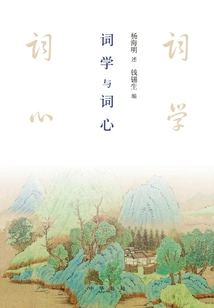
Ci Science and Ci Heart
Literature词学与词心
Yang Hai Ming Shu Compiled By Qian Xisheng
This book is divided into three parts: "How to Appreciate Tang and Song Ci", "Appreciation of Tang and Song Ci" and "My Life of Ci Study". The first part is compiled orally by Mr. Yang Haiming, sharing with readers the methods and experiences of poetry appreciation in the Tang and Song Dynasties in popular and fluent language; the second part selects 43 works of 24 poets from the Tang and Song Dynasties for appreciation. The article is beautiful and fluent yet rigorous, allowing readers to appreciate the beautiful writing at the same time. At the same time, the creative background, central idea, layout, choice of words and sentences, and key points of Ci are clearly understood one by one; in the third part, Mr. Yang Haiming talks about his "ci study life" and the academic process from going to school at a young age to Zhuoran starting a family. It is lively and interesting, and it also reflects the changes of the times. What is extremely precious is that in the appendix at the back of the book, Mr. Yang Haiming has preserved the records of the lectures given by the master of ci poetry, Mr. Tang Guizhang, to graduate students, which can be studied and treasured by ci masters. Readers can follow Professor Yang Haiming to appreciate the heart of Ci and embark on a journey of Ci study.
This book is divided into three parts: "How to Appreciate Tang and Song Ci", "Appreciation of Tang and Song Ci" and "My Life of Ci Study". The first part is compiled orally by Mr. Yang Haiming, sharing with readers the methods and experiences of poetry appreciation in the Tang and Song Dynasties in popular and fluent language; the second part selects 43 works of 24 poets from the Tang and Song Dynasties for appreciation. The article is beautiful and fluent yet rigorous, allowing readers to appreciate the beautiful writing at the same time. At the same time, the creative background, central idea, layout, choice of words and sentences, and key points of Ci are clearly understood one by one; in the third part, Mr. Yang Haiming talks about his "ci study life" and the academic process from going to school at a young age to Zhuoran starting a family. It is lively and interesting, and it also reflects the changes of the times. What is extremely precious is that in the appendix at the back of the book, Mr. Yang Haiming has preserved the records of the lectures given by the master of ci poetry, Mr. Tang Guizhang, to graduate students, which can be studied and treasured by ci masters. Readers can follow Professor Yang Haiming to appreciate the heart of Ci and embark on a journey of Ci study.
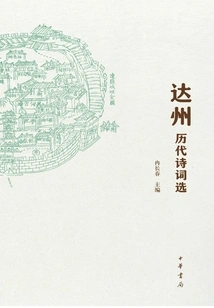
Selected Poems from Dazhou Dynasties
Literature达州历代诗词选
Editor-in-chief Ran Changchun
Dazhou is located at the southern foot of Daba Mountain, the upper reaches of the Jialing River, at the juncture of Sichuan, Chongqing and Shaanxi, with majestic mountains and lush waters, abundant resources and abundant people. It has a long history. It was called Badi in ancient times and Tongzhou in the past. It is an accessible place with rich culture, especially poetry. This book selects Li Bai, Du Fu, Bai Juyi, Yuan Zhen, Ouyang Xiu, Su Shi, Wang Huaizeng, Wang Huaimeng, Jiang Guolin, etc. From the Tang Dynasty to the Republic of China, poets of all dynasties have eulogized the scenery and people of Dazhou. A small number of excellent works by Dazhou poets on other subjects are also selected as tributes to Dazhou poets, which may fill the gap in the lack of special anthologies of Dazhou poetry in the past, or may serve the needs of local cultural research and serve as teaching materials for patriotism and hometown.
Dazhou is located at the southern foot of Daba Mountain, the upper reaches of the Jialing River, at the juncture of Sichuan, Chongqing and Shaanxi, with majestic mountains and lush waters, abundant resources and abundant people. It has a long history. It was called Badi in ancient times and Tongzhou in the past. It is an accessible place with rich culture, especially poetry. This book selects Li Bai, Du Fu, Bai Juyi, Yuan Zhen, Ouyang Xiu, Su Shi, Wang Huaizeng, Wang Huaimeng, Jiang Guolin, etc. From the Tang Dynasty to the Republic of China, poets of all dynasties have eulogized the scenery and people of Dazhou. A small number of excellent works by Dazhou poets on other subjects are also selected as tributes to Dazhou poets, which may fill the gap in the lack of special anthologies of Dazhou poetry in the past, or may serve the needs of local cultural research and serve as teaching materials for patriotism and hometown.
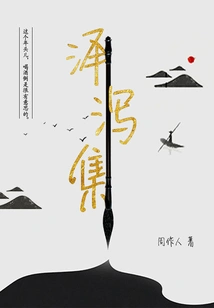
周作人经典作品:泽泻集
Zhou Zuoren
"Alismatis Collection" is Zhou Zuoren's self-selected collection after "My Own Garden". It was published in 1927, but most of the articles were written before 1927. "Alismatis Collection" contains 22 essays by Zhou Zuoren, which can express the author's emotions and interests. It is one of the "Kuyuzhai Little Books". It has interesting articles, beautiful articles, and "current articles" that focus on current affairs. It is worth reading carefully and pondering.
"Alismatis Collection" is Zhou Zuoren's self-selected collection after "My Own Garden". It was published in 1927, but most of the articles were written before 1927. "Alismatis Collection" contains 22 essays by Zhou Zuoren, which can express the author's emotions and interests. It is one of the "Kuyuzhai Little Books". It has interesting articles, beautiful articles, and "current articles" that focus on current affairs. It is worth reading carefully and pondering.
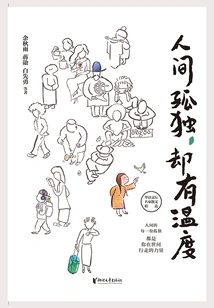
The World is Lonely, but There is Warmth
Literature人间孤独,却有温度
Yu Qiuyu Bai Xianyong Jiang Xun Et Al.
This book is a collection of essays by famous writers with the theme of nostalgia. Several famous writers use delicate language to tell their life stories, silently healing the lonely young readers today, and delivering human warmth in a lonely world. This book brings together classic prose works by famous Chinese literary writers, with solid writing style and smooth writing. The lines are full of the true flavor of life and are highly readable and infectious. Led by well-known writers such as Yu Qiuyu, Jiang Xun, and Bai Xianyong, it has a certain foundation of reader recognition. The book is divided into five chapters, each with a warm theme, leading readers to review the older generation of writers' understanding of the accumulation of time, and heal themselves while appreciating the works of famous writers.
This book is a collection of essays by famous writers with the theme of nostalgia. Several famous writers use delicate language to tell their life stories, silently healing the lonely young readers today, and delivering human warmth in a lonely world. This book brings together classic prose works by famous Chinese literary writers, with solid writing style and smooth writing. The lines are full of the true flavor of life and are highly readable and infectious. Led by well-known writers such as Yu Qiuyu, Jiang Xun, and Bai Xianyong, it has a certain foundation of reader recognition. The book is divided into five chapters, each with a warm theme, leading readers to review the older generation of writers' understanding of the accumulation of time, and heal themselves while appreciating the works of famous writers.
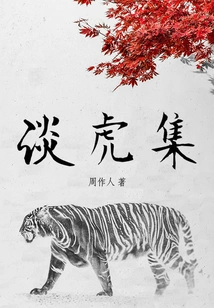
周作人经典作品:谈虎集
Zhou Zuoren
"Tanhu Collection" contains a large number of Mr. Zhou Zuoren's prose works, "comments on all human affairs". These works are rich in content, covering a wide range of topics, and the writing style is vivid and smooth. They may seem disorganized but contain exquisite details, which fully demonstrates the author's ability to control words. It has high literary quality, artistic quality and readability. The article has a clear stance and fierce language, fully demonstrating the appearance of a social critic.
"Tanhu Collection" contains a large number of Mr. Zhou Zuoren's prose works, "comments on all human affairs". These works are rich in content, covering a wide range of topics, and the writing style is vivid and smooth. They may seem disorganized but contain exquisite details, which fully demonstrates the author's ability to control words. It has high literary quality, artistic quality and readability. The article has a clear stance and fierce language, fully demonstrating the appearance of a social critic.
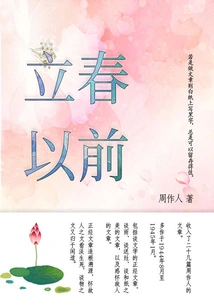
周作人经典作品:立春以前
Zhou Zuoren
"Before the Beginning of Spring" contains more than twenty articles by Zhou Zuoren, mostly written from August 1944 to January 1945, including serious articles about literature, articles about rain, about sending stoves, about the beauty of Japanese paper, and articles about remembering old friends. The serious articles go back to the origins, the articles about remembering old friends are indifferent to life and death, and the articles about things are leisurely.
"Before the Beginning of Spring" contains more than twenty articles by Zhou Zuoren, mostly written from August 1944 to January 1945, including serious articles about literature, articles about rain, about sending stoves, about the beauty of Japanese paper, and articles about remembering old friends. The serious articles go back to the origins, the articles about remembering old friends are indifferent to life and death, and the articles about things are leisurely.
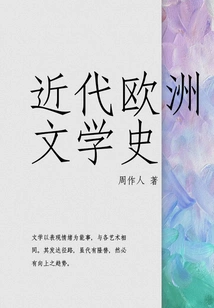
周作人经典作品:近代欧洲文学史
Zhou Zuoren
"History of Modern European Literature" is a companion volume to "History of European Literature". It is a compilation of the "History of European Literature in the Nineteenth Century" lecture notes given by Zhou Zuoren for the second-year Chinese students of Peking University after "History of European Literature". The content ranges from the Middle Ages to the 19th century, with a special focus on European legendary and realist literature of the 19th century that had a profound influence on the scholars of the May 4th generation. Zhou's work on literary history has profound insights, elegant writing, and easy-to-understand explanations. It is known as the work that started "Chinese Enlightenment Literature."
"History of Modern European Literature" is a companion volume to "History of European Literature". It is a compilation of the "History of European Literature in the Nineteenth Century" lecture notes given by Zhou Zuoren for the second-year Chinese students of Peking University after "History of European Literature". The content ranges from the Middle Ages to the 19th century, with a special focus on European legendary and realist literature of the 19th century that had a profound influence on the scholars of the May 4th generation. Zhou's work on literary history has profound insights, elegant writing, and easy-to-understand explanations. It is known as the work that started "Chinese Enlightenment Literature."
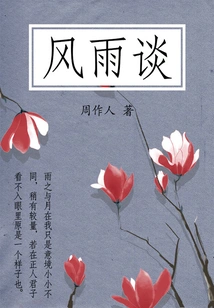
周作人经典作品:风雨谈
Zhou Zuoren
"Talk about Wind and Rain" includes Zhou Zuoren's works from November 1935 to May 1936. This book covers a wide range of fields, and the author has put a lot of energy into it. Although the articles written are all short, they are very systematic. In the book, the author first examines ancient Chinese writings in an ideological sense, and embodies his literary concepts in them. He sees many disadvantages and also finds some advantages in the ancient works. His stance is scientific spirit and humanism, and modern civilization. The criteria for selection are the "disease of vanity" and "emphasis on emotion and reason" that he has always emphasized. I hope readers can see the author's efforts and attitude.
"Talk about Wind and Rain" includes Zhou Zuoren's works from November 1935 to May 1936. This book covers a wide range of fields, and the author has put a lot of energy into it. Although the articles written are all short, they are very systematic. In the book, the author first examines ancient Chinese writings in an ideological sense, and embodies his literary concepts in them. He sees many disadvantages and also finds some advantages in the ancient works. His stance is scientific spirit and humanism, and modern civilization. The criteria for selection are the "disease of vanity" and "emphasis on emotion and reason" that he has always emphasized. I hope readers can see the author's efforts and attitude.
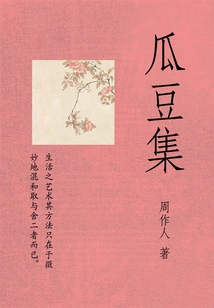
Zhou Zuoren's Classic Works: Gua Dou Ji
Literature周作人经典作品:瓜豆集
Zhou Zuoren
"Gua Dou Ji" contains Zhou Zuoren's works from May to December 1936. There are more than thirty articles in total. Compared with the author's previous articles, the content is relatively new and focuses on men and women, desire and sex. As the author said: "'Iconoclasm' and 'moderation' are sandwiched together." Zhou Zuoren's moral outlook established by sexual psychology covers both men and women, but he pays special attention to women, because women have no social security and have many victim statuses. Therefore, he has special sympathy for women's unfortunate experiences, whether it is experience or psychology.
"Gua Dou Ji" contains Zhou Zuoren's works from May to December 1936. There are more than thirty articles in total. Compared with the author's previous articles, the content is relatively new and focuses on men and women, desire and sex. As the author said: "'Iconoclasm' and 'moderation' are sandwiched together." Zhou Zuoren's moral outlook established by sexual psychology covers both men and women, but he pays special attention to women, because women have no social security and have many victim statuses. Therefore, he has special sympathy for women's unfortunate experiences, whether it is experience or psychology.
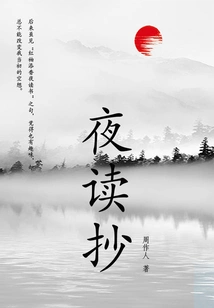
周作人经典作品:夜读抄
Zhou Zuoren
"Ye Du Chao" contains nearly 50 essays by Zhou Zuoren, which can be regarded as works of cultural criticism. Among Zhou Zuoren's many works, "Ye Du Chao" has a particularly important position, because from the beginning of "Ye Du Chao", Zhou Zuoren established his own mature and stereotyped style.
"Ye Du Chao" contains nearly 50 essays by Zhou Zuoren, which can be regarded as works of cultural criticism. Among Zhou Zuoren's many works, "Ye Du Chao" has a particularly important position, because from the beginning of "Ye Du Chao", Zhou Zuoren established his own mature and stereotyped style.
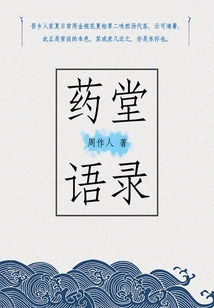
周作人经典作品:药堂语录
Zhou Zuoren
"Yaotang Quotations" contains 50 essays written by Zhou Zuoren around 1940. It is a new attempt in his prose writing style. It is short in length and is close to "notes written by predecessors". Zhou Zuoren said: "Originally, according to the old rules of Confucianism and Buddhism, quotations are the daily words and deeds of the master recorded by his disciples. Wang Zhongyan of Yangzi wrote the book himself, which is very criticized by future generations. Why should we learn it again? This so-called quotation is actually just a name with the same name, and there is no similarity in content. This is what we should do It needs to be explained. "As for the name of the Herbal Medicine Hall, it is meaningless, but it can be said that there is some reason why there is no other name here. Even if it is meaningful, it is fair to say that the articles are not meant to be critical, but the books mentioned in them are all ancient Chinese books, especially there are many notes. These articles all reveal the author's comments and sorting out of ideological and cultural aspects, from which we can see some flashes of the author's thoughts, which should be read frequently and always new.
"Yaotang Quotations" contains 50 essays written by Zhou Zuoren around 1940. It is a new attempt in his prose writing style. It is short in length and is close to "notes written by predecessors". Zhou Zuoren said: "Originally, according to the old rules of Confucianism and Buddhism, quotations are the daily words and deeds of the master recorded by his disciples. Wang Zhongyan of Yangzi wrote the book himself, which is very criticized by future generations. Why should we learn it again? This so-called quotation is actually just a name with the same name, and there is no similarity in content. This is what we should do It needs to be explained. "As for the name of the Herbal Medicine Hall, it is meaningless, but it can be said that there is some reason why there is no other name here. Even if it is meaningful, it is fair to say that the articles are not meant to be critical, but the books mentioned in them are all ancient Chinese books, especially there are many notes. These articles all reveal the author's comments and sorting out of ideological and cultural aspects, from which we can see some flashes of the author's thoughts, which should be read frequently and always new.
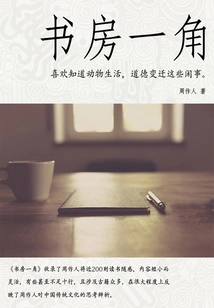
周作人经典作品:书房一角
Zhou Zuoren
Zhou Zuoren said in the preface: This book contains four parts, namely, 1, "Memories of Old Books" with 28 chapters, 2, "Reminiscences of Old Books" with 44 chapters, 3 with "Reading Books and Occasion Notes" with 61 chapters, 4, "Reading Books and Remaining Notes" with 58 chapters, for a total of 191 chapters. "A Corner of the Study" contains nearly 200 reading notes by Zhou Zuoren. The content is short and flexible, some even less than ten lines, and involves many ancient books. It reflects Zhou Zuoren's thinking and analysis of traditional Chinese culture to a large extent. It also introduces the customs and characters of his hometown of Shaoxing. From it, we can feel Zhou Zuoren's longing for his hometown. It is also an excellent custom chronicle. He integrates modern thoughts into the comments on ancient books, which makes it very enjoyable to read and different from other casual readings.
Zhou Zuoren said in the preface: This book contains four parts, namely, 1, "Memories of Old Books" with 28 chapters, 2, "Reminiscences of Old Books" with 44 chapters, 3 with "Reading Books and Occasion Notes" with 61 chapters, 4, "Reading Books and Remaining Notes" with 58 chapters, for a total of 191 chapters. "A Corner of the Study" contains nearly 200 reading notes by Zhou Zuoren. The content is short and flexible, some even less than ten lines, and involves many ancient books. It reflects Zhou Zuoren's thinking and analysis of traditional Chinese culture to a large extent. It also introduces the customs and characters of his hometown of Shaoxing. From it, we can feel Zhou Zuoren's longing for his hometown. It is also an excellent custom chronicle. He integrates modern thoughts into the comments on ancient books, which makes it very enjoyable to read and different from other casual readings.
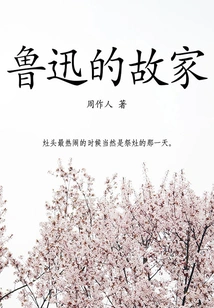
周作人经典作品:鲁迅的故家
Zhou Zuoren
Zhou Zuoren printed his miscellaneous notes on "Baicao Garden" into a single volume, and selected several relevant articles from other essays and compiled them into the second part, called "The Inside and Outside of the Garden". He also added the two parts "Lu Xun in Tokyo" and "Old Stories of Bu Shu Bookstore" as appendices. There are more than a hundred articles in this volume, almost 100,000 words, and it took four to five months to write. It describes Lu Xun's life and study in his youth and also reveals the customs of the late Qing Dynasty and the early Republic of China.
Zhou Zuoren printed his miscellaneous notes on "Baicao Garden" into a single volume, and selected several relevant articles from other essays and compiled them into the second part, called "The Inside and Outside of the Garden". He also added the two parts "Lu Xun in Tokyo" and "Old Stories of Bu Shu Bookstore" as appendices. There are more than a hundred articles in this volume, almost 100,000 words, and it took four to five months to write. It describes Lu Xun's life and study in his youth and also reveals the customs of the late Qing Dynasty and the early Republic of China.
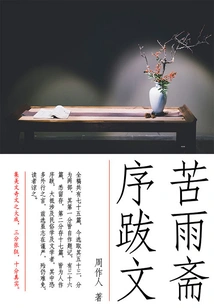
周作人经典作品:苦雨斋序跋文
Zhou Zuoren
"Preface and Postscript to Kuyuzhai" is Zhou Zuoren's summary and reflection on his own ideological context and writing process. Zhou Zuoren said: "There are seventy-five chapters in the whole manuscript, and fifty-three of them are selected here and divided into two parts. The first part is self-inscribed, and thirty-six chapters are all preserved. The second part contains seventeen chapters, all of which are prefaces and postscripts written by others. They are mostly related to folklore and literature. There may be many layman's words in them. Although the selection is intended to be careful, it is still inevitable. Readers will forgive me."
"Preface and Postscript to Kuyuzhai" is Zhou Zuoren's summary and reflection on his own ideological context and writing process. Zhou Zuoren said: "There are seventy-five chapters in the whole manuscript, and fifty-three of them are selected here and divided into two parts. The first part is self-inscribed, and thirty-six chapters are all preserved. The second part contains seventeen chapters, all of which are prefaces and postscripts written by others. They are mostly related to folklore and literature. There may be many layman's words in them. Although the selection is intended to be careful, it is still inevitable. Readers will forgive me."
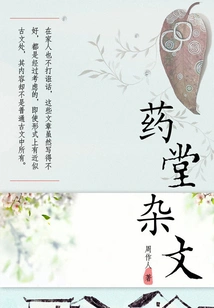
周作人经典作品:药堂杂文
Zhou Zuoren
"Yao Tang Zawen" contains a total of twenty-seven articles, including fifteen articles written in the 29th year of the Republic of China, and twelve articles written later by the author. It was originally named "Yilaoxuan Notes" and was later renamed "Yao Tang Zawen". The content is all-encompassing. It is Zhou Zuoren's combing of his own thoughts when he was stranded in the enemy-occupied area at that time, including the traditional future of Chinese literature, women's studies, enlightenment, morality, Chinese thoughts, as well as memories of studying abroad and feelings about old friends.
"Yao Tang Zawen" contains a total of twenty-seven articles, including fifteen articles written in the 29th year of the Republic of China, and twelve articles written later by the author. It was originally named "Yilaoxuan Notes" and was later renamed "Yao Tang Zawen". The content is all-encompassing. It is Zhou Zuoren's combing of his own thoughts when he was stranded in the enemy-occupied area at that time, including the traditional future of Chinese literature, women's studies, enlightenment, morality, Chinese thoughts, as well as memories of studying abroad and feelings about old friends.
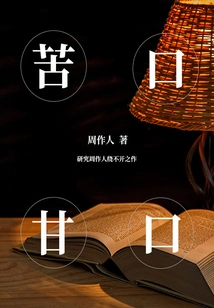
周作人经典作品:苦口甘口
Zhou Zuoren
"Bitter Mouth and Sweet Mouth" contains a total of 21 articles written by Zhou Zuoren from September 1943 to August 1944. The style basically continues from "Yaotang Essays" and is the author's combing of his own thoughts. The book includes "serious articles" about literature and thought, as well as nostalgic reminiscences. Especially in "My Miscellaneous Studies", he comprehensively reviews his interest in reading, his understanding of arts such as painting and drama, his study of Chinese and foreign languages such as Chinese, Japanese, and Greek, and his involvement in various disciplines such as anthropology, psychology, and medicine.
"Bitter Mouth and Sweet Mouth" contains a total of 21 articles written by Zhou Zuoren from September 1943 to August 1944. The style basically continues from "Yaotang Essays" and is the author's combing of his own thoughts. The book includes "serious articles" about literature and thought, as well as nostalgic reminiscences. Especially in "My Miscellaneous Studies", he comprehensively reviews his interest in reading, his understanding of arts such as painting and drama, his study of Chinese and foreign languages such as Chinese, Japanese, and Greek, and his involvement in various disciplines such as anthropology, psychology, and medicine.
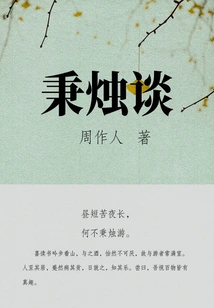
周作人经典作品:秉烛谈
Zhou Zuoren
"Bingzhu Tan" collects Zhou Zuoren's works from November 1936 to April 1937. The materials are drawn from ancient and modern times, Chinese and foreign, and are all based on the author's own special knowledge, interests and discoveries. Discovery is due to knowledge, and interest is due to discovery, and both discovery and knowledge are included in interest. Because it is an interesting article and written in a casual style, it is heavy in weight and profound in intention, which is very representative of Zhou Zuoren's characteristics. His fresh and elegant, homely vernacular is full of profound Chinese, Eastern, Western classical and modern cultural literacy. Whether in terms of artistry or ideological aspects, it ranks among Zhou Zuoren's best works.
"Bingzhu Tan" collects Zhou Zuoren's works from November 1936 to April 1937. The materials are drawn from ancient and modern times, Chinese and foreign, and are all based on the author's own special knowledge, interests and discoveries. Discovery is due to knowledge, and interest is due to discovery, and both discovery and knowledge are included in interest. Because it is an interesting article and written in a casual style, it is heavy in weight and profound in intention, which is very representative of Zhou Zuoren's characteristics. His fresh and elegant, homely vernacular is full of profound Chinese, Eastern, Western classical and modern cultural literacy. Whether in terms of artistry or ideological aspects, it ranks among Zhou Zuoren's best works.
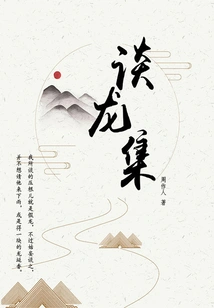
周作人经典作品:谈龙集
Zhou Zuoren
"Talking about the Dragon" contains several essays by Zhou Zuoren, the contents of which are "slightly related to literature and art", including literary criticism, commemorations of writers, Chinese and foreign folk songs, Japanese ancient history and short poems, Greek myths and short poems, obscene ballads, translation issues, etc. It is also the main work of Zhou Zuoren as a literary theorist. Since then, his essay writing has been more closely related to "Tan Long Ji" in terms of his points of interest and approach.
"Talking about the Dragon" contains several essays by Zhou Zuoren, the contents of which are "slightly related to literature and art", including literary criticism, commemorations of writers, Chinese and foreign folk songs, Japanese ancient history and short poems, Greek myths and short poems, obscene ballads, translation issues, etc. It is also the main work of Zhou Zuoren as a literary theorist. Since then, his essay writing has been more closely related to "Tan Long Ji" in terms of his points of interest and approach.
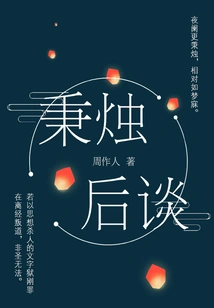
周作人经典作品:秉烛后谈
Zhou Zuoren
"Talks after Holding a Candle" mainly collects Zhou Zuoren's works from April to October 1937. The content is divided into two categories: one expresses interest, which can be described as truly leisurely, such as "Talking about Persuading Drinking"; the other is false, such as "Talking about Leprosy". In the article, Zhou Zuoren criticized the darkest phenomenon in Chinese and Western cultures, pointing out that the essence of ideological autocracy lies in the fact that people generally lose their ability to think and judge, and consciously converge towards autocracy itself - that is, "killing people with their thoughts." "If the crime of killing people with thoughts is deviant and treacherous, it is not holy. Most people feel that they are all opposed, and they are willing to get what they want. Not only the tyrant wants to kill, but the mob also agrees." And "the feelings of ordinary scholars on this matter" are no different from that of the "mob", forming an authoritarian situation in which everyone is consistent, and individuals as thinkers can only be killed. Zhou has always maintained a clear understanding of traditional Chinese culture, carefully discerning it, and not letting go of the bad side. His previous works, "Yedu Chao·Eunuch" and "Kan Yunji·On Eight-legged Essay", are all masterpieces, and he pays special attention to the criticism of ideological tyranny, which is the key point.
"Talks after Holding a Candle" mainly collects Zhou Zuoren's works from April to October 1937. The content is divided into two categories: one expresses interest, which can be described as truly leisurely, such as "Talking about Persuading Drinking"; the other is false, such as "Talking about Leprosy". In the article, Zhou Zuoren criticized the darkest phenomenon in Chinese and Western cultures, pointing out that the essence of ideological autocracy lies in the fact that people generally lose their ability to think and judge, and consciously converge towards autocracy itself - that is, "killing people with their thoughts." "If the crime of killing people with thoughts is deviant and treacherous, it is not holy. Most people feel that they are all opposed, and they are willing to get what they want. Not only the tyrant wants to kill, but the mob also agrees." And "the feelings of ordinary scholars on this matter" are no different from that of the "mob", forming an authoritarian situation in which everyone is consistent, and individuals as thinkers can only be killed. Zhou has always maintained a clear understanding of traditional Chinese culture, carefully discerning it, and not letting go of the bad side. His previous works, "Yedu Chao·Eunuch" and "Kan Yunji·On Eight-legged Essay", are all masterpieces, and he pays special attention to the criticism of ideological tyranny, which is the key point.
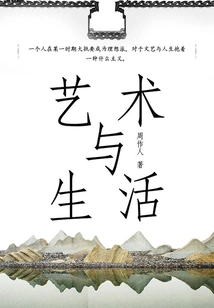
周作人经典作品:艺术与生活
Zhou Zuoren
"Art and Life" is a collection of Zhou Zuoren's essays from 1917 to 1926. There are 20 articles in total. The articles are relatively long and have a more serious attitude. Since Zhou Zuoren's opinions on literature, art and life are mostly here, it is titled "Art and Life". Zhou Zuoren is one of the representatives of the May Fourth New Literature Movement, and "Art and Life" mainly reflects his appearance as a thinker and literary theorist during that period.
"Art and Life" is a collection of Zhou Zuoren's essays from 1917 to 1926. There are 20 articles in total. The articles are relatively long and have a more serious attitude. Since Zhou Zuoren's opinions on literature, art and life are mostly here, it is titled "Art and Life". Zhou Zuoren is one of the representatives of the May Fourth New Literature Movement, and "Art and Life" mainly reflects his appearance as a thinker and literary theorist during that period.
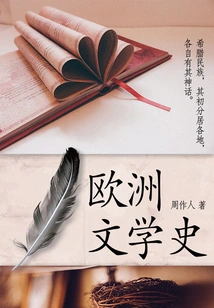
周作人经典作品:欧洲文学史
Zhou Zuoren
"History of European Literature" is a compilation of the lecture notes given by Zhou Zuoren, who was employed as a professor of liberal arts at Peking University in 1917 and taught the "History of European Literature" course in the first-year Chinese Studies course. Narrating the development history of European literature from ancient Greece to the 18th century, it is an important achievement of Zhou Zuoren and his brother Lu Xun's "search for new voices in foreign countries" after they jointly translated "Collection of Foreign Novels". It is also China's first relatively systematic history of European literature. Zhou Zuoren's advocacy of "human literature" and ideological revolution during the May Fourth Movement can all be traced back to this, and he made great contributions to the New Culture Movement.
"History of European Literature" is a compilation of the lecture notes given by Zhou Zuoren, who was employed as a professor of liberal arts at Peking University in 1917 and taught the "History of European Literature" course in the first-year Chinese Studies course. Narrating the development history of European literature from ancient Greece to the 18th century, it is an important achievement of Zhou Zuoren and his brother Lu Xun's "search for new voices in foreign countries" after they jointly translated "Collection of Foreign Novels". It is also China's first relatively systematic history of European literature. Zhou Zuoren's advocacy of "human literature" and ideological revolution during the May Fourth Movement can all be traced back to this, and he made great contributions to the New Culture Movement.
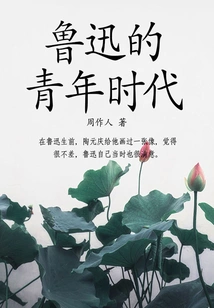
周作人经典作品:鲁迅的青年时代
Zhou Zuoren
"Lu Xun's Youth" is a collection of commemorative texts written by Zhou Zuoren at the invitation of newspapers and magazines on the 20th anniversary of Lu Xun's death. In addition to the "Lu Xun's Hometown" and "Characters in Lu Xun's Novels" he has written, some new content has also been added. Zhou Zuoren, the second brother of Lu Xun, is an encyclopedic figure in the history of modern Chinese literature and one of the people who knows Lu Xun best. Therefore, this book is different from other works about Lu Xun. It more systematically introduces Lu Xun's early life, academic interests, and the foundation of his thoughts, etc., Allowing readers to understand a different Lu Xun.
"Lu Xun's Youth" is a collection of commemorative texts written by Zhou Zuoren at the invitation of newspapers and magazines on the 20th anniversary of Lu Xun's death. In addition to the "Lu Xun's Hometown" and "Characters in Lu Xun's Novels" he has written, some new content has also been added. Zhou Zuoren, the second brother of Lu Xun, is an encyclopedic figure in the history of modern Chinese literature and one of the people who knows Lu Xun best. Therefore, this book is different from other works about Lu Xun. It more systematically introduces Lu Xun's early life, academic interests, and the foundation of his thoughts, etc., Allowing readers to understand a different Lu Xun.
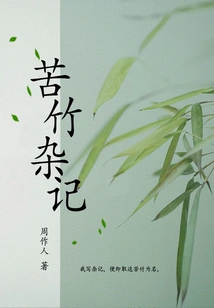
周作人经典作品:苦竹杂记
Zhou Zuoren
"Bitter Bamboo Miscellaneous Notes" contains 51 articles by Zhou Zuoren, most of which are essays and "copied books". They are his later articles, and his compassion is concise and distant. Among them, "talking about ghosts" is one of Zhou Zuoren's favorite topics. From this, the author feels the life situation and survival desire of ordinary people, and feels the most sad and pitiable. It looks like talking about ghosts, but it is actually a heart-to-heart talk. It not only pursues true knowledge, but also does not forget human feelings. Among Zhou Zuoren's articles, this type of emotion is the most profound.
"Bitter Bamboo Miscellaneous Notes" contains 51 articles by Zhou Zuoren, most of which are essays and "copied books". They are his later articles, and his compassion is concise and distant. Among them, "talking about ghosts" is one of Zhou Zuoren's favorite topics. From this, the author feels the life situation and survival desire of ordinary people, and feels the most sad and pitiable. It looks like talking about ghosts, but it is actually a heart-to-heart talk. It not only pursues true knowledge, but also does not forget human feelings. Among Zhou Zuoren's articles, this type of emotion is the most profound.
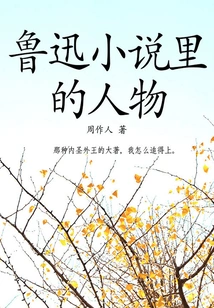
周作人经典作品:鲁迅小说里的人物
Zhou Zuoren
"Characters in Lu Xun's Novels", like "Lu Xun's Hometown", focuses on exploring the various characters in Lu Xun's novels, such as character prototypes, background deeds, etc. On the surface, it is doing index research, but in fact it sheds light on customs, introduces interesting local dialects, and comments on the relationship between poetry and reality. The insights are very insightful and can often reveal the wonderful features of Lu Xun's novels that others cannot see.
"Characters in Lu Xun's Novels", like "Lu Xun's Hometown", focuses on exploring the various characters in Lu Xun's novels, such as character prototypes, background deeds, etc. On the surface, it is doing index research, but in fact it sheds light on customs, introduces interesting local dialects, and comments on the relationship between poetry and reality. The insights are very insightful and can often reveal the wonderful features of Lu Xun's novels that others cannot see.
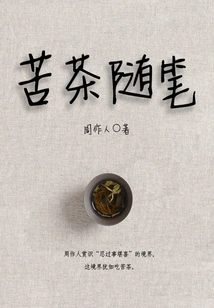
周作人经典作品:苦茶随笔
Zhou Zuoren
"Bitter Tea Essays" contains fifty-one articles by Zhou Zuoren, most of which are essays. The articles mostly emphasize the freedom and independence of thought, and there are quite a few counter-criticisms directed at other people's criticisms, which is unprecedented. It is called bitter tea, which shows the bitterness of its heart and the bitterness of its writing. Zhou Zuoren appreciated the state of "being happy after enduring things", which is like drinking bitter tea. It is painful but refreshing, but it is the pitiful point of adults. You all know the taste of it. "Tolerance is a word, the door to all the wonderful things. When you are an official, especially when you are doing things first, if you can be more tolerant in addition to being honest and diligent, there is nothing you can do. "Book" says, there must be tolerance to be helpful. This is the root of things. The proverb says, "Tolerance is the enemy of disaster." Shaoling poem says, "Tolerance is a joy."
"Bitter Tea Essays" contains fifty-one articles by Zhou Zuoren, most of which are essays. The articles mostly emphasize the freedom and independence of thought, and there are quite a few counter-criticisms directed at other people's criticisms, which is unprecedented. It is called bitter tea, which shows the bitterness of its heart and the bitterness of its writing. Zhou Zuoren appreciated the state of "being happy after enduring things", which is like drinking bitter tea. It is painful but refreshing, but it is the pitiful point of adults. You all know the taste of it. "Tolerance is a word, the door to all the wonderful things. When you are an official, especially when you are doing things first, if you can be more tolerant in addition to being honest and diligent, there is nothing you can do. "Book" says, there must be tolerance to be helpful. This is the root of things. The proverb says, "Tolerance is the enemy of disaster." Shaoling poem says, "Tolerance is a joy."
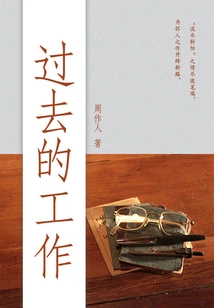
Zhou Zuoren's Classic Works: Past Work
Literature周作人经典作品:过去的工作
Zhou Zuoren
"Past Work" contains 15 articles written by Zhou Zuoren before and after the victory of the Anti-Japanese War (April to December 1945), including "About Bamboo Branch Ci", "Stone Road", "Dongchangfang Story", etc. The articles continue the style since the 1940s, describing scenes, objects, commentaries, and eloquent stories: one type still talks "casually", and the other type continues to explore thoughts "seriously". For example, "Mortal Beliefs", "Past Work" and "Two Ghosts' Articles" trace their origins, are convincing, and play an important role in Zhou Zuoren's writing thoughts; "Past Work" remembers three old friends, Chen Duxiu, Qian Xuantong, and Liu Bannong, by excerpting and annotating their writings, and recounts their past interactions and situations.
"Past Work" contains 15 articles written by Zhou Zuoren before and after the victory of the Anti-Japanese War (April to December 1945), including "About Bamboo Branch Ci", "Stone Road", "Dongchangfang Story", etc. The articles continue the style since the 1940s, describing scenes, objects, commentaries, and eloquent stories: one type still talks "casually", and the other type continues to explore thoughts "seriously". For example, "Mortal Beliefs", "Past Work" and "Two Ghosts' Articles" trace their origins, are convincing, and play an important role in Zhou Zuoren's writing thoughts; "Past Work" remembers three old friends, Chen Duxiu, Qian Xuantong, and Liu Bannong, by excerpting and annotating their writings, and recounts their past interactions and situations.
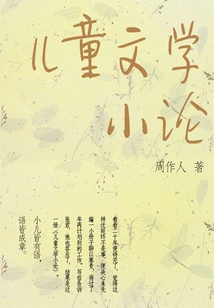
周作人经典作品:儿童文学小论
Zhou Zuoren
Children's studies and children's literature were of great concern to Zhou Zuoren, who called him "a special literary activity". There are a total of eleven articles collected here. The first four articles were all written in the 23rd year of the Republic of China and were written in classical Chinese. In the ninth year of the Republic of China, the Confucius School in Beijing asked Zhou Zuoren to give a lecture, which was the fifth article "Children's Literature." The remaining six articles were all written in 1123. From then on, more and more people paid attention to children's literature, and people who specialized in it gradually appeared. To study and discuss children's literature, one must have considerable accomplishments in anthropology, folklore, and childhood studies. Zhou Zuoren said: "Although these articles are superficial, they look at the meaning of myths based on the theories of the anthropology school and the application of fairy tales based on child psychology. This direction is always good and is not useless in the current world of children's literature."
Children's studies and children's literature were of great concern to Zhou Zuoren, who called him "a special literary activity". There are a total of eleven articles collected here. The first four articles were all written in the 23rd year of the Republic of China and were written in classical Chinese. In the ninth year of the Republic of China, the Confucius School in Beijing asked Zhou Zuoren to give a lecture, which was the fifth article "Children's Literature." The remaining six articles were all written in 1123. From then on, more and more people paid attention to children's literature, and people who specialized in it gradually appeared. To study and discuss children's literature, one must have considerable accomplishments in anthropology, folklore, and childhood studies. Zhou Zuoren said: "Although these articles are superficial, they look at the meaning of myths based on the theories of the anthropology school and the application of fairy tales based on child psychology. This direction is always good and is not useless in the current world of children's literature."
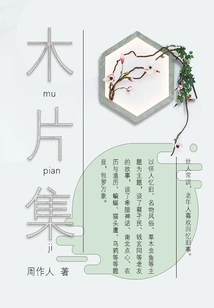
周作人经典作品:木片集
Zhou Zuoren
"Woodchip Collection" takes themes such as nostalgia, famous things and customs, plants, trees, insects and fish as its themes. It tells the stories of old friends Cai Jiemin, Qian Xuandong, Greek mythology, northern and southern snacks, lunar and fishing calendars, bats, owls, crows and other topics, covering everything. This book does not have long essays or a large number of quotations from ancient texts. The articles are concise and clear, sometimes mixed with humorous remarks. It is a representative work of Zhou Zuoren's later prose.
"Woodchip Collection" takes themes such as nostalgia, famous things and customs, plants, trees, insects and fish as its themes. It tells the stories of old friends Cai Jiemin, Qian Xuandong, Greek mythology, northern and southern snacks, lunar and fishing calendars, bats, owls, crows and other topics, covering everything. This book does not have long essays or a large number of quotations from ancient texts. The articles are concise and clear, sometimes mixed with humorous remarks. It is a representative work of Zhou Zuoren's later prose.