Library
Browse and search novels
25,915 novels found
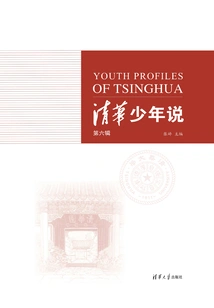
Tsinghua Youth Stories (sixth Series)
Literature清华少年说(第六辑)
Editor-in-chief Zhang Ting
This book collects, excerpts, and organizes the growth stories of typical characters in various aspects of the campus. There are multi-dimensional academic masters who have all-round development, campus talents who have appeared on the shining stage, a special kind of youth who are constantly in good health, and the responsibility and responsibility to serve the country... The writing team of this book hopes to record the characters of Tsinghua in the past year. At the same time, they hope to use one vivid story after another to reflect the growth and youth of every Tsinghua person. This book is intended for readers inside and outside the school, especially freshmen, and uses typical character stories to show them who have just entered the university campus a multi-angle, real and vivid picture of Tsinghua characters, and encourages them to become the most vivid character stories on campus in the next four years of their university life.
This book collects, excerpts, and organizes the growth stories of typical characters in various aspects of the campus. There are multi-dimensional academic masters who have all-round development, campus talents who have appeared on the shining stage, a special kind of youth who are constantly in good health, and the responsibility and responsibility to serve the country... The writing team of this book hopes to record the characters of Tsinghua in the past year. At the same time, they hope to use one vivid story after another to reflect the growth and youth of every Tsinghua person. This book is intended for readers inside and outside the school, especially freshmen, and uses typical character stories to show them who have just entered the university campus a multi-angle, real and vivid picture of Tsinghua characters, and encourages them to become the most vivid character stories on campus in the next four years of their university life.
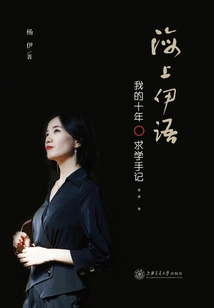
海上伊语:我的十年求学手记
Yang Yi
From undergraduate to postdoc, from adulthood to standing up, from studying alone in Shanghai to meeting the "Mr. Right", Dr. Yang Yi uses fresh and clever words to present to us a decade full of fun and sunshine. You will see her running hard in good times, riding the wind and waves in adverse times, and even making choices and growth at crossroads. The big things like postgraduate entrance exams, Ph. D. Exams, graduation, love, and marriage, and the little things with the "tiger mother", with teachers and friends, with husbands, and even with strangers - these are Yang Yi's personal "whispers", her exclusive memories, and the collective memories of those born in the 1990s. They are also the common voice of countless people who have gone through their youth like her. When you meet her in the book, you will laugh because of the happy stories and resonate with her worries about gains and losses on the way to school. I believe this book will provide a good remedy to confused students, help people who have made difficult choices at crossroads to strengthen their faith and return to their original aspirations, and show young people pursuing love mutual training and common growth in marriage. Let us walk into Yang Yi's story together and experience a female postdoc's passion for life, her enthusiasm for words, and her love for sunshine.
From undergraduate to postdoc, from adulthood to standing up, from studying alone in Shanghai to meeting the "Mr. Right", Dr. Yang Yi uses fresh and clever words to present to us a decade full of fun and sunshine. You will see her running hard in good times, riding the wind and waves in adverse times, and even making choices and growth at crossroads. The big things like postgraduate entrance exams, Ph. D. Exams, graduation, love, and marriage, and the little things with the "tiger mother", with teachers and friends, with husbands, and even with strangers - these are Yang Yi's personal "whispers", her exclusive memories, and the collective memories of those born in the 1990s. They are also the common voice of countless people who have gone through their youth like her. When you meet her in the book, you will laugh because of the happy stories and resonate with her worries about gains and losses on the way to school. I believe this book will provide a good remedy to confused students, help people who have made difficult choices at crossroads to strengthen their faith and return to their original aspirations, and show young people pursuing love mutual training and common growth in marriage. Let us walk into Yang Yi's story together and experience a female postdoc's passion for life, her enthusiasm for words, and her love for sunshine.
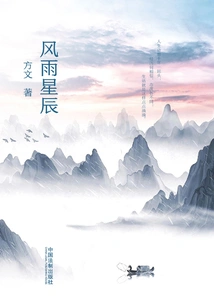
Wind, Rain, Stars
Literature风雨星辰
Fang Wen
This book is a collection of essays, including travel notes, reminiscences, and reviews; there are landscapes, customs, and human feelings; there are characters, life, and hometown. From domestic to foreign countries, from the natural environment to humanistic thoughts, from cultural habits to life attitudes, it expresses the theme of "a land and water nourish a people, a place has a wind and rain, a person has a culture, culture is both spirit and material, and in the final analysis it is still spirit."
This book is a collection of essays, including travel notes, reminiscences, and reviews; there are landscapes, customs, and human feelings; there are characters, life, and hometown. From domestic to foreign countries, from the natural environment to humanistic thoughts, from cultural habits to life attitudes, it expresses the theme of "a land and water nourish a people, a place has a wind and rain, a person has a culture, culture is both spirit and material, and in the final analysis it is still spirit."
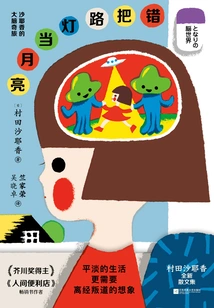
Mistaking a Streetlight for the Moon
Literature错把路灯当月亮
L
Sayaka Murata's new essay collection collects 72 works published in various newspapers and magazines since her debut. The book contains the author's memories of her childhood, introduces music and books that had a profound impact on her, and various interesting things she encountered in her travels, etc. It records Sayaka Murata's various imaginations of life, and spreads her embarrassed and funny appearance before our eyes.
Sayaka Murata's new essay collection collects 72 works published in various newspapers and magazines since her debut. The book contains the author's memories of her childhood, introduces music and books that had a profound impact on her, and various interesting things she encountered in her travels, etc. It records Sayaka Murata's various imaginations of life, and spreads her embarrassed and funny appearance before our eyes.
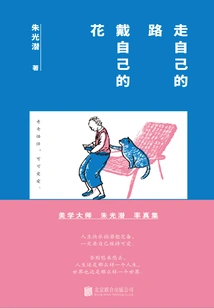
走自己的路,戴自己的花
Zhu Guangqian
This book is a new selection of essays by Zhu Guangqian, the master of aesthetics. The book contains 21 classic "healing" essays, divided into four series: "Taboo: Impatient and Impatient", "Taboo: Doing Nothing", "Taboo: Excessive Life", "Taboo: Premature Aging". Zhu Guangqian said, "A grown-up person never loses his innocence." He opened his heart and talked about literature and art. He summarized this book of methods for young people who are physically and mentally exhausted and yearn for a better life. If you want to live a smooth life, you should be like a child, have a little fun, run around, laugh and make noise. "My personality is the center of these articles." - Zhu Guangqian
This book is a new selection of essays by Zhu Guangqian, the master of aesthetics. The book contains 21 classic "healing" essays, divided into four series: "Taboo: Impatient and Impatient", "Taboo: Doing Nothing", "Taboo: Excessive Life", "Taboo: Premature Aging". Zhu Guangqian said, "A grown-up person never loses his innocence." He opened his heart and talked about literature and art. He summarized this book of methods for young people who are physically and mentally exhausted and yearn for a better life. If you want to live a smooth life, you should be like a child, have a little fun, run around, laugh and make noise. "My personality is the center of these articles." - Zhu Guangqian
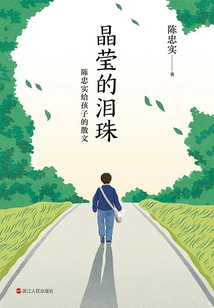
晶莹的泪珠:陈忠实给孩子的散文
Chen Zhongshi
This book is a masterpiece of affectionate prose written for children by Chen Zhongshi, the winner of the Mao Dun Literature Award and the author of "White Deer Plain". The 30 words of this work are full of truth and love. They describe natural creatures, tell the warmth of the world, recall the past events of hometown, or record travel insights, all of which show the beauty and warmth of the world. Among them, articles such as "Farewell to the White Dove", "A Willow Tree" and "Canner" were selected from primary school textbooks and Chinese reading test papers. In the "Reader" program, Jiang Yiyan recited the classic "Crystal Teardrops" affectionately, touching thousands of readers! I hope these sincere works can expand children's reading horizons, enrich their inner world, enhance their aesthetic enjoyment, and allow them to experience a freer world and gain a richer life.
This book is a masterpiece of affectionate prose written for children by Chen Zhongshi, the winner of the Mao Dun Literature Award and the author of "White Deer Plain". The 30 words of this work are full of truth and love. They describe natural creatures, tell the warmth of the world, recall the past events of hometown, or record travel insights, all of which show the beauty and warmth of the world. Among them, articles such as "Farewell to the White Dove", "A Willow Tree" and "Canner" were selected from primary school textbooks and Chinese reading test papers. In the "Reader" program, Jiang Yiyan recited the classic "Crystal Teardrops" affectionately, touching thousands of readers! I hope these sincere works can expand children's reading horizons, enrich their inner world, enhance their aesthetic enjoyment, and allow them to experience a freer world and gain a richer life.
暮云春树:关于友谊的四种经典
(ancient Rome) Marcus Tullius Cicero, Etc.
This is a life guide that teaches you to live with insecurity, adversity, doubt, and denial calmly. This book selects four articles on friendship by Cicero, Montaigne, Bacon and Thoreau from various classic discussions on friendship. These four articles analyze the way you deal with the world, especially the re-understanding and self-reconciliation in the face of uncertainty in interpersonal communication. When you encounter insecurity and adversity, when you doubt and deny yourself again and again, when you want to give up and drift with the crowd, the wise words of life from the four sages can relieve your depression and lighten your soul. Four mentors will face those difficult questions with you, starting from the heart and embracing life.
This is a life guide that teaches you to live with insecurity, adversity, doubt, and denial calmly. This book selects four articles on friendship by Cicero, Montaigne, Bacon and Thoreau from various classic discussions on friendship. These four articles analyze the way you deal with the world, especially the re-understanding and self-reconciliation in the face of uncertainty in interpersonal communication. When you encounter insecurity and adversity, when you doubt and deny yourself again and again, when you want to give up and drift with the crowd, the wise words of life from the four sages can relieve your depression and lighten your soul. Four mentors will face those difficult questions with you, starting from the heart and embracing life.
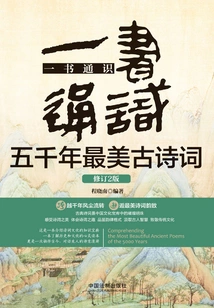
一书通识五千年最美古诗词(修订2版)
Compiled By Cheng Xiaonan
The craze for Chinese studies that has arisen in recent years has brought classical culture closer to the eyes of ordinary people. As the most timeless and classic part of classical culture, ancient poetry is a spiritual wealth that every Chinese should master. This book has selected nearly 300 popular and long-circulated ancient poems. Based on the existing annotations and translations, it has added beautiful appreciation based on poetic language, and also added expansion links to connect some poetic works with similar artistic conceptions, so that readers can further deepen their understanding of the selected poems.
The craze for Chinese studies that has arisen in recent years has brought classical culture closer to the eyes of ordinary people. As the most timeless and classic part of classical culture, ancient poetry is a spiritual wealth that every Chinese should master. This book has selected nearly 300 popular and long-circulated ancient poems. Based on the existing annotations and translations, it has added beautiful appreciation based on poetic language, and also added expansion links to connect some poetic works with similar artistic conceptions, so that readers can further deepen their understanding of the selected poems.
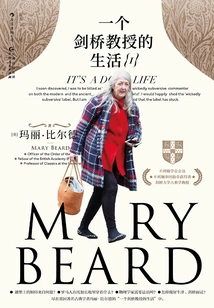
The Life of a Cambridge Professor 1
Literature一个剑桥教授的生活1
I
This book is a selection of articles written by the famous British classical scholar Mary Beard on her blog "The Life of a Cambridge Professor" from 2006 to 2008. In these articles, Professor Beard talks about ancient and modern times, elucidates the subtleties, and shows readers a Cambridge professor's thoughts and suggestions on teaching and education, Greece and Rome, and current affairs and politics. Where did the lip prints on the sculpture come from? What did the Romans wear under their togas? Do physicists need French? How to do a good interview at Oxford and Cambridge? In Professor Beard's sharp and interesting writing style, a colorful picture scroll is unfolding.
This book is a selection of articles written by the famous British classical scholar Mary Beard on her blog "The Life of a Cambridge Professor" from 2006 to 2008. In these articles, Professor Beard talks about ancient and modern times, elucidates the subtleties, and shows readers a Cambridge professor's thoughts and suggestions on teaching and education, Greece and Rome, and current affairs and politics. Where did the lip prints on the sculpture come from? What did the Romans wear under their togas? Do physicists need French? How to do a good interview at Oxford and Cambridge? In Professor Beard's sharp and interesting writing style, a colorful picture scroll is unfolding.
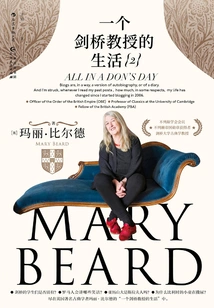
The Life of a Cambridge Professor 2
Literature一个剑桥教授的生活2
I
Continuing the style of the previous volume, Professor Mary Beard continues to express her many views on education, classical history, and current affairs in her blog, which is both interesting and educational. Somali pirates are rampant, why not try what Pompeo did? What jokes did the Romans tell? How bad are UK election party manifestos? In chronological order, this book provides readers with many shining points to think about and explore, showing the profound and slightly weird inner world of classical scholars!
Continuing the style of the previous volume, Professor Mary Beard continues to express her many views on education, classical history, and current affairs in her blog, which is both interesting and educational. Somali pirates are rampant, why not try what Pompeo did? What jokes did the Romans tell? How bad are UK election party manifestos? In chronological order, this book provides readers with many shining points to think about and explore, showing the profound and slightly weird inner world of classical scholars!
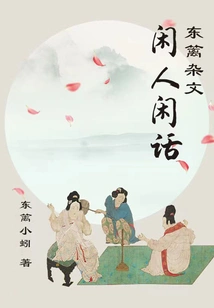
Idle People's Gossip: Dongli Essays
Literature闲人闲话:东篱杂文
Dongli Small Earthworm
I think the person who was best at living in ancient times was Li Yu. Although he lived in the late Ming and early Qing dynasties and experienced troubled times, he finally retired to seclusion. It is indeed rare to be able to go back to seclusion unscathed after going through troubled times. He wrote a book called "Xian Qing Ou Ji", which is a classic work on health preservation. It discusses various phenomena in art and life such as opera, singing and dancing, clothing, grooming, gardens, architecture, flowers, utensils, maintenance, and diet. Li Yu's lifestyle is enviable and conforms to the living standards of most literati. The life of ancient literati was nothing more than three parts: studying, being an official, and living in seclusion. If you don't succeed in the middle steps, just go to the last step. Therefore, whether you are an official or not, ancient literati would read, and they would eventually spend their lives reading, writing, and entertainment. I collected the articles I wrote in my spare time and compiled them into a volume. In order to pay tribute to the ancients, it was named "Idle People's Gossip".
I think the person who was best at living in ancient times was Li Yu. Although he lived in the late Ming and early Qing dynasties and experienced troubled times, he finally retired to seclusion. It is indeed rare to be able to go back to seclusion unscathed after going through troubled times. He wrote a book called "Xian Qing Ou Ji", which is a classic work on health preservation. It discusses various phenomena in art and life such as opera, singing and dancing, clothing, grooming, gardens, architecture, flowers, utensils, maintenance, and diet. Li Yu's lifestyle is enviable and conforms to the living standards of most literati. The life of ancient literati was nothing more than three parts: studying, being an official, and living in seclusion. If you don't succeed in the middle steps, just go to the last step. Therefore, whether you are an official or not, ancient literati would read, and they would eventually spend their lives reading, writing, and entertainment. I collected the articles I wrote in my spare time and compiled them into a volume. In order to pay tribute to the ancients, it was named "Idle People's Gossip".
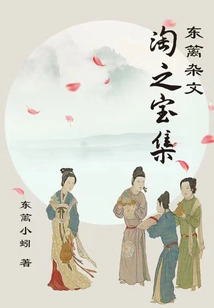
淘之宝集:东篱杂文
Dongli Small Earthworm
The beauty of essays lies in their complexity. You can say whatever you want to say, from the mountains to the south and the sea to the north, ancient and modern, Chinese and foreign, poetry and song, desire for power, and jumping thoughts. The subject matter is also relatively broad. As for the compilation of essays, it's even more incredible. It's like you go hunting for treasure, and you come to a large deep mountain and old forest, with rough stones everywhere. After rummaging through it, you may find a piece of jade, maybe a diamond, maybe an artificial gemstone, or you may not find anything. However, the process is very enjoyable.
The beauty of essays lies in their complexity. You can say whatever you want to say, from the mountains to the south and the sea to the north, ancient and modern, Chinese and foreign, poetry and song, desire for power, and jumping thoughts. The subject matter is also relatively broad. As for the compilation of essays, it's even more incredible. It's like you go hunting for treasure, and you come to a large deep mountain and old forest, with rough stones everywhere. After rummaging through it, you may find a piece of jade, maybe a diamond, maybe an artificial gemstone, or you may not find anything. However, the process is very enjoyable.
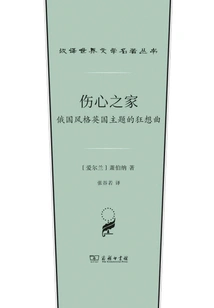
伤心之家:俄国风格英国主题的狂想曲(汉译世界文学名著丛书)
(ireland) Bernard Shaw
"Heartbreak House" is one of the series of "Masterpieces of World Literature in Chinese Translation". It is a three-act comedy created by Irish dramatist Bernard Shaw in 1919. The plot takes place in the English countryside on the eve of the outbreak of World War I. "Heartbreak House" is deliberately written in the atmosphere-creating style of Chekhov's "The Cherry Orchard". The script has a subtitle:\
"Heartbreak House" is one of the series of "Masterpieces of World Literature in Chinese Translation". It is a three-act comedy created by Irish dramatist Bernard Shaw in 1919. The plot takes place in the English countryside on the eve of the outbreak of World War I. "Heartbreak House" is deliberately written in the atmosphere-creating style of Chekhov's "The Cherry Orchard". The script has a subtitle:\
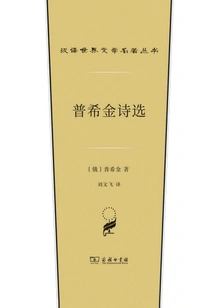
普希金诗选(汉译世界文学名著丛书)
H
Pushkin, the world-renowned great Russian poet, was born in a noble family and was well-read since he was a child. At that time, the autocratic rule of the Russian Tsar made the country backward and the people were in dire straits. Years of war and chaos made things worse. Pushkin used his pen as a weapon to write many satirical poems criticizing the Tsar and his minions. He inspired people to fight against this unreasonable system. He also wrote many heart-touching and beautiful lyric poems describing Russian people's feelings and his own emotions. This book is a selection of Pushkin's poems. Nearly 200 classic poems are selected that are most loved and praised by future generations, including personal emotions and social life, love and friendship, city and countryside, literature and politics, the history of the motherland and the customs of foreign lands, folklore and natural scenery, etc. Although these poems were written in the early 19th century, they still have high reading value and aesthetic significance today. The deep feelings contained in the poems are conveyed to the readers' hearts through flowing language. The poems are like music, but higher than music.
Pushkin, the world-renowned great Russian poet, was born in a noble family and was well-read since he was a child. At that time, the autocratic rule of the Russian Tsar made the country backward and the people were in dire straits. Years of war and chaos made things worse. Pushkin used his pen as a weapon to write many satirical poems criticizing the Tsar and his minions. He inspired people to fight against this unreasonable system. He also wrote many heart-touching and beautiful lyric poems describing Russian people's feelings and his own emotions. This book is a selection of Pushkin's poems. Nearly 200 classic poems are selected that are most loved and praised by future generations, including personal emotions and social life, love and friendship, city and countryside, literature and politics, the history of the motherland and the customs of foreign lands, folklore and natural scenery, etc. Although these poems were written in the early 19th century, they still have high reading value and aesthetic significance today. The deep feelings contained in the poems are conveyed to the readers' hearts through flowing language. The poems are like music, but higher than music.
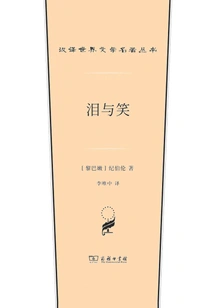
泪与笑(汉译世界文学名著丛书)
H
"Tears and Laughter" is Gibran's first collection of prose poems, and it is also one of his most beautiful collections of prose poems. "Tears and Laughter" has shown Gibran's most concerned literary themes from the beginning: love and beauty, nature, philosophy of life, humanism, social criticism, the poet's mission and loneliness, etc. All the prose poems in this collection have foreshadowed Gibran's creative direction in his life, and also reflect the development trend of Gibran's artistic style. There are many chapters in "Tears and Laughter" that directly target the injustice and evil in human society, and also involve the themes of nationalism and patriotism. They are a concentrated display of Gibran's values and life ideals.
"Tears and Laughter" is Gibran's first collection of prose poems, and it is also one of his most beautiful collections of prose poems. "Tears and Laughter" has shown Gibran's most concerned literary themes from the beginning: love and beauty, nature, philosophy of life, humanism, social criticism, the poet's mission and loneliness, etc. All the prose poems in this collection have foreshadowed Gibran's creative direction in his life, and also reflect the development trend of Gibran's artistic style. There are many chapters in "Tears and Laughter" that directly target the injustice and evil in human society, and also involve the themes of nationalism and patriotism. They are a concentrated display of Gibran's values and life ideals.
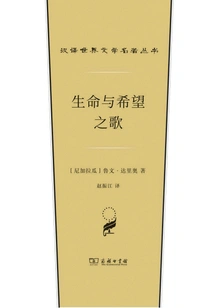
生命与希望之歌(汉译世界文学名著丛书)
T
The Nicaraguan poet Rubén Dario is the most influential poet in the modern development of Latin American literature. His poetry not only has a huge influence in Latin America, but also plays a unique role in the innovation and progress of Spanish poetry as a whole. The modernist literary creation he represents is also a watershed in the history of the development of Spanish poetry. He is an indispensable outstanding figure in studying the overall achievements of Latin American literature. This book includes Dario's collection of poems "Songs of Life and Hope" published in 1905. This is his most outstanding collection of poems and a symbol of his transformation from escapism to new cosmopolitanism. "Song of Life and Hope" was first translated and published in China in 1997 and received unanimous praise from the literary circle.
The Nicaraguan poet Rubén Dario is the most influential poet in the modern development of Latin American literature. His poetry not only has a huge influence in Latin America, but also plays a unique role in the innovation and progress of Spanish poetry as a whole. The modernist literary creation he represents is also a watershed in the history of the development of Spanish poetry. He is an indispensable outstanding figure in studying the overall achievements of Latin American literature. This book includes Dario's collection of poems "Songs of Life and Hope" published in 1905. This is his most outstanding collection of poems and a symbol of his transformation from escapism to new cosmopolitanism. "Song of Life and Hope" was first translated and published in China in 1997 and received unanimous praise from the literary circle.
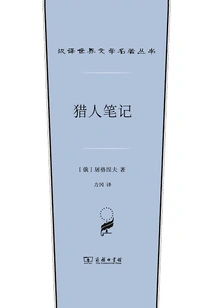
猎人笔记(汉译世界文学名著丛书)
Turgenev
"Hunter's Notes" is a classic masterpiece by Turgenev, a Russian critical realist writer, poet and playwright in the 19th century. In the article, the author, as a hunter, uses the hunting route as a clue to take us through villages large and small in Russia, see the beautiful natural landscapes in Russia, and hear many stories that are either sad, happy, extremely interesting, or thought-provoking. In addition to these anecdotes and beautiful scenery, you will also see the cold and hypocritical faces of the serf owners, and you will also see the wisdom and optimism of the farmers that we have never seen before. You will get to know many people with different statuses, whether they are landowners, nobles, serfs, domestic servants, or people without status. They will give you a comprehensive and novel understanding of Russia of that era.
"Hunter's Notes" is a classic masterpiece by Turgenev, a Russian critical realist writer, poet and playwright in the 19th century. In the article, the author, as a hunter, uses the hunting route as a clue to take us through villages large and small in Russia, see the beautiful natural landscapes in Russia, and hear many stories that are either sad, happy, extremely interesting, or thought-provoking. In addition to these anecdotes and beautiful scenery, you will also see the cold and hypocritical faces of the serf owners, and you will also see the wisdom and optimism of the farmers that we have never seen before. You will get to know many people with different statuses, whether they are landowners, nobles, serfs, domestic servants, or people without status. They will give you a comprehensive and novel understanding of Russia of that era.
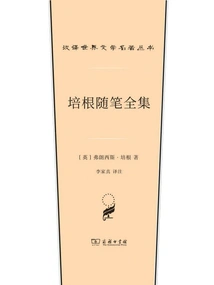
Complete Collection of Bacon's Essays (chinese Translation of World Literature Masterpieces Series)
Literature培根随笔全集(汉译世界文学名著丛书)
(english) Francis Bacon
"The Complete Essays of Bacon" is a collection of essays created by the British philosopher and writer Francis Bacon. It contains some short essays of an argumentative nature, covering politics, economics, religion, love, marriage, friendship, art, education, ethics and other aspects. It contains the essence of Bacon's thoughts. It is Bacon's representative work in literature and the pioneer of British essay literature. It has been translated into and published in many languages. This book is translated by Li Jiazhen.
"The Complete Essays of Bacon" is a collection of essays created by the British philosopher and writer Francis Bacon. It contains some short essays of an argumentative nature, covering politics, economics, religion, love, marriage, friendship, art, education, ethics and other aspects. It contains the essence of Bacon's thoughts. It is Bacon's representative work in literature and the pioneer of British essay literature. It has been translated into and published in many languages. This book is translated by Li Jiazhen.
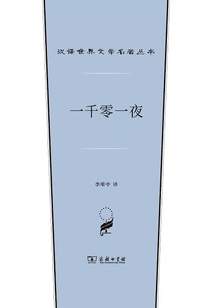
一千零一夜(汉译世界文学名著丛书)
Arabic Folktales
"Tales from the Thousand and One Nights" (The Arabian Nights) is a collection of Arabic folk tales, also known as "The Arabian Nights". The work tells the story of a king named Shanruyar in ancient Arabia. He was cruel and jealous by nature. He killed his queen because of her misbehavior. After that, he married a girl every day and killed her the next morning as revenge. In order to save the innocent woman, Scheherazade, the daughter of the palace minister vizier, voluntarily married the king. Scheherazade attracted the king by telling stories, and she told the most exciting part every night. It was just dawn, so the king couldn't bear to kill her because he loved listening to stories, and allowed her to continue telling the story the next night. Her story has been told for one thousand and one nights, and the king was finally moved and grew old together with her. Because of its rich content and grand scale, it was praised by Gorky as "the most magnificent monument" in the history of world folk literature.
"Tales from the Thousand and One Nights" (The Arabian Nights) is a collection of Arabic folk tales, also known as "The Arabian Nights". The work tells the story of a king named Shanruyar in ancient Arabia. He was cruel and jealous by nature. He killed his queen because of her misbehavior. After that, he married a girl every day and killed her the next morning as revenge. In order to save the innocent woman, Scheherazade, the daughter of the palace minister vizier, voluntarily married the king. Scheherazade attracted the king by telling stories, and she told the most exciting part every night. It was just dawn, so the king couldn't bear to kill her because he loved listening to stories, and allowed her to continue telling the story the next night. Her story has been told for one thousand and one nights, and the king was finally moved and grew old together with her. Because of its rich content and grand scale, it was praised by Gorky as "the most magnificent monument" in the history of world folk literature.
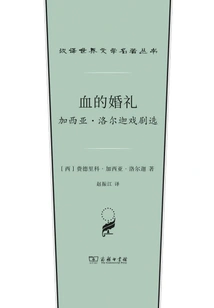
血的婚礼:加西亚·洛尔迦戏剧选(汉译世界文学名著丛书)
I
The drama "Blood Wedding" is based on a real event that happened in Nijar (Almeria) in 1928: On the morning of the wedding, a young woman and her cousin, her lover, ran away. Not long after, the injured bride was found next to the body of her lover, who had been killed by the groom's brother. The double stimulus of an honor case washed with blood - like many dramas of the golden century, the dry and harsh environment of eastern Andalusia is purified and brought into play in the play. Two peasant families prepare for the wedding of their children: the groom's mother has a deep hatred for the Felix family because they murdered her husband and one of her sons. The bride's father wanted to connect the two families' lands together. On the day of the wedding, the bride's former lover, Leonardo Felix, came. Although he is married, he still loves her. As for the bride, she doesn't love her fiancé, but thinks she will forget Leonardo after marriage. In the middle of the wedding, they elope on horseback. The mother and groom chased after them until they caught up with them in a wooded area. The groom and Leonardo fight to death. "Blood Wedding" is a drama that reflects a secular scene, mainly showing repressed and forbidden love. What the hero and heroine face is a closed and backward society, the feud between two families and the economic interests between the characters. However, their love broke through all restraints, betrayed the moral principles of society, and even violated their own reason. The famous literary critic Fernandez Almagro called "Blood Wedding" "the soul of the nation with a primitive flavor".
The drama "Blood Wedding" is based on a real event that happened in Nijar (Almeria) in 1928: On the morning of the wedding, a young woman and her cousin, her lover, ran away. Not long after, the injured bride was found next to the body of her lover, who had been killed by the groom's brother. The double stimulus of an honor case washed with blood - like many dramas of the golden century, the dry and harsh environment of eastern Andalusia is purified and brought into play in the play. Two peasant families prepare for the wedding of their children: the groom's mother has a deep hatred for the Felix family because they murdered her husband and one of her sons. The bride's father wanted to connect the two families' lands together. On the day of the wedding, the bride's former lover, Leonardo Felix, came. Although he is married, he still loves her. As for the bride, she doesn't love her fiancé, but thinks she will forget Leonardo after marriage. In the middle of the wedding, they elope on horseback. The mother and groom chased after them until they caught up with them in a wooded area. The groom and Leonardo fight to death. "Blood Wedding" is a drama that reflects a secular scene, mainly showing repressed and forbidden love. What the hero and heroine face is a closed and backward society, the feud between two families and the economic interests between the characters. However, their love broke through all restraints, betrayed the moral principles of society, and even violated their own reason. The famous literary critic Fernandez Almagro called "Blood Wedding" "the soul of the nation with a primitive flavor".
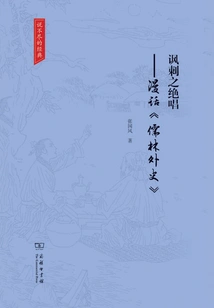
讽刺之绝唱:漫话《儒林外史》
Zhang Guofeng
In the form of casual essays, the book analyzes various issues in the long satirical novel "The Scholars", including "Fortunateness and Misfortune", "Proud Family Status", "Six Dynasties Complex", "Wei and Jin Styles", "It is important for people to have self-knowledge", "Miscellaneous Readings and Miscellaneous Studies", "Principles and Talents", "Winners, Princes and Losers", "Right Roads and Strange Roads", "The Ship Arrives at the Wharf, the Car Arrives at the Station", "He" Chapters such as "Stinginess", "The Tiredness of a Good Reputation", "Money, Talent and Family" and "All Working on the Rules" are not commentary but have the interest of commentary, not textual research but the depth of textual research, and are not historiography but the seriousness of history. They are eclectic, rejecting formulas, twisting and turning, and making fun of writing, such as joking in opera, drunken boxing in martial arts, and wild cursive writing in calligraphy. With a scroll in hand, people forget about gains and losses and become intoxicated with it.
In the form of casual essays, the book analyzes various issues in the long satirical novel "The Scholars", including "Fortunateness and Misfortune", "Proud Family Status", "Six Dynasties Complex", "Wei and Jin Styles", "It is important for people to have self-knowledge", "Miscellaneous Readings and Miscellaneous Studies", "Principles and Talents", "Winners, Princes and Losers", "Right Roads and Strange Roads", "The Ship Arrives at the Wharf, the Car Arrives at the Station", "He" Chapters such as "Stinginess", "The Tiredness of a Good Reputation", "Money, Talent and Family" and "All Working on the Rules" are not commentary but have the interest of commentary, not textual research but the depth of textual research, and are not historiography but the seriousness of history. They are eclectic, rejecting formulas, twisting and turning, and making fun of writing, such as joking in opera, drunken boxing in martial arts, and wild cursive writing in calligraphy. With a scroll in hand, people forget about gains and losses and become intoxicated with it.
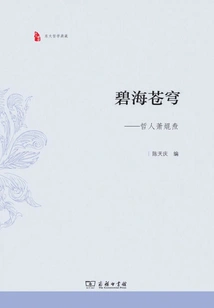
碧海苍穹:哲人萧焜焘
Compiled By Chen Tianqing
This book is a collection of essays commemorating Mr. Xiao Kuntao's philosophical career. It consists of Mr. Xiao's autobiography, articles recalling his teachers, friends and disciples, excerpts from Mr. Xiao's writings, and an "academic chronology". It contains a total of 39 articles. It depicts a three-dimensional and rich image of the philosopher from the perspectives of his works, life, and friends' testimonies. This book is one of the "Contemporary Jiangsu Scholars Series" published by Nanjing University Press in 2000. The total book is about 250,000 words.
This book is a collection of essays commemorating Mr. Xiao Kuntao's philosophical career. It consists of Mr. Xiao's autobiography, articles recalling his teachers, friends and disciples, excerpts from Mr. Xiao's writings, and an "academic chronology". It contains a total of 39 articles. It depicts a three-dimensional and rich image of the philosopher from the perspectives of his works, life, and friends' testimonies. This book is one of the "Contemporary Jiangsu Scholars Series" published by Nanjing University Press in 2000. The total book is about 250,000 words.
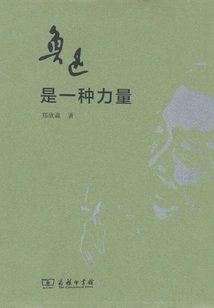
Lu Xun is a Force
Literature鲁迅是一种力量
Zheng Xinmiao
"Lu Xun is a Force" has a total of about 228,000 words. It collects the author's various articles on Lu Xun research since the 1970s. It is divided into three series: the first series includes papers and speeches from the 1980s to the first decade of the 21st century, including "A Brief Discussion on the Titles of Lu Xun's Essays", "Wu Guanzhong and the World of Lu Xun" and other articles The second volume includes speeches and interviews about Lu Xun's activities since the 21st century, including "Lu Xun in Cross-Cultural Dialogue" and "Lu Xun's Reading Life"; the third volume includes more than ten short essays and poems written from the mid-to-late 1970s to the early 1980s, including "Interpretation of Lu Xun's Era" and "Impressions of Reading Lu Xun".
"Lu Xun is a Force" has a total of about 228,000 words. It collects the author's various articles on Lu Xun research since the 1970s. It is divided into three series: the first series includes papers and speeches from the 1980s to the first decade of the 21st century, including "A Brief Discussion on the Titles of Lu Xun's Essays", "Wu Guanzhong and the World of Lu Xun" and other articles The second volume includes speeches and interviews about Lu Xun's activities since the 21st century, including "Lu Xun in Cross-Cultural Dialogue" and "Lu Xun's Reading Life"; the third volume includes more than ten short essays and poems written from the mid-to-late 1970s to the early 1980s, including "Interpretation of Lu Xun's Era" and "Impressions of Reading Lu Xun".
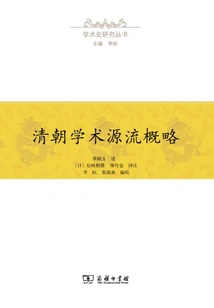
清朝学术源流概略
Luo Zhenyushu
In the spring of 1930, Luo Zhenyu was invited by the Japanese scholar Matsuzaki Tsuruo to give an overview of the academic origins of the Qing Dynasty. The main content of the book is "A Summary of the Academic Origins of the Qing Dynasty" narrated by Luo Zhenyu, translated and annotated by Tsuruo Matsuzaki in Japanese, and translated by Mu Chuanjin, a senior scholar in Dalian. The book starts by tracing the academic changes in the past dynasties before the Qing Dynasty, and briefly comments on the academic history from the pre-Qin to the Ming Dynasty, which serves as the premise and basis for discussing the academic changes in the Qing Dynasty. Then the overall academic outlook of the Qing Dynasty is described and evaluated from four aspects: academic origins, academic schools, research methods, and academic gains and losses. During the editing process, the "Summary of the Academic Origin of the Dynasty" in Luo's collected works was used as a reference. In order to enable readers and researchers to understand Luo's academic historical theories as comprehensively as possible and to understand the context in which these historical theories occurred, this book also includes Luo's "Gradual Changes in Ancient and Modern Academics", "Fusang Two Months", and "Fifty Days Dream Traces" ", "Ji Liao Bian", "The Biography of Wang Zhongcu of Haining", "Preface to the Sixtieth Life of Dr. Kano Junzan", "Books with Ke Fengsun as a Scholar" and other articles, and also include Ke Changsi's "Hanging Mr. Yuluo" and Dong Zuobin's "A Brief Biography of Mr. Luo Xuetang" as appendices.
In the spring of 1930, Luo Zhenyu was invited by the Japanese scholar Matsuzaki Tsuruo to give an overview of the academic origins of the Qing Dynasty. The main content of the book is "A Summary of the Academic Origins of the Qing Dynasty" narrated by Luo Zhenyu, translated and annotated by Tsuruo Matsuzaki in Japanese, and translated by Mu Chuanjin, a senior scholar in Dalian. The book starts by tracing the academic changes in the past dynasties before the Qing Dynasty, and briefly comments on the academic history from the pre-Qin to the Ming Dynasty, which serves as the premise and basis for discussing the academic changes in the Qing Dynasty. Then the overall academic outlook of the Qing Dynasty is described and evaluated from four aspects: academic origins, academic schools, research methods, and academic gains and losses. During the editing process, the "Summary of the Academic Origin of the Dynasty" in Luo's collected works was used as a reference. In order to enable readers and researchers to understand Luo's academic historical theories as comprehensively as possible and to understand the context in which these historical theories occurred, this book also includes Luo's "Gradual Changes in Ancient and Modern Academics", "Fusang Two Months", and "Fifty Days Dream Traces" ", "Ji Liao Bian", "The Biography of Wang Zhongcu of Haining", "Preface to the Sixtieth Life of Dr. Kano Junzan", "Books with Ke Fengsun as a Scholar" and other articles, and also include Ke Changsi's "Hanging Mr. Yuluo" and Dong Zuobin's "A Brief Biography of Mr. Luo Xuetang" as appendices.
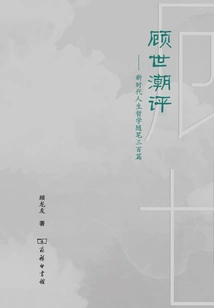
顾世潮评:新时代人生哲学随笔三百篇
Gu Longyou
This book insists on using Marxist philosophical thoughts, philosophical principles, and philosophical viewpoints, focusing on absorbing the advanced and excellent cultural essence of ancient and modern China and foreign countries, and closely integrating it with contemporary reality. It has entered into an in-depth and profound discussion of life including being a person, doing things, living, working, studying, and family, etc. It is highly philosophical, rich in knowledge, and has a certain academic nature. This book contains a total of 300 essays, each of about 2,000 words. The titles are based on words with opposite or similar meanings, such as "One Act and Two Acts", "Separating Mountains and Separating Veils", "Props and Masks", "Jumping and Lying", "Doing and Making", "Cold and Cool", etc. The writing is profound, the writing is bright and the writing is beautiful.
This book insists on using Marxist philosophical thoughts, philosophical principles, and philosophical viewpoints, focusing on absorbing the advanced and excellent cultural essence of ancient and modern China and foreign countries, and closely integrating it with contemporary reality. It has entered into an in-depth and profound discussion of life including being a person, doing things, living, working, studying, and family, etc. It is highly philosophical, rich in knowledge, and has a certain academic nature. This book contains a total of 300 essays, each of about 2,000 words. The titles are based on words with opposite or similar meanings, such as "One Act and Two Acts", "Separating Mountains and Separating Veils", "Props and Masks", "Jumping and Lying", "Doing and Making", "Cold and Cool", etc. The writing is profound, the writing is bright and the writing is beautiful.
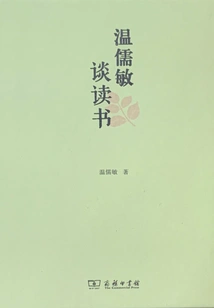
Wen Rumin Talks About Reading
Literature温儒敏谈读书
Wen Rumin
The book collects more than 40 articles by the author on reading and Chinese learning, divided into four parts: 1. Chinese education and reading, talking about Chinese teaching and stimulating interest in reading, learning Chinese well and developing reading habits, classroom teaching and reading methods, Chinese curriculum reform and reading literacy, how to read classics, etc. 2. General education and reading, talking about reading, reading lists and reading literacy in general education. 3. The Internet Age and Classic Reading, analyzing the value of classic reading based on the reading phenomenon in the Internet age. 4. Introduction to famous works by famous writers, including more than ten kinds of famous works, suggesting reading methods and revealing the key to interpretation. Most of the articles selected in the book are short, interesting, informative and practical, and more than ten of them have been widely circulated.
The book collects more than 40 articles by the author on reading and Chinese learning, divided into four parts: 1. Chinese education and reading, talking about Chinese teaching and stimulating interest in reading, learning Chinese well and developing reading habits, classroom teaching and reading methods, Chinese curriculum reform and reading literacy, how to read classics, etc. 2. General education and reading, talking about reading, reading lists and reading literacy in general education. 3. The Internet Age and Classic Reading, analyzing the value of classic reading based on the reading phenomenon in the Internet age. 4. Introduction to famous works by famous writers, including more than ten kinds of famous works, suggesting reading methods and revealing the key to interpretation. Most of the articles selected in the book are short, interesting, informative and practical, and more than ten of them have been widely circulated.
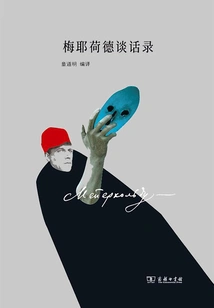
Meyerhold Conversations
Literature梅耶荷德谈话录
Compiled By Tong Daoming
The book "Meyerhold Conversations" is divided into two parts. The first part is Meyerhold's classic quotations, which are translated based on the section "Five Years with Meyerhold" in the Soviet Art Publishing House's "Drama Memoirs". The content mainly contains some of Meyerhold's novel views and ideas on drama directing, actor rehearsal, stage layout, etc. In his daily work. The second part is information about Meyerhold's speeches or conversations scattered in other books and periodicals. In the final appendix are two comments about Meyerhold's achievements. The author states that "Meyerhold is laying the foundation for future dramatic art, and the future will be grateful to him."
The book "Meyerhold Conversations" is divided into two parts. The first part is Meyerhold's classic quotations, which are translated based on the section "Five Years with Meyerhold" in the Soviet Art Publishing House's "Drama Memoirs". The content mainly contains some of Meyerhold's novel views and ideas on drama directing, actor rehearsal, stage layout, etc. In his daily work. The second part is information about Meyerhold's speeches or conversations scattered in other books and periodicals. In the final appendix are two comments about Meyerhold's achievements. The author states that "Meyerhold is laying the foundation for future dramatic art, and the future will be grateful to him."
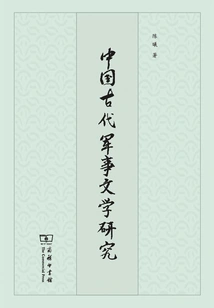
中国古代军事文学研究
Chen Xi
"Research on Ancient Chinese Military Literature" systematically explores a number of ancient Chinese classics from the pre-Qin to the late Qing Dynasty in the form of monographs, such as "The Book of Songs", "Sun Tzu's Art of War", "Laozi", "Zuo Zhuan", "The Six "Tao", "Historical Records", "Hanshu", "Three Kingdoms", Sancao's poems and essays, frontier poems, "Romance of the Three Kingdoms", "Water Margin", "Nie Haihua", etc., Which focus on explaining the ideological connotation and aesthetic characteristics contained in the military chapters. The author attempts to get close to the historical environment and soul of each research subject, and grasp their life experience, cultural mentality, values, artistic creation, etc. From multiple angles, and promotes the research of ancient Chinese military literature with creative ideological results. The book comprehensively uses a variety of research methods such as mutual support of literature and history, cultural poetics, the combination of micro and macro, and the combination of phenomenon analysis and theoretical summary. It demonstrates the author's research personality of attaching great importance to close reading of texts and capturing "big issues" from the details. It promotes the patriotism, heroism and martial spirit in traditional Chinese military culture, and has high academic value.
"Research on Ancient Chinese Military Literature" systematically explores a number of ancient Chinese classics from the pre-Qin to the late Qing Dynasty in the form of monographs, such as "The Book of Songs", "Sun Tzu's Art of War", "Laozi", "Zuo Zhuan", "The Six "Tao", "Historical Records", "Hanshu", "Three Kingdoms", Sancao's poems and essays, frontier poems, "Romance of the Three Kingdoms", "Water Margin", "Nie Haihua", etc., Which focus on explaining the ideological connotation and aesthetic characteristics contained in the military chapters. The author attempts to get close to the historical environment and soul of each research subject, and grasp their life experience, cultural mentality, values, artistic creation, etc. From multiple angles, and promotes the research of ancient Chinese military literature with creative ideological results. The book comprehensively uses a variety of research methods such as mutual support of literature and history, cultural poetics, the combination of micro and macro, and the combination of phenomenon analysis and theoretical summary. It demonstrates the author's research personality of attaching great importance to close reading of texts and capturing "big issues" from the details. It promotes the patriotism, heroism and martial spirit in traditional Chinese military culture, and has high academic value.
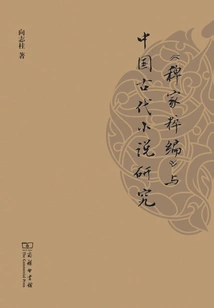
《稗家粹编》与中国古代小说研究
Xiang Zhizhu
The only domestic copy of "Zi Jia Cui Bian" is an anthology of novels compiled by Hu Wenhuan, a famous publisher in the late Ming Dynasty, and prefaced by Wanli Jiawu (1594). However, it is not mentioned in domestic and foreign novel bibliographies, literary history textbooks, research papers, and books. "Bijia Cuibian" has a clear publication date, collects many rare novels, and contains many important variant texts that are of academic significance. It is inextricably related to the compilation and selection of classical Chinese novels, the editing of popular books, the adaptation of story novels and poetry novels, and the creation and dissemination of compiled novels. This book emphasizes problem awareness and close reading of the text. It writes about small details and focuses on big things. It is the first monograph to conduct an in-depth study of the material value, documentary value, and research value of "Bian Jia Cui Bian". It has academic significance to fill the gaps; it has important breakthrough significance in basic research on the versions, contents, and writing of ancient novels.
The only domestic copy of "Zi Jia Cui Bian" is an anthology of novels compiled by Hu Wenhuan, a famous publisher in the late Ming Dynasty, and prefaced by Wanli Jiawu (1594). However, it is not mentioned in domestic and foreign novel bibliographies, literary history textbooks, research papers, and books. "Bijia Cuibian" has a clear publication date, collects many rare novels, and contains many important variant texts that are of academic significance. It is inextricably related to the compilation and selection of classical Chinese novels, the editing of popular books, the adaptation of story novels and poetry novels, and the creation and dissemination of compiled novels. This book emphasizes problem awareness and close reading of the text. It writes about small details and focuses on big things. It is the first monograph to conduct an in-depth study of the material value, documentary value, and research value of "Bian Jia Cui Bian". It has academic significance to fill the gaps; it has important breakthrough significance in basic research on the versions, contents, and writing of ancient novels.
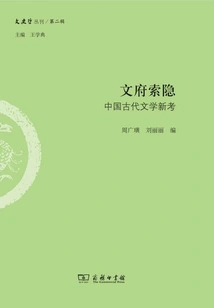
文府索隐:中国古代文学新考
Edited By Zhou Guanghuang And Liu Lili
This book collects 24 textual research articles on ancient Chinese literary writers, works, literary phenomena and other related issues published in "Literature, History and Philosophy" in the past thirty years. These articles either correct the mistakes of previous studies or reveal the secrets of the Wen Dynasty. They have solid information, explore the hidden truths, and have in-depth research and are quite skillful. There are masterpieces by famous writers such as Fu Xuancong, Cai Houshi, Mou Shijin, Ling Xun, Liu Wenzhong, Zhang Zhonggang, etc., As well as excellent works by young and cutting-edge young people in the academic world. They have high academic research value and reference value, and are of great benefit to the study of ancient literature.
This book collects 24 textual research articles on ancient Chinese literary writers, works, literary phenomena and other related issues published in "Literature, History and Philosophy" in the past thirty years. These articles either correct the mistakes of previous studies or reveal the secrets of the Wen Dynasty. They have solid information, explore the hidden truths, and have in-depth research and are quite skillful. There are masterpieces by famous writers such as Fu Xuancong, Cai Houshi, Mou Shijin, Ling Xun, Liu Wenzhong, Zhang Zhonggang, etc., As well as excellent works by young and cutting-edge young people in the academic world. They have high academic research value and reference value, and are of great benefit to the study of ancient literature.
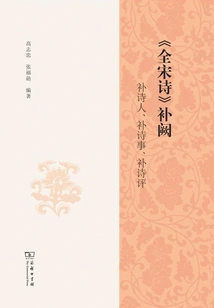
《全宋诗》补阙:补诗人、补诗事、补诗评
Compiled By Gao Zhizhong And Zhang Fuxun
This book is divided into three parts: supplementing poets, supplementing poetry, and supplementing poetry criticism. Supplement the poets' part, that is, those who have been left out and not included in "The Complete Poems of the Song Dynasty". The supplementary poetry section refers to the above-mentioned four books. One of the four books has included the poet (or some have not been included), and there is a biography of the poet. However, if there are missing contents in the biography, especially those involving the poet's creation, the "poetry" will be supplemented. The supplementary poetry review section refers to those in which a certain book (or several books) in the above four books has been collected (or not collected), and has a relatively complete biography or story, but lacks comments on its poetic style and characteristics, which is more valuable in theory. It is particularly important for comprehensively and accurately understanding and grasping the style of the poet's creation, the evolution of his poetry, the comparison of different poets' styles, the situation of their schools, etc. It is combined with the wonderful discussion of Qian Zhongshu's "Supplement and Correction" and marked together as "Complementary Poetry Commentary". Since the publication of "Complete Poems of the Song Dynasty", there have been some individual researchers who have published relevant papers to supplement it, but this book systematically completes the comprehensive review of poets, poetry, and poetry criticism. "Poetry reviews" are not included in "Complete Poems of the Song Dynasty". This book has compiled a total of 129 Buque poets, 132 Buque poems, and 192 Buque poetry reviews. Its systematicness and scale are unmatched by other compilers. A lot of new material has been added to the supplement, and if necessary, "notes" should be added after the supplement to explain it. This is the feature and value of this book.
This book is divided into three parts: supplementing poets, supplementing poetry, and supplementing poetry criticism. Supplement the poets' part, that is, those who have been left out and not included in "The Complete Poems of the Song Dynasty". The supplementary poetry section refers to the above-mentioned four books. One of the four books has included the poet (or some have not been included), and there is a biography of the poet. However, if there are missing contents in the biography, especially those involving the poet's creation, the "poetry" will be supplemented. The supplementary poetry review section refers to those in which a certain book (or several books) in the above four books has been collected (or not collected), and has a relatively complete biography or story, but lacks comments on its poetic style and characteristics, which is more valuable in theory. It is particularly important for comprehensively and accurately understanding and grasping the style of the poet's creation, the evolution of his poetry, the comparison of different poets' styles, the situation of their schools, etc. It is combined with the wonderful discussion of Qian Zhongshu's "Supplement and Correction" and marked together as "Complementary Poetry Commentary". Since the publication of "Complete Poems of the Song Dynasty", there have been some individual researchers who have published relevant papers to supplement it, but this book systematically completes the comprehensive review of poets, poetry, and poetry criticism. "Poetry reviews" are not included in "Complete Poems of the Song Dynasty". This book has compiled a total of 129 Buque poets, 132 Buque poems, and 192 Buque poetry reviews. Its systematicness and scale are unmatched by other compilers. A lot of new material has been added to the supplement, and if necessary, "notes" should be added after the supplement to explain it. This is the feature and value of this book.
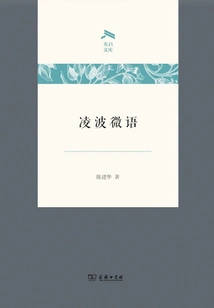
Lingbo Whisper
Literature凌波微语
Chen Jianhua
"Lingbo Weiyu" is selected from the author's academic essays over the past 20 years, 25 essays with approximately 180,000 words, published in "Book City", "Essays", "Book House" and other magazines. The content includes book reviews of modern literature masterpieces such as Fujii Shozo's "Lu Xun's Hometown" and Liu Jianmei's "Revolution and Love", as well as the book preface to Zhang Peiheng's "No Beijing, No Sea Collection" to elaborate on Mr. Zhang's scholarly style and characteristics. An interview with Mr. Zhang Hao discusses the "transformation" of China's "revolution" in modern times. The article "Imagination of Empire, Revolution and Republic in the Late Qing and Early Republic of China" is a conversation with Mr. Li Oufan, which has been widely reprinted. There are also prefaces to the author's own books such as "The Carved Cage and the Firebird", "From Revolution to Republic", "Ancient and Modern Times and Cross-borders", "Phantom of the Violet", etc., Covering modern China. "Exploring the "Literary Mind" in the Complexity of History", "The Literary Mind Flying, the Clouds and Sunshines" and "Lingbo Weiyu - Talking about the Joys and Sufferings of Bilingual Writing" discuss the various opportunities and challenges encountered in the research process. In terms of methodology, they involve a wide range of interdisciplinary issues such as historical materials and theories, text and interpretation, and literary culture.
"Lingbo Weiyu" is selected from the author's academic essays over the past 20 years, 25 essays with approximately 180,000 words, published in "Book City", "Essays", "Book House" and other magazines. The content includes book reviews of modern literature masterpieces such as Fujii Shozo's "Lu Xun's Hometown" and Liu Jianmei's "Revolution and Love", as well as the book preface to Zhang Peiheng's "No Beijing, No Sea Collection" to elaborate on Mr. Zhang's scholarly style and characteristics. An interview with Mr. Zhang Hao discusses the "transformation" of China's "revolution" in modern times. The article "Imagination of Empire, Revolution and Republic in the Late Qing and Early Republic of China" is a conversation with Mr. Li Oufan, which has been widely reprinted. There are also prefaces to the author's own books such as "The Carved Cage and the Firebird", "From Revolution to Republic", "Ancient and Modern Times and Cross-borders", "Phantom of the Violet", etc., Covering modern China. "Exploring the "Literary Mind" in the Complexity of History", "The Literary Mind Flying, the Clouds and Sunshines" and "Lingbo Weiyu - Talking about the Joys and Sufferings of Bilingual Writing" discuss the various opportunities and challenges encountered in the research process. In terms of methodology, they involve a wide range of interdisciplinary issues such as historical materials and theories, text and interpretation, and literary culture.
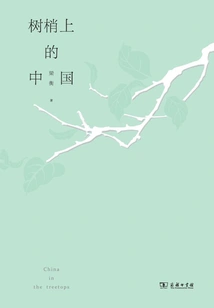
China on the Treetops
Literature树梢上的中国
Liang Heng
"China on the Treetops" is a collection of essays written by Mr. Liang Heng after traveling across mountains and rivers to search for ancient cultural trees. The book records the historical rise and fall of many ancient trees in China, integrating the author's concept of "humanistic forest" and conveying the author's humanistic thinking of advocating green civilization. This book is a newly updated version of the 2018 first edition of "China in the Treetops". It is Liang Heng's last work with the theme of ancient trees. On the basis of revising the original work, the author has added 9 new works, including "Jidu Temple Cypress", "Strong Trees on the Huirao Ancient Road" and "Xu Xiake's Jungle", continuing the first edition's theme of using ancient trees to witness history and conveying the humanistic spirit of green civilization.
"China on the Treetops" is a collection of essays written by Mr. Liang Heng after traveling across mountains and rivers to search for ancient cultural trees. The book records the historical rise and fall of many ancient trees in China, integrating the author's concept of "humanistic forest" and conveying the author's humanistic thinking of advocating green civilization. This book is a newly updated version of the 2018 first edition of "China in the Treetops". It is Liang Heng's last work with the theme of ancient trees. On the basis of revising the original work, the author has added 9 new works, including "Jidu Temple Cypress", "Strong Trees on the Huirao Ancient Road" and "Xu Xiake's Jungle", continuing the first edition's theme of using ancient trees to witness history and conveying the humanistic spirit of green civilization.
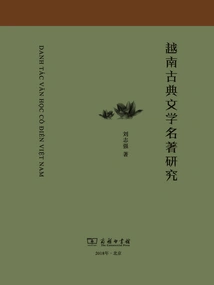
越南古典文学名著研究
Liu Zhiqiang
This book starts from the perspective of comparative literature and explores the emergence, development, prosperity, climax and decline of Vietnamese classical literature in the 18th and 19th centuries. The works include macro narratives of Vietnamese classical literature, as well as microscopic descriptions of specific masterpieces such as "Hua Jian Zhuan", "Gong Yuan Yin", "Zheng Fu Yin", "Liao Yun Xian", etc. The focus of this book is a multi-faceted examination of the classic work "Jin Yunqiao Biography" written by the Vietnamese great scholar Nguyen Yau. Although the work is based on the original work of a talented young man in the late Ming and early Qing dynasties, Ruan Yau re-created it in the form of poetry and injected Chinese and Vietnamese language and cultural elements into it, making it a "classic" among Vietnamese classical literary works. For this reason, Nguyen Yau himself was listed as a "World Cultural Celebrity" by UNESCO. Due to historical and cultural reasons, Vietnamese classical literature has more or less connections with Chinese literature and culture. This book also discusses the special cultural relationship between China and Vietnam, from which readers can experience the cultural differences between the two cultures that are "similar in appearance but different in taste".
This book starts from the perspective of comparative literature and explores the emergence, development, prosperity, climax and decline of Vietnamese classical literature in the 18th and 19th centuries. The works include macro narratives of Vietnamese classical literature, as well as microscopic descriptions of specific masterpieces such as "Hua Jian Zhuan", "Gong Yuan Yin", "Zheng Fu Yin", "Liao Yun Xian", etc. The focus of this book is a multi-faceted examination of the classic work "Jin Yunqiao Biography" written by the Vietnamese great scholar Nguyen Yau. Although the work is based on the original work of a talented young man in the late Ming and early Qing dynasties, Ruan Yau re-created it in the form of poetry and injected Chinese and Vietnamese language and cultural elements into it, making it a "classic" among Vietnamese classical literary works. For this reason, Nguyen Yau himself was listed as a "World Cultural Celebrity" by UNESCO. Due to historical and cultural reasons, Vietnamese classical literature has more or less connections with Chinese literature and culture. This book also discusses the special cultural relationship between China and Vietnam, from which readers can experience the cultural differences between the two cultures that are "similar in appearance but different in taste".
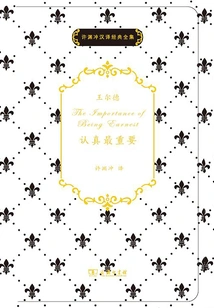
Seriousness is the Most Important
Literature认真最重要
(uk) Oscar Wilde
"Earnestness Is Most Important" (1895) is one of Wilde's dramatic works in the "Complete Chinese Translation Classics by Xu Yuanchong". The plot tells the story of the male protagonist Jacques Worthing (JackWorthing), whose pseudonym is "ErnestWorthing" (ErnestWorthing). Ernest is a homophone for "earnest" (serious). He falls in love with Guando, the cousin of his good friend Yagelon. His ability to love him has a lot to do with his name being Ernest; and Agelon fell in love with Jacques's ward, Cecile, and came to see Cecile as Jacques's cousin. Cecile thought that Agelon was called Ernest - because Jacques once told her that he had a cousin named Ernest. As a result, both girls fell in love with the fictitious Mr. Ernest at the same time, and they became love rivals due to misunderstanding. This shows how important the "seriousness" represented by Ernest is to girls! At the end of the story, the mystery of Jacques' life experience is finally revealed, and the two couples get married.
"Earnestness Is Most Important" (1895) is one of Wilde's dramatic works in the "Complete Chinese Translation Classics by Xu Yuanchong". The plot tells the story of the male protagonist Jacques Worthing (JackWorthing), whose pseudonym is "ErnestWorthing" (ErnestWorthing). Ernest is a homophone for "earnest" (serious). He falls in love with Guando, the cousin of his good friend Yagelon. His ability to love him has a lot to do with his name being Ernest; and Agelon fell in love with Jacques's ward, Cecile, and came to see Cecile as Jacques's cousin. Cecile thought that Agelon was called Ernest - because Jacques once told her that he had a cousin named Ernest. As a result, both girls fell in love with the fictitious Mr. Ernest at the same time, and they became love rivals due to misunderstanding. This shows how important the "seriousness" represented by Ernest is to girls! At the end of the story, the mystery of Jacques' life experience is finally revealed, and the two couples get married.
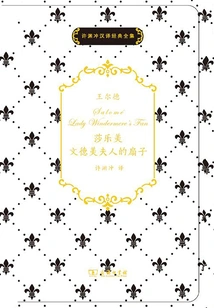
Salome Vendéme's Lady's Fan
Literature莎乐美·文德美妇人的扇子
G
"Salome: Lady Vendéme's Fan" is one of Oscar Wilde's dramatic works in the "Complete Chinese Translation Classics by Xu Yuanchong". The book includes two plays. The story frame of Oscar Wilde's "Salome" (1891) comes from the Bible, but the plot is different: the young and beautiful Salome is the daughter of Herodia, the second wife of King Hero, the ruler of Galilee in Palestine. King Hero can't control his obsession with his stepdaughter Salome and wants Salome to dance for him; but Salome is obsessed with the imprisoned prophet Jocanan and falls madly in love with him, but is rejected. In order to kiss Jokanan, Salome agreed to dance for King Hero on the condition that King Hero agreed to a request she made - no matter what the request was. After the dance, Salome offered to ask for Kannan's head. King Hero could not break his promise and had to satisfy Salome's bloodthirsty demands. Salome finally kissed Jocanan's head, but was eventually executed by King Hero. The plot of "Lady Bonaventure's Fan" (1892) tells the story of Lady Bonaventure, who did not know that Lady Irene, whom her husband was secretly supporting and insisting on inviting to her birthday party, was her mother who had eloped. She suspected that her husband had an affair with Lady Irene, and angrily came to the home of Lord Darlington, who was pursuing her. Lady Irene came to persuade her to go home. Just as Lord Darlington and several guests returned, the two ladies hid, but Lady Vendéme's forgotten fan was discovered. In order to prevent her daughter from making a fool of herself, Mrs. Irene came out and admitted that the fan was hers, allowing her daughter to leave secretly, preserving her daughter's reputation and marriage.
"Salome: Lady Vendéme's Fan" is one of Oscar Wilde's dramatic works in the "Complete Chinese Translation Classics by Xu Yuanchong". The book includes two plays. The story frame of Oscar Wilde's "Salome" (1891) comes from the Bible, but the plot is different: the young and beautiful Salome is the daughter of Herodia, the second wife of King Hero, the ruler of Galilee in Palestine. King Hero can't control his obsession with his stepdaughter Salome and wants Salome to dance for him; but Salome is obsessed with the imprisoned prophet Jocanan and falls madly in love with him, but is rejected. In order to kiss Jokanan, Salome agreed to dance for King Hero on the condition that King Hero agreed to a request she made - no matter what the request was. After the dance, Salome offered to ask for Kannan's head. King Hero could not break his promise and had to satisfy Salome's bloodthirsty demands. Salome finally kissed Jocanan's head, but was eventually executed by King Hero. The plot of "Lady Bonaventure's Fan" (1892) tells the story of Lady Bonaventure, who did not know that Lady Irene, whom her husband was secretly supporting and insisting on inviting to her birthday party, was her mother who had eloped. She suspected that her husband had an affair with Lady Irene, and angrily came to the home of Lord Darlington, who was pursuing her. Lady Irene came to persuade her to go home. Just as Lord Darlington and several guests returned, the two ladies hid, but Lady Vendéme's forgotten fan was discovered. In order to prevent her daughter from making a fool of herself, Mrs. Irene came out and admitted that the fan was hers, allowing her daughter to leave secretly, preserving her daughter's reputation and marriage.
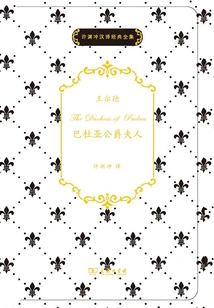
Duchess of Badua
Literature巴杜亚公爵夫人
G
"The Duchess of Badua" (1893) is one of the "Complete Classics Translated into Chinese by Xu Yuanchong". The plot tells the story of a young man, Guido Fernanti, who was told that his father was betrayed and killed. The person who betrayed his father was the current Duke. In order to avenge his father, he was recommended by others and became a close confidant of the Duke, and gained the Duke's trust. At the same time, Guido and the Duchess fell in love. The constant conflict between the passion of love and the rationality of revenge caused his love with the Duchess to be hot and cold, and to leave suddenly. The Duchess did not know that Guido was on a mission of revenge. In order to win Guido's love, she killed the duke. Although she unintentionally avenged Guido's father, she lost Guido's love. The desperate duchess, turned from love to hatred, framed Guido for killing the duke. Facing the legal trial, Guido admitted that he had killed the duke. Before execution, the Duchess disguised herself and entered the cell, hoping to rescue Quito and die in his place. However, Quito did not choose to escape, and the two died in prison.
"The Duchess of Badua" (1893) is one of the "Complete Classics Translated into Chinese by Xu Yuanchong". The plot tells the story of a young man, Guido Fernanti, who was told that his father was betrayed and killed. The person who betrayed his father was the current Duke. In order to avenge his father, he was recommended by others and became a close confidant of the Duke, and gained the Duke's trust. At the same time, Guido and the Duchess fell in love. The constant conflict between the passion of love and the rationality of revenge caused his love with the Duchess to be hot and cold, and to leave suddenly. The Duchess did not know that Guido was on a mission of revenge. In order to win Guido's love, she killed the duke. Although she unintentionally avenged Guido's father, she lost Guido's love. The desperate duchess, turned from love to hatred, framed Guido for killing the duke. Facing the legal trial, Guido admitted that he had killed the duke. Before execution, the Duchess disguised herself and entered the cell, hoping to rescue Quito and die in his place. However, Quito did not choose to escape, and the two died in prison.
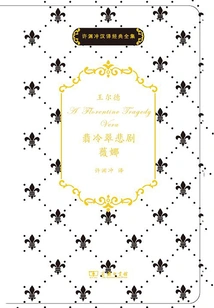
Feileng Cui Tragedy·vina
Literature翡冷翠悲剧·薇娜
G
"The Tragedy of Florence - Vina" is one of Oscar Wilde's dramatic works in the "Complete Collection of Classic Chinese Translations by Xu Yuanchong". The book includes two scripts: "The Tragedy of Florence" has only one scene, and the plot takes place in Florence, Italy in the early 16th century. Bianca, the wife of the businessman Simon, was loved and pursued by Guido Bardi, the son of the Grand Duke of Florence, and the two had an affair. After Simon found out when he returned home, he had a drinking contest with Kido, defeated him and killed him. "Vina" is a tragedy in four acts. The story takes place at the end of the 19th century. Anarchists with Veina as the center gathered in secret to resist and overthrow the brutal rule of the Tsar. They vowed never to love or be loved by others, and to abandon ordinary human emotions. The son of the old tsar, Alesh, had ideas of innovation and love for the people. He disguised himself as a medical student to participate in a secret gathering of anarchists, and fell in love with Vina involuntarily and silently. After the old tsar was assassinated, Alesh inherited the throne of the tsar. This was considered a betrayal by the anarchists, so they sent Vina to assassinate Alesh in the palace. At the last moment, Wei Na chose to kill herself to protect Alessi.
"The Tragedy of Florence - Vina" is one of Oscar Wilde's dramatic works in the "Complete Collection of Classic Chinese Translations by Xu Yuanchong". The book includes two scripts: "The Tragedy of Florence" has only one scene, and the plot takes place in Florence, Italy in the early 16th century. Bianca, the wife of the businessman Simon, was loved and pursued by Guido Bardi, the son of the Grand Duke of Florence, and the two had an affair. After Simon found out when he returned home, he had a drinking contest with Kido, defeated him and killed him. "Vina" is a tragedy in four acts. The story takes place at the end of the 19th century. Anarchists with Veina as the center gathered in secret to resist and overthrow the brutal rule of the Tsar. They vowed never to love or be loved by others, and to abandon ordinary human emotions. The son of the old tsar, Alesh, had ideas of innovation and love for the people. He disguised himself as a medical student to participate in a secret gathering of anarchists, and fell in love with Vina involuntarily and silently. After the old tsar was assassinated, Alesh inherited the throne of the tsar. This was considered a betrayal by the anarchists, so they sent Vina to assassinate Alesh in the palace. At the last moment, Wei Na chose to kill herself to protect Alessi.
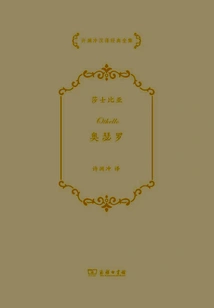
L
LiteratureL
G
"Othello" is one of the "Complete Chinese Translation Classics by Xu Yuanchong" and one of Shakespeare's famous tragedies. The plot tells the story of Othello, a Moorish commander employed by the Venetian city-state, who fell in love with Desdemona, the daughter of the senator Brabantio, and secretly married. Othello's general Iago is cunning and cunning. Out of jealousy and dissatisfaction, he uses means to sow discord between Othello and Desdemona. Othello suspects that Desdemona is unfaithful to him and strangles her to death with his own hands. Othello himself regretted and committed suicide after learning the truth.
"Othello" is one of the "Complete Chinese Translation Classics by Xu Yuanchong" and one of Shakespeare's famous tragedies. The plot tells the story of Othello, a Moorish commander employed by the Venetian city-state, who fell in love with Desdemona, the daughter of the senator Brabantio, and secretly married. Othello's general Iago is cunning and cunning. Out of jealousy and dissatisfaction, he uses means to sow discord between Othello and Desdemona. Othello suspects that Desdemona is unfaithful to him and strangles her to death with his own hands. Othello himself regretted and committed suicide after learning the truth.
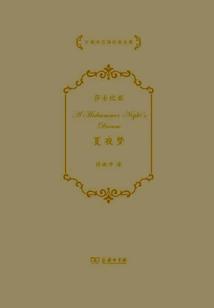
Summer Night Dream
Literature夏夜梦
G
"A Summer Night's Dream" (also translated as "A Midsummer Night's Dream") is one of the "Complete Chinese Translation Classics of Xu Yuanchong" and one of Shakespeare's famous comedies. The plot tells the story of several lovers who finally get married. The story takes place in Athens, ancient Greece. The love between Hemeiya and Lishande, Helena's love for Demetrius, the story of the Fairy Queen and the Fairy King, forest elves and love potions are added to make this comedy full of romance and fairy tale color. Although the story is full of suspense and misunderstandings, the final ending is that the lovers finally get married.
"A Summer Night's Dream" (also translated as "A Midsummer Night's Dream") is one of the "Complete Chinese Translation Classics of Xu Yuanchong" and one of Shakespeare's famous comedies. The plot tells the story of several lovers who finally get married. The story takes place in Athens, ancient Greece. The love between Hemeiya and Lishande, Helena's love for Demetrius, the story of the Fairy Queen and the Fairy King, forest elves and love potions are added to make this comedy full of romance and fairy tale color. Although the story is full of suspense and misunderstandings, the final ending is that the lovers finally get married.
H
LiteratureH
G
"The Merchant of Venice" is one of the "Complete Chinese Translation Classics by Xu Yuanchong" and one of Shakespeare's famous comedies. The plot tells the story of the Venetian businessman Antonio, who borrows a usury loan from the Jewish businessman Shylock in order to help his friend Bassao propose to the beautiful girl Portia, and signs a contract: If Antonio cannot repay the loan when it expires, Shylock has the right to cut off a pound of flesh from Antonio. The weather was not good and Antonio's merchant ship disappeared at sea, so he had no choice but to fulfill the contract. At this critical moment, the smart and beautiful Pocia disguised herself as a man and staged a wise play, successfully saving Antonio and punishing Shylock. At the same time, several new couples also became lovers.
"The Merchant of Venice" is one of the "Complete Chinese Translation Classics by Xu Yuanchong" and one of Shakespeare's famous comedies. The plot tells the story of the Venetian businessman Antonio, who borrows a usury loan from the Jewish businessman Shylock in order to help his friend Bassao propose to the beautiful girl Portia, and signs a contract: If Antonio cannot repay the loan when it expires, Shylock has the right to cut off a pound of flesh from Antonio. The weather was not good and Antonio's merchant ship disappeared at sea, so he had no choice but to fulfill the contract. At this critical moment, the smart and beautiful Pocia disguised herself as a man and staged a wise play, successfully saving Antonio and punishing Shylock. At the same time, several new couples also became lovers.
Macbeth
Literature马克白
G
"Macbeth" (also translated as "Macbeth") is one of the "Complete Chinese Translation Classics by Xu Yuanchong" and one of Shakespeare's famous tragedies. The plot tells the story of Macbeth, the cousin of King Duncan of Scotland. After serving the king in quelling the rebellion and resisting the invasion of foreign enemies, he became ambitious and wanted to regicide and usurp the throne. Stimulated by the witches' prophecies and with the support of Lady Macbeth, Macbeth succeeded in usurping the throne and massacred the generals and subordinates who threatened him. In the end, Lady Macbeth went mad and died, and Macbeth also fell under the sword of the Avengers.
"Macbeth" (also translated as "Macbeth") is one of the "Complete Chinese Translation Classics by Xu Yuanchong" and one of Shakespeare's famous tragedies. The plot tells the story of Macbeth, the cousin of King Duncan of Scotland. After serving the king in quelling the rebellion and resisting the invasion of foreign enemies, he became ambitious and wanted to regicide and usurp the throne. Stimulated by the witches' prophecies and with the support of Lady Macbeth, Macbeth succeeded in usurping the throne and massacred the generals and subordinates who threatened him. In the end, Lady Macbeth went mad and died, and Macbeth also fell under the sword of the Avengers.
The Sound of Cicadas on This Shore
Literature此岸的蝉声
Zhang Zongzi
This manuscript contains 43 reading essays by the author since 2011, including reading methods, creative methods, plants, historical figures, etc. His works include Chinese classical literature, such as pre-Qin scholars, Northern and Southern Dynasties, Tang and Song poetry, Tang novels and notes of the past; modern European and American novels and modern poetry, such as works by Proust, Borges, Rilke, Kafka, Joyce and others.
This manuscript contains 43 reading essays by the author since 2011, including reading methods, creative methods, plants, historical figures, etc. His works include Chinese classical literature, such as pre-Qin scholars, Northern and Southern Dynasties, Tang and Song poetry, Tang novels and notes of the past; modern European and American novels and modern poetry, such as works by Proust, Borges, Rilke, Kafka, Joyce and others.
Make False Come True
Literature弄假成真
G
"Make Fake True" (also translated as "Much Ado About Nothing") is one of the "Complete Chinese Translation Classics of Xu Yuanchong" and one of Shakespeare's masterpieces. The plot tells two types of love stories of that era: one is Ciro and Croud, who follow social norms and family status concepts and represent a traditional union; the other is Benleti and Bellis, who mock each other and refuse to give in at first, but finally fall in love with each other and achieve a perfect union. In this comedy, Shakespeare explores issues such as self-awareness, sincerity and mutual respect between men and women, and social order.
"Make Fake True" (also translated as "Much Ado About Nothing") is one of the "Complete Chinese Translation Classics of Xu Yuanchong" and one of Shakespeare's masterpieces. The plot tells two types of love stories of that era: one is Ciro and Croud, who follow social norms and family status concepts and represent a traditional union; the other is Benleti and Bellis, who mock each other and refuse to give in at first, but finally fall in love with each other and achieve a perfect union. In this comedy, Shakespeare explores issues such as self-awareness, sincerity and mutual respect between men and women, and social order.
N
LiteratureN
G
"King Lear" is one of the "Complete Chinese Translation Classics by Xu Yuanchong" and one of Shakespeare's famous tragedies. The story told is familiar to readers: King Lear, as the king of Britain, likes to listen to sweet words, and uses this to judge the extent of his three daughters' love for him. As a result, he was deceived by the sweet words of the eldest daughter and the second daughter, and granted them territory and power. The younger daughter was not accepted by King Lear because she was not good at speaking out. Although she was loyal and filial in her heart, she was left out and married away. After King Lear was deceived and abused by his two daughters and had no place to stay, he finally distinguished between the loyal and the traitor. Unfortunately, the tragedy had already occurred.
"King Lear" is one of the "Complete Chinese Translation Classics by Xu Yuanchong" and one of Shakespeare's famous tragedies. The story told is familiar to readers: King Lear, as the king of Britain, likes to listen to sweet words, and uses this to judge the extent of his three daughters' love for him. As a result, he was deceived by the sweet words of the eldest daughter and the second daughter, and granted them territory and power. The younger daughter was not accepted by King Lear because she was not good at speaking out. Although she was loyal and filial in her heart, she was left out and married away. After King Lear was deceived and abused by his two daughters and had no place to stay, he finally distinguished between the loyal and the traitor. Unfortunately, the tragedy had already occurred.
Insignificant Woman
Literature无足轻重的女人
G
"The Woman of No Importance" (1892) is one of Wilde's dramatic works in the "Complete Chinese Translation Classics by Xu Yuanchong". The plot tells the story of a young man named Gerald Yarbrough who was lucky enough to be favored by Lord Illingworth and wanted to use him as his secretary and support him. Gerald's mother, Mrs. Yarbrough, came to see Lord Illingworth to express her gratitude. When they met, they discovered that they were "old friends." It turns out that she was a lover with the Lord when she was young, but was abandoned after becoming pregnant. Gerald was actually the illegitimate son of Lord Illinwall. Mrs. Yarbrough had been humiliated and humiliated for her "mistakes" in her youth for half her life, and she had to bear a heavy moral cross. However, Lord Illingworth was not ashamed of what he had done, and regarded Mrs. Yarbrough as an "insignificant woman."
"The Woman of No Importance" (1892) is one of Wilde's dramatic works in the "Complete Chinese Translation Classics by Xu Yuanchong". The plot tells the story of a young man named Gerald Yarbrough who was lucky enough to be favored by Lord Illingworth and wanted to use him as his secretary and support him. Gerald's mother, Mrs. Yarbrough, came to see Lord Illingworth to express her gratitude. When they met, they discovered that they were "old friends." It turns out that she was a lover with the Lord when she was young, but was abandoned after becoming pregnant. Gerald was actually the illegitimate son of Lord Illinwall. Mrs. Yarbrough had been humiliated and humiliated for her "mistakes" in her youth for half her life, and she had to bear a heavy moral cross. However, Lord Illingworth was not ashamed of what he had done, and regarded Mrs. Yarbrough as an "insignificant woman."
Six Essentials for Composition
Literature作文六要
Wang Dingjun
"Six Essentials of Grammar" is a long-lost work of the master prose master Wang Dingjun. It is also one of his classic works on how to write. Ding Gong summarized many years of writing practice and experience, and sorted out and refined the six steps of writing: observation, imagination, experience, selection, combination, and expression, which are equivalent to the "Six Essentials of Grammar" and are the six basic skills that everyone who studies writing should learn and master. The copyright of this book has now been taken back by Ding Gong, and it has been carefully revised and "reborn from the ashes"; it is also an act of Ding Gong's golden needle to save people and selfless sharing. The whole book is based on six key points, and each key point is structured from the dual perspectives of "Teacher Huang" as the "teacher" and the students as "learners". It is easy to read and thought-provoking; supplemented by students' "responses", "work examples" and "my practice", the layers are clear, step-by-step in-depth, and multiple echoes are helpful for application. This book is an important work for writing masters to teach writing methods.
"Six Essentials of Grammar" is a long-lost work of the master prose master Wang Dingjun. It is also one of his classic works on how to write. Ding Gong summarized many years of writing practice and experience, and sorted out and refined the six steps of writing: observation, imagination, experience, selection, combination, and expression, which are equivalent to the "Six Essentials of Grammar" and are the six basic skills that everyone who studies writing should learn and master. The copyright of this book has now been taken back by Ding Gong, and it has been carefully revised and "reborn from the ashes"; it is also an act of Ding Gong's golden needle to save people and selfless sharing. The whole book is based on six key points, and each key point is structured from the dual perspectives of "Teacher Huang" as the "teacher" and the students as "learners". It is easy to read and thought-provoking; supplemented by students' "responses", "work examples" and "my practice", the layers are clear, step-by-step in-depth, and multiple echoes are helpful for application. This book is an important work for writing masters to teach writing methods.
Antony and Cleopatra
Literature安东尼与克柳葩
G
"Antony and Cleopatra" (also translated as "Antony and Cleopatra") is one of the "Complete Chinese Translation Classics by Xu Yuanchong" and one of Shakespeare's famous tragedies. The plot tells the story of Antony, one of the three chiefs of Rome, who is obsessed with the beauty of Cleopatra and almost forgets national affairs. Later, Rome suffered from the rebellion of Thedas Pompeii, the invasion of pirates, the invasion of Parthians from the east, and the death of Antony's wife. Antony regained his strength, returned to Rome, and married Octavian's sister to consolidate political relations. When the wheel subsided, Antony returned to Clupa. Later, a confrontation between Antony and Octavian was formed in Rome. During the sea battle between the two, Antony escaped after Clupa's ship, resulting in the defeat. Antony committed suicide in grief, and Clupa also committed suicide.
"Antony and Cleopatra" (also translated as "Antony and Cleopatra") is one of the "Complete Chinese Translation Classics by Xu Yuanchong" and one of Shakespeare's famous tragedies. The plot tells the story of Antony, one of the three chiefs of Rome, who is obsessed with the beauty of Cleopatra and almost forgets national affairs. Later, Rome suffered from the rebellion of Thedas Pompeii, the invasion of pirates, the invasion of Parthians from the east, and the death of Antony's wife. Antony regained his strength, returned to Rome, and married Octavian's sister to consolidate political relations. When the wheel subsided, Antony returned to Clupa. Later, a confrontation between Antony and Octavian was formed in Rome. During the sea battle between the two, Antony escaped after Clupa's ship, resulting in the defeat. Antony committed suicide in grief, and Clupa also committed suicide.
As Wished
Literature如愿
(english) Shakespeare
"As You Like It" (also translated as "As You Like It") is one of the "Complete Chinese Translation Classics of Xu Yuanchong" and one of Shakespeare's famous comedies. The plot tells the story of Rosalind, the duke's daughter who was usurped by her brothers and exiled, disguised herself as a man and went to the Arden Forest to find her father. She met her beloved Orlando, who was abused by her elder brother... In the end, all the good people who were persecuted were rewarded, the evil people were inspired, and the lovers got married.
"As You Like It" (also translated as "As You Like It") is one of the "Complete Chinese Translation Classics of Xu Yuanchong" and one of Shakespeare's famous comedies. The plot tells the story of Rosalind, the duke's daughter who was usurped by her brothers and exiled, disguised herself as a man and went to the Arden Forest to find her father. She met her beloved Orlando, who was abused by her elder brother... In the end, all the good people who were persecuted were rewarded, the evil people were inspired, and the lovers got married.
N
LiteratureN
G
"Romeo and Juliet" is one of the "Complete Chinese Translation Classics by Xu Yuanchong" and is also one of Shakespeare's famous tragedies. The story told is familiar to the majority of readers: the plot tells the story of Juliet, the daughter of the Kapler family, an Italian aristocratic family, and Montague, who have been enemies for generations. The son Romeo fell in love at first sight, fell in love persistently, and had a secret union. However, due to the conflict and mutual killing between the two families, Romeo was exiled. With the help of the priest, Juliet took medicine and faked her death to escape the marriage arranged by her father, and finally both died in love.
"Romeo and Juliet" is one of the "Complete Chinese Translation Classics by Xu Yuanchong" and is also one of Shakespeare's famous tragedies. The story told is familiar to the majority of readers: the plot tells the story of Juliet, the daughter of the Kapler family, an Italian aristocratic family, and Montague, who have been enemies for generations. The son Romeo fell in love at first sight, fell in love persistently, and had a secret union. However, due to the conflict and mutual killing between the two families, Romeo was exiled. With the help of the priest, Juliet took medicine and faked her death to escape the marriage arranged by her father, and finally both died in love.