Library
Browse and search books
13,360 novels found
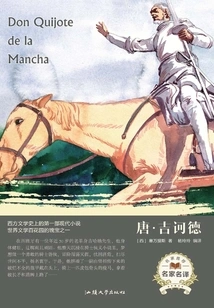
Don Quixote
General Fiction唐·吉诃德
J
This book may seem absurd at first glance, but it actually implies the author's deep understanding of Spanish reality. The author uses satirical and exaggerated artistic techniques to combine reality and fantasy to express his views on the times. Realistic descriptions dominate this book. In terms of environmental descriptions, they are completely different from the decorative landscape descriptions of old chivalric novels. The author uses an epic and grand scale, with the countryside as the main stage, and mostly civilians, with a population of nearly 700. In this broad social background, he paints a series of social pictures that are unique and interconnected. The author's method of creating characters is also a combination of fiction and reality. There is praise in negation, and there is meaning in absurdity, which is highly artistic.
This book may seem absurd at first glance, but it actually implies the author's deep understanding of Spanish reality. The author uses satirical and exaggerated artistic techniques to combine reality and fantasy to express his views on the times. Realistic descriptions dominate this book. In terms of environmental descriptions, they are completely different from the decorative landscape descriptions of old chivalric novels. The author uses an epic and grand scale, with the countryside as the main stage, and mostly civilians, with a population of nearly 700. In this broad social background, he paints a series of social pictures that are unique and interconnected. The author's method of creating characters is also a combination of fiction and reality. There is praise in negation, and there is meaning in absurdity, which is highly artistic.
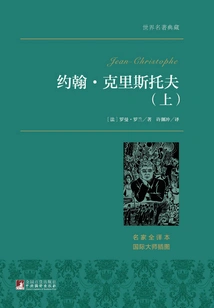
John Christopher (part 1)
General Fiction约翰·克里斯托夫(上)
H
The whole book tells the story of how a sincere musician resists the hypocritical and frivolous society, thereby sublimating and perfecting himself in the struggle against the reactionary forces of society. At the same time, this novel is also an epic of music. The author uses his deep understanding of the spirit of music to describe the struggle between morbid and degenerate art and healthy and progressive music, and praises a musical concept full of vitality.
The whole book tells the story of how a sincere musician resists the hypocritical and frivolous society, thereby sublimating and perfecting himself in the struggle against the reactionary forces of society. At the same time, this novel is also an epic of music. The author uses his deep understanding of the spirit of music to describe the struggle between morbid and degenerate art and healthy and progressive music, and praises a musical concept full of vitality.

夜莺与玫瑰(温暖插画纪念版)
H
This book is a classic anthology of Wilde's fairy tales, including six of his most popular works, including "The Nightingale and the Rose", "The Happy Prince", "The Faithful Friend", "The Selfish Giant" and "The Young King". These works not only established Wilde's world-renowned status in the literary world, but also became masterpieces handed down from generation to generation in the treasure house of world literature. Chinese and English bilingual, beautiful pictures and texts. The book is equipped with more than 50 watercolor hand-painted illustrations in an aesthetic style. The translator, Mr. He Chao, has a smooth writing style and rigorous wording. He interprets classic and touching stories such as "The Nightingale and the Rose" and "The Happy Prince" in a delicate and gentle way.
This book is a classic anthology of Wilde's fairy tales, including six of his most popular works, including "The Nightingale and the Rose", "The Happy Prince", "The Faithful Friend", "The Selfish Giant" and "The Young King". These works not only established Wilde's world-renowned status in the literary world, but also became masterpieces handed down from generation to generation in the treasure house of world literature. Chinese and English bilingual, beautiful pictures and texts. The book is equipped with more than 50 watercolor hand-painted illustrations in an aesthetic style. The translator, Mr. He Chao, has a smooth writing style and rigorous wording. He interprets classic and touching stories such as "The Nightingale and the Rose" and "The Happy Prince" in a delicate and gentle way.
The Comedy of Errors (shakespeare Comedy Series)
General Fiction错误的喜剧(莎士比亚喜剧系列)
G
The latest classic version of FLTRP! "The Comedy of Errors" mainly tells the story of a pair of twin brothers who are very similar in appearance and body. After being separated at sea, they appeared together in a foreign city, causing many ridiculous plots of misunderstanding.
The latest classic version of FLTRP! "The Comedy of Errors" mainly tells the story of a pair of twin brothers who are very similar in appearance and body. After being separated at sea, they appeared together in a foreign city, causing many ridiculous plots of misunderstanding.
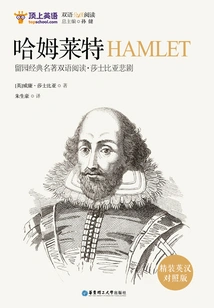
Hamlet (english-chinese Version)
General Fiction哈姆莱特(英汉对照版)
G
"Hamlet", also known as "Hamlet", the play tells the story of the Danish prince Hamlet, whose father suddenly died mysteriously while taking a nap in the garden. The royal uncle succeeded to the throne and married his mother. Hamlet, who was deeply ashamed and angry, had doubts about the cause of his father's death. He looked sad all day long due to excessive melancholy. One night he met the ghost of his father and complained, and finally found out that it was the emperor's uncle who poisoned his brother in order to usurp the throne and marry his wife. The hesitant prince wanted to avenge his father and launched a revenge plan against the emperor's uncle.
"Hamlet", also known as "Hamlet", the play tells the story of the Danish prince Hamlet, whose father suddenly died mysteriously while taking a nap in the garden. The royal uncle succeeded to the throne and married his mother. Hamlet, who was deeply ashamed and angry, had doubts about the cause of his father's death. He looked sad all day long due to excessive melancholy. One night he met the ghost of his father and complained, and finally found out that it was the emperor's uncle who poisoned his brother in order to usurp the throne and marry his wife. The hesitant prince wanted to avenge his father and launched a revenge plan against the emperor's uncle.
N
General Fictionn
H
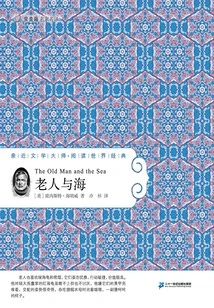
The protagonist of "The Old Man and the Sea", the old fisherman Santiago, makes a living by fishing, but he goes out to sea to fish for eighty-four consecutive days and returns empty-handed. On this day, he unexpectedly caught a huge fish. In order to subdue the big fish, Santiago worked hard. After finally catching the big fish, he met a ferocious shark. Santiago started a fight with the shark... This novel based on real people and true stories praises the indestructible spiritual power of human beings in the face of hardships.
The protagonist of "The Old Man and the Sea", the old fisherman Santiago, makes a living by fishing, but he goes out to sea to fish for eighty-four consecutive days and returns empty-handed. On this day, he unexpectedly caught a huge fish. In order to subdue the big fish, Santiago worked hard. After finally catching the big fish, he met a ferocious shark. Santiago started a fight with the shark... This novel based on real people and true stories praises the indestructible spiritual power of human beings in the face of hardships.
The Three Musketeers (classic Translation)
General Fiction三剑客(经典译林)
I
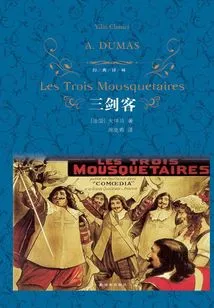
The story takes place in the era of French King Louis XIII. Cardinal Richelieu was in power for a while, and power struggles inside and outside the court were constantly taking place. D'Artagnan, a young provincial nobleman, comes to Paris and joins the command of Mr. Treville, the commander of the musketry battalion. On the way, he meets the musketeers Athos, Porthos and Aramis, and they become life-and-death friends in a conflict. In the complicated political whirlpool, these four partners met Richelieu's confidant - Milady, a woman as beautiful as a peach and as poisonous as a snake. The two sides competed repeatedly. D'Artagnan and his partners escaped from desperate situations again and again, thwarting Richelieu's conspiracy.
The story takes place in the era of French King Louis XIII. Cardinal Richelieu was in power for a while, and power struggles inside and outside the court were constantly taking place. D'Artagnan, a young provincial nobleman, comes to Paris and joins the command of Mr. Treville, the commander of the musketry battalion. On the way, he meets the musketeers Athos, Porthos and Aramis, and they become life-and-death friends in a conflict. In the complicated political whirlpool, these four partners met Richelieu's confidant - Milady, a woman as beautiful as a peach and as poisonous as a snake. The two sides competed repeatedly. D'Artagnan and his partners escaped from desperate situations again and again, thwarting Richelieu's conspiracy.
John Steinbeck Series: Little Red Horse
General Fiction约翰·斯坦贝克作品系列:小红马
G
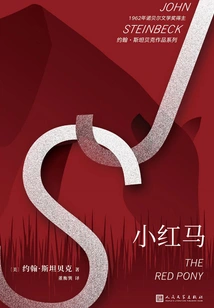
"The Little Red Horse" is a collection of short stories published by Steinbeck in 1937. It consists of four short stories: "The Gift", "The Mountain", "The Promise" and "The Chief of the People". The child protagonist Jody writes about the birth, old age, illness and death of the horse, various labors, the process of moving westward, and the fate of the elderly in their old age. All of this left a mark on Jodi's young mind, either with joy, worry, longing, or sadness. In this collection of short stories, Steinbeck created a children's world in which there are no fairies or giants. Children can see colors more clearly than adults, experience them more intensely than adults, and children's momentary sadness also appears more unique. The work exudes the earthy atmosphere of the countryside, intertwined with the subtle changes in children's mentality, achieving a refreshing and gratifying effect.
"The Little Red Horse" is a collection of short stories published by Steinbeck in 1937. It consists of four short stories: "The Gift", "The Mountain", "The Promise" and "The Chief of the People". The child protagonist Jody writes about the birth, old age, illness and death of the horse, various labors, the process of moving westward, and the fate of the elderly in their old age. All of this left a mark on Jodi's young mind, either with joy, worry, longing, or sadness. In this collection of short stories, Steinbeck created a children's world in which there are no fairies or giants. Children can see colors more clearly than adults, experience them more intensely than adults, and children's momentary sadness also appears more unique. The work exudes the earthy atmosphere of the countryside, intertwined with the subtle changes in children's mentality, achieving a refreshing and gratifying effect.
Walden Pond (selected Translations of Lin's Masterpieces)
General Fiction瓦尔登湖(译林名著精选)
H
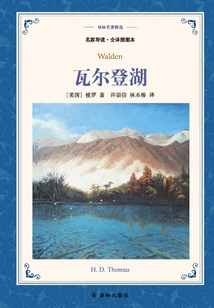
"Walden Pond" records the author's strange journey of living in seclusion on the shores of Walden Pond, blending in with nature, perceiving nature in pastoral life, and reshaping himself. It is also known as "the 25 preferred classics that shape readers' lives" along with "The Bible" and other works. "Walden" is a quiet, tranquil and wise book. In analyzing life and criticizing customs, the language is astonishing, the words are sparkling, the insights are unique and thought-provoking. Many pages are vivid descriptions, beautiful and detailed, like the purity and transparency of lakes, and the dense greenness of mountains and forests; there are also some pages that are thorough, insightful and enlightening. "Walden" is a fresh, healthy, and uplifting book with extremely moving descriptions of spring and dawn. Here we have the clean air provided by nature without the environmental pollution caused by industrial society. Reading it, readers will naturally feel the purity of the soul and the sublimation of the spirit.
"Walden Pond" records the author's strange journey of living in seclusion on the shores of Walden Pond, blending in with nature, perceiving nature in pastoral life, and reshaping himself. It is also known as "the 25 preferred classics that shape readers' lives" along with "The Bible" and other works. "Walden" is a quiet, tranquil and wise book. In analyzing life and criticizing customs, the language is astonishing, the words are sparkling, the insights are unique and thought-provoking. Many pages are vivid descriptions, beautiful and detailed, like the purity and transparency of lakes, and the dense greenness of mountains and forests; there are also some pages that are thorough, insightful and enlightening. "Walden" is a fresh, healthy, and uplifting book with extremely moving descriptions of spring and dawn. Here we have the clean air provided by nature without the environmental pollution caused by industrial society. Reading it, readers will naturally feel the purity of the soul and the sublimation of the spirit.
Ab
General Fictionab
I
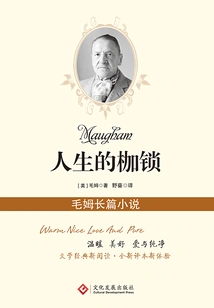
Maugham is one of the most famous and important modern and contemporary writers in Britain. His literary achievements are mainly reflected in the field of novels. Maugham wrote many works, and "The Shackles of Life" is one of his best works. It was published in 1915 and is his second novel. The novel tells the story of the protagonist Philip's thirty-year life experience in family, school and society since his childhood. It reflects his confusion, frustration, pain, disappointment and exploration in the process of growing up, as well as the physical defects, religious and erotic constraints he suffered, as well as the protagonist's journey of finally getting rid of these shackles. Compared with Maugham's personal experience, this work is obviously quite autobiographical, and it seems that we can see the author's early misfortune. As a result, novels appear more solid, and literary creations extracted from the mineral resources of life will undoubtedly appear more realistic and artistically appealing.
Maugham is one of the most famous and important modern and contemporary writers in Britain. His literary achievements are mainly reflected in the field of novels. Maugham wrote many works, and "The Shackles of Life" is one of his best works. It was published in 1915 and is his second novel. The novel tells the story of the protagonist Philip's thirty-year life experience in family, school and society since his childhood. It reflects his confusion, frustration, pain, disappointment and exploration in the process of growing up, as well as the physical defects, religious and erotic constraints he suffered, as well as the protagonist's journey of finally getting rid of these shackles. Compared with Maugham's personal experience, this work is obviously quite autobiographical, and it seems that we can see the author's early misfortune. As a result, novels appear more solid, and literary creations extracted from the mineral resources of life will undoubtedly appear more realistic and artistically appealing.
三个火枪手(下)(译文名著精选)
I
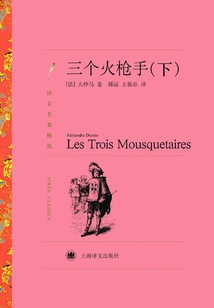
The protagonist d'Artagnan in "The Three Musketeers (Part 2)" is a son of a provincial nobleman. After coming to Paris, he joined the musketeers of King Louis XIII and formed sworn friends with the other three musketeers. Queen Anna had an affair with British Prime Minister Buckingham, and Anna gave Buckingham a diamond pendant. However, Prime Minister Richelieu, who was an enemy of the queen, sent people to England to steal the two diamonds on the pendant, hoping to make the queen embarrassed at the ball. Dartagnan volunteered to go to England with three friends. After many twists and turns, he finally retrieved the pendant and saved the queen's reputation.
The protagonist d'Artagnan in "The Three Musketeers (Part 2)" is a son of a provincial nobleman. After coming to Paris, he joined the musketeers of King Louis XIII and formed sworn friends with the other three musketeers. Queen Anna had an affair with British Prime Minister Buckingham, and Anna gave Buckingham a diamond pendant. However, Prime Minister Richelieu, who was an enemy of the queen, sent people to England to steal the two diamonds on the pendant, hoping to make the queen embarrassed at the ball. Dartagnan volunteered to go to England with three friends. After many twists and turns, he finally retrieved the pendant and saved the queen's reputation.
The Two Gentlemen of Verona (shakespeare Comedy Series)
General Fiction维洛那二绅士(莎士比亚喜剧系列)
G
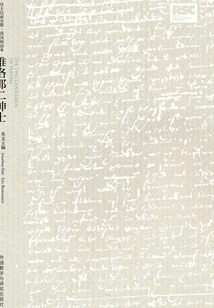
The latest classic version of FLTRP! "The Two Gentlemen of Verona" is Shakespeare's first romantic comedy with the theme of love and friendship. The main plot is the twists and turns in love between two friends. In the play, Valentine's integrity and simplicity and Proteus's cunning and debauchery are both very clear.
The latest classic version of FLTRP! "The Two Gentlemen of Verona" is Shakespeare's first romantic comedy with the theme of love and friendship. The main plot is the twists and turns in love between two friends. In the play, Valentine's integrity and simplicity and Proteus's cunning and debauchery are both very clear.
S
General Fictions
I
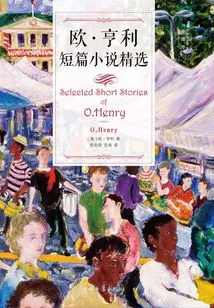
This book is a selection of O. Henry's short stories. Most of the selected works are excellent works by O. Henry, and some of them have even been selected into many teaching materials, such as "The Gift of the Magi", "Police and Hymns", "Twenty Years Later", etc. O. Henry is a famous American critical realist writer and one of the world's three major short story masters. He has been hailed by critics as the Manhattan prose writer and the father of modern American short stories.
This book is a selection of O. Henry's short stories. Most of the selected works are excellent works by O. Henry, and some of them have even been selected into many teaching materials, such as "The Gift of the Magi", "Police and Hymns", "Twenty Years Later", etc. O. Henry is a famous American critical realist writer and one of the world's three major short story masters. He has been hailed by critics as the Manhattan prose writer and the father of modern American short stories.
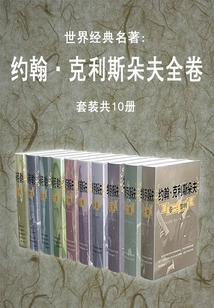
世界经典名著:约翰·克利斯朵夫全卷(套装共10册)
H
This book is a novel completed by the French writer Romain Rolland in 1912. It tells the story of the protagonist John-Christophe's life of struggle and resistance for music, from the awakening of his musical talent as a child, to his contempt and resistance to the powerful in his youth, to his career pursuit and success as an adult, and finally to the lofty state of spiritual tranquility. It is a novel that reflects a series of contradictions and conflicts in real society through the life experience of the protagonist, and promotes humanitarianism and heroism. Romain Rolland won the 1915 Nobel Prize for Literature for this book.
This book is a novel completed by the French writer Romain Rolland in 1912. It tells the story of the protagonist John-Christophe's life of struggle and resistance for music, from the awakening of his musical talent as a child, to his contempt and resistance to the powerful in his youth, to his career pursuit and success as an adult, and finally to the lofty state of spiritual tranquility. It is a novel that reflects a series of contradictions and conflicts in real society through the life experience of the protagonist, and promotes humanitarianism and heroism. Romain Rolland won the 1915 Nobel Prize for Literature for this book.
X
The Tale of the Heike
General Fiction平家物语
H
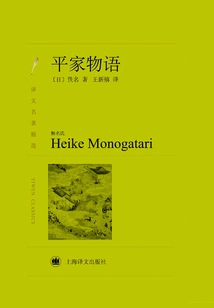
It is the pinnacle of Japanese historical novels and military stories; together with The Tale of Genji, it is considered the two pinnacle masterpieces of Japanese classical literature; it is fully translated into Chinese. "The Tale of the Heike" is a long Japanese historical war novel that was formed in the 13th century. It is a household name in Japan, and is known as the two pinnacle masterpieces of Japanese classical literature along with "The Tale of Genji". It mainly tells the story of the Taira family headed by Taira Kiyomori. The first 6 volumes describe the prosperity and arrogance and arrogance of the Taira family, while the last 7 volumes focus on describing the battle between the two Genpei samurai groups, exaggerating the tragic ending of the Taira family's eventual annihilation. "The Tale of the Heike" revolves around the central clue of the Taira group's rise and fall, and artistically reproduces the historical picture of the old aristocratic class at the end of the Heian Dynasty, which was gradually declining and was gradually replaced by the emerging samurai class. The samurai group that rose to the political stage was assimilated by the aristocrats and was swallowed up by the powerful local samurai group. The artistic achievement of "The Tale of the Heike" is to create a heroic figure who is unparalleled in dynasty literature and has a leaping horse and a spear. The emergence of these images marked the creation of a new tradition in Japanese classical literature that was completely different from dynastic literature, and had a profound impact on later generations of literature. "The Tale of the Heike" is written in a mixed form of Japanese and Chinese. The whole book has a grand artistic structure, gorgeous writing style, and profound implications. It not only reflects the social life and ideological culture of Japan in the Middle Ages, but also reveals the close connection with traditional Chinese thought and culture.
It is the pinnacle of Japanese historical novels and military stories; together with The Tale of Genji, it is considered the two pinnacle masterpieces of Japanese classical literature; it is fully translated into Chinese. "The Tale of the Heike" is a long Japanese historical war novel that was formed in the 13th century. It is a household name in Japan, and is known as the two pinnacle masterpieces of Japanese classical literature along with "The Tale of Genji". It mainly tells the story of the Taira family headed by Taira Kiyomori. The first 6 volumes describe the prosperity and arrogance and arrogance of the Taira family, while the last 7 volumes focus on describing the battle between the two Genpei samurai groups, exaggerating the tragic ending of the Taira family's eventual annihilation. "The Tale of the Heike" revolves around the central clue of the Taira group's rise and fall, and artistically reproduces the historical picture of the old aristocratic class at the end of the Heian Dynasty, which was gradually declining and was gradually replaced by the emerging samurai class. The samurai group that rose to the political stage was assimilated by the aristocrats and was swallowed up by the powerful local samurai group. The artistic achievement of "The Tale of the Heike" is to create a heroic figure who is unparalleled in dynasty literature and has a leaping horse and a spear. The emergence of these images marked the creation of a new tradition in Japanese classical literature that was completely different from dynastic literature, and had a profound impact on later generations of literature. "The Tale of the Heike" is written in a mixed form of Japanese and Chinese. The whole book has a grand artistic structure, gorgeous writing style, and profound implications. It not only reflects the social life and ideological culture of Japan in the Middle Ages, but also reveals the close connection with traditional Chinese thought and culture.
Entangled
General Fiction纠缠
H
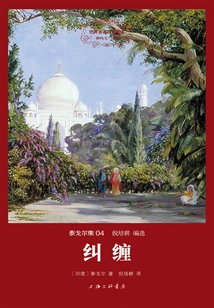
"Entanglement" is Tagore's novel describing urban life and the bourgeoisie. The author originally planned to write a trilogy about the lives of three generations of a capitalist family, entitled "Three Generations", but he only wrote the first part and published it under the name "Entanglement". Gumdini, a beautiful girl from a prominent family, marries the rude and frivolous millionaire Madusuna. The latter tries to control Gumdini by repeating the old trick of imposing his will on people and machines, but is defeated by Gumdini's strong personality and self-esteem. The novel chastises the empty and humble spiritual soul of capitalists, outlines the historical trajectory of capital's fortune and development, and truly describes the Indian bourgeoisie and its spiritual characteristics in the nineteenth century.
"Entanglement" is Tagore's novel describing urban life and the bourgeoisie. The author originally planned to write a trilogy about the lives of three generations of a capitalist family, entitled "Three Generations", but he only wrote the first part and published it under the name "Entanglement". Gumdini, a beautiful girl from a prominent family, marries the rude and frivolous millionaire Madusuna. The latter tries to control Gumdini by repeating the old trick of imposing his will on people and machines, but is defeated by Gumdini's strong personality and self-esteem. The novel chastises the empty and humble spiritual soul of capitalists, outlines the historical trajectory of capital's fortune and development, and truly describes the Indian bourgeoisie and its spiritual characteristics in the nineteenth century.
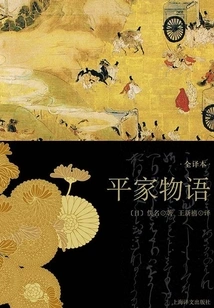
The Tale of the Heike (full Translation)
General Fiction平家物语(全译本)
H
Haruki Murakami's highly regarded historical masterpiece of the late Heian Dynasty, which panoramically displays the majestic scenes of Japan's medieval war, has been hailed by Japanese literary historians as "the nation's heroic narrative poem", "the highest achievement of Kamakura literature" and "Japan's national literature". The pinnacle of Japanese historical novels and military stories, the Japanese version of "The Romance of the Three Kingdoms" is, together with "The Tale of Genji", the two masterpieces of Japanese classical literature. The first truly complete Chinese translation, translator Wang Xinxi's nearly 60,000 words of detailed annotations fully explain the rise and fall of the Ping family. The precious color pictures visually show the magnificent historical picture and have extremely high literary, historical and ideological value. Finally, it comes with a rare "Initiation Scroll" on the market, which writes a final conclusion to the rise and fall of the Heike family over the past century. At the end of the 12th century, the Heian Dynasty came to an end. The centralized system in which the emperor and the nobles held real power was gradually declining, and the feudal samurai group with territories and private armed forces was on the rise. As two major samurai groups that held great power in the imperial court and the local government, the Minamotoji and the Heike clan finally broke out in a fierce war from 1156 to 1185 AD due to their intricate grievances and covetousness for ruling power. "The Tale of the Heike" takes the historical chronology as the main axis, and from the perspective of the Heike, it describes in detail the entire process of the Genji and Heike's struggle for power.
Haruki Murakami's highly regarded historical masterpiece of the late Heian Dynasty, which panoramically displays the majestic scenes of Japan's medieval war, has been hailed by Japanese literary historians as "the nation's heroic narrative poem", "the highest achievement of Kamakura literature" and "Japan's national literature". The pinnacle of Japanese historical novels and military stories, the Japanese version of "The Romance of the Three Kingdoms" is, together with "The Tale of Genji", the two masterpieces of Japanese classical literature. The first truly complete Chinese translation, translator Wang Xinxi's nearly 60,000 words of detailed annotations fully explain the rise and fall of the Ping family. The precious color pictures visually show the magnificent historical picture and have extremely high literary, historical and ideological value. Finally, it comes with a rare "Initiation Scroll" on the market, which writes a final conclusion to the rise and fall of the Heike family over the past century. At the end of the 12th century, the Heian Dynasty came to an end. The centralized system in which the emperor and the nobles held real power was gradually declining, and the feudal samurai group with territories and private armed forces was on the rise. As two major samurai groups that held great power in the imperial court and the local government, the Minamotoji and the Heike clan finally broke out in a fierce war from 1156 to 1185 AD due to their intricate grievances and covetousness for ruling power. "The Tale of the Heike" takes the historical chronology as the main axis, and from the perspective of the Heike, it describes in detail the entire process of the Genji and Heike's struggle for power.
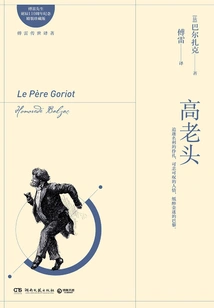
Y
General Fictiony
H
The novel is set in the French society during the Restoration of the Bourbon Dynasty. It tells the story of the two daughters raised by Goriot, who made a fortune in business, with all his efforts. After marriage, under the influence of the upper-class lifestyle, they squeezed their father's property, damaged their dignity, and tortured their father's emotions until they had nothing and died of physical and mental exhaustion. Intertwined with this main line is the experience of the provincial young man Rastignac breaking into Paris's upper class society and recognizing all the temptations and dangers involved. The main characters in Balzac's masterpiece "The Human Comedy" appear one after another in this novel, thus opening the prelude to the "Human Comedy".
The novel is set in the French society during the Restoration of the Bourbon Dynasty. It tells the story of the two daughters raised by Goriot, who made a fortune in business, with all his efforts. After marriage, under the influence of the upper-class lifestyle, they squeezed their father's property, damaged their dignity, and tortured their father's emotions until they had nothing and died of physical and mental exhaustion. Intertwined with this main line is the experience of the provincial young man Rastignac breaking into Paris's upper class society and recognizing all the temptations and dangers involved. The main characters in Balzac's masterpiece "The Human Comedy" appear one after another in this novel, thus opening the prelude to the "Human Comedy".
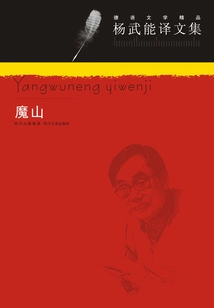
B
General FictionB
H
"The Magic Mountain" is the masterpiece of Nobel Prize winner Thomas Mann. The novel is centered on a sanatorium and describes many feudal nobles and bourgeois figures in Europe, including Prussian officers, Russian ladies, Dutch colonists, Catholics... They are all parasites of society. The entire sanatorium is filled with a morbid and dying atmosphere, symbolizing the decline of capitalist civilization. The work reveals the kinship between decadence and fascism through the ideological conflicts between the characters.
"The Magic Mountain" is the masterpiece of Nobel Prize winner Thomas Mann. The novel is centered on a sanatorium and describes many feudal nobles and bourgeois figures in Europe, including Prussian officers, Russian ladies, Dutch colonists, Catholics... They are all parasites of society. The entire sanatorium is filled with a morbid and dying atmosphere, symbolizing the decline of capitalist civilization. The work reveals the kinship between decadence and fascism through the ideological conflicts between the characters.
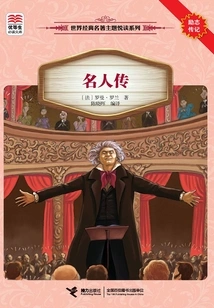
N
General Fictionn
H
"Biographies" is a biographical work created by the famous French critical realist writer Romain Rolland (1866~1944) in the late 19th and early 20th centuries. It includes three biographies: "The Biography of Beethoven" (1903), "The Biography of Michelangelo" (or translated as Michelangelo) (1906), and "The Biography of Tolstoy" (1911). Known as the "Biographies of the Three Great Heroes", it is also known as the "Three Biographies of the Giants". This book also very well confirms an ancient Chinese saying: Those who have achieved great things in ancient and modern times must not only have extraordinary talents, but also must have perseverance. The three people in this biography, one is the German musician Beethoven, the other is the Italian sculptor, painter, and poet Michelangelo, and the other is the Russian writer, thinker, and litterateur Leo Tolstoy. Although they have different careers, different contributions, and live in different times and countries, they are all great geniuses and great men in their respective fields.
"Biographies" is a biographical work created by the famous French critical realist writer Romain Rolland (1866~1944) in the late 19th and early 20th centuries. It includes three biographies: "The Biography of Beethoven" (1903), "The Biography of Michelangelo" (or translated as Michelangelo) (1906), and "The Biography of Tolstoy" (1911). Known as the "Biographies of the Three Great Heroes", it is also known as the "Three Biographies of the Giants". This book also very well confirms an ancient Chinese saying: Those who have achieved great things in ancient and modern times must not only have extraordinary talents, but also must have perseverance. The three people in this biography, one is the German musician Beethoven, the other is the Italian sculptor, painter, and poet Michelangelo, and the other is the Russian writer, thinker, and litterateur Leo Tolstoy. Although they have different careers, different contributions, and live in different times and countries, they are all great geniuses and great men in their respective fields.
Martin Eade (part 1)
General Fiction马丁·伊德(上)
H
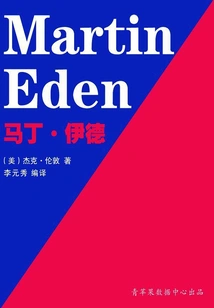
"Martin Eade" is based on the historical events from the mid-19th century to the end of the Second World War. Through the fate of four generations of Lucinda's family, especially the delicate description of Lucinda's pursuit and loss, ups and downs, sorrows and long painful experiences, it outlines the rise of emerging Australia and the decline of the old British Empire from one side. In the beautiful scenery of nature, various tragedies occur.
"Martin Eade" is based on the historical events from the mid-19th century to the end of the Second World War. Through the fate of four generations of Lucinda's family, especially the delicate description of Lucinda's pursuit and loss, ups and downs, sorrows and long painful experiences, it outlines the rise of emerging Australia and the decline of the old British Empire from one side. In the beautiful scenery of nature, various tragedies occur.
Hunter's Notes (classic Translation)
General Fiction猎人笔记(经典译林)
L
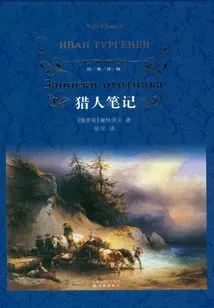
"Hunter's Notes" is Turgenev's famous work and his first realist masterpiece. It occupies a very important position in his entire literary creation. "Hunter's Notes" is a feature collection with a unique form. His first feature "Hory and Kalinich" was originally published in the first issue of the Russian magazine "Modern Man" in 1847. Most of the subsequent chapters were also published in the same magazine one after another. Until 1852, the author compiled twenty-one features that had been published successively, plus an unpublished new work "Two Landlords", and published it in a separate volume under the title "Hunter's Notes". By 1880, the author added three more chapters: "The End of Chertopkhanov" (1872), "The Sound of Wheels" (1874), and "The Withered Woman" (1874), totaling 25 chapters, which became the final version of the novel during his lifetime. It is this final version that we are basing our translation on today.
"Hunter's Notes" is Turgenev's famous work and his first realist masterpiece. It occupies a very important position in his entire literary creation. "Hunter's Notes" is a feature collection with a unique form. His first feature "Hory and Kalinich" was originally published in the first issue of the Russian magazine "Modern Man" in 1847. Most of the subsequent chapters were also published in the same magazine one after another. Until 1852, the author compiled twenty-one features that had been published successively, plus an unpublished new work "Two Landlords", and published it in a separate volume under the title "Hunter's Notes". By 1880, the author added three more chapters: "The End of Chertopkhanov" (1872), "The Sound of Wheels" (1874), and "The Withered Woman" (1874), totaling 25 chapters, which became the final version of the novel during his lifetime. It is this final version that we are basing our translation on today.
Pride and Prejudice (translated Classics Collection)
General Fiction傲慢与偏见(译文名著典藏)
H
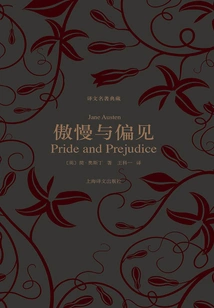
Mrs. Bennet's lifelong ambition is to marry her five daughters decently, so she always regards the wealthy bachelors nearby as a piece of property that one of her daughters deserves. So there were several ups and downs of the separation and reunification of young men and women: the slander and misunderstanding between the wealthy son Darcy and the clever and astute second daughter Elizabeth, the lingering relationship between the wealthy son Bingley and the virtuous and kind-hearted eldest daughter Jane, the scandalous elopement of the prodigal Wickham and the frivolous and unreasonable daughter Lydia... In the end, the hero and heroine put aside their own pride and prejudice and made choices that conformed to their own morals. The work fully expresses the author's own views on marriage, emphasizing the impact of economic interests and family status on love and marriage. The plot of the novel is full of comedy, the language is witty and humorous, and it is deeply rooted in the hearts of the people.
Mrs. Bennet's lifelong ambition is to marry her five daughters decently, so she always regards the wealthy bachelors nearby as a piece of property that one of her daughters deserves. So there were several ups and downs of the separation and reunification of young men and women: the slander and misunderstanding between the wealthy son Darcy and the clever and astute second daughter Elizabeth, the lingering relationship between the wealthy son Bingley and the virtuous and kind-hearted eldest daughter Jane, the scandalous elopement of the prodigal Wickham and the frivolous and unreasonable daughter Lydia... In the end, the hero and heroine put aside their own pride and prejudice and made choices that conformed to their own morals. The work fully expresses the author's own views on marriage, emphasizing the impact of economic interests and family status on love and marriage. The plot of the novel is full of comedy, the language is witty and humorous, and it is deeply rooted in the hearts of the people.
R
General FictionR
I
When talking about British literature, one cannot fail to mention Dickens; when talking about Dickens, one cannot fail to mention "David Copperfield". The Russian writer Leo Tolstoy once ranked this book with the "Bible" and praised it as: "The best of all British novels." It is indeed a rare classic in the history of literature. The protagonist David is a typical intellectual who is kind, philanthropic, honest, diligent, pragmatic and enterprising. Although he had had wrong ideas and ridiculous behaviors, his wife's words of "never be mean and selfish, never cheat, never be cruel" became his motto, and Agnes with her hand pointing upward was his "guiding light".
When talking about British literature, one cannot fail to mention Dickens; when talking about Dickens, one cannot fail to mention "David Copperfield". The Russian writer Leo Tolstoy once ranked this book with the "Bible" and praised it as: "The best of all British novels." It is indeed a rare classic in the history of literature. The protagonist David is a typical intellectual who is kind, philanthropic, honest, diligent, pragmatic and enterprising. Although he had had wrong ideas and ridiculous behaviors, his wife's words of "never be mean and selfish, never cheat, never be cruel" became his motto, and Agnes with her hand pointing upward was his "guiding light".
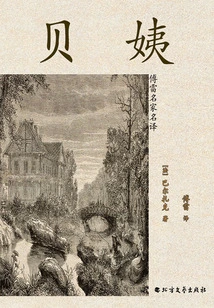
Aunt Bei (translated by Fu Lei)
General Fiction贝姨(傅雷名家名译)
H
"Aunt Belle" is based on the life of the French upper class in the mid-19th century, and takes the fate of Baron Hulot de Hervé's family as the main line. It tells the story of how the baron, driven by crazy passion, betrayed his pure wife step by step, hurt his innocent daughter, ruined the family's reputation, tarnished the army's reputation, and ultimately ruined his reputation. Various characters, intricate plots, and thrilling battles between soul and flesh, love and hatred, good and evil, constitute a vivid tragicomedy in the world, a colorful history of civilization, and an endless elegy for the inevitable collapse of upper class society.
"Aunt Belle" is based on the life of the French upper class in the mid-19th century, and takes the fate of Baron Hulot de Hervé's family as the main line. It tells the story of how the baron, driven by crazy passion, betrayed his pure wife step by step, hurt his innocent daughter, ruined the family's reputation, tarnished the army's reputation, and ultimately ruined his reputation. Various characters, intricate plots, and thrilling battles between soul and flesh, love and hatred, good and evil, constitute a vivid tragicomedy in the world, a colorful history of civilization, and an endless elegy for the inevitable collapse of upper class society.

U
General Fictionu
H
"Letter from a Strange Woman" is Zweig's most famous masterpiece. It has been made into a movie by Xu Jinglei and adapted into a play by Meng Jinghui. It has received enthusiastic response and continues to be performed well. On his 41st birthday, writer R received a letter without signature and address. This letter came from a dying woman and told an unforgettable love story. The hero of this story, writer R, knew nothing about it. This is a woman's "tragedy", but it has become a "fairy tale" for all mankind.
"Letter from a Strange Woman" is Zweig's most famous masterpiece. It has been made into a movie by Xu Jinglei and adapted into a play by Meng Jinghui. It has received enthusiastic response and continues to be performed well. On his 41st birthday, writer R received a letter without signature and address. This letter came from a dying woman and told an unforgettable love story. The hero of this story, writer R, knew nothing about it. This is a woman's "tragedy", but it has become a "fairy tale" for all mankind.
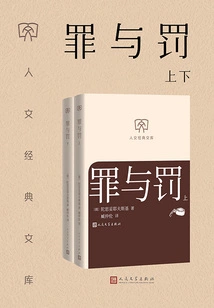
罪与罚全二册(人文经典文库)
G
"Crime and Punishment" is the representative work of Russian writer Fyodor Dostoevsky and brought the writer world-wide reputation. The protagonist of the novel, Raskolnikov, a poor college student, took a desperate risk and killed an old woman who was a loan shark. He also killed the old woman's sister who happened to see all this. Despite having his own theory of the murder, he was still tortured by his own guilt. Finally, he surrendered under Sonia's persuasion, determined to use human suffering to cleanse his sins and soul. Zang Zhonglun is well versed in the essence of Dostoyevsky's creation, especially the depth of thought, complexity of psychological description, inner tension and religious and philosophical color of his works. His translation can accurately convey the intense, contradictory, and morbid psychological activities of the characters in the original work (such as Raskolnikov's inner struggles, dreams, and gibbering), as well as the depressive, anxious, and almost hysterical atmosphere that pervades the entire book. Our agency owns the exclusive copyright of the translation by translator Zang Zhonglun.
"Crime and Punishment" is the representative work of Russian writer Fyodor Dostoevsky and brought the writer world-wide reputation. The protagonist of the novel, Raskolnikov, a poor college student, took a desperate risk and killed an old woman who was a loan shark. He also killed the old woman's sister who happened to see all this. Despite having his own theory of the murder, he was still tortured by his own guilt. Finally, he surrendered under Sonia's persuasion, determined to use human suffering to cleanse his sins and soul. Zang Zhonglun is well versed in the essence of Dostoyevsky's creation, especially the depth of thought, complexity of psychological description, inner tension and religious and philosophical color of his works. His translation can accurately convey the intense, contradictory, and morbid psychological activities of the characters in the original work (such as Raskolnikov's inner struggles, dreams, and gibbering), as well as the depressive, anxious, and almost hysterical atmosphere that pervades the entire book. Our agency owns the exclusive copyright of the translation by translator Zang Zhonglun.
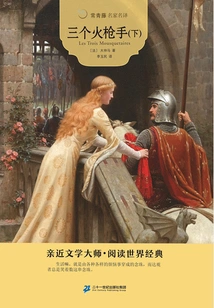
The Three Musketeers (part 2)
General Fiction三个火枪手(下)
H
"The Three Musketeers" is one of the masterpieces of French 19th-century romantic writer Alexandre Dumas, and has been made into movies many times. The work describes the legendary life of a knight swordsman in the 17th century and creates a series of flesh-and-blood characters: d'Artagnan's heroic youth, Athos' steady sophistication, Porthos's boldness and recklessness, and Aramis' resourcefulness and graceful demeanor. They are all vividly drawn by the author's wonderful pen, ready to be drawn out. The work is based on the conflict between King Louis XIII of France and the powerful Cardinal Richelieu. It is interspersed with the overt and secret struggles among ministers and factions, and revolves around secret historical anecdotes in the palace, showing readers a magnificent picture of French society in the 18th century.
"The Three Musketeers" is one of the masterpieces of French 19th-century romantic writer Alexandre Dumas, and has been made into movies many times. The work describes the legendary life of a knight swordsman in the 17th century and creates a series of flesh-and-blood characters: d'Artagnan's heroic youth, Athos' steady sophistication, Porthos's boldness and recklessness, and Aramis' resourcefulness and graceful demeanor. They are all vividly drawn by the author's wonderful pen, ready to be drawn out. The work is based on the conflict between King Louis XIII of France and the powerful Cardinal Richelieu. It is interspersed with the overt and secret struggles among ministers and factions, and revolves around secret historical anecdotes in the palace, showing readers a magnificent picture of French society in the 18th century.
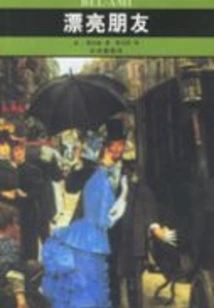
R
General Fictionr
I
The novel describes Du Luohua, who has a beautiful appearance, as a shameless man who uses all means to climb up. He is good at seizing opportunities and using women to make a fortune. In a short period of time, he has become famous and gained huge wealth and a dizzying social status.
The novel describes Du Luohua, who has a beautiful appearance, as a shameless man who uses all means to climb up. He is good at seizing opportunities and using women to make a fortune. In a short period of time, he has become famous and gained huge wealth and a dizzying social status.
L
General FictionL
H
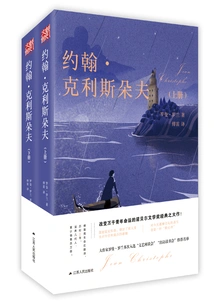
"John Christophe" is divided into two volumes: The first volume of "John Christophe" describes John Christophe's boyhood and youth: as a boy, Christophe has been living in the small world of his family and hometown-until he passed a test. The young man got enlightenment from the test, constantly brandishing Don Quixote's spear, and went on a rampage to conquer the lies of society and art at that time, attacking mule drivers, clerks, wind wheels of mills, and festivals in Germany and France. He bravely walked out of the small world of his hometown and pursued his dreams on a larger stage. The passion and hatred in the second volume contrast with the first volume. It is a gentle and quiet atmosphere, singing the elegies of friendship and pure love. After the calm, there will be a big crisis in life. This storm will destroy almost everything, but the result will still be a clear and lofty state, revealing the dawn of another world.
"John Christophe" is divided into two volumes: The first volume of "John Christophe" describes John Christophe's boyhood and youth: as a boy, Christophe has been living in the small world of his family and hometown-until he passed a test. The young man got enlightenment from the test, constantly brandishing Don Quixote's spear, and went on a rampage to conquer the lies of society and art at that time, attacking mule drivers, clerks, wind wheels of mills, and festivals in Germany and France. He bravely walked out of the small world of his hometown and pursued his dreams on a larger stage. The passion and hatred in the second volume contrast with the first volume. It is a gentle and quiet atmosphere, singing the elegies of friendship and pure love. After the calm, there will be a big crisis in life. This storm will destroy almost everything, but the result will still be a clear and lofty state, revealing the dawn of another world.
R
General Fictionr
H
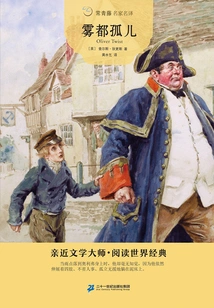
A young pregnant woman of unknown origin collapsed on the street, and people sent her to a poor asylum. She died the next day after giving birth to a boy. The orphan was named Oliver Twist. Ten years later Oliver became an apprentice in a coffin shop. Unable to endure the abuse, he fled to the foggy London, where he unfortunately fell into the hands of a gang of thieves. The little orphan struggled in adversity, but fortunately he got help from kind people because of his kind nature. He saved the day from danger time and time again, and was finally reunited with his loved ones, and the truth about his mysterious origin was revealed. While deeply revealing social ills, this book also left a series of vivid characters in the history of British literature, and has been deeply loved by readers for more than a hundred years.
A young pregnant woman of unknown origin collapsed on the street, and people sent her to a poor asylum. She died the next day after giving birth to a boy. The orphan was named Oliver Twist. Ten years later Oliver became an apprentice in a coffin shop. Unable to endure the abuse, he fled to the foggy London, where he unfortunately fell into the hands of a gang of thieves. The little orphan struggled in adversity, but fortunately he got help from kind people because of his kind nature. He saved the day from danger time and time again, and was finally reunited with his loved ones, and the truth about his mysterious origin was revealed. While deeply revealing social ills, this book also left a series of vivid characters in the history of British literature, and has been deeply loved by readers for more than a hundred years.
Ursula Miloët (classic Translation by Fu Lei)
General Fiction于絮尔·弥罗埃(傅雷经典译本)
H
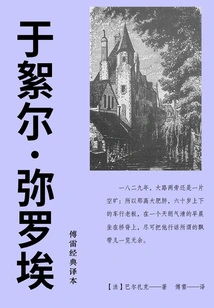
This book is a classic work by Balzac, the great French critical realist writer. It is a novel with a mysterious color, and it is the author's lashing and warning against greed. Readers who like Balzac's works should not miss it. The novel depicts a group of extremely vicious inheritance heirs, depicting how they longed for the death of their uncle in order to obtain the inheritance, eagerly robbed or even stole property when the patient was dying, and even used all kinds of despicable means to persecute a pure and innocent orphan girl in order to enjoy the stolen money in peace of mind. Unlike most stories in Balzac's works, this story ends with good people being rewarded and bad people being punished and changed, which fully illustrates the author's proposition of using religious concepts to curb human depravity.
This book is a classic work by Balzac, the great French critical realist writer. It is a novel with a mysterious color, and it is the author's lashing and warning against greed. Readers who like Balzac's works should not miss it. The novel depicts a group of extremely vicious inheritance heirs, depicting how they longed for the death of their uncle in order to obtain the inheritance, eagerly robbed or even stole property when the patient was dying, and even used all kinds of despicable means to persecute a pure and innocent orphan girl in order to enjoy the stolen money in peace of mind. Unlike most stories in Balzac's works, this story ends with good people being rewarded and bad people being punished and changed, which fully illustrates the author's proposition of using religious concepts to curb human depravity.
N
General FictionN
I
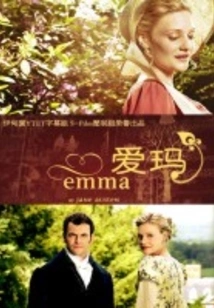
The protagonist Emma is a beautiful, intelligent and wealthy girl, and she is also an out-and-out dreamer. She enthusiastically pays attention to the romantic stories around her, but stubbornly believes that she will never fall into them. She took it upon herself to direct love affairs again and again for the orphan Harriet. When Harriet mistakenly thought she was in love with the magistrate Mr. Knightley, Emma was shocked to realize that she was also in love with Mr. Knightley.
The protagonist Emma is a beautiful, intelligent and wealthy girl, and she is also an out-and-out dreamer. She enthusiastically pays attention to the romantic stories around her, but stubbornly believes that she will never fall into them. She took it upon herself to direct love affairs again and again for the orphan Harriet. When Harriet mistakenly thought she was in love with the magistrate Mr. Knightley, Emma was shocked to realize that she was also in love with Mr. Knightley.
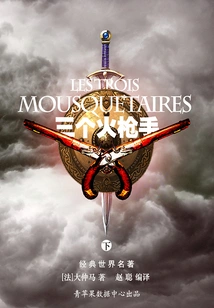
The Three Musketeers (part 2) (classic World Masterpiece)
General Fiction三个火枪手(下)(经典世界名著)
I
D'Artagnan, who was born a commoner, went to Paris to join the army, joined King Louis XIII's Musketeer Guards, and became good friends with the other three Musketeers. In order to protect the reputation of Queen Anne of Austria, they fought against Cardinal Richelieu, defeated many obstacles set by Richelieu, went to England, retrieved the queen's diamonds from the Duke of Buckingham, and thwarted Richelieu's plot to sow discord between the king and the queen.
D'Artagnan, who was born a commoner, went to Paris to join the army, joined King Louis XIII's Musketeer Guards, and became good friends with the other three Musketeers. In order to protect the reputation of Queen Anne of Austria, they fought against Cardinal Richelieu, defeated many obstacles set by Richelieu, went to England, retrieved the queen's diamonds from the Duke of Buckingham, and thwarted Richelieu's plot to sow discord between the king and the queen.
U
General Fictionu
H
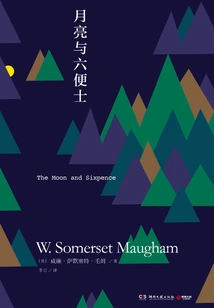
"The Moon and Sixpence" is the representative work of British writer Maugham, and it is also a novel that highlights his writing style. The protagonist of the story, Charles, abandoned his wife and career because he was obsessed with painting. Initially, he went to Paris to find creative inspiration, and then moved to the isolated island of Tahiti to live, and finally found inner peace. But just when he finished painting the masterpiece handed down from generation to generation, his life also came to an end. By portraying the image of a deviant genius, the author inspires future generations to think about ideals and reality, the origin of art and social life. This book has also attracted worldwide attention because it is based on the life experience of French painter Paul Gauguin.
"The Moon and Sixpence" is the representative work of British writer Maugham, and it is also a novel that highlights his writing style. The protagonist of the story, Charles, abandoned his wife and career because he was obsessed with painting. Initially, he went to Paris to find creative inspiration, and then moved to the isolated island of Tahiti to live, and finally found inner peace. But just when he finished painting the masterpiece handed down from generation to generation, his life also came to an end. By portraying the image of a deviant genius, the author inspires future generations to think about ideals and reality, the origin of art and social life. This book has also attracted worldwide attention because it is based on the life experience of French painter Paul Gauguin.
B
General FictionB
G
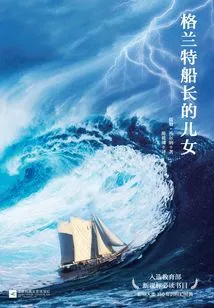
The Duncan, a new ship of the Scottish aristocrat Sir Glenarvan, caught a shark during its trial voyage. The sailors found a drift bottle in the shark's belly. The letter in the bottle was blurred due to being soaked in seawater. According to the remaining handwriting, it can be inferred that this is a distress letter sent by a captain named Grant two years ago. He was trapped somewhere at the 37° south latitude. Lord Glenarvan turned to the English navy for help in rescuing Captain Grant, but to no avail. At the request of Captain Grant's children, Mary and Robert, he decided to set sail on his Duncan to search. They searched all the land at 37 degrees south latitude: Chile and Argentina in South America, the interior of Australia, and New Zealand. They were surrounded by dangers along the way. They climbed mountains and glaciers but encountered sudden earthquakes, crossed grasslands and encountered droughts and floods, and encountered beasts on land and storms at sea.
The Duncan, a new ship of the Scottish aristocrat Sir Glenarvan, caught a shark during its trial voyage. The sailors found a drift bottle in the shark's belly. The letter in the bottle was blurred due to being soaked in seawater. According to the remaining handwriting, it can be inferred that this is a distress letter sent by a captain named Grant two years ago. He was trapped somewhere at the 37° south latitude. Lord Glenarvan turned to the English navy for help in rescuing Captain Grant, but to no avail. At the request of Captain Grant's children, Mary and Robert, he decided to set sail on his Duncan to search. They searched all the land at 37 degrees south latitude: Chile and Argentina in South America, the interior of Australia, and New Zealand. They were surrounded by dangers along the way. They climbed mountains and glaciers but encountered sudden earthquakes, crossed grasslands and encountered droughts and floods, and encountered beasts on land and storms at sea.

Beautiful Friend (classic World Famous Book)
General Fiction漂亮朋友(经典世界名著)
H
"Beautiful Friend" is the masterpiece of the 19th-century French novelist Maupassant. It was born at the most glorious moment in the speculative activities that marked the historical characteristics of the Third Republic. It describes the lewdness, corruption, pursuit of fame and fortune in the French upper class, and paints a vivid picture of a group of hypocritical and cunning people. It can be called a masterpiece born of the major events of this period. "For nearly half a century, the influence of this novel has never ended, whether in France or the world."
"Beautiful Friend" is the masterpiece of the 19th-century French novelist Maupassant. It was born at the most glorious moment in the speculative activities that marked the historical characteristics of the Third Republic. It describes the lewdness, corruption, pursuit of fame and fortune in the French upper class, and paints a vivid picture of a group of hypocritical and cunning people. It can be called a masterpiece born of the major events of this period. "For nearly half a century, the influence of this novel has never ended, whether in France or the world."
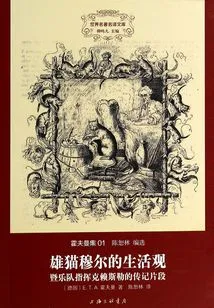
雄猫穆尔的生活观暨乐队指挥克赖斯勒的传记片段
I
This book is the author's masterpiece, marking the peak of Hoffmann's creation and an excellent work of German Romanticism. The novel consists of two parts: a biography of Tomcat Moore and a biography of bandleader Kreisler. Starting from the needs of satire, Moore's biography imitates the so-called development novels about the protagonist's growth process such as Goethe's "Wilhelm Meister", and uses a self-narrative mode to describe the growth experience of a well-educated tomcat who likes to dance and write. The biography of Kreisler records a rough life path of a talented artist, whose life path has the shadow of the author himself. Judging from the title of the novel, the former is the main body of the work. In fact, the latter is the core of the novel. The form is loose, but the theme is consistent. They both deal with the relationship between artists and society.
This book is the author's masterpiece, marking the peak of Hoffmann's creation and an excellent work of German Romanticism. The novel consists of two parts: a biography of Tomcat Moore and a biography of bandleader Kreisler. Starting from the needs of satire, Moore's biography imitates the so-called development novels about the protagonist's growth process such as Goethe's "Wilhelm Meister", and uses a self-narrative mode to describe the growth experience of a well-educated tomcat who likes to dance and write. The biography of Kreisler records a rough life path of a talented artist, whose life path has the shadow of the author himself. Judging from the title of the novel, the former is the main body of the work. In fact, the latter is the core of the novel. The form is loose, but the theme is consistent. They both deal with the relationship between artists and society.
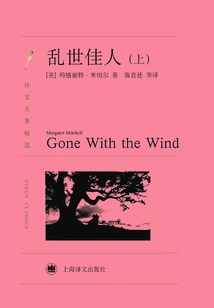
乱世佳人(上)(译文名著精选)
I
"Gone with the Wind (Part 1)" is set against the backdrop of the American Civil War. The main plot is the love-hate relationship between the strong and willful manor lady Scarlett and several men. It is accompanied by major changes in society and history, and the disappearance of everything familiar in the past... "Gone with the Wind" is not only a swan song of human love, but also a grand historical picture that reflects the huge and profound changes in many aspects of social politics, economy, and morality.
"Gone with the Wind (Part 1)" is set against the backdrop of the American Civil War. The main plot is the love-hate relationship between the strong and willful manor lady Scarlett and several men. It is accompanied by major changes in society and history, and the disappearance of everything familiar in the past... "Gone with the Wind" is not only a swan song of human love, but also a grand historical picture that reflects the huge and profound changes in many aspects of social politics, economy, and morality.
R
General Fictionr
N
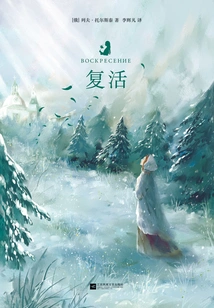
Maslova was originally the illegitimate daughter of a serf. She was innocent, kind, and sincerely fell in love with Nekhlyudov. But this corrupt aristocratic young master seduced her, abandoned her, and plunged her into all kinds of misery, eventually becoming a prostitute. The life of a prostitute had severely damaged her body and mind, and she no longer believed in any good. So I smoked and drank desperately to anesthetize myself. Once he was falsely accused of murder and was imprisoned. He was sentenced to four years of hard labor by a foolish judge and exiled to Siberia. During Maslova's trial, Nekhlyudov happened to be a juror. When he recognized her, his conscience was condemned, and he wanted to atone for his past sins by saving her, and prepared to marry her. With Nekhlyudov's sincere repentance and care, Maslova eliminated her past grudges, gradually restored her past love, and reawakened the virtues buried deep in her heart. She voluntarily quit smoking and drinking, and refused to marry Nekhlyudov in order not to damage his reputation. Instead, she married Simons, another prisoner she loved, and thus moved toward "rebirth."
Maslova was originally the illegitimate daughter of a serf. She was innocent, kind, and sincerely fell in love with Nekhlyudov. But this corrupt aristocratic young master seduced her, abandoned her, and plunged her into all kinds of misery, eventually becoming a prostitute. The life of a prostitute had severely damaged her body and mind, and she no longer believed in any good. So I smoked and drank desperately to anesthetize myself. Once he was falsely accused of murder and was imprisoned. He was sentenced to four years of hard labor by a foolish judge and exiled to Siberia. During Maslova's trial, Nekhlyudov happened to be a juror. When he recognized her, his conscience was condemned, and he wanted to atone for his past sins by saving her, and prepared to marry her. With Nekhlyudov's sincere repentance and care, Maslova eliminated her past grudges, gradually restored her past love, and reawakened the virtues buried deep in her heart. She voluntarily quit smoking and drinking, and refused to marry Nekhlyudov in order not to damage his reputation. Instead, she married Simons, another prisoner she loved, and thus moved toward "rebirth."
Y
General Fictiony
H
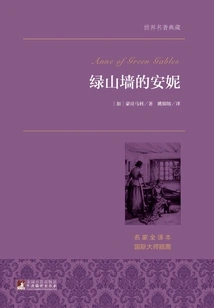
This book is a children's novel written by Canadian female writer Lucy Montgomery in 1904. The author uses fresh, smooth, vivid and humorous writing to tell the touching story of the innocent, kind-hearted and life-loving heroine Little Annie, who lost her parents at a young age and was not frustrated by the difficulties of life with the care of her friends and teachers. The novel was published in 1908 and soon became the best-selling book of the year and gradually became popular all over the world.
This book is a children's novel written by Canadian female writer Lucy Montgomery in 1904. The author uses fresh, smooth, vivid and humorous writing to tell the touching story of the innocent, kind-hearted and life-loving heroine Little Annie, who lost her parents at a young age and was not frustrated by the difficulties of life with the care of her friends and teachers. The novel was published in 1908 and soon became the best-selling book of the year and gradually became popular all over the world.
Z
General Fictionz
G
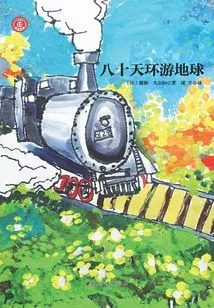
Fogg and members of the Reform Club bet £20,000 on whether they could travel around the world in 80 days. Then he took his servant "know-it-all" and set off from London on an incredible journey around the world. Along the way, they experienced natural and man-made disasters. In the end, in the 19th century when there were no airplanes or ocean ships, they actually completed this fantasy-like circumnavigation of the earth. Not only did they win a bet, but they also gained love. This book integrates scientific knowledge, creativity, artistry and interest, and has a wide range of readers around the world.
Fogg and members of the Reform Club bet £20,000 on whether they could travel around the world in 80 days. Then he took his servant "know-it-all" and set off from London on an incredible journey around the world. Along the way, they experienced natural and man-made disasters. In the end, in the 19th century when there were no airplanes or ocean ships, they actually completed this fantasy-like circumnavigation of the earth. Not only did they win a bet, but they also gained love. This book integrates scientific knowledge, creativity, artistry and interest, and has a wide range of readers around the world.
Tit for Tat (shakespeare Comedy Series)
General Fiction一报还一报(莎士比亚喜剧系列)
G
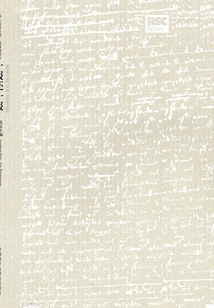
The latest classic version of FLTRP! "Tit for Tat" shows people the incompatibility between the legal provisions of adultery and society through the handling of two cases of adultery. One was Claudio and Juliet's premarital sex, and Juliet became pregnant as a result, and Claudio was sentenced to death by Angelou. The other one is Angelou's crime of adultery against Mariana, which is a trap designed by the Duke and Isabella as revenge for Angelou.
The latest classic version of FLTRP! "Tit for Tat" shows people the incompatibility between the legal provisions of adultery and society through the handling of two cases of adultery. One was Claudio and Juliet's premarital sex, and Juliet became pregnant as a result, and Claudio was sentenced to death by Angelou. The other one is Angelou's crime of adultery against Mariana, which is a trap designed by the Duke and Isabella as revenge for Angelou.
_
General Fiction_
G
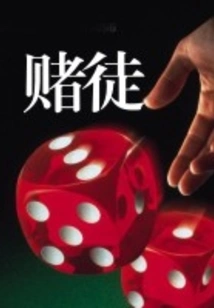
From the inner monologue of a gambler, the author Dostoevsky uses his unique way of observation to describe the story of a gambler.
From the inner monologue of a gambler, the author Dostoevsky uses his unique way of observation to describe the story of a gambler.
Tess (illustrated Collector's Edition)
General Fiction苔丝(插图珍藏本)
H
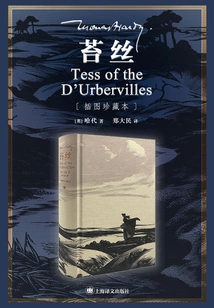
Hardy, the master of novels, is a world-renowned literary masterpiece and a highly regarded classic translation, especially with exquisite illustrations. The illustrated collection of "Tess" is the most famous novel masterpiece by the British novel master Hardy. The poor and beautiful heroine Tess loses her virginity to Alec, a bad boy from a rich family because of her youth and ignorance. She suffers mental and material torture, and loses her true love Claire because of it. Finally, she kills Alec out of grief, anger and despair, and walks to the gallows calmly. The great charm and courage of Tess's humanity and soul make her one of the most touching female images in the literary gallery. Hardy vividly demonstrates his deep-rooted tragic outlook on fate and broad and profound humanistic compassion through the tragic experiences of the pure and beautiful Tess's short life. This book contains a complete set of more than 30 exquisite woodcut illustrations created for the novel by the famous British female illustrator Agnes Miller Parker, which is of great collection value.
Hardy, the master of novels, is a world-renowned literary masterpiece and a highly regarded classic translation, especially with exquisite illustrations. The illustrated collection of "Tess" is the most famous novel masterpiece by the British novel master Hardy. The poor and beautiful heroine Tess loses her virginity to Alec, a bad boy from a rich family because of her youth and ignorance. She suffers mental and material torture, and loses her true love Claire because of it. Finally, she kills Alec out of grief, anger and despair, and walks to the gallows calmly. The great charm and courage of Tess's humanity and soul make her one of the most touching female images in the literary gallery. Hardy vividly demonstrates his deep-rooted tragic outlook on fate and broad and profound humanistic compassion through the tragic experiences of the pure and beautiful Tess's short life. This book contains a complete set of more than 30 exquisite woodcut illustrations created for the novel by the famous British female illustrator Agnes Miller Parker, which is of great collection value.
Martin Eade (part 2)
General Fiction马丁·伊德(下)
H
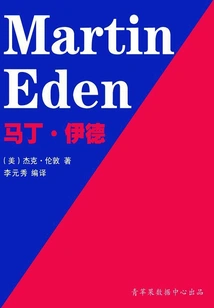
"Martin Eade" is based on the historical events from the mid-19th century to the end of the Second World War. Through the fate of four generations of Lucinda's family, especially the delicate description of Lucinda's pursuit and loss, ups and downs, sorrows and long painful experiences, it outlines the rise of emerging Australia and the decline of the old British Empire from one side. In the beautiful scenery of nature, various tragedies occur.
"Martin Eade" is based on the historical events from the mid-19th century to the end of the Second World War. Through the fate of four generations of Lucinda's family, especially the delicate description of Lucinda's pursuit and loss, ups and downs, sorrows and long painful experiences, it outlines the rise of emerging Australia and the decline of the old British Empire from one side. In the beautiful scenery of nature, various tragedies occur.
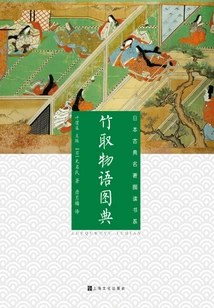
Taketori Monogatari Illustrated Dictionary (illustrated Reading Department of Japanese Classical Classics)
General Fiction竹取物语图典(日本古典名著图读书系)
L
"The Tale of Bamboo", in "picture scrolls" from different eras, jointly show various scenes such as "cutting bamboo", "transformation", "proposal", "ascension to heaven", and "scattering flowers" of this originator of "monogatari literature". It connects the heaven and the earth, and various characters are dancing, embodying a world where reality and fantasy are intertwined in the central picture of the story, a world of mysterious beauty and fantasy beauty.
"The Tale of Bamboo", in "picture scrolls" from different eras, jointly show various scenes such as "cutting bamboo", "transformation", "proposal", "ascension to heaven", and "scattering flowers" of this originator of "monogatari literature". It connects the heaven and the earth, and various characters are dancing, embodying a world where reality and fantasy are intertwined in the central picture of the story, a world of mysterious beauty and fantasy beauty.
O
General Fictiono
I
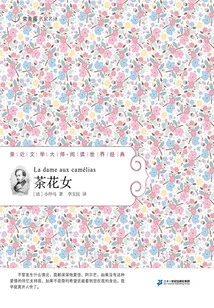
"La Traviata" has created some vivid and distinctive artistic images for us, among which the outstanding and unforgettable one is naturally the heroine Margaret. Margaret is beautiful, smart and kind. Although she has fallen into the world, she still maintains a pure and noble heart. She pursues a true love life with passion and hope, and when this hope is shattered, she is willing to sacrifice herself to help others. All these make the image of this despised fireworks woman shine with a holy brilliance, so that when people mention the three words "La Traviata", the first thing that comes to mind is not something despicable, but a beautiful, lovely and sympathetic woman.
"La Traviata" has created some vivid and distinctive artistic images for us, among which the outstanding and unforgettable one is naturally the heroine Margaret. Margaret is beautiful, smart and kind. Although she has fallen into the world, she still maintains a pure and noble heart. She pursues a true love life with passion and hope, and when this hope is shattered, she is willing to sacrifice herself to help others. All these make the image of this despised fireworks woman shine with a holy brilliance, so that when people mention the three words "La Traviata", the first thing that comes to mind is not something despicable, but a beautiful, lovely and sympathetic woman.