Library
Browse and search books
13,360 novels found

Ae
Literatureae
H
"Speak, Memory" is a classic memoir by the master of fiction Nabokov. It spans thirty-seven years. It is one of Nabokov's most important and famous works. It is also one of the few unique and outstanding works in the past and present with the theme of time and memory. It straddles reality and fiction, and is more like a novel. Its language has a candid clarity and anatomical precision - the precision with which a lepidopterist observed the wonderful patterns on the wings of a butterfly through a high-power magnifying glass and described them, giving readers an extraordinary reading experience. Memory and review of the past often dominate Nabokov's novels, so this autobiography is an excellent password to interpret his novels, because memory itself is a hidden bridge between fantasy and reality, in which the writer exerts his unique imagination. A must-read for loyal readers of Nabokov, it provides first-hand insights into important novels such as Lolita, Pale Fire, The Defense, and Marie. The book contains more than 20 precious old photos of the Nabokov family, restoring the years written by Nabokov.
"Speak, Memory" is a classic memoir by the master of fiction Nabokov. It spans thirty-seven years. It is one of Nabokov's most important and famous works. It is also one of the few unique and outstanding works in the past and present with the theme of time and memory. It straddles reality and fiction, and is more like a novel. Its language has a candid clarity and anatomical precision - the precision with which a lepidopterist observed the wonderful patterns on the wings of a butterfly through a high-power magnifying glass and described them, giving readers an extraordinary reading experience. Memory and review of the past often dominate Nabokov's novels, so this autobiography is an excellent password to interpret his novels, because memory itself is a hidden bridge between fantasy and reality, in which the writer exerts his unique imagination. A must-read for loyal readers of Nabokov, it provides first-hand insights into important novels such as Lolita, Pale Fire, The Defense, and Marie. The book contains more than 20 precious old photos of the Nabokov family, restoring the years written by Nabokov.
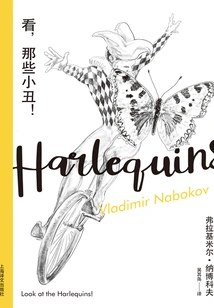
Look, Those Clowns! (nabokov's Selections Iii)
General Fiction看,那些小丑!(纳博科夫精选集Ⅲ)
H
"My life is his fraternal sibling, a parody of him." Nabokov's last complete novel before his death, a "dying man"'s self-mockery, reveals the mysteries of memory and creation. A wonderful work that Nabokov fans should not miss. It blends fantasy and reality to create another self. It is a joking review of his writing life at the age of seventy-five. "Look, Those Clowns" is the masterpiece of Nabokov's novels, recognized as the master of novels in the 20th century, and it is also the last complete novel he wrote during his lifetime. A dying man carefully uncovers the mysteries of memory and creation, like a satirical drama showing the relationship between real life and the imaginary world. There are inextricable connections between the Russian-American writer Vadim Vadimovich, the protagonist of the novel, and Nabokov himself: a Russian émigré, novelist, poet and critic. He tells a first-person account of his life, from young love to serious illness, his four wives, his works, and the sources of his inspiration. In his twilight years, Nabokov buried countless puzzles and codes in Vadim and incorporated many themes involved in previous novels. All of this transcended the boundaries of his works and life itself, as if he had reconstructed another life and another possibility of his own. It is a wonderful work that true Nabokov fans cannot miss.
"My life is his fraternal sibling, a parody of him." Nabokov's last complete novel before his death, a "dying man"'s self-mockery, reveals the mysteries of memory and creation. A wonderful work that Nabokov fans should not miss. It blends fantasy and reality to create another self. It is a joking review of his writing life at the age of seventy-five. "Look, Those Clowns" is the masterpiece of Nabokov's novels, recognized as the master of novels in the 20th century, and it is also the last complete novel he wrote during his lifetime. A dying man carefully uncovers the mysteries of memory and creation, like a satirical drama showing the relationship between real life and the imaginary world. There are inextricable connections between the Russian-American writer Vadim Vadimovich, the protagonist of the novel, and Nabokov himself: a Russian émigré, novelist, poet and critic. He tells a first-person account of his life, from young love to serious illness, his four wives, his works, and the sources of his inspiration. In his twilight years, Nabokov buried countless puzzles and codes in Vadim and incorporated many themes involved in previous novels. All of this transcended the boundaries of his works and life itself, as if he had reconstructed another life and another possibility of his own. It is a wonderful work that true Nabokov fans cannot miss.
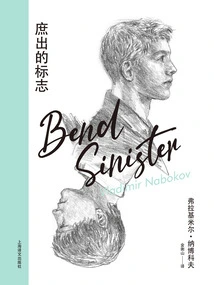
The Sign of the Bastard (nabokov Collection Iv)
General Fiction庶出的标志(纳博科夫精选集IV)
H
Nabokov's first novel after immigrating to the United States, is known as the exquisite "Hamlet in the low voice". A plague of words, the product of fantasy and weird thoughts; the beating of a heart full of love, tortured after emotions are hijacked; a ridiculous police state, the ignorant and random national character. It is his "creation after six years of adapting to the United States." It is also a masterpiece with exquisite conception and rich language. In the novel, the author fictionalizes an absurd country where people believe in Ecclesianism and pursue a uniform Aite League (ordinary people) life. It is the common character of the people to be ignorant and misbehaved. The protagonist Kruger is an elite intellectual in the country, well-known overseas. The leader Bartuk tried in every possible way to get him to endorse the new regime, but he always failed. Finally, he kidnapped Kruger's young son David and used this small "lever of love" to leverage Kruger. The protagonist eventually went crazy as the tragedy happened. The theme of the novel is the beating of Kruger's loving heart. After his wife died of illness and his son was kidnapped, his strong and tender emotions were tortured - this is what Nabokov clearly stated in the preface that readers should care about and feel.
Nabokov's first novel after immigrating to the United States, is known as the exquisite "Hamlet in the low voice". A plague of words, the product of fantasy and weird thoughts; the beating of a heart full of love, tortured after emotions are hijacked; a ridiculous police state, the ignorant and random national character. It is his "creation after six years of adapting to the United States." It is also a masterpiece with exquisite conception and rich language. In the novel, the author fictionalizes an absurd country where people believe in Ecclesianism and pursue a uniform Aite League (ordinary people) life. It is the common character of the people to be ignorant and misbehaved. The protagonist Kruger is an elite intellectual in the country, well-known overseas. The leader Bartuk tried in every possible way to get him to endorse the new regime, but he always failed. Finally, he kidnapped Kruger's young son David and used this small "lever of love" to leverage Kruger. The protagonist eventually went crazy as the tragedy happened. The theme of the novel is the beating of Kruger's loving heart. After his wife died of illness and his son was kidnapped, his strong and tender emotions were tortured - this is what Nabokov clearly stated in the preface that readers should care about and feel.

Glory (nabokov Collection Iv)
General Fiction荣耀(纳博科夫精选集IV)
H
"Young exiles discover passion and charm in the most ordinary pleasures and seemingly meaningless lonely adventures." The fictional preview of "Speak, Memory" includes trains, travel, distant lights, and galloping nights, and the unexpected surprises of exploring an unknown country with a lonely heart. Translated from the original Russian text, it retains the original charm and beauty. "Glory" is the early Russian masterpiece of Vladimir Nabokov, a recognized master of novels in the twentieth century. The novel tells the story of a man who resolutely ran into danger in order to realize his childhood dream, regardless of worldly views. The protagonist Martin is a Russian young man pursuing romance and aimlessness. His family fled his homeland because of the Russian Revolution. His Anglophile mother sent him to England for a university education. There, Martin stayed with a Russian immigrant family, and his body and mind were quickly taken over by their daughter Sonia. However, Sonia's changeable temperament, coquettishness and frivolity make it beyond Martin's reach. Martin, who is unable to fall in love, feels that if he continues like this, he will become Sonia's shadow, and he will walk around on the sidewalks of Berlin until the end of his life, wasting the increasingly mature, important and solemn things in his heart on his feelings. Therefore, Martin decided to leave Berlin and think about the adventure plan in the solitude of clearing away old thoughts. It was his childhood dream, the unknown he had always wanted to explore, and the end of the secret path in the childhood bedside painting. With a martyr's heart and a trembling, irresistible wanderer's passion, Martin embarked on his own lonely journey, writing his own obituary until the end of his life.
"Young exiles discover passion and charm in the most ordinary pleasures and seemingly meaningless lonely adventures." The fictional preview of "Speak, Memory" includes trains, travel, distant lights, and galloping nights, and the unexpected surprises of exploring an unknown country with a lonely heart. Translated from the original Russian text, it retains the original charm and beauty. "Glory" is the early Russian masterpiece of Vladimir Nabokov, a recognized master of novels in the twentieth century. The novel tells the story of a man who resolutely ran into danger in order to realize his childhood dream, regardless of worldly views. The protagonist Martin is a Russian young man pursuing romance and aimlessness. His family fled his homeland because of the Russian Revolution. His Anglophile mother sent him to England for a university education. There, Martin stayed with a Russian immigrant family, and his body and mind were quickly taken over by their daughter Sonia. However, Sonia's changeable temperament, coquettishness and frivolity make it beyond Martin's reach. Martin, who is unable to fall in love, feels that if he continues like this, he will become Sonia's shadow, and he will walk around on the sidewalks of Berlin until the end of his life, wasting the increasingly mature, important and solemn things in his heart on his feelings. Therefore, Martin decided to leave Berlin and think about the adventure plan in the solitude of clearing away old thoughts. It was his childhood dream, the unknown he had always wanted to explore, and the end of the secret path in the childhood bedside painting. With a martyr's heart and a trembling, irresistible wanderer's passion, Martin embarked on his own lonely journey, writing his own obituary until the end of his life.
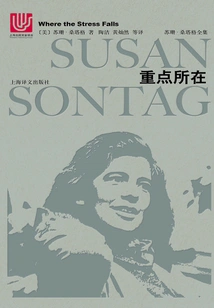
B
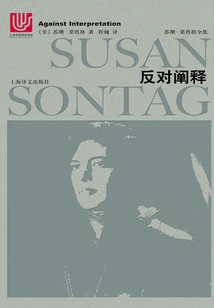
Against Interpretation (2018 Edition)
Literature反对阐释(2018年版)
H
"Against Interpretation" is one of Susan Sontag's most famous essay collections. It is the famous work that established her status as "the most discerning essayist in existence" in the United States. The commentary has spread across European and American avant-garde literature, drama, and film. It embodies the revolutionary posture and achievements of "new intellectuals" who "oppose interpretation" and re-evaluate the entire literature and art with "new sensibility."
"Against Interpretation" is one of Susan Sontag's most famous essay collections. It is the famous work that established her status as "the most discerning essayist in existence" in the United States. The commentary has spread across European and American avant-garde literature, drama, and film. It embodies the revolutionary posture and achievements of "new intellectuals" who "oppose interpretation" and re-evaluate the entire literature and art with "new sensibility."
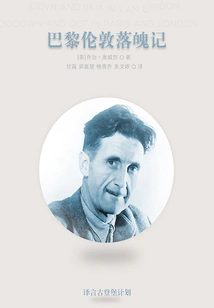
Down and Out in Paris and London
General Fiction巴黎伦敦落魄记
J
In 1927, the 24-year-old George Orwell resigned from his post as a colonial policeman in Burma and began to travel between the British mainland and the European continent, wandering around and trying various careers. He worked as a hotel dishwasher, a teacher, a bookstore clerk, and a longshoreman. Although he was poor, he was born in the middle class and experienced the life of the lower class firsthand. Orwell himself once said that "a life of poverty and a sense of failure strengthened my natural hatred of authority and made me aware of the existence of the working class for the first time." In 1933, Orwell wrote the novel "Down and Out in Paris and London" based on this experience. The book is divided into two parts. The first half describes the miserable life of a British literati living at the bottom of society by doing odd jobs in Paris. The second half describes the literati's experiences when he returned to London from Paris, where his living conditions further deteriorated, and he became a jobless vagrant and moved around. The book is interspersed with the protagonist's thoughts and comments, providing an in-depth analysis of the true meaning of poverty. But at the same time, there is still dark humor in the suffering. For example, when writing about the hard and tiring life of a dishwasher, one still never forgets to make fun of the classic line "Roughly speaking, the more you pay for a dish, the more sweat and spit you will eat."
In 1927, the 24-year-old George Orwell resigned from his post as a colonial policeman in Burma and began to travel between the British mainland and the European continent, wandering around and trying various careers. He worked as a hotel dishwasher, a teacher, a bookstore clerk, and a longshoreman. Although he was poor, he was born in the middle class and experienced the life of the lower class firsthand. Orwell himself once said that "a life of poverty and a sense of failure strengthened my natural hatred of authority and made me aware of the existence of the working class for the first time." In 1933, Orwell wrote the novel "Down and Out in Paris and London" based on this experience. The book is divided into two parts. The first half describes the miserable life of a British literati living at the bottom of society by doing odd jobs in Paris. The second half describes the literati's experiences when he returned to London from Paris, where his living conditions further deteriorated, and he became a jobless vagrant and moved around. The book is interspersed with the protagonist's thoughts and comments, providing an in-depth analysis of the true meaning of poverty. But at the same time, there is still dark humor in the suffering. For example, when writing about the hard and tiring life of a dishwasher, one still never forgets to make fun of the classic line "Roughly speaking, the more you pay for a dish, the more sweat and spit you will eat."

名家名作精选:冰心小说(学生阅读经典)
J
This book is part of the "Collection of Famous Classics" series. It collects fifty-three novels by Bing Xin, who was famous for his "problem novels" in the May Fourth literary world. From "Two Families" written in September 1919 to the last piece "Intervention" in August 1988, the time span is a full seventy years. "There is blood, tears, insults and groans, oppression and shouting..."
This book is part of the "Collection of Famous Classics" series. It collects fifty-three novels by Bing Xin, who was famous for his "problem novels" in the May Fourth literary world. From "Two Families" written in September 1919 to the last piece "Intervention" in August 1988, the time span is a full seventy years. "There is blood, tears, insults and groans, oppression and shouting..."

Grass Harp (by Capote)
General Fiction草竖琴(卡波蒂作品)
I
The novel "Grass Harp" (1951) is one of the writer's representative short novels. It describes three strange protagonists - one is an orphan, and the other two are eccentric old ladies - who are troubled by the cruel real life in the American South. They tried all kinds of begging methods but were unable to survive. They had no choice but to leave the real world with fierce competition and endless places for people to live in seclusion in a tree house. This is a work in which the author creates early dreams and reality, fiction and truth, which embodies the tradition and color of early American southern literature.
The novel "Grass Harp" (1951) is one of the writer's representative short novels. It describes three strange protagonists - one is an orphan, and the other two are eccentric old ladies - who are troubled by the cruel real life in the American South. They tried all kinds of begging methods but were unable to survive. They had no choice but to leave the real world with fierce competition and endless places for people to live in seclusion in a tree house. This is a work in which the author creates early dreams and reality, fiction and truth, which embodies the tradition and color of early American southern literature.

Thomas Wolfe Series (set of 3 Volumes) (angel, Looking Homeward + Time and River + Net and Stone)
General Fiction托马斯·沃尔夫系列(套装共3册)(天使,望故乡+时间与河流+网与石)
M
This set includes: 3 books: "Angel Looks Hometown", "Time and River", and "Net and Stone". "Angel Looks Homeward" tells the story of Eugene who was born in a small town in Altmont. His mother, Eliza, drove him and his sisters to the streets to earn money when he was very young. When he was eight years old, Eliza made the South a boarding house, and Eugene stayed with her. Eugene's sister Helen has been staying at home with her father. Other children moved between the two homes. At the age of 16, Eugene entered state college. By the end of his senior year, Eugene had become a big figure on campus. Later, the sudden death of his brother Ben put him in extreme pain. His father was seriously ill, and there were quarrels between the brothers and sisters over the inheritance. Because Eugene had gone to college, they deducted his share of the inheritance and forced him to sign. His mother promised to provide him with one year's tuition, and he left his hometown to go to Harvard University...
This set includes: 3 books: "Angel Looks Hometown", "Time and River", and "Net and Stone". "Angel Looks Homeward" tells the story of Eugene who was born in a small town in Altmont. His mother, Eliza, drove him and his sisters to the streets to earn money when he was very young. When he was eight years old, Eliza made the South a boarding house, and Eugene stayed with her. Eugene's sister Helen has been staying at home with her father. Other children moved between the two homes. At the age of 16, Eugene entered state college. By the end of his senior year, Eugene had become a big figure on campus. Later, the sudden death of his brother Ben put him in extreme pain. His father was seriously ill, and there were quarrels between the brothers and sisters over the inheritance. Because Eugene had gone to college, they deducted his share of the inheritance and forced him to sign. His mother promised to provide him with one year's tuition, and he left his hometown to go to Harvard University...
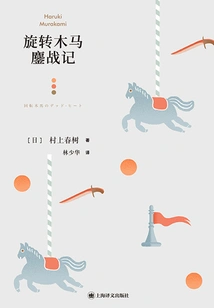
Carousel Battle
General Fiction旋转木马鏖战记
H
Haruki Murakami's only collection of short stories created with a realistic approach, including 9 short stories: "Preface: The Battle on the Carousel", "Bib Shorts", "The Man in the Taxi", "Swimming Pool", "Dedicated to the Late Princess", "Vomiting 1979", "Shelter from the Rain", "Baseball Field" and "The Hunting Knife". The work describes a wife who traveled thousands of miles to buy suitable clothes for her husband, but decided to divorce when she returned home. The man did not dare to look up to the beautiful and proud girl, but she easily fell into his arms. The man who had unrequited love used a telescope to spy on the woman for three months, and felt nothing when they met again. It expresses the author's outlook on life: sometimes life is like a merry-go-round.
Haruki Murakami's only collection of short stories created with a realistic approach, including 9 short stories: "Preface: The Battle on the Carousel", "Bib Shorts", "The Man in the Taxi", "Swimming Pool", "Dedicated to the Late Princess", "Vomiting 1979", "Shelter from the Rain", "Baseball Field" and "The Hunting Knife". The work describes a wife who traveled thousands of miles to buy suitable clothes for her husband, but decided to divorce when she returned home. The man did not dare to look up to the beautiful and proud girl, but she easily fell into his arms. The man who had unrequited love used a telescope to spy on the woman for three months, and felt nothing when they met again. It expresses the author's outlook on life: sometimes life is like a merry-go-round.

Blue Dog Eyes
General Fiction蓝狗的眼睛
L
A masterpiece of magic and spirituality intertwined by the author of "One Hundred Years of Solitude" by Marquez! About memories of a lost world; about personal loneliness in different situations. Everyone who is surprised by the magic of time and everyone who has ever felt lonely should not miss it! The collection of Marquez's early short stories includes "The Third Endurance", "The Pain of Three Sleepwalkers", "The Eyes of the Blue Dog", "The Woman Arriving at Six O'Clock", "Someone Messed Up These Roses", "Navo, the Black Man Who Let the Angels Wait", "Someone Came from the Rain", "Isabel's Monologue While Watching the Rain in Macondo" and other 14 classics. These stories tell about characters and realities that have stopped along with stopped time. It includes the author's recollection of his hometown and the reproduction of his childhood experiences, as well as his exploration of themes such as loneliness, death, absurdity, and eternity.
A masterpiece of magic and spirituality intertwined by the author of "One Hundred Years of Solitude" by Marquez! About memories of a lost world; about personal loneliness in different situations. Everyone who is surprised by the magic of time and everyone who has ever felt lonely should not miss it! The collection of Marquez's early short stories includes "The Third Endurance", "The Pain of Three Sleepwalkers", "The Eyes of the Blue Dog", "The Woman Arriving at Six O'Clock", "Someone Messed Up These Roses", "Navo, the Black Man Who Let the Angels Wait", "Someone Came from the Rain", "Isabel's Monologue While Watching the Rain in Macondo" and other 14 classics. These stories tell about characters and realities that have stopped along with stopped time. It includes the author's recollection of his hometown and the reproduction of his childhood experiences, as well as his exploration of themes such as loneliness, death, absurdity, and eternity.
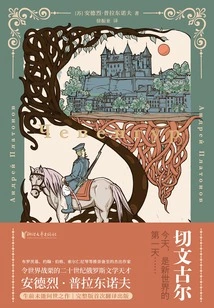
Chevencourt
General Fiction切文古尔
K
This book is a work that was not published during the lifetime of the Russian literature master Andrei Platonov. "Chevincourt" describes the story of a group of lonely revolutionary visionaries trying to find and create a new world in the remote county town of Chevincourt. They eliminated and exiled the bourgeoisie, destroyed forests, demolished houses, stopped all production activities, slept in the wilderness, fed their hunger with grass, and relied on the power of the sun to survive. They actively explored and built a new life with their imagination and enthusiasm for the world, but due to the lack of theoretical support and practical experience, they ultimately paid a heavy price. The author is extremely sarcastic and full of warmth towards the "weirdos" he writes about. The novel embodies the author's calm examination and painful reflection on the social trends of the time, as well as his deep understanding and worries about reality.
This book is a work that was not published during the lifetime of the Russian literature master Andrei Platonov. "Chevincourt" describes the story of a group of lonely revolutionary visionaries trying to find and create a new world in the remote county town of Chevincourt. They eliminated and exiled the bourgeoisie, destroyed forests, demolished houses, stopped all production activities, slept in the wilderness, fed their hunger with grass, and relied on the power of the sun to survive. They actively explored and built a new life with their imagination and enthusiasm for the world, but due to the lack of theoretical support and practical experience, they ultimately paid a heavy price. The author is extremely sarcastic and full of warmth towards the "weirdos" he writes about. The novel embodies the author's calm examination and painful reflection on the social trends of the time, as well as his deep understanding and worries about reality.
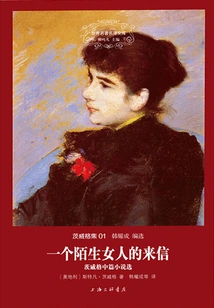
Letters from an Unknown Woman: Selected Novellas by Zweig
General Fiction一个陌生女人的来信:茨威格中篇小说选
J
This book is a collection of Zweig's novellas. "Letter from an Unknown Woman" tells the story of a man who received a thick unsigned letter on his forty-first birthday. The letter was written by a dying woman. Between the lines is her unforgettable love for him for eighteen years, but the man who received the letter had no idea about it. In addition, it also includes the famous works "The Burning Secret", "Tropical Madness", "Twenty-Four Hours in a Woman's Life", "The Story of Chess", etc.
This book is a collection of Zweig's novellas. "Letter from an Unknown Woman" tells the story of a man who received a thick unsigned letter on his forty-first birthday. The letter was written by a dying woman. Between the lines is her unforgettable love for him for eighteen years, but the man who received the letter had no idea about it. In addition, it also includes the famous works "The Burning Secret", "Tropical Madness", "Twenty-Four Hours in a Woman's Life", "The Story of Chess", etc.

Contemporary Hero
General Fiction当代英雄
I
"Contemporary Heroes" consists of five relatively independent but mutually echoing short and medium-length stories: "Bella", "Maxim Maximich", "Taman", "Princess Merry" and "The Fatalist". It is the culmination of Lermontov's literary creation and pioneered Russian social psychological novels. The novel outlines a group portrait of the elite of an era through the experience of the protagonist Bi Qiaolin, reflecting the writer's thinking on the philosophical proposition of "individual existence" that is closest to the present and most oriented to eternity. It is an epoch-making work with exquisite artistic structure and profound ideological connotation. Guided by Professor Zhang Jianhua. Zhang Jianhua: Professor of the History Department of Beijing Normal University. His main research fields are Russian (Soviet Union) ideological and cultural history, Russian (Soviet Union) diplomatic history, Sino-Russian relations history, Russian Sinology history, and modern and contemporary world history.
"Contemporary Heroes" consists of five relatively independent but mutually echoing short and medium-length stories: "Bella", "Maxim Maximich", "Taman", "Princess Merry" and "The Fatalist". It is the culmination of Lermontov's literary creation and pioneered Russian social psychological novels. The novel outlines a group portrait of the elite of an era through the experience of the protagonist Bi Qiaolin, reflecting the writer's thinking on the philosophical proposition of "individual existence" that is closest to the present and most oriented to eternity. It is an epoch-making work with exquisite artistic structure and profound ideological connotation. Guided by Professor Zhang Jianhua. Zhang Jianhua: Professor of the History Department of Beijing Normal University. His main research fields are Russian (Soviet Union) ideological and cultural history, Russian (Soviet Union) diplomatic history, Sino-Russian relations history, Russian Sinology history, and modern and contemporary world history.
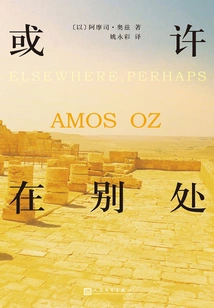
Maybe Somewhere Else
General Fiction或许在别处
H
"Perhaps Elsewhere" is Amos Oz's first novel. Based on personal experience, it unveils the mystery of "kibbutz" to readers. People live and work together in the kibbutz, even though they are on the border, and the sound of artillery fire can be clearly heard. Kibbutz entrusts the common dreams of Jews from different countries. However, life here is not peaceful. Love and passion, conflicts and misunderstandings, rumors and scandals set off storms from time to time, shaking everything built on idealism.
"Perhaps Elsewhere" is Amos Oz's first novel. Based on personal experience, it unveils the mystery of "kibbutz" to readers. People live and work together in the kibbutz, even though they are on the border, and the sound of artillery fire can be clearly heard. Kibbutz entrusts the common dreams of Jews from different countries. However, life here is not peaceful. Love and passion, conflicts and misunderstandings, rumors and scandals set off storms from time to time, shaking everything built on idealism.
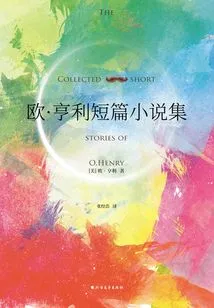
V
General Fictionv
H
This book is a collection of O. Henry's classic short stories. His story shows ironic pathos, unique humor, and an ending that is impossible to guess until the last second.
This book is a collection of O. Henry's classic short stories. His story shows ironic pathos, unique humor, and an ending that is impossible to guess until the last second.

J
General Fictionj
K
Yoshiko, a female disciple full of youthful vitality, breaks into Takenaka Tokio's stagnant life day after day, awakening his emotions and desires. However, due to his dignity as a teacher and family ethics, he could not speak out and could only endure it. At this time, Yoshiko fell into a passionate love, which made Takezaka jealous. He couldn't help but write to Yoshiko's father in his hometown, asking him to take Yoshiko back to the countryside and break up the young couple with his own hands. Yoshiko finally left. Sadness and despair, along with unreleased love, surged into Zhu Zhong's head. Zhu Zhong picked up the quilt that Yoshiko had covered and covered his face, and couldn't help crying. This book includes Tianshan Huadao's short story "Quilt" and novel "Country Teacher".
Yoshiko, a female disciple full of youthful vitality, breaks into Takenaka Tokio's stagnant life day after day, awakening his emotions and desires. However, due to his dignity as a teacher and family ethics, he could not speak out and could only endure it. At this time, Yoshiko fell into a passionate love, which made Takezaka jealous. He couldn't help but write to Yoshiko's father in his hometown, asking him to take Yoshiko back to the countryside and break up the young couple with his own hands. Yoshiko finally left. Sadness and despair, along with unreleased love, surged into Zhu Zhong's head. Zhu Zhong picked up the quilt that Yoshiko had covered and covered his face, and couldn't help crying. This book includes Tianshan Huadao's short story "Quilt" and novel "Country Teacher".
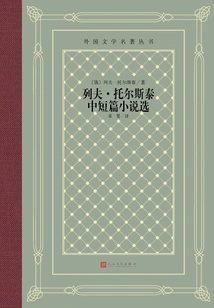
Selected Novels and Novels by Leo Tolstoy
General Fiction列夫·托尔斯泰中短篇小说选
L
"Tolstoy's short stories" include: "Sevastopol in December", "Sevastopol in May", "Sevastopol in August 1855", "Morning of a Landowner", "Lucerne (Excerpts from the Diary of Prince Nekhlyudov)", "Cossacks", "Hostomir", "The Death of Ivan Ilyich", "Kreutzer Sonata", "After the Ball" and "Haji Murat".
"Tolstoy's short stories" include: "Sevastopol in December", "Sevastopol in May", "Sevastopol in August 1855", "Morning of a Landowner", "Lucerne (Excerpts from the Diary of Prince Nekhlyudov)", "Cossacks", "Hostomir", "The Death of Ivan Ilyich", "Kreutzer Sonata", "After the Ball" and "Haji Murat".
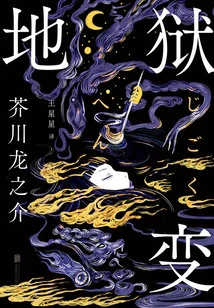
Q
General Fictionq
H
If you haven't been to hell in person, how can you describe the scene of hell? "Hell Transformation" tells the story of a highly skilled painter, Yoshihide, who cruelly sacrificed his daughter in order to pursue the highest realm of art and completed a "Hell Transformation" screen that shocked the world. Through the human tragedy of the painter Yoshihide, we gain insight into the deep ugliness and darkness of human nature, express the life tragedy of a lonely person who is "art for art's sake", and fully demonstrate the lonely core and death fantasy of Akutagawa's literature. The book includes 8 representative works of Akutagawa Ryunosuke, including "Hell Transformation", "Spider Thread" and "In the Bamboo Forest", from his talented early stage, the middle stage that juxtaposes ancient and modern times, and the late stage of his heartfelt confession, leading readers to experience the out-of-control human purgatory of greed, anger and ignorance, and to torture their own sincerity in the fire of ignorant karma. Everyone who steps into the gate of hell from the human world thinks that he is the embodiment of justice when he does evil. Attachment is hell, others are hell, and the world is hell.
If you haven't been to hell in person, how can you describe the scene of hell? "Hell Transformation" tells the story of a highly skilled painter, Yoshihide, who cruelly sacrificed his daughter in order to pursue the highest realm of art and completed a "Hell Transformation" screen that shocked the world. Through the human tragedy of the painter Yoshihide, we gain insight into the deep ugliness and darkness of human nature, express the life tragedy of a lonely person who is "art for art's sake", and fully demonstrate the lonely core and death fantasy of Akutagawa's literature. The book includes 8 representative works of Akutagawa Ryunosuke, including "Hell Transformation", "Spider Thread" and "In the Bamboo Forest", from his talented early stage, the middle stage that juxtaposes ancient and modern times, and the late stage of his heartfelt confession, leading readers to experience the out-of-control human purgatory of greed, anger and ignorance, and to torture their own sincerity in the fire of ignorant karma. Everyone who steps into the gate of hell from the human world thinks that he is the embodiment of justice when he does evil. Attachment is hell, others are hell, and the world is hell.
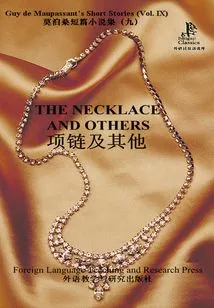
项链及其他(莫泊桑短篇小说集9)
G
Mathilde, the wife of an ordinary civil servant, borrowed a diamond necklace from a friend to attend a party, but accidentally lost it on the way home. She had to borrow money to buy a new necklace and return it to her friend. In order to repay the debt, she scrimped on food and clothing and worked part-time for others, working hard for ten years. Finally, I learned that the necklace I borrowed was originally a fake diamond necklace. This article takes the necklace itself as a clue and leads readers into the life and inner world of the heroine Mathilde through the plot of borrowing, losing, and returning the necklace, and deeply appreciates the tragic reality that small people in the capitalist society of the 19th century cannot decide their own destiny.
Mathilde, the wife of an ordinary civil servant, borrowed a diamond necklace from a friend to attend a party, but accidentally lost it on the way home. She had to borrow money to buy a new necklace and return it to her friend. In order to repay the debt, she scrimped on food and clothing and worked part-time for others, working hard for ten years. Finally, I learned that the necklace I borrowed was originally a fake diamond necklace. This article takes the necklace itself as a clue and leads readers into the life and inner world of the heroine Mathilde through the plot of borrowing, losing, and returning the necklace, and deeply appreciates the tragic reality that small people in the capitalist society of the 19th century cannot decide their own destiny.
M
General Fictionm
I
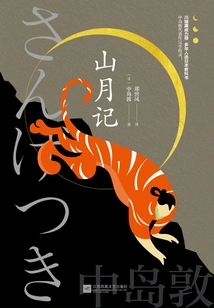
This book is a collection of short stories by Japanese writer Atsushi Nakajima. Each chapter in the book is based on Chinese classics, such as "The Analects of Confucius", "Lieh Tzu", "Historical Records", "Journey to the West" and Tang Dynasty Legends. Atsushi Nakajima borrows the shell of Chinese classics and injects modern ideology. He opens up his imagination in the blank spaces and gaps of Chinese classics to create strange worlds that are both true and illusory, presenting the human nature and modernity in classical stories. Atsushi Nakajima focuses on expressing the loneliness and nihilism of modern people. The protagonists in his works usually fall into self-pulling situations. However, while expressing the plight of the human spirit, they also provide a way out, gradually establishing the order of their own inner world, defeating nihility in action, and re-establishing their complete self. "Mountain Moon", with its sincerity, thoroughness, profoundness and sharpness, has become a book of warning, a book of answers and a book of life for countless literary and artistic young people.
This book is a collection of short stories by Japanese writer Atsushi Nakajima. Each chapter in the book is based on Chinese classics, such as "The Analects of Confucius", "Lieh Tzu", "Historical Records", "Journey to the West" and Tang Dynasty Legends. Atsushi Nakajima borrows the shell of Chinese classics and injects modern ideology. He opens up his imagination in the blank spaces and gaps of Chinese classics to create strange worlds that are both true and illusory, presenting the human nature and modernity in classical stories. Atsushi Nakajima focuses on expressing the loneliness and nihilism of modern people. The protagonists in his works usually fall into self-pulling situations. However, while expressing the plight of the human spirit, they also provide a way out, gradually establishing the order of their own inner world, defeating nihility in action, and re-establishing their complete self. "Mountain Moon", with its sincerity, thoroughness, profoundness and sharpness, has become a book of warning, a book of answers and a book of life for countless literary and artistic young people.
Lower Level Officials
General Fiction底层官员
J
"Bottom Official" describes the story of Liu Keke, a "left-handed man" from a county in the south who was seconded to the county government from a middle school physics teacher but always cared about the people. He worked hard at all levels of the county, township, and village, solving problems for the people, adhering to justice, and confronting various "hidden rules" of officialdom. He walked step by step with difficulty in the cracks of officialdom, went through hardships, and even lost his beloved wife, and finally became the secretary of the county party committee. At the same time, along with the twists and turns of county magistrate Ying Yuan, county party committee secretary Fang Wenwen, office director Lin Qu, office deputy director Su Xinhui and other officials. The story is interspersed with the personal emotional experiences of Liu Kekesong and several other officials, including the complex emotional entanglement between the county magistrate Ying Yuan and the deputy director of the county government Su Xinhui, Liu Kekesong's later wife, which adds more excitement to the novel.
"Bottom Official" describes the story of Liu Keke, a "left-handed man" from a county in the south who was seconded to the county government from a middle school physics teacher but always cared about the people. He worked hard at all levels of the county, township, and village, solving problems for the people, adhering to justice, and confronting various "hidden rules" of officialdom. He walked step by step with difficulty in the cracks of officialdom, went through hardships, and even lost his beloved wife, and finally became the secretary of the county party committee. At the same time, along with the twists and turns of county magistrate Ying Yuan, county party committee secretary Fang Wenwen, office director Lin Qu, office deputy director Su Xinhui and other officials. The story is interspersed with the personal emotional experiences of Liu Kekesong and several other officials, including the complex emotional entanglement between the county magistrate Ying Yuan and the deputy director of the county government Su Xinhui, Liu Kekesong's later wife, which adds more excitement to the novel.
W
General Fictionw
I
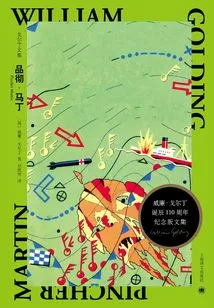
A controversial work by Nobel Prize winner William Golding, a "dark version" of desert island literature, was selected into the "Western Canon" by the famous 20th century literary critic Harold Bloom. A profound novel that explores the evil of human nature and whether the soul can ultimately be redeemed. "Pincher Martin" is an important masterpiece by William Golding. It is a masterpiece that deeply explores the evil of human nature and whether the soul can ultimately be redeemed. The book tells the story of a low-ranking officer named Christopher Hadley Martin on a British naval escort fleet during the Second World War. His warship was hit by a torpedo, and he was washed up on a rock in the ocean by the waves. He fought desperately for survival alone in the harsh environment, and eventually died. However, it is not until the end of the story that the author reveals to the readers in an unexpected way: Martin's torture on the rocks is actually just the suffering of a sinful soul in purgatory. The author wants to use this to warn mankind that if you persist in your own greed and sin, you will eventually fall into hell and never recover; and only by destroying the human nature of greed can your soul be expected to undergo the baptism of purgatory and be finally saved.
A controversial work by Nobel Prize winner William Golding, a "dark version" of desert island literature, was selected into the "Western Canon" by the famous 20th century literary critic Harold Bloom. A profound novel that explores the evil of human nature and whether the soul can ultimately be redeemed. "Pincher Martin" is an important masterpiece by William Golding. It is a masterpiece that deeply explores the evil of human nature and whether the soul can ultimately be redeemed. The book tells the story of a low-ranking officer named Christopher Hadley Martin on a British naval escort fleet during the Second World War. His warship was hit by a torpedo, and he was washed up on a rock in the ocean by the waves. He fought desperately for survival alone in the harsh environment, and eventually died. However, it is not until the end of the story that the author reveals to the readers in an unexpected way: Martin's torture on the rocks is actually just the suffering of a sinful soul in purgatory. The author wants to use this to warn mankind that if you persist in your own greed and sin, you will eventually fall into hell and never recover; and only by destroying the human nature of greed can your soul be expected to undergo the baptism of purgatory and be finally saved.

P
General Fictionp
J
The small town in the wasteland is full of confused and sad weirdos. Doctors are building the pyramid of truth in the clinic, priests are suffering from spiritual and physical torture, frustrated painters are addicted to imaginary illusions, and girls full of adventure are wasting their youth. Struggle or compromise, pain or numbness, in the end, the young man took the first step to emerge from the cocoon and become a butterfly. "Small Town Freaks" is a collection of short stories that can be called a classic in the history of American literature. It created a new "American writing tradition." The author Sherwood Anderson gives deep sympathy to these eccentrics. Their misunderstanding truly reflects the confusion and thinking caused by the confrontation between tradition and modernity in the early industrialization of the United States in the twentieth century.
The small town in the wasteland is full of confused and sad weirdos. Doctors are building the pyramid of truth in the clinic, priests are suffering from spiritual and physical torture, frustrated painters are addicted to imaginary illusions, and girls full of adventure are wasting their youth. Struggle or compromise, pain or numbness, in the end, the young man took the first step to emerge from the cocoon and become a butterfly. "Small Town Freaks" is a collection of short stories that can be called a classic in the history of American literature. It created a new "American writing tradition." The author Sherwood Anderson gives deep sympathy to these eccentrics. Their misunderstanding truly reflects the confusion and thinking caused by the confrontation between tradition and modernity in the early industrialization of the United States in the twentieth century.
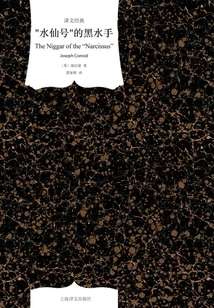
The Black Sailor of the Narcissus (translation Classic)
General Fiction“水仙号”的黑水手(译文经典)
H
"The Black Sailor of the Narcissus" is one of the masterpieces of Conrad's famous "sea novels". Whit, the new black sailor, fell ill in bed as soon as he boarded the ship. He made no contribution to the entire voyage, but showed "irritability and cowardice" everywhere. In the end, Whit died on the ship. The sailors held a water burial for him. As soon as Whit's body fell into the sea, a strange wind blew on the sea. After that, everything was normal. The "Narcissus" arrived in England, and the sailors scattered after landing. This unique image of Whit has aroused great interest among critics. Commenting on "Narcissus" became an explanation of Whit's meaning. As a result, there were as many Whits as Conrad critics. In fact, Whitt is just the focus of the shadows cast by thousands of concrete social phenomena on land to the sea. Conrad "objectified" universal human suffering into Whit, thereby creating a unique character.
"The Black Sailor of the Narcissus" is one of the masterpieces of Conrad's famous "sea novels". Whit, the new black sailor, fell ill in bed as soon as he boarded the ship. He made no contribution to the entire voyage, but showed "irritability and cowardice" everywhere. In the end, Whit died on the ship. The sailors held a water burial for him. As soon as Whit's body fell into the sea, a strange wind blew on the sea. After that, everything was normal. The "Narcissus" arrived in England, and the sailors scattered after landing. This unique image of Whit has aroused great interest among critics. Commenting on "Narcissus" became an explanation of Whit's meaning. As a result, there were as many Whits as Conrad critics. In fact, Whitt is just the focus of the shadows cast by thousands of concrete social phenomena on land to the sea. Conrad "objectified" universal human suffering into Whit, thereby creating a unique character.

Garden of Eden
General Fiction伊甸园
I
In the mid-1920s, David, a young American writer, and his wife Catherine went from Paris to the Mediterranean seaside in southern France for their honeymoon, indulging in a romantic sex life. David wanted to continue writing, but his wife just wanted to have fun in time. She asked a hairstylist to shorten her hair. She even encouraged her husband to fall in love with Marita, a foreign girl, and the three of them got involved in a dangerous sex game. But the "good times" didn't last long. Because Marita supported David's writing, Catherine became jealous and resentful. She burned his manuscript and left a letter to leave. Under Marita's care, David's literary thoughts surged, and he rewrote one of his favorite short stories word for word, and returned to the "Garden of Eden".
In the mid-1920s, David, a young American writer, and his wife Catherine went from Paris to the Mediterranean seaside in southern France for their honeymoon, indulging in a romantic sex life. David wanted to continue writing, but his wife just wanted to have fun in time. She asked a hairstylist to shorten her hair. She even encouraged her husband to fall in love with Marita, a foreign girl, and the three of them got involved in a dangerous sex game. But the "good times" didn't last long. Because Marita supported David's writing, Catherine became jealous and resentful. She burned his manuscript and left a letter to leave. Under Marita's care, David's literary thoughts surged, and he rewrote one of his favorite short stories word for word, and returned to the "Garden of Eden".
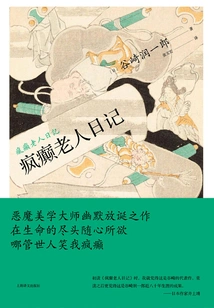
Diary of a Crazy Old Man (series by Junichiro Tanizaki)
General Fiction疯癫老人日记(谷崎润一郎作品系列)
H
The most mature work of Junichiro Tanizaki in his later years, a humorous and absurd work by the master of devilish aesthetics. I can do whatever I want at the end of my life, no matter how crazy the world laughs at me. The old man in his seventies has lost his health and ability to be romantic. While lingering on his sick bed, he projects his twisted desires on his young and beautiful daughter-in-law Sa Zi. Sa Zi is romantic and willful, and never refuses the old man's advances. The relationship between the two gradually became distorted. Sa Zi took advantage of the old man, was extravagant, and even brought his lover into his home; the old man enjoyed being trampled by Sa Zi and licking her toes, and regarded this as the craziest adventure at the end of his life. "Diary of a Mad Old Man" is a classic work depicting the psychology of the elderly. We can see the strong contrast between groups of images: the physical representation of weakness and the strong inner desires, the sense of doomsday incompetence and the drive of primitive power, sensual enjoyment and spiritual emptiness. Only through the diary can the old man reveal his desires and fears; only by reading the diary can readers understand the essence of Tanizaki Junichiro's demonic aesthetics.
The most mature work of Junichiro Tanizaki in his later years, a humorous and absurd work by the master of devilish aesthetics. I can do whatever I want at the end of my life, no matter how crazy the world laughs at me. The old man in his seventies has lost his health and ability to be romantic. While lingering on his sick bed, he projects his twisted desires on his young and beautiful daughter-in-law Sa Zi. Sa Zi is romantic and willful, and never refuses the old man's advances. The relationship between the two gradually became distorted. Sa Zi took advantage of the old man, was extravagant, and even brought his lover into his home; the old man enjoyed being trampled by Sa Zi and licking her toes, and regarded this as the craziest adventure at the end of his life. "Diary of a Mad Old Man" is a classic work depicting the psychology of the elderly. We can see the strong contrast between groups of images: the physical representation of weakness and the strong inner desires, the sense of doomsday incompetence and the drive of primitive power, sensual enjoyment and spiritual emptiness. Only through the diary can the old man reveal his desires and fears; only by reading the diary can readers understand the essence of Tanizaki Junichiro's demonic aesthetics.
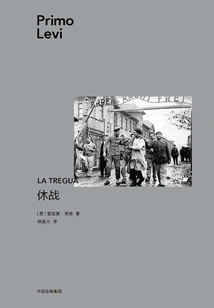
Truce
Literature休战
L
This book is the last work of Primo Levi, the genius writer with the most intellectual conscience in Italy. Levi's life was a testament to Nazi atrocities, and his concise and accessible works are a celebration of the wonders of life, a testament to the invincibility of the human spirit and our ability to defeat death through meaningful work, morality, and art.
This book is the last work of Primo Levi, the genius writer with the most intellectual conscience in Italy. Levi's life was a testament to Nazi atrocities, and his concise and accessible works are a celebration of the wonders of life, a testament to the invincibility of the human spirit and our ability to defeat death through meaningful work, morality, and art.

马洛伊·山多尔经典作品集(全六册)
I
Malloy Sandor wrote 6 beloved works throughout his life. Among them, "Confessions of a Citizen" is comparable to Proust's masterpiece "In Search of Lost Time" and is the first Chinese translation from Hungarian.
Malloy Sandor wrote 6 beloved works throughout his life. Among them, "Confessions of a Citizen" is comparable to Proust's masterpiece "In Search of Lost Time" and is the first Chinese translation from Hungarian.

Berlin Childhood
Literature柏林童年
J
"Berlin Childhood" is a collection of essays by Benjamin, a famous German scholar and thinker, who re-examines his childhood life. Around 1900, the author experienced the urban life in Berlin, fragments of memory that flowed freely on that day, and pictures as beautiful as illustrations, like pearls scattered on the ground, shining with moving light in the dark night. Western critics hailed it as "one of the beautiful prose creations of our time."
"Berlin Childhood" is a collection of essays by Benjamin, a famous German scholar and thinker, who re-examines his childhood life. Around 1900, the author experienced the urban life in Berlin, fragments of memory that flowed freely on that day, and pictures as beautiful as illustrations, like pearls scattered on the ground, shining with moving light in the dark night. Western critics hailed it as "one of the beautiful prose creations of our time."
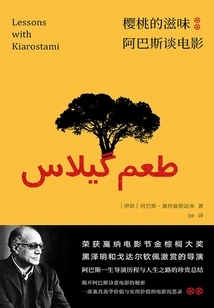
Taste of Cherry: Abbas Talks Movies
Literature樱桃的滋味:阿巴斯谈电影
O
Abbas was the founder of Iran's new wave of cinema and a master of poetic cinema. He made 22 films in his life and was unanimously praised by film giants such as Akira Kurosawa and Godard. In 1997, Abbas won the Palme d'Or at the Cannes Film Festival for "Taste of Cherry". Later, his works such as "Where is My Friend's House", "Lover Under the Olive Tree" and "Gone with the Wind" won international awards. Abbas's movies use the lens to gaze at the ordinary world, and the pure and simple stories give people the simplest touch. The image style is concise and poetic, full of humanistic feelings and philosophical thinking. "The Taste of Cherry" is a precious summary of Abbas's life as a director. It presents Abbas's artistic and life views in detail and profoundly. It is a film meditation with both practical and aesthetic values.
Abbas was the founder of Iran's new wave of cinema and a master of poetic cinema. He made 22 films in his life and was unanimously praised by film giants such as Akira Kurosawa and Godard. In 1997, Abbas won the Palme d'Or at the Cannes Film Festival for "Taste of Cherry". Later, his works such as "Where is My Friend's House", "Lover Under the Olive Tree" and "Gone with the Wind" won international awards. Abbas's movies use the lens to gaze at the ordinary world, and the pure and simple stories give people the simplest touch. The image style is concise and poetic, full of humanistic feelings and philosophical thinking. "The Taste of Cherry" is a precious summary of Abbas's life as a director. It presents Abbas's artistic and life views in detail and profoundly. It is a film meditation with both practical and aesthetic values.

蒙田随笔(做生命的旁观者)
I
Montaigne is world-famous for his rich ideological connotation and is known as the "treasure house of ideas". "Being a Spectator of Life (Essays of Montaigne) (Essence)" collects Montaigne's essays, mainly philosophical essays. "Being a Bystander of Life (Essays of Montaigne) (Essence)" contains all aspects of life, is full of the author's wise thinking, and fully demonstrates the essence of Montaigne's thoughts.
Montaigne is world-famous for his rich ideological connotation and is known as the "treasure house of ideas". "Being a Spectator of Life (Essays of Montaigne) (Essence)" collects Montaigne's essays, mainly philosophical essays. "Being a Bystander of Life (Essays of Montaigne) (Essence)" contains all aspects of life, is full of the author's wise thinking, and fully demonstrates the essence of Montaigne's thoughts.

Radio Benjamin
Literature本雅明电台
I
A small literary book by a great thinker, the business hours of Benjamin, the pioneer of podcasting. From witch trials to legendary thieves in German history, from the ancient city of Pompeii in Italy buried in volcanic ash to the fire in a theater in Guangzhou, China, from how workers get promotions and raises to the reading orientation of Germans, what will Benjamin say when he picks up the microphone? Wandering between history and reality, weaving daily life and urban weird stories, how does a talented thinker create his own "kingdom of sound"? Ten children's radio stories, a children's radio drama, and the exploration of various radio talks open up the strange world of radio that has been dusty for nearly a hundred years, and appreciate the most fascinating corner of the maze of Benjamin's thoughts. This book was compiled and translated by Wang Fanke, associate professor of Xiamen University, from the radio works in "The Complete Works of Benjamin", and Wang Pu, translator of "The Biography of Benjamin" and associate professor of Brandeis University in the United States, was invited to write the introduction.
A small literary book by a great thinker, the business hours of Benjamin, the pioneer of podcasting. From witch trials to legendary thieves in German history, from the ancient city of Pompeii in Italy buried in volcanic ash to the fire in a theater in Guangzhou, China, from how workers get promotions and raises to the reading orientation of Germans, what will Benjamin say when he picks up the microphone? Wandering between history and reality, weaving daily life and urban weird stories, how does a talented thinker create his own "kingdom of sound"? Ten children's radio stories, a children's radio drama, and the exploration of various radio talks open up the strange world of radio that has been dusty for nearly a hundred years, and appreciate the most fascinating corner of the maze of Benjamin's thoughts. This book was compiled and translated by Wang Fanke, associate professor of Xiamen University, from the radio works in "The Complete Works of Benjamin", and Wang Pu, translator of "The Biography of Benjamin" and associate professor of Brandeis University in the United States, was invited to write the introduction.

Pilgrimage to Tinker Creek
Literature听客溪的朝圣
K
The flight of a bird is casual and spontaneous, like the curling of a stem or the lightening of a star. "Pilgrimage to Tinker Creek" records a year of life in the Dillard Mountains. Each page is a beautiful mystery, as if watching a whole year of secrets about creation: the birds in the sky, the plants on the ground, the stars in the universe, all written casually, but full of exquisite beauty everywhere. She writes about what she sees in her eyes, but often makes more profound and profound associations in her mind, starting from the big-eyed silkworm moth, writing about a cell in its wet heart, there will be a forest swaying inside; about the vitality of trees: a big elm tree can produce six million leaves in one season alone, all of which are very complicated, but also effortless. And she laughed at herself: "I can't even make one piece." She watched the cruelty of creation, the parasite eating the host out of the stomach, and the inheritance of life based on this life-and-death struggle. Or wasteful, those ephemeral bugs lay thousands of eggs, and countless of them die, and a species survives just by relying on the few that survive. In the author's writing, nature is both terrifying and full of infinite mercy. If you can have a pair of observant eyes, you have saved yourself a "good life". "Pilgrimage to Tinker Creek" can be regarded as a model of contemporary nature literature and has been widely selected as textbooks for American universities and middle schools. Critics believe that this book is better than Thoreau's "Walden", while others say it is comparable to Fabre's "Insects". For Dillard, it was a free and bold confrontation with the world's greatest themes of life and death with her young and unrestrained mind of twenty-six years old.
The flight of a bird is casual and spontaneous, like the curling of a stem or the lightening of a star. "Pilgrimage to Tinker Creek" records a year of life in the Dillard Mountains. Each page is a beautiful mystery, as if watching a whole year of secrets about creation: the birds in the sky, the plants on the ground, the stars in the universe, all written casually, but full of exquisite beauty everywhere. She writes about what she sees in her eyes, but often makes more profound and profound associations in her mind, starting from the big-eyed silkworm moth, writing about a cell in its wet heart, there will be a forest swaying inside; about the vitality of trees: a big elm tree can produce six million leaves in one season alone, all of which are very complicated, but also effortless. And she laughed at herself: "I can't even make one piece." She watched the cruelty of creation, the parasite eating the host out of the stomach, and the inheritance of life based on this life-and-death struggle. Or wasteful, those ephemeral bugs lay thousands of eggs, and countless of them die, and a species survives just by relying on the few that survive. In the author's writing, nature is both terrifying and full of infinite mercy. If you can have a pair of observant eyes, you have saved yourself a "good life". "Pilgrimage to Tinker Creek" can be regarded as a model of contemporary nature literature and has been widely selected as textbooks for American universities and middle schools. Critics believe that this book is better than Thoreau's "Walden", while others say it is comparable to Fabre's "Insects". For Dillard, it was a free and bold confrontation with the world's greatest themes of life and death with her young and unrestrained mind of twenty-six years old.
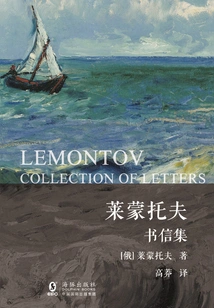
Lermontov's Letters
Literature莱蒙托夫书信集
J
This book is a collection of personal letters of the famous Russian poet Lermontov. These dozens of letters were sent to the author's grandmother, lover, relatives, friends, etc. From them, one can intimately feel the appearance of Lermontov in life, a real and living literary giant. In his letters, he would talk about literature, drama and art, as well as the military activities in the Caucasus in which he was about to participate... This collection of letters completely and vividly presents Lermontov's life, a short but touching life; it is a very precious material for literature lovers and researchers.
This book is a collection of personal letters of the famous Russian poet Lermontov. These dozens of letters were sent to the author's grandmother, lover, relatives, friends, etc. From them, one can intimately feel the appearance of Lermontov in life, a real and living literary giant. In his letters, he would talk about literature, drama and art, as well as the military activities in the Caucasus in which he was about to participate... This collection of letters completely and vividly presents Lermontov's life, a short but touching life; it is a very precious material for literature lovers and researchers.
T
A
General FictionA
G
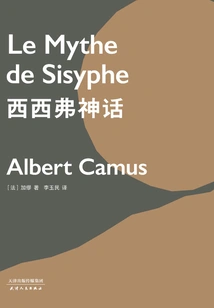
"The Myth of Sisyphus" brings together four of Camus's articles - "Absurd Reasoning", "Absurd Man", "Absurd Creation" and "The Myth of Sisyphus". "The Myth of Sisyphus" is the shortest in length, but it is an article that outlines and embodies the essence of Camus's thoughts. He pointed out: "Sisyphus is an absurd hero. Both out of his passion and his hardship." "Every moment he leaves the mountain top, every minute he gradually sneaks into the lair of the gods, he transcends his destiny. He is stronger than the stone he pushes." Several other long articles actually fully elaborated and enriched Camus's thoughts from all aspects.
"The Myth of Sisyphus" brings together four of Camus's articles - "Absurd Reasoning", "Absurd Man", "Absurd Creation" and "The Myth of Sisyphus". "The Myth of Sisyphus" is the shortest in length, but it is an article that outlines and embodies the essence of Camus's thoughts. He pointed out: "Sisyphus is an absurd hero. Both out of his passion and his hardship." "Every moment he leaves the mountain top, every minute he gradually sneaks into the lair of the gods, he transcends his destiny. He is stronger than the stone he pushes." Several other long articles actually fully elaborated and enriched Camus's thoughts from all aspects.

鳕鱼海岬(汉译世界文学名著丛书)
H
"Cape Cod" (Cape Cod, 1865), a total of about 195,000 words, including 842 notes, about 52,000 words. This book describes Thoreau's three visits to Cape Cod, Massachusetts, in an intricately overlapping manner. In addition to the author's often wonderful descriptions of scenery and rich humanistic anecdotes, it also focuses on depicting the changes in nature and the insignificance of human power, as well as the nourishment and enlightenment that nature provides to people's souls. The U. S. National Park Service used this book as one of the basis for formulating the Cape Cod protection plan. Influenced by this book, U. S. President John F. Kennedy also promoted a bill to protect Cape Cod. "Cod Point", "Walden Pond", "Maine Woods" and "Two Rivers" are collectively called Thoreau's "Four Books of Nature". This book is included in the "Chinese Translated Literary Masterpieces" series.
"Cape Cod" (Cape Cod, 1865), a total of about 195,000 words, including 842 notes, about 52,000 words. This book describes Thoreau's three visits to Cape Cod, Massachusetts, in an intricately overlapping manner. In addition to the author's often wonderful descriptions of scenery and rich humanistic anecdotes, it also focuses on depicting the changes in nature and the insignificance of human power, as well as the nourishment and enlightenment that nature provides to people's souls. The U. S. National Park Service used this book as one of the basis for formulating the Cape Cod protection plan. Influenced by this book, U. S. President John F. Kennedy also promoted a bill to protect Cape Cod. "Cod Point", "Walden Pond", "Maine Woods" and "Two Rivers" are collectively called Thoreau's "Four Books of Nature". This book is included in the "Chinese Translated Literary Masterpieces" series.

A Moveable Feast
Literature流动的盛宴
K
This is a non-fiction prose book full of novel reading quality. 20 Concise chapters outline Hemingway's life experience in his most beautiful years. At that time, he had not yet written masterpieces such as "The Old Man and the Sea" and "The Sun Also Rises" that allowed him to escape from the worldly triviality. However, Paris during this period and the artists he interacted with deeply influenced his subsequent literary creation.
This is a non-fiction prose book full of novel reading quality. 20 Concise chapters outline Hemingway's life experience in his most beautiful years. At that time, he had not yet written masterpieces such as "The Old Man and the Sea" and "The Sun Also Rises" that allowed him to escape from the worldly triviality. However, Paris during this period and the artists he interacted with deeply influenced his subsequent literary creation.
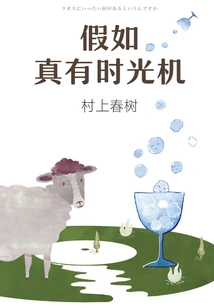
If There Really Was a Time Machine
Literature假如真有时光机
G
Haruki Murakami's travel essays. If you really had a time machine and could use it once at will, what would you want to achieve? From the Charles River to the banks of the Mekong River, from Reykjavik to Tuscany, we followed Haruki Murakami through seven countries and eleven places, as if we were on a time machine traveling through reality, discovering a warm and interesting world. In the moss-covered Iceland, you encounter tailless sheep and cute lost birds; revisit the Greek island where "Norwegian Wood" started, and trace your distant memories on the increasingly complicated streets. Go to Kumamoto during the rainy season and visit the former residence of Natsume Soseki... No matter what kind of trip you take, it is full of surprises and surprises. In an era of anxiety, if you read more about Haruki Murakami and enjoy life like Haruki Murakami, you will discover a warm and interesting world.
Haruki Murakami's travel essays. If you really had a time machine and could use it once at will, what would you want to achieve? From the Charles River to the banks of the Mekong River, from Reykjavik to Tuscany, we followed Haruki Murakami through seven countries and eleven places, as if we were on a time machine traveling through reality, discovering a warm and interesting world. In the moss-covered Iceland, you encounter tailless sheep and cute lost birds; revisit the Greek island where "Norwegian Wood" started, and trace your distant memories on the increasingly complicated streets. Go to Kumamoto during the rainy season and visit the former residence of Natsume Soseki... No matter what kind of trip you take, it is full of surprises and surprises. In an era of anxiety, if you read more about Haruki Murakami and enjoy life like Haruki Murakami, you will discover a warm and interesting world.
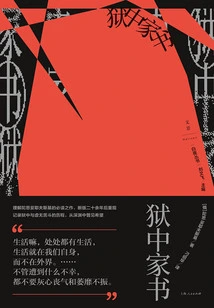
Letters from Prison (white Night Series)
Literature狱中家书(白夜丛书)
G
In April 1849, Dostoevsky was arrested and sentenced to death in December of the same year. Before execution, his sentence was changed to four years of hard labor and then exiled to the army. The letters he wrote to his elder brother and younger brother in prison describe his life in prison, especially the last letter, which describes his psychological state when he was on the verge of death. These letters record his initial exploration of the limits of the human mind. Even in the most severe desperate situation, he did not lose his strong will to write, and almost relied on writing to support his entire existence. Dostoevsky also published many articles in newspapers. In his prose, as in his novels, Dostoevsky appears as an irreplaceable spiritual phenomenon. They are not only must-read texts for us to understand this literary giant, but also profoundly reveal many fundamental characteristics of modern people's lives and consciousness.
In April 1849, Dostoevsky was arrested and sentenced to death in December of the same year. Before execution, his sentence was changed to four years of hard labor and then exiled to the army. The letters he wrote to his elder brother and younger brother in prison describe his life in prison, especially the last letter, which describes his psychological state when he was on the verge of death. These letters record his initial exploration of the limits of the human mind. Even in the most severe desperate situation, he did not lose his strong will to write, and almost relied on writing to support his entire existence. Dostoevsky also published many articles in newspapers. In his prose, as in his novels, Dostoevsky appears as an irreplaceable spiritual phenomenon. They are not only must-read texts for us to understand this literary giant, but also profoundly reveal many fundamental characteristics of modern people's lives and consciousness.
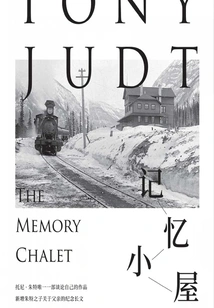
Memory House
Literature记忆小屋
I
This book is Tony Judt's oral memoir after he suffered from ALS. It is also the only work in which Judt talks about himself. In the silent nights where he could not move, Judt used space as a clue to search and organize past memories, and built a "memory house". He admitted that his writing during his illness basically came from his night visits to the memory cabin. He sometimes focuses on small things, describing his grandmother's Jewish cuisine, London's Green Line buses, and Swiss trains. Sometimes he looks at the wider world and talks about the farcical movements of the post-war generation in Western Europe, the ideological constraints of the era, and his own observations and participation in society. These words shuttle between the moving and the sharp, the private and the public, the specific history and the individual feelings of being involved in it. They trace not only the life course of a historian, but also the complex history of the 20th century. The "Works of Tony Judt" series also includes "Postwar European History", "Sickness Everywhere", "On Europe", "Thinking about the 20th Century: The Thoughtful Autobiography of Tony Judt", "The Burden of Responsibility: Bloom, Camus, Aron and France in the 20th Century", "The Unfinished Past: French Intellectuals, 1944-1956", "After Facts Changed", "Revaluing Values" (new edition to be released), etc.
This book is Tony Judt's oral memoir after he suffered from ALS. It is also the only work in which Judt talks about himself. In the silent nights where he could not move, Judt used space as a clue to search and organize past memories, and built a "memory house". He admitted that his writing during his illness basically came from his night visits to the memory cabin. He sometimes focuses on small things, describing his grandmother's Jewish cuisine, London's Green Line buses, and Swiss trains. Sometimes he looks at the wider world and talks about the farcical movements of the post-war generation in Western Europe, the ideological constraints of the era, and his own observations and participation in society. These words shuttle between the moving and the sharp, the private and the public, the specific history and the individual feelings of being involved in it. They trace not only the life course of a historian, but also the complex history of the 20th century. The "Works of Tony Judt" series also includes "Postwar European History", "Sickness Everywhere", "On Europe", "Thinking about the 20th Century: The Thoughtful Autobiography of Tony Judt", "The Burden of Responsibility: Bloom, Camus, Aron and France in the 20th Century", "The Unfinished Past: French Intellectuals, 1944-1956", "After Facts Changed", "Revaluing Values" (new edition to be released), etc.
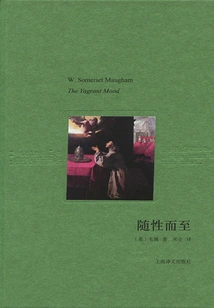
Coming by Chance (translation Essay)
Literature随性而至(译文随笔)
H
"As It Comes" is a collection of essays with diverse styles and wonderful twists. It is also Maugham's highly regarded masterpiece of literary criticism. The characters and themes in his writing range from the master of philosophy Kant to the tough-guy detective novelist Chandler, from the legend of Spanish Baroque painter Zurbarán to the Western The art of detective fiction has been explored by writers ranging from the statesman Burke to the travel writer and memoirist Augustus Hale, and among "pure literary" writers there are eccentric yet wonderful descriptions of Henry James, H. G. Wells, Arnold Bennett, and Edith Wharton. With his insight into character creation and superb storytelling skills, Maugham vividly, interestingly and penetratingly portrays the personalities, temperaments, quirks and even souls of these famous characters. This is a rare and wonderful article that bridges the two different fields of chronicling essays and literary criticism.
"As It Comes" is a collection of essays with diverse styles and wonderful twists. It is also Maugham's highly regarded masterpiece of literary criticism. The characters and themes in his writing range from the master of philosophy Kant to the tough-guy detective novelist Chandler, from the legend of Spanish Baroque painter Zurbarán to the Western The art of detective fiction has been explored by writers ranging from the statesman Burke to the travel writer and memoirist Augustus Hale, and among "pure literary" writers there are eccentric yet wonderful descriptions of Henry James, H. G. Wells, Arnold Bennett, and Edith Wharton. With his insight into character creation and superb storytelling skills, Maugham vividly, interestingly and penetratingly portrays the personalities, temperaments, quirks and even souls of these famous characters. This is a rare and wonderful article that bridges the two different fields of chronicling essays and literary criticism.
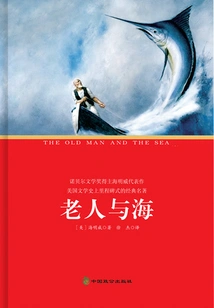
Q
General Fictionq
I
"The Old Man and the Sea" tells the story of an old Cuban fisherman's desperate struggle with a formidable marlin in the sea. "The Old Man and the Sea" is fluently written, concise and capable, vividly expressing the fighting spirit of human beings in the face of danger, and the strong character image created is a classic. The author won the "Pulitzer Prize" and the most important "Nobel Prize for Literature" in one fell swoop.
"The Old Man and the Sea" tells the story of an old Cuban fisherman's desperate struggle with a formidable marlin in the sea. "The Old Man and the Sea" is fluently written, concise and capable, vividly expressing the fighting spirit of human beings in the face of danger, and the strong character image created is a classic. The author won the "Pulitzer Prize" and the most important "Nobel Prize for Literature" in one fell swoop.
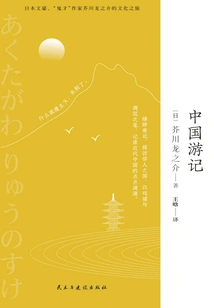
China Travel Notes
Literature中国游记
I
"Travel Notes on China" is a record of what the Japanese writer Ryunosuke Akutagawa wrote after his visit to China. In 1921, Ryunosuke Akutagawa, then 29 years old, visited China as a reporter. After returning to China, he recorded the social customs and sentiments of China at that time. In addition, he also left records of his conversations with historical celebrities such as Zhang Binglin and Li Renjie, which are precious materials that show the style of modern China and understand the history of Sino-Japanese exchanges.
"Travel Notes on China" is a record of what the Japanese writer Ryunosuke Akutagawa wrote after his visit to China. In 1921, Ryunosuke Akutagawa, then 29 years old, visited China as a reporter. After returning to China, he recorded the social customs and sentiments of China at that time. In addition, he also left records of his conversations with historical celebrities such as Zhang Binglin and Li Renjie, which are precious materials that show the style of modern China and understand the history of Sino-Japanese exchanges.
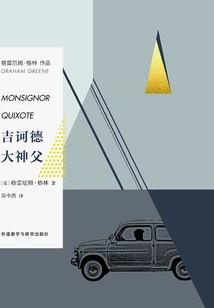
Archpriest Quixote
General Fiction吉诃德大神父
I
On the hot plains of central Spain, a priest who had just been accidentally promoted to a high priest and a former mayor who believed in communism drove a rusty Seat 600 car, heading towards Madrid... General Franco, the Inquisition, Marx and "Das Kapital", pornographic movies, Malaga wine, the Holy Trinity... In Green's modern parody of "Don Quixote", Father Quixote and Mayor "Sancho" debate various issues. With their beliefs being questioned and doubts secretly growing, where will their troubled journey ultimately go?
On the hot plains of central Spain, a priest who had just been accidentally promoted to a high priest and a former mayor who believed in communism drove a rusty Seat 600 car, heading towards Madrid... General Franco, the Inquisition, Marx and "Das Kapital", pornographic movies, Malaga wine, the Holy Trinity... In Green's modern parody of "Don Quixote", Father Quixote and Mayor "Sancho" debate various issues. With their beliefs being questioned and doubts secretly growing, where will their troubled journey ultimately go?
Huang Jun's Diary·after the Rain·long Summer (complete Works of Shen Congwen's Novels)
General Fiction篁君日记·雨后·长夏(沈从文小说全集)
I
This volume includes the short story collections "The Diary of Huangjun", "After the Rain and Others", "Mountain Ghost", "Long Summer", "Diary of the Immortal", "Diary of a Dumb Official", "Instructions for Men", "Fourteen Nights and Others". The novels in this collection were published from September 1928 to March 1929. This period was the period when the author's creative power exploded. It can be seen that the author's writing style has matured in various character creations and environmental descriptions.
This volume includes the short story collections "The Diary of Huangjun", "After the Rain and Others", "Mountain Ghost", "Long Summer", "Diary of the Immortal", "Diary of a Dumb Official", "Instructions for Men", "Fourteen Nights and Others". The novels in this collection were published from September 1928 to March 1929. This period was the period when the author's creative power exploded. It can be seen that the author's writing style has matured in various character creations and environmental descriptions.

My Whole Life (selected Short Stories by Lao She)
General Fiction我这一辈子(老舍中短篇小说选)
G
This book selects some of Lao She's classic short and medium-length works: "Crescent Moon", "The Soul-Breaking Gun", "In My Life", "No Problem", "Let's Talk About the House", "Liu Family Courtyard", "Micro God", "Mr. Breeches", "Taking Office", "Liu Tuen", "Good Man", "Black and White Li" and other famous works. These articles not only describe the struggles of the common people at the bottom of the society, but also write interesting stories about the lives of intellectuals. The writing style is meticulous and humorous, allowing people to appreciate the philosophy of life in a light and humorous way.
This book selects some of Lao She's classic short and medium-length works: "Crescent Moon", "The Soul-Breaking Gun", "In My Life", "No Problem", "Let's Talk About the House", "Liu Family Courtyard", "Micro God", "Mr. Breeches", "Taking Office", "Liu Tuen", "Good Man", "Black and White Li" and other famous works. These articles not only describe the struggles of the common people at the bottom of the society, but also write interesting stories about the lives of intellectuals. The writing style is meticulous and humorous, allowing people to appreciate the philosophy of life in a light and humorous way.