Library
Browse and search books
13,360 novels found
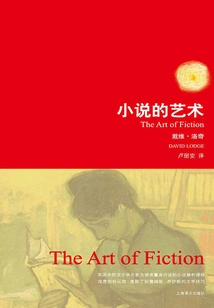
The Art of Fiction
Literature小说的艺术
L
This book is an appreciation of the art of novels written by the British novelist and literary theorist David Lodge. It provides general readers with a way to appreciate the art of novels. It can also be used as an introduction to academic theory and a guide to writing techniques. This book is divided into fifty chapters, giving an in-depth and simple explanation of the art of fiction from fifty aspects. Each article quotes one or two novel fragments, and based on a close reading and analysis of the text, demonstrates all aspects of novel techniques, including the opening remarks in traditional novels, delicate characterization techniques, and the unique theories of stream of consciousness and metafiction in modern and post-modern novels. Most of the chapters in the book have been published as columns in the Sunday Independent and the Washington Post. The content covers a wide range of topics, including almost every major classical and modern writer in the history of English fiction, such as Fielding, Thackeray, Austen, Henry James, Joyce, Hemingway, Beckett, Milan Kundera, etc. The writing is both easy to understand and professional and accurate, and can be used as a textbook and reference book for novel learning and writing. The author's humorous and interesting writing style also makes it suitable for the tastes of public readers. When "The Art of Fiction" was published in the 1990s, it was on the British non-fiction bestseller list. The Financial Times commented: "It is the most outstanding novel study for the general public since Forster's "Aspects of the Novel"."
This book is an appreciation of the art of novels written by the British novelist and literary theorist David Lodge. It provides general readers with a way to appreciate the art of novels. It can also be used as an introduction to academic theory and a guide to writing techniques. This book is divided into fifty chapters, giving an in-depth and simple explanation of the art of fiction from fifty aspects. Each article quotes one or two novel fragments, and based on a close reading and analysis of the text, demonstrates all aspects of novel techniques, including the opening remarks in traditional novels, delicate characterization techniques, and the unique theories of stream of consciousness and metafiction in modern and post-modern novels. Most of the chapters in the book have been published as columns in the Sunday Independent and the Washington Post. The content covers a wide range of topics, including almost every major classical and modern writer in the history of English fiction, such as Fielding, Thackeray, Austen, Henry James, Joyce, Hemingway, Beckett, Milan Kundera, etc. The writing is both easy to understand and professional and accurate, and can be used as a textbook and reference book for novel learning and writing. The author's humorous and interesting writing style also makes it suitable for the tastes of public readers. When "The Art of Fiction" was published in the 1990s, it was on the British non-fiction bestseller list. The Financial Times commented: "It is the most outstanding novel study for the general public since Forster's "Aspects of the Novel"."

觅音传情两相宜
R
Music talent Lin Huaijin has been pursuing the recovery of a beautiful writer for many years. He has been defeated repeatedly, but he has become more and more courageous with each setback. Write songs for her, ask her to collaborate, openly confess your love to her at a concert, and give her a romantic surprise on Valentine's Day. Faced with many love rivals, he even declared in a high-profile manner: "She is mine!" However, his sincerity was replaced by ruthlessness. Not only did the beauty avoid him like a savage beast, but she also took out a kitchen knife and forced him to retreat: "Don't come here, stay away from me!" Unruly VS noble and rational, Paranoia, healing, and reconciliation.
Music talent Lin Huaijin has been pursuing the recovery of a beautiful writer for many years. He has been defeated repeatedly, but he has become more and more courageous with each setback. Write songs for her, ask her to collaborate, openly confess your love to her at a concert, and give her a romantic surprise on Valentine's Day. Faced with many love rivals, he even declared in a high-profile manner: "She is mine!" However, his sincerity was replaced by ruthlessness. Not only did the beauty avoid him like a savage beast, but she also took out a kitchen knife and forced him to retreat: "Don't come here, stay away from me!" Unruly VS noble and rational, Paranoia, healing, and reconciliation.

The School's Personal Expert
Young Adult校草的贴身高手
R
She, Hua Xiaoyu, is a stubborn girl who knows the Three-Legged Cat Kung Fu; he, Jiang Wuque, is a thin, elegant and stubborn boy. When she first met him, she was empty and penniless, while he had a bruised nose and face and was being beaten violently. Under the setting sun, two green young men slowly walked out of the alley with their hands, their thin figures getting longer and longer in the dim light. "A bowl of scallion noodles... No reneging!" A clear female voice suddenly sounded in the quiet alley, with a hint of weakness in her toughness. "Two bowls will do... Take advantage of the situation!" The boy's voice was low, a little sulky... A little weak. This is how we met in youth, and it was already half a month later when we met again. "Be my bodyguard, three hundred a month!" "Five hundred!" "Deal!" This is how youth intersect. At that time, the girl happily held five red tickets, but she had no idea that she had boarded a pirate ship and embarked on a bloody road! On the first day of school, the girl came late. Facing the boy's angry gaze, the girl hurriedly said: "I won't do this again!" The next day after school, the girl ran away while the boy blocked the door of the classroom with a swollen face and a gloomy look on his face. "What do you have to say?!" "There are too many of them... I can't beat them...?" "Then you left me and ran away?!" "What do you want?" "Salary cut in half!" After school on the third day, the girl ran away with the boy on her back, and the boy staggered to her door. "What else do you want?!" The girl was angry. "Are you using me as a shield?!" The boy's face was ferocious. "What do you want?" "Deduction of one month's salary!" ... ...
She, Hua Xiaoyu, is a stubborn girl who knows the Three-Legged Cat Kung Fu; he, Jiang Wuque, is a thin, elegant and stubborn boy. When she first met him, she was empty and penniless, while he had a bruised nose and face and was being beaten violently. Under the setting sun, two green young men slowly walked out of the alley with their hands, their thin figures getting longer and longer in the dim light. "A bowl of scallion noodles... No reneging!" A clear female voice suddenly sounded in the quiet alley, with a hint of weakness in her toughness. "Two bowls will do... Take advantage of the situation!" The boy's voice was low, a little sulky... A little weak. This is how we met in youth, and it was already half a month later when we met again. "Be my bodyguard, three hundred a month!" "Five hundred!" "Deal!" This is how youth intersect. At that time, the girl happily held five red tickets, but she had no idea that she had boarded a pirate ship and embarked on a bloody road! On the first day of school, the girl came late. Facing the boy's angry gaze, the girl hurriedly said: "I won't do this again!" The next day after school, the girl ran away while the boy blocked the door of the classroom with a swollen face and a gloomy look on his face. "What do you have to say?!" "There are too many of them... I can't beat them...?" "Then you left me and ran away?!" "What do you want?" "Salary cut in half!" After school on the third day, the girl ran away with the boy on her back, and the boy staggered to her door. "What else do you want?!" The girl was angry. "Are you using me as a shield?!" The boy's face was ferocious. "What do you want?" "Deduction of one month's salary!" ... ...

Rebirth of Paranoia Meets the Scorching Sun
Modern Romance重生之偏执遇骄阳
T
"May I be the blazing sun and melt your paranoia!" ----This article (1v1), rebirth article, development of double pets---- Luo Xiaoyu: Would you be angry if you didn't do well in the exam? Wang Beichuan: No, as long as I am here, you don't have to study. Li Kai: If you dare to bully Xiaoyu, I'm not done with you. Wang Beichuan: Very good, I know my filial aunt, Xiaoyu, come here to thank my nephew. Servant: Master, the lady is back. Wang Beichuan: I will call you Madam from now on. ---------- A little bit of abuse in the front, but sweet and sweet in the back! ---------- Before her rebirth, she was stupid and sweet, but after her rebirth, her IQ finally came online. Life is reshuffled, witness how the president grows! ---------- After her rebirth, she was very busy, dealing with scheming women, securing a match, getting rid of persistent suitors... And she also had to learn a mysterious lesson to prepare for that day. -------- Luo Xiaoyu: "In this life, no one can ask me to leave him. Let me confess my love and propose marriage!"
"May I be the blazing sun and melt your paranoia!" ----This article (1v1), rebirth article, development of double pets---- Luo Xiaoyu: Would you be angry if you didn't do well in the exam? Wang Beichuan: No, as long as I am here, you don't have to study. Li Kai: If you dare to bully Xiaoyu, I'm not done with you. Wang Beichuan: Very good, I know my filial aunt, Xiaoyu, come here to thank my nephew. Servant: Master, the lady is back. Wang Beichuan: I will call you Madam from now on. ---------- A little bit of abuse in the front, but sweet and sweet in the back! ---------- Before her rebirth, she was stupid and sweet, but after her rebirth, her IQ finally came online. Life is reshuffled, witness how the president grows! ---------- After her rebirth, she was very busy, dealing with scheming women, securing a match, getting rid of persistent suitors... And she also had to learn a mysterious lesson to prepare for that day. -------- Luo Xiaoyu: "In this life, no one can ask me to leave him. Let me confess my love and propose marriage!"
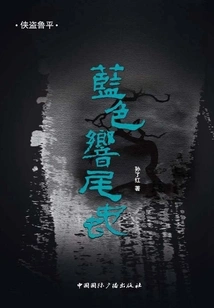
Blue Rattlesnake (lupin the Rogue)
General Fiction蓝色响尾蛇(侠盗鲁平)
K
This book selects four stories: "The Blue Rattlesnake", "The Cod Liver Oil Hoarder", "The Crow's Cry" and "The Night Owl" to tell the legendary detective story of Lu Ping, who is both a knight and a thief, created by Sun Liaohong.
This book selects four stories: "The Blue Rattlesnake", "The Cod Liver Oil Hoarder", "The Crow's Cry" and "The Night Owl" to tell the legendary detective story of Lu Ping, who is both a knight and a thief, created by Sun Liaohong.
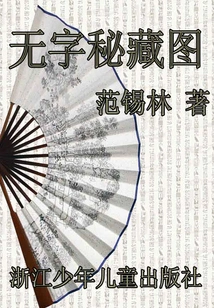
Wordless Secret Picture
General Fiction无字秘藏图
M
Behind the school hill, three primary school students picked up a blank piece of paper. On the white paper, there are eighteen tiny holes. These eighteen small holes seem to have no meaning, and they seem to be hinting at something. After investigation, three primary school students discovered that it turned out to be a secret drawing containing precious cultural relics.
Behind the school hill, three primary school students picked up a blank piece of paper. On the white paper, there are eighteen tiny holes. These eighteen small holes seem to have no meaning, and they seem to be hinting at something. After investigation, three primary school students discovered that it turned out to be a secret drawing containing precious cultural relics.
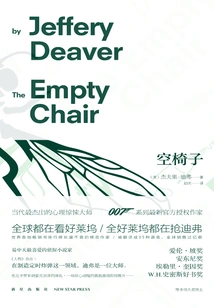
Empty Chair
General Fiction空椅子
H
Deep in the wild swamps of North Carolina, a thrilling cat-and-mouse game is about to begin... Deaver is a master in the field of creating time bombs. --"People" magazine. Rhyme and Sachs had barely arrived in North Carolina when a major case hit their door. The suspect in the case was a weird dropout who was nicknamed "Insect Boy" because he was highly fanatical about insects. Rhyme agreed to find the boy. Relying on Sachs's running reconnaissance, the two quickly locked onto their prey. To Lem's surprise, this time Sachs opposed his opinion and kidnapped the suspect! As a result, Rhyme needs to face the biggest challenge ever - confronting the master of criminal forensics who he has taught and trained with all his heart, and who is also his best partner and soul mate...
Deep in the wild swamps of North Carolina, a thrilling cat-and-mouse game is about to begin... Deaver is a master in the field of creating time bombs. --"People" magazine. Rhyme and Sachs had barely arrived in North Carolina when a major case hit their door. The suspect in the case was a weird dropout who was nicknamed "Insect Boy" because he was highly fanatical about insects. Rhyme agreed to find the boy. Relying on Sachs's running reconnaissance, the two quickly locked onto their prey. To Lem's surprise, this time Sachs opposed his opinion and kidnapped the suspect! As a result, Rhyme needs to face the biggest challenge ever - confronting the master of criminal forensics who he has taught and trained with all his heart, and who is also his best partner and soul mate...
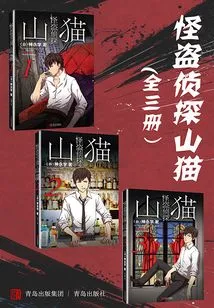
Phantom Thief Detective Lynx (complete Collection)
General Fiction怪盗侦探山猫(全集)
I
The representative work of Japanese detective mystery novelist Manabu Kaminaga has a total of 500,000 copies sold in its first three volumes. The TV series "Phantom Thief Lynx" adapted from it will be released to readers in February 2016. Kamenashi, a member of Japan's KAT-TUN, will also play the role of Yamaneko.
The representative work of Japanese detective mystery novelist Manabu Kaminaga has a total of 500,000 copies sold in its first three volumes. The TV series "Phantom Thief Lynx" adapted from it will be released to readers in February 2016. Kamenashi, a member of Japan's KAT-TUN, will also play the role of Yamaneko.
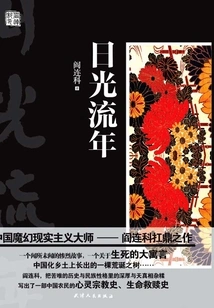
Time Flies
General Fiction日光流年
K
Sanxing Village was originally a paradise, but an inescapable tragedy fell from the sky - at some point, an incurable disease called "throat obstruction" lurked in Sanxing Village. Therefore, "forty years old" became a curse set by the devil for the people of Sanxing Village. Breaking this mysterious curse is the only goal of the people of Sanxing Village for generations.
Sanxing Village was originally a paradise, but an inescapable tragedy fell from the sky - at some point, an incurable disease called "throat obstruction" lurked in Sanxing Village. Therefore, "forty years old" became a curse set by the devil for the people of Sanxing Village. Breaking this mysterious curse is the only goal of the people of Sanxing Village for generations.
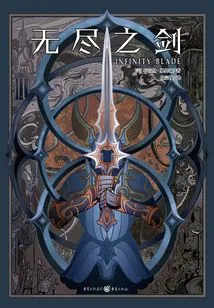
Infinity Blade
General Fiction无尽之剑
H
In this mysterious and strange world, technology and magic are interdependent, and the people are like chess pieces with no freedom at all. His life and death are controlled by the Immortal God King. And a young knight named Sires, in order to gain true freedom, vowed to defeat the God King and seize the Infinity Sword!
In this mysterious and strange world, technology and magic are interdependent, and the people are like chess pieces with no freedom at all. His life and death are controlled by the Immortal God King. And a young knight named Sires, in order to gain true freedom, vowed to defeat the God King and seize the Infinity Sword!
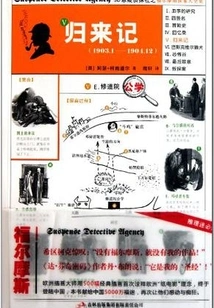
Return
General Fiction归来记
I
"The Return" ushered in the "golden age" of detective novels. Over the past 100 years, it has been translated into 57 languages, sold 100 million copies, became popular all over the world, and was remade into countless movies and TV series. Extensive scientific knowledge, extraordinary courage, rigorous case analysis, and exquisite logical reasoning-each story makes people unable to put it down.
"The Return" ushered in the "golden age" of detective novels. Over the past 100 years, it has been translated into 57 languages, sold 100 million copies, became popular all over the world, and was remade into countless movies and TV series. Extensive scientific knowledge, extraordinary courage, rigorous case analysis, and exquisite logical reasoning-each story makes people unable to put it down.
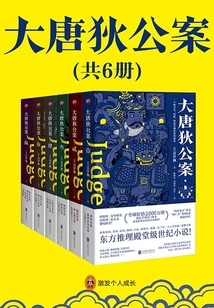
狄仁杰:大唐狄公案(全集)
I
Directed by Tsui Hark and starring Zhao Youting, Feng Shaofeng, and Lin Gengxin, the original world of the "Detective Dee" movie was highly praised by the detective queen Agatha Christie and praised by the master of Chinese studies Nan Huaijin! Mystery book fans all over the world have an overwhelming reputation, with a Douban score of 8.9! "Detective Di Renjie of the Tang Dynasty", which has been popular all over the world for 100 years, was born from this masterpiece! The source of all Dee Renjie movies, TV series, and mystery works in later generations! A must-read at the University of Chicago! The U. S. State Department stipulates that American personnel who work in China must read it to deepen their understanding of the Chinese people! A unique book that combines history and suspense. This is the unprecedented real prosperous Tang Dynasty, with people in the market, officials and criminal laws, and love and hatred!
Directed by Tsui Hark and starring Zhao Youting, Feng Shaofeng, and Lin Gengxin, the original world of the "Detective Dee" movie was highly praised by the detective queen Agatha Christie and praised by the master of Chinese studies Nan Huaijin! Mystery book fans all over the world have an overwhelming reputation, with a Douban score of 8.9! "Detective Di Renjie of the Tang Dynasty", which has been popular all over the world for 100 years, was born from this masterpiece! The source of all Dee Renjie movies, TV series, and mystery works in later generations! A must-read at the University of Chicago! The U. S. State Department stipulates that American personnel who work in China must read it to deepen their understanding of the Chinese people! A unique book that combines history and suspense. This is the unprecedented real prosperous Tang Dynasty, with people in the market, officials and criminal laws, and love and hatred!
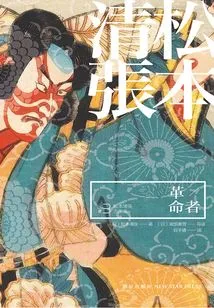
Revolutionary
General Fiction革命者
J
The final collection of "Selected Masterpieces of Seicho Matsumoto". Not only are there Seicho masterpieces selected by the Japanese commoner Miyuki Miyuki Miyabe, but also several "Matsumoto Seiho Prize" award-winning writers are invited to write reviews and recommend the No. 1 Seiho masterpiece in their minds. It perfectly presents Matsumoto Seicho's unshakable master status in the hearts of writers, and also allows readers to have a more comprehensive understanding of Seicho's works. When commenting on this set of books, Miyuki Miyabe, the editor-in-chief of this book, said, "Although I have the serious title of editor-in-chief, for me, this job is as happy as walking in a sea of flowers." When I jumped into the giant footprints of Matsumoto Seiharu, I saw colorful flowers blooming freely in the footprints that were almost as deep as me. Matsumoto Seicho said: "I only write stories that I like." Reading should start from what you love in your heart. I believe that through "Grassy", Seicho Matsumoto and Miyuki Miyabe will share their creative joy and reading experience with you one by one.
The final collection of "Selected Masterpieces of Seicho Matsumoto". Not only are there Seicho masterpieces selected by the Japanese commoner Miyuki Miyuki Miyabe, but also several "Matsumoto Seiho Prize" award-winning writers are invited to write reviews and recommend the No. 1 Seiho masterpiece in their minds. It perfectly presents Matsumoto Seicho's unshakable master status in the hearts of writers, and also allows readers to have a more comprehensive understanding of Seicho's works. When commenting on this set of books, Miyuki Miyabe, the editor-in-chief of this book, said, "Although I have the serious title of editor-in-chief, for me, this job is as happy as walking in a sea of flowers." When I jumped into the giant footprints of Matsumoto Seiharu, I saw colorful flowers blooming freely in the footprints that were almost as deep as me. Matsumoto Seicho said: "I only write stories that I like." Reading should start from what you love in your heart. I believe that through "Grassy", Seicho Matsumoto and Miyuki Miyabe will share their creative joy and reading experience with you one by one.
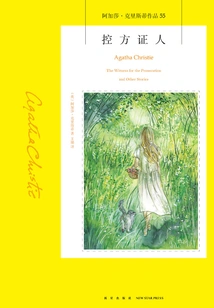
Prosecution Witness (original Movie of the Same Name)
General Fiction控方证人(同名电影原著)
G
Leonard Wall was accused of murdering wealthy woman Emily in order to gain access to her huge inheritance, but he has repeatedly proven his innocence. Leonard's wife was the only witness who could prove his innocence, but she testified as a prosecution witness that he was indeed guilty of murder. Leonard is almost in dire straits until a mysterious woman appears... A dog-shaped pattern on the wall; a radio that summons death; the secret of the blue porcelain jar; a crazy gray cat... Eleven mysterious stories, the most terrifying thing is not the "ghost", but the devil in your heart.
Leonard Wall was accused of murdering wealthy woman Emily in order to gain access to her huge inheritance, but he has repeatedly proven his innocence. Leonard's wife was the only witness who could prove his innocence, but she testified as a prosecution witness that he was indeed guilty of murder. Leonard is almost in dire straits until a mysterious woman appears... A dog-shaped pattern on the wall; a radio that summons death; the secret of the blue porcelain jar; a crazy gray cat... Eleven mysterious stories, the most terrifying thing is not the "ghost", but the devil in your heart.

Psychic Games
General Fiction通灵游戏
H
I've always had a hard time getting over what happened on Saru Island because it was so incredible. That was in the fall of 1980. To be honest, 1980 was a really strange year for me. I encountered many inexplicable things. The most unbelievable thing was the murder incident that I personally experienced in the autumn of that year. At the beginning of autumn that year, I gradually became tired of all the simple and boring bass exercises, and my interest turned to fashionable wind instruments. Coincidentally, a friend left his Alt saxophone with me because he had to go out for a while to avoid debt, so I finally had the opportunity to learn to play the saxophone.
I've always had a hard time getting over what happened on Saru Island because it was so incredible. That was in the fall of 1980. To be honest, 1980 was a really strange year for me. I encountered many inexplicable things. The most unbelievable thing was the murder incident that I personally experienced in the autumn of that year. At the beginning of autumn that year, I gradually became tired of all the simple and boring bass exercises, and my interest turned to fashionable wind instruments. Coincidentally, a friend left his Alt saxophone with me because he had to go out for a while to avoid debt, so I finally had the opportunity to learn to play the saxophone.
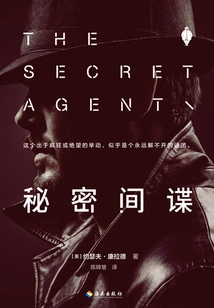
Secret Spy
General Fiction秘密间谍
J
Verloc is a businessman who owns a store selling sex toys, birth control pills and various gadgets. He lives with his wife Winnie, his mother-in-law, and his imbecile brother-in-law Stevie. Winnie takes care of her brother like a son. Although Verloc was employed as a spy by a foreign embassy in London, he had a group of anarchist friends, Osborne, Michaelis and "The Professor". Verloc was asked by his employer, Vladimir, the secretary of the foreign embassy in London, that if he wanted to prove that he was an excellent spy, he must blow up the Greenwich Observatory. Later, a bombing occurred in Greenwich Park and one person was killed, so the police began to investigate.
Verloc is a businessman who owns a store selling sex toys, birth control pills and various gadgets. He lives with his wife Winnie, his mother-in-law, and his imbecile brother-in-law Stevie. Winnie takes care of her brother like a son. Although Verloc was employed as a spy by a foreign embassy in London, he had a group of anarchist friends, Osborne, Michaelis and "The Professor". Verloc was asked by his employer, Vladimir, the secretary of the foreign embassy in London, that if he wanted to prove that he was an excellent spy, he must blow up the Greenwich Observatory. Later, a bombing occurred in Greenwich Park and one person was killed, so the police began to investigate.
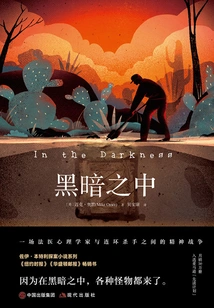
In Darkness
General Fiction黑暗之中
N
The online video of a girl desperately clawing at the top of a box sealing her off is the most brutal crime FBI forensic psychologist Zoe Bentley has ever seen in her life, and perhaps most puzzling is the video's title: "Experiment One." Zoe and her partner, Agent Tyten Gray, race to find the shadowy figure behind the shocking video, but soon another video appears online and another girl dies. At the same time, Zoe still has a murderer in her heart that she is determined to catch. The killer named Rod Glover has been tormenting Zoe's psyche since she was a girl, and his latest attack was a threat posed by a photo of him and Zoe's sister. As Grover shifts from stealth to action, Zoe feels physically and mentally exhausted between family ties and responsibilities. Although Zoe has always known that her job will bring her life and death, she still feels that she will live towards death.
The online video of a girl desperately clawing at the top of a box sealing her off is the most brutal crime FBI forensic psychologist Zoe Bentley has ever seen in her life, and perhaps most puzzling is the video's title: "Experiment One." Zoe and her partner, Agent Tyten Gray, race to find the shadowy figure behind the shocking video, but soon another video appears online and another girl dies. At the same time, Zoe still has a murderer in her heart that she is determined to catch. The killer named Rod Glover has been tormenting Zoe's psyche since she was a girl, and his latest attack was a threat posed by a photo of him and Zoe's sister. As Grover shifts from stealth to action, Zoe feels physically and mentally exhausted between family ties and responsibilities. Although Zoe has always known that her job will bring her life and death, she still feels that she will live towards death.
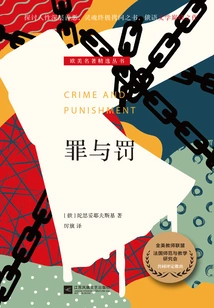
P
General Fictionp
G
Raskolnikov, a poor college student, was tortured by depression and poverty and killed the cruel and greedy loan shark Ivanovna and his sister Lizaveta. After the murder, Raskolnikov could not get rid of the fear in his heart. He felt that all the good feelings he had had were wiped out. This was an inner punishment more severe than legal punishment...
Raskolnikov, a poor college student, was tortured by depression and poverty and killed the cruel and greedy loan shark Ivanovna and his sister Lizaveta. After the murder, Raskolnikov could not get rid of the fear in his heart. He felt that all the good feelings he had had were wiped out. This was an inner punishment more severe than legal punishment...

Come to China Literature's website to read more of my works!

快穿佛系女配美如画
G
[1v1, sweet and sweet article] Qingwan feels that her future life will be gloomy. Other people's systems are all kinds of ridiculous. Her system is simply indescribable. She has no choice but to rely on herself. Along the way, she beats the White Lotus heroine, cruelly tortures the scheming bitch, and by the way, captures a super good-looking villain and returns home. One day, I packed my luggage late in the morning and was about to run away from home to flirt with other boys. Who knew that I was caught by a certain man as soon as I stepped out of the house? Qing Wan was about to cry but had no tears: "Return the goods, I want to return the goods." A certain man narrowed his dark eyes and took her into his arms: "Wife, what did you say?" Seeing that the situation was wrong, Qing Wan was immediately frightened.
[1v1, sweet and sweet article] Qingwan feels that her future life will be gloomy. Other people's systems are all kinds of ridiculous. Her system is simply indescribable. She has no choice but to rely on herself. Along the way, she beats the White Lotus heroine, cruelly tortures the scheming bitch, and by the way, captures a super good-looking villain and returns home. One day, I packed my luggage late in the morning and was about to run away from home to flirt with other boys. Who knew that I was caught by a certain man as soon as I stepped out of the house? Qing Wan was about to cry but had no tears: "Return the goods, I want to return the goods." A certain man narrowed his dark eyes and took her into his arms: "Wife, what did you say?" Seeing that the situation was wrong, Qing Wan was immediately frightened.
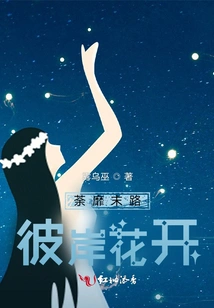
荼靡末路,彼岸花开
V
Tumi, a notorious coward who bullied the weak and feared the strong, was taken to three thousand worlds by his own master. From then on, he lived a life without (difficulty), shame (difficulty), and (begging) to be impetuous (life). Brother Dishi smiled lazily, "Don't be afraid, brother is here." The cold snake king curled his tail and said, "If you dare to run, I will break your legs!". The hypocritical immortal gently touched his apprentice's head and said, "You are so good." ...
Tumi, a notorious coward who bullied the weak and feared the strong, was taken to three thousand worlds by his own master. From then on, he lived a life without (difficulty), shame (difficulty), and (begging) to be impetuous (life). Brother Dishi smiled lazily, "Don't be afraid, brother is here." The cold snake king curled his tail and said, "If you dare to run, I will break your legs!". The hypocritical immortal gently touched his apprentice's head and said, "You are so good." ...

宿主被反派攻略了
W
As an immortal vampire, Tan west's biggest wish is death. One day, with nothing to do, she accidentally dug out a tattered book from a corner of her home. Then, she was shocked! What? This crappy book actually said it could help her leave here and experience the feeling of death. Oh My God! ! ! Do you still need to consider this? Promise! Agree immediately! As for what transaction and what conditions, it's not a problem at all! No Ben -- Soon after, she successfully became depressed after experiencing several worlds. Didn't you say that you just have to complete the task? But what the hell is this horse riding now? ! ? ● Tan west reached out and touched the goosebumps on her body, her smile stiff. That cold-blooded young man, please don't look at me so tenderly, and don't smile at me! Character! Character, brother! Please be more dedicated and maintain your character! ● Seeing someone being crazy jealous, Tan west's eyelids twitched crazily. Wait, who is that? Calm down! Don't be impulsive! I really have nothing to do with him! If you don't believe it, ask him! ● Tan west trimmed her nails and glanced at the person who had made the mistake. Oh! When we first met, someone was quite arrogant! You promised to do the opposite to me? Did you agree that you won't let others act arrogant in front of you? ! Please show off your former domineering spirit! !
As an immortal vampire, Tan west's biggest wish is death. One day, with nothing to do, she accidentally dug out a tattered book from a corner of her home. Then, she was shocked! What? This crappy book actually said it could help her leave here and experience the feeling of death. Oh My God! ! ! Do you still need to consider this? Promise! Agree immediately! As for what transaction and what conditions, it's not a problem at all! No Ben -- Soon after, she successfully became depressed after experiencing several worlds. Didn't you say that you just have to complete the task? But what the hell is this horse riding now? ! ? ● Tan west reached out and touched the goosebumps on her body, her smile stiff. That cold-blooded young man, please don't look at me so tenderly, and don't smile at me! Character! Character, brother! Please be more dedicated and maintain your character! ● Seeing someone being crazy jealous, Tan west's eyelids twitched crazily. Wait, who is that? Calm down! Don't be impulsive! I really have nothing to do with him! If you don't believe it, ask him! ● Tan west trimmed her nails and glanced at the person who had made the mistake. Oh! When we first met, someone was quite arrogant! You promised to do the opposite to me? Did you agree that you won't let others act arrogant in front of you? ! Please show off your former domineering spirit! !

Looking for 1997
Short Fiction寻觅1997
7
Life is originally a journey. In this unknown journey, maybe you become what you want and gain a better version of yourself. Or maybe you live a life you hate. No matter what, you should have expectations and work hard to find your true self!
Life is originally a journey. In this unknown journey, maybe you become what you want and gain a better version of yourself. Or maybe you live a life you hate. No matter what, you should have expectations and work hard to find your true self!
Your Syrup My Arsenic
Young Adult你的糖浆我的砒霜
False
[Completed] Note: This article is divided into four unit stories, (one story per volume). Considering the relationship between attracting readers, when setting up VIP chapters, the first half of each volume is a free chapter, and the second half is a V chapter. Readers must not misunderstand that the entire volume is a V chapter.
[Completed] Note: This article is divided into four unit stories, (one story per volume). Considering the relationship between attracting readers, when setting up VIP chapters, the first half of each volume is a free chapter, and the second half is a V chapter. Readers must not misunderstand that the entire volume is a V chapter.
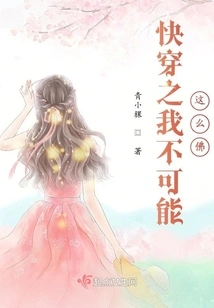
快穿之我不可能这么佛
S
After Wen Ya's death, he traveled to an unknown era. It's okay. I have food skill points, so I can still survive! Dressed as a lost girl with a baby, it's okay, watch me go back to school and re-educate, and transform into a new star in the scientific research world! After becoming a general, you said you want me to go to the battlefield? Sorry, this touches on my knowledge blind spot.
After Wen Ya's death, he traveled to an unknown era. It's okay. I have food skill points, so I can still survive! Dressed as a lost girl with a baby, it's okay, watch me go back to school and re-educate, and transform into a new star in the scientific research world! After becoming a general, you said you want me to go to the battlefield? Sorry, this touches on my knowledge blind spot.
Creamy Glutinous Rice Balls
Short Fiction奶油味汤圆
H
14-year-old Yaya, who had just entered junior high school, saw a good-looking boy in the school cafeteria one day, but she did not expect that the boy would bring her many stories. When she first fell in love, she met a senior. I didn't expect that I would fall in love with him so much later.
14-year-old Yaya, who had just entered junior high school, saw a good-looking boy in the school cafeteria one day, but she did not expect that the boy would bring her many stories. When she first fell in love, she met a senior. I didn't expect that I would fall in love with him so much later.
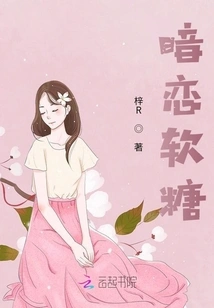
Secret Love Gummy
Short Fiction暗恋软糖
R
It's a real thing. What has become of that person you had a crush on in high school? Your husband? Still a stranger
It's a real thing. What has become of that person you had a crush on in high school? Your husband? Still a stranger
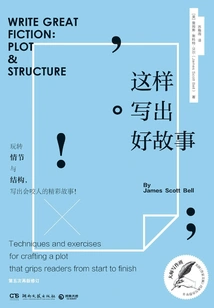
This Makes for a Good Story
Literature这样写出好故事
K
They want to find different experiences in stories, different from what they see every day. Plot and structure are the foundation of a good story. As long as the plot is exciting enough and the structure is complete enough, it can successfully bring readers into a new world. The author of this book, James Scott Bell, is a master of creative writing. He has published more than 20 novels and won the 2000 Christie Award for Fiction. Library Weekly praised him as a "master of suspense." Author of the classic writing guide series "Writer's Digest" in the United States, and professor of fictional writing at Pepperdine University.
They want to find different experiences in stories, different from what they see every day. Plot and structure are the foundation of a good story. As long as the plot is exciting enough and the structure is complete enough, it can successfully bring readers into a new world. The author of this book, James Scott Bell, is a master of creative writing. He has published more than 20 novels and won the 2000 Christie Award for Fiction. Library Weekly praised him as a "master of suspense." Author of the classic writing guide series "Writer's Digest" in the United States, and professor of fictional writing at Pepperdine University.
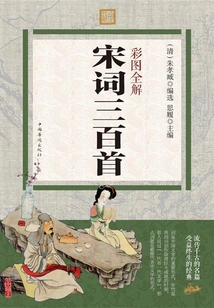
Bi
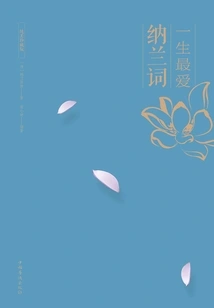
My Favorite Nalan Ci in My Life
Literature一生最爱纳兰词
J
Nalan Rongruo's words included in this book are a true portrayal of his life's emotions. The original text, notes, commentaries and other columns attached to the book comprehensively display the theme of the lyrics, the creative background, the poet's situation, and the artistic conception and emotion of the lyrics from multiple perspectives. At the same time, through the organic combination of various visual elements, the portraits, landscapes and scenes that match the emotion and context of the words achieve the artistic realm of "paintings within words, words within paintings". Opening this book gently, through the nearly 200 beautiful, clear and touching Xiaoling and long tunes, one seems to be able to see that person with peerless talent, outstanding appearance, and noble character standing there, exuding an independent, romantic and miserable atmosphere, extremely gorgeous, extremely sentimental, extremely deep, and extremely lonely. A talented man who died early because he wanted to serve the country, and a passionate man who fell into the vortex of love and struggled, are all buried in this book "My Favorite Nalan Ci".
Nalan Rongruo's words included in this book are a true portrayal of his life's emotions. The original text, notes, commentaries and other columns attached to the book comprehensively display the theme of the lyrics, the creative background, the poet's situation, and the artistic conception and emotion of the lyrics from multiple perspectives. At the same time, through the organic combination of various visual elements, the portraits, landscapes and scenes that match the emotion and context of the words achieve the artistic realm of "paintings within words, words within paintings". Opening this book gently, through the nearly 200 beautiful, clear and touching Xiaoling and long tunes, one seems to be able to see that person with peerless talent, outstanding appearance, and noble character standing there, exuding an independent, romantic and miserable atmosphere, extremely gorgeous, extremely sentimental, extremely deep, and extremely lonely. A talented man who died early because he wanted to serve the country, and a passionate man who fell into the vortex of love and struggled, are all buried in this book "My Favorite Nalan Ci".
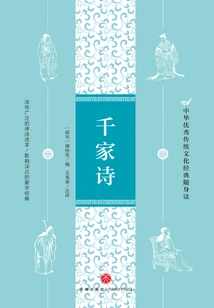
Av
Literatureav
C
"Poems of a Thousand Families" is a collection of enlightening poems in ancient my country. The poems recorded in this book were written by a very wide range of authors, from emperors and generals to monks, shepherd boys, and anonymous people. Regardless of their family status or fame, the quality of their works only depends on their quality. From the content point of view, most of them are easy to understand, smooth and natural, catchy, easy to read and remember. Since its publication, "Poems of a Thousand Families" has been widely circulated, had a great influence, and benefited many people. It is also known as the "Two Treasures" of the Poetry Garden together with "Three Hundred Tang Poems" selected by Hengtang retired scholars in the Qing Dynasty.
"Poems of a Thousand Families" is a collection of enlightening poems in ancient my country. The poems recorded in this book were written by a very wide range of authors, from emperors and generals to monks, shepherd boys, and anonymous people. Regardless of their family status or fame, the quality of their works only depends on their quality. From the content point of view, most of them are easy to understand, smooth and natural, catchy, easy to read and remember. Since its publication, "Poems of a Thousand Families" has been widely circulated, had a great influence, and benefited many people. It is also known as the "Two Treasures" of the Poetry Garden together with "Three Hundred Tang Poems" selected by Hengtang retired scholars in the Qing Dynasty.
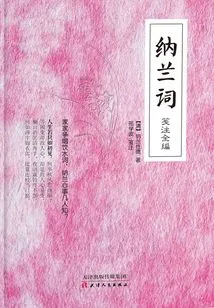
纳兰词 笺注全编
H
Nalan Ci is the work of Nalan Xingde, one of the most famous poets in the Qing Dynasty. Nalan Xingde (1655-1685), whose original name was Chengde, also named Rongruo, was a native of Lengya Mountain and a native of Zhenghuang Banner in Manchuria. The son of the great scholar Pearl. Kangxi Jinshi, first-class bodyguard. His poetry not only enjoys a high reputation in the poetry world of the Qing Dynasty, but also occupies a dazzling place in the entire history of Chinese literature as "Nalan Ci" in the poetry world. He lived in a period when the Manchu and Han Dynasties merged; the rise and fall of his aristocratic family was typically related to the state affairs of the dynasty; and the fact that he served the emperor but yearned for ordinary experiences constituted a special environment and background. Coupled with his personal extraordinary talent, his poetry creation presents unique personality characteristics and distinctive artistic style.
Nalan Ci is the work of Nalan Xingde, one of the most famous poets in the Qing Dynasty. Nalan Xingde (1655-1685), whose original name was Chengde, also named Rongruo, was a native of Lengya Mountain and a native of Zhenghuang Banner in Manchuria. The son of the great scholar Pearl. Kangxi Jinshi, first-class bodyguard. His poetry not only enjoys a high reputation in the poetry world of the Qing Dynasty, but also occupies a dazzling place in the entire history of Chinese literature as "Nalan Ci" in the poetry world. He lived in a period when the Manchu and Han Dynasties merged; the rise and fall of his aristocratic family was typically related to the state affairs of the dynasty; and the fact that he served the emperor but yearned for ordinary experiences constituted a special environment and background. Coupled with his personal extraordinary talent, his poetry creation presents unique personality characteristics and distinctive artistic style.
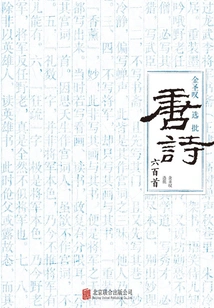
金圣叹选批唐诗六百首
L
The characteristic of Jin Shengtan's anthology lies not only in the selection, but also in the evaluation, paying more attention to comments and appreciation. Jin Shengtan selected nearly 600 seven-character verses from the early Tang Dynasty to the Five Dynasties for detailed commentary, focusing on trying to figure out the various layouts, inheritance, and transition patterns of the seven-character verses in the Tang Dynasty. He either made insights or borrowed topics, which is of great reference value for appreciating and studying Tang poetry. Jin Shengtan pioneered the "seven-law decomposition method" to comment on Tang poetry. He divided Tang poetry into "pre-interpretation" and "post-interpretation", and analyzed the ups and downs hidden behind the poems, "which may enable future generations to see not only the words of Tang poetry, but also the poetry of Tang poetry." "The Biography of Seven Hundred Famous People in the Qing Dynasty: The Biography of Jin Renrui" says of him: "His criticisms are as bright as fire and as pungent as those of an old official. His writings dance with his sentences, and those who see him sigh for a moment that he is the reincarnation of a spirit ghost."
The characteristic of Jin Shengtan's anthology lies not only in the selection, but also in the evaluation, paying more attention to comments and appreciation. Jin Shengtan selected nearly 600 seven-character verses from the early Tang Dynasty to the Five Dynasties for detailed commentary, focusing on trying to figure out the various layouts, inheritance, and transition patterns of the seven-character verses in the Tang Dynasty. He either made insights or borrowed topics, which is of great reference value for appreciating and studying Tang poetry. Jin Shengtan pioneered the "seven-law decomposition method" to comment on Tang poetry. He divided Tang poetry into "pre-interpretation" and "post-interpretation", and analyzed the ups and downs hidden behind the poems, "which may enable future generations to see not only the words of Tang poetry, but also the poetry of Tang poetry." "The Biography of Seven Hundred Famous People in the Qing Dynasty: The Biography of Jin Renrui" says of him: "His criticisms are as bright as fire and as pungent as those of an old official. His writings dance with his sentences, and those who see him sigh for a moment that he is the reincarnation of a spirit ghost."
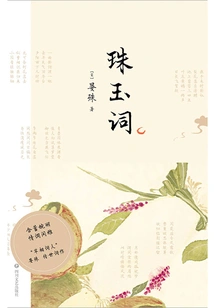
M
Literaturem
J
"Zhuyu Ci" is a work handed down from generation to generation by Yan Shu, the "prime minister poet" in the Northern Song Dynasty. Yan Shu absorbed the remaining styles of the "Huajian School" of the Southern Tang Dynasty and Feng Yansi, and made most of his poems. Although the content was monotonous, the style of his poems was graceful and graceful, which had a certain influence on the poetry world in the early Song Dynasty. In "Zhuyu Ci", there are 131 graceful poems, carefully annotated to ensure barrier-free reading, and more than 90 beautiful pictures, which increase the artistic conception of appreciation.
"Zhuyu Ci" is a work handed down from generation to generation by Yan Shu, the "prime minister poet" in the Northern Song Dynasty. Yan Shu absorbed the remaining styles of the "Huajian School" of the Southern Tang Dynasty and Feng Yansi, and made most of his poems. Although the content was monotonous, the style of his poems was graceful and graceful, which had a certain influence on the poetry world in the early Song Dynasty. In "Zhuyu Ci", there are 131 graceful poems, carefully annotated to ensure barrier-free reading, and more than 90 beautiful pictures, which increase the artistic conception of appreciation.

现代性赋格:19世纪欧洲文学名著启示录
V
A "Literary Lecture Notes" written in Chinese; a work handout adhering to the legacy of Mu Xin's "Literary Memoirs"; and a rich intensive reading course on Western literature. What kind of "grass snake gray line" is hidden in the classics three hundred years ago? How should we find the key to open the monument of literature? Follow this book to become the "best reader" of Western literature. The debate between Chernyshevsky and Dostoevsky between utopia and dystopia is not far behind. Modernization in the global sense has arrived in China, and with it the bourgeois aesthetic. People desire, get lost, and fall in the consumer society, just like what was described in Flaubert's novels. Nietzsche, who refused to enter the 20th century, once predicted the disease of the times. The masses blindly follow entertainment and the elite blindly follow science. The two "crazy racing cars" are bound to carry mankind towards despair... "Madame Bovary", "Notes from the Underground" and "The Birth of Tragedy"... The "great minds" of the 19th century contain the most profound concern for us in the 21st century. This book combines literary criticism with prose chapters, and reproduces the historical context of European modernization through the reading of 19th-century European literature, in order to enter into a polyphonic reflection on "modernity". The "Enlightenment Chapter" takes the occurrence and evolution of the Enlightenment as a clue, eliciting counterpoints to the modern system and postmodern strategies; the "France Chapter" and the "Russian Chapter" contrast each other, presenting two responses to the modern system in developed and underdeveloped societies. "Nietzsche" is a reflection and response to the modern system from the overall pattern of Western intellectual history.
A "Literary Lecture Notes" written in Chinese; a work handout adhering to the legacy of Mu Xin's "Literary Memoirs"; and a rich intensive reading course on Western literature. What kind of "grass snake gray line" is hidden in the classics three hundred years ago? How should we find the key to open the monument of literature? Follow this book to become the "best reader" of Western literature. The debate between Chernyshevsky and Dostoevsky between utopia and dystopia is not far behind. Modernization in the global sense has arrived in China, and with it the bourgeois aesthetic. People desire, get lost, and fall in the consumer society, just like what was described in Flaubert's novels. Nietzsche, who refused to enter the 20th century, once predicted the disease of the times. The masses blindly follow entertainment and the elite blindly follow science. The two "crazy racing cars" are bound to carry mankind towards despair... "Madame Bovary", "Notes from the Underground" and "The Birth of Tragedy"... The "great minds" of the 19th century contain the most profound concern for us in the 21st century. This book combines literary criticism with prose chapters, and reproduces the historical context of European modernization through the reading of 19th-century European literature, in order to enter into a polyphonic reflection on "modernity". The "Enlightenment Chapter" takes the occurrence and evolution of the Enlightenment as a clue, eliciting counterpoints to the modern system and postmodern strategies; the "France Chapter" and the "Russian Chapter" contrast each other, presenting two responses to the modern system in developed and underdeveloped societies. "Nietzsche" is a reflection and response to the modern system from the overall pattern of Western intellectual history.
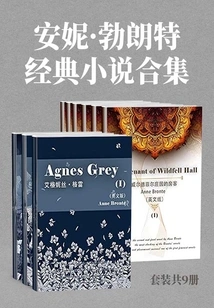
安妮·勃朗特经典小说合集(套装共9册)
L
This set of books includes "Agnes Grey, Volume 3" and "The Tenant of Wildfield Manor, Volume 6", a total of 9 volumes. Agnes Gray is the debut novel of English author Anne Bront & euml; (writing under the pen name of Acton Bell), first published in December 1847, and republished in a second edition in 1850. The novel follows Agnes Grey, a governess, as she works within families of the English gentry. Scholarship and comments by Anne's sister Charlotte Bront & euml; suggest the novel is largely based on Anne Bront & euml; euml's own experiences as a governess for five years. Agnes, her sister Mary, and their mother all try to keep expenses low and bring in extra money, but Agnes is frustrated that treats her like a child. To prove herself and to earn money, she is determined to get a position as a governess. Eventually, she obtains a recommendation from a well-placed acquaintance, is offered a position, and secures her parents'permission. With some misgivings, she travels to Wellwood house to work for the Bloomfield family. The choice of central character allows Anne to deal with issues of oppression and abuse of women and governesses, isolation and ideas of empathy. An additional theme is the fair treatment of animals. Agnes Gray also mimics some of the stylistic approaches of bildungsromans, employing ideas of personal growth and coming to age, but representing a character who in fact does not gain in virtue.
This set of books includes "Agnes Grey, Volume 3" and "The Tenant of Wildfield Manor, Volume 6", a total of 9 volumes. Agnes Gray is the debut novel of English author Anne Bront & euml; (writing under the pen name of Acton Bell), first published in December 1847, and republished in a second edition in 1850. The novel follows Agnes Grey, a governess, as she works within families of the English gentry. Scholarship and comments by Anne's sister Charlotte Bront & euml; suggest the novel is largely based on Anne Bront & euml; euml's own experiences as a governess for five years. Agnes, her sister Mary, and their mother all try to keep expenses low and bring in extra money, but Agnes is frustrated that treats her like a child. To prove herself and to earn money, she is determined to get a position as a governess. Eventually, she obtains a recommendation from a well-placed acquaintance, is offered a position, and secures her parents'permission. With some misgivings, she travels to Wellwood house to work for the Bloomfield family. The choice of central character allows Anne to deal with issues of oppression and abuse of women and governesses, isolation and ideas of empathy. An additional theme is the fair treatment of animals. Agnes Gray also mimics some of the stylistic approaches of bildungsromans, employing ideas of personal growth and coming to age, but representing a character who in fact does not gain in virtue.
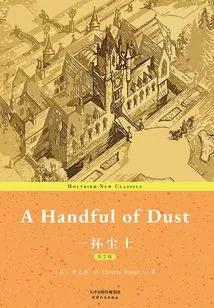
A Handful of Dust (english Version)
General Fiction一抔尘土:A Handful of Dust(英文版)
H
One of 100 Best English-language Novels Published Since 1923. No.34 In the Modern Library's List of 100 Best Novels. A Handful of Dust is a novel by the British writer Evelyn Waugh, first published in 1934. It is often grouped with the author's early, satirical comic novels for which he became famous in the pre-World War II years. Set between the wars in the chic upper-middle classes in and around London, A Handful of Dust is full of horrible people doing horrible things to each other, but it adds up to a bitter indictment of human behavior. Has more than once figured on unofficial lists of the 20th century's best novels.
One of 100 Best English-language Novels Published Since 1923. No.34 In the Modern Library's List of 100 Best Novels. A Handful of Dust is a novel by the British writer Evelyn Waugh, first published in 1934. It is often grouped with the author's early, satirical comic novels for which he became famous in the pre-World War II years. Set between the wars in the chic upper-middle classes in and around London, A Handful of Dust is full of horrible people doing horrible things to each other, but it adds up to a bitter indictment of human behavior. Has more than once figured on unofficial lists of the 20th century's best novels.

与君同舟渡,达岸各自归
Willing
I have been in love with Gu Ruo for five years, but still have no children. In order to protect his self-esteem, I concealed the fact that he suffered from infertility. For five years, I prayed to God and worshiped Buddha, and tried every means to conceive our child. The emperor paid off his hard work and I finally succeeded. But on the day I was pregnant, he had sex with the female assistant in front of me and called me a chicken that doesn't lay eggs. I originally planned to give birth to the child and raise it on my own, but I never wanted him to find out. However, when he found out, he immediately took me to the hospital for an abortion. I asked him if he really thought this was my child with someone else? He didn't speak, but his eyes answered me. So, I aborted the child and left him, but he went crazy.
I have been in love with Gu Ruo for five years, but still have no children. In order to protect his self-esteem, I concealed the fact that he suffered from infertility. For five years, I prayed to God and worshiped Buddha, and tried every means to conceive our child. The emperor paid off his hard work and I finally succeeded. But on the day I was pregnant, he had sex with the female assistant in front of me and called me a chicken that doesn't lay eggs. I originally planned to give birth to the child and raise it on my own, but I never wanted him to find out. However, when he found out, he immediately took me to the hospital for an abortion. I asked him if he really thought this was my child with someone else? He didn't speak, but his eyes answered me. So, I aborted the child and left him, but he went crazy.
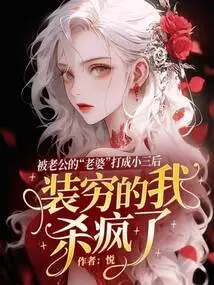
After Being Beaten as a Mistress by My Husband's "wife", I Went Crazy Pretending to Be Poor
Short Fiction被老公的“老婆”打成小三后,装穷的我杀疯了
Joy
As soon as I got pregnant, my mistress came to my door with people from the "Evil Punishment Alliance" and broadcast live. Not only did she destroy my valuable antique paintings, but she also used disfigurement to threaten me to have an abortion. The self-proclaimed "original wife" spoke nonsense in front of the police and called my husband. Unexpectedly, my husband knelt down and apologized to me on the spot because he was afraid of leaving the house. The mistress threatened that she had resources to help him, and her husband immediately signed a divorce agreement. Who knew that I was actually the heir to the Ye Group and the financial backer behind the company. In the end, the mistress lost everything and her husband was imprisoned for obtaining a false certificate.
As soon as I got pregnant, my mistress came to my door with people from the "Evil Punishment Alliance" and broadcast live. Not only did she destroy my valuable antique paintings, but she also used disfigurement to threaten me to have an abortion. The self-proclaimed "original wife" spoke nonsense in front of the police and called my husband. Unexpectedly, my husband knelt down and apologized to me on the spot because he was afraid of leaving the house. The mistress threatened that she had resources to help him, and her husband immediately signed a divorce agreement. Who knew that I was actually the heir to the Ye Group and the financial backer behind the company. In the end, the mistress lost everything and her husband was imprisoned for obtaining a false certificate.
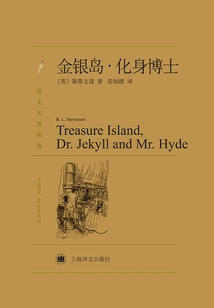
金银岛·化身博士(译文名著精选)
I
"Treasure Island: Dr. Jekyll" is Stevenson's famous and representative work. "Treasure Island: Dr. Jekyll" is also a model work in New Romantic literature. With their bizarre plots and fascinating stories, they have become one of the most beloved literary classics in the world. "Treasure Island" tells an ancient adventure story of treasure hunting in the voice of a child, setting a precedent for literary works with the theme of discovering treasures. "Dr. Jekyll" uses bizarre and extraordinary imagination to express the author's deep doubts about human nature, vividly depicting the opposition between human appearance and moral essence, and creating one of the most successful dual personality models in the history of literature.
"Treasure Island: Dr. Jekyll" is Stevenson's famous and representative work. "Treasure Island: Dr. Jekyll" is also a model work in New Romantic literature. With their bizarre plots and fascinating stories, they have become one of the most beloved literary classics in the world. "Treasure Island" tells an ancient adventure story of treasure hunting in the voice of a child, setting a precedent for literary works with the theme of discovering treasures. "Dr. Jekyll" uses bizarre and extraordinary imagination to express the author's deep doubts about human nature, vividly depicting the opposition between human appearance and moral essence, and creating one of the most successful dual personality models in the history of literature.
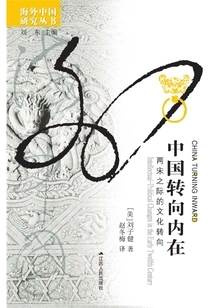
中国转向内在:两宋之际的文化转向
U
During the war and turmoil between the two Song Dynasties, politics took precedence over economy and culture, and autocratic imperial power expanded into dictatorship. Some intellectuals who tended to be conservative turned to Confucianism and regarded moral reconstruction as the way to save the nation. This conservative thought was finally established as national orthodoxy. This was the "Neo-Confucianism" that influenced later generations of China for nearly a thousand years. However, for the development of thought and culture, this was a Pyrrhic victory. Chinese intellectuals and the ideas they created, which were once unbridled, brilliant, and full of extroverted vitality in the 11th century, became inward, conservative, closed, and introspective under the influence of orthodoxy, and lost the power to innovate.
During the war and turmoil between the two Song Dynasties, politics took precedence over economy and culture, and autocratic imperial power expanded into dictatorship. Some intellectuals who tended to be conservative turned to Confucianism and regarded moral reconstruction as the way to save the nation. This conservative thought was finally established as national orthodoxy. This was the "Neo-Confucianism" that influenced later generations of China for nearly a thousand years. However, for the development of thought and culture, this was a Pyrrhic victory. Chinese intellectuals and the ideas they created, which were once unbridled, brilliant, and full of extroverted vitality in the 11th century, became inward, conservative, closed, and introspective under the influence of orthodoxy, and lost the power to innovate.
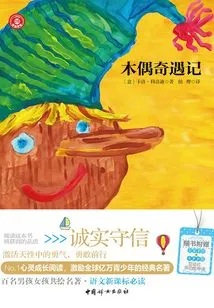
O
General Fictiono
H
A poor, kind-hearted old man, Geppetto, carved a puppet boy out of a piece of talking wood and named him Pinocchio. Pinocchio loved to lie, was daring, and was easily tempted by bad people, causing trouble and misfortune one after another. After suffering a lot of hardships, Pinocchio finally woke up. He became responsible, loved learning, loving labor, and filial to his parents. Through his own efforts, he restored his father's health and moved his kind-hearted fairy mother. In the end, the virtue was rewarded, and Pinocchio became a human boy as he wished.
A poor, kind-hearted old man, Geppetto, carved a puppet boy out of a piece of talking wood and named him Pinocchio. Pinocchio loved to lie, was daring, and was easily tempted by bad people, causing trouble and misfortune one after another. After suffering a lot of hardships, Pinocchio finally woke up. He became responsible, loved learning, loving labor, and filial to his parents. Through his own efforts, he restored his father's health and moved his kind-hearted fairy mother. In the end, the virtue was rewarded, and Pinocchio became a human boy as he wished.
U
General Fictionu
I
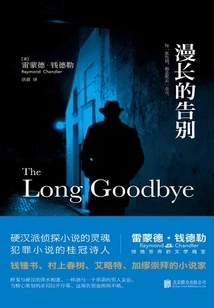
Private detective Marlowe accidentally encounters a strange drunk who was dumped in the parking lot and takes him home. The drunkard is not old, but he has white hair, a scar on half of his face, and has undergone plastic surgery. Although he is in extreme poverty, he still behaves well-educated. The drunkard's frustrated look touched Marlowe, and from then on, Marlowe and him became friends who occasionally drank quietly together. Early one morning, this gentleman drunkard came to Marlowe and said that he had killed his wife, the slut daughter of a millionaire. He also asked Marlowe to help him, thus dragging Marlowe into an incredibly long farewell...
Private detective Marlowe accidentally encounters a strange drunk who was dumped in the parking lot and takes him home. The drunkard is not old, but he has white hair, a scar on half of his face, and has undergone plastic surgery. Although he is in extreme poverty, he still behaves well-educated. The drunkard's frustrated look touched Marlowe, and from then on, Marlowe and him became friends who occasionally drank quietly together. Early one morning, this gentleman drunkard came to Marlowe and said that he had killed his wife, the slut daughter of a millionaire. He also asked Marlowe to help him, thus dragging Marlowe into an incredibly long farewell...
Bye Baby
General Fiction再见,宝贝
I
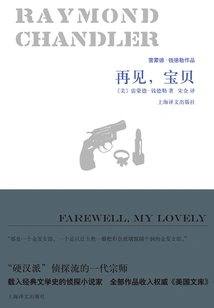
Chandler is known as the soul of hard-guy detective novels and represents the highest level of hard-guy writing philosophy. Published in 1940, this book is the author's second novel with the private detective Marlowe as the protagonist. It has been adapted into movies three times, as well as stage plays and radio drama versions. Marlowe encountered a fierce opponent. Just when he was about to withdraw from an ordinary case, he found that he was in the wrong place at the right time: in front of him was a corpse with a broken neck. In the process of Marlowe finding out the truth, a group of jewelry thieves gradually appear, and several other murders are waiting for him. The girl Velma that "Moose Malloy" loves is as elusive and beautiful as a ghost, and seems to be able to kill people at any time.
Chandler is known as the soul of hard-guy detective novels and represents the highest level of hard-guy writing philosophy. Published in 1940, this book is the author's second novel with the private detective Marlowe as the protagonist. It has been adapted into movies three times, as well as stage plays and radio drama versions. Marlowe encountered a fierce opponent. Just when he was about to withdraw from an ordinary case, he found that he was in the wrong place at the right time: in front of him was a corpse with a broken neck. In the process of Marlowe finding out the truth, a group of jewelry thieves gradually appear, and several other murders are waiting for him. The girl Velma that "Moose Malloy" loves is as elusive and beautiful as a ghost, and seems to be able to kill people at any time.
Little Sister
General Fiction小妹妹
I
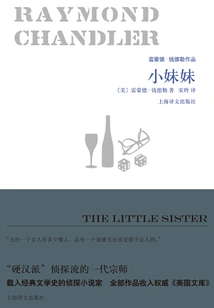
This book was created in 1949. It is a classic in the Chandler series and has been adapted for the screen. Detective Marlowe is hired to find a person. From behind the scheming and hesitant eyes of his client Ofa Mei, a seemingly weak "little sister", Marlowe smells something strange and sinister. Two ice pick murders that followed one after another, a mysterious candid photo, and threats from the underworld. Marlowe fought alone and escaped from death several times. Little by little, he unraveled this bloody story of fratricide caused by greed and jealousy and controlled by the mafia in the entertainment industry.
This book was created in 1949. It is a classic in the Chandler series and has been adapted for the screen. Detective Marlowe is hired to find a person. From behind the scheming and hesitant eyes of his client Ofa Mei, a seemingly weak "little sister", Marlowe smells something strange and sinister. Two ice pick murders that followed one after another, a mysterious candid photo, and threats from the underworld. Marlowe fought alone and escaped from death several times. Little by little, he unraveled this bloody story of fratricide caused by greed and jealousy and controlled by the mafia in the entertainment industry.
谋杀的简约之道:钱德勒散文书信集
H
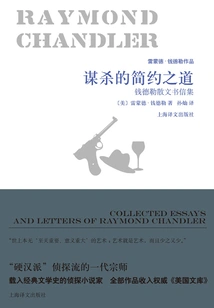
Chandler can be described as the master of American "hard-boiled" detective novels. Just as the young United States took over the scepter of hegemony from the aging British Empire, Chandler's tall, handsome, rebellious and tender private detective Marlowe also officially replaced Sherlock Holmes and became the most popular detective image in novels and even on the screen. To this day, the tough guys who appear in various Hollywood blockbusters are more or less Marlowe's descendants. In the five essays and many long letters included in this book, Chandler puts aside his familiar gangster slang and street slang for the time being, and uses rational and objective writing and extremely rigorous logic to present his "tough guy" concept clearly and transparently to readers. No one's argument is more convincing than Chandler's. While showing off his demeanor as an orator, Chandler still never forgets to use his signature dry humor to remind us that he is indeed the creator of Marlowe.
Chandler can be described as the master of American "hard-boiled" detective novels. Just as the young United States took over the scepter of hegemony from the aging British Empire, Chandler's tall, handsome, rebellious and tender private detective Marlowe also officially replaced Sherlock Holmes and became the most popular detective image in novels and even on the screen. To this day, the tough guys who appear in various Hollywood blockbusters are more or less Marlowe's descendants. In the five essays and many long letters included in this book, Chandler puts aside his familiar gangster slang and street slang for the time being, and uses rational and objective writing and extremely rigorous logic to present his "tough guy" concept clearly and transparently to readers. No one's argument is more convincing than Chandler's. While showing off his demeanor as an orator, Chandler still never forgets to use his signature dry humor to remind us that he is indeed the creator of Marlowe.
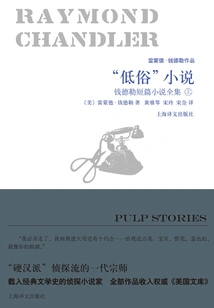
“低俗”小说:钱德勒短篇小说全集(上)
I
Z
Z
H
LiteratureH
I
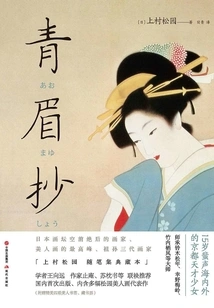
"Green Eyebrows" (color illustrations and hardcover) is a collection of prose essays by the Japanese painter Uemura Shoen, who is world-famous for his beauty paintings. It is the first time it has been published in China. This book consists of two volumes: "Green Eyebrows" and "Green Eyebrows Supplements". The former includes 39 articles such as "The Story of the Eyebrows", "Dance of the Preface", "Beauty of Simplicity" and "Hokusai's Illustrations", etc.; The latter includes 34 articles such as "Hotfly", "Beauty Paintings at the Imperial Exhibition", "Hand Paintings of Ukiyo-e Painters", and "The Way of Painting and Women". There is also a preface written by his grandson Junyuki Uemura, who is also a famous painter. This book takes "Green Eyebrows" as its title, and cuts into the art of creating beauty paintings that she has studied diligently for decades. It analyzes her own art practice and artistic intention, and her in-depth and systematic study of Japanese traditional culture including Japanese painting and clothing and makeup, which has high cultural and artistic value. The writing is elegant and concise, and has its own growth record, such as studying painting at school and the painting experience of specific works. The writing is simple, the wording is accurate, the writing style is honest, and the writing is like the painting and the person.
"Green Eyebrows" (color illustrations and hardcover) is a collection of prose essays by the Japanese painter Uemura Shoen, who is world-famous for his beauty paintings. It is the first time it has been published in China. This book consists of two volumes: "Green Eyebrows" and "Green Eyebrows Supplements". The former includes 39 articles such as "The Story of the Eyebrows", "Dance of the Preface", "Beauty of Simplicity" and "Hokusai's Illustrations", etc.; The latter includes 34 articles such as "Hotfly", "Beauty Paintings at the Imperial Exhibition", "Hand Paintings of Ukiyo-e Painters", and "The Way of Painting and Women". There is also a preface written by his grandson Junyuki Uemura, who is also a famous painter. This book takes "Green Eyebrows" as its title, and cuts into the art of creating beauty paintings that she has studied diligently for decades. It analyzes her own art practice and artistic intention, and her in-depth and systematic study of Japanese traditional culture including Japanese painting and clothing and makeup, which has high cultural and artistic value. The writing is elegant and concise, and has its own growth record, such as studying painting at school and the painting experience of specific works. The writing is simple, the wording is accurate, the writing style is honest, and the writing is like the painting and the person.
K
Militaryk
L
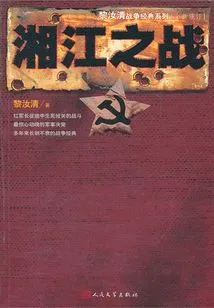
During the Battle of Xiangjiang during the Red Army's Long March, the Red Army sacrificed 30,000 people and captured 6,000 people. The Eighth Red Army, the 18th Regiment of the Sixth Division of the Third Red Army, and the 34th Division of the Fifth Red Army were almost completely wiped out. The total strength of the Central Red Army was sharply reduced to 30,000. "Battle of Xiangjiang" takes the most tragic Battle of Xiangjiang during the Long March as the main line, truly reproducing the military and political reality since the Central Red Army broke through. It not only truly reproduces the historical situation at that time, but also reflects on the status and role of war decision-making in history from the perspective of historical development and historical thinking.
During the Battle of Xiangjiang during the Red Army's Long March, the Red Army sacrificed 30,000 people and captured 6,000 people. The Eighth Red Army, the 18th Regiment of the Sixth Division of the Third Red Army, and the 34th Division of the Fifth Red Army were almost completely wiped out. The total strength of the Central Red Army was sharply reduced to 30,000. "Battle of Xiangjiang" takes the most tragic Battle of Xiangjiang during the Long March as the main line, truly reproducing the military and political reality since the Central Red Army broke through. It not only truly reproduces the historical situation at that time, but also reflects on the status and role of war decision-making in history from the perspective of historical development and historical thinking.